Students join Sam on a bus trip to a working farm, learning about animal safety, venue respect, and the importance of keeping hands to oneself (no hitting) while being a School Ambassador.
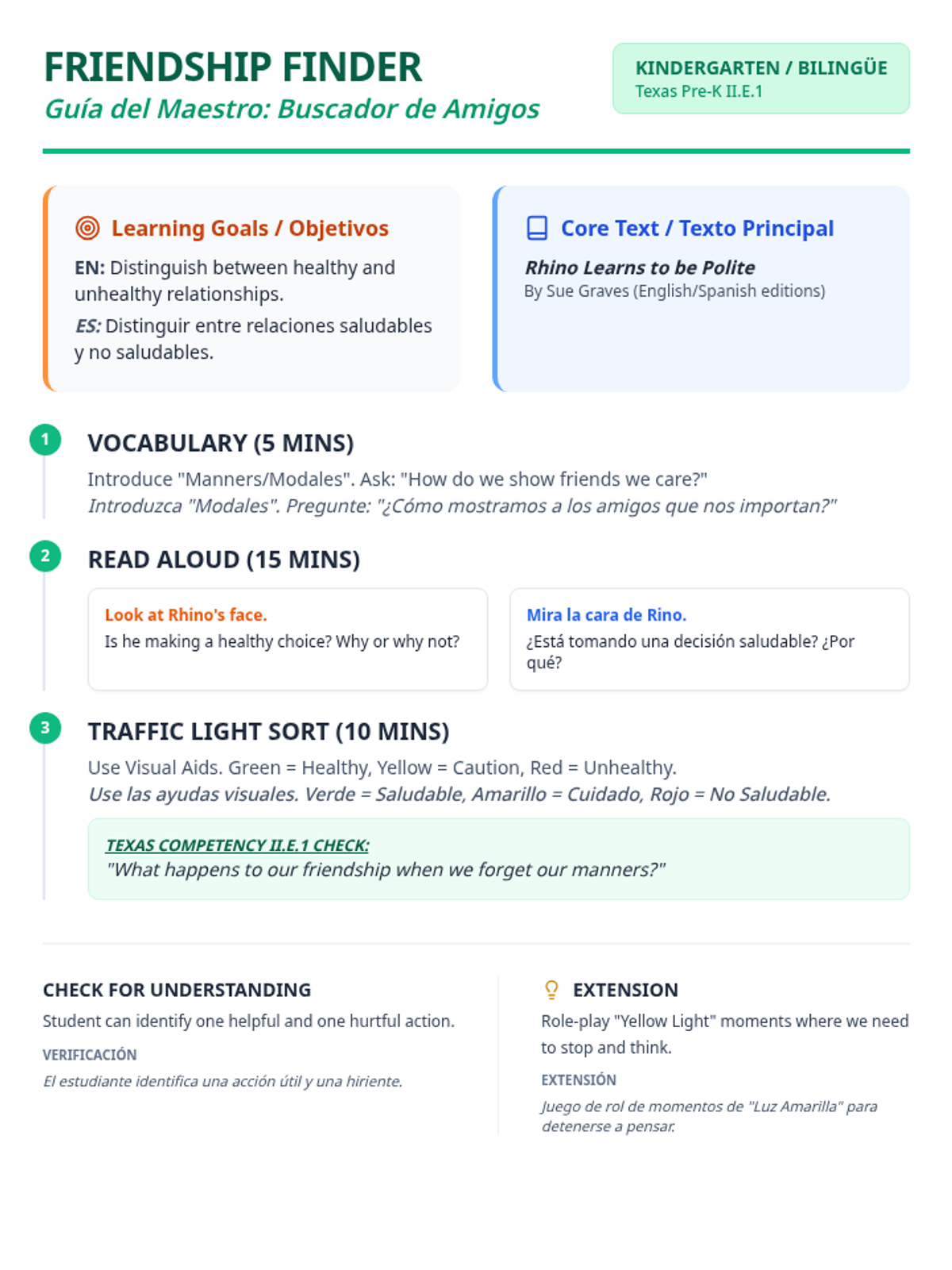
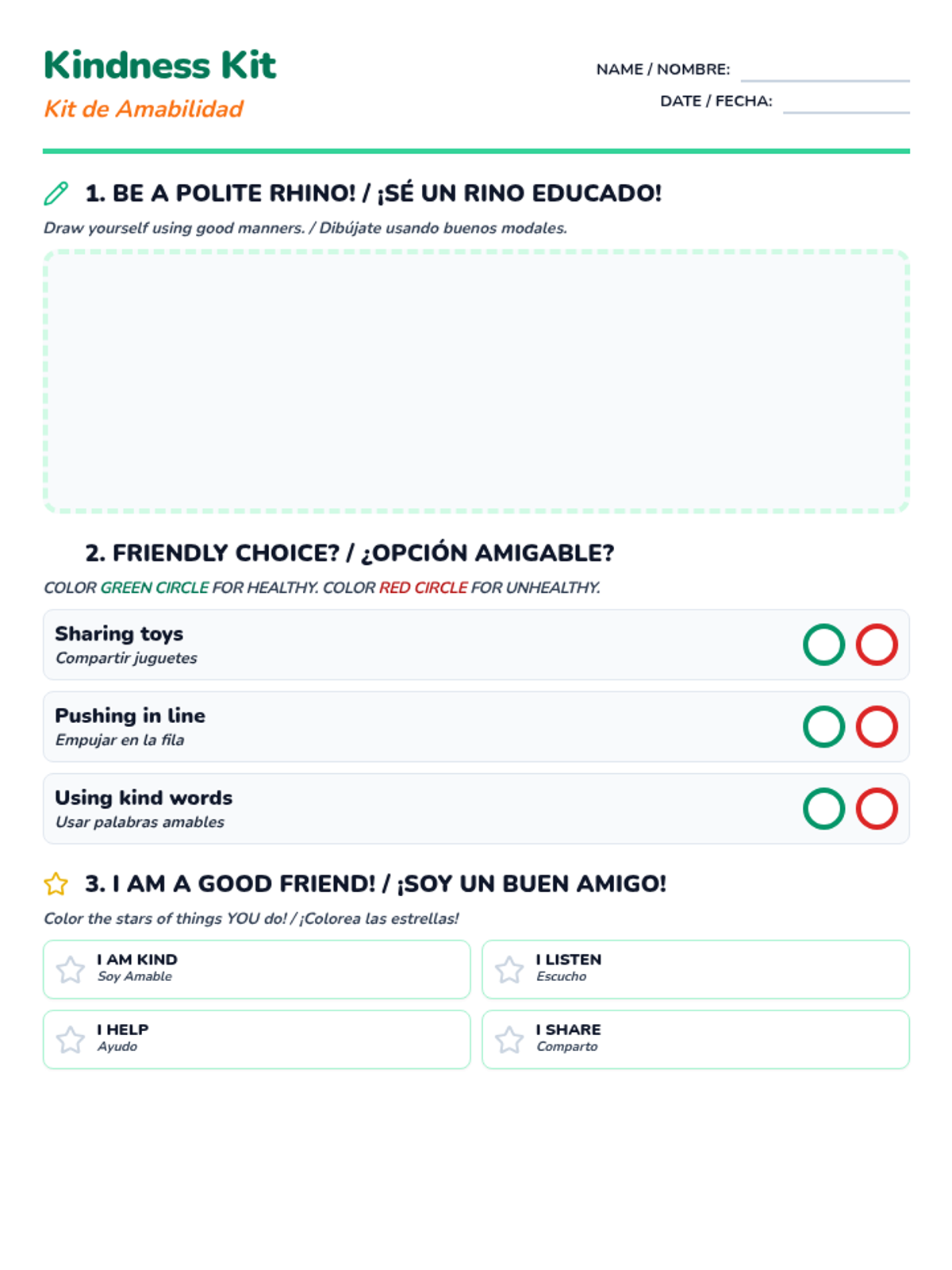
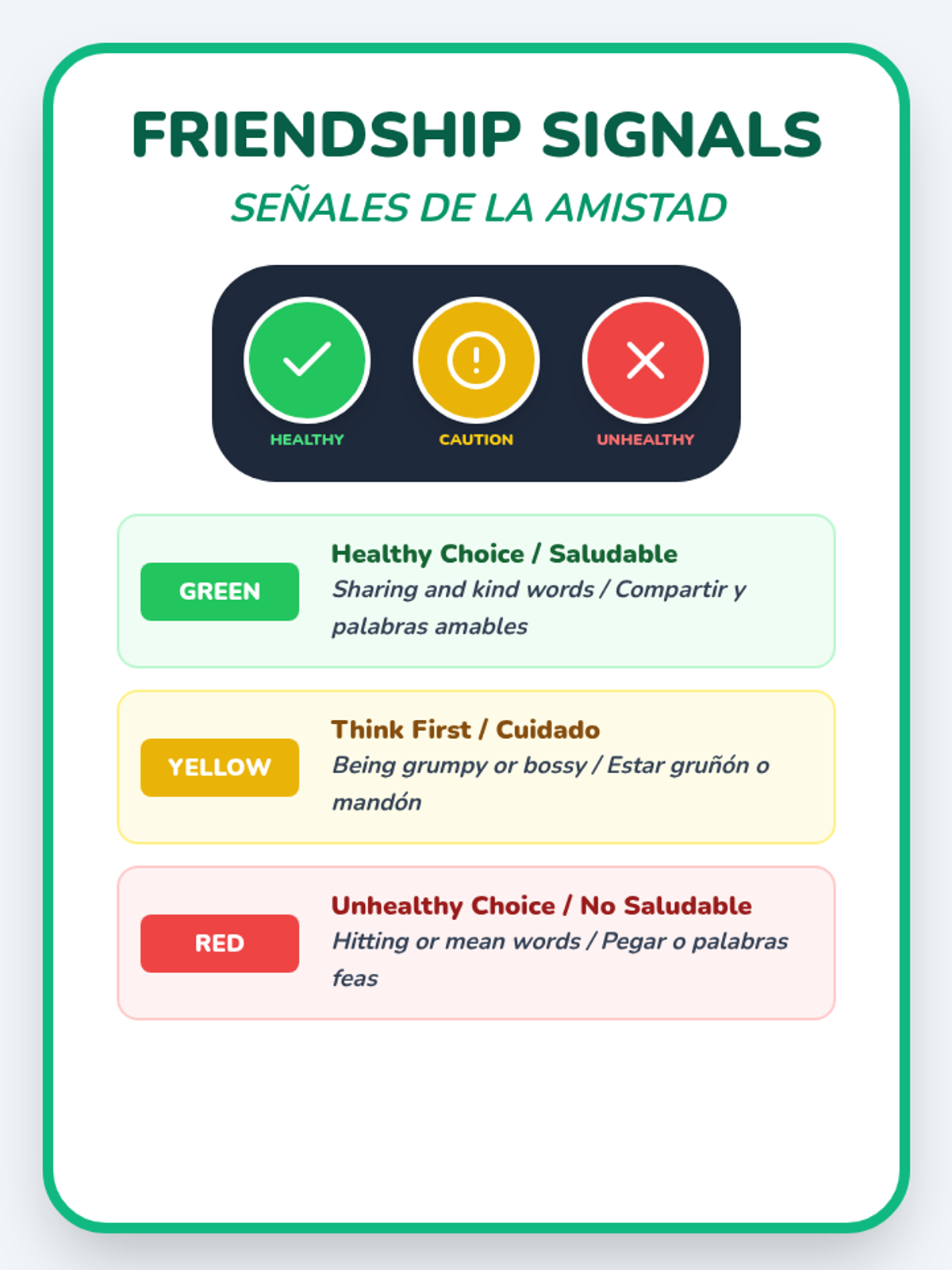
A bilingual Kindergarten lesson based on 'Rhino Learns to be Polite', focusing on distinguishing healthy and unhealthy relationships, practicing good manners, and identifying positive friendship traits.
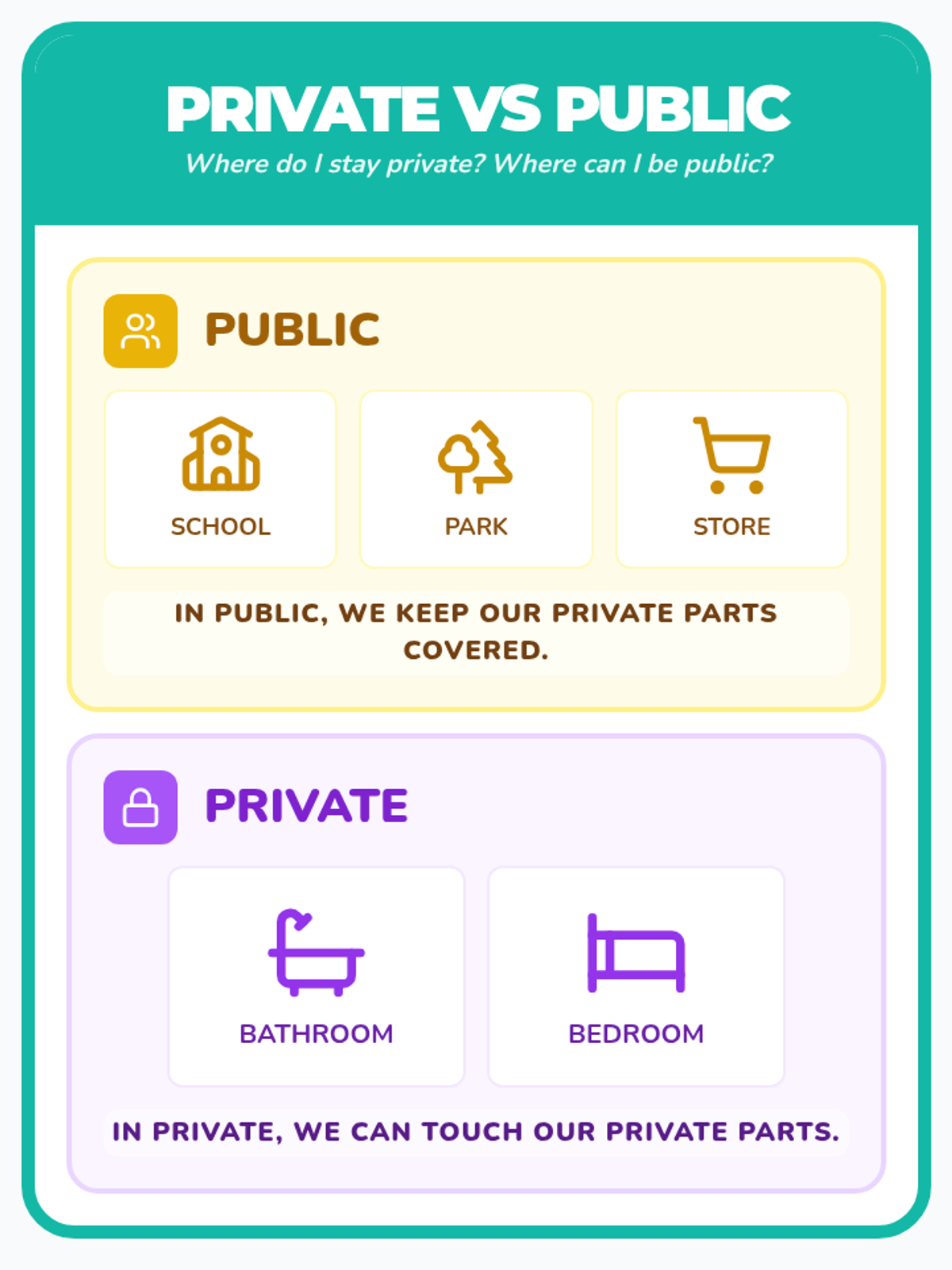
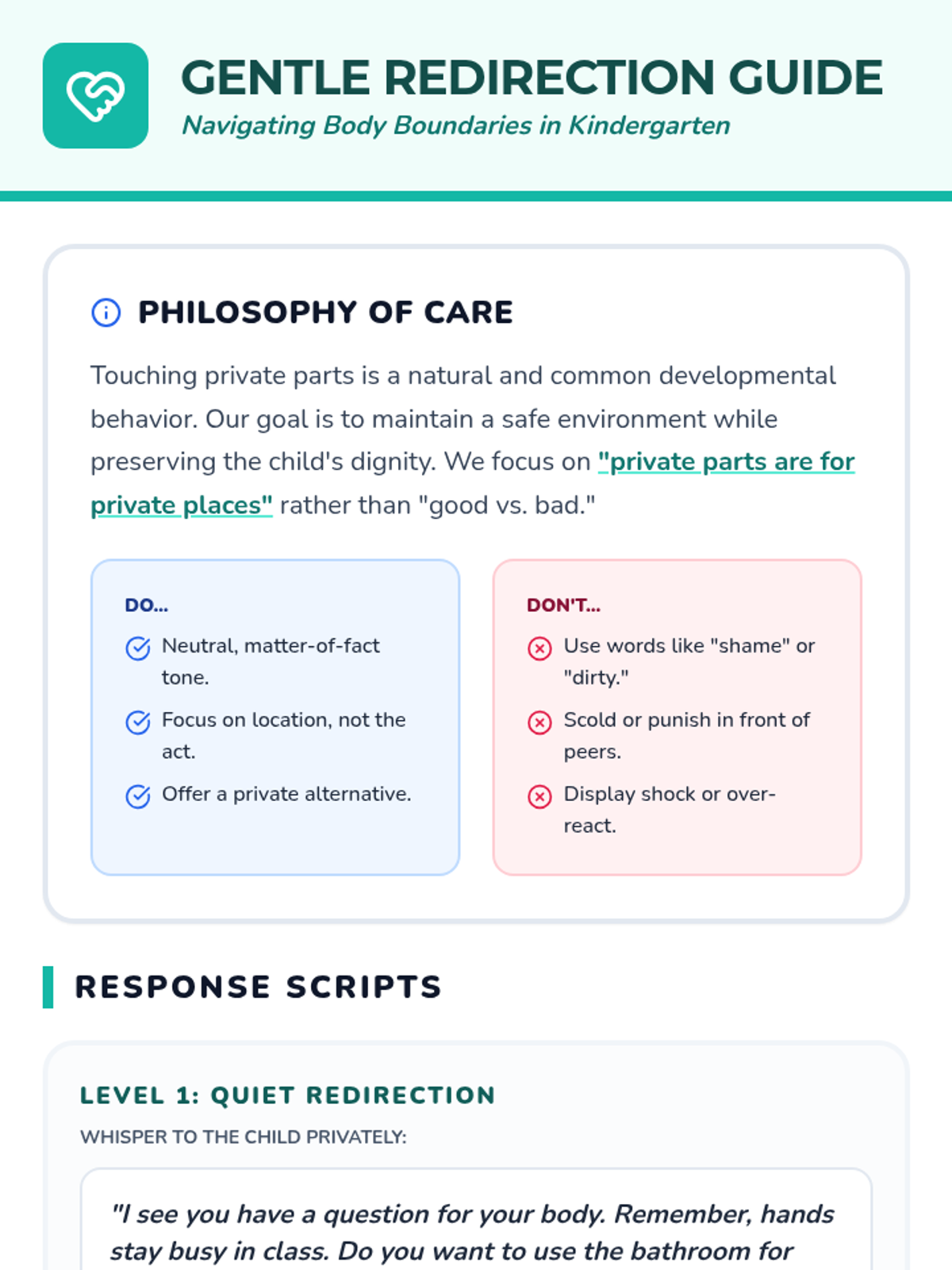
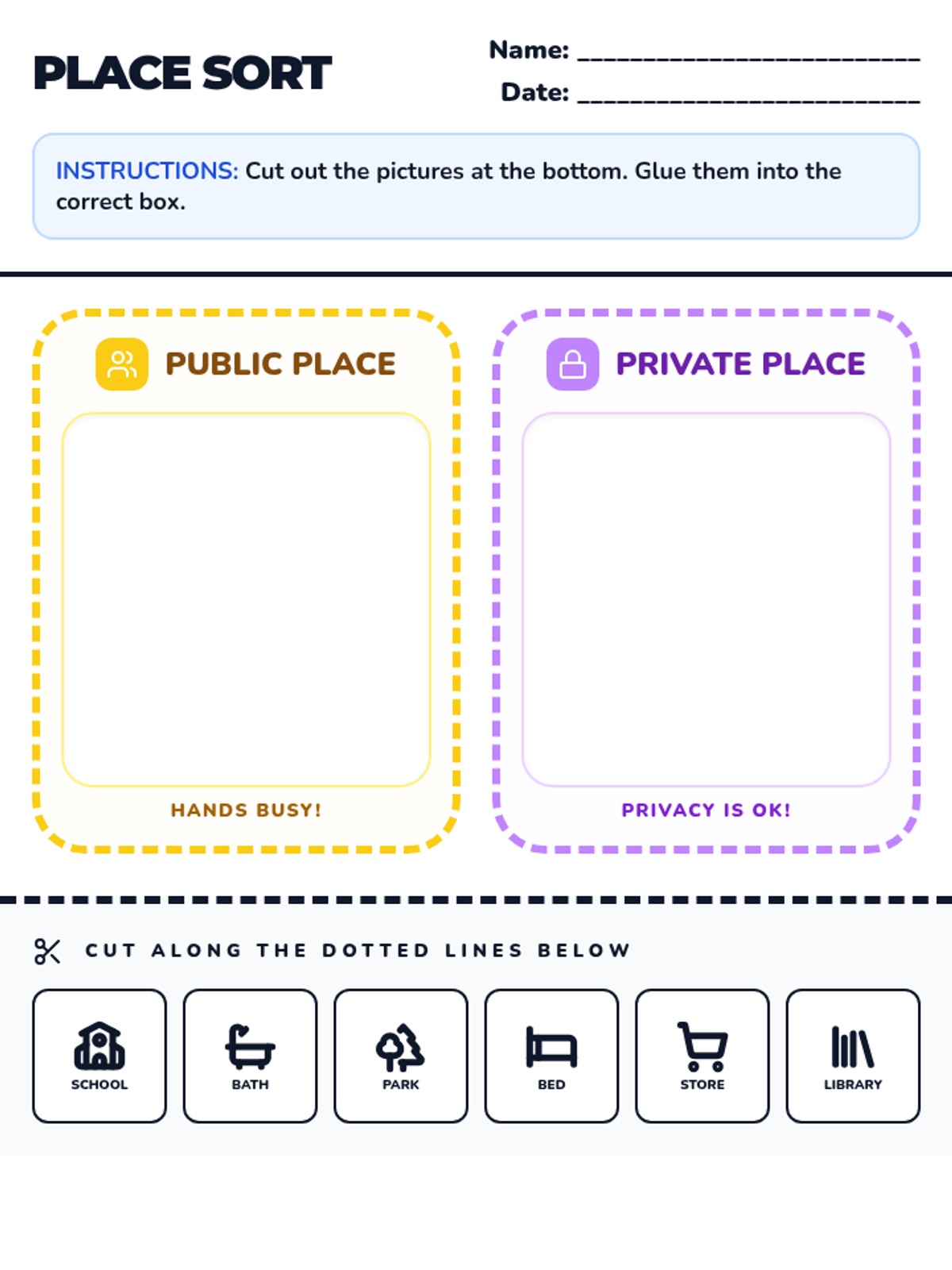
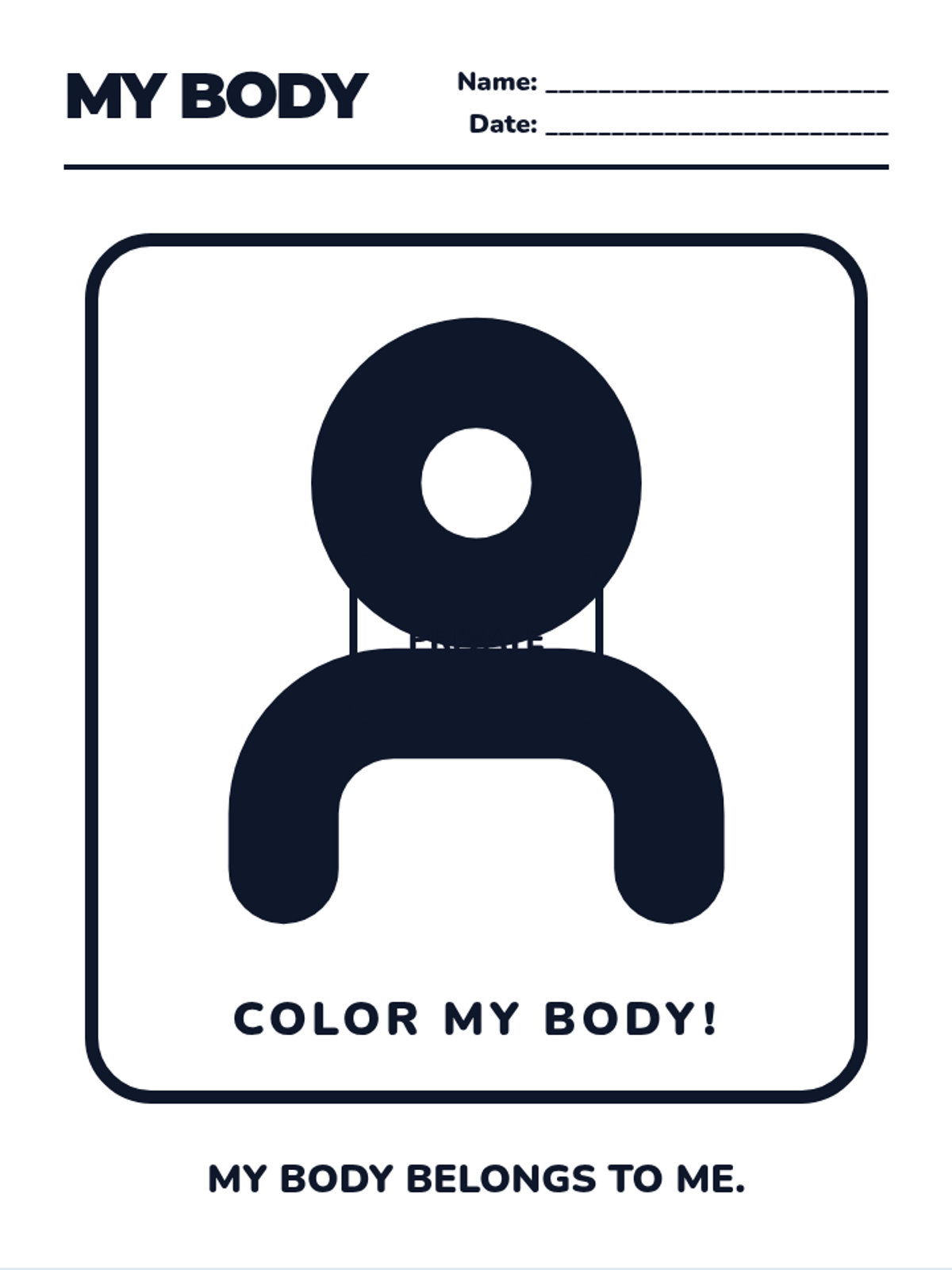
This lesson introduces the concept of private parts and private places through a social story and interactive sorting activity.
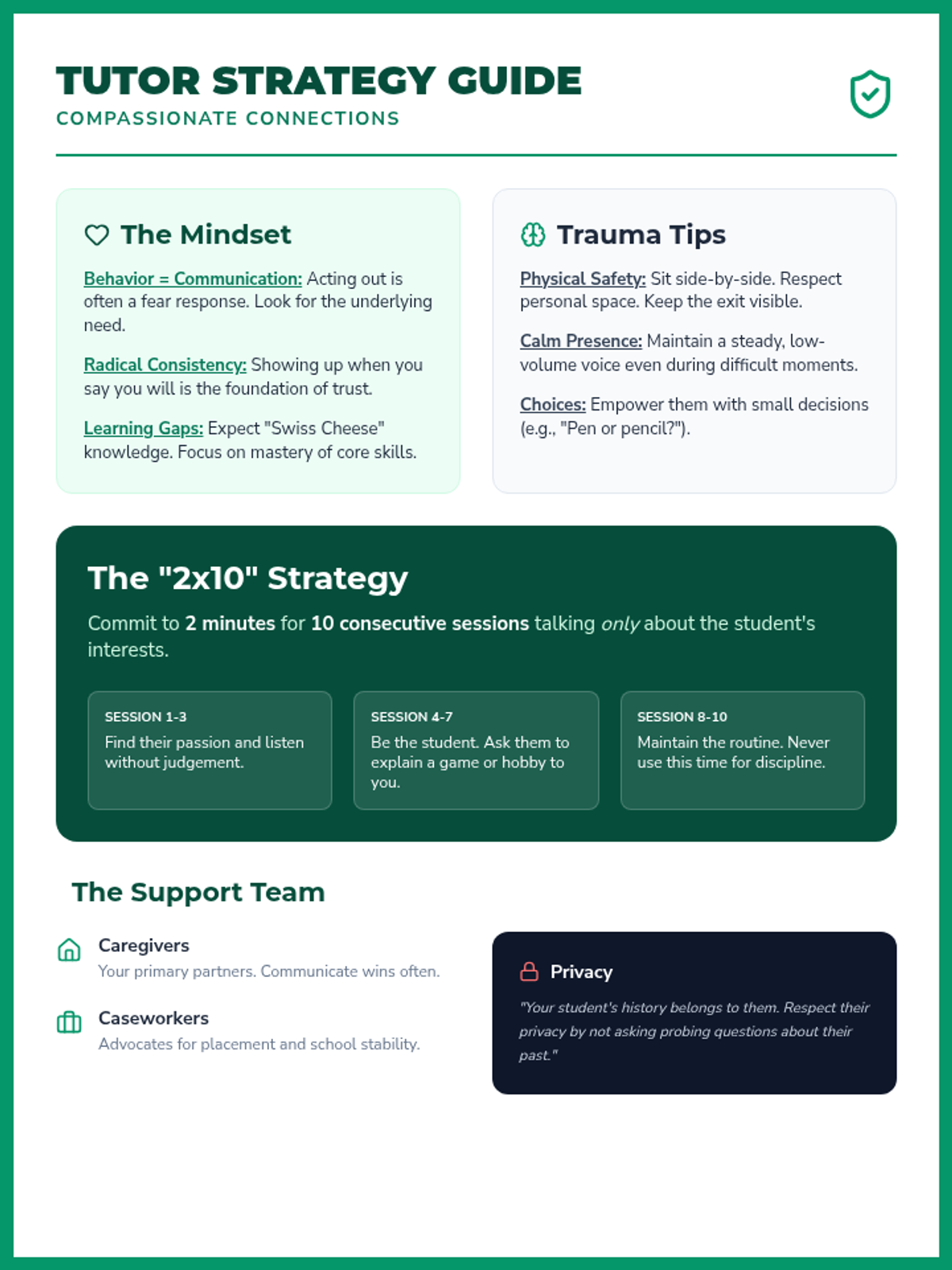
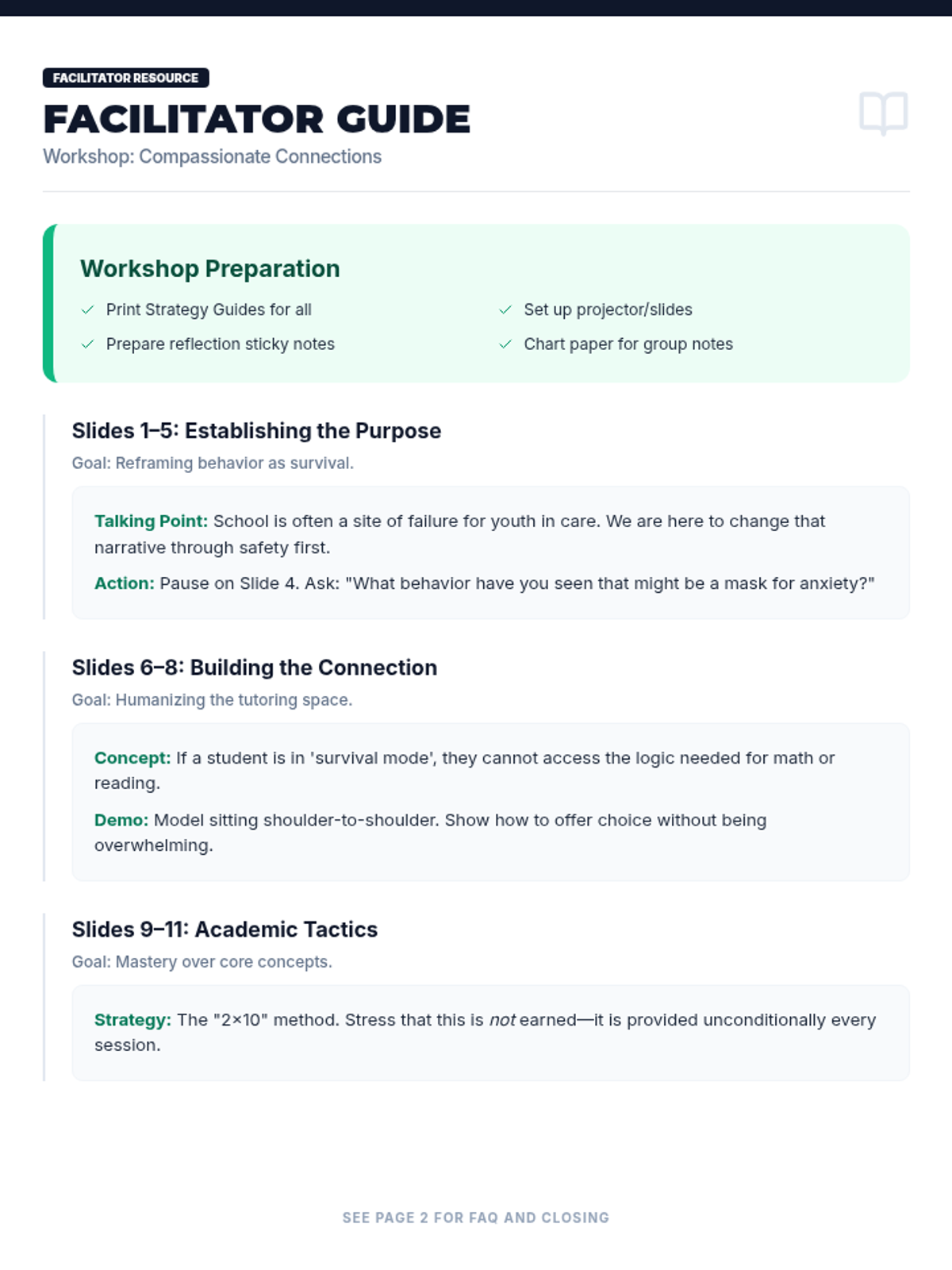
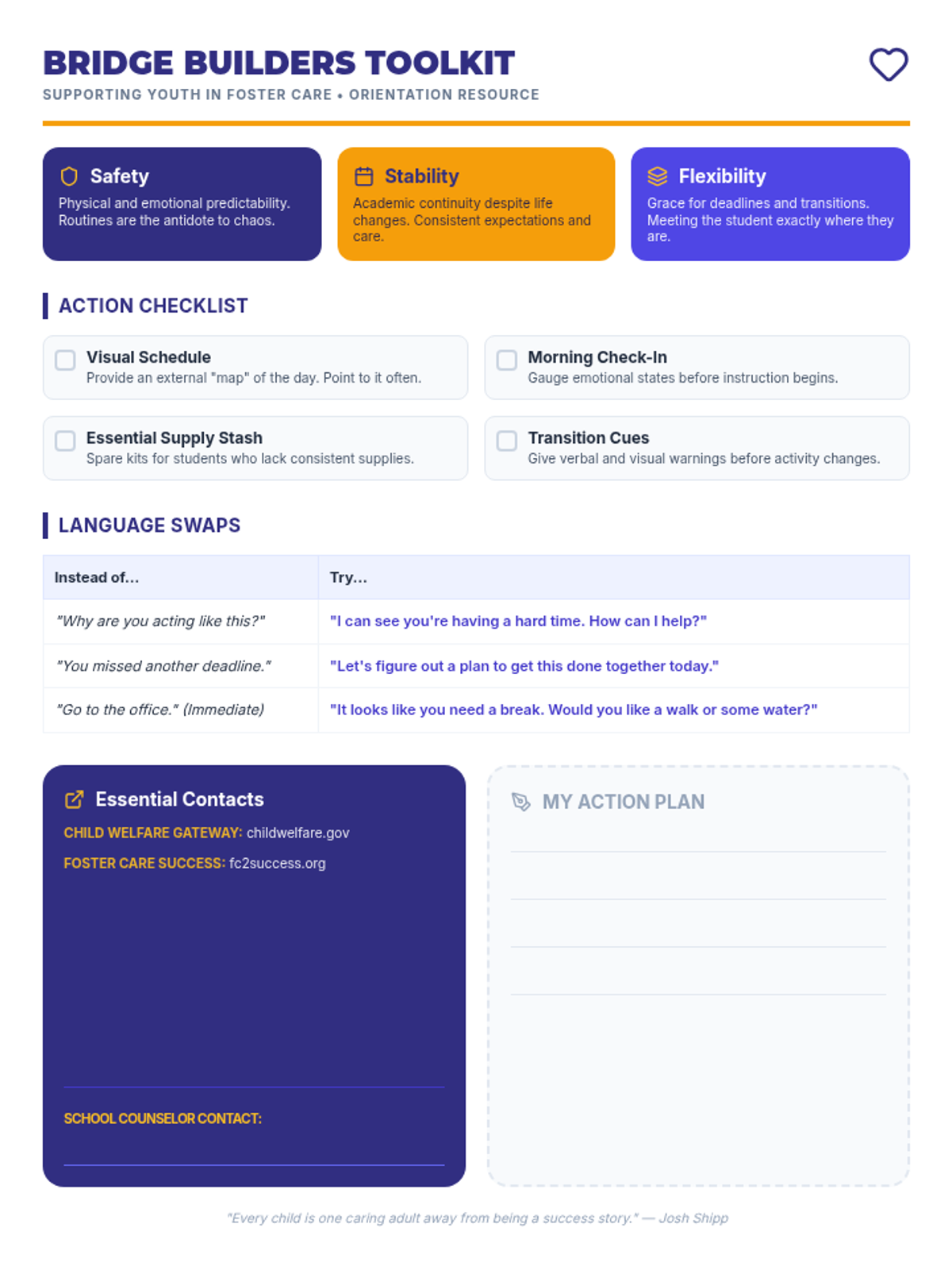
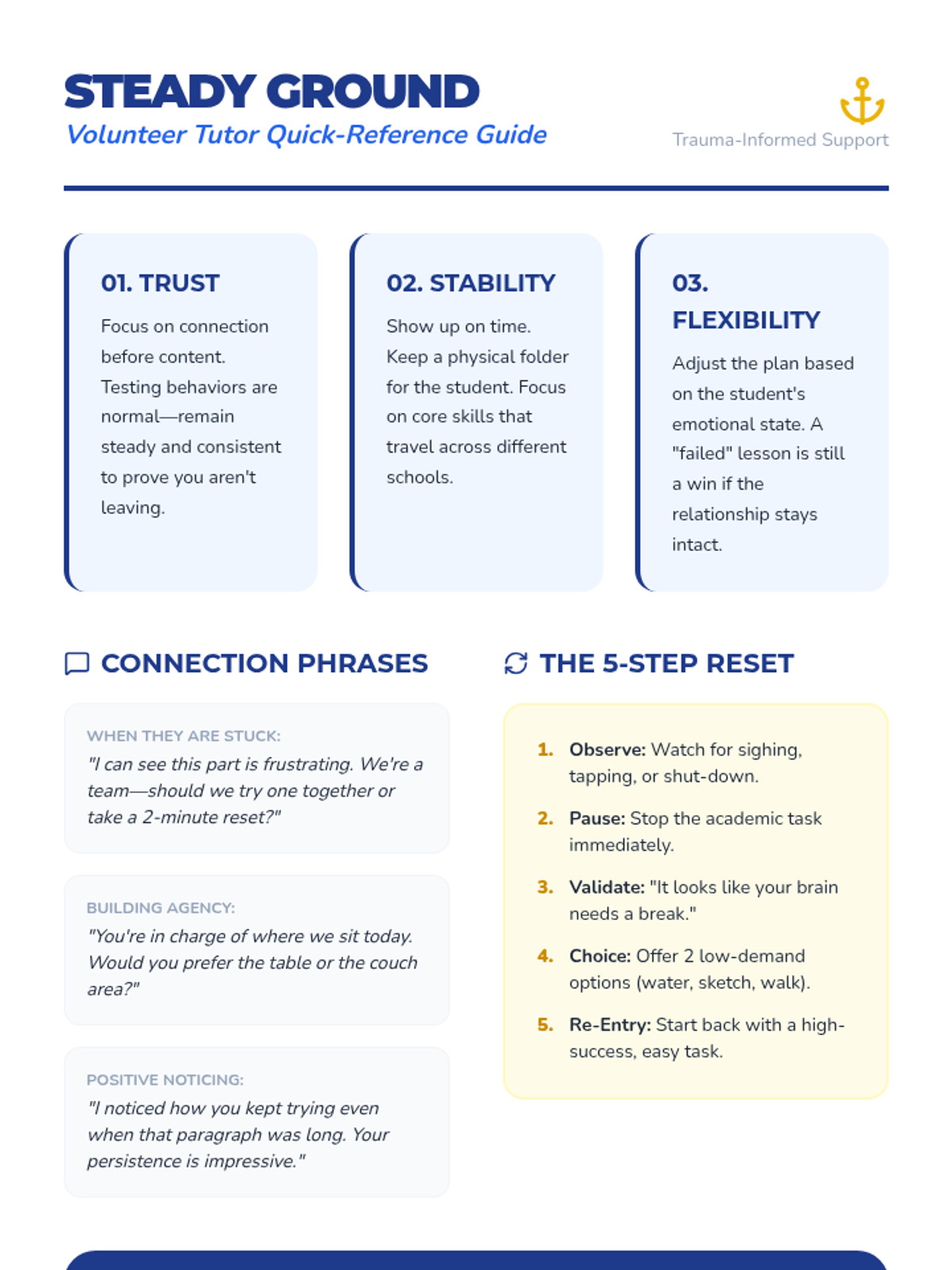
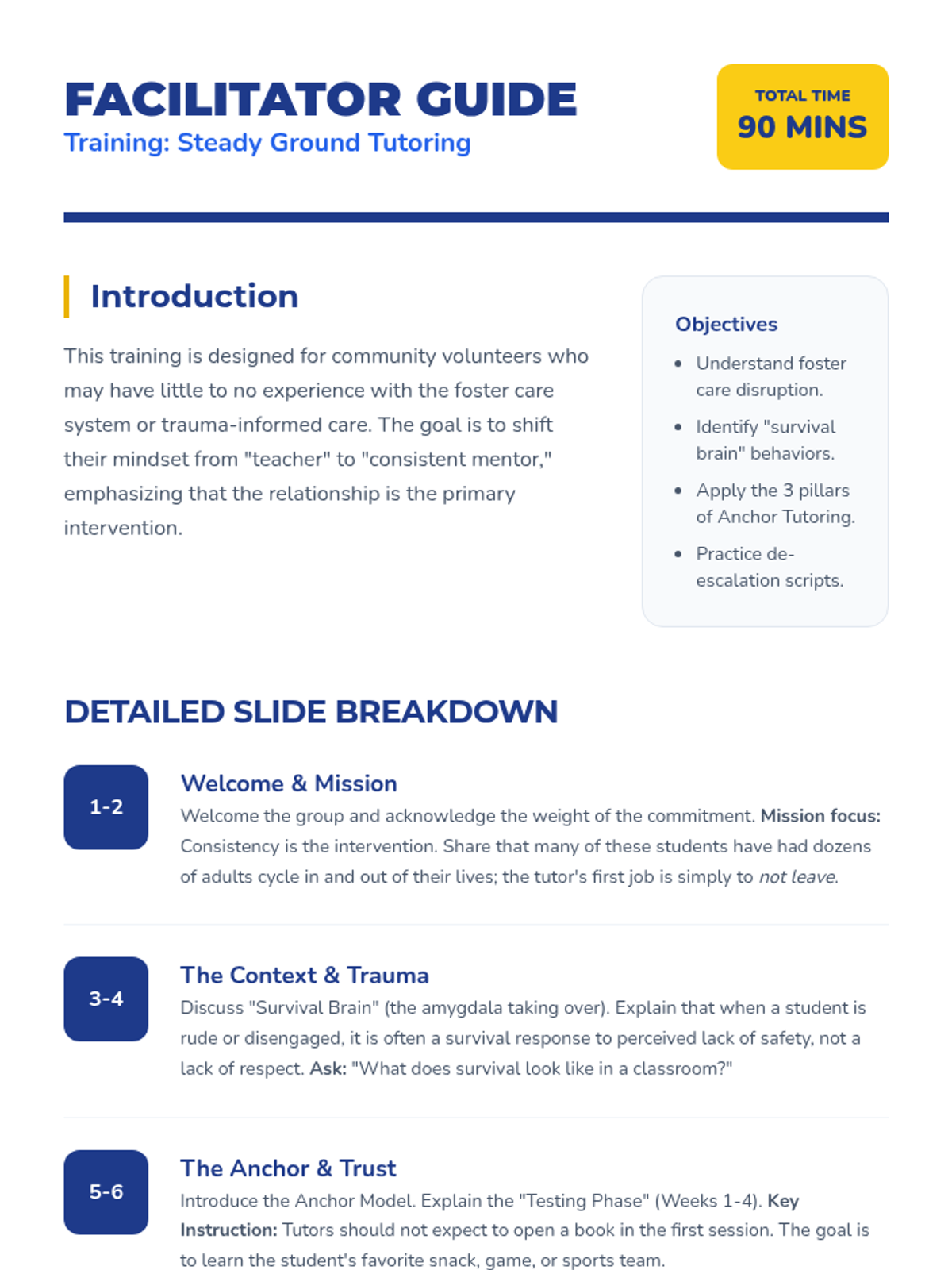
An in-depth workshop for community volunteer tutors focusing on trauma-informed strategies, building trust, and academic support for youth in foster care.
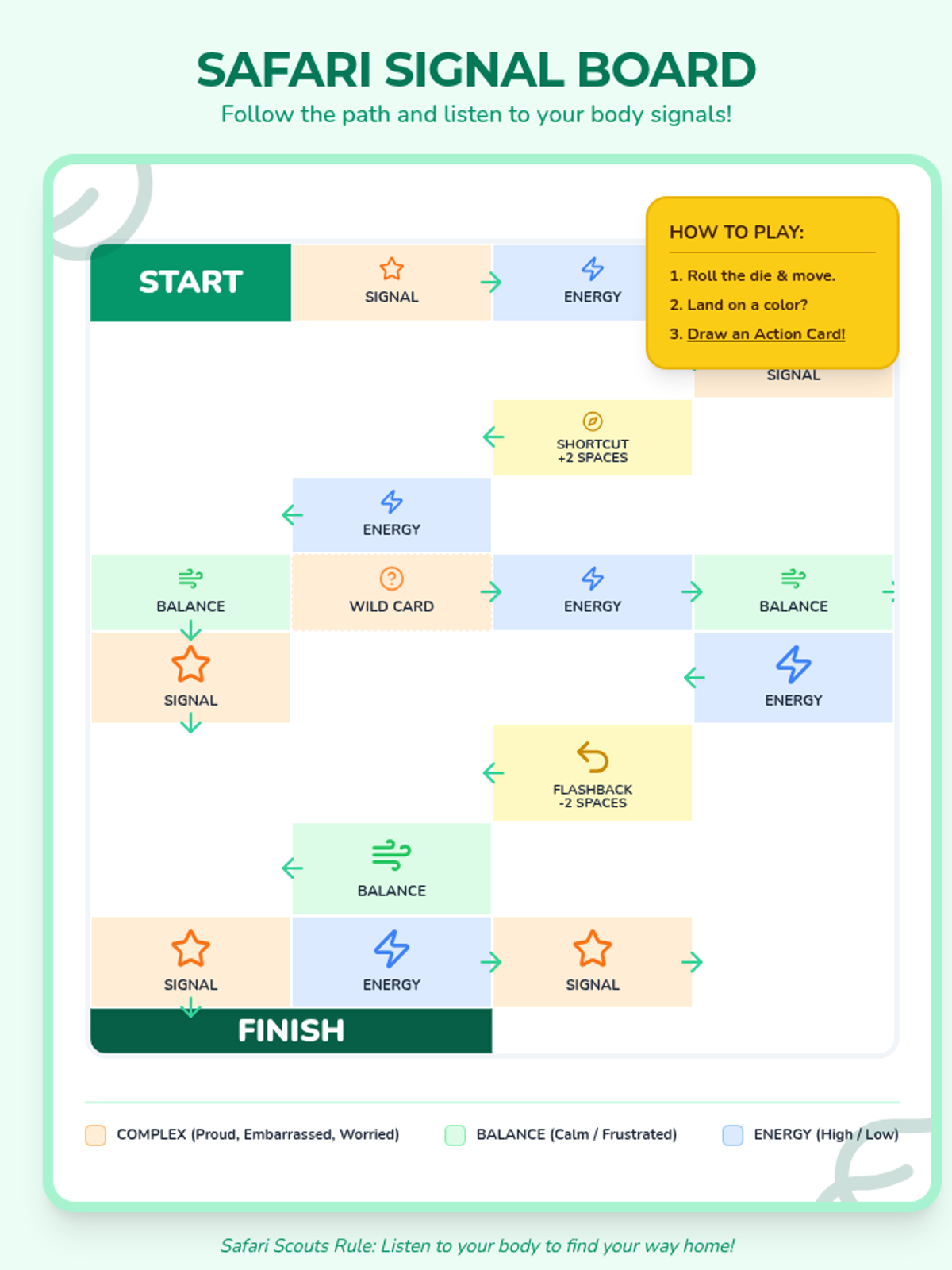
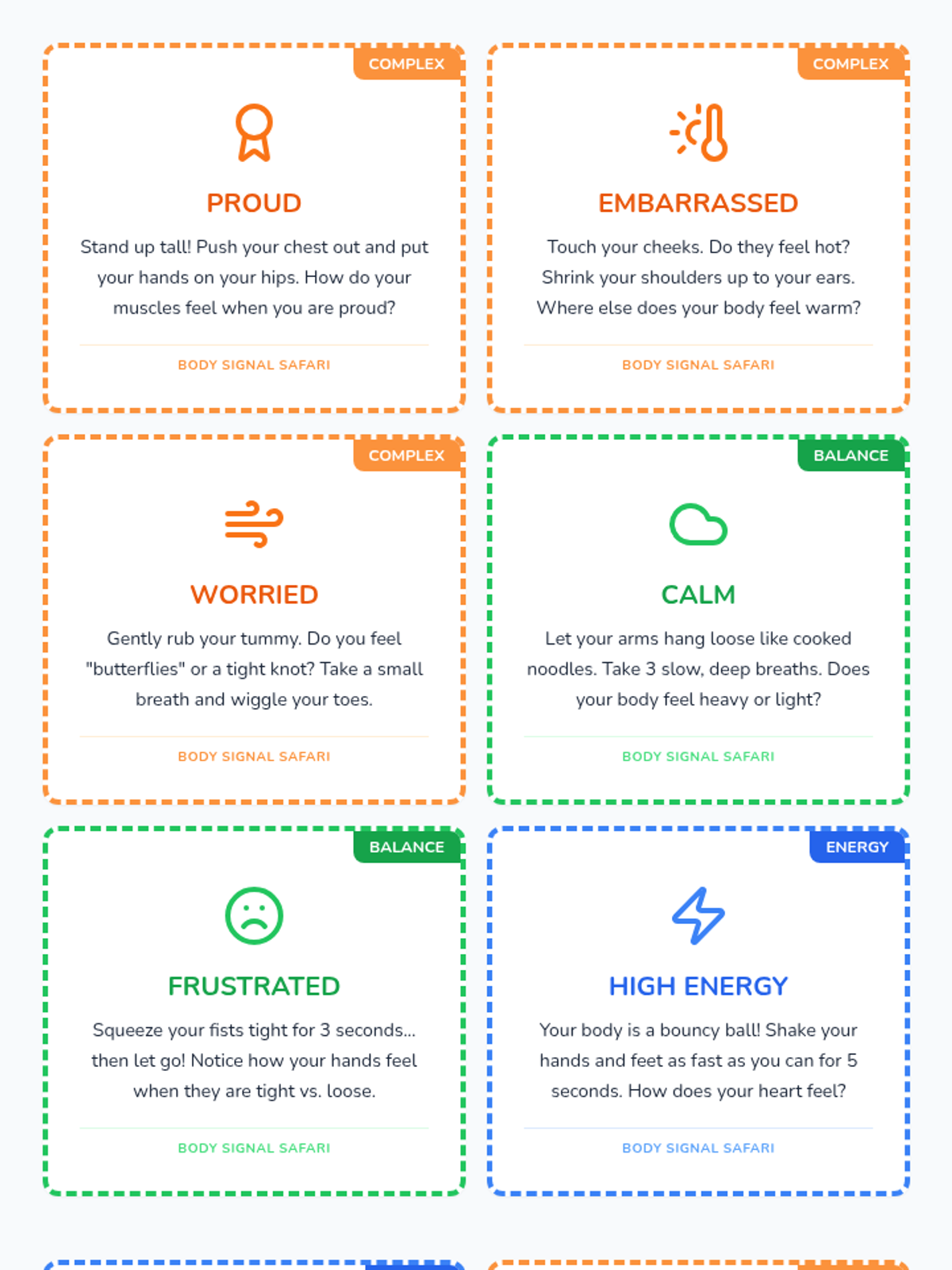
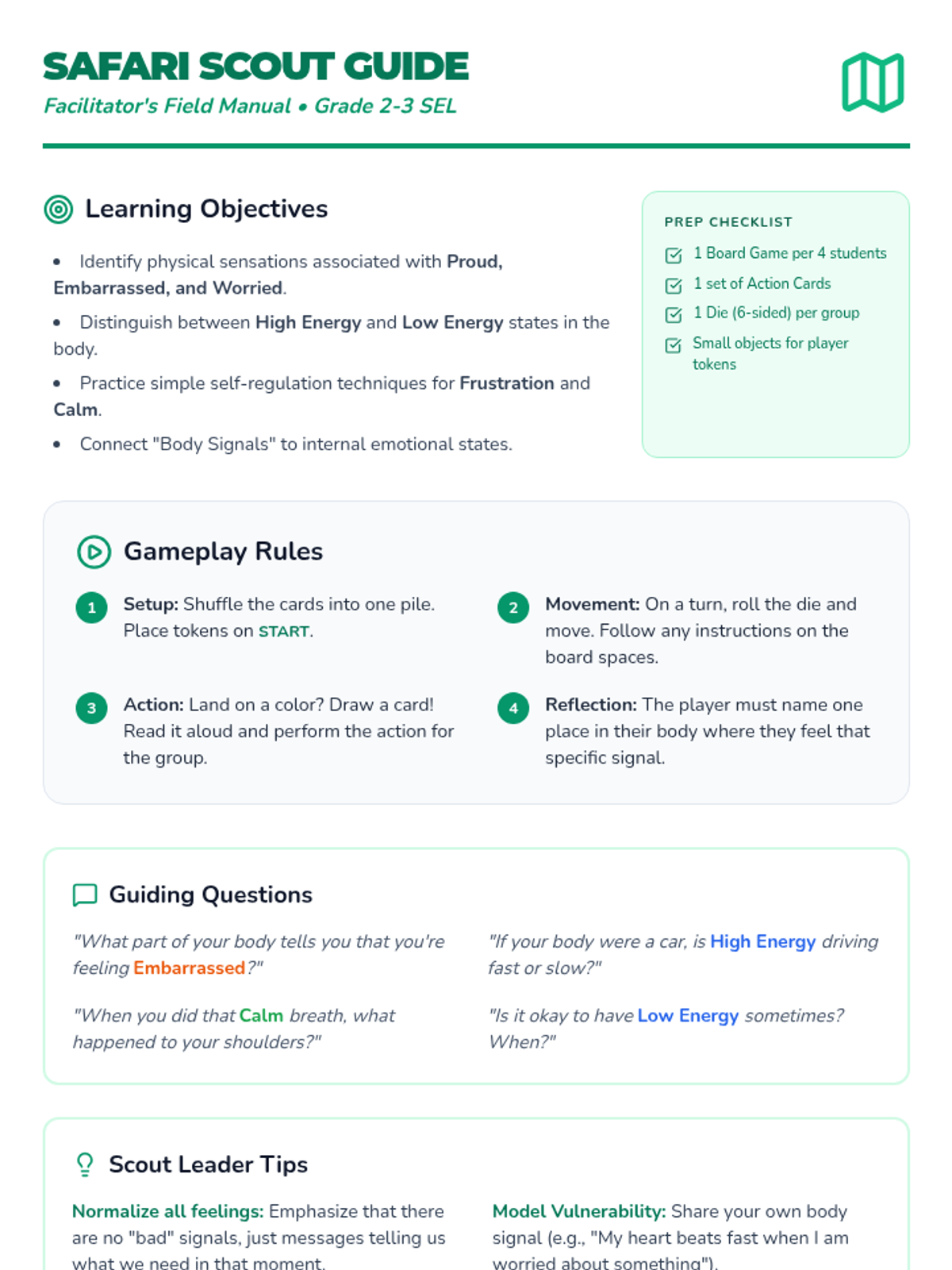
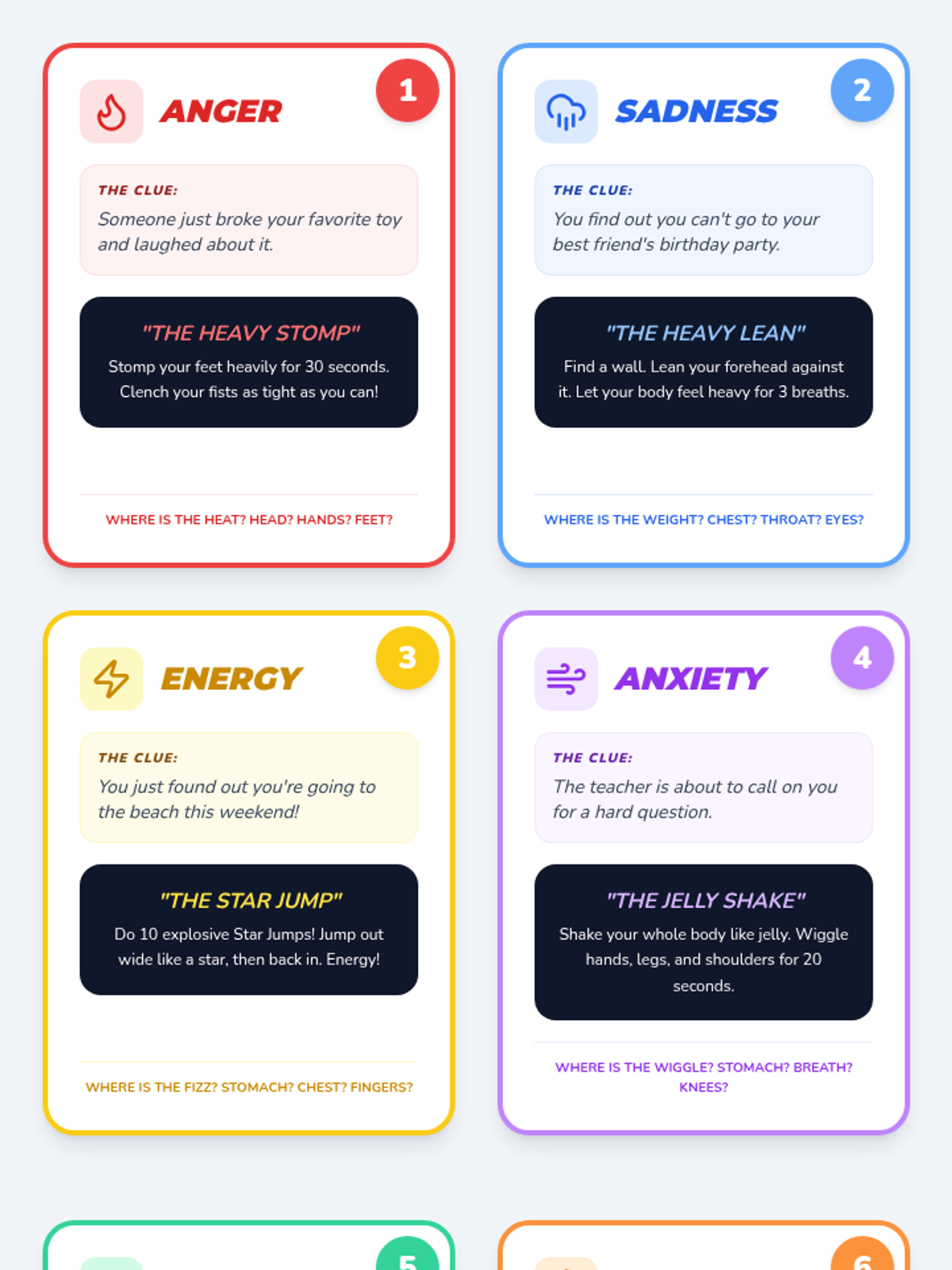
A social-emotional learning game designed to help 2nd and 3rd graders connect emotions to physical sensations in the body. Students navigate a board game while performing "Body Signal" actions for complex emotions and energy levels.
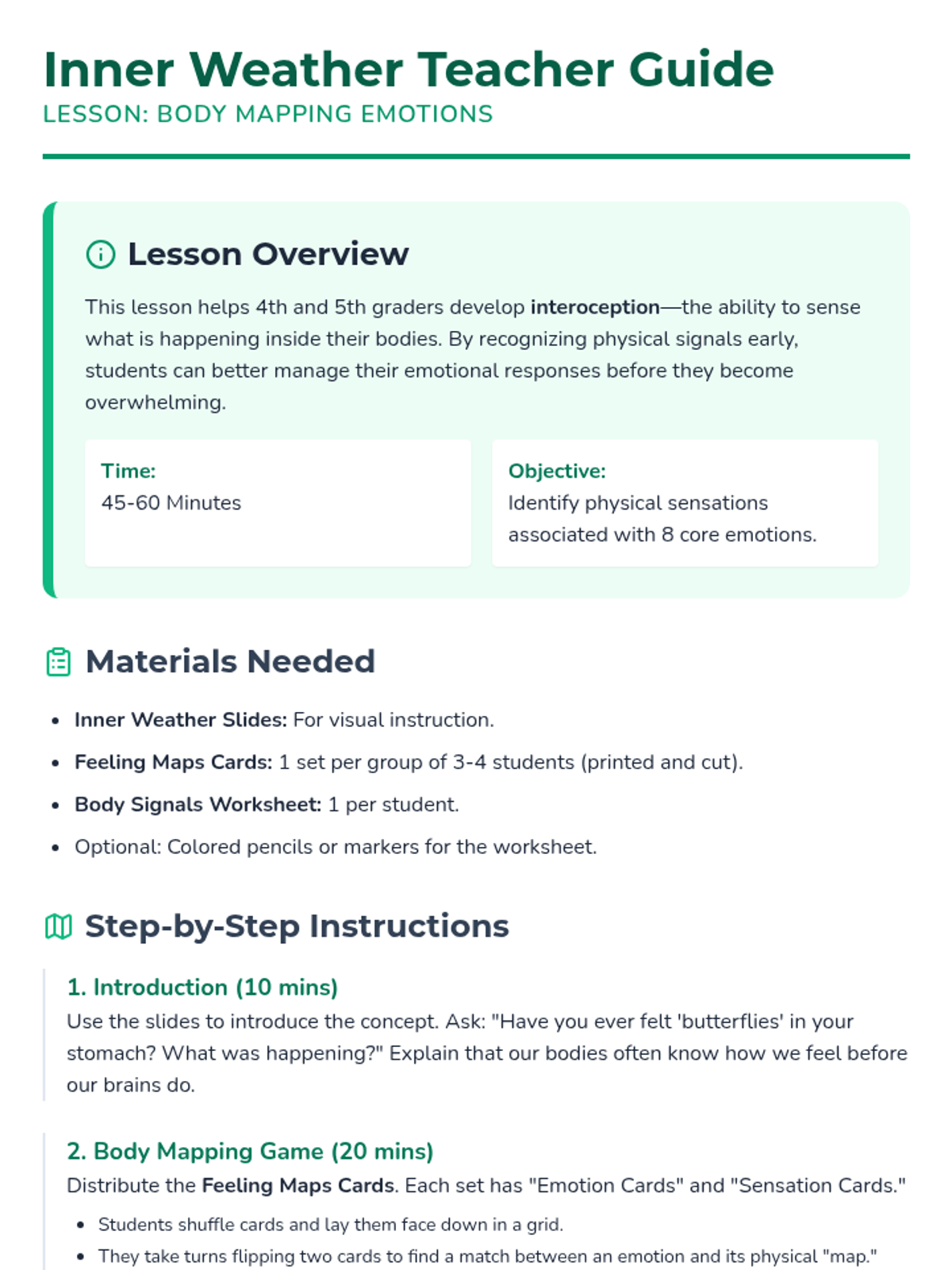
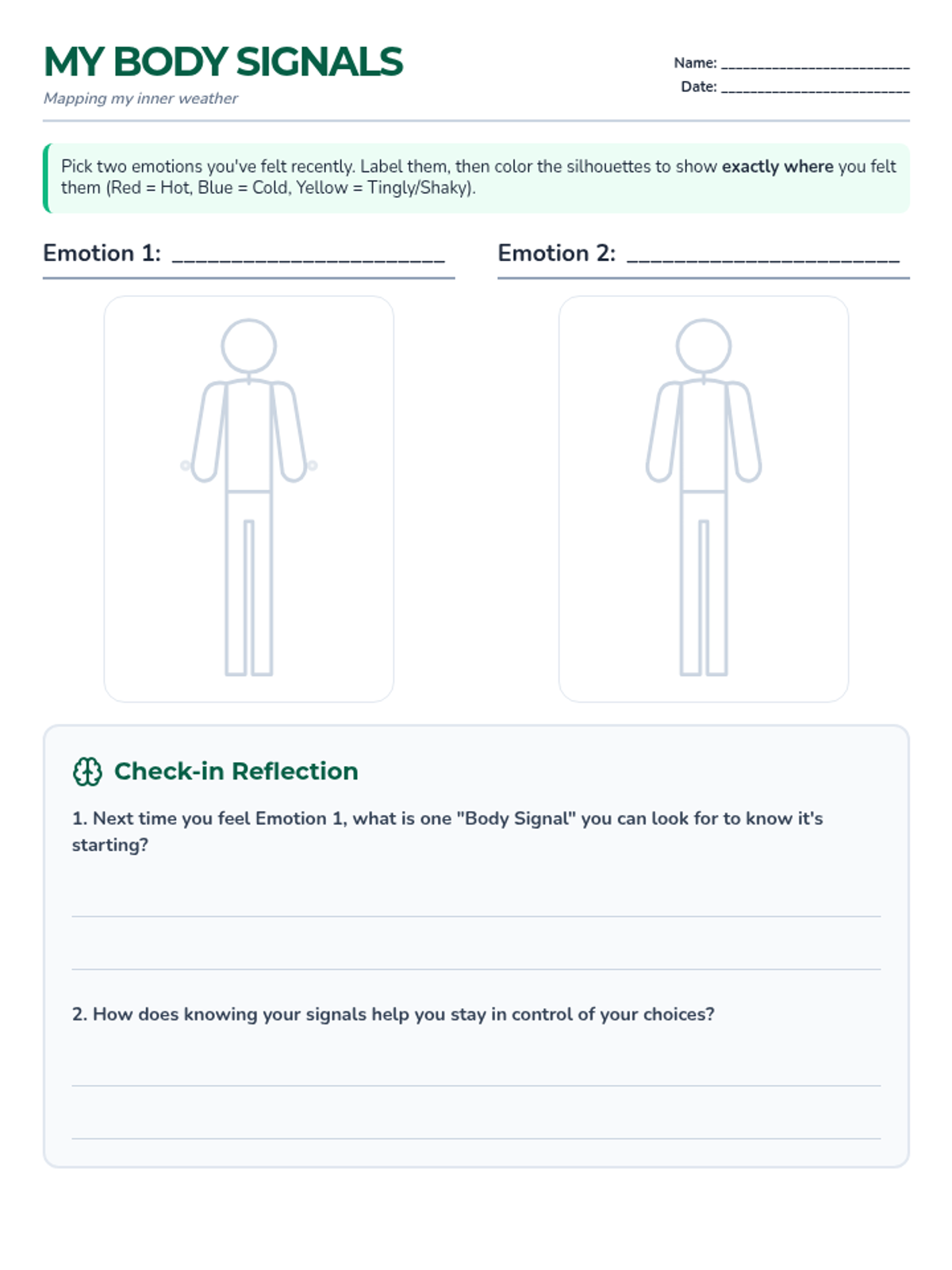
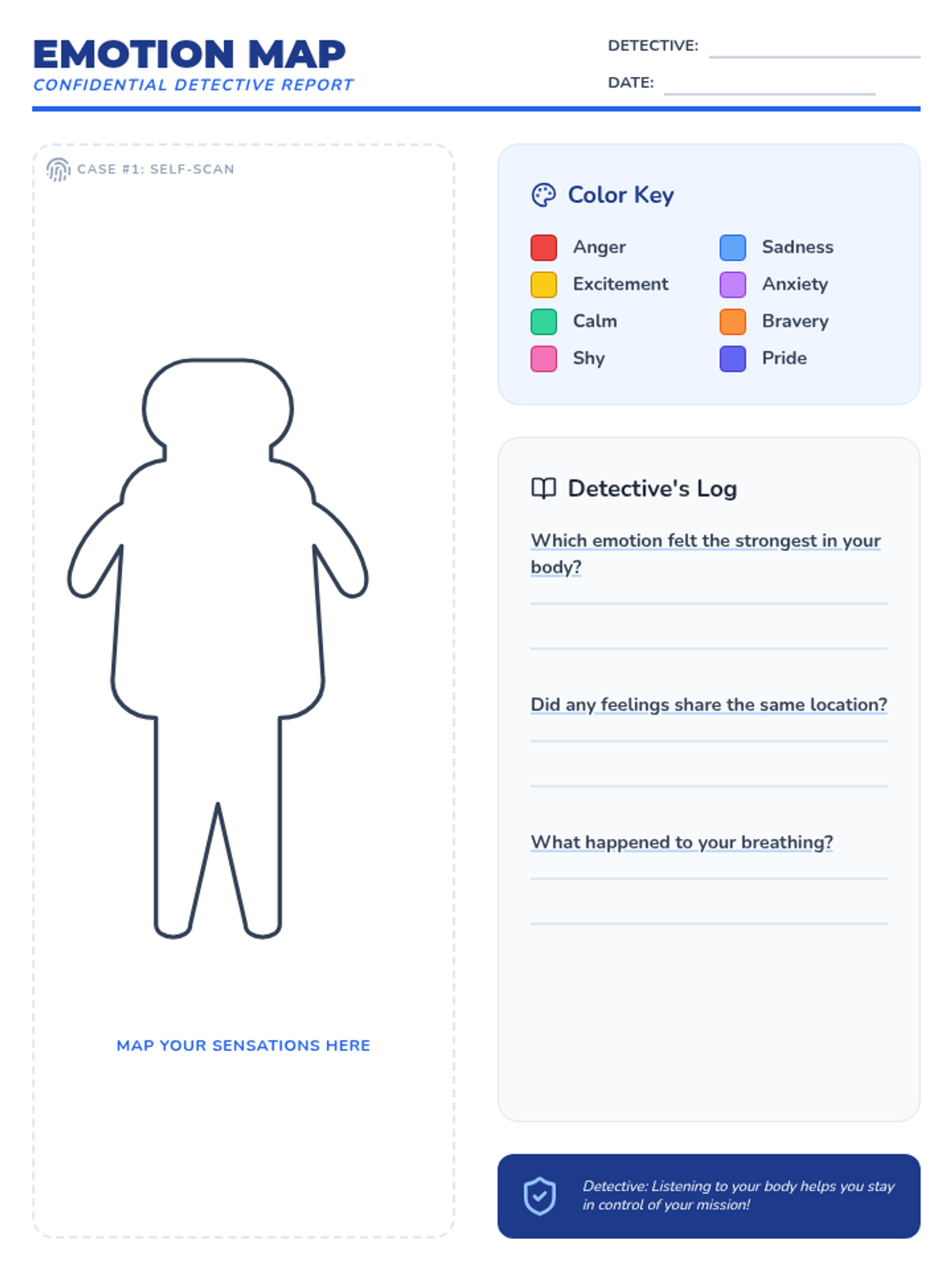
A lesson exploring the physiological sensations of emotions through body mapping. Students identify where they feel different feelings and play a matching game to reinforce the connection between mind and body.
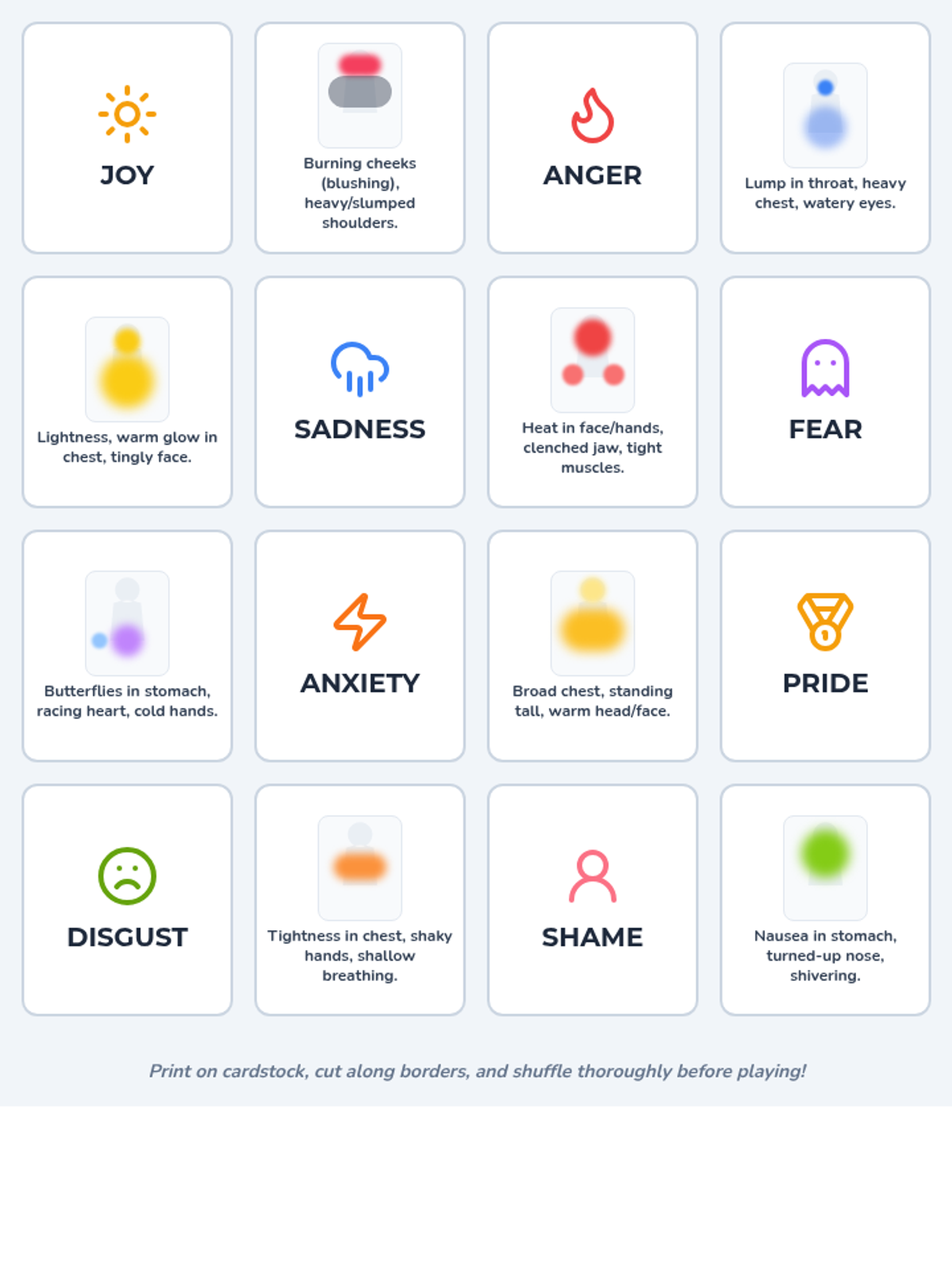
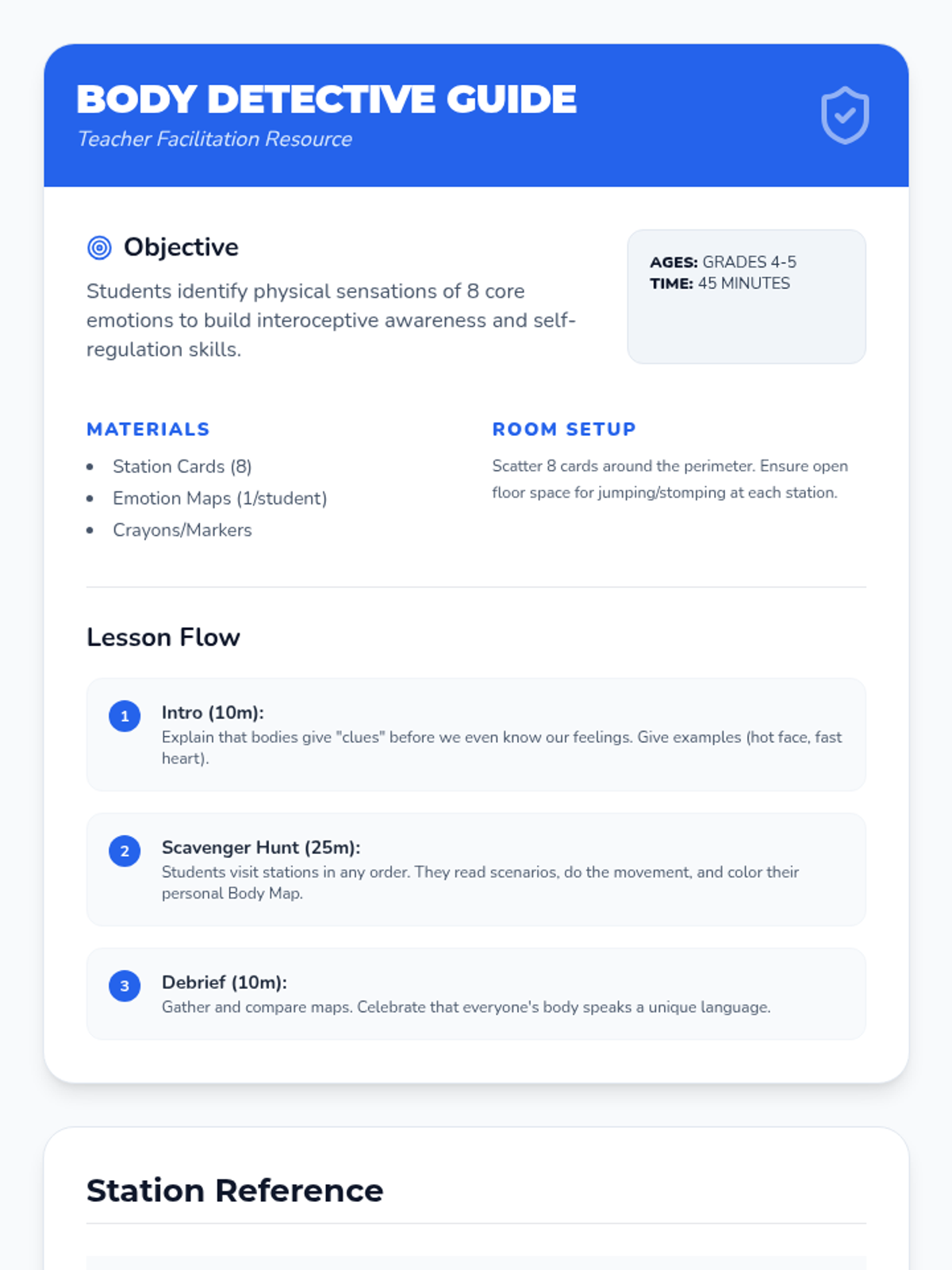
Students explore the physical sensations associated with various emotions through a movement-based scavenger hunt, identifying where 'feelings hide' in the body.
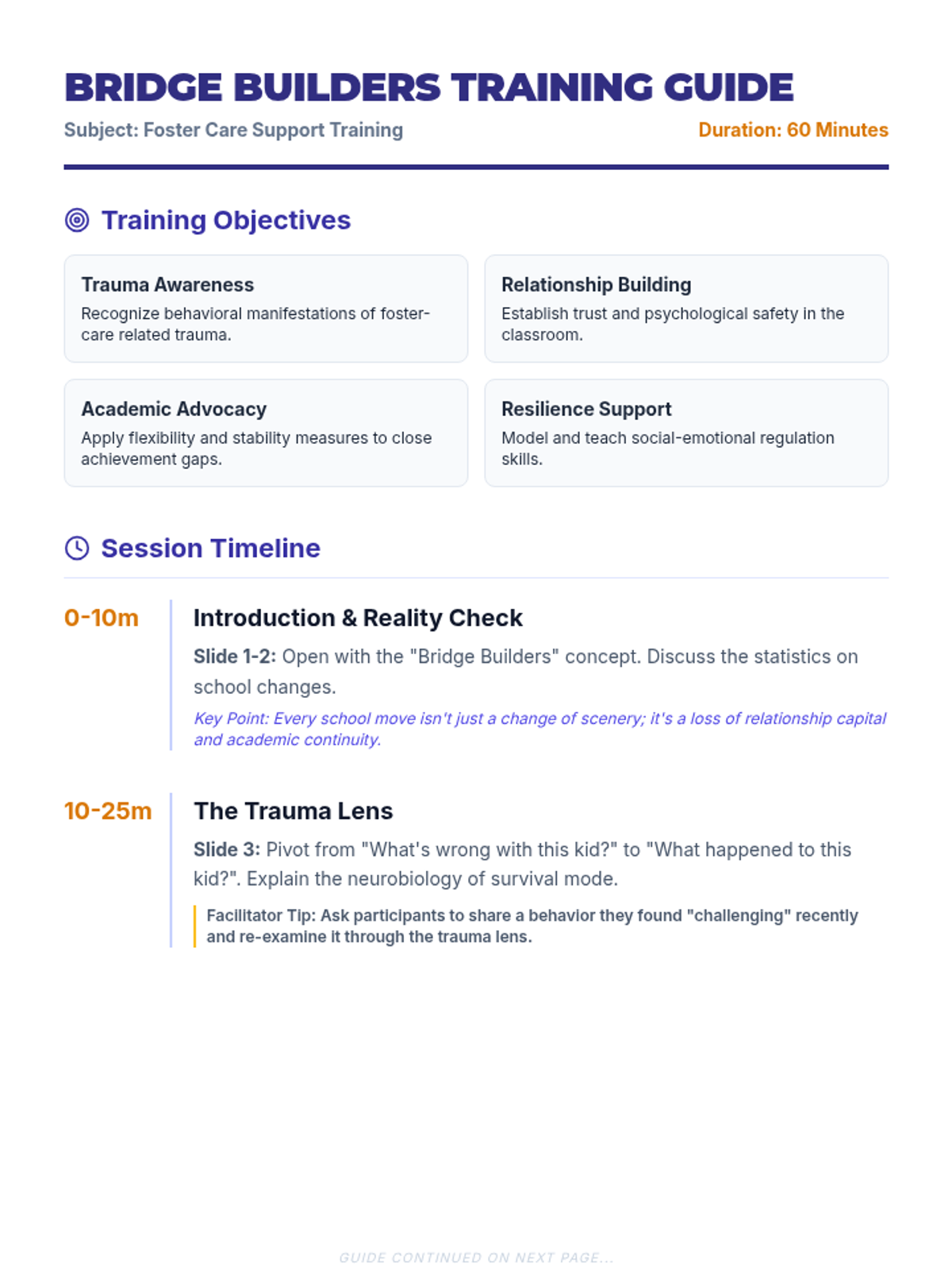
A comprehensive 60-minute training session for new teachers on supporting students in the foster care system, focusing on trauma-informed practices, academic stability, and relationship building.
An in-depth training lesson for community volunteers focusing on trauma-informed tutoring strategies for youth in foster care. This lesson covers relationship building, academic stability, and flexibility as core pillars of support.
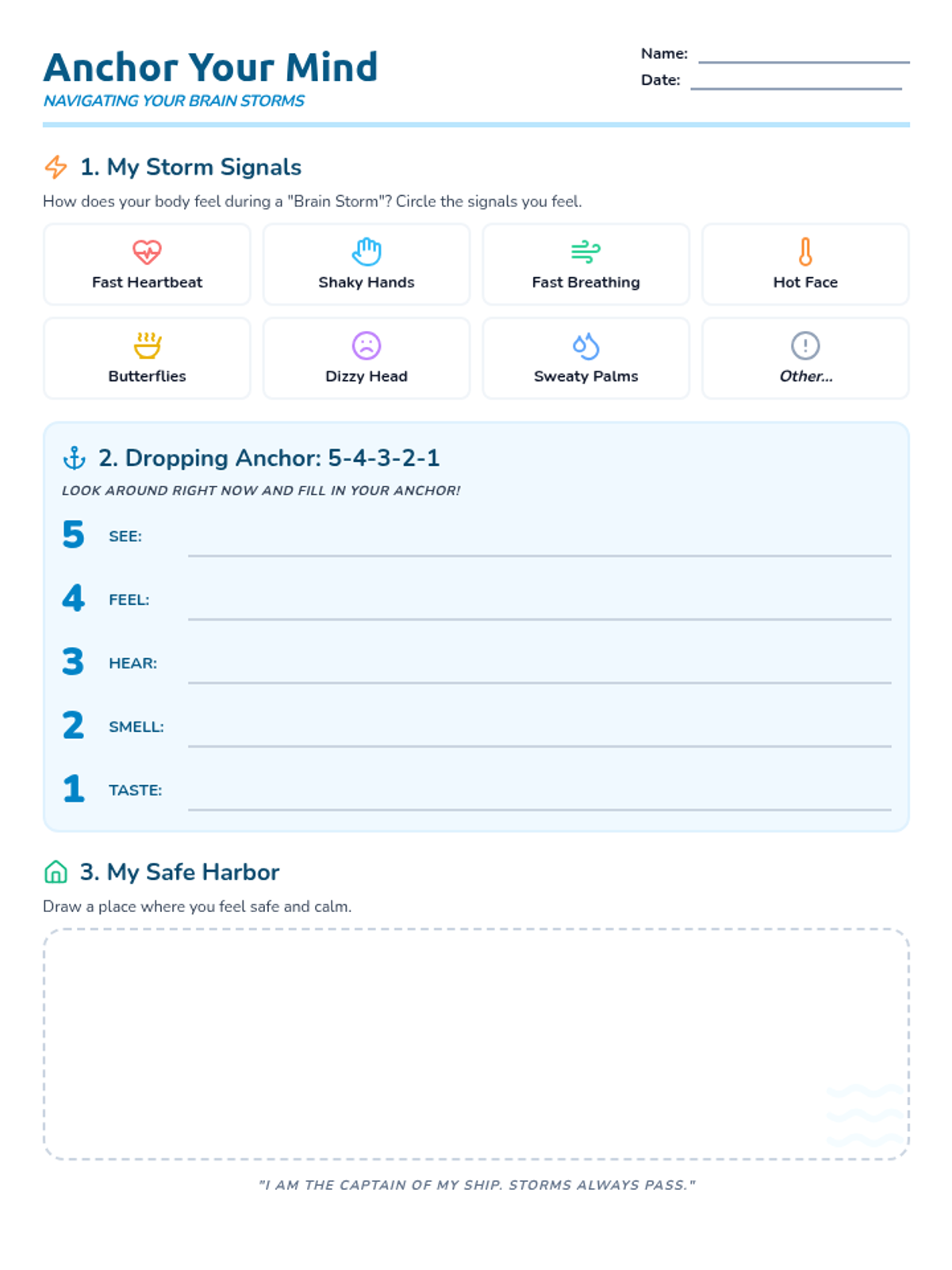
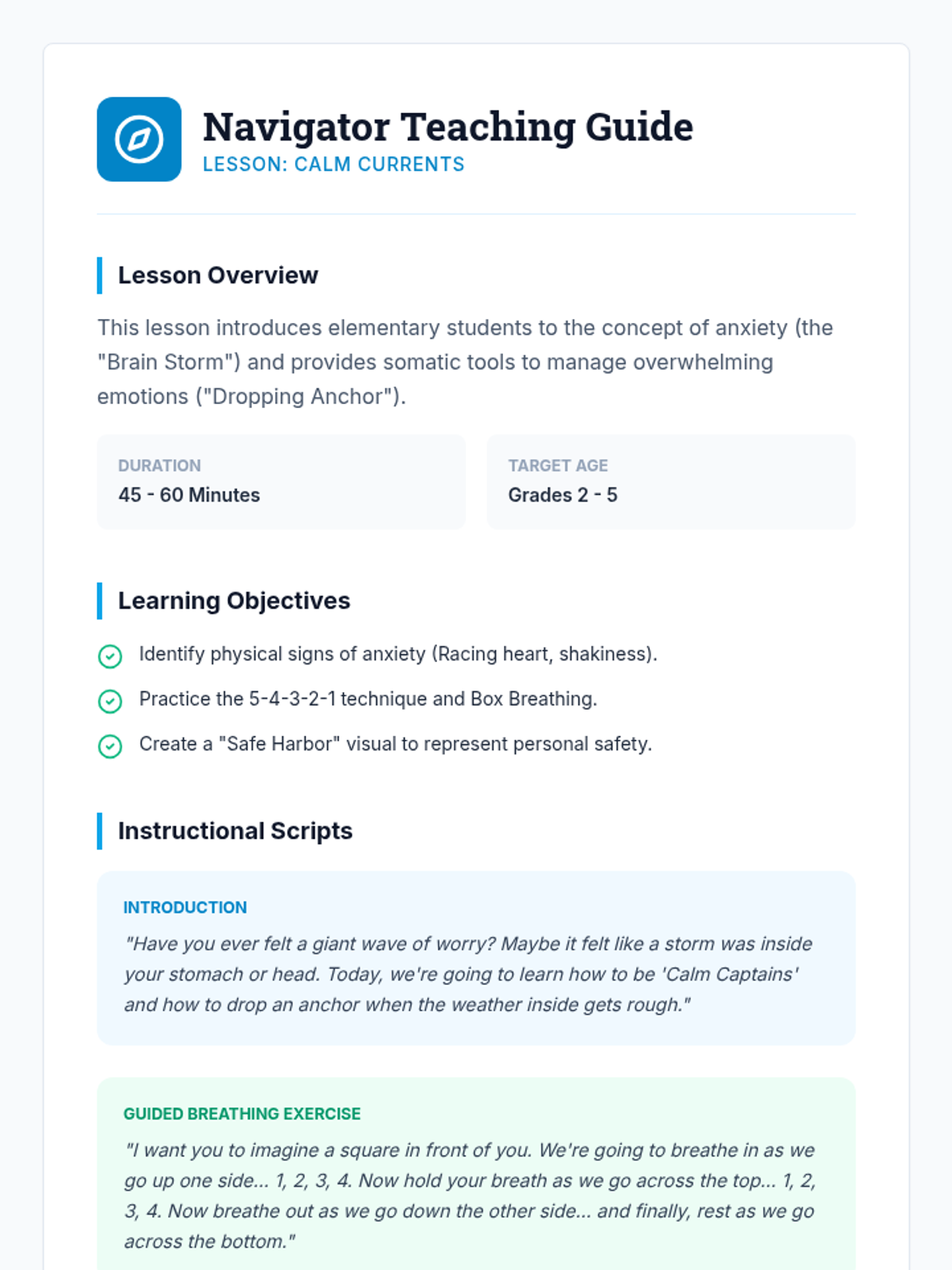
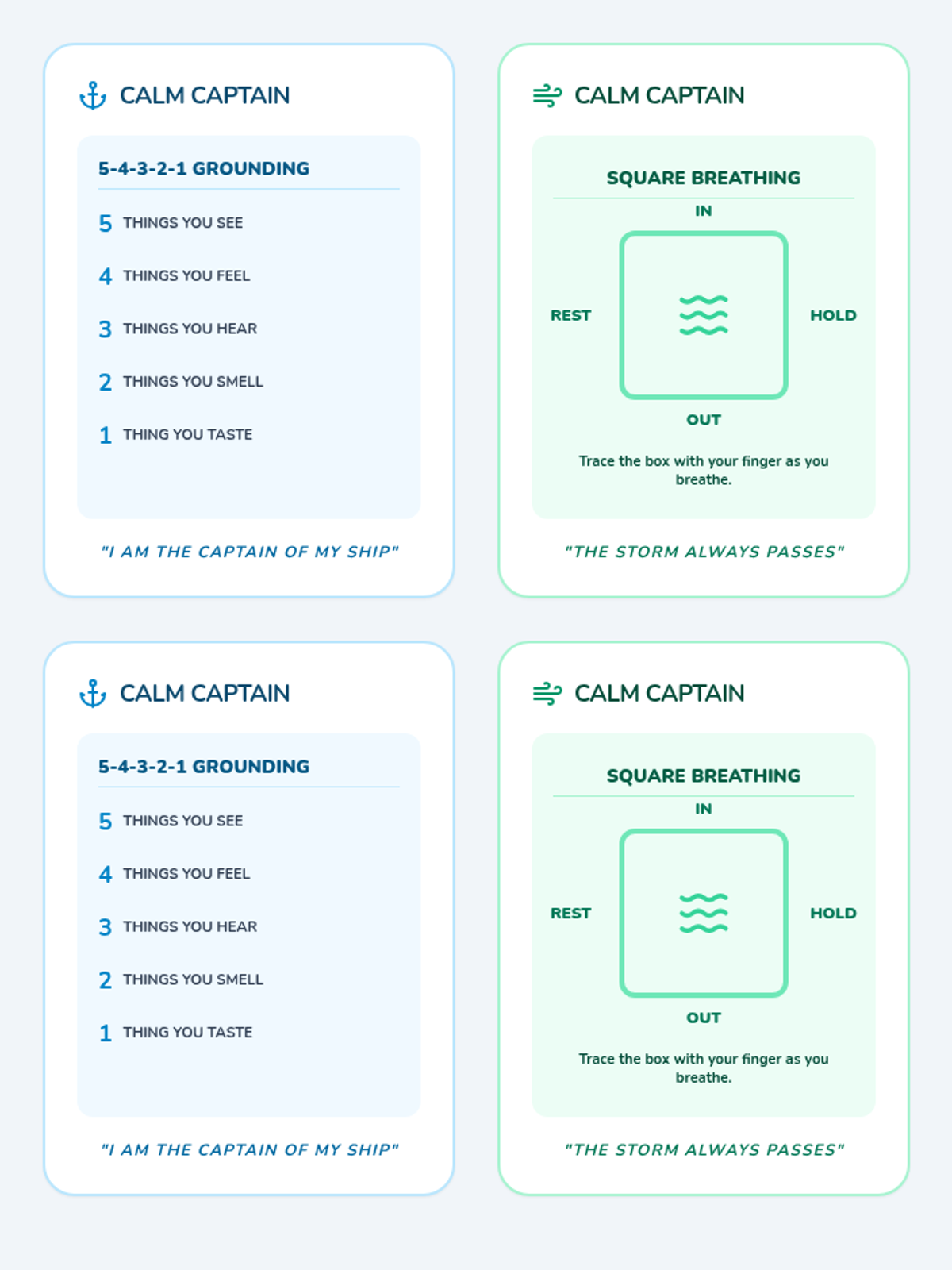
A lesson for elementary students on identifying anxiety symptoms ('Brain Storms') and using grounding techniques ('Dropping Anchor') to find calm. Includes slides, a worksheet, a teaching guide, and reference cards.
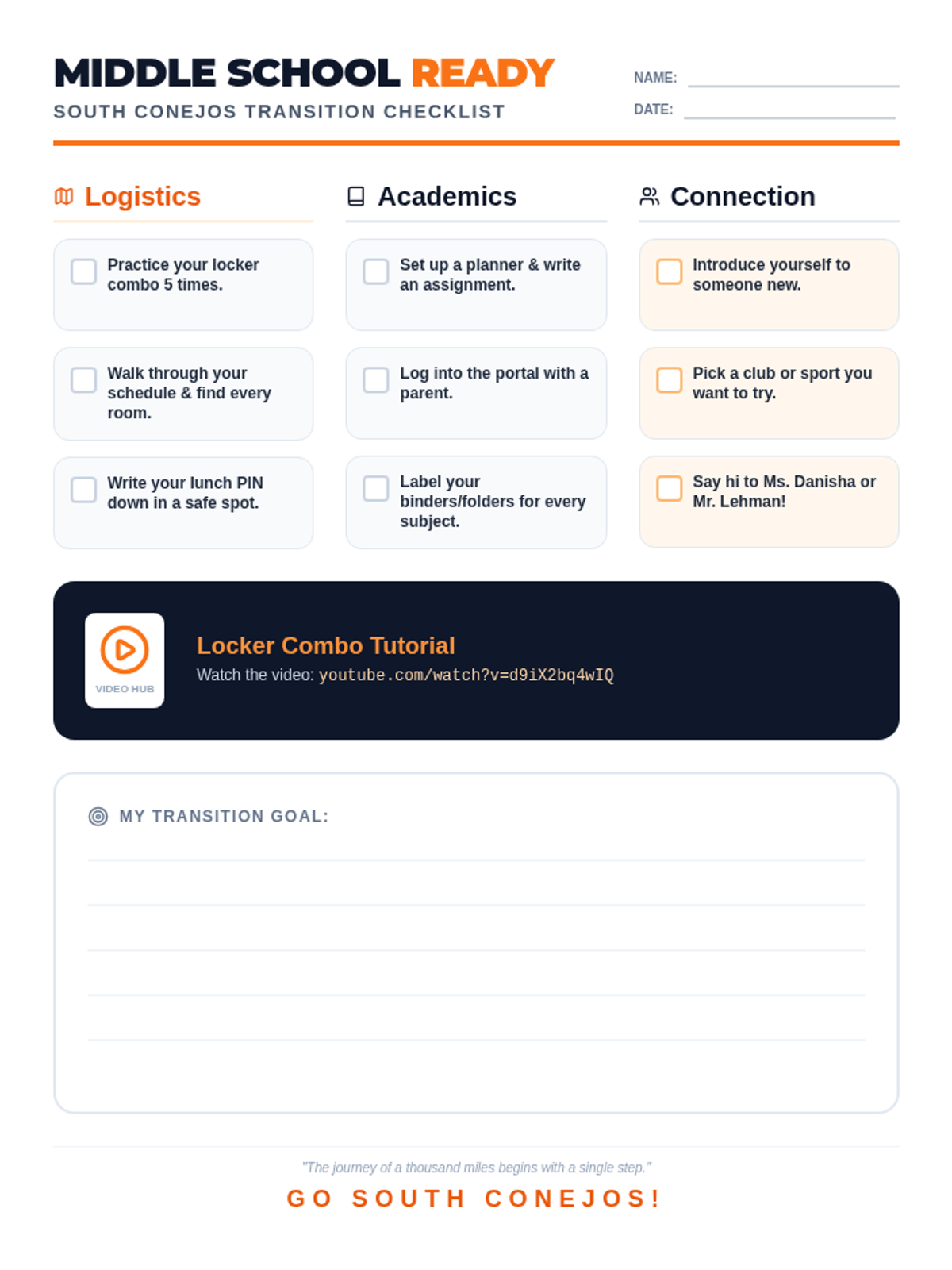
A comprehensive guide for 5th-grade students and parents at South Conejos transitioning to middle school, covering schedules, academics, and emotional growth.
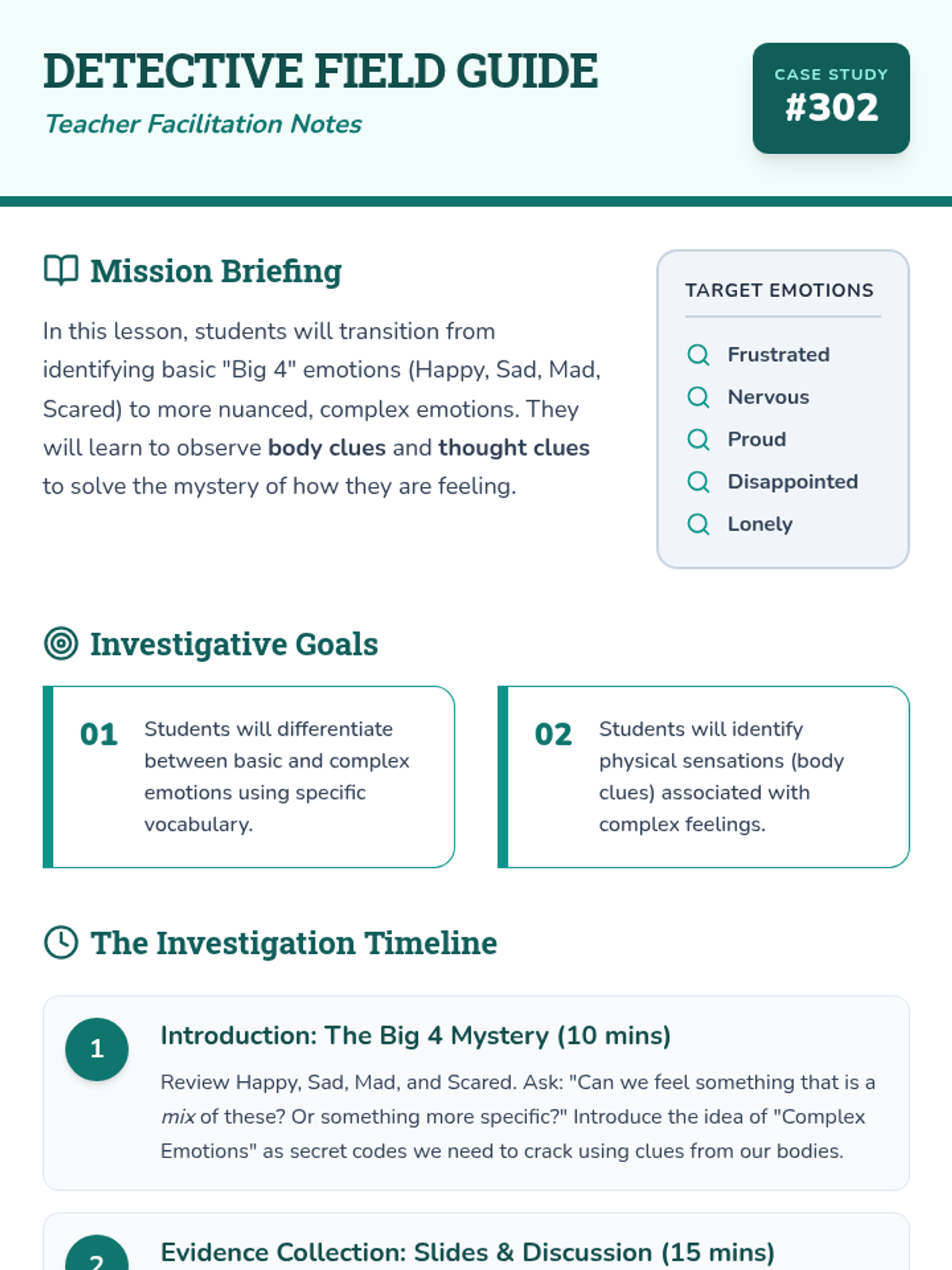
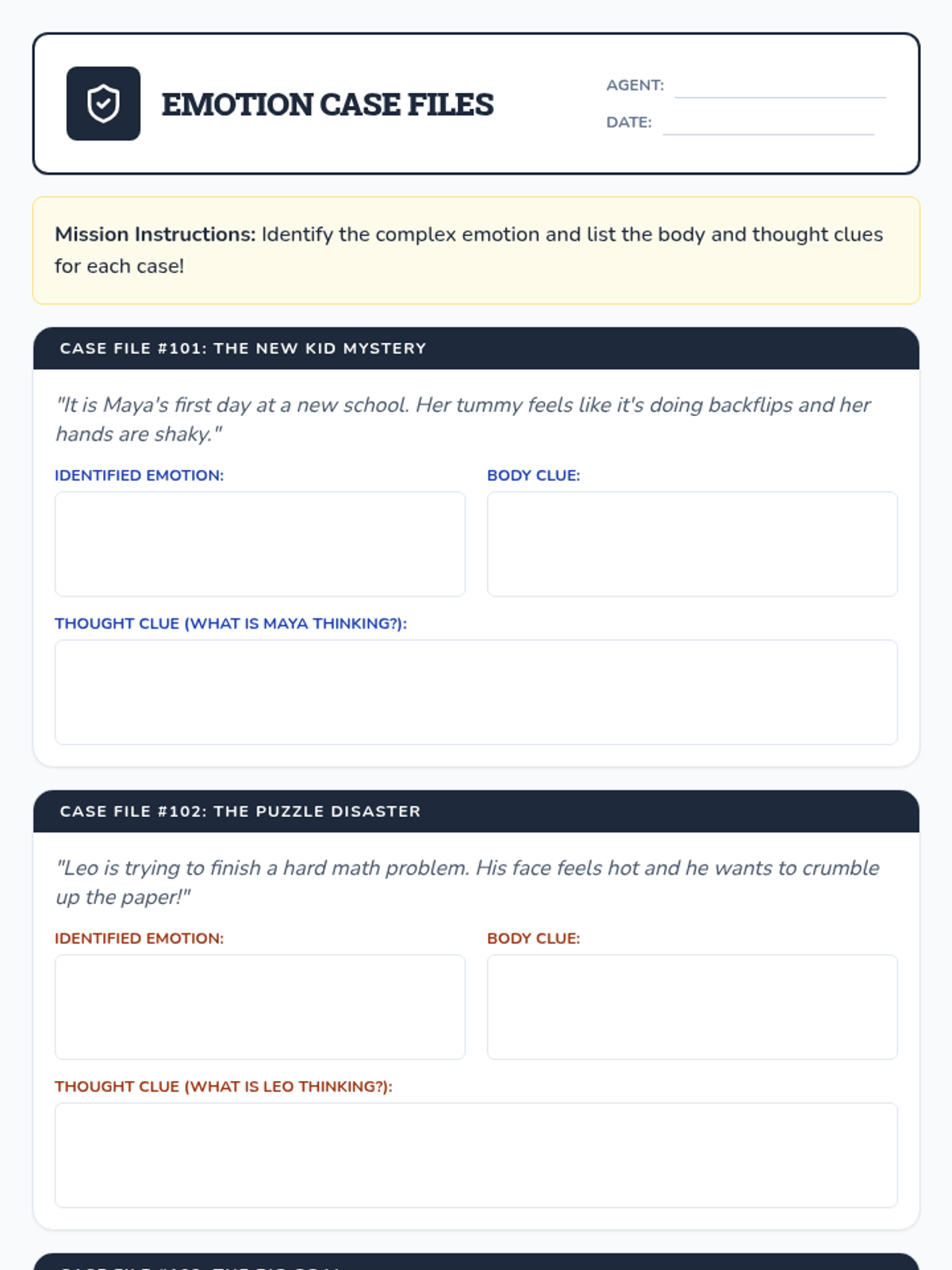
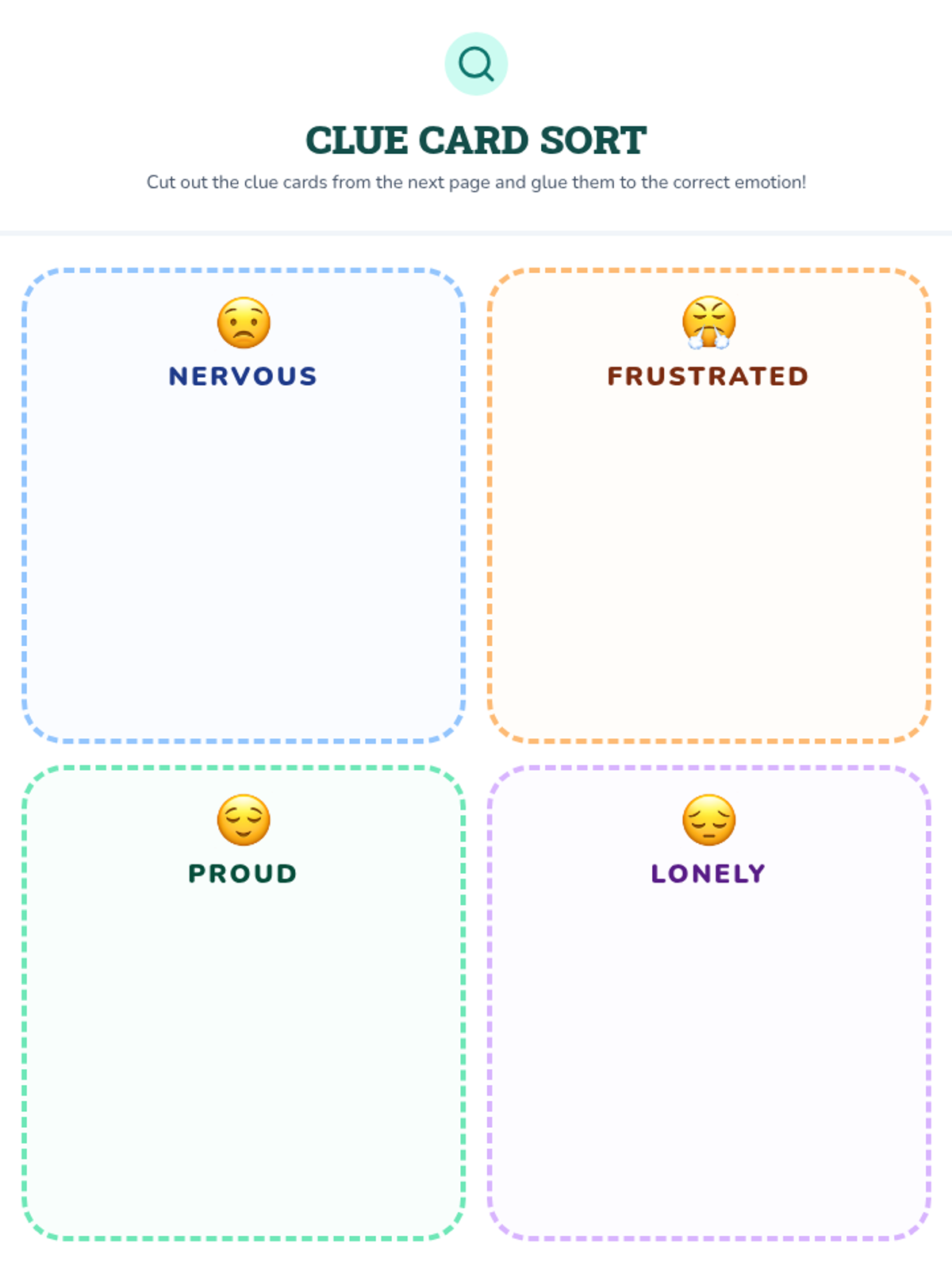
Students become 'Emotion Detectives' to investigate feelings beyond the basics. This lesson helps 3rd graders identify complex emotions like frustration, pride, and anxiety by looking for clues in their bodies and thoughts.
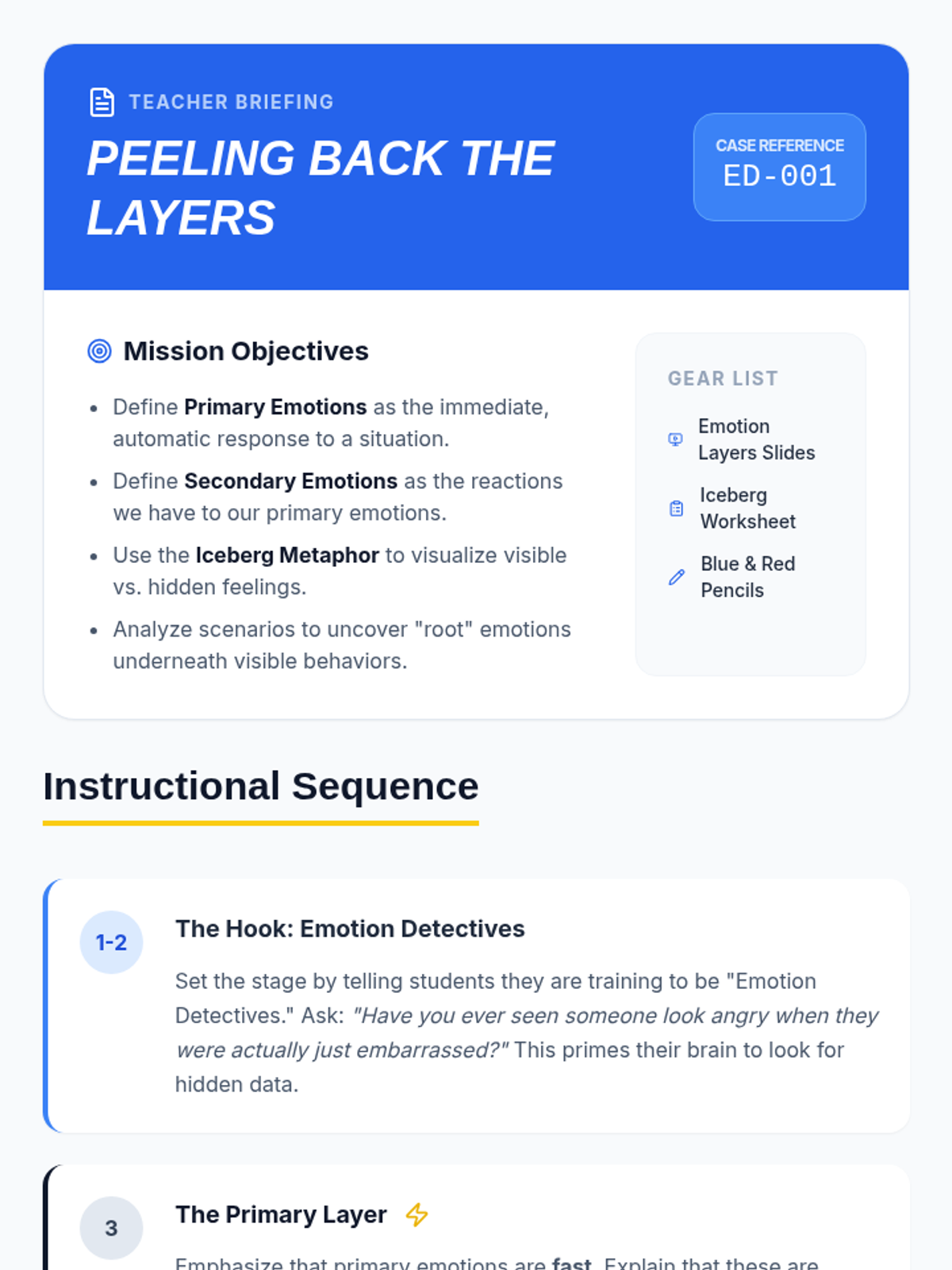
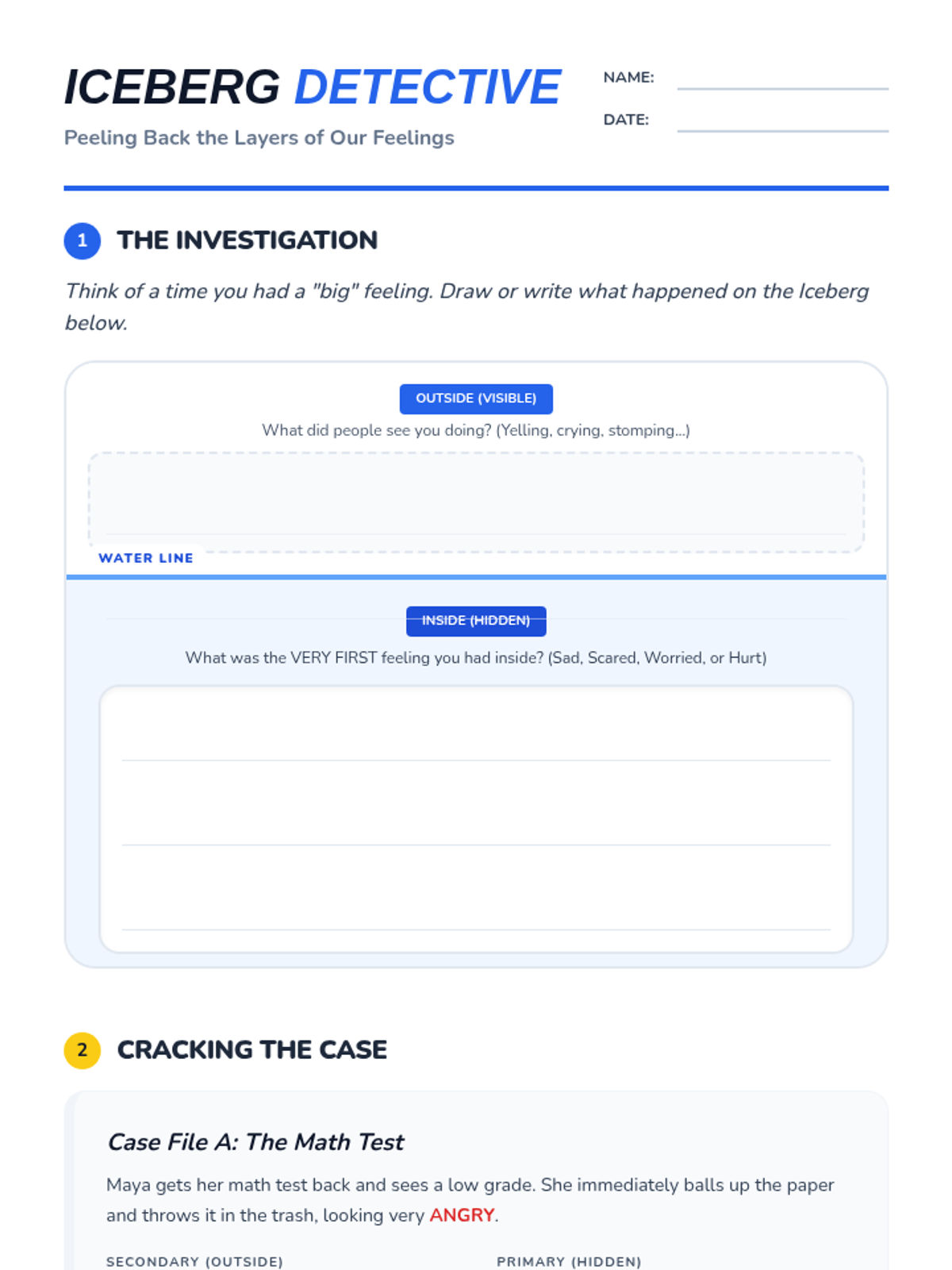
An introductory lesson on emotional intelligence focusing on the difference between primary and secondary emotions using the 'Emotion Detective' framework. Students will learn to identify core feelings and the more complex emotions that often hide beneath them.
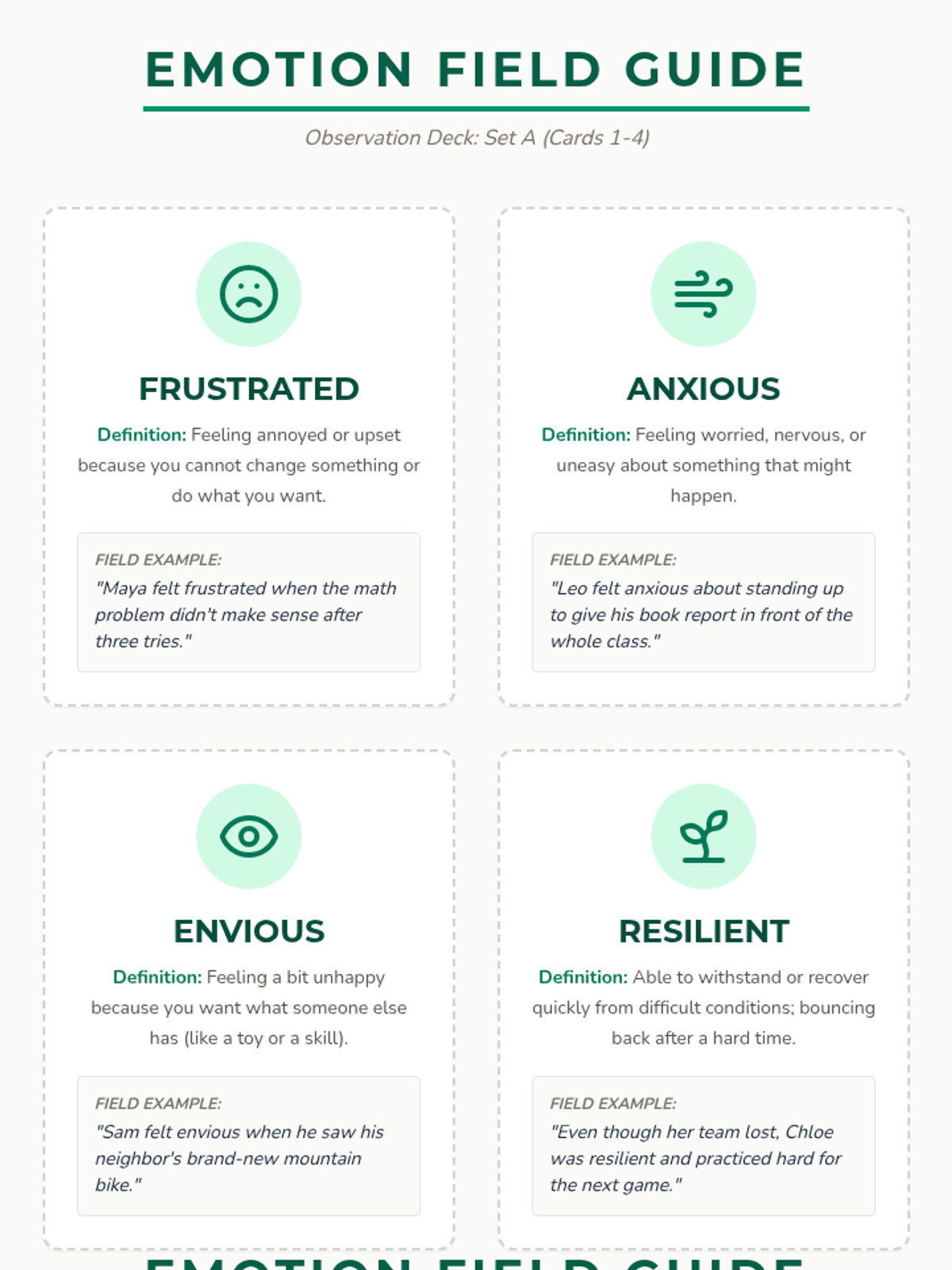
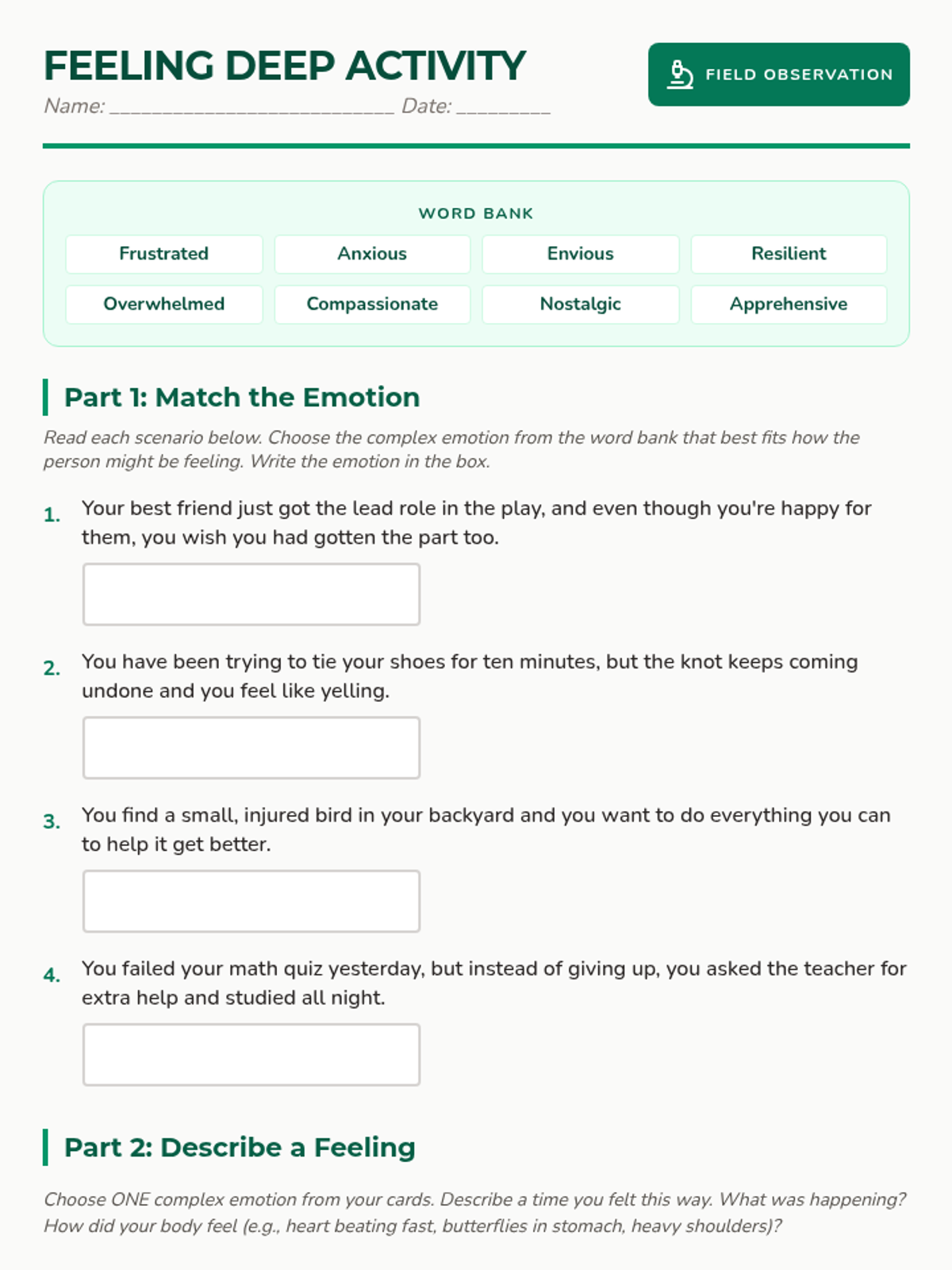
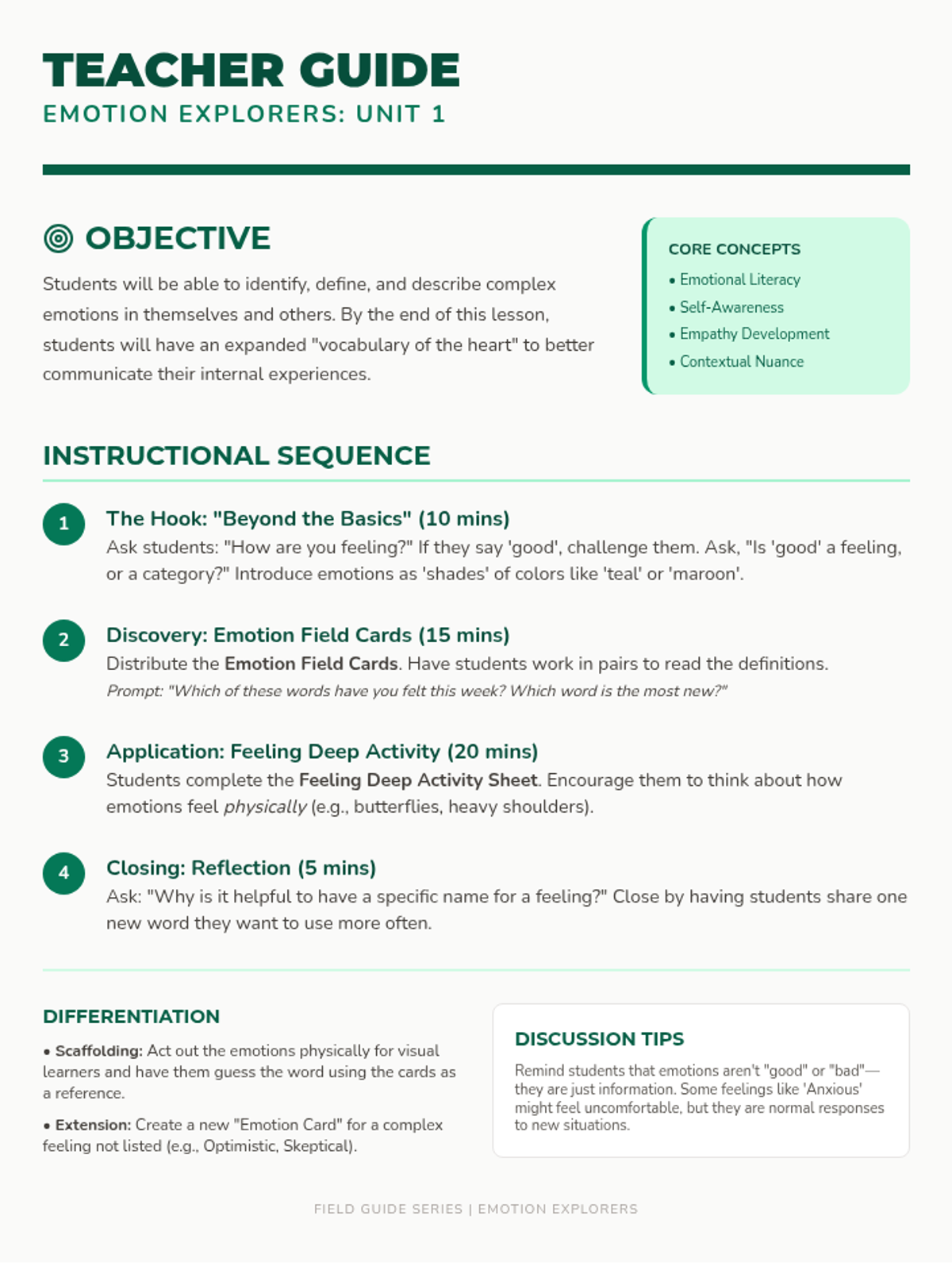
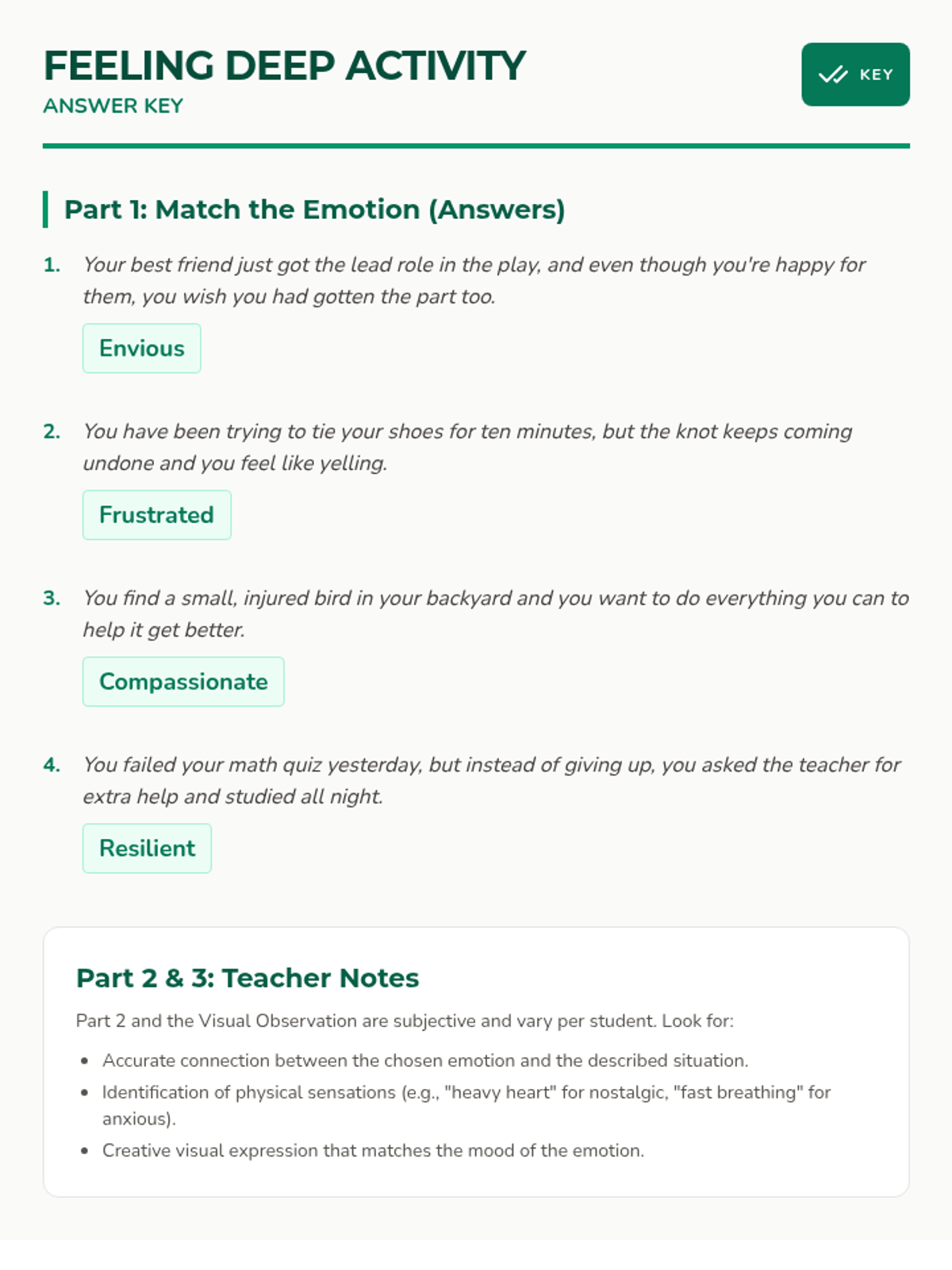
A lesson designed to help 3rd-5th grade students identify, define, and describe complex emotions through interactive vocabulary cards and application activities. Students move beyond basic happy/sad/angry labels to understand more nuanced feelings.
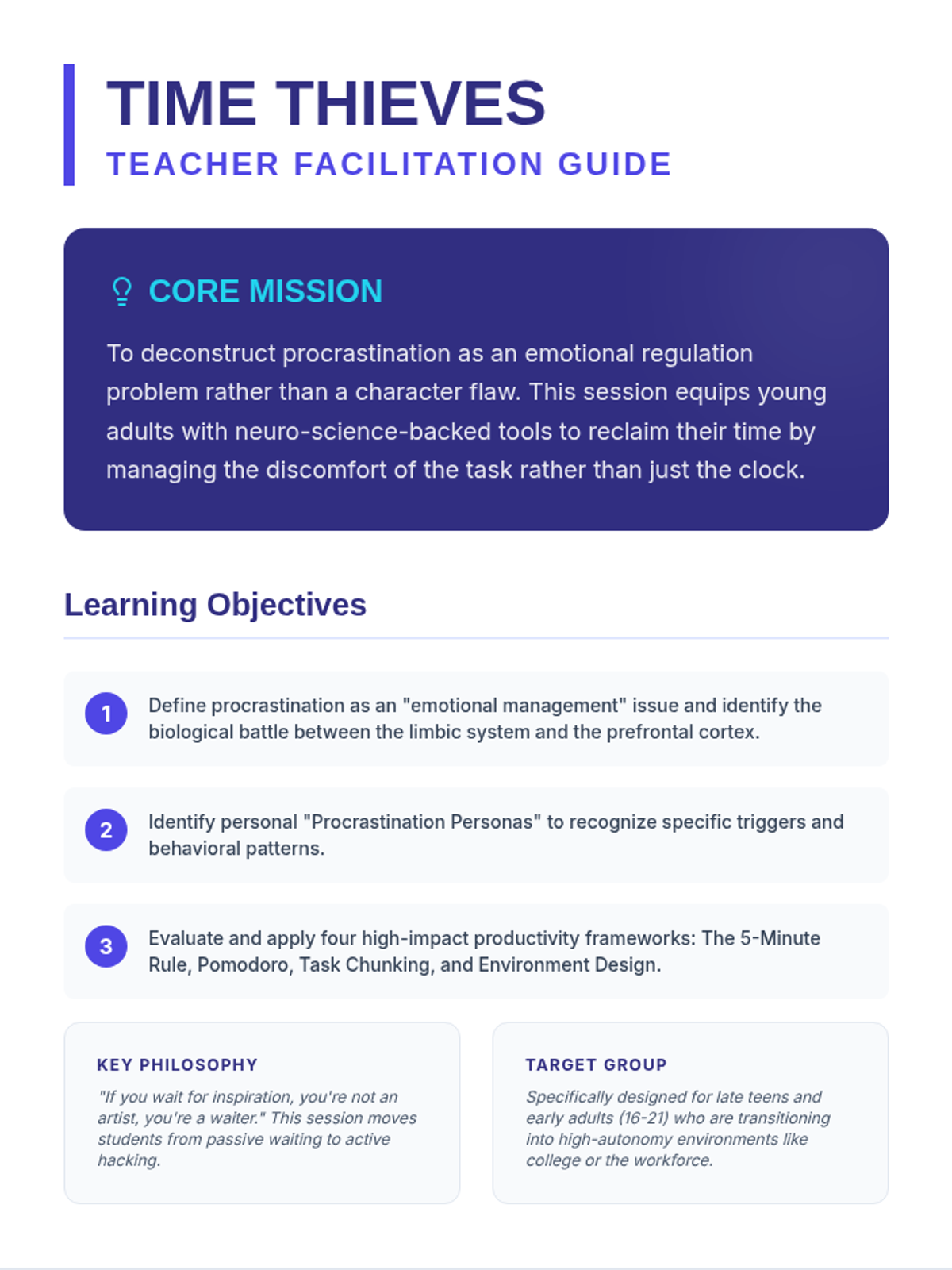
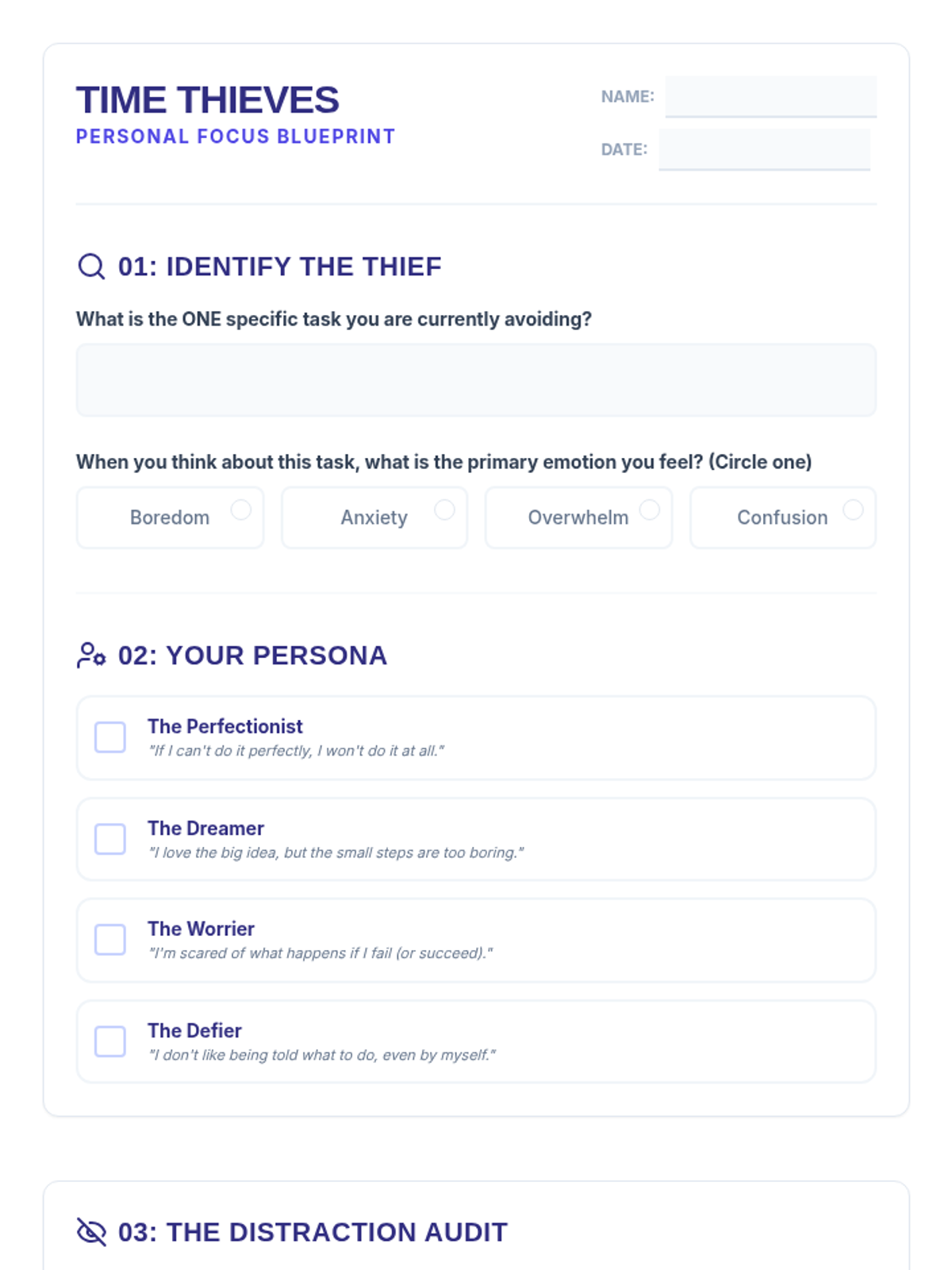
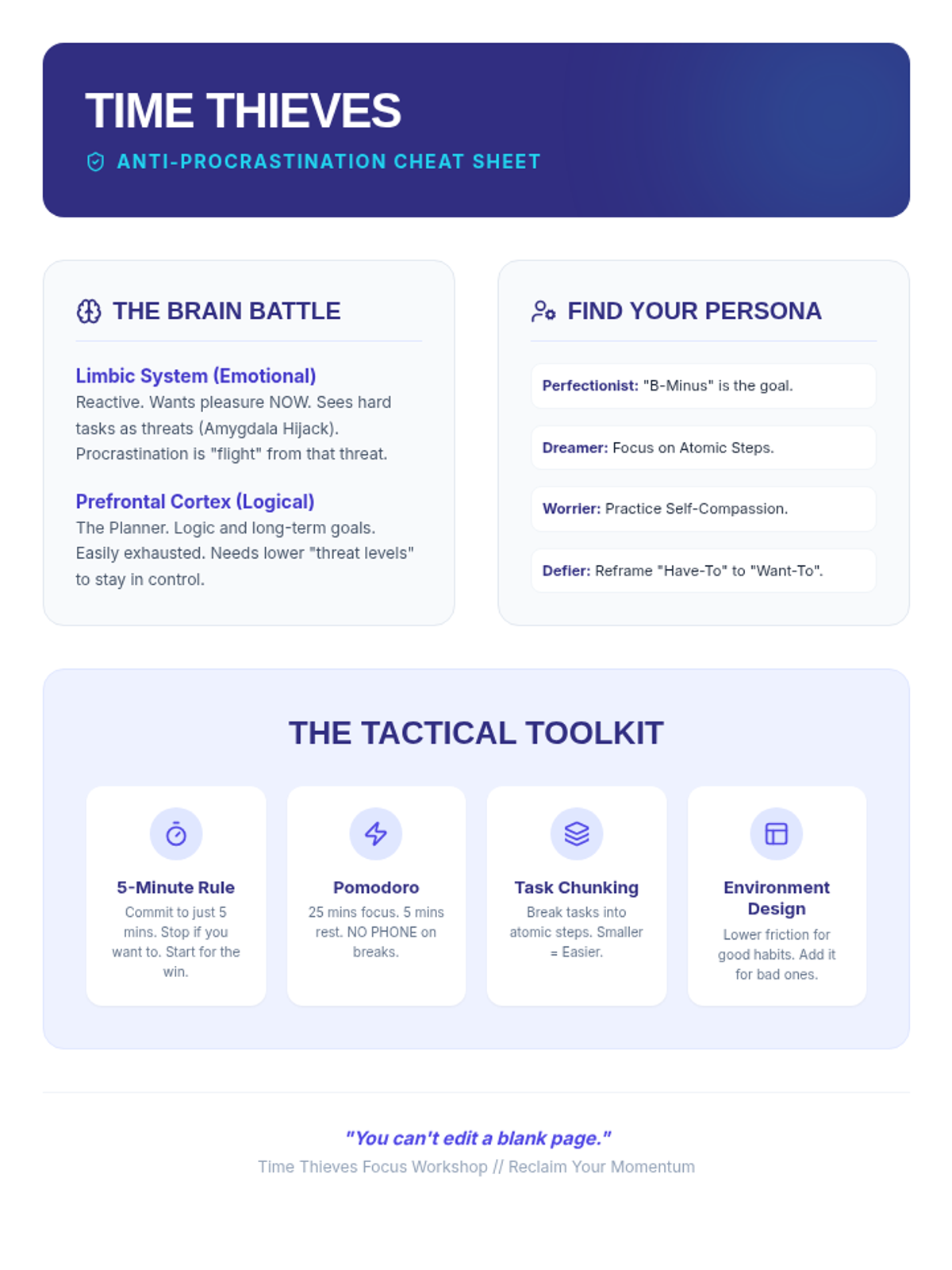
An in-depth exploration of the psychology of procrastination, identifying personal triggers, and implementing high-impact productivity strategies.
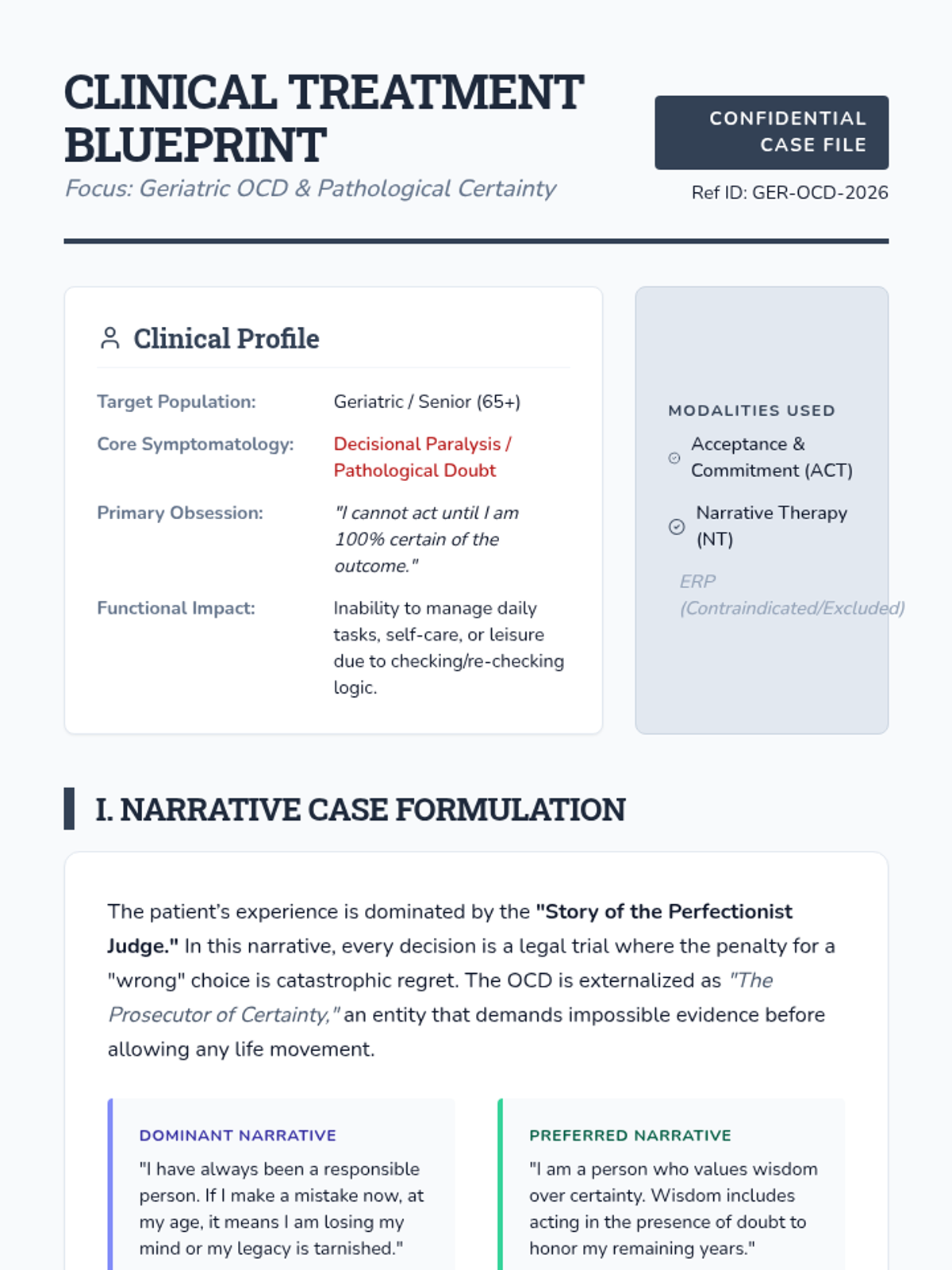
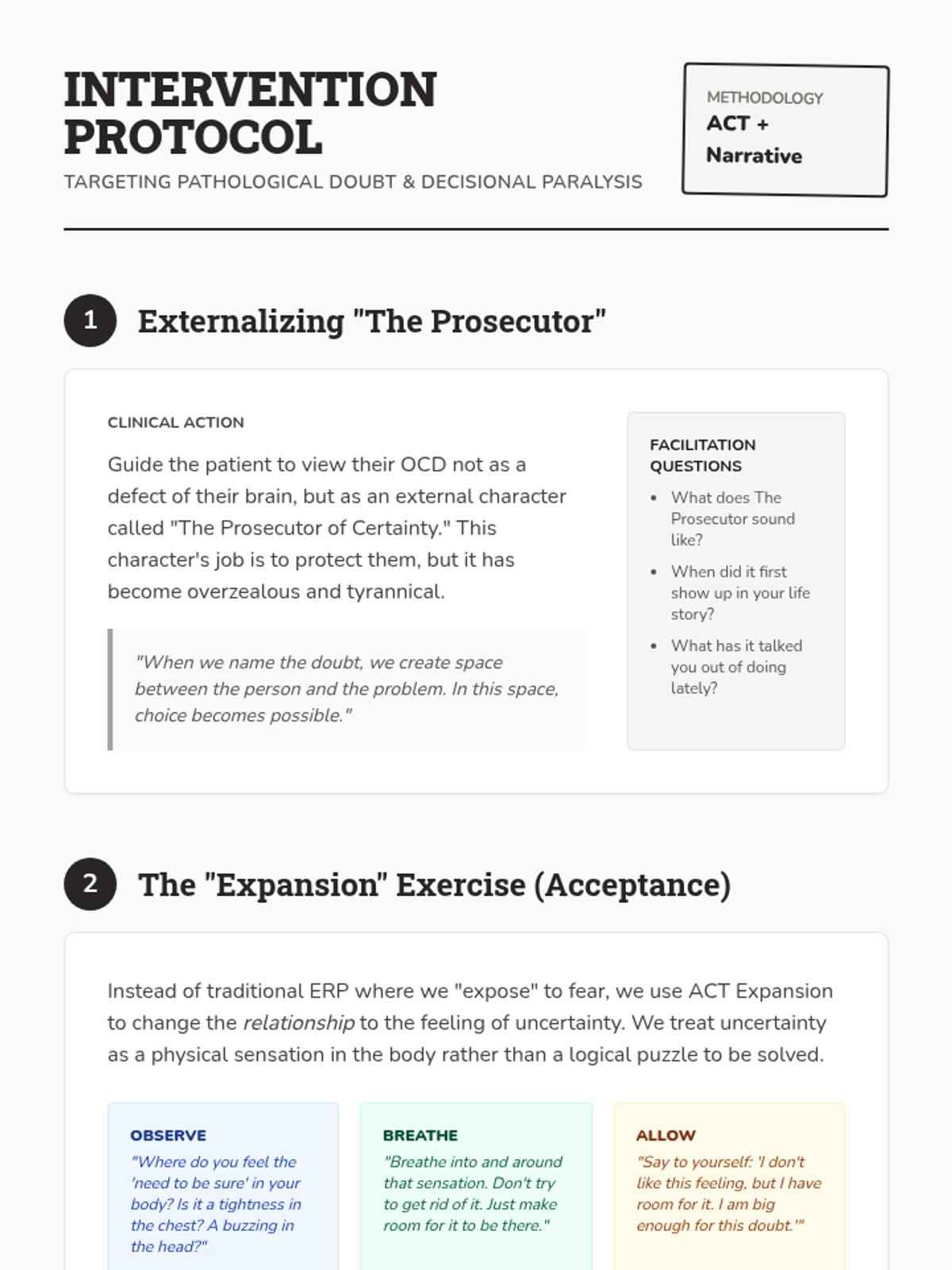
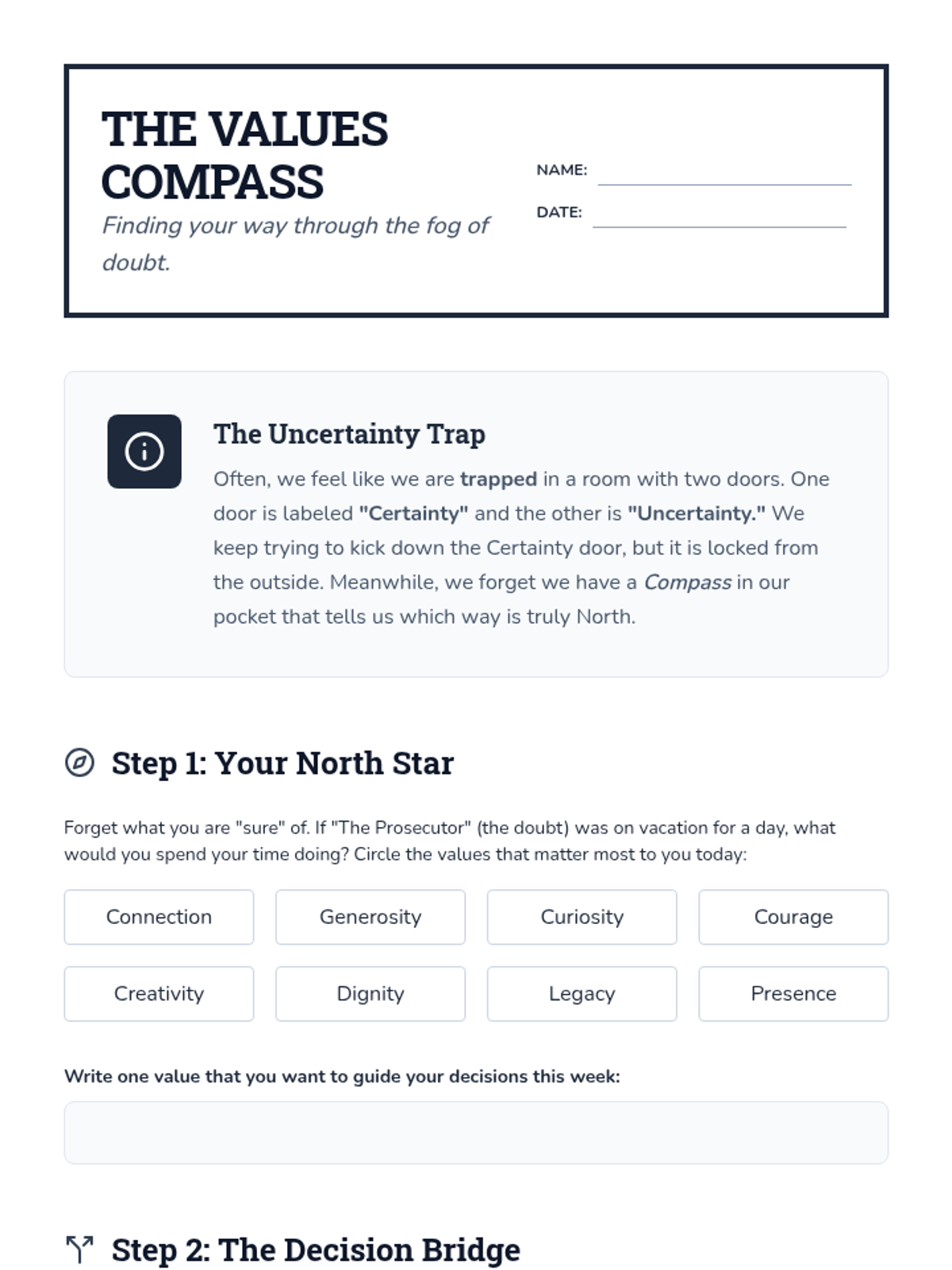
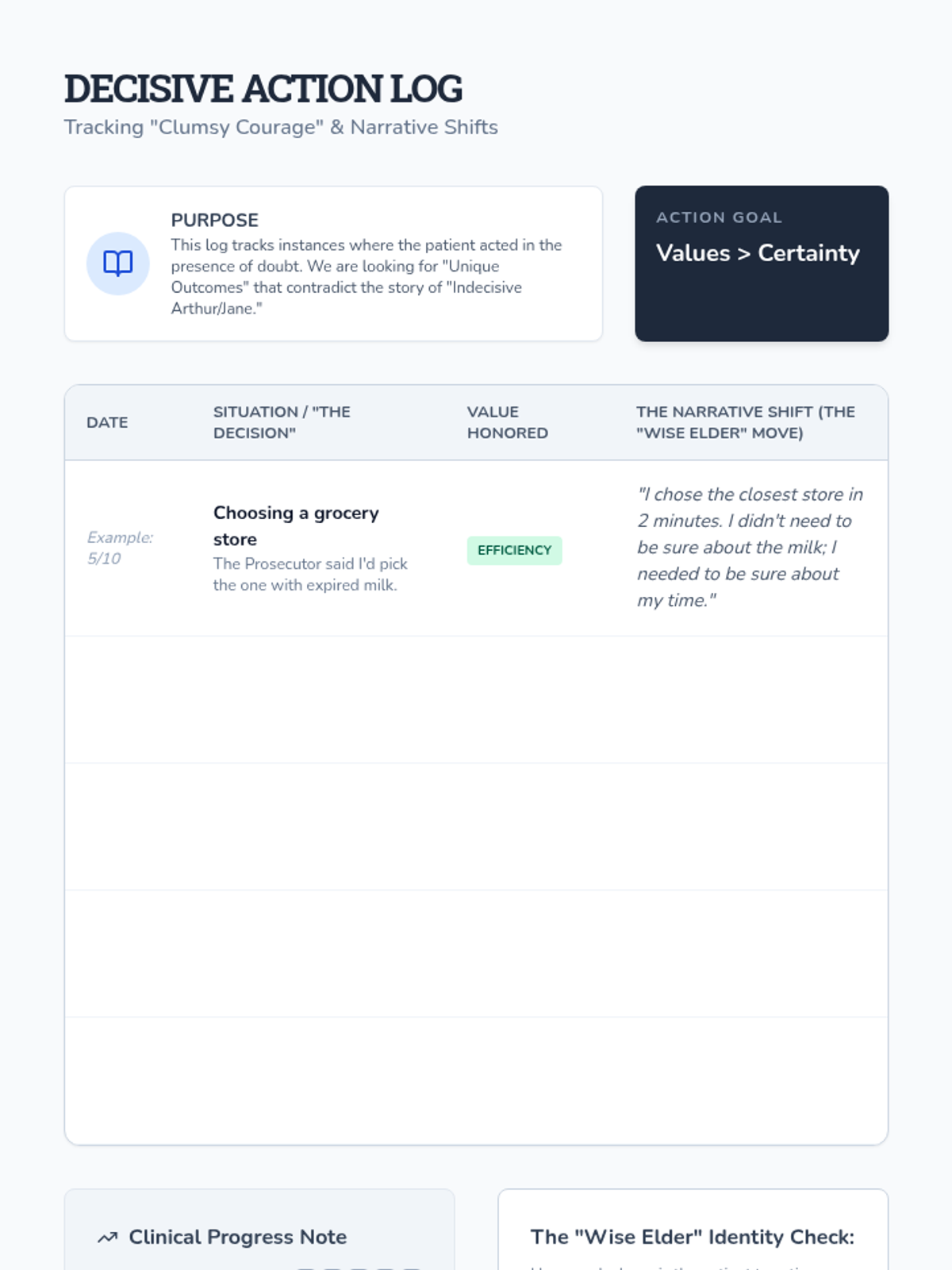
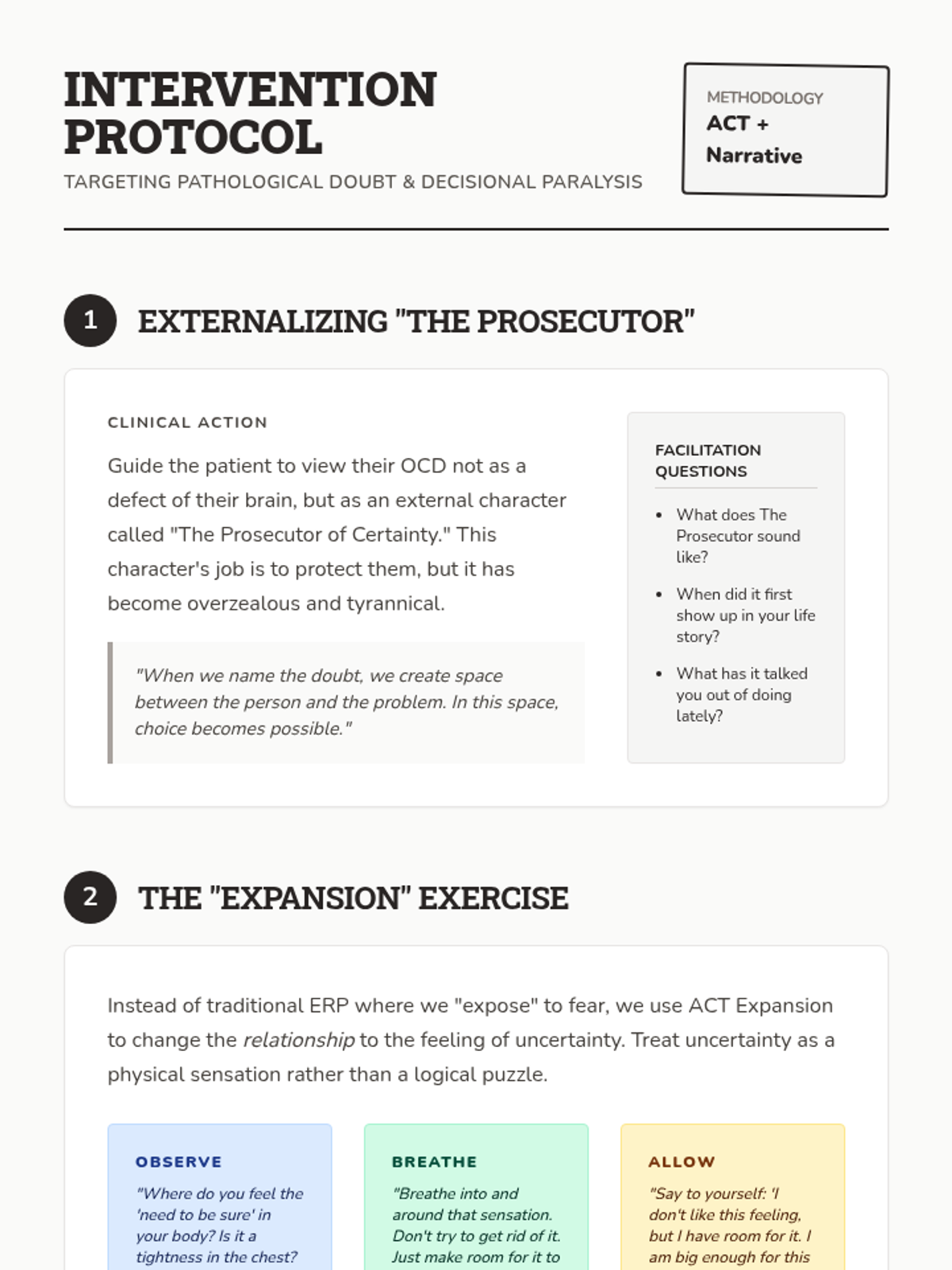
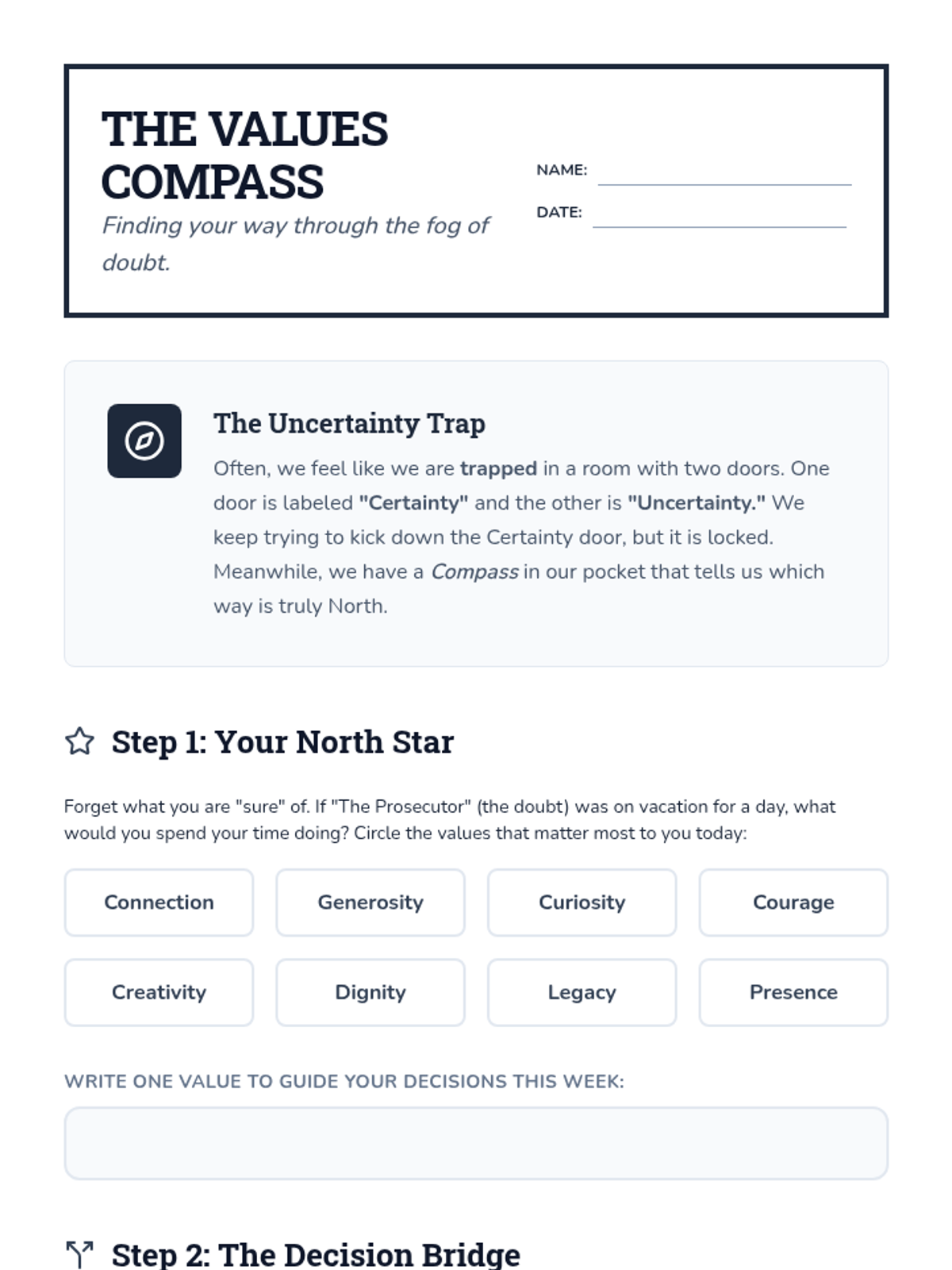
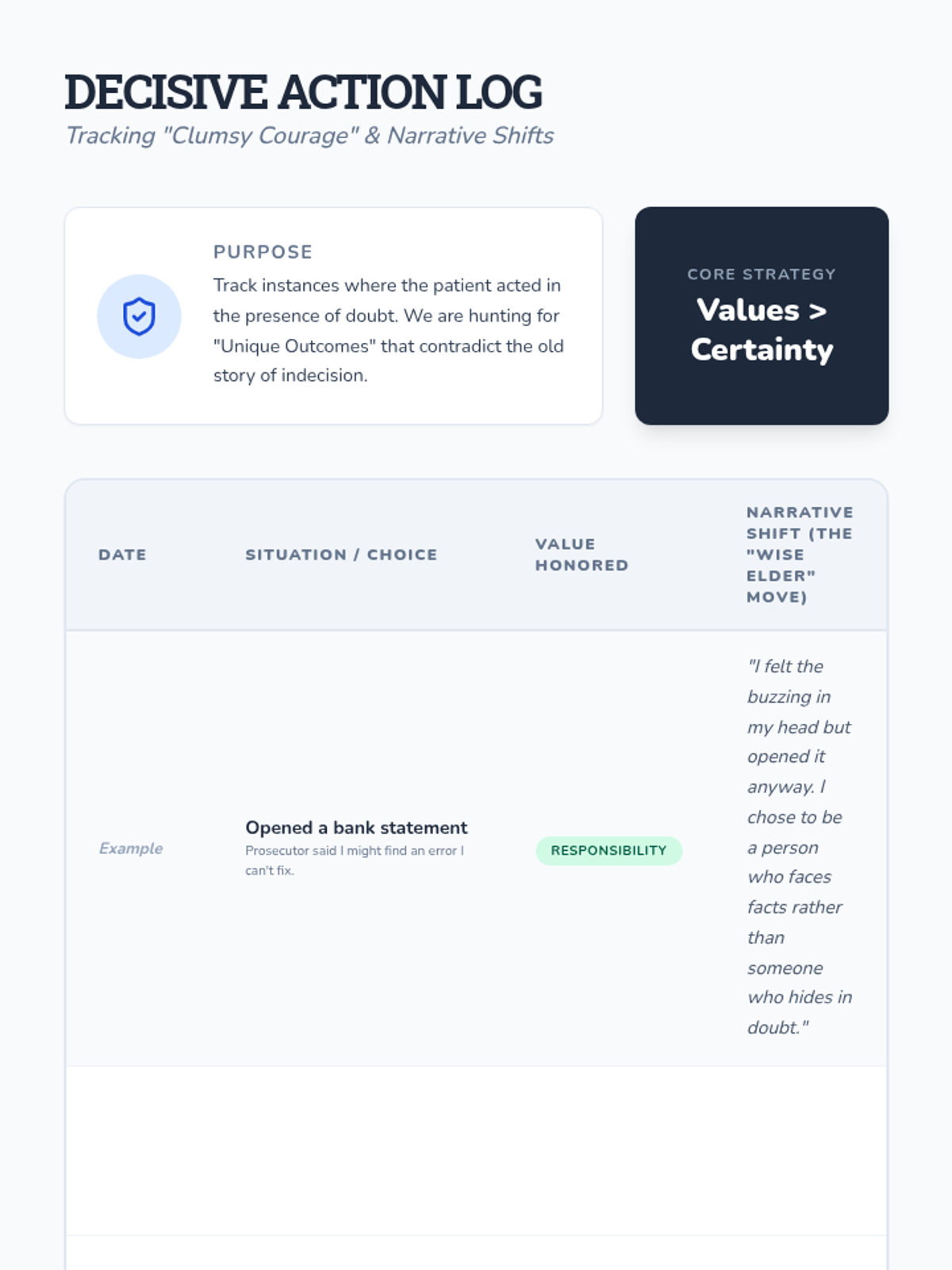
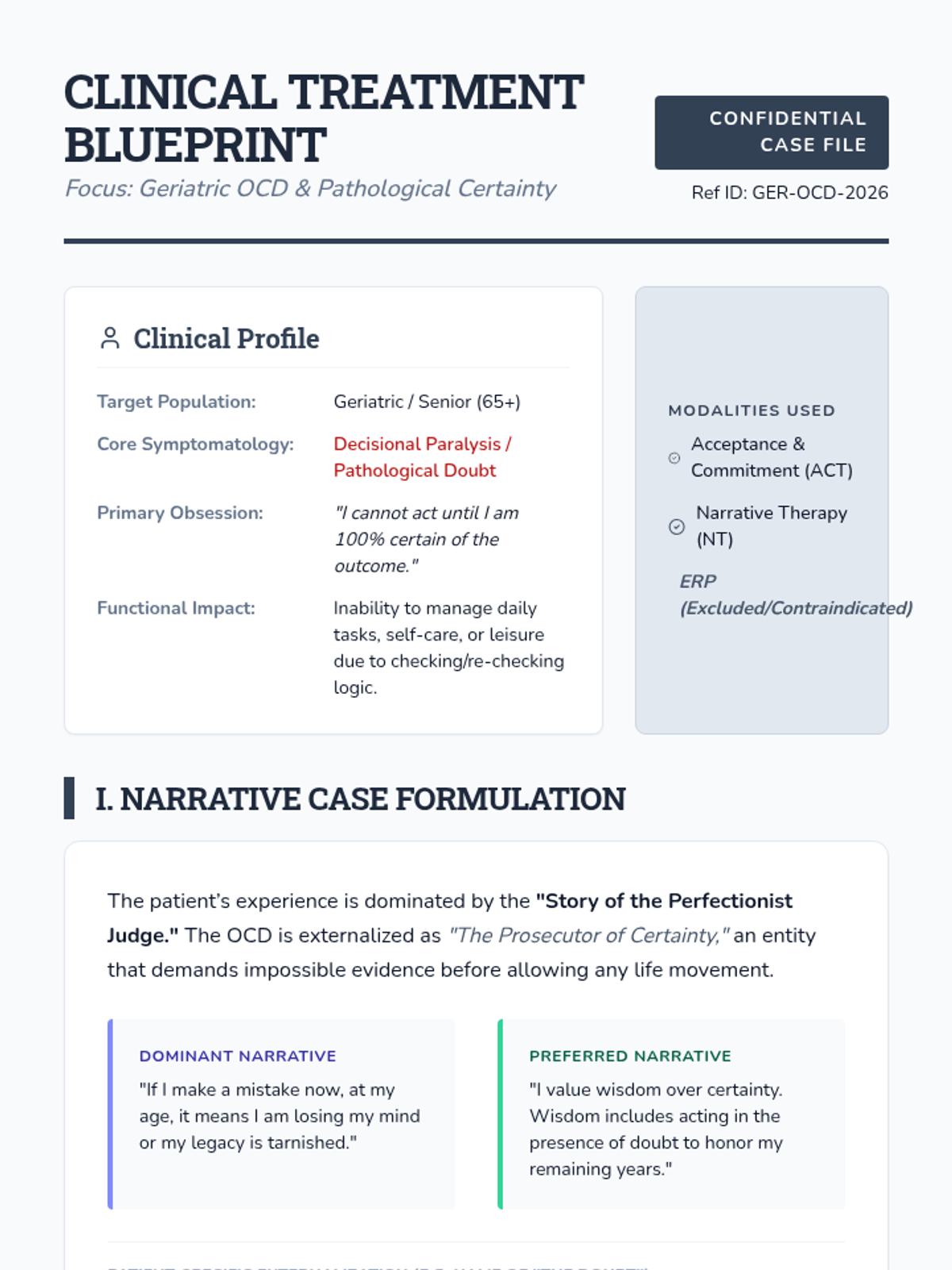
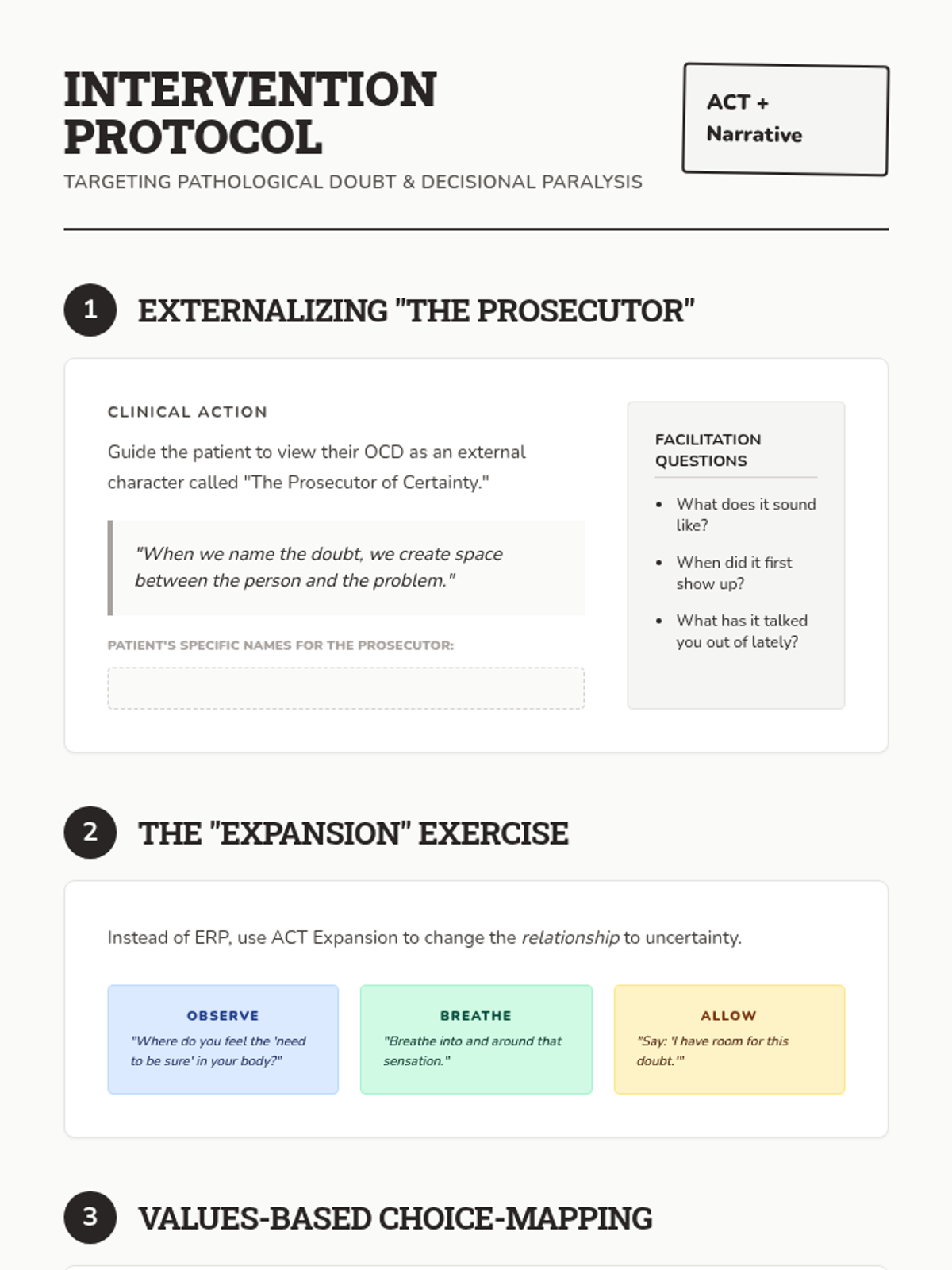
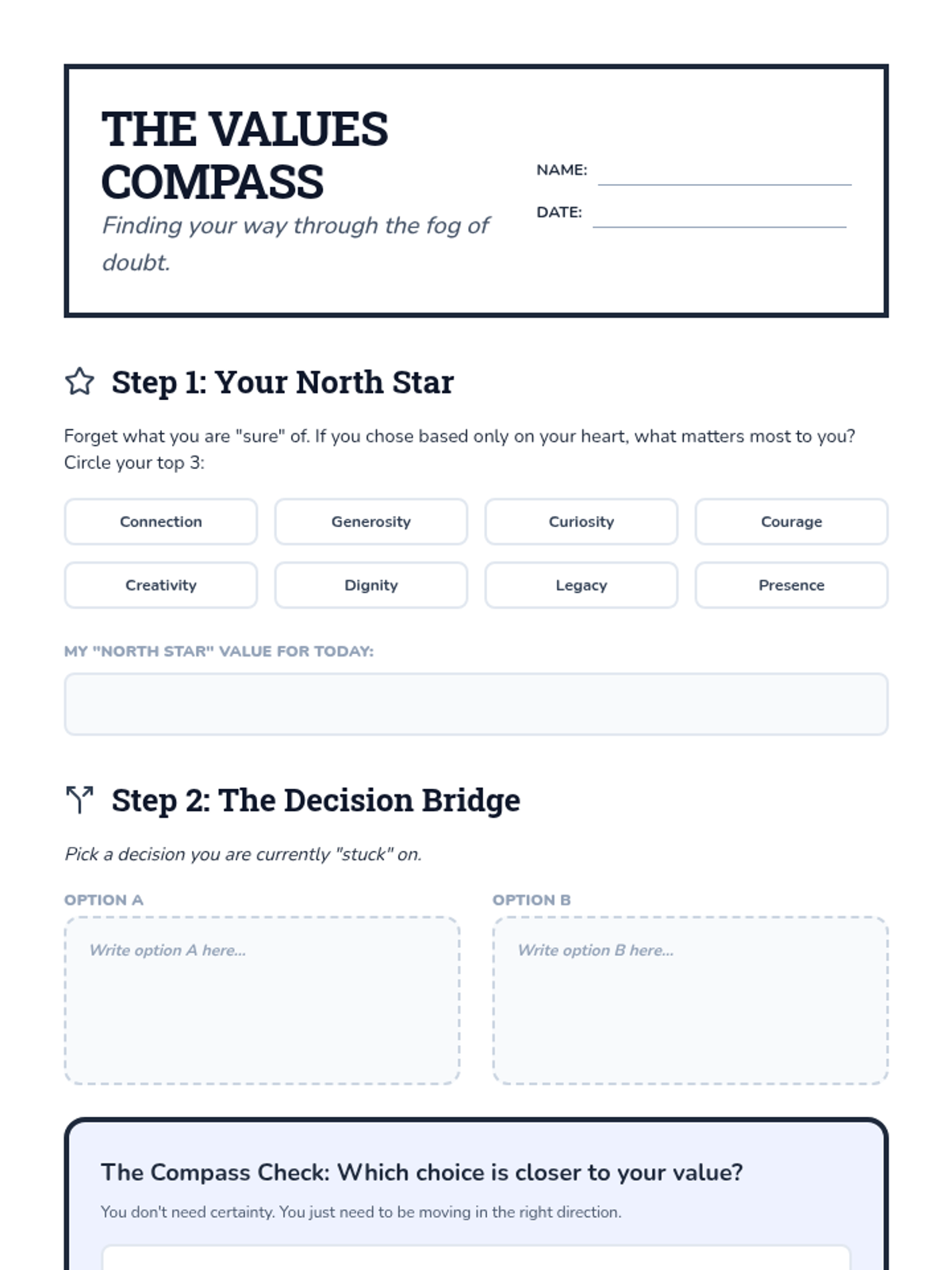
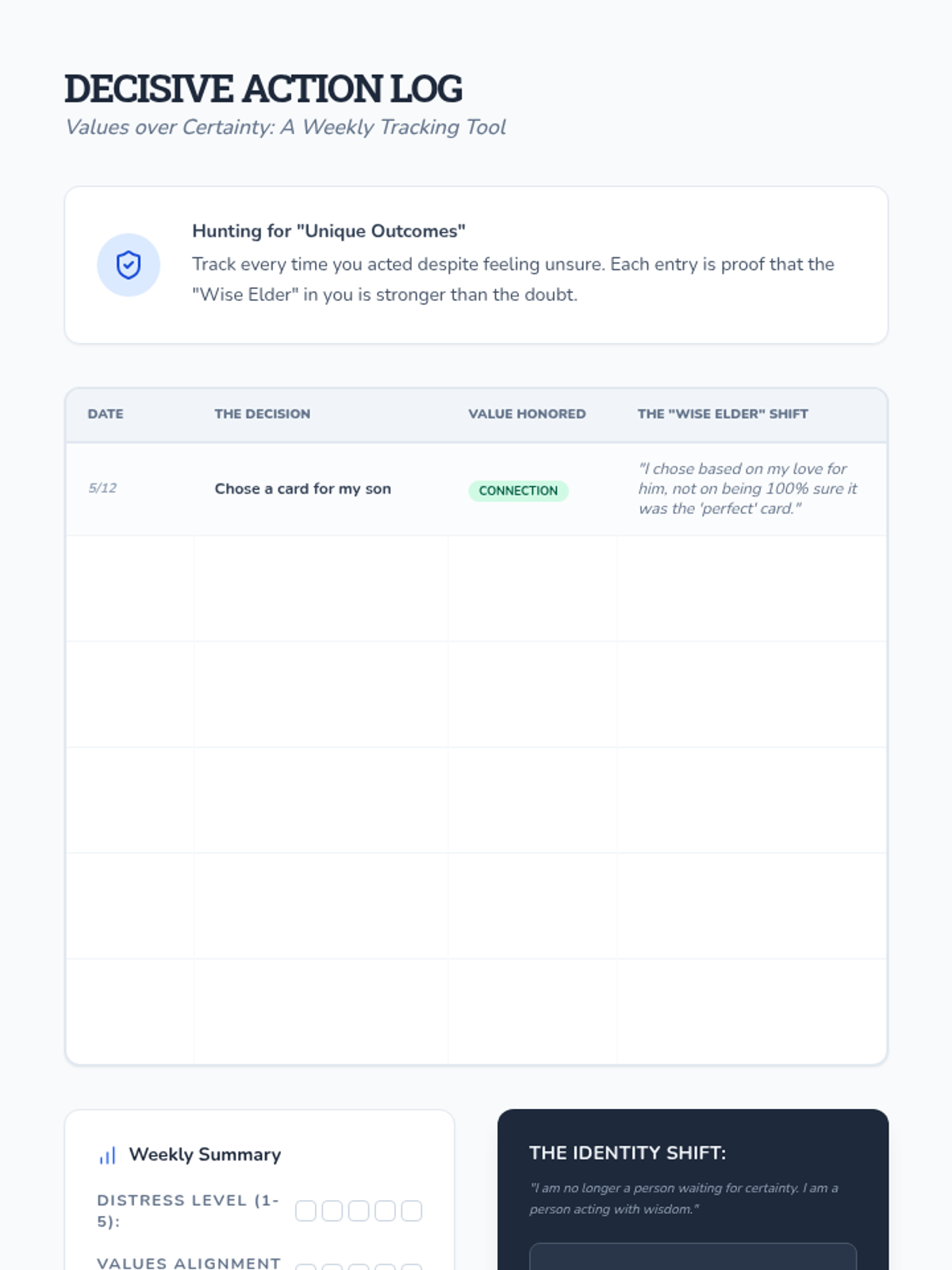
A comprehensive clinical treatment framework for geriatric OCD focused on pathological doubt, utilizing Acceptance and Commitment Therapy (ACT) and Narrative Therapy to bypass traditional ERP.
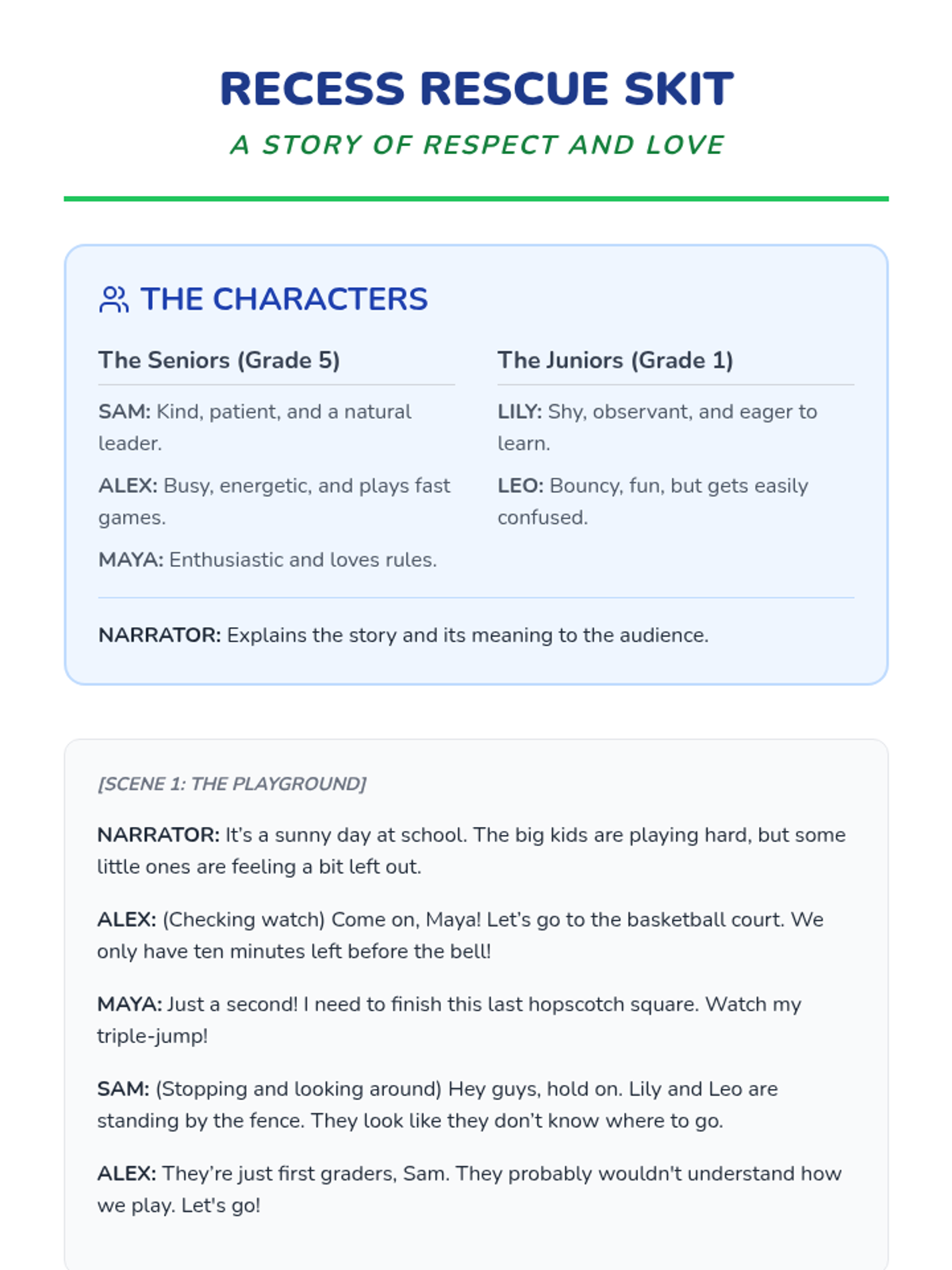
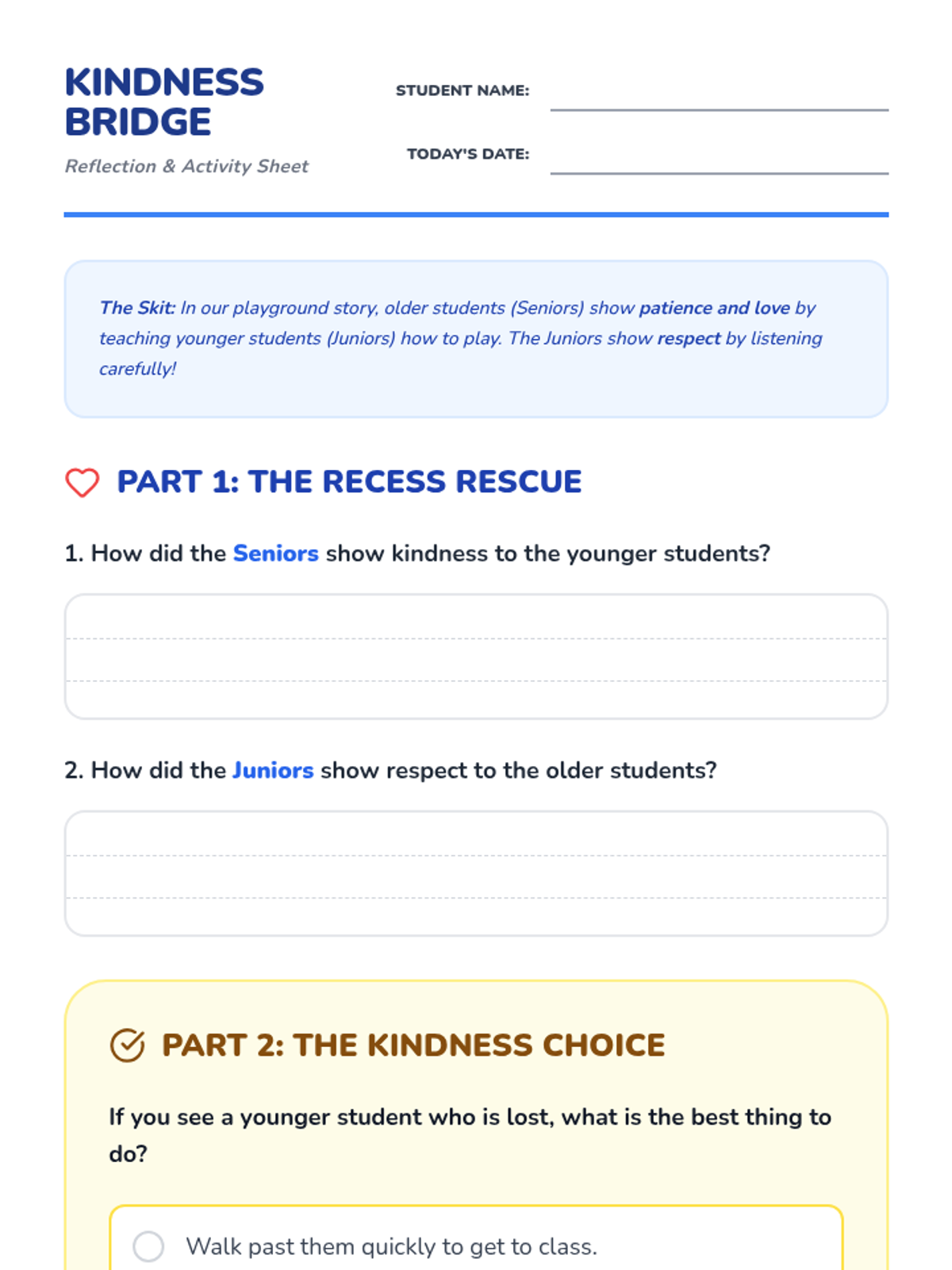
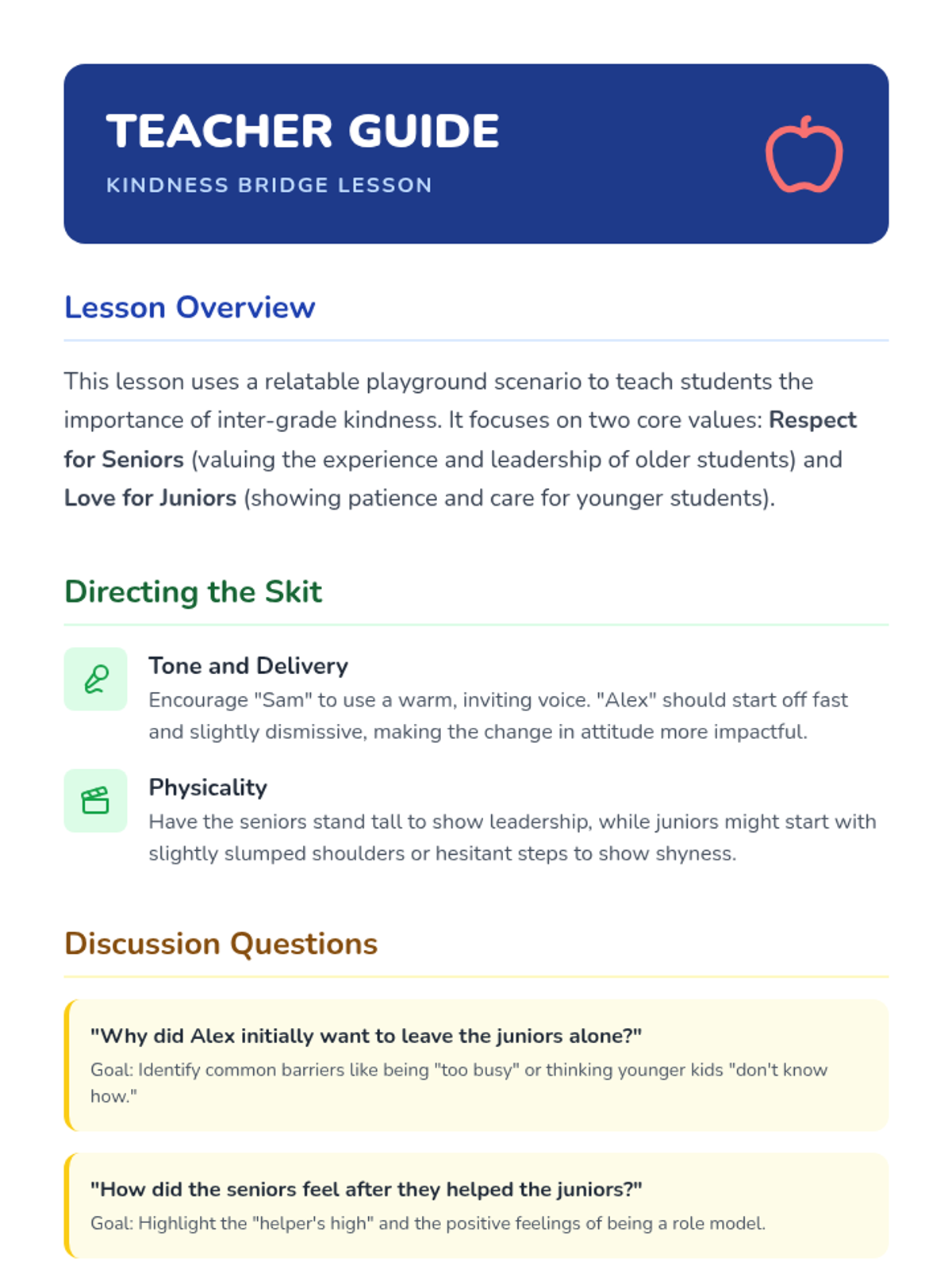
A social-emotional learning lesson focused on the values of respecting elders/seniors and showing kindness/love to younger peers through a simple, age-appropriate skit.
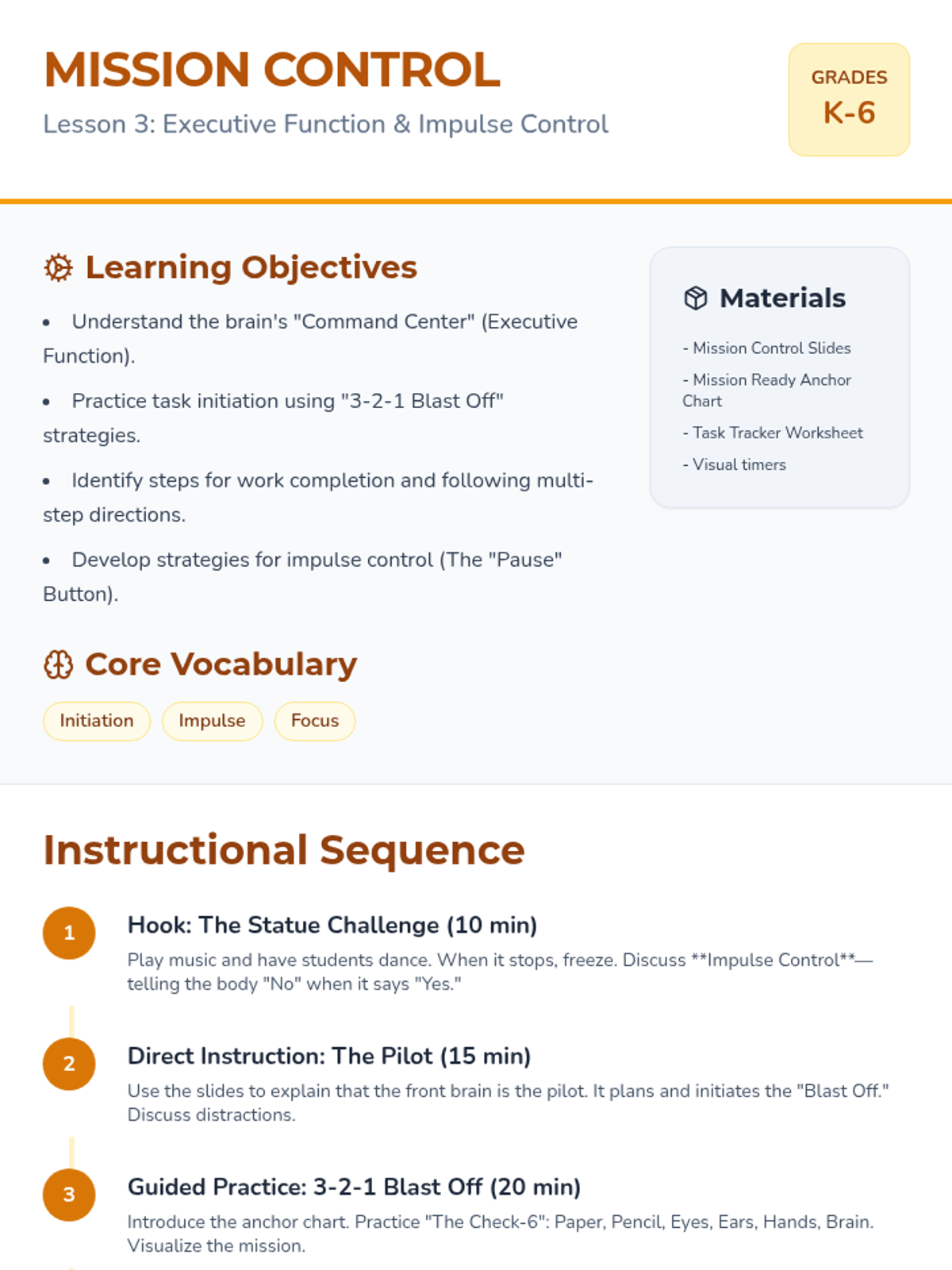
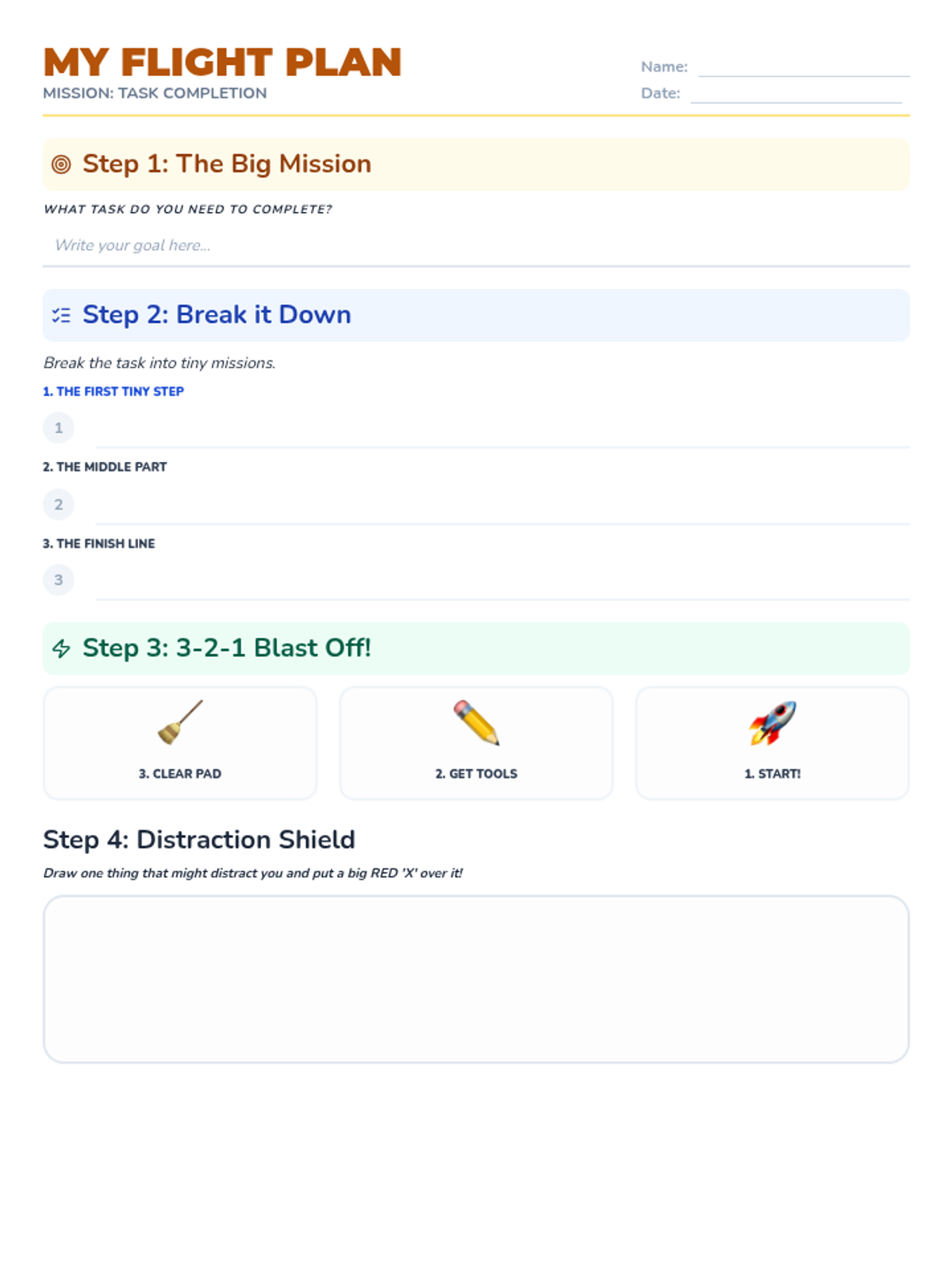
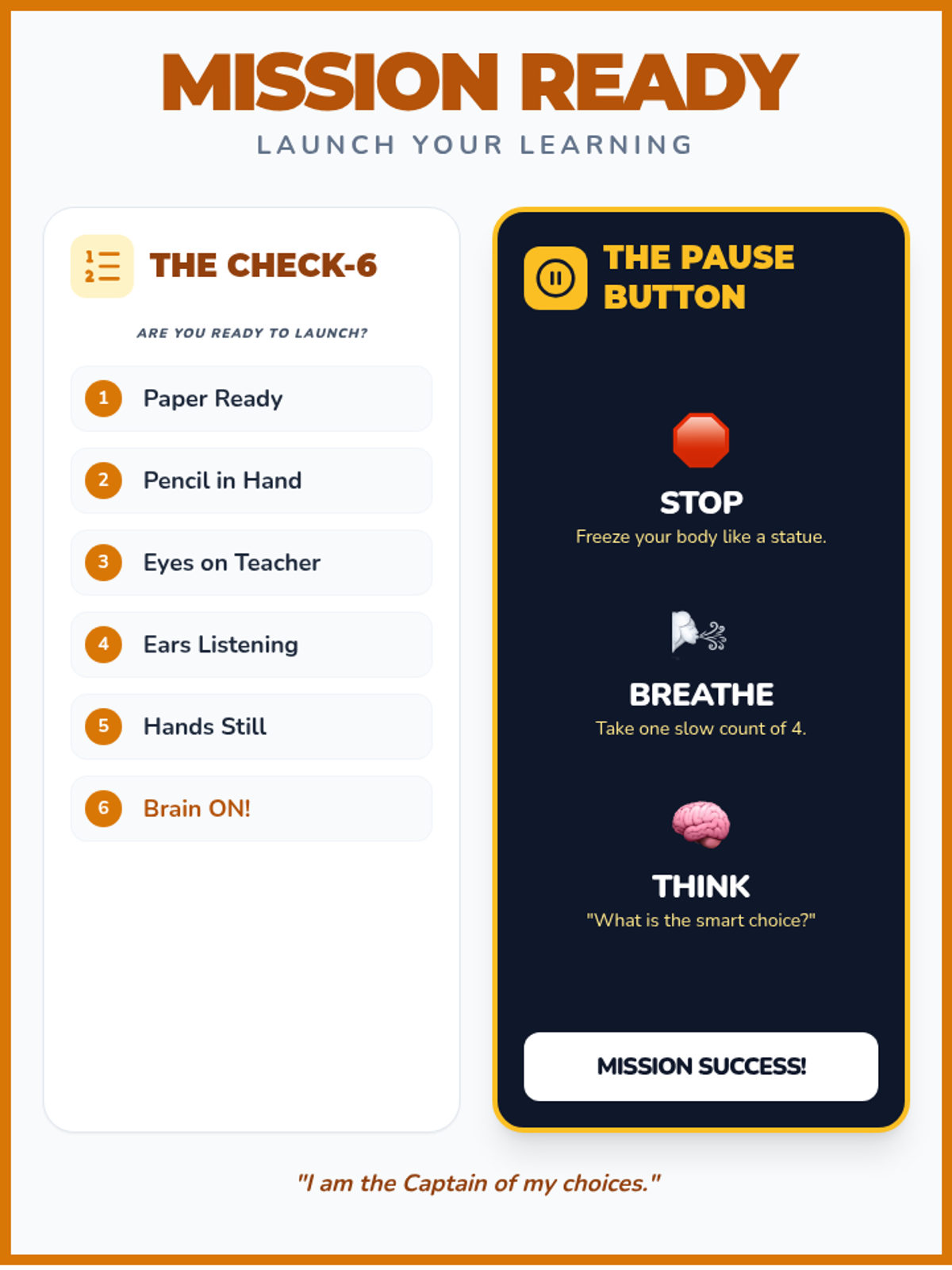
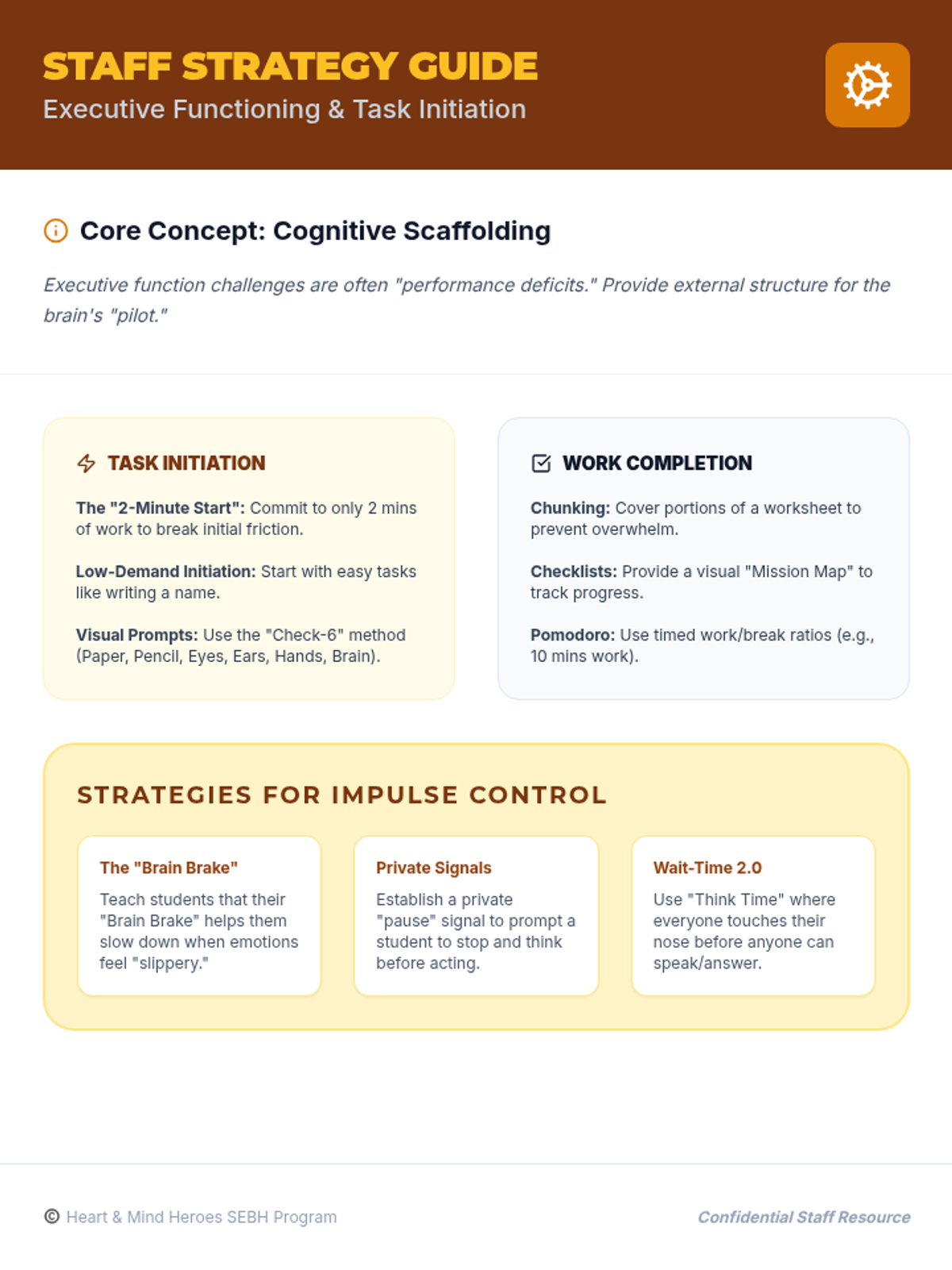
Targets executive functioning skills including task initiation, following directions, and impulse control through 'mission control' strategies.
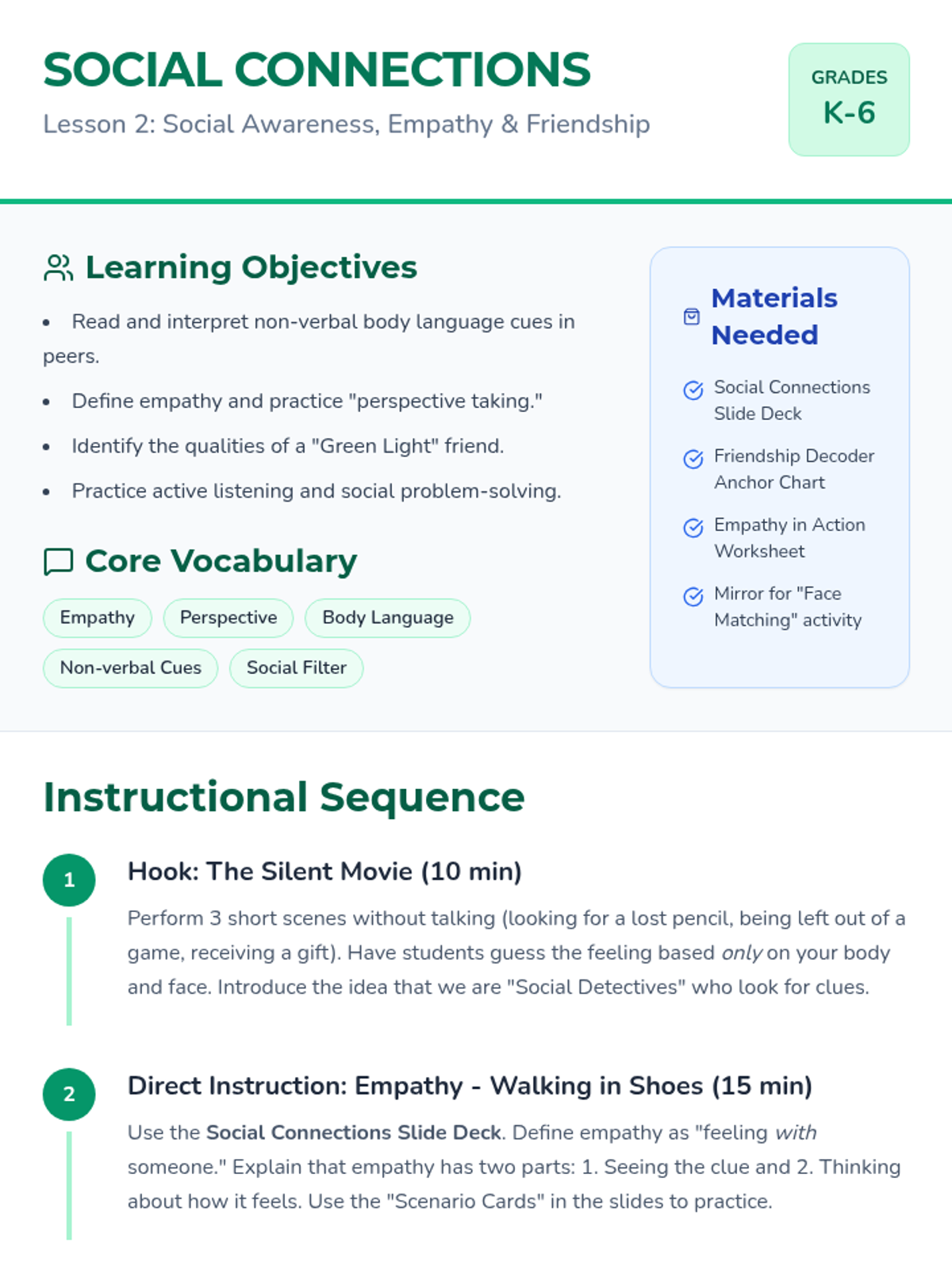
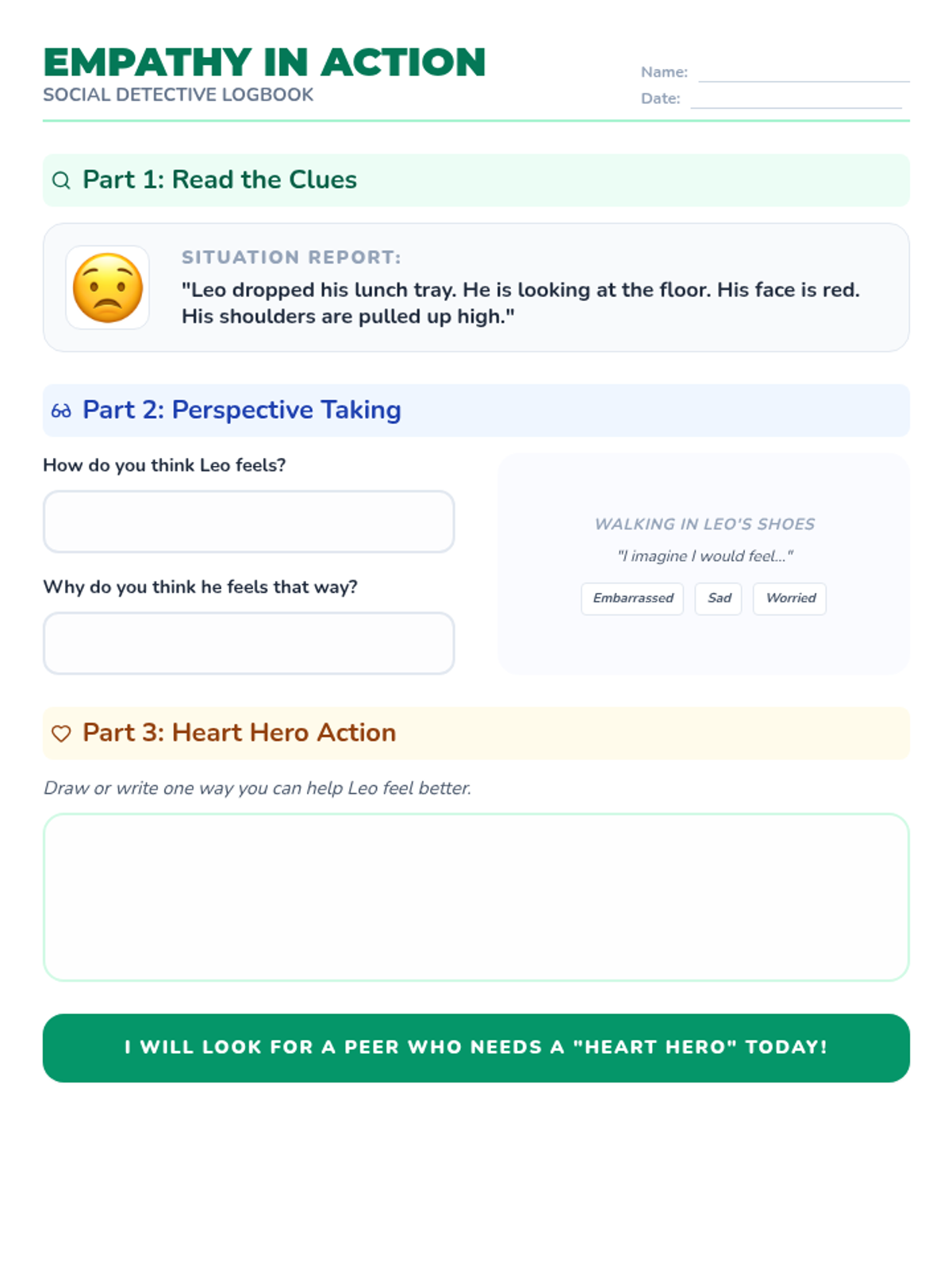
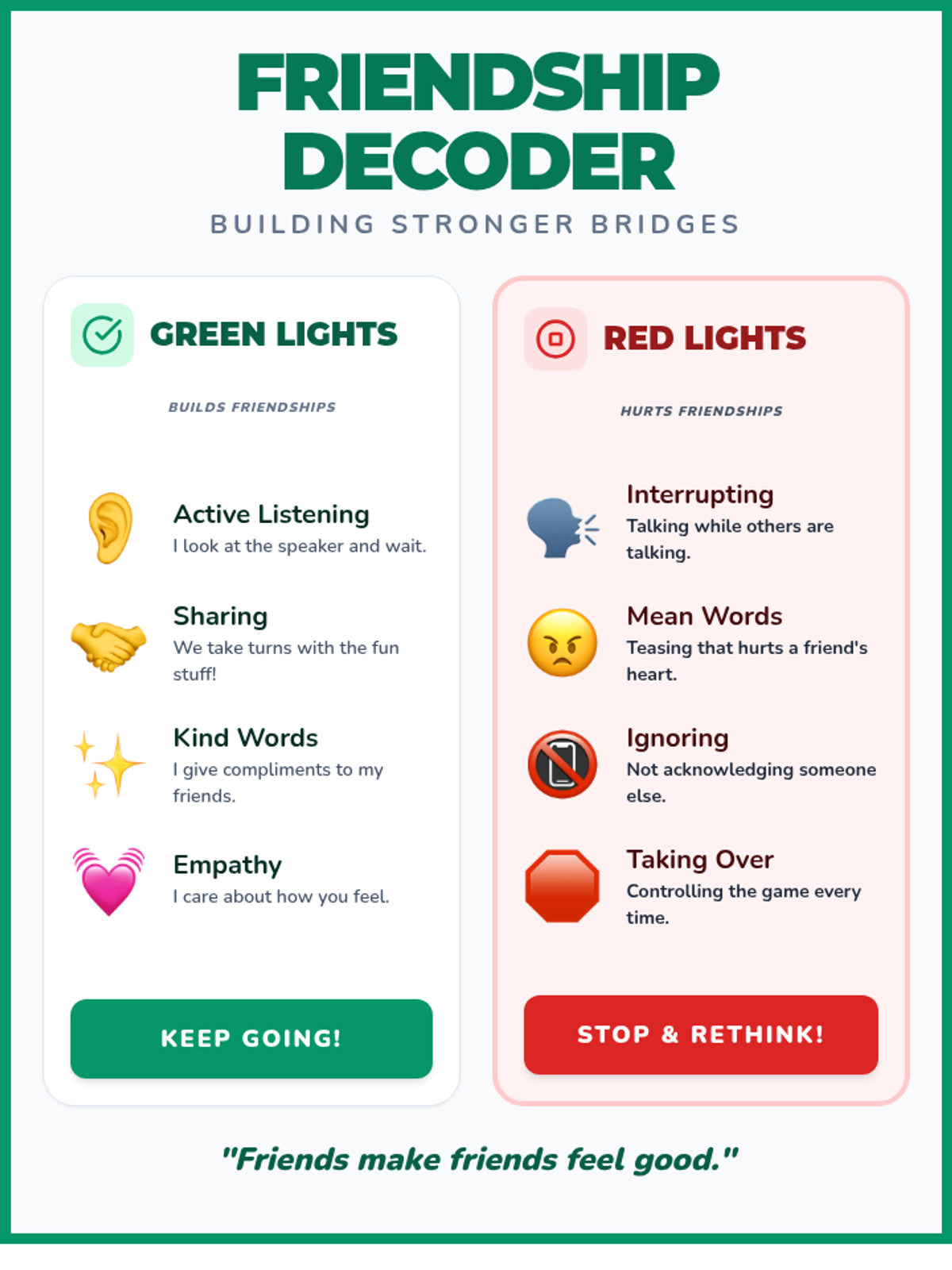
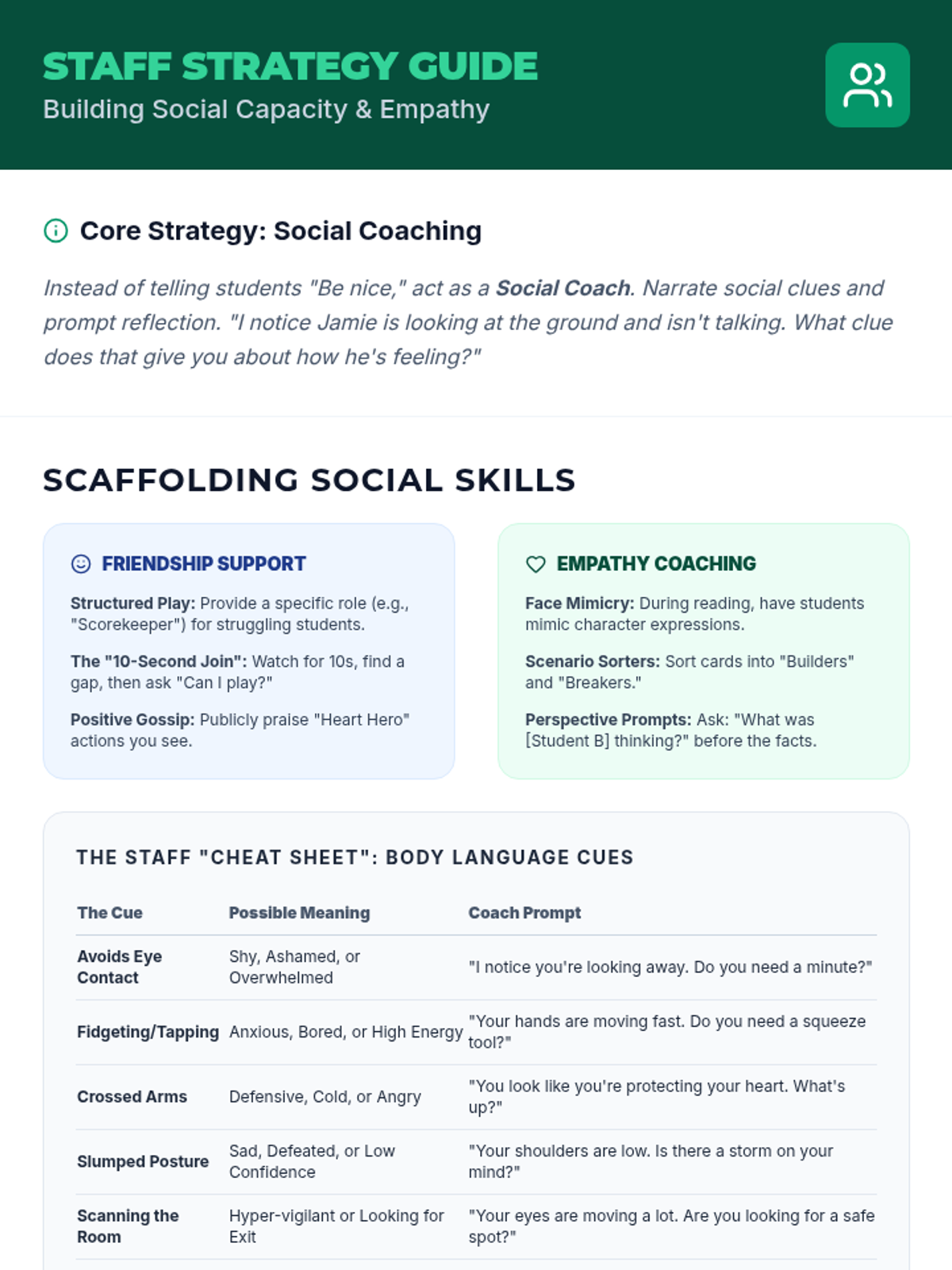
Develops social awareness, empathy, and friendship skills by teaching students to read body language and respond with kindness.
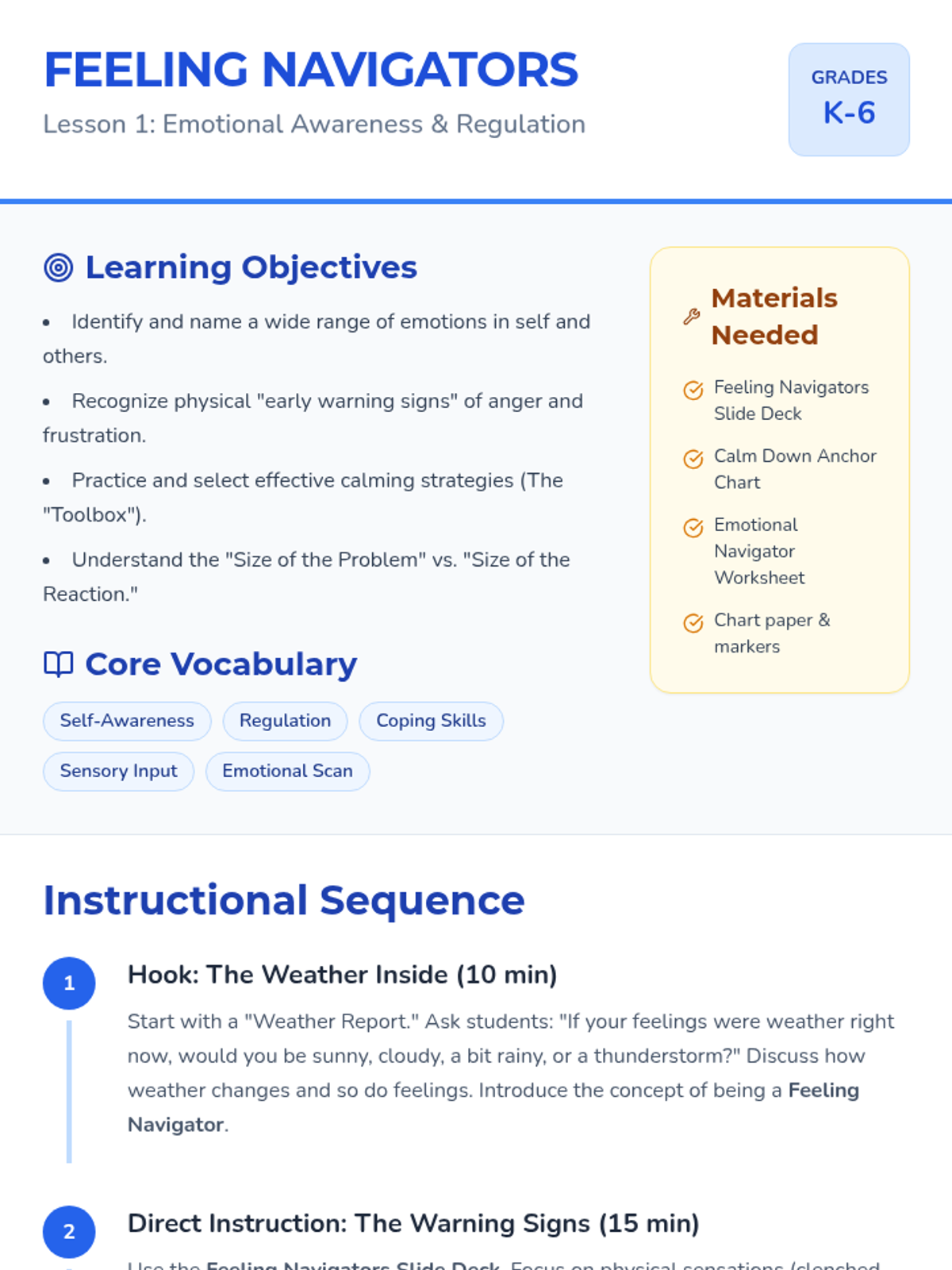
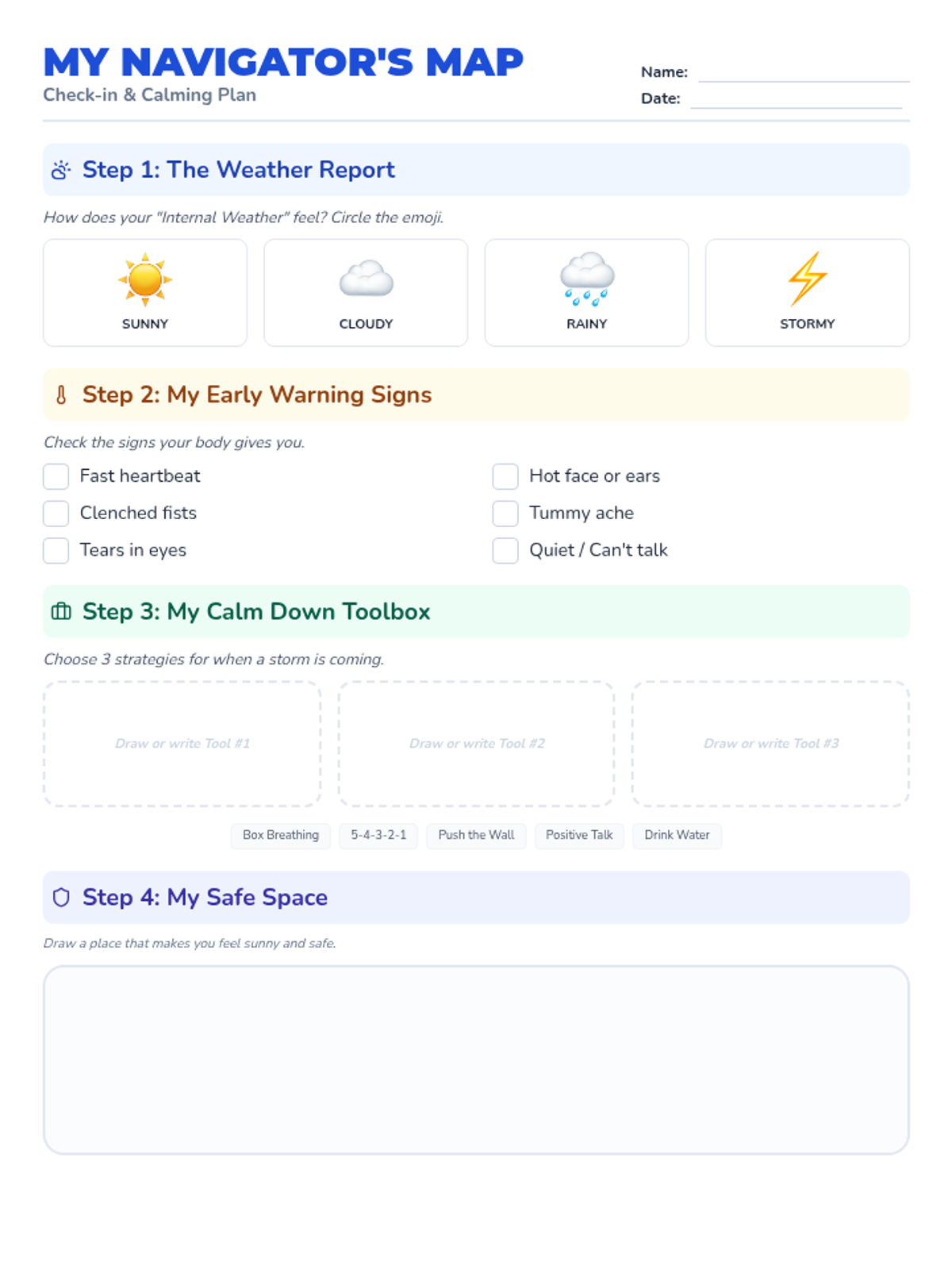
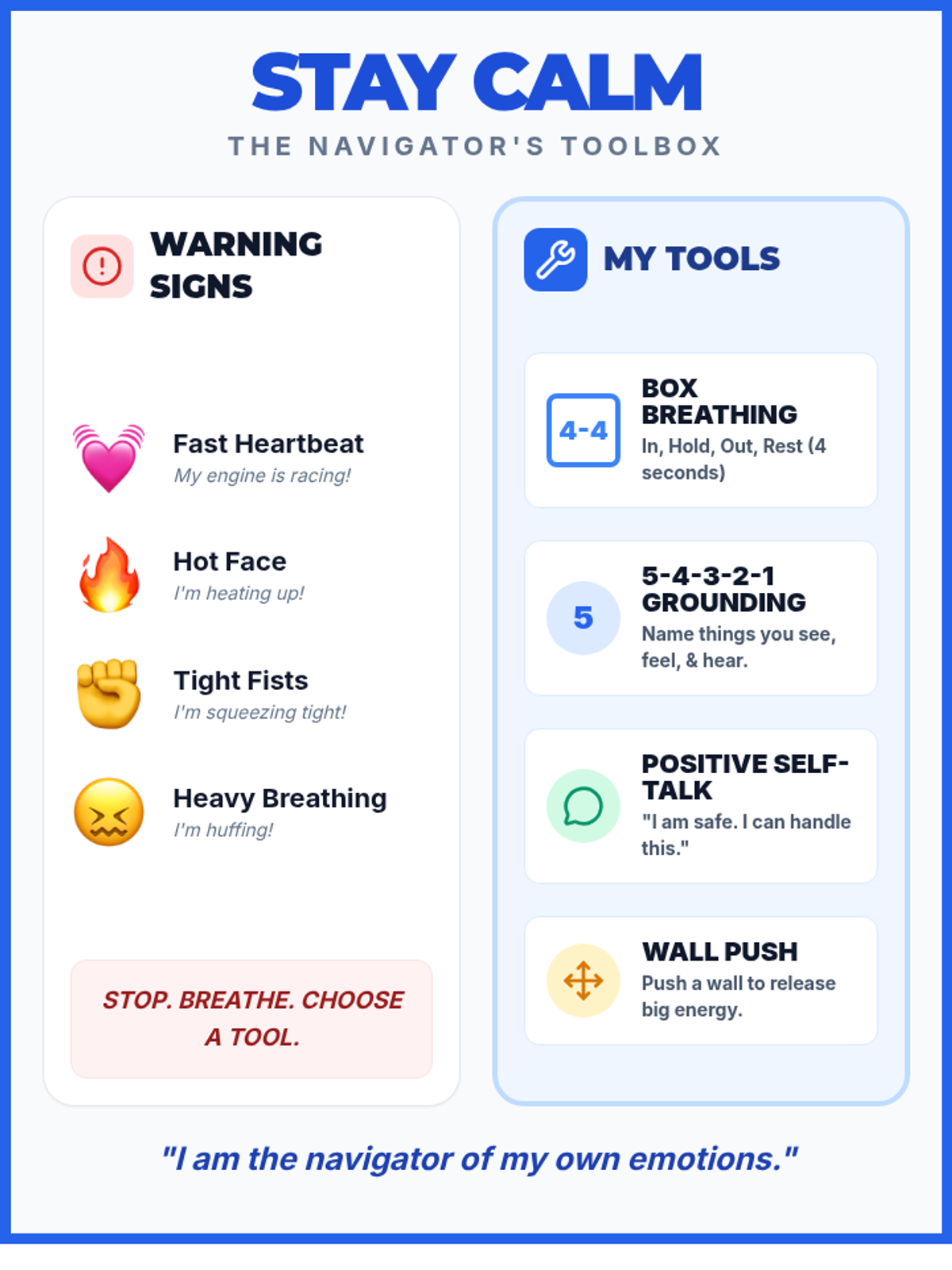
Focuses on identifying emotions, understanding the physical signs of anger, and building a toolbox of calming strategies for self-regulation.
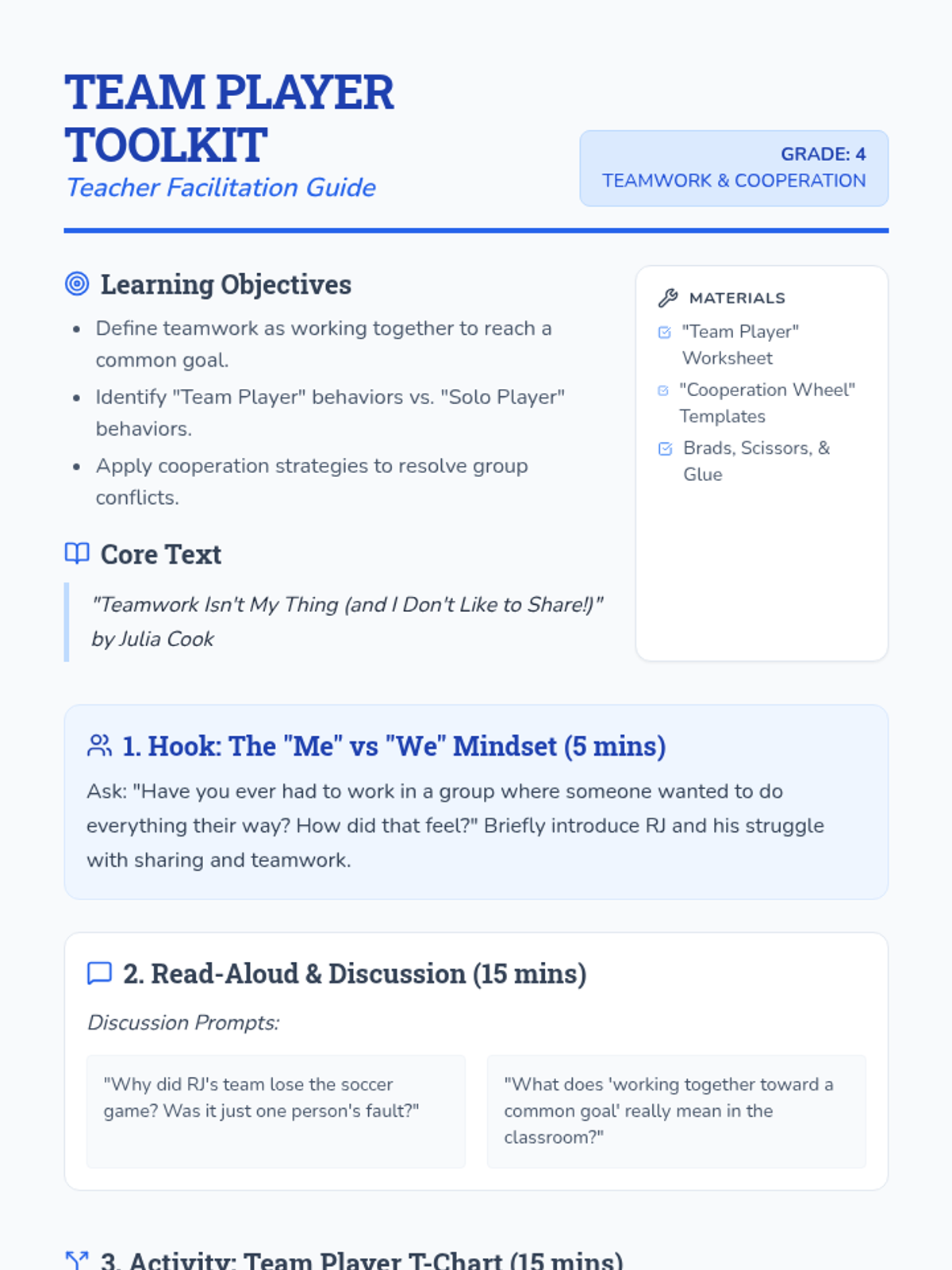
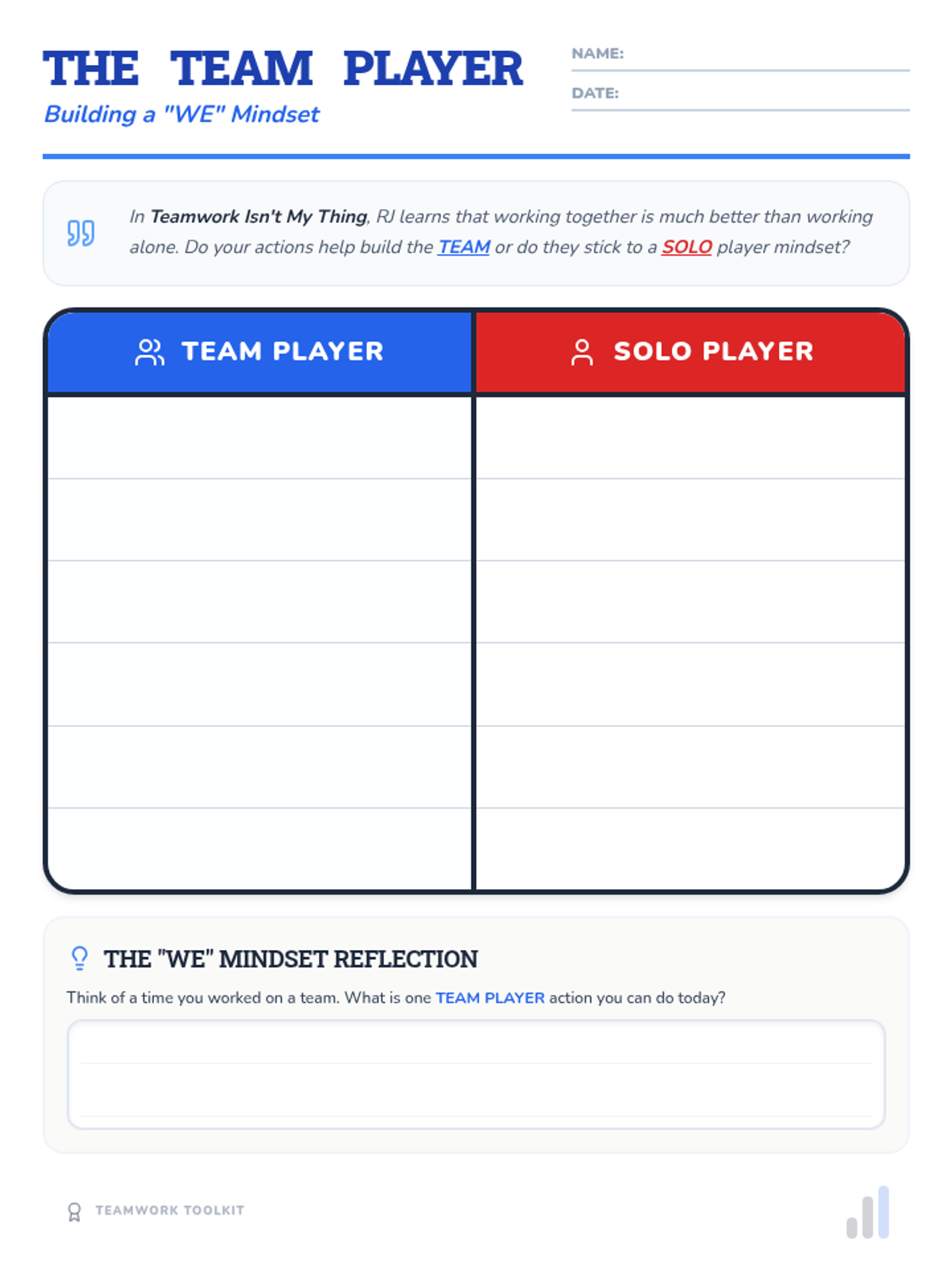
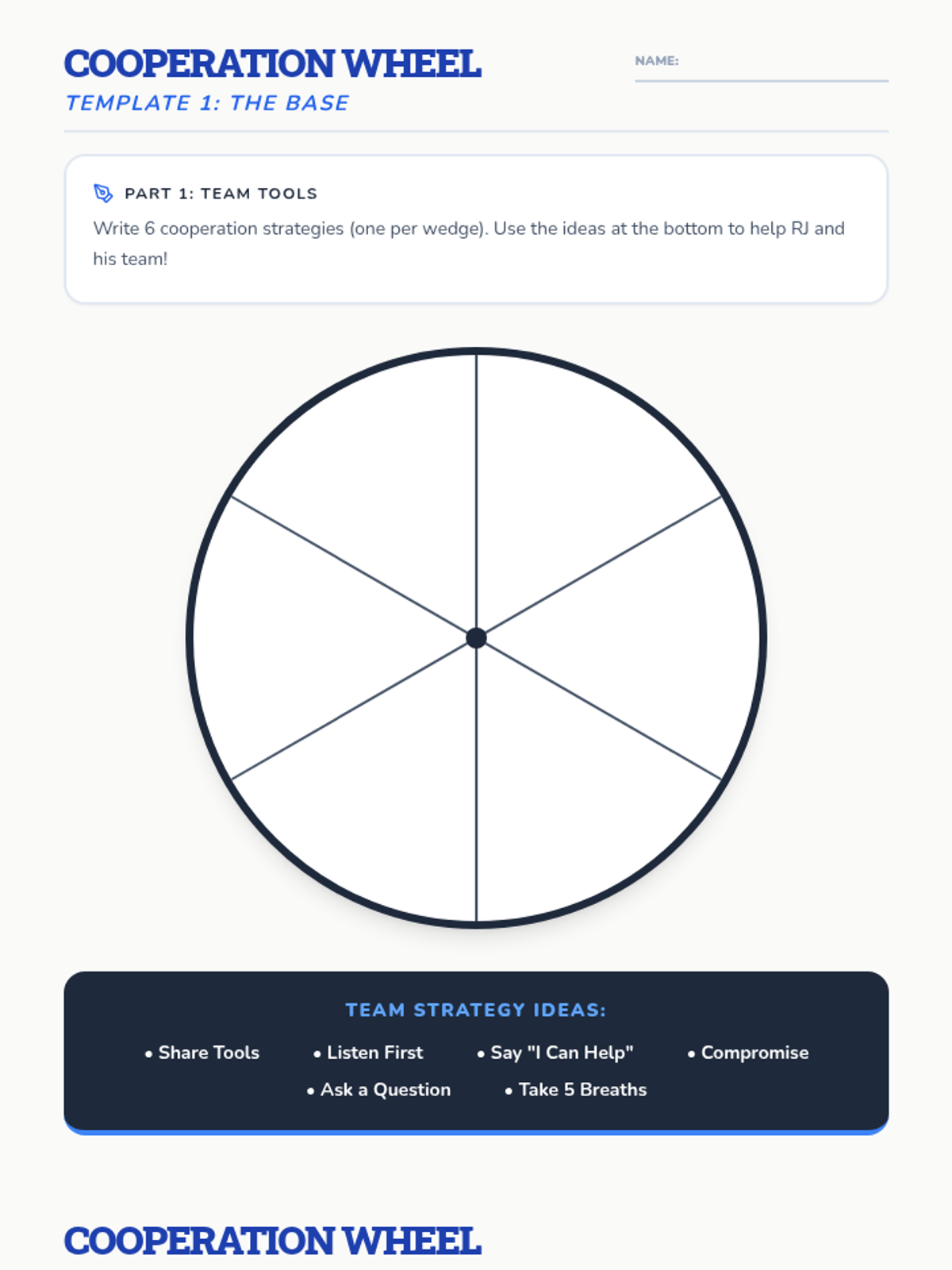
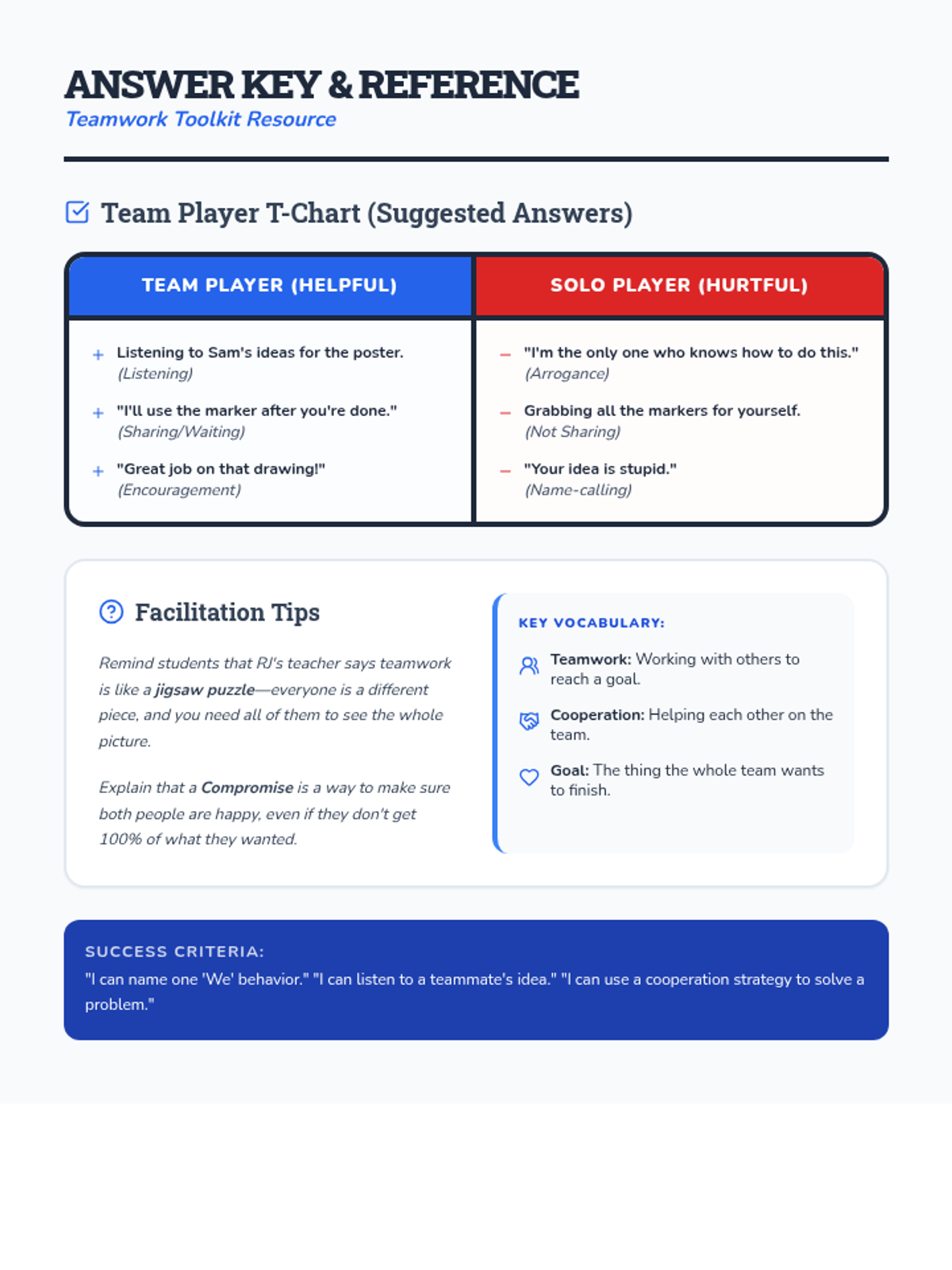
A social-emotional learning lesson focusing on teamwork and cooperation using Julia Cook's 'Teamwork Isn't My Thing (and I Don't Like to Share!)'. Students will learn to transition from a 'Me' mindset to a 'We' mindset through T-chart analysis and a personal strategy wheel.
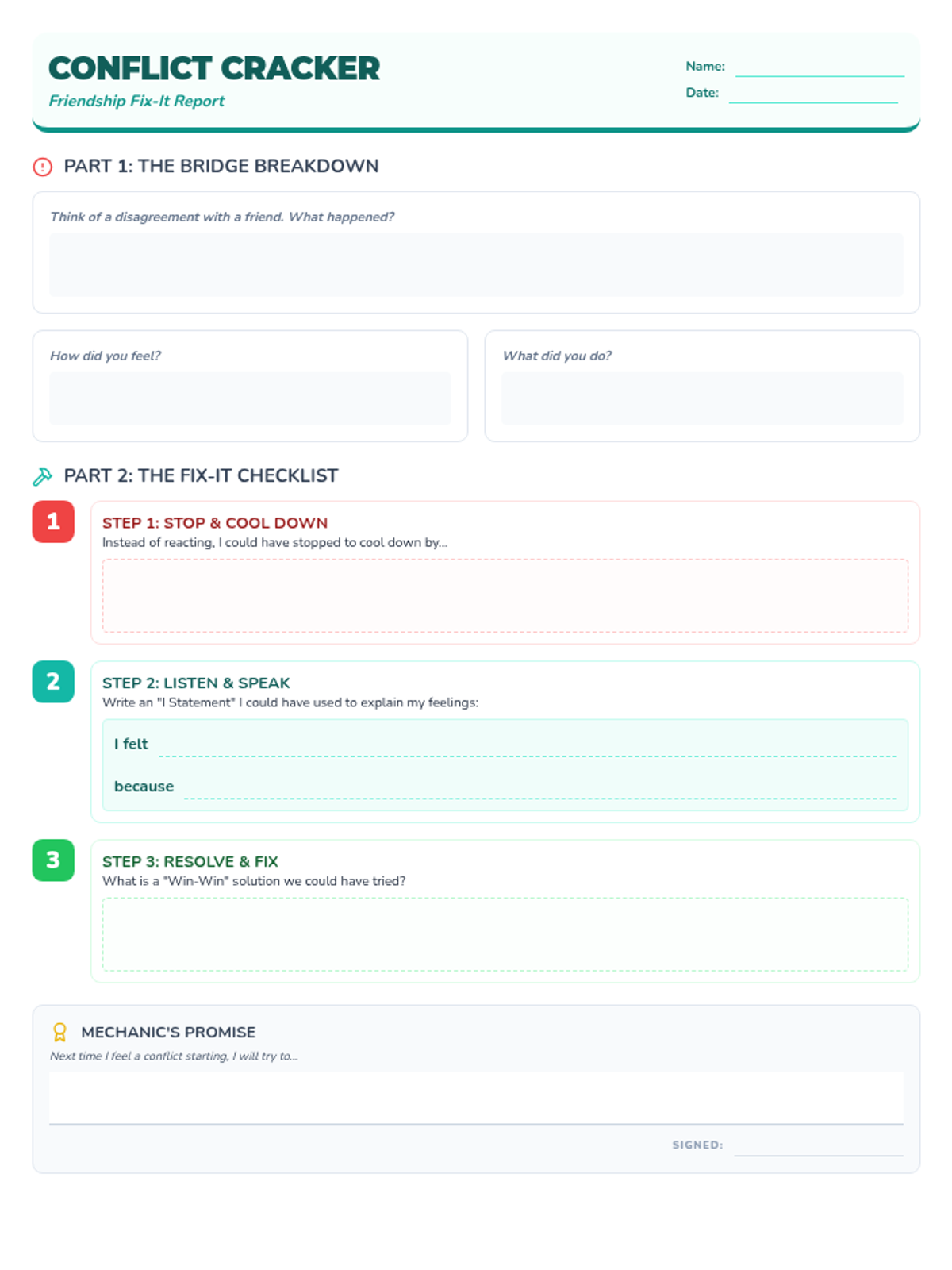
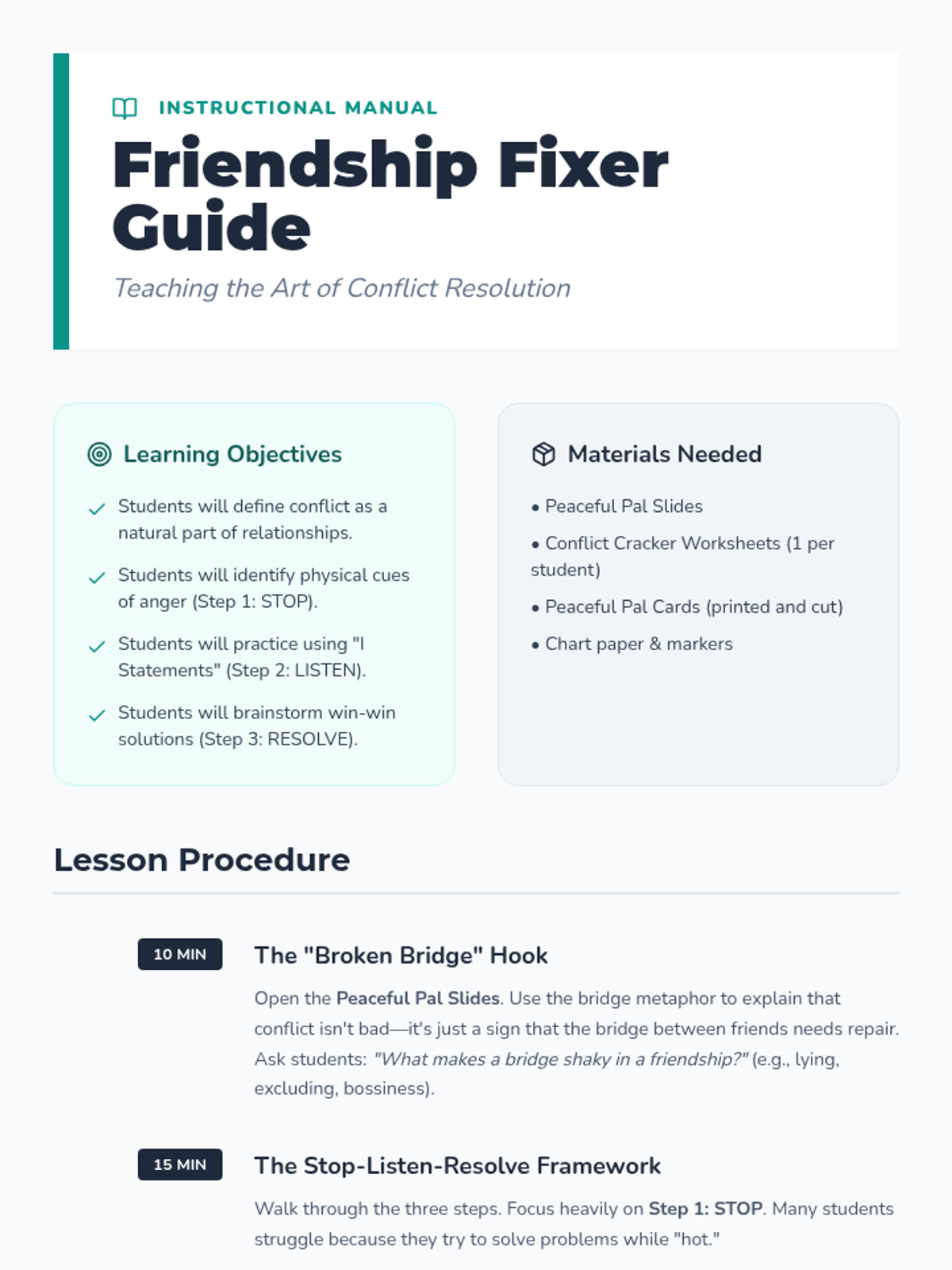
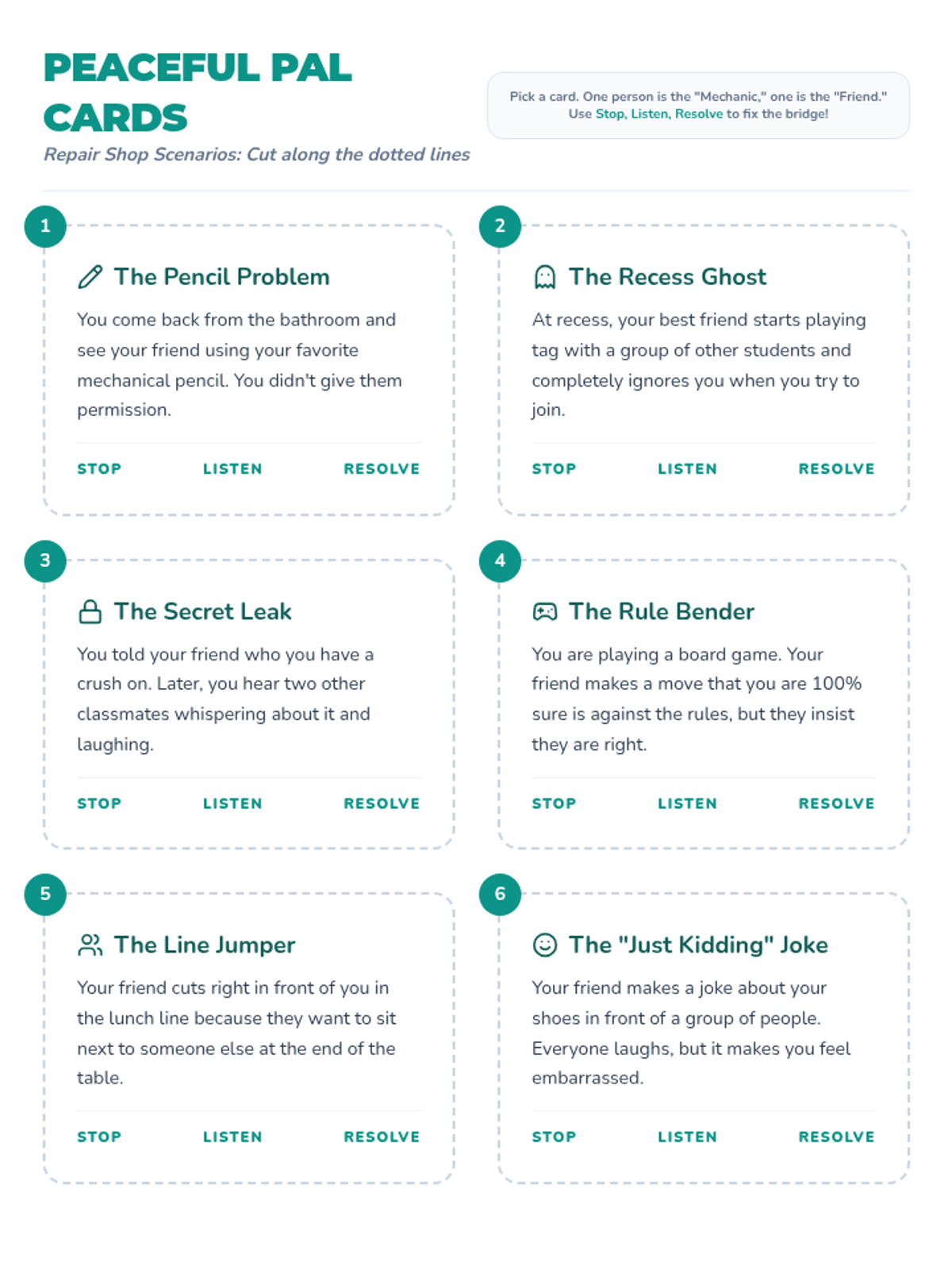
This lesson teaches students how to navigate disagreements in friendships using a 'Fix-It' approach. Students will learn the 'Stop, Listen, Resolve' framework to turn conflicts into opportunities for growth.
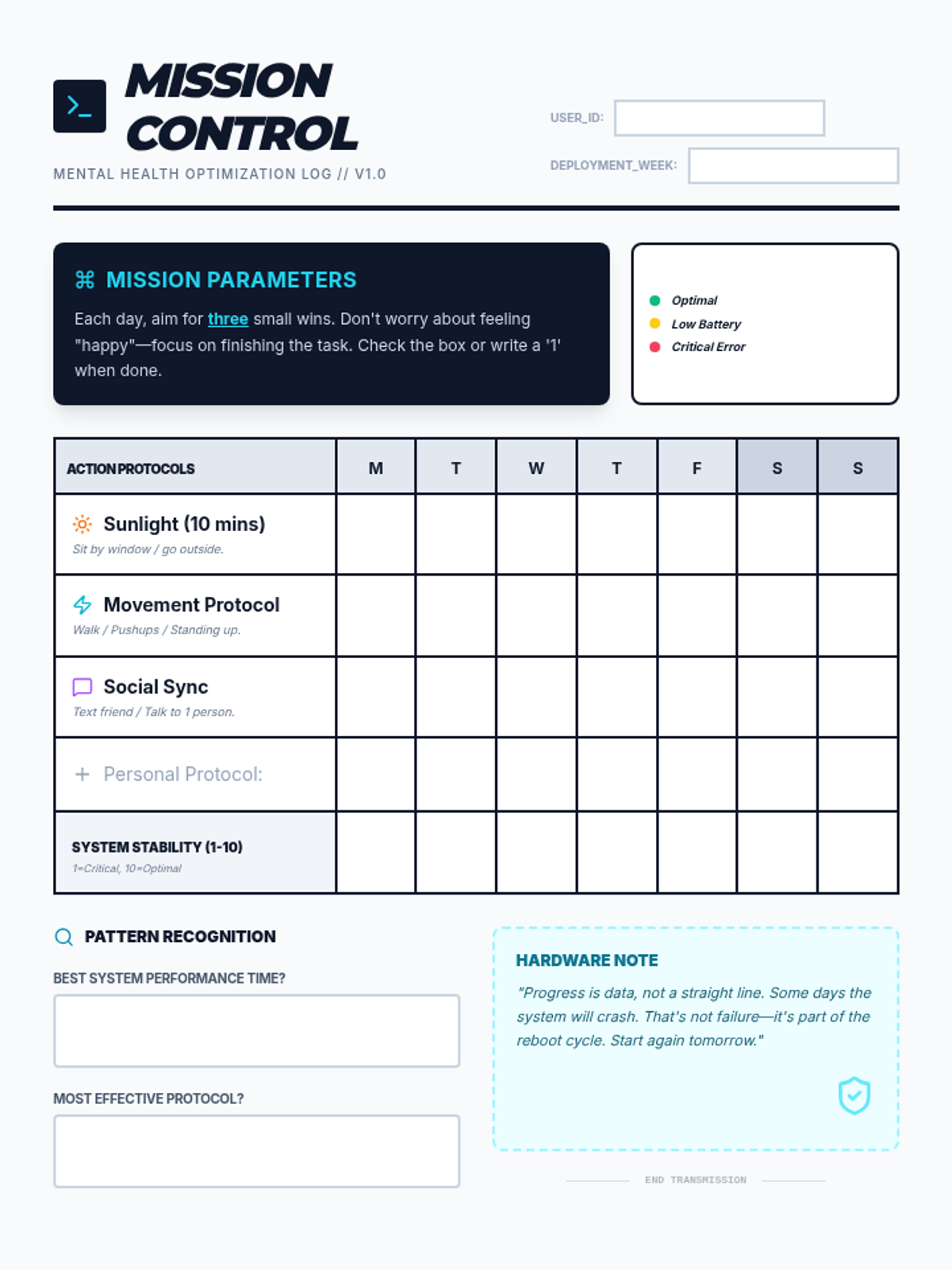
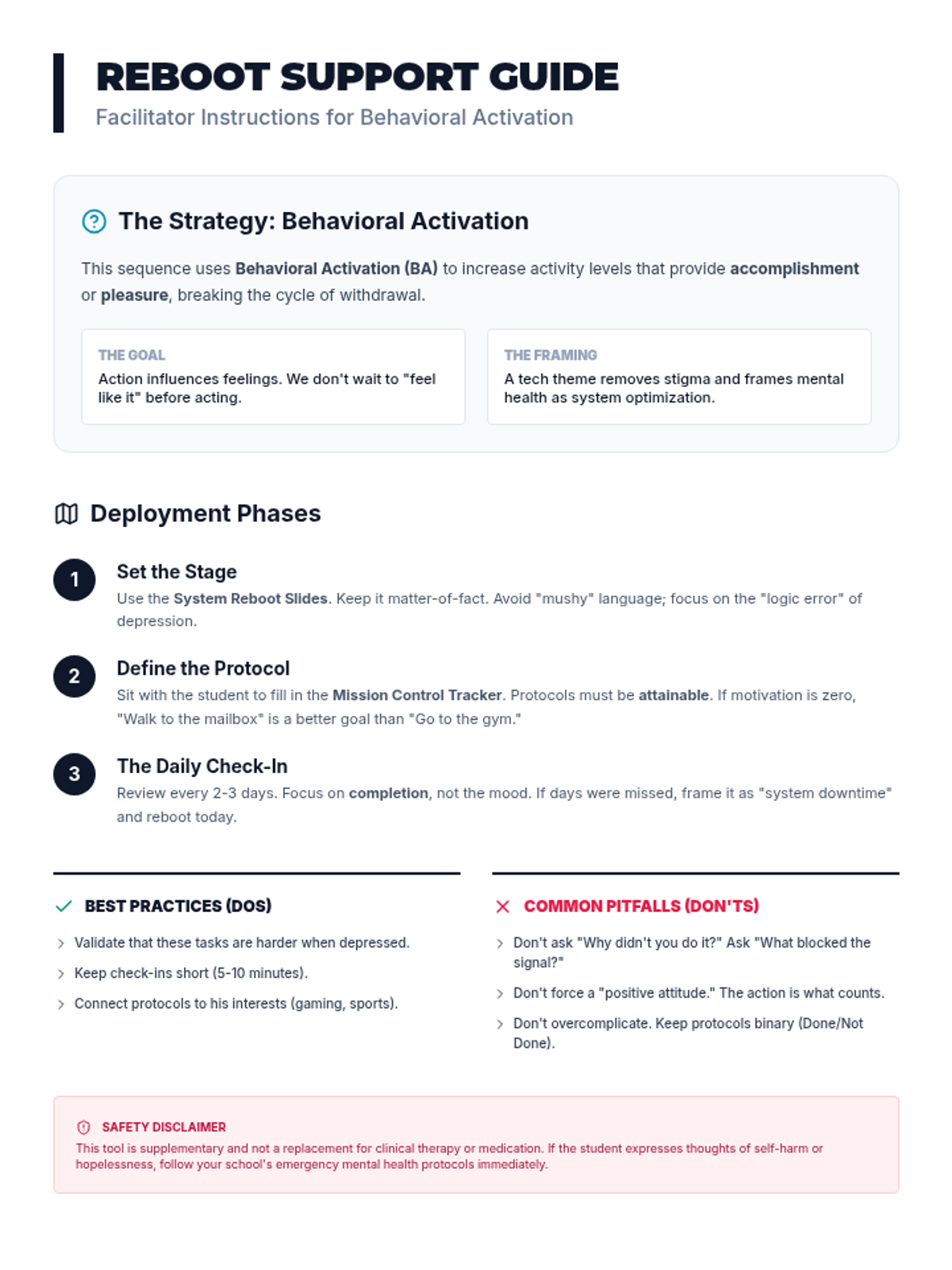
A focused lesson on identifying small daily goals that improve mood and tracking them using a technical 'Mission Control' framework. The lesson emphasizes behavioral activation and self-monitoring.
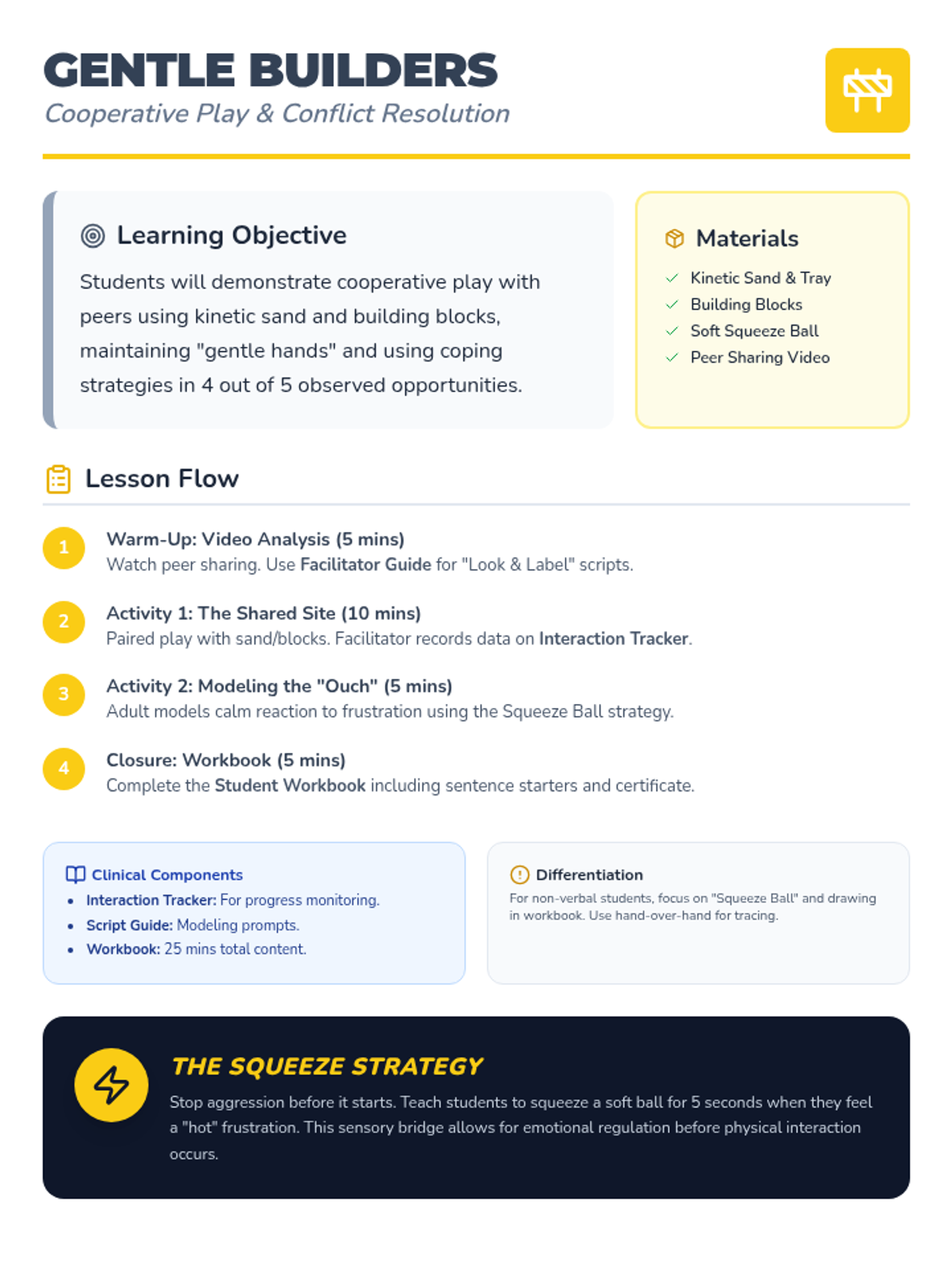
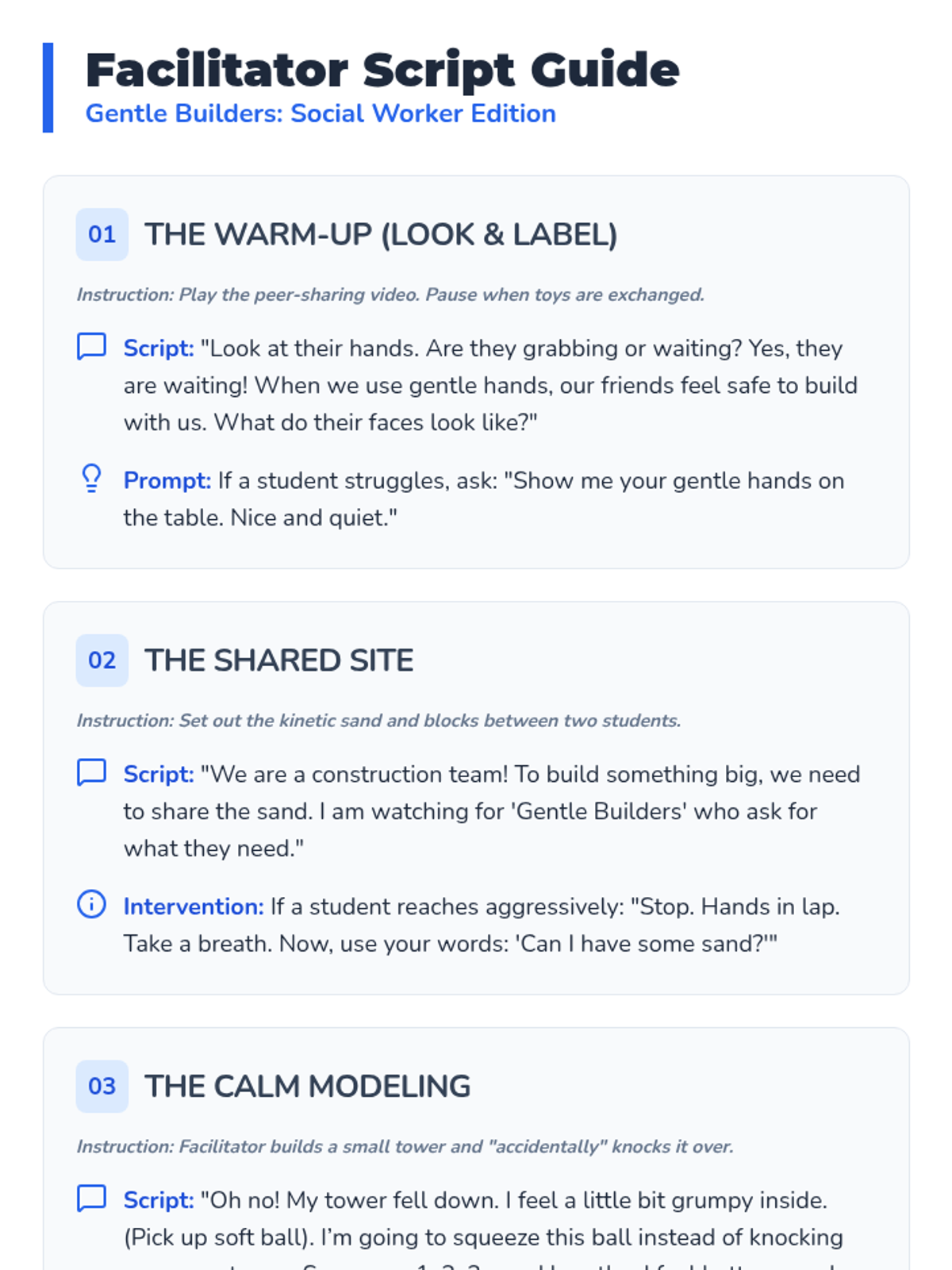
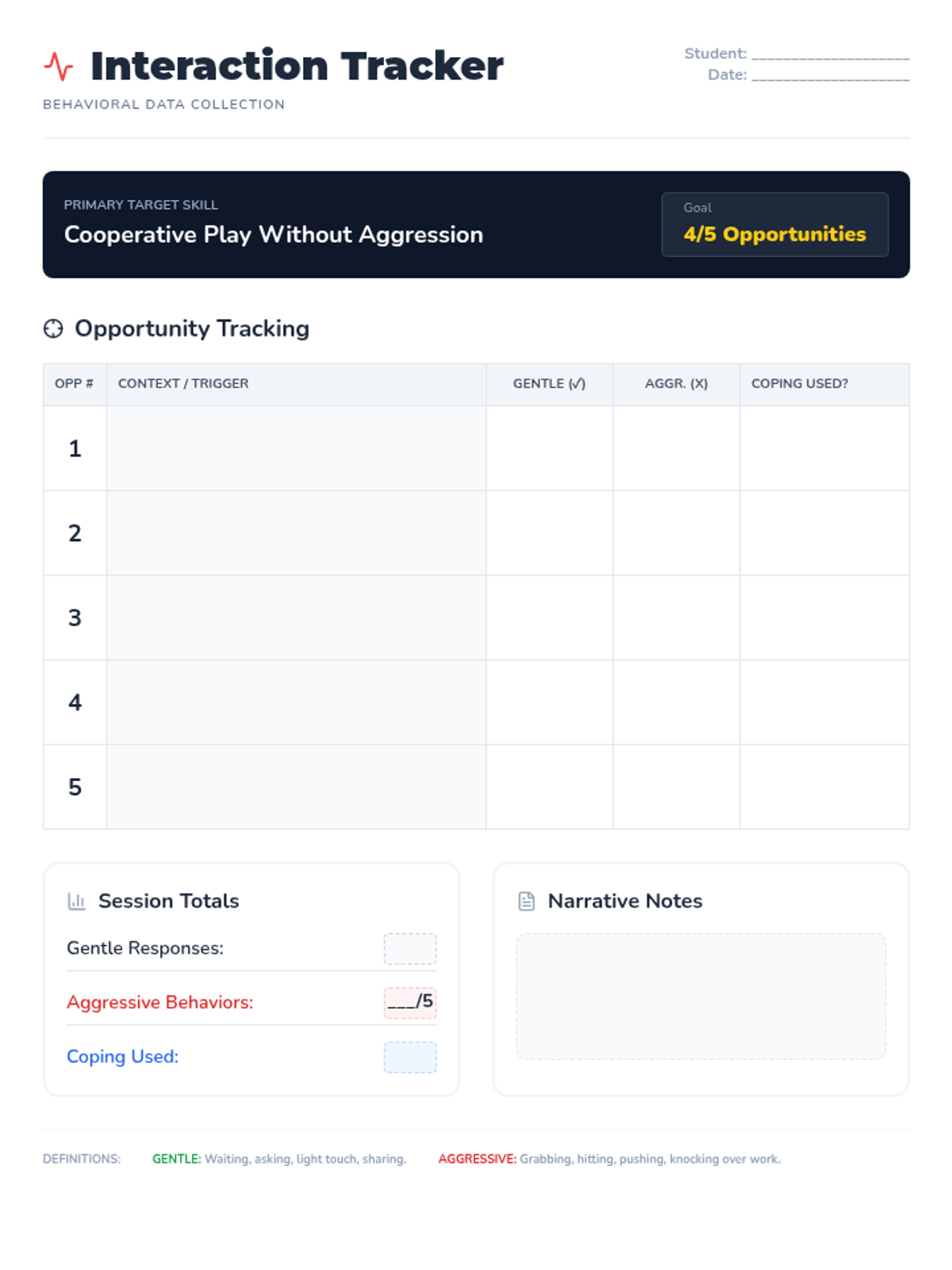
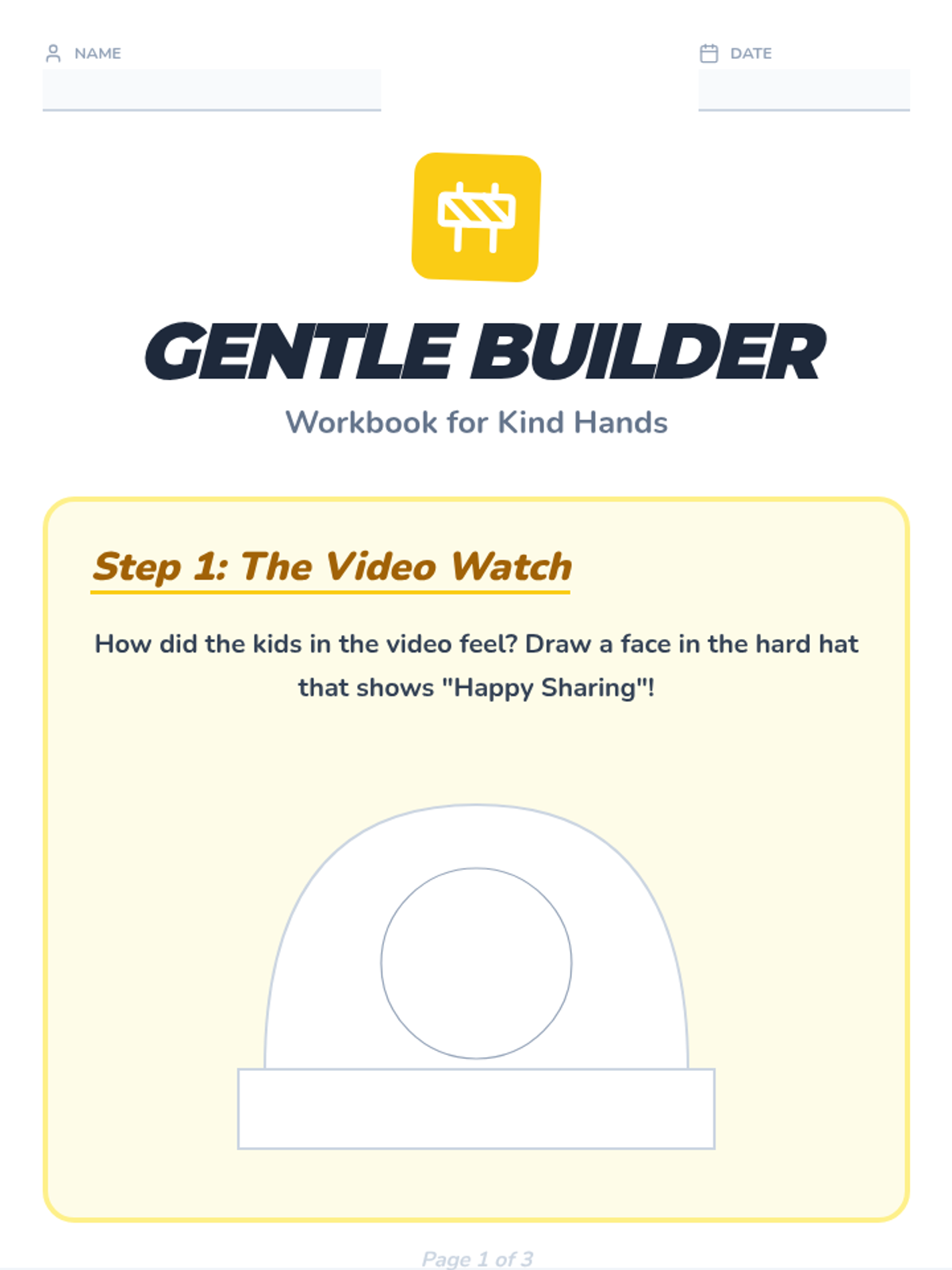
A social-emotional learning lesson focused on cooperative play using kinetic sand and building blocks, teaching students to interact without aggression through modeling and coping strategies.
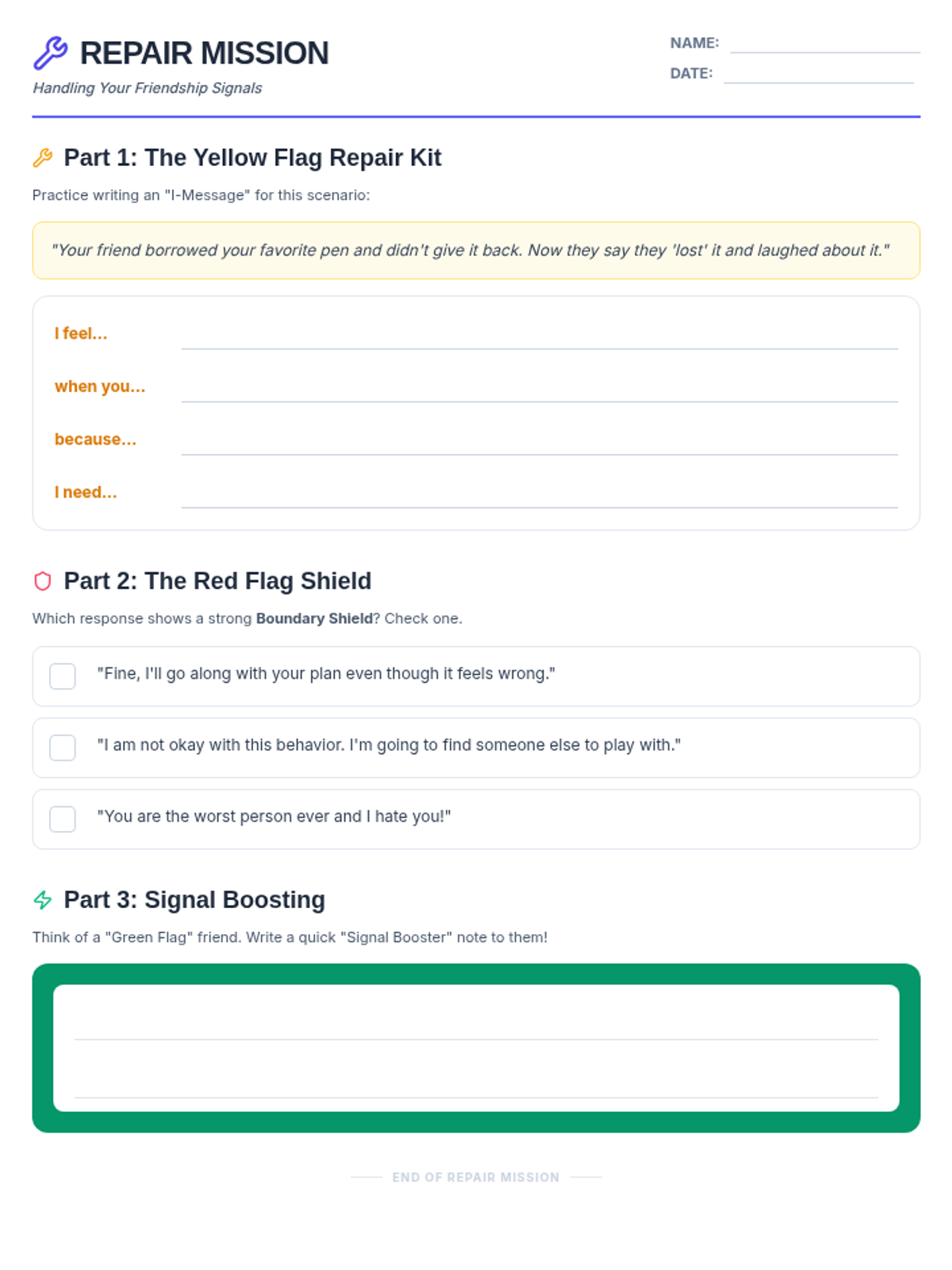
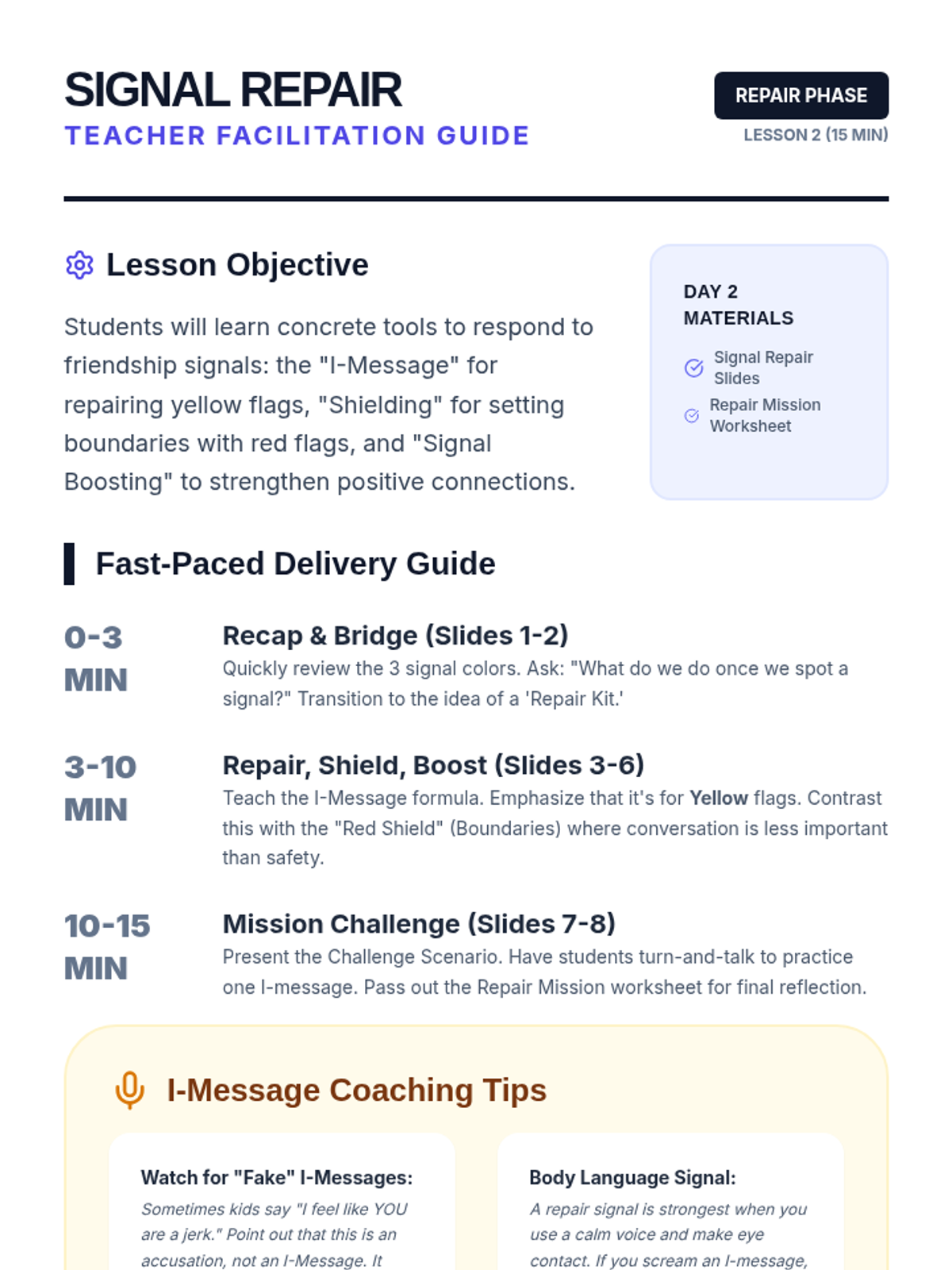
Day 2 focuses on what to do once a signal is identified. Students learn the 'I-Message' repair kit for yellow flags and 'Shield' phrases for setting boundaries with red flags.