A personal-interest icebreaker for professional development, featuring "Off Duty Dilemmas" designed to help staff connect through shared hobbies, travel preferences, and lifestyle choices.
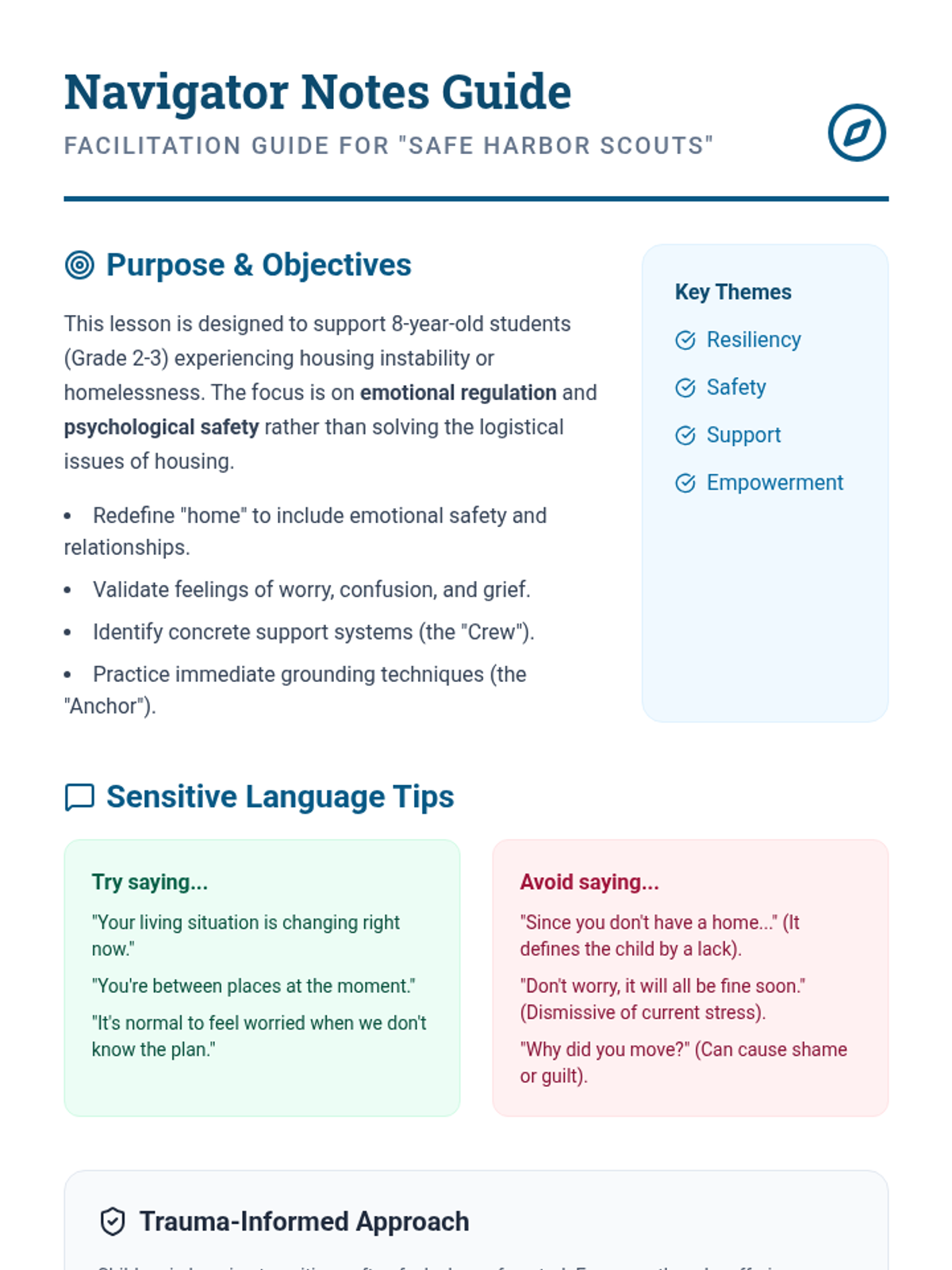
This lesson helps students explore the feelings associated with housing changes and provides tools for managing worry and uncertainty. It emphasizes that while living situations may change, the student's value and their 'inner home' remain constant.
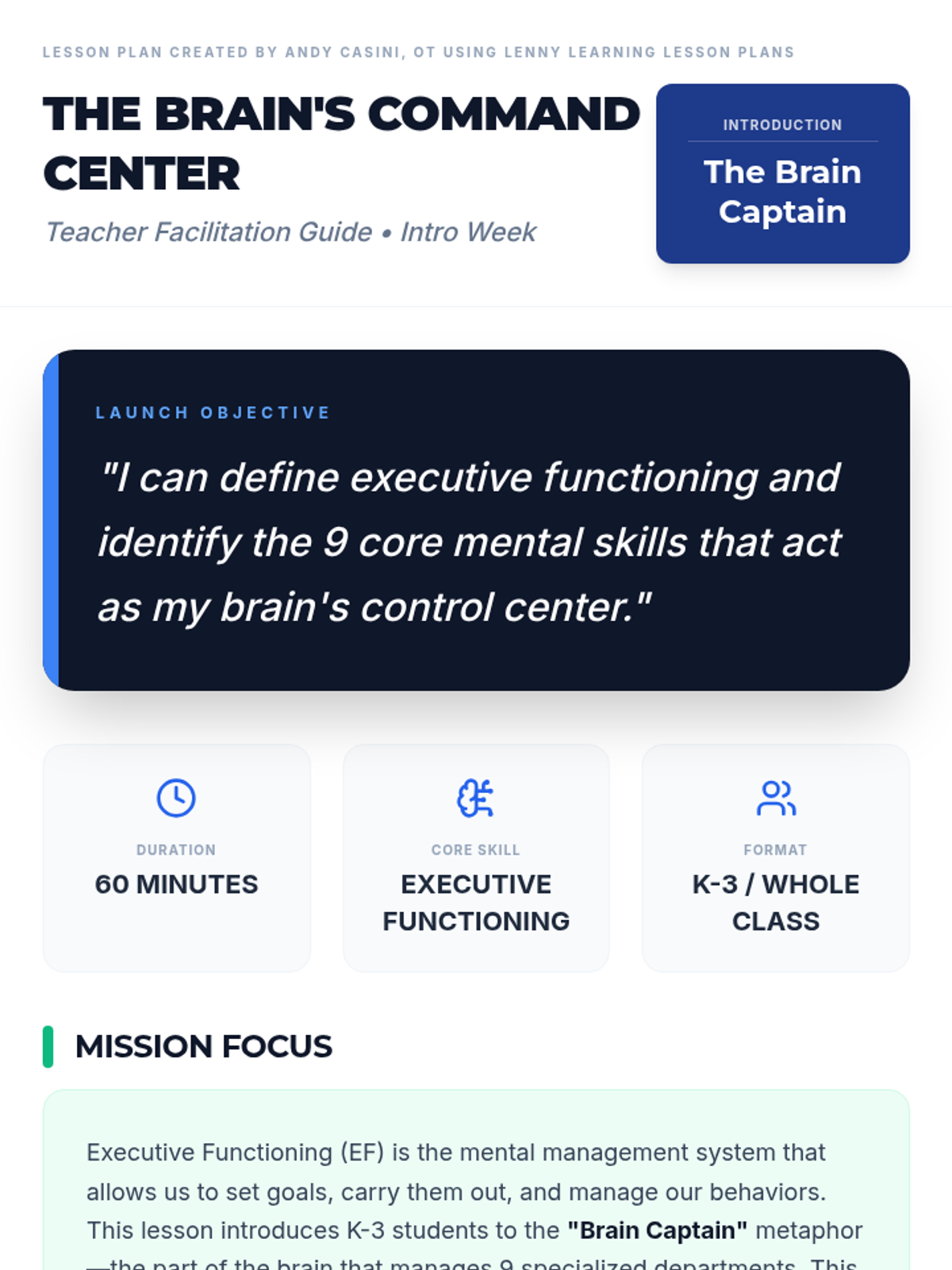
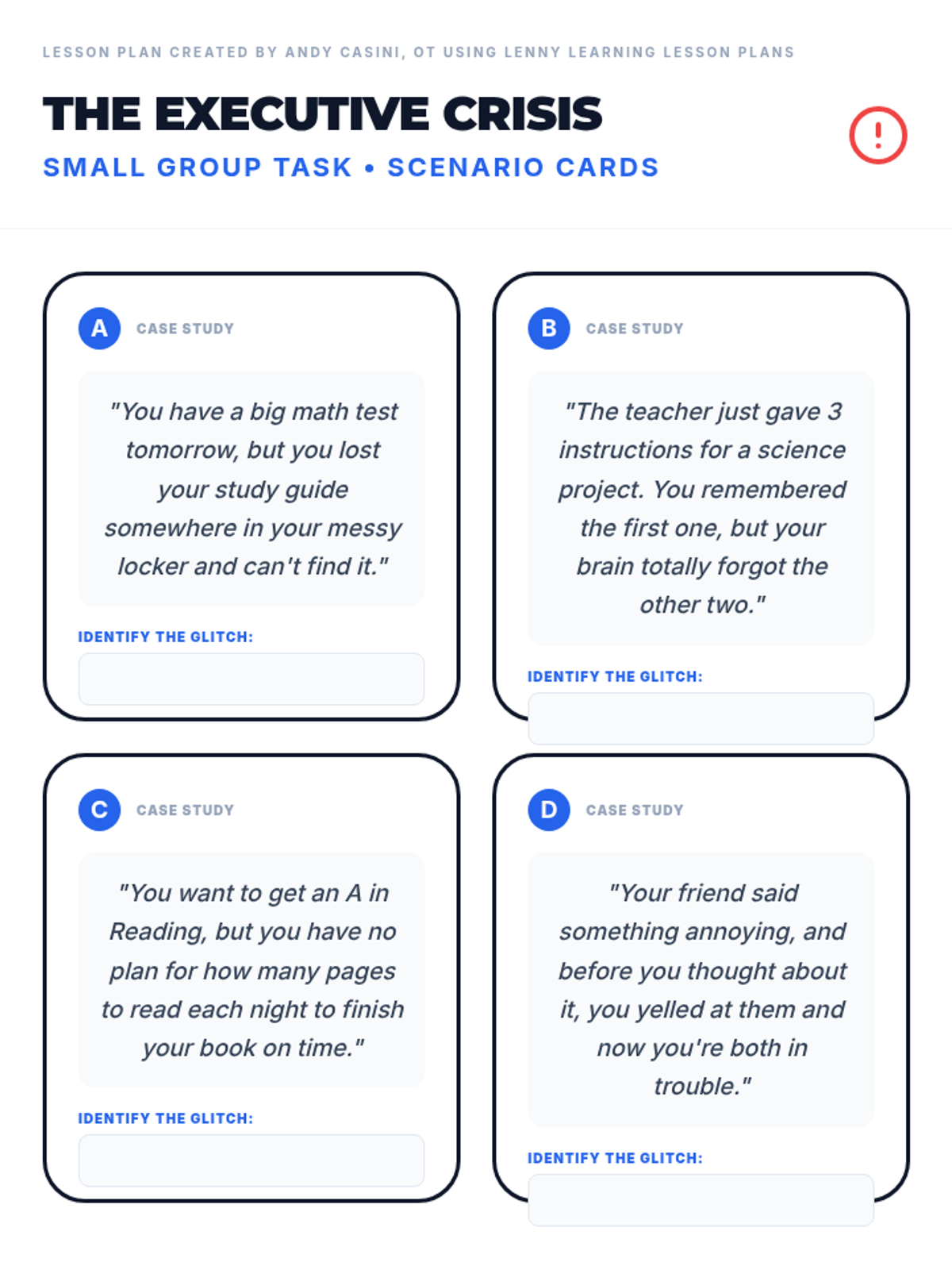
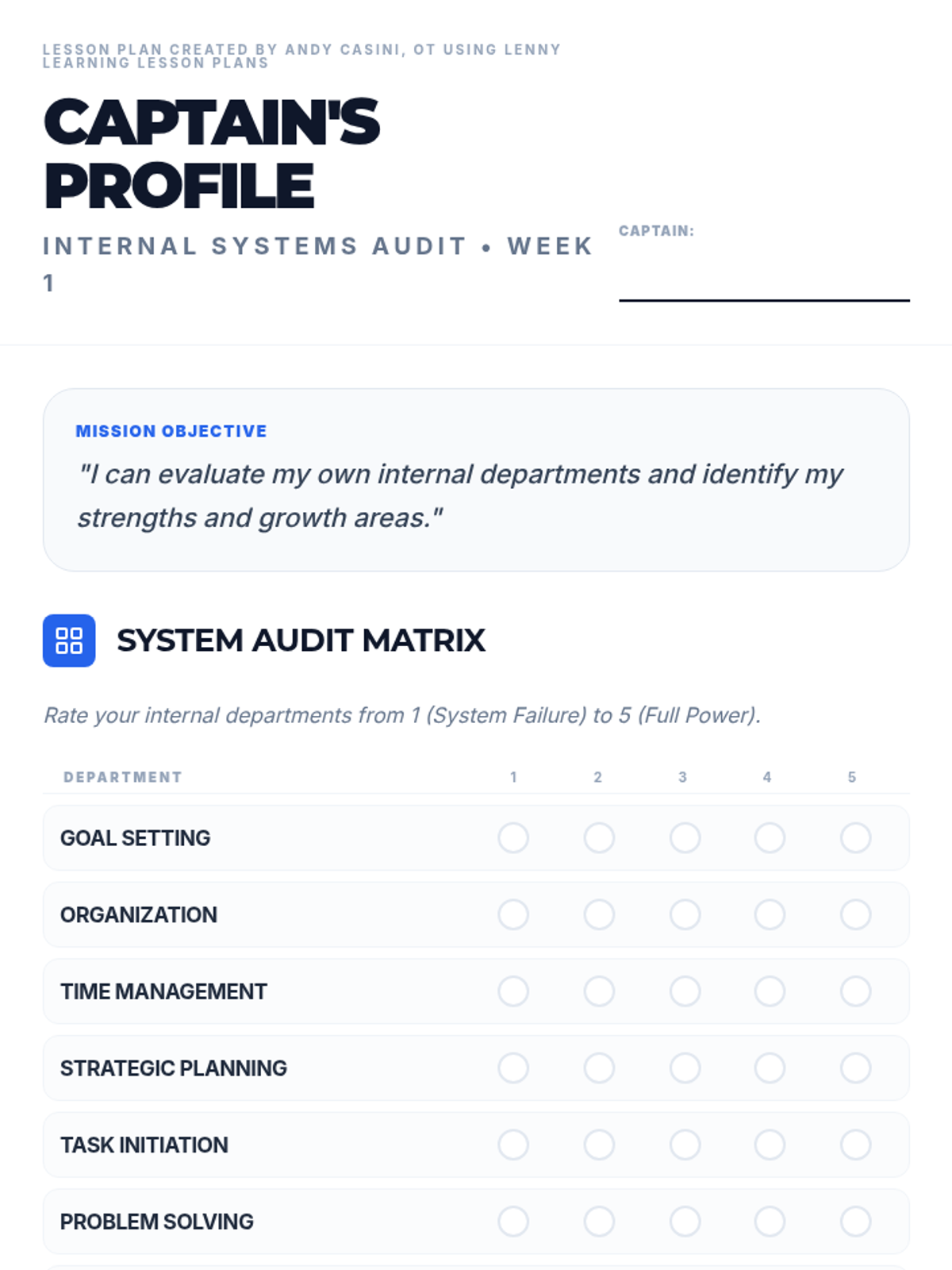
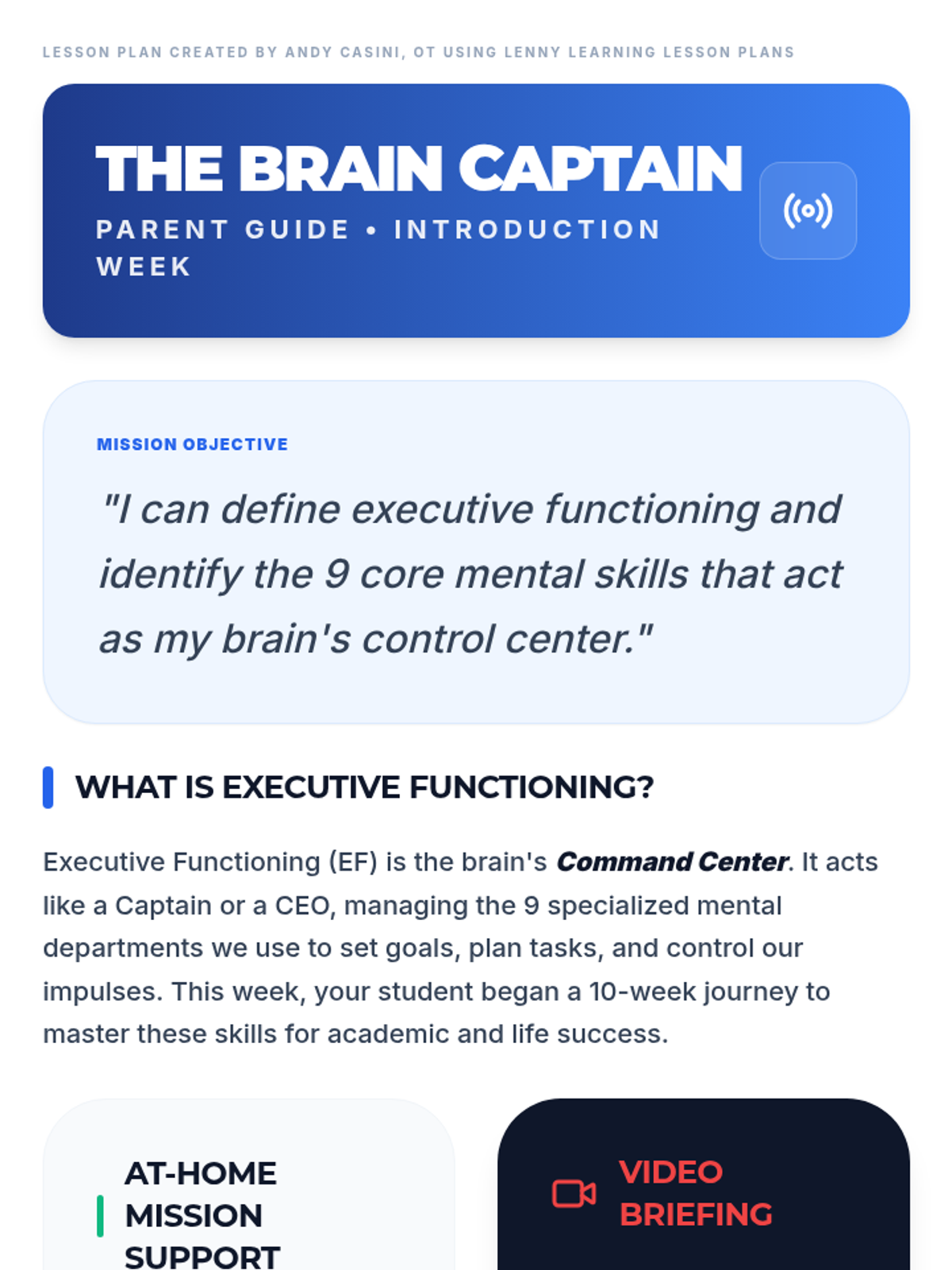
A foundational 60-minute lesson introducing K-3 students to the concept of Executive Functioning using the 'Brain Captain' metaphor. Students explore the 9 core mental departments through interactive group activities and self-reflection.
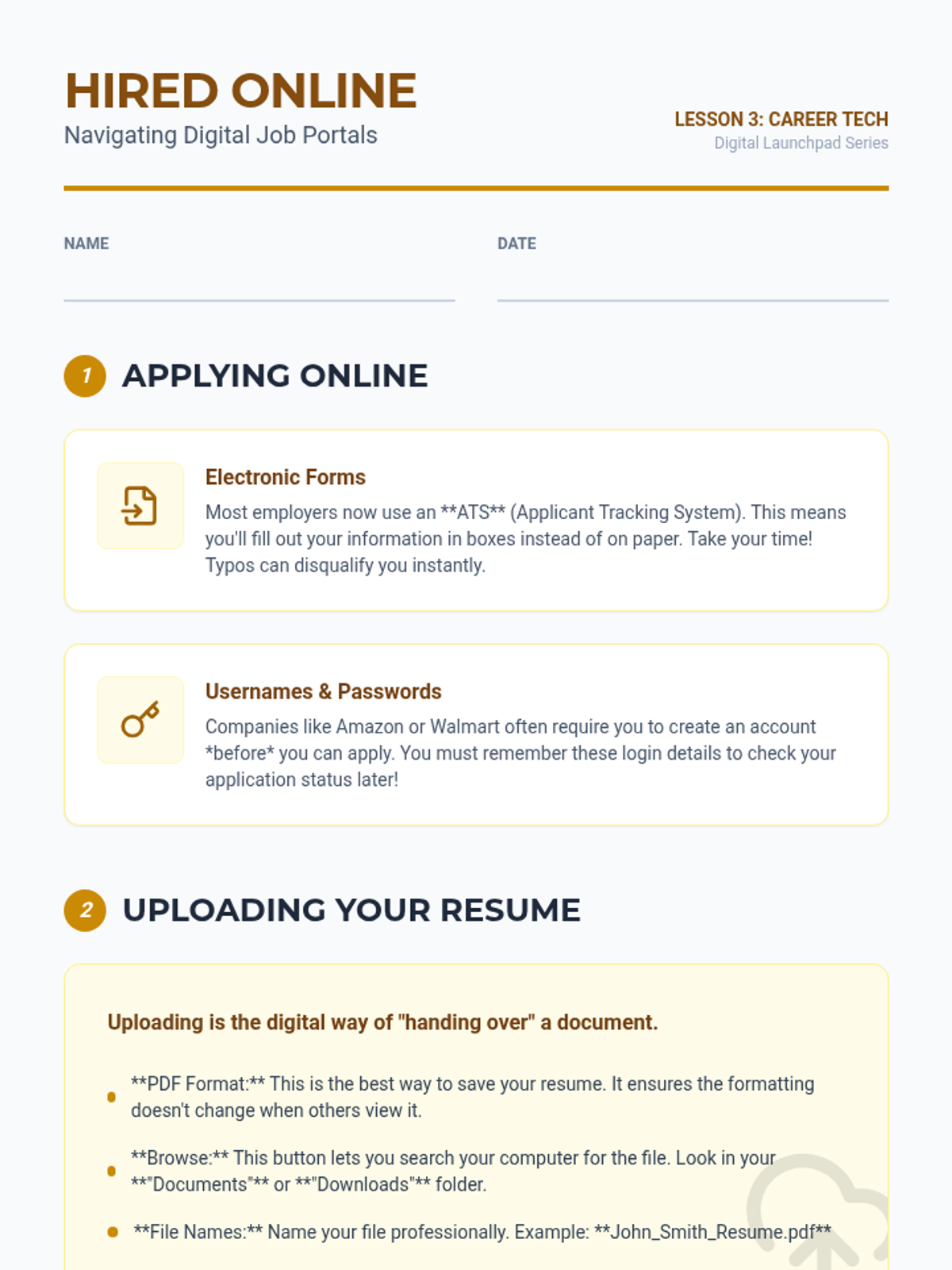
Covers online job applications, digital privacy, and managing professional profiles.
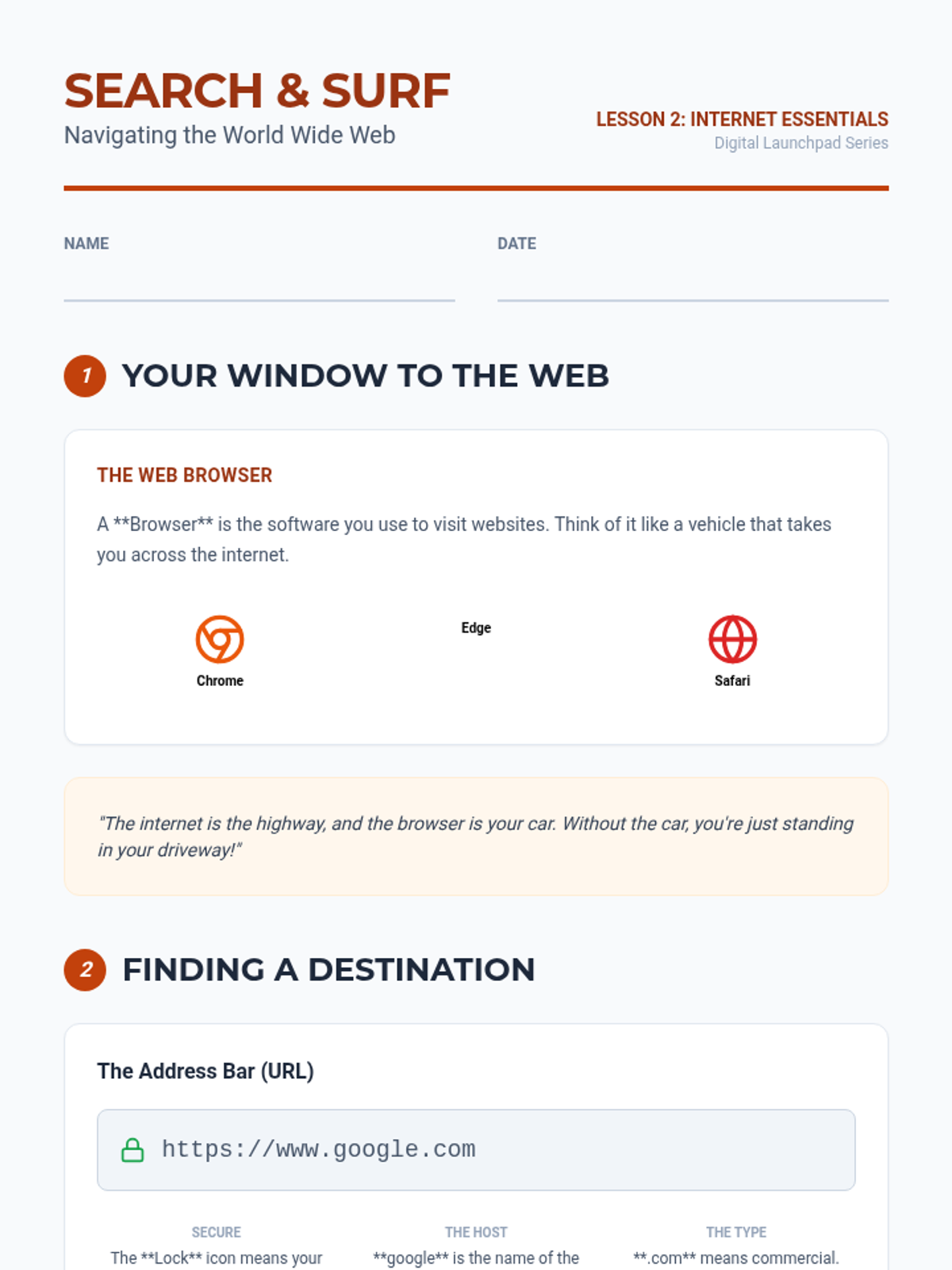
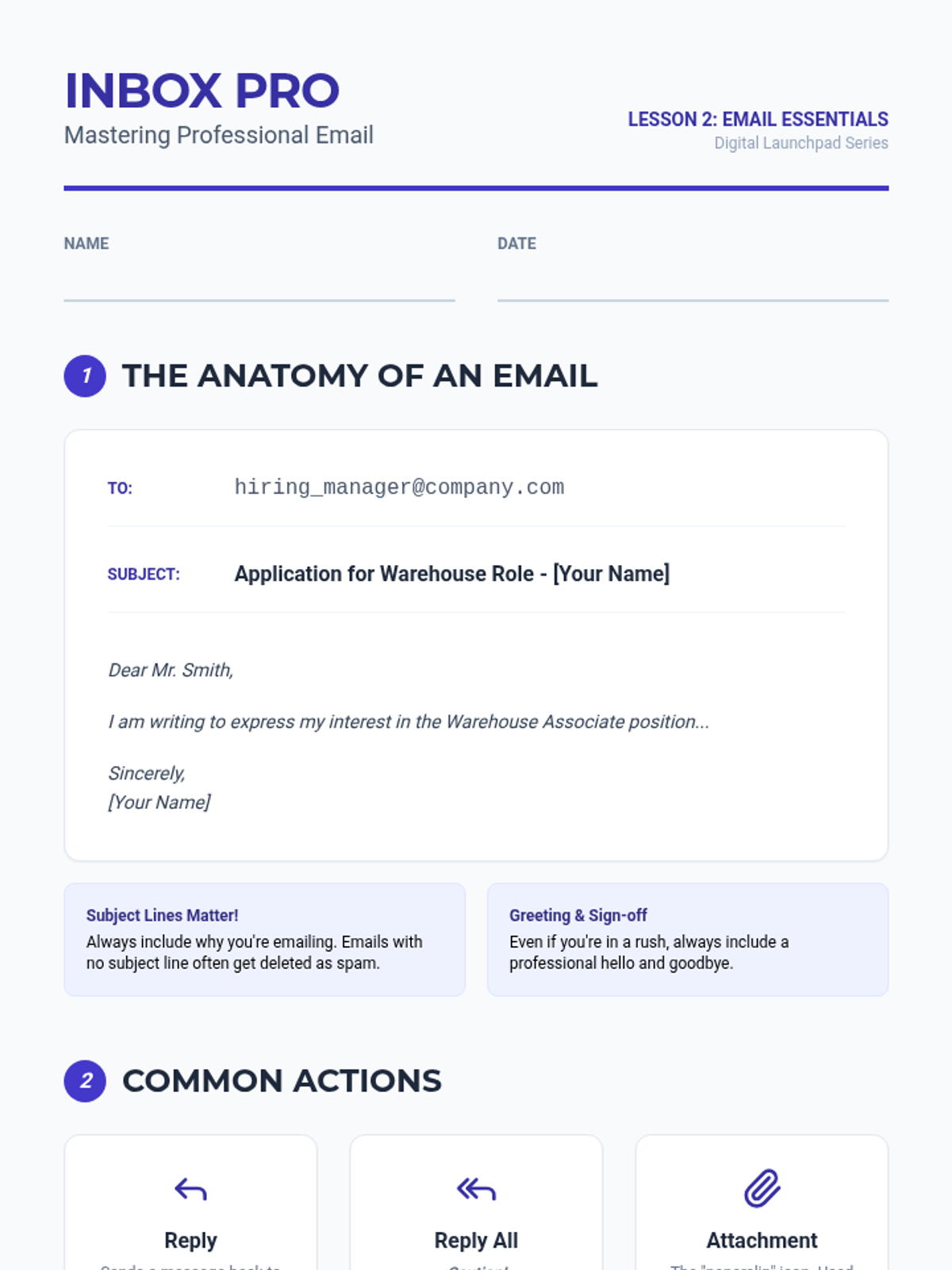
Focuses on web navigation, effective searching, and setting up professional email communication.
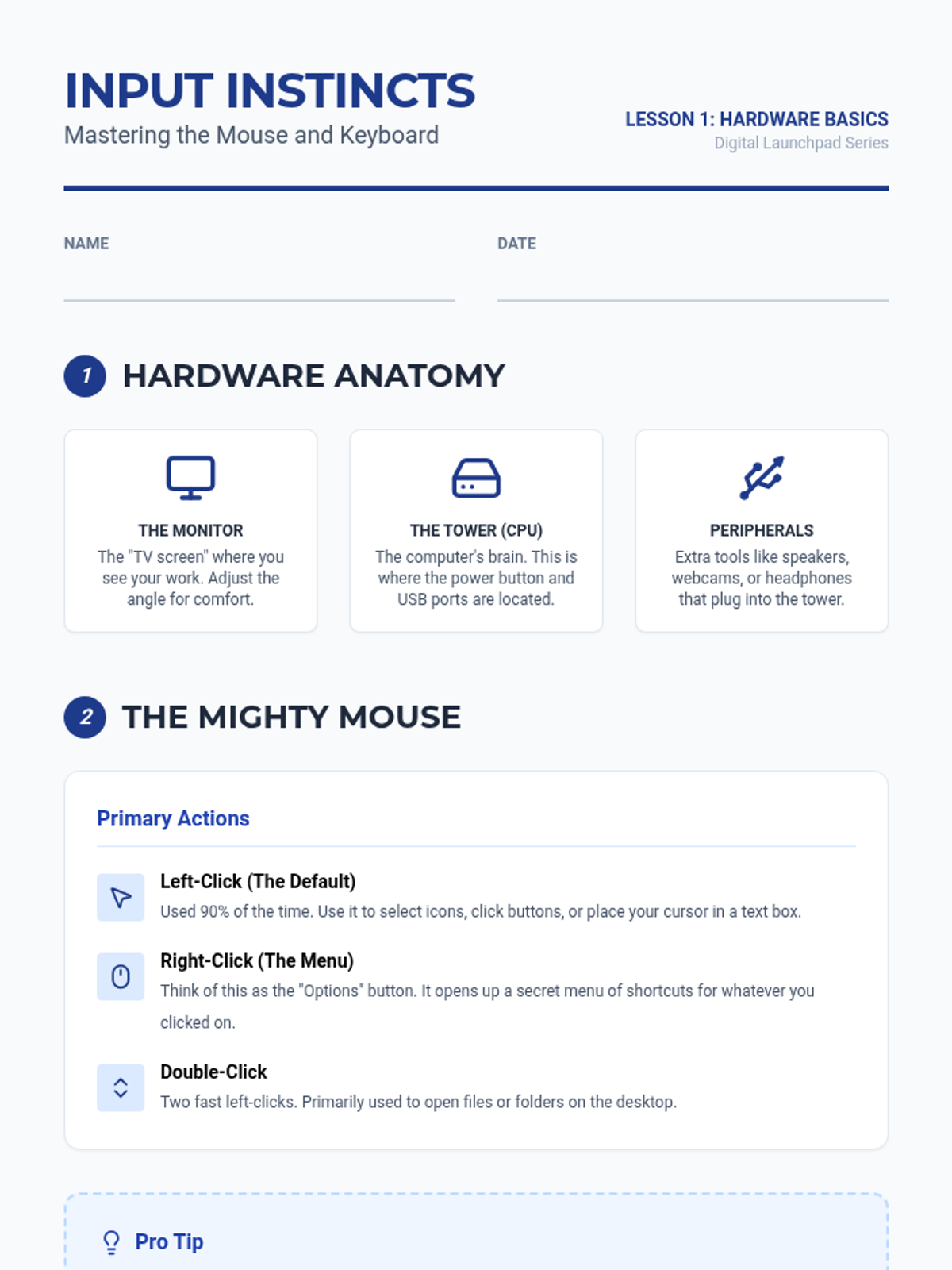
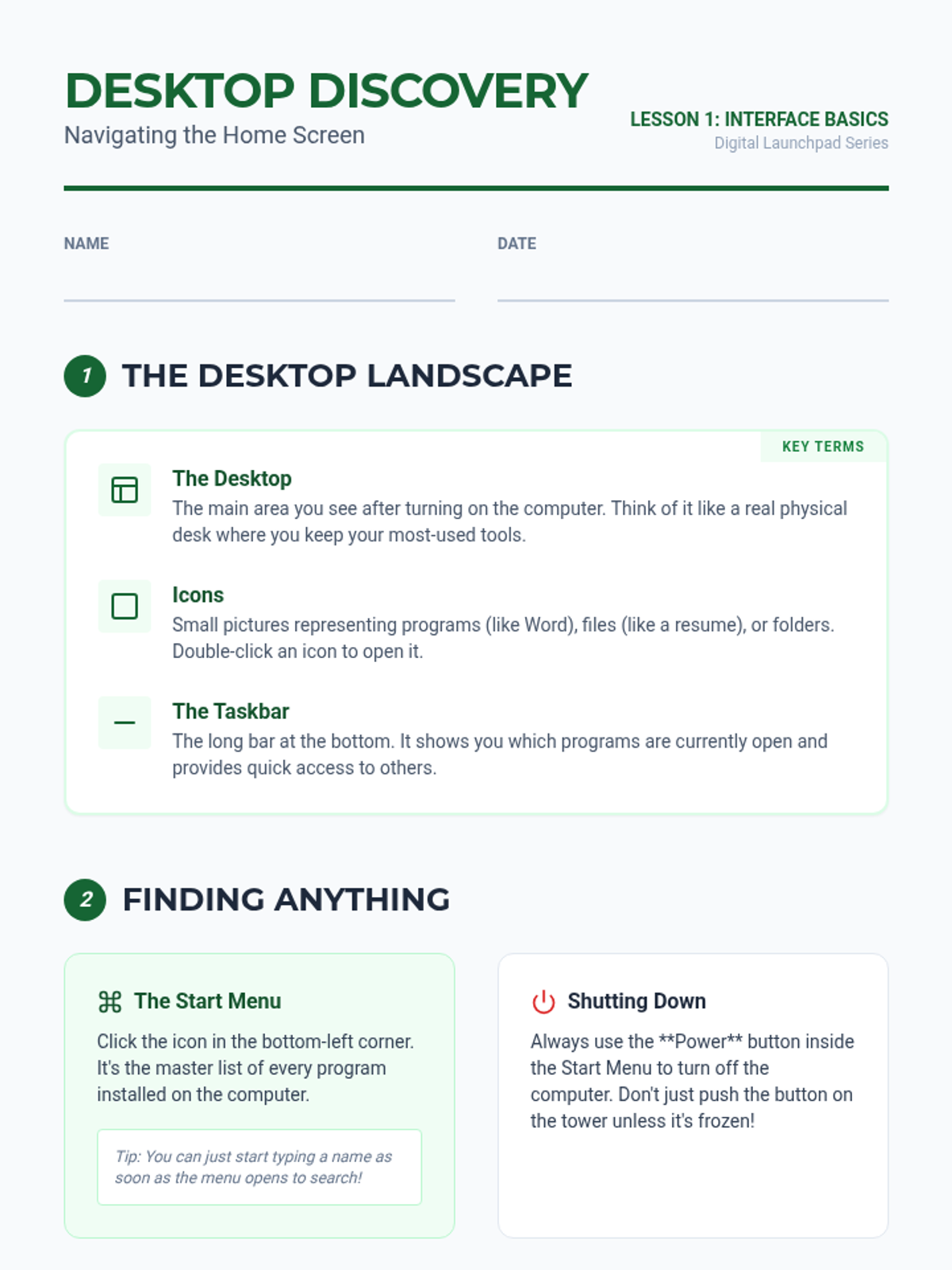
Covers physical hardware, mouse/keyboard mastery, and the fundamental elements of the computer desktop.
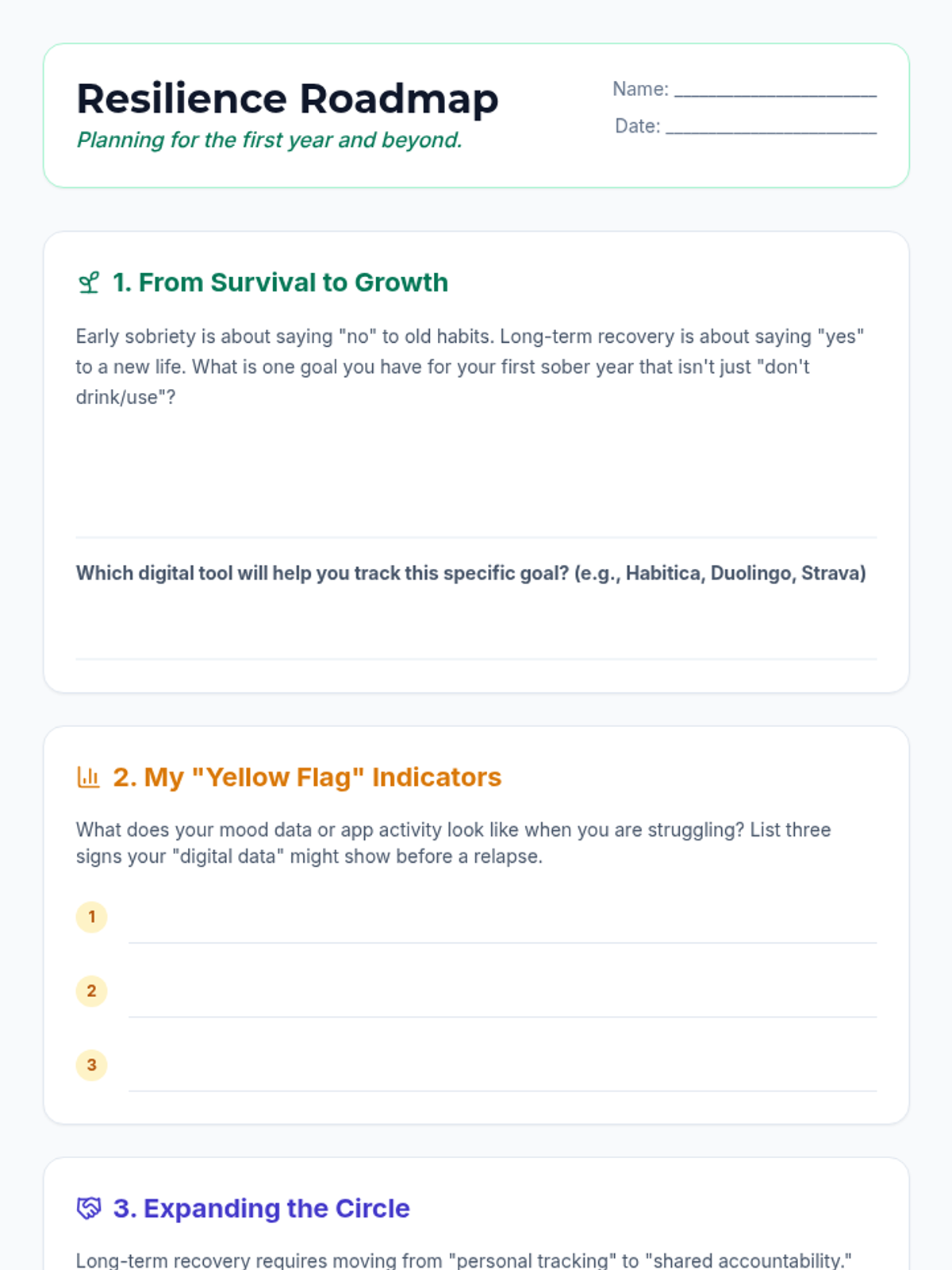
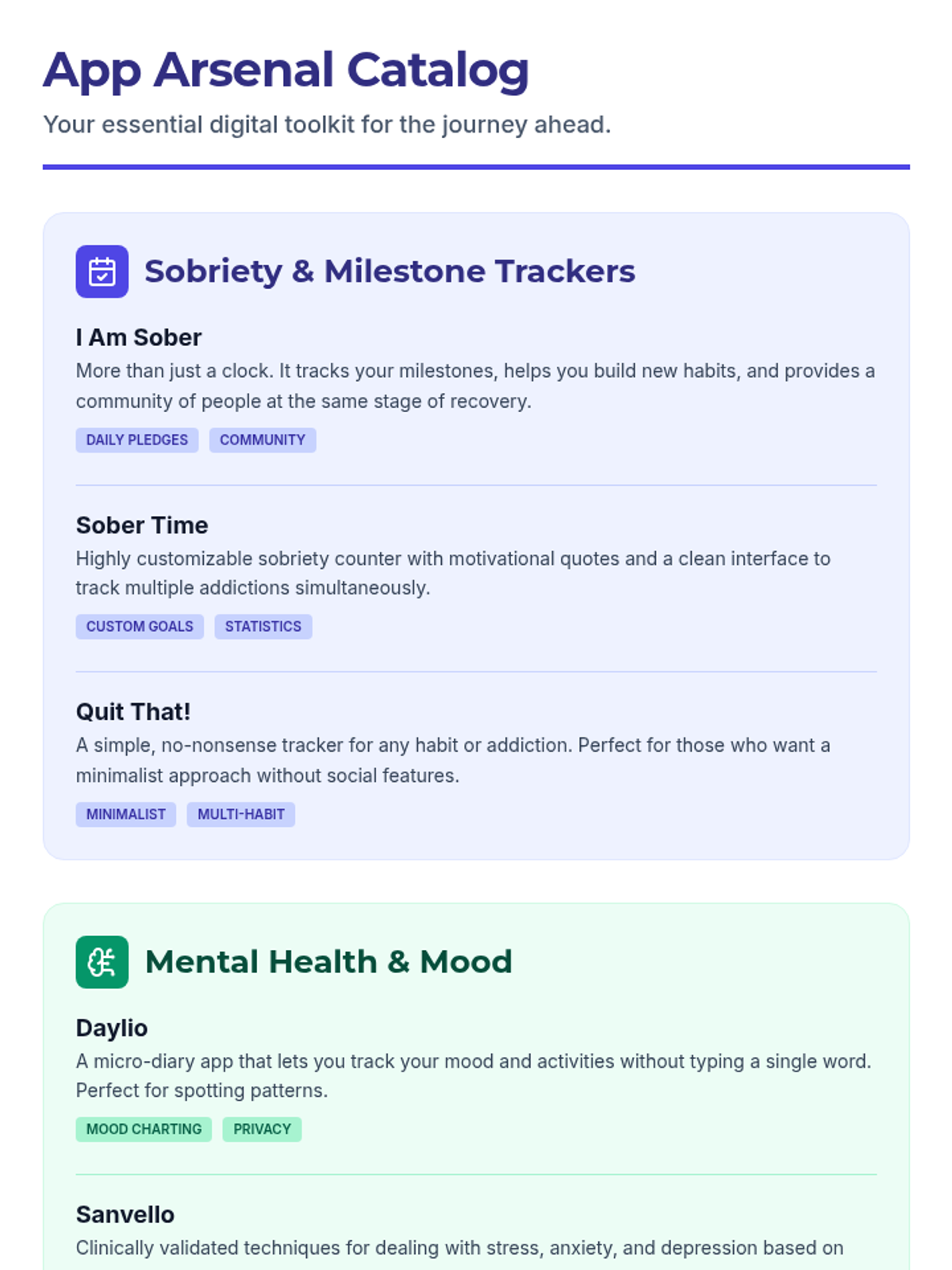
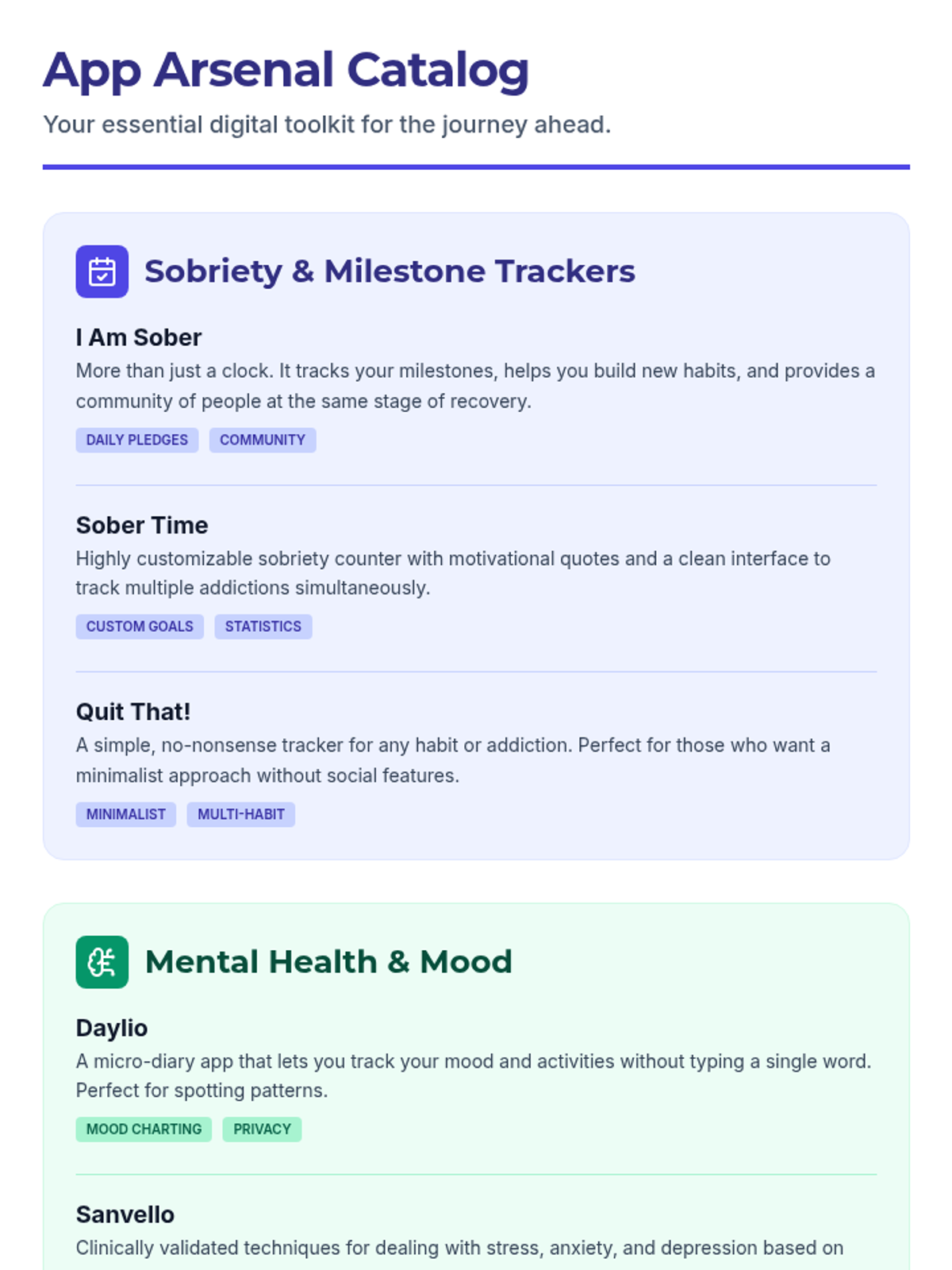
Focuses on the transition from early sobriety to long-term maintenance, using digital tools to track personal growth and prevent relapse.
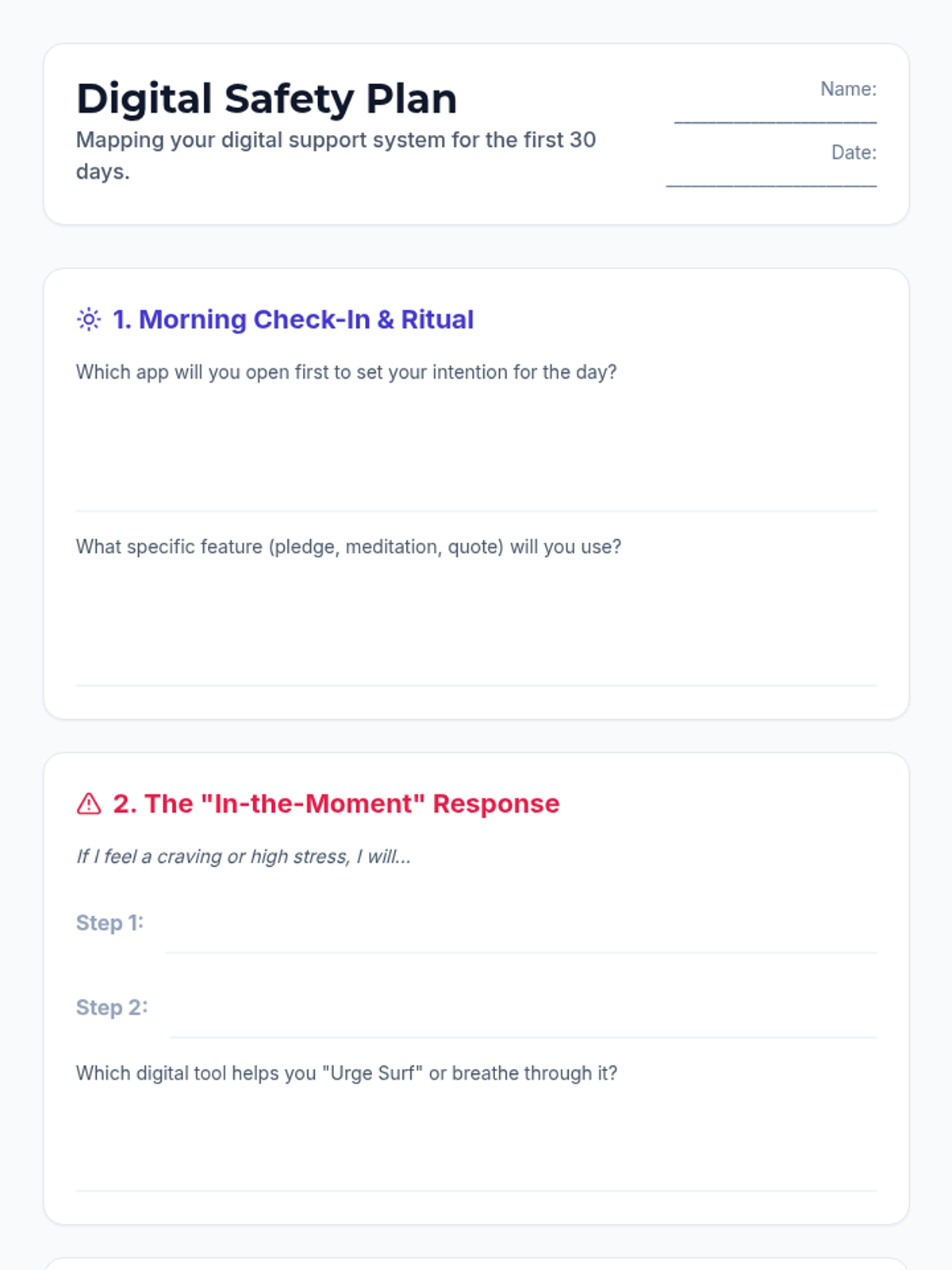
Focuses on integrating digital tools into daily routines to maintain sobriety and manage mental health long-term.
An introductory session focused on identifying and downloading the essential digital tools for sobriety and mental health management.
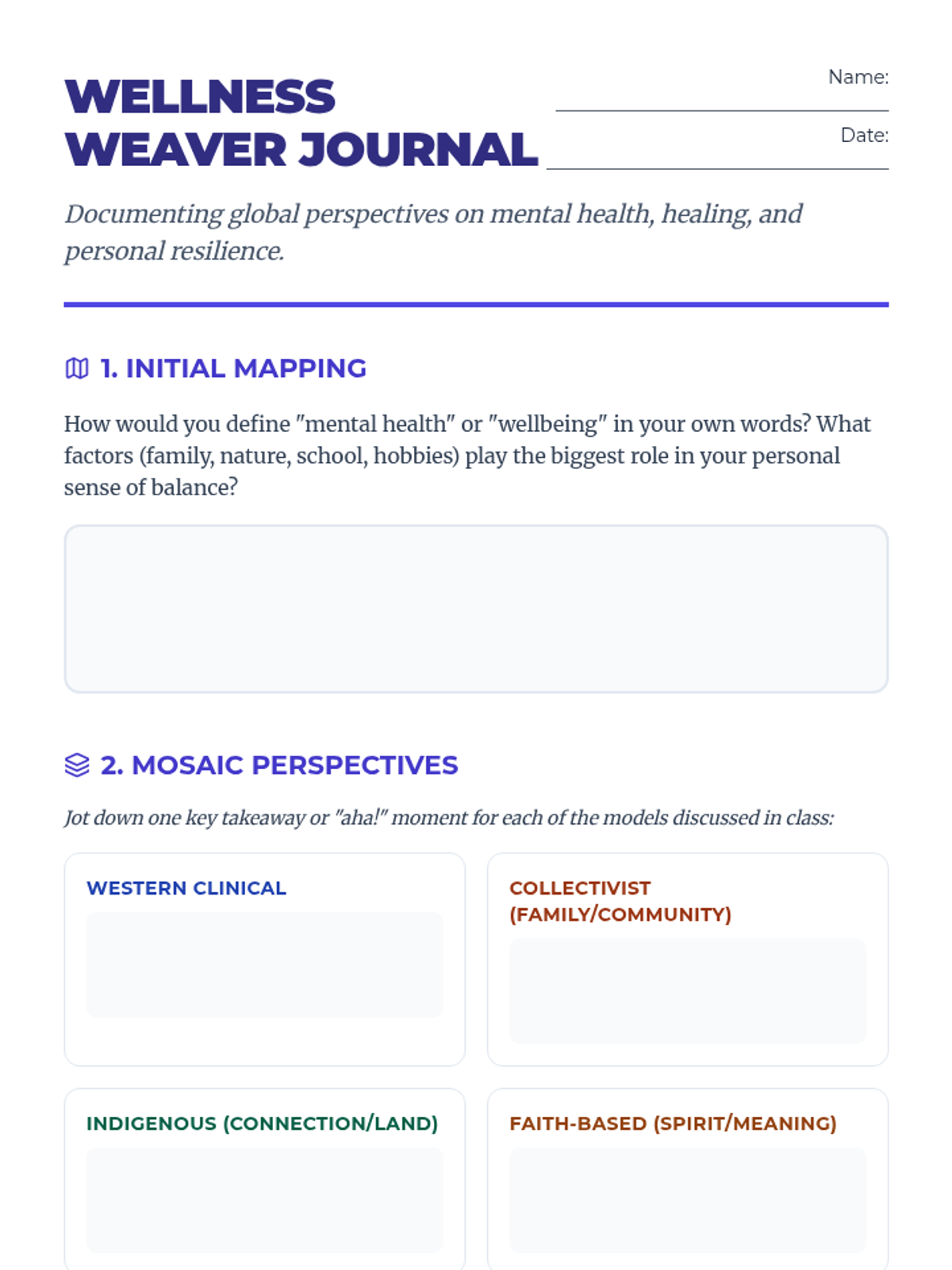
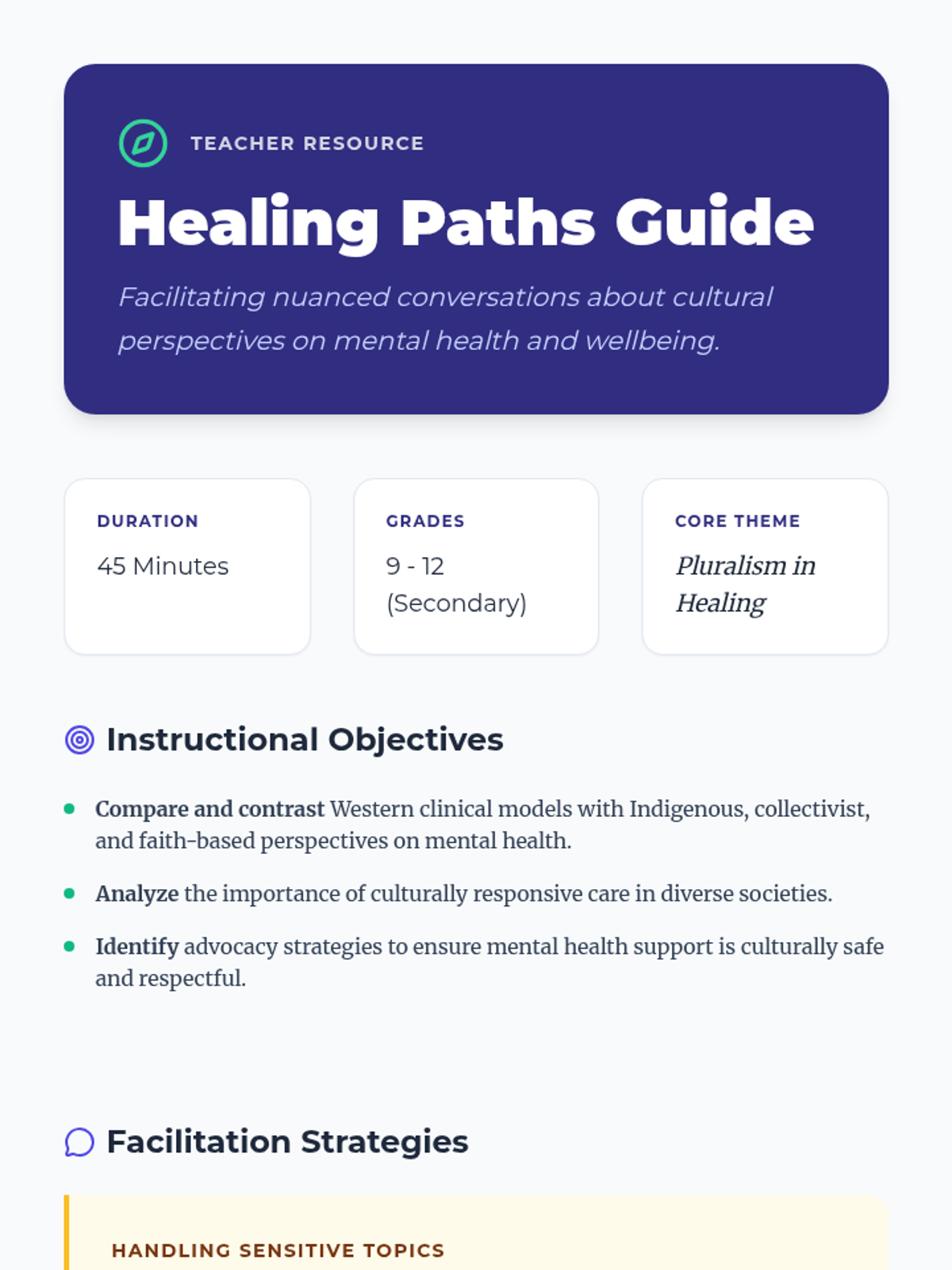
A 45-minute exploration of diverse cultural perspectives on mental health, healing, and wellbeing, focusing on Indigenous, collectivist, faith-based, and Western models. students will learn about the importance of culturally responsive care and how to advocate for culturally safe mental health supports.
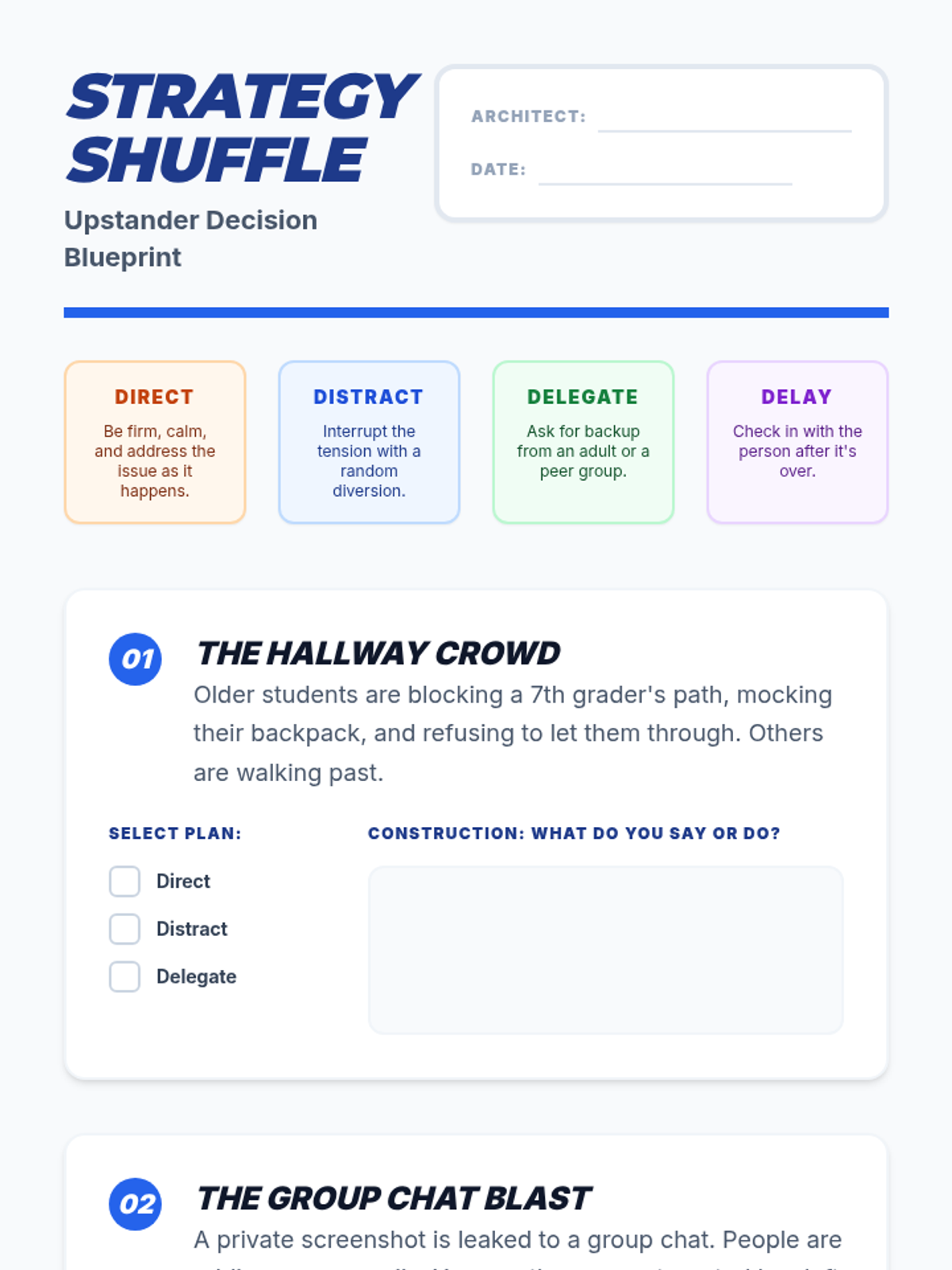
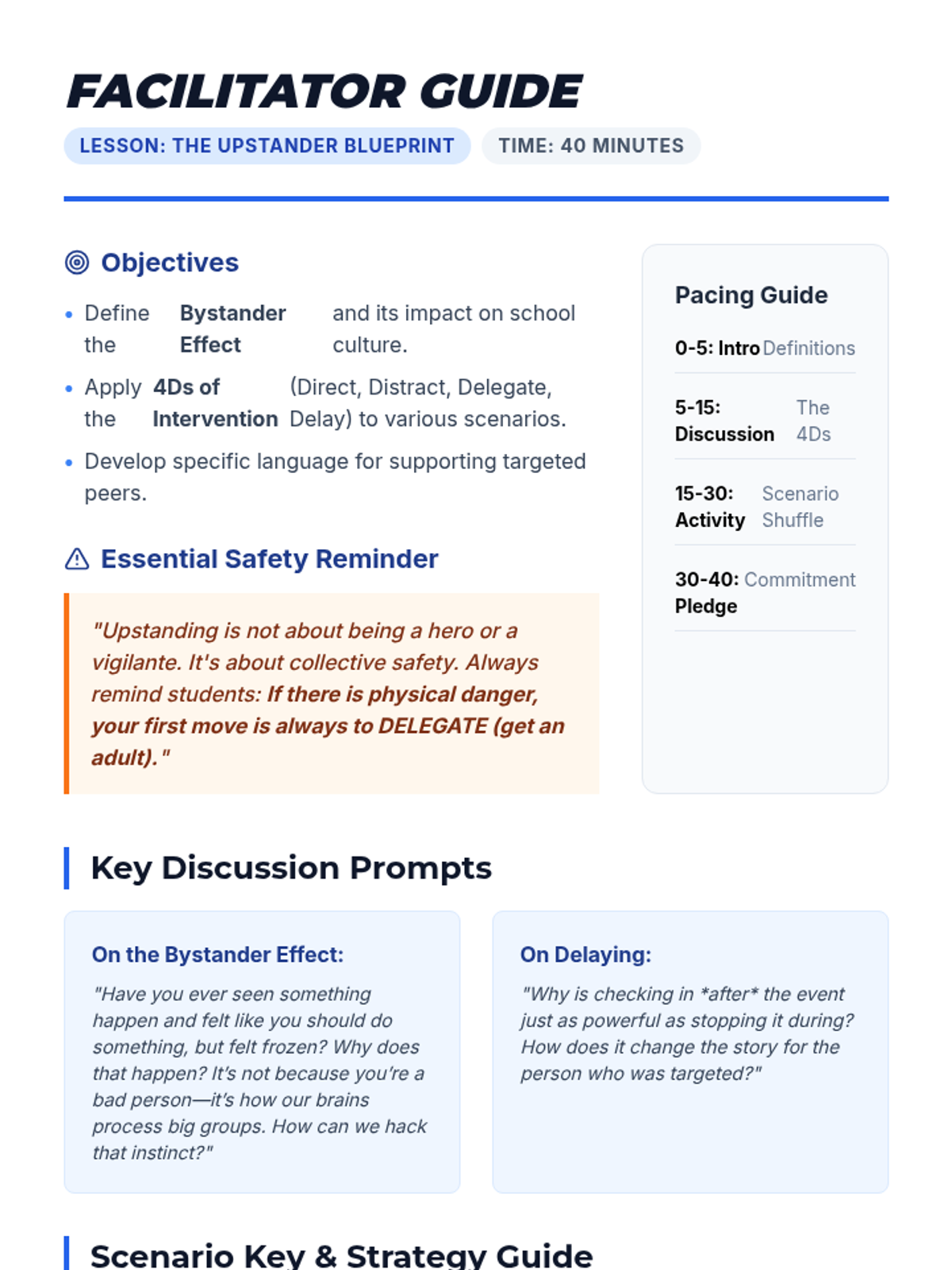
A 40-minute interactive lesson for 7th-8th graders on the 'Bystander Effect' and practical, safe intervention strategies (the 4Ds) to transform from a passive bystander into an active upstander.
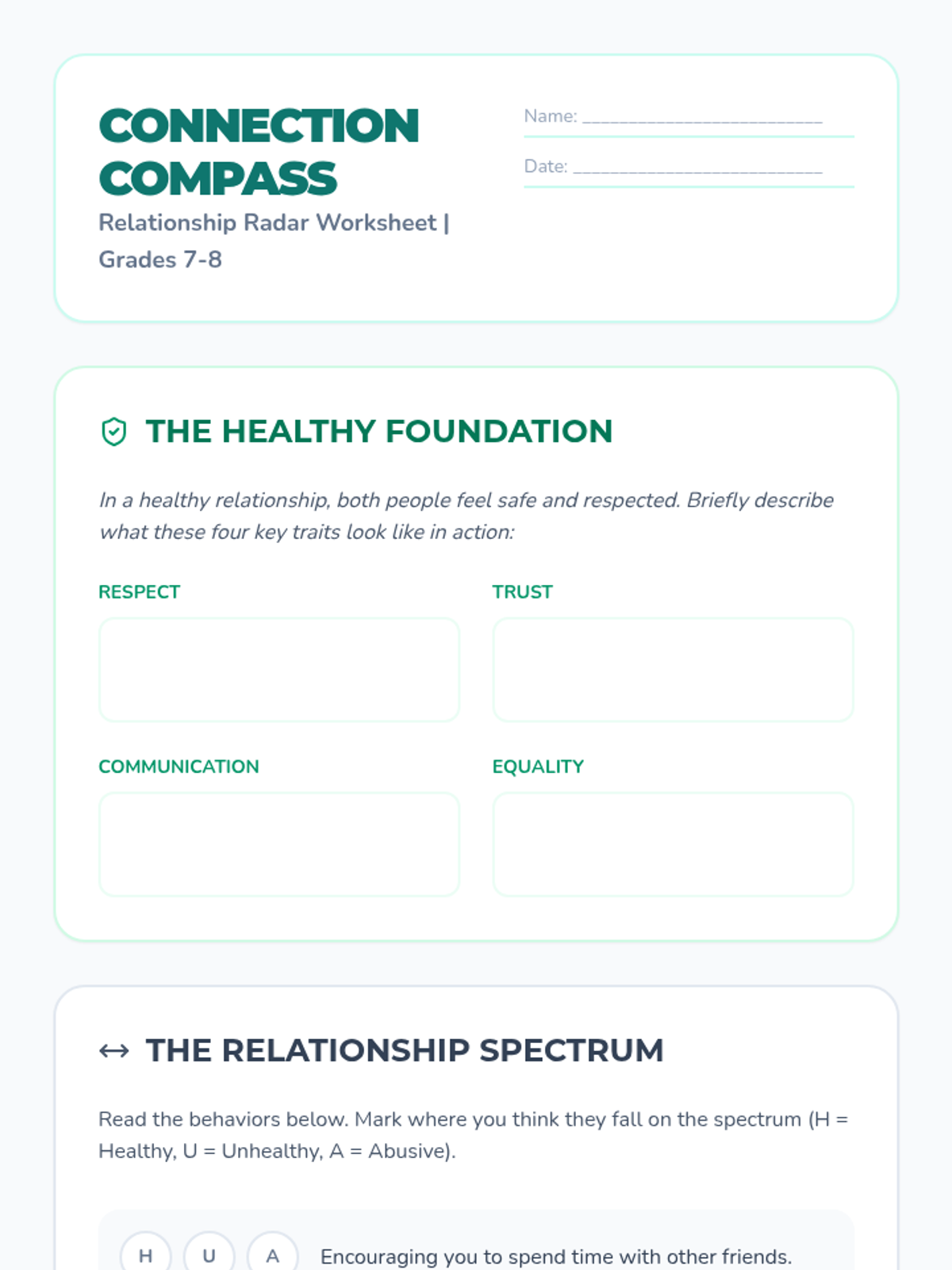
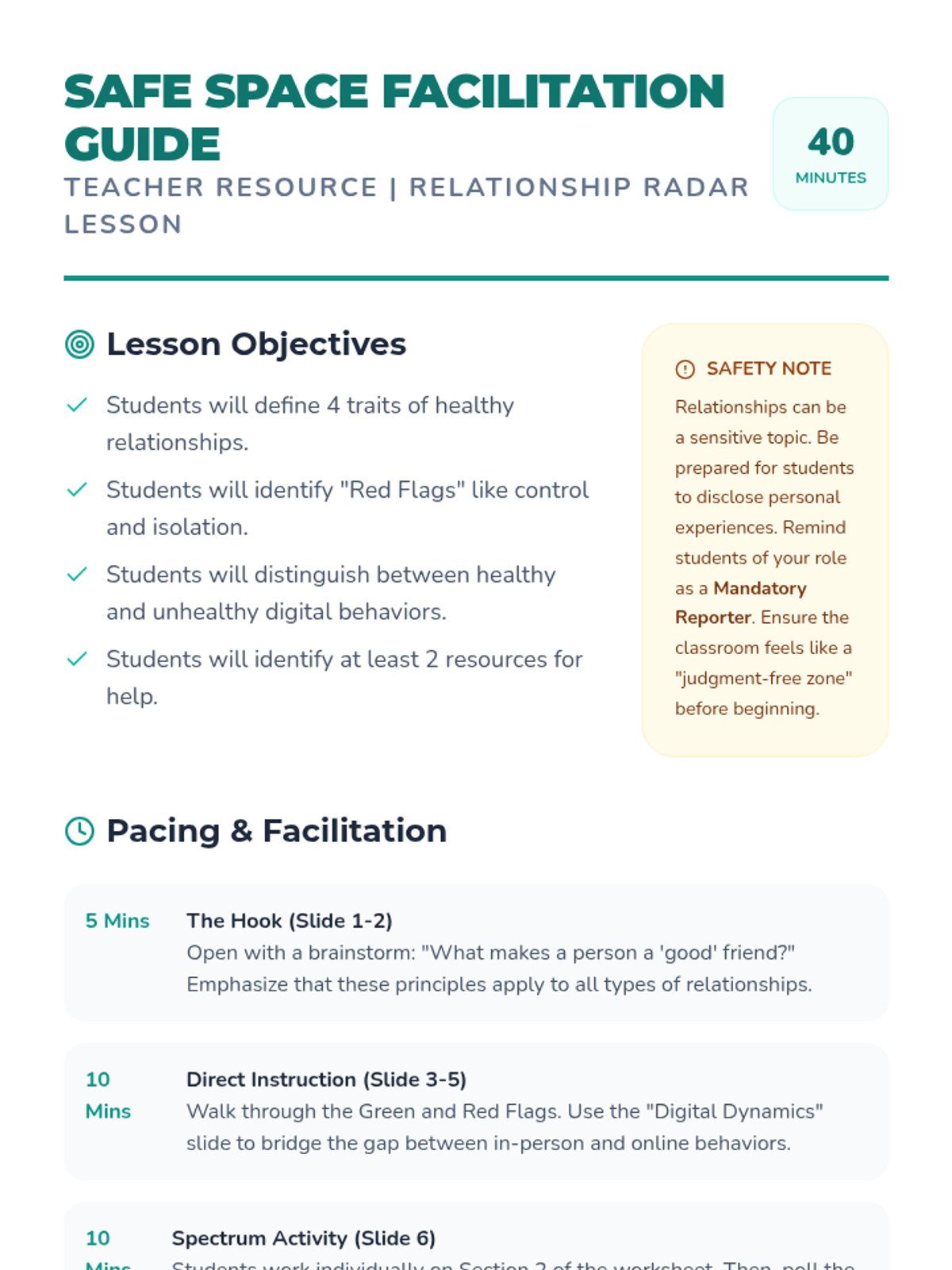
A 40-minute Social-Emotional Learning lesson for grades 7-8 focused on identifying healthy and unhealthy relationship patterns. Students explore the characteristics of respect and trust, recognize red flags like control and isolation, and discuss the nuances of digital-age relationships.
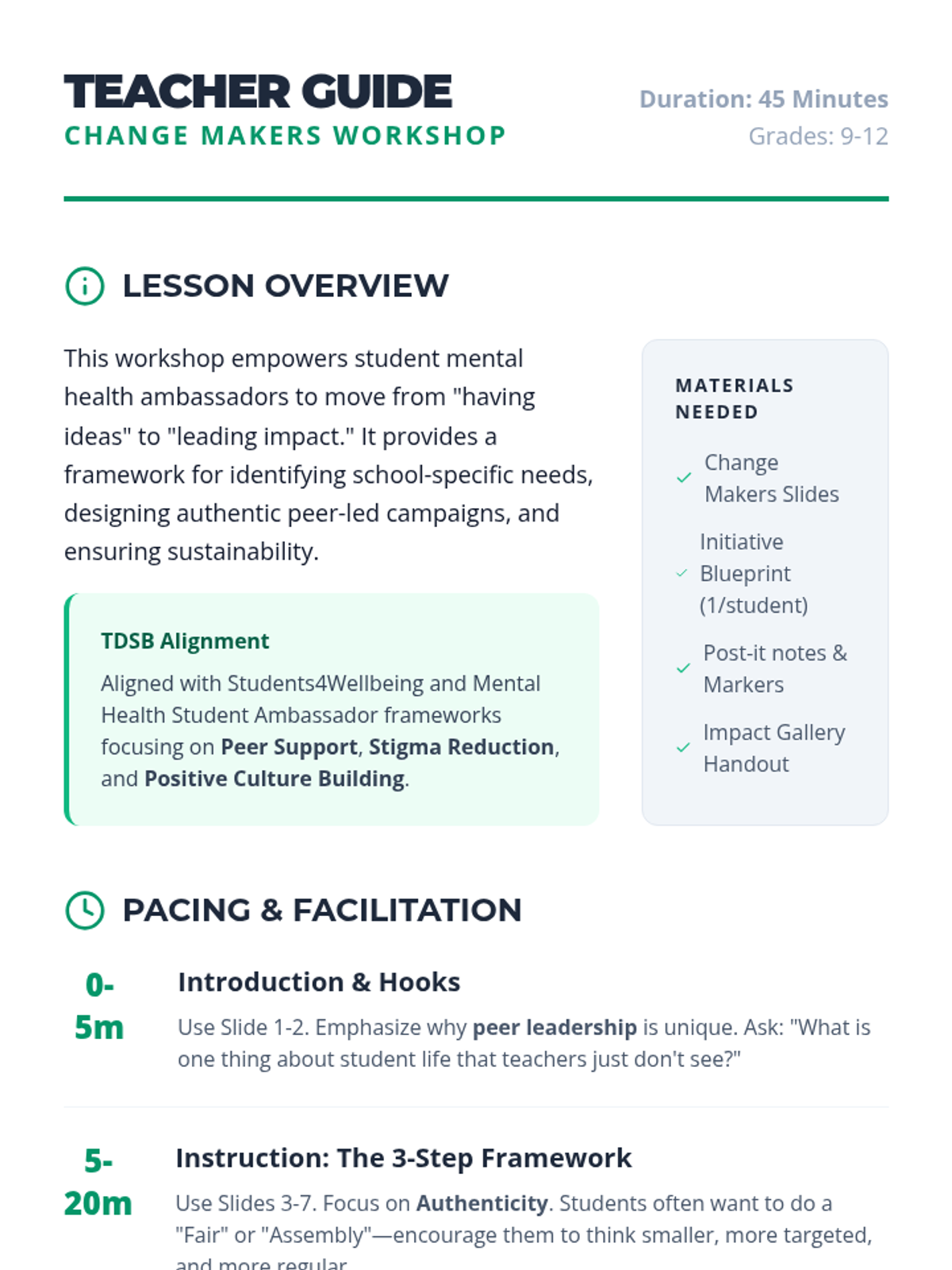
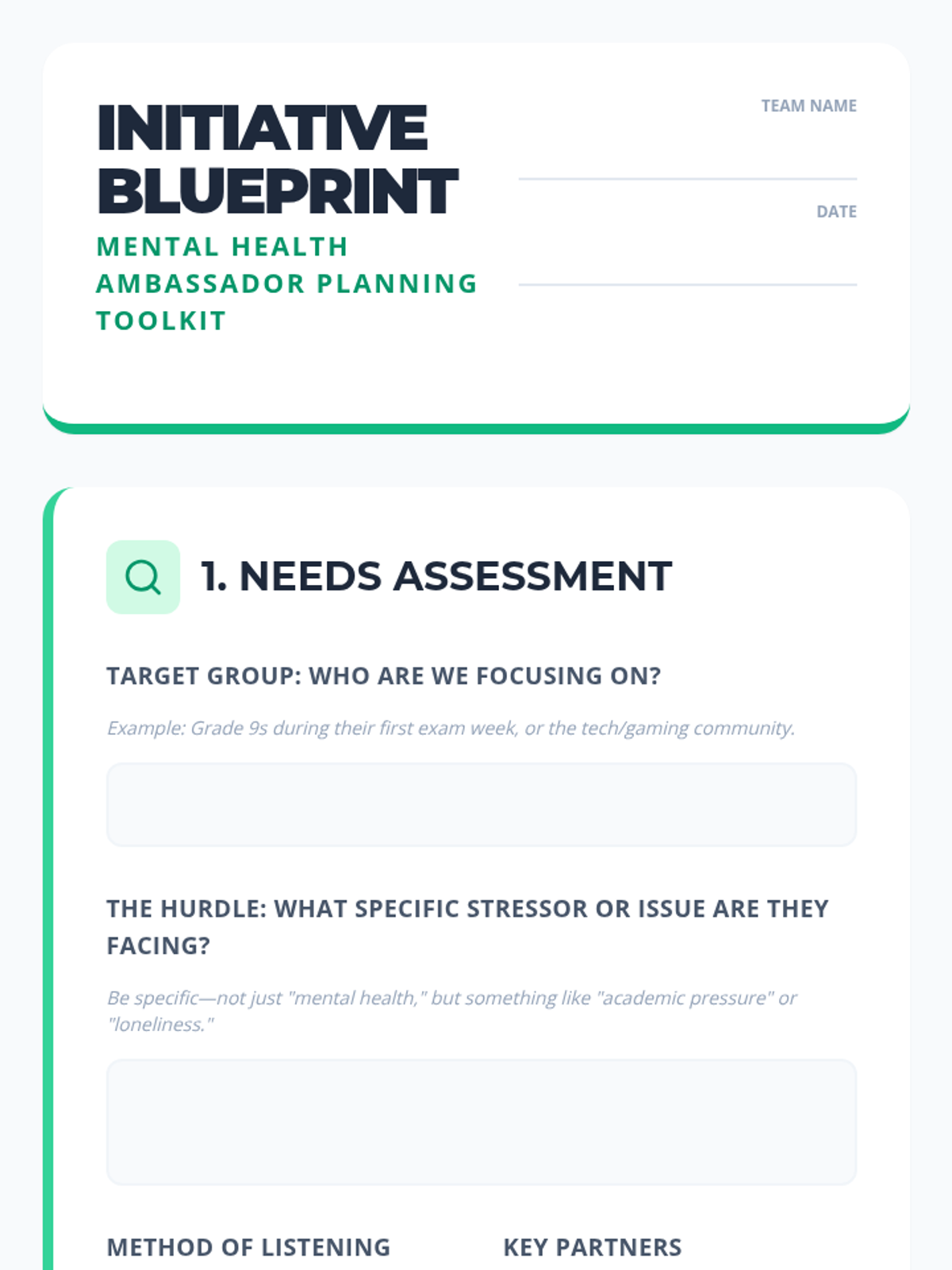
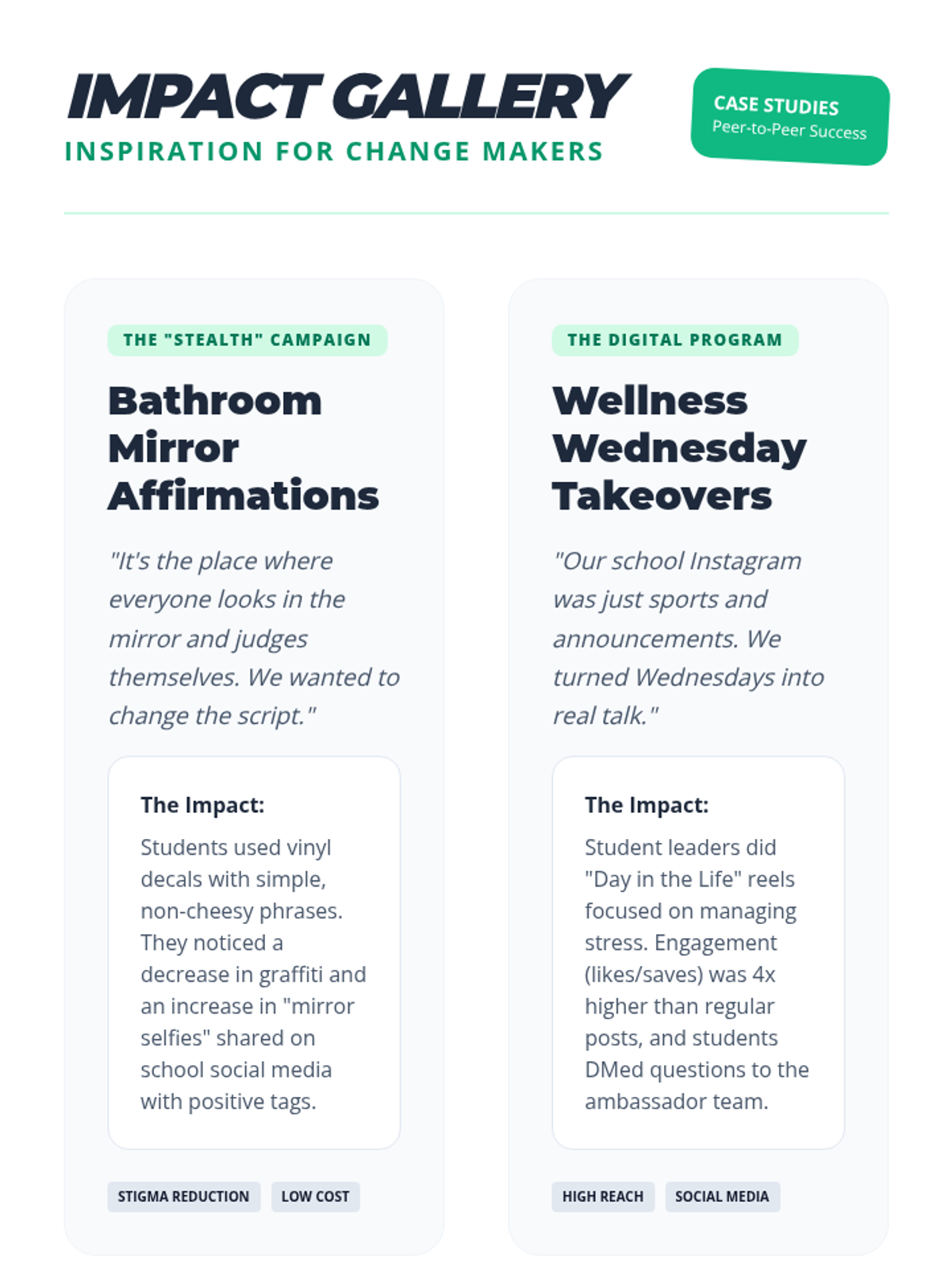
A 45-minute workshop-style lesson designed for secondary students to empower them as mental health ambassadors. Students learn to conduct needs assessments, plan authentic campaigns, and measure their impact while aligning with TDSB wellbeing frameworks.