A lesson focused on developing emotional resilience through mindfulness and practical grounding techniques, providing students with a toolkit for self-care.
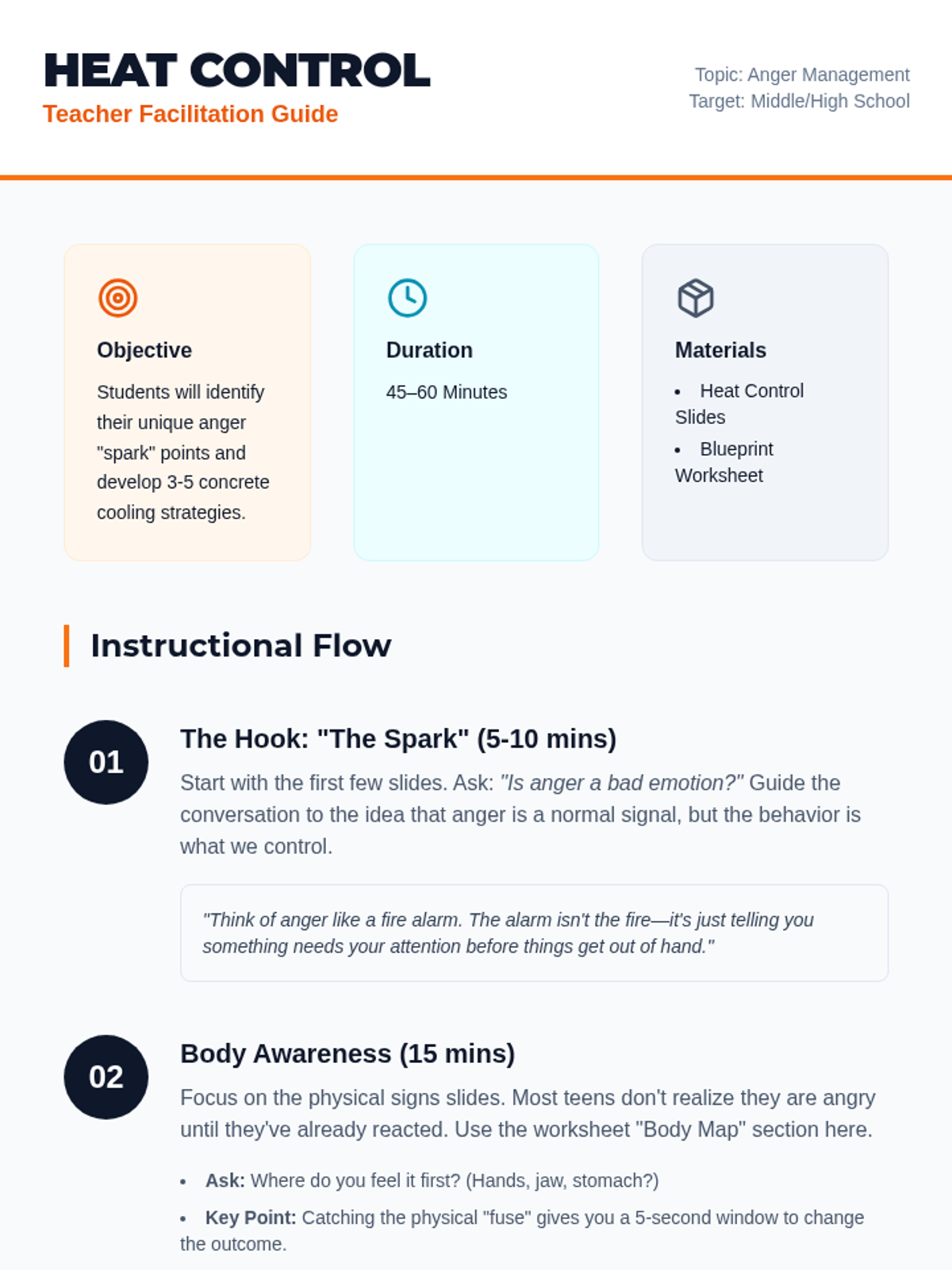
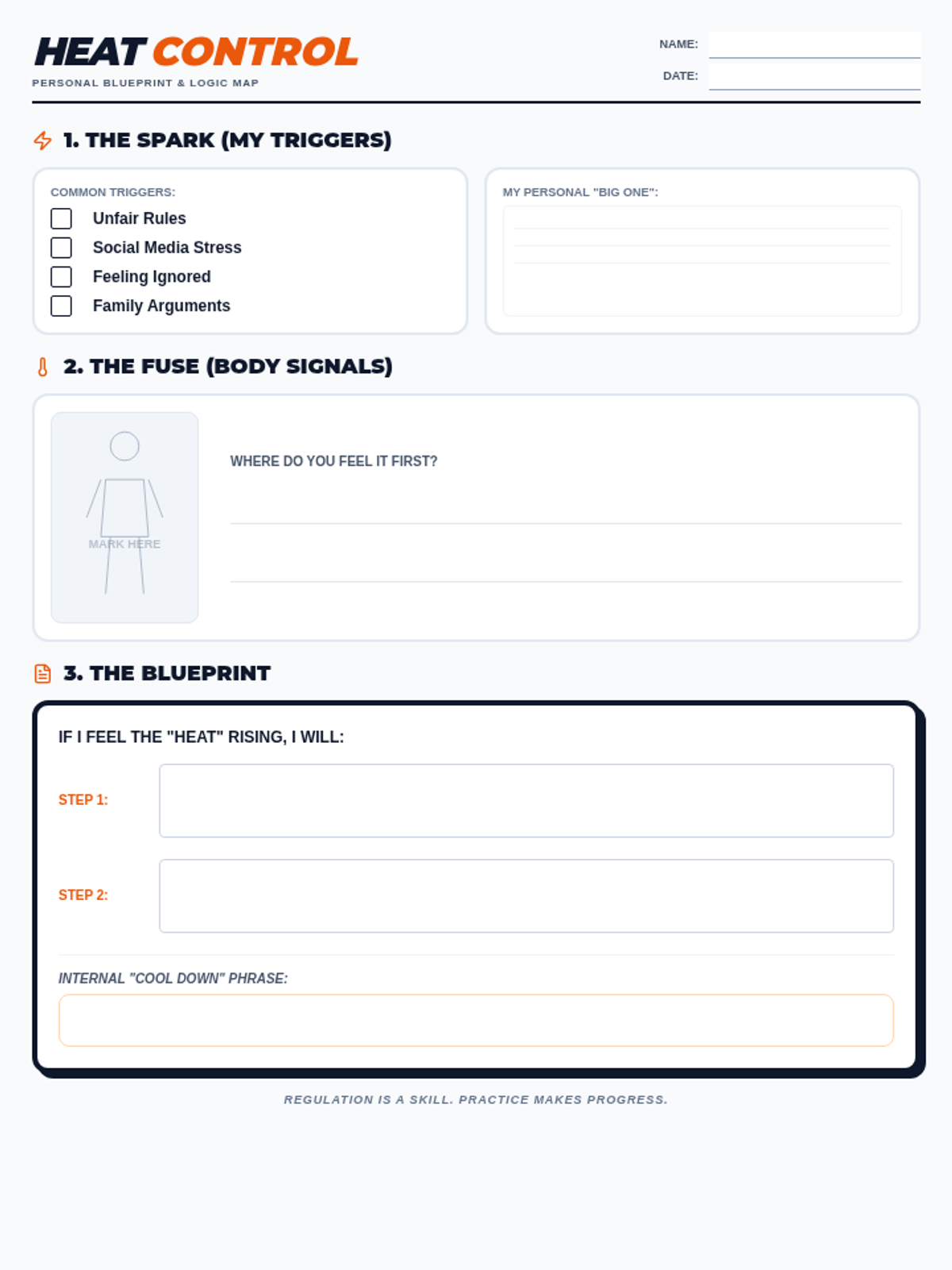
A lesson designed for young teenagers to identify their anger triggers, recognize physical symptoms, and build a personalized 'Cool Down Blueprint' for emotional regulation.
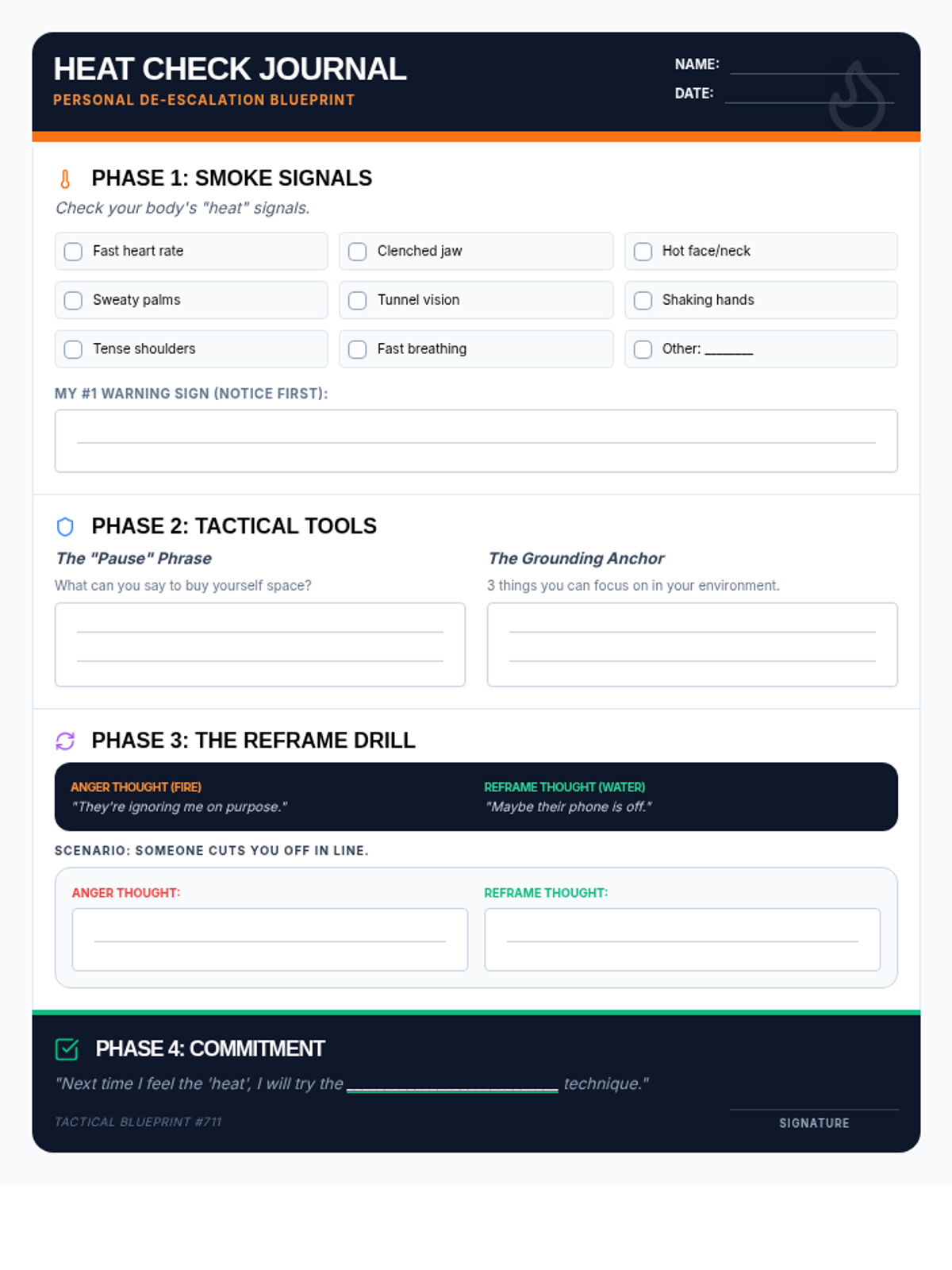
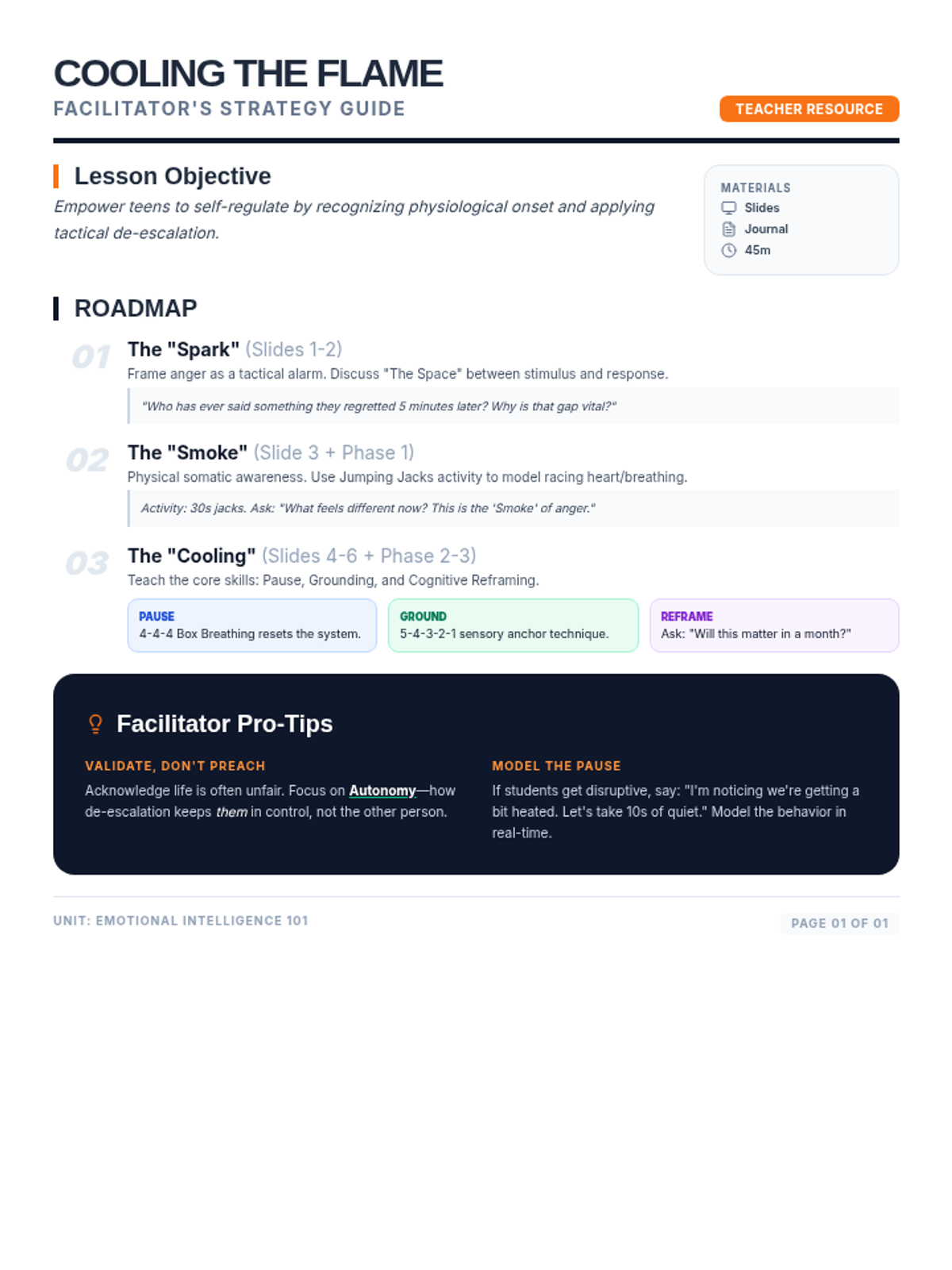
A lesson focused on equipping teenagers with practical de-escalation strategies to manage anger effectively. Students will learn to recognize physical warning signs and apply immediate cooling techniques in high-pressure situations.
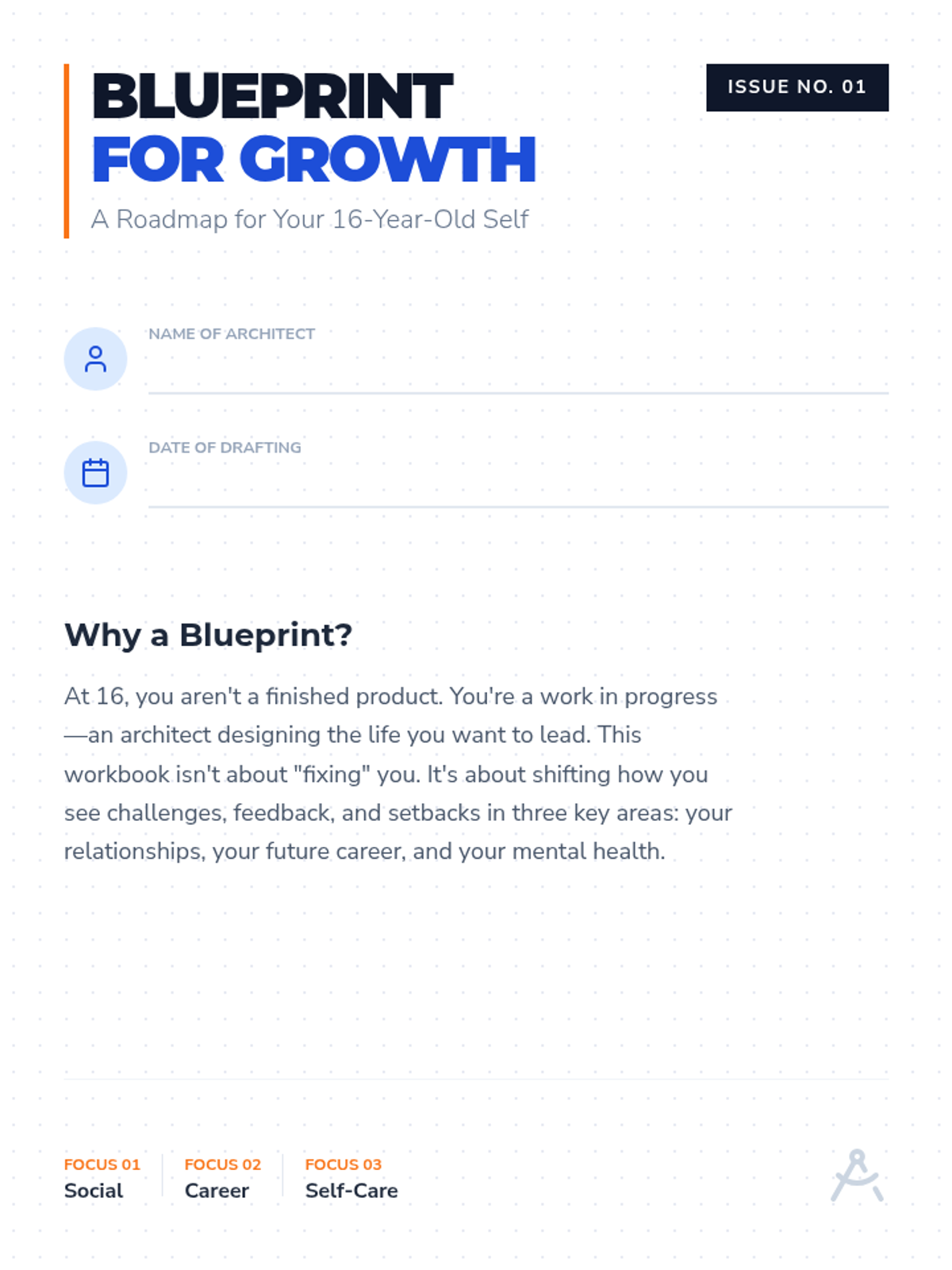
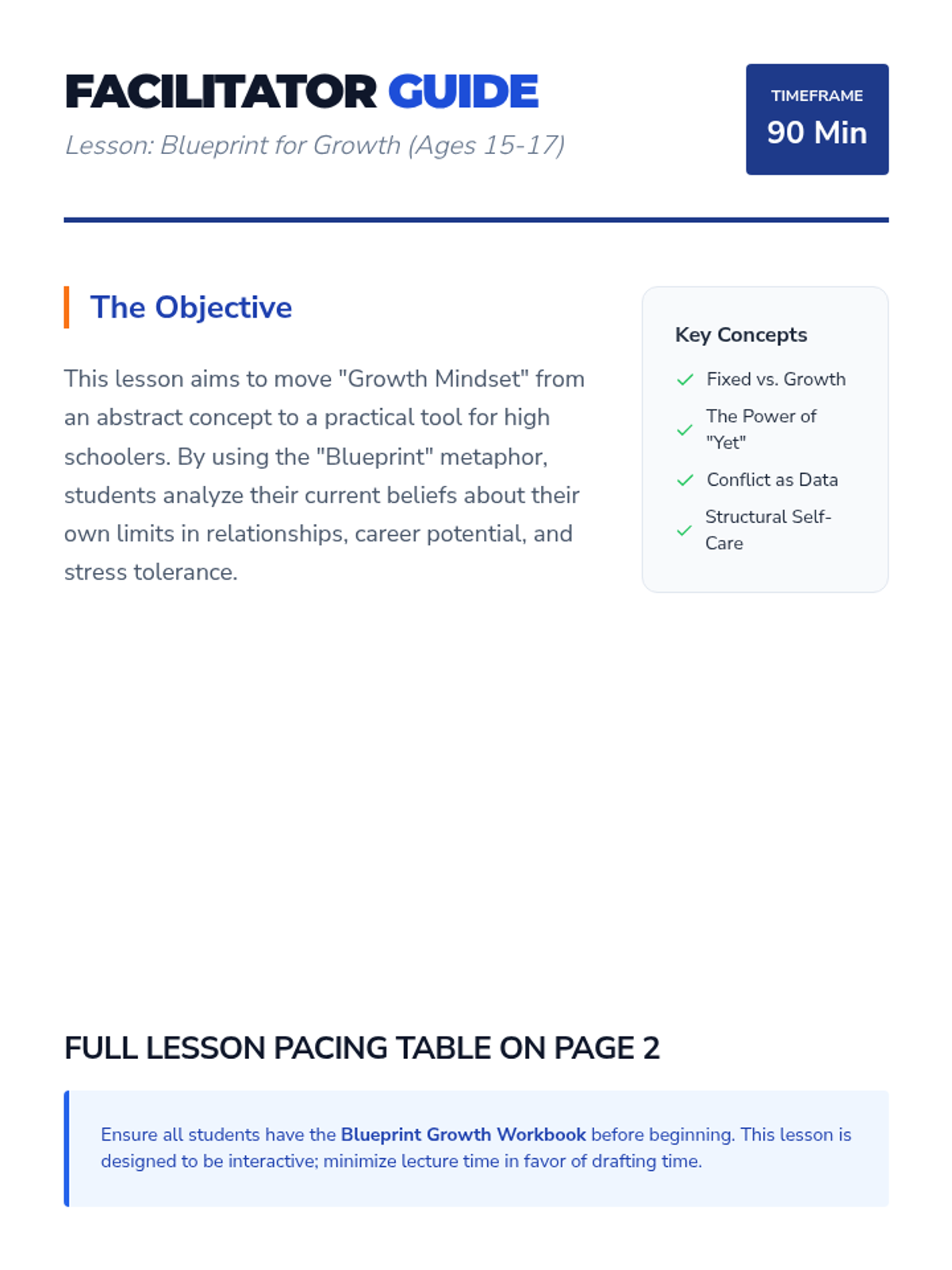
A deep-dive exploration of growth mindset principles applied to social dynamics, future goals, and stress management for 16-year-olds.
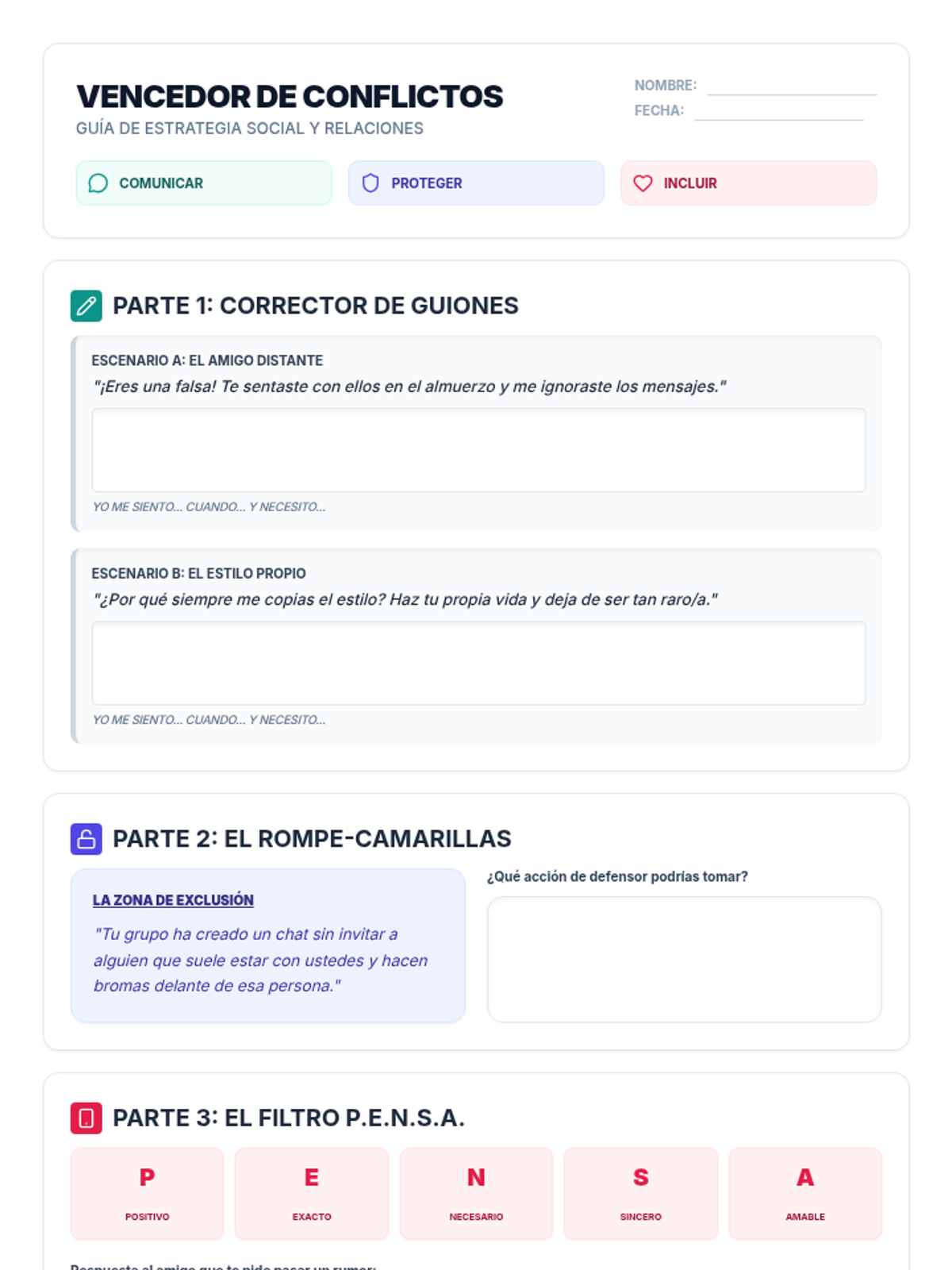
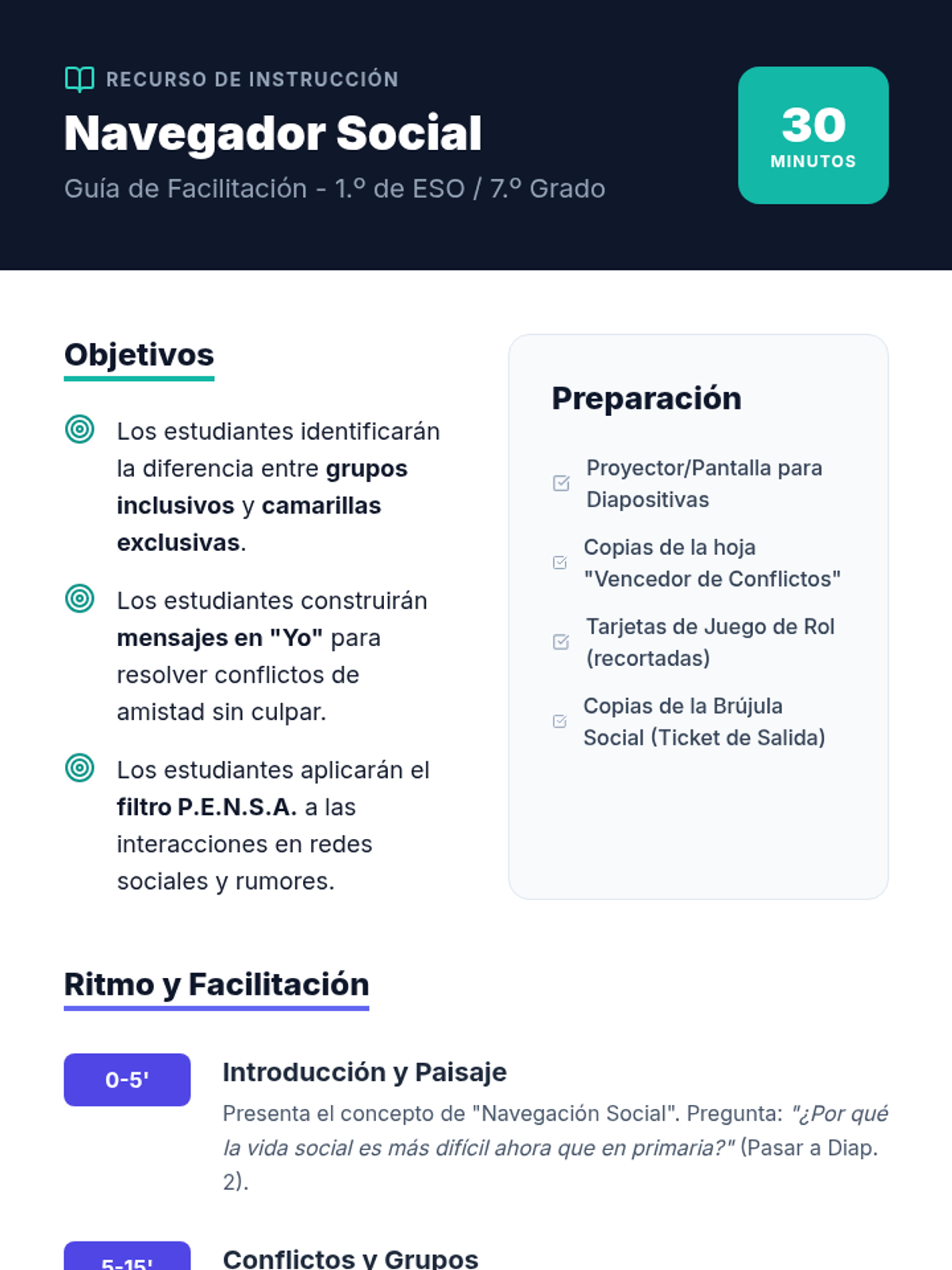
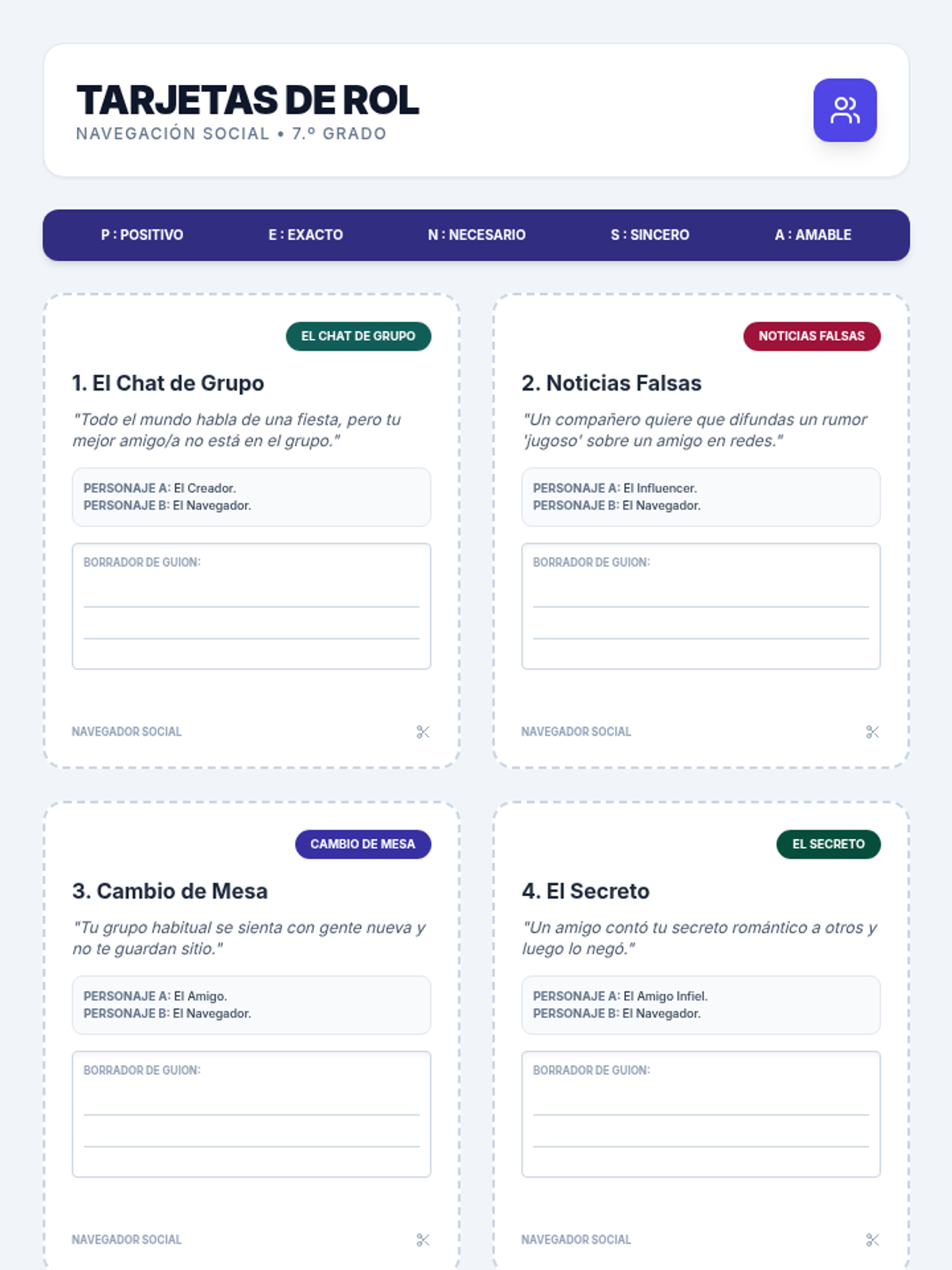
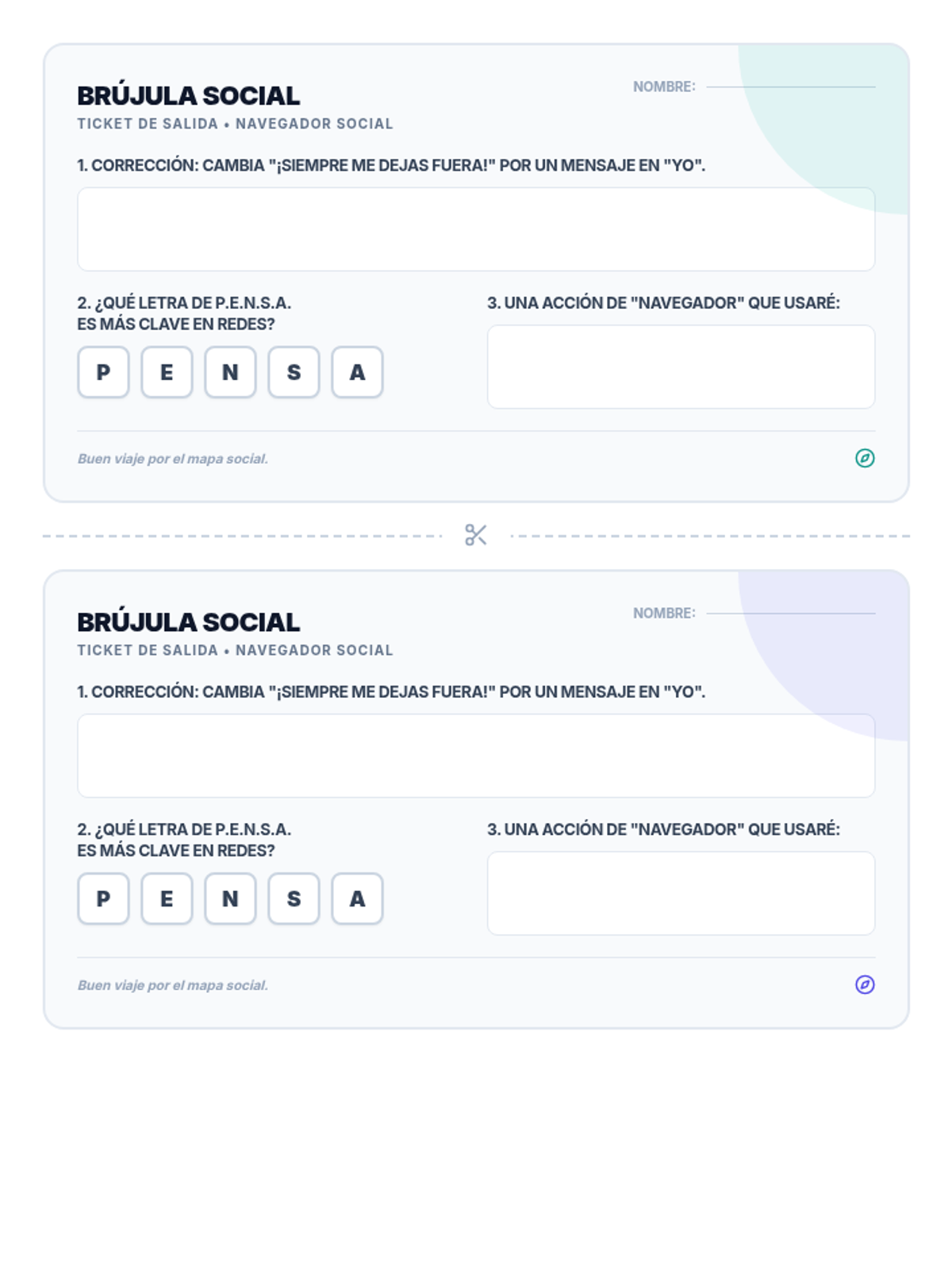
A 30-minute interactive lesson designed for 7th graders to navigate the complexities of middle school social life, focusing on conflict resolution, the impact of cliques, and managing digital drama.
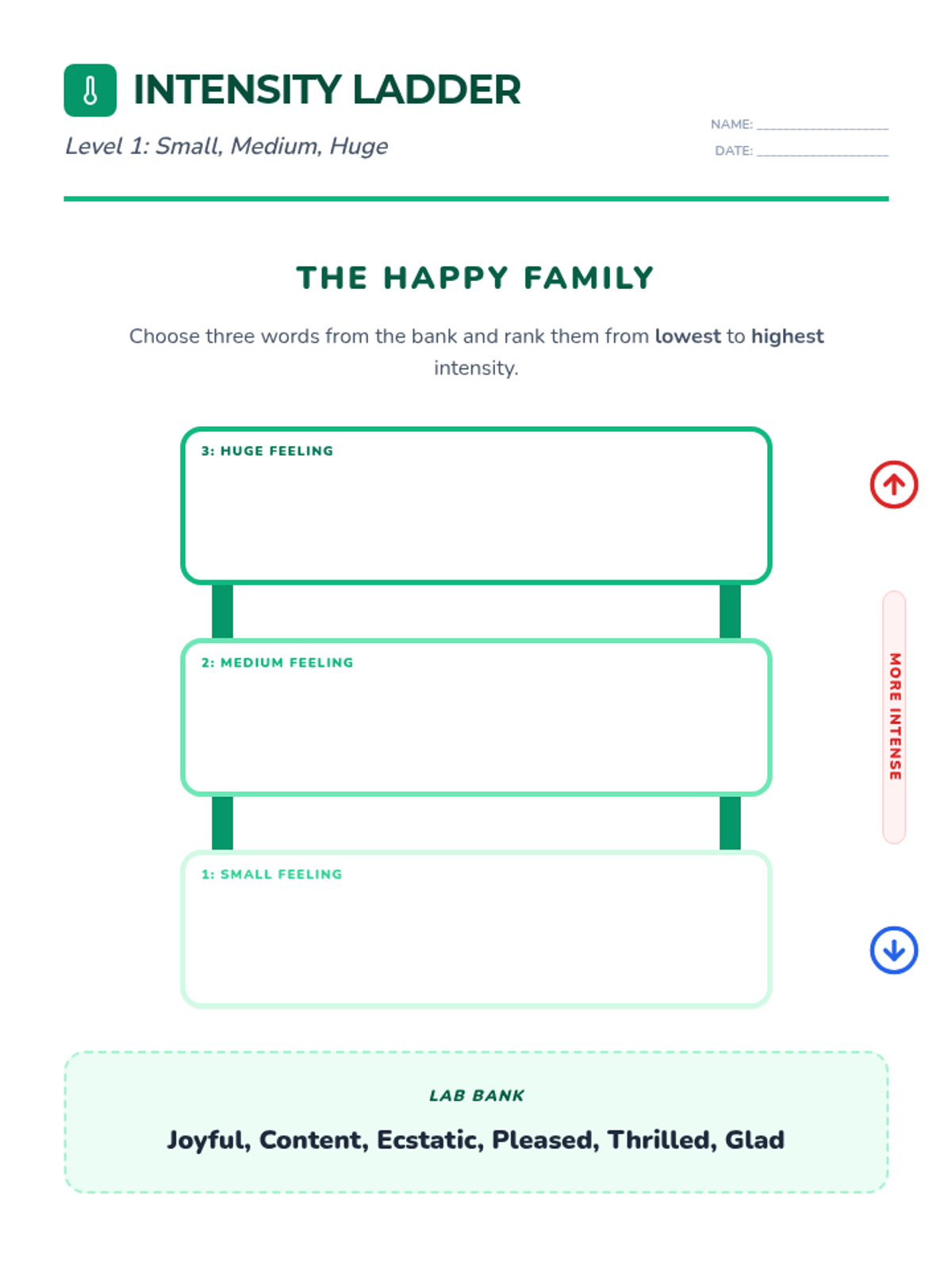
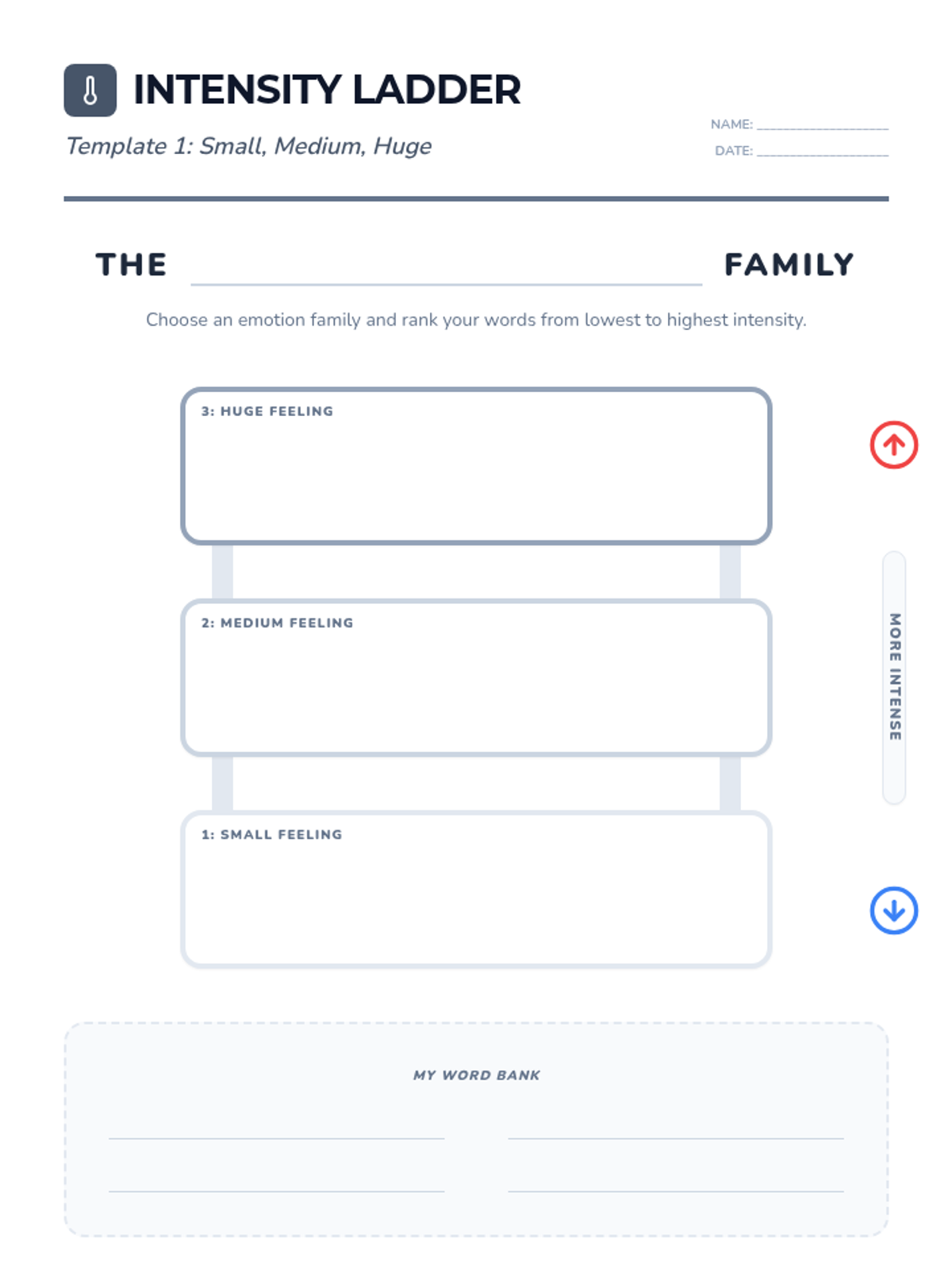
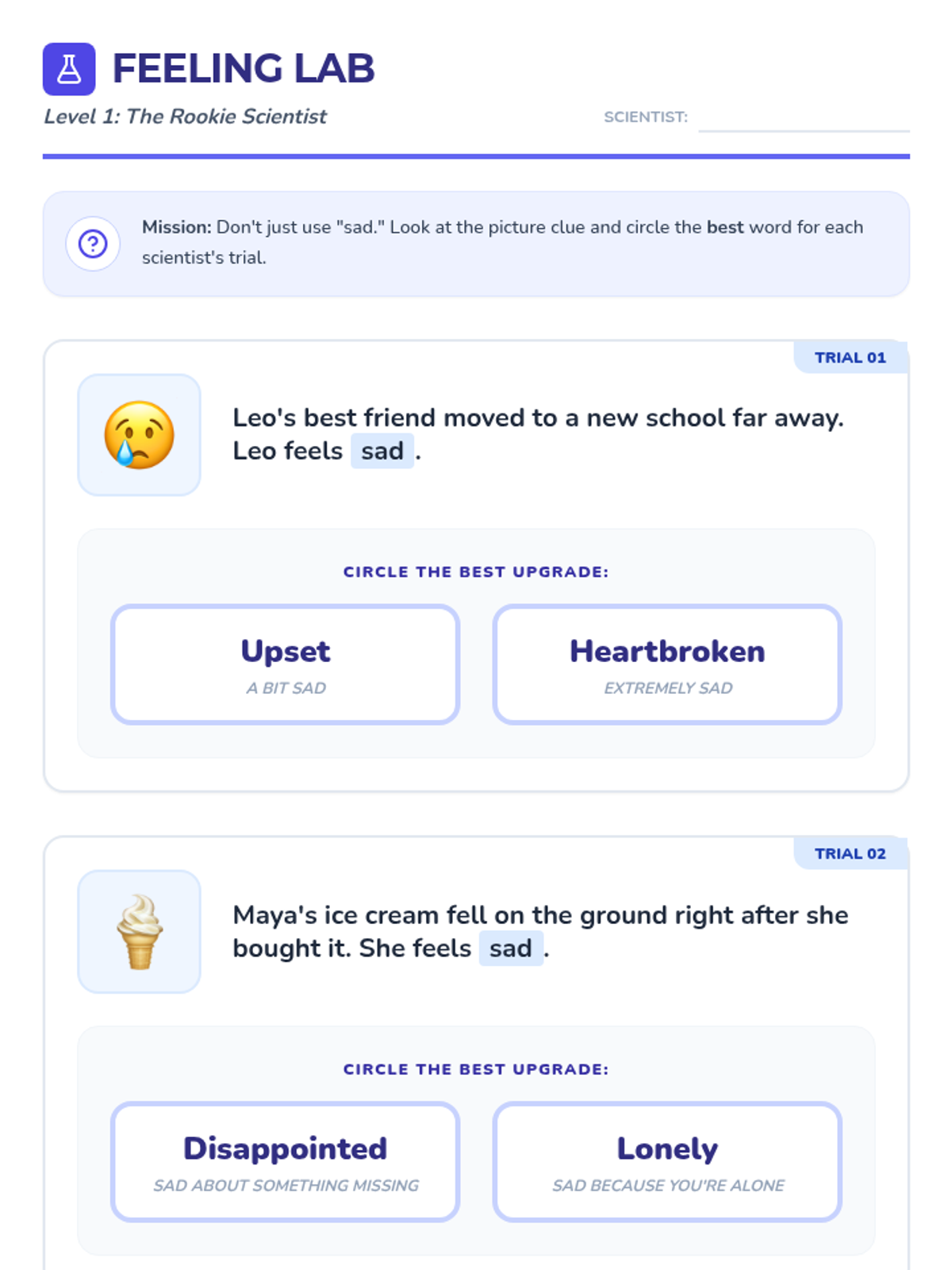
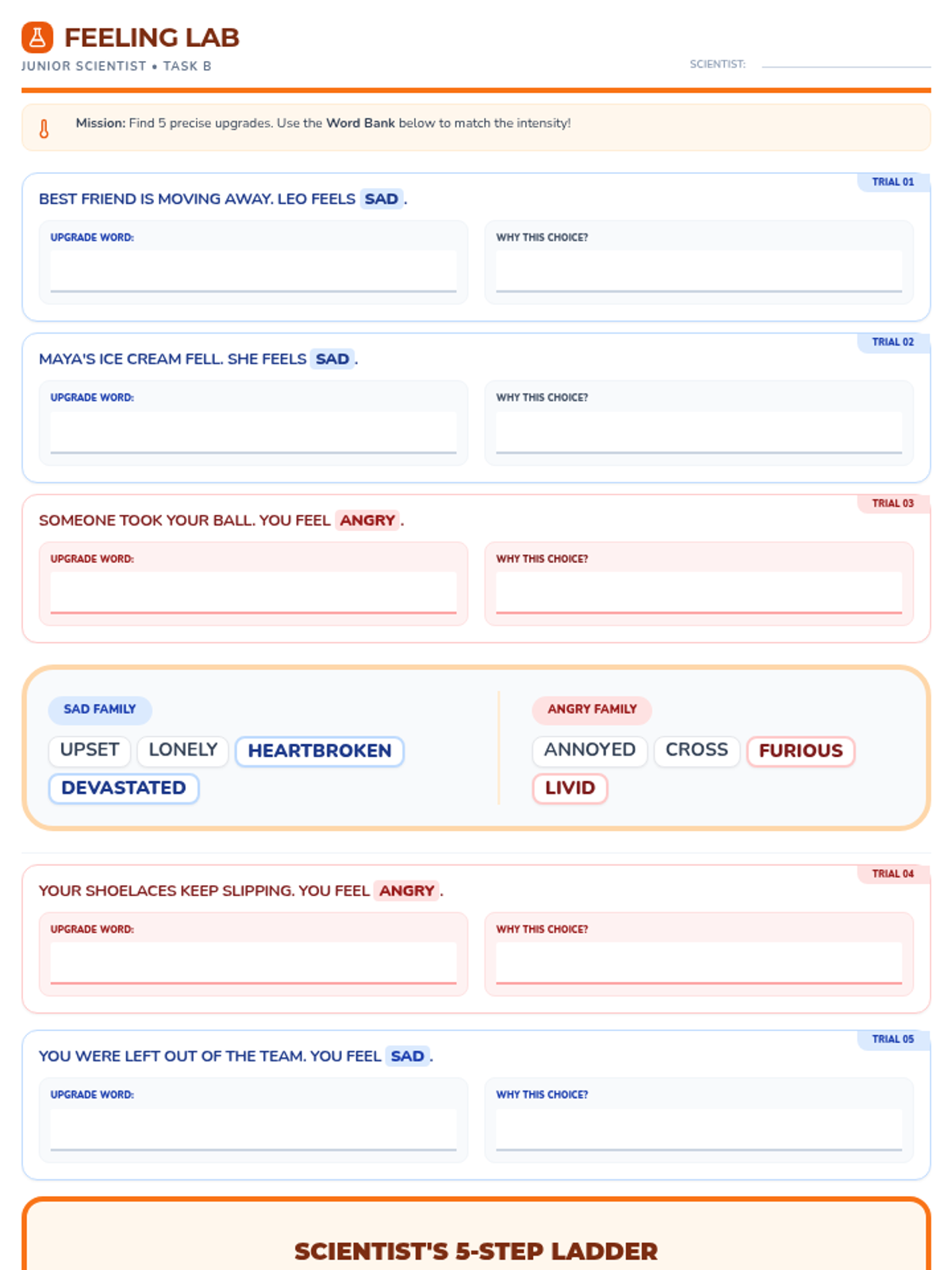
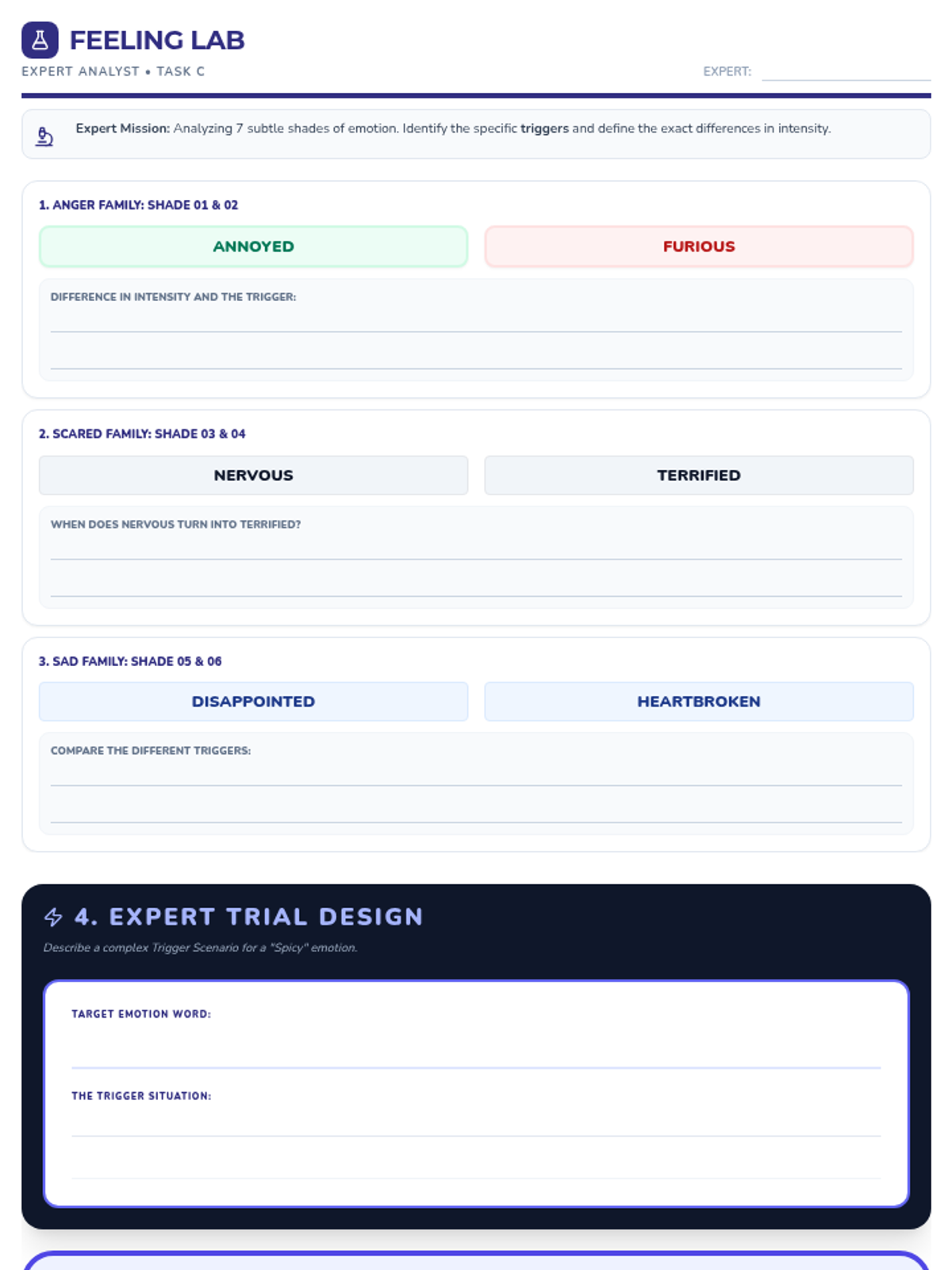
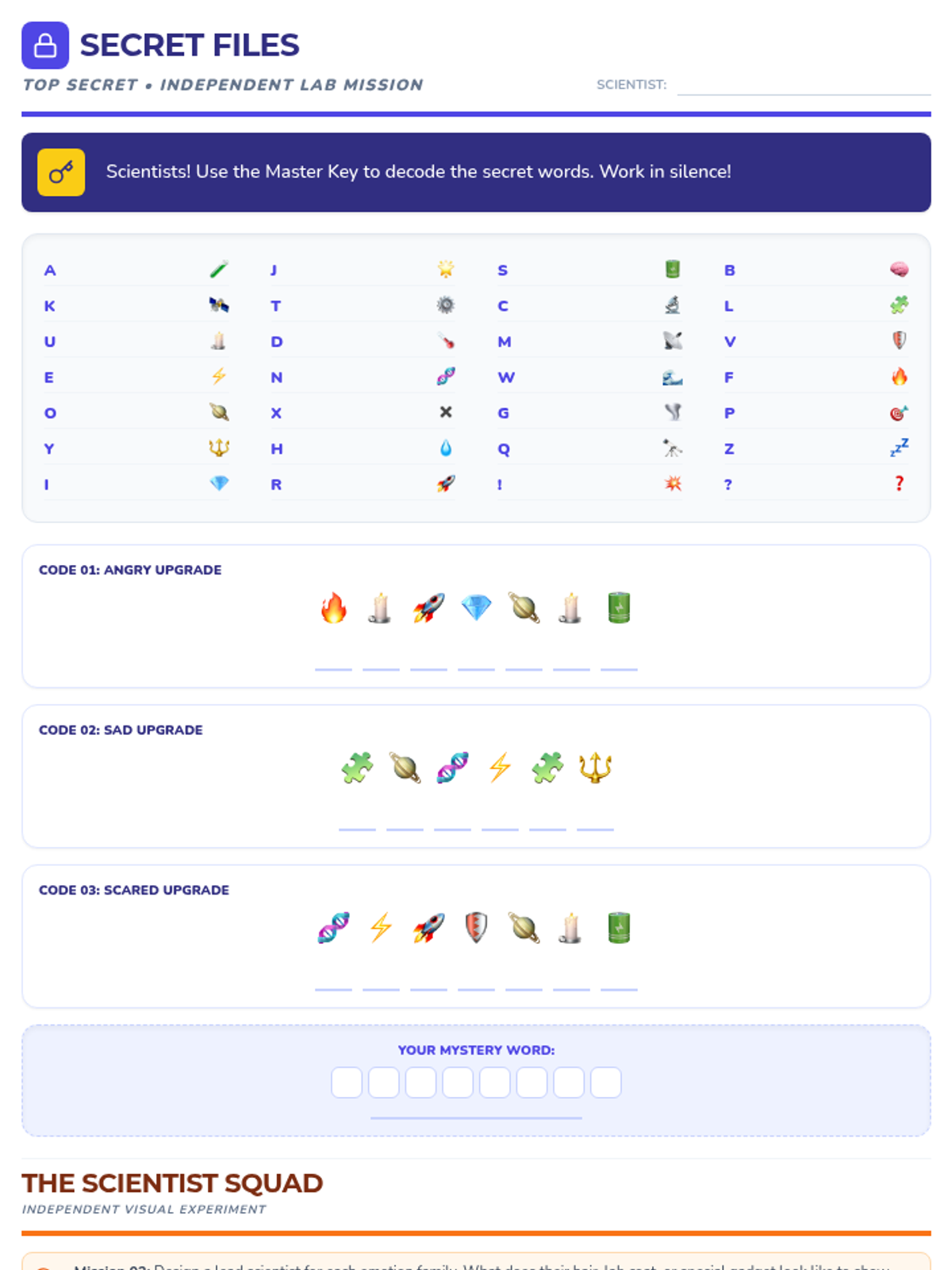
A lesson focused on expanding students' emotional vocabulary by exploring 'emotion families' and the varying intensities of different feelings. Students learn to replace simple emotion words with more precise alternatives and rank feelings on intensity ladders.
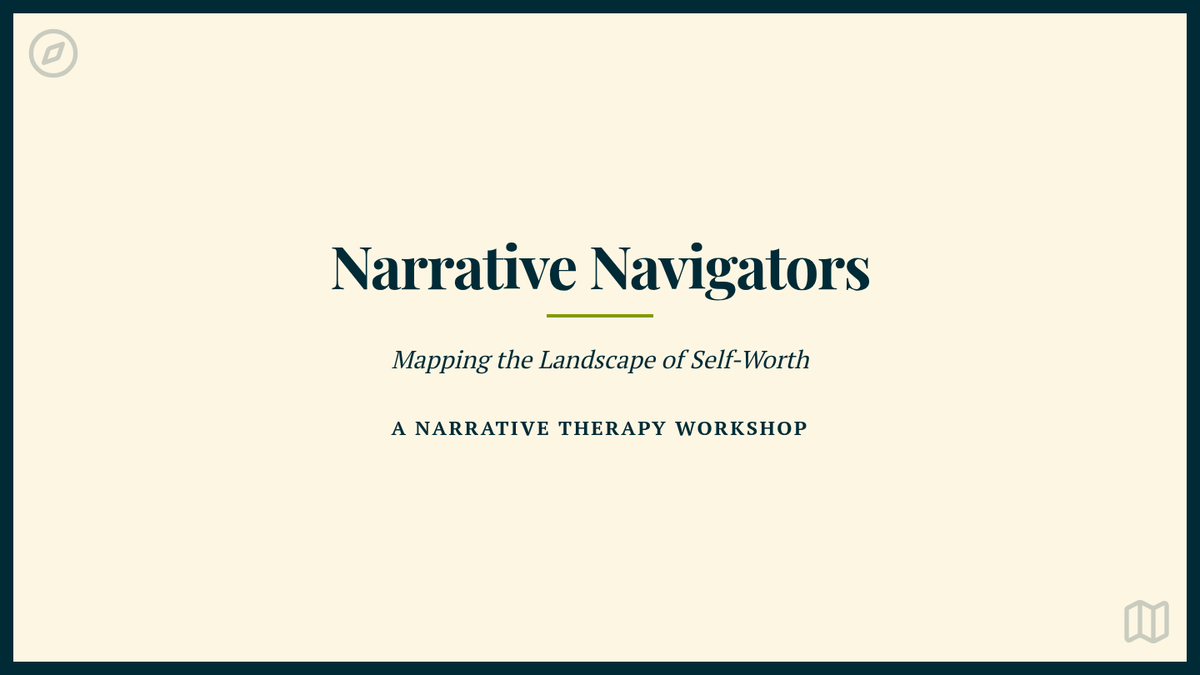
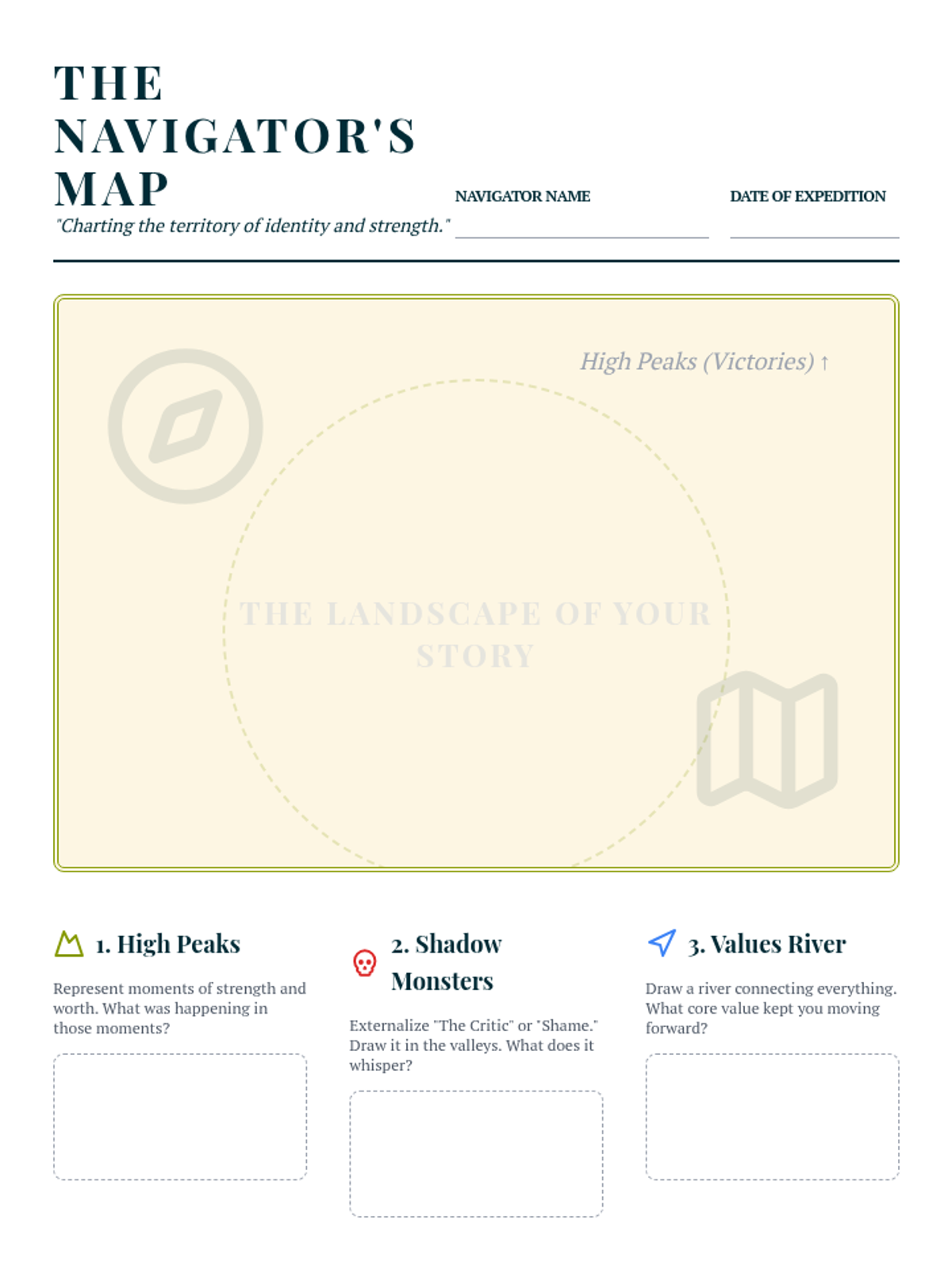
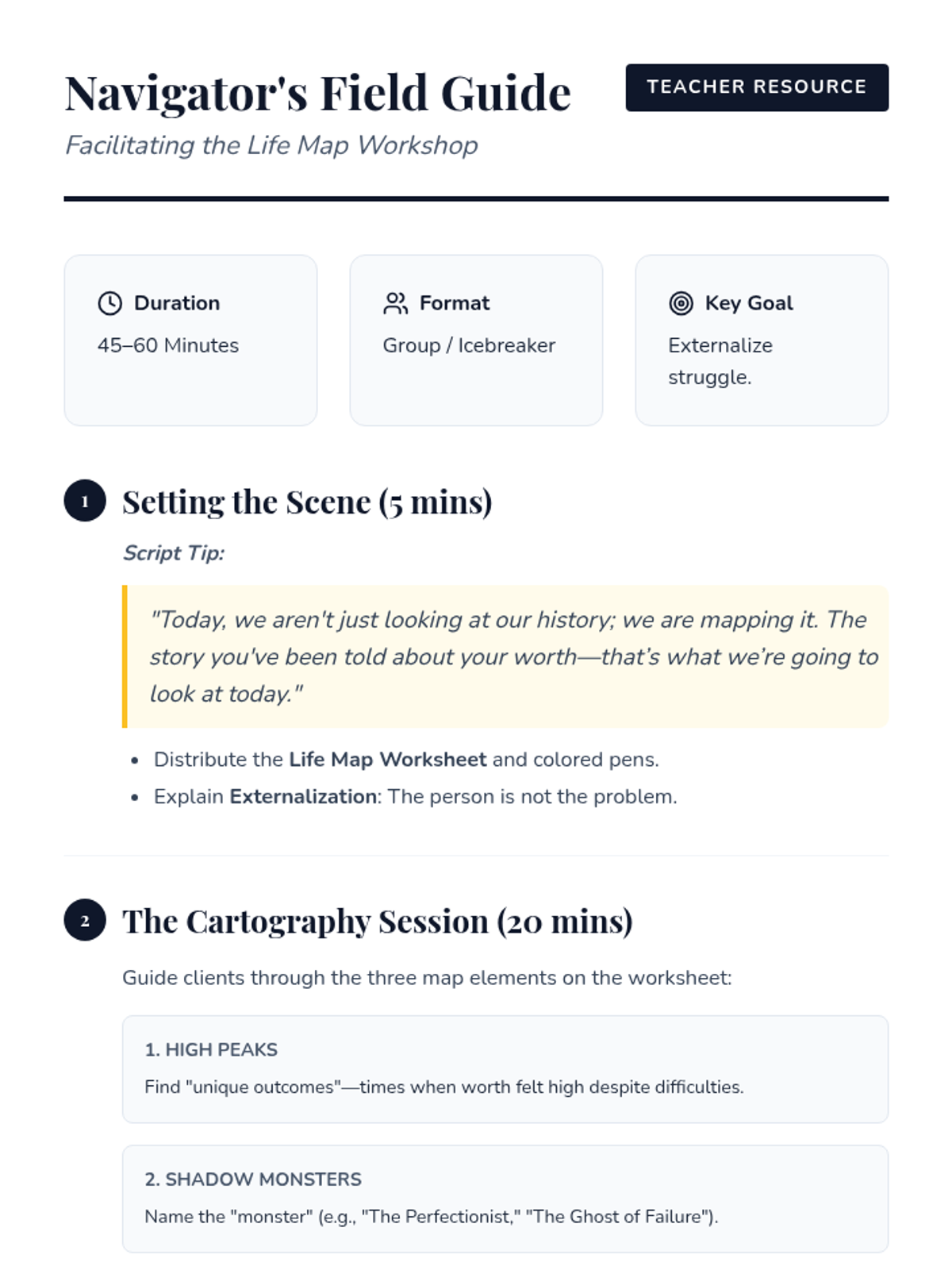
A workshop session focused on using Narrative Therapy techniques to externalize self-worth challenges and re-author personal narratives through life mapping.
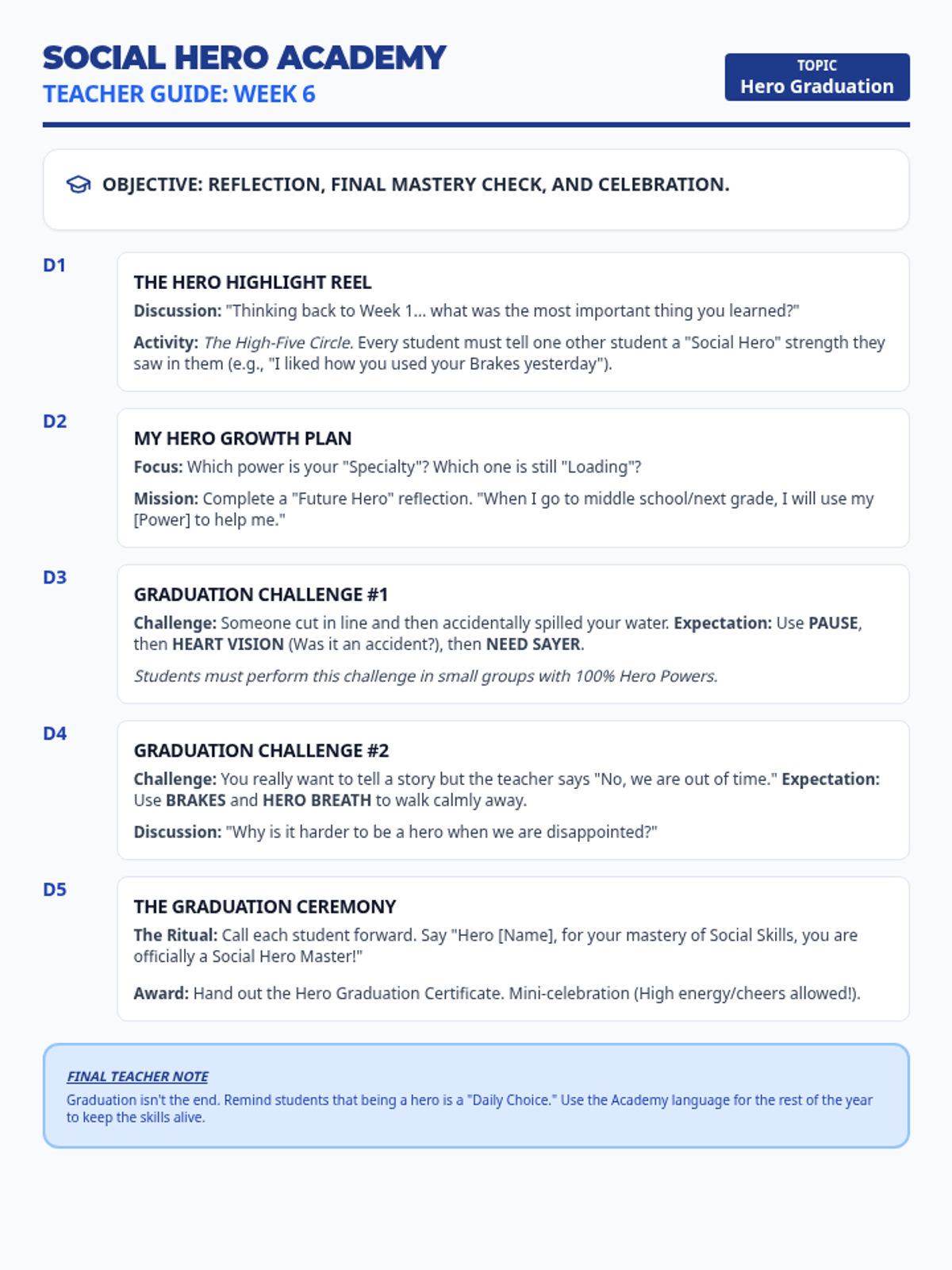
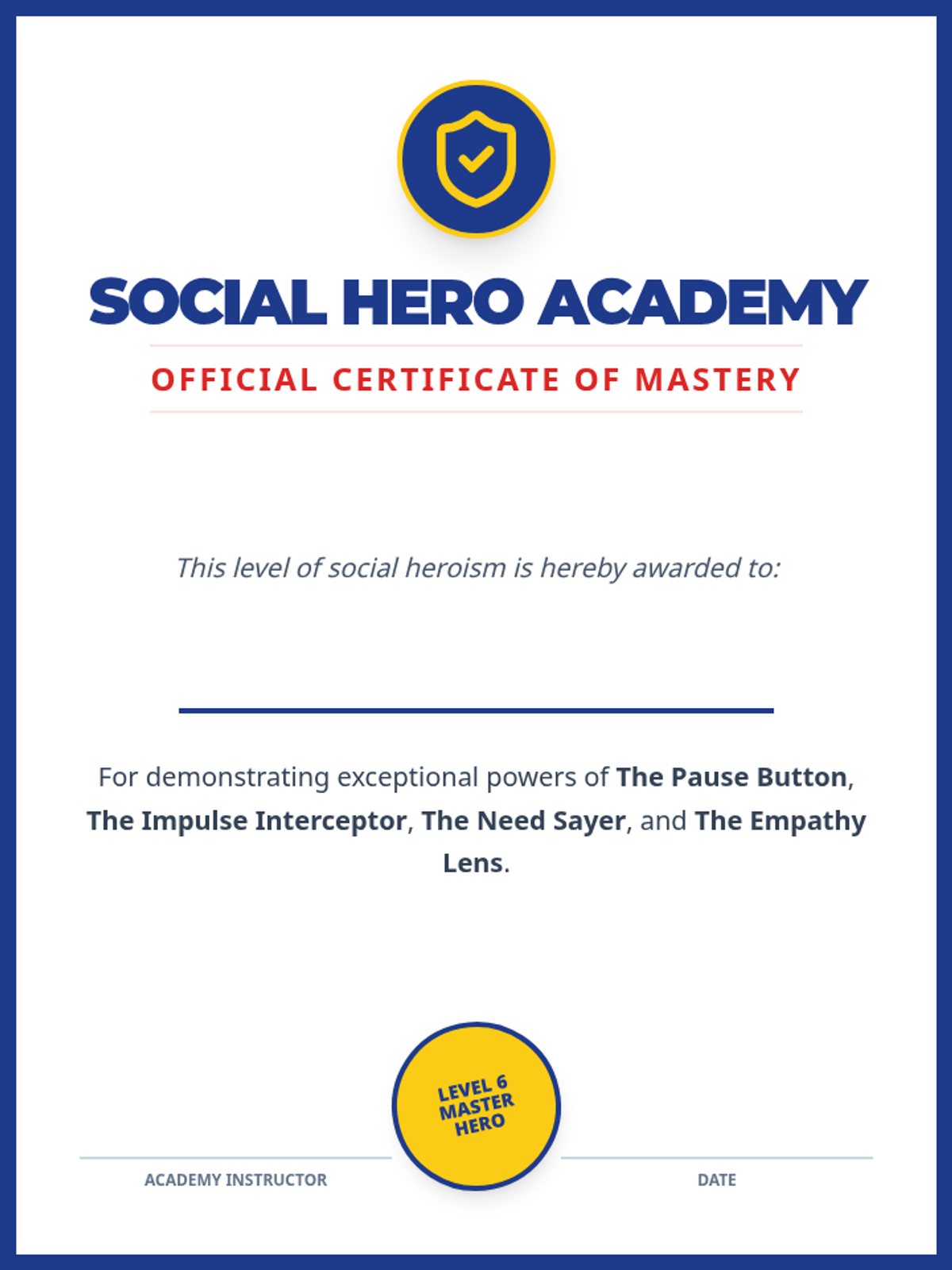
Final review and mastery check. Students reflect on their growth, complete a graduation challenge, and receive their academy certificates.
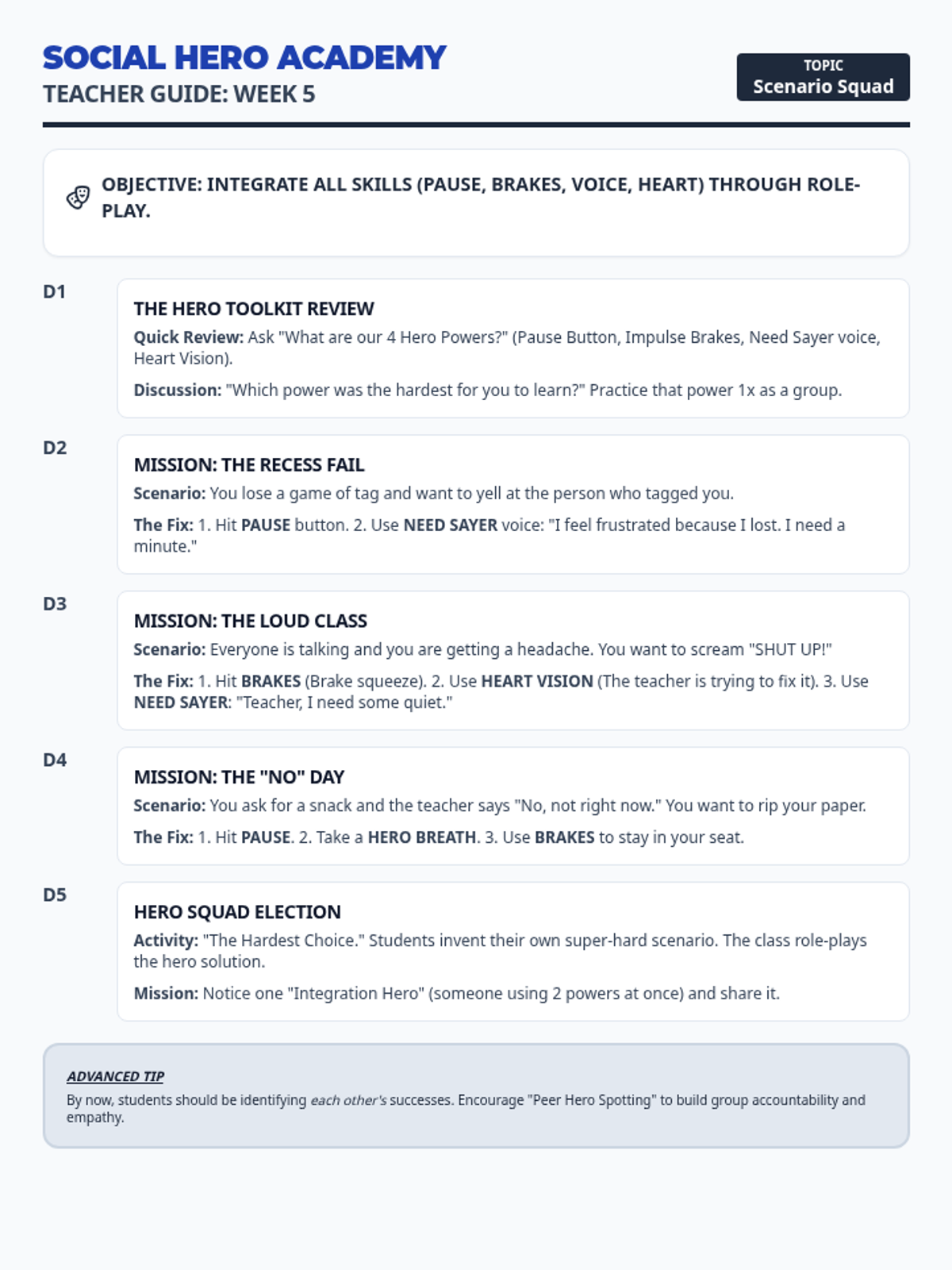
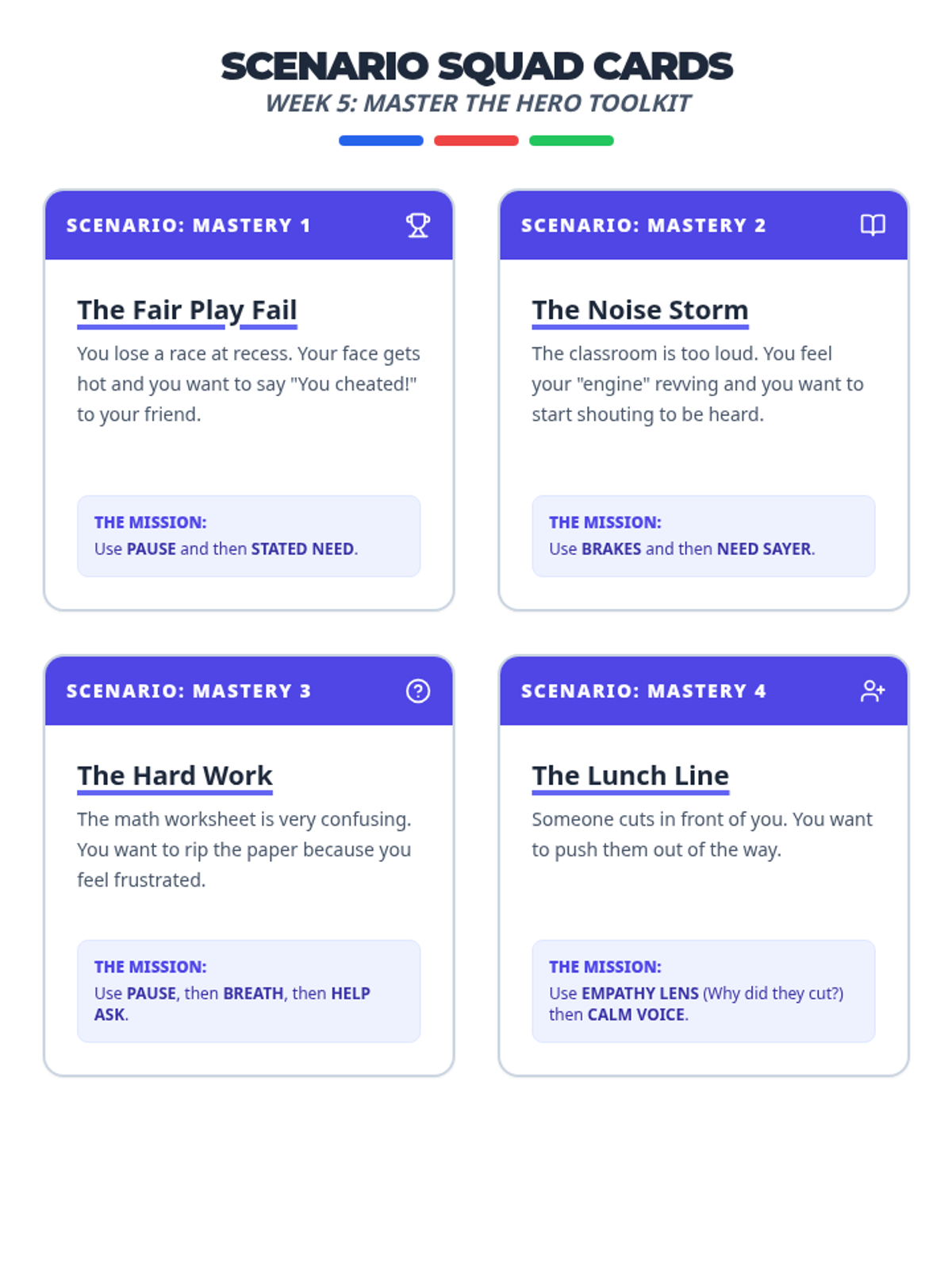
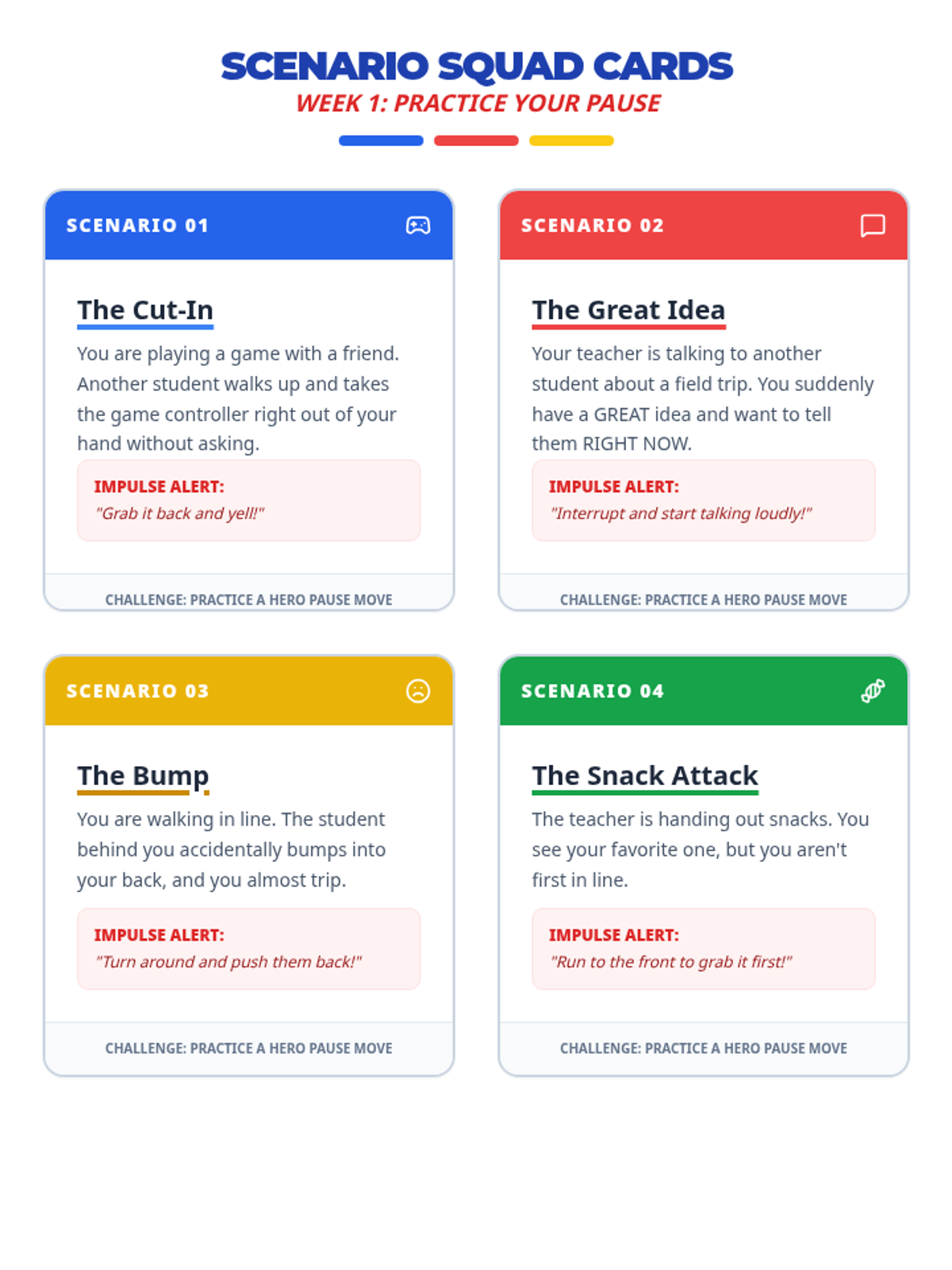
An intensive week of role-play scenarios where students combine pause, impulse control, and communication skills to solve social challenges.
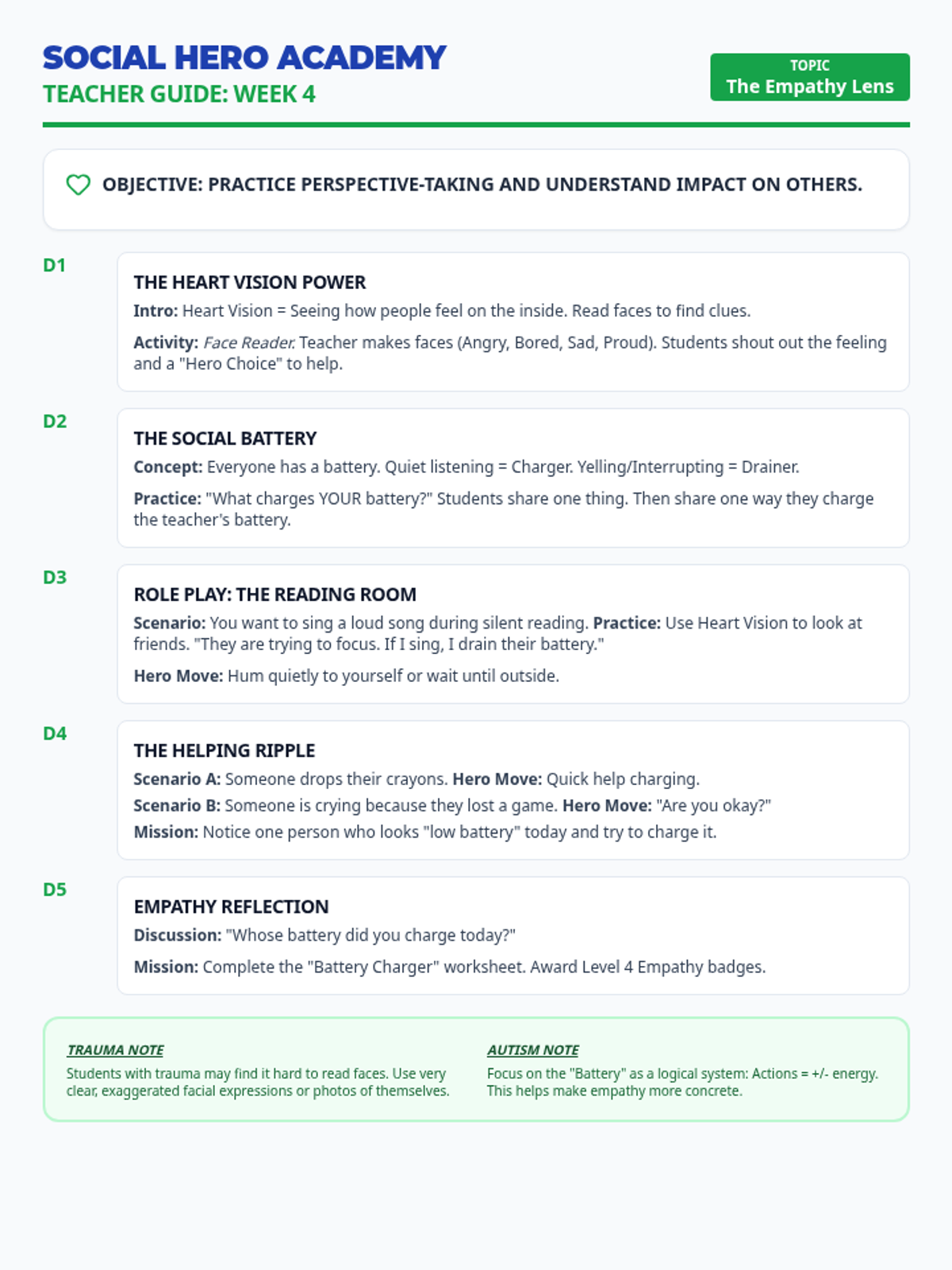
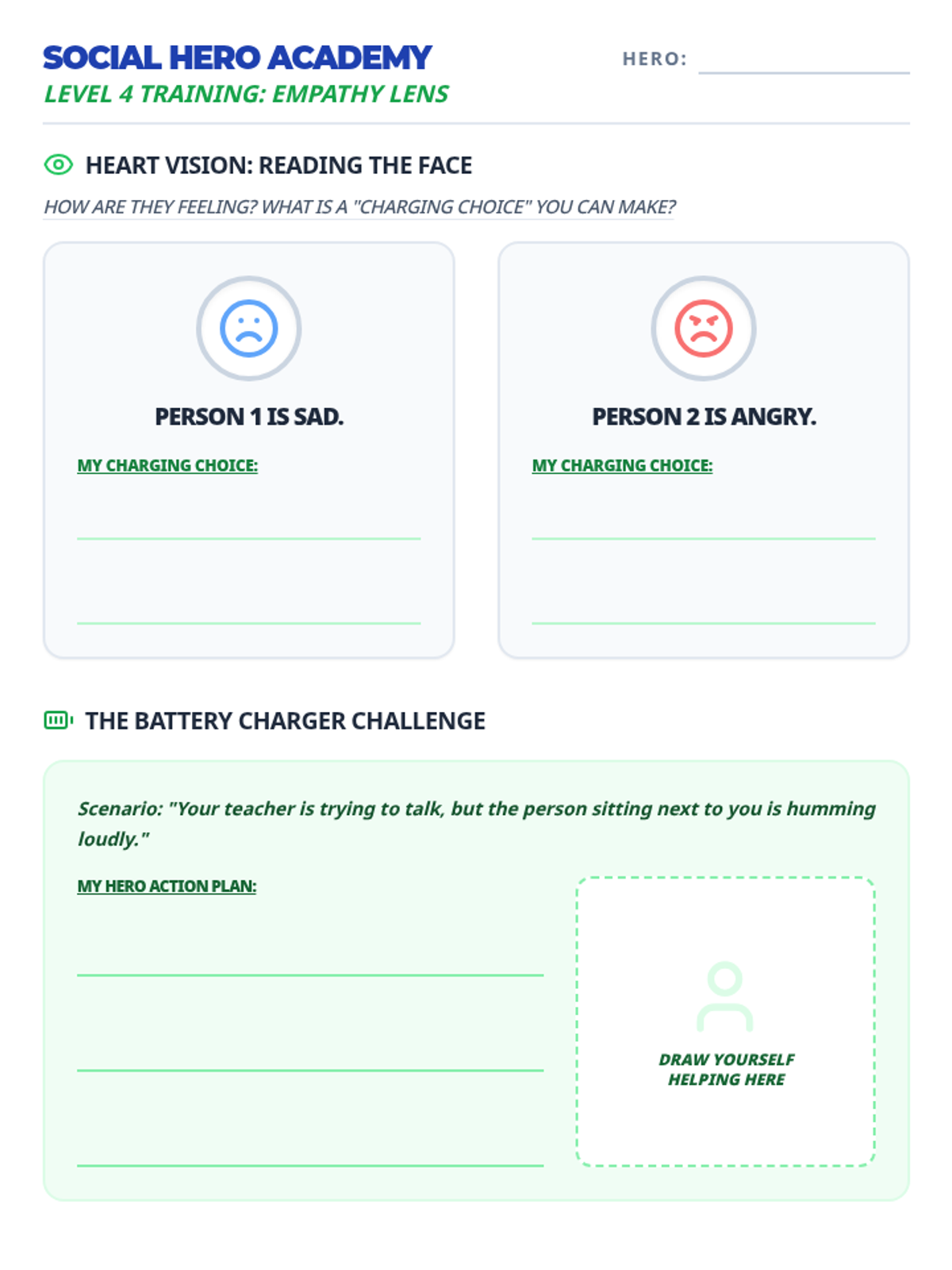
Explores perspective-taking and how individual choices impact the group. Students practice 'Heart Vision' to understand others' feelings.
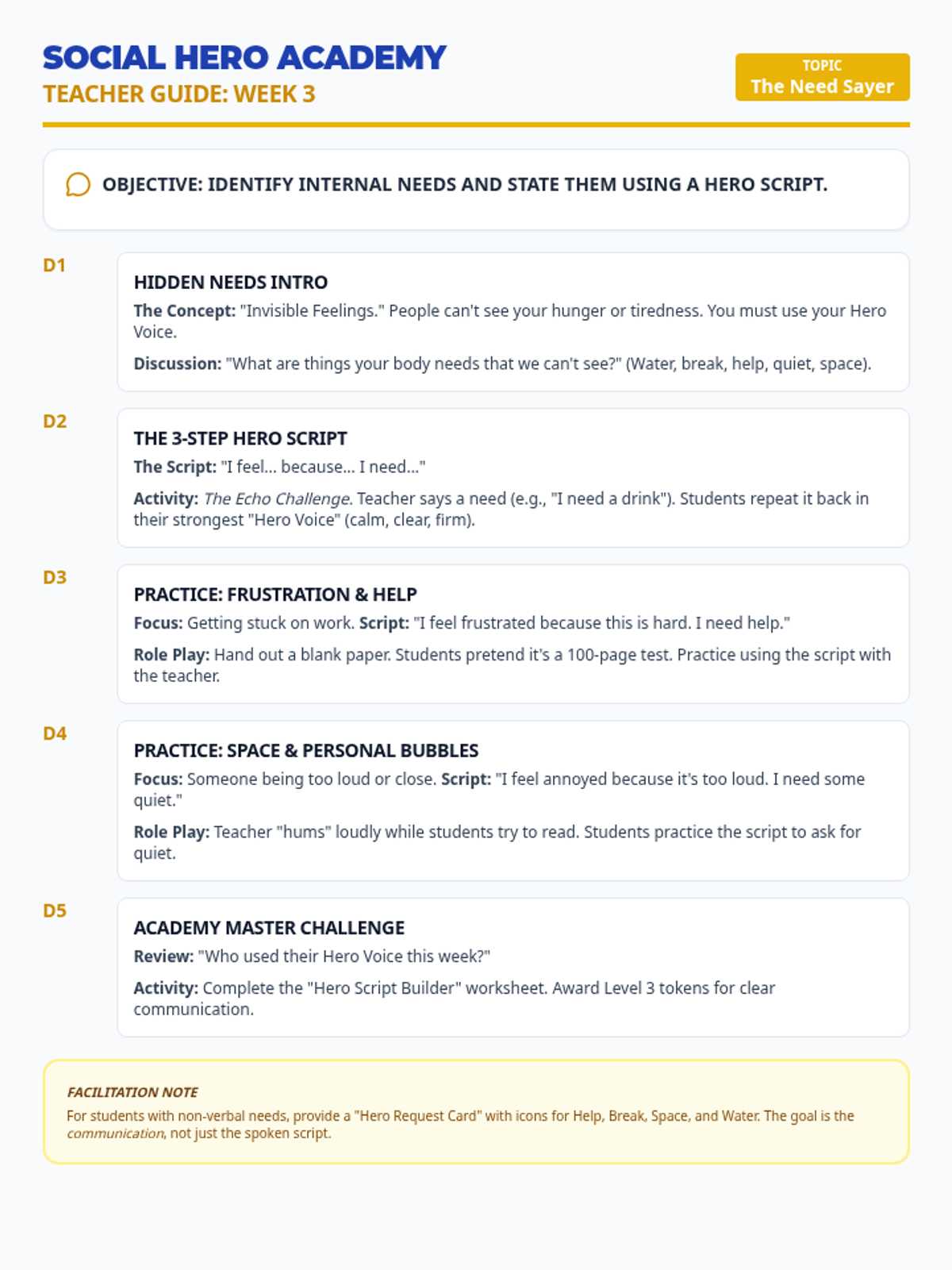
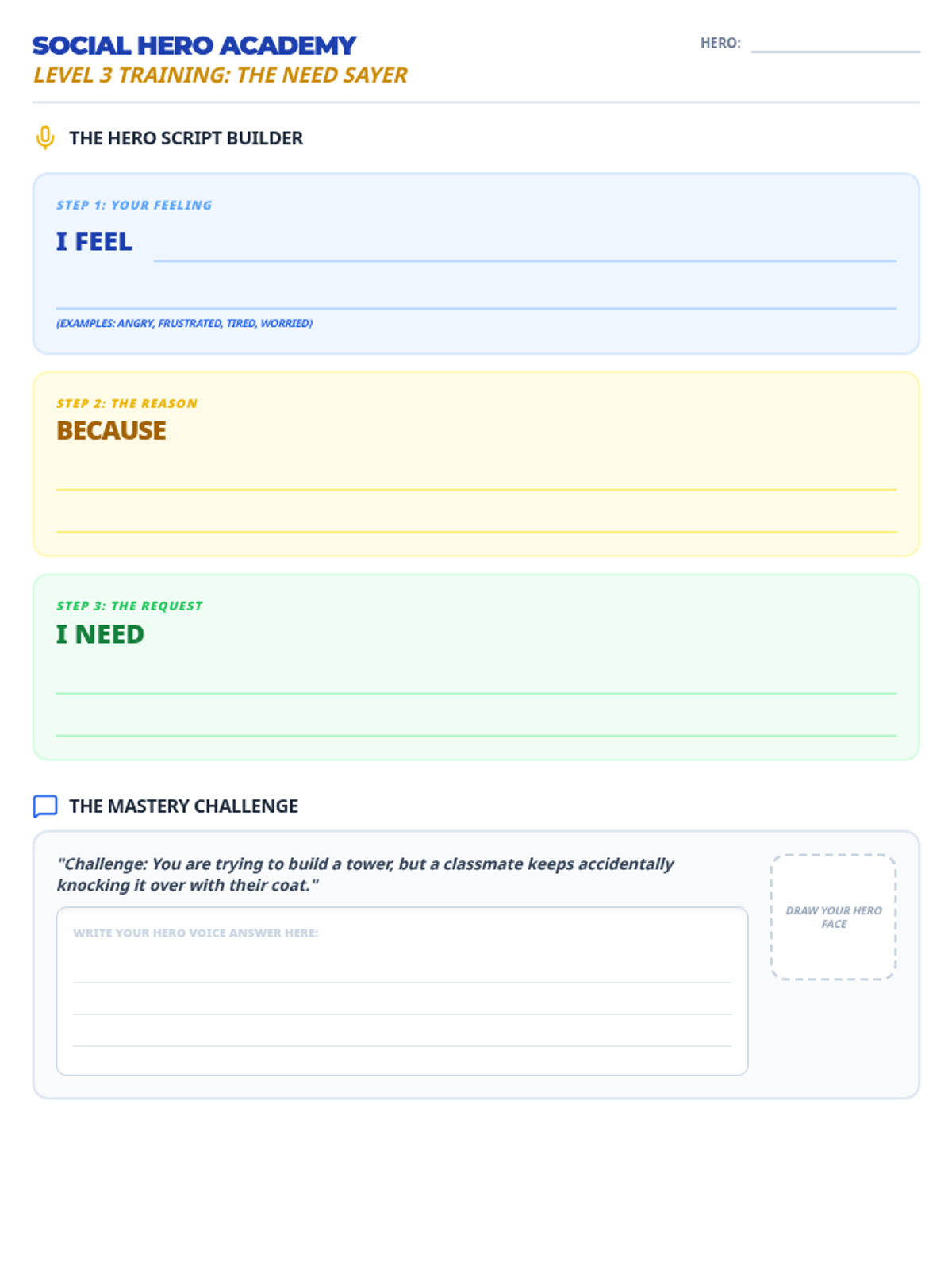
Teaches students to identify internal needs and use clear 'I feel... because... I need...' statements to communicate effectively without escalating.
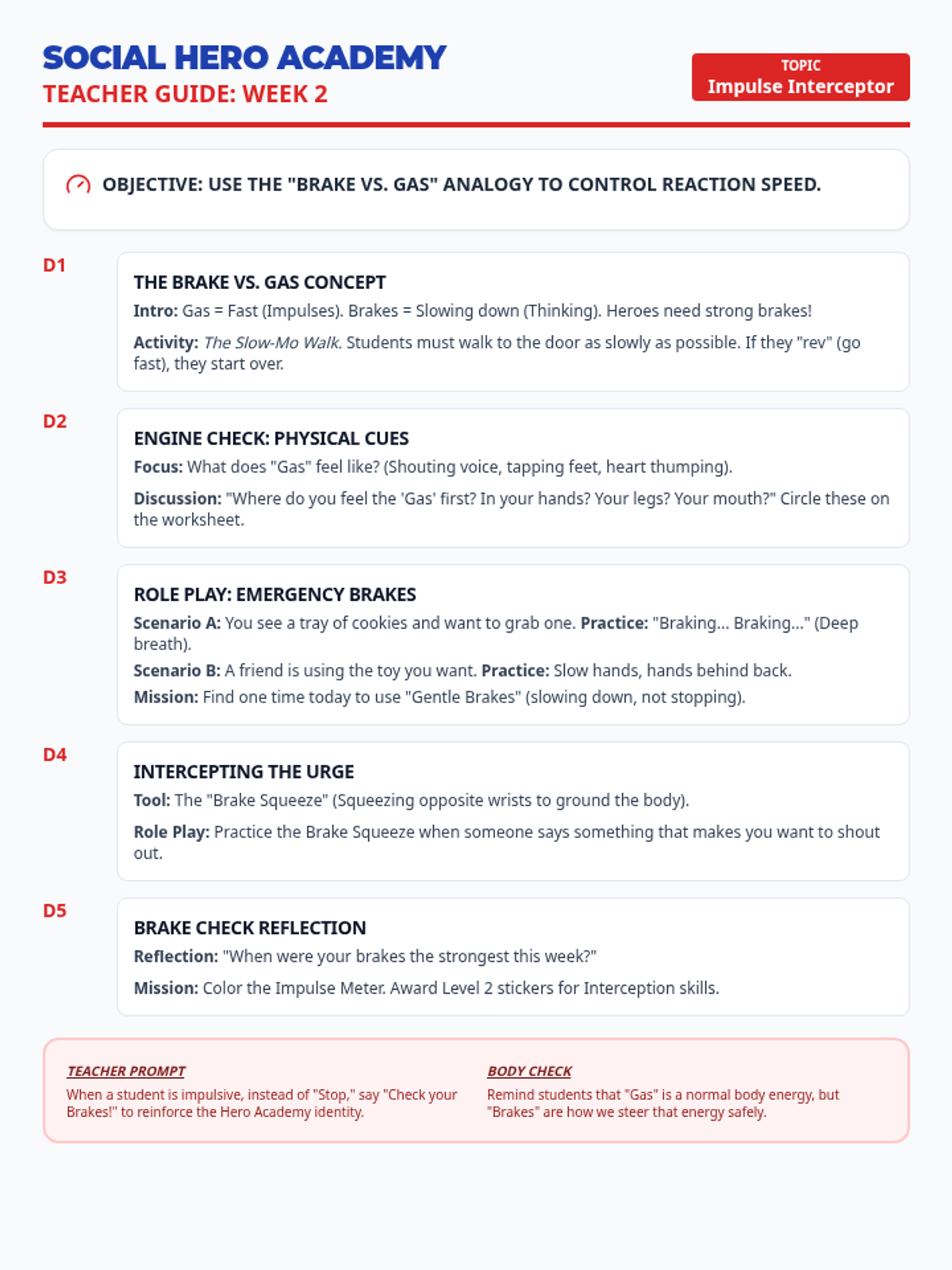
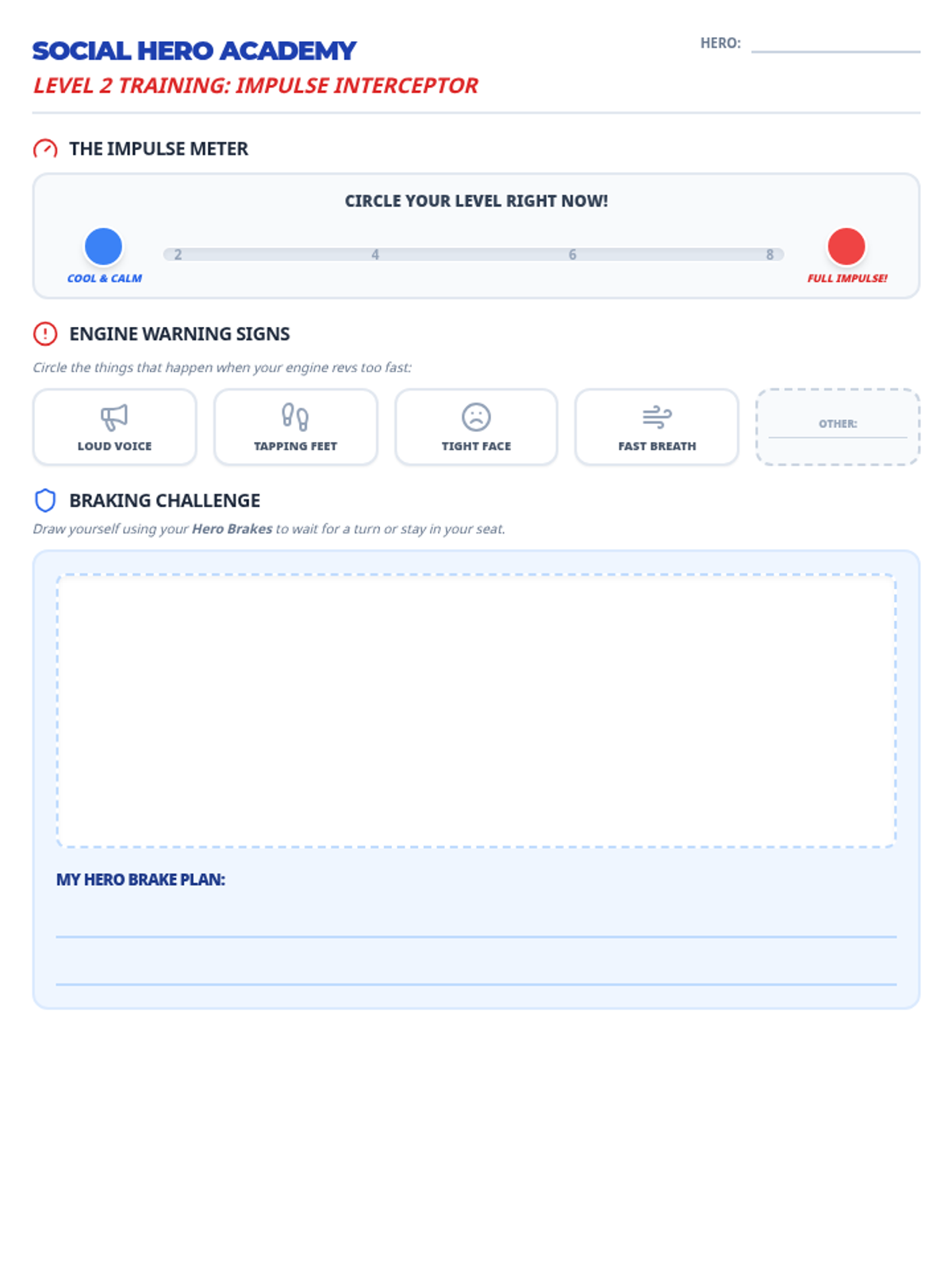
Focuses on active impulse control using the 'Brake vs. Gas' analogy. Students identify physical 'engine' cues and practice slowing down their reactions.
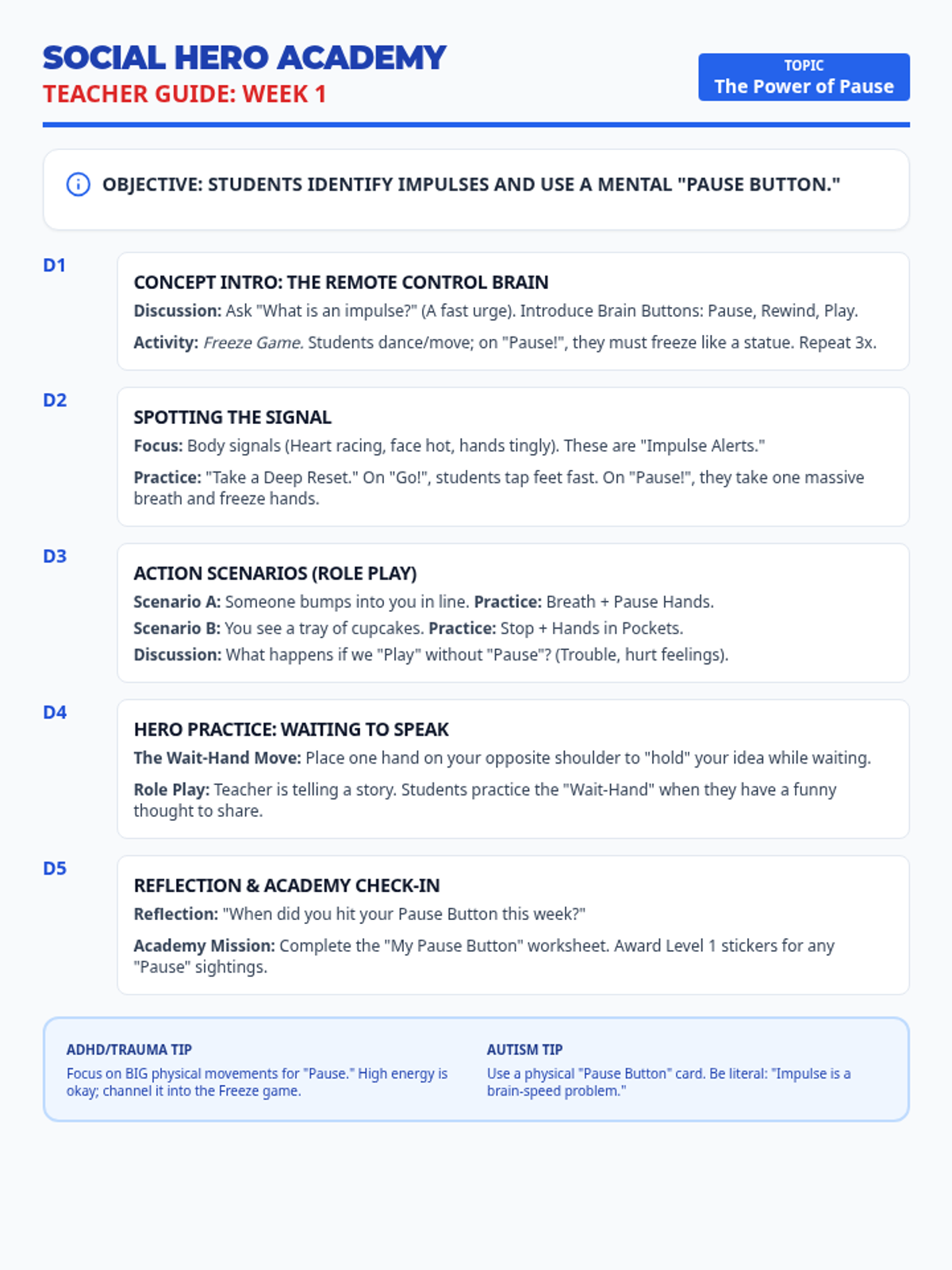
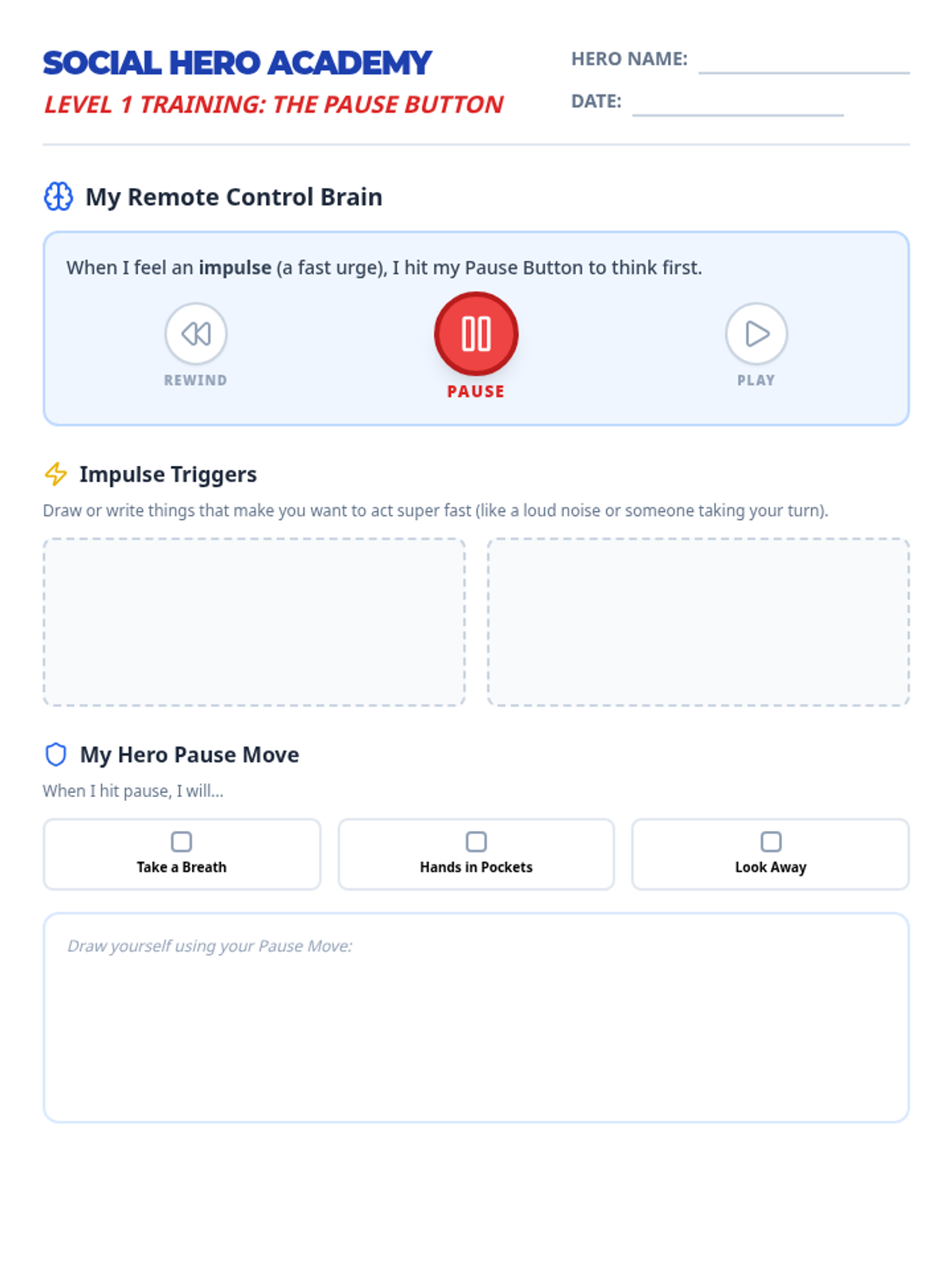
Introduction to the 'Pause Button' concept. Students learn to recognize the gap between an impulse and an action, practicing the 'Stop and Think' method daily.
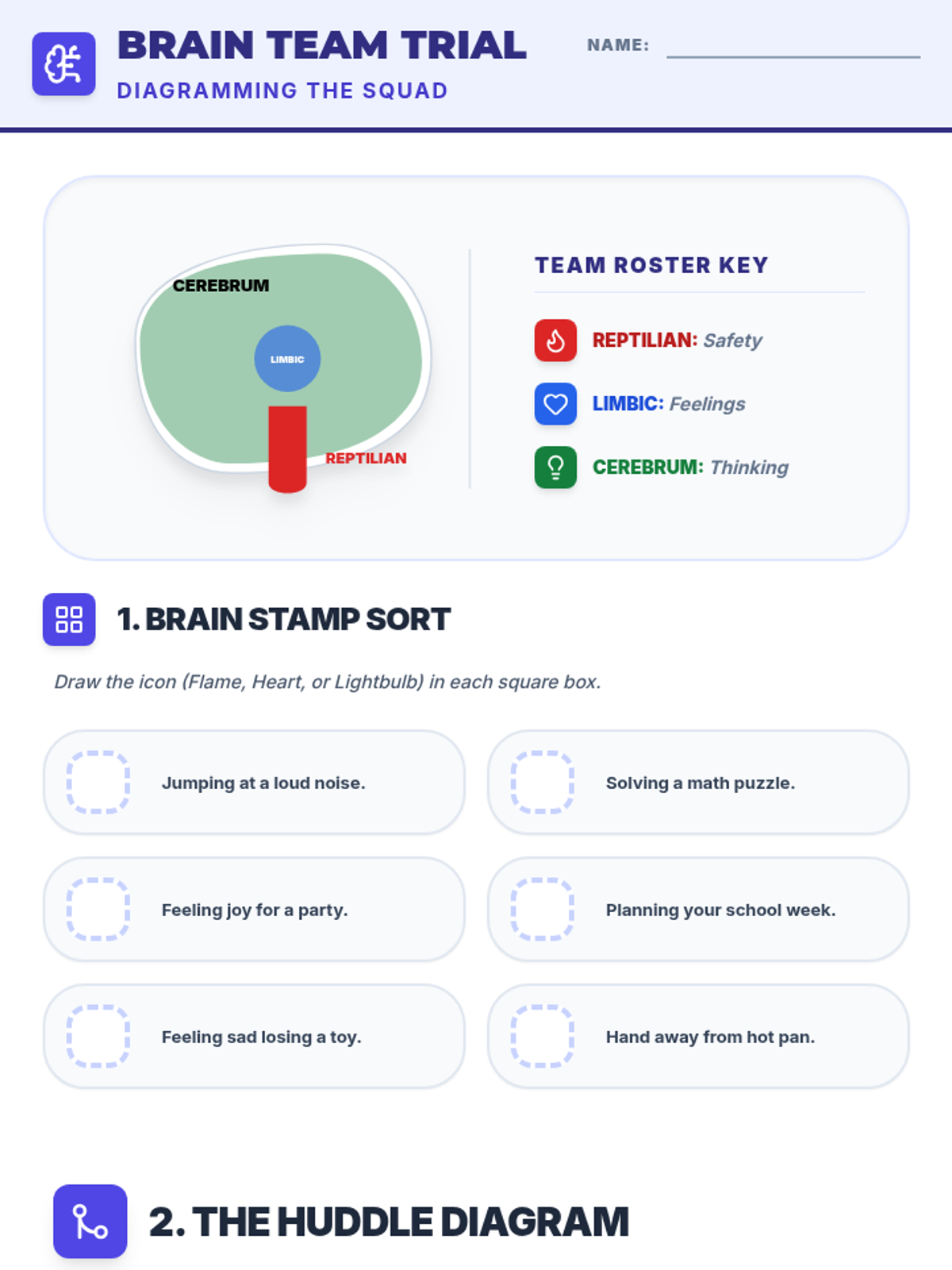
Exploring the foundational layers of the brain—the Reptilian Brain, the Limbic System, and the Cerebellum—to understand how survival instincts, emotions, and physical coordination work together.