A lesson for grades 3-5 on digital footprints, using a wilderness trail analogy to explore how online actions leave lasting marks and affect future opportunities.
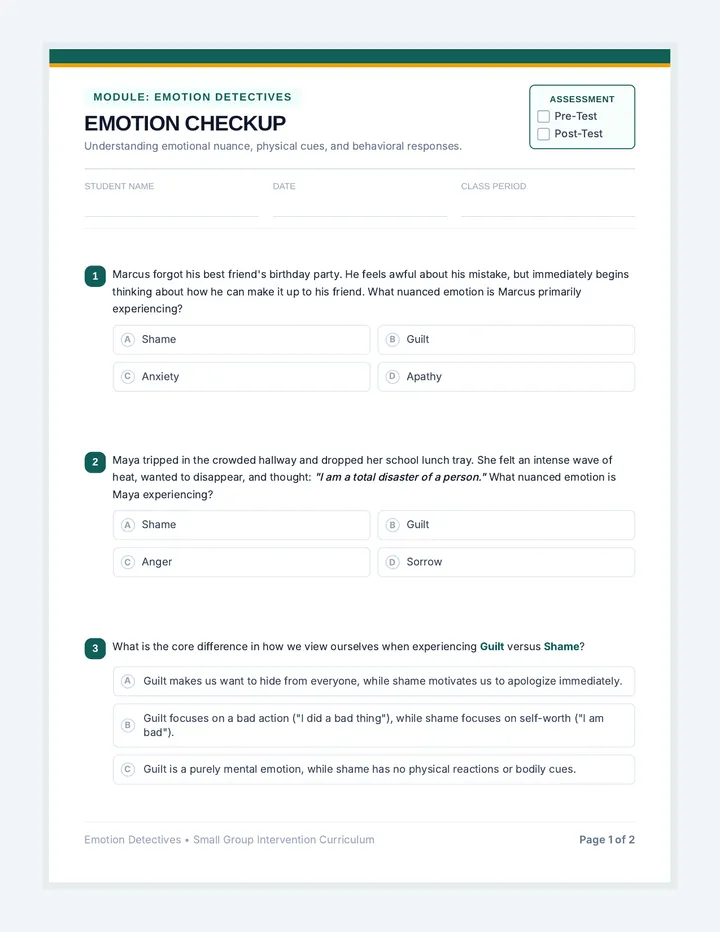
Students explore a futuristic high school hallway and tech lab to identify 'glitches' in social communication. They learn to decode body language and facial expressions in complex social situations.
A foundational lesson for 2nd graders to begin identifying their own emotions and recognizing their unique personal strengths through interactive exploration.
A lesson designed to help students understand self-motivation through the concept of breaking large, overwhelming tasks into small, manageable goals using a 'mountain climber' metaphor.
A comprehensive toolkit to help elementary students identify their emotional state using the Zones of Regulation framework and select appropriate coping strategies for each zone.
Students become investigative reporters to document and publish acts of kindness within their school community, creating a collaborative class newspaper.
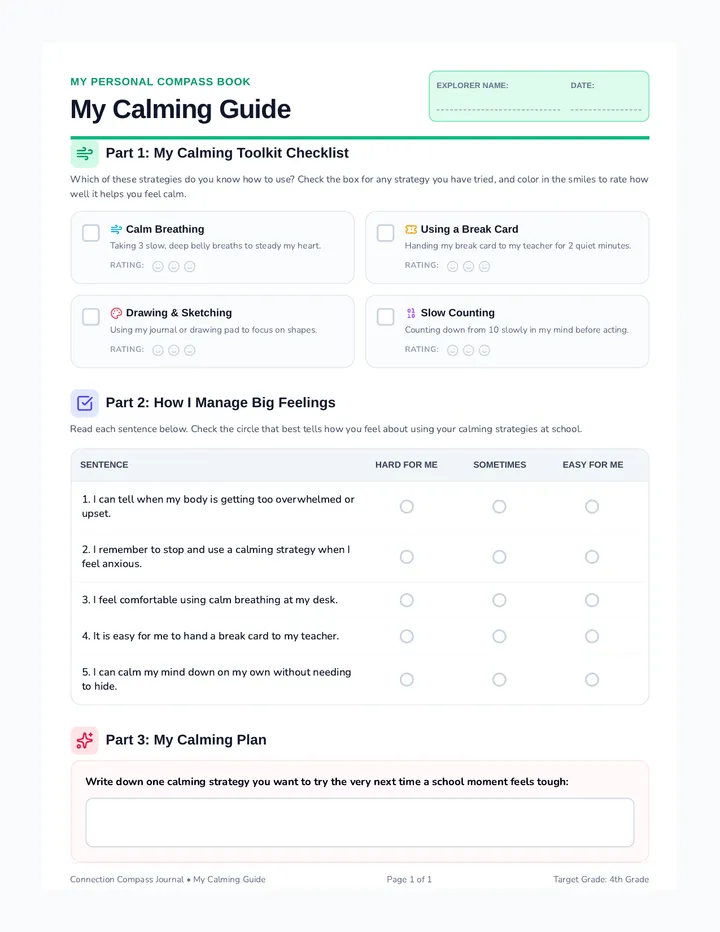
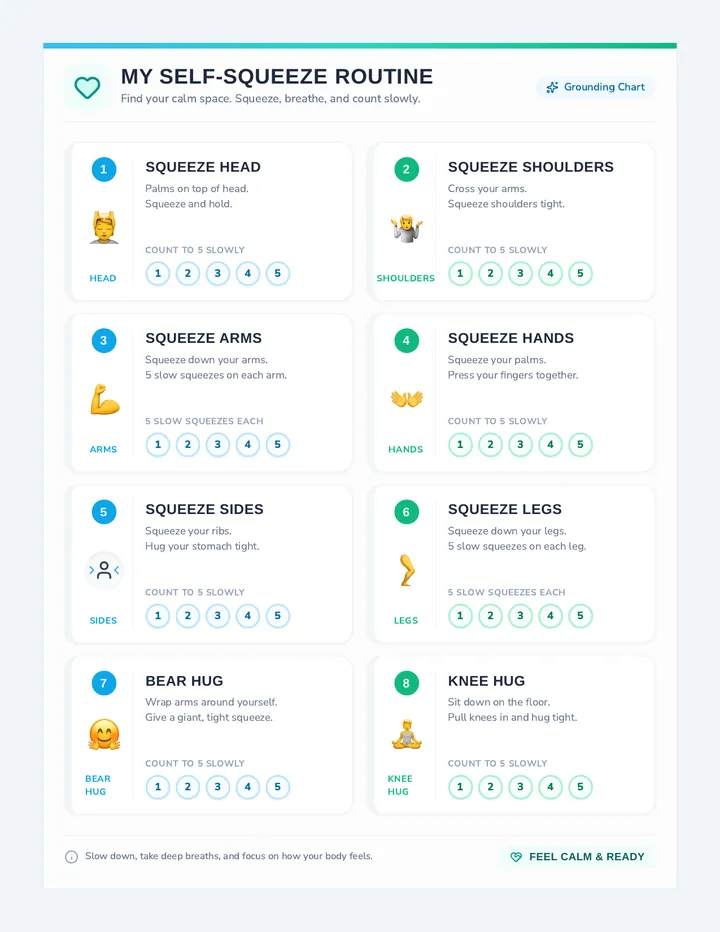
Students explore personal stress triggers and develop a personalized toolkit of mindfulness and grounding strategies through hands-on stations and reflective journaling.
An introductory session for school and district administrators exploring how Lenny Learning streamlines instructional planning and enhances classroom consistency.
A lesson designed for K-4 students to distinguish between small problems they can handle independently and big problems that require immediate adult assistance. Students will learn to identify the 'size' of a problem to choose the appropriate reaction and coping strategy.
A sensitive and supportive lesson designed to help students navigate anxiety regarding the loss of loved ones through nature metaphors, expressive art, and identifying support systems.
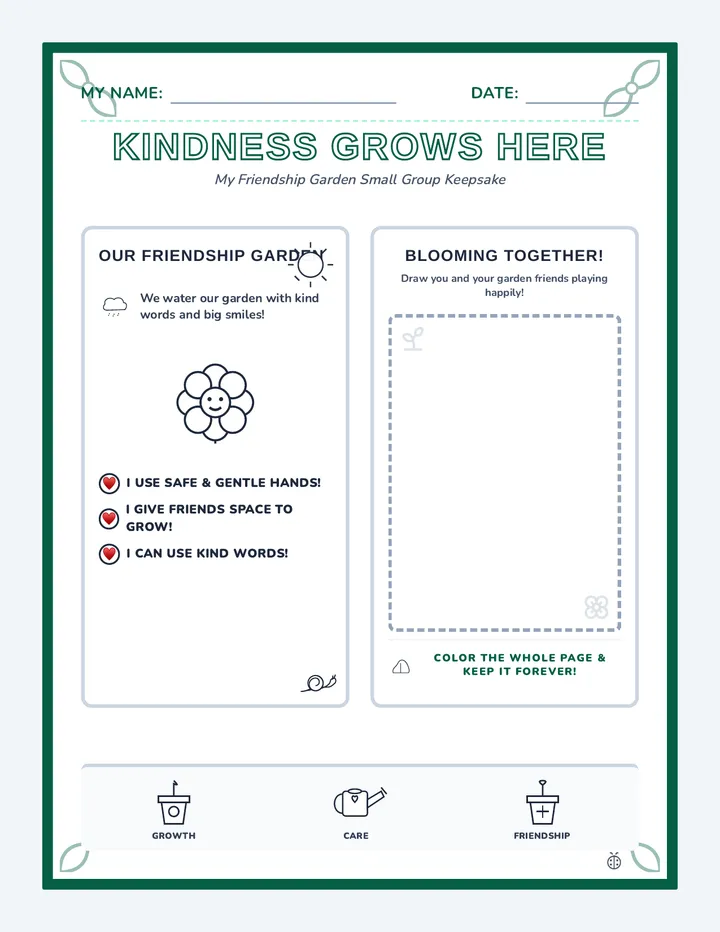
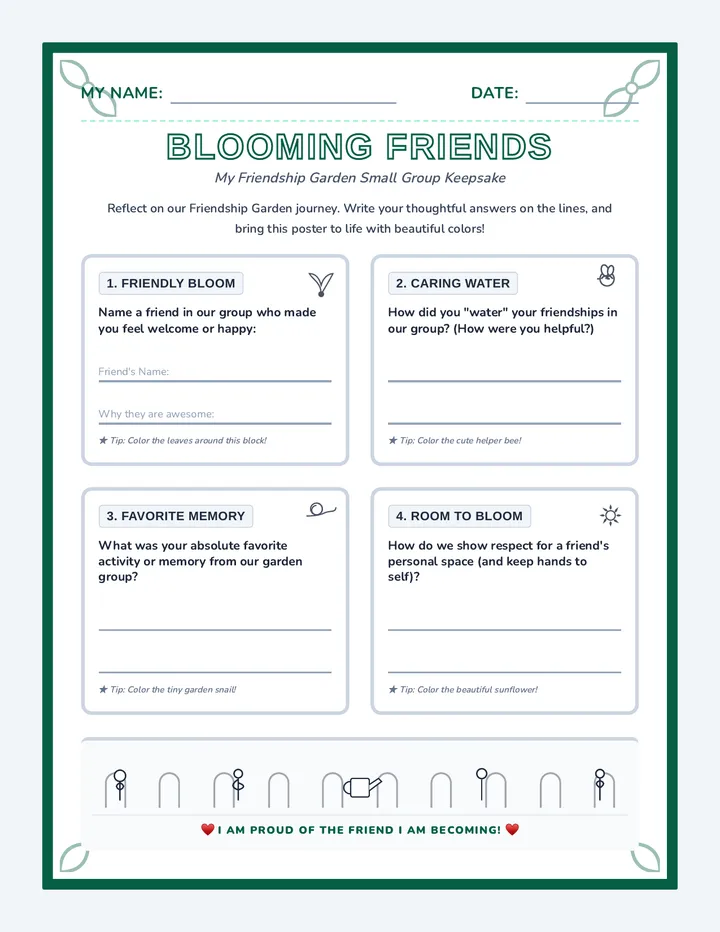
A project-based lesson for K-3 students that uses a garden analogy to teach the impact of kindness. Students learn how positive actions spread throughout a community like pollen in a garden.
A lesson focused on equipping students with practical strategies to maintain focus and persistence during difficult or monotonous tasks.
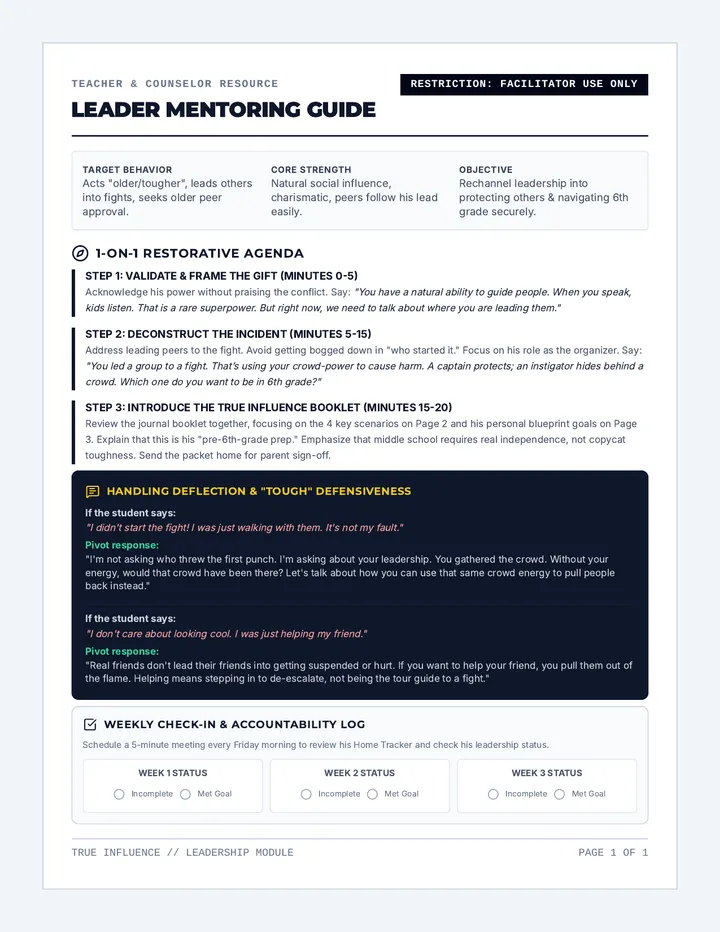
A supportive lesson for middle schoolers focused on developing self-compassion and the ability to forgive oneself after mistakes or difficult days. Students learn to identify their inner critic and cultivate a kind, supportive inner voice.
A comprehensive lesson focused on helping 2nd-grade students understand the concept of 'Size of the Problem' to build frustration tolerance and emotional regulation.
A comprehensive mindfulness workshop designed to equip 3rd-6th grade students with practical tools to manage testing anxiety, focusing on physiological awareness and cognitive reframing.
Applies regulation tools to social situations, including conflict resolution steps and handling unkind behavior or bullying.
Focuses on practical tools for regulation: deep breathing, mindfulness, and the 'I' Statement tool.
Students learn to identify physical signs of anger and use the 'Emotional Backpack' metaphor to understand that everyone carries feelings.
A fast-paced, 10-minute whole-group lesson for 3rd graders focused on defining and practicing compassion through perspective-taking and interpersonal skills.
A small group counseling lesson for K-4 students teaching emotional resilience through the Bounce vs. Splat metaphor. Students learn to use coping skills to 'bounce back' from disappointments instead of 'splatting' into a meltdown.
A social-emotional learning lesson focused on finding commonalities with peers through structured conversation. Students use conversation cards to discover shared interests and build connections.
A dynamic conversation game where students practice active listening and non-verbal communication through 'Talker' prompts and 'Listener' challenges. Students learn to recognize and use body language to show they are truly engaged in a conversation.
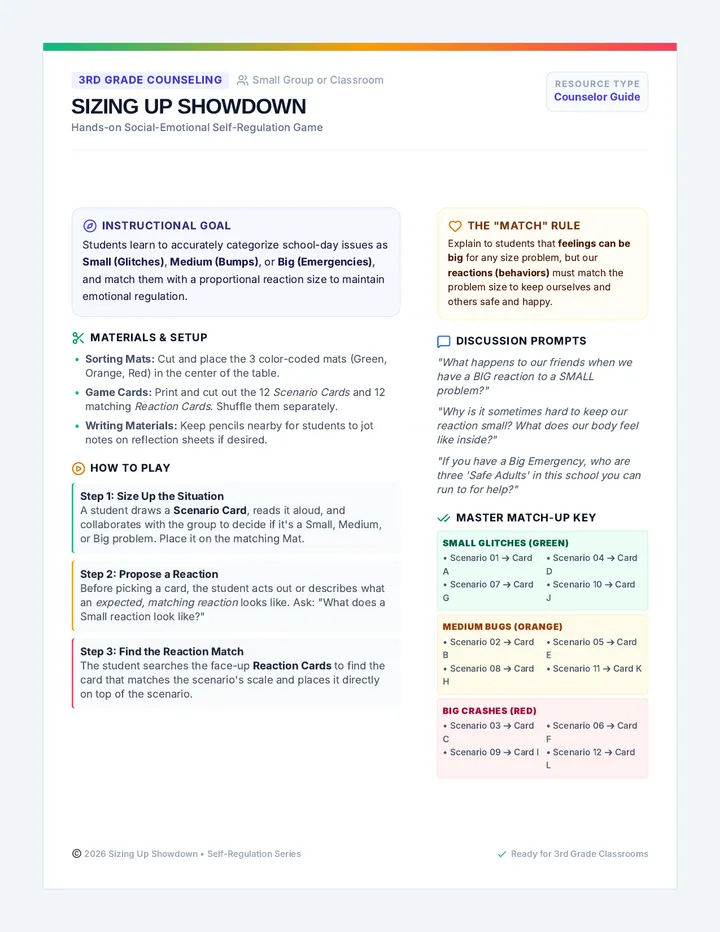
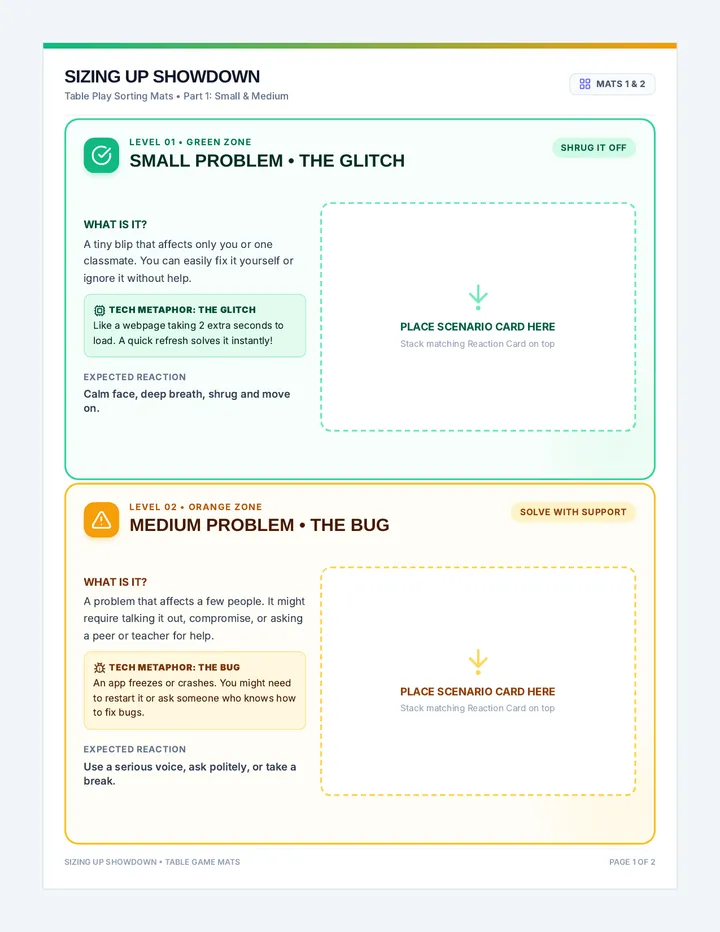
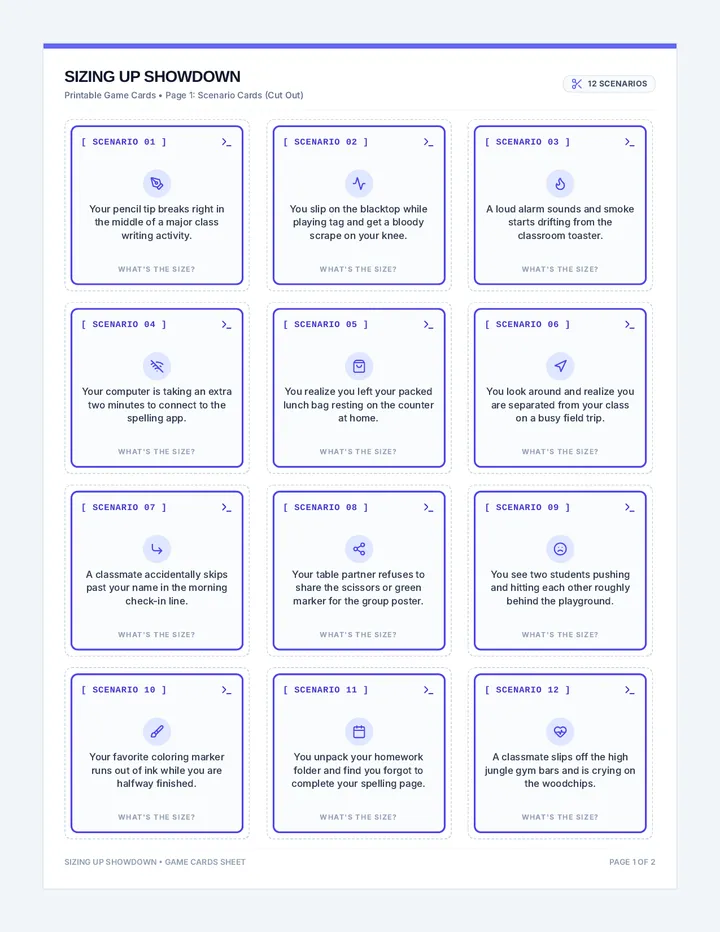
A 20-minute lesson for 3rd graders with lower cognition focusing on matching reaction size to problem size through visual scenarios and sorting.
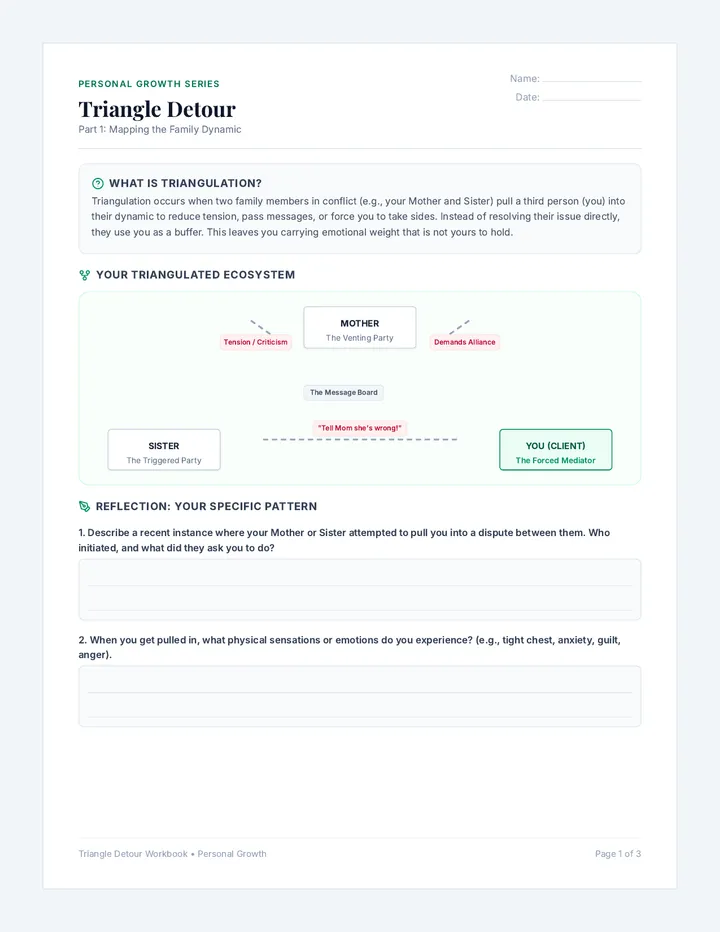
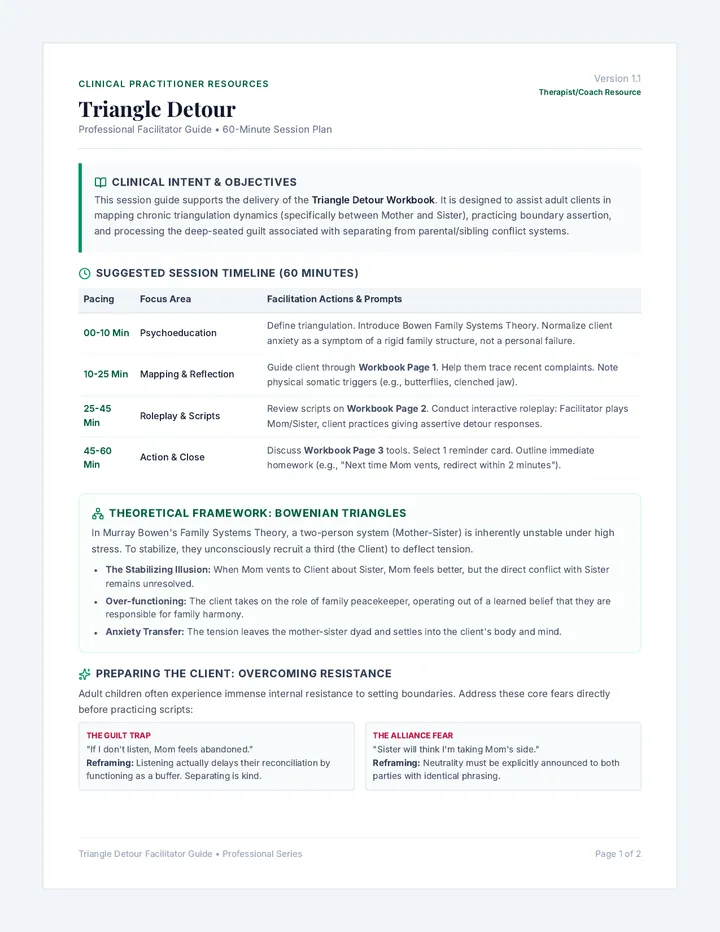
A gentle 15-minute lesson helping children navigate the big feelings of parental separation due to divorce or deportation, focusing on maintaining emotional connections.
A lesson designed for high school students to differentiate between appropriate apologies and over-apologizing, featuring social scripts and alternative communication strategies.
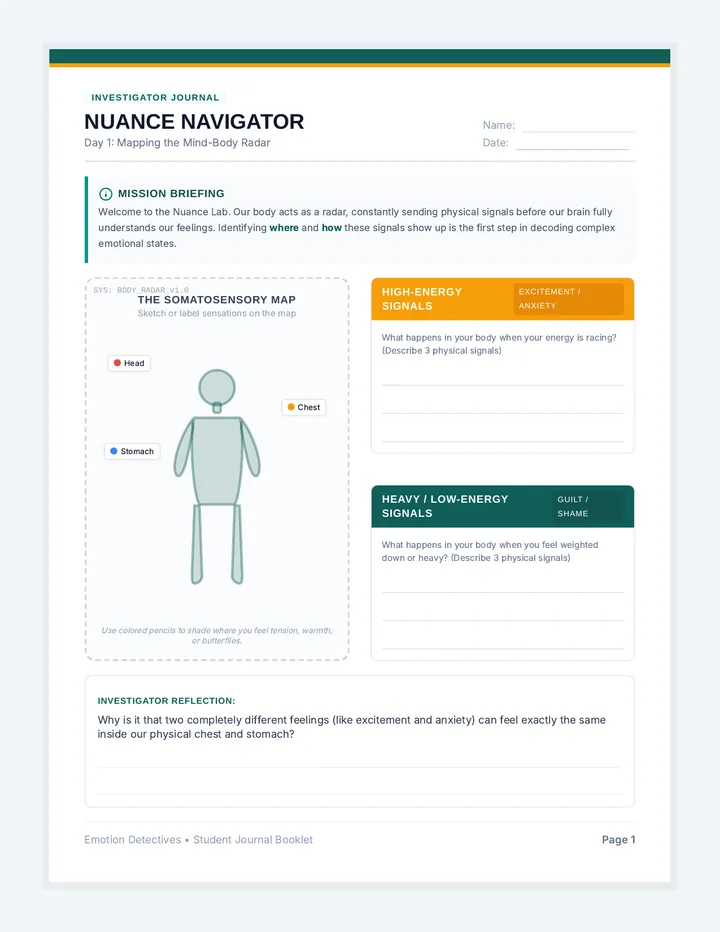
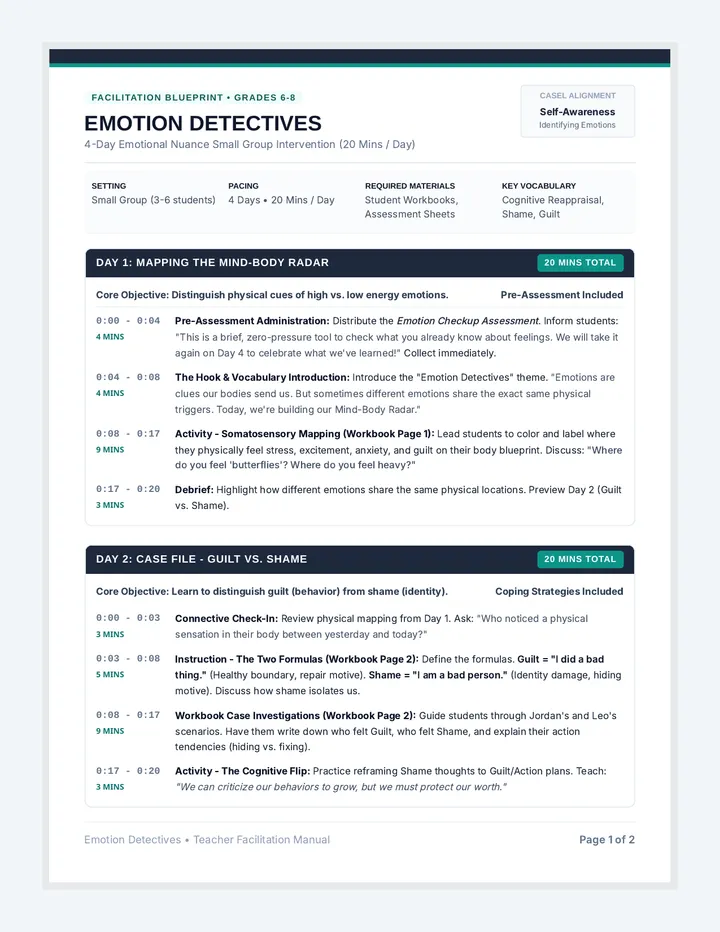
A collection of visual tools and worksheets designed to help students identify their emotional zones and practice cognitive restructuring through thought bubbles. Includes age-appropriate templates for K-2 and 3-5 students.
Finalizing the daily routine by creating a 'construction schedule' to keep the joy architecture maintained over time.
Exploring the importance of social connections and kindness as 'common areas' that make the building of joy stronger for everyone.
Introducing mindfulness techniques as 'ventilation' for the mind, helping students stay present and clear-headed.
Focusing on gratitude as the foundation of emotional resilience, students identify the people and things that support them.
Students learn to identify 'raw materials' of joy—small, positive moments in their daily lives—and begin their joy site inspection.
A lesson on navigating peer conflicts using a pros and cons framework to evaluate different social solutions. Students will learn to 'blueprint' their responses to build stronger friendships.