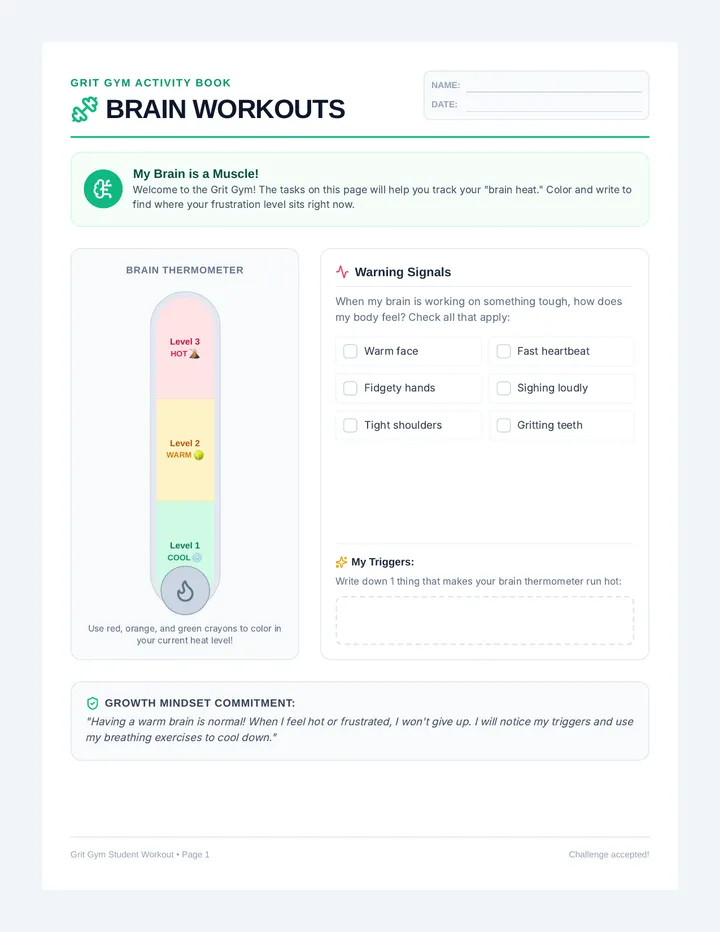
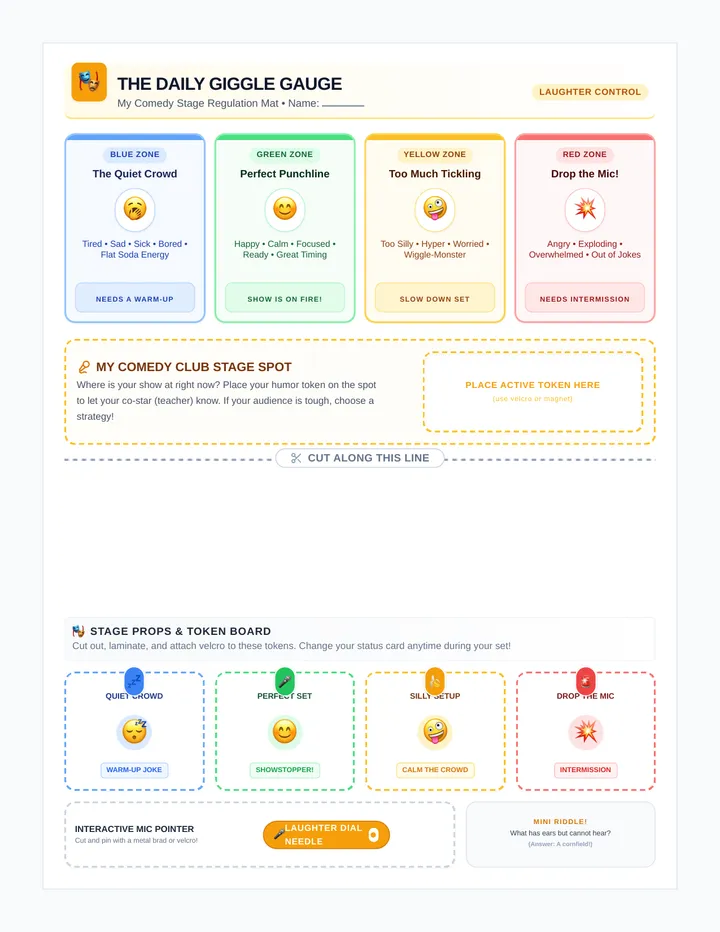
Students explore the concept of emotional intensity by sorting feelings into 'mild,' 'medium,' and 'strong' categories, creating a visual 'emotional thermometer' to differentiate words like 'annoyed' and 'furious.'

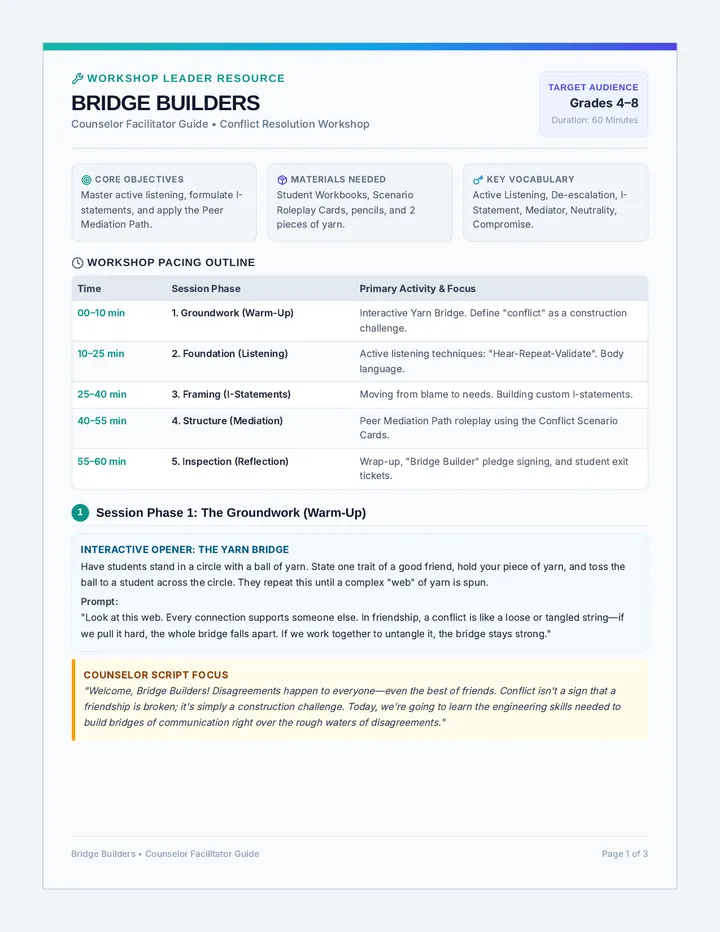
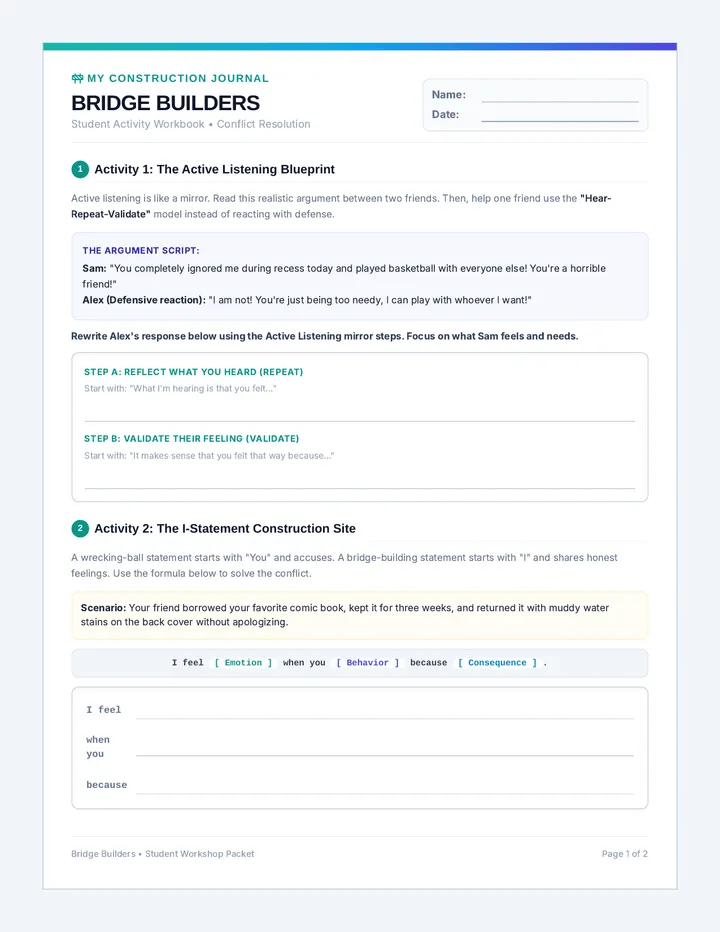
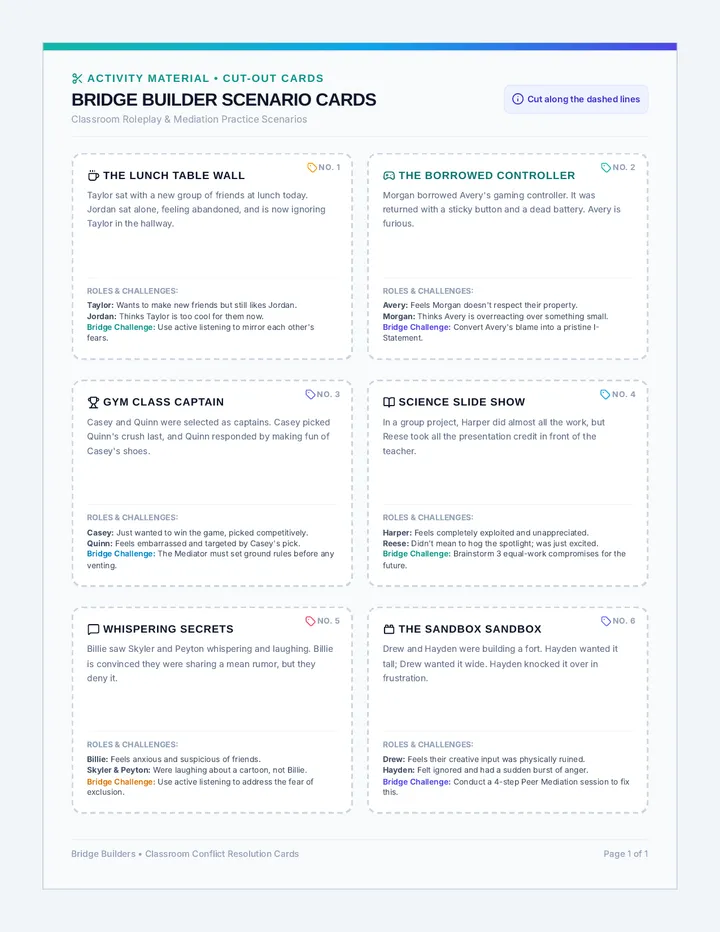
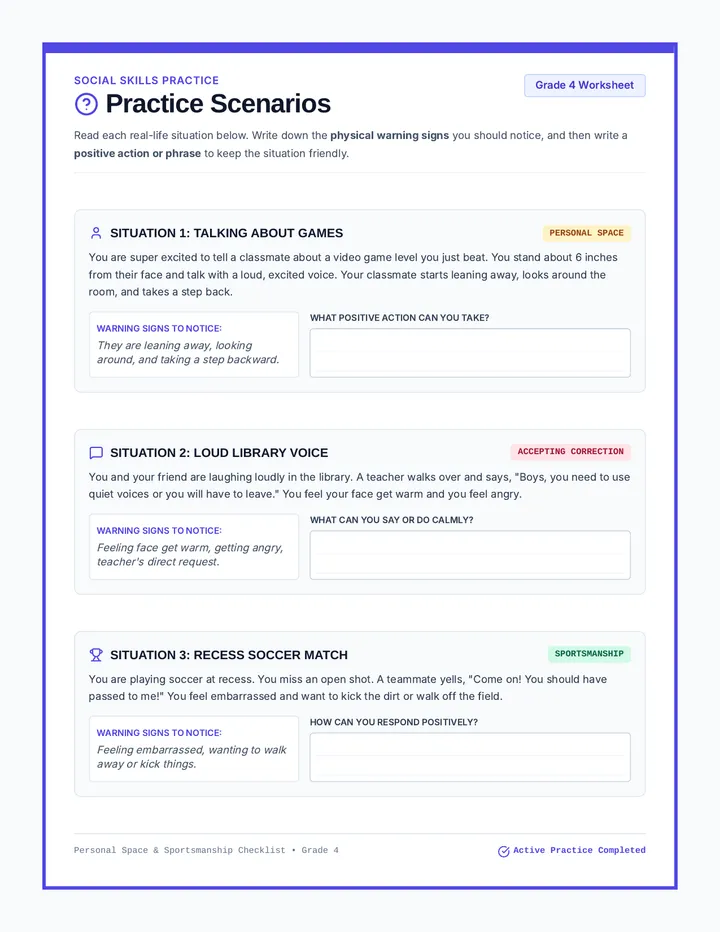
Develops social communication skills, conflict resolution strategies, and stress management techniques.
Teaches practical strategies for time management, prioritization, and effective study habits.
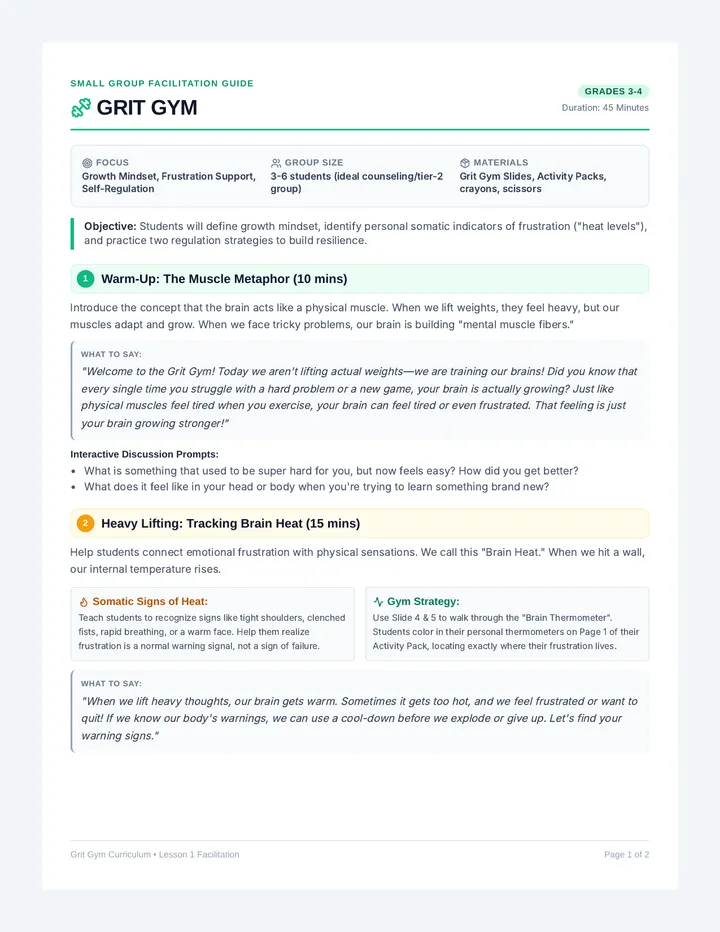
Focuses on developing a growth mindset and building emotional resilience to handle setbacks effectively.
Explores self-awareness and self-esteem to help students understand their strengths and build a positive self-image.
High schoolers align their device habits with professional workplace standards, focusing on agency and self-regulation.
Eighth graders develop peer accountability allies and set community standards for focused digital collaborative work.
Seventh graders explore the difference between compliance and agency, evaluating how their digital navigation builds their personal brand.
Sixth graders analyze the attention economy and map out personal accountability safe-zones for any classroom environment.
Fifth graders model digital leadership by sharing navigation strategies and mentoring peers in responsible device use.
Fourth graders master the art of switching between digital tasks efficiently using the '3-2-1 Switch' protocol.