Students learn the 'Task Analysis' skill by breaking down a large project into its smallest constituent parts. They will identify final goals and create a physical list of sub-tasks to move from overwhelmed to organized.
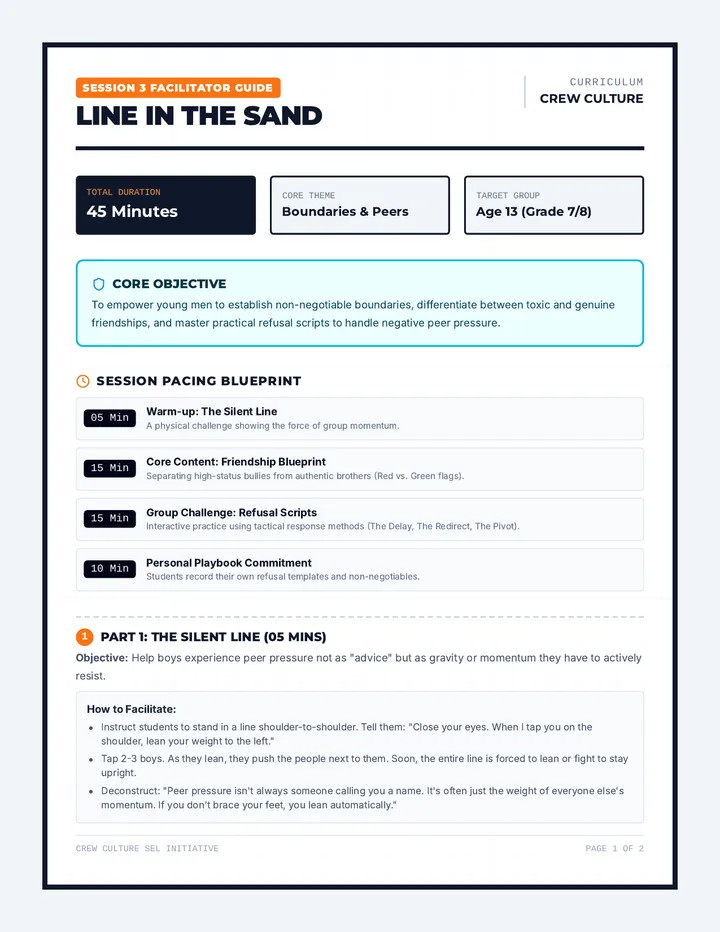
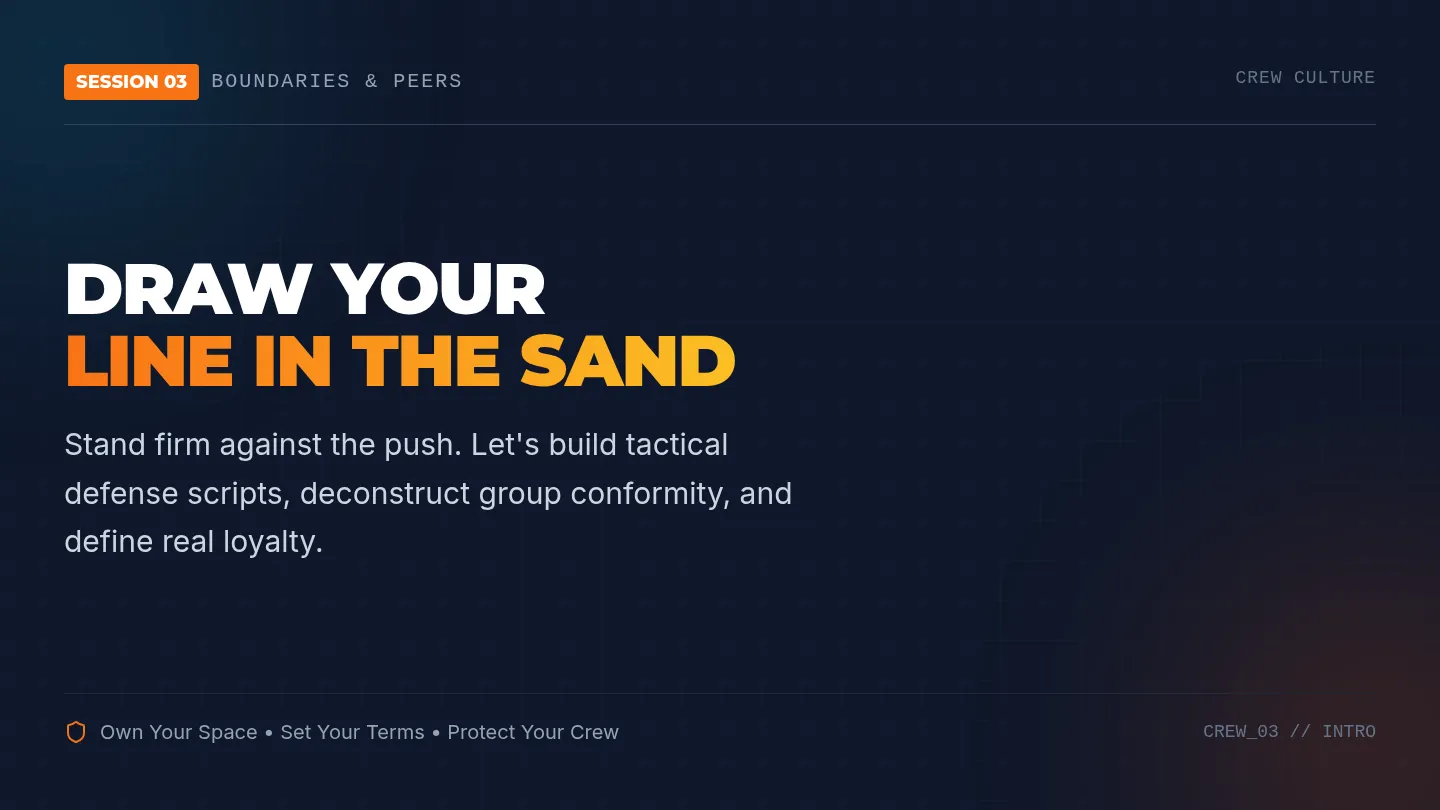
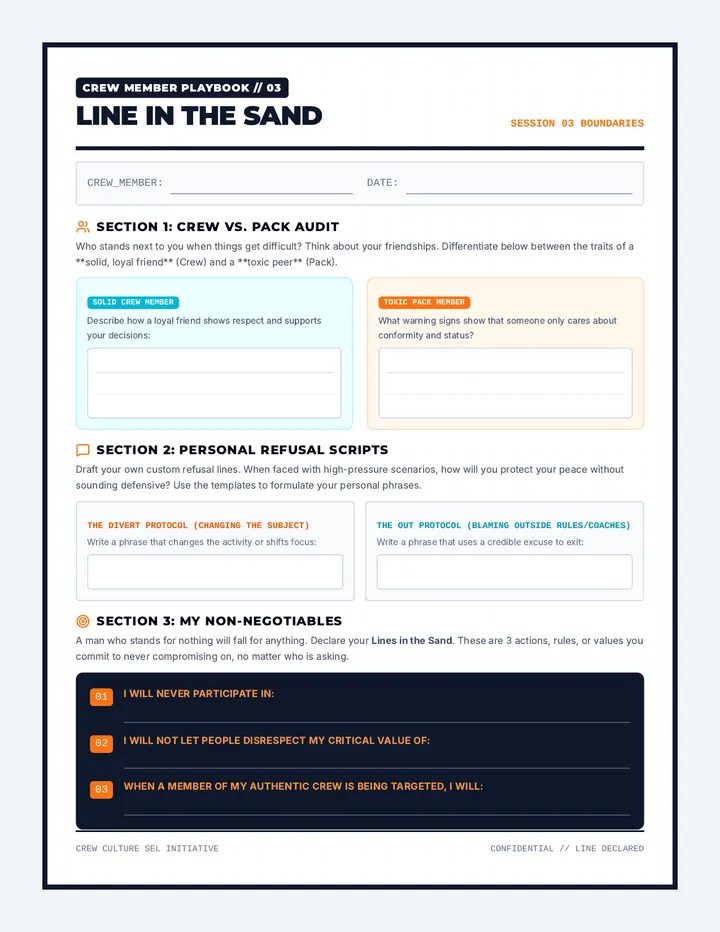
Students learn to set healthy boundaries, navigate peer pressure, and establish what authentic trust looks like in real-world friendships.
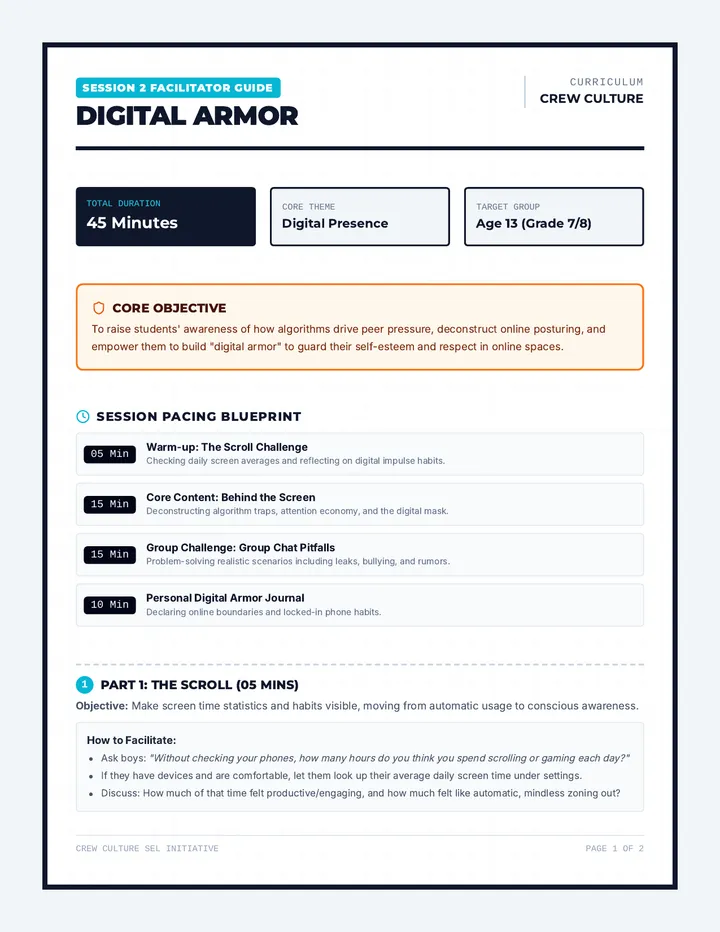
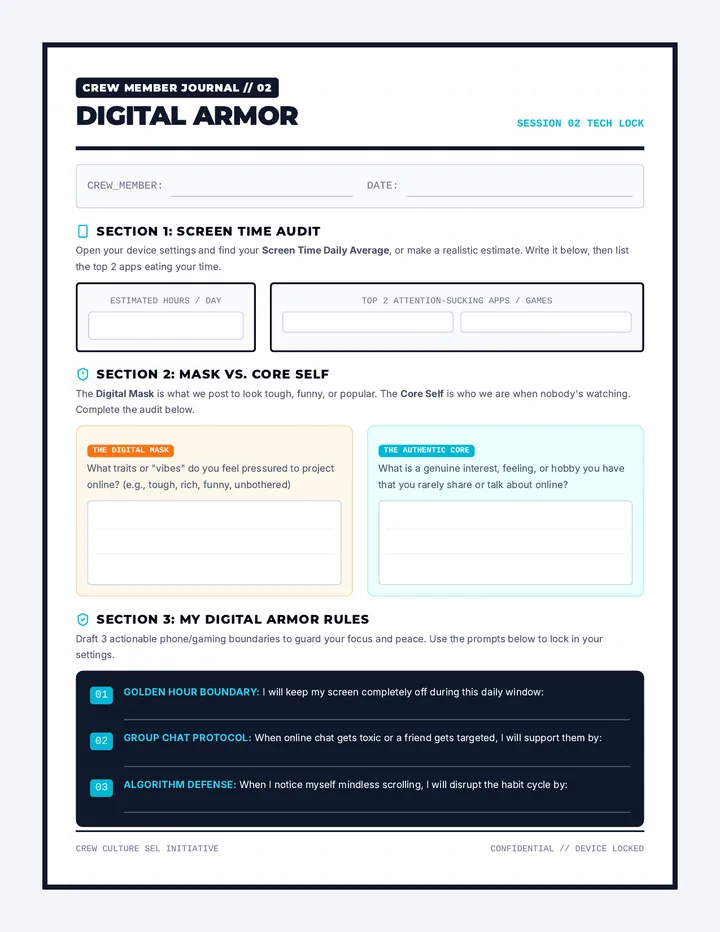
Students analyze their digital footprint, discuss modern social media pressures, and learn how to align their online actions with their offline values.
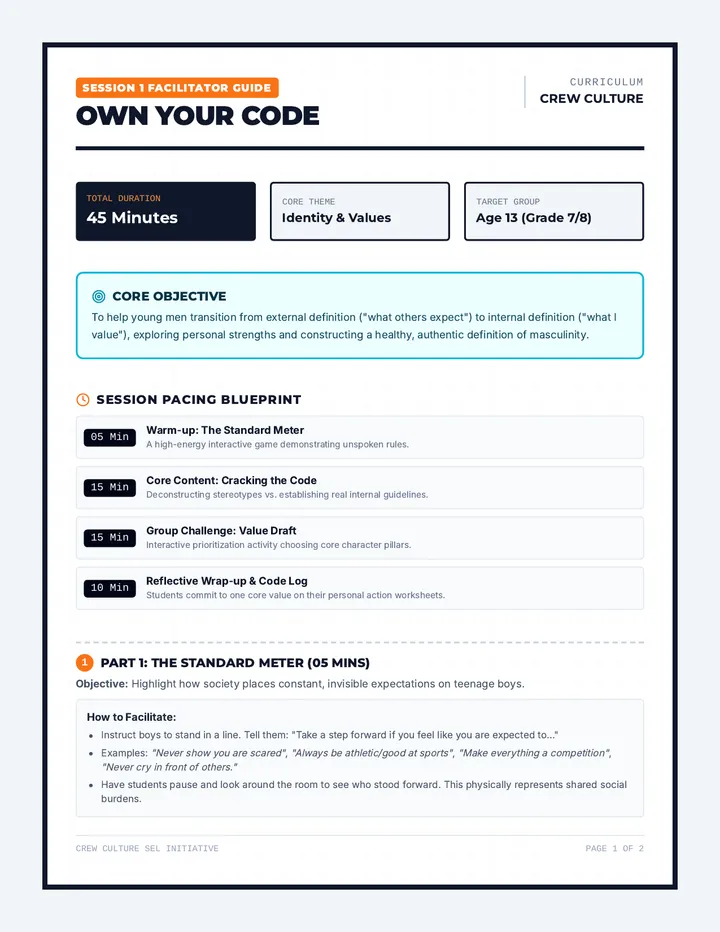
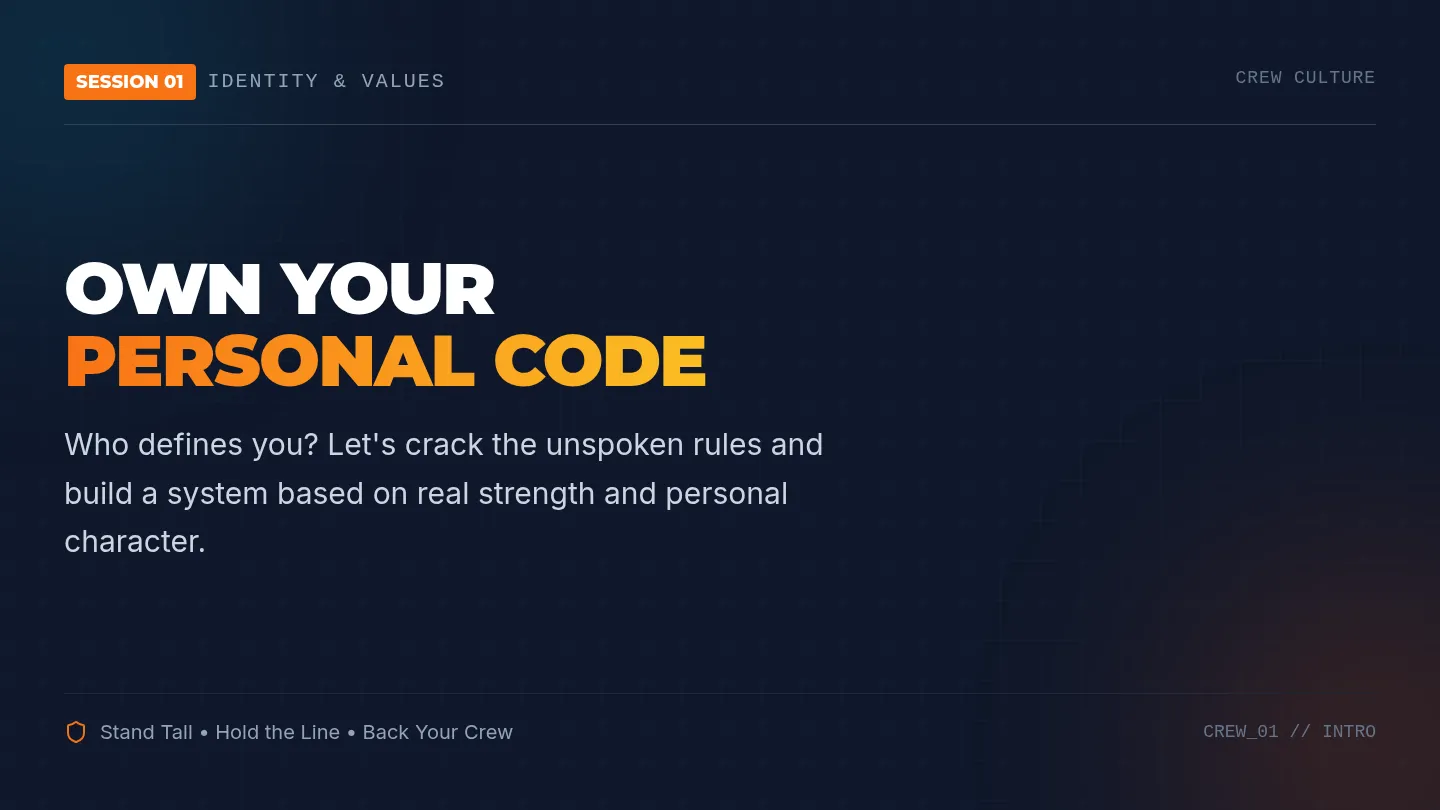
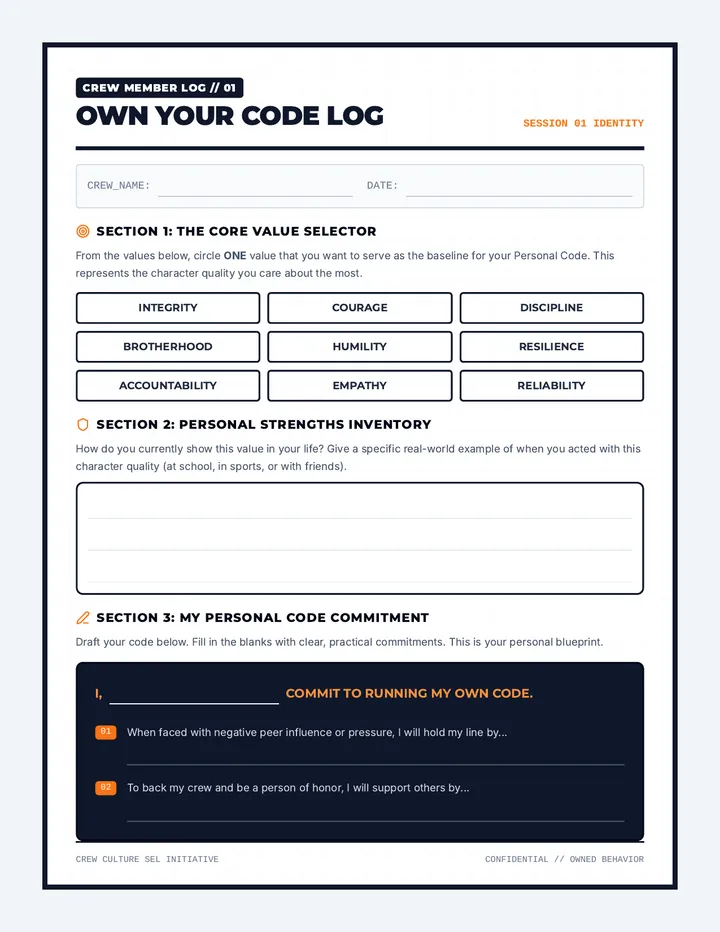
Students explore their personal identity, core values, and what healthy masculinity looks like in their daily lives.
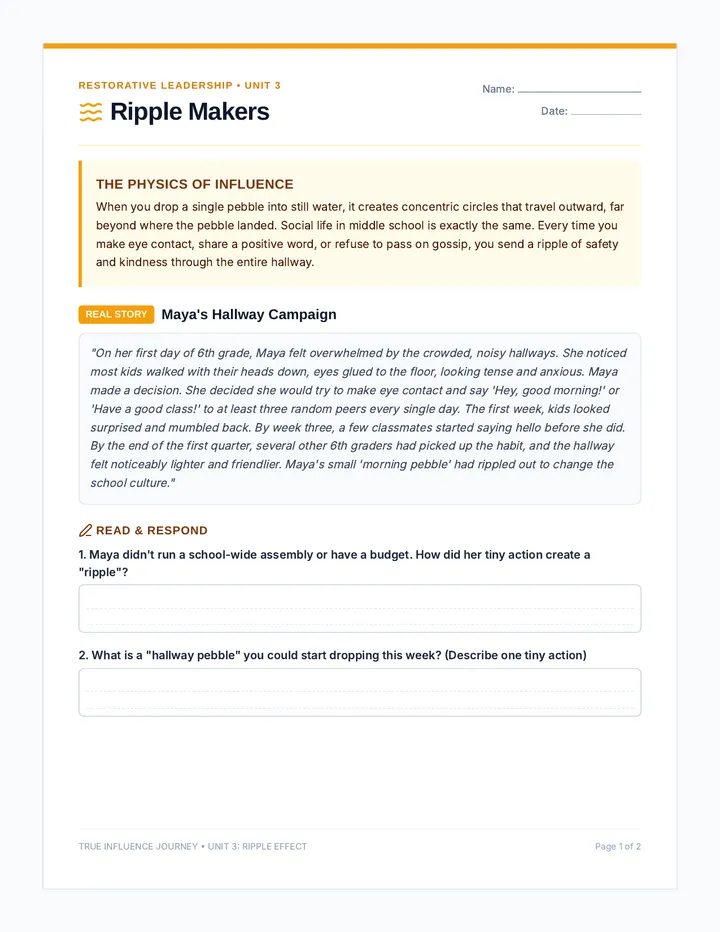
Focuses on creating a sustainable positive culture through daily small actions, prompting students to track their leadership and reflect on how positive behavior spreads. Features read-and-respond profiles of real student leaders.
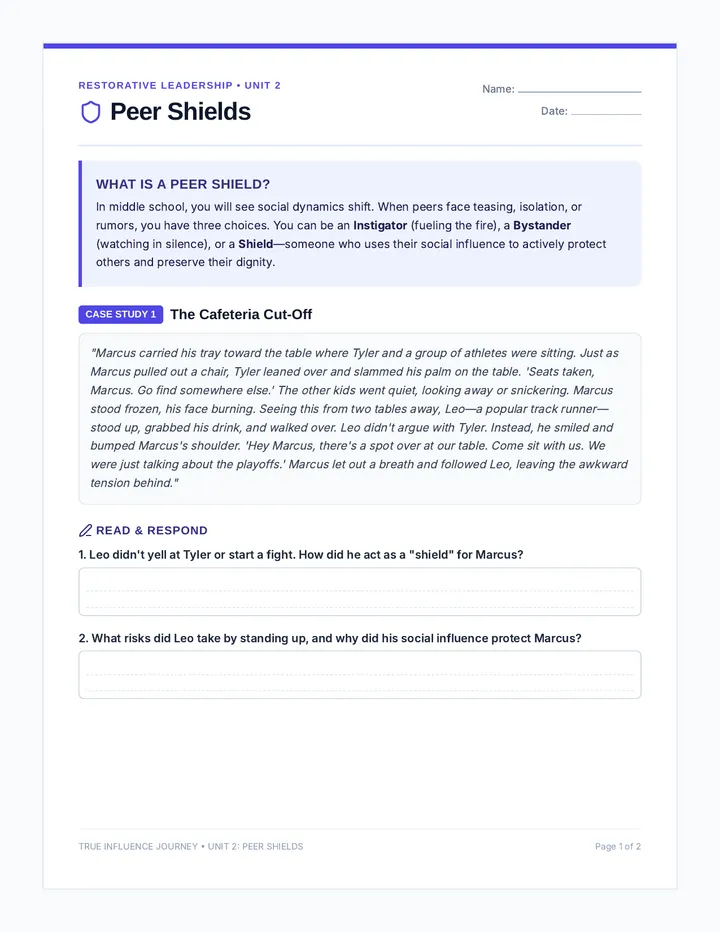
Students explore what it means to be a 'shield' for peers in middle school rather than a passive bystander or an instigator. Features narrative read-and-respond case studies on standing up to social exclusion and rumors.
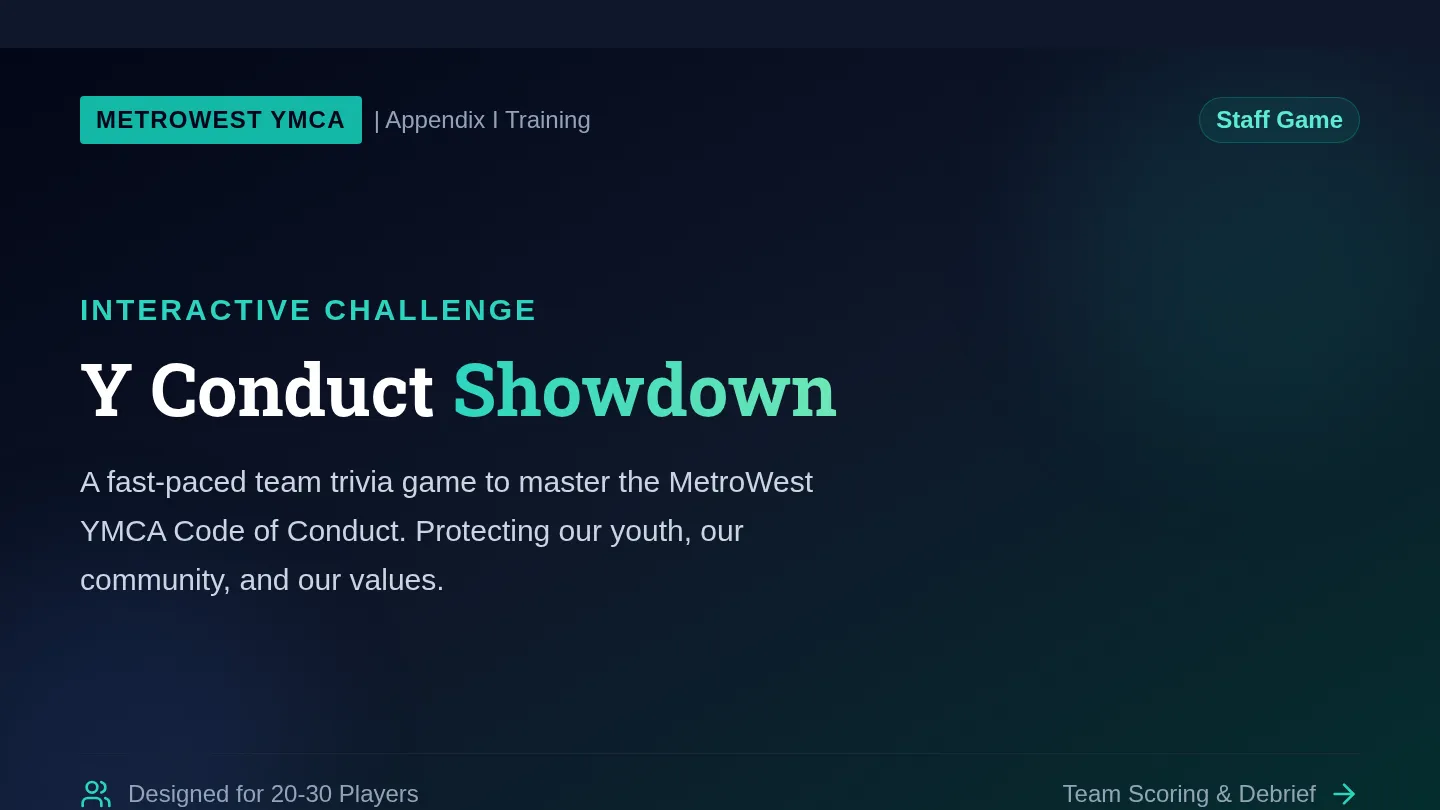
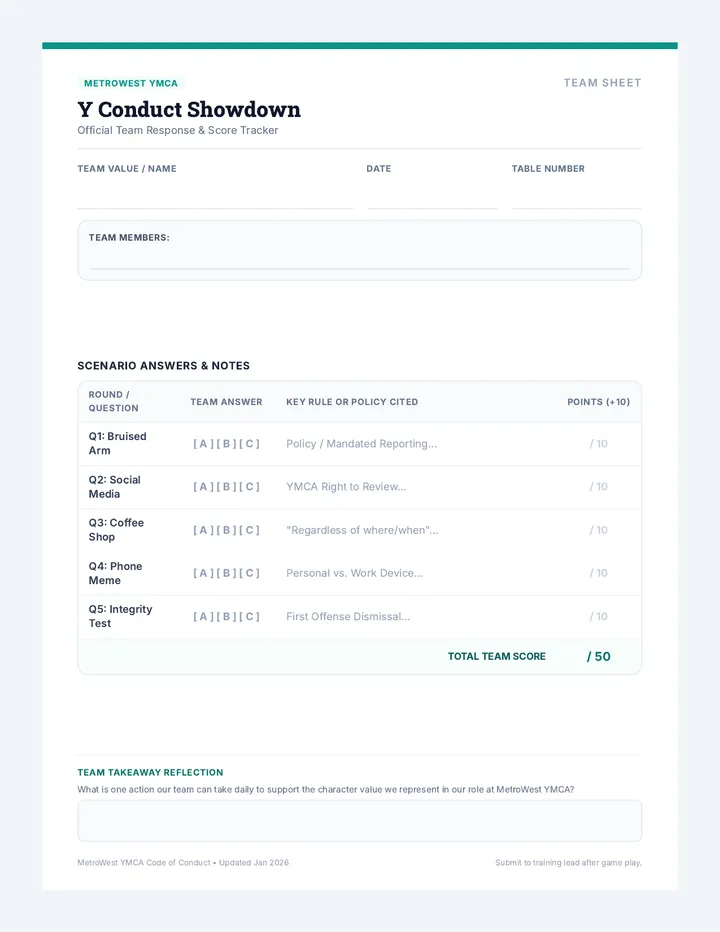
A interactive, high-energy staff training lesson designed to review the MetroWest YMCA Code of Conduct (Appendix I) through active team play and situational analysis.
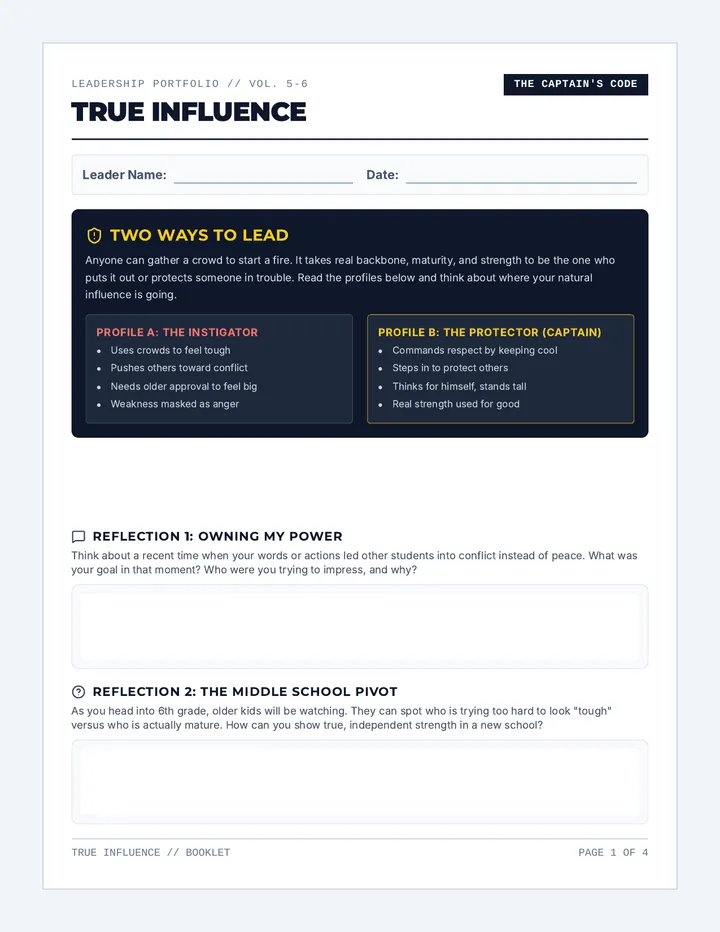
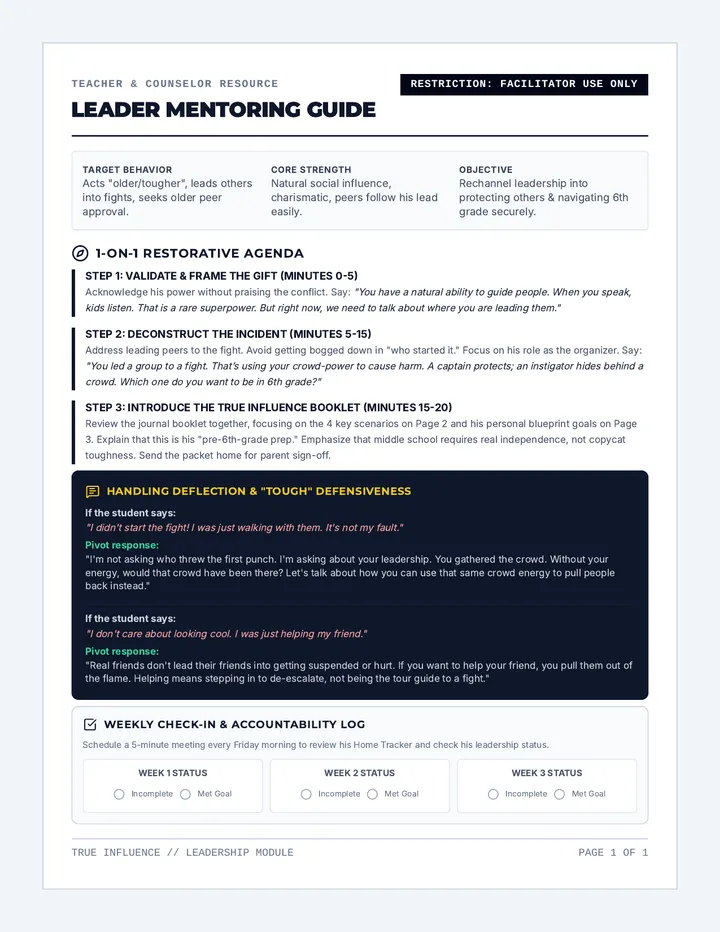
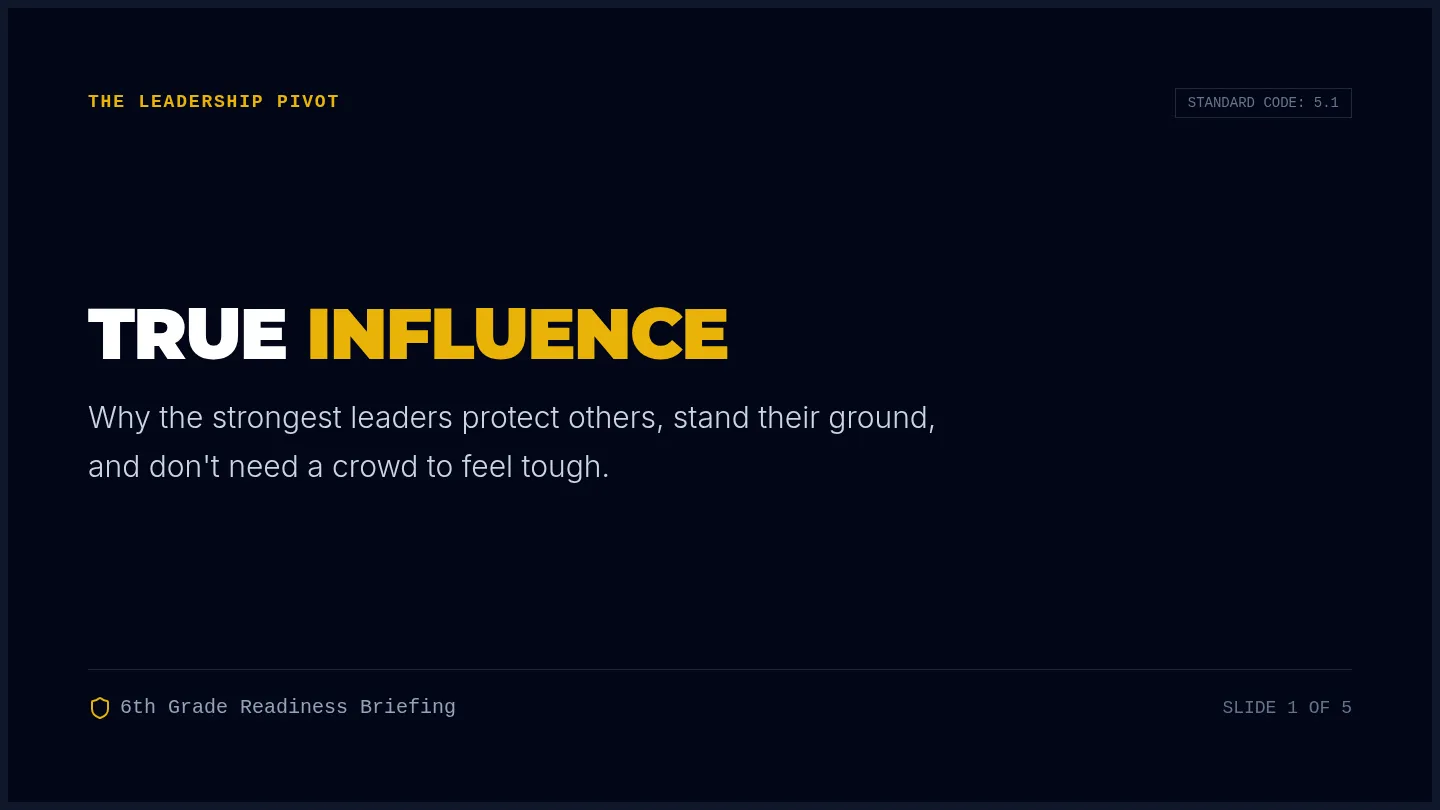
A restorative leadership module designed for a 5th-grade student transitioning to middle school. Focuses on channeling natural social influence into positive leadership, specifically protecting and looking out for others, rather than leading peers into conflict.
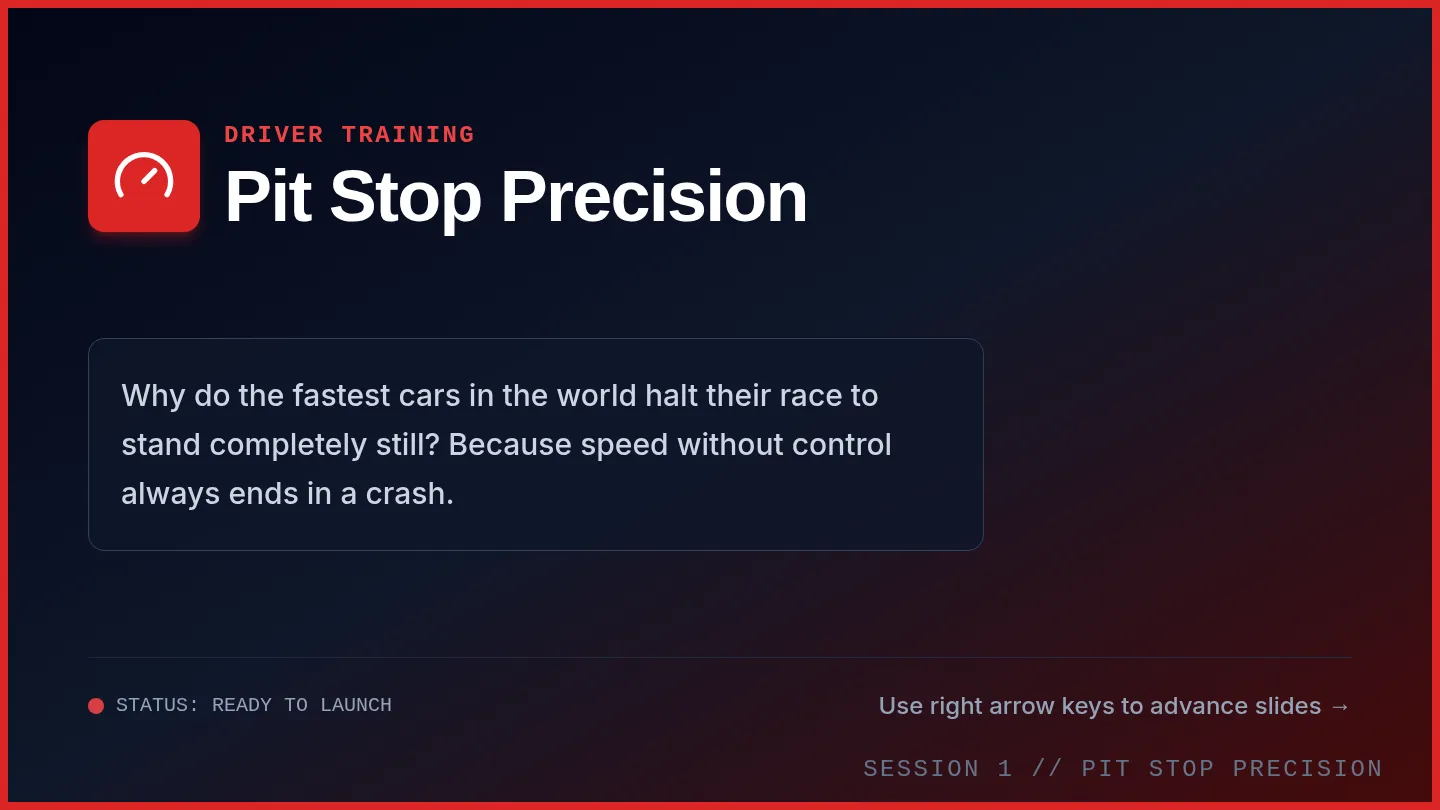
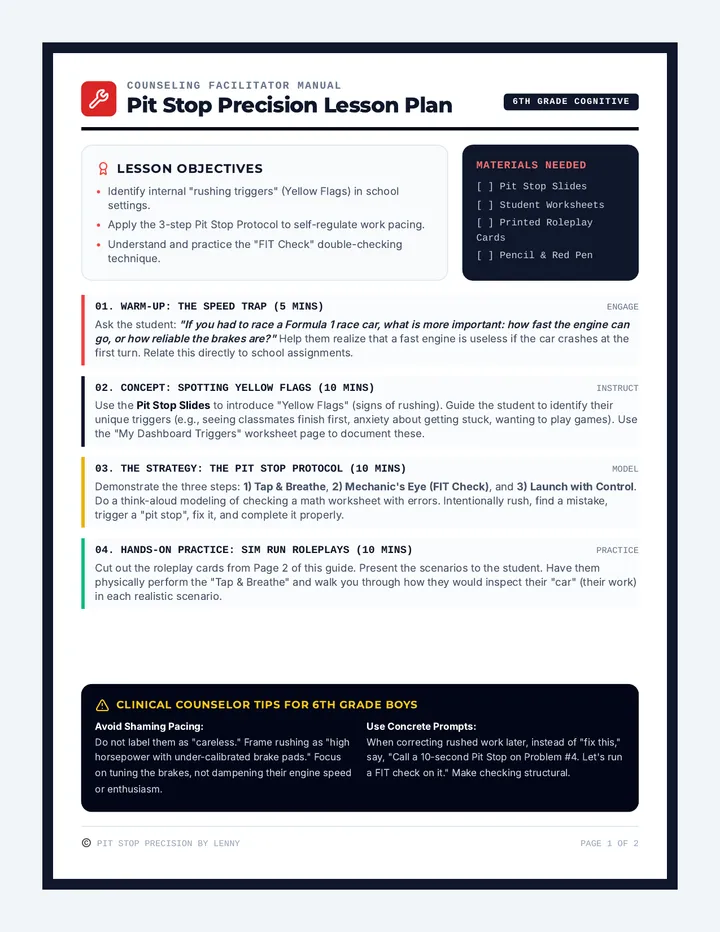
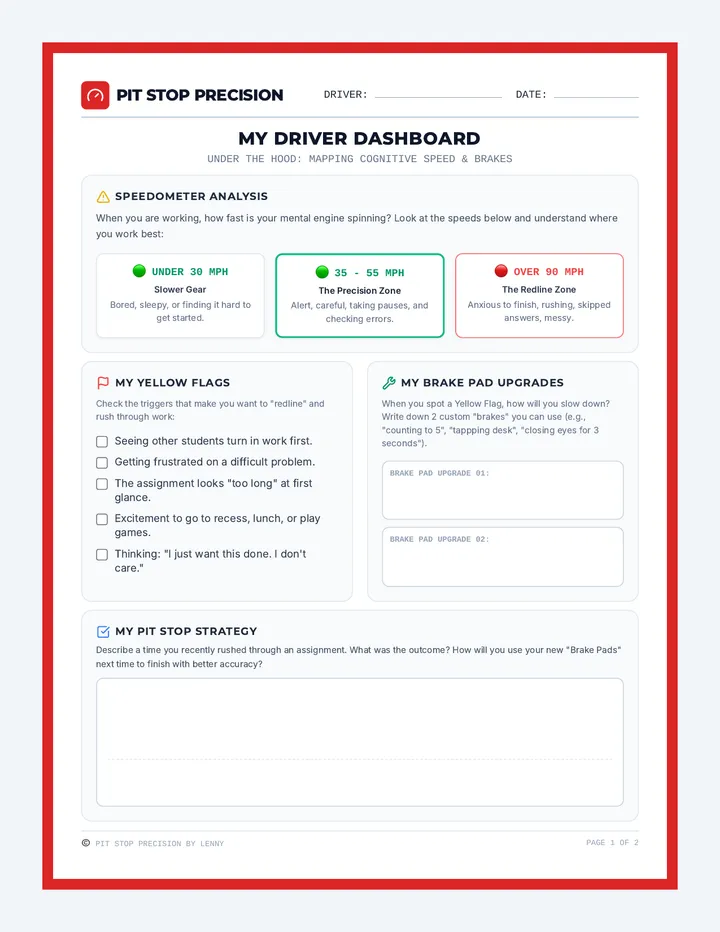
A counseling and self-regulation lesson for middle school students, using a high-octane racing 'Pit Stop' metaphor to teach self-control, persistence, and double-checking work instead of rushing.
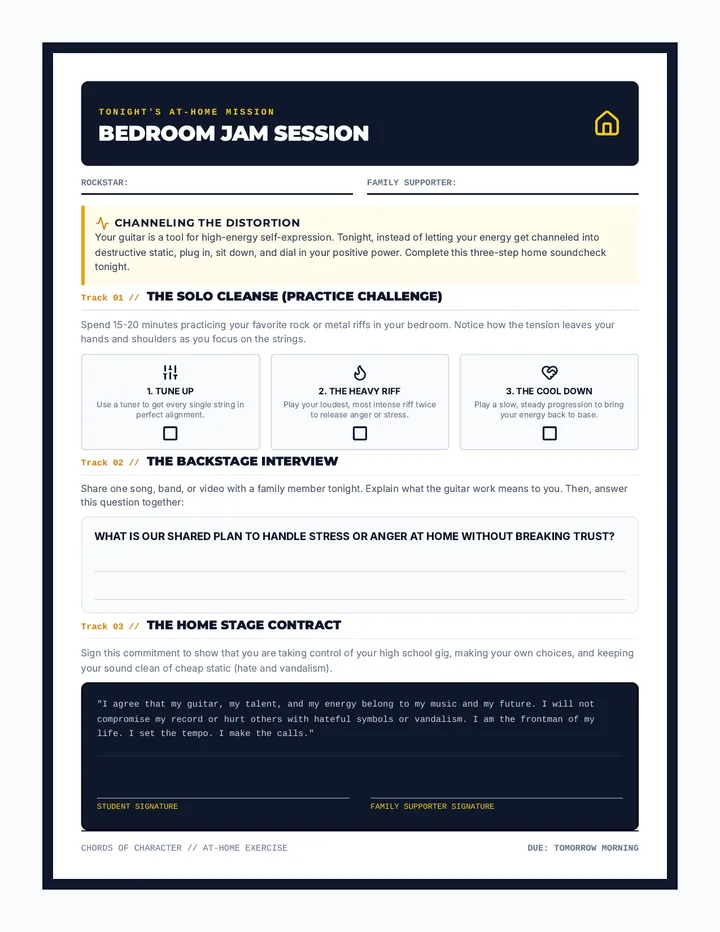
An at-home extension lesson designed for the student to work on independently or with a family member tonight, focusing on practicing guitar techniques as emotional outlets and setting positive household commitments.
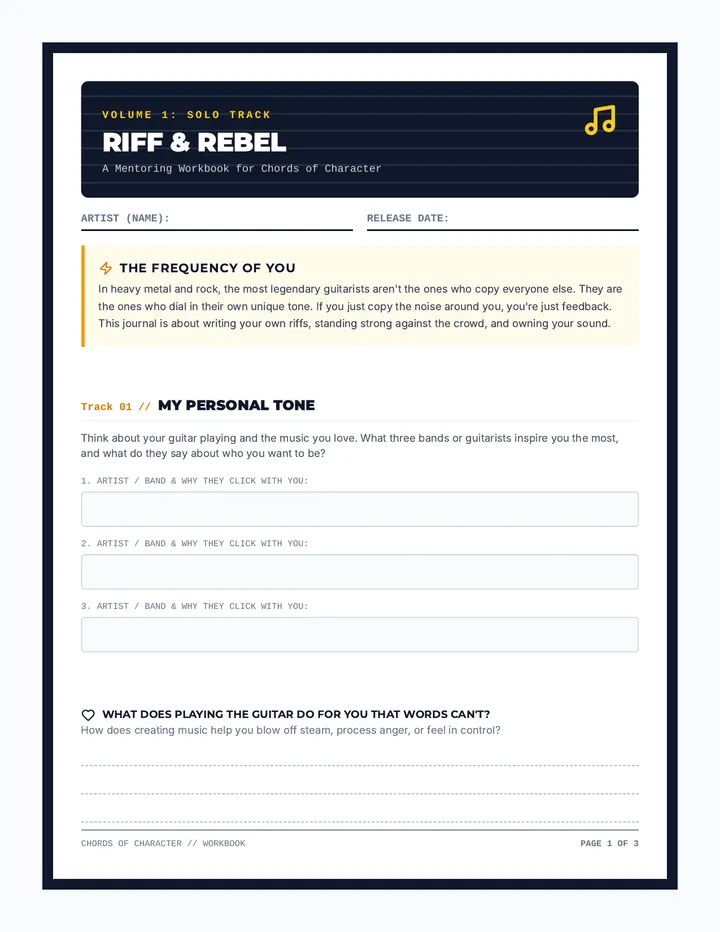
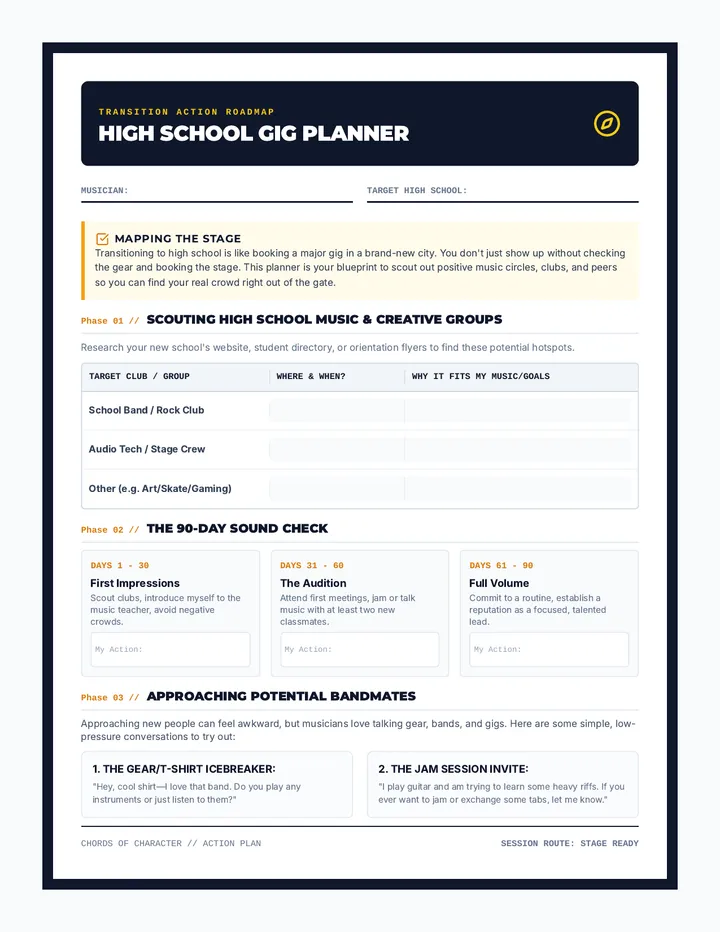
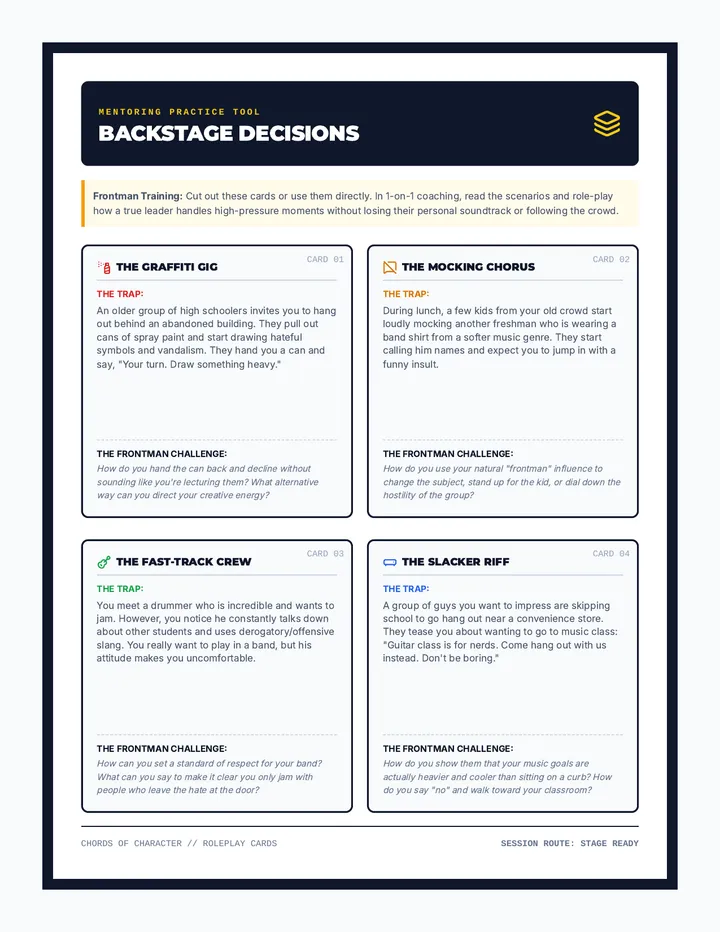
A transformative mentoring curriculum designed for a student transitioning to high school, using his passion for heavy metal and guitar to guide reflection on peer pressure, resist hate symbols, and channel his influence into positive leadership.
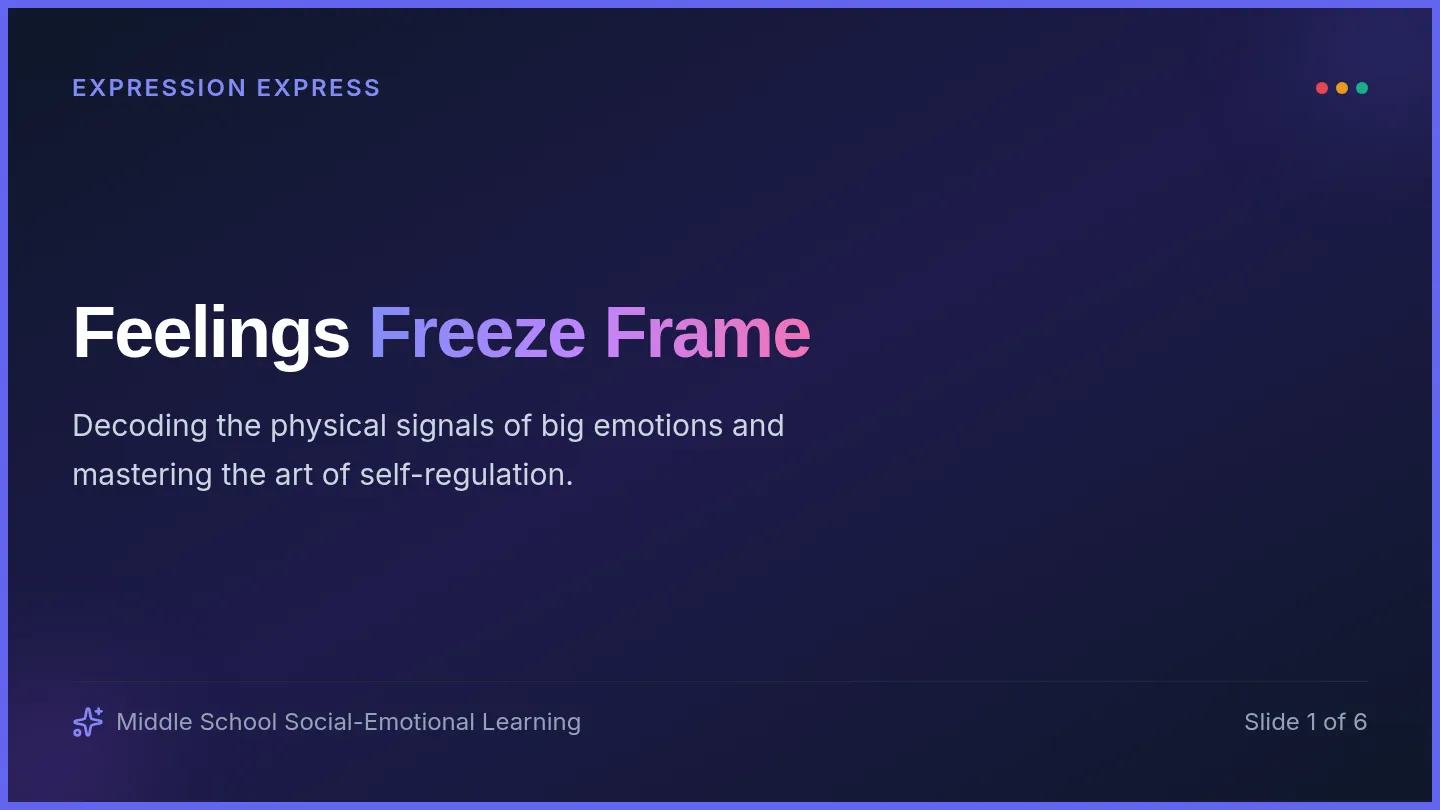
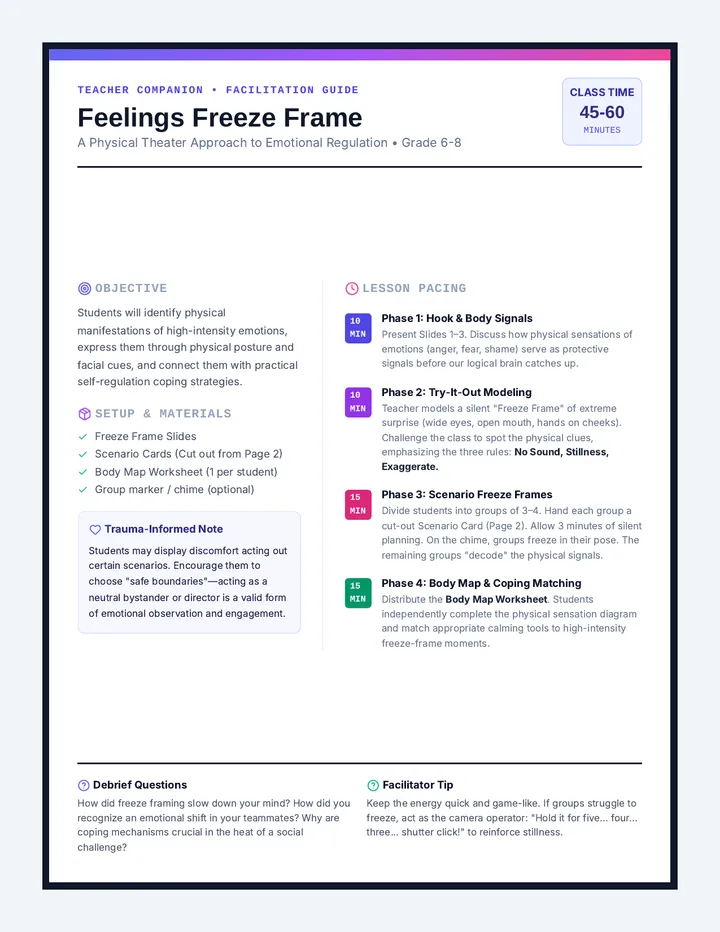
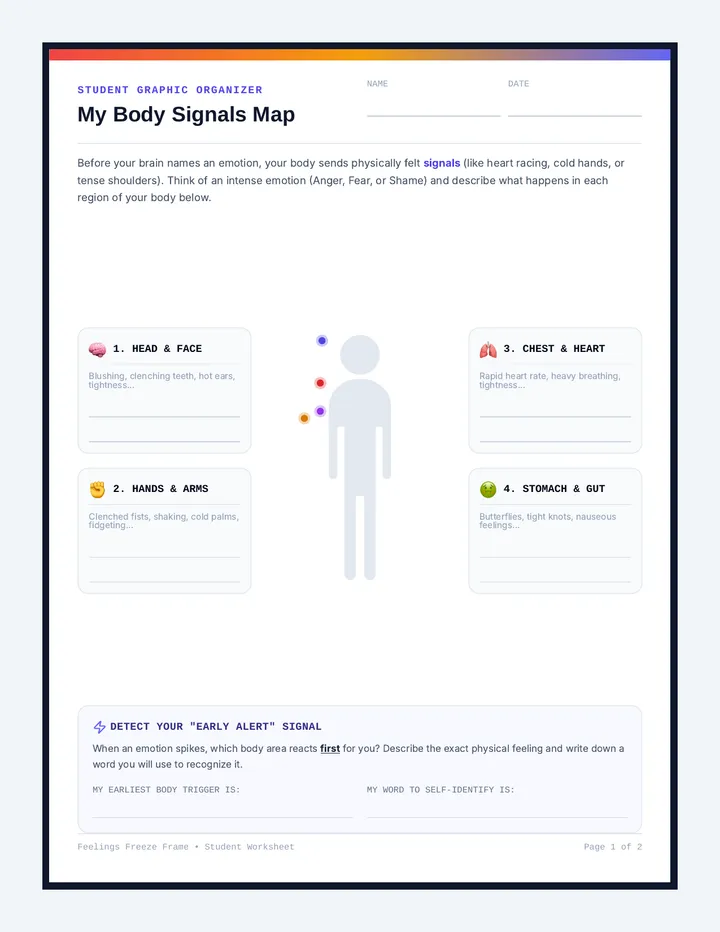
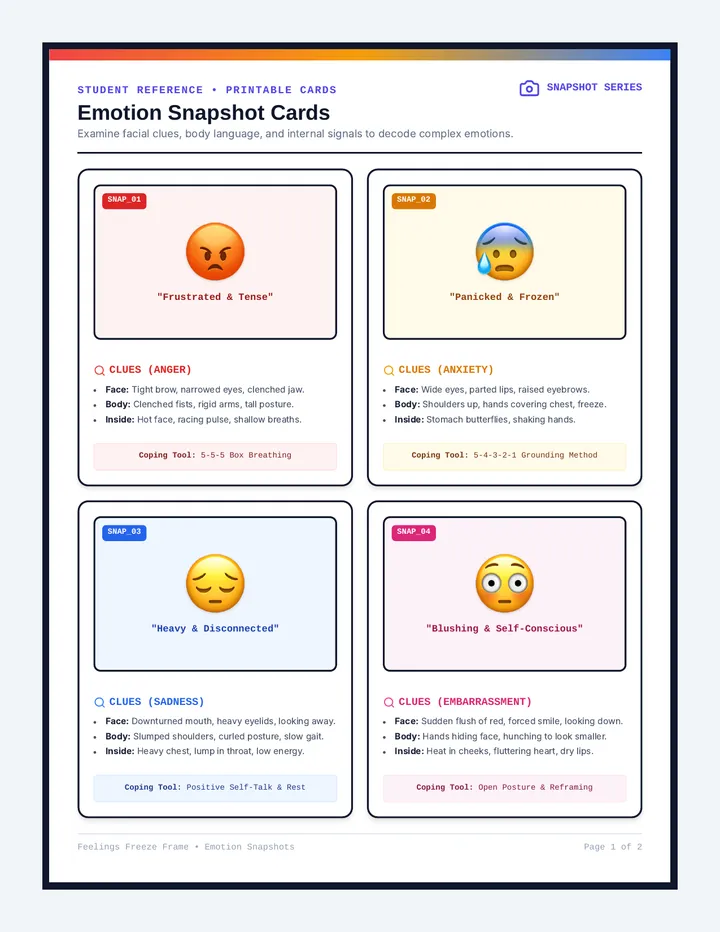
A comprehensive middle school lesson bundle on emotional literacy and self-regulation. Students explore physical sensations of high-intensity emotions, act out relatable scenarios in freeze frames, and match coping strategies using printable cards and graphic organizers.
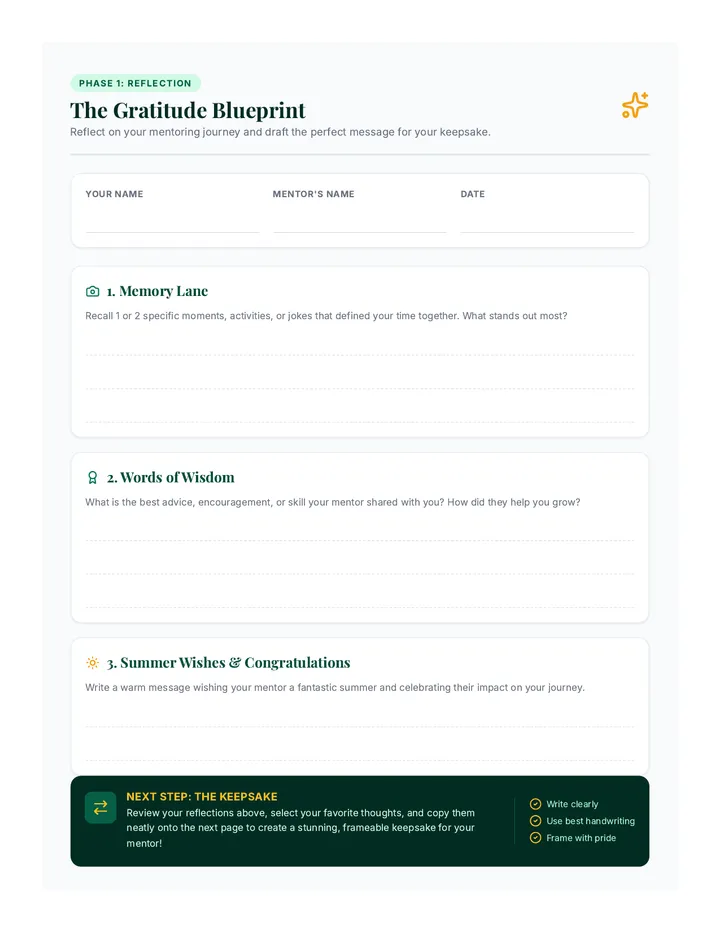
A heartfelt lesson designed to guide mentees through reflecting on their journey with their mentors, writing meaningful thank-you messages, and creating a beautiful framed keepsake.
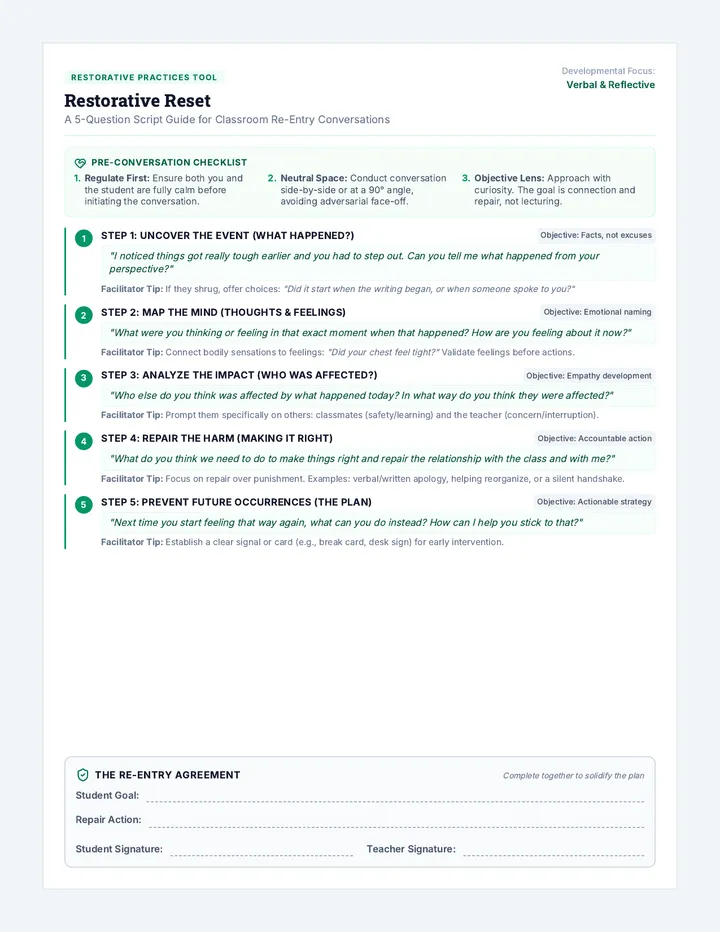
A structured framework for conducting supportive, restorative conversations with students following an emotional outburst or classroom removal.
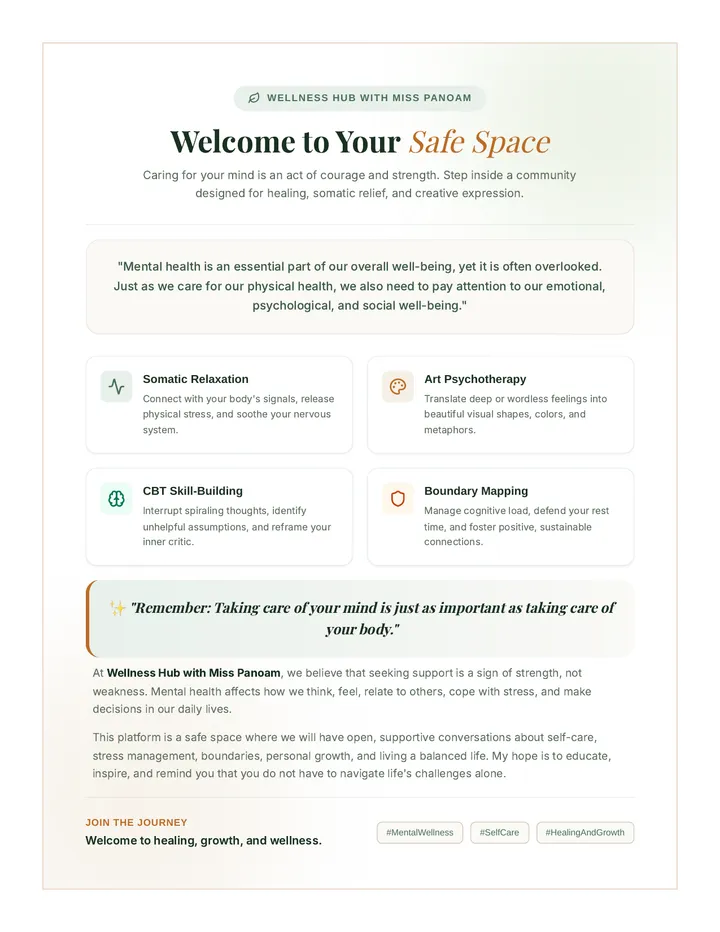
An elegant, welcoming visual announcement page introducing the Wellness Hub with Miss Panoam, designed for counseling psychology, art therapy, and somatic mindfulness support.
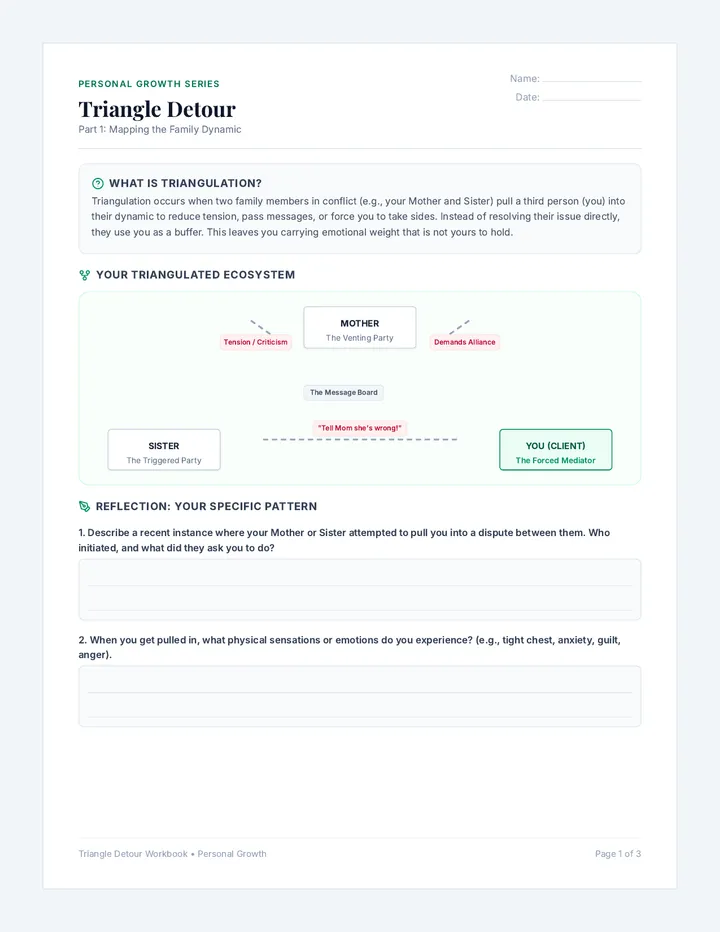
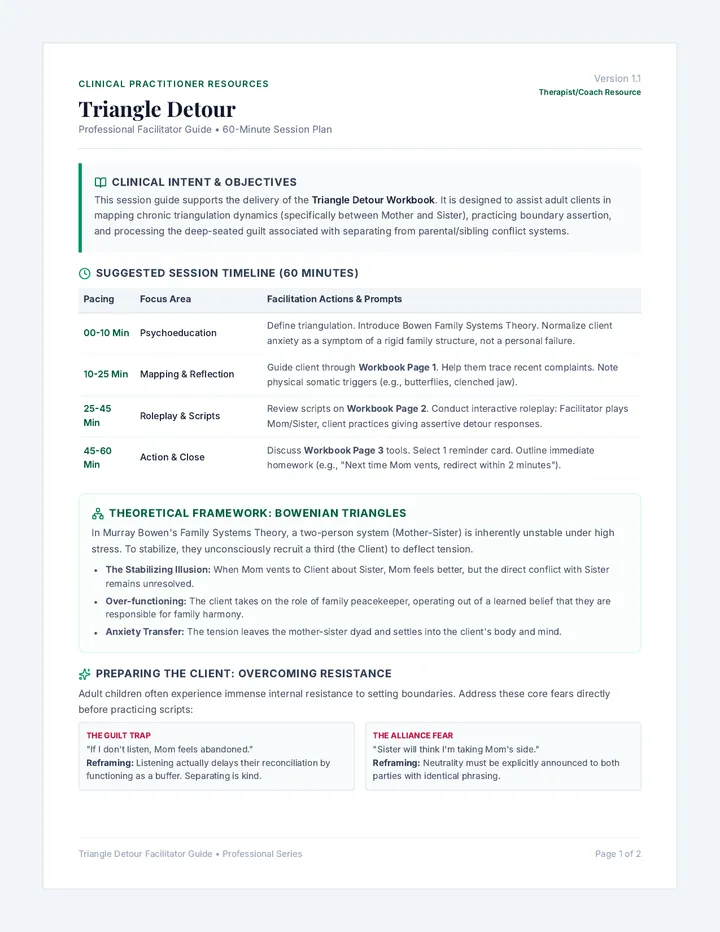
A therapeutic lesson designed for adult children caught in long-standing triangulation dynamics between their mother and sister. This lesson teaches assertive communication, boundary-setting strategies, and detouring family arguments.
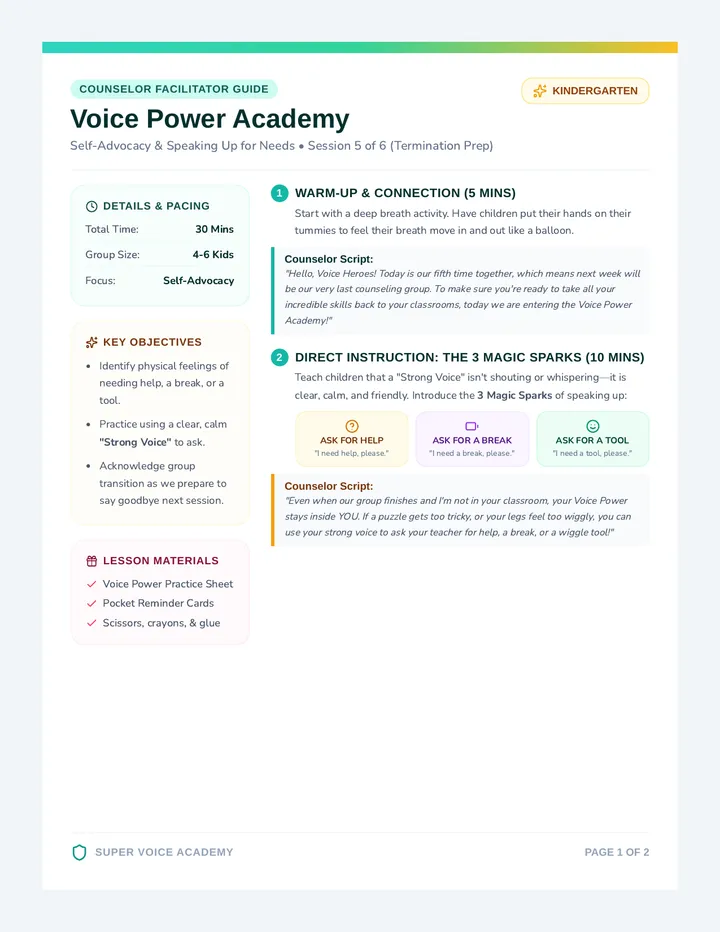
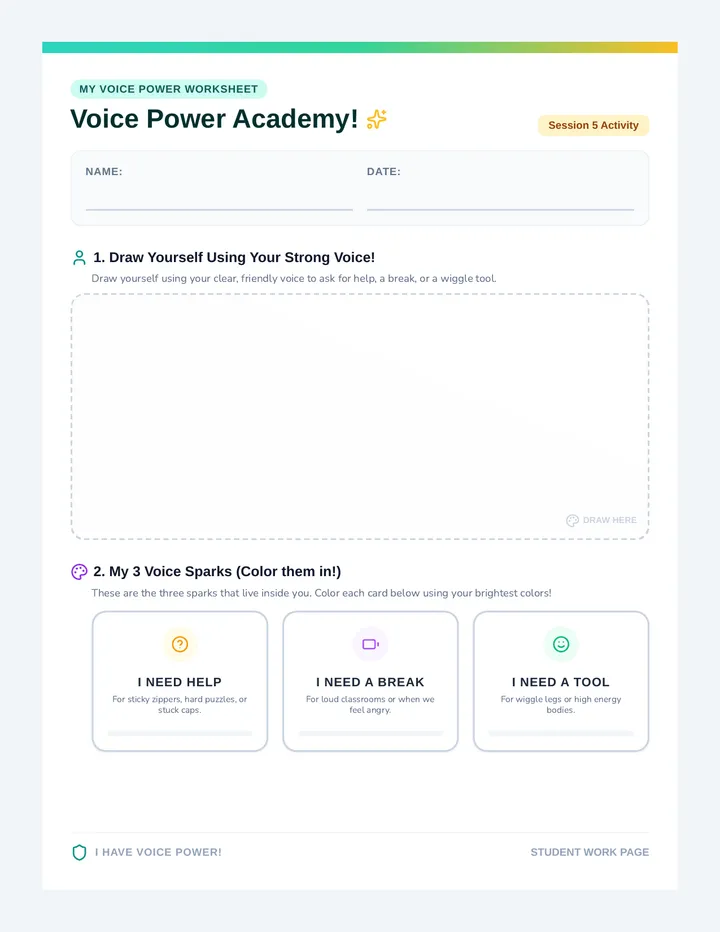
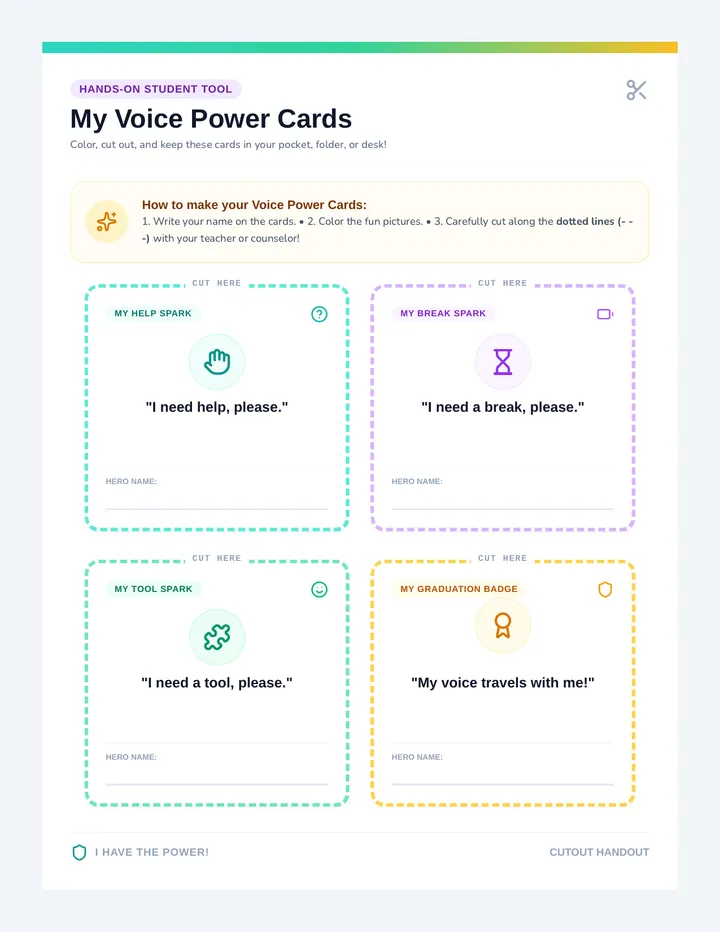
A kindergarten counseling lesson focused on self-advocacy and speaking up for needs. Students learn to use their strong voice to ask for help, breaks, or sensory tools as they prepare for the counseling group's transition/termination.
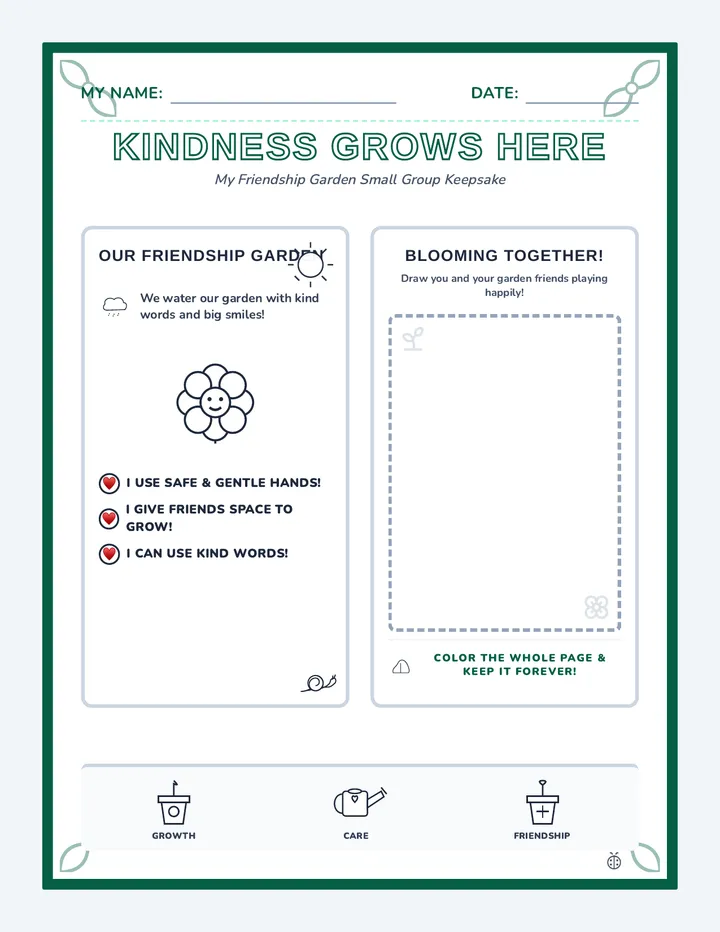
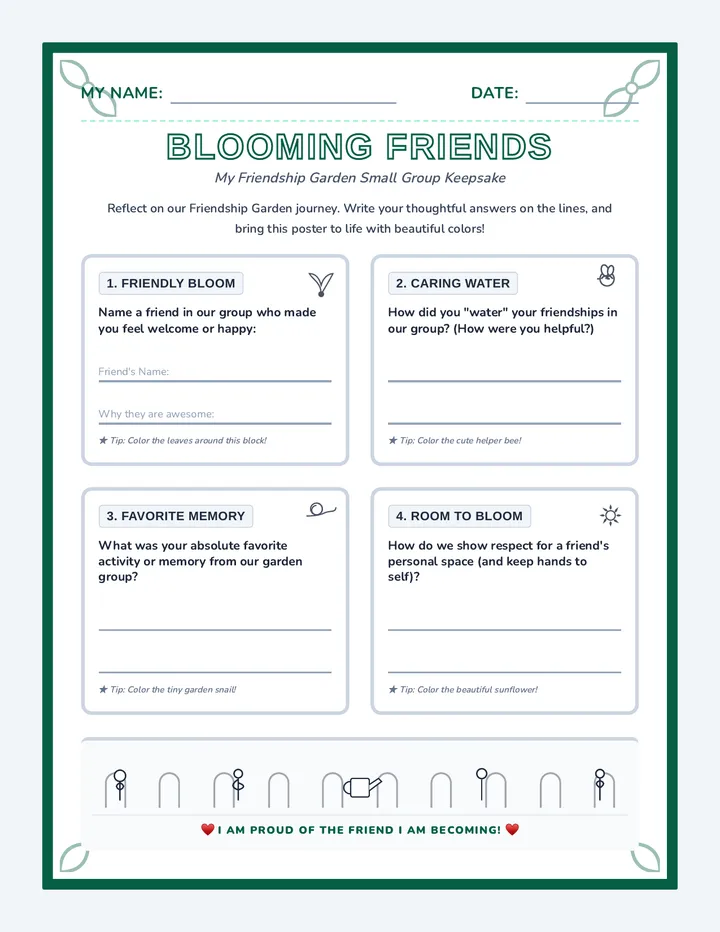
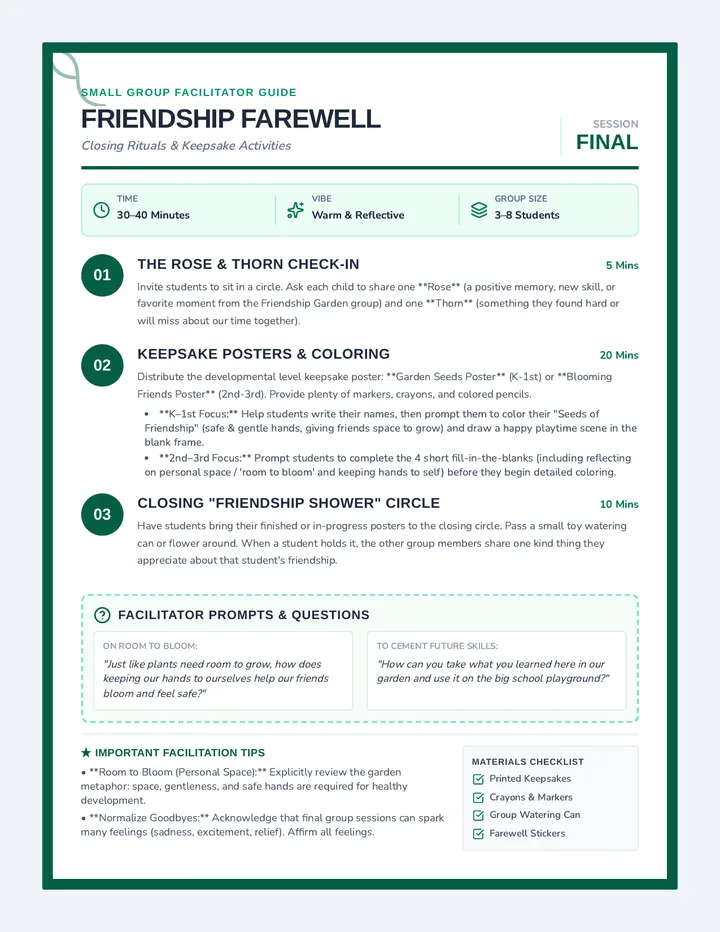
A warm, reflective closing lesson for the Friendship Garden small group. It provides students with creative keepsake coloring posters tailored to their grade levels to celebrate their growth and positive relationships.
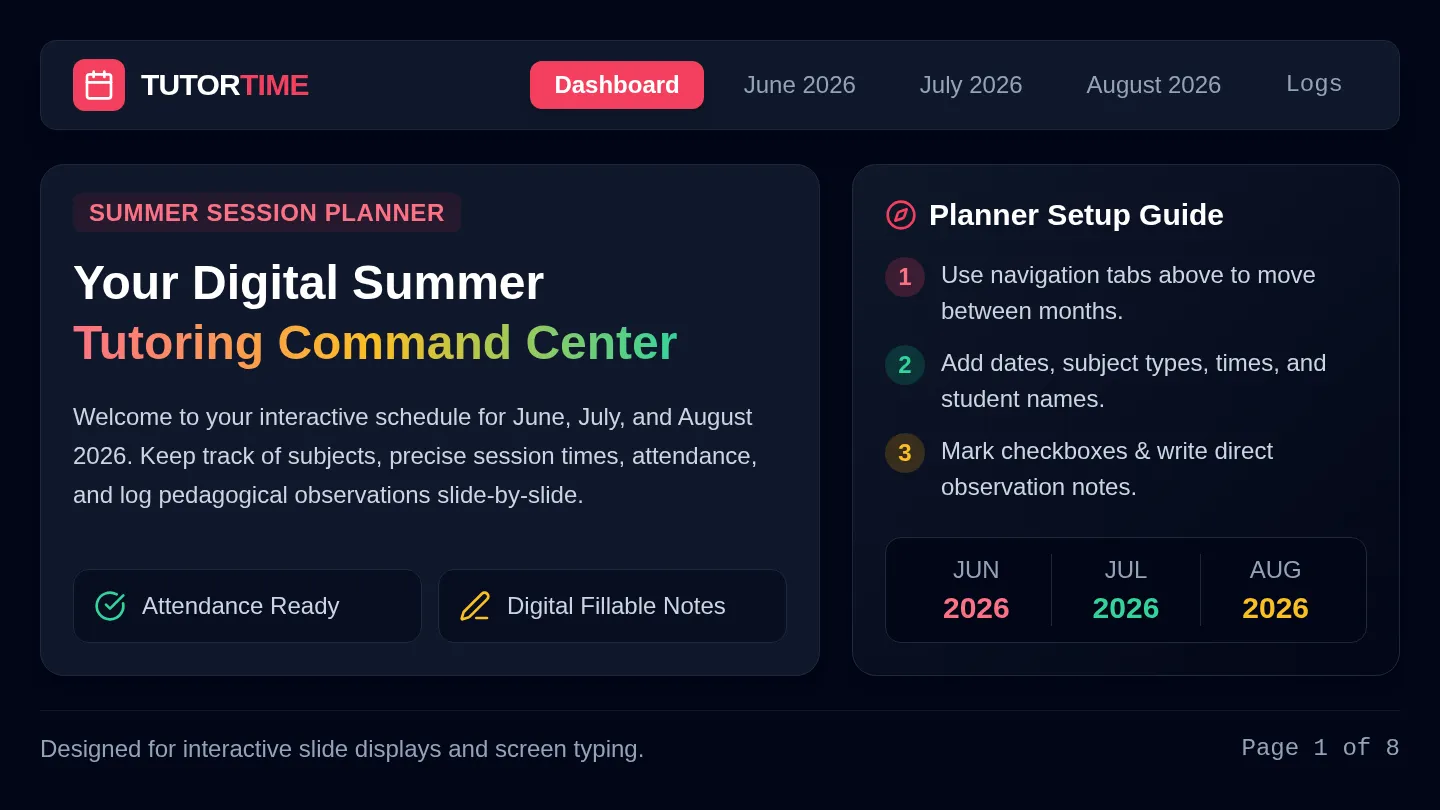
A lesson designed to help tutors manage, plan, and log their summer tutoring sessions with high-quality digital scheduling slides.
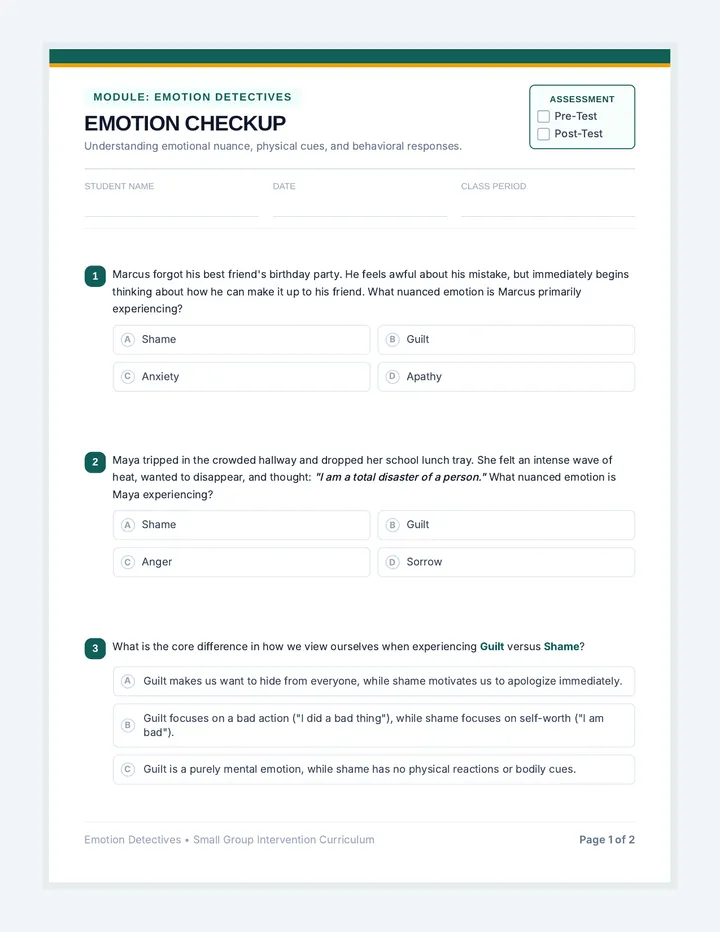
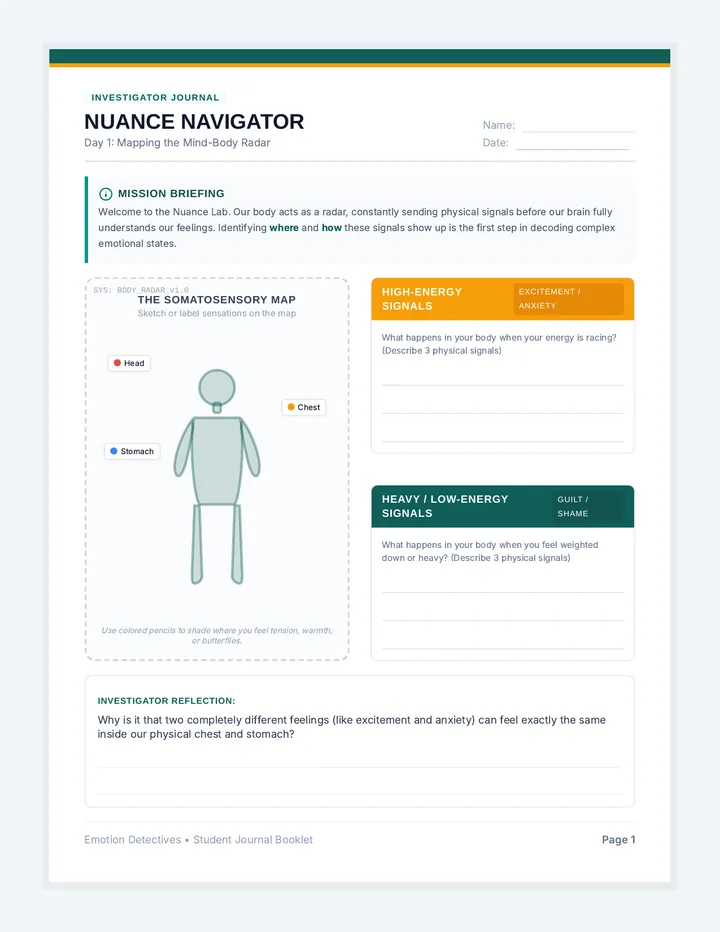
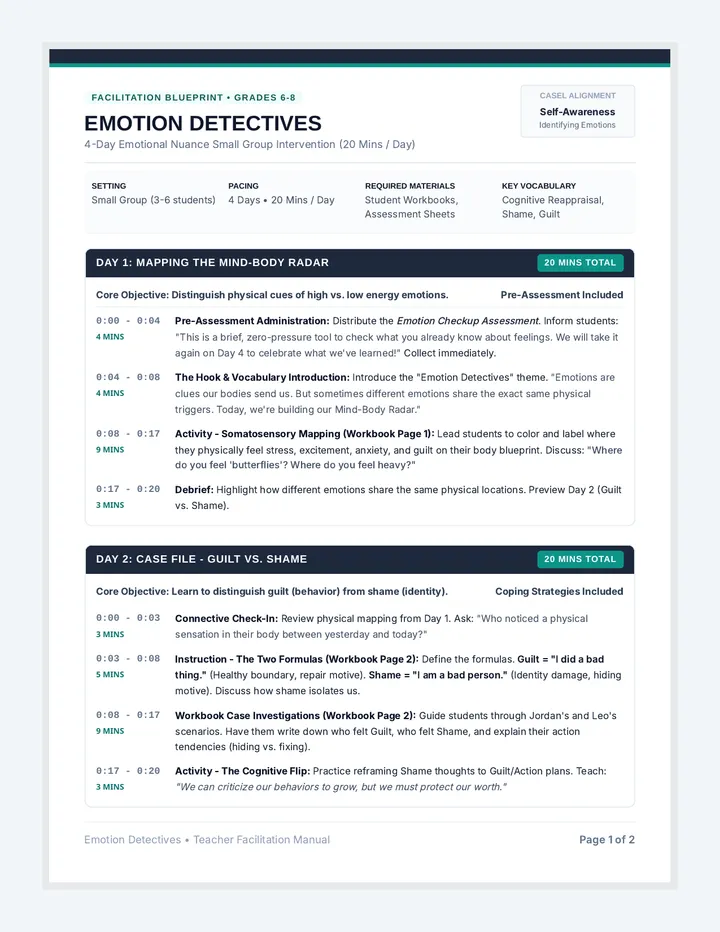
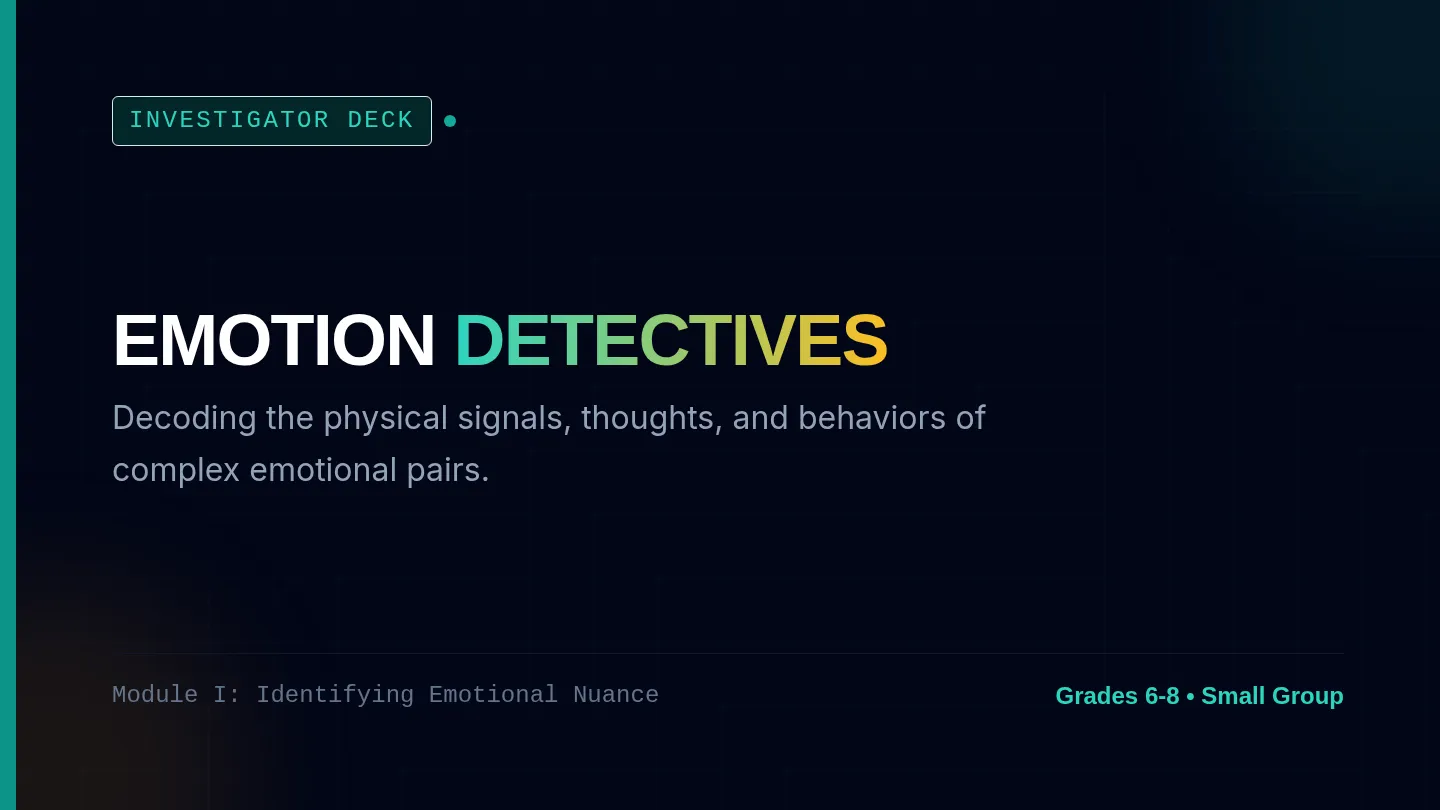
A 4-day small group intervention for grades 6-8 focusing on self-awareness and emotional nuance. Students explore the physical, cognitive, and behavioral distinctions between complex emotional pairs like guilt versus shame and excitement versus anxiety.
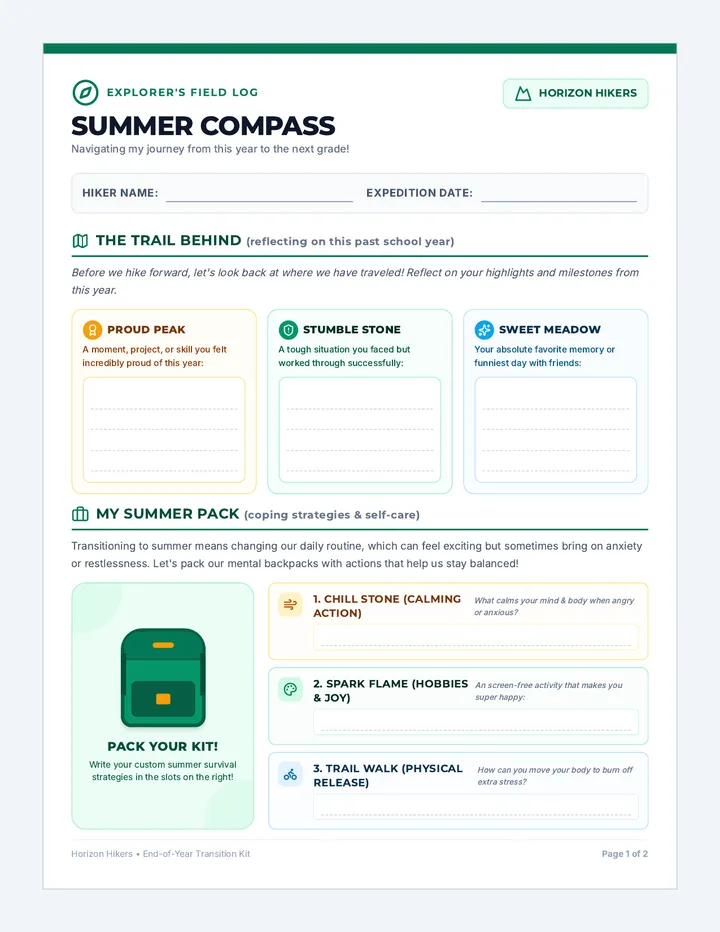
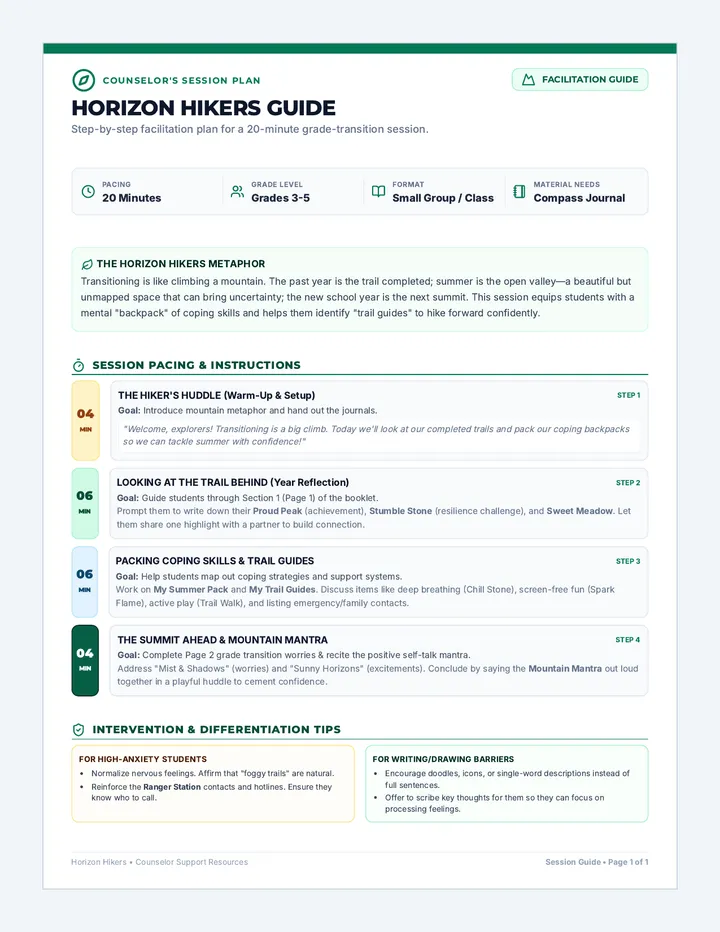
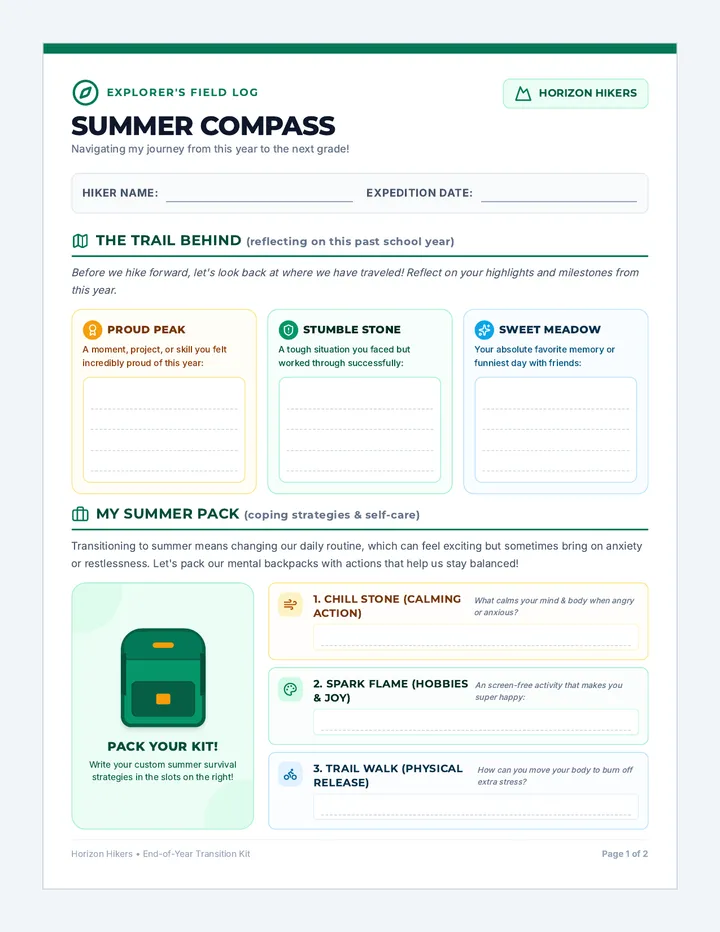
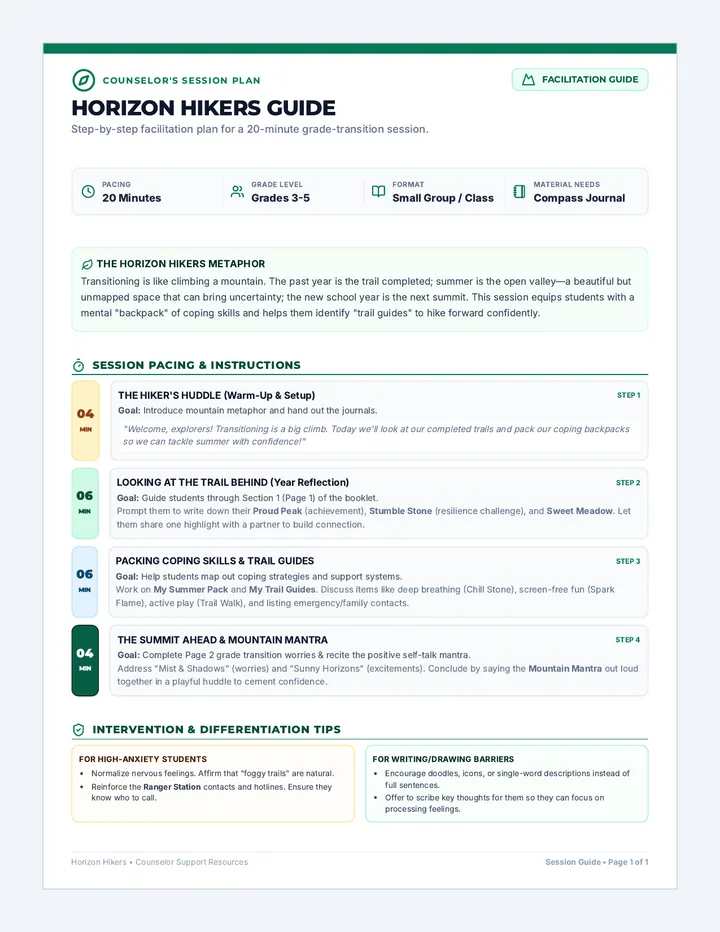
A supportive transition lesson for upper elementary students to reflect on the past year, create a visual coping plan for summer, and build confidence for entering the next grade.
Students complete their post-test, demonstrate behavior-shifting skills in a scenario-based card challenge, and celebrate their growth with a graduation badge.
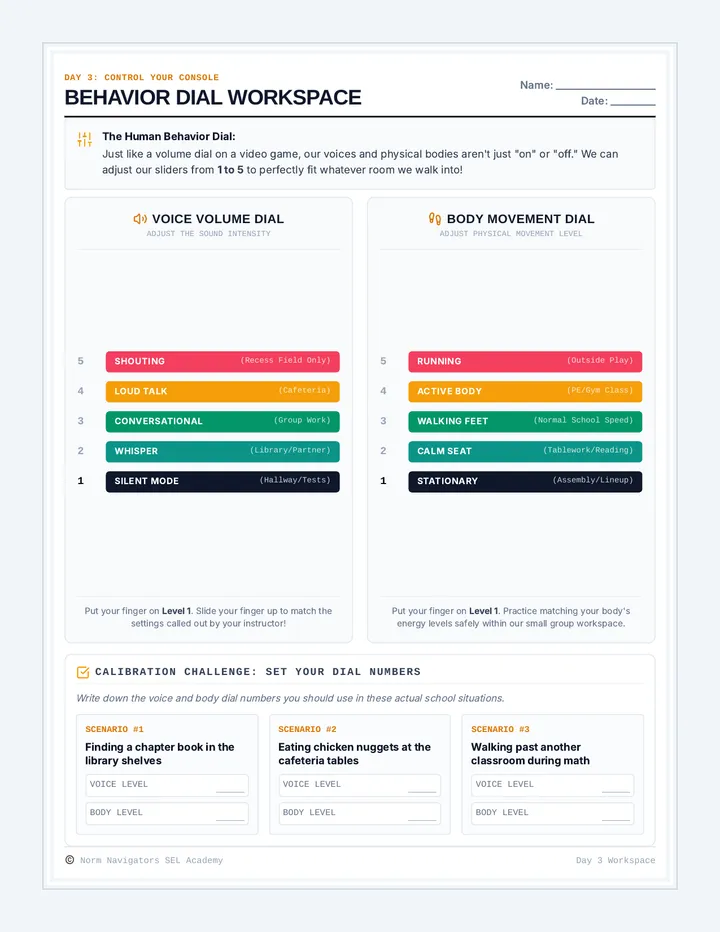
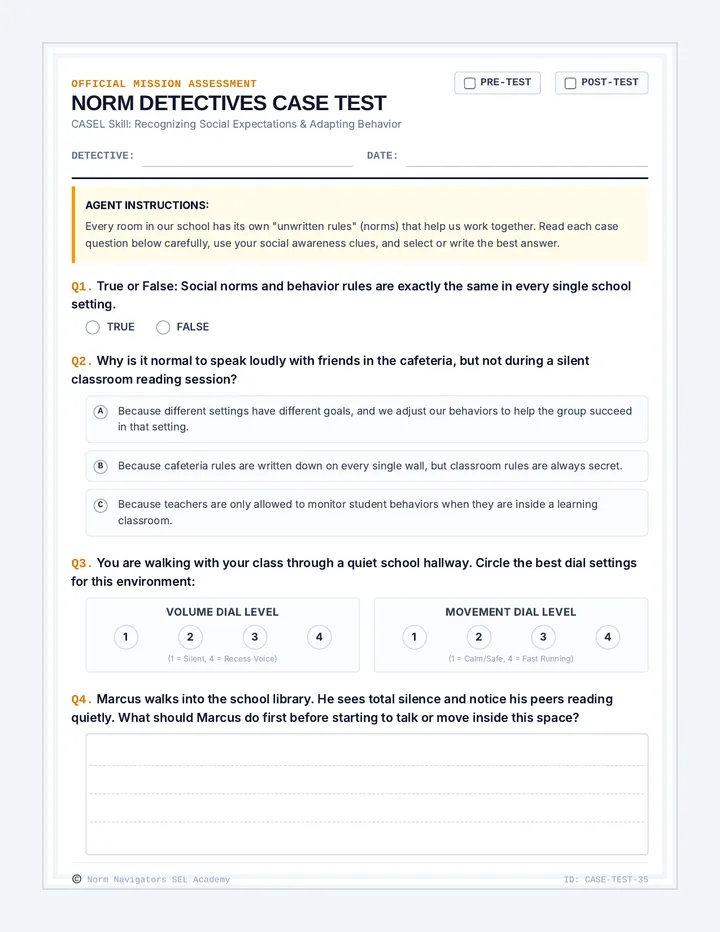
Students practice using a "Behavior Dial" to physically and vocally adjust their volume, movement, and energy levels to match different school environments.
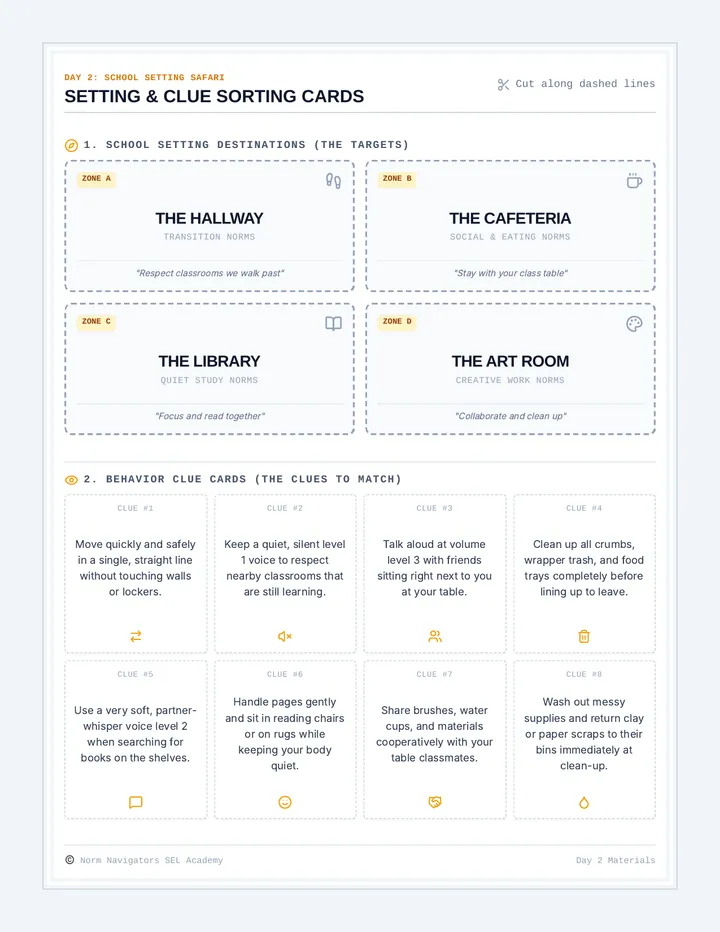
Students examine specific school settings like the hallway, cafeteria, and specials classes to map out their unique expectations and unwritten rules.
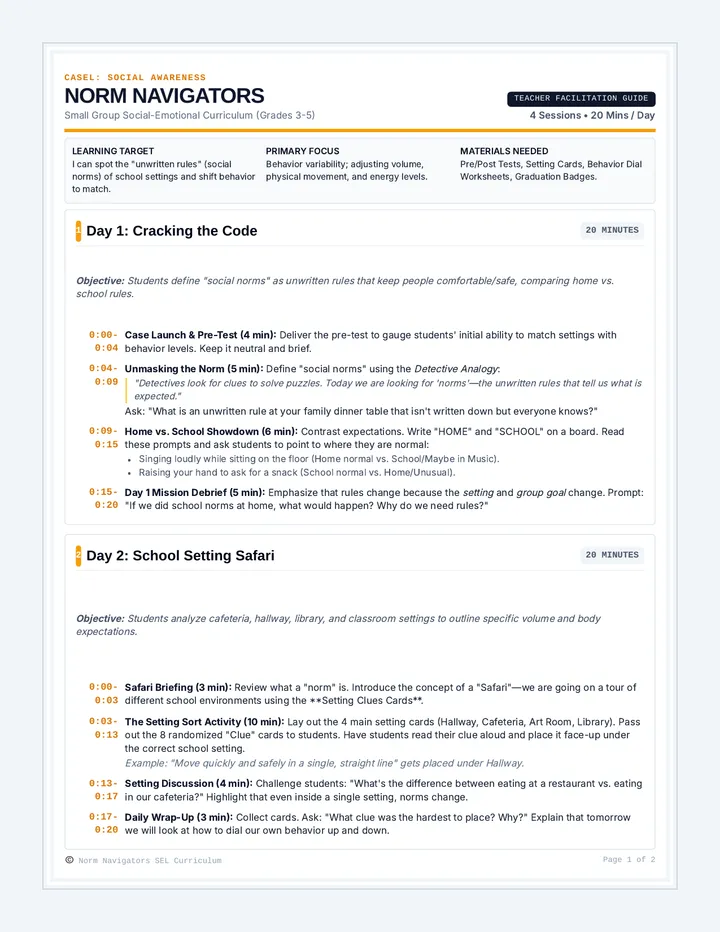
Students are introduced to the concept of social norms as unwritten rules that help groups work together, comparing how norms change between home and school.