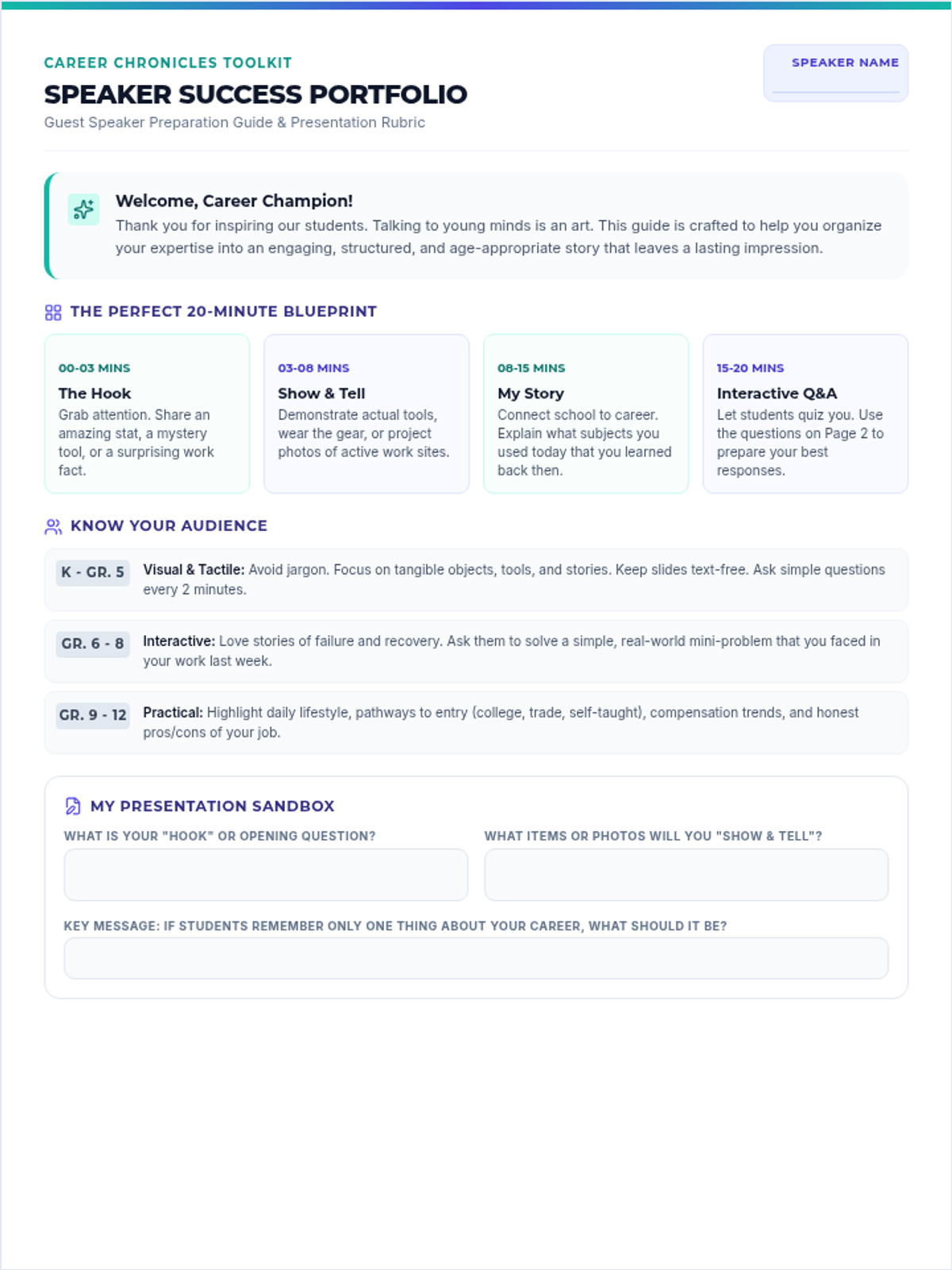
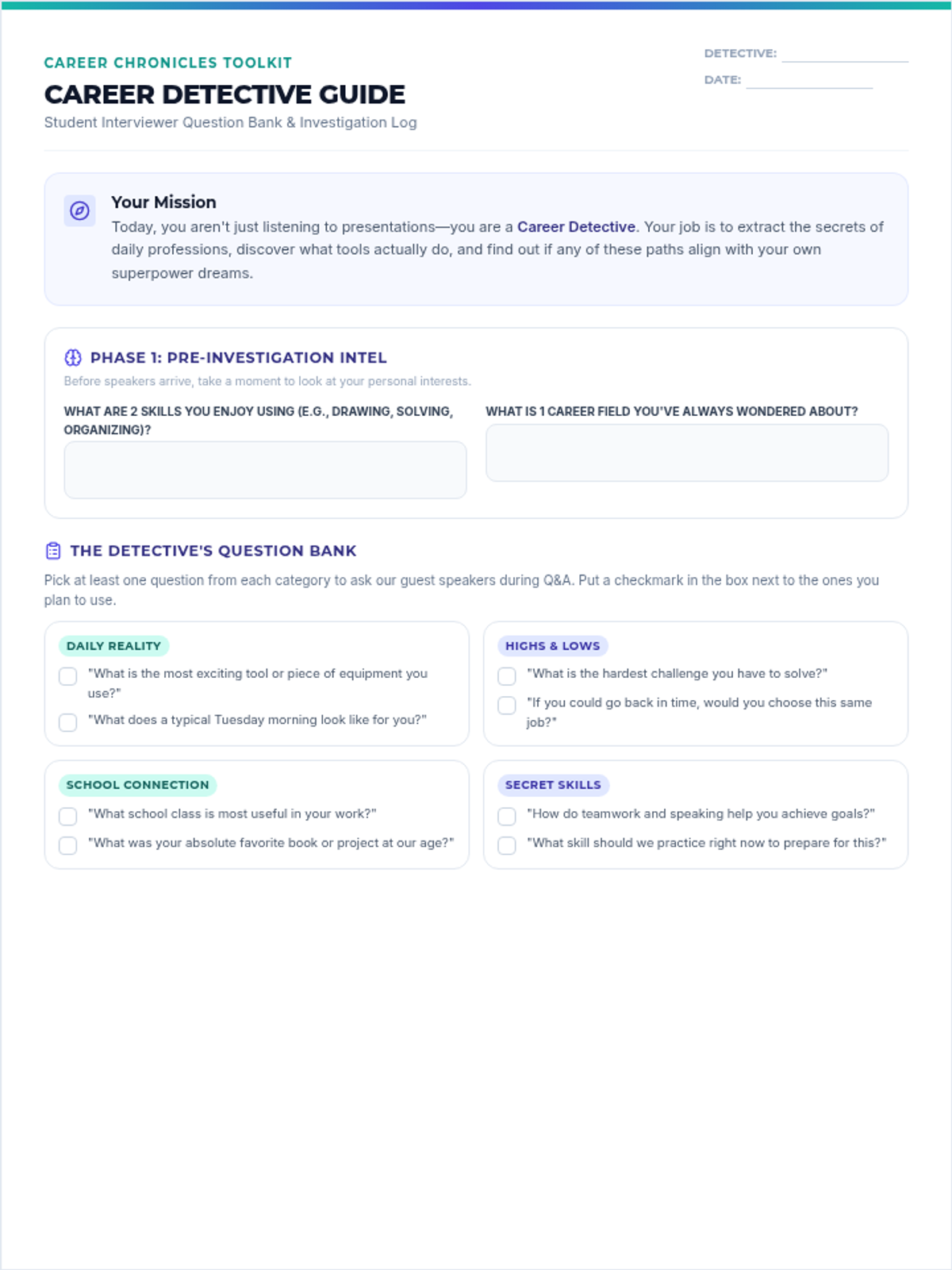
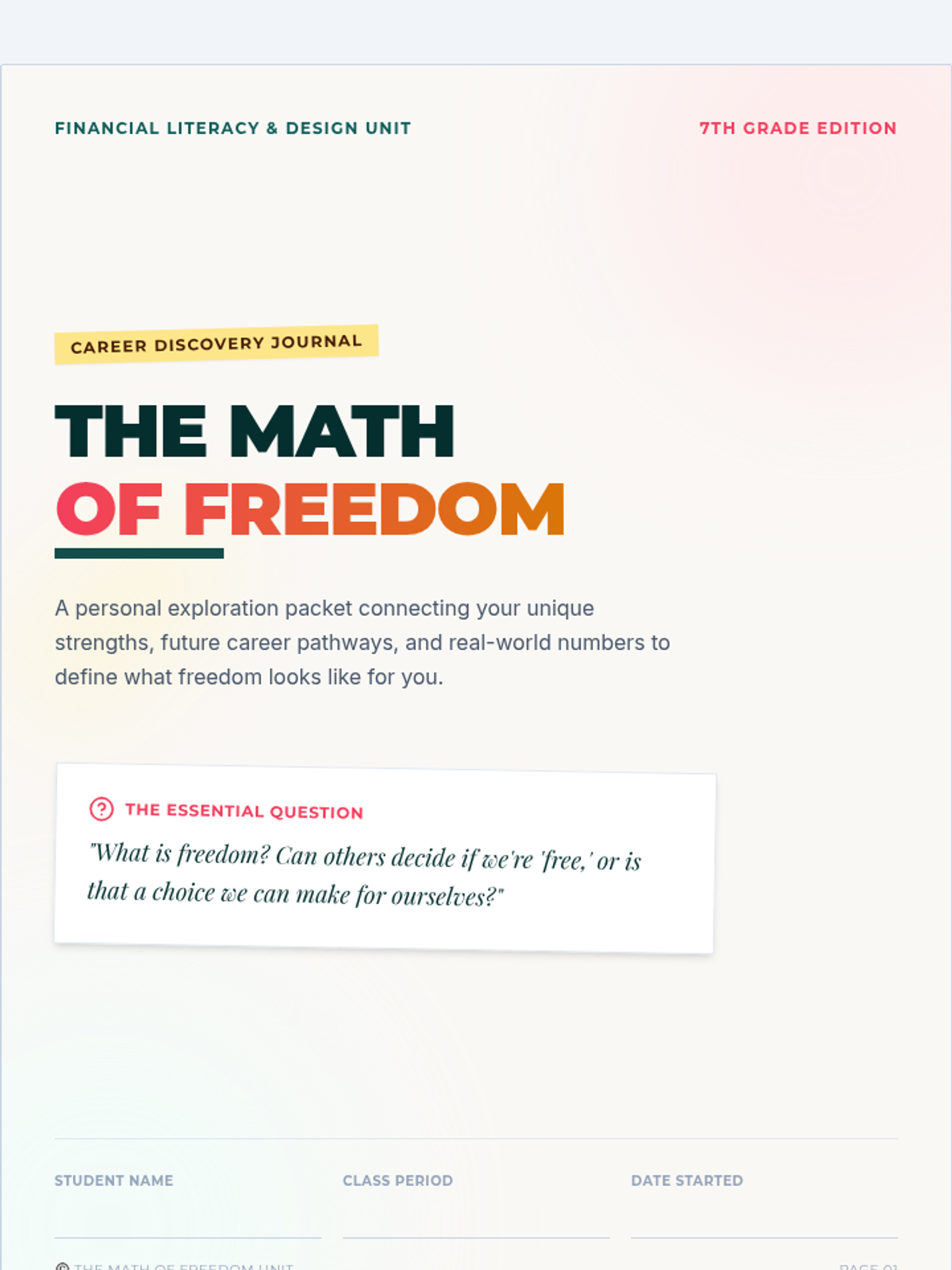
An introductory lesson for 7th graders to explore the 17 Colorado Career Clusters and identify high-demand industries within the state. Students will learn how their interests align with future career paths in the Colorado economy.
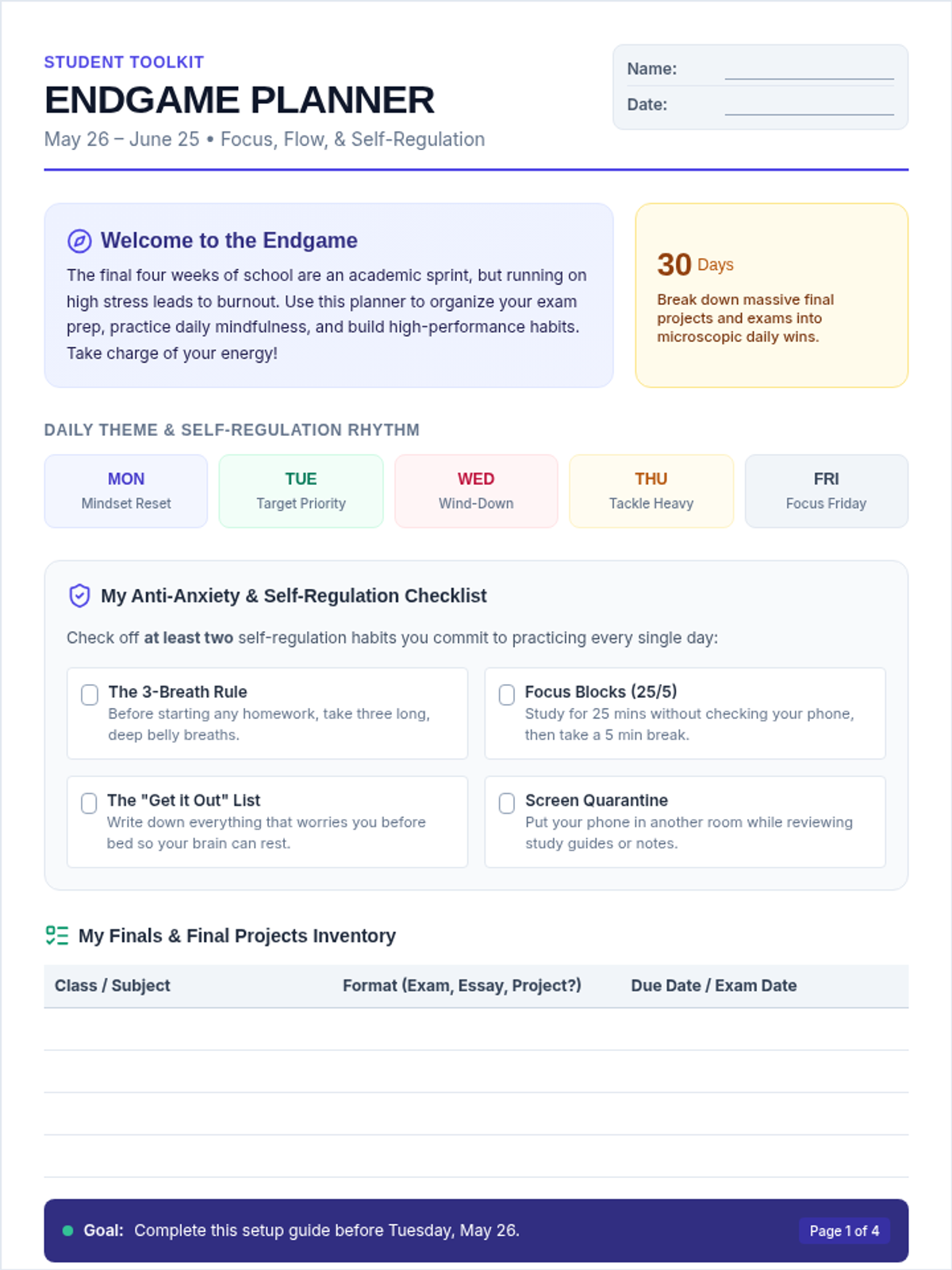
A daily habit-building system for students to monitor their readiness, preparation, and work effort across all subjects. Includes student trackers and teacher implementation guides to foster accountability and self-regulation.
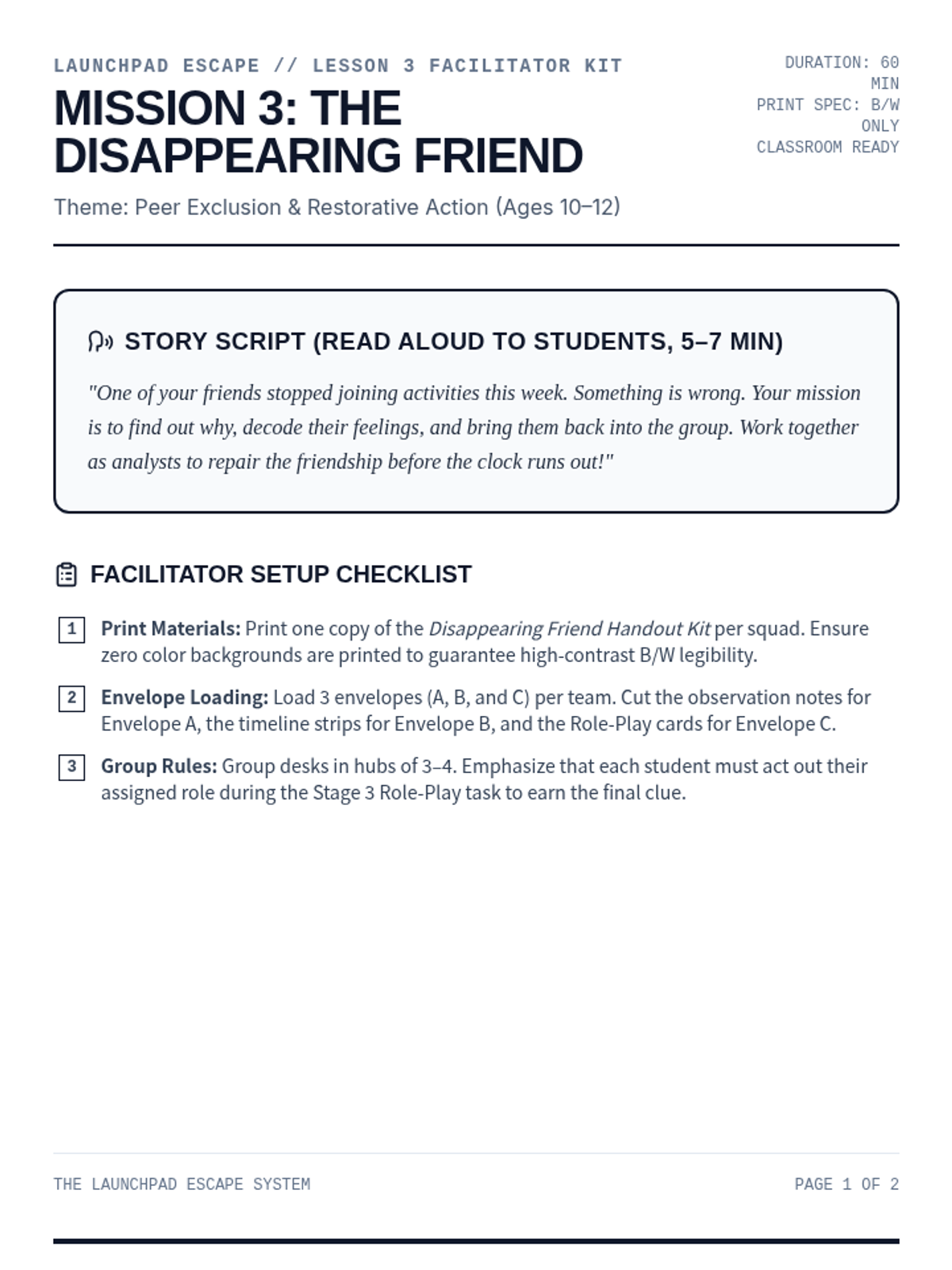
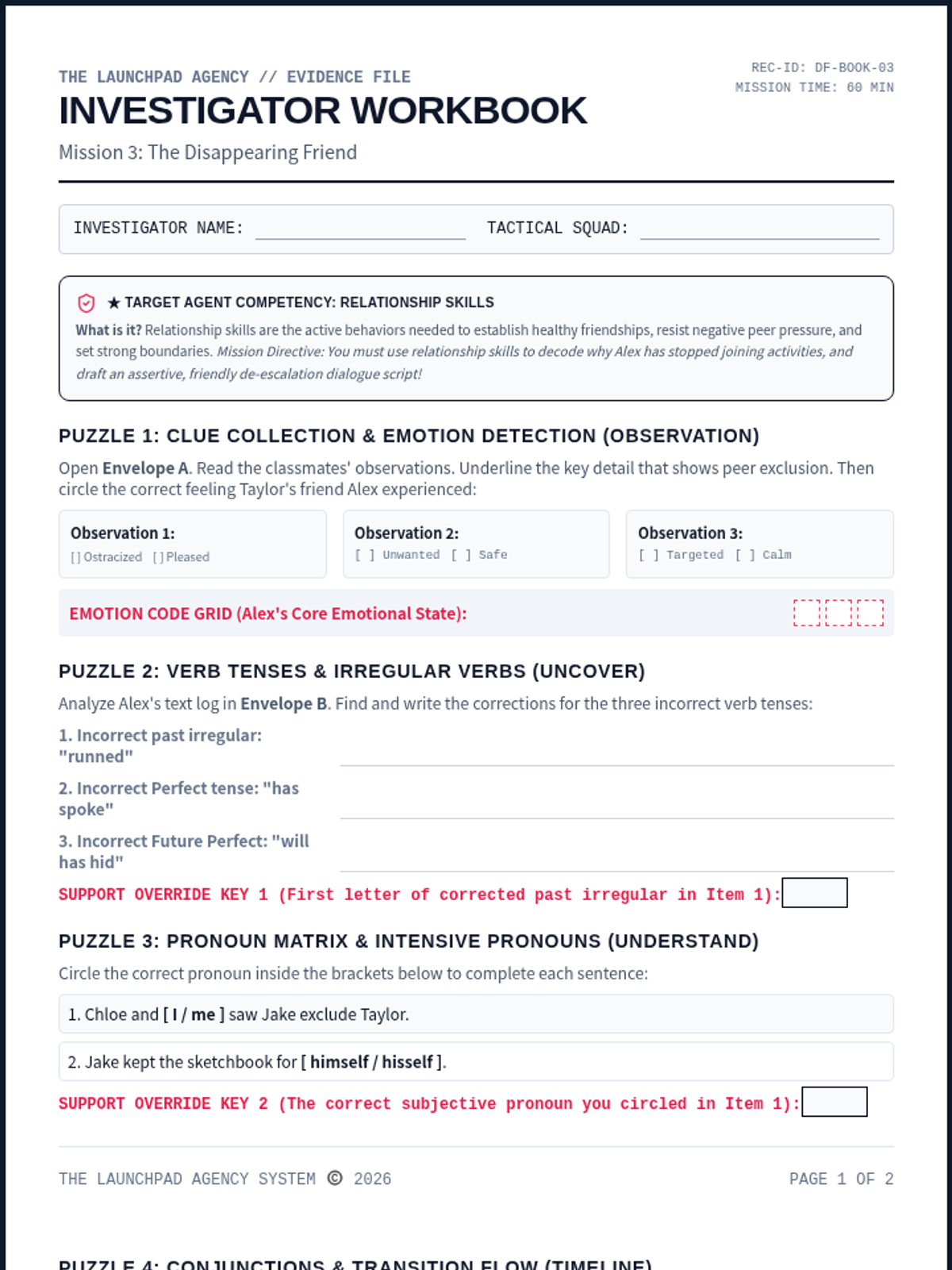
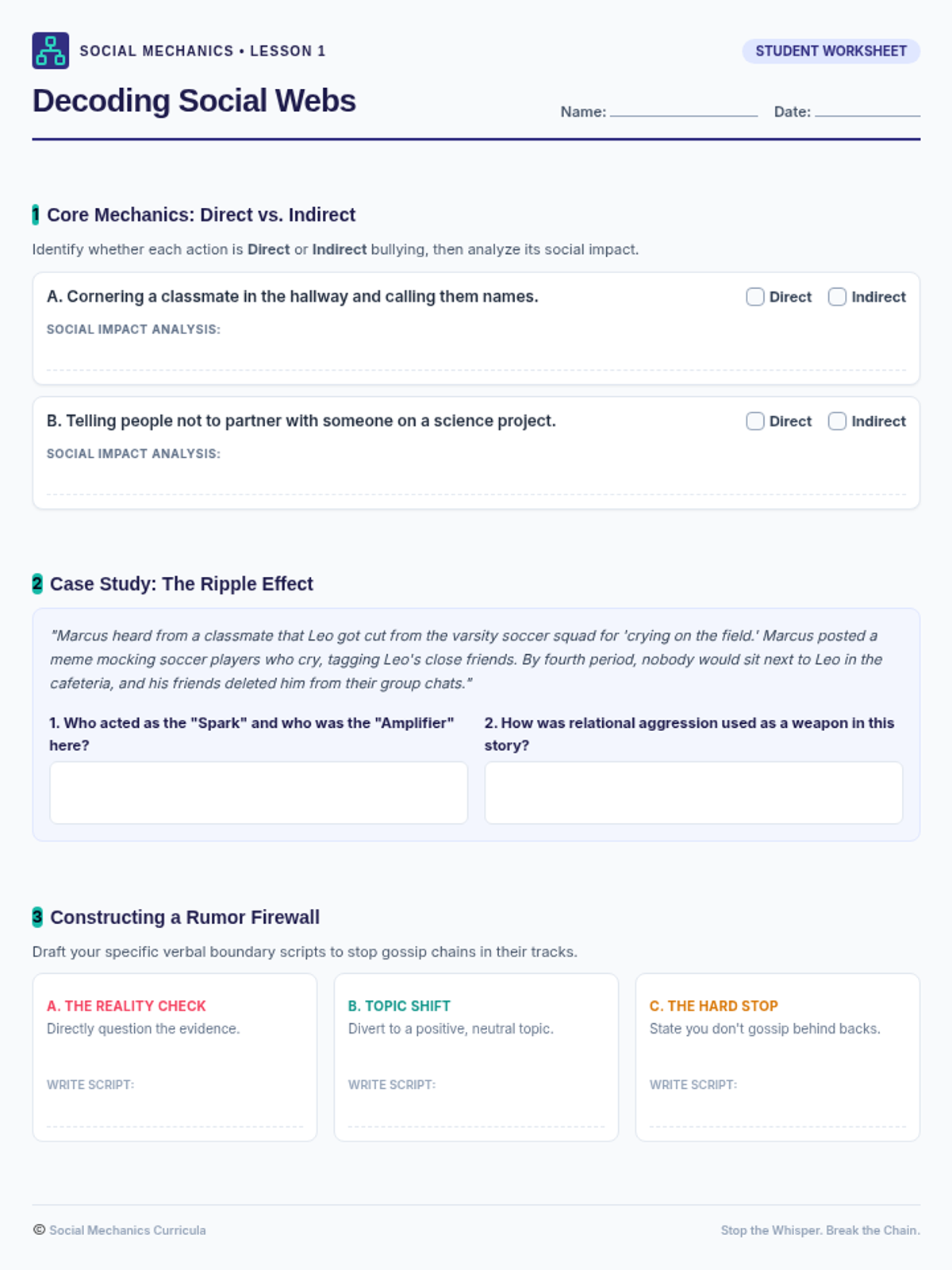
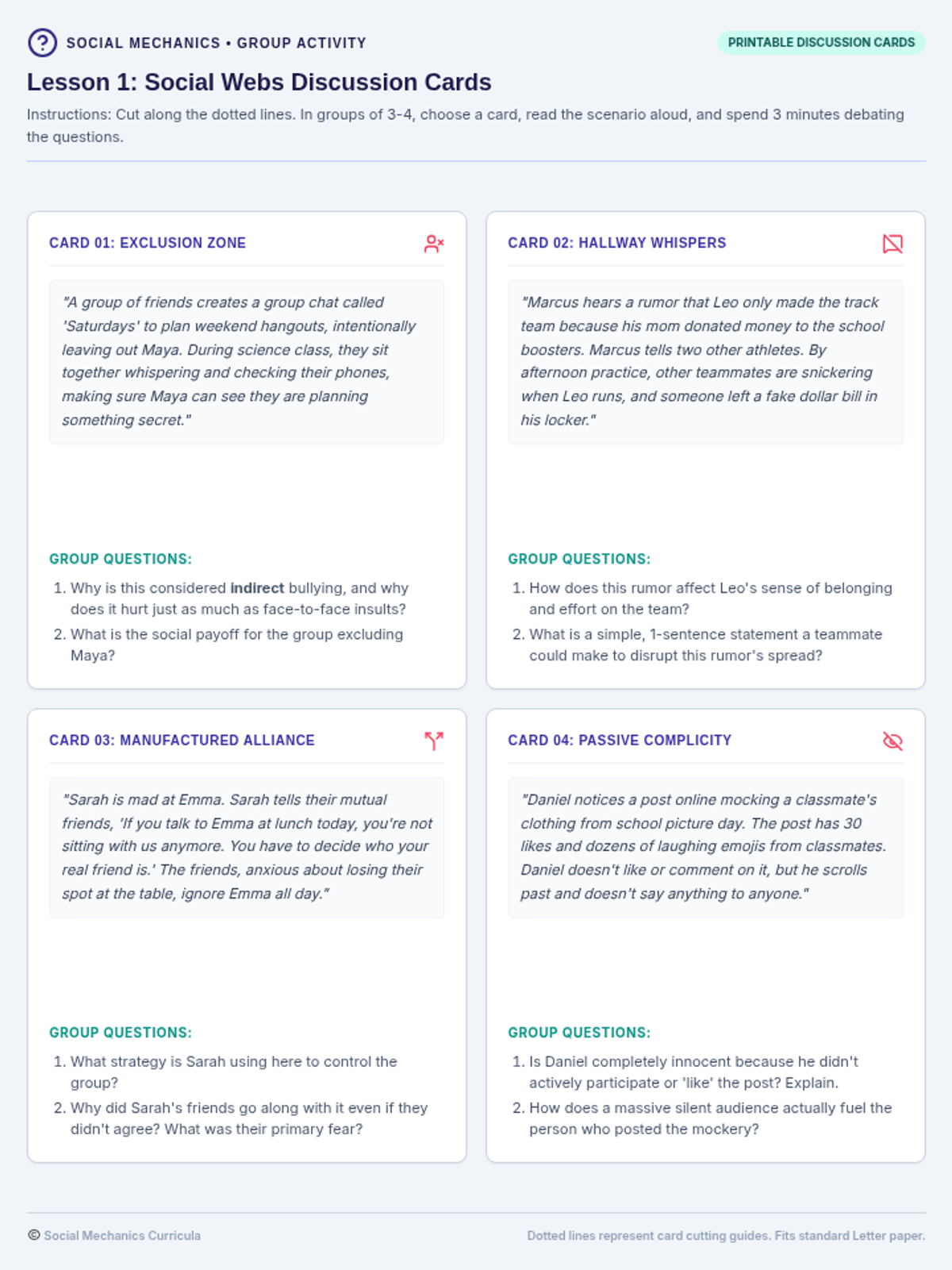
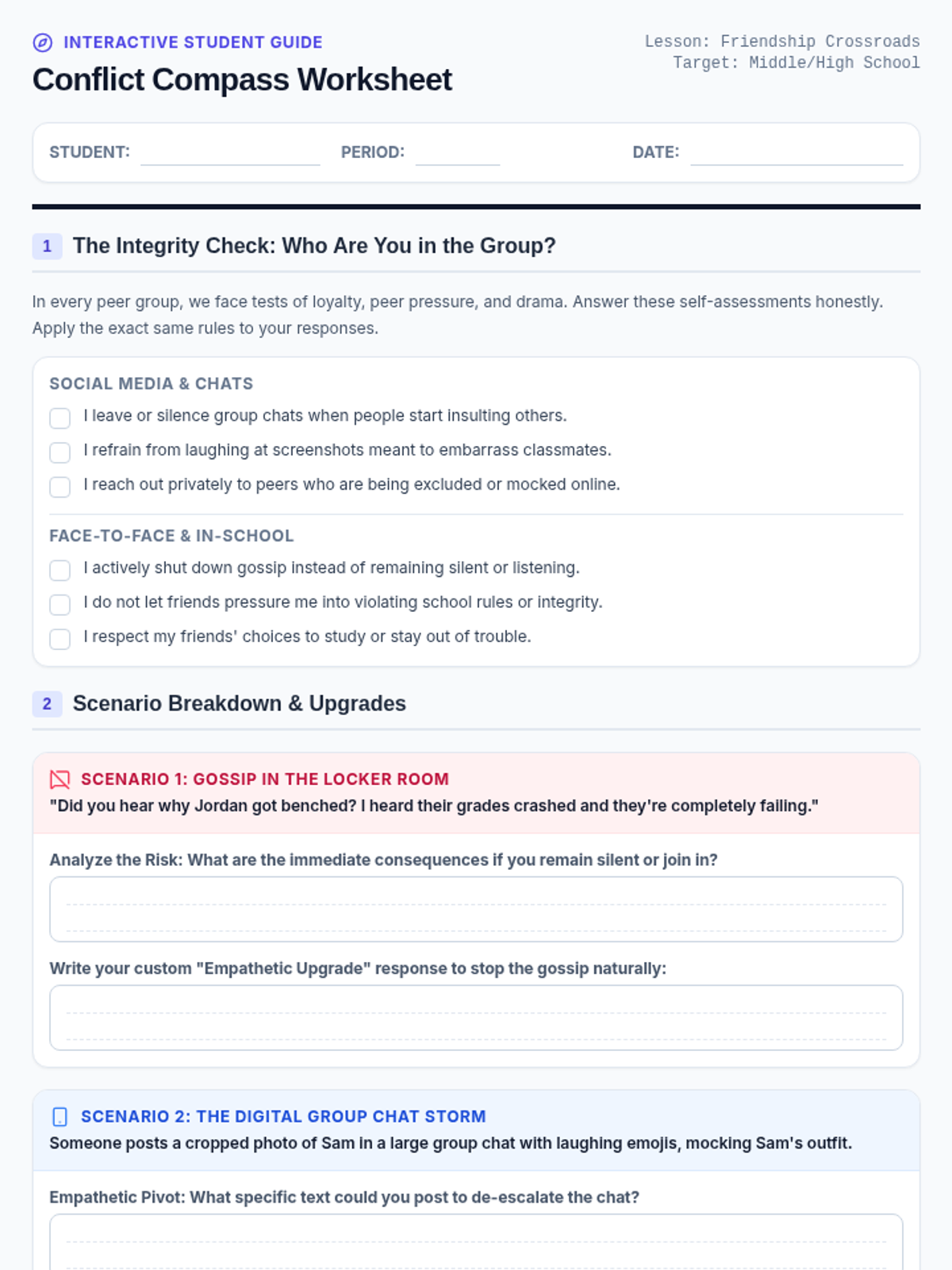
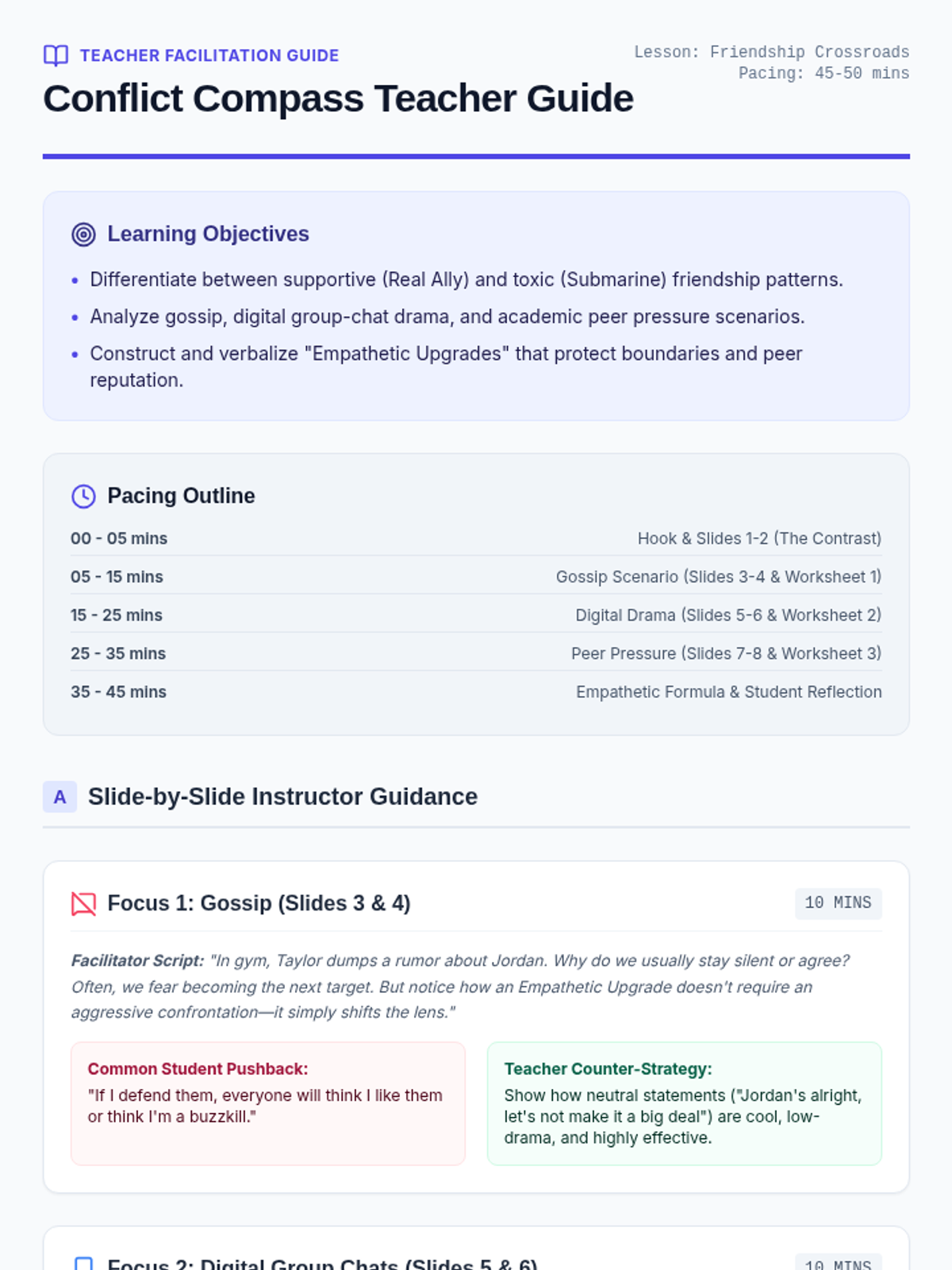
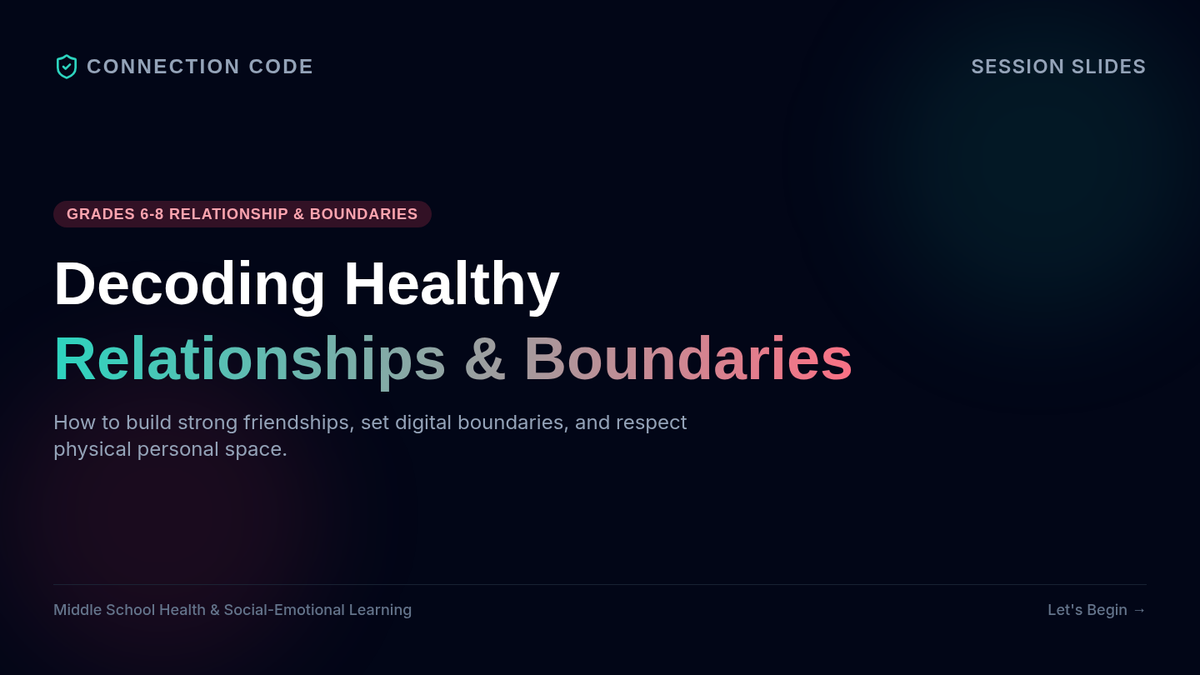
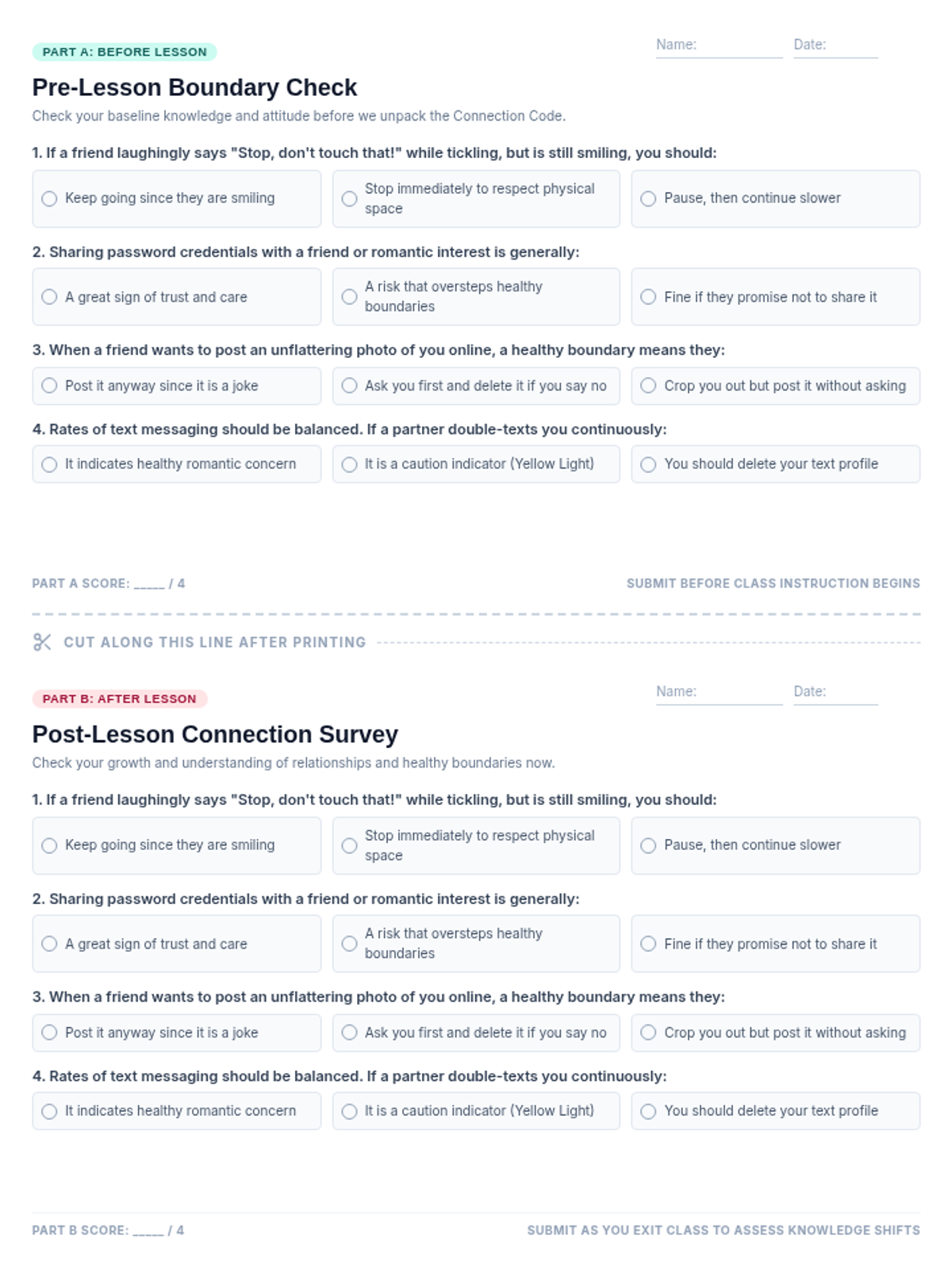
A lesson focused on helping middle school students distinguish between healthy and unhealthy friendship dynamics, specifically focusing on trust, gossip, and social inclusion.
A comprehensive lesson exploring the impact of language choice, focusing on professionalism, avoiding microaggressions, and using 'I' statements for conflict resolution.
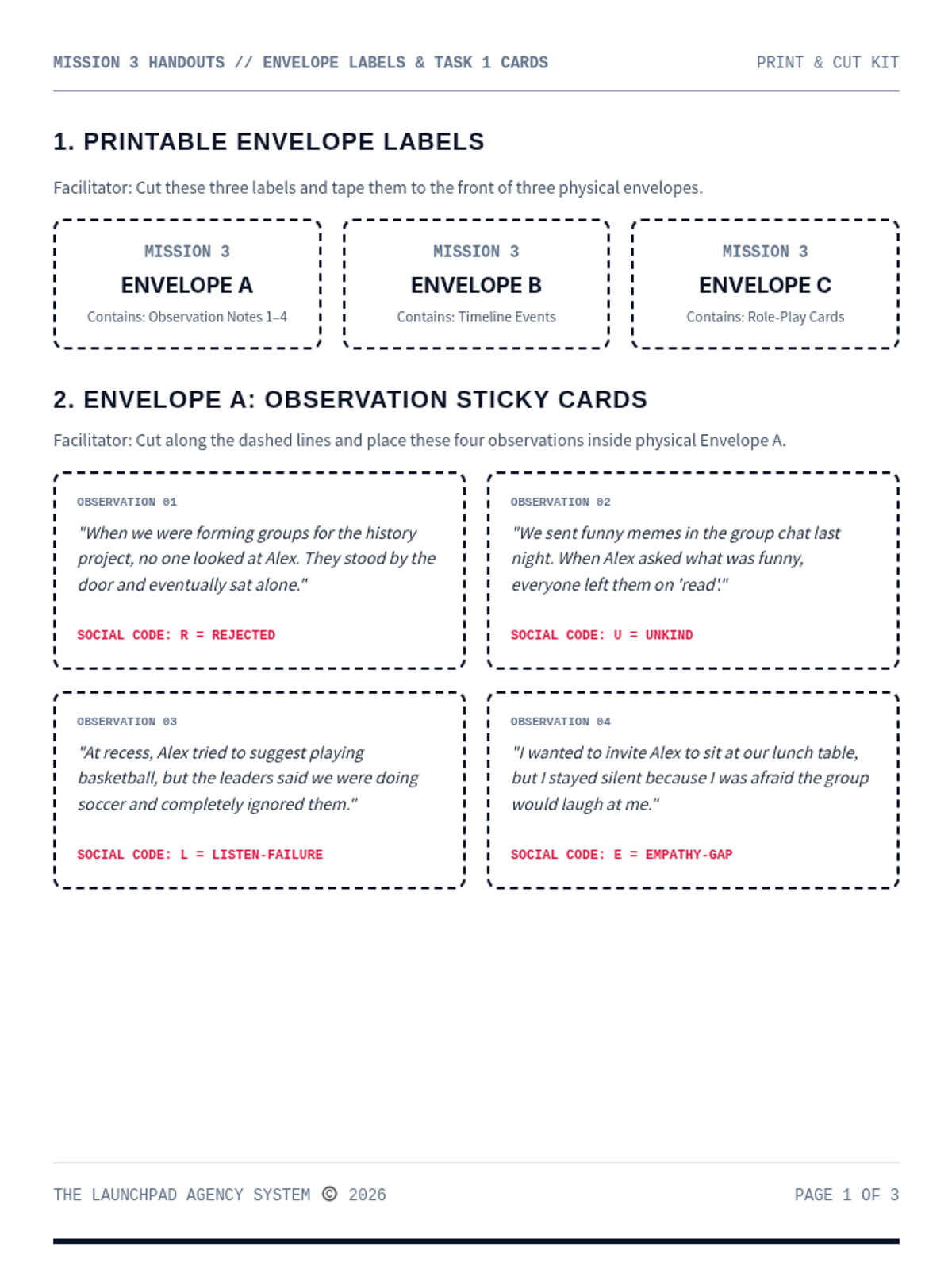
A comprehensive social skills toolkit for teenagers, focusing on navigating friendship dynamics, understanding social cues, and managing social anxiety through practical scenarios and self-reflection.
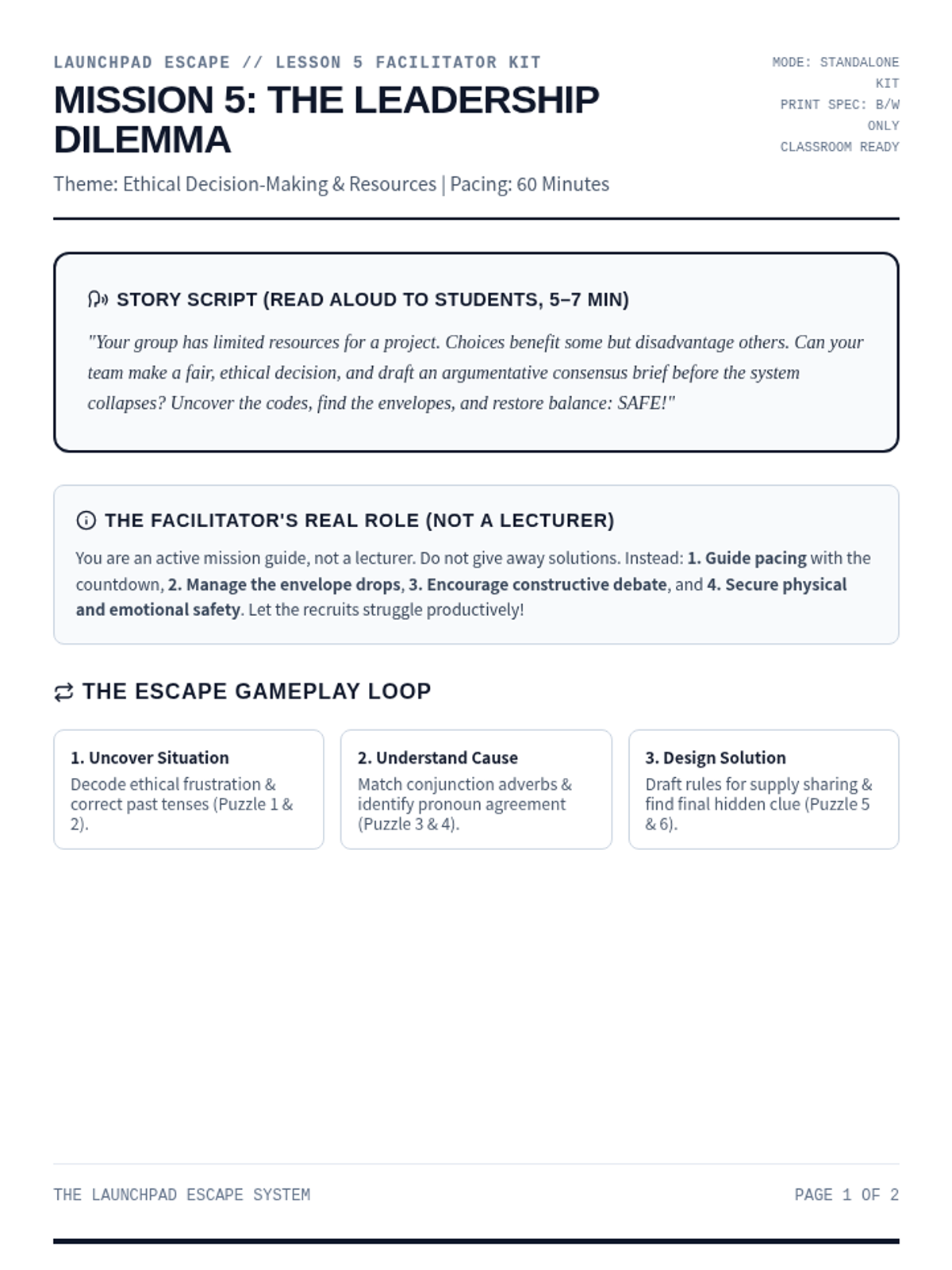
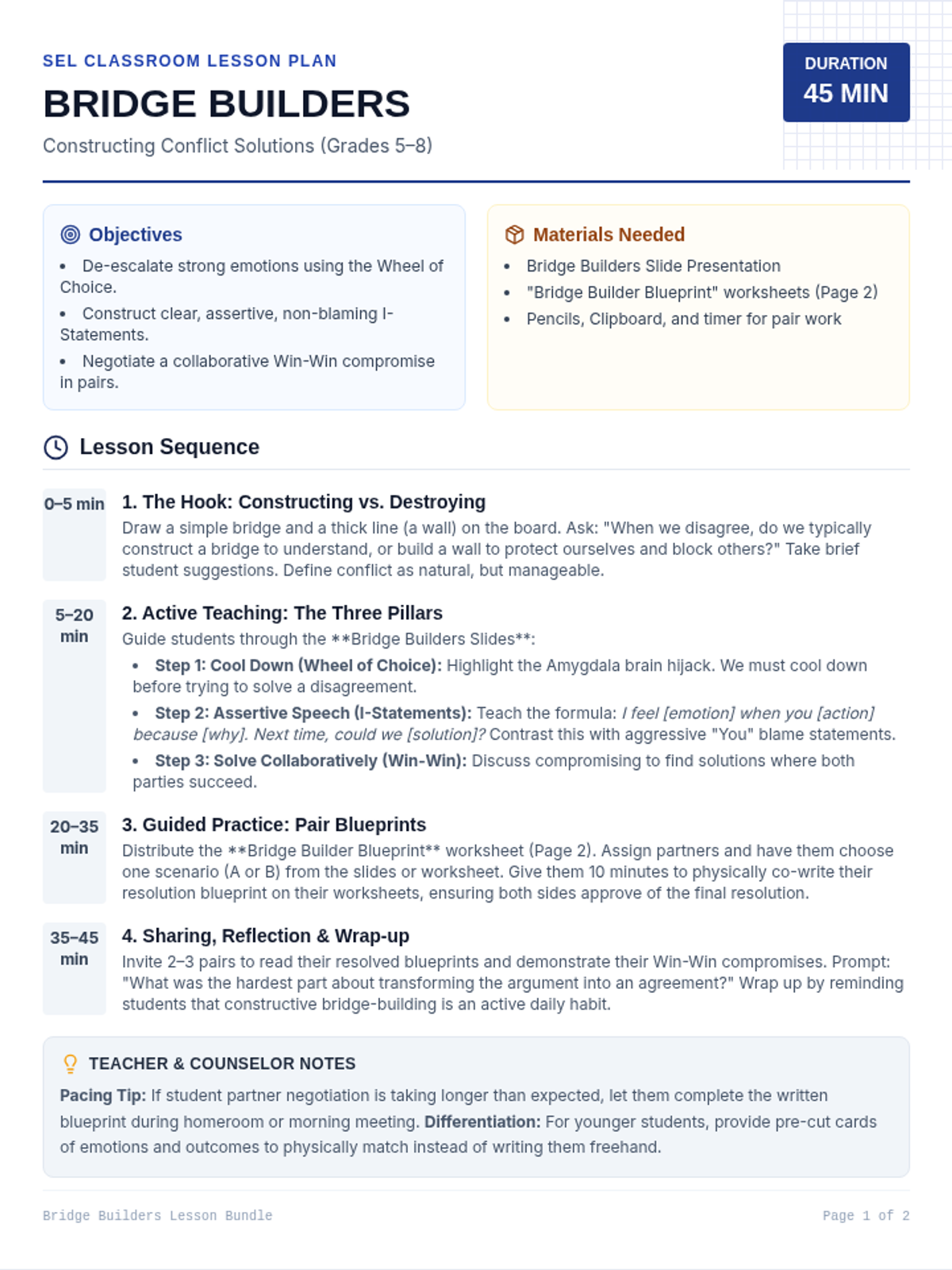
A comprehensive lesson for students aged 11-17 to understand the sequence of their actions, identifying triggers, behaviors, and consequences to build self-regulation and problem-solving skills.
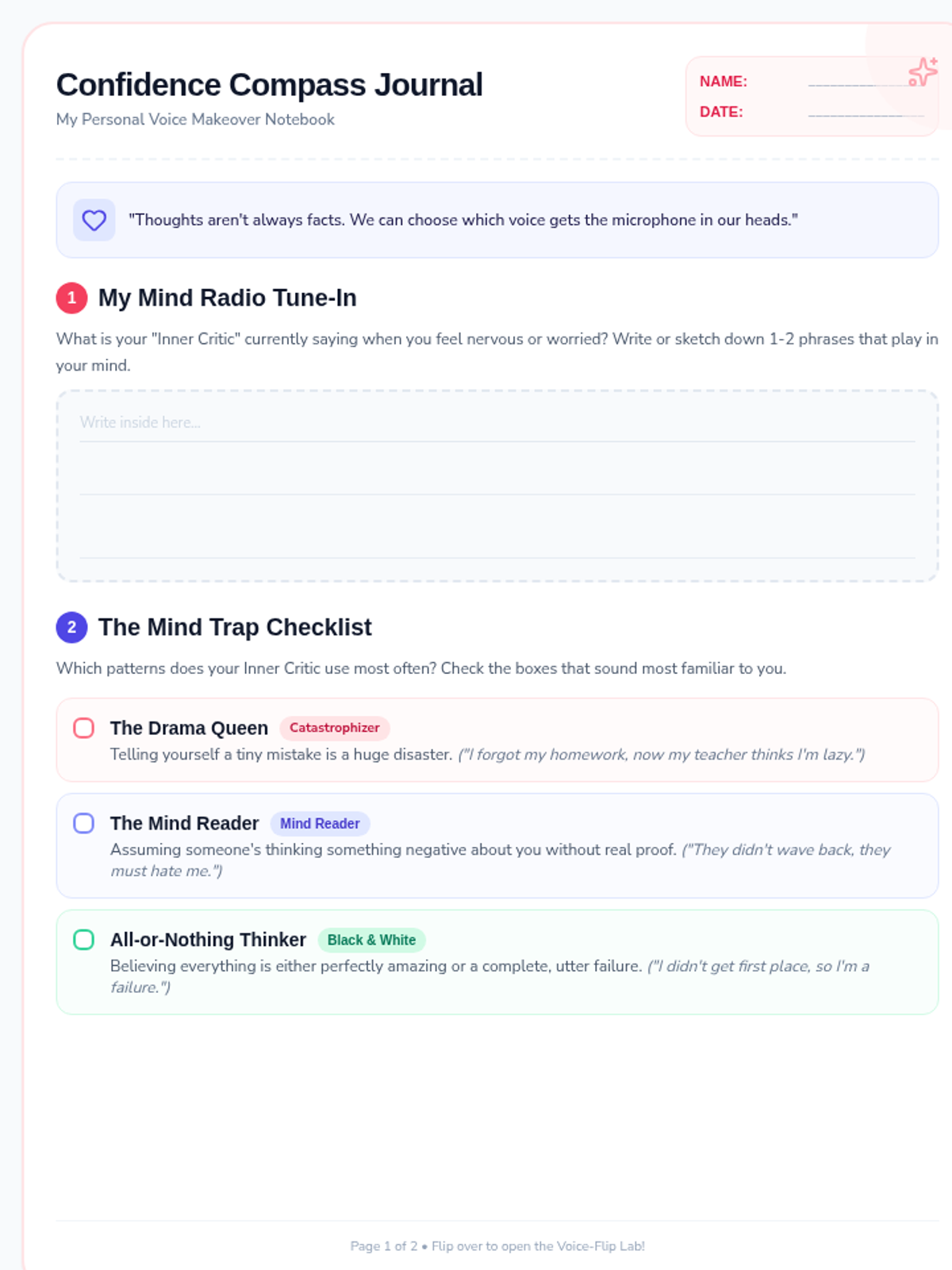
A comprehensive intervention designed to help students identify and challenge cognitive distortions during high-stakes testing seasons, focusing on cognitive reframing techniques to build resilience.
Students embark on a career exploration project where they research a profession of interest, focusing on education, salary, and job outlook. This lesson provides the project framework, evaluation criteria, and a step-by-step guide to conducting professional research.
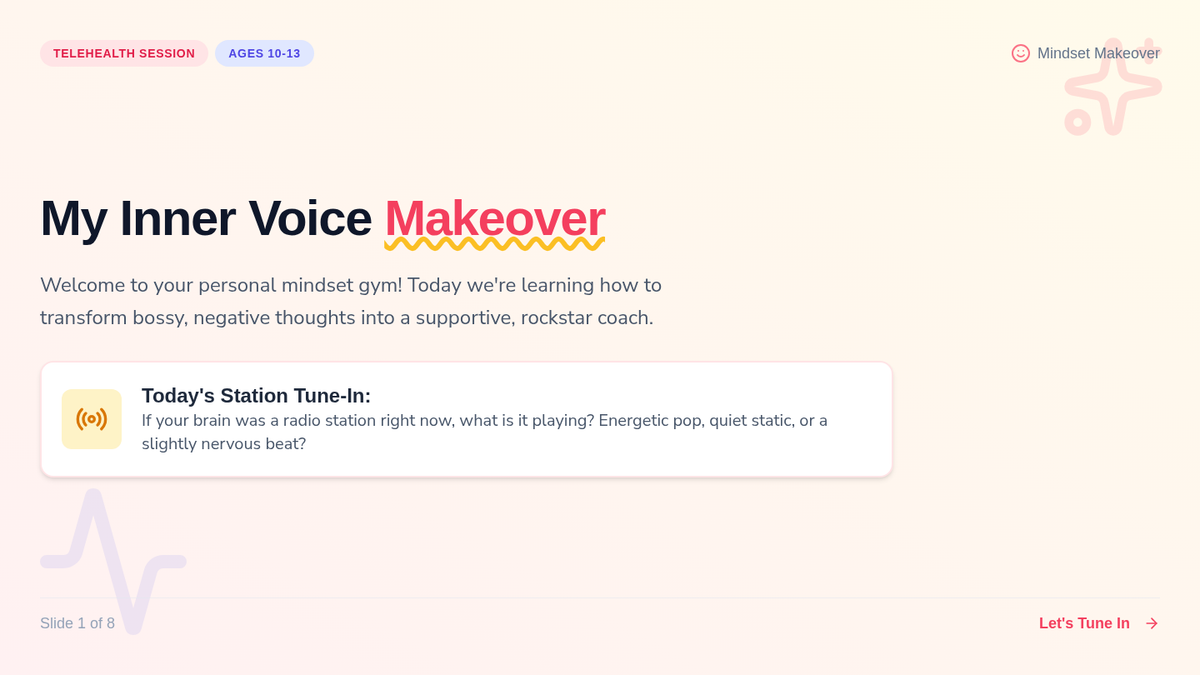
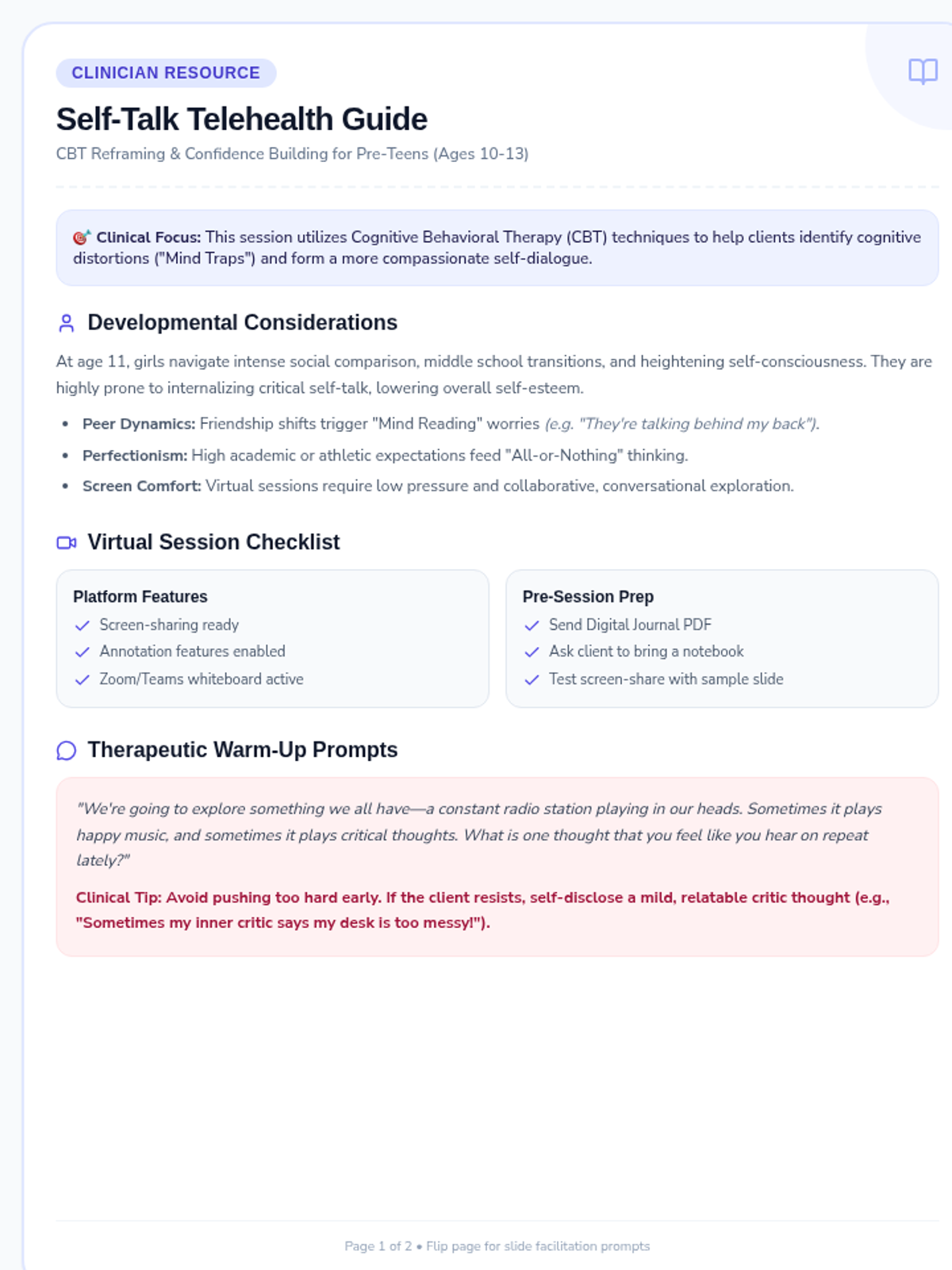
A mentor-facilitated program designed to build student confidence through positive self-talk, growth mindset exercises, and practical coping strategies. The materials provide a structured but flexible framework for meaningful 1-on-1 sessions.
A session focused on the 'how' of school, teaching students to manage their time through backwards planning and organizing their physical and digital learning spaces. Activities include a 'Time Thief' movement game and backpack/folder audits.
A foundation-building session focused on establishing psychological safety, group norms, and the shared purpose of the Academic Rebound program. Students participate in movement-based activities to build connection and define what they need from each other to succeed.
The final session celebrating growth. Students reflect on their progress, set long-term SMART goals with a growth mindset, and participate in a final 'Launchpad' celebration.
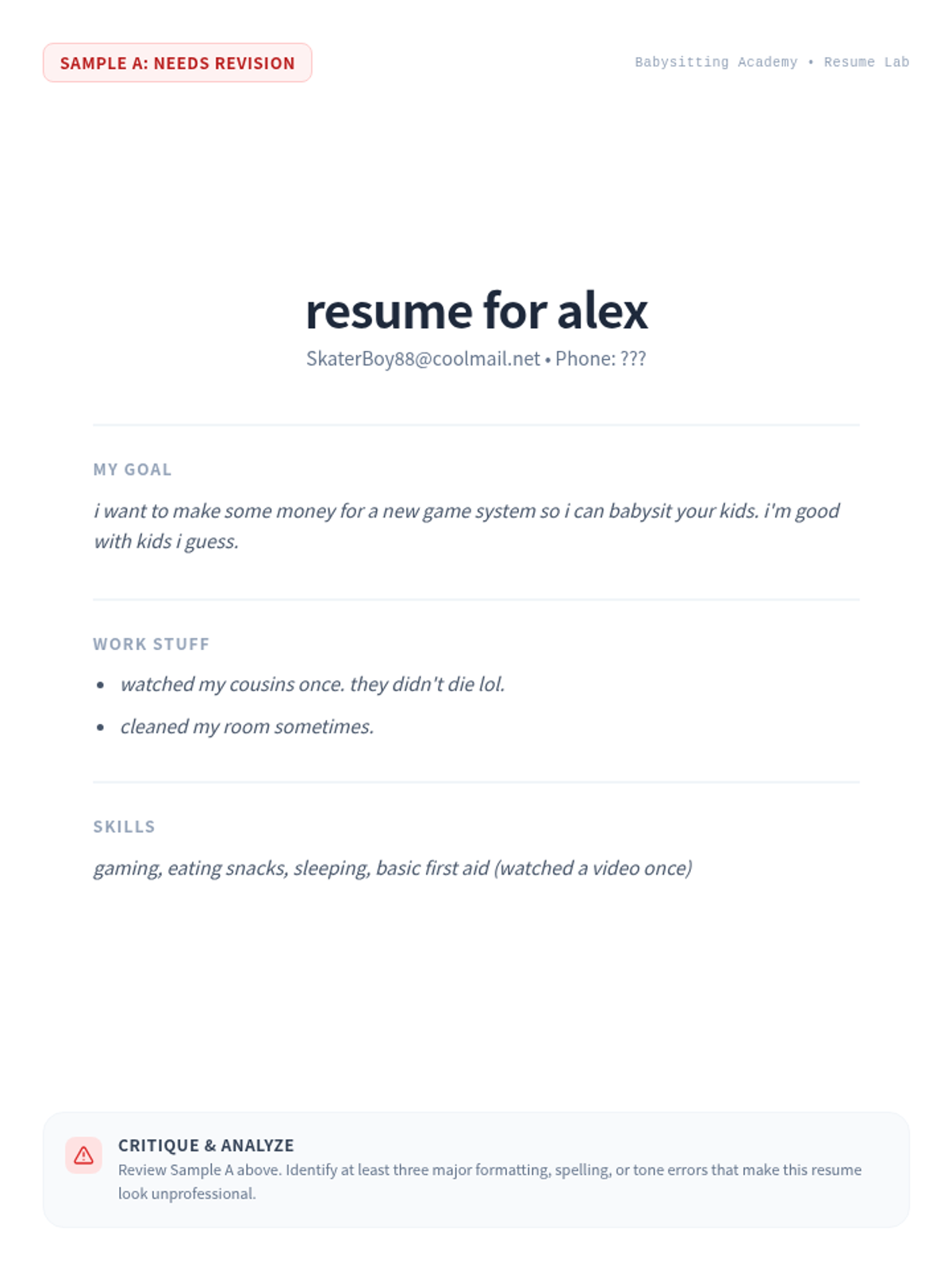
Focused on communication skills, students learn how to advocate for their needs with teachers. Includes role-playing scenarios for asking for help and practicing professional email etiquette.
Instruction on active note-taking systems and evidence-based study strategies like active recall and spaced repetition. Students engage in a 'Study Hack' station rotation to test different methods.
A session focused on the 'why' of attendance. Students explore how being present is the baseline for all academic success and participate in a movement activity that visualizes the 'Attendance Gap' and how missed days snowball into missed opportunities.
Final review of all strategies and the creation of a personalized "Brain Manual" for future success.
Practical strategies for staying focused and organized in the classroom environment.
Applying impulse control and task initiation skills to home-based responsibilities like chores and routines.
Strategies to overcome procrastination and "get the engine started" for difficult or boring tasks.
Techniques for identifying internal and external distractions to maintain focus on high-priority tasks.
Introduction to executive functioning and the "Stop and Think" system for managing impulses in the heat of the moment.
A collection of tools to help students in residential settings prepare for their school day through social-emotional reflection.
Establishing a weekly planning routine and reflecting on personal executive function tools for long-term success.
Developing time estimation skills and learning how to break large projects into manageable chunks.
Transitioning to digital organization using Google Calendar, reminders, and managing digital clutter.
Mastering physical organization systems including binders, lockers, and study spaces using color-coding strategies.
Learning how to create actionable checklists and prioritize tasks effectively using the 'Brain Dump' method.
Introduction to the concept of executive function as the 'brain's boss' and the importance of planning for middle school success.
Students learn how to integrate their tasks and project steps into a daily and weekly planner system.
Students develop the skill of 'time sensing' by estimating task duration and accounting for transitions and distractions.
Students practice the 'chunking' method to turn overwhelming projects into manageable, bite-sized steps.
Students learn to categorize tasks using a priority matrix to identify what needs immediate attention versus what can wait.
A CBT-based lesson for middle school students to develop self-advocacy skills using the 'Catch, Check, Change' framework across academic and social scenarios.
A 30-minute character education lesson for 7th graders focused on defining trustworthiness through the pillars of honesty and punctuality. Students reflect on scenarios and create a personal action plan.
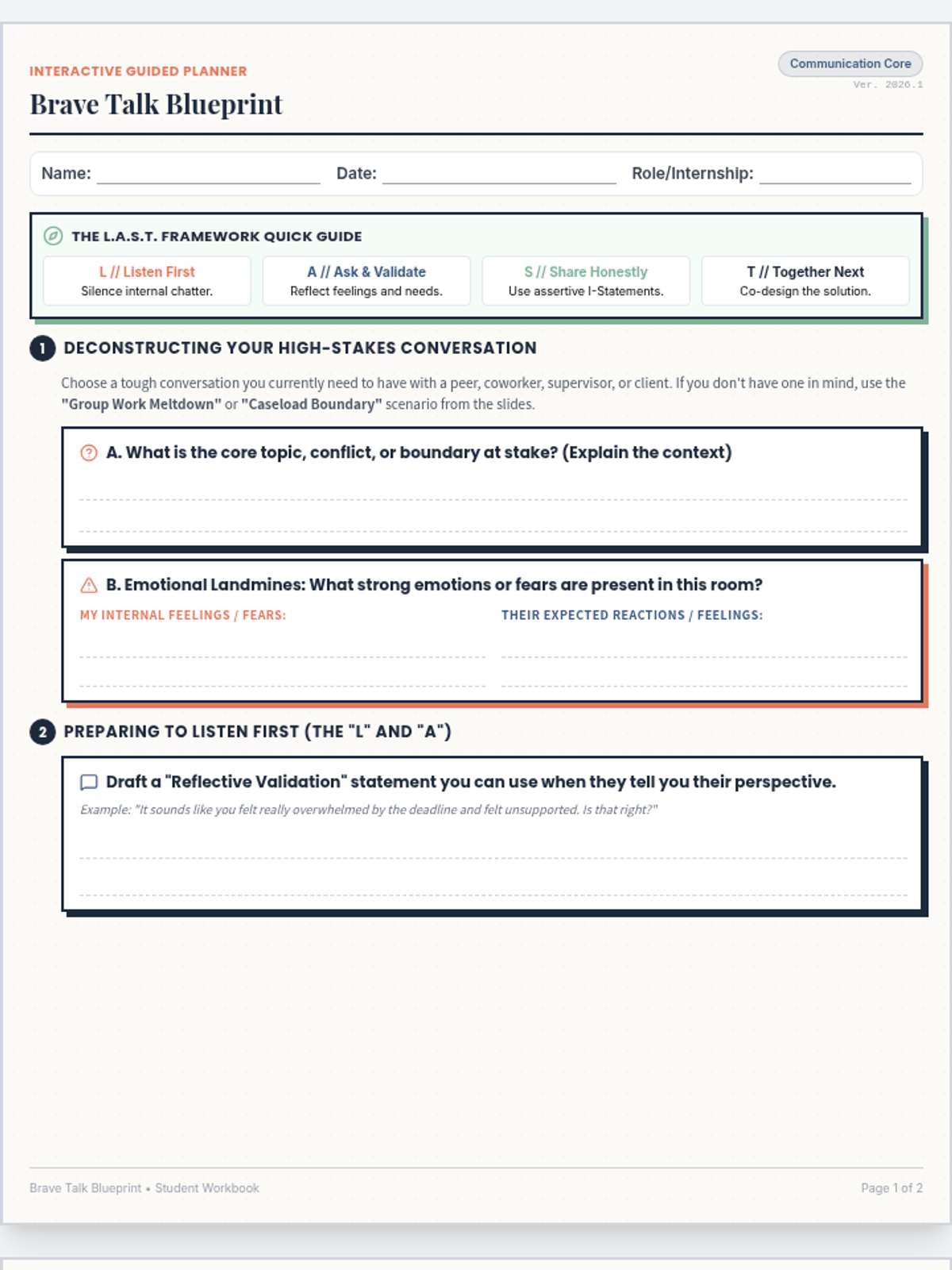
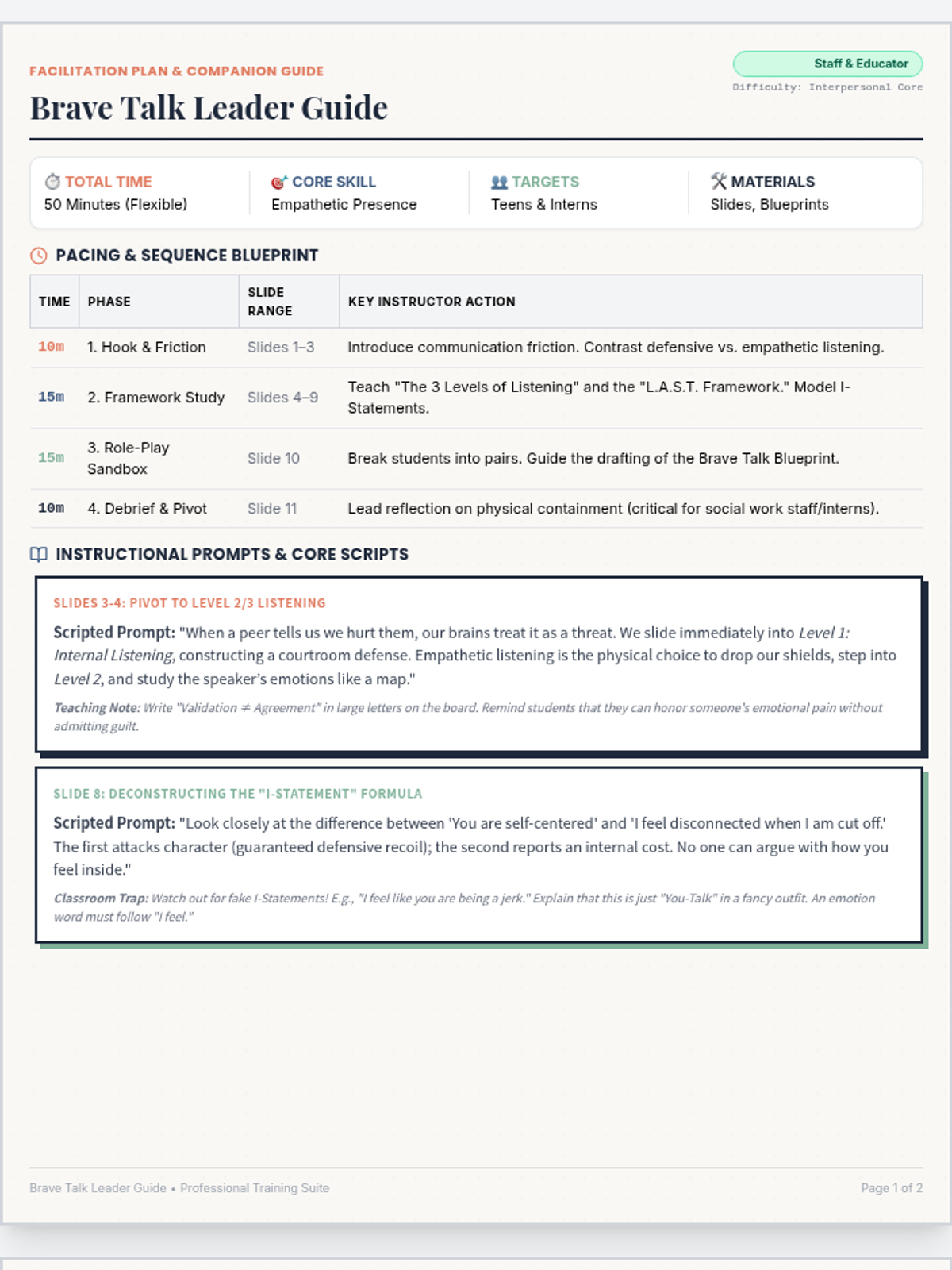
A 30-minute social-emotional learning lesson for 7th graders focused on building personal trustworthiness through honesty and punctuality. Students reflect on real-world scenarios and create a personal 'blueprint' for trustworthy actions.
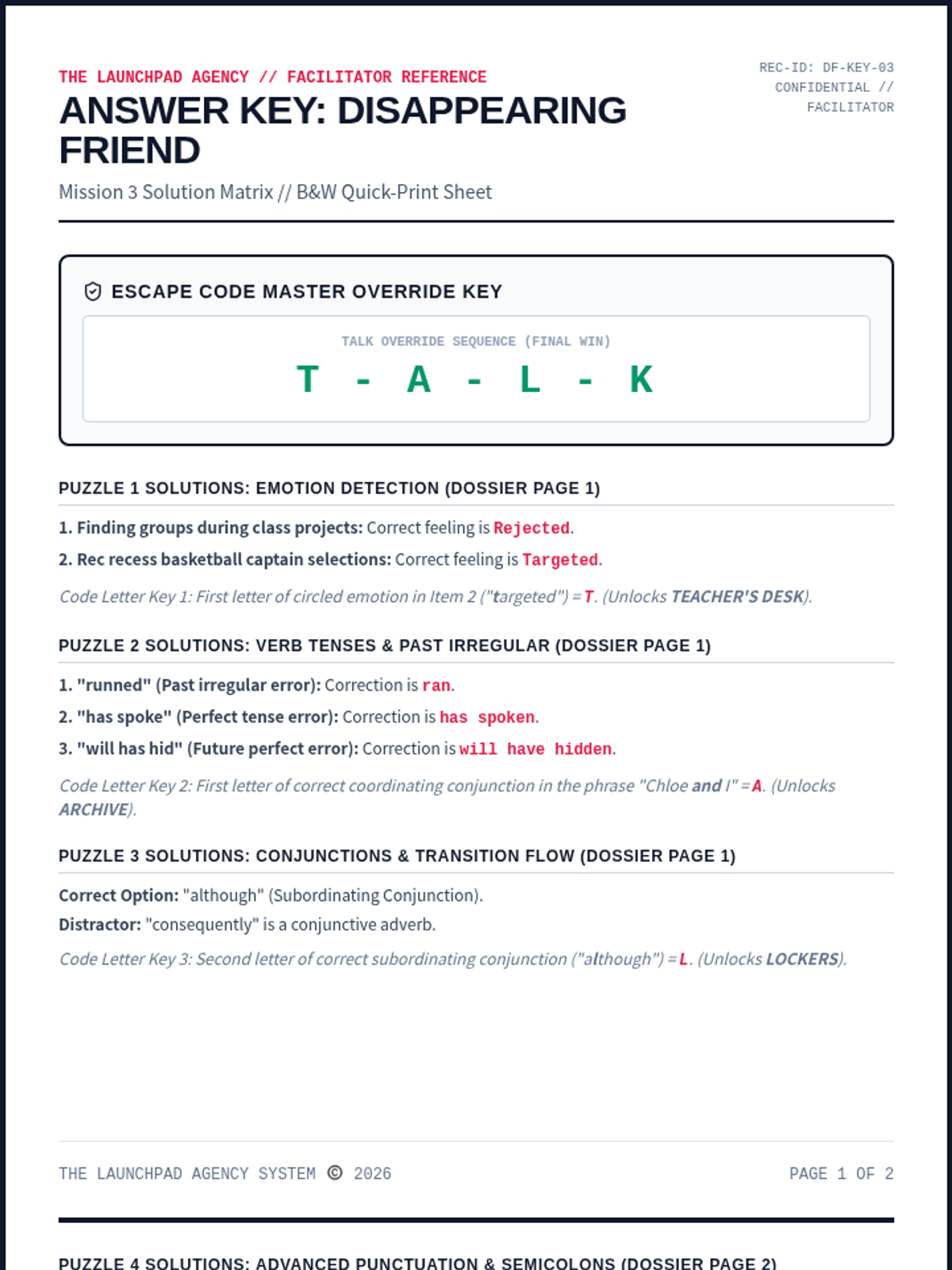
This lesson focuses on the intersection of spring cleaning, mental health, and self-advocacy. Students learn the health benefits of a clean environment, safety protocols for cleaning, and how to effectively communicate their needs to caregivers for support and supplies.
A 30-minute character education lesson for 7th graders focusing on the personal responsibility of trustworthiness, specifically through the lenses of honesty and punctuality. students will analyze real-world scenarios and commit to two specific growth actions.