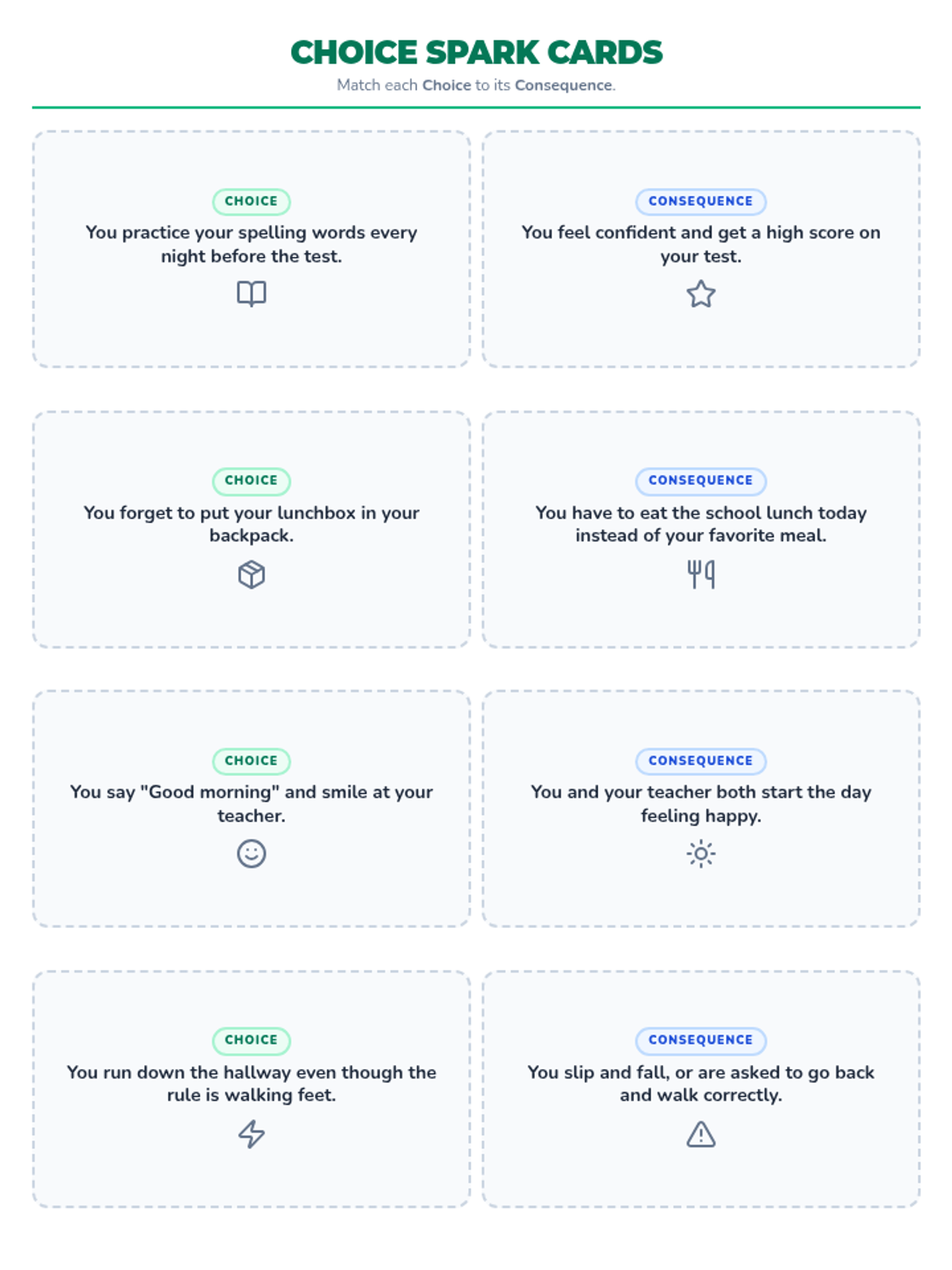
A social-emotional learning lesson for grades K-3 that teaches the relationship between actions and consequences. Students use the visual metaphor of a chain to understand how social decisions impact their day and their relationships.
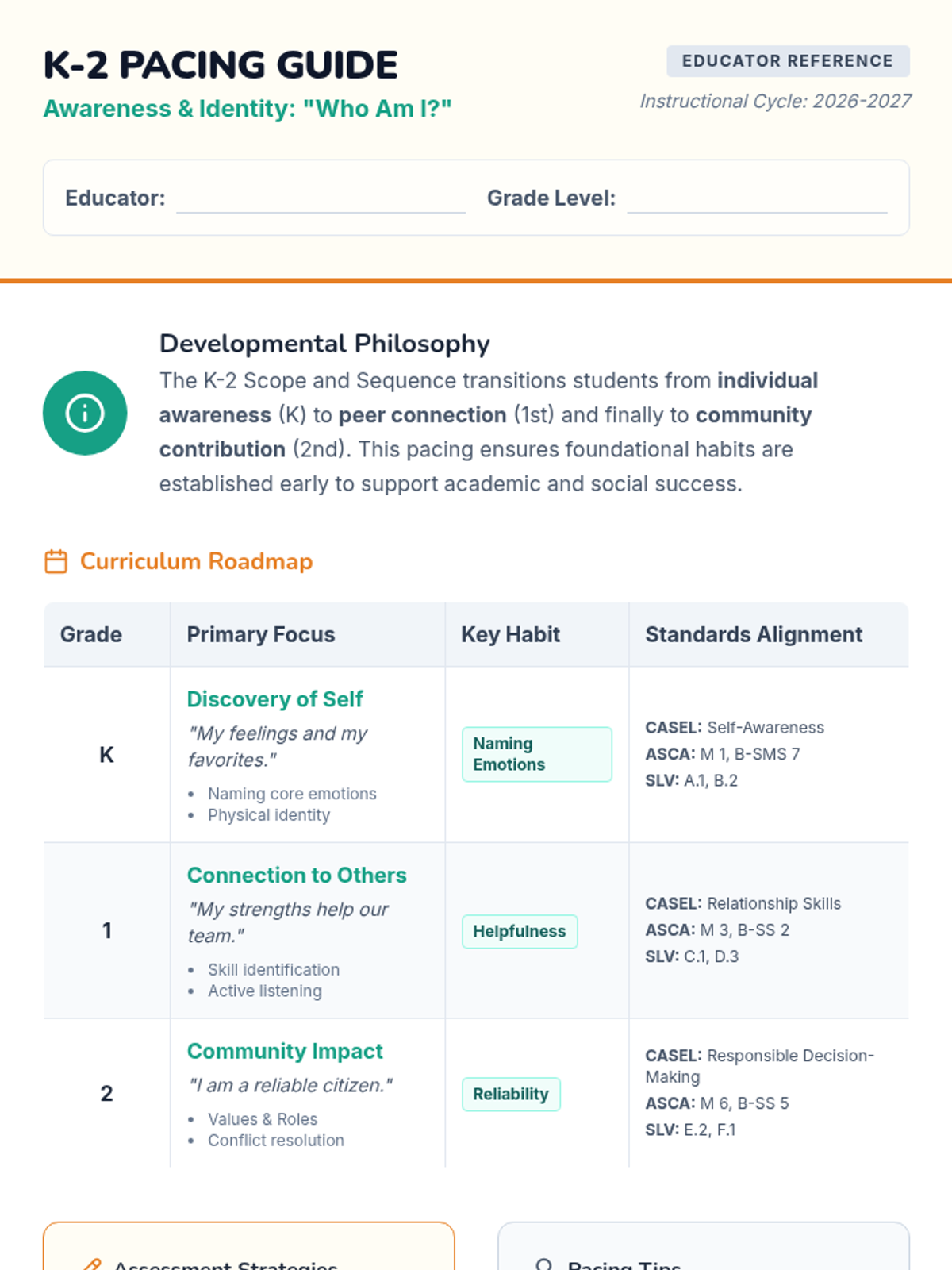
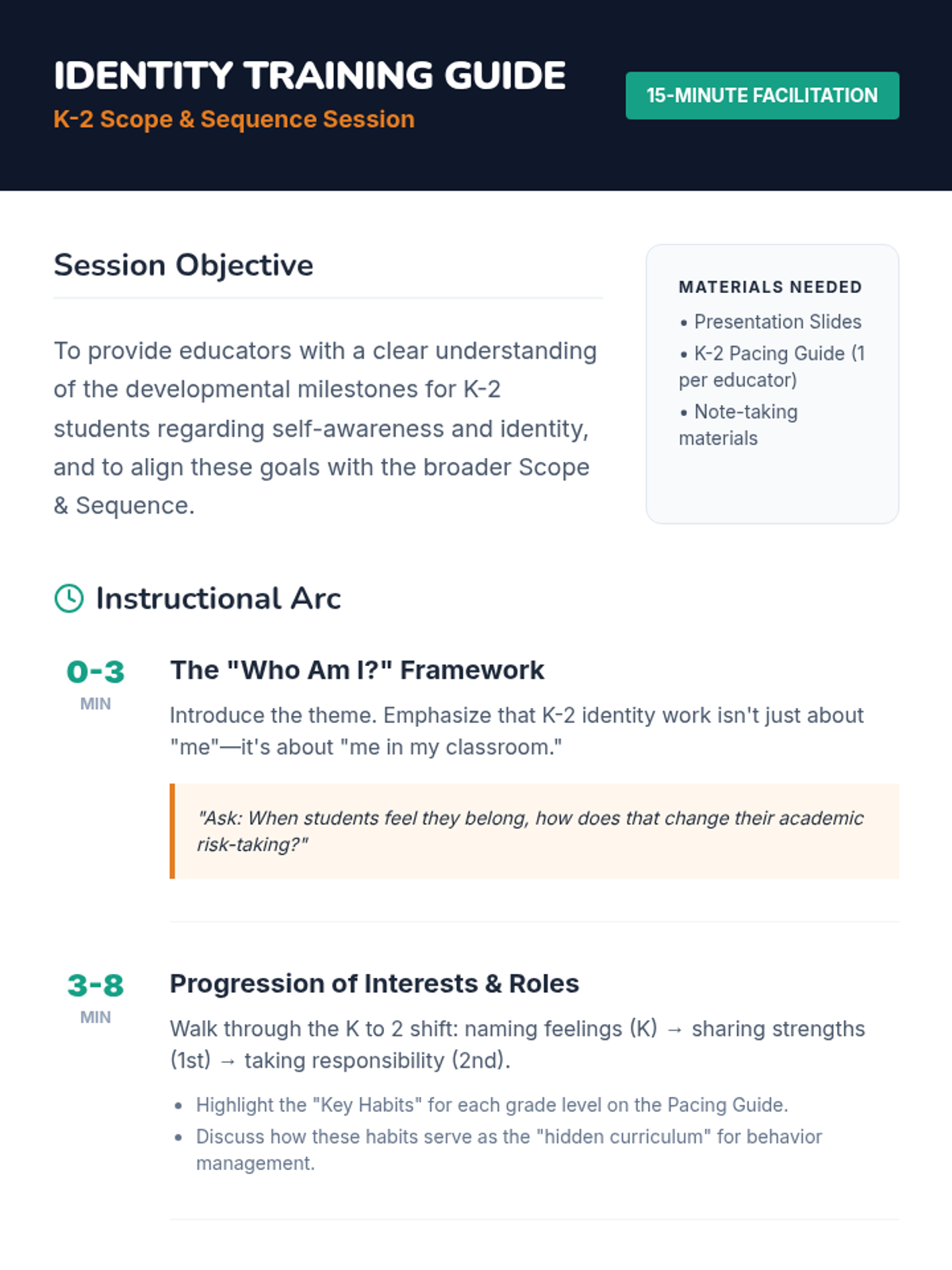
An educator-focused training session reviewing the K-2 developmental progression for self-awareness and identity, mapping curriculum pacing to CASEL and ASCA standards.
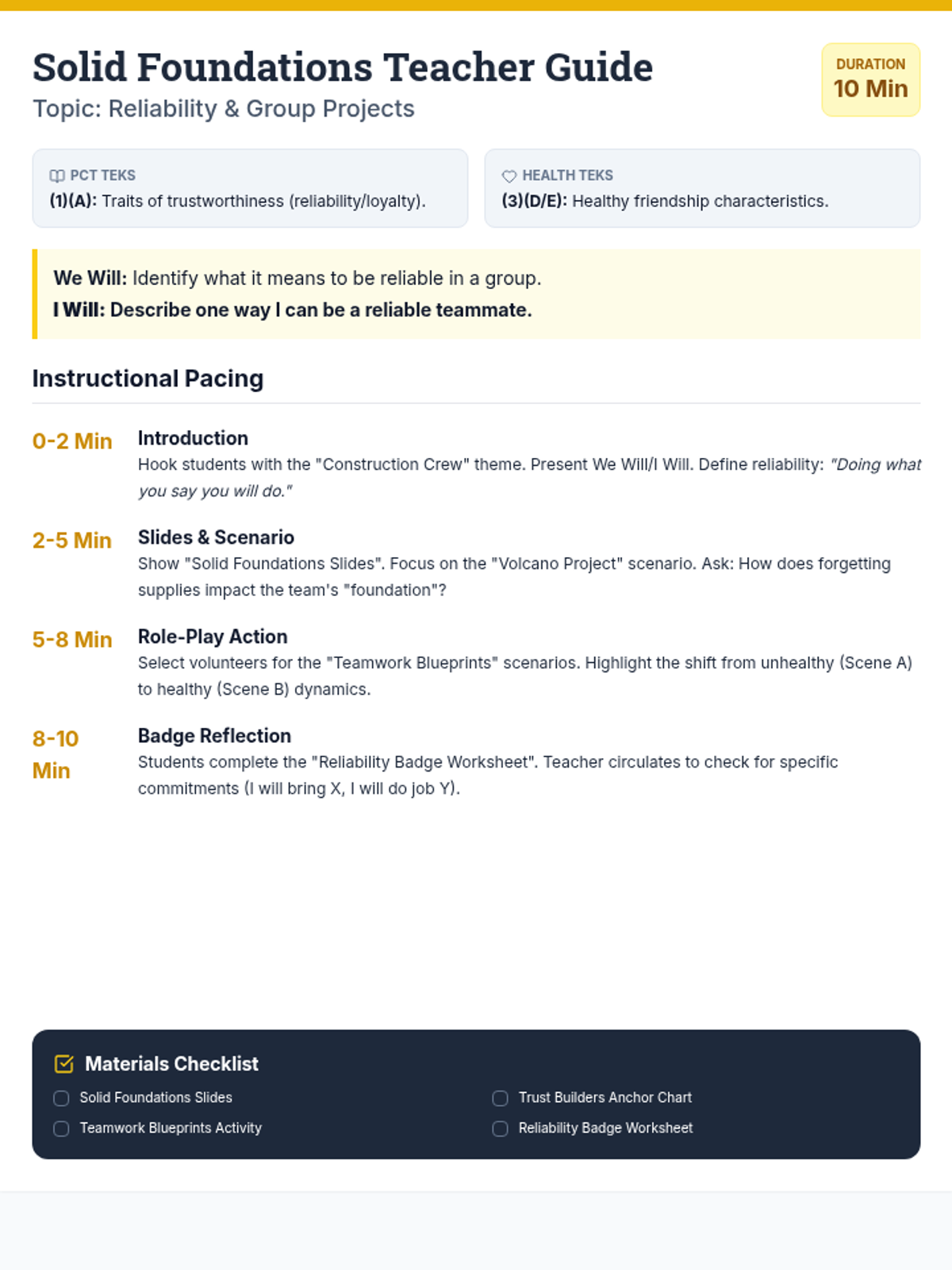
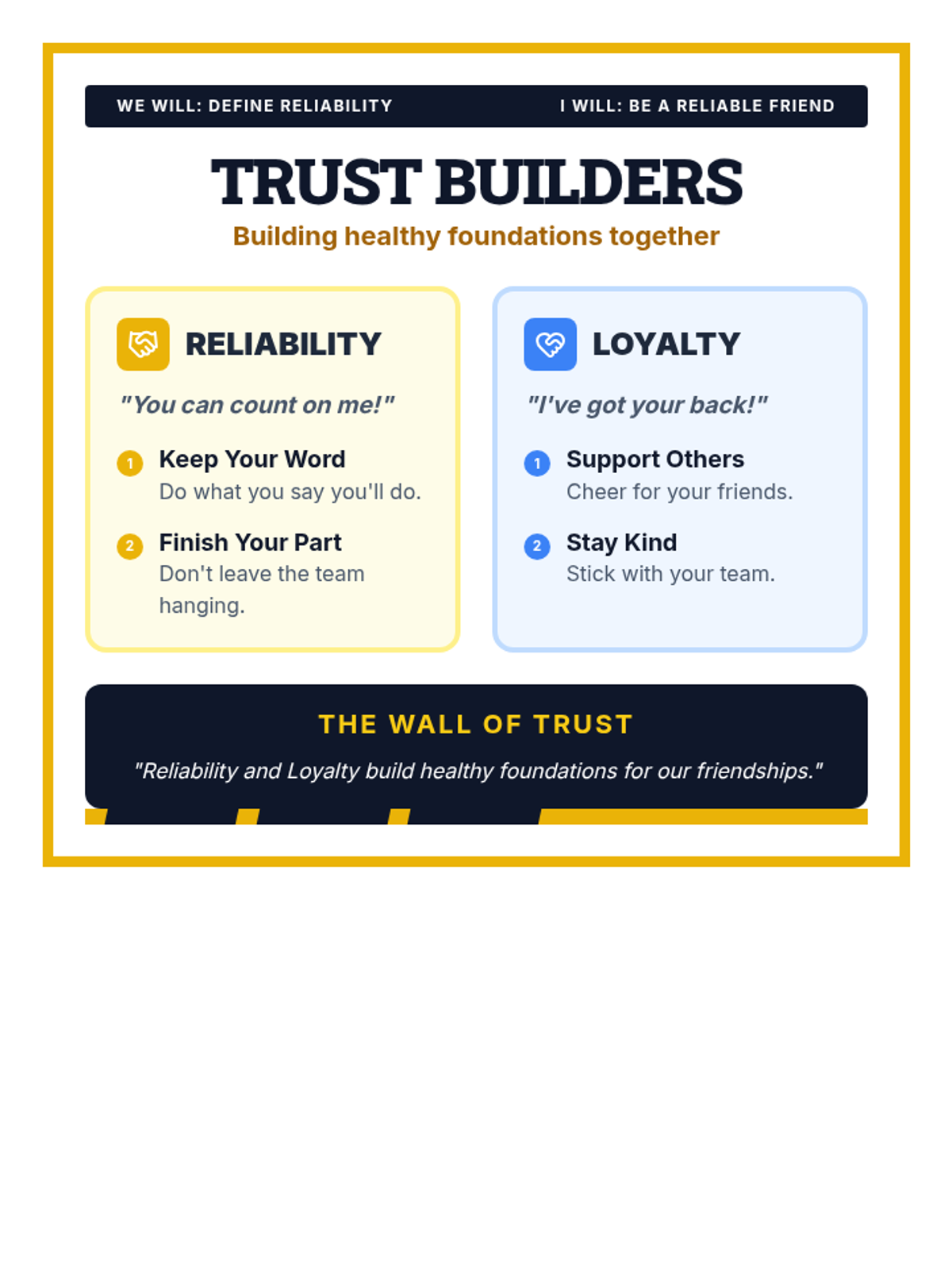
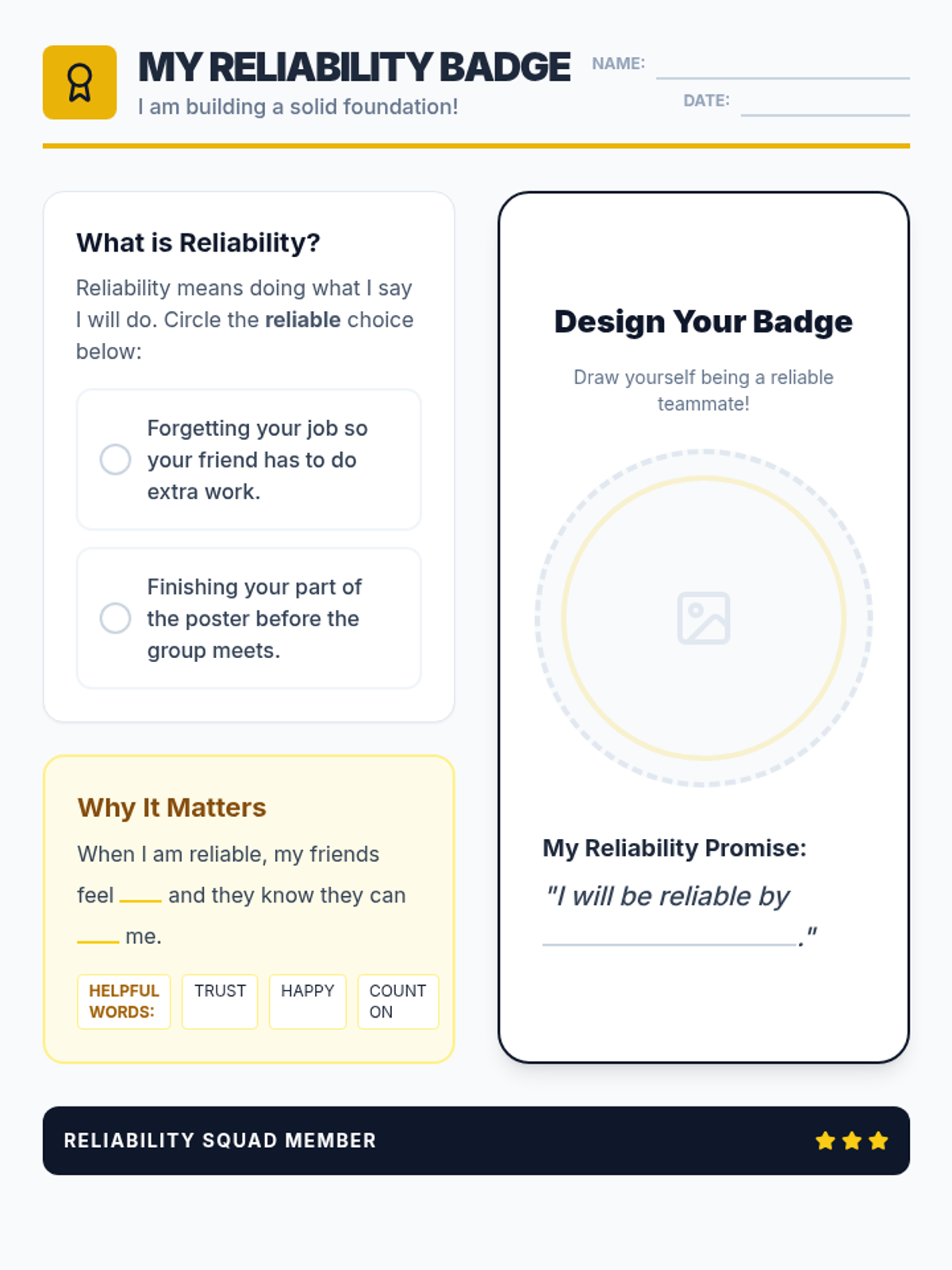
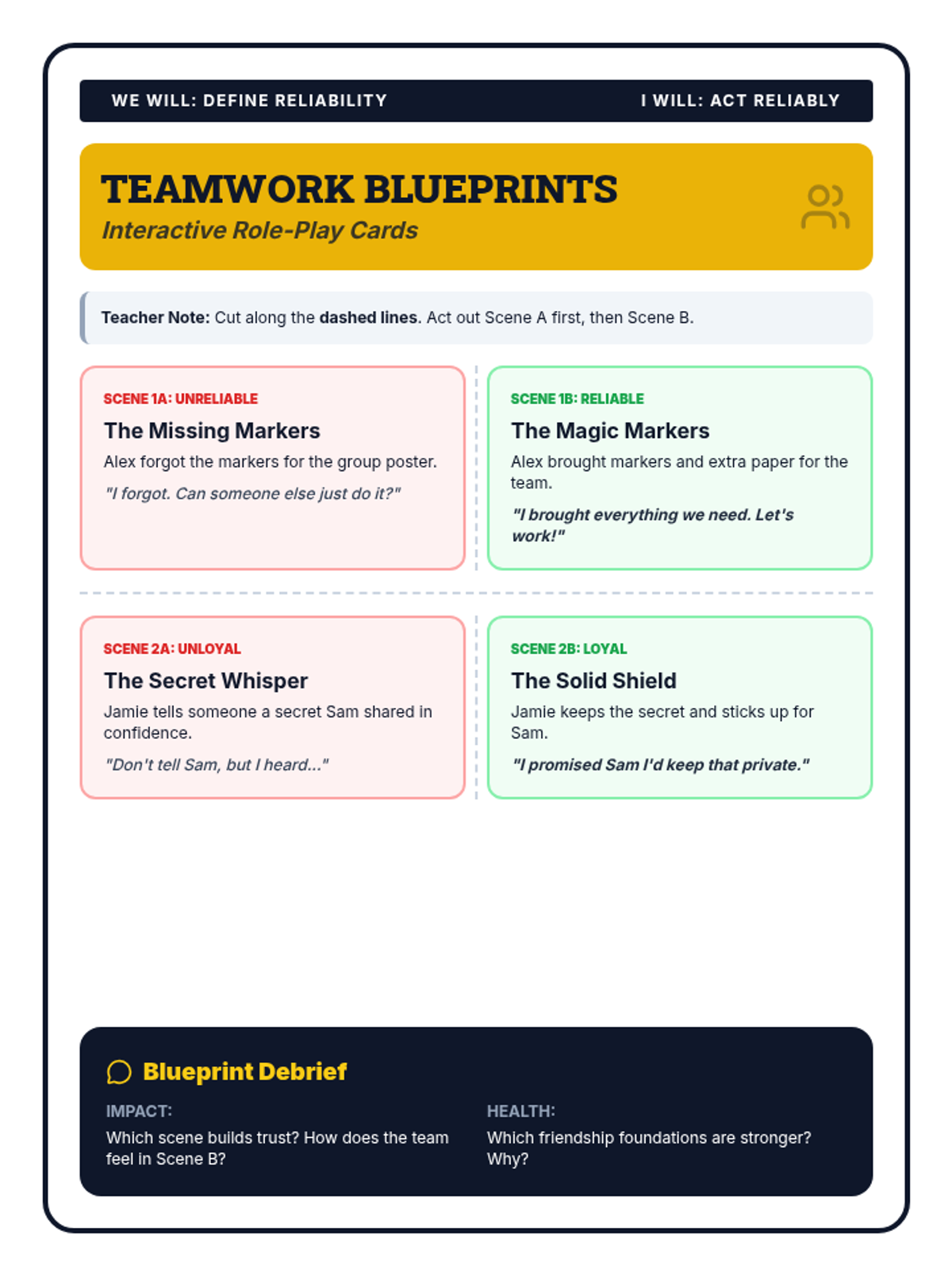
A fast-paced 10-minute lesson teaching 3rd graders about reliability through the lens of group projects, focusing on building trust and healthy friendships.
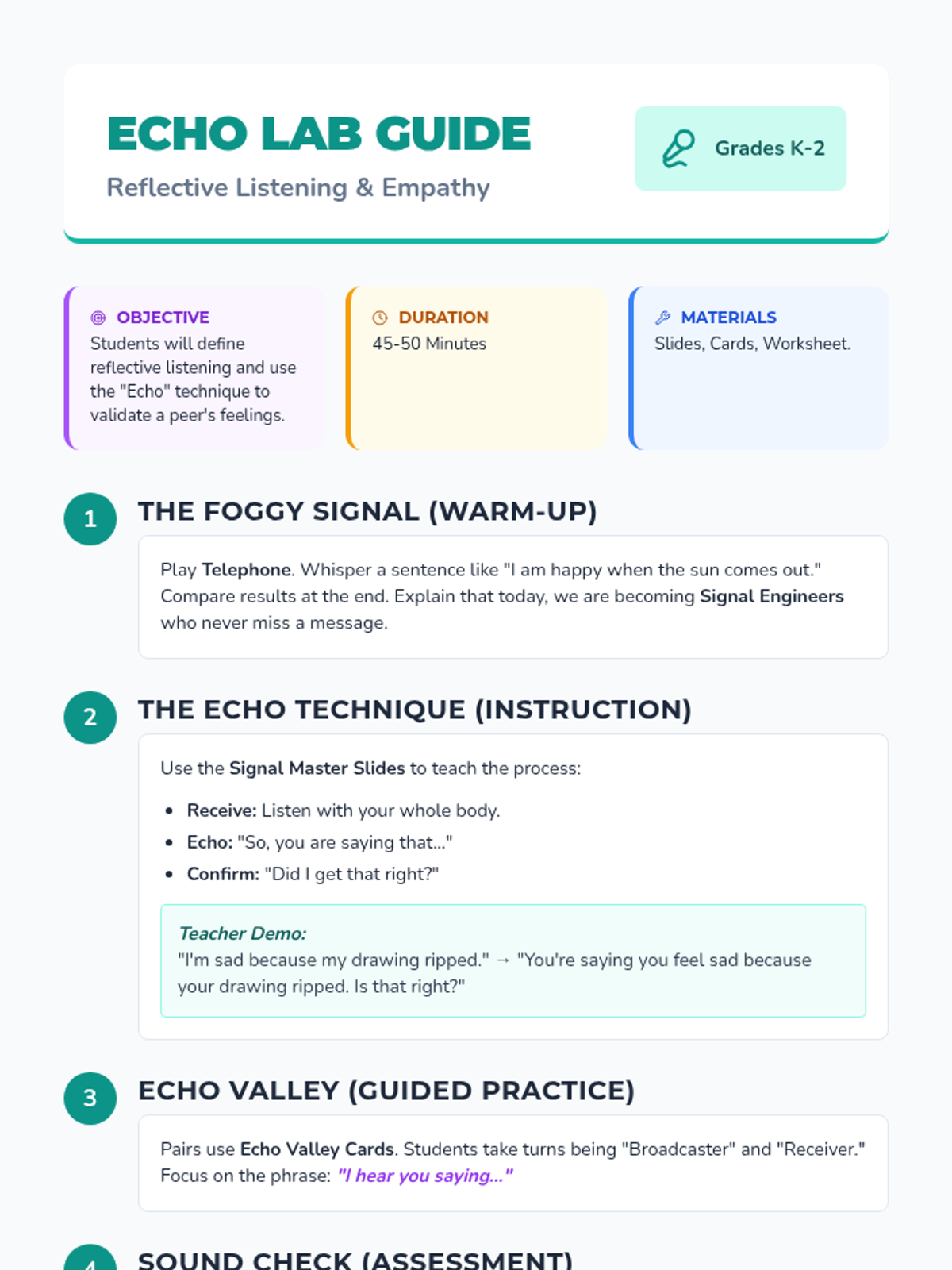
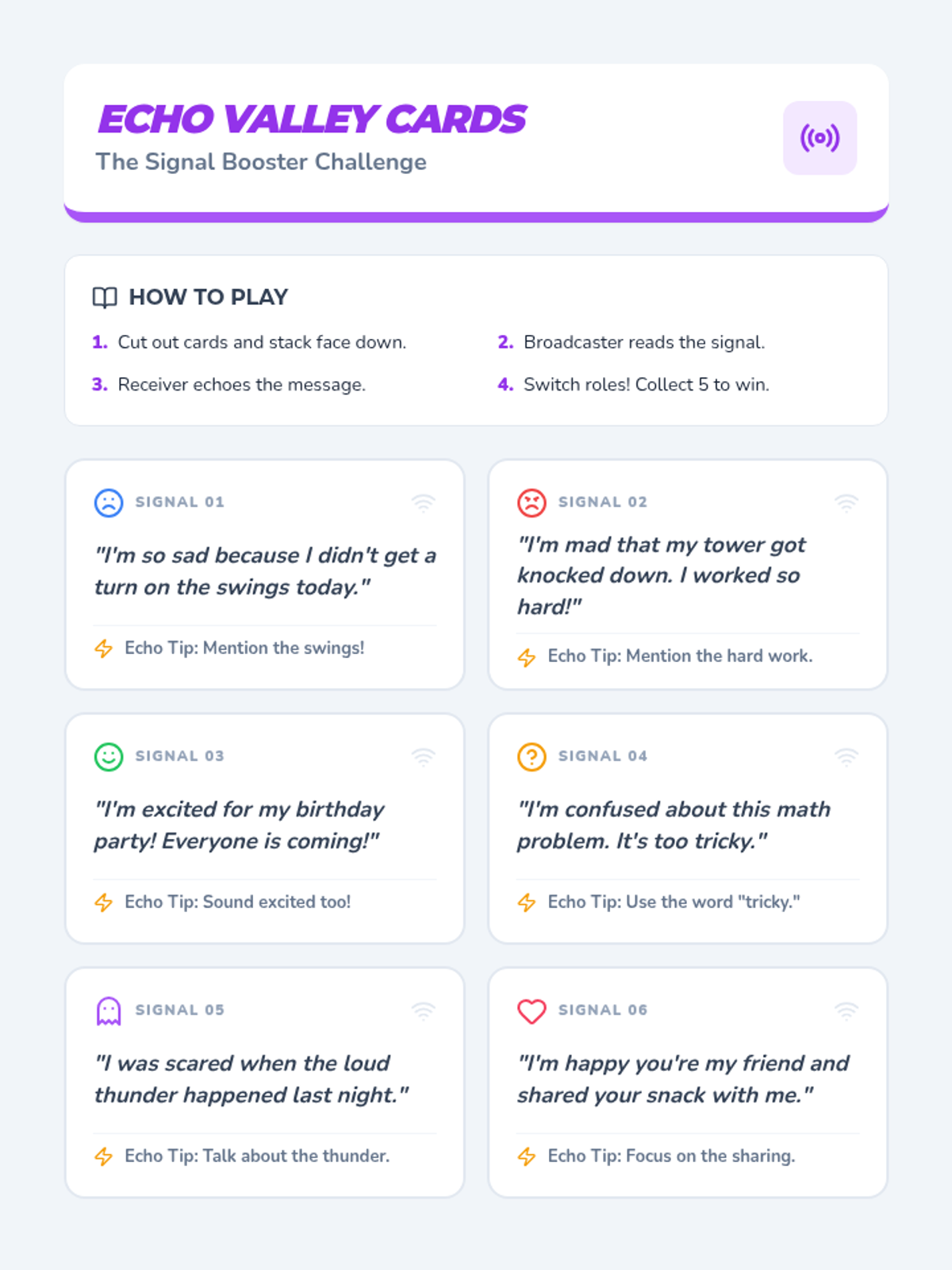
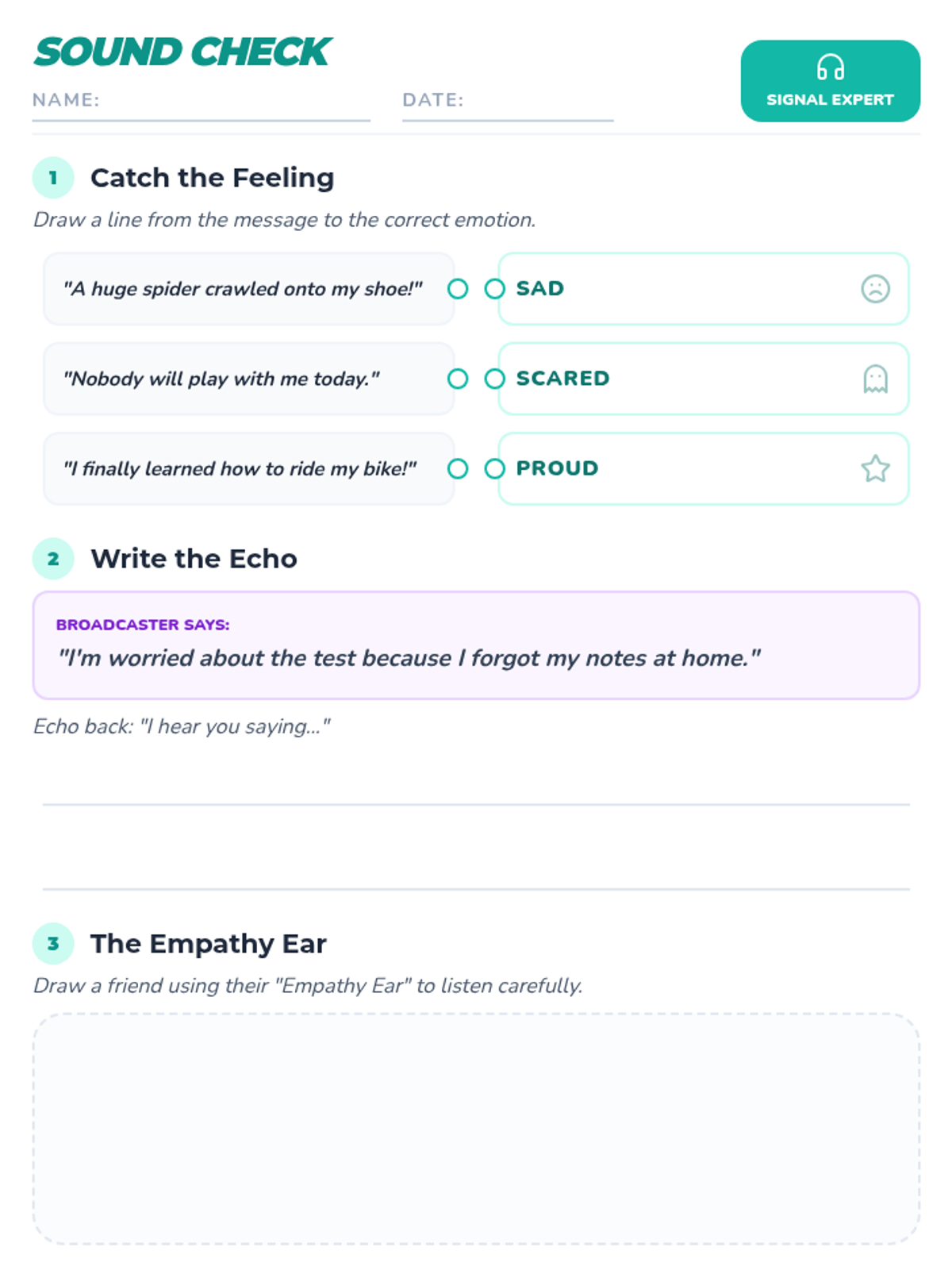
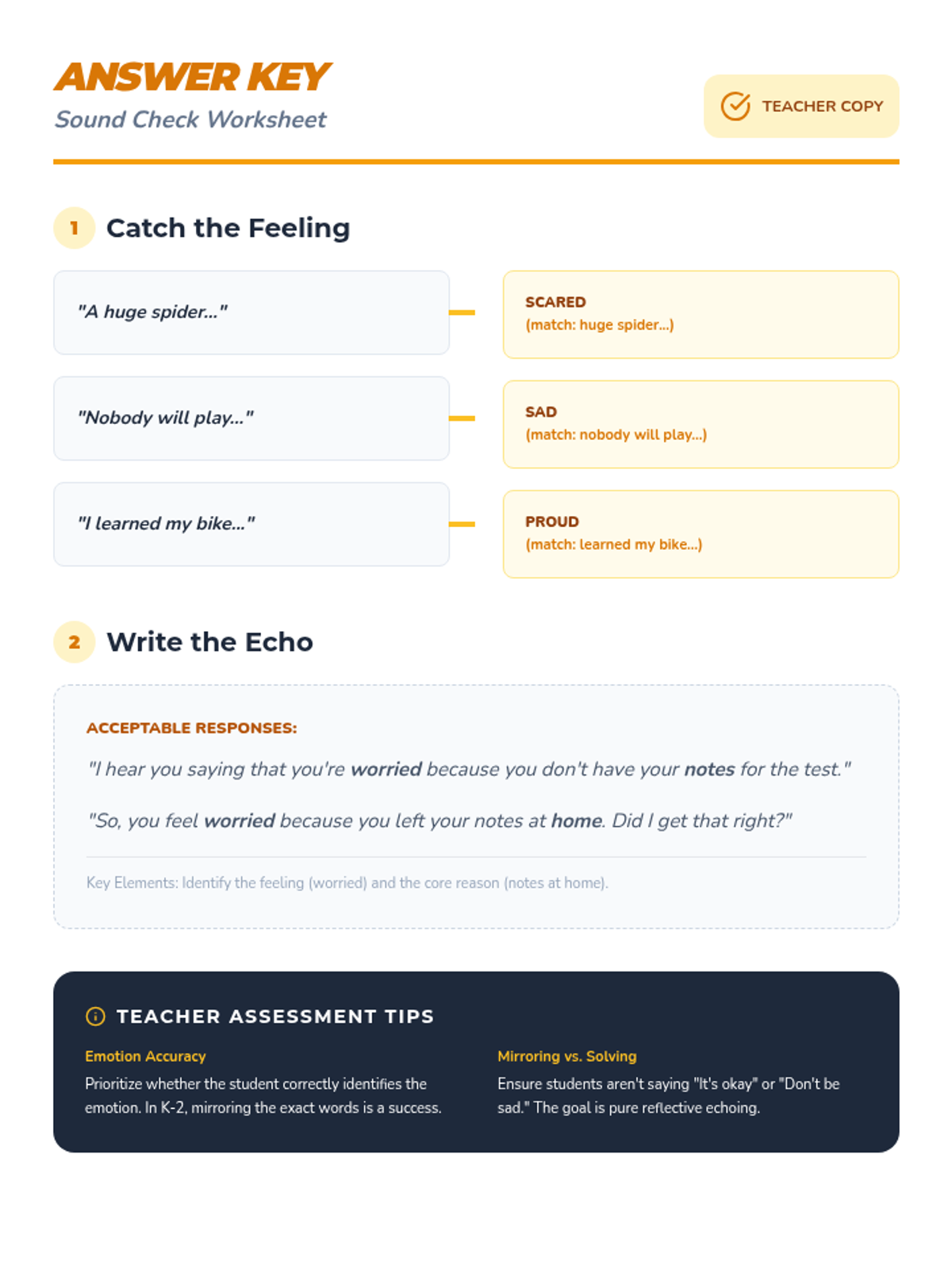
A foundational lesson on reflective listening for young learners, introducing the 'echo' technique to help students validate feelings and build stronger peer connections through active communication.
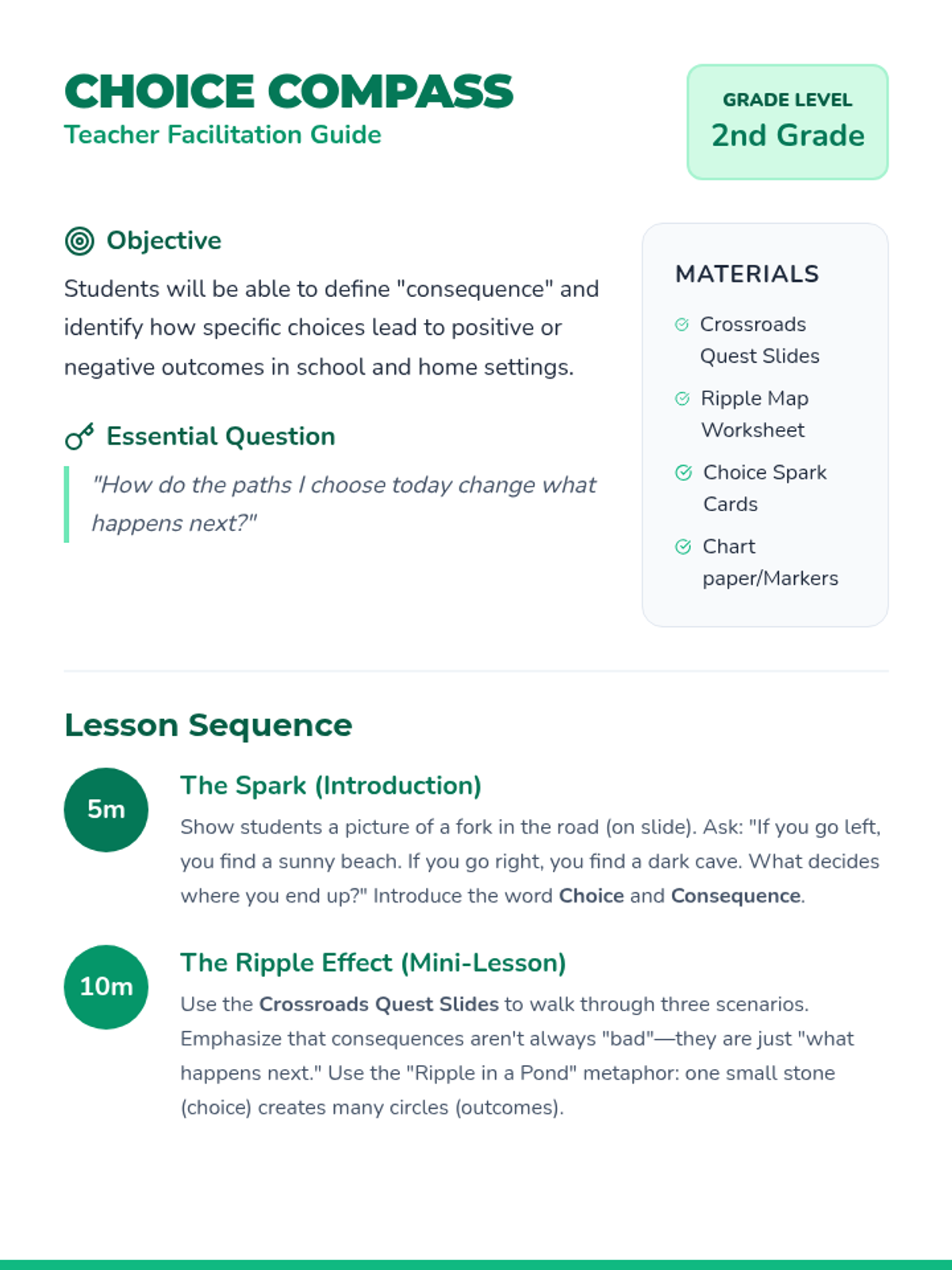
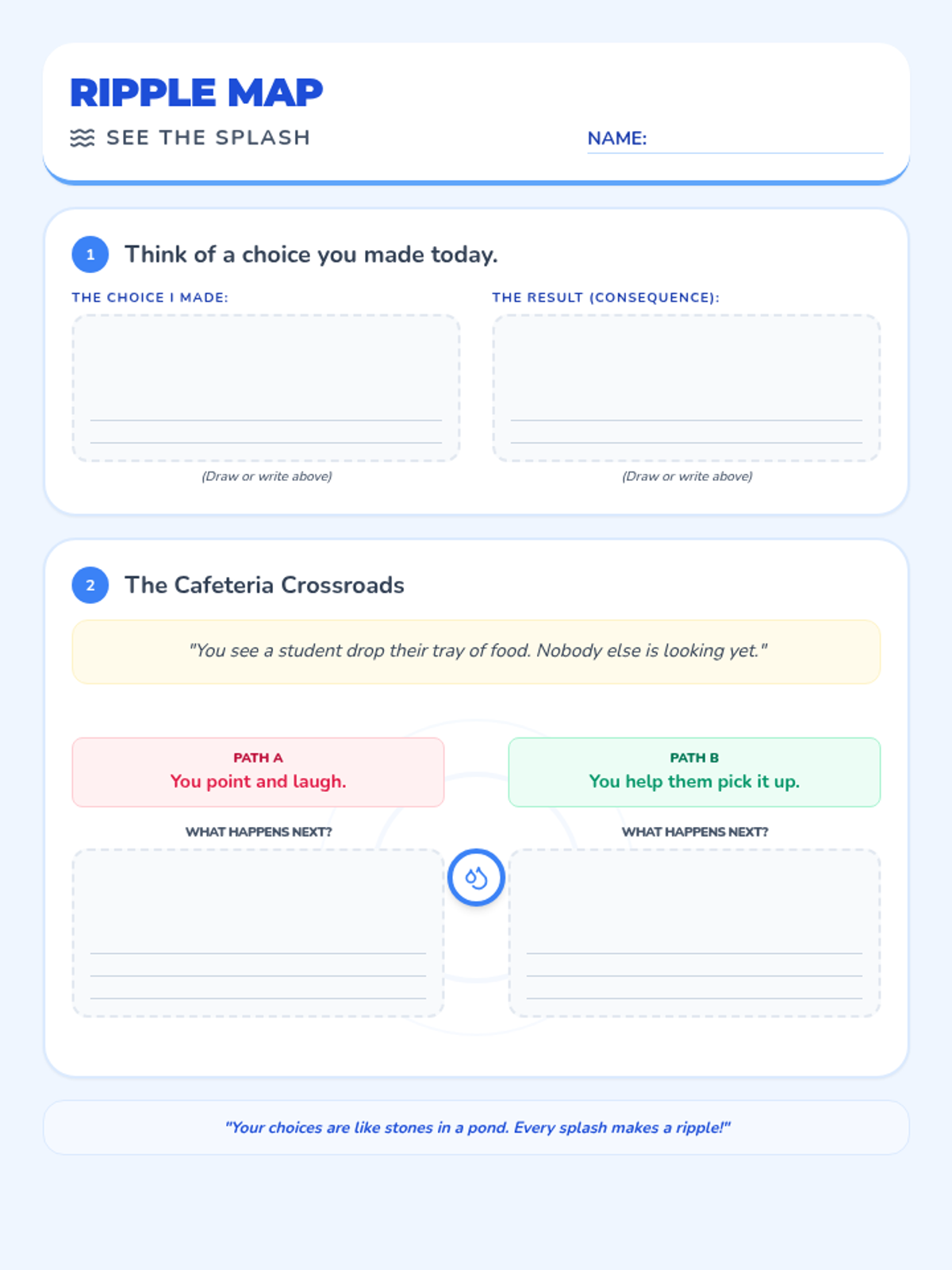
A small group lesson for 2nd graders to understand the relationship between their actions and the outcomes that follow, using a 'pathway' metaphor.
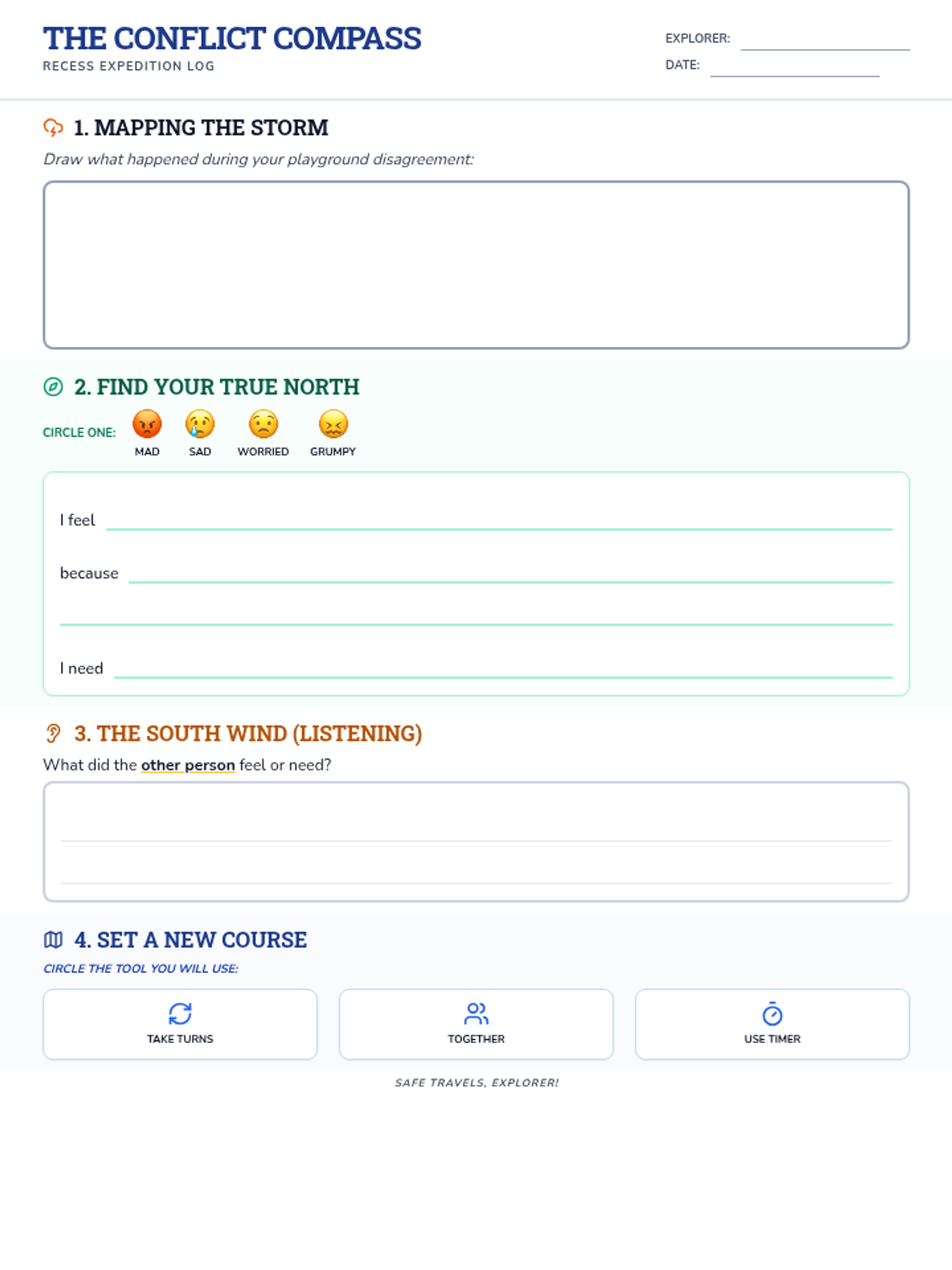
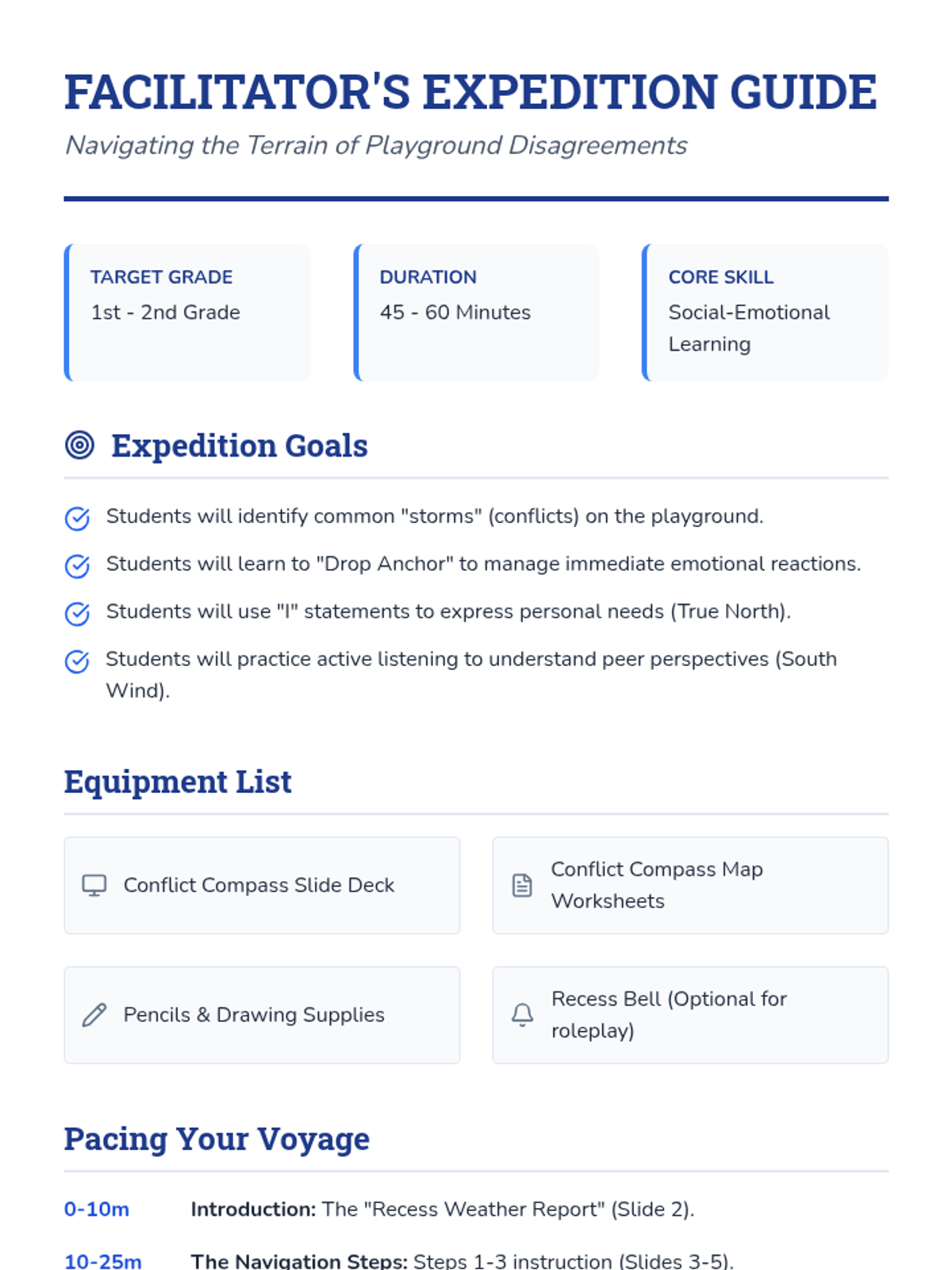
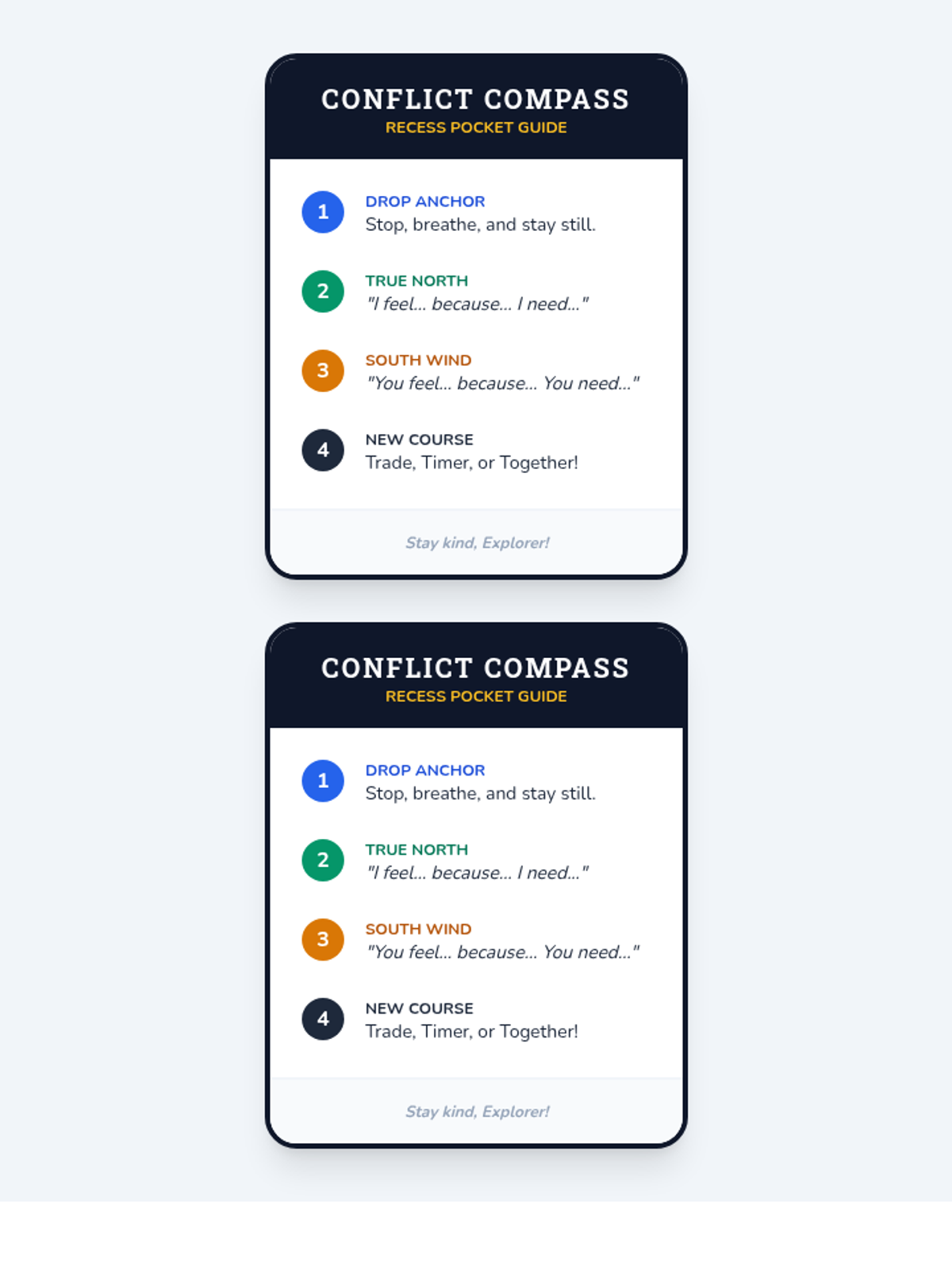
A navigational guide for 1st and 2nd graders to resolve playground conflicts using the 'Conflict Compass' framework, focusing on active listening and identifying needs.
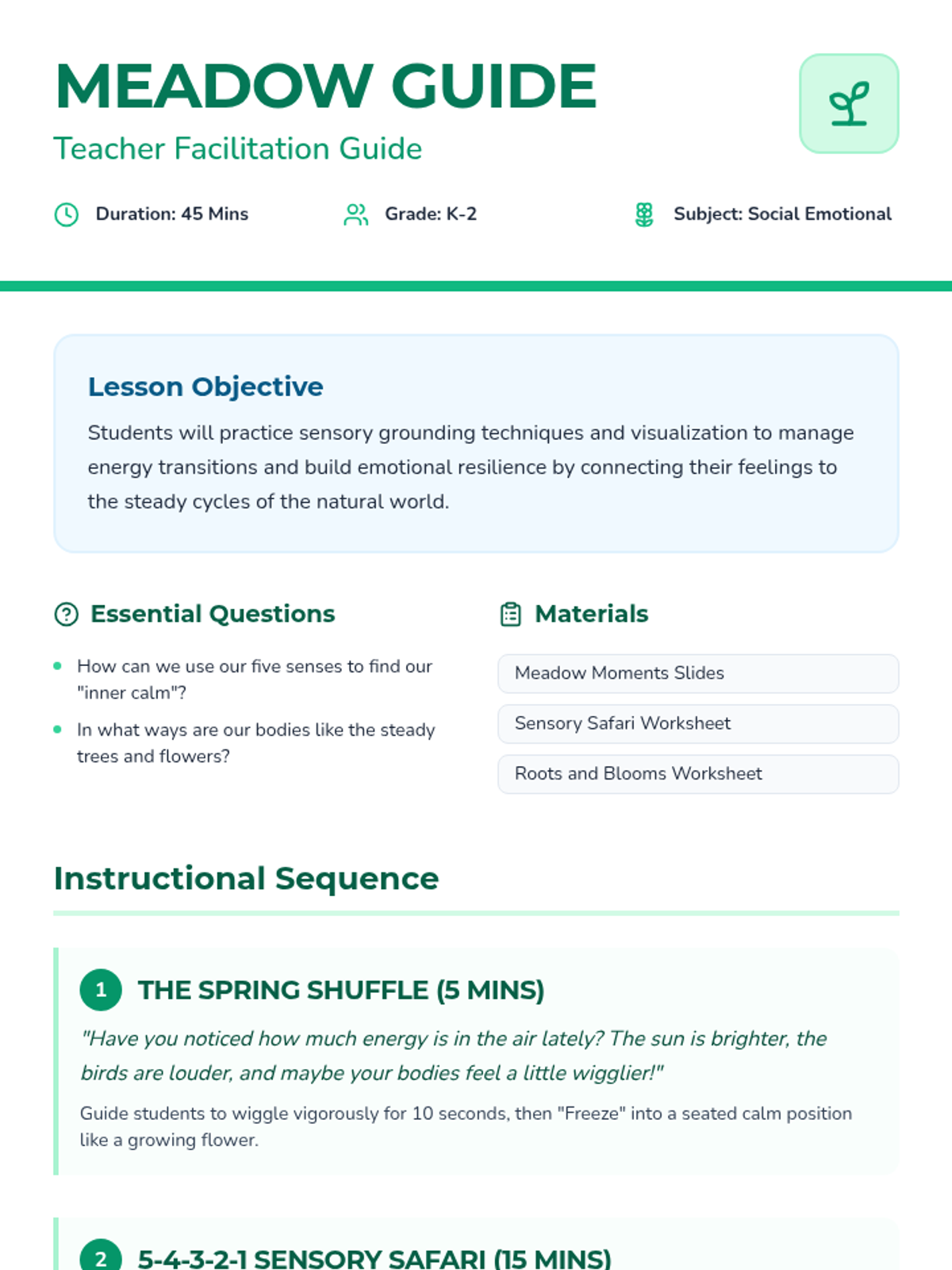
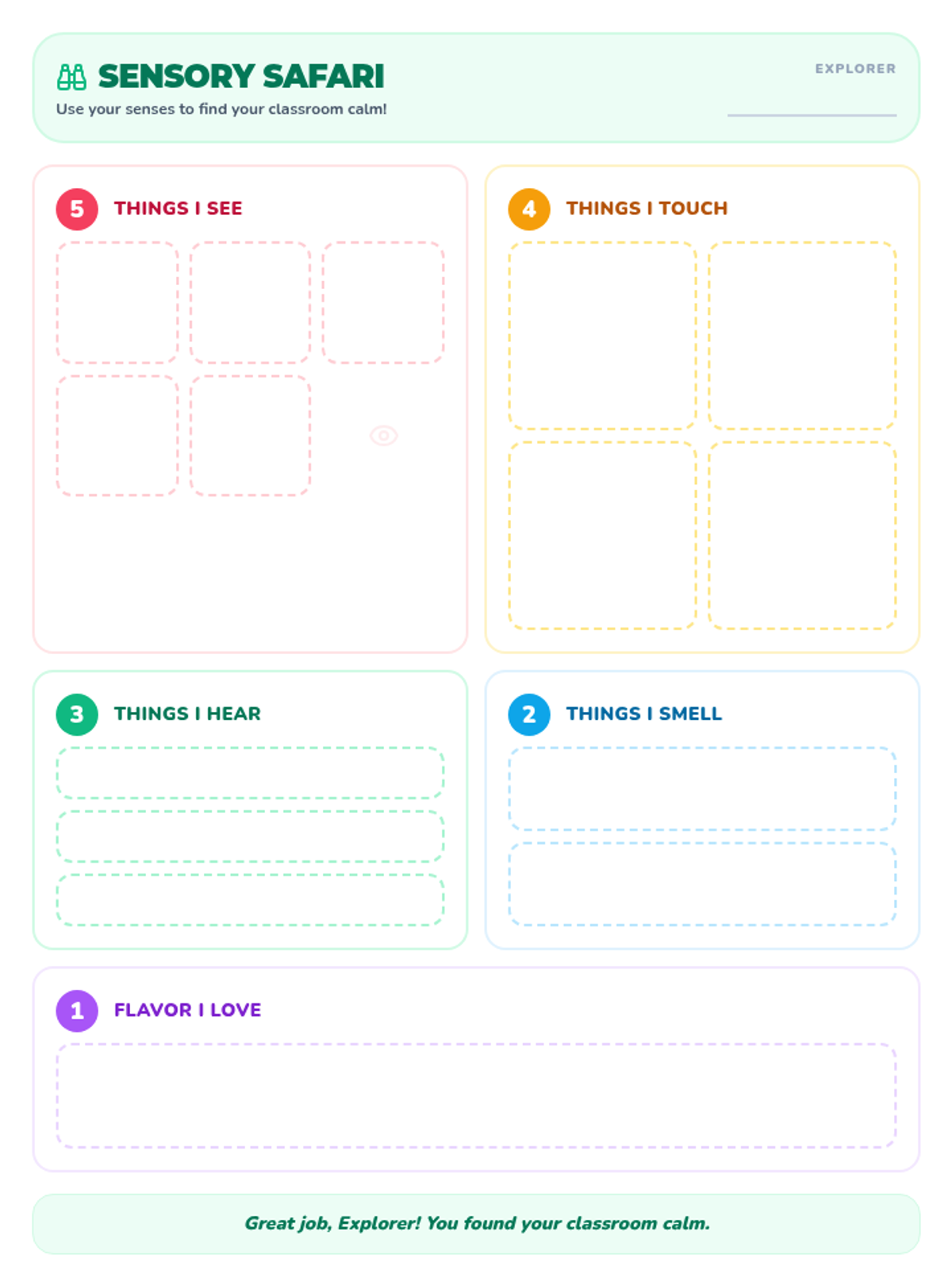
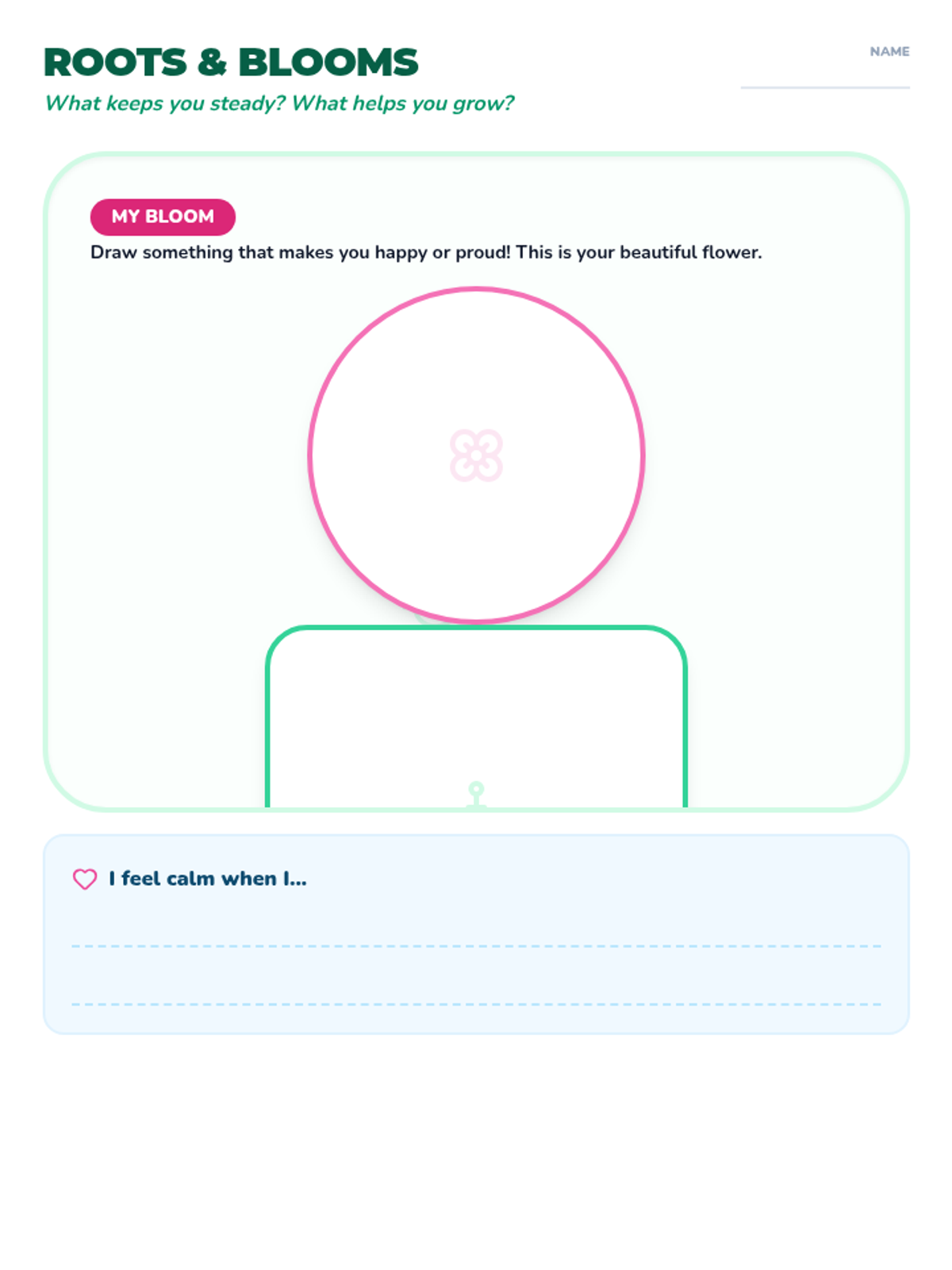
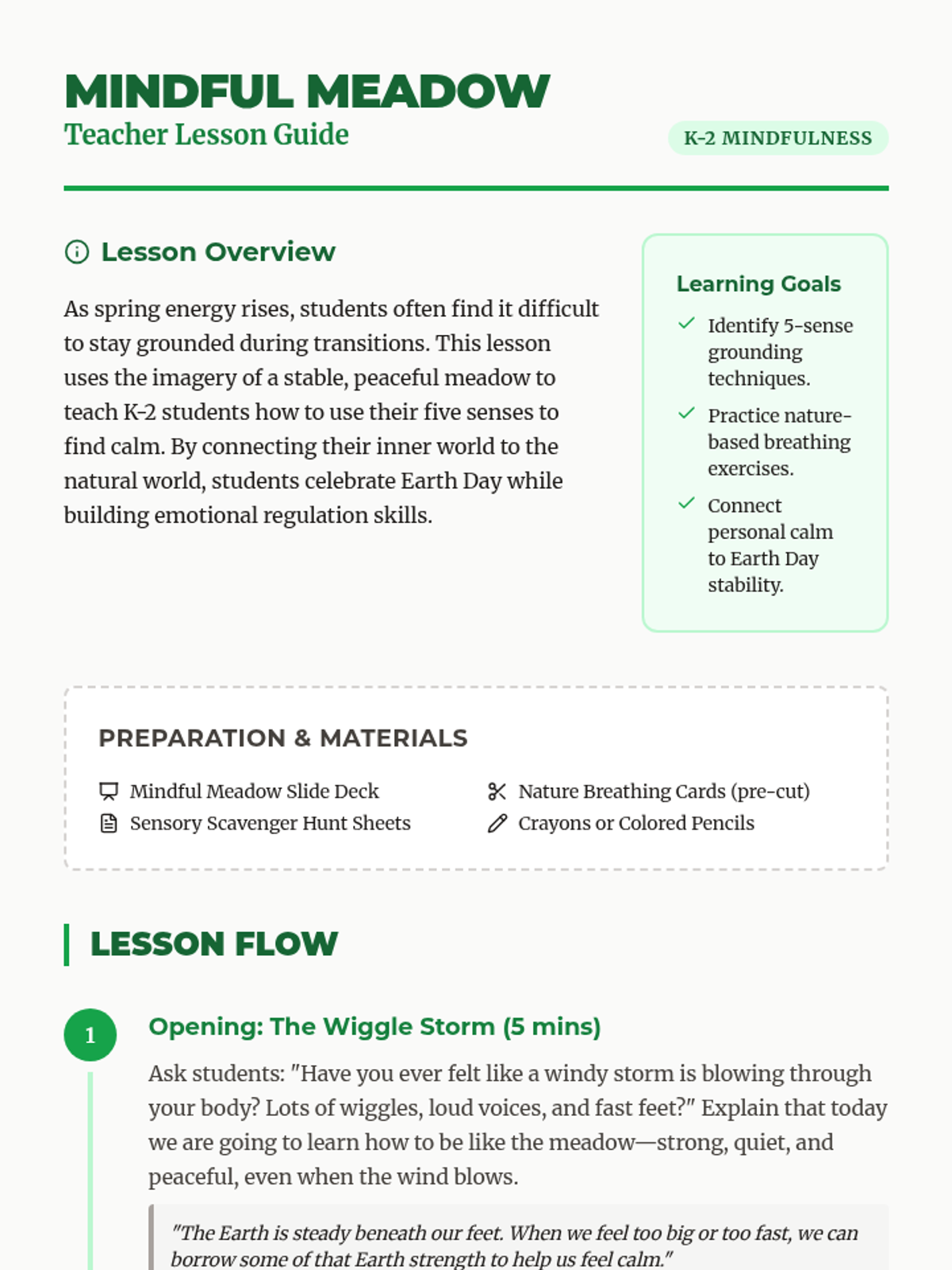
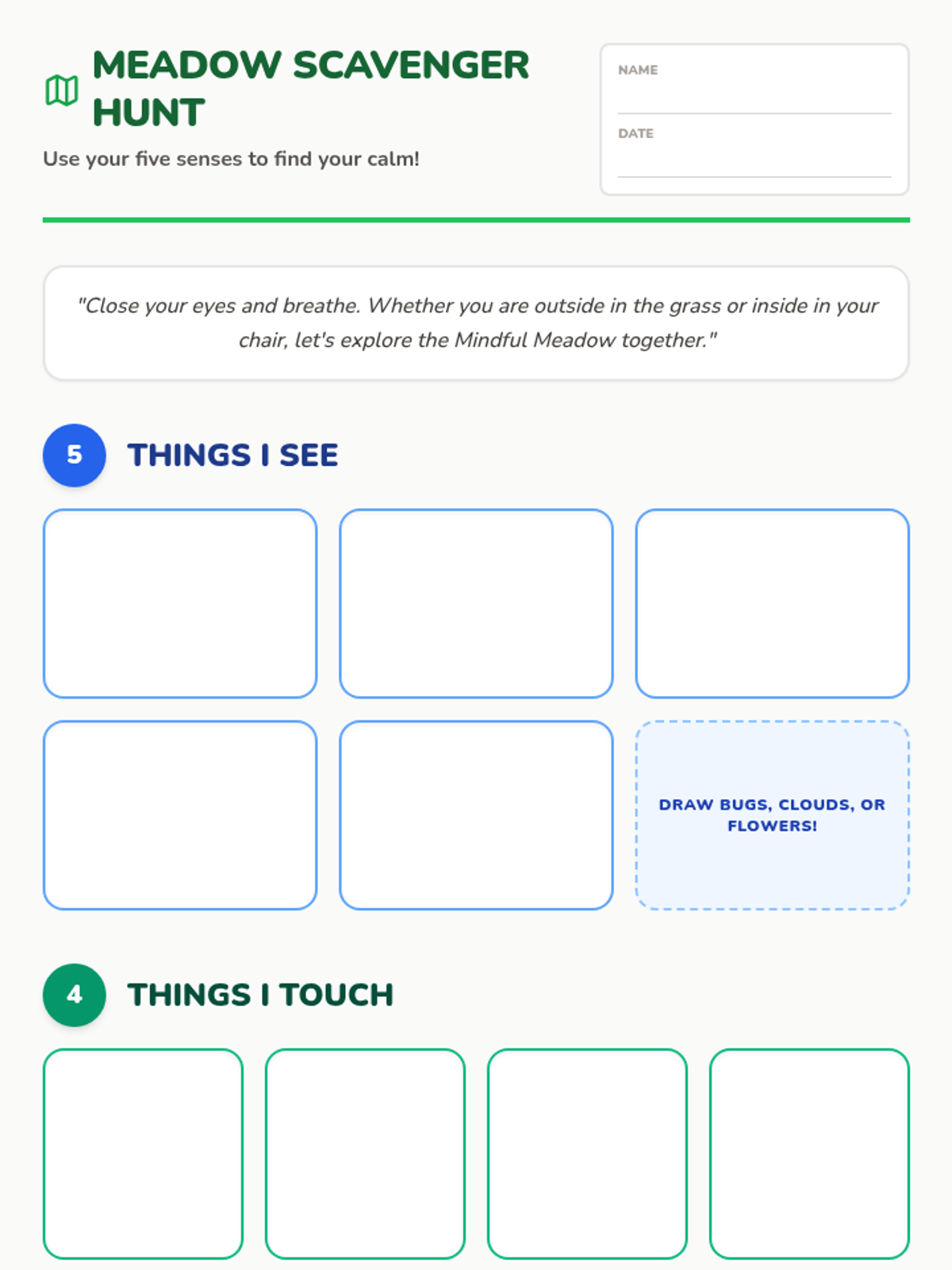
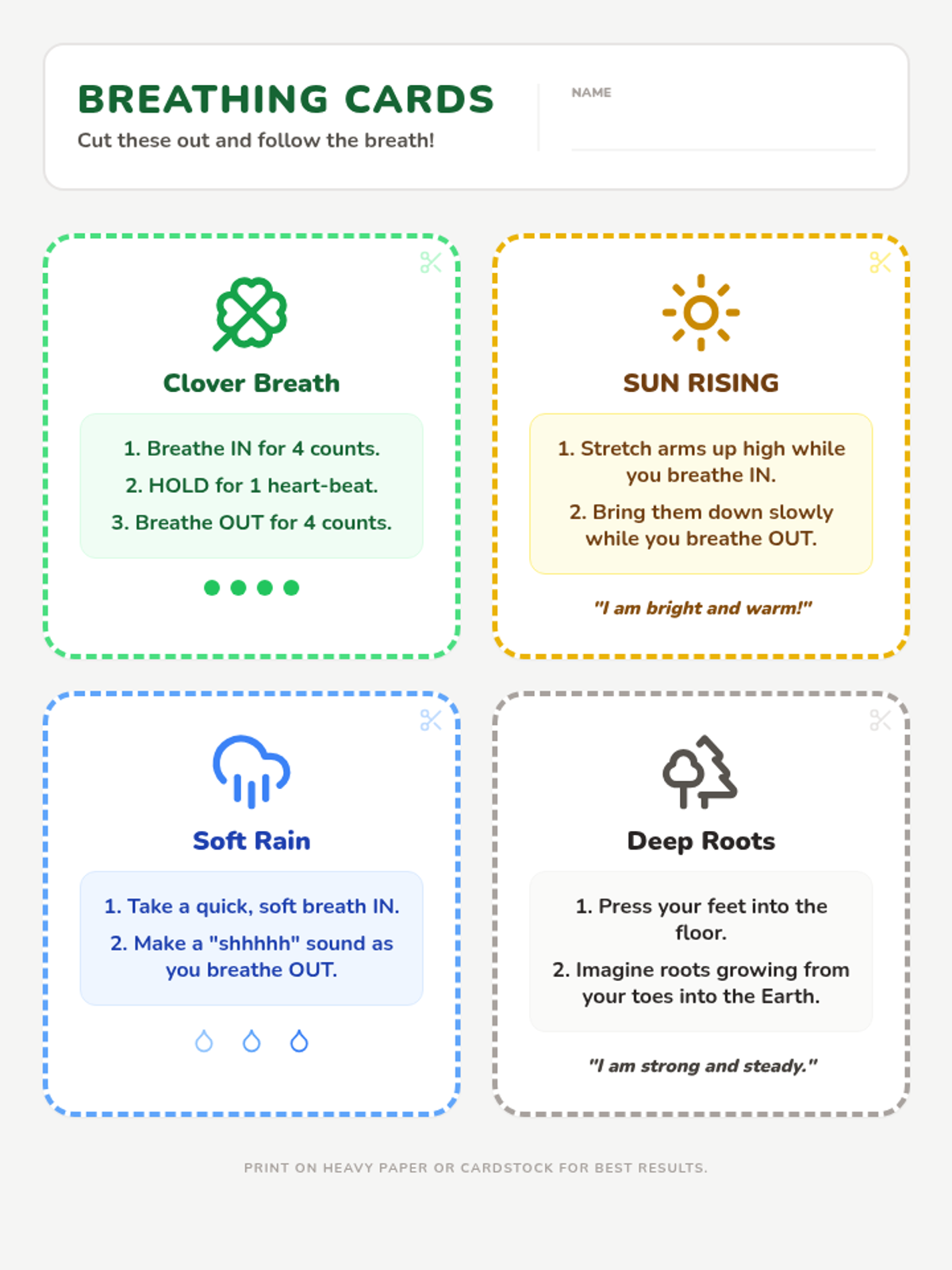
A grounding and mindfulness lesson for K-2 students that uses nature imagery to teach sensory awareness and emotional regulation during the high-energy spring season. Students will explore their 'inner meadow' to find calm and stability.
A mindfulness and grounding lesson for K-2 students that uses nature imagery to teach sensory awareness and emotional regulation, perfectly timed for Earth Day.
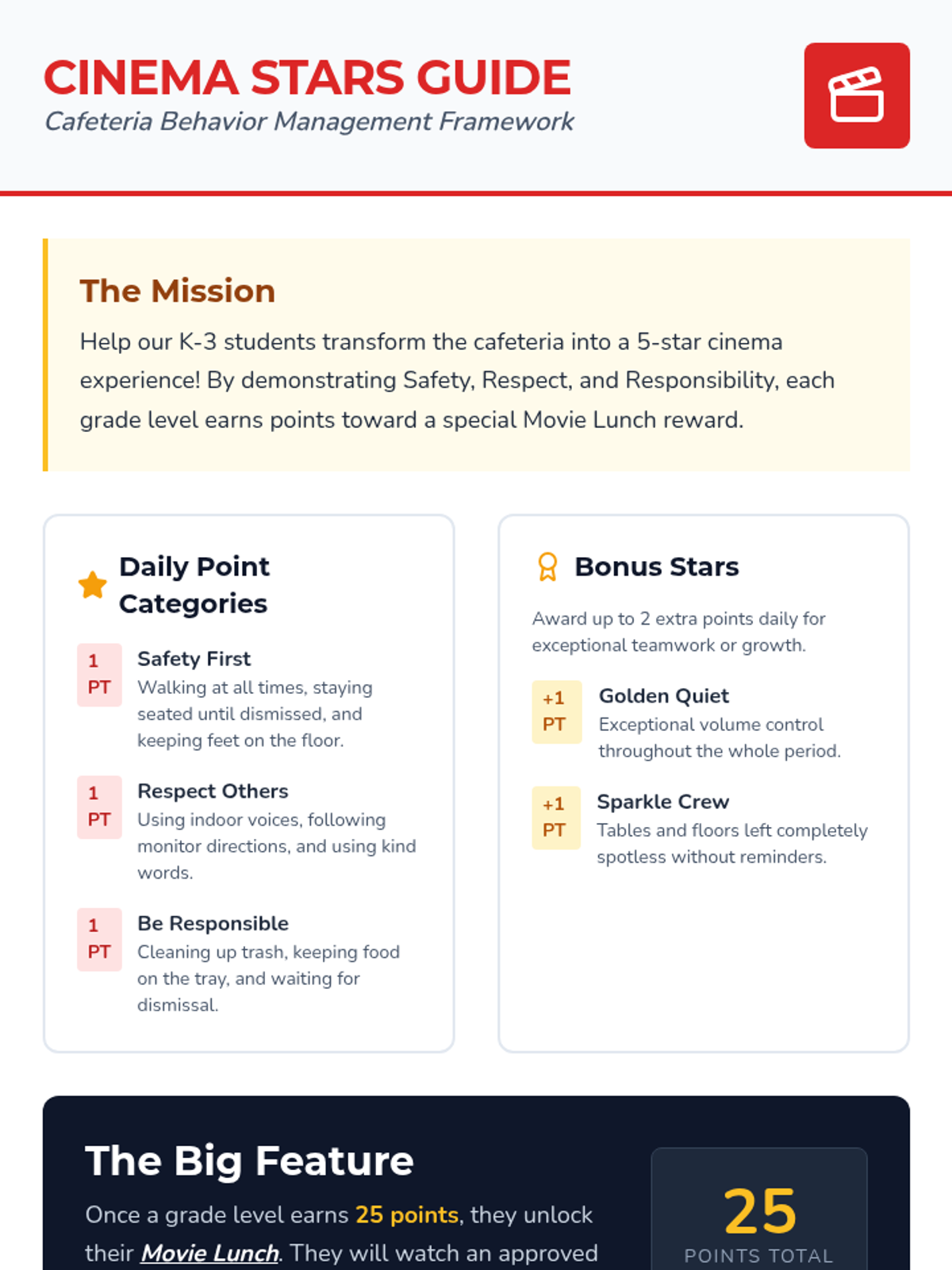
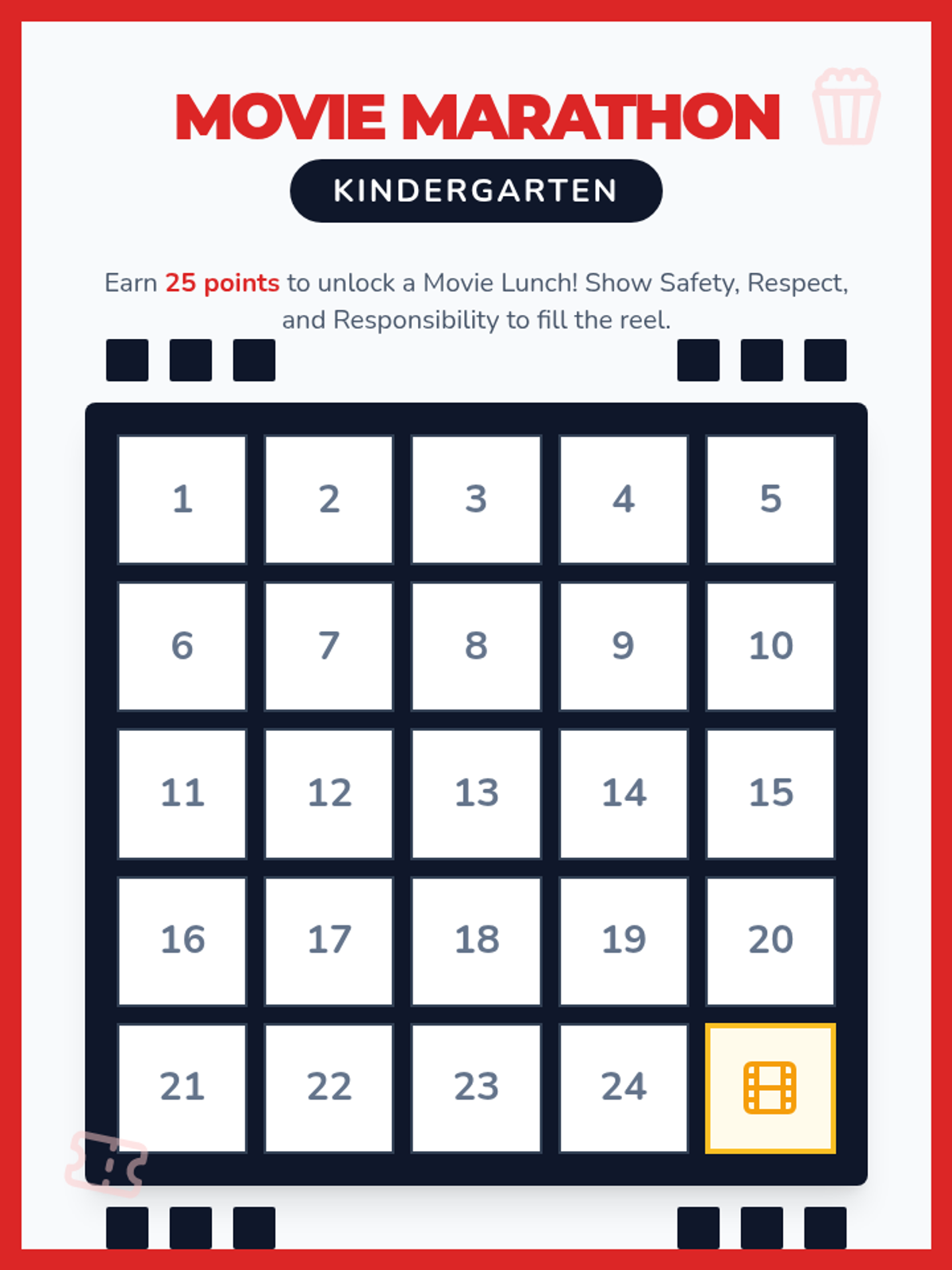
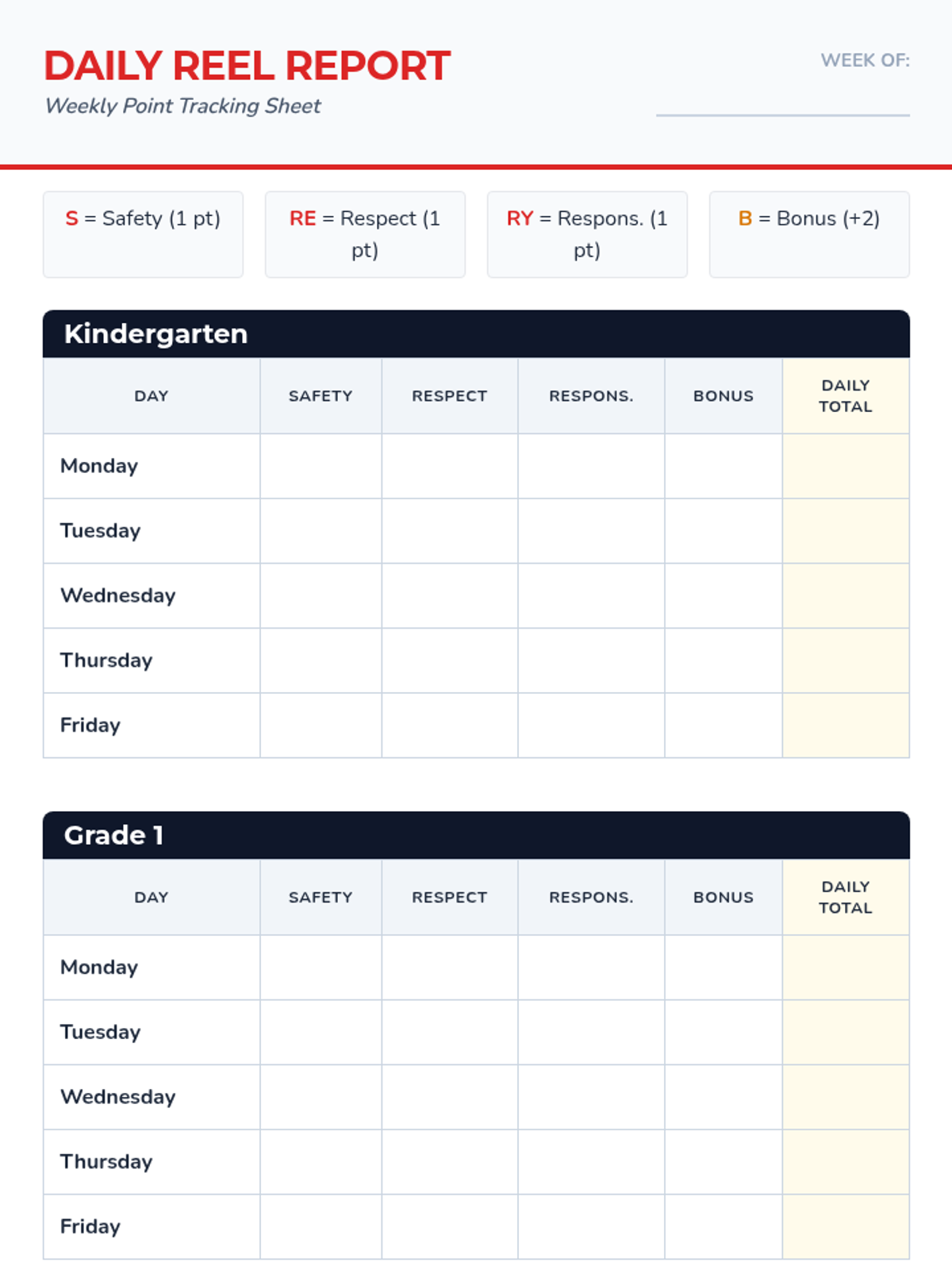
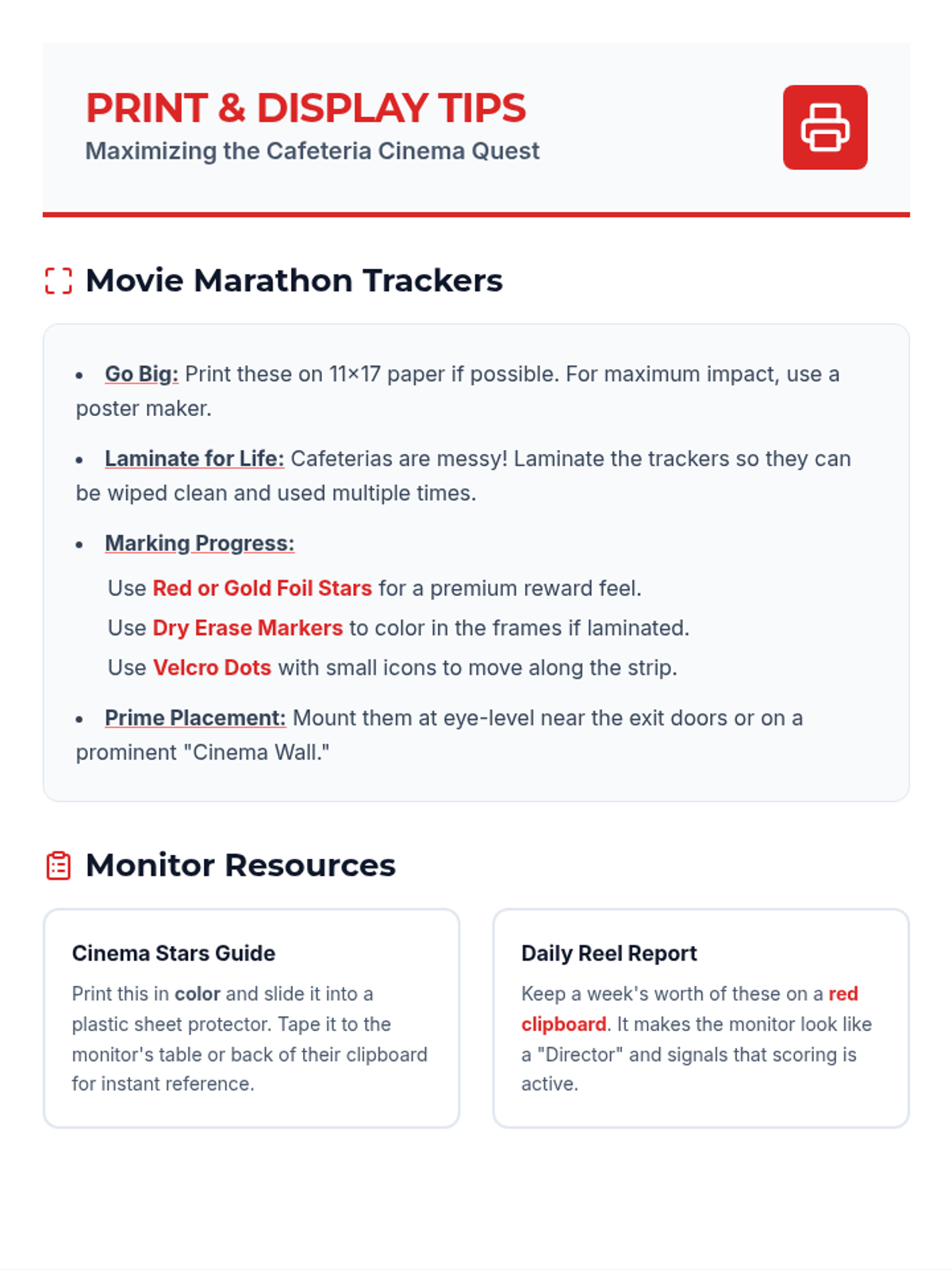
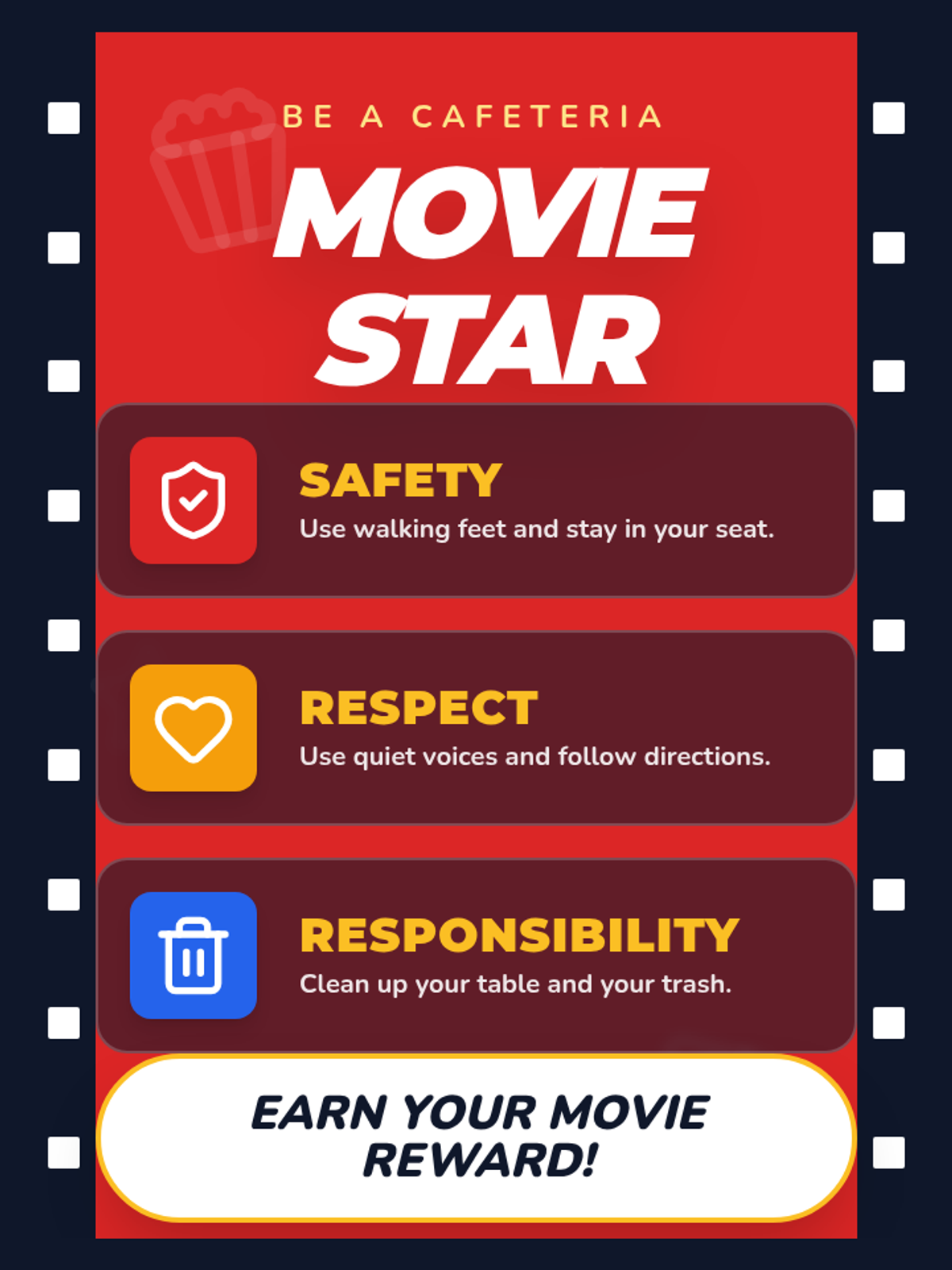
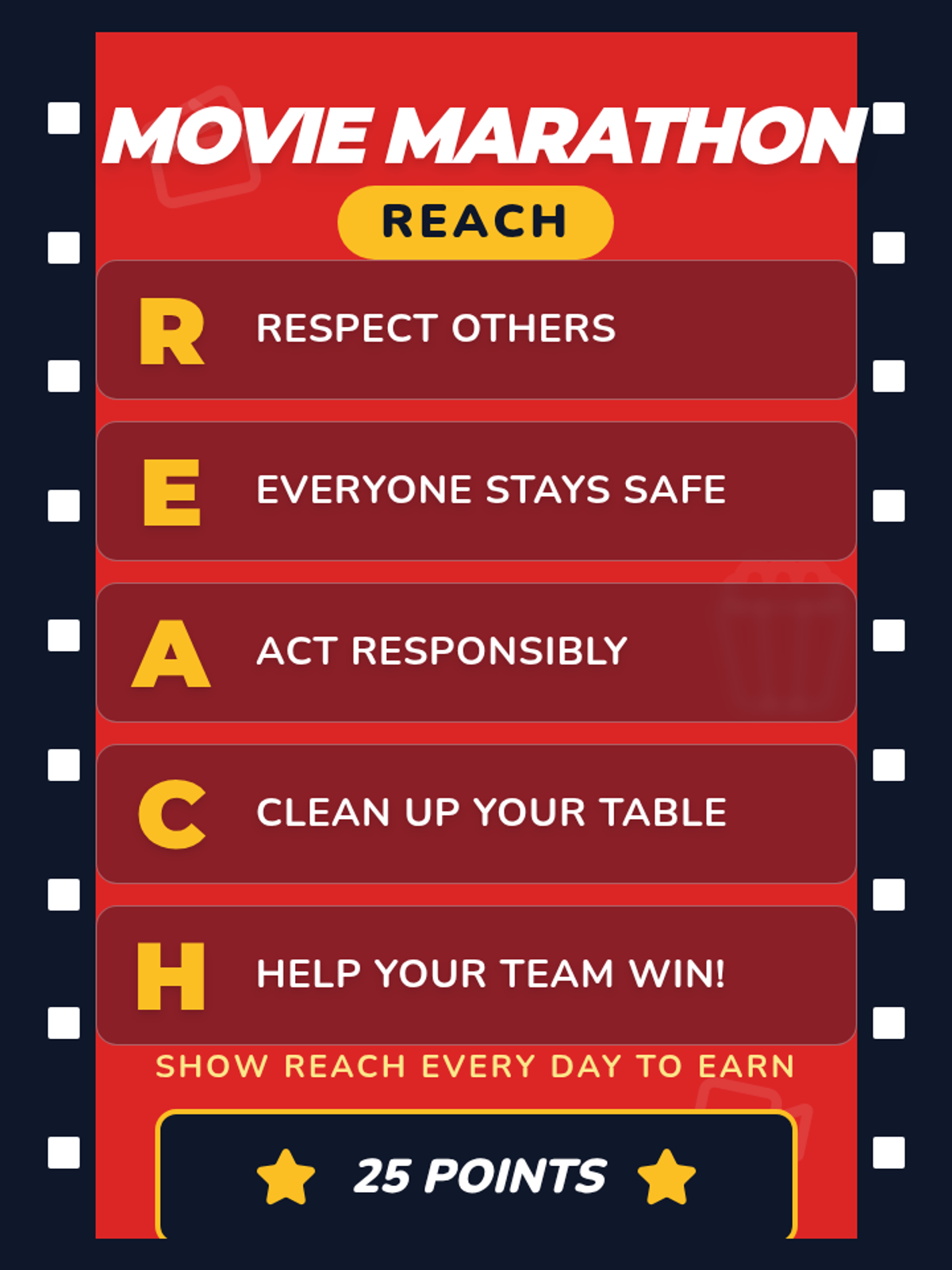
A management system designed for K-3 students to earn a movie reward through positive cafeteria behavior. Includes progress tracking, monitor tools, and introductory slides.
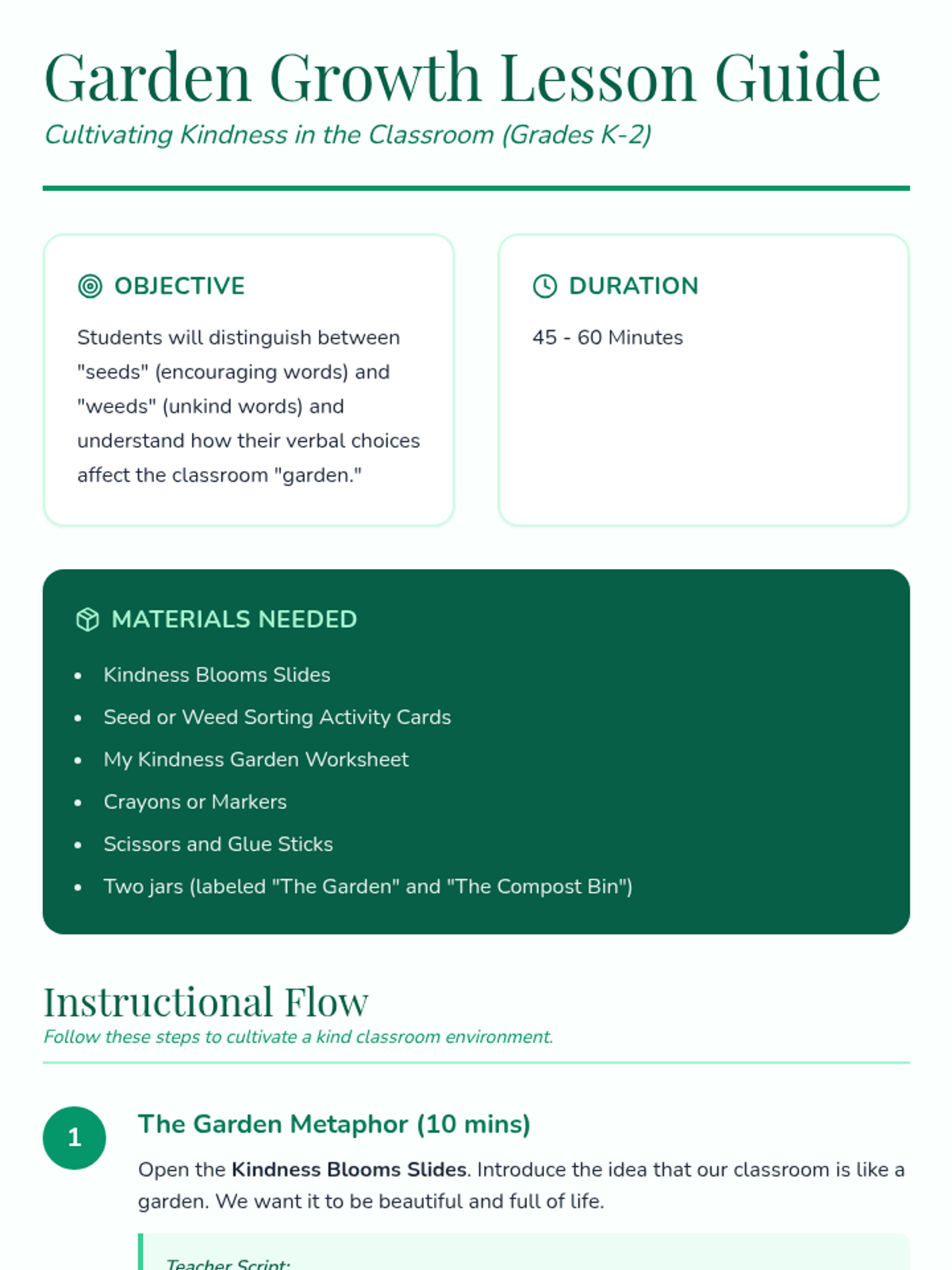
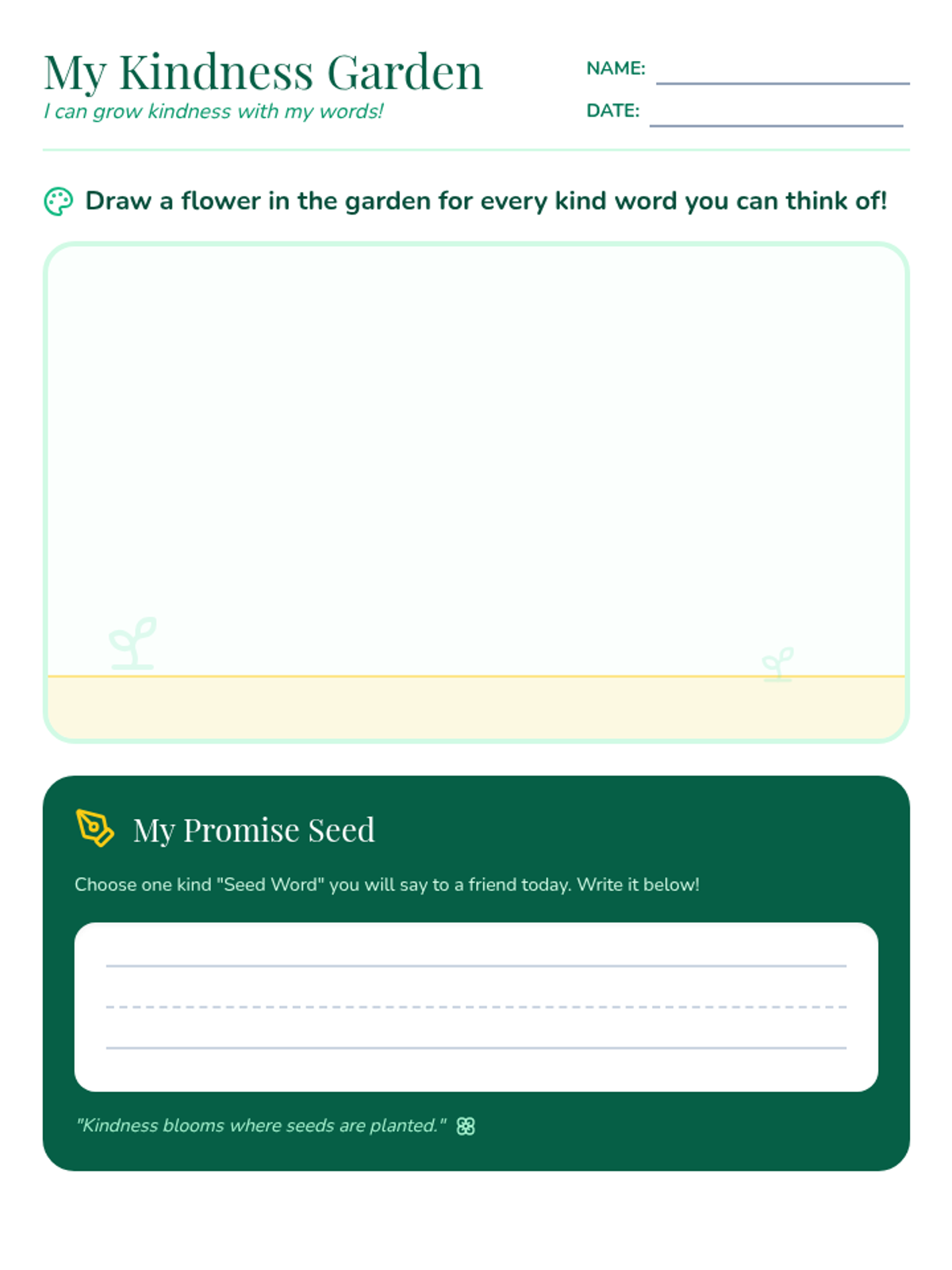
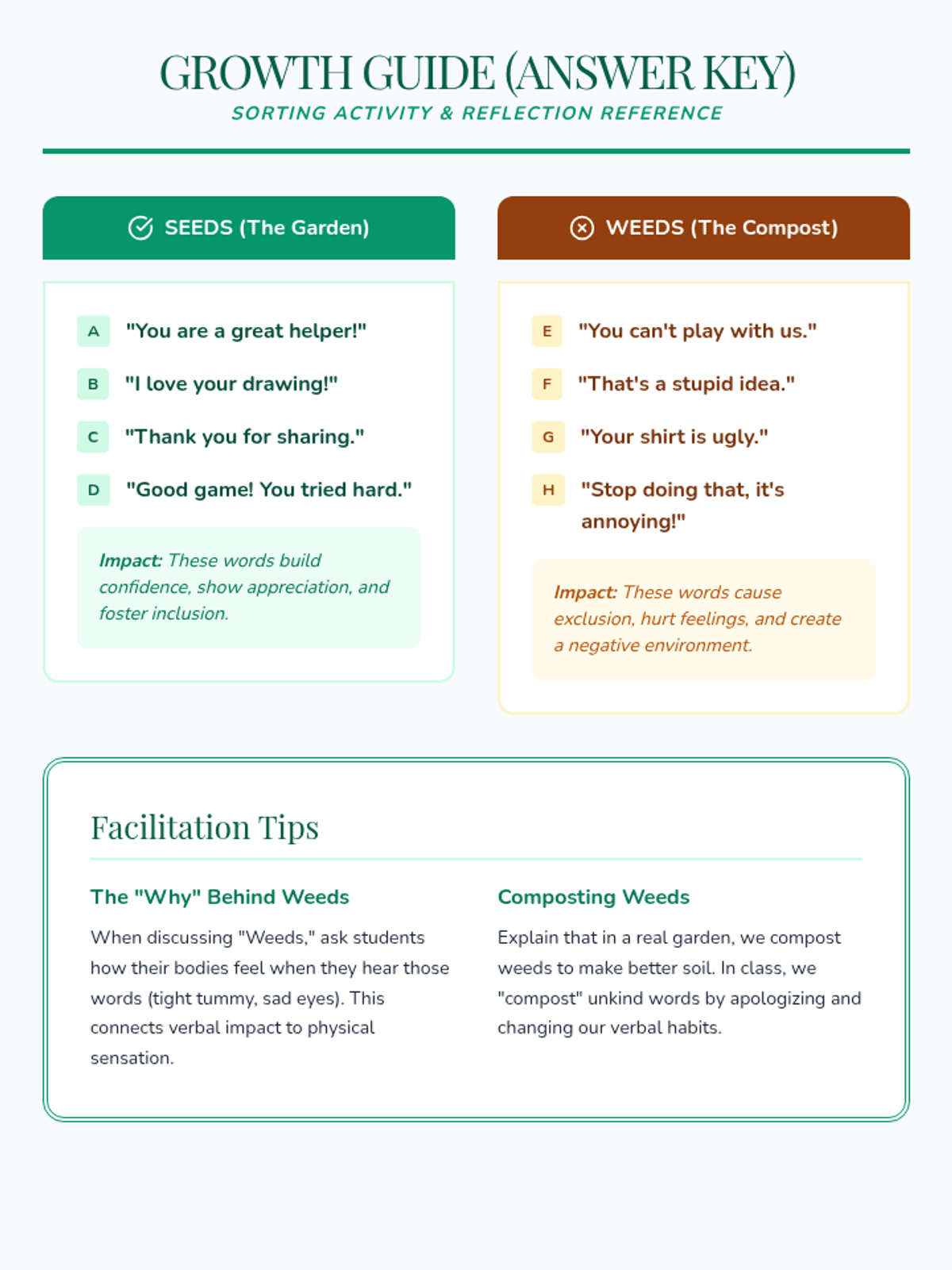
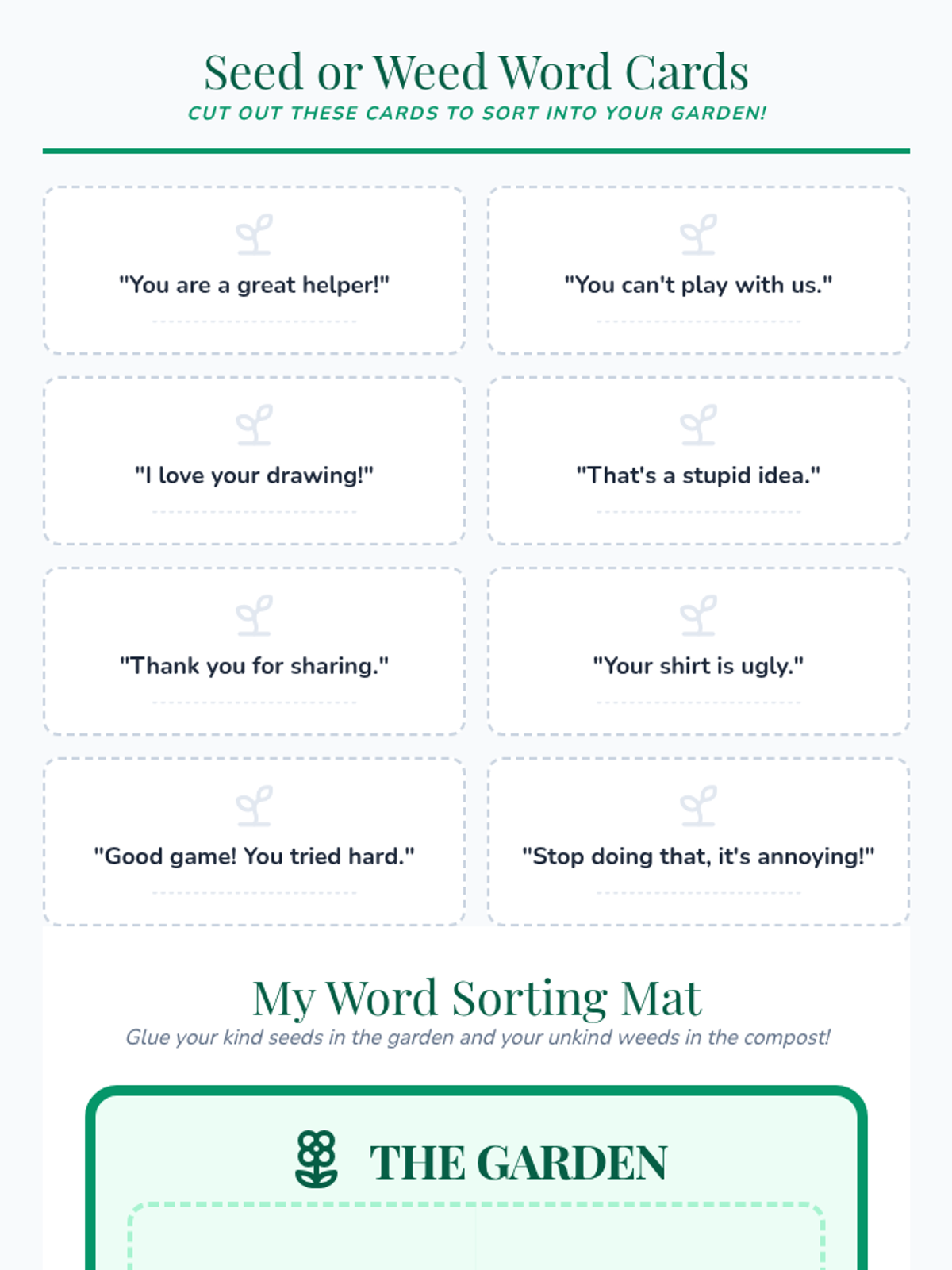
A nature-themed lesson for K-2 students that uses a garden metaphor to teach the impact of verbal choices. Students learn to distinguish between 'seeds' of kindness and 'weeds' of unkindness to cultivate a supportive classroom.
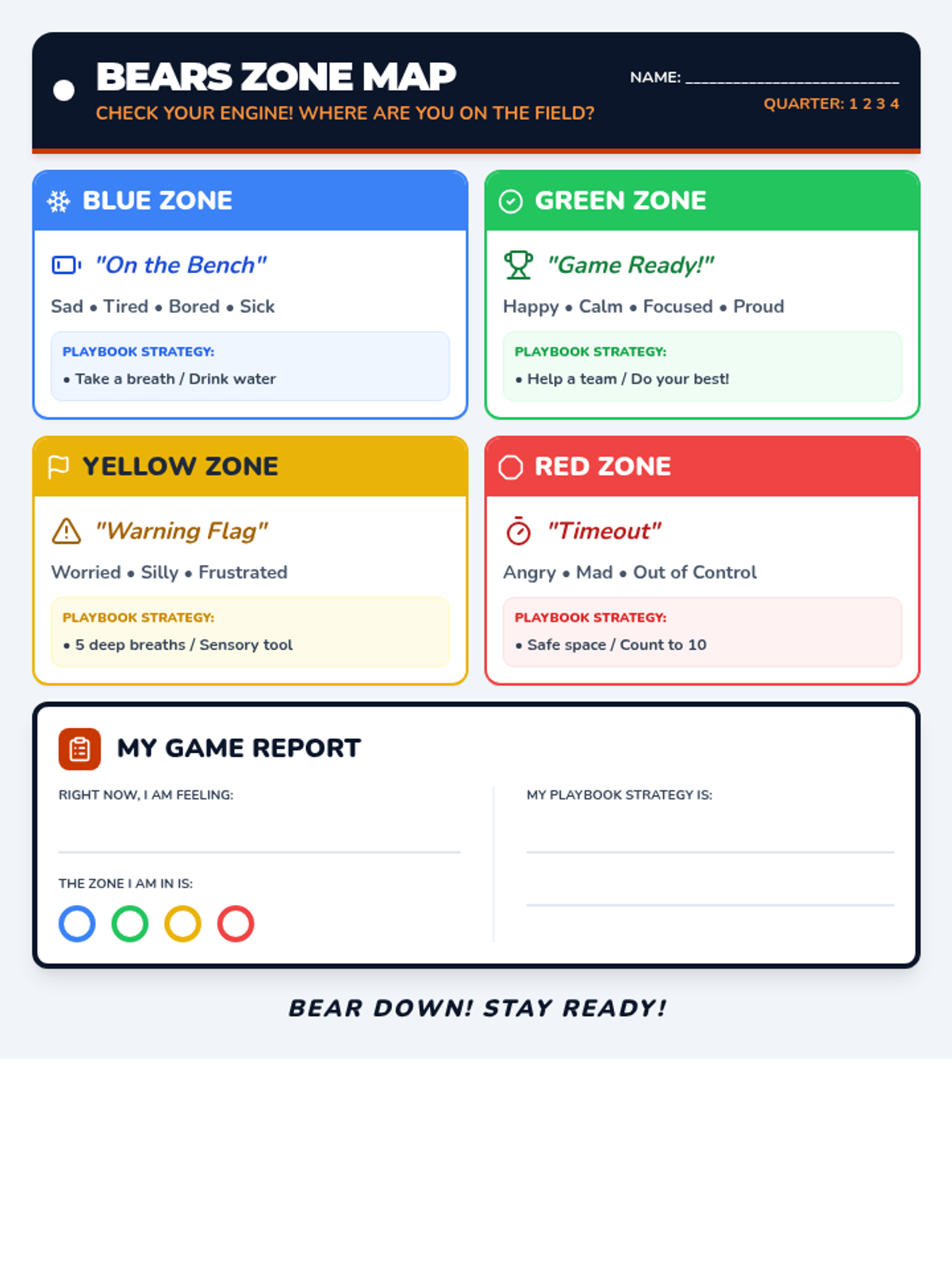
A lesson using football metaphors to help students identify their emotions and use regulation strategies to stay 'game-ready'.
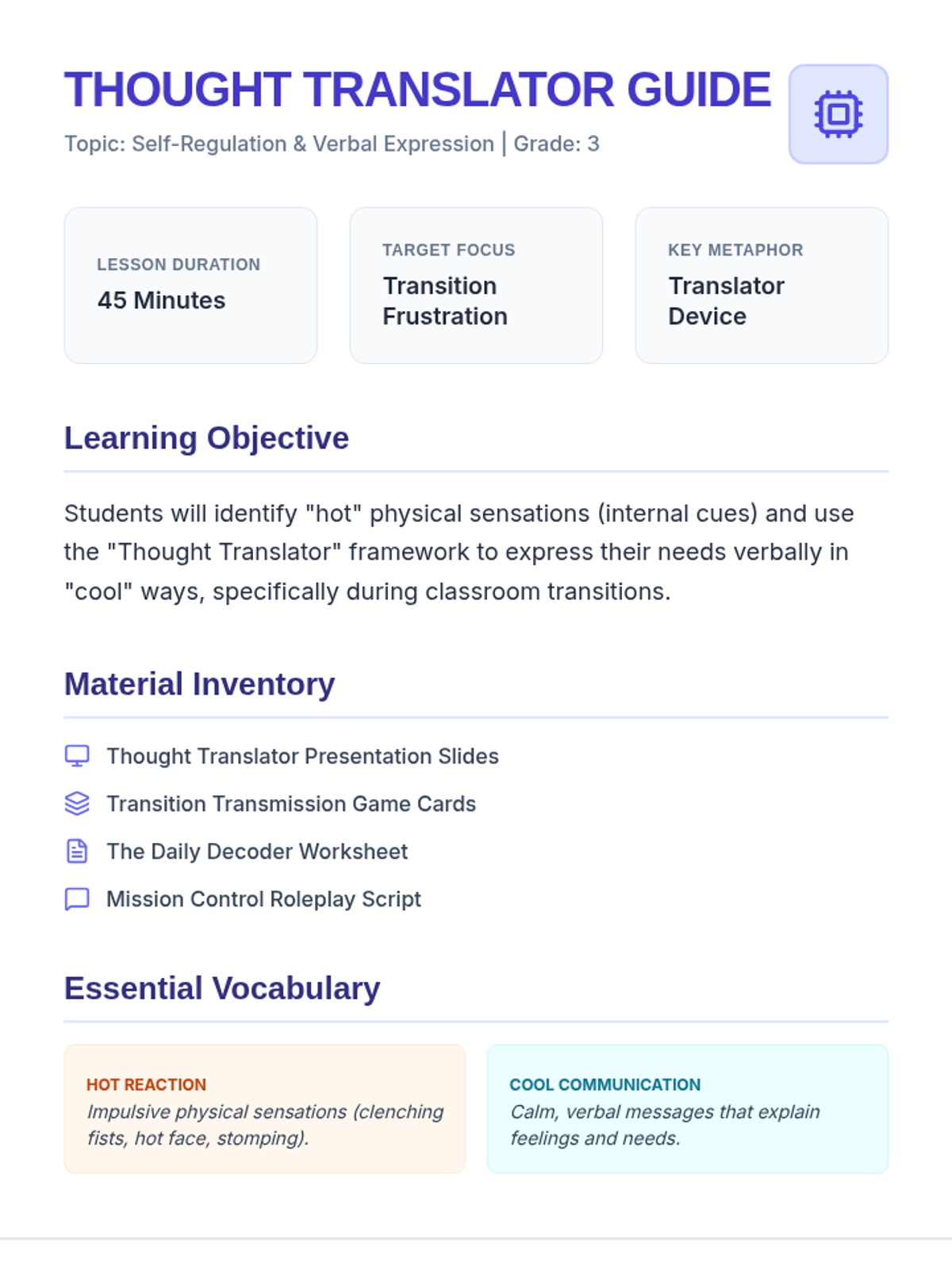
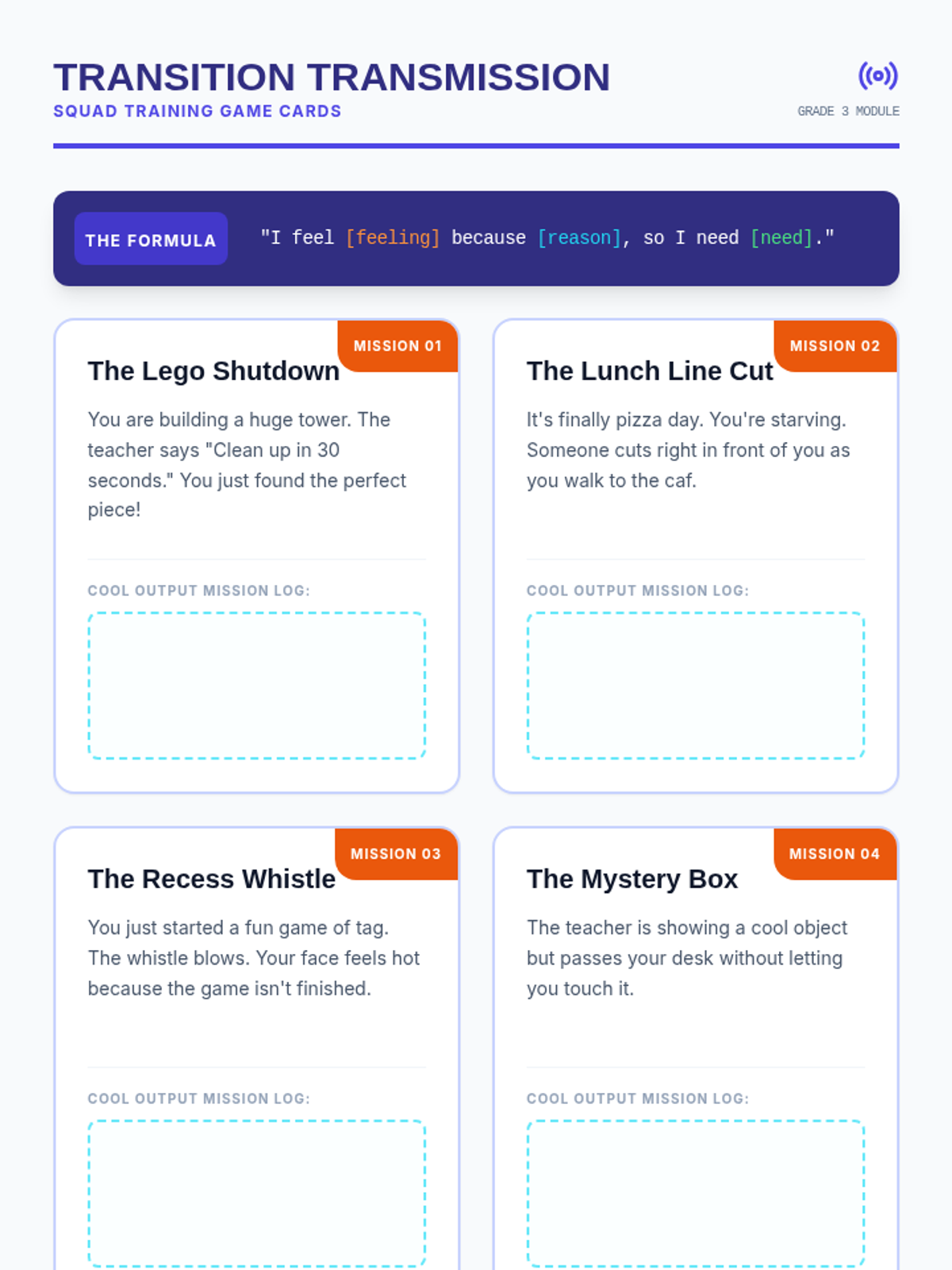
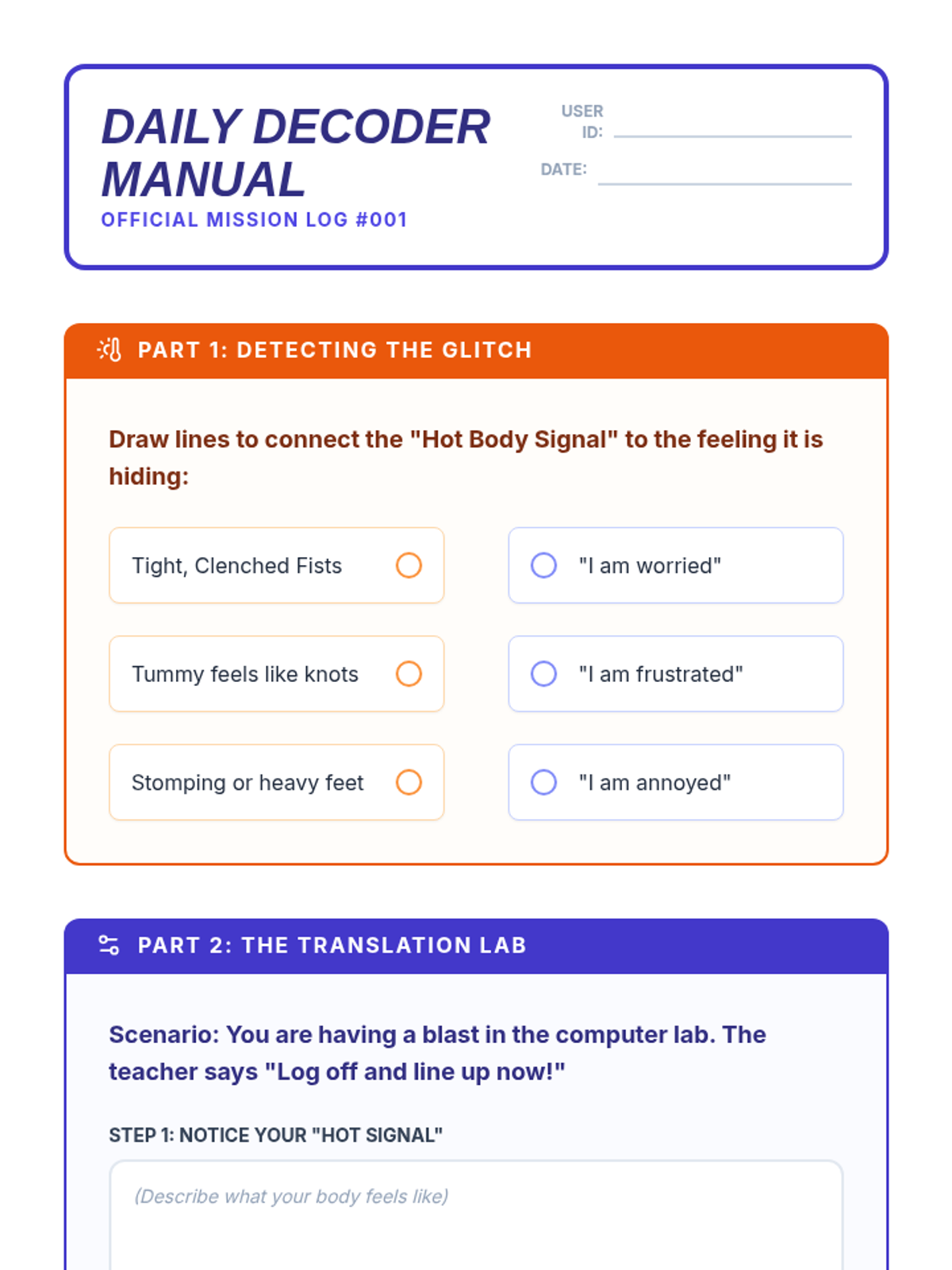
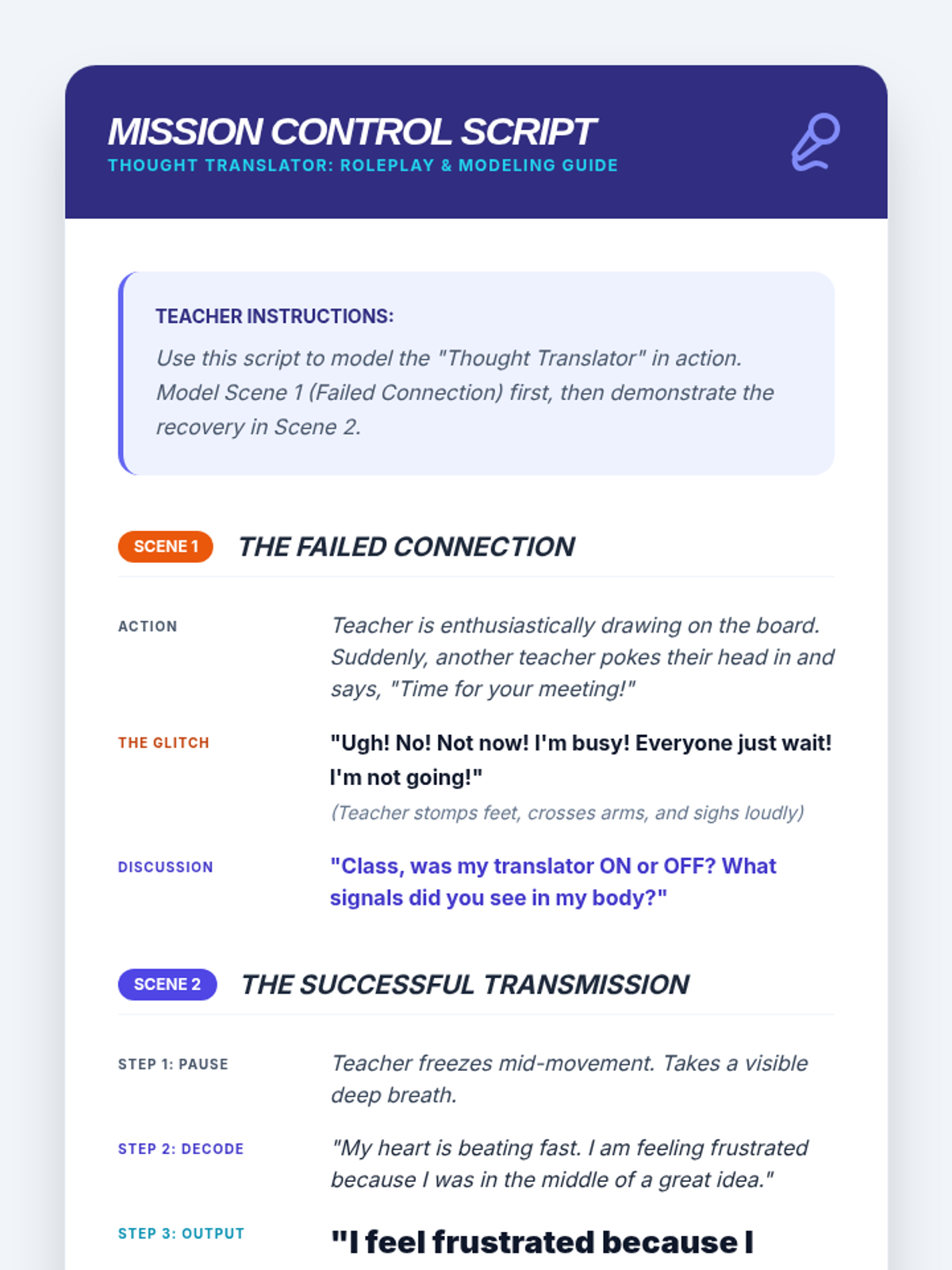
A social-emotional learning lesson for 3rd graders focused on identifying physical 'hot' sensations and translating them into 'cool' verbal communication, specifically targeting frustration during transitions.