A 45-minute small group session designed for 4th graders to explore their interests and connect them to potential career paths through discussion and brainstorming.
A comprehensive lesson for 4th and 5th graders on essential study skills including time management, organization, and planning using a 'Brain Blueprint' construction theme.
A quick, five-minute instructional session exploring the psychological benefits of coloring as a form of mindfulness and self-care.
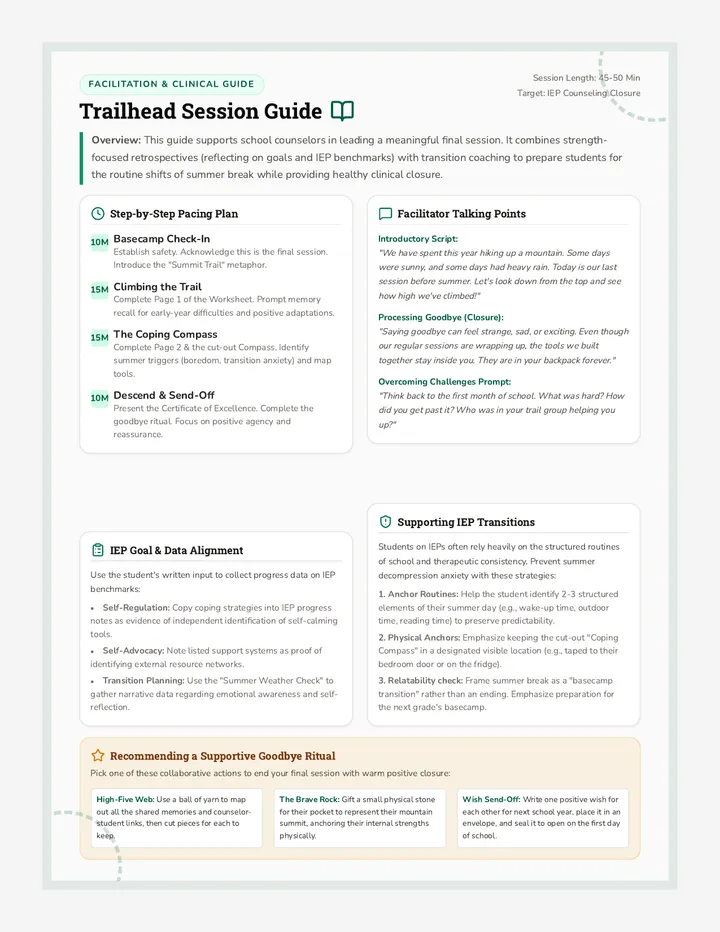
A final review of skills learned, completion of a post-assessment, and a celebration of the group's growth and community.
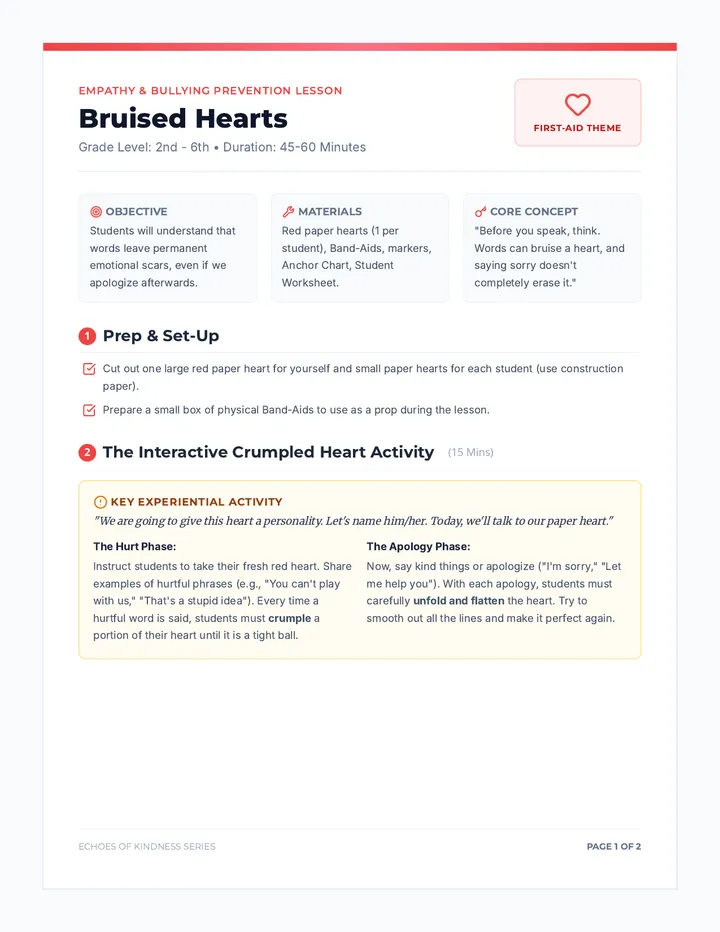
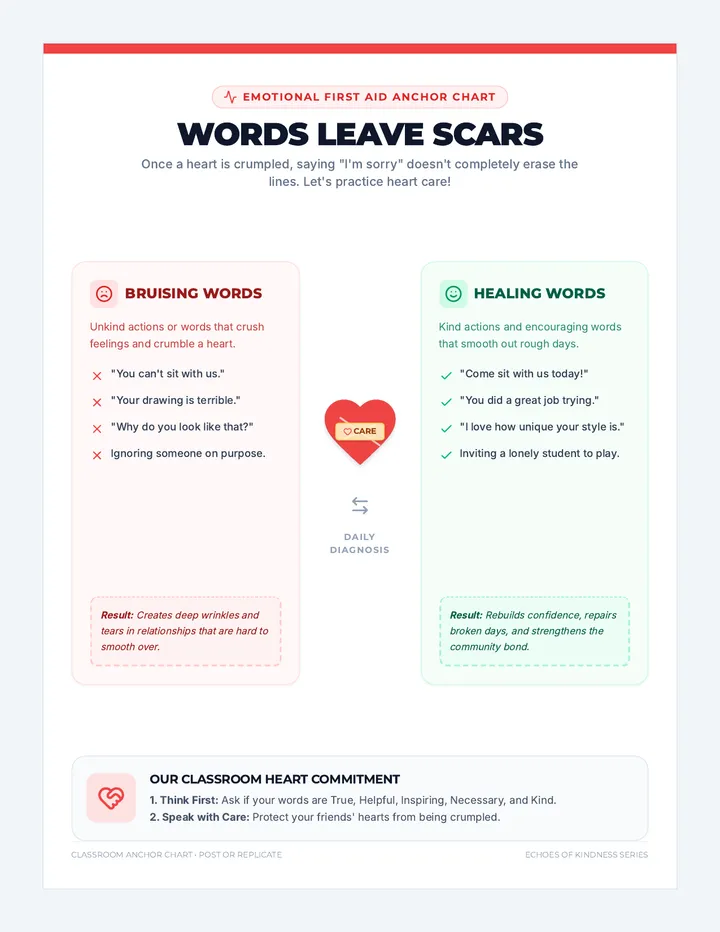
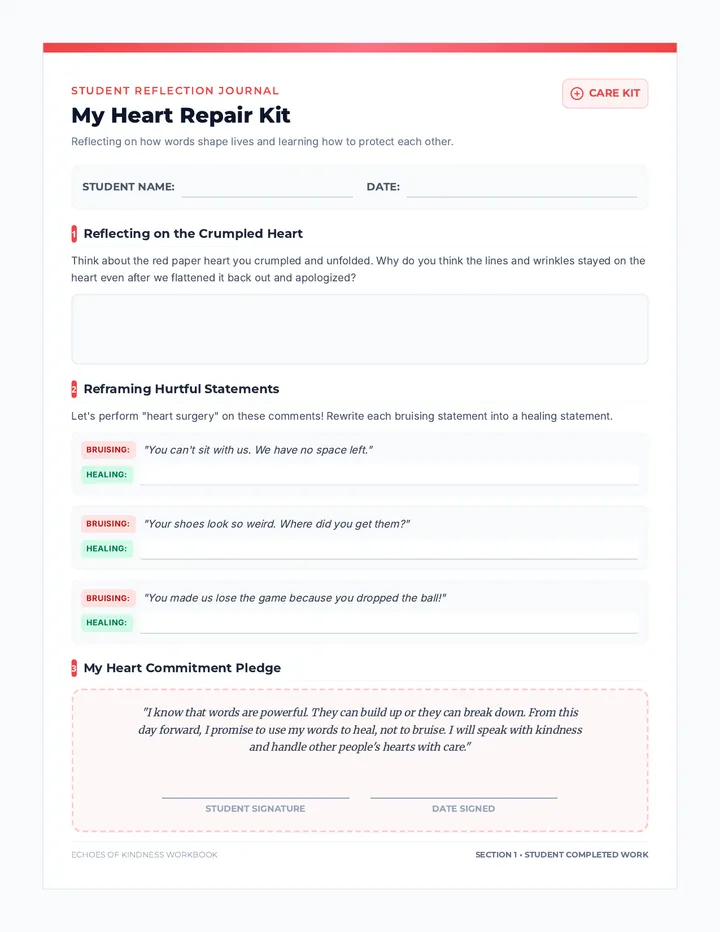
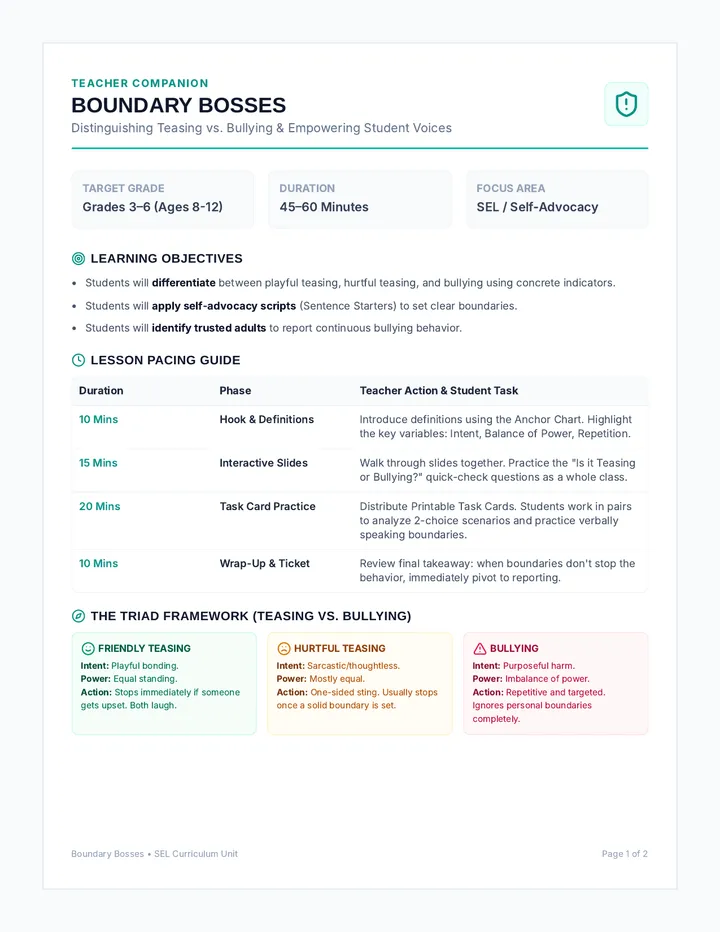
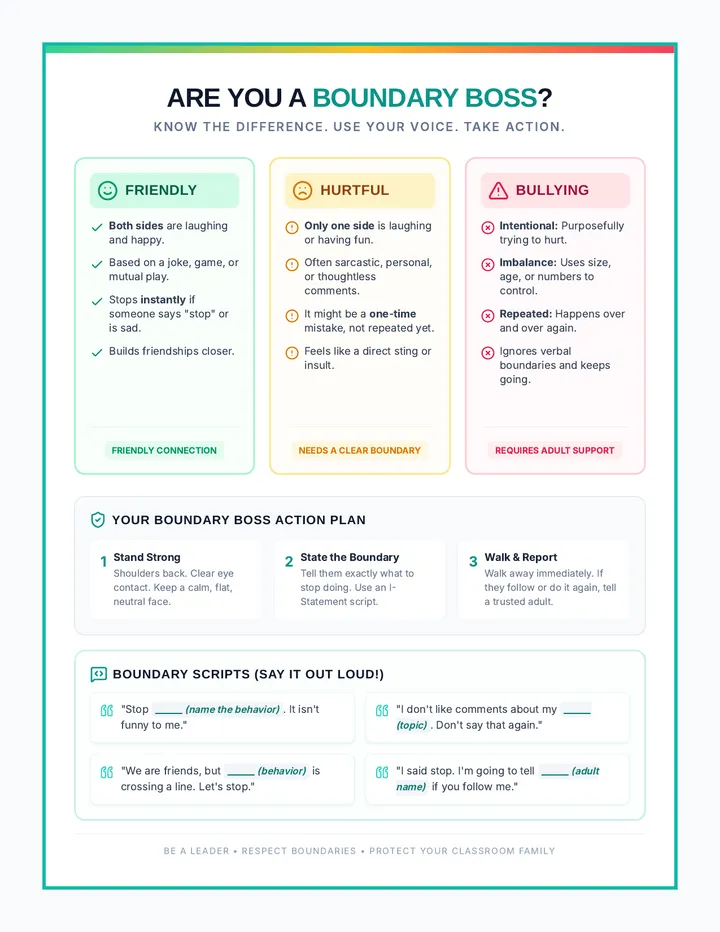
Students learn the difference between being a bystander and an upstander, practicing specific scripts for standing up for themselves and others.
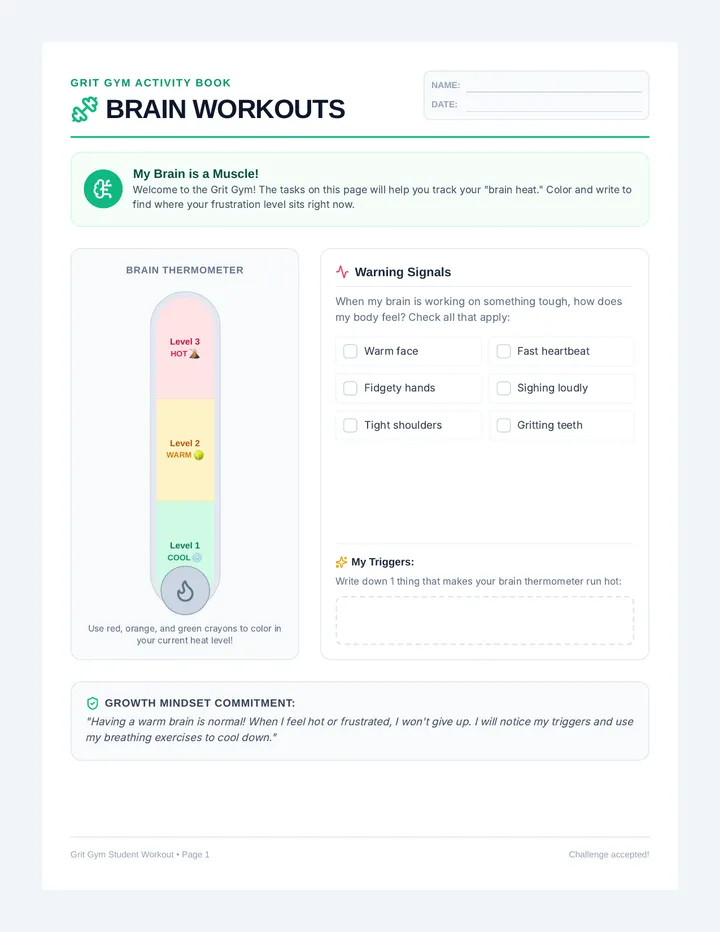
Focuses on identifying physical signs of anger and practicing self-regulation strategies to handle big emotions constructively.
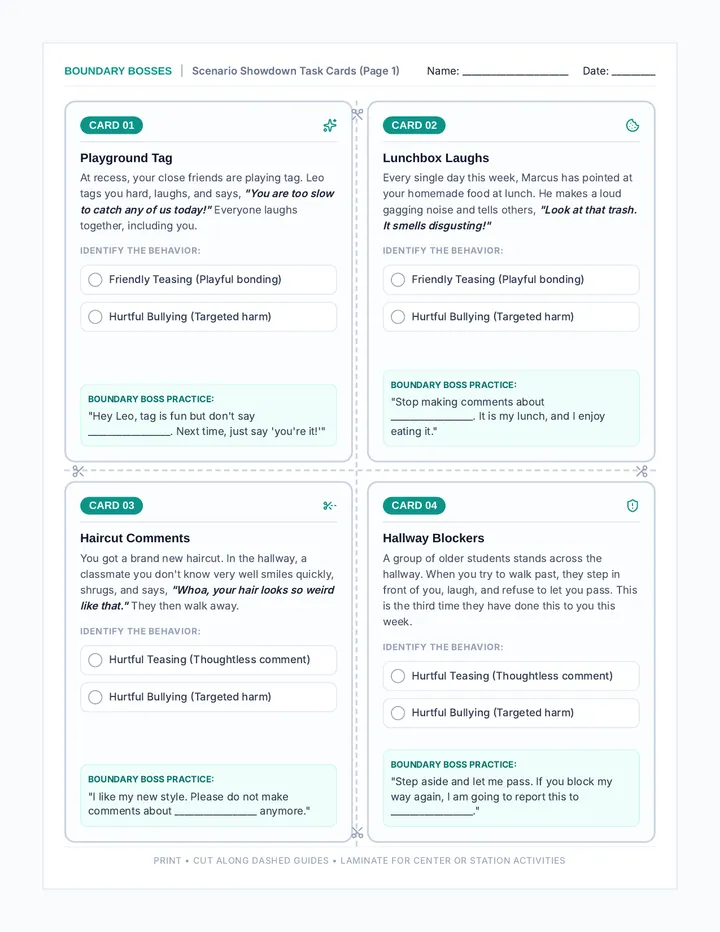
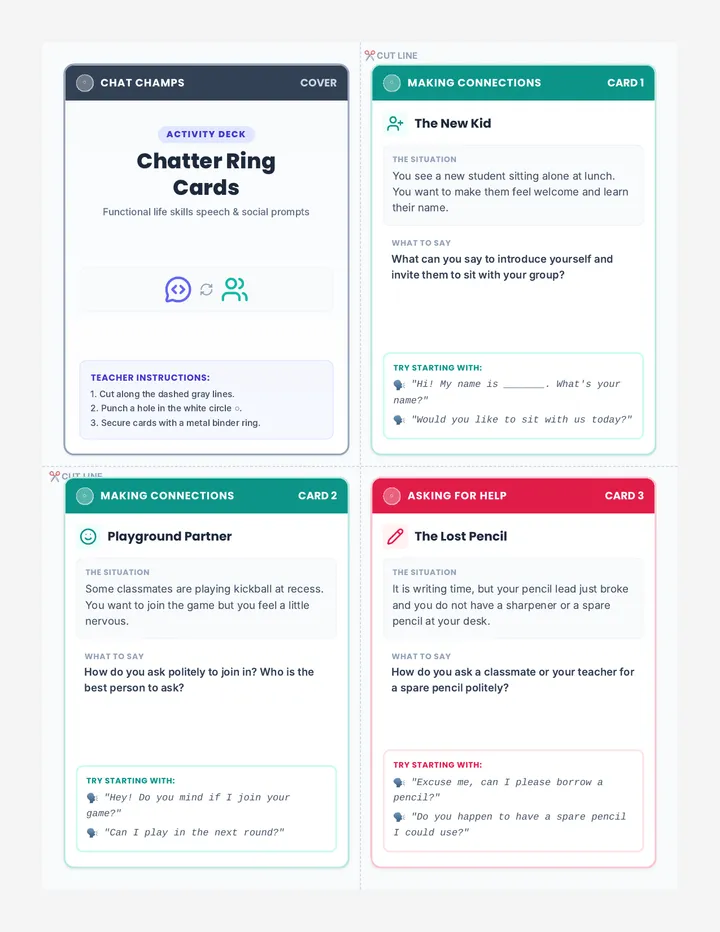
An exploration of empathy where students learn to identify feelings in others and practice active listening to strengthen their connections.
Students complete a pre-assessment to establish a baseline of relationship skills and participate in introductory activities to define what makes a healthy friendship.
A fast-paced, 20-minute introduction to SMART goal setting for 4th graders, using the 'Goal Garden' theme to make abstract concepts concrete and achievable.
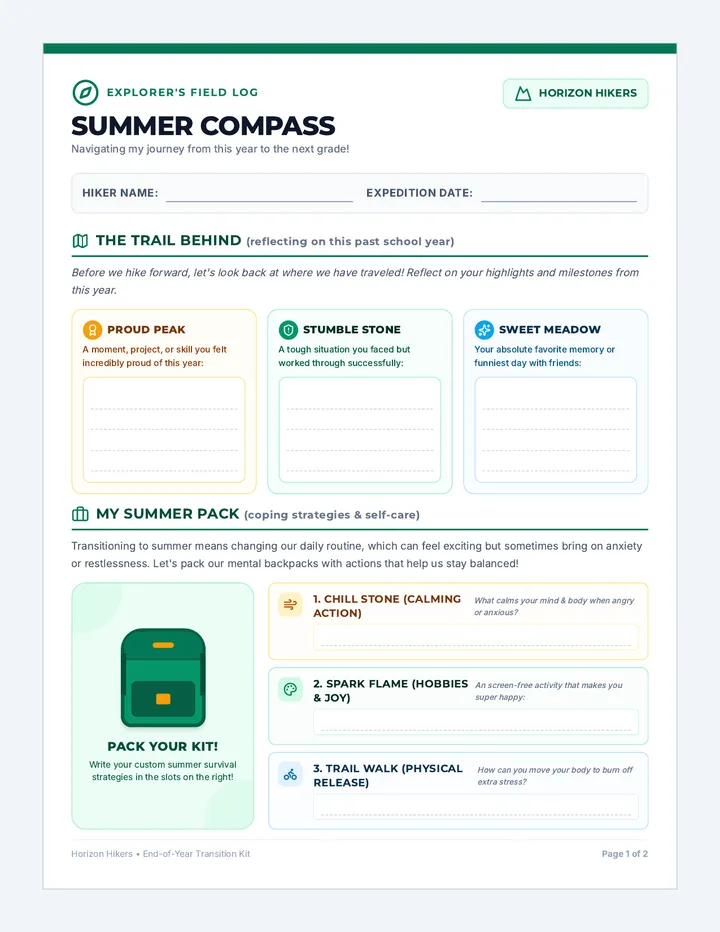
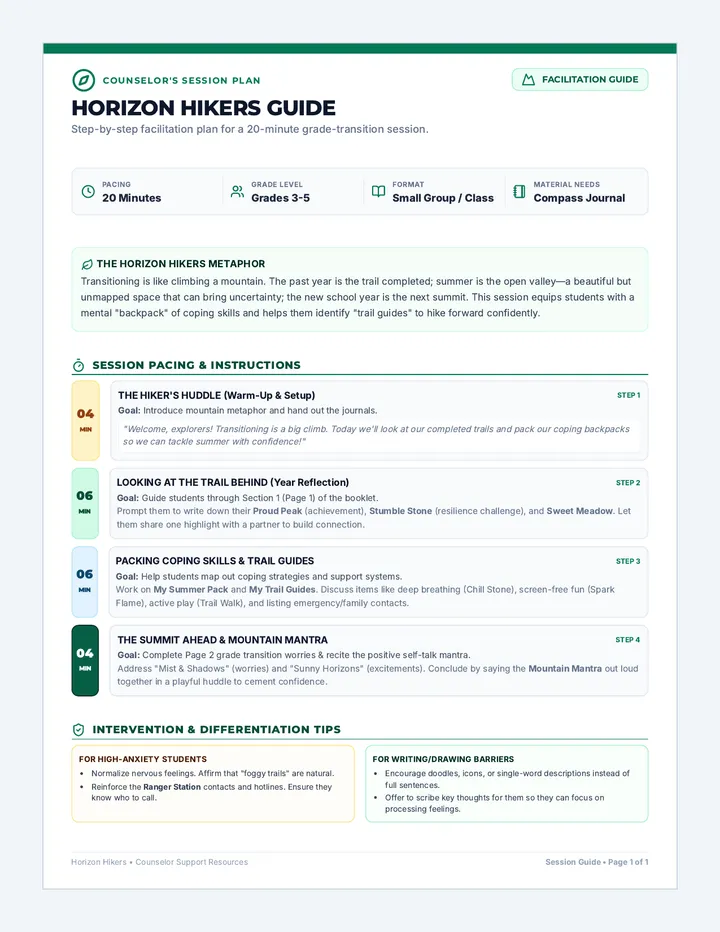
A multi-day unit plan and reflection journal to provide sustained support and deeper understanding of personal agency during transitions.
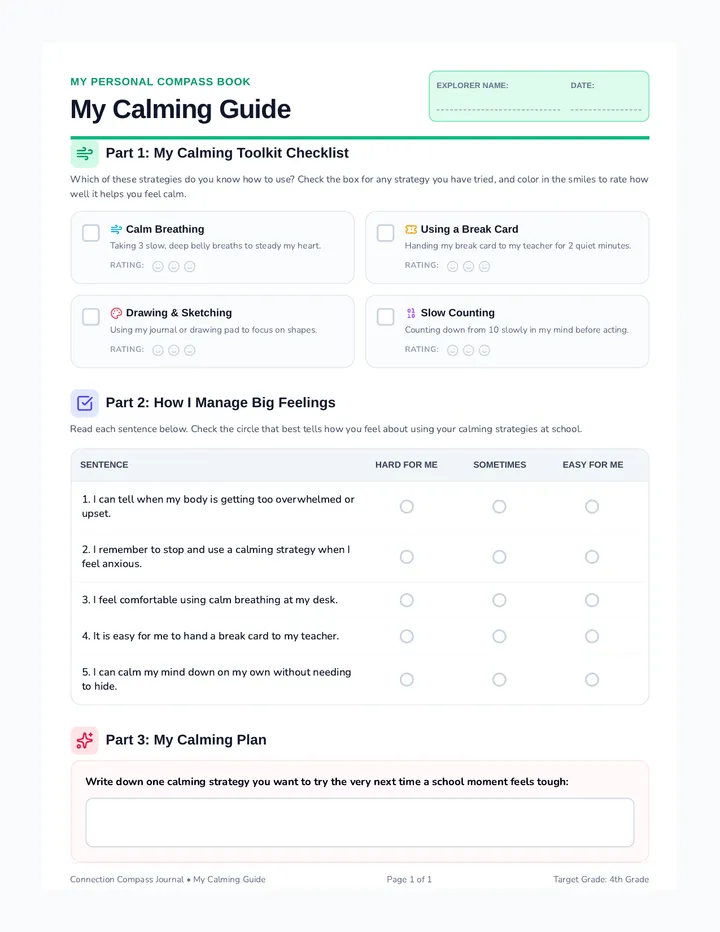
A comprehensive activity packet for small group or individual counseling sessions, providing deeper exploration of emotions and coping skills.
A 30-minute introductory lesson featuring a read-aloud and a primary activity focused on distinguishing between things we can and cannot control during family changes.
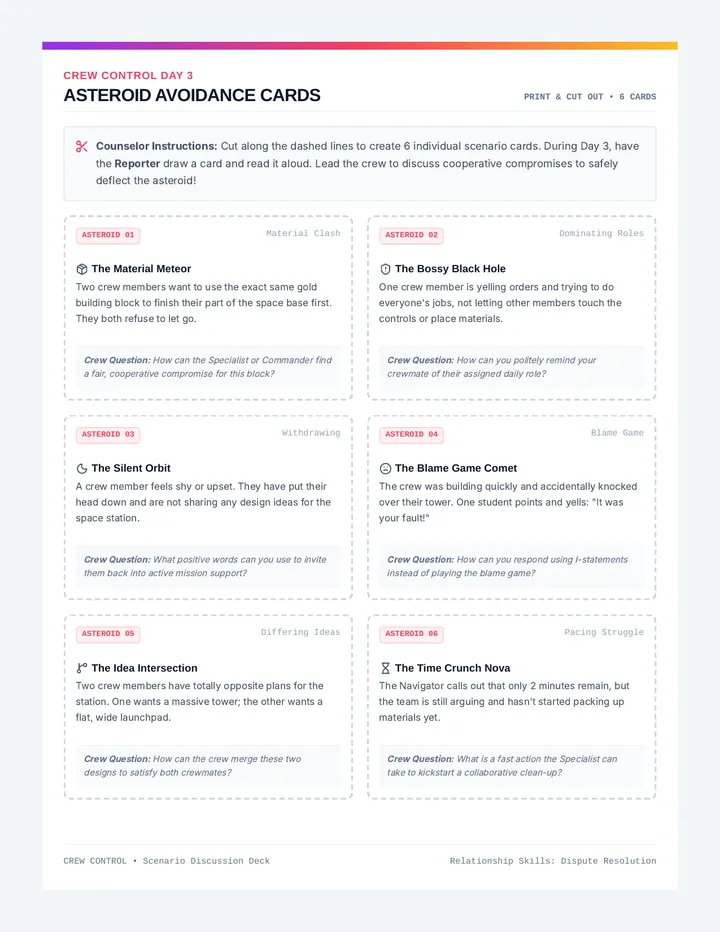
A lesson focused on developing perspective-taking skills through visual analysis of social scenarios and structured reflection on others' feelings during conflicts.
Creating a personalized self-regulation plan that combines identifying triggers, body signals, and chosen coping strategies.
Learning how to use helpful self-talk and perspective-shifting to navigate through difficult emotional 'clouds'.
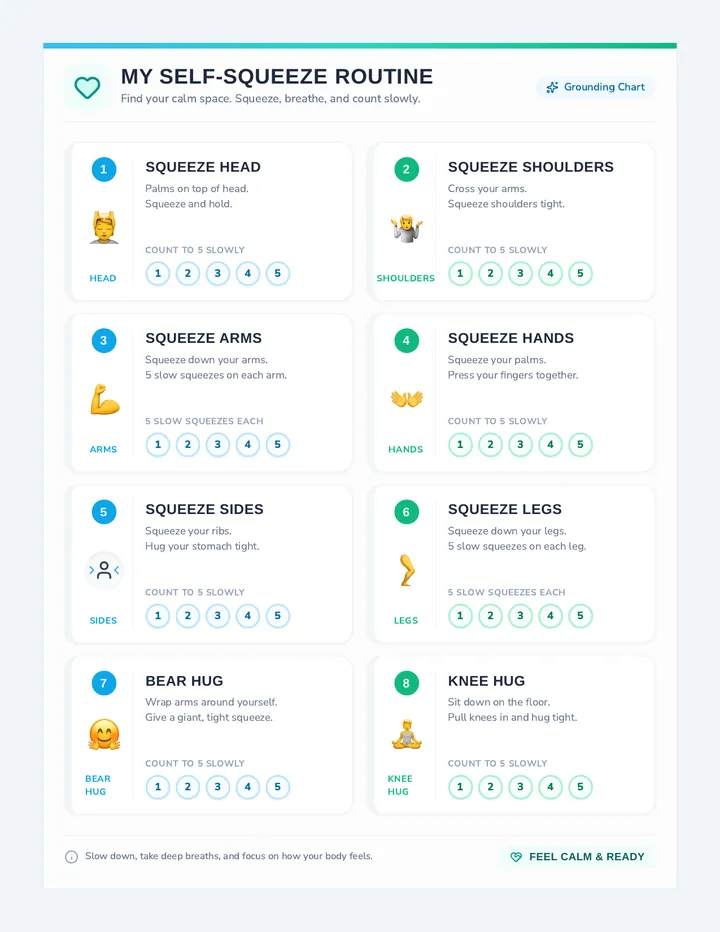
Developing a toolkit of sensory and breathing-based coping strategies to manage intense weather patterns in the mind.
Exploring the intensity of emotions and using a scale to determine when big feelings require specific coping tools.
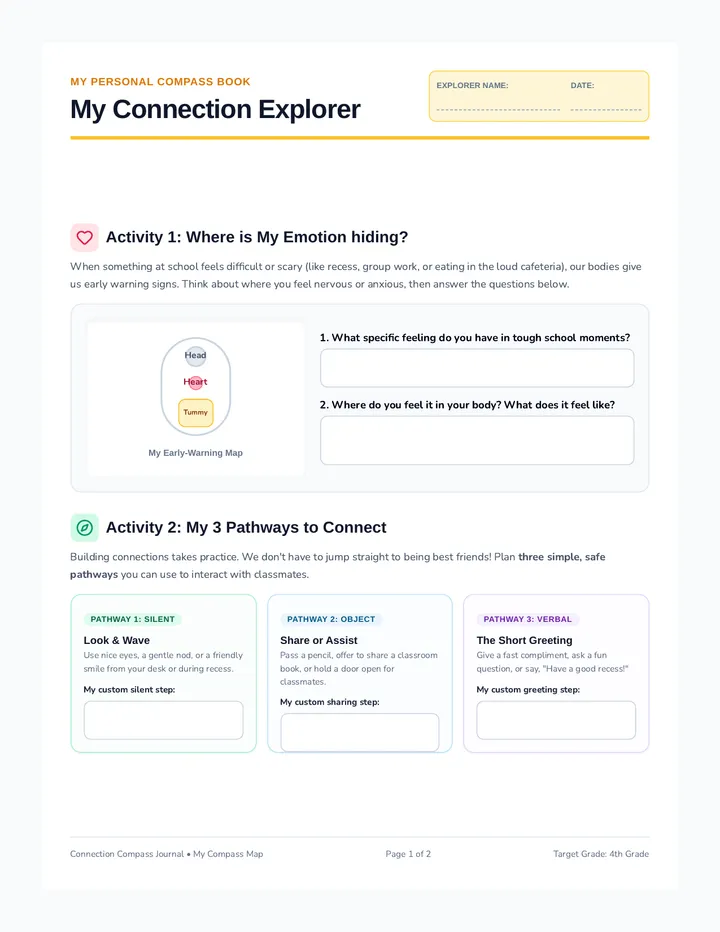
Learning to recognize the physical 'early warning' signs our bodies give us when we experience different emotions.