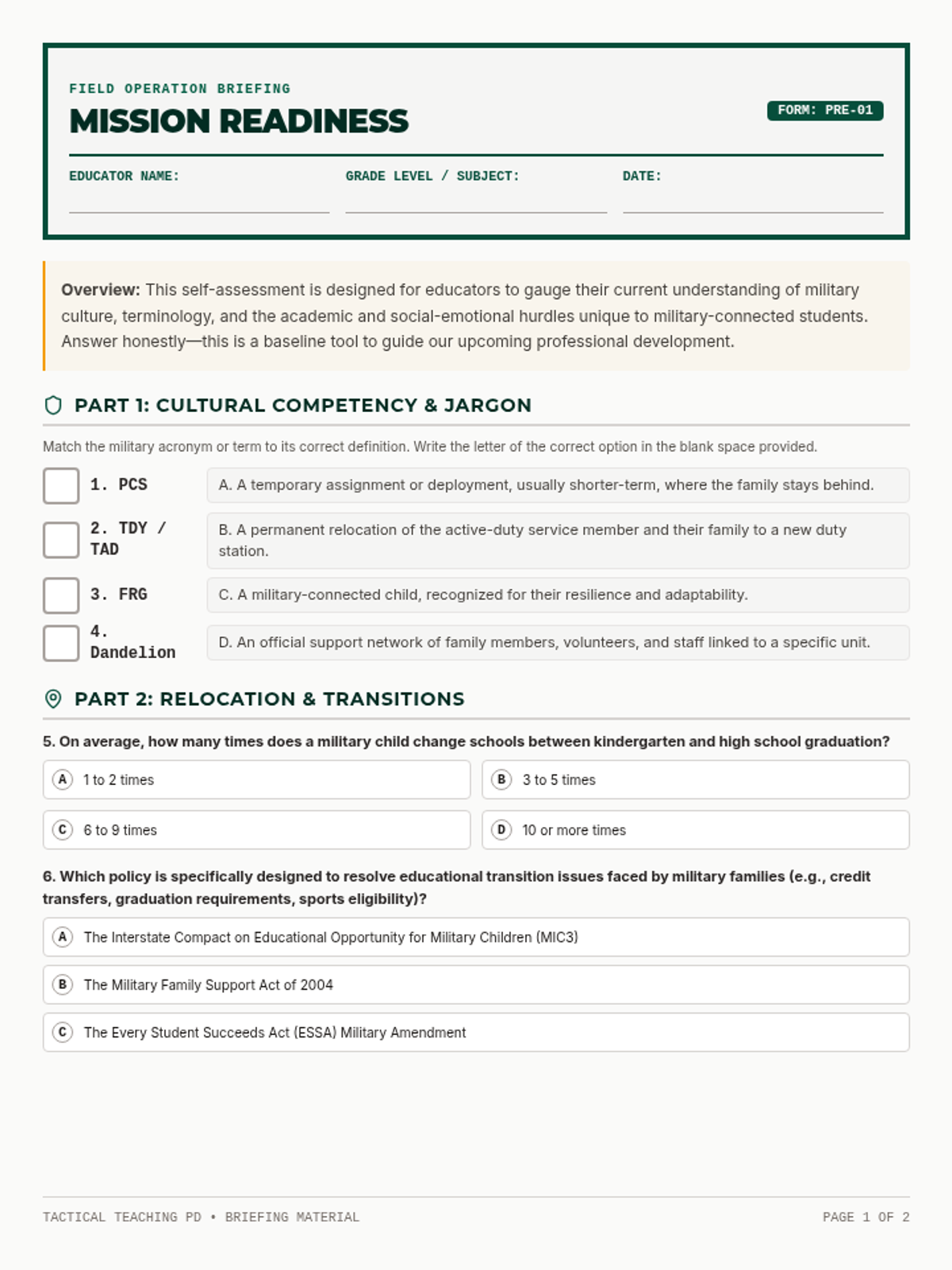
An introductory unit focusing on career terminology, professional mindset, and identifying personal strengths for the workforce.
No materials in this lesson yet.
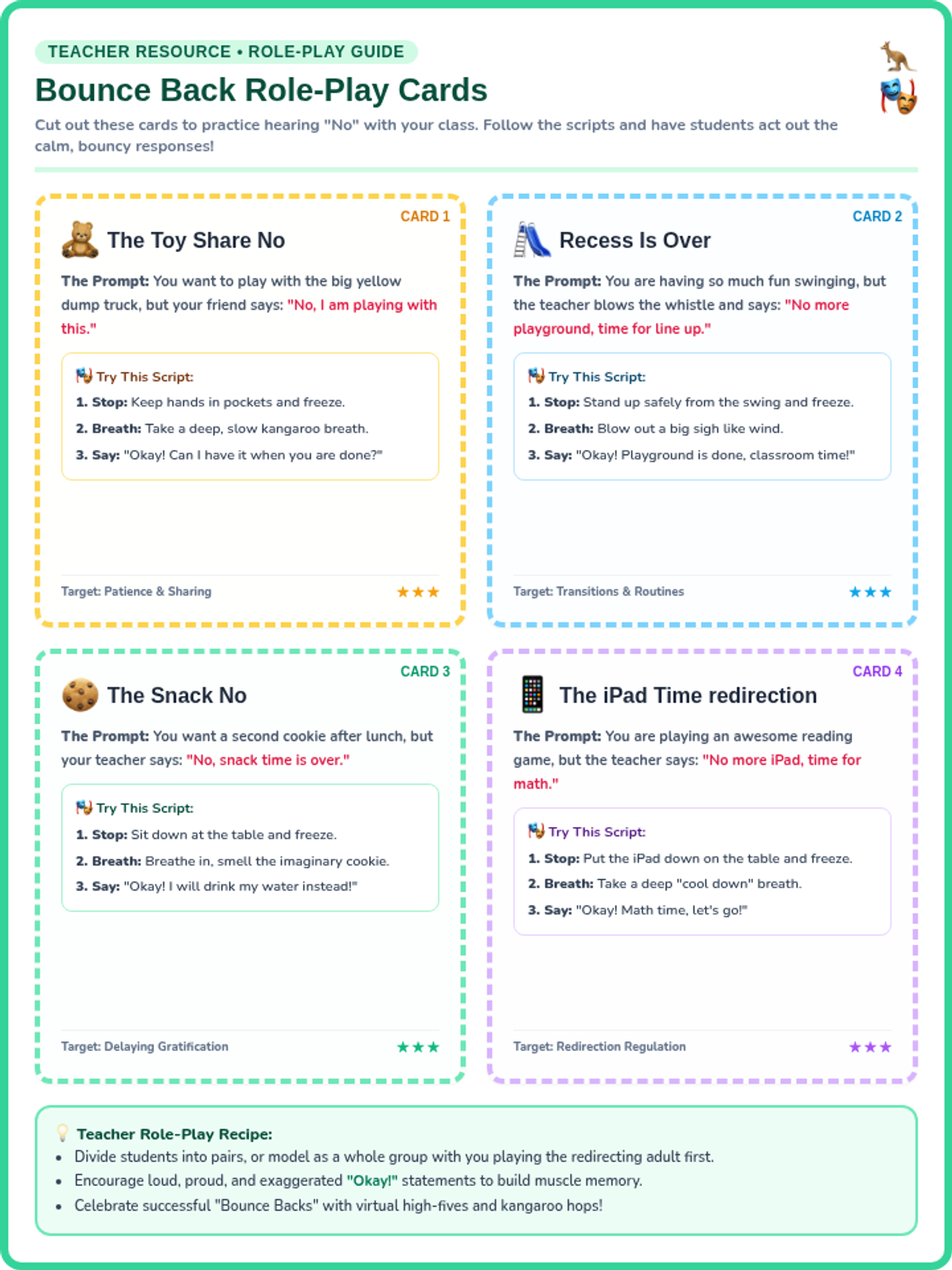
Prepares the student for speaking in varied contexts and with new communication partners through simulated scenarios.
Develops short, functional phrases through predictable scripts and collaborative reading.
Uses forced-choice questions and one-word prompts to elicit the first instances of verbalization.
Introduces non-speech vocalizations (humming, sound effects, breath control) to build comfort with vocal cord engagement.
Focuses on establishing a safe, non-verbal foundation for communication through shared activities and low-pressure engagement.
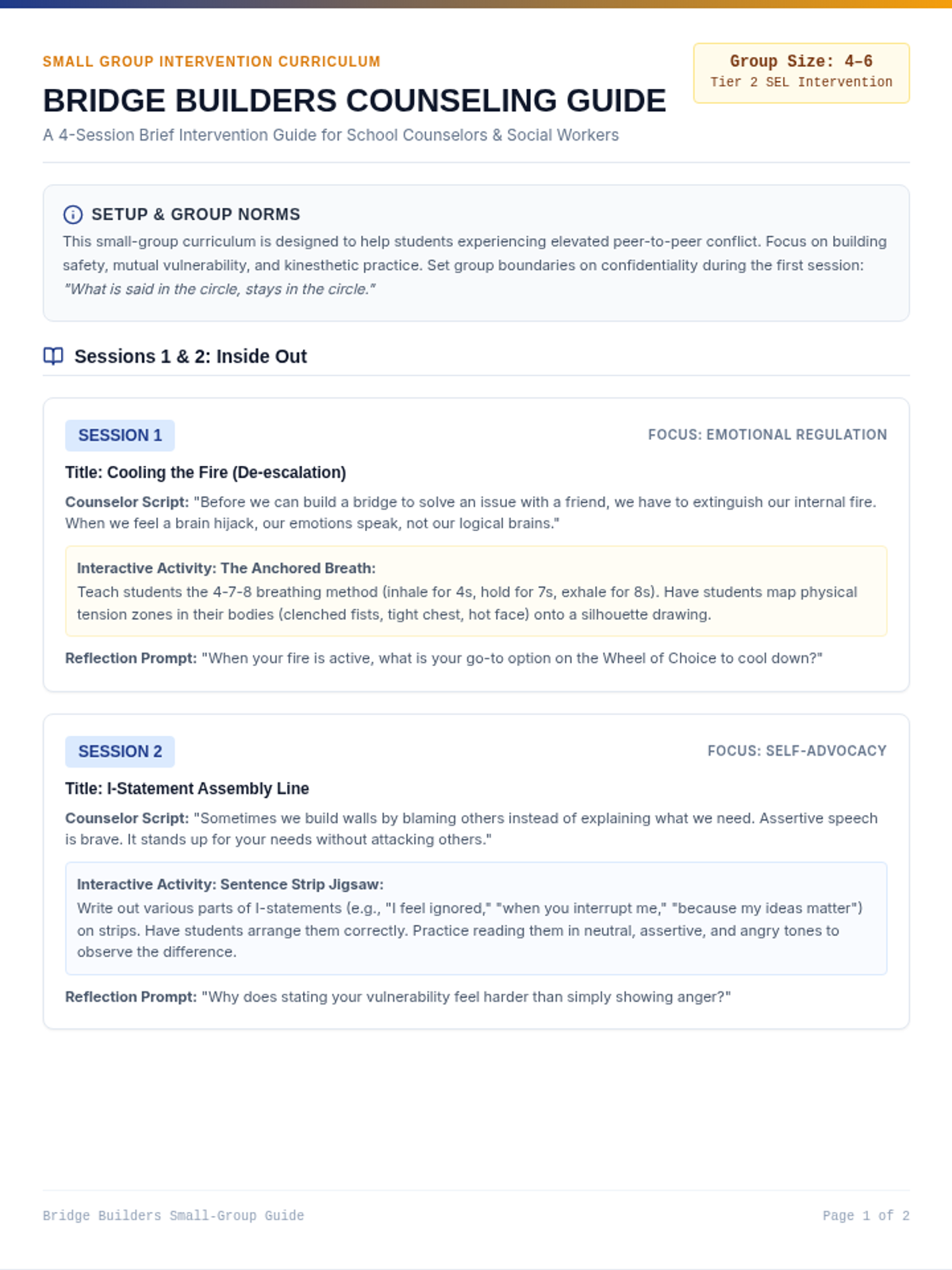
Moves beyond basic social interaction to the nuances of vulnerability and shared interests in deep friendships.
Explores physical and social boundaries, helping students recognize 'stop' signals from others.
Provides concrete tools for managing the urge to interrupt or dominate conversations.
Teaches the 'pivot' from one's own internal experience to understanding how others perceive specific behaviors.
Focuses on identifying levels of energy and impulsivity and how they affect the classroom environment and peer interactions.
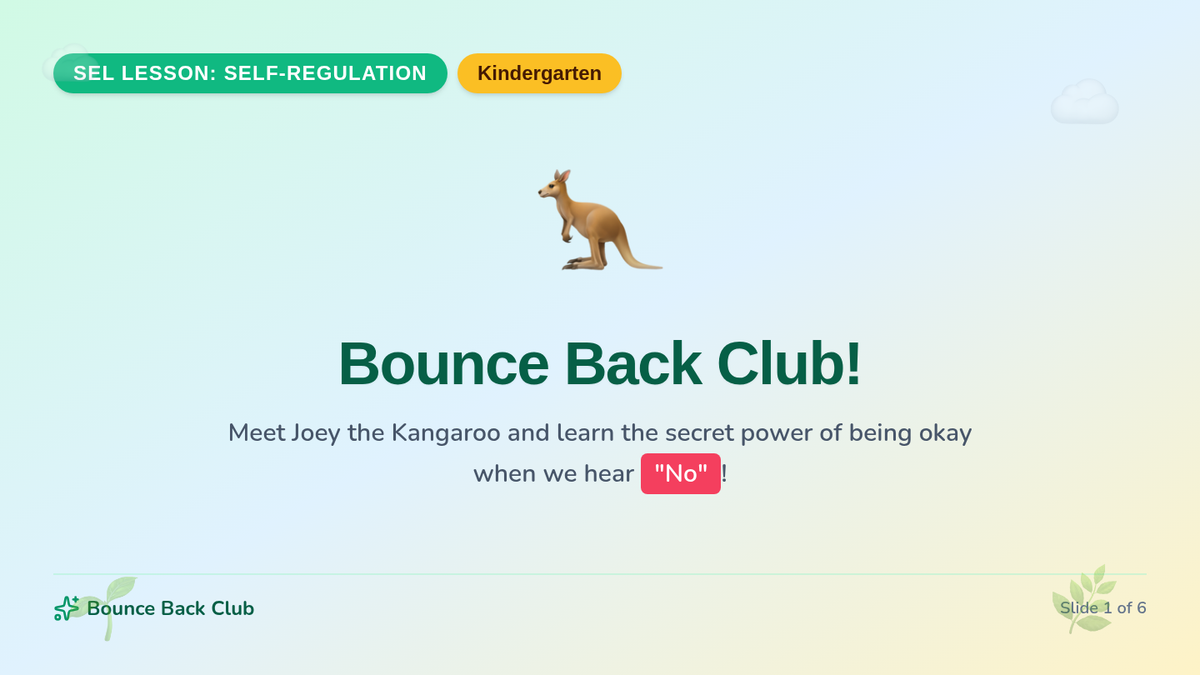
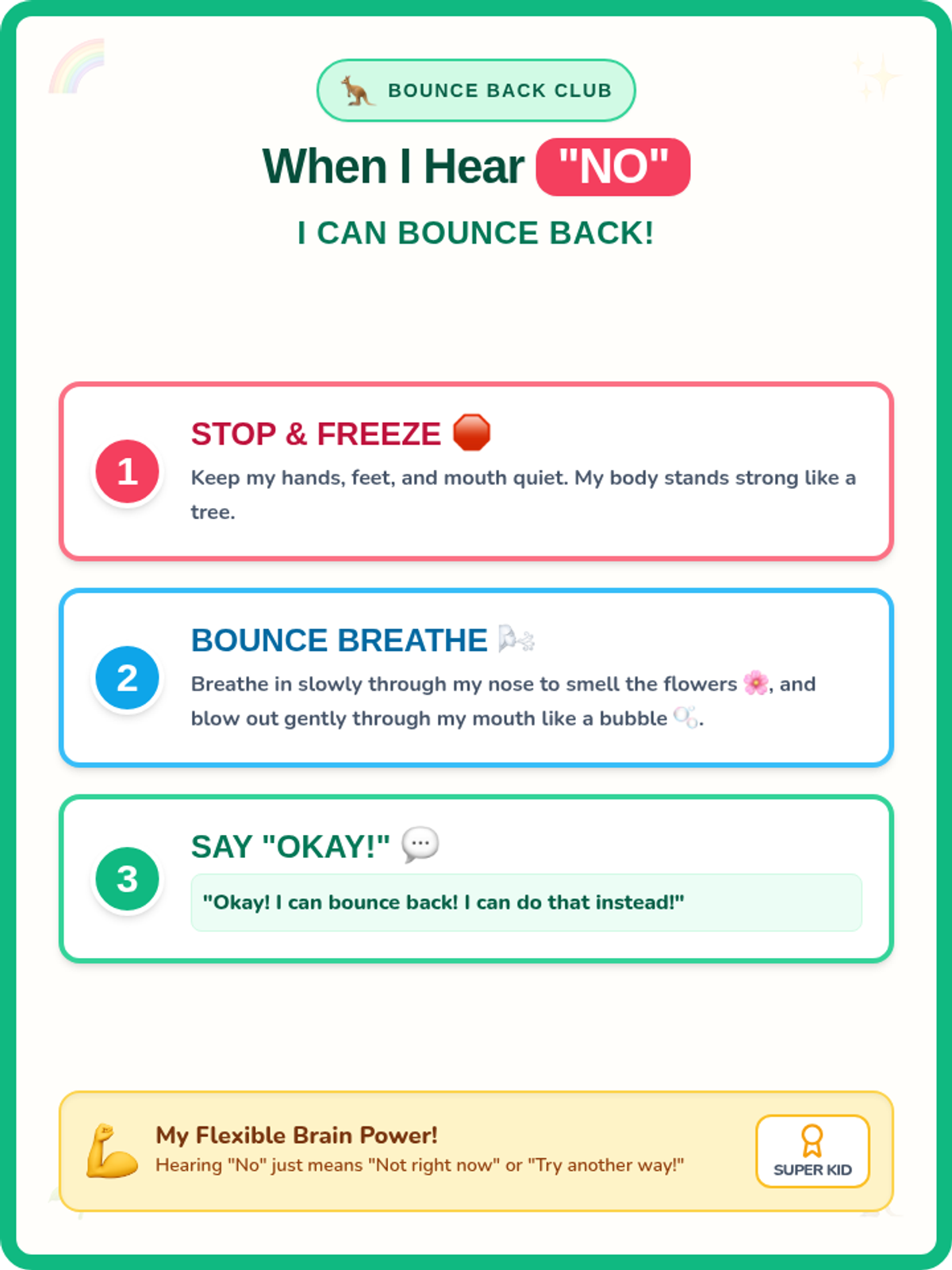
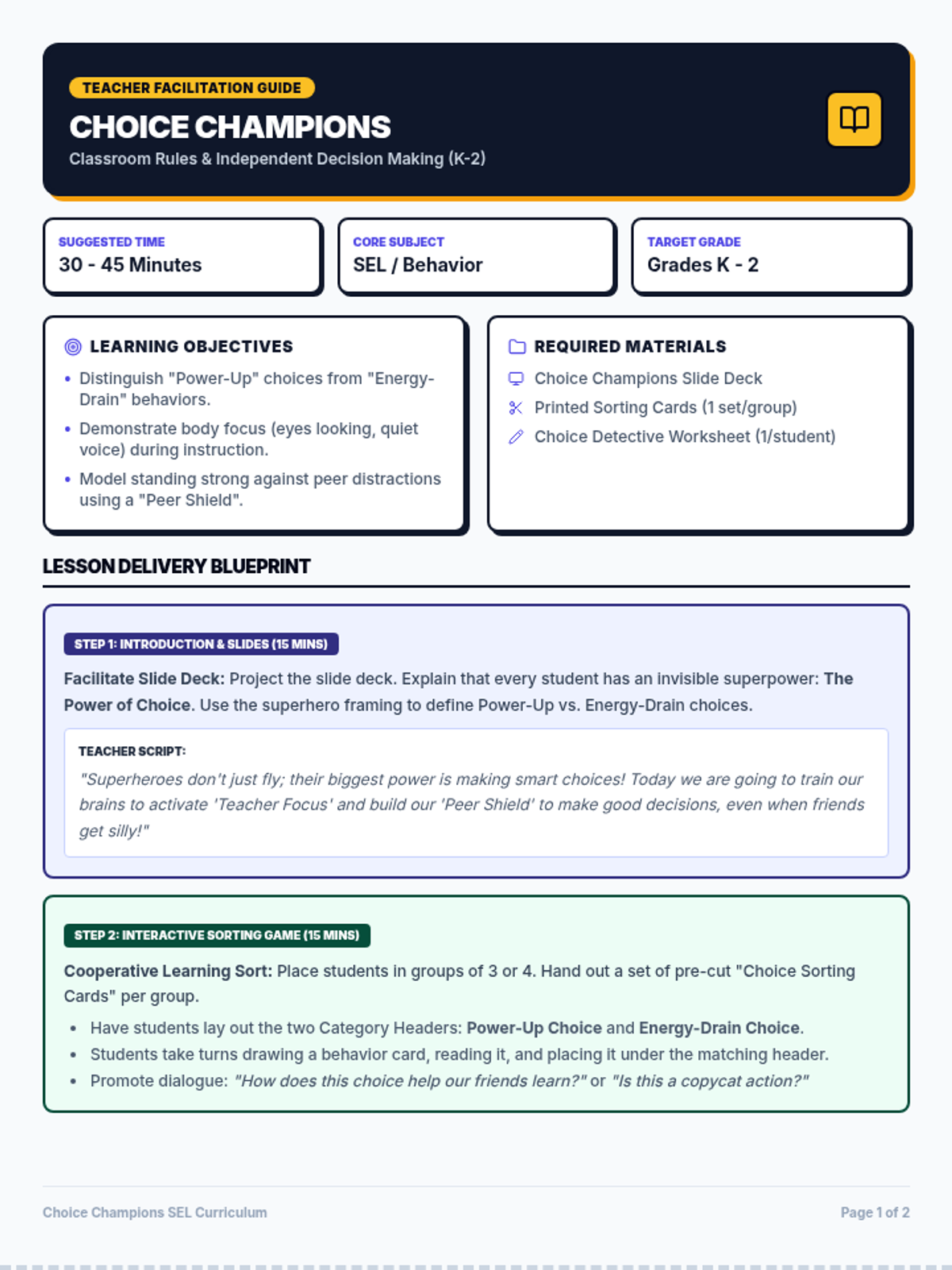
A foundational lesson for K-2 students exploring the concept that every brain is unique, highlighting different learning styles and individual strengths through movement and art.
A comprehensive counseling session designed for graduate students to navigate academic pressure through mindfulness, self-compassion, and proactive burnout prevention. Students will assess their stress levels and build a personalized resilience toolkit.
A final assessment module to evaluate student understanding of career readiness concepts and application proficiency.
A deep dive into the mechanics of job applications, cover letter construction, and managing professional references.