Students explore the science of neuroplasticity and the fundamental difference between fixed and growth mindsets, learning how the brain physically changes with effort.
A practical guide for students to find and use public technology resources safely and effectively. This lesson covers locating free computers, navigating public interfaces, and connecting to open WiFi networks.
A digital literacy lesson designed for high school students in transitional housing, focusing on practical internet search skills, source evaluation, and staying safe from online scams.
A collection of email templates and self-advocacy strategies specifically designed for neurodivergent high school students experiencing housing instability. The lesson focuses on clear communication with teachers, case managers, and social service agencies to secure essential resources and academic support.
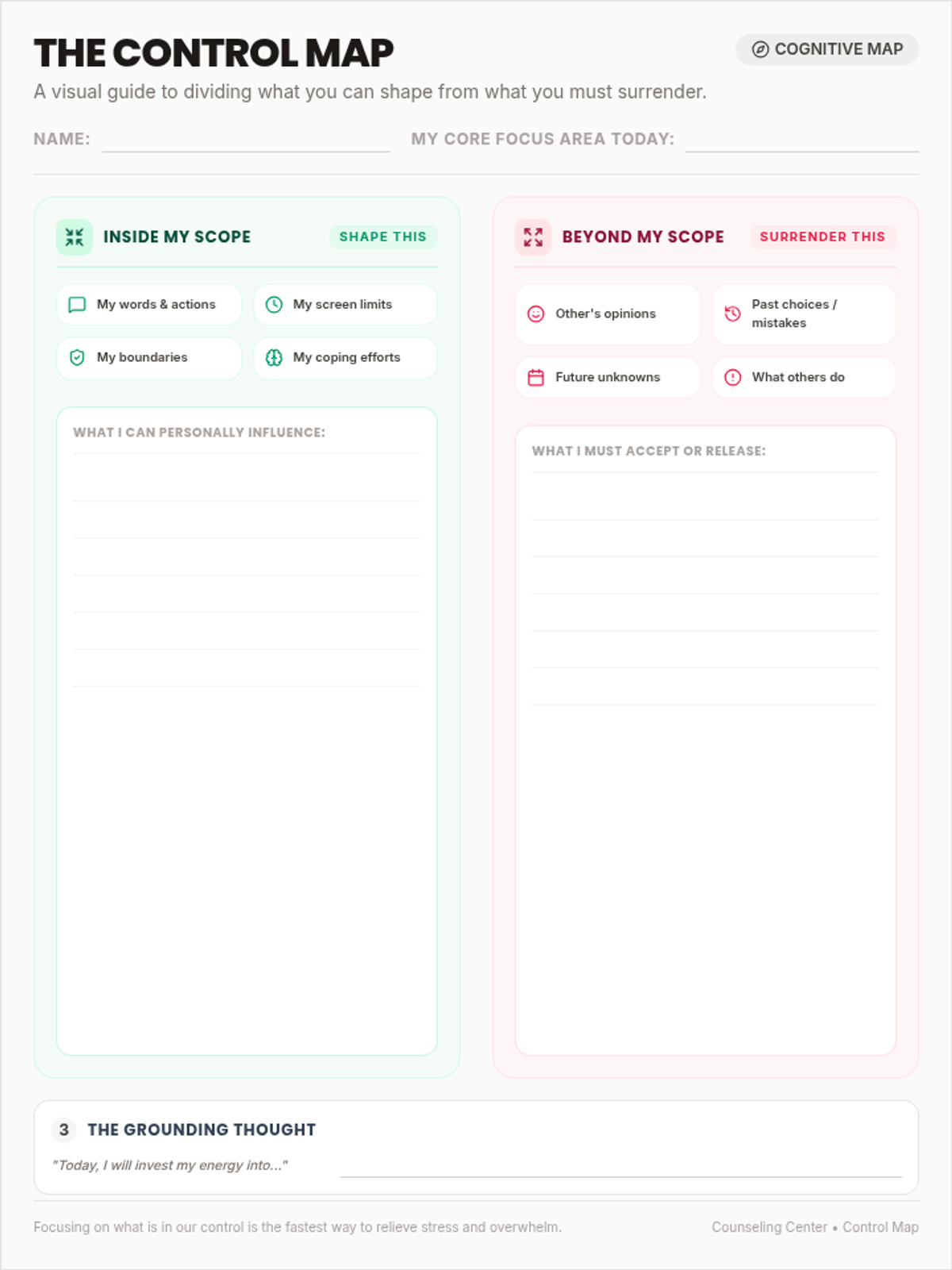
A comprehensive guide to online safety specifically designed for students who rely on public technology and need to secure sensitive digital information while navigating housing instability.
A high school speech therapy lesson focused on executive functioning skills, specifically calendar management, conflict resolution, and social communication when declining invitations.
A culminating session where students apply all learned skills in real-world scenarios and receive their Peace Protocol certification.
Teaches the 4-part effective apology and how to take accountability to repair damaged relationships.
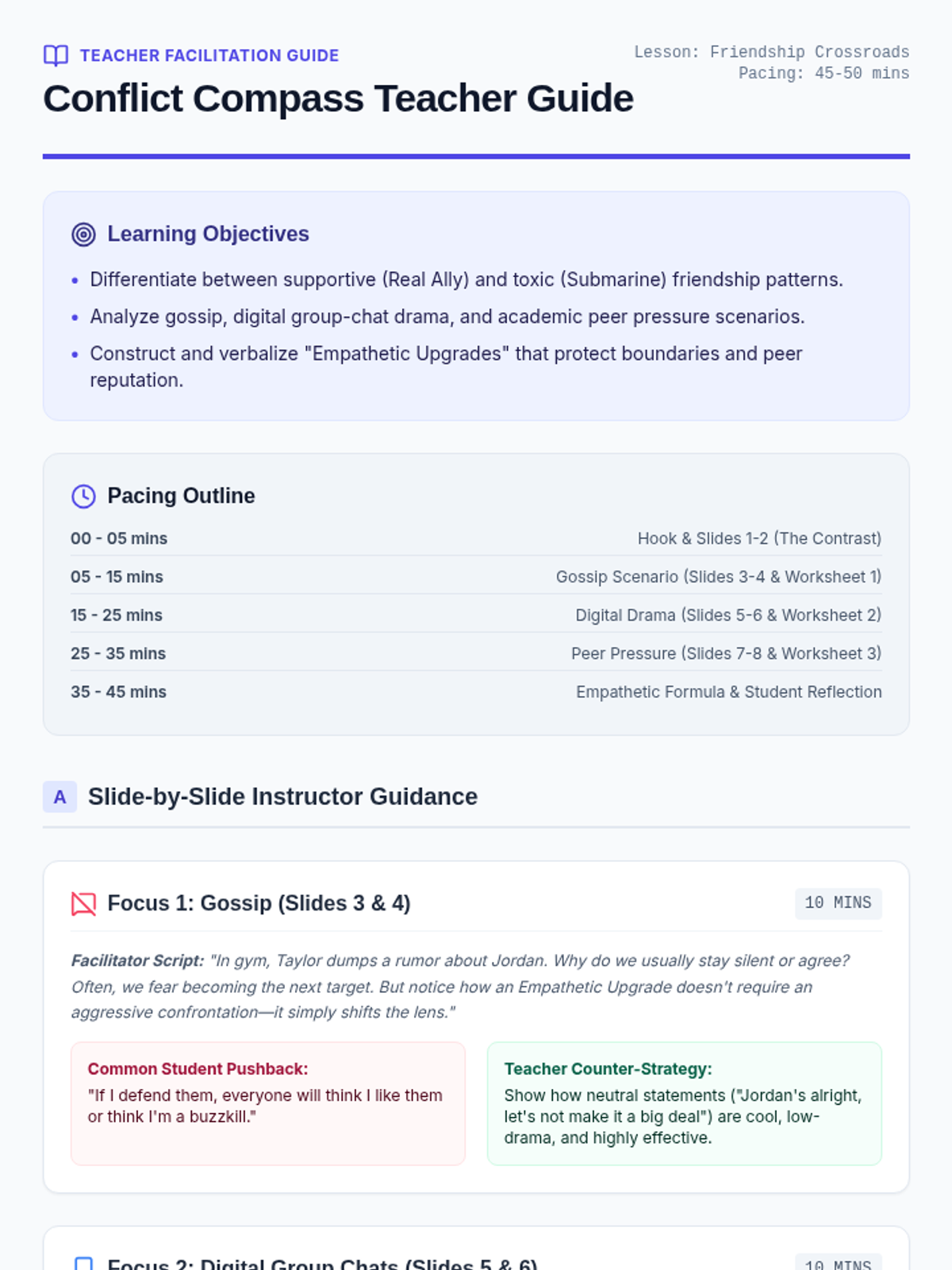
Explores navigating power imbalances and social pressure while maintaining personal boundaries.
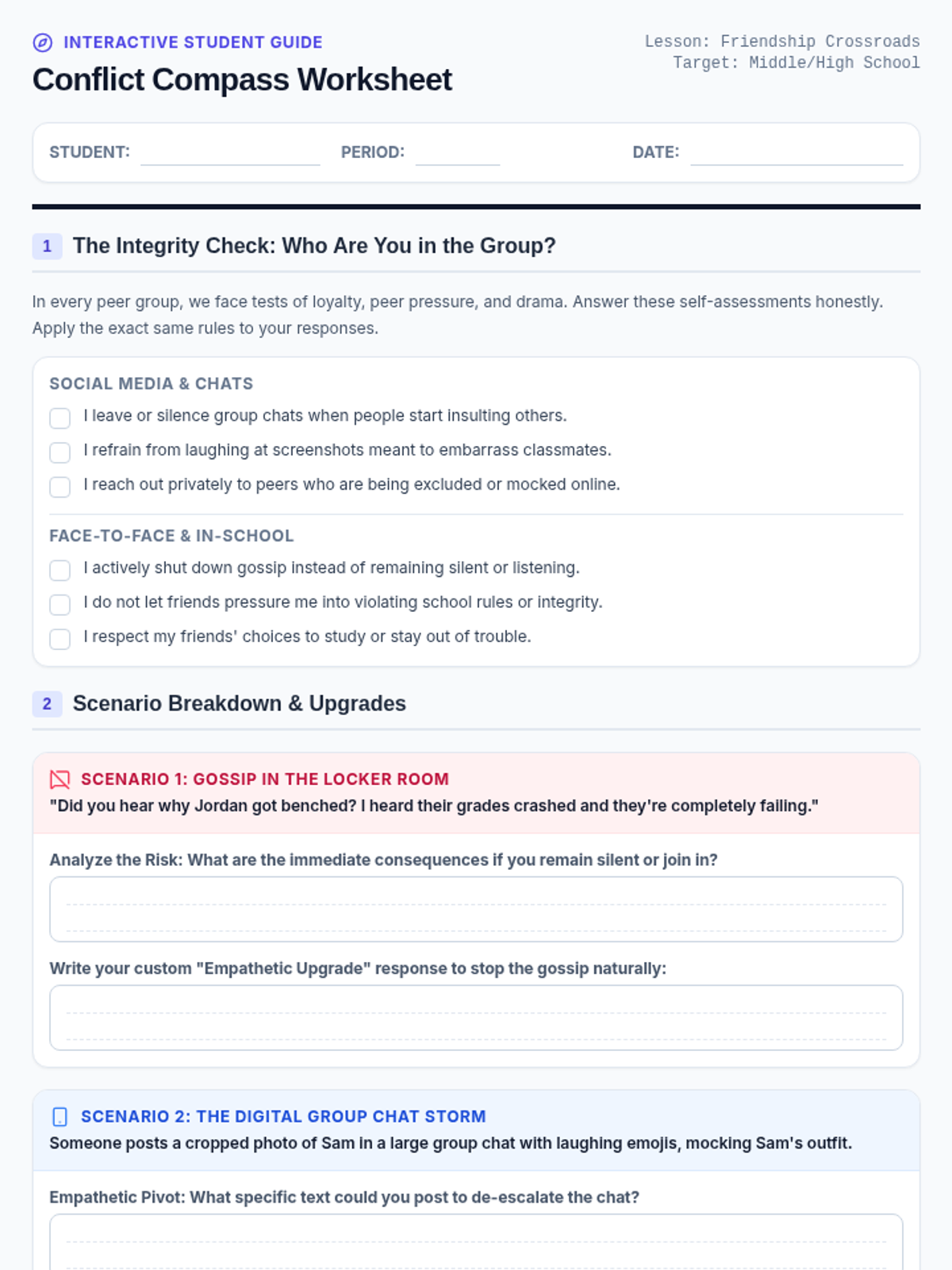
Focuses on the unique challenges of text and social media conflict, including tone misinterpretation and the viral nature of drama.
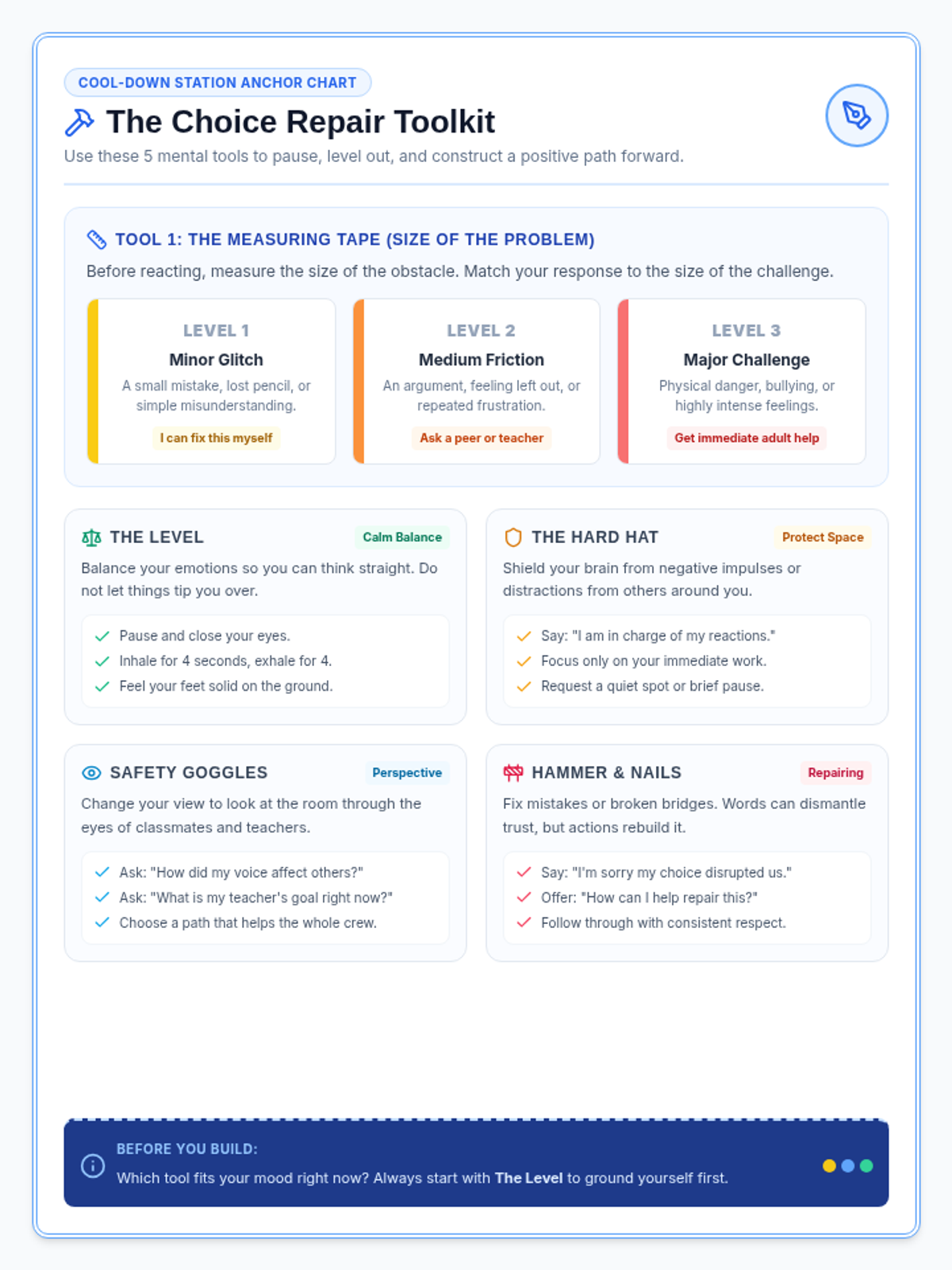
Provides a practical toolkit of verbal and non-verbal techniques to lower the emotional temperature of a conflict.
Identifies the biological "fight-flight-freeze" response and maps personal triggers to improve self-awareness during tension.