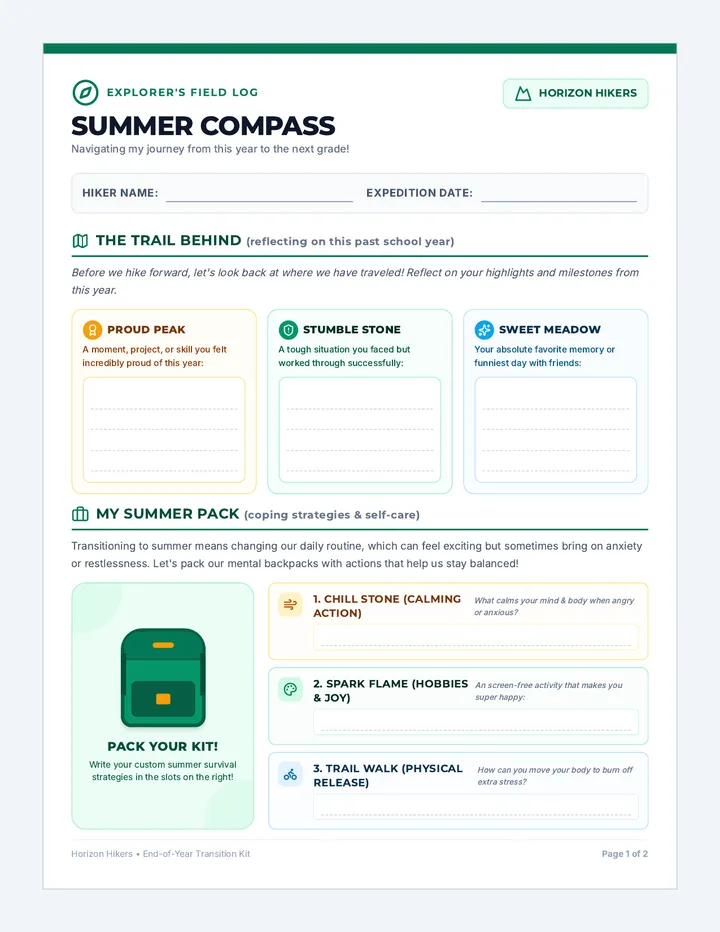
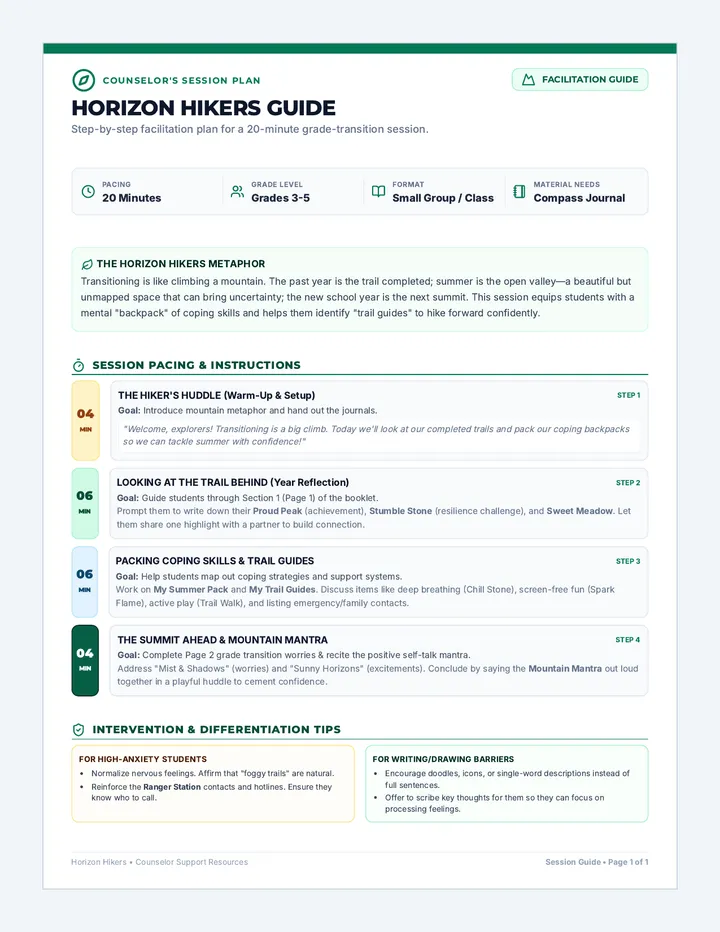
Students utilize validated career and learning style inventories to identify their top skill sets and areas of interest. They analyze the results to create a 'Personal Profile' that serves as a lens for evaluating future options.
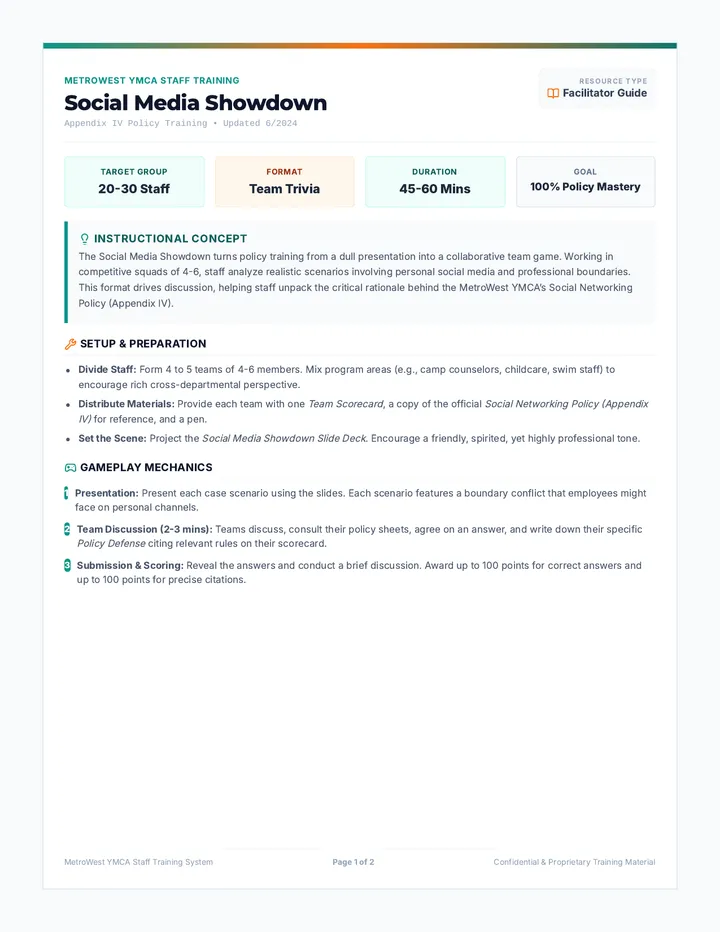
A final review and certification ceremony where students reflect on their growth and receive their 'Master Mechanic' status.
Integrating all 'Mind Mechanic' skills into a final creative project, demonstrating mastery of self-awareness and social reasoning.
Evaluating options and consequences using 'The Choice Circuit,' focusing on making deliberate decisions while reading and writing.
Introducing decision thinking through 'The Logic Loom,' helping students weave together 'how' and 'why' clues in complex texts.
Advanced social reasoning using 'Point of View Goggles' to interpret different perspectives and motivations in stories and real-life situations.
Developing social understanding by using 'Signal Scanners' to detect character emotions and perspectives within texts.
Focuses on using feedback as a 'Toolbox Upgrade,' helping students see mistakes and suggestions as ways to improve their work rather than as failures.
Introduction to growth mindset through 'The Blueprint,' teaching students that skills are built over time with practice and planning.
Building self-esteem by identifying 'Safety Gear'—the positive inner talk and strengths that protect us from fear and frustration.
Focuses on stress handling by introducing 'Coolant Systems'—calming strategies to use when facing difficult tasks or making mistakes.
Exploring the 'Reaction Engine' to understand how the brain responds to stressors during reading and writing, helping students identify their personal triggers.
An introduction to the concept of the mind as a 'workshop' where thoughts and feelings are built, introducing students to their role as Mind Mechanics and establishing basic self-awareness.
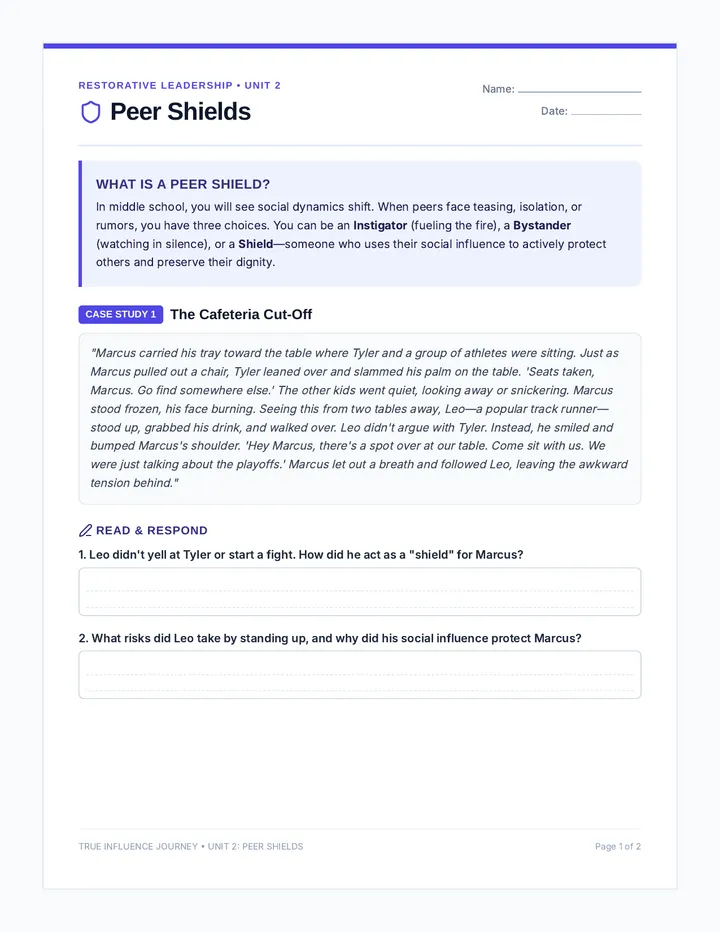
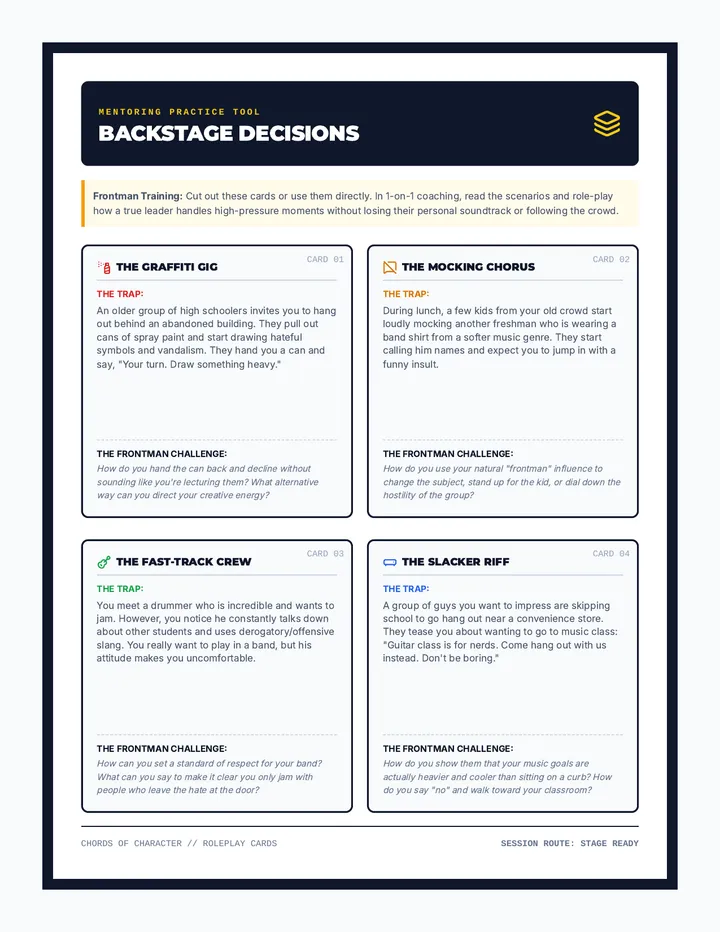
A comprehensive lesson on identifying and managing peer pressure, focusing on direct vs. indirect influence and developing effective refusal strategies.
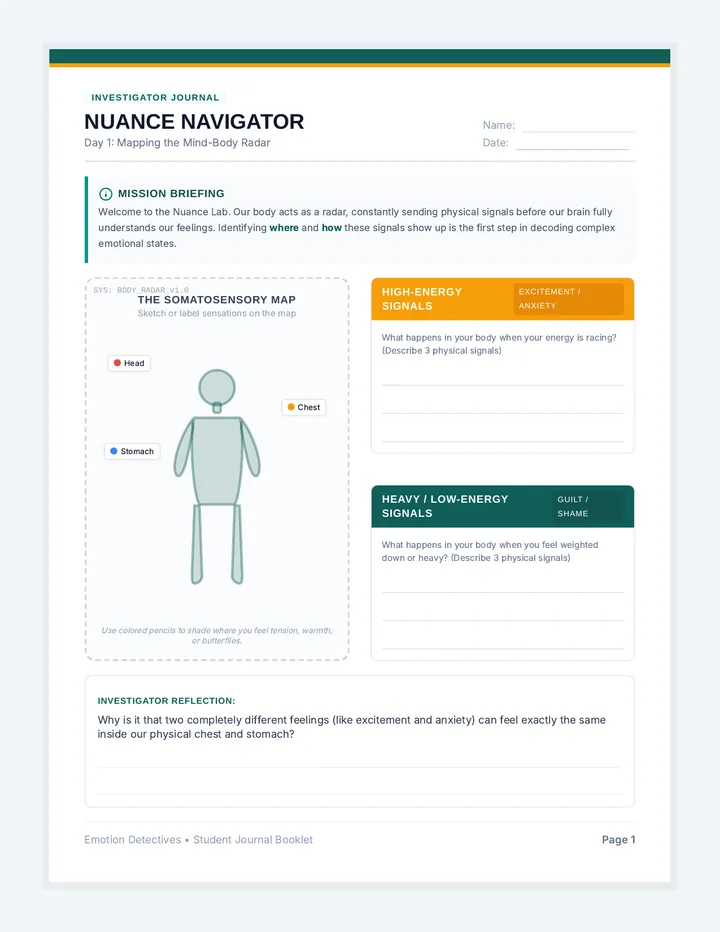
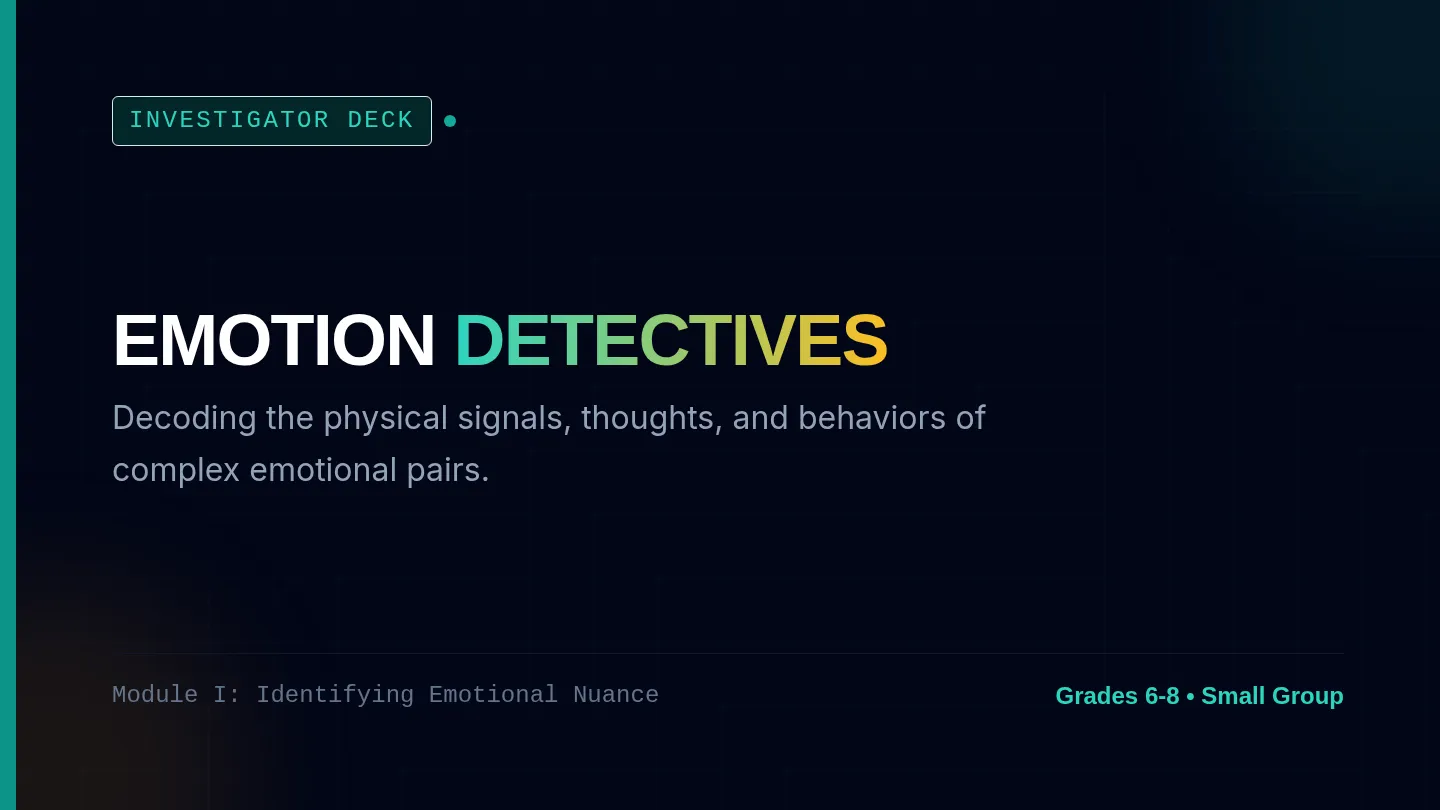
A lesson for first graders to identify the physical sensations and outward signs associated with different emotions, inspired by "A Little Spot of Feelings" by Diane Alber. Students become 'Feeling Detectives' to investigate how their bodies react to various feelings.
The capstone session where students consolidate their learning, create a vision board, and write a letter to their future professional self.