A professional workshop series for graduate students to master peer support, empathetic communication, and collective problem-solving within high-pressure academic cohorts.
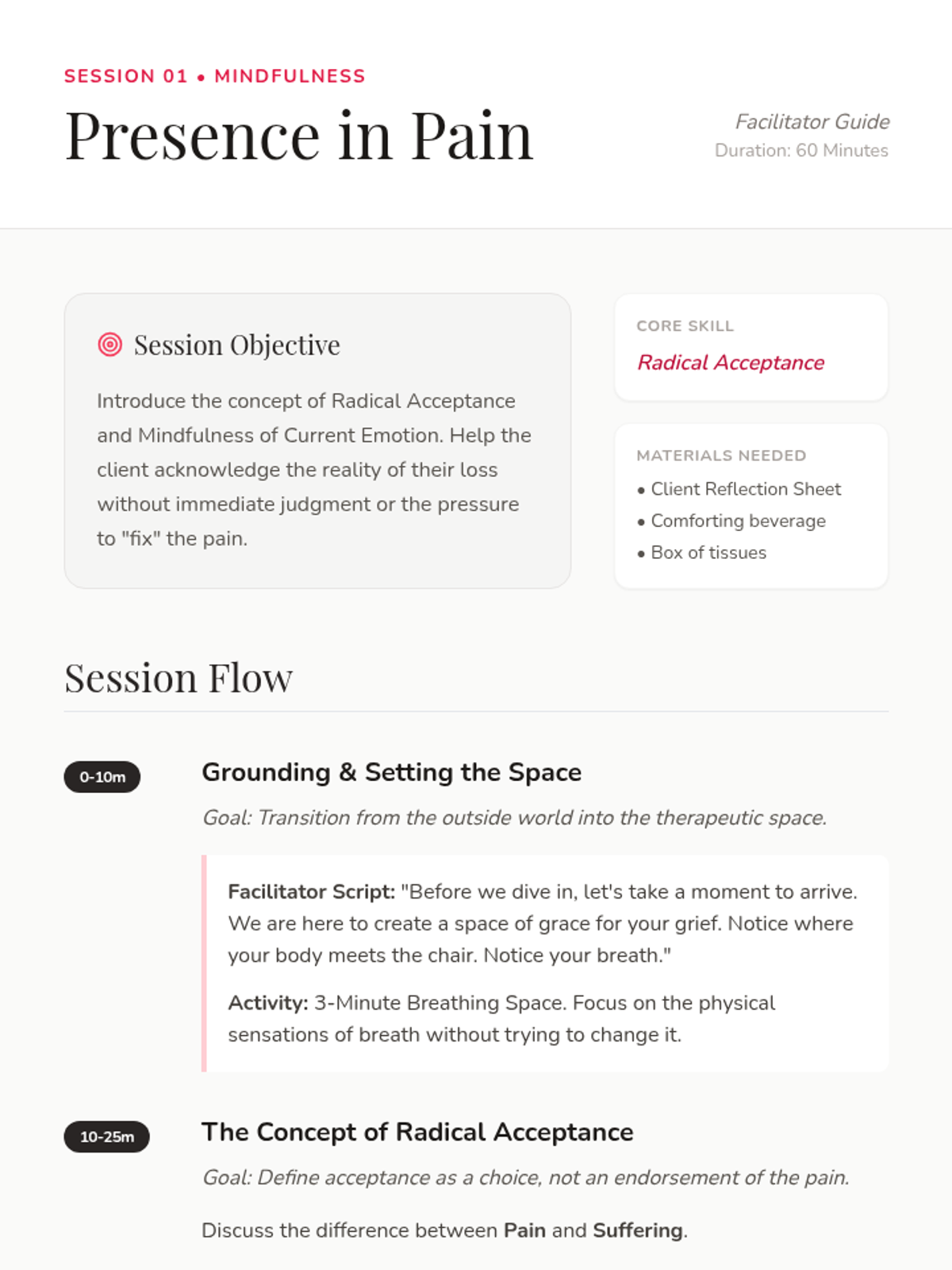
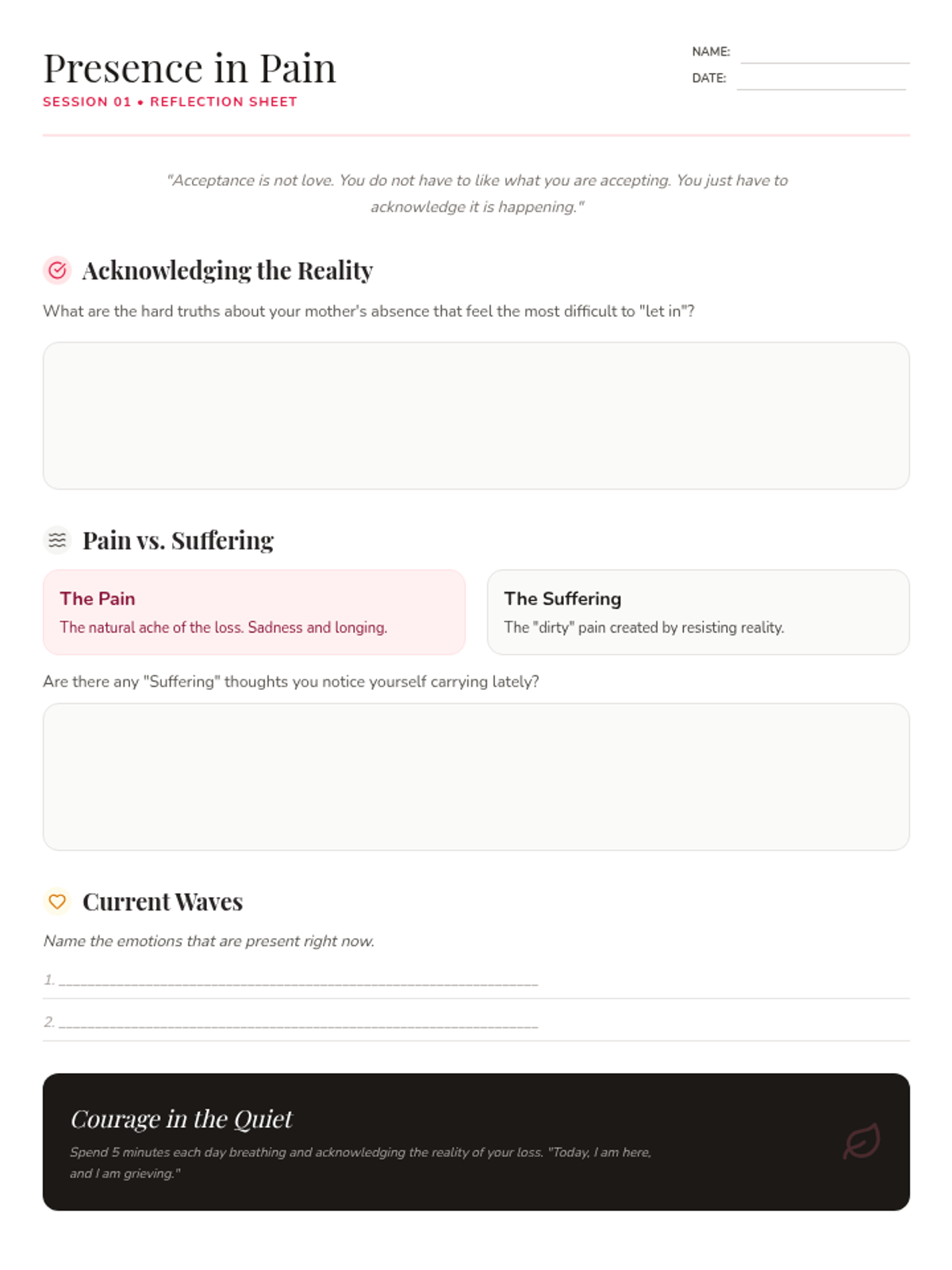
A 9-week therapeutic curriculum for adults processing maternal loss, integrating Dialectical Behavior Therapy (DBT) skills to foster acceptance, emotional regulation, and resilience.
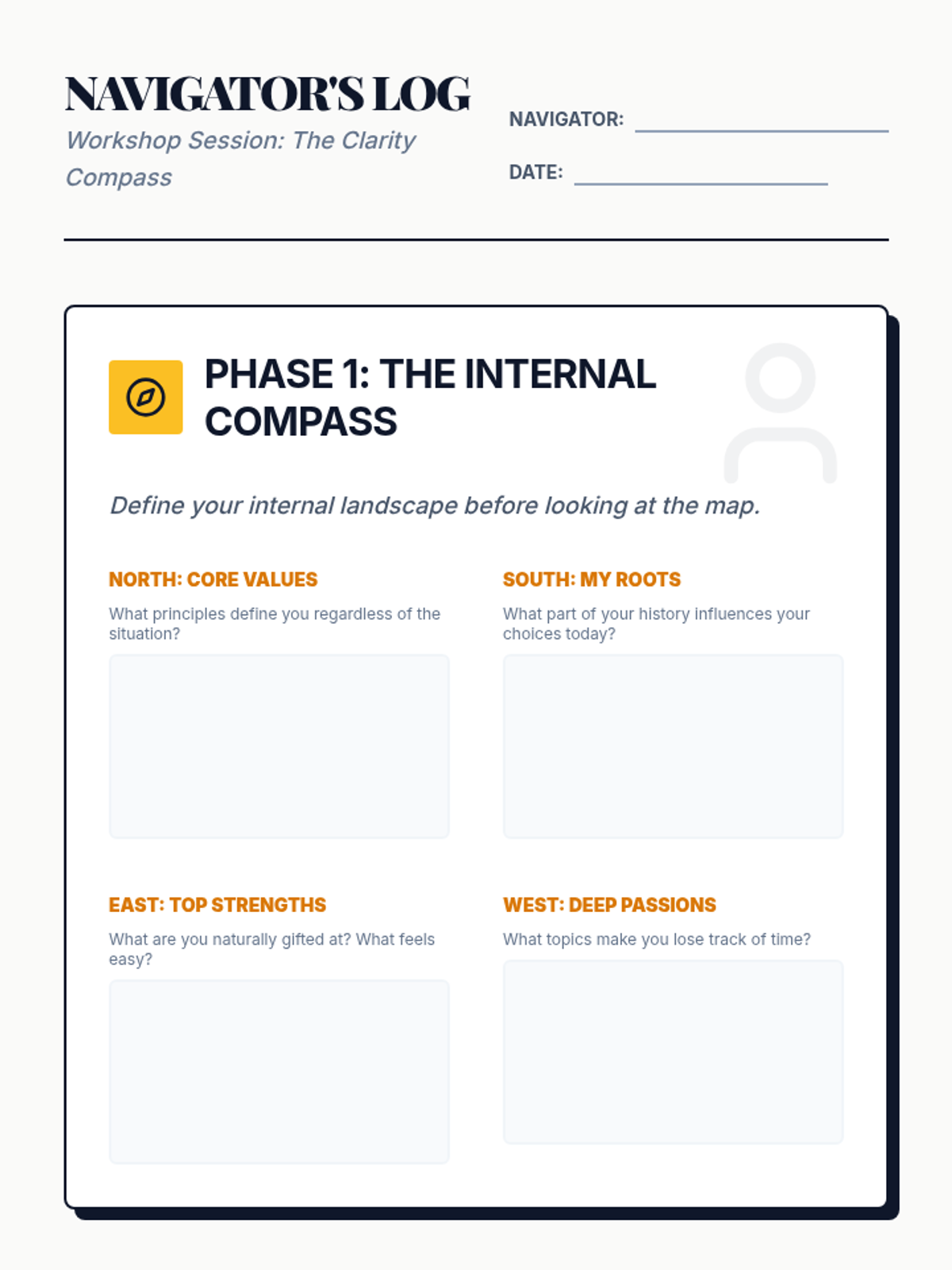
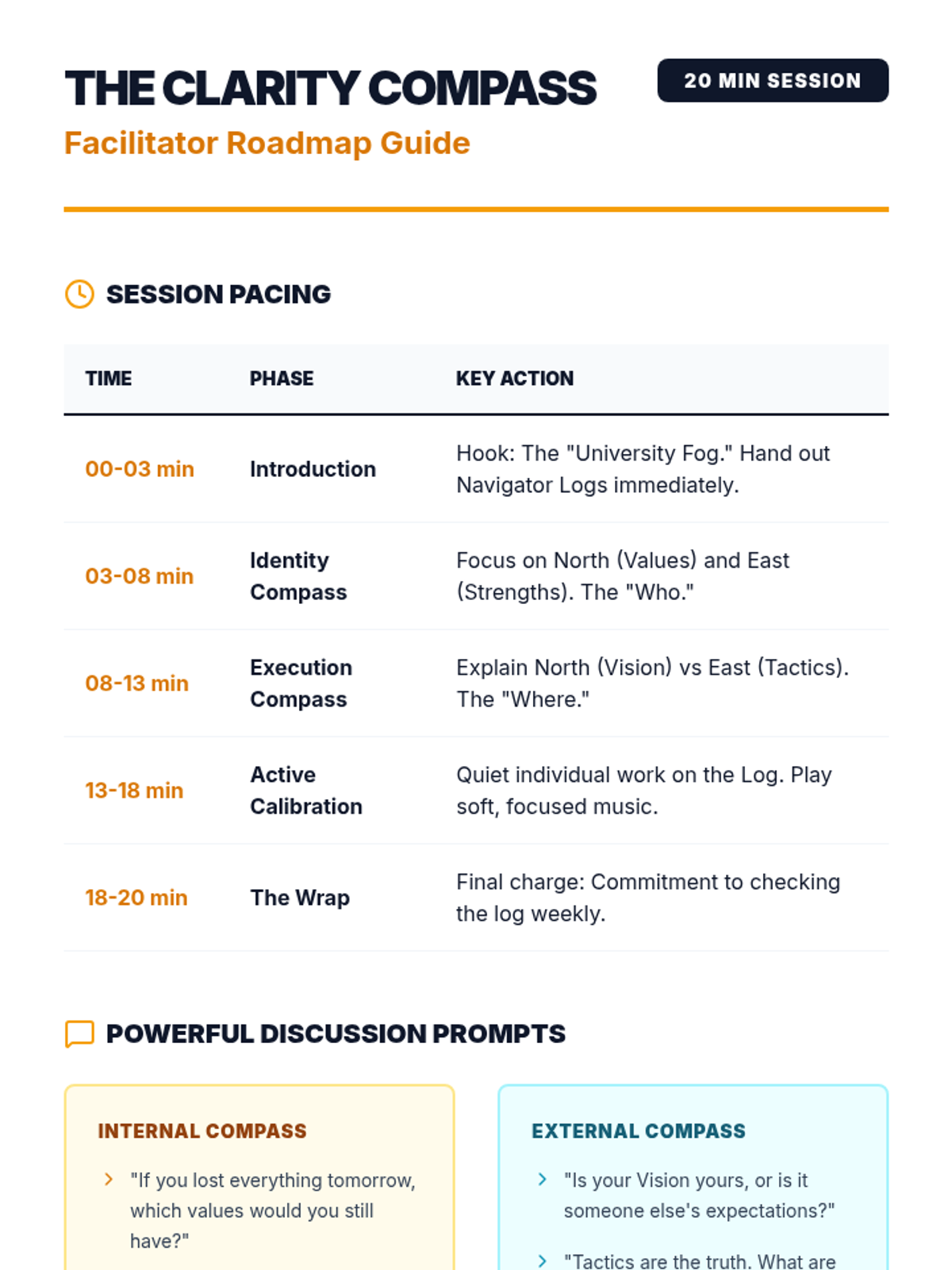
A high-impact workshop sequence designed to help university students navigate personal goal setting using two distinct Clarity Compass models focusing on internal identity and external action.
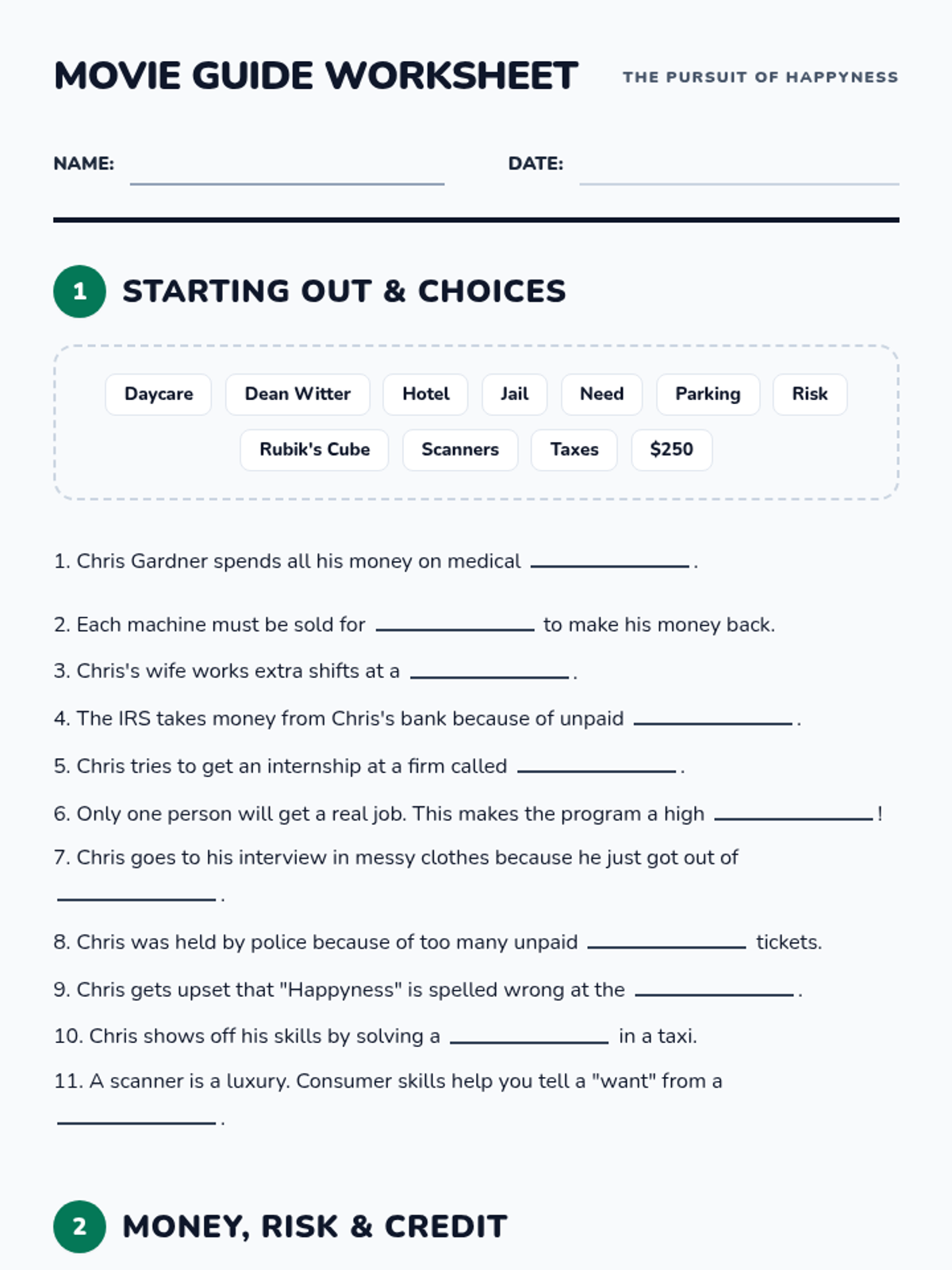
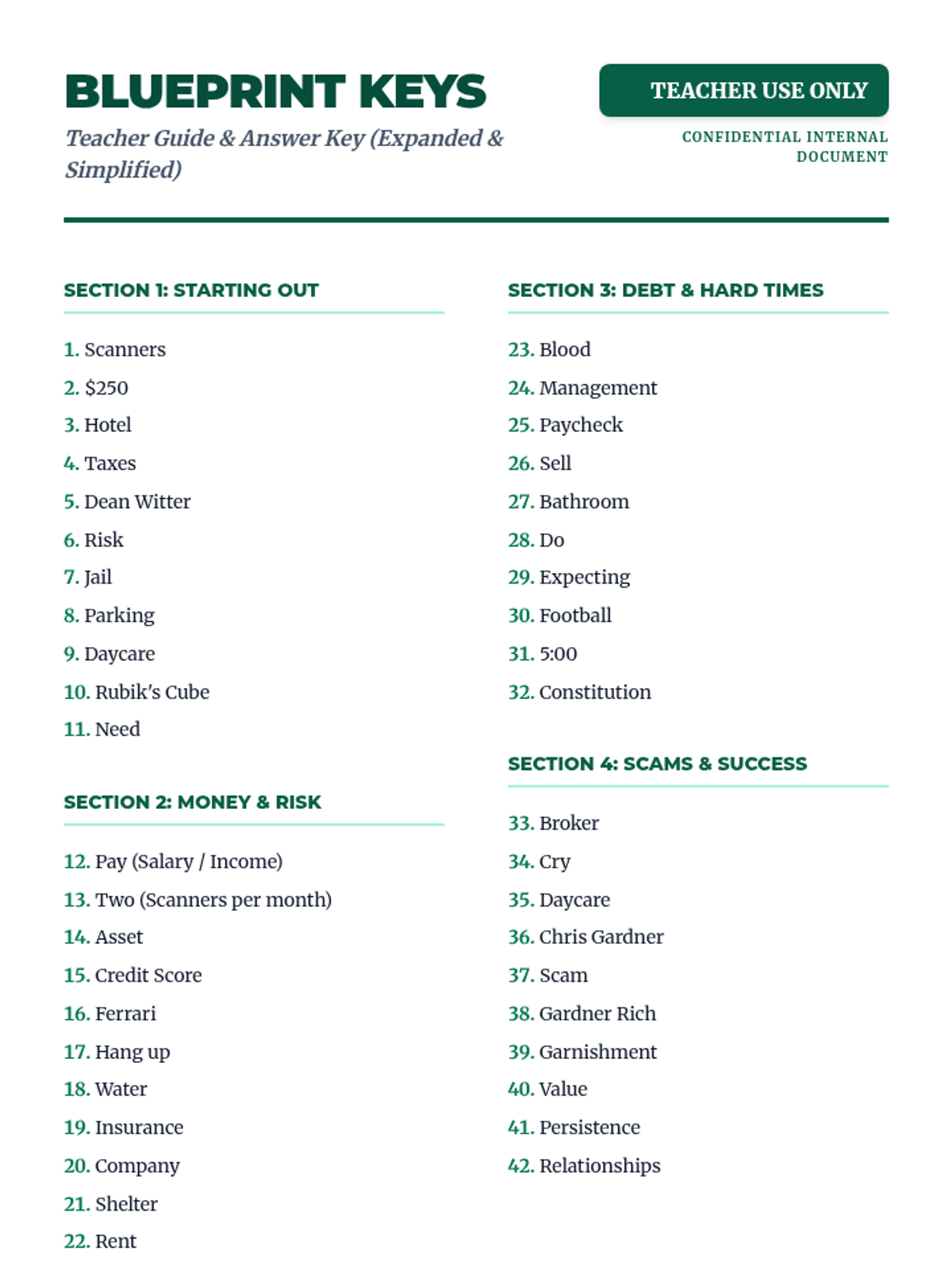
A series of lessons exploring real-world financial concepts through the lens of popular cinema, helping students connect abstract economic theories to relatable human stories.
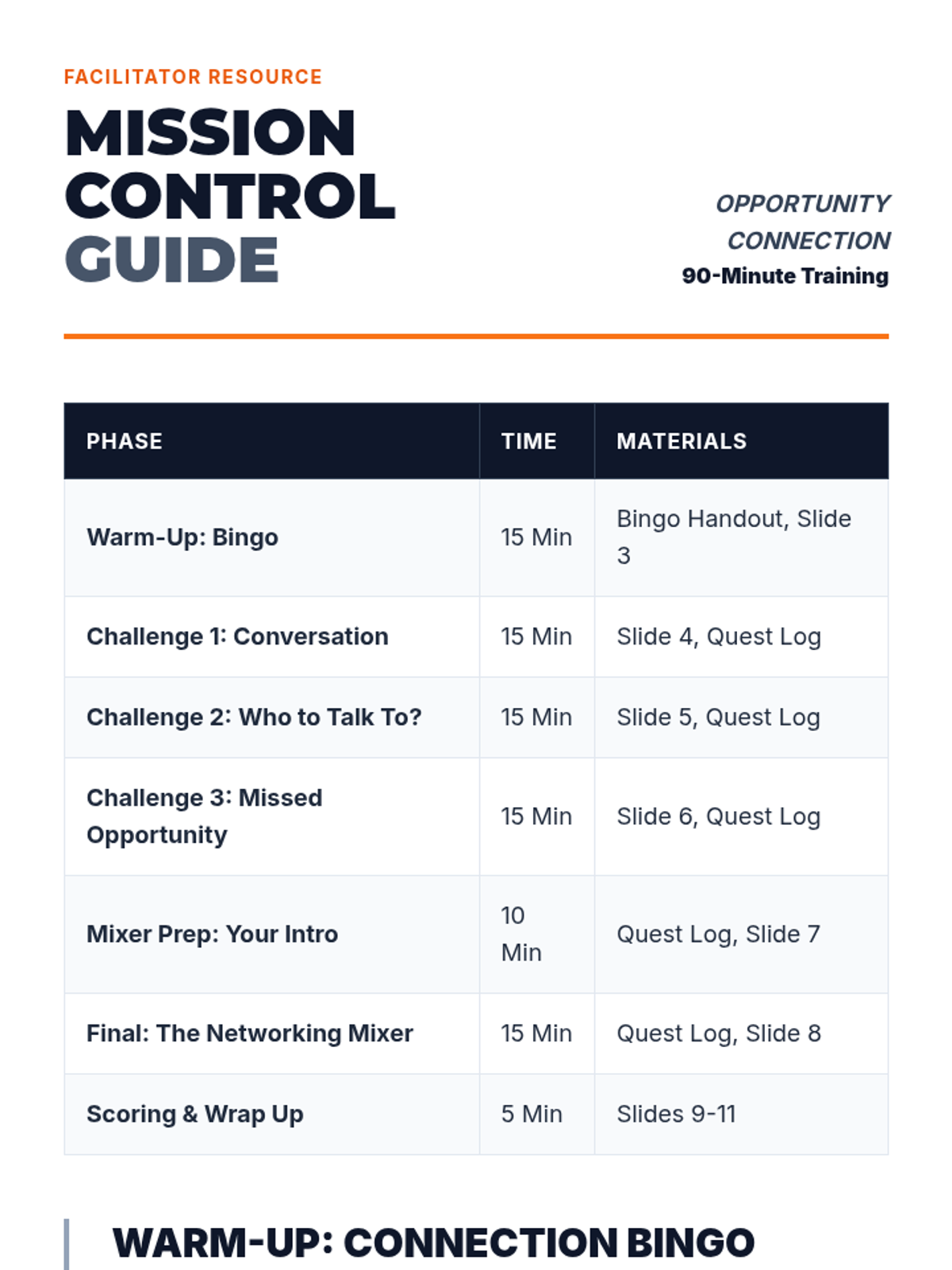
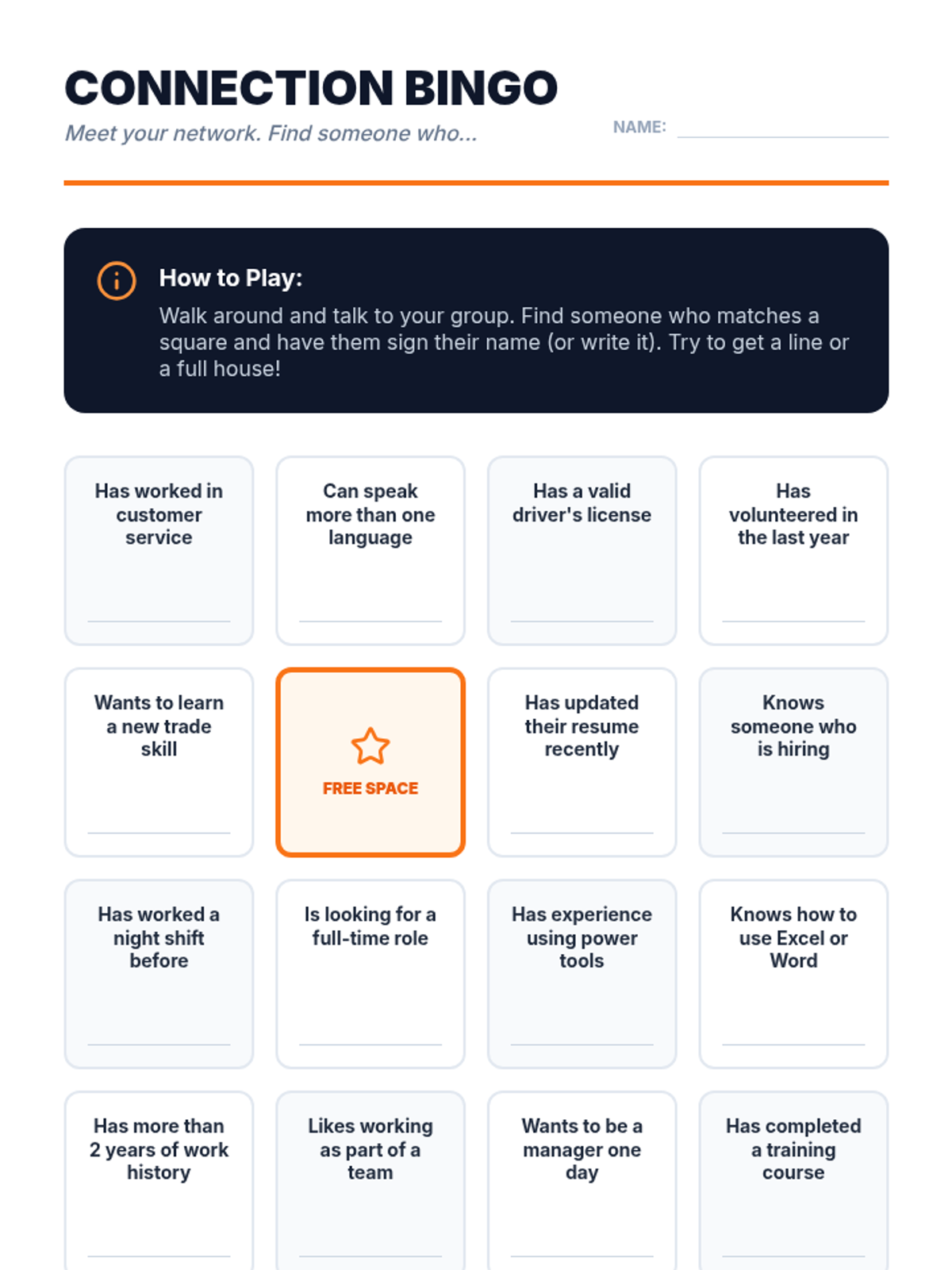
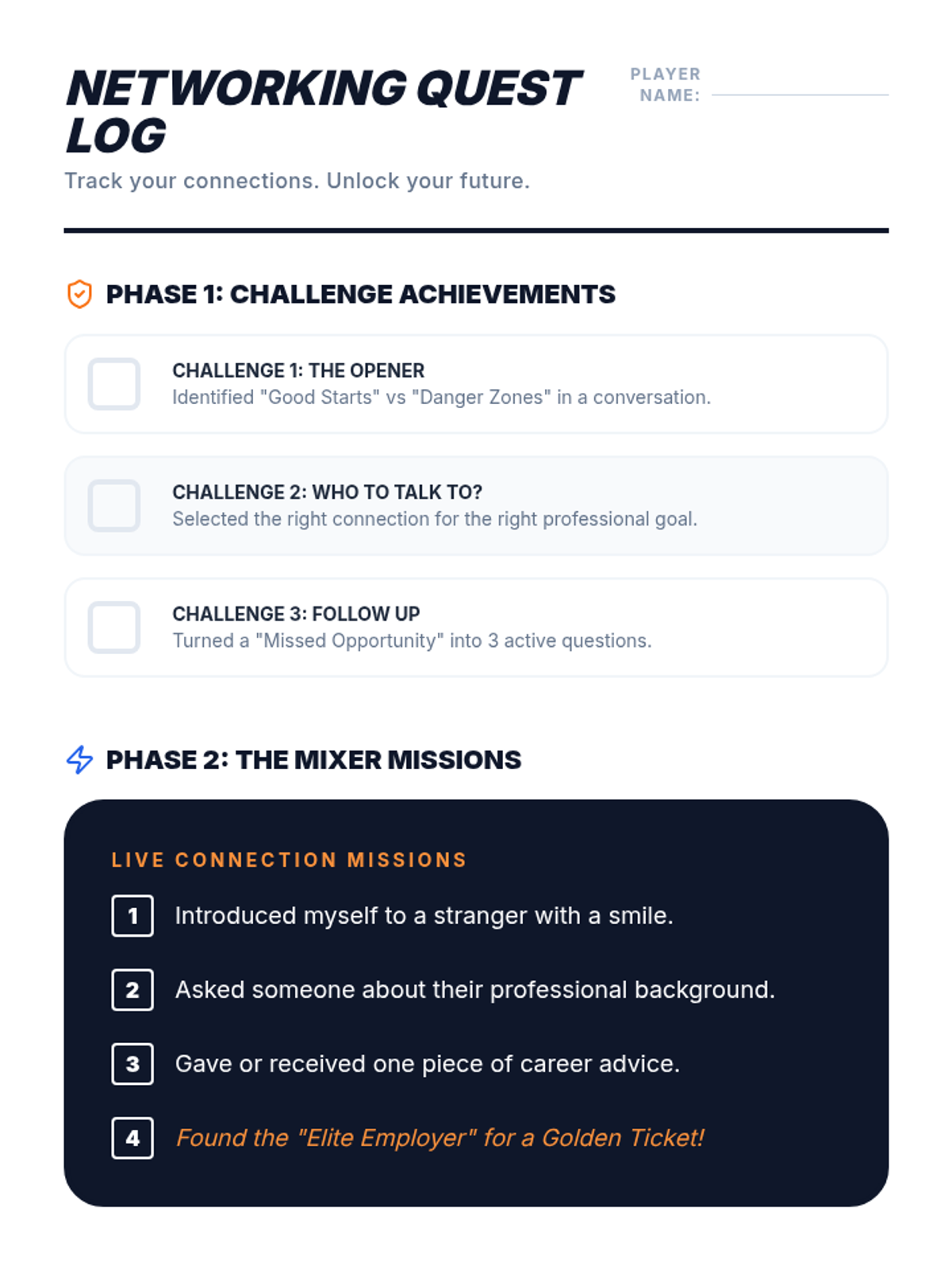
A high-energy, game-based training program focused on demystifying networking and building social capital for job seekers. Participants engage in a series of 'Connection Challenges' to earn opportunity rewards and build their own professional network maps.
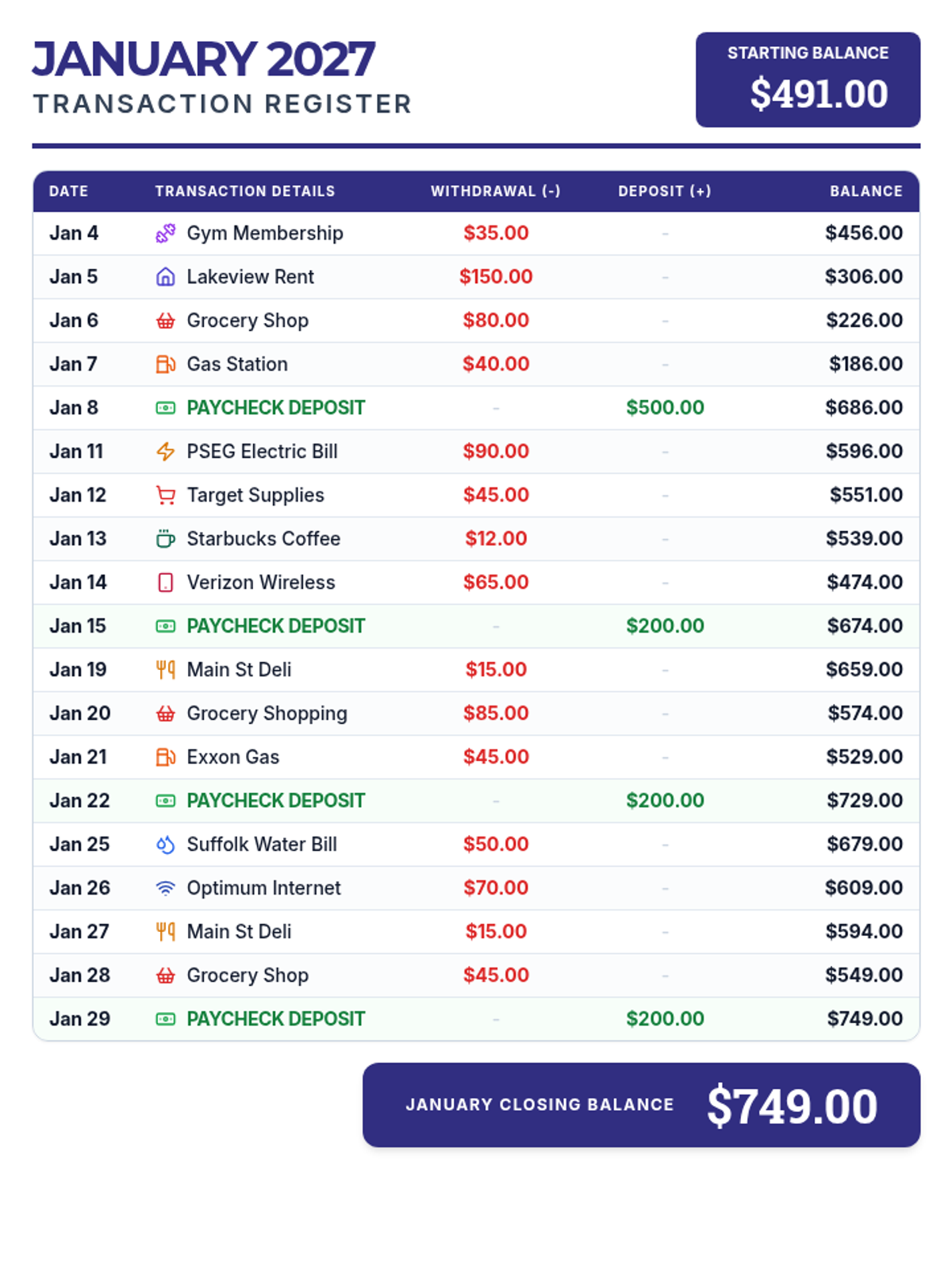
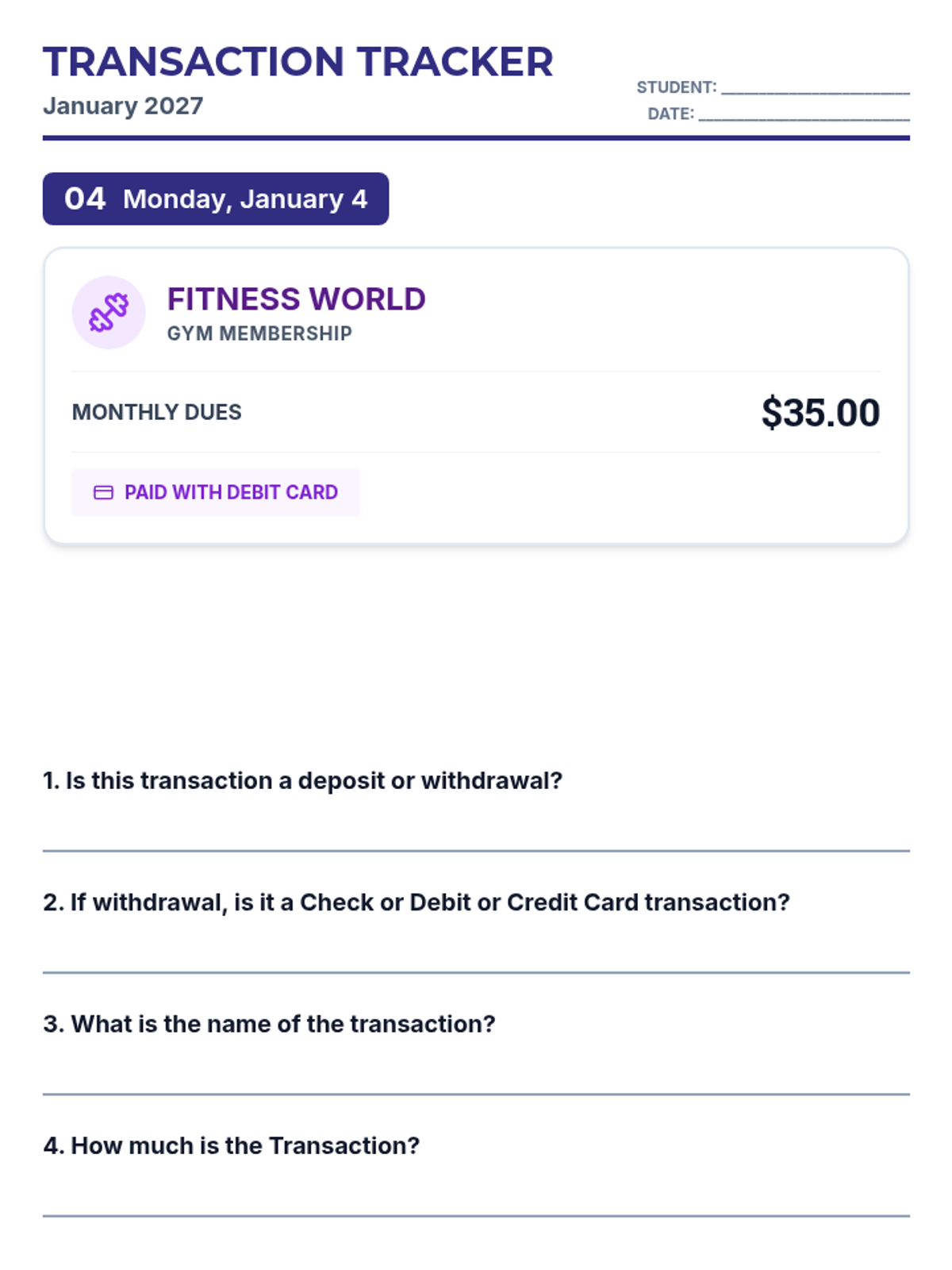
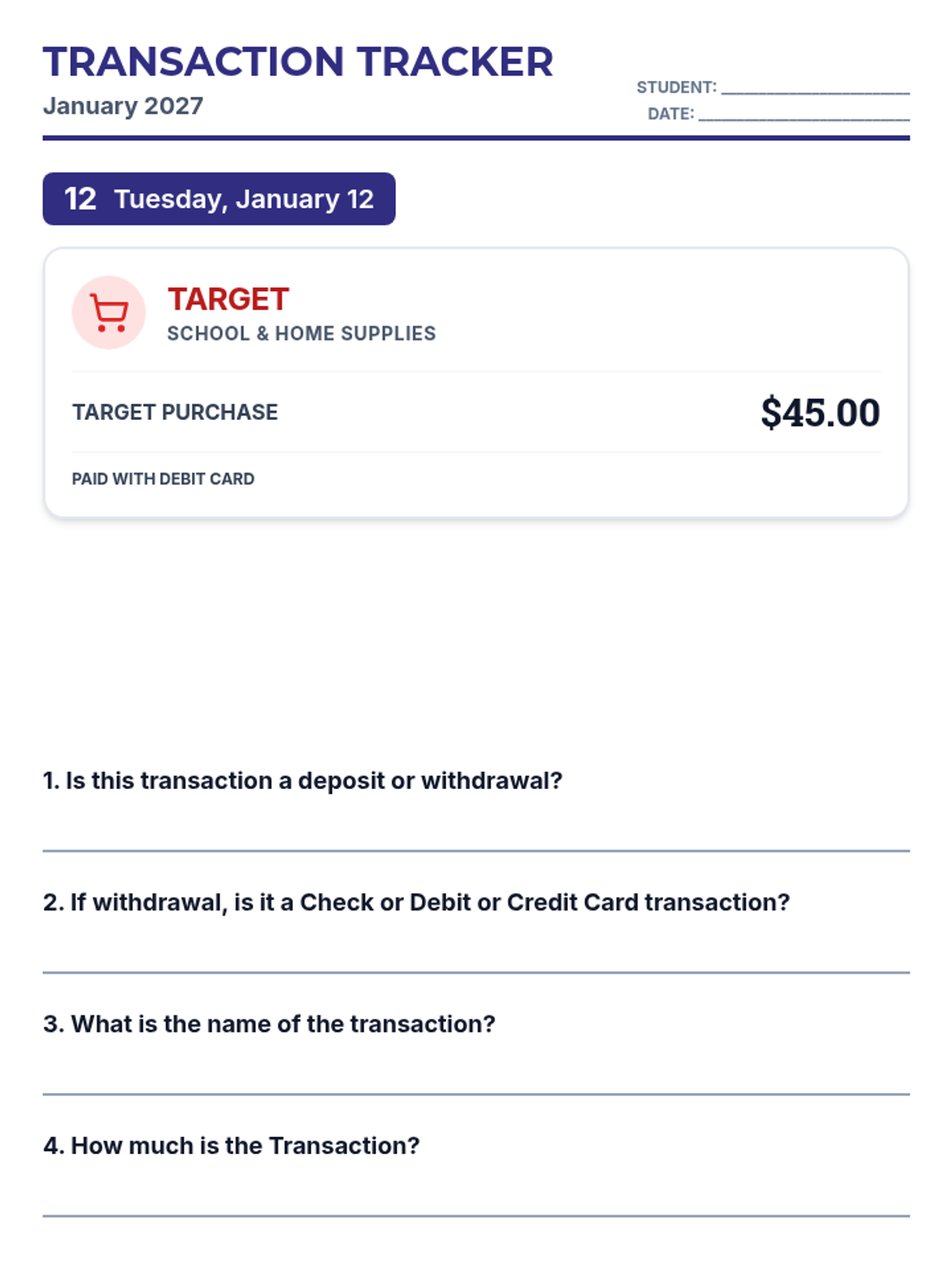
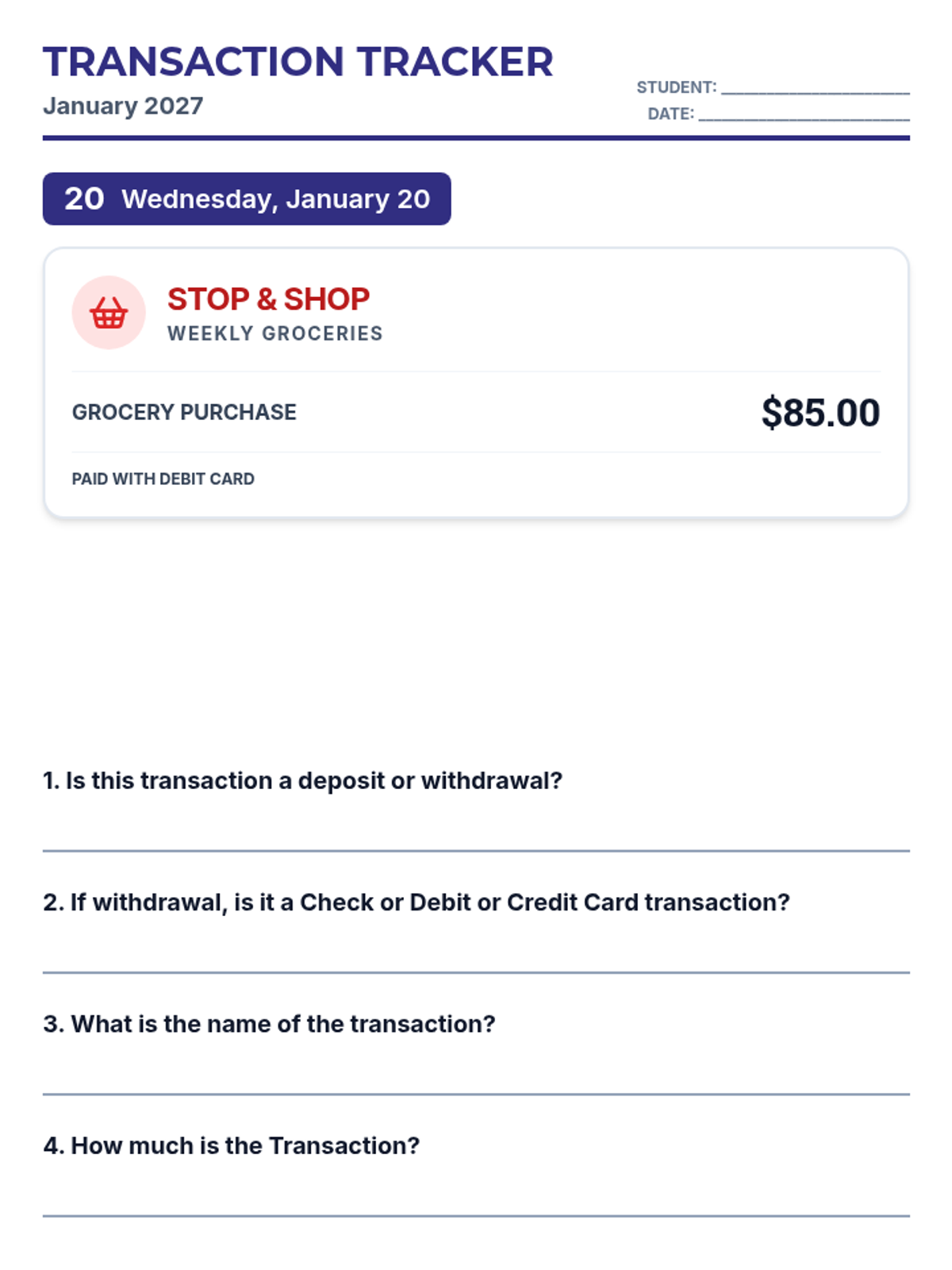
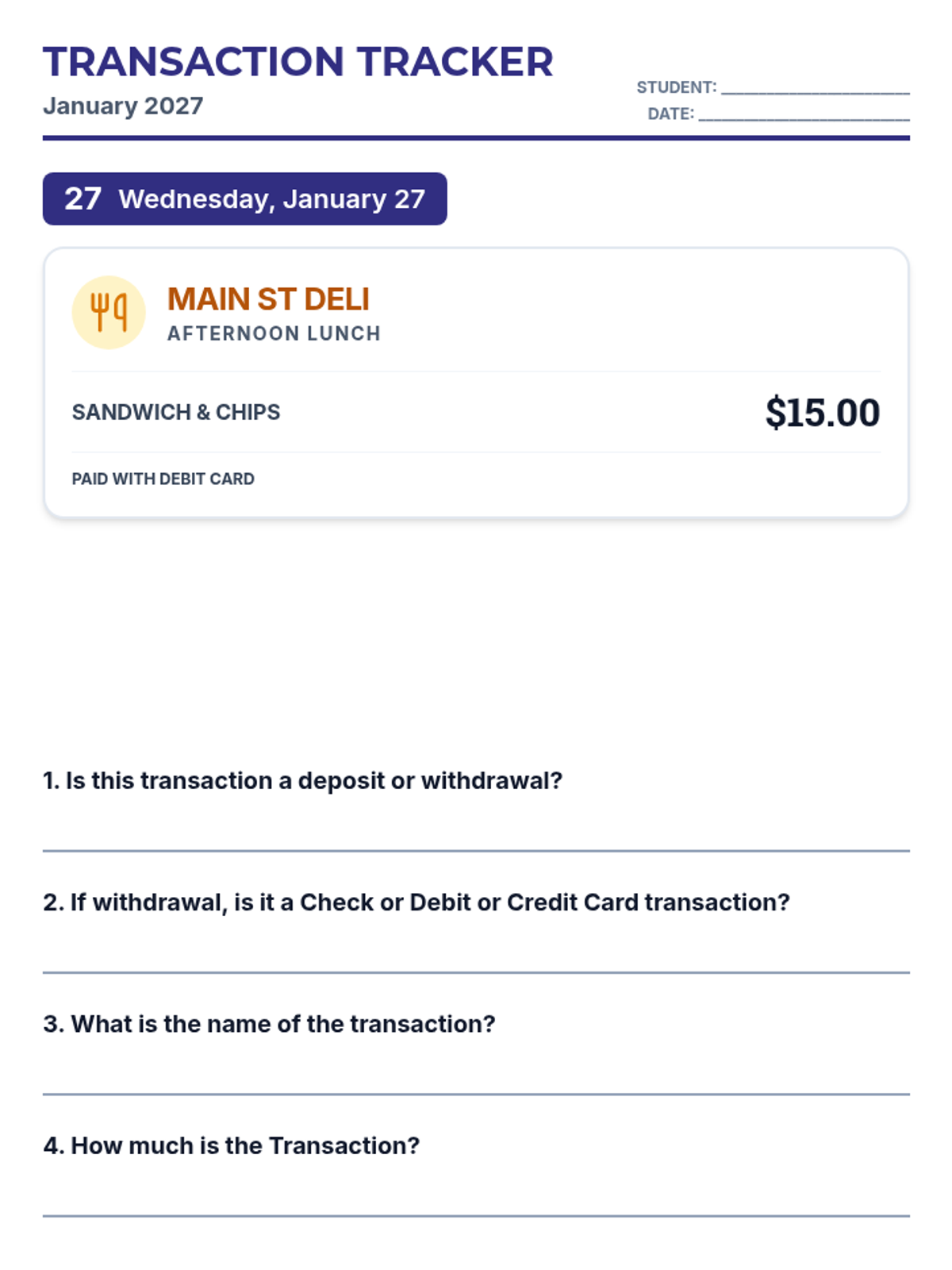
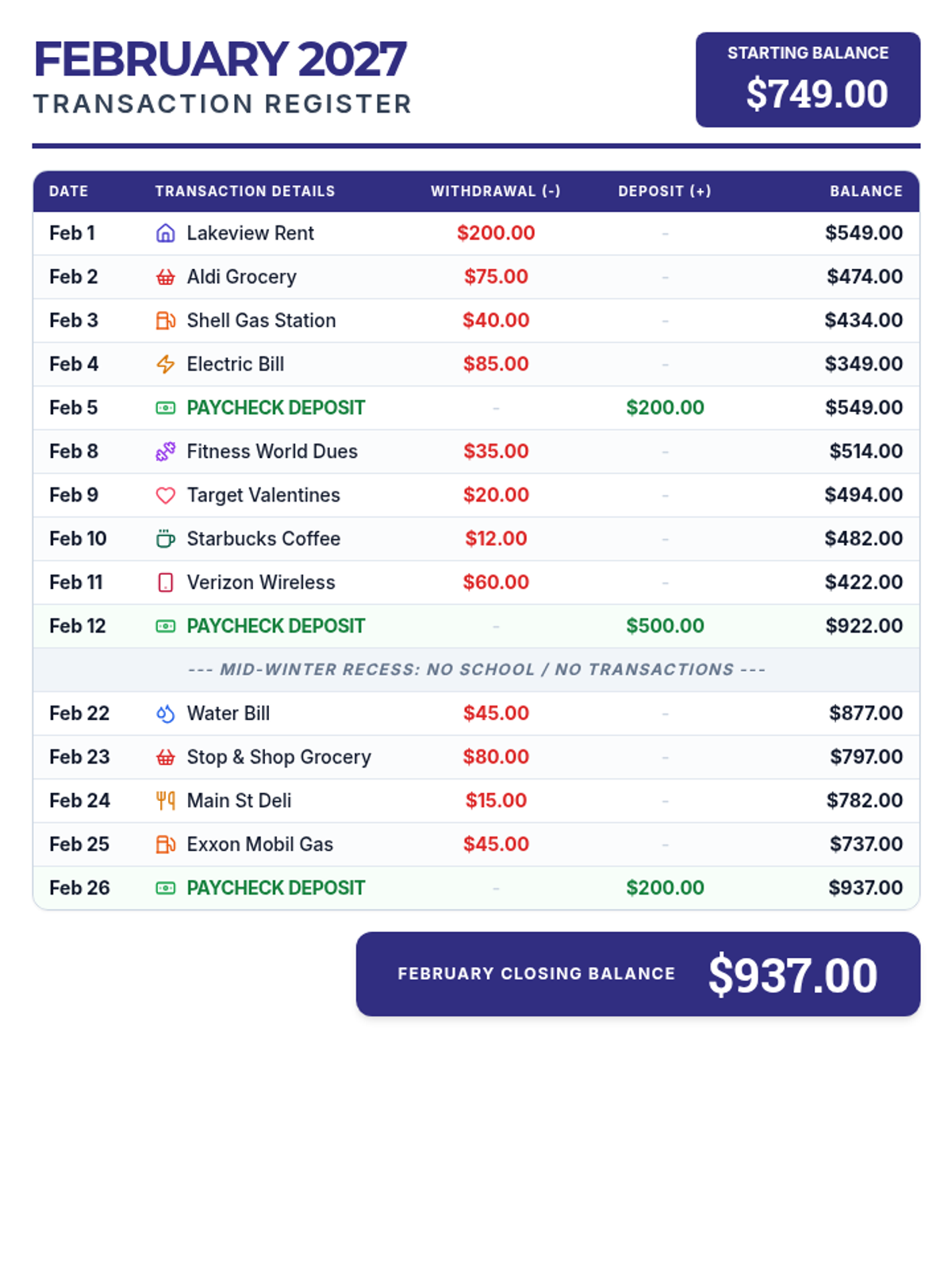
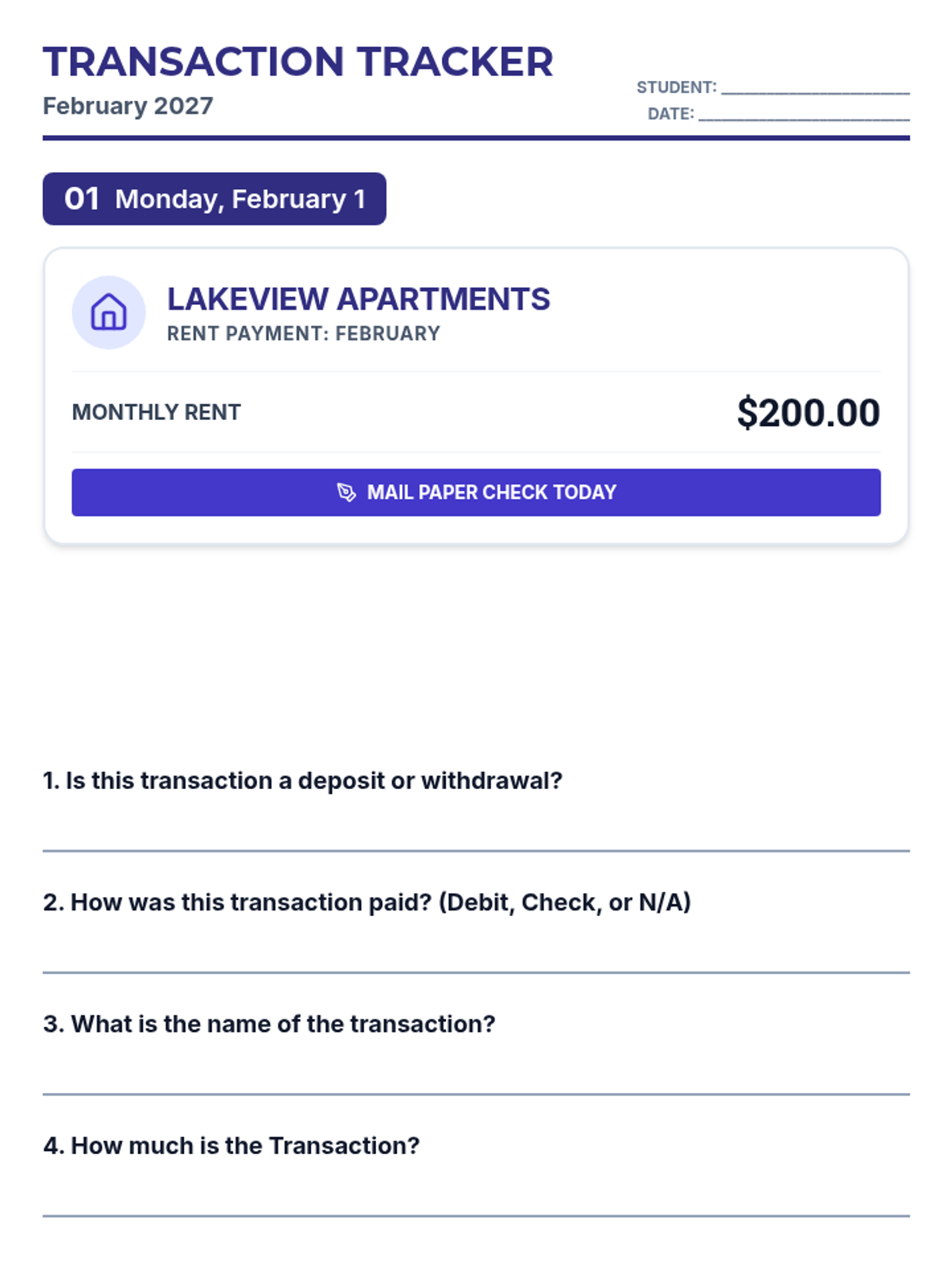
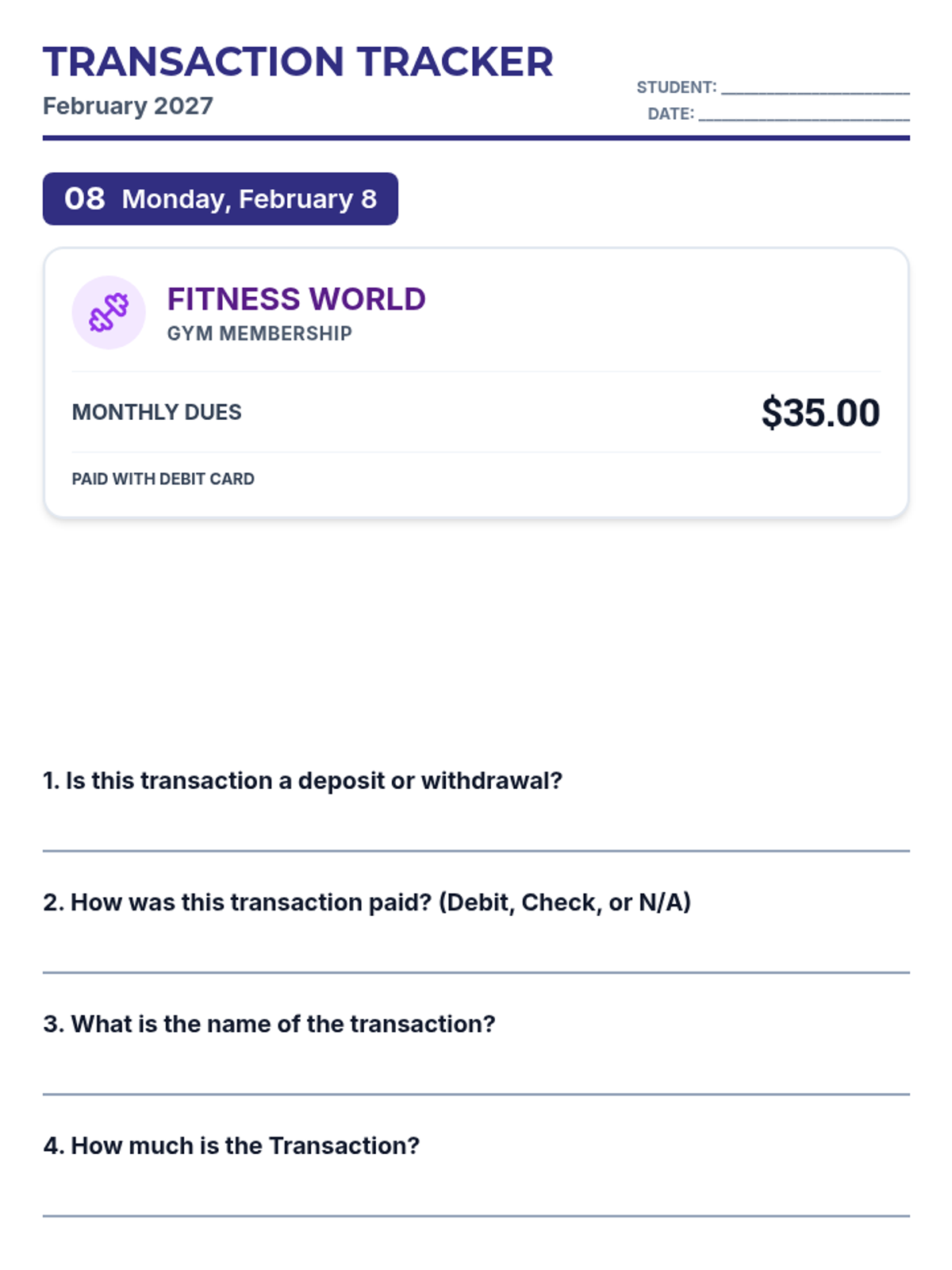
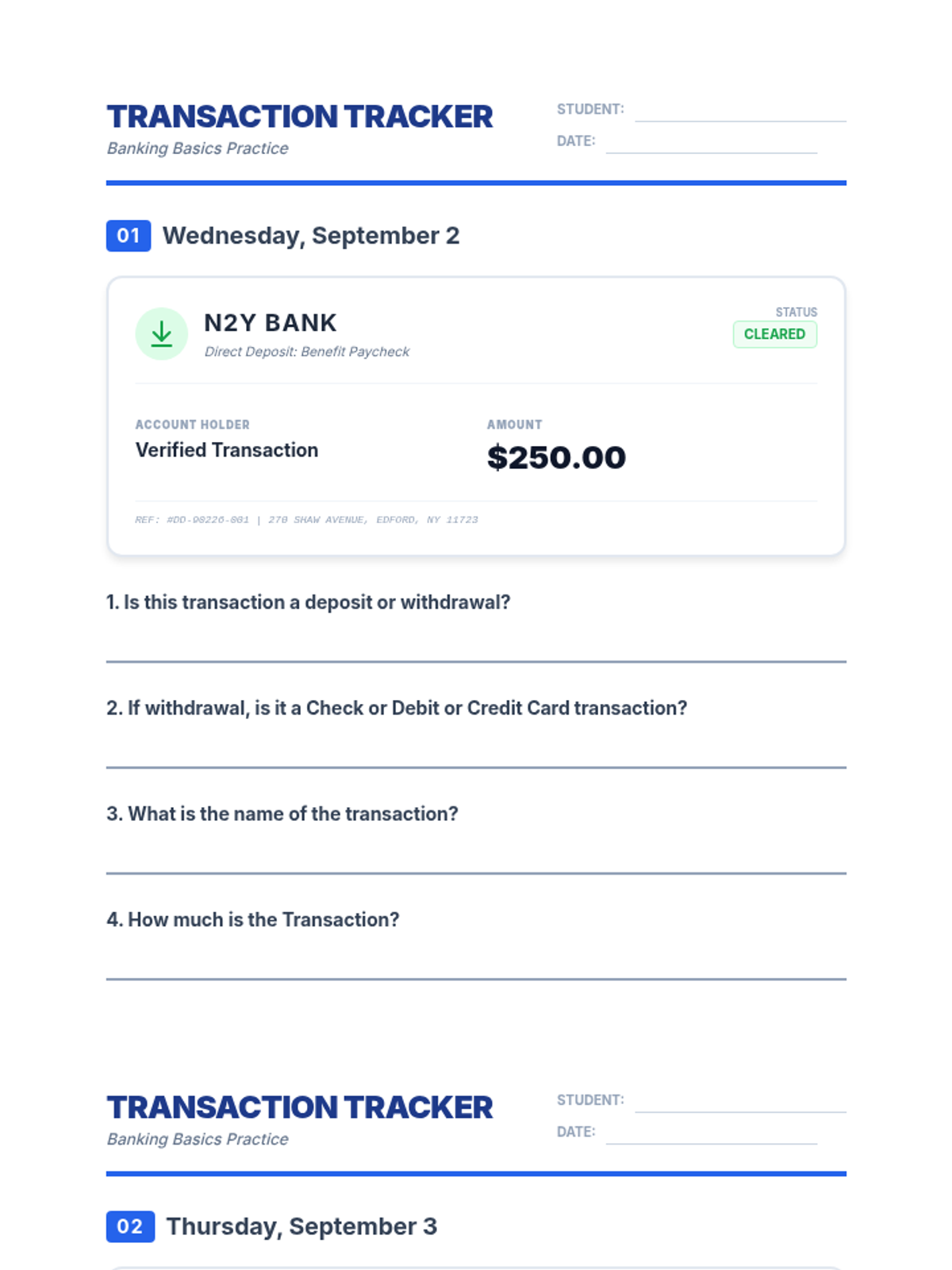
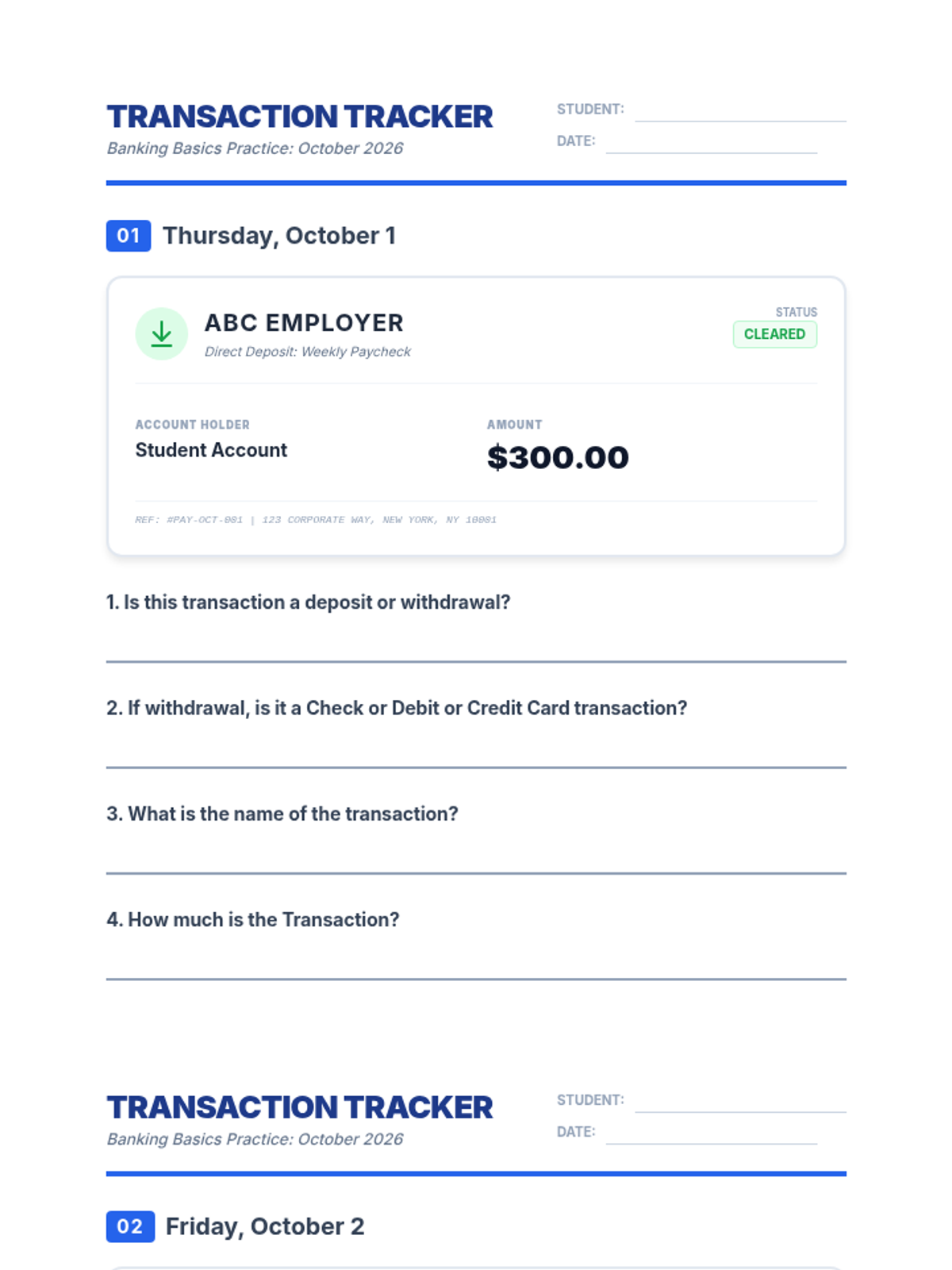
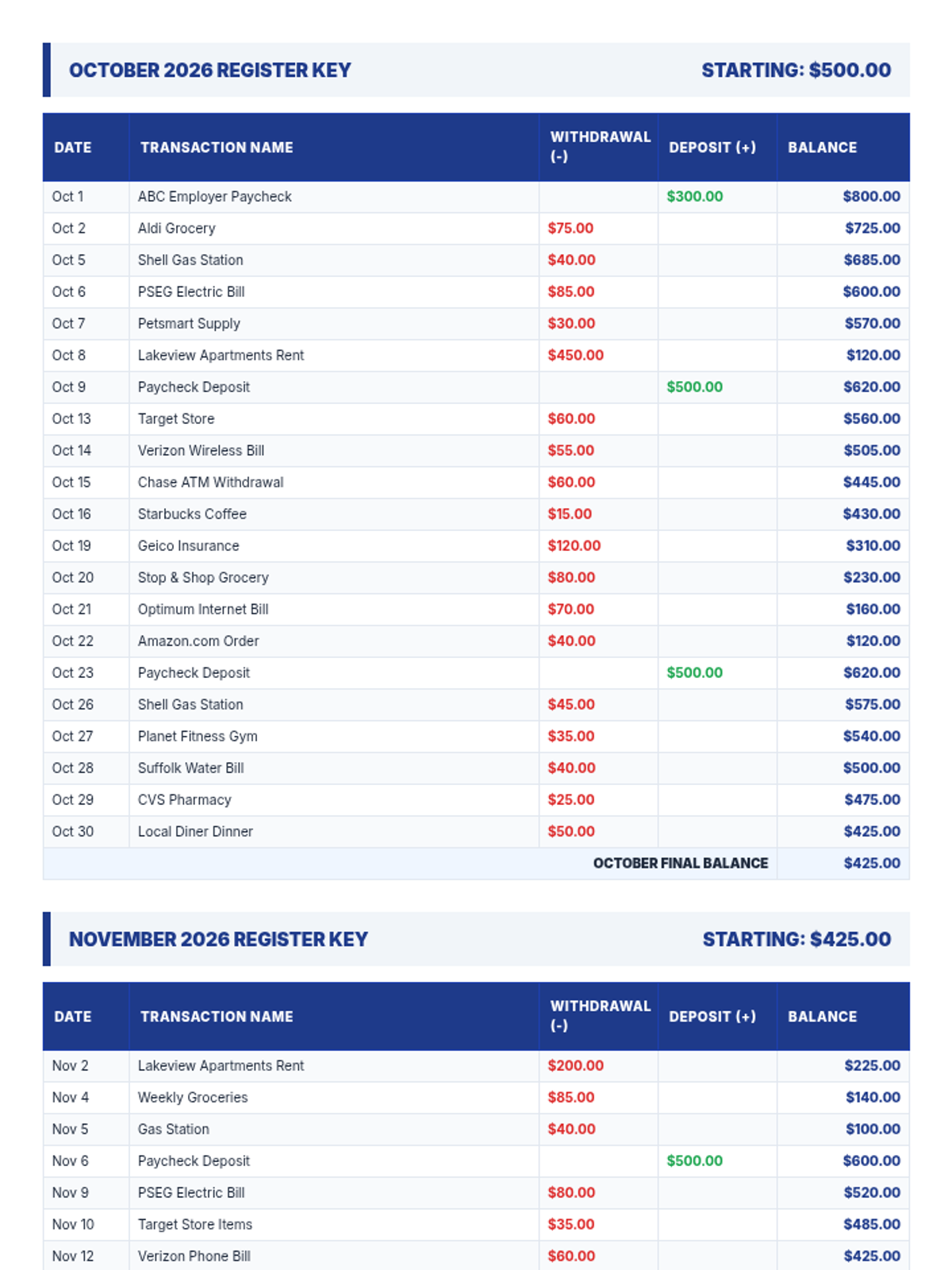
A multi-month financial literacy unit where students manage a personal bank account, process monthly bills, and track paycheck deposits following a real 2026-2027 school calendar.
A year-long financial literacy curriculum where students manage a virtual bank account following the 2026-2027 school calendar, analyzing daily transactions and maintaining a running transaction register.
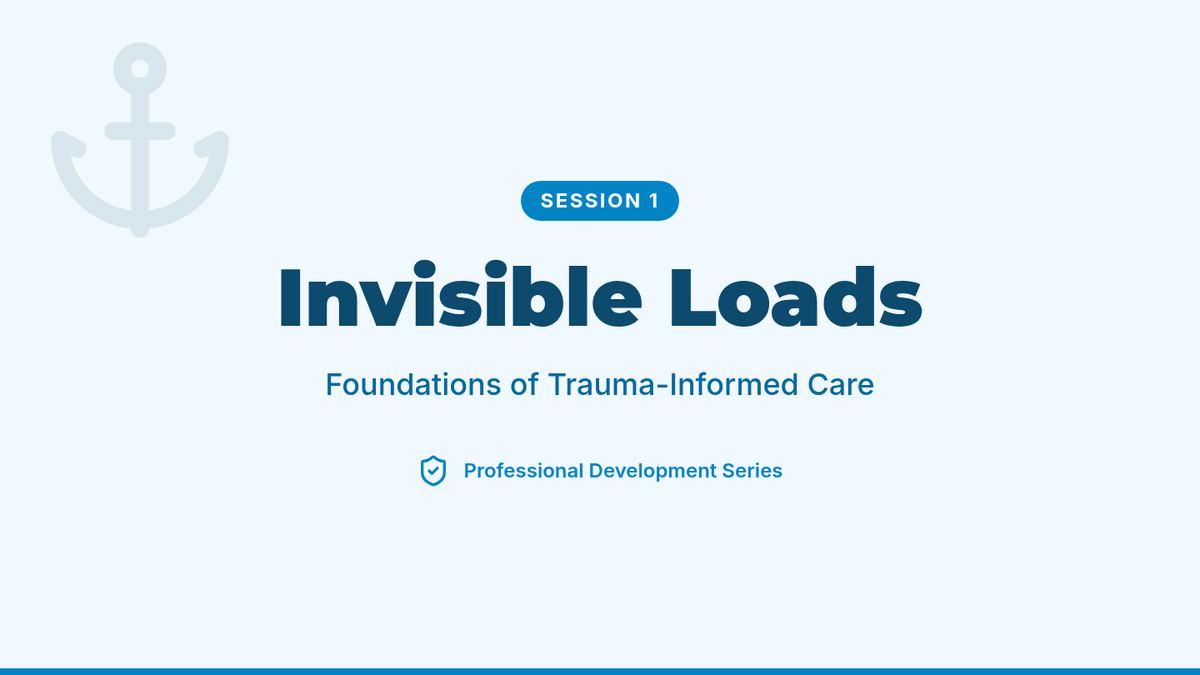
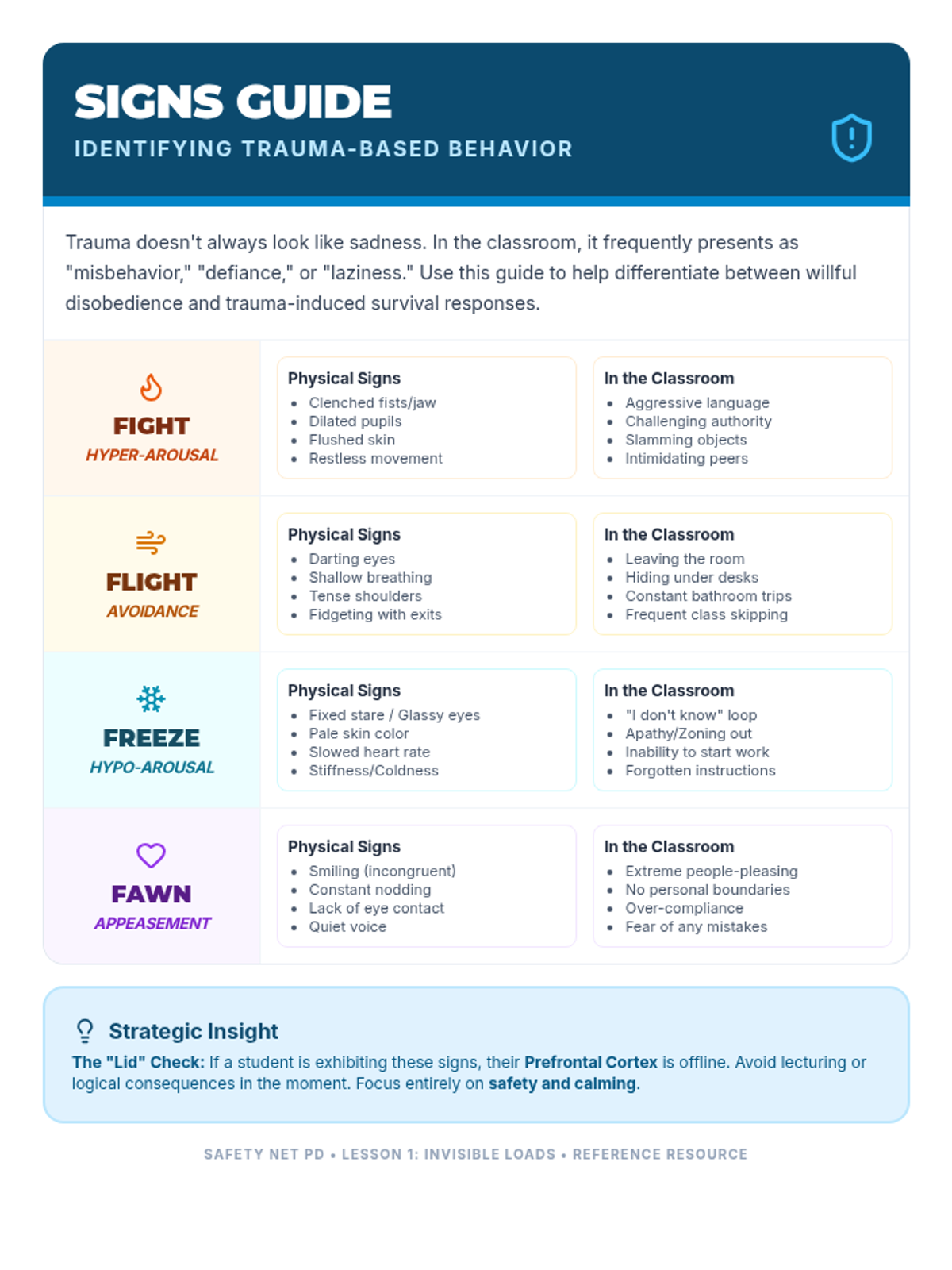
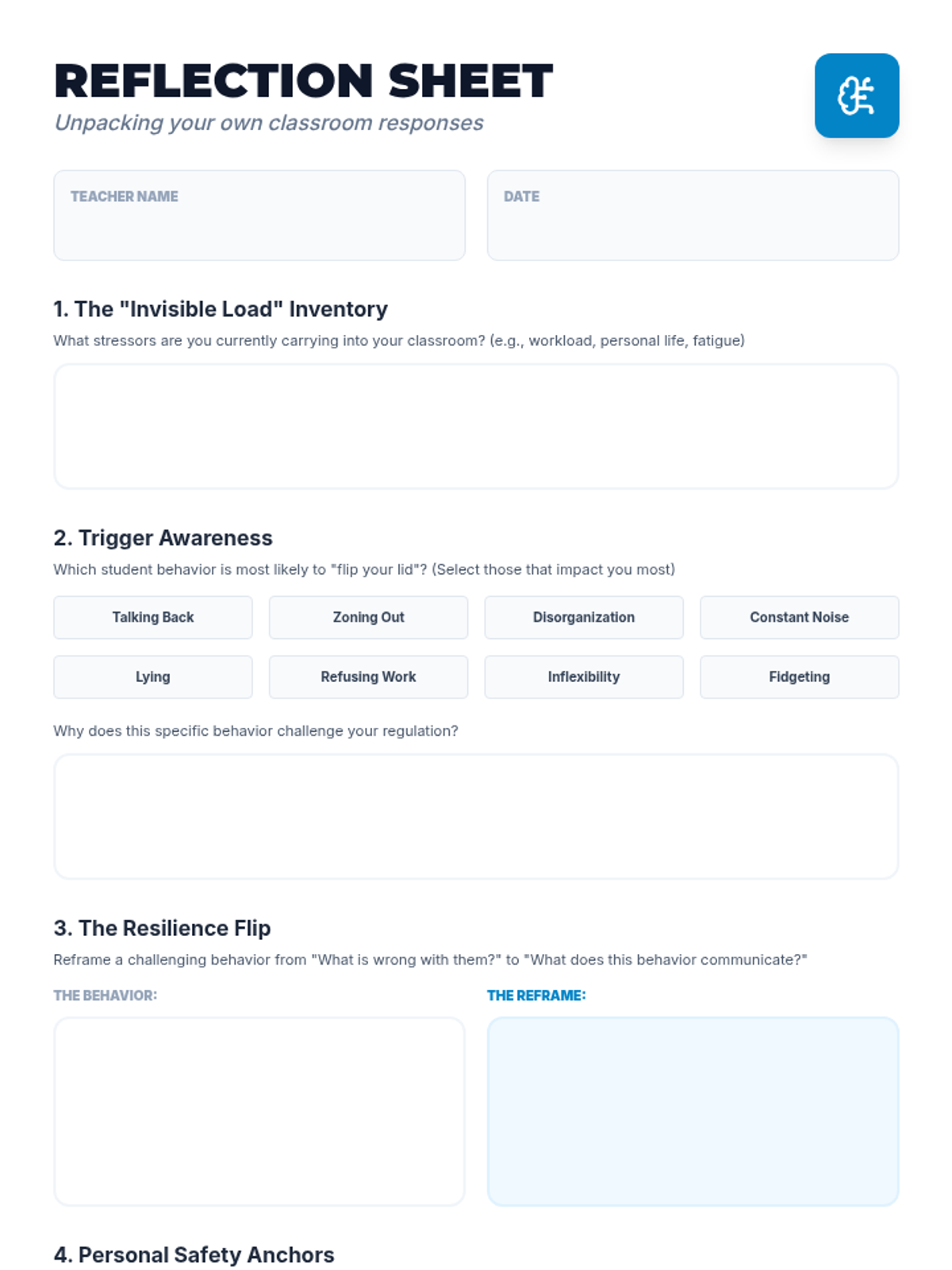
A comprehensive professional development series designed to equip new teachers with the foundational principles of Trauma-Informed Care, focusing on understanding student behavior, self-regulation, and creating safe classroom environments.
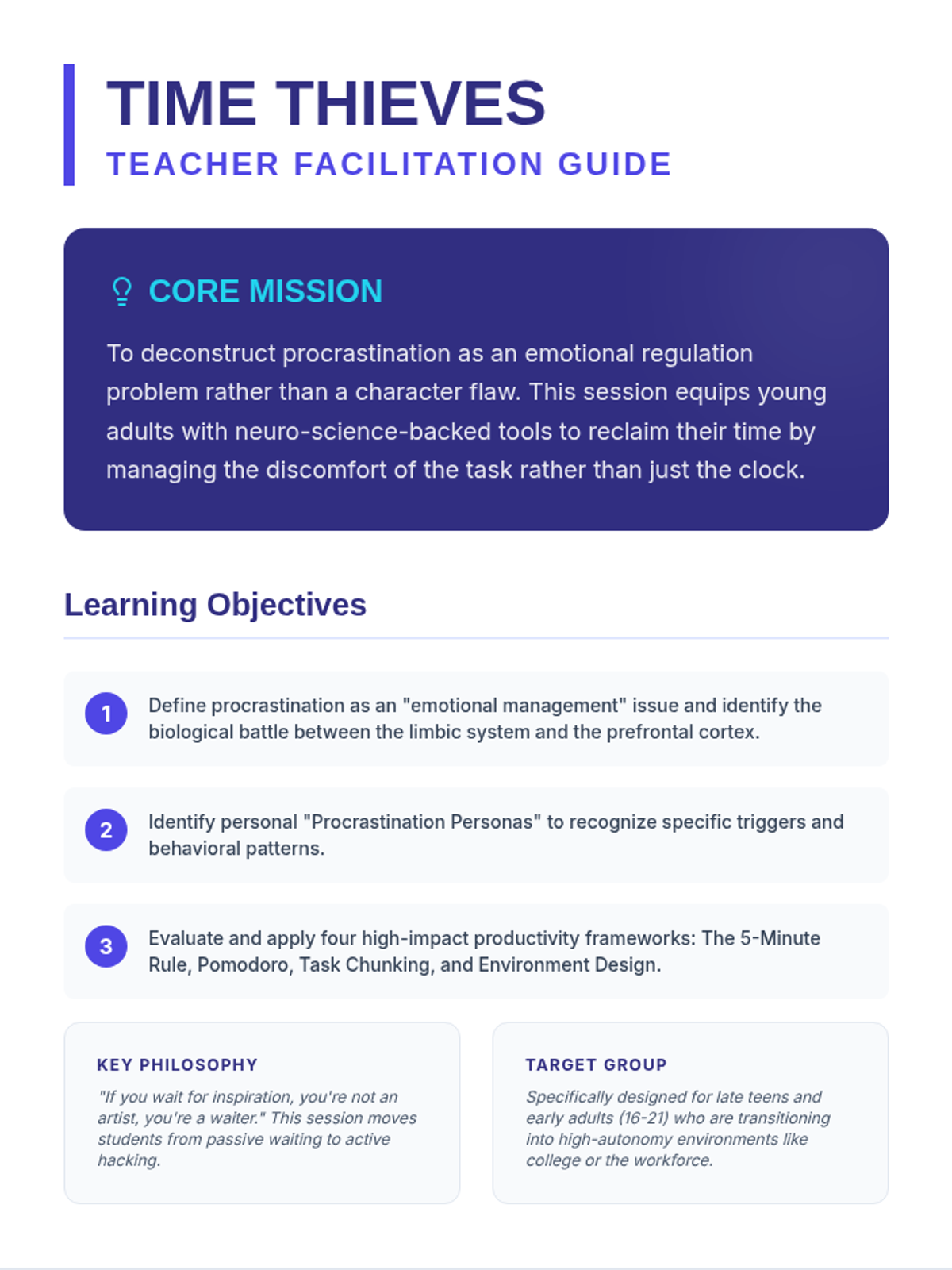
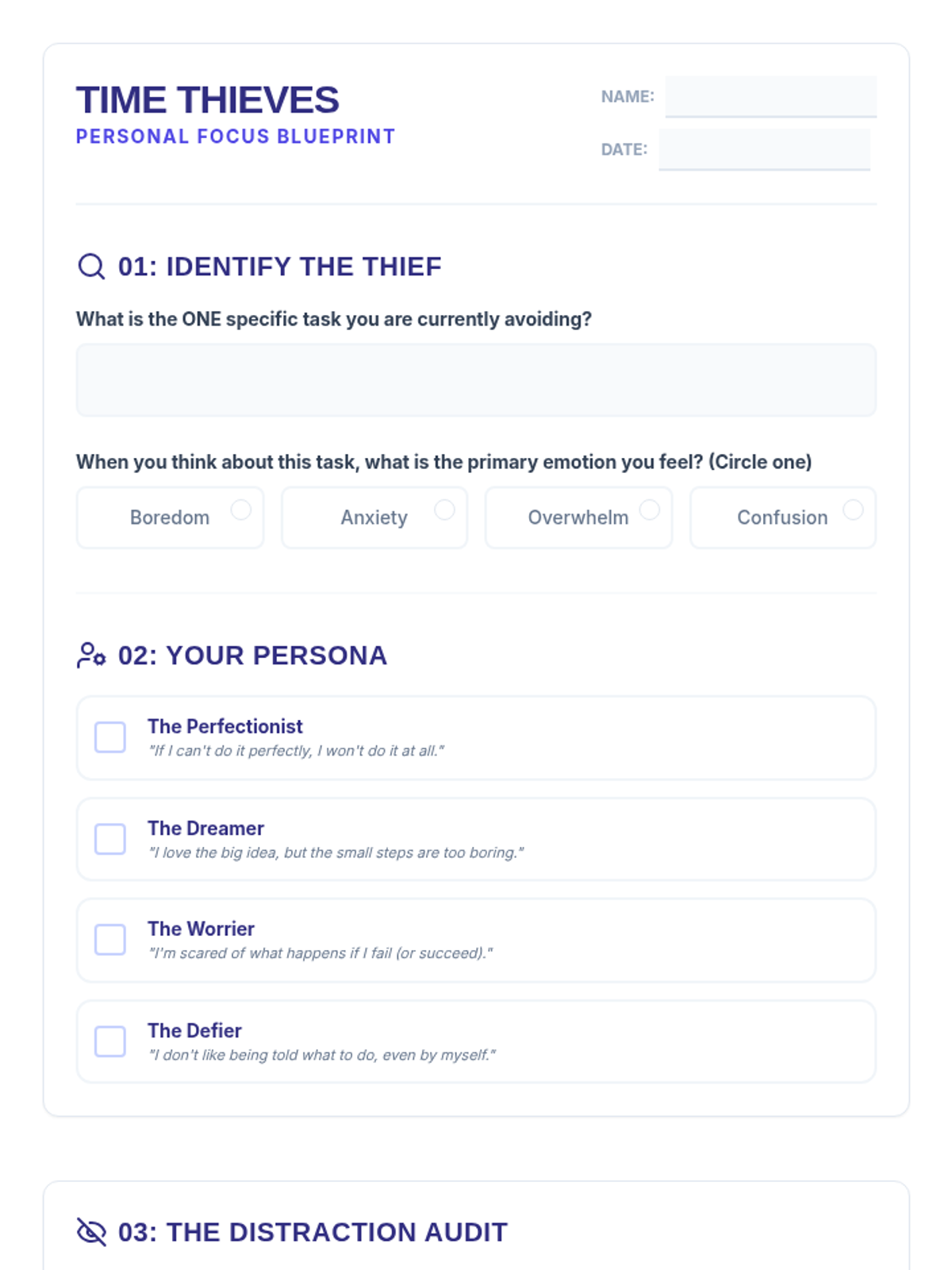
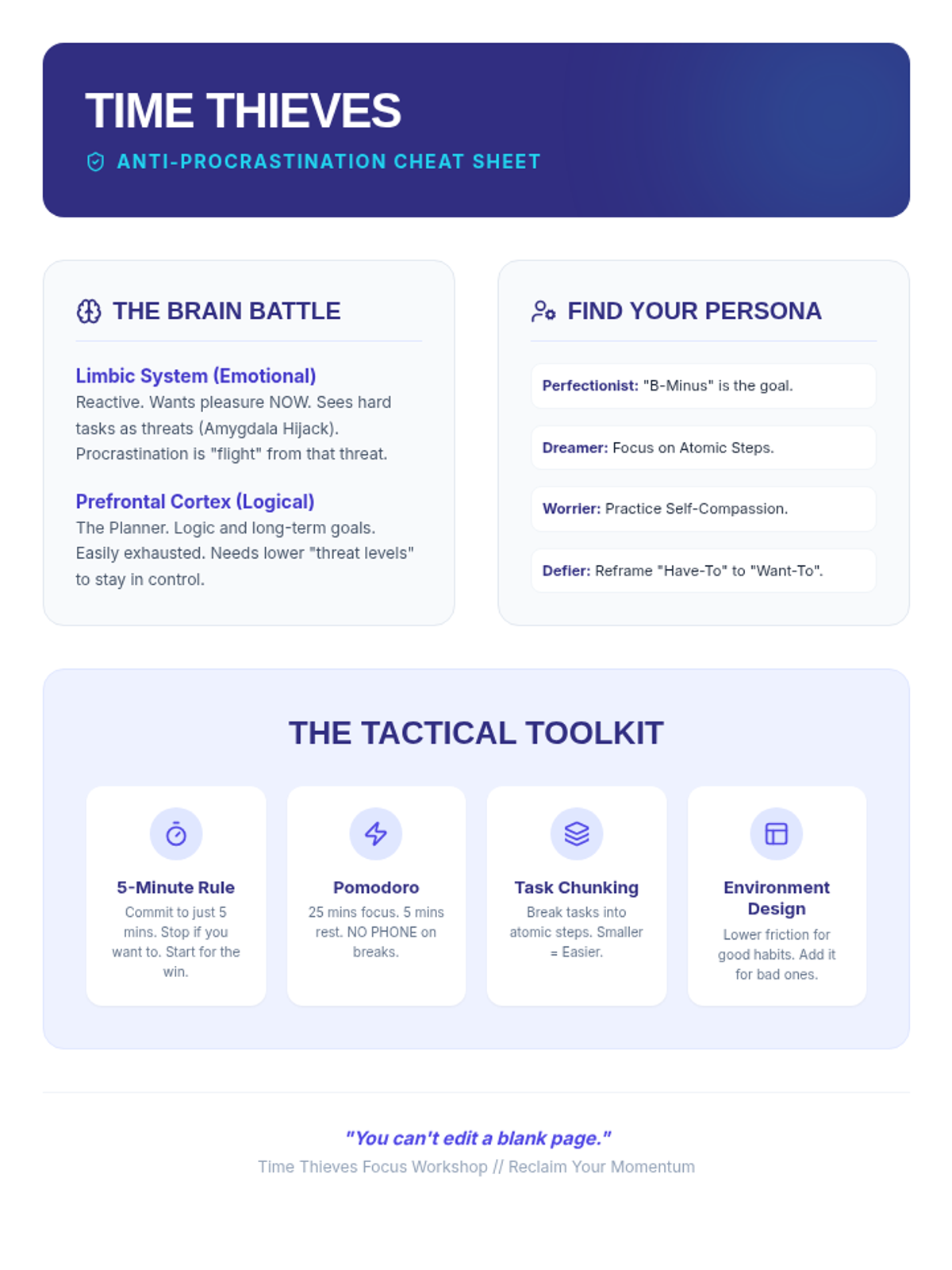
A sequence focused on executive functioning and emotional regulation for young adults to improve productivity and mental well-being.
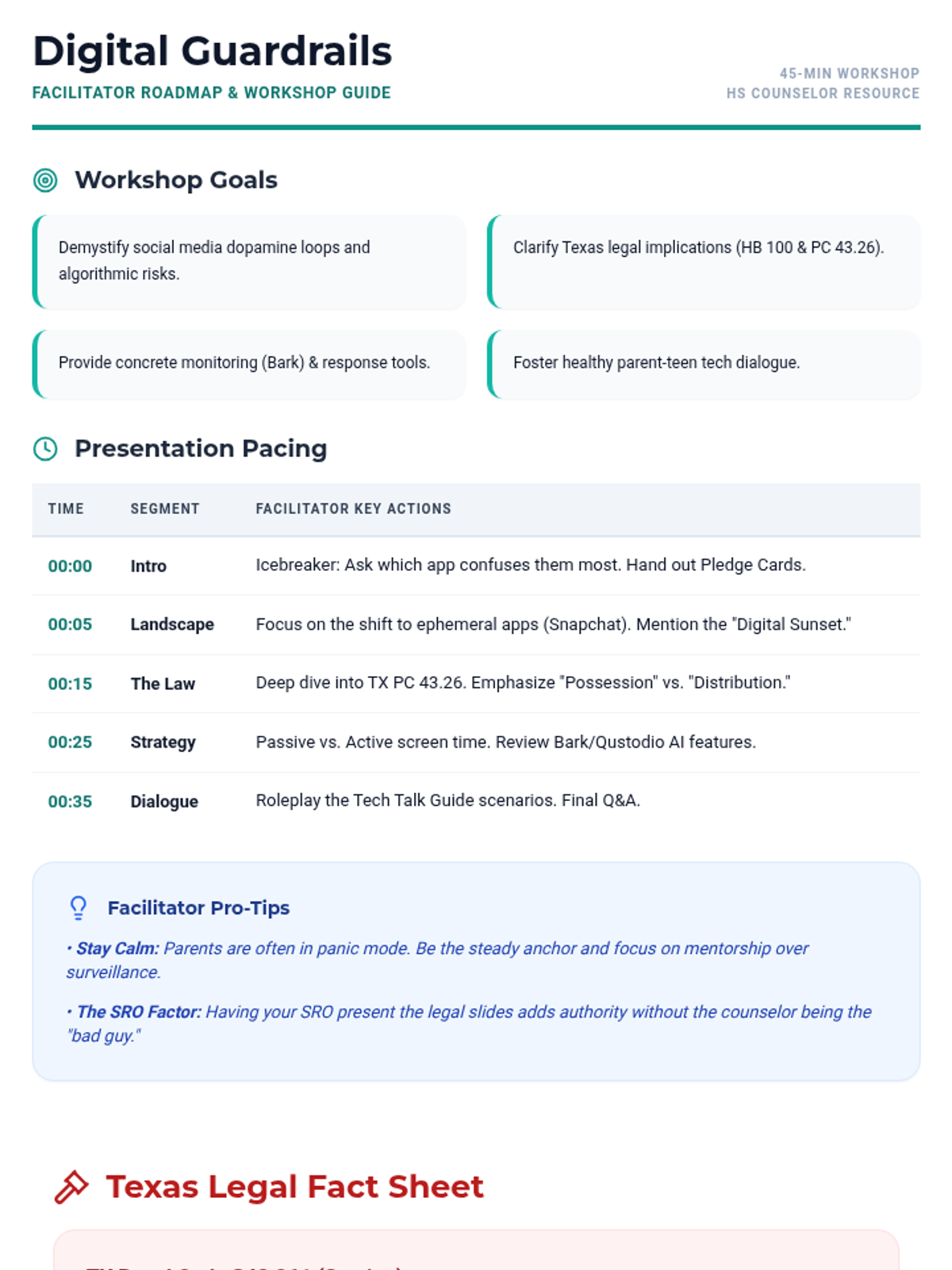
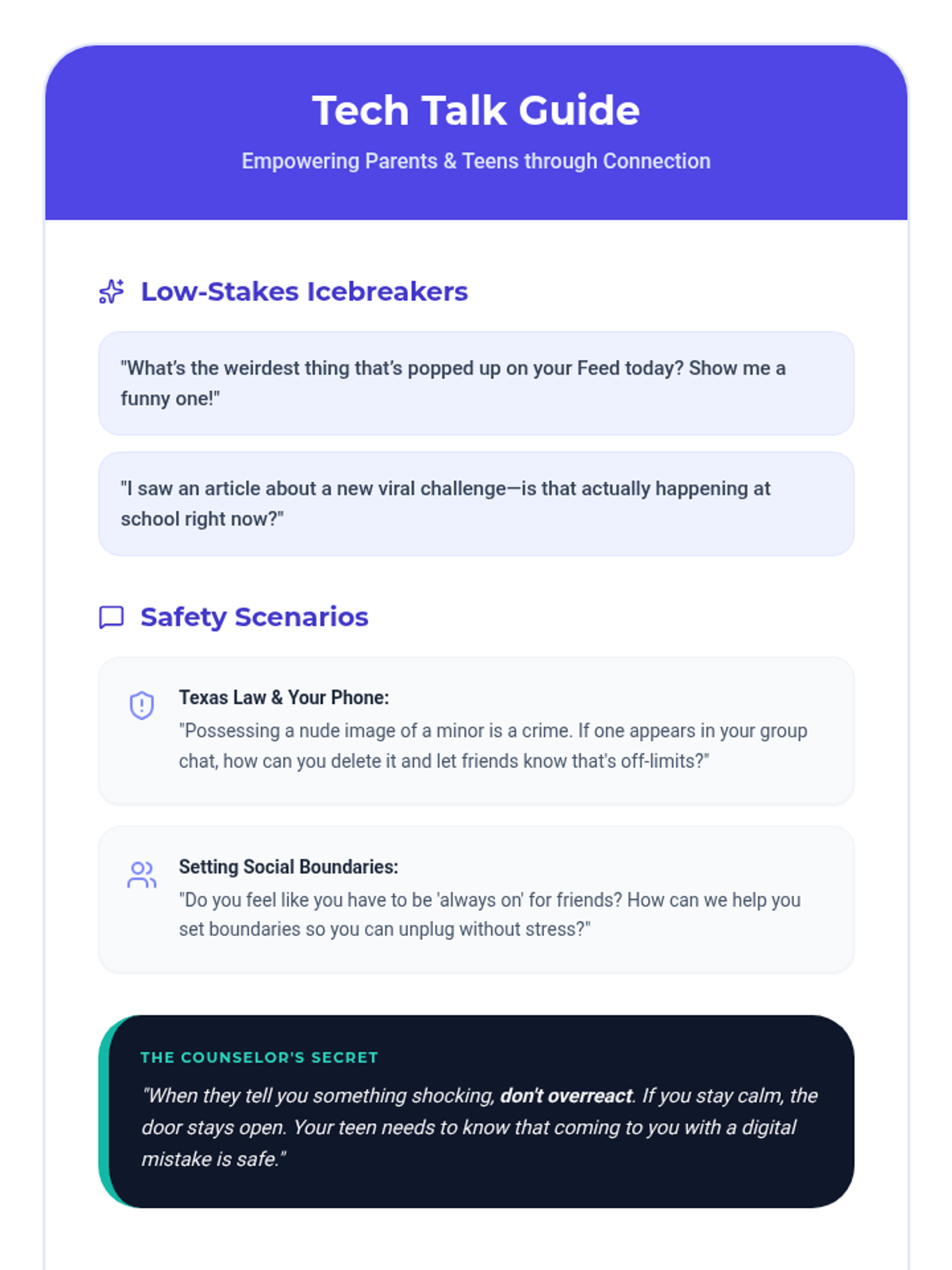
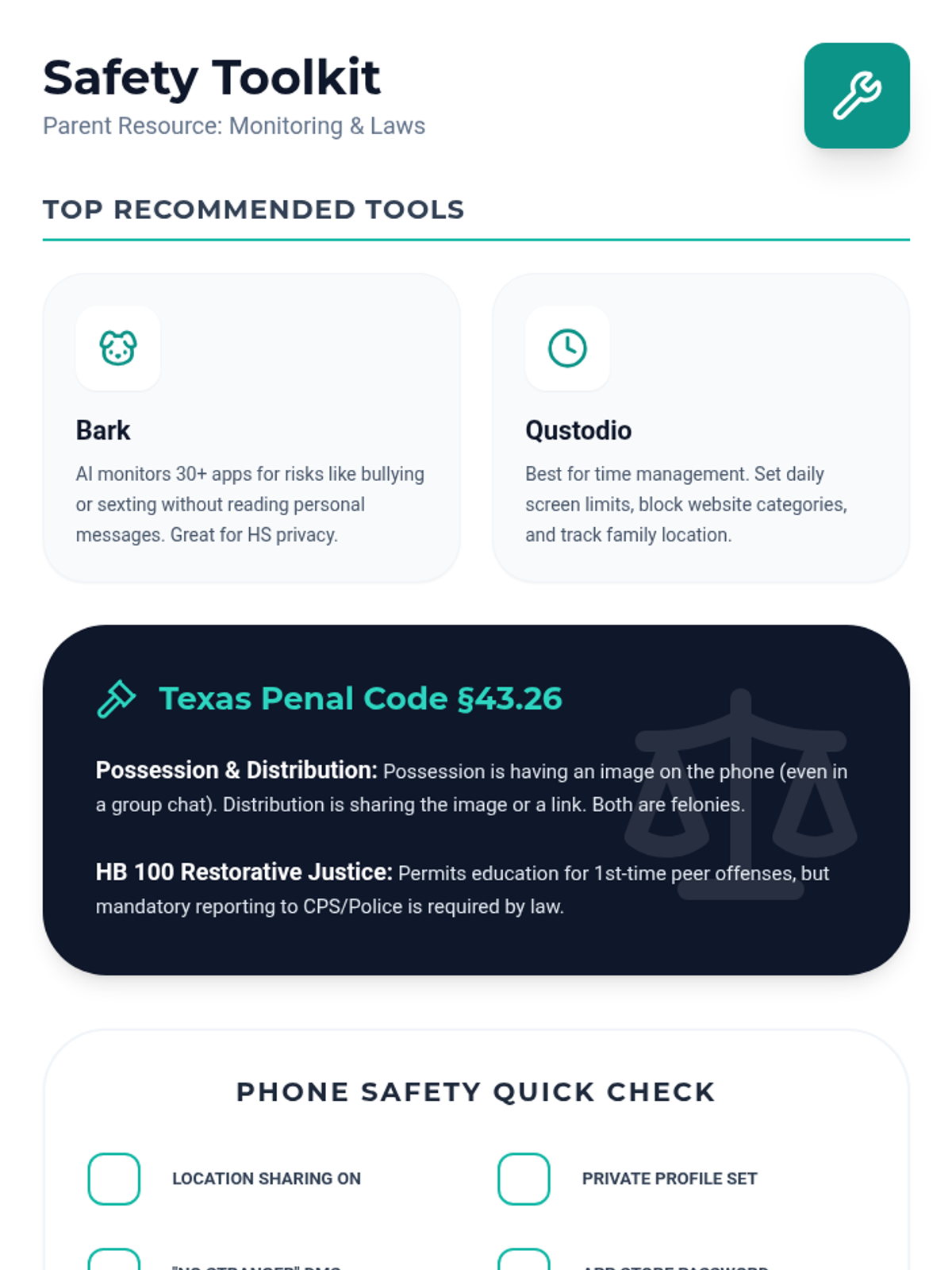
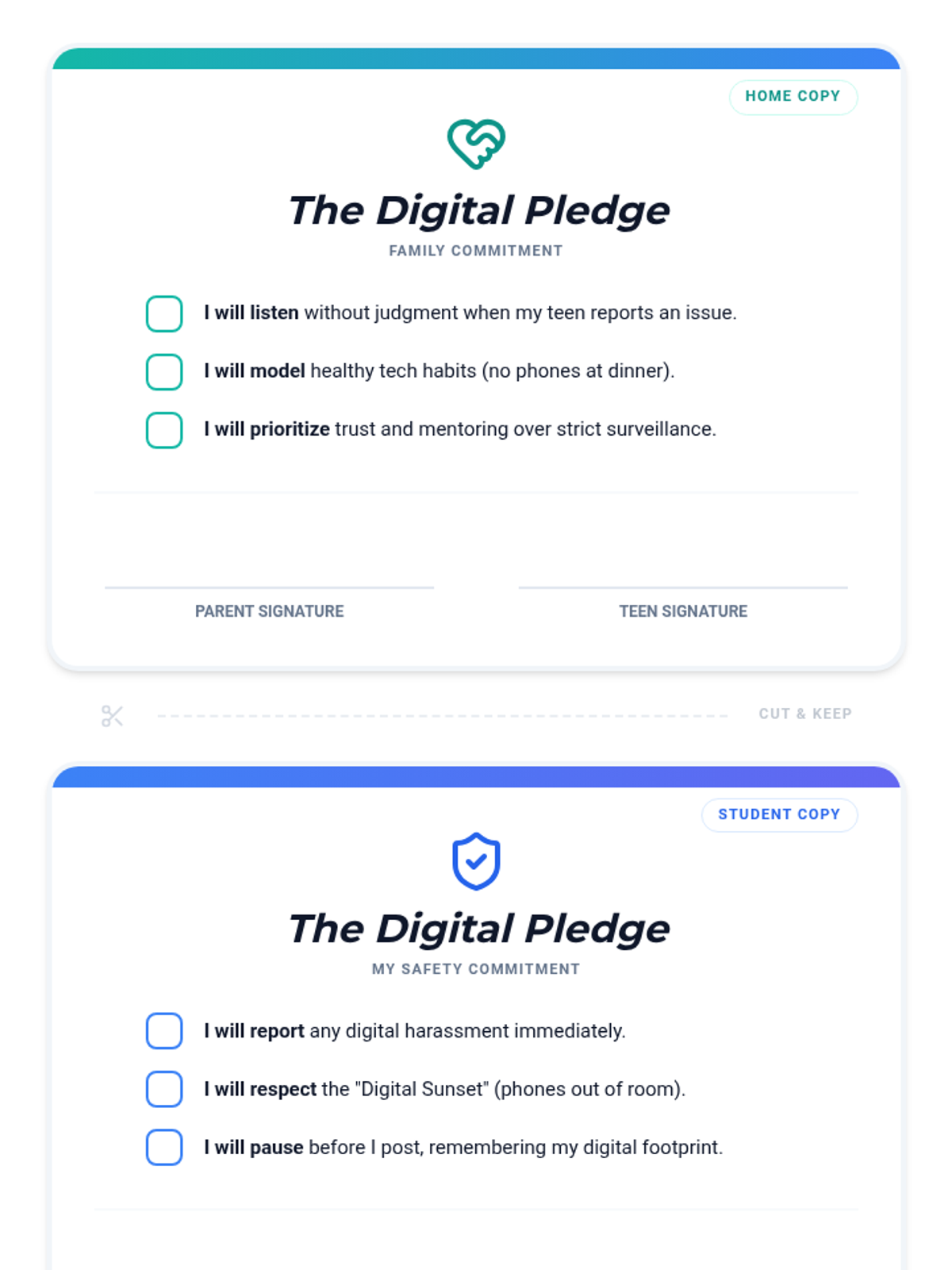
A comprehensive workshop sequence designed for high school counselors to educate parents on navigating the complexities of their teenagers' digital lives, covering legal risks, mental health, and safety tools.
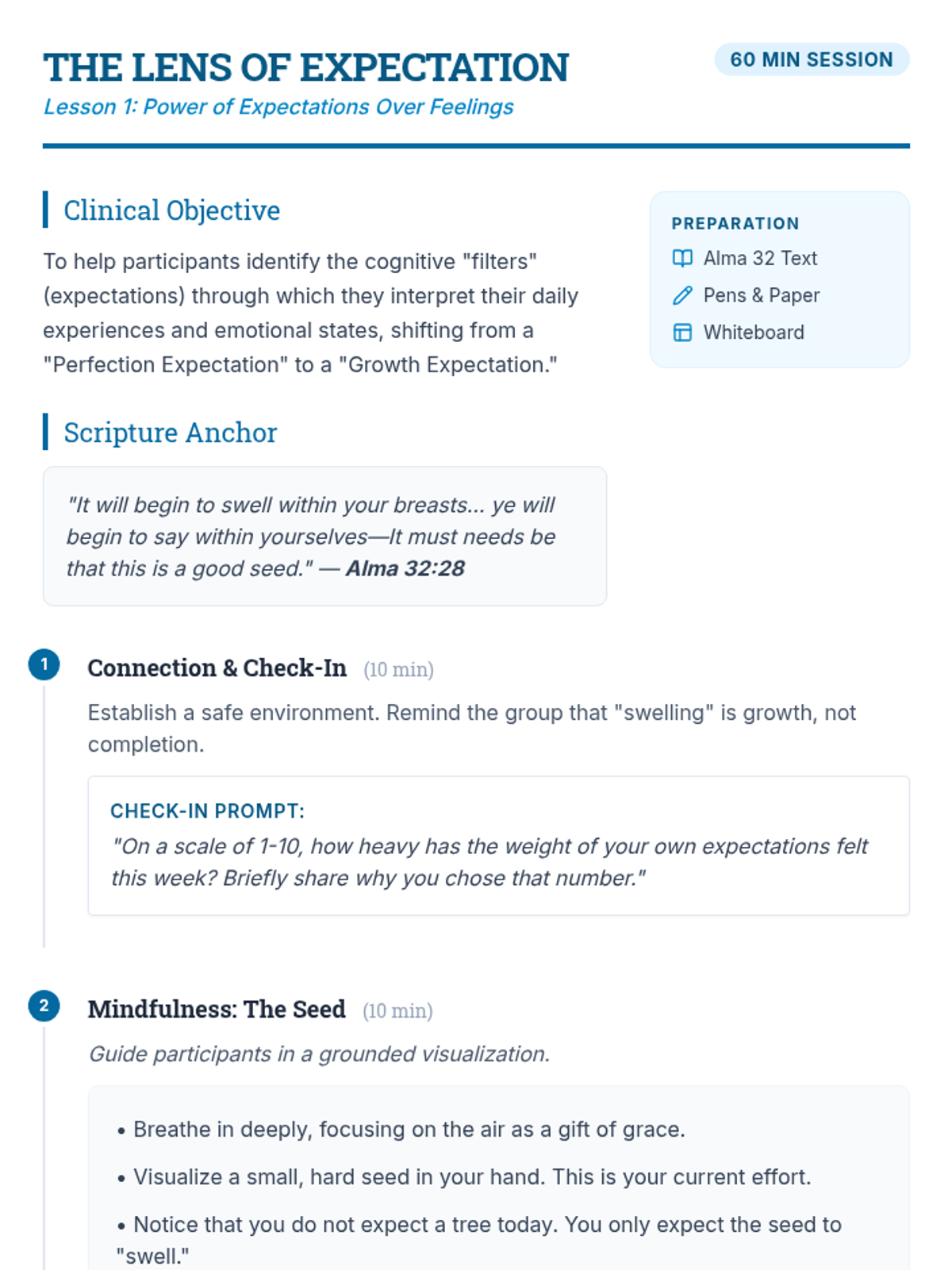
An 11-part group counseling sequence designed for LDS young adults and adults, focusing on reframing religious expectations through the lens of grace, clinical psychology, and restored doctrine to address scrupulosity and spiritual distress.