An answer key and evaluation guide for teachers to use when grading the Web Scout Training Manual worksheet, including success criteria and common misconceptions.
A comprehensive teacher's guide for delivering the Thought Transformers lesson. It includes talking points, instructional strategies, and tips for helping students master the concept of reframing.
A student worksheet for practicing the 'Thought Flip' technique. It provides clear, large areas for students to draw or write a negative 'Red' thought and its positive 'Green' reframe.
A visual-heavy slide presentation for elementary students about positive self-talk. It introduces the concept of 'Red' vs 'Green' thoughts and provides scenarios for reframing negative thinking.
An answer key and teacher exemplar guide for the Mindset Magic worksheet, providing sample reframed thoughts, affirmation examples, and guidance on assessing student reflections.
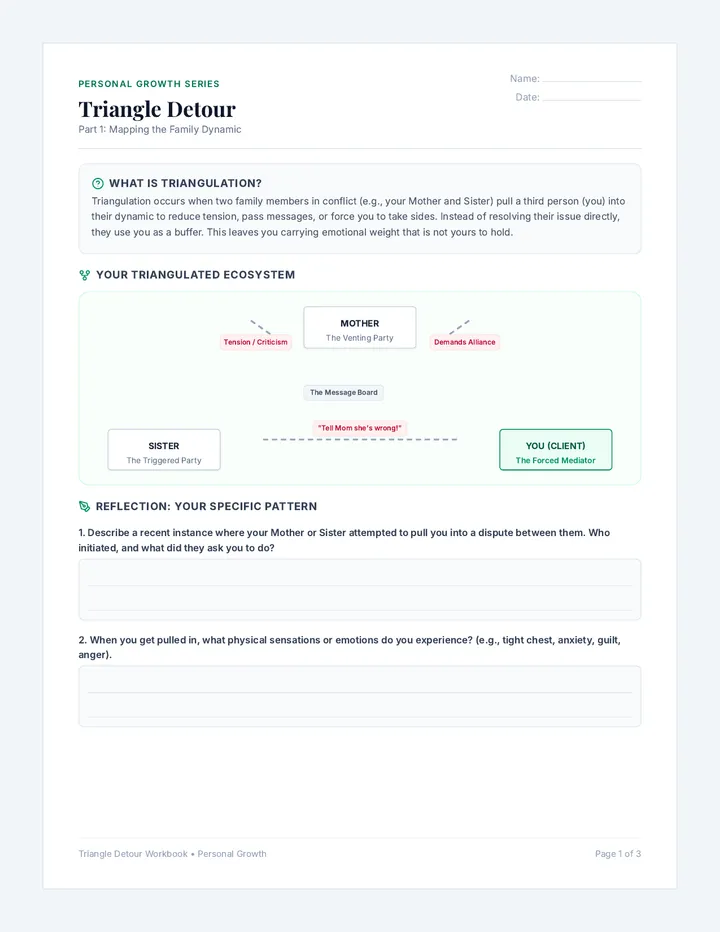
A student-facing worksheet for practicing reframing negative thoughts and writing personal positive affirmations. Uses the 'Brain Garden' theme with clear sections for practice and reflection.
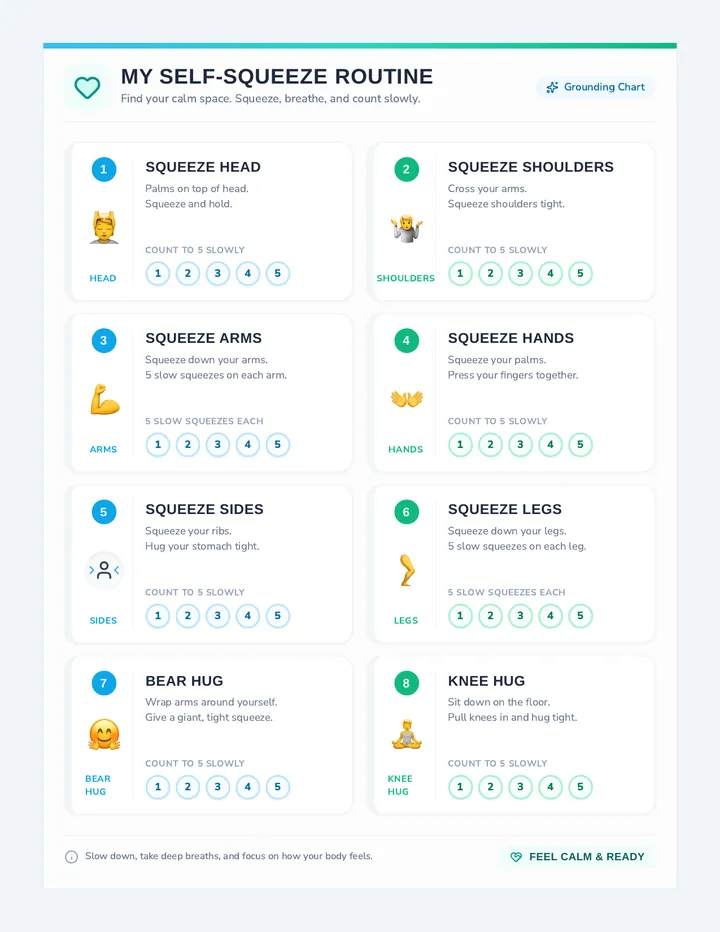
An engaging slide presentation for 3rd-5th graders that uses the 'Brain Garden' metaphor to explain positive thinking, reframing negative thoughts, and the power of affirmations. Features visual examples and interactive prompts.
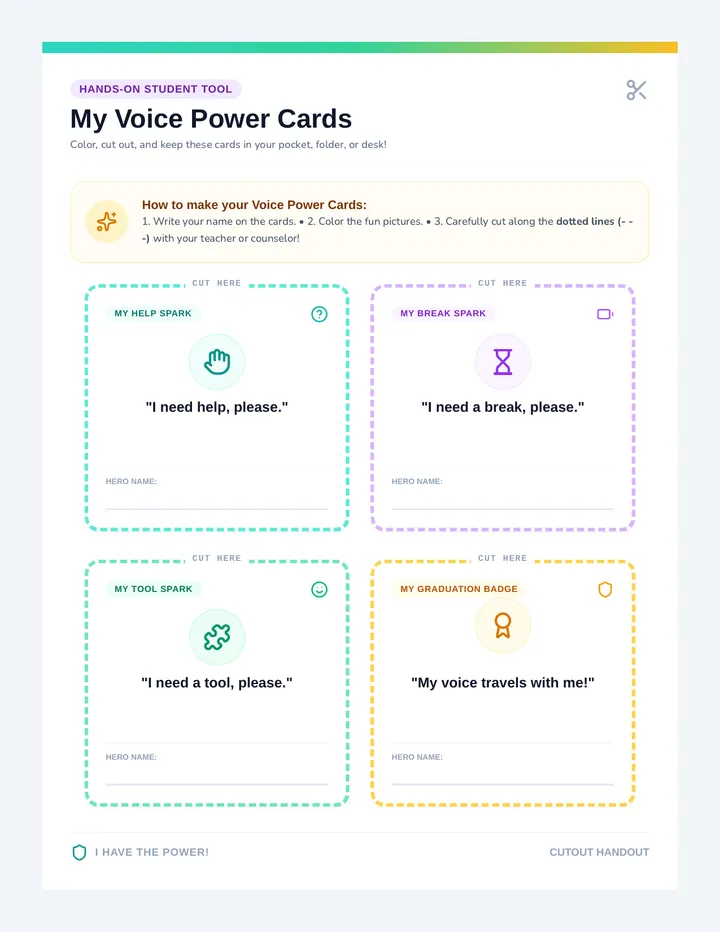
A teacher-facing facilitator guide for the Mindset Magic lesson. It includes learning objectives, materials lists, a step-by-step instructional sequence with time allocations, and differentiation strategies for 3rd-5th grade students.
A printable one-page board game titled 'Clue Chase'. It features a 30-square track with various challenges related to social cues, body language, and positive social interactions. Includes instructions and a 'Social Detective' theme.
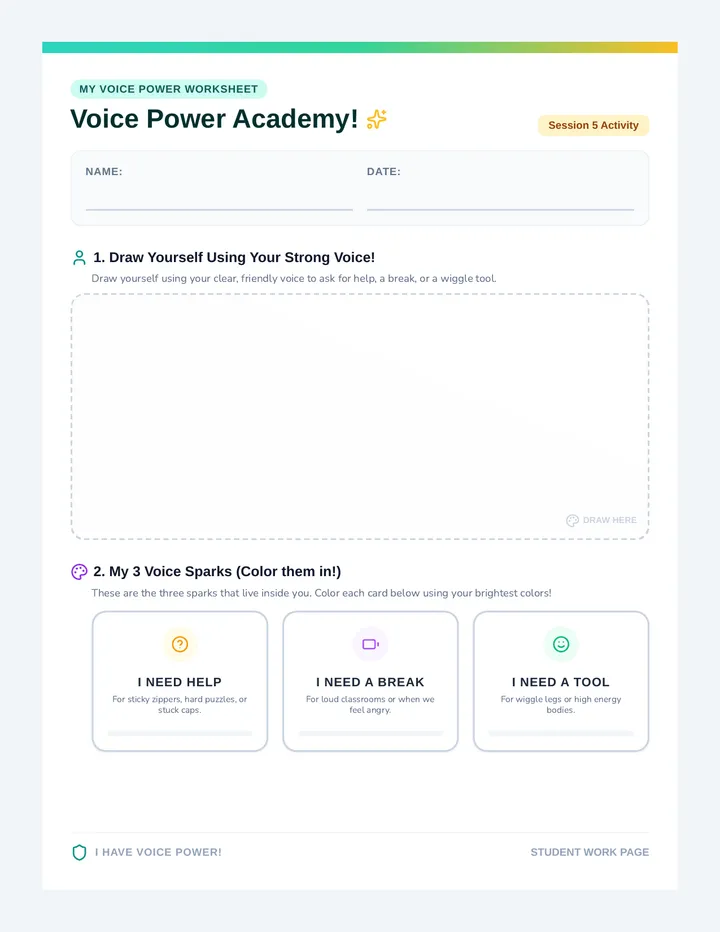
A vibrant, high-contrast anchor chart titled 'The Official Friendship Code'. It visually breaks down social cues into three categories: Body, Face, and Voice, using clear icons and simple language for K-4 students.
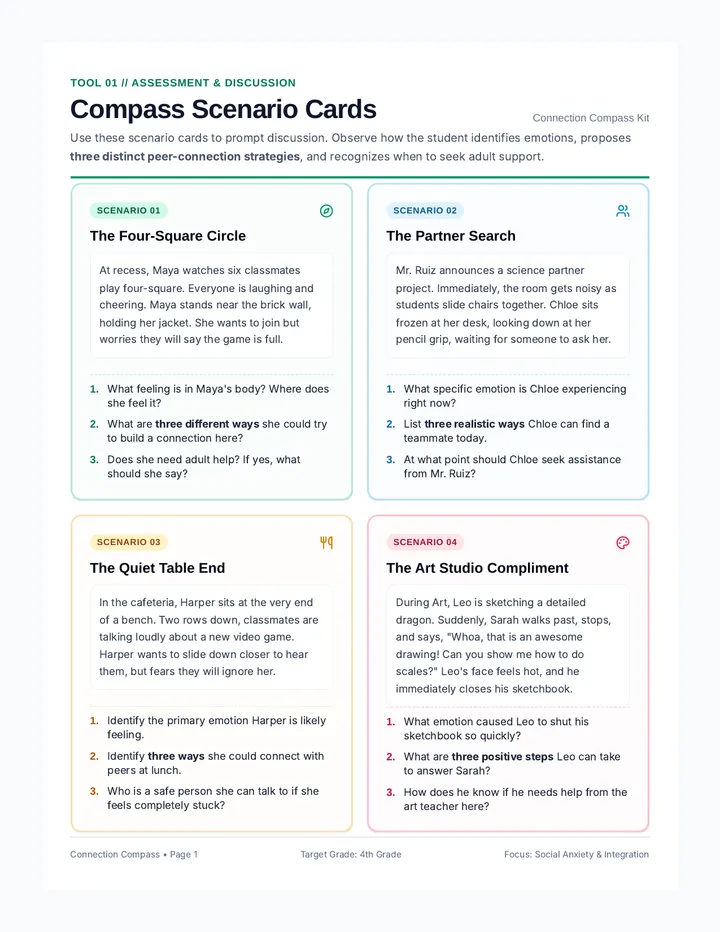
A set of 6 printable discussion cards featuring various social scenarios. Each card includes a case number, a descriptive scenario, and a detective prompt to guide students in identifying social cues and appropriate responses.

A comprehensive 20-minute lesson plan for grades K-4 titled 'Detective Training Manual'. It includes specific pacing, teacher scripts, and instructions for a group activity focused on interpreting social cues.
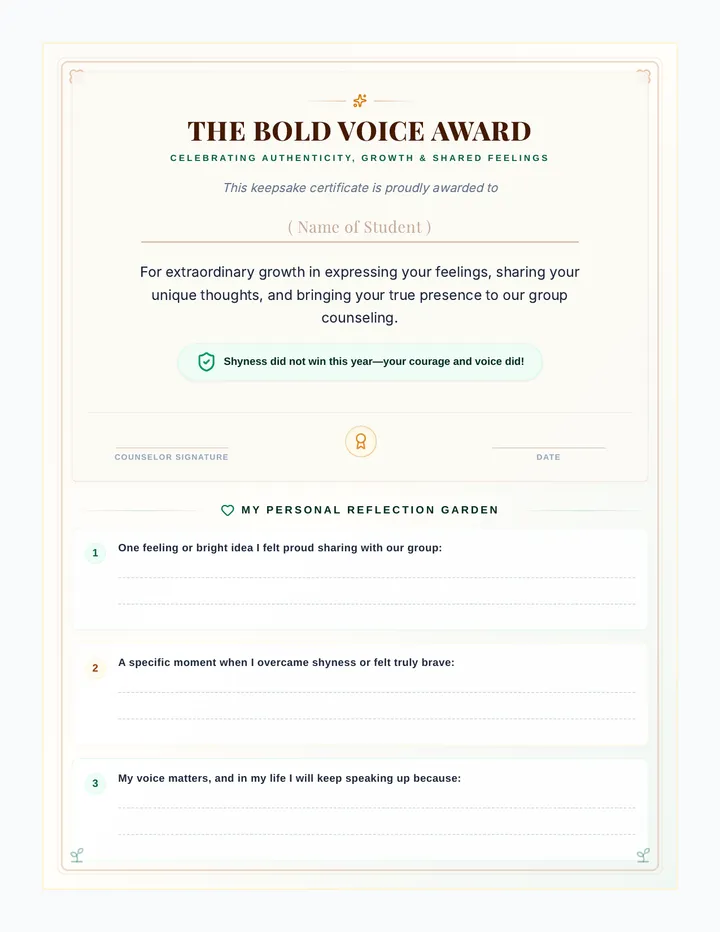
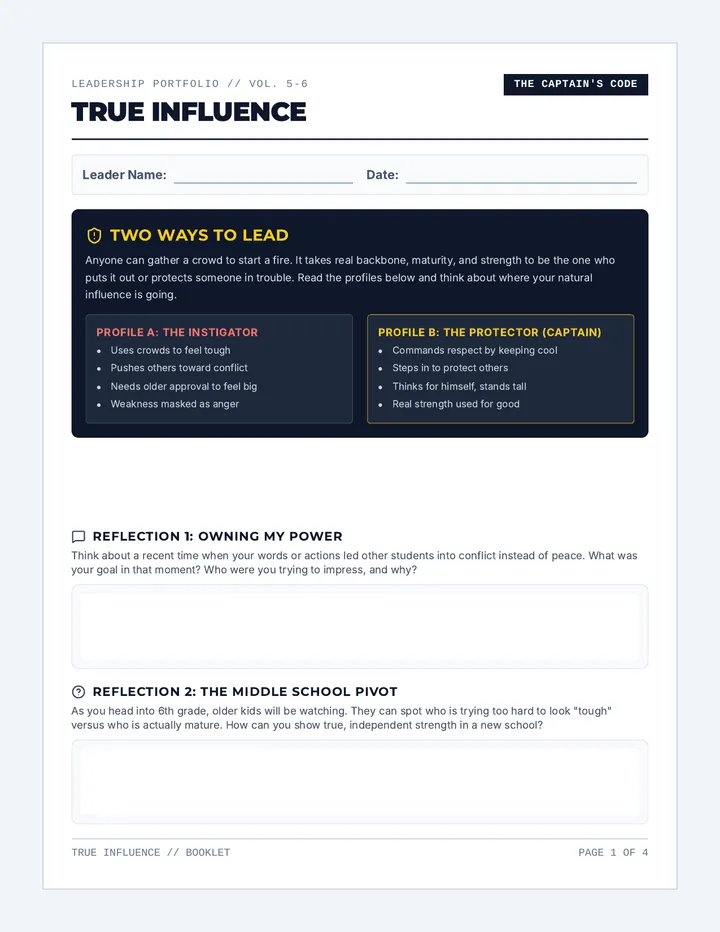
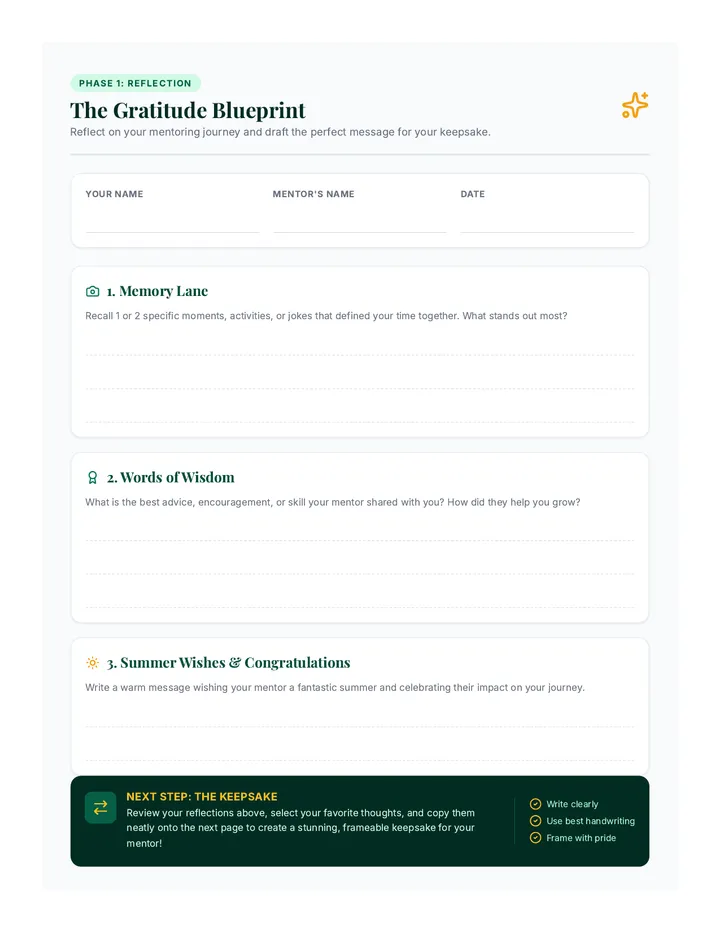
A reflection worksheet for students to complete during their final counseling session to document growth, identify coping tools, and plan for future independence.
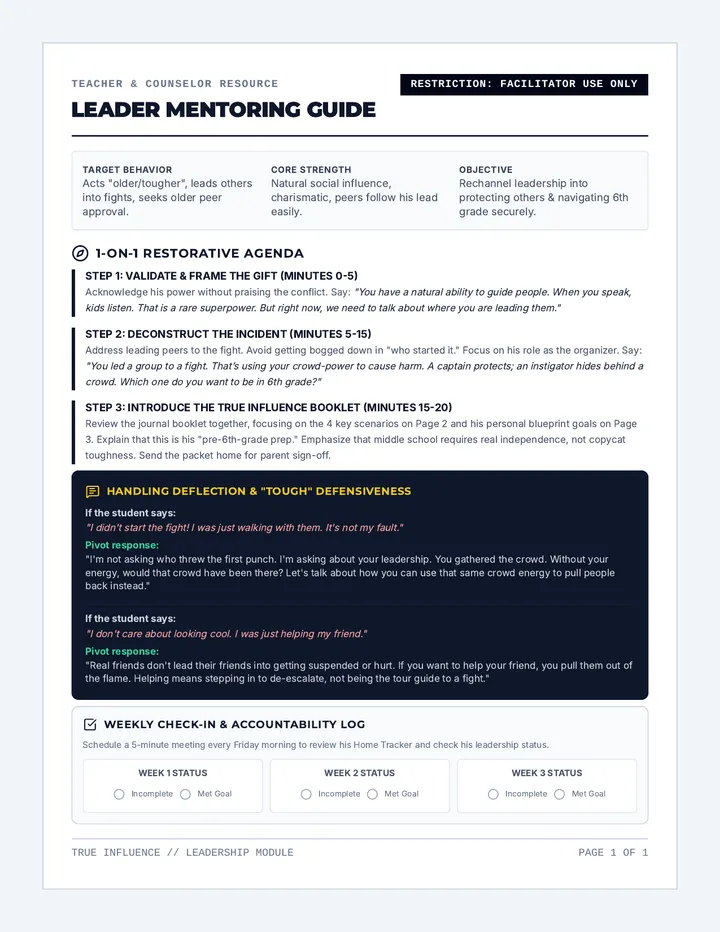
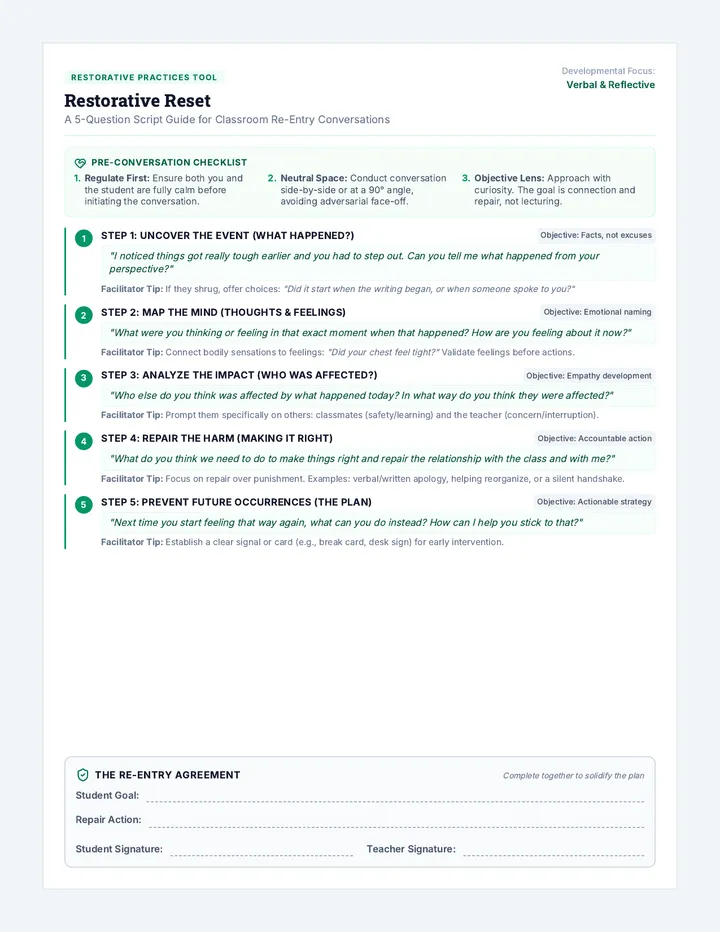
A professional guide for counselors or educators to facilitate effective termination discussions, including prompts, scenarios, and clinical considerations.
A visual presentation for school counselors to use with students (or for counselor training) to explain the termination process, normalize emotions, and plan for closure.
A printable board game designed for students to practice the 'Brain Filter' concept by categorizing thoughts as 'Think It' or 'Say It' and brainstorming kind alternatives. Expansion version with 25 squares.
A vibrant and visual anchor chart illustrating the 'Brain Filter' process, clearly showing the three-step check (Kind, Helpful, True) and featuring 'in action' examples.
A student worksheet designed to help students categorize speech using the Kind, Helpful, and True filter, featuring scenario sorting and a creative writing prompt.
A set of twelve printable discussion cards featuring relatable scenarios for students to practice using their social filter and brainstorming kind alternatives.
A professional 20-minute teacher guide and lesson plan for teaching social filters, featuring clear definitions, the toothpaste analogy, and structured lesson pacing.
A single-page vertical 'Strategy Snack Menu' with 10 grounding and self-control strategies, including 'Pump the Brakes', 5-4-3-2-1, and Muscle Melt. Designed with readable font sizes for student use on a single page. Revised to ensure high text contrast and clear page formatting.
Student worksheet for practicing the T.K.N.A. filter and 'Pump the Brakes' technique. Includes scenarios for transitions, blurting, and disagreements, plus a cut-out desk strip. Revised to fit all content on a single printable page.
Teacher facilitation guide updated with the 'Pump the Brakes' car metaphor and the T.H.I.N.K. filter. Includes scripts and an observation log for tracking behavior.
Printable desk strips for an ADHD student. Features the T.H.I.N.K. filter and the 'Pump the Brakes' car metaphor in high-contrast, gamer-themed designs.
Instructional slides for a 5th grade student focusing on impulse control through the 'Inner Remote' and 'Pump the Brakes' metaphors. Includes specific scenarios for transitions and the T.H.I.N.K. filter.
A set of printable drawing paths for the String Sync activity, ranging from easy (circular) to extreme (the Vortex spiral). Each path includes start/end markers and decreasing path widths to increase the teamwork challenge.
A comprehensive facilitator guide for the String Sync teamwork activity, including setup instructions, step-by-step procedures, and guided debrief questions focusing on communication and problem-solving.
A one-page printable handout for school administrators that summarizes the 'Neural Nostalgia' wellness session. It features the original dark aesthetic with improved text contrast for descriptions and white backgrounds in student work areas for handwriting legibility.
A refined student worksheet for reflecting on daily experiences using two distinct buckets for 'good' and 'hard' events, now completely anonymous without name fields.
An observation and peer-feedback tool for students acting as "Critics" during role-plays, focusing on eye contact, tone, and the use of respectful language.
A set of six printable scenario cards featuring realistic social situations for 3rd graders to practice their respectful communication skills.
A student-facing reference sheet and planning guide that provides respectful phrases and body language tips to help students prepare for their role-play performances.
A detailed teacher's script for the 30-minute lesson, featuring time-stamped sections, speaking prompts, and classroom management actions for the Kindness Theater activities.
A vibrant, stage-themed presentation with 6 slides to guide students through a 30-minute lesson on respectful communication and courtesy role-plays.
A self-reflection checklist for students to evaluate their active listening skills following an activity, including a space to set a personal listening goal.
A collaborative student worksheet for a "Back-to-Back Draw" activity, where one student describes a secret robot image and the other uses active listening to recreate it.
A teacher-facing script featuring two contrasting scenarios (poor vs. pro listening) to demonstrate active listening skills to 3rd graders through a relatable skit.
A vibrant, audio-themed presentation for 3rd graders that introduces the "3 Golden Rules" of active listening (Eyes On, Body Nod, Quick Mic) and sets up a partner drawing activity.
A teacher's lesson plan for "Listening Like a Pro," outlining a 30-minute instructional sequence, differentiation strategies, and common misconceptions for teaching active listening to 3rd graders.
A post-activity reflection sheet for students to process their feelings after performing acts of kindness and track their weekly kindness goals.
A printable 5x5 Kindness Bingo card for students, featuring 24 attainable acts of kindness and a central free space to encourage habit tracking.
A teacher's script for the Bingo simulation activity, providing specific kindness prompts and scenarios to help students jumpstart their Bingo challenge.
A visual presentation for the Kindness Bingo lesson, featuring slides on the definition of kindness, game rules, examples of acts, and the concept of 'Helper's High.'
A teacher's implementation guide for the Kindness Bingo lesson, featuring a 30-minute instructional arc, learning objectives, and differentiation strategies for 3rd-grade students.
A visual presentation to launch the children's book project, featuring the 20 approved values menu, project requirements, and success criteria. Updated for individual work.
A structured planning worksheet for student groups to brainstorm characters, setting, conflict, and a storyboard arc for their children's book project. Updated for individual work.
A comprehensive project guide for creating a children's book, including an 'Approved Values Menu' of 20 core topics and the project's grading rubric. Updated for individual work.
A single display slide featuring a 6-step checklist of the performance lab procedures, including a reminders for classroom conduct and group participation. Fixed layout to prevent overlap.
Instructions for the Mystery Performance Lab, guiding students through solo reading, role assignment with tie-breakers, plot analysis, fluency practice, and final presentation.