Visual presentation for 'Think Before You Zoom' featuring the story of Zoomy the Zebra and the Pause Power strategy steps.
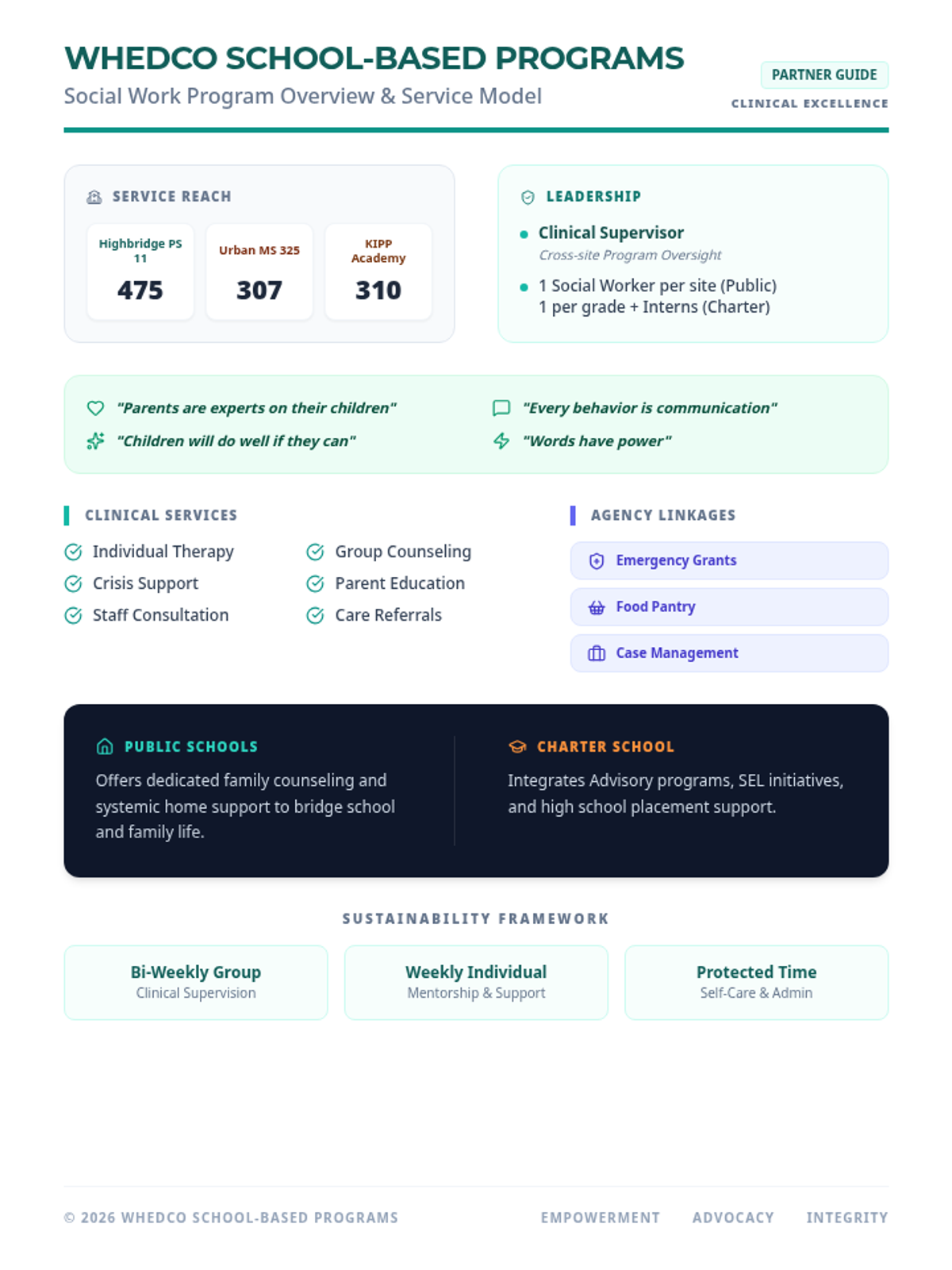
A concise one-page handout for partner organizations summarizing school-based program services, principles, and specialized initiatives.
A professional slide deck for school-based programs, highlighting reach, core principles, specialized services, and staff support models.
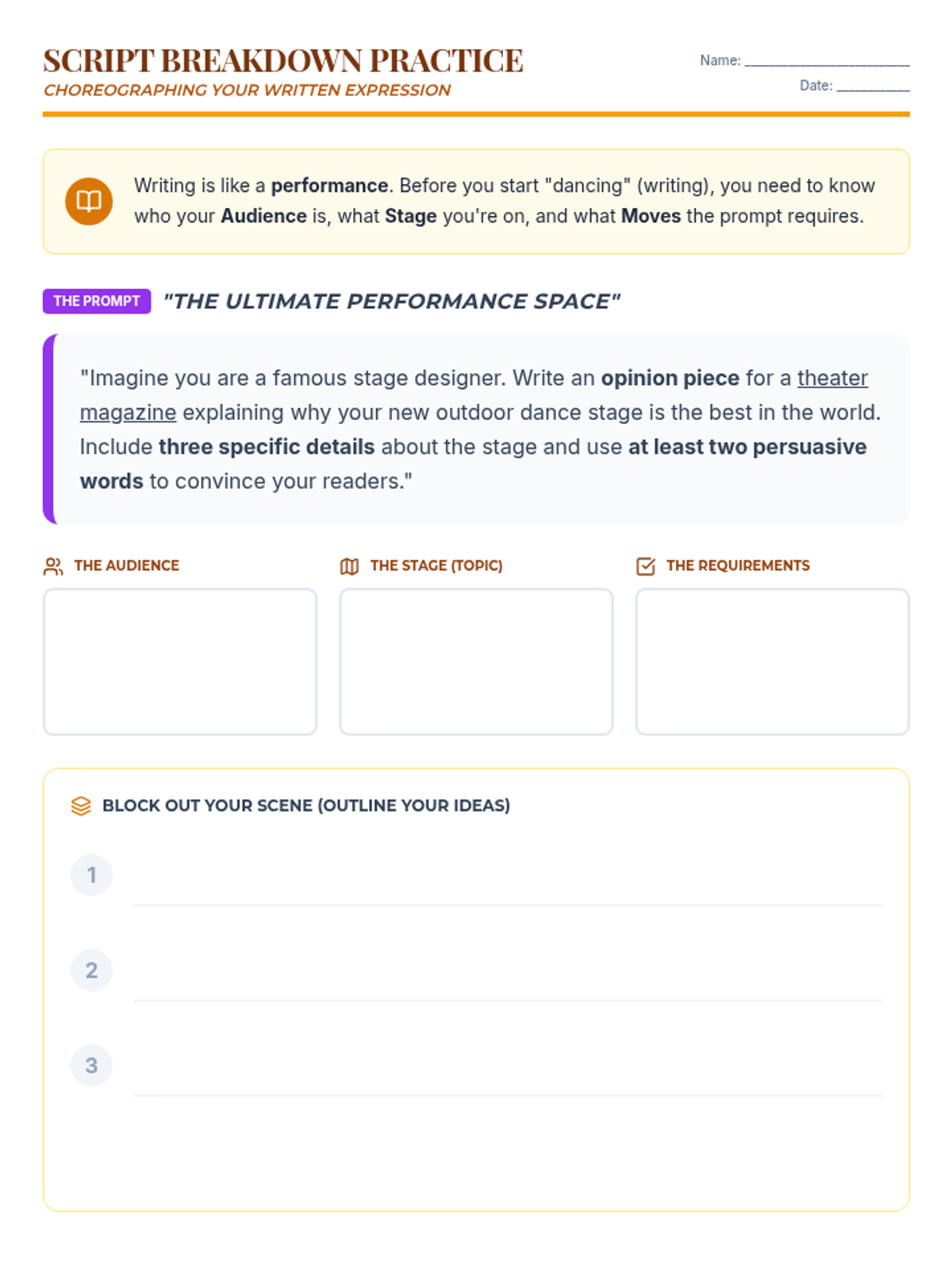
A written expression executive functioning worksheet where students practice decoding a writing prompt by identifying the audience, stage (topic), and requirements. Includes a 'Reviewing the Tape' section for self-monitoring and task accuracy. Revised with increased work areas and a dedicated drafting section.
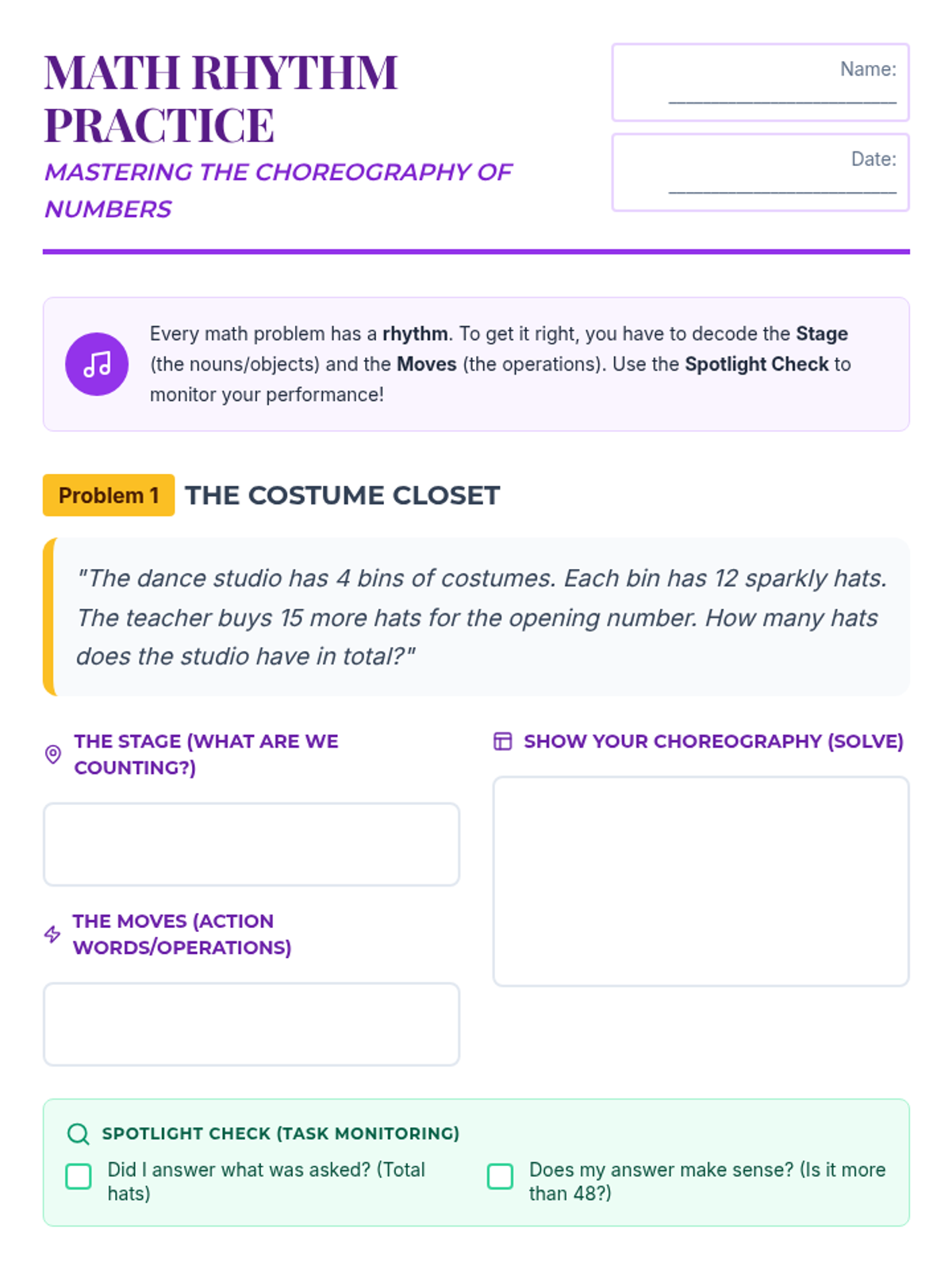
A math-focused executive functioning worksheet where students decode word problems using dance metaphors ('The Stage' for nouns, 'The Moves' for operations) and practice task monitoring with a 'Spotlight Check'. Revised for better page flow and include a final 'solo' reflection.
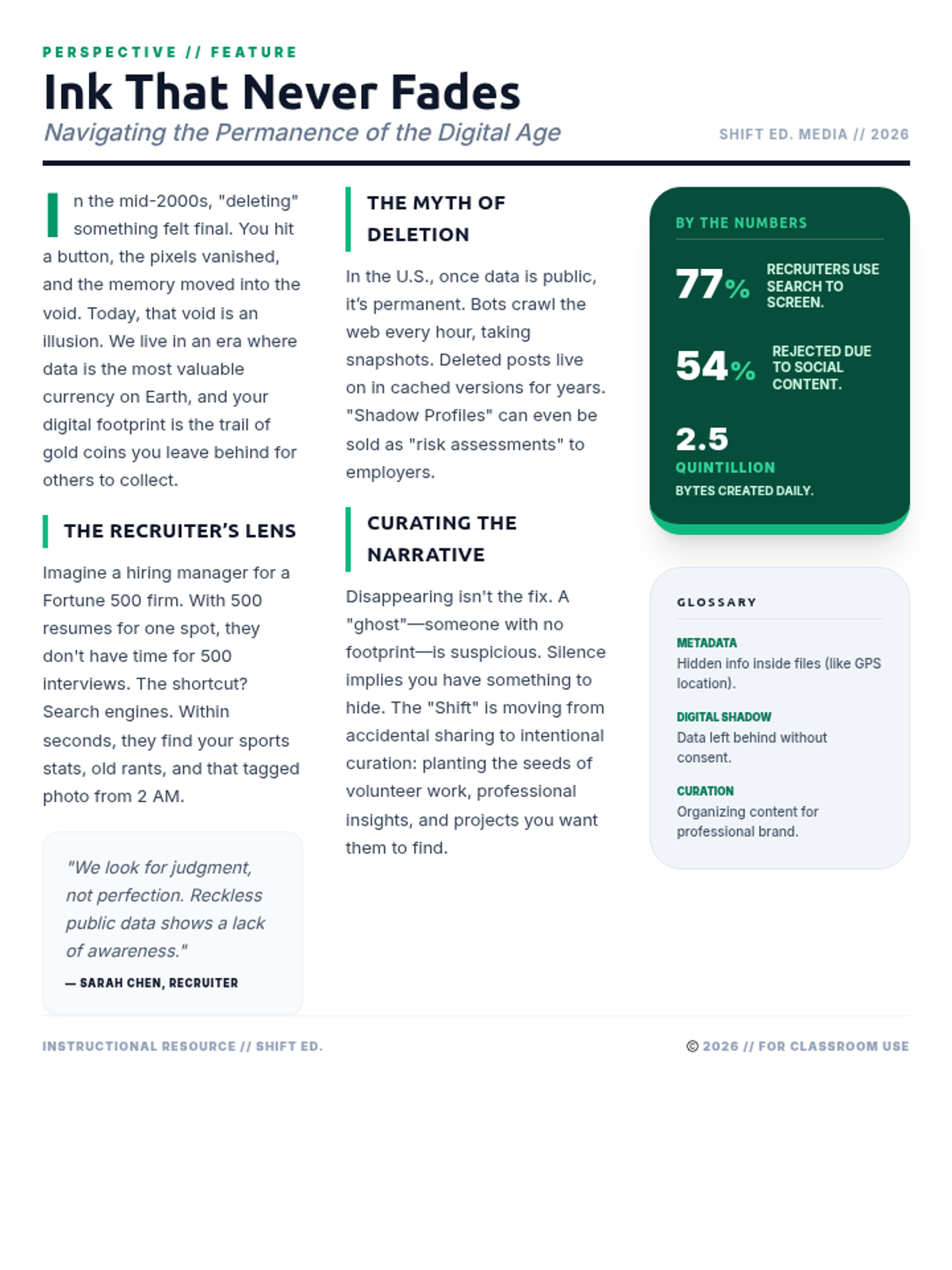
A background reading article titled 'Ink That Never Fades' which explores the permanence of digital data, recruiter statistics, and the importance of intentional curation.
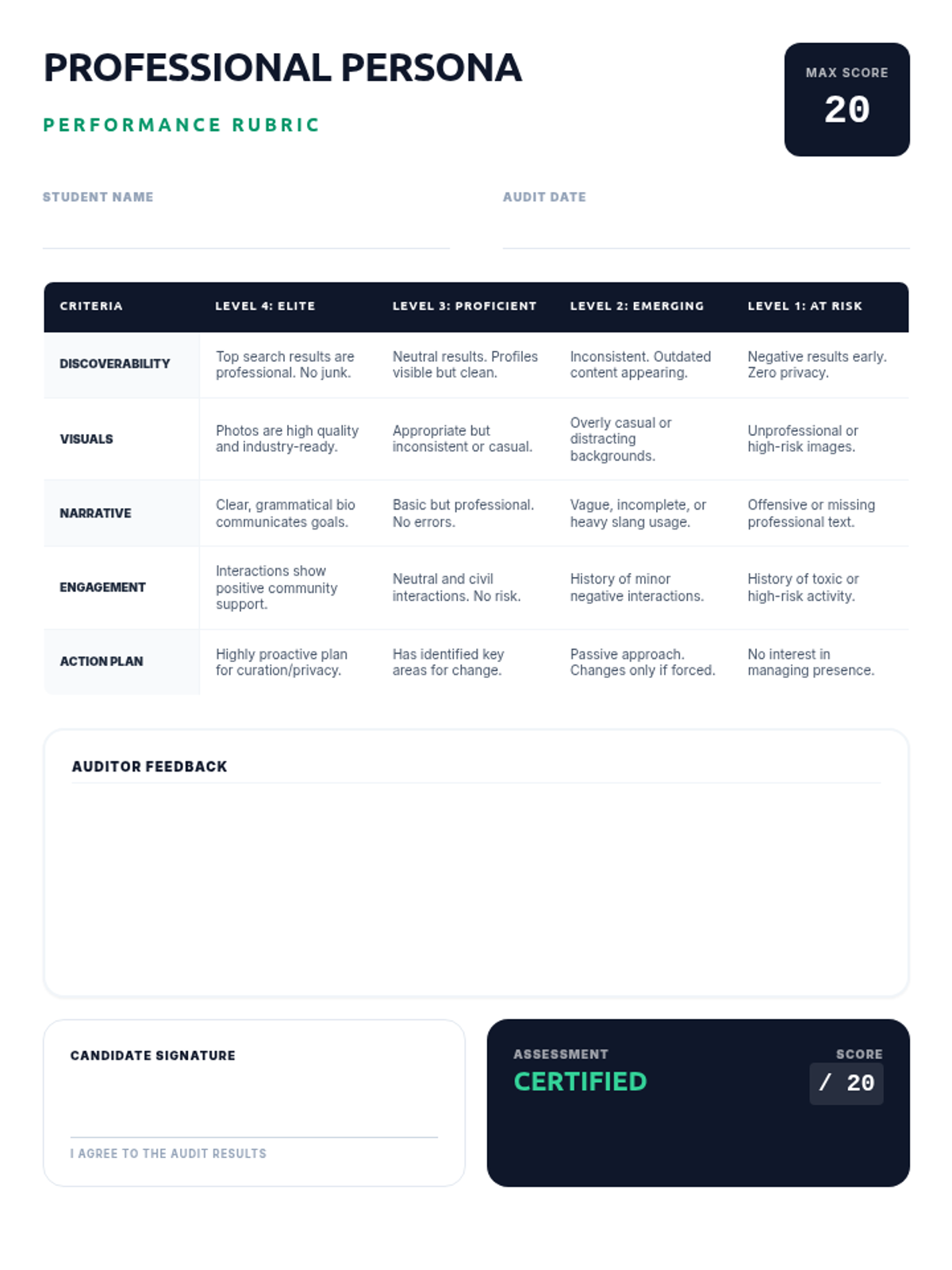
A professional grading rubric for evaluating a student's digital persona, covering search results, visual branding, narrative, and engagement quality.
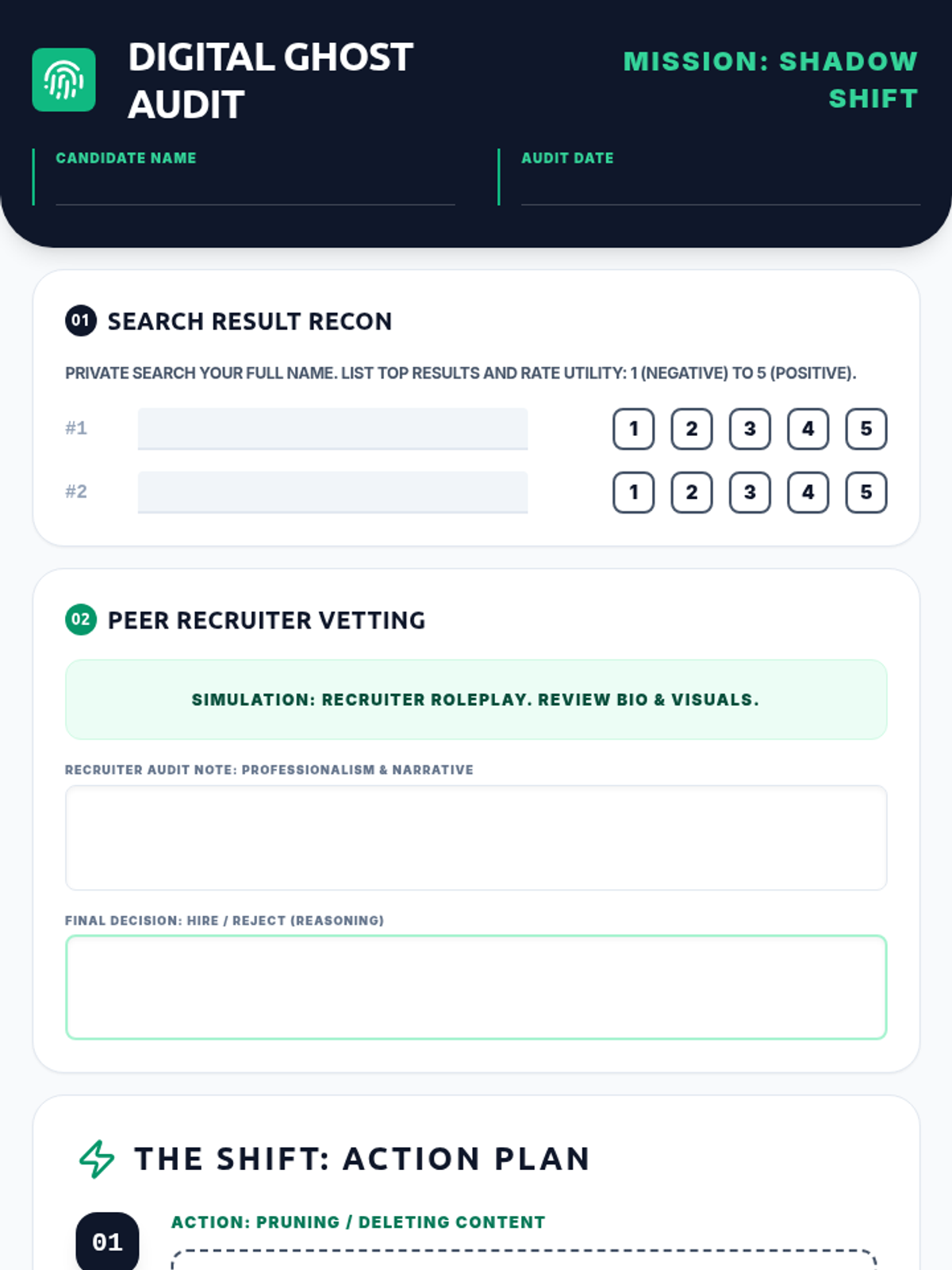
A comprehensive activity worksheet for students to audit their digital presence, engage in a peer recruitment simulation, and develop a concrete action plan for professional branding.
A dynamic slide deck for the 'Shadow Shift' lesson, introducing digital footprint concepts, passive/active data, and the recruitment simulation framework.
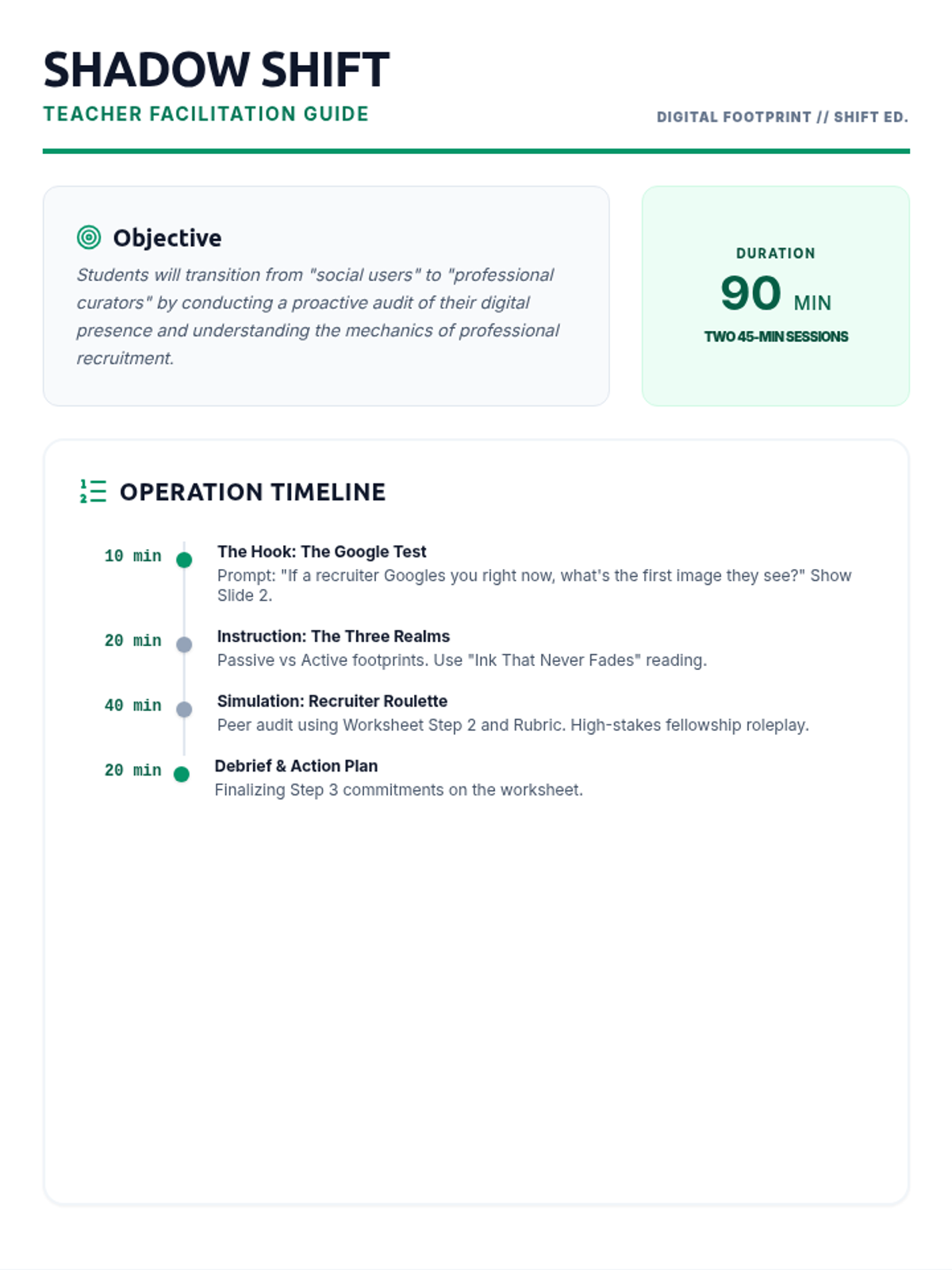
A teacher facilitation guide for the 'Shadow Shift' lesson, providing a pacing guide, discussion prompts, and instructions for a recruitment simulation activity.
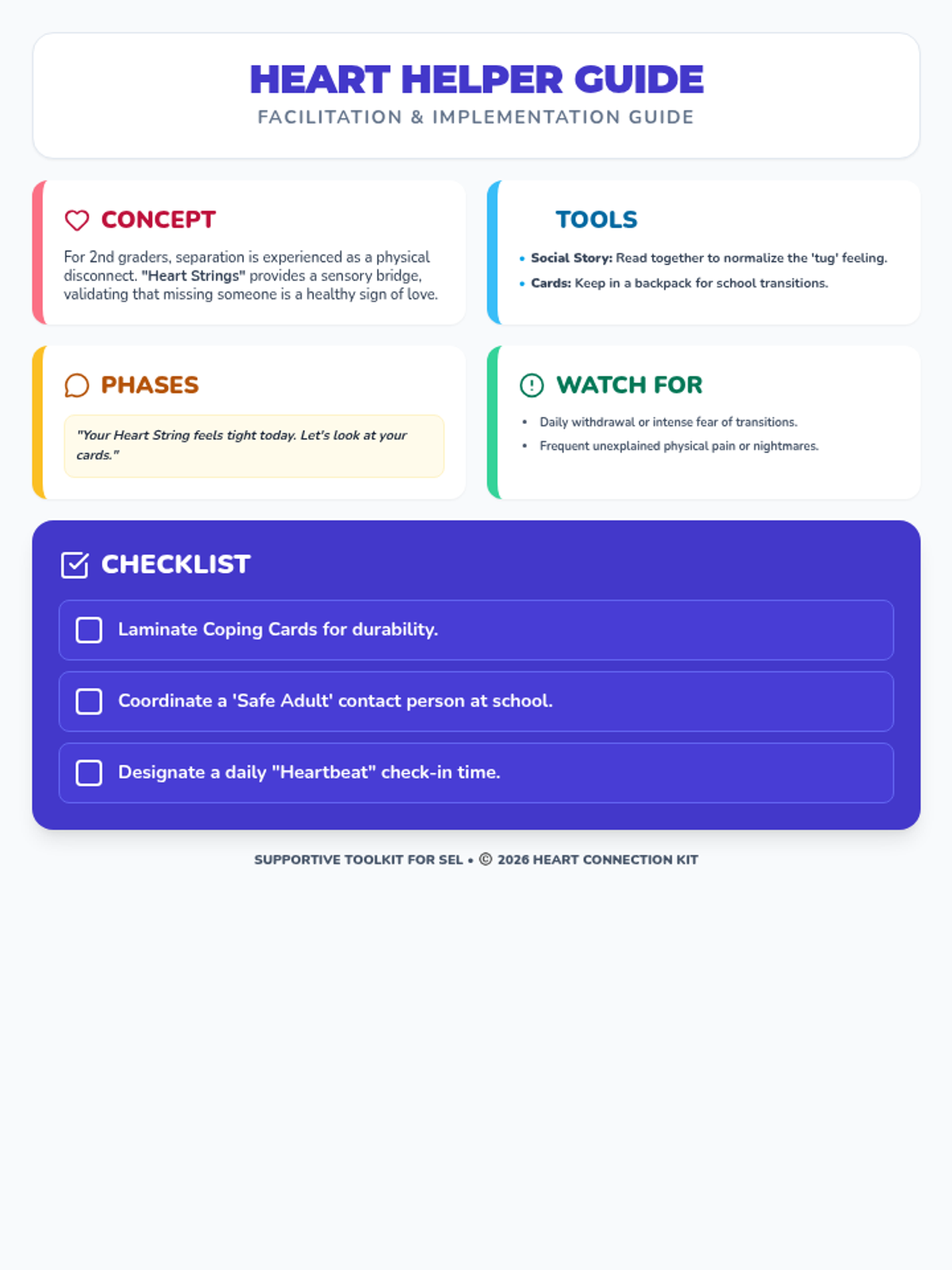
A teacher and parent guide that provides psychological context, facilitating language, and specific instructions for using the Heart Connection Kit. Includes a resource checklist and guidance on when professional intervention may be needed.
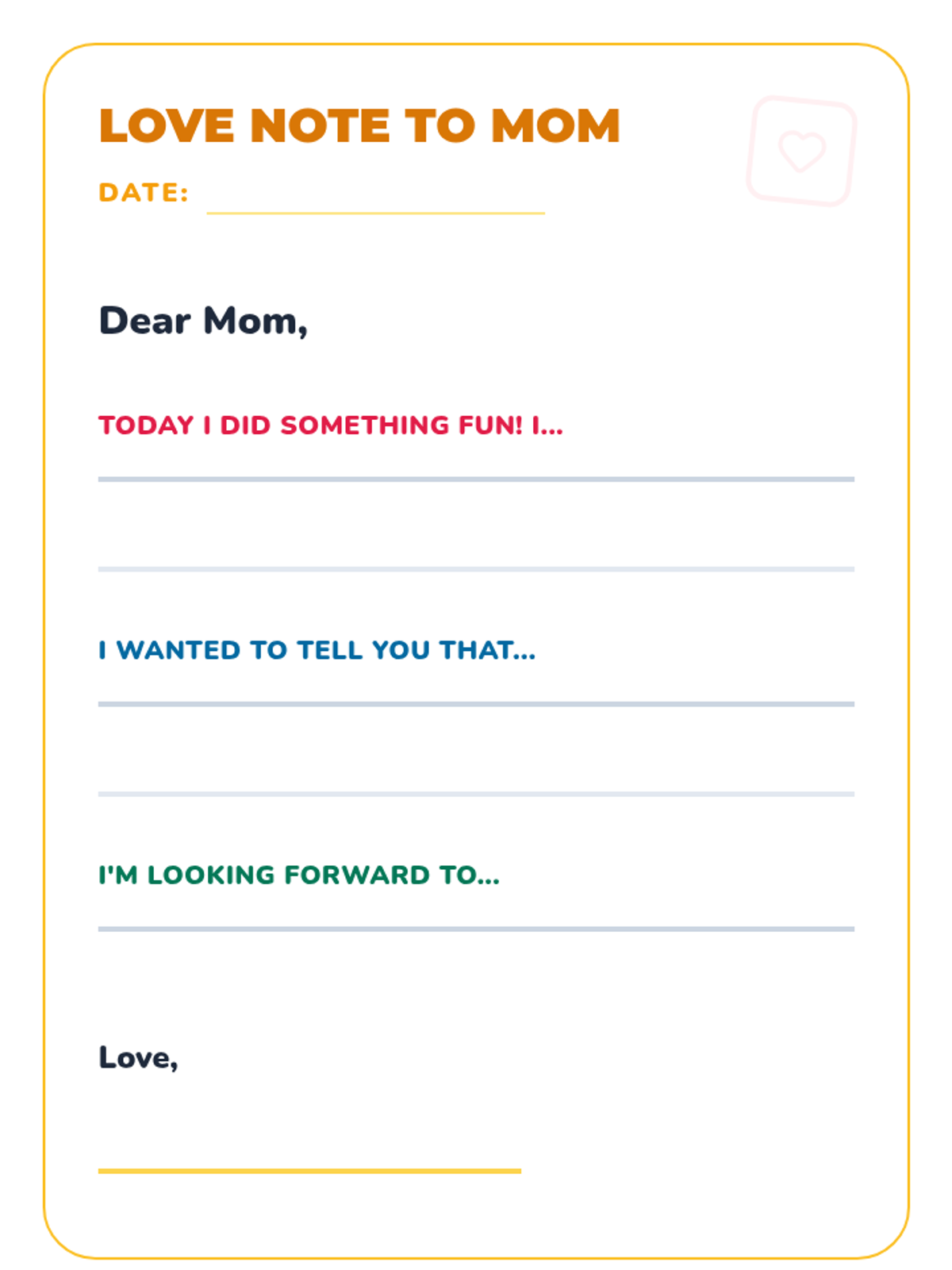
A two-page expressive template for children to maintain connection with their mother. Includes a guided letter with prompts for daily updates and upcoming plans, plus a full-page drawing area for capturing shared memories.
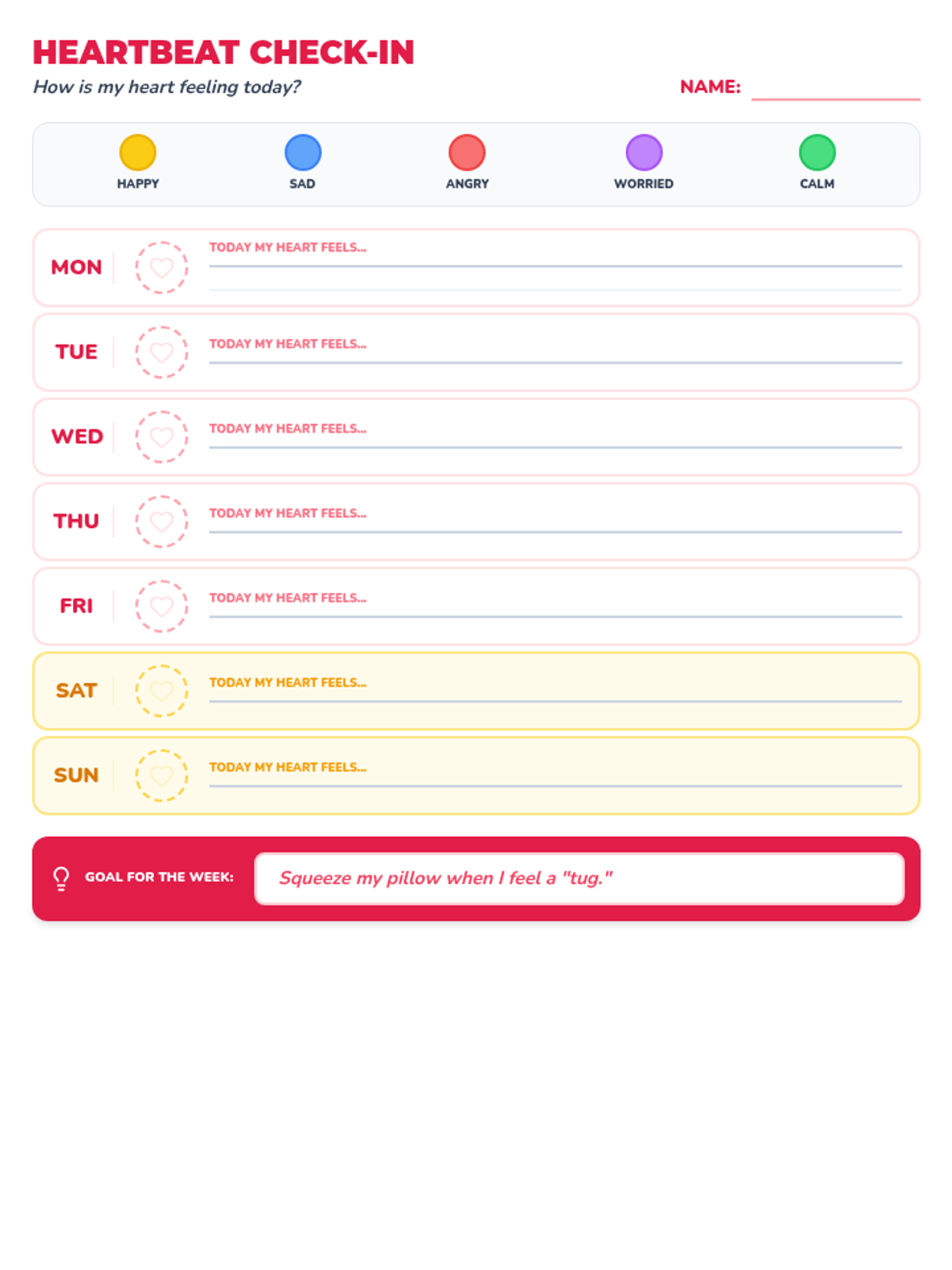
A weekly feelings tracker that uses a color-coding system to help children identify and communicate their emotional state. Provides daily spaces for coloring a heart and writing a brief note about their feelings.
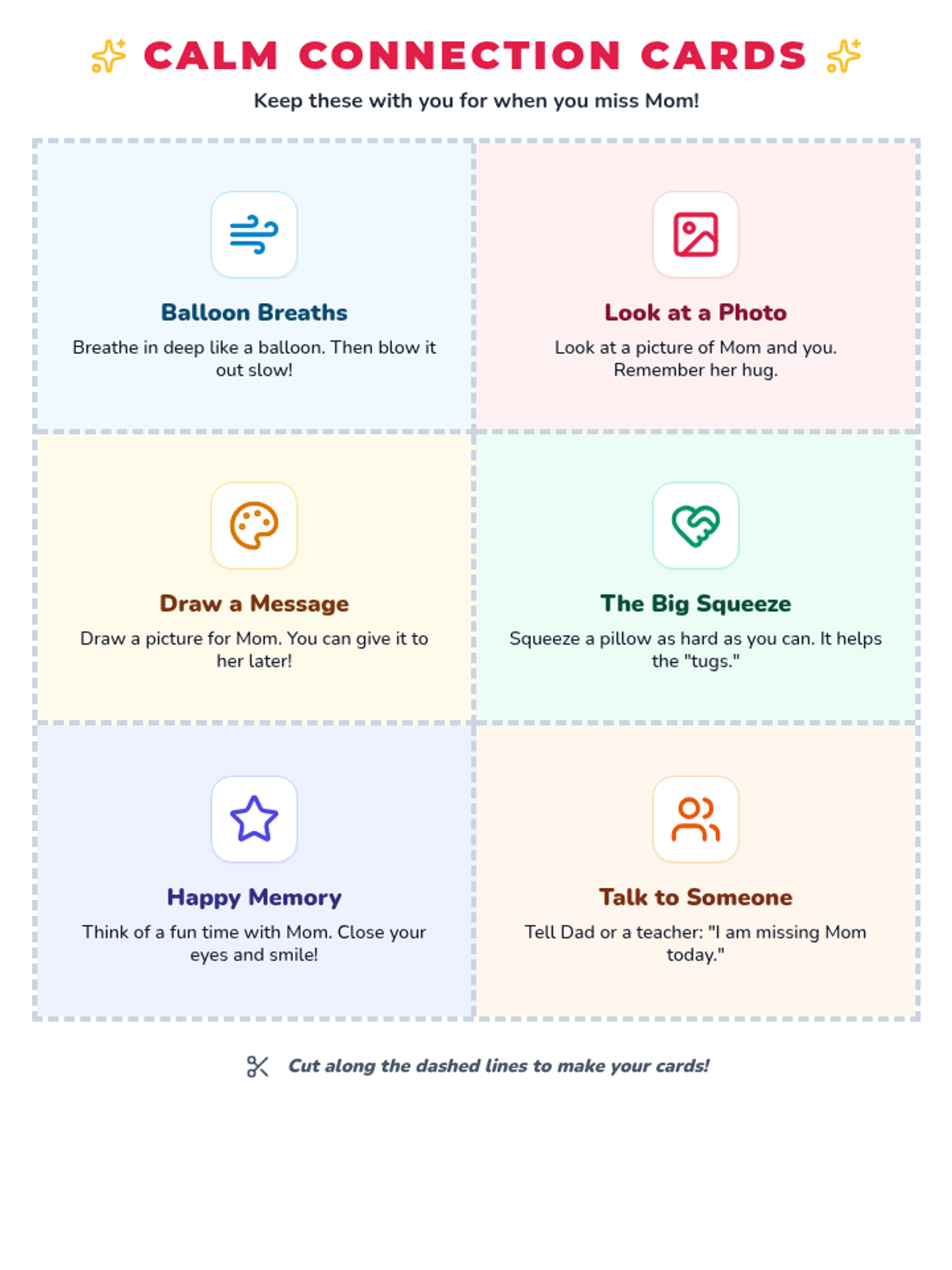
A collection of six printable coping strategy cards designed to help children manage separation anxiety. Each card features a specific calming activity or self-soothing technique with child-friendly icons and text.
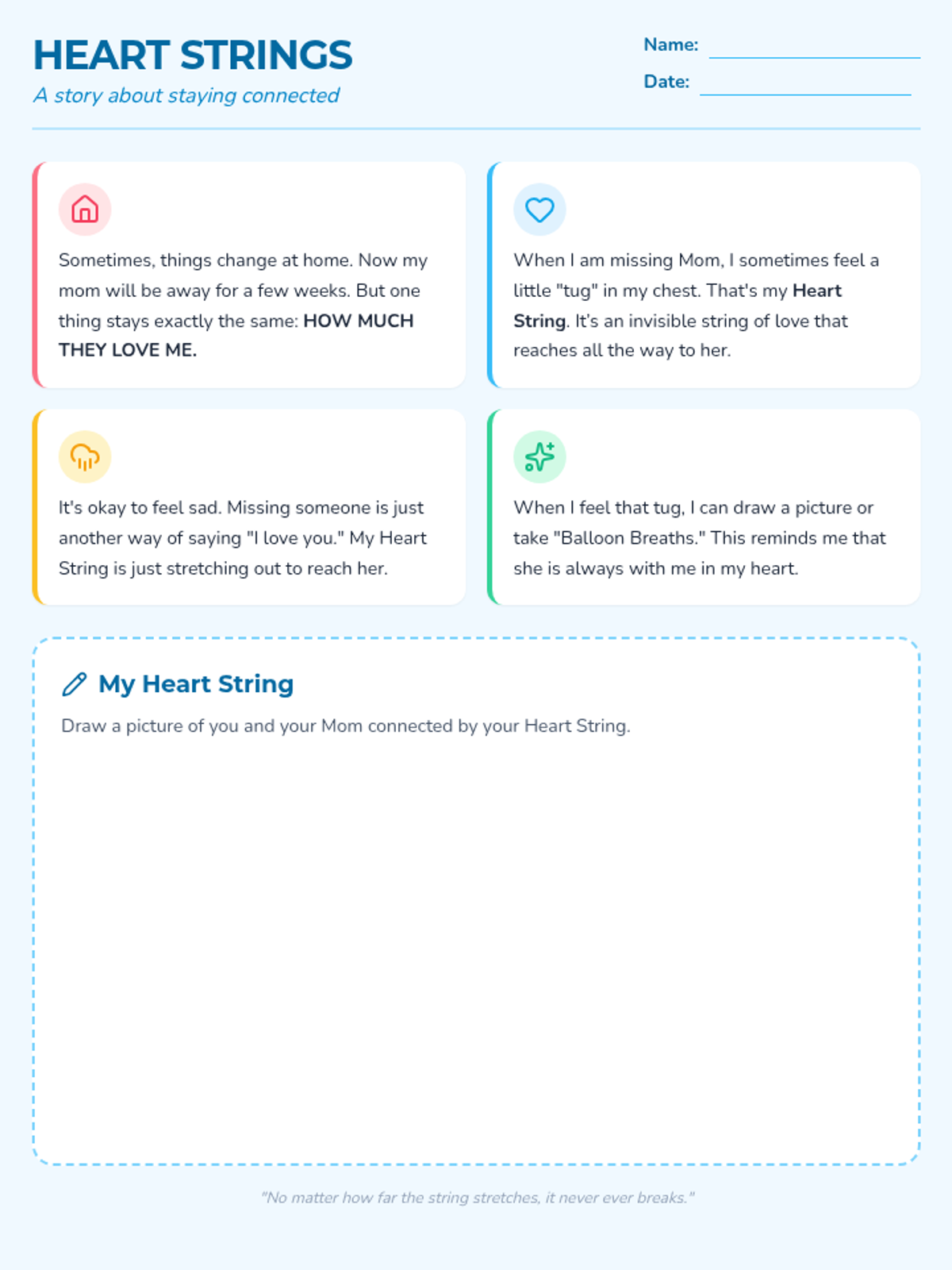
A gentle social story for 2nd graders that introduces the concept of 'Heart Strings' to explain how love maintains a connection even when mom is away. Includes a visual reflection area for student drawing.
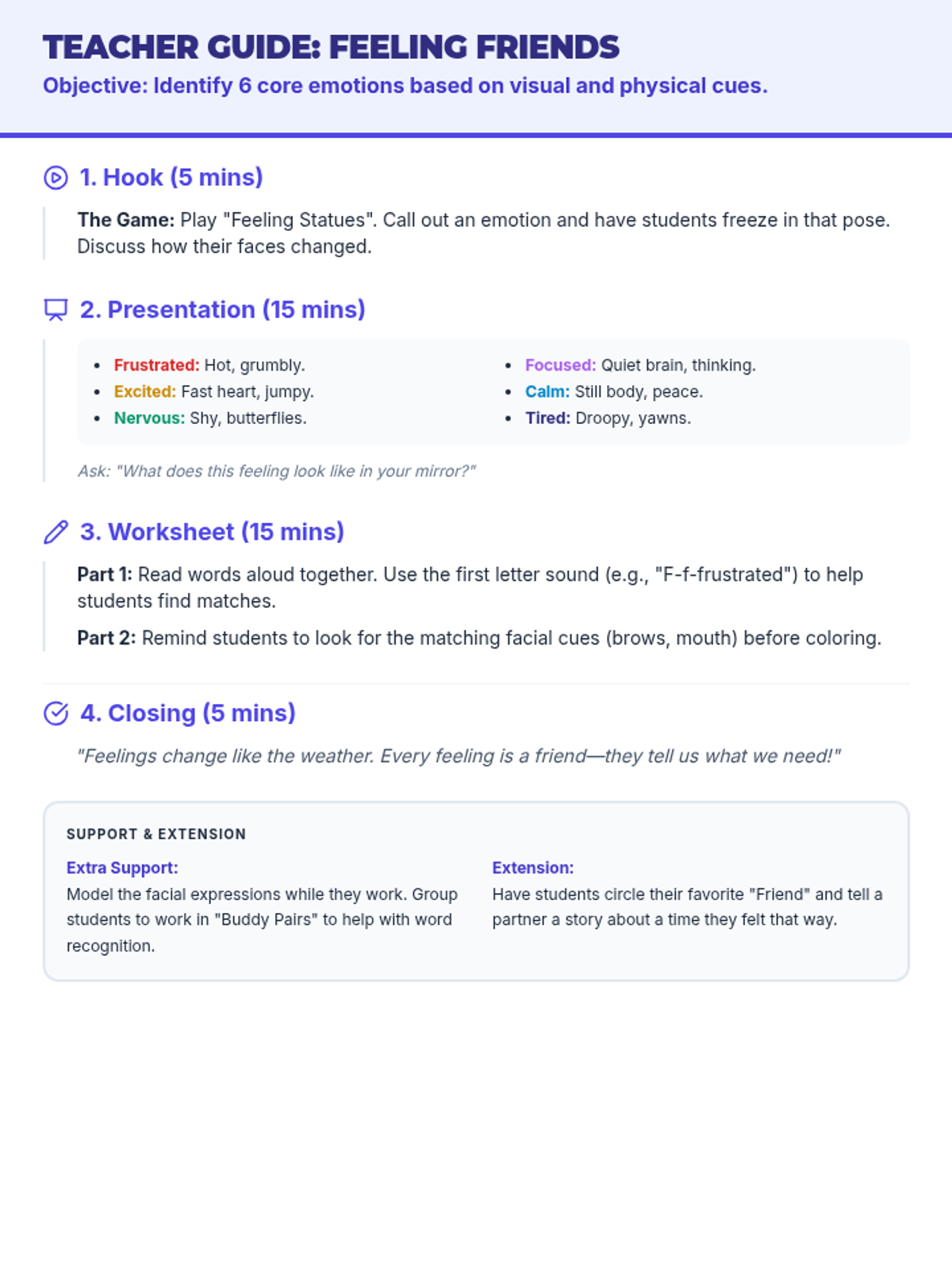
A teacher facilitation guide for the Feeling Friends lesson, including a structured lesson flow, discussion prompts for each emotion, and differentiation strategies for kindergarteners.
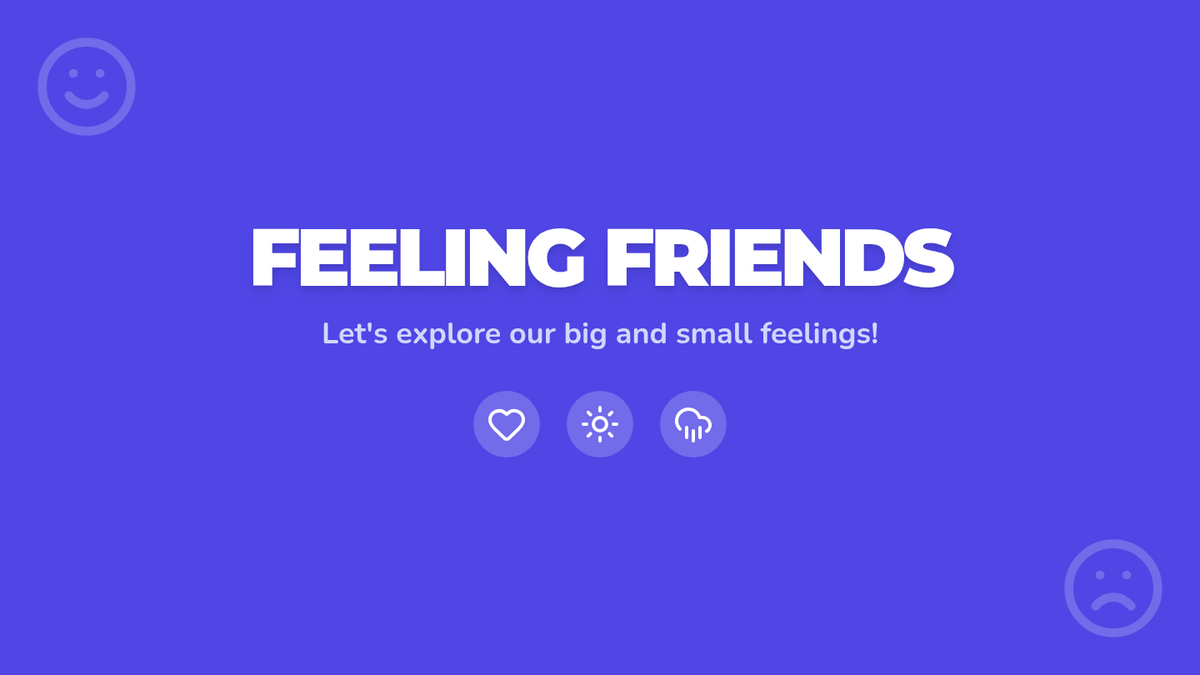
A vibrant, high-contrast slide deck introducing kindergarteners to six core emotions (Frustrated, Excited, Nervous, Focused, Calm, Tired) with simple visual metaphors and example scenarios.
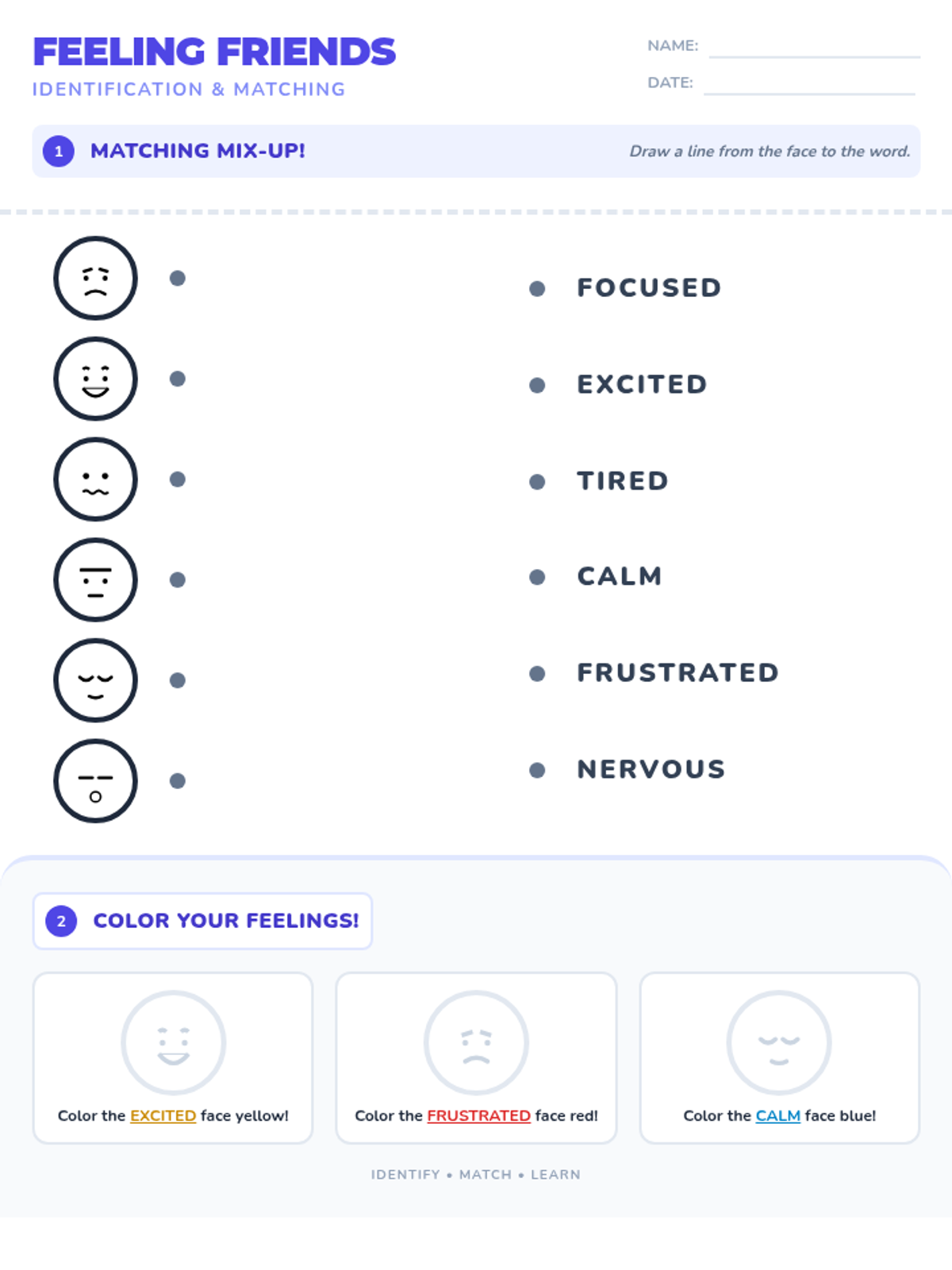
A coloring and matching worksheet for kindergarten students to practice identifying six core emotions (Frustrated, Excited, Nervous, Focused, Calm, Tired) using simple facial expressions and word recognition.
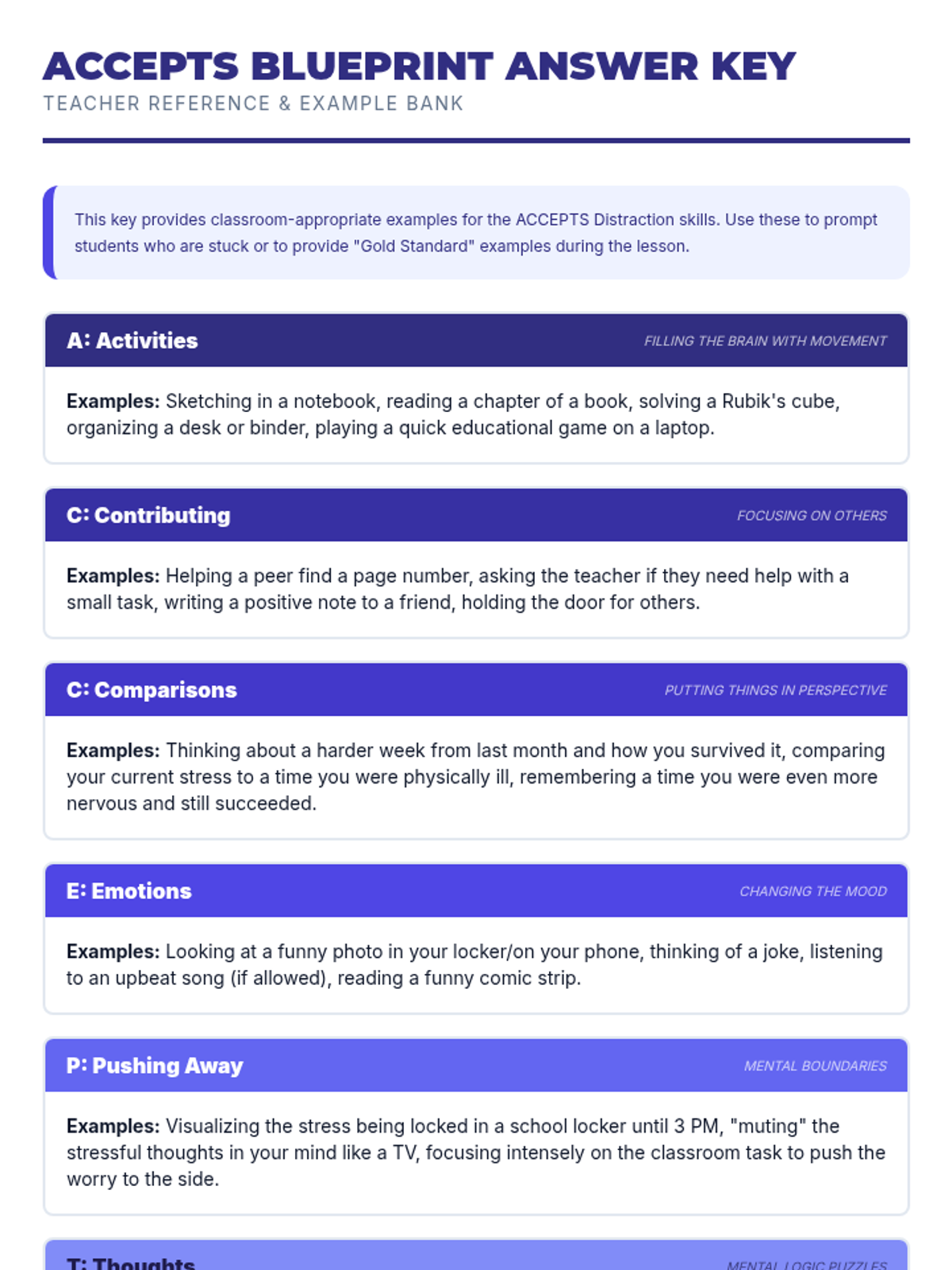
A comprehensive answer key for the ACCEPTS Blueprint graphic organizer, providing definition-based examples for each distraction technique specifically tailored for 6th-grade students in a classroom environment.
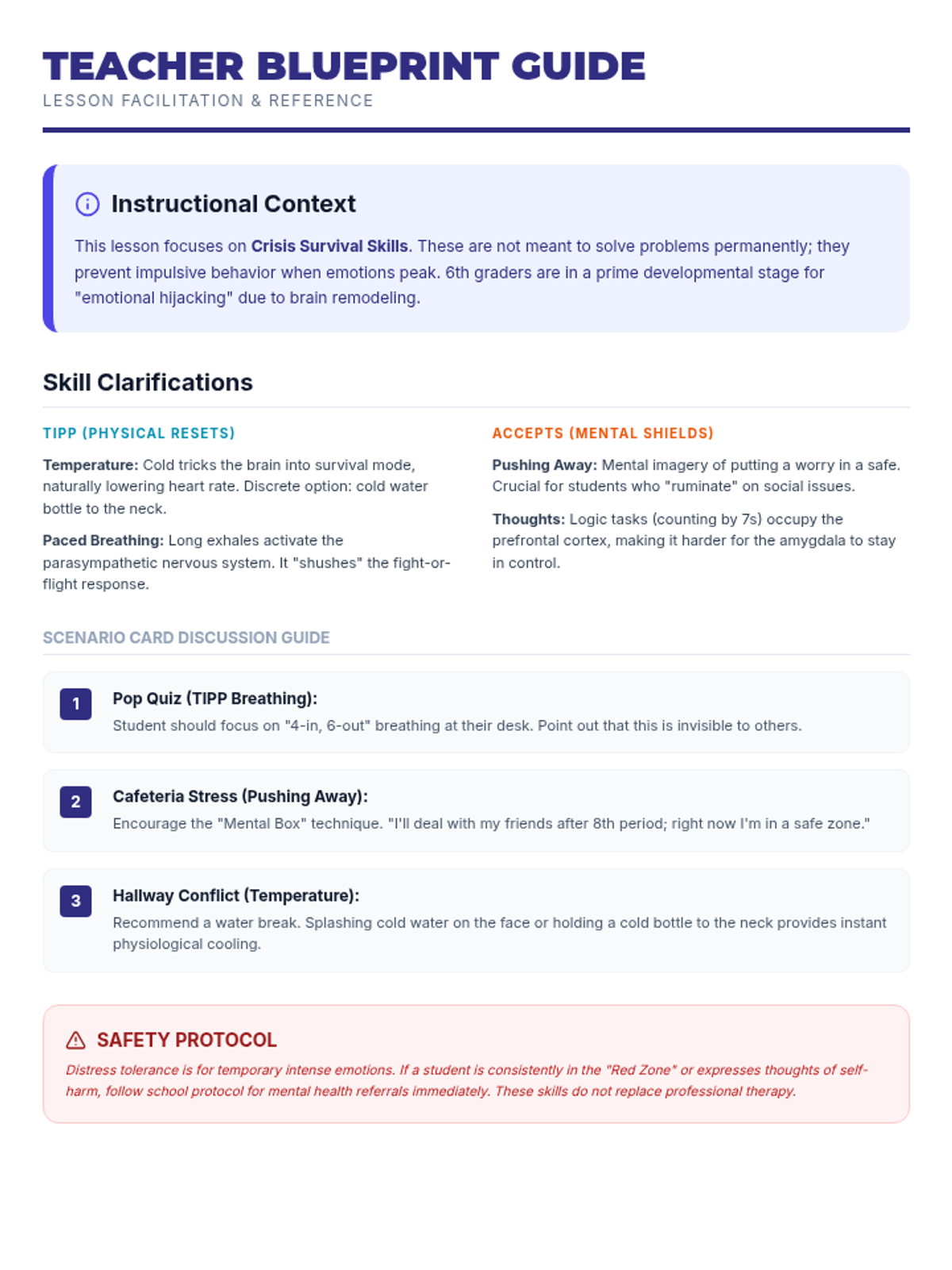
A revised teacher guide for facilitating the Brain Blueprinting lesson. Now fits entirely on one page with fixed HTML formatting and streamlined instructional notes.
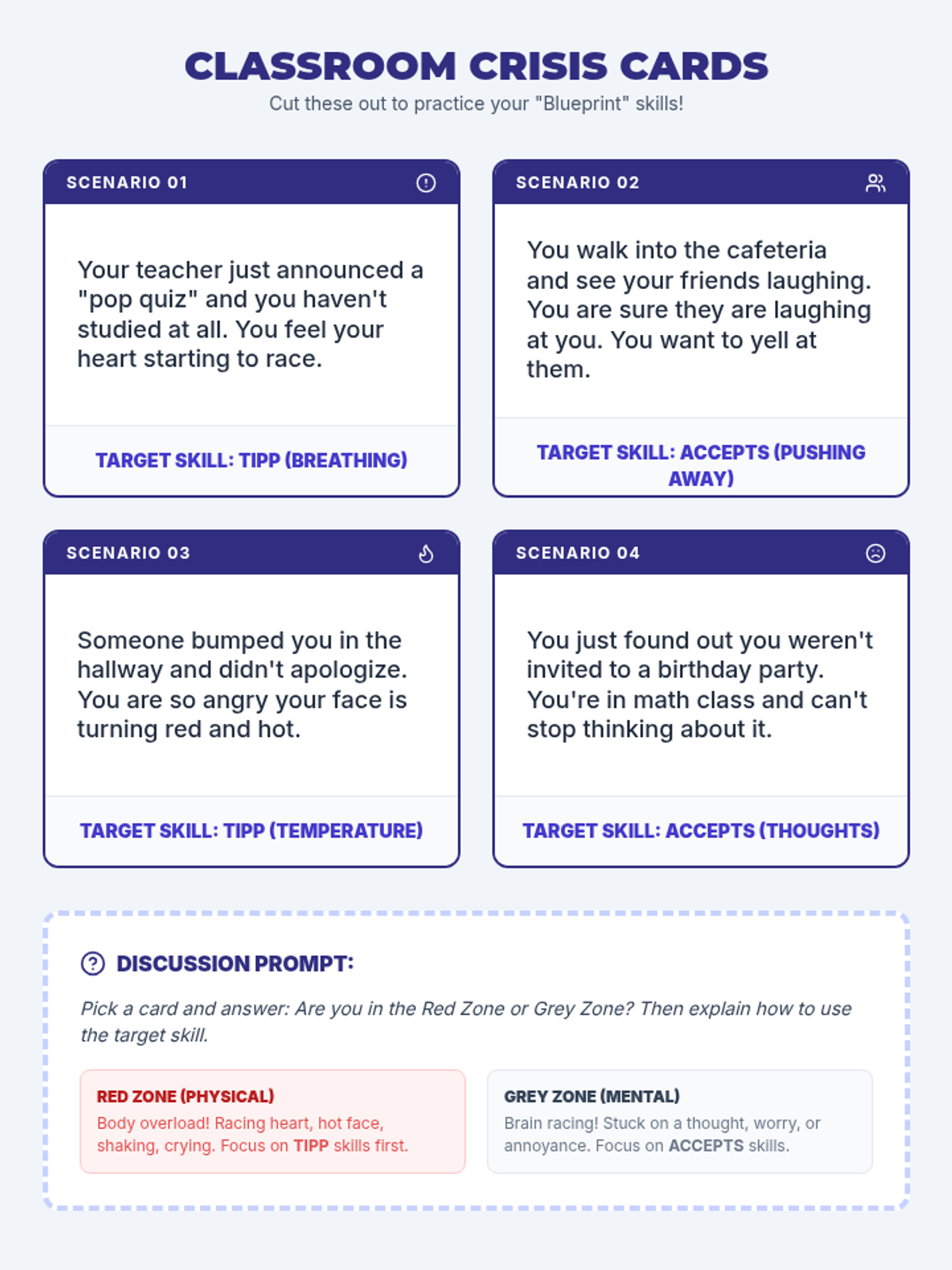
Revised printable scenario cards for middle schoolers. Features larger text for target skills and a built-in key for "Red Zone" vs "Grey Zone" definitions to support student discussion.