A 12-slide presentation for grades 7-12 introducing the concept of resilience, comparing fixed vs. growth mindsets, and guiding students through building a 'resilience toolkit'.
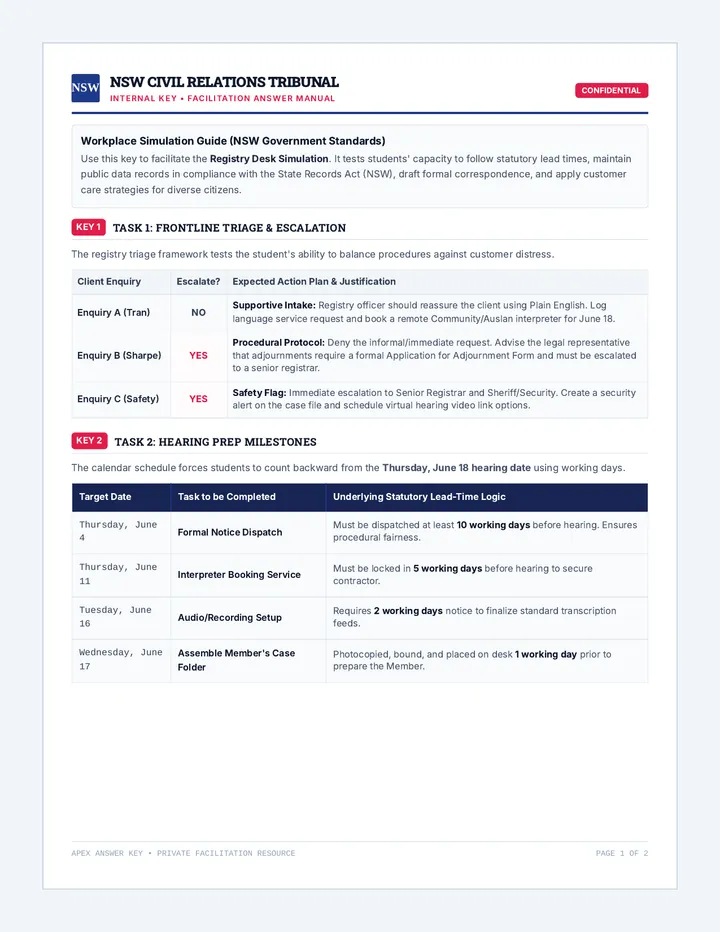
A comprehensive answer key and exemplar response guide for the Brain Lab workbook, covering scientific terminology, mindset flips, and personal reflection prompts.
A robust 10-page facilitation guide for educators to implement the Brain Lab workbook, featuring learning objectives, pacing tables, instructional strategies, differentiation tips, and an assessment rubric.
A comprehensive 10-page student workbook exploring the science of neuroplasticity, brain anatomy, and growth mindset. It features a "Brain Lab" theme with engaging visuals and dedicated student reflection areas.
A professional facilitator's key providing the psychological rationale for the lesson's prompts, tips for handling common teen responses in rehab, and suggested reframing language.
A structured student workbook using architectural metaphors to guide teens in recovery through journaling exercises focused on identifying core values and reconstructing their identity.
A visually striking slide deck for a teen journaling session, using architectural blueprints as a metaphor for self-discovery and recovery. Includes discussion prompts and structured journaling exercises.
A comprehensive facilitator's guide for a journaling session in a recovery setting, utilizing an architectural blueprint metaphor to help teens explore identity and self-discovery.
A vocabulary reference sheet for teenagers, defining core values in accessible language. Organized by categories like Strength, Connection, Growth, and Spirit to aid in self-reflection and art brainstorming.
A student worksheet for planning and reflecting on an art therapy project focused on values. It provides structured space for selecting values, brainstorming visual symbols, and reflecting on the creative process.
A comprehensive facilitator guide for an art therapy lesson on values, specifically tailored for teenagers in rehabilitation. Includes therapeutic goals, materials, a step-by-step lesson plan, and discussion prompts.
A portable reference card for students to keep in their notebook or wallet. It provides quick cognitive reframing statements and three 'Golden Rules' for overcoming the perfectionism-procrastination loop during moments of high stress.
Visual presentation slides for the counseling session, explaining core neurodivergent concepts like Time Blindness, the 'Wall of Awful', and the 'Strategic B-Minus' approach. Designed with a dark, high-contrast aesthetic to maintain focus and reduce visual overwhelm.
A student-facing worksheet designed to help neurodivergent high schoolers break the cycle of perfectionism and procrastination. It features sections for 'shrinking' tasks, battling time blindness through estimation, and conceptualizing 'Strategic B-Minus' work to foster momentum.
A comprehensive facilitator guide for a counseling session focused on the unique intersection of giftedness, ADHD, and procrastination. It includes a structured timeline, core objectives, and troubleshooting tips for counselors working with high-achieving neurodivergent students.
Lesson plan for Session 19: Self-Correction Code. Teaches students how to handle language mistakes with confidence using specific 'patch phrases' and self-acceptance. includes mini-quiz and scenarios. Optimized for one-page print.