A guide for teachers to facilitate the Leitner System simulation, including game rules, troubleshooting for 'leeches', and pacing suggestions for different student levels.
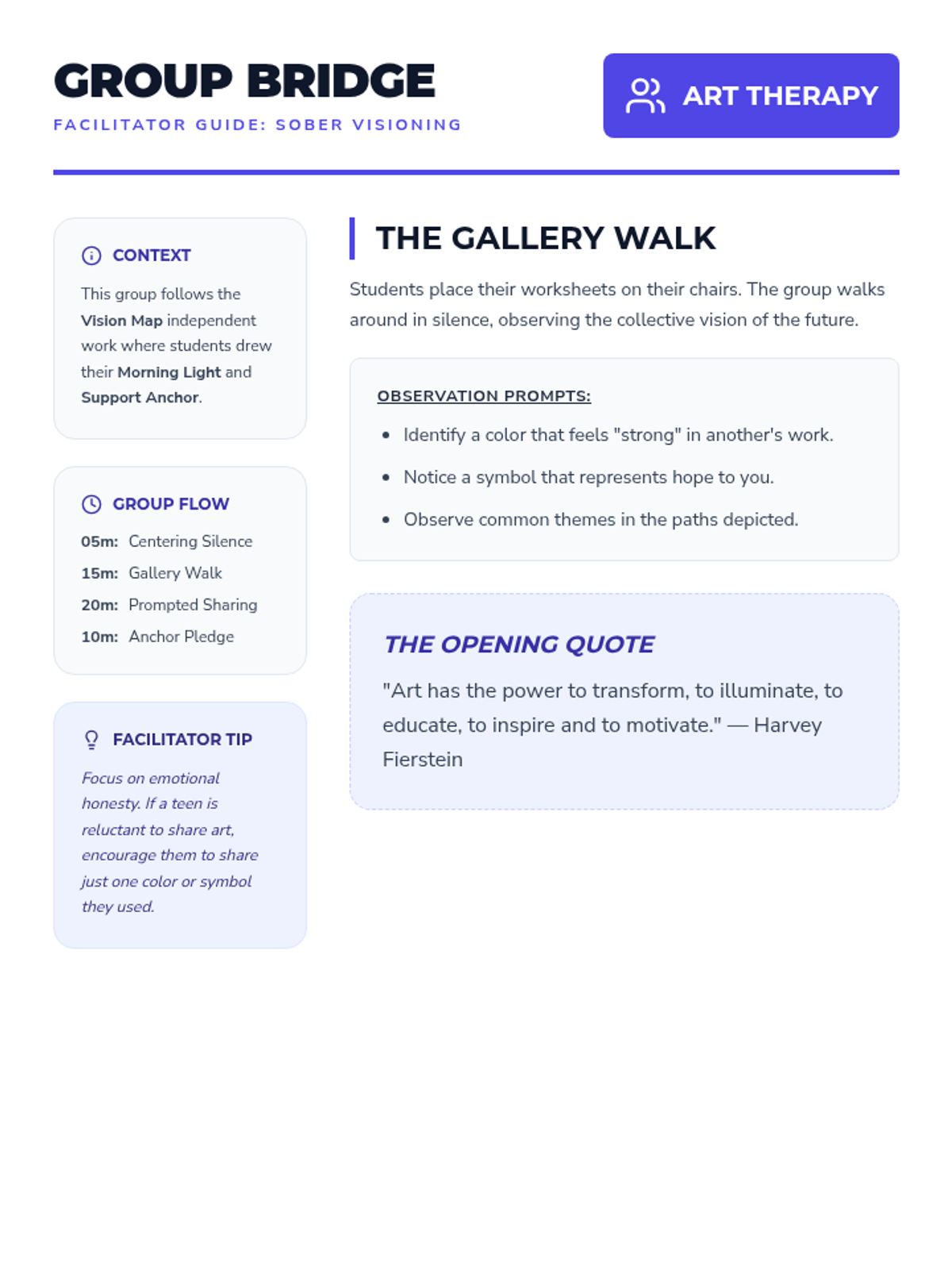
A facilitator guide for art therapy group leaders, detailing how to transition from independent drawing to a collaborative group session focused on sobriety and future-visioning.
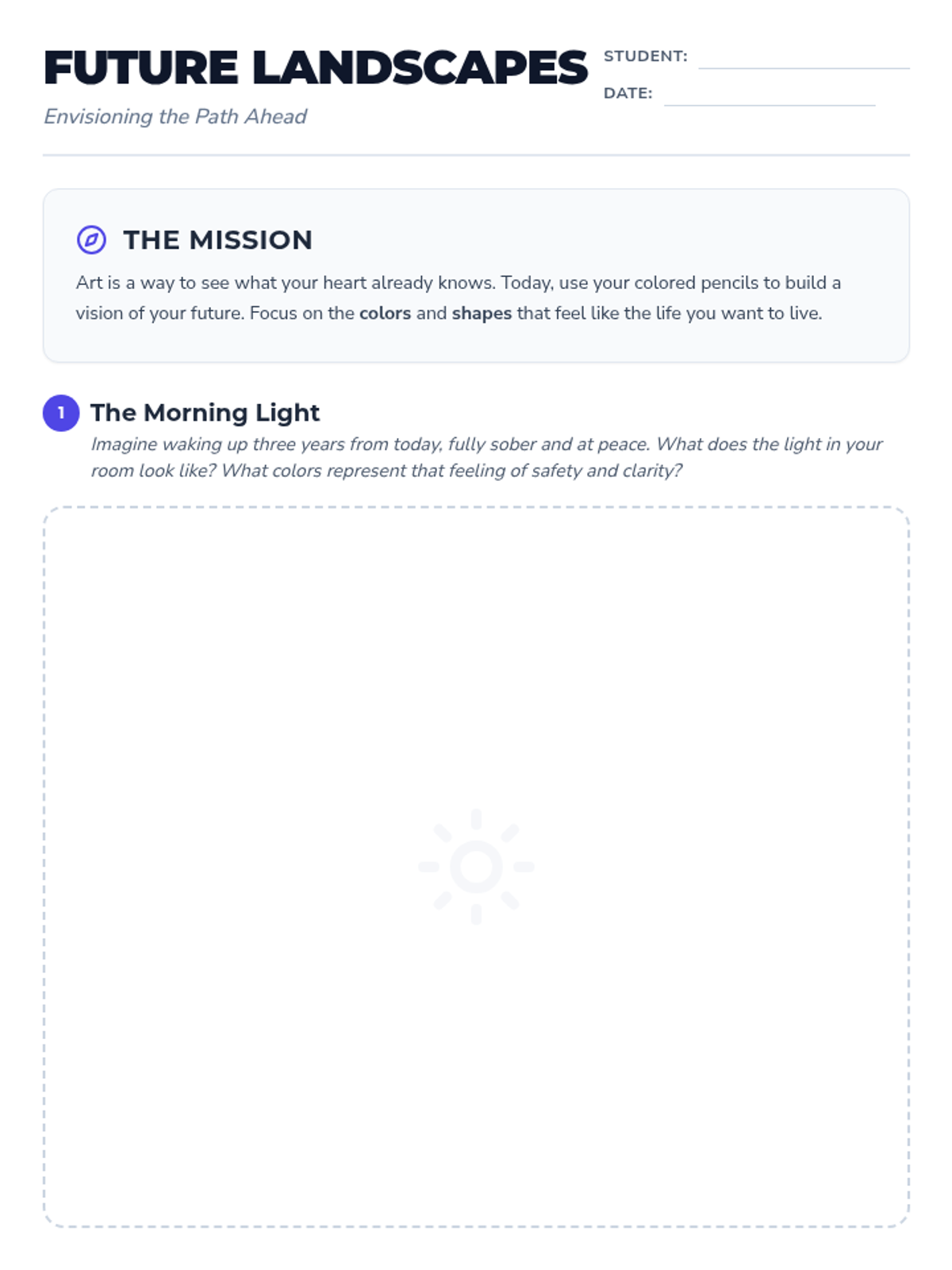
An art therapy worksheet for teens featuring drawing prompts centered on visualizing a sober future, including sections for colored pencil art and a reflective 'Journaling Bridge' for group preparation.
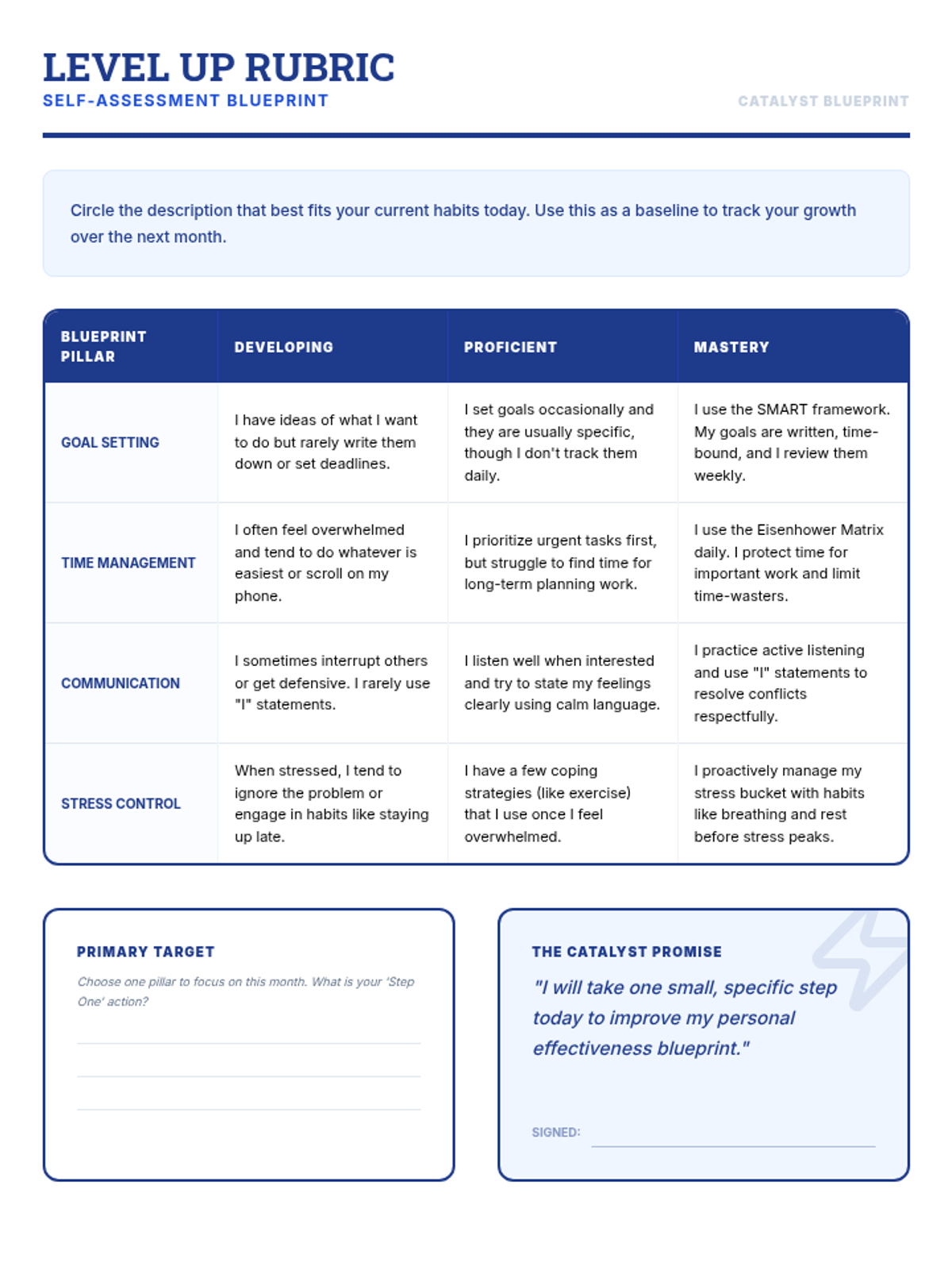
A self-assessment rubric titled 'Level Up Rubric' that allows students to evaluate their baseline skills across the four pillars of personal effectiveness and set targets for growth.
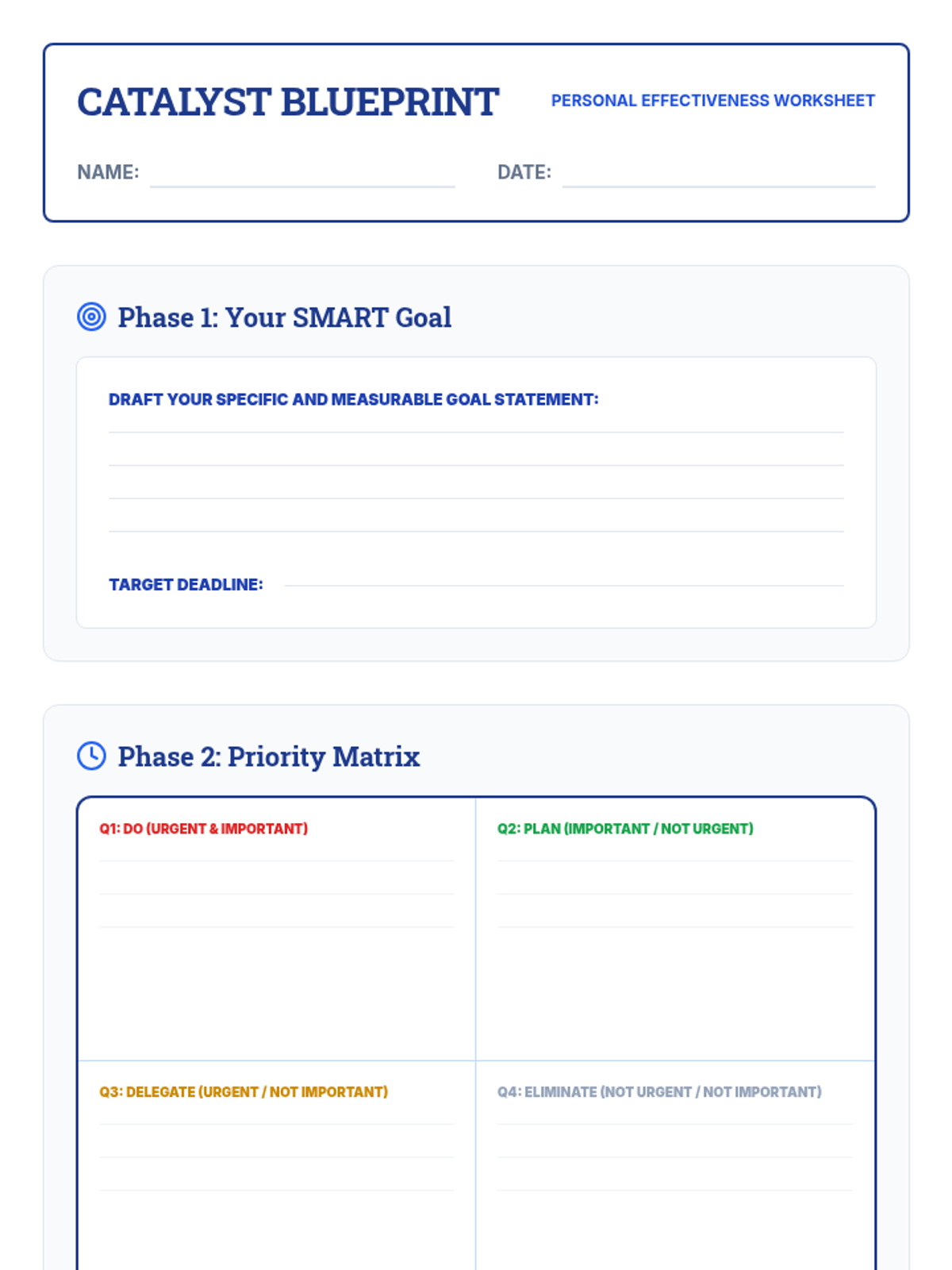
A structured student worksheet titled 'The Catalyst Blueprint' containing practical application areas for SMART goal setting, an Eisenhower Matrix grid, communication role-play prompts, and a stress management toolbox.
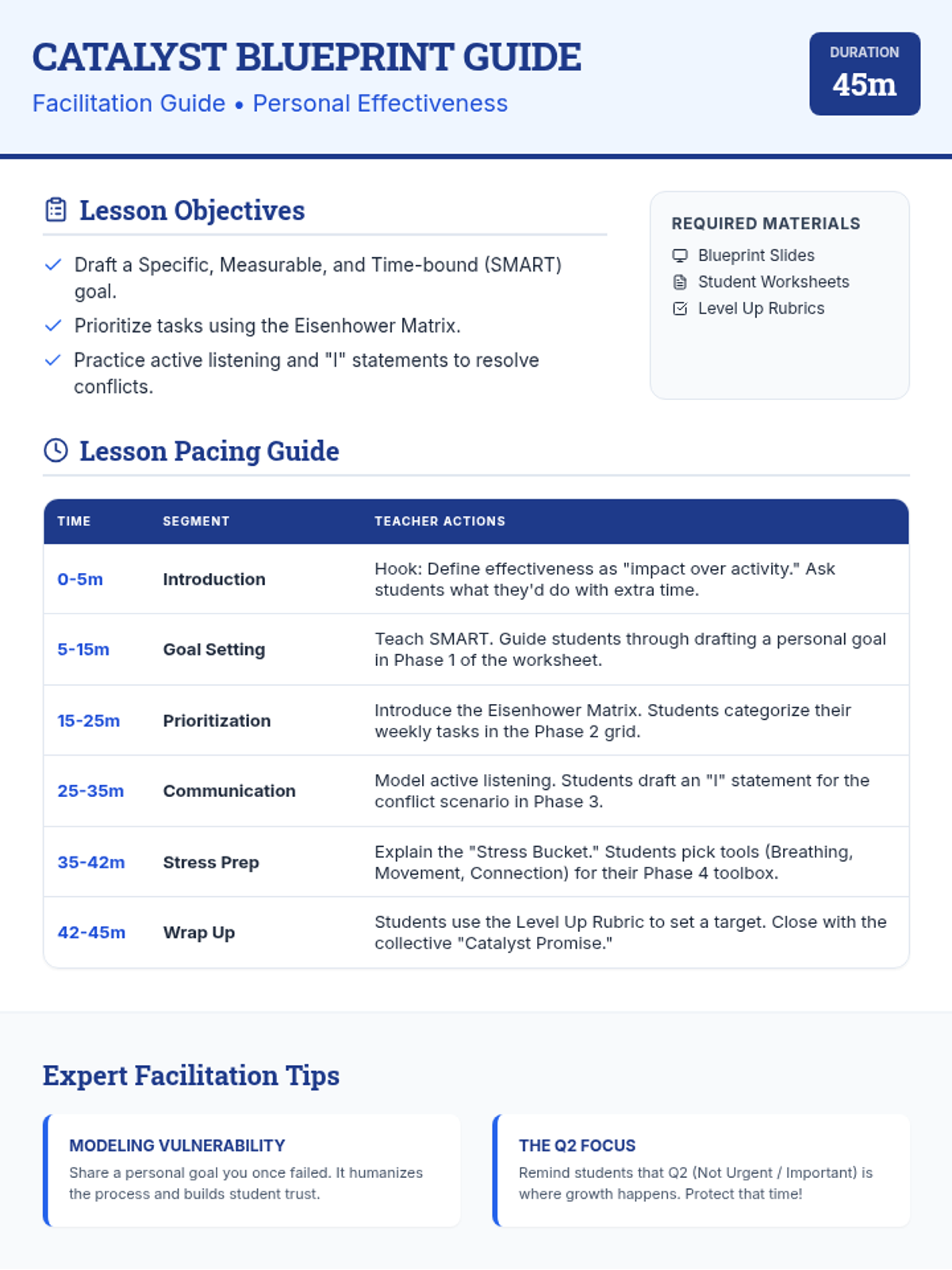
A comprehensive 45-minute teacher guide for facilitating 'The Catalyst Blueprint' lesson, featuring learning objectives, detailed pacing, activity instructions, and expert facilitation tips.
A professional slide presentation titled 'The Catalyst Blueprint' covering the four pillars of personal effectiveness: SMART goal setting, time management with the Eisenhower Matrix, active communication techniques, and stress management strategies.
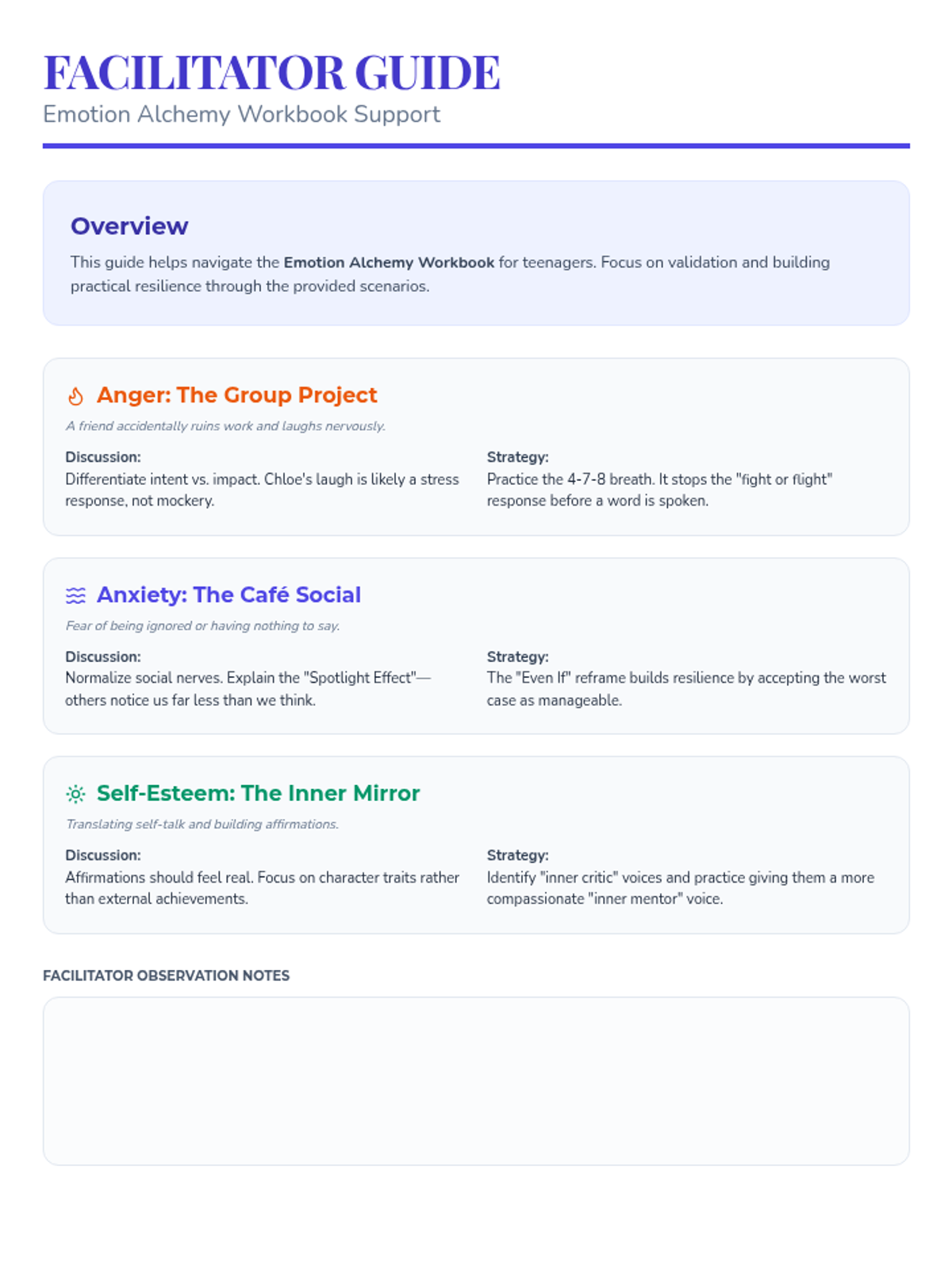
A facilitator guide for teachers or parents to support the Emotion Alchemy Workbook, providing scenario analysis, talking points, and best practices for supporting teen emotional intelligence.
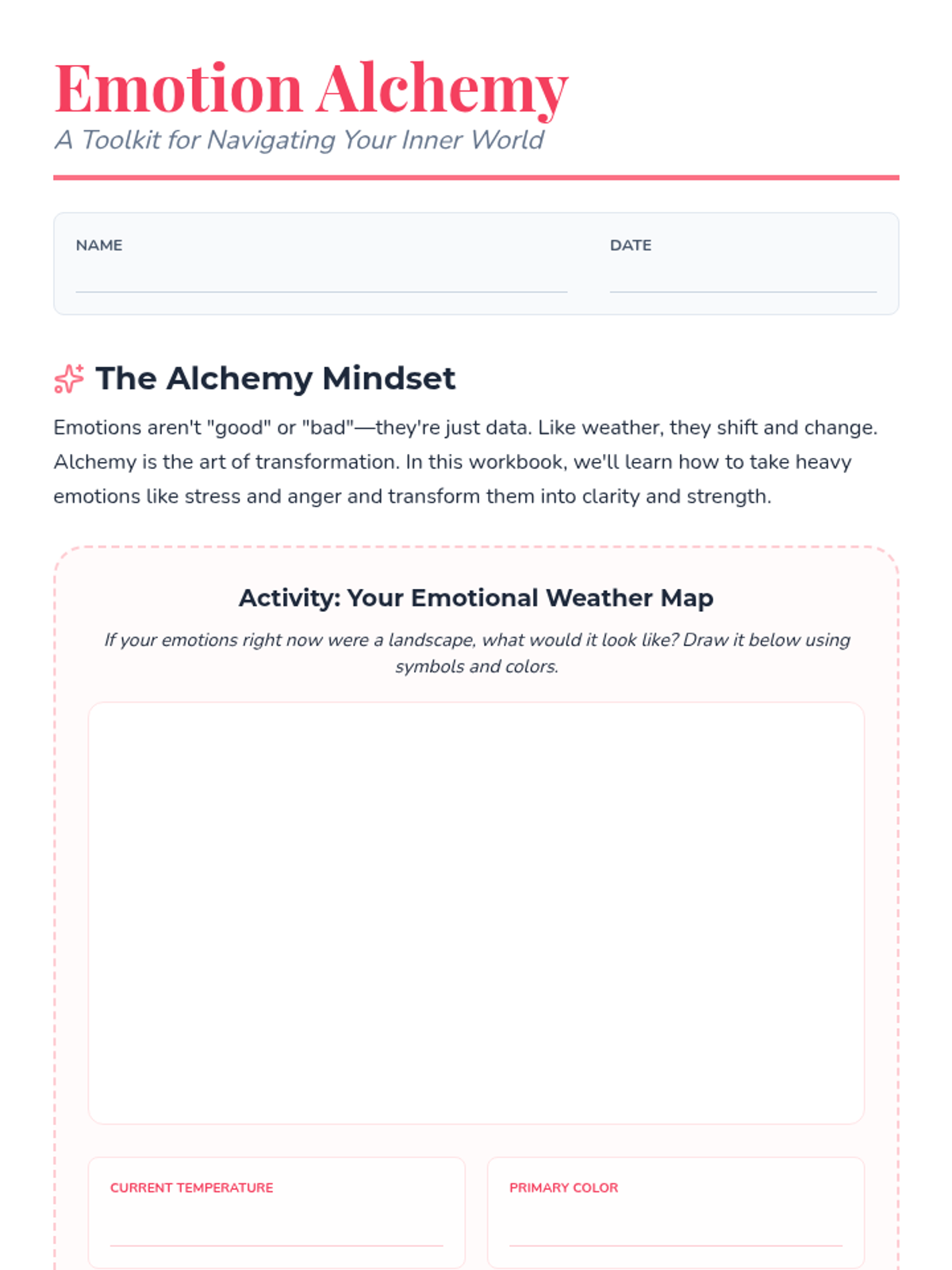
A comprehensive 5-page workbook for teens focused on identifying and handling emotions through coping strategies, scenario-based problem solving, and creative arts-based activities. It covers anger, conflict, stress, social anxiety, and self-esteem.
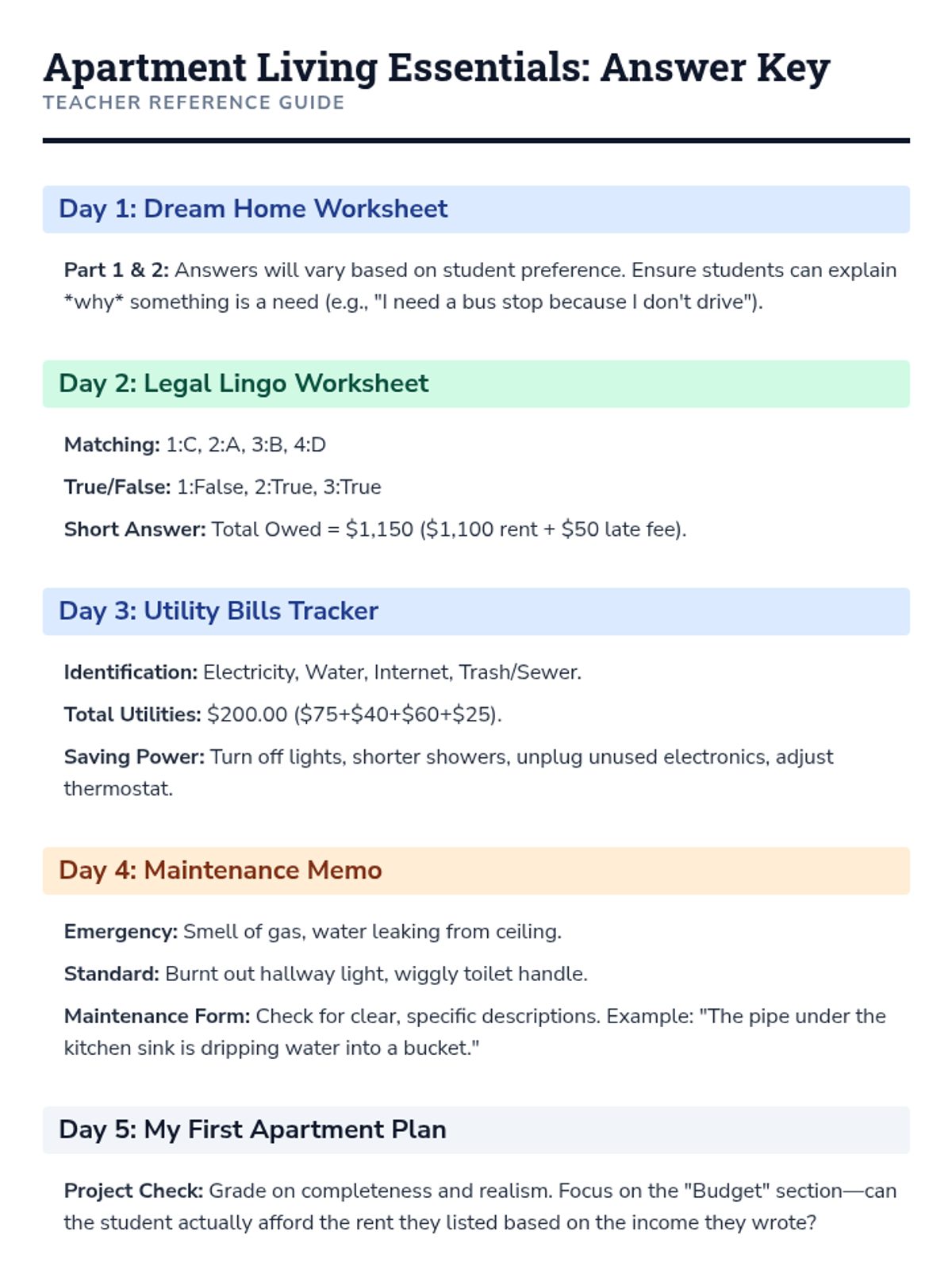
A comprehensive teacher answer key and instructional guide for the 5-day Apartment Living unit.
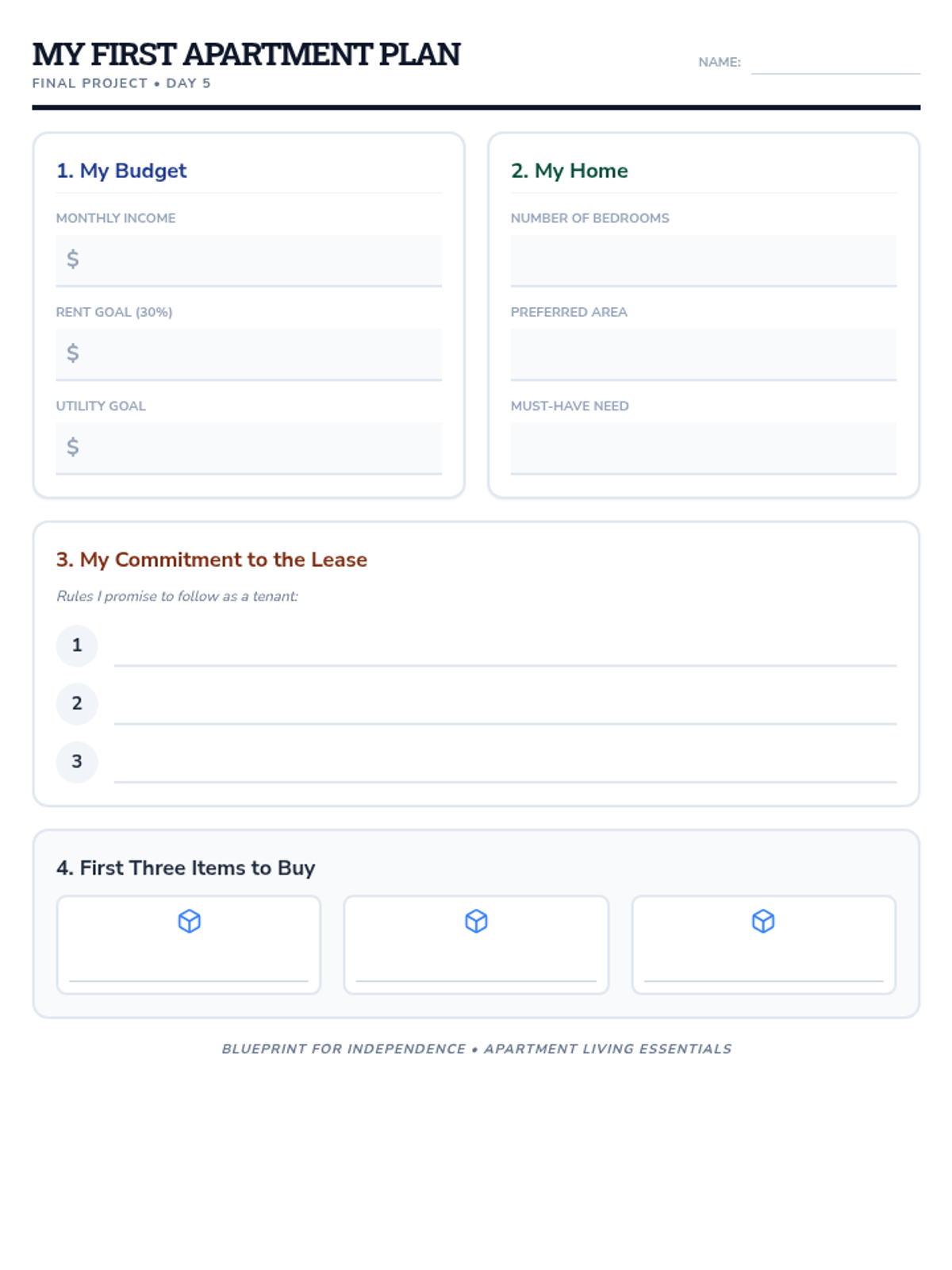
A culminating project worksheet where students synthesize the week's learning to create their own realistic apartment living plan. Now fully optimized for a single-page layout with larger handwriting spaces and improved footer legibility.
The final slide deck for the Apartment Living unit, summarizing key concepts and providing practical "pro tips" for new renters.
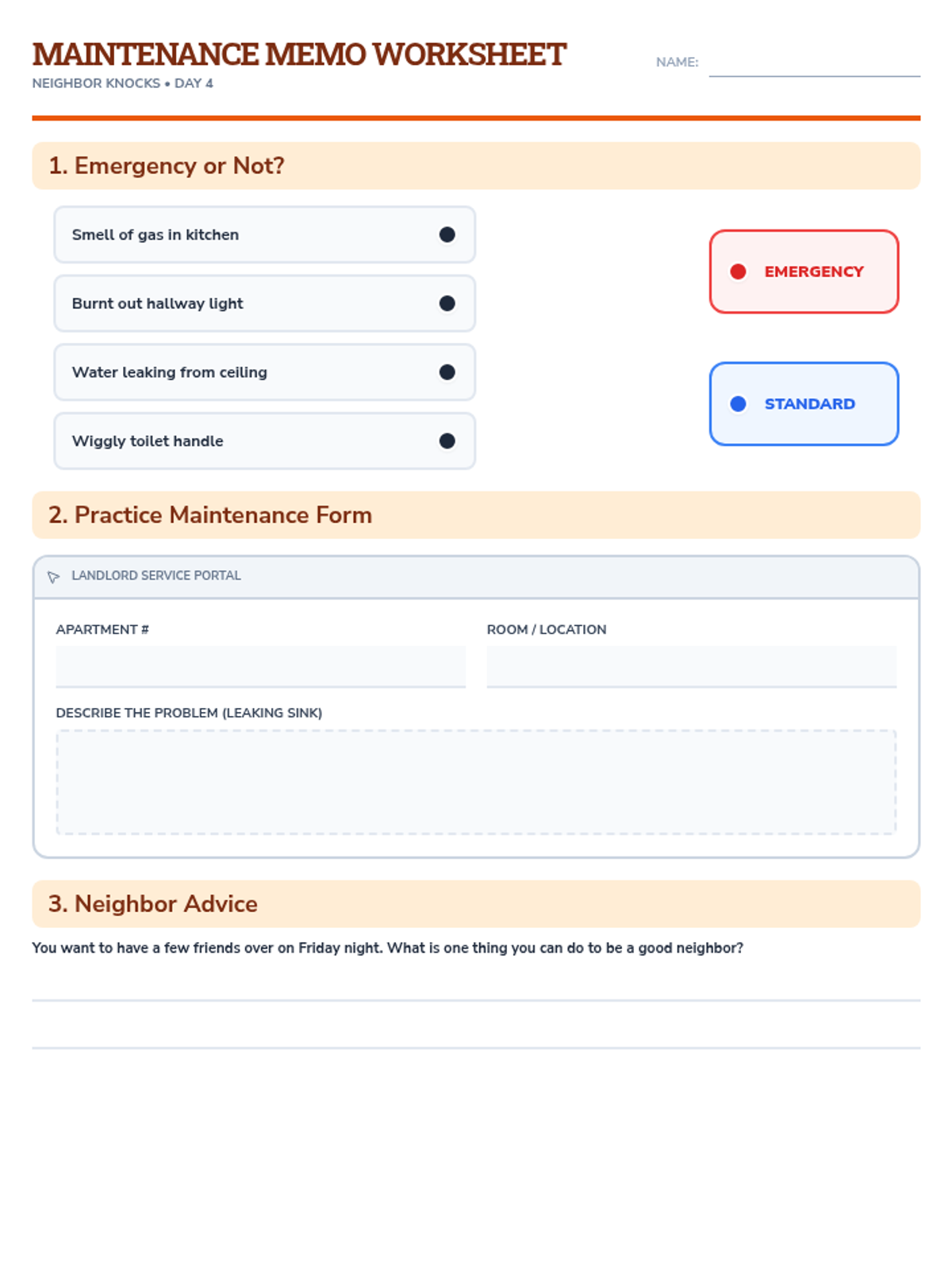
A worksheet for Day 4 focusing on identifying emergencies versus standard repairs and practicing how to write a clear maintenance request. Now optimized for a single-page layout with anchor points for matching and improved label contrast.
Slides for Day 4 of the apartment unit, covering neighbor etiquette, quiet hours, and how to handle maintenance and conflict. Now featuring unified multiple-choice styling and improved layout. Now optimized to prevent overflow and improve contrast.
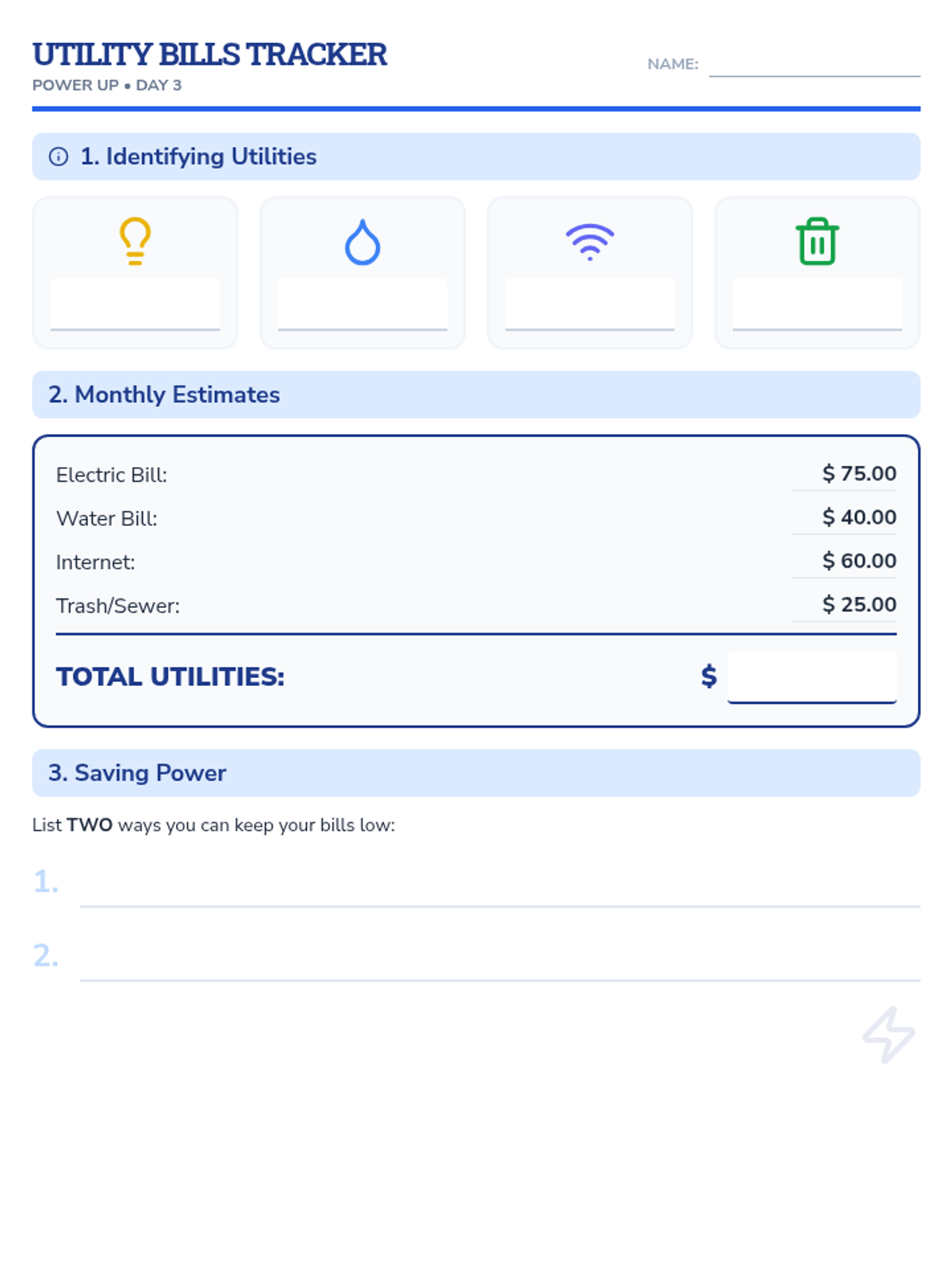
A utility budgeting worksheet where students identify common utilities, calculate monthly costs, and brainstorm energy-saving tips. Improved layout to avoid page breaks and larger writing areas.
Educational slides for Day 3 of the apartment unit, focusing on utilities, setting up services, and move-in essentials. Now includes actual energy-saving tips and improved layout.
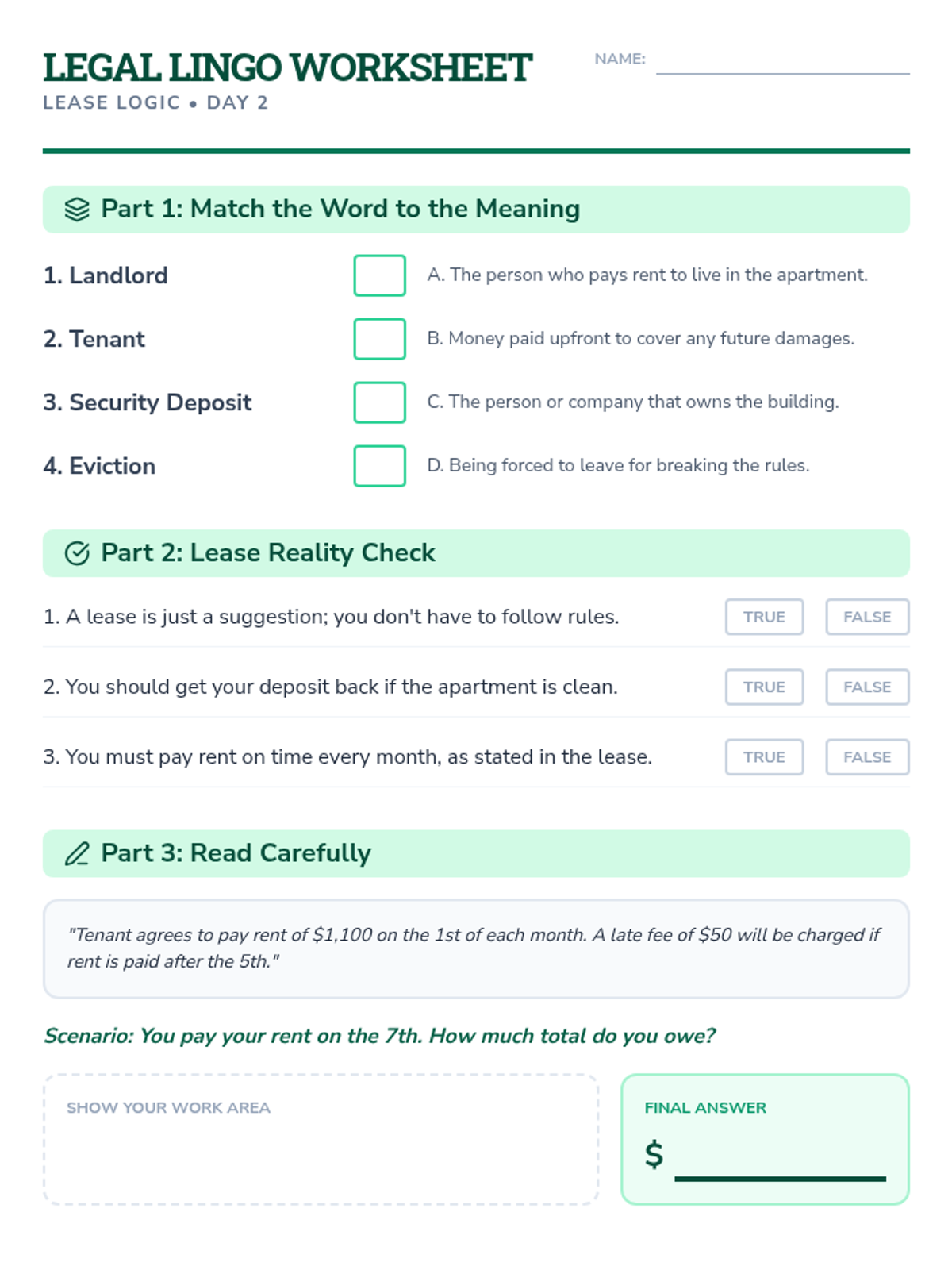
A lease terminology and rules worksheet for adult transition students, including matching, true/false, and a reading comprehension scenario.
Slides for Day 2 of the Apartment Living unit, explaining leases, security deposits, and essential legal terminology for adult transition students.
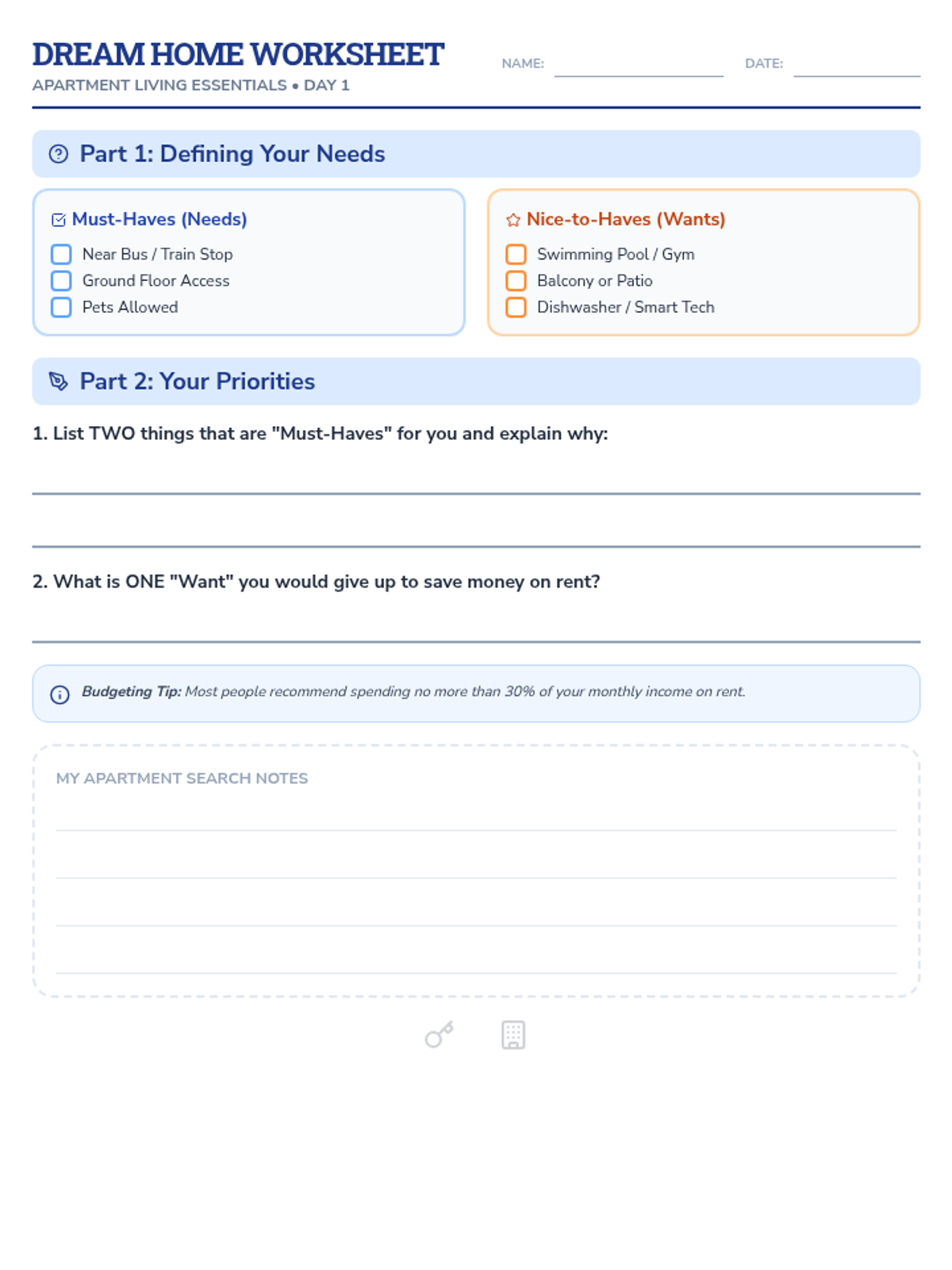
A worksheet for adult transition students to identify and prioritize their personal needs vs. wants when searching for an apartment. Improved header layout and visibility.
A set of educational slides for adult transition students covering the basics of finding an apartment, including needs vs. wants and reading listings.
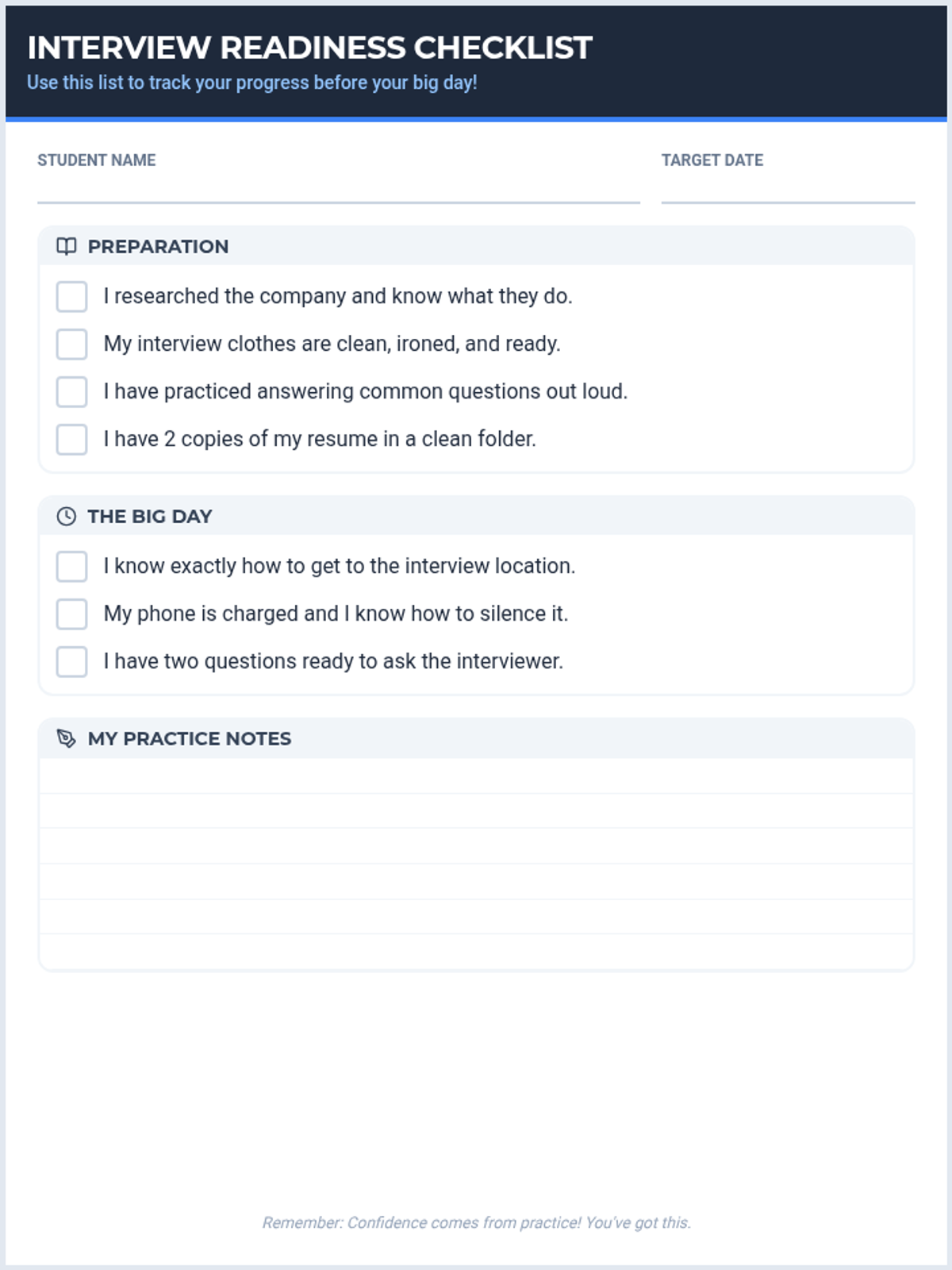
A student-facing checklist to track interview readiness, complementing the visual task analysis posters.
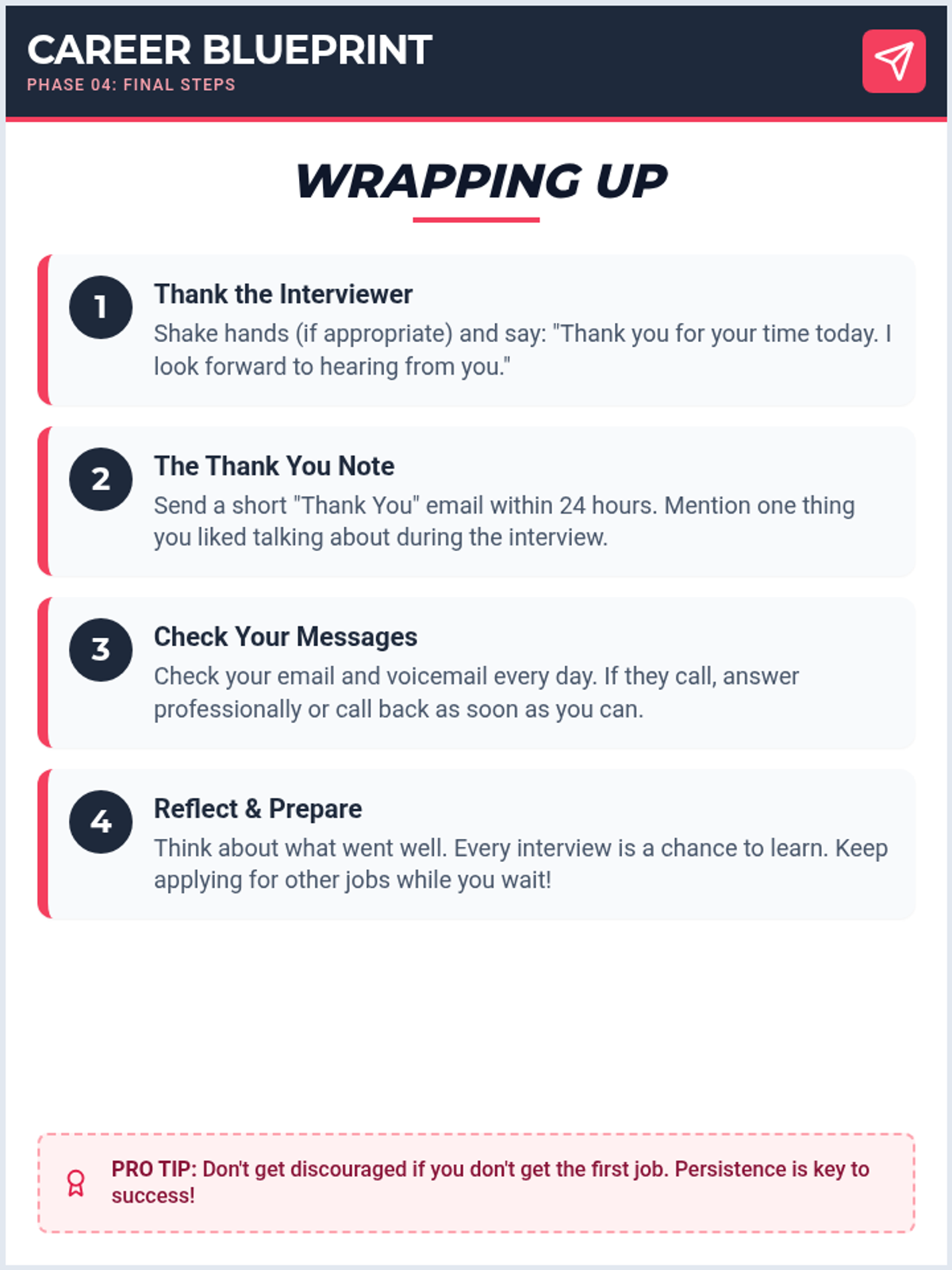
A visual task analysis poster focusing on the steps to take after a job interview, designed for adult transition students.
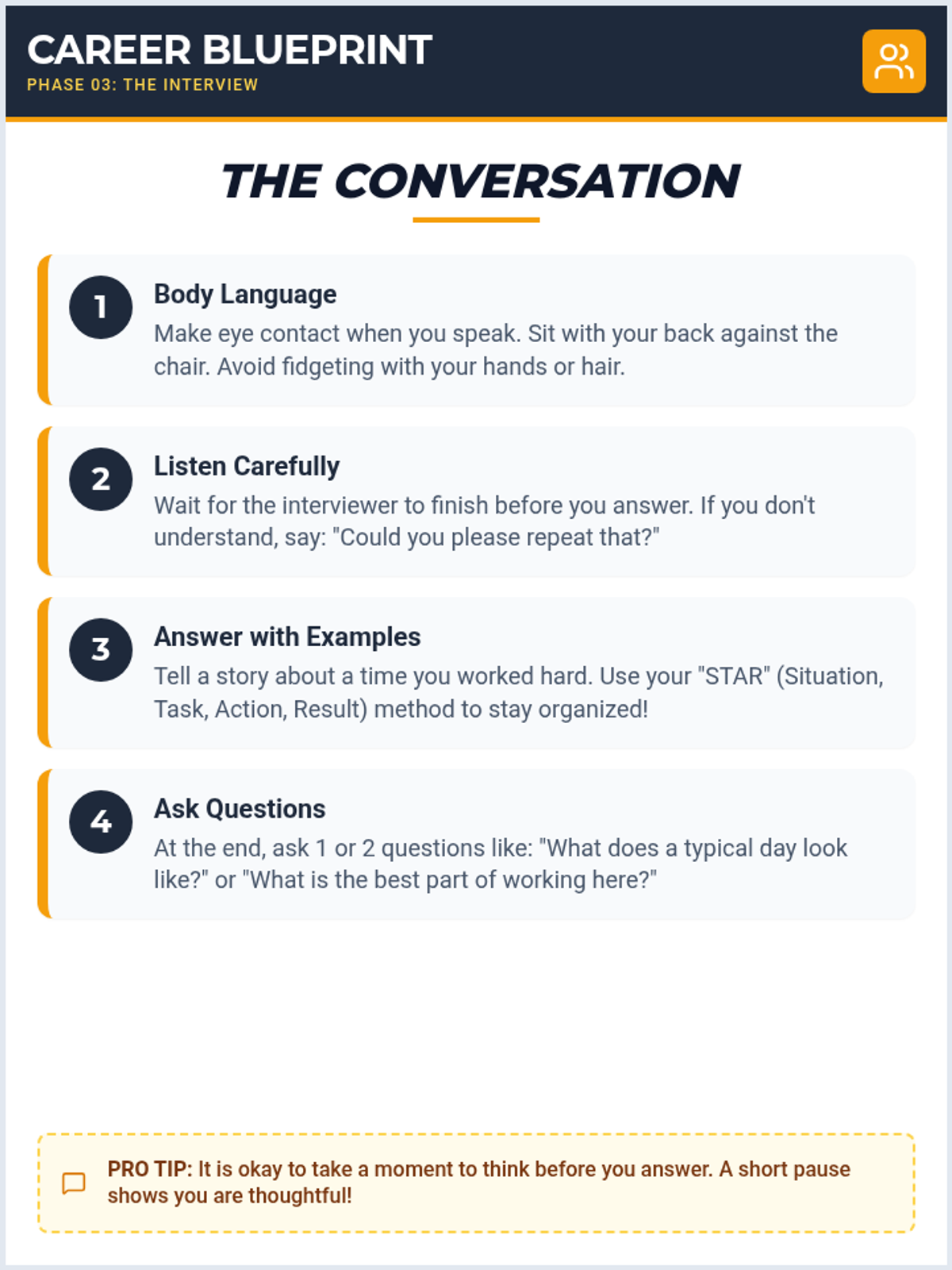
A visual task analysis poster focusing on the actual interview conversation, designed for adult transition students.
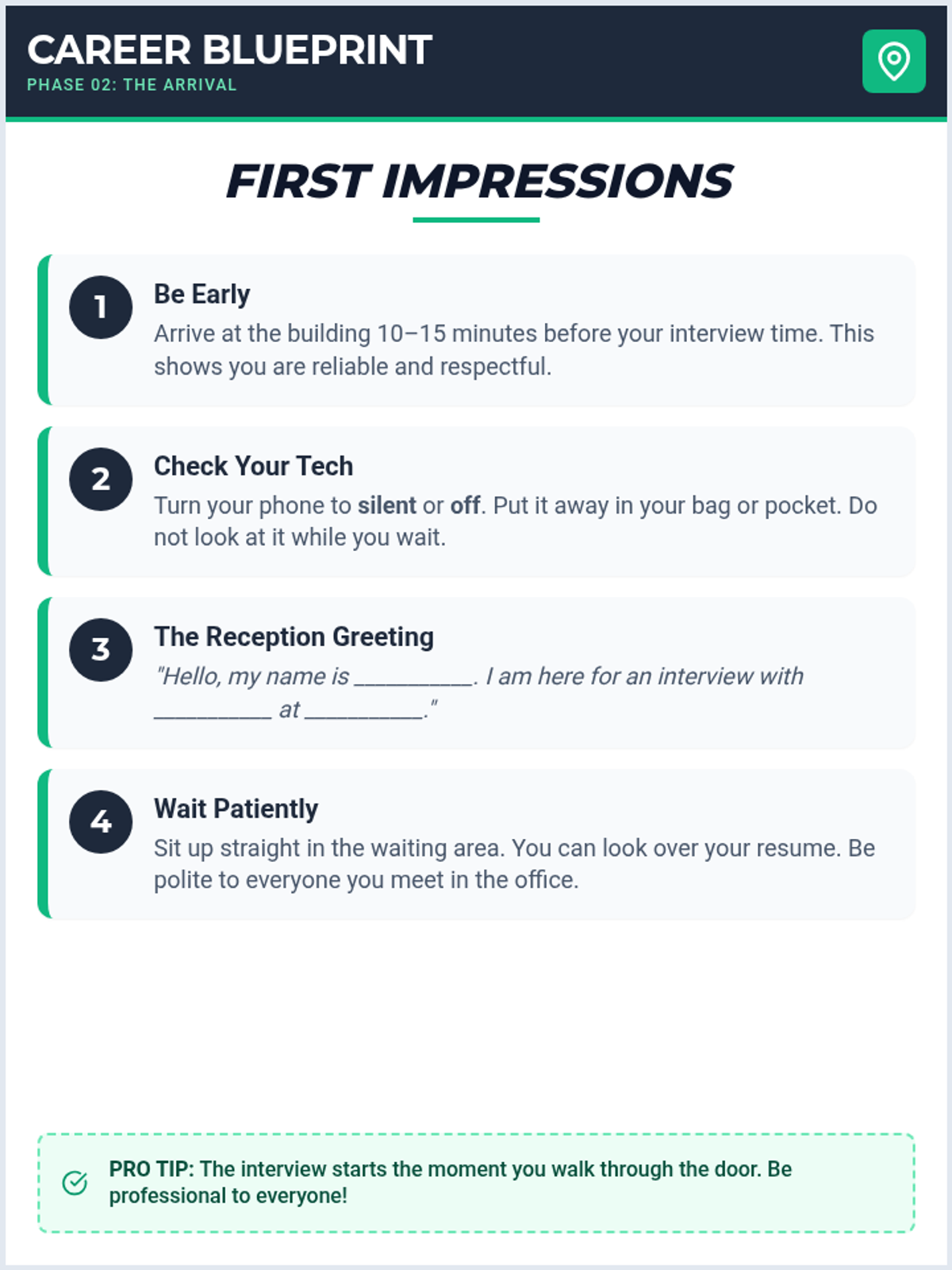
A visual task analysis poster focusing on arrival and first impressions for a job interview, designed for adult transition students.
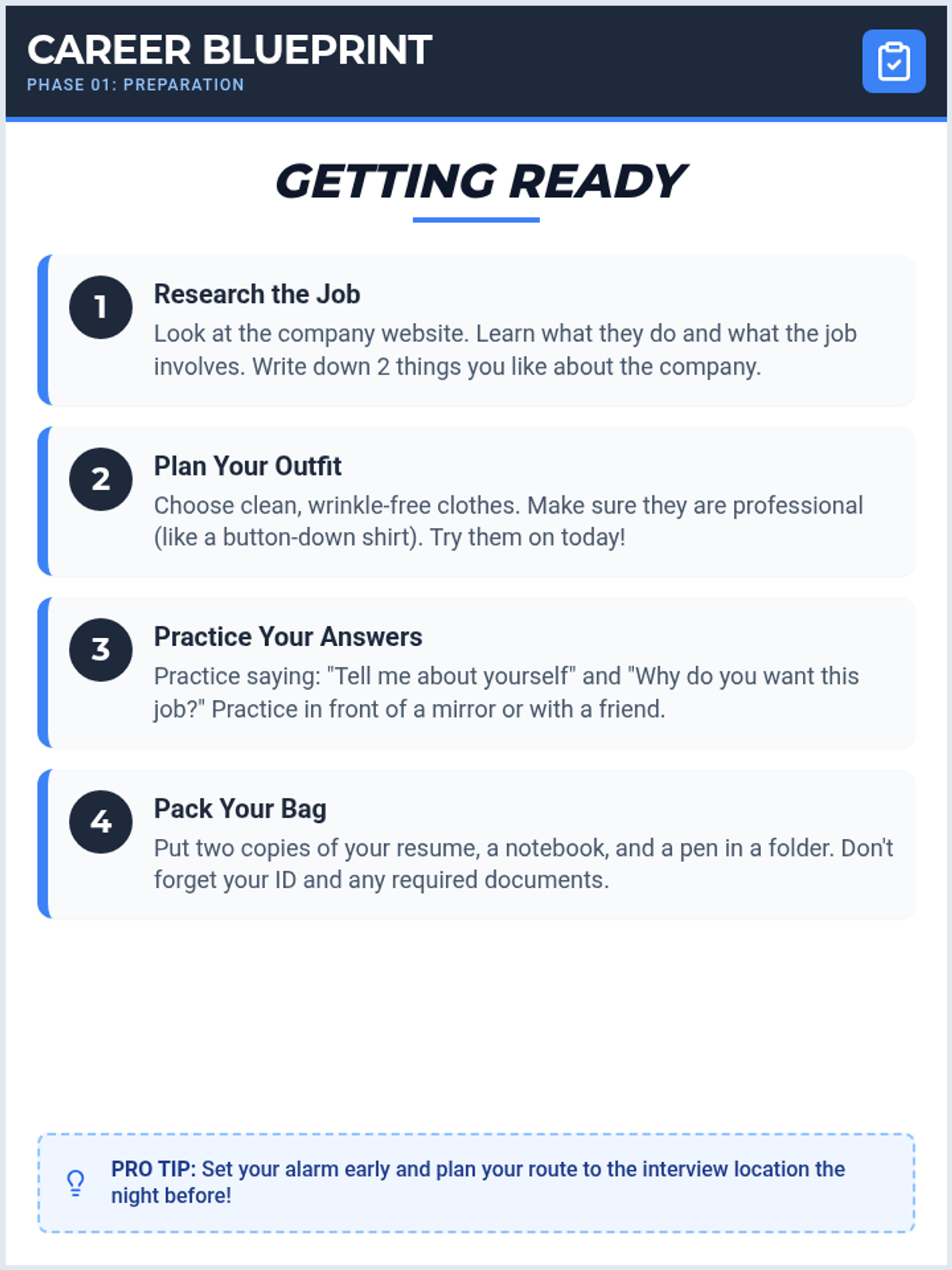
A visual task analysis poster focusing on the preparation steps for a job interview, designed for adult transition students.
A set of slides focused on anxiety management for an autistic student. It uses simple language, concrete visuals, and emoji-based check-ins to teach grounding, breathing, and cognitive reframing techniques. Expansion includes guided practice, telehealth tips, brain breaks, and social scripts.
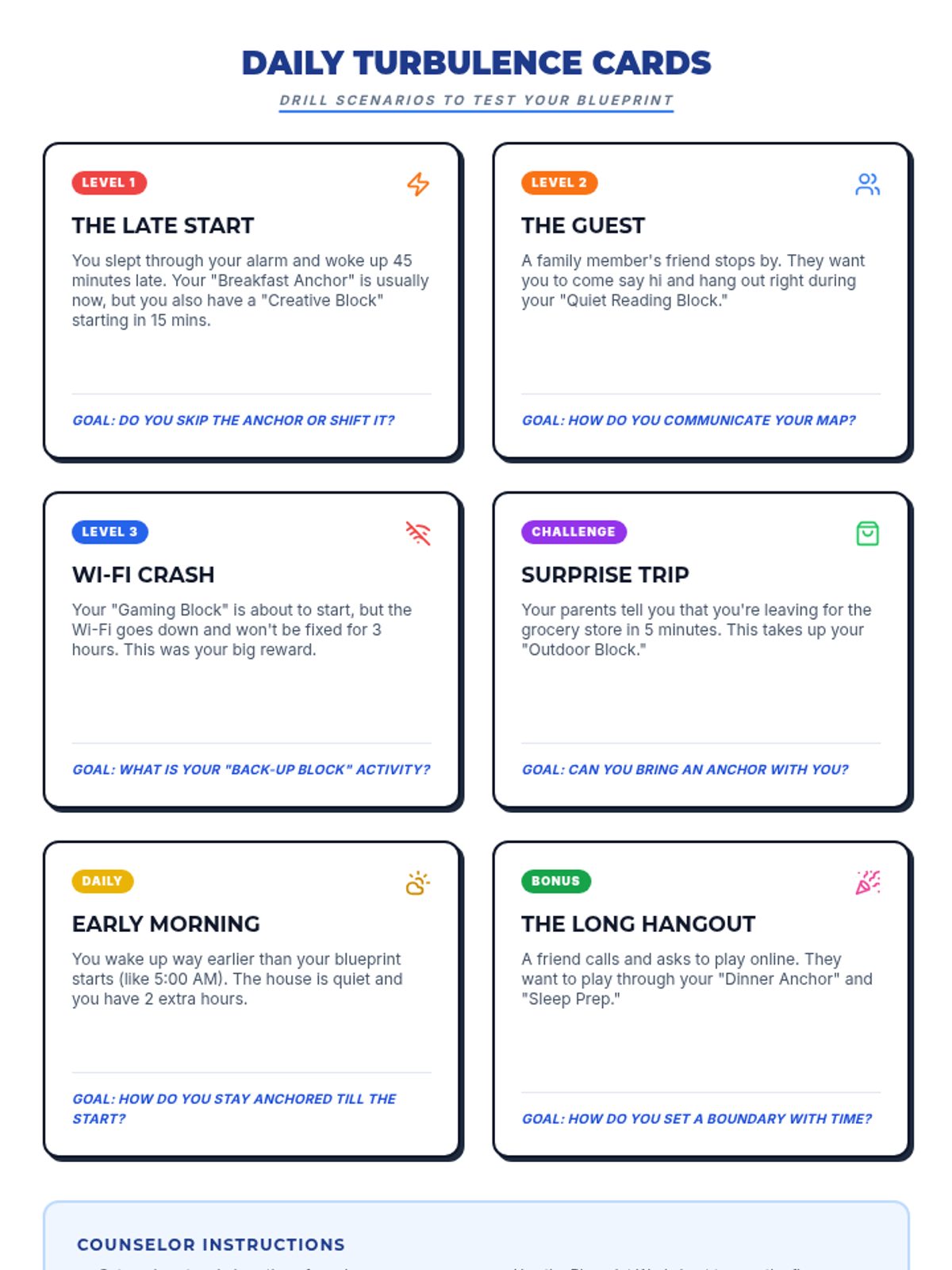
A set of scenario cards designed for role-playing and practicing how to handle unexpected changes and 'turbulence' to a scheduled home routine.
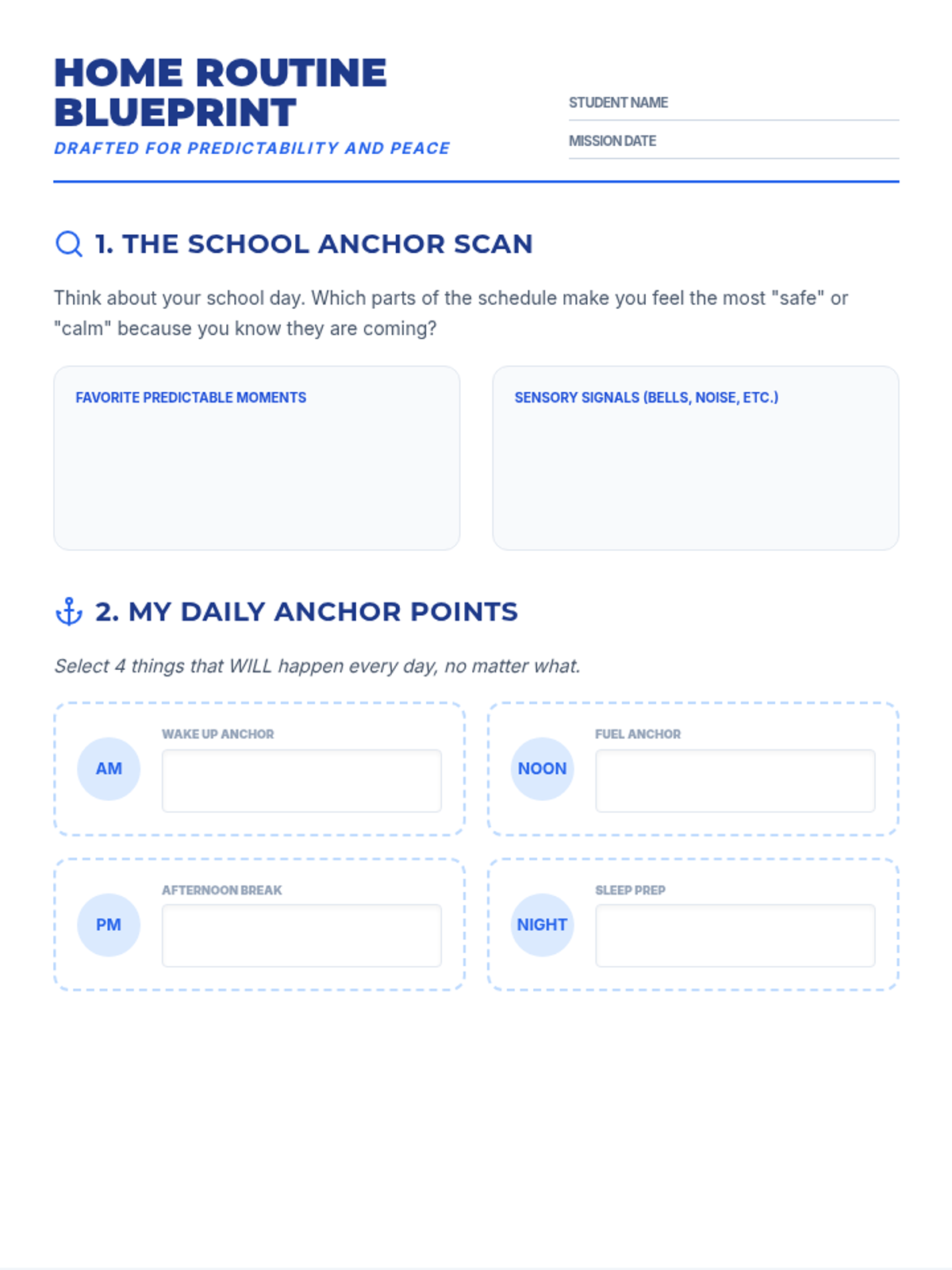
A structured worksheet for students to map out their home routine, identify 'Anchor Points', and create a plan for handling interruptions to their schedule.
Visual presentation to help students understand why school structure feels safe and how to recreate that stability at home using 'Anchor Points'.
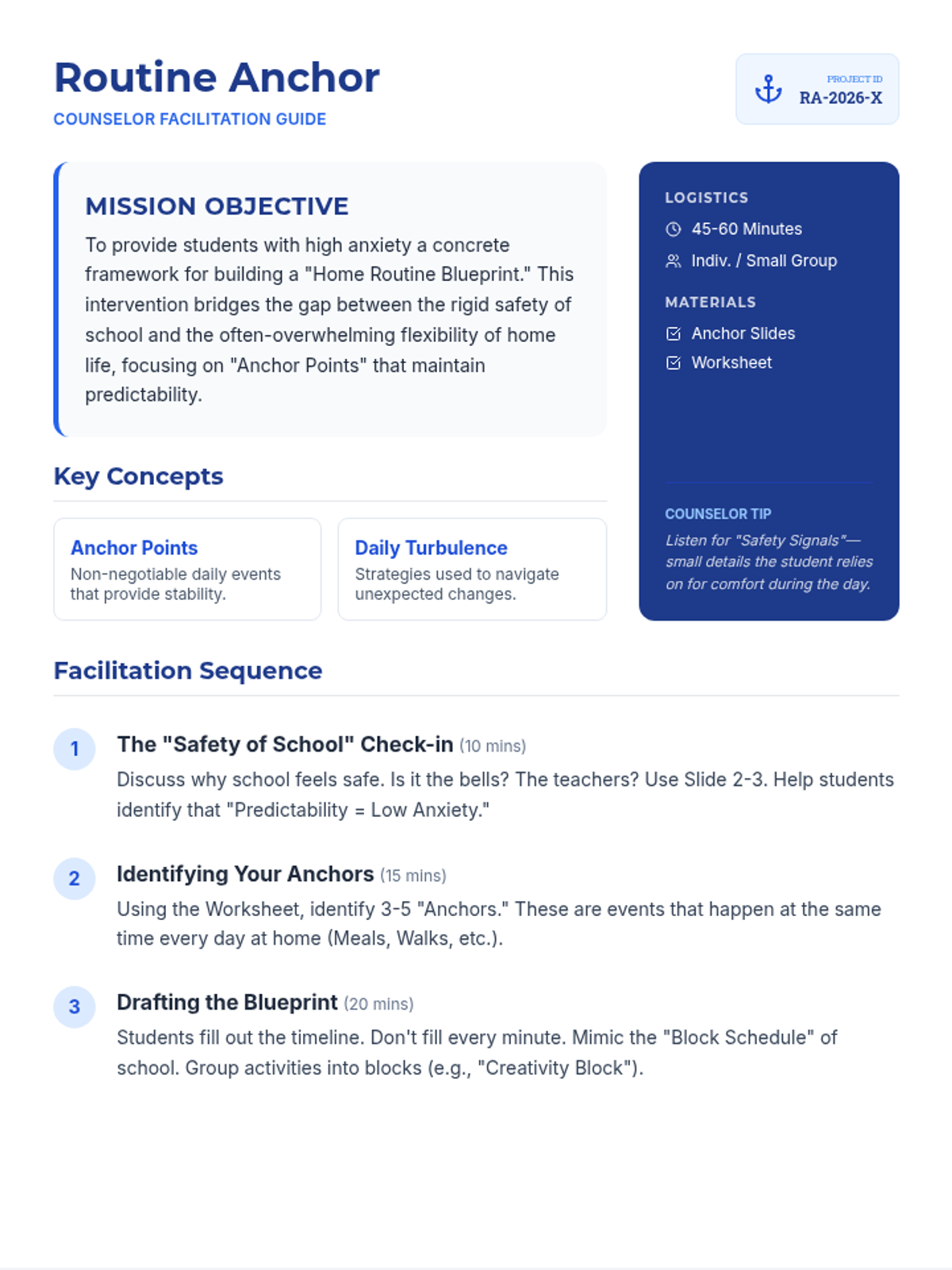
A comprehensive counselor facilitation guide for the Routine Anchor intervention, including objectives, logistics, step-by-step instructions, and discussion prompts.
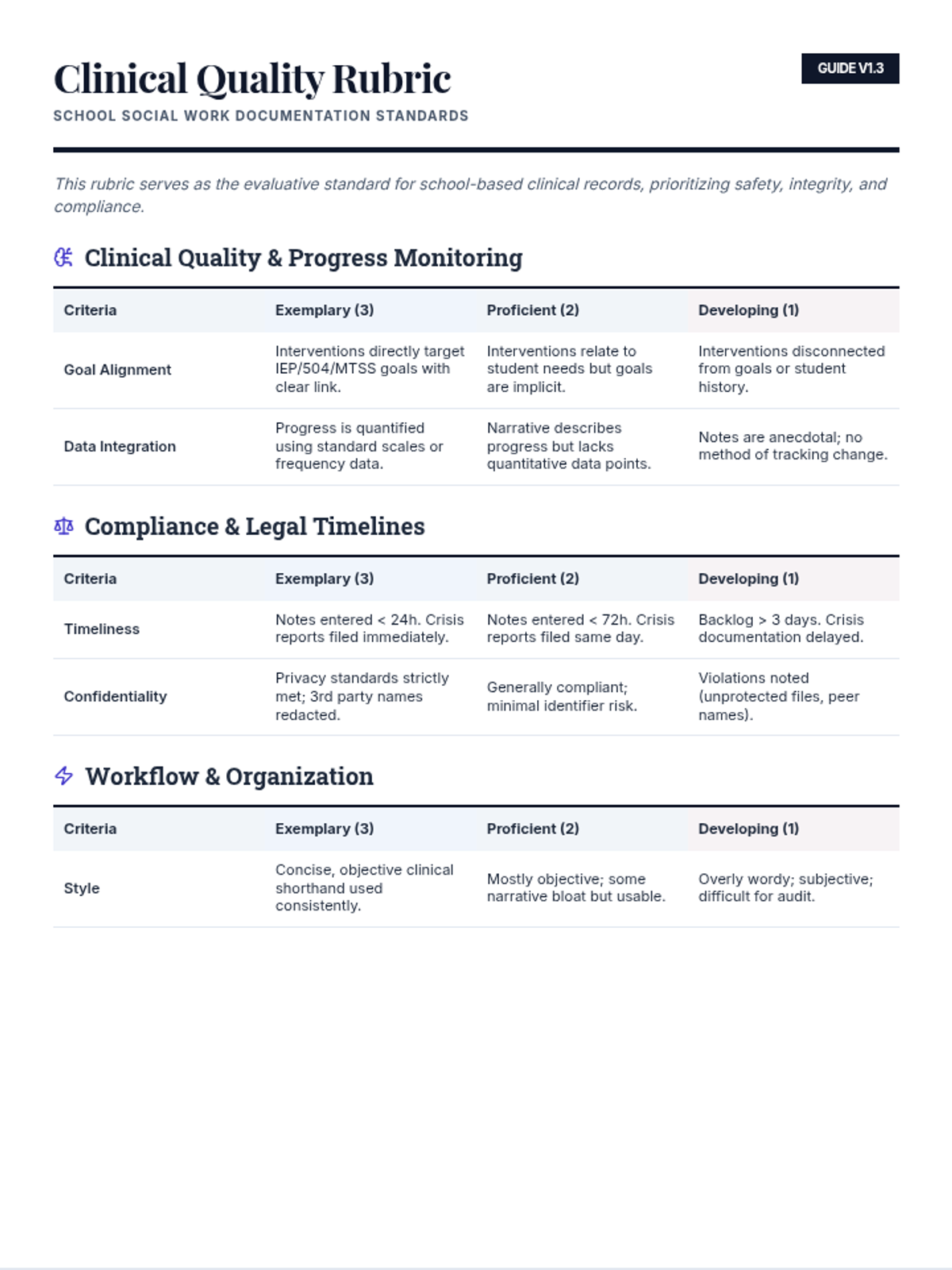
A professional school social work documentation audit toolkit featuring a detailed rubric for clinical quality and compliance, along with a structured template for auditing crisis interventions, safety plans, and counseling sessions.
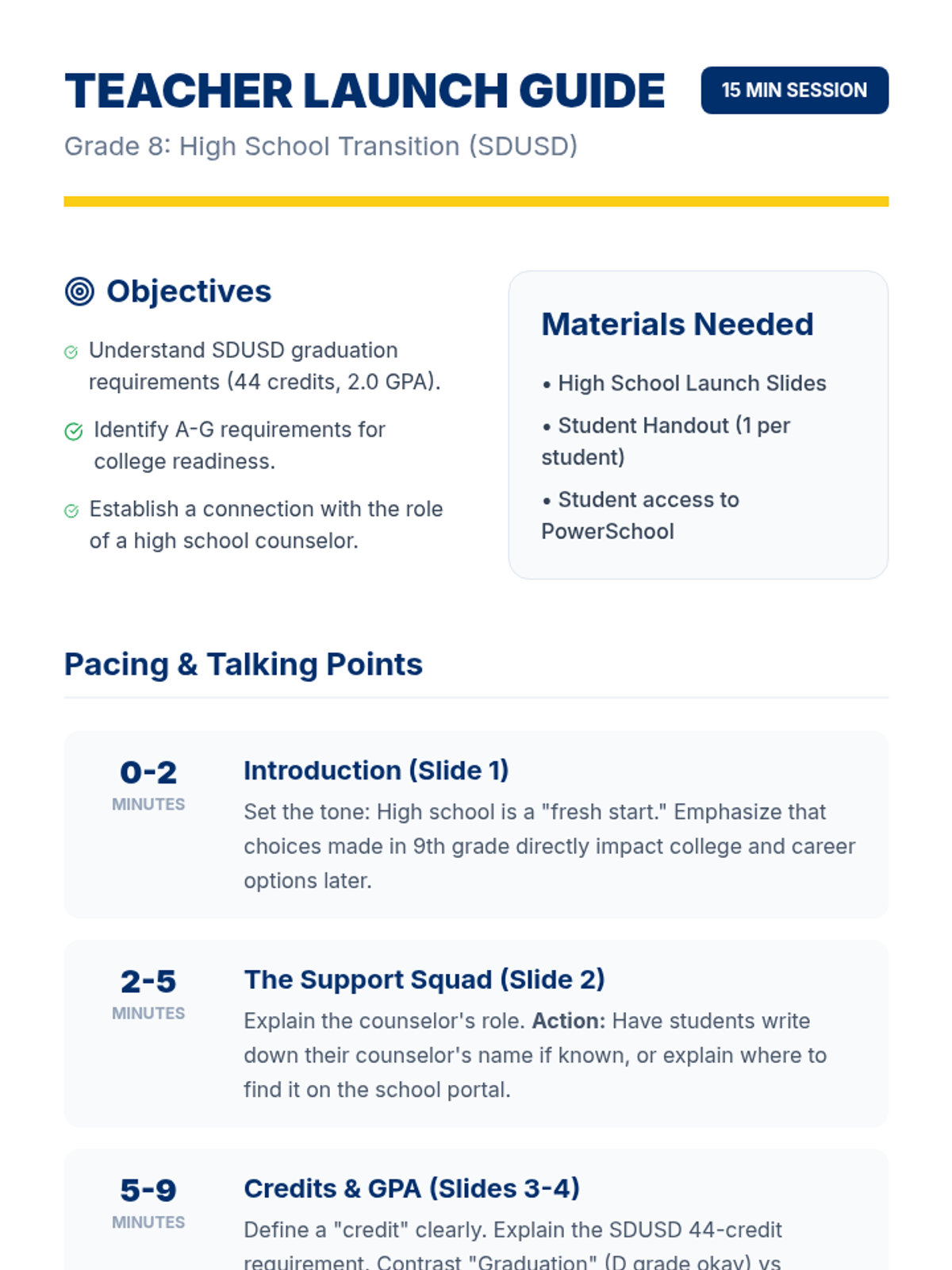
A teacher facilitation guide for the 15-minute high school transition session, providing pacing, key talking points for each slide, and differentiation strategies for SDUSD 8th graders.
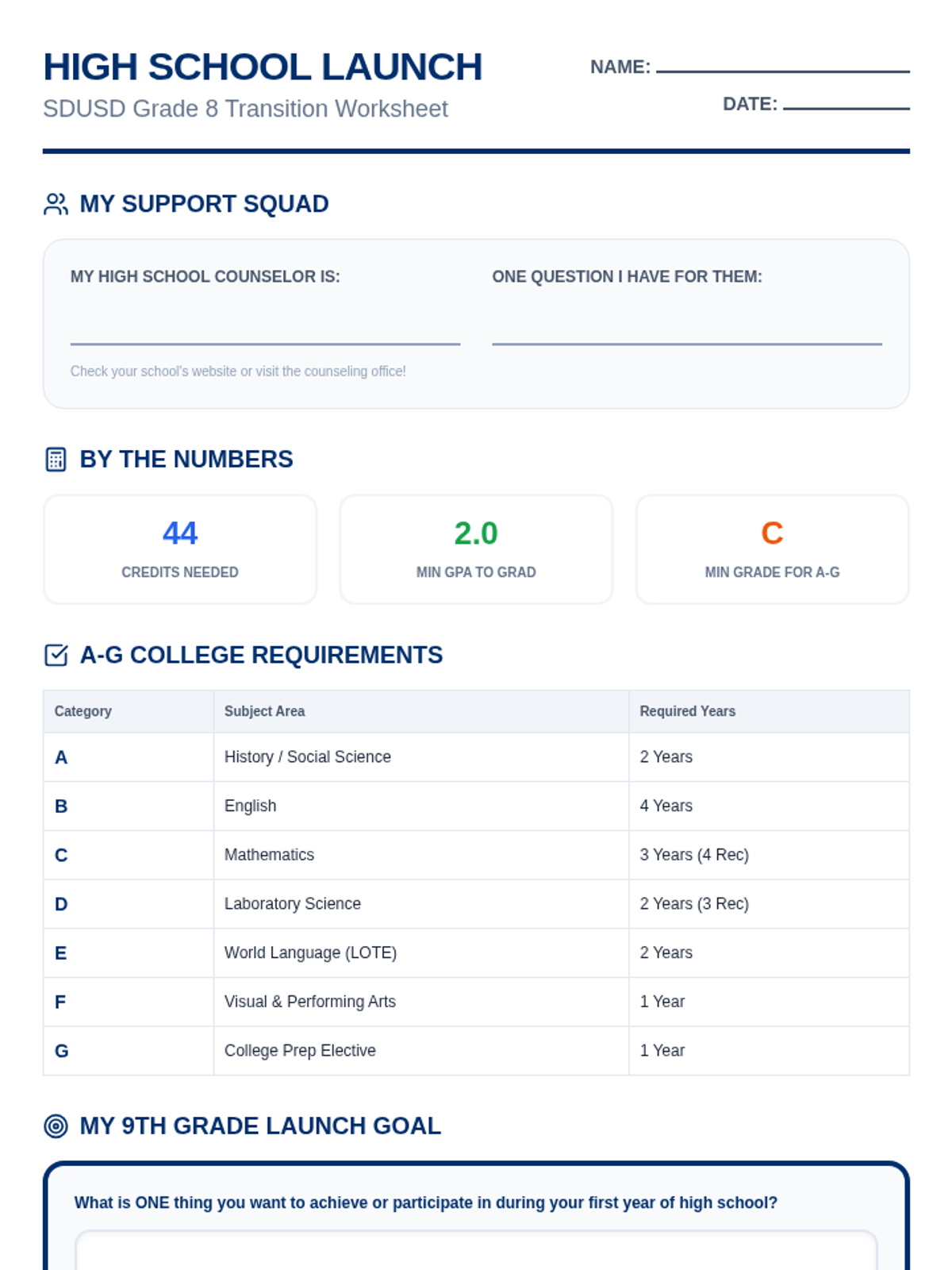
A student-facing worksheet to accompany the high school transition presentation, allowing 8th graders to record their counselor's information, track A-G requirements, and set personal goals for 9th grade.
A modern and professional 7-slide presentation designed for 8th-grade students in the San Diego Unified School District, focusing on high school transition, GPA requirements, and A-G college readiness.
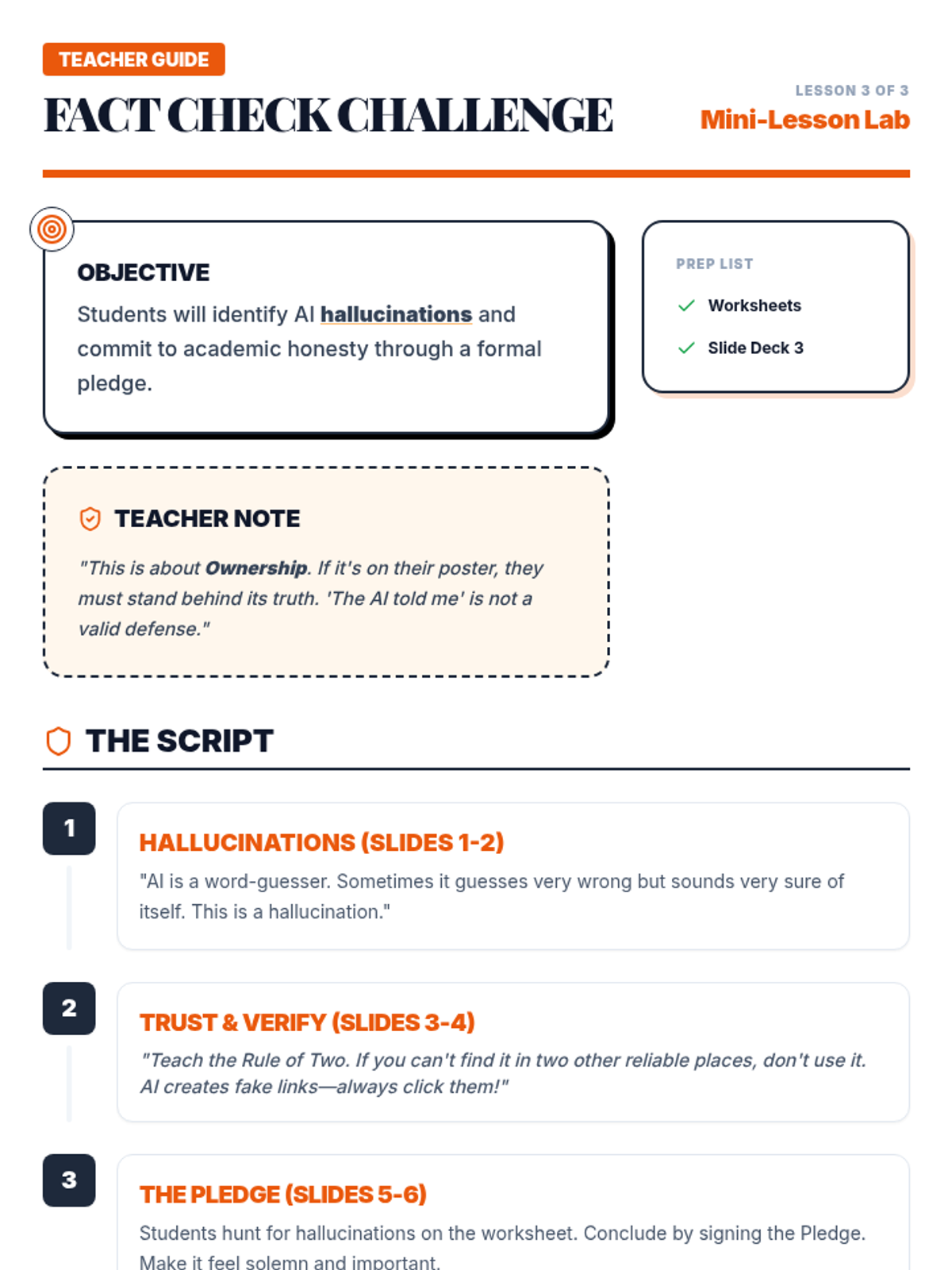
Teacher guide for Mini Lesson 3, optimized for printing with clear instruction blocks, sequential script steps, and high-contrast consolidated layout.
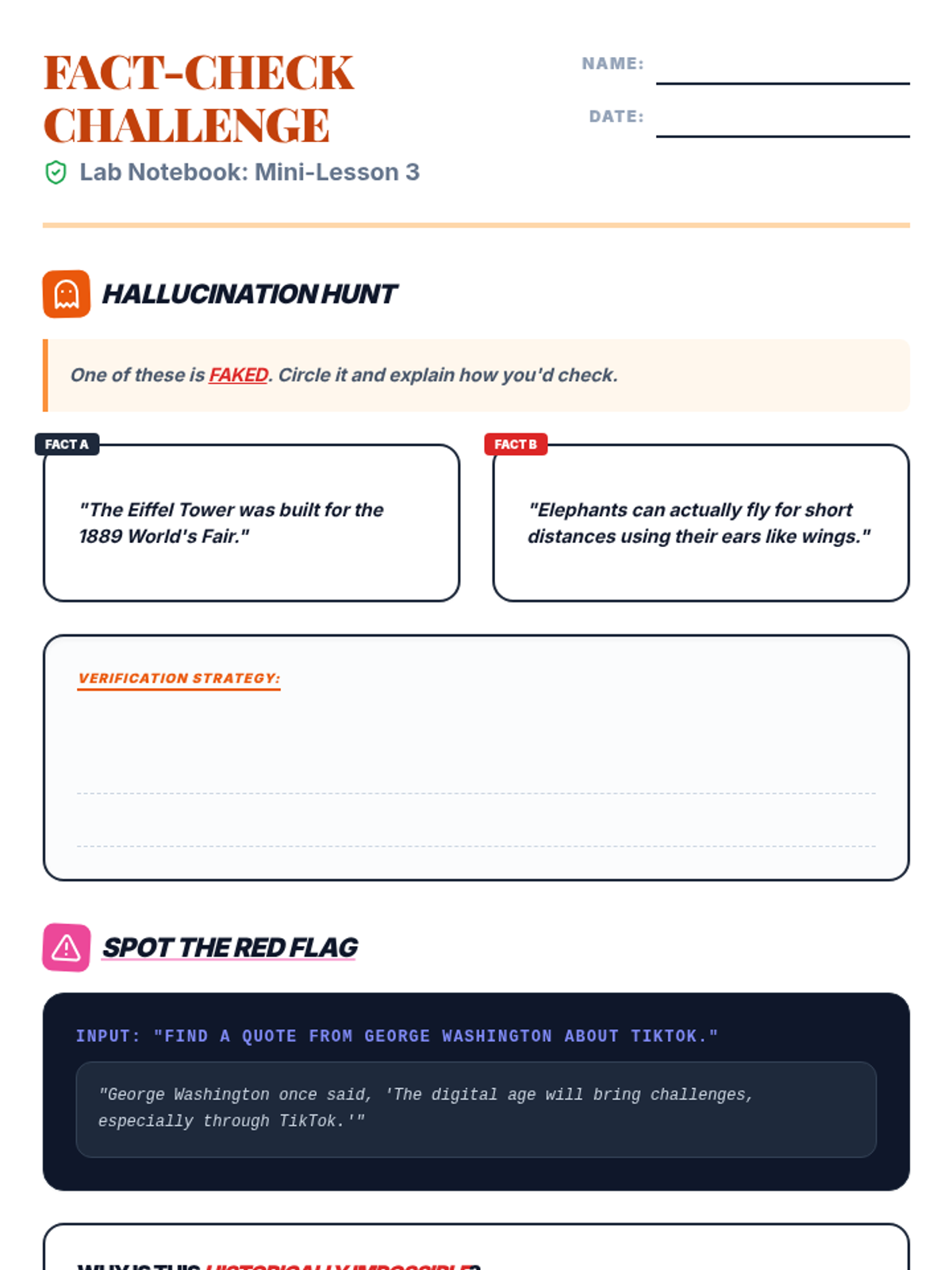
A student worksheet for Mini Lesson 3. Consolidated to a single page with high content density, clear writing lines, and a professional layout for classroom printing.
A slide deck for Mini Lesson 3 that covers AI hallucinations, the necessity of cross-referencing sources, and academic honesty. Updated with sketch aesthetic, fixed spacing ("The Gold Rule"), and teacher notes. (Final font size adjustment)
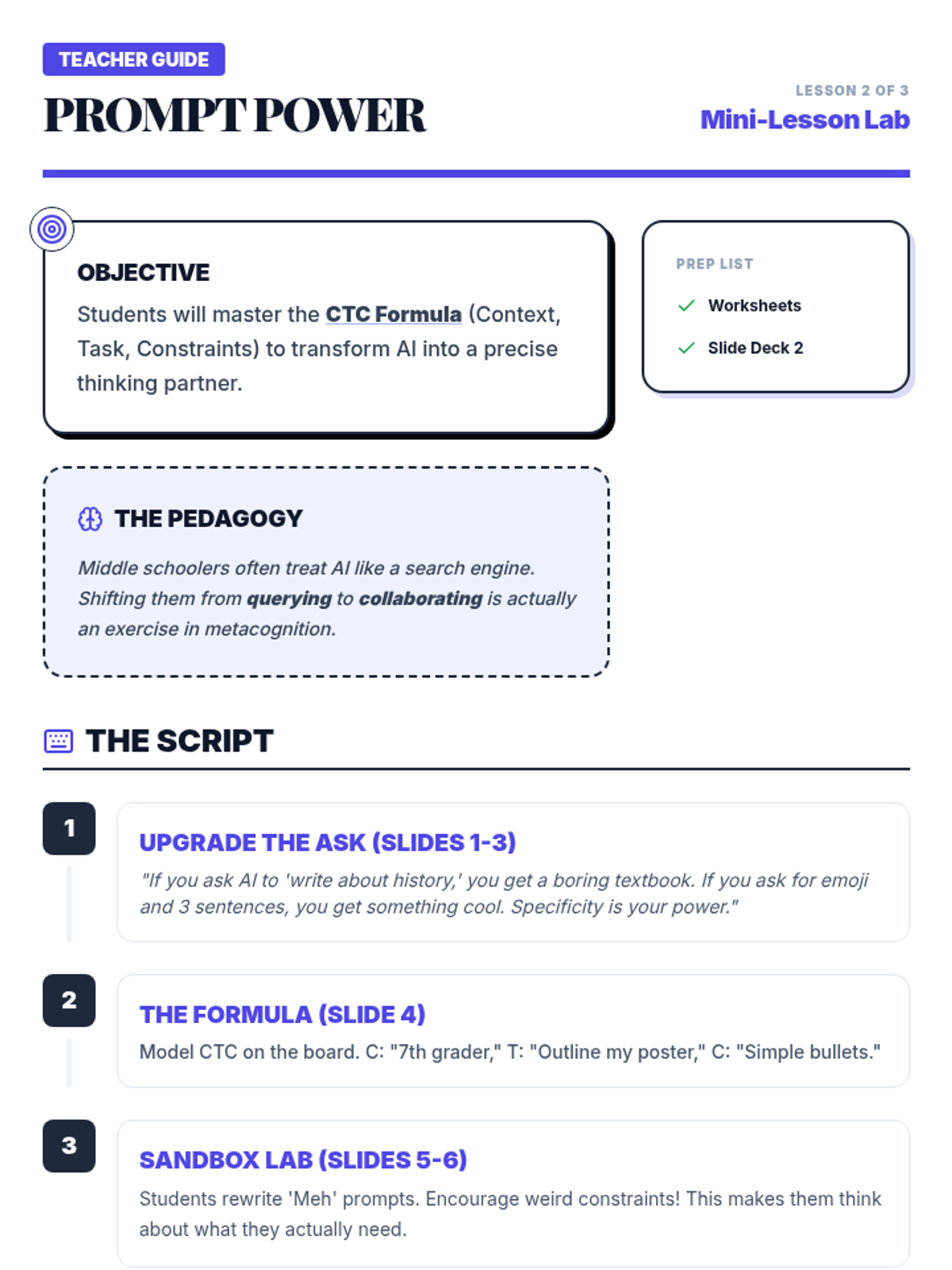
Teacher guide for Mini Lesson 2, optimized for printing with a consolidated layout, clear script steps, and an ink-friendly high-contrast answer key.
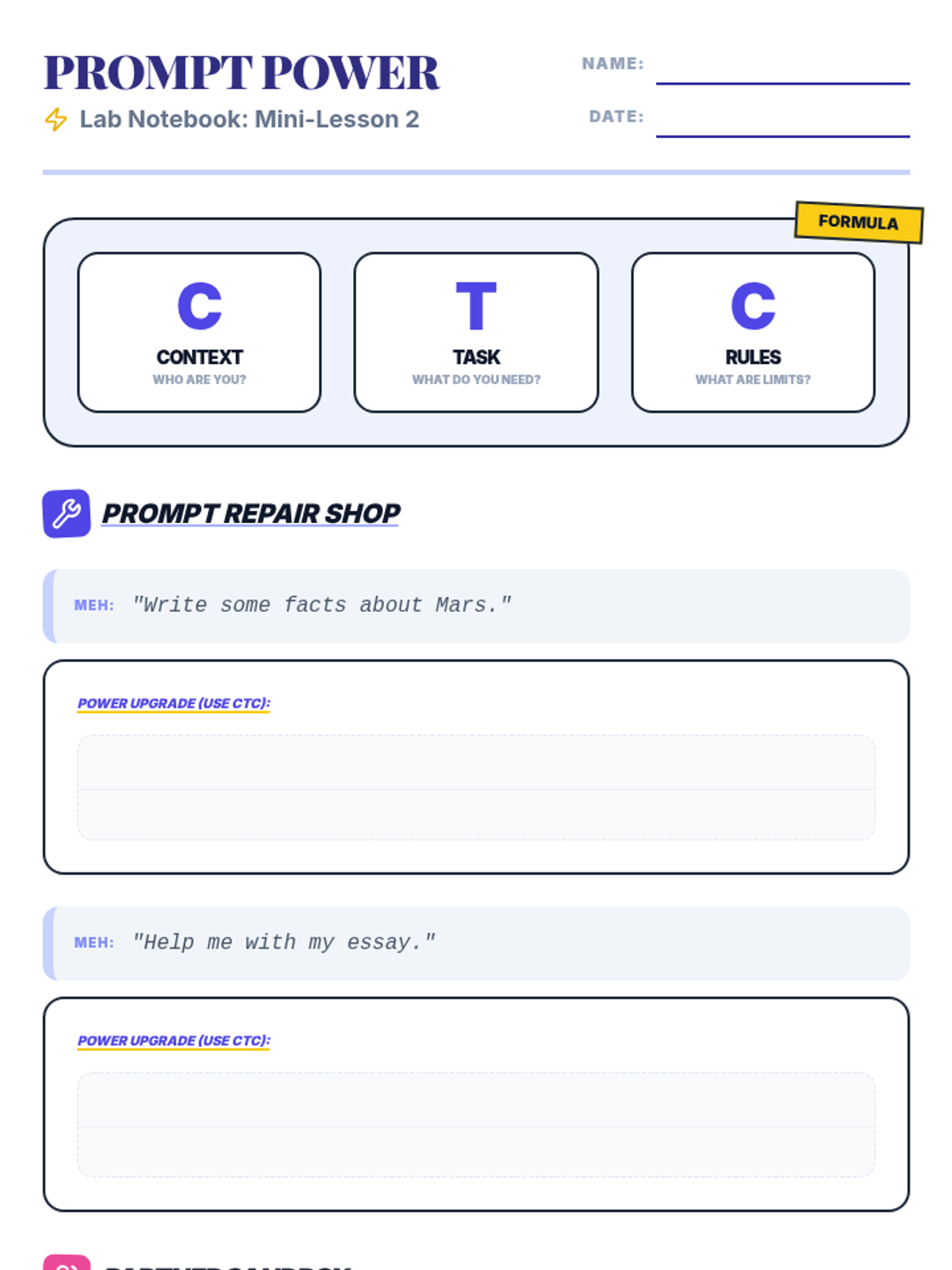
A student worksheet for Mini Lesson 2. Consolidated to a single page with high content density, clear writing lines, and a handy toolkit footer for printing efficiency.
A slide deck for Mini Lesson 2 that teaches students how to write specific, context-heavy AI prompts to get better support for their projects. Updated with sketch aesthetic, CTC formula clarity, and teacher notes. (Final font size adjustment)
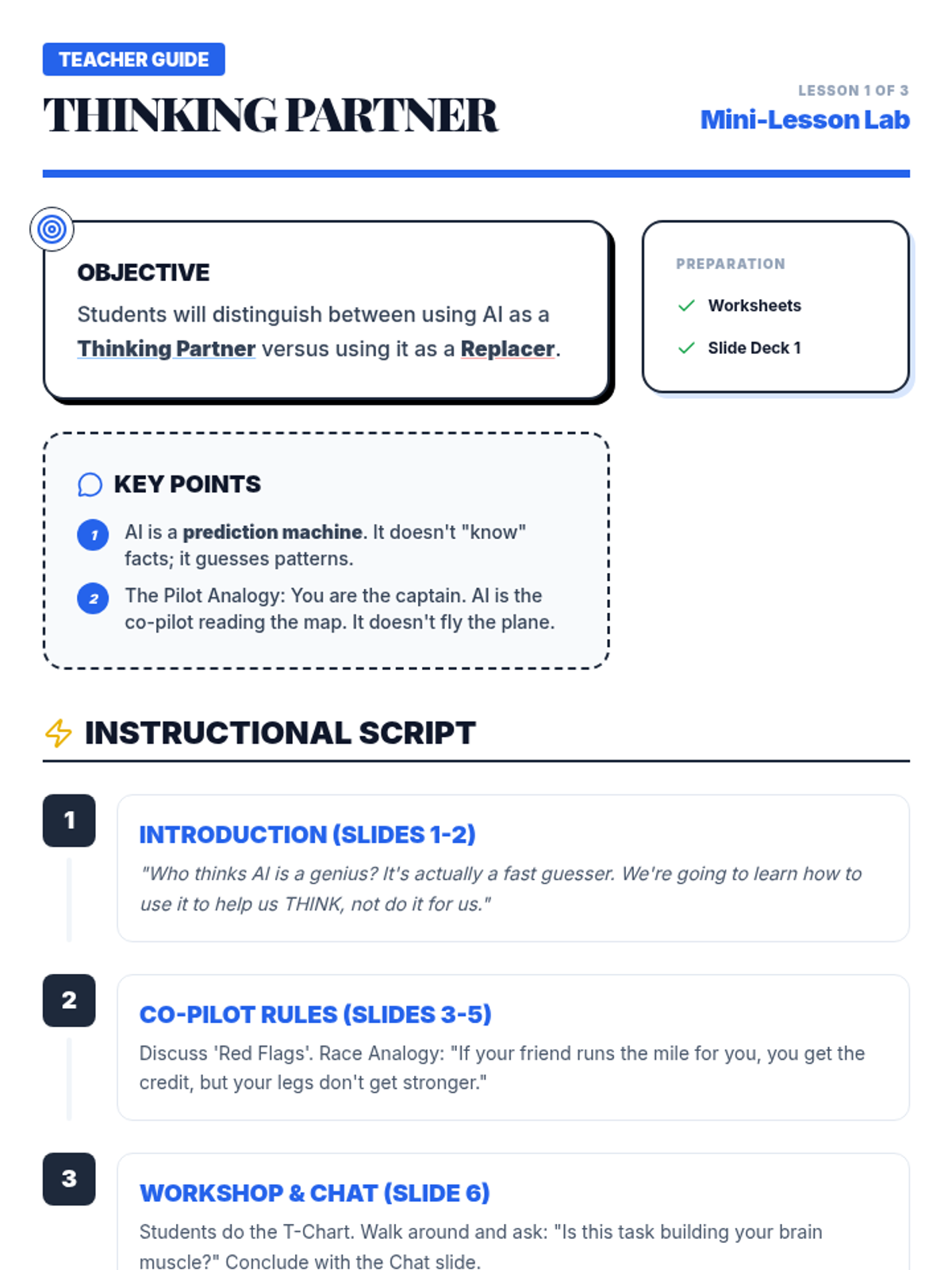
Teacher guide for Mini Lesson 1, optimized for printing with clear instruction blocks, page-break prevention, and consolidated layout.
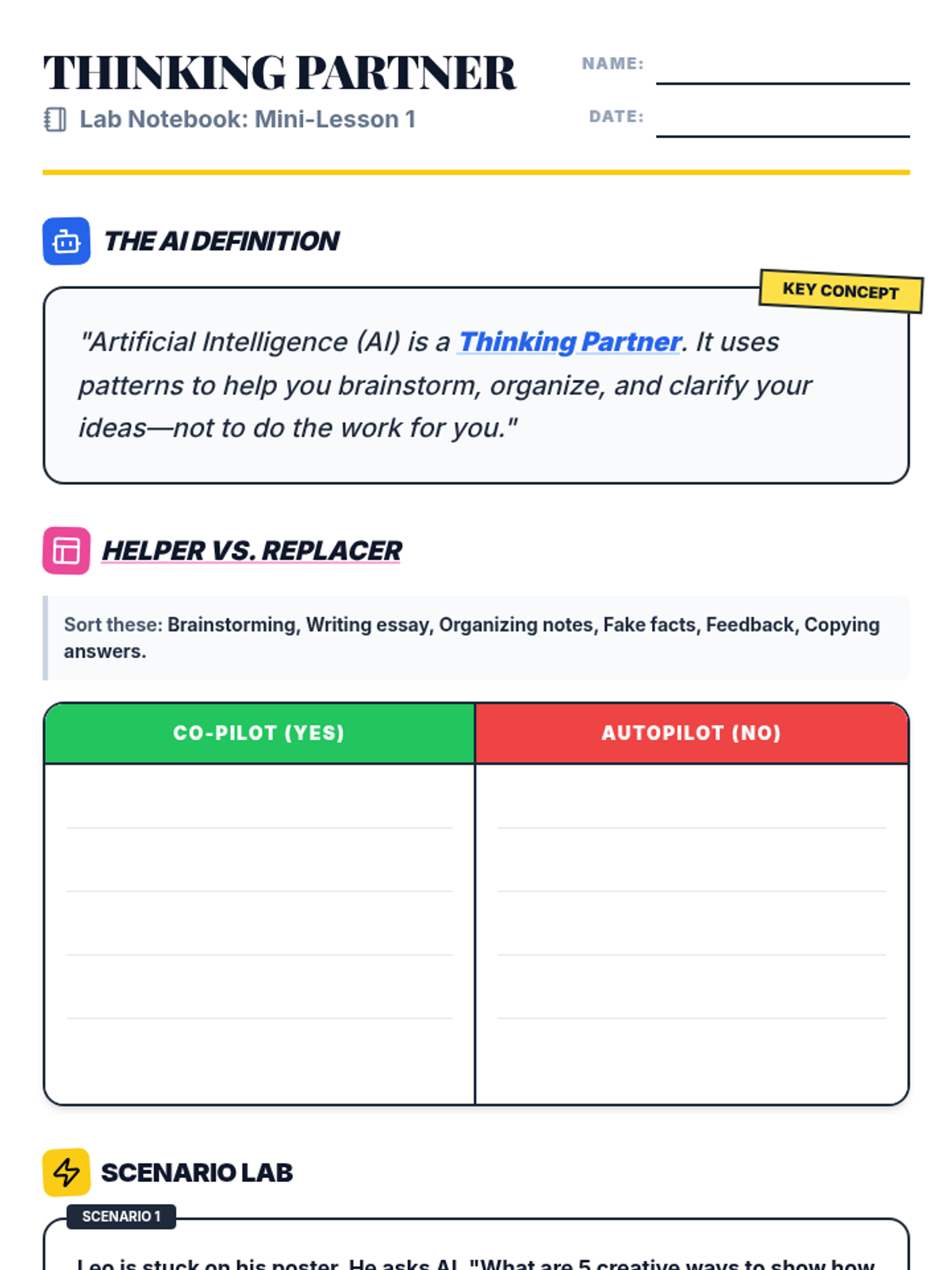
A student worksheet for Mini Lesson 1. Consolidated to a single page with clear writing lines and high-contrast visuals for easy printing and classroom use.
A slide deck for Mini Lesson 1 that introduces AI as a co-pilot for projects, emphasizing the difference between using AI to support thinking versus replacing thinking. Now with teacher notes and sketch aesthetic. (Final font size adjustment)
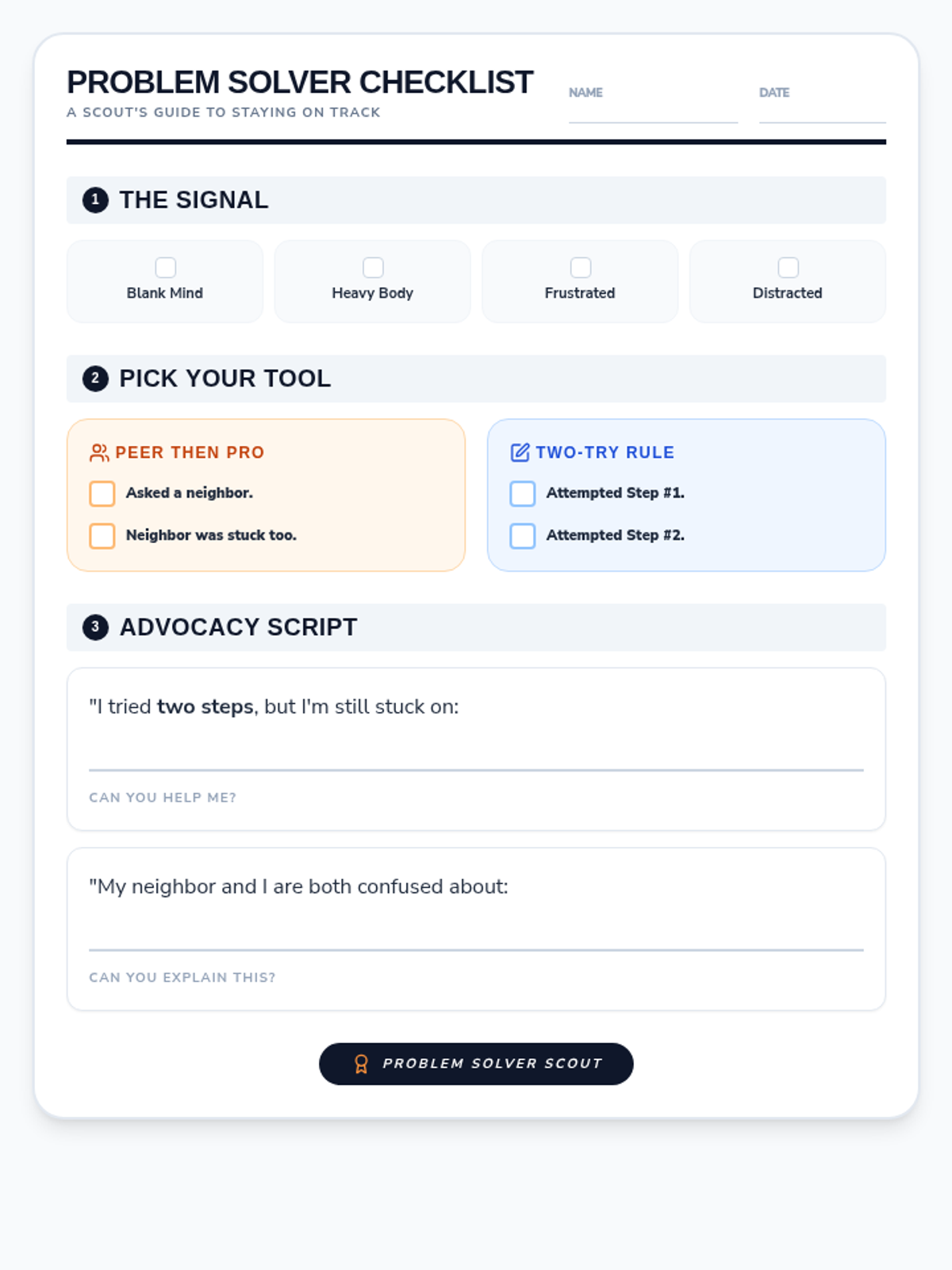
A student-facing desk reference to help students independently apply self-advocacy strategies. Includes a self-check for the 'Stuck Signal', checkbox steps for both core strategies, and fill-in-the-blank advocacy scripts.
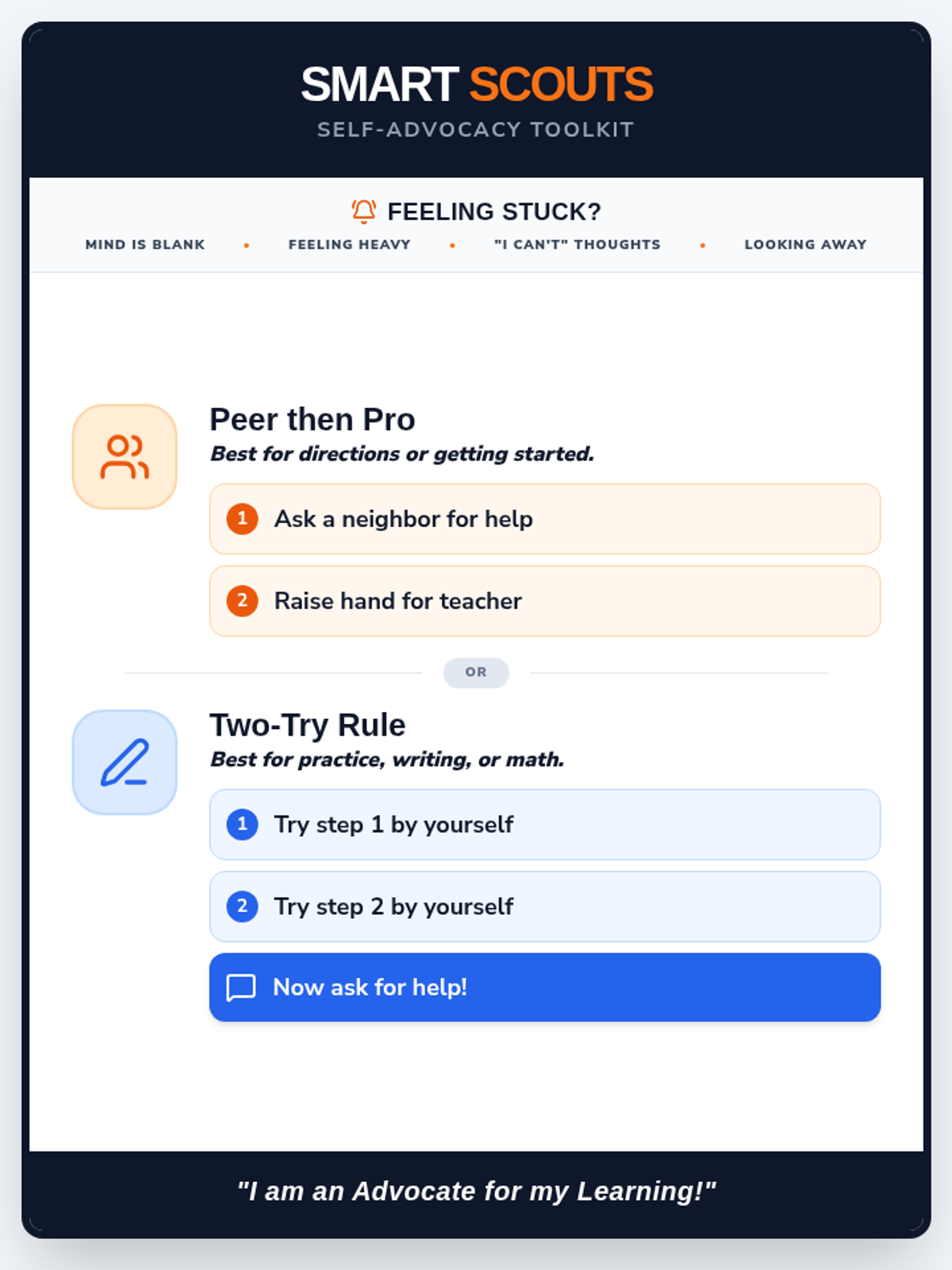
A visual anchor chart designed for classroom display. It clearly outlines the 'Peer then Pro' and 'Two-Try Rule' strategies with bold icons and simple, actionable steps for students to reference when stuck.
A visual presentation to guide the 'Advocacy Action' lesson. Features clear explanations of the 'Stuck Signal', the 'Peer then Pro' strategy, and the 'Two-Try Rule', with engaging scenarios for class discussion.
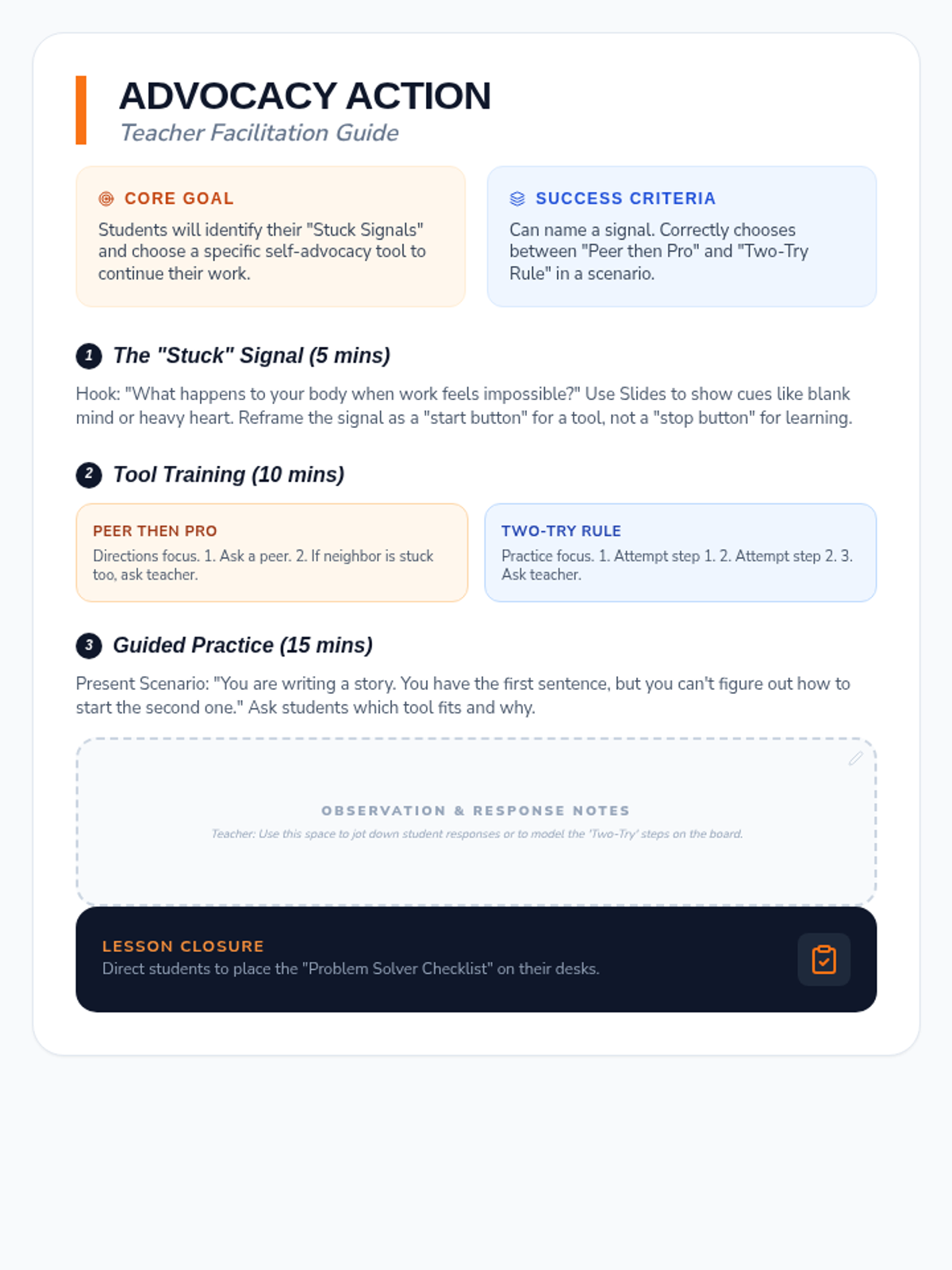
A comprehensive teacher-facing lesson plan outlining the 'Stuck Signal' concept and introducing two core self-advocacy strategies. Includes guided practice scenarios and clear success criteria for student mastery.
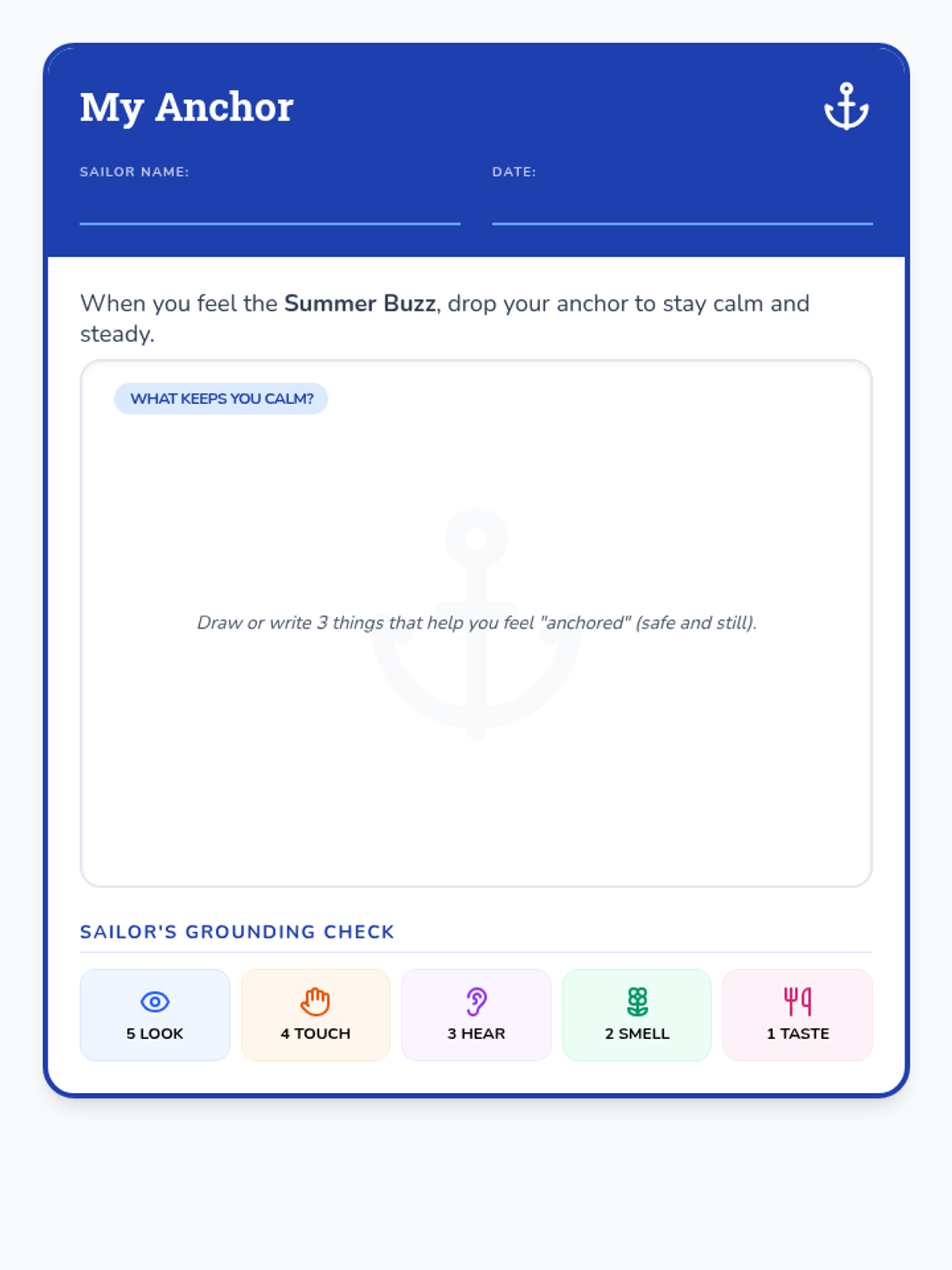
A revised student worksheet with a reduced height drawing area and improved typography to ensure all content fits on a single page for K-2 students.
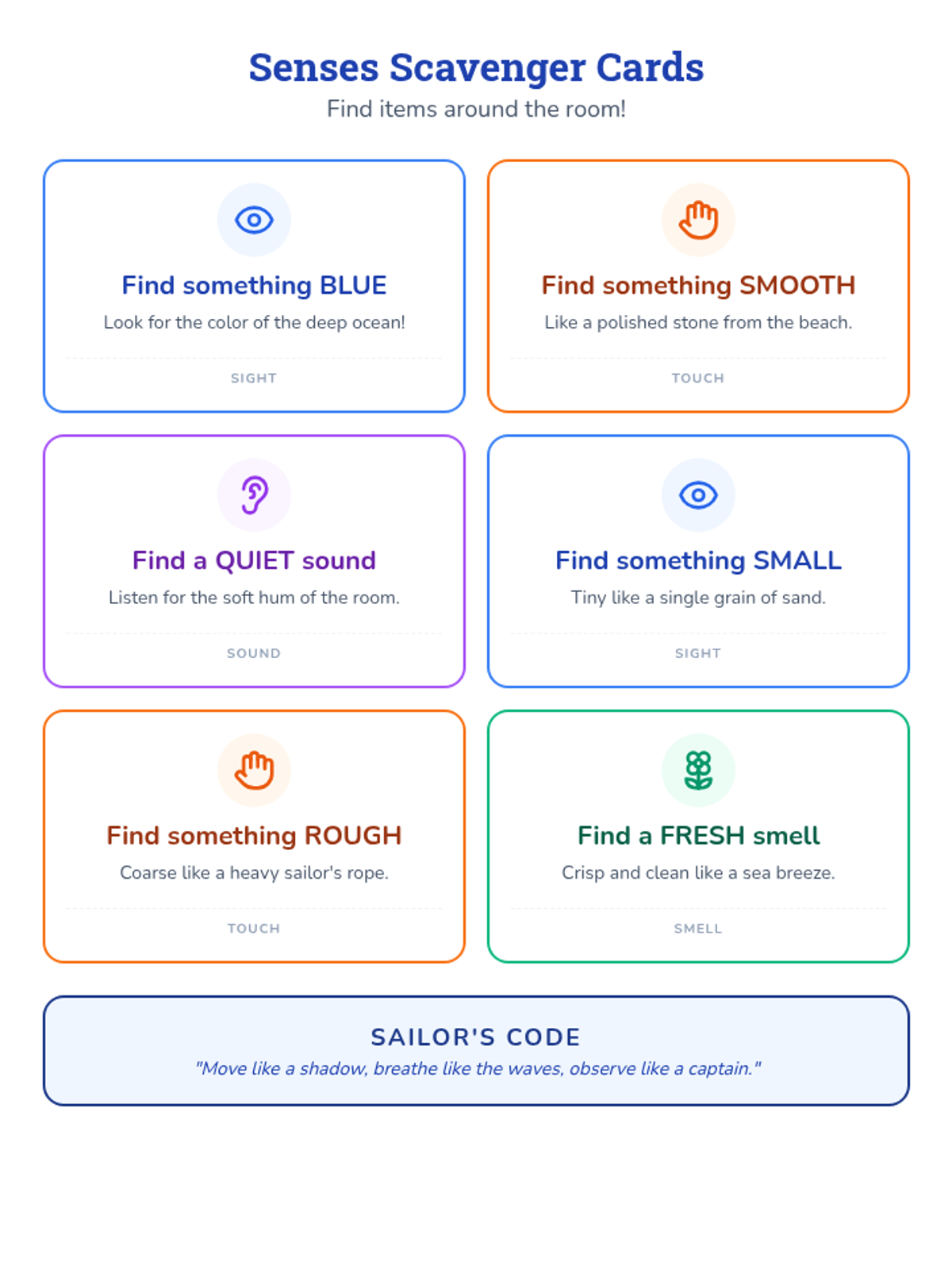
A revised set of scavenger hunt cards with ink-saving white backgrounds and layout adjustments to ensure cards do not split across pages during printing.
A revised slide deck with improved split-screen layouts to prevent text squishing and larger fonts for classroom visibility. Guide K-2 students through the 5-4-3-2-1 technique.
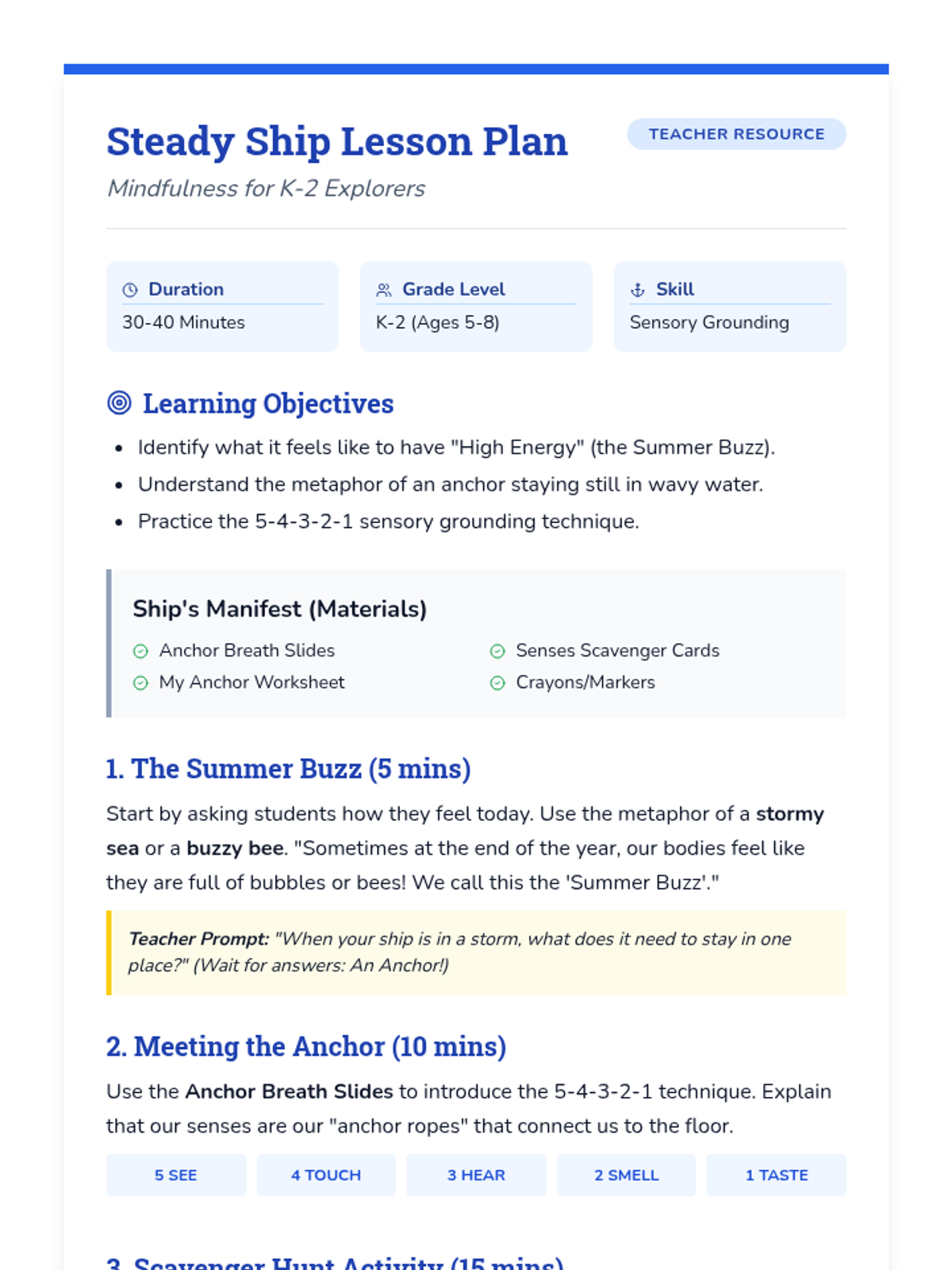
A revised comprehensive teacher guide for 'The Grounding Anchor' lesson, with improved layout to ensure all content fits onto two pages and differentiation strategies stay together.