Printable desk reminders for students, providing quick visual cues for focus strategies like the Focus Bubble and Deep Breaths. Designed to be cut out and taped to a student's desk.
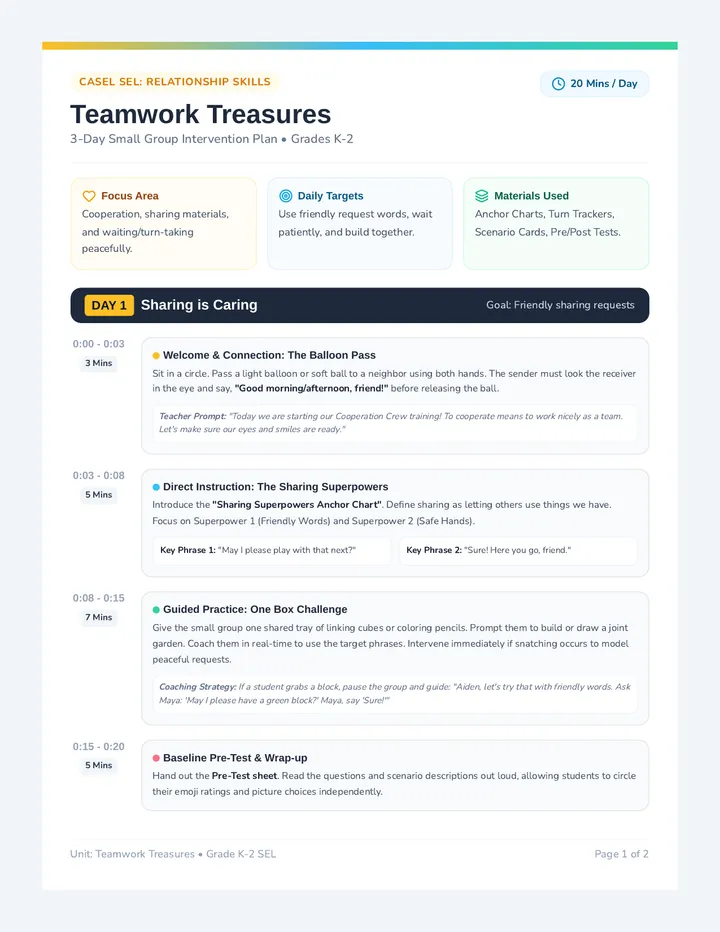
A revised school counselor follow-up and feedback form. It features a new introductory referral sentence, detailed intervention logs with dates and goals, a dedicated 'At this time' status section, and a professional closing message inviting continued collaboration. Now includes 'Outside Referral' in next steps.
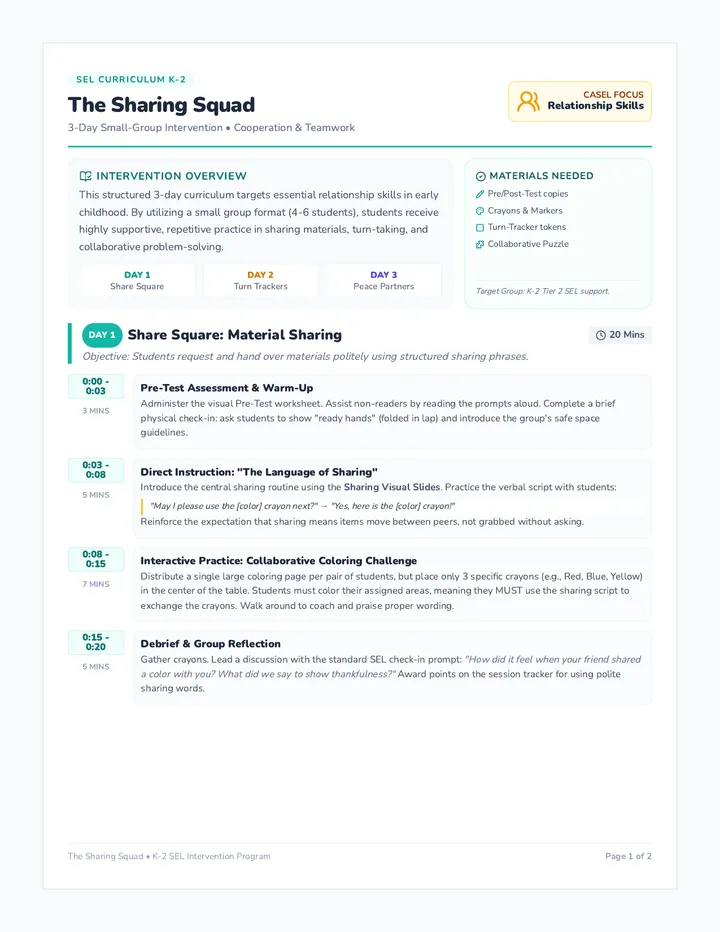
A teacher's guide for facilitating the "Social Pivot" lesson. Includes learning objectives, key vocabulary, facilitation steps for roleplay, and tips for handling sensitive social scenarios like physical aggression.
A visual slide deck introducing the concept of the "Social Pivot." It defines social repair and outlines the three key scenarios (overhearing gossip, physical impulses, and routine changes) with strategies for handling each.
A student worksheet to practice "Social Pivot" phrases. It provides fill-in-the-blank templates for repairing relationships after overhearing gossip, managing physical impulses, and adapting to changes in routine.
A set of three two-person dialogue scripts focusing on social thinking challenges: overhearing gossip, managing physical aggression impulses, and handling unexpected routine changes. Each script includes a "Pivot Point" where students practice repair and flexible thinking.
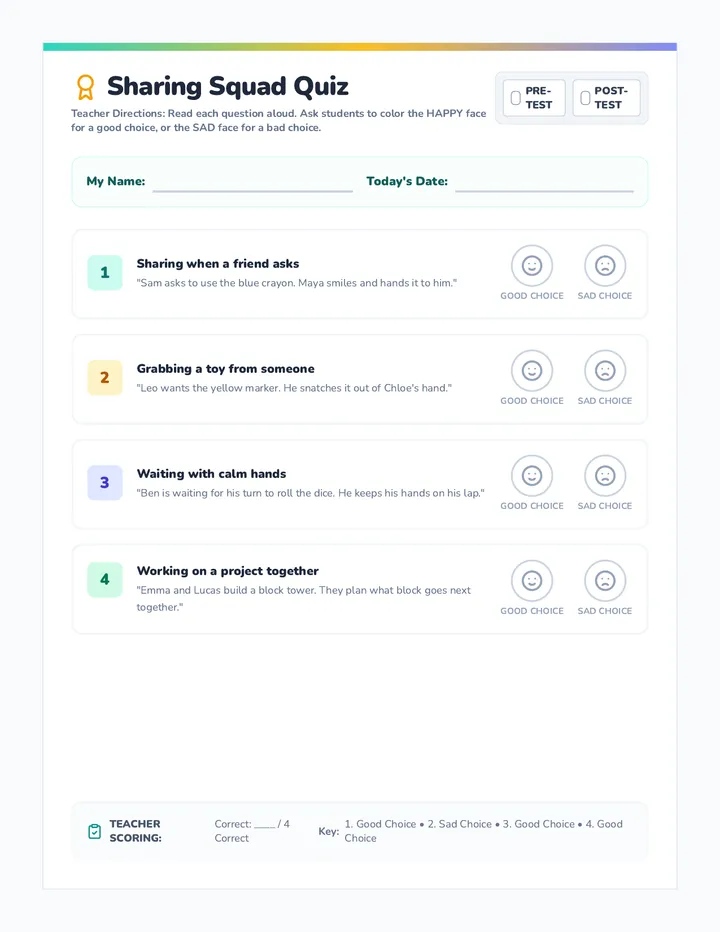
A worksheet featuring six sets of happy and sad face circles designed to be cut out and glued together to create double-sided mood communication tools for students.
A student recording sheet for the 'SEL Faceoff' game. Includes a point tracker, strike zone, key takeaway fields, and a fill-in-the-blank template for the 4-part apology method.
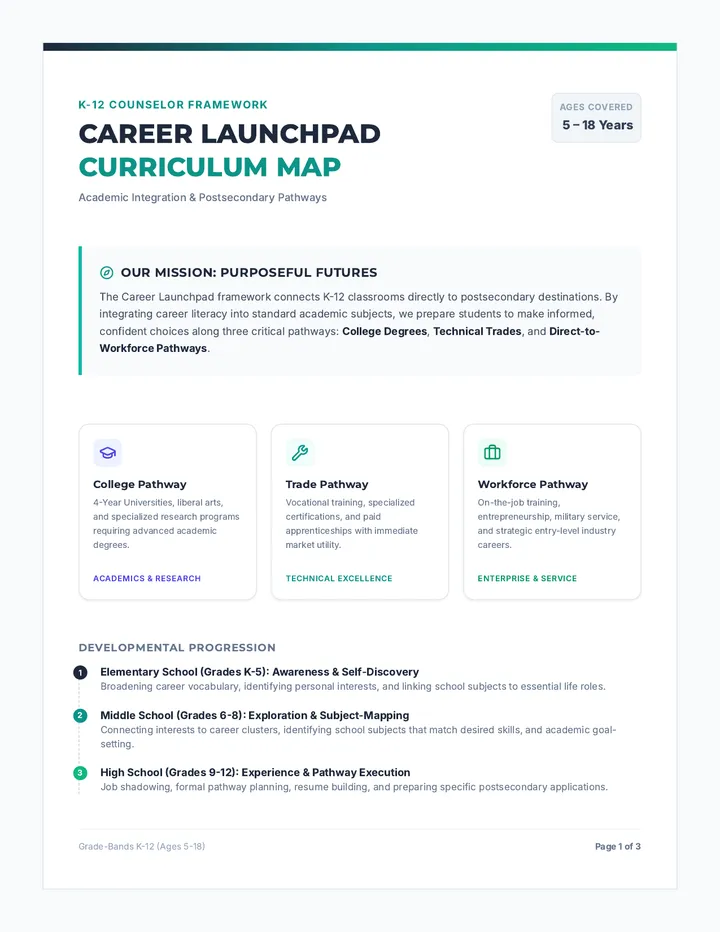
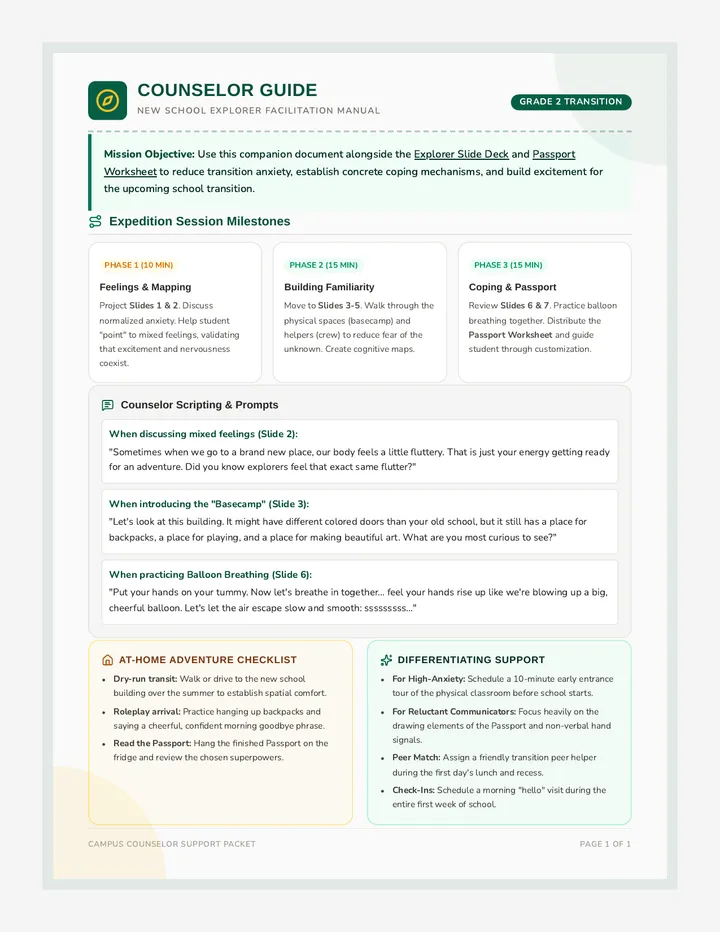
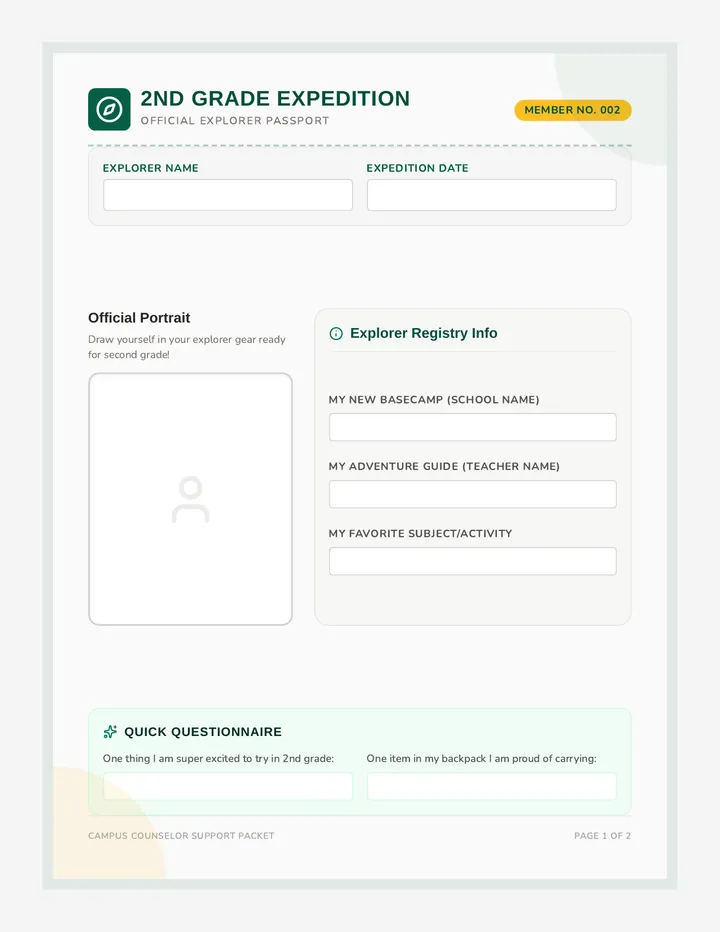
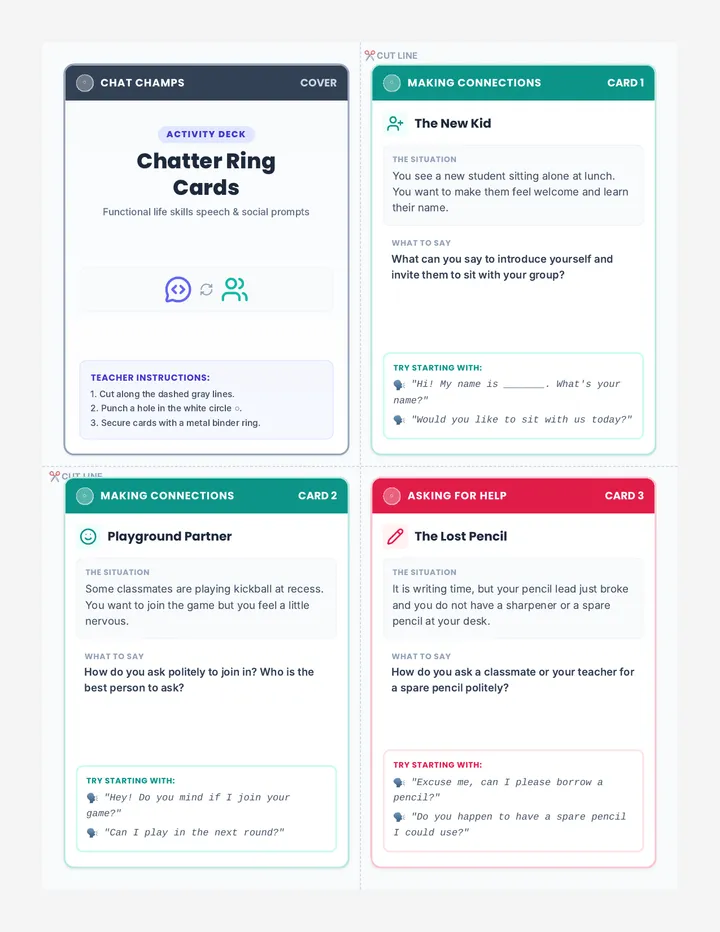
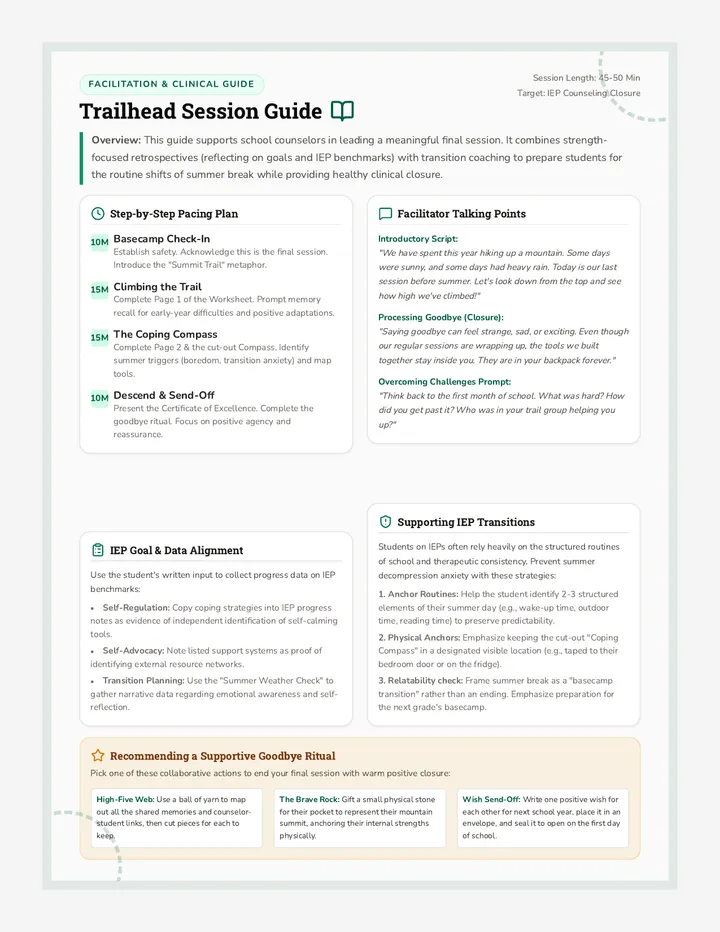
A teacher-facing facilitation guide and answer key for the 'SEL Faceoff' game. Includes board answers, point values, discussion prompts, and setup instructions.
An interactive 13-slide PowerPoint-style presentation for a 'Family Feud' inspired SEL game. Covers emotions, self-regulation, accountability, and the 4-part apology method with high-contrast game show visuals.