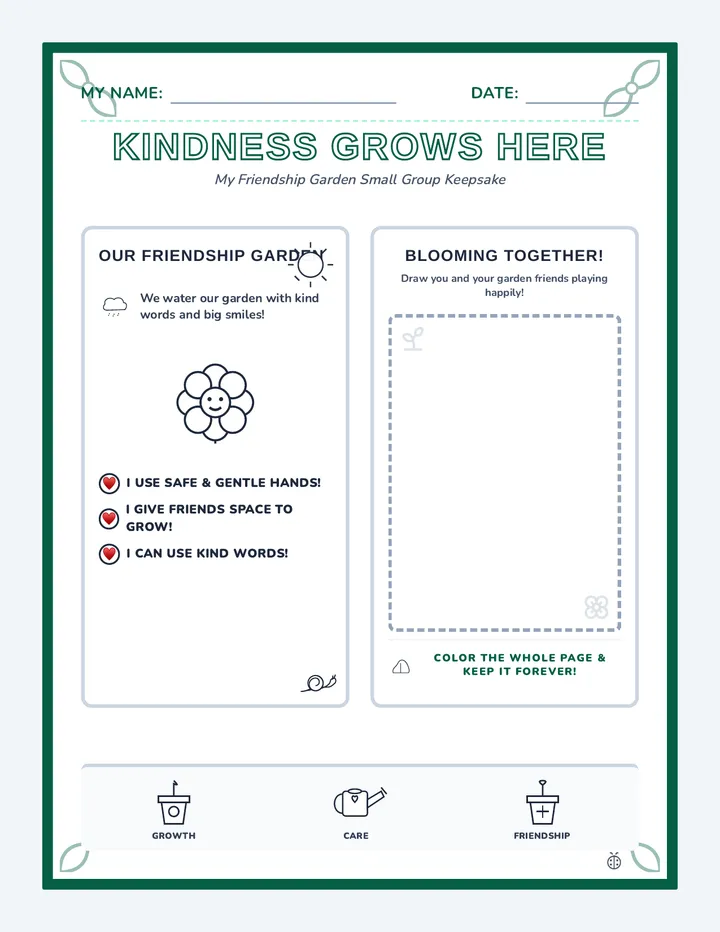
A student reflection worksheet featuring space to draw and write about emotions experienced during role play activities, promoting self-awareness and emotional literacy.
A single display slide featuring a 6-step checklist of the performance lab procedures, including a reminders for classroom conduct and group participation. Fixed layout to prevent overlap.
Instructions for the Mystery Performance Lab, guiding students through solo reading, role assignment with tie-breakers, plot analysis, fluency practice, and final presentation.
A comprehensive 2-page follow-up worksheet for students to complete after performing or watching mystery plays. Focuses on fluency self-reflection, high-rigor character analysis, comprehension of plot devices like red herrings, and social-emotional debriefing. Optimized for print with writing lines instead of boxes. Updated terminology to "Character Change".
Six lengthened mystery/problem-solving plays featuring 4-5 characters each. Each play includes increased plot complexity, red herrings, and higher rigor dialogue focused on social-emotional conflicts. Includes a reusable analysis log template. Themes are strictly school-based with no space or weapon-related content. Every script and the analysis log are formatted to fit on a single page. Optimized with writing lines and no heavy boxes.
A student worksheet for analyzing the plot structure of a play, including sections for setting, characters, beginning, middle, end, problem, and solution. Optimized with writing lines and no heavy boxes. fits on one page.
A short model play script titled "The Missing Lunchbox" used to demonstrate play structure, characters, and dialogue. Features a friendship-based problem and solution. Dinosaur theme used for the lunchbox.
Instructional slides teaching the components of a play script (dialogue, stage directions), plot elements (beginning, middle, end, problem, solution), and fluency skills.
Visual presentation for the 'Time Travelers' mentoring session. It connects history with personal growth, encouraging students to identify their 'inner archive' of strengths and build a resilient mindset for the future.