A polished 2nd-grade slide deck for "The Dot" lesson. Includes re-imagined discussion slides to build empathy for Vashti's dilemma, growth mindset instruction, and two embedded story readings. Visual layout refined for high contrast and clarity.
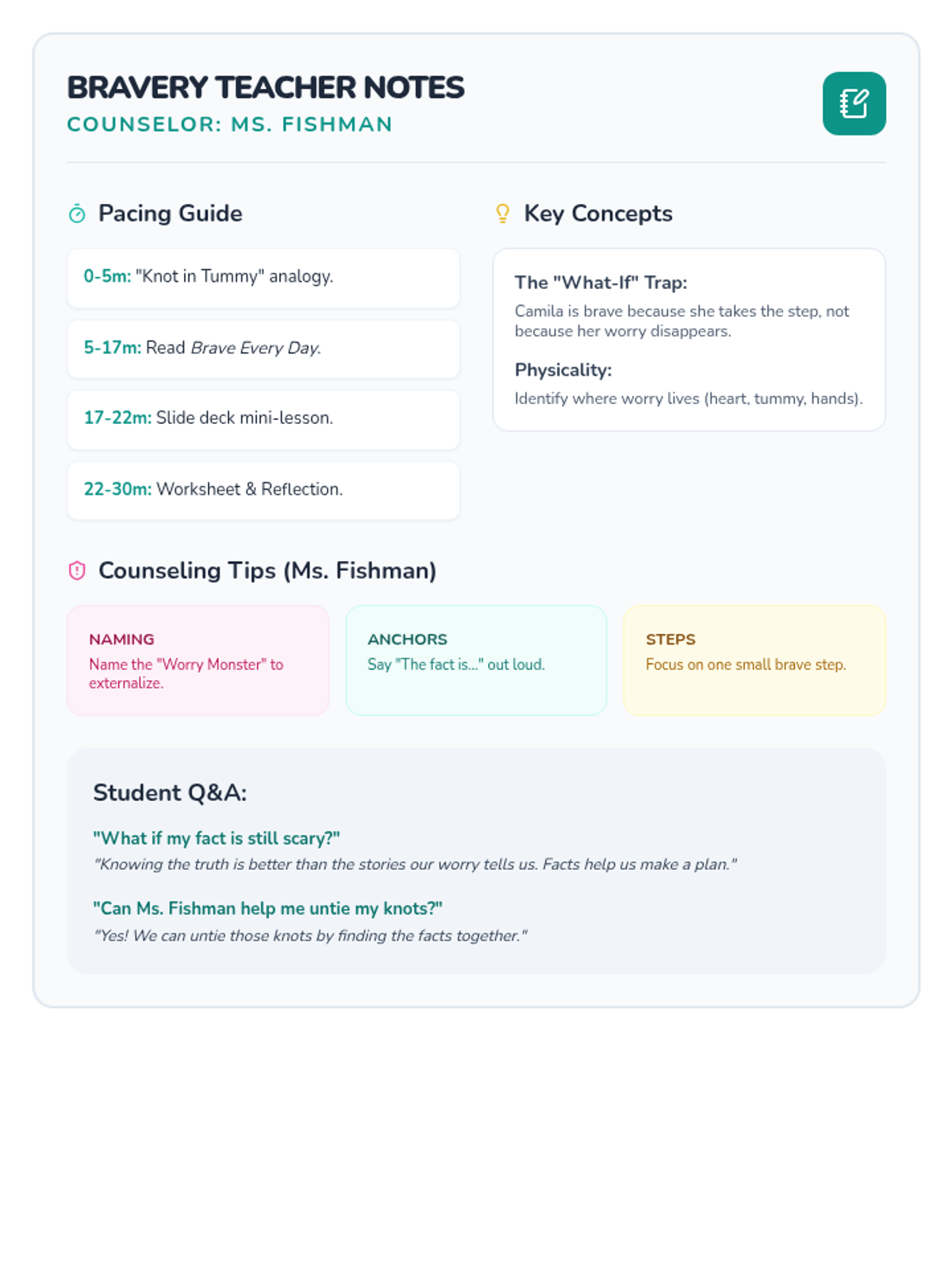
Specific teacher notes and counseling strategies for Ms. Fishman to use during the 'Brave Every Day' lesson, covering pacing, troubleshooting, and student questions.
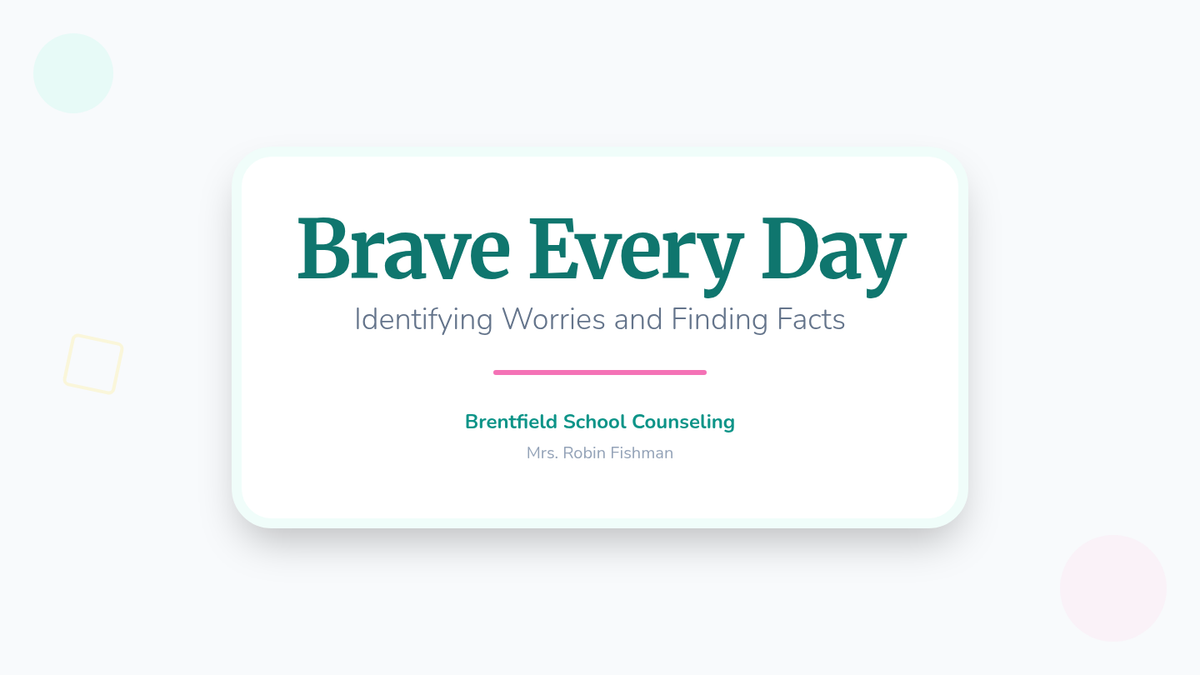
A polished 7-slide presentation specifically tailored for 'Brave Every Day' by Trudy Ludwig, featuring Camila's story, physical worry signs, and the 'What-If' vs 'What-Is' concept.
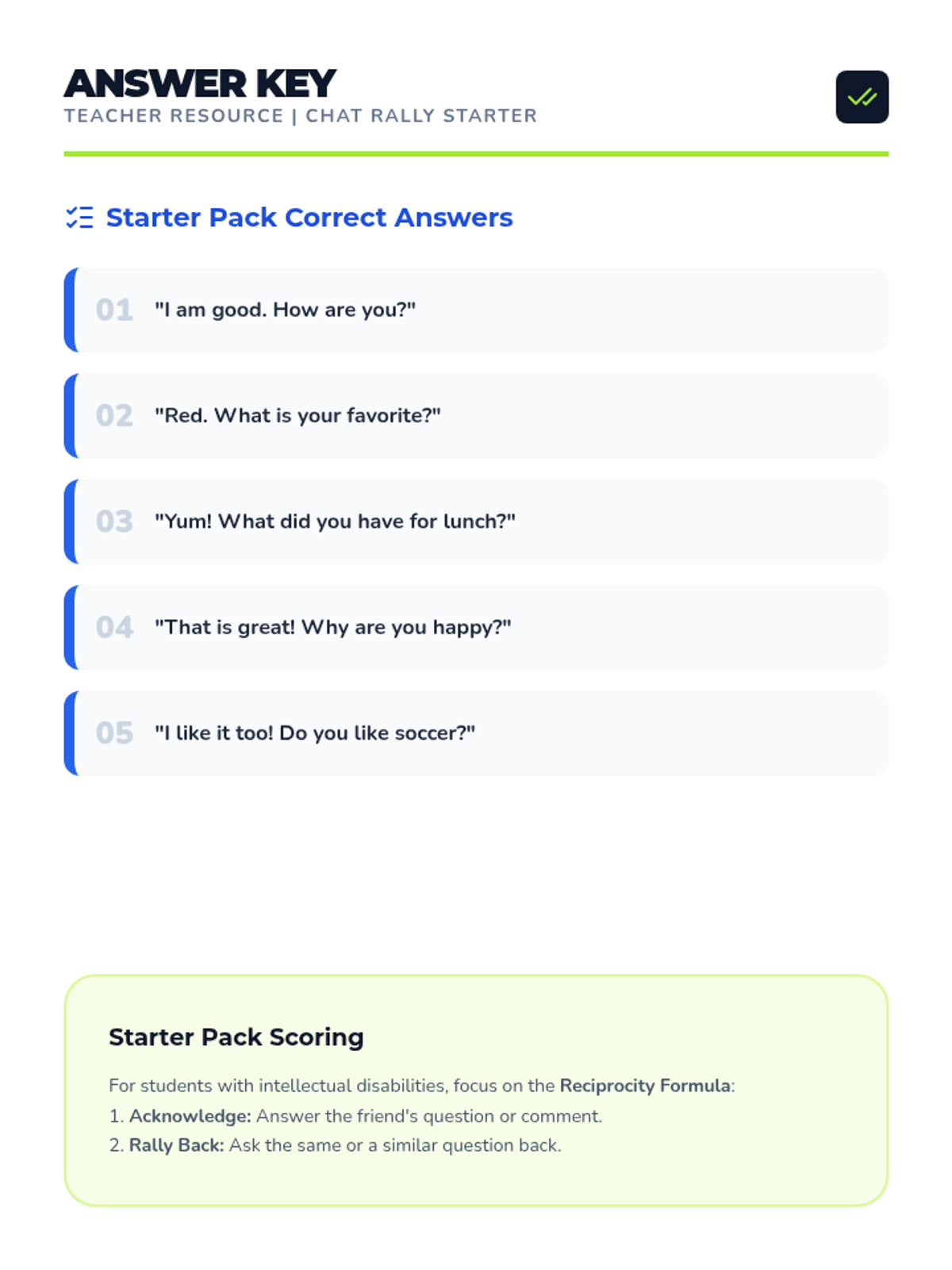
A teacher-facing answer key for the Chat Rally Starter Choice Pack, focused on basic conversational reciprocity.
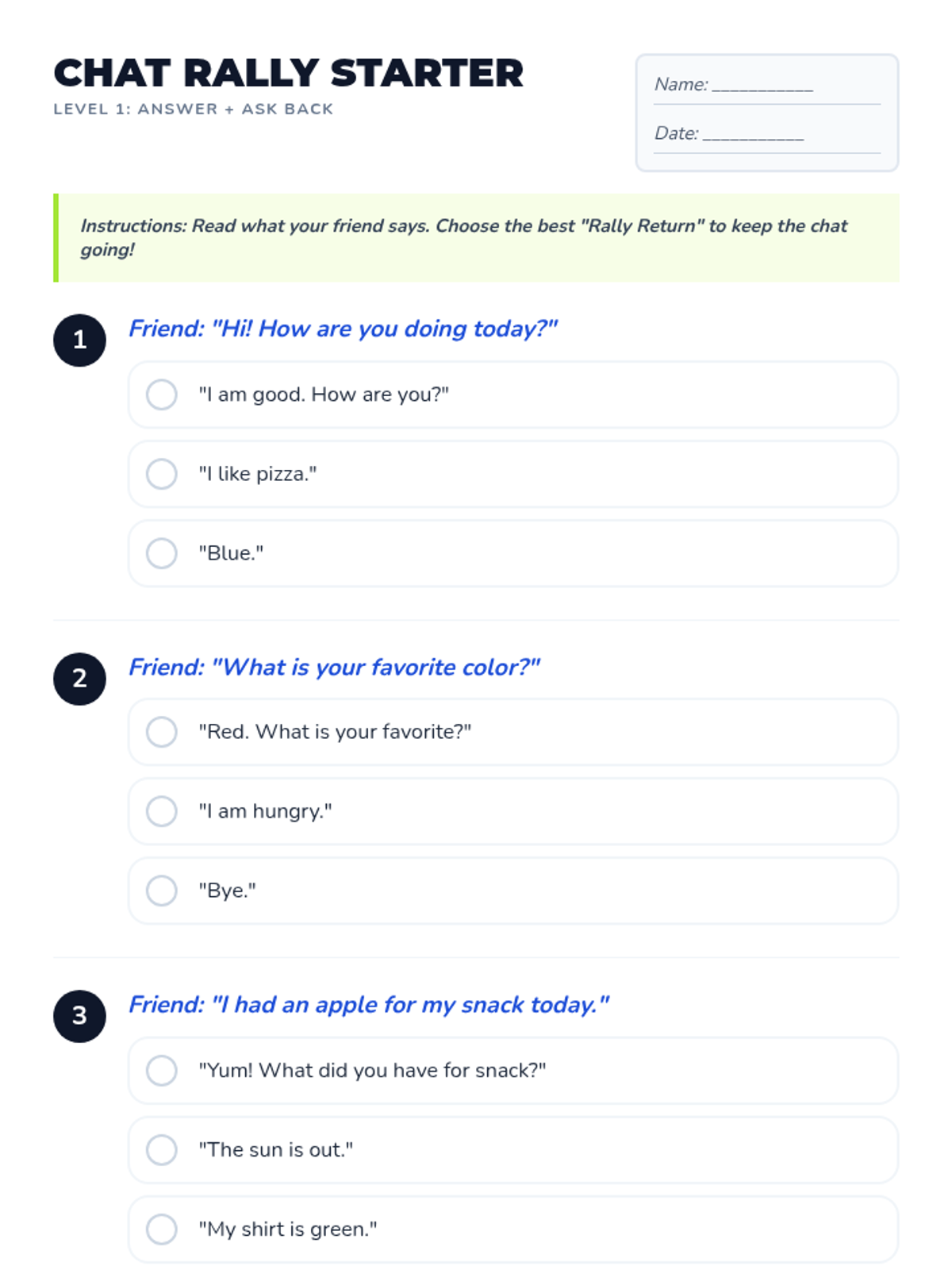
A simplified 5-question multiple choice packet for students with intellectual disabilities, focusing on basic "Answer + Ask Back" conversational reciprocity.
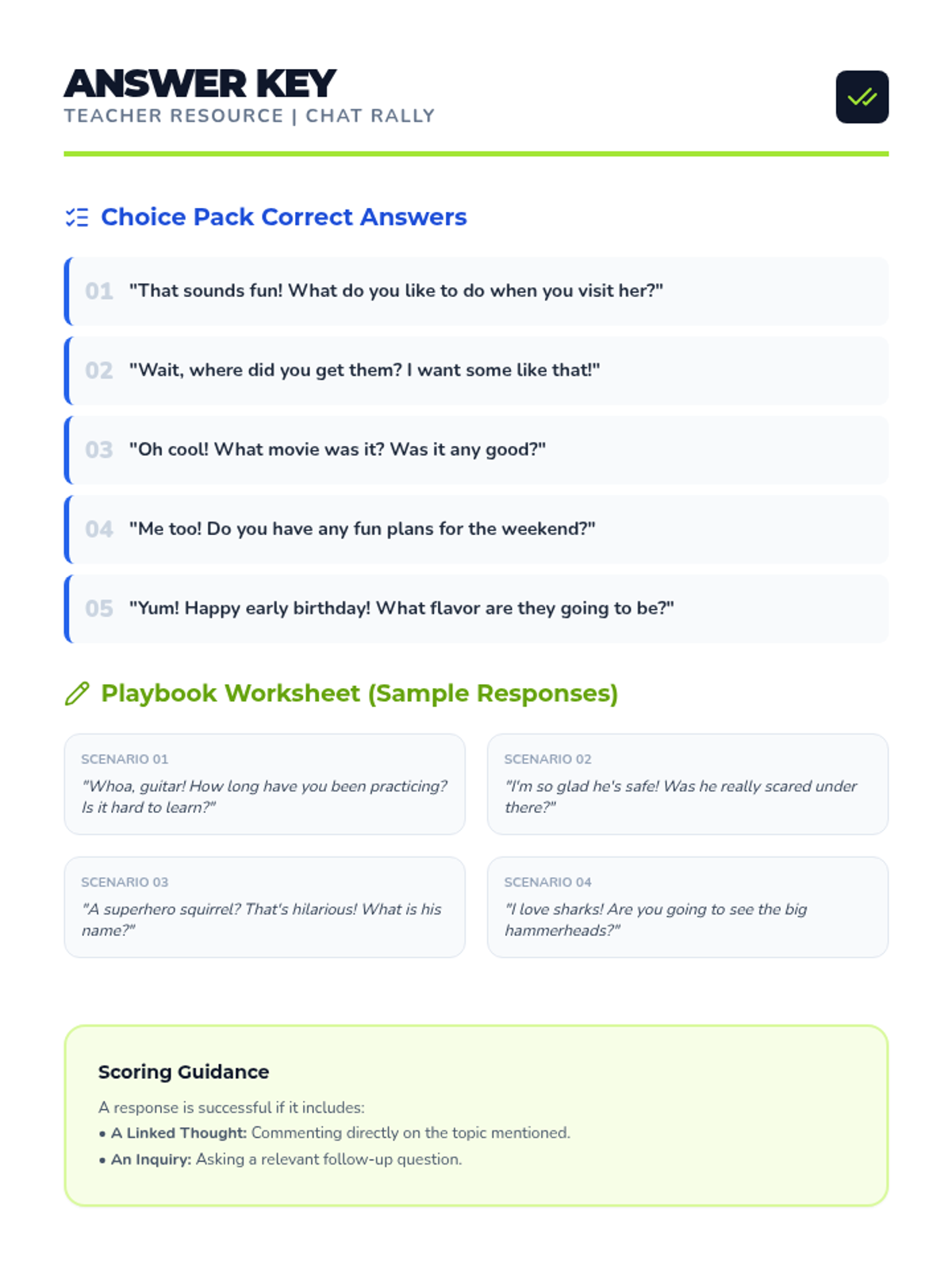
A teacher-facing answer key and sample response guide for the Chat Rally choice pack and scenario worksheet, now consolidated to one page with consistent numbering.
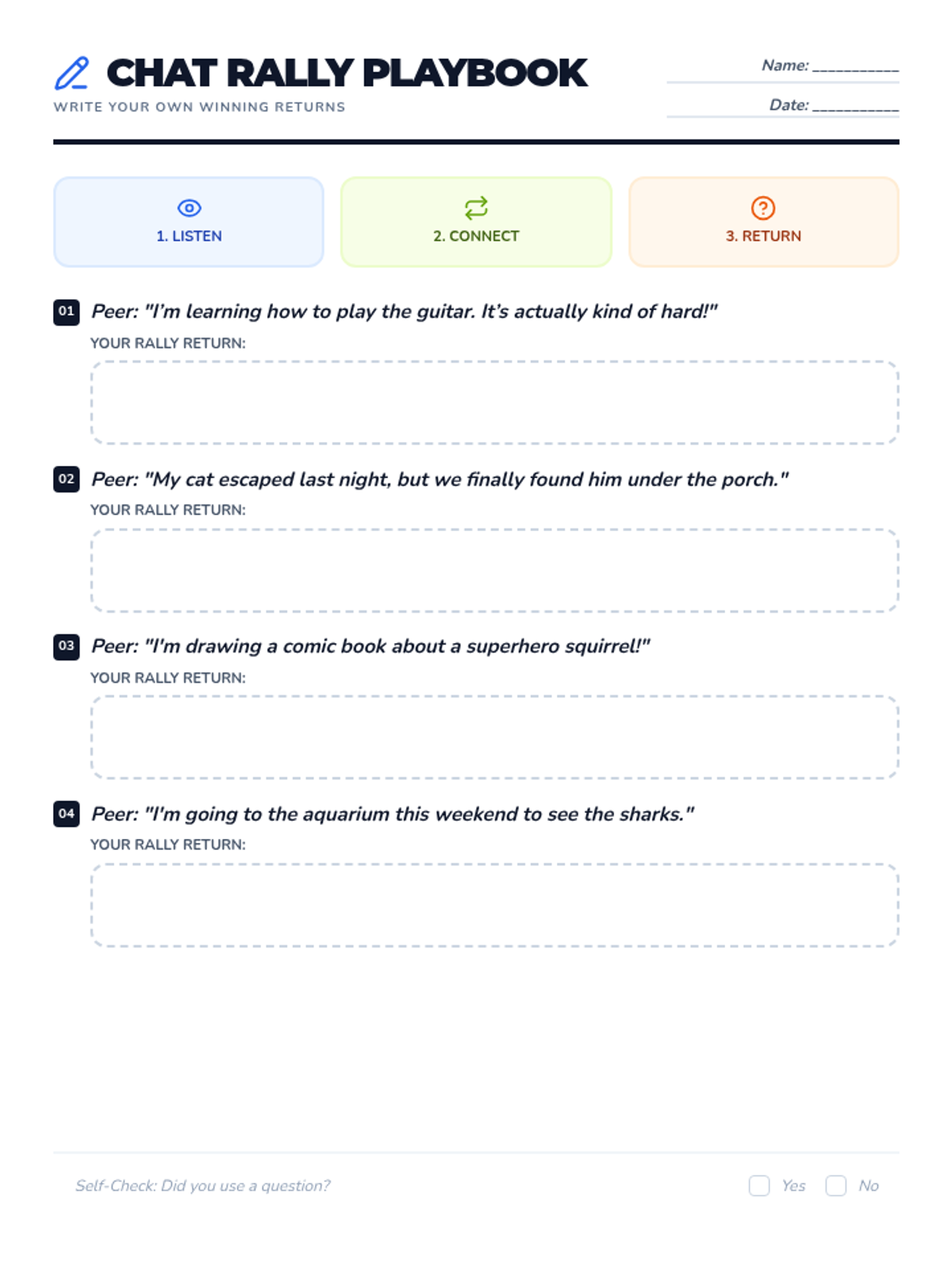
A worksheet where students practice writing their own "rally returns" to social scenarios, now featuring 4 scenarios and improved layout to ensure all content fits on one page.
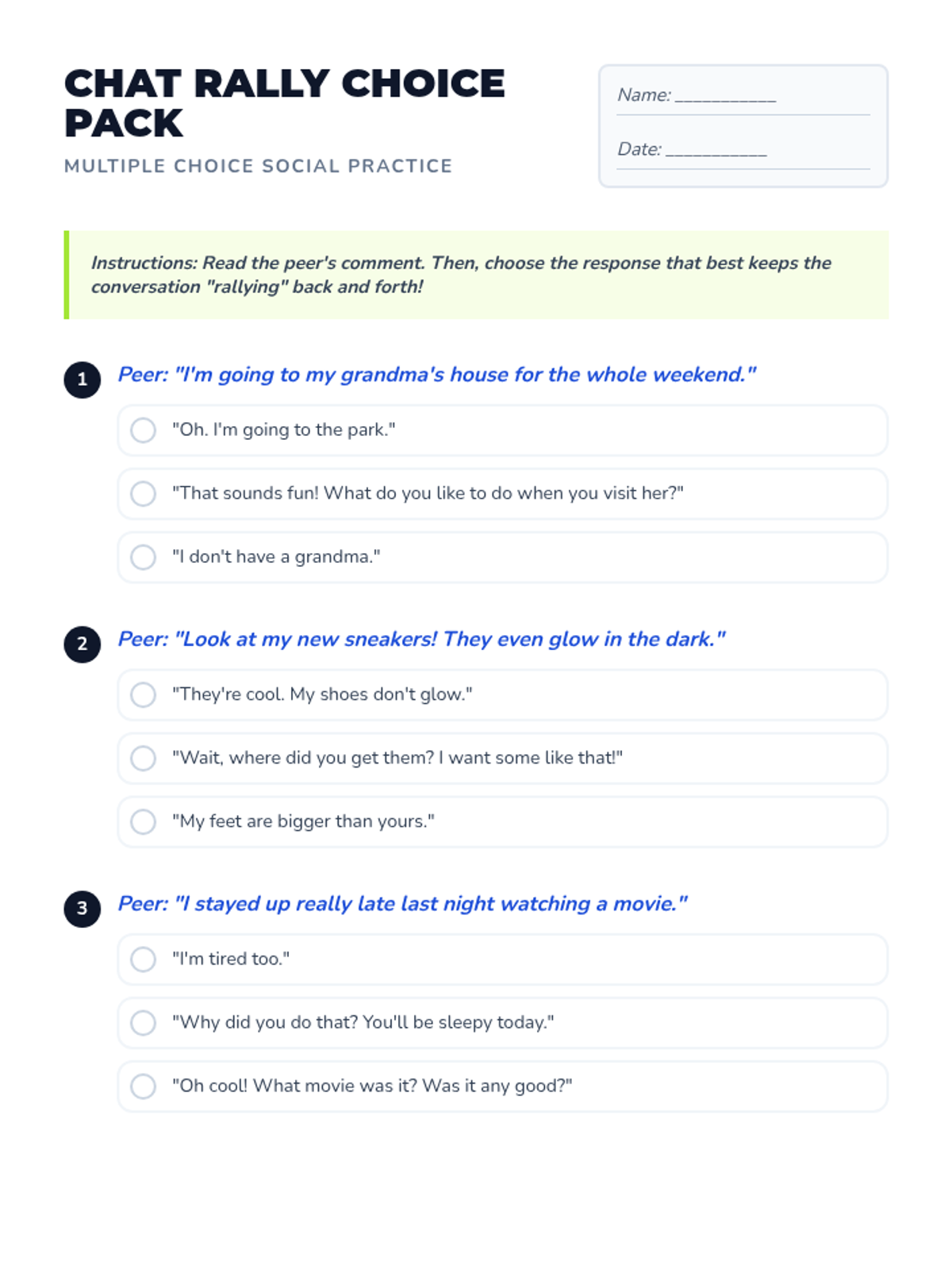
A 5-question multiple choice packet where students identify the best response to maintain a conversation "rally", now with balanced questions across two pages.
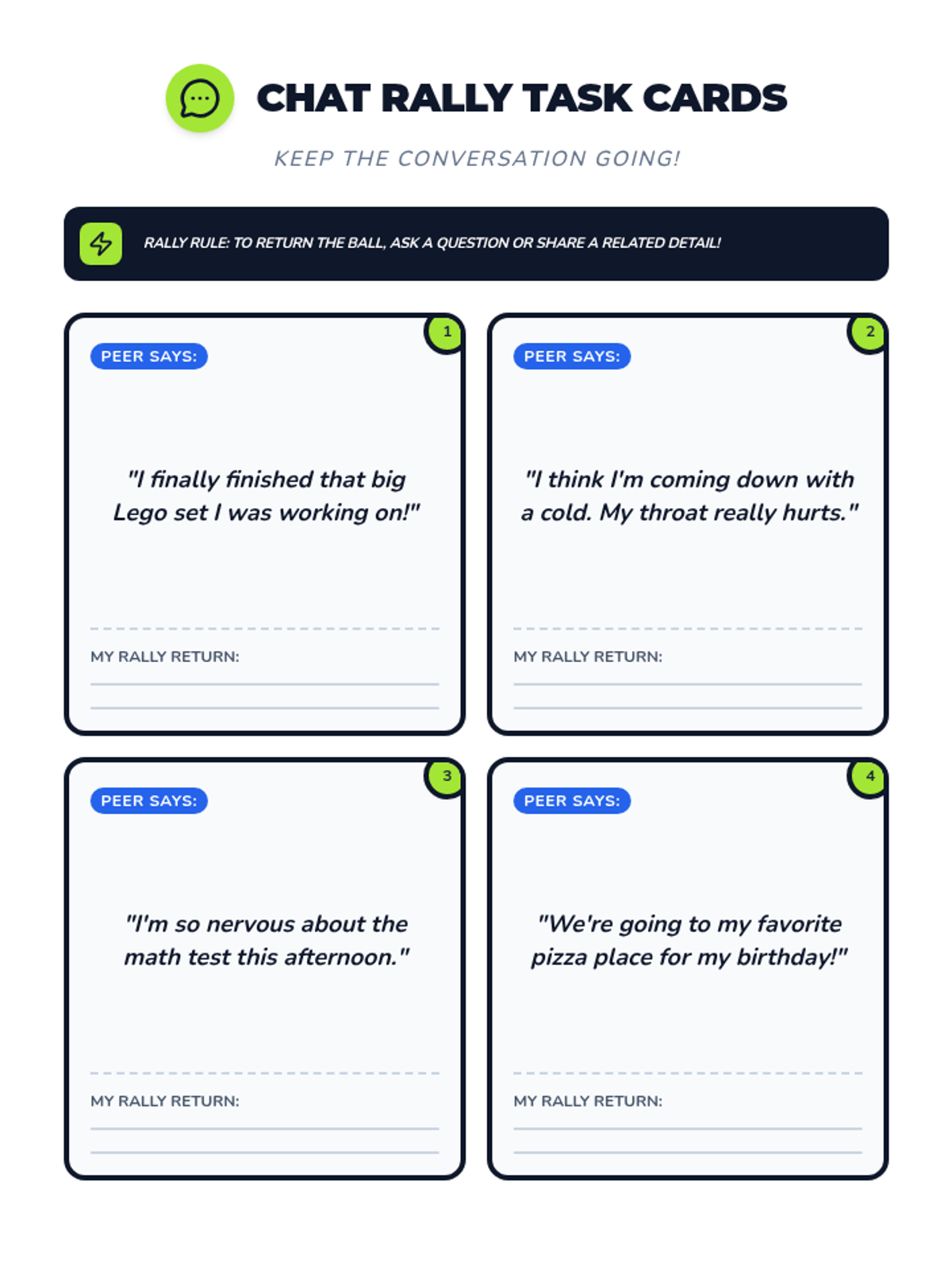
A set of 8 printable task cards featuring peer comments and handwriting lines for students to practice maintaining a back-and-forth conversation, now with improved grid layout for printing.
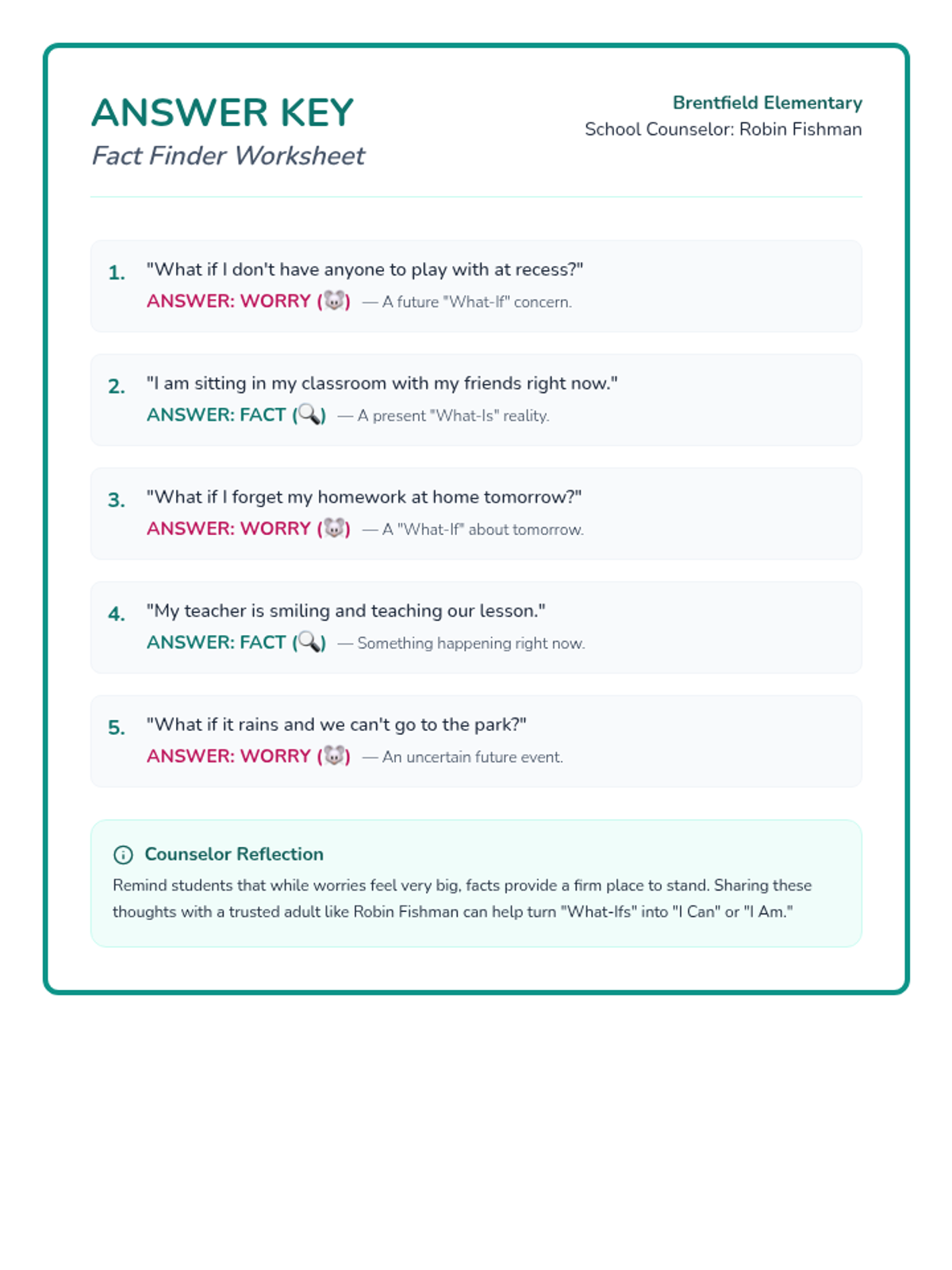
Answer key for the updated 'Brave Every Day' Fact Finder Worksheet, featuring Ms. Fishman and current story themes.
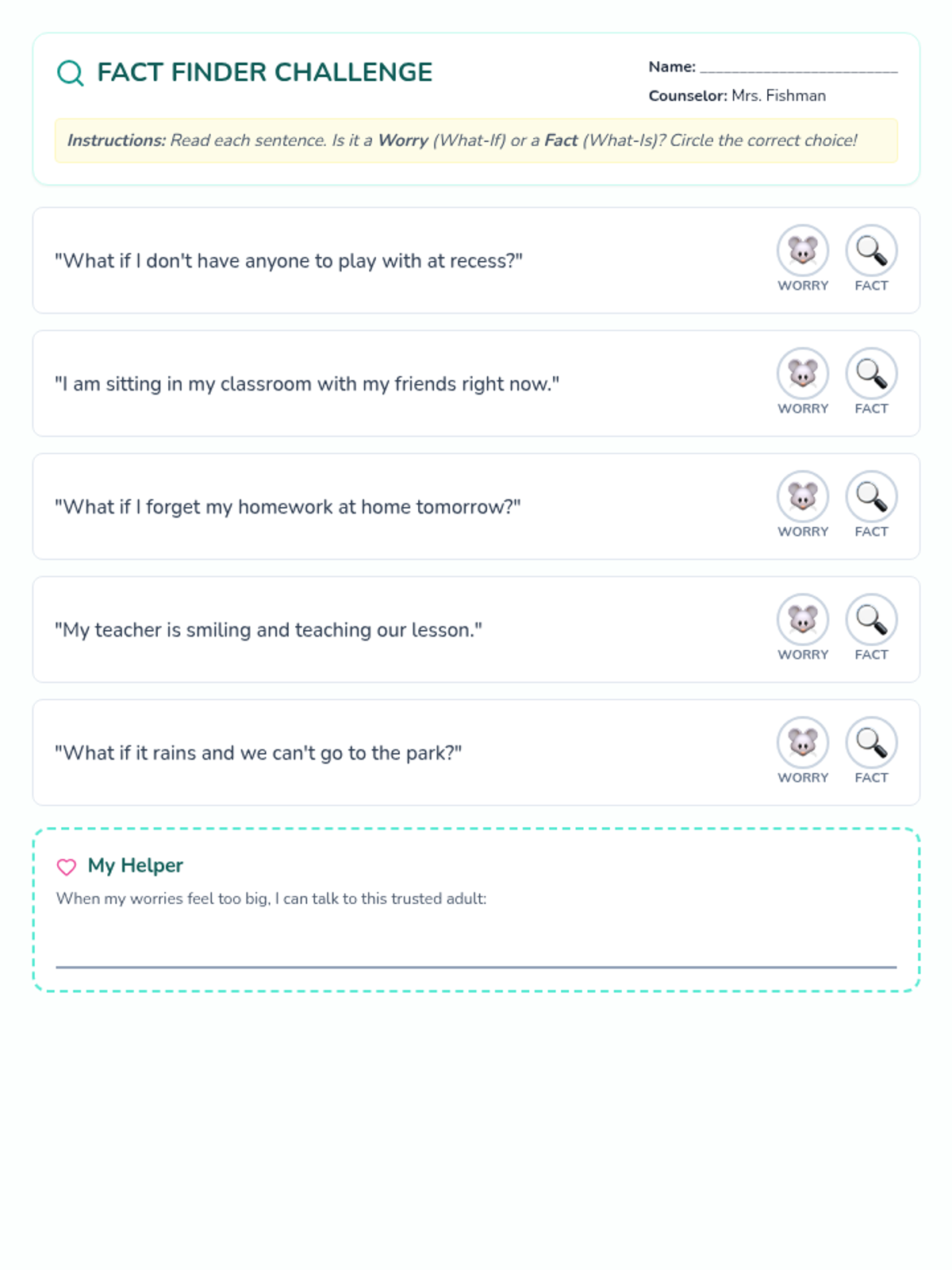
A student worksheet updated for 'Brave Every Day' where 2nd graders identify statements as 'Worry' or 'Fact' and reflect on a brave action.
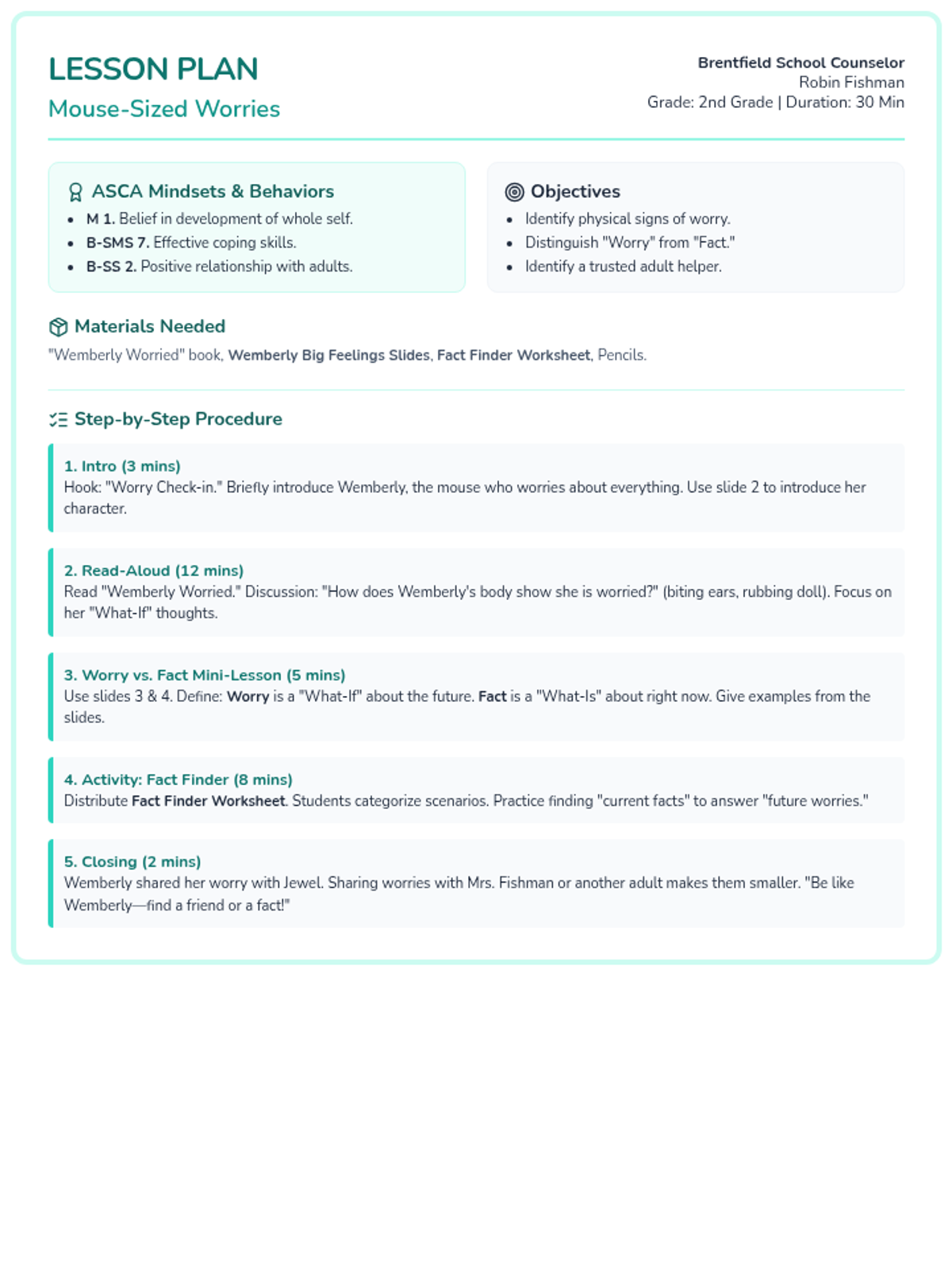
An updated lesson plan for 'Brave Every Day' by Trudy Ludwig, featuring Ms. Fishman and incorporating specific discussion prompts and character references.
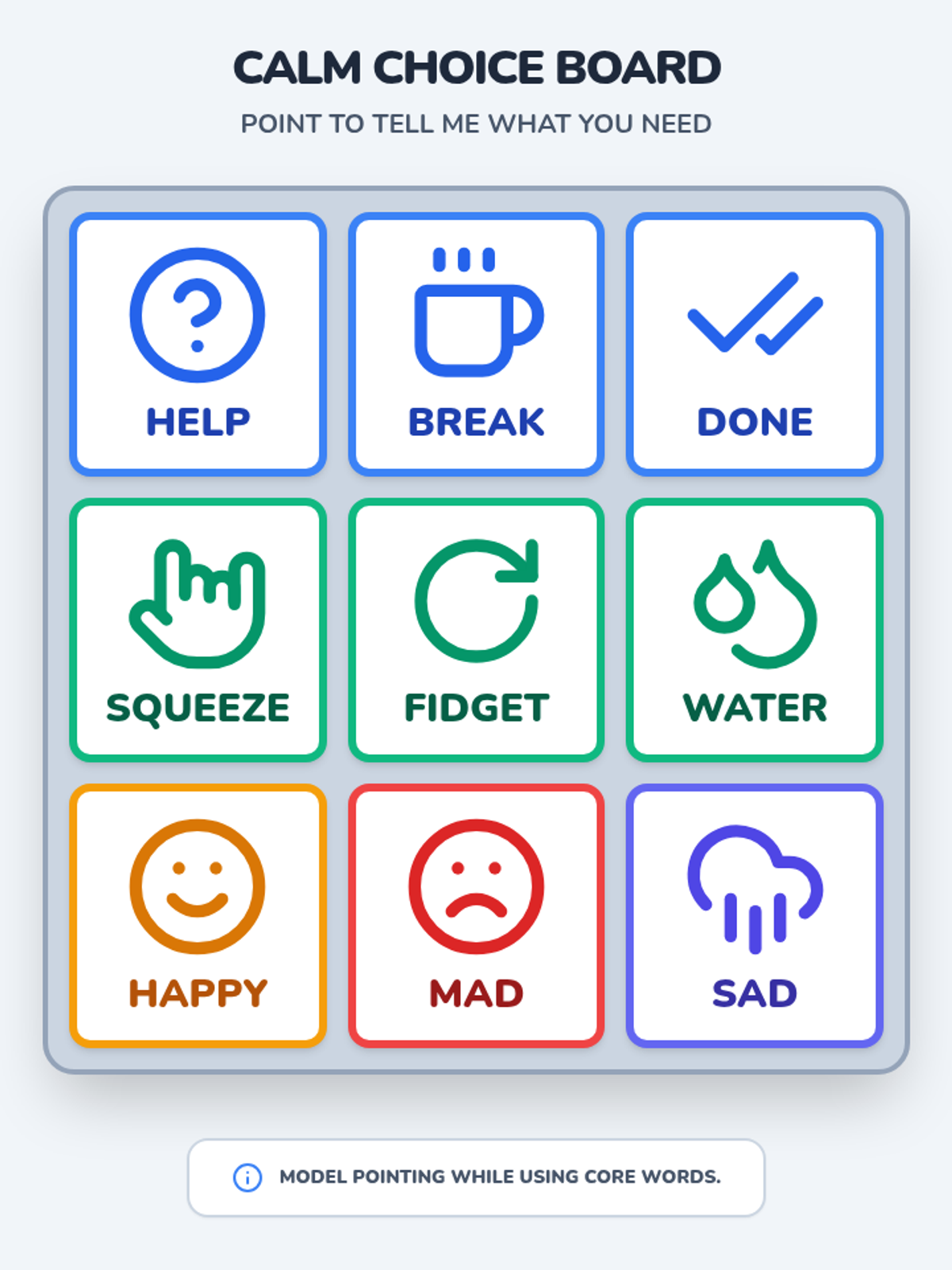
A high-contrast visual communication board with core icons for needs, emotions, and sensory regulation tools, optimized for accessibility.
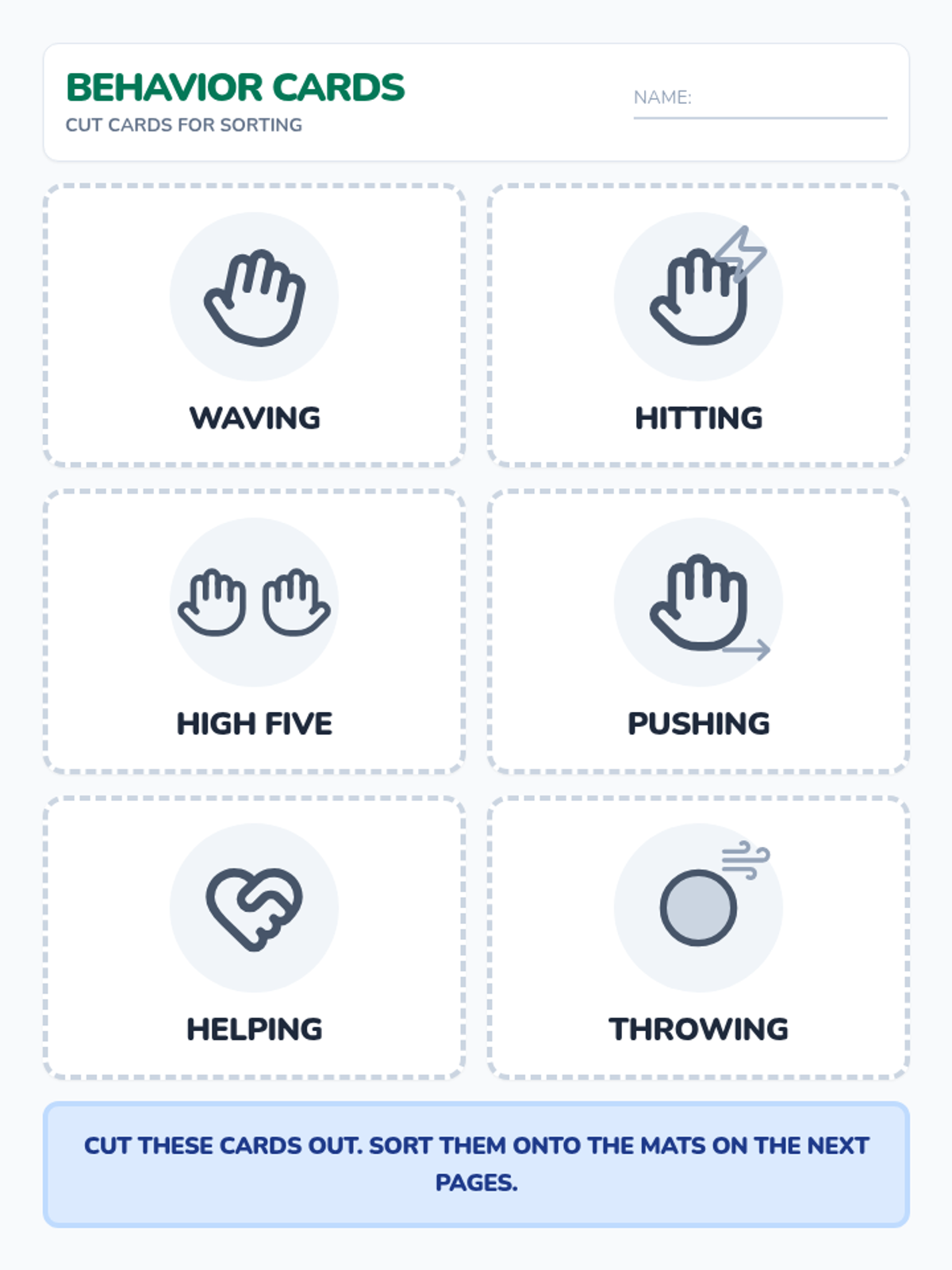
A multi-page sorting activity with large visual cards and dedicated full-page sorting mats for safe vs. unsafe hand behaviors. Optimized for 8.5x11 printing with ample space for high-needs students.
A simple social story with large visuals and clear text explaining that hitting hurts and hands are for helping. Each page is a full-size panel for easy reading and binding.
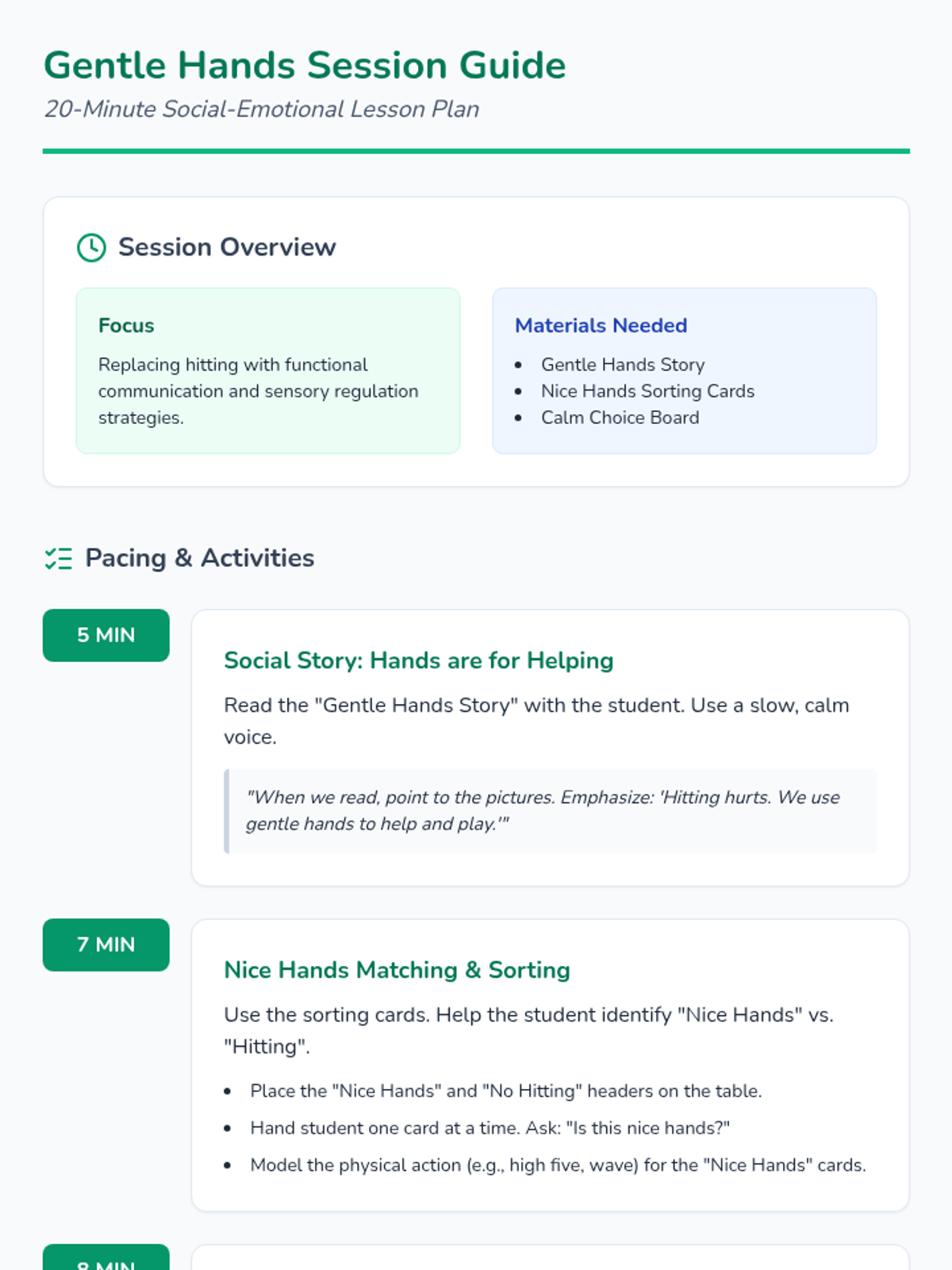
A facilitation guide for a 20-minute counseling session focused on gentle hands and replacement behaviors.
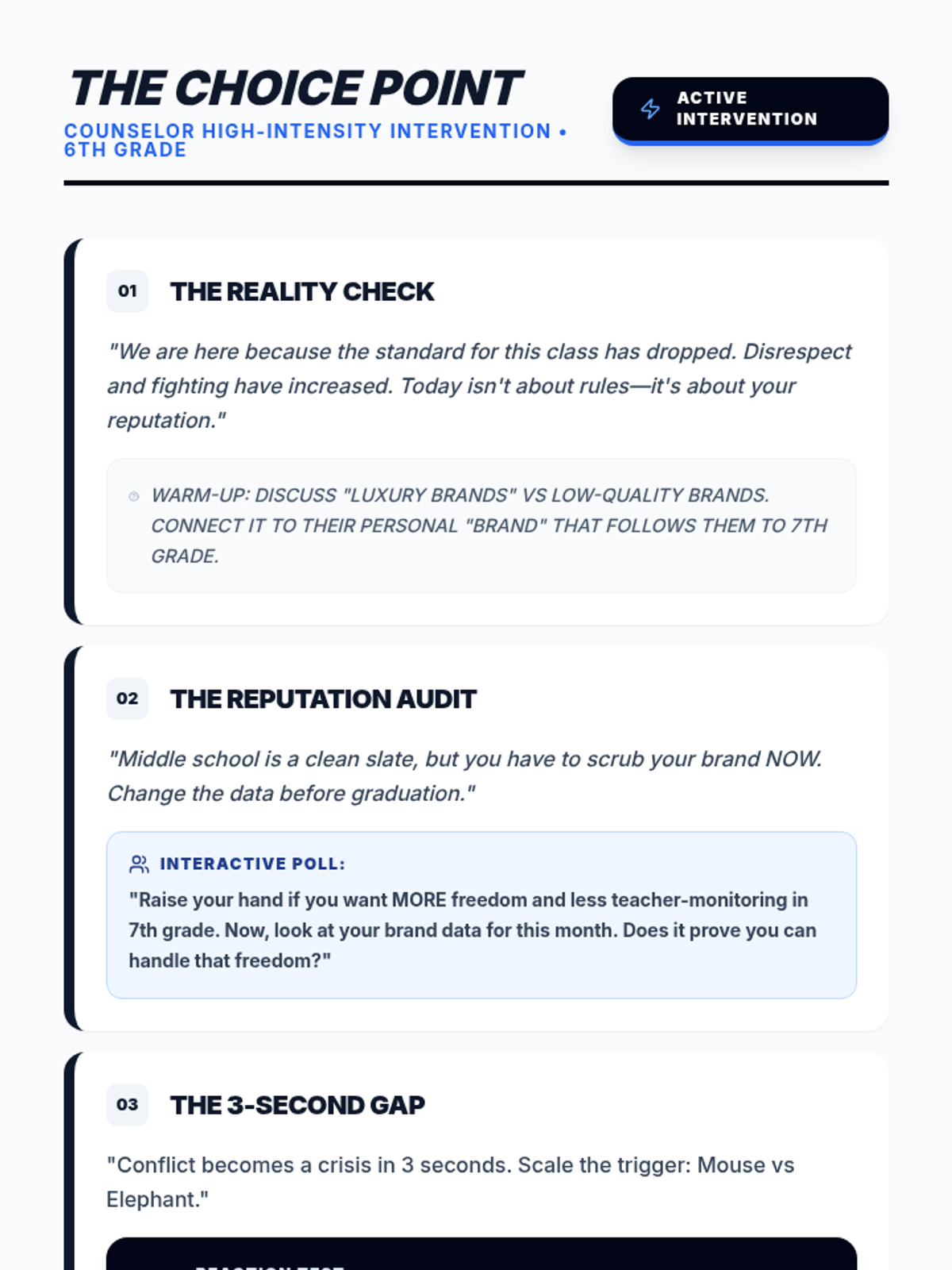
A detailed facilitation guide for the 15-minute 6th grade 'Choice Point' intervention. Provides scripts and interactive components, including specific de-escalation guidance for high-intensity scenarios like being 'cornered' or blocked. Updated with scenario examples and improved contrast.
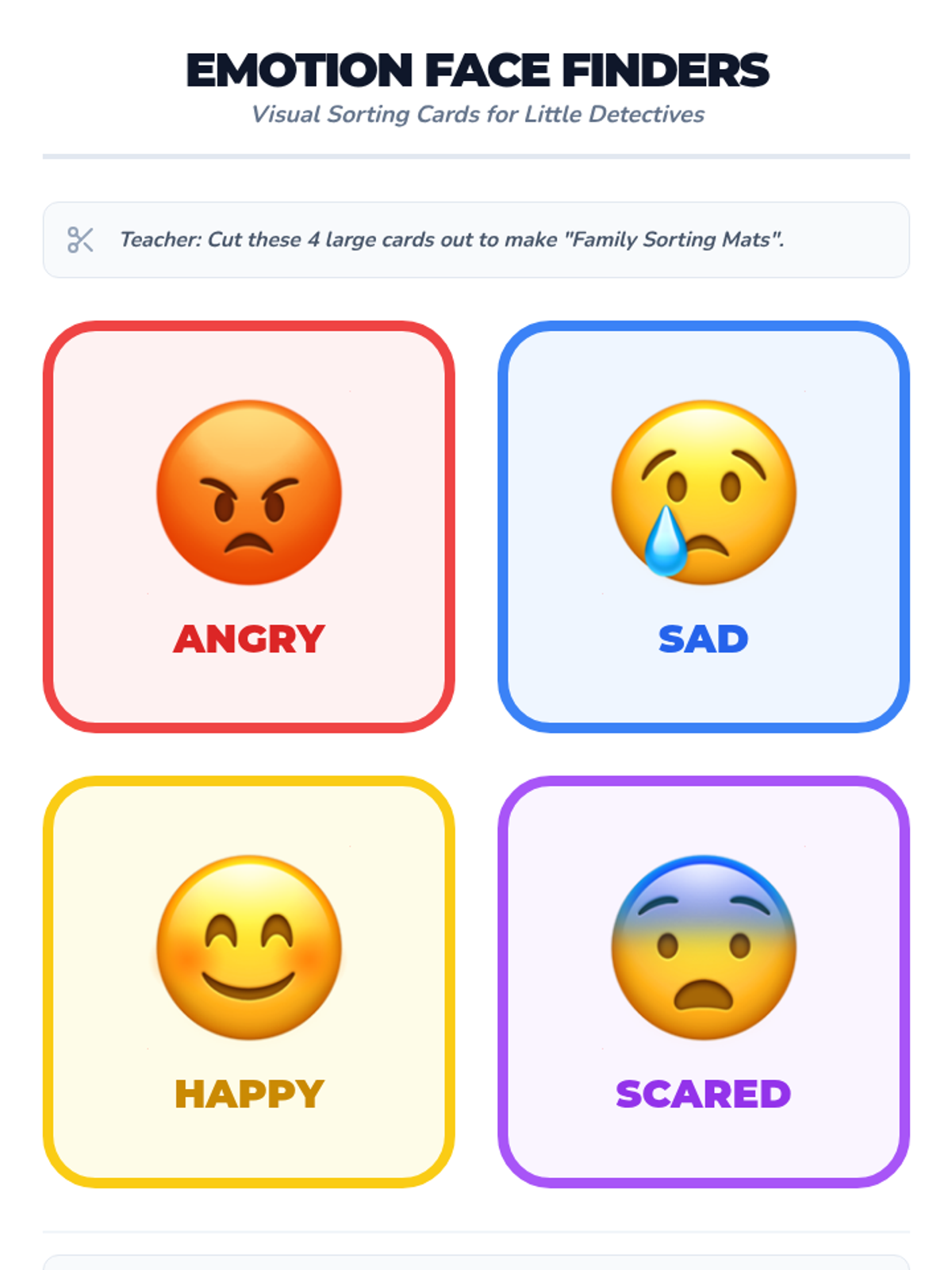
Visual sorting cards and puppet stick templates for Early Years students to identify and categorize emotion families without needing to read or write. Revised with neutral borders and appropriate emojis.
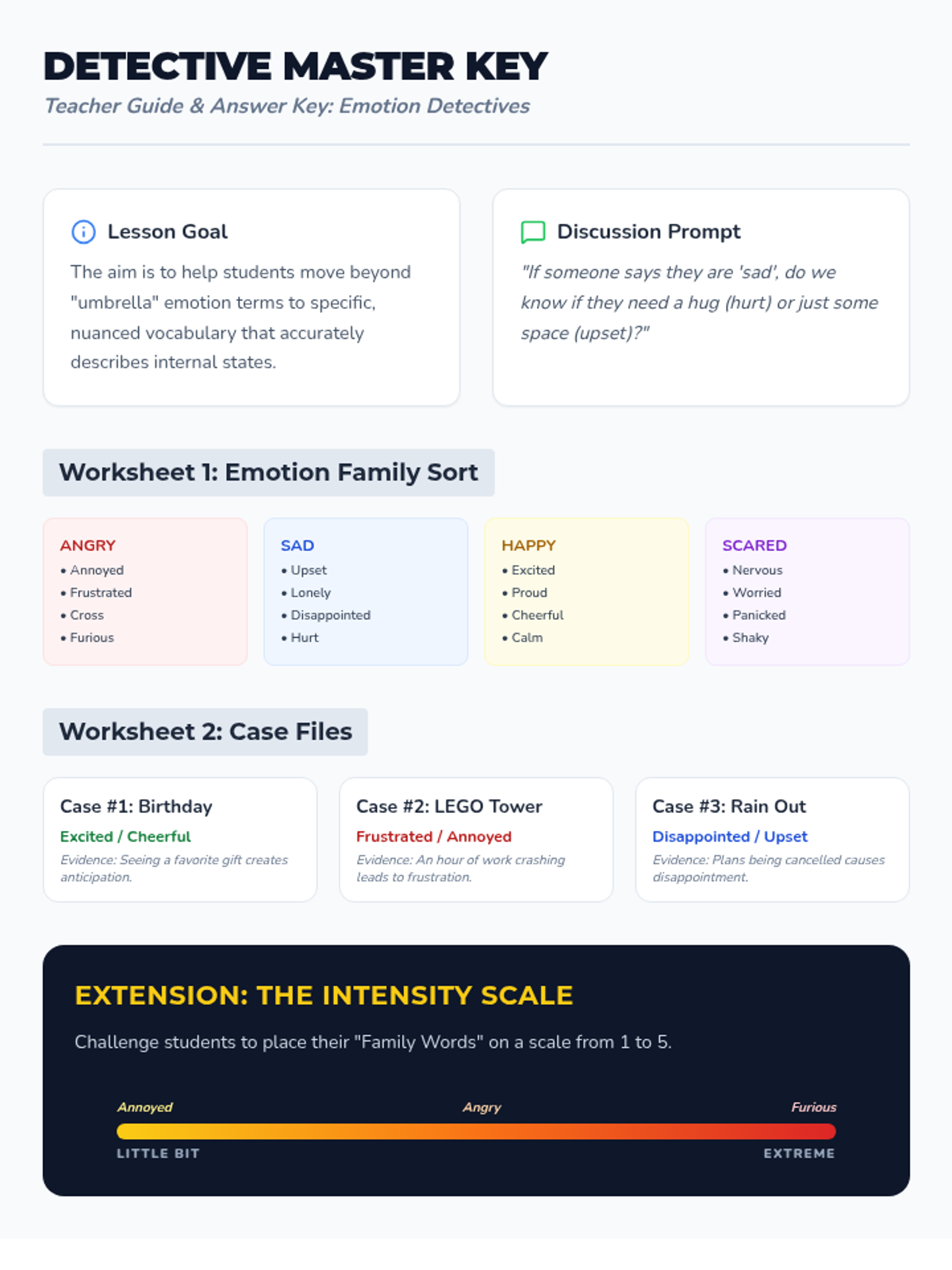
Teacher-facing resource containing the answer key and extension ideas. Revised for improved page layout and visual alignment of the intensity scale.
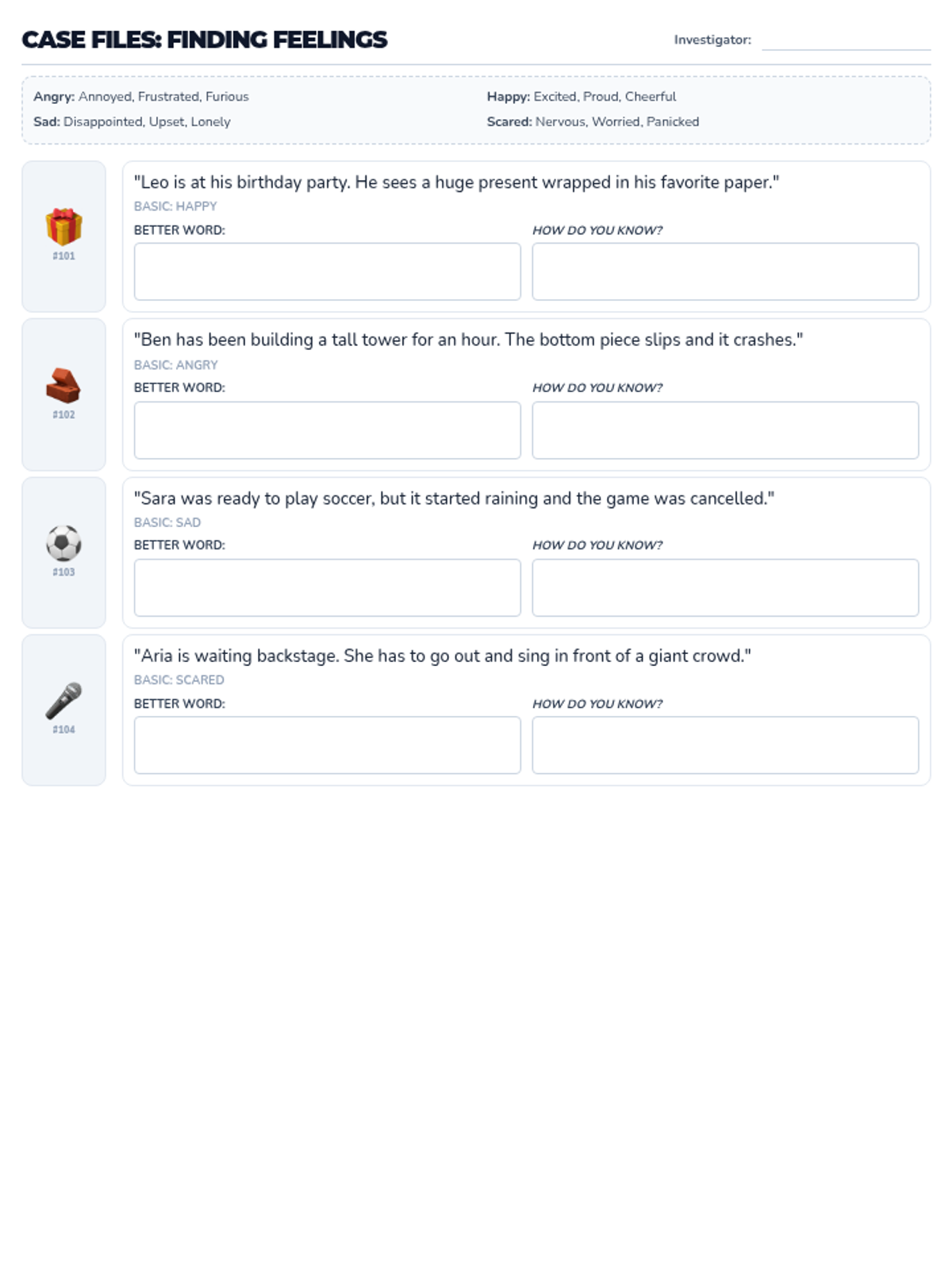
A scenario-based worksheet for P3 students to replace basic emotion words with nuanced vocabulary. Revised with word bank scaffolding and improved layout to fit four cases on a single page.