A set of engaging discussion questions to facilitate a conversation on the importance and impact of courtesy.
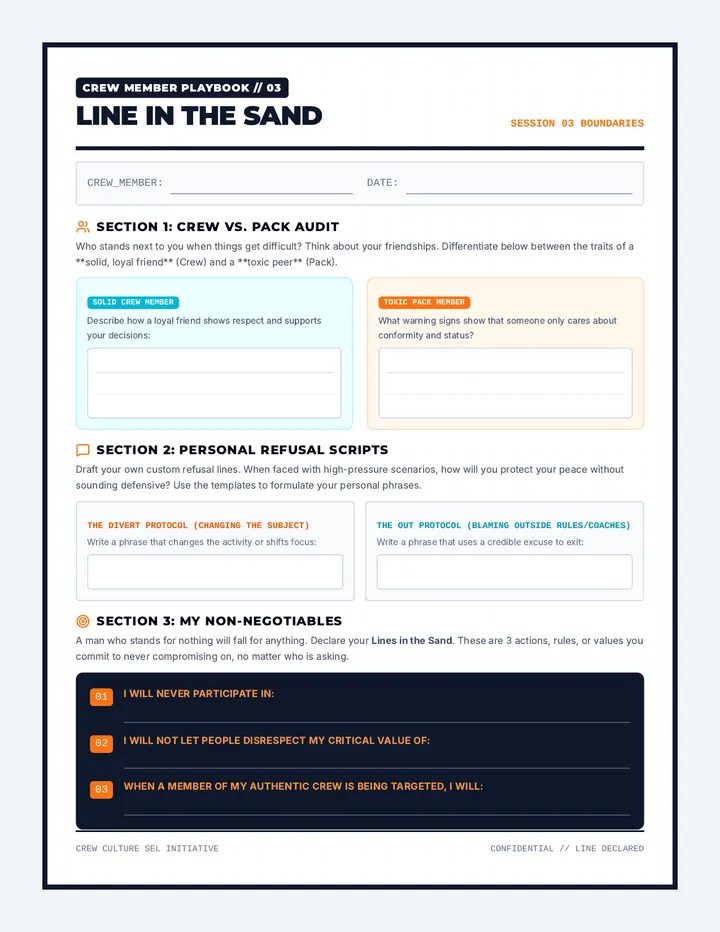
A highly engaging 1-page student playbook for Lesson 3: Line in the Sand. Helps students audit friendships, draft personalized peer-pressure refusal scripts, and declare their non-negotiable boundaries.
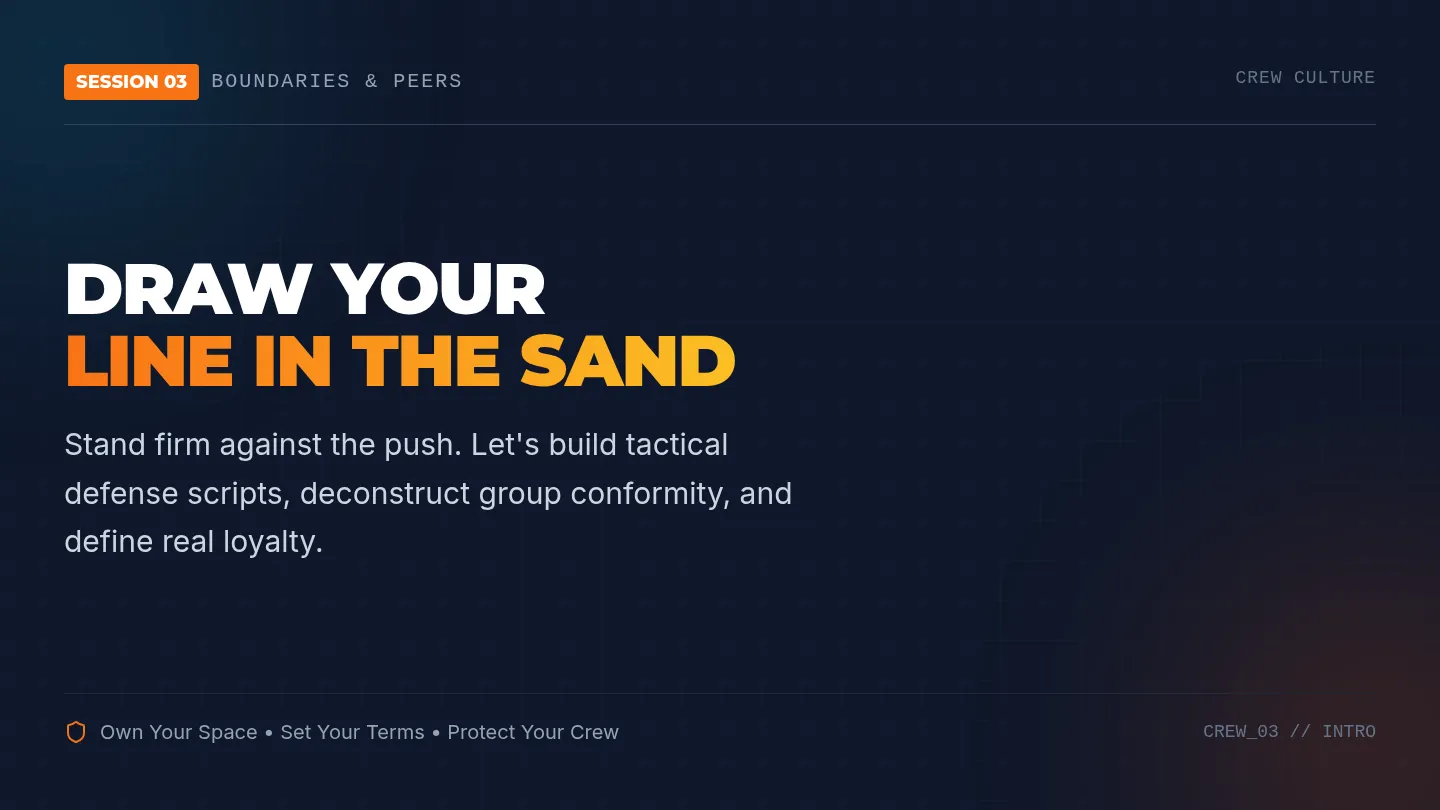
An interactive 6-slide presentation to guide Lesson 3: Line in the Sand. Covers establishing peer boundaries, identifying toxic friendship traits, and practicing refusal scripts.
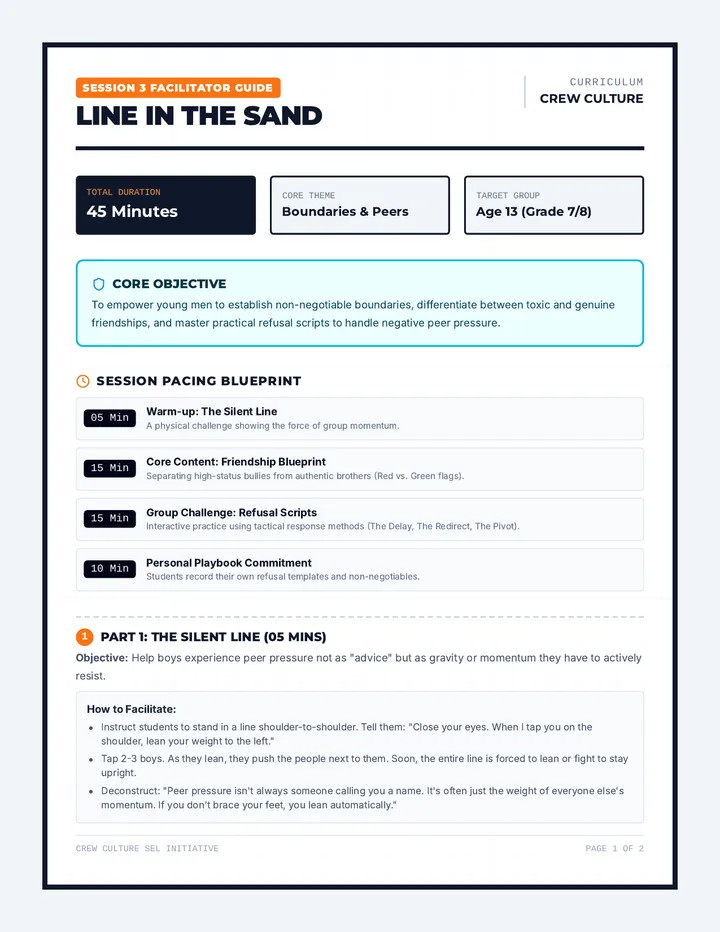
A comprehensive 2-page facilitator guide for Lesson 3: Line in the Sand. Covers establishing peer boundaries, identifying toxic friendship traits, and practicing refusal scripts.
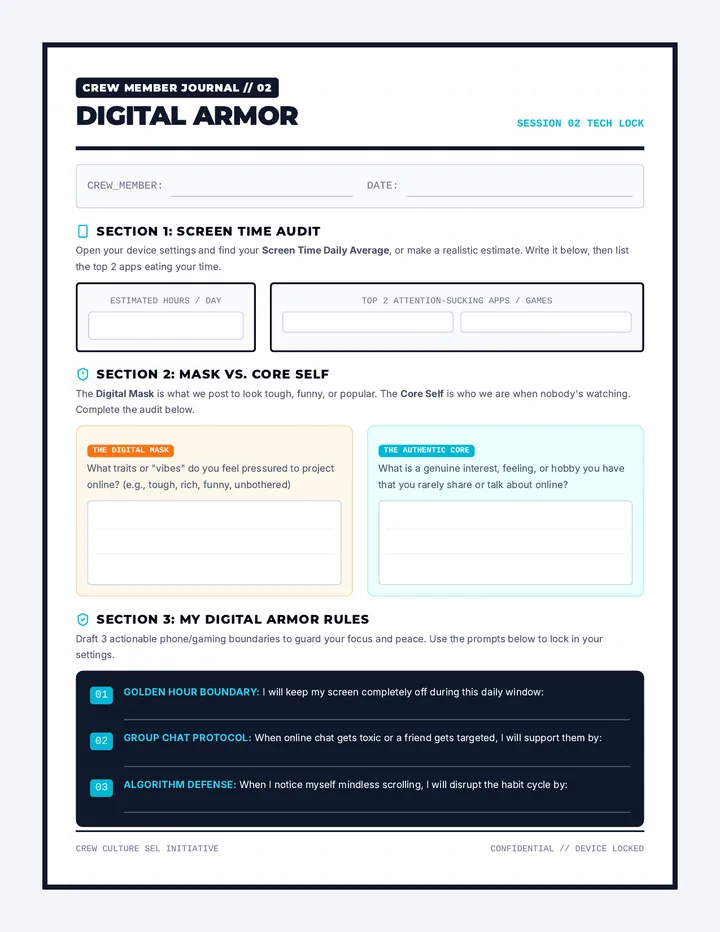
A highly engaging 1-page student journal for Lesson 2: Digital Armor. Helps students audit screen time, contrast their digital mask with their true self, and lock in daily device boundaries.
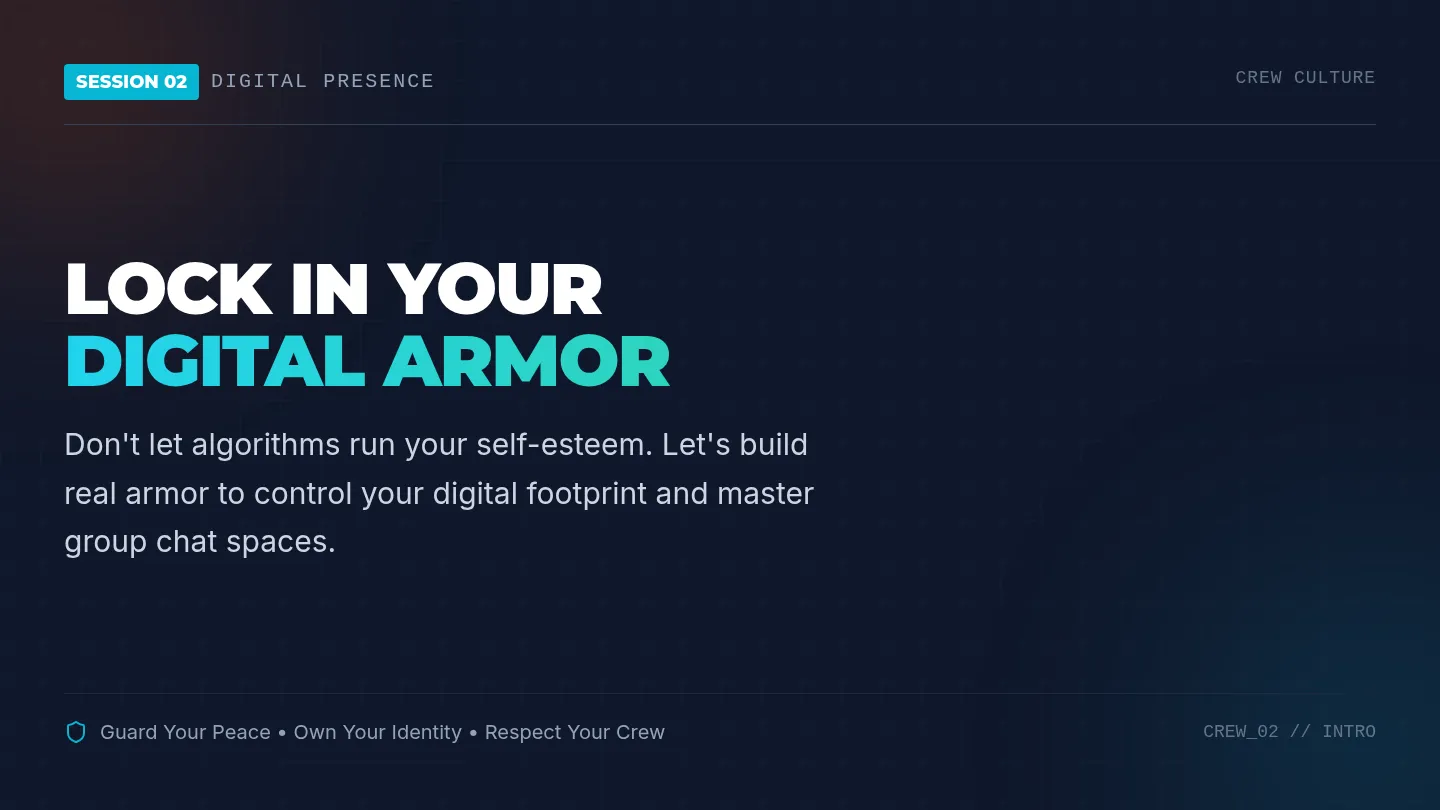
An interactive 6-slide presentation to guide Lesson 2: Digital Armor. Covers daily screen averages, the digital mask vs true identity, group chat dynamics, and lock-in habits.
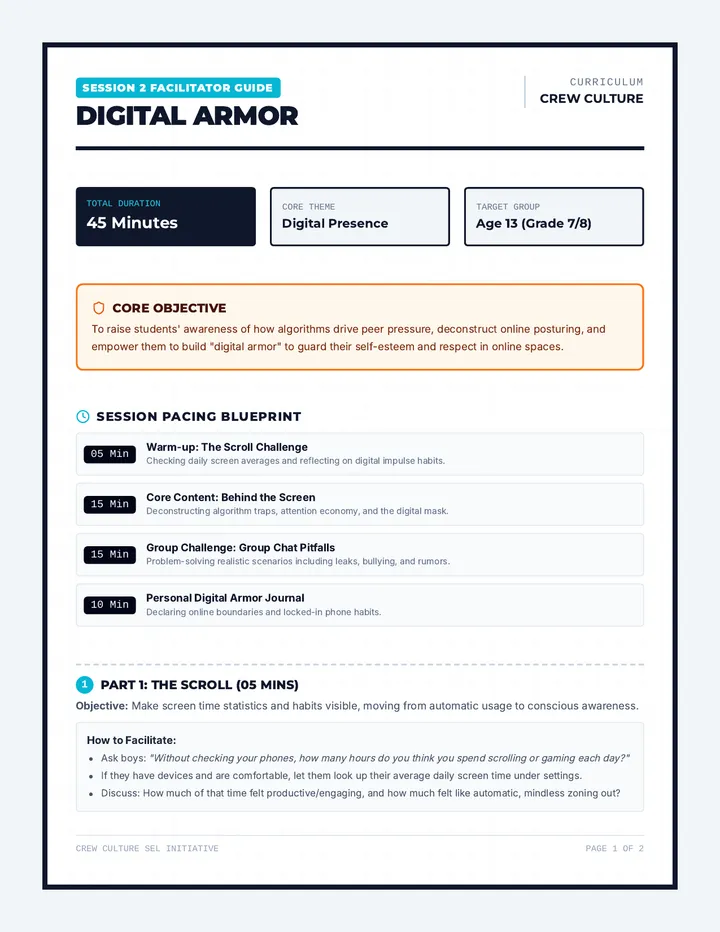
A comprehensive 2-page facilitator guide for Lesson 2: Digital Armor. Covers managing social media validation, group chat dynamics, digital footprint awareness, and phone boundary-setting.
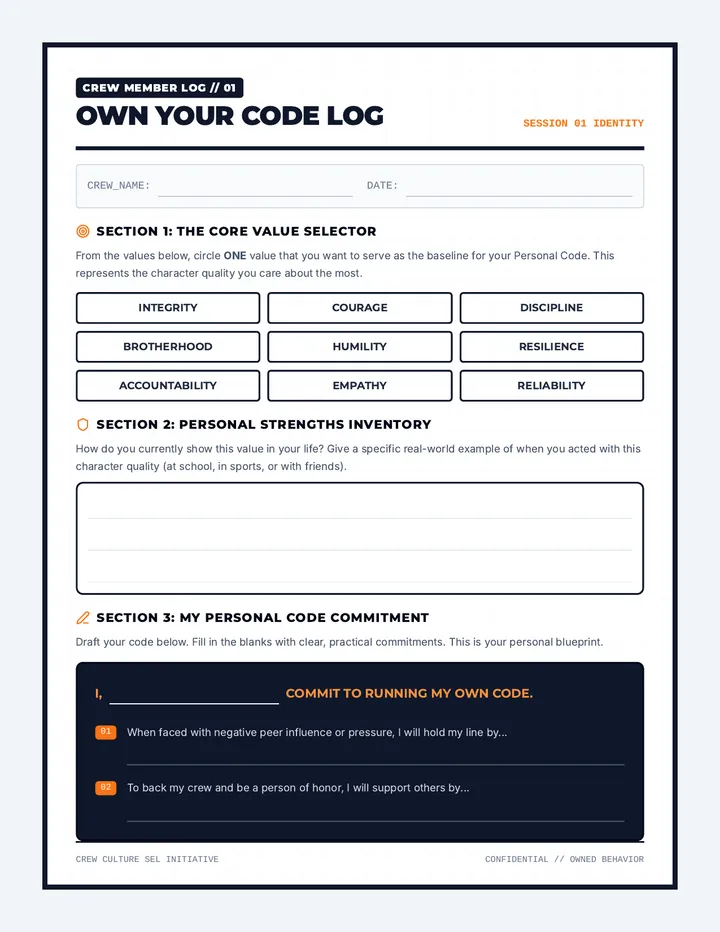
A highly engaging, themed 1-page personal reflection log for students to declare their core values, inventory personal strengths, and draft their personal commitment statement.
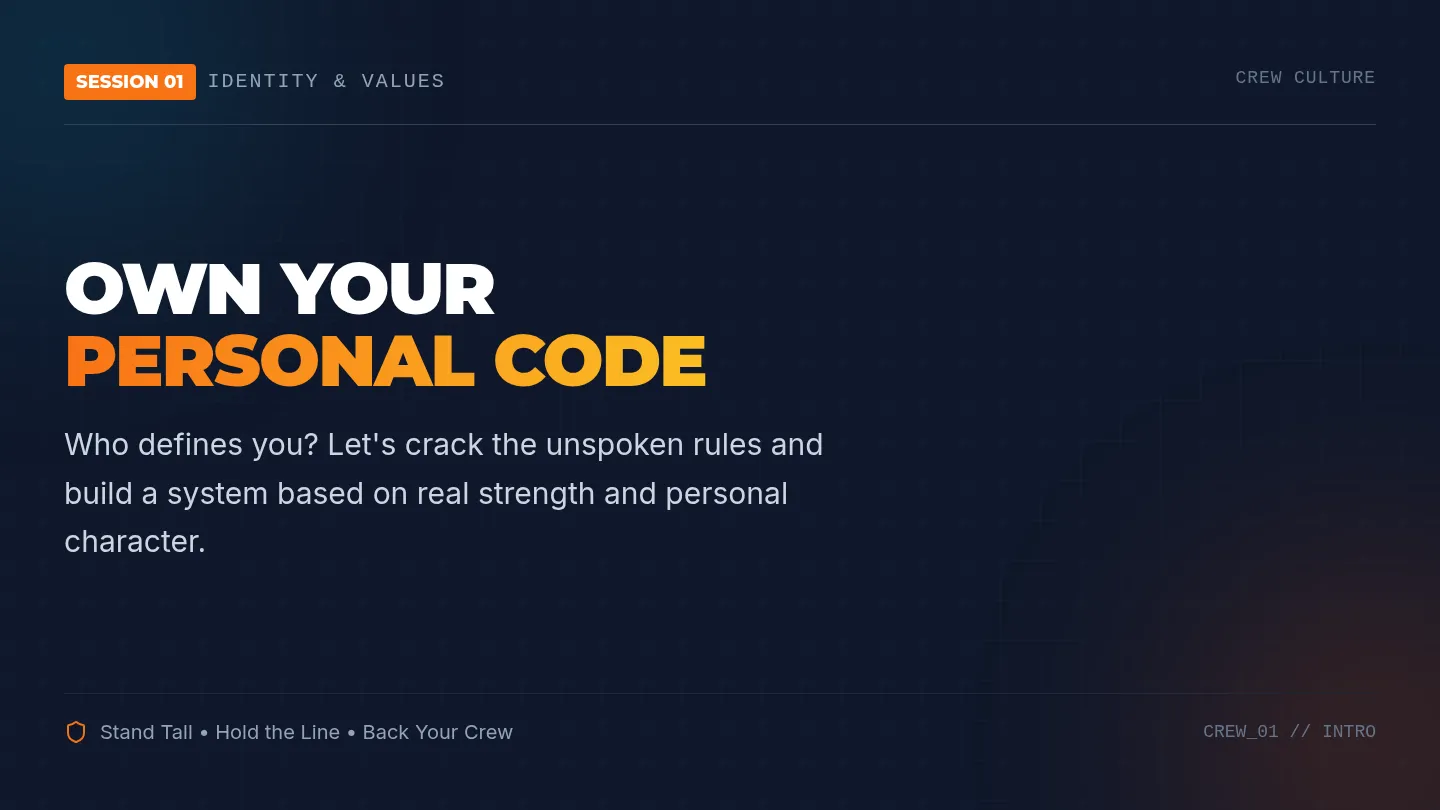
An interactive 6-slide presentation to guide the first group session, featuring bold discussion prompts, deconstructing social expectations, and setting up the core values activity.
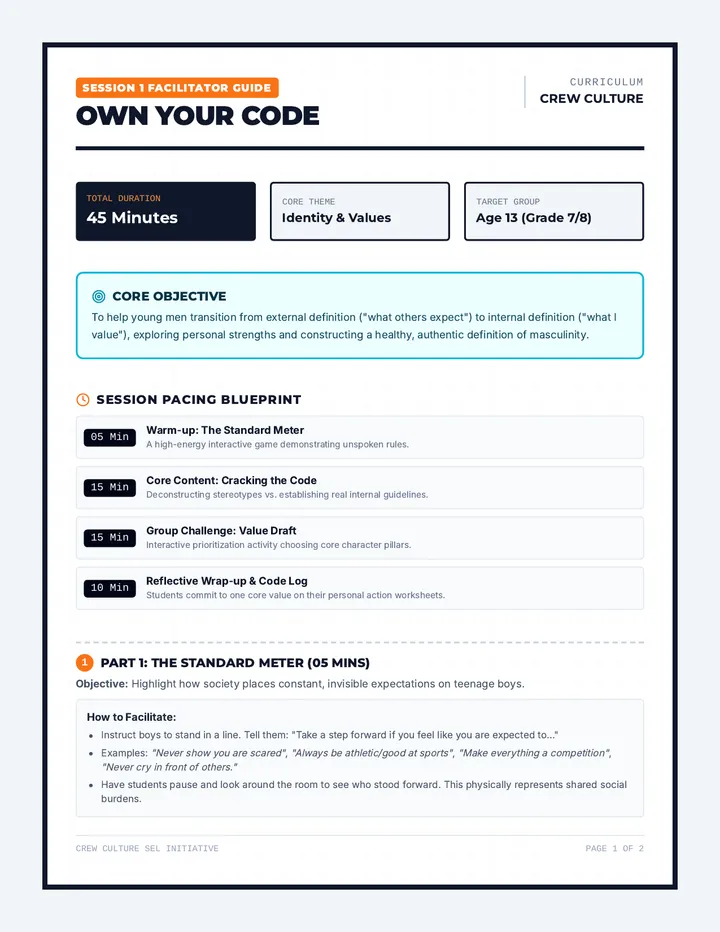
A comprehensive 2-page facilitator guide for Lesson 1: Own Your Code. Includes group guidelines, pacing, step-by-step instructions, discussion prompts, and debrief questions.
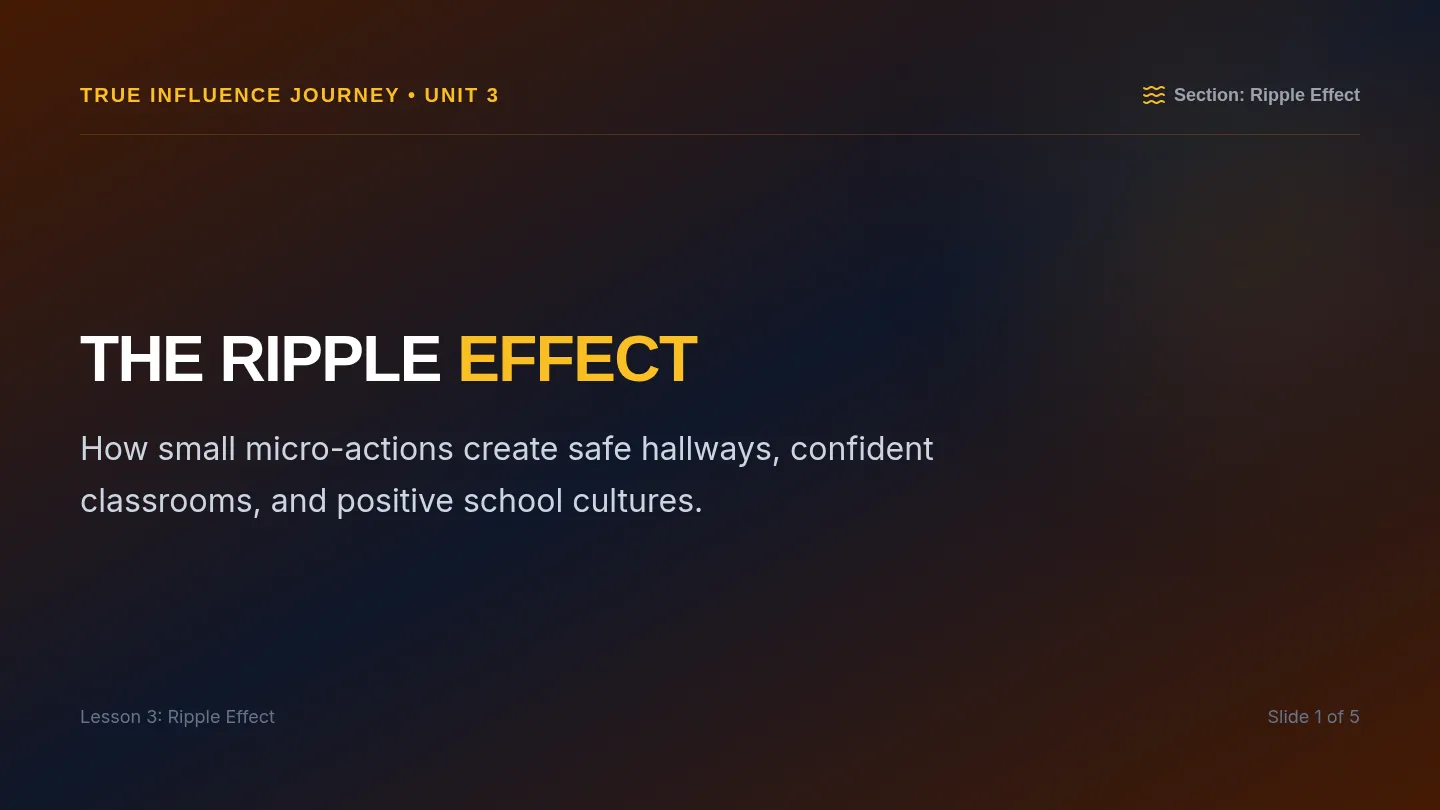
A 5-slide presentation matching the Ripple Effect lesson. It introduces students to the physics of school culture, walks through Maya's hallway story, and details the 5 leadership tracker actions.
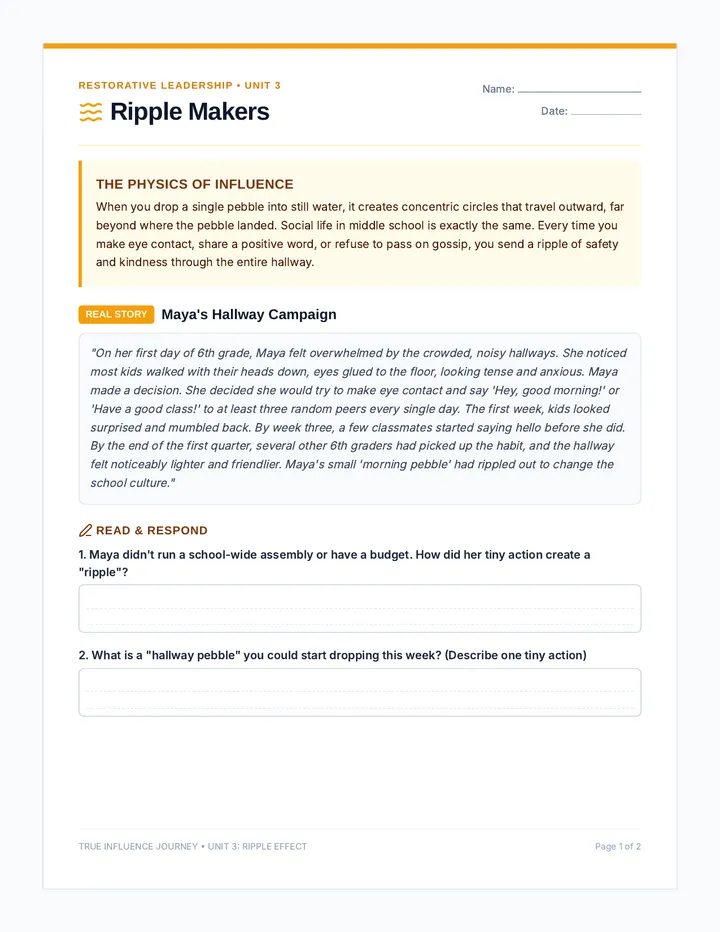
A 2-page print-ready student-centered Read & Respond workbook detailing the physics of the ripple effect in school culture, featuring biographical vignettes of youth advocates and daily leadership tracking sheets.
A 5-slide presentation matching the Peer Shields lesson. It helps teachers guide a classroom debate on instigators vs. bystanders vs. shields, analyzing real-life lunchroom and digital chat situations.
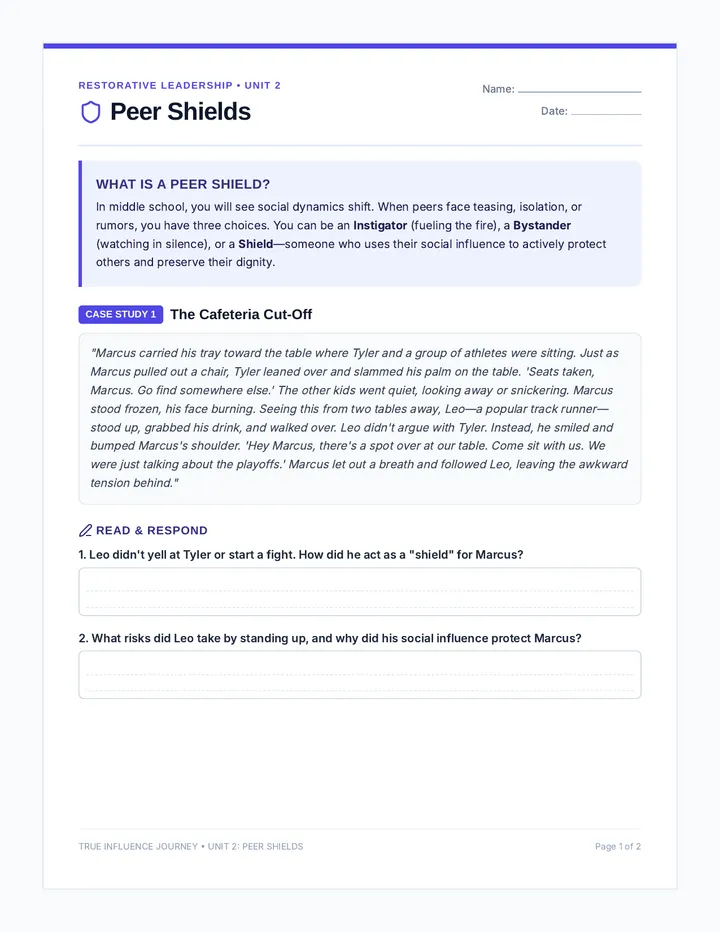
A 2-page print-ready student-centered Read & Respond workbook. Features real-world middle school scenarios (gossip, lunch exclusion) where students analyze how to step in as active shields to protect their peers.
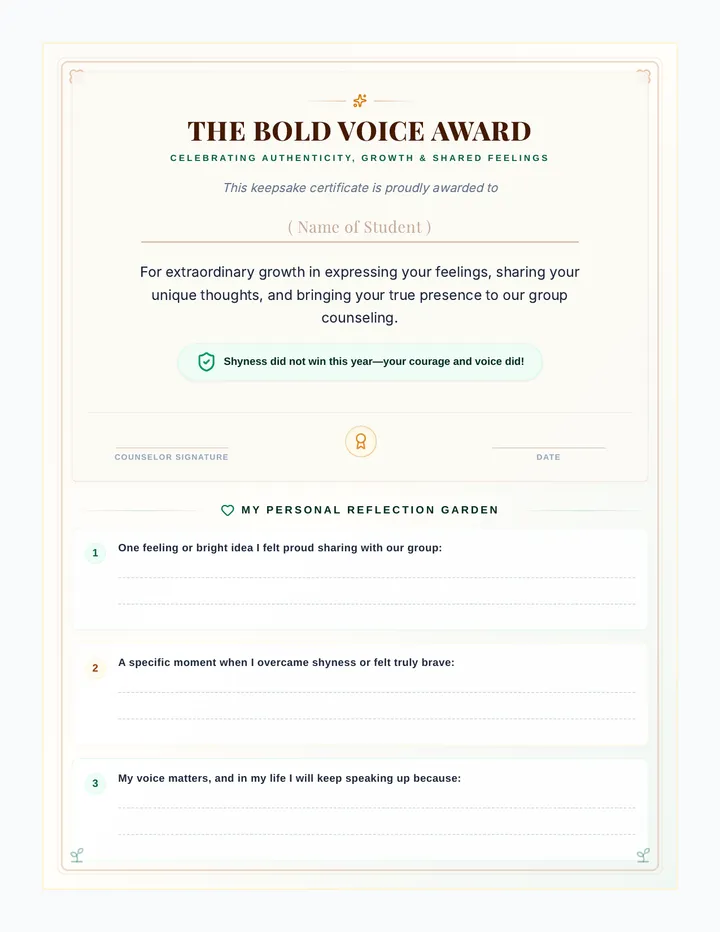
A beautiful, warm, and reflective landscape-inspired keepsake award certificate and interactive student reflection document celebrating a student's personal growth and triumph over shyness in group counseling.
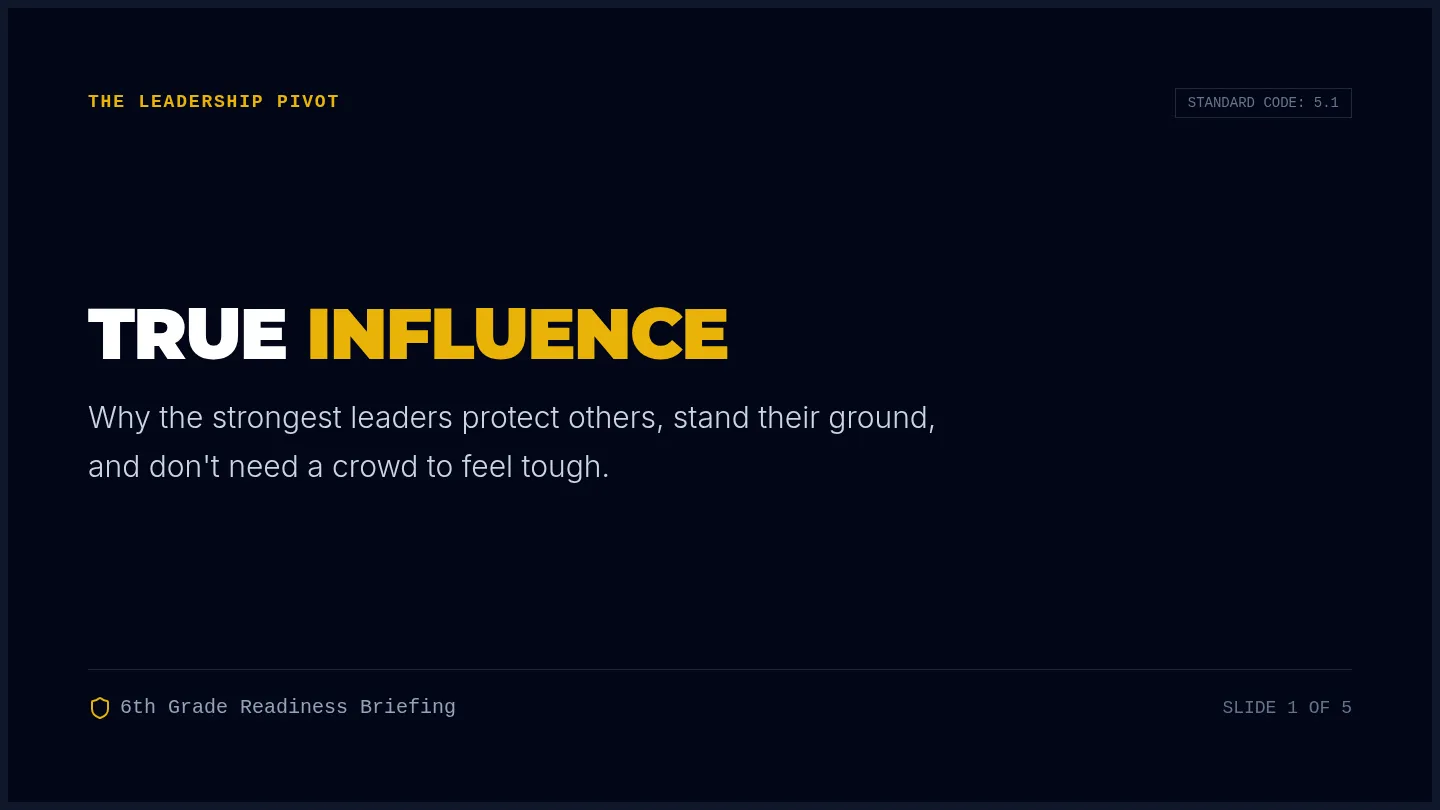
A 5-slide presentation designed for the initial mentoring or classroom session to introduce the concept of positive leadership, comparing instigators to captains, and practicing restorative responses to 6th-grade scenarios.
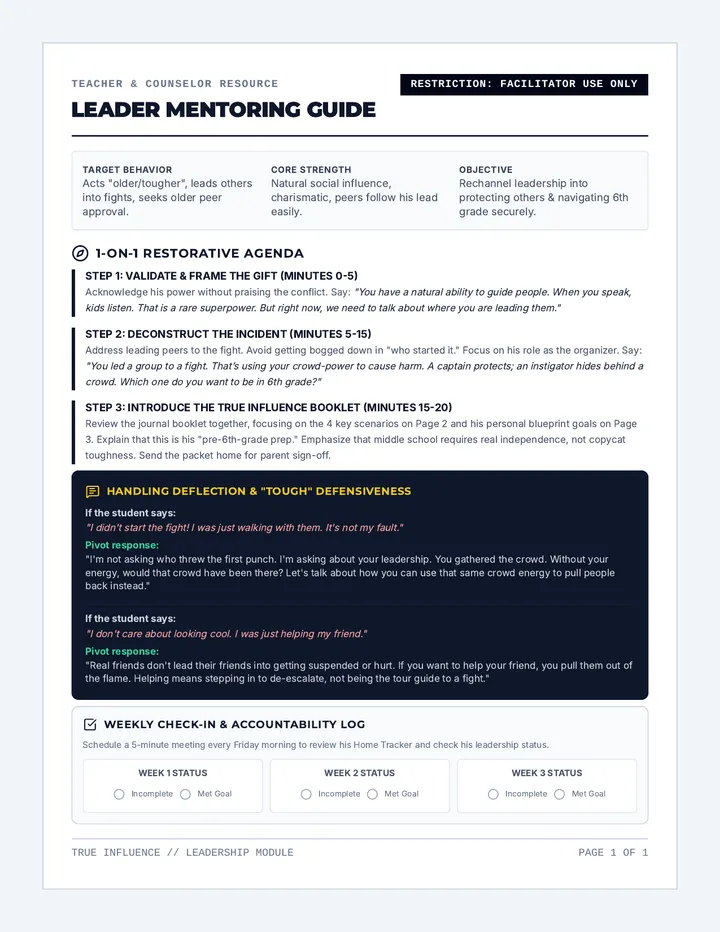
A 1-page teacher-facing mentoring guide outlining restorative meeting agendas, direct questioning strategies, and scripts to handle defensiveness for a student transitioning to middle school.
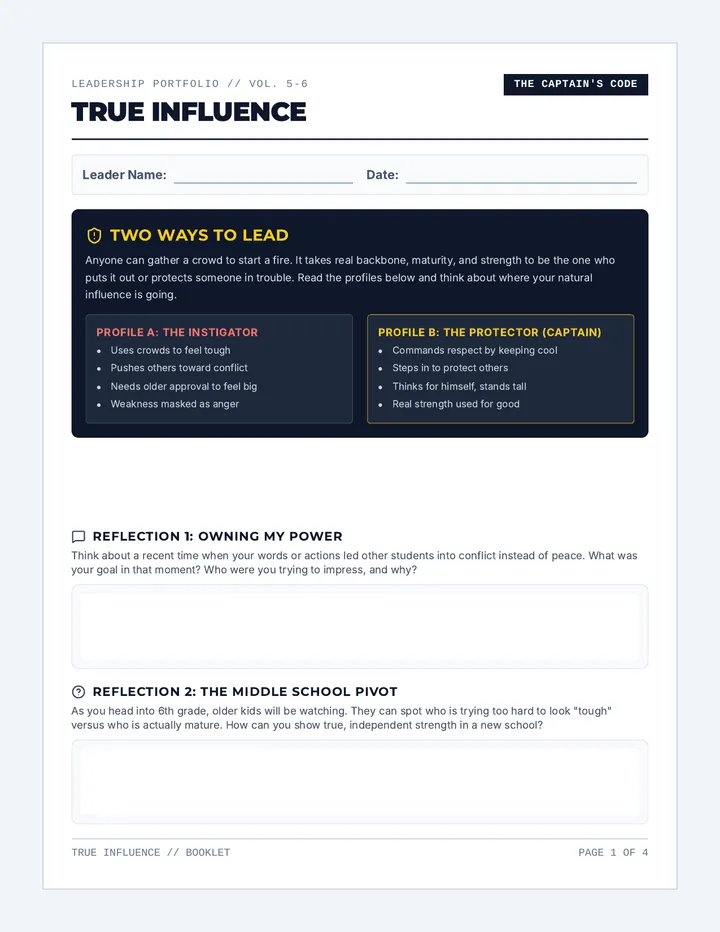
A 4-page interactive reflection booklet and home connection guide designed to help a student transition from negative influence to positive peer advocacy. Features restorative self-reflection, a 4-part middle school scenario guide, a personal blueprint and boundaries page, parent discussion prompts, and a positive leadership tracker.
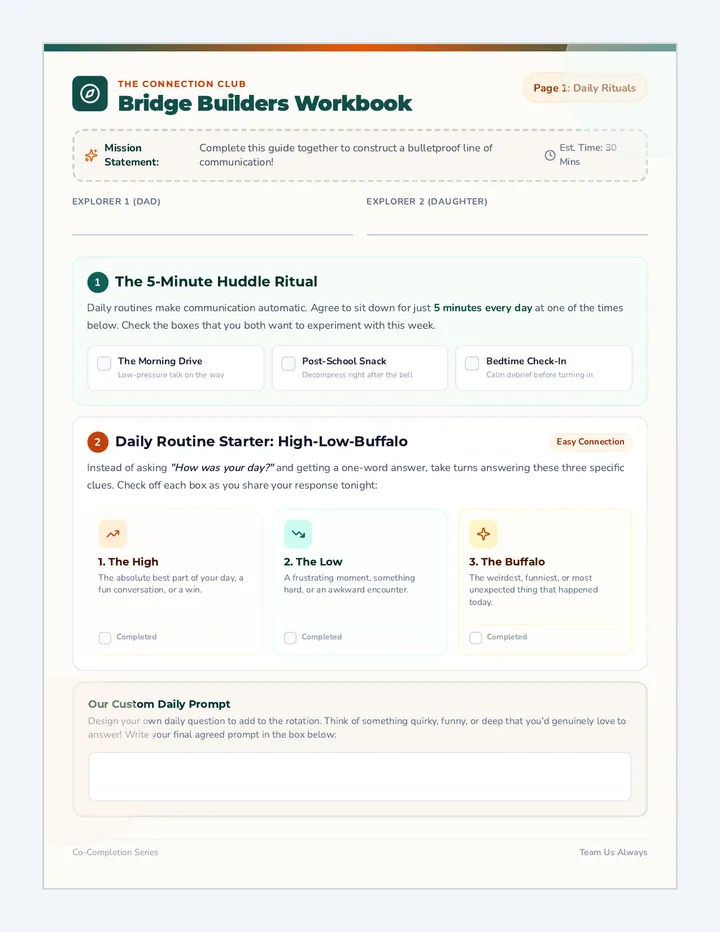
An interactive, beautifully designed 3-page father-daughter co-completion workbook titled 'Bridge Builders Workbook'. It focuses on building active listening skills, daily connection rituals, and emotional de-escalation strategies. It includes structured prompts, reflective exercises, conflict tools, and a shared agreement, with blank writing boxes tailored for comfortable handwritten completion.
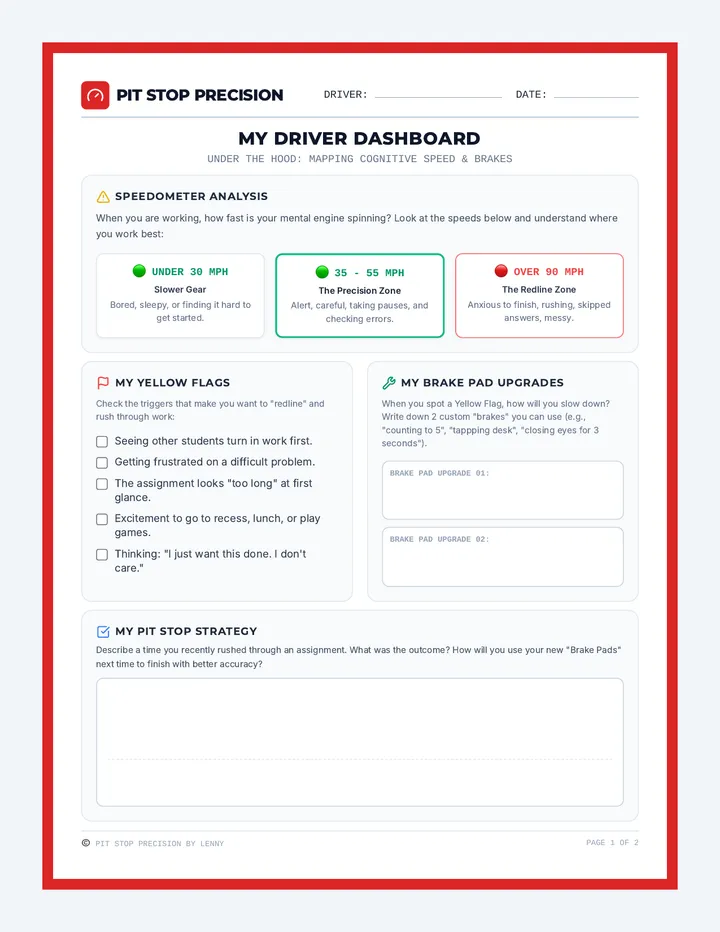
A high-octane, racing-themed student worksheet pack. Page 1 helps students identify personal rushing triggers (Yellow Flags) and design coping skills. Page 2 provides a desk-ready FIT Check checklist and a real-world persistence drill.
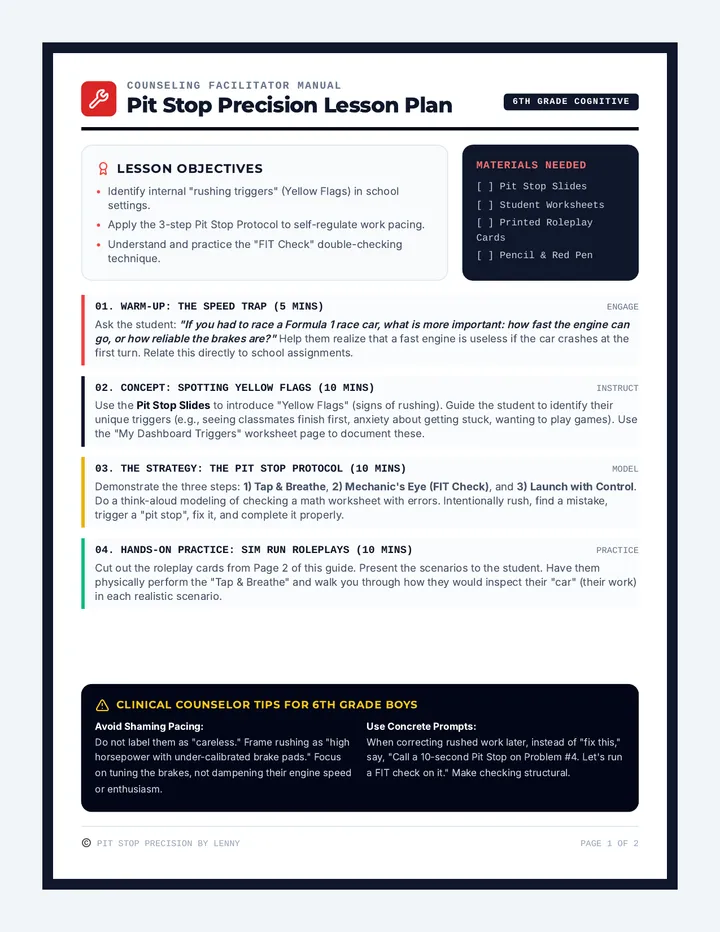
A comprehensive 2-page counselor guide for the Pit Stop Precision lesson. Includes structured facilitator scripts, step-by-step lesson pacing, and 4 high-octane printable roleplay cards to practice self-regulation and double-checking.
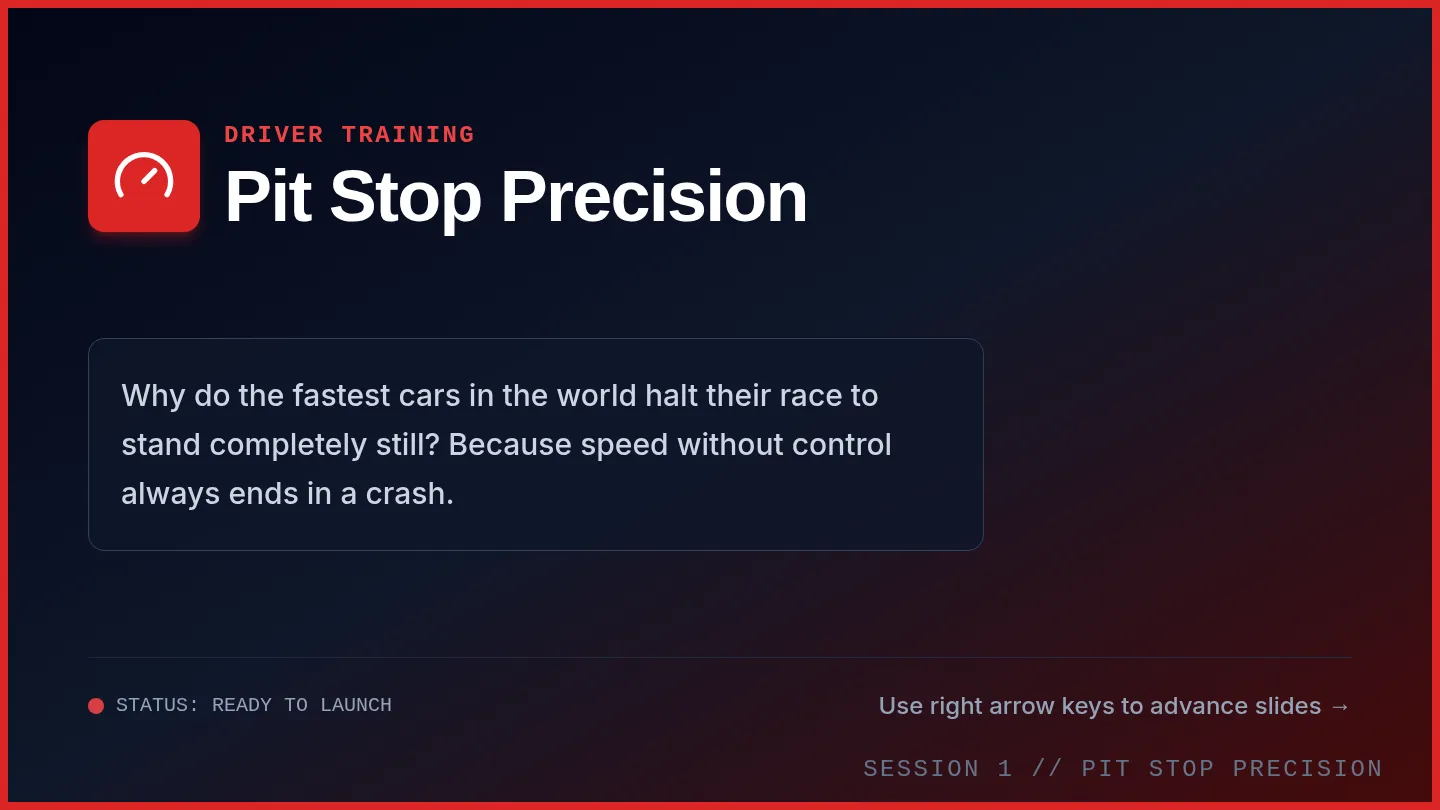
An interactive, racing-themed slide deck designed for 6th grade counseling. It teaches the 'Pit Stop Protocol' to help students identify rushing behaviors, recognize the need for double-checking, and master task persistence.
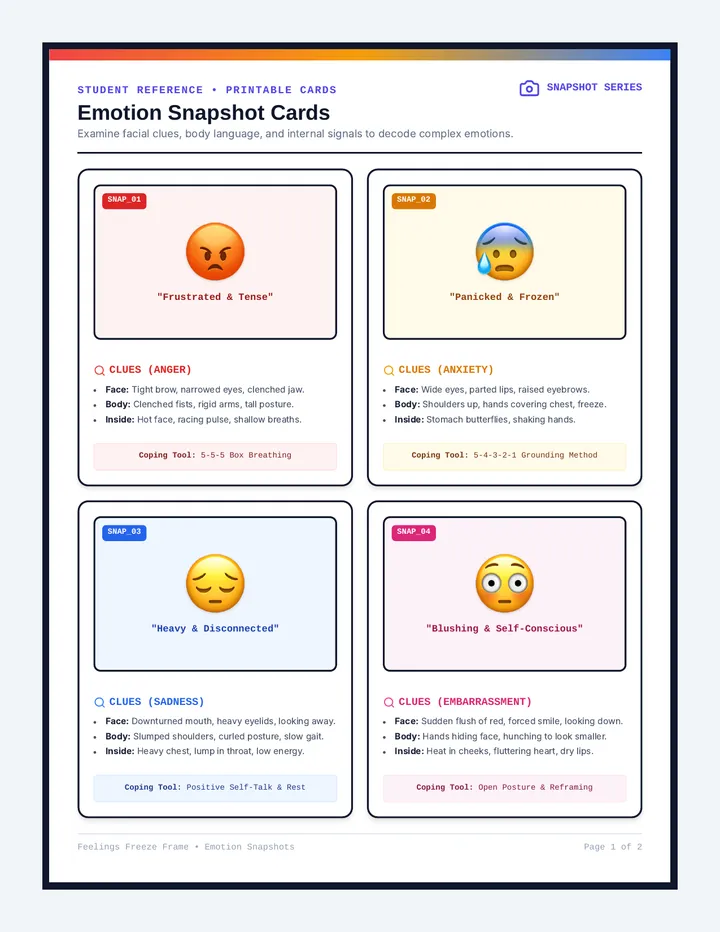
A 2-page student reference tool. Page 1 contains 4 styled 'Polaroid' snapshot cards describing facial/body clues and internal somatic signals. Page 2 provides 2 more snapshots and a quick self-guided matching activity.
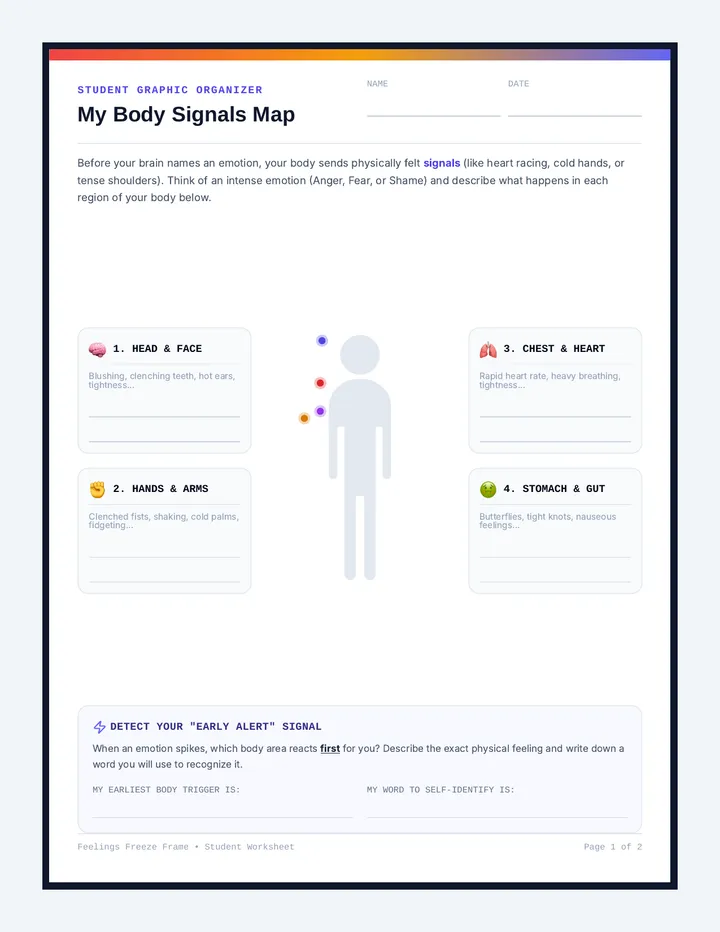
A 2-page student worksheet. Page 1 features a physical 'Body Signals Map' graphic organizer to label physical feelings. Page 2 provides scenario coping match-ups and self-regulation reflections.
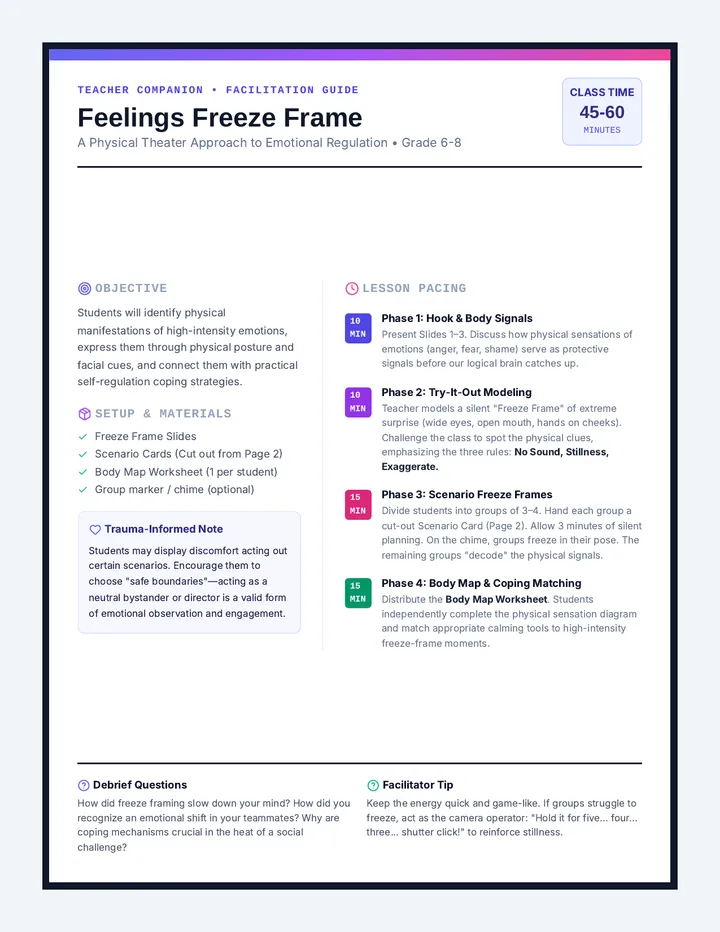
A 2-page print-and-cut facilitator's guide. Page 1 contains step-by-step pacing, pedagogy, and tips. Page 2 provides 6 pre-formatted scenario cards to cut out and distribute to student groups.
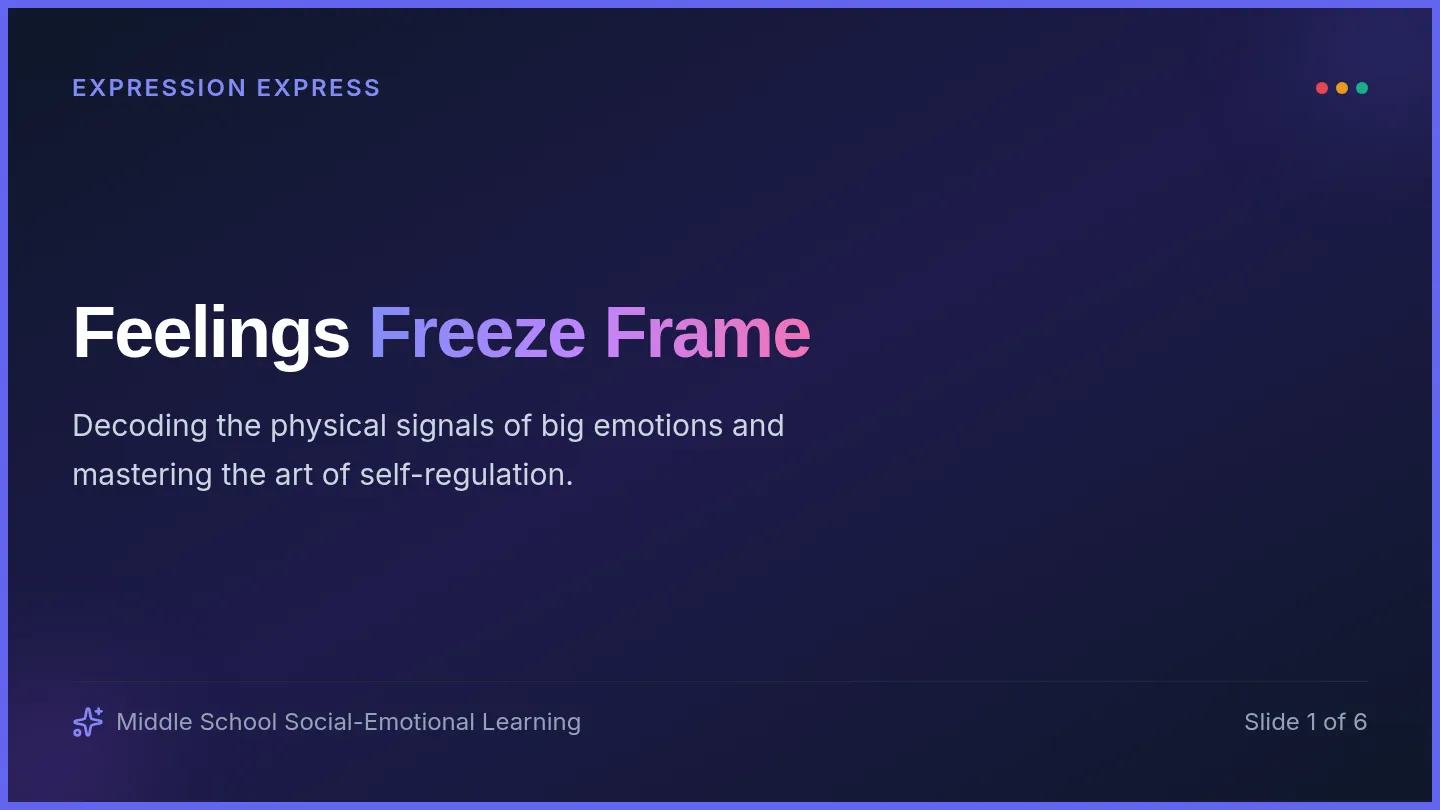
Interactive, highly visual classroom slide deck to introduce emotional expressions, body signals, and freeze-frame activities. Includes real-world scenarios and coping strategy matching.
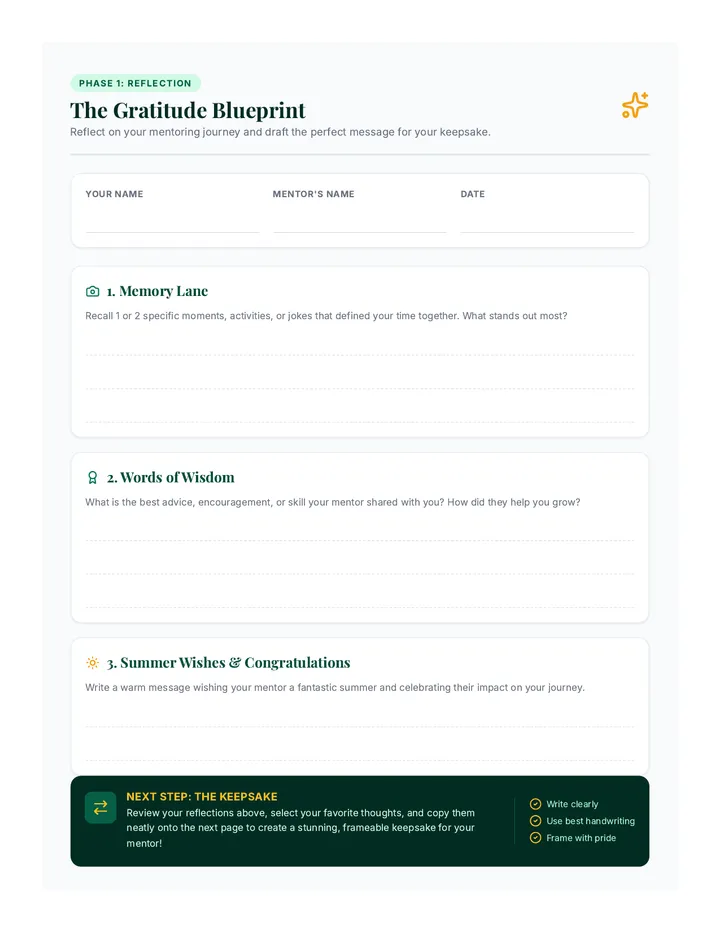
A printable 2-page resource. Page 1 is a structured reflection worksheet for mentees to brainstorm key memories and draft messages. Page 2 is a beautiful, certificate-style keepsake with a classic border and writing lines designed to be framed as a mentor gift.
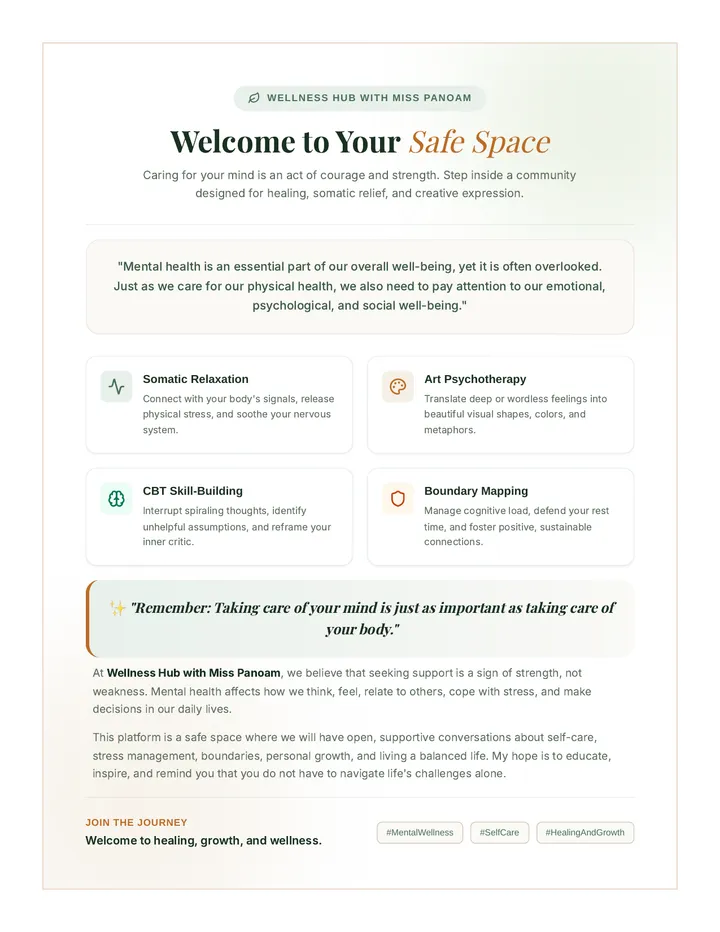
A beautifully formatted, welcoming announcement page/flyer for Miss Panoam's Wellness Hub. It features botanical motifs, key therapeutic pillars (somatic relaxation, CBT, art therapy), and an inspiring mental wellness message.
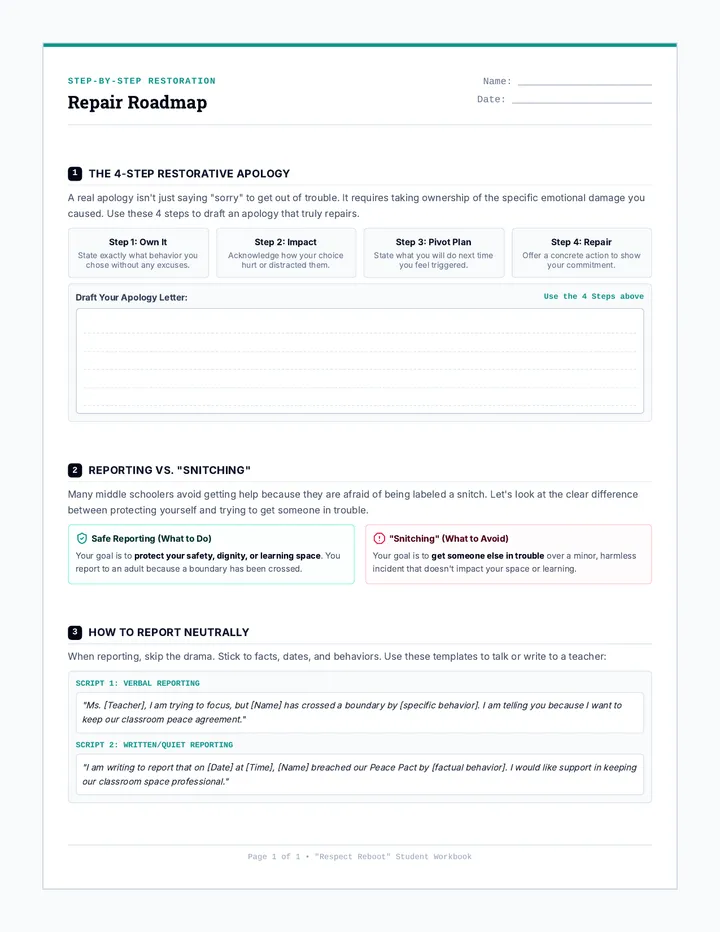
A student guide and writing prompt detailing the four steps of a restorative apology and providing practical reporting templates for middle schoolers.
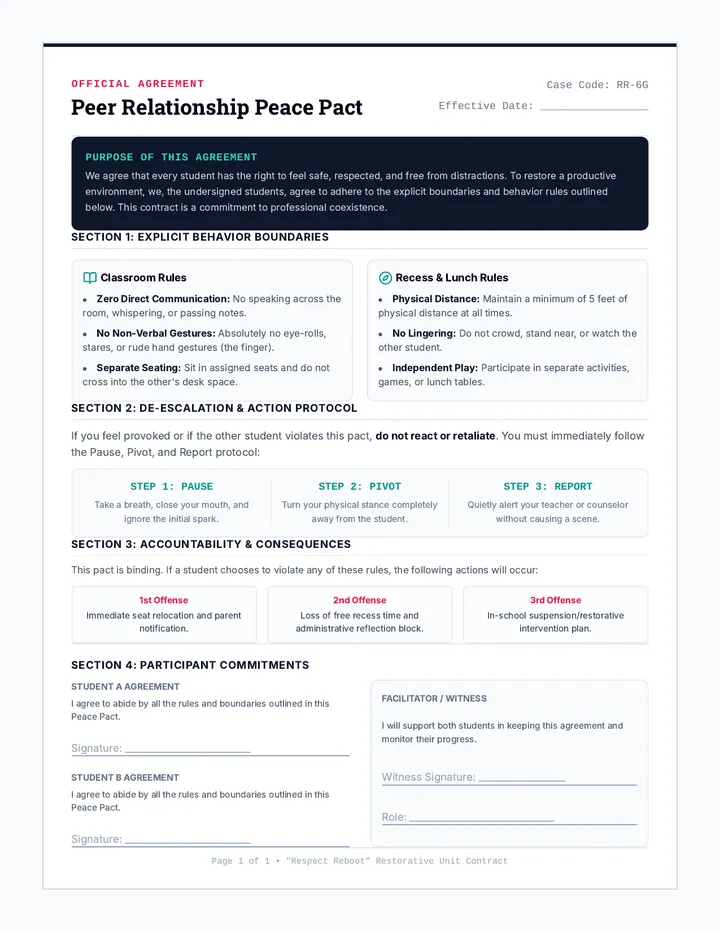
A formal signed Peer Relationship Contract detailing explicit boundaries, classroom rules, recess guidelines, and de-escalation protocols for two 6th-grade students.