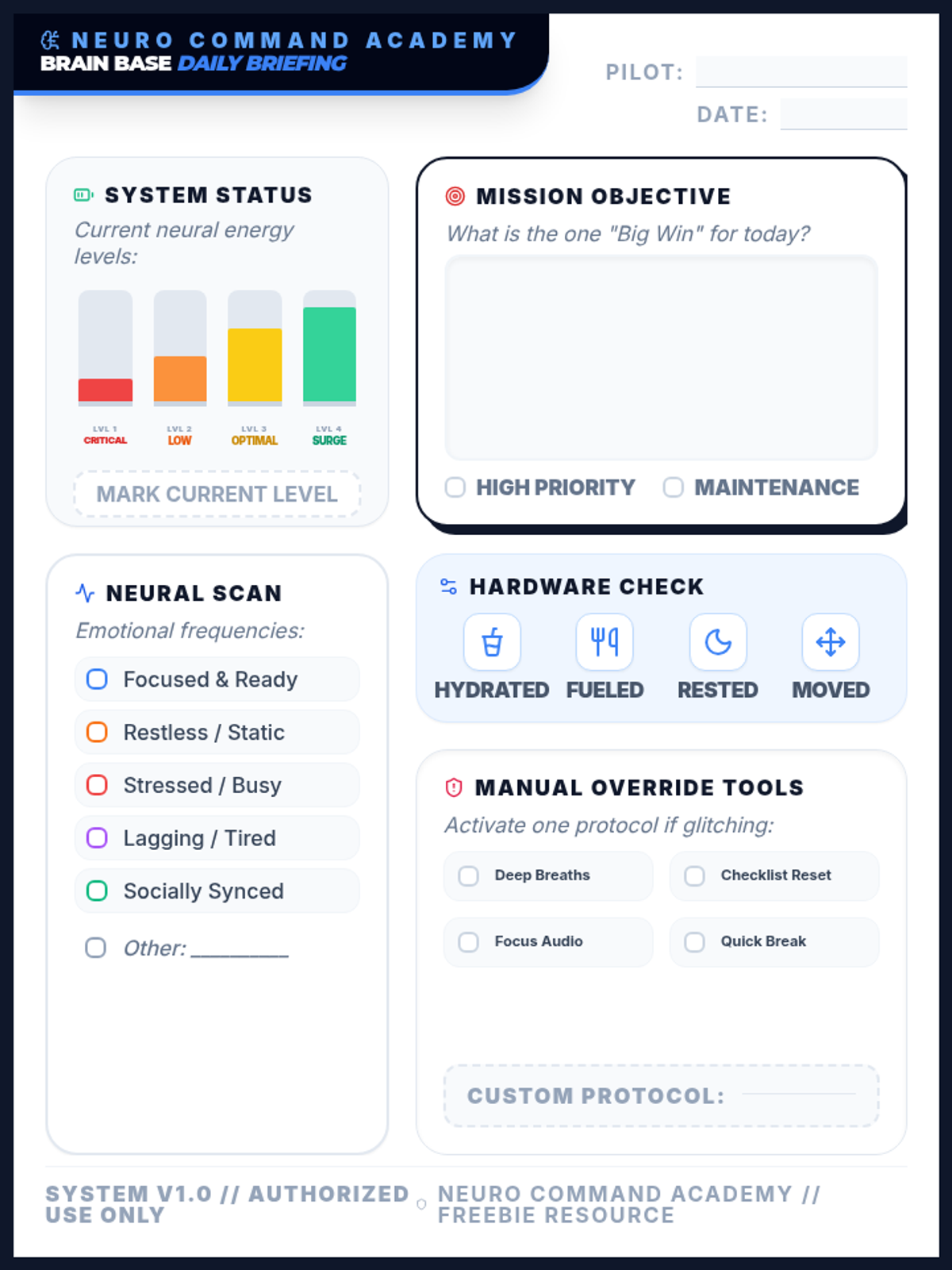
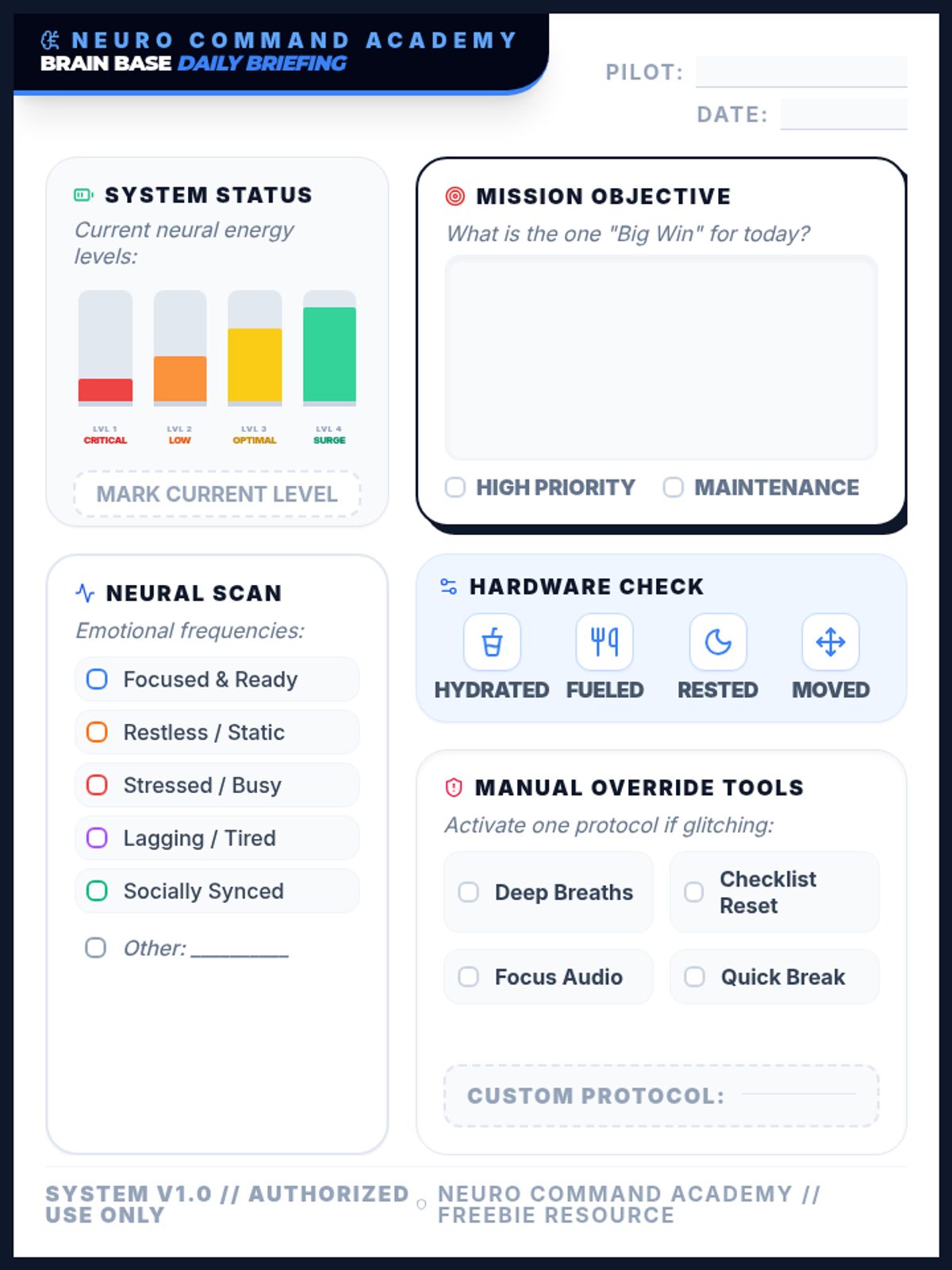
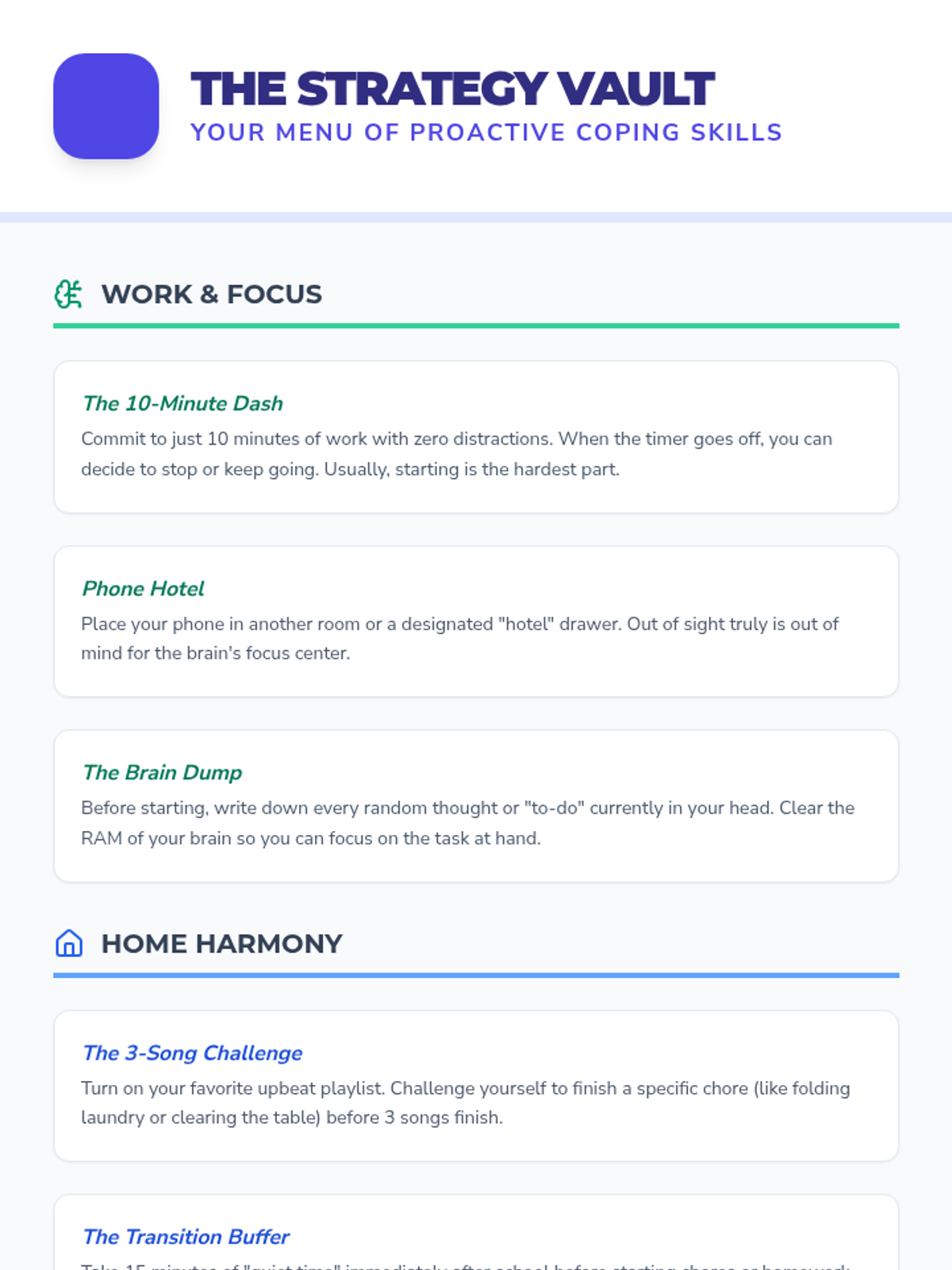
A detailed facilitation guide for school counselors to lead a 30-minute kindergarten lesson on distinguishing between tattling and reporting, featuring pacing, scripts, and role-play scenarios.
A comprehensive teacher facilitation guide for hosting restorative circles, co-creating community agreements with students, and using restorative dialogue prompts in the classroom.
A student reflection worksheet to help students think through conflicts or incidents, identify the impact, and plan constructive ways to make things right before restorative dialogue.
A set of three beautifully designed visual anchor charts (posters) for classroom walls, focusing on Community Agreements, Restorative Dialogue, and the Path to Repairing Harm. Staged in 8.5x11 format with bold, modern typography and clean organic borders.
A professional intervention matrix and response selector for middle school teachers. It aligns classroom management norms with tiered behavioral support strategies, helping teachers select non-invasive interventions, self-regulation pivots, and cooperative reflections.
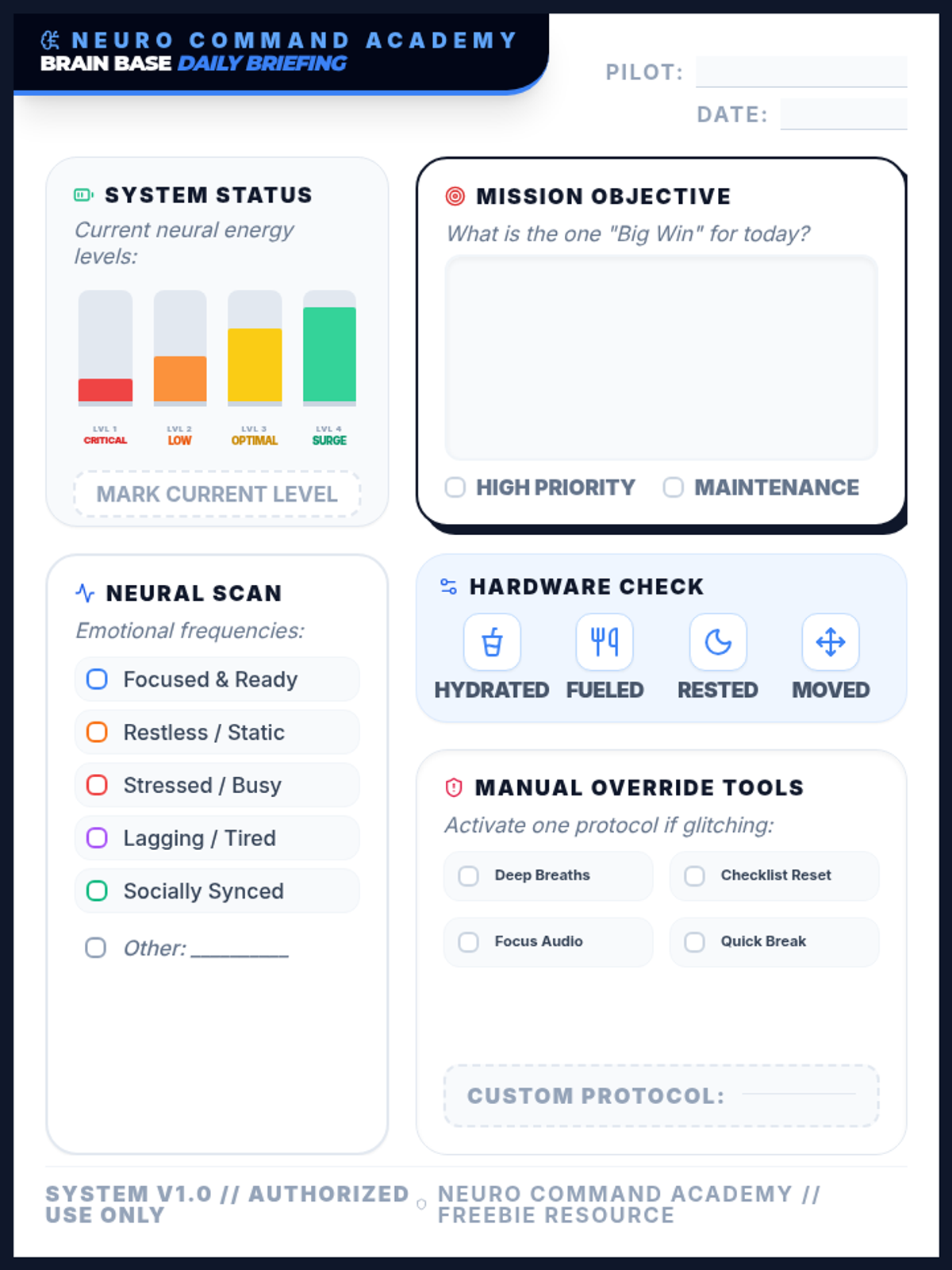
A de-escalation and self-regulation guide designed for middle schoolers, themed as an RPG 'Save Point.' It guides students through checking their emotional energy, selecting restorative coping strategies, and logging a small action step to return to class activities.
A choice board of short, structured brain breaks and focus activities designed to help middle schoolers reset their attention. It features physical movement, logic puzzles, and centering strategies styled like arcade-style power-ups.
A reward and incentive menu designed for middle schoolers, styled as an adventure guild board. It offers structured individual and whole-class privileges that students can choose as they earn points or demonstrate collaborative norms.
A printable student worksheet for analyzing personal punctuality barriers, drafting three specific reliability strategies, and tracking arrival habits over a two-week period.
A step-by-step planning worksheet where students reverse-engineer their morning routines, identify micro-stalls, and design friction-free habit cues.
A student-facing 1-page activity sheet styled as an emergency protocol matrix. It facilitates the pairing phase where students swap plans, identify failure triggers, draft Plan B and Plan C contingencies, and commit to a 48-hour micro-action.
A student-facing 1-page worksheet styled as a tactical mission briefing sheet. High school seniors select a primary transition barrier and systematically work through the first four steps of the 5-step problem-solving process (Define, Brainstorm, Filter, Plan) in dedicated handwriting-friendly work blocks.