An activity sheet for 6th grade students to analyze behavioral scenarios and identify whether responses are driven by the amygdala or the prefrontal cortex.
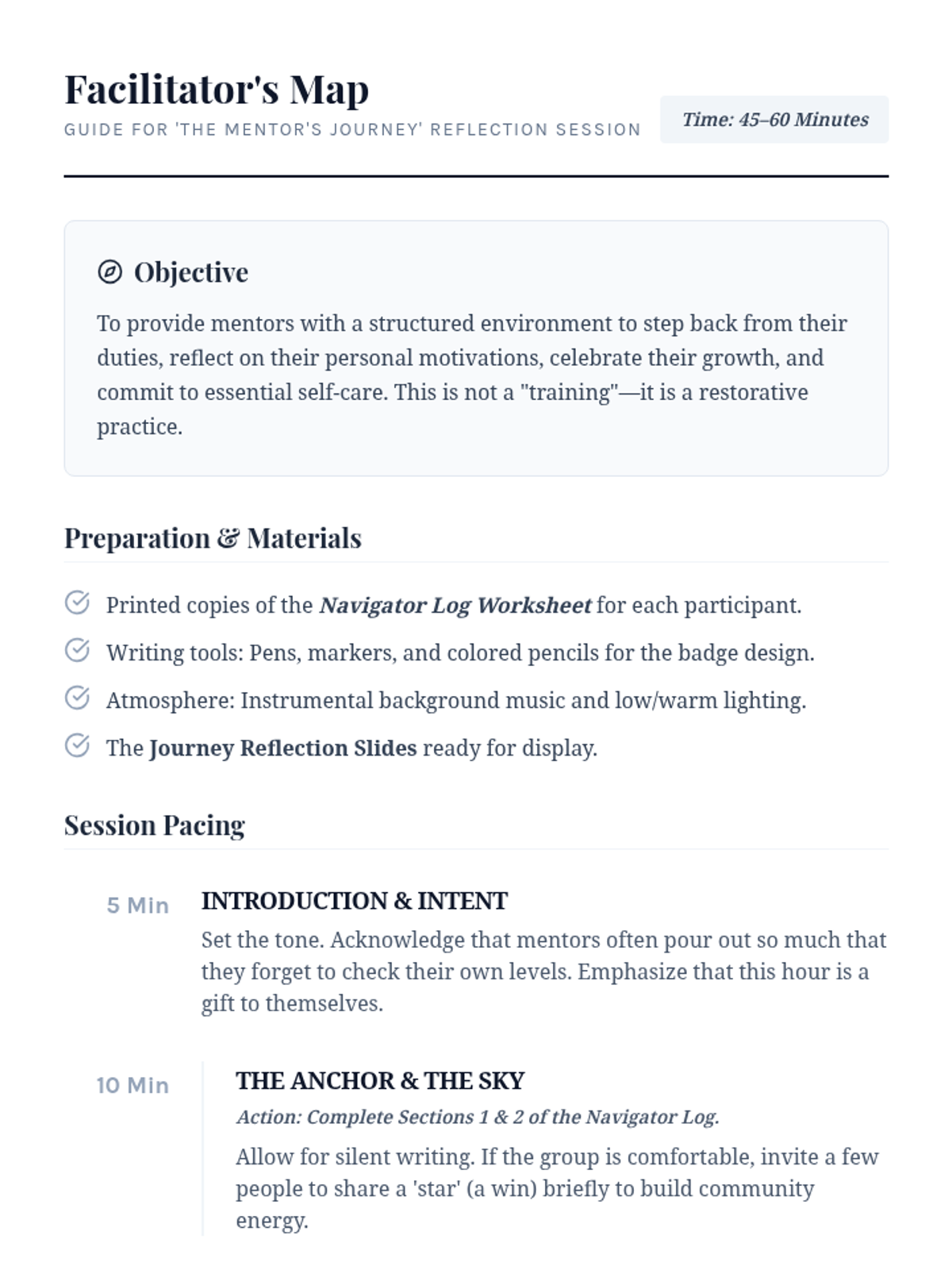
A facilitator's guide for conducting a mentor reflection workshop, including session timing, discussion prompts, and atmospheric tips.
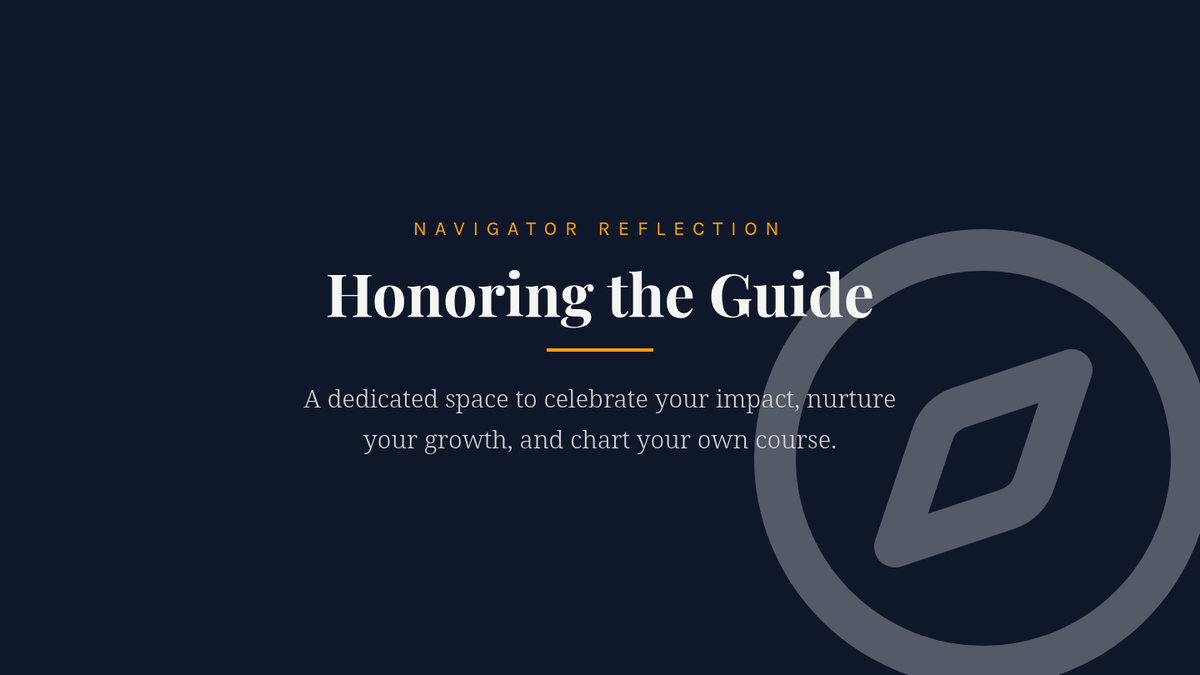
A supportive slide deck to facilitate a mentor reflection session, focusing on impact, self-care, and professional honor.
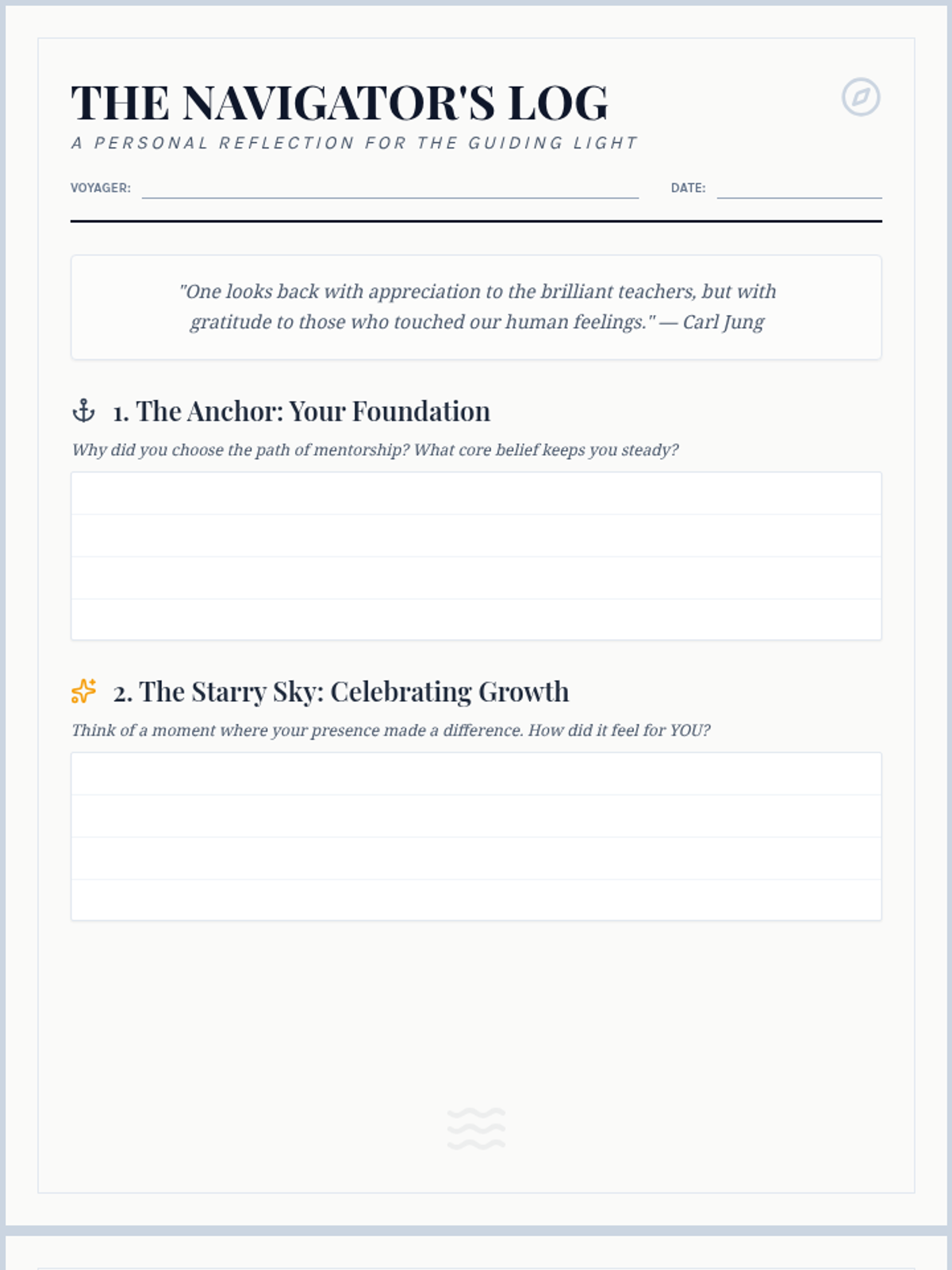
A two-page (front and back) vintage explorer-themed reflection worksheet for mentors to celebrate their achievements, identify self-care needs, and set personal growth goals.
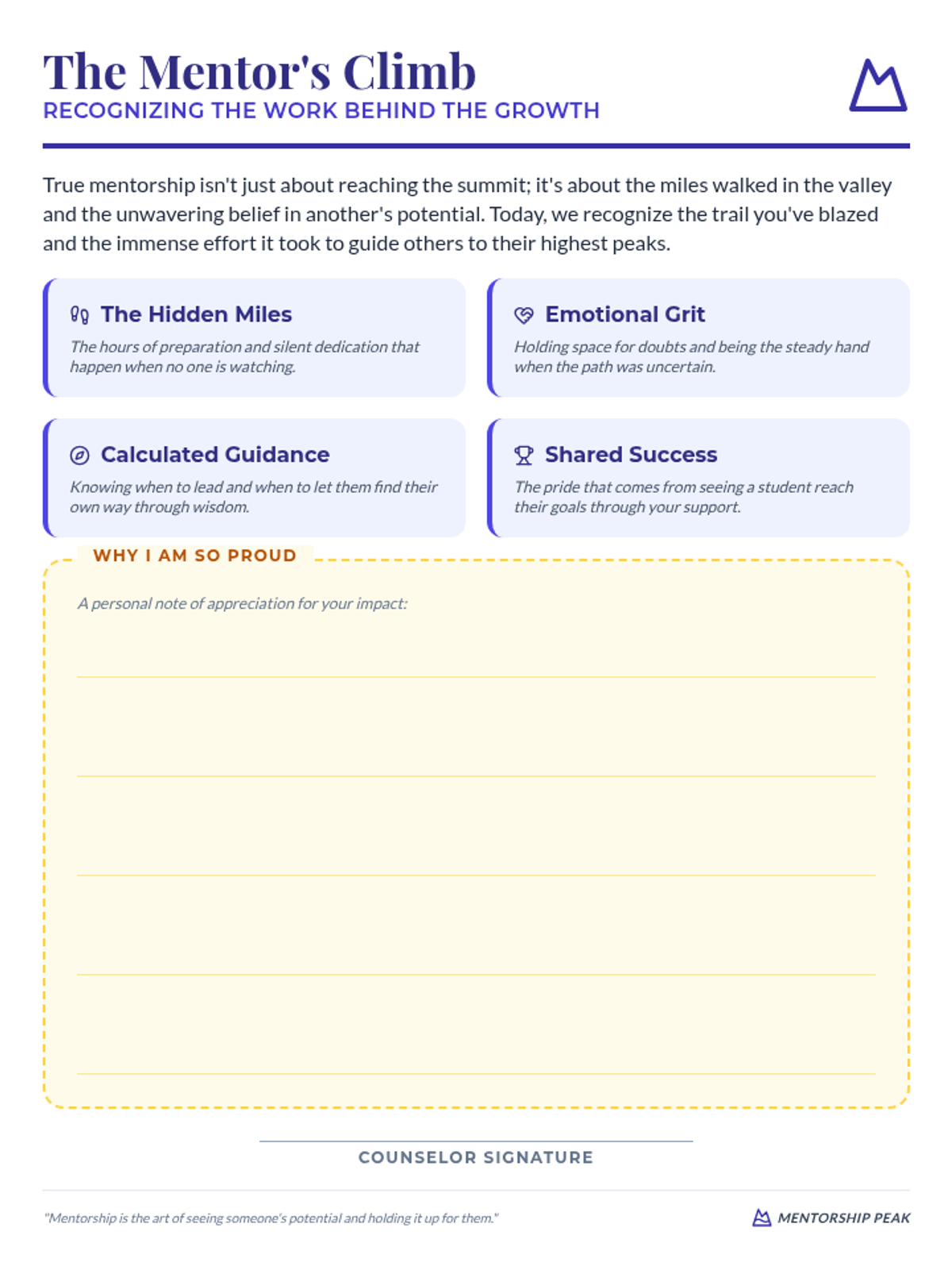
A companion handout for a mentor appreciation event, outlining the "hidden work" of mentorship and providing space for a counselor or student to write a personal note of pride and gratitude. Revised for single-page layout with improved signature area.
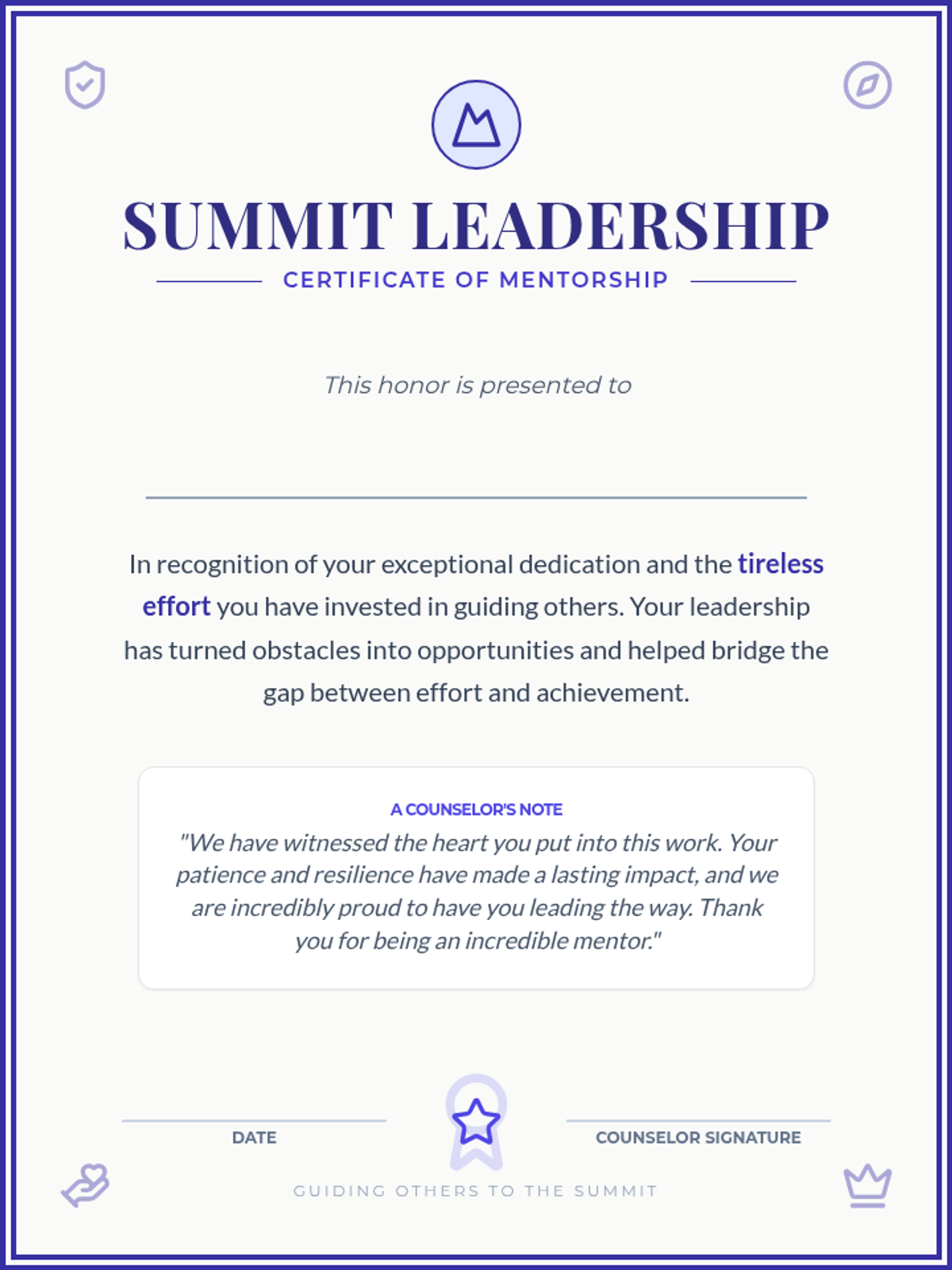
A "Summit Leadership" certificate for a mentor, celebrating their dedication and the impact of their guidance, featuring a signature space for a counselor.
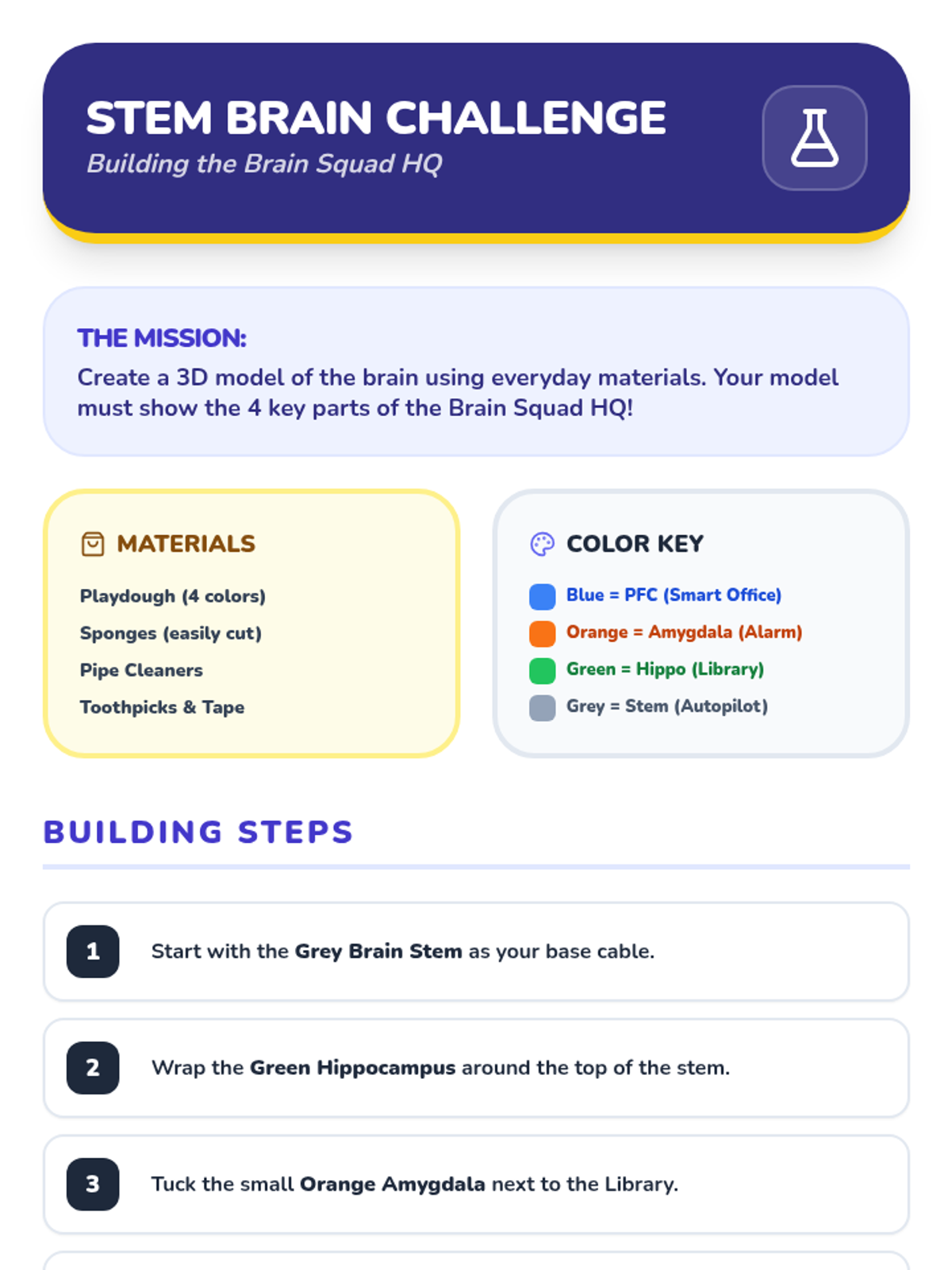
A STEM project guide for building a 3D color-coded model of the brain using common household materials to reinforce understanding of brain anatomy.
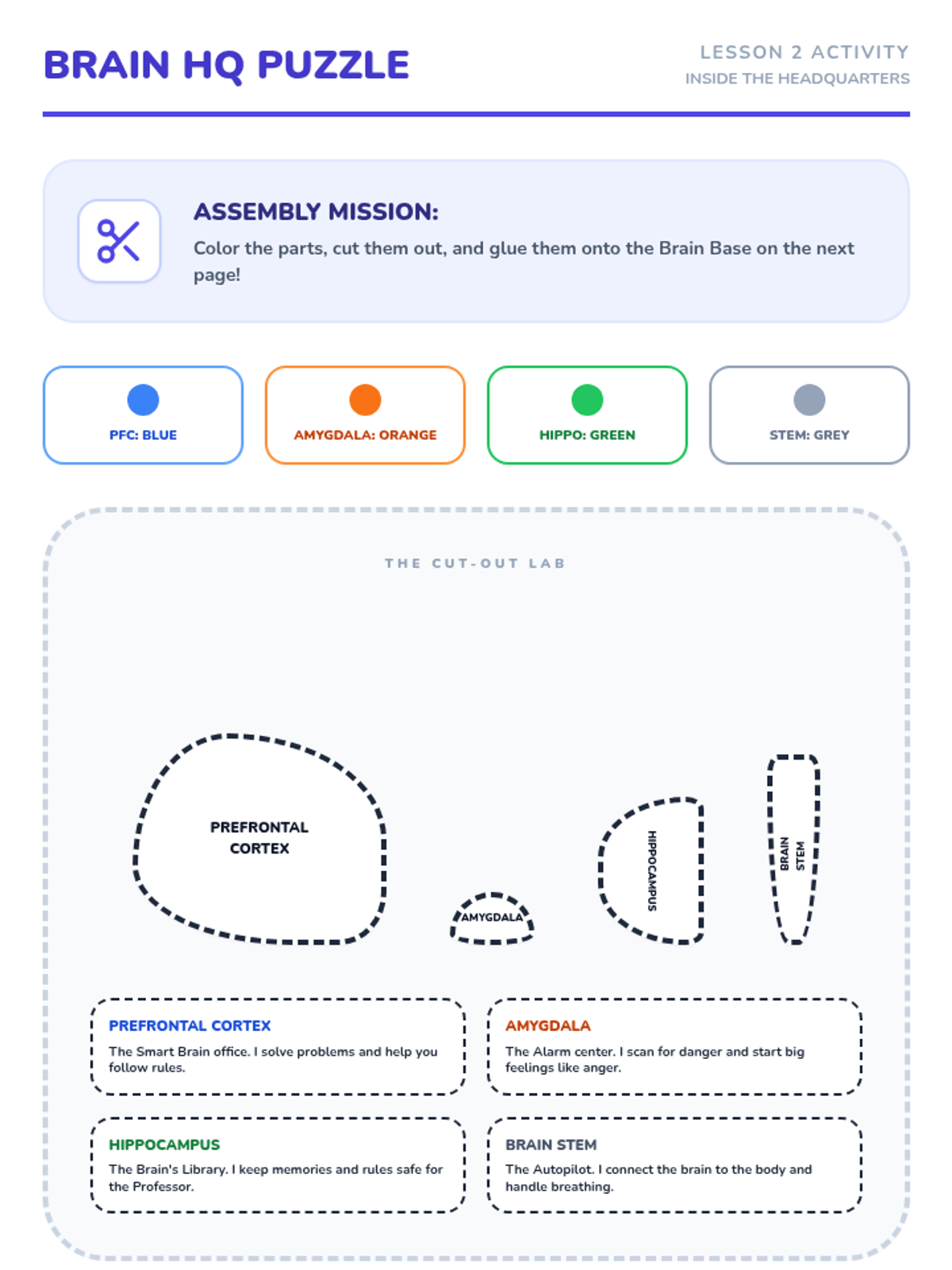
A hands-on cut-and-paste activity for students to identify, label, and define the major parts of the brain associated with emotional regulation.
An introductory slide deck explaining the biological parts of the brain (Amygdala, PFC, Hippocampus, Brain Stem) and linking them to emotional and smart responses.
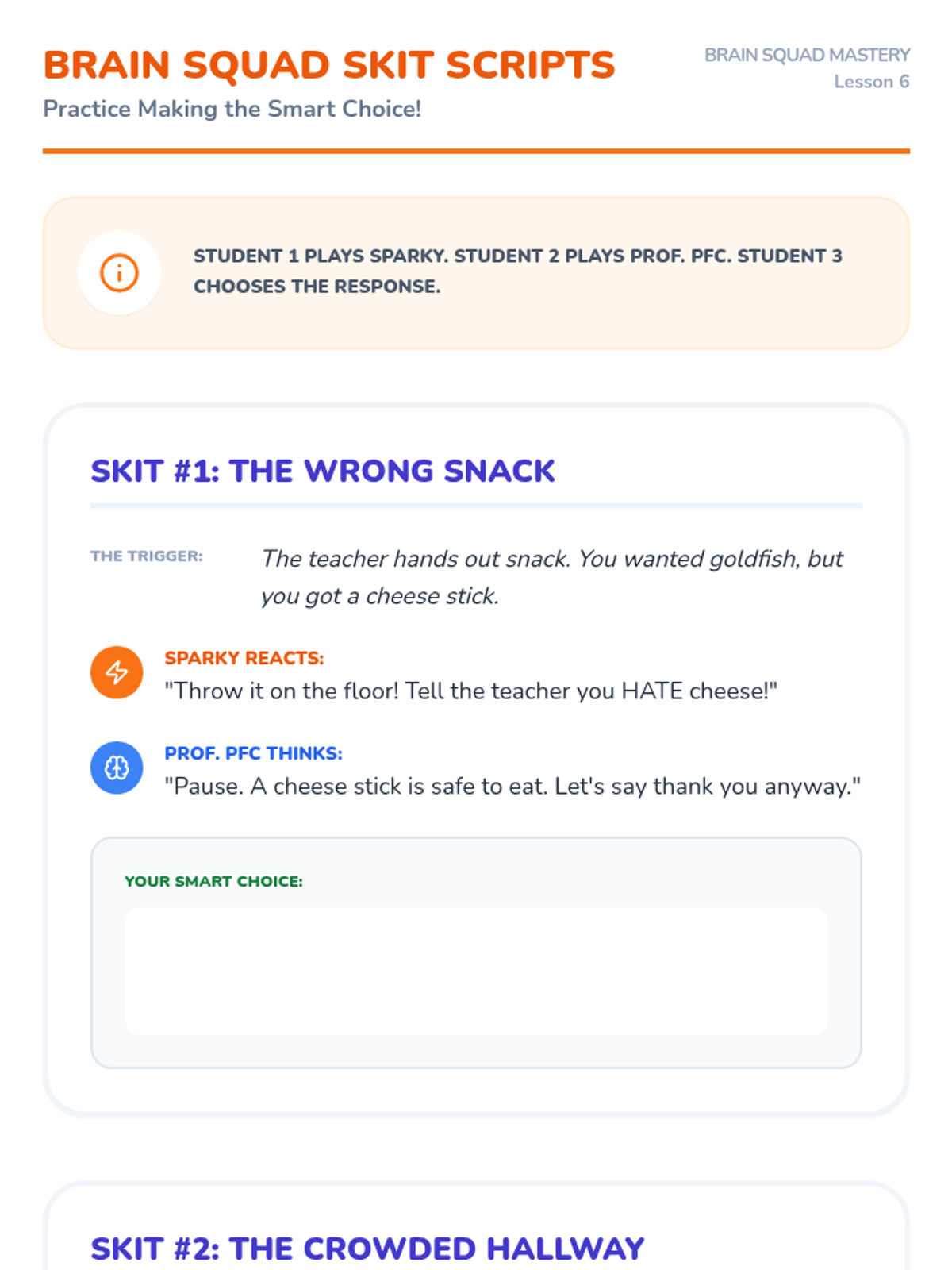
A collection of 5 scripted role-play skits plus a blank student creation template for practicing identifying reactive versus thoughtful responses.