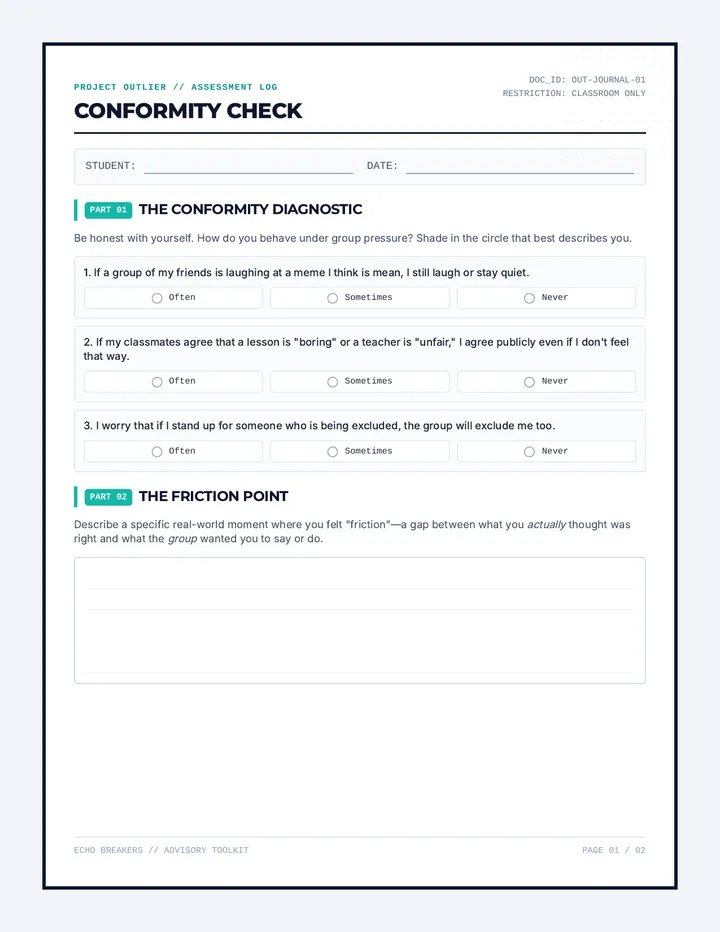
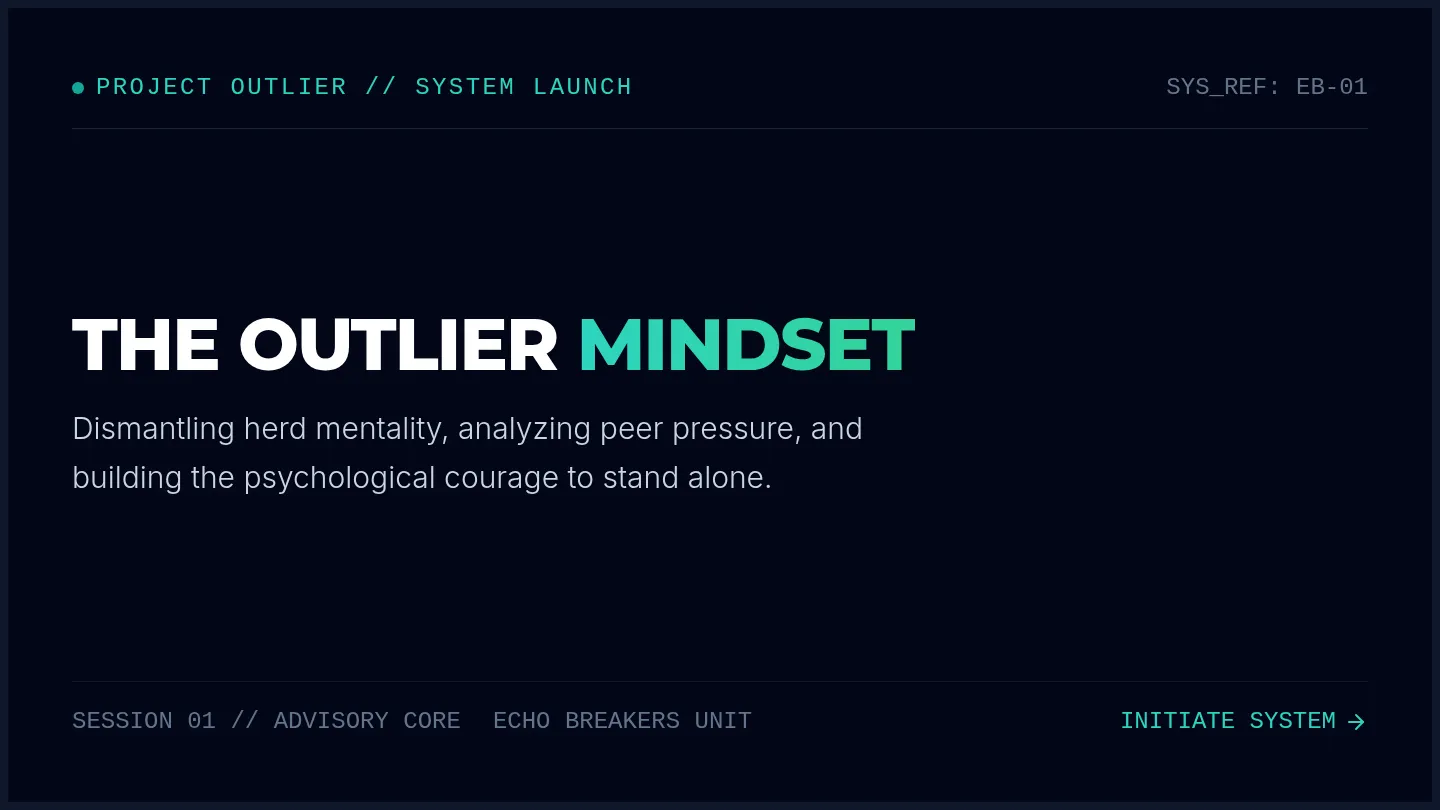
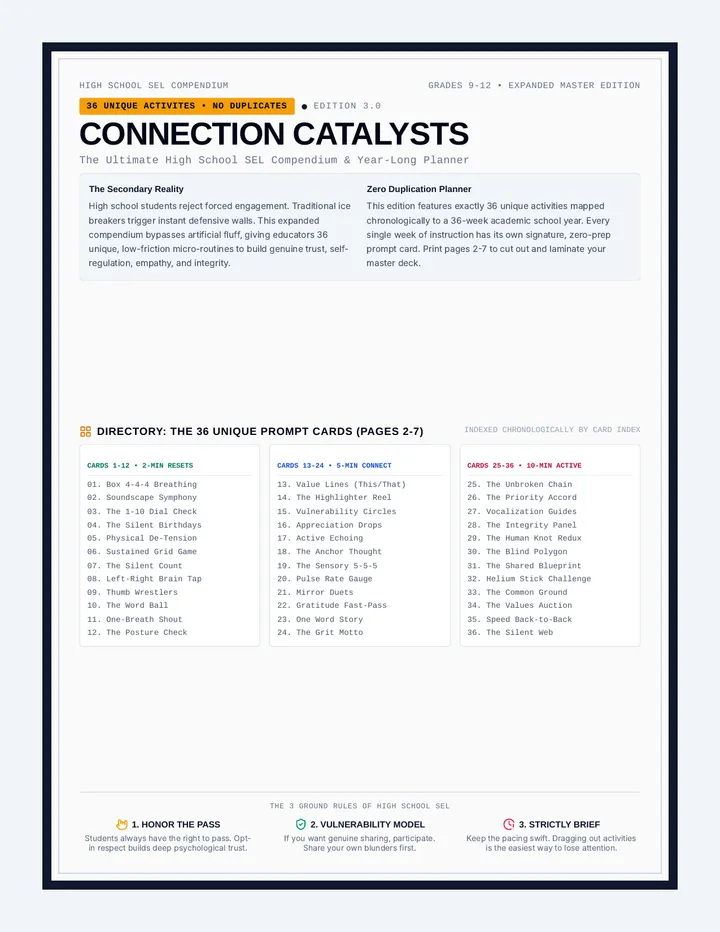
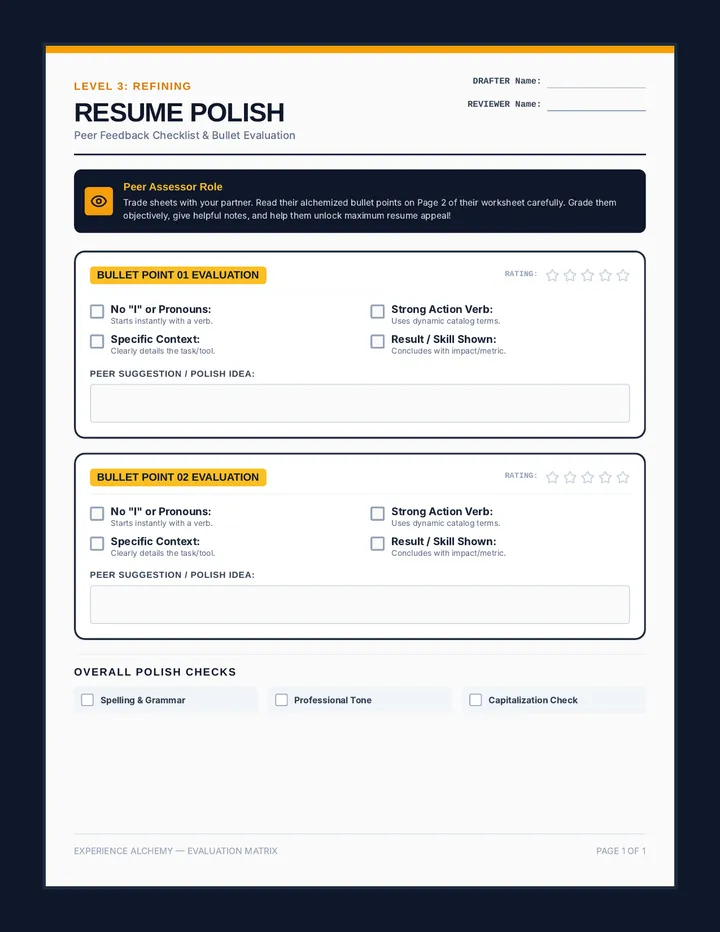
Worksheet for Lesson 4 where students practice syllable breaking, rhythmic chant mapping, and creating simple mnemonic rhymes.
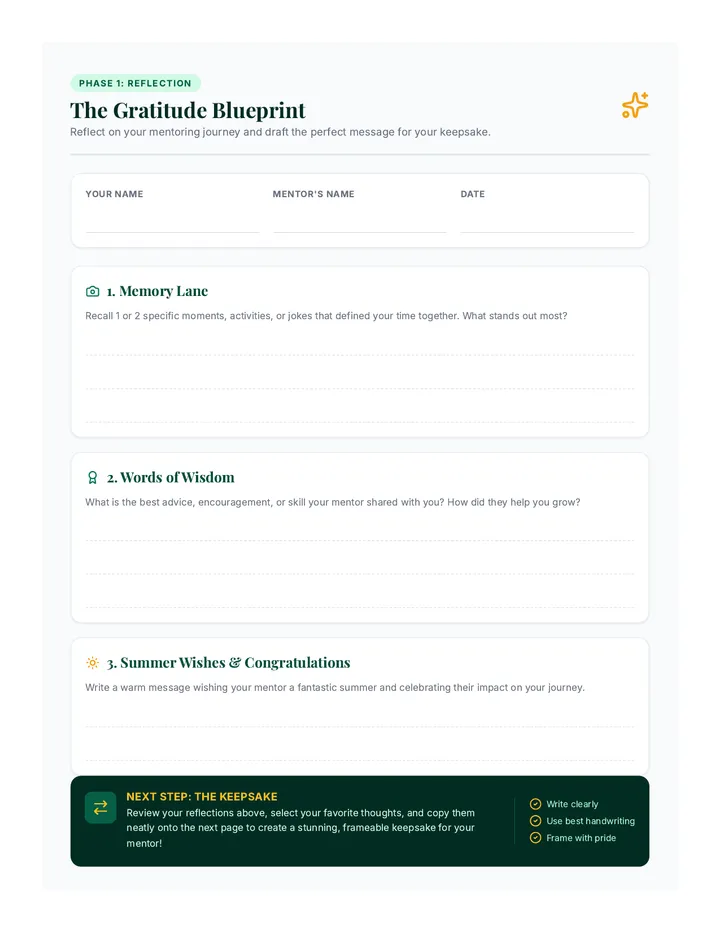
A simplified reflection sheet for K-3 students using star ratings and drawing to evaluate their teamwork performance.
A drawing-based engineering log for K-3 students, allowing them to record their team roles and their final build.
A bright, visual slide deck for K-3 students to introduce the Star Station Build activity with simple rules and large icons.
A simplified teacher guide for the K-3 Star Station Build activity, focusing on basic role management and group listening skills.
A post-activity reflection sheet for students to evaluate their team's communication performance and identify key takeaways from the Moon Base Mishap mission.
A student engineering log for the Moon Base Mishap activity, featuring space for pre-mission strategy, active build notes, and a final inspection sketch.
An engaging slide deck to introduce the Moon Base Mishap activity, detailing the emergency scenario, specific role restrictions, and debrief questions.
A comprehensive teacher guide for the Moon Base Mishap activity, detailing roles, rules, and facilitation strategies for a group communication challenge.
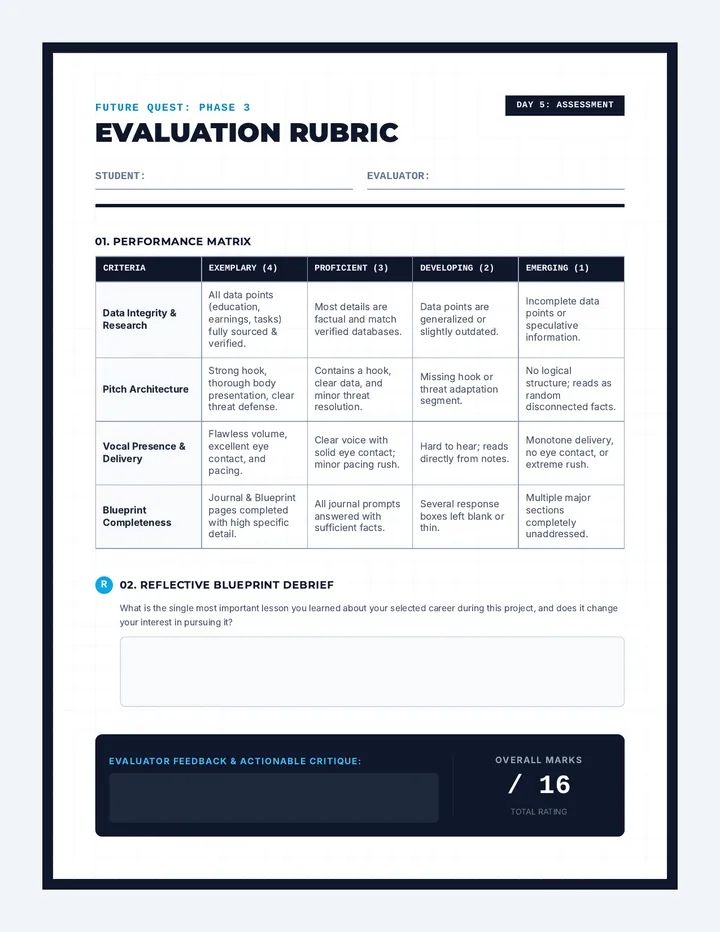
An assessment rubric for the Legacy Project. Revised to include a 4-level scale and fully integrated into a single-page layout for better utility. Revised for whitespace and font legibility.
A compelling case study reading about 'Alex', a student whose behavioral labels were eventually reframed as executive leadership qualities. Revised for print stability and improved reflection areas.
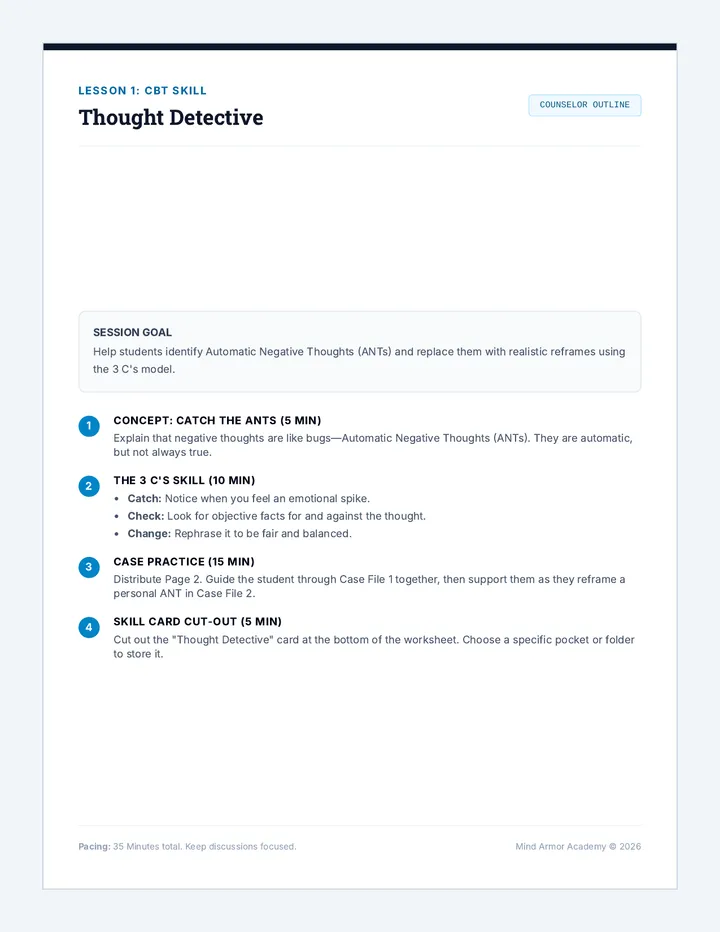
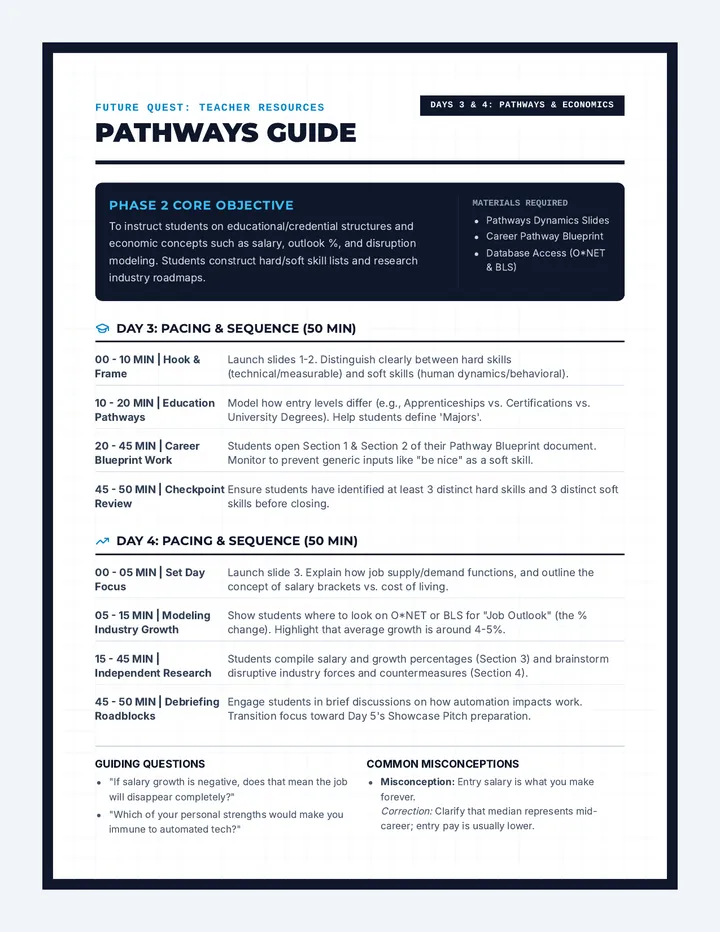
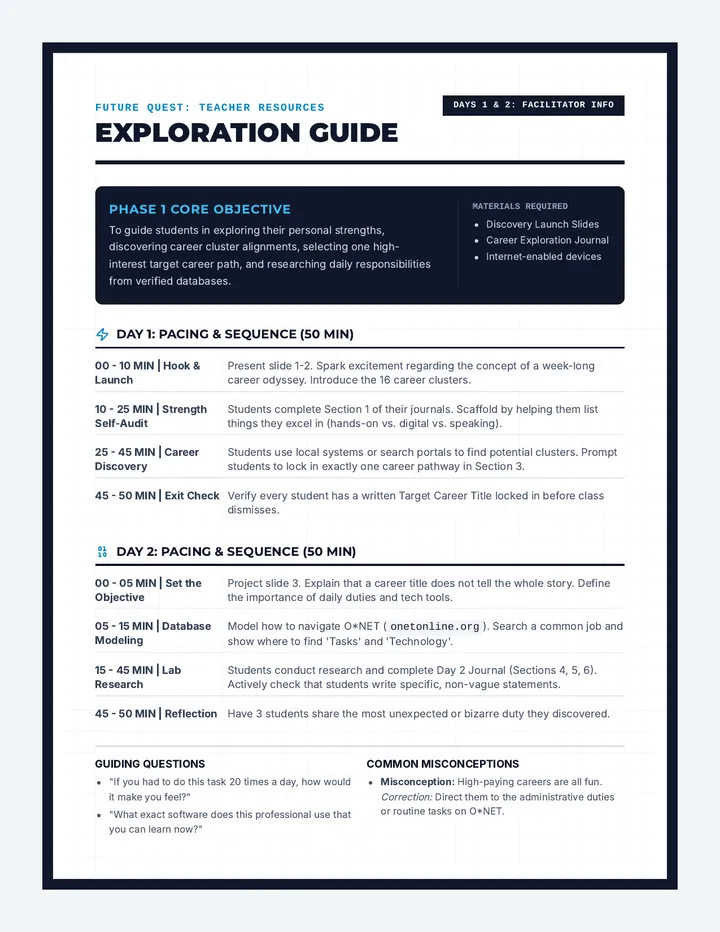
A comprehensive teacher implementation guide for 'The Narrative Shift' lesson, featuring instructional sequences, discussion prompts, and strategies for engaging high-risk students. Revised for improved layout and contrast.
A visual presentation for the Career Support Systems lesson, featuring instructional YouTube videos about workplace communication, professionalism, and support networks. Includes activity instructions for the "Who Do I Go To?!" matching challenge.
An assessment rubric for the Legacy Project. Revised to include a 4-level scale and fully integrated into a single-page layout for better utility.
The final project guide for 'The Narrative Shift', outlining the requirements for creating a Narrative Artifact. Revised for pillar continuity and larger brainstorm areas.
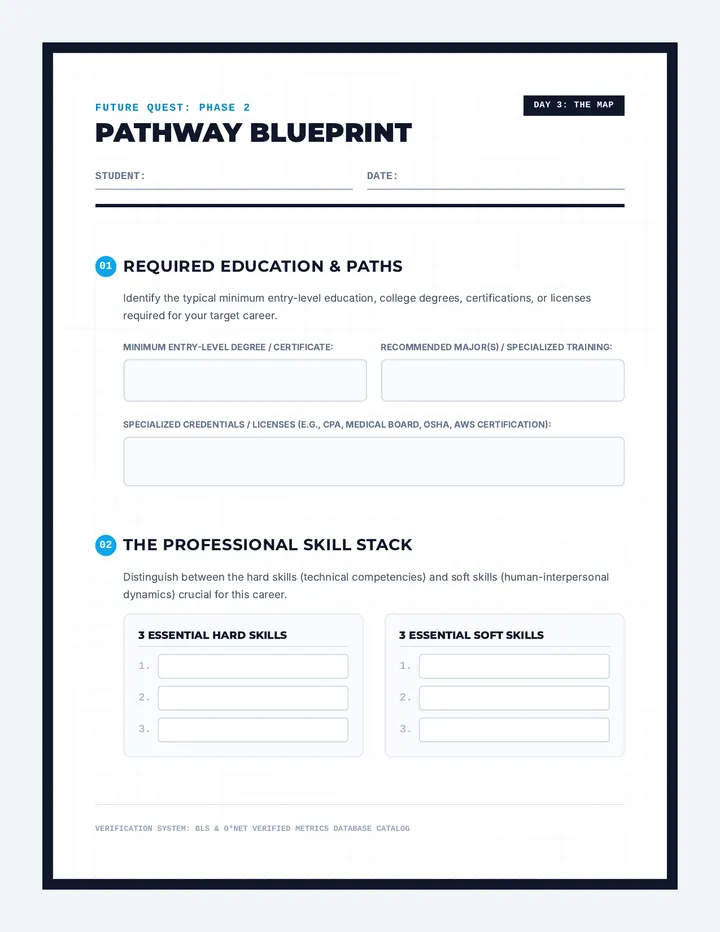
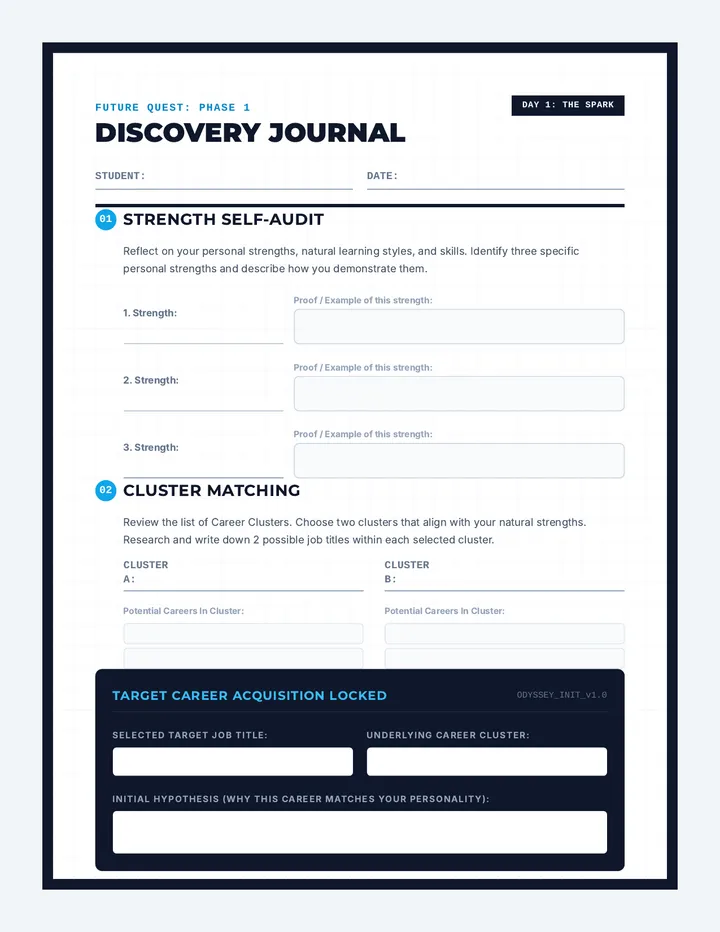
An interactive worksheet that guides students through the process of reframing negative behavioral labels into positive leadership assets through analysis and personal reflection.
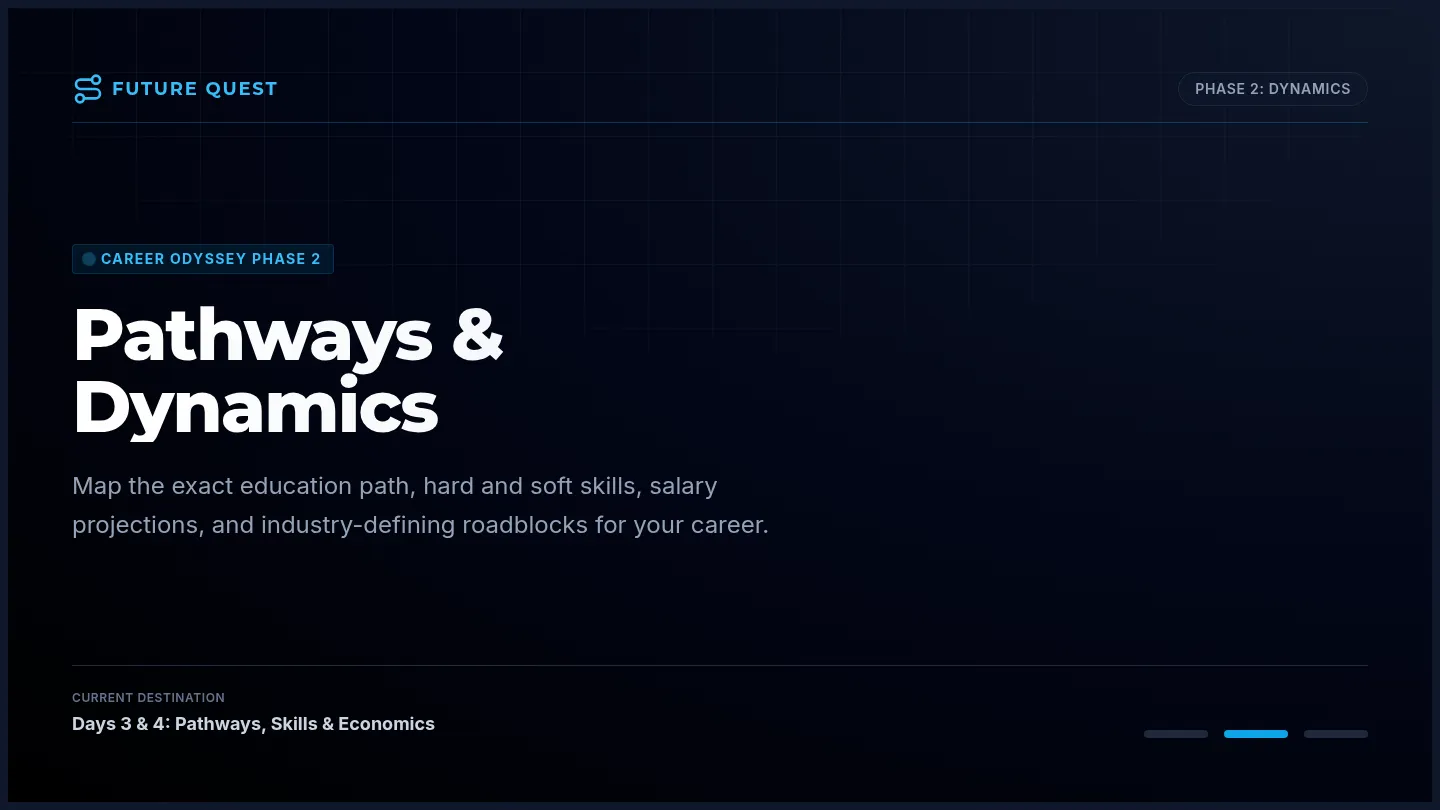
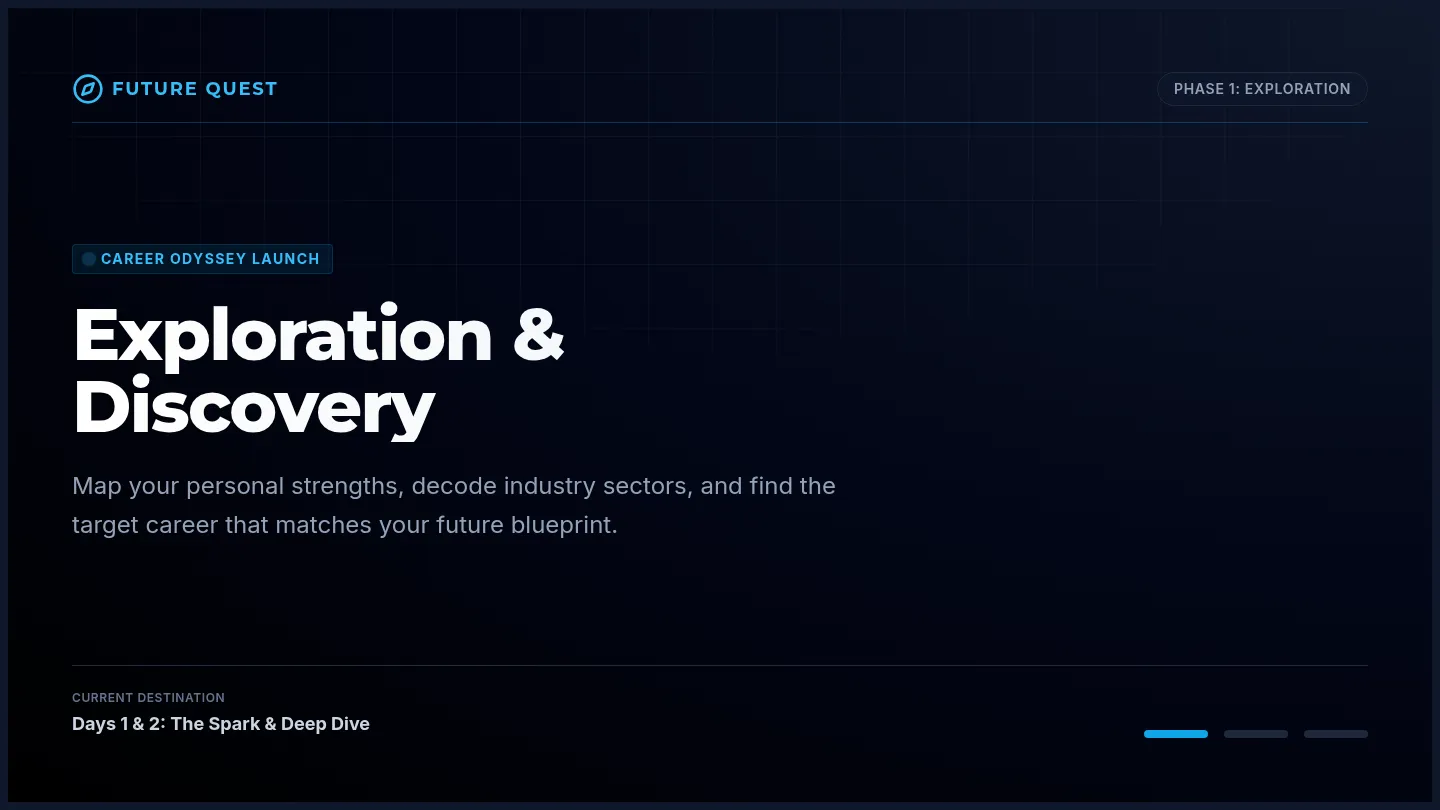
A high-impact slide deck for 'The Narrative Shift', focusing on reframing behavioral labels as survival skills and professional assets. Revised for spelling and contrast.
An atmospheric facilitation script designed to be read aloud by the teacher. It sets a professional, high-stakes tone for the lesson, reframing anxiety as "atmospheric friction" and empowering students as "Mission Commanders."
A collaborative group activity where students take on specific roles (Navigator, Analyst, Engineer) to troubleshoot each other's transition anxieties using structured prompts.
A professional-grade student worksheet for mapping out transition fears (Glitches), support systems (Redundancies), and immediate action plans (Launch Steps). Structured as a formal flight readiness checklist.
A visually engaging slide deck designed for high school students. It uses a "Mission Control" theme to explain transition anxiety and introduces the Readiness Framework (Glitches, Redundancies, and Launch Steps).
A detailed teacher's guide and pacing resource for facilitating the Launchpad Protocol lesson. Includes objectives, a breakdown of the mission phases, and strategic notes for school leaders.
A multi-page student recording sheet for the "Who Do I Go To?!" activity. It provides a structured table for matching situations to helpers, including scaffolded sentence frames and icons for emergent readers. Handwriting lines are included in all work areas for consistency and support.
A collection of printable cards featuring 'Helpers' and 'Situations'. Each card includes visual icons, simplified text for emergent readers, and detailed workplace scenarios for advanced learners. Standardized dashed borders facilitate easy cutting for classroom activities.
A teacher-facing facilitator guide for the "Who Do I Go To?!" activity, including lesson steps, an answer key with discussion points, and differentiation strategies for varied learner needs.
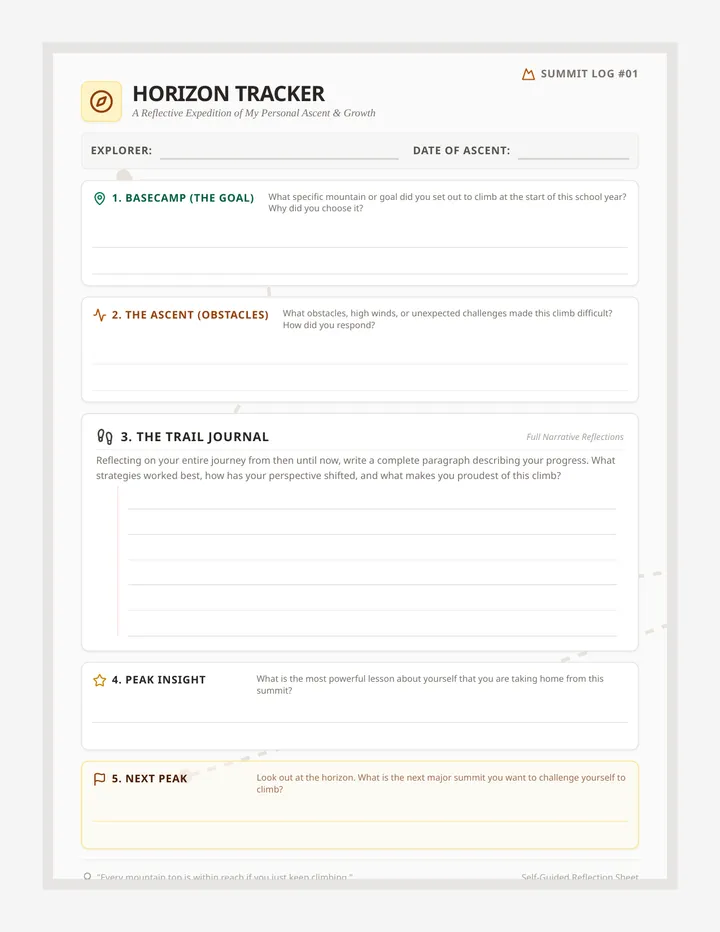
A personal reflection journal for students to track their progress in cognitive flexibility, focusing on identifying physical cues of frustration and planning future pivots.
A scenario-based worksheet where students practice identifying rigid versus elastic responses to common school-based schedule disruptions and setbacks. Now includes more varied scenarios across two pages.
High-energy presentation slides that introduce the concepts of rigid vs. elastic thinking, physical 'snap' alerts, and the 'Pivot' strategy for managing change.
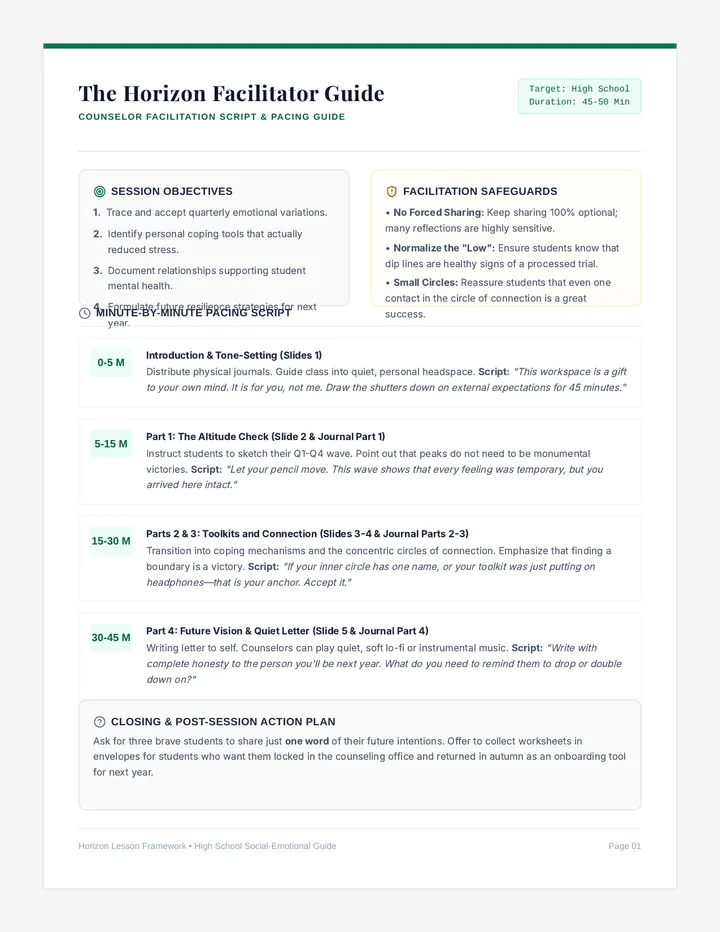
A comprehensive lesson plan for teachers to lead the Elastic Mind Gym workshop, featuring a timed breakdown, instructional strategies, and facilitator tips.
A high-energy, commercial-style advertisement for 'Zap' candy, designed to raise awareness for mental health needs and neurodiversity during Mental Health Awareness Month without using clinical diagnosis language.
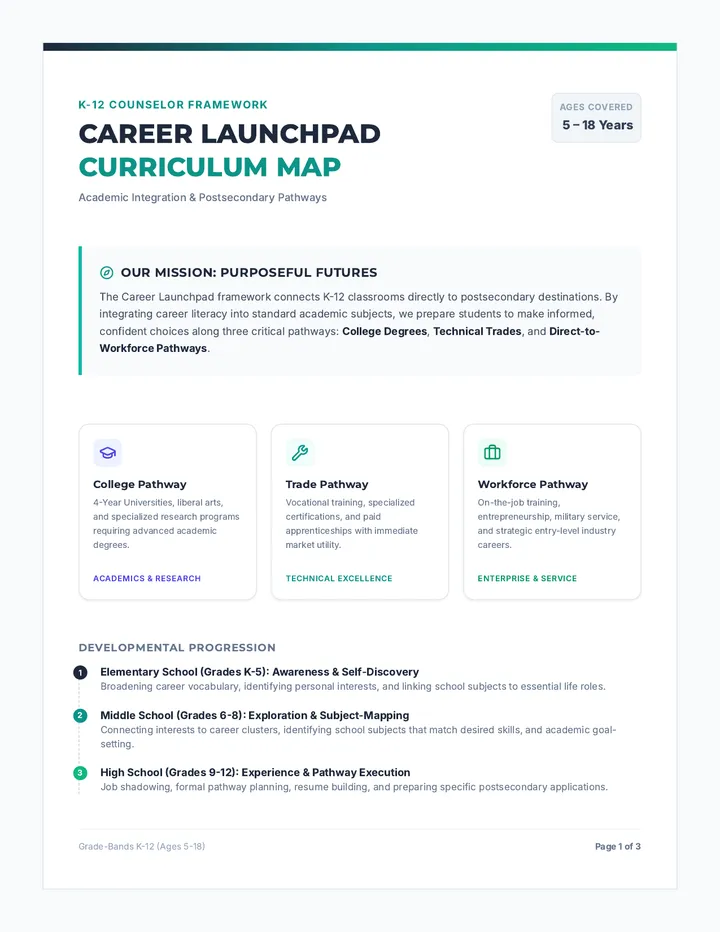
A hands-on career sorting activity where students categorize various STEM roles into Science, Technology, Engineering, or Math. Includes a sorting grid and printable role cards.
A set of printable vocabulary cards covering essential college and career terms, paired with a comprehensive classroom anchor chart for visual reinforcement. Features standardized styling and expanded content.
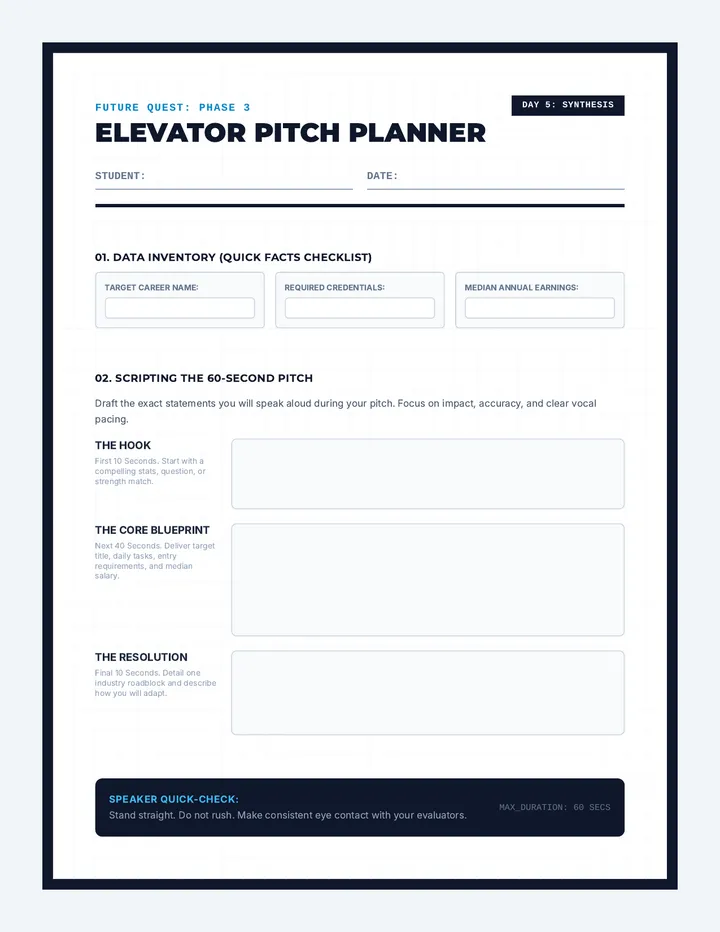
An independent research worksheet for students to investigate a STEM career path, including educational requirements, salary data, and reflection on professional skills.
A comprehensive set of slides for the 'Future Blueprint' lesson, expanded to fill a 30-minute instructional block. Covers college budgeting, resume building with impact, and high-demand STEM career paths with discussion prompts.
A high-impact, teen-focused social advocacy poster for 'Zap' candy, redesigned to remove explicit diagnosis naming and ensure a polished, printable layout.
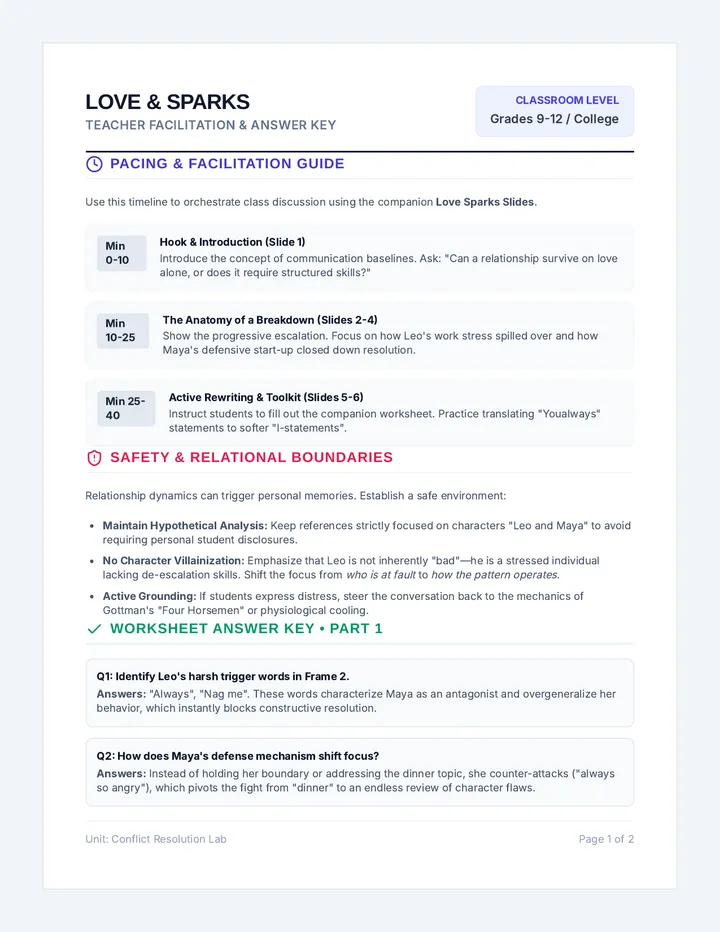
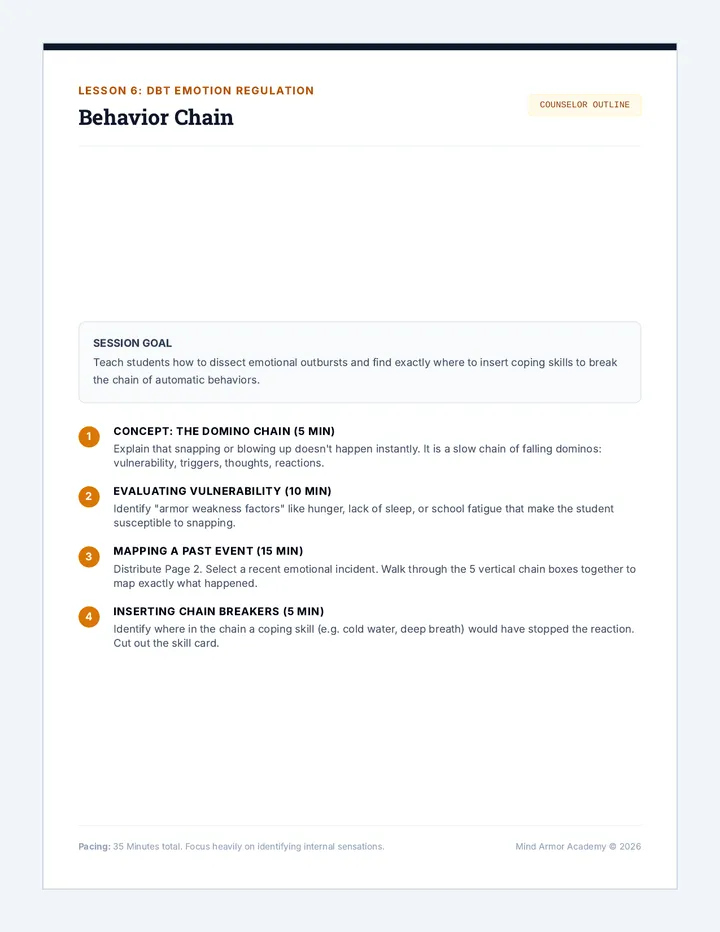
A comprehensive teacher's guide for the Harmony Hacks lesson, including pacing, discussion prompts, and an answer key for the student worksheet.
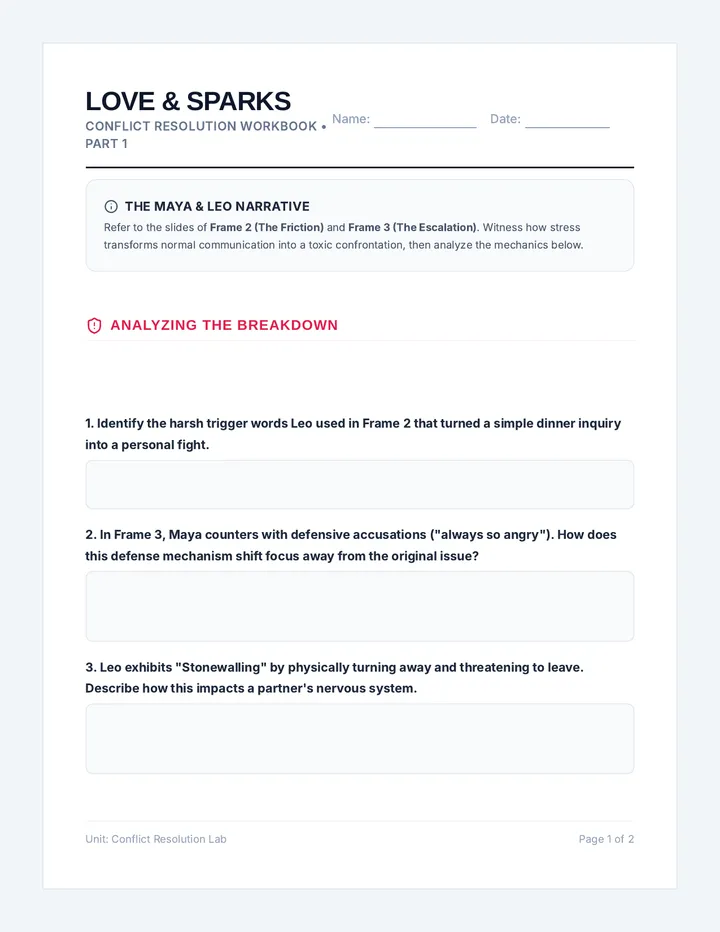
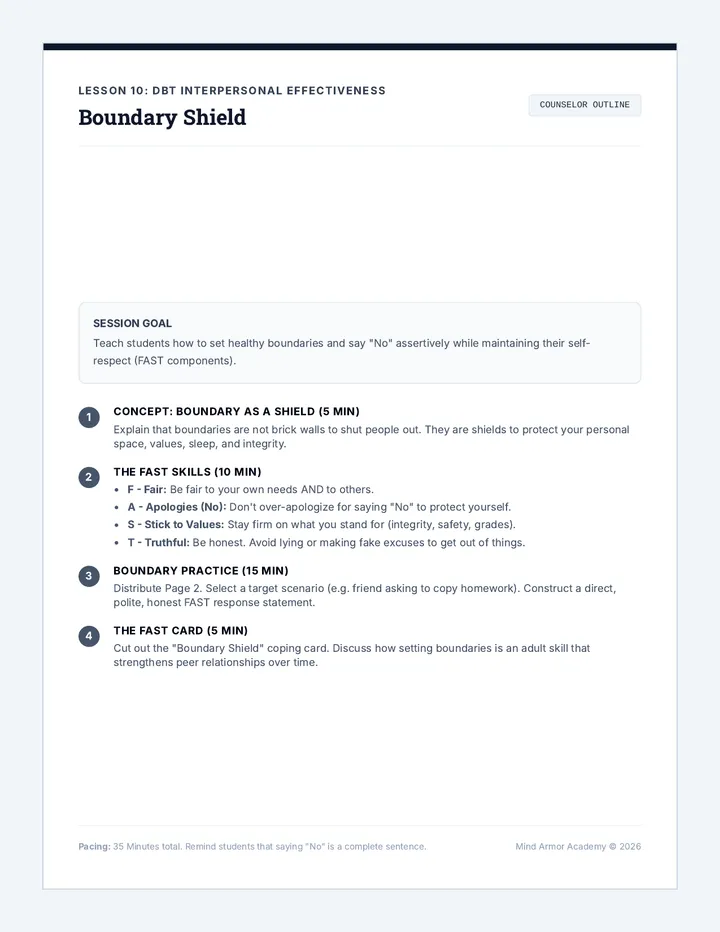
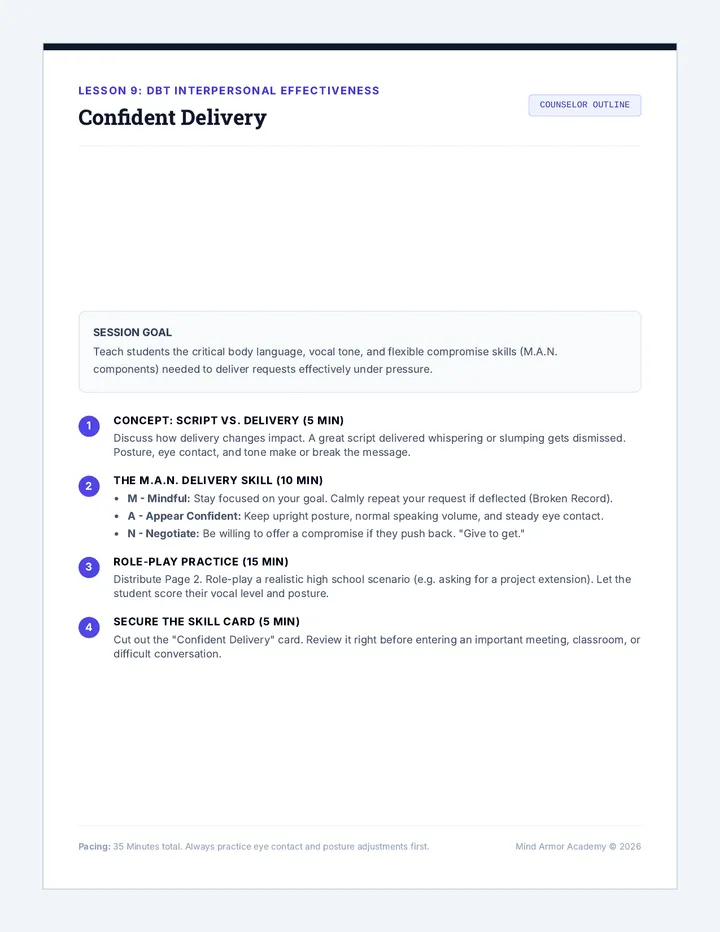
A practice worksheet for teens to apply 'I' statements and the DEAR MAN conflict resolution model through scenario-based exercises and self-reflection.
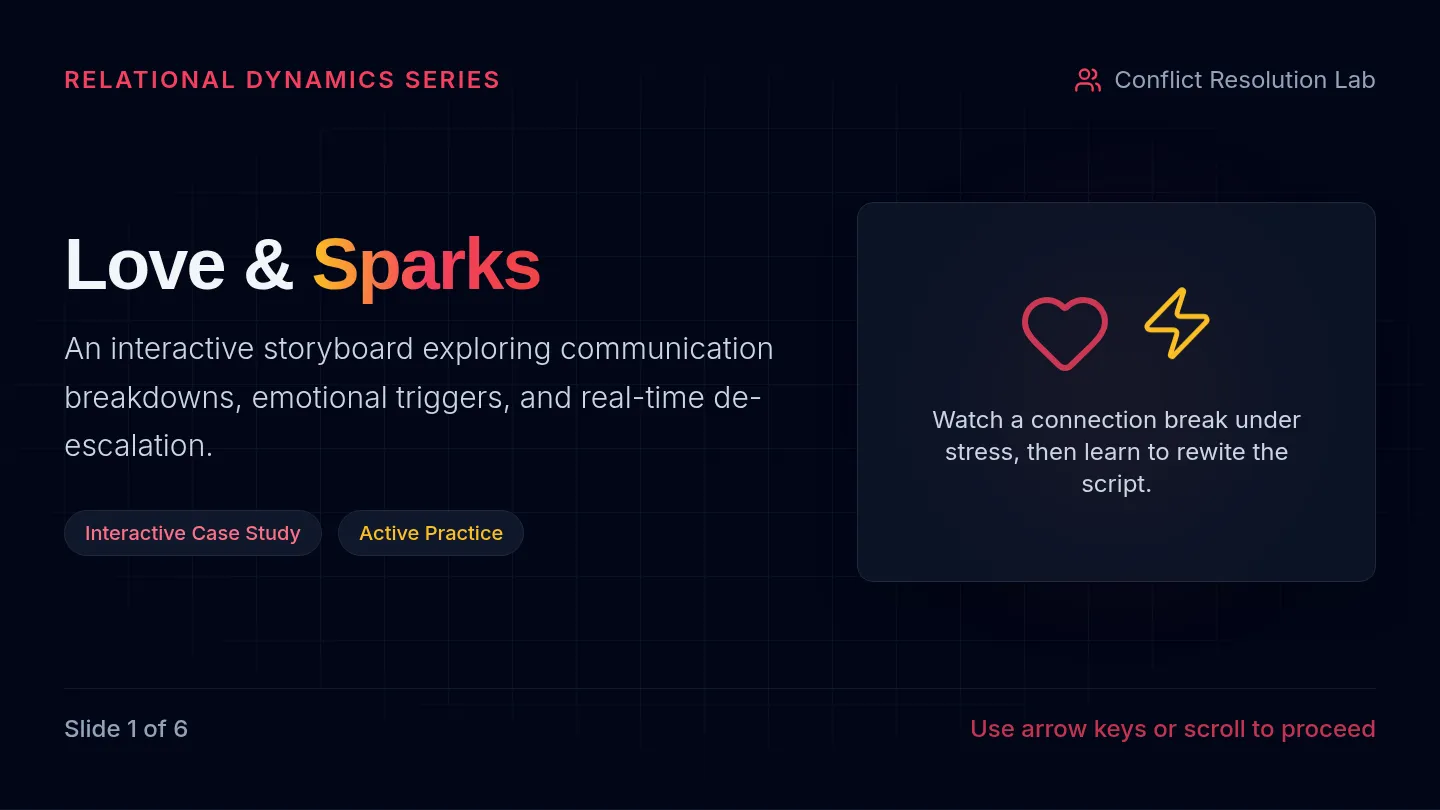
A visual presentation for high schoolers on conflict resolution, covering conflict styles, DEAR MAN (DBT), I-statements, and mediation techniques.
A daily mental health and self-care journal designed specifically for teens, featuring mood tracking, growth mindset prompts, and social-emotional reflection areas.
A printable student task sheet for analyzing the AUP as a professional contract. Updated with solid borders, increased font sizes for high-school readiness, and a tightened layout to ensure all content fits on a single page.
Visual presentation for the Grades 9-12 Professional Protocol lesson. Updated for improved contrast, word spacing in headings, and explicit teacher discussion prompts. Polished typography and instruction blocks for classroom readiness.
The teacher lesson plan for the Grades 9-12 Professional Protocol lesson, updated to reflect the Code of Conduct and AUP login agreement process. Includes specific references to the UCSD AUP rules.
A teacher-facing answer key for the Market Mayhem portfolio game, providing multipliers and round-by-round math to help verify student final balances quickly.