A clean, minimalist 1-page handout for parents. It outlines symptoms of anxiety in 4th graders, provides actionable "Validate + Redirect" strategies, and identifies common pitfalls like accommodation. Designed to be "fridge-worthy" and modern.
A simplified master answer key for the 7-sector 'Types of Jobs' activity. Provides quick visual references for facilitators to check student work.
A highly accessible set of 7 job description slips for adults with IDD, renamed to 'Types of Jobs'. Features simplified 'keyword' hunting, large clear icons, and a tool-matching task.
A highly visual and accessible slide deck for adults with IDD, featuring 7 job sectors and the 'Types of Jobs' activity. Follows a consistent structure to aid comprehension.
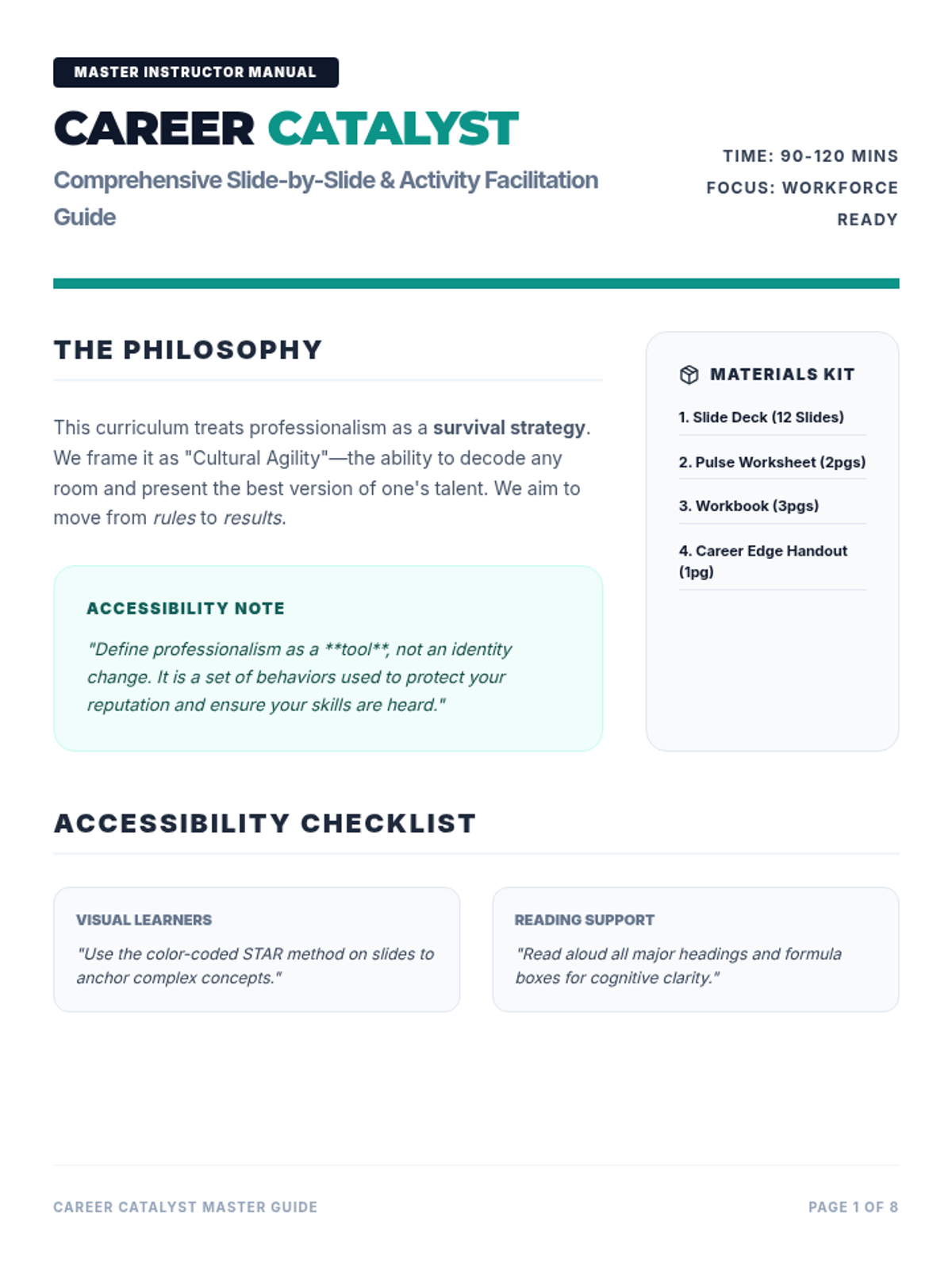
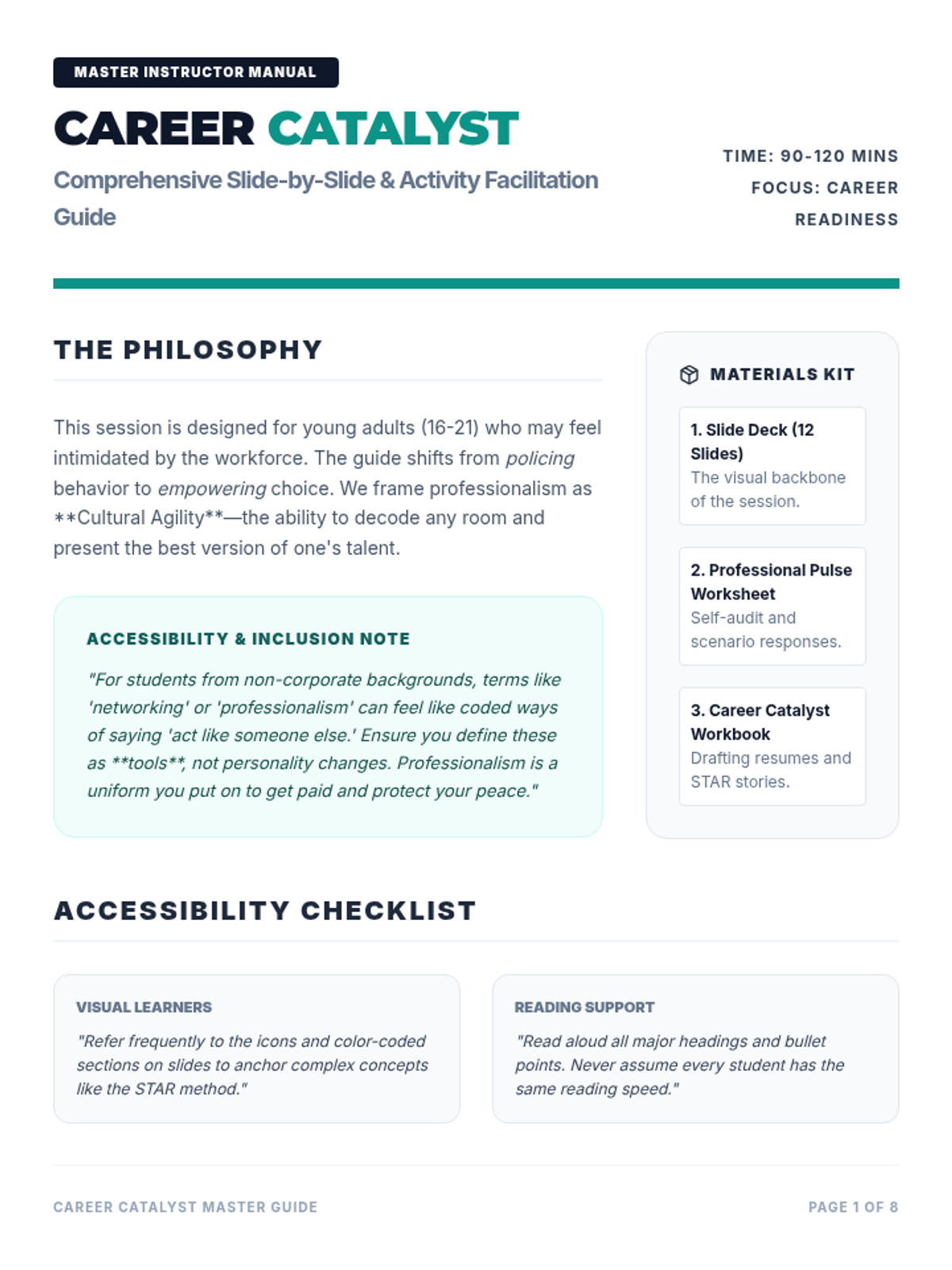
A comprehensive 8-page master facilitator guide that provides slide-by-slide instructions, worksheet mapping, script snippets, and advanced accessibility notes to ensure workforce readiness for all skill levels. (Expanded for maximum instructional depth and clarity).
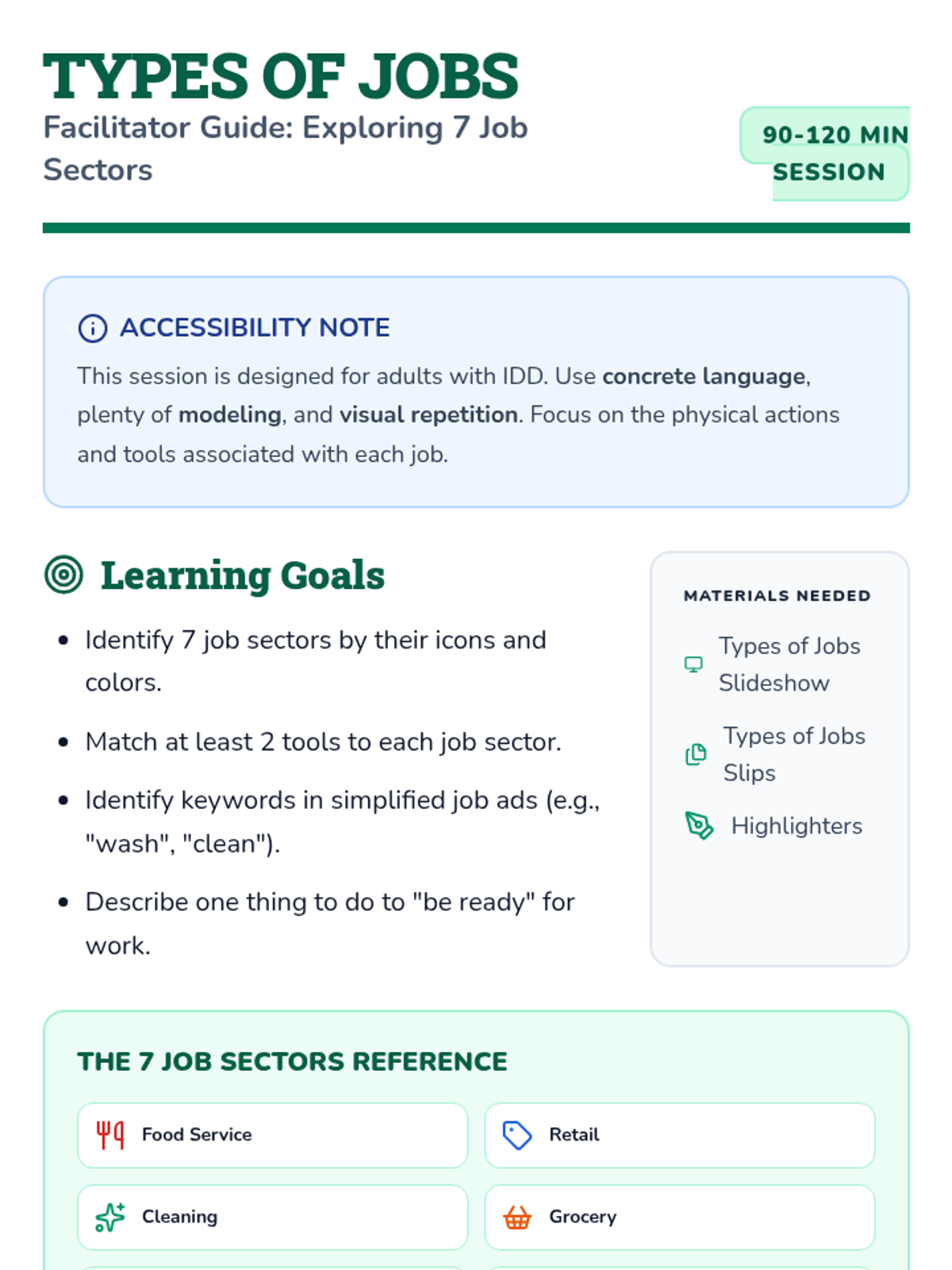
An updated facilitator guide for the Career Compass training, specifically adapted for adults with IDD. Includes references to the 'Types of Jobs' activity and clear teaching strategies.
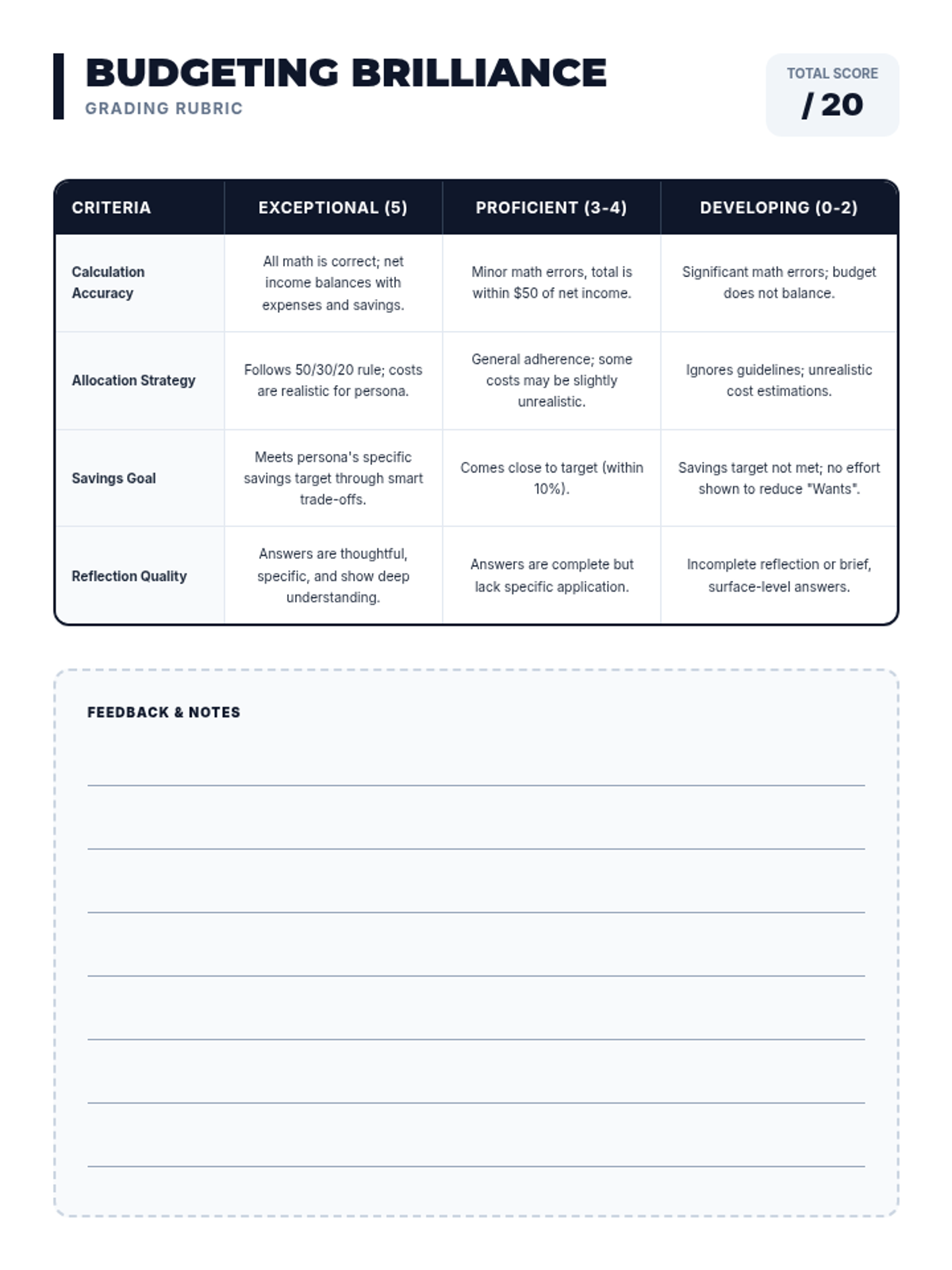
An easy-to-use assessment tool for teachers to evaluate student budgeting projects based on accuracy, strategy, and reflection.
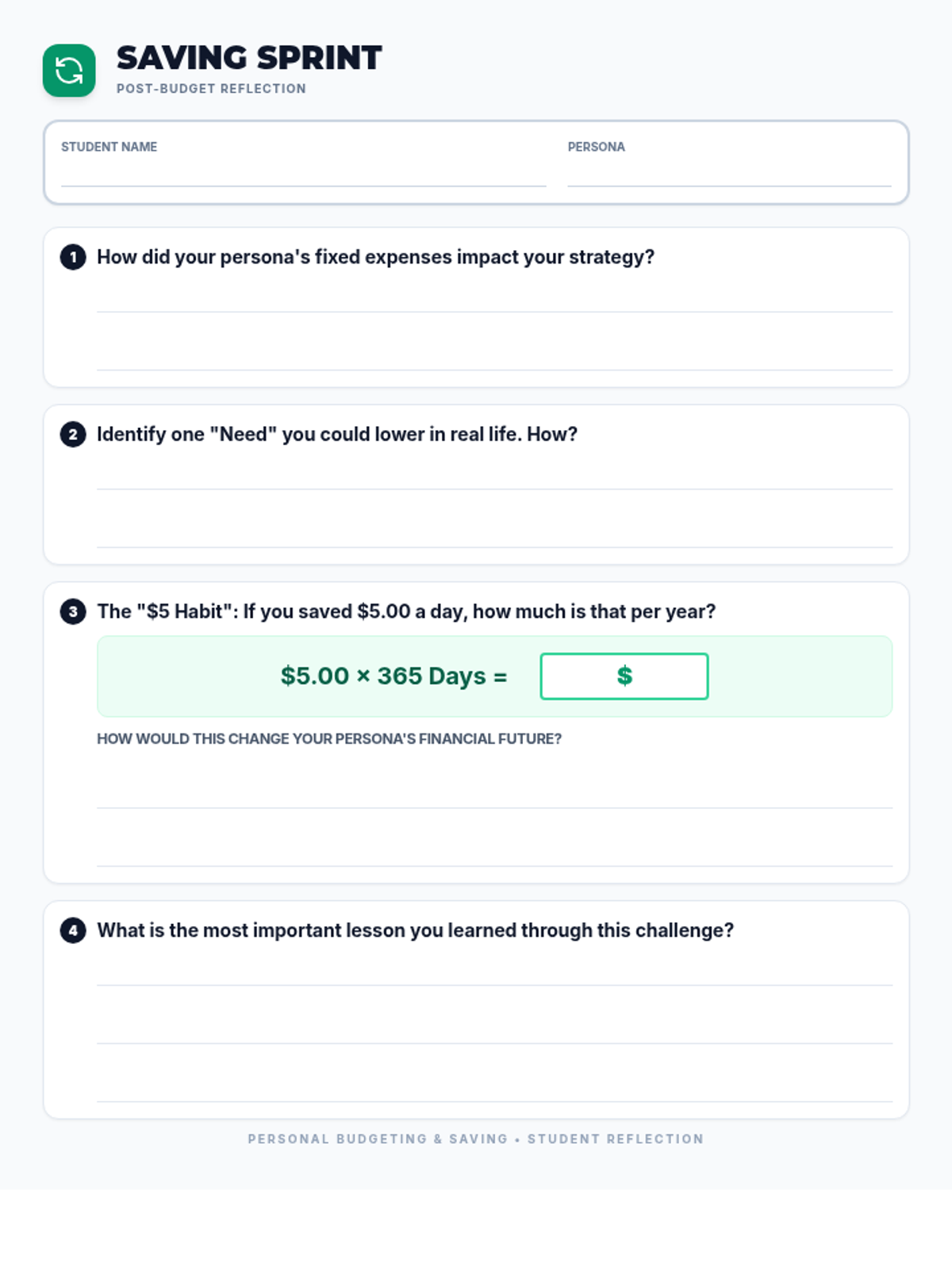
A reflection worksheet designed to help students analyze their budgeting decisions and consider the long-term impact of small financial habits.
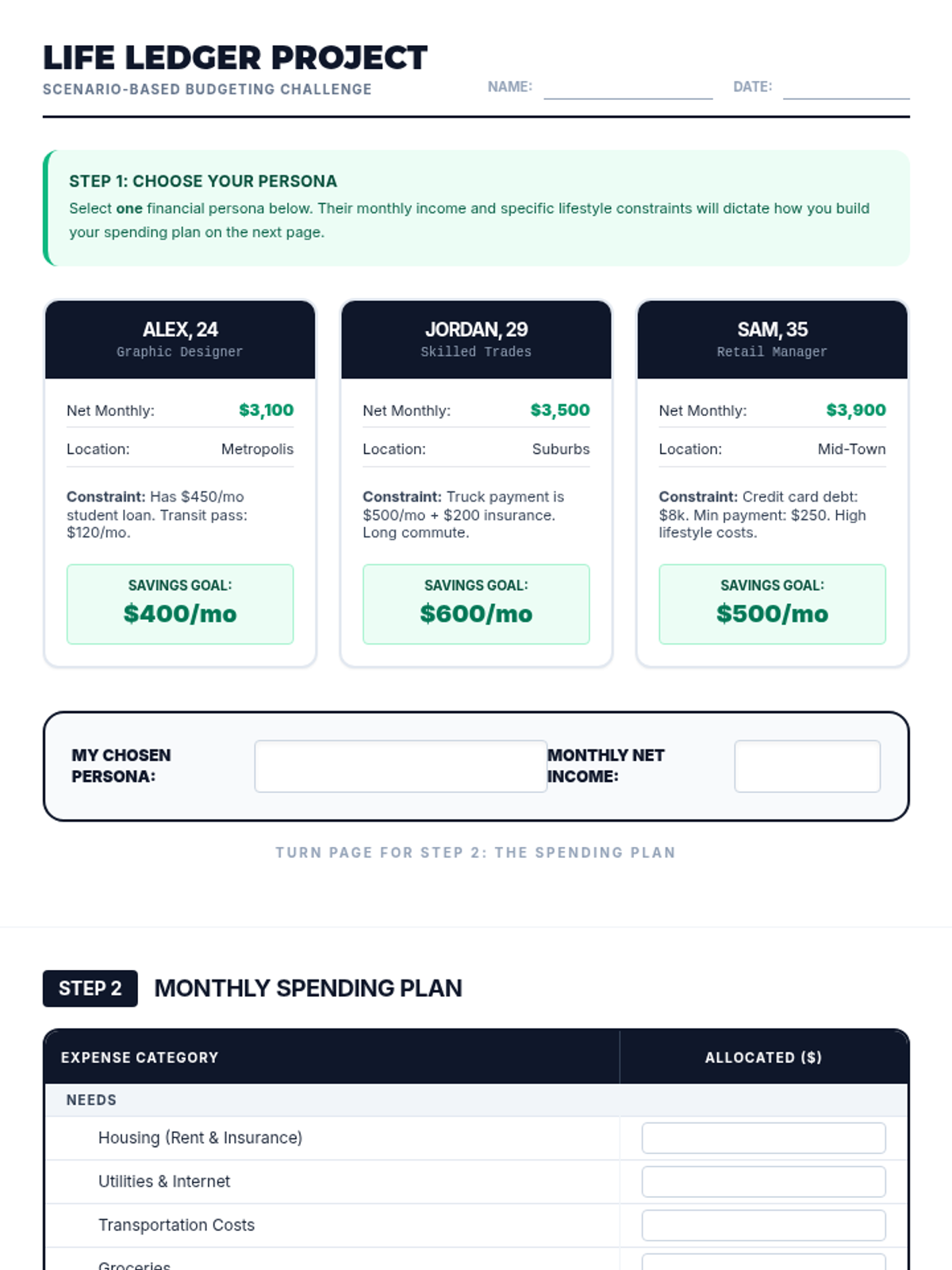
A two-page student project workbook where students choose a financial persona and build a comprehensive monthly budget based on specific income and constraints.
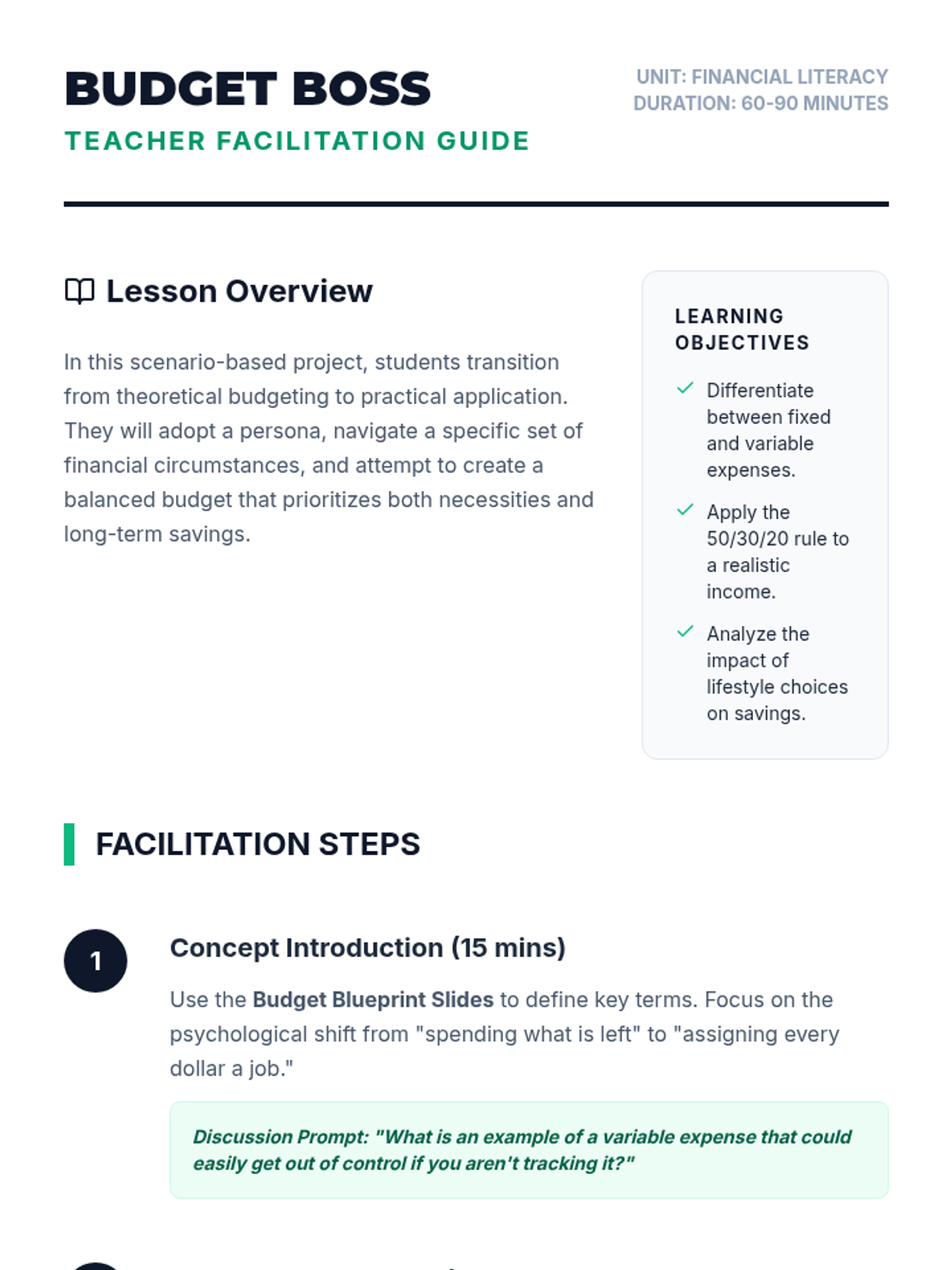
A comprehensive teacher's guide providing lesson objectives, facilitation steps, discussion prompts, and tips for managing the budgeting simulation.
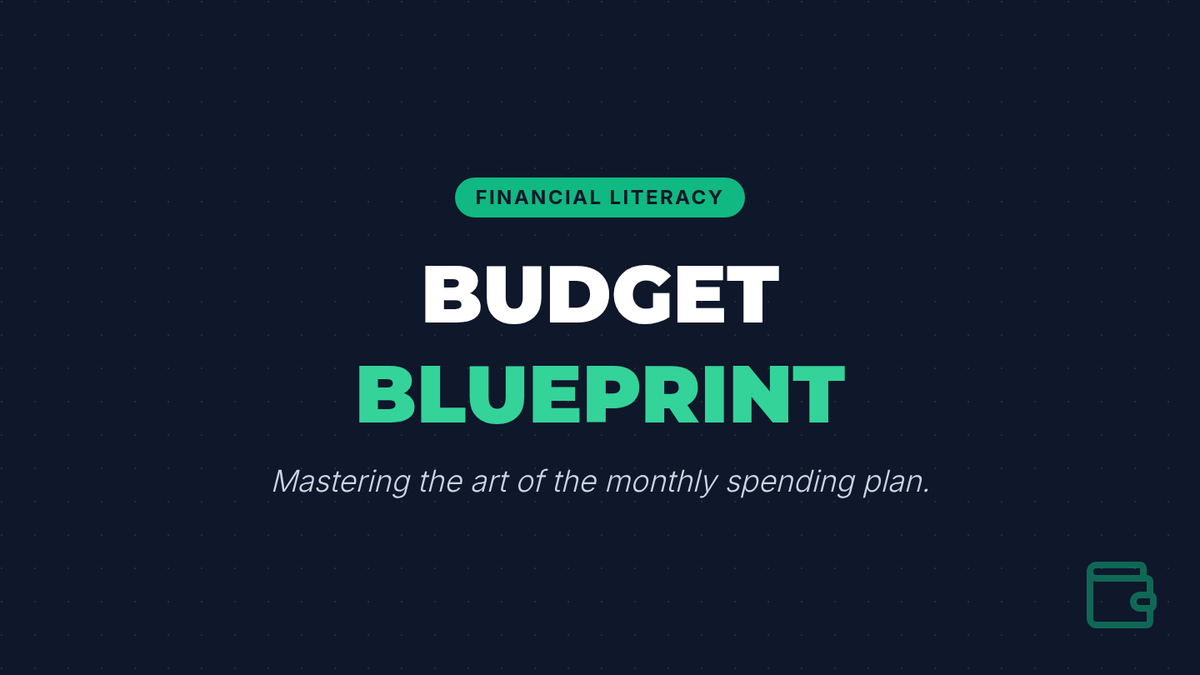
A visually engaging slide deck introducing key budgeting concepts, including fixed vs. variable expenses, the 50/30/20 rule, and the upcoming scenario project.
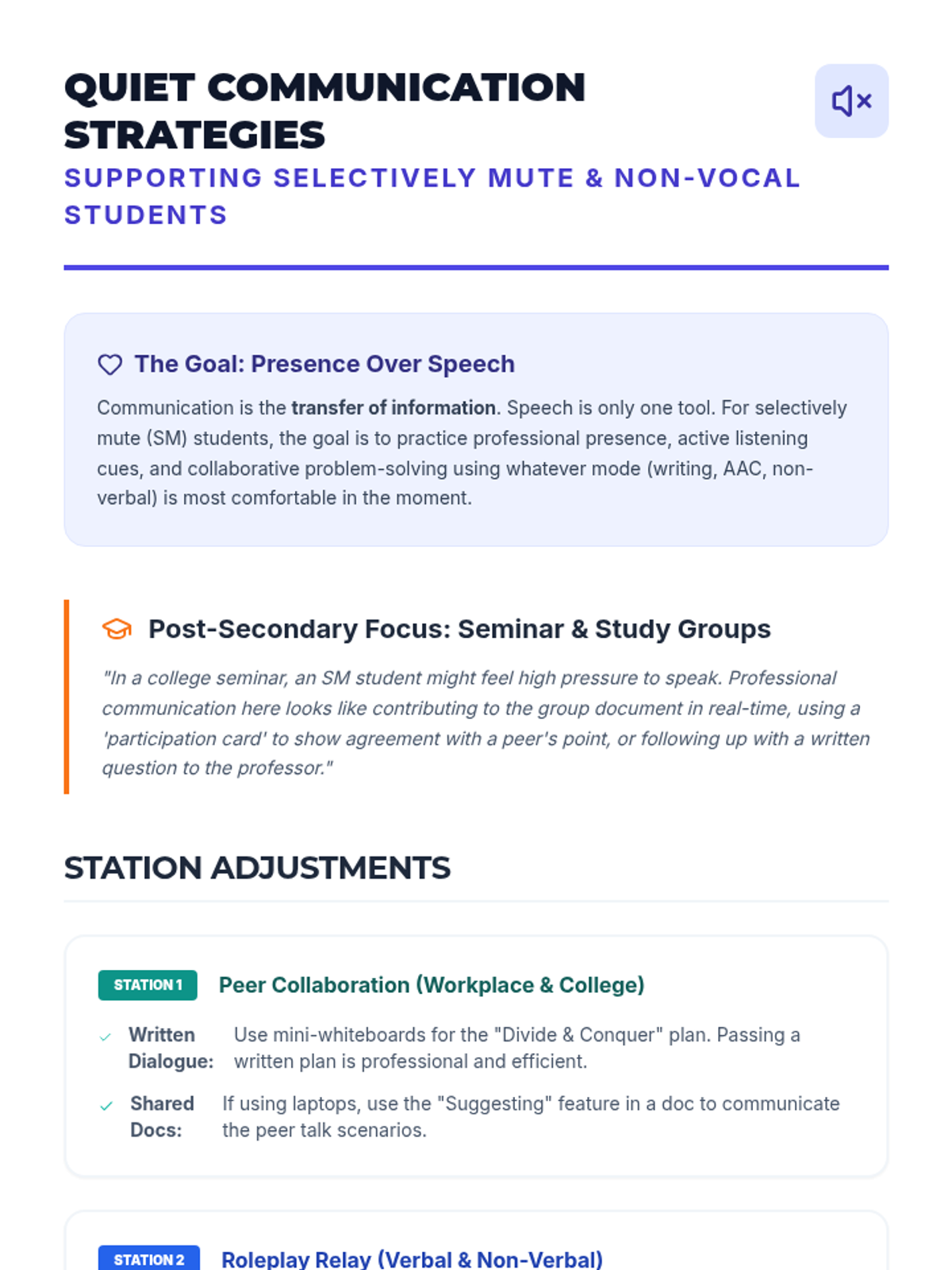
Teacher guide focused on supporting selectively mute and non-vocal students during the communication lesson, providing station-specific strategies and inclusive participation options. Updated with post-secondary focus and layout fixes.
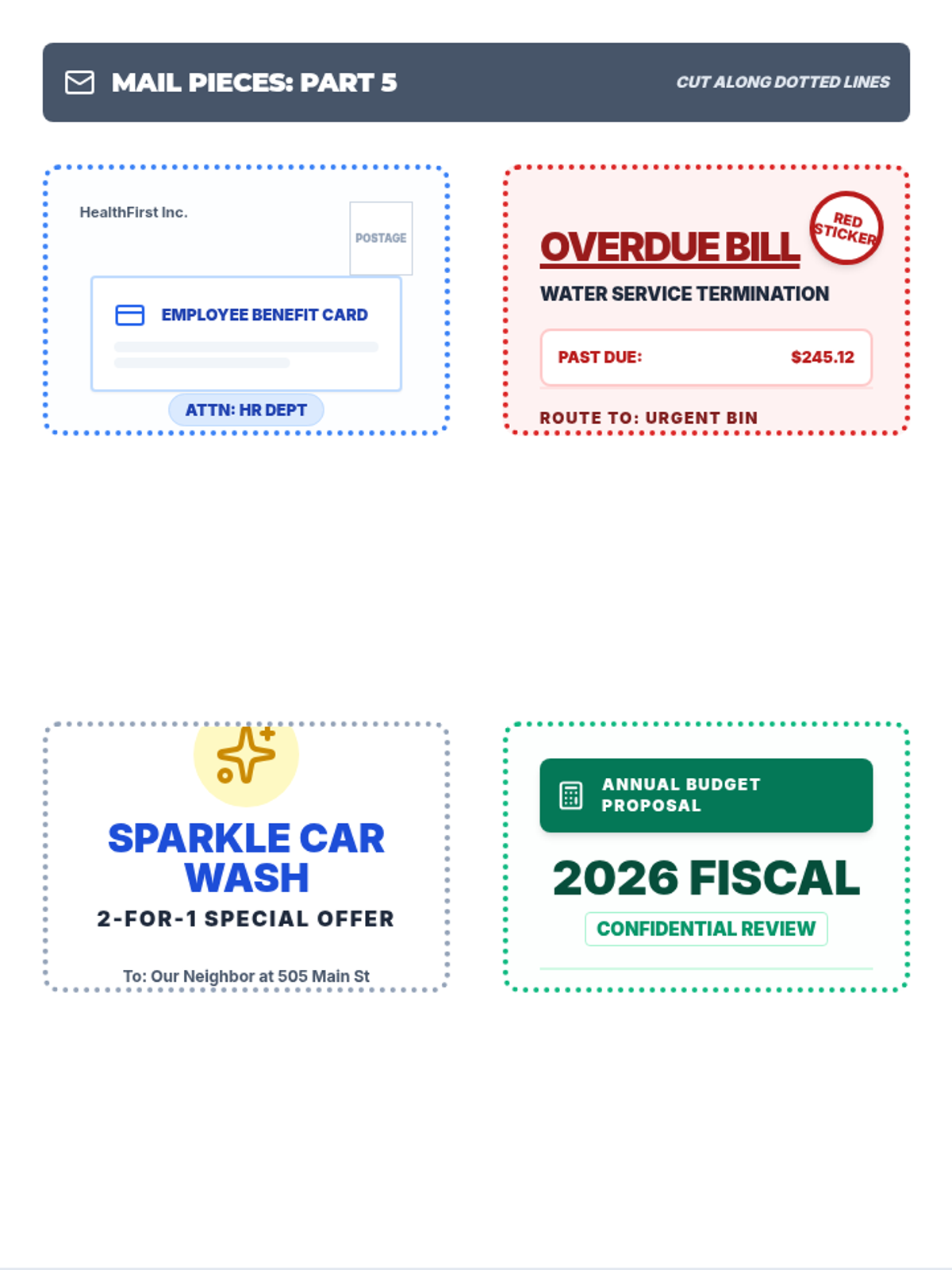
An additional set of printable mail items for sorting practice, including insurance cards, overdue bills, interview schedules, and more handheld slips.
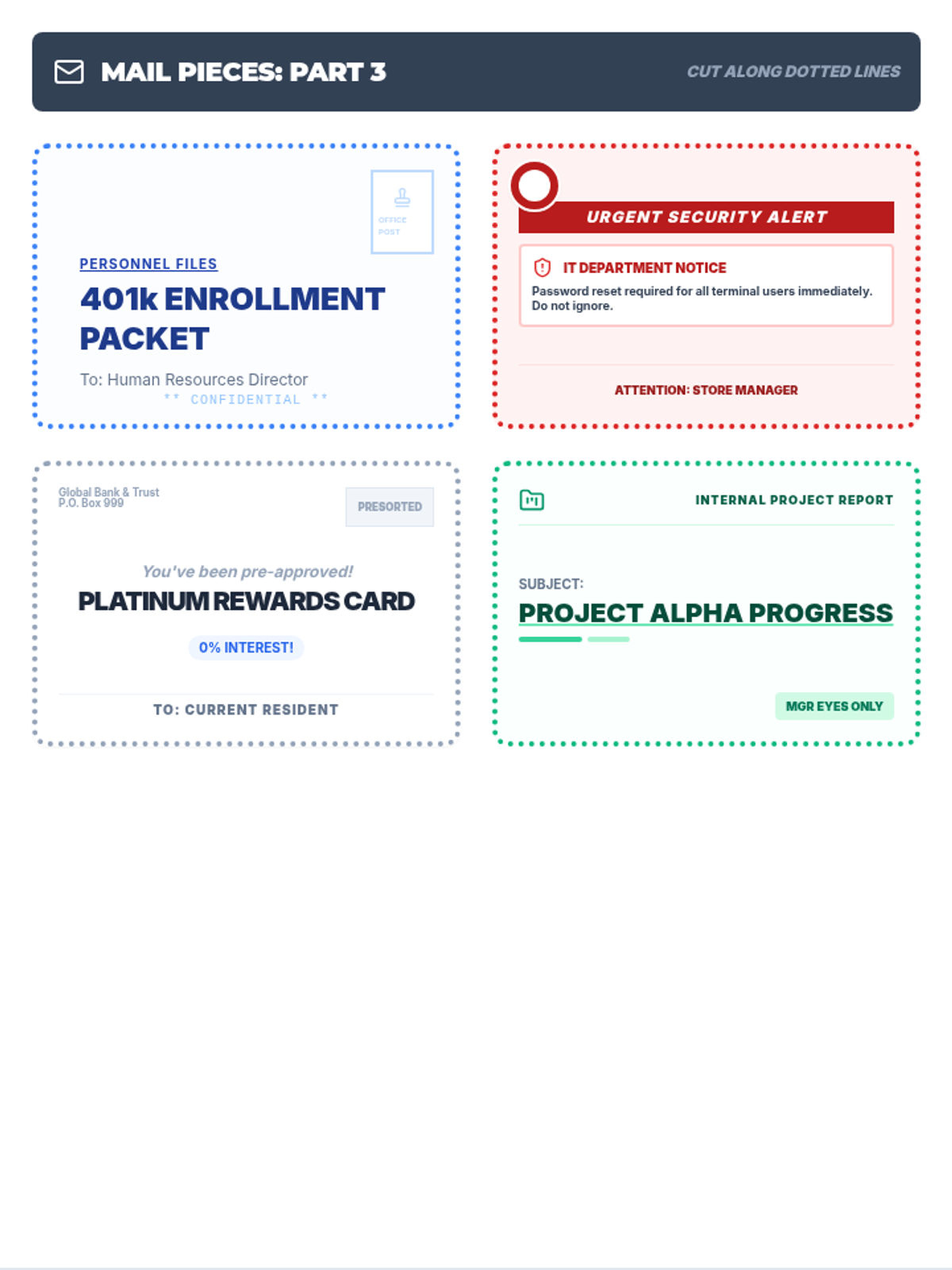
An additional set of printable mail items for sorting practice, including benefits packets, security alerts, project reports, and more trash mail.
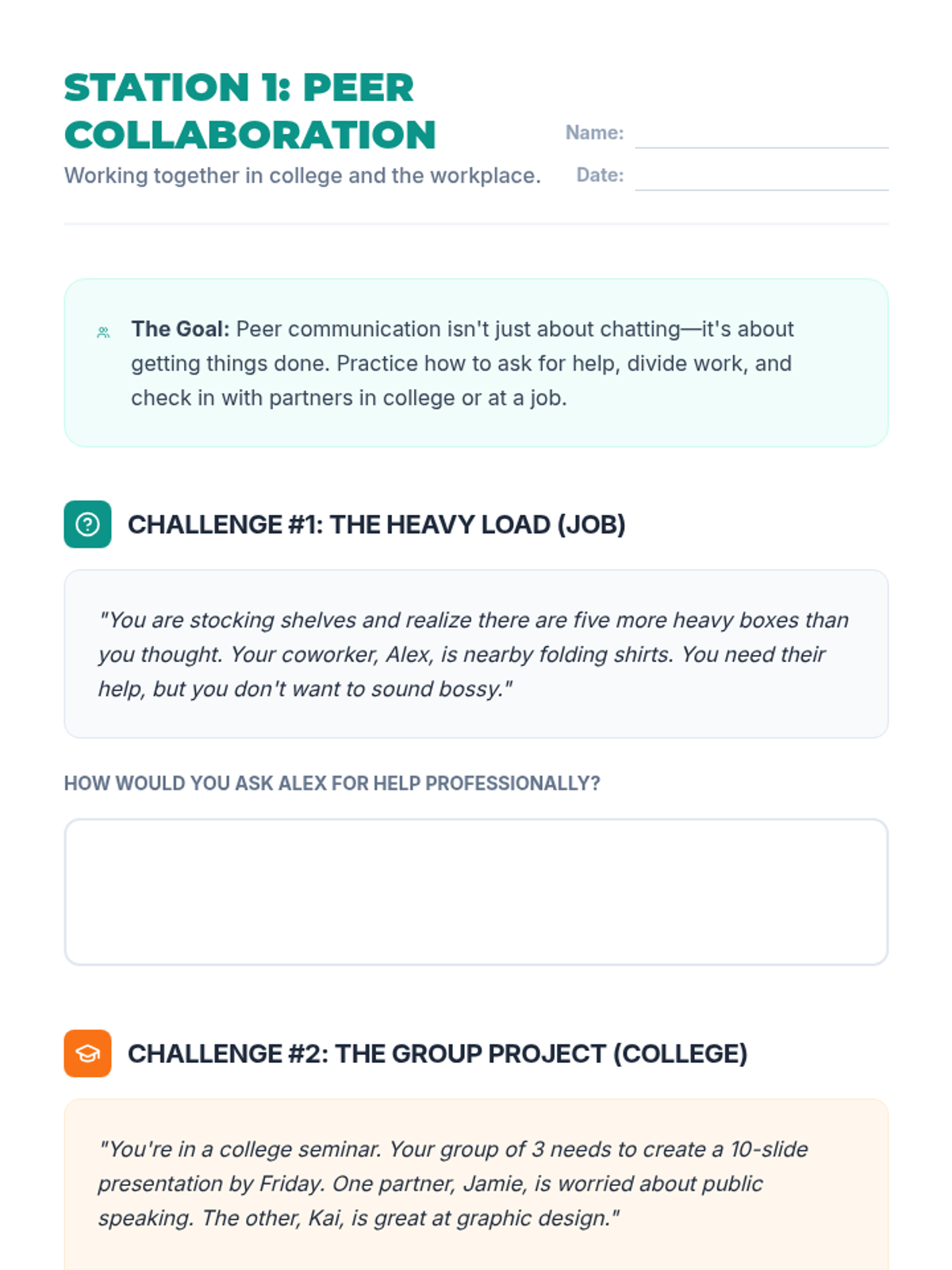
Peer Collaboration worksheet where students practice professional communication skills like asking for help, coordinating tasks, and checking in with coworkers and college project partners.
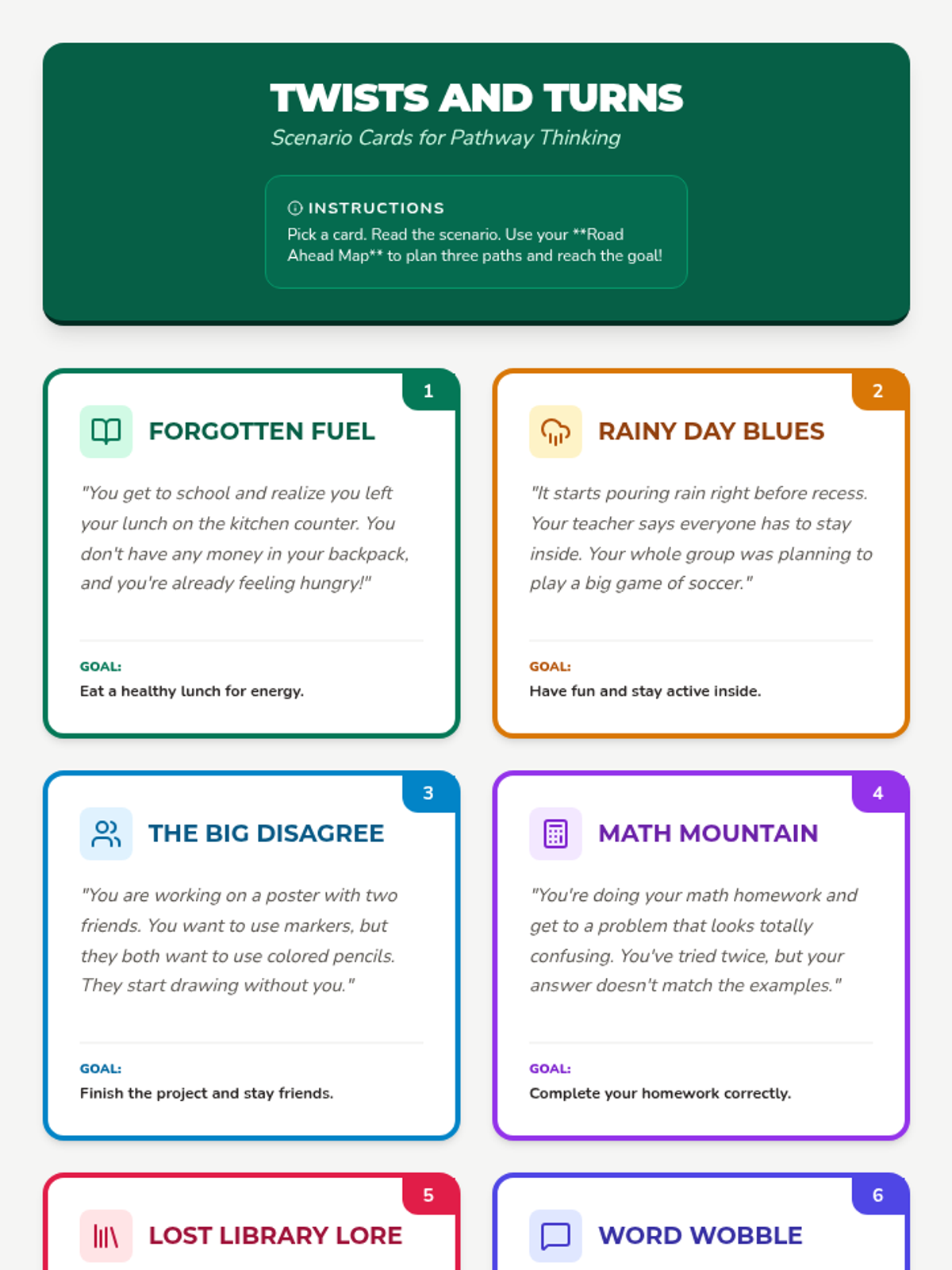
A set of 8 scenario task cards for 3rd and 4th graders (reduced for better print layout), featuring relatable problems like forgotten lunches, rainy recess, and social disagreements.
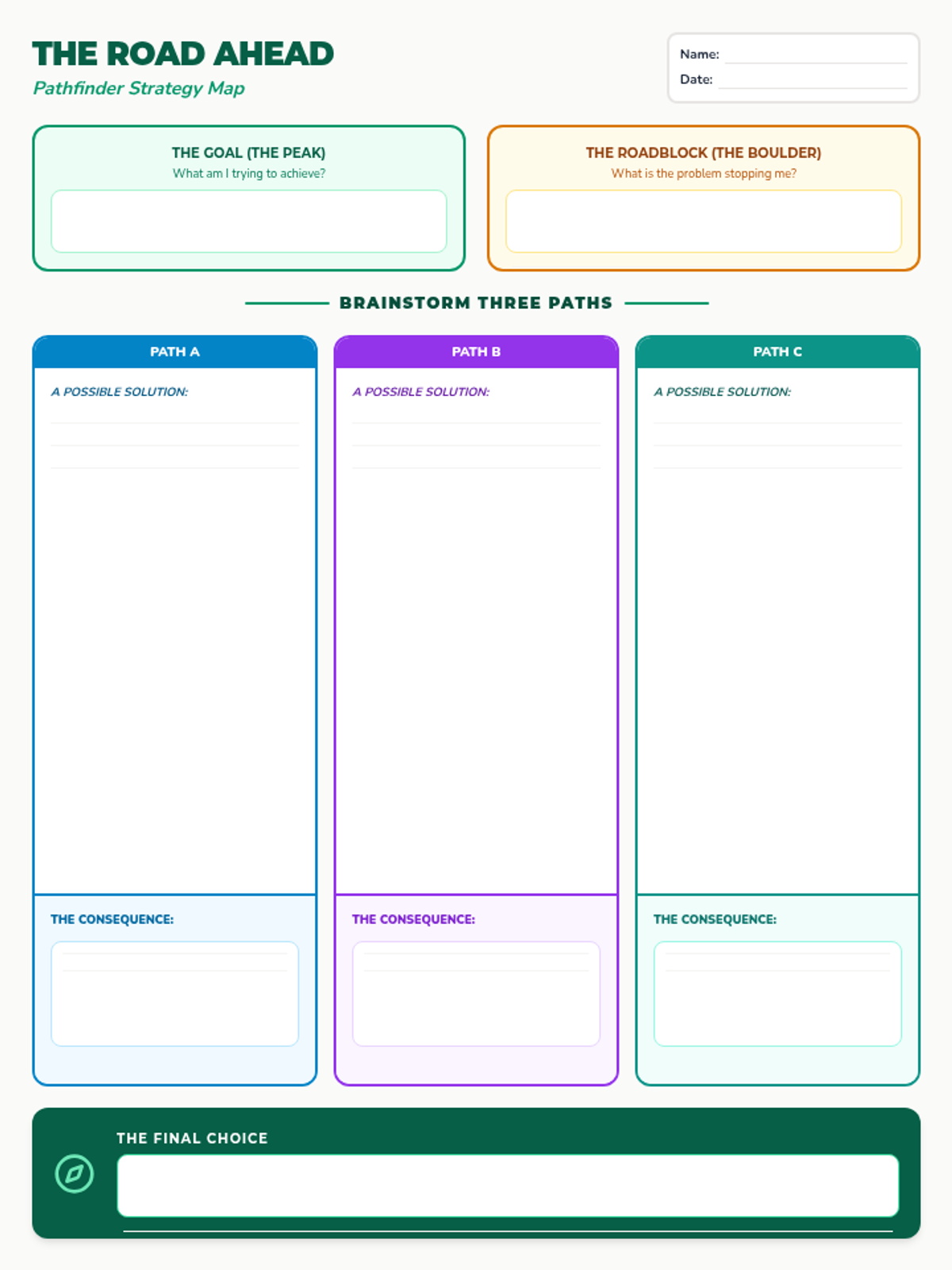
A visual graphic organizer designed to help students map out a goal, a roadblock, and three possible solutions with their consequences.
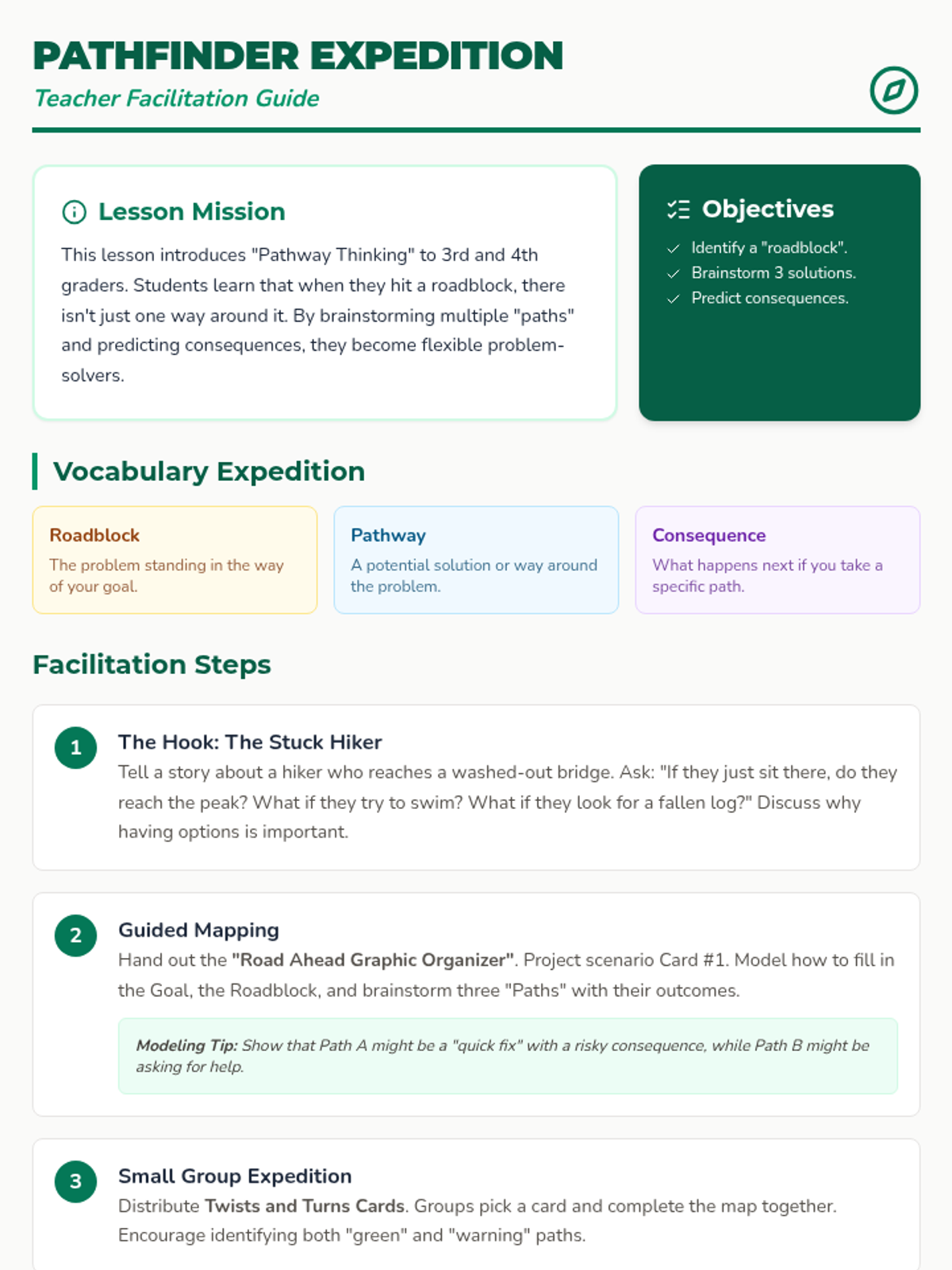
A teacher facilitation guide for the Pathfinder Skills lesson, including vocabulary, procedure, and discussion prompts.
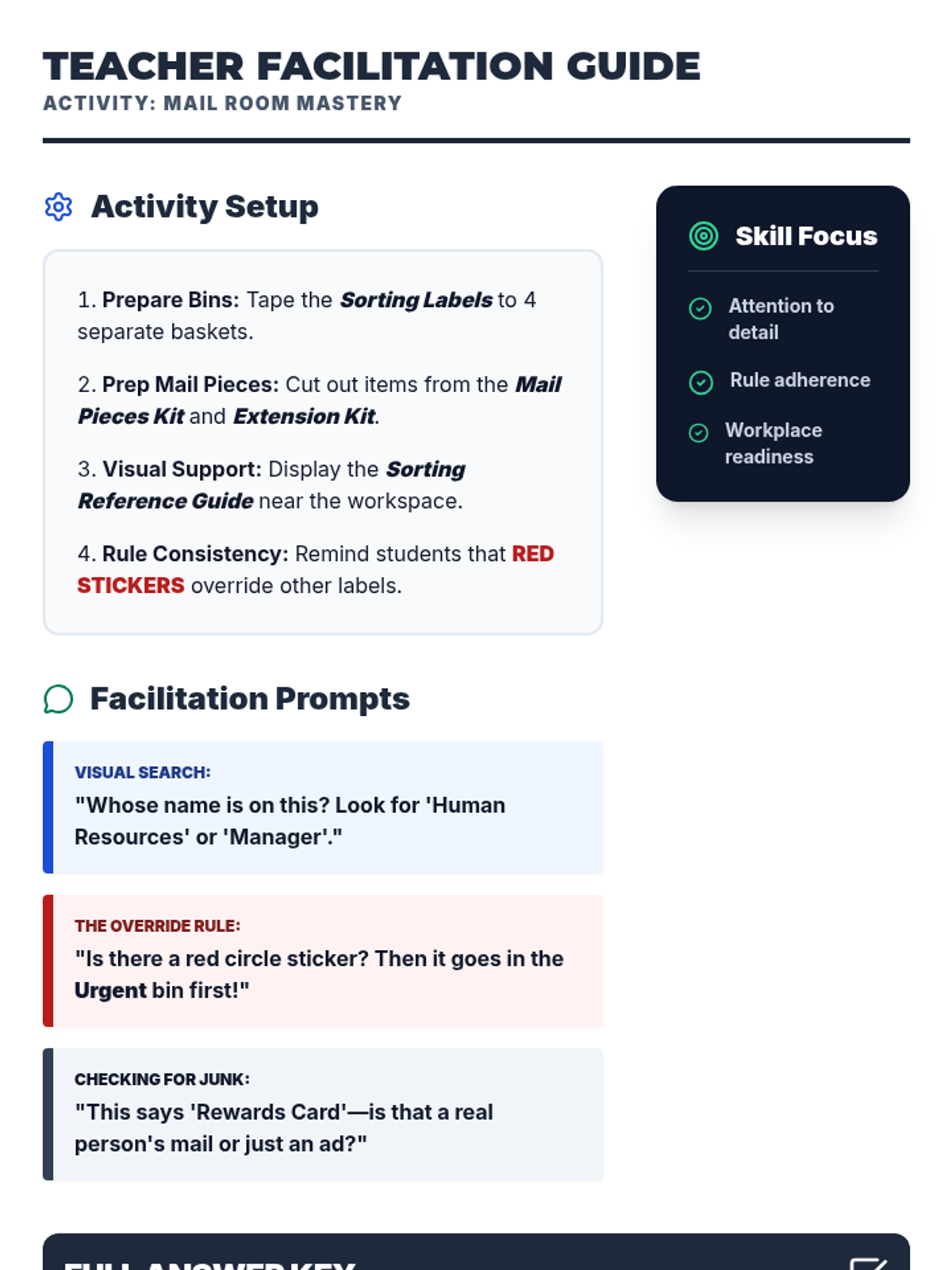
Instructional guide for teachers outlining setup steps, verbal prompts for students, and an answer key for the mail sorting activity.
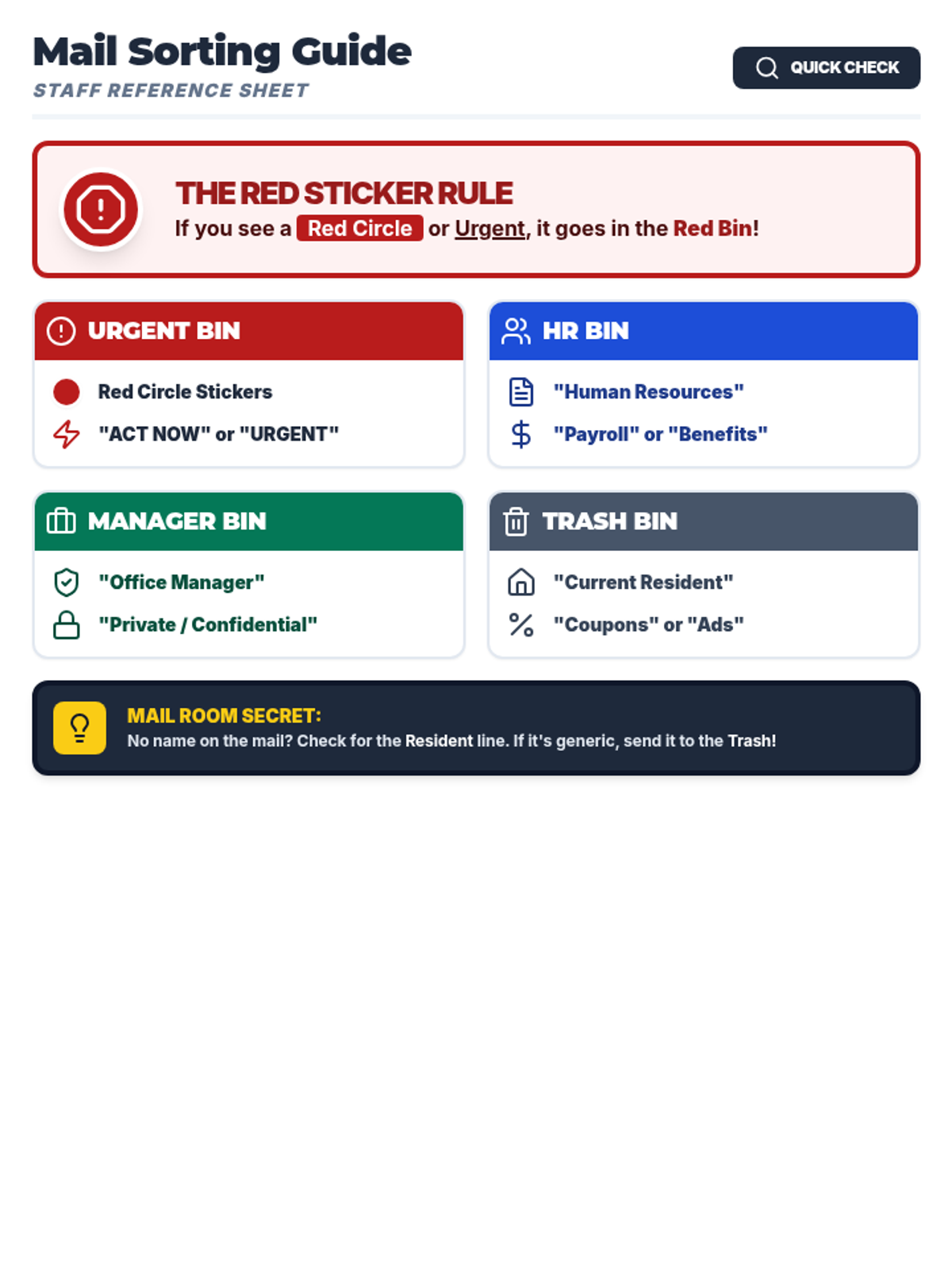
A visual support guide with color-coded categories and clear icons to help students identify which mail items go into the Urgent, HR, Manager, or Trash bins.
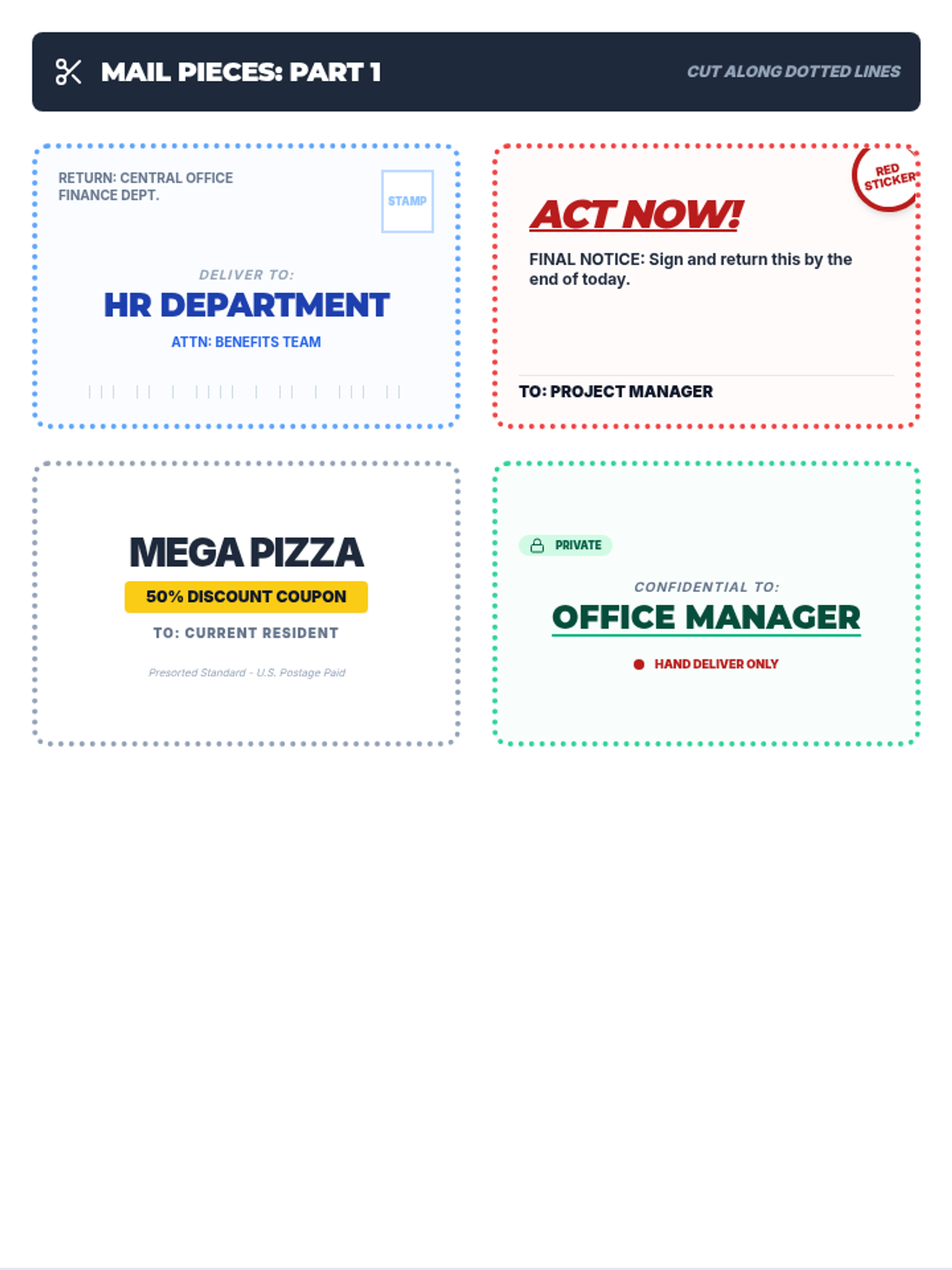
A set of printable 'mail' items including envelopes for HR, postcards with 'Urgent' stamps, manager-specific correspondence, and junk mail advertisements for a sorting activity.
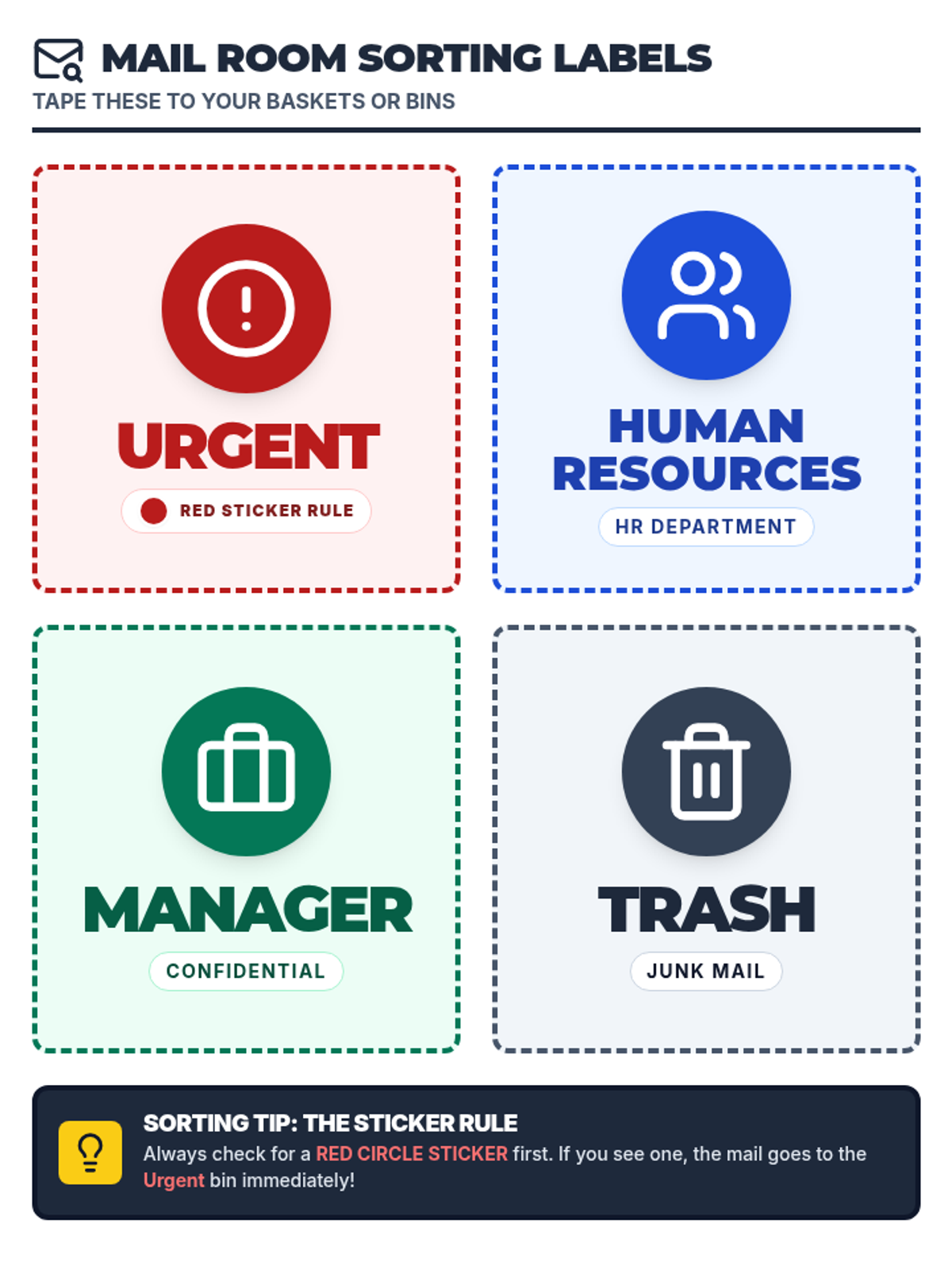
Large, color-coded labels for mail bins including HR, Manager, Trash, and Urgent categories with visual icons and a specific 'Red Sticker' rule indicator.
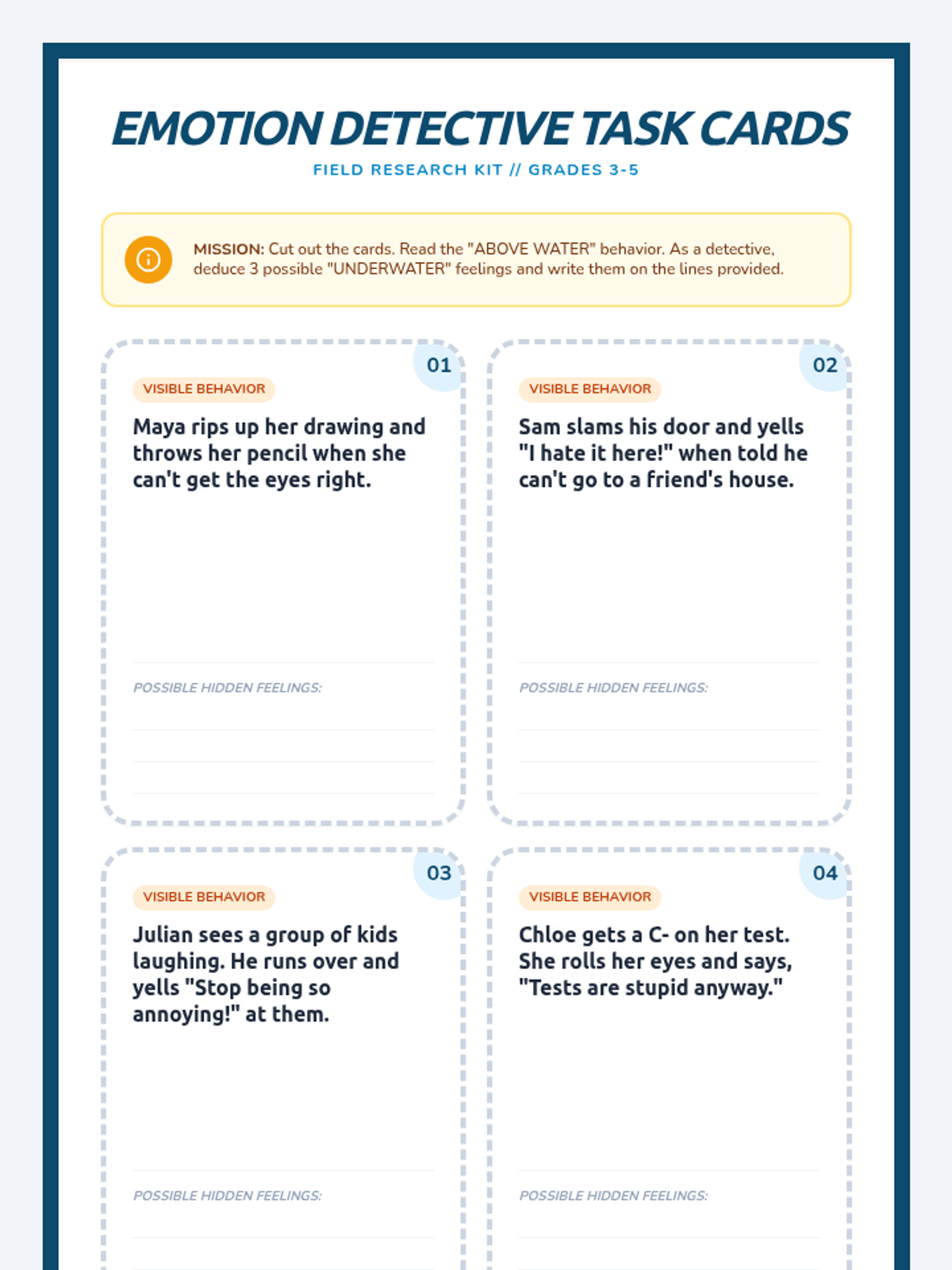
A set of printable task cards featuring various social scenarios. Students act as 'Emotion Detectives' to identify the underlying feelings behind visible behaviors like anger or frustration.
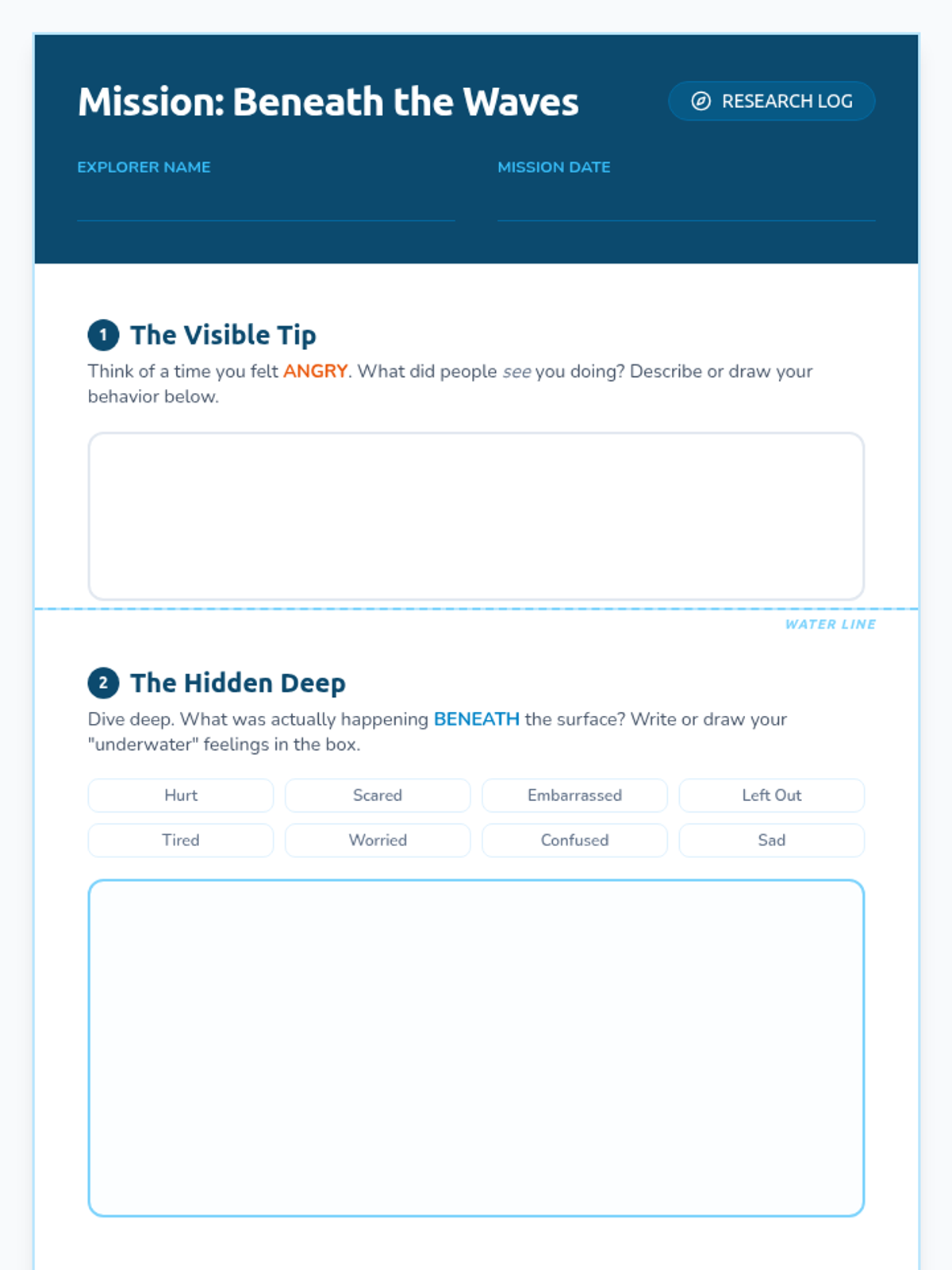
A student reflection worksheet where children identify their own "above water" behaviors and "below water" feelings for a specific personal scenario.
A visual presentation for grades 3-5 that explains the Emotional Iceberg metaphor through high-impact graphics and scenario-based discussion points.
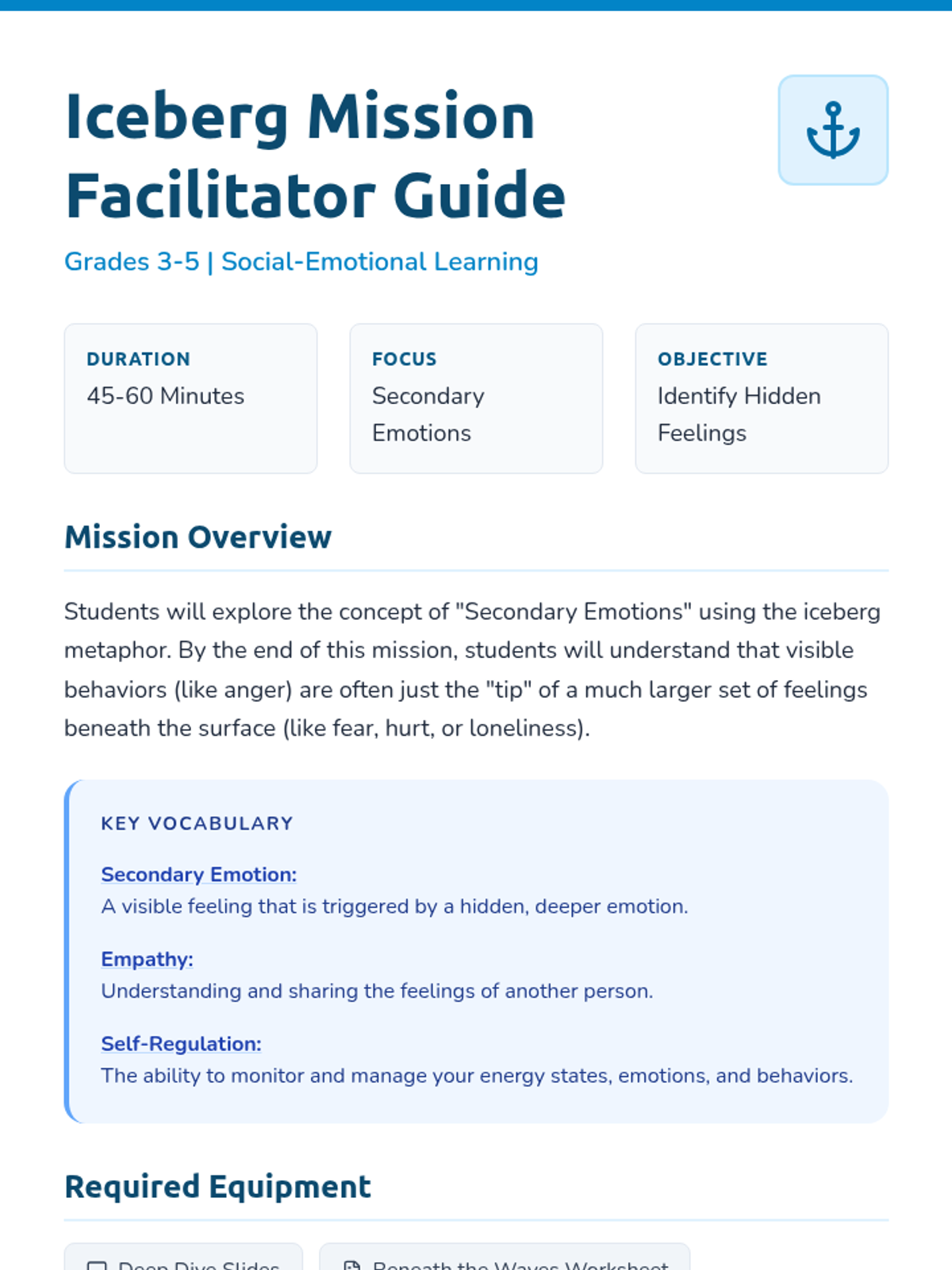
A comprehensive teacher's guide for the Emotional Iceberg lesson, featuring polar research-themed procedures, vocabulary definitions, and step-by-step instructional prompts for grades 3-5.
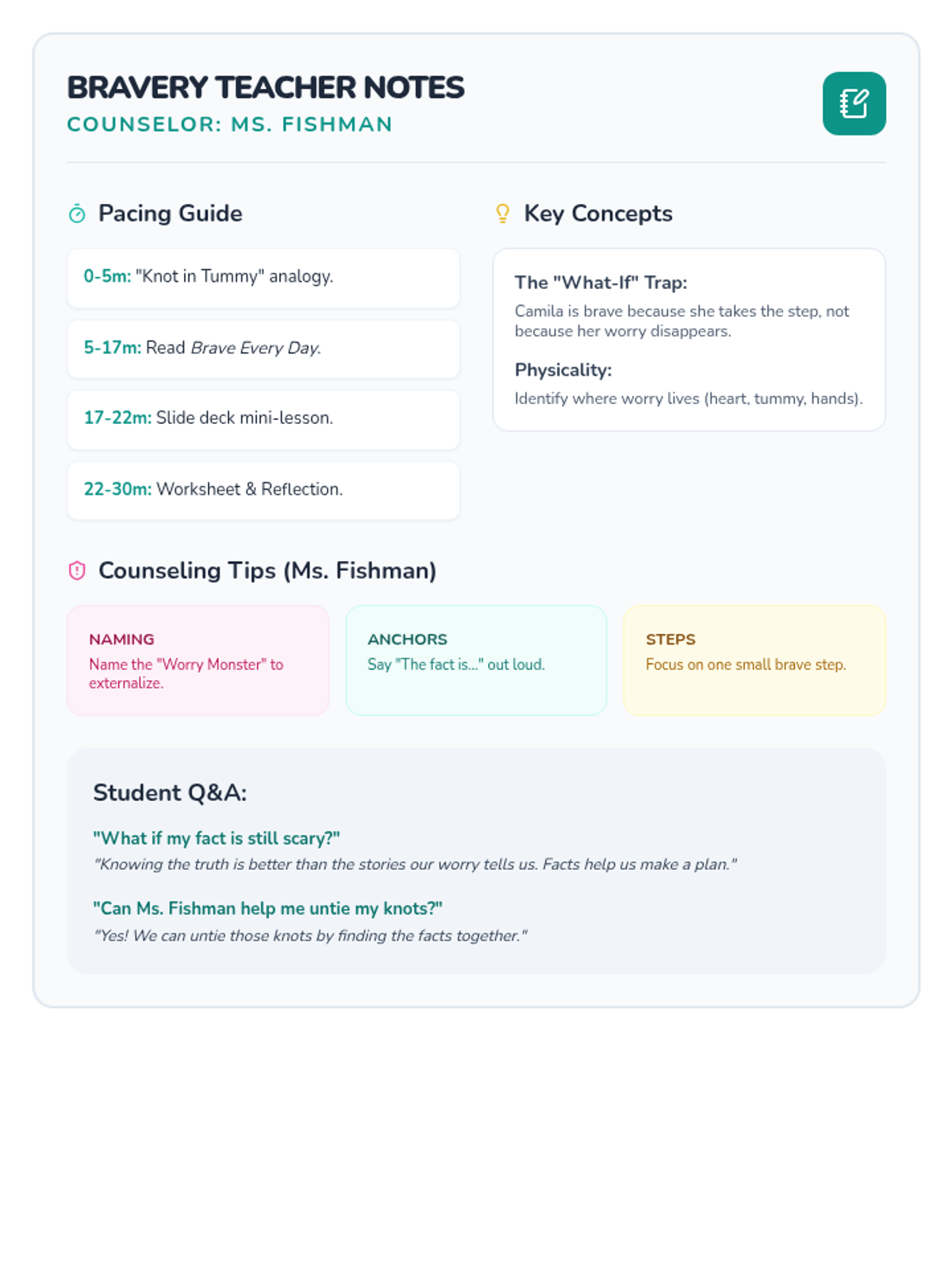
Specific teacher notes and counseling strategies for Ms. Fishman to use during the 'Brave Every Day' lesson, covering pacing, troubleshooting, and student questions.