Students rewrite exaggerated statements into factual sentences to verify they understand the core message. They discuss when it is appropriate to use hyperbole versus when to be factual.
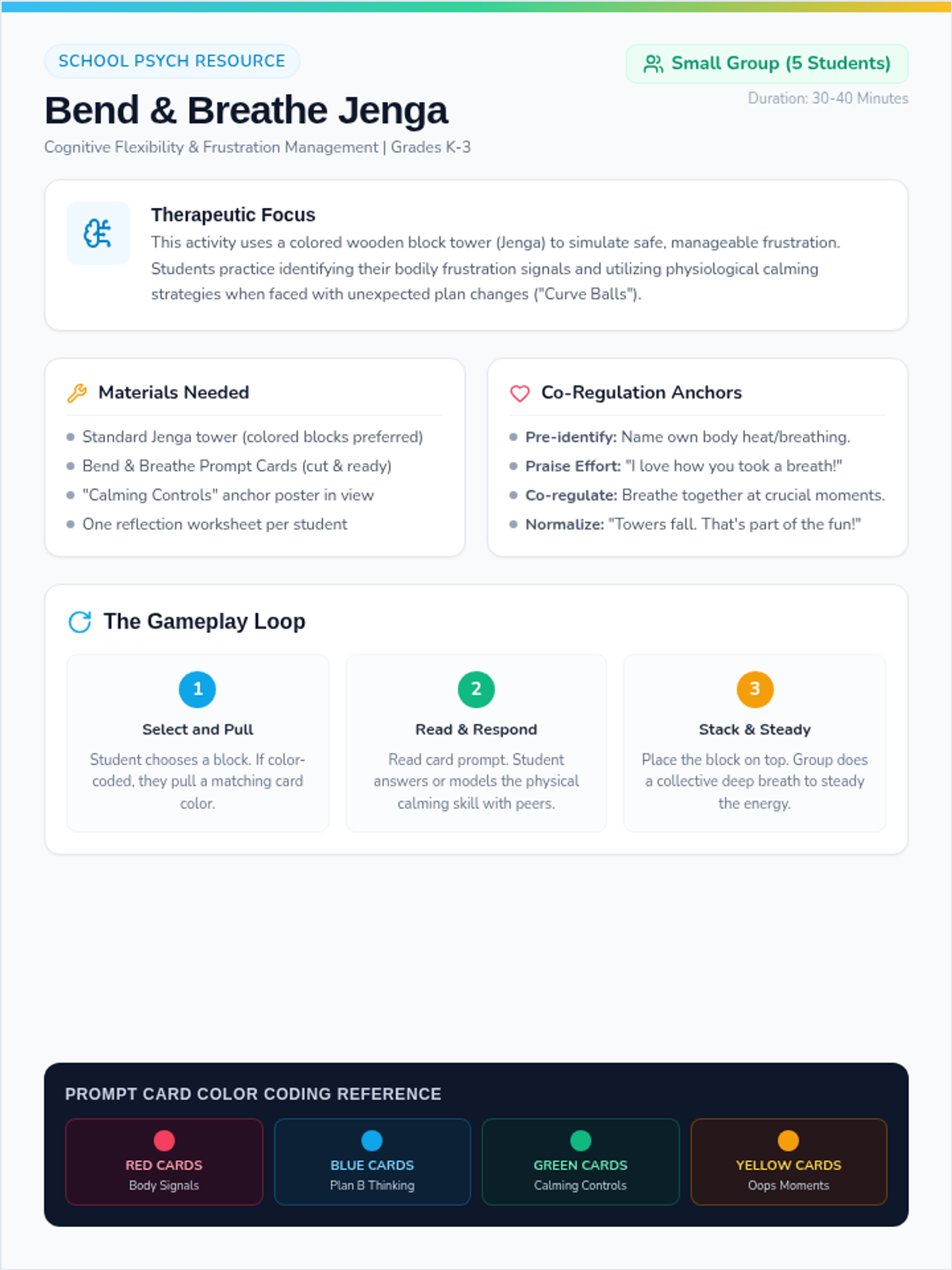
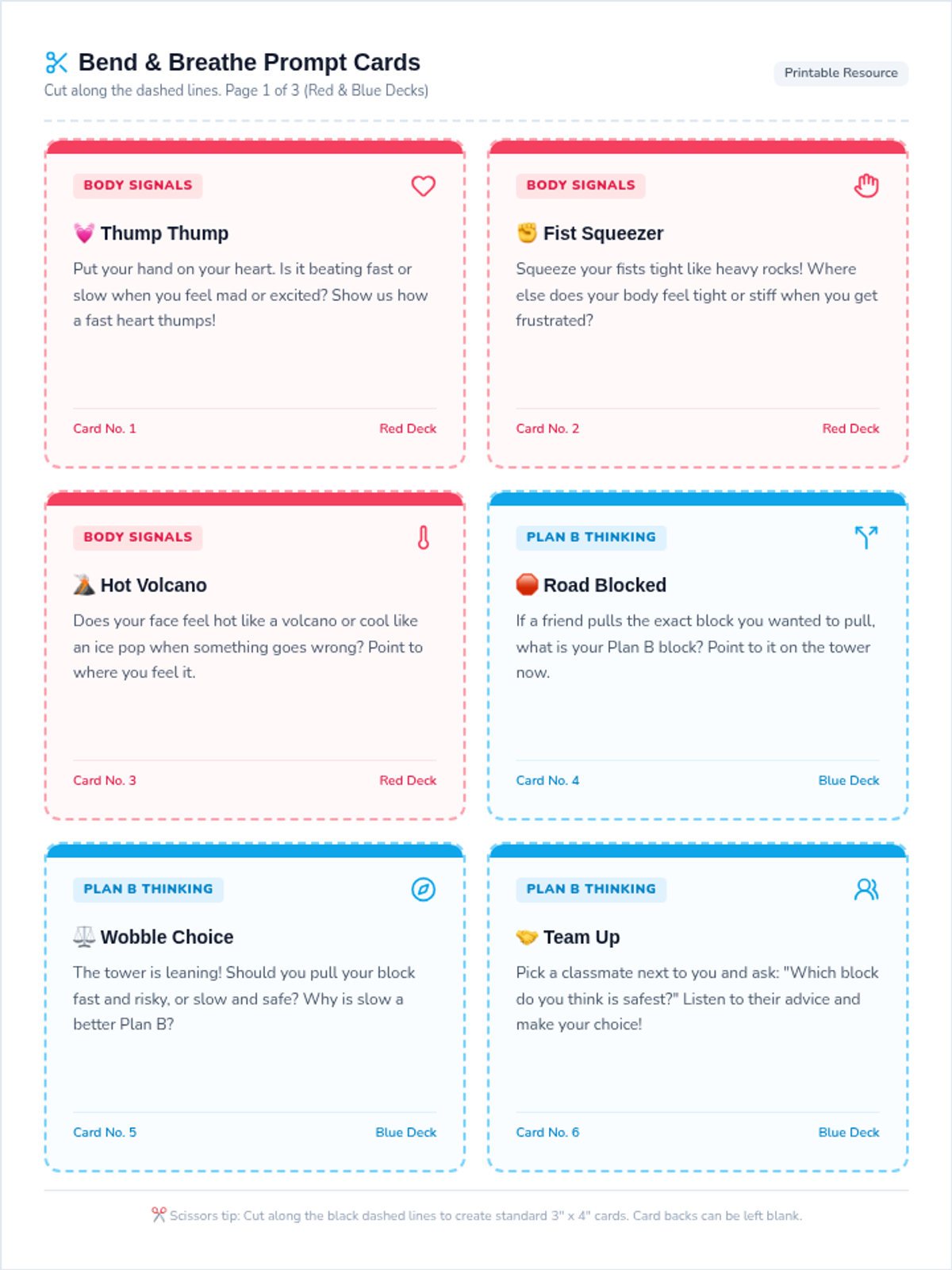
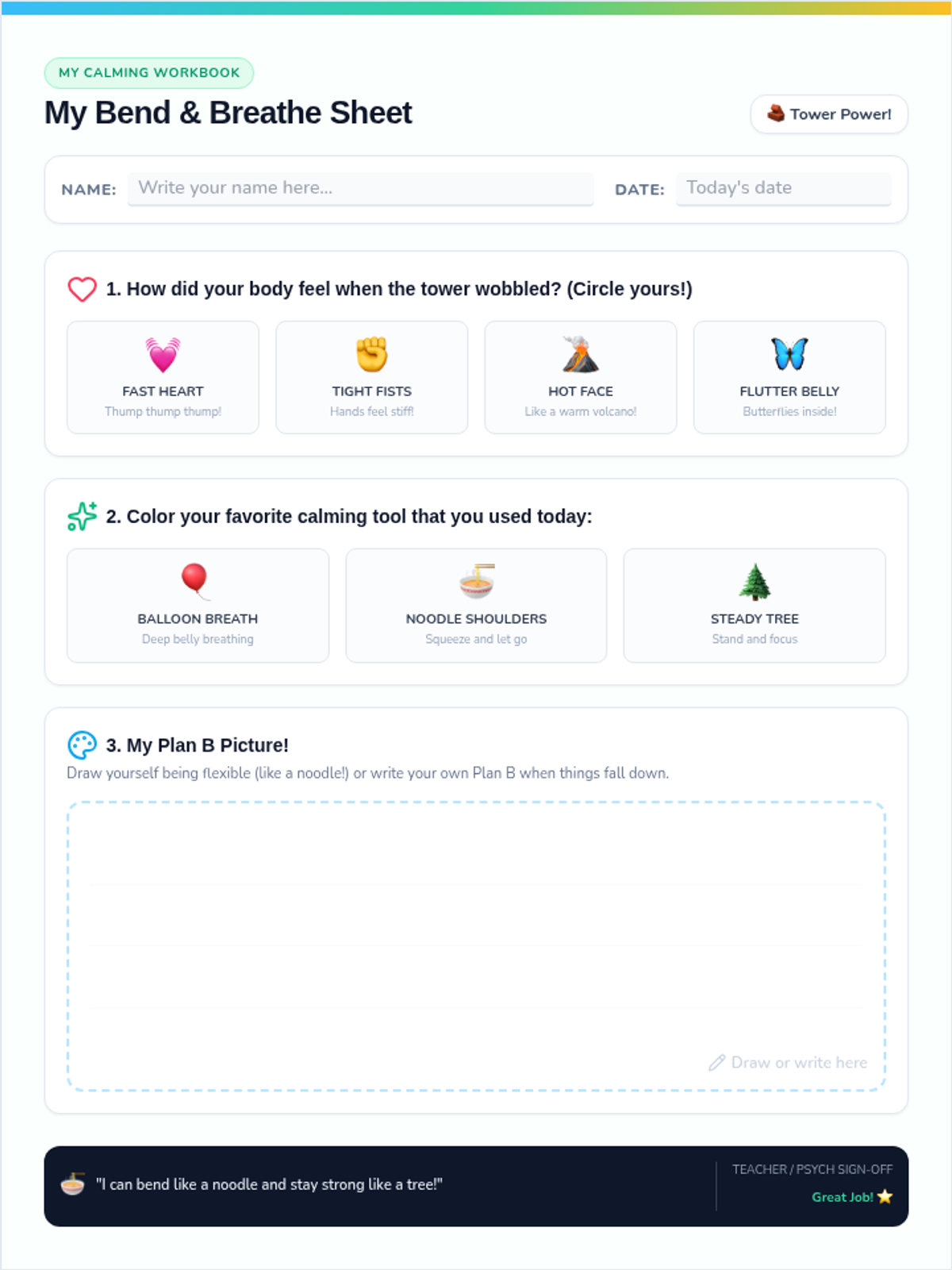
A therapeutic Jenga-based lesson designed for K-3 students in school psychology or special education settings. Focuses on cognitive flexibility, managing frustration, and physiological calming strategies through active gameplay, unexpected curve balls, and reflective processing.
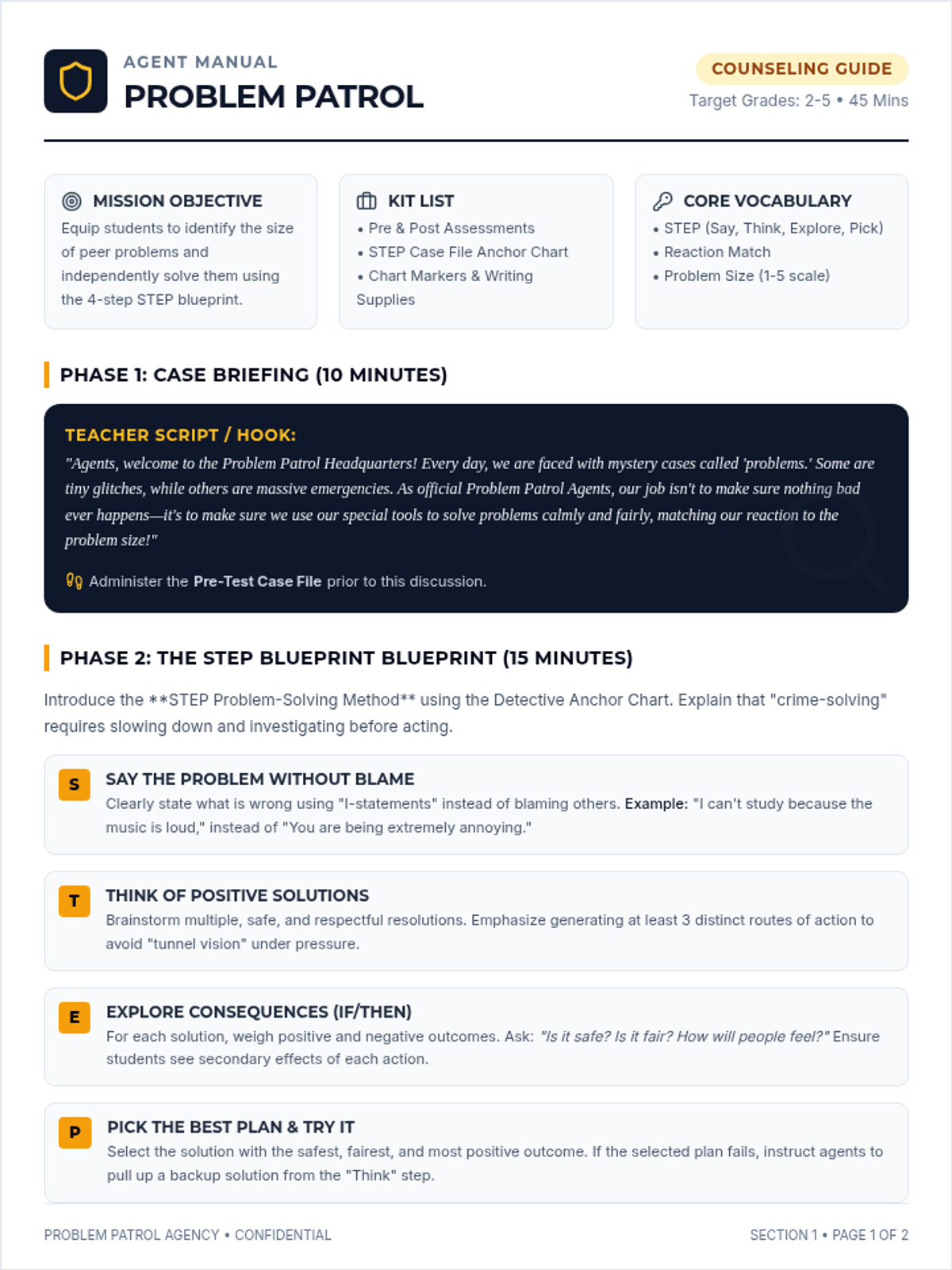
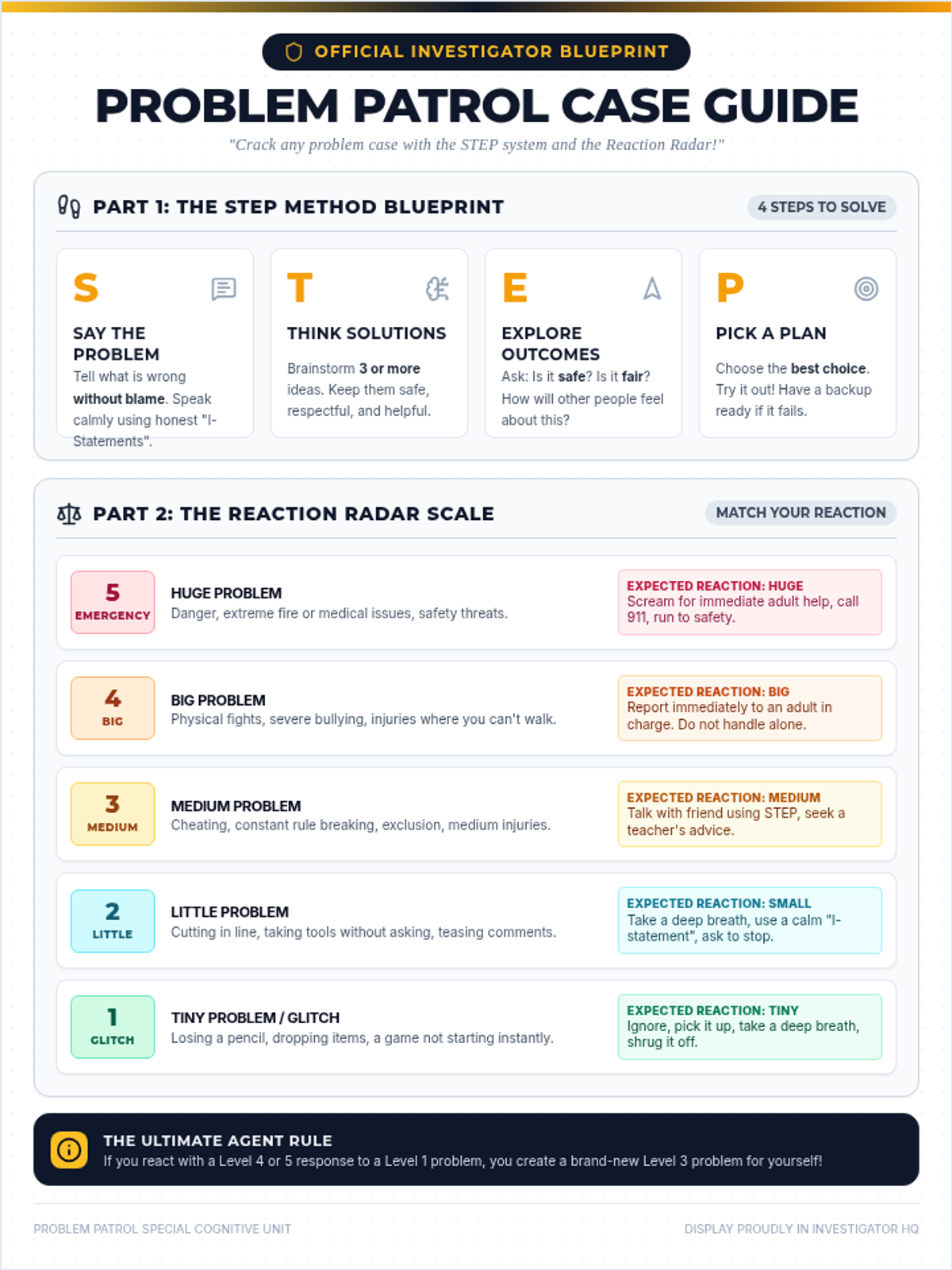
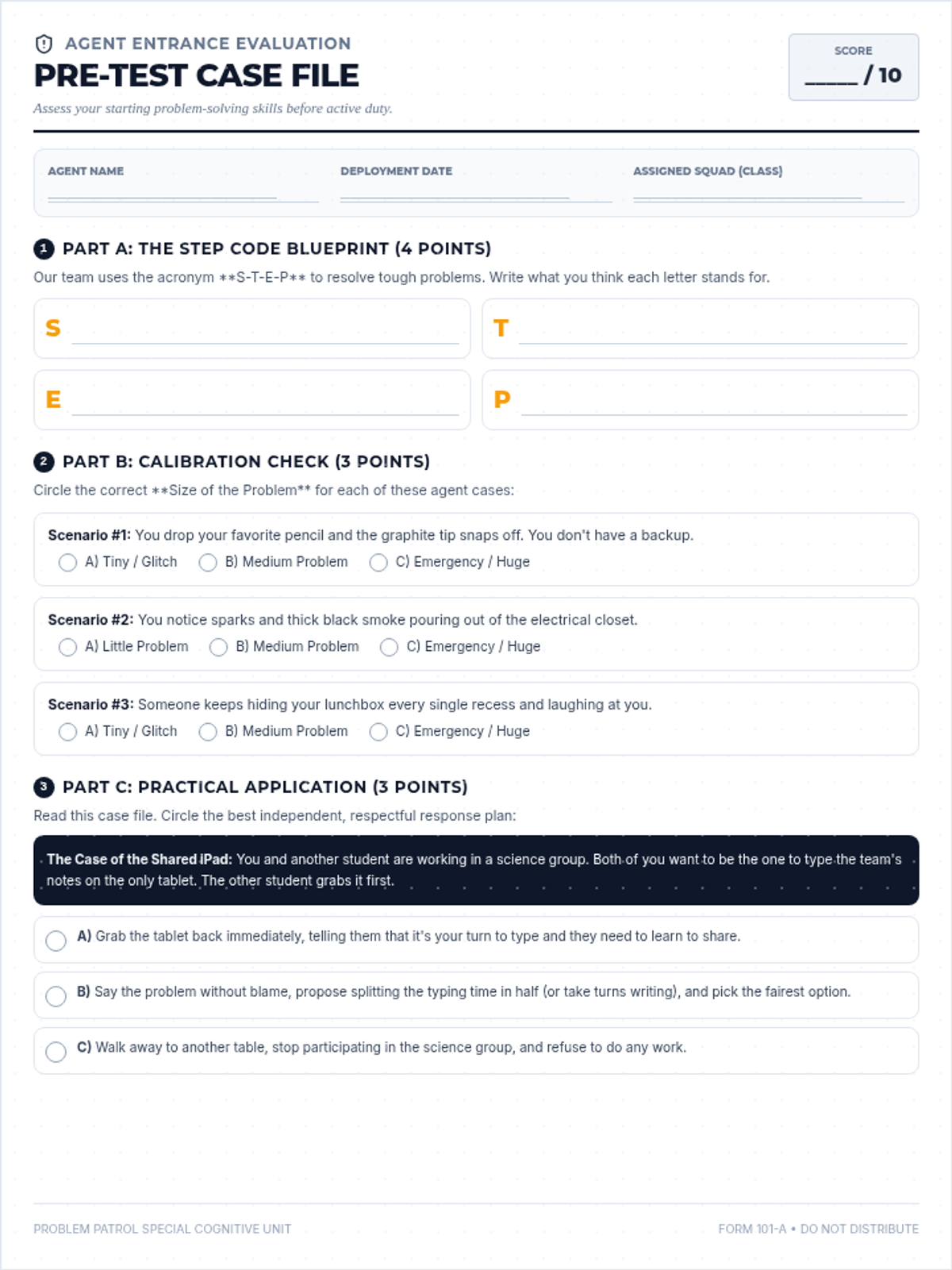
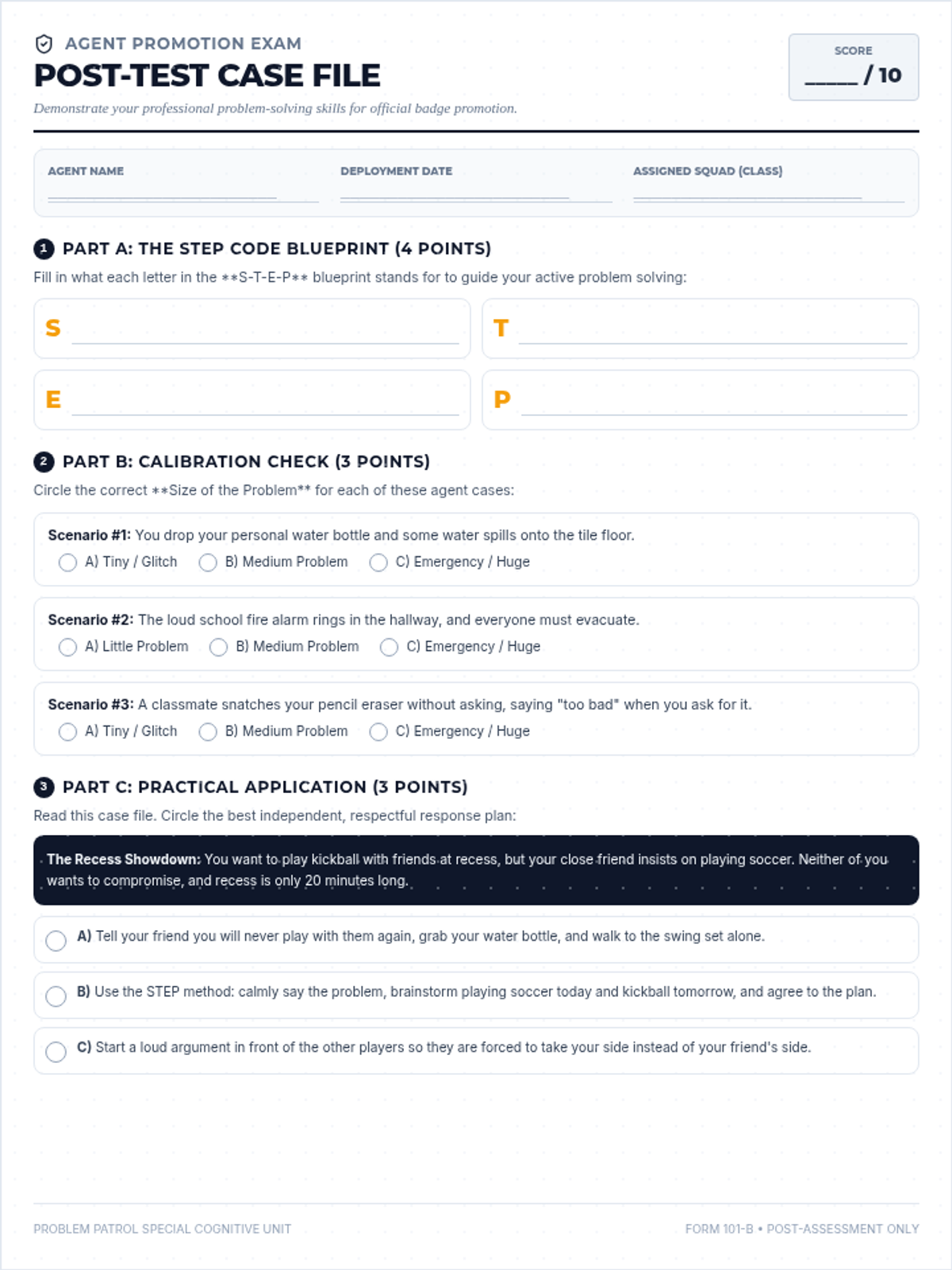
A comprehensive counseling lesson that empowers students to independently resolve conflicts and everyday challenges using the STEP Problem-Solving Method and the Size of the Problem visual scale. Includes assessment tools, an interactive anchor chart, and a step-by-step facilitation guide.
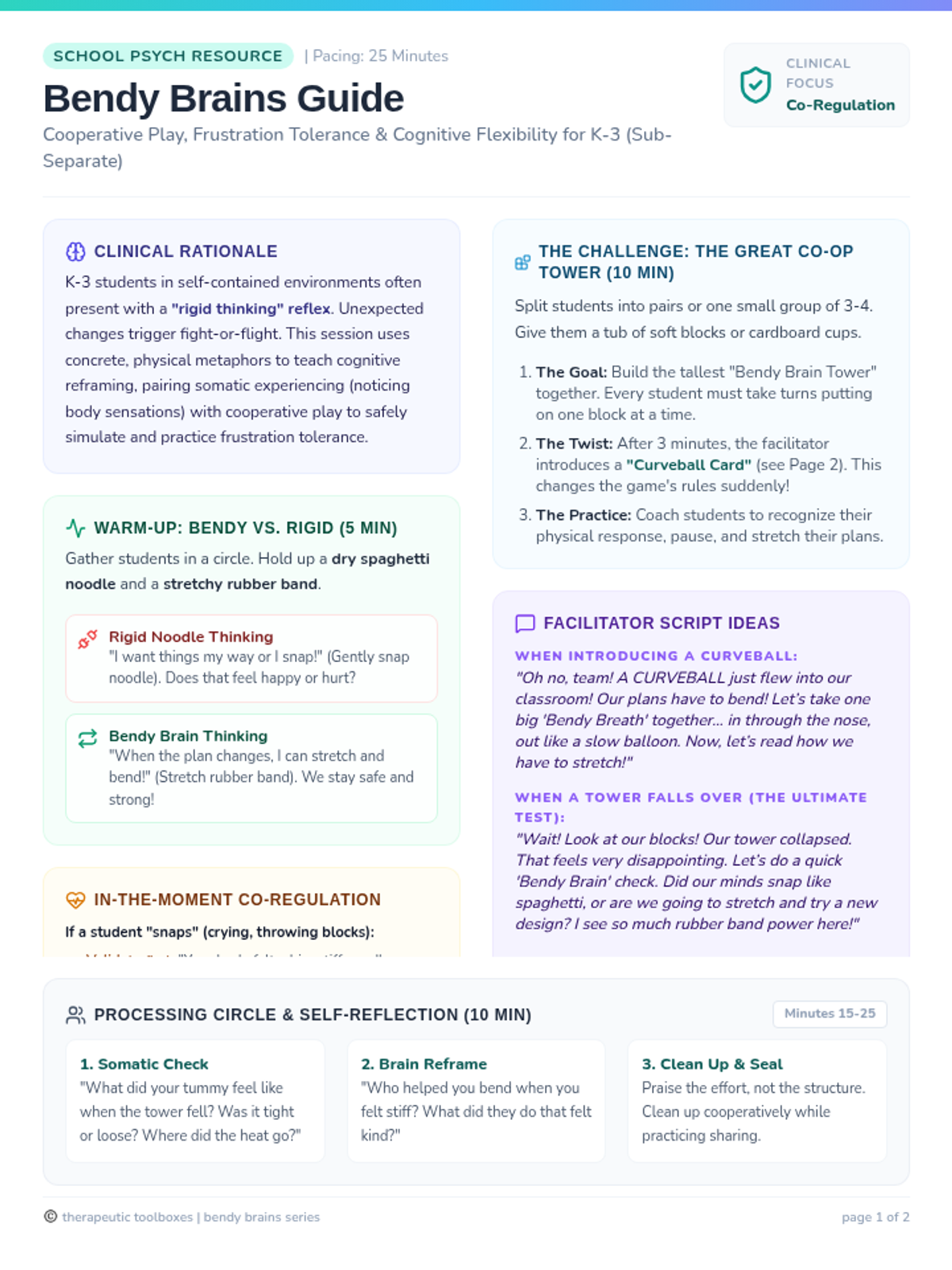
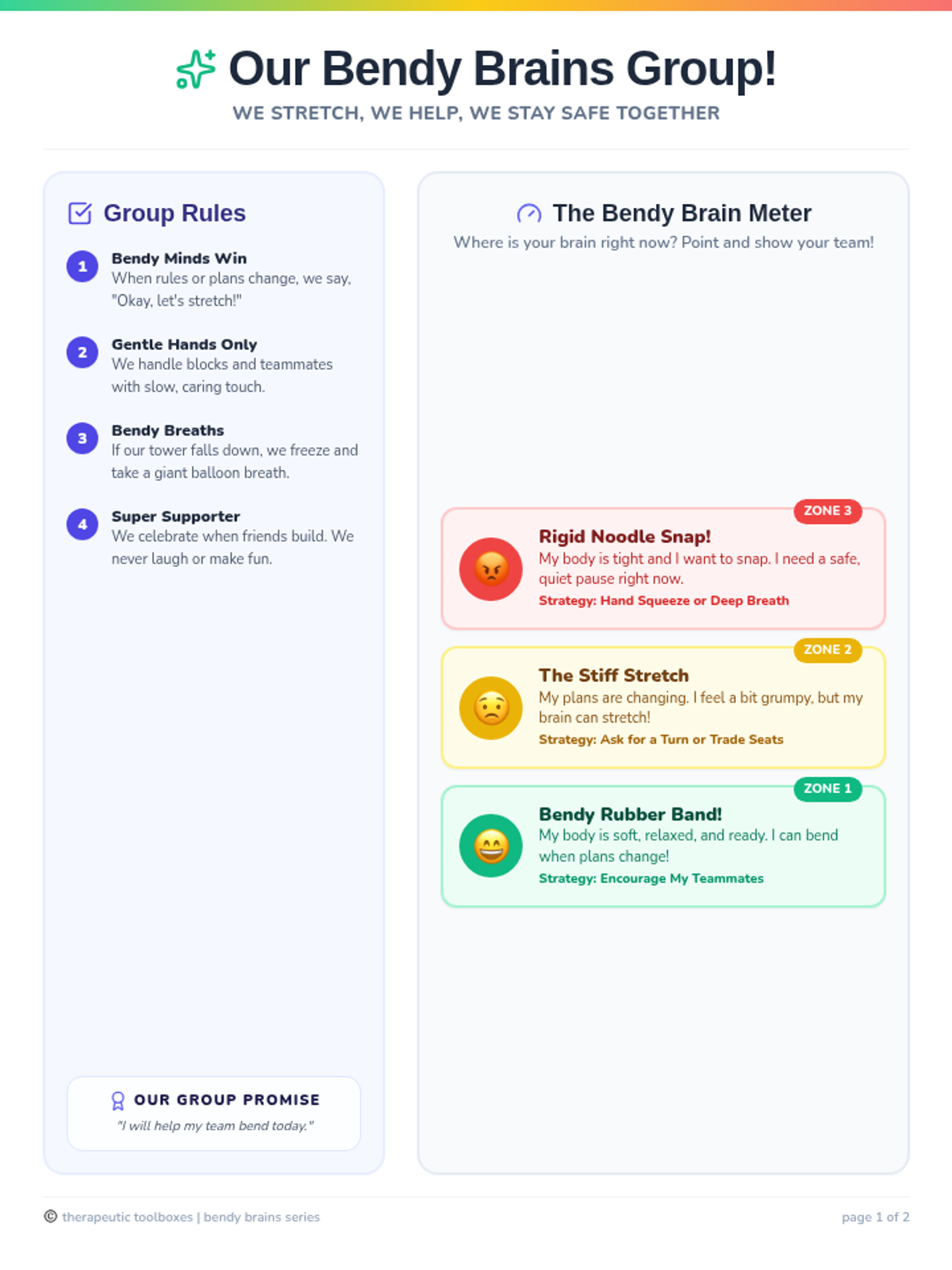
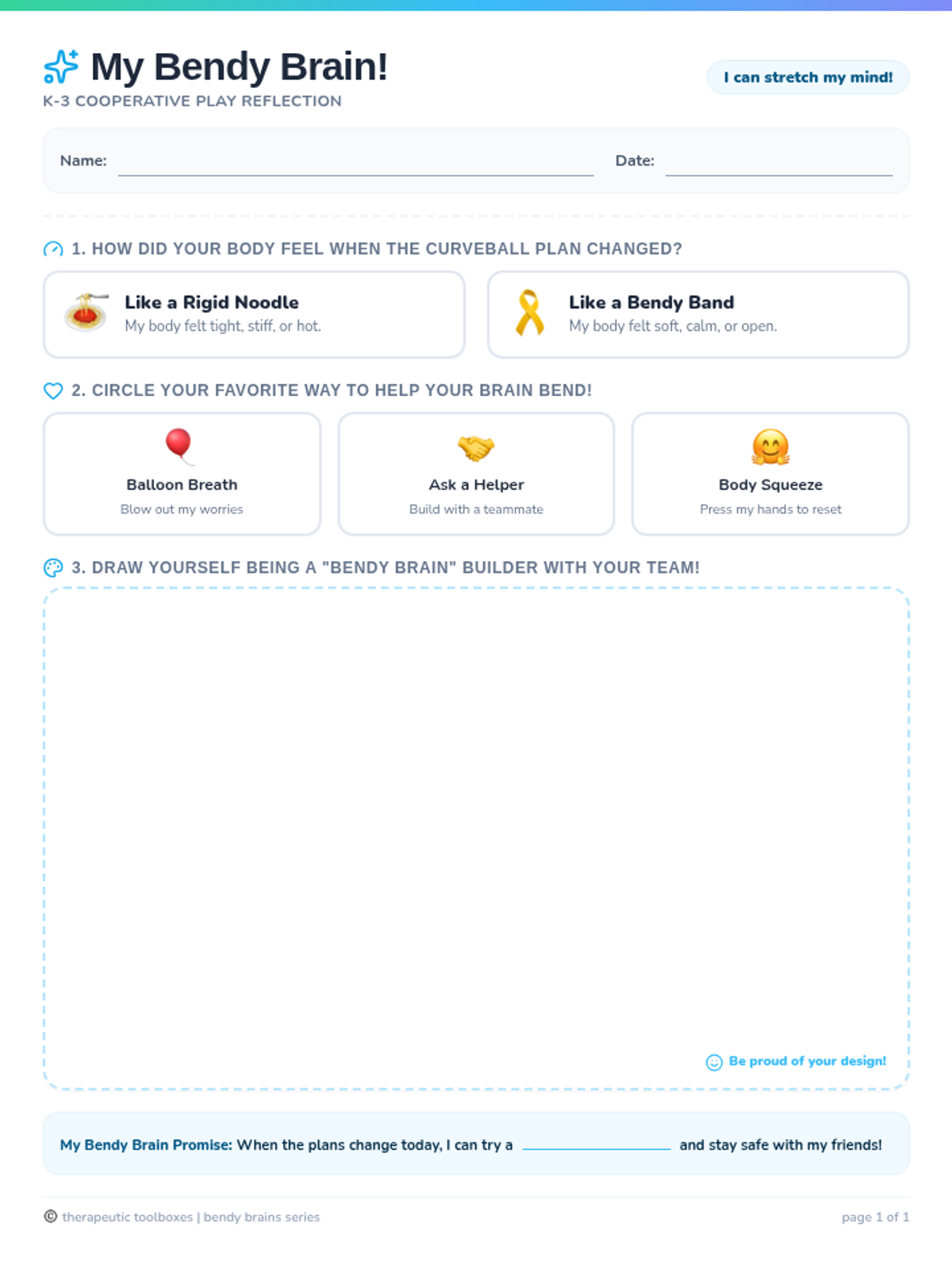
A 25-minute therapeutic team-building session designed for K-3 students in sub-separate classrooms to build cognitive flexibility and frustration tolerance using the concept of 'bendy' vs. 'rigid' thinking.
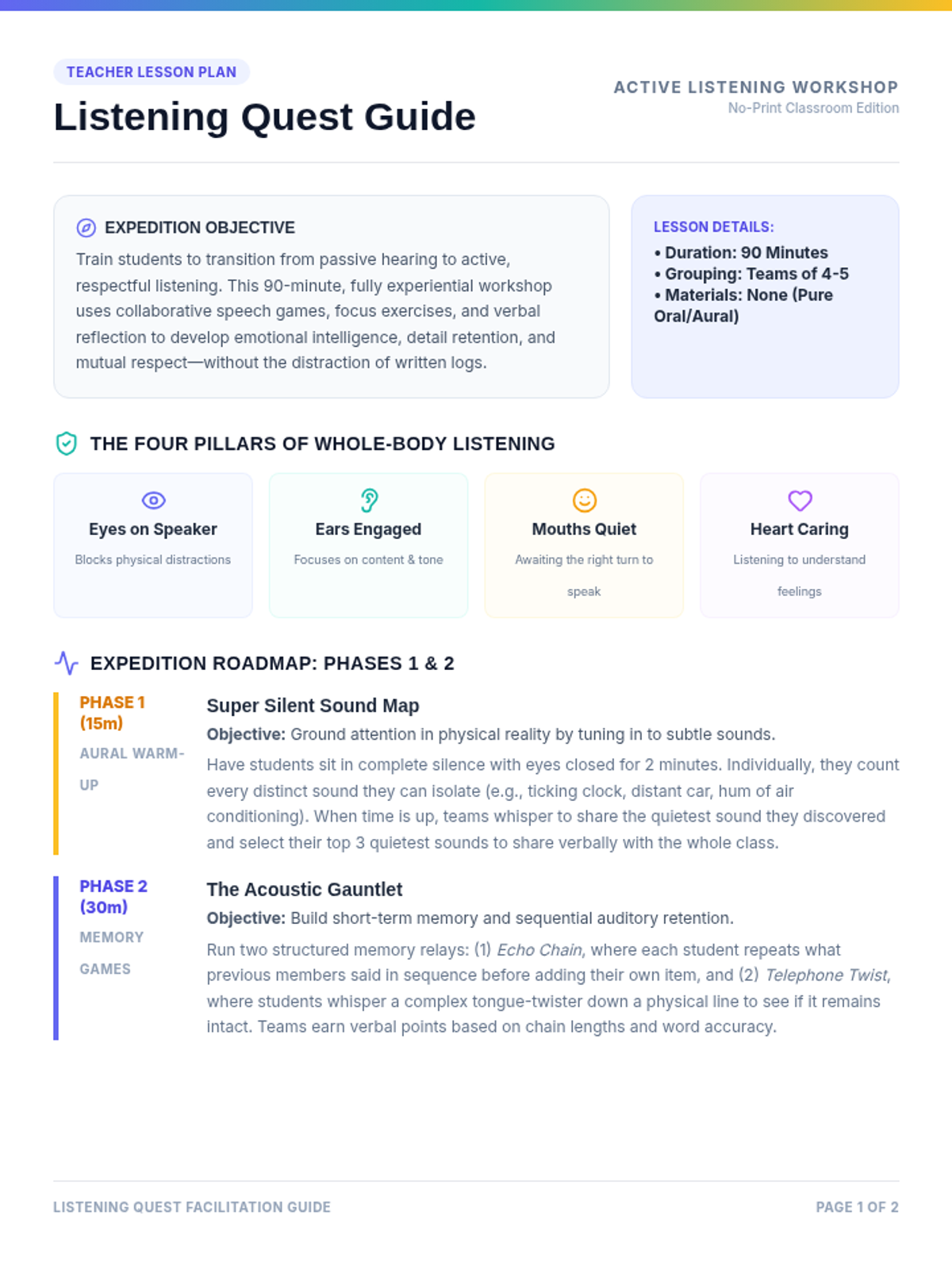
A 90-minute active learning lesson designed to build respectful, cooperative listening habits through engaging classroom challenges, without the distraction of physical worksheets.
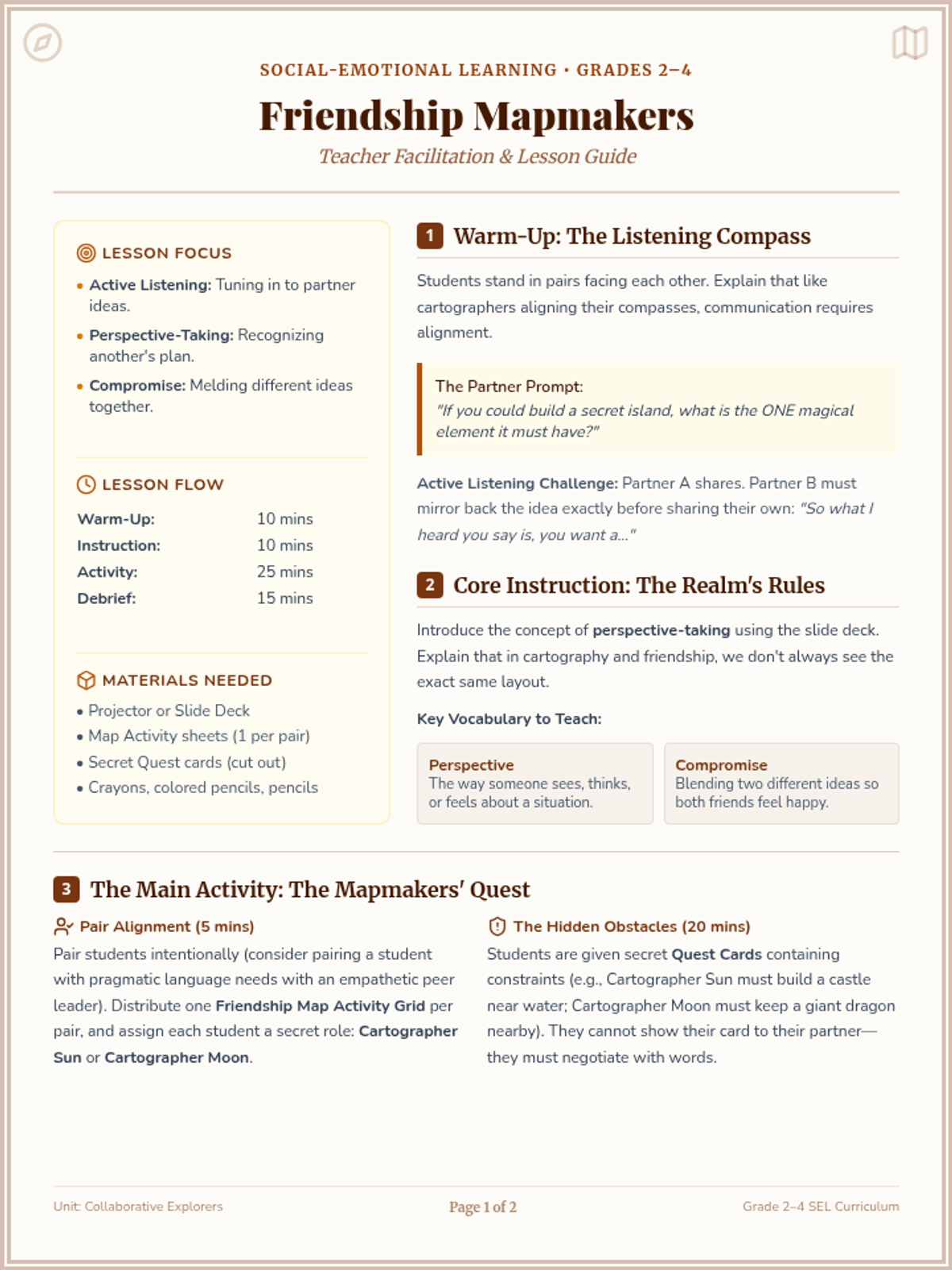
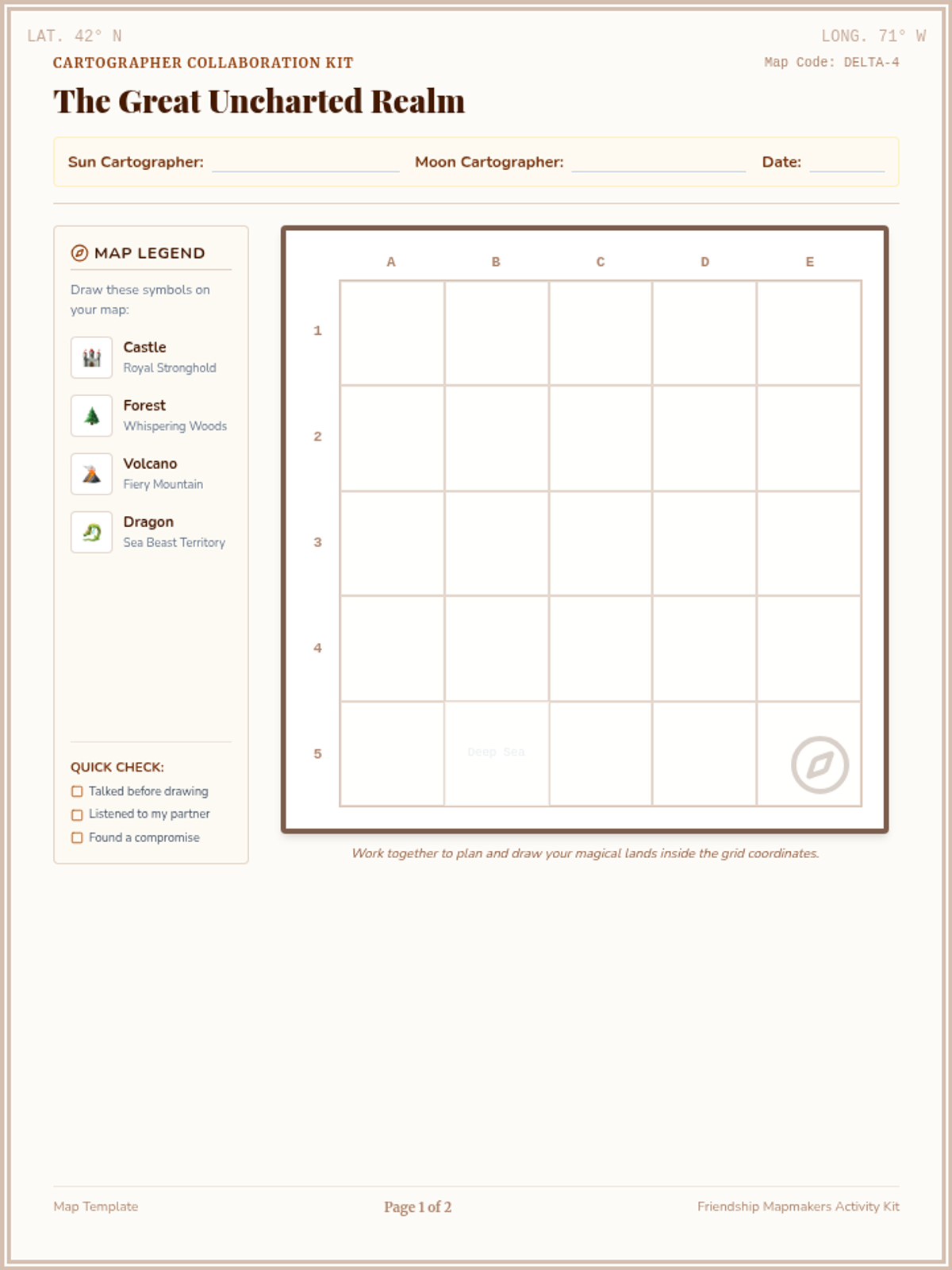
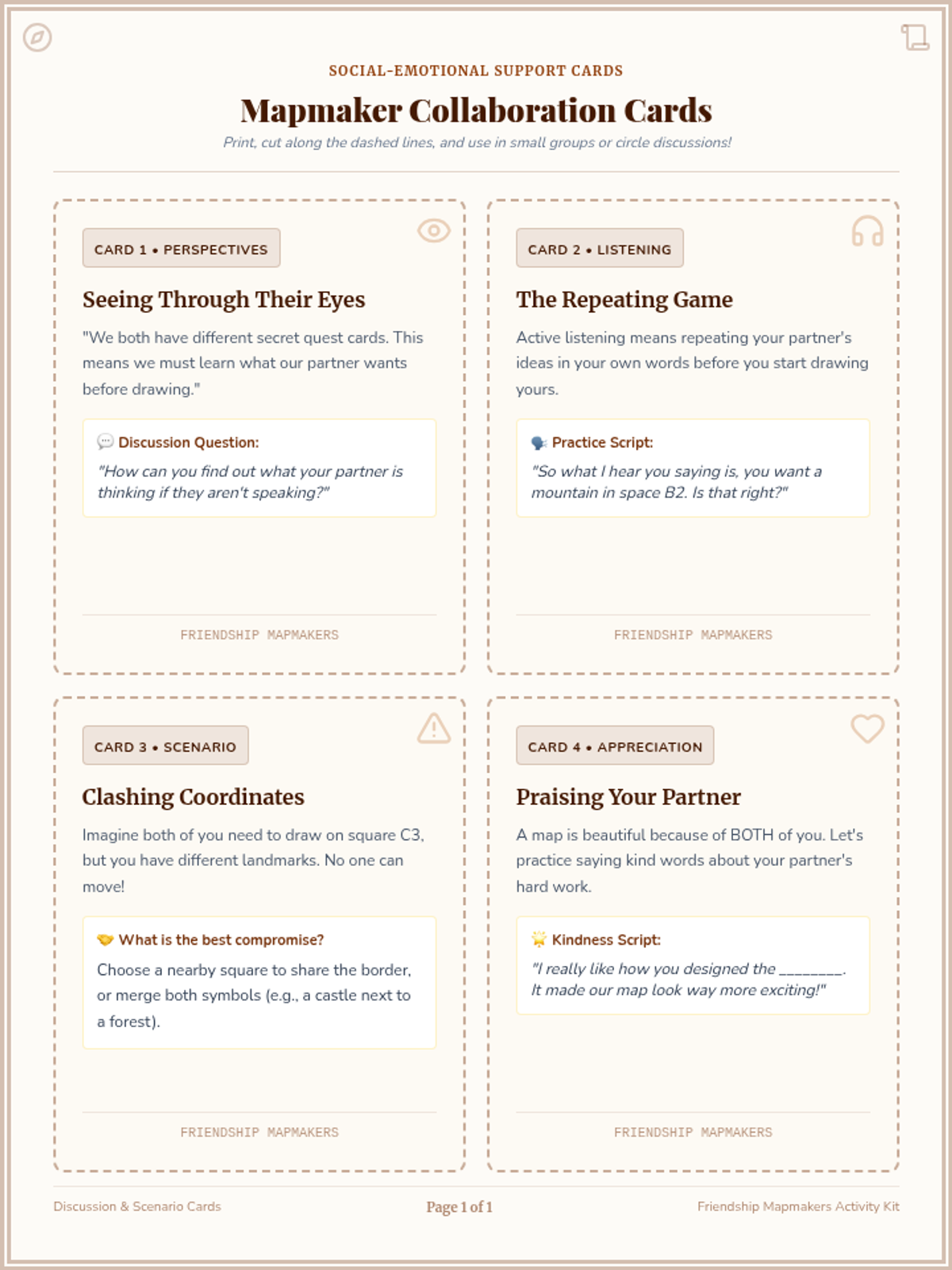
A collaborative social-emotional learning lesson where students work in pairs to design a fantasy map. Each player holds a secret navigation objective, requiring active listening, perspective-taking, and compromise to succeed.
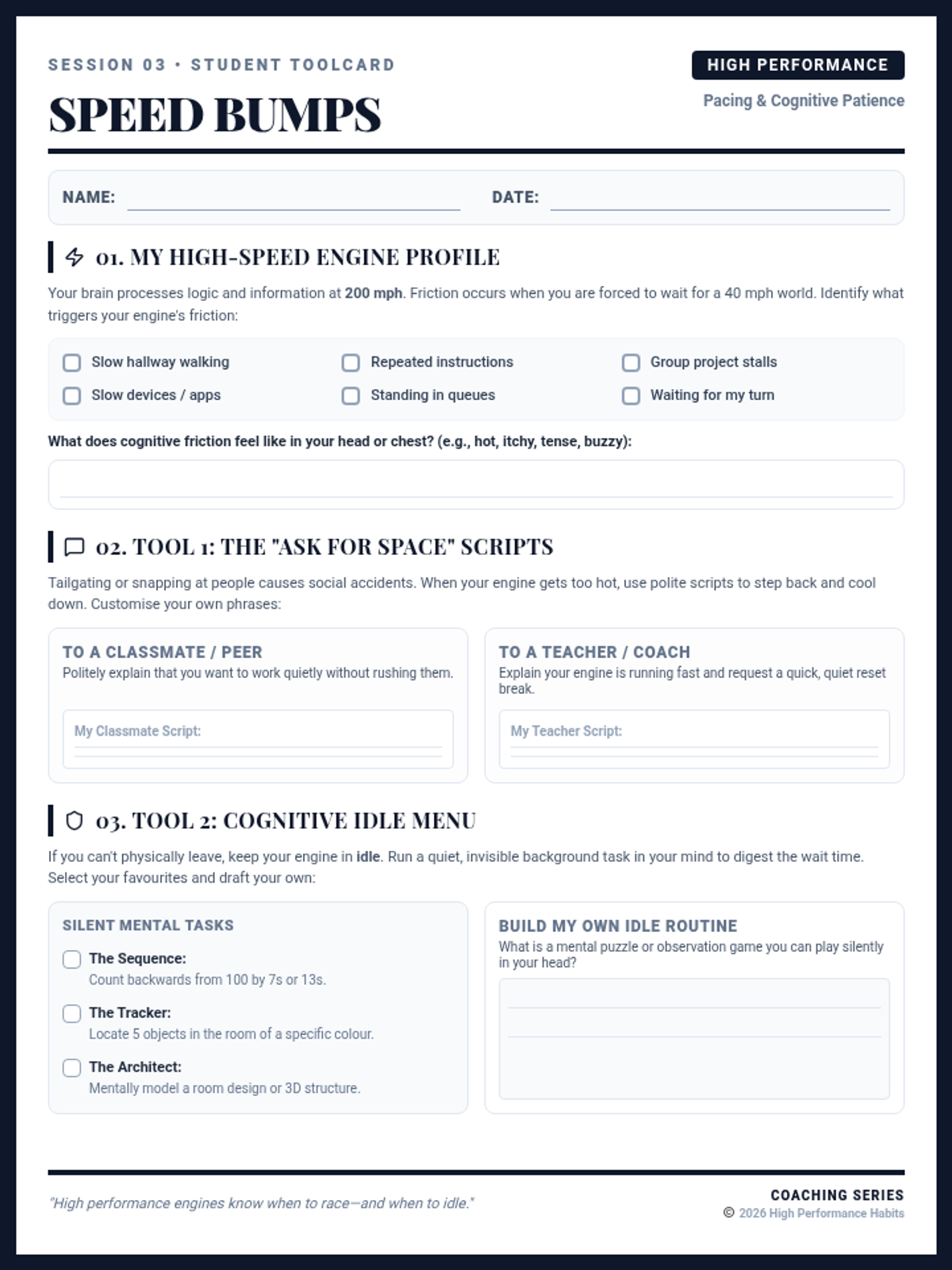
A 10-minute session exploring how to handle frustration when others move too slowly or act as speed bumps, teaching scripts to ask for space and practical tools for cognitive patience.
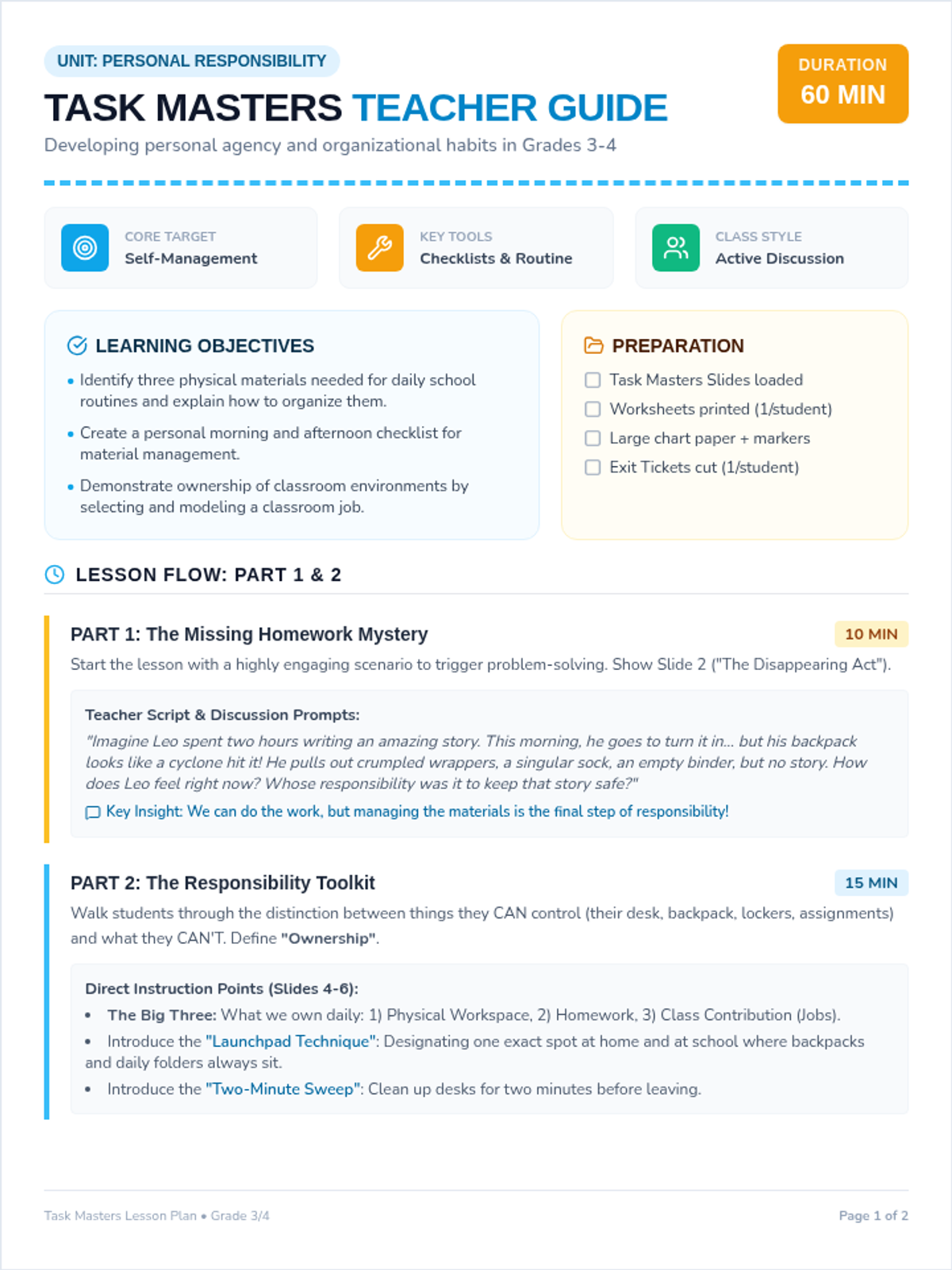
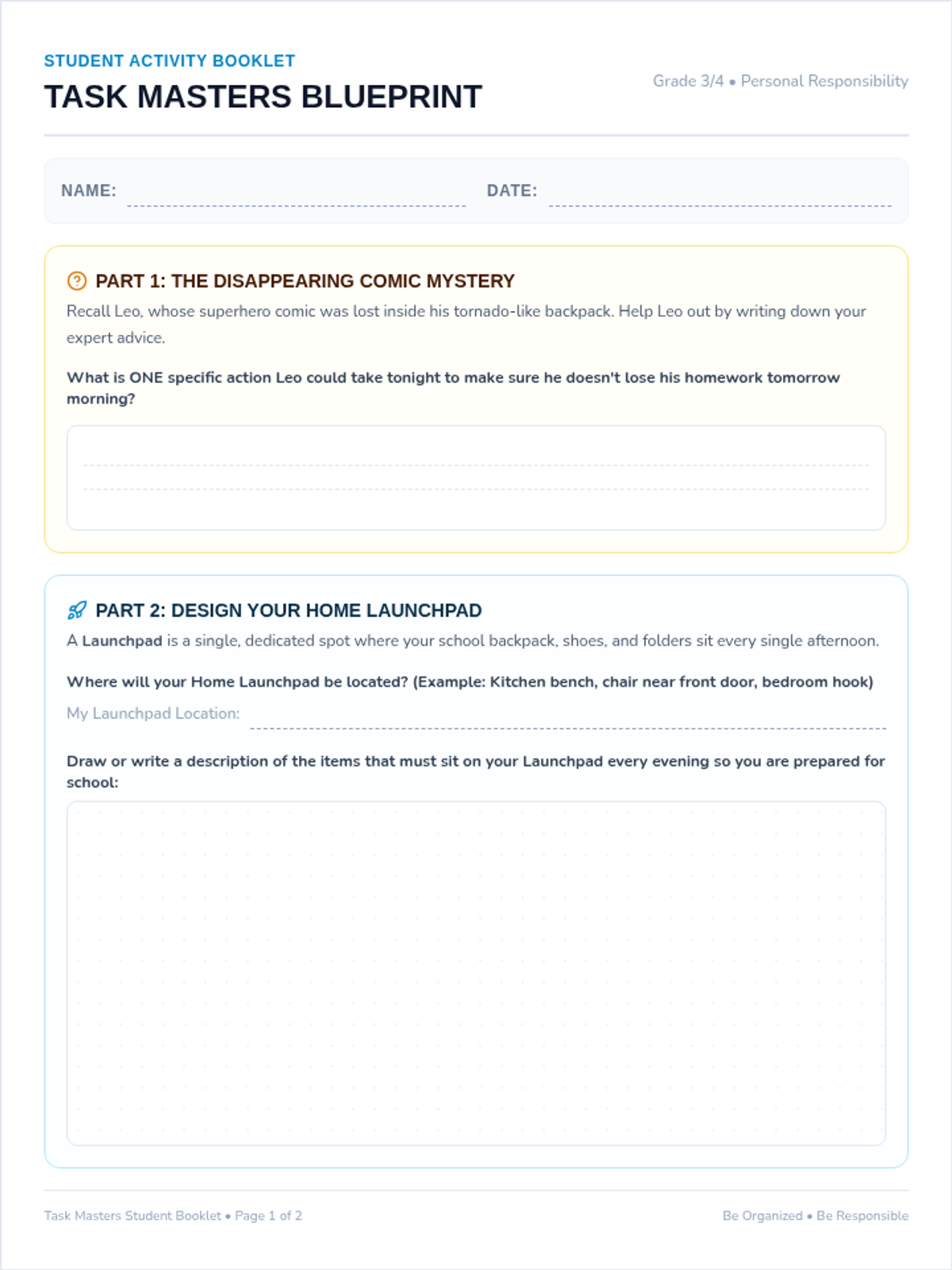
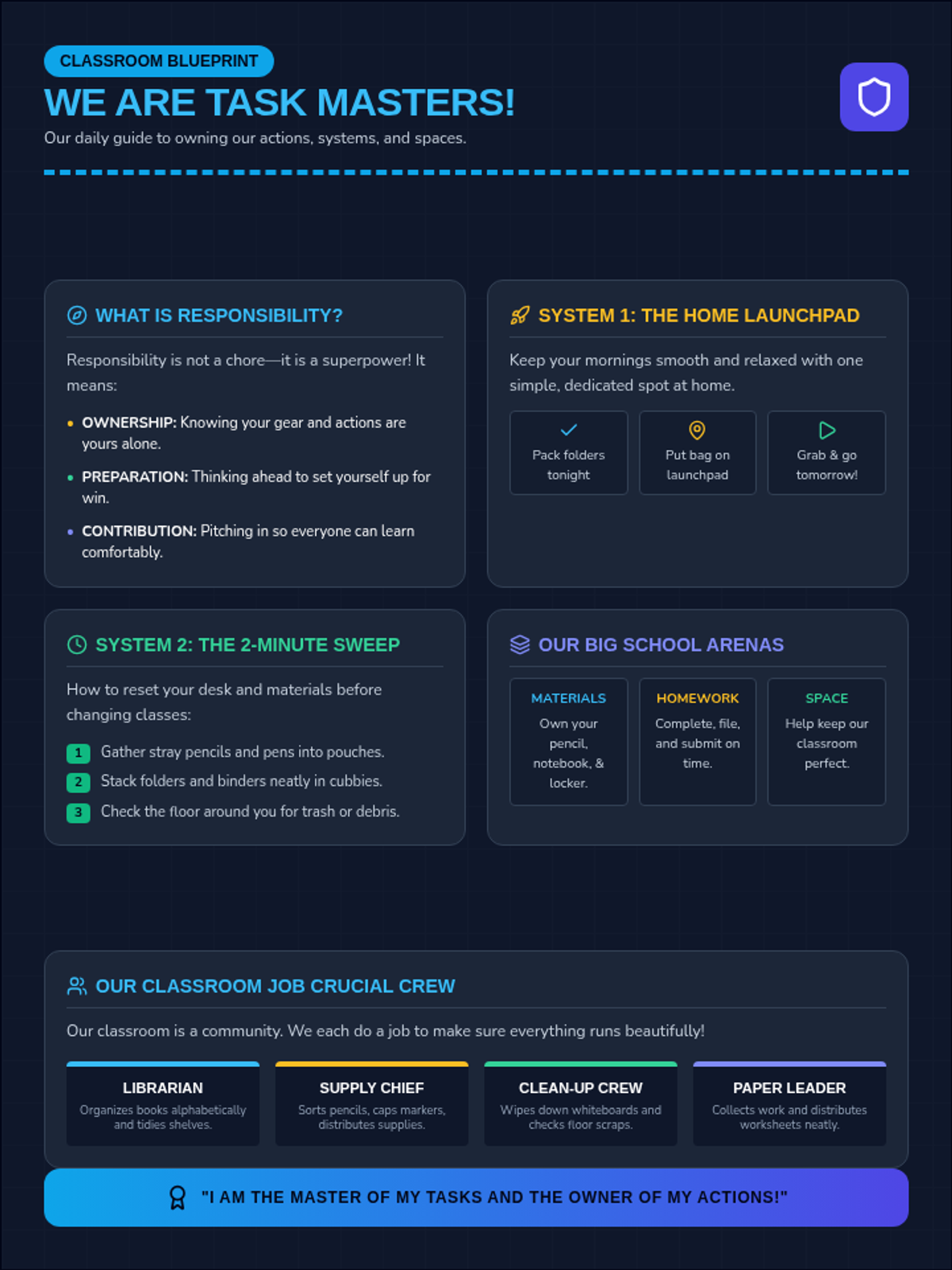
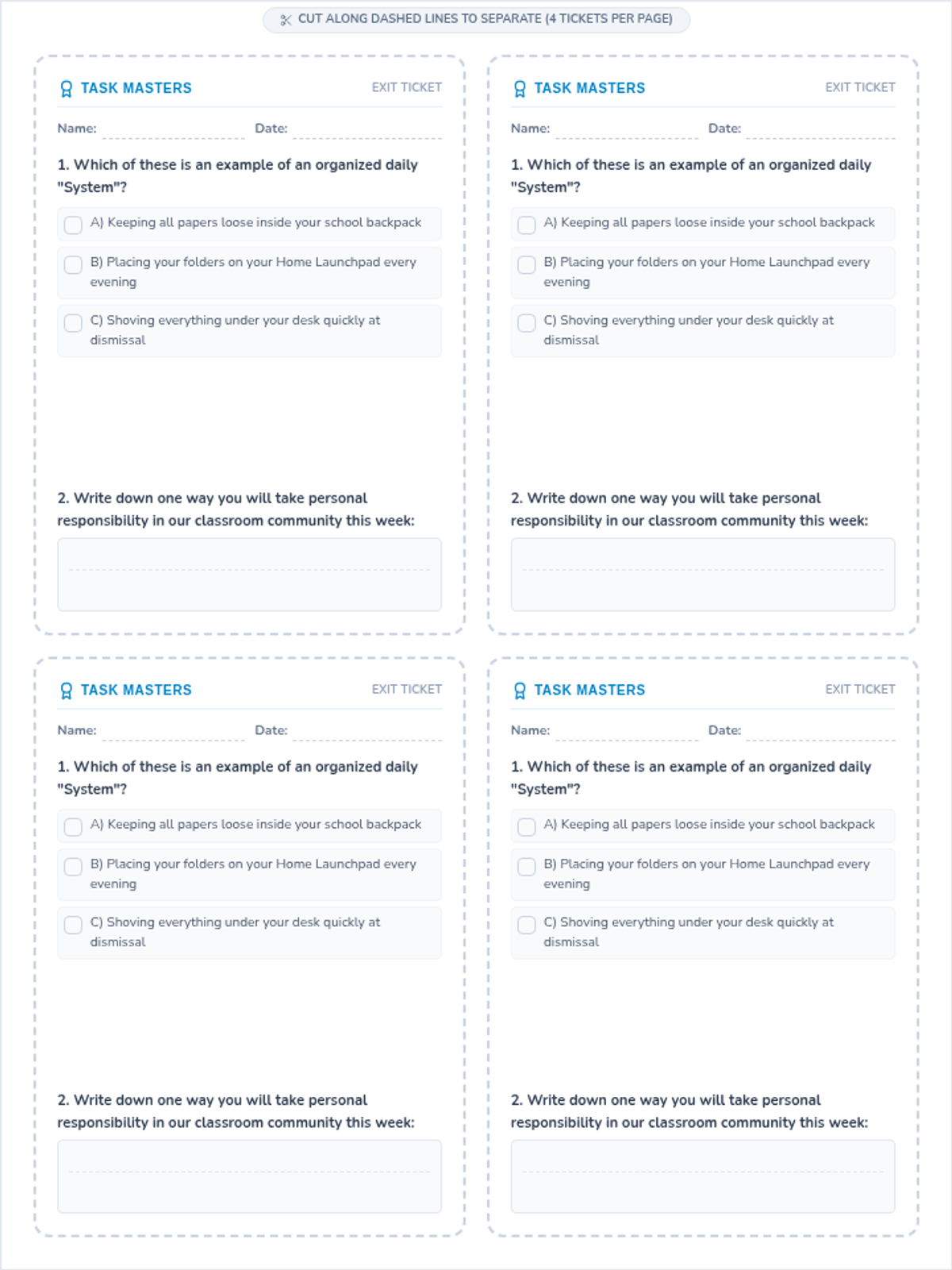
A 60-minute lesson designed for 3rd and 4th graders to develop personal responsibility in managing school materials, homework, and classroom jobs. Students explore organizing strategies, daily checklists, and classroom ownership.
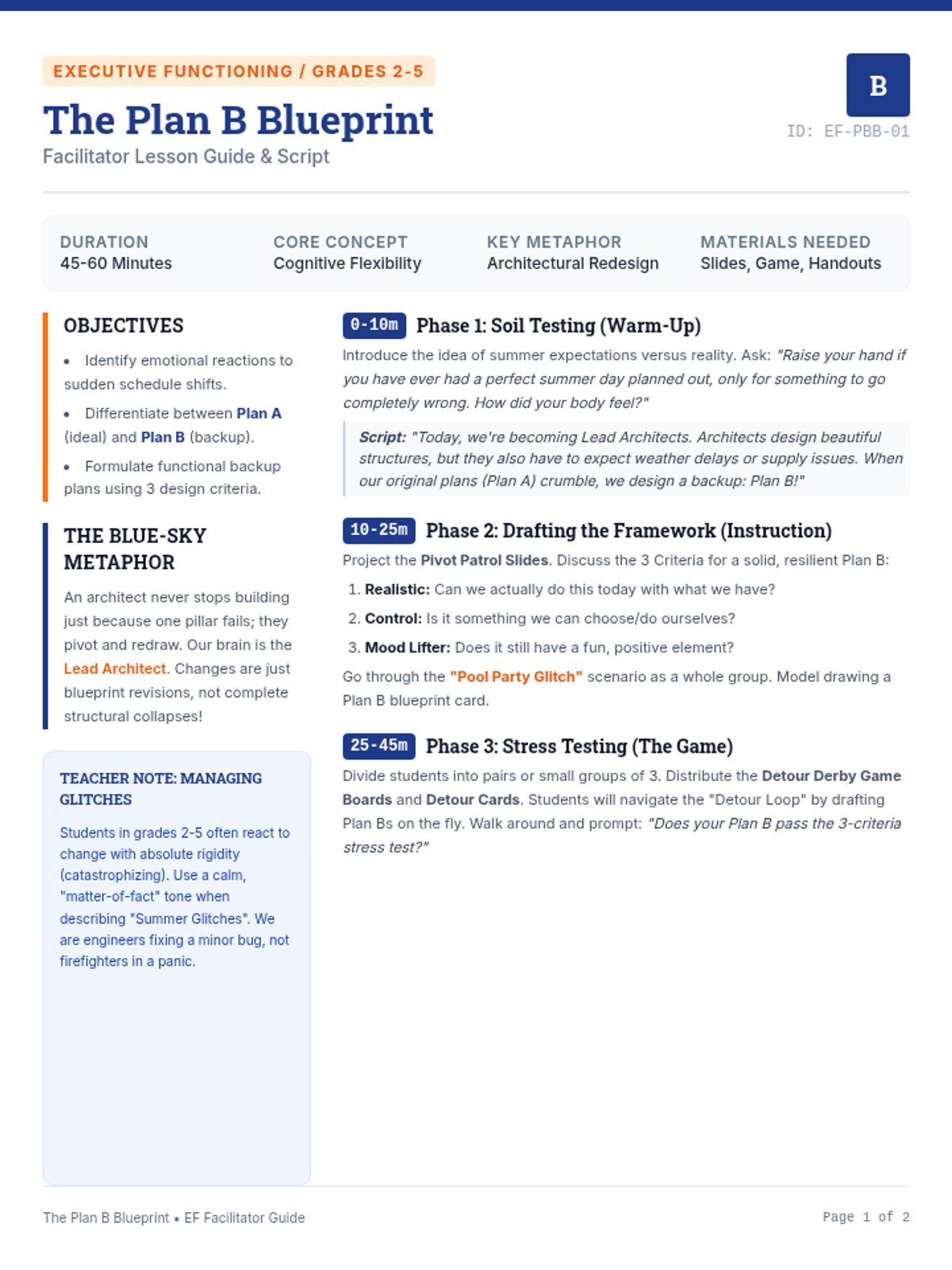
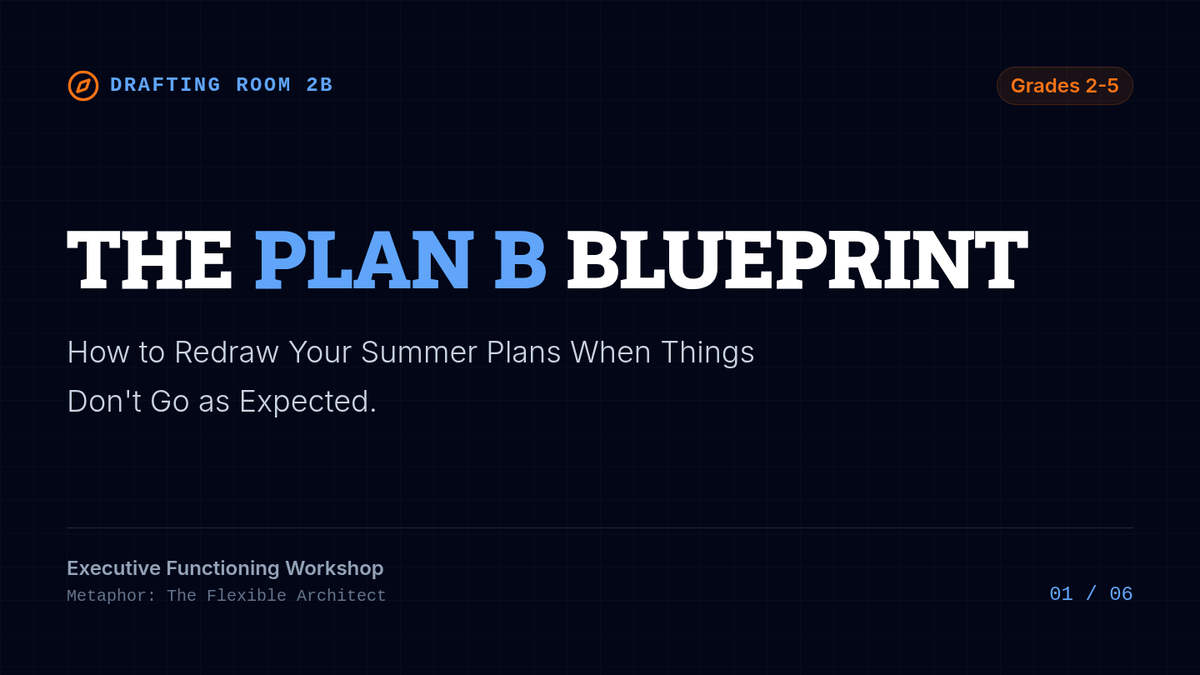
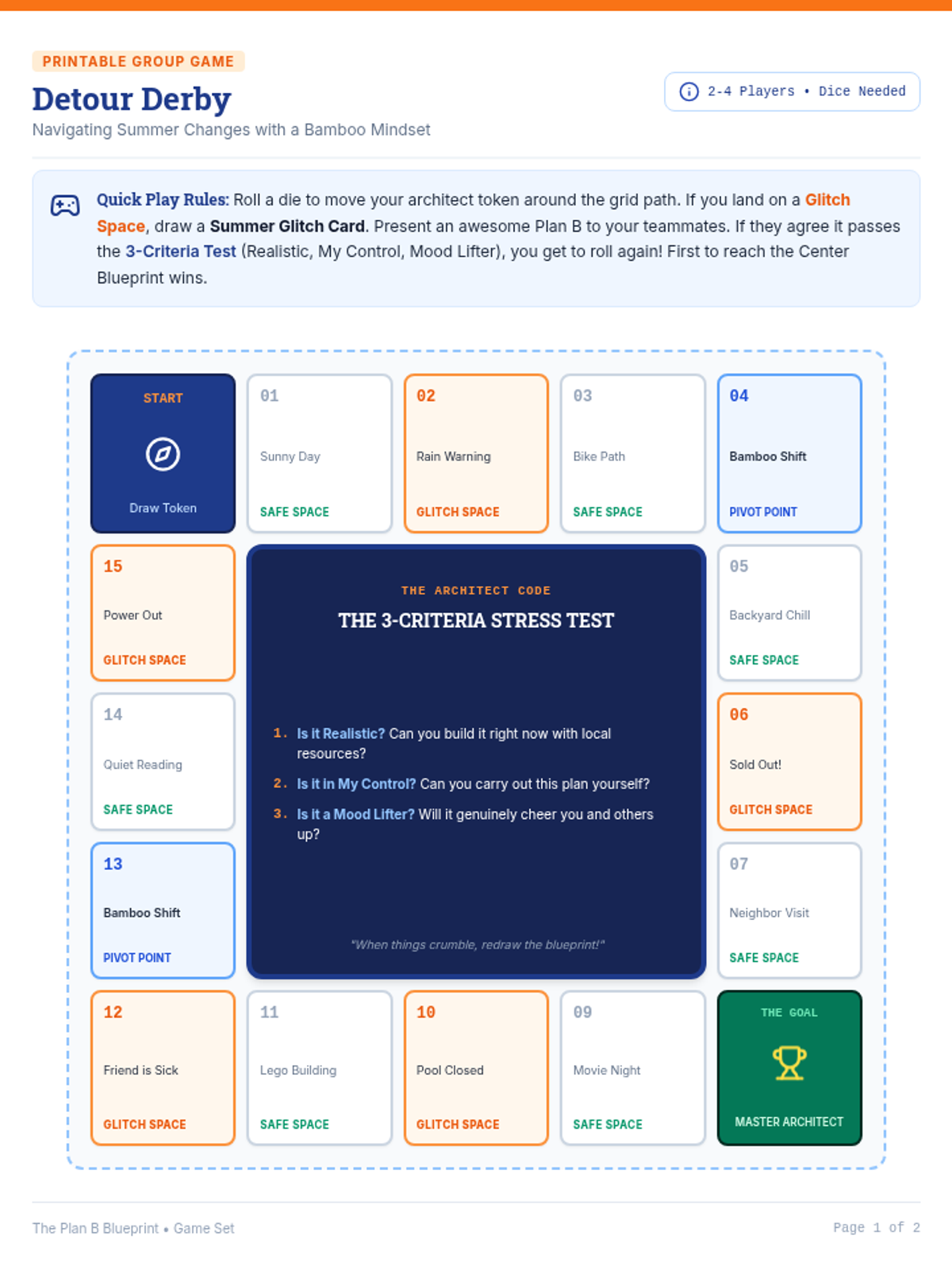
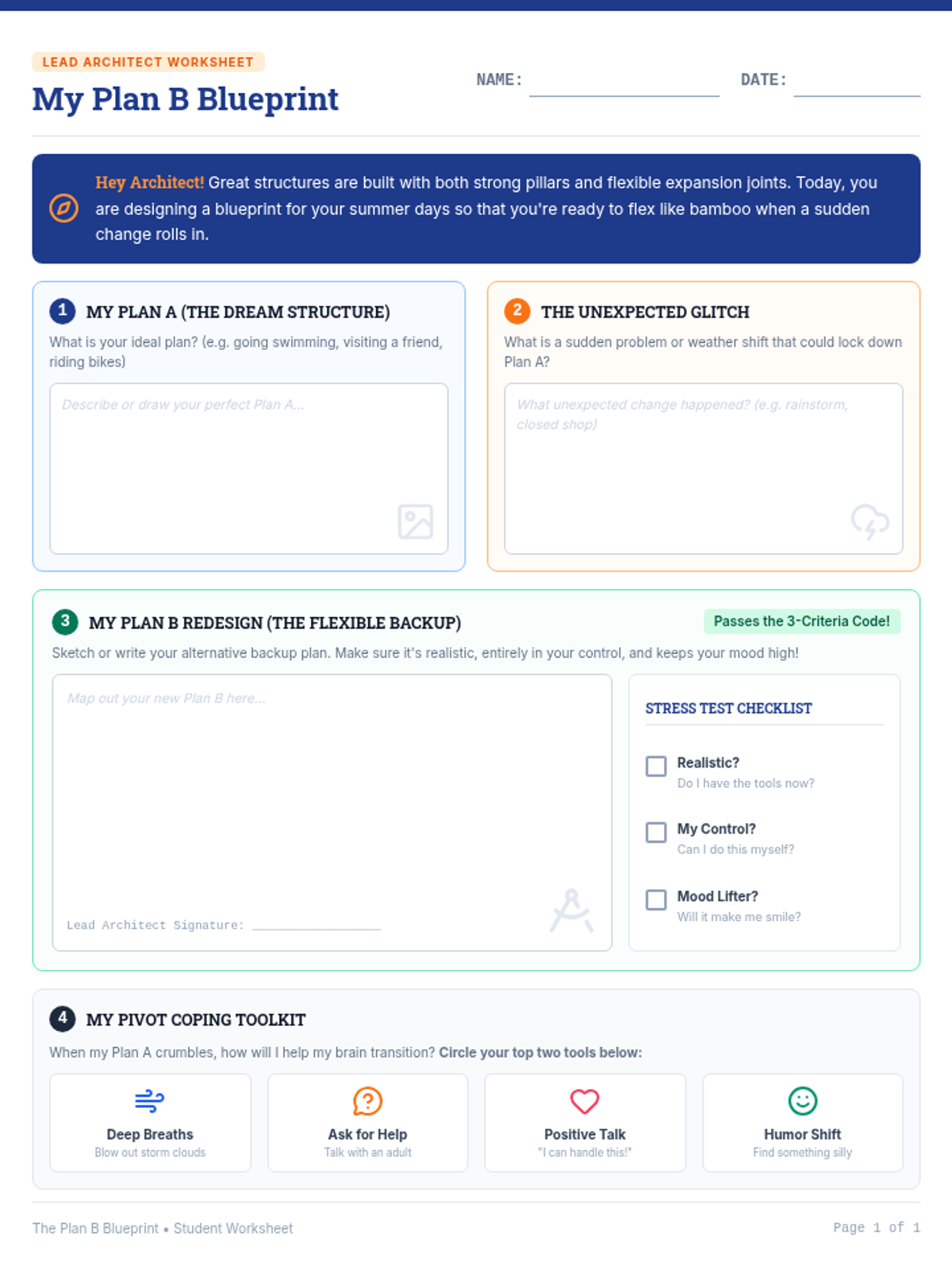
An executive functioning and cognitive flexibility workshop teaching students in grades 2-5 how to design alternative options ('Plan B') when summer plans change unexpectedly. This lesson uses an architectural blueprint metaphor to build resilience and reduce transition anxiety.
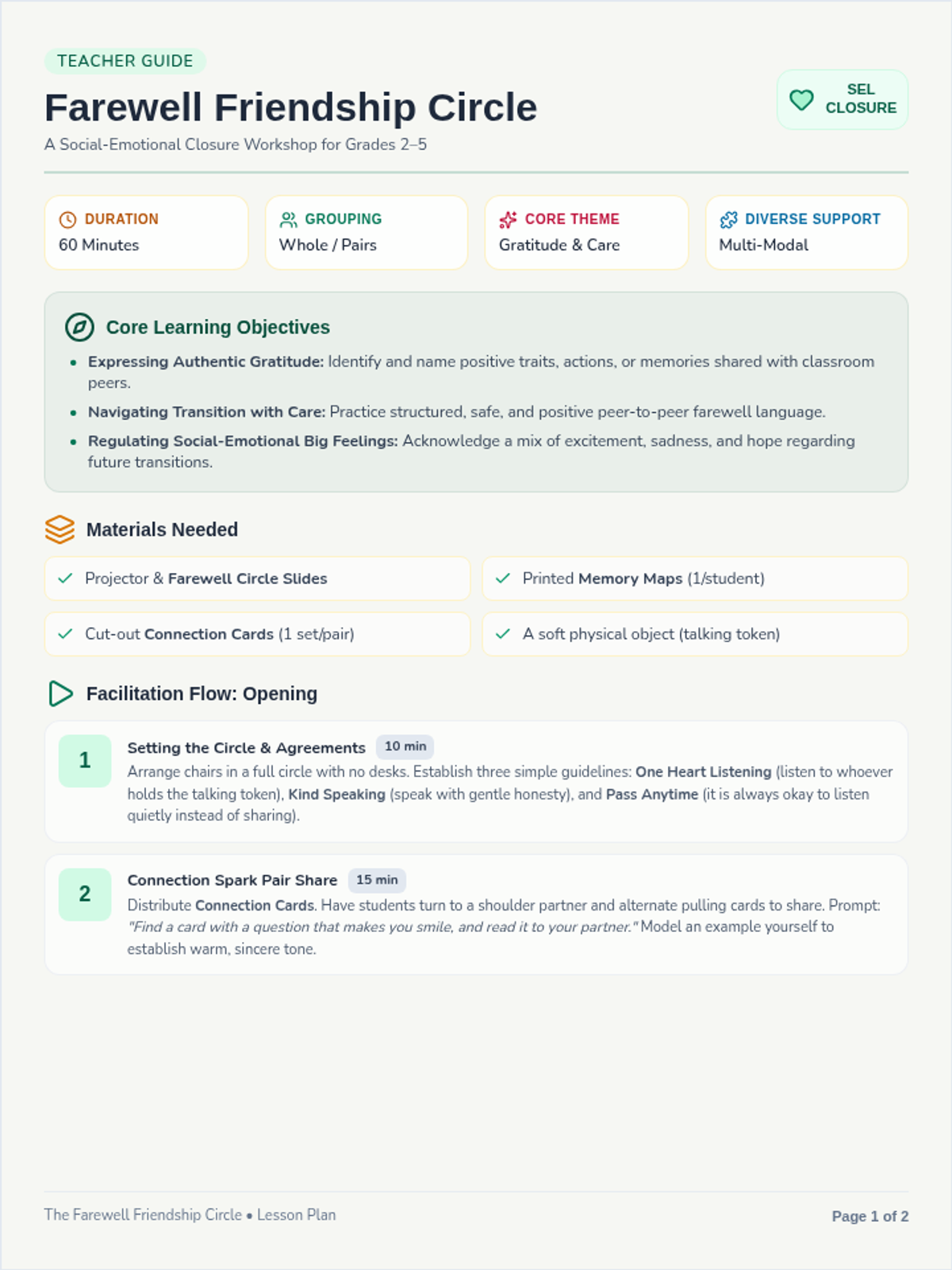
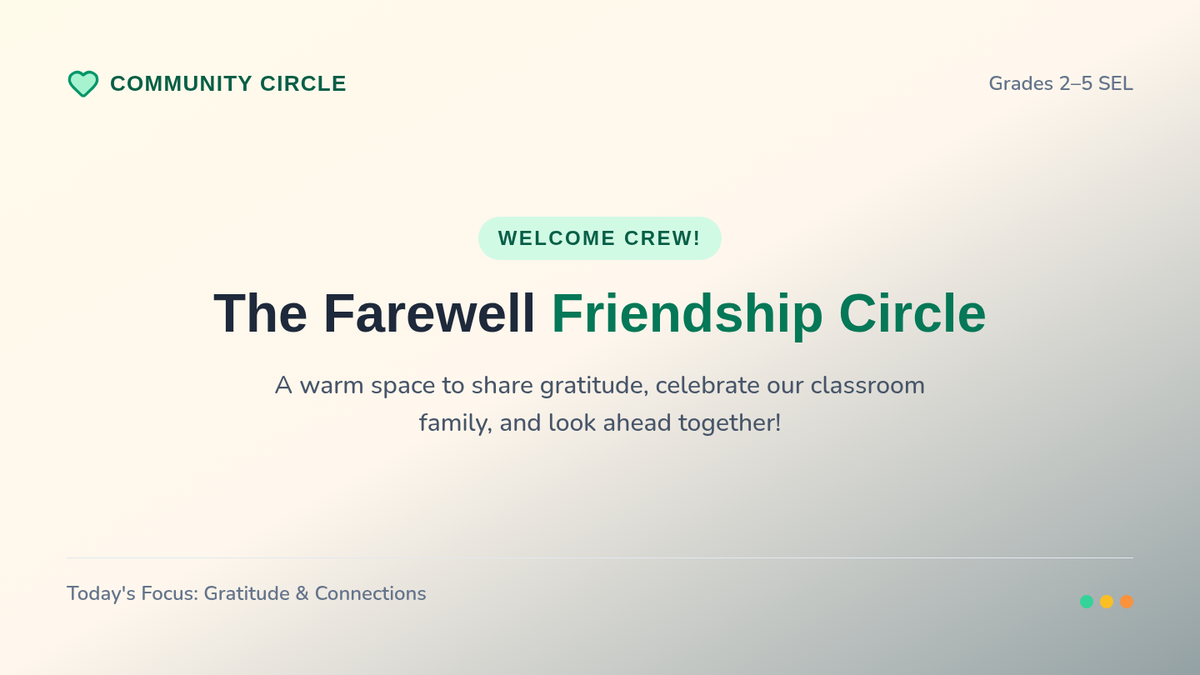
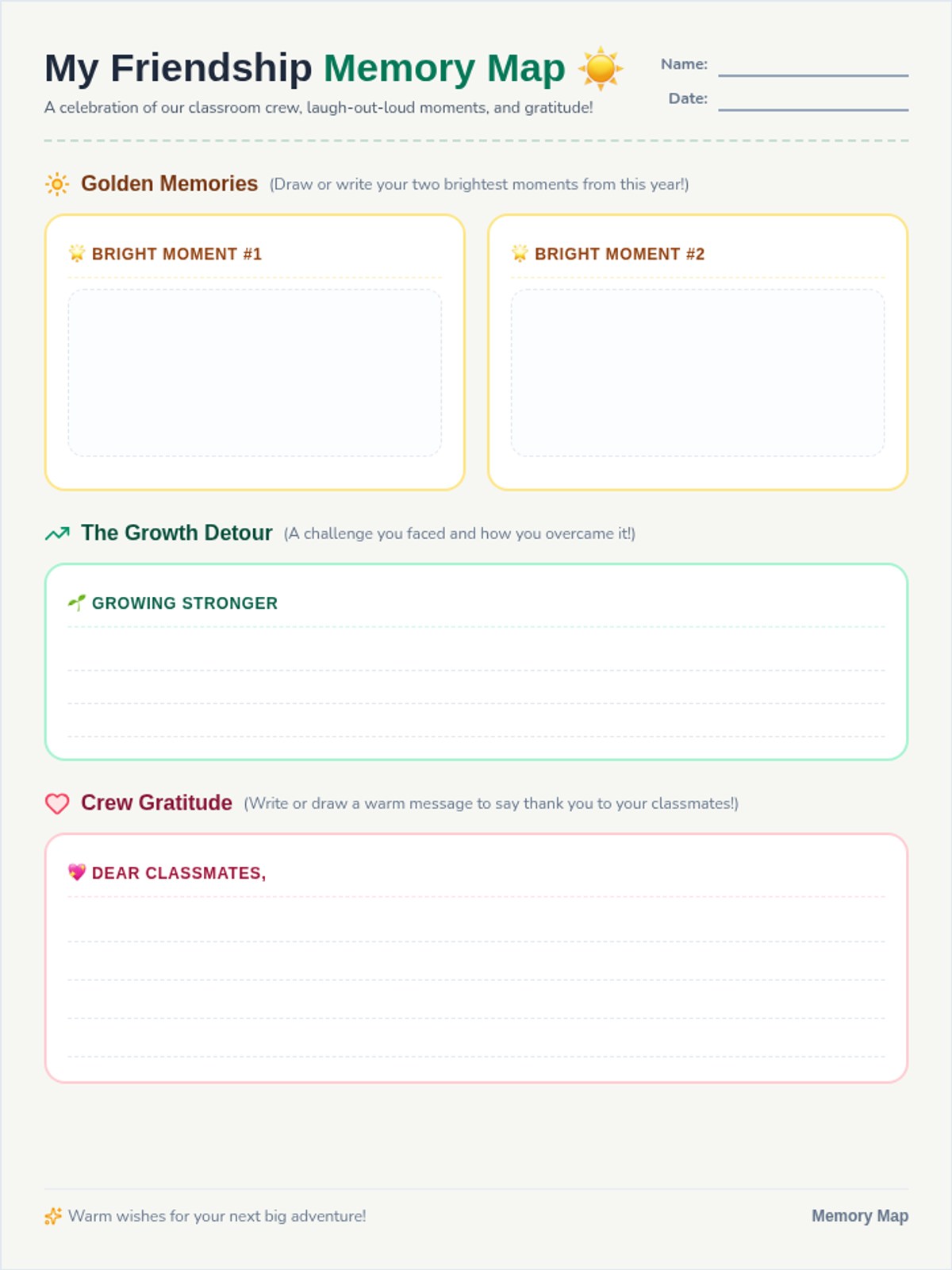
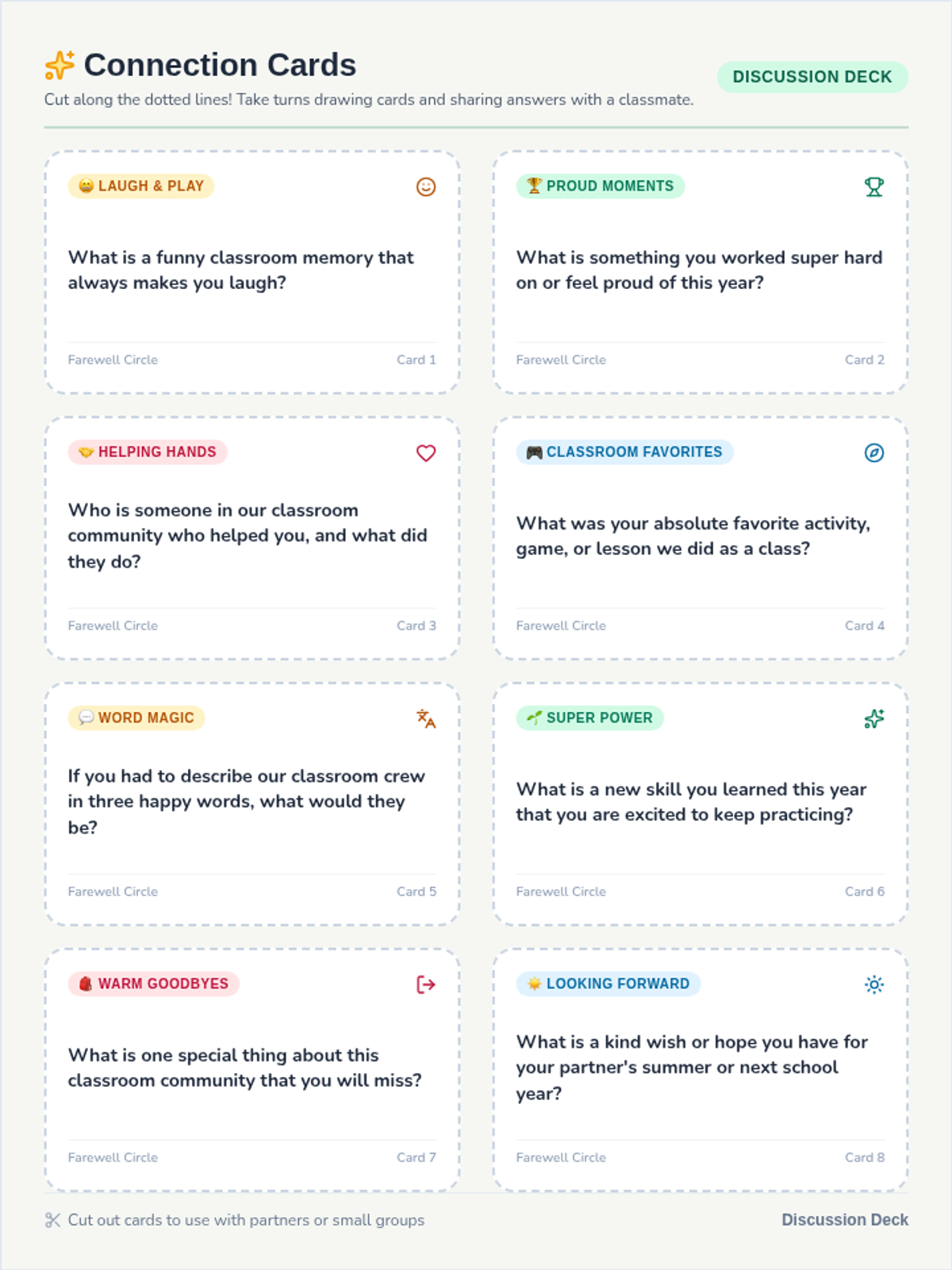
A social-emotional learning closure workshop for grades 2-5. Students practice gratitude, share constructive goodbyes, and celebrate classroom bonds as they prepare for transitions.
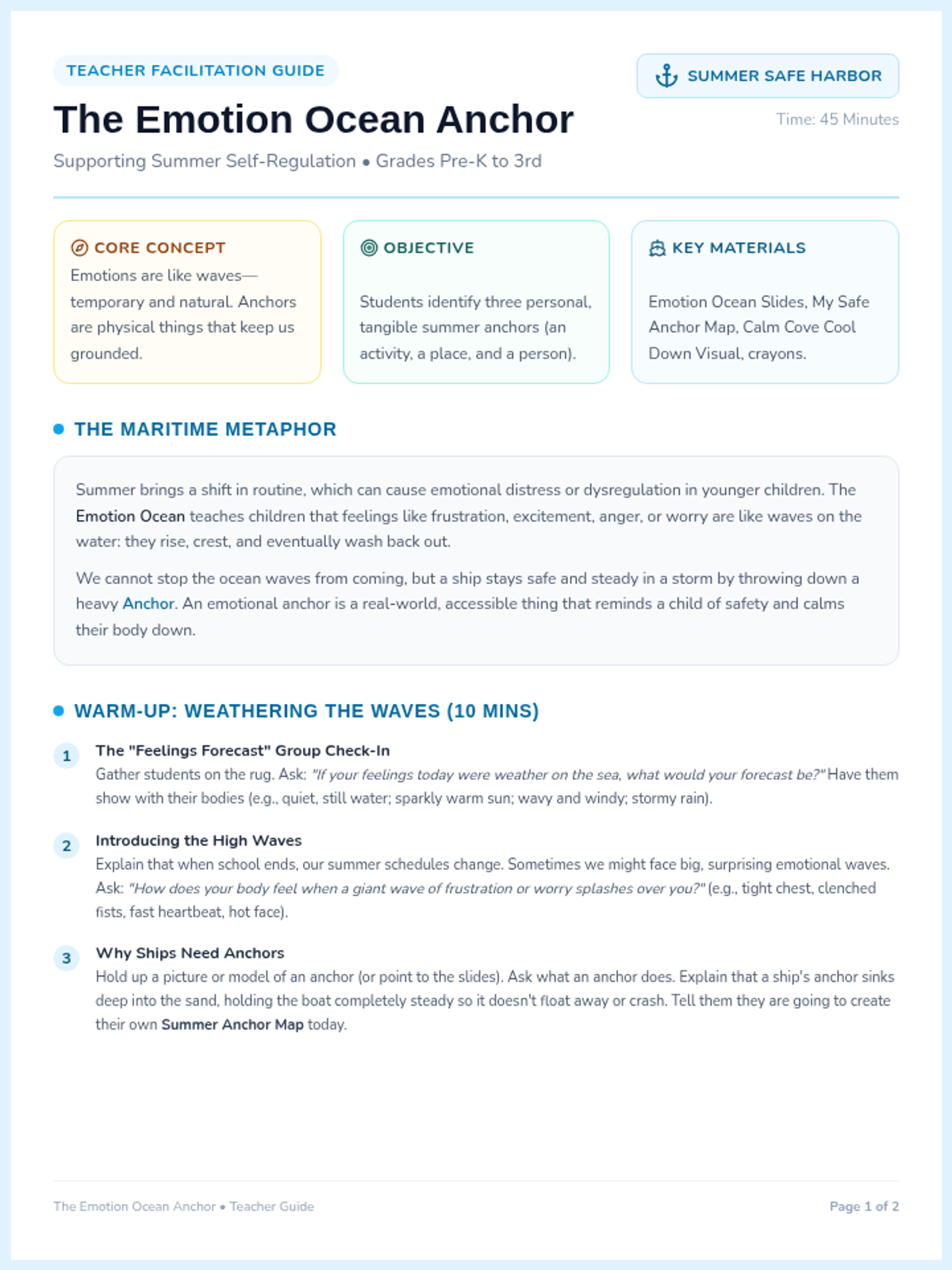
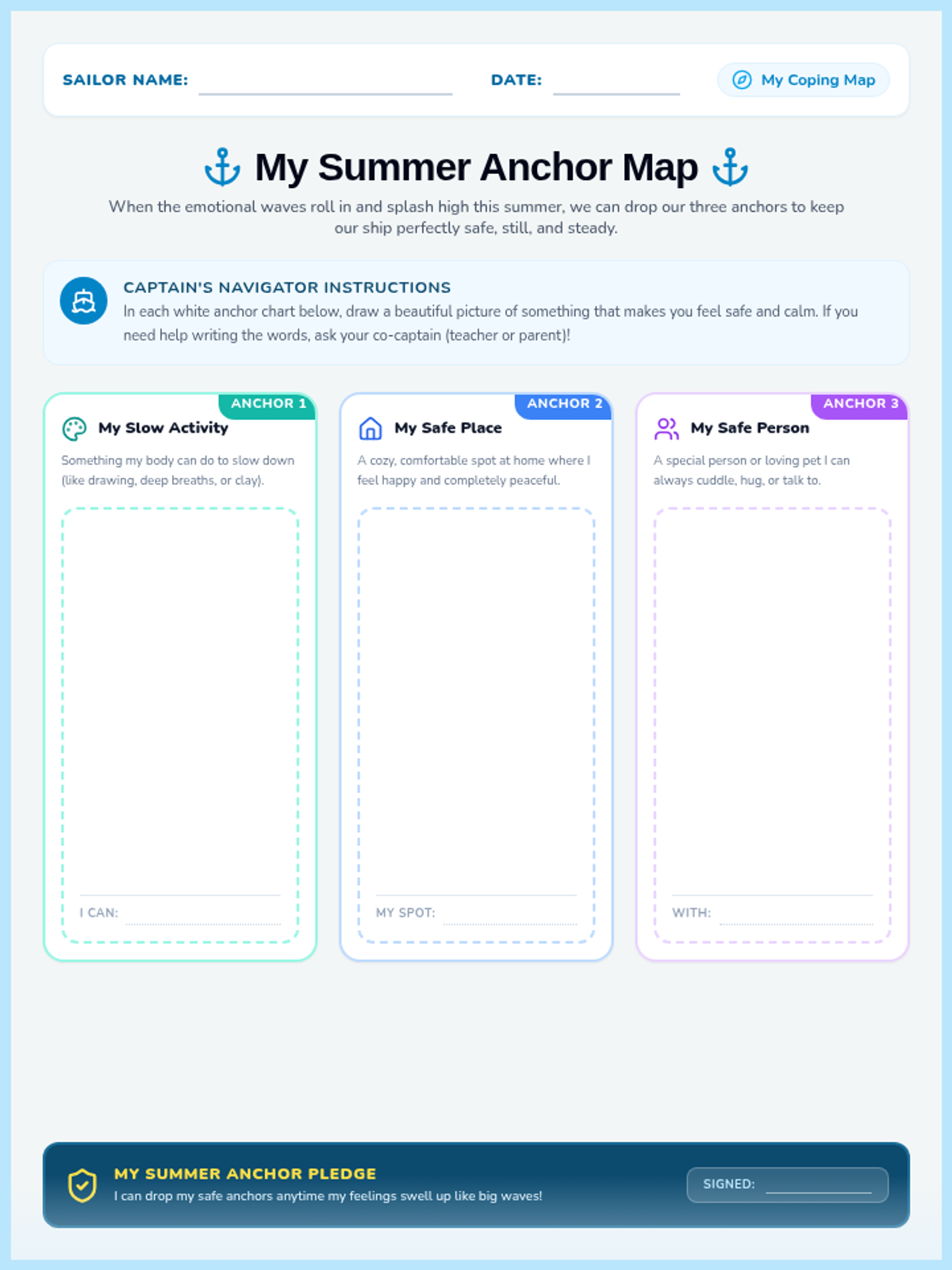
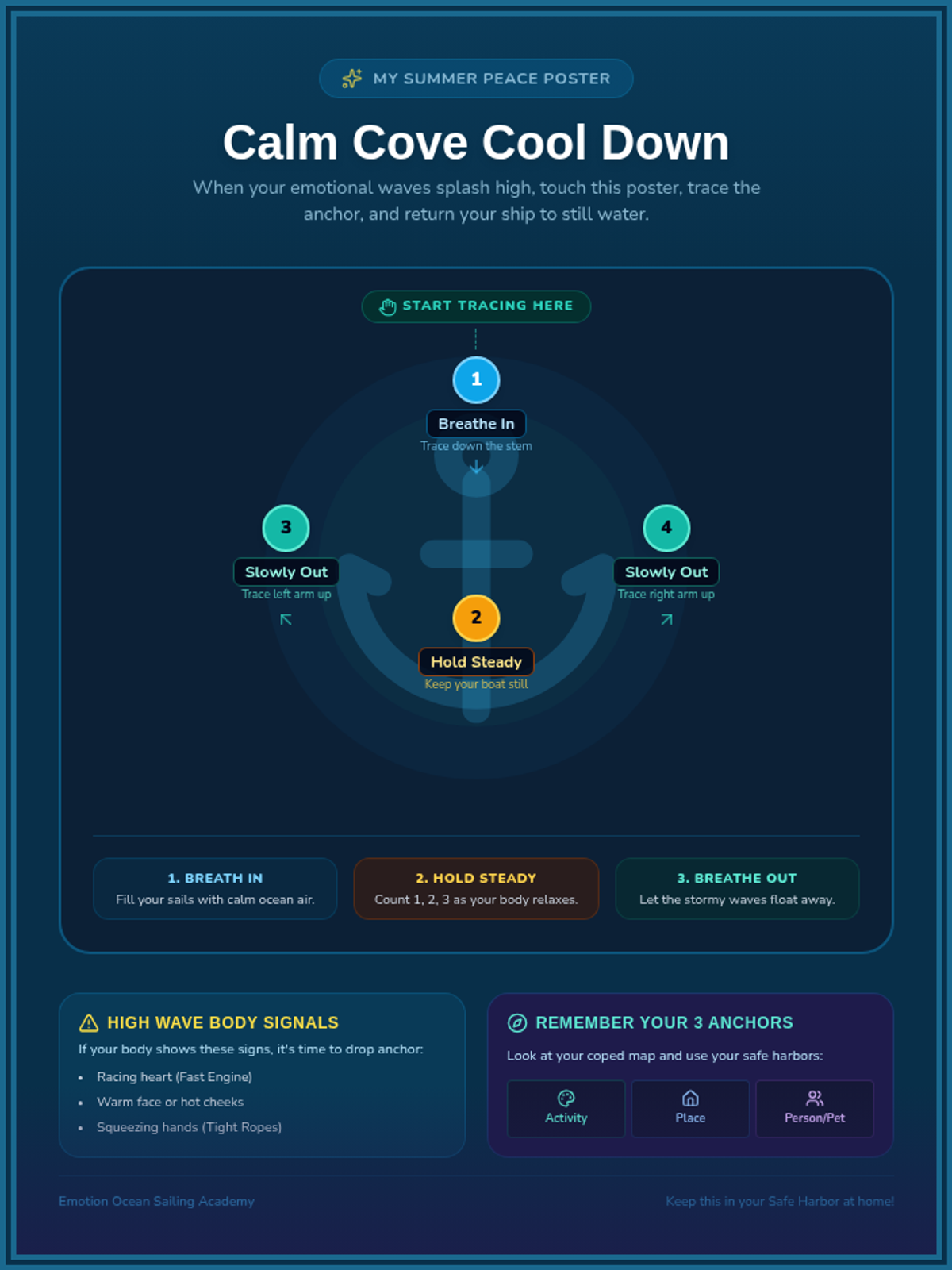
A maritime-themed lesson and resource pack designed to help Pre-K through 3rd-grade students develop self-regulation strategies for the summer. Students learn to identify three personal "anchors" (activities, places, or people) to ground themselves when emotional waves feel high.
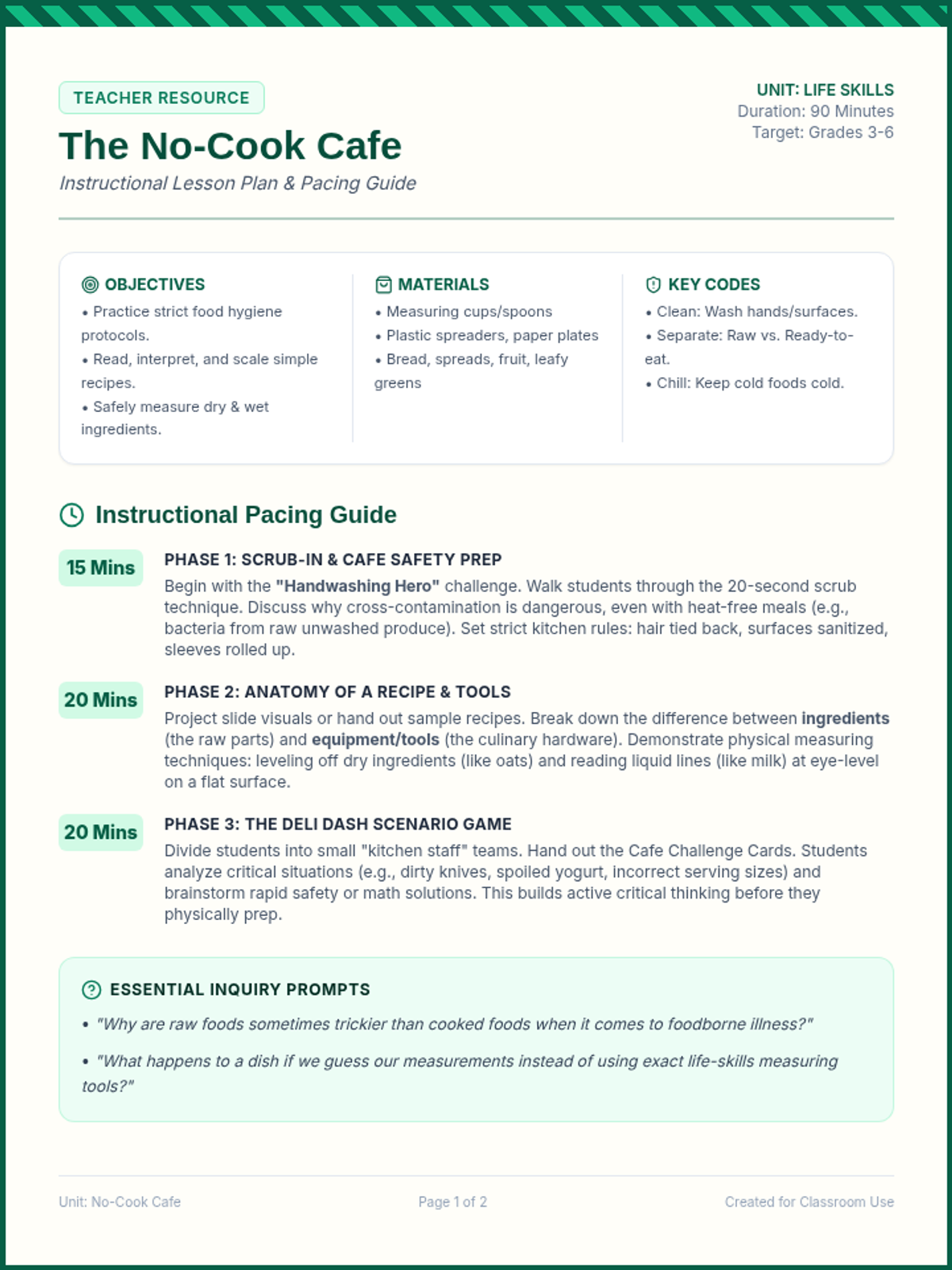
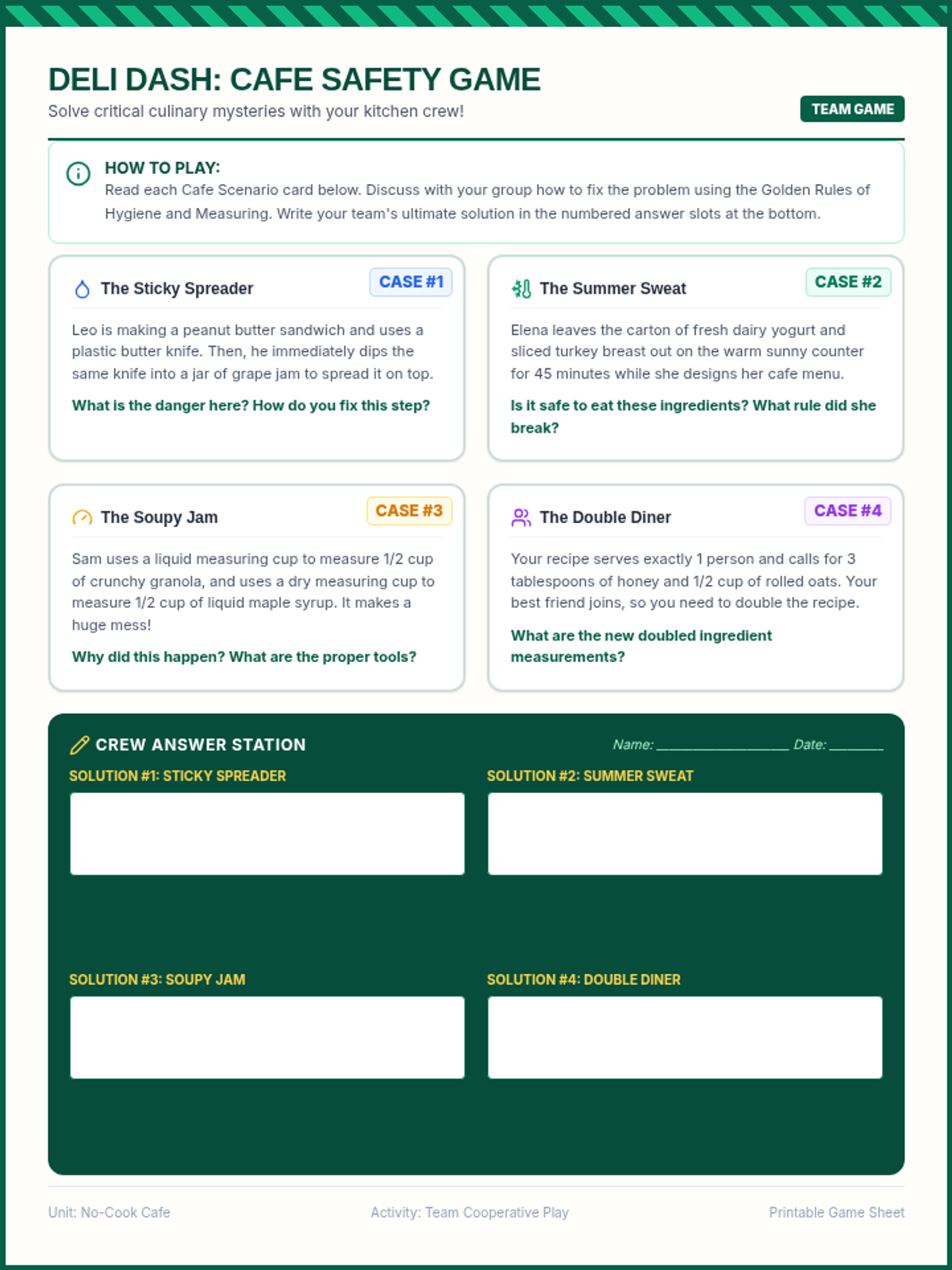
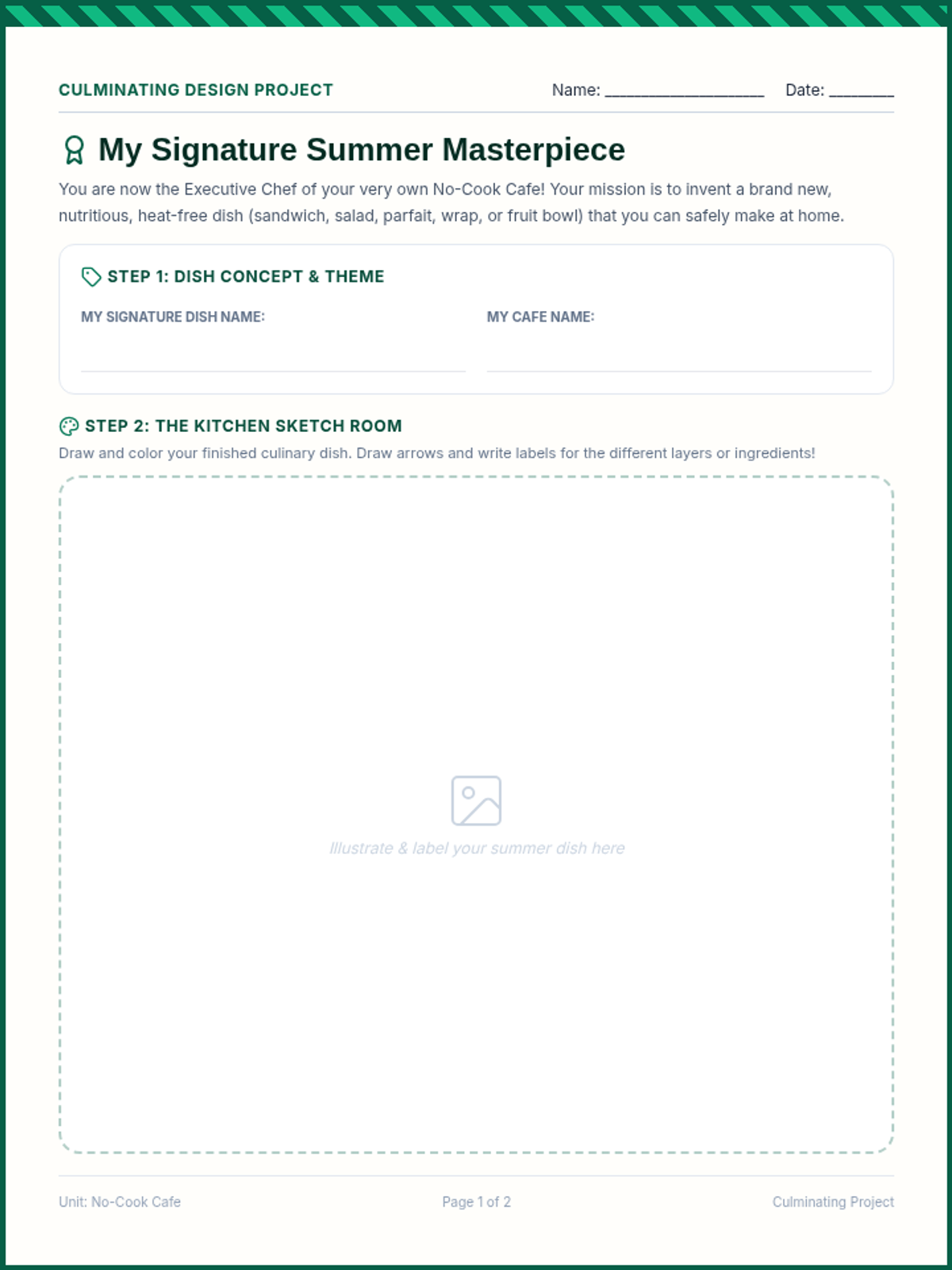
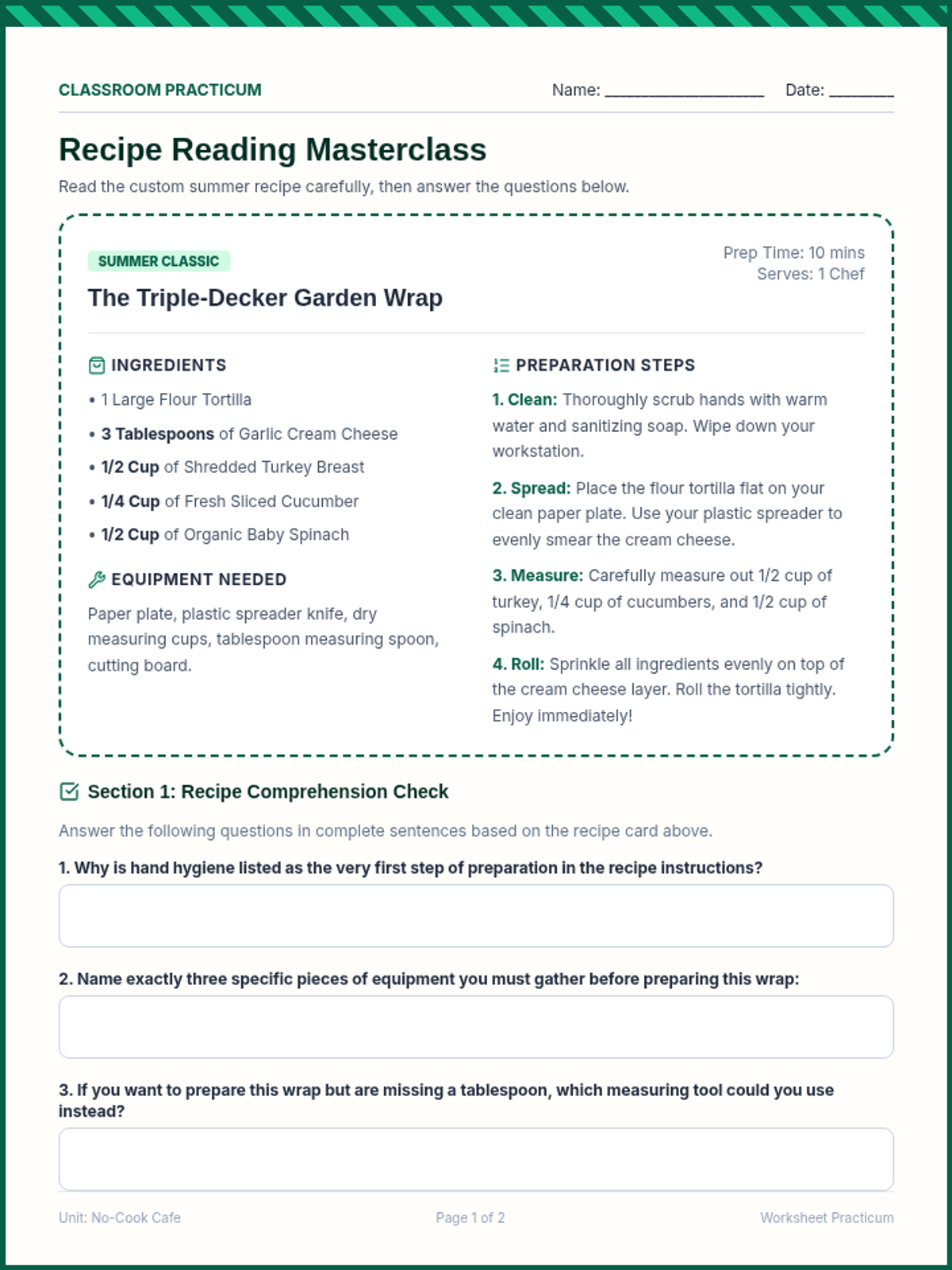
A functional life-skills lesson where students learn to prepare simple, nutritious, heat-free meals. Students practice reading recipes, measuring ingredients, and maintaining food hygiene to boost independence at home.
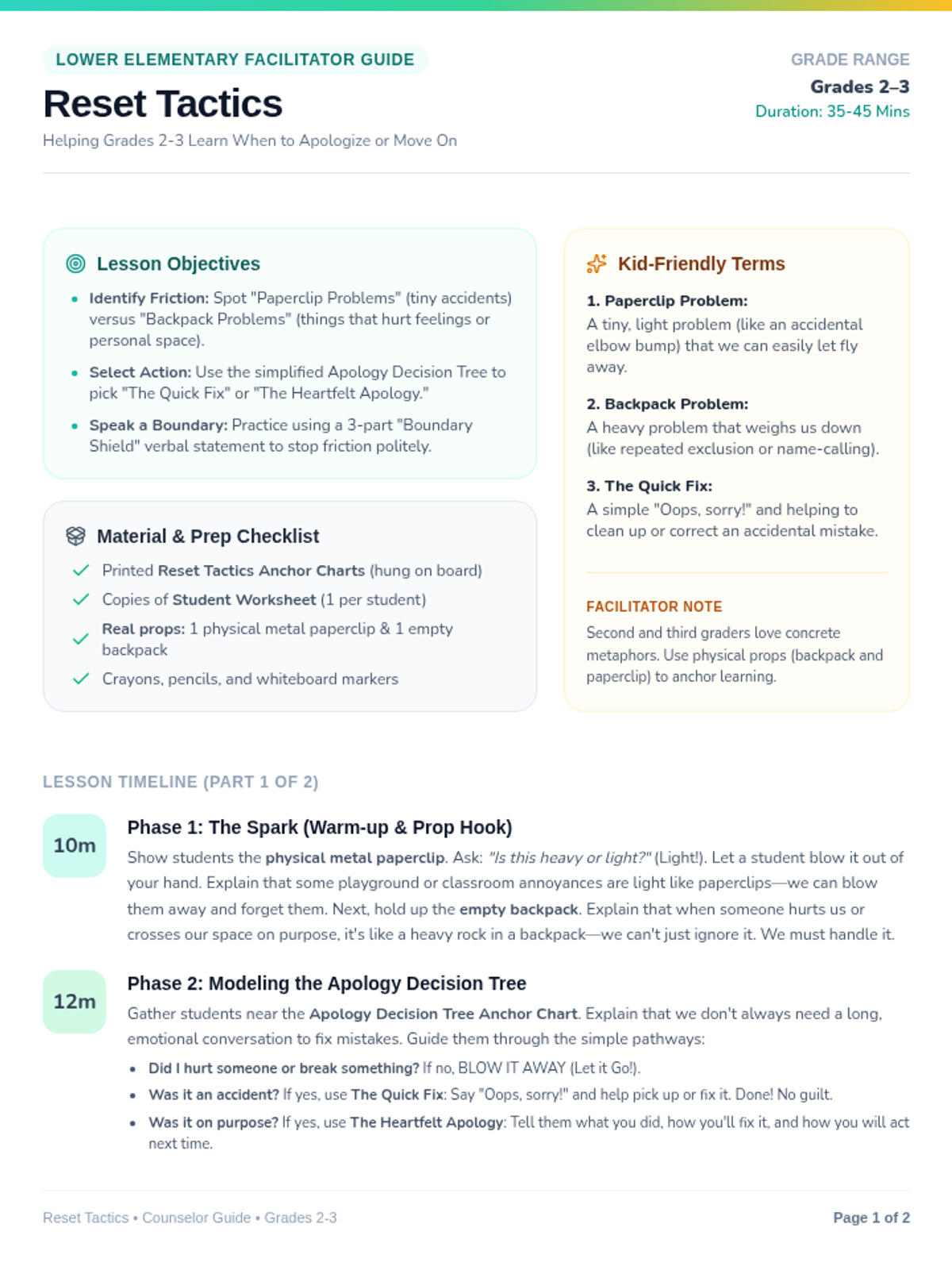
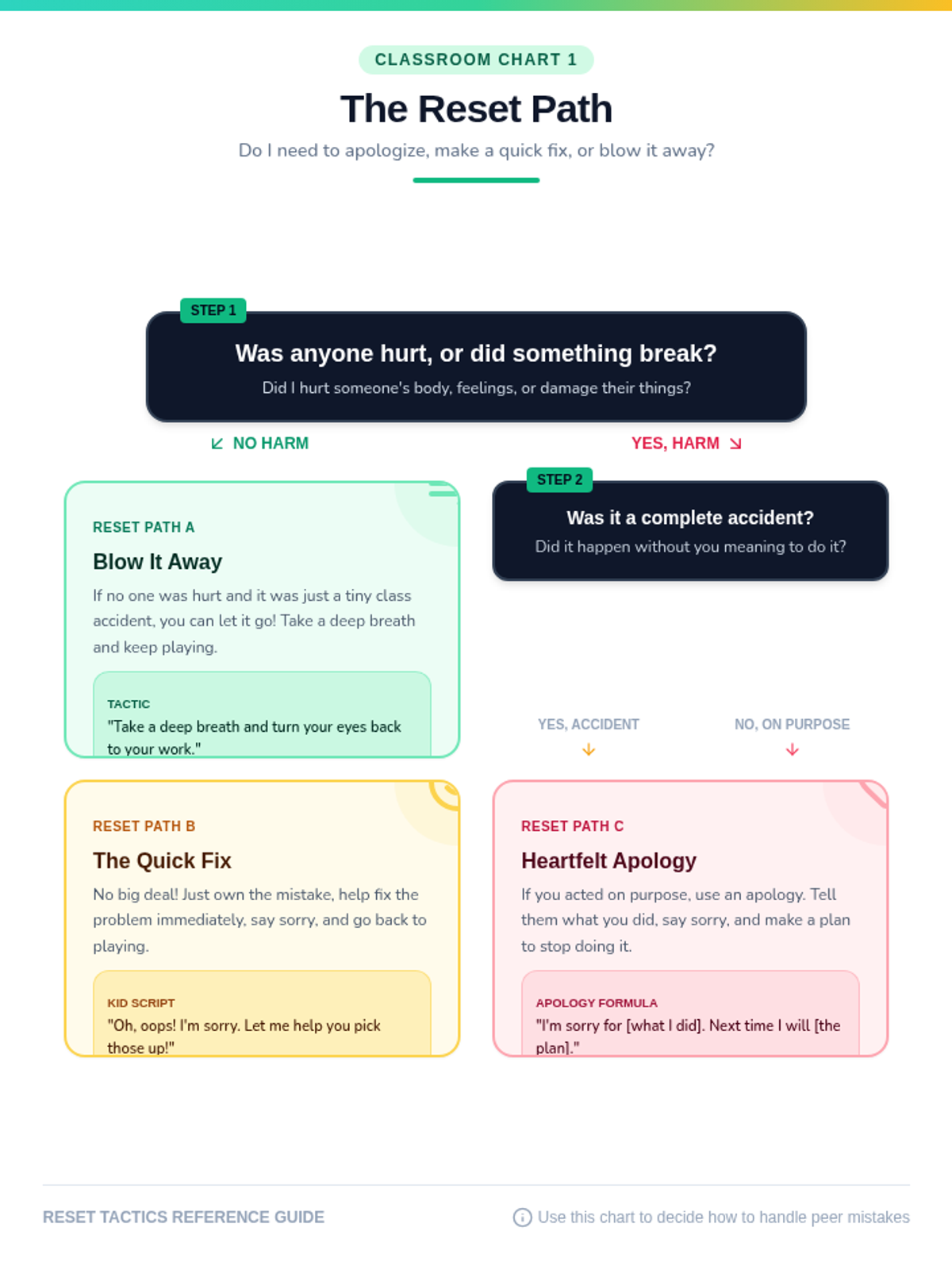
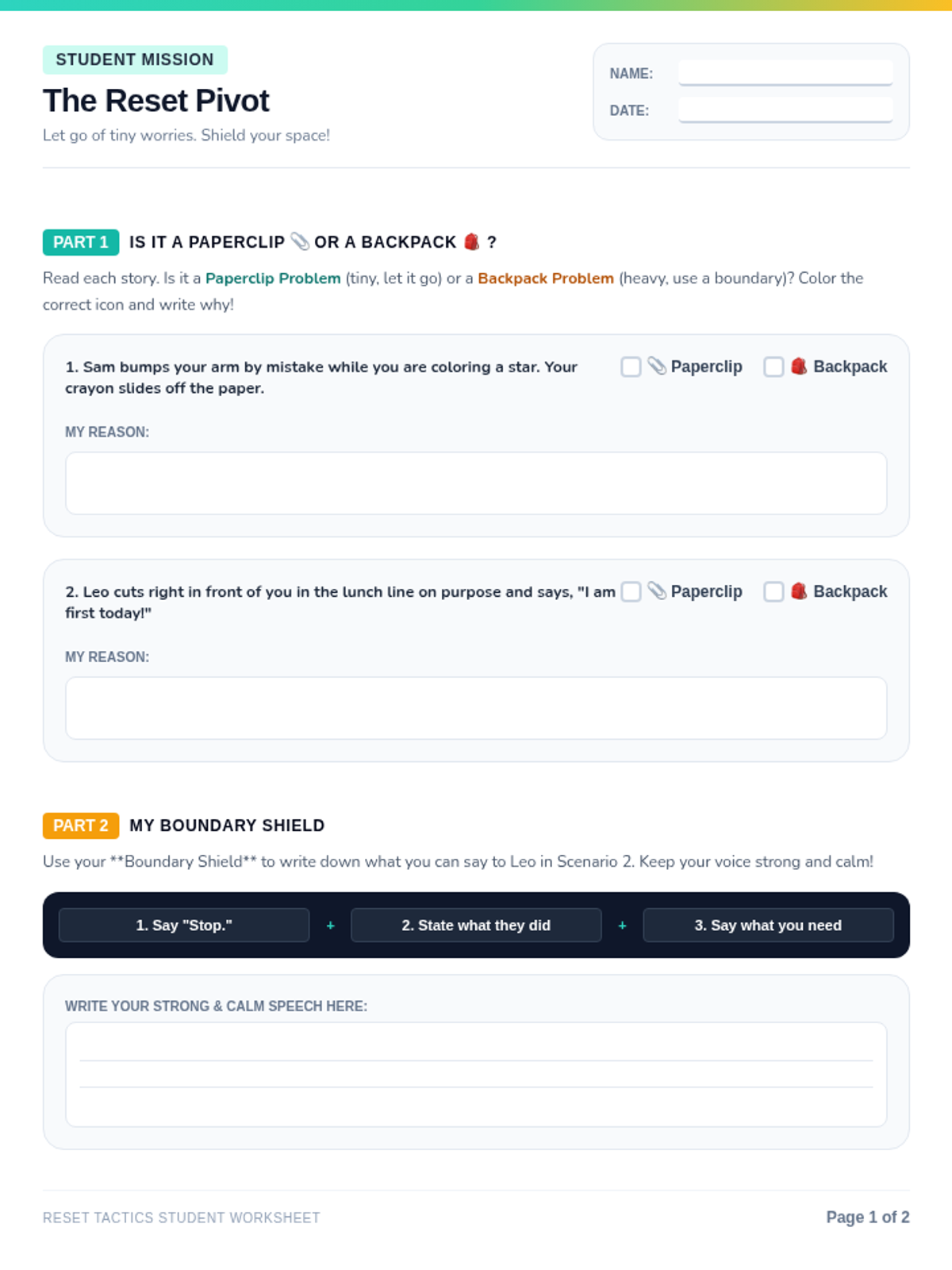
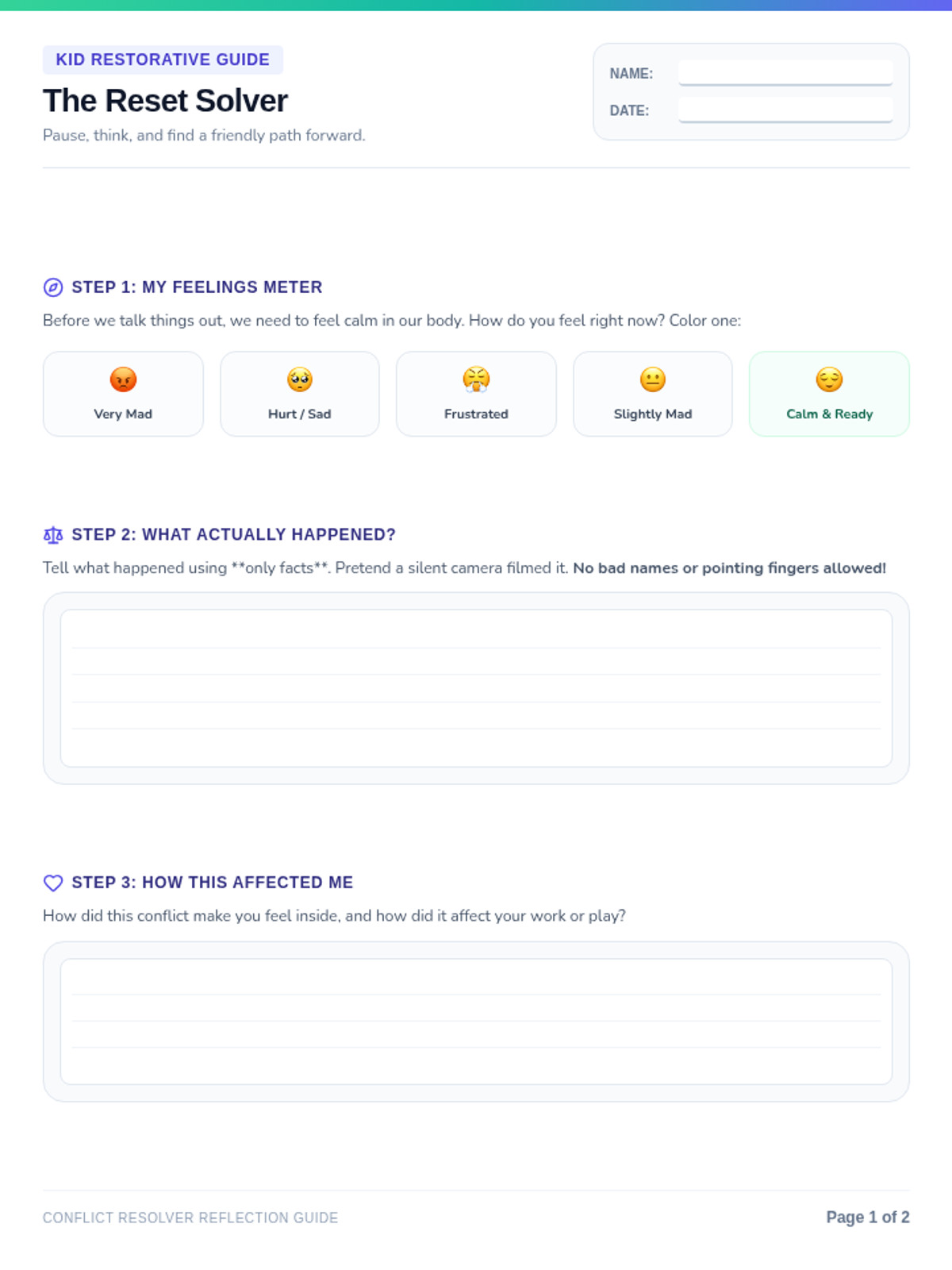
A counseling lesson designed for students in grades 2-3 to help them navigate peer friction, evaluate when to apologize or move on, let go of minor grievances, and set clear social boundaries.
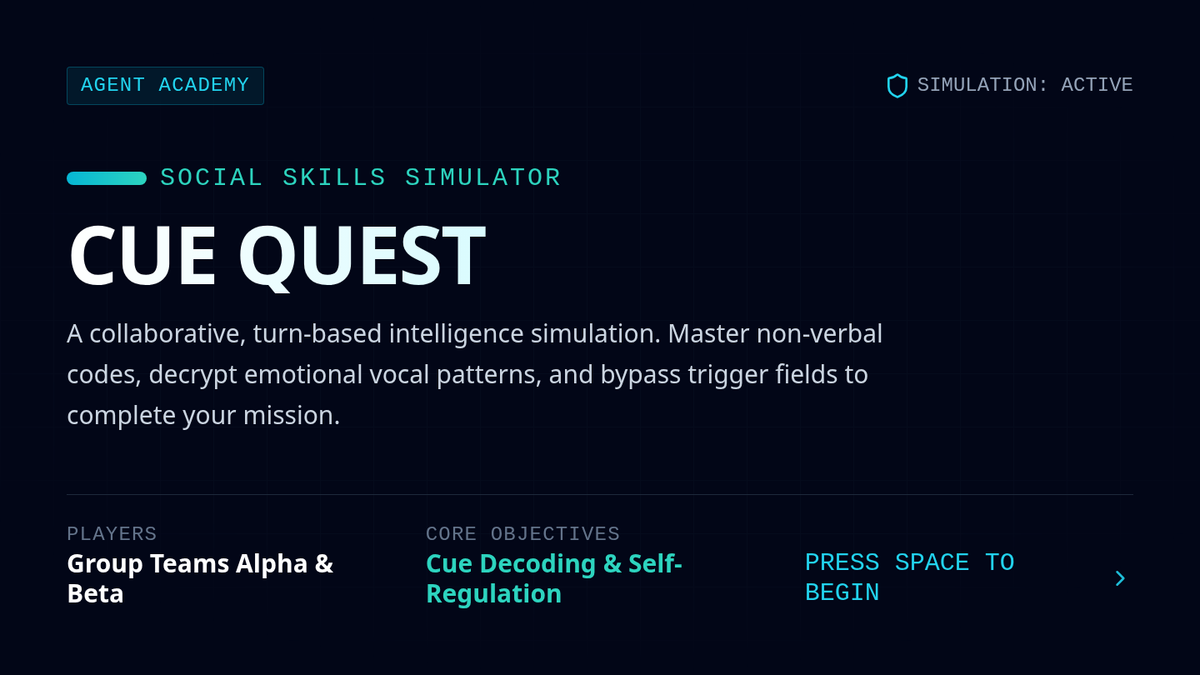
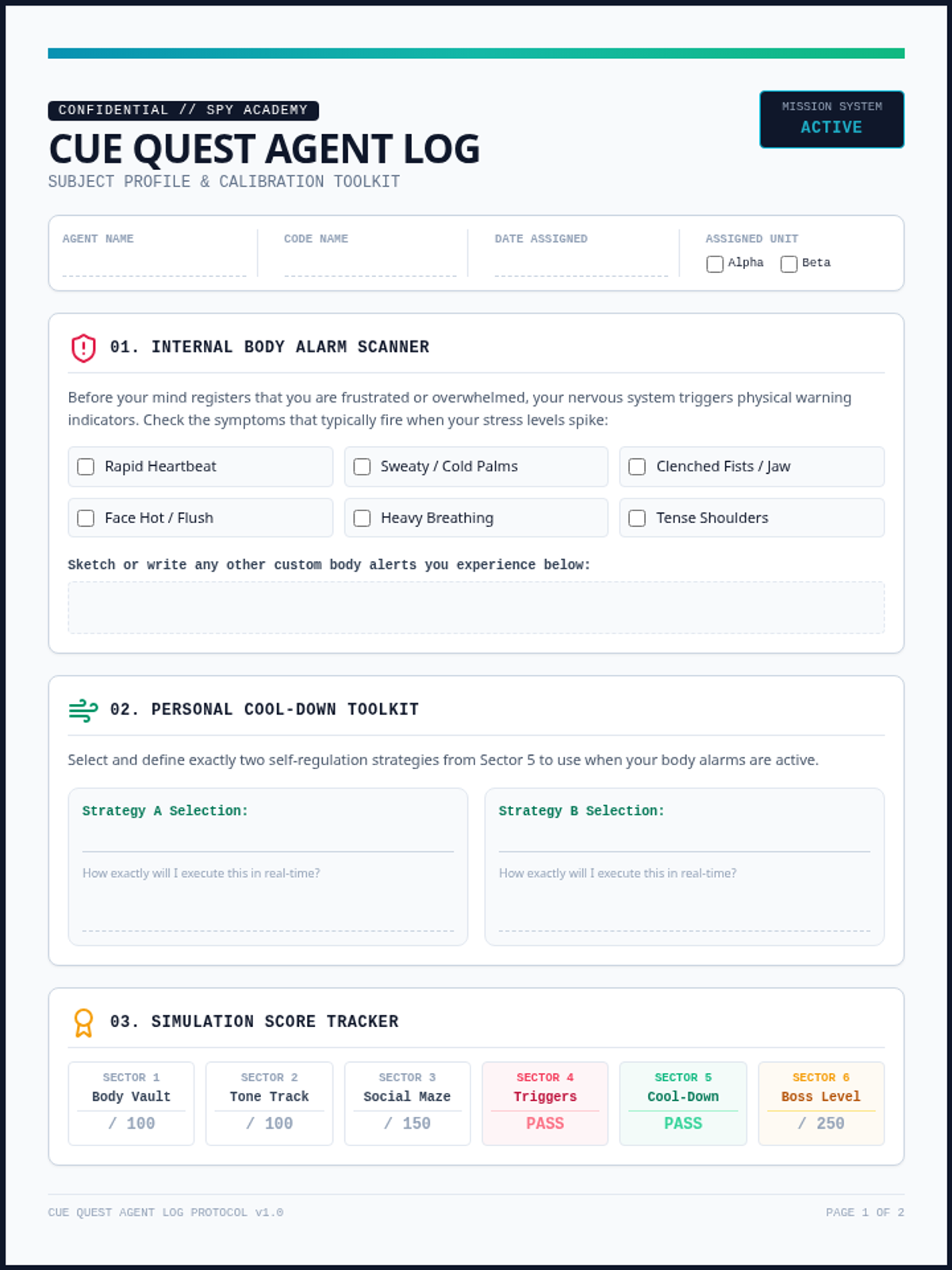
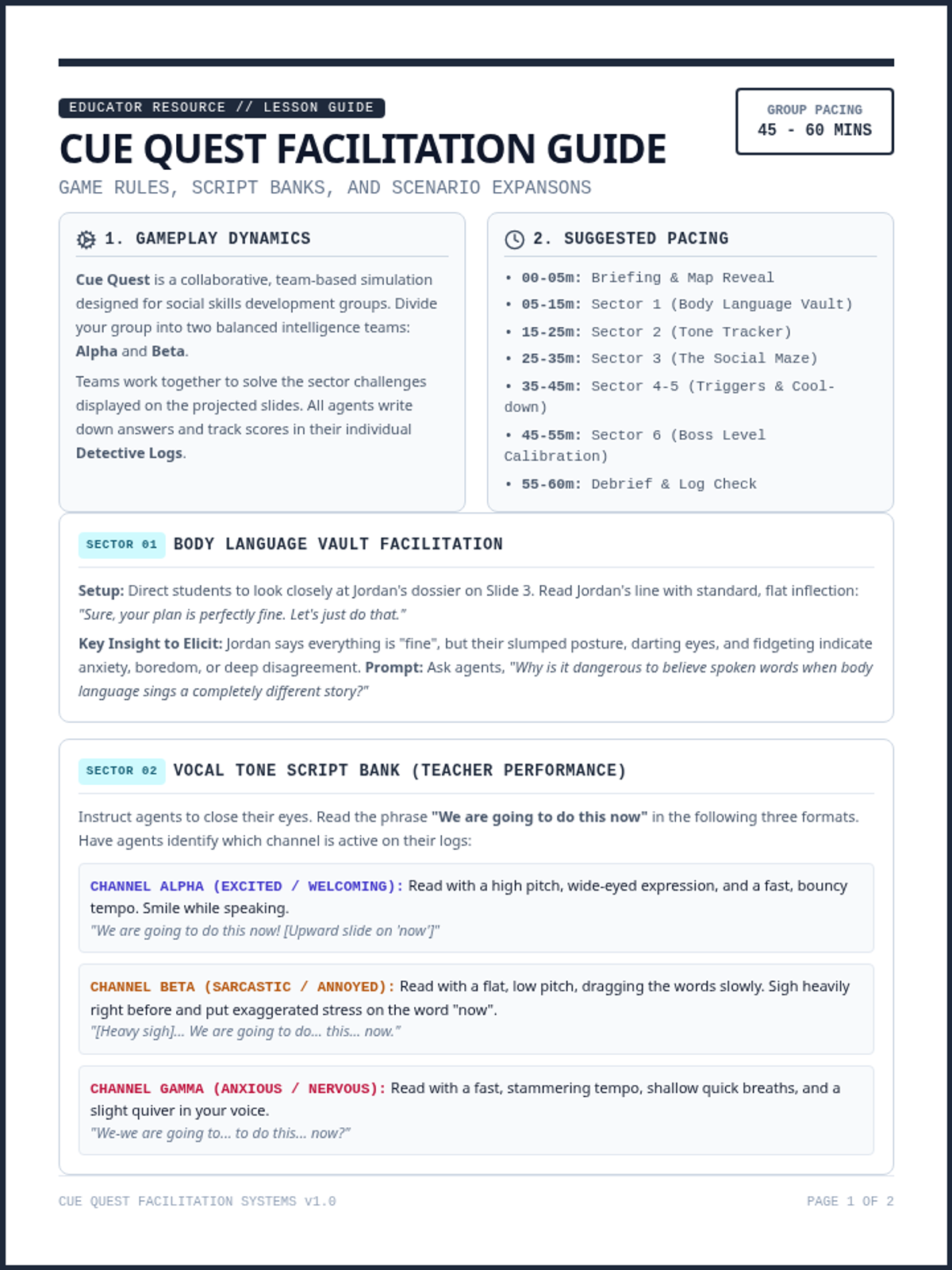
A gamified social skills lesson focusing on reading non-verbal cues, decoding tone of voice, and mastering emotional self-regulation through a collaborative turn-based simulation.
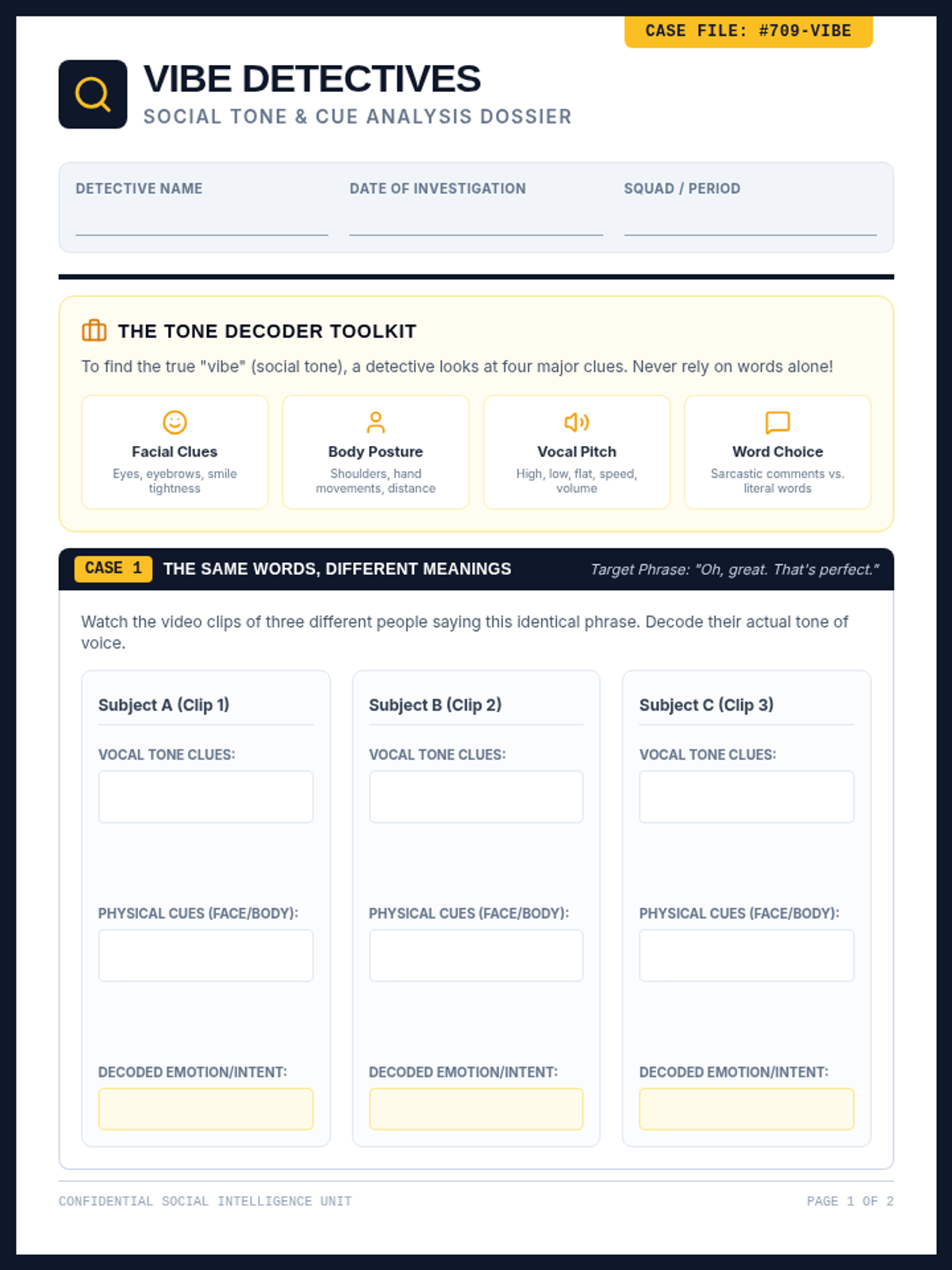
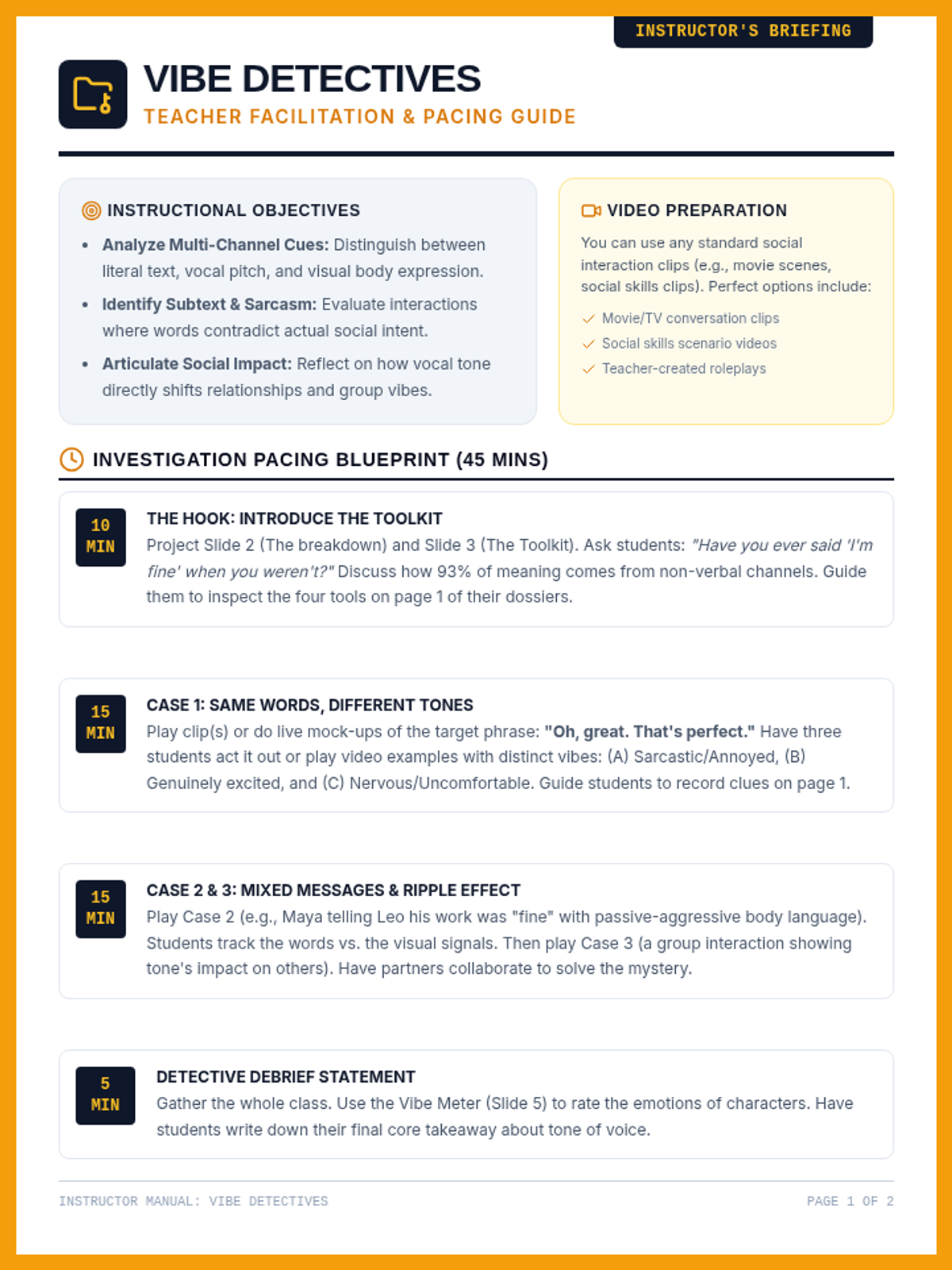
A highly engaging lesson where students analyze social cues, body language, and vocal pitch in videos to decode a character's true tone of voice and social intent.
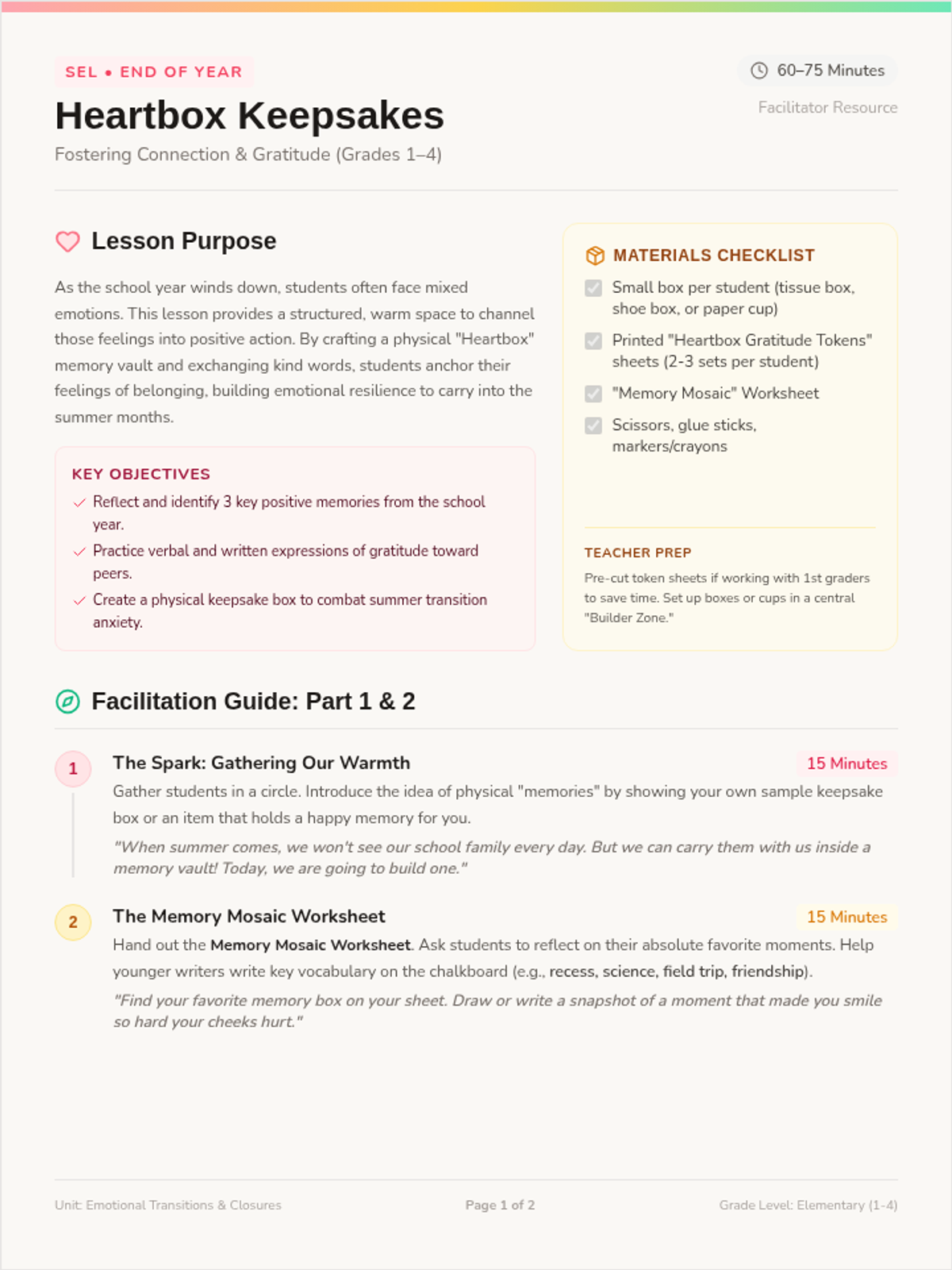
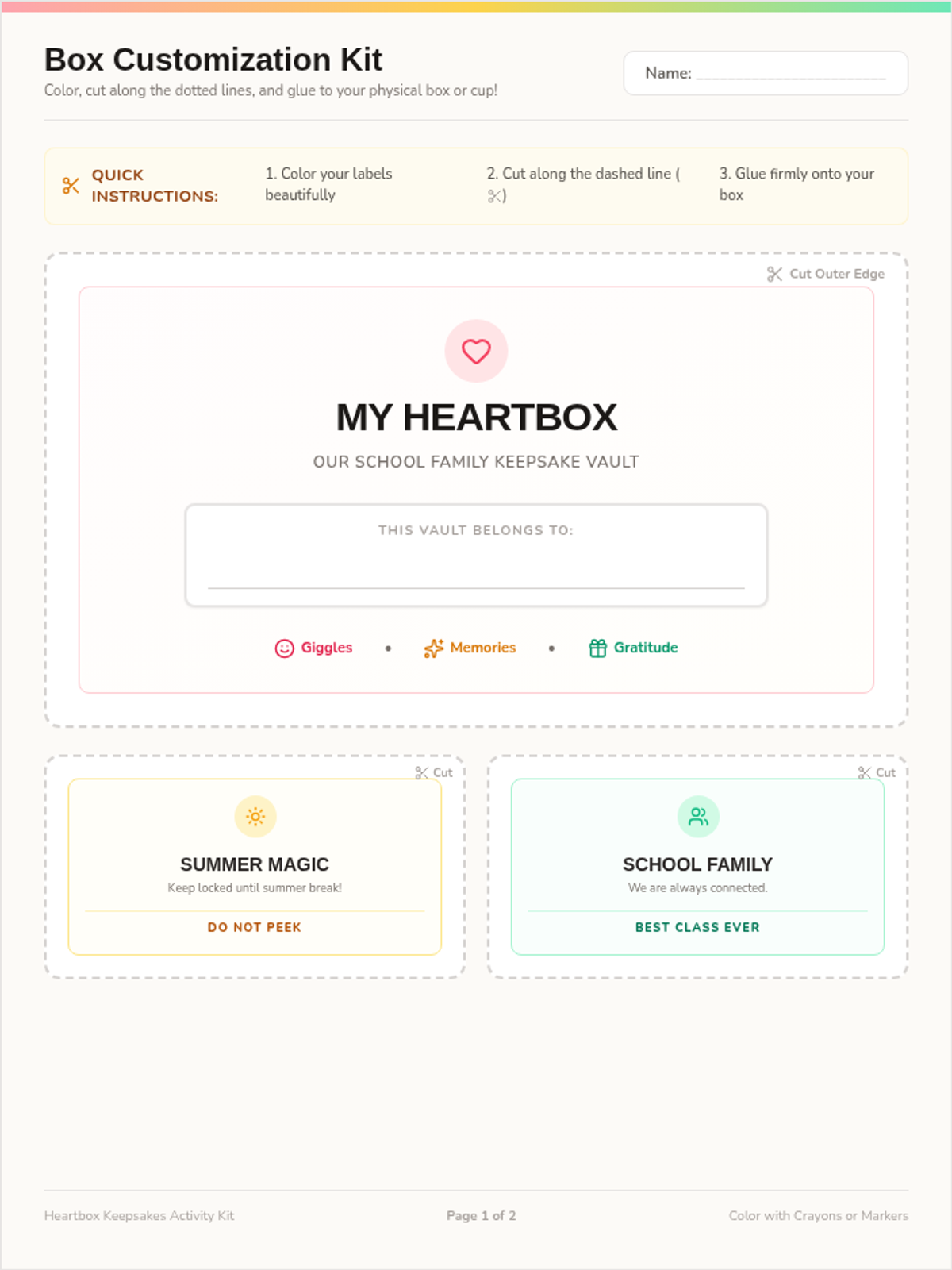
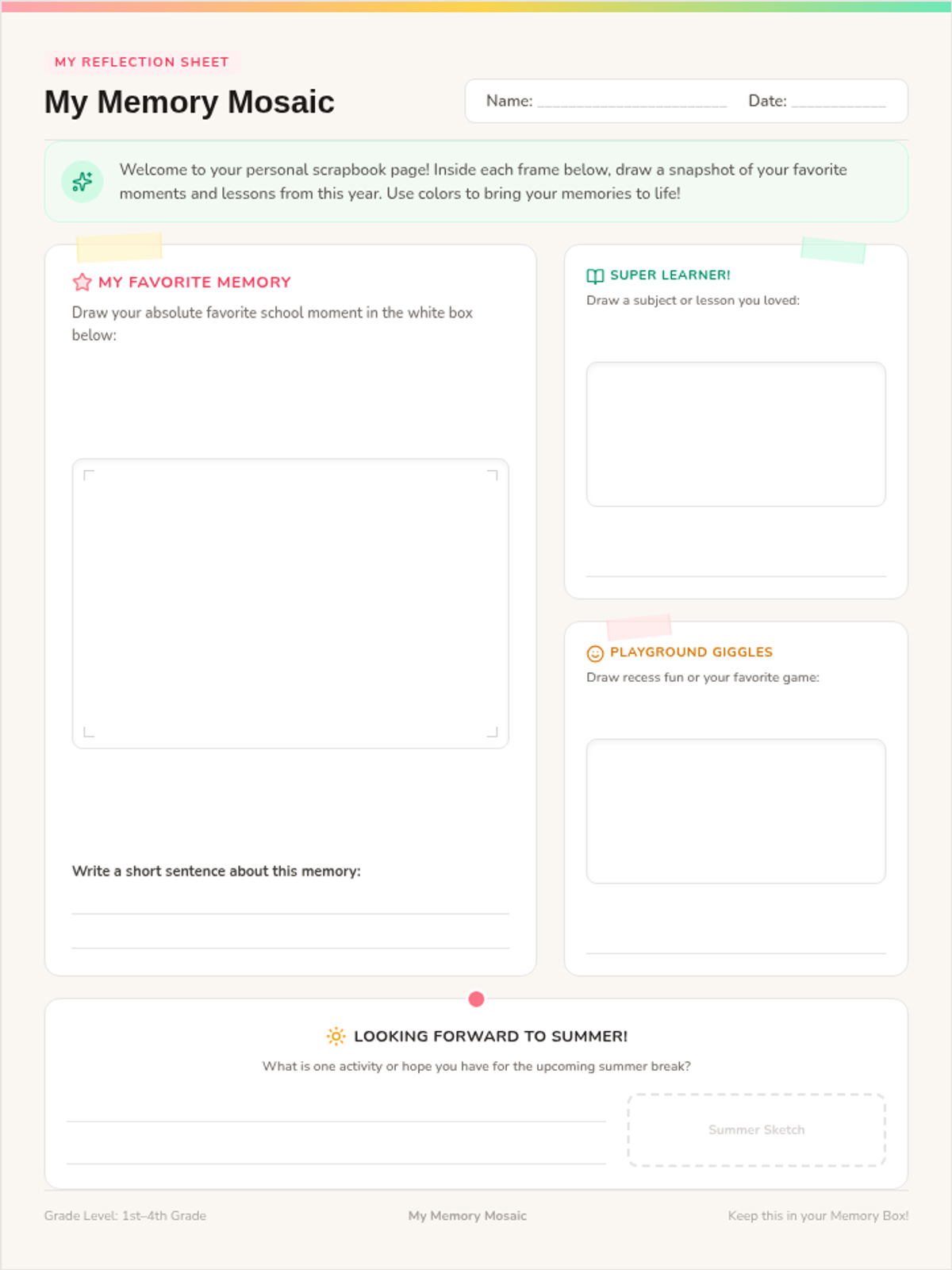
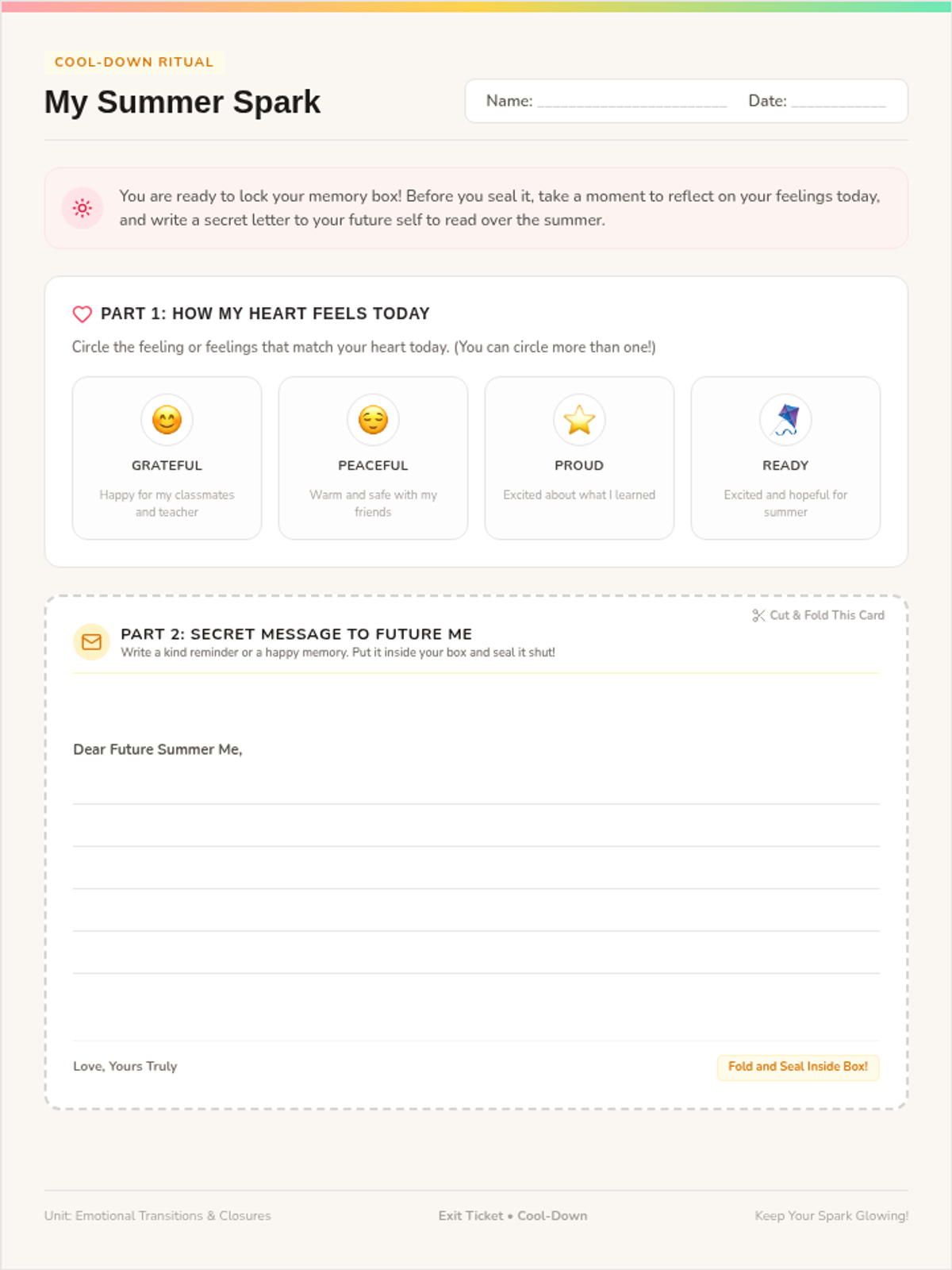
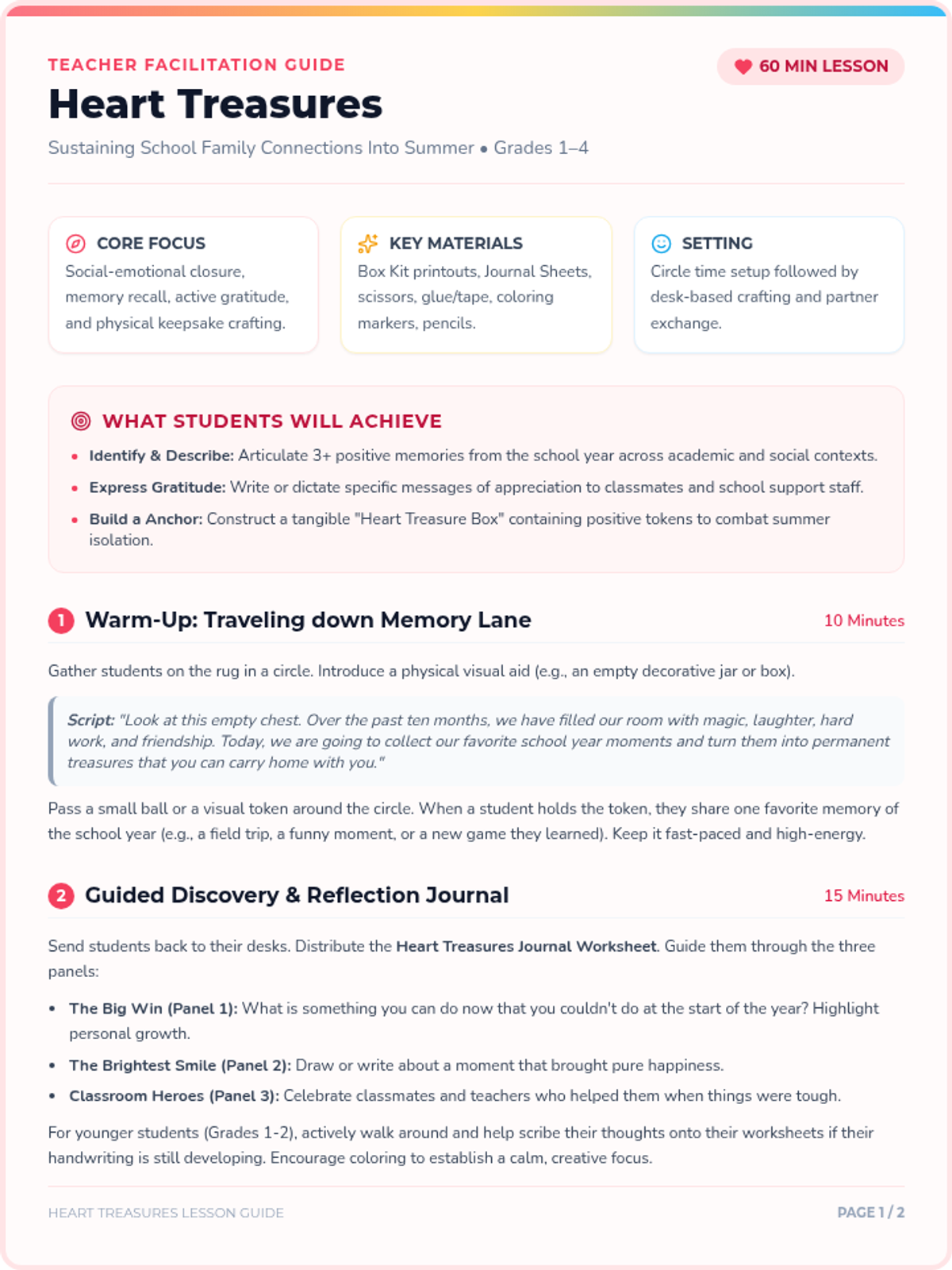
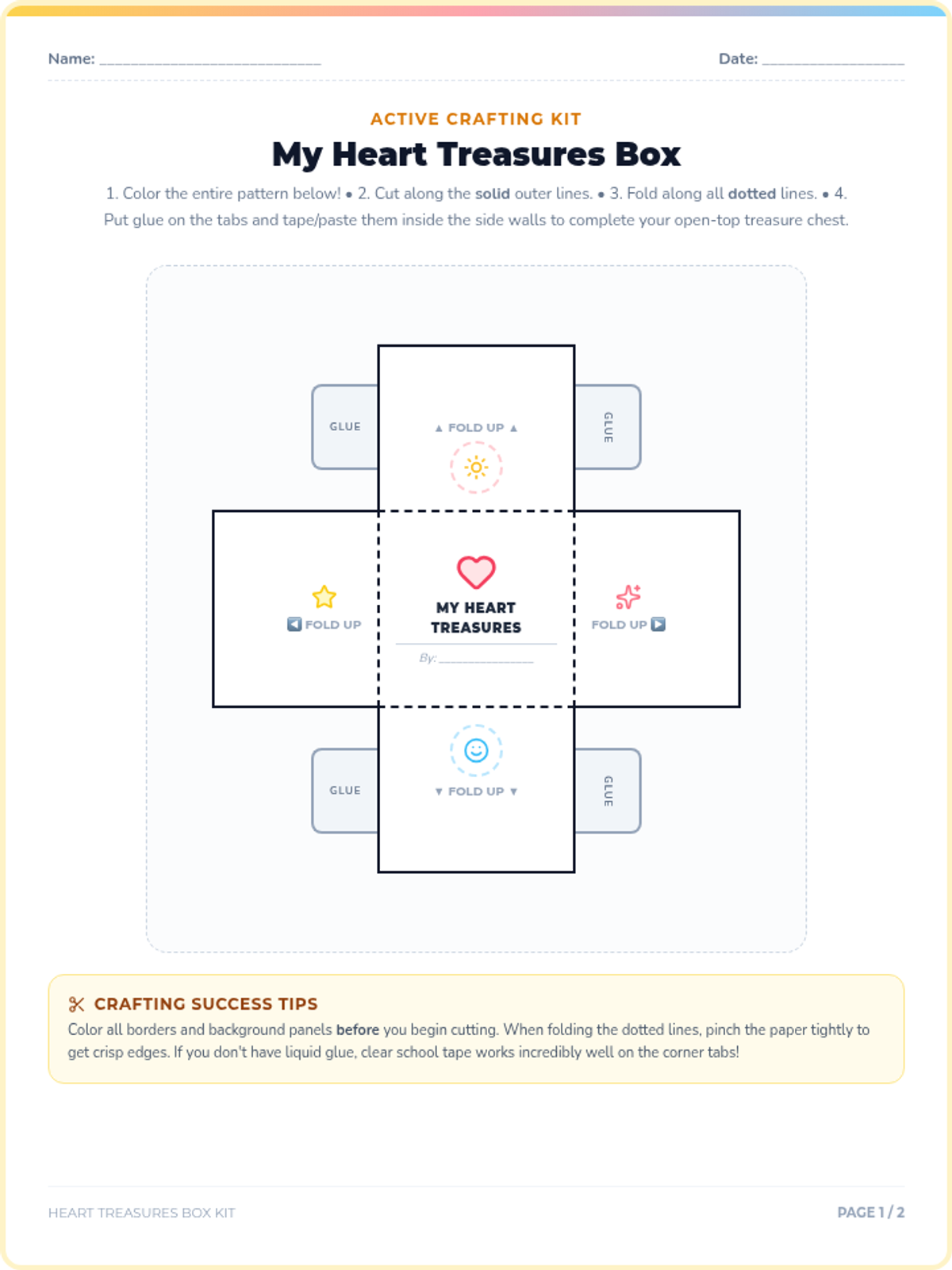
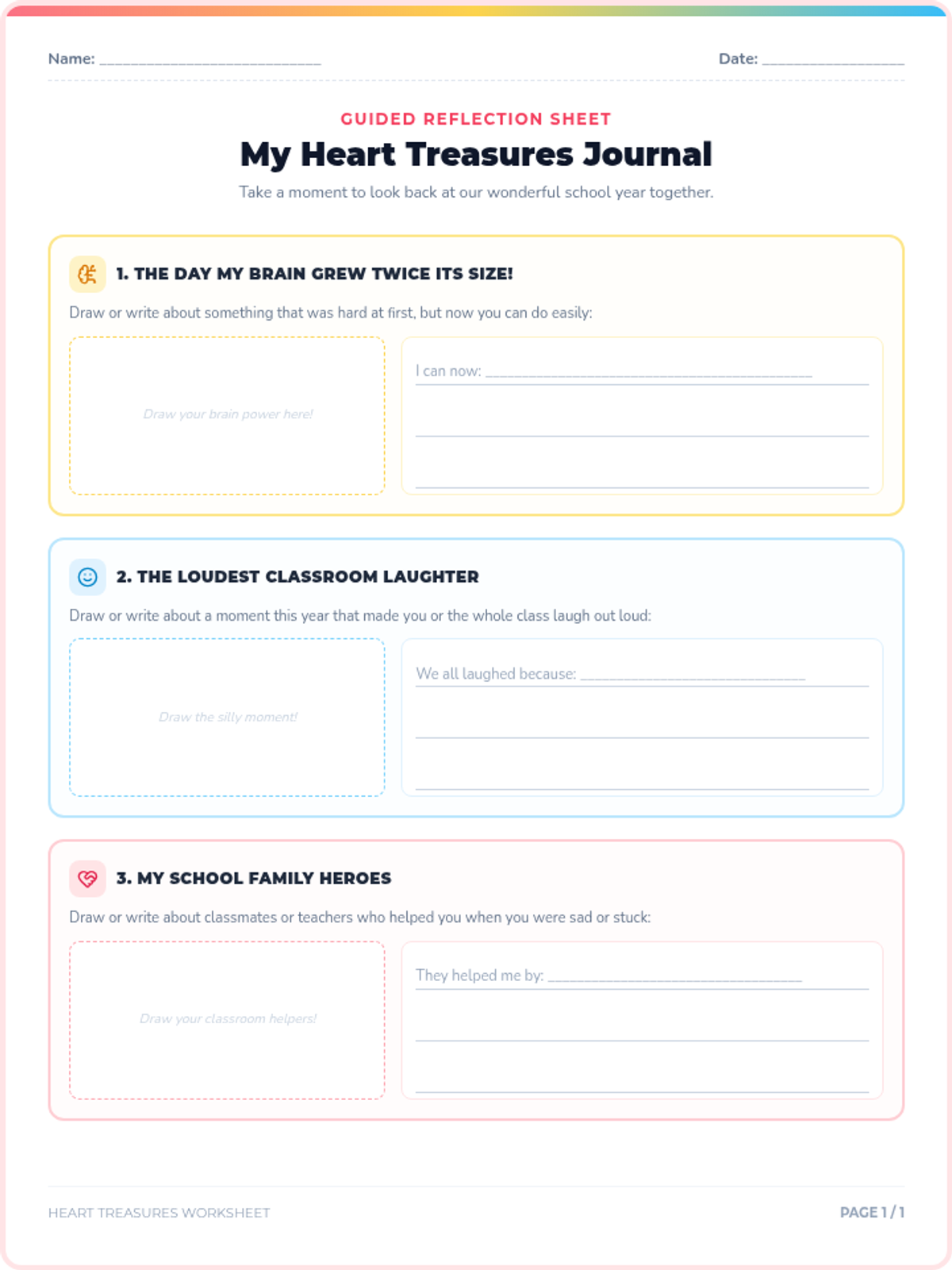
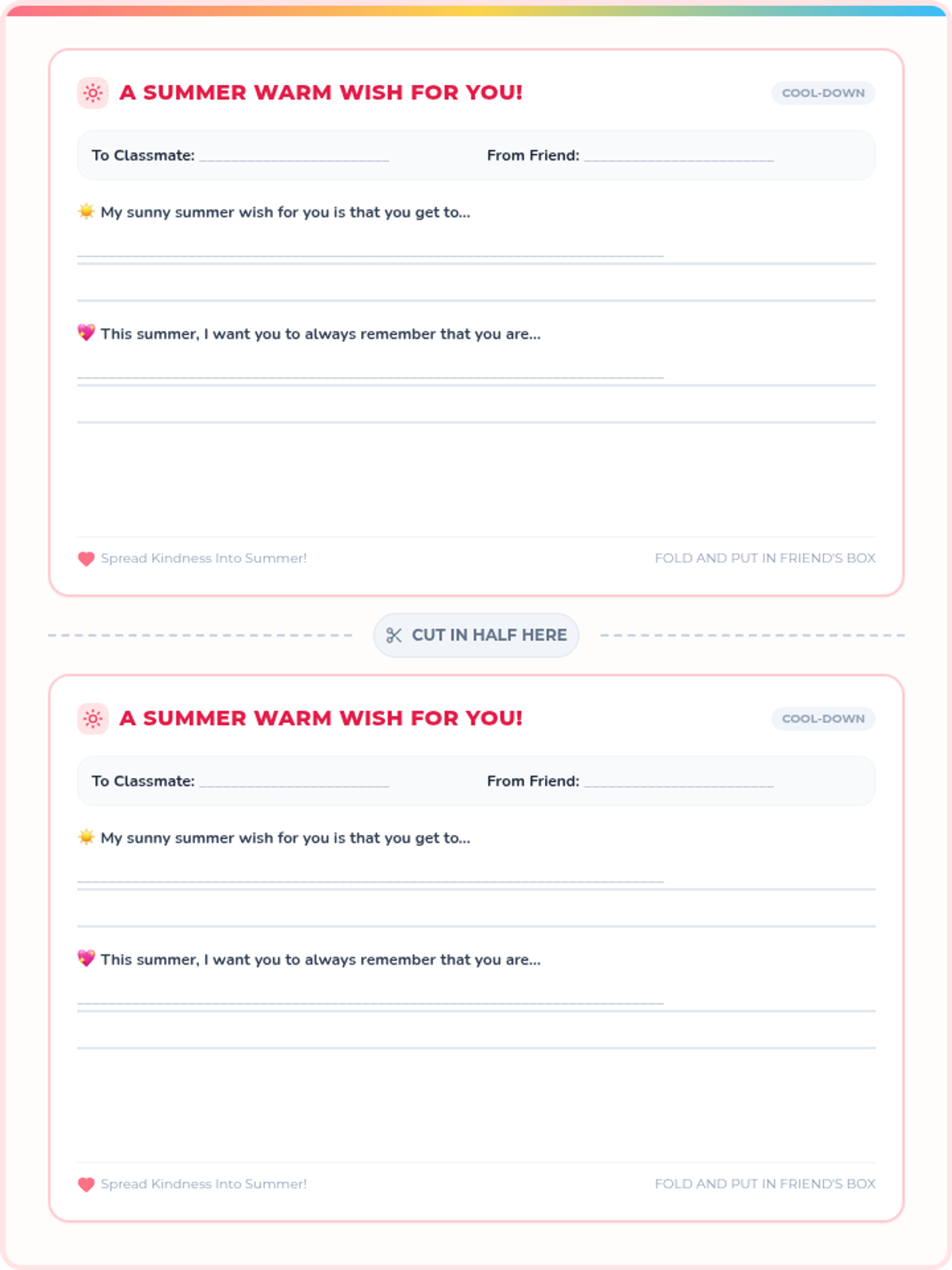
A heartwarming lesson designed for 1st-4th grade students to reflect on positive memories, express gratitude to classmates and teachers, and assemble a physical memory box filled with positive notes to keep throughout the summer.
An emotional closure lesson for students in grades 1-4 to reflect on positive school-year memories, craft a physical keepsake box, write gratitude tokens for peers and staff, and carry positive vibes into the summer.
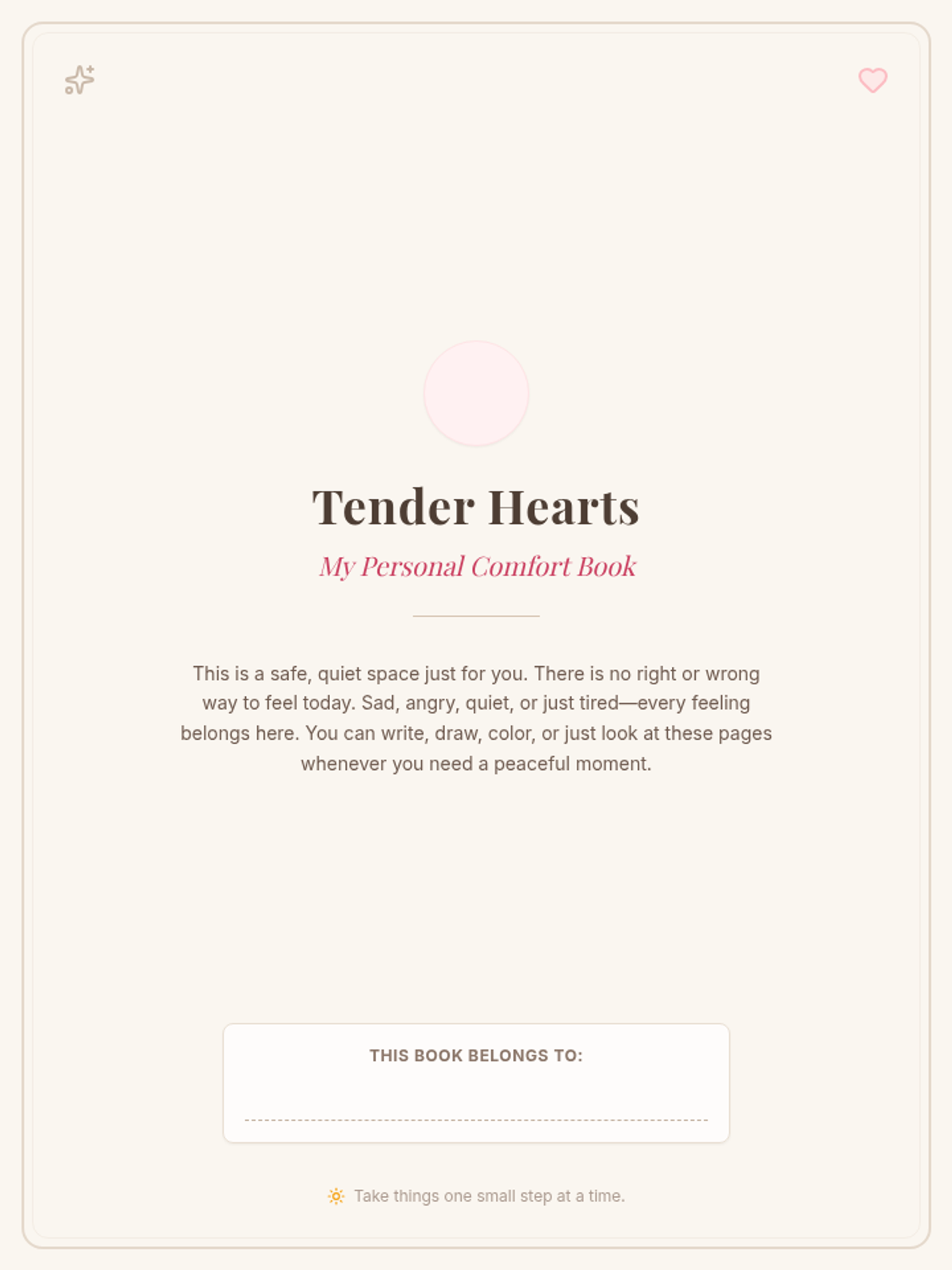
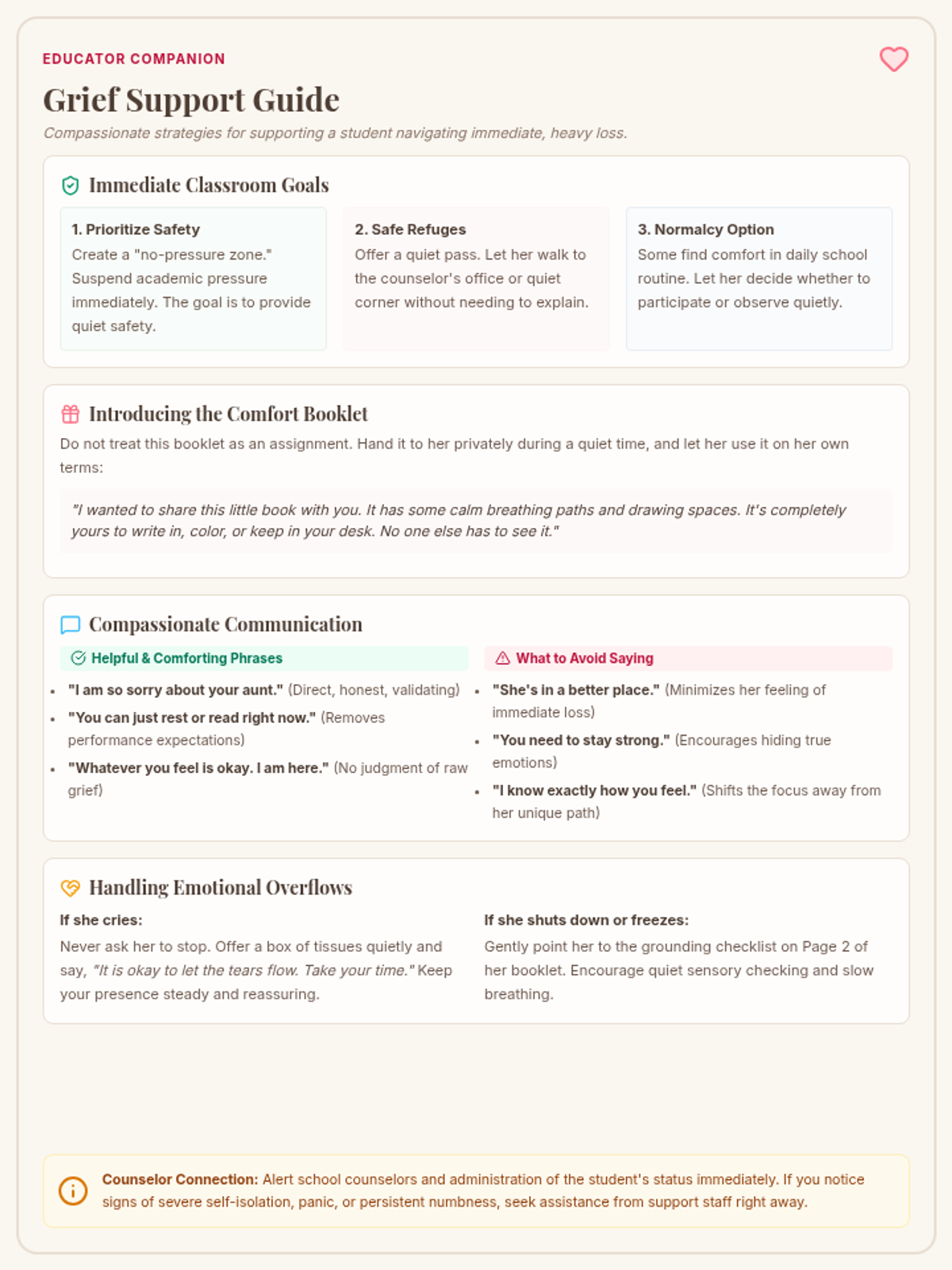
A comforting, supportive lesson structure containing a multi-page creative expression and emotional regulation booklet for a grieving student, alongside a companion guide for the educator to navigate support during early grief.