A quick, impactful social-emotional learning lesson focused on the lasting damage of name-calling and 'just kidding' humor. Students explore the metaphor of a wrinkled paper heart to understand that even after an apology, words leave a mark.
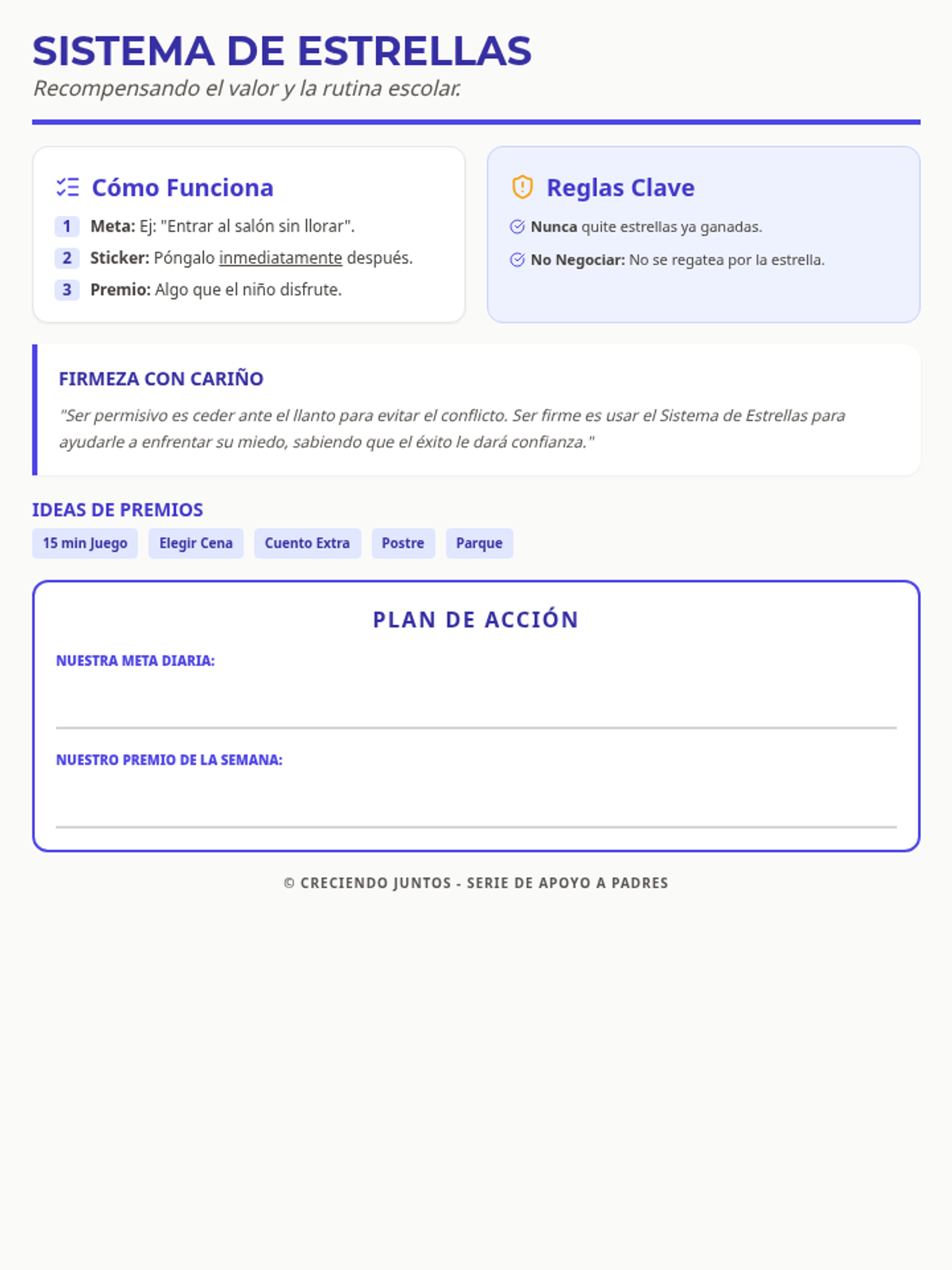
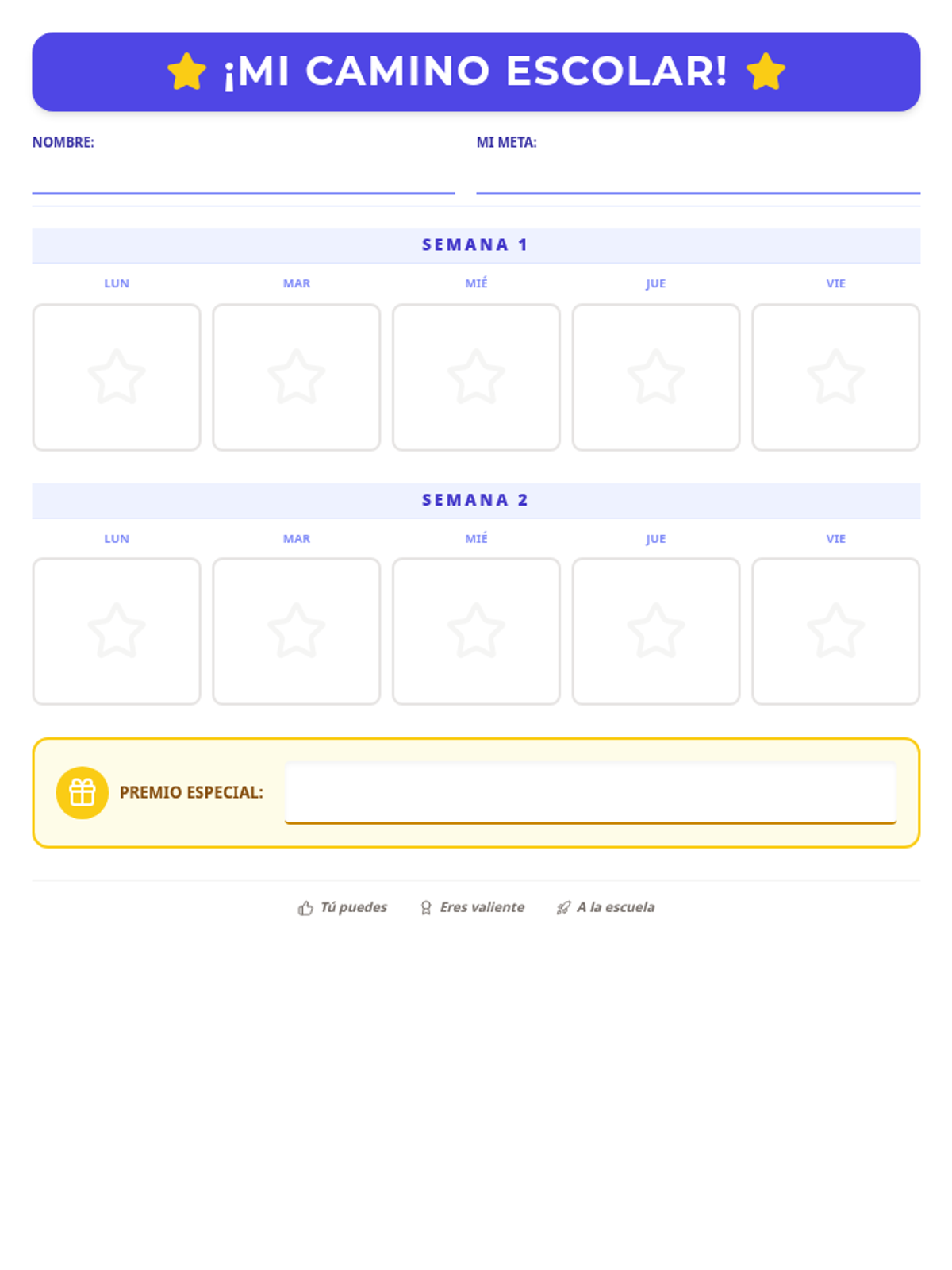
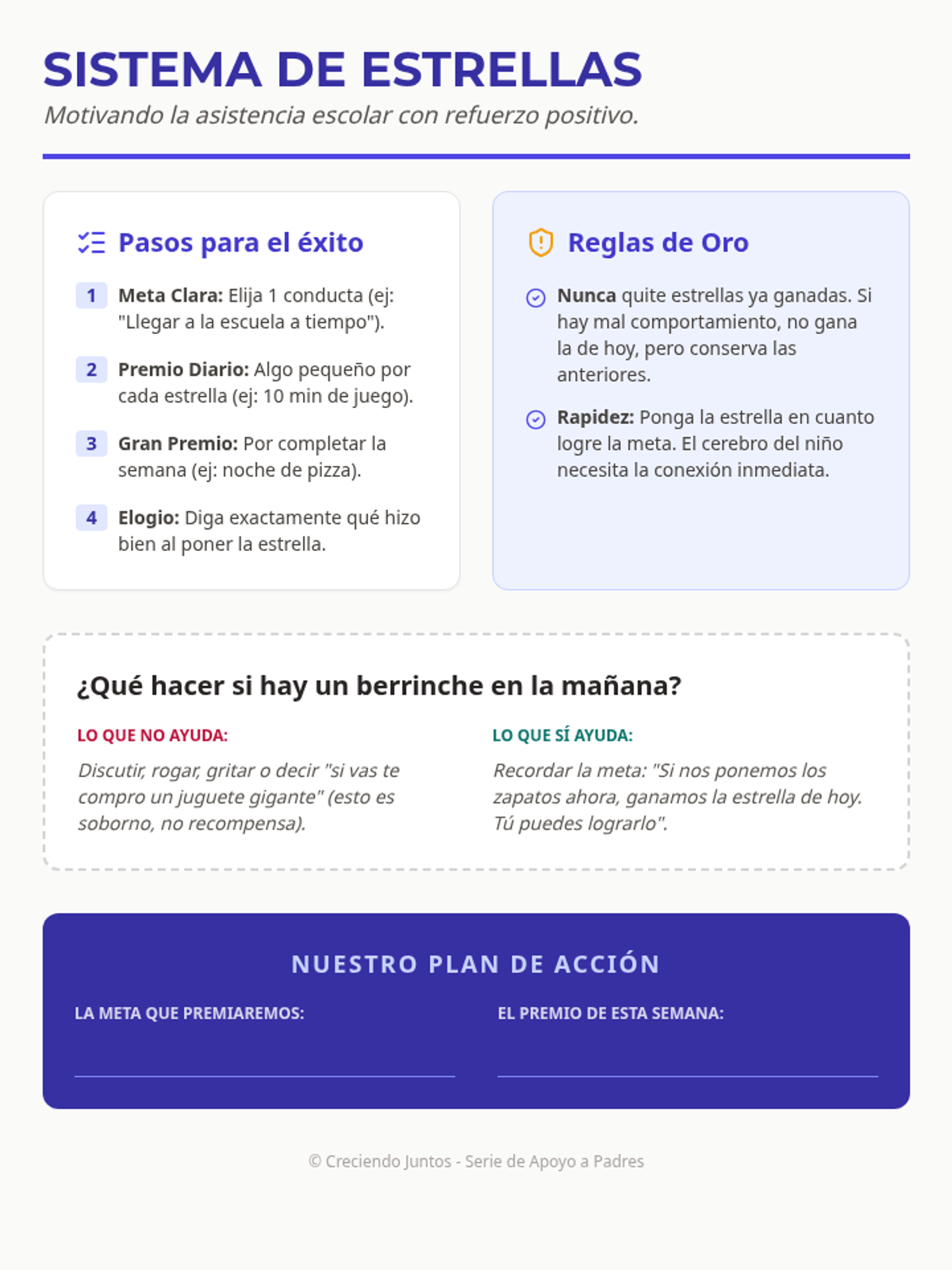
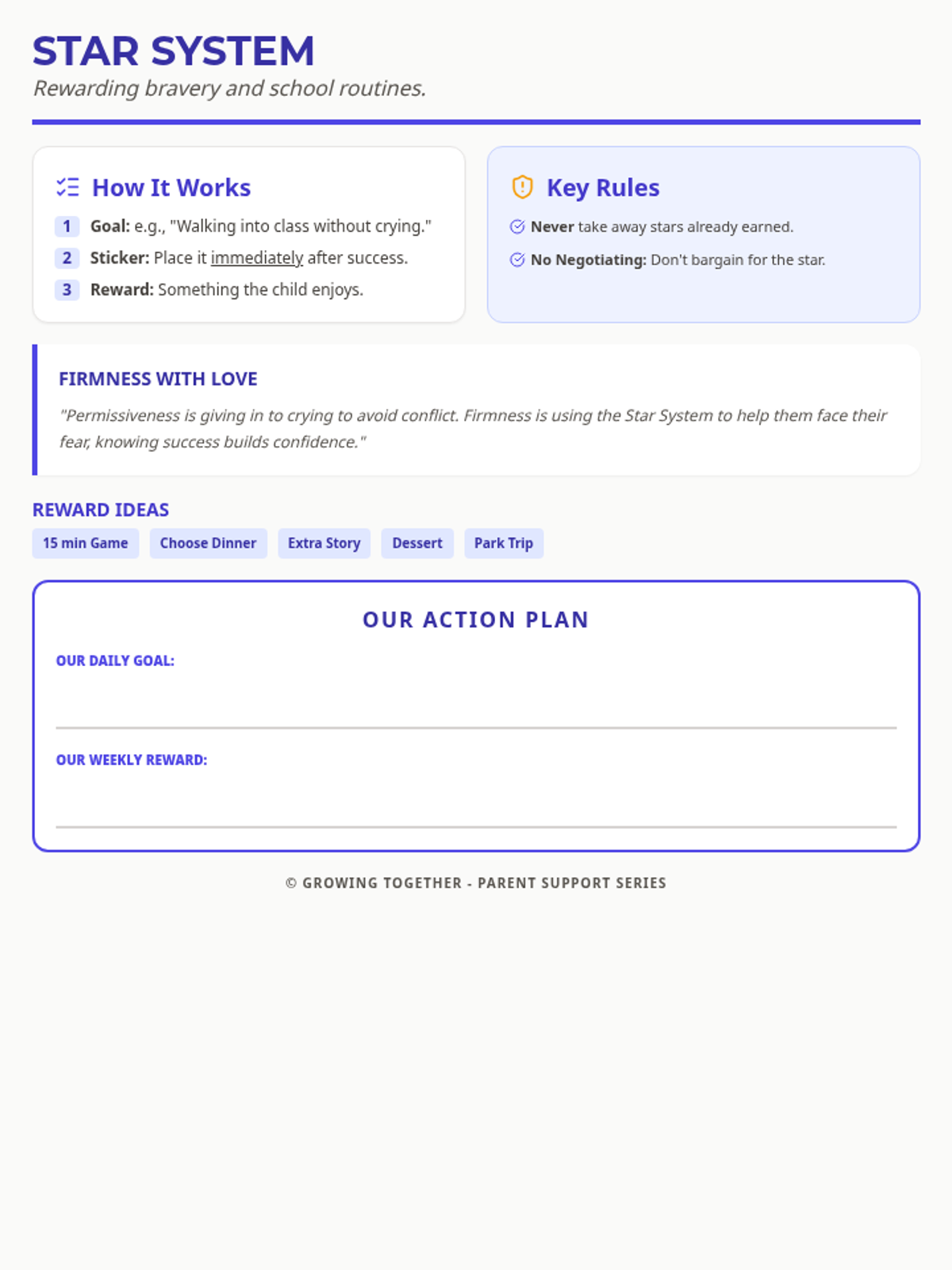
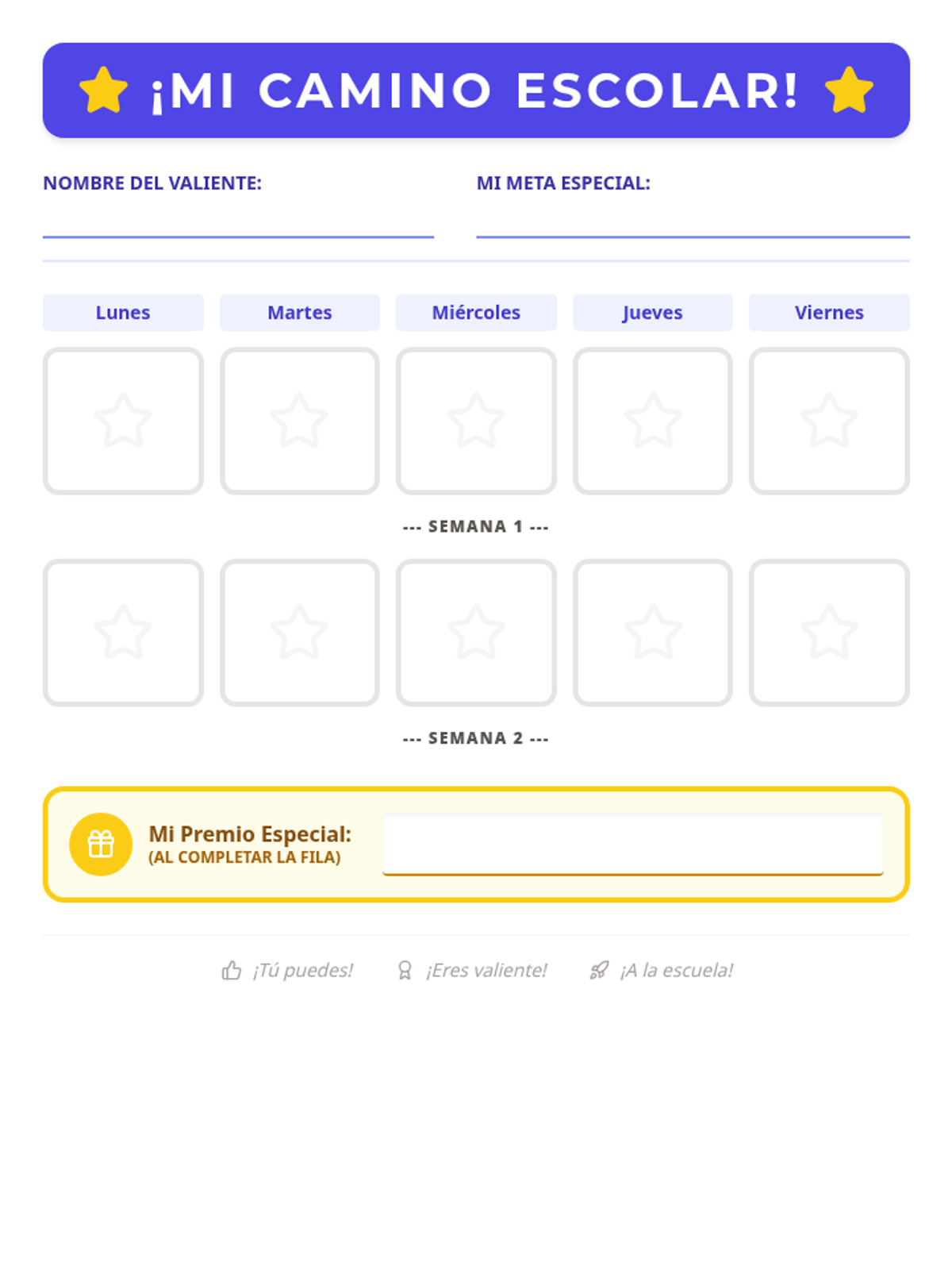
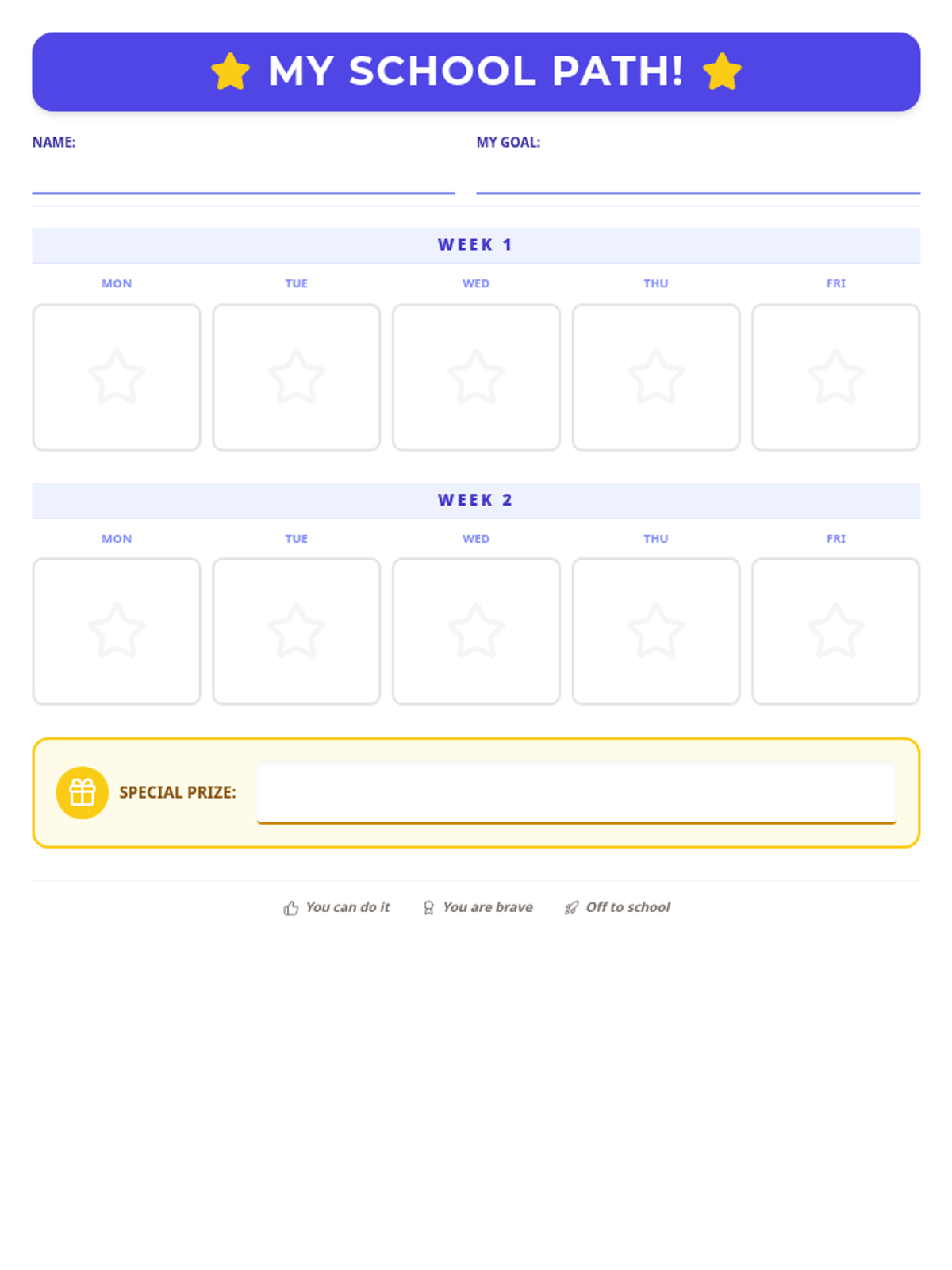
Practical steps for setting up a sticker chart system to reward school attendance and morning routines.
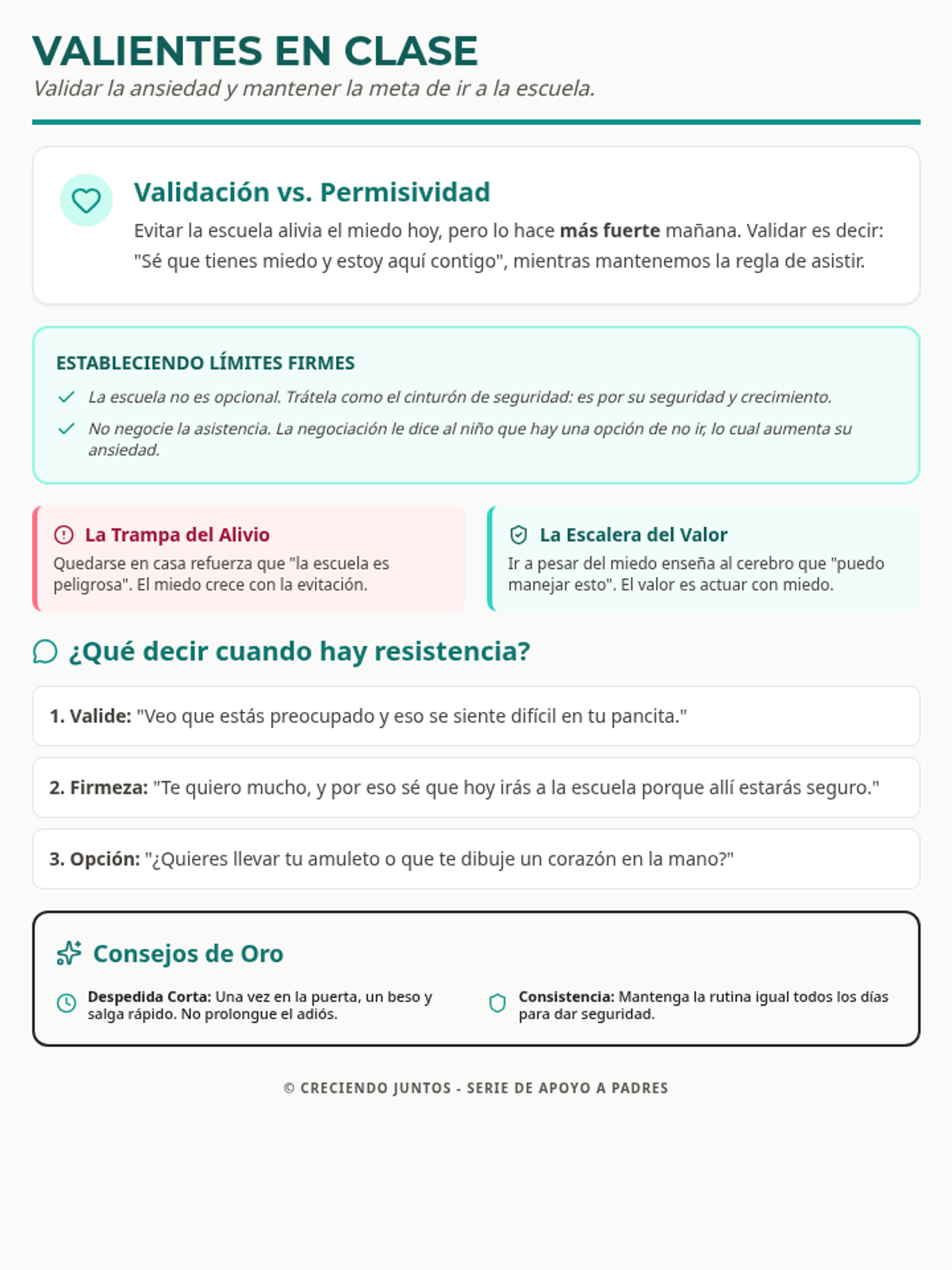
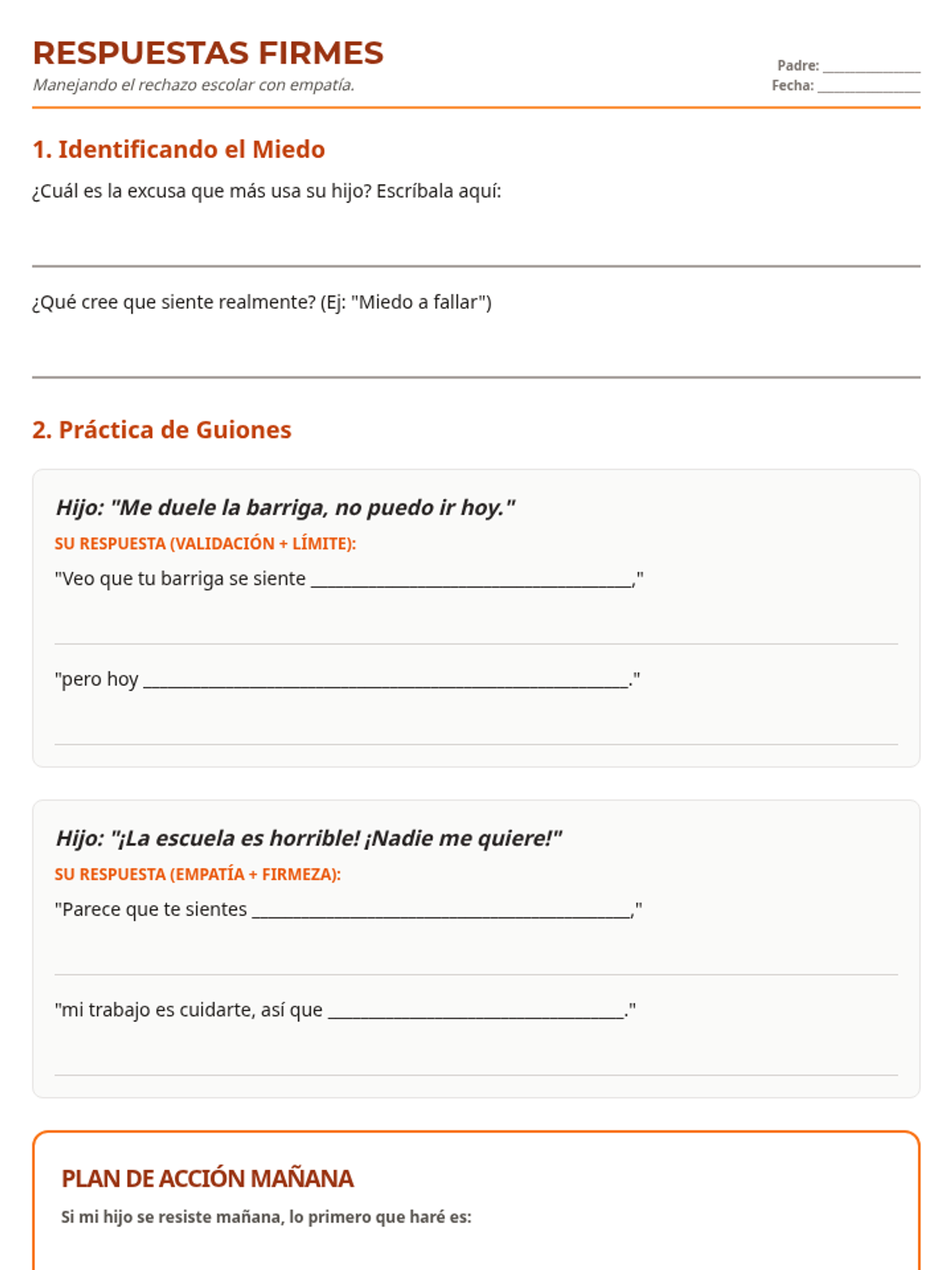
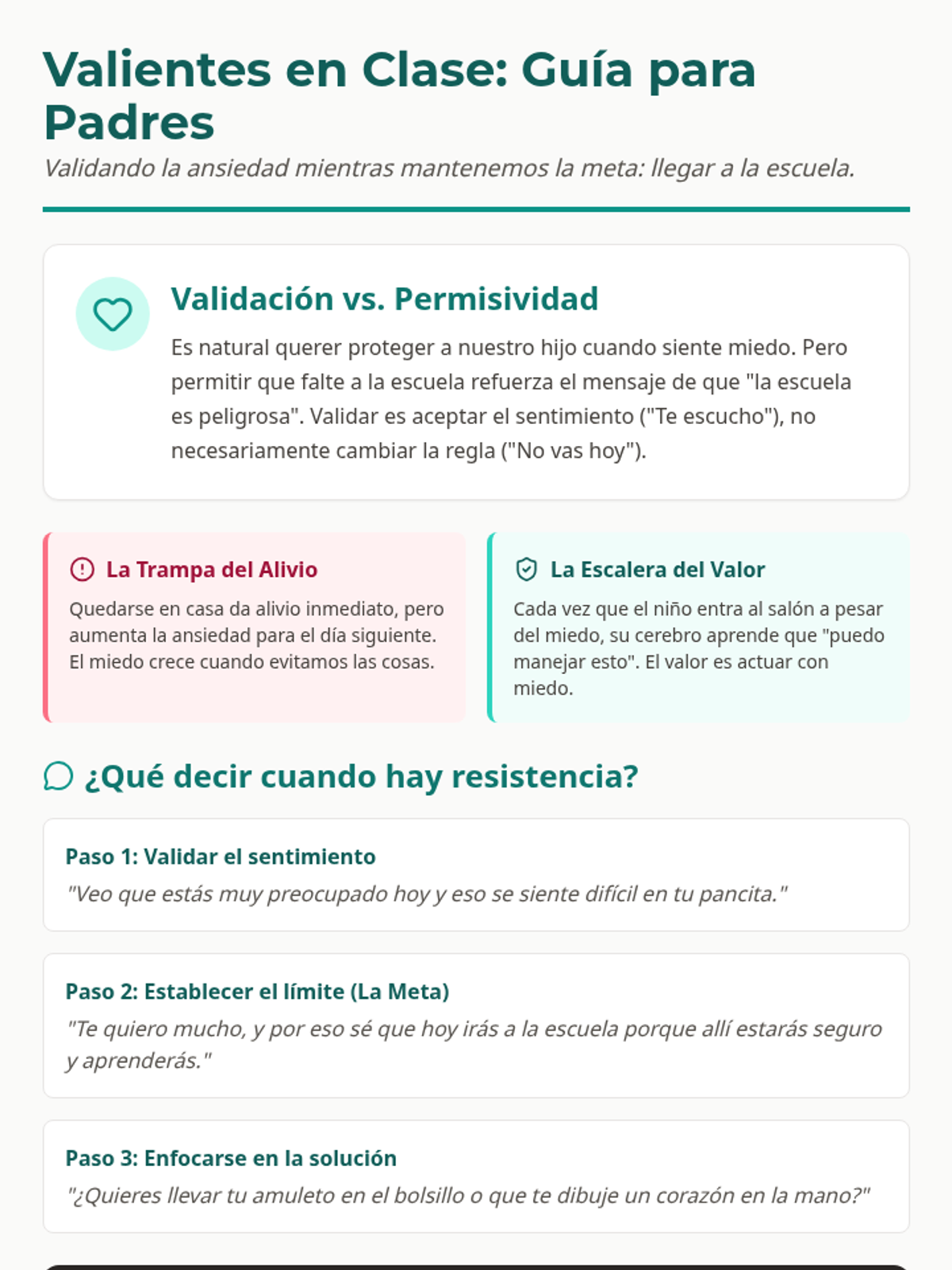
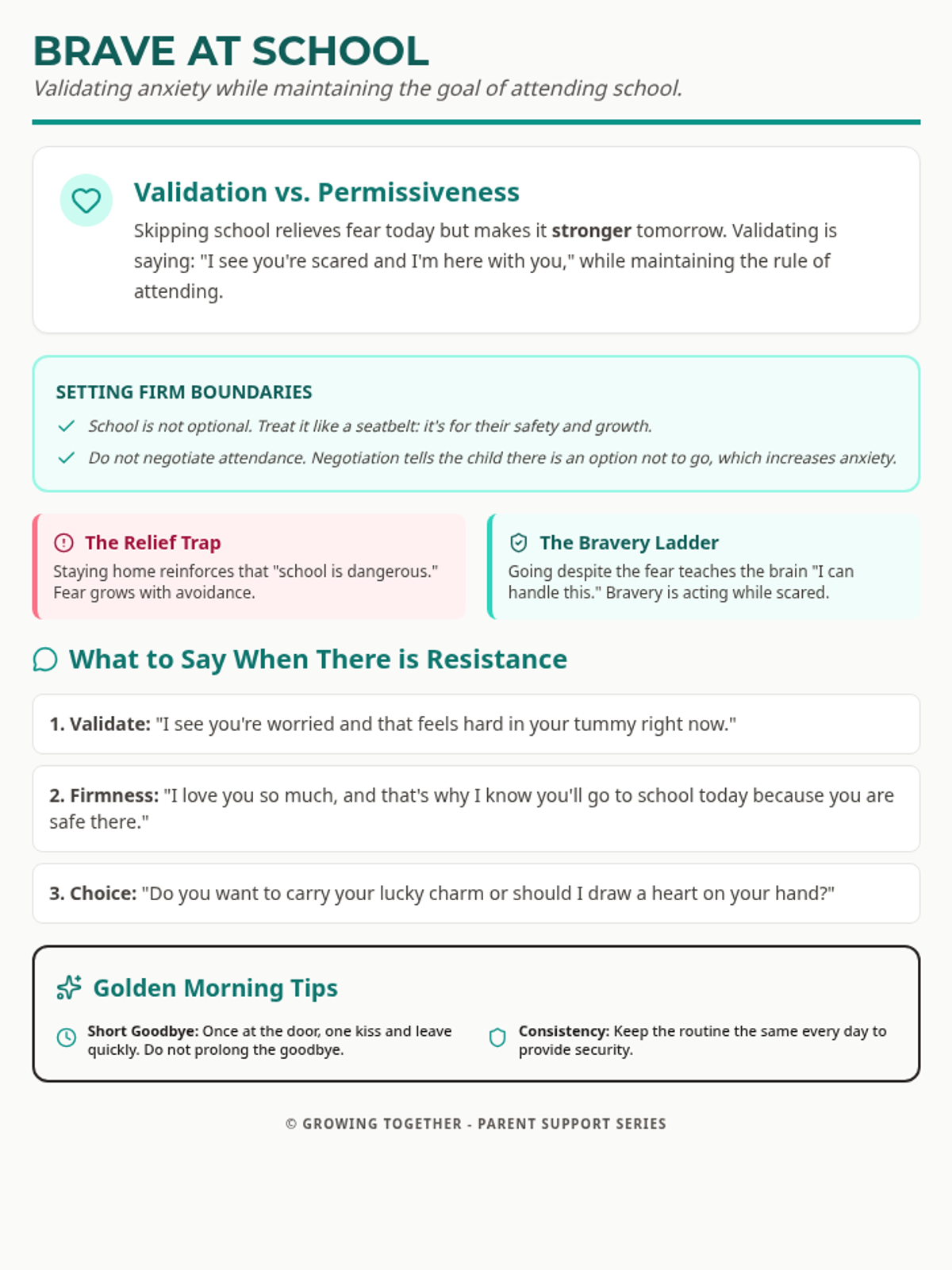
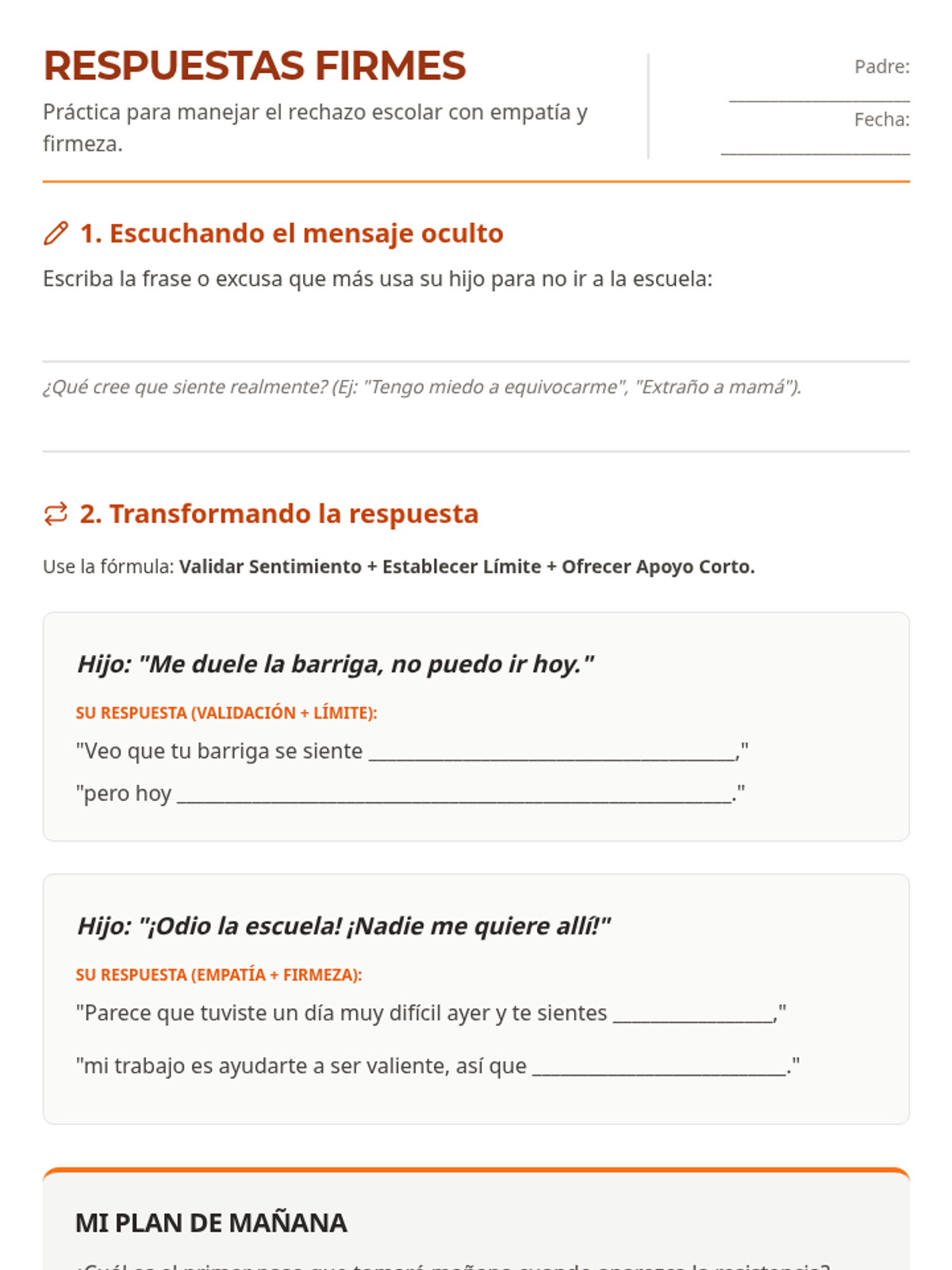
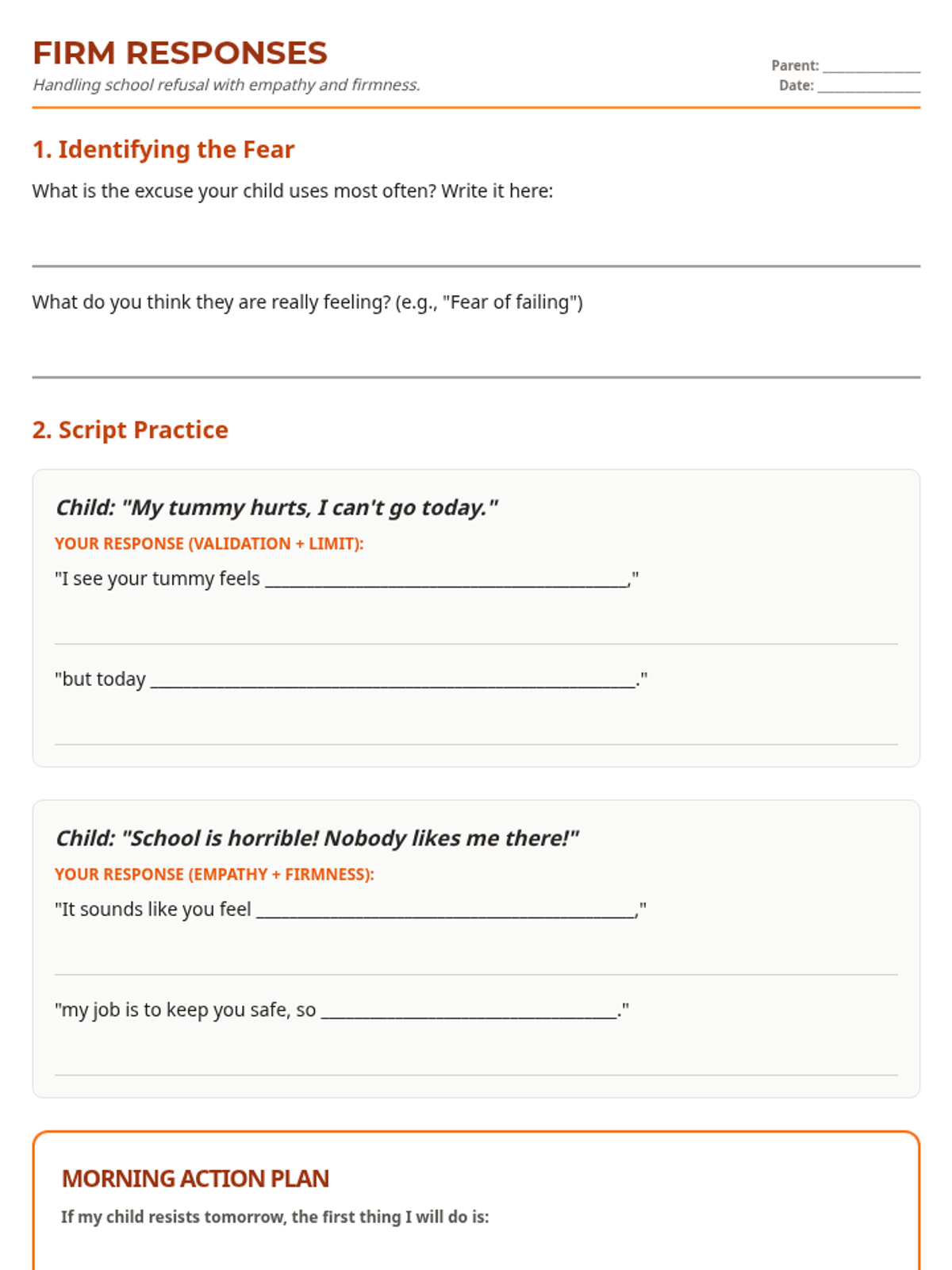
Strategies for parents to validate their child's school anxiety while maintaining firm boundaries regarding attendance.
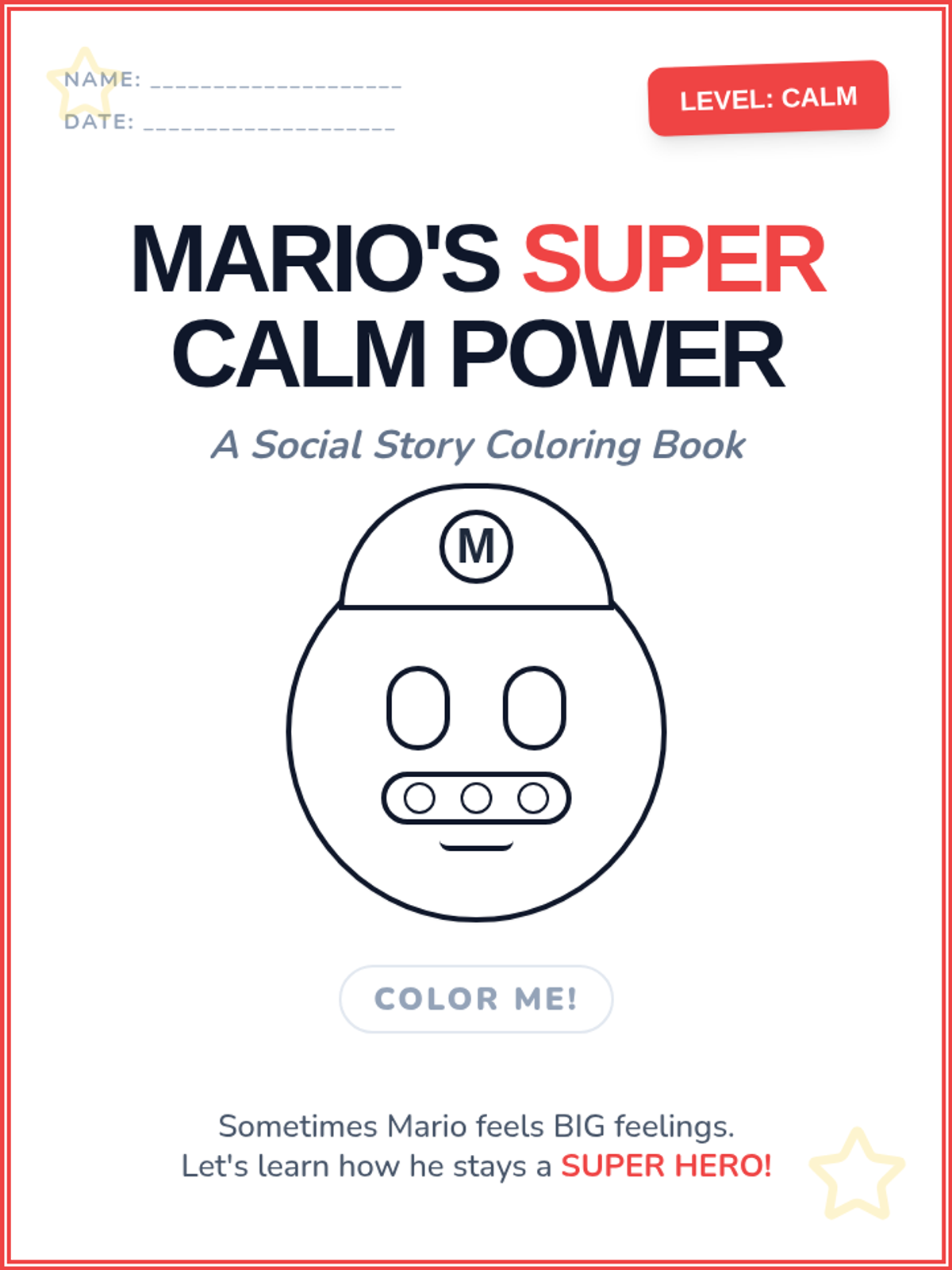
A 5-page coloring social story helping students identify anger and use calming strategies alongside Mario.
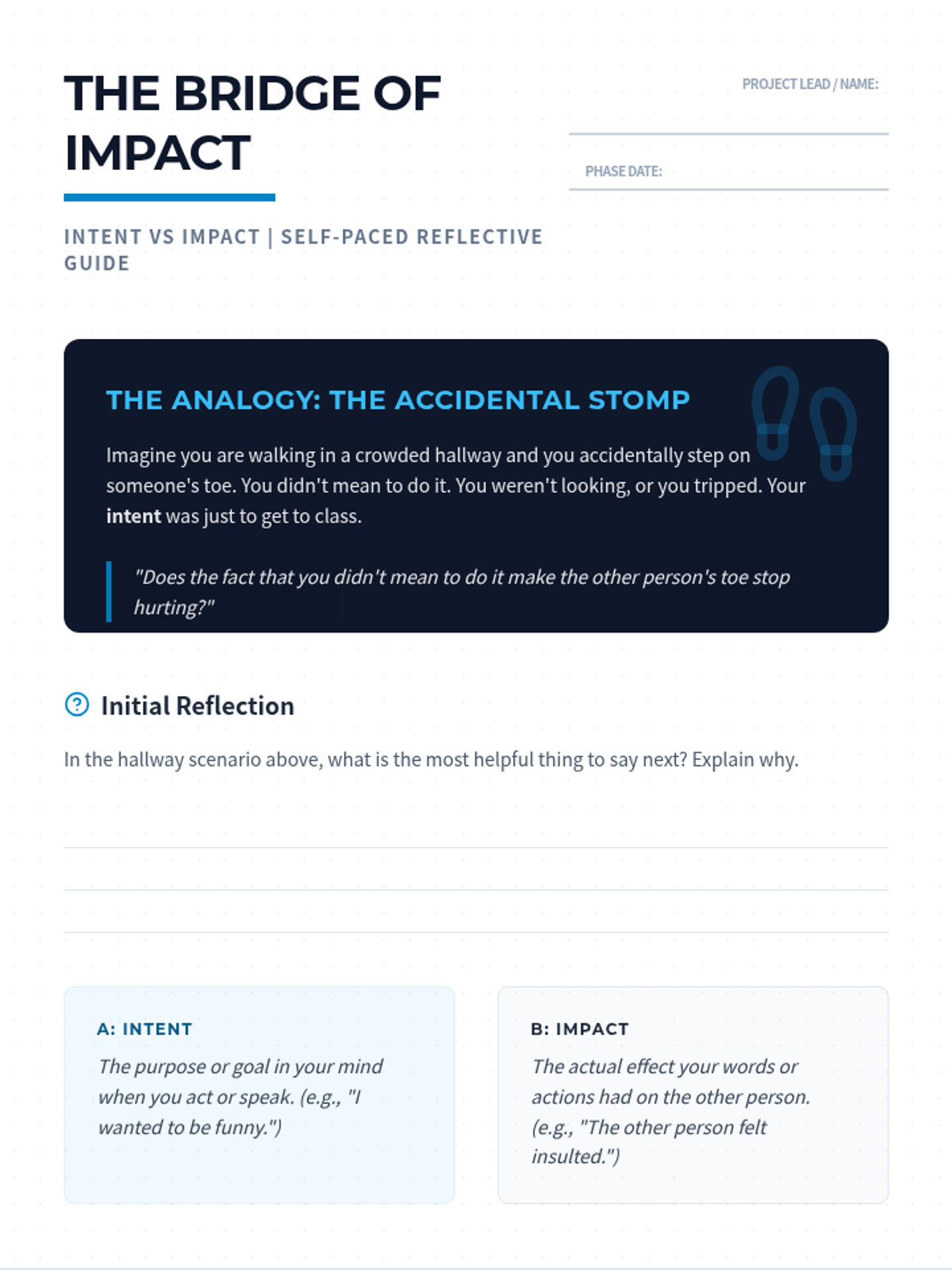
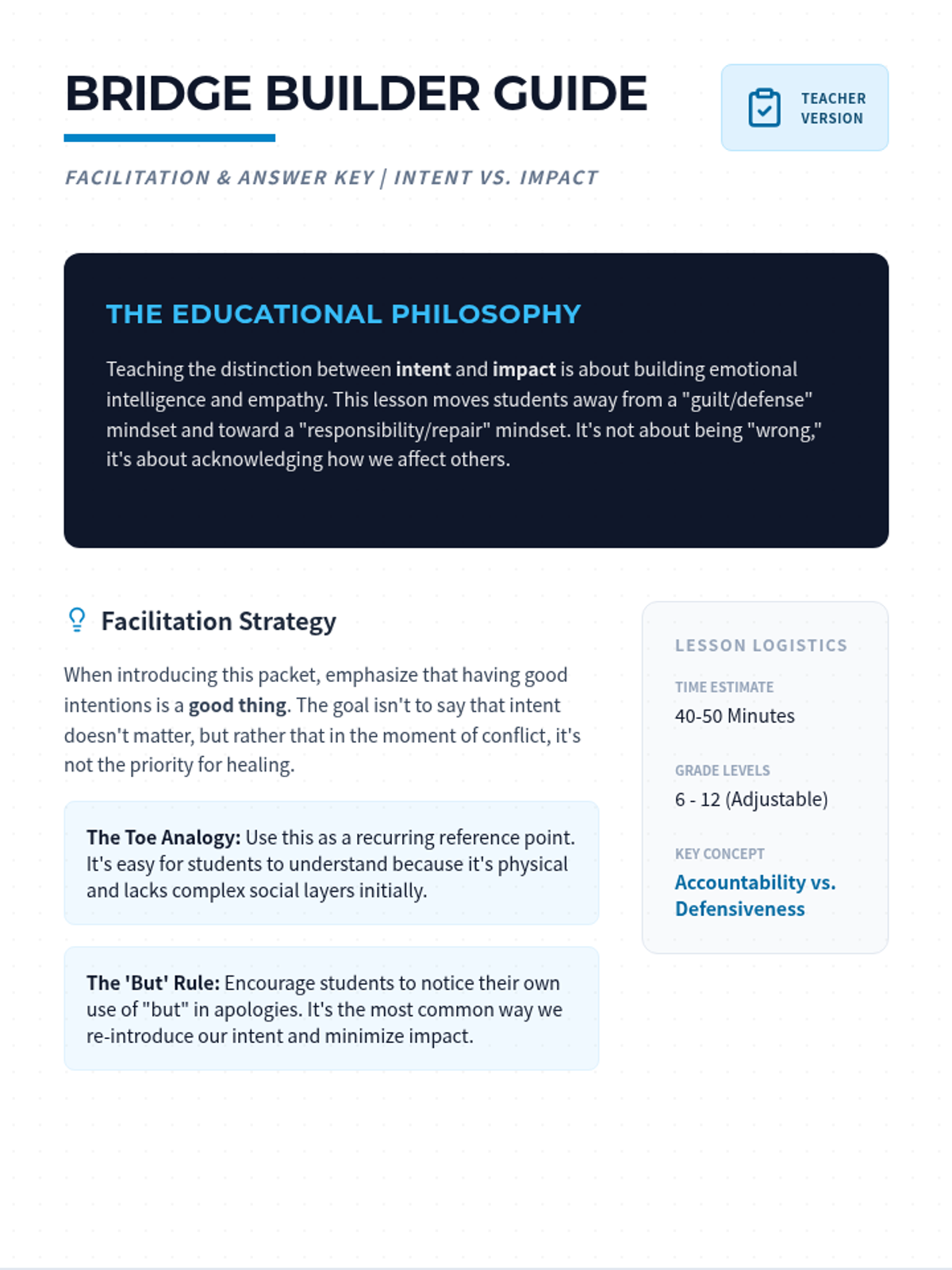
This lesson focuses on the crucial distinction between intent (what we meant to do) and impact (the actual result of our actions or words). Students reflect on why impact often matters more in repairing harm and how to navigate these moments with accountability.
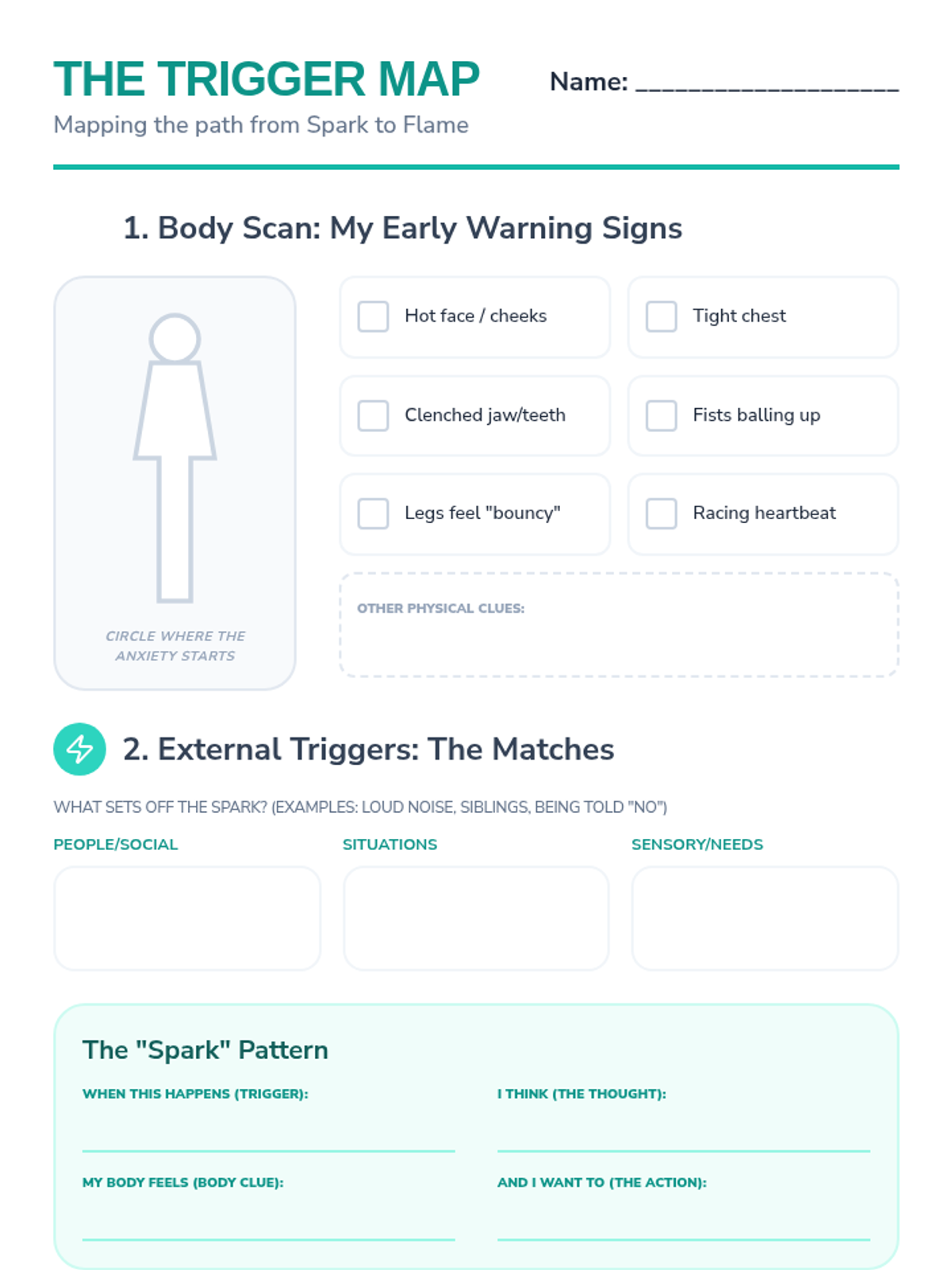
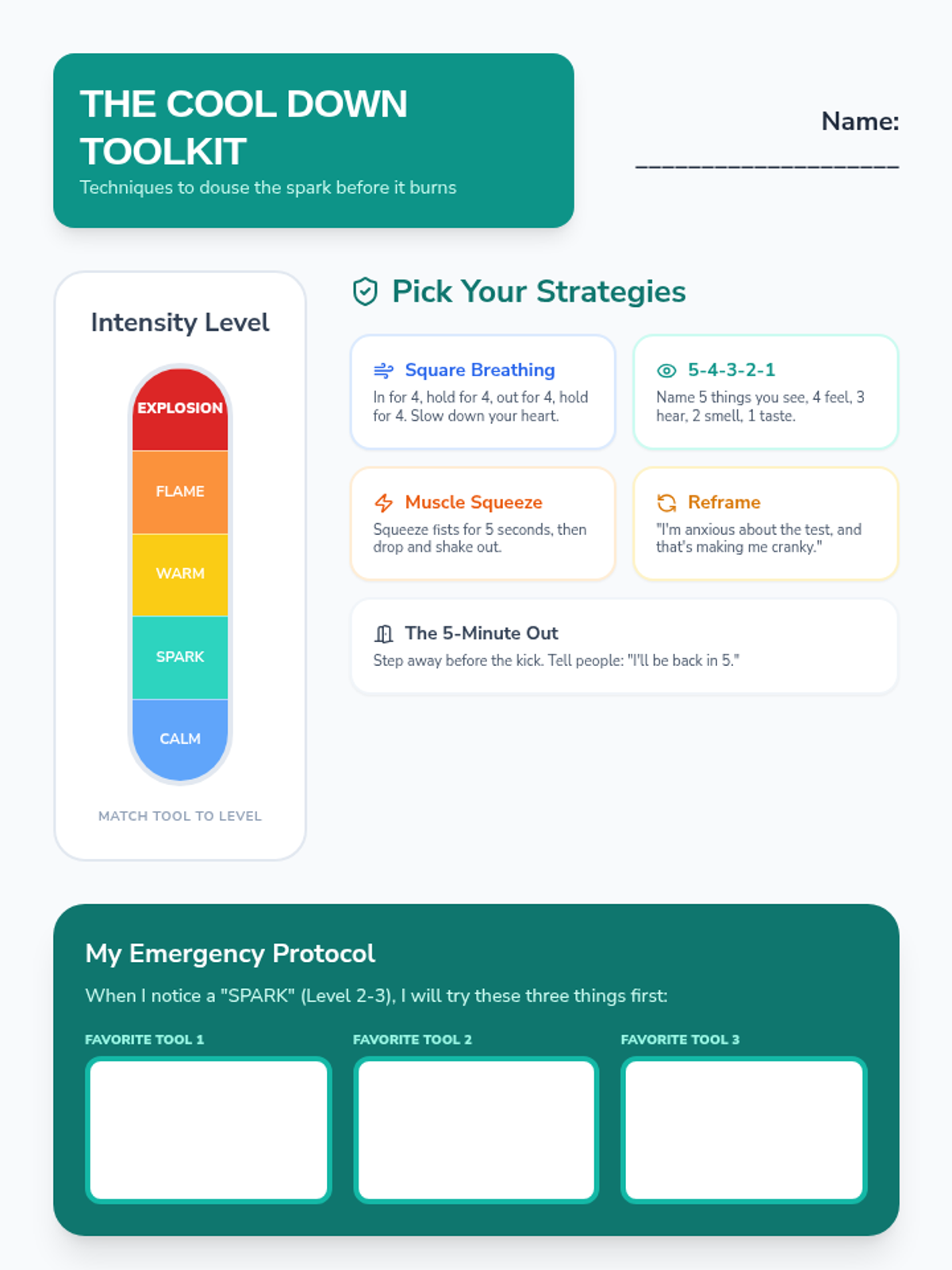
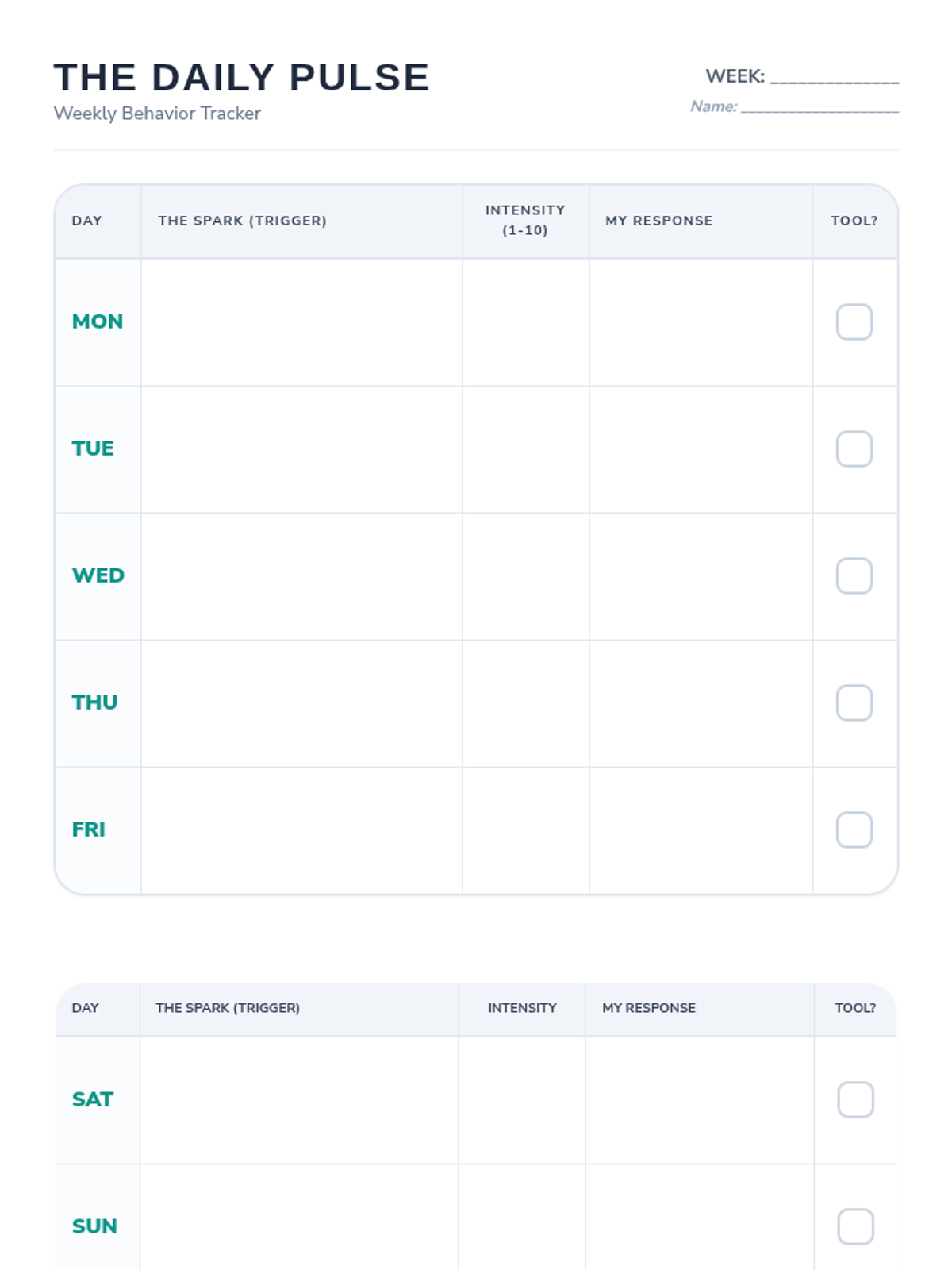
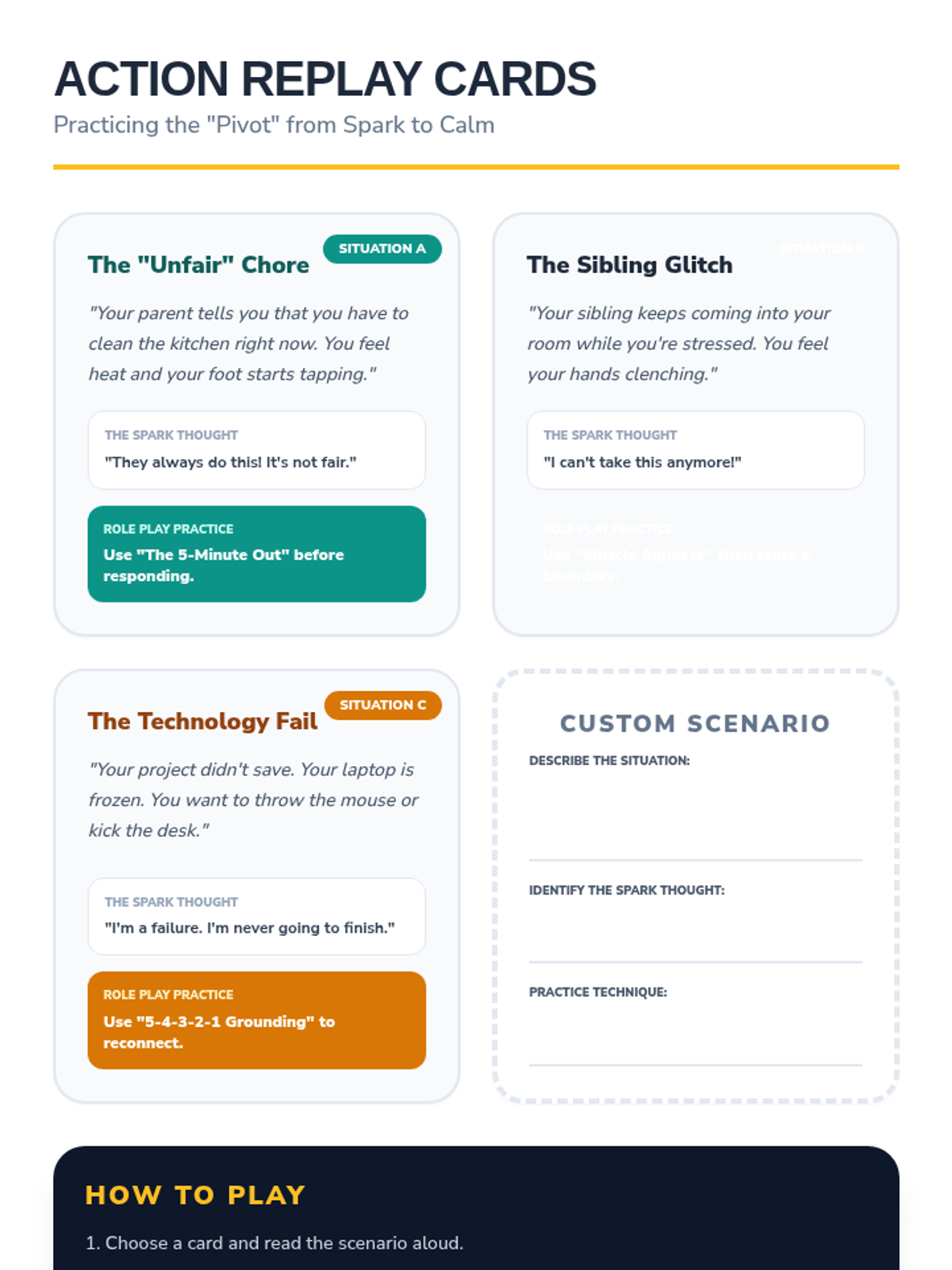
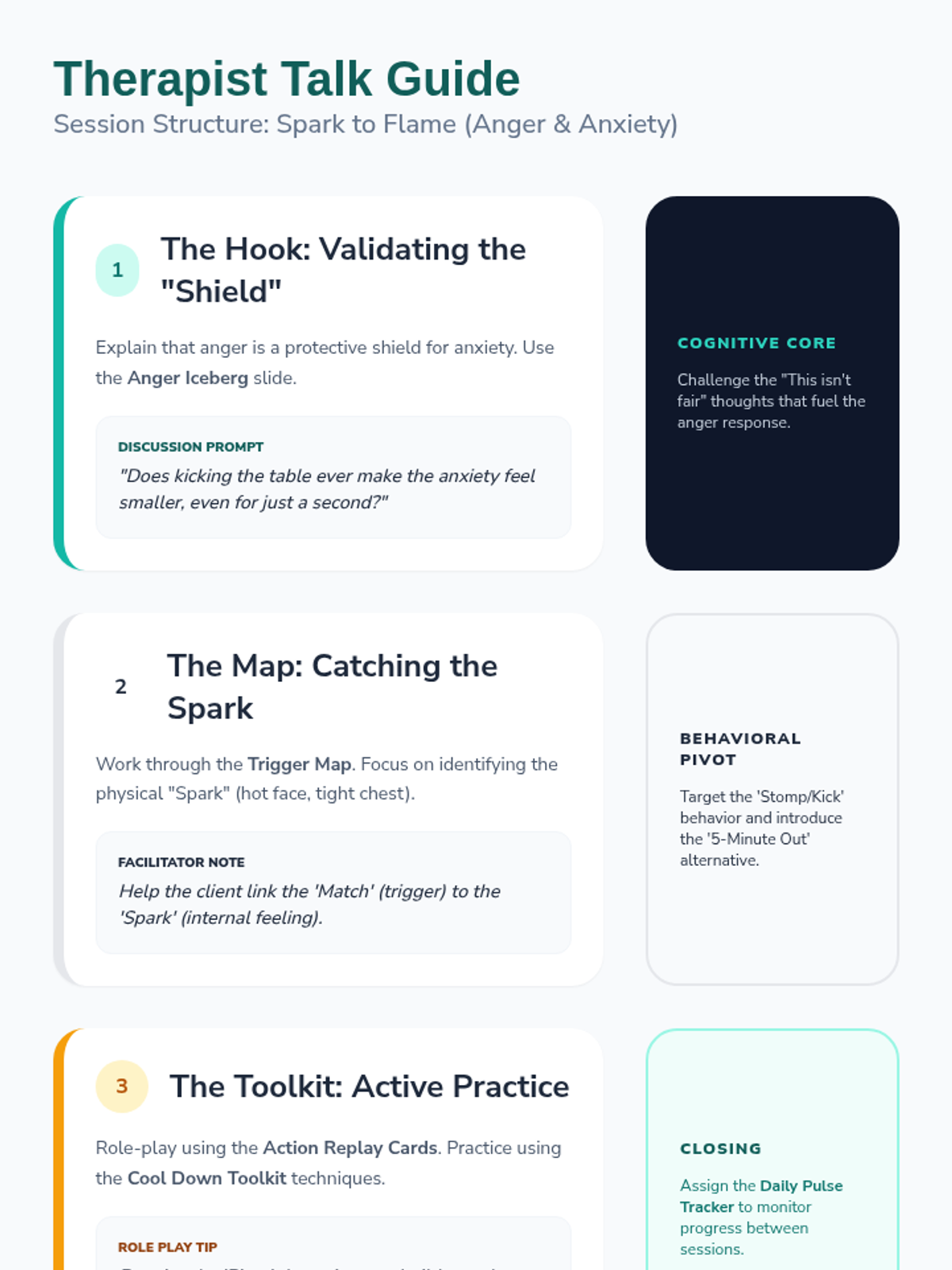
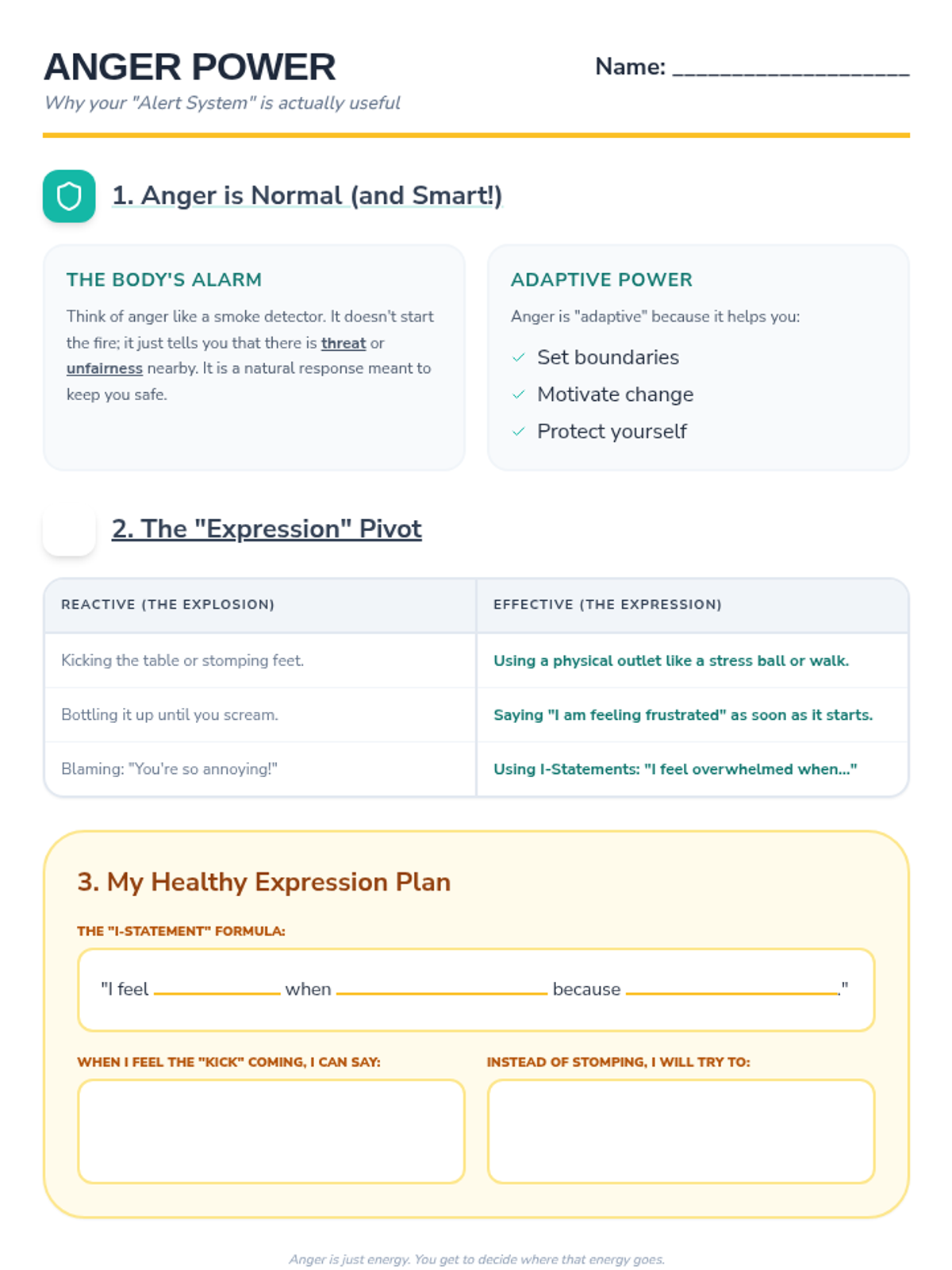
A CBT-based lesson designed for teenagers to understand the connection between anxiety and anger, identify triggers, and practice self-regulation techniques.
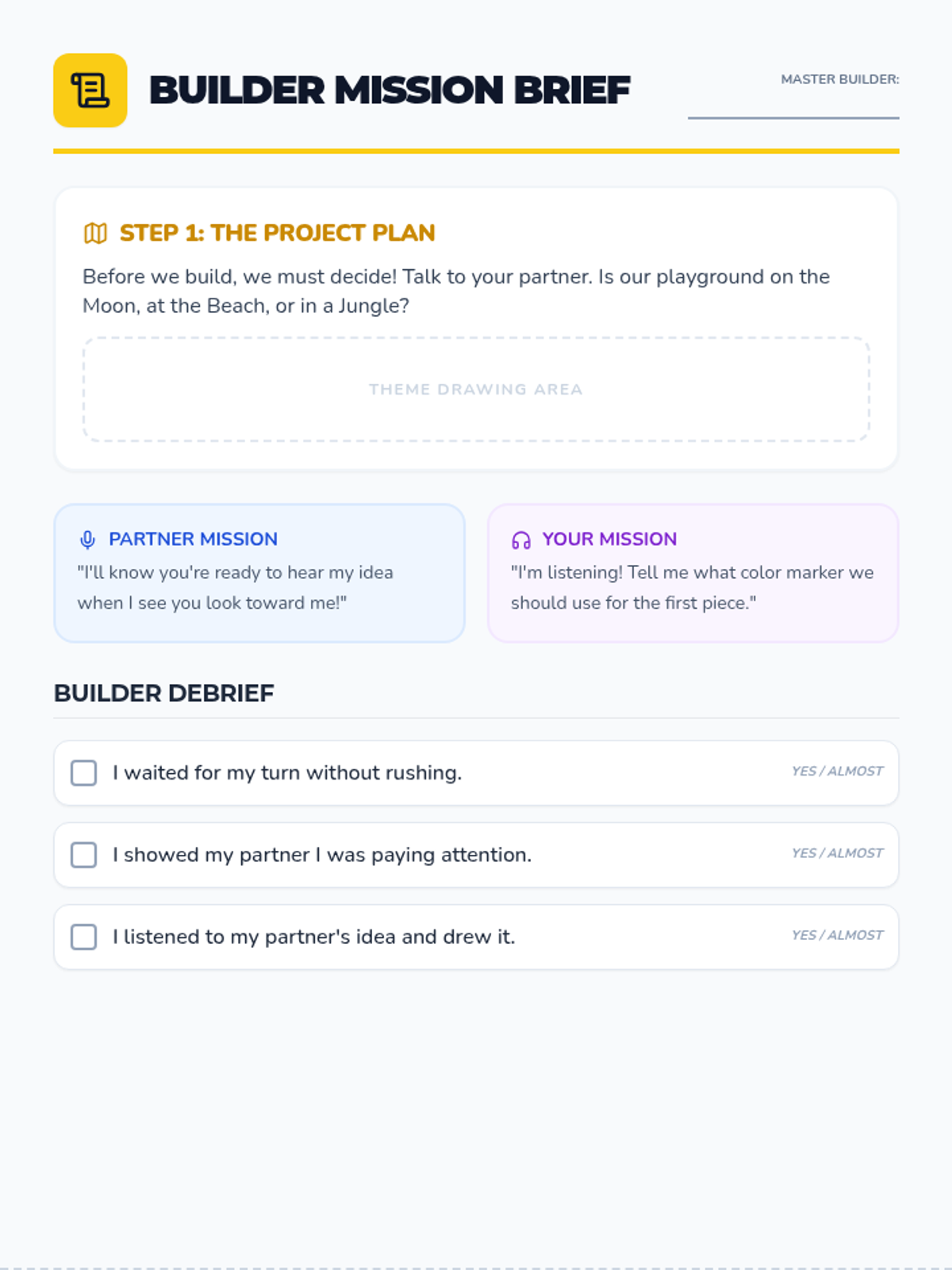
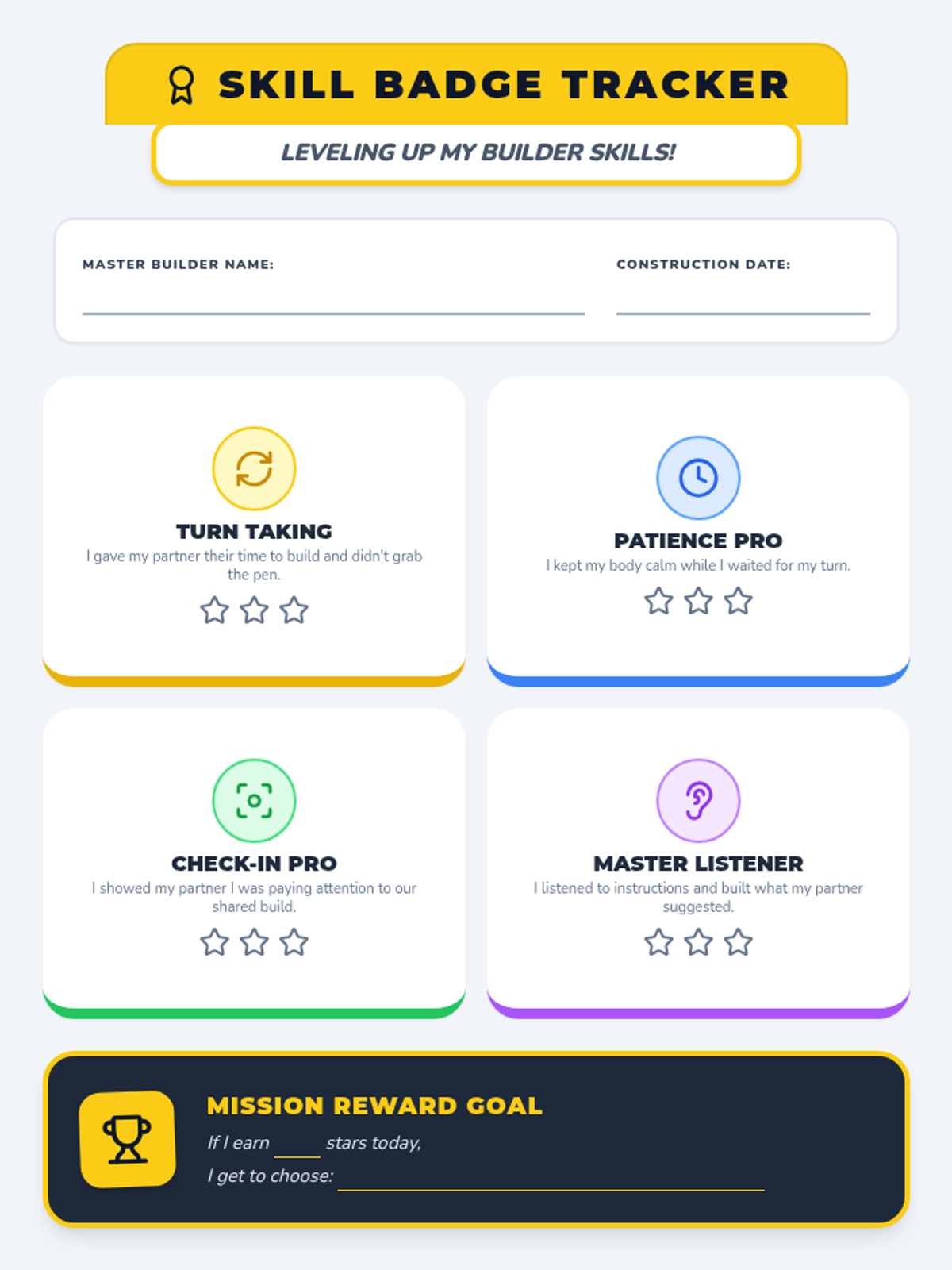
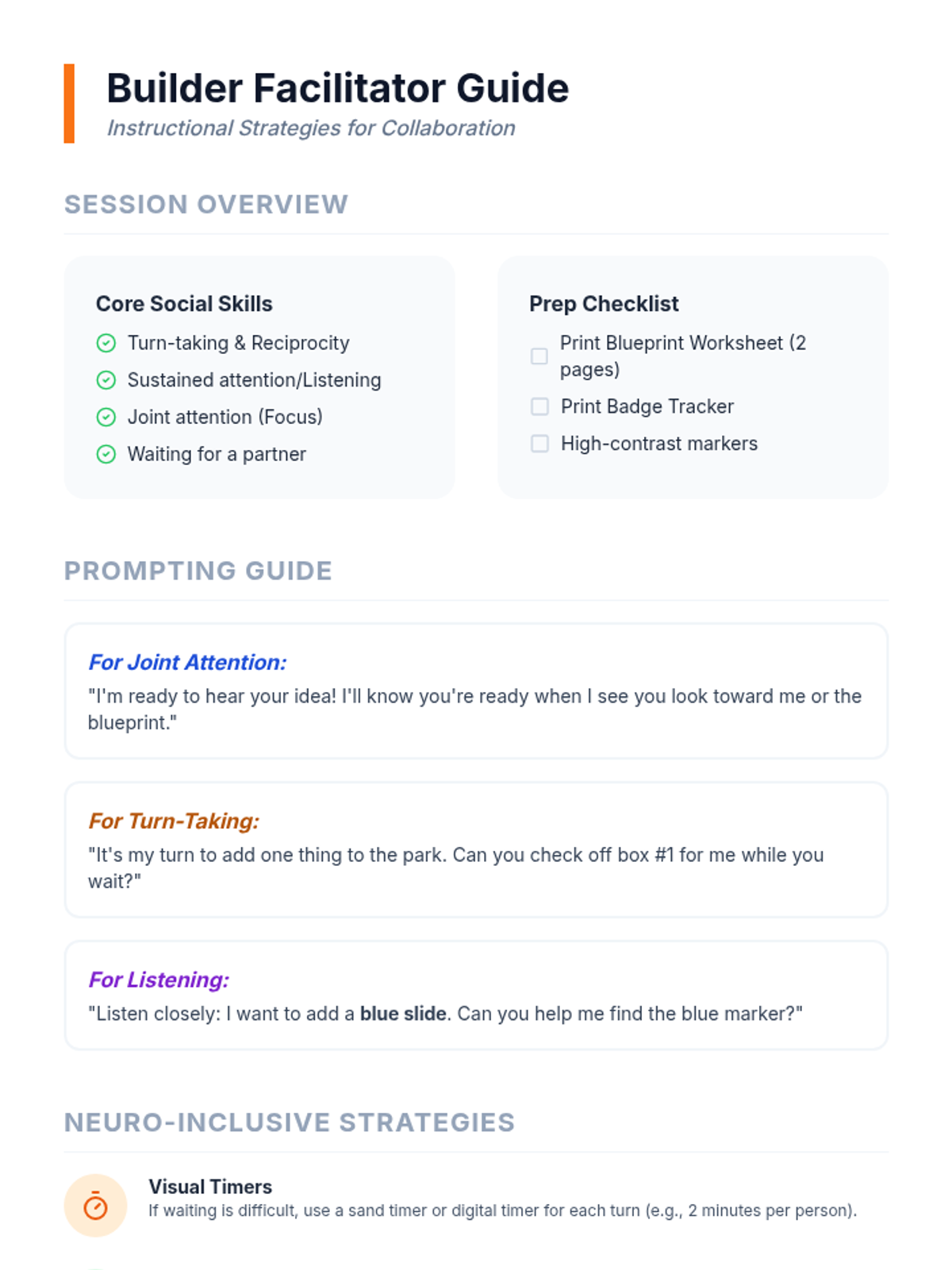
A collaborative design-based lesson for young learners to practice turn-taking, waiting, listening, and eye contact through a shared 'Master Builder' project.
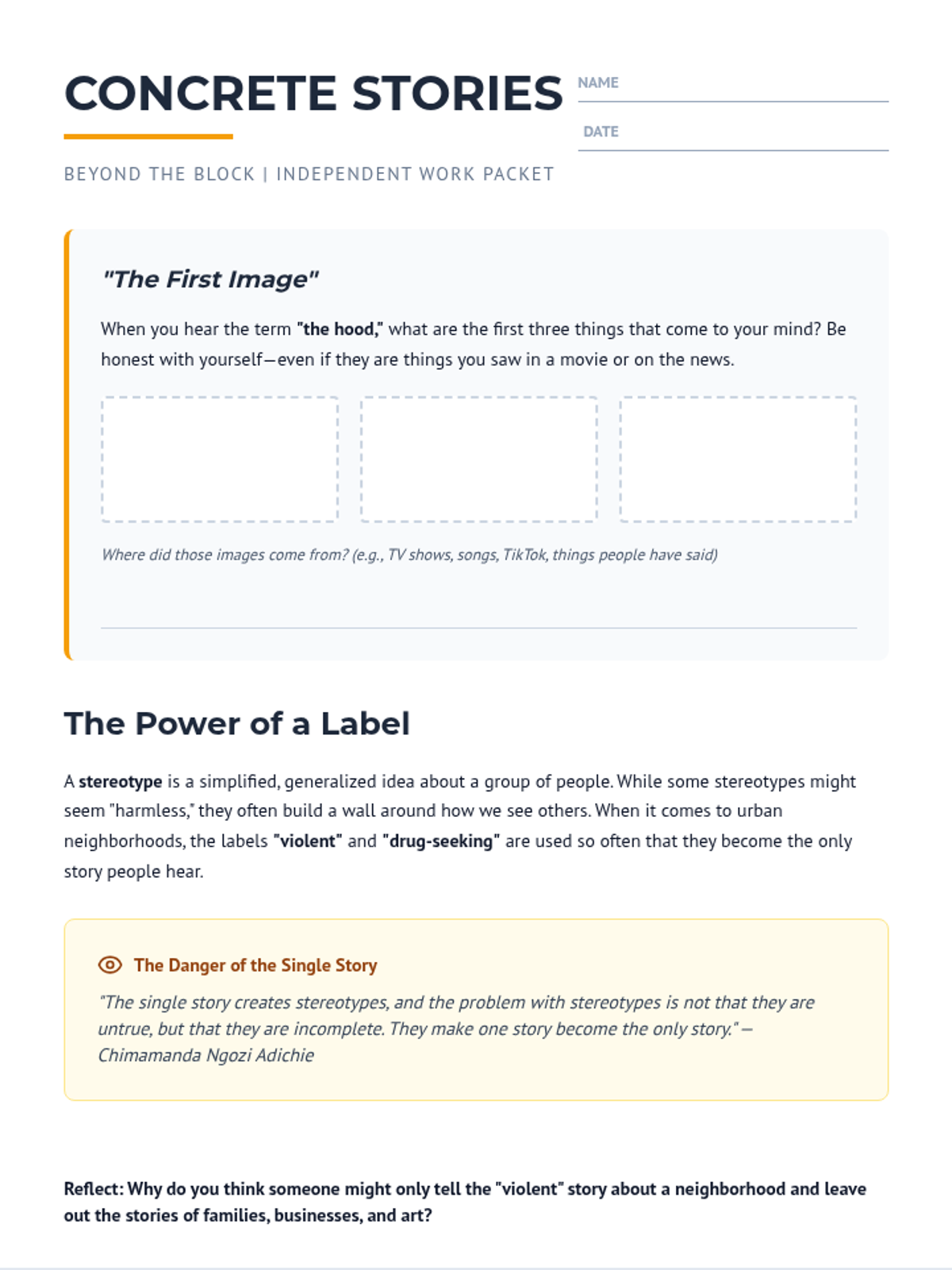
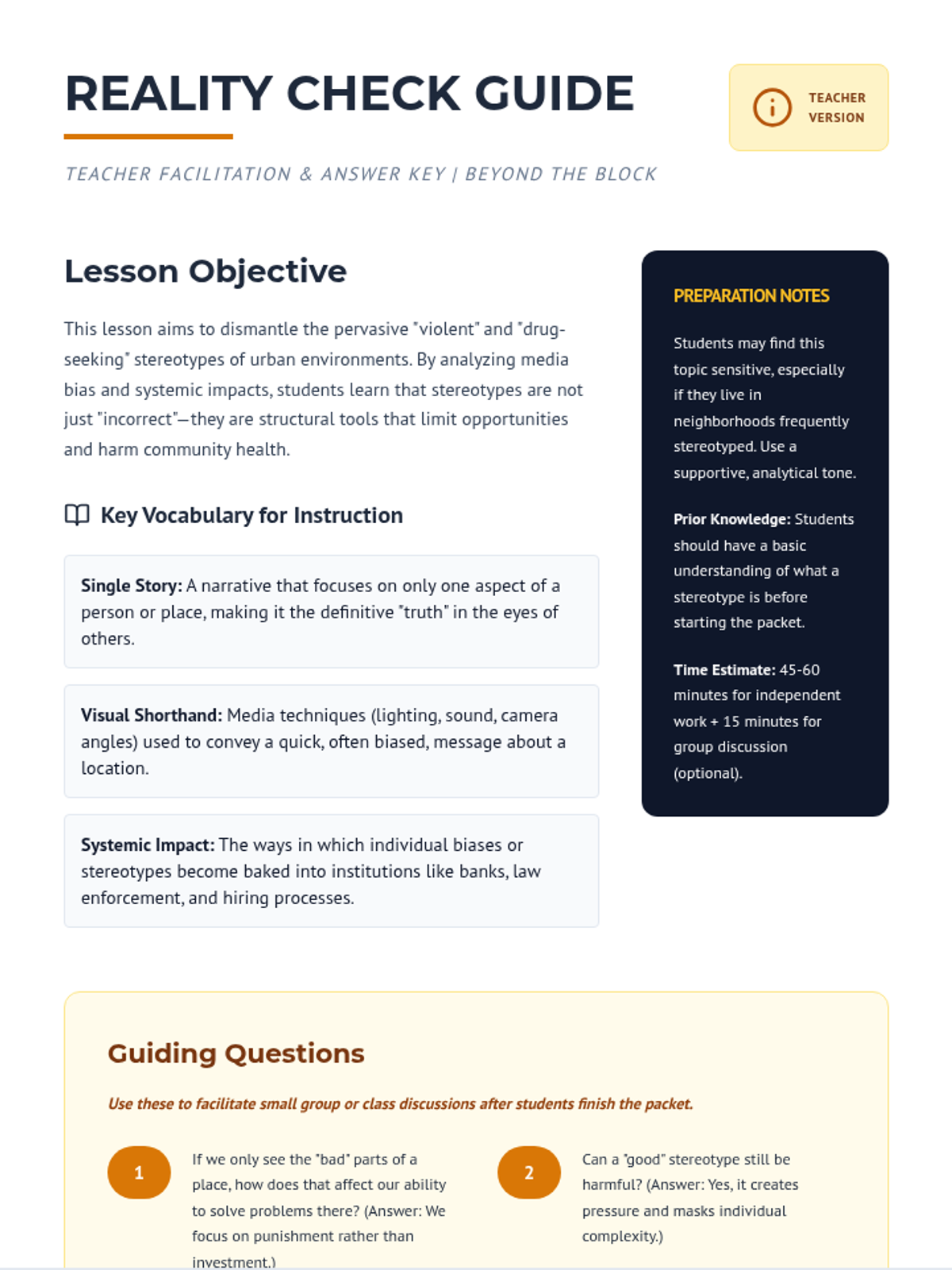
This lesson explores the origins and impacts of urban stereotypes, specifically focusing on the harmful "violent" and "drug-seeking" narratives often applied to marginalized communities. Students will analyze media bias and reflect on the real-world consequences of these single-perspective stories.
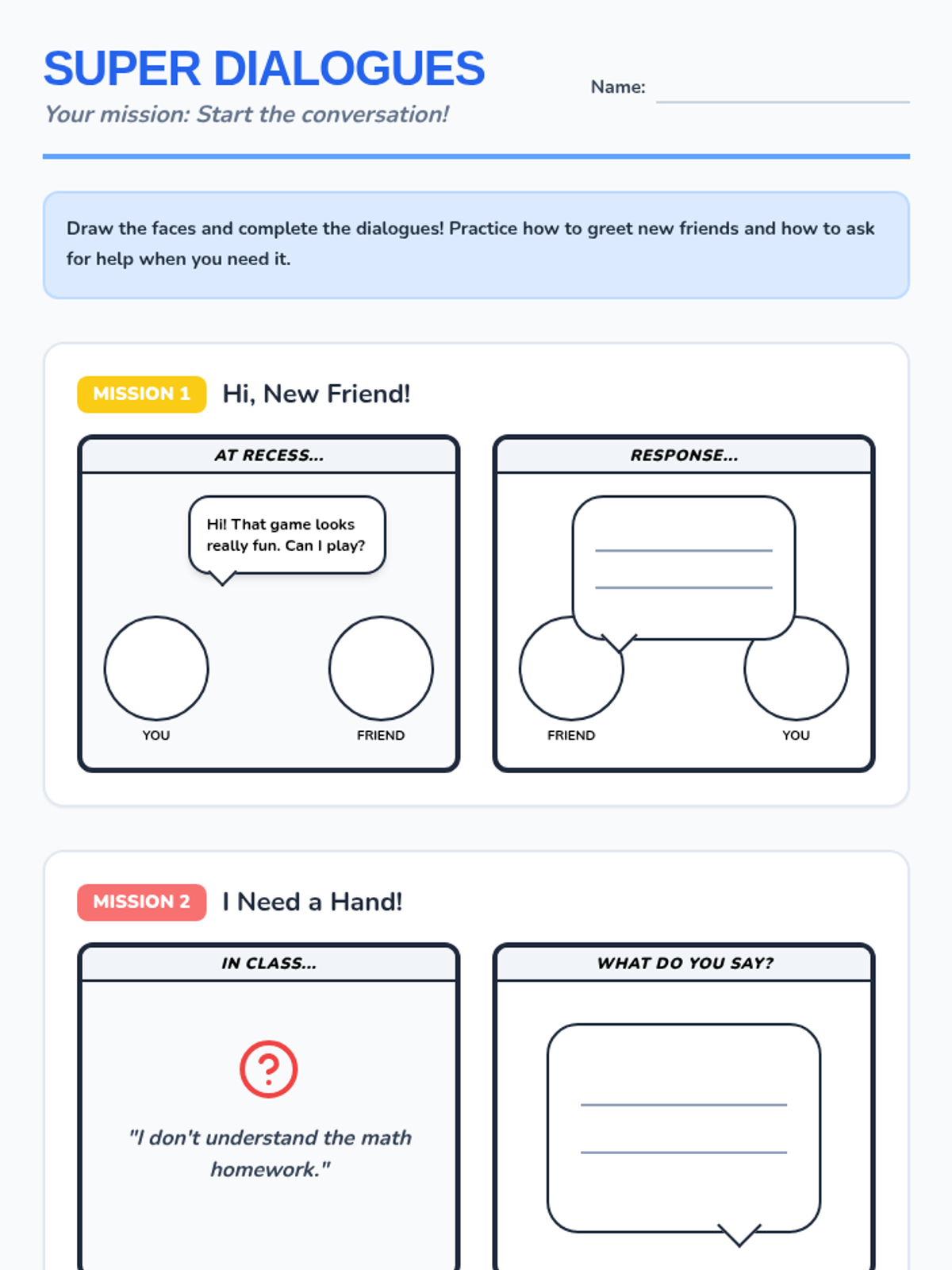
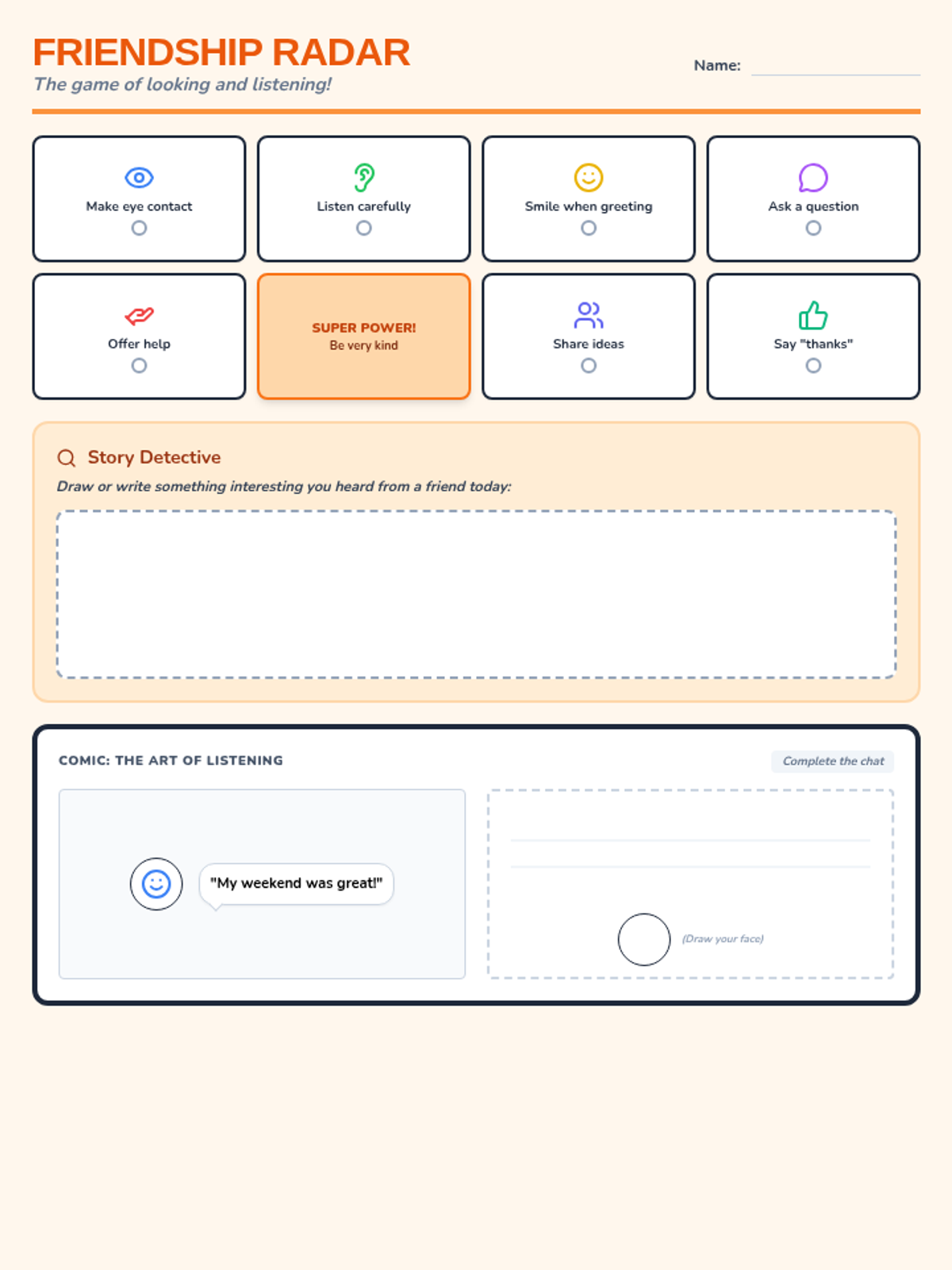
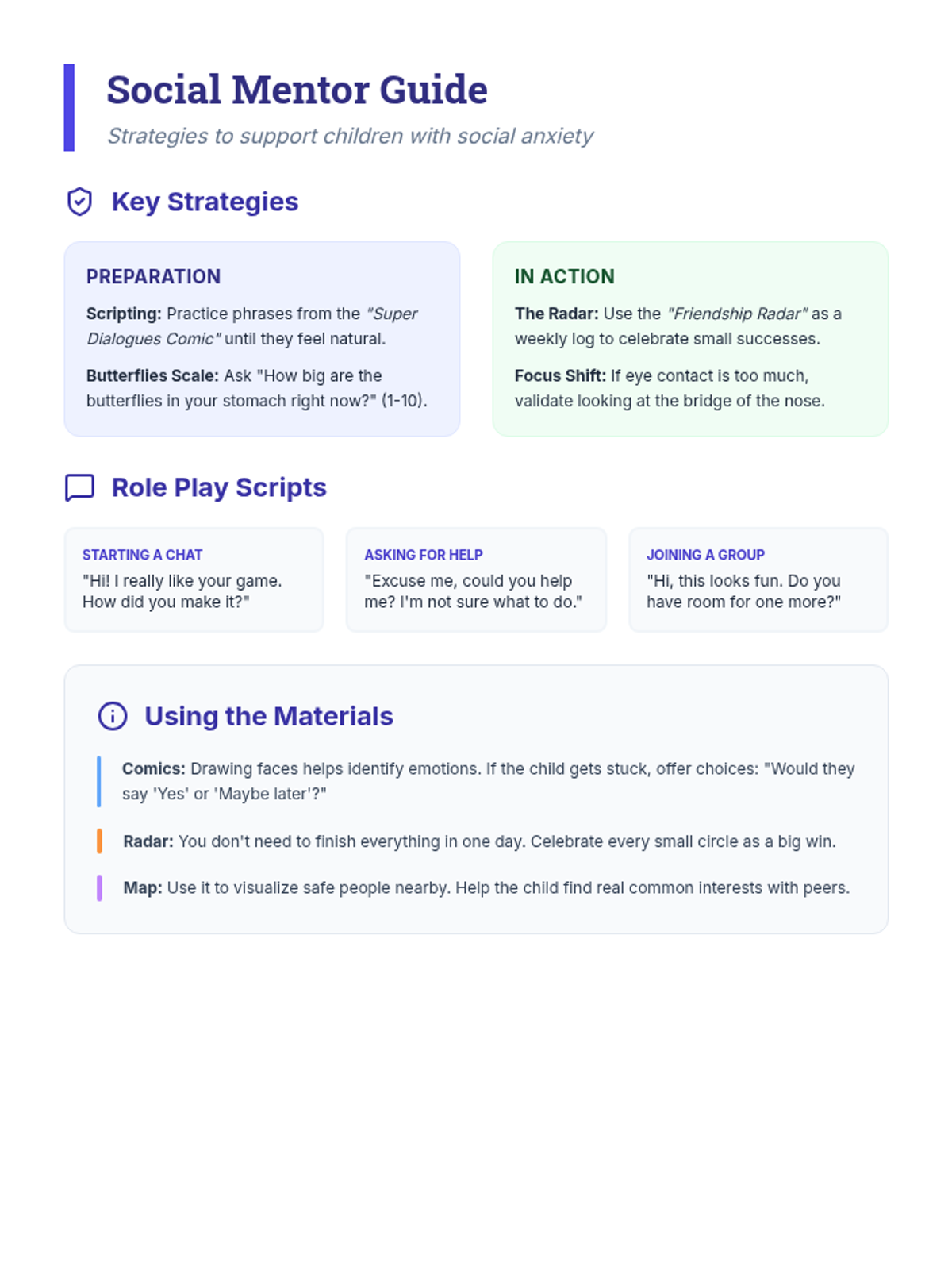
A series of interactive activities designed to help children navigate social interactions, manage anxiety, and strengthen their communication confidence in English.
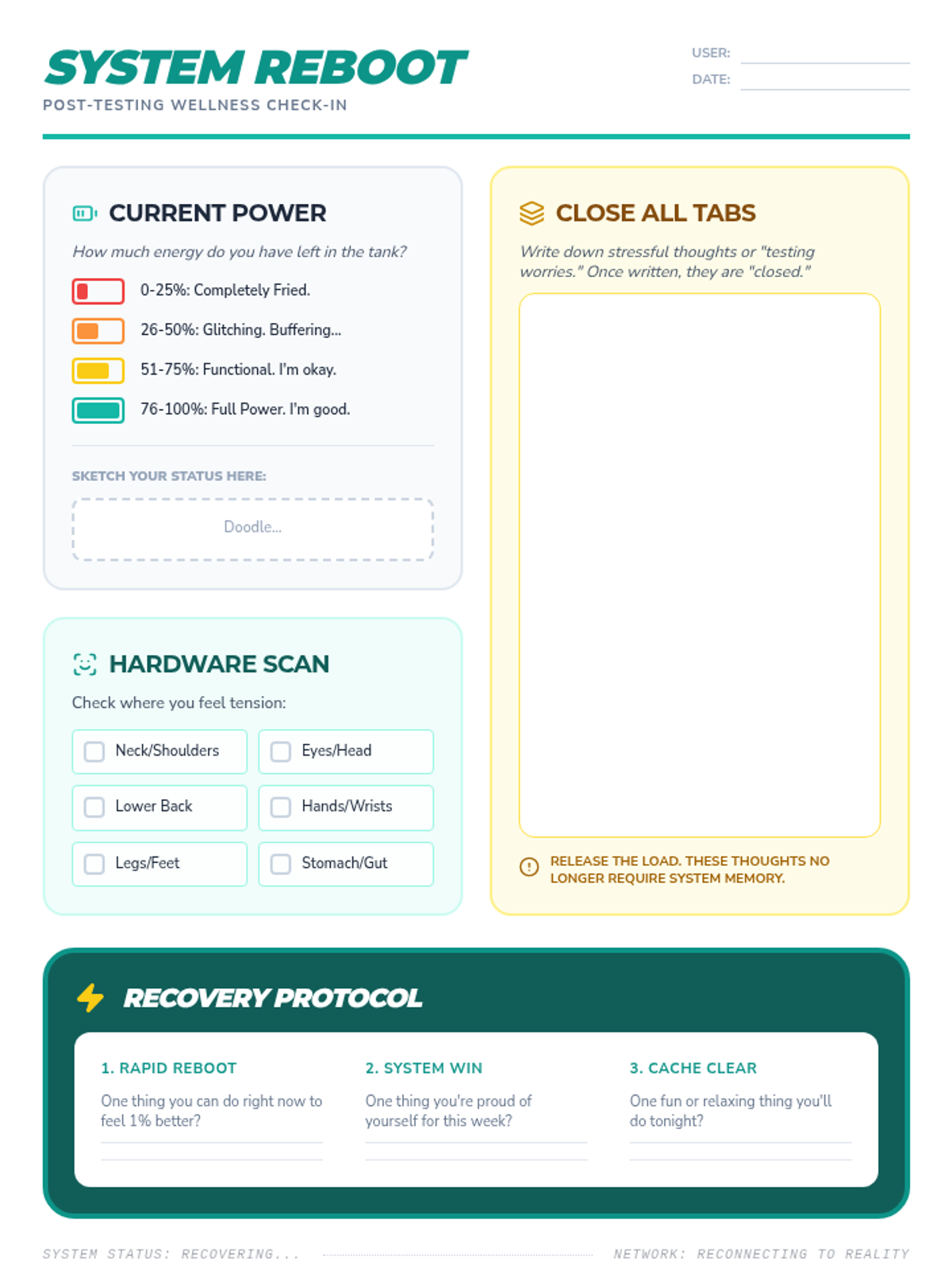
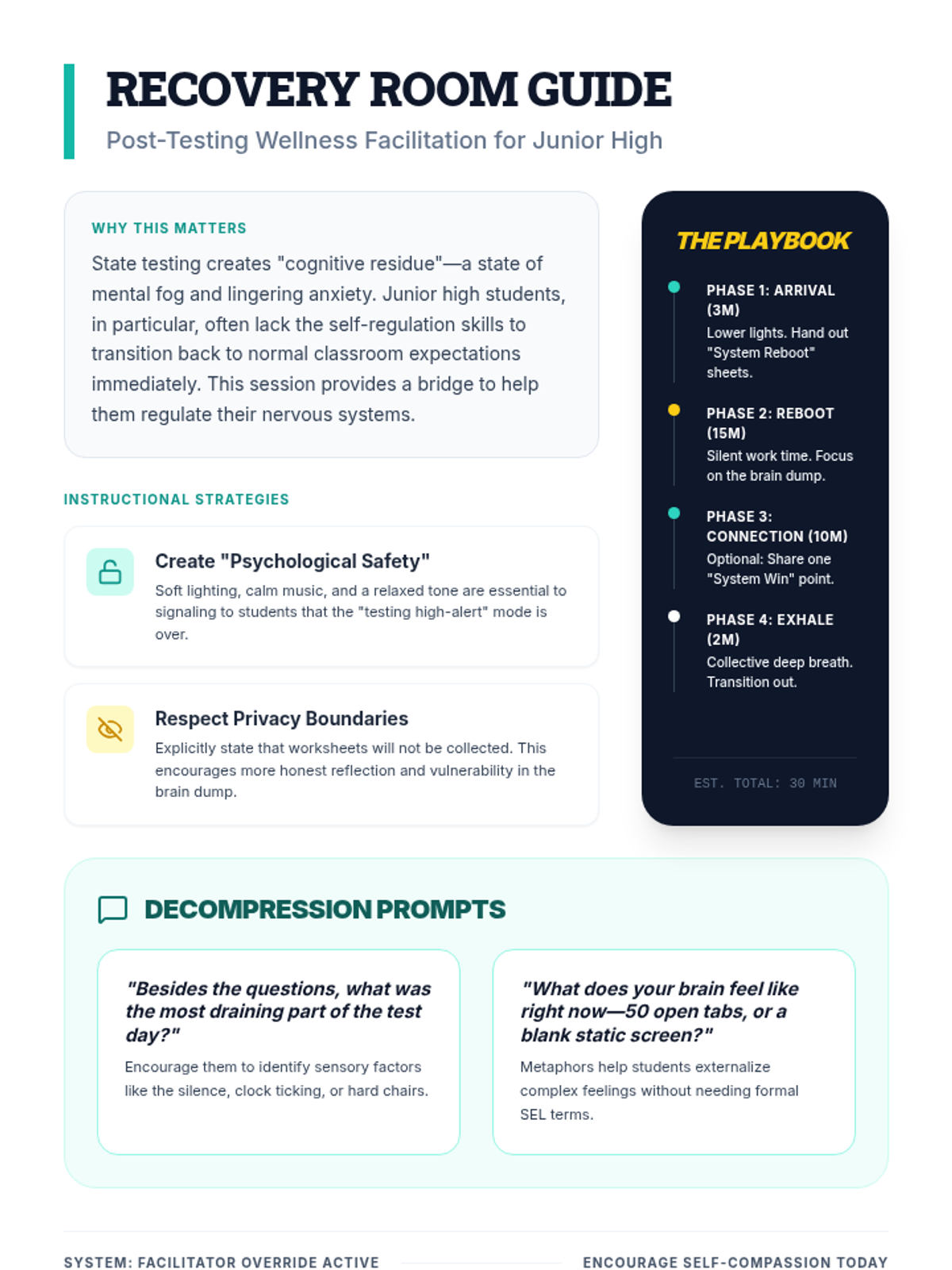
A restorative lesson designed to help junior high students decompress and check in with their emotional well-being after a period of high-stakes testing.
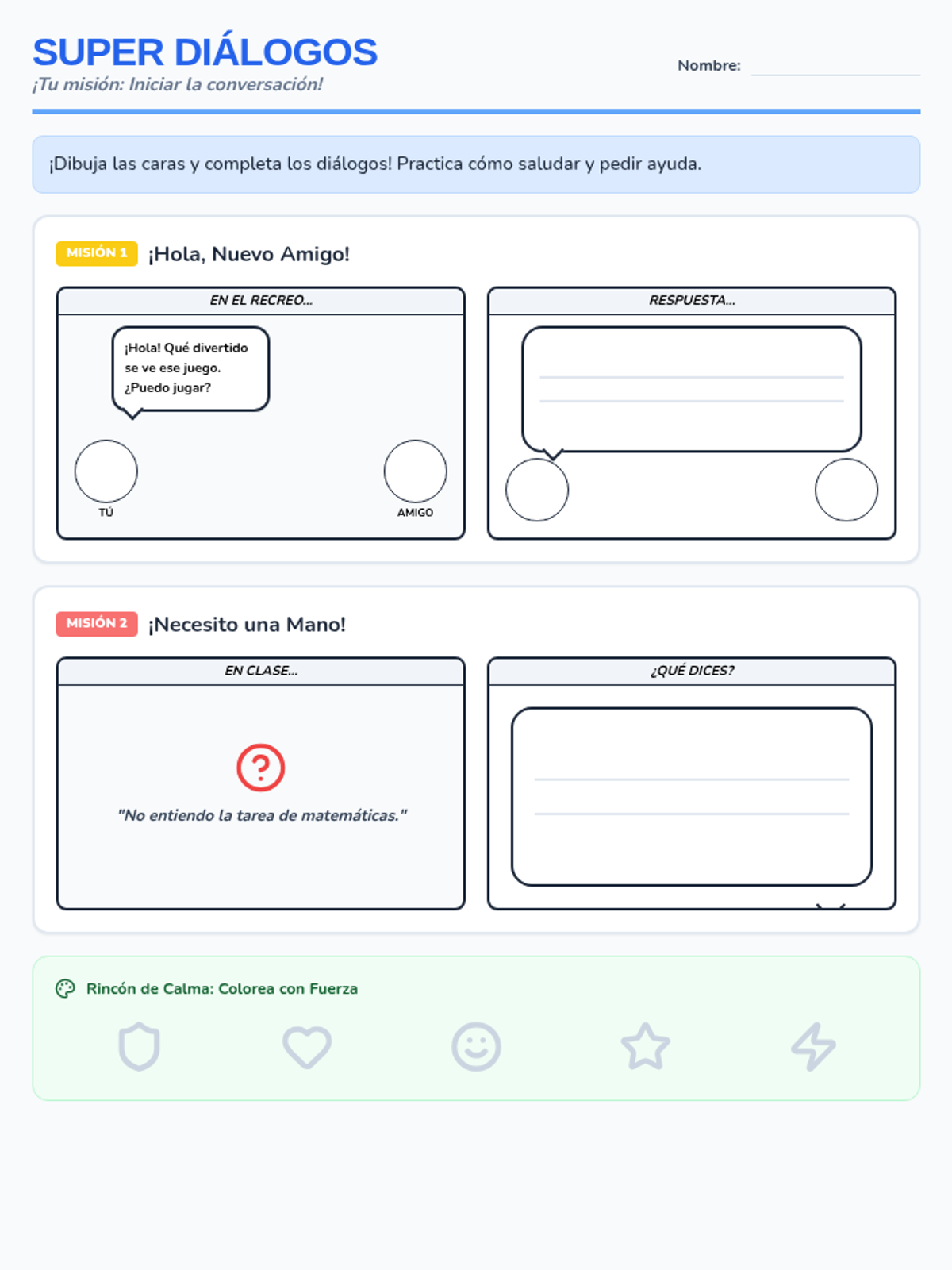
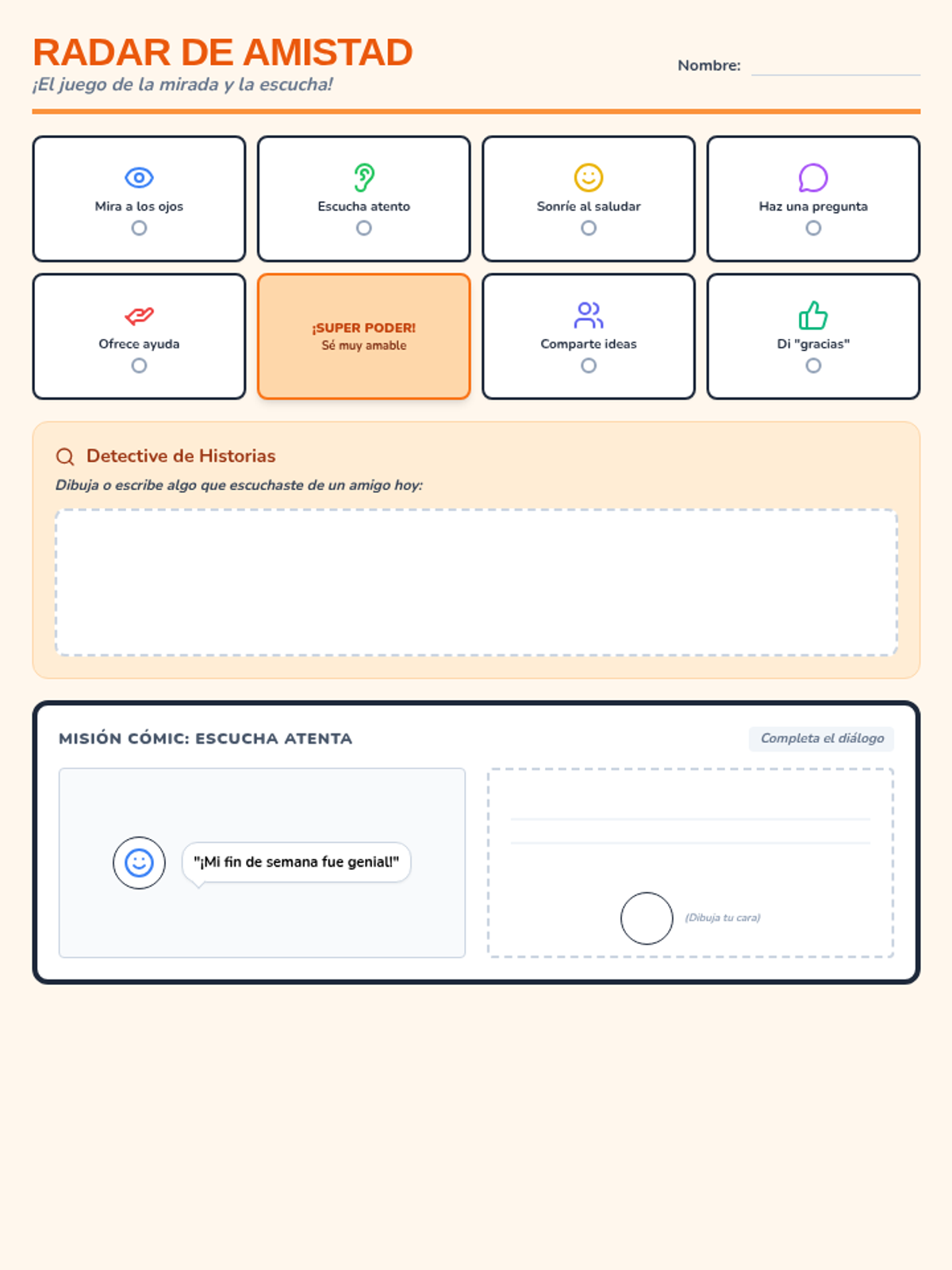
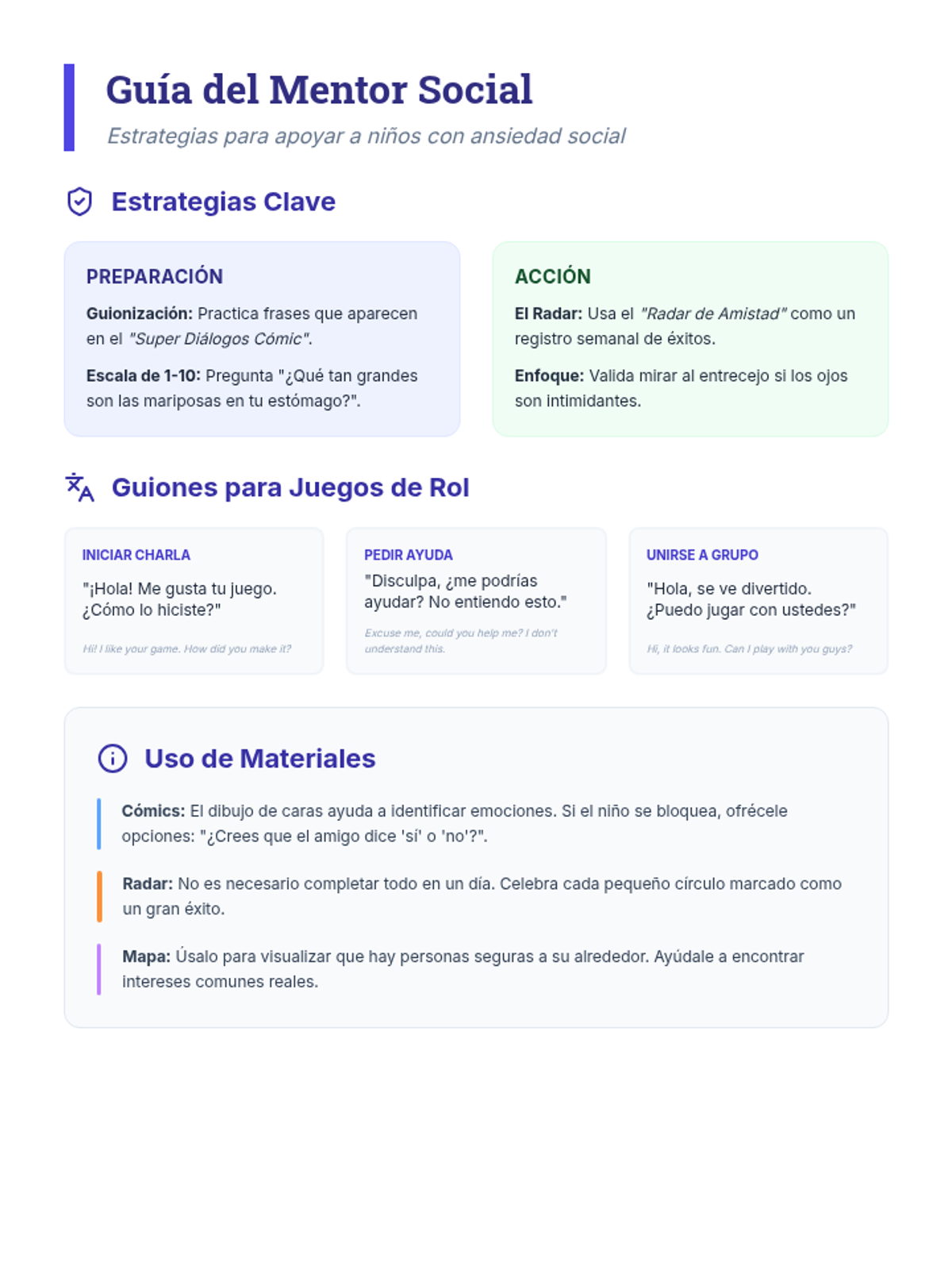
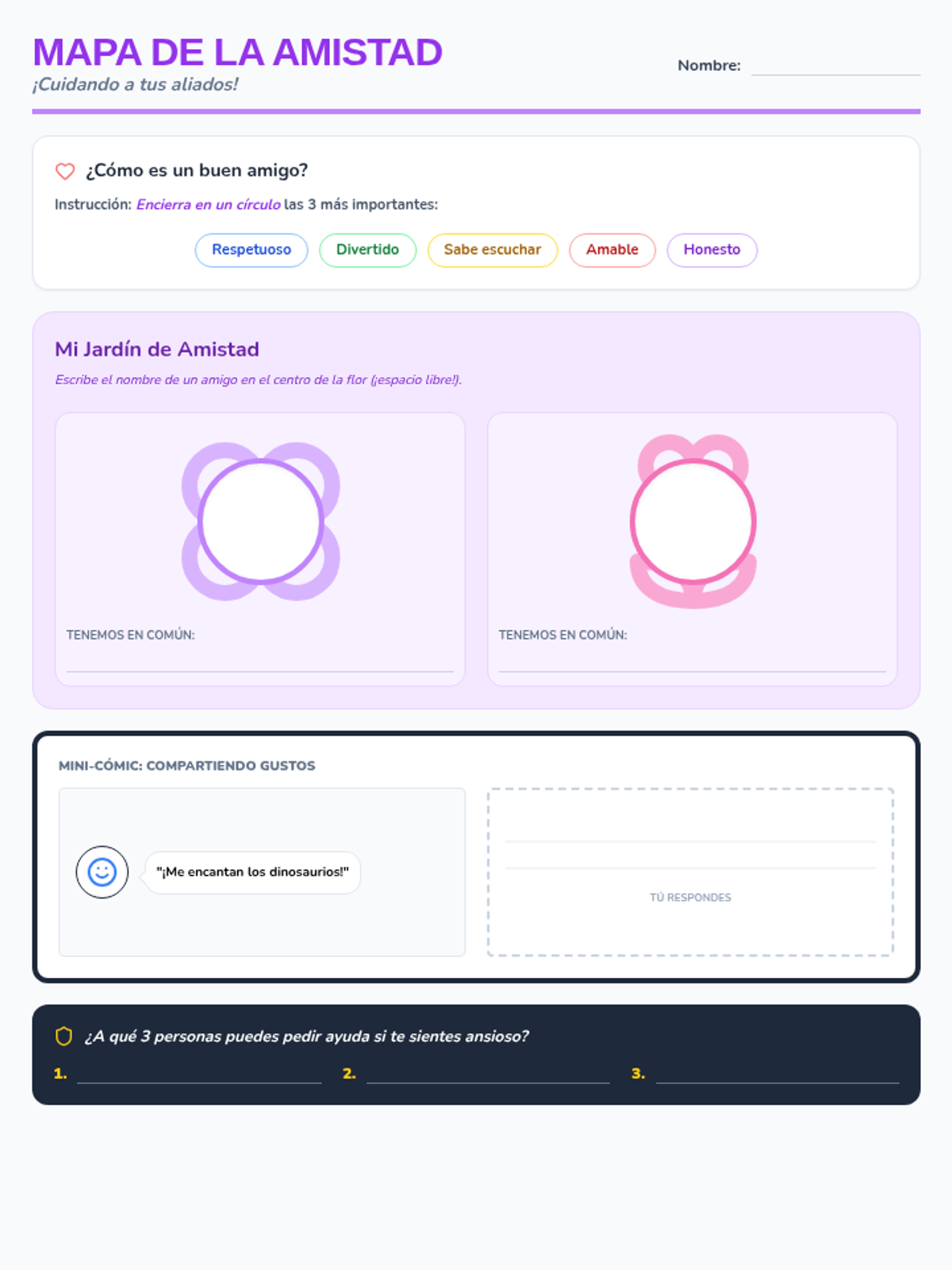
Una serie de actividades interactivas diseñadas para ayudar a los niños a navegar las interacciones sociales, manejar la ansiedad y fortalecer su confianza al comunicarse en español.
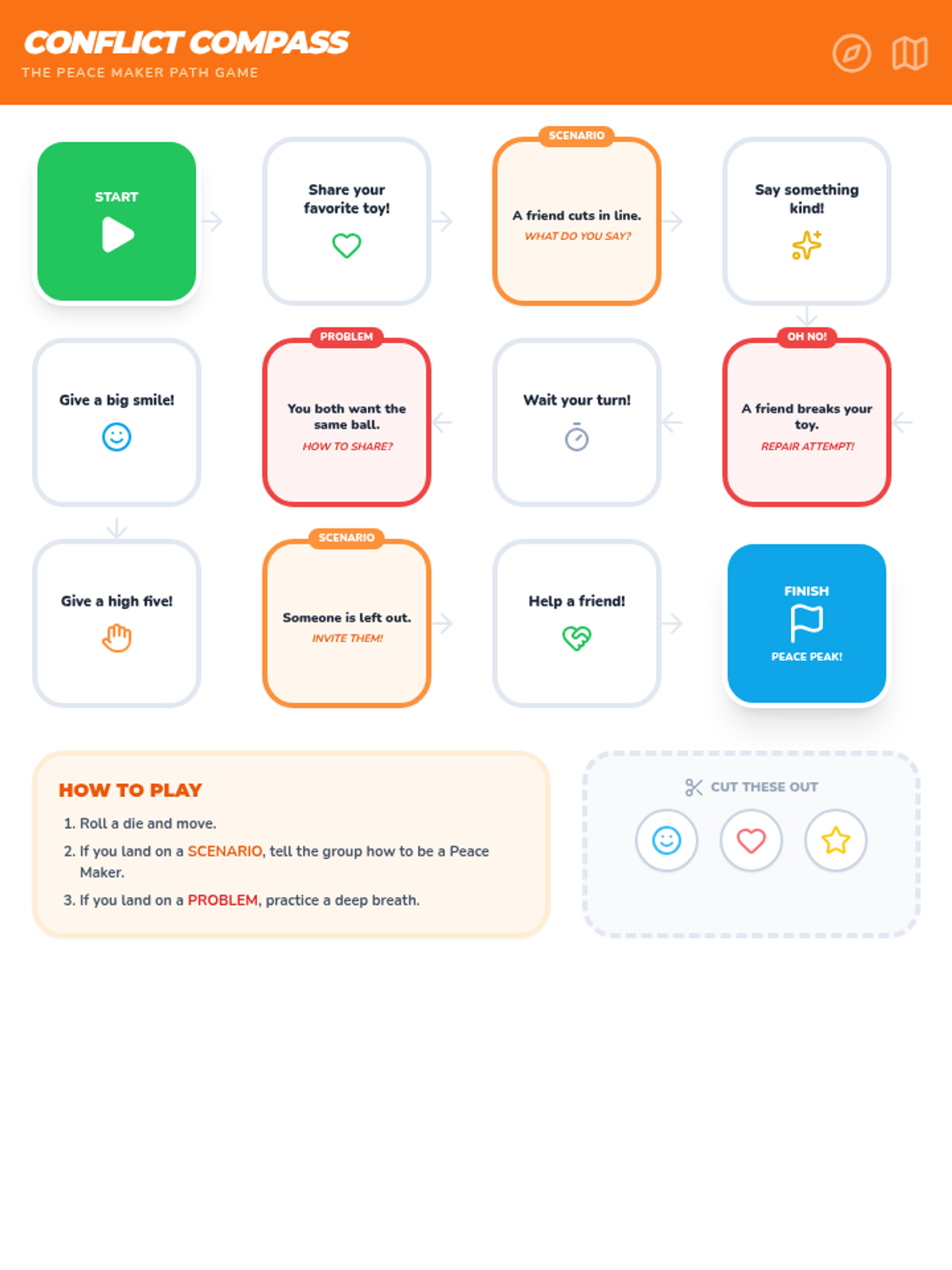
Students will explore different ways to navigate disagreements using a board game format to practice perspective-taking.
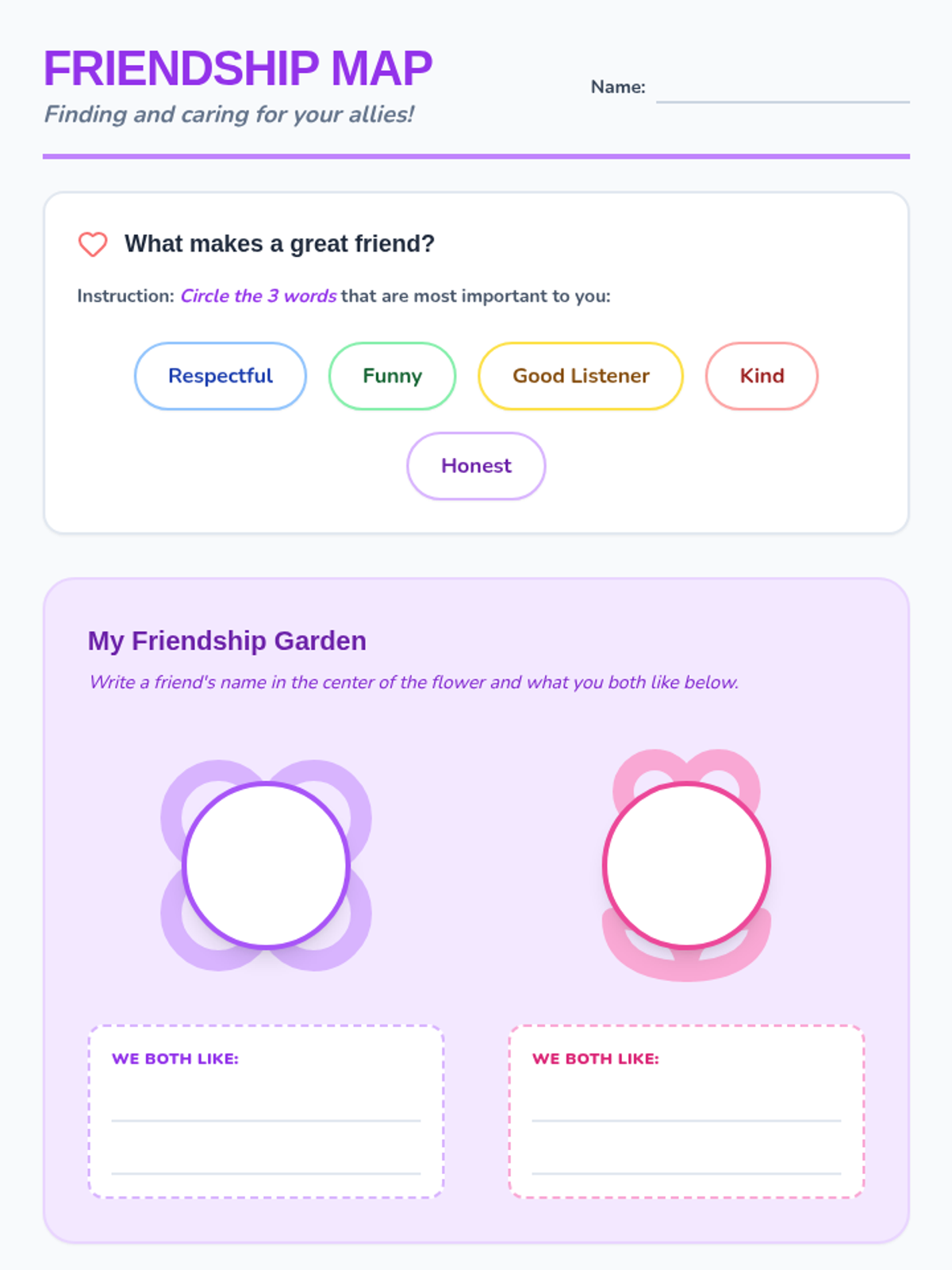
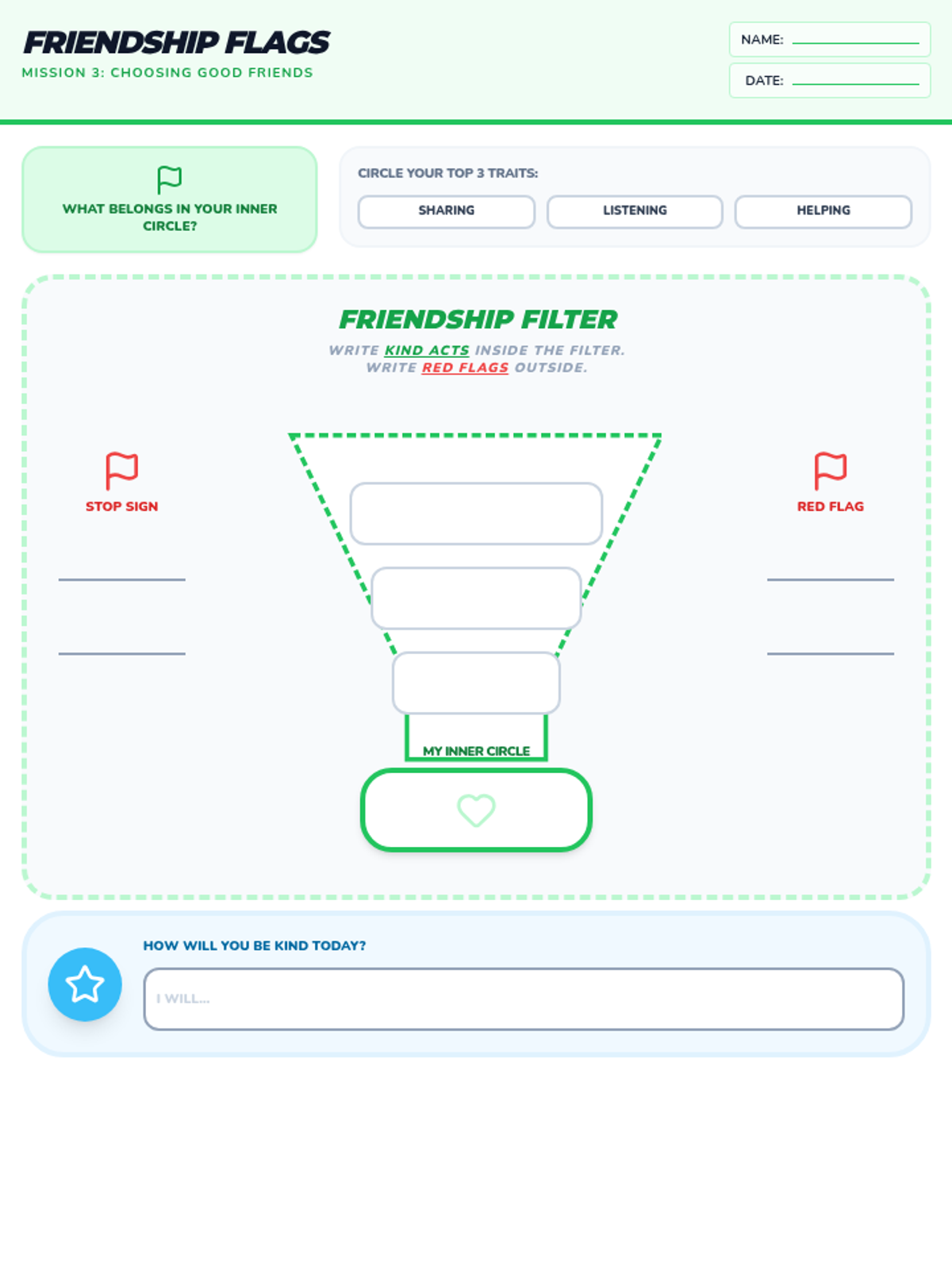
Students will identify the "ingredients" of a good friend and create a visual representation of their friendship standards.
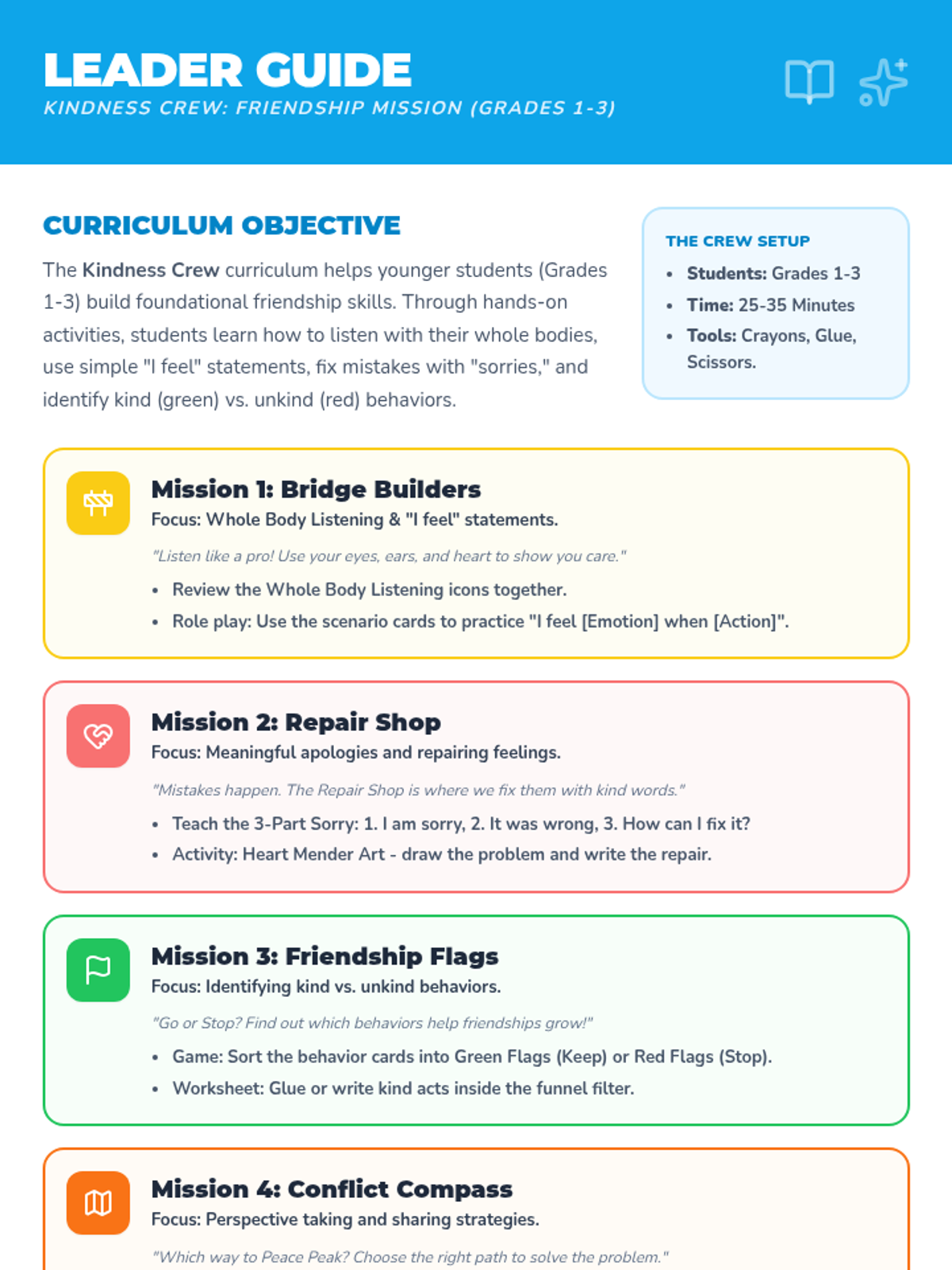
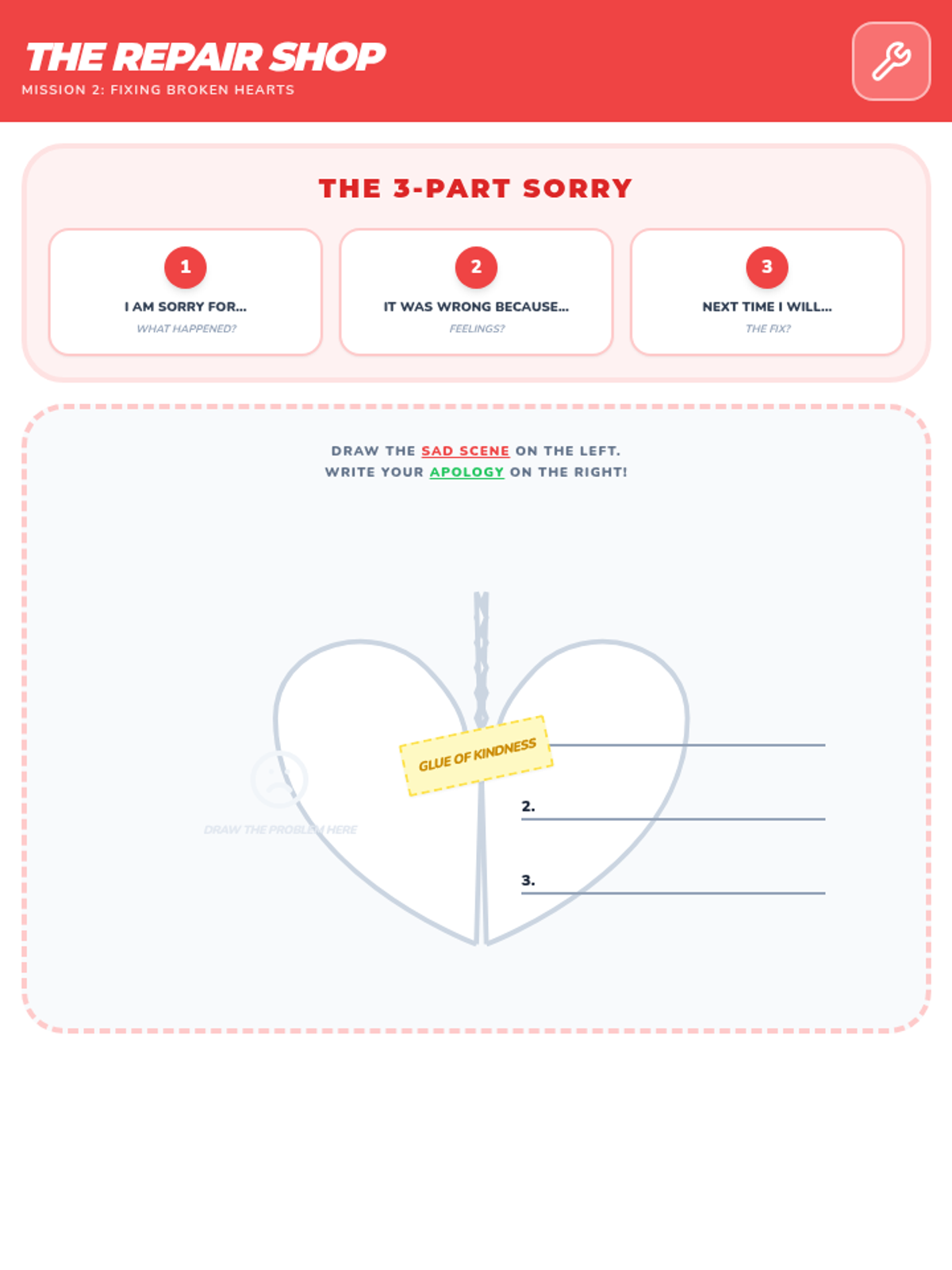
Students will learn how to make meaningful apologies and use art to explore the concept of repairing damaged relationships.