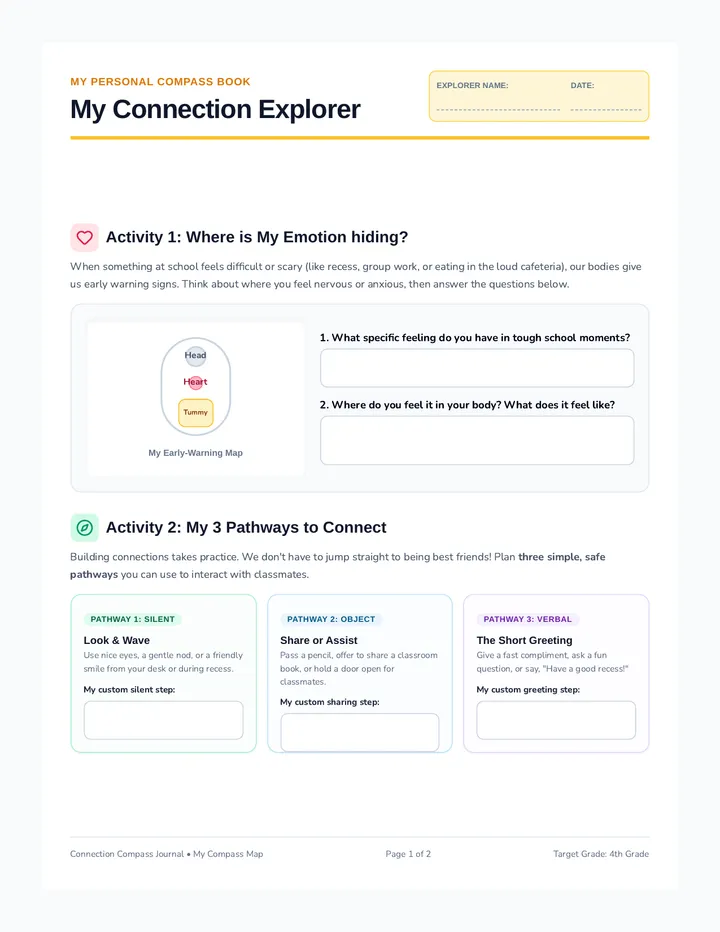
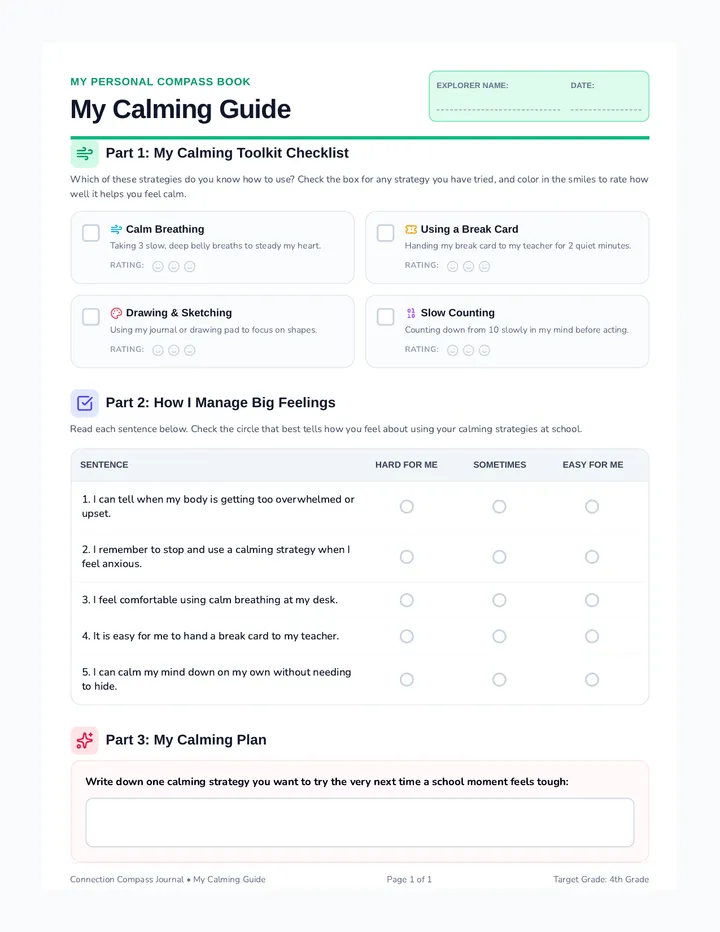
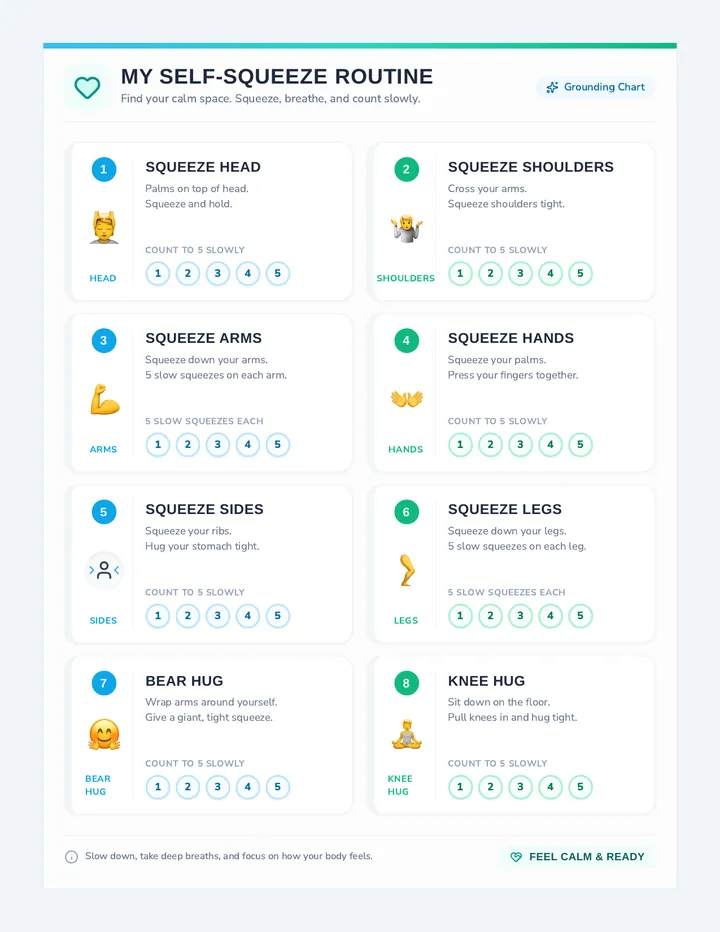
A comprehensive lesson for upper elementary students to identify the physical and emotional signs of test anxiety and build a toolkit of effective coping strategies.
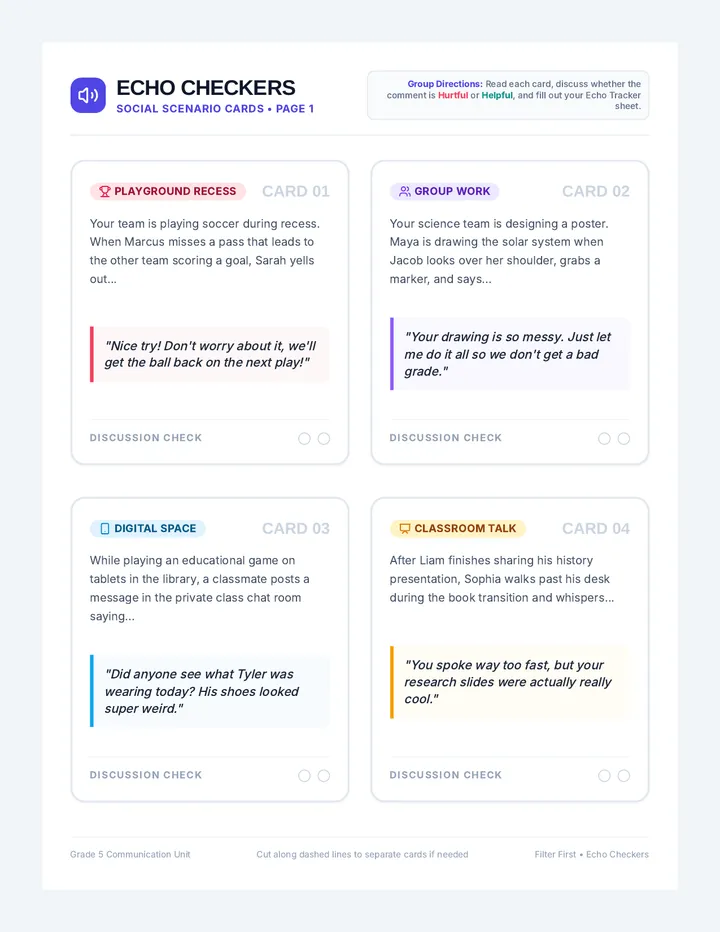
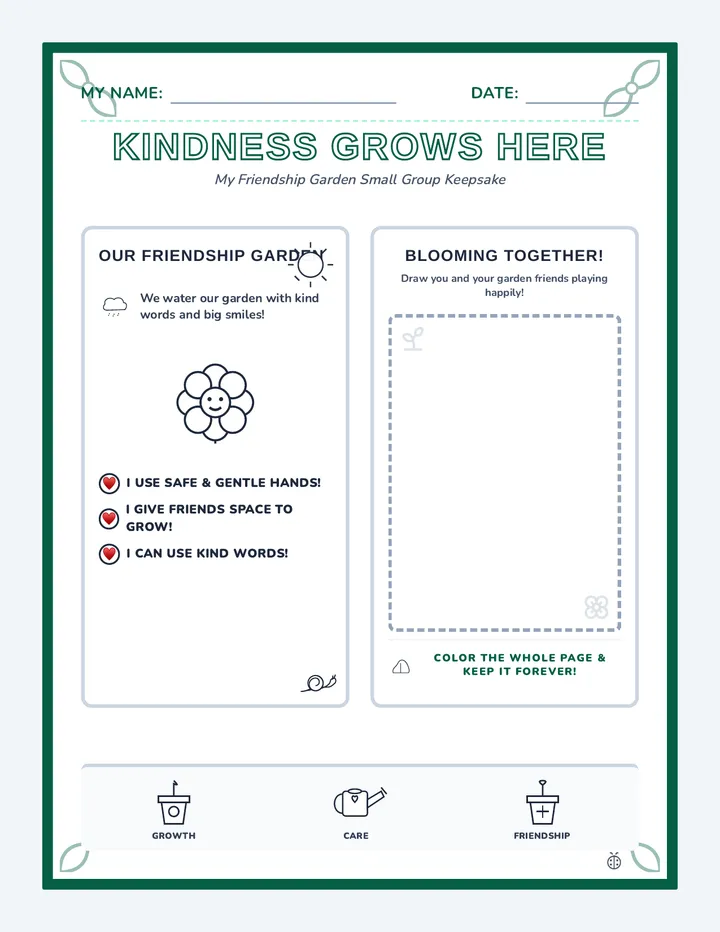
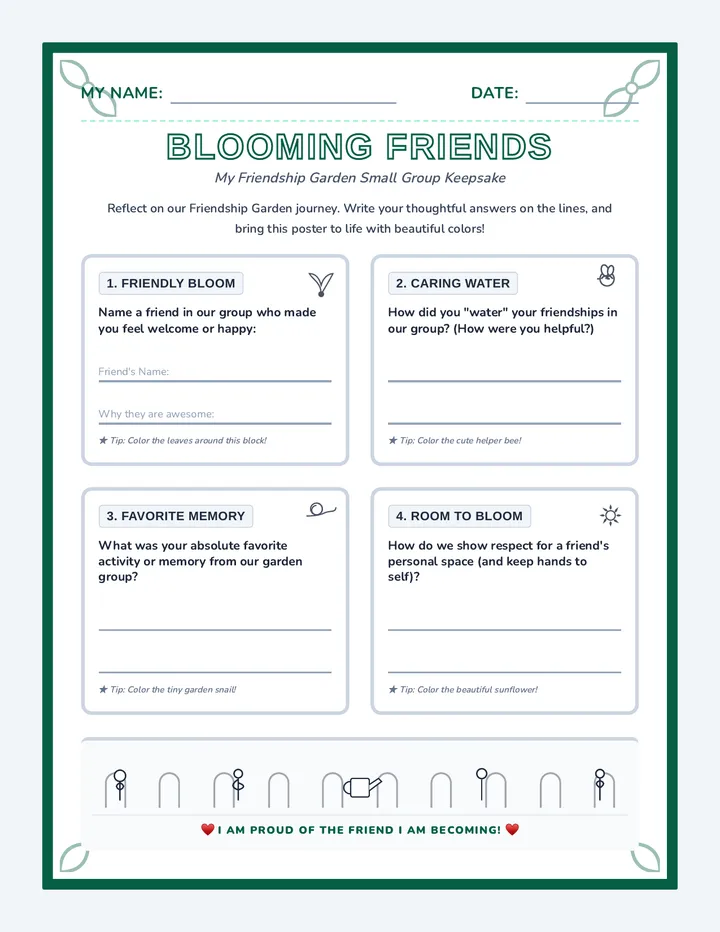
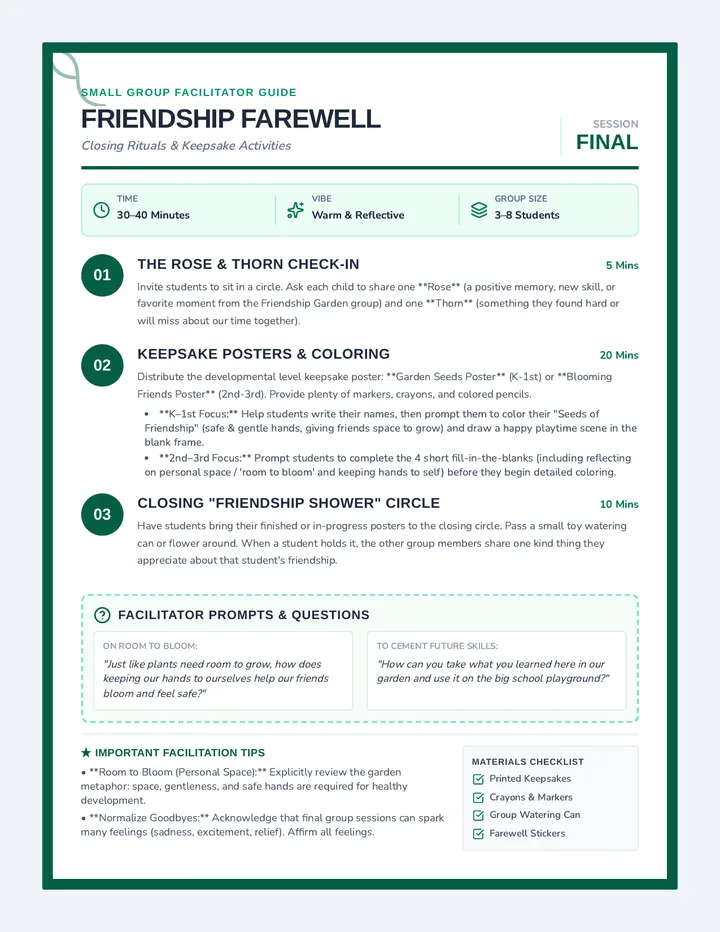
A series of read-aloud stories and activities designed to help students navigate common friendship challenges and build social-emotional skills.
A social-emotional learning lesson for 3rd graders focused on understanding empathy through the metaphor of 'Heart Glasses' to see the world from different perspectives.
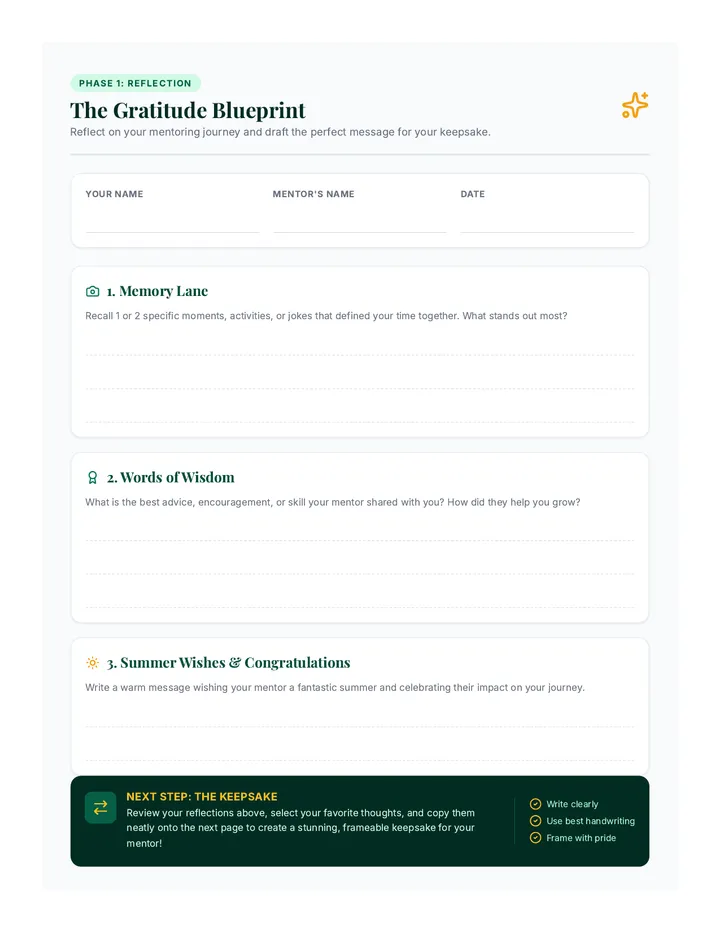
A 30-minute lesson designed to help students reflect on the impact of their teachers and create meaningful, personalized tokens of appreciation through writing and creative crafts.
A lesson designed to help 3rd graders identify sensory triggers, understand how sensory overload affects their emotions, and develop strategies for self-regulation and communication.
A comprehensive lesson for 3rd graders on the art of a sincere apology, focusing on responsibility, remorse, and making amends through an architect and builder theme.
Students explore the concept of teamwork and collaboration by contributing unique strengths to a collective 'totem pole' project. Through hands-on building and reflection, they learn the value of listening, respect, and shared goals.
Students explore the concept of cooperation through the metaphor of building bridges, learning to share ideas, take turns, and contribute to a common goal. This lesson uses a construction theme to teach essential social-emotional skills for 2nd and 3rd graders.
A lesson designed for third-grade students to identify anger triggers and practice specific coping strategies like movement breaks and sensory input.
A quick, sports-themed session focused on respectful communication skills (listening, turn-taking, and kind words) tailored for a 4th-grade student with IDMI. This lesson avoids writing and emphasizes visual choices and verbal/gestural interaction.
A gentle, supportive lesson designed for fourth graders to understand loss, navigate grief, and find ways to celebrate the memories of a grandparent.
Students apply all their money skills in a project-based learning activity where they must design a 'Dream Room' while staying within a strict budget. They practice balancing needs versus wants and tracking expenses accurately.