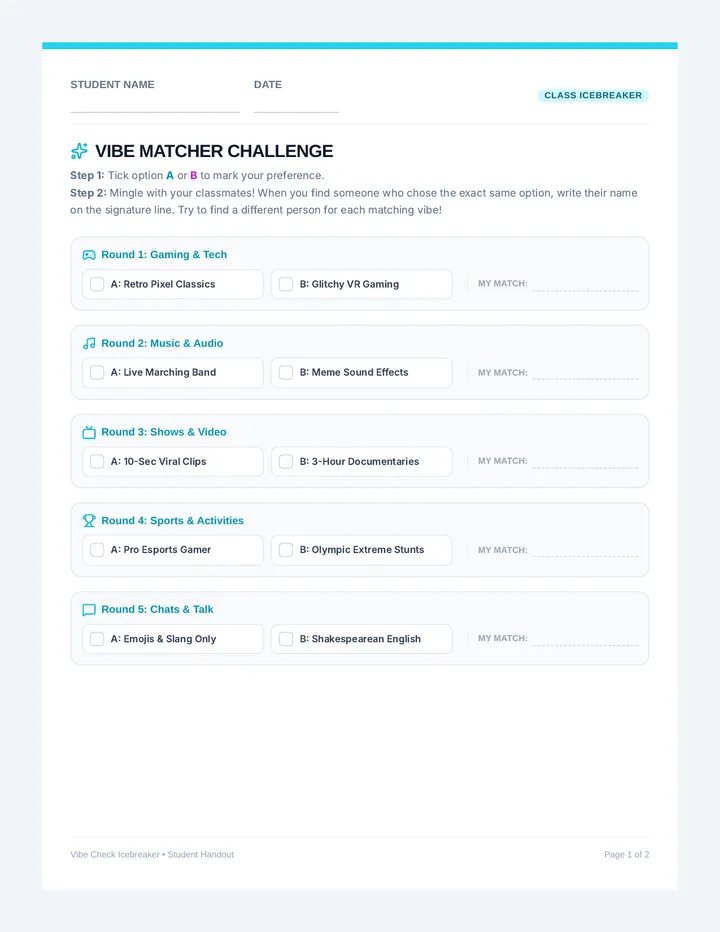
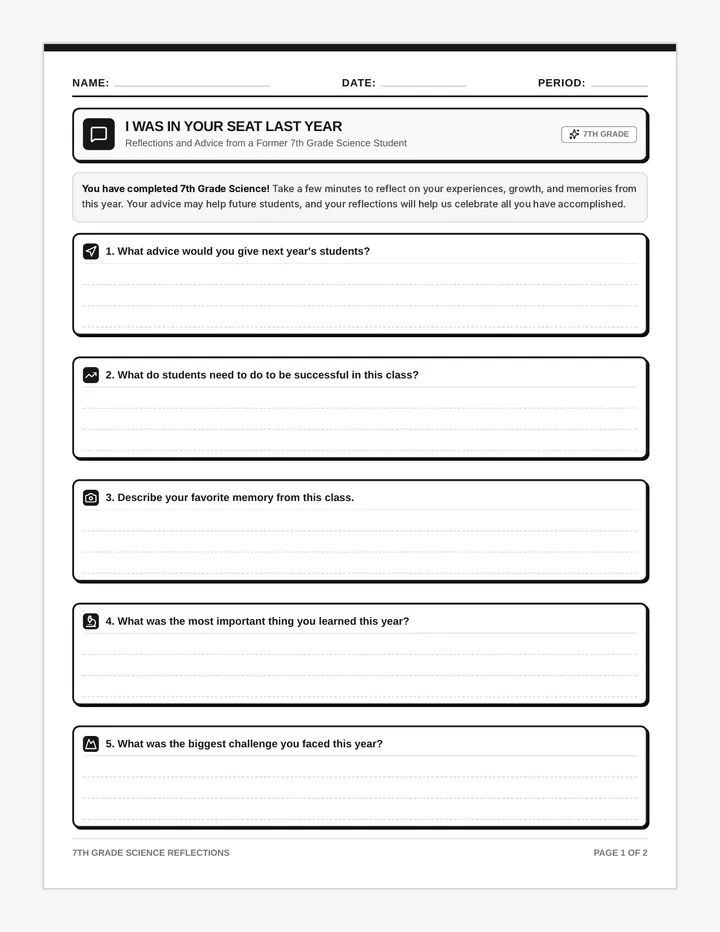
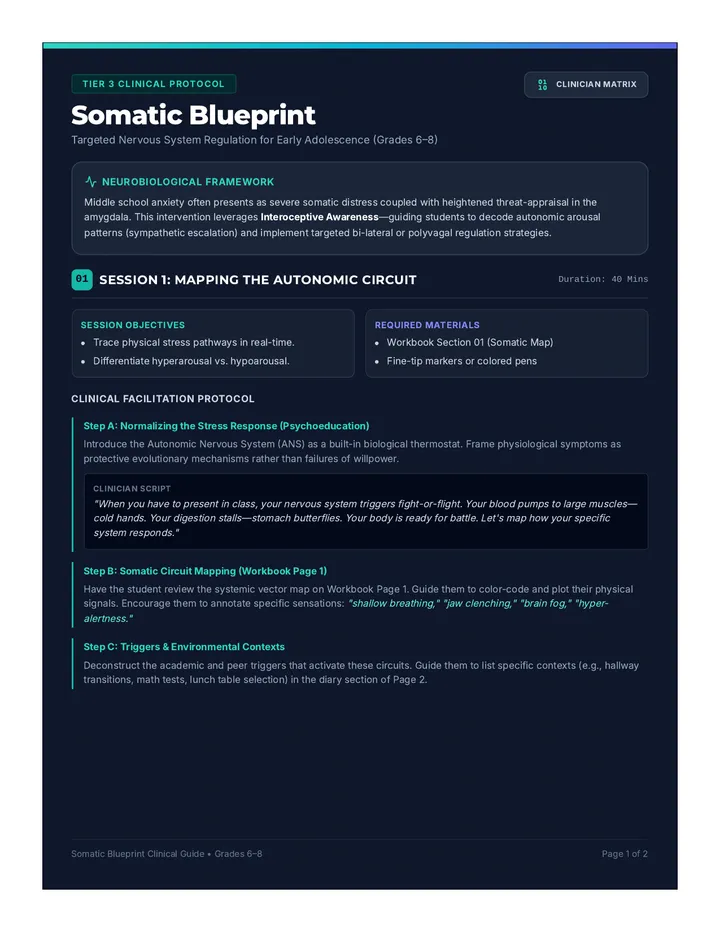
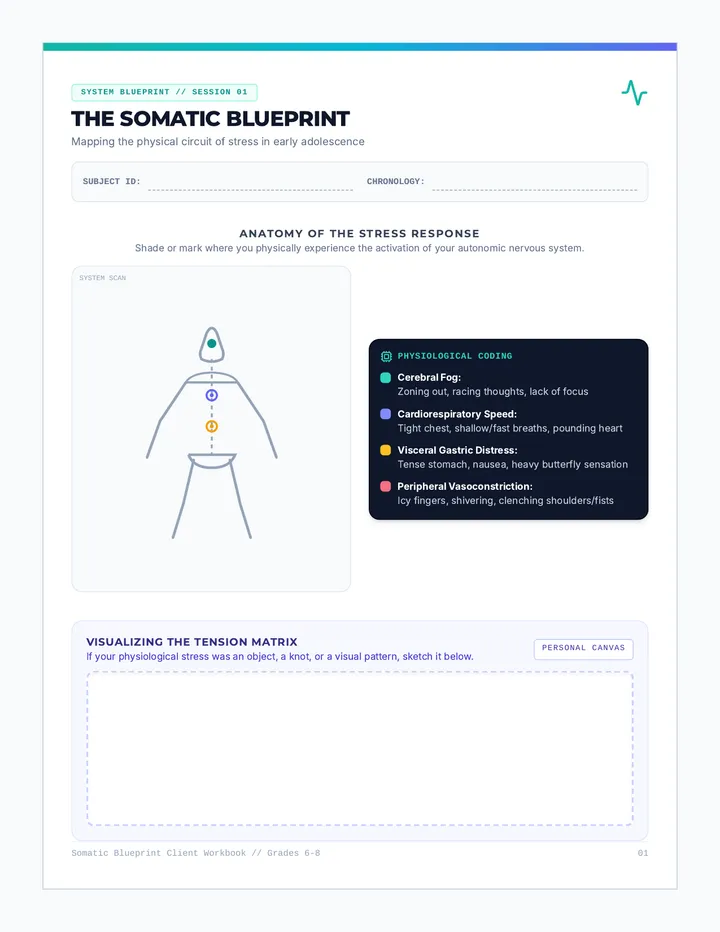
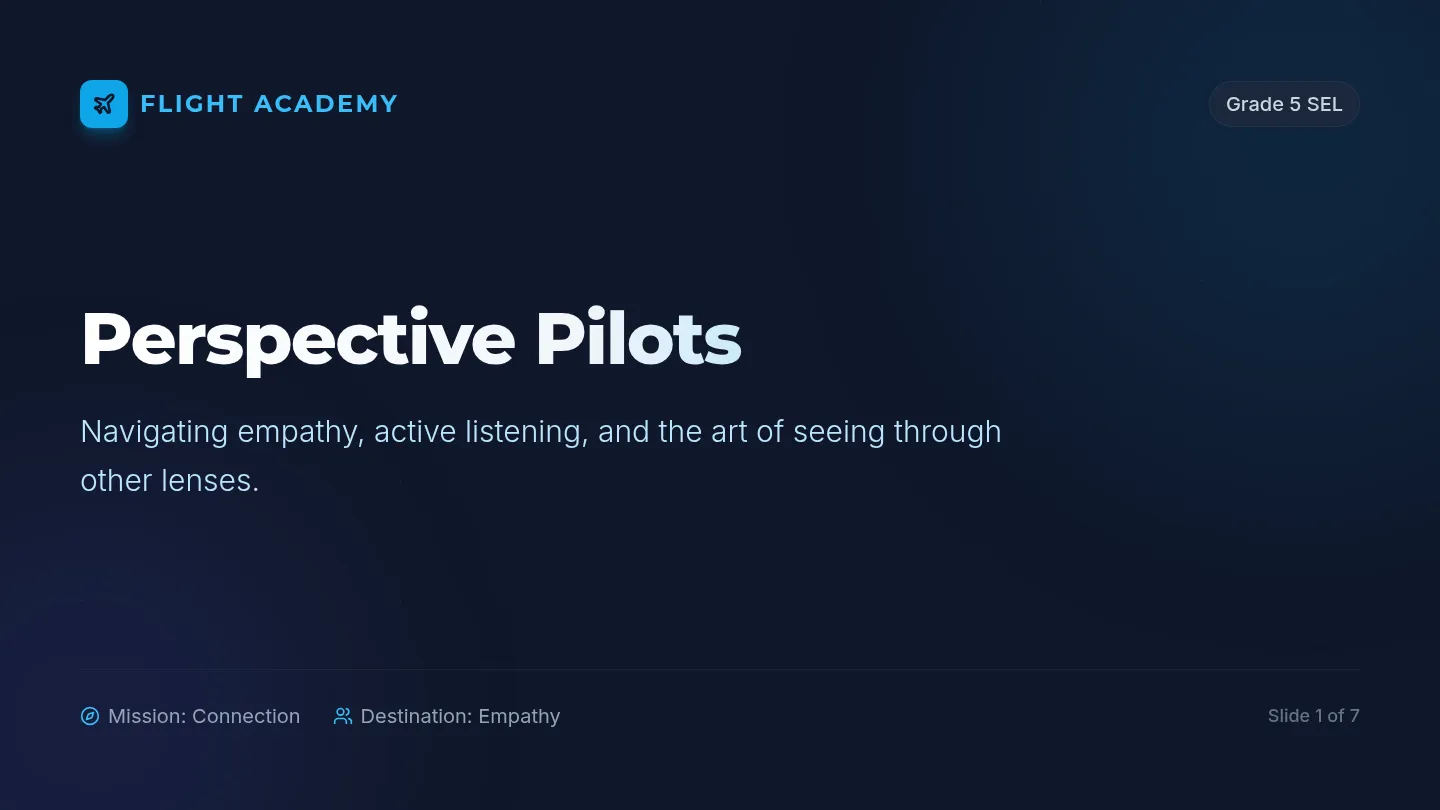
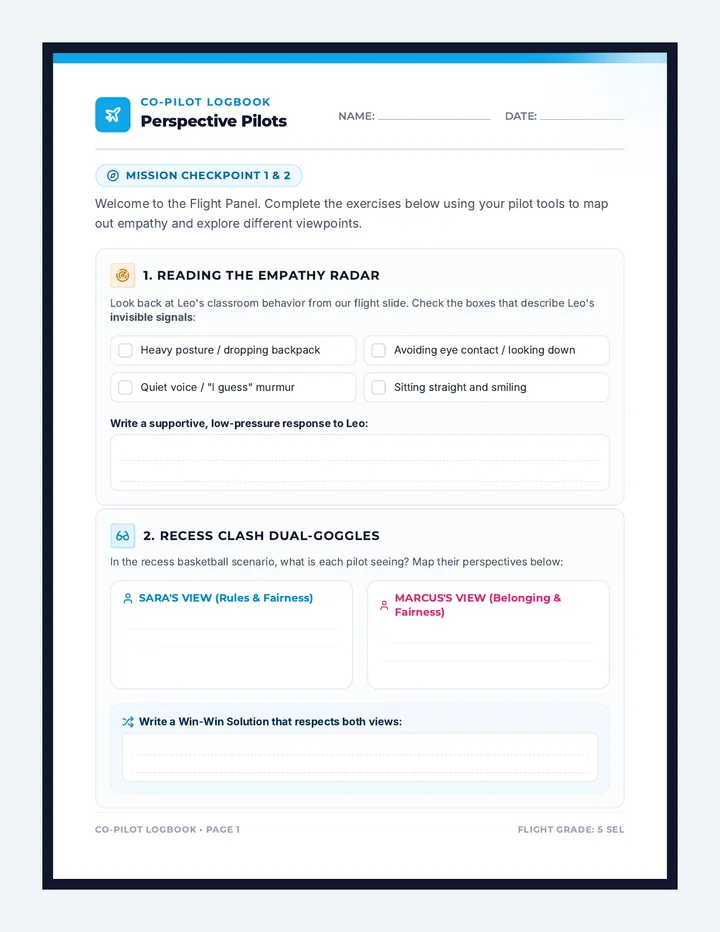
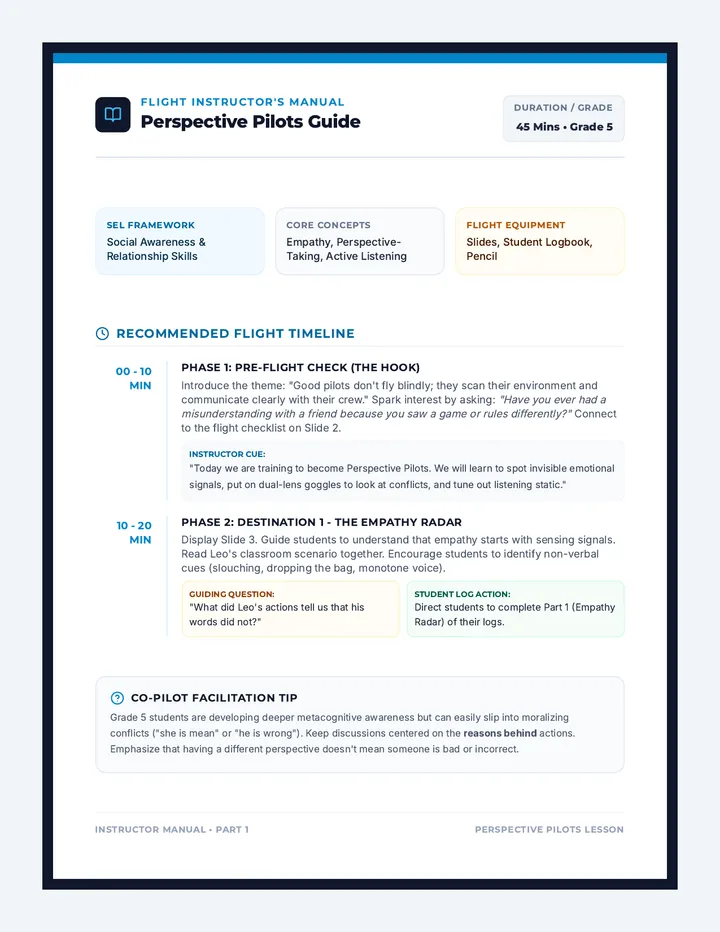
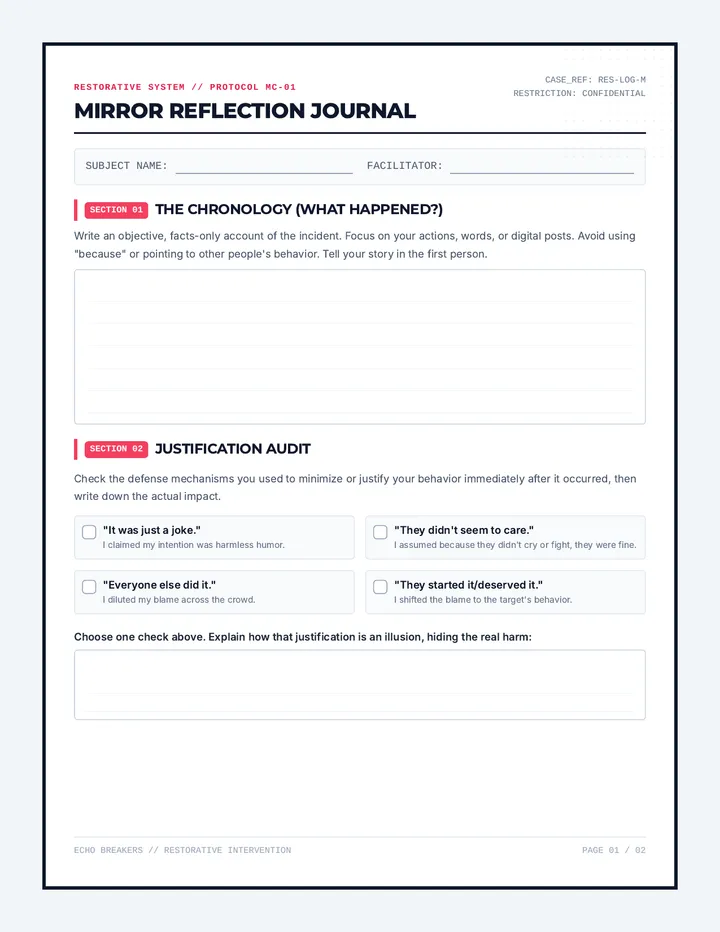
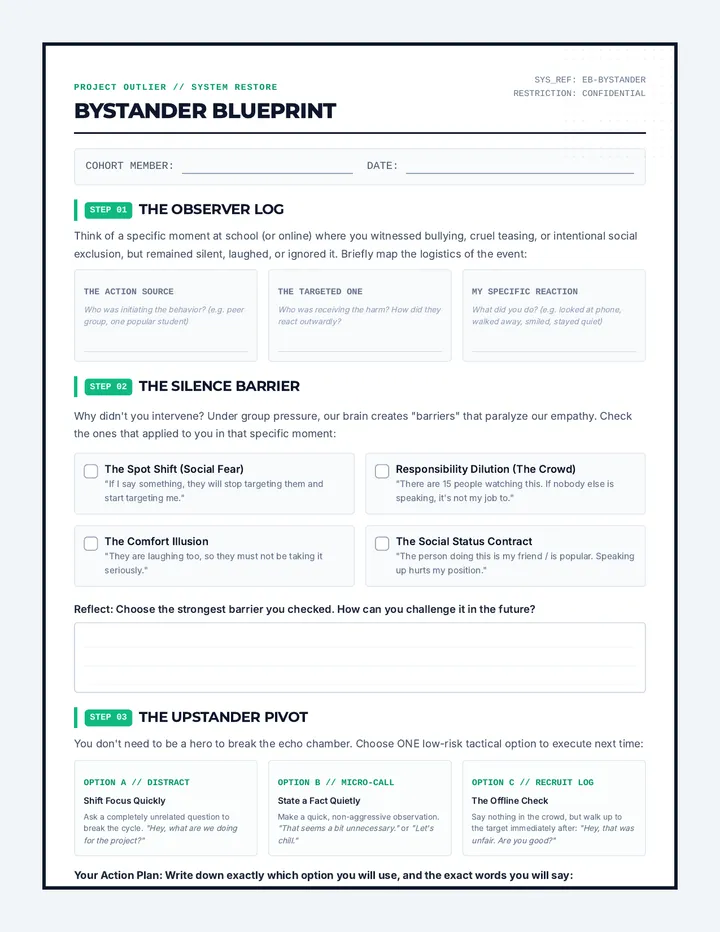
A fun, end-of-year activity where students test their knowledge of their teacher's life and personality after eight months together, featuring trivia, reflection, and a matching game.
A jungle-themed board game where students practice identifying their emotional zones and selecting coping strategies through a series of printable scenario cards.
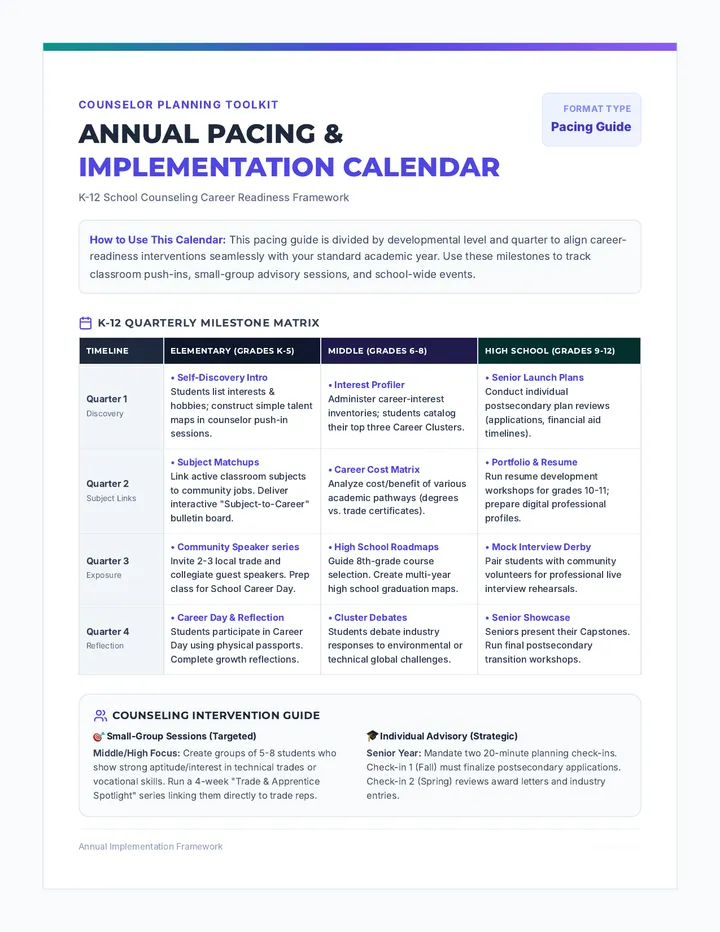
The final four weeks focus on rehearsing help-seeking behaviors through roleplay, managing physiological anxiety symptoms, and transitioning these skills into the actual math classroom.
The first four weeks of the intervention focus on identifying anxiety triggers, reframing help-seeking as a skill, and introducing the non-verbal signal system and question stems.
Consolidating skills through real-world practice, tracking progress over time, and extending learning to the home environment.
Building a personalized toolkit of strategies to calm down quickly and rejoin the group after a difficult moment.
Understanding the winner's experience and the impact of one's behavior on friends and peers.
Teaching specific internal dialogues to reframe disappointment and maintain a positive attitude after a loss.
Identifying physical sensations and early warning signs of frustration to prevent emotional outbursts during competitive play.
Introduction to the concept of fair play and shifting focus from winning to the enjoyment of the game itself.
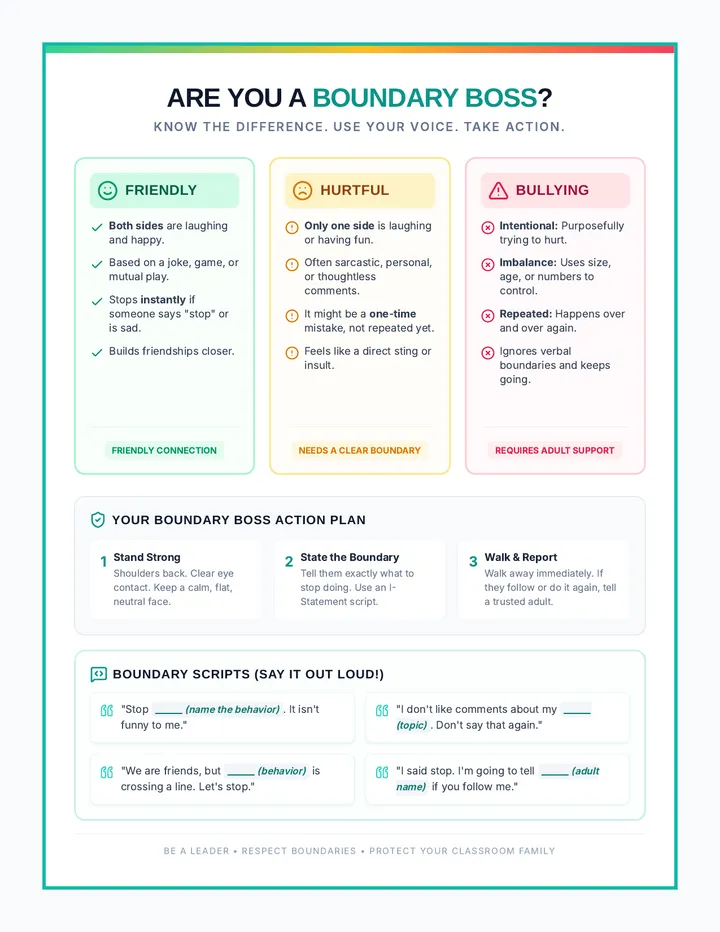
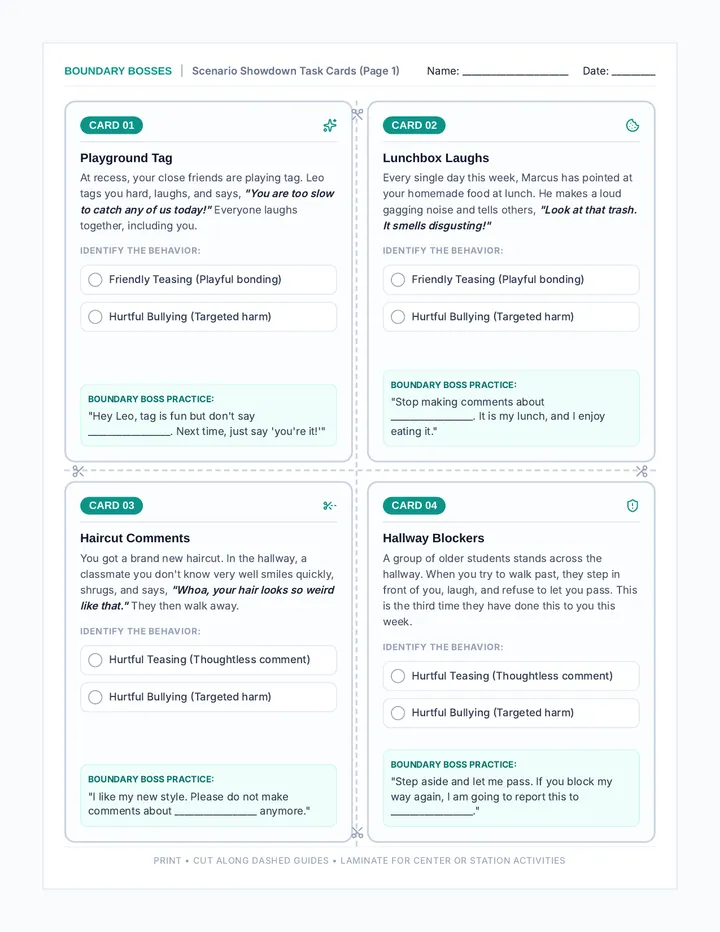
A comprehensive lesson for 4th and 5th graders on identifying and communicating physical, emotional, and digital boundaries using an architectural blueprint theme. Students learn to build healthy relationship structures through assertive communication and mutual respect.
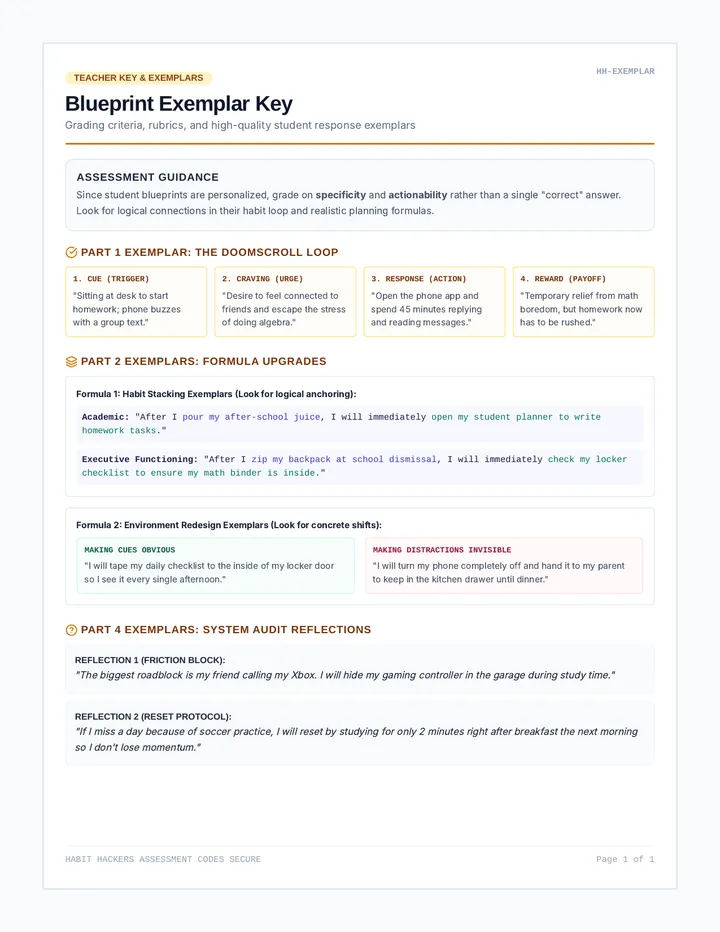
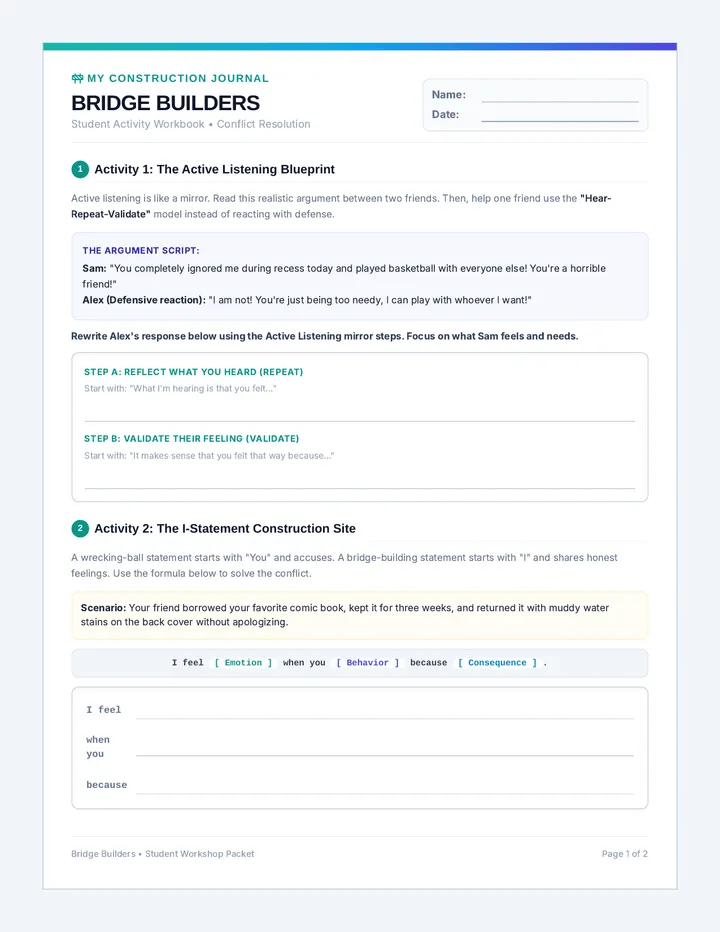
An interactive 8th-grade lesson on the art of compromise and negotiation. Students learn to navigate conflicts by seeking 'win-win' outcomes through practical scenarios and a structured planning tool.
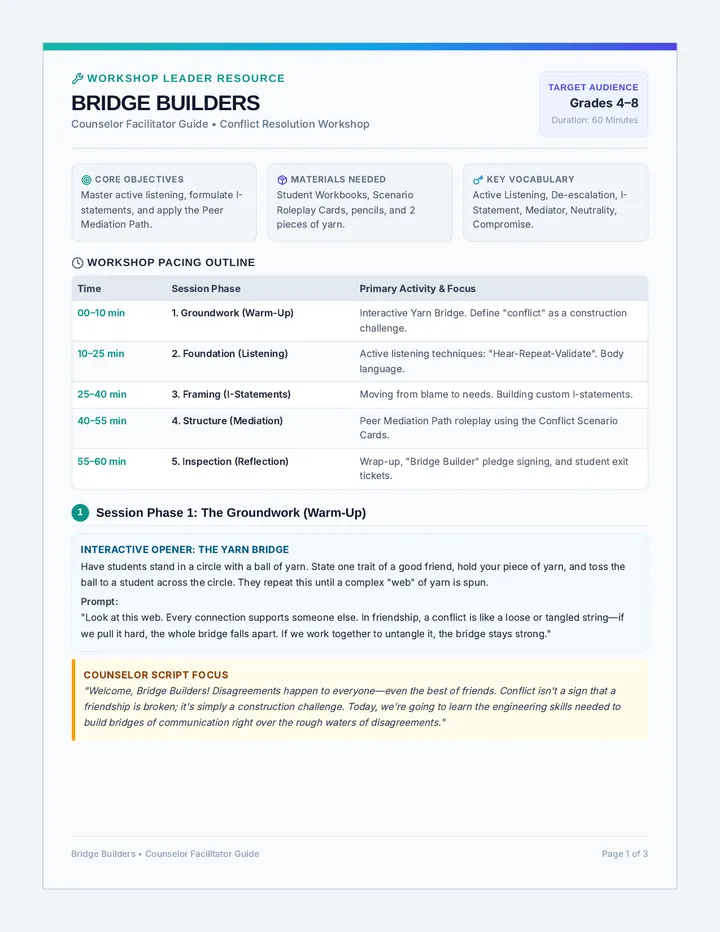
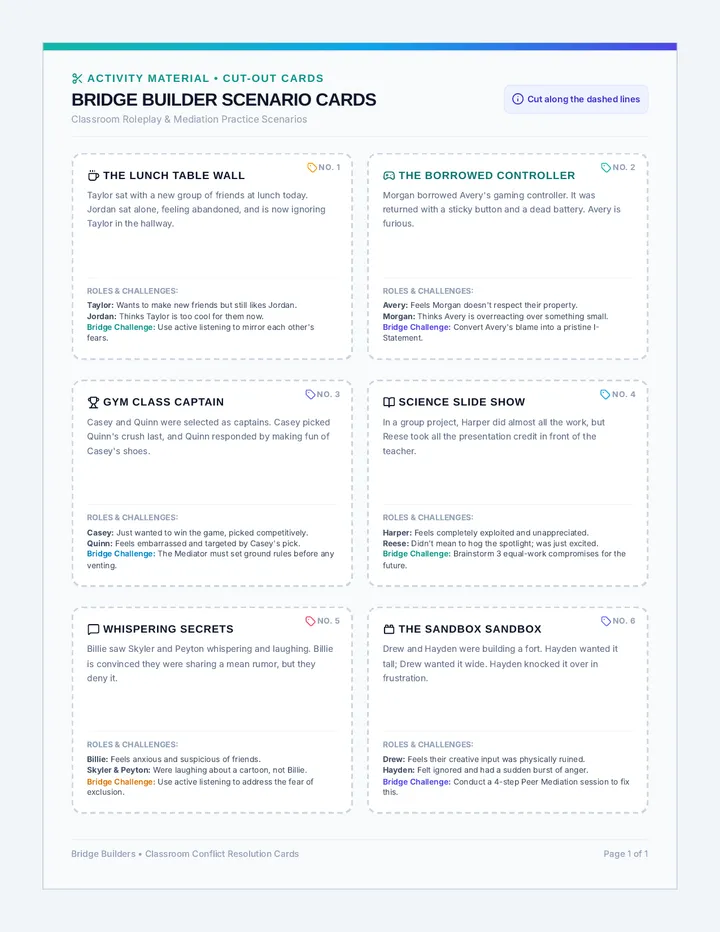
A comprehensive 45-minute lesson teaching students the five essential steps of peer mediation through direct instruction and role-play scenarios.
A botanical-themed counseling lesson designed for K-5 students returning from Spring Break. This lesson uses a garden metaphor to address coping skills, self-advocacy, and self-regulation through tiered activities and discussion.
A focused speaking activity where students use the 'Internal Laboratory' metaphor to express emotional regulation and personal growth. The lesson centers on a 2-minute scripted performance with integrated stage directions and breathing cues.
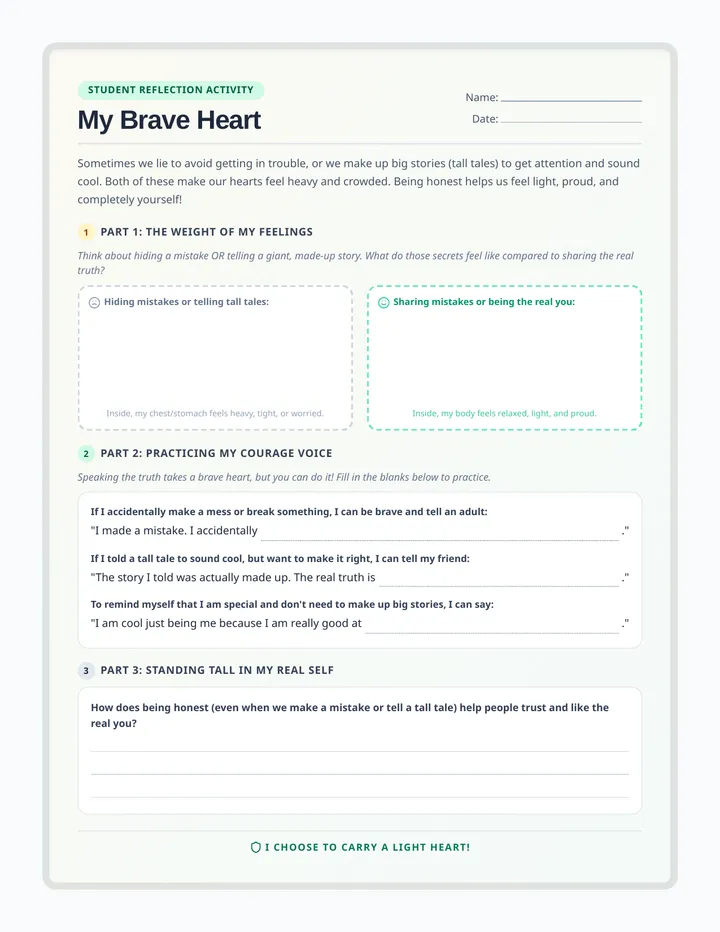
A comprehensive SEL intervention for 4th-grade students focusing on the impact of words, empathy, and letting go of grudges. Includes individual counseling activities, a restorative circle plan, and self-reflection tools.
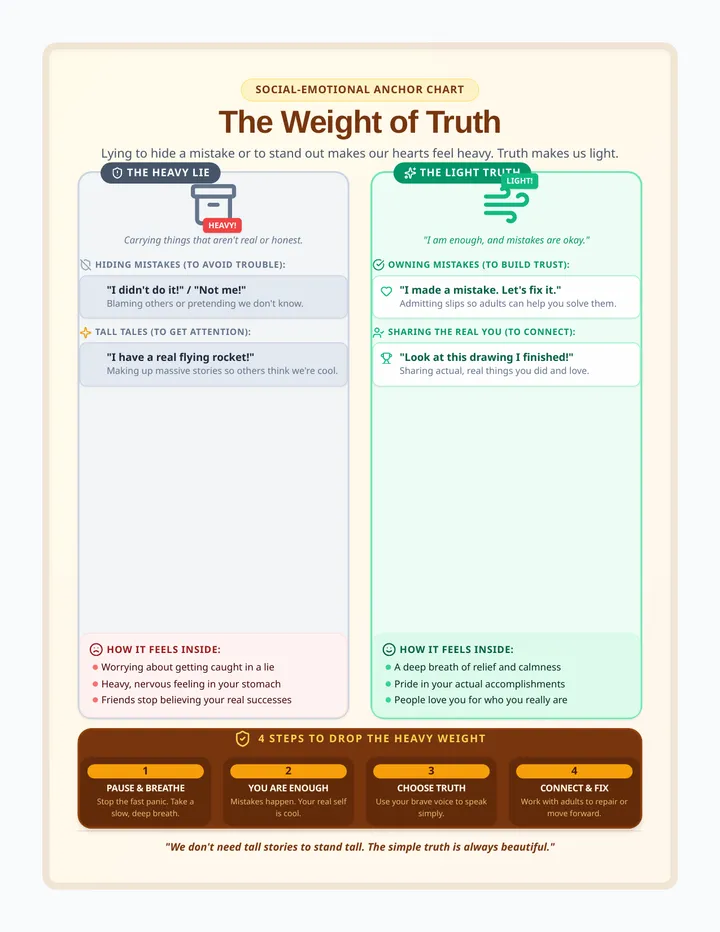
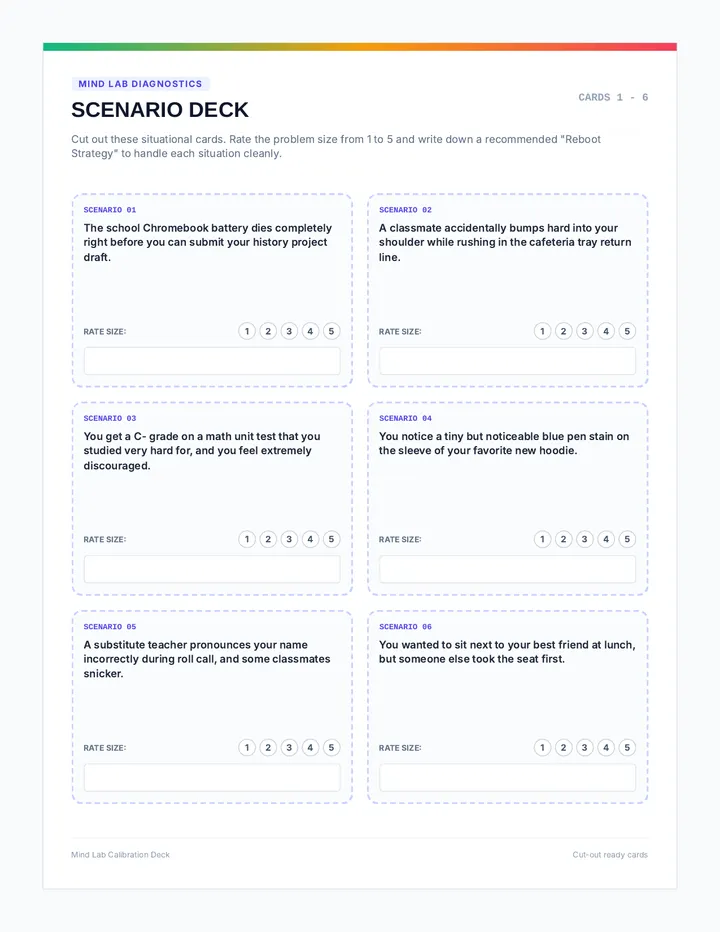
A 30-minute social skills lesson designed to help 3rd-grade students manage disappointment and respond respectfully when told 'no'. The lesson uses a gaming metaphor to teach emotional regulation and social steps.
A comprehensive set of tools for planning and executing a multi-destination community trip, focusing on life skills, budgeting, and social expectations.
A modern, science-based exploration of depression, motivation, and coping strategies designed specifically for teens. This lesson focuses on the 'Neuro Blueprint' approach to understanding brain chemistry and emotional regulation.
A complete toolkit for organizing a school field trip, including student interest forms, registration packets, and permission slips. Designed to simplify the logistics for teachers while engaging students in the excitement of the upcoming adventure.
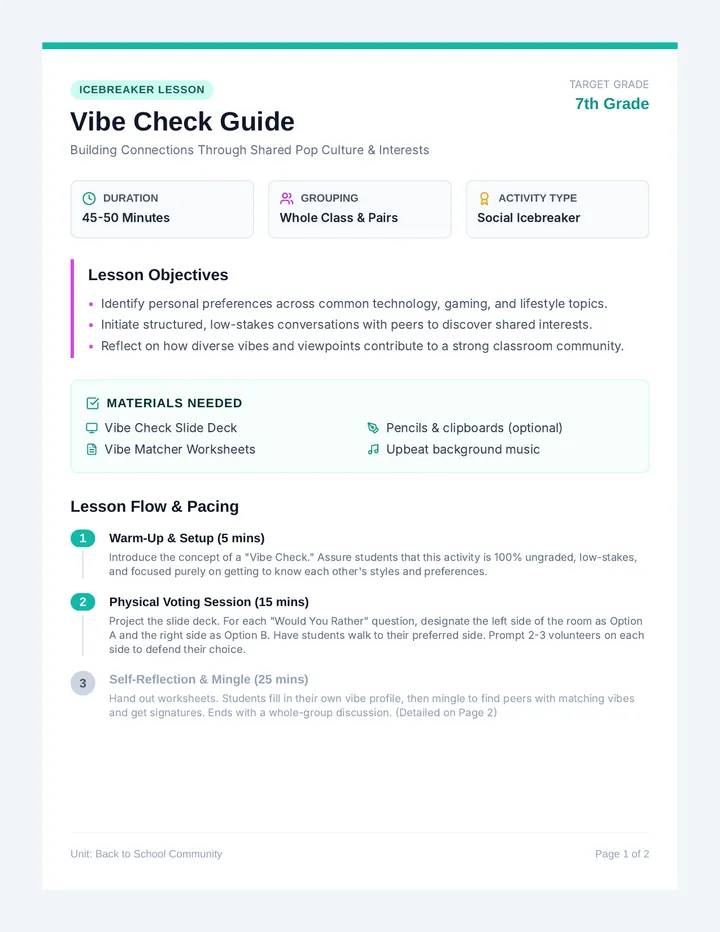
A 2-day independent project where students act as business managers to solve a critical company problem using the rational decision-making model. Students will research a scenario, evaluate alternatives, and present their final decision in a professional slide deck.
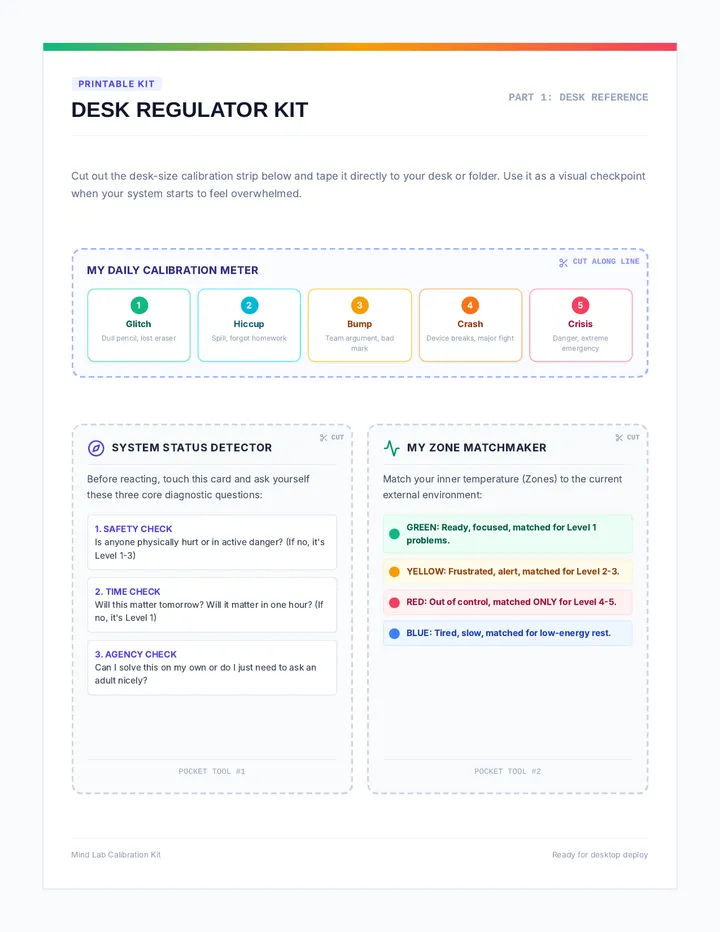
A Social-Emotional Learning lesson for 8th graders using a circuit breaker metaphor to teach impulse control and the '3-second pause' technique.
A transition-focused lesson for 8th graders that reframes behavior as a professional asset. Students learn to translate their school habits into a "social resume" of soft skills essential for high school success and increased autonomy.
Focuses on practicing 'Kindness Filters' to navigate social interactions and respond appropriately to appearance-based topics.
Introduces the concept of 'Think It vs. Say It' regarding physical appearance and explores why body-related comments can be sensitive.
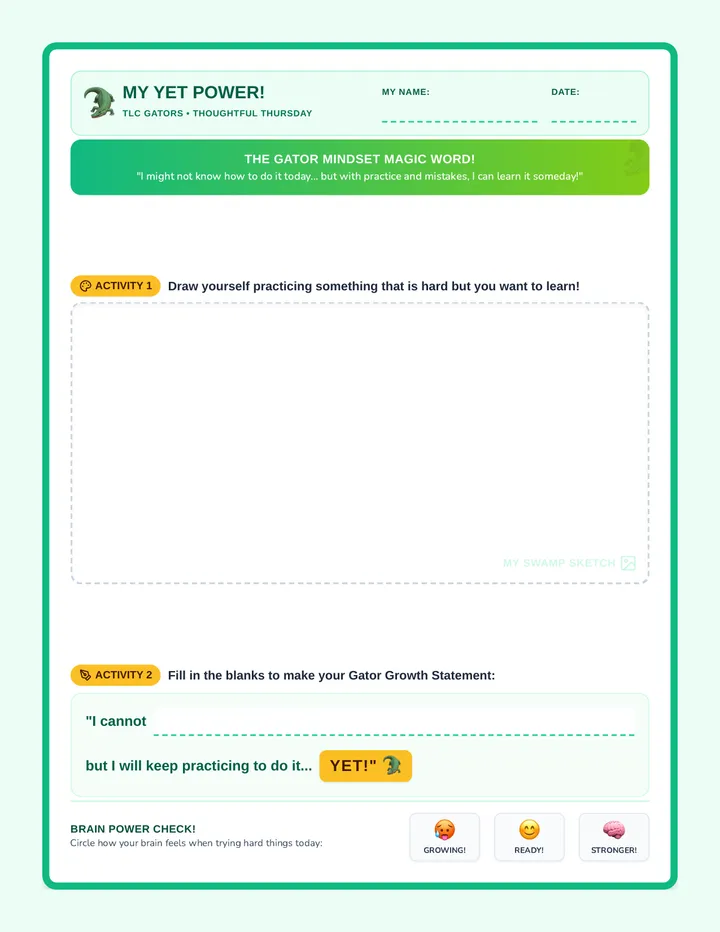
A self-reflection journey focusing on four key personality traits, designed with scaffolding and visual supports for students with IEPs.
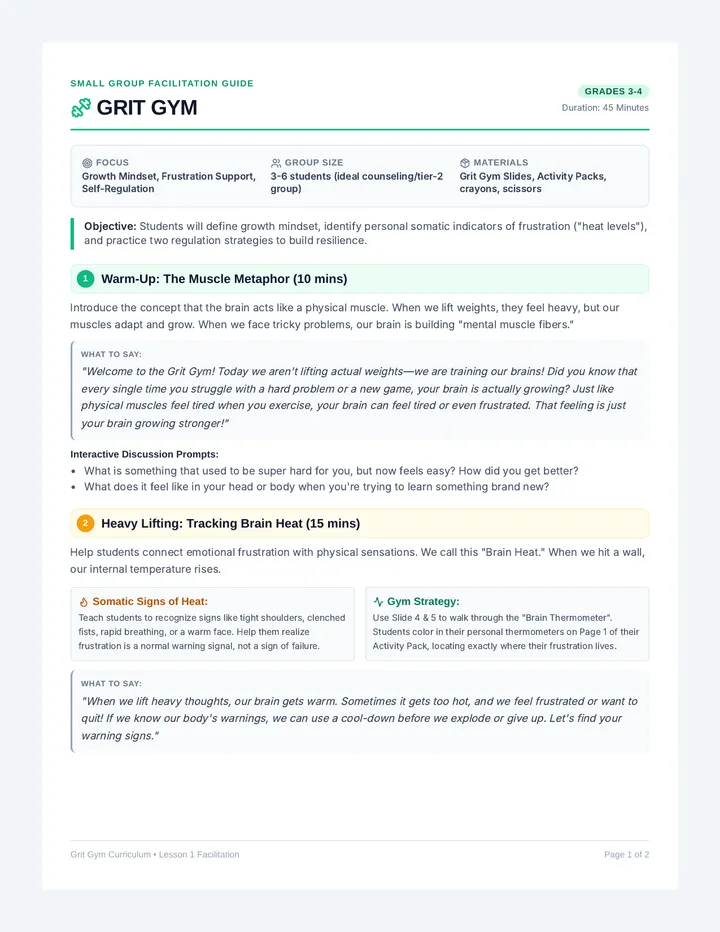
A self-regulation lesson for elementary students using a television remote metaphor to help them adjust their energy and behavior levels to fit different social situations.
This lesson empowers students to understand the physiological roots of test anxiety and master specific cognitive and physical grounding techniques to maintain focus and composure during high-stakes testing.
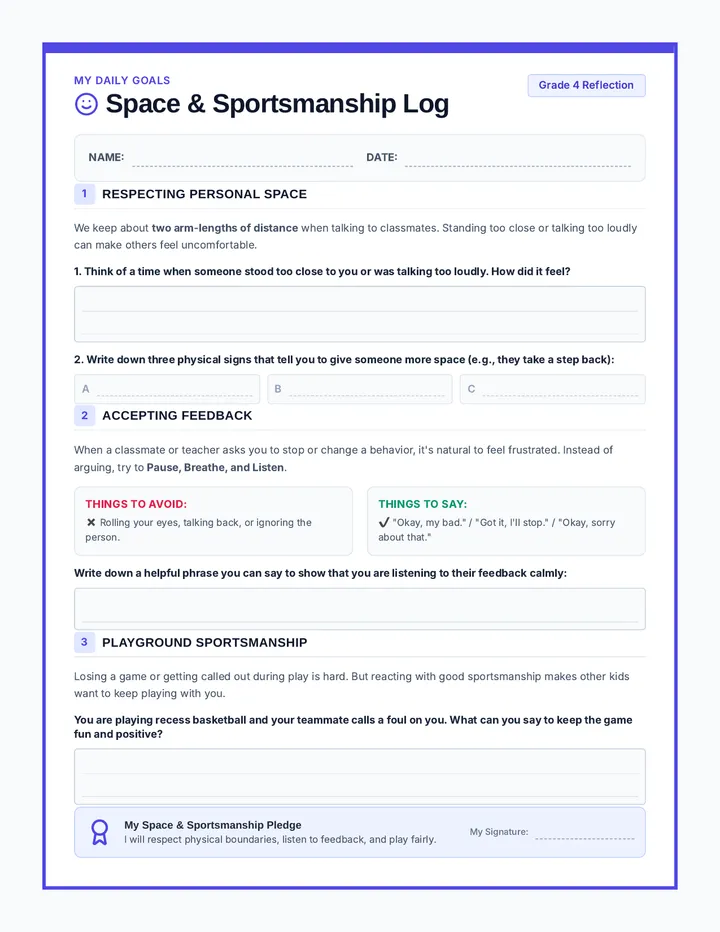
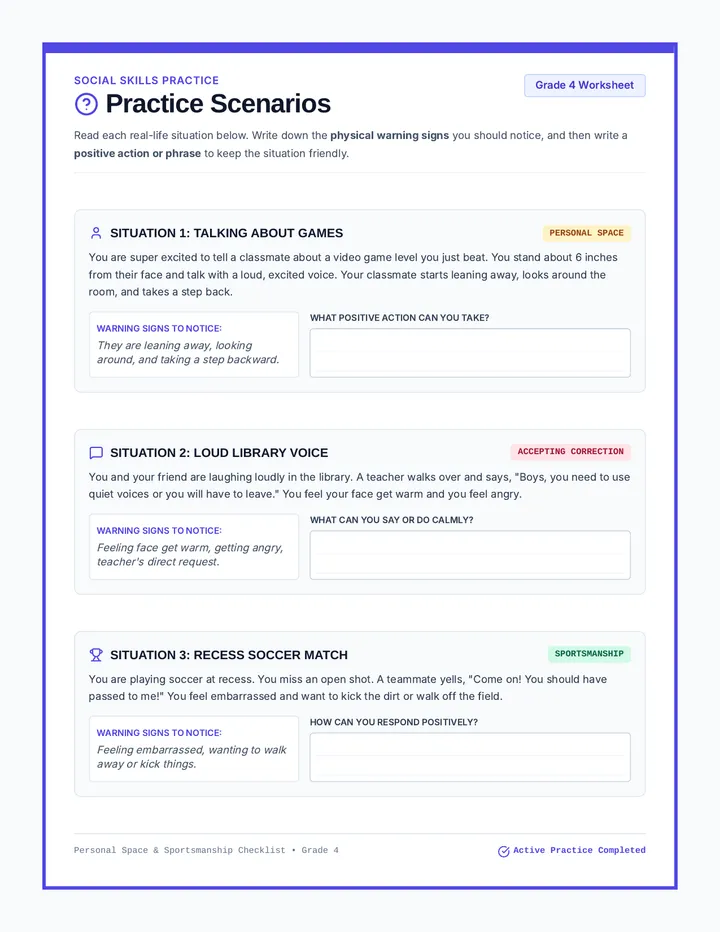
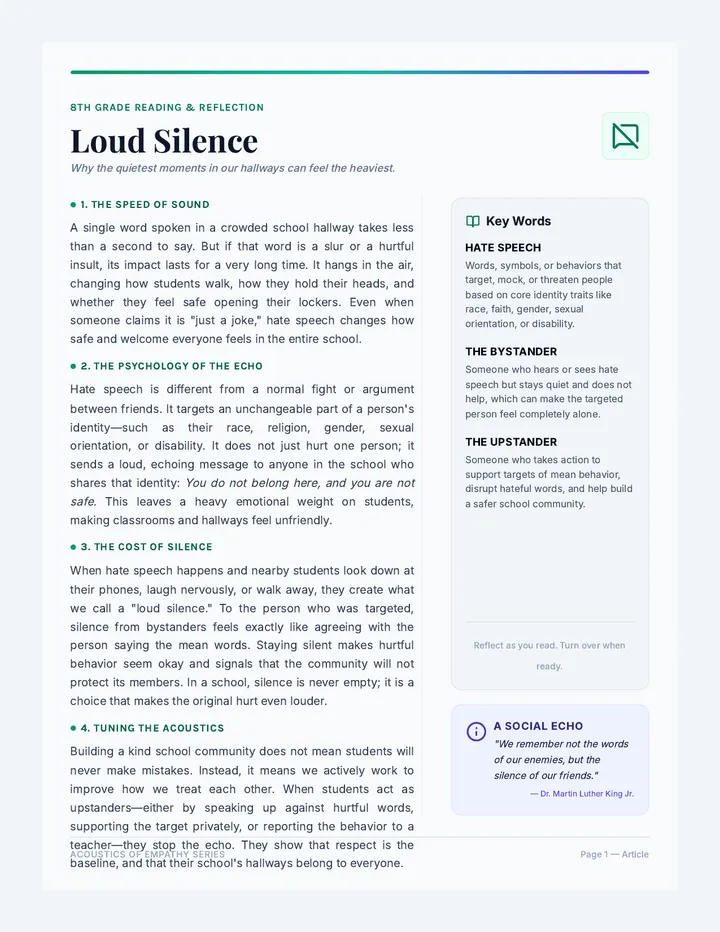
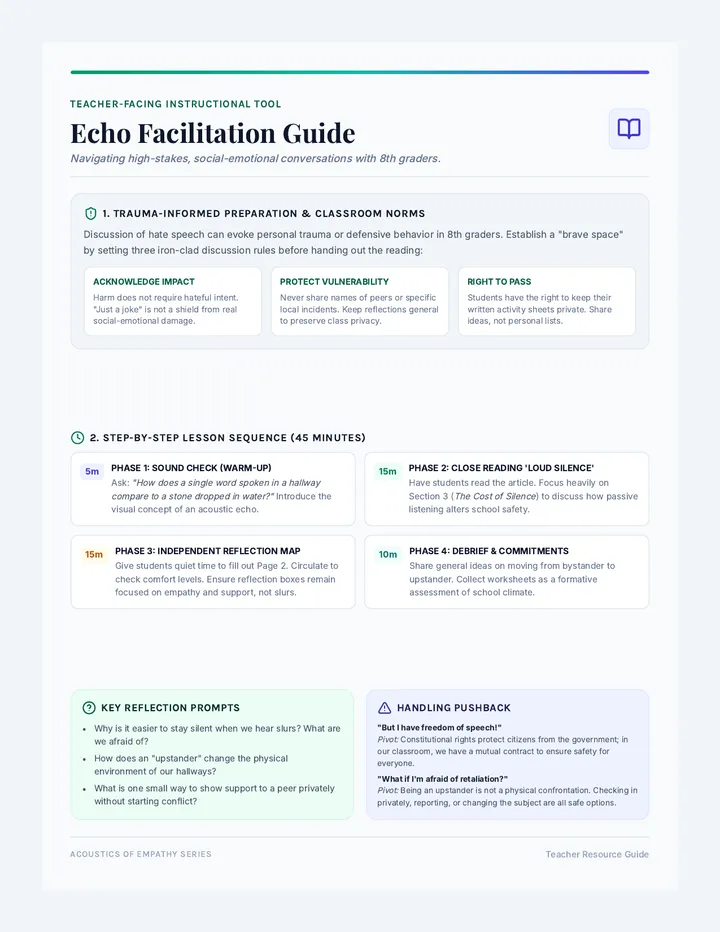
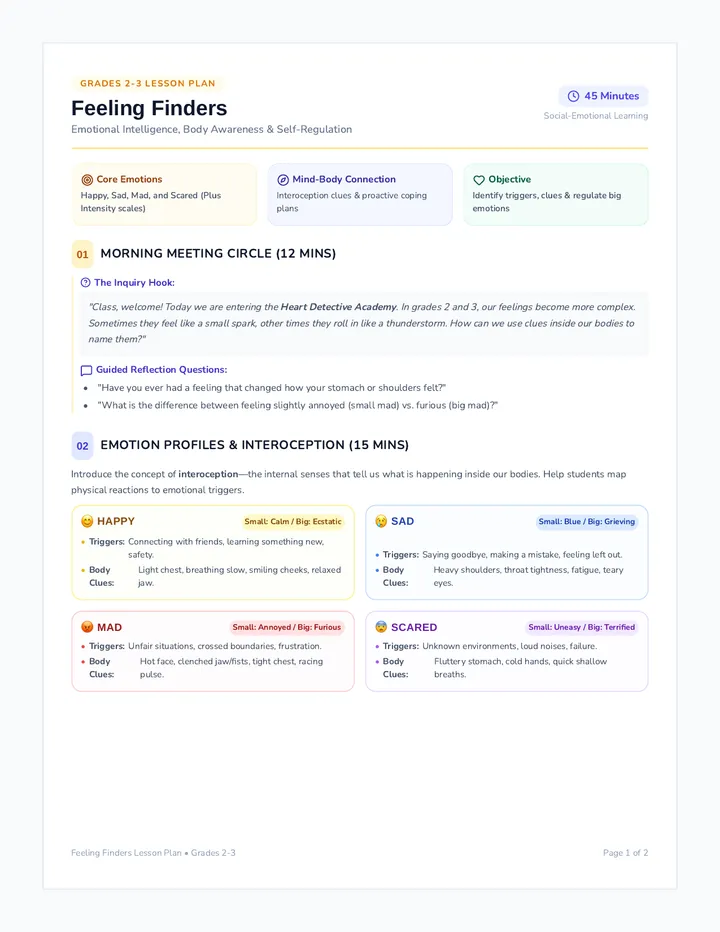
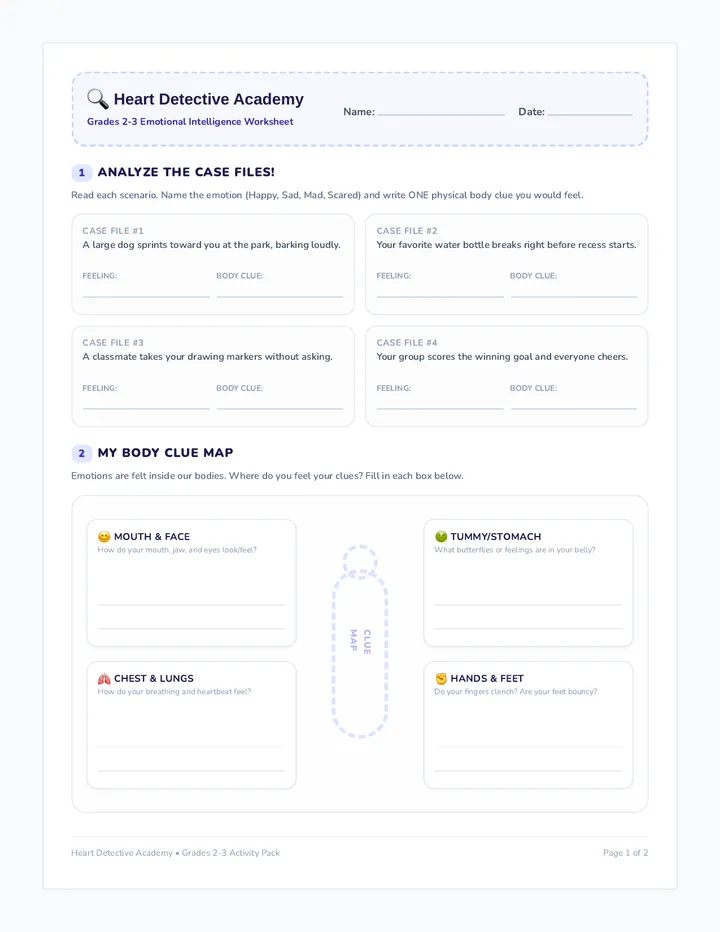
A social-emotional learning lesson designed to help students recognize anger triggers and implement self-regulation strategies to avoid physical altercations.
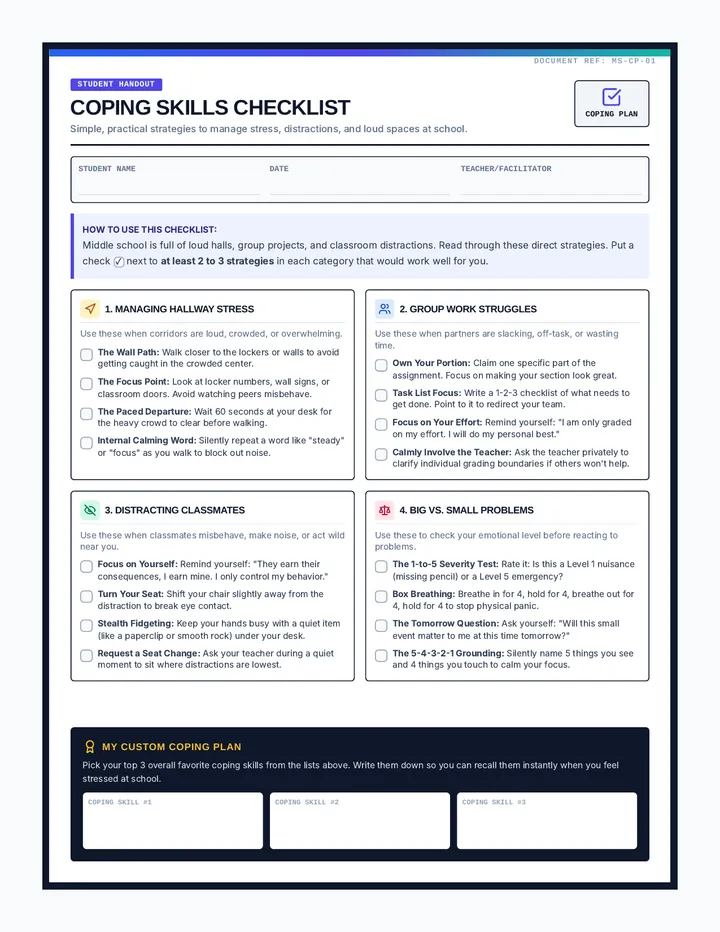
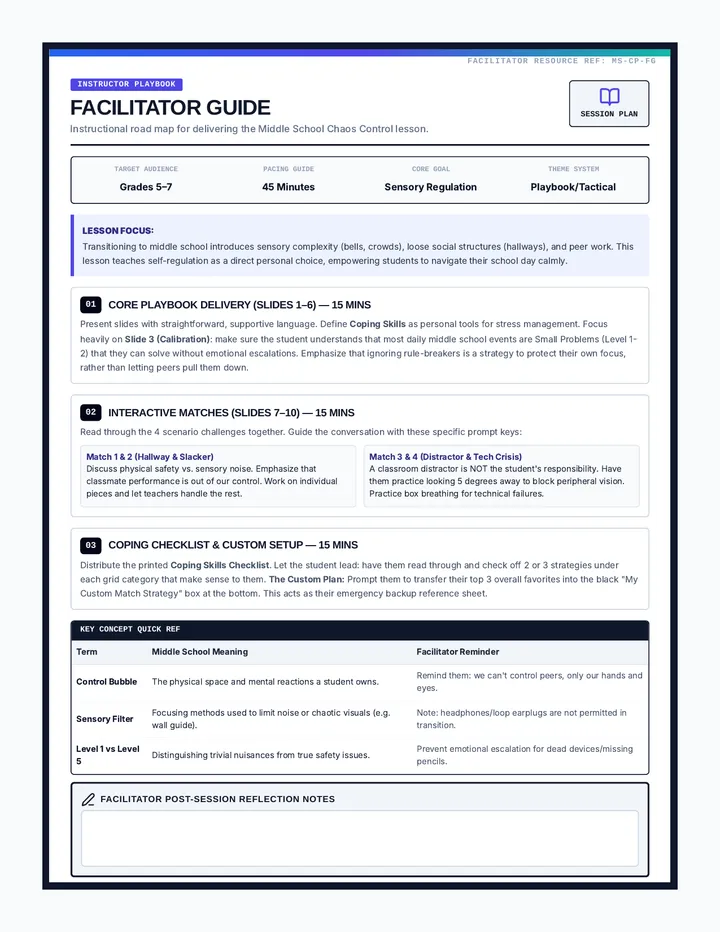
A lesson designed to help middle school students identify which aspects of their lives and emotions they can influence through self-regulation and which they must learn to accept.
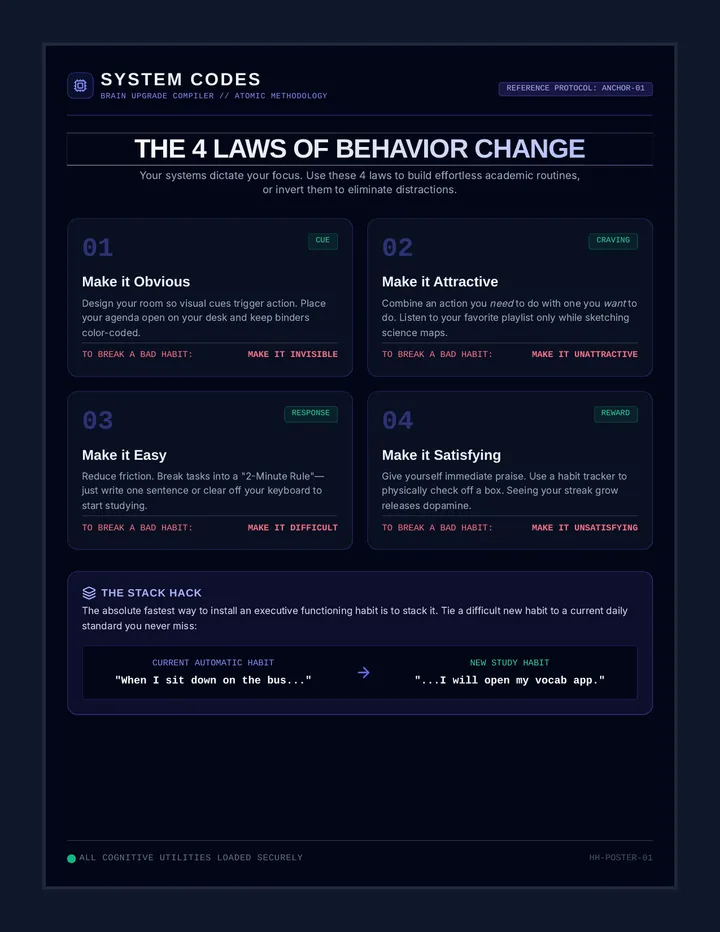
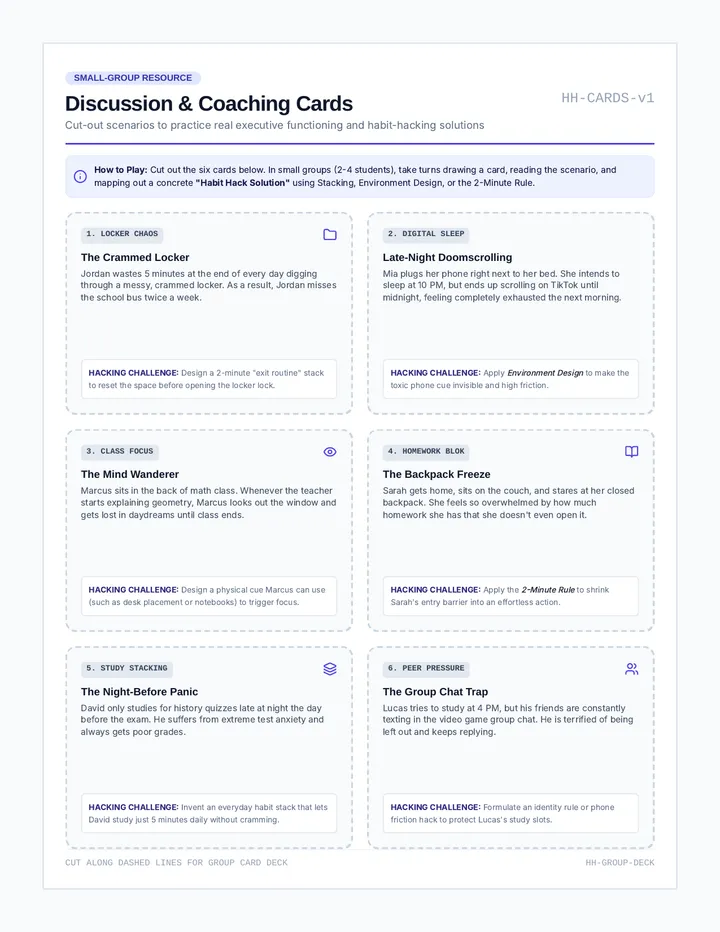
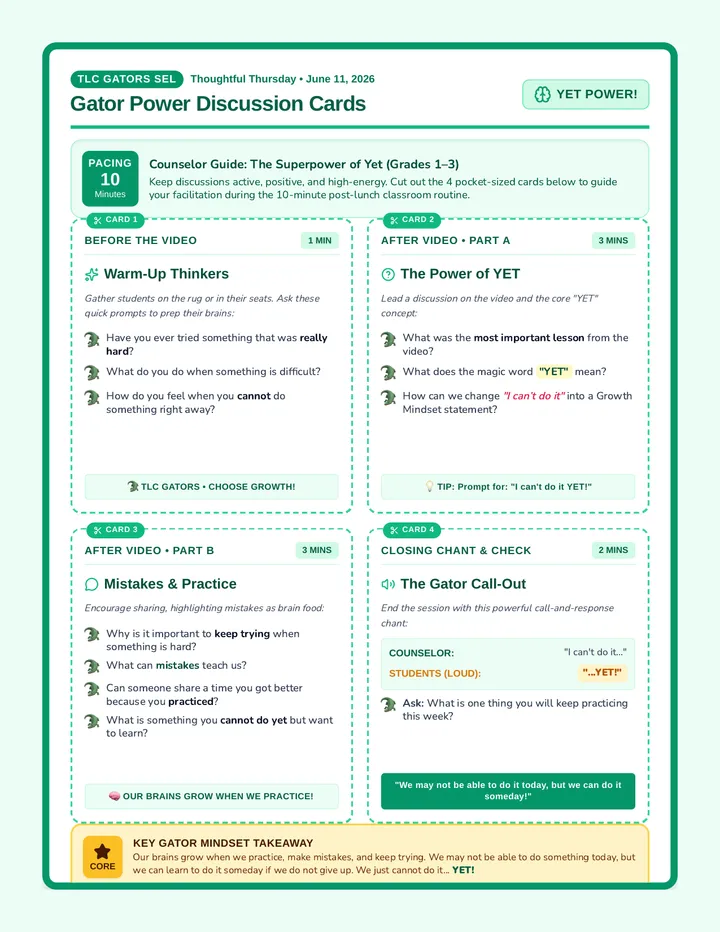
A comprehensive and empowering lesson that prepares Grade 8 students for the transition to high school. Students master the "Success Toolkit"—including executive functioning, stress regulation, and "Size of the Problem" analysis—while developing professional self-advocacy scripts and roadmaps using MEFA Pathway tools.