A 45-minute lesson for 3rd and 4th graders that frames everyday kindness as a "superpower," using role-playing and discussion to build community empathy.
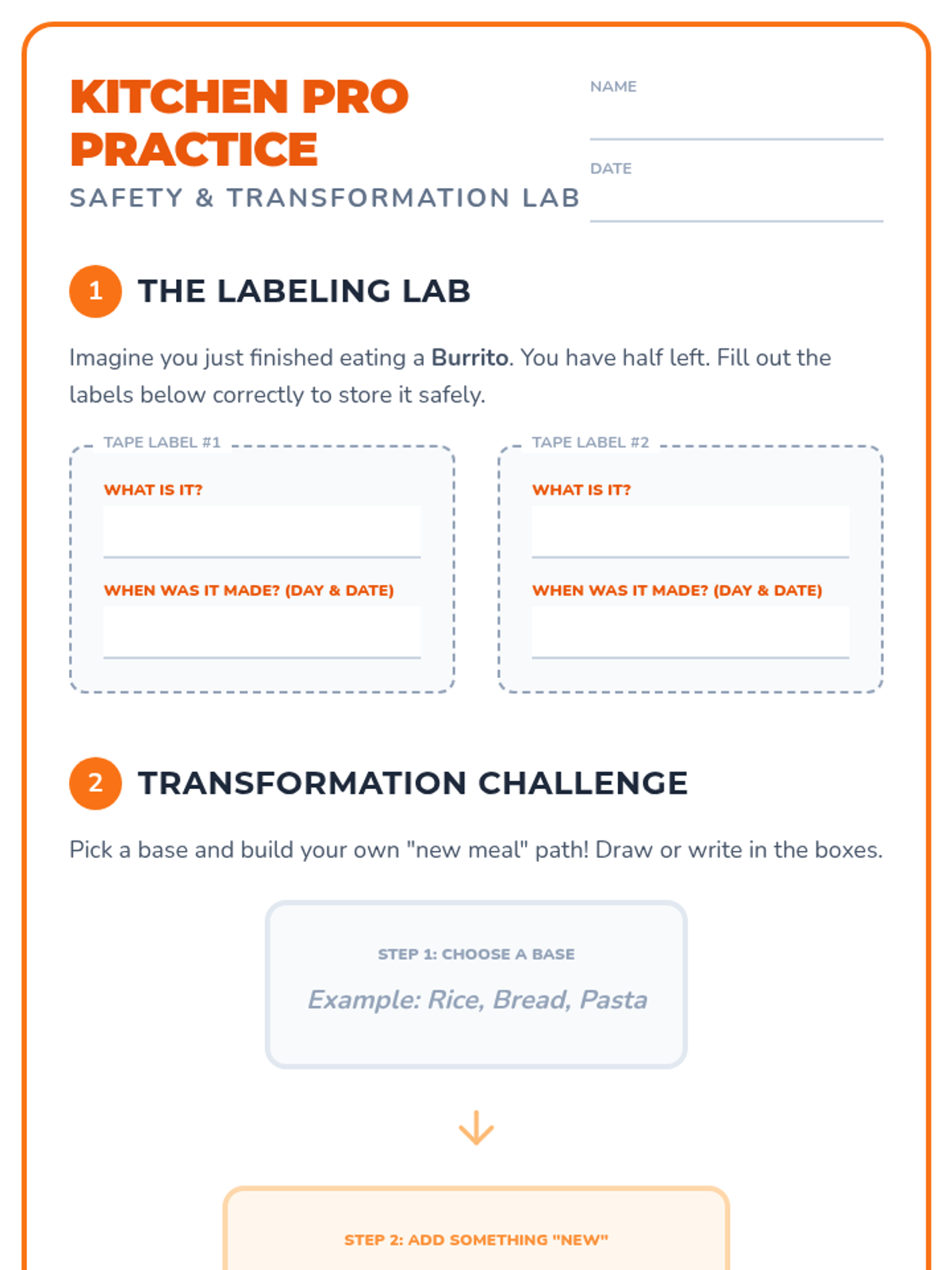
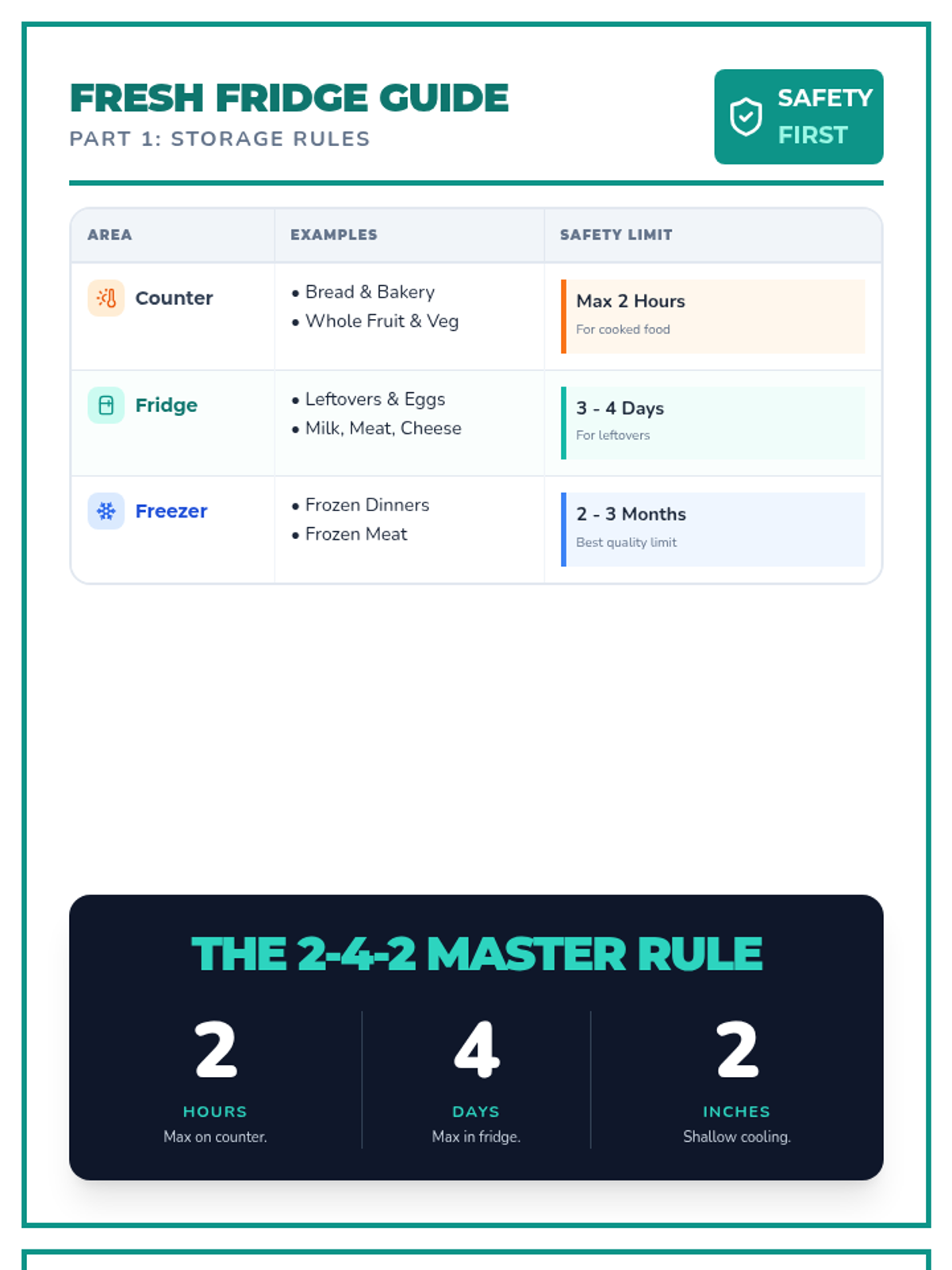
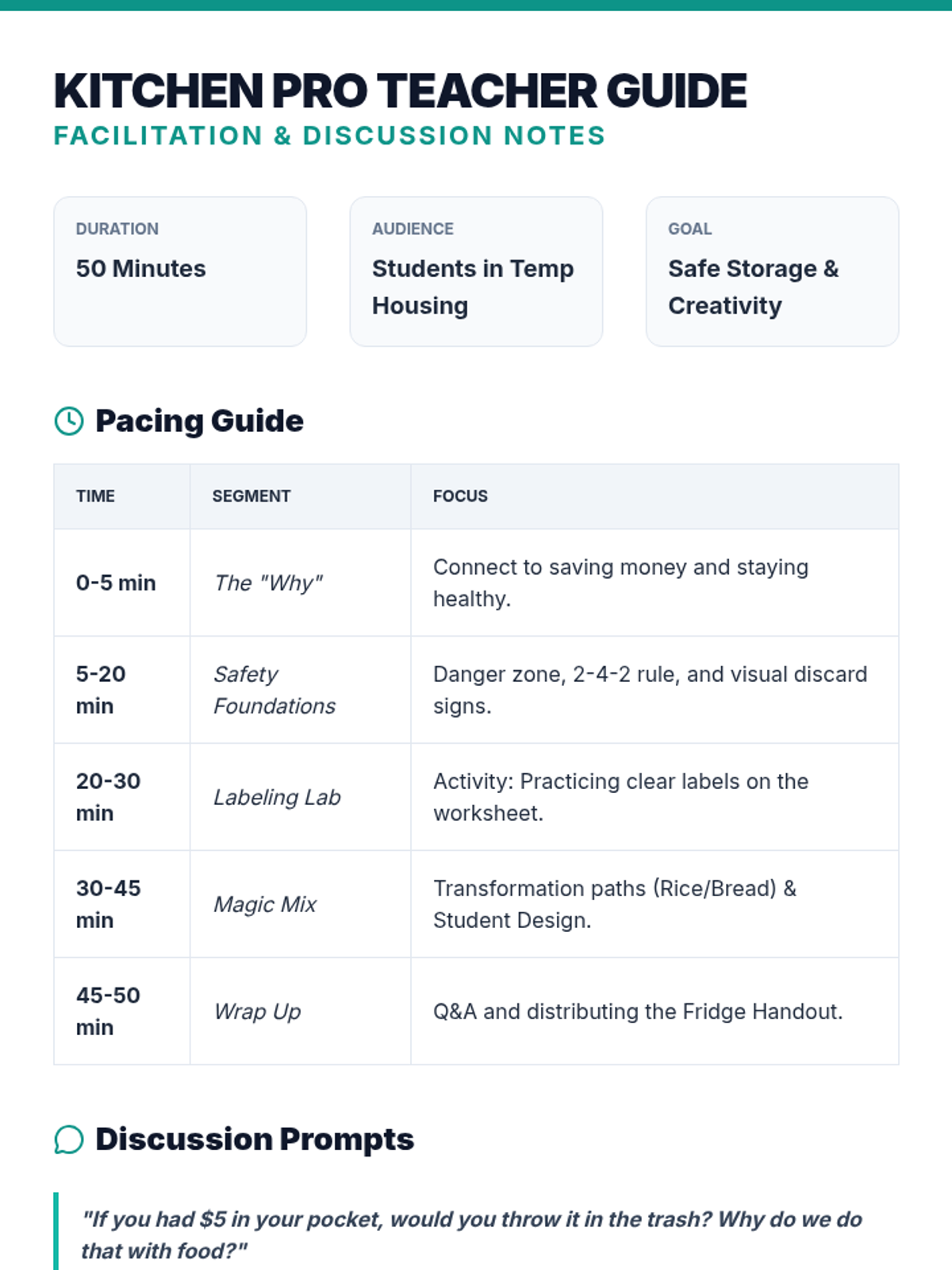
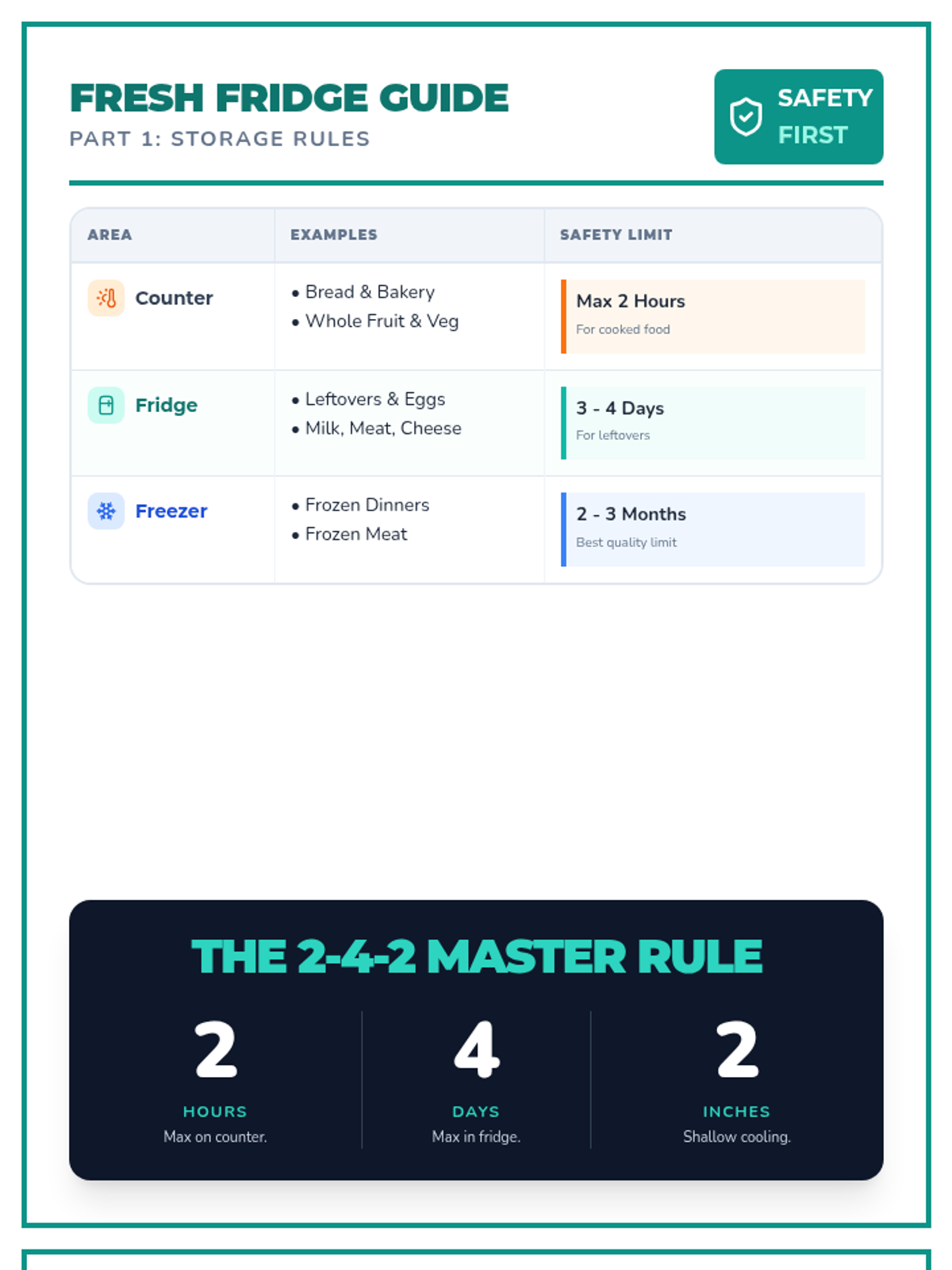
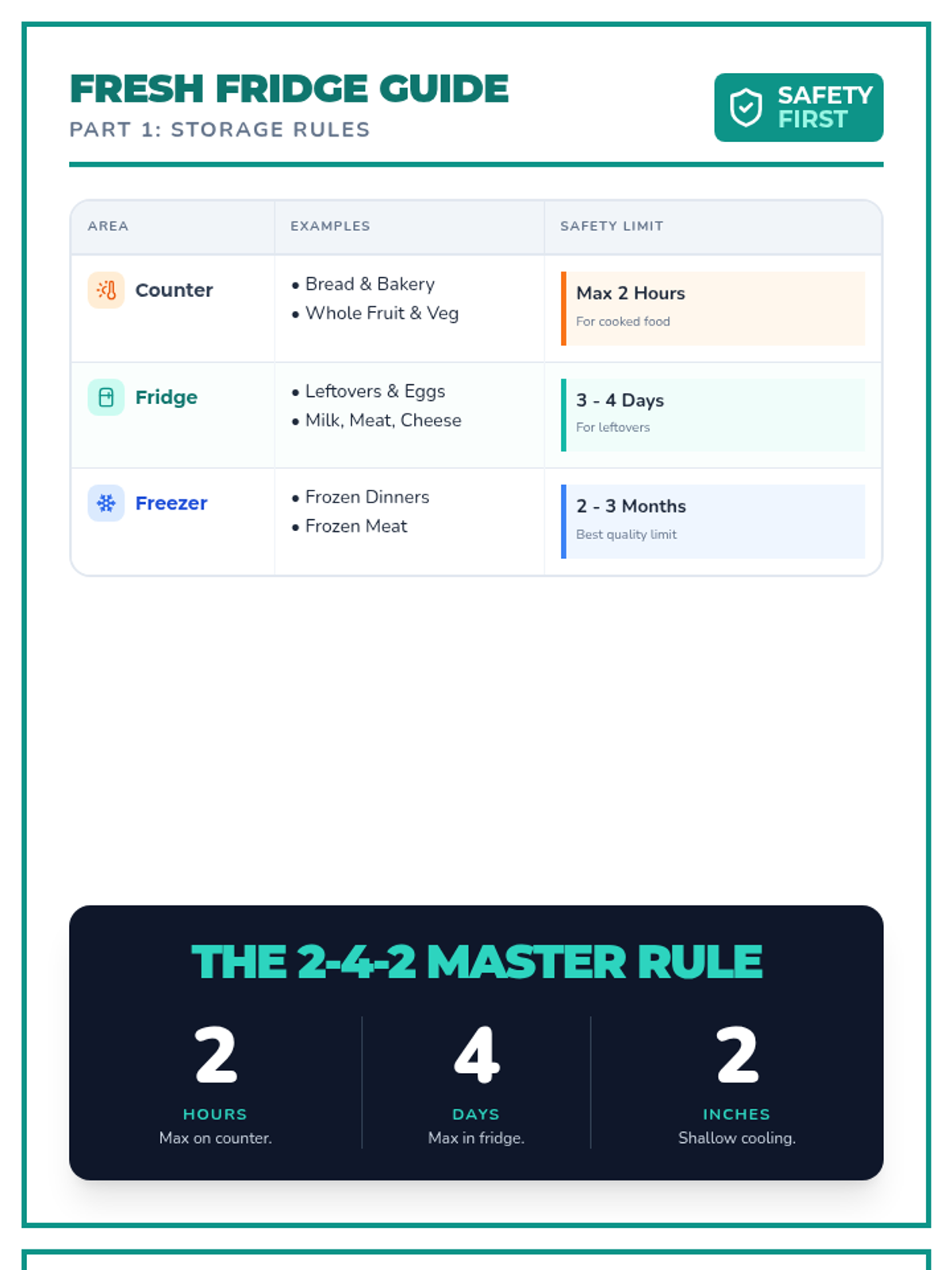
A 50-minute instructional session for students in temporary housing, focusing on safe food storage and creative leftover use through visual guides and sequence flowcharts.
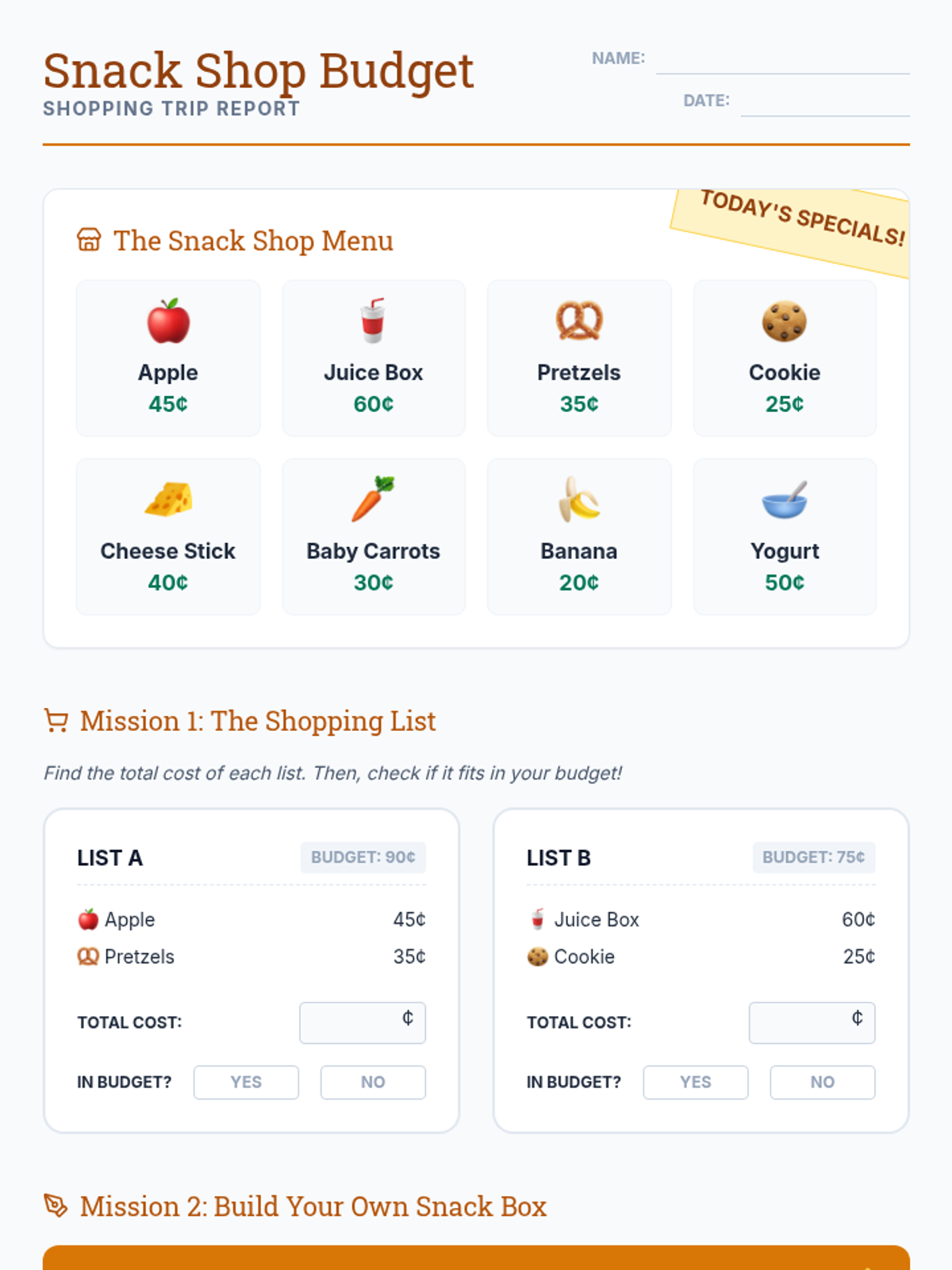
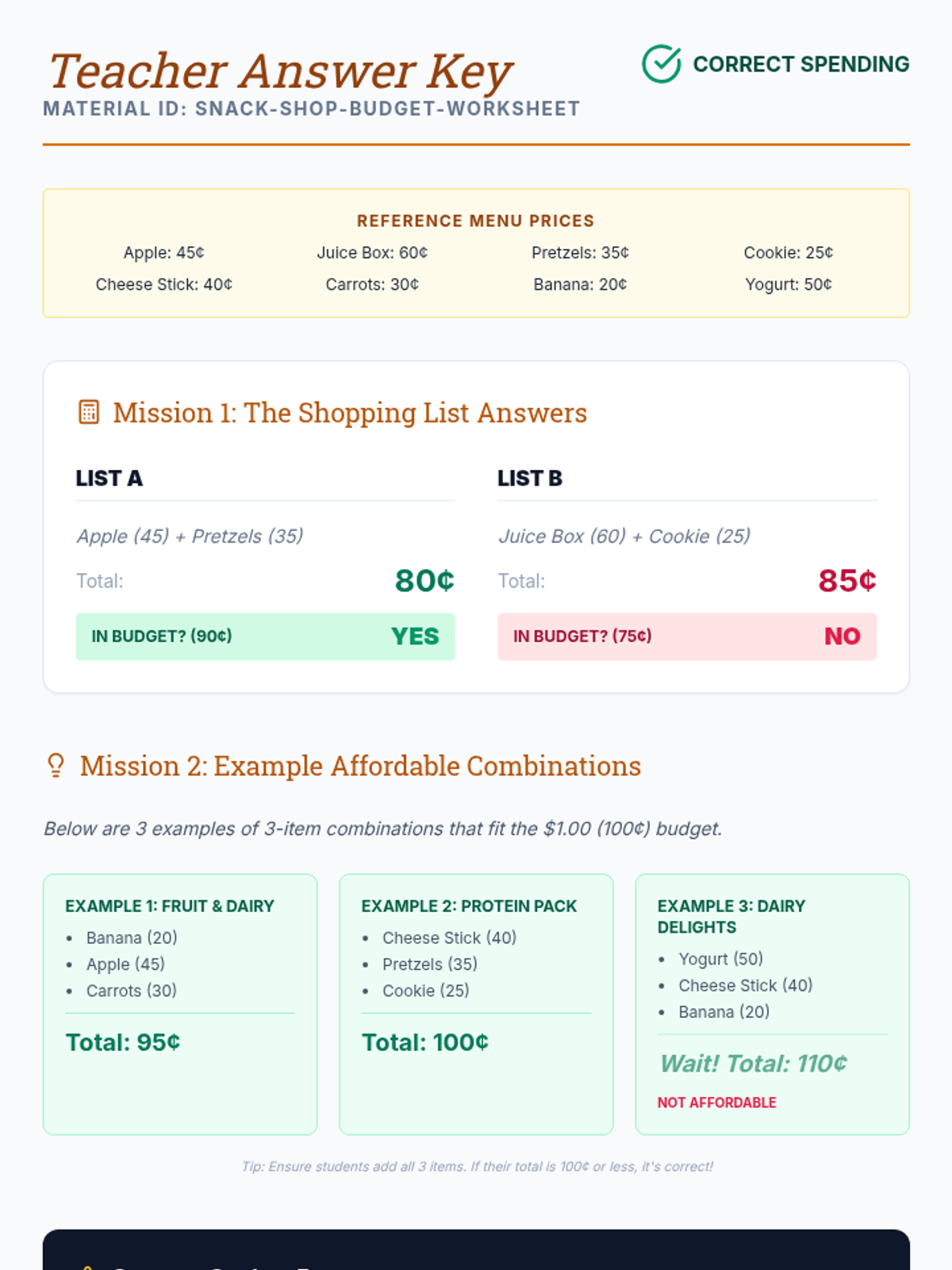
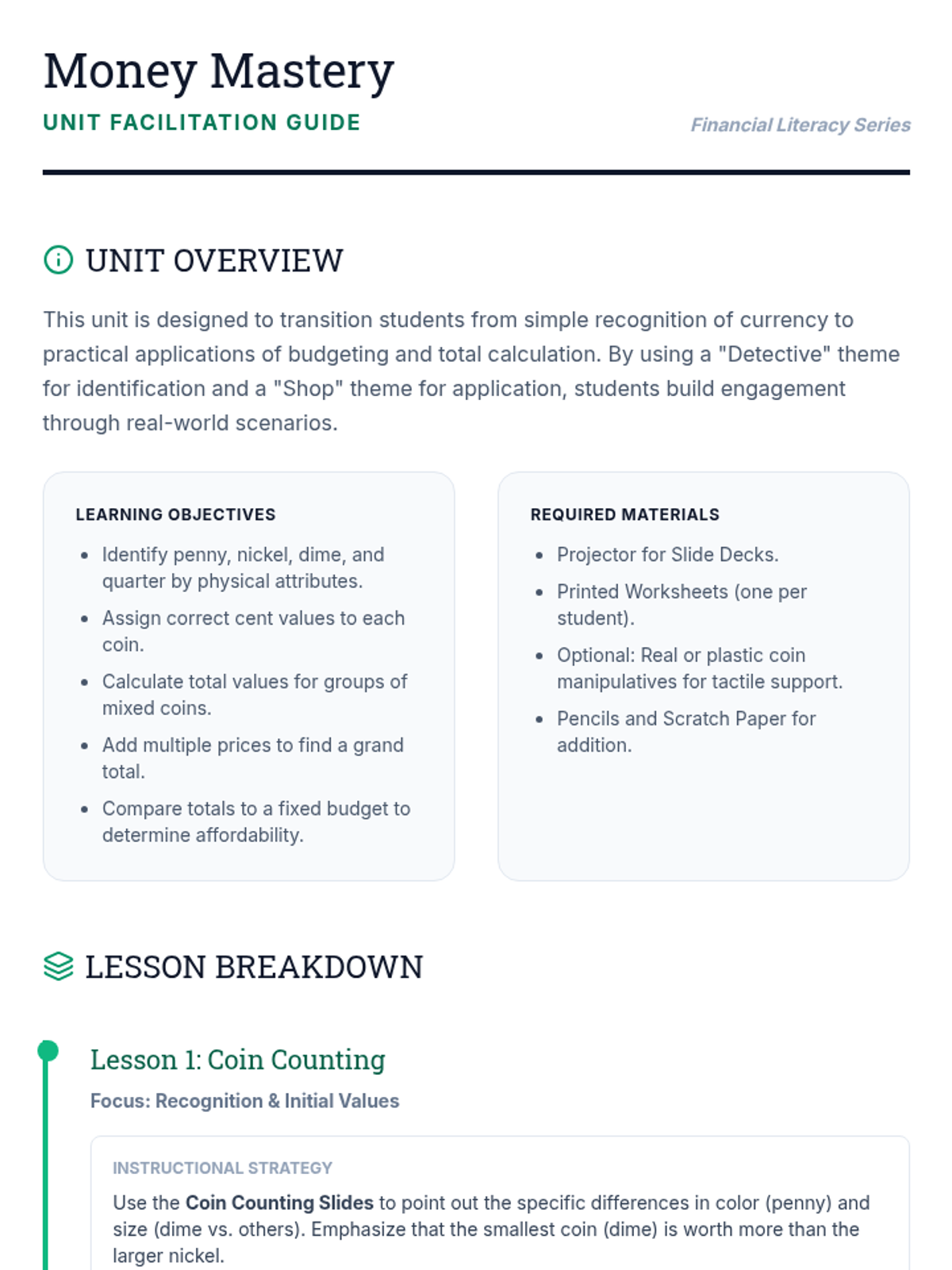
This lesson teaches students how to calculate total costs of multiple items and make spending decisions based on a fixed budget.
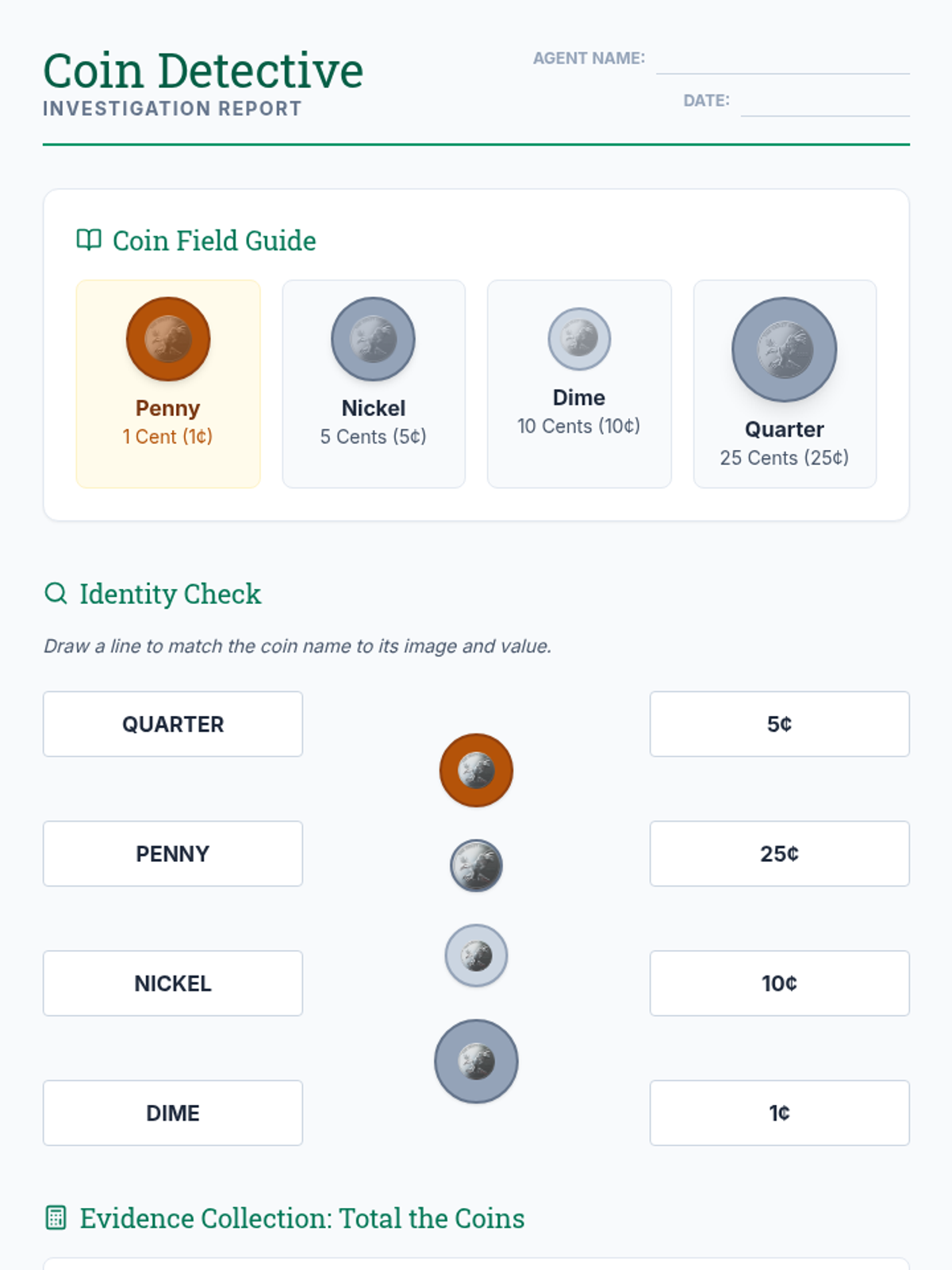
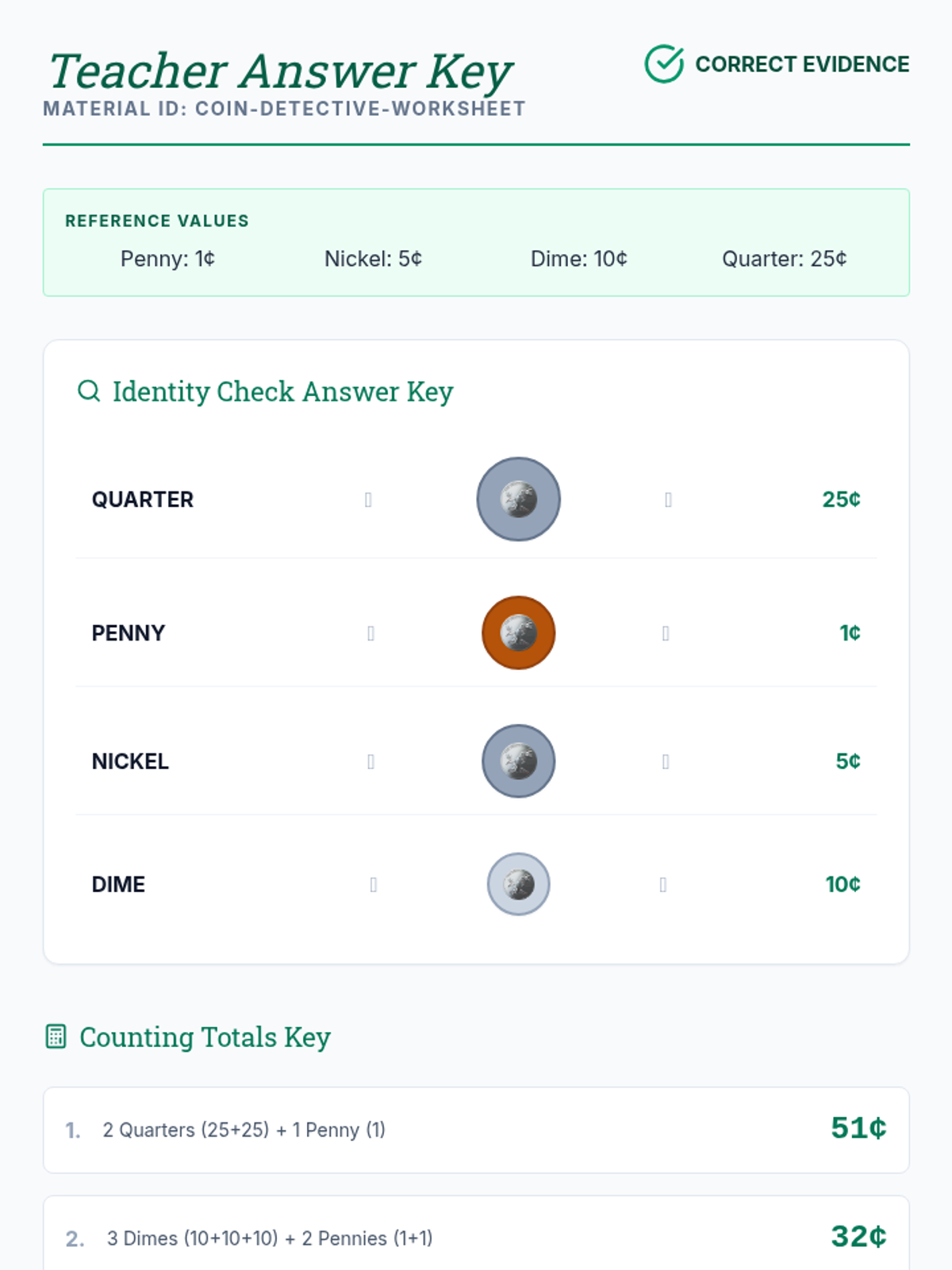
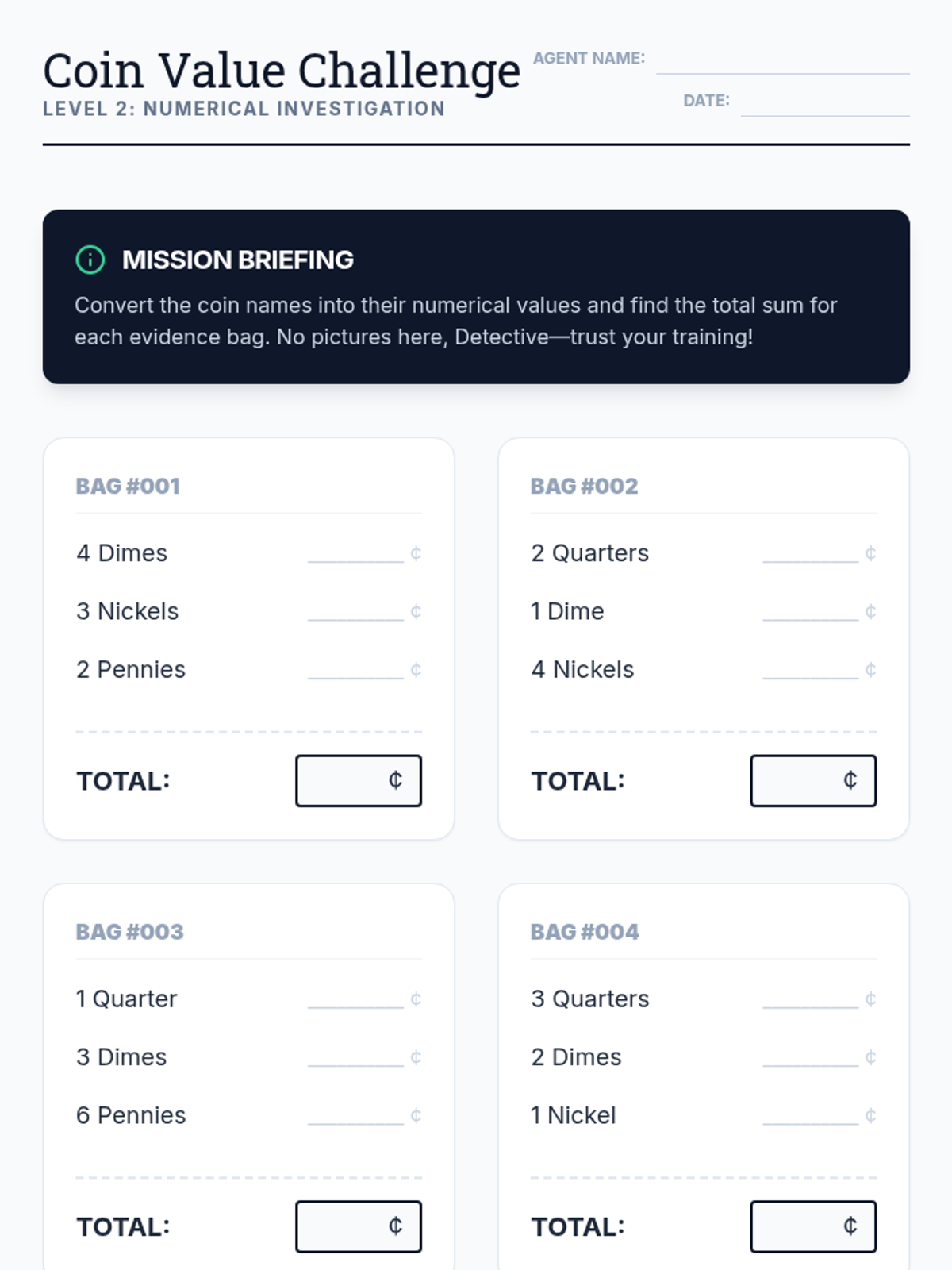
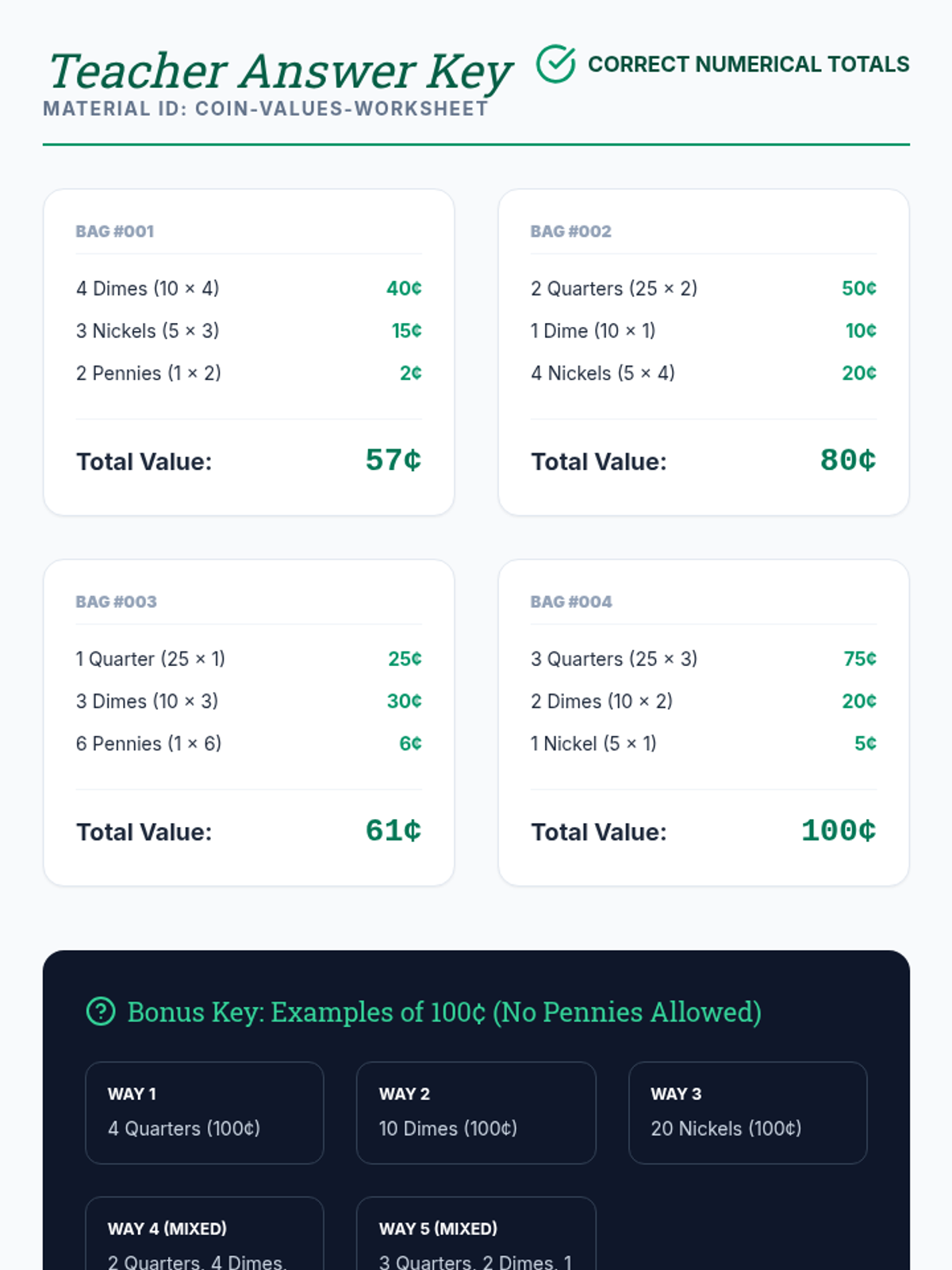
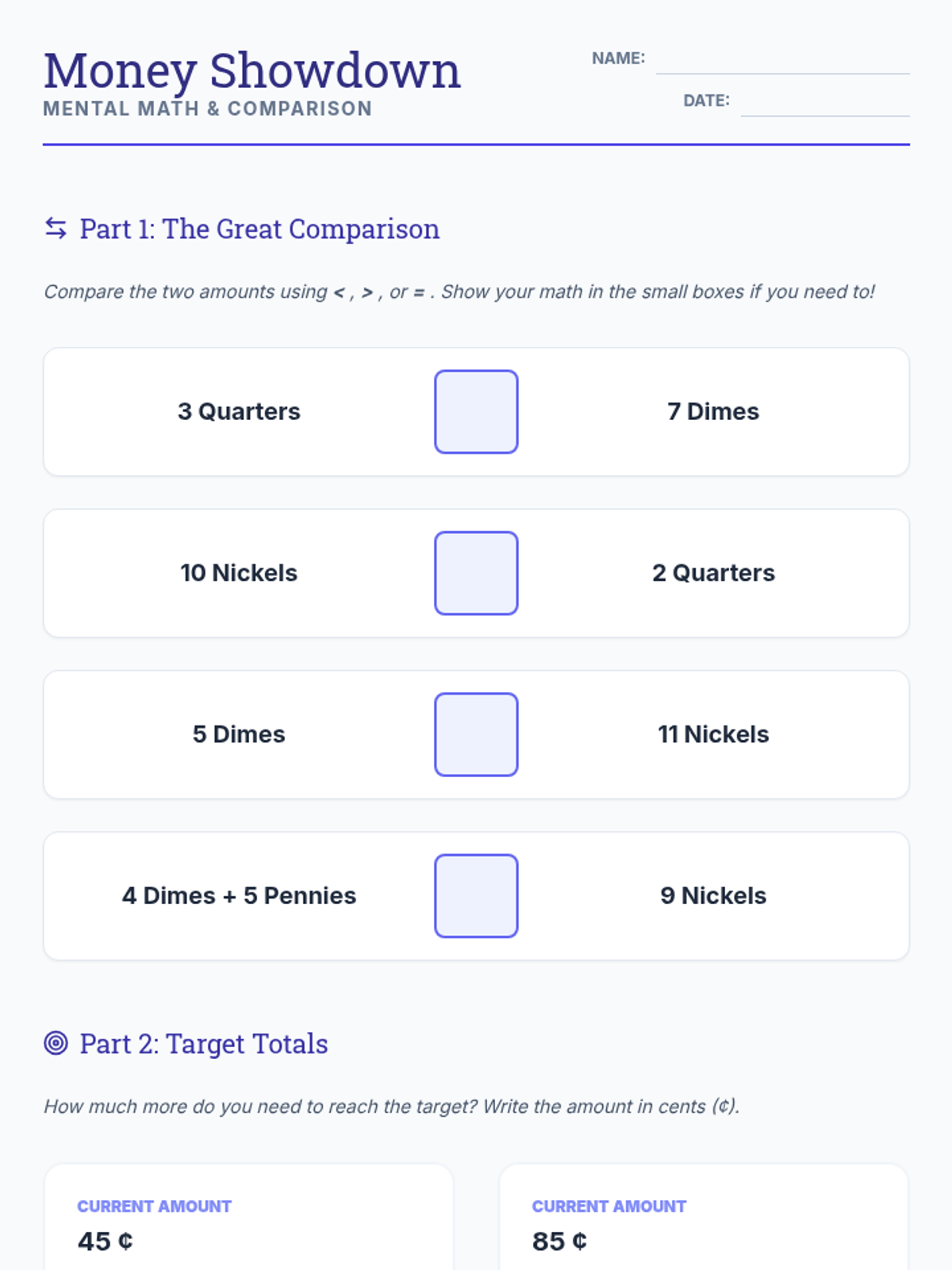
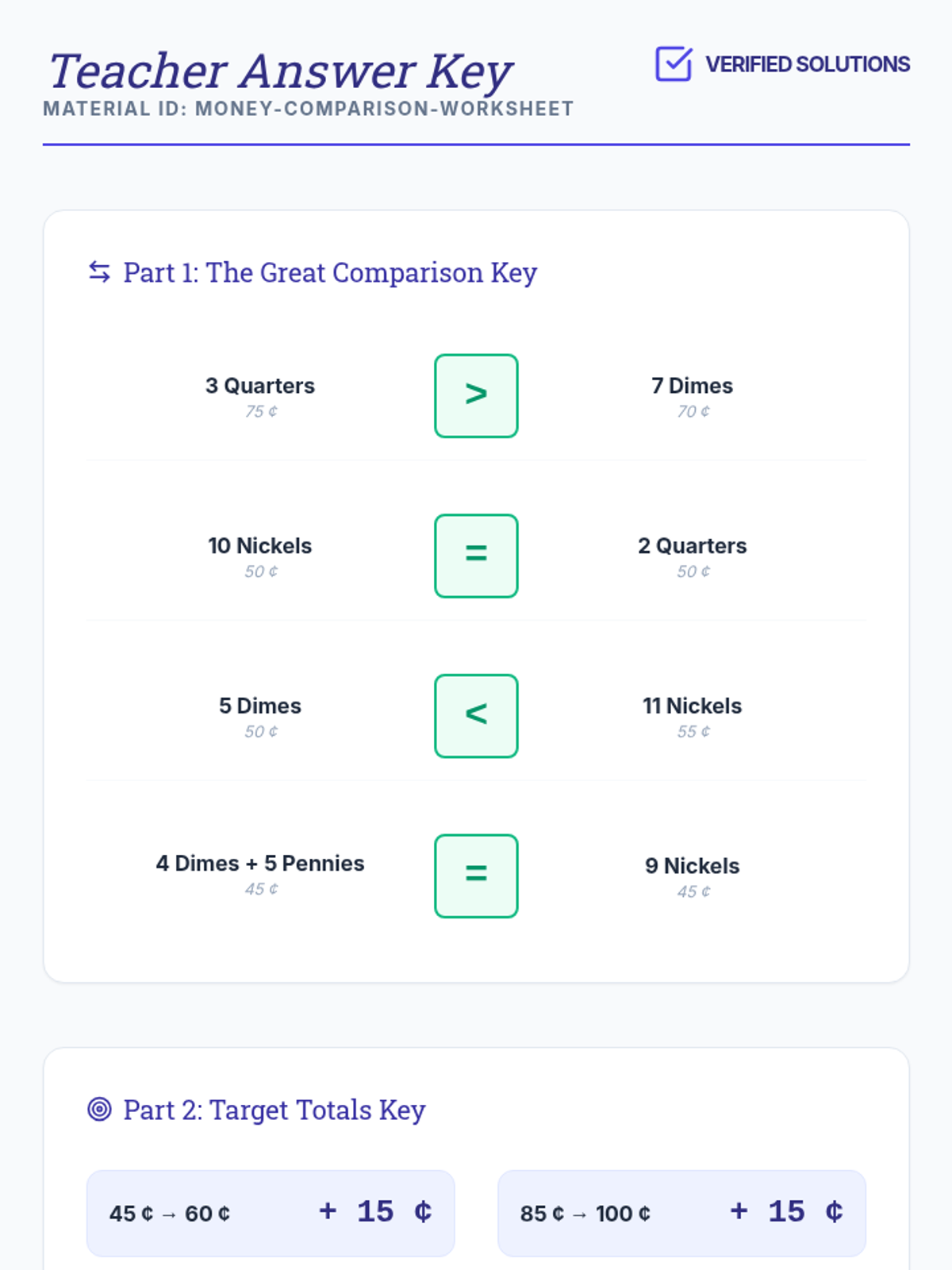
This lesson focuses on identifying US coins (penny, nickel, dime, quarter) and their respective values through visual recognition and matching.
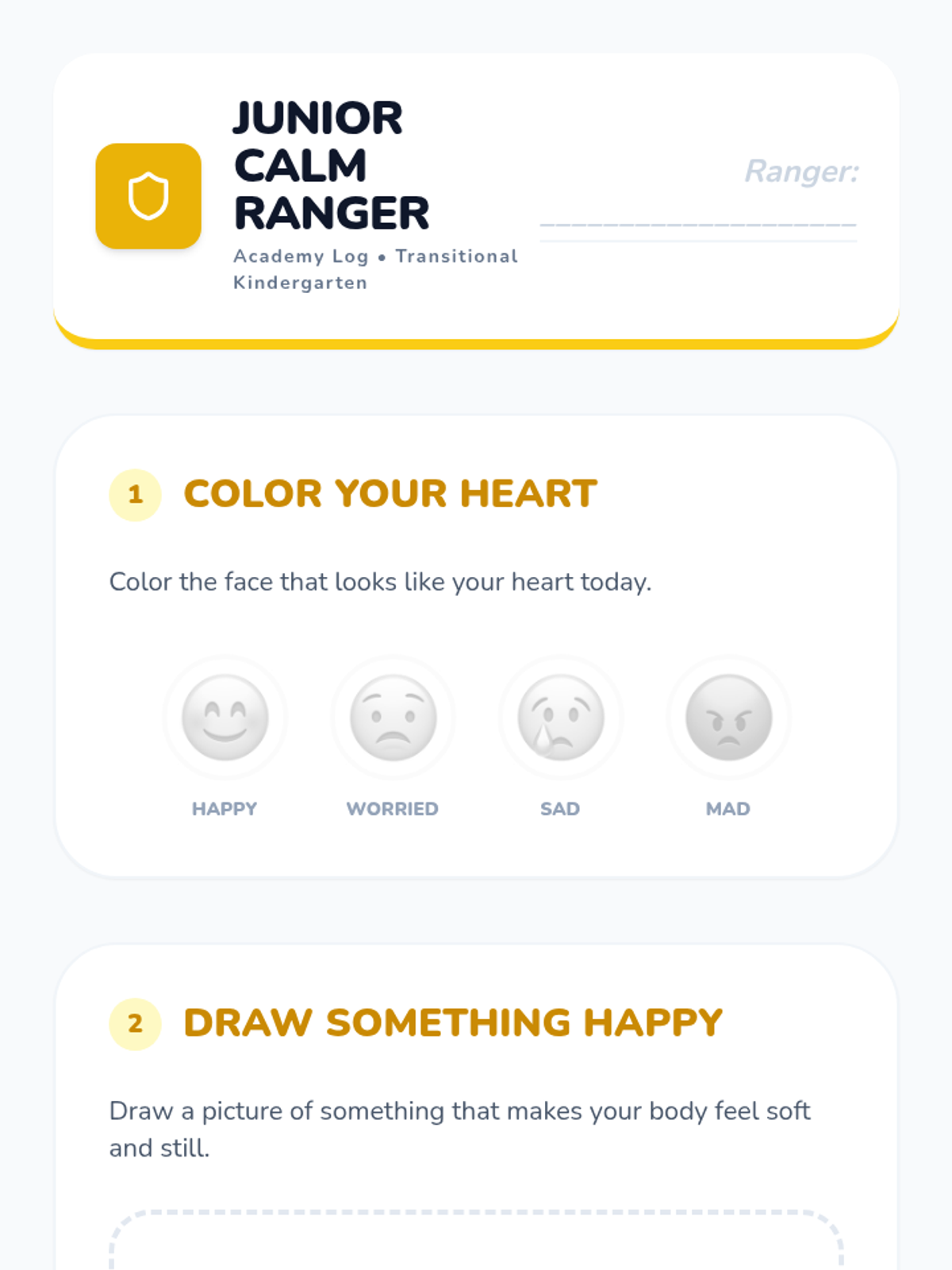
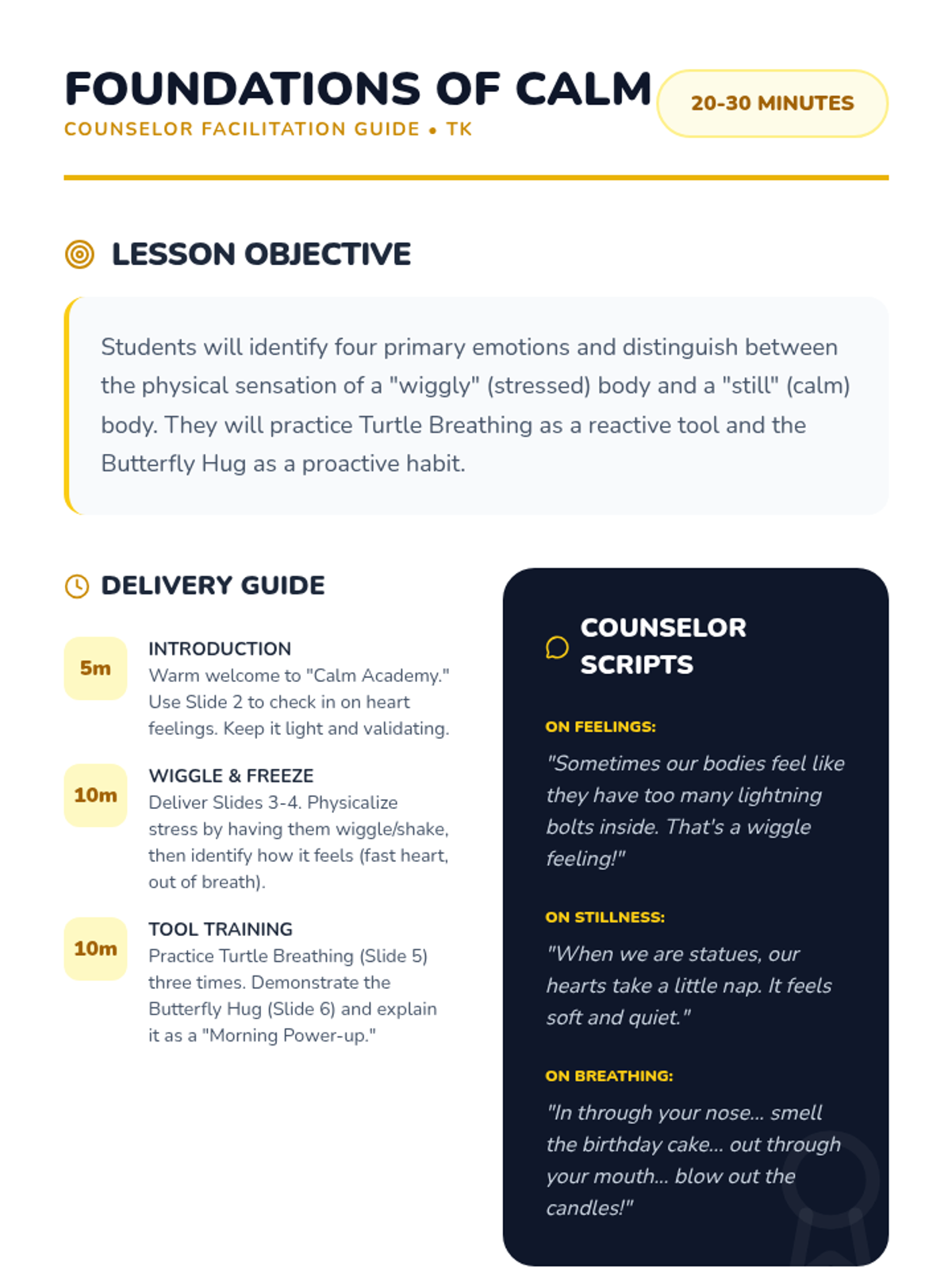
A foundational lesson for Transitional Kindergarten students focused on identifying basic emotions and the physical sensation of being 'wiggly' (stressed) vs. 'still' (calm). Introduces 'Turtle Breathing' as a primary regulation tool.
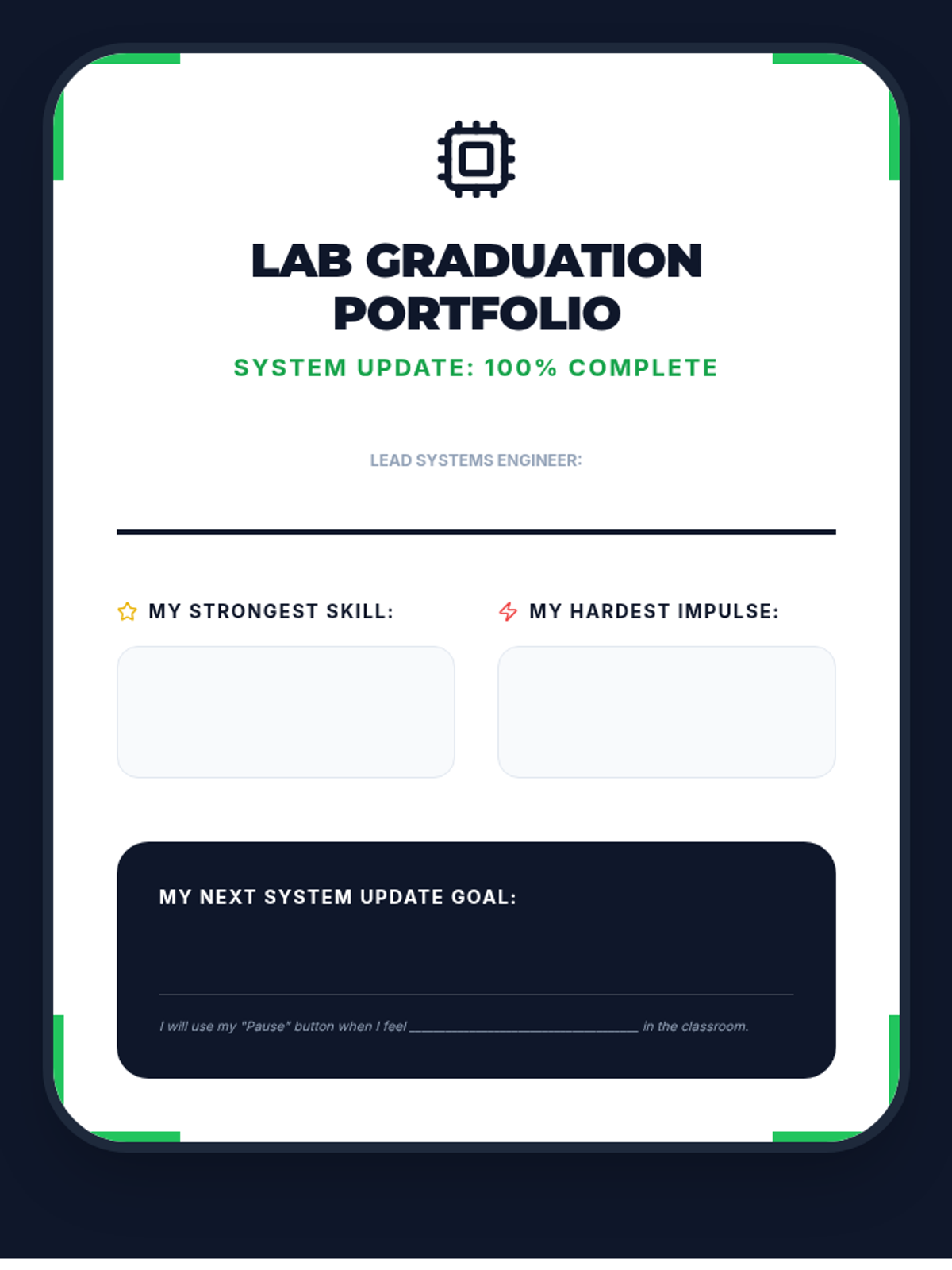
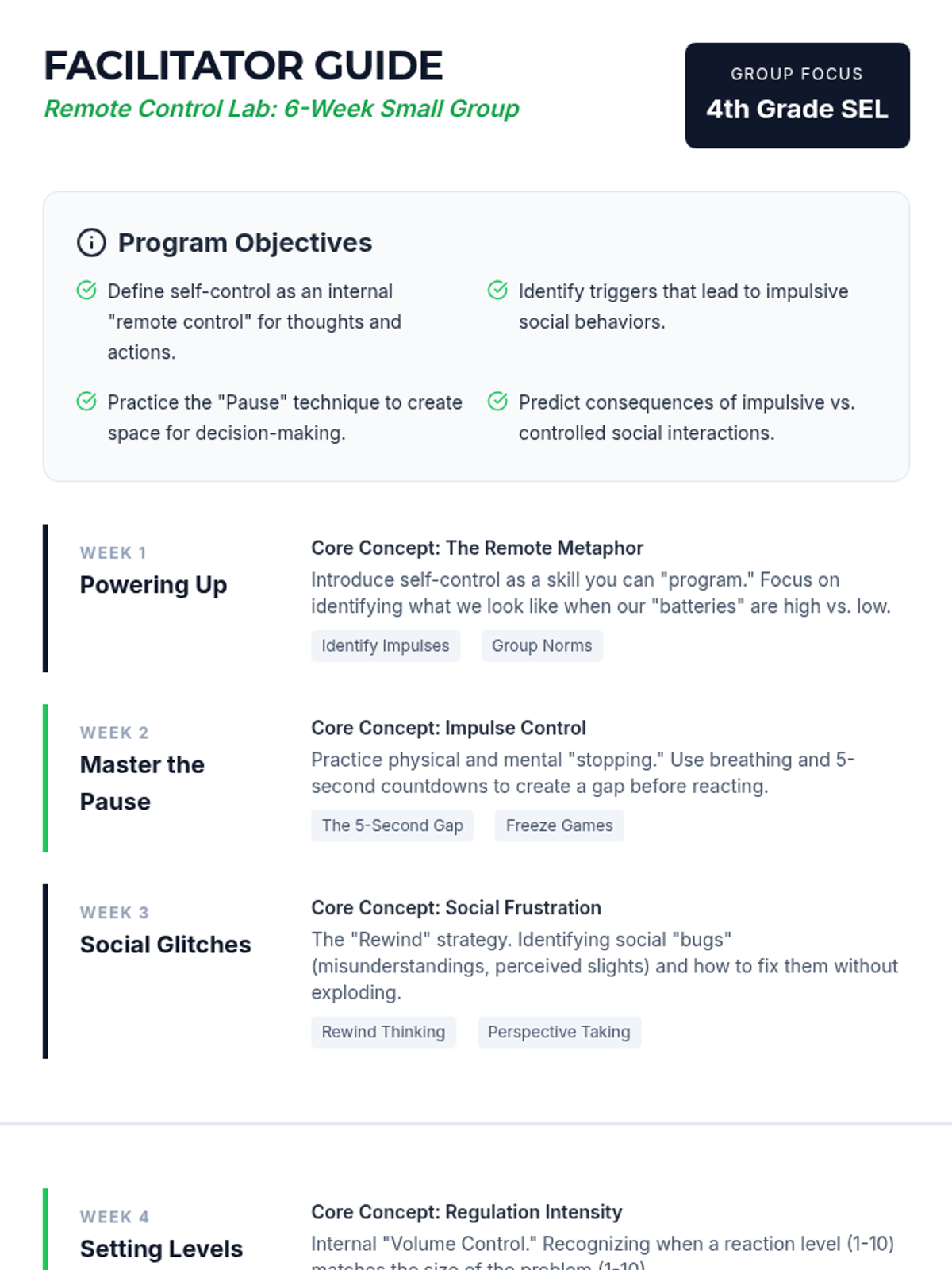
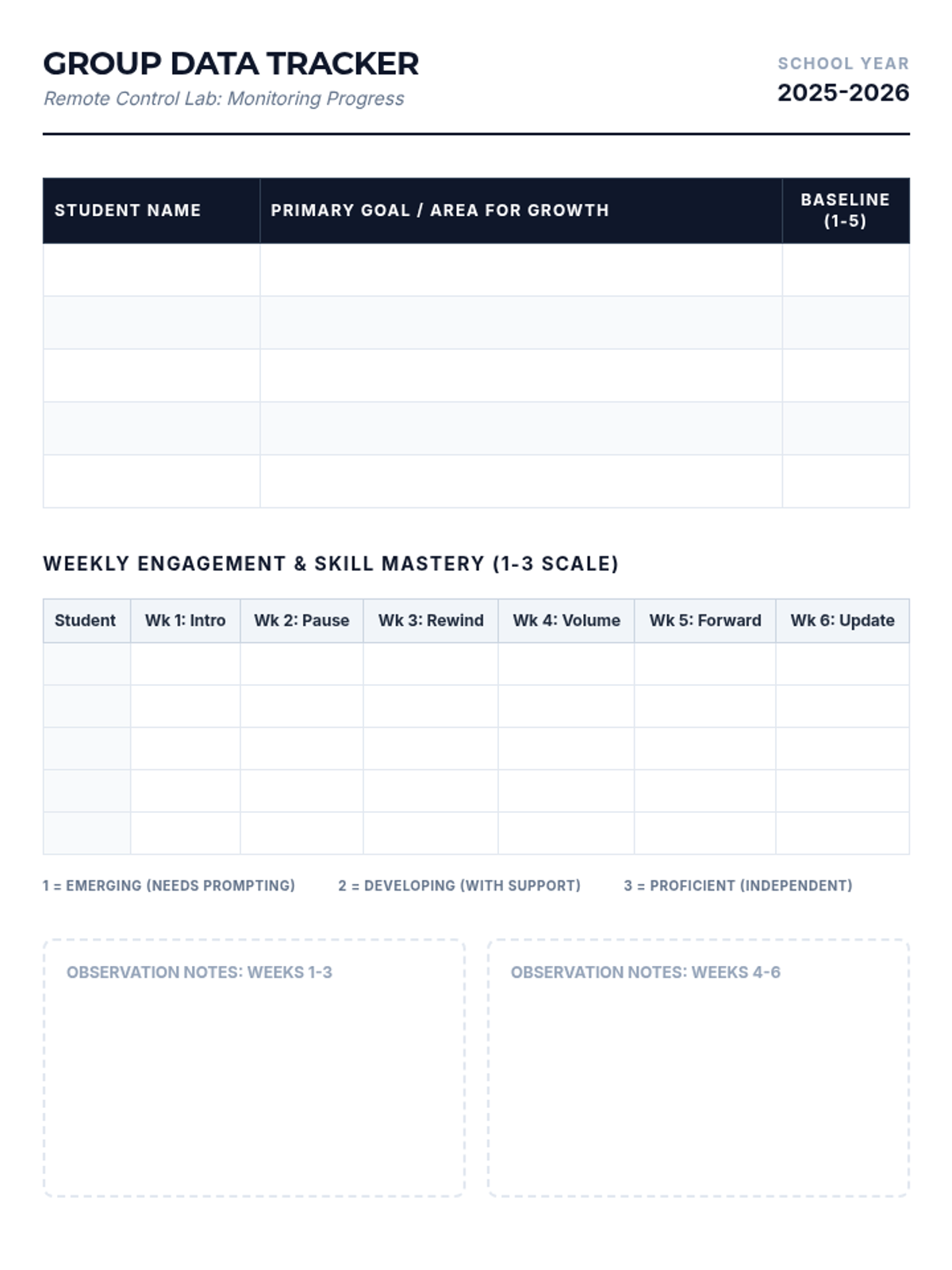
Reviewing all strategies, celebrating progress, and creating a personalized self-control plan for future use.
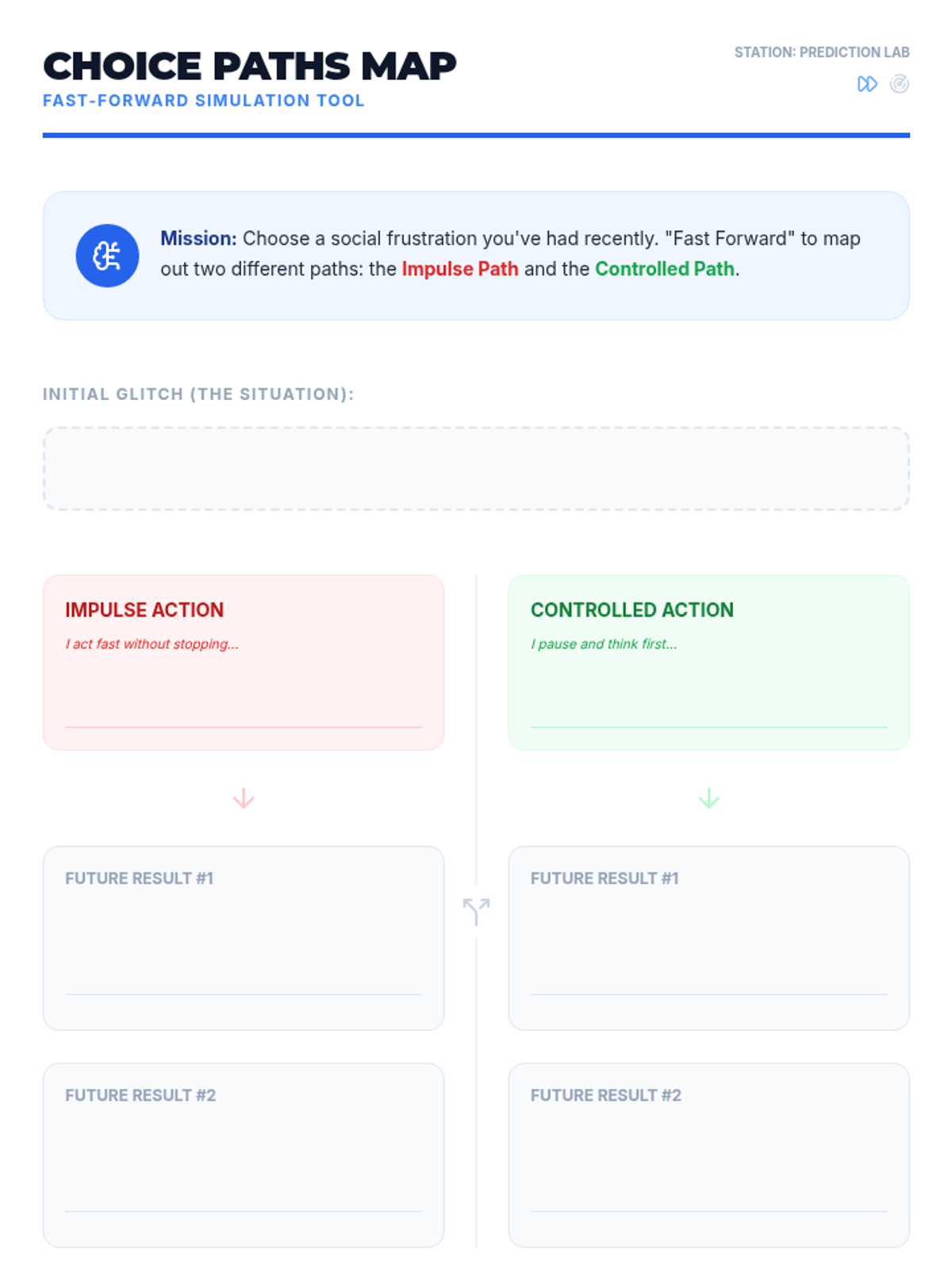
Developing impulse control by 'fast-forwarding' to see the potential consequences of different choices.
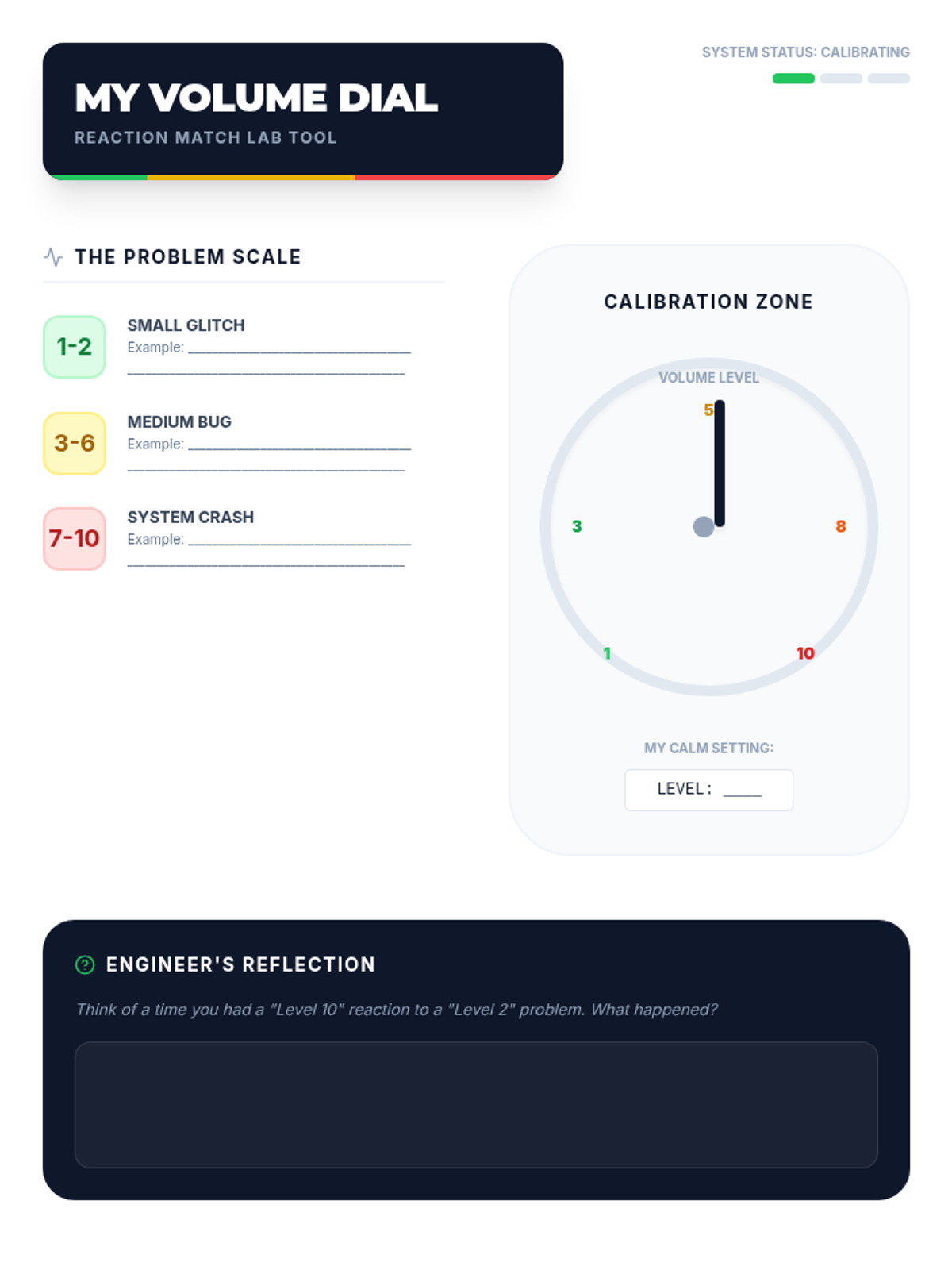
Managing the intensity of emotions and reactions using the 'Volume Control' strategy for self-regulation in social situations.
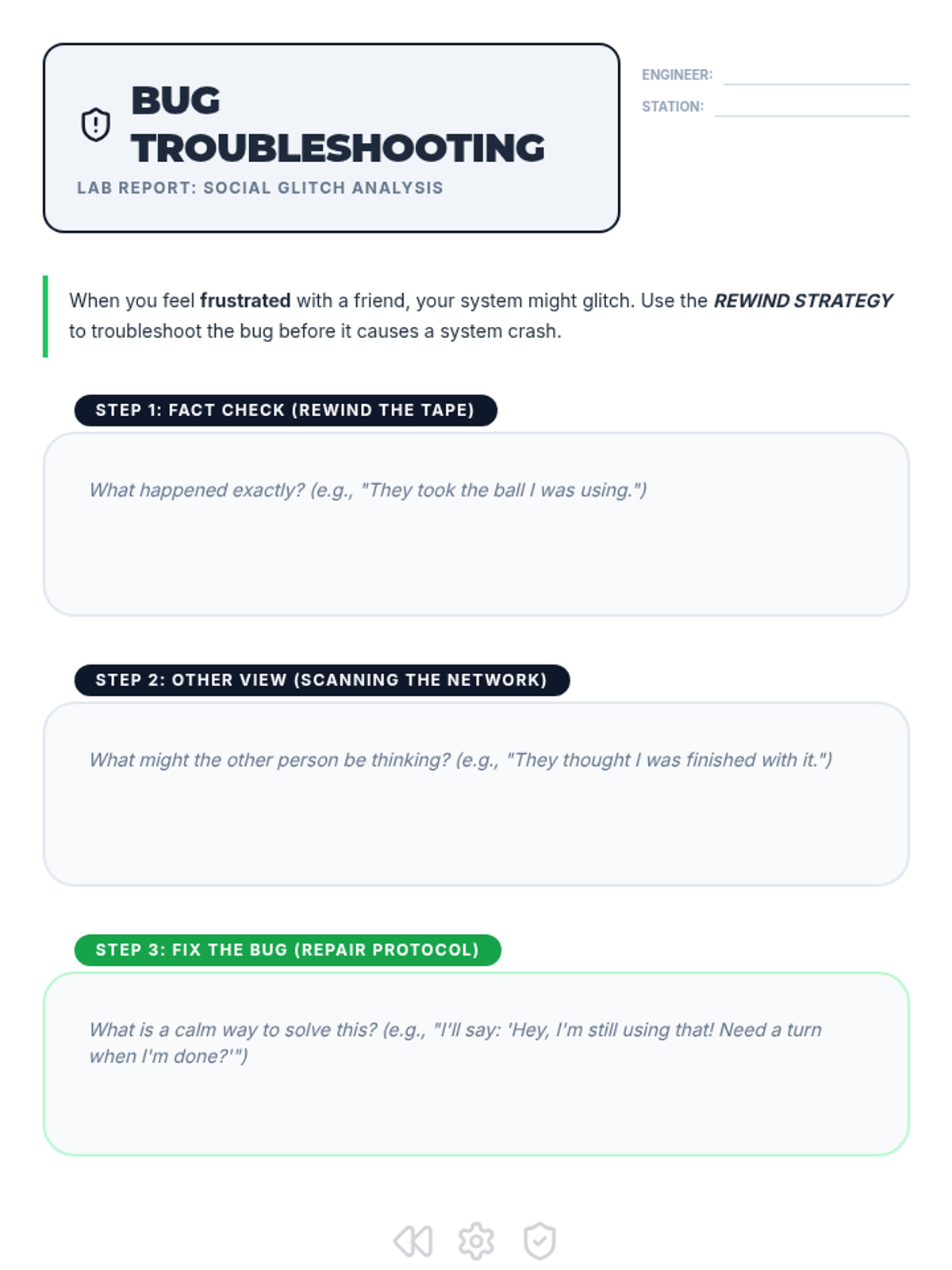
Addressing social frustrations by 'rewinding' to understand what happened and how to troubleshoot social bugs with peers.
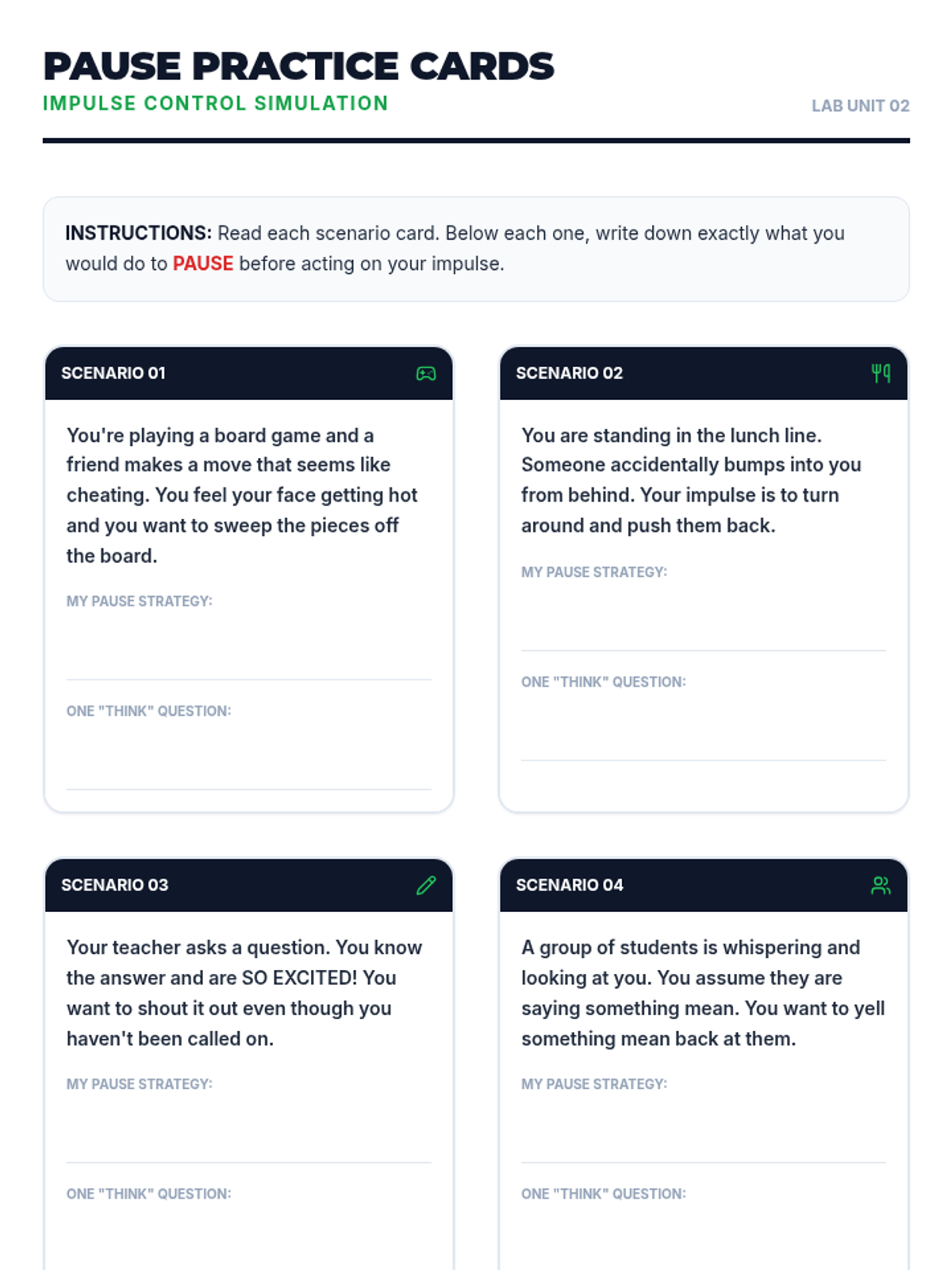
Focusing on the 'Pause' button to build a gap between impulse and action, featuring strategies for stopping in the moment.
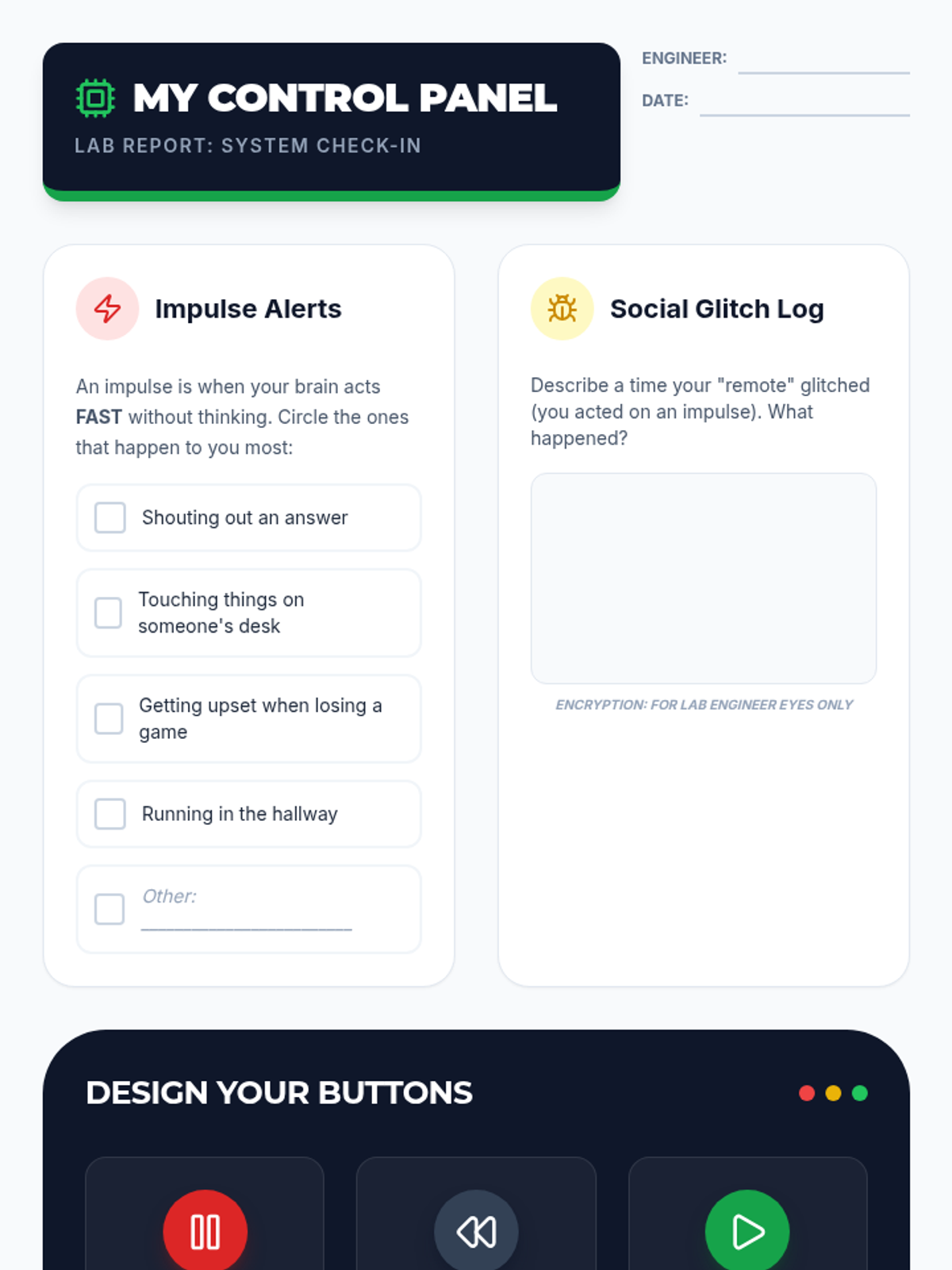
Introduction to the concept of self-control using the remote control metaphor and identifying personal 'impulses' that need managing.
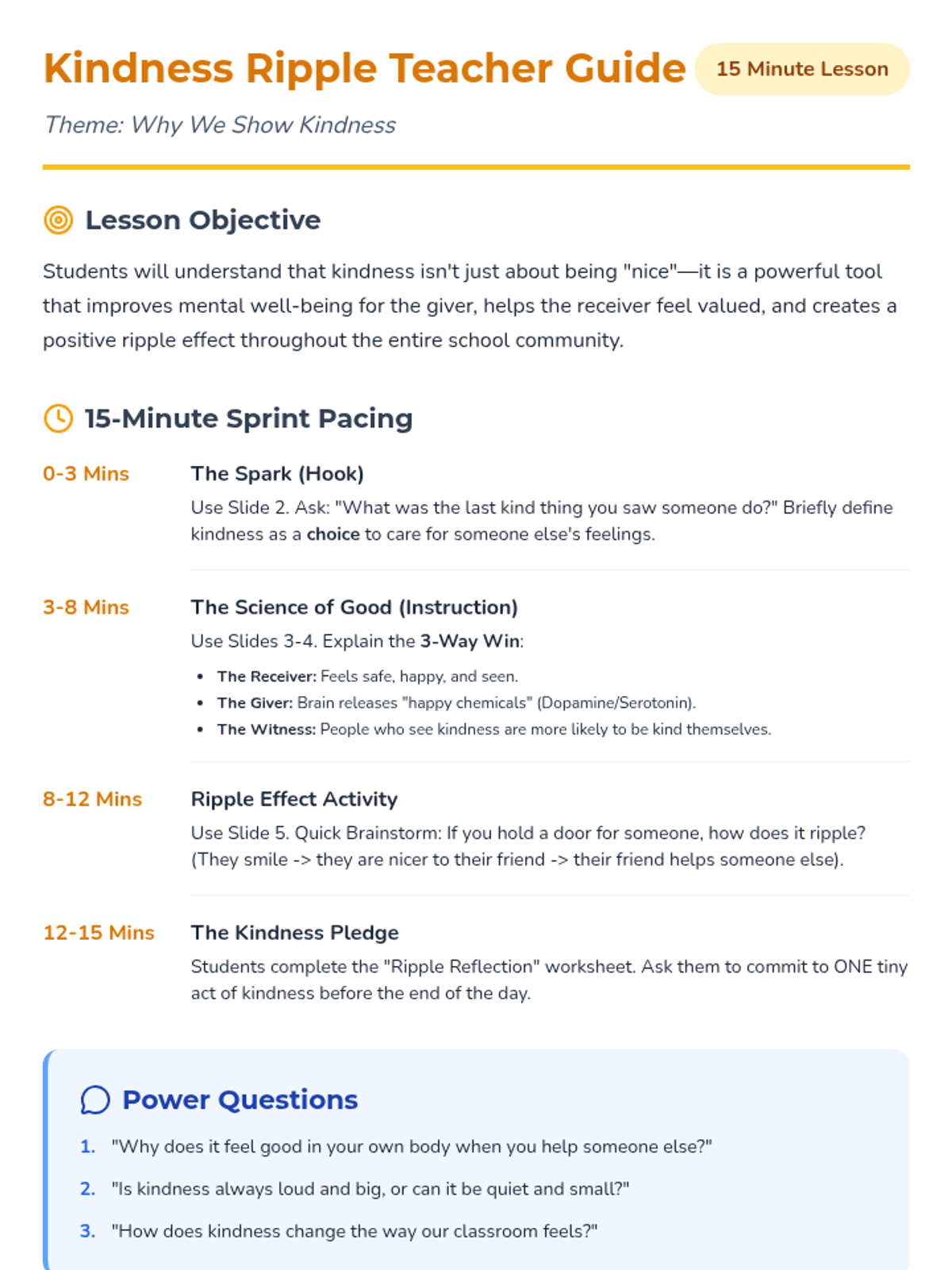
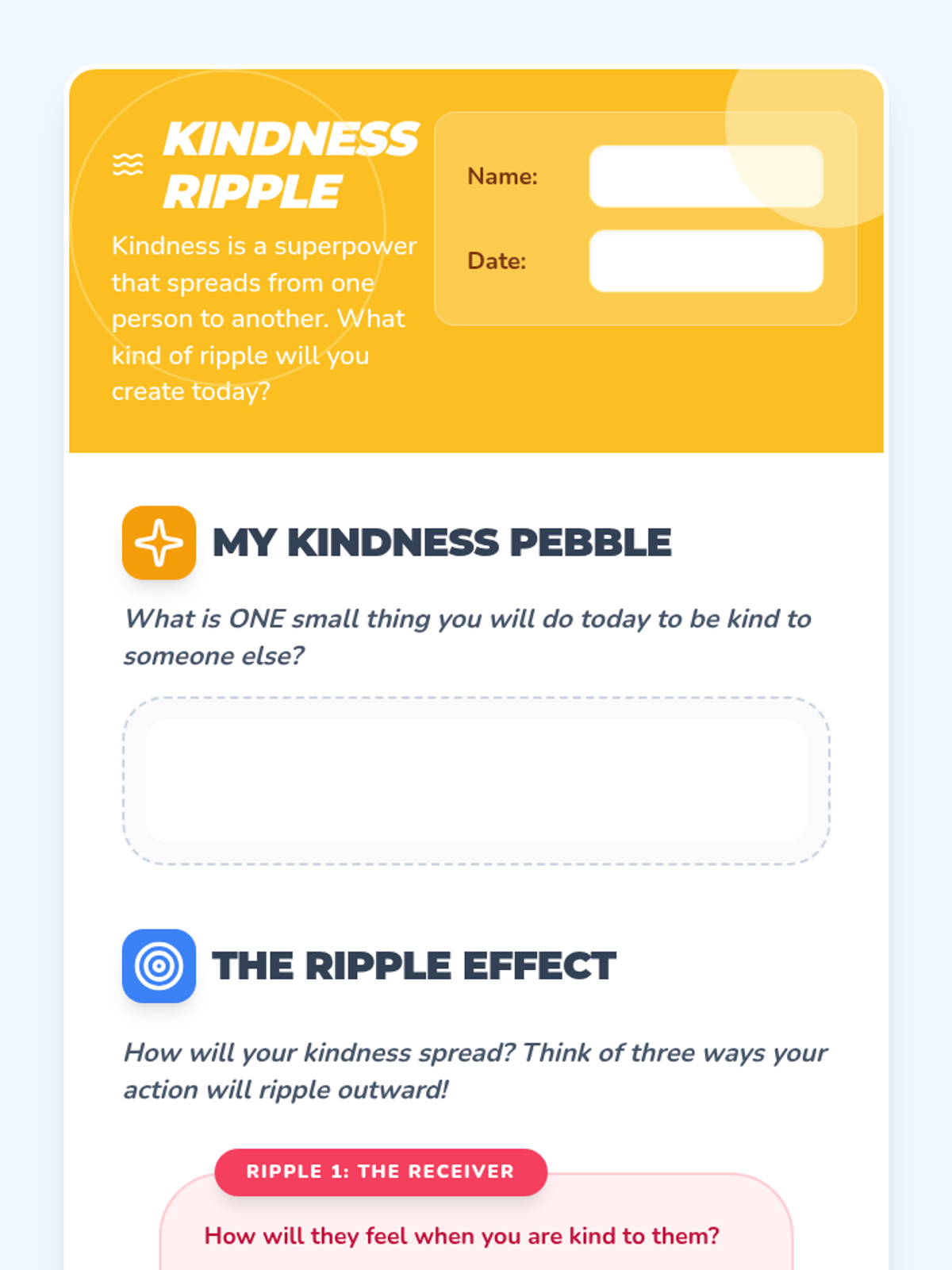
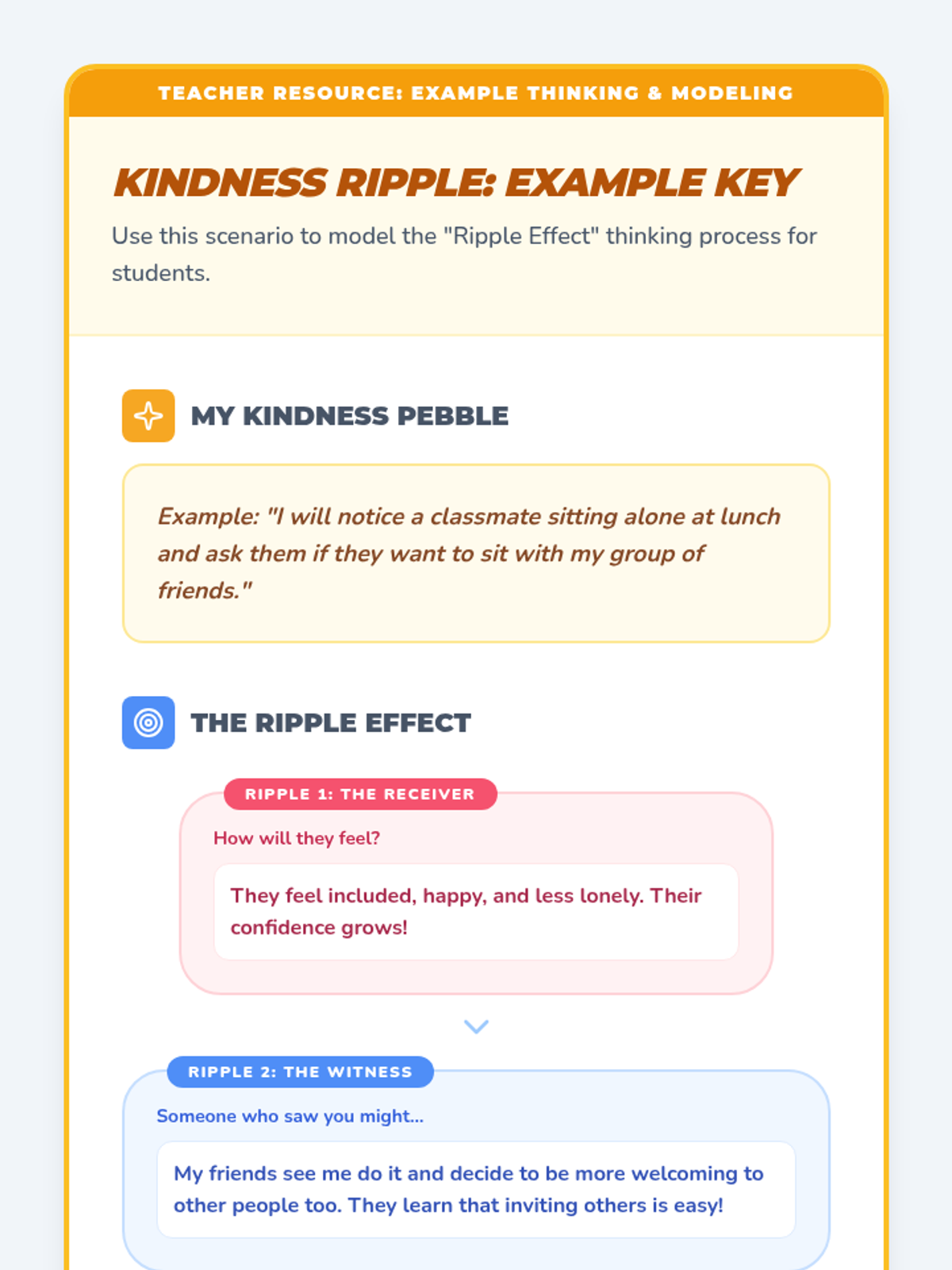
A fast-paced, engaging 15-minute lesson exploring the 'Ripple Effect' of kindness and why it matters for both the giver and the receiver.
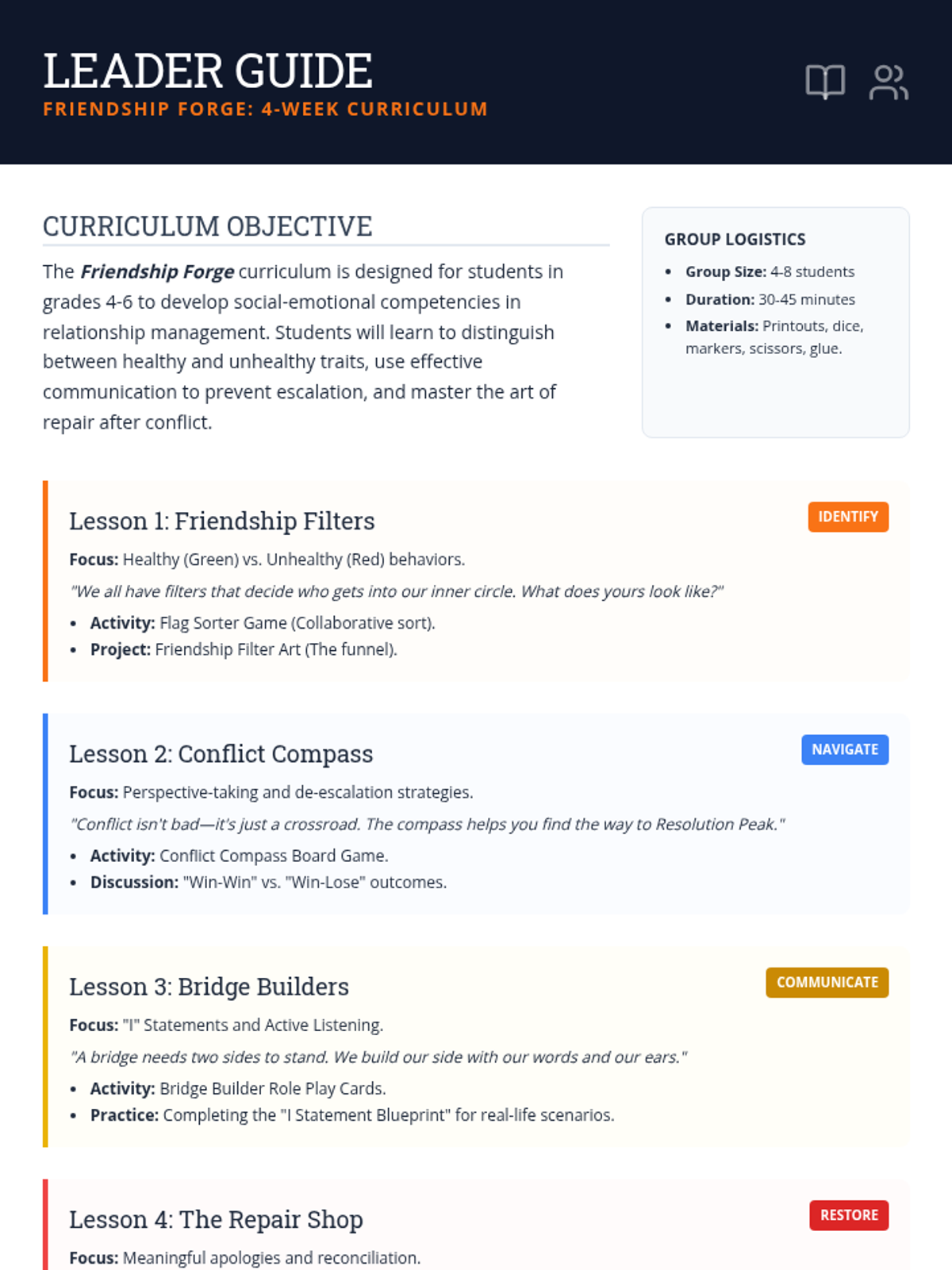
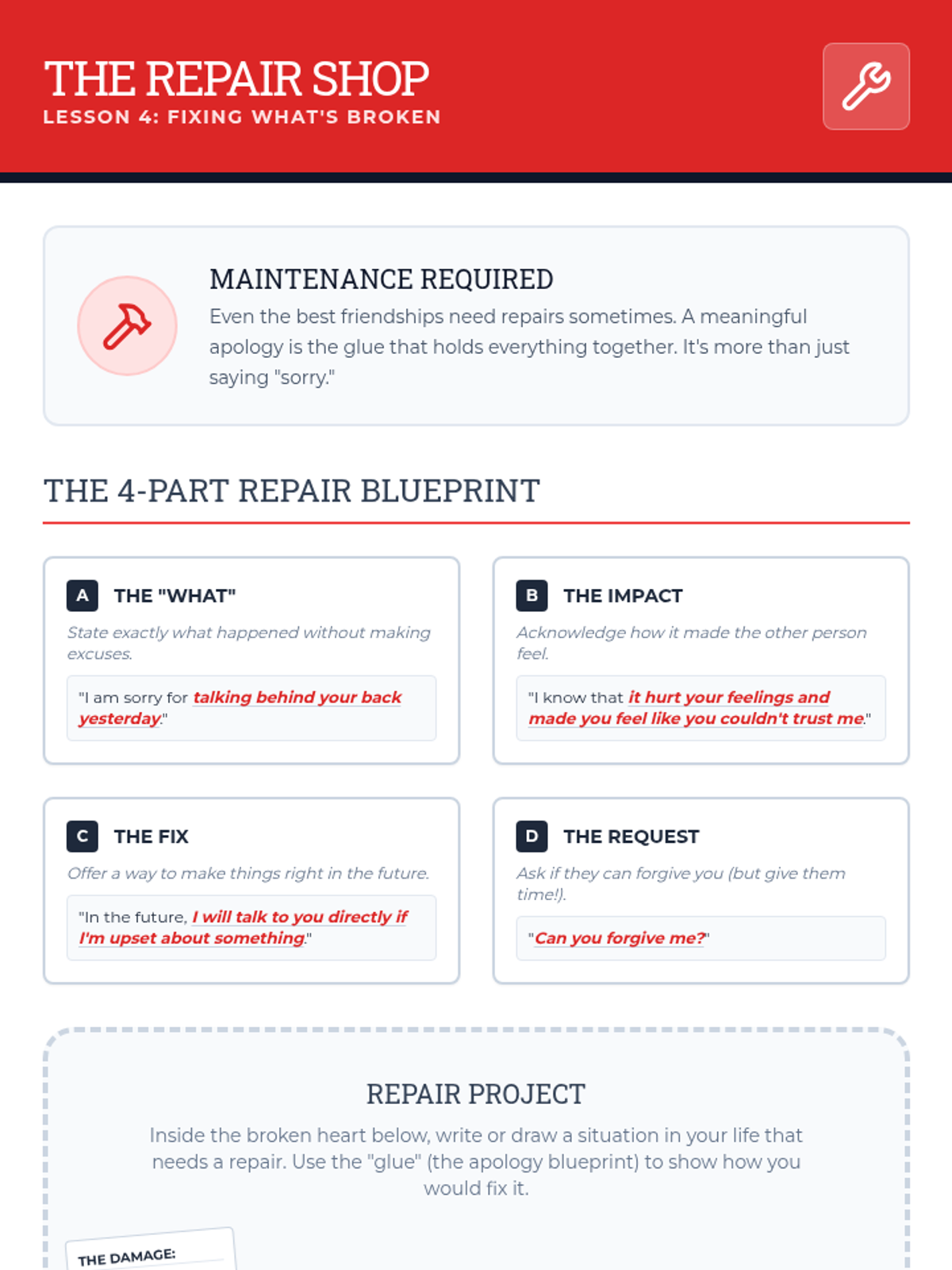
Students will learn how to make meaningful apologies and use art to explore the concept of repairing damaged relationships.
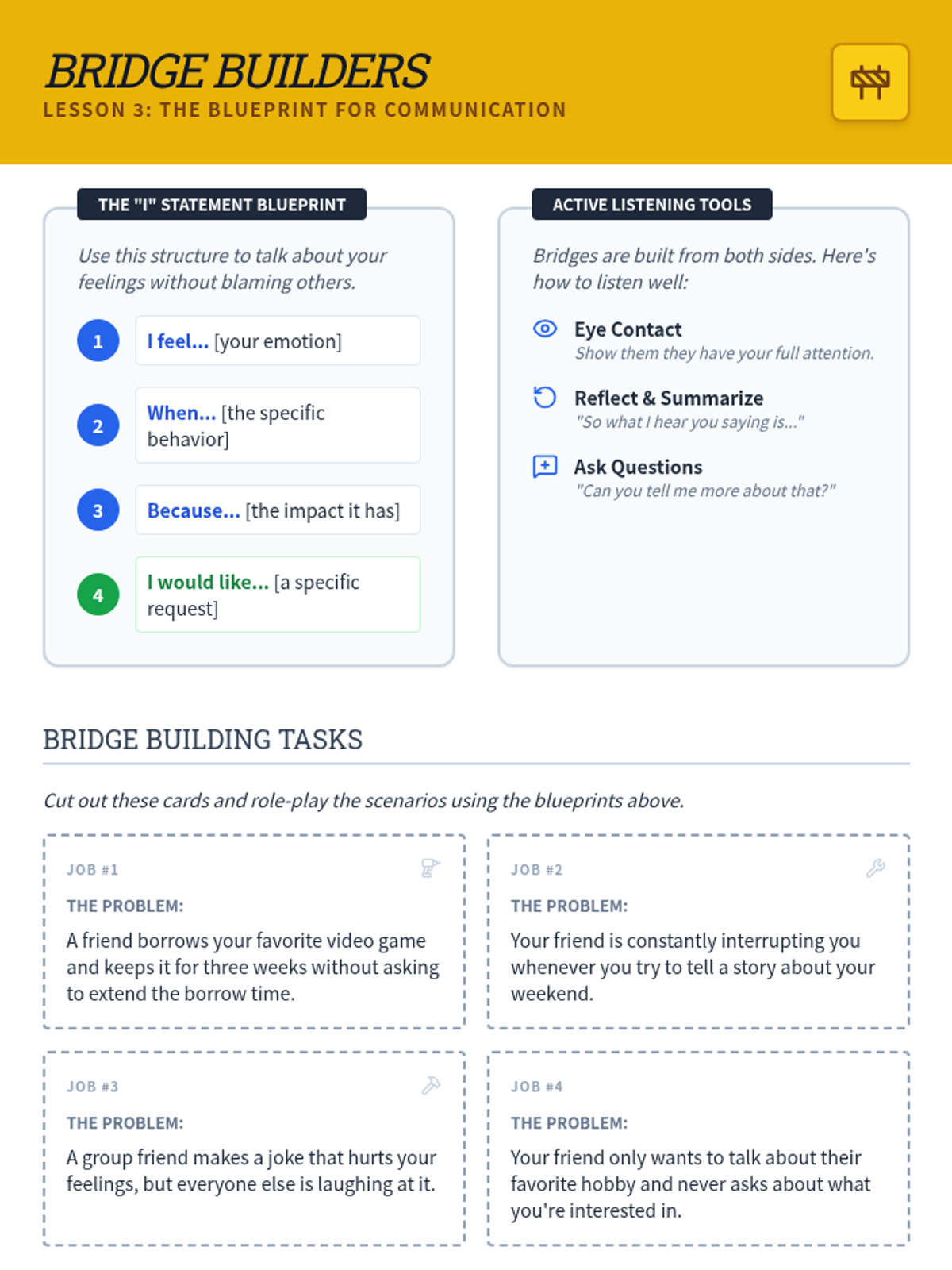
Students will practice effective communication techniques using role-play scenarios focused on active listening and "I" statements.
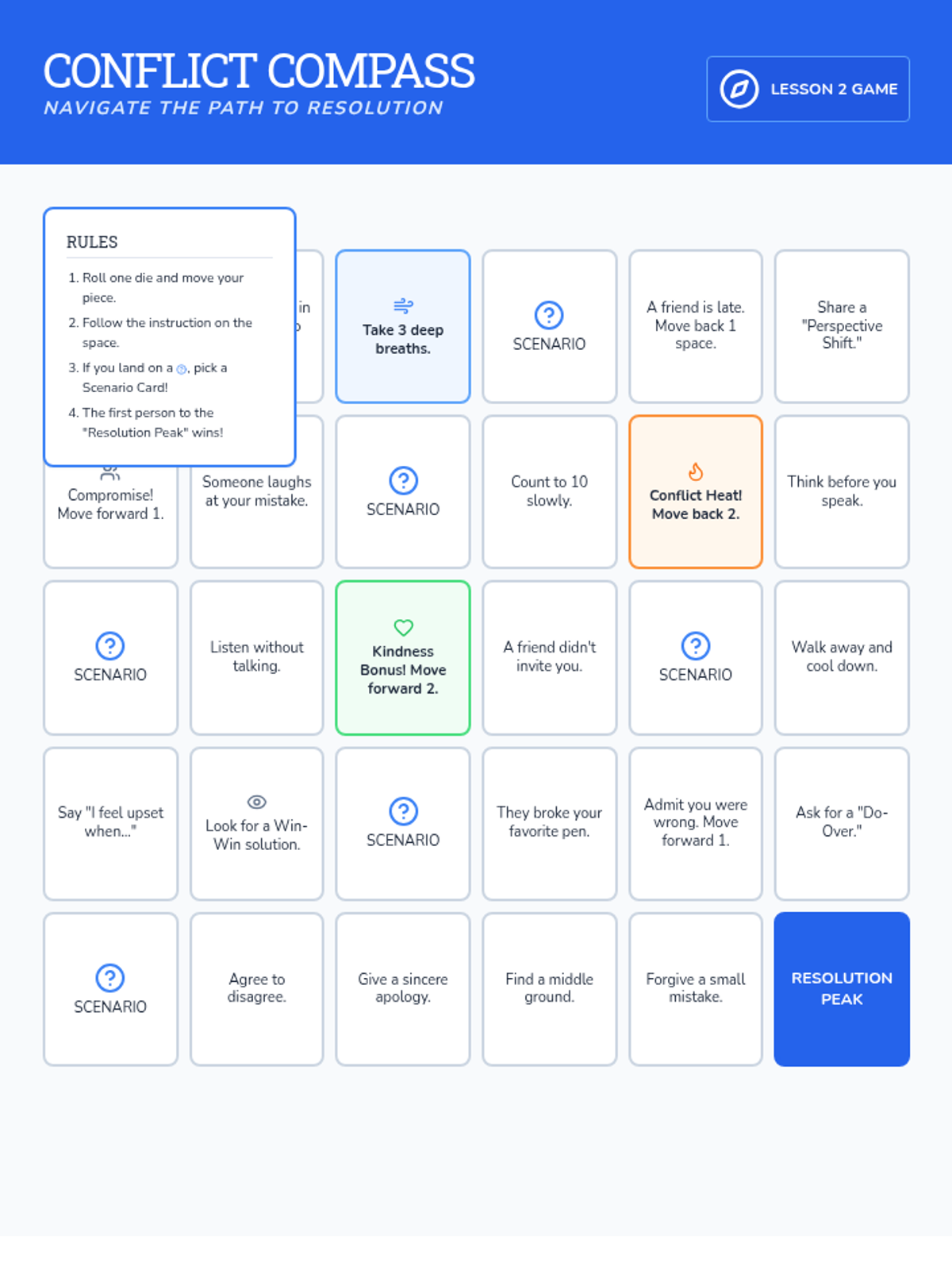
Students will explore different ways to navigate disagreements using a board game format to practice perspective-taking.
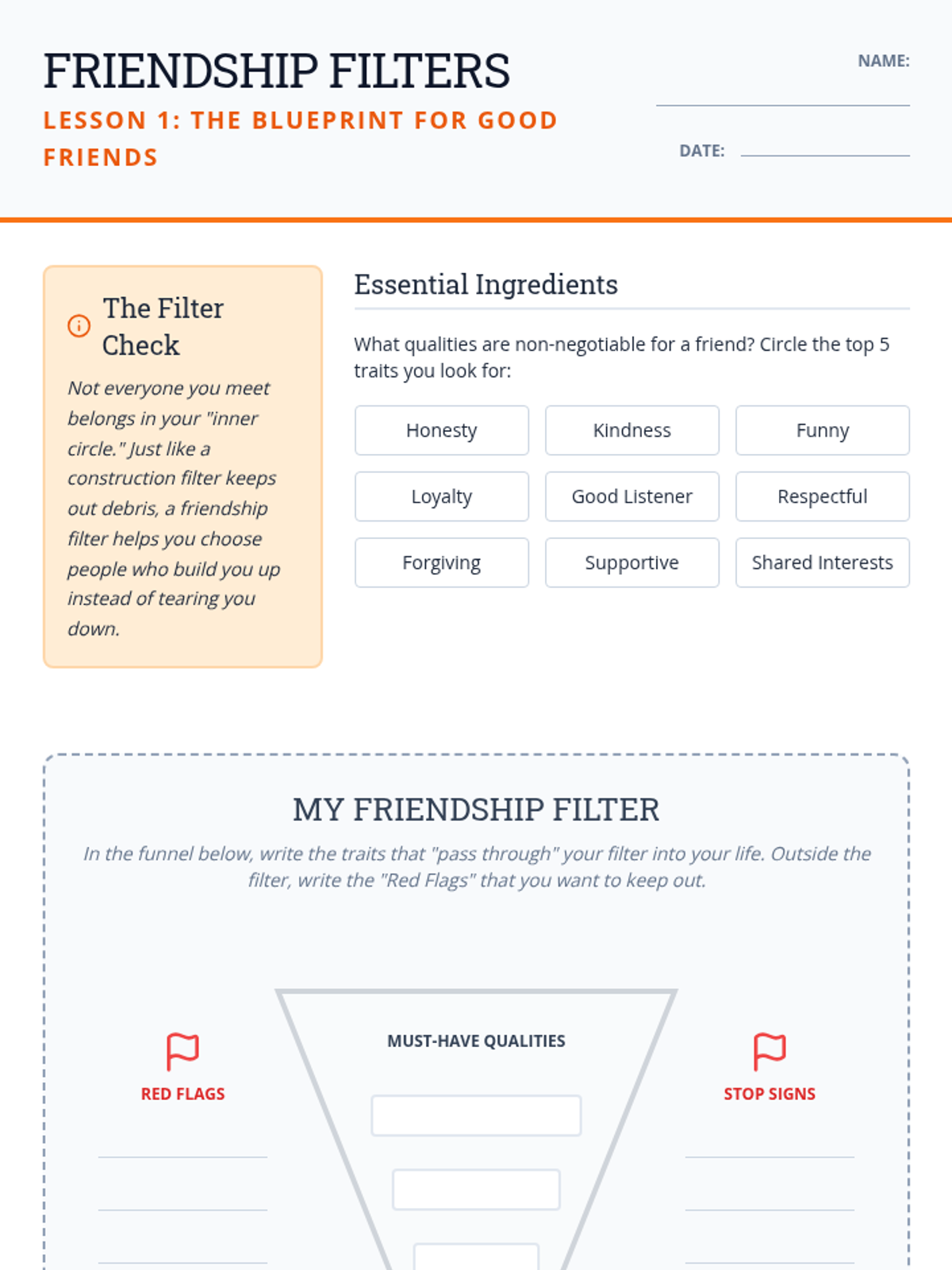
Students will identify the "ingredients" of a good friend and create a visual representation of their friendship standards.
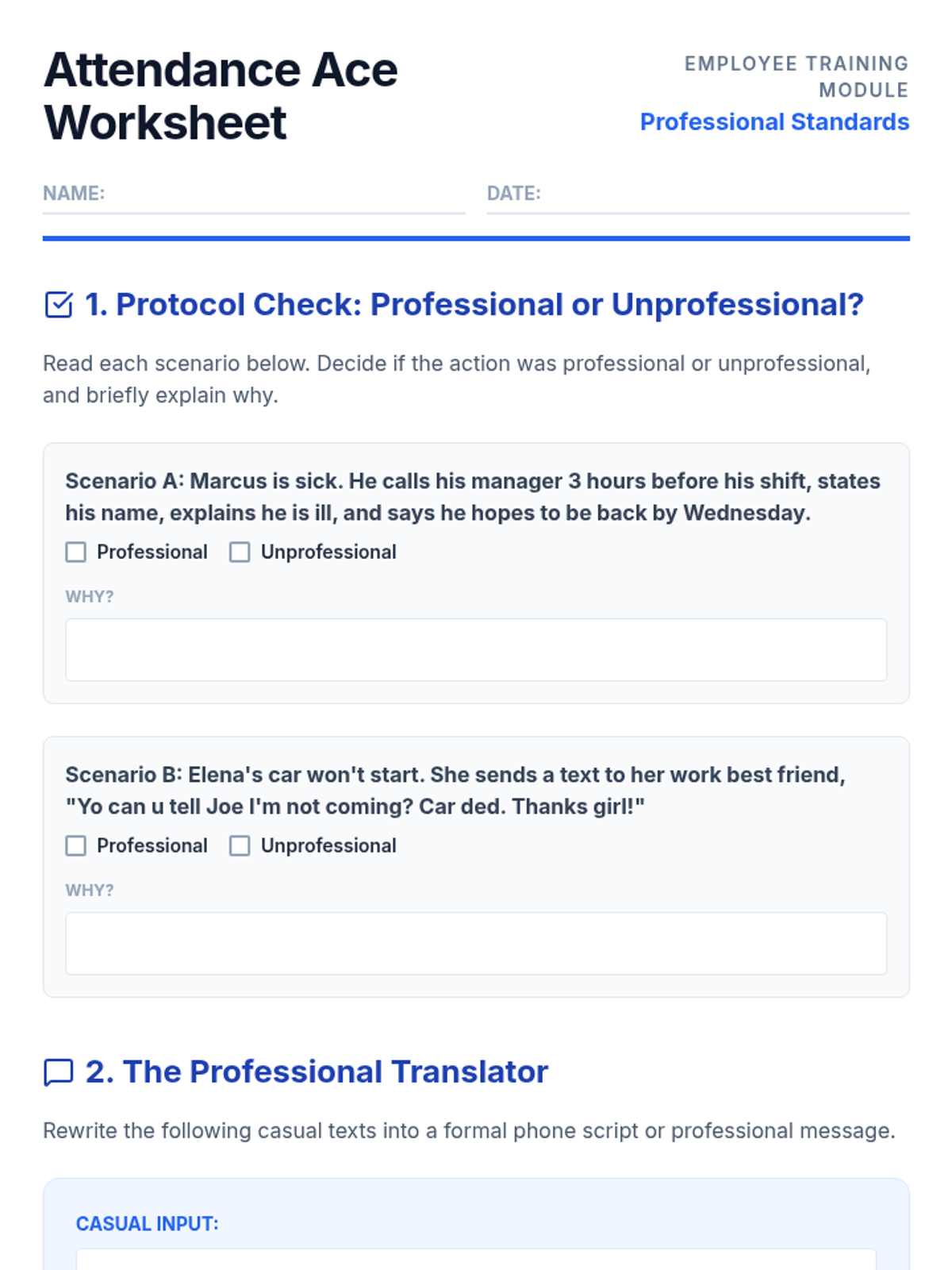
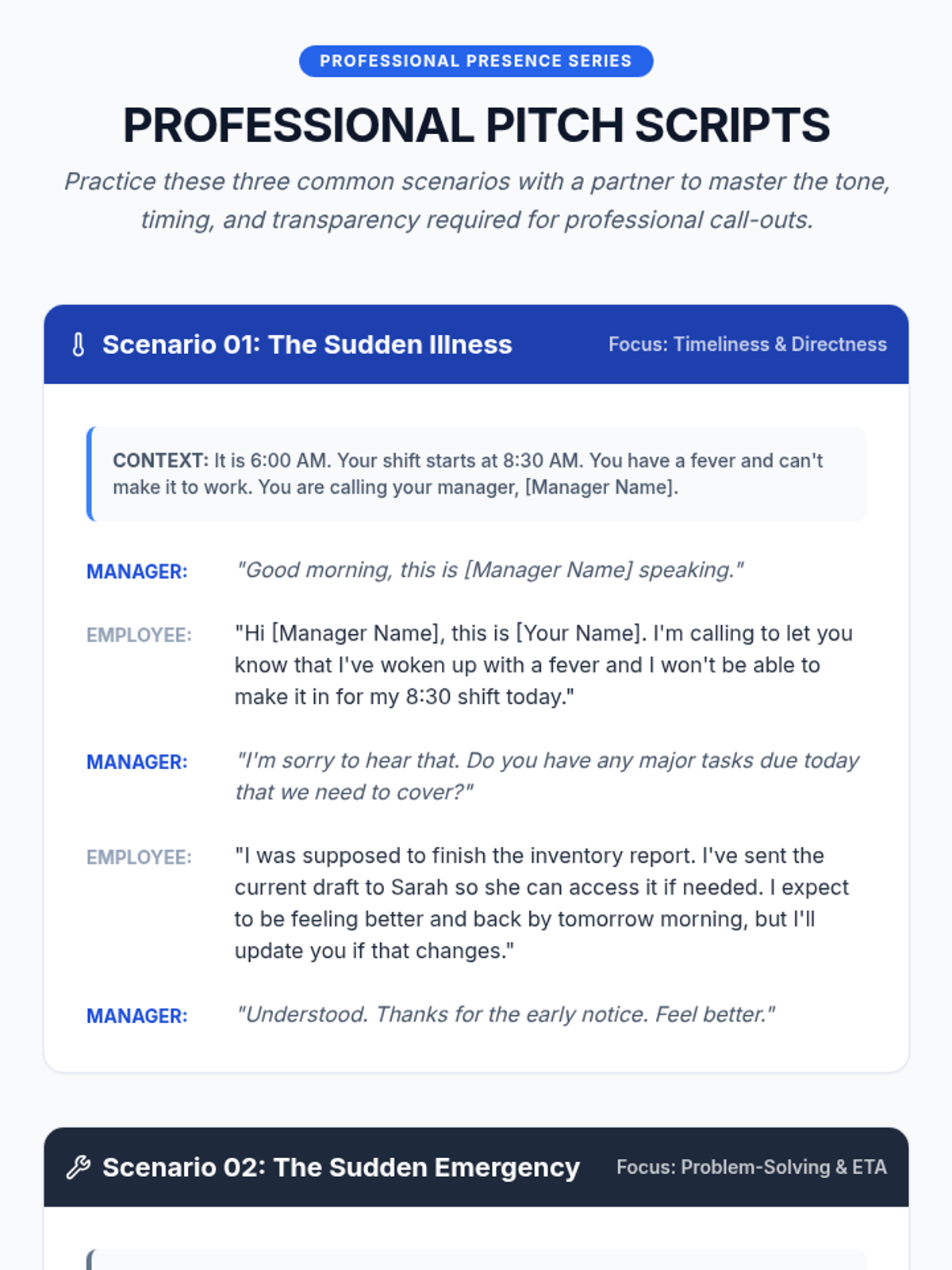
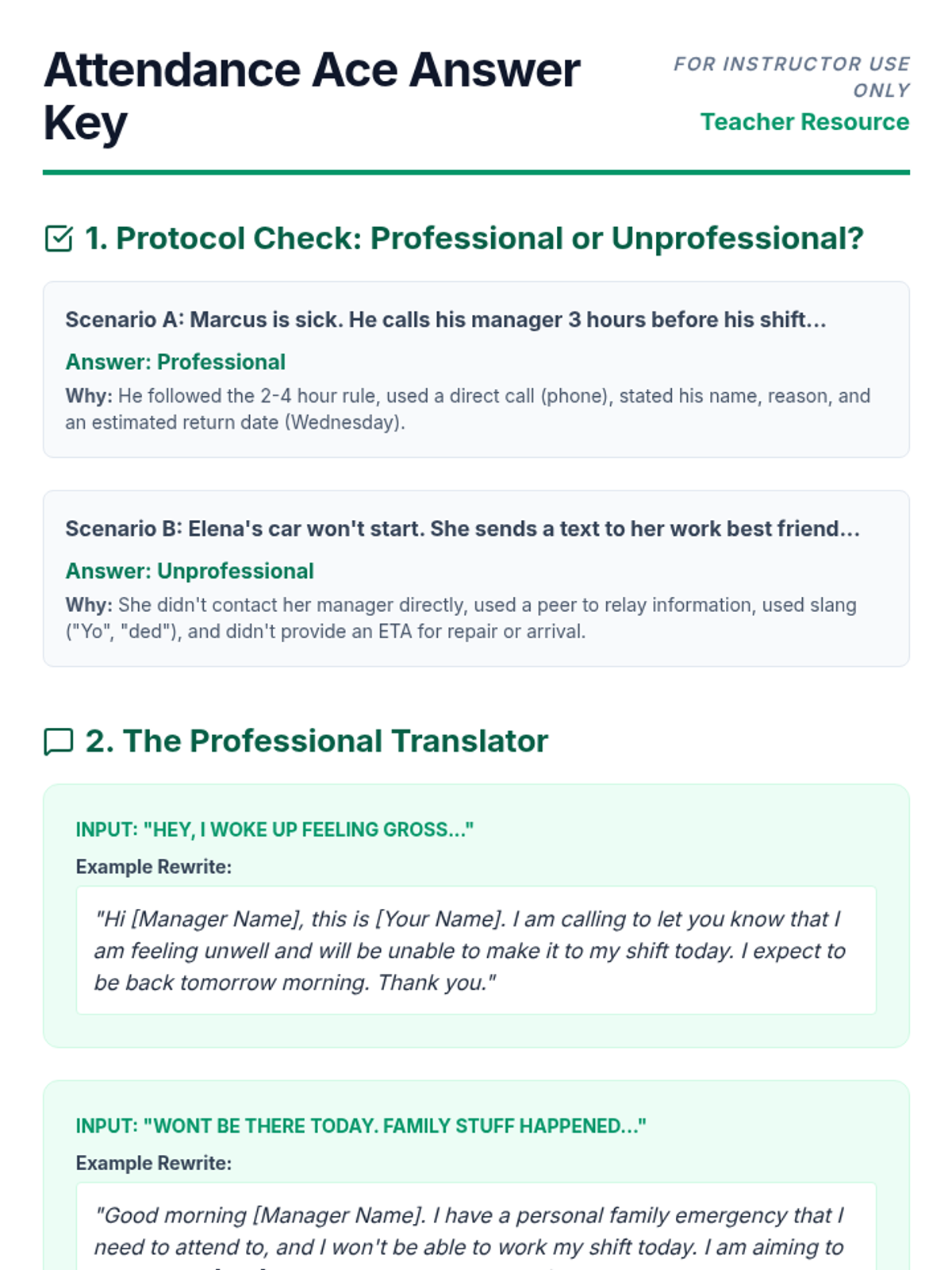
A comprehensive training module on the professional standards for calling out of work, covering etiquette, timing, and communication methods.
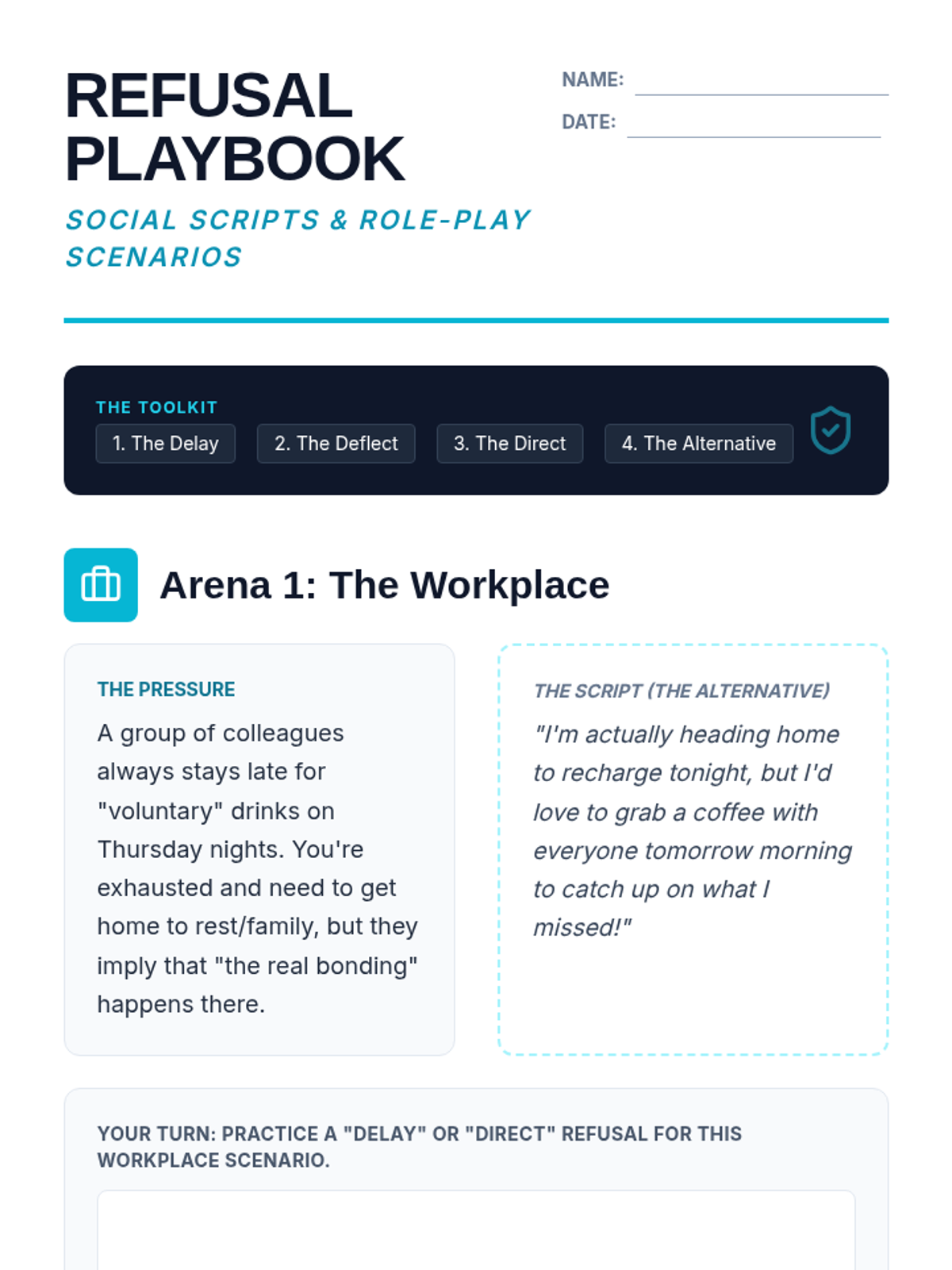
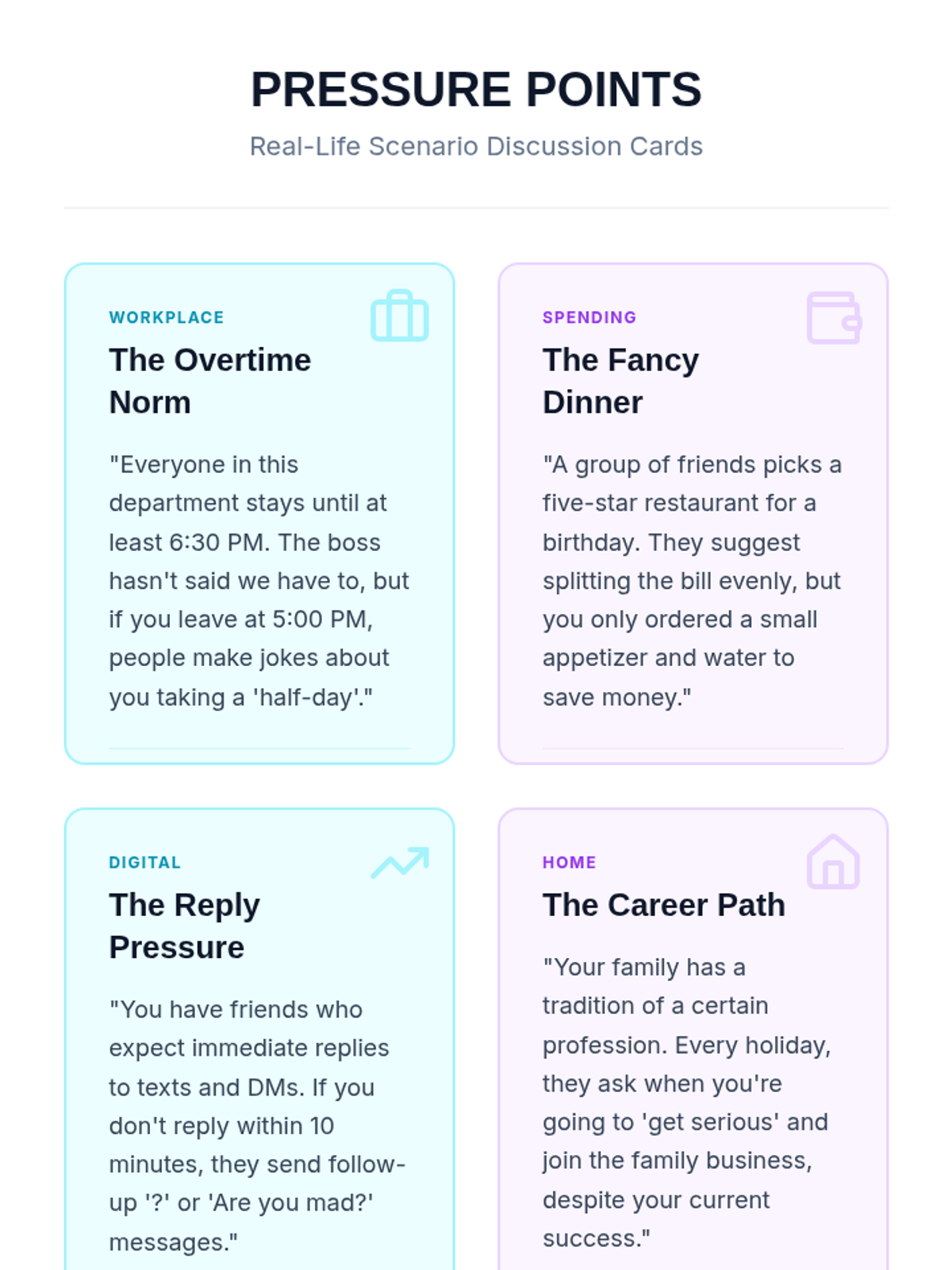
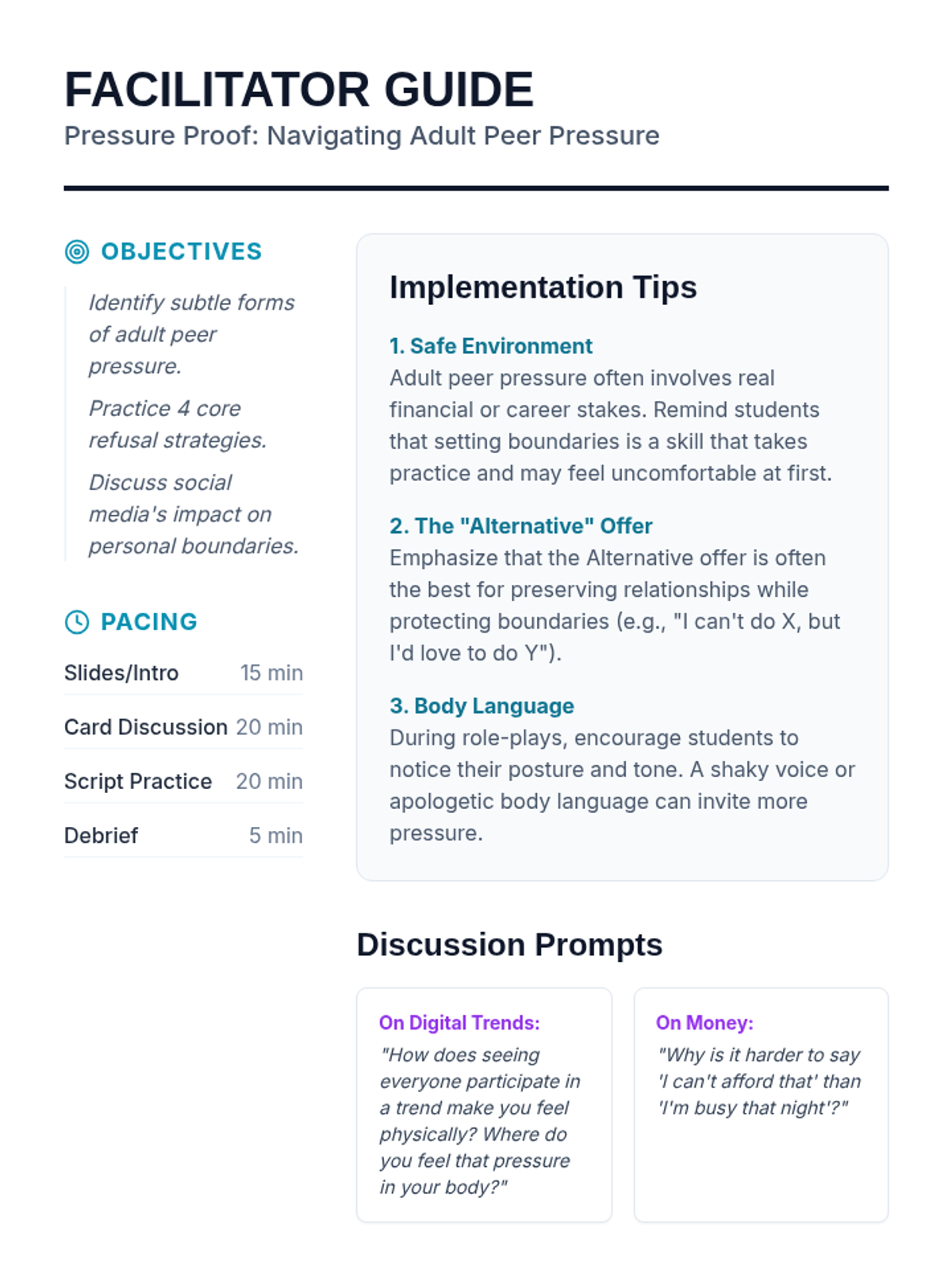
A lesson designed to help learners identify and navigate modern peer pressure across workplace, social, digital, and home environments using practical refusal strategies.
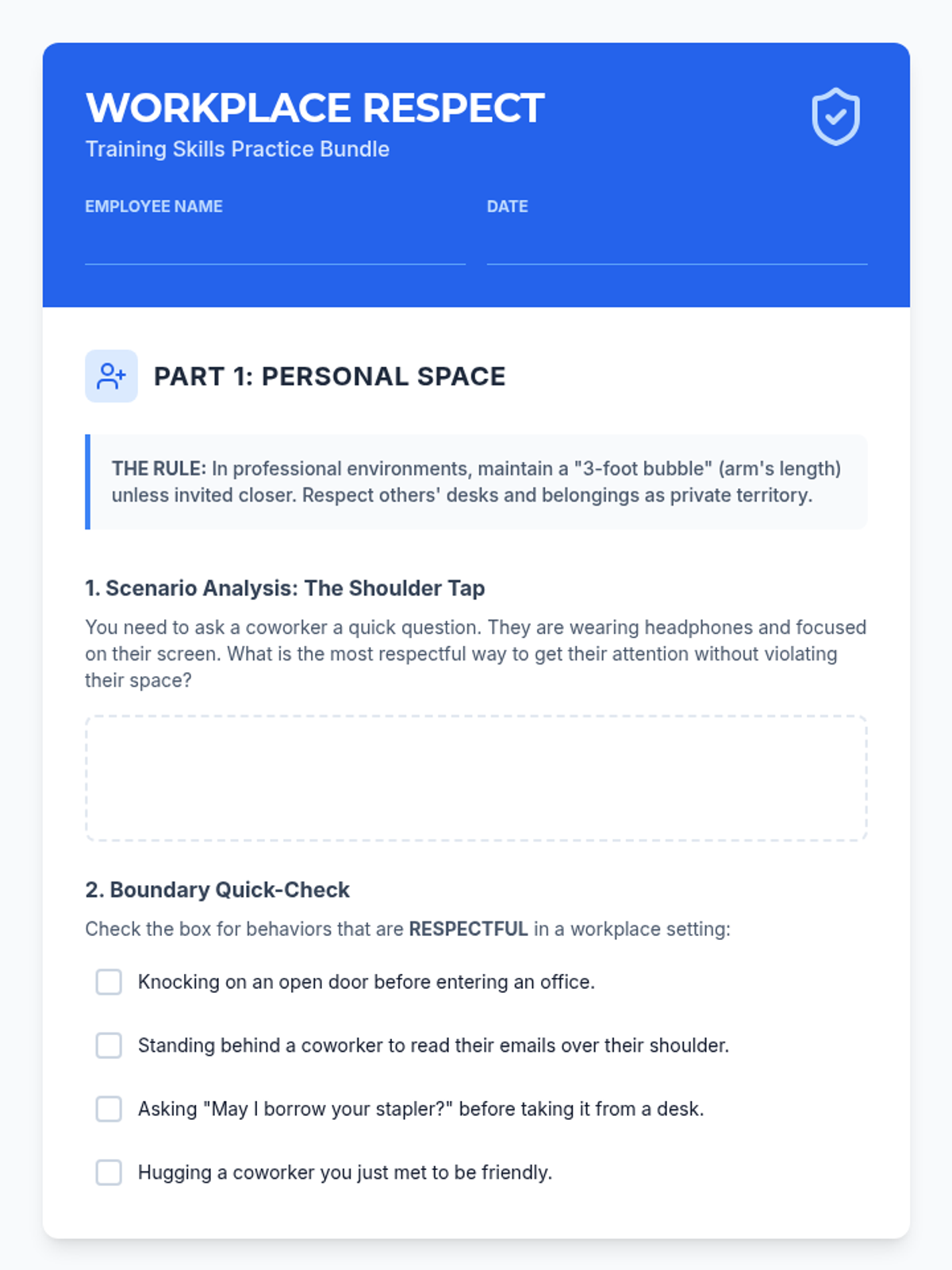
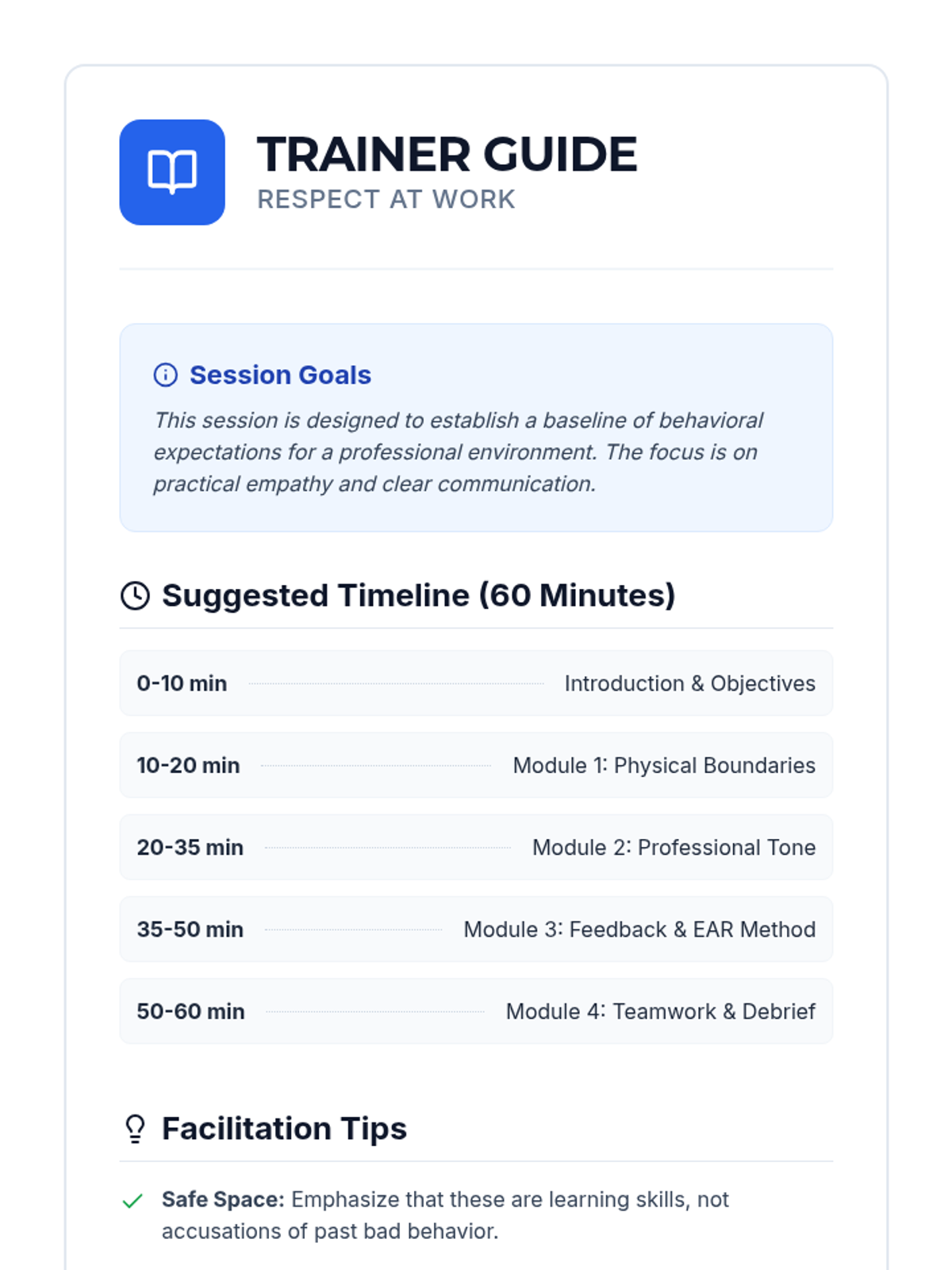
A comprehensive training module designed to help employees understand and practice professional boundaries, communication, and collaboration. Includes interactive scenarios and practical strategies for a respectful workplace.
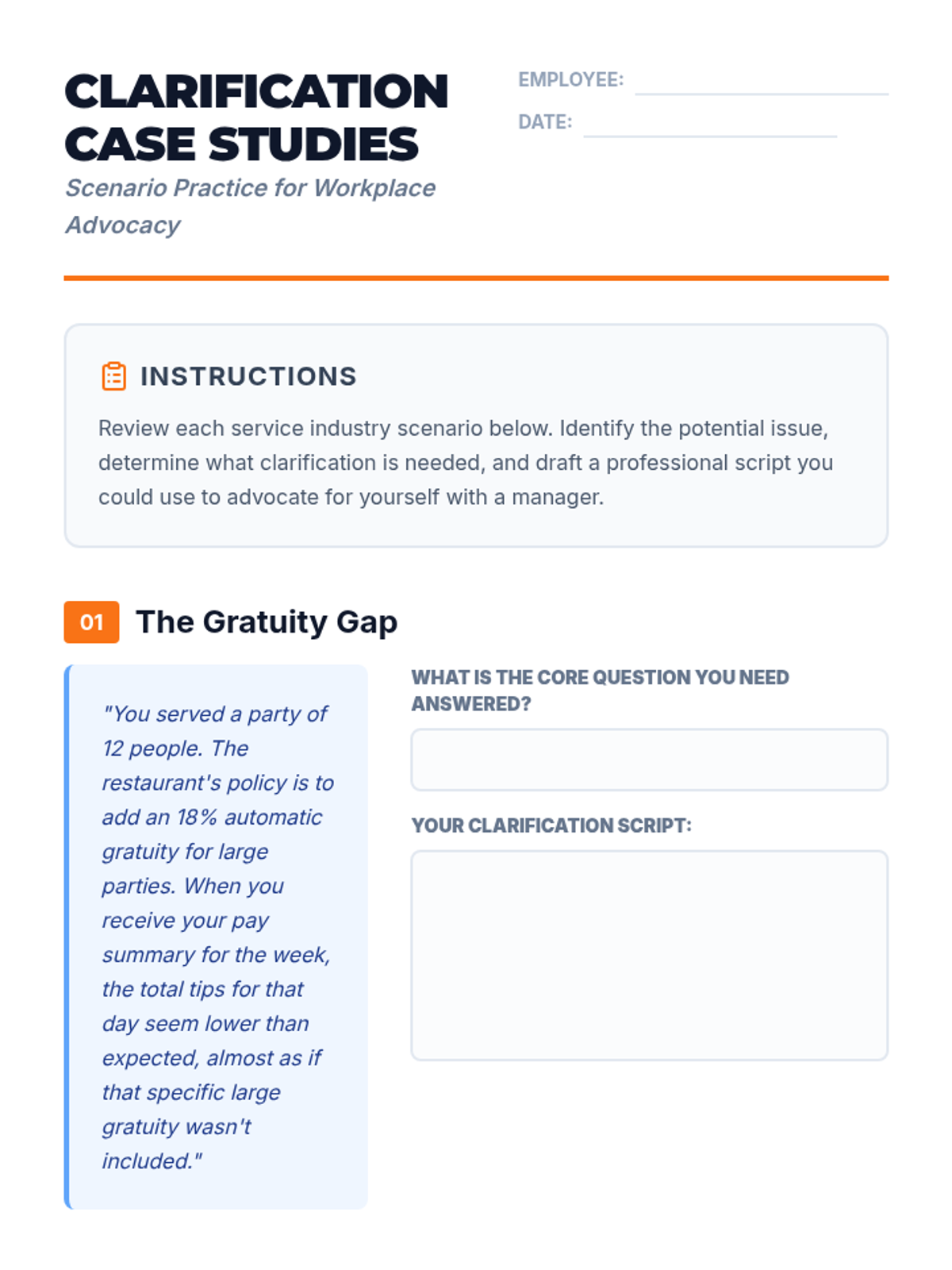
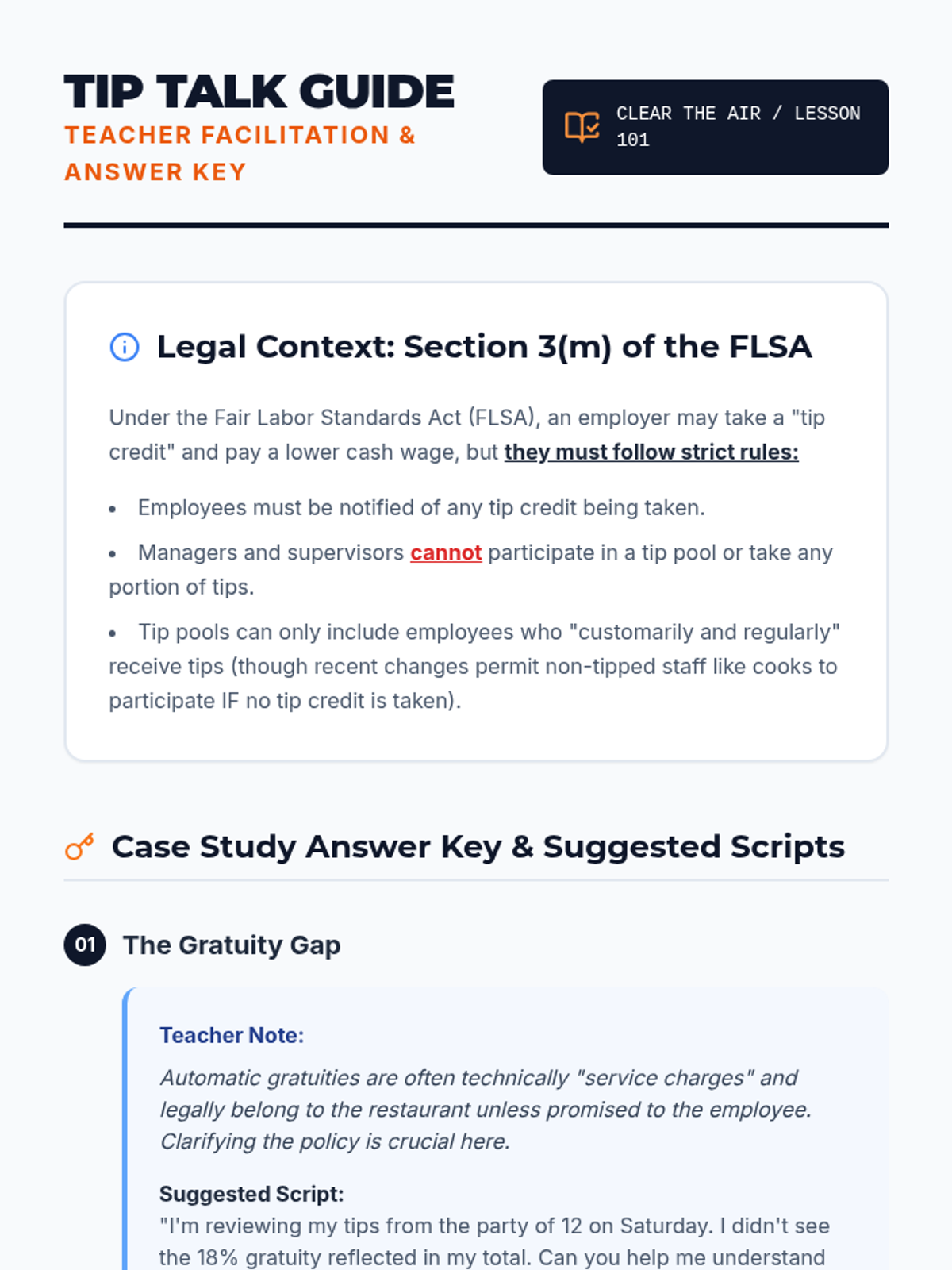
This lesson focuses on self-advocacy in the service industry, specifically regarding tipping policies and procedures. Students will learn how to identify different tipping systems and practice asking for clarification when they have questions about their earnings.
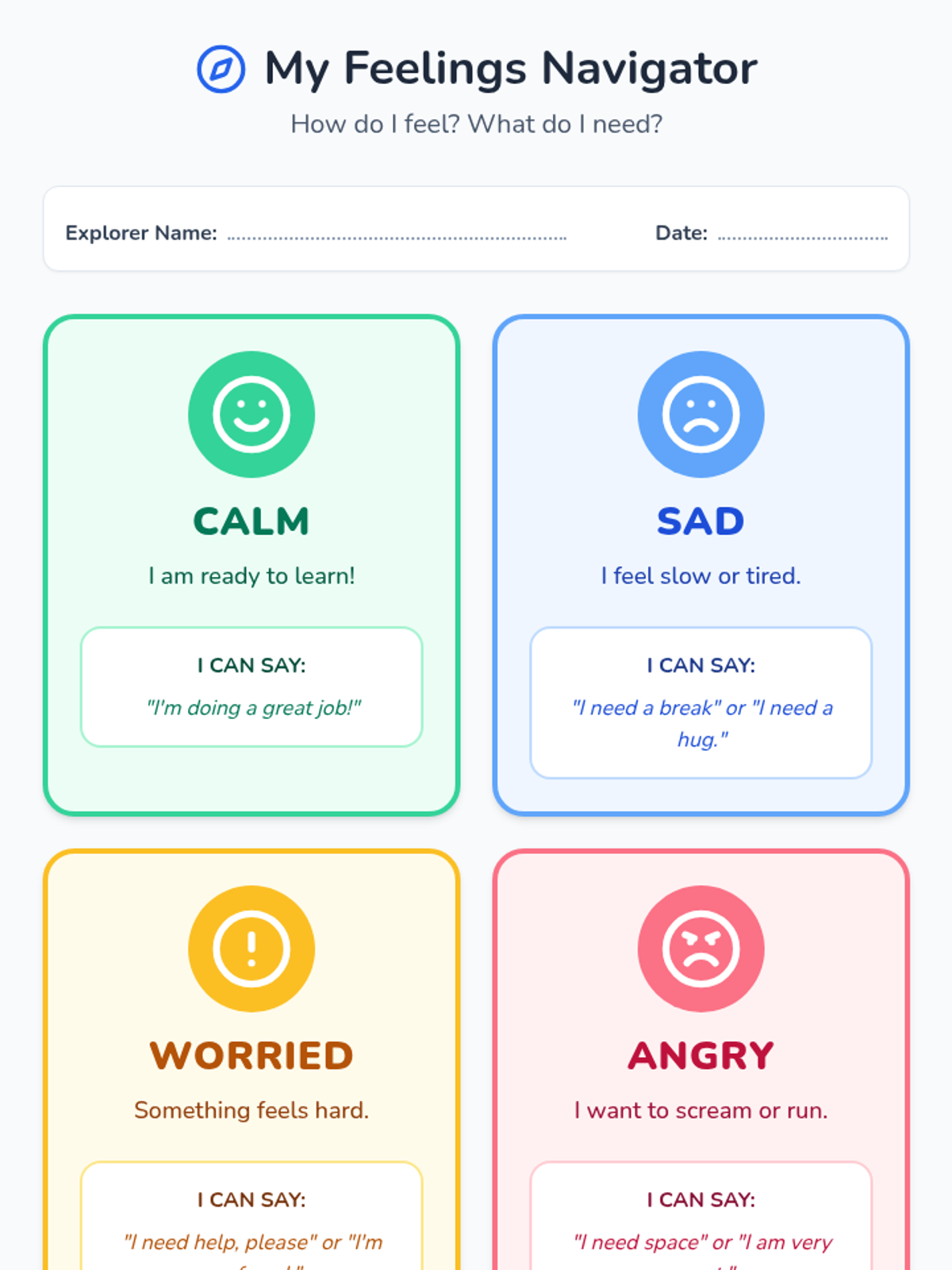
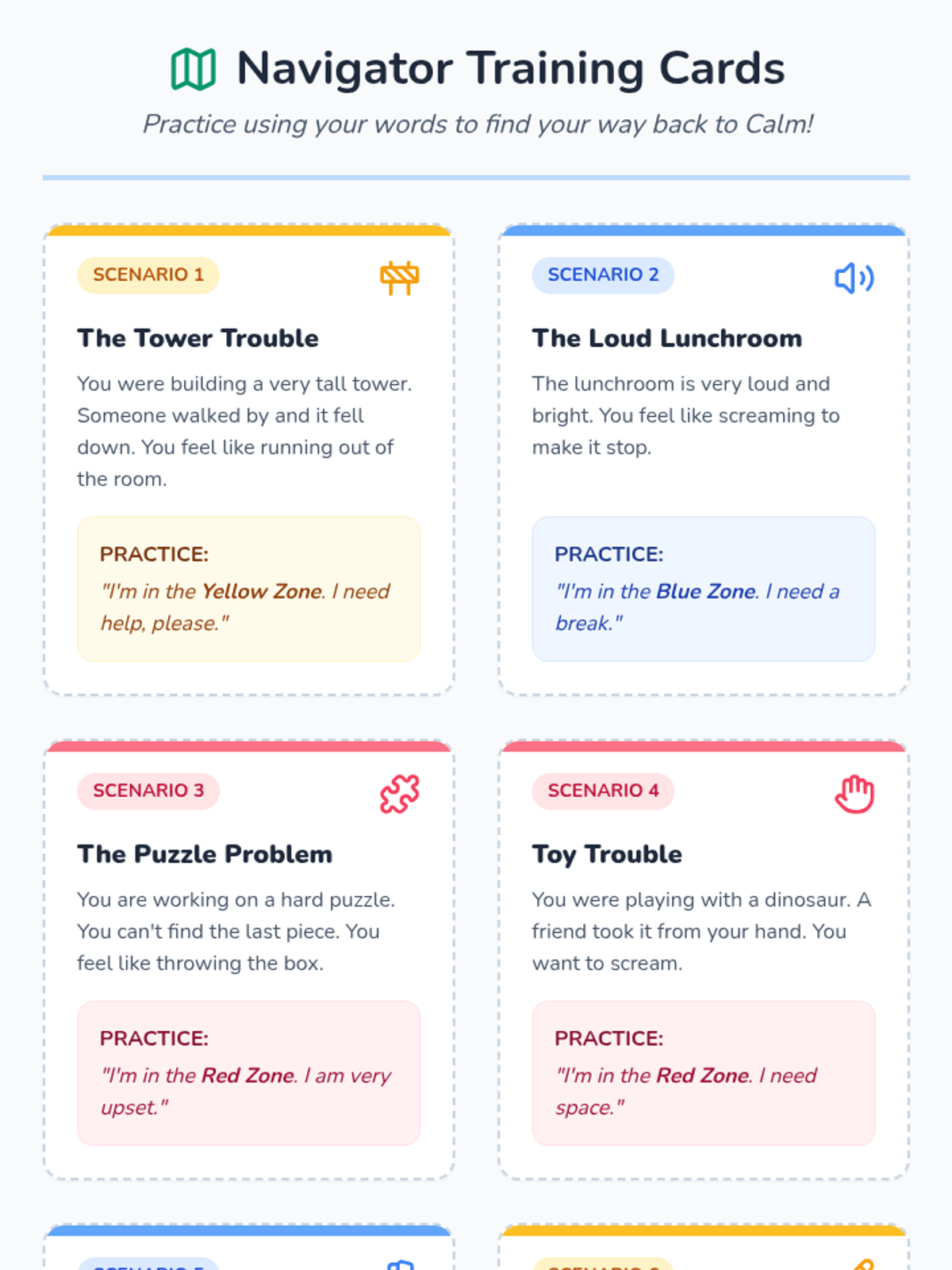
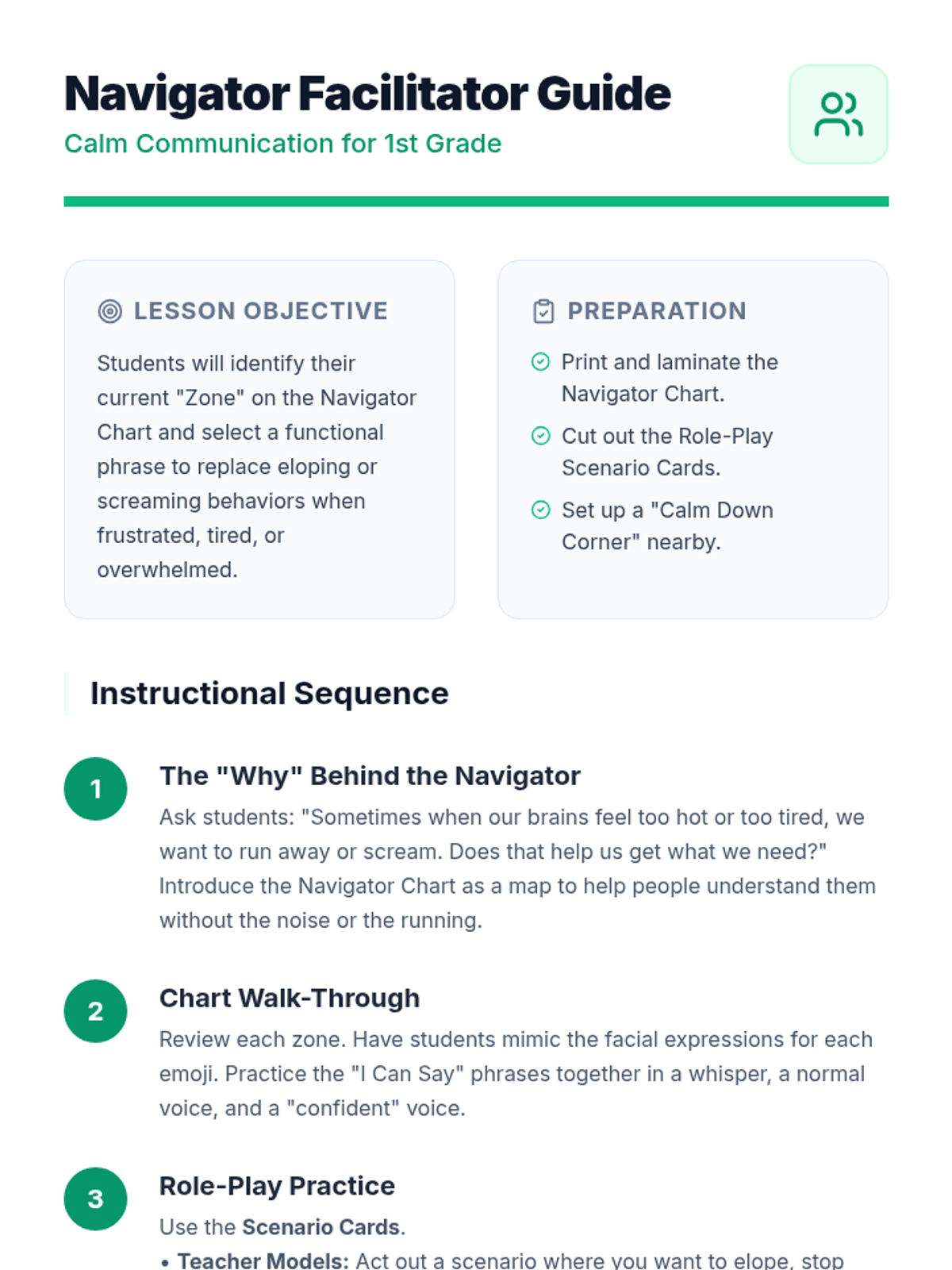
A lesson designed for two first-graders to learn how to replace screaming and eloping with verbal communication using a feelings chart. Through role-play and visual aids, students practice identifying their emotions and stating their needs.
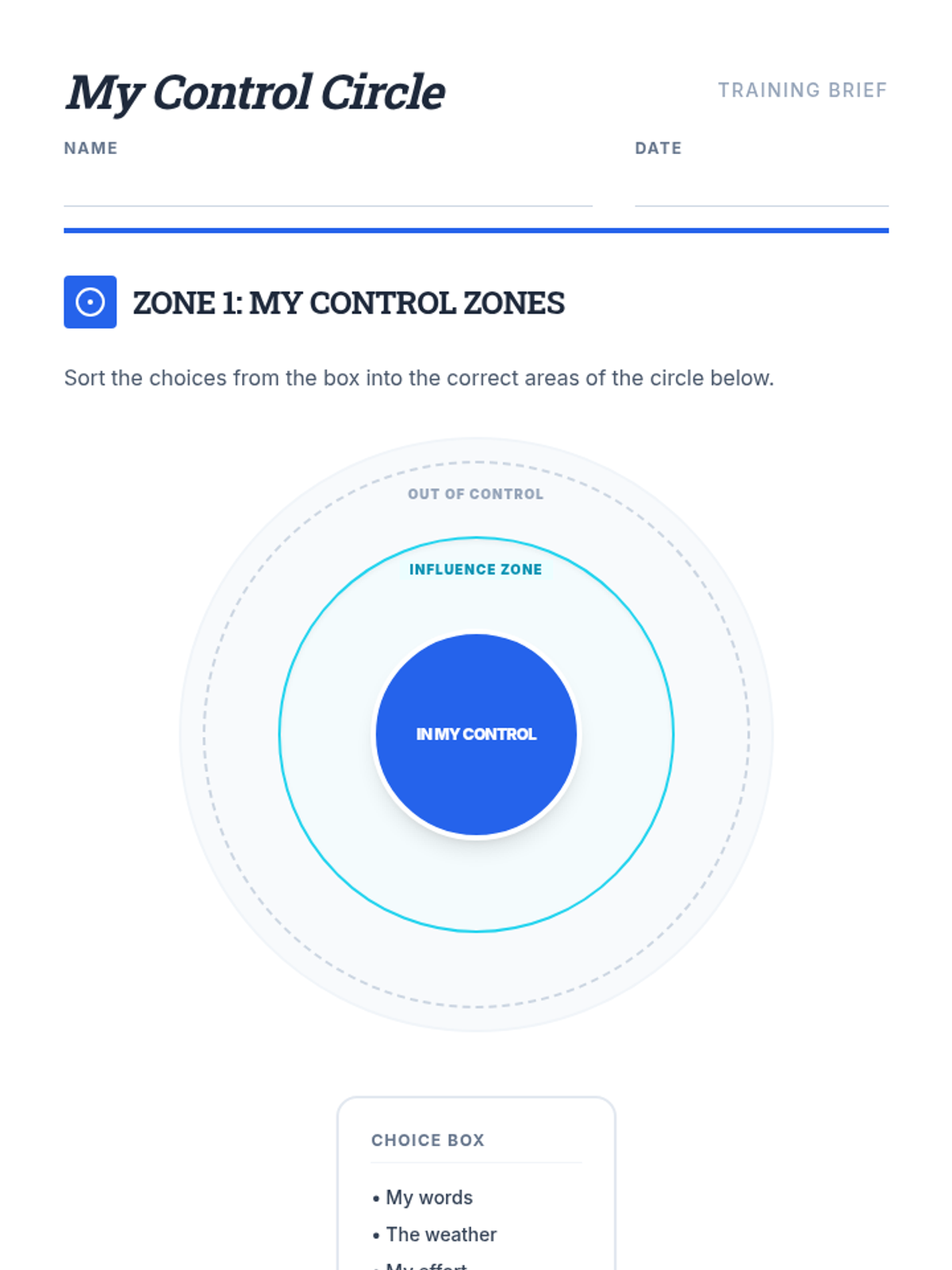
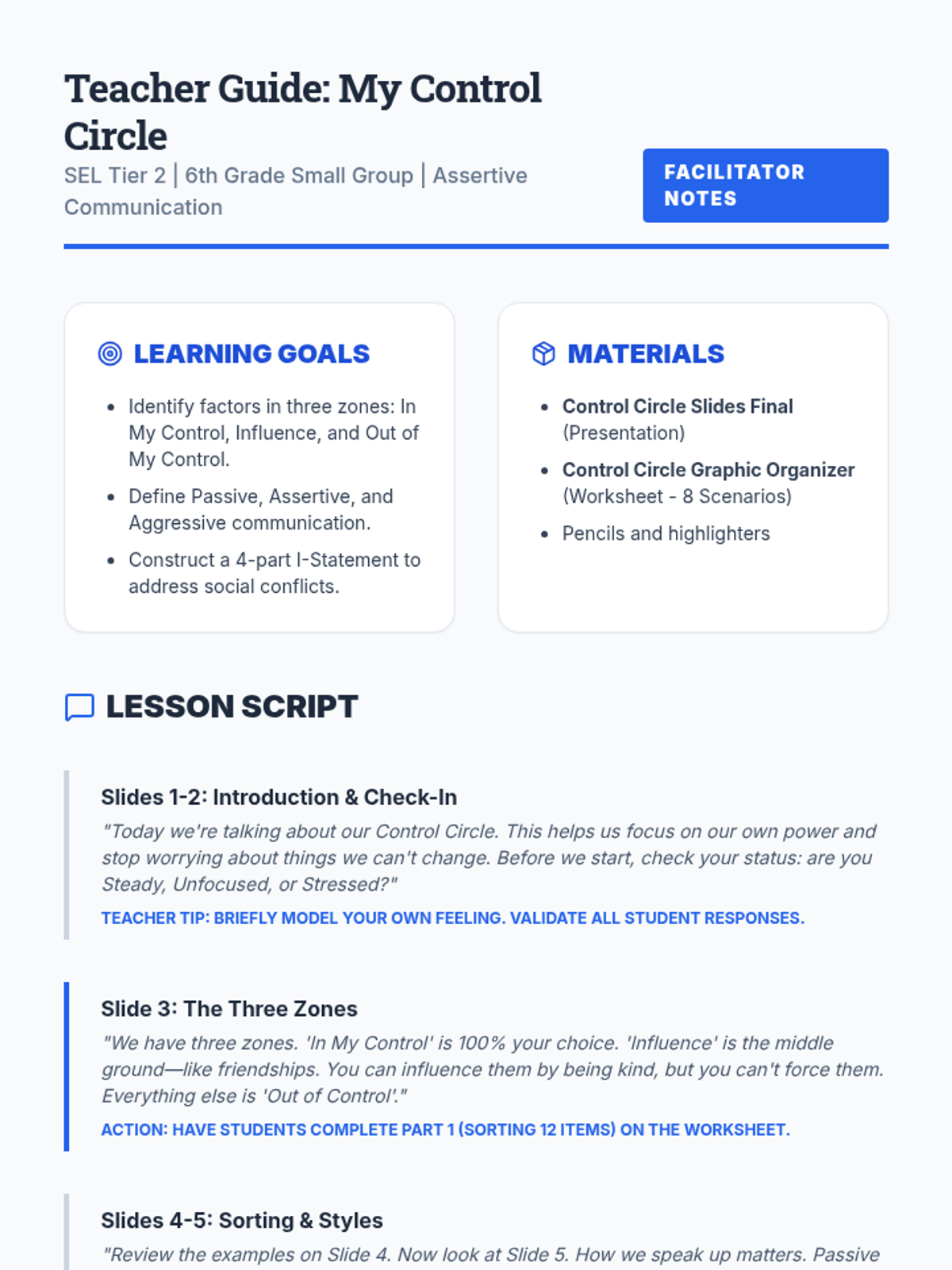
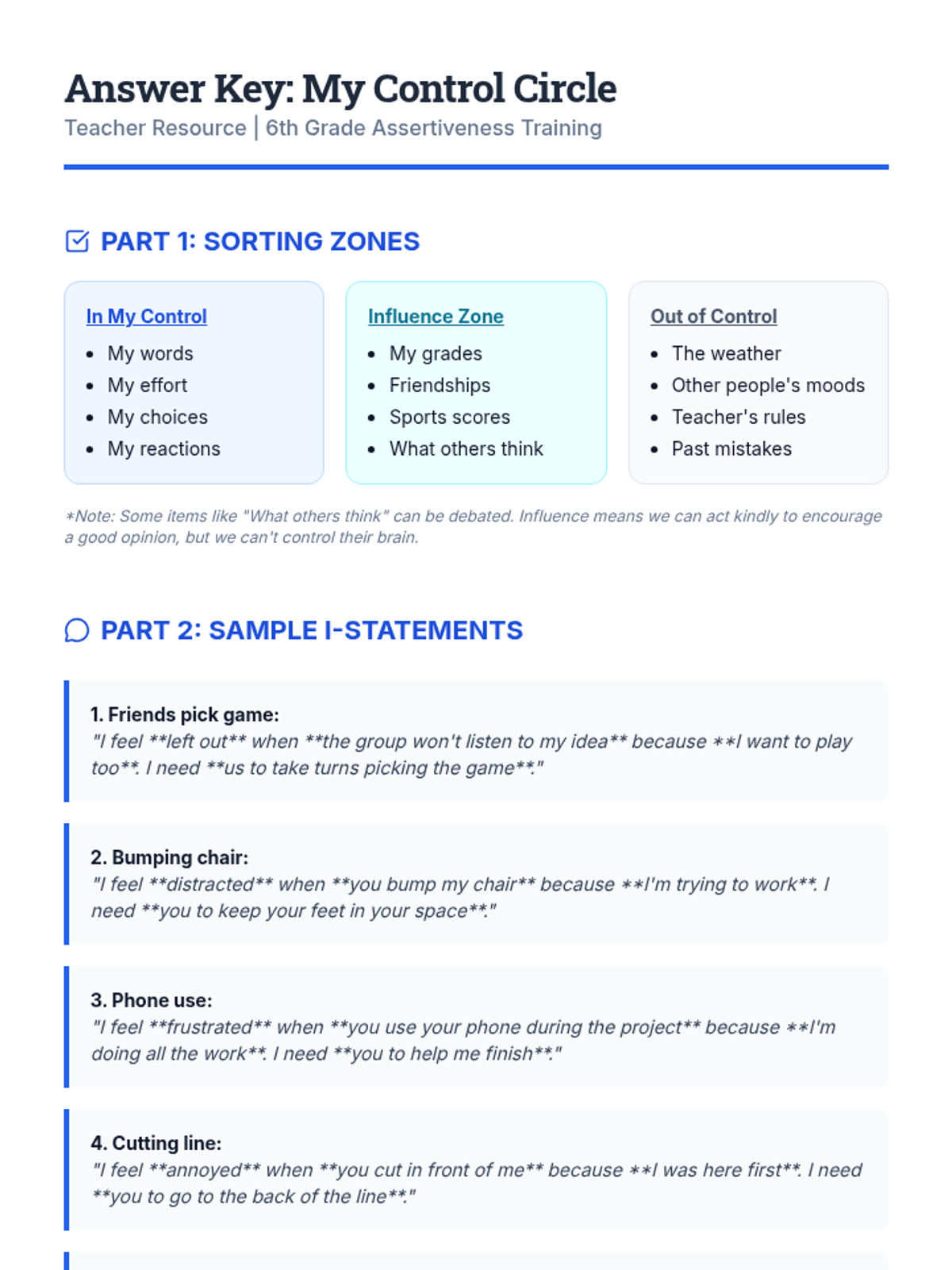
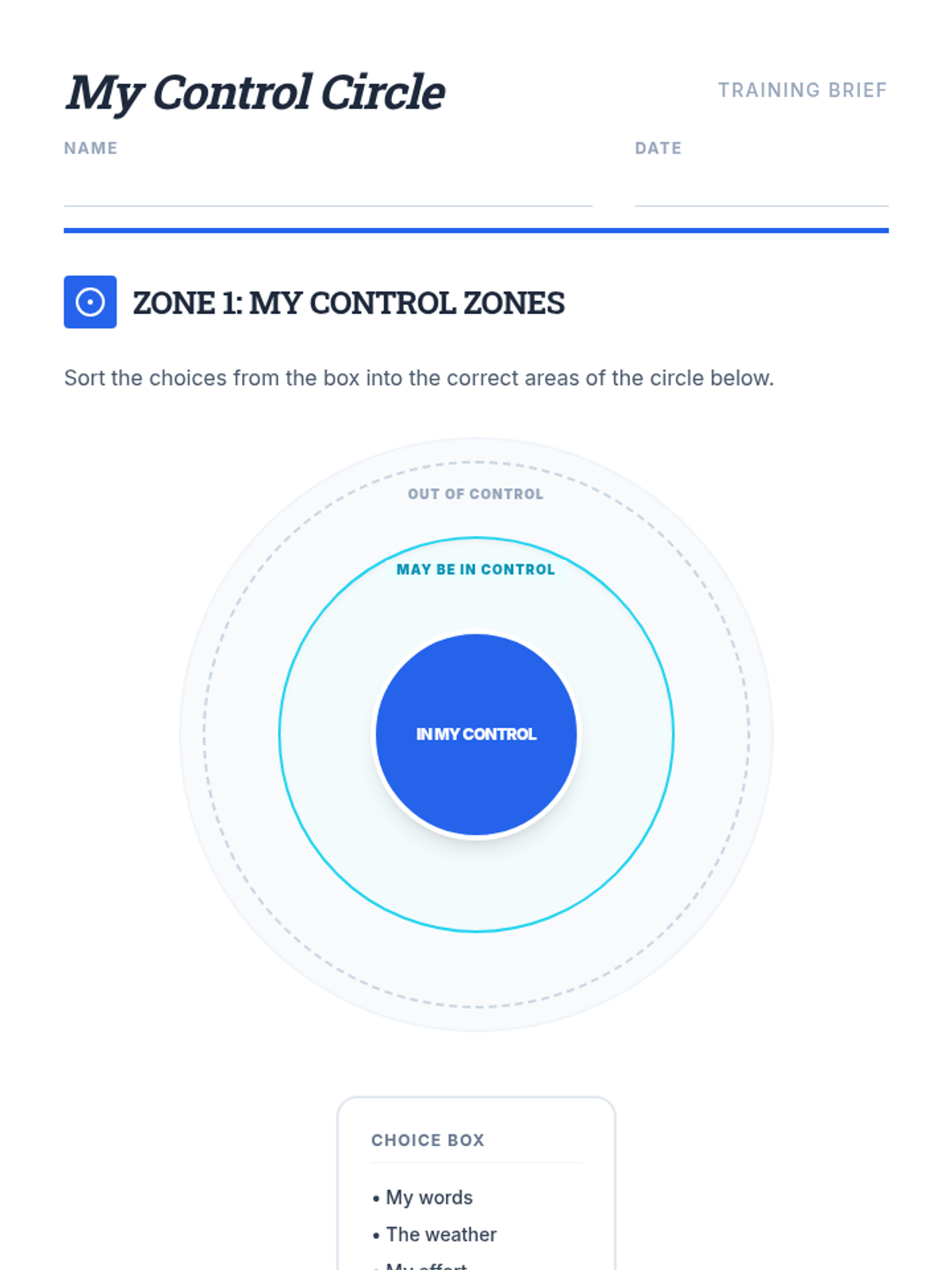
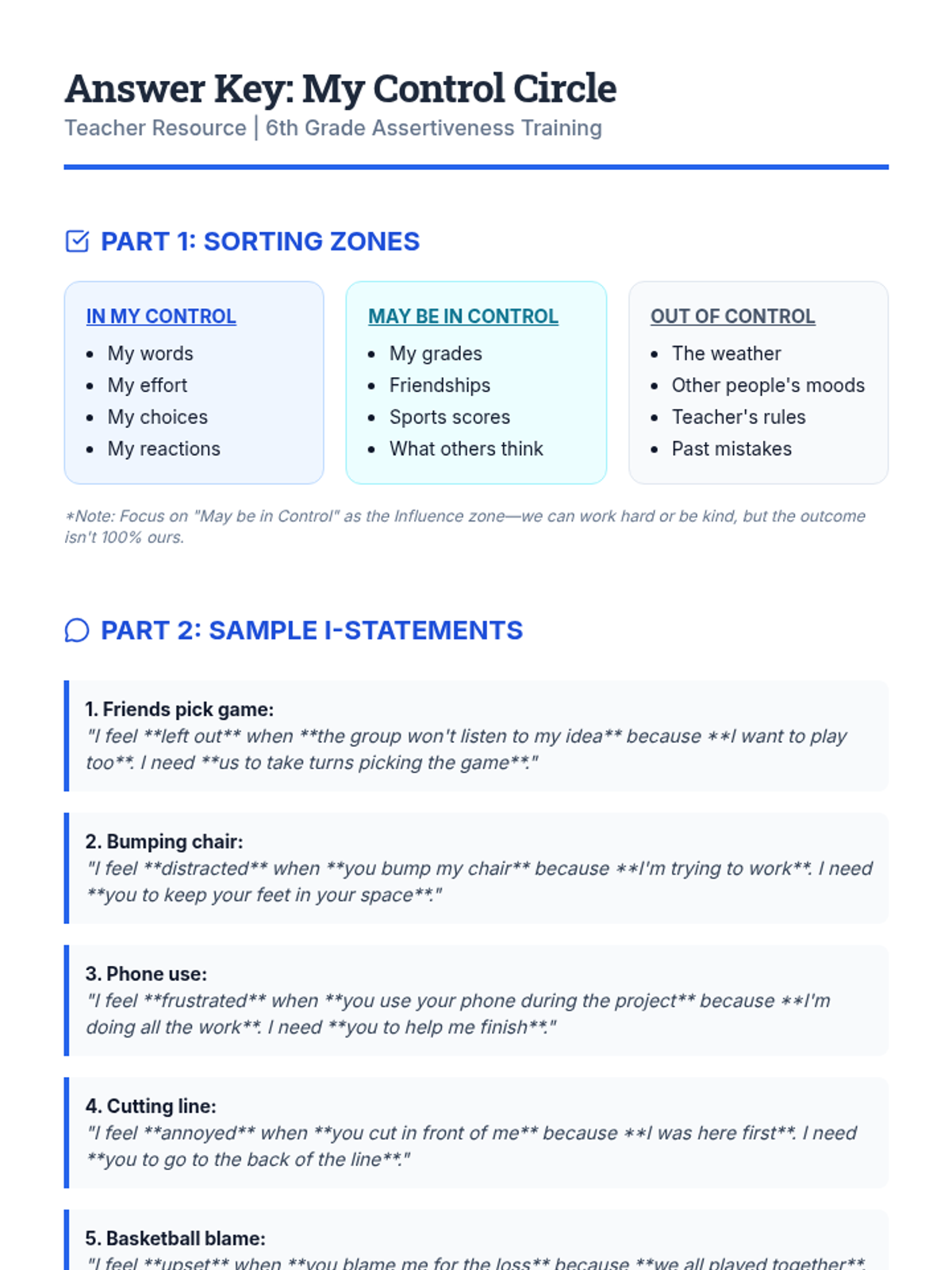
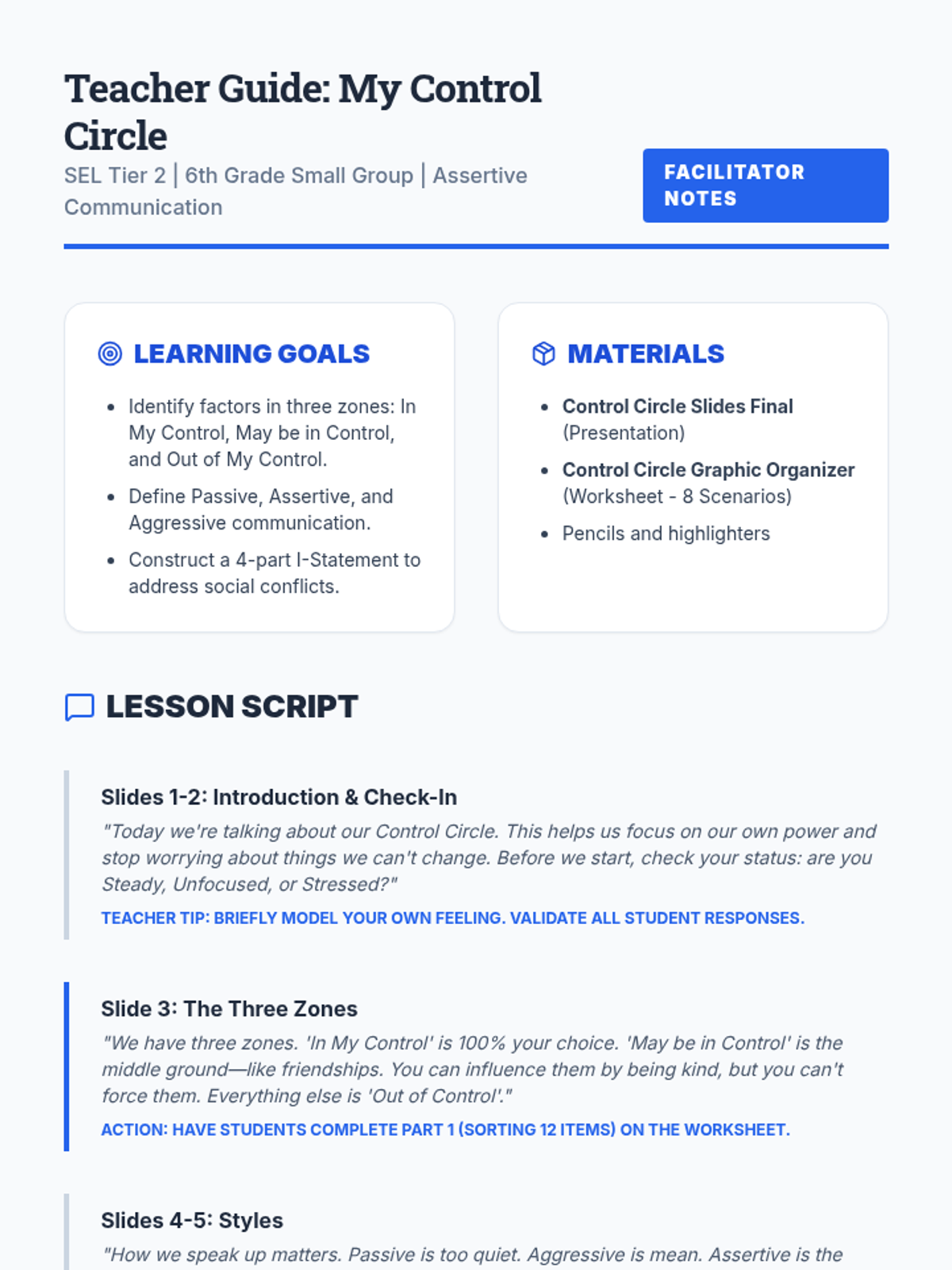
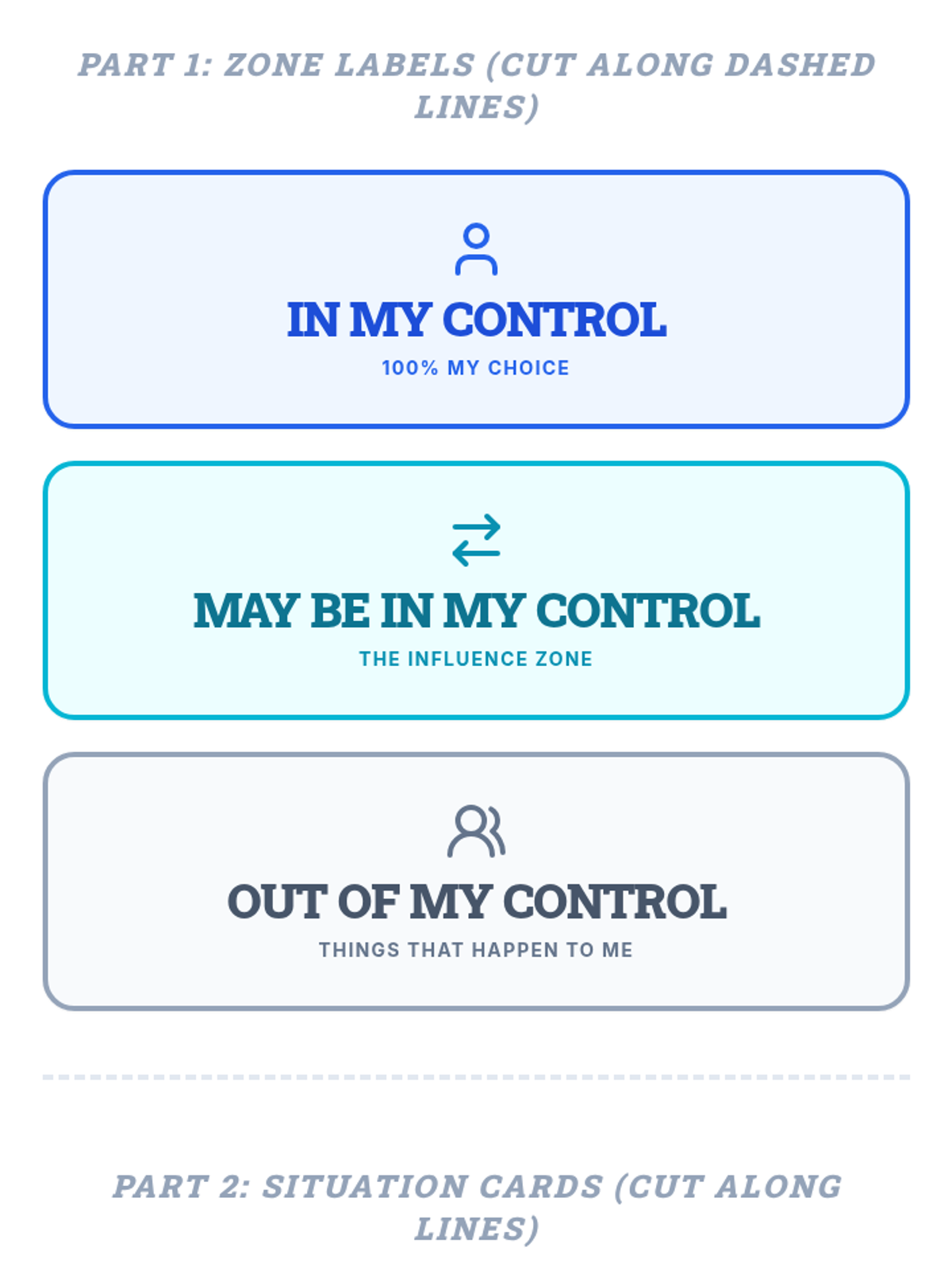
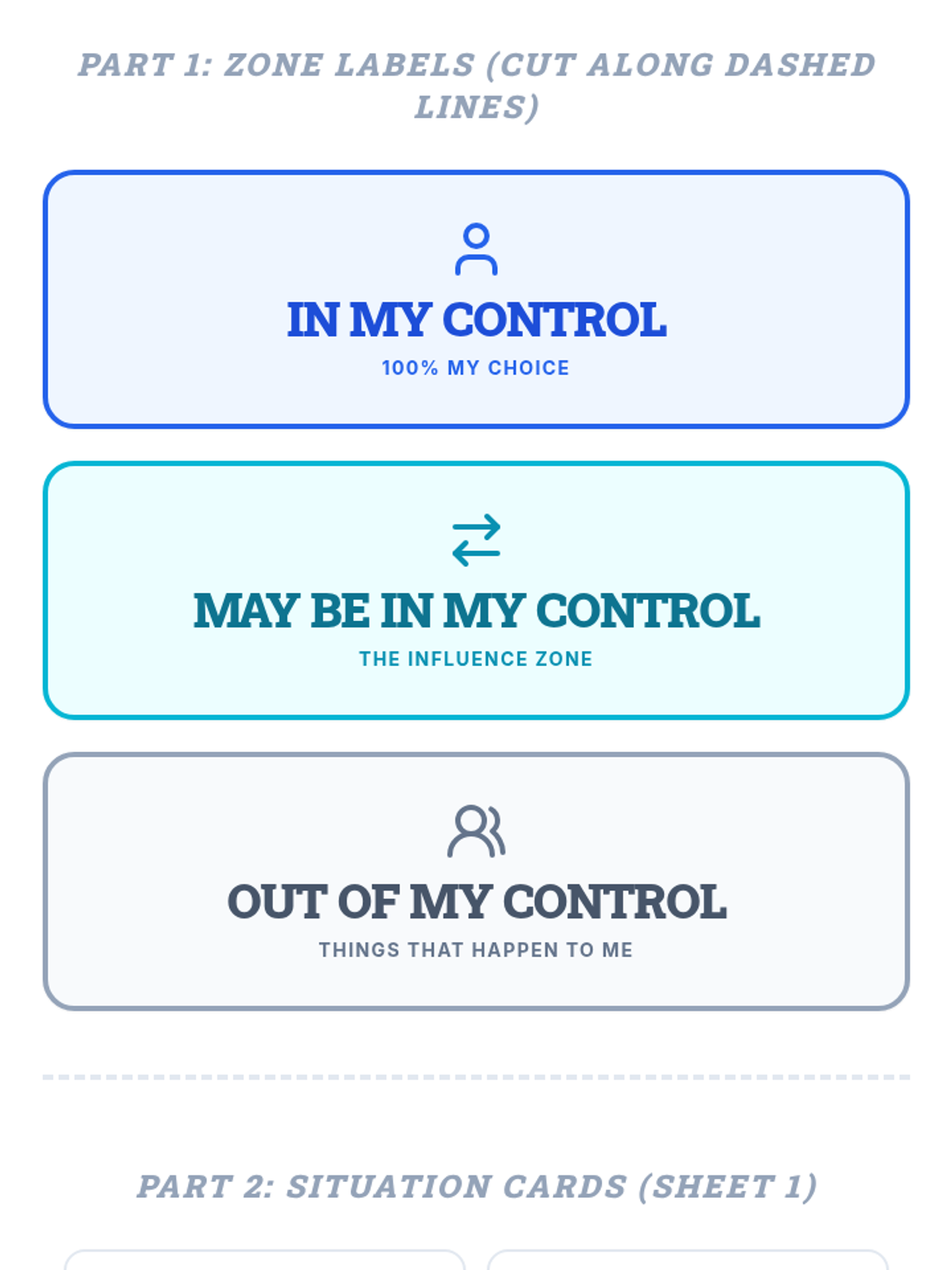
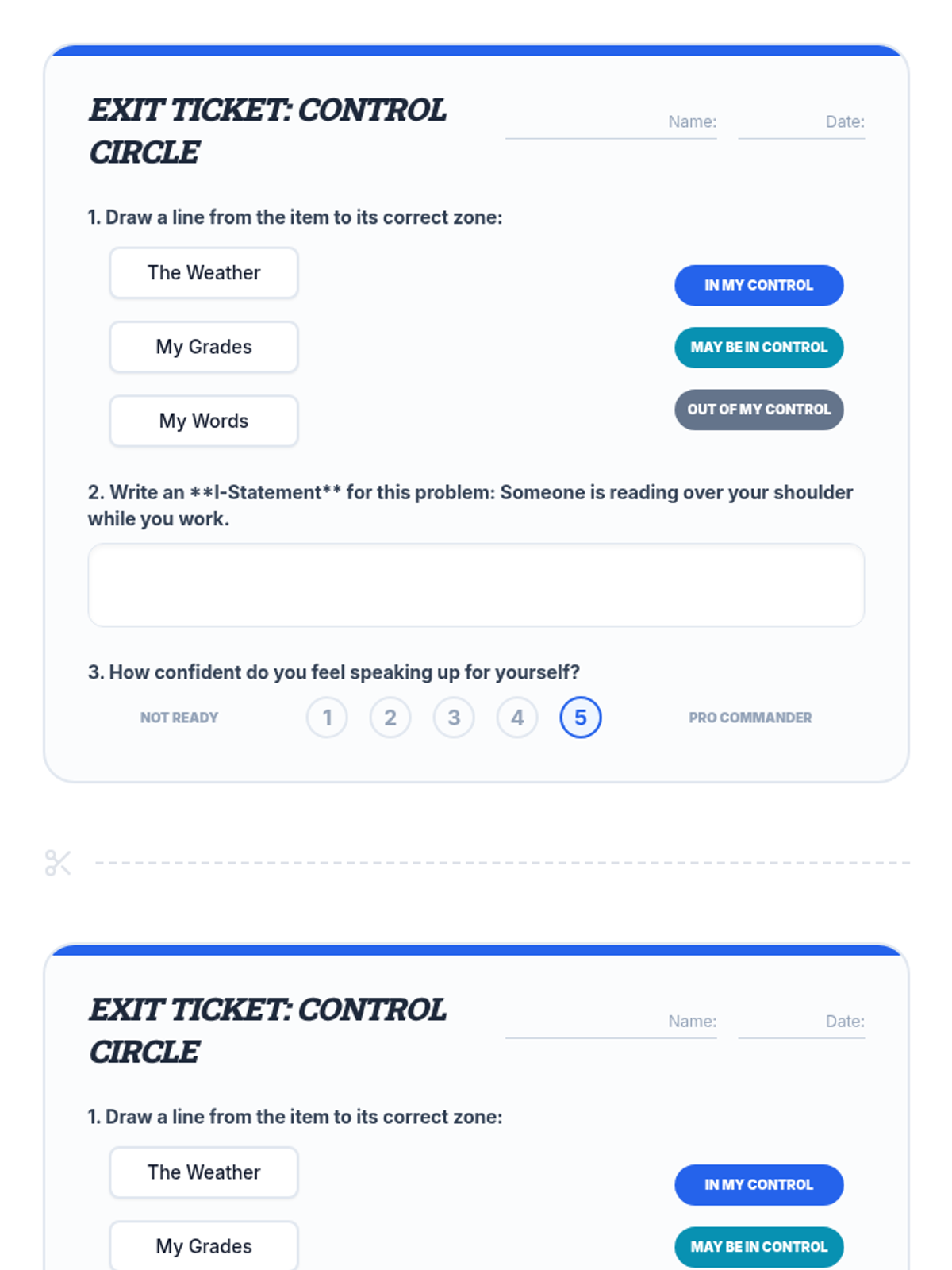
A social-emotional learning lesson for Tier 2 small groups focusing on identifying spheres of control and practicing assertive I-Statements in social scenarios.
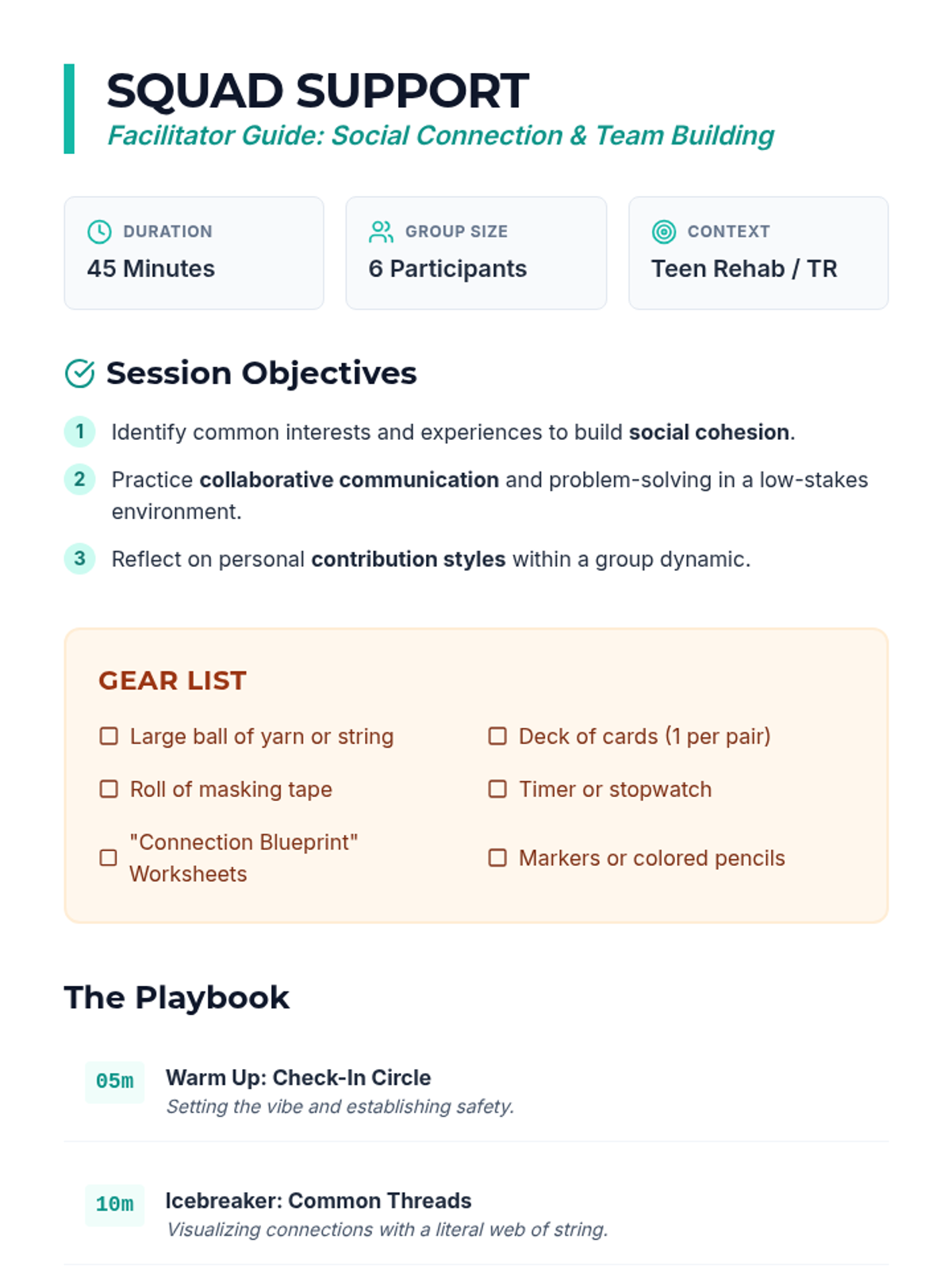
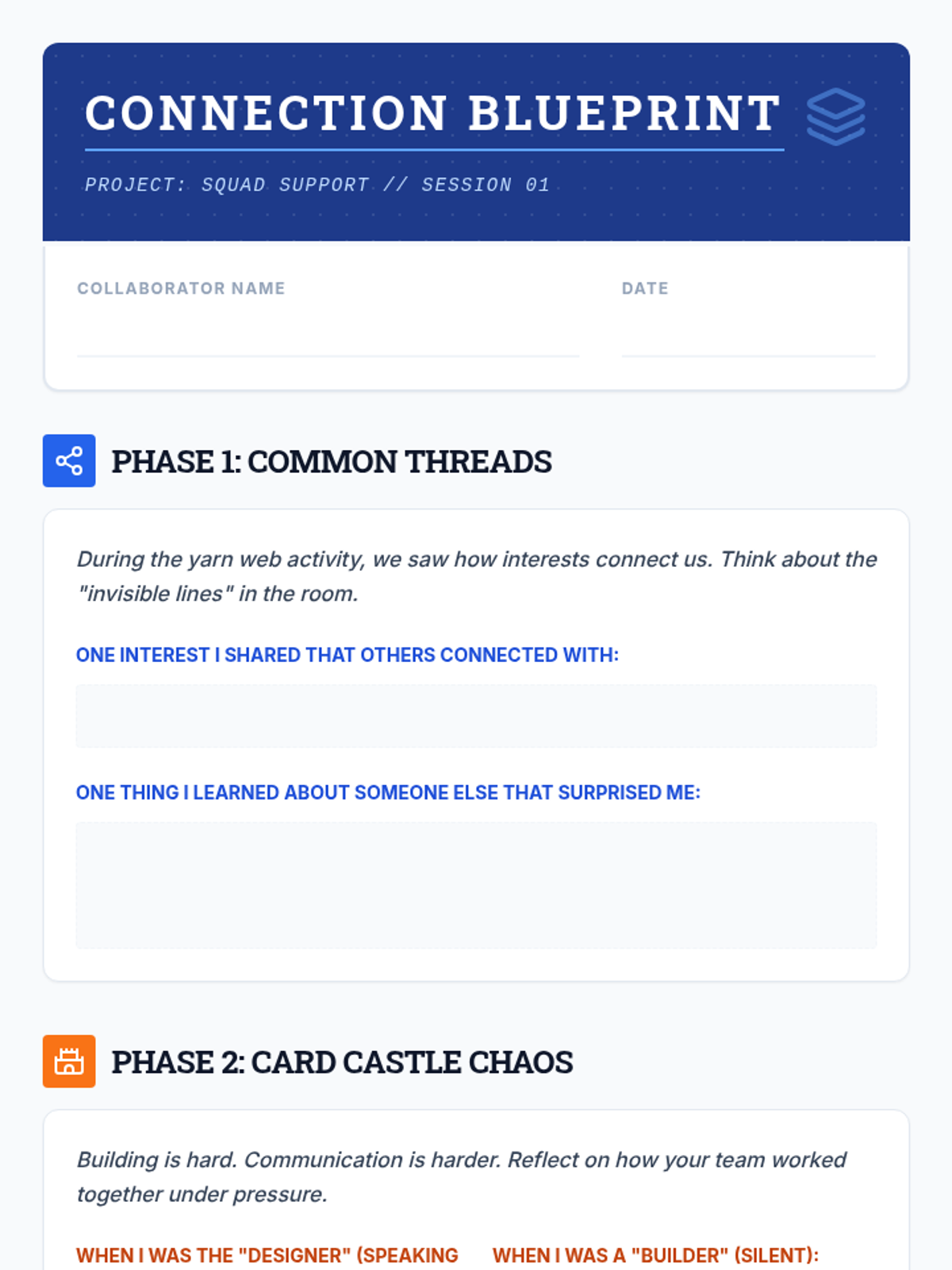
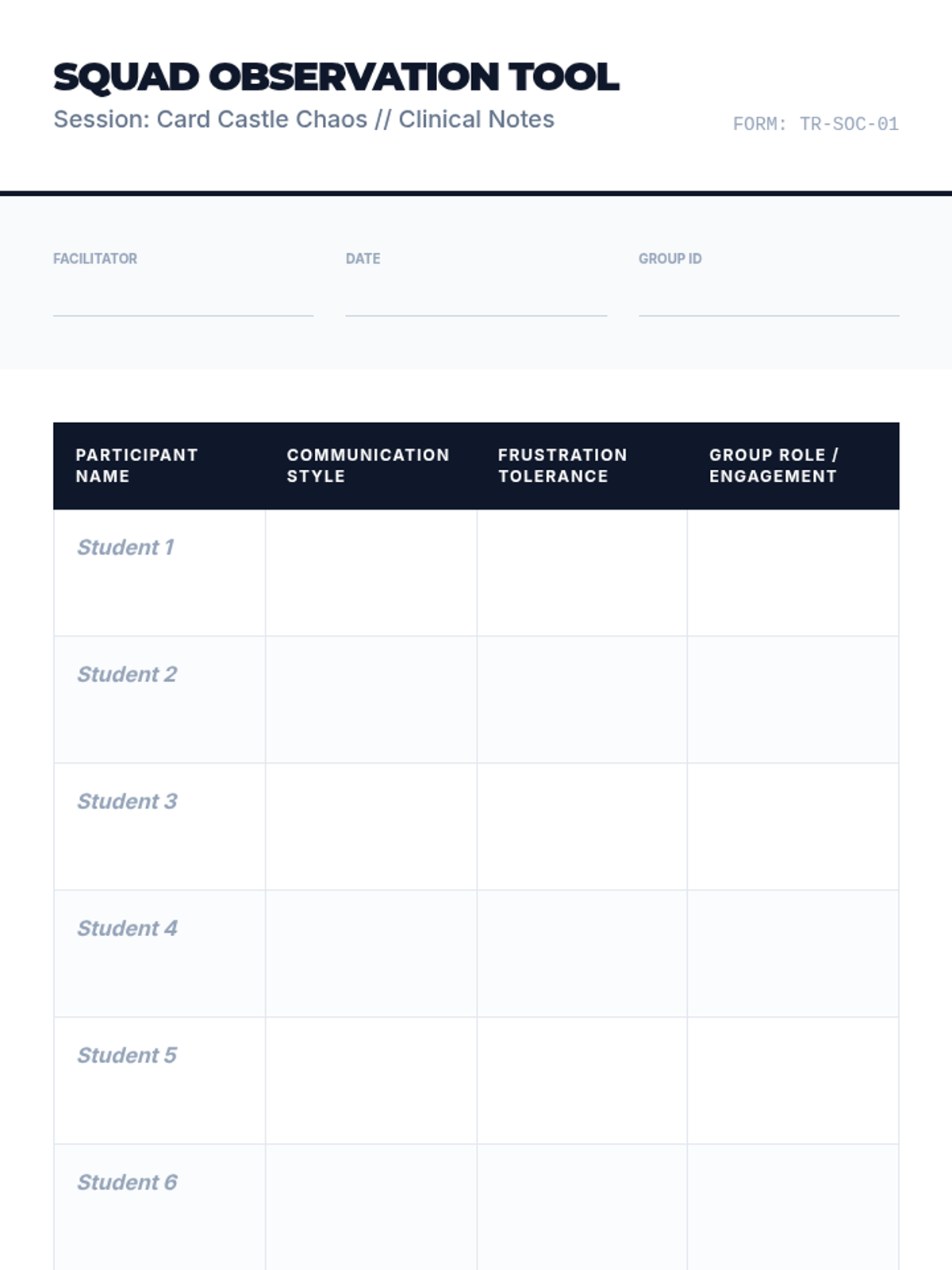
A 45-minute therapeutic leisure session for teens focused on building social connections and team dynamics through collaborative activities and reflection.
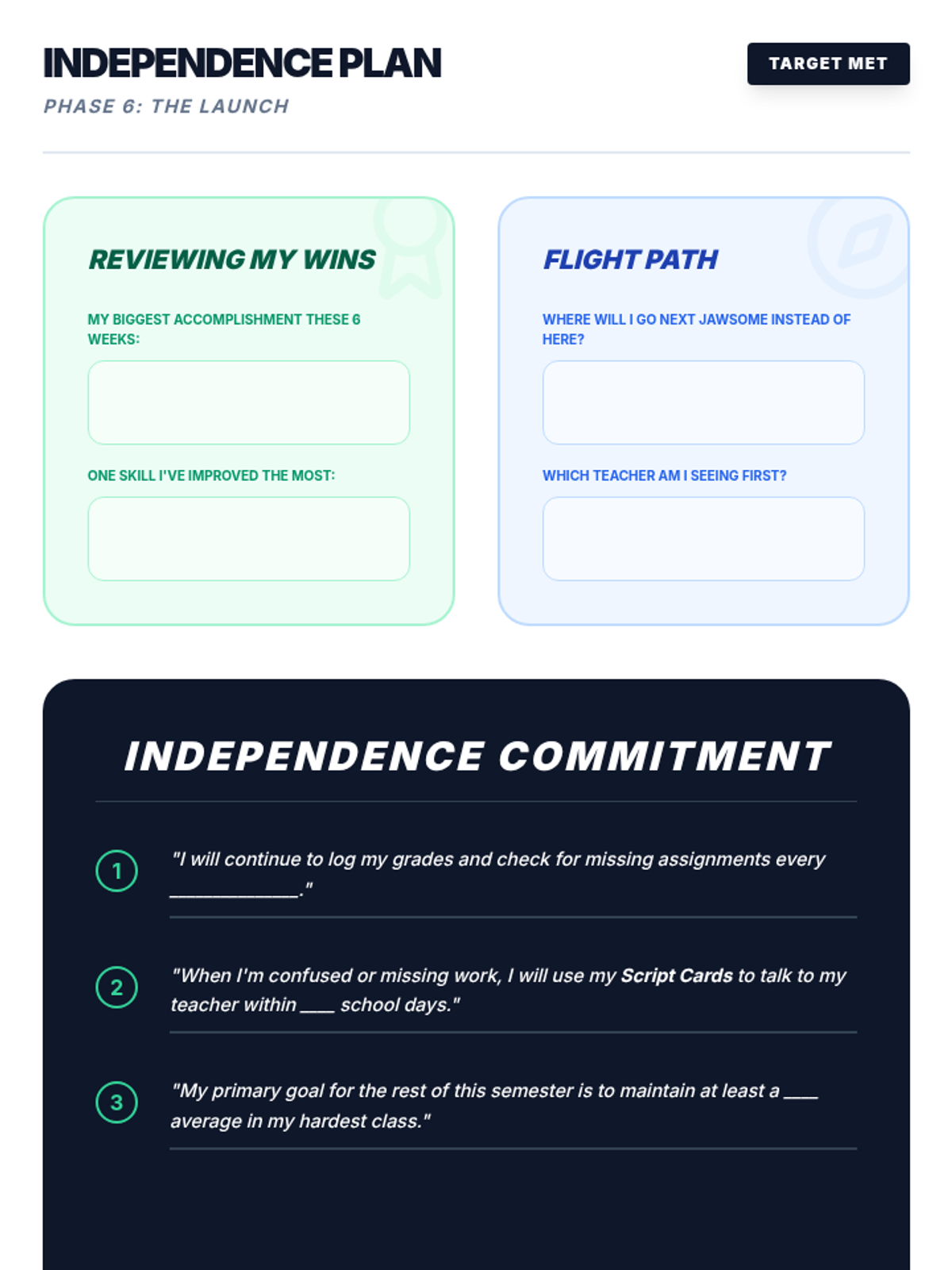
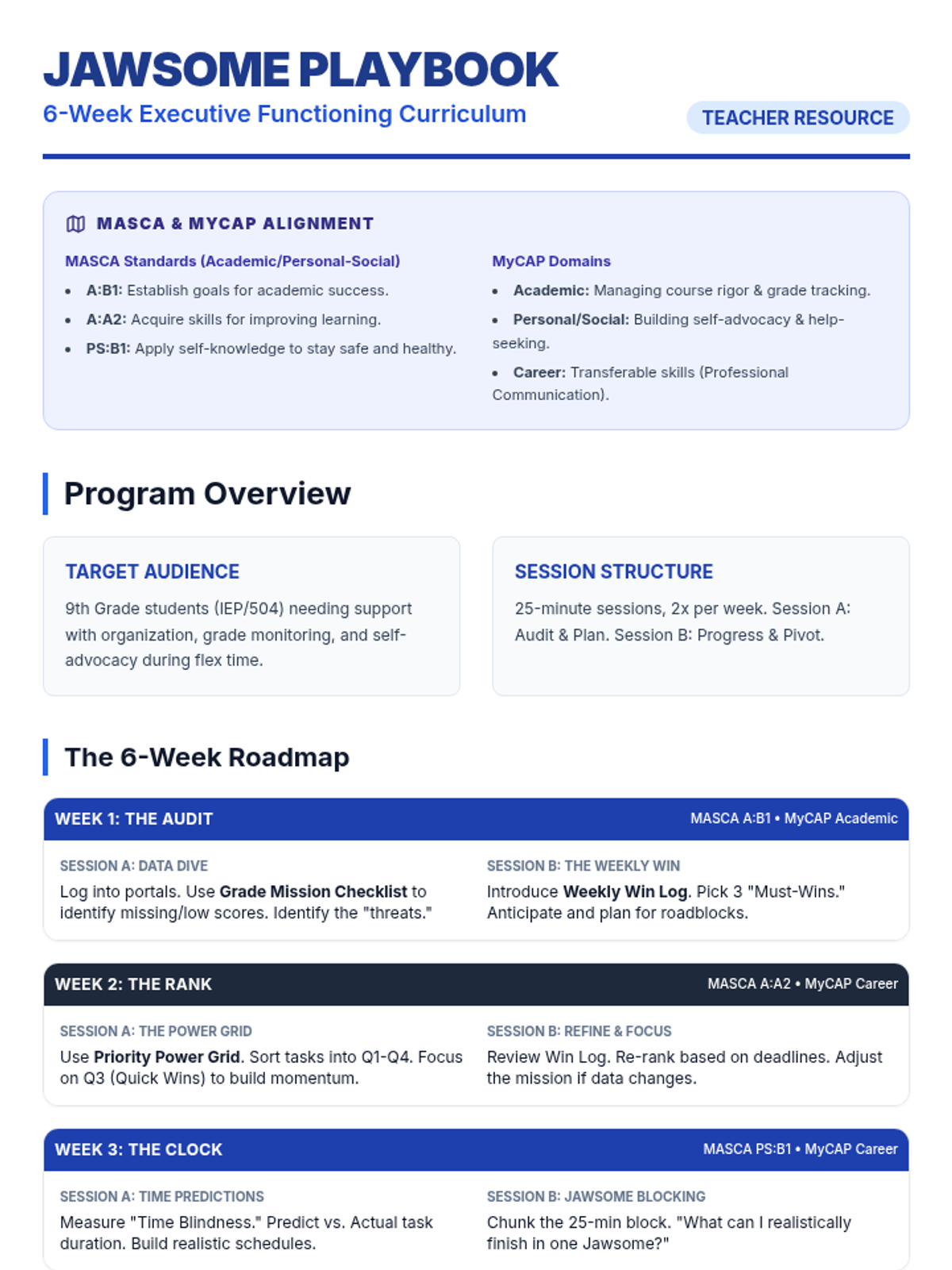
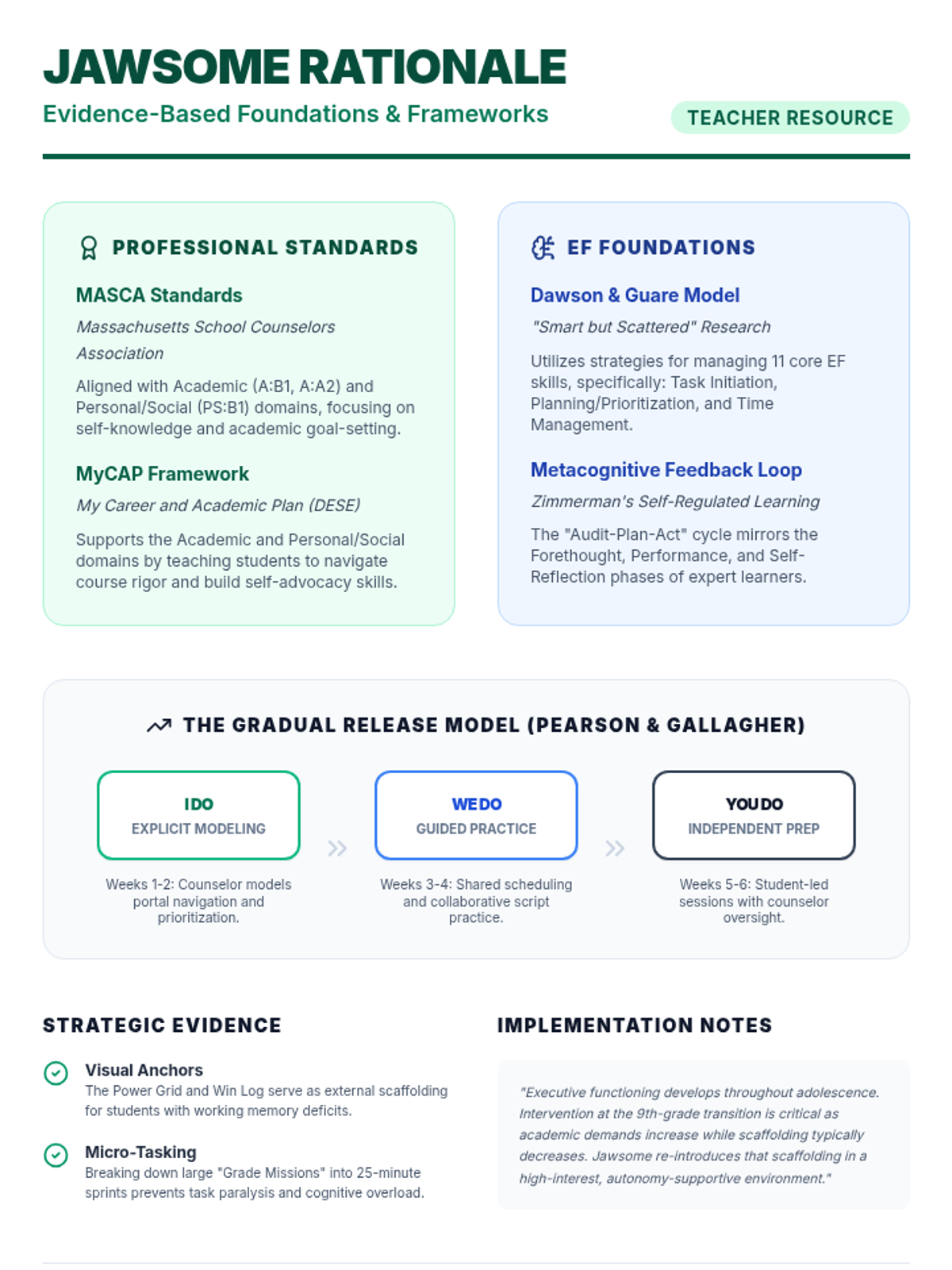
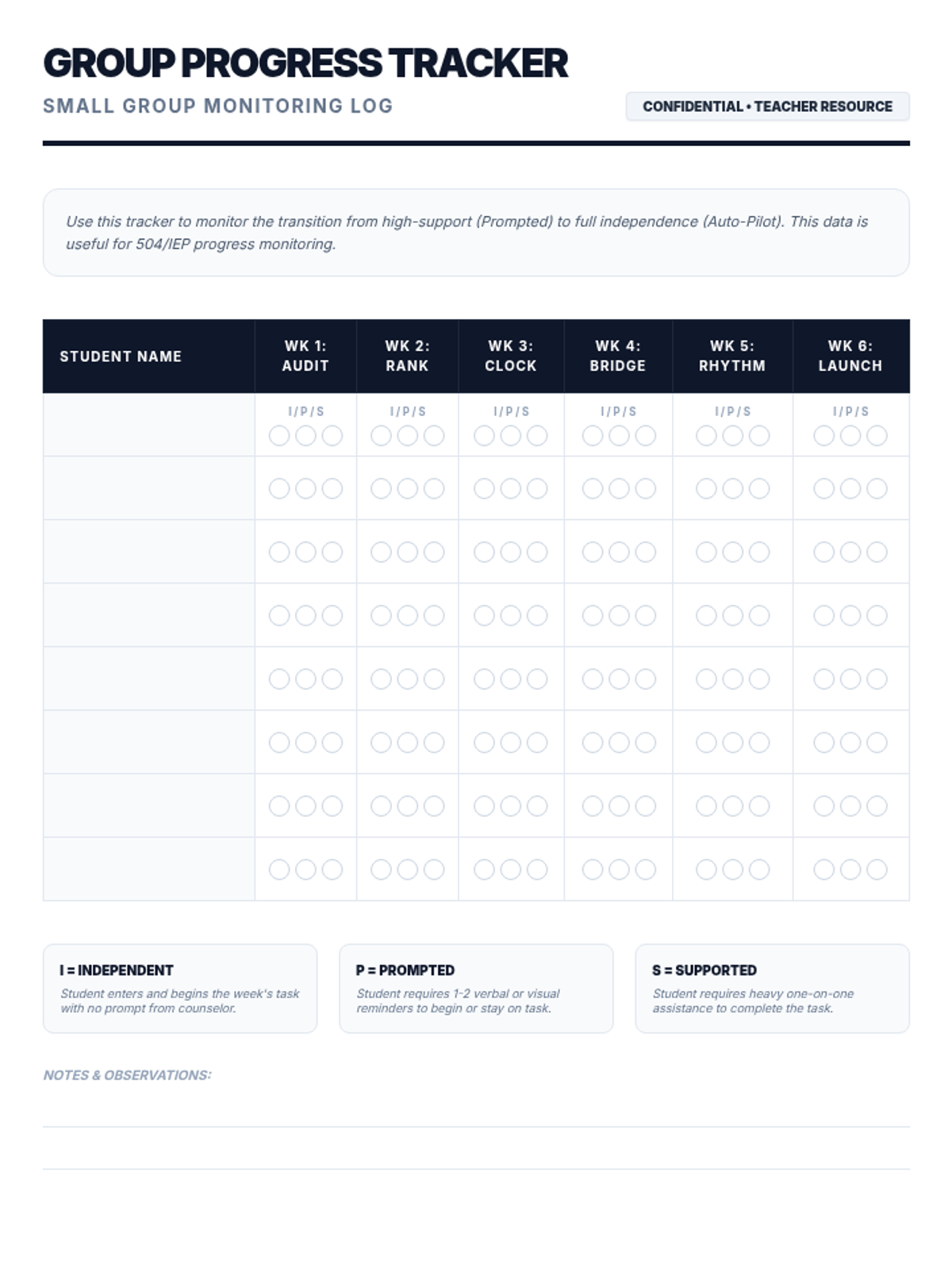
Preparing for independence. Students review progress reports and finalize a plan for seeking teacher support autonomously.
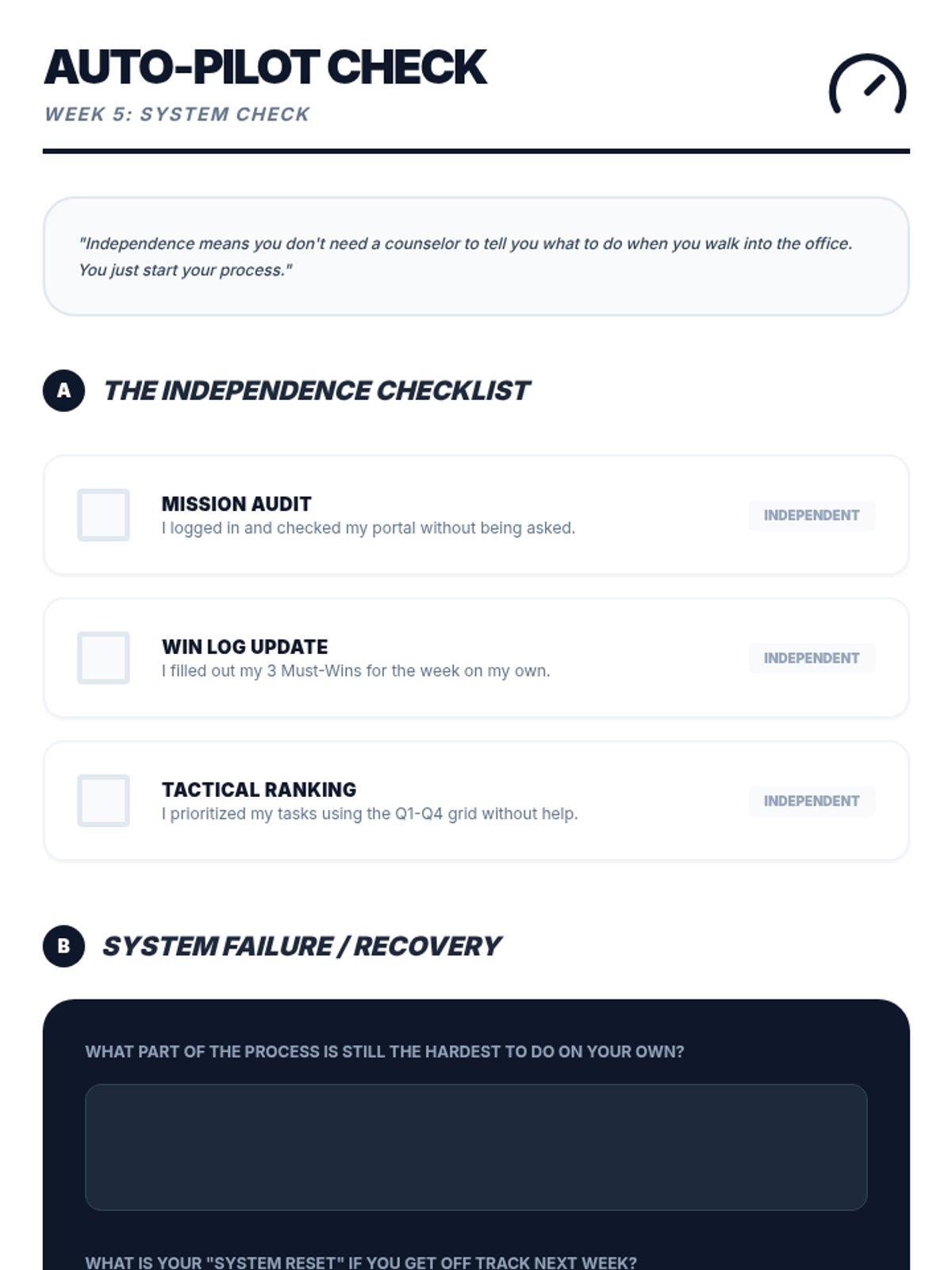
Establishing consistent habits and routines. Students refine their planning process to require less counselor prompting.
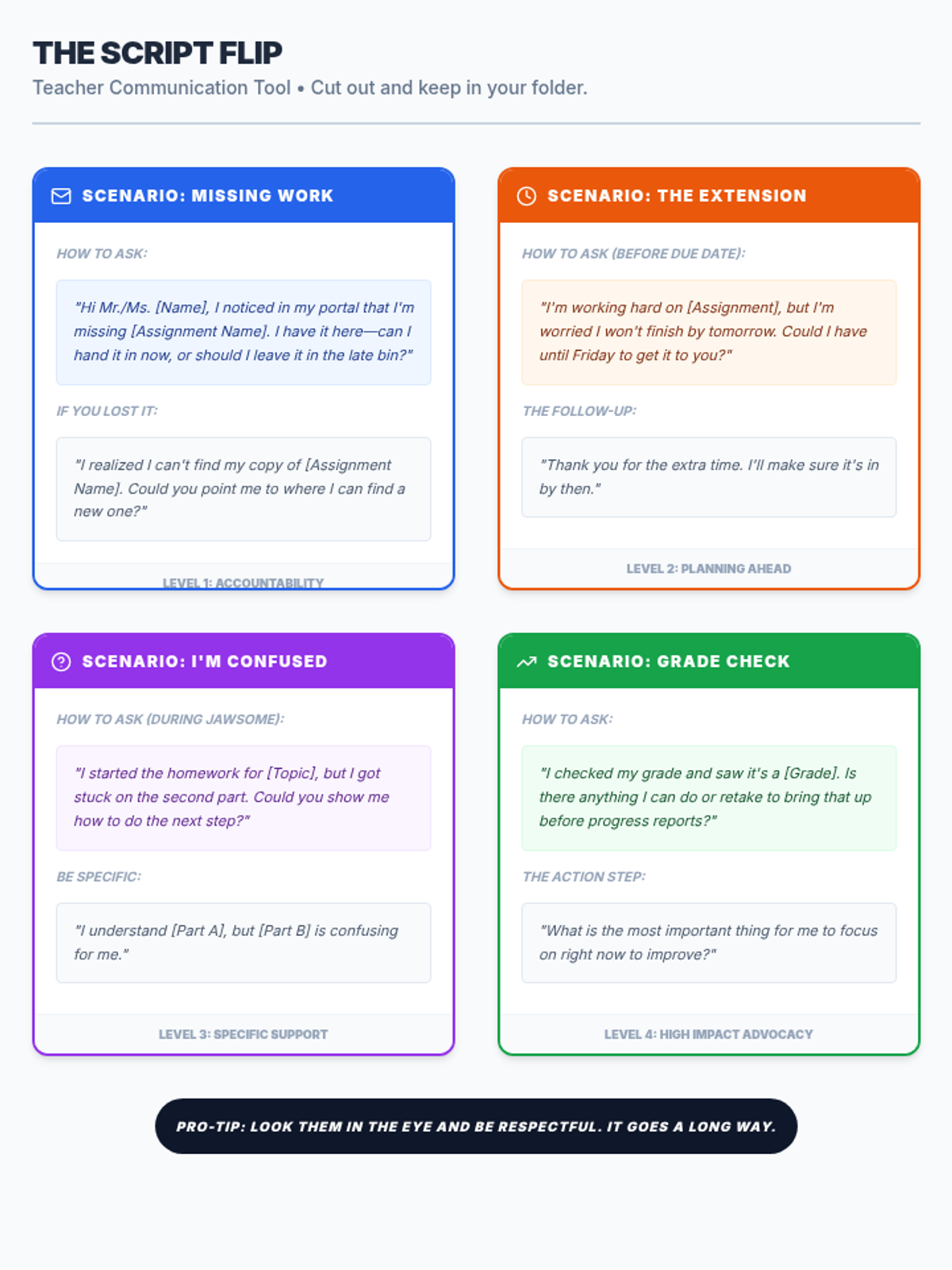
Developing teacher communication skills. Students practice scripts for asking for help, clarifying assignments, and negotiating deadlines.
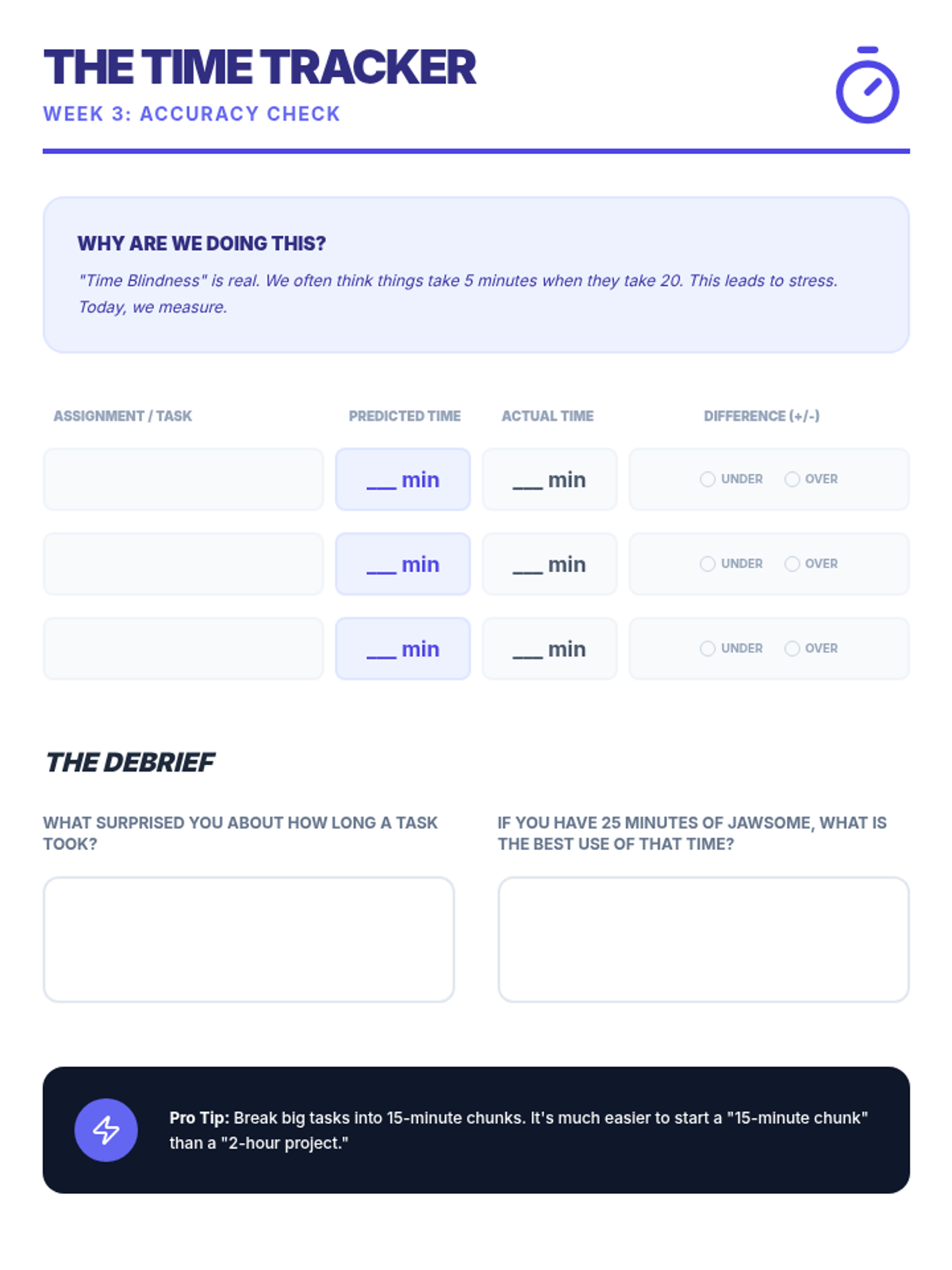
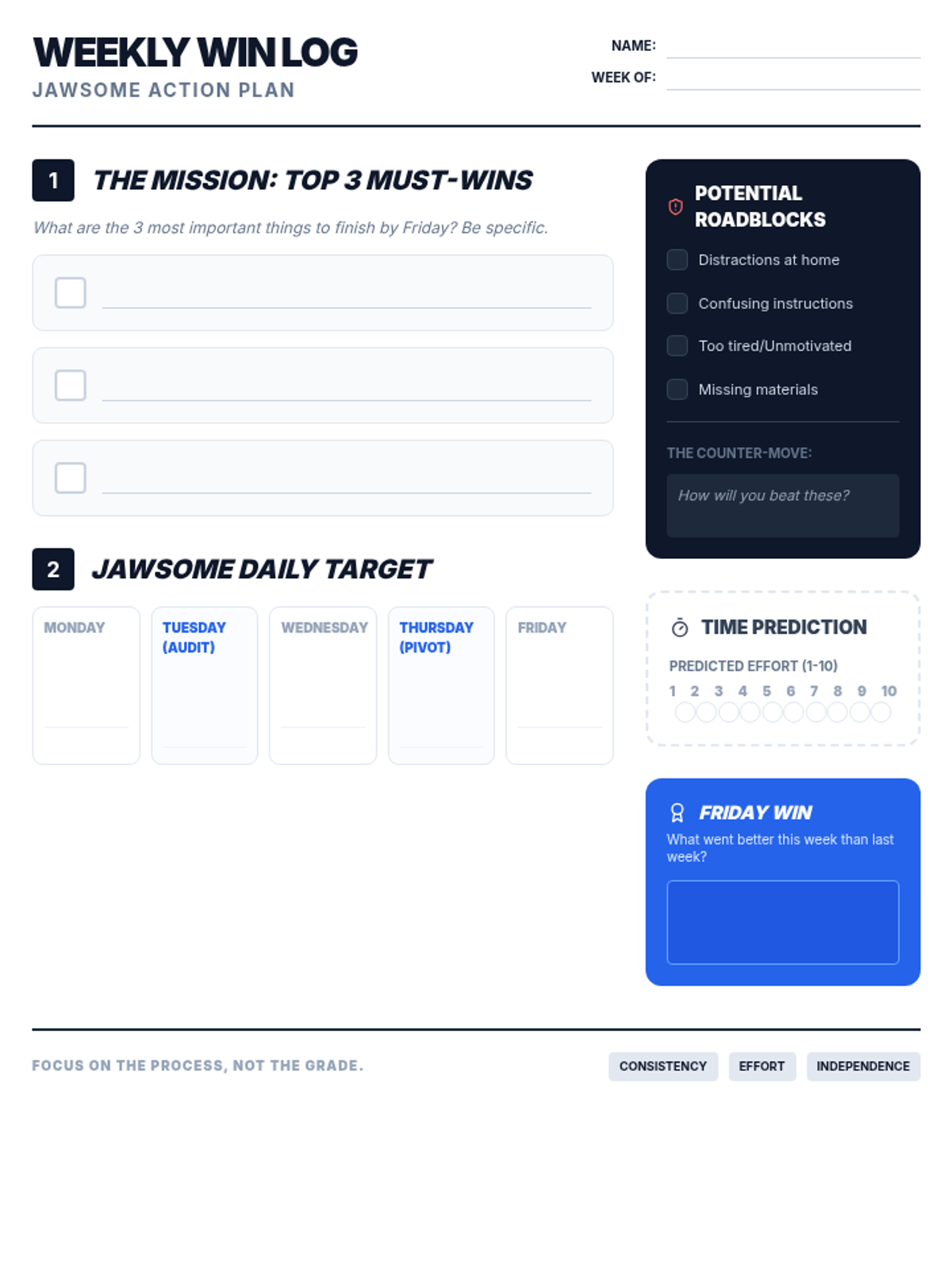
Time estimation and scheduling. Students practice predicting how long tasks take and slotting them into their Jawsome flex time.
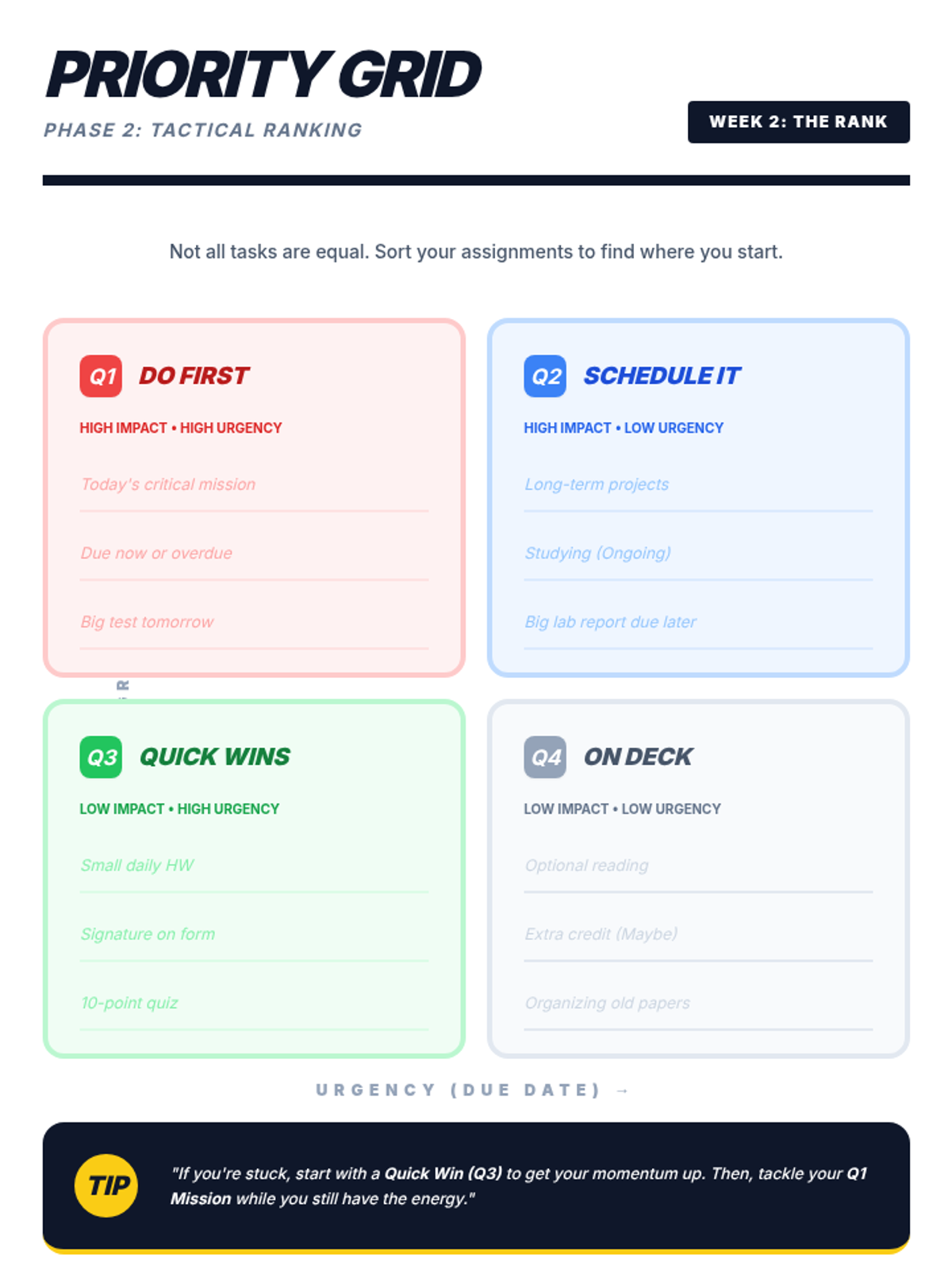
Focus on categorization and prioritization. Students learn to distinguish between urgent tasks and long-term projects using a priority matrix.
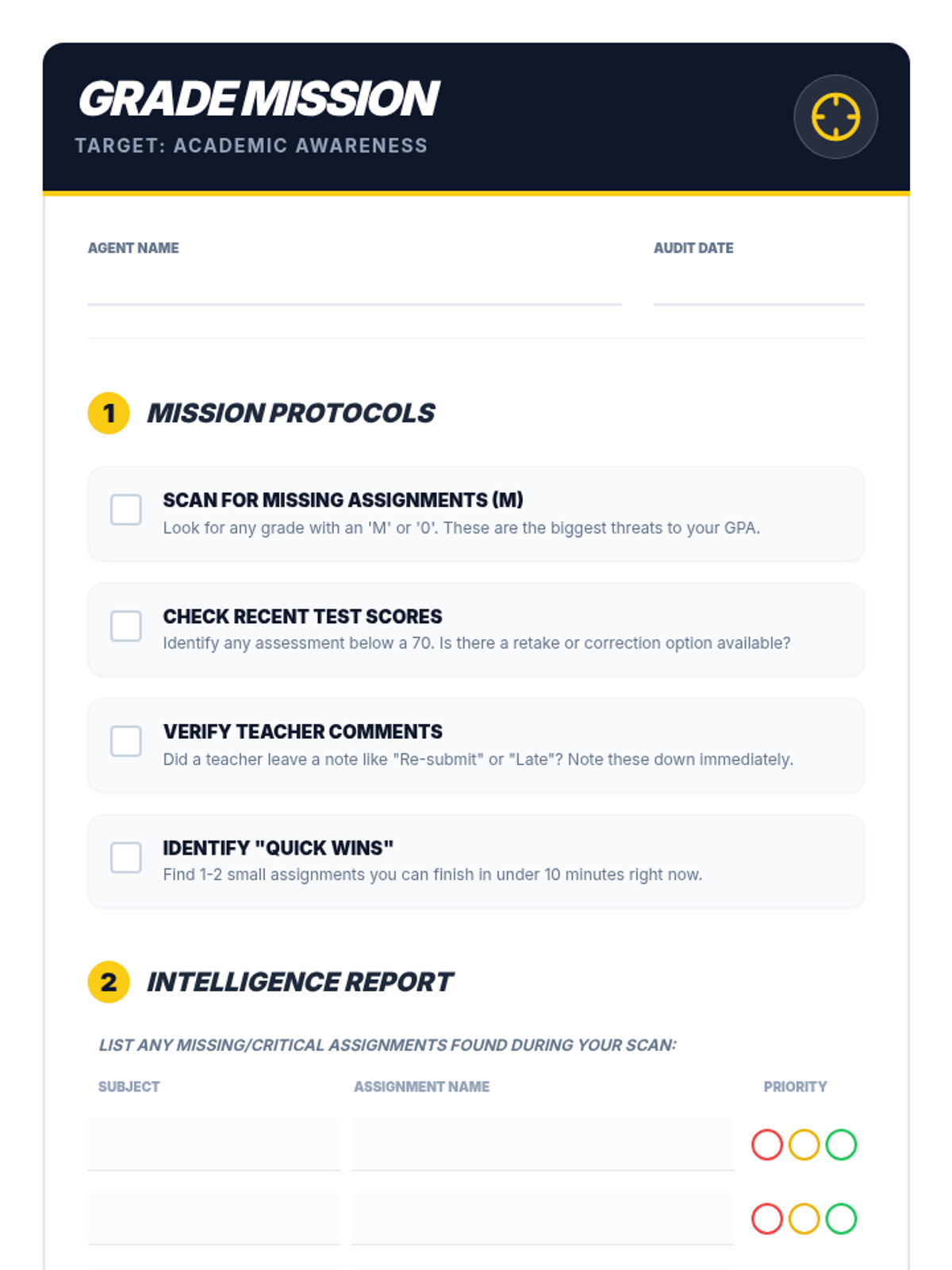
Introduction to the "Grade Audit" process. Students learn to navigate their online portals efficiently and identify missing assignments.