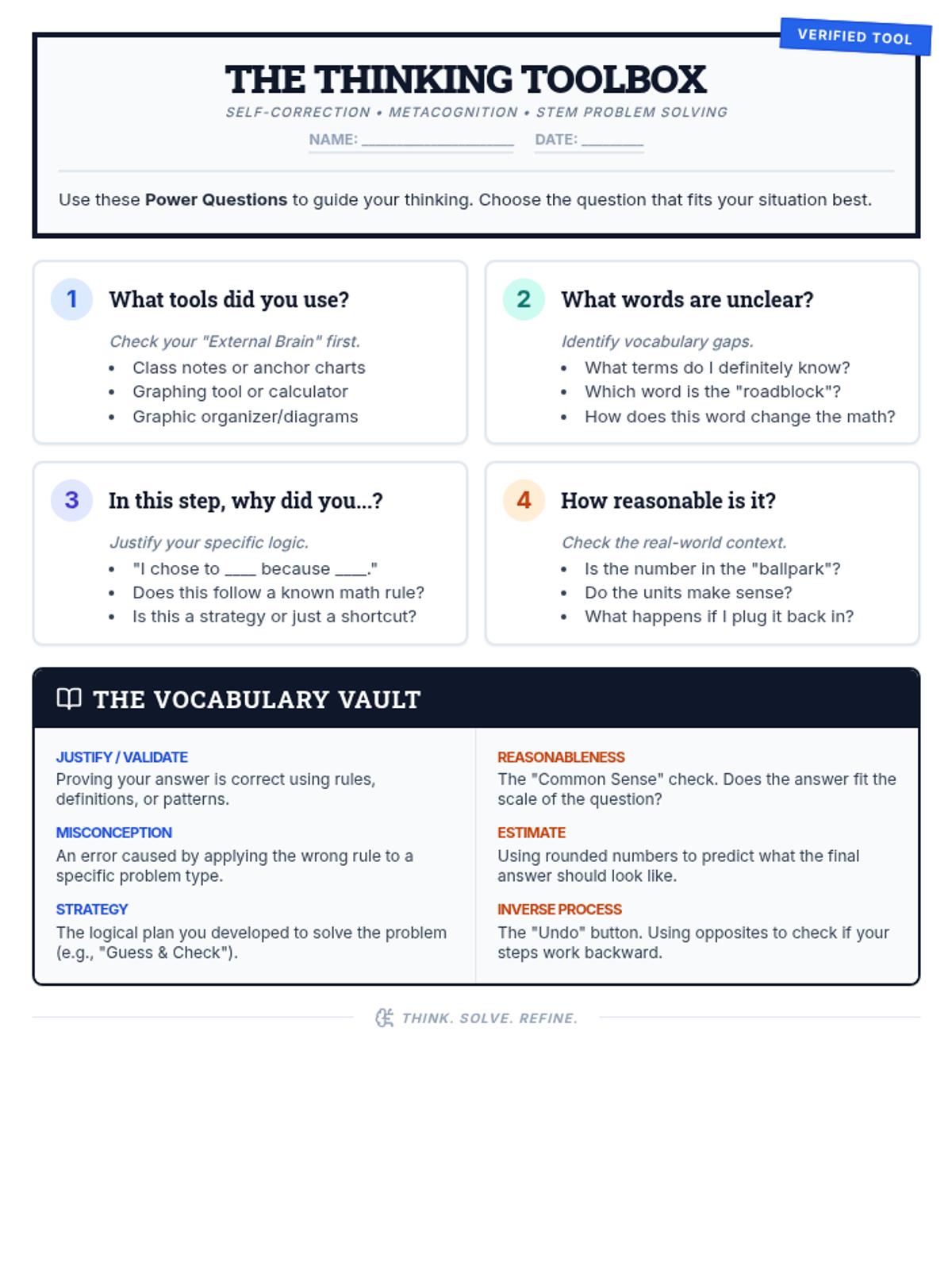
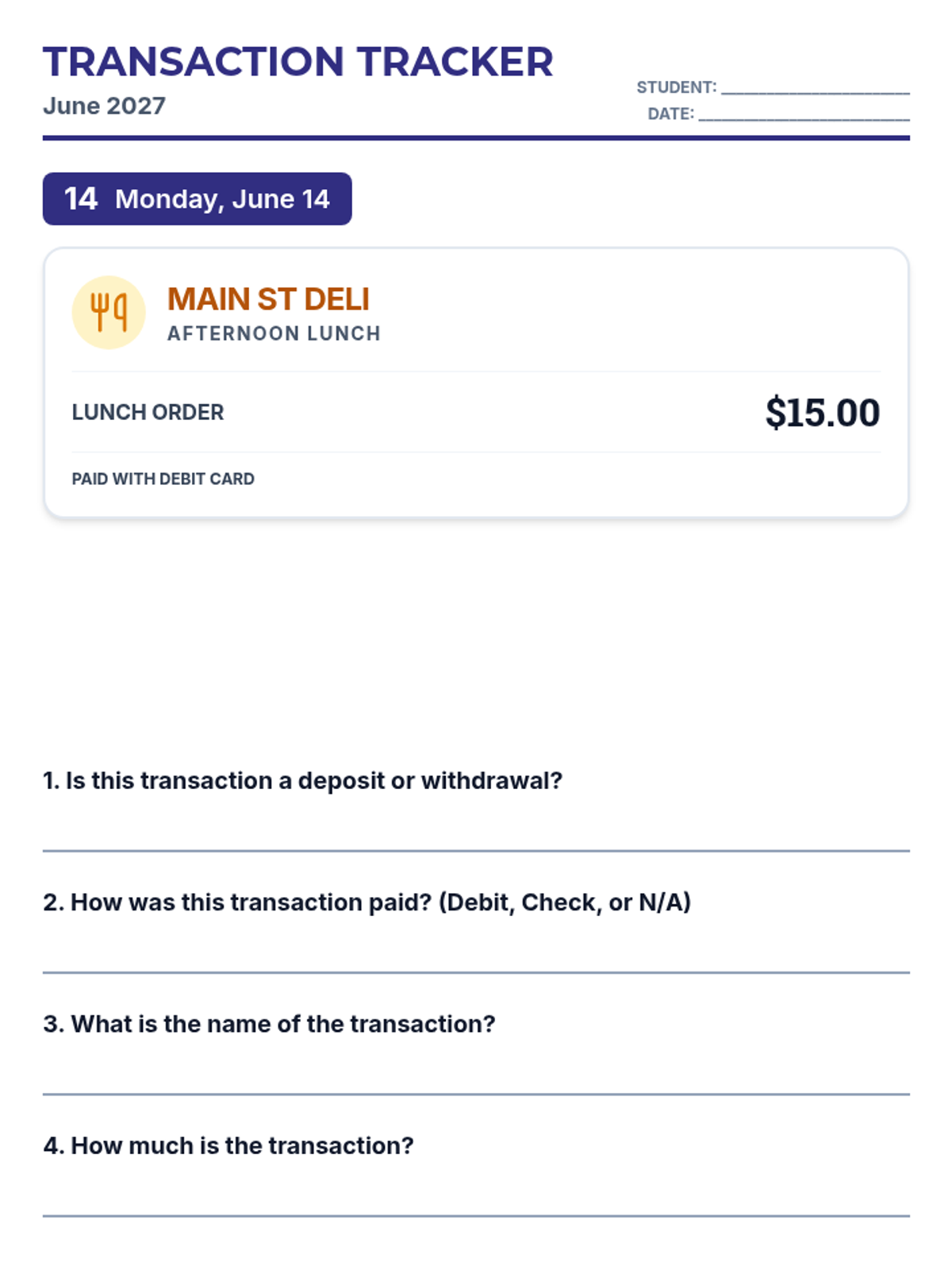
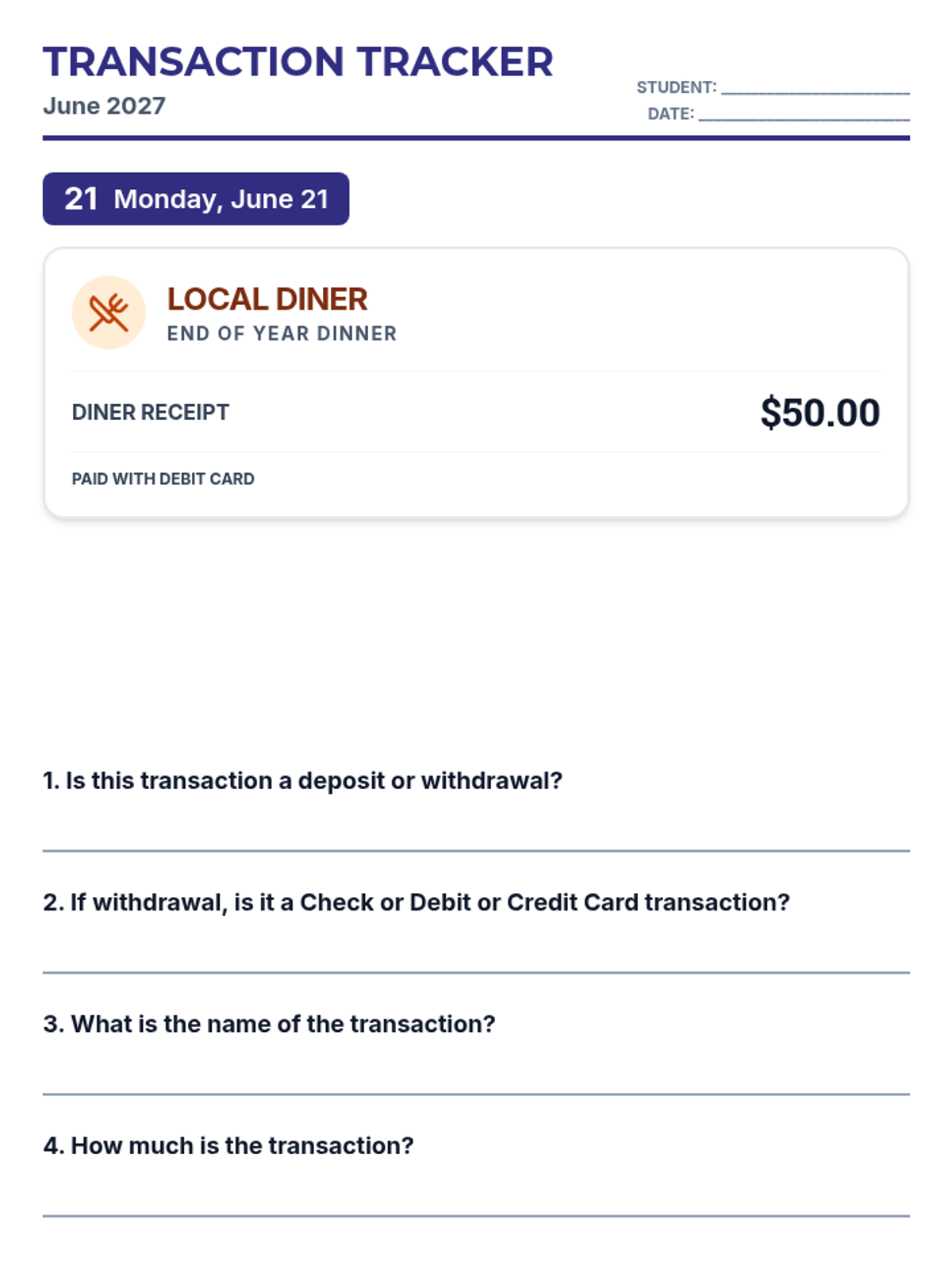
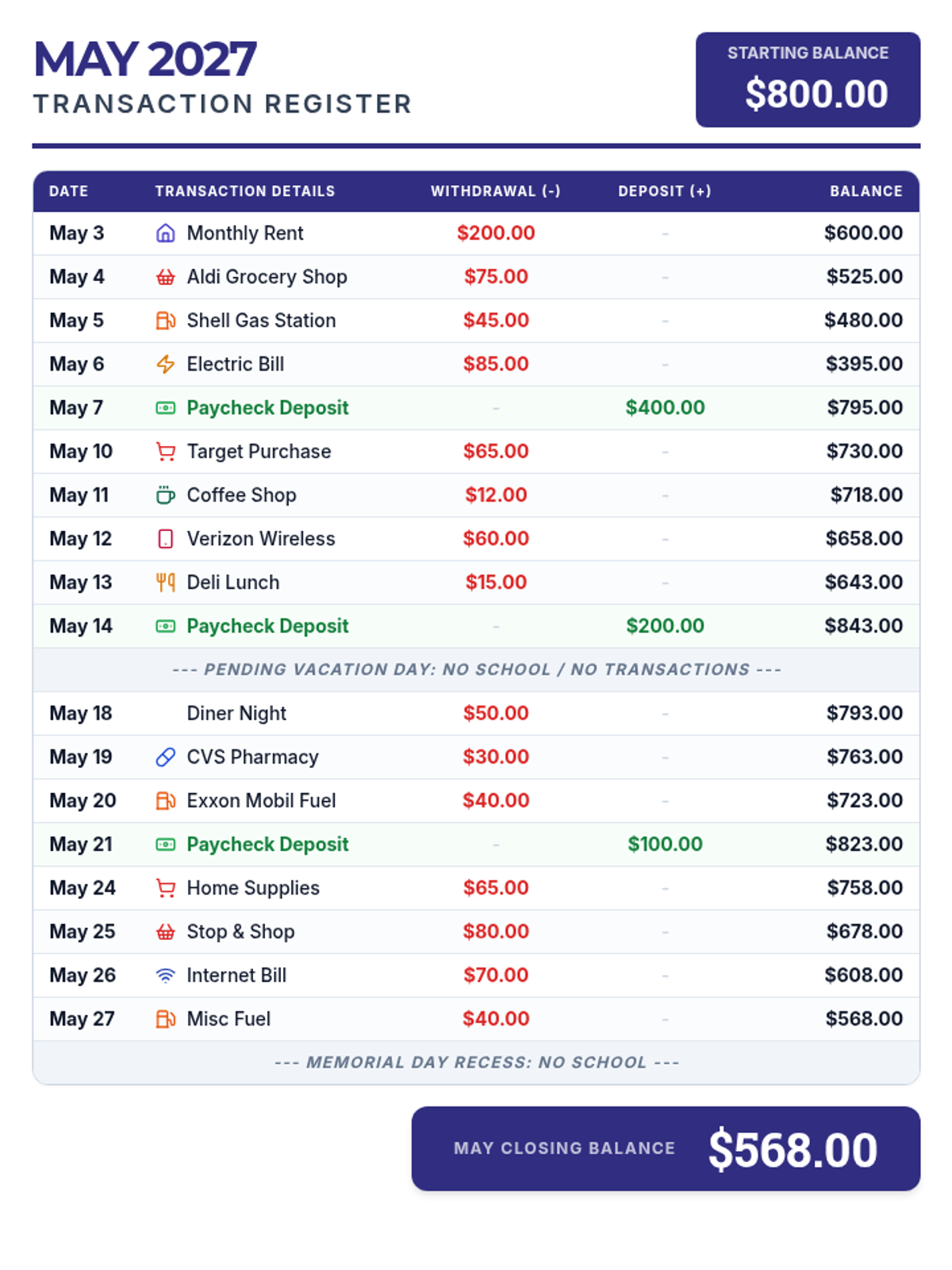
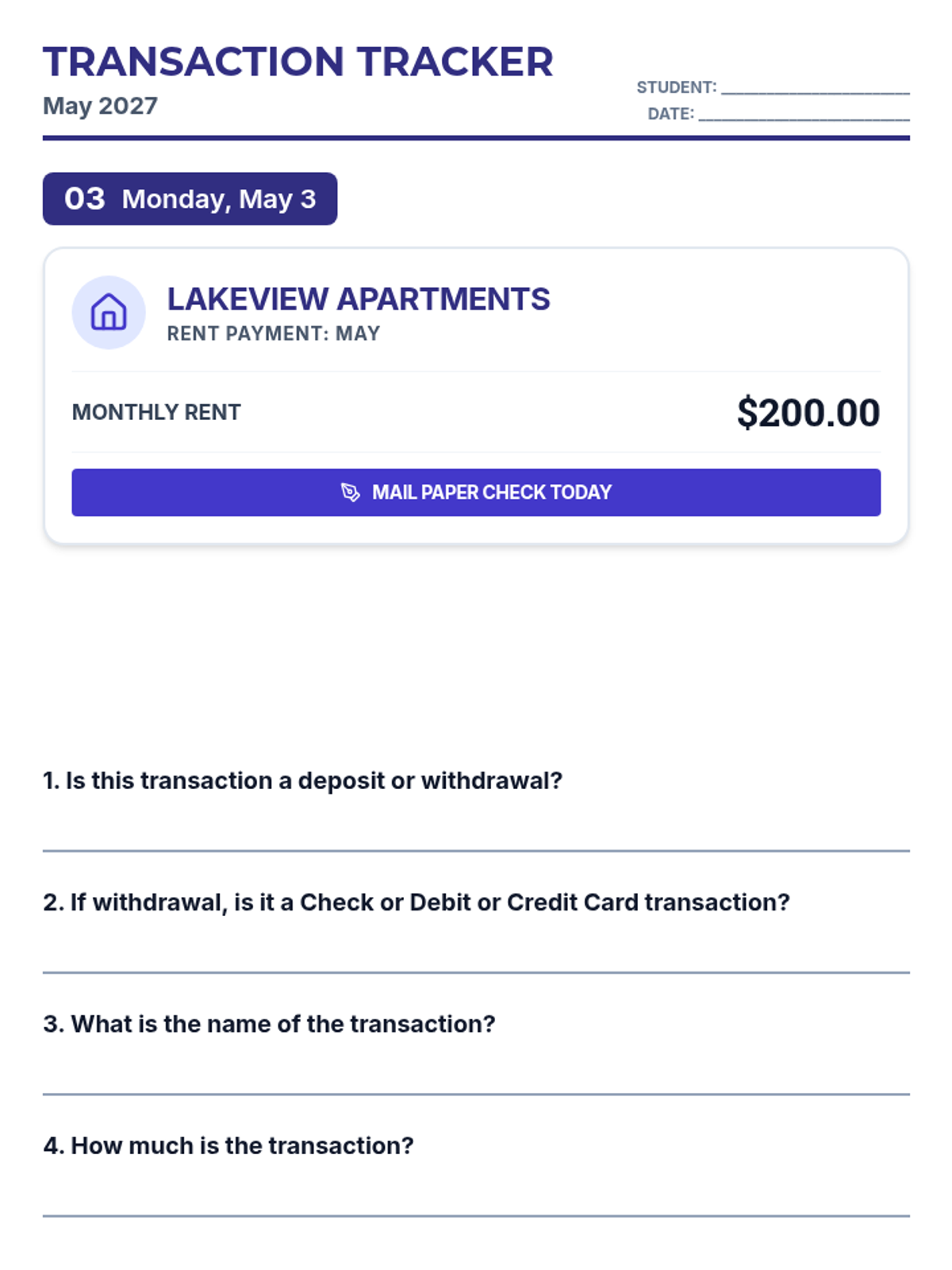
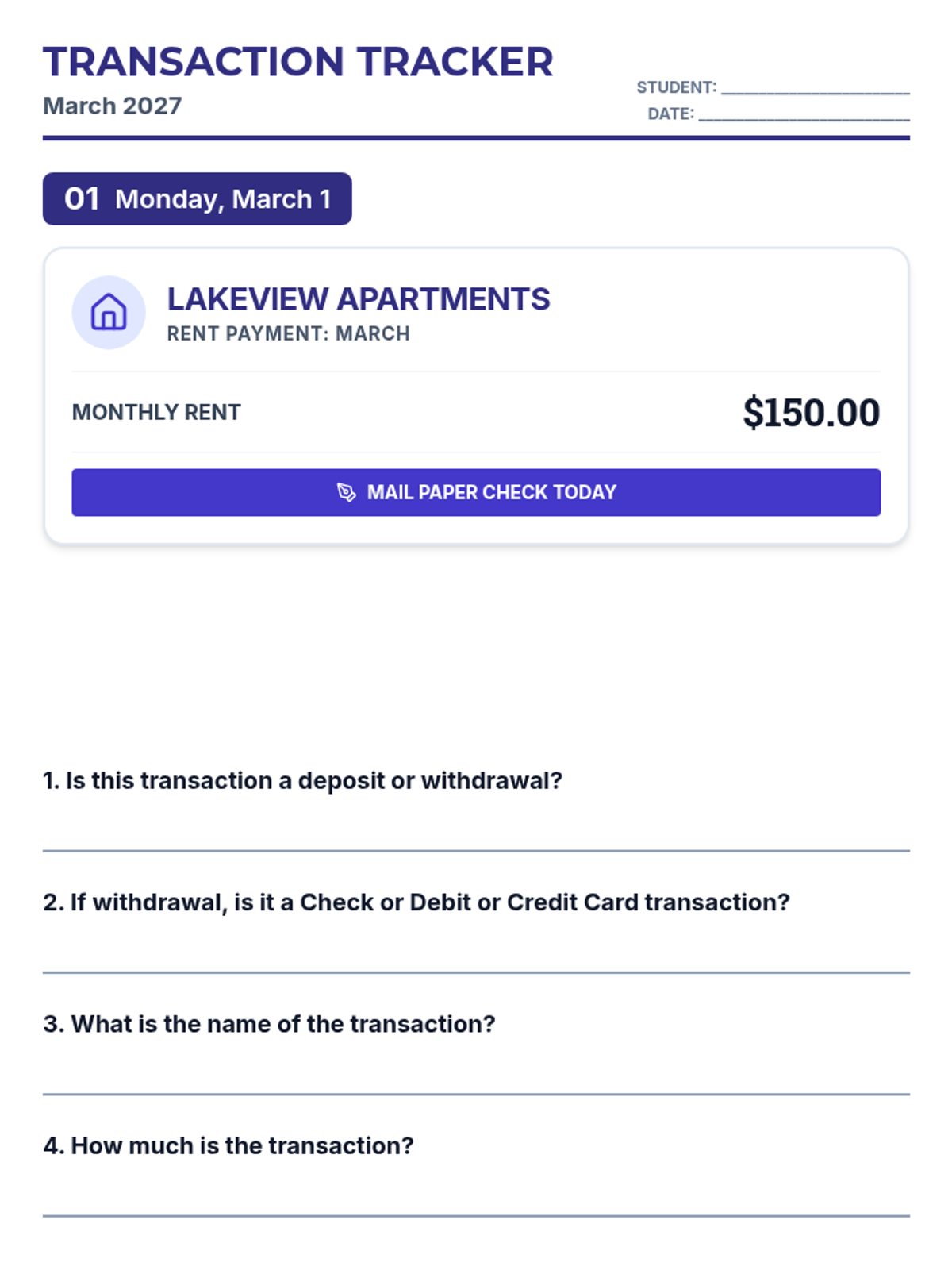
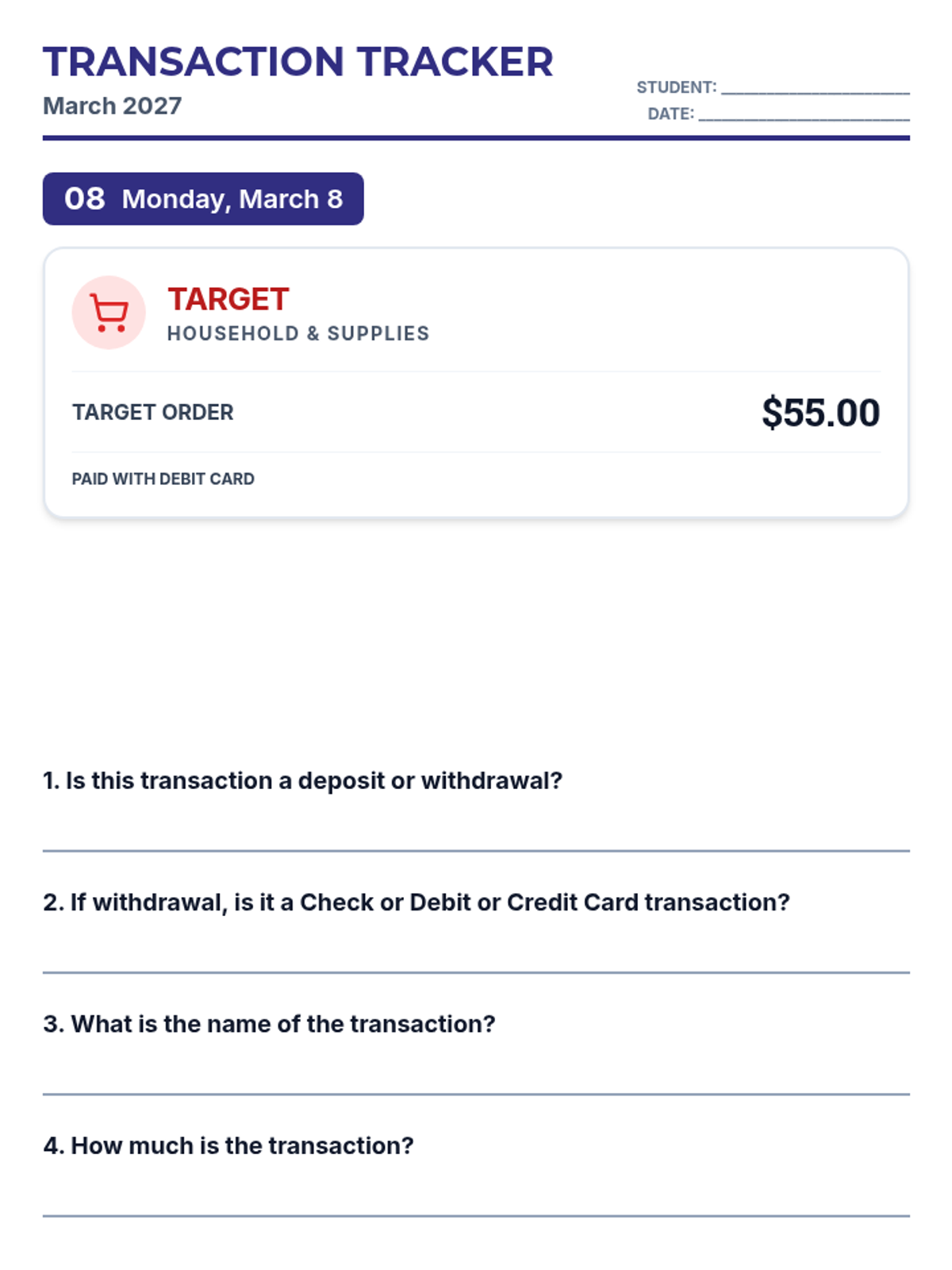
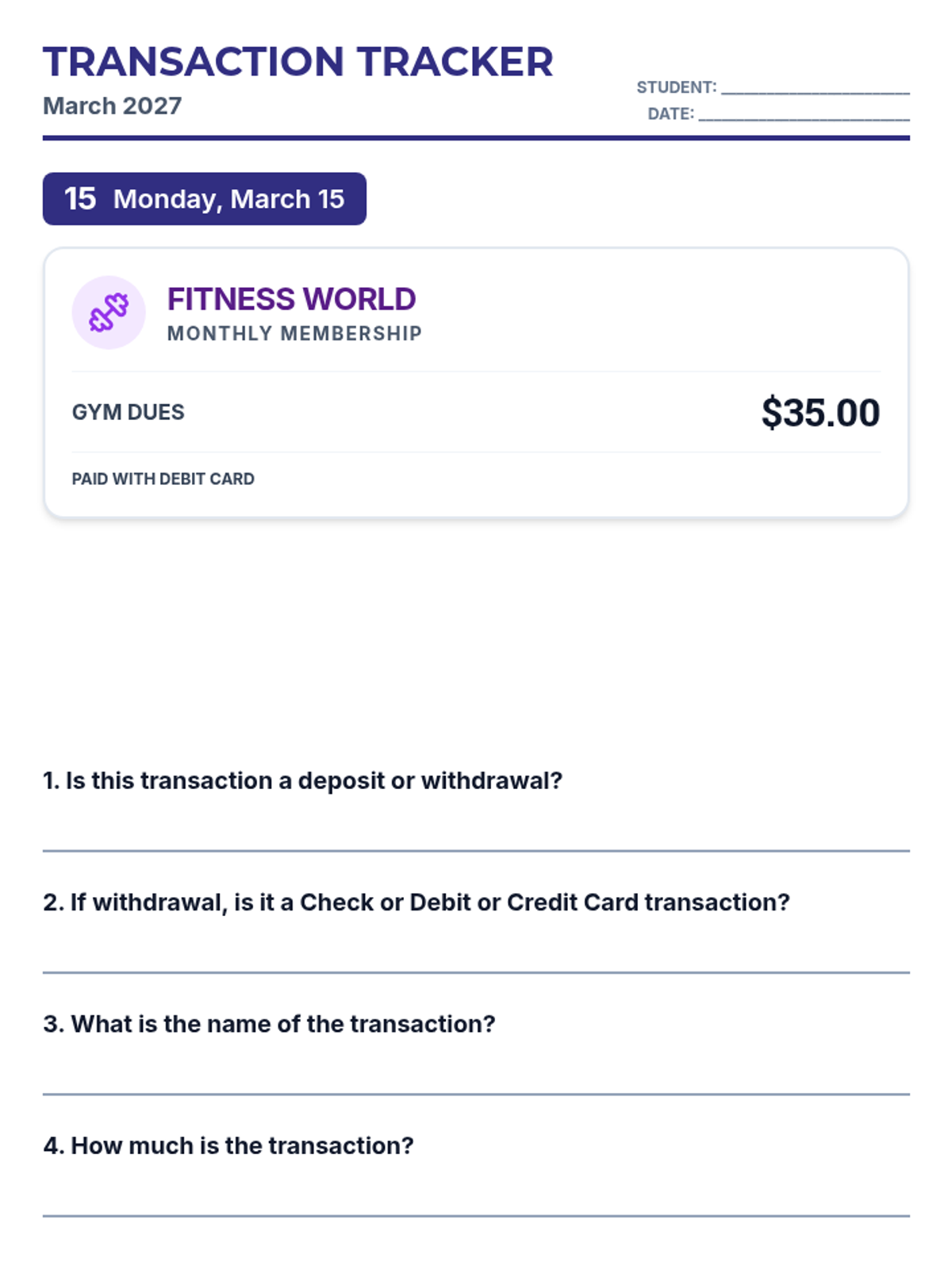
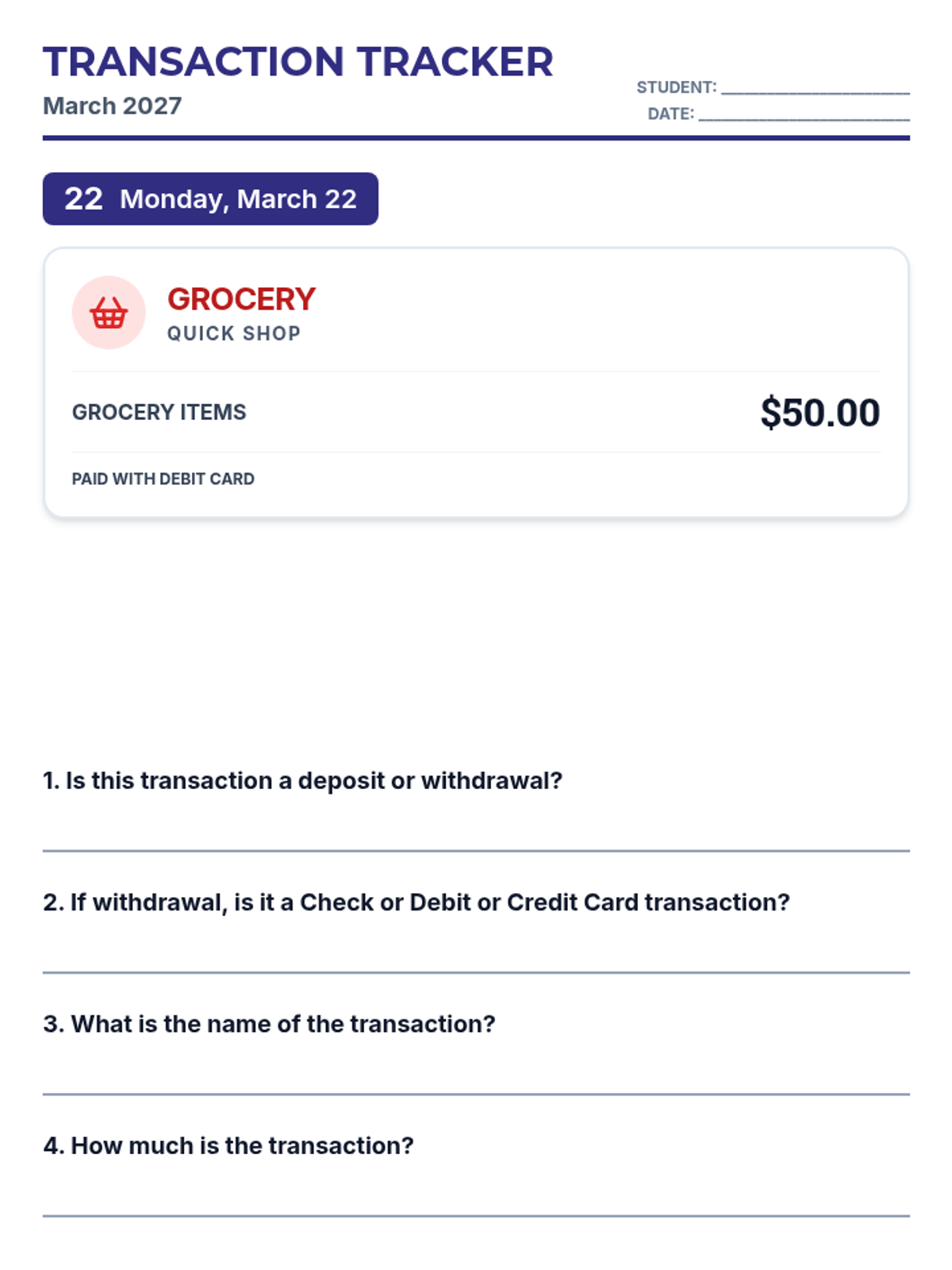
This lesson compares various time-management frameworks (Pomodoro, 52/17 rule, Time Blocking) that mandate breaks. Students experiment with one system during a study hall session to evaluate its efficacy.
A comprehensive training lesson for entry-level kitchen staff covering essential hygiene, storage, and safety protocols to ensure a professional and safe food service environment.
Explores professional communication and organization using digital calendars for shift management and navigating professional social media for networking.
Focuses on the digital job search process, including navigating online applications, uploading resumes, and maintaining internet safety and privacy during the search.
An introduction to workplace computer use, covering hardware basics, logging in, file management, and creating professional memos using word processing software.
A comprehensive lesson on workplace prioritization and task management across food service, office, and janitorial roles. Students learn to distinguish between urgent and important tasks using real-world scenarios.
A professional presentation slide covering the principles and local applications of Transactional Leadership within Irving ISD.
A high-level presentation for senior executives focusing on the strategic benefits of transactional leadership and result-oriented management, framed through the lens of John Maxwell's leadership philosophy.
A focused presentation on the mechanics and application of Transactional Leadership within the context of Irving ISD, emphasizing operational excellence and structured accountability.
A lesson centered on a 'follow the directions' challenge themed as an overly complex job application to teach the importance of reading all instructions before beginning a task.
A comprehensive lesson designed to help learners master workplace communication by reducing over-explaining, mastering small talk, following directions, reporting errors, and setting boundaries.
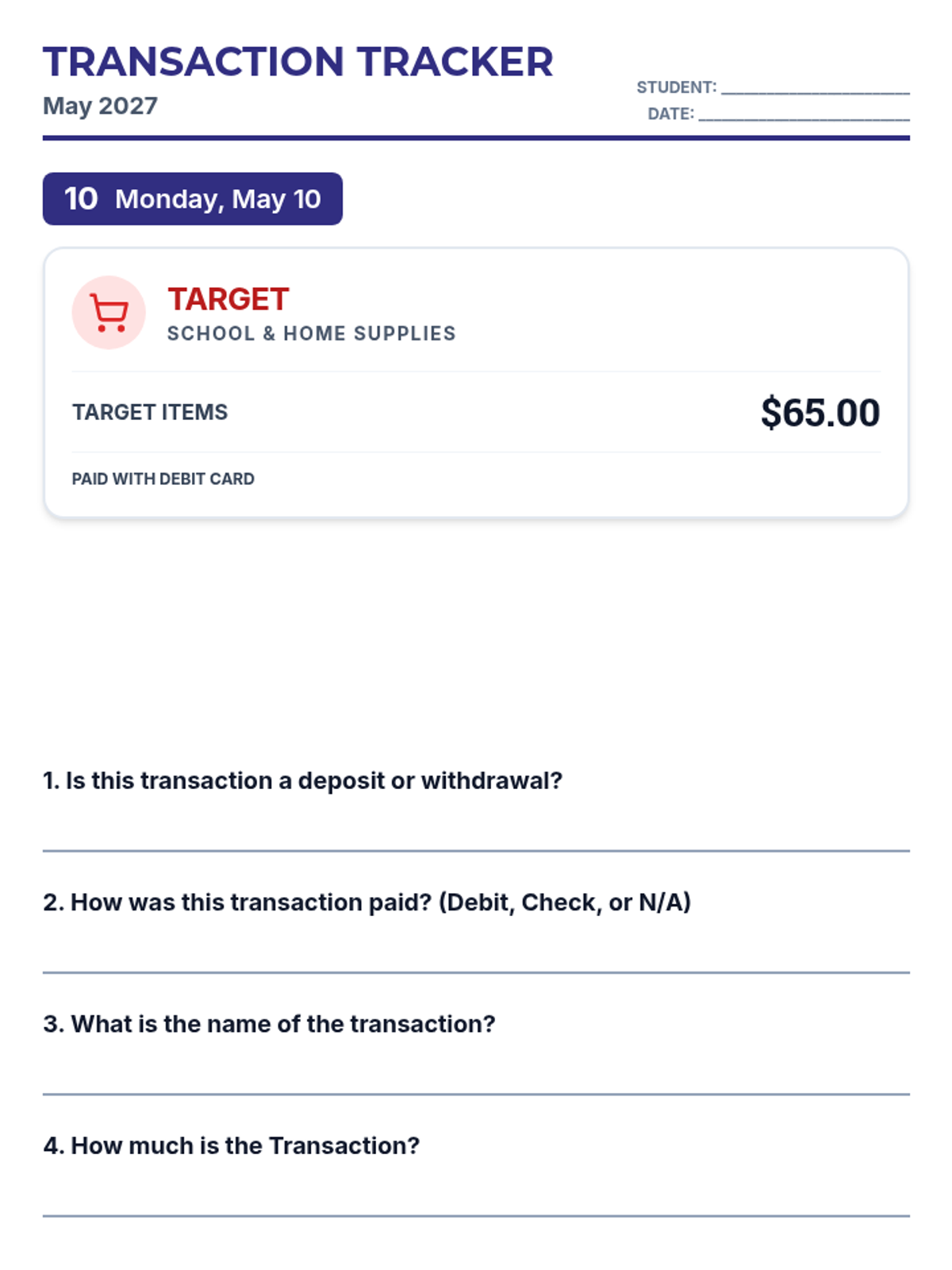
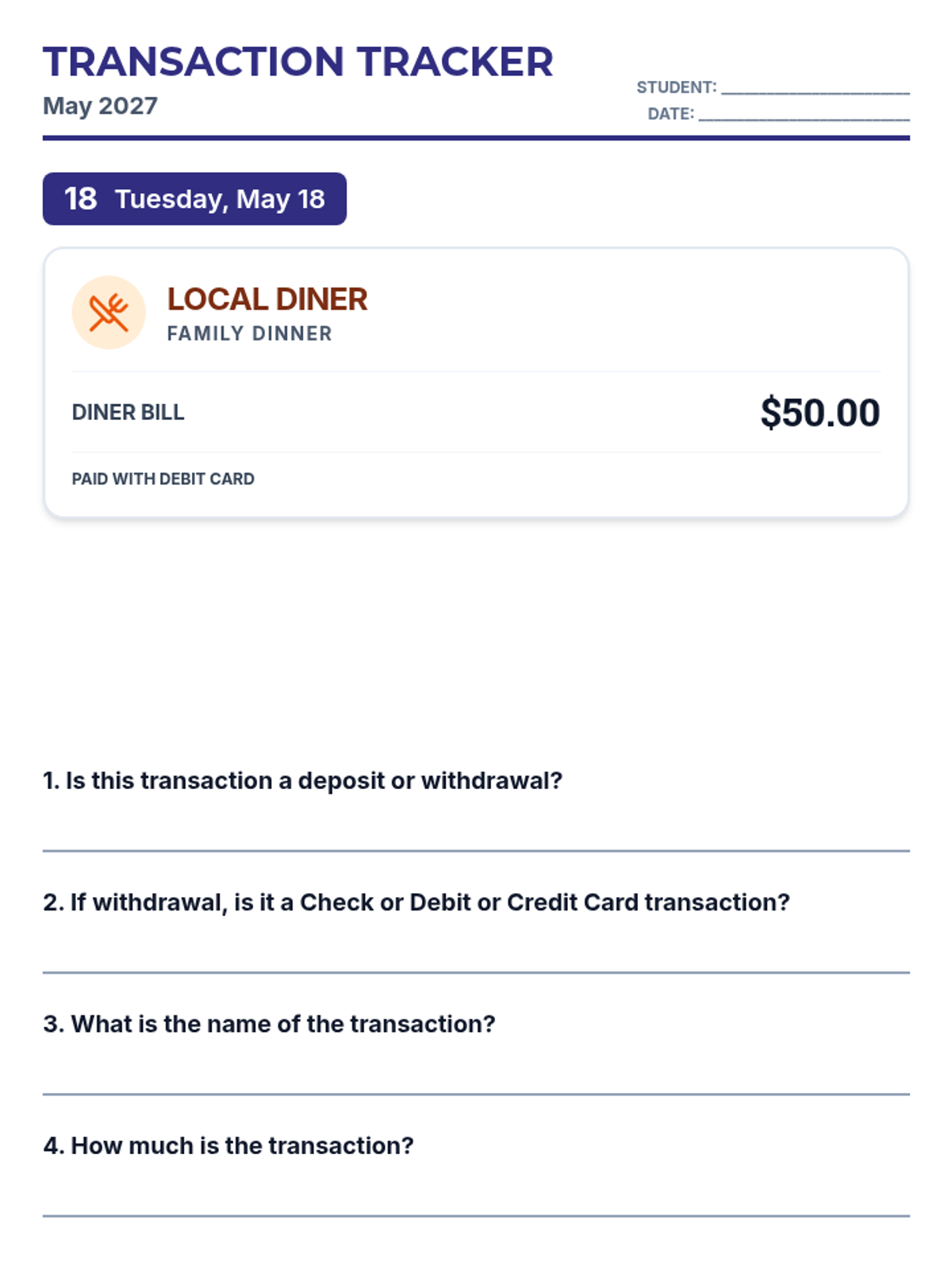
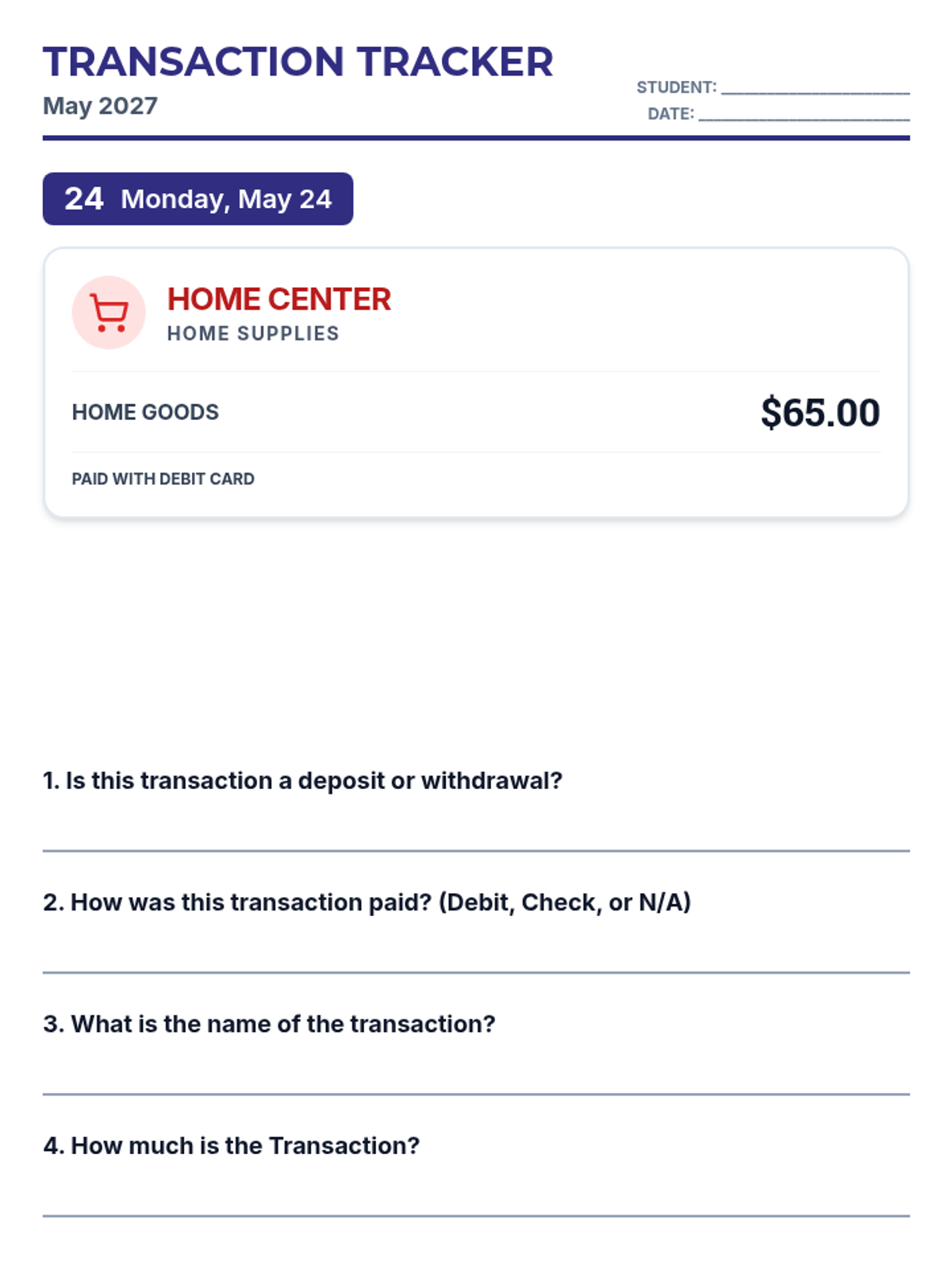
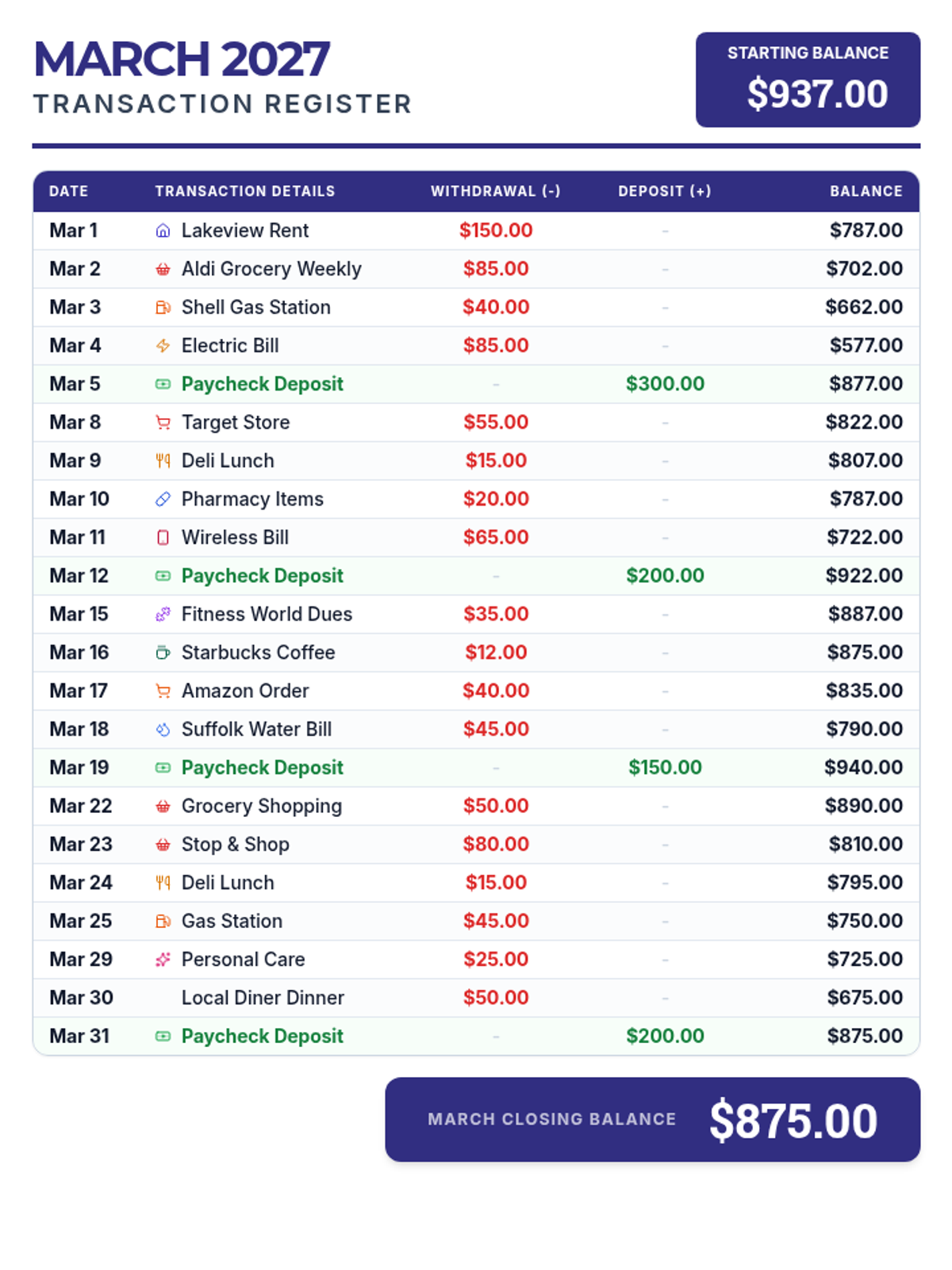
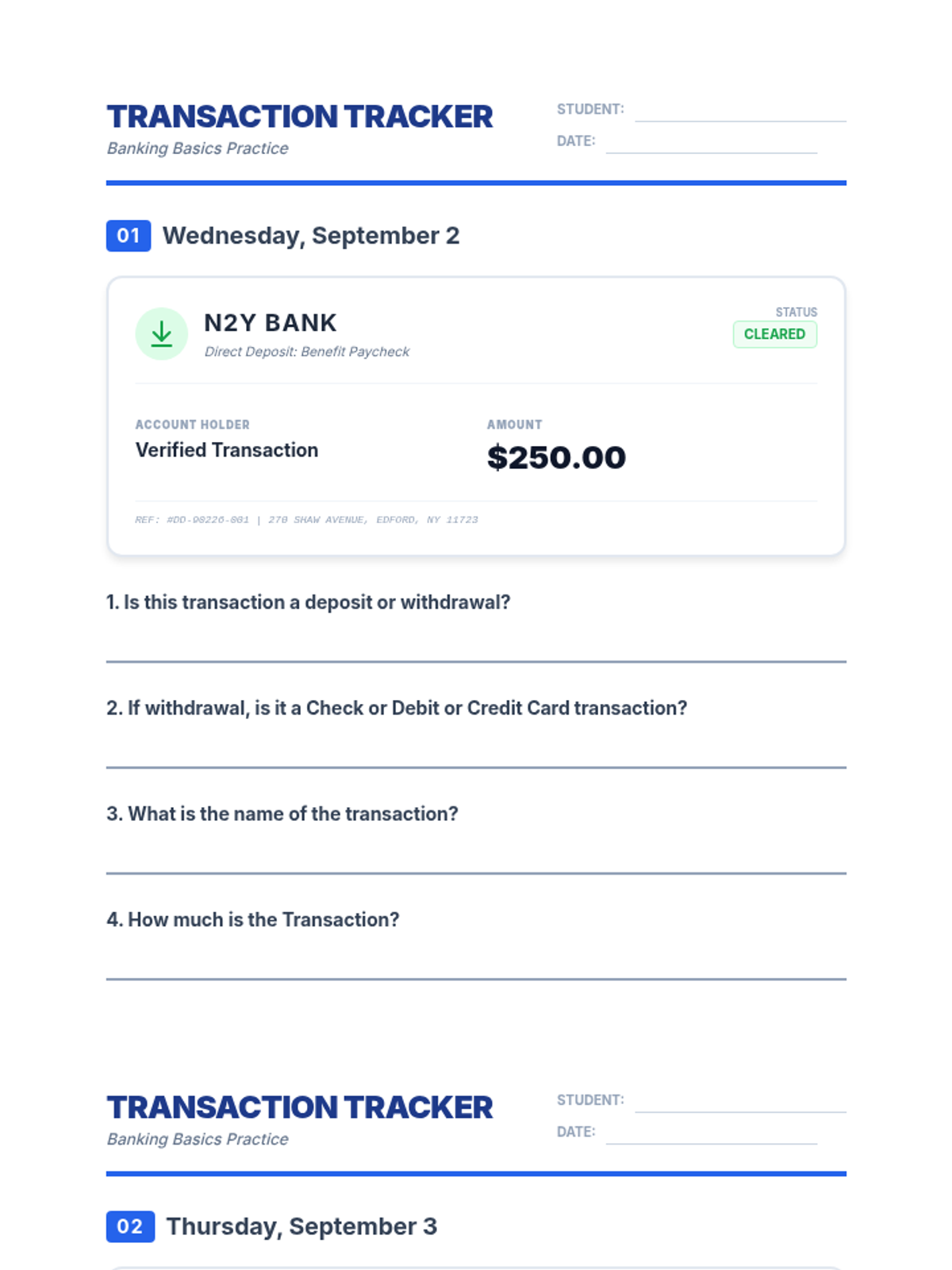
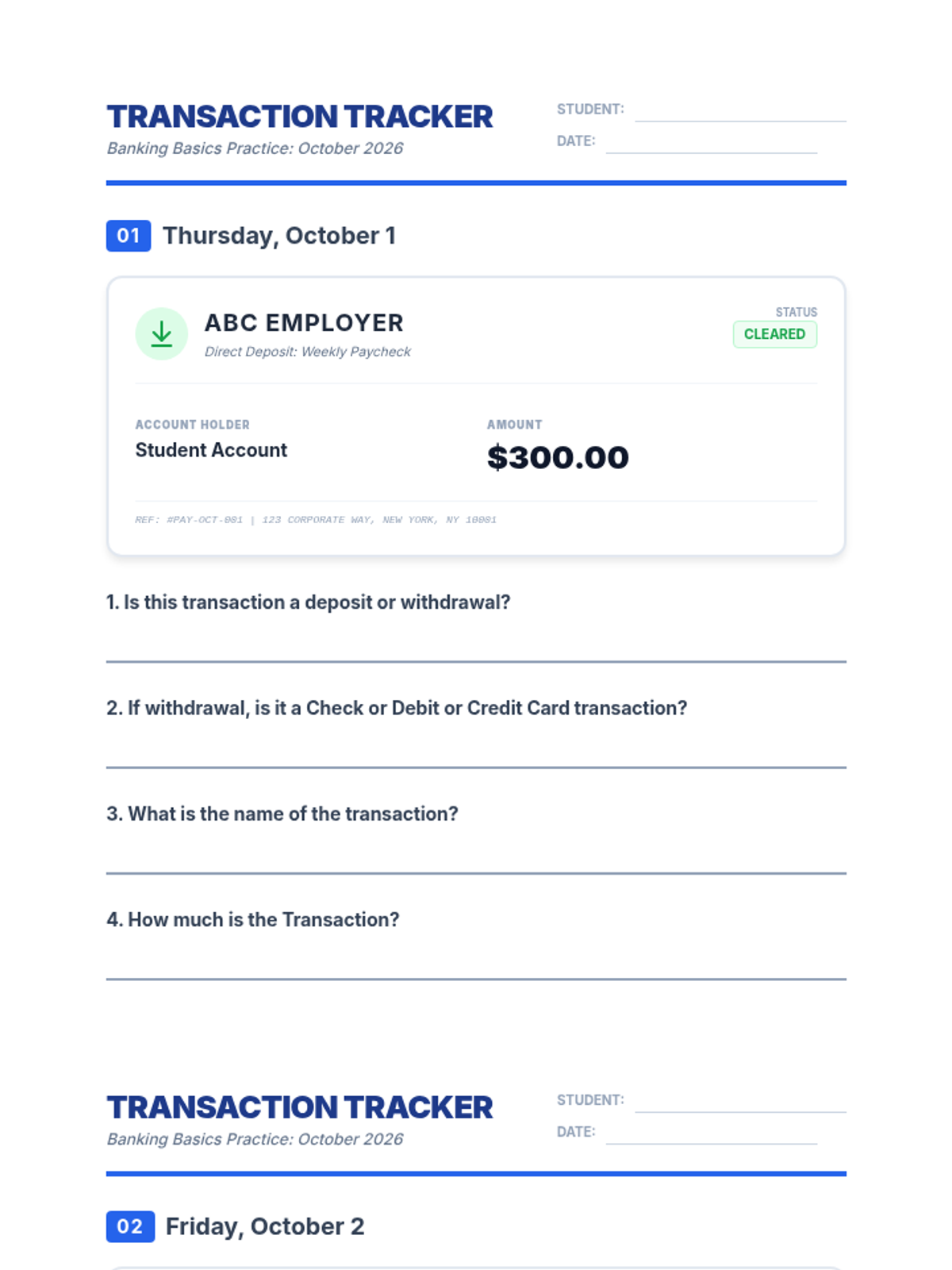
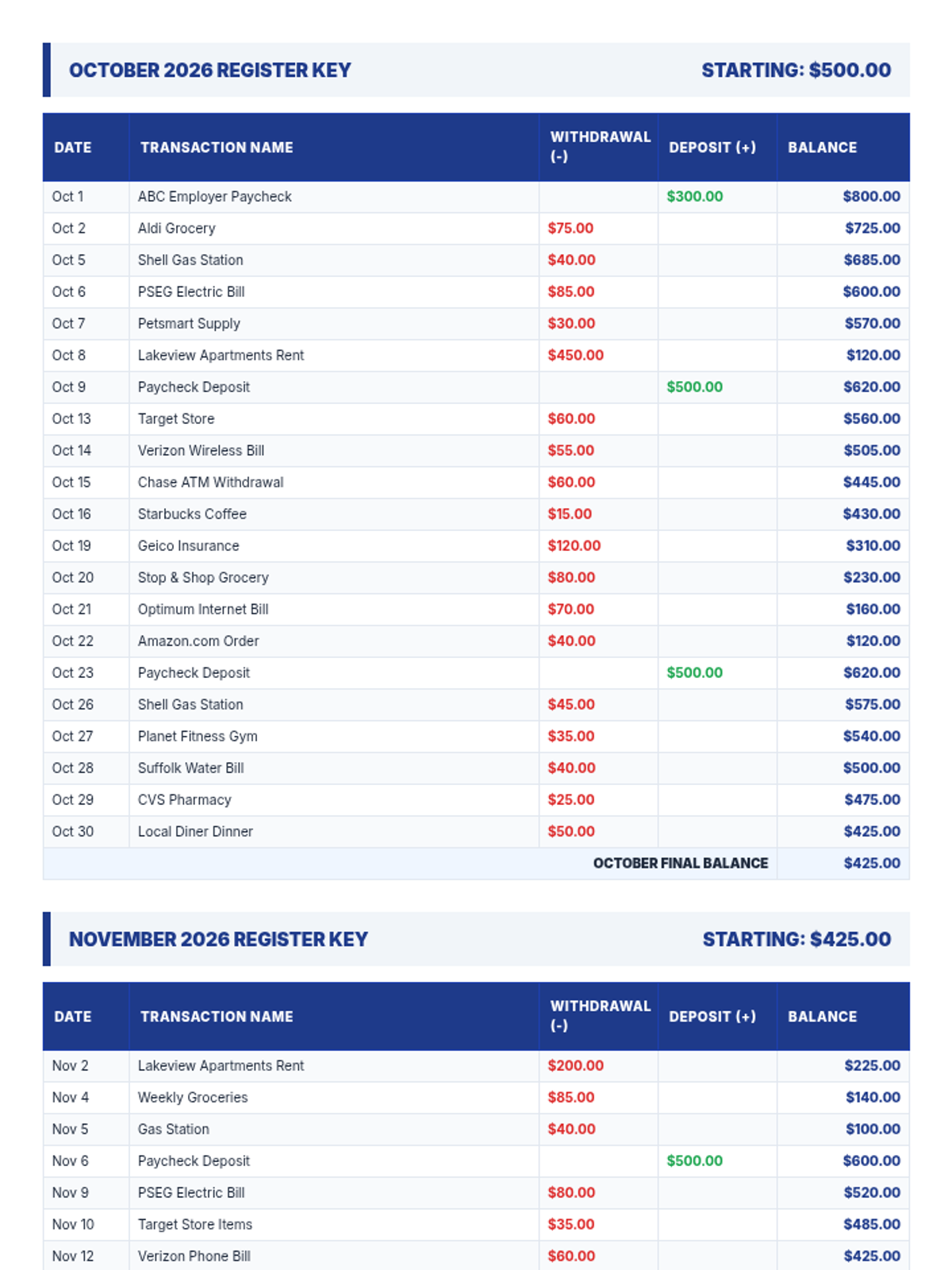
A preparatory lesson focused on mastering the foundational skills of workplace ethics, professional communication, and financial literacy before beginning the full-scale simulation.
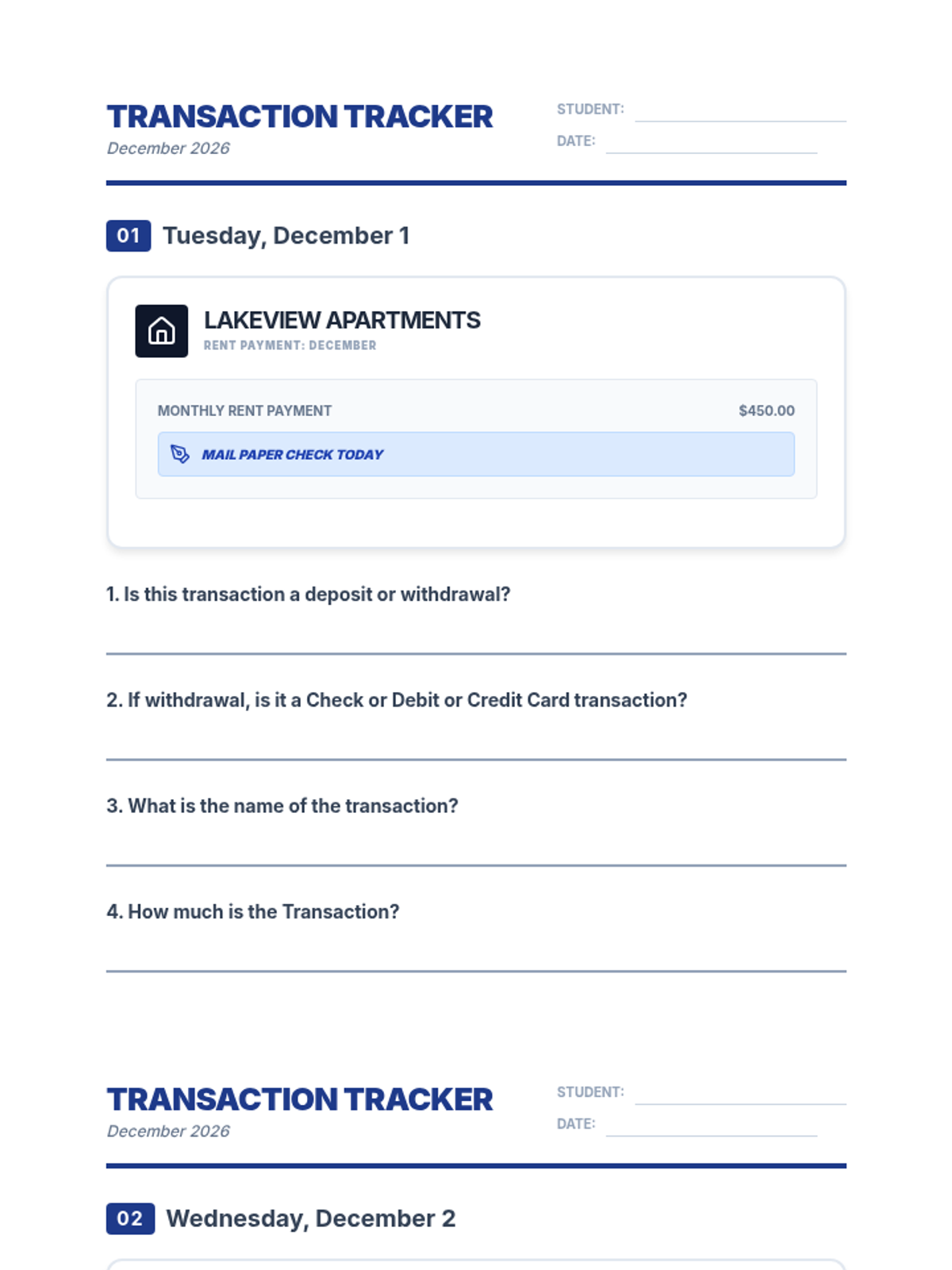
Applies geometry and arithmetic to everyday tasks like cooking measurements, home DIY projects, and travel planning.
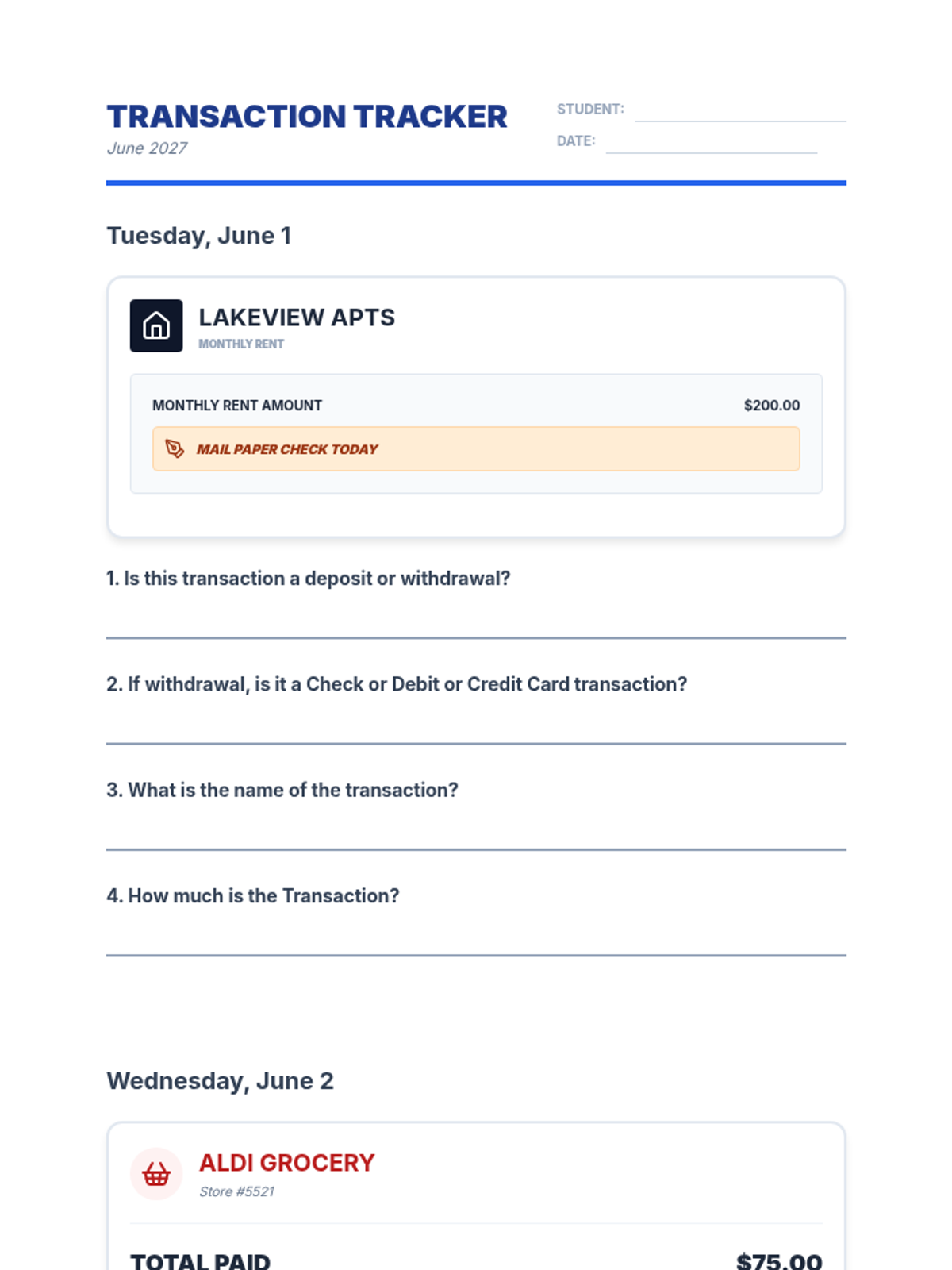
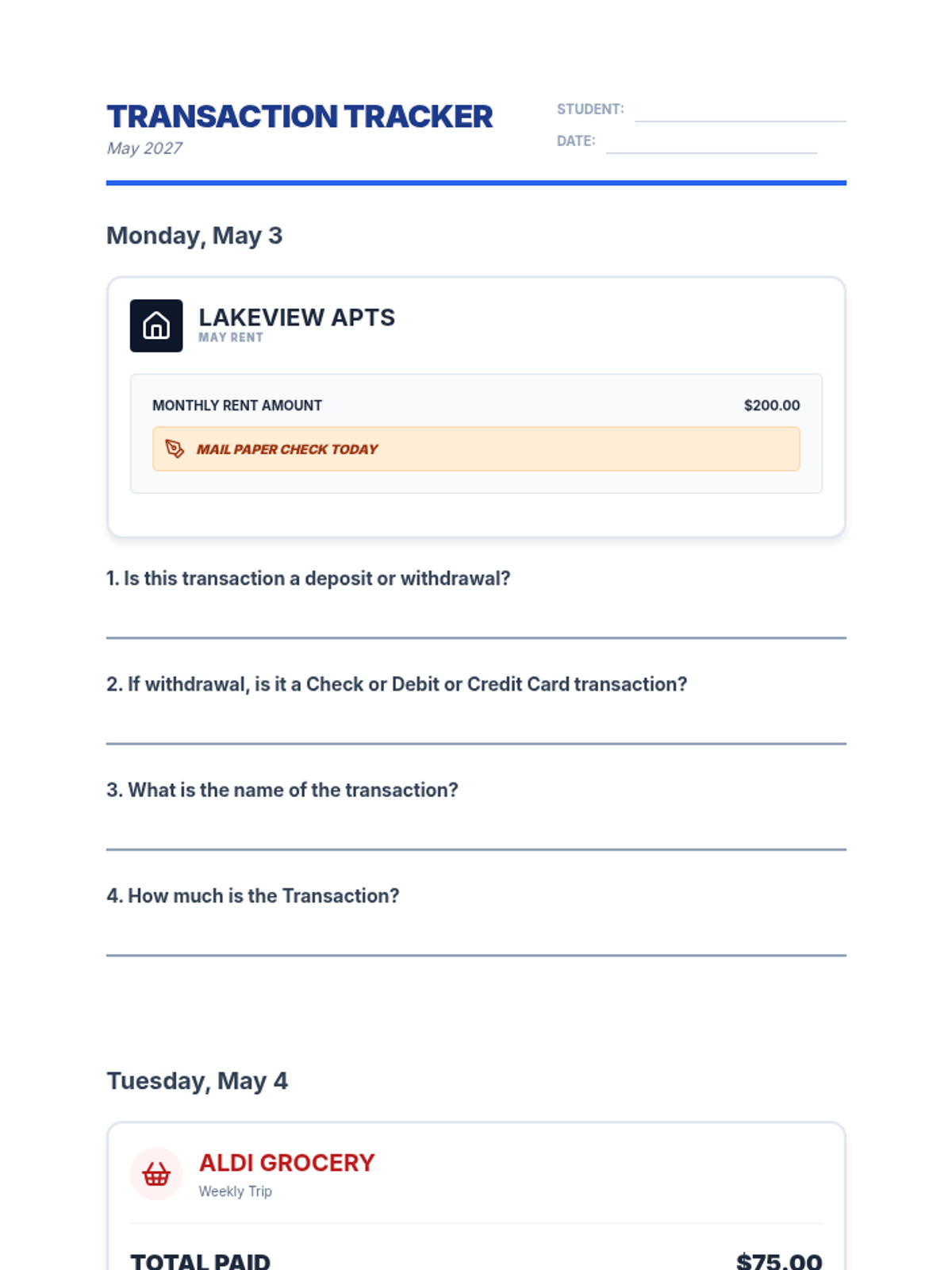
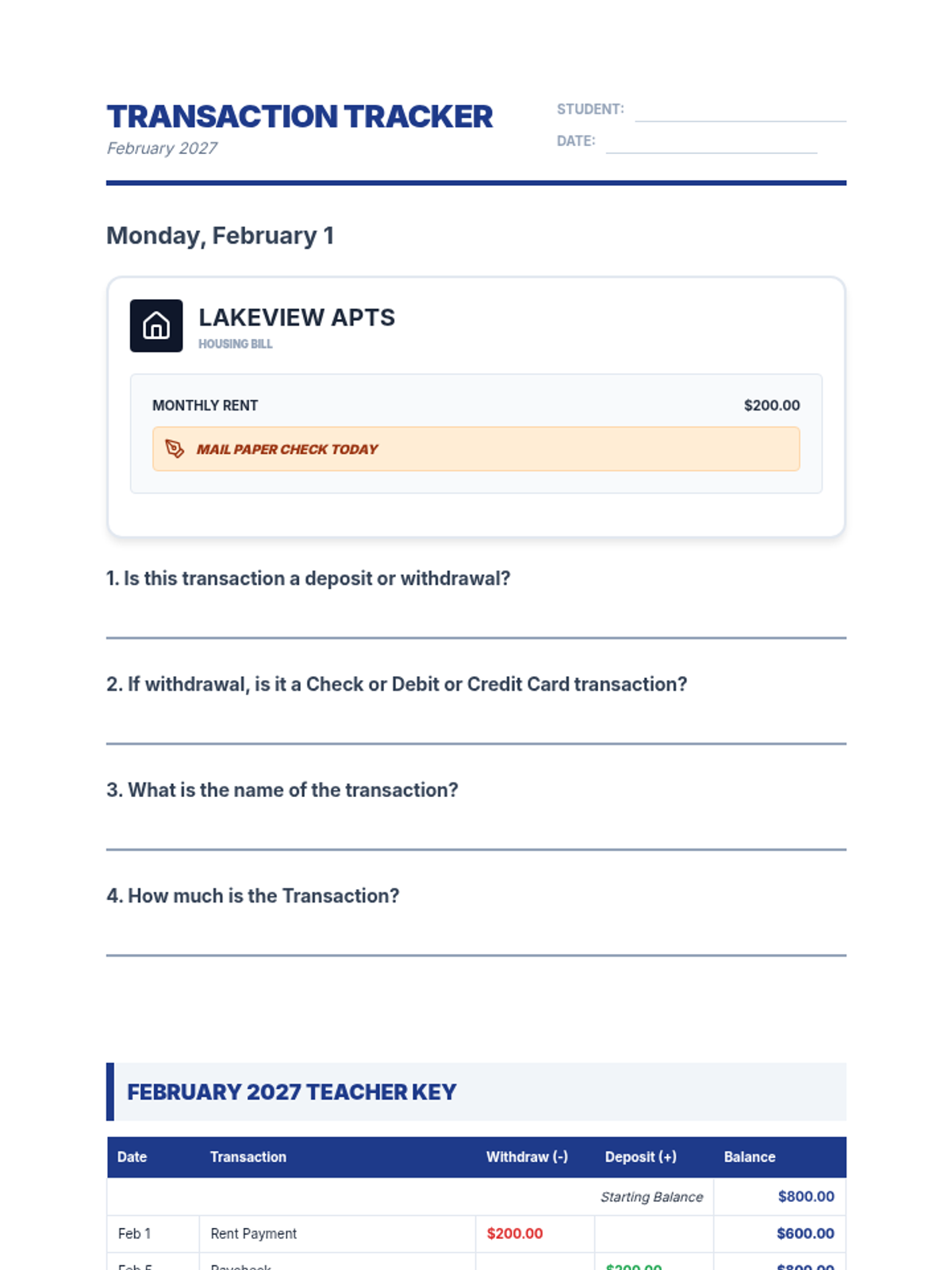
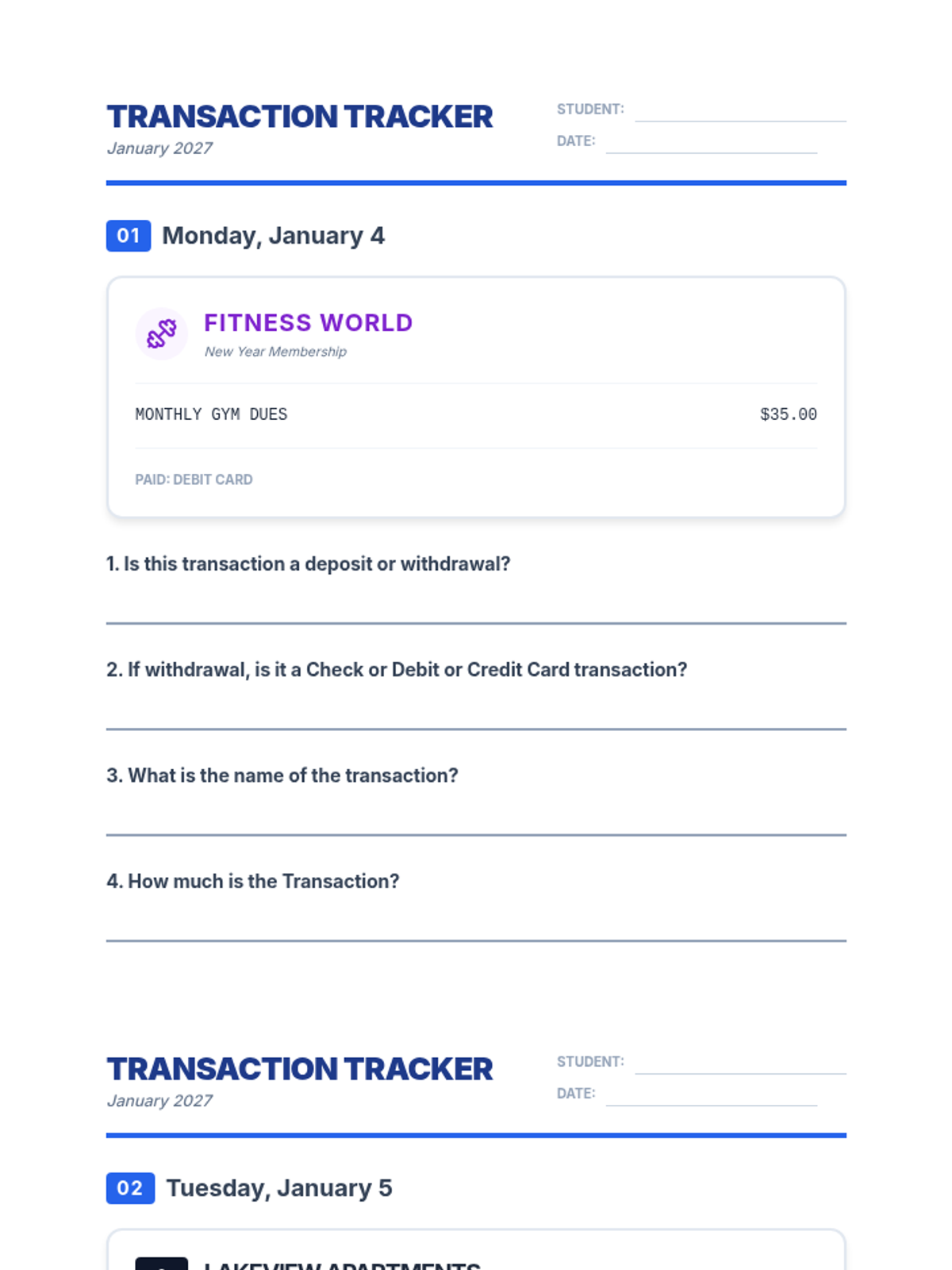
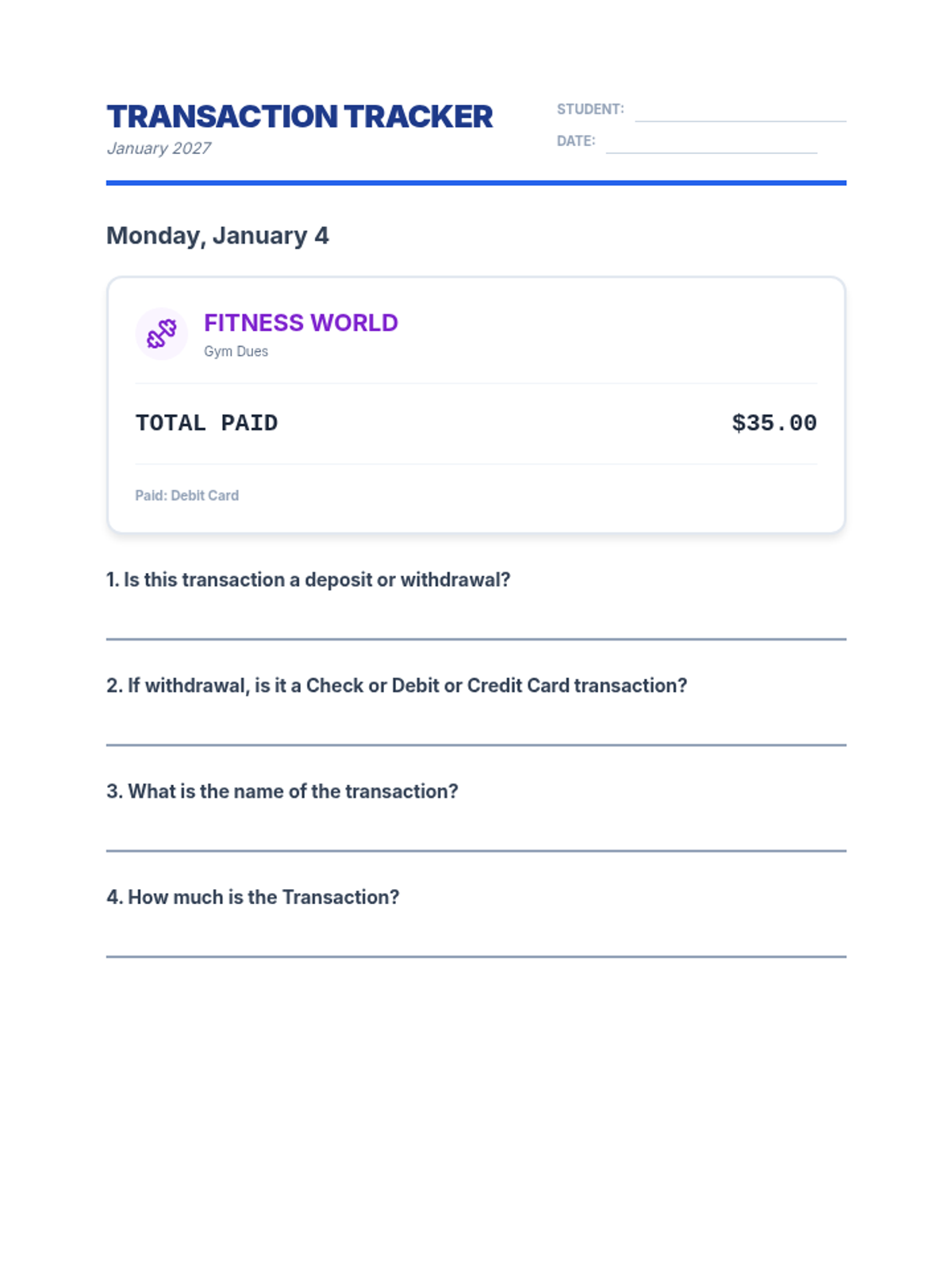
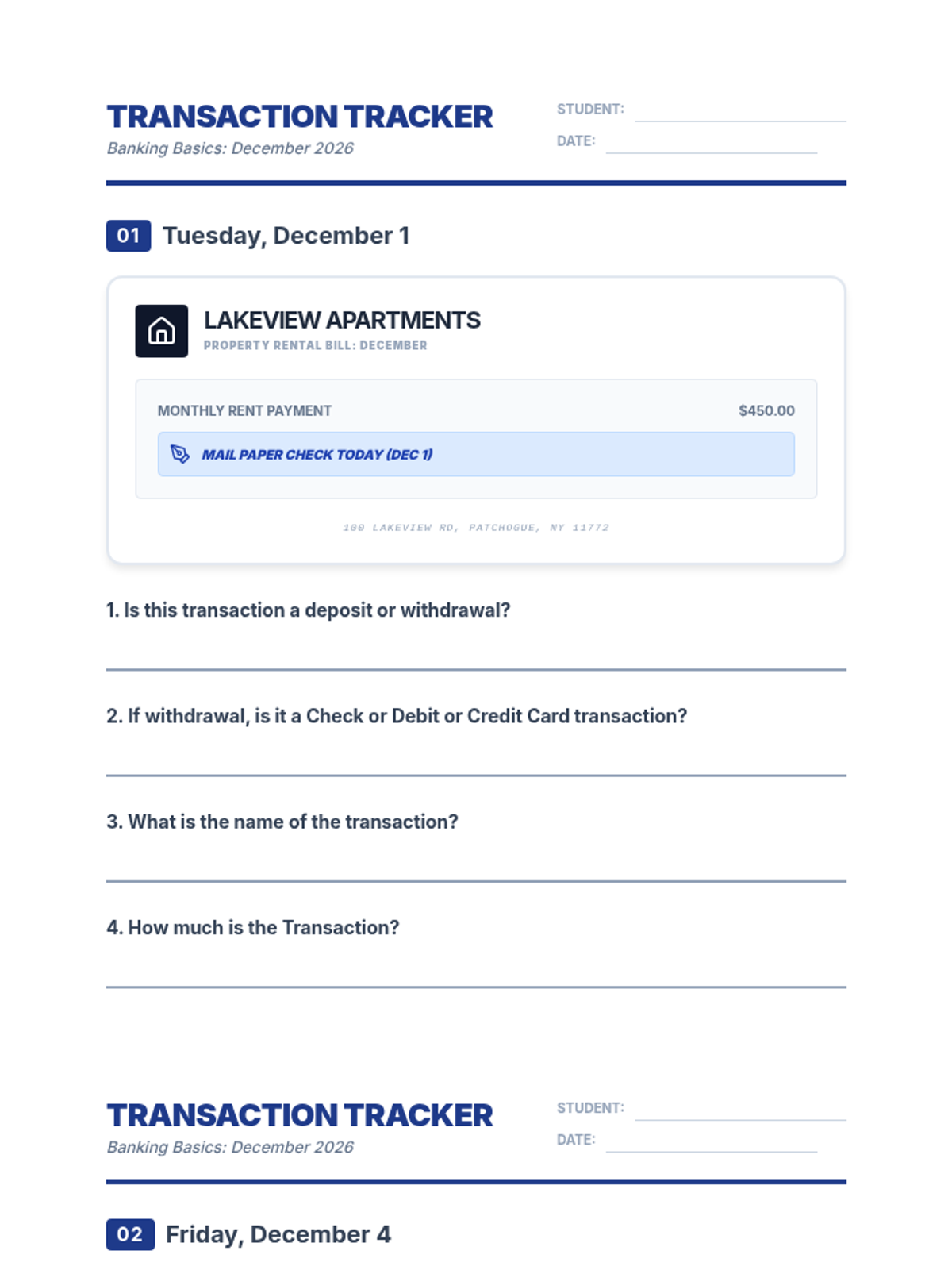
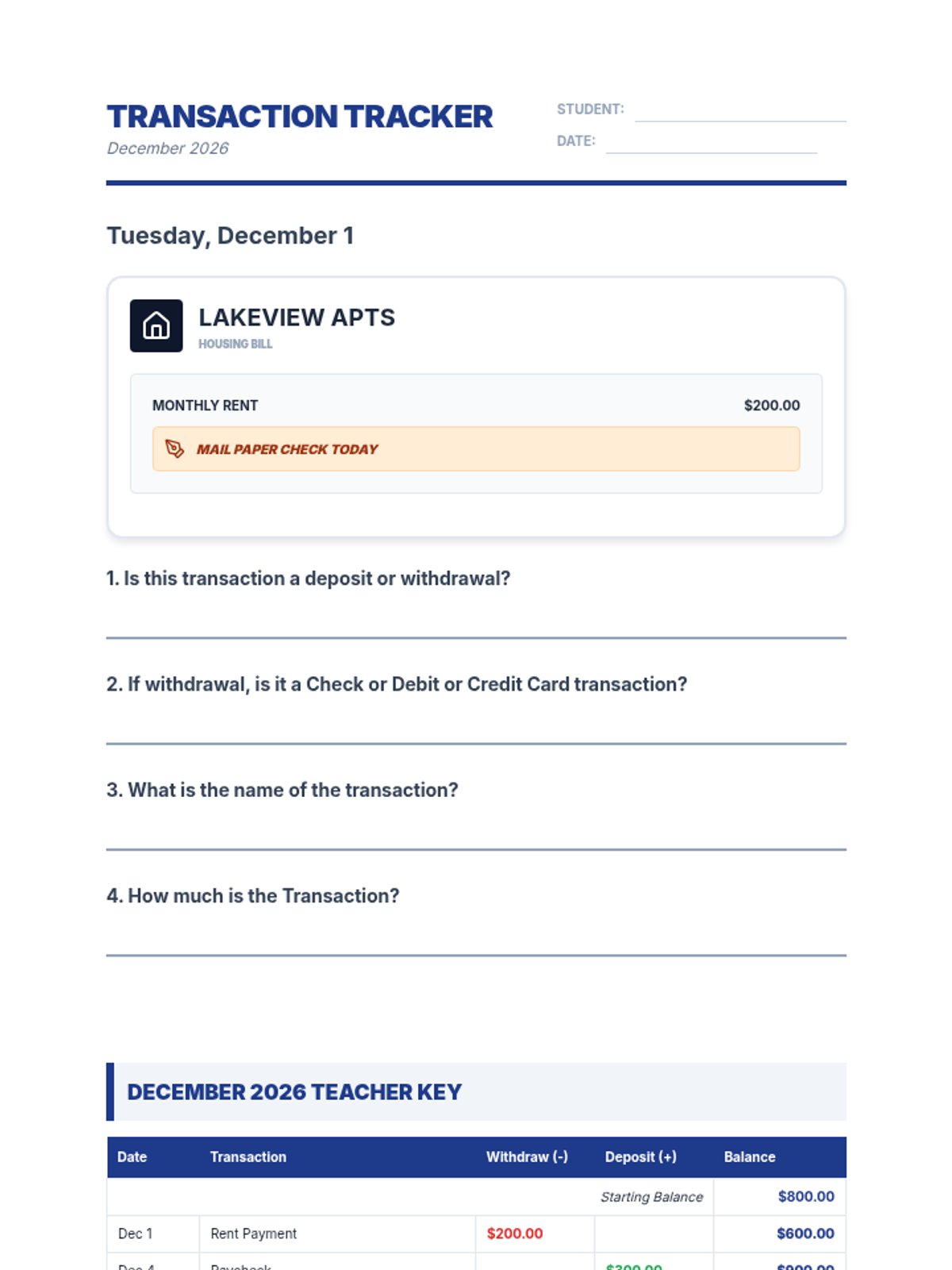
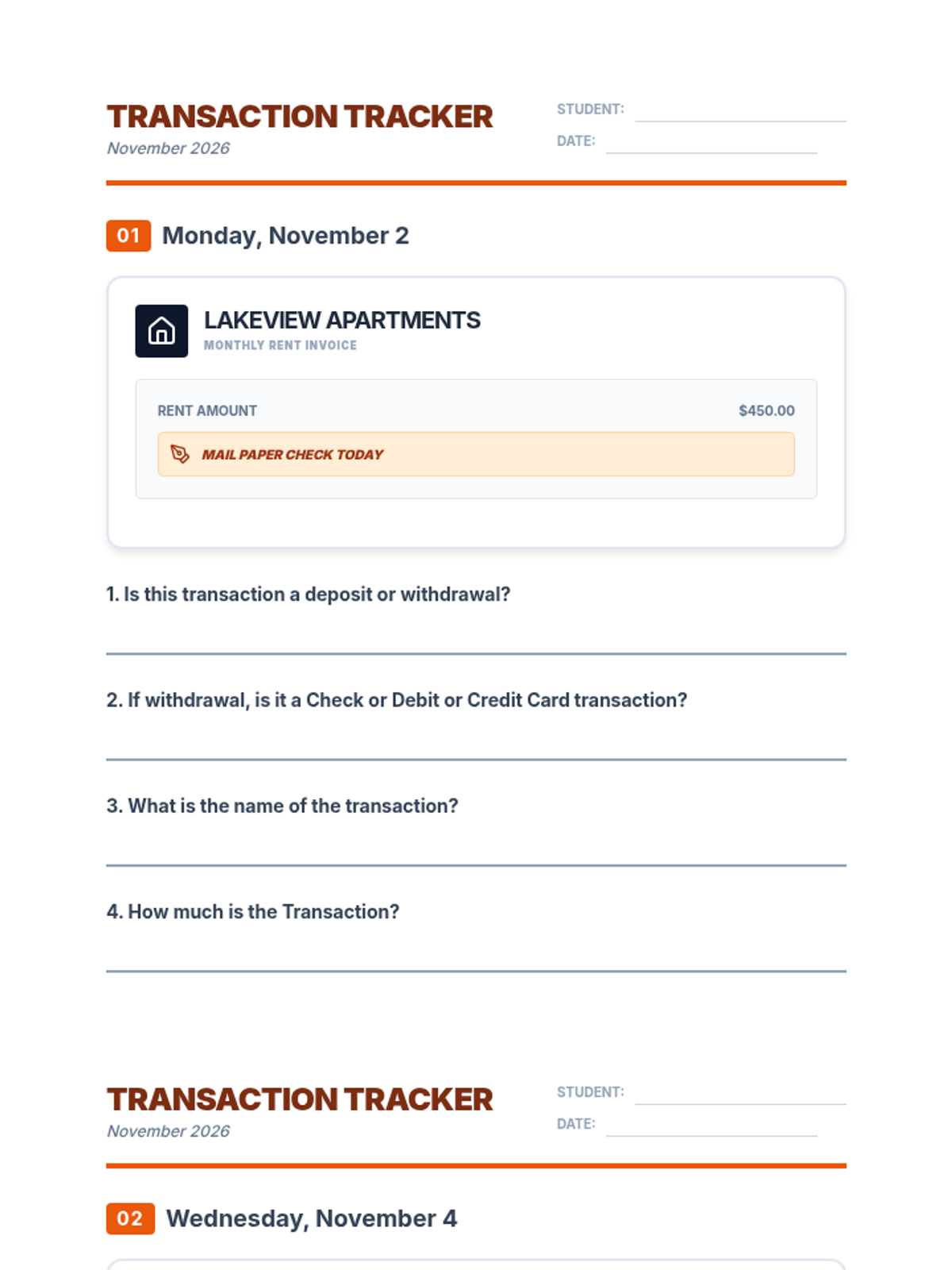
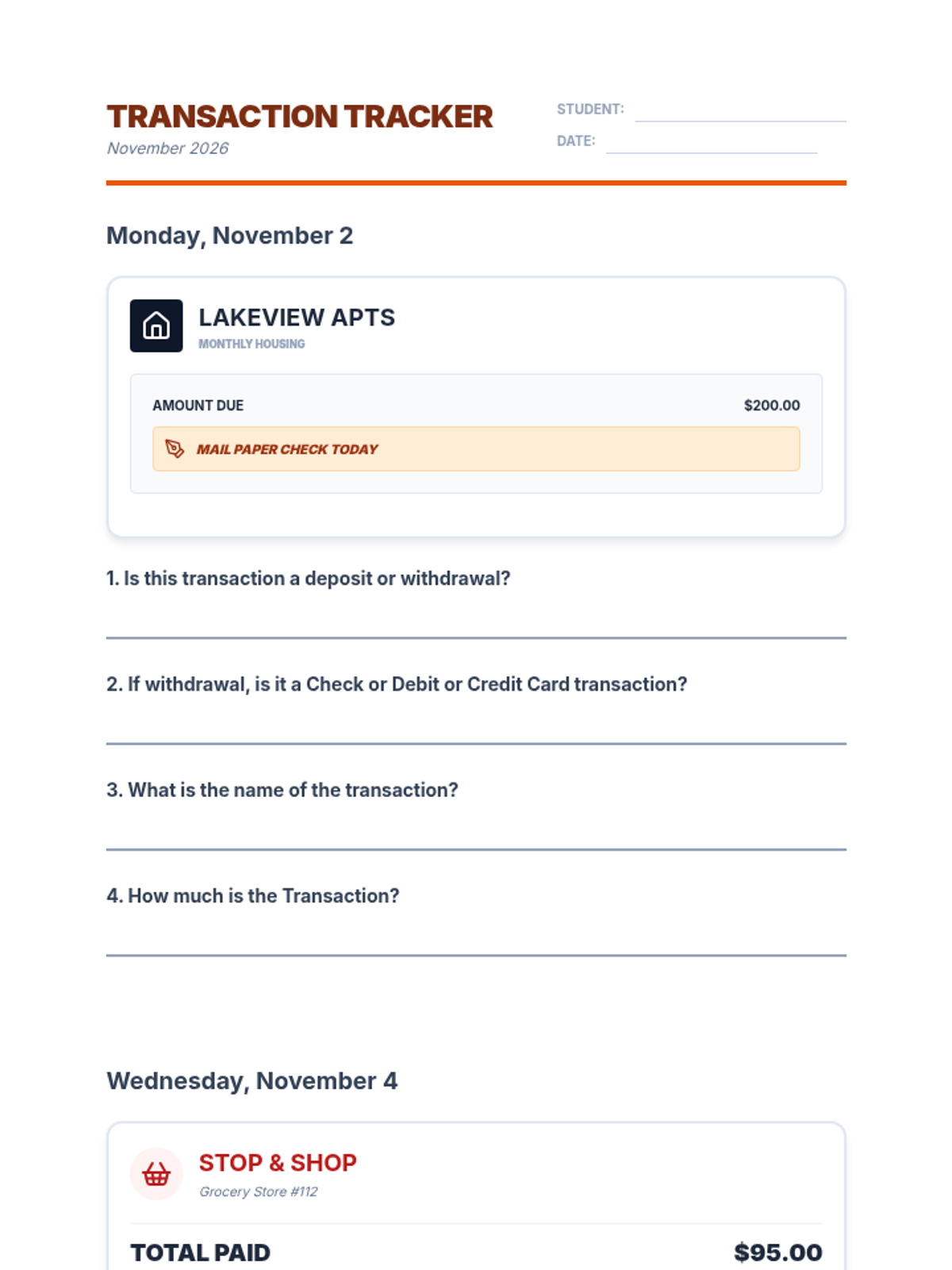
Covers the financial aspects of independent living, including renting, utility usage math, and basic insurance concepts.
Practical applications of percentages and ratios in shopping, including sales tax, discounts, tips, and unit price comparisons.
Explores the math behind interest rates (APR), credit card statements, and the long-term impact of debt.
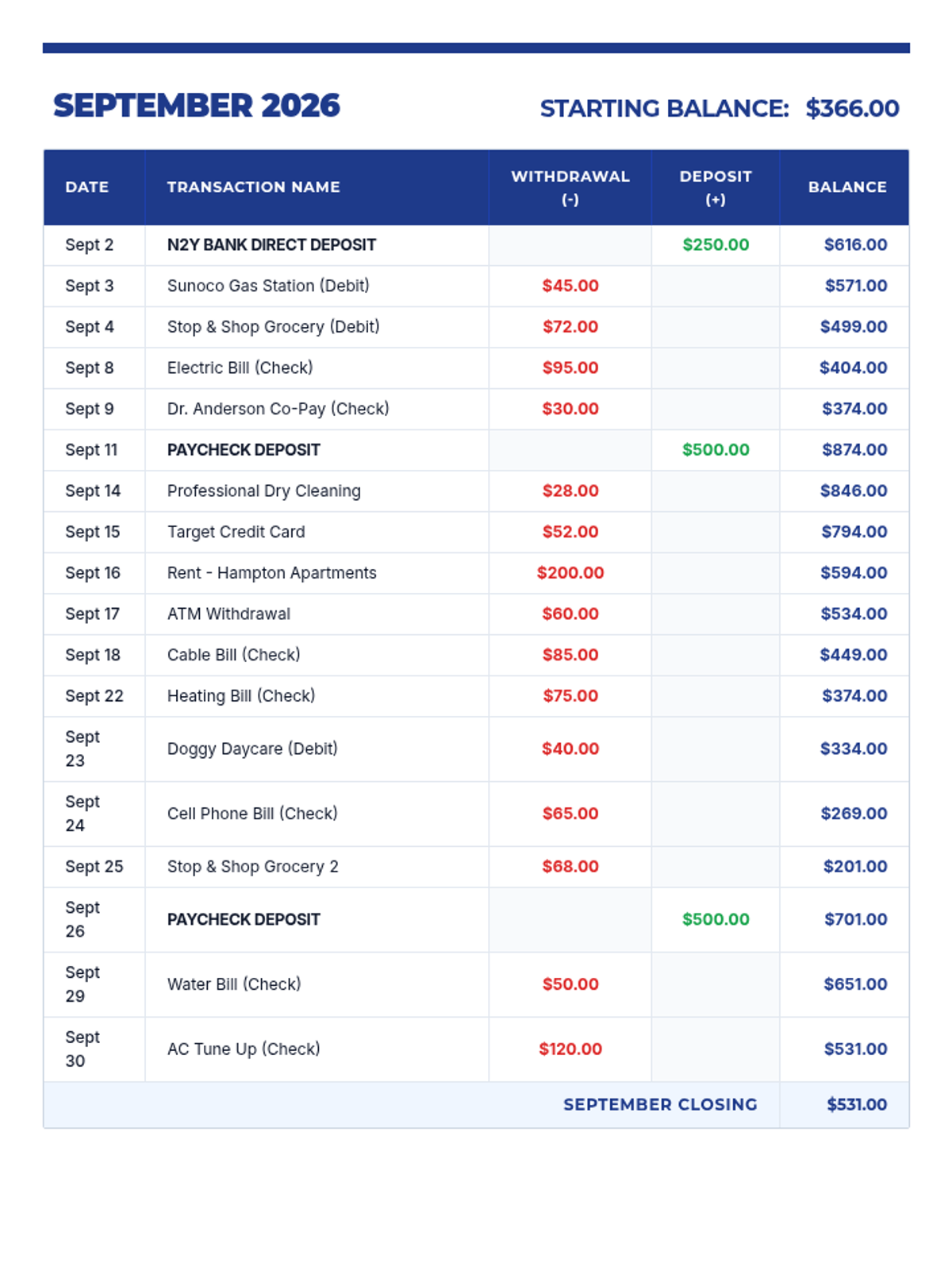
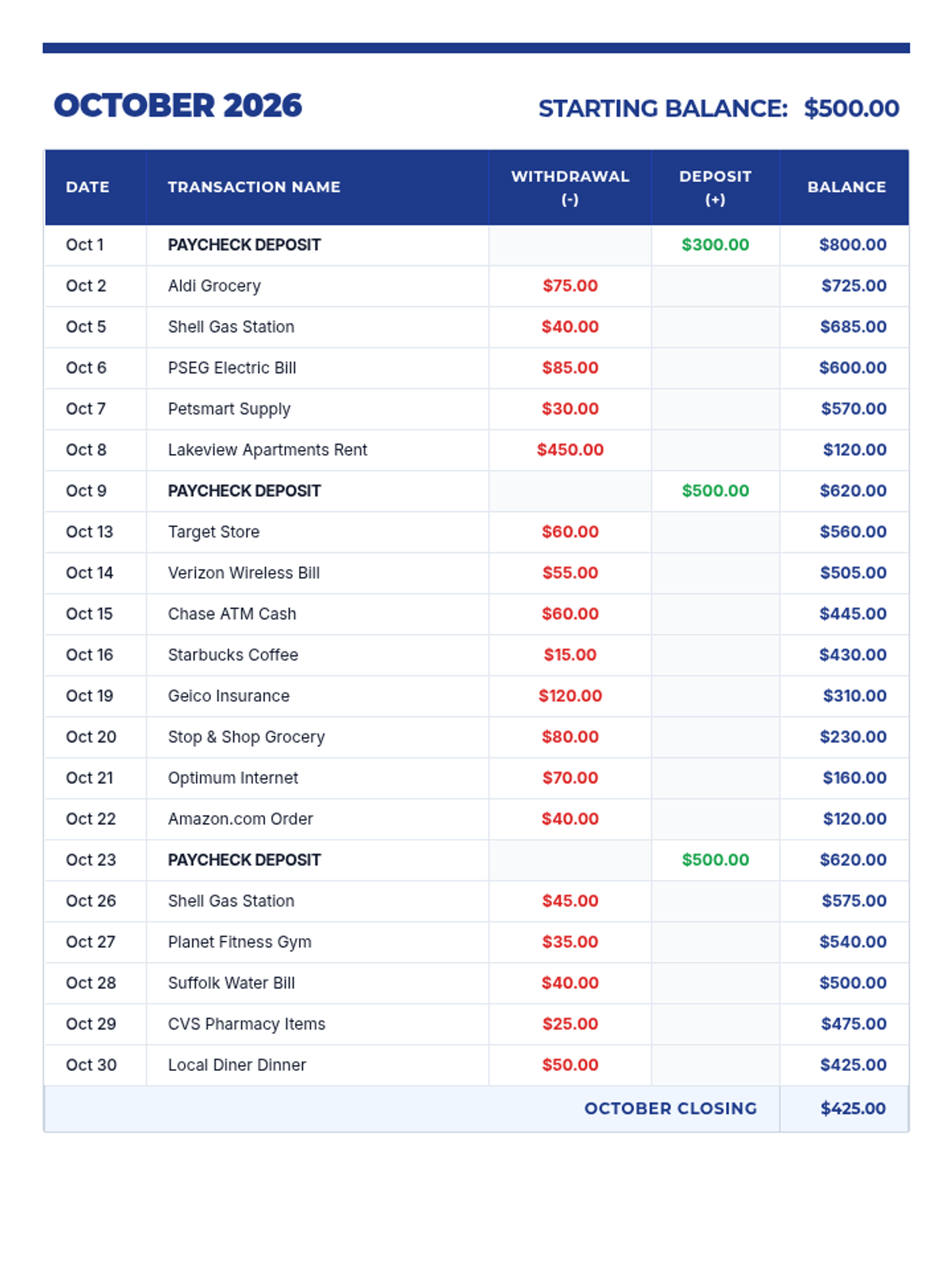
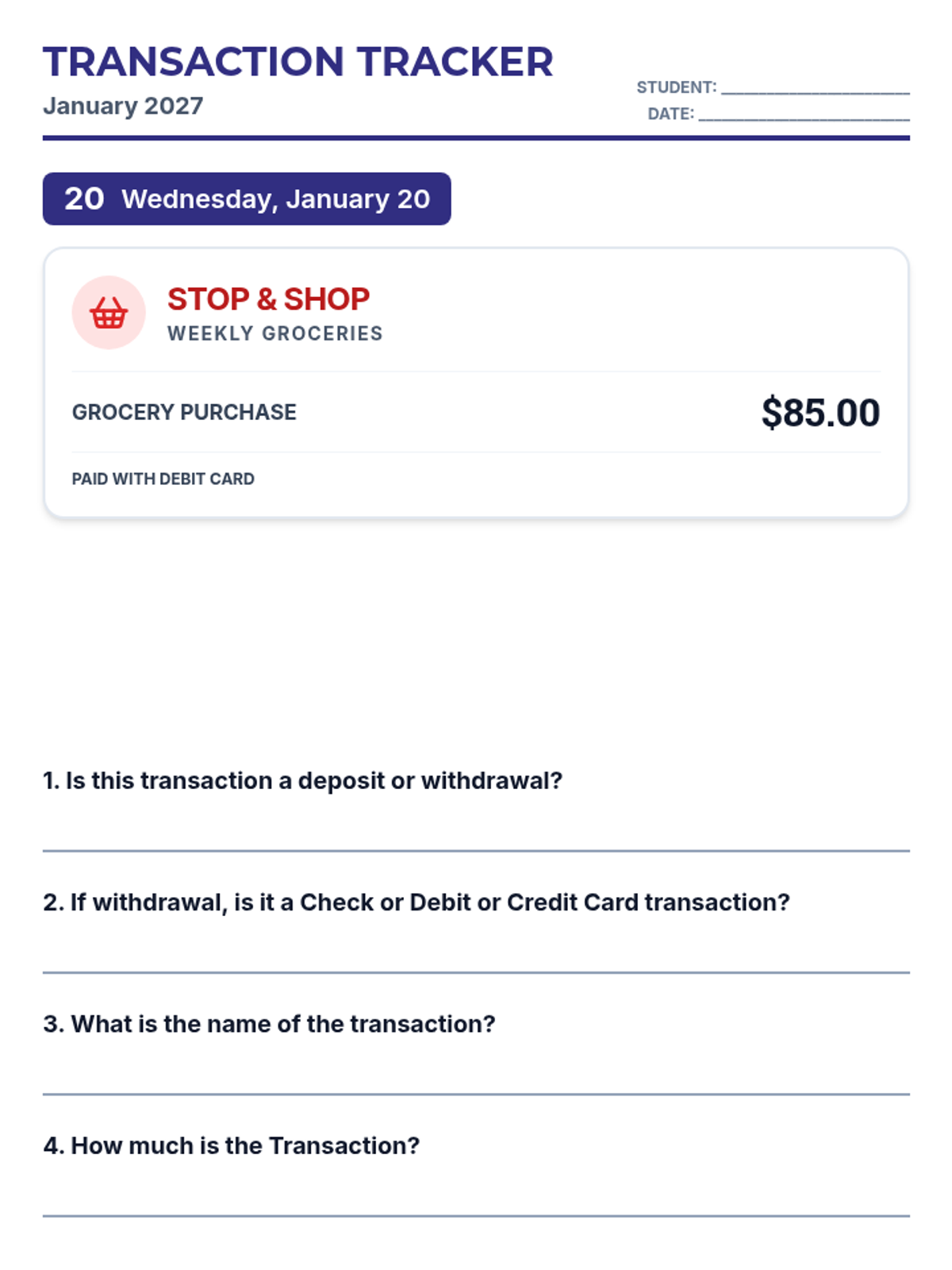
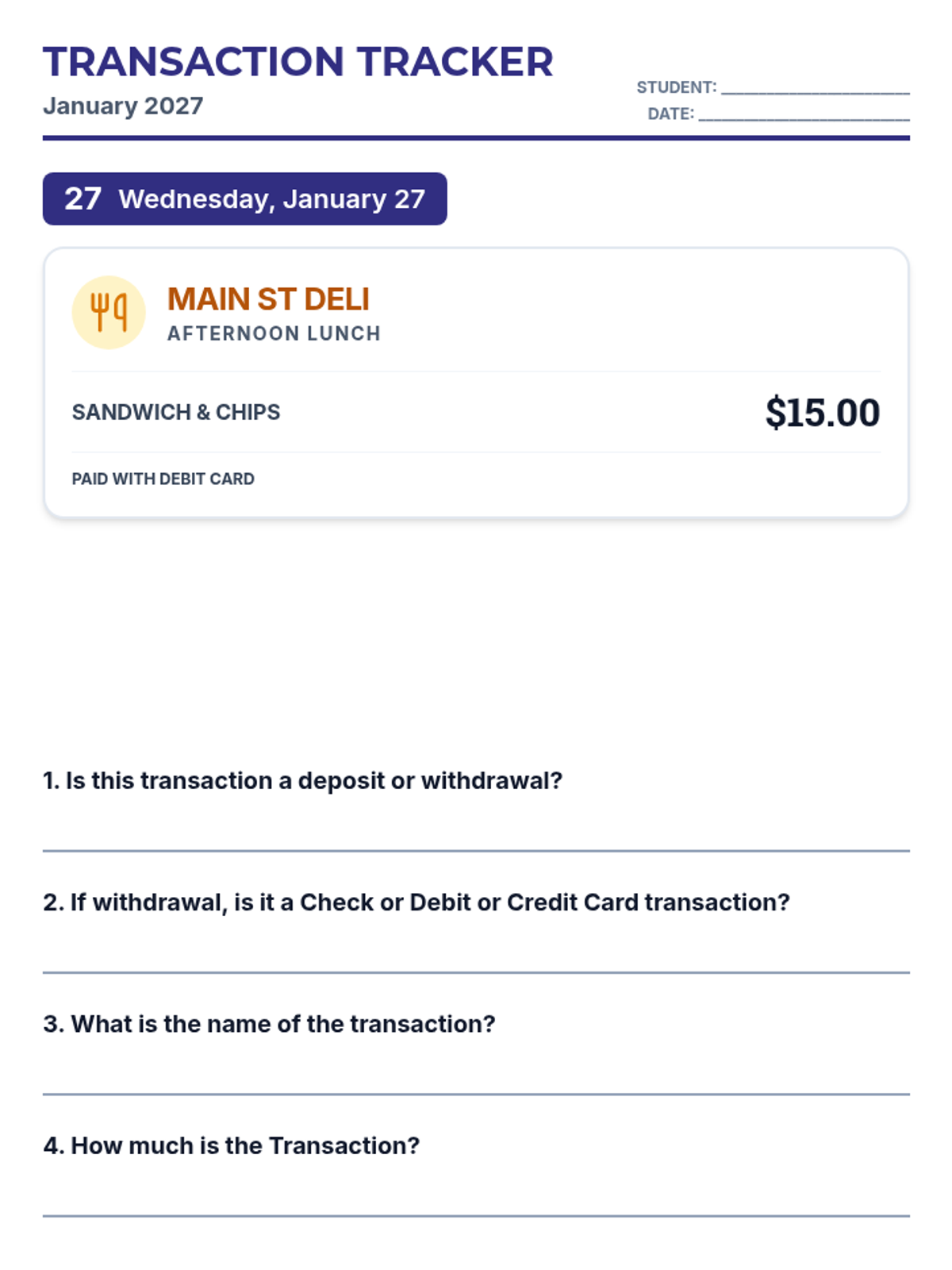
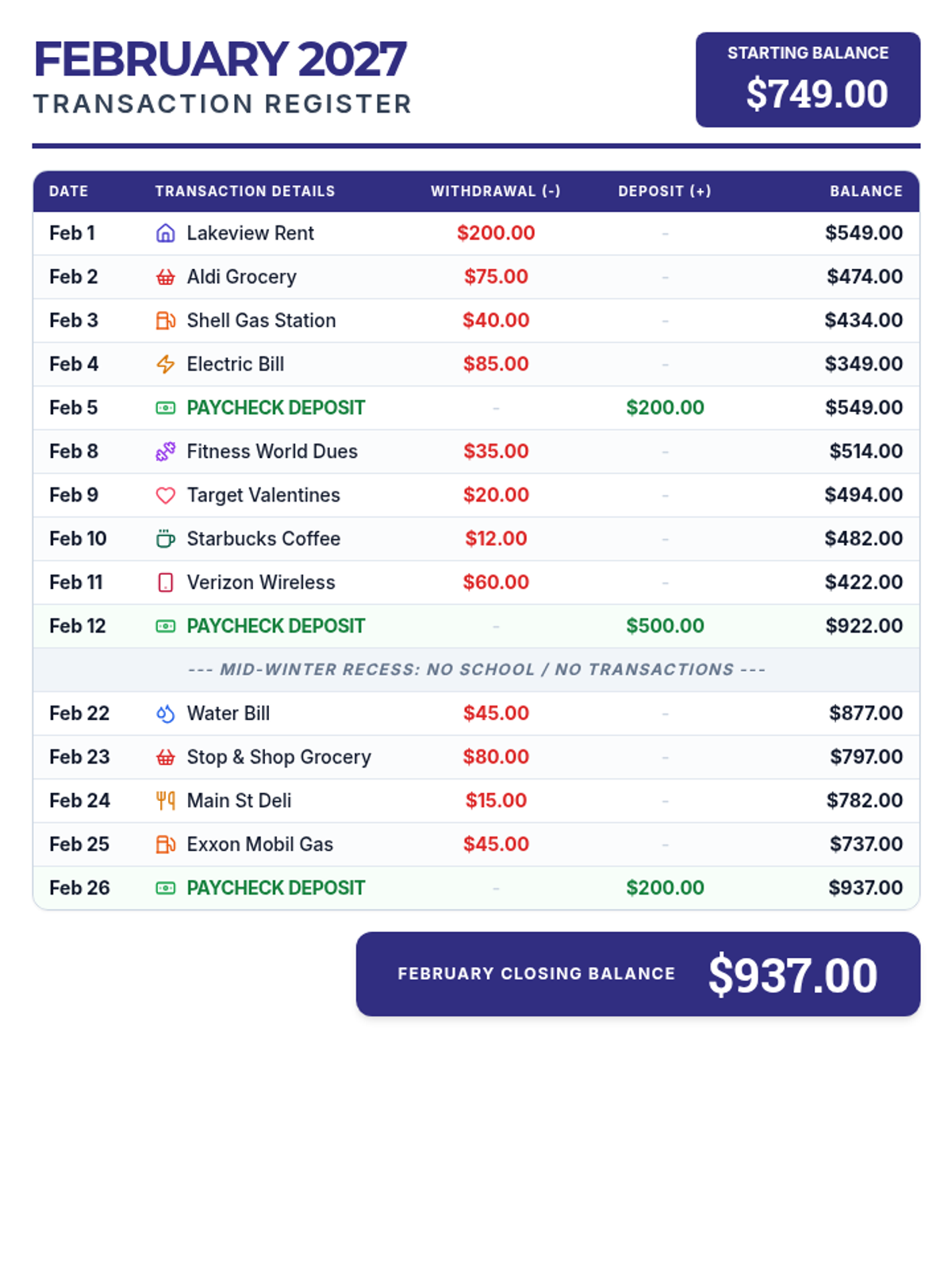
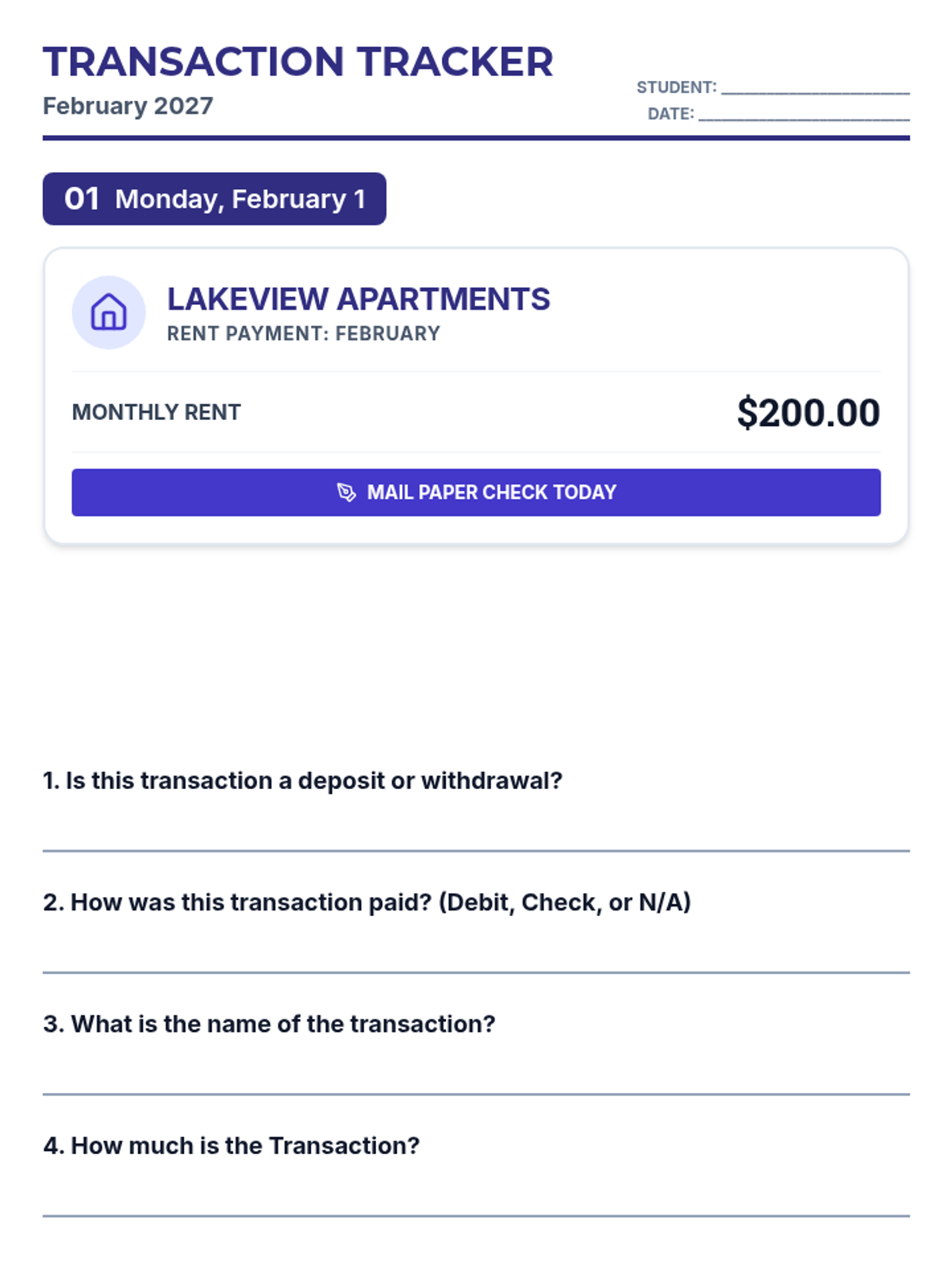
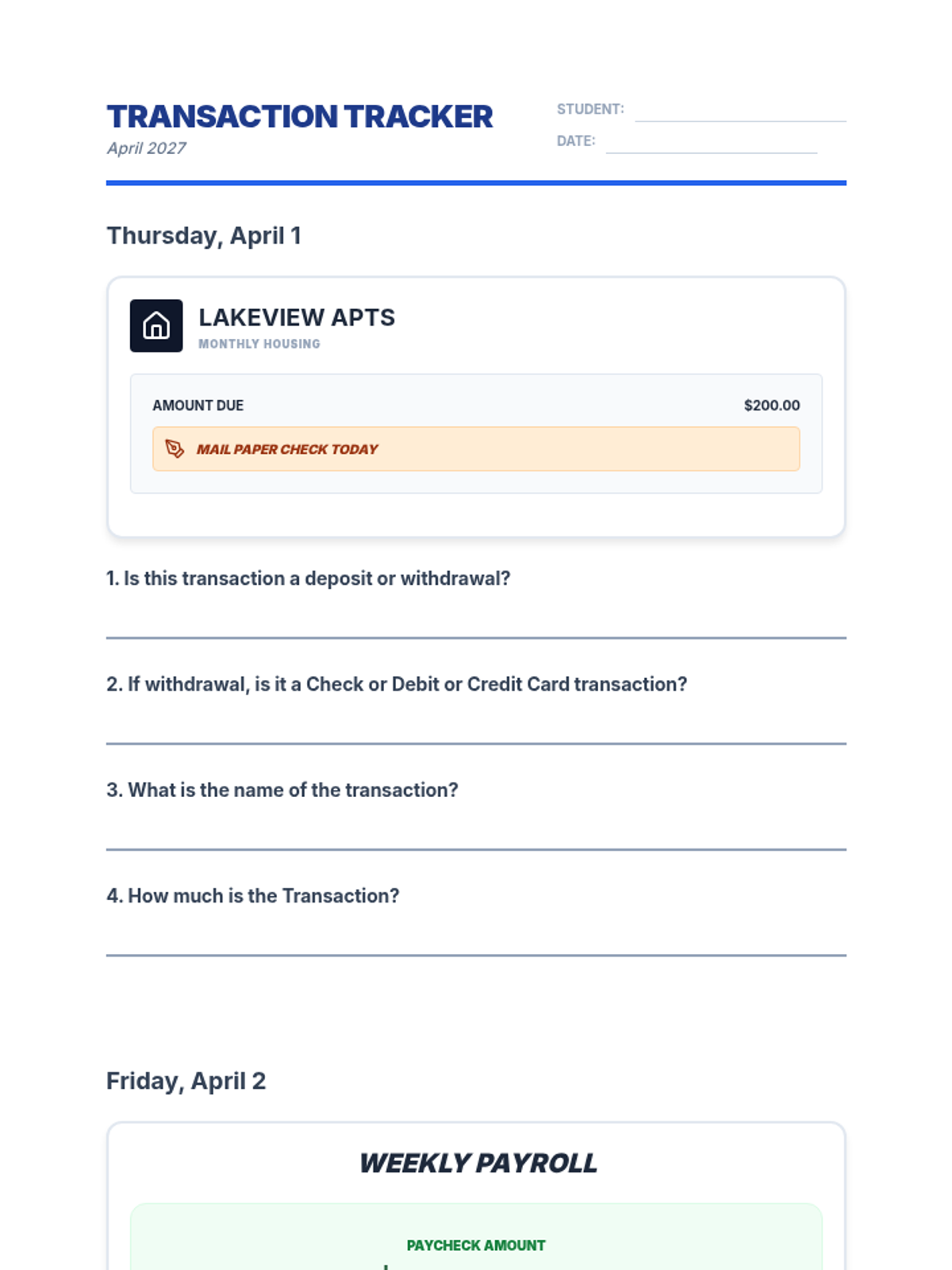
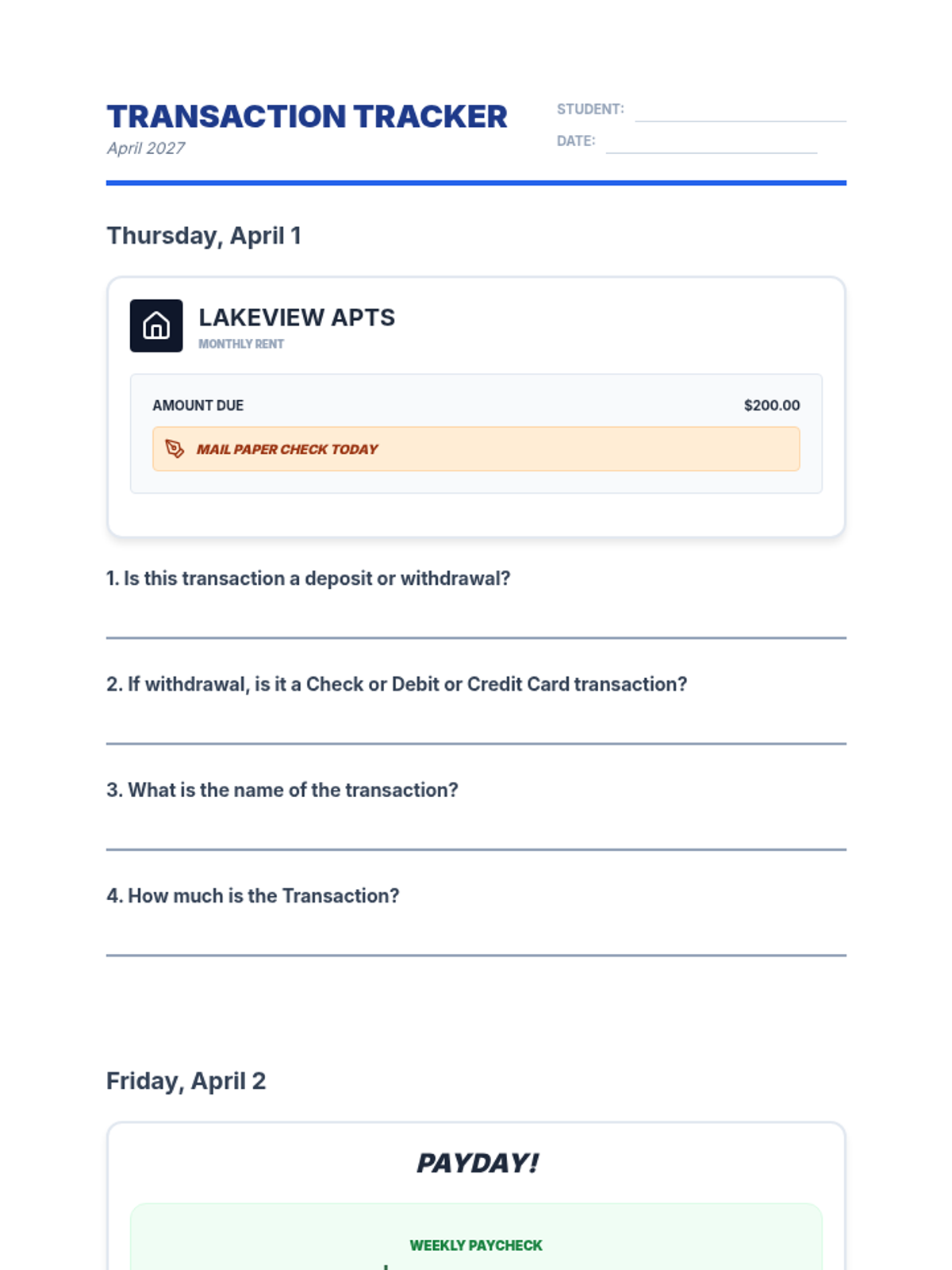
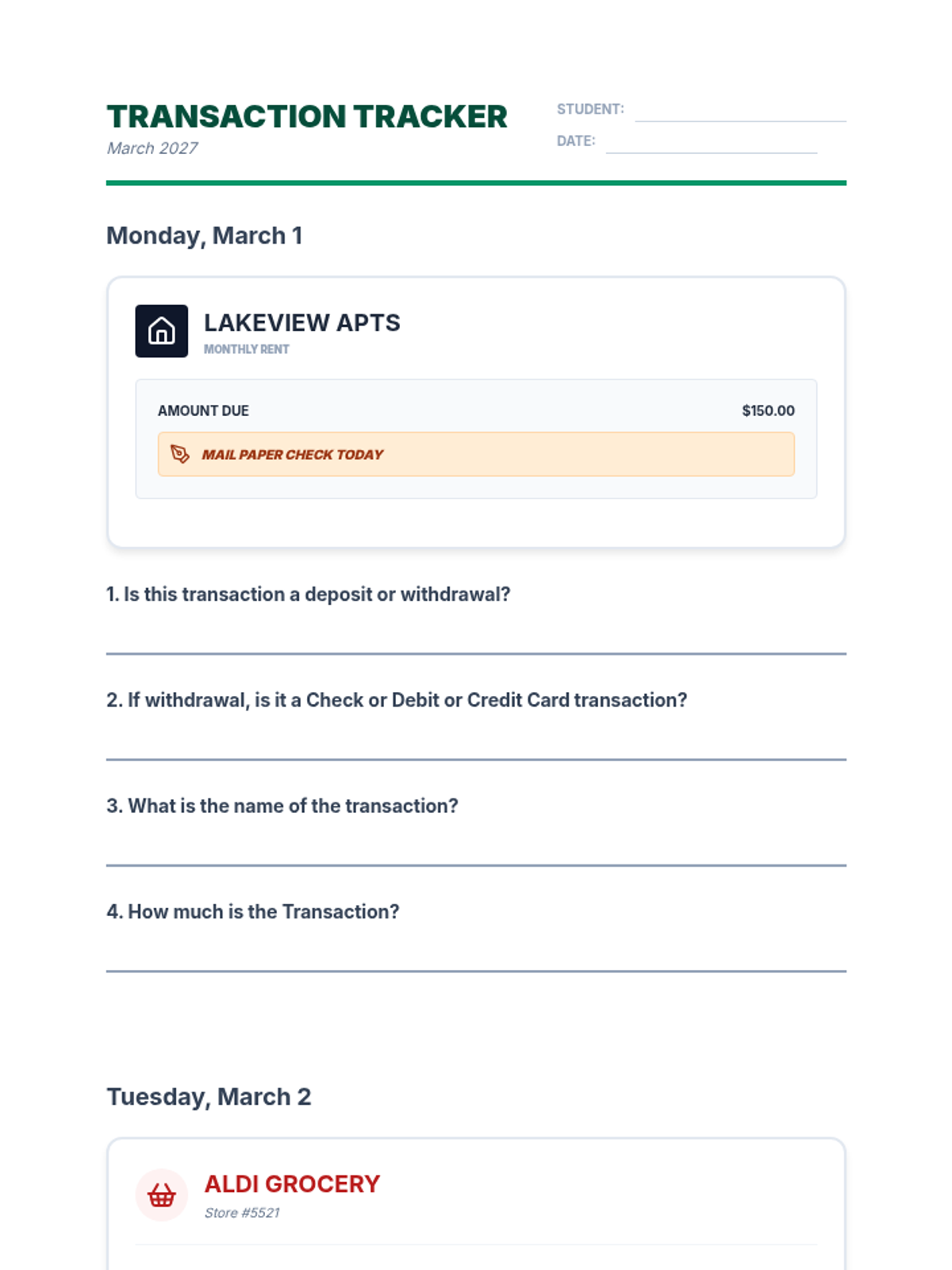
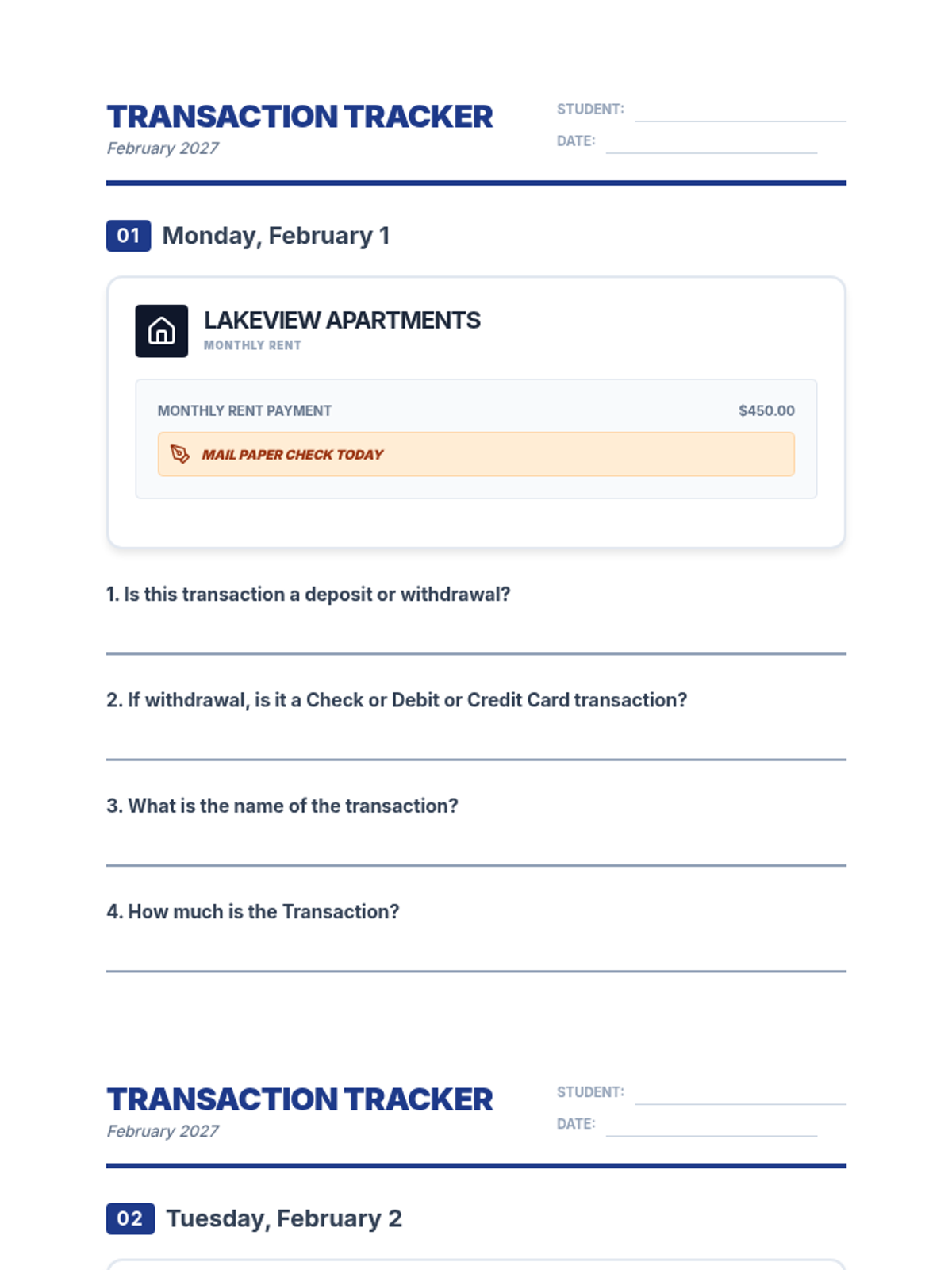
Teaches students how to categorize expenses, use the 50/30/20 rule, and build a sustainable monthly budget.
Focuses on understanding gross vs. net pay, reading paystubs, and calculating common tax deductions to prepare students for their first professional earnings.
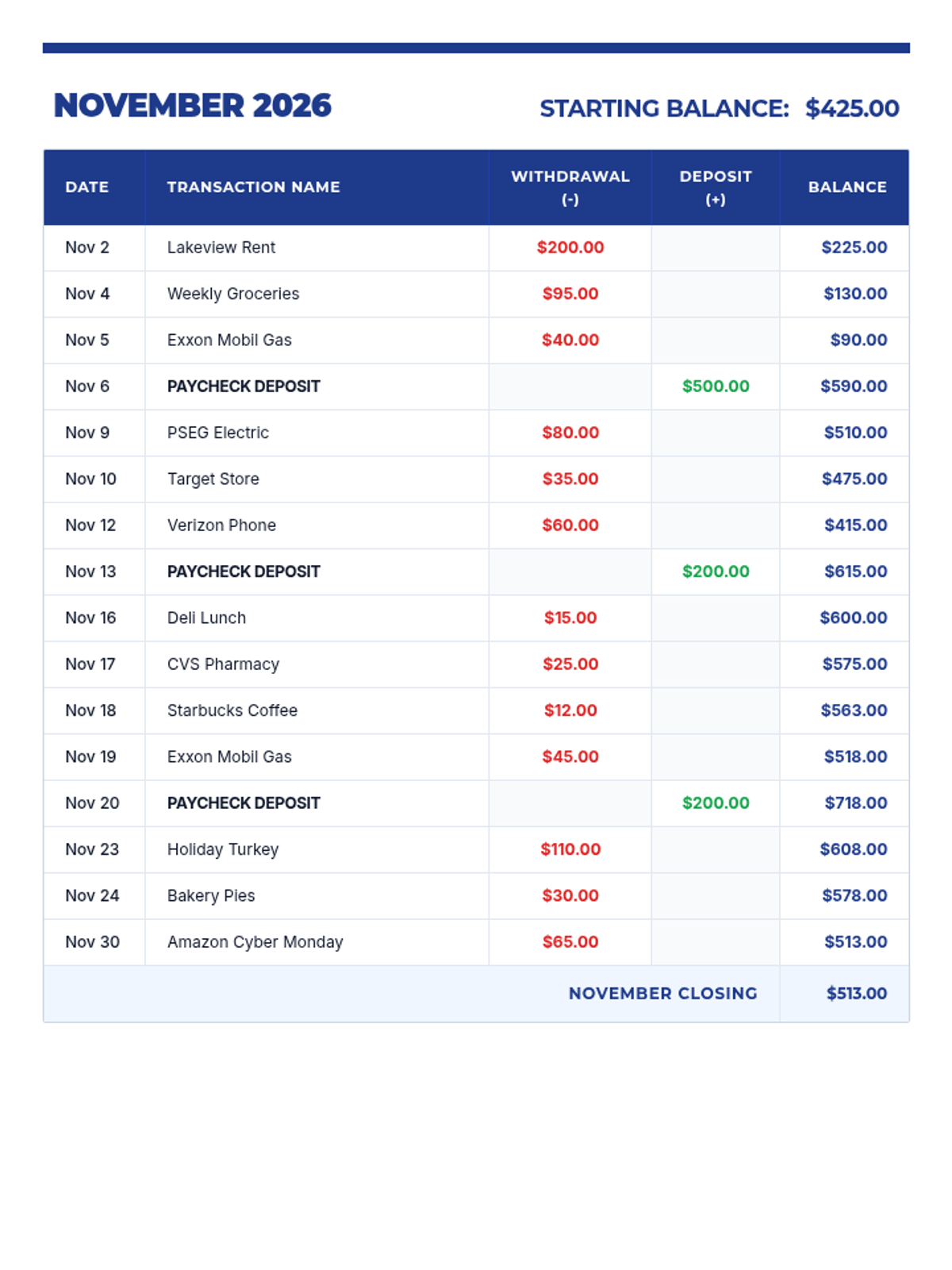
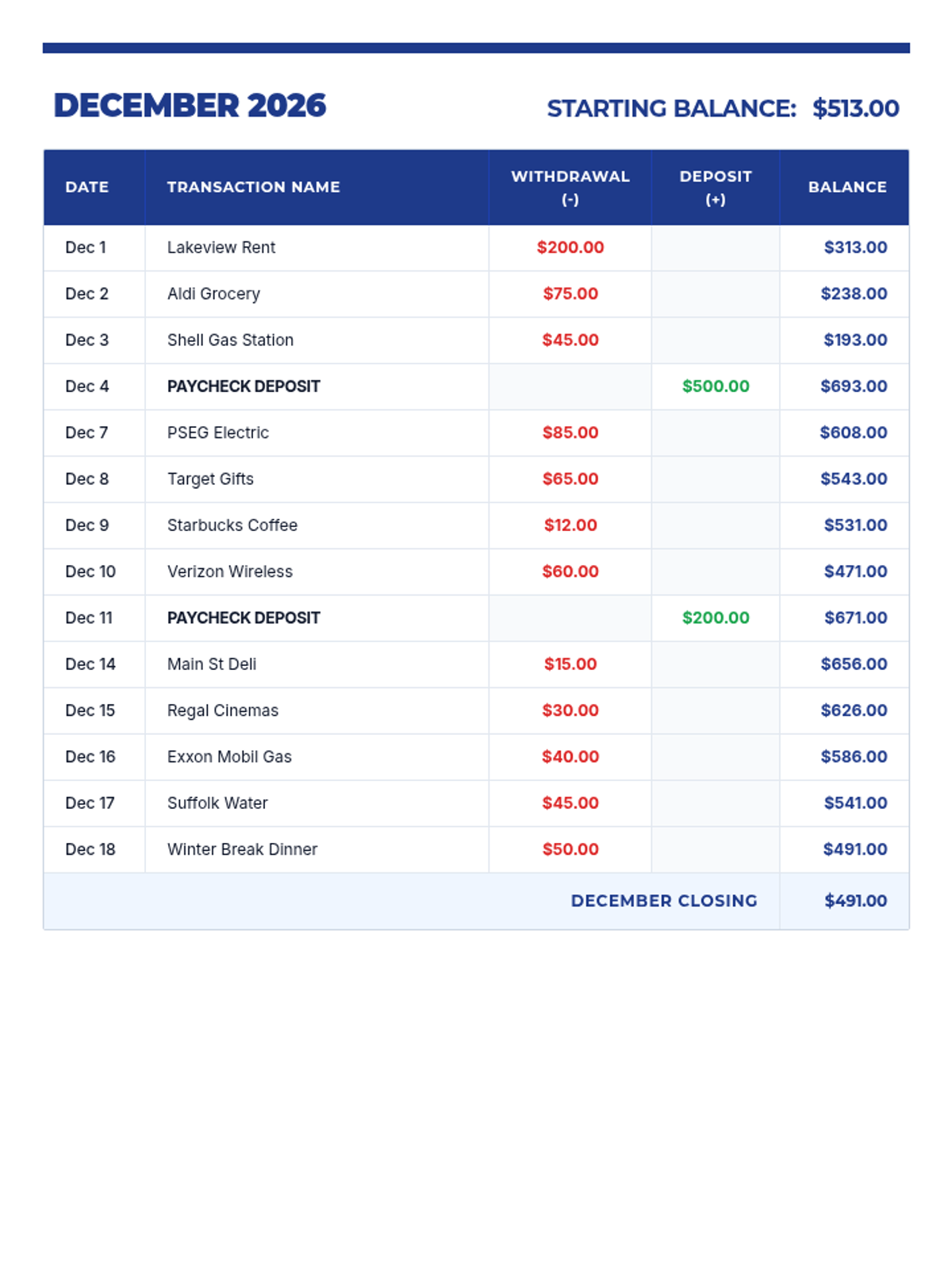
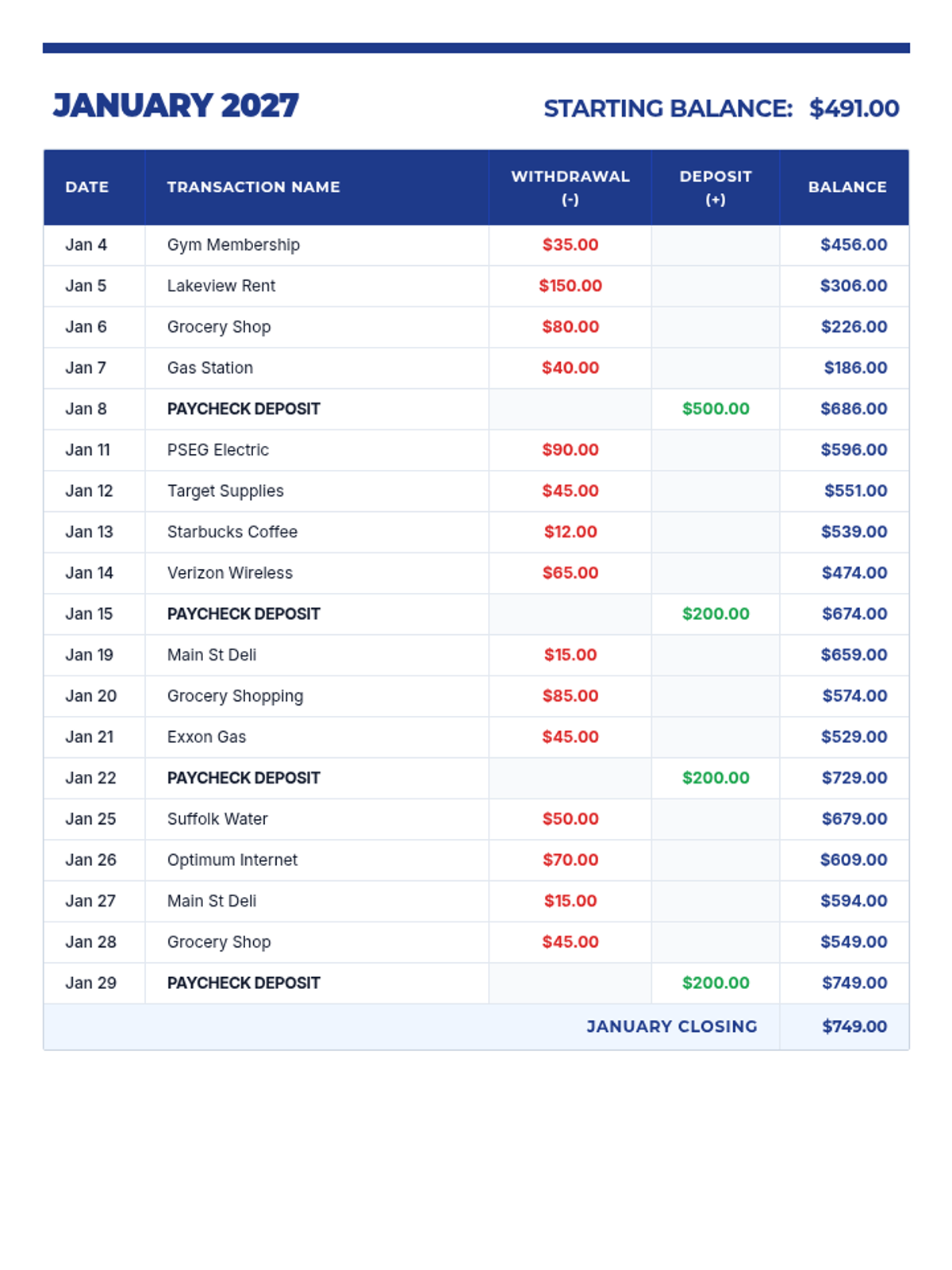
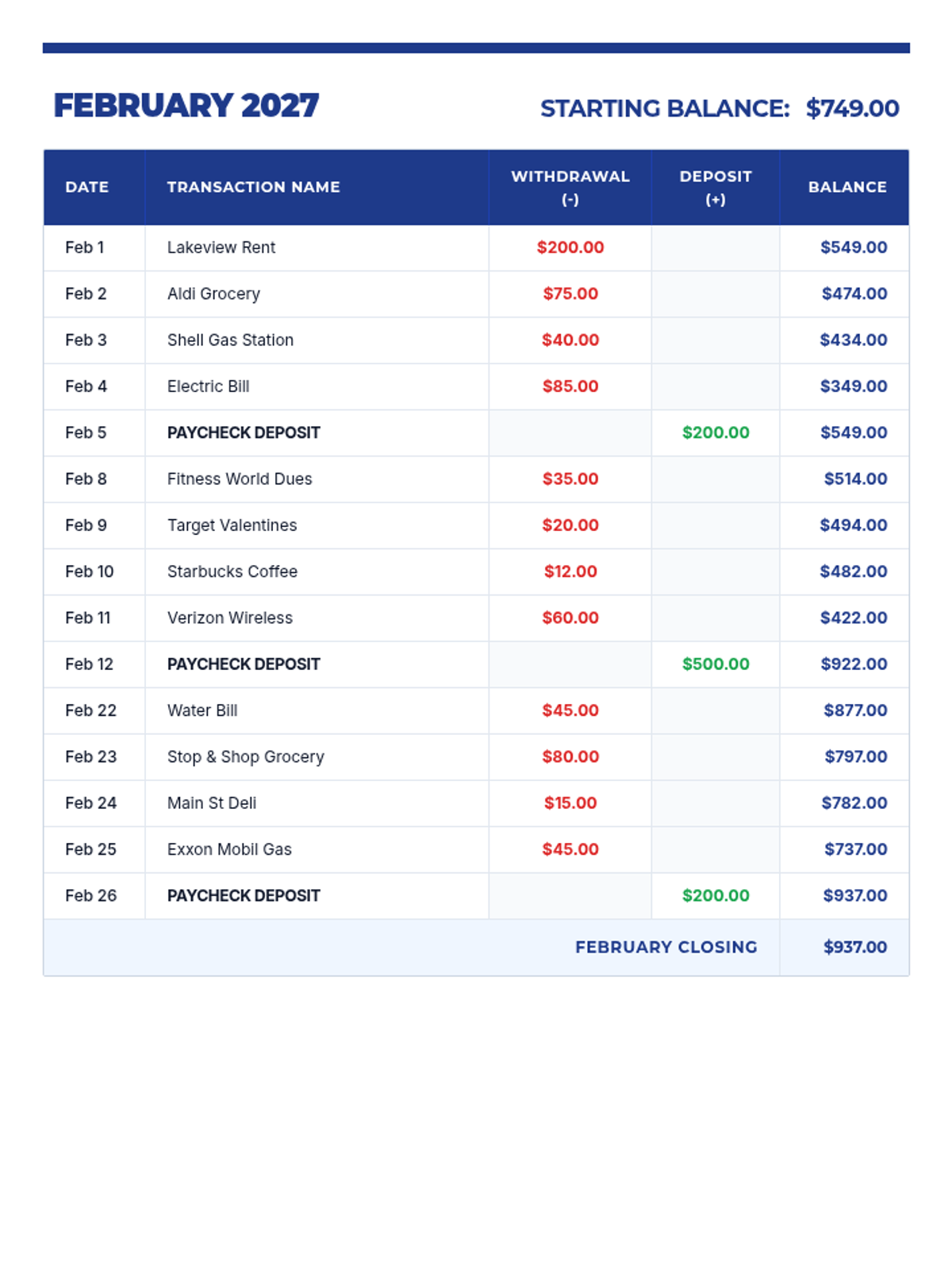
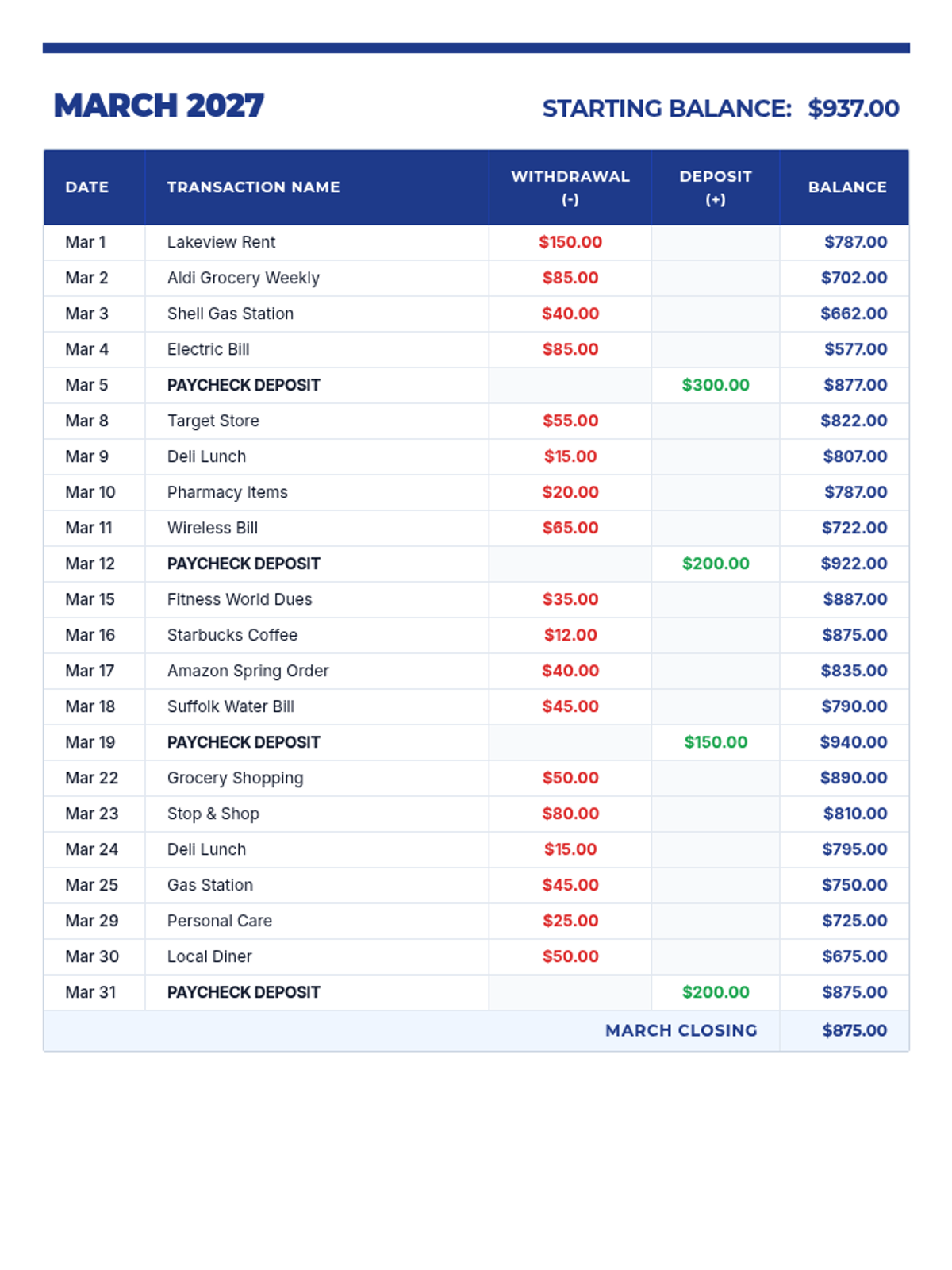
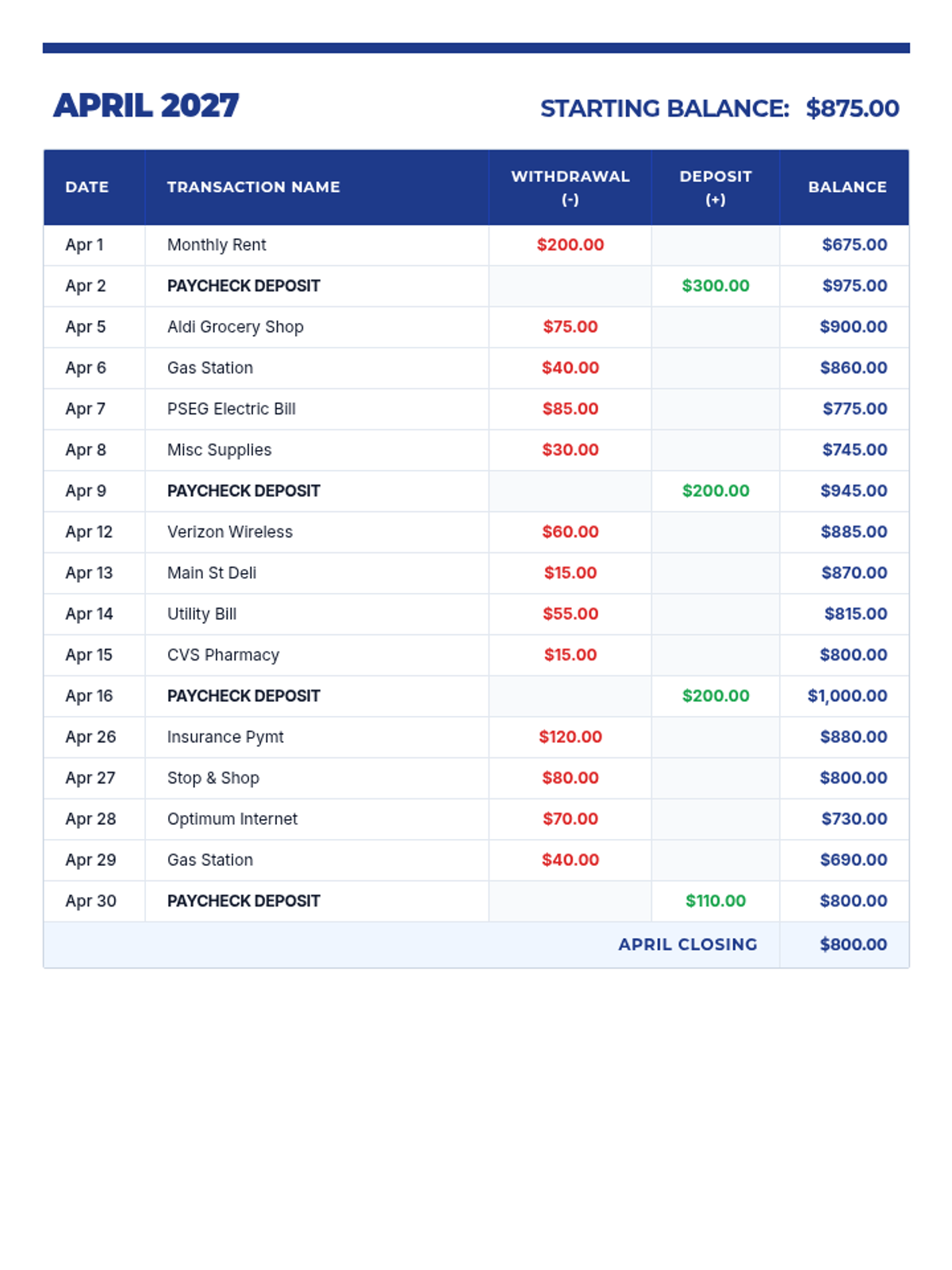
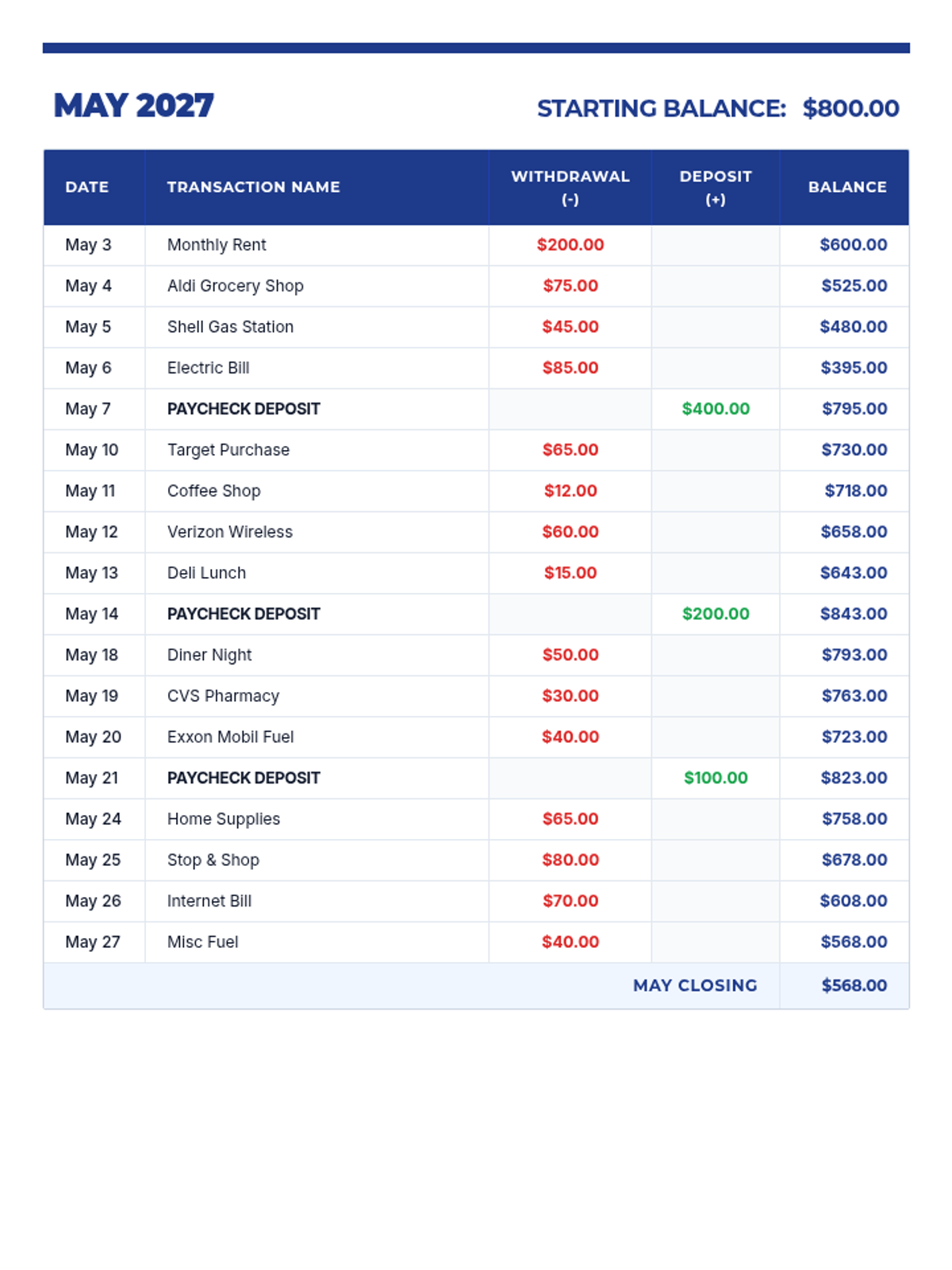
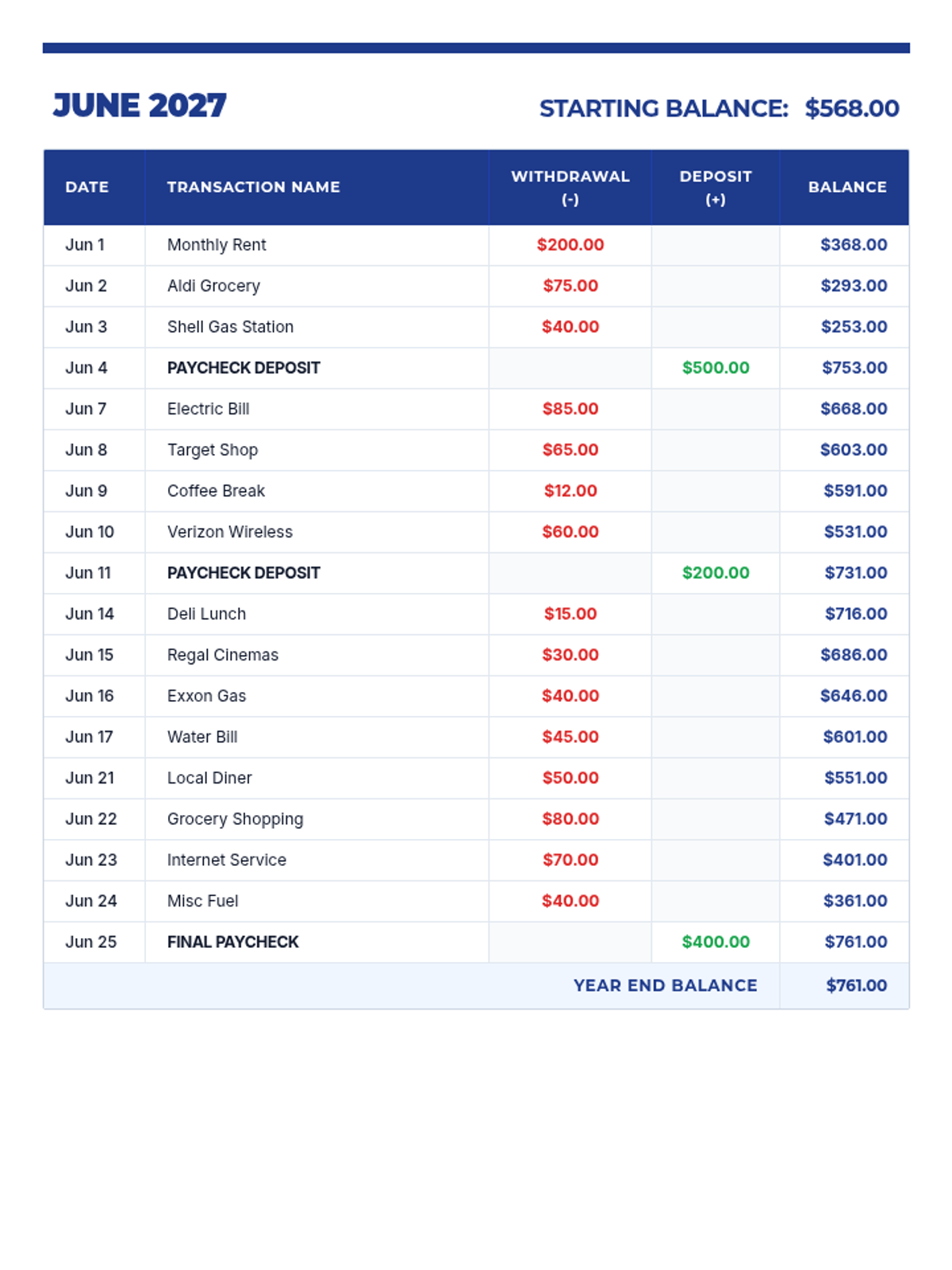
A project-based simulation where students create a long-term career roadmap and manage a multi-stage life logbook, practicing workplace ethics and professional communication in real-world scenarios.
Explores the moral framework of the modern workplace. Students will analyze ethical dilemmas, define 'conflict of interest,' and practice the 'Front Page Test' to navigate gray areas where company policy and personal values intersect.
Focuses on the professional skill of acting without being told what to do. Students will learn the "Owner's Mindset," how to identify service gaps, and the appropriate boundaries of taking initiative in a workplace hierarchy.
Explores leadership as a set of behaviors rather than a job title. Students will learn about situational leadership, the concept of 'Servant Leadership,' and how to influence a team positively from any position in the organizational chart.
Focuses on the critical skill of making sound decisions in the workplace. Students will explore the 'Professional Filter,' the importance of confidentiality/discretion, and the impact of their digital footprint on their professional reputation.