A comprehensive lesson teaching students the mechanics of sending mail, the etiquette of timing for letters and bills, and a hands-on Valentine's Day mailing project.
A comprehensive lesson for 4th graders on managing spring restlessness, navigating emotional changes, and practicing empathy during seasonal shifts.
Review of all skills learned and the creation of a portable 'Mission Success' card for real-world application.
A scenario-based session where the student practices selecting the most effective coping skill for specific stressors.
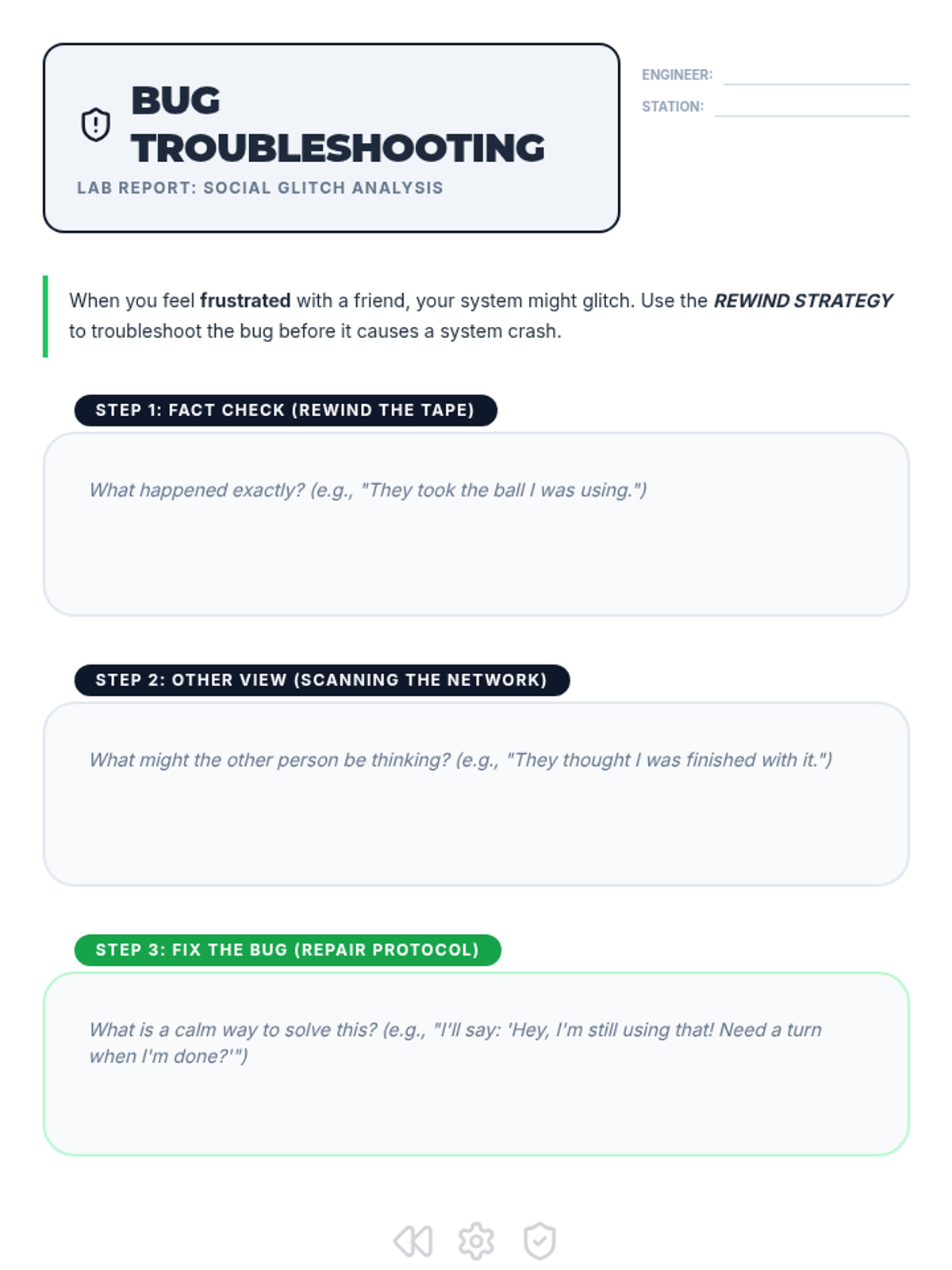
Introduces the concept of 'thought glitches' and teaches the student how to reframe negative or anxious thoughts into more realistic ones.
Teaches concrete physical coping mechanisms including deep breathing and progressive muscle relaxation to lower physiological arousal.
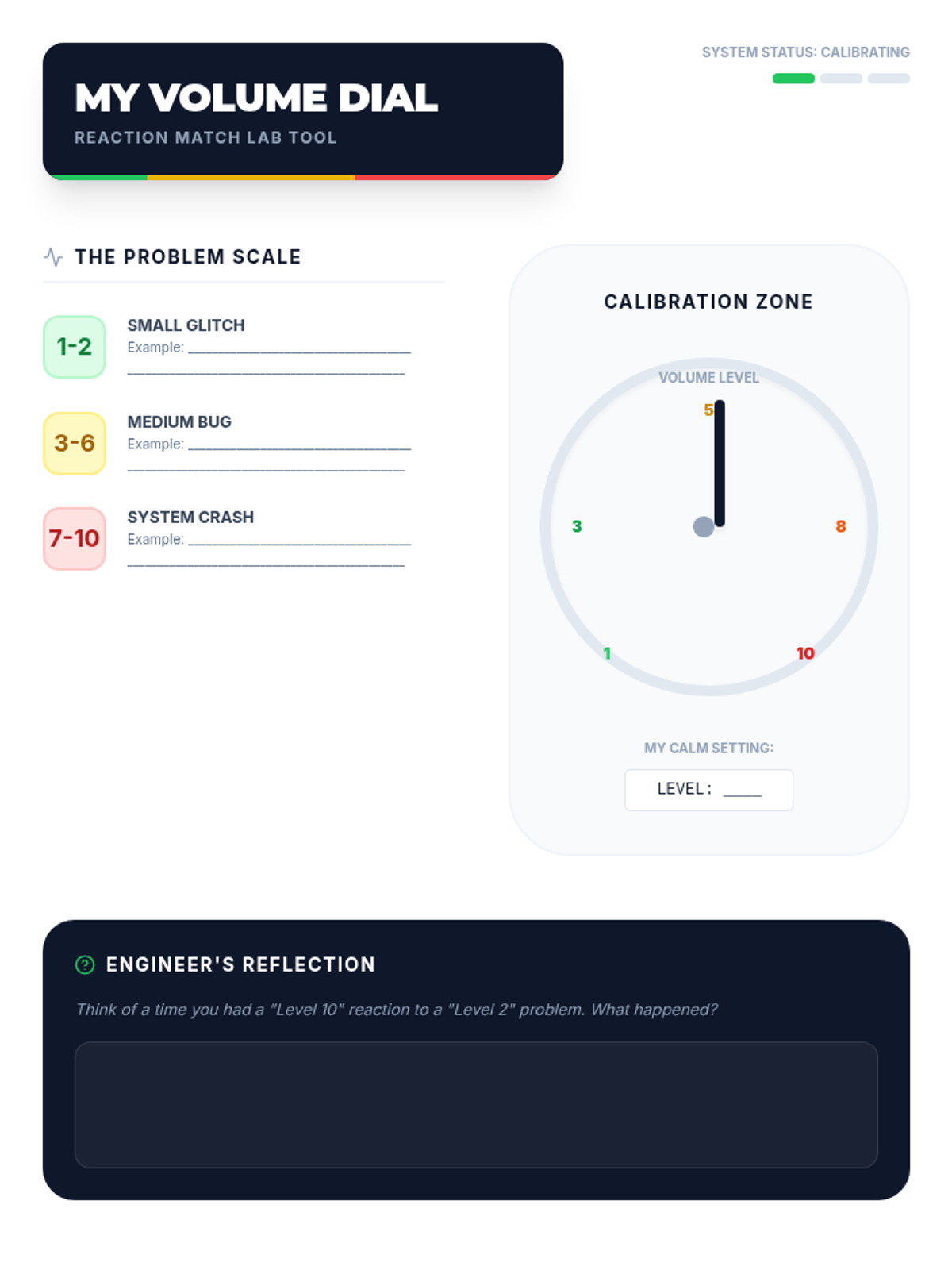
Introduces an intensity scale to help the student differentiate between mild frustration and high-intensity anger or anxiety.
Focuses on identifying physiological responses to stress and anger, helping the student recognize 'early warning signals' in their body.
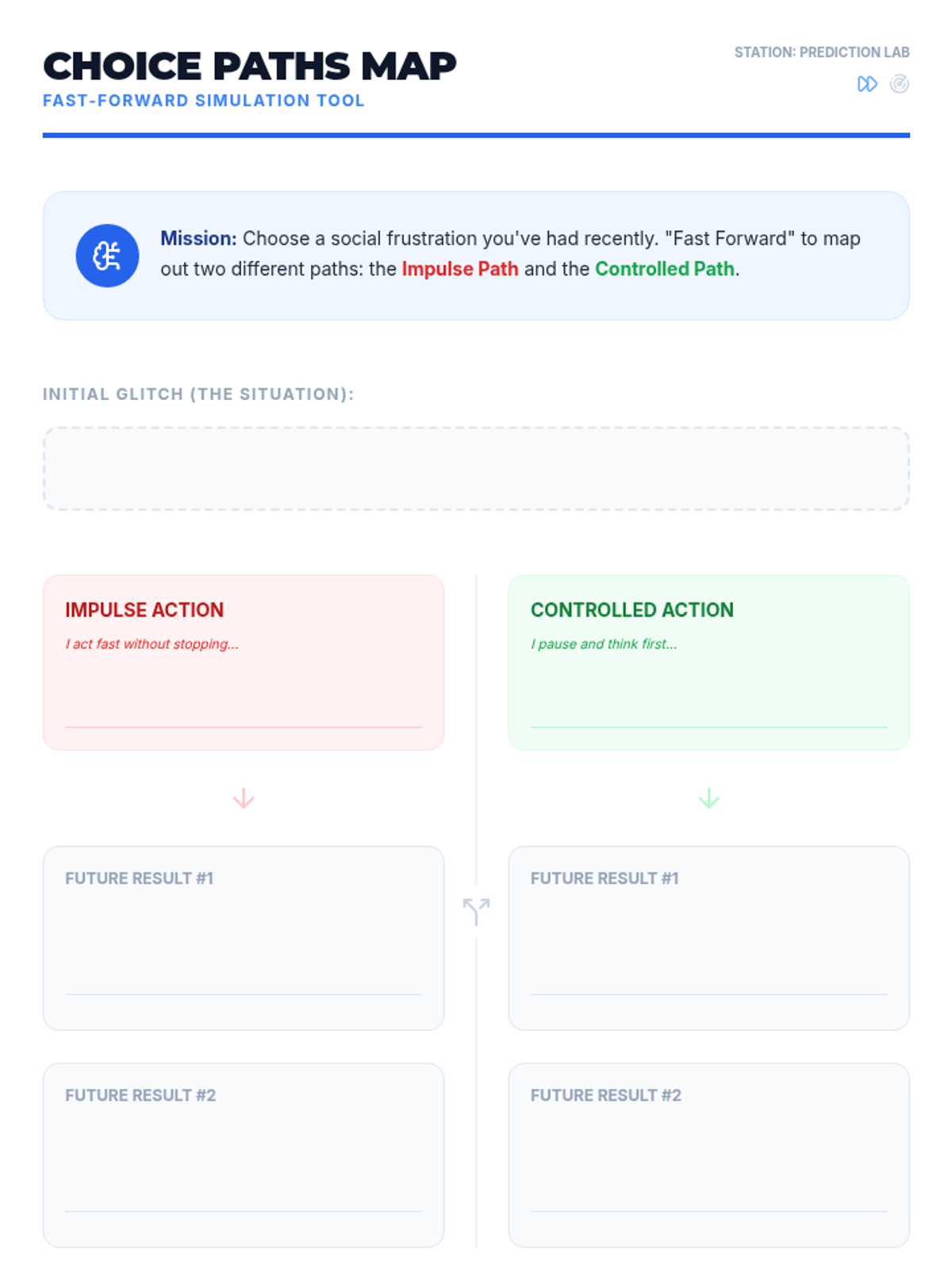
A comprehensive emotion management sequence designed for 5th graders to identify, track, and regulate feelings of anger, stress, and anxiety through goal-setting and evidence-based activities.
Students practice interview etiquette and evaluate interview behaviors using a simplified rubric and video analysis of common interview mistakes.
Students explore qualities that make a "good employee," such as punctuality, hygiene, and teamwork, through a "Hire vs. Not Ready Yet" behavior sorting activity.
Students will differentiate between hard skills (learned tasks) and soft skills (people skills) using visual aids and sorting activities tailored for low cognitive ability levels.
A small group lesson for elementary students focused on recognizing the physical signals of anger in the body and learning initial coping strategies. Students act as 'Body Detectives' to identify where they feel anger before it boils over.
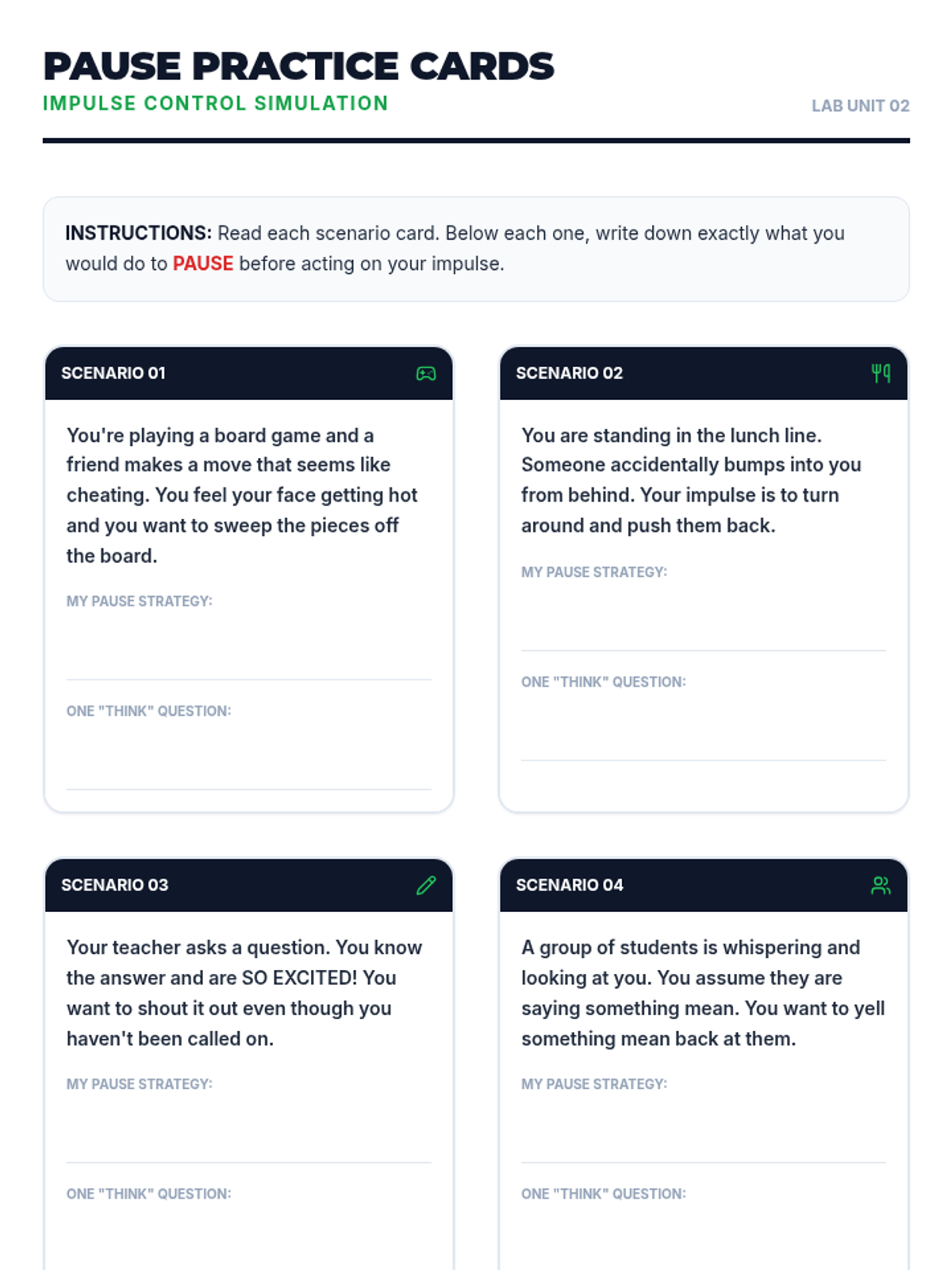
A fast-paced, 20-minute small group lesson for 4th graders focused on emotional regulation through a racing mechanic theme. Students learn to identify their 'engine temperature' and select 'cooling tools' to manage high-intensity emotions.
A specialized lesson for adults with IDD and Autism focused on 'Social Decoding'. The lesson emphasizes 'Tone of Voice' as a primary indicator of emotion, alongside body posture and facial cues, using workplace and community-based scenarios.