Spark Slides Signature Spark
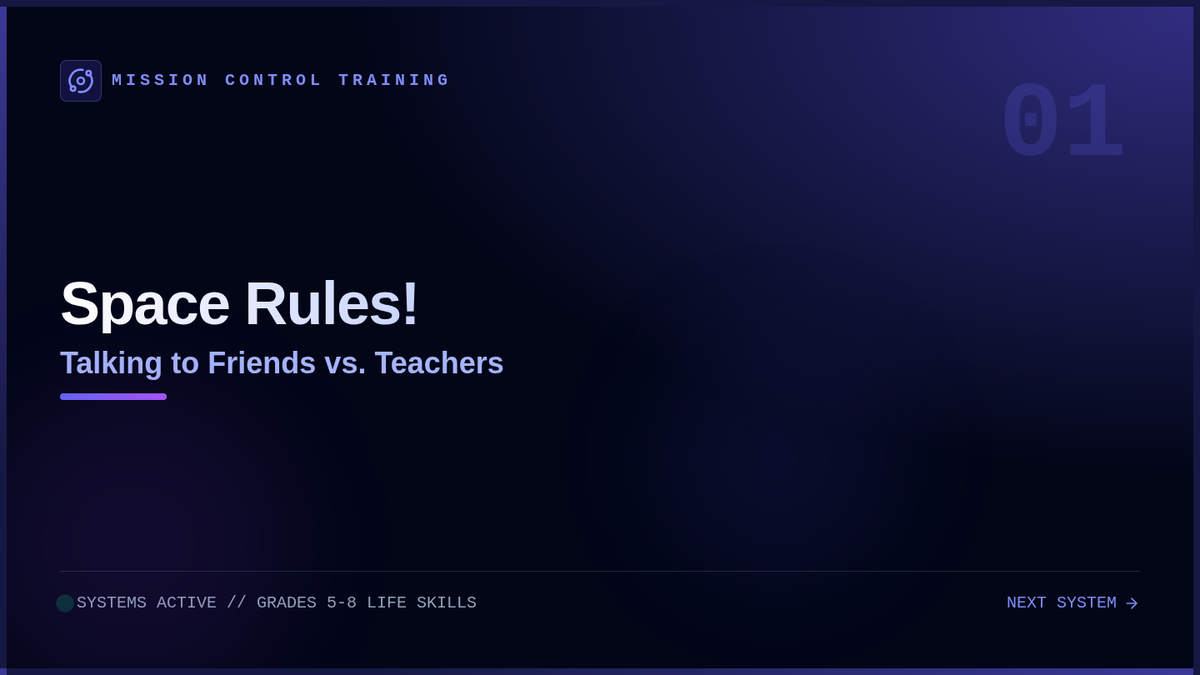
Discovering Your Unique Brain Profile
The World of Brains
Just like every person has a unique thumbprint, every person has a unique brain.
Neurodiversity means that there isn't just one "right" way for a brain to work.
"Different Operating Systems, Not Better or Worse."
The Comparison Trap
Comparing yourself to someone with a different brain is like comparing a super-fast race car to a rugged mountain truck.
A race car is built for speed on flat roads.
A mountain truck is built for power on rocky paths.
One isn't "broken." They are built for different missions.
The Spectrum Edge
Pattern Power
Seeing details that others walk right past. Finding patterns in music, numbers, or nature.
Deep Focus
Becoming a "Super-Expert" on things you love. Having a passion that fuels your learning.
Honest Heart
Valuing truth and fairness. Often seeing the world exactly as it is without "social masks."
It's Okay to Feel Frustrated
Living in a world designed for "standard" brains can be tiring. It’s okay to say "This is hard right now."
Remember:
"The things that make you different are the things that make you necessary."
What’s Your Spark?
Today, we aren't looking at what you "can't" do. We are mapping out the unique territory of your amazing mind.
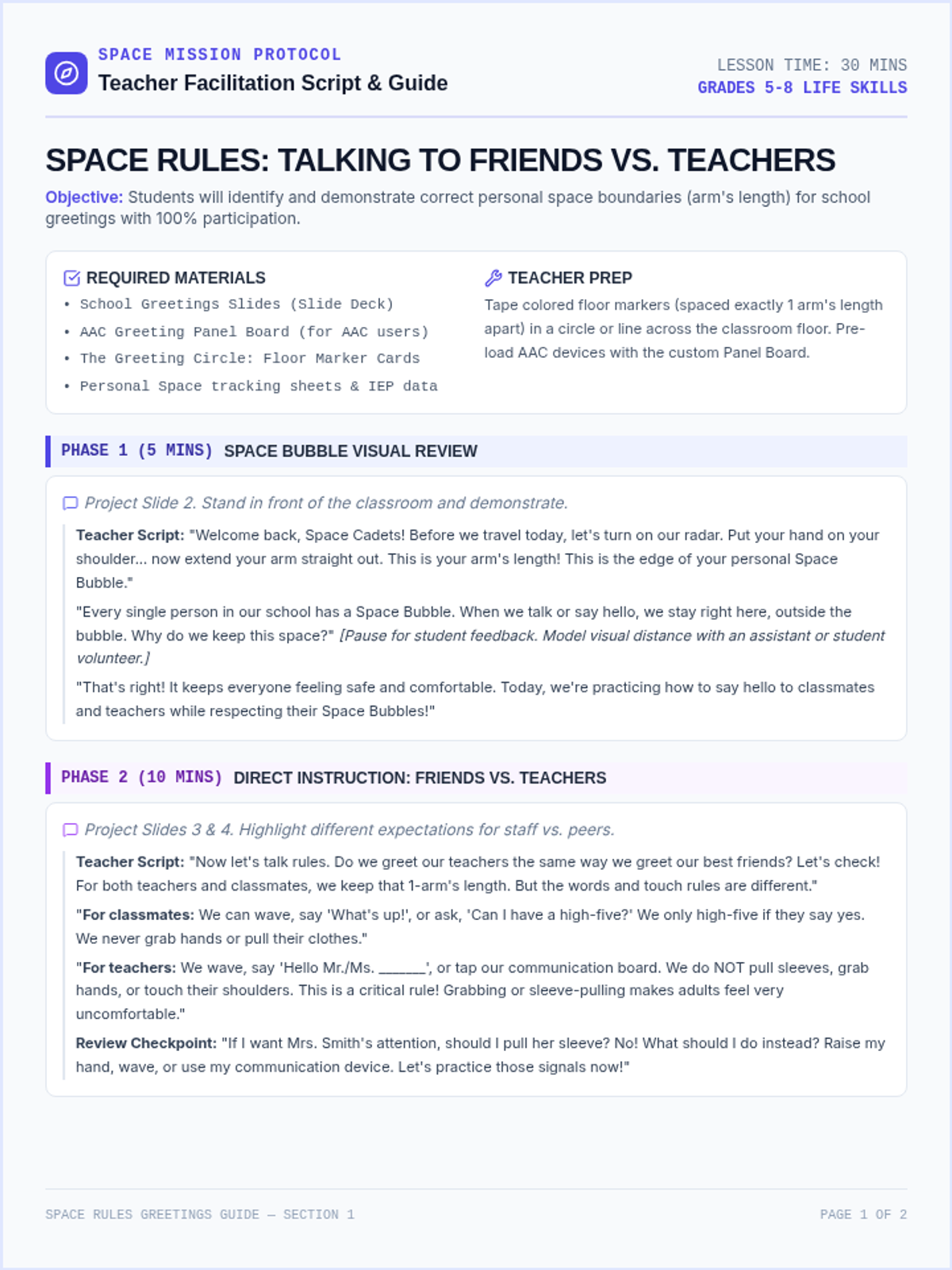
Spark Reflection Worksheet My Signature Spark
A Map of My Unique Mind
NAME:
DATE:
Clearing the View
Sometimes we look at others and feel like we are "missing" something. Let's flip the script.
The Comparison Trap:
Something that feels hard for me because of how my brain is built.
My Hidden Strength:
Something I can do or notice that others might miss.
Turn the page to continue mapping your unique signal!
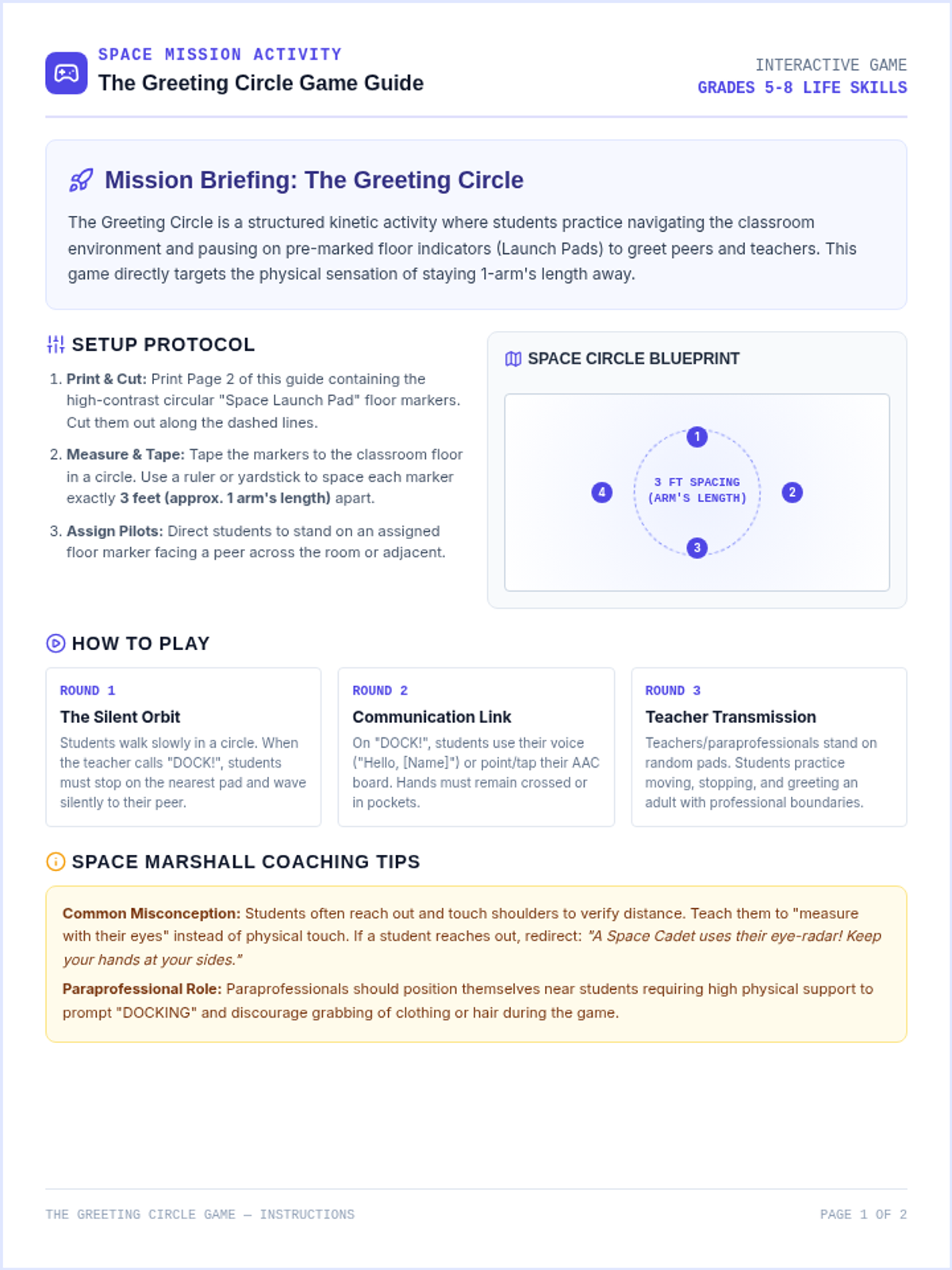
My Spectrum Signal
What are three things about how your brain works that you think are pretty cool?
1
2
3
The World Through My Eyes
If you could explain one thing to the world about what it's like to have your "Signature Spark," what would it be?
"I am not a broken version of normal. I am a unique version of me."
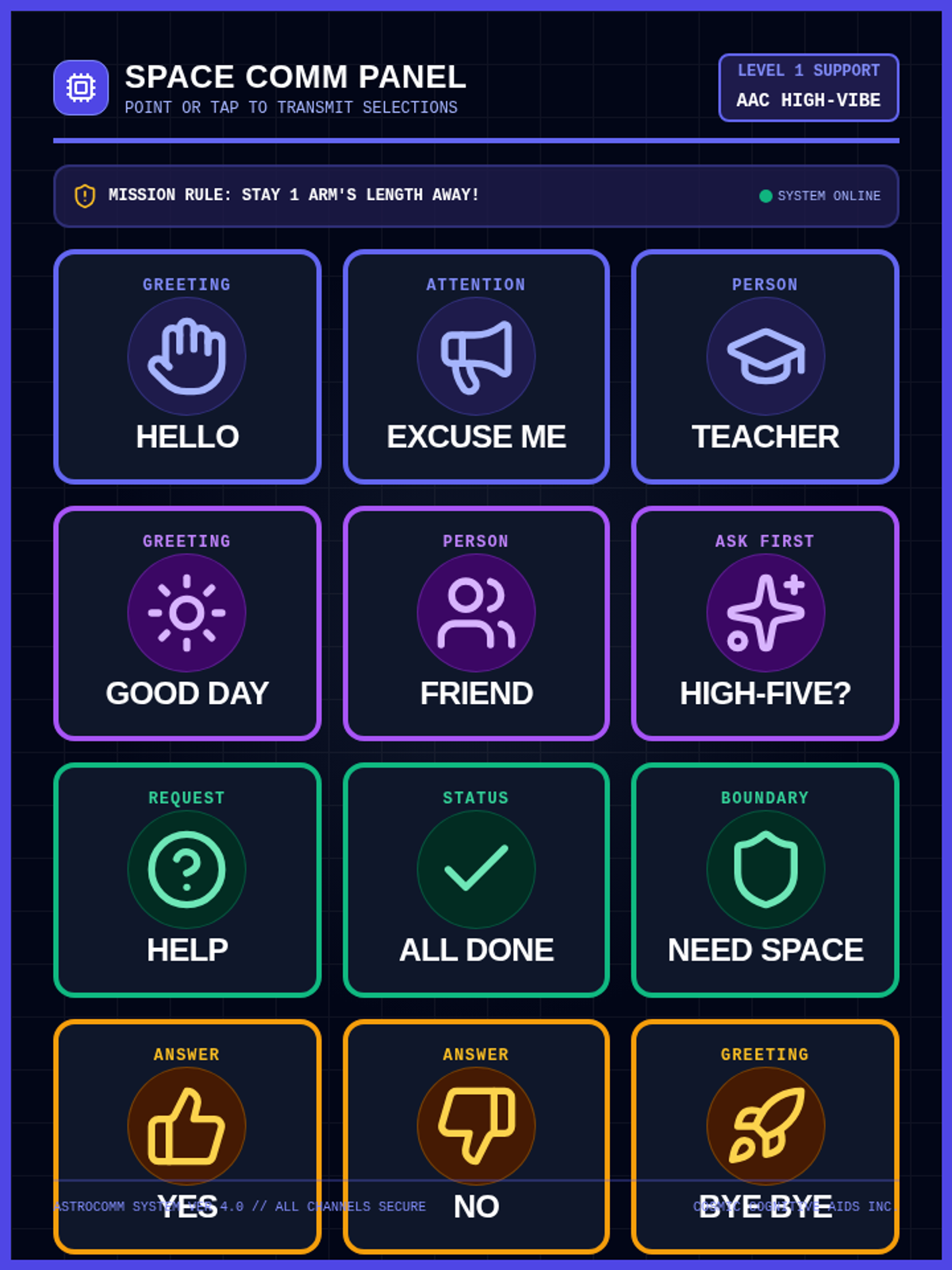
Spark Teacher Guide Signature Spark
Facilitation Guide & Teacher Notes
TEACHER RESOURCE
Lesson Purpose
This lesson addresses the "deficit model" of autism by helping students build a personal identity rooted in their specific strengths. It validates frustration while introducing neurodiversity as a valuable variation in the human experience.
Lesson Materials
Spark Slides
Visual presentation with analogies (Computers, Cars/Trucks) to explain neurodiversity.
Reflection Worksheet
A 2-page student workspace for mapping strengths and reframing comparisons.
Conversation Strategies
Validate First
Don't immediately try to "fix" her feelings. Use supportive listening: "I hear you. Sometimes it feels like the world wasn't built for your brain, and that can be really exhausting."
The "Laptop" Analogy
Explain that her brain is like a different operating system. Neither is broken; they just run different software and solve problems differently.
Step-by-Step Delivery
1
Visual Anchors (Slides)
Use the slides to introduce neurodiversity. Spend extra time on the "Race Car vs Mountain Truck" analogy to explain why her "profile" is just as necessary as any other.
2
Personal Mapping (Worksheet)
Help the student identify her specific "Spark." If she struggles with the "Comparison Trap" section, remind her that noticing difficulties is the first step to finding the tools that help.
3
Signal Creation
Finish by creating a "Safe Word" or "Signal" she can use when the "Comparison Trap" feels too loud. This gives her a practical tool for self-advocacy.
Prompting Questions
"If we took away the part of your brain that makes you autistic, what parts of 'YOU' would go with it?"
"What is something you can see or feel that most people just ignore?"
"Who is a character or famous person you admire? Did they have a different brain?"
Teacher Notes