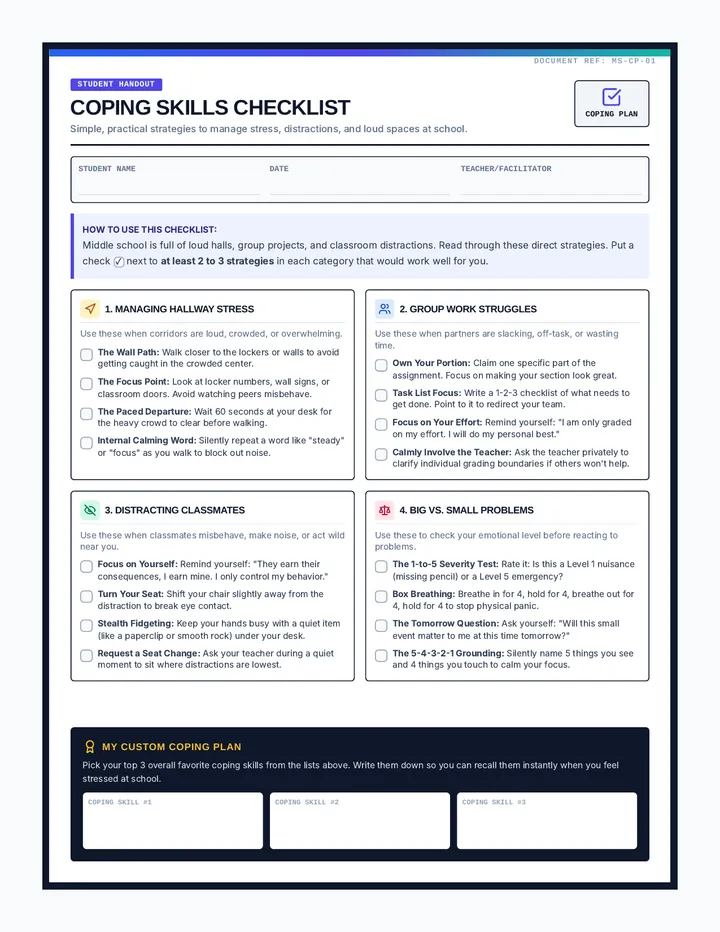
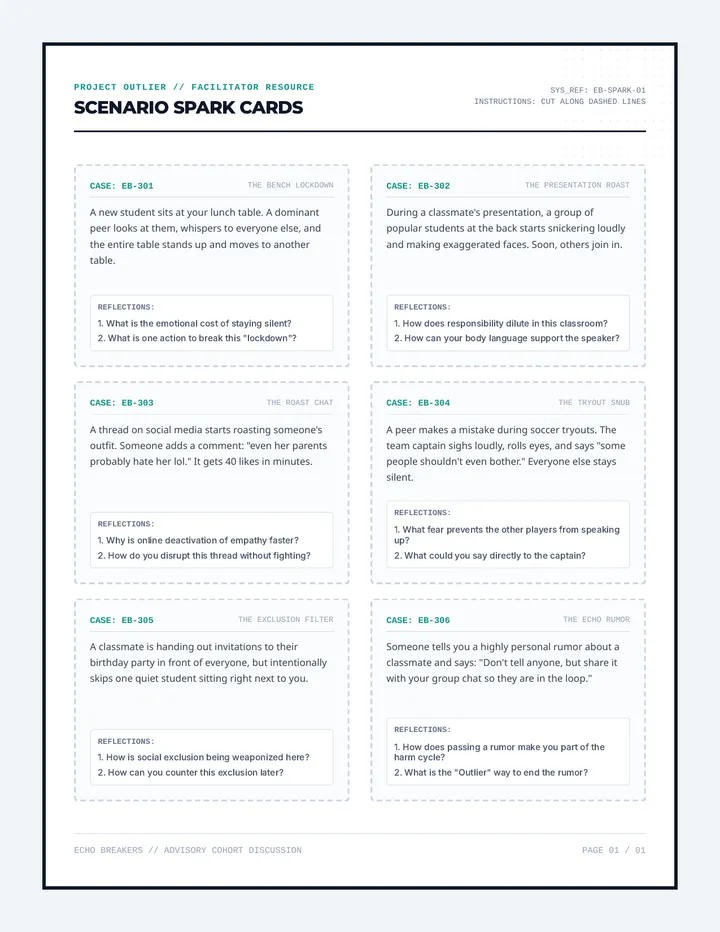
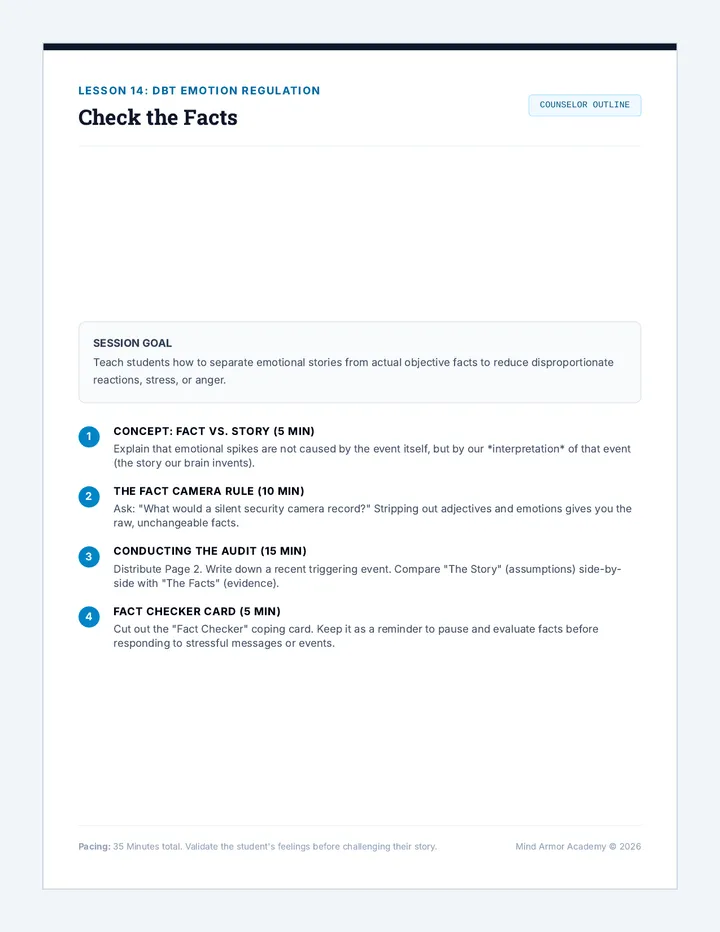
Identifies unhelpful thinking patterns and teaches cognitive reframing to reduce stress.
No materials in this lesson yet.
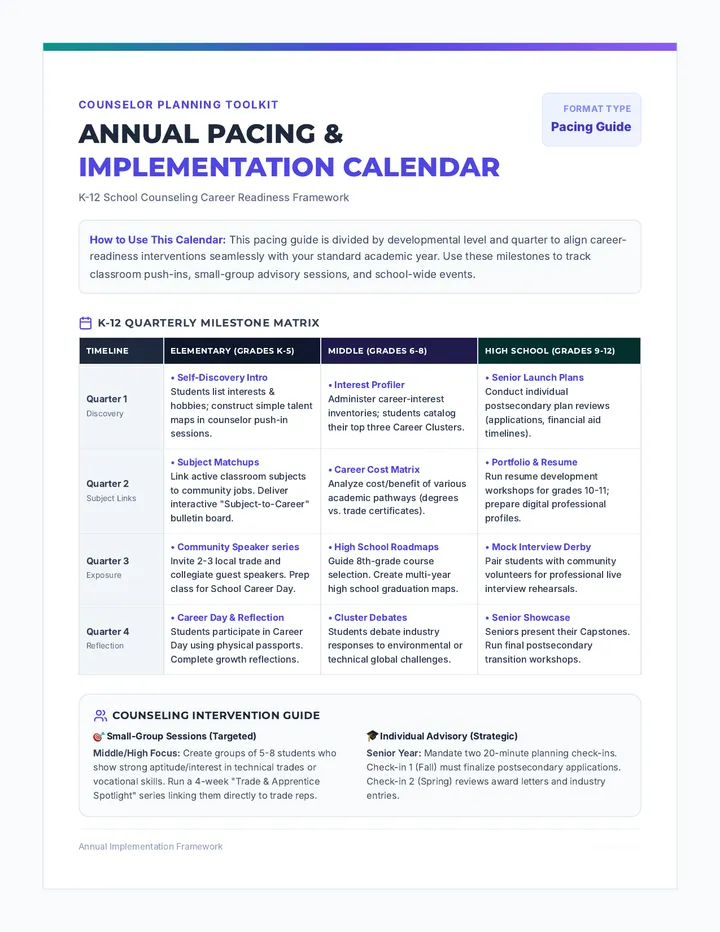
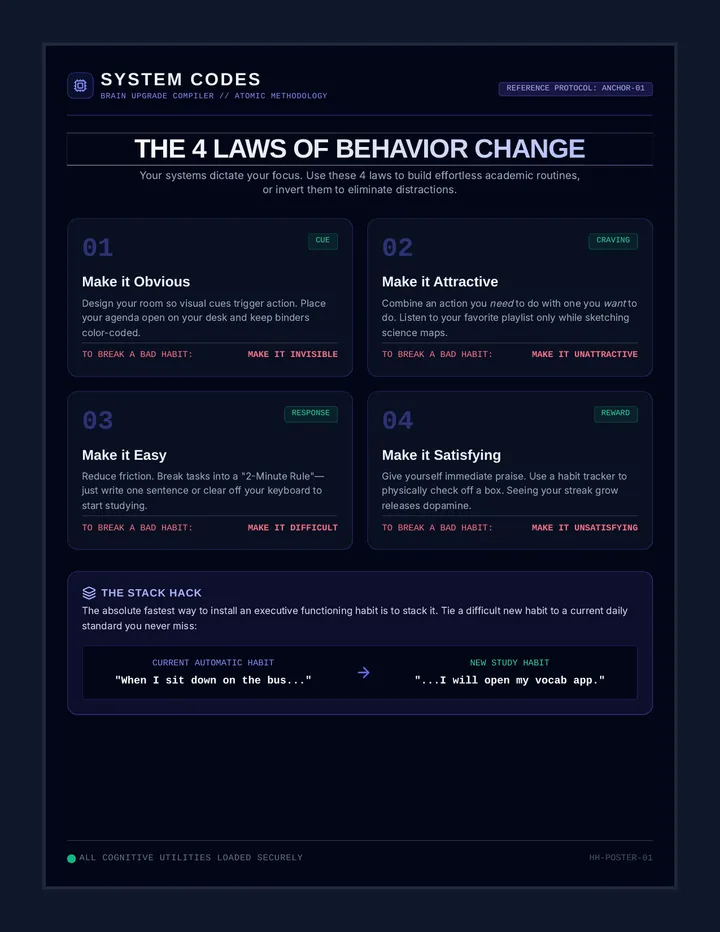
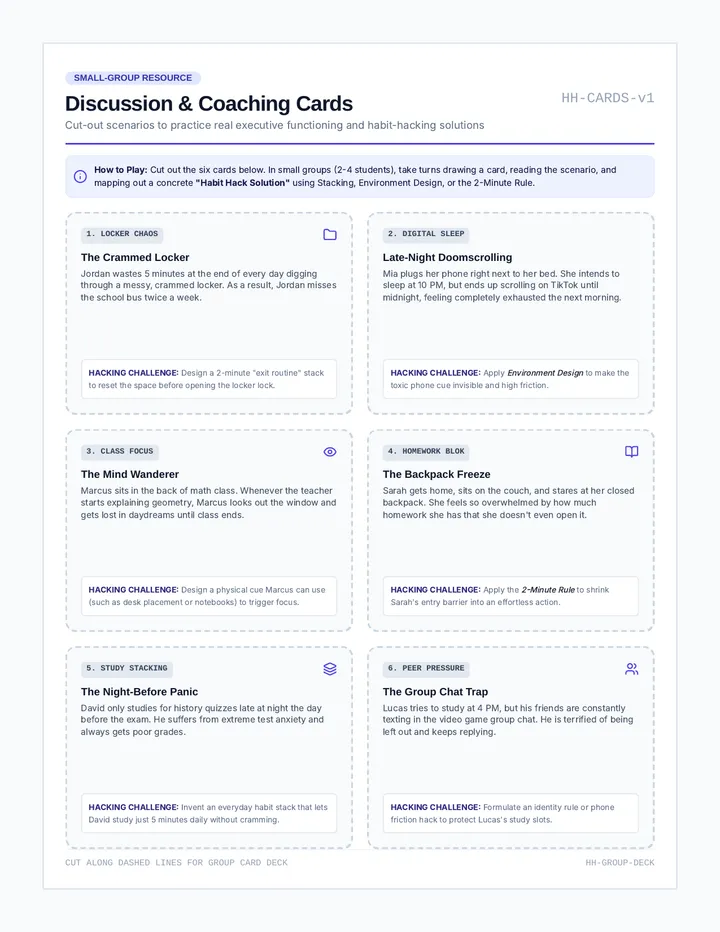
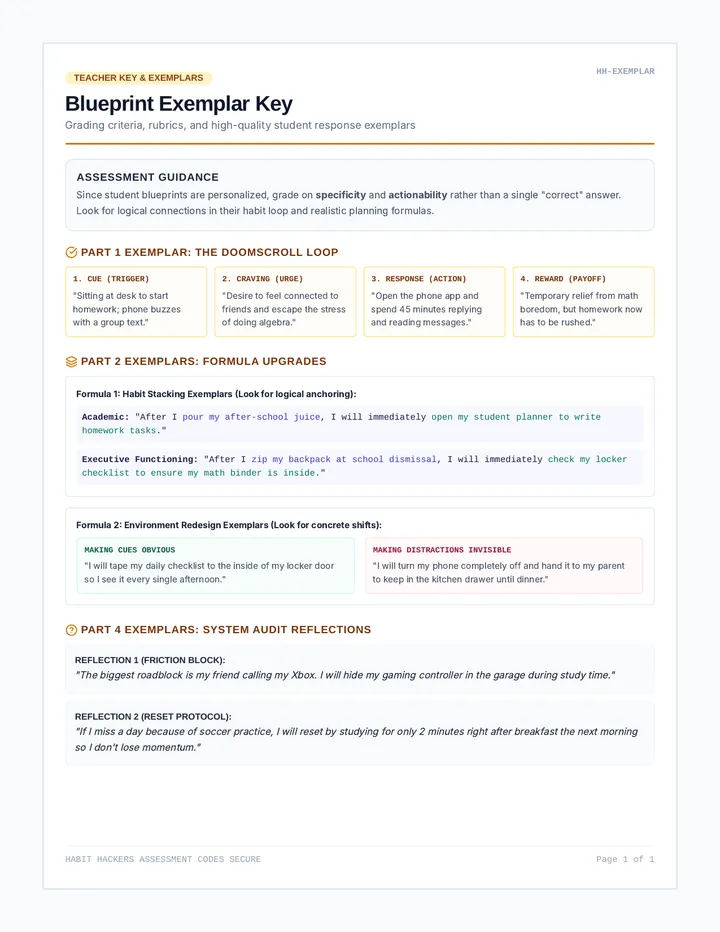
A set of tools designed to help middle school students master the executive function skills of organization and task initiation through structured accountability.
A 7th-grade lesson focused on evaluating everyday decisions using a structured 5-step decision-making model. Students will analyze scenarios and apply the model to their own lives.
A goal-setting workshop where students 'reverse engineer' a long-term aspiration into immediate, manageable steps. Focuses on clarity, motivation, and overcoming potential obstacles.
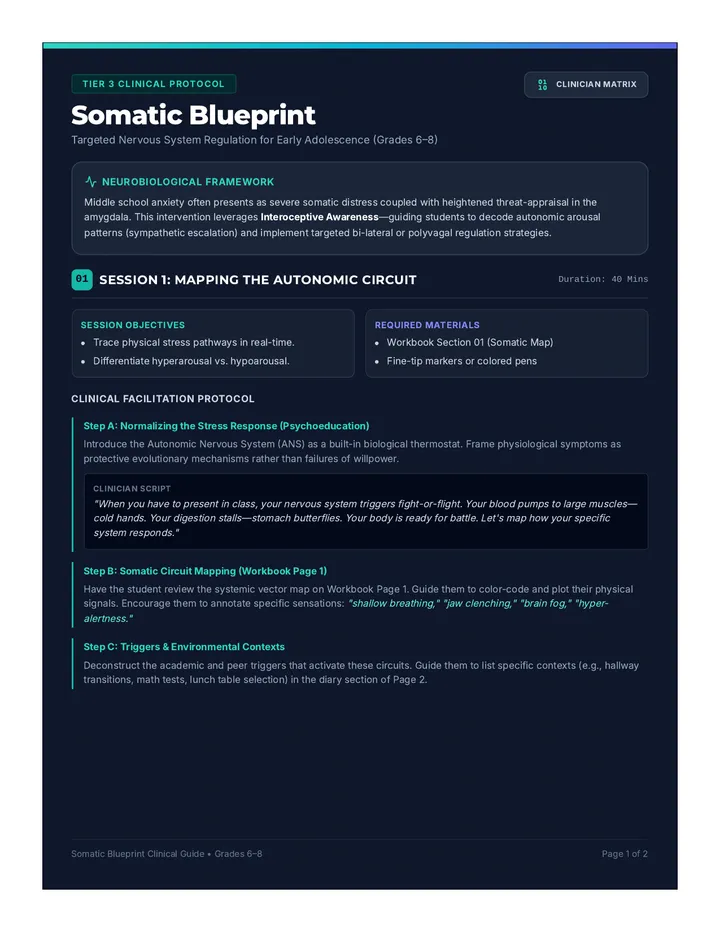
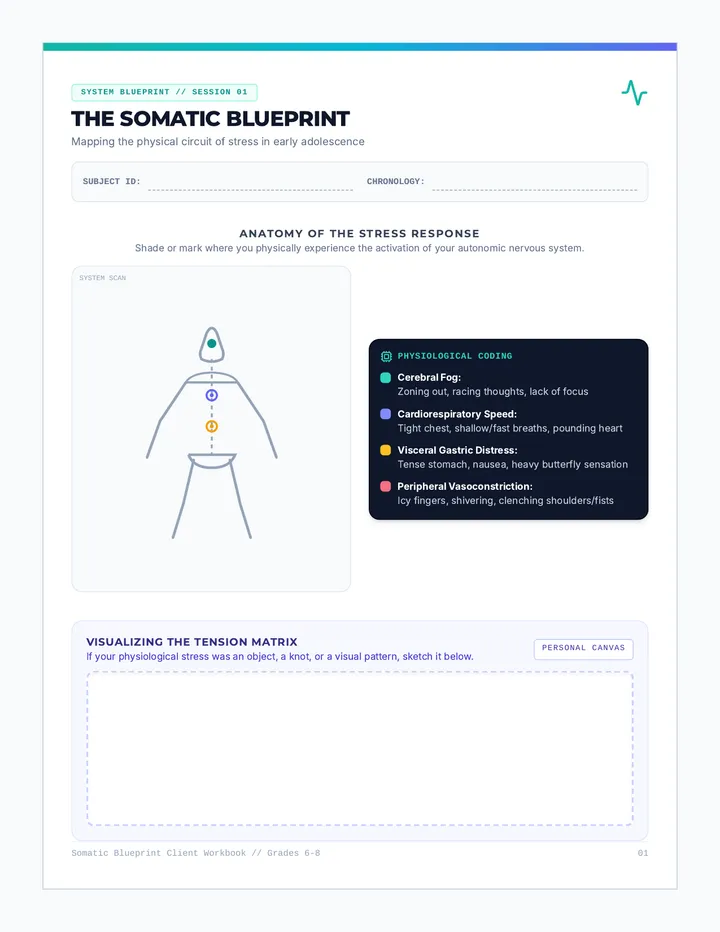
Students identify personal stress triggers and develop a 'relief valve' system of coping strategies. The lesson focuses on recognizing physical signs of stress and planning proactive responses.
Students explore the layers of their identity, distinguishing between how they see themselves and how they are perceived by others. Includes a guided activity to create a multi-layered identity map.
The final summit project where campers create their own 'Vibe Check' Zine—a personalized guide to their own relationship rights and standards.
A deep dive into fairness and power dynamics. Campers learn the difference between 'Leader-Leader' and 'Leader-Follower' dynamics in healthy relationships.
Normalizing rejection as part of the camp experience. Campers build a 'Resilience Toolkit' and learn how to bounce back from social setbacks.
A session focused on the 'Friendship Circle.' Campers use the Time Slice activity to visualize how to keep their 'bunkmate bonds' strong while catching feelings.
Campers learn to identify physical 'vibe checks'—gut feelings that signal safety or discomfort—and practice trusting their compass in social situations.
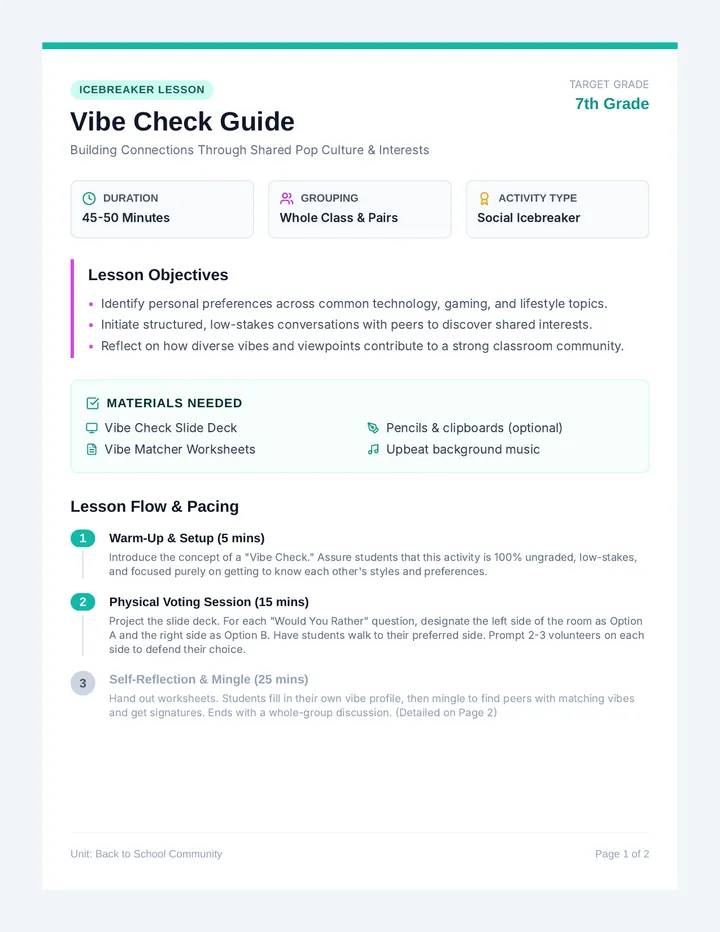
A comprehensive guide and set of tools to help students transition from elementary to middle school, focusing on lockers, schedules, and self-advocacy.