A 15-minute introductory lesson for 1st graders to help them recognize the physical sensations of strong emotions and practice 'Riding the Wave' through deep breathing to manage impulses.
Empowers students to find their voice through assertiveness training, focusing on "I" statements, personal boundaries, and distinguishing between passive, aggressive, and assertive behaviors.
Focuses on the mechanics of teamwork, conflict resolution, and shared goal-setting, helping students understand their role within a group dynamic.
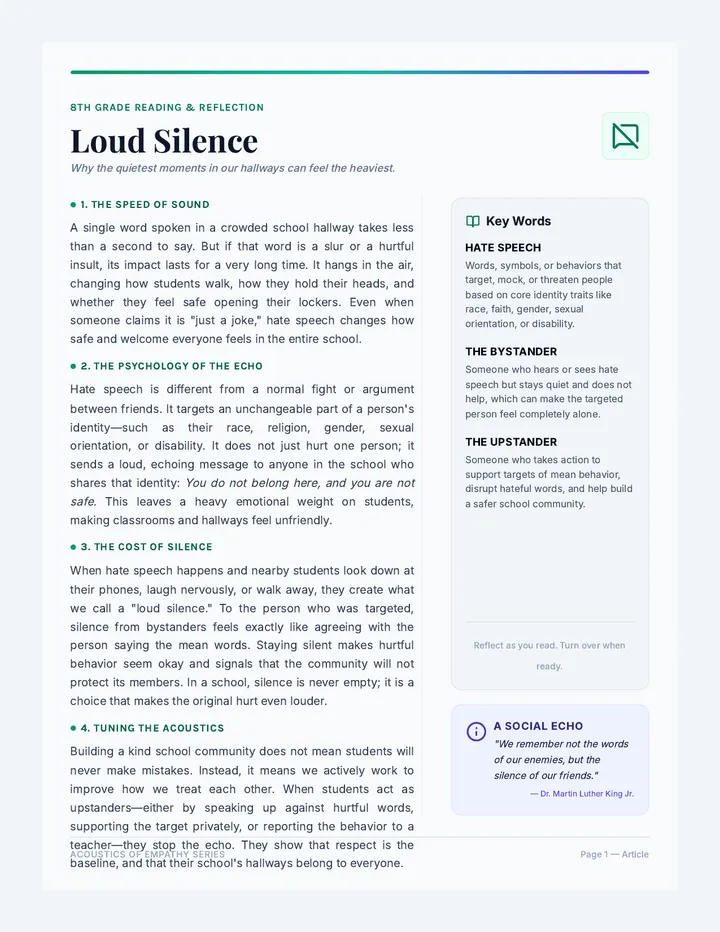
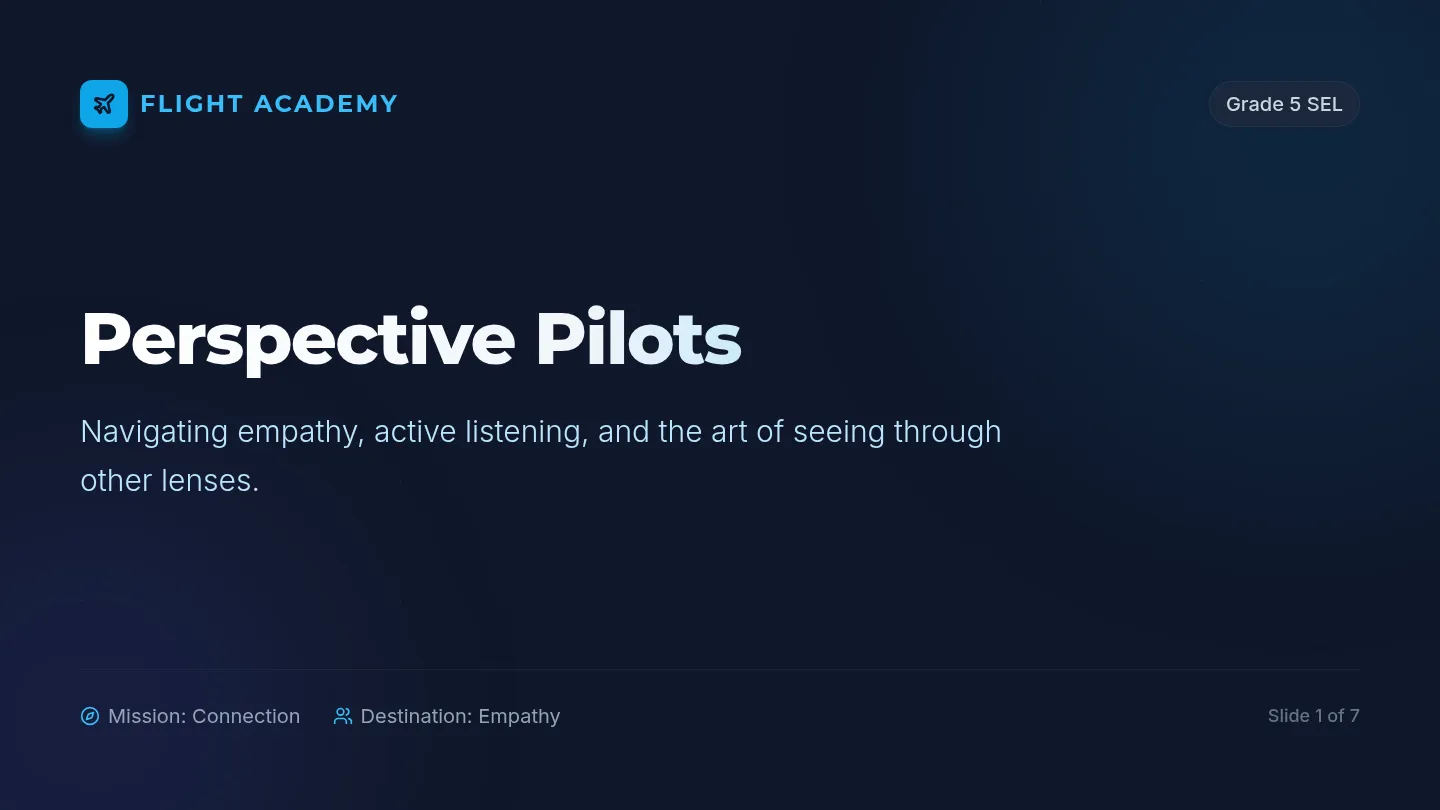
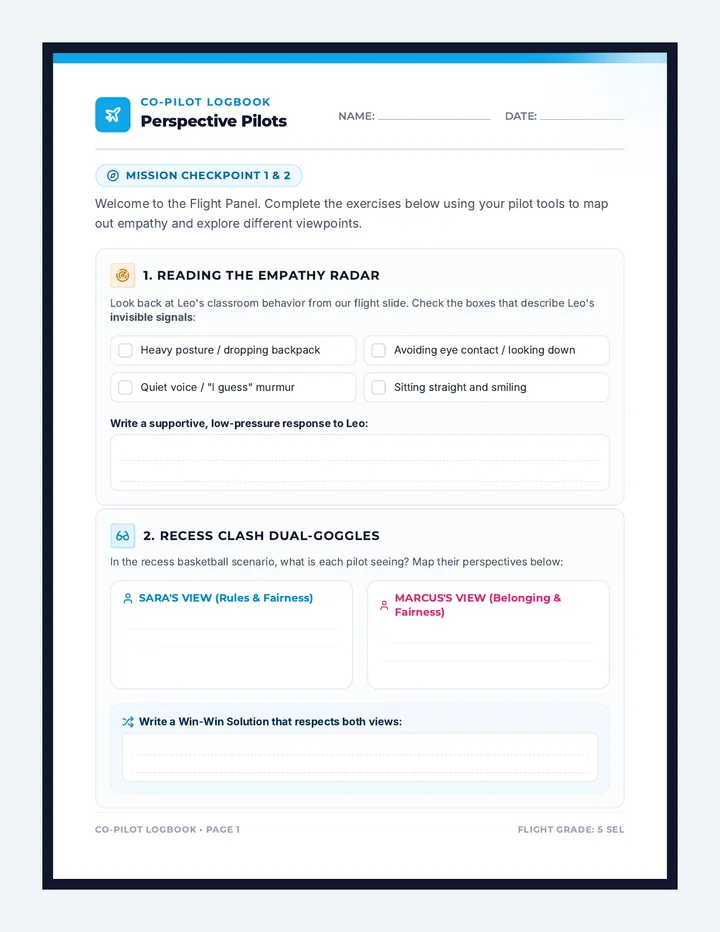
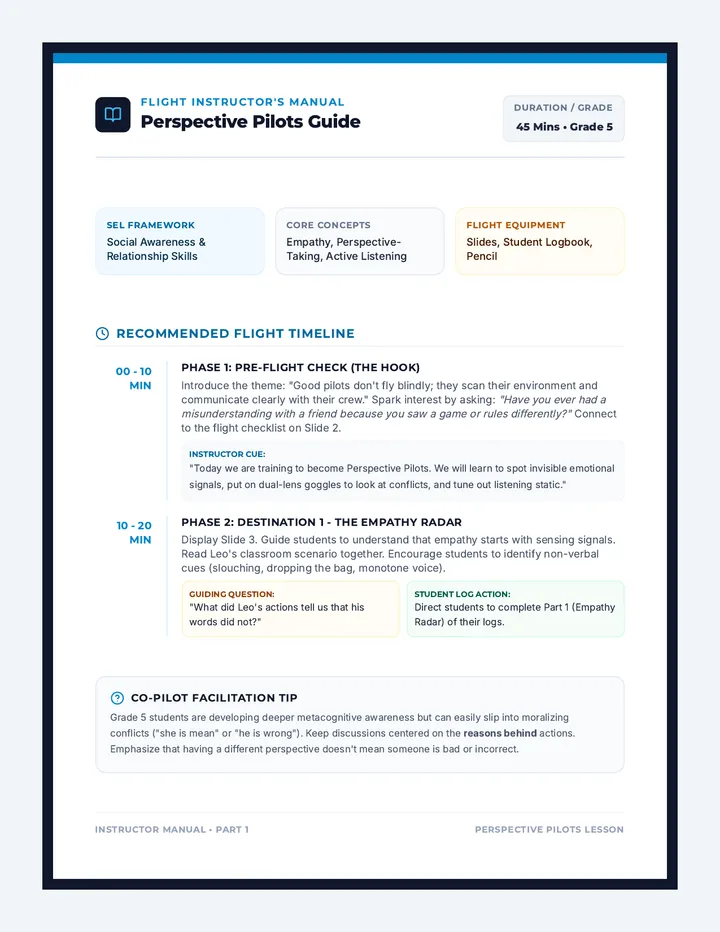
Introduces students to the concepts of empathy and perspective-taking, laying the foundation for strong interpersonal relationships through active listening and emotional recognition.
A 120-minute immersive lesson where students practice collaborative problem-solving, role-playing, and a shared group project to master the art of cooperation.
Students explore their individual strengths and how they contribute to a group's success.
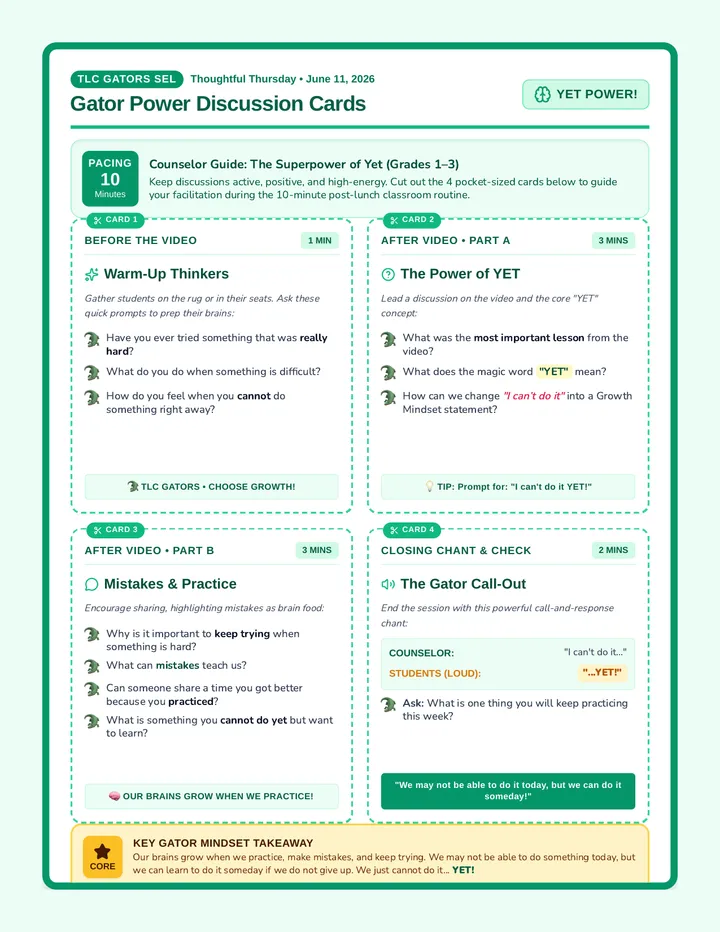
A quick, engaging 20-minute lesson for K-3 students focusing on integrity as 'doing the right thing even when no one is watching' through the 'Heart Hero' concept.
A social-emotional learning lesson for grades 3-5 that teaches cognitive flexibility and empathy through the 'Perspective Pivot' technique. Students use optical illusions and social scenarios to practice seeing situations from multiple viewpoints.
A social-emotional learning lesson for grades K-2 that uses a garden metaphor to teach the qualities of a good friend. Students identify positive behaviors and create a 'Friendship Flower' to visualize how kindness helps relationships grow.
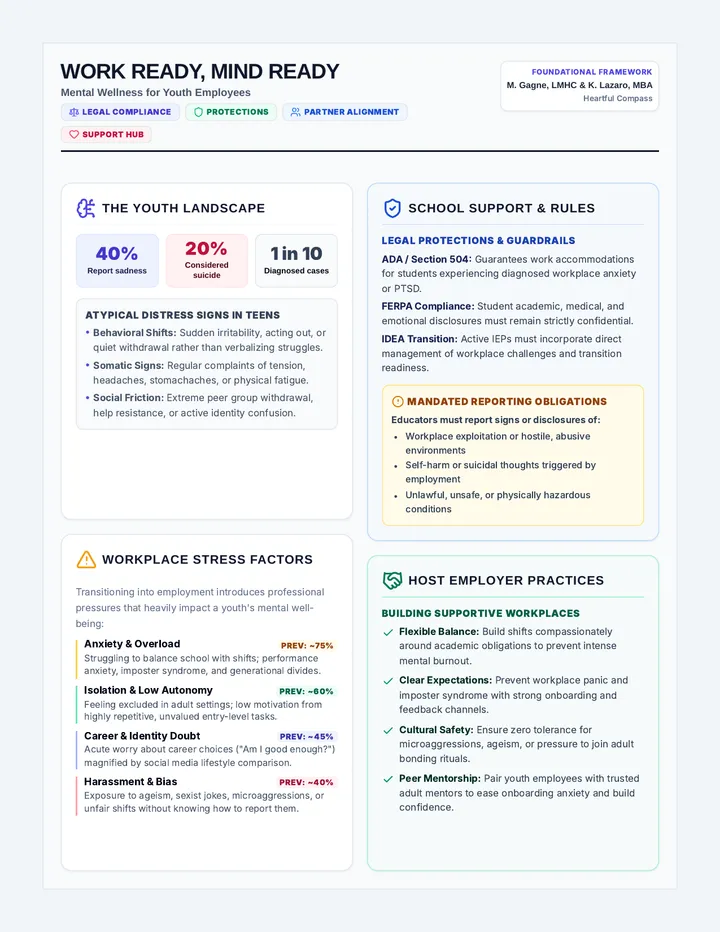
A collection of resources designed to support families experiencing housing-related anxiety and trauma, focusing on emotional regulation and trauma-informed communication.
A foundational lesson teaching the 'Pause, Think, Choose' method for emotional regulation and social decision-making in residential care settings. Using simple language and relatable scenarios, students learn to identify feelings, pause before reacting, and select appropriate replacement behaviors.
A collection of organizing tools designed to help families navigate the complexities of school enrollment, childcare, and household management with less stress.