A 10-minute interactive lesson for 2nd graders to identify and practice respectful behaviors through video, discussion, and scenario sorting.
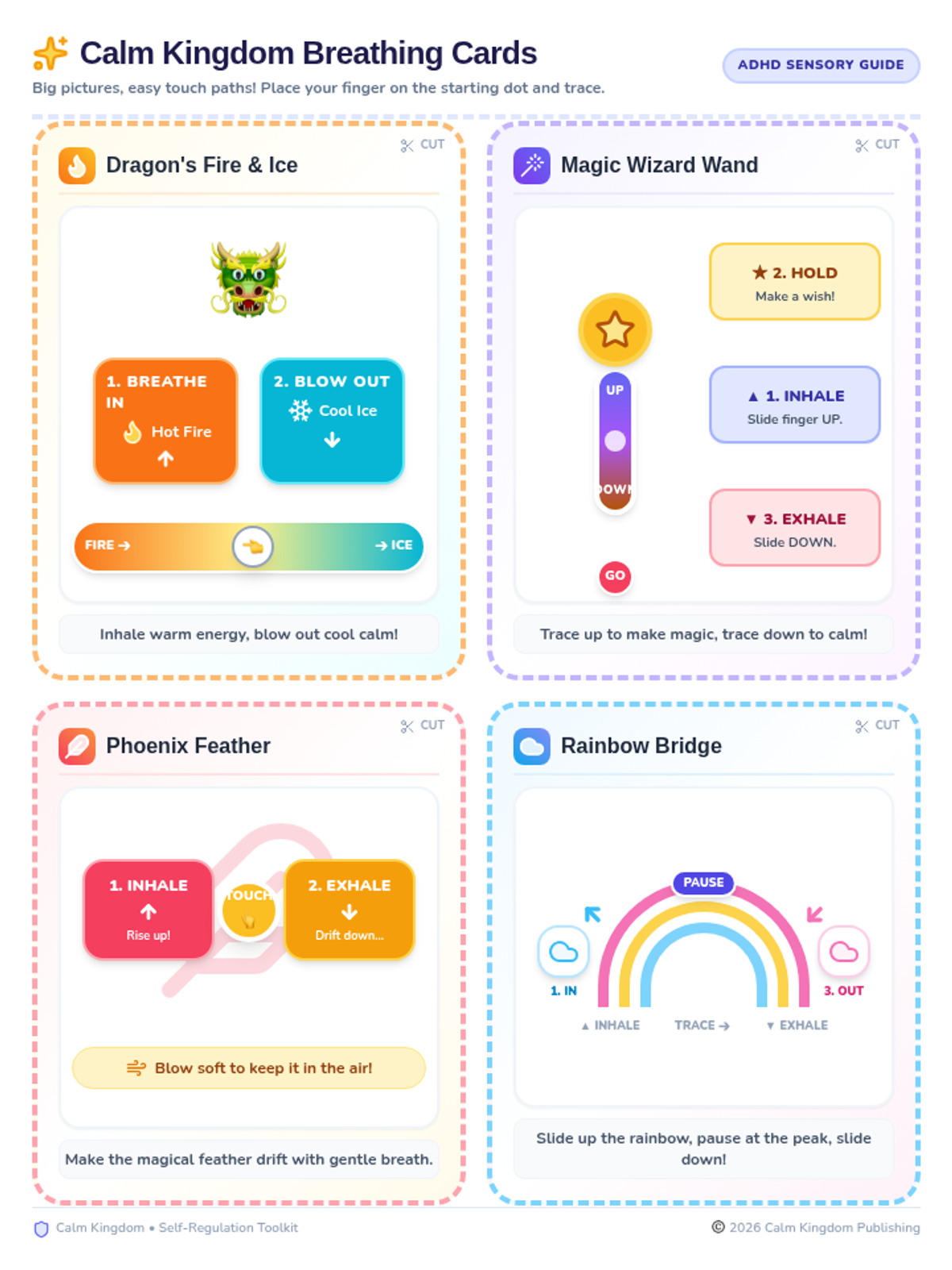
A fantasy-themed self-regulation and mindfulness resource designed for early elementary students to practice calming strategies and sensory breathing exercises.
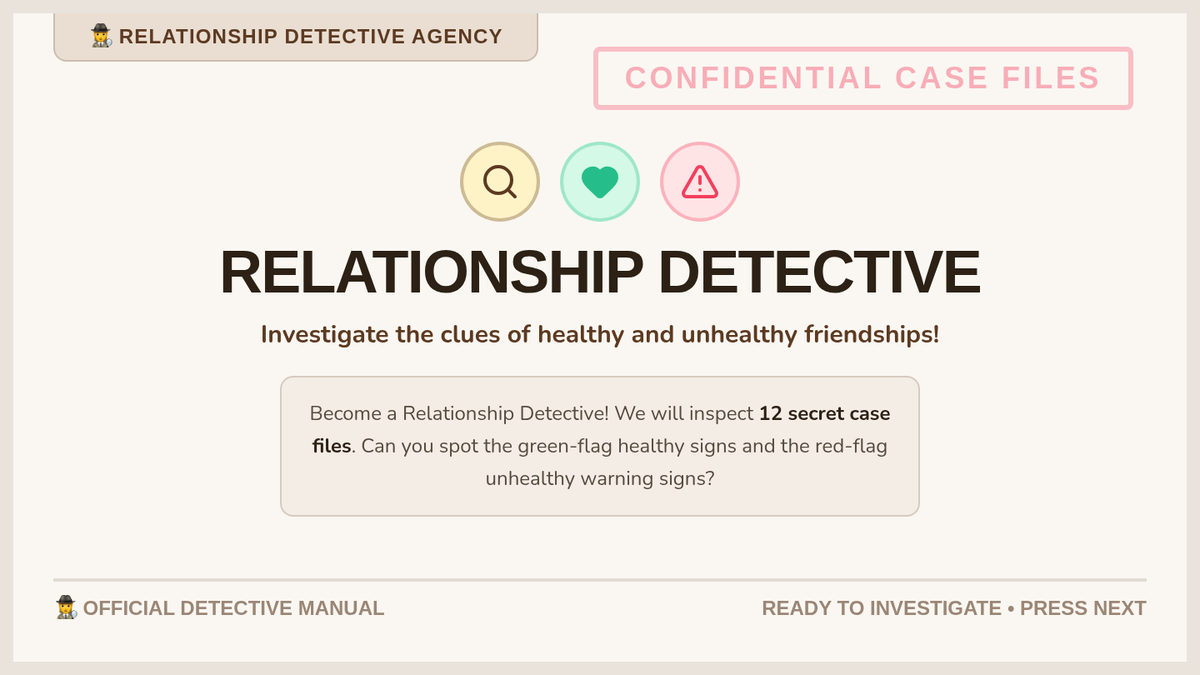
A highly visual, engaging interactive lesson where students act as 'Relationship Detectives' to investigate 12 friendship case files, sorting healthy green-flag behaviors from unhealthy red-flag behaviors.
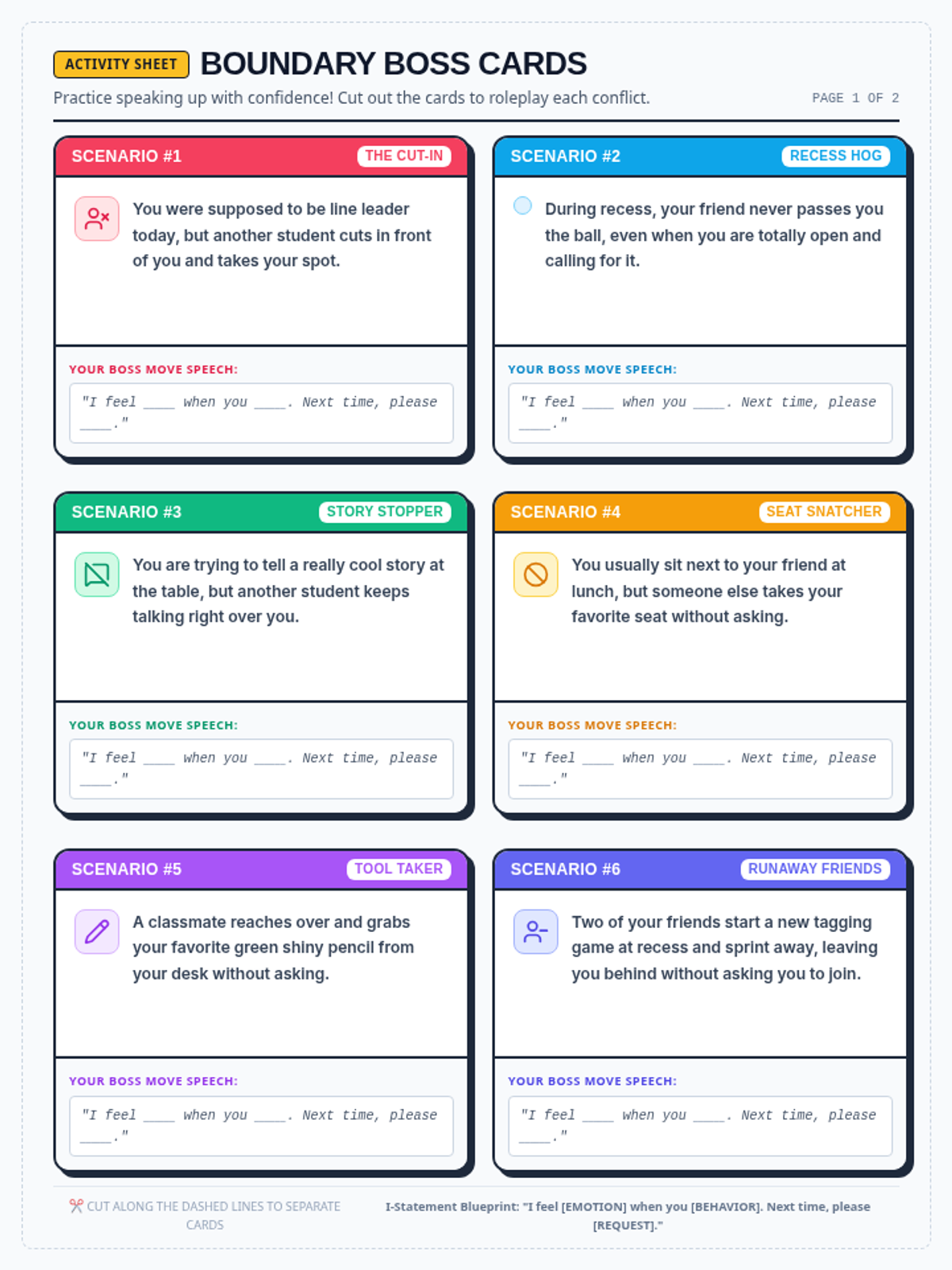
A lesson for second-grade boys focused on learning and practicing I-statements and self-advocacy during peer conflicts. Students learn to assert boundaries respectfully and confidently.
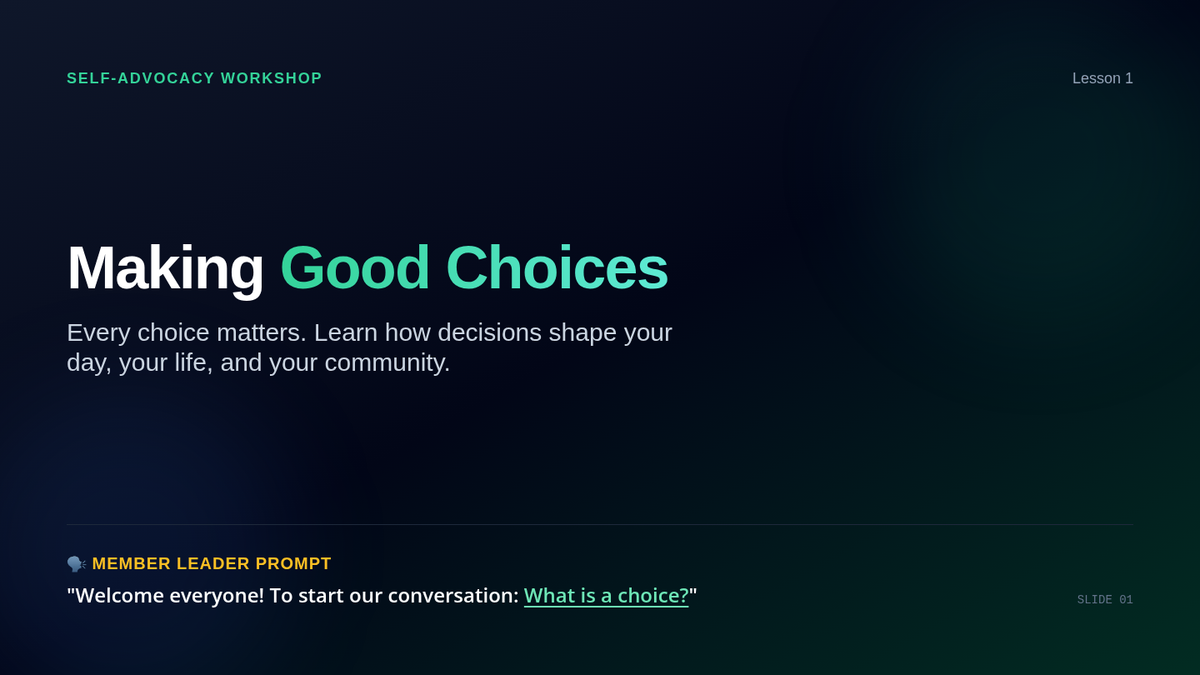
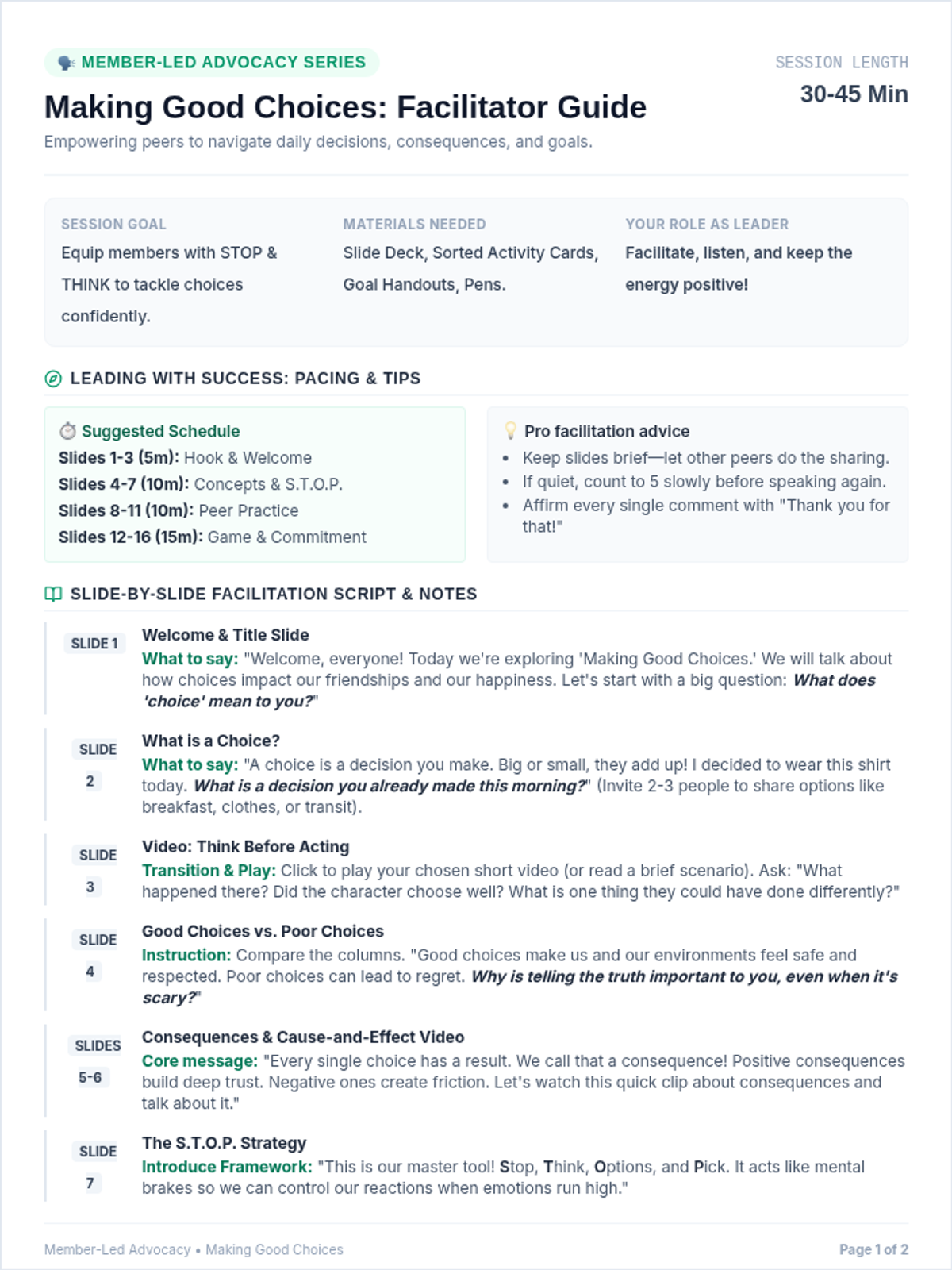
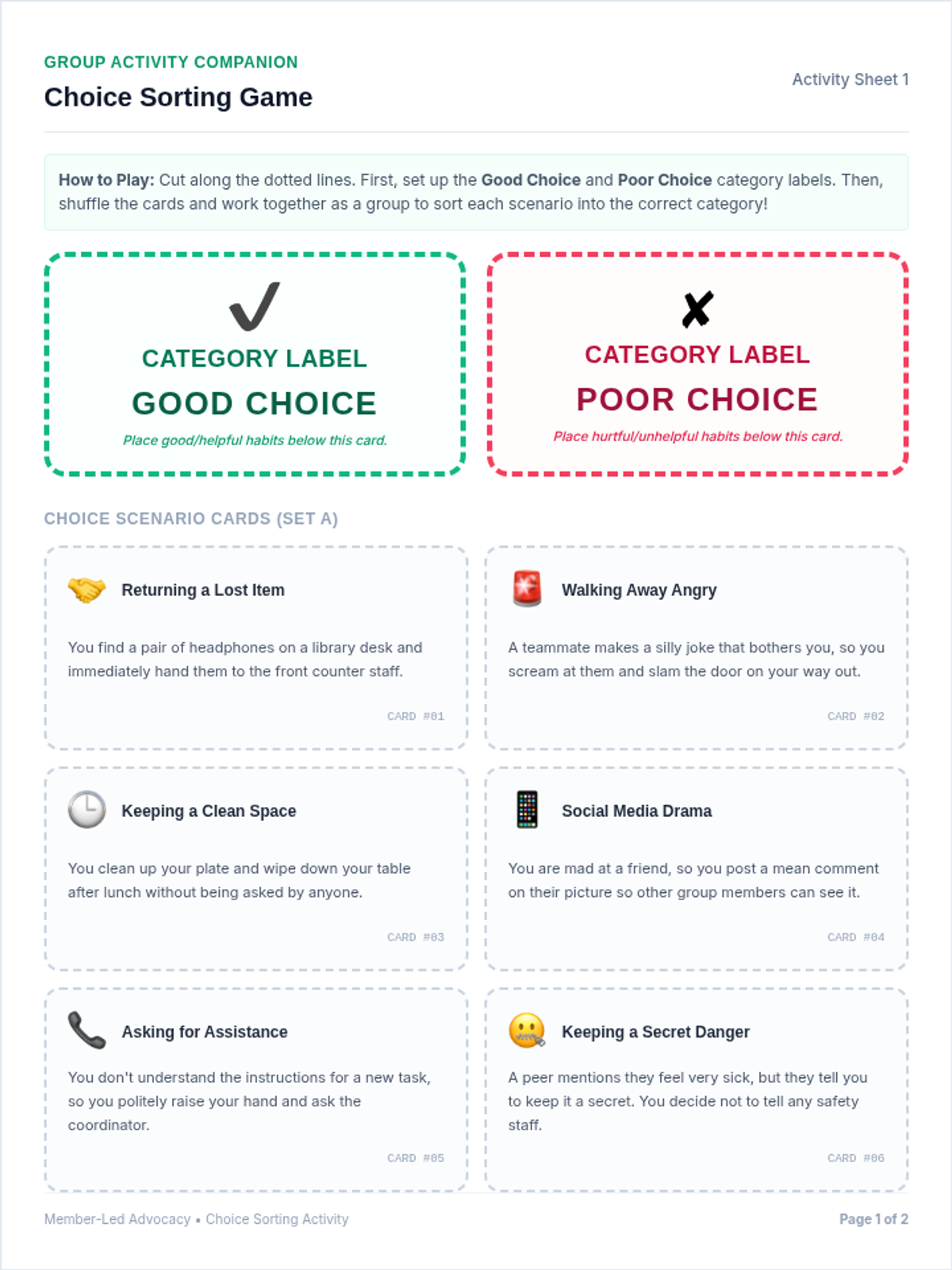
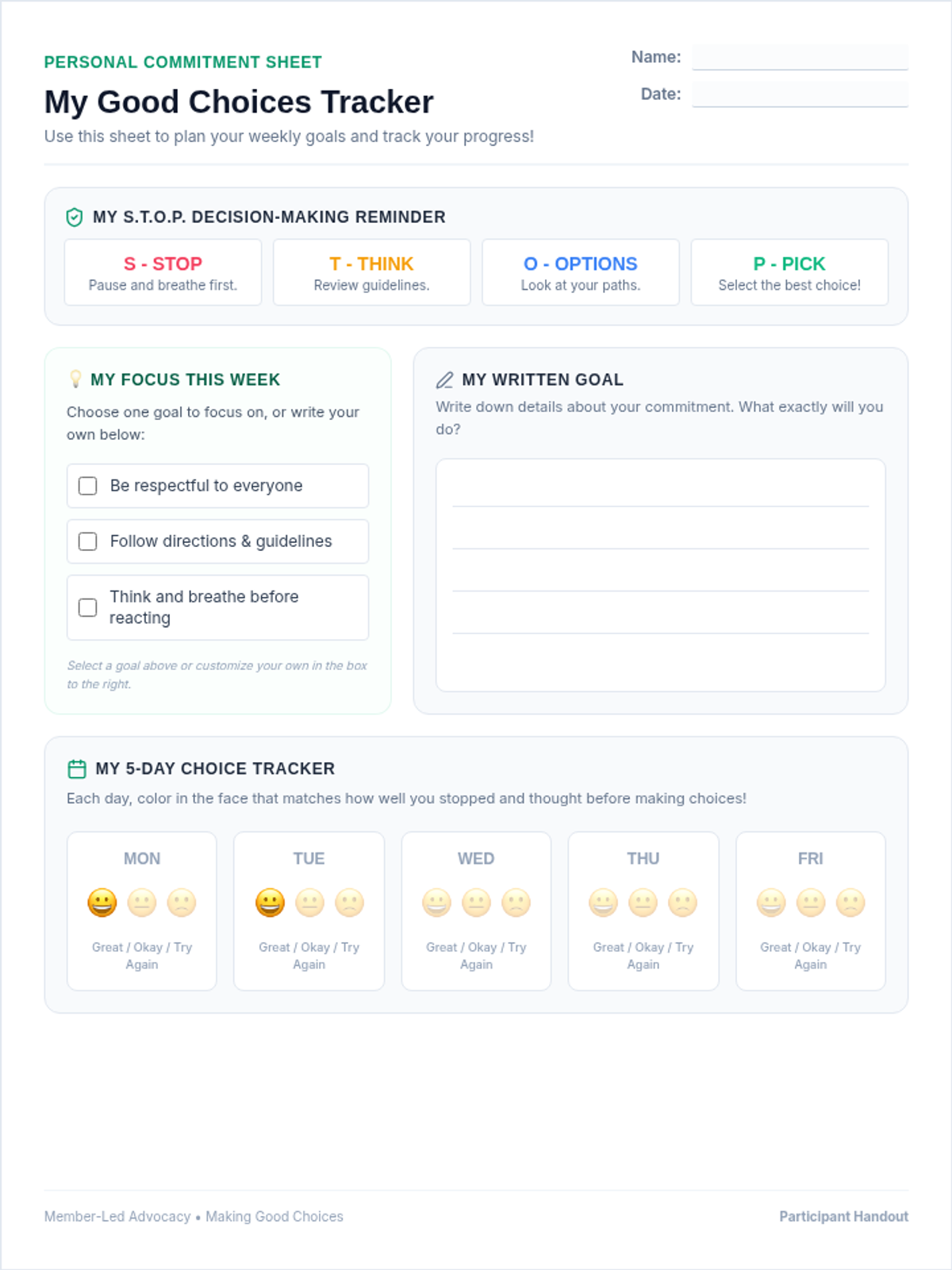
An interactive, peer-led advocacy lesson designed to empower members to lead discussions on personal choices, consequences, decision-making strategies, and peer influence.
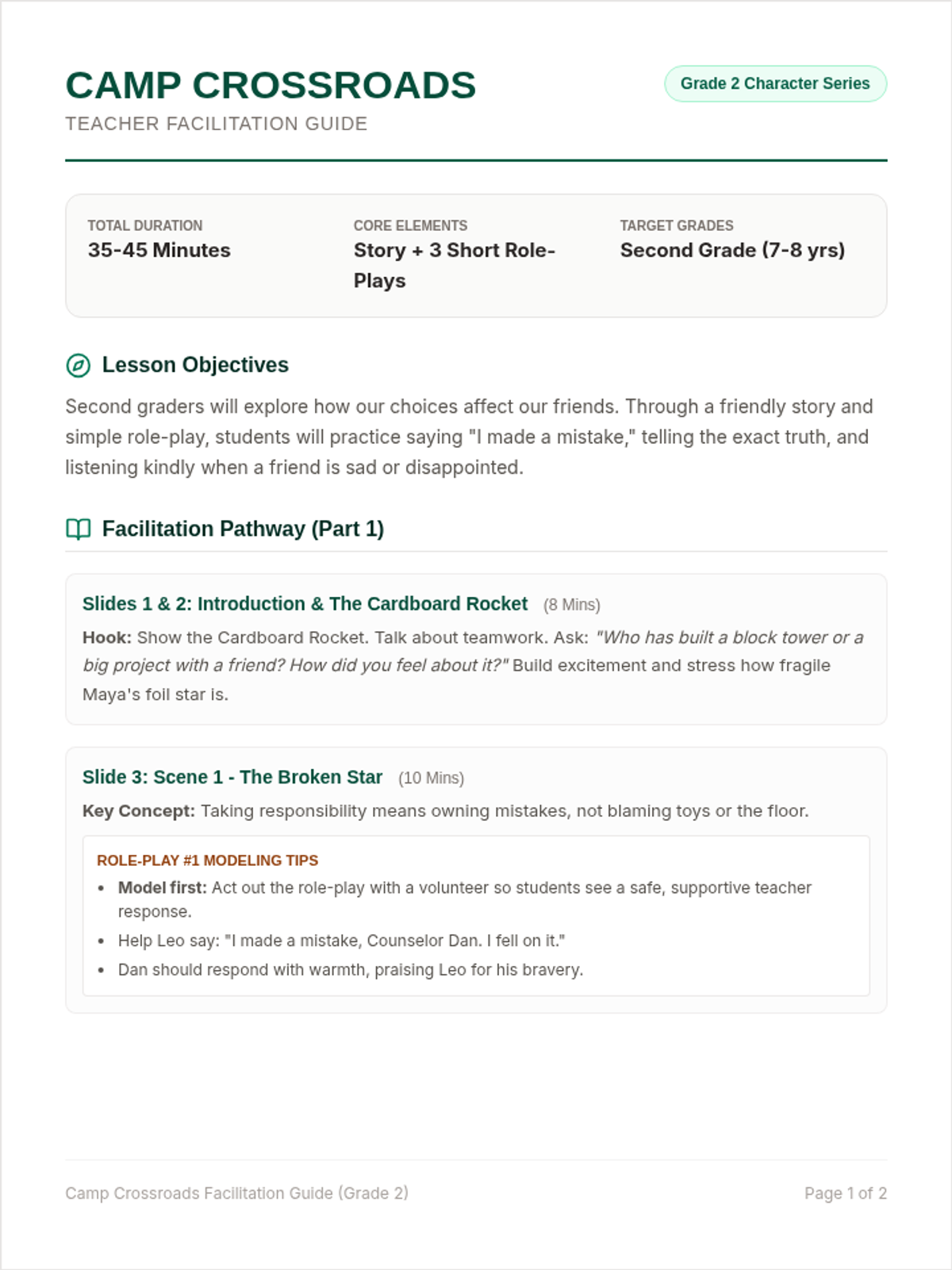
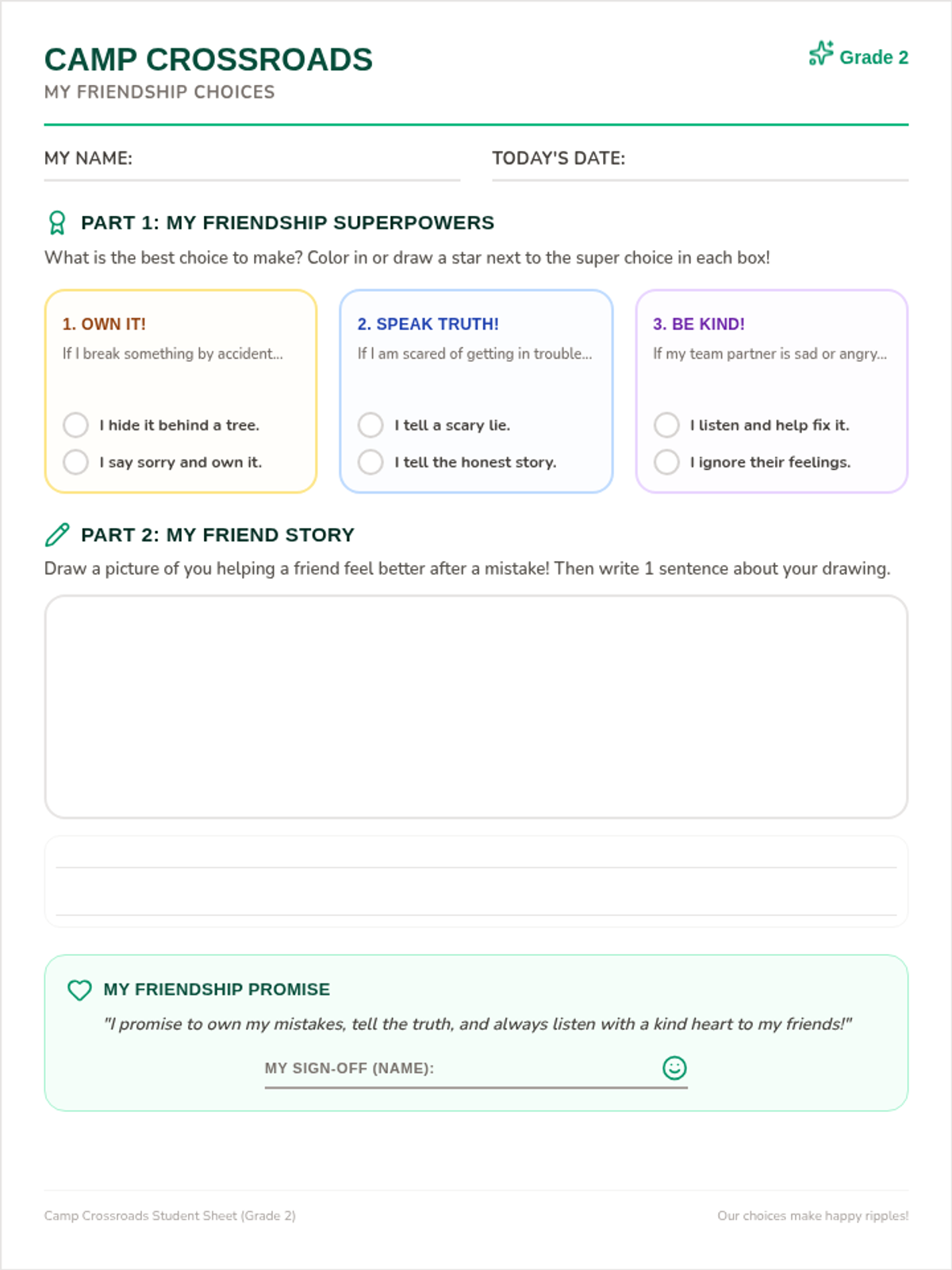
A character-building lesson exploring the interconnected nature of responsibility, honesty, and respect through an interactive camp-themed narrative and student role-play scenarios.
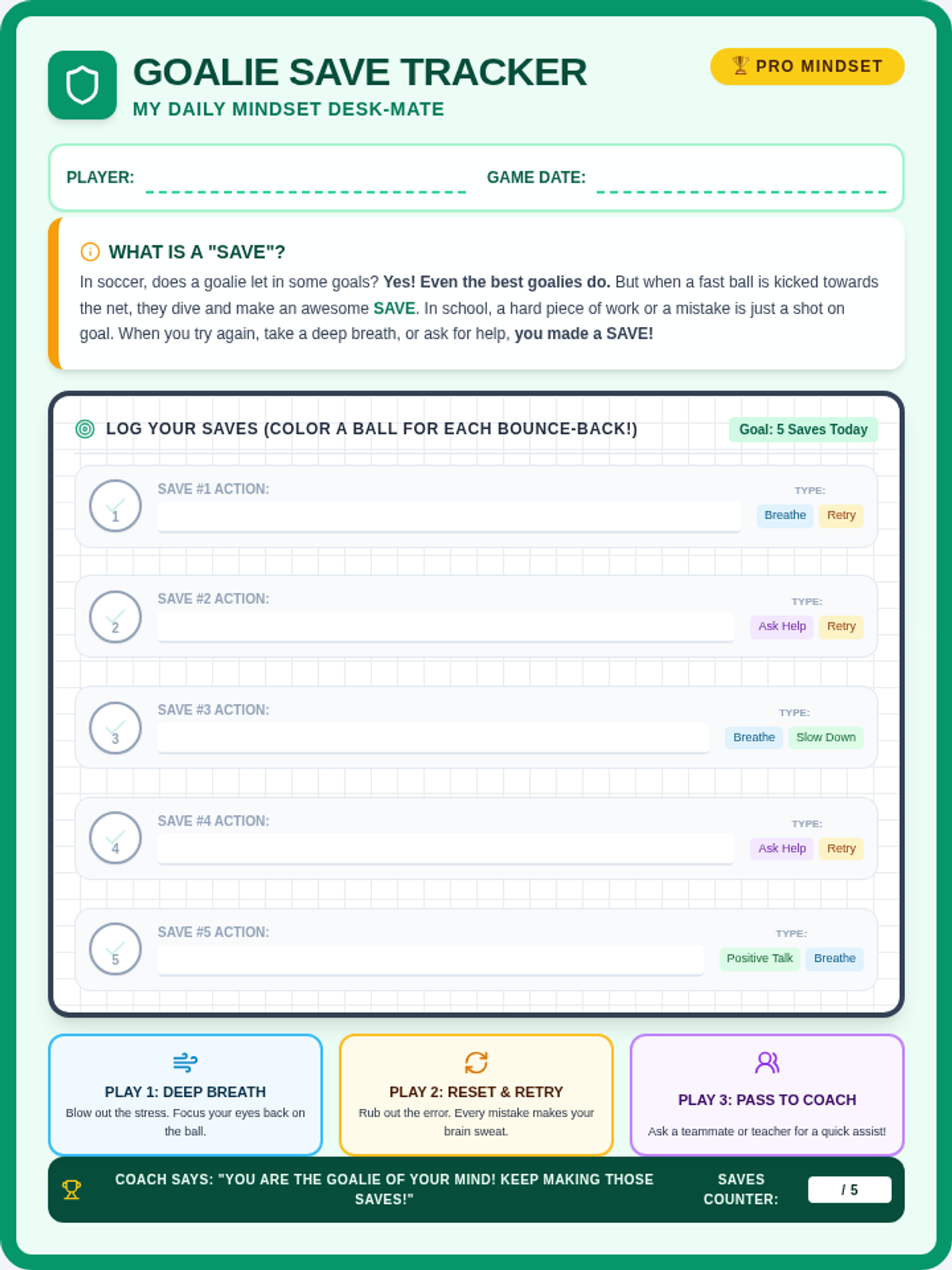
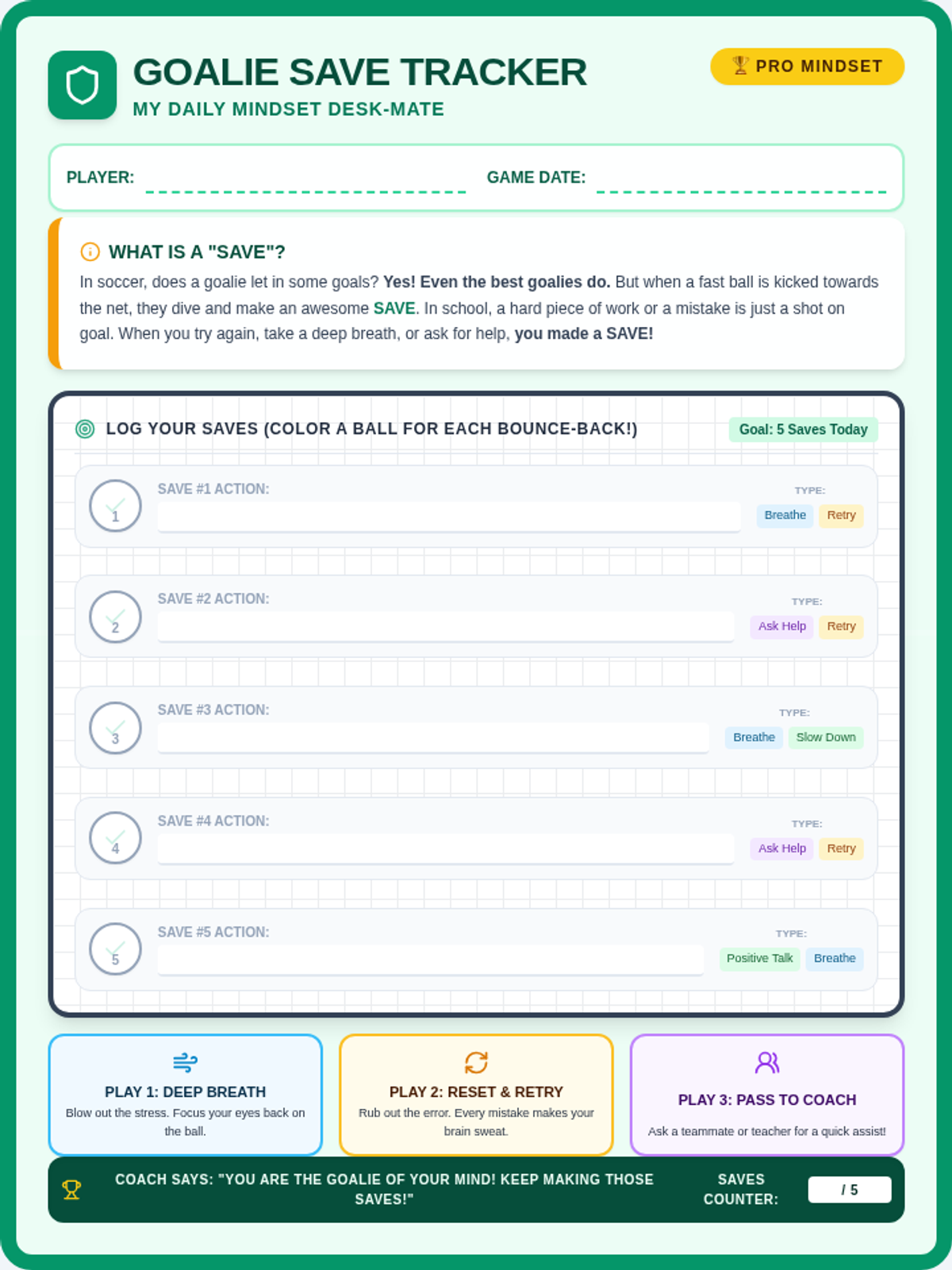
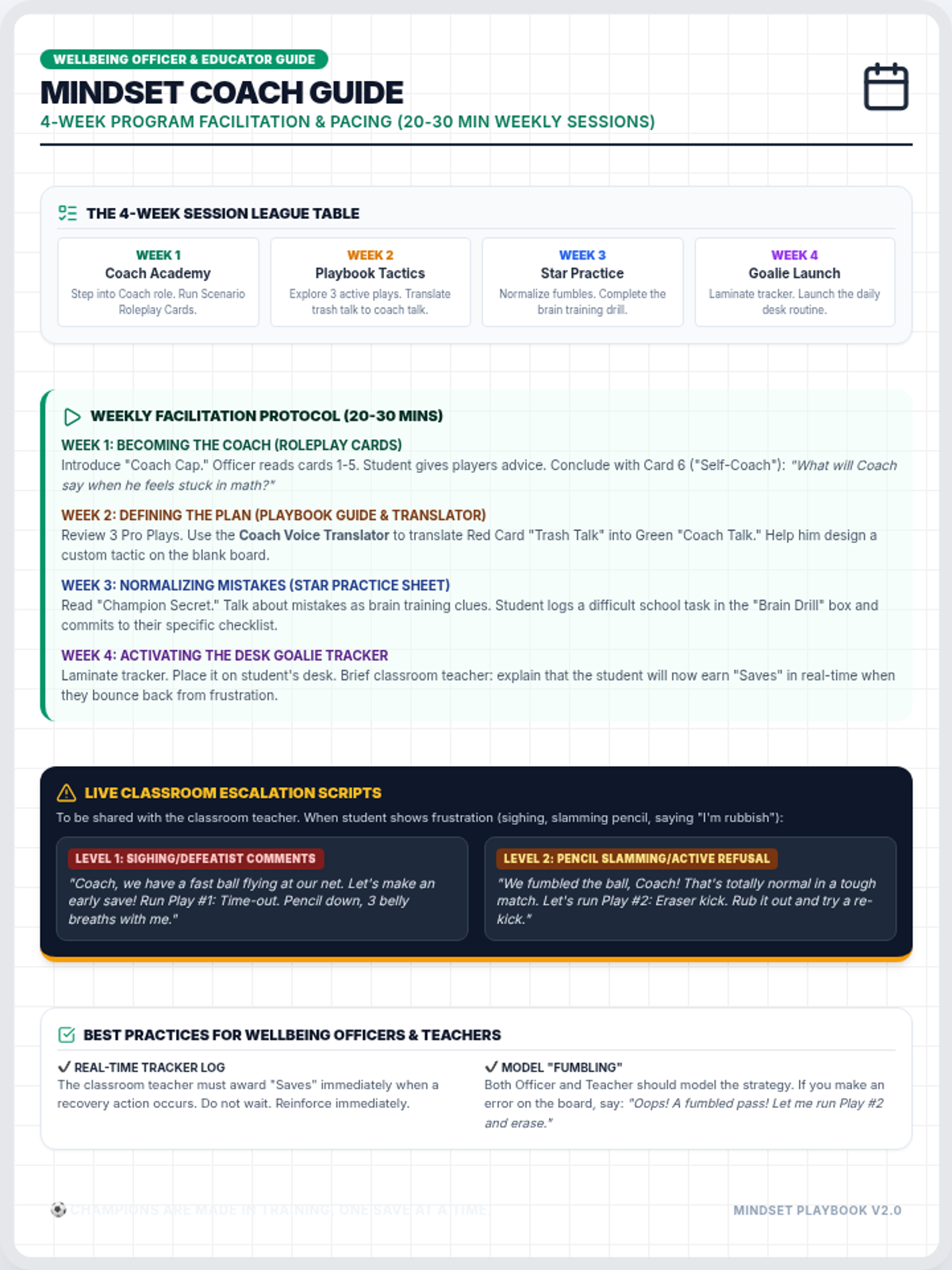
Week 4 of the Wellbeing program. Launches the daily desk-mate tracker routine in the live classroom, establishing goal-setting and long-term reinforcement of coping saves.
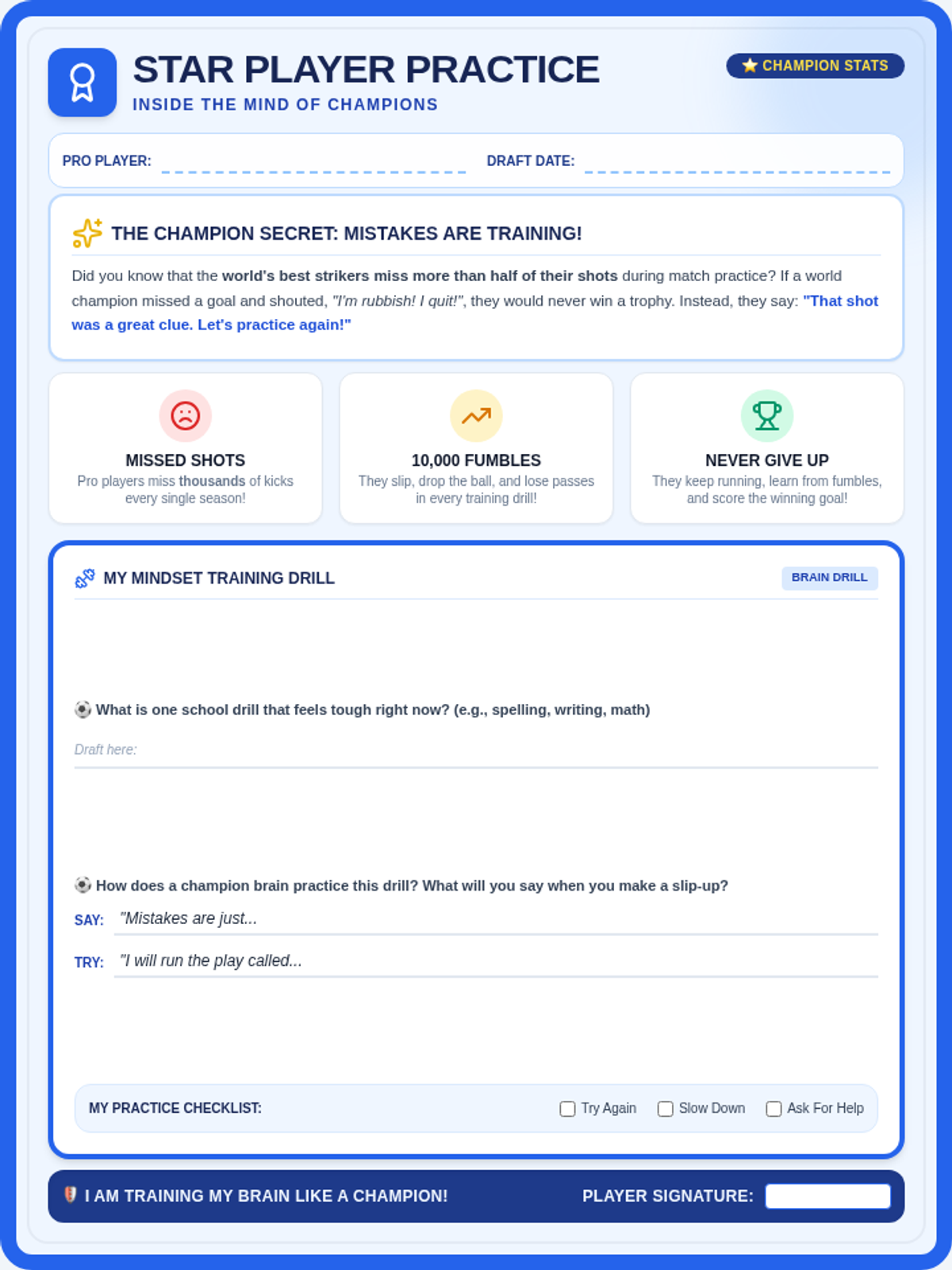
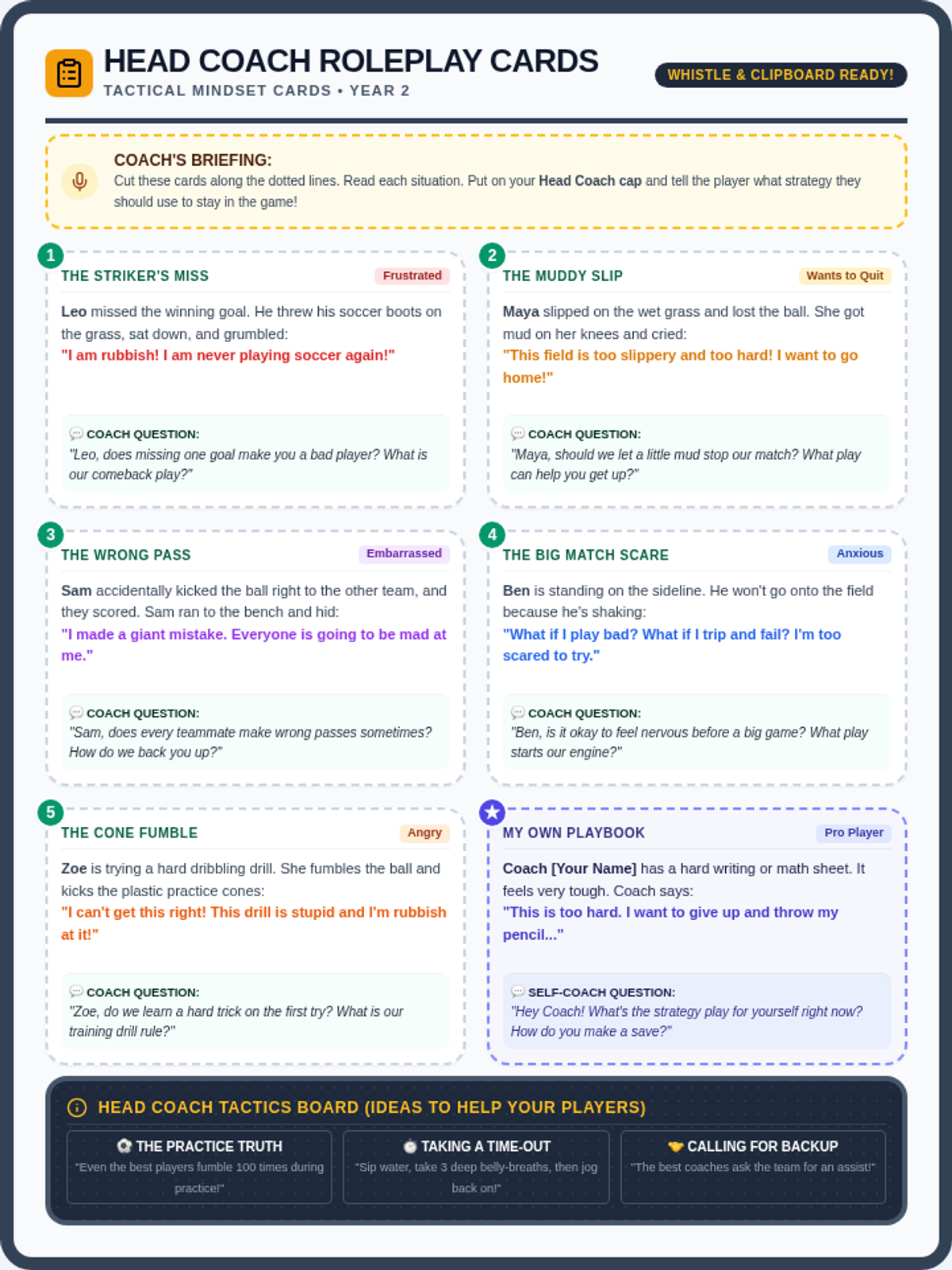
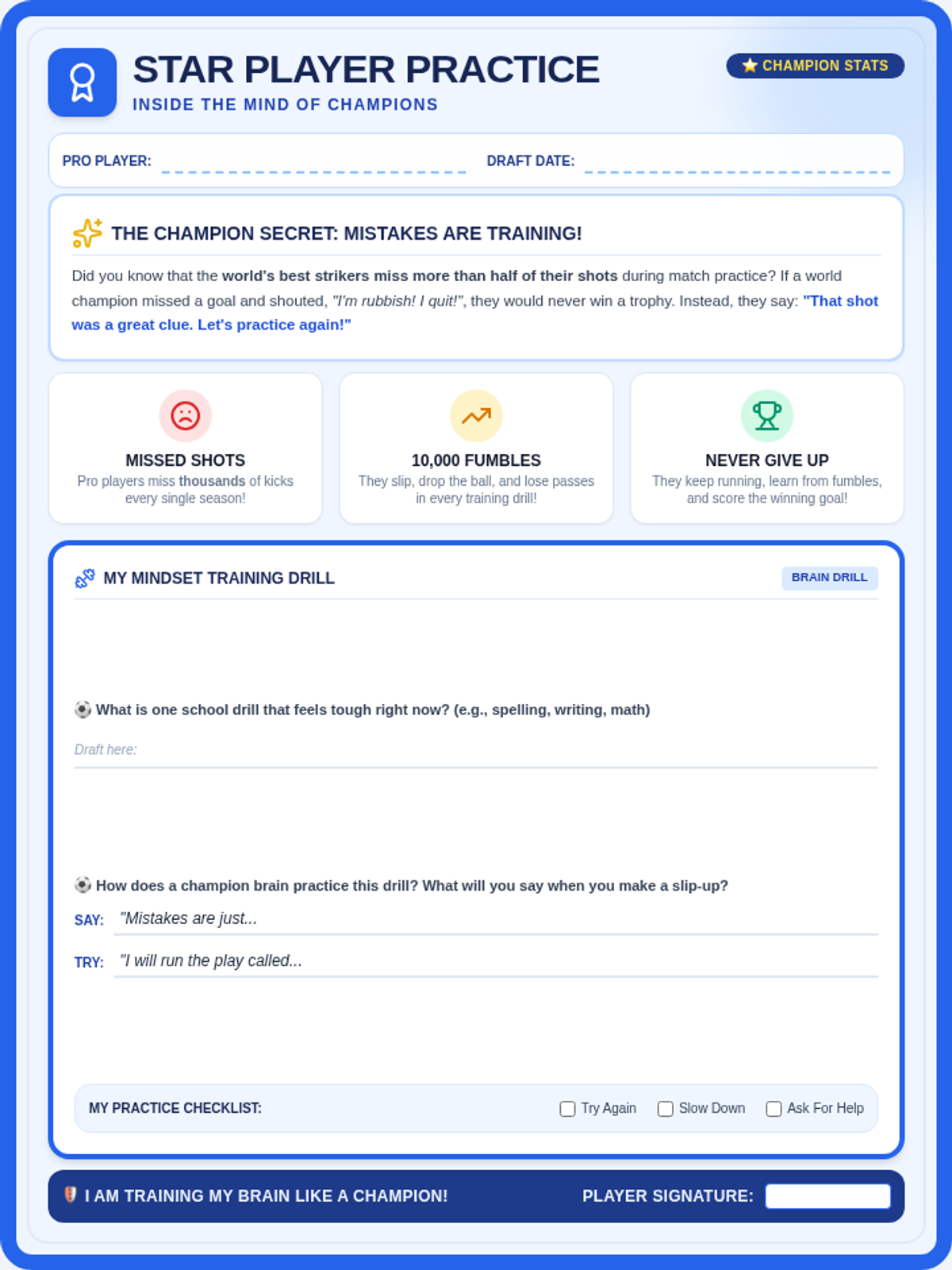
Week 3 of the Wellbeing program. Normalizes error-making by comparing student struggles to professional soccer players fumbling, failing, and practicing daily to train their brains.
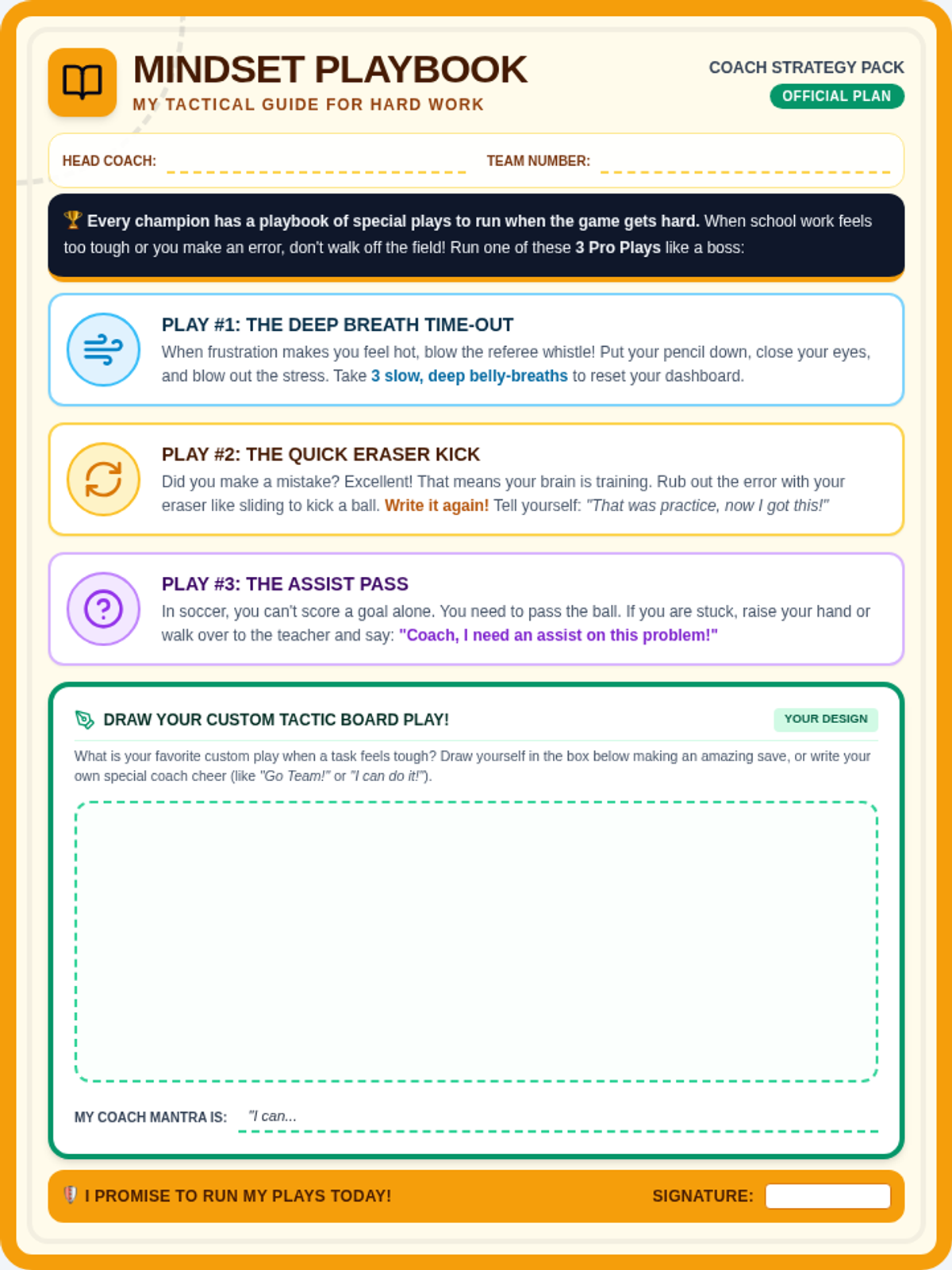
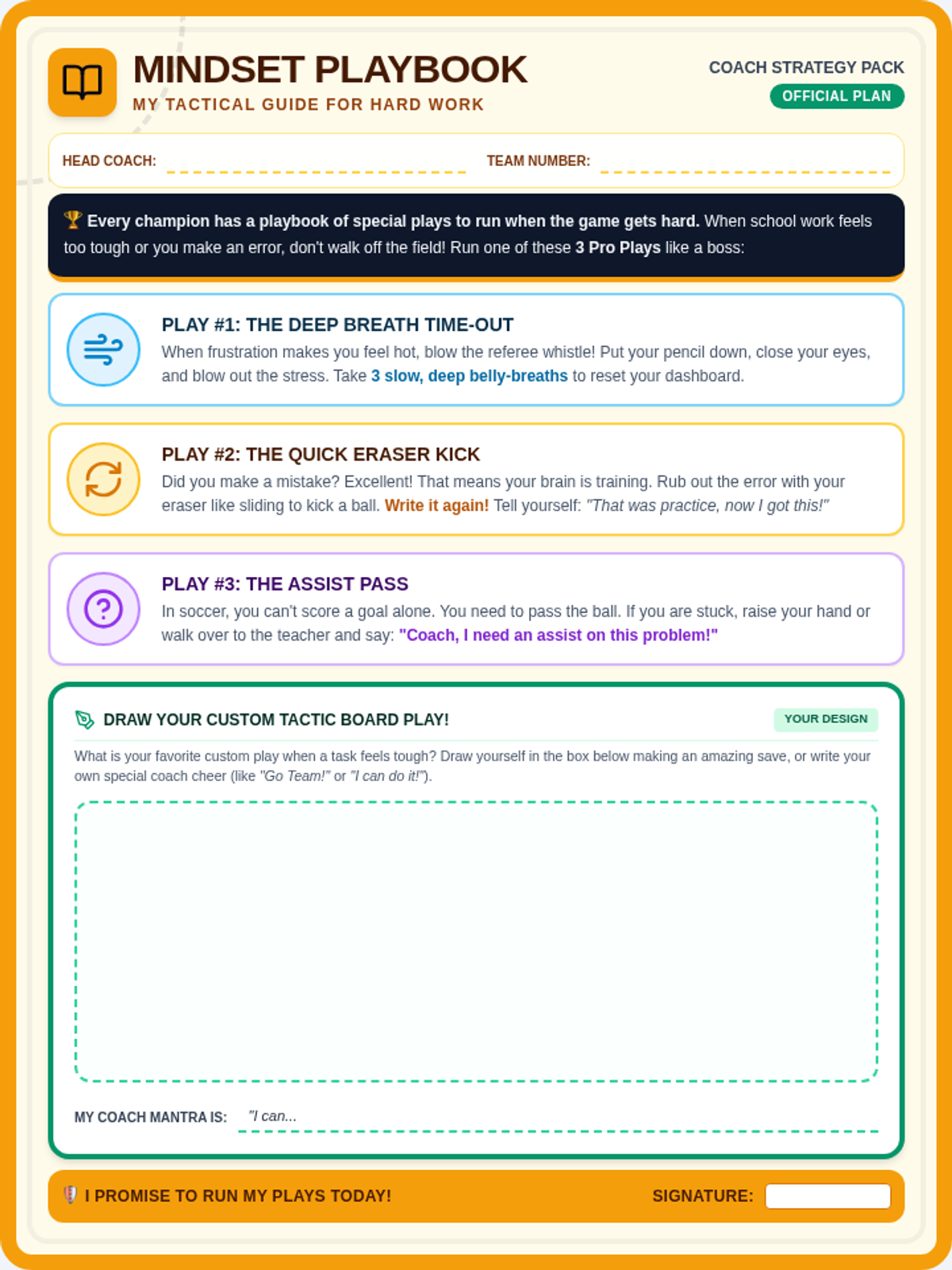
Week 2 of the Wellbeing program. The student learns to formulate a personal action plan by designing specific, physicalized tactical 'plays' to run when academic frustration hits.
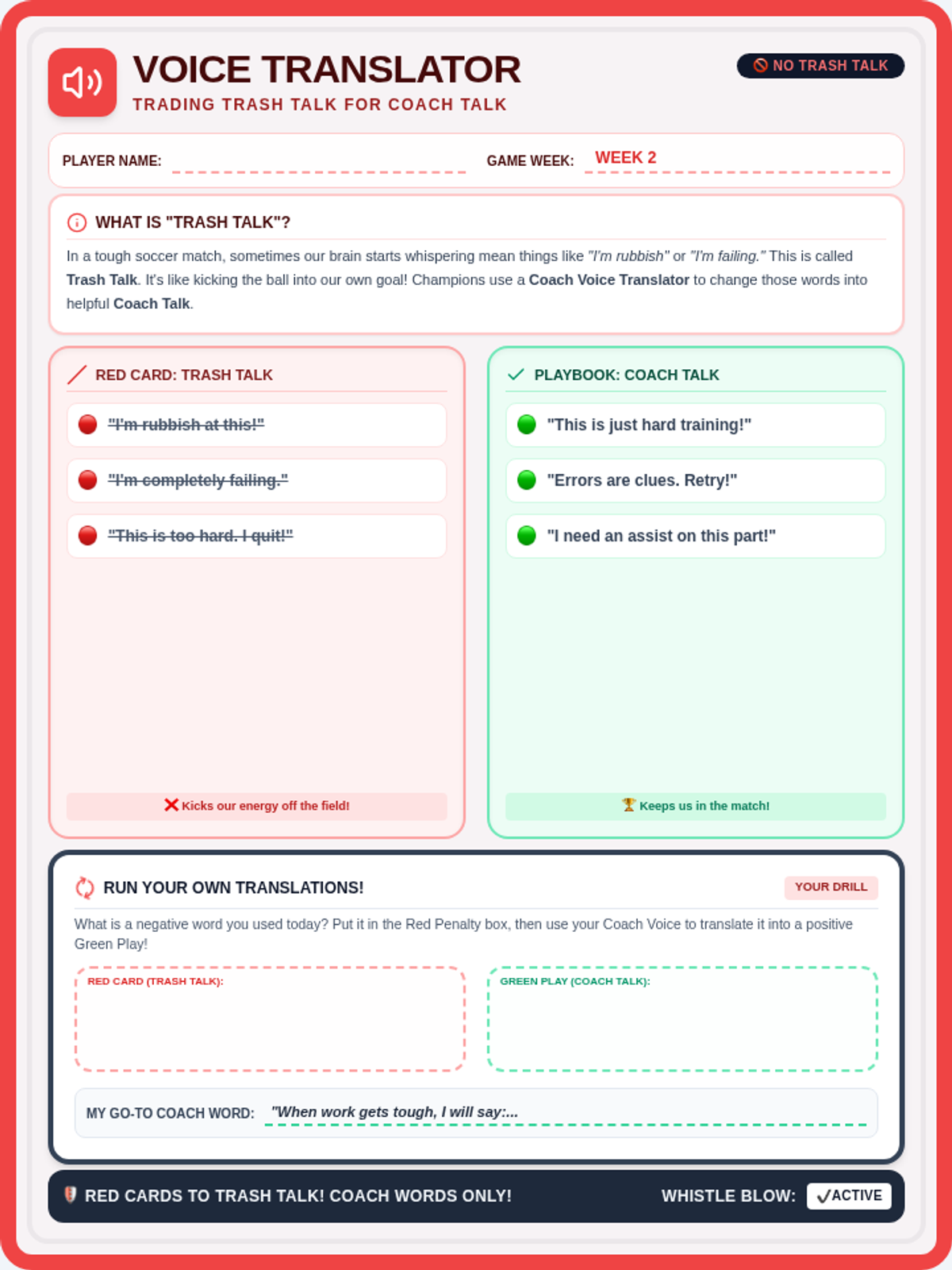
Week 1 of the Wellbeing program. The student takes on the role of the Head Coach to analyze soccer players who want to quit, building externalized positive self-talk and perspective.
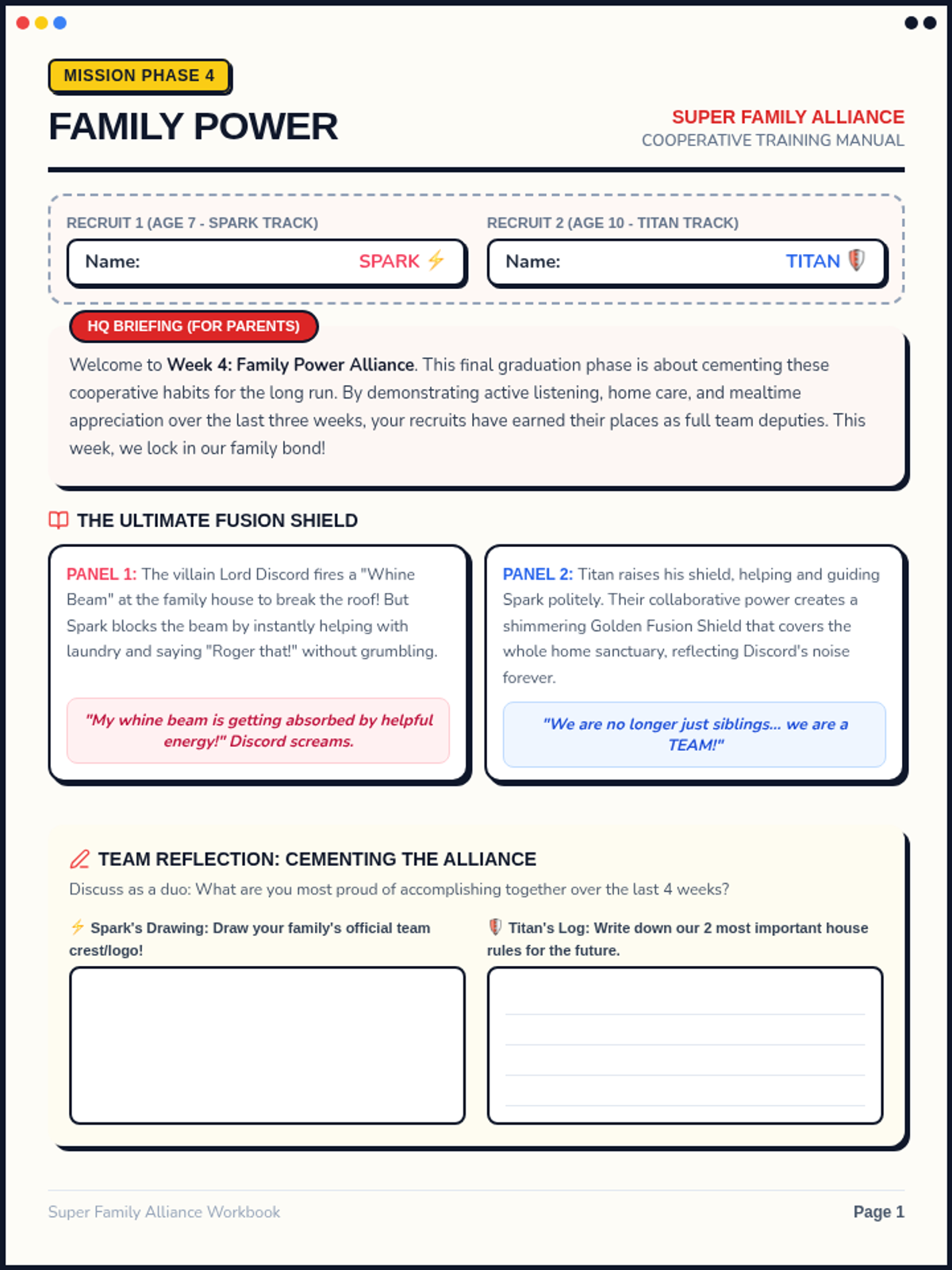
Week 4 focuses on being a cooperative part of the family team, celebrating growth, and locking in the long-term habits of the Super Family Alliance.
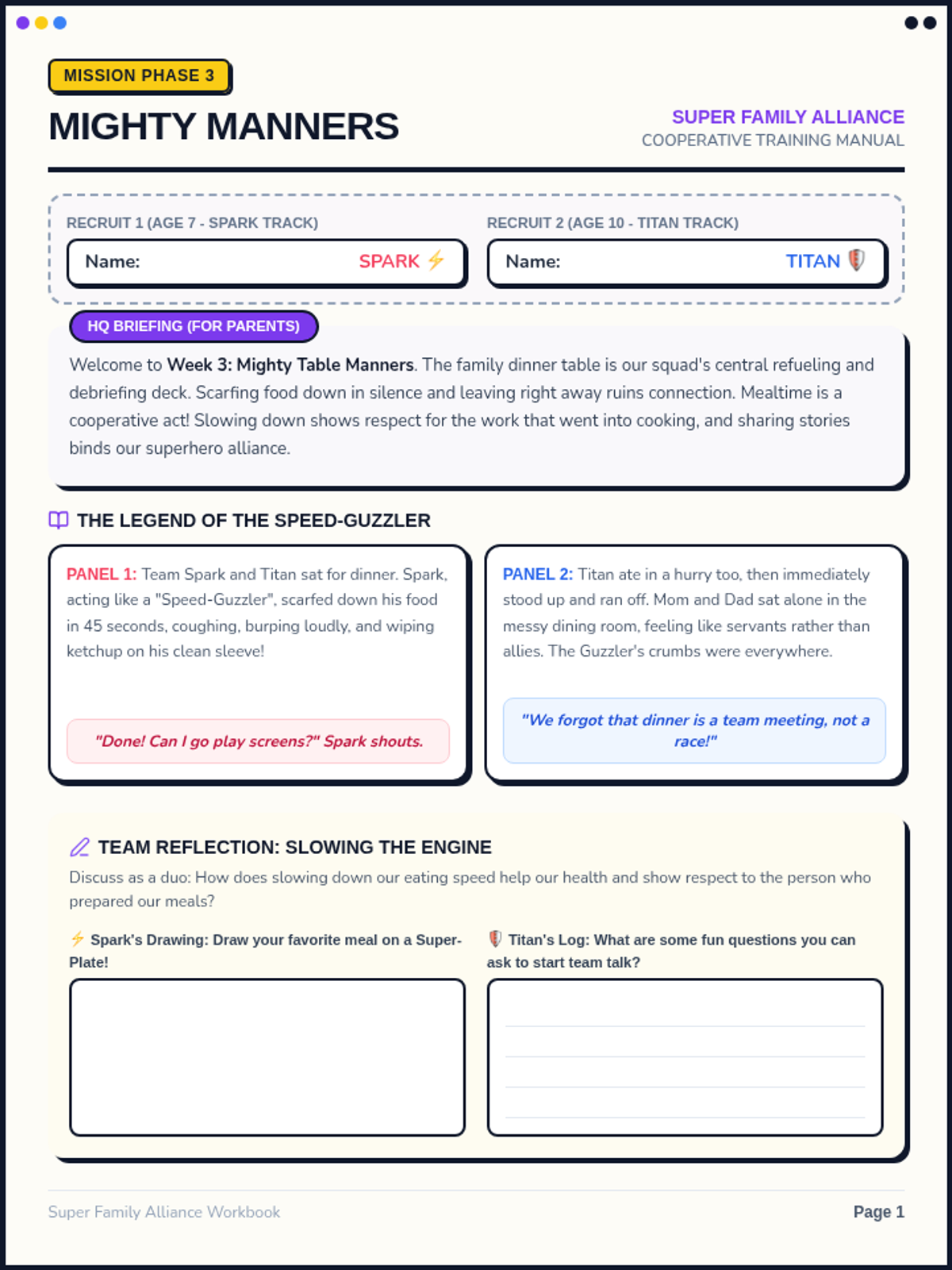
Week 3 focuses on table manners, appreciative dining, and ending the habit of scarfing down food. It emphasizes mealtime as a cooperative team-building space.
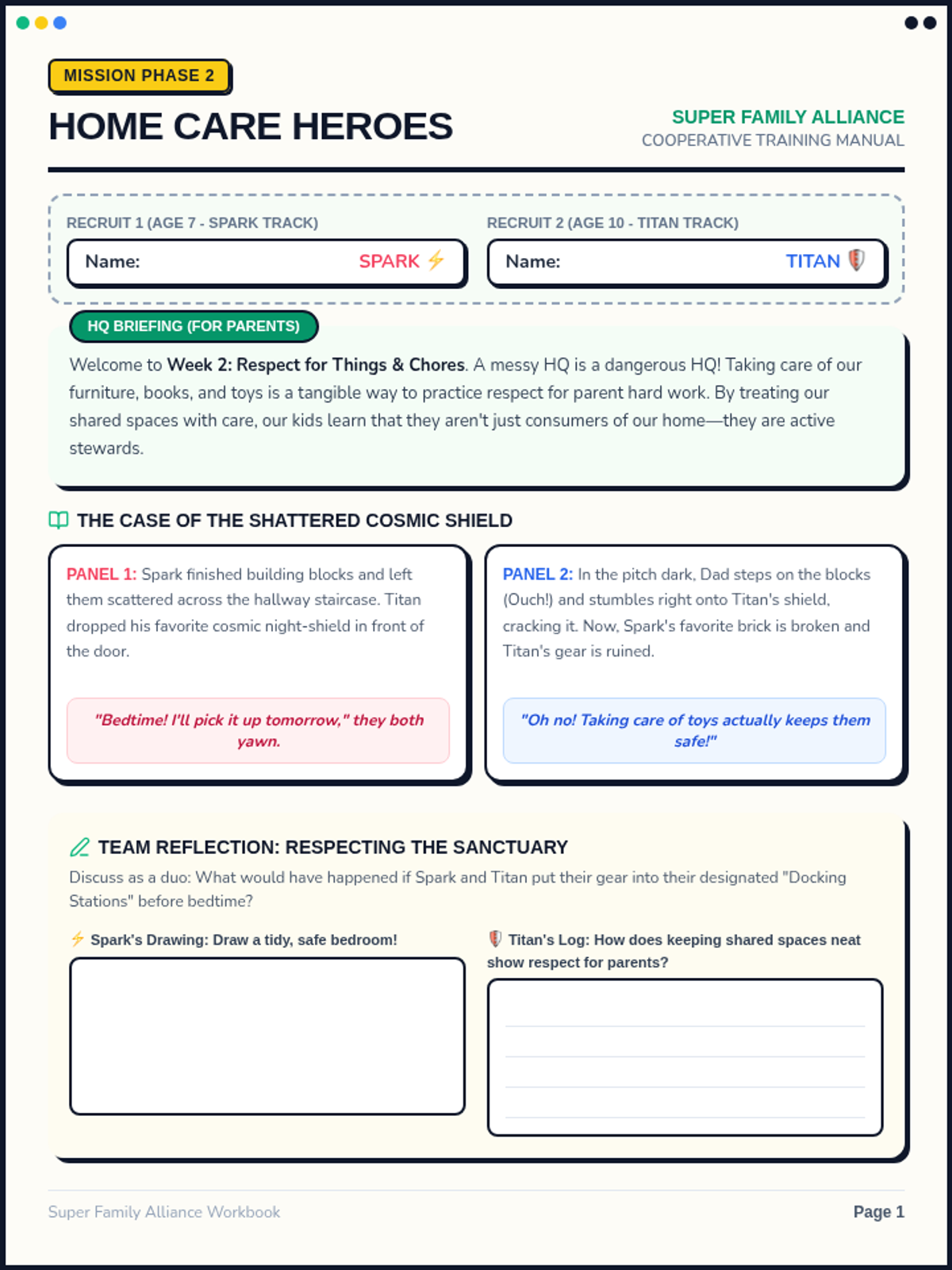
Week 2 focuses on respect for things (possessions, furniture, the home) and taking pride in doing chores as a way of caring for the sanctuary.
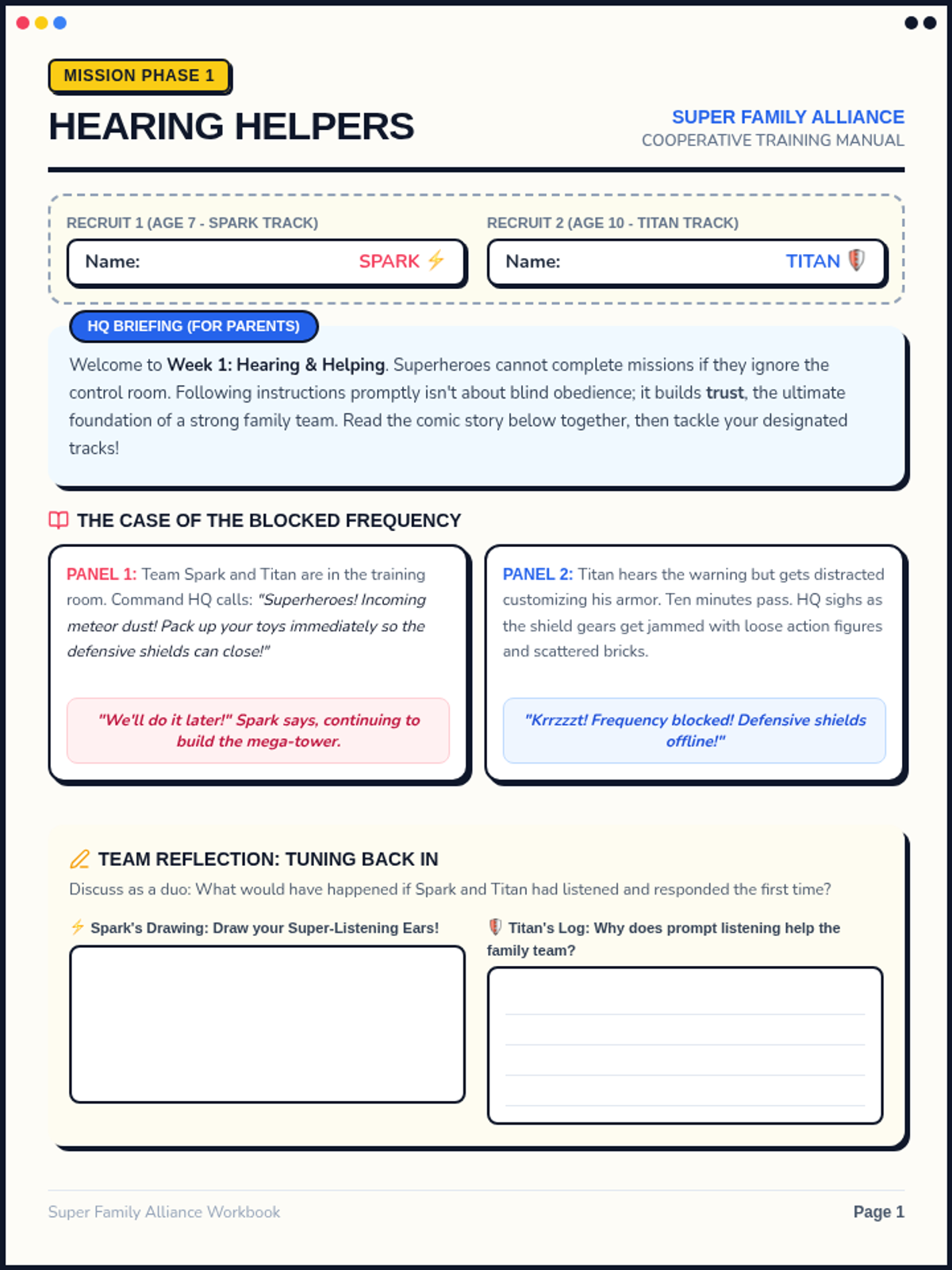
Week 1 focuses on active listening, respecting parental guidance, and following directions promptly. It establishes the baseline for the Super Family Alliance.
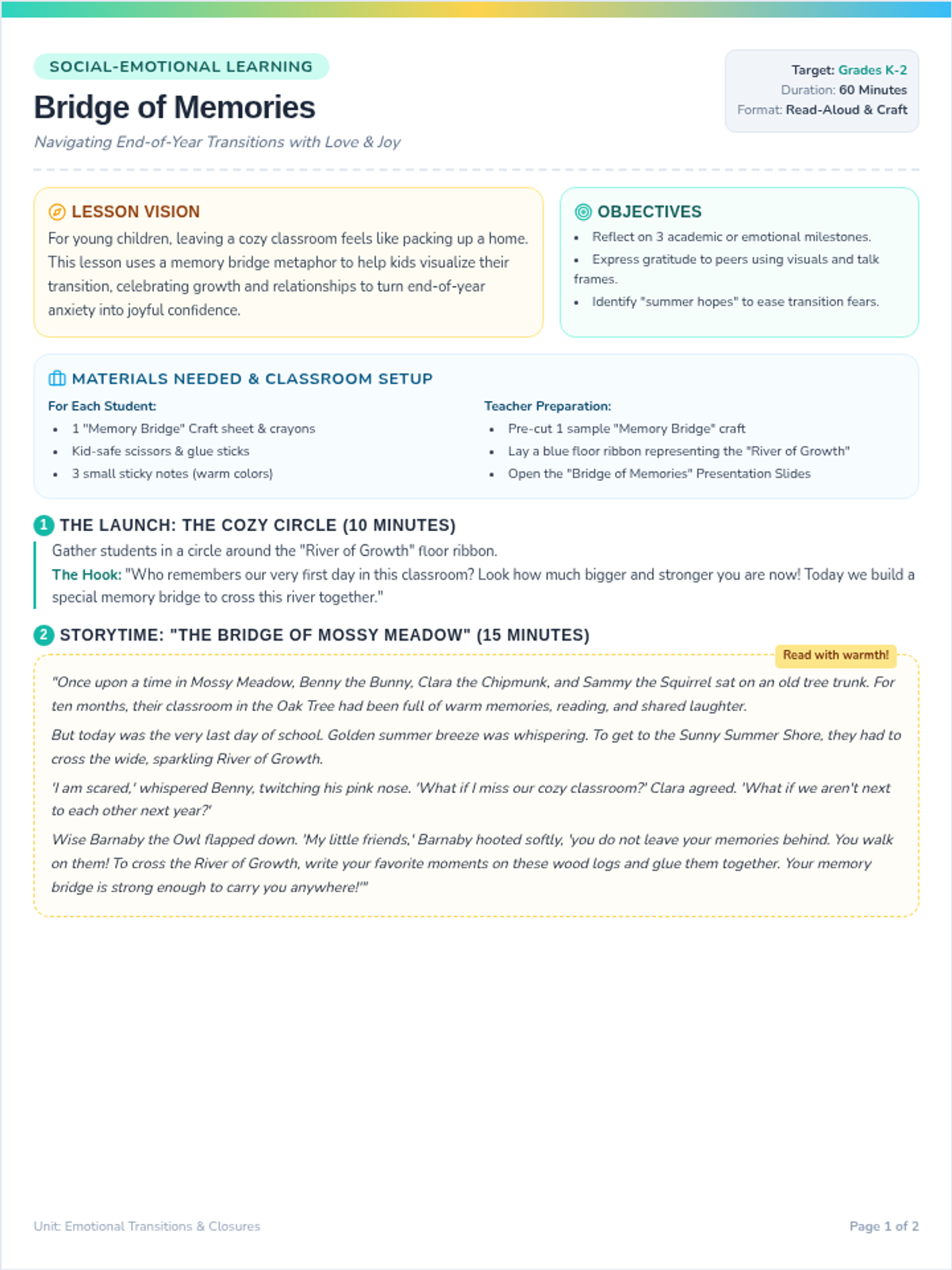
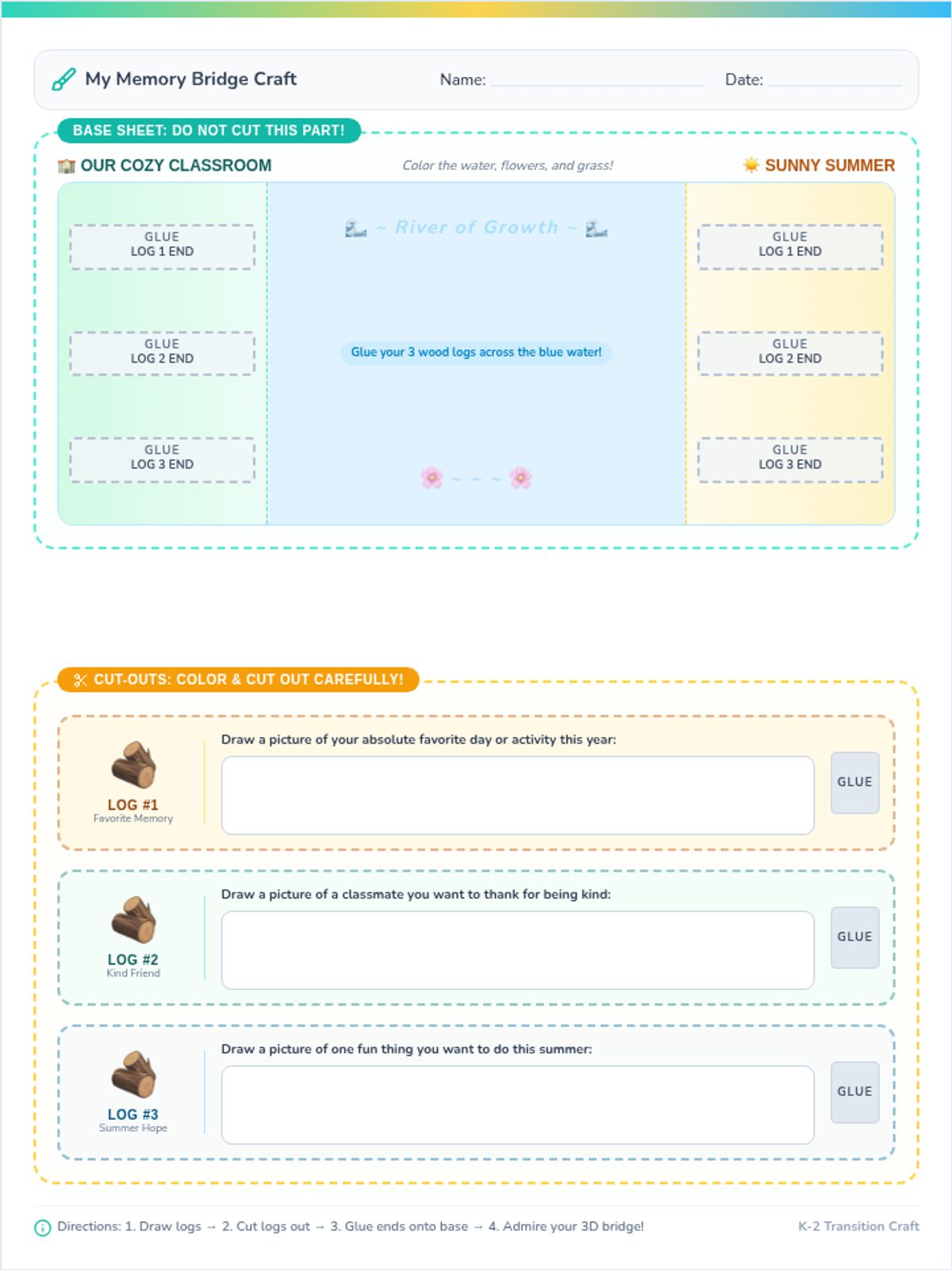
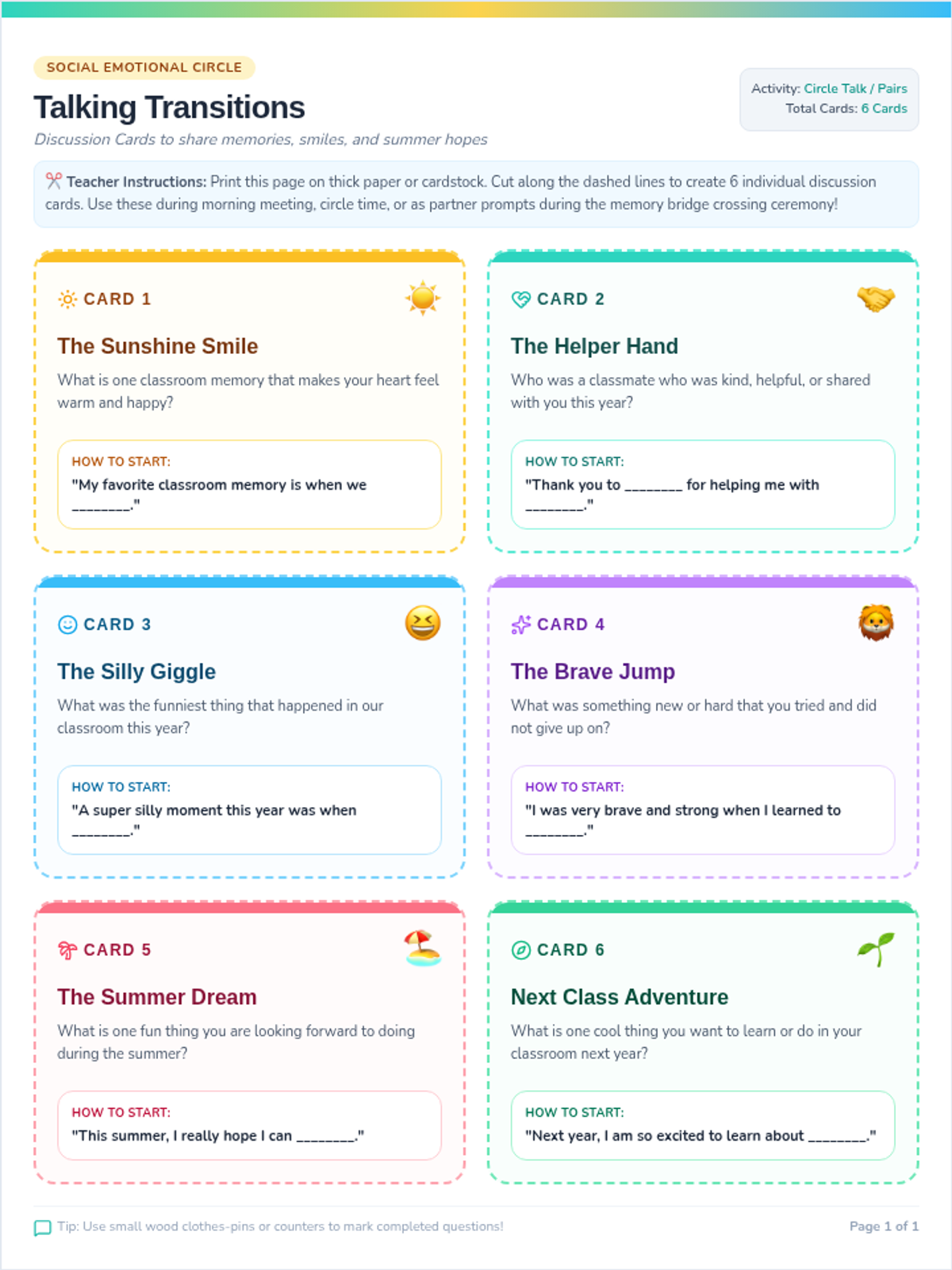
A heartwarming end-of-year transition lesson for K-2 students. Through a reflective story, guided discussions, and a hands-on memory bridge craft, students celebrate their growth, express classmate gratitude, and transition confidently to summer.
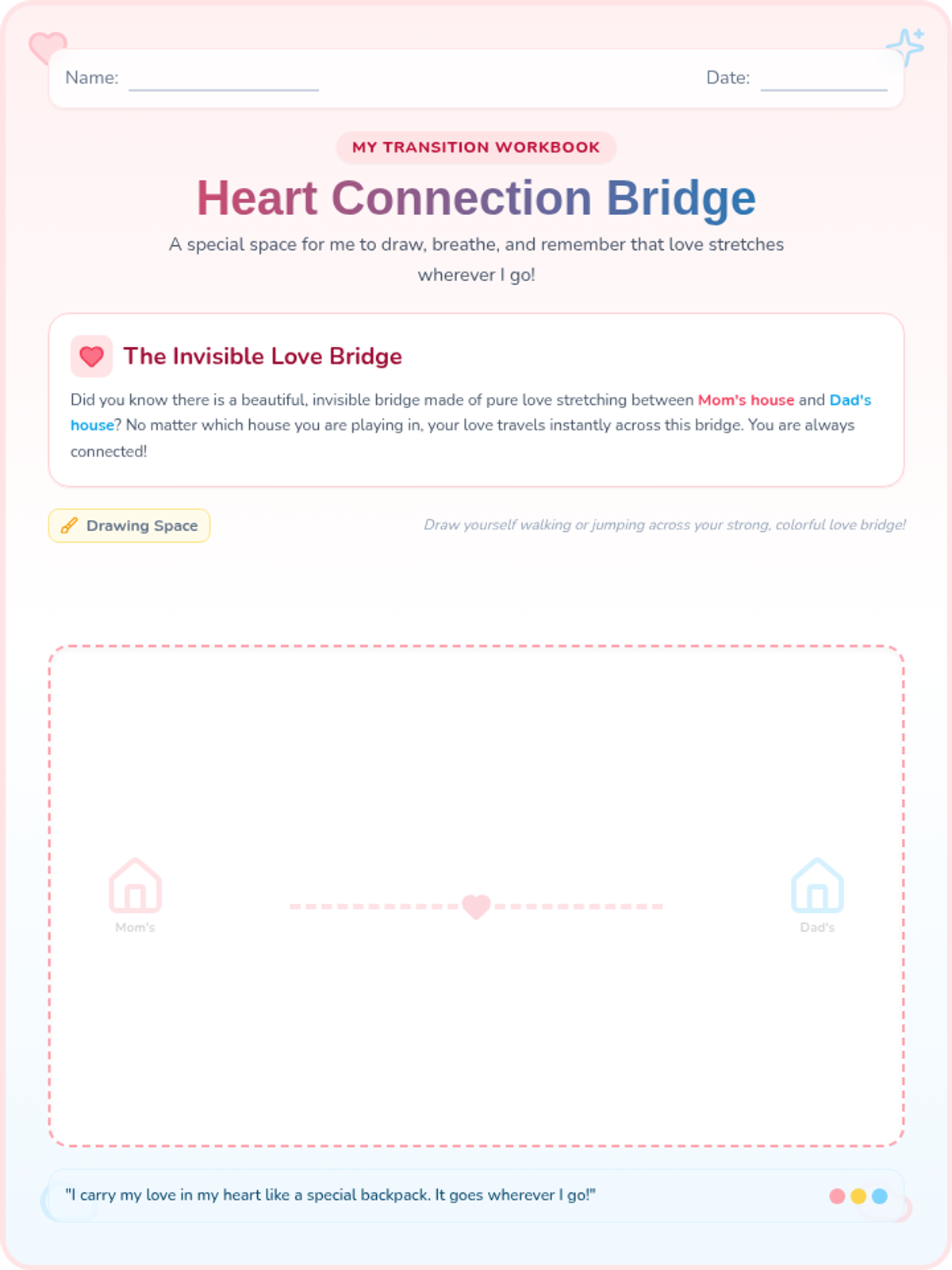
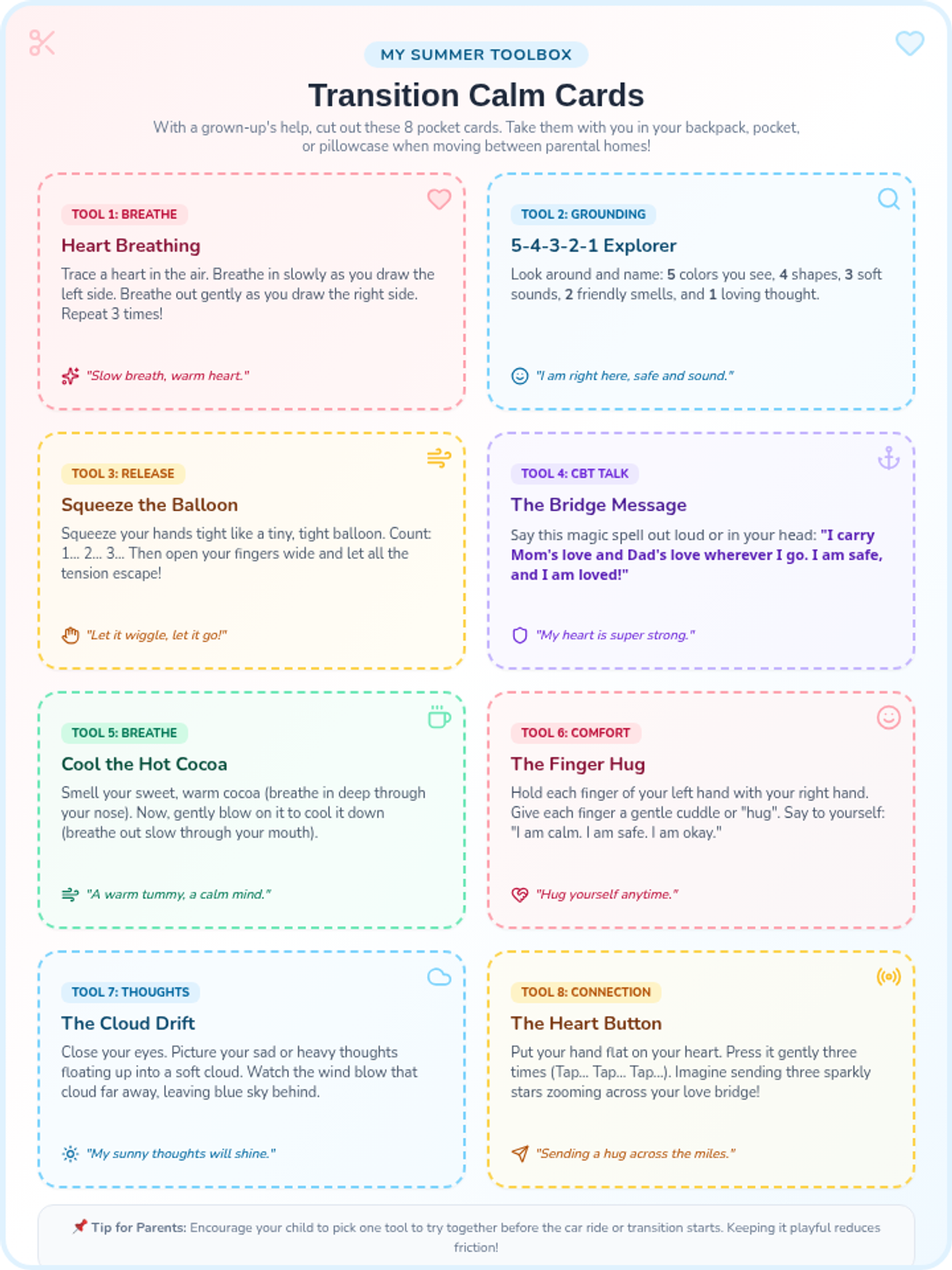
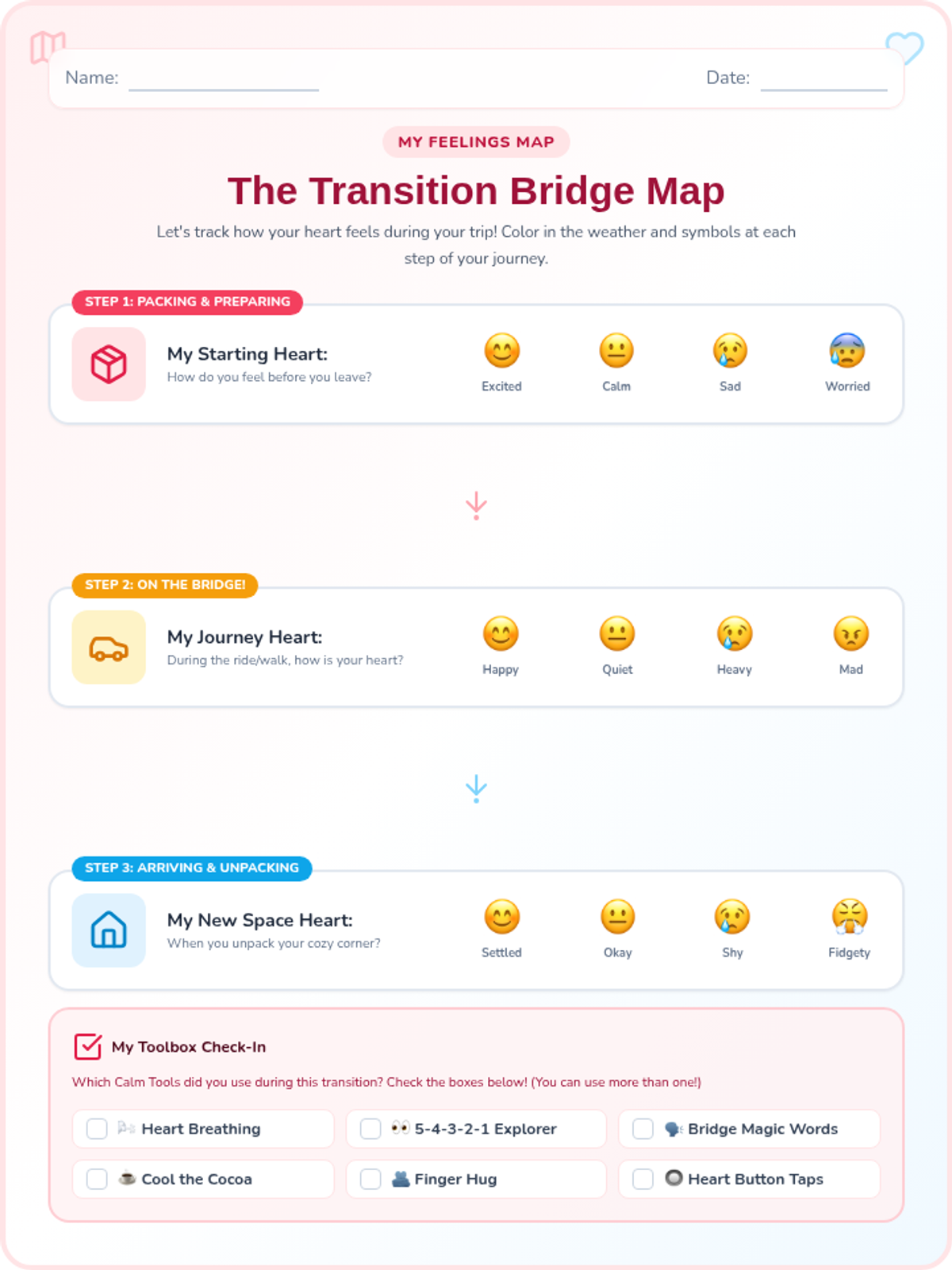
A therapeutic transition workbook, calming card deck, and interactive feeling log designed for a 2nd grader navigating transitions between parental homes. Utilizing CBT concepts and warm, reassuring metaphors, this packet empowers her to express feelings and feel connected to both parents.
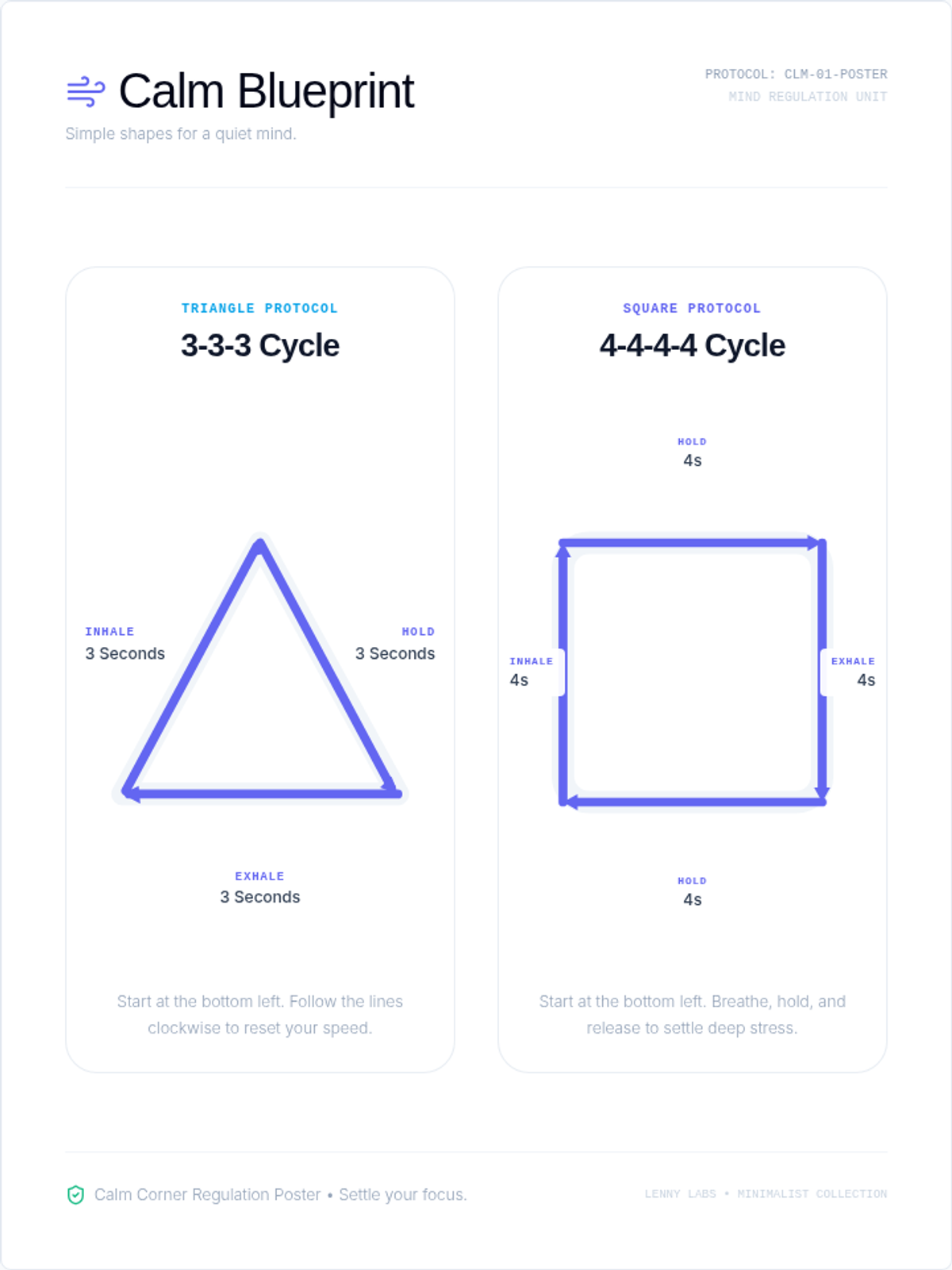
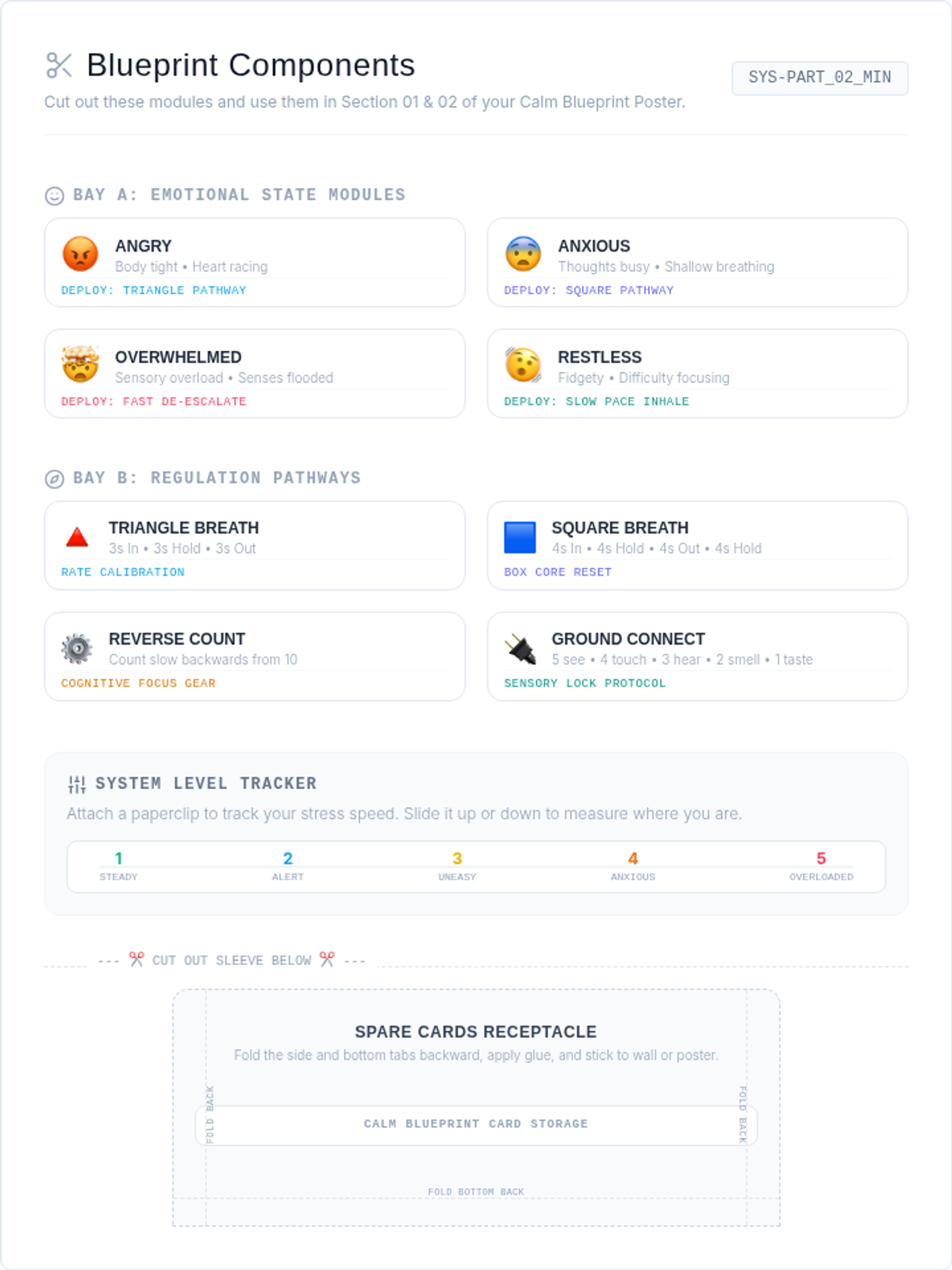
An interactive mental engineering toolkit that teaches children deep breathing exercises using concrete shapes. Students use the visual anchor chart and movable feeling/strategy blueprints to regulate their emotions.
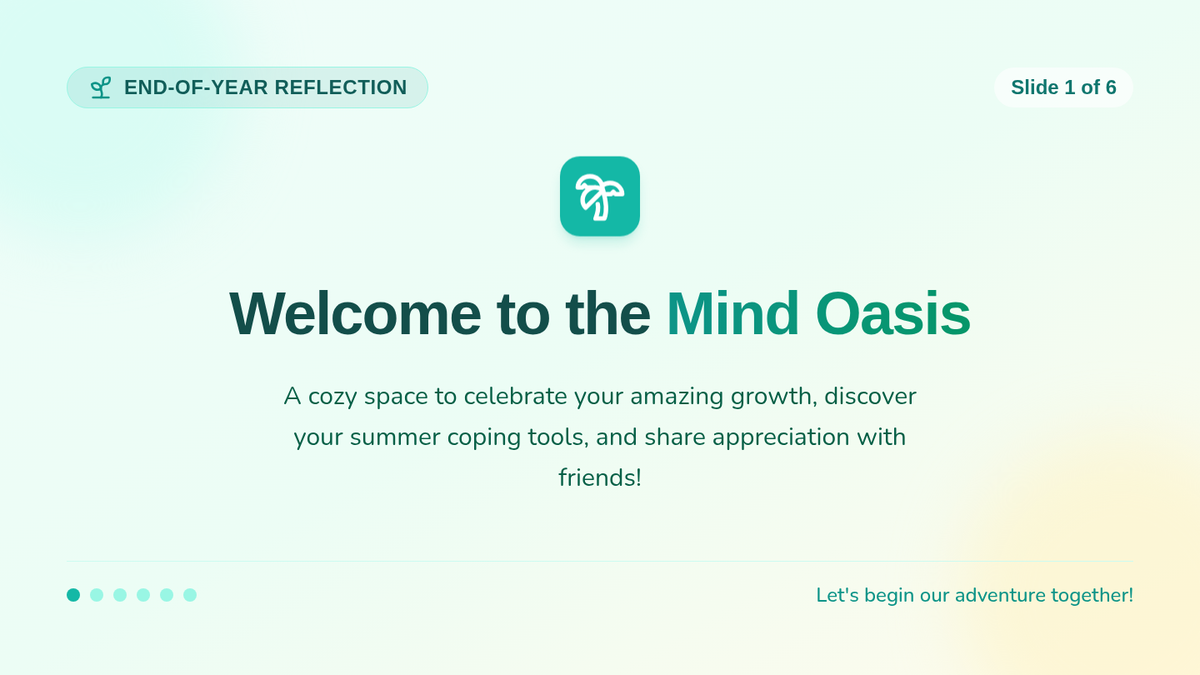
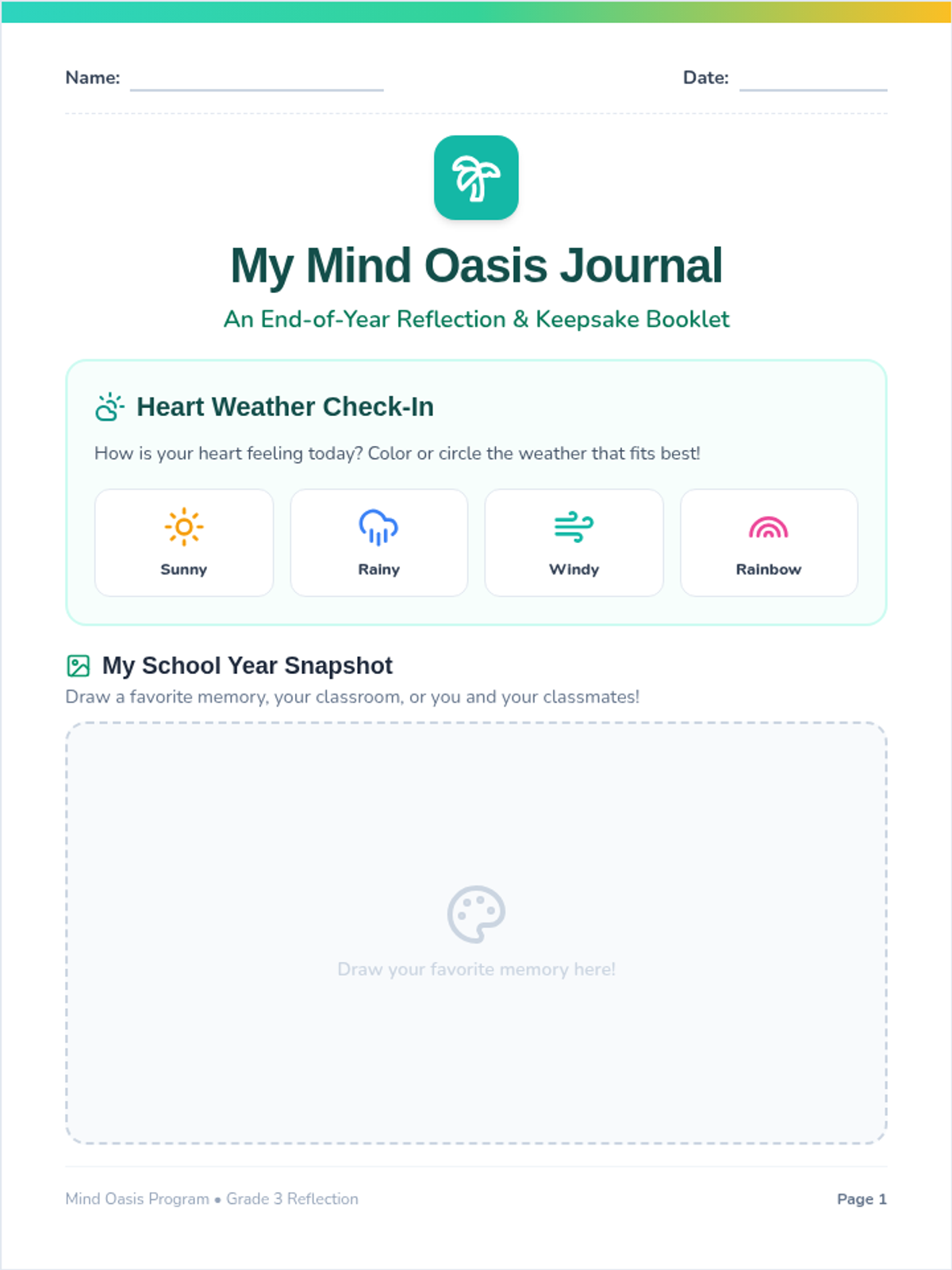
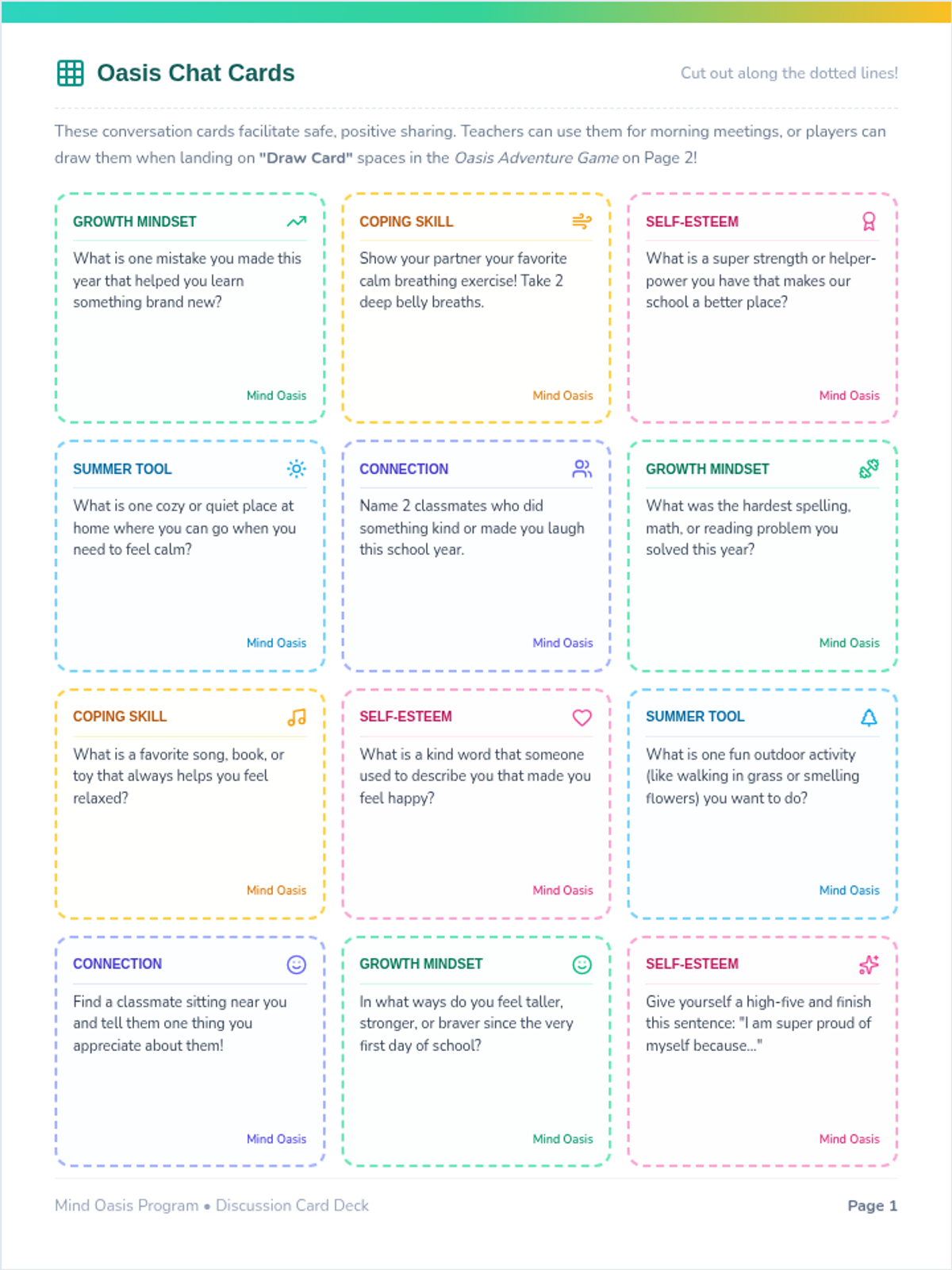
An end-of-school-year mental health lesson for 8-year-olds. It includes guided slides for class reflection, an interactive printable keepsake journal to track emotional growth, and a printable board game with discussion cards to foster positive peer connection and summer coping strategies.
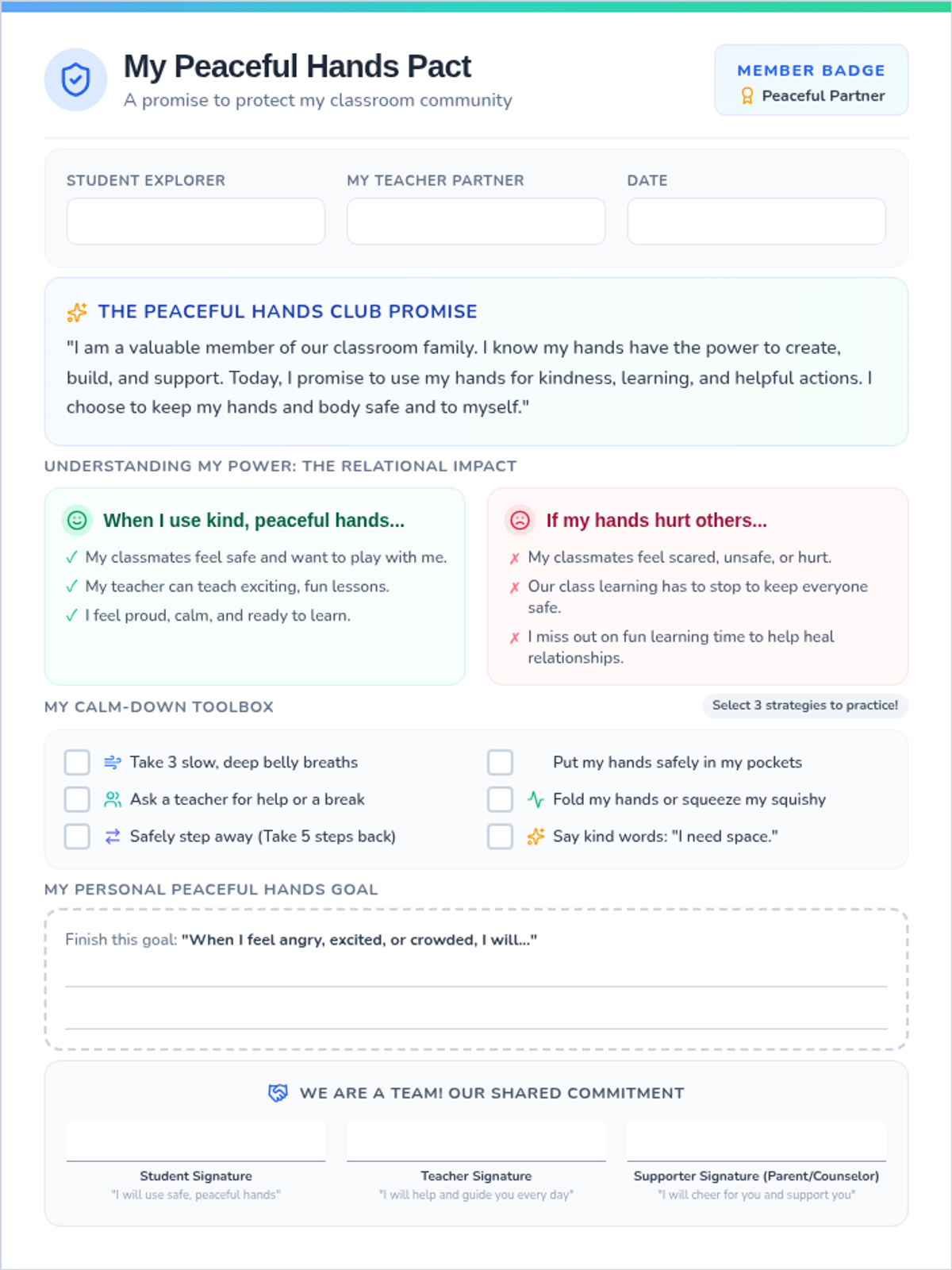
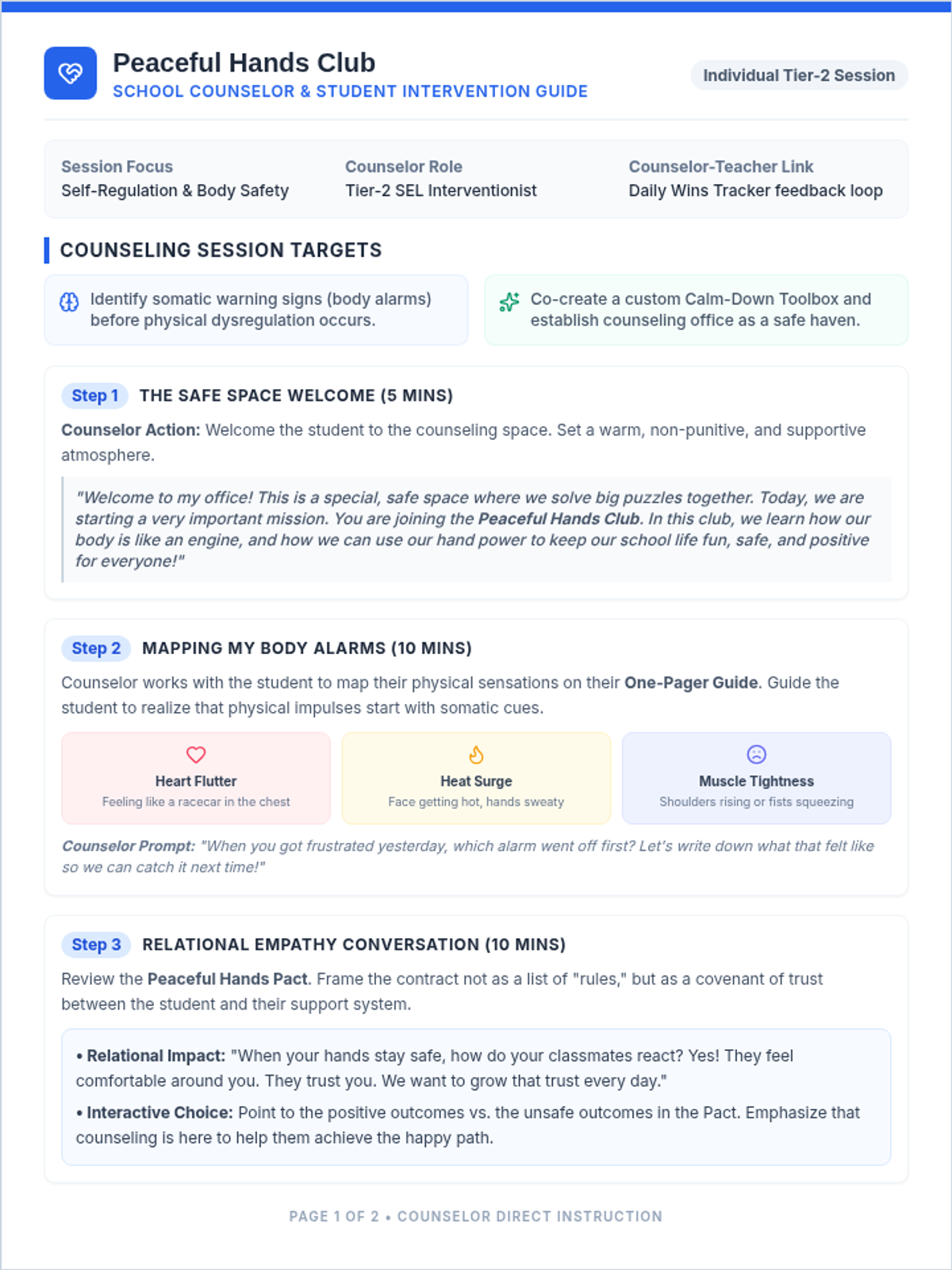
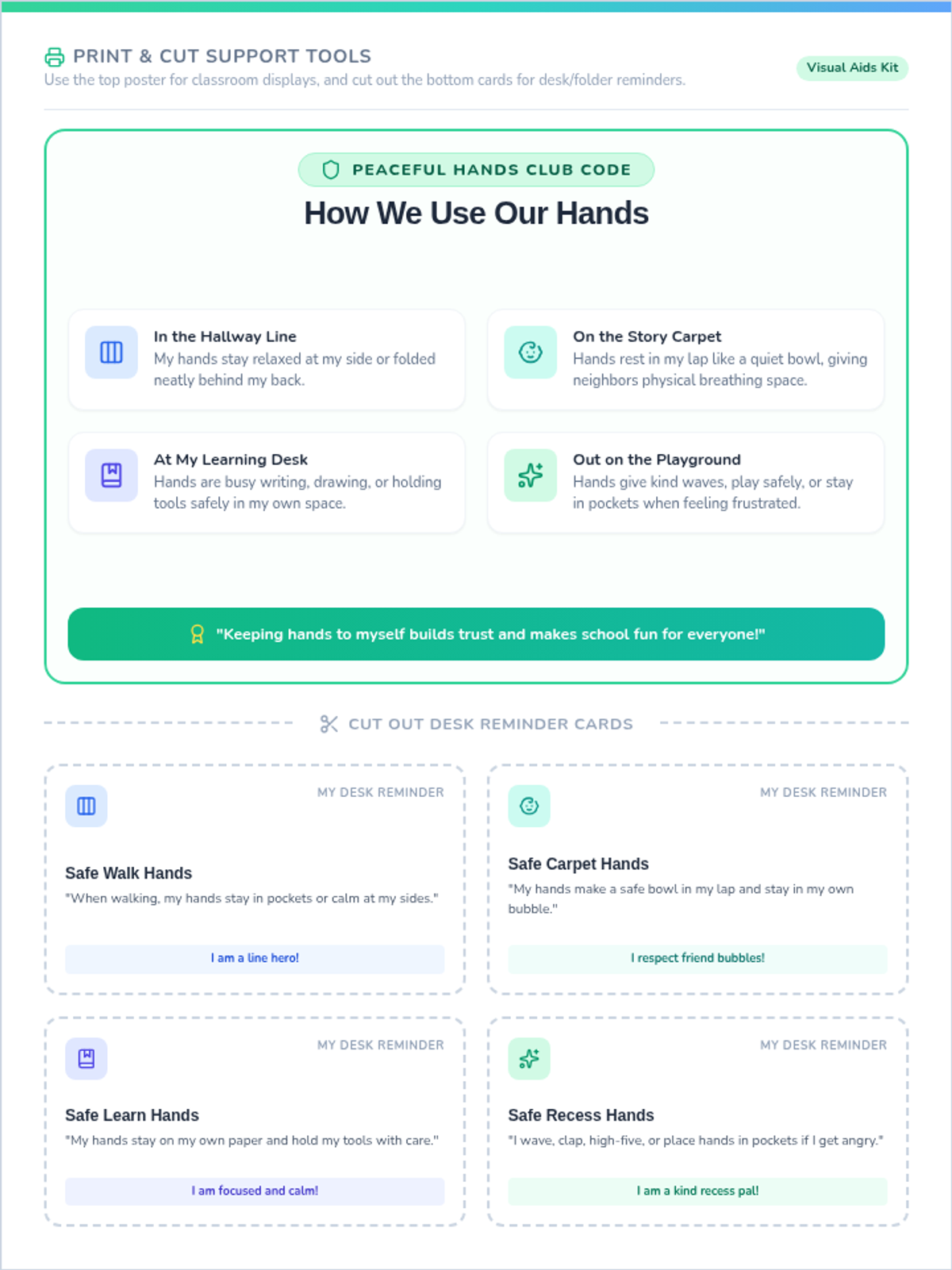
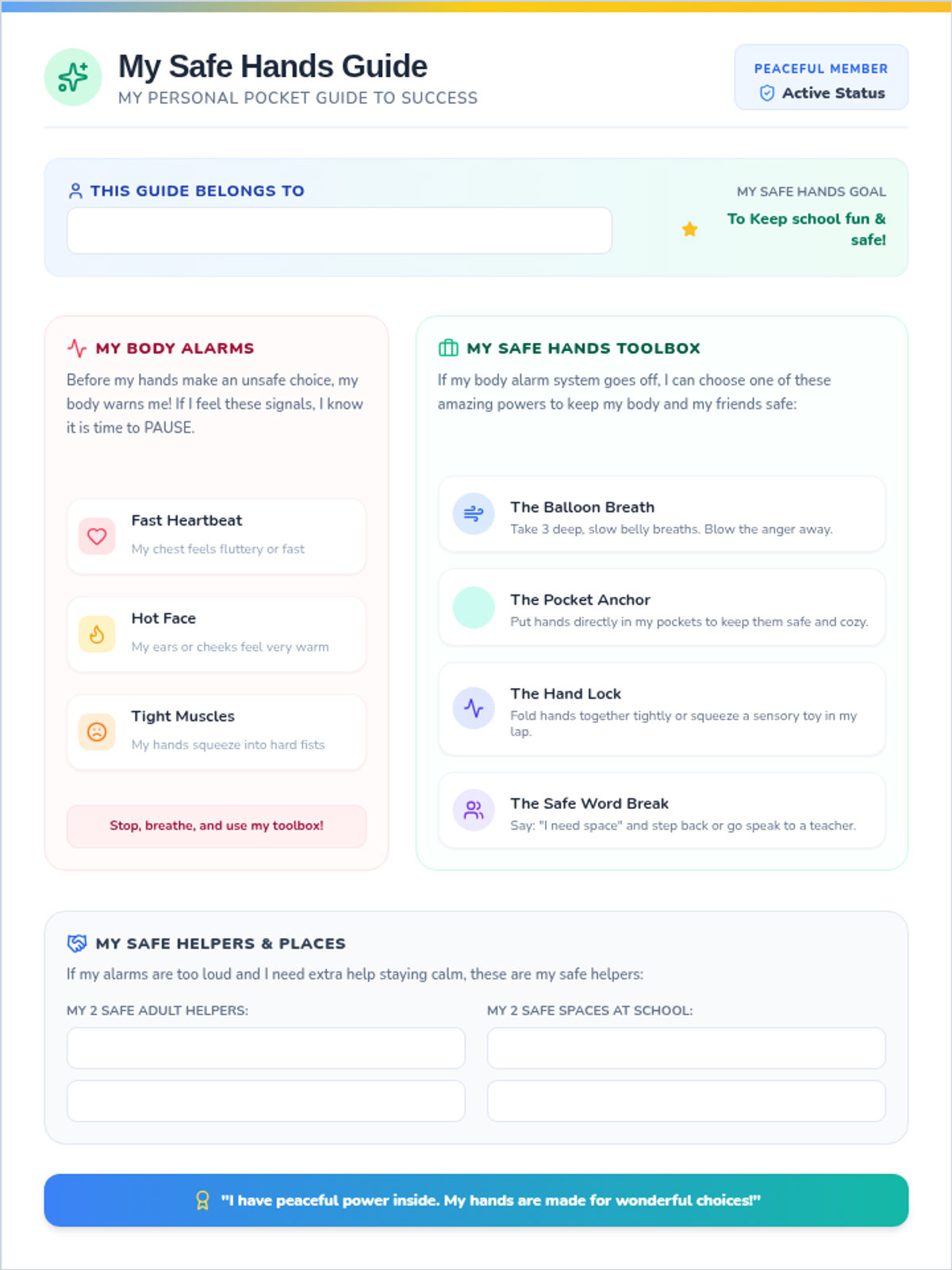
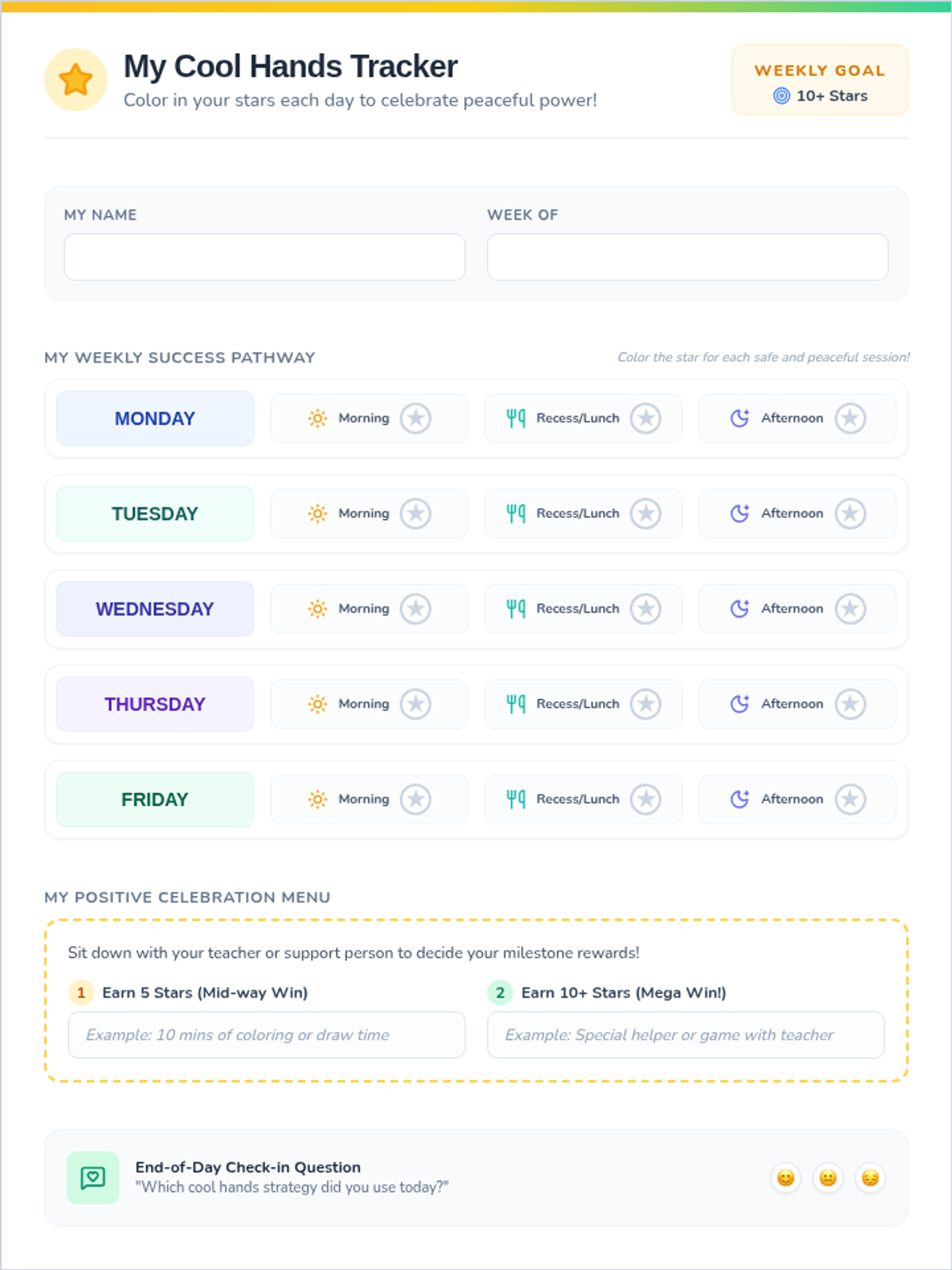
An intensive social-emotional intervention kit designed for lower elementary students to promote self-regulation and keep hands to themselves. This kit includes a relational behavior contract, an interactive lesson plan with role-play scenarios, visual aids, and a daily progress tracker.