Students master the logic of recurring events by fixing a calendar where patterns have gone wrong. This lesson emphasizes advanced editing and troubleshooting.
A final review and certification ceremony where students reflect on their growth and receive their 'Master Mechanic' status.
Integrating all 'Mind Mechanic' skills into a final creative project, demonstrating mastery of self-awareness and social reasoning.
Evaluating options and consequences using 'The Choice Circuit,' focusing on making deliberate decisions while reading and writing.
Introducing decision thinking through 'The Logic Loom,' helping students weave together 'how' and 'why' clues in complex texts.
Advanced social reasoning using 'Point of View Goggles' to interpret different perspectives and motivations in stories and real-life situations.
Developing social understanding by using 'Signal Scanners' to detect character emotions and perspectives within texts.
Focuses on using feedback as a 'Toolbox Upgrade,' helping students see mistakes and suggestions as ways to improve their work rather than as failures.
Introduction to growth mindset through 'The Blueprint,' teaching students that skills are built over time with practice and planning.
Building self-esteem by identifying 'Safety Gear'—the positive inner talk and strengths that protect us from fear and frustration.
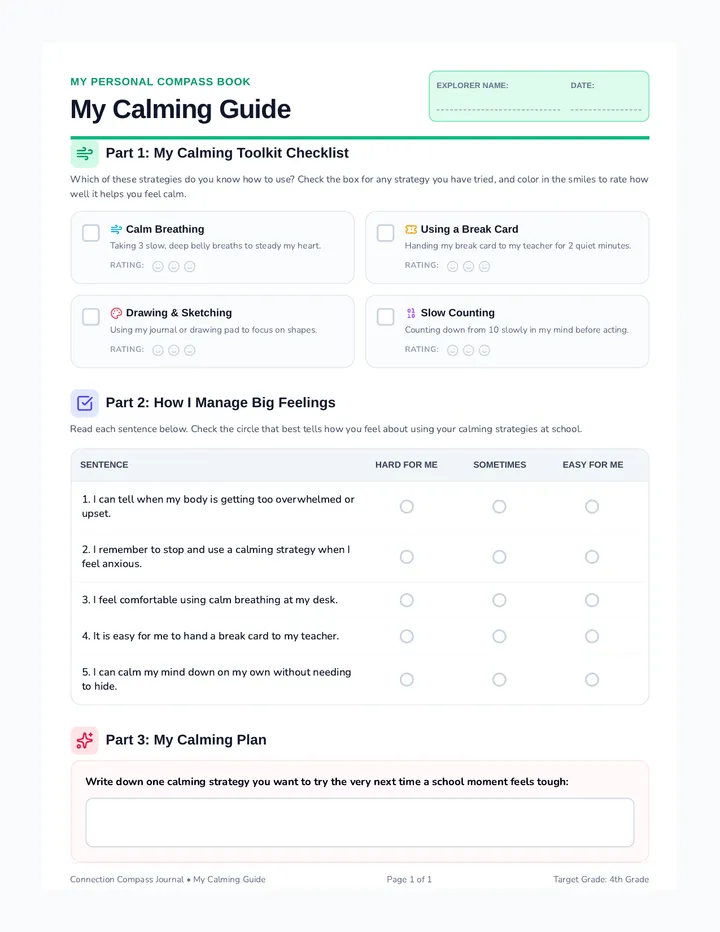
Focuses on stress handling by introducing 'Coolant Systems'—calming strategies to use when facing difficult tasks or making mistakes.
Exploring the 'Reaction Engine' to understand how the brain responds to stressors during reading and writing, helping students identify their personal triggers.
An introduction to the concept of the mind as a 'workshop' where thoughts and feelings are built, introducing students to their role as Mind Mechanics and establishing basic self-awareness.
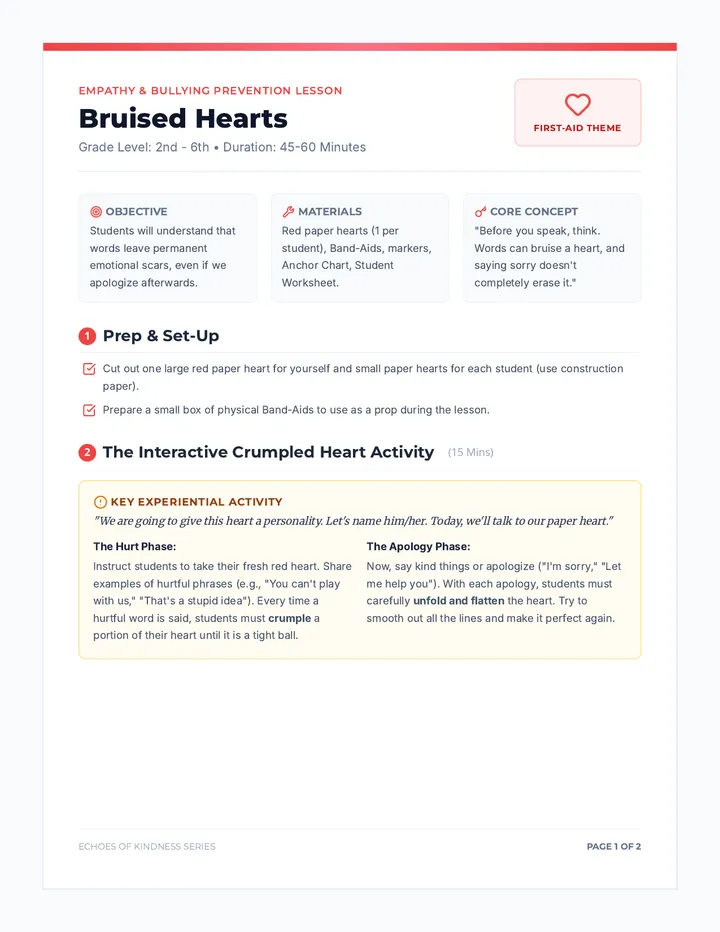
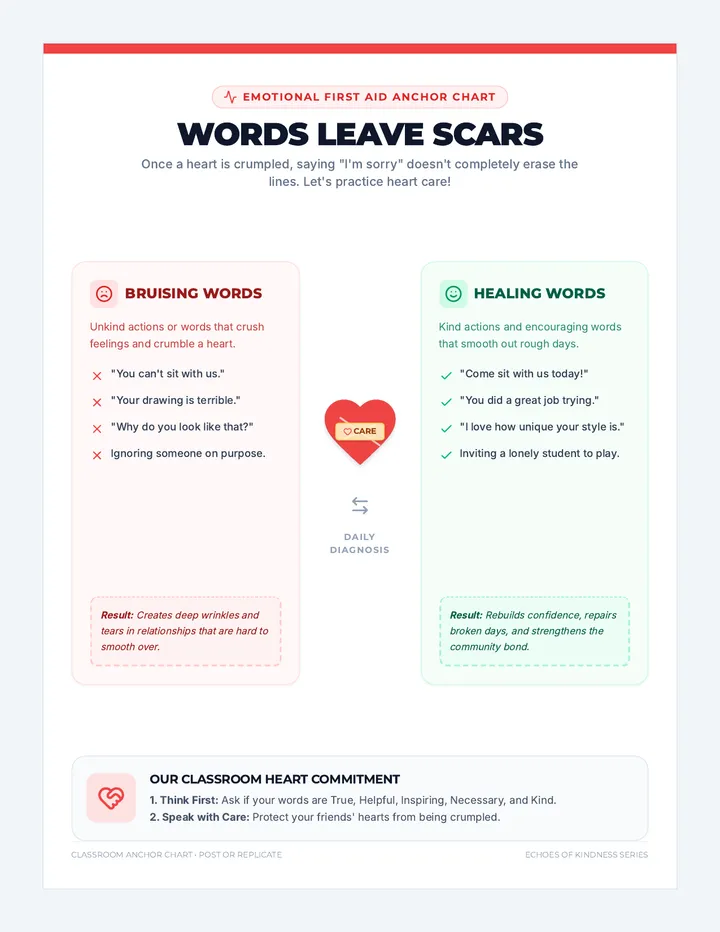
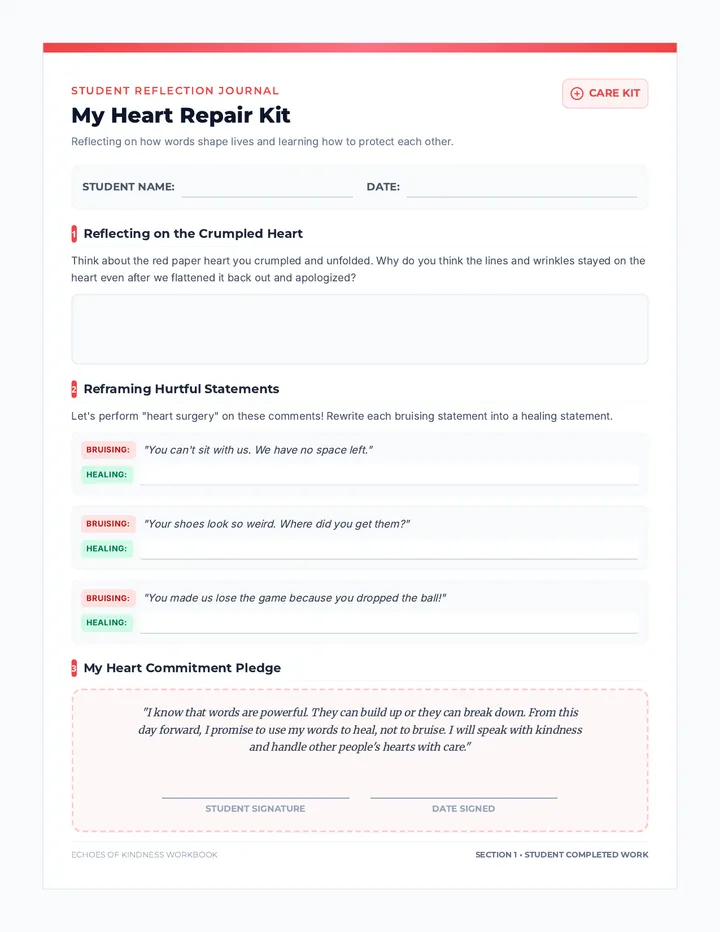
A 20-minute introductory lesson on choosing kindness when it's hard, teaching students to look beneath the surface of difficult behaviors using 'empathy goggles'.
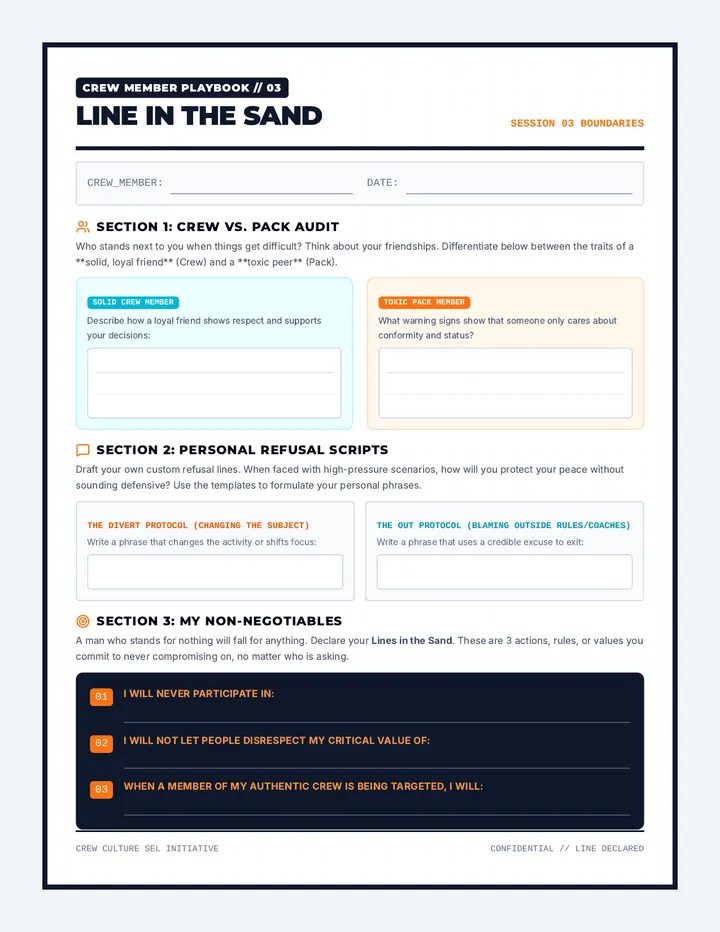
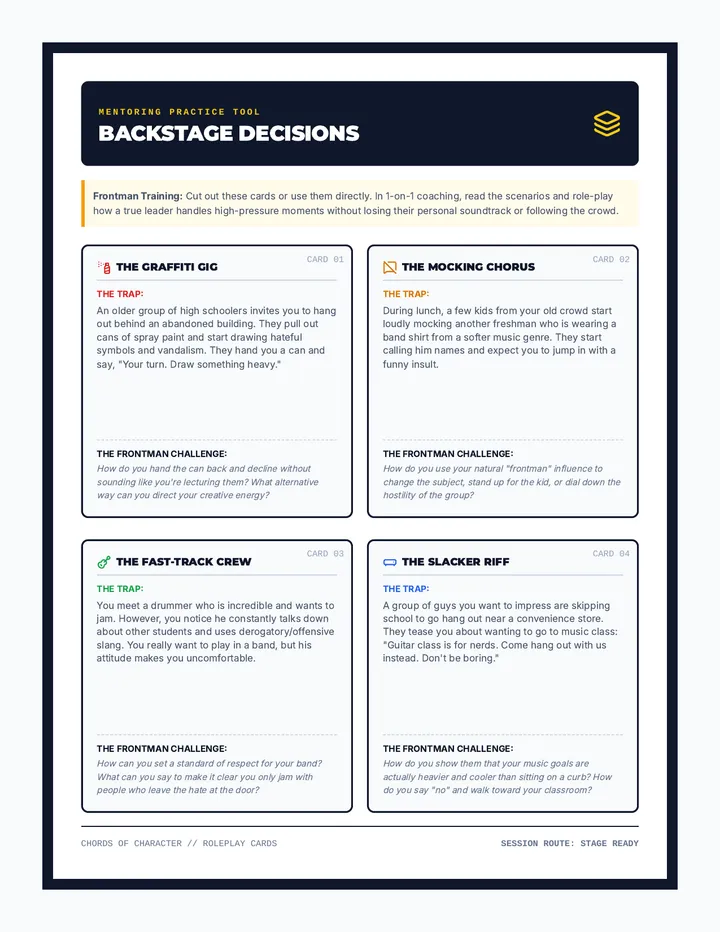
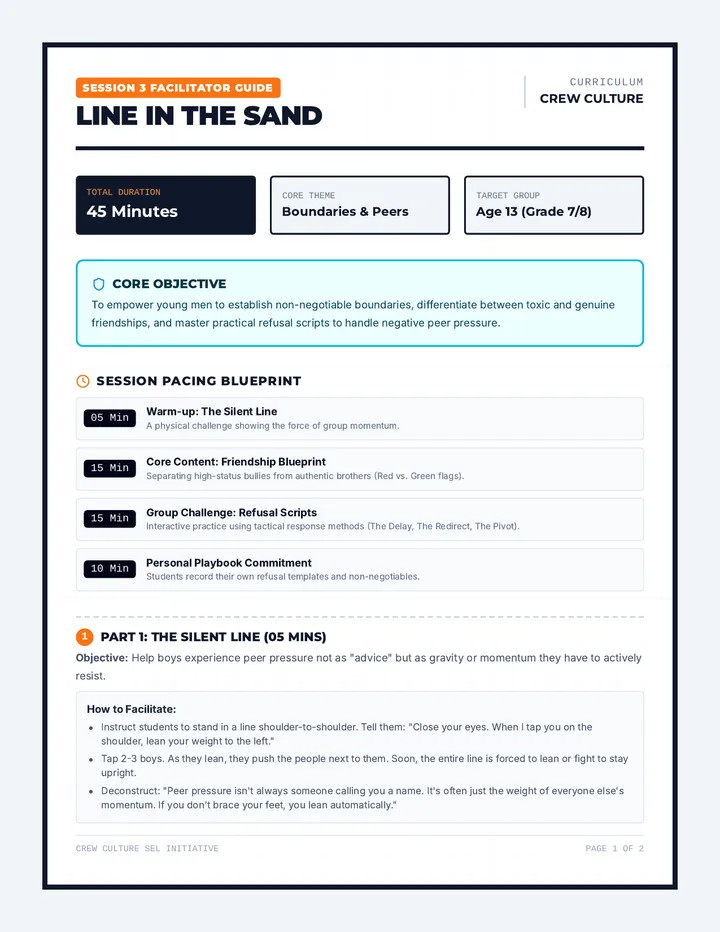
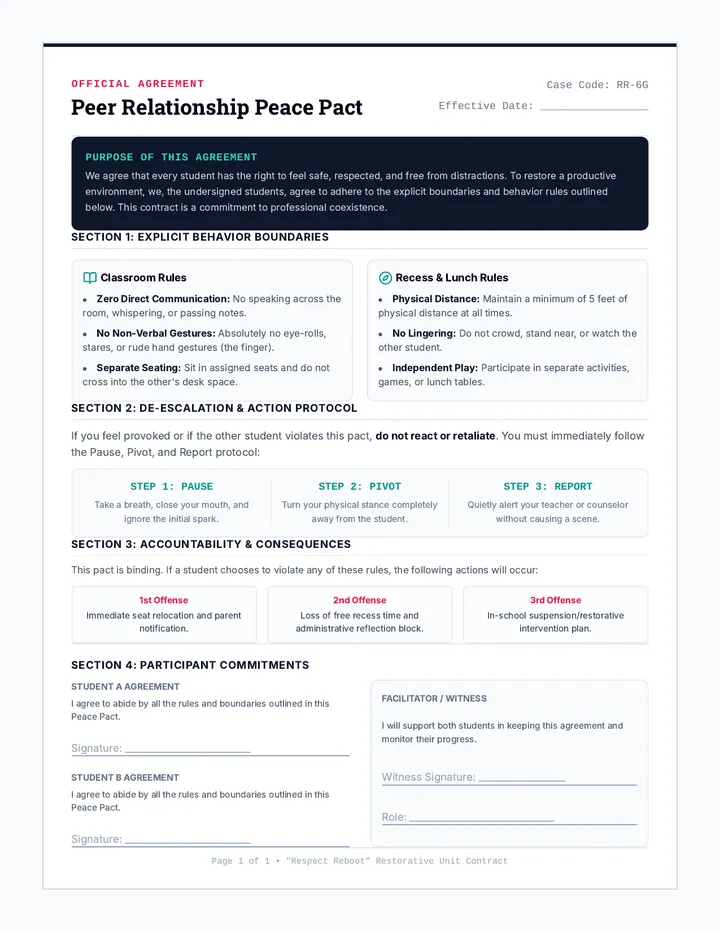
A comprehensive lesson on identifying and managing peer pressure, focusing on direct vs. indirect influence and developing effective refusal strategies.
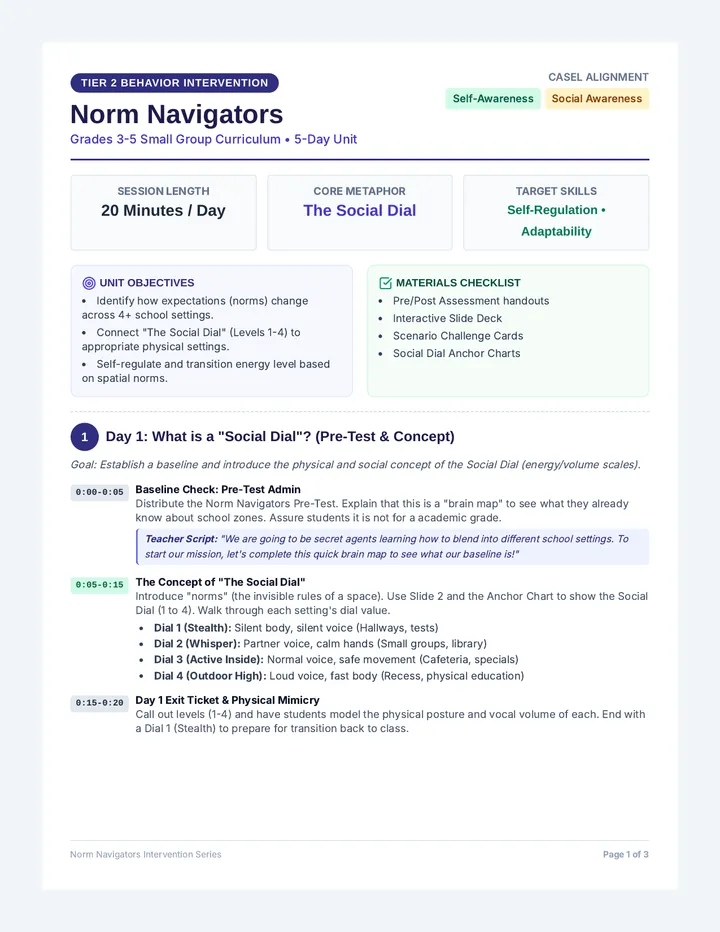
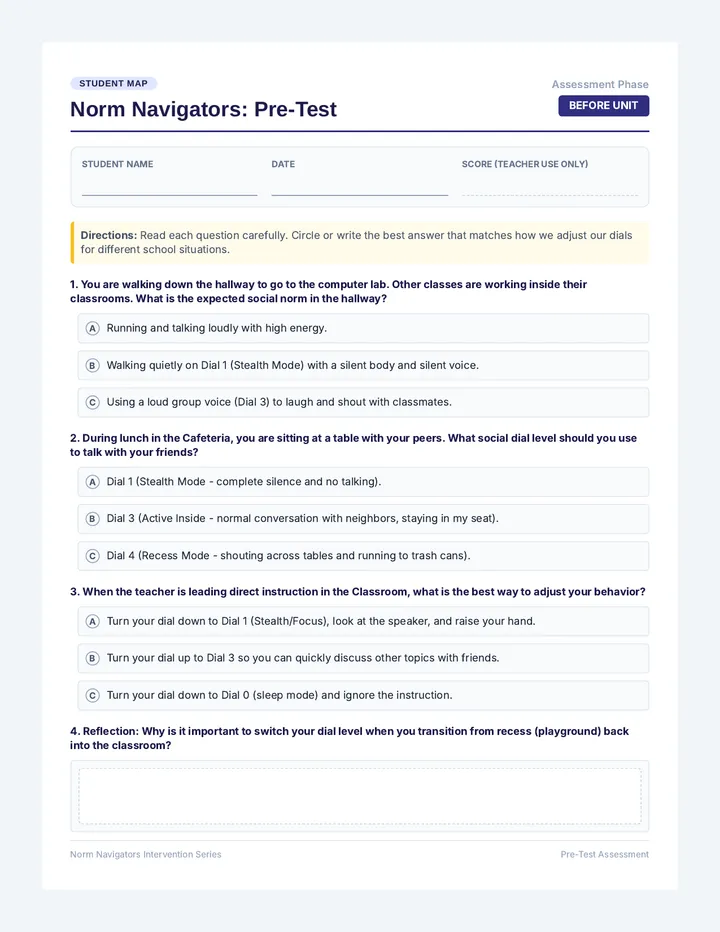
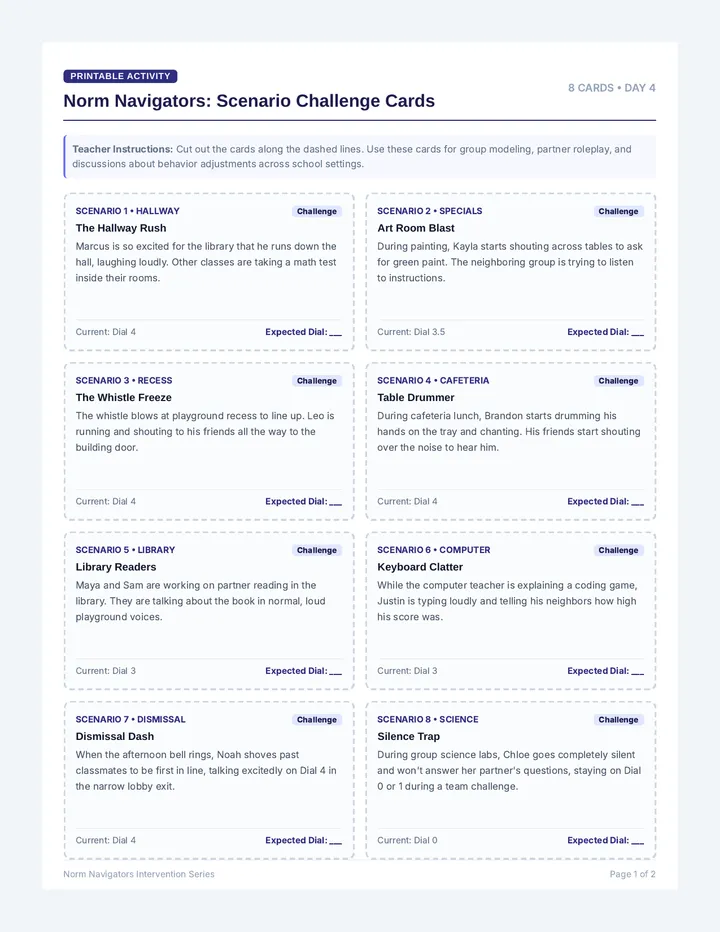
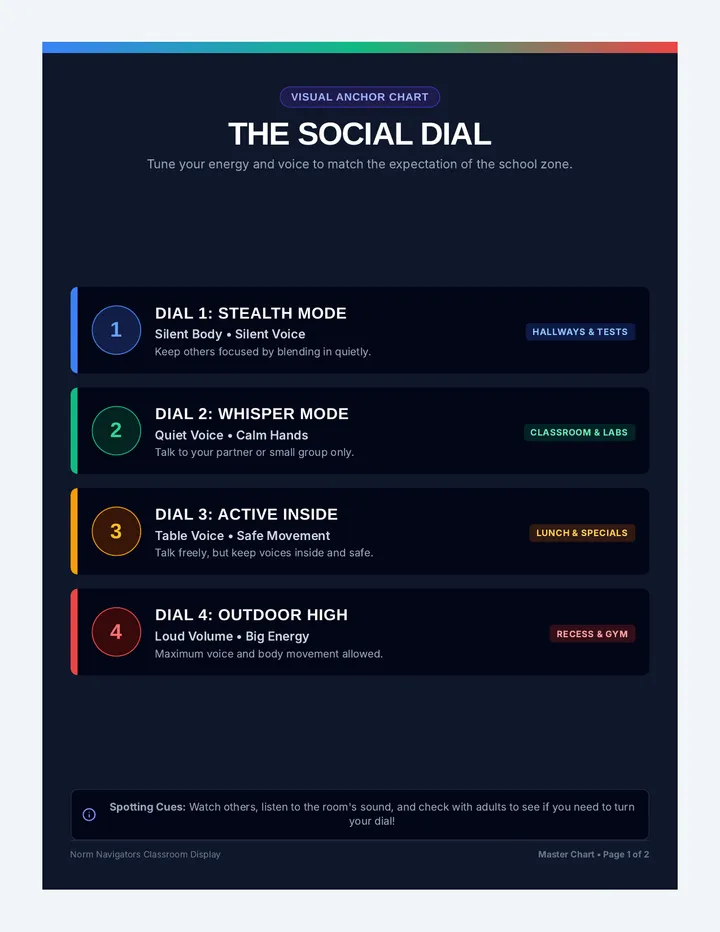
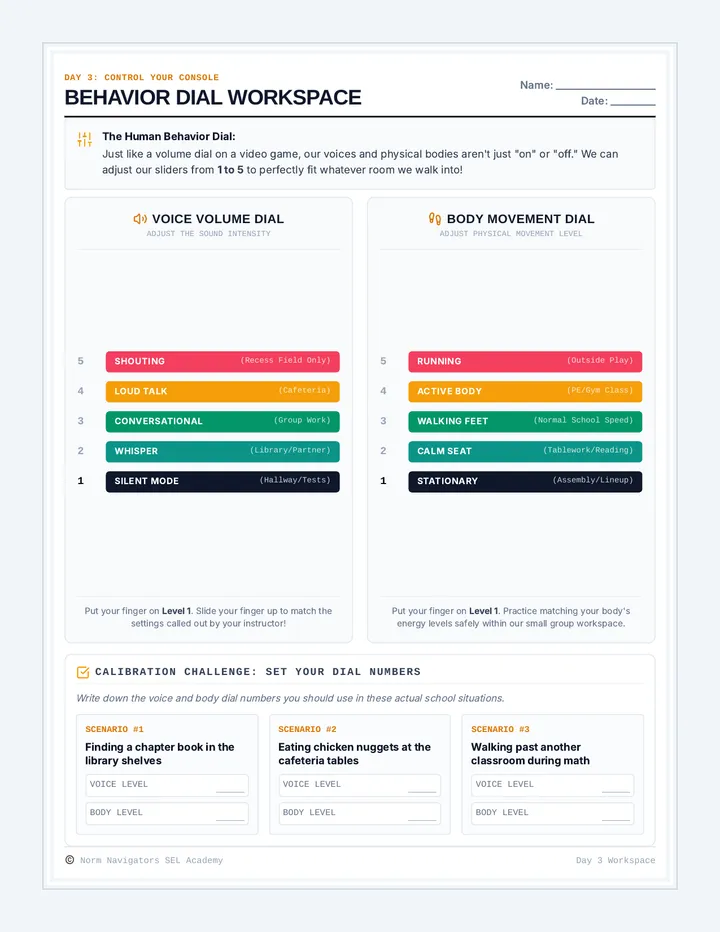
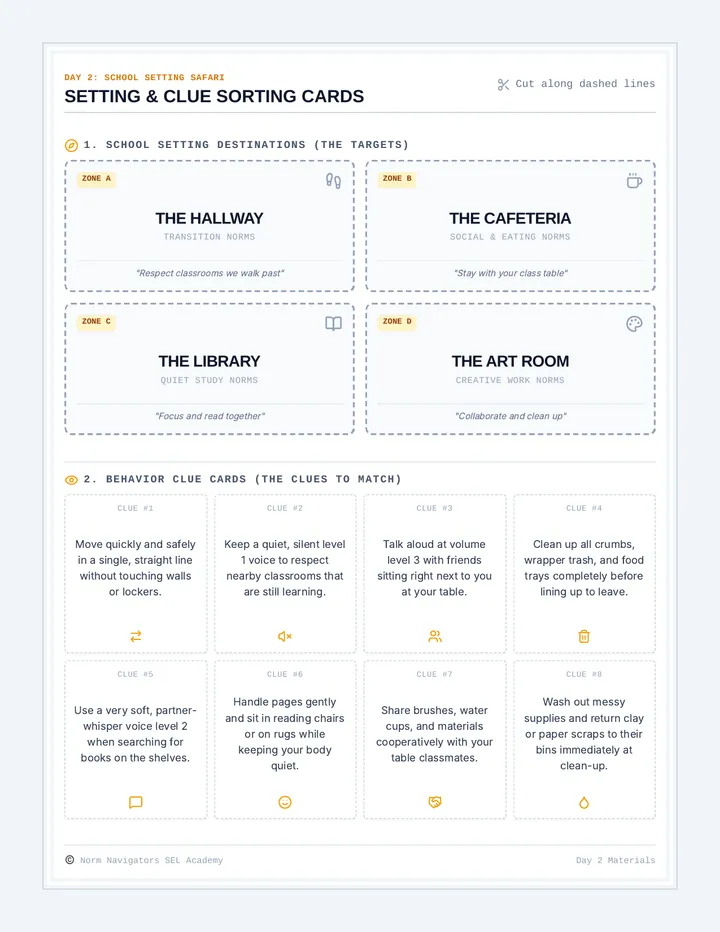
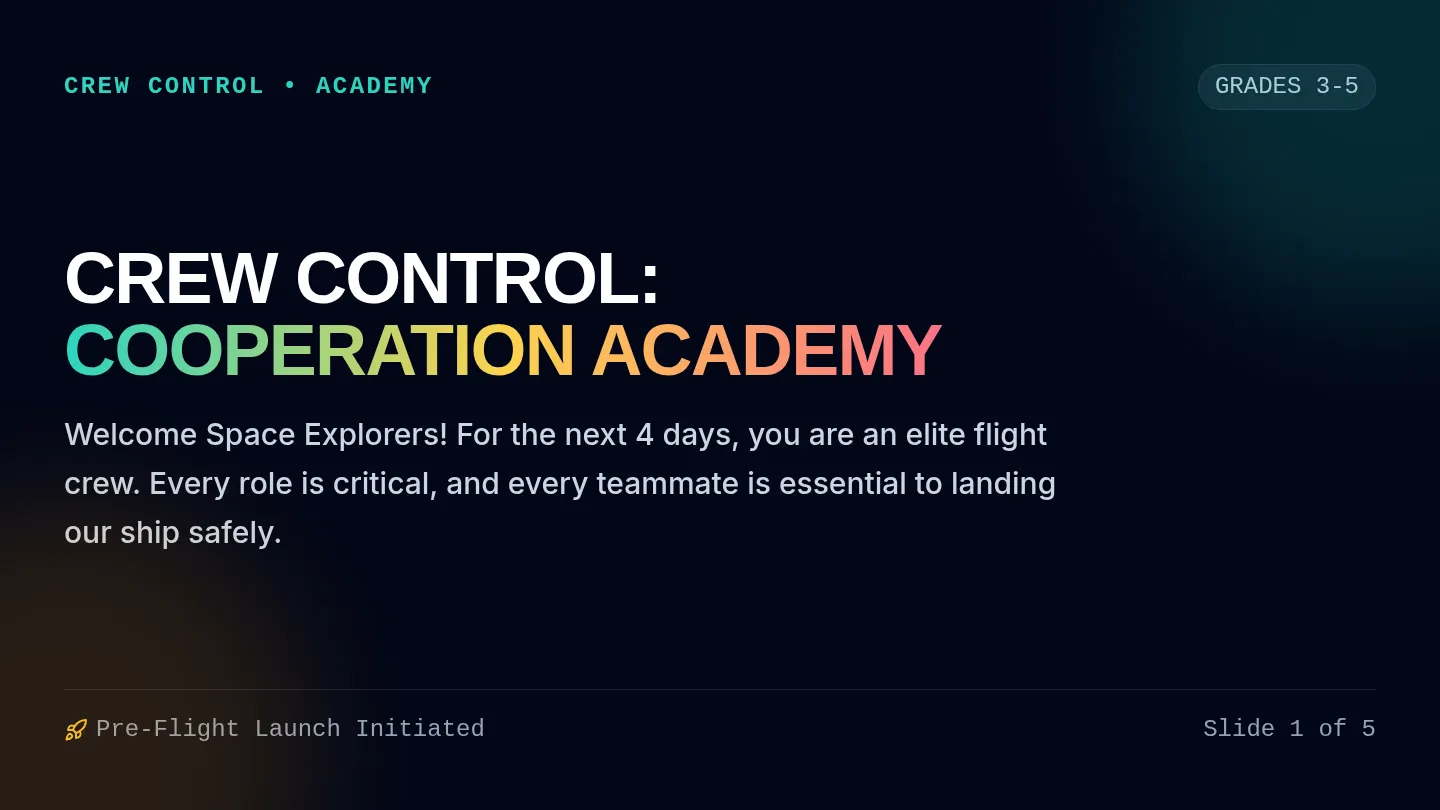
A short, engaging lesson for 3rd and 4th graders about the importance of maintaining silence during testing periods to show respect for their peers. Using a 'Secret Agent' theme, students learn how to navigate hallways, bathrooms, and classrooms stealthily.
Students define motivation, distinguish between internal and external drivers, and identify their own personal motivators for school tasks.
The capstone session where students consolidate their learning, create a vision board, and write a letter to their future professional self.
Focuses on consistency and the daily grind, providing tools for tracking motivation and building automated positive habits.
Identifies common 'blockers' like fear and procrastination, and uses role-play and discussion to build 'ninja' defense strategies.
Covers the fourth 'P' (Positivity), teaching students to reframe negative thoughts and maintain a growth mindset during setbacks.
Teaches the third 'P' (Plan), where students turn vague goals into concrete, actionable steps using the Action Plan Builder.
Focuses on the second 'P' (Purpose), guiding students to connect their daily actions to their deeper 'Why' to sustain effort when things get tough.
Explores the 'Passion Engine,' helping students optimize their performance by aligning interests with required outputs.
Analyzes the mechanics of motivation and the 4 P's Strategy, shifting from 'feeling-based' to 'system-based' performance. Includes a baseline diagnostic.
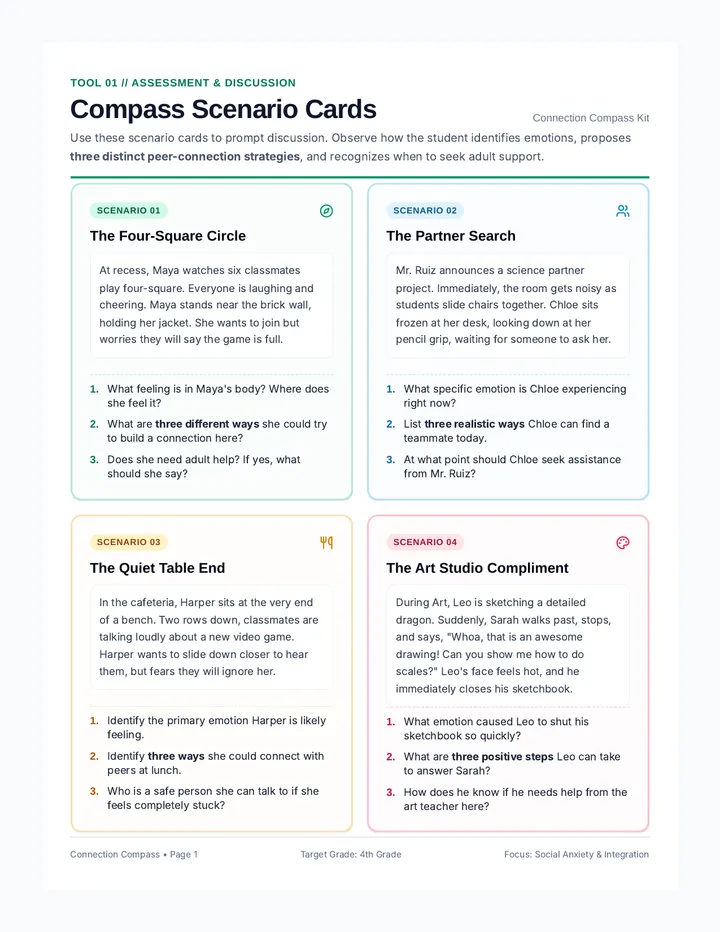
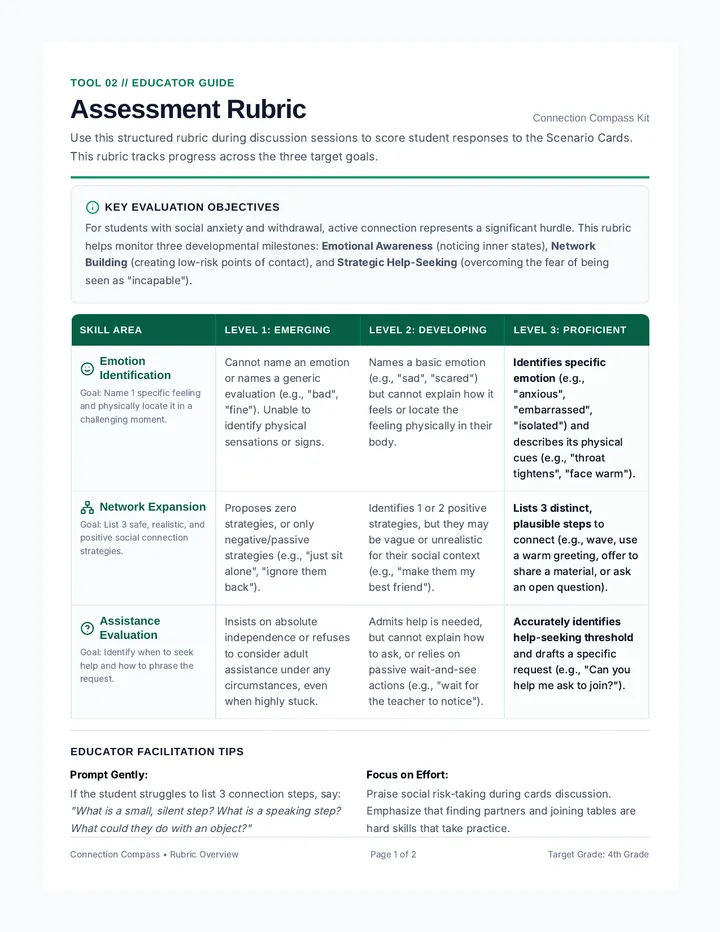
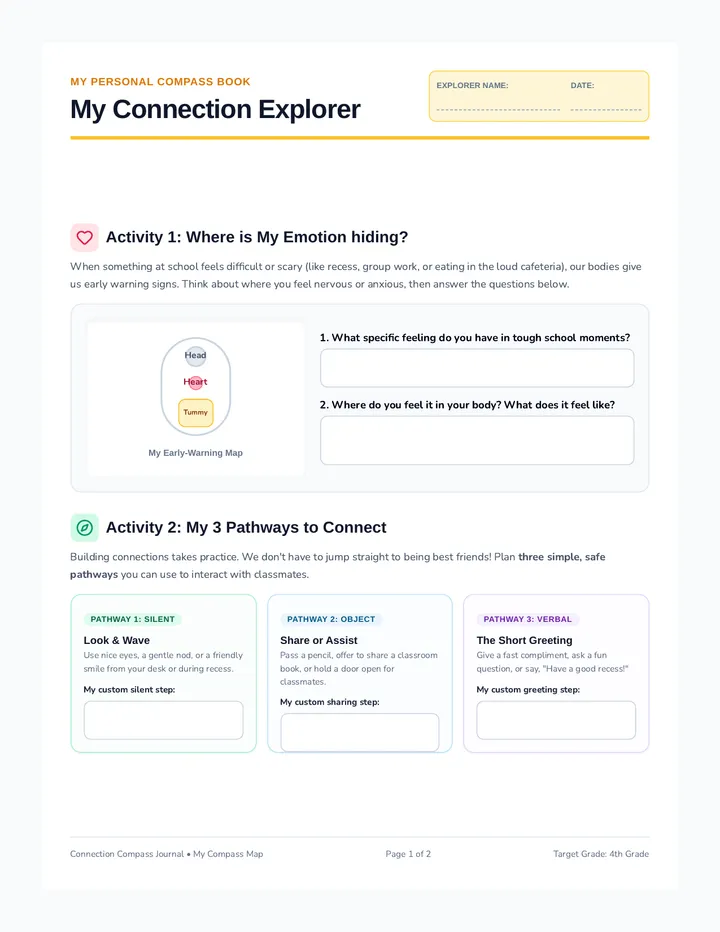
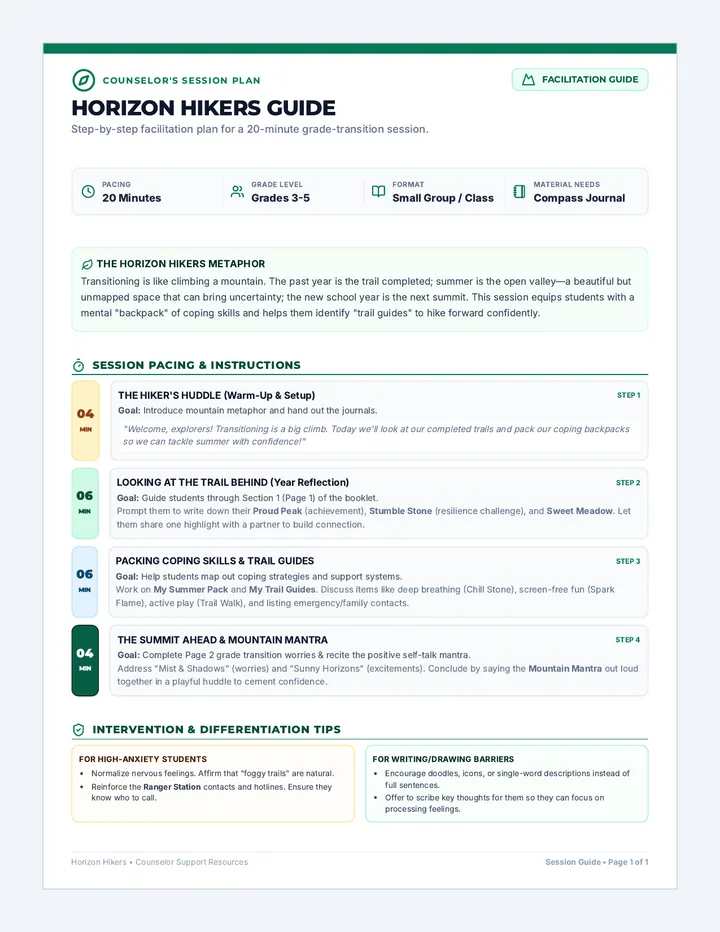
A social-emotional learning lesson using a compass metaphor to help K-5 students re-establish empathy, kindness, and community after time away from school. Students explore the four 'cardinal points' of connection: Notice Needs, Speak Kindness, Everyone's Invited, and Work Together.
Course synthesis and graduation. Reflecting on the journey from impulsive to intentional Pathfinder.
Mastering boundaries. Learning when and how to say 'No' or 'Yes' to family, friends, and strangers.
Financial literacy basics. Categorizing needs vs. wants to build long-term planning skills.
Learning to see failure as data. Celebrating 'Beautiful Oops' moments and messy progress.
Applying logic to everyday challenges. The 'Pathfinder Step System' for making thoughtful choices.
Practical tools for managing exam stress and academic pressure. Transitioning from panic to self-awareness.
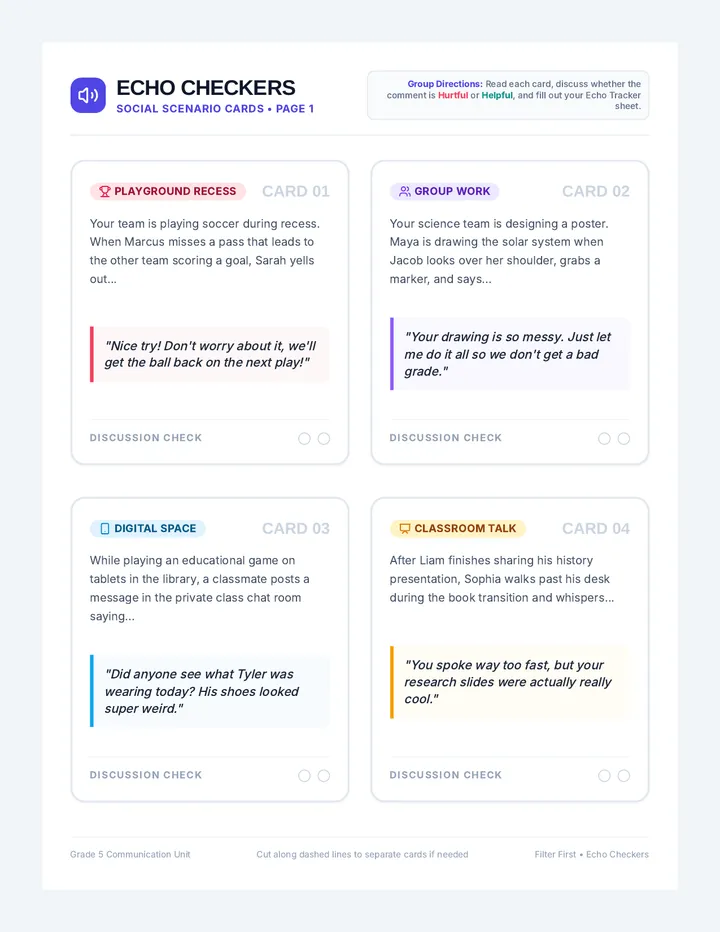
Developing empathy and social awareness to build an inclusive community.
Training the brain for better focus and memory retention. Strategies for mindful attention.
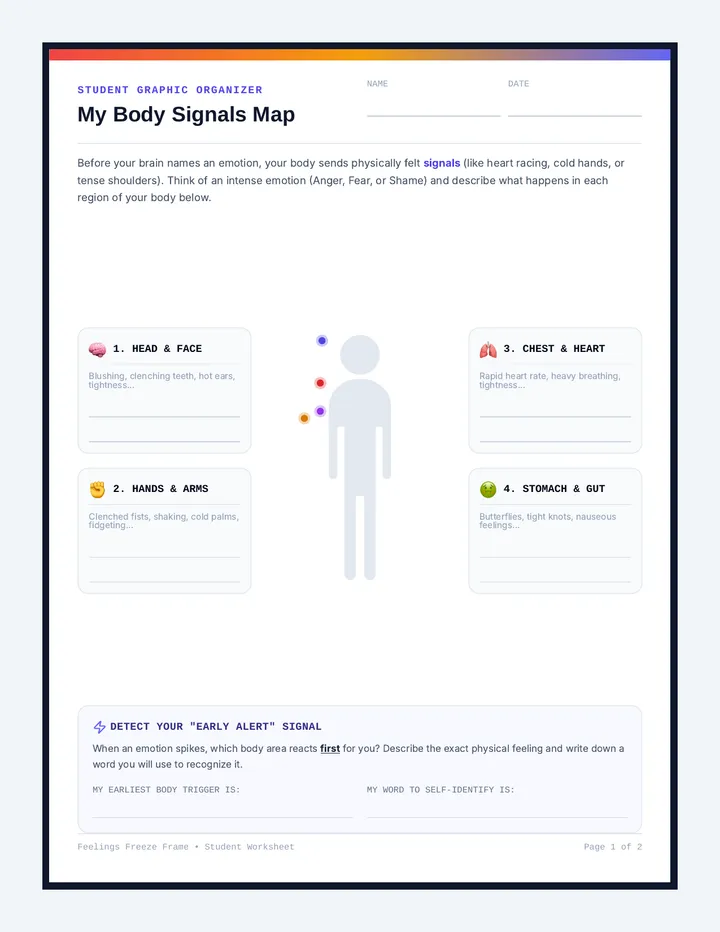
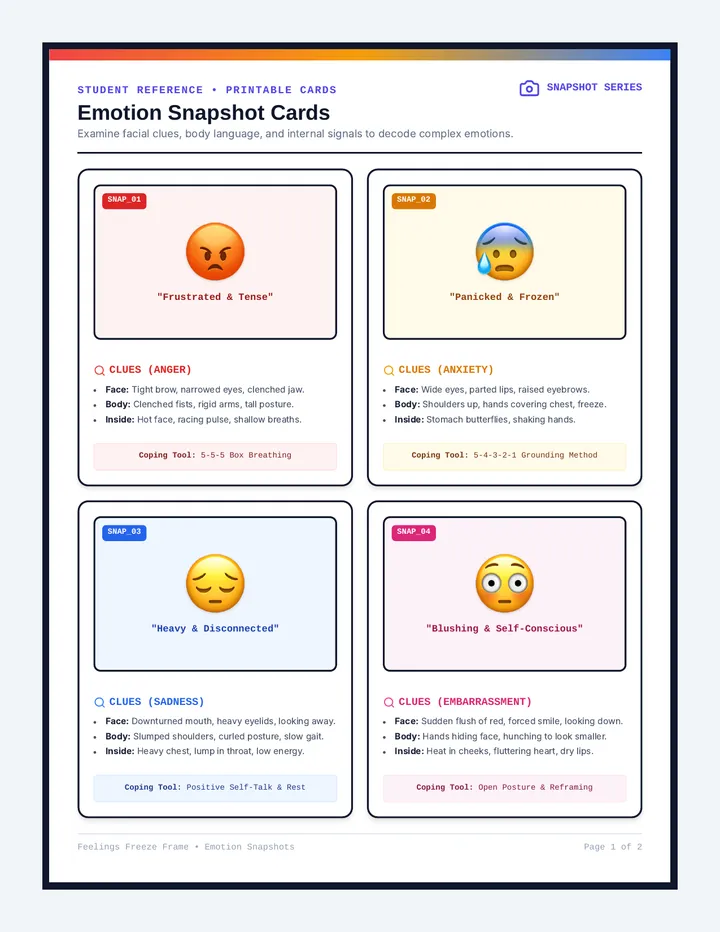
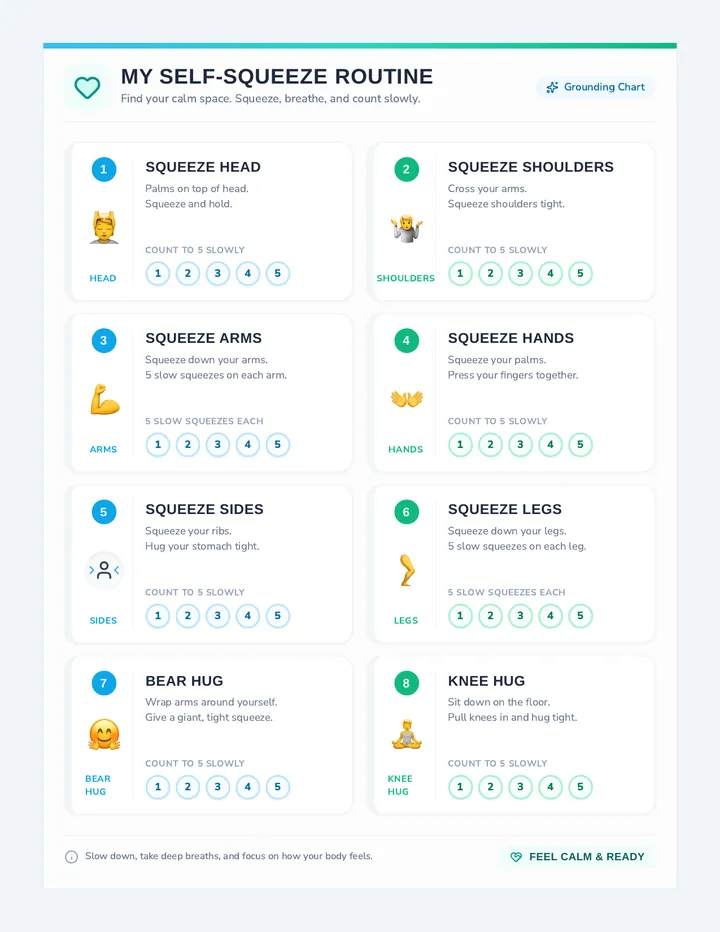
Recognizing physical signs of fear and panic. Grounding strategies for high-stress situations.
Exploring self-acceptance and building self-confidence by celebrating individual strengths.
Managing big emotions and stopping impulsive reactions. Techniques for cooling down when feeling fear or anger.
Introduction to the growth mindset. Focus on the 'Power of Yet' and building resilience when facing initial failure.
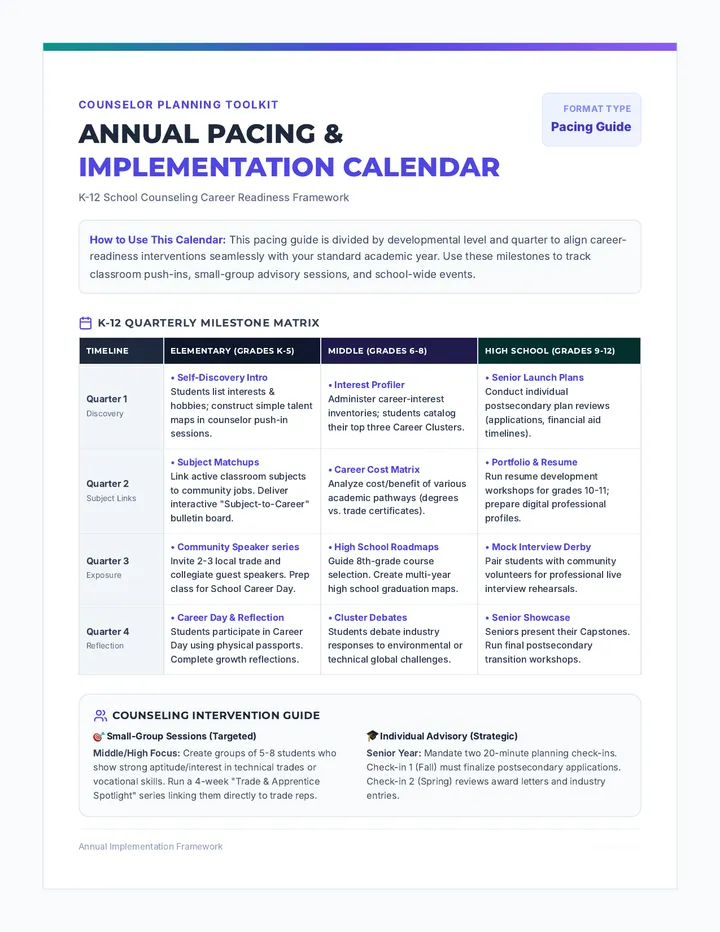
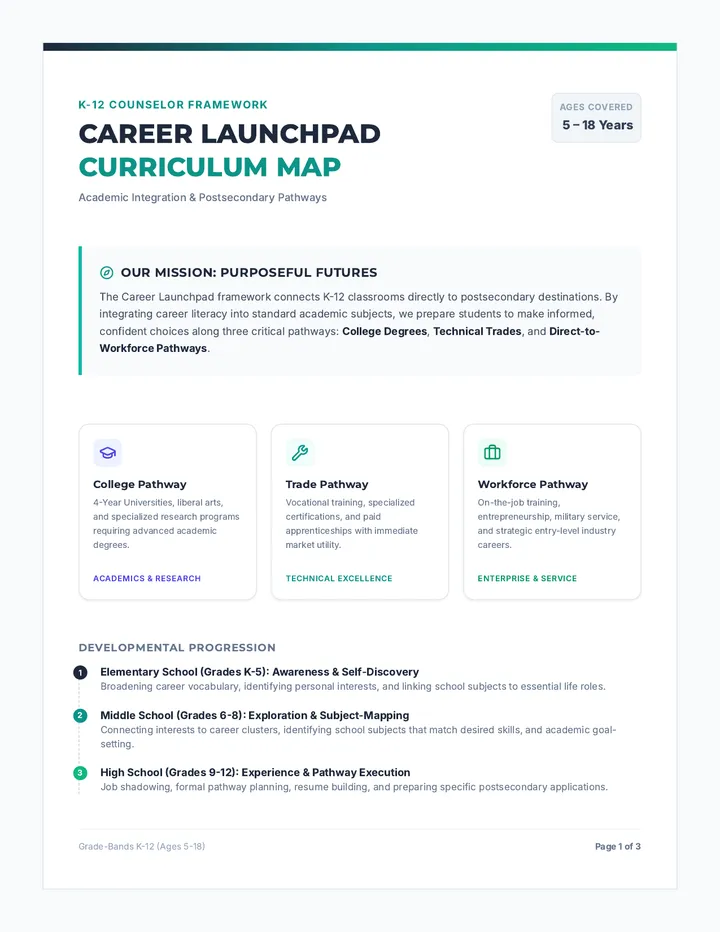
A synthesis lesson where students combine their knowledge of clusters, paths, and skills to create a personalized career vision.
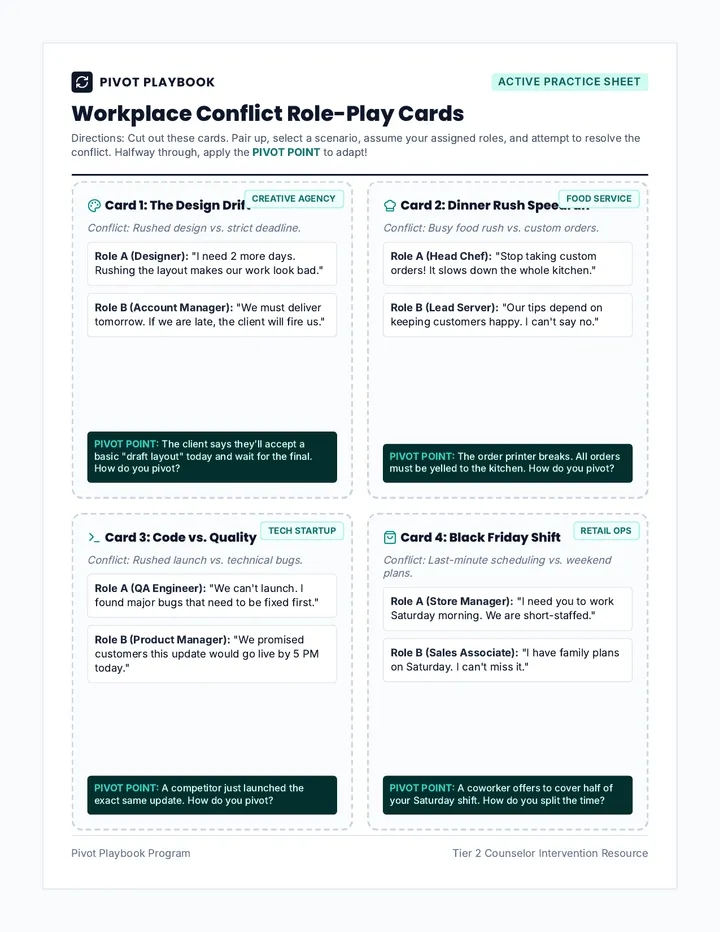
Practical training in professional communication, dress codes, and workplace behavior expectations.
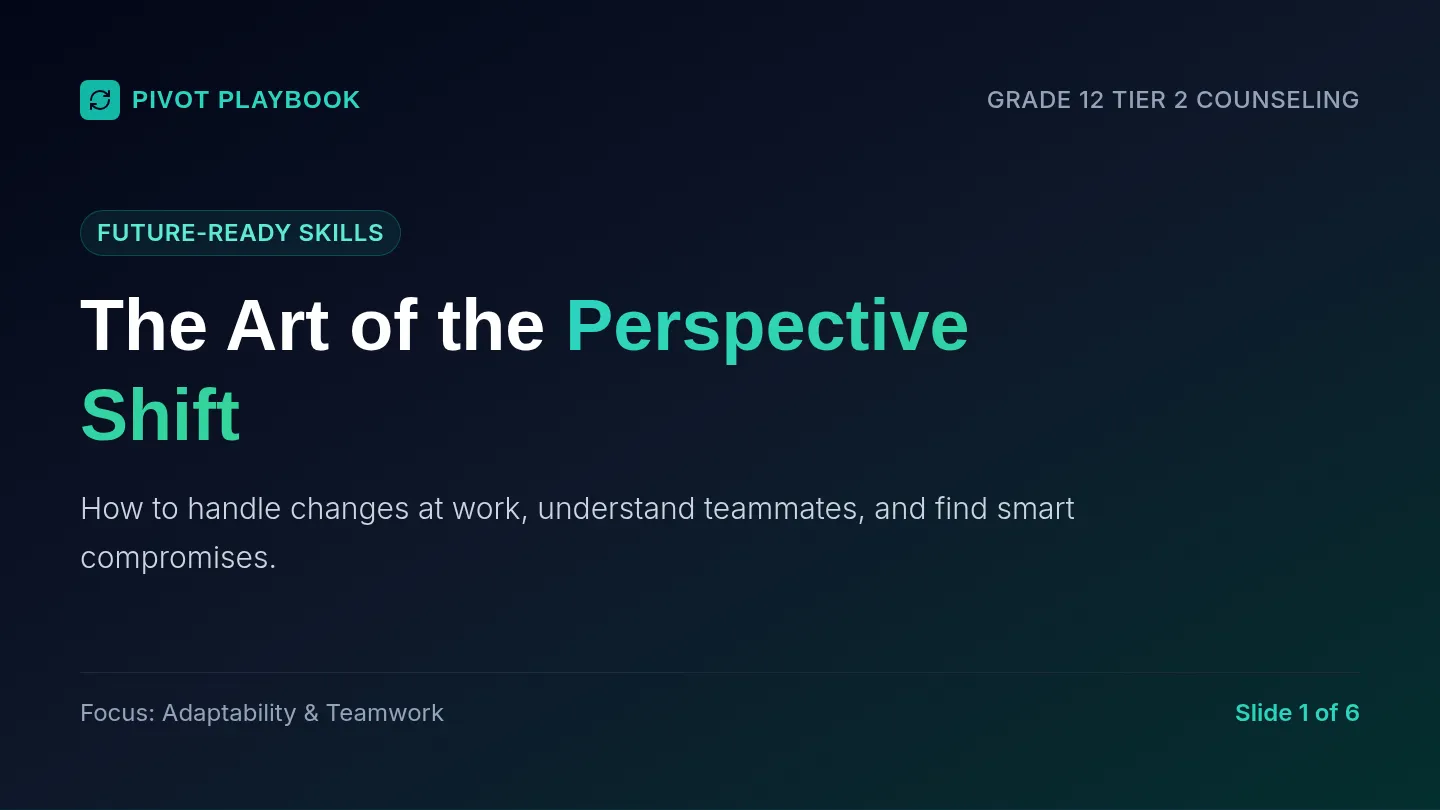
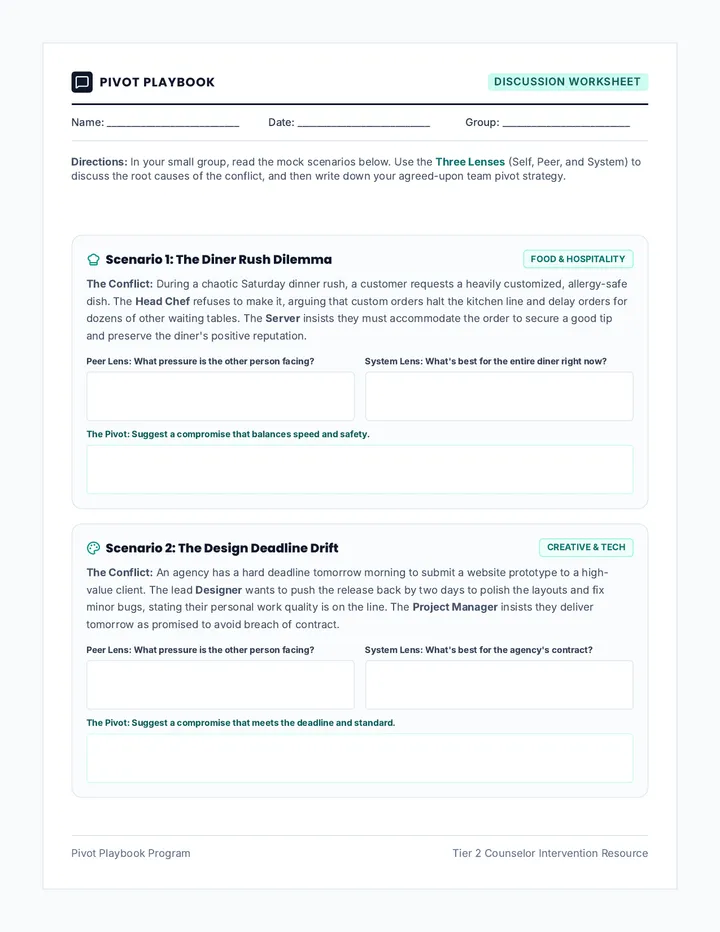
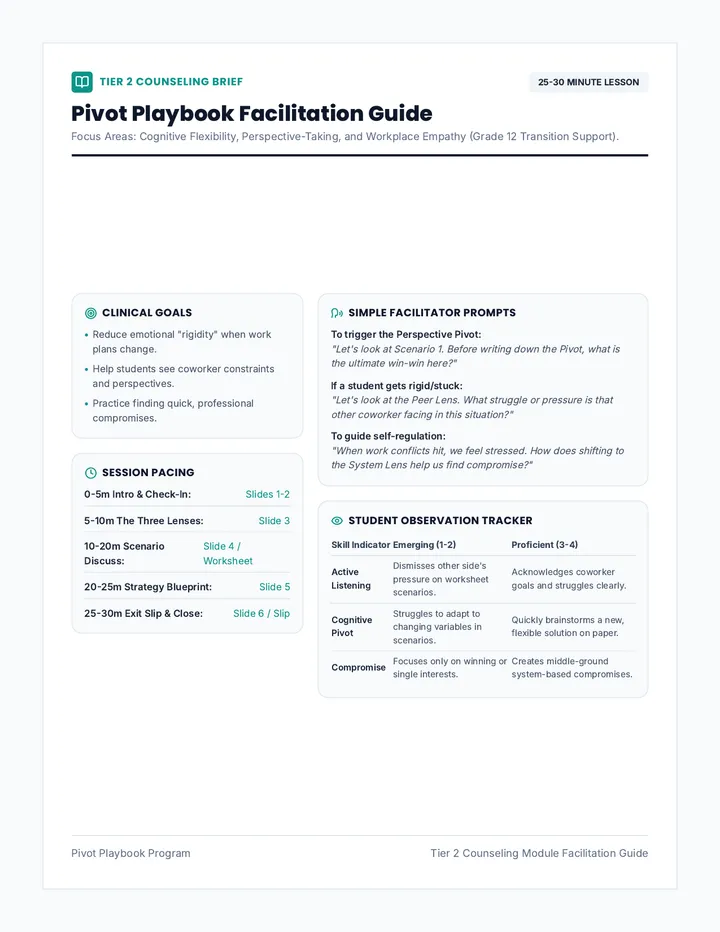
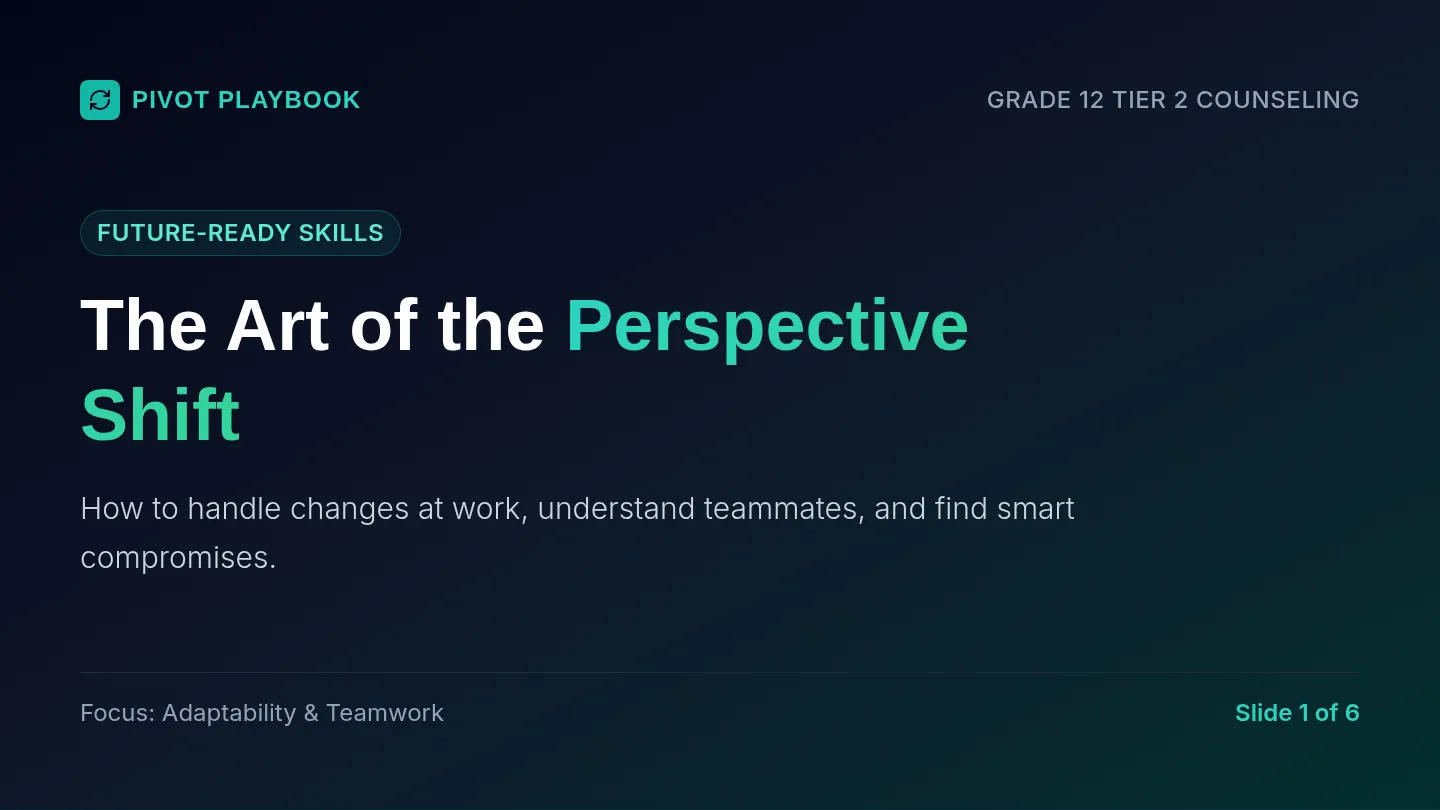
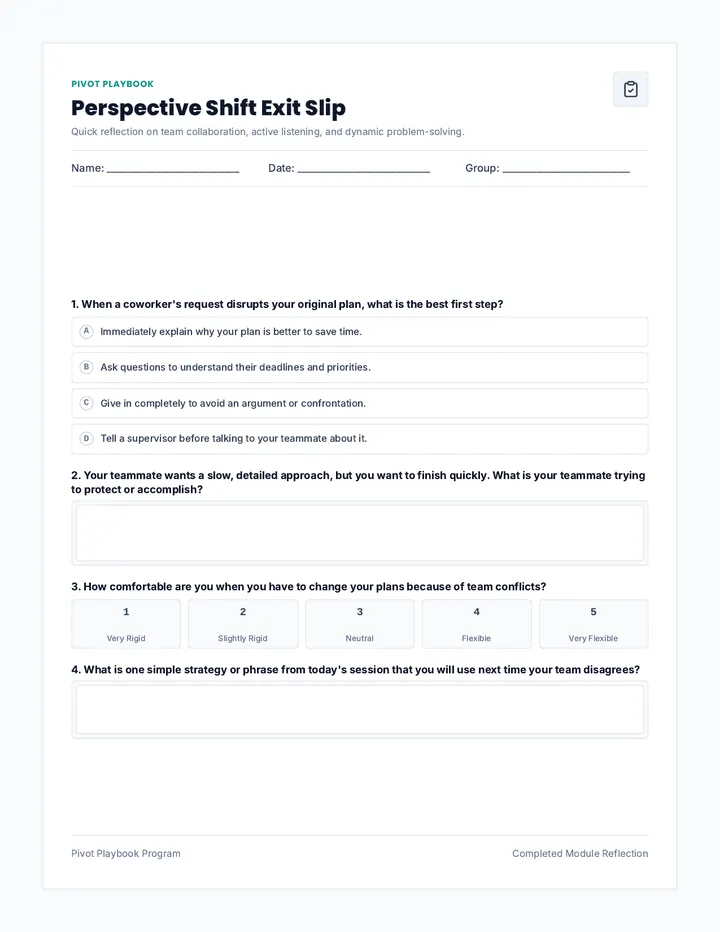
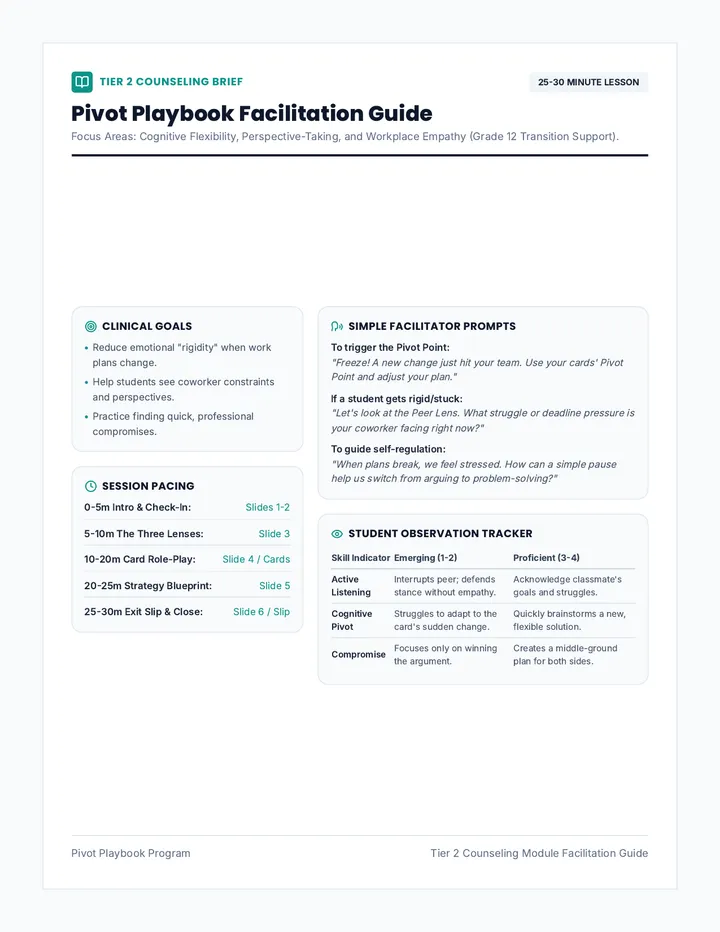
Introduction to high-demand soft skills like communication, teamwork, and problem-solving, and their importance in the modern workforce.