A social-emotional learning lesson designed for 3rd graders to practice using coping strategies during high-stimulation and high-pressure scenarios, specifically focusing on responding to teasing and social pressure.
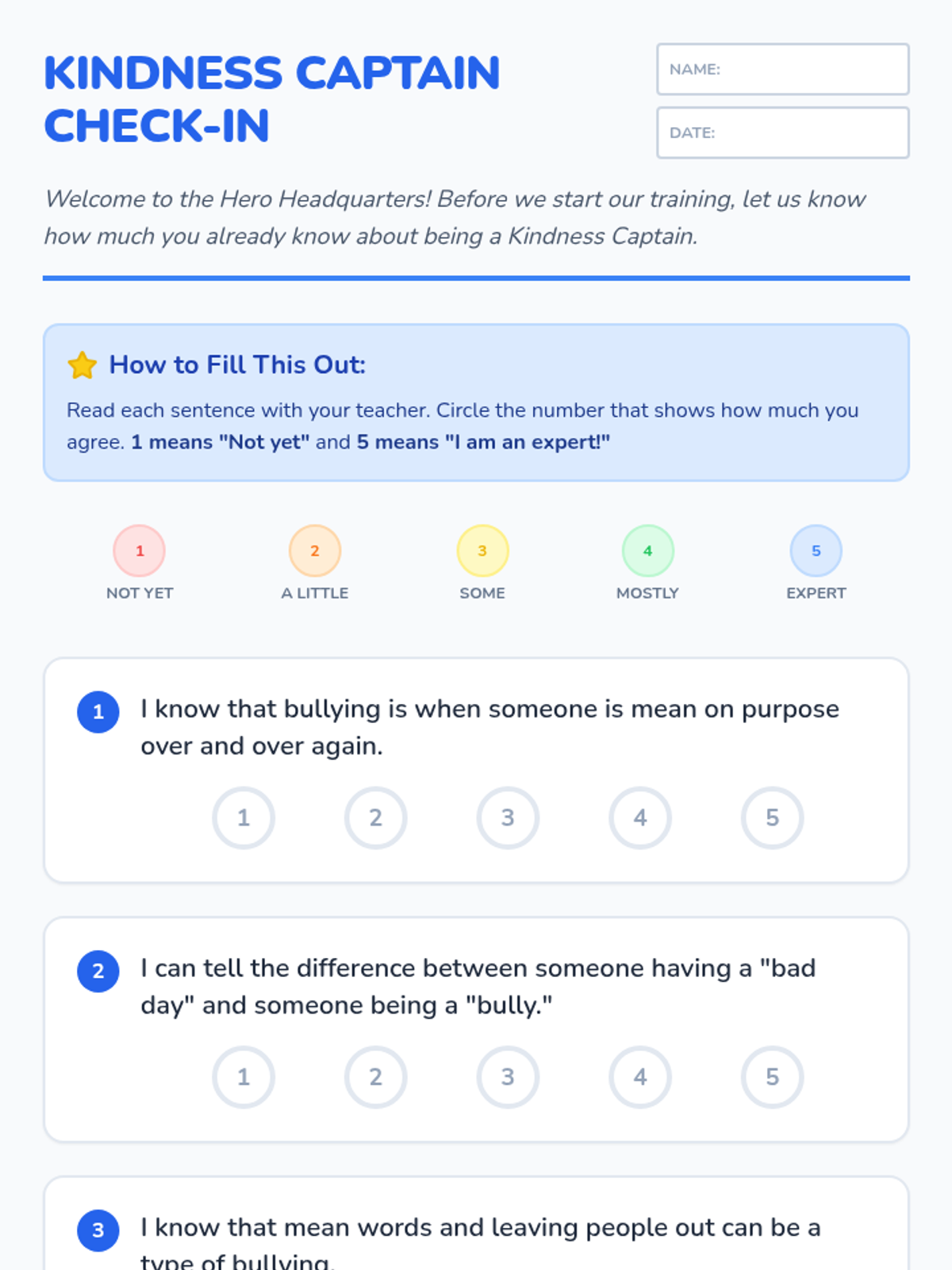
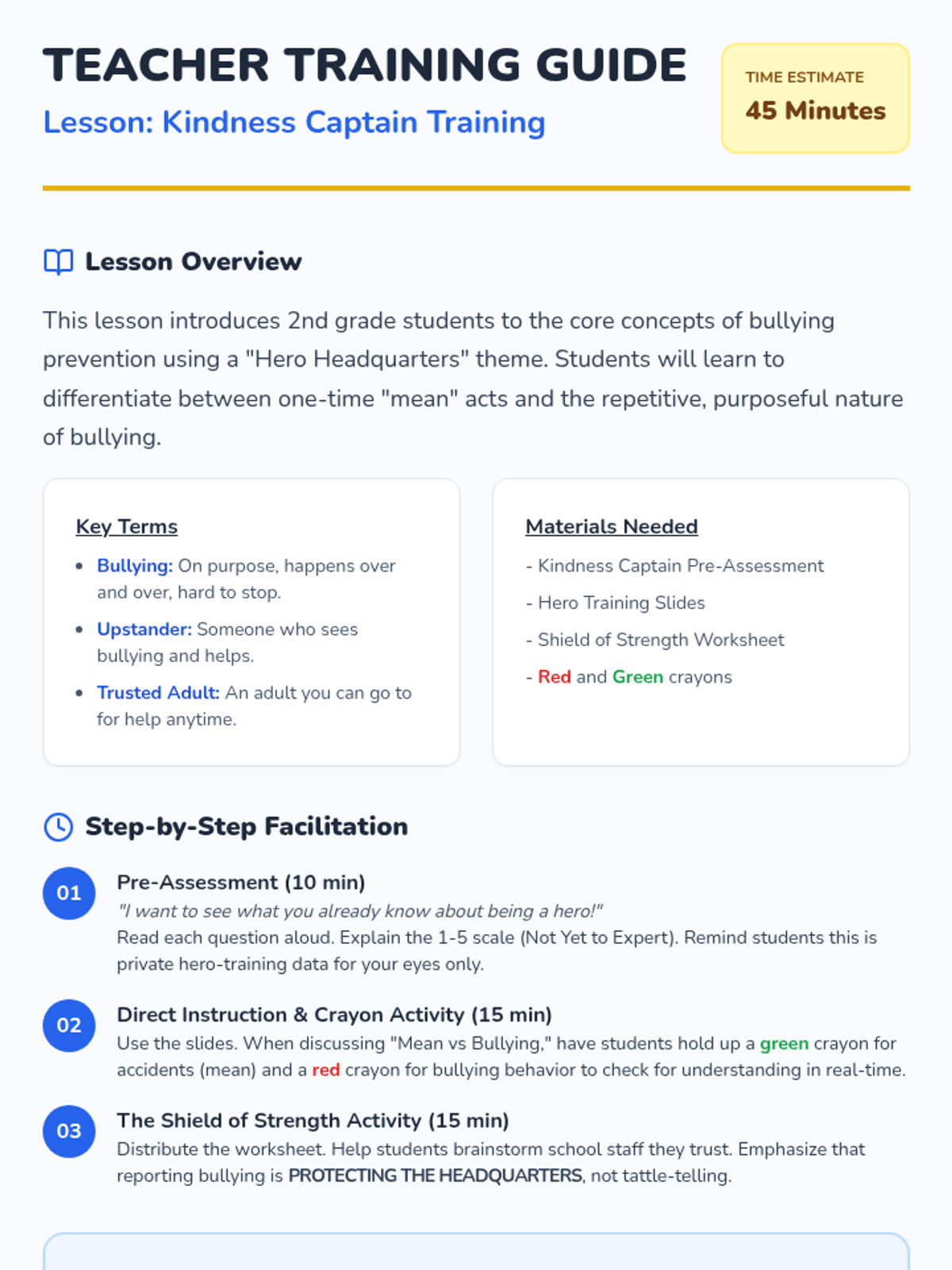
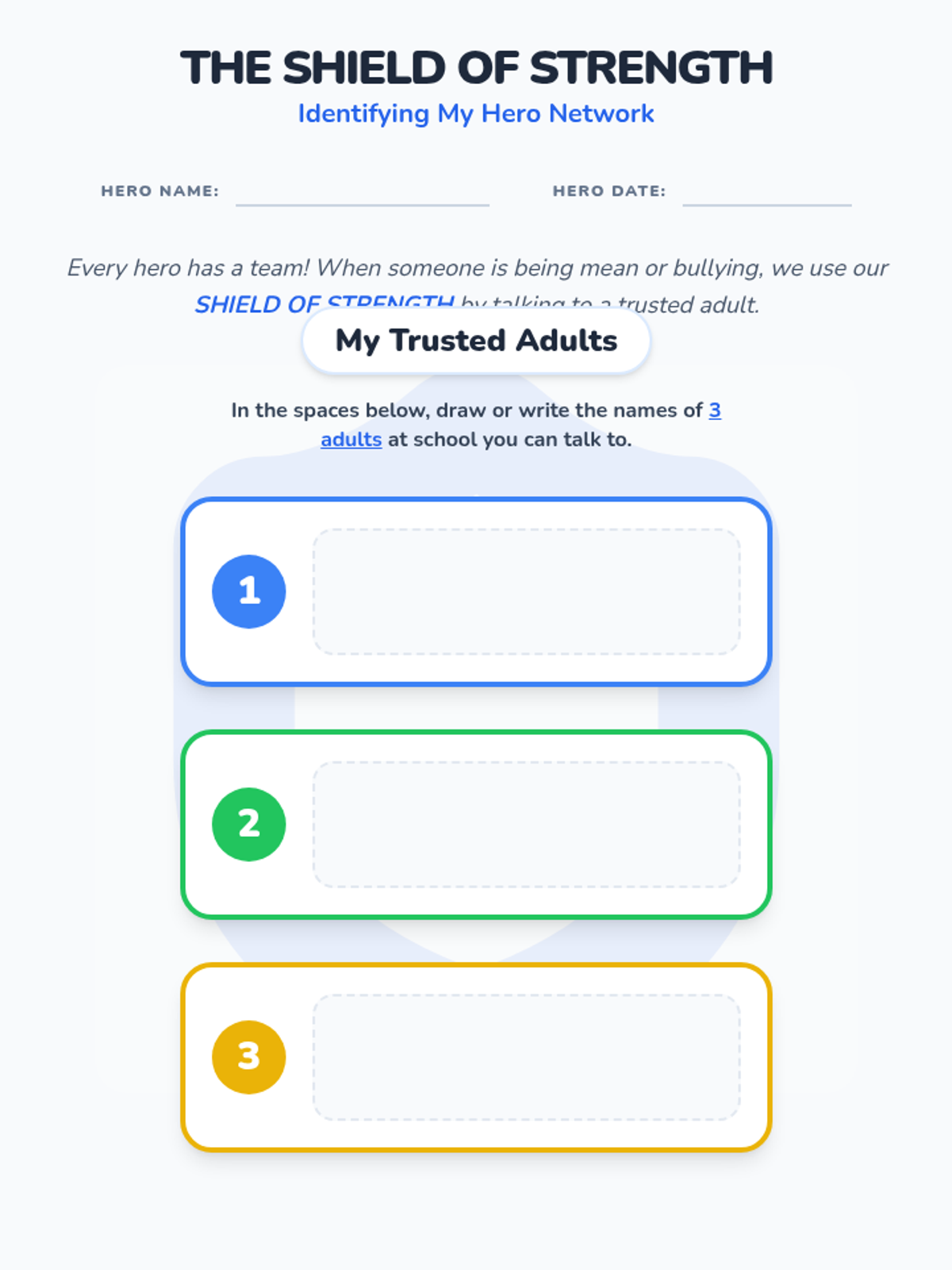
An introductory lesson on bullying prevention where students learn to distinguish bullying from mean behavior and identify their network of support. Includes a pre-assessment to gauge baseline understanding and attitudes.
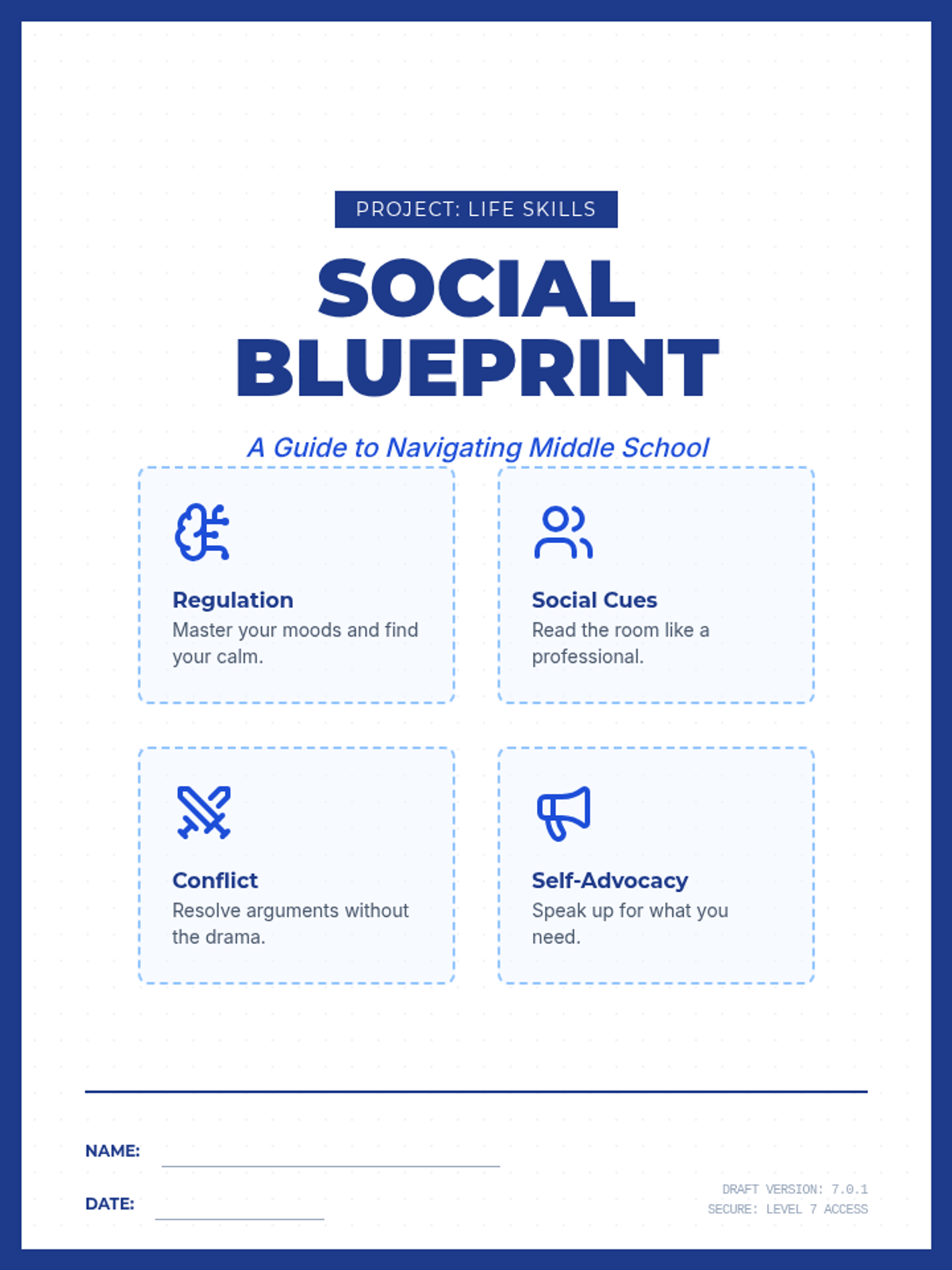
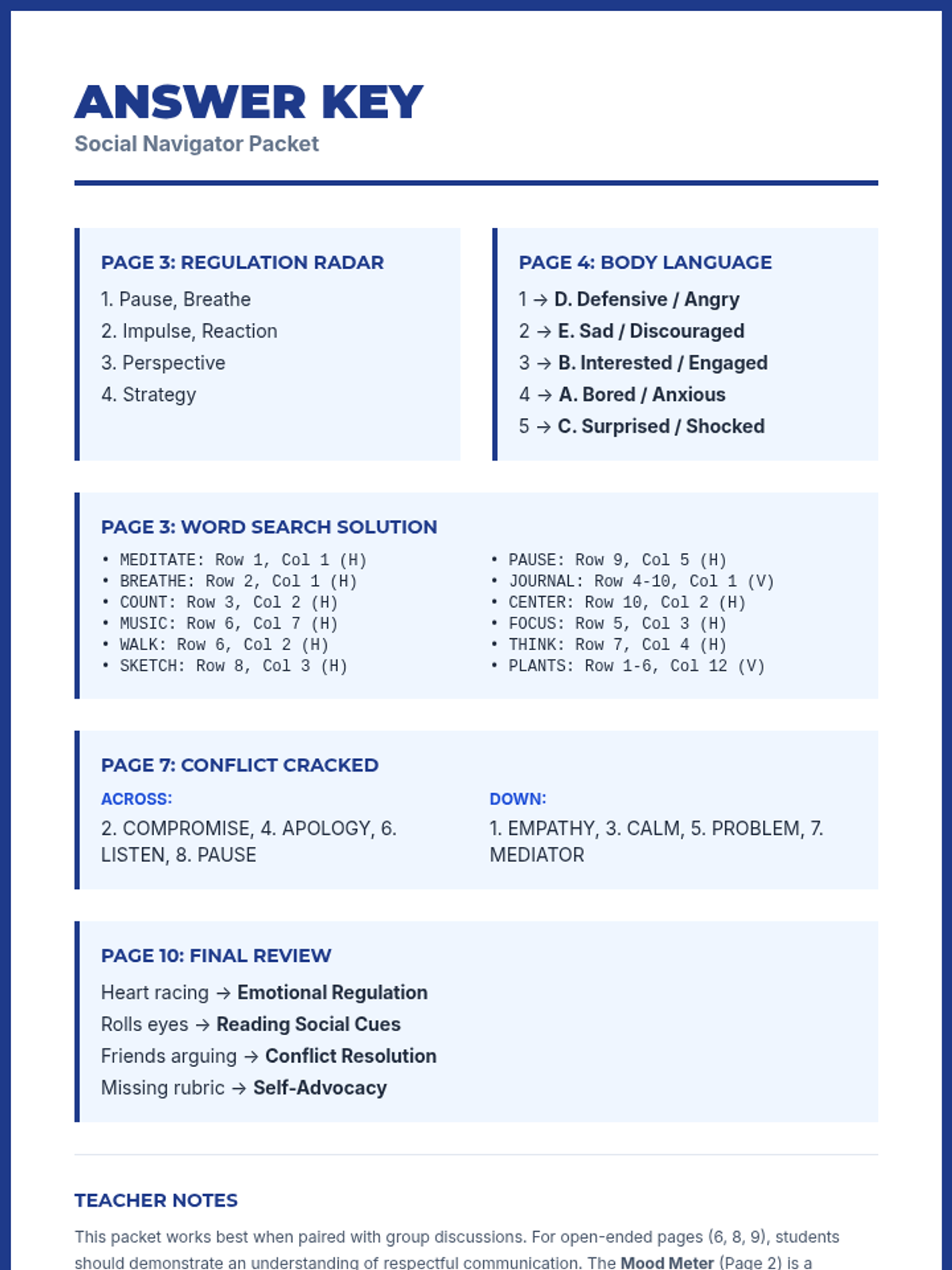
A comprehensive 10-page packet designed for 7th graders to develop essential social-emotional skills including emotional regulation, reading social cues, conflict resolution, and self-advocacy.
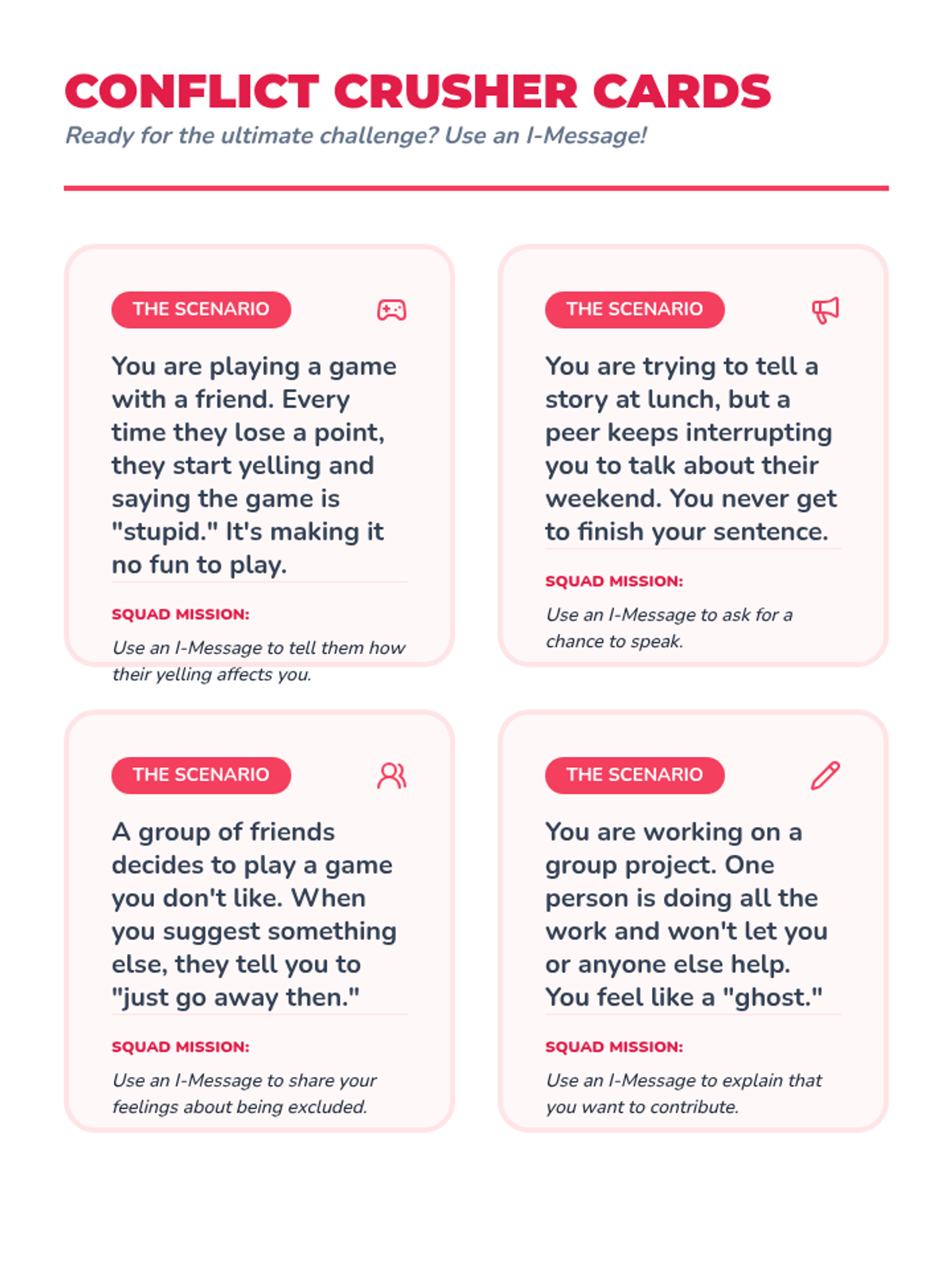
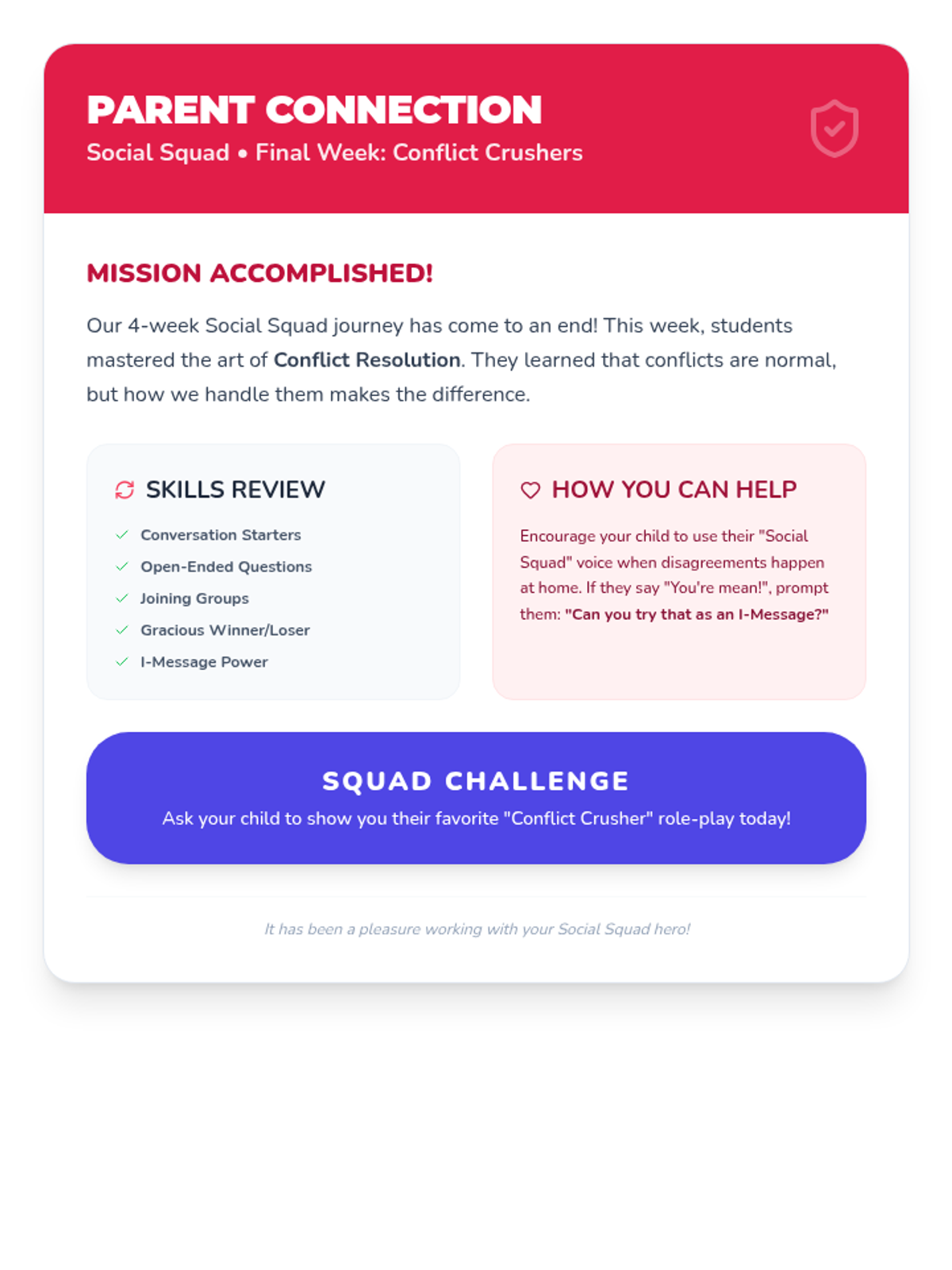
Synthesizes friendship and communication skills to resolve common peer conflicts through role-play.
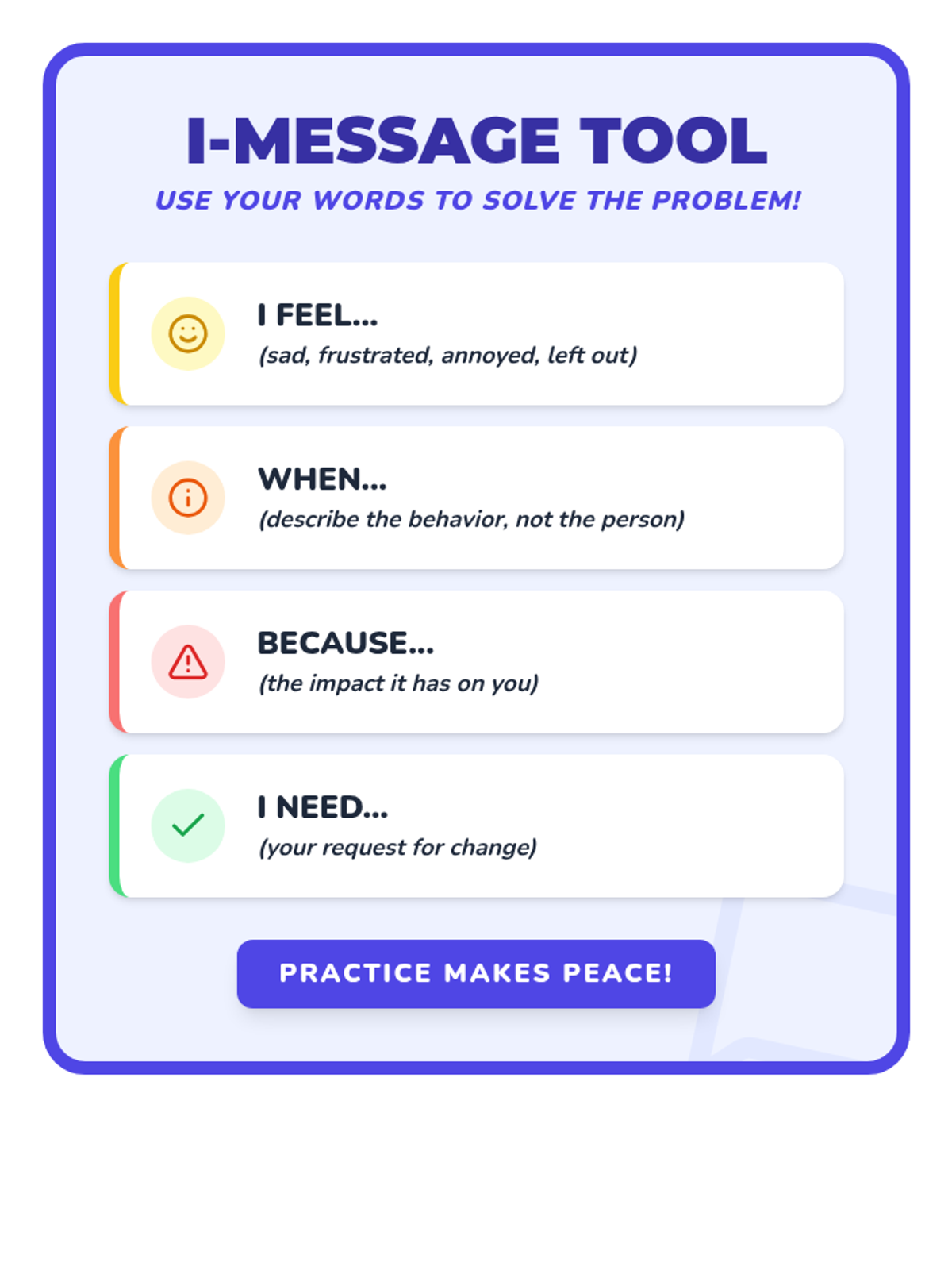
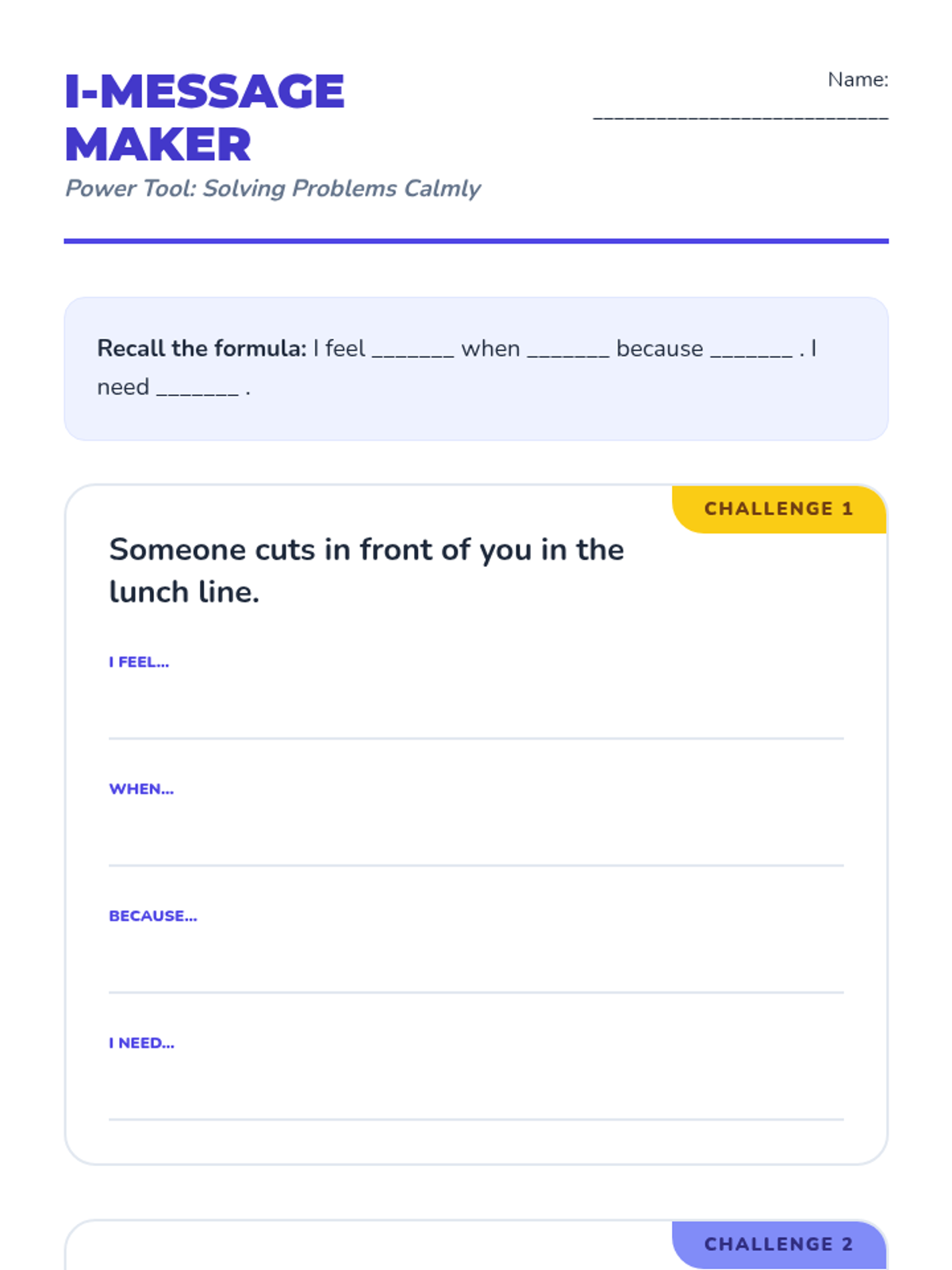
Introduces the I-Message formula as a tool for expressing feelings and needs during disagreements.
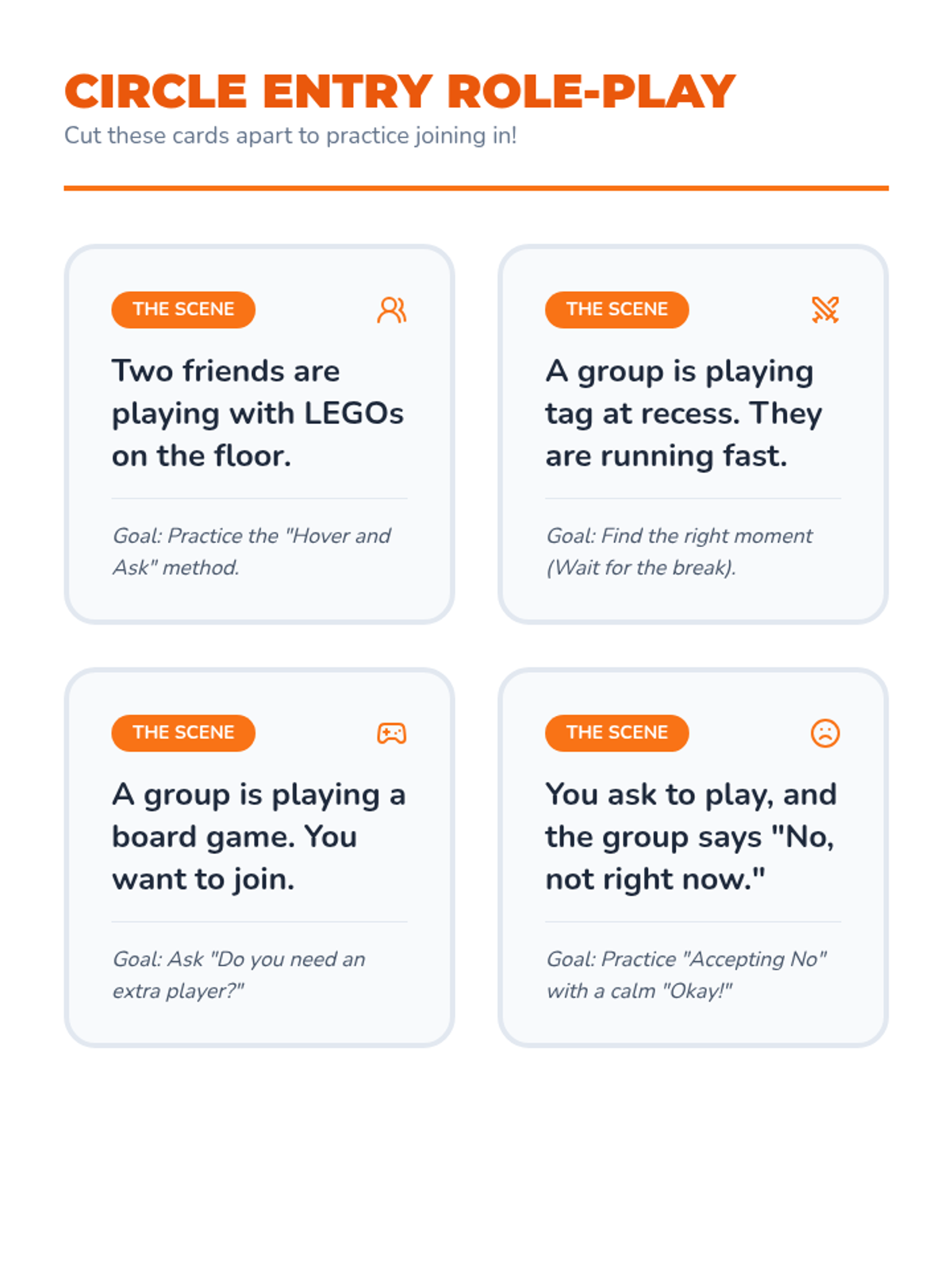
Focuses on the subtle social skills of joining a group already in progress and being a gracious teammate.
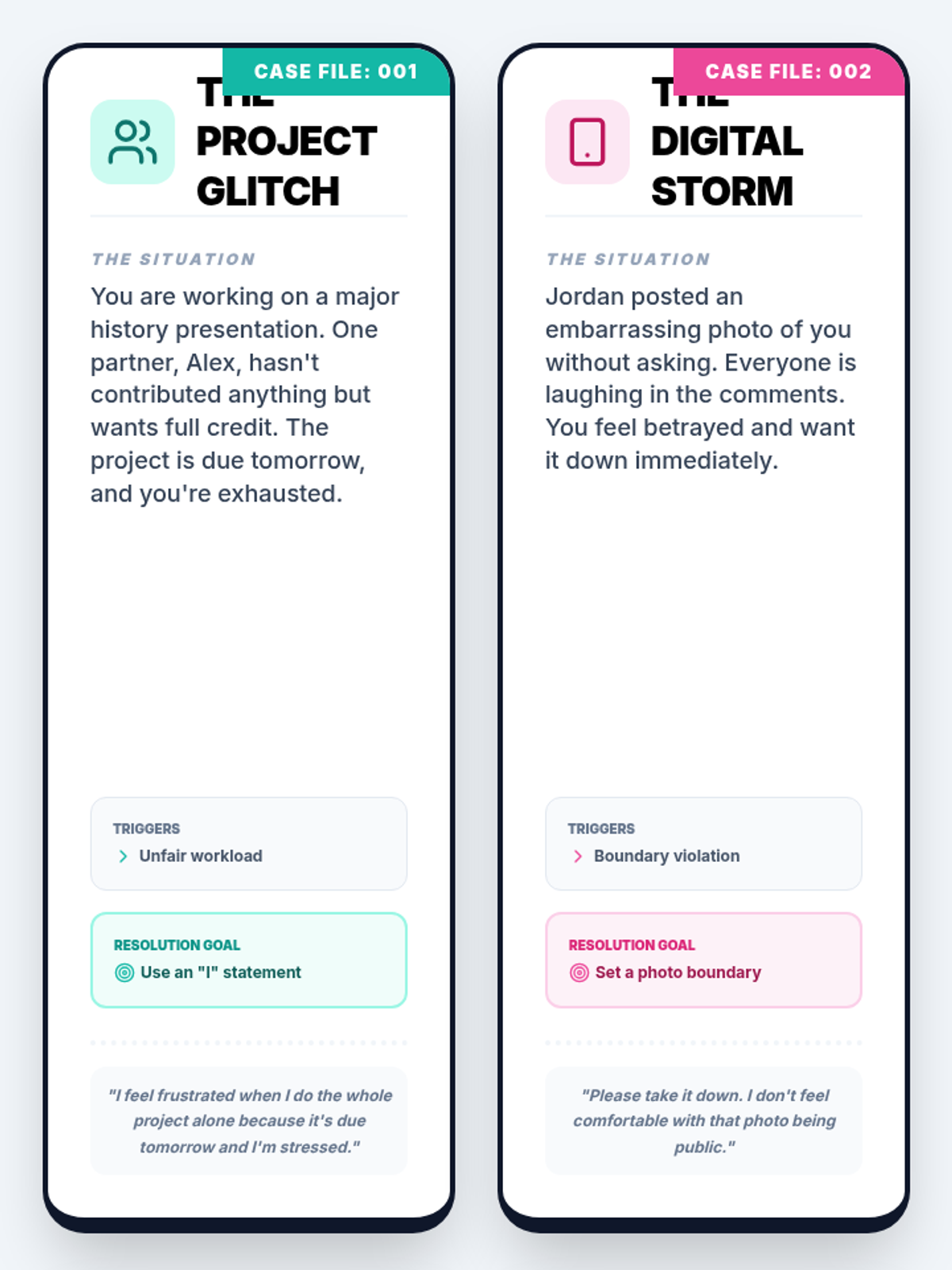
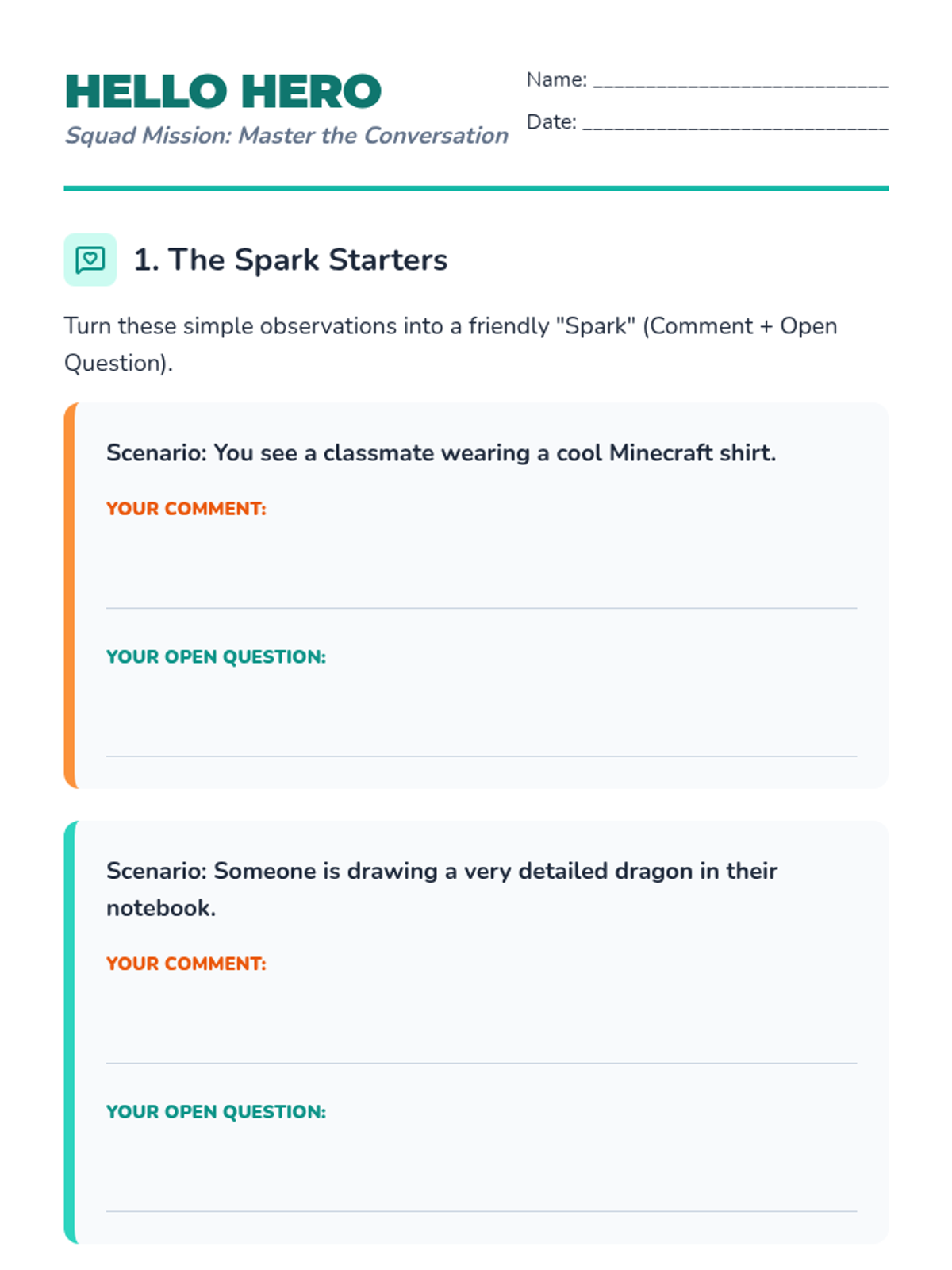
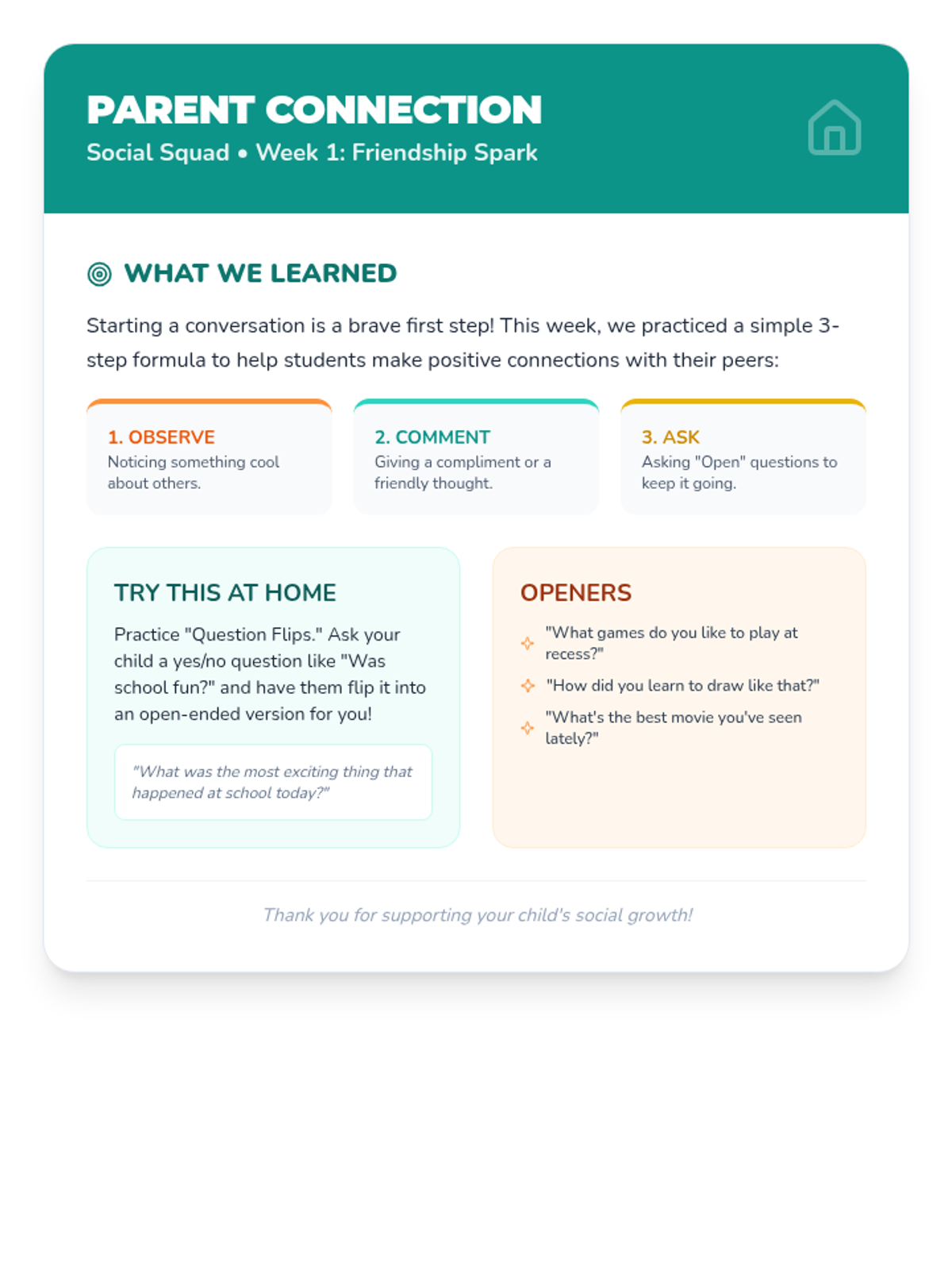
Students learn the basics of starting conversations, finding common ground, and the qualities of a good friend.
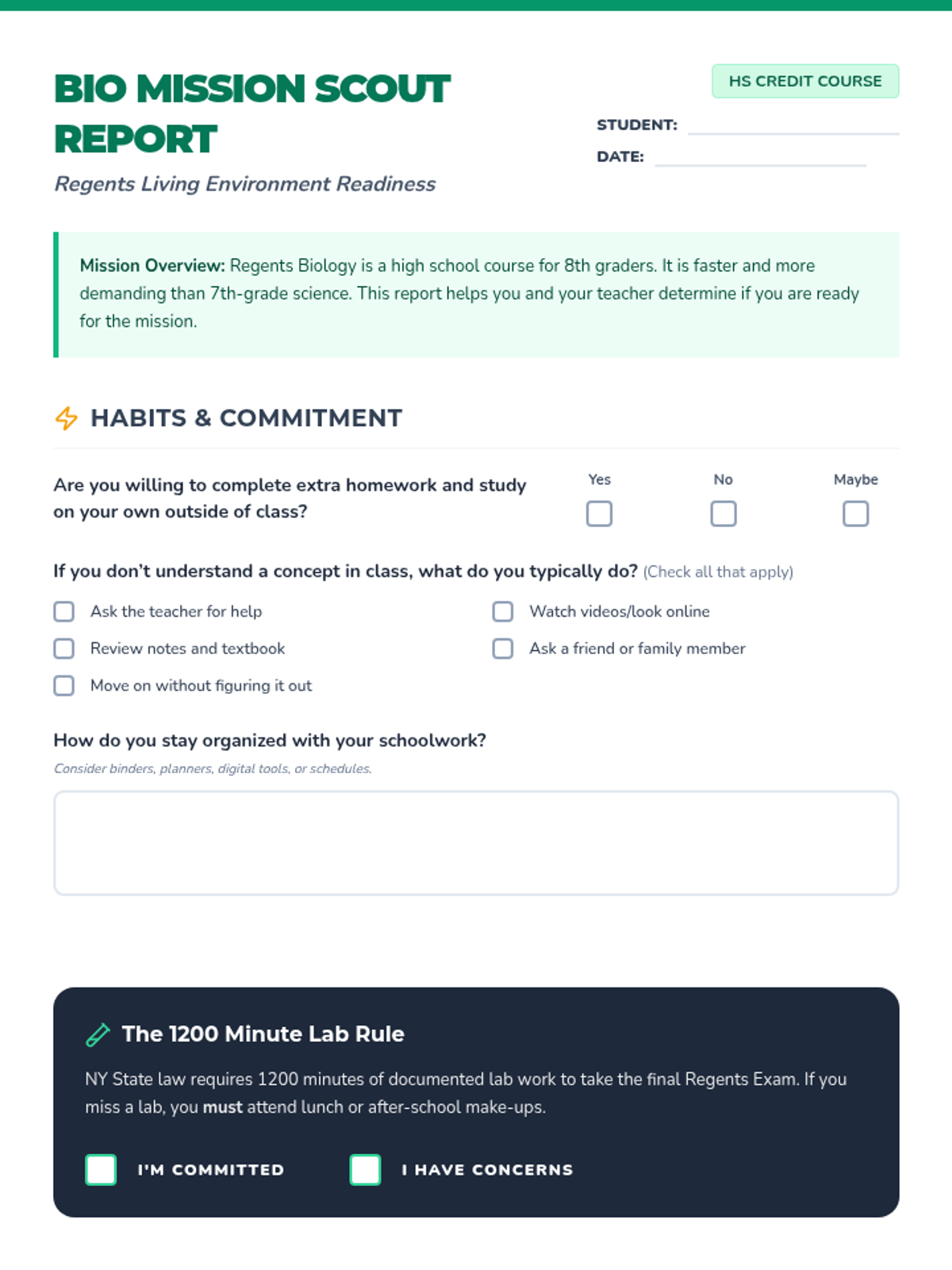
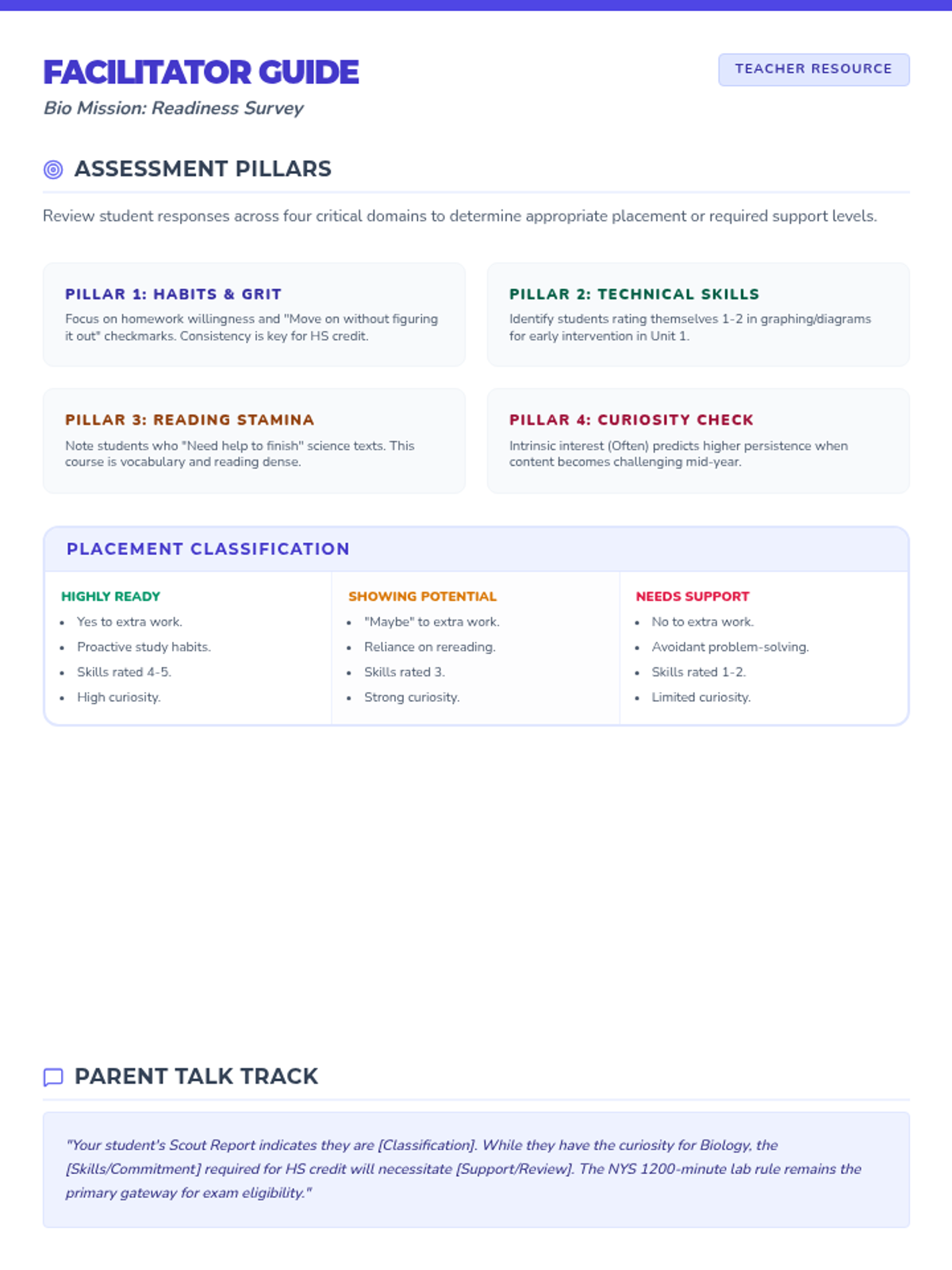
A readiness lesson designed to help 7th-grade students evaluate their interest and commitment levels for taking the high school level Regents Living Environment (Biology) course in 8th grade. Includes a comprehensive interest survey and a teacher's discussion guide.
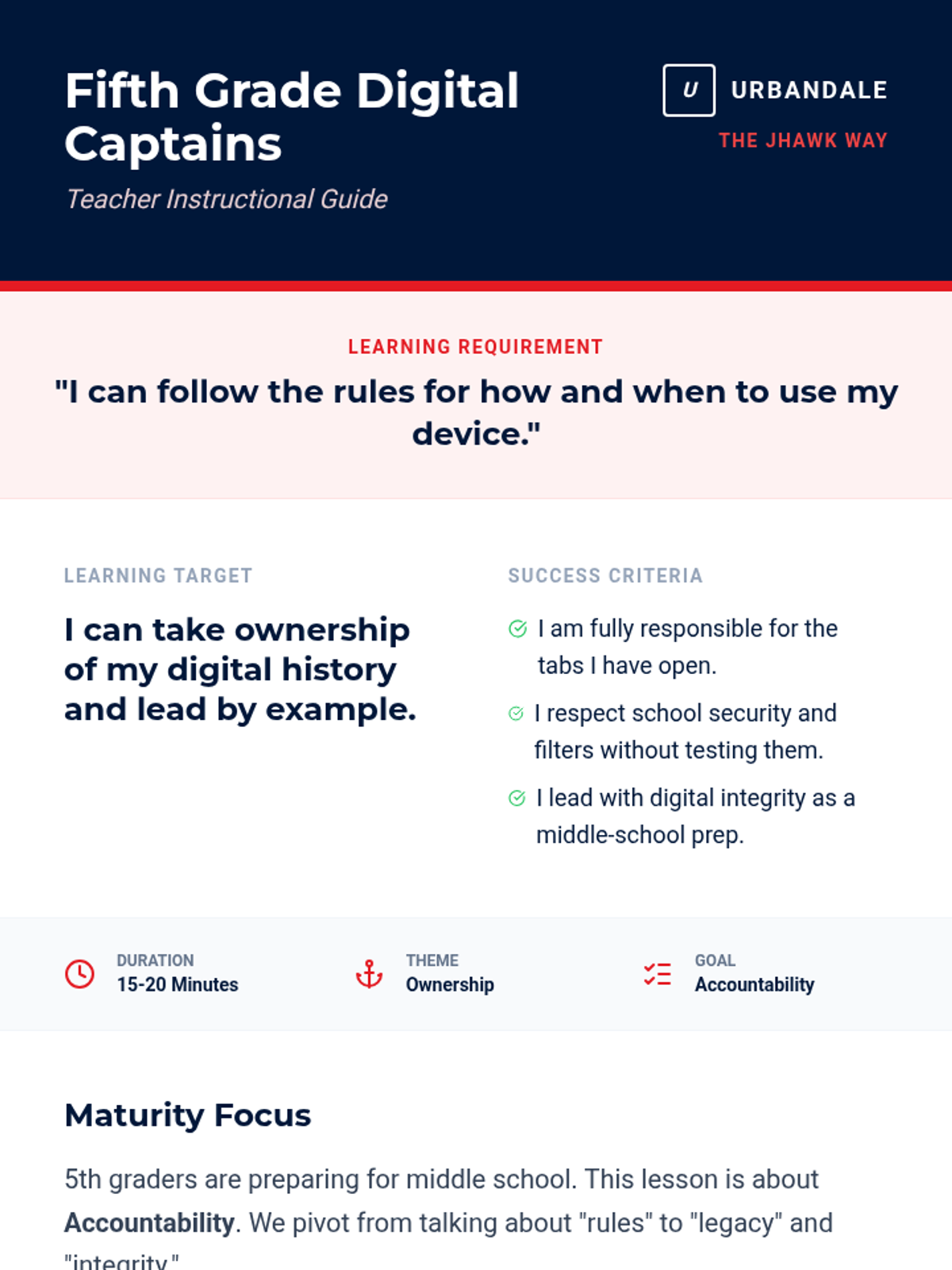
Empowers 5th graders to lead by example, discussing the importance of academic integrity and resisting the urge to bypass school filters.
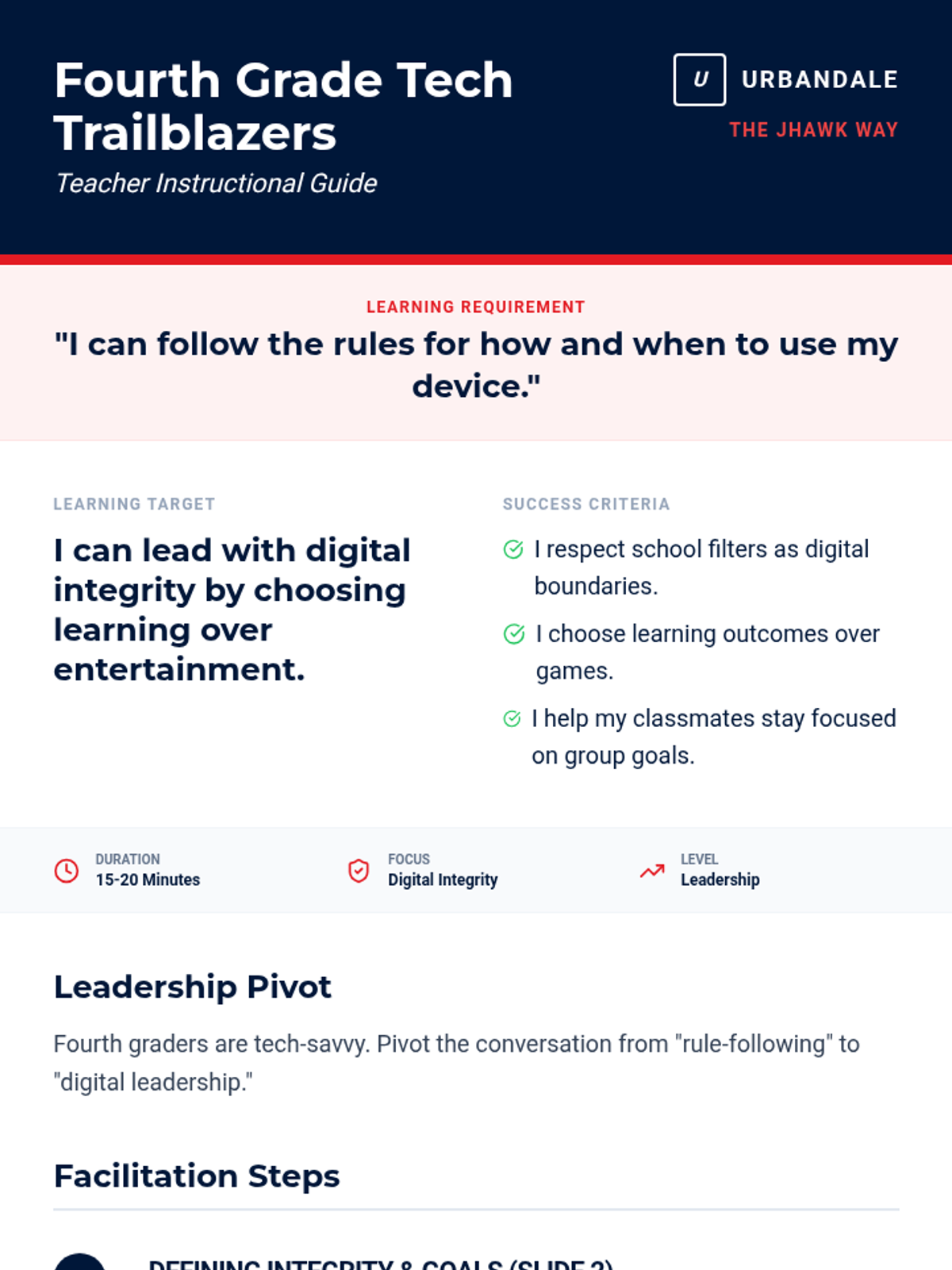
Addresses the specific challenges of 4th graders, focusing on avoiding game websites and maintaining focus on assigned tasks.
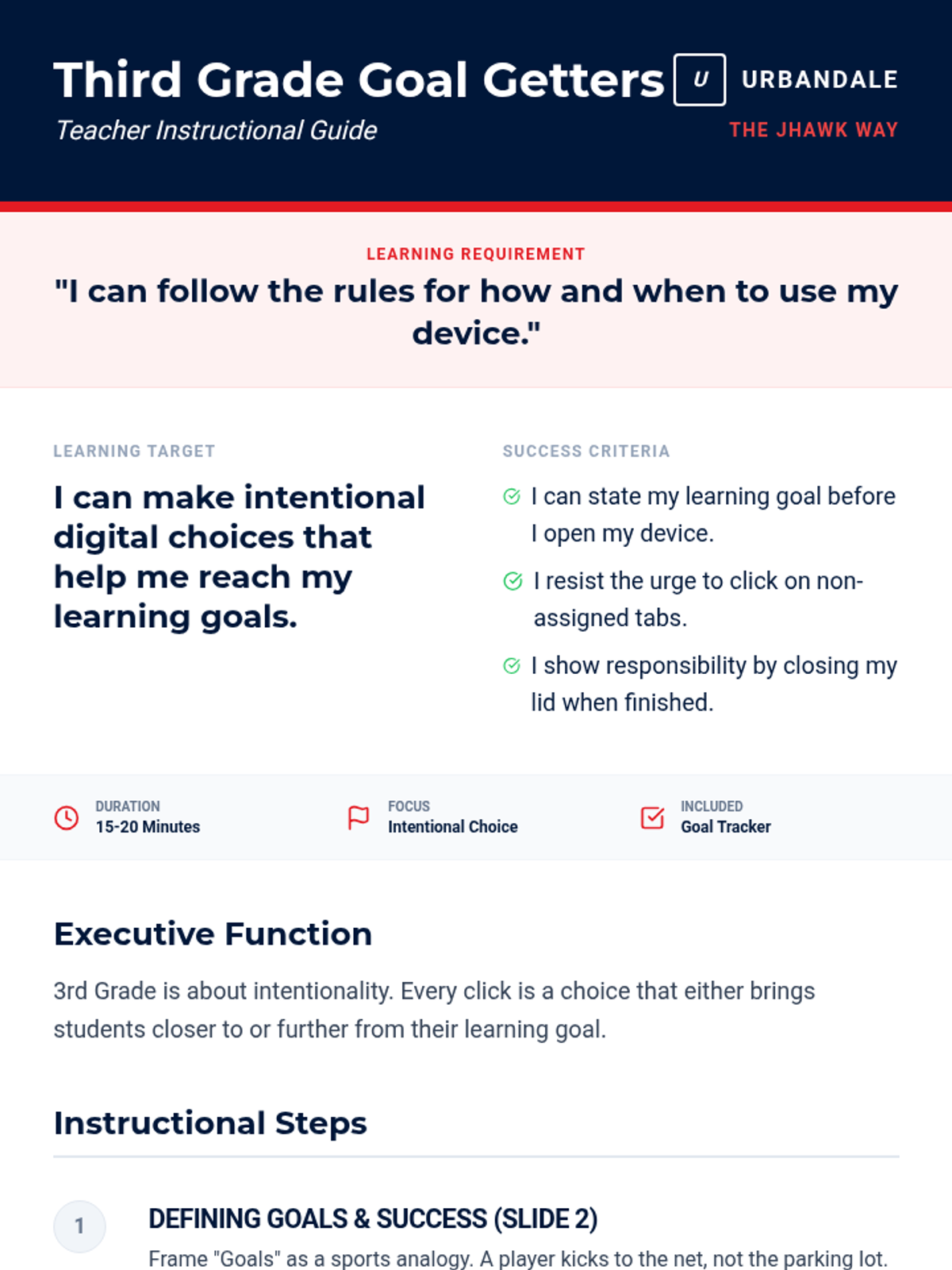
Helps 3rd graders identify common online distractions and practice making responsible choices that align with their learning goals.
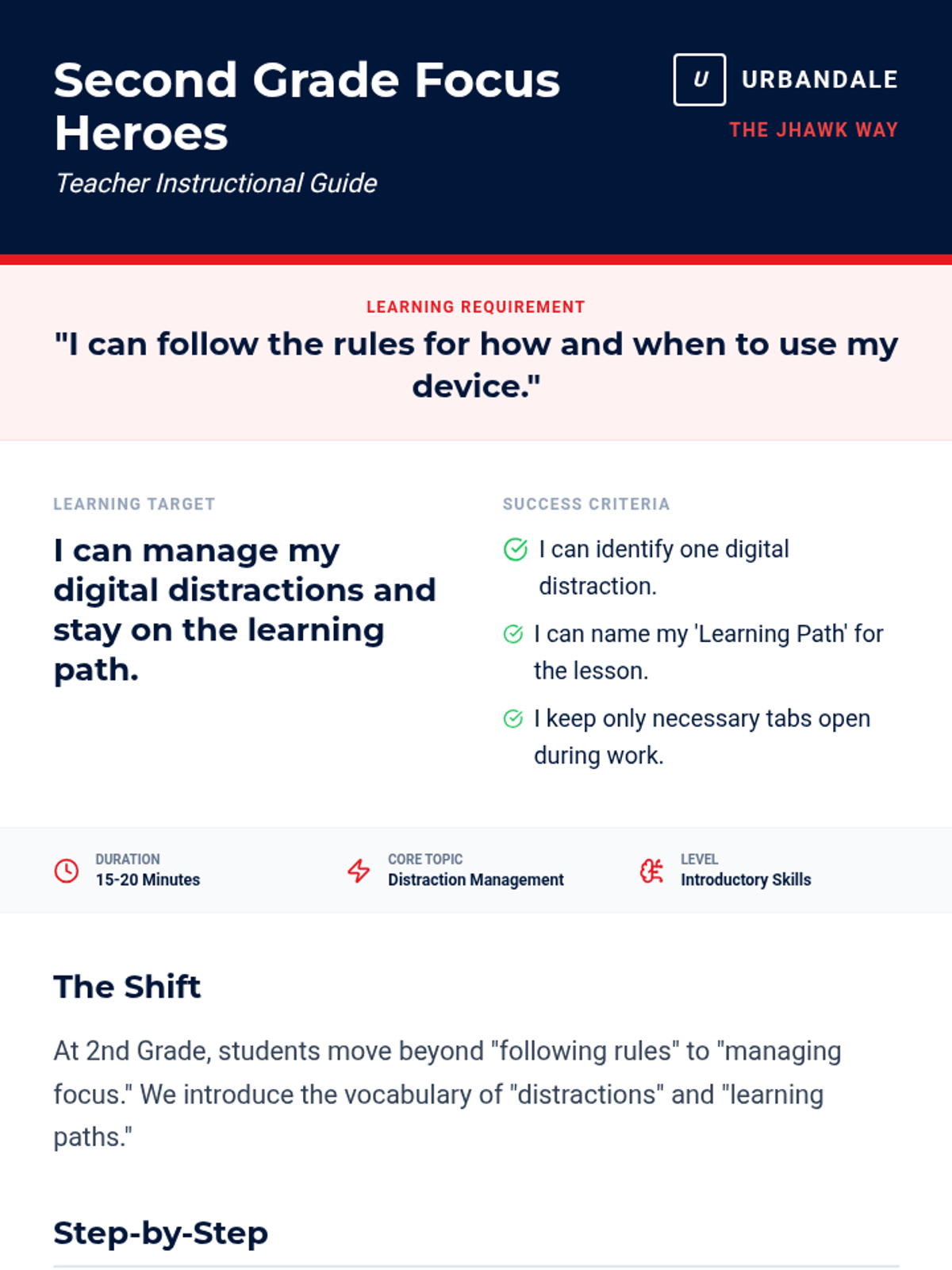
Introduces 2nd graders to the idea of managing digital distractions and staying on task during learning time.
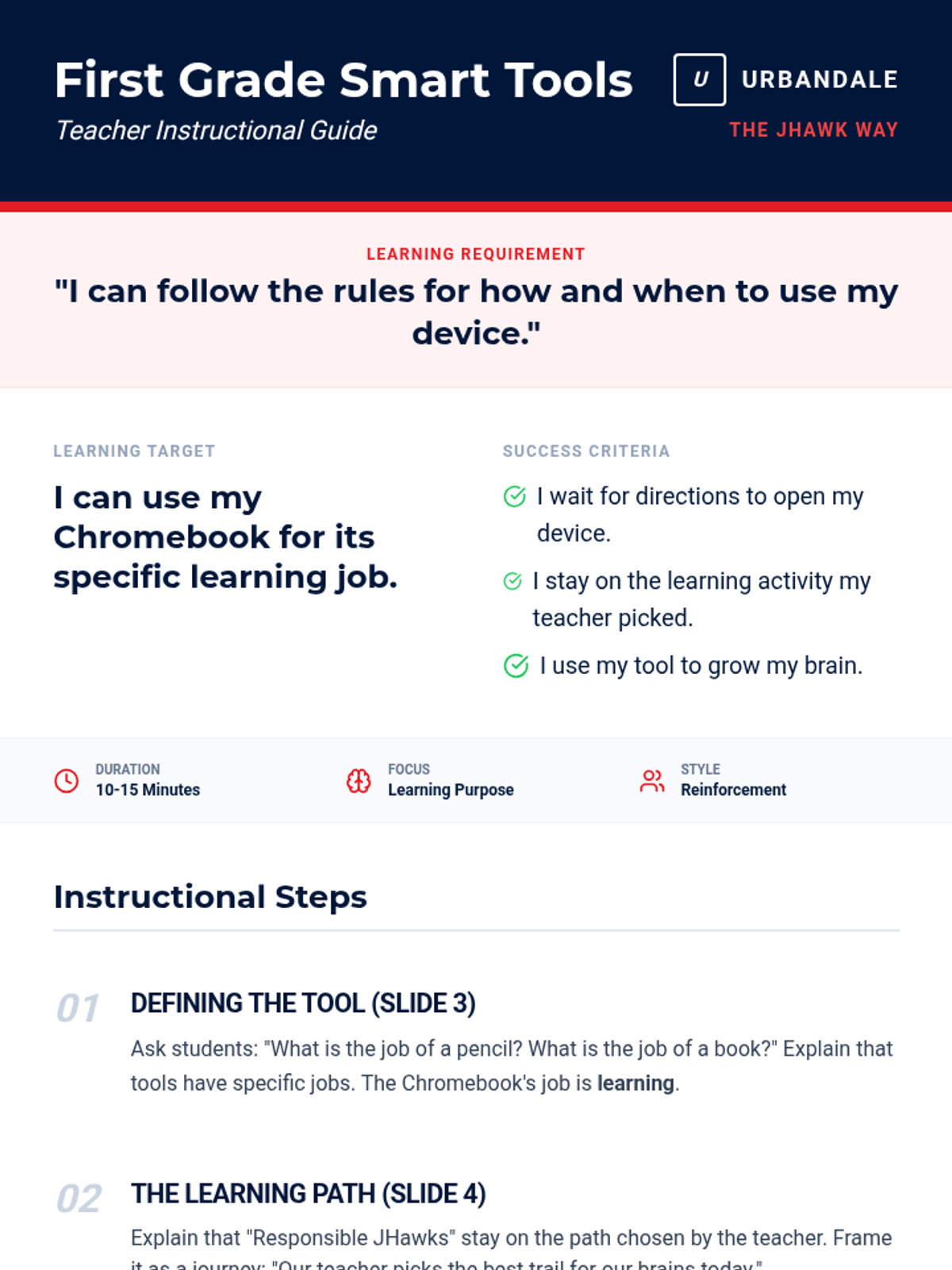
Reinforces the 'Tool not Toy' concept for 1st graders, emphasizing the JHawk Way of being Responsible with school technology.
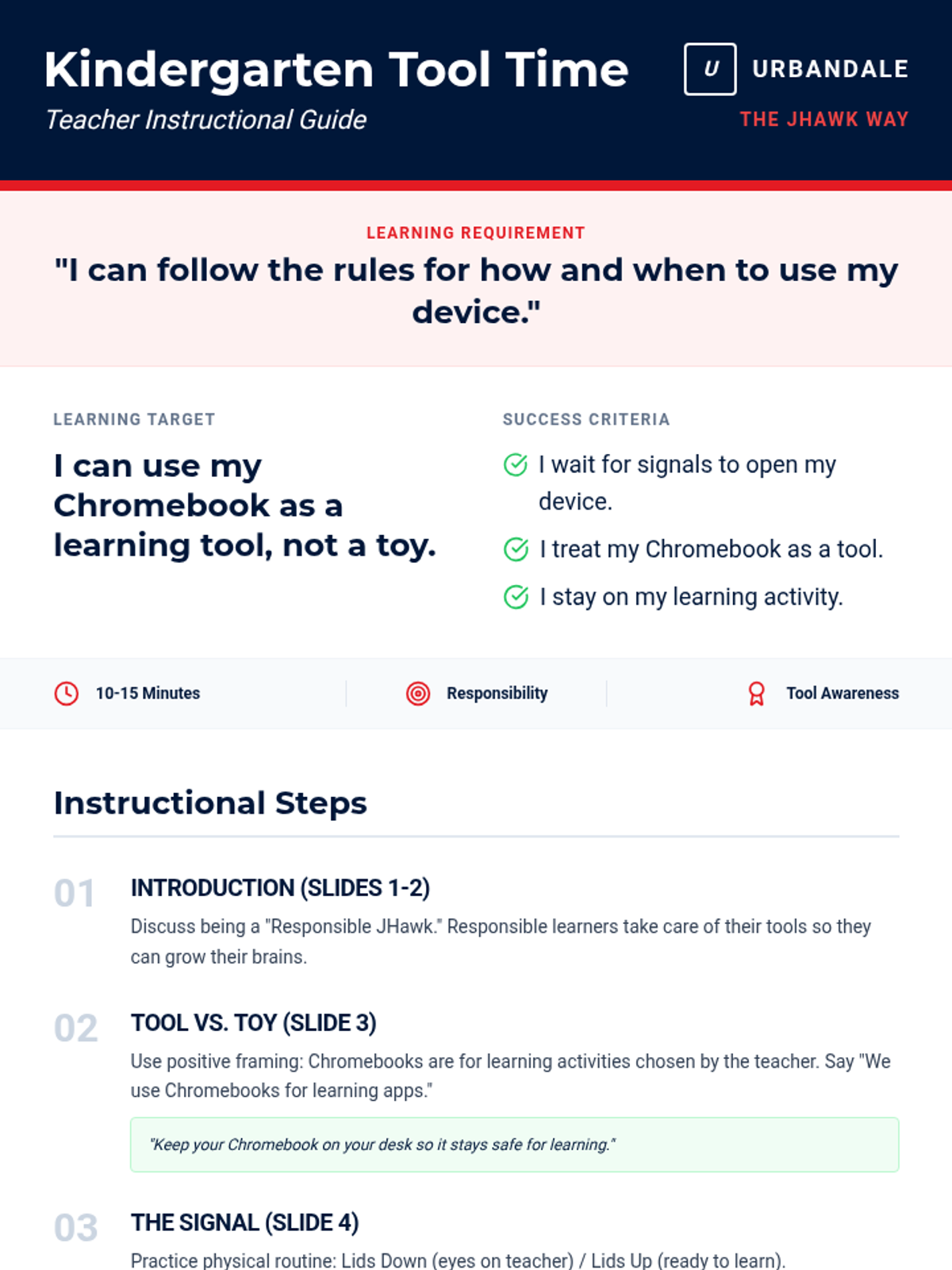
Introduces Kindergarteners to the concept that Chromebooks are learning tools, not toys, focusing on following teacher directions for when to use them.
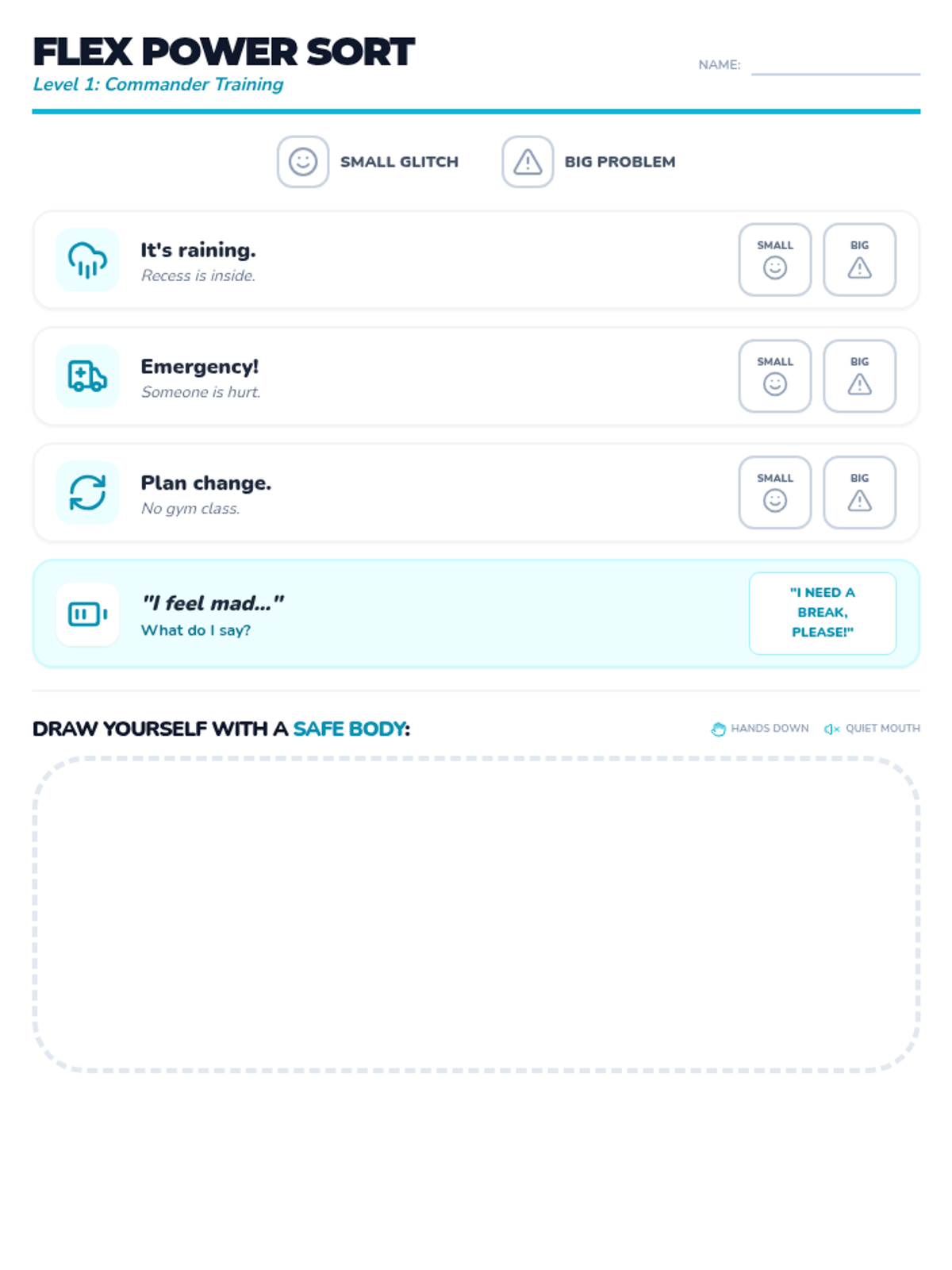
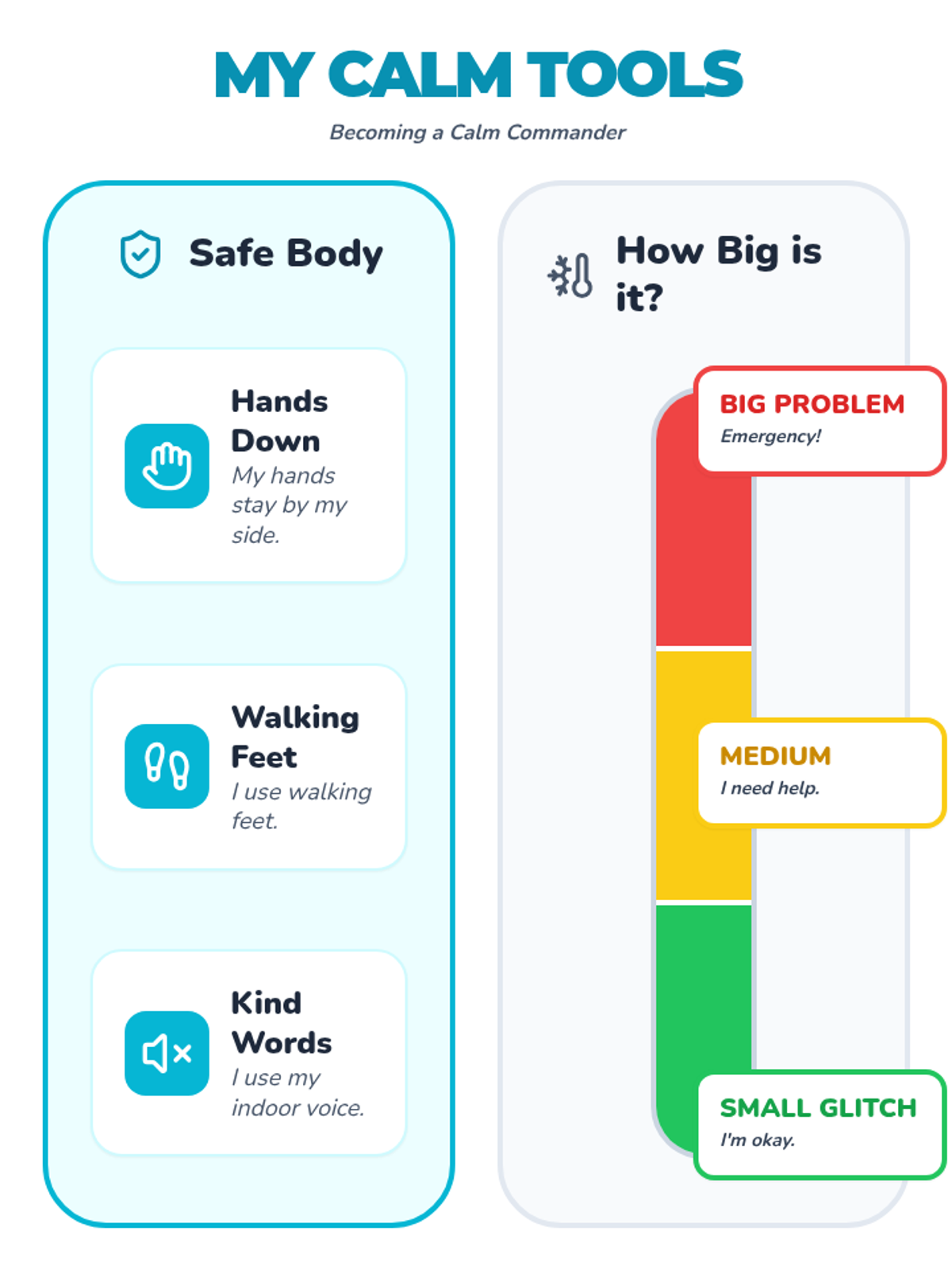
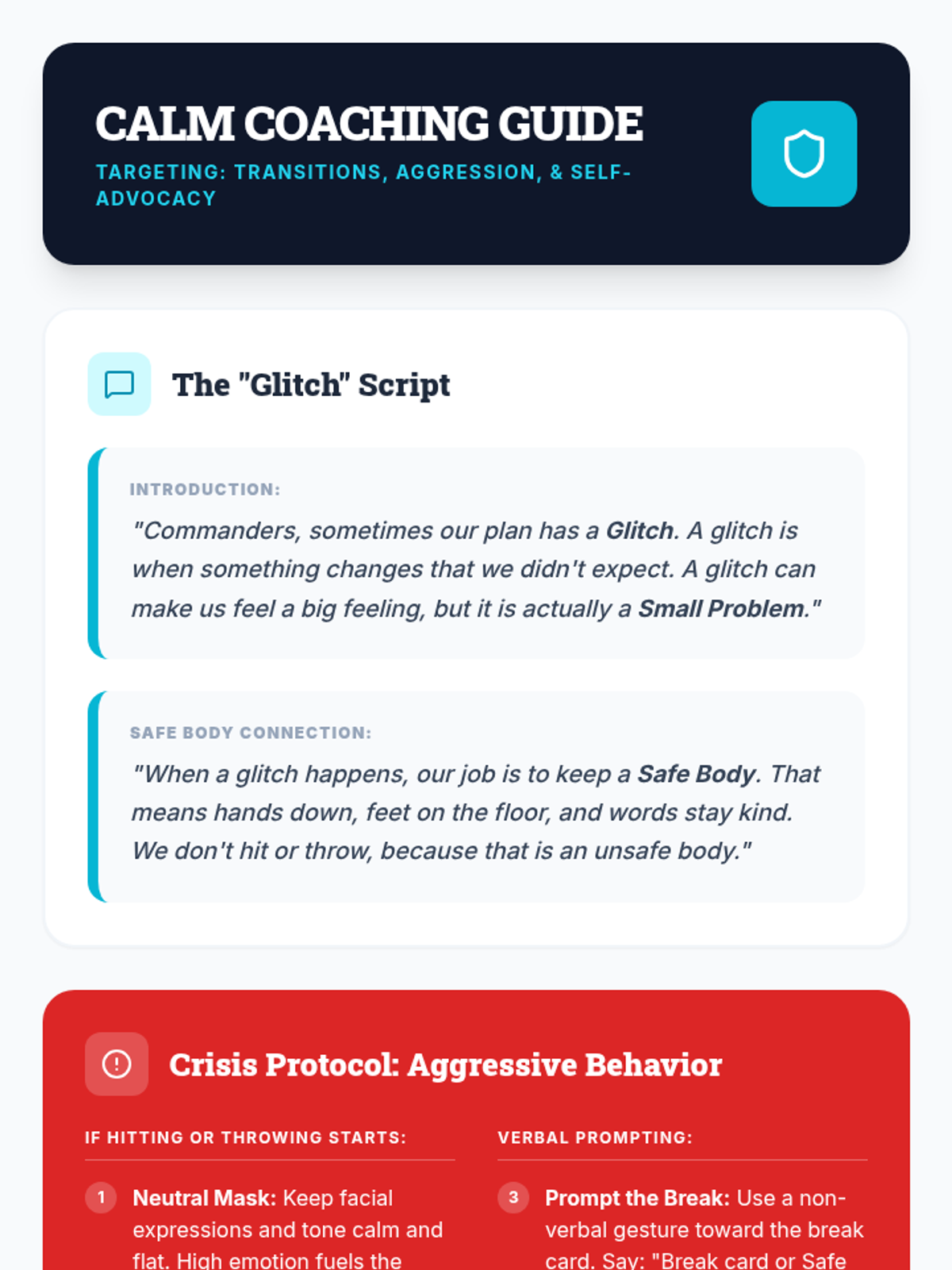
This lesson teaches students to distinguish between big and small problems, maintain a safe body during plan changes, and use a 'break' card effectively.
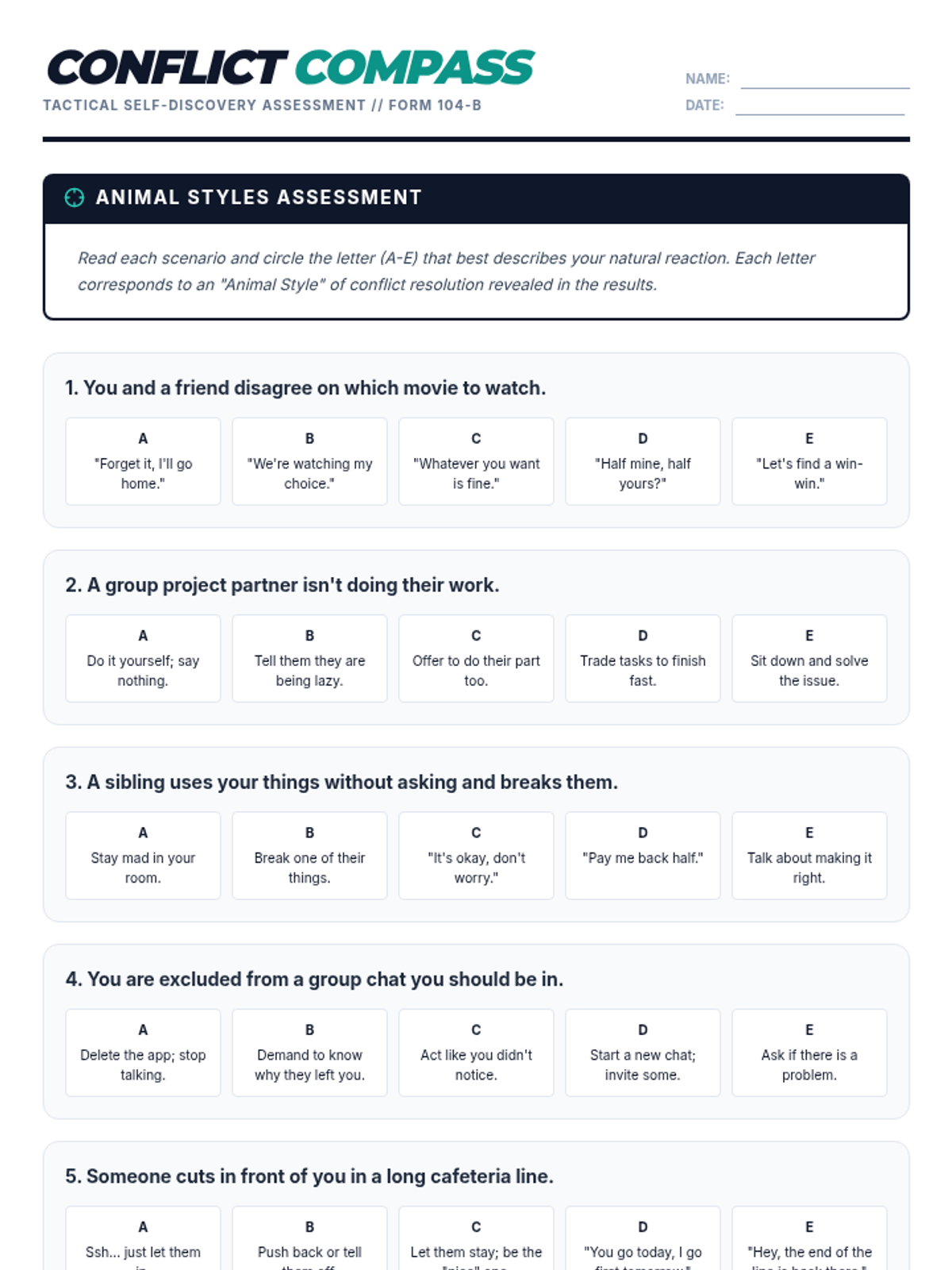
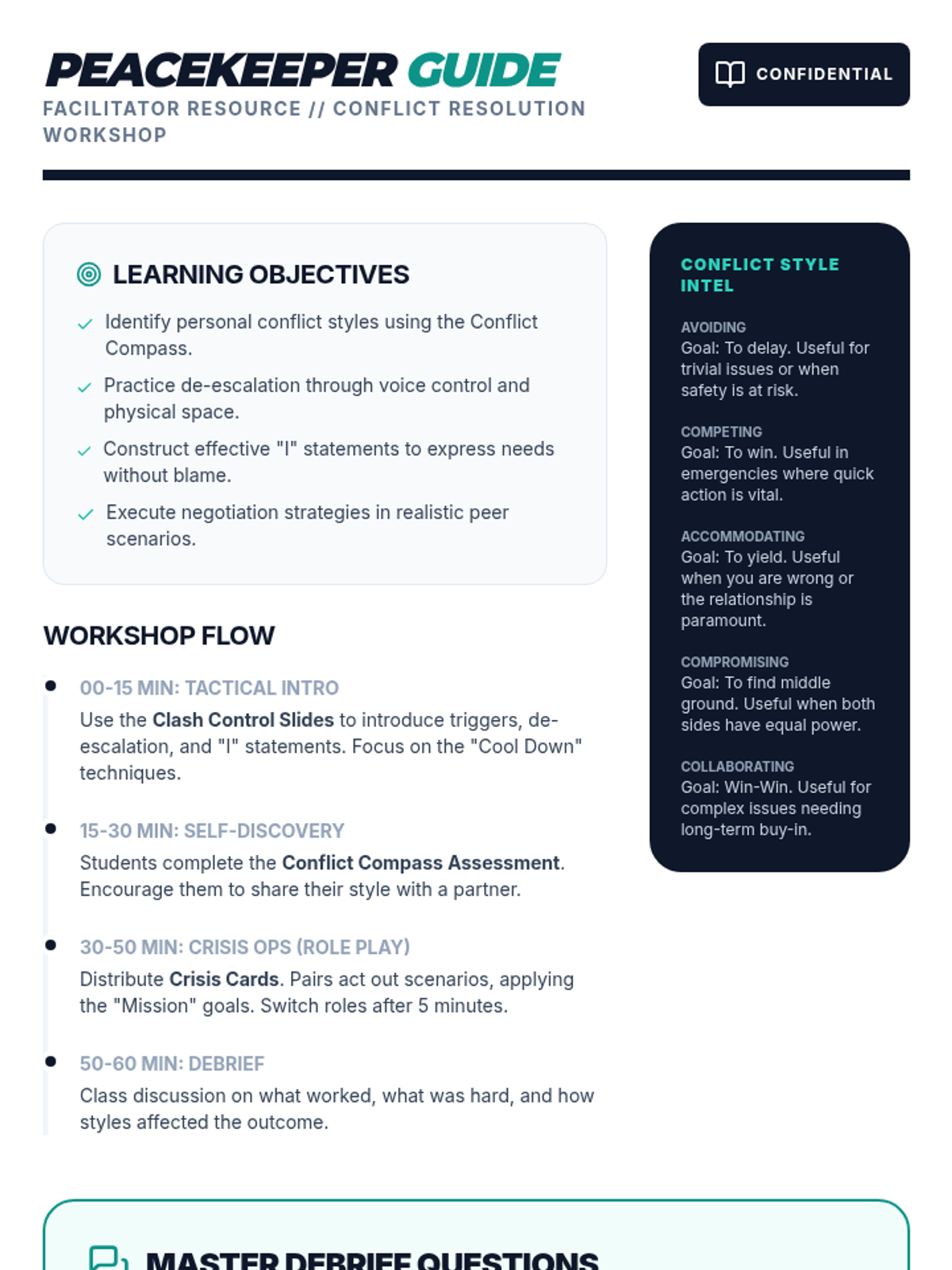
A dynamic workshop on conflict resolution skills, including identifying triggers, de-escalation, and negotiation through interactive role-play and self-discovery.