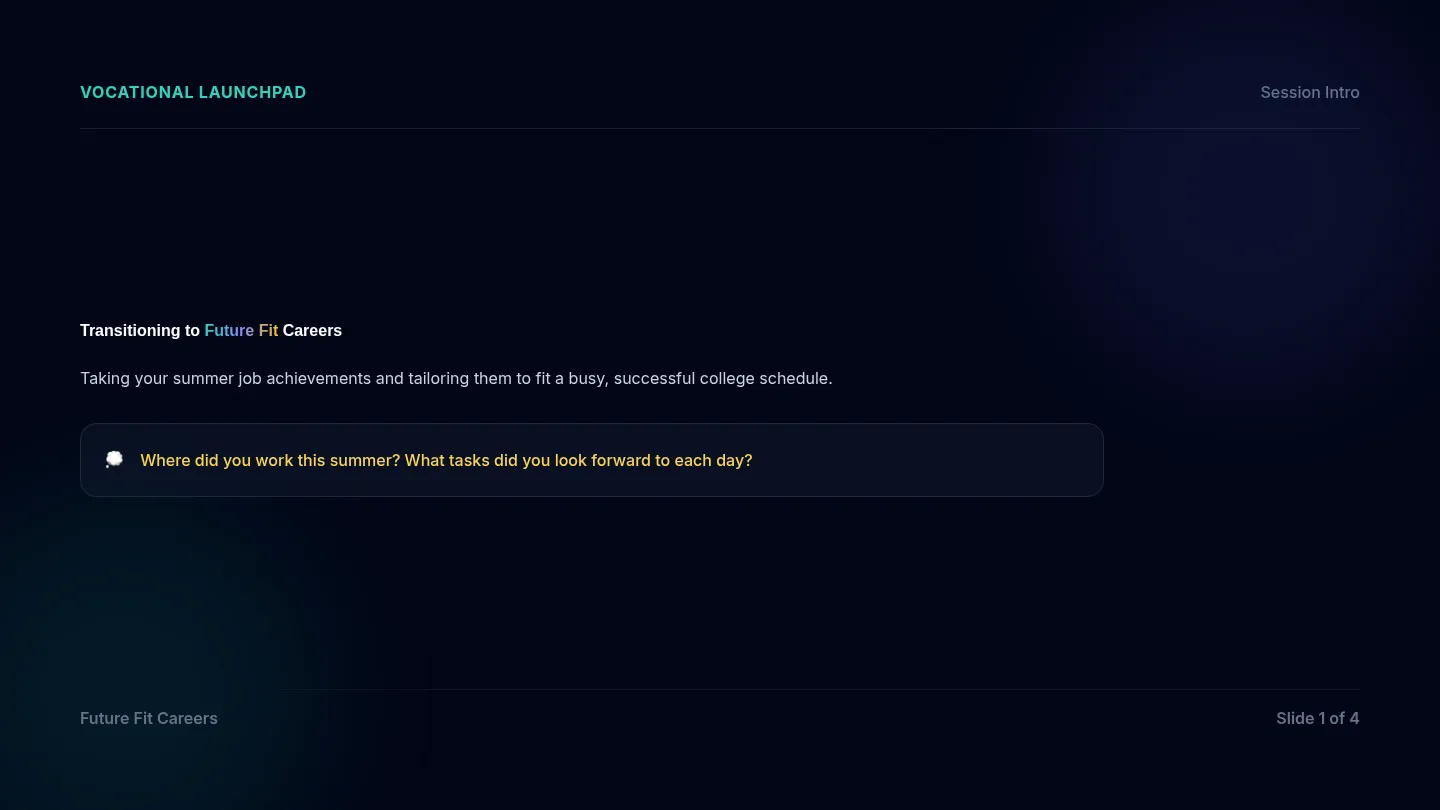
Needs Wants Slides
Needs vs Wants
Make Your Money Work For You
Mastering the art of spending with intention and building long-term financial freedom.
The Three-Item Challenge
"If you had to move tomorrow and could only take three things with you, what would they be?"
Survival
Necessity
Sentiment
Defining: The Needs
Essential items required for survival, health, and maintaining employment.
- Safe housing and utilities
- Nutritious food and water
- Basic healthcare and meds
The "Need" Test
"What would happen if I didn't pay for this? Would I be safe? Would I lose my job?"
Defining: The Wants
The "Want" Reality
Wants aren't "bad." They are the things that make life enjoyable. The goal is conscious choice, not total deprivation.
Items that increase comfort and enjoyment but are not essential.
- Dining out and entertainment
- Subscriptions (Netflix, Hulu)
- Hobbies and Upgraded gear
The "Nope" List
People often argue these are needs. They are ALWAYS wants:
Video Games
DLCs, Skins, and Monthly Passes
Designer Brands
Clothing is a need. The logo is a want.
Newest Tech
The "latest model" of anything is a want.
Dining Out
Food is a need. Paying for service is a want.
The Emotional Trap
"But I need video games to de-stress after a 12-hour shift!"
The Logic Check:
Mental health and stress relief are essential. Spending money on expensive "wants" to achieve them is a financial choice, not a survival requirement.
Survival vs. Well-being
You cannot de-stress if you are evicted because you bought V-Bucks instead of paying Rent.
"Prioritize survival so you can enjoy well-being later."
The Need Test
Safety & Health
Would my body be physically unsafe or sick without it?
Employment
Would I lose my job or be unable to work without it?
If Both Are NO:
IT'S A WANT
The "Gray Area"
The line between Needs and Wants can be blurry.
Internet
"Need for work, but high speed is a want."
Car
"Commuting is a need. A luxury car is a want."
Food
"Groceries are a need. Organic ribeye is a want."
Opportunity Cost
"What am I giving up by choosing this?"
Every dollar spent on a want today is a dollar not working for your future needs.
The Power of Choice
Monthly Illusion
$70.00 Video Game
Yearly Opportunity
$840.00 Saved
In 10 Years...
That $70/month, invested at 7%, becomes:
$12,000+
One game a month = A major emergency fund or a used car.
The 50/30/20 Strategy
50%
Needs
Rent, Power, Water, Basic Food
30%
Wants
Games, Dining, Shopping, Fun
20%
Savings
Debt, Emergency Fund
"Don't tell me what you value. Show me your budget, and I'll tell you what you value."
Your Next Step:
Identify ONE "want" today that you can pause for 30 days.
Needs Wants Facilitator Guide
Facilitator Guide
Needs vs Wants: Make Your Money Work for You
Duration: 120 Mins
Adult Education Series
Objectives
- Define "need" and "want" through an adult lens (survival vs. lifestyle).
- Evaluate "The Gray Area" and address common misconceptions (the "Nope" list).
- Apply the concept of Opportunity Cost to daily financial decisions.
Materials Needed
- Needs Wants Slides (Updated with "Nope" List)
- Financial Blueprint Activity Pack
- Whiteboard & Markers
Lesson Timeline
0-15 min
The Hook: What's Your "Essential"?
Slide 1-2. Ask: "If you had to move tomorrow and could only take three things, what would they be?"
Key Prompt:
"How many items are for survival (food) vs. lifestyle (phone)? Why do we feel like the lifestyle items are needs?"
15-45 min
Defining the Divide & The "Nope" List
Slides 3-7. Deliver core definitions then tackle the "Nope" list aggressively.
- Need: Basic survival/work (Housing, utilities, basic food, transport).
- Want: Anything else (Dining, streaming, gaming, fashion).
- The "Nope" List: Explicitly debunk the "Video games are a need" argument.
Handling the Pushback:
If learners argue "I need games to relax," pivot to: "Mental health is a need. Paying for games is a high-cost method of relaxation. You can't relax if your utilities are cut because of the PS5 bill."
45-75 min
Activity: The "Gray Area" Audit
Learners use Page 1 of the Activity Pack. They must categorize items including "Video Games" and "Designer Shoes".
Facilitator Note:
Listen for "Gray Area" justifications. Challenge those who put games in "Needs" by using the "Survival Test": "Would you physically be in danger without this item?"
75-100 min
Opportunity Cost & Gaming Math
Slides 9-10. Focus on the "Hidden Cost" of small habits.
Scenario 1
Buying one $70 game/month vs. investing that into a car repair fund.
Scenario 2
Meal prepping vs. ordering delivery (the "Convenience Want").
100-120 min
Action Plan: 50/30/20 Action
Slides 11-12. Learners must list three "Wants" (like gaming subs or dining out) they can cut. Use the "Commitment Statement" to wrap up.
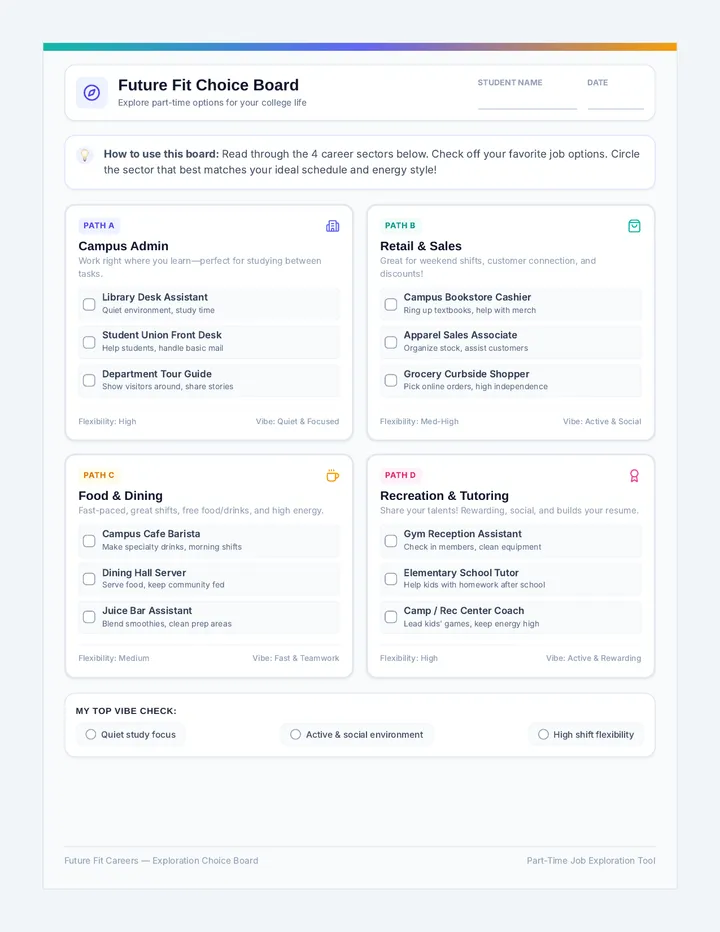
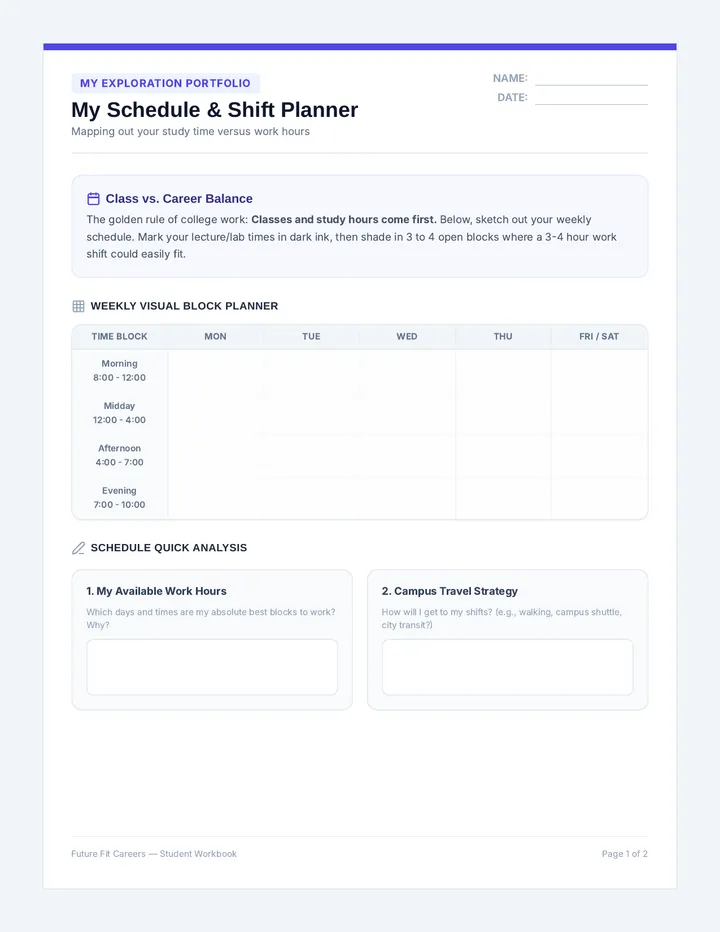
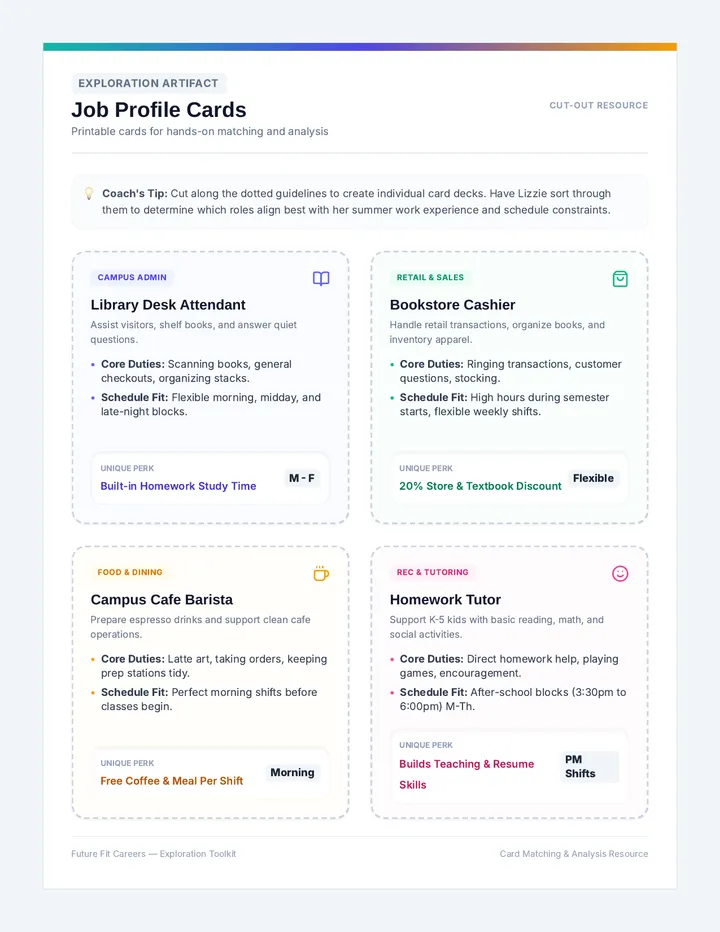
Financial Blueprint Activity Pack Awareness Activity
Financial Blueprint
Group Activity: The Sorting Lab
Group: ________________________________________________
The Challenge:
Work as a team! Look at the 16 items in the box below. Discuss each one and write it into the Venn Diagram where it belongs.
• Needs: Survival & Work items.
• Wants: Comfort & Fun items.
• Gray Area: Items that could be either (write these in the middle).
Monthly Rent
Video Games
Car Insurance
Designer Labels
Home Internet
Basic Groceries
Concert Tickets
Skins / DLC
Health Meds
Food Delivery
Water Bill
Electric Bill
Cell Data Plan
Savings
Netflix / Hulu
New Shoes
Needs
(Survival)
Wants
(Lifestyle)
Gray Area
The Big Debate:
"Is there anyone in your group who thinks Video Games should be a 'Need'? Why is that dangerous for your emergency fund?"
Financial Blueprint
Activity 02: The Big Swap
The "Swap" Rule
Money is limited. When you spend $1 on a Want (like fun), you are swapping away the chance to use that same dollar for a Need (survival) or a Goal (savings).
If you buy the fun thing today, you lose the chance to buy the safety thing tomorrow.
Swap 1: Games vs. Car Repairs
$600.00
You have $600 in your account. A new gaming setup costs $600. Your car also needs new tires for safety, which costs $600.
Choice: The Console
What you gain (Now):
The SWAP (What you lose):
Choice: The Tires
What you gain (Now):
The SWAP (What you lose):
Swap 2: Delivery vs. Cooking
Ordering delivery costs $55. Cooking a healthy meal at home costs $15.
Savings from Cooking:
$40.00 / meal
Yearly Swap Value:
$4,160.00
(If you cook 2x a week instead of delivery)
Group Discussion Goal:
What is one big Need or Major Life Goal your group would pay for with that extra $4,160?