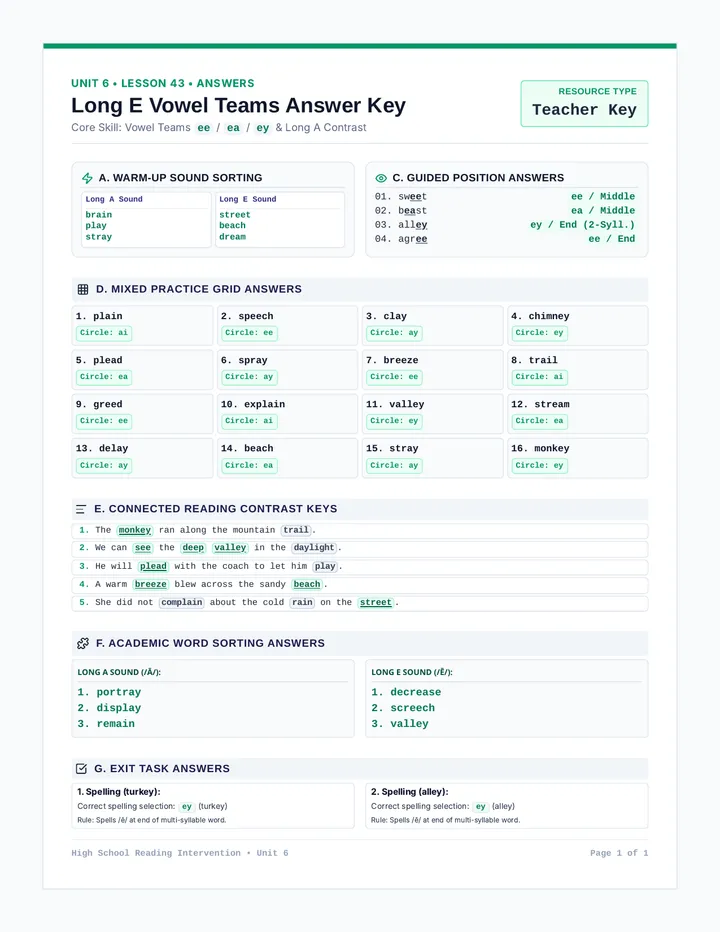
Focuses on expanding simple sentences by navigating to descriptive folders (adjectives and adverbs) to add depth and color to AAC communication.
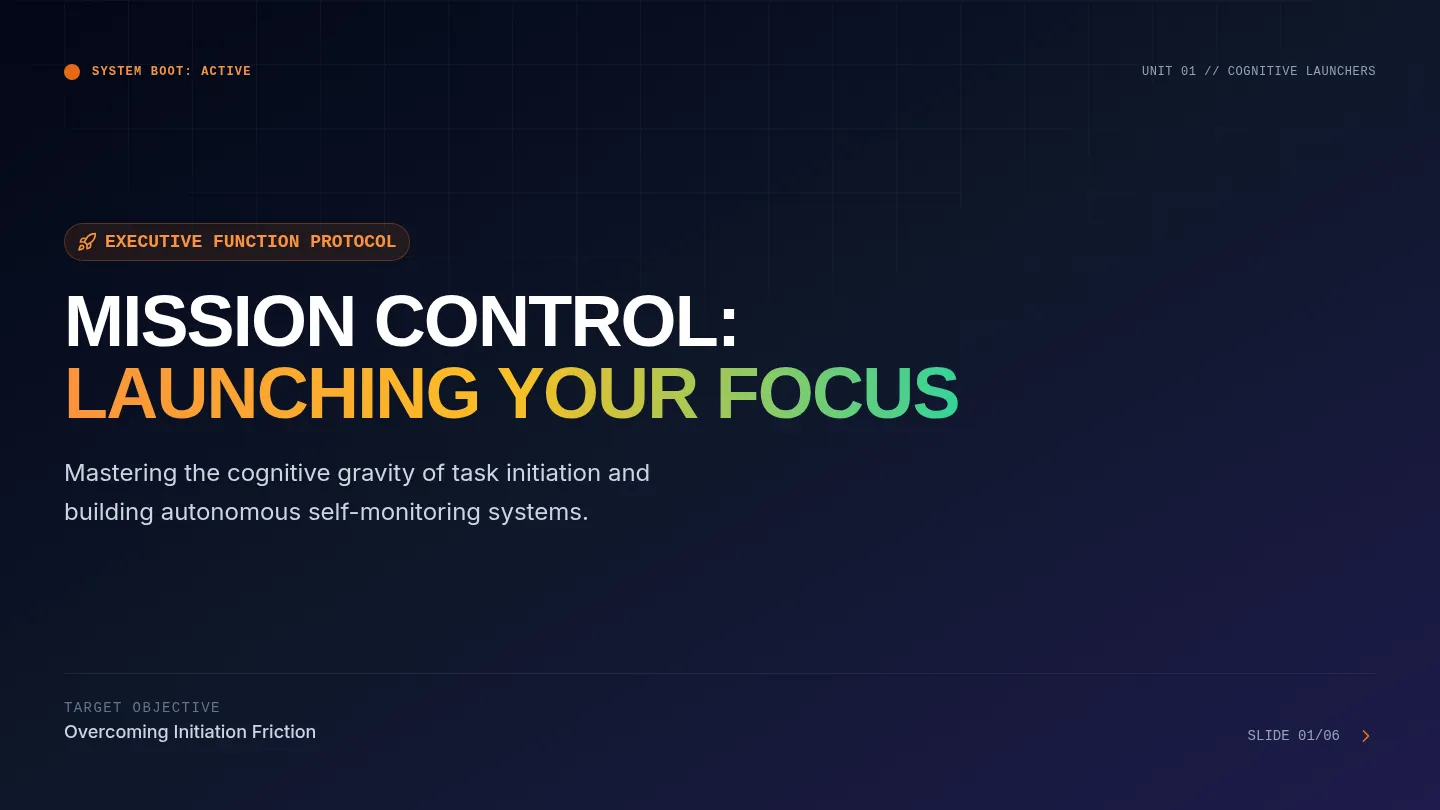
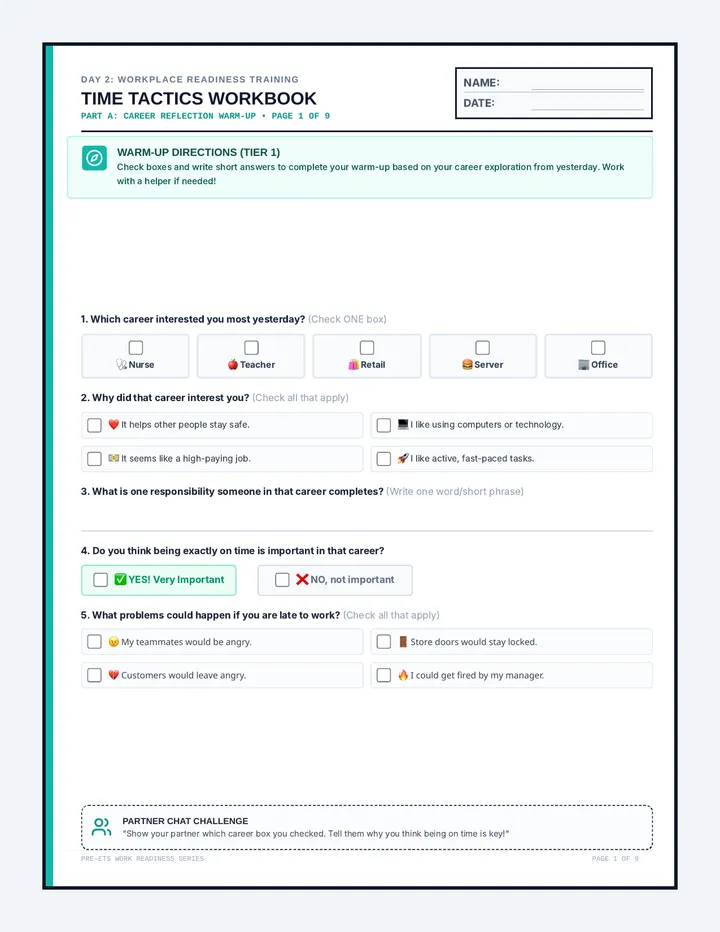
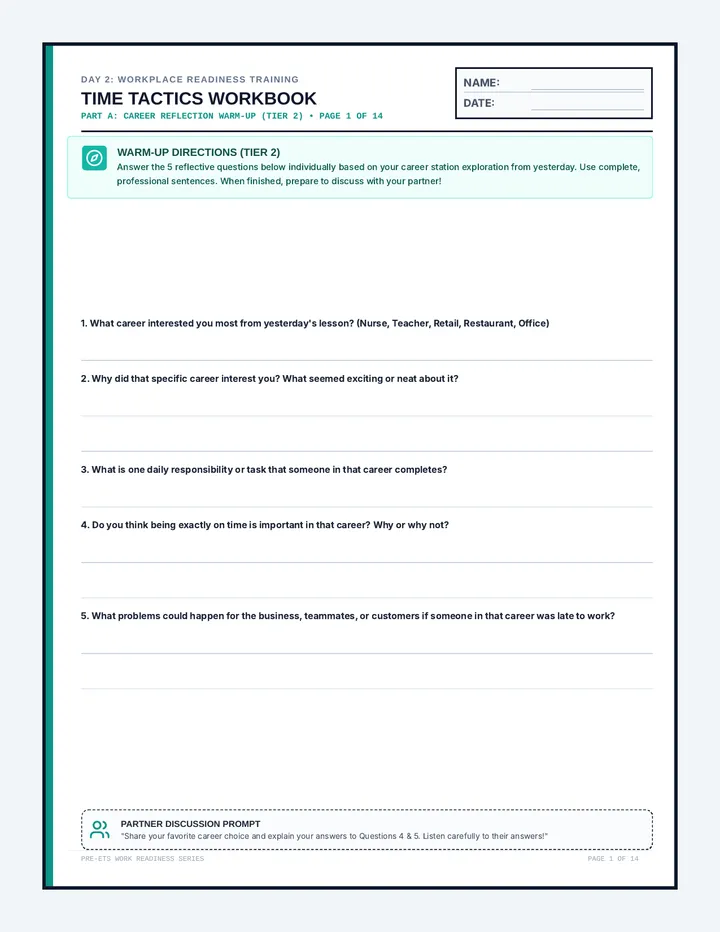
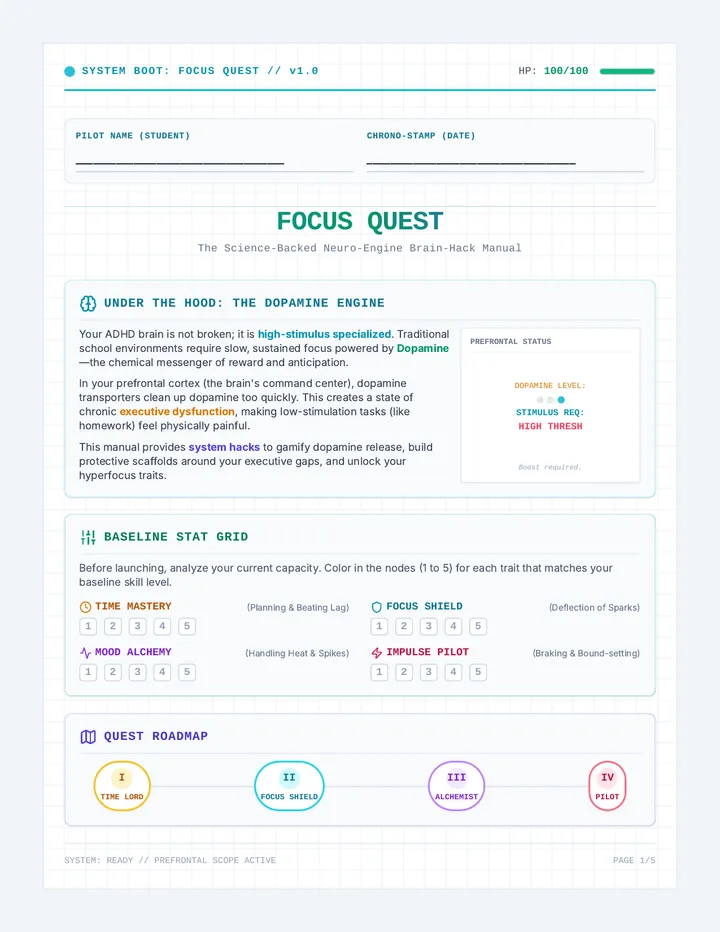
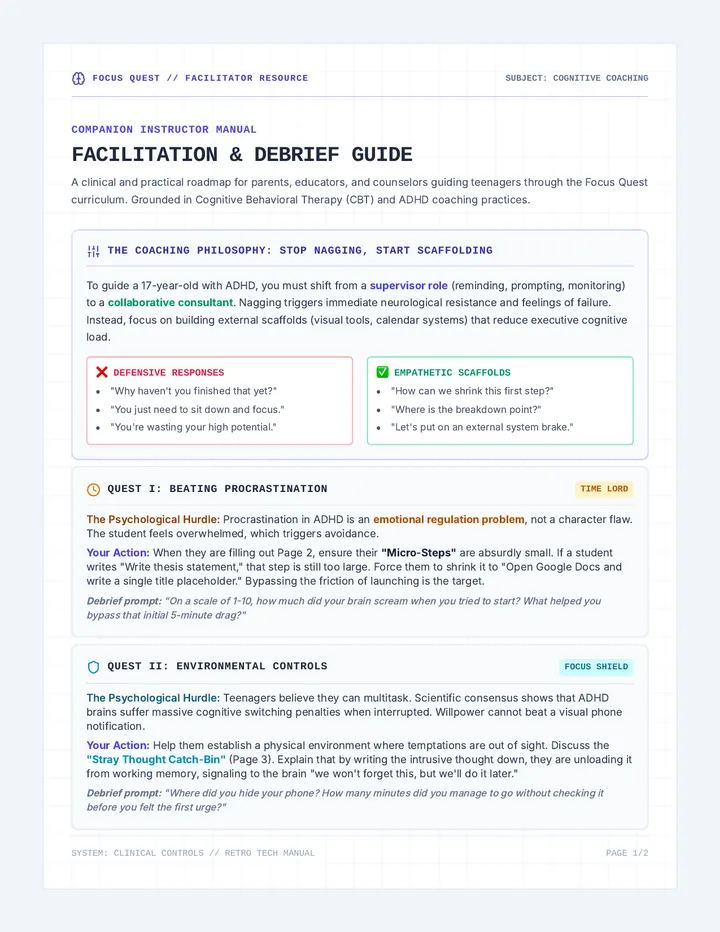
A comprehensive set of visual supports designed specifically for high school students with Autism and ADHD to manage time, stay on task, and respond to non-verbal redirection.
A lesson designed for students with moderate support needs, focusing on the responsibility of managing and caring for personal electronics and understanding the consequences of neglect.
A comprehensive lesson on identity theft designed for high school special education students, focusing on recognizing red flags and protecting personal information through practical scenarios and visual aids.
Practical tools and communication materials for rolling out the refined PBIS system to teachers, students, and families.
Preparation and facilitation materials for a 2-day staff workshop focused on PBIS refinement, data analysis, and alignment.
A lesson focused on empowering students with hearing loss to self-advocate for written instructional reinforcements like transcripts and closed captions.
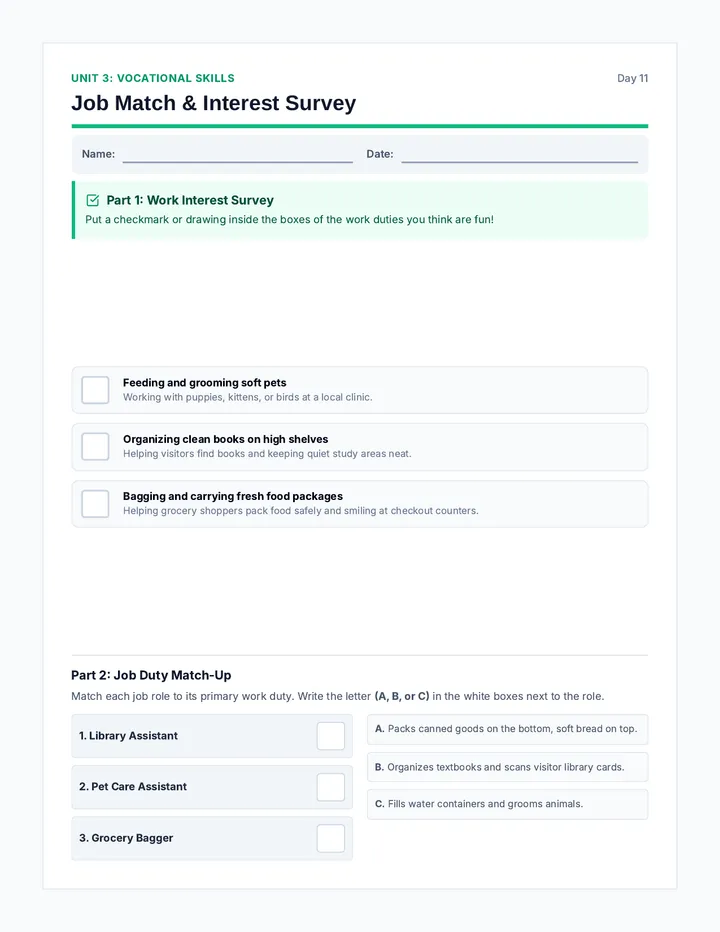
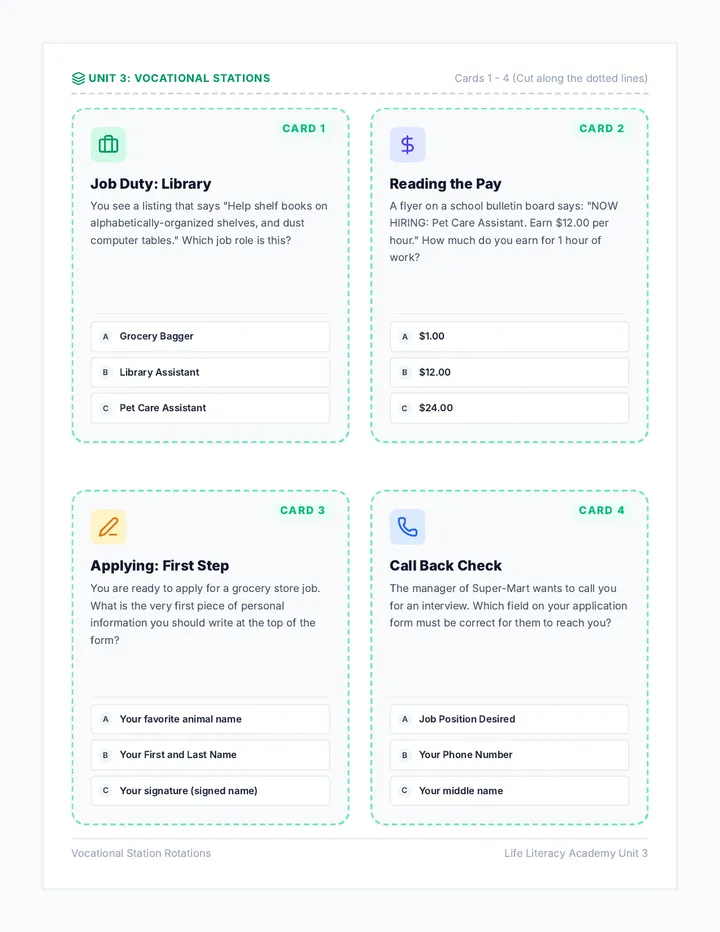
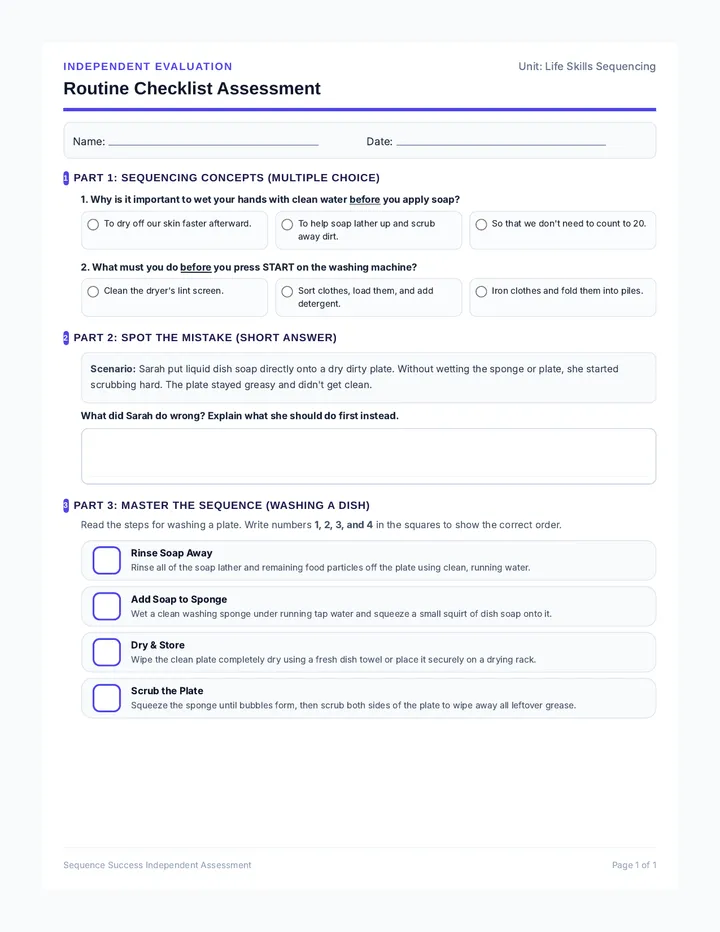
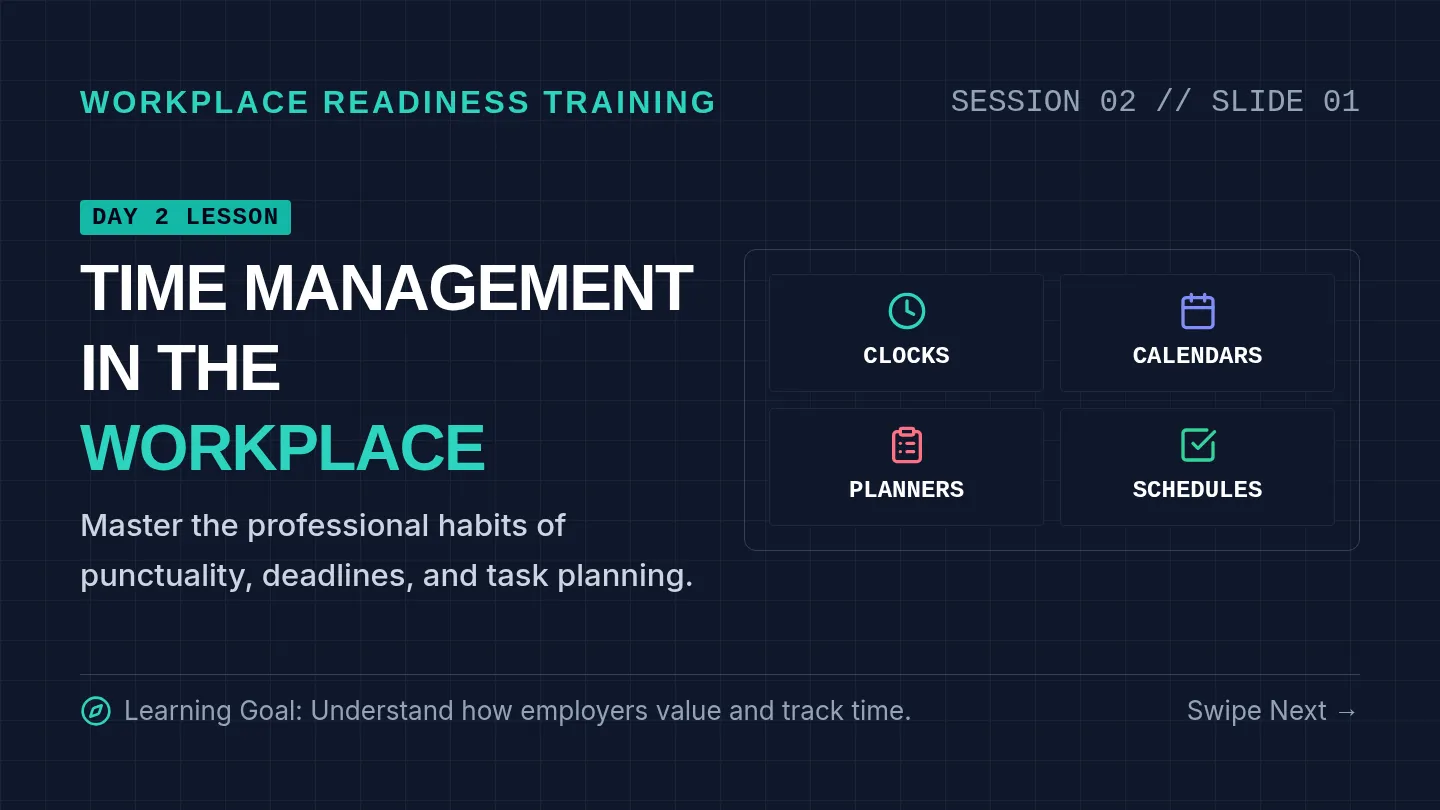
A comprehensive vocational training unit focused on establishing and maintaining daily routines for high school students in transition programs. This lesson provides visual supports and tracking tools designed for digital use on iPads or print.
A set of comprehensive goal tracking and progress monitoring documents aligned with the WIDA Alternate Proficiency Level Descriptors for students with significant cognitive disabilities.
The foundational tracking materials for an Alt ELD student binder, including overview sheets, observation logs, and work sample documentation.
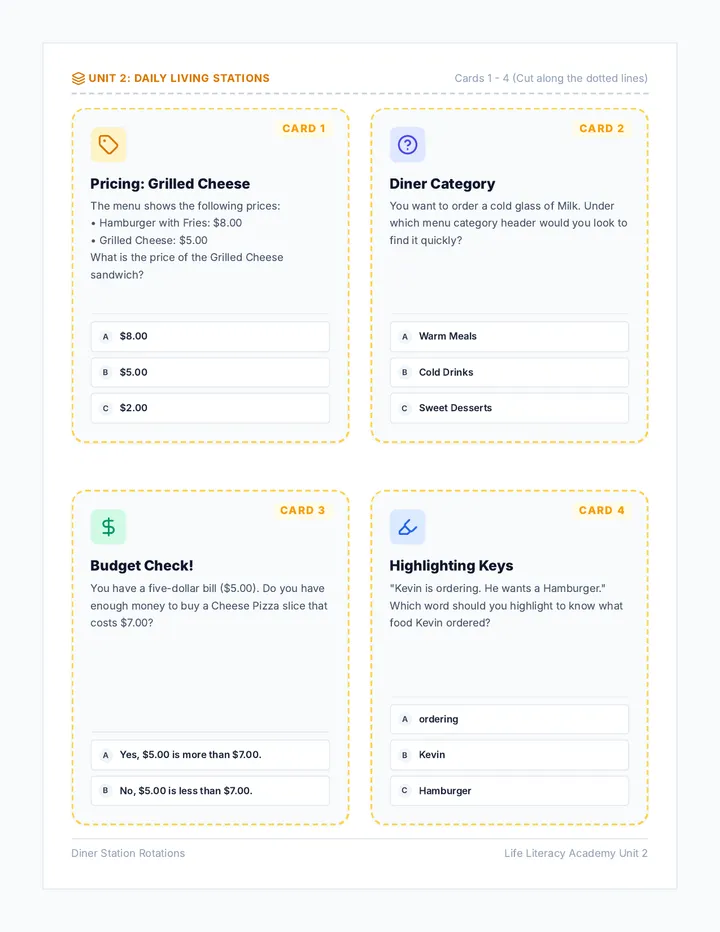
A set of social stories and visual aids to prepare students with Down Syndrome and Autism for a school field trip from Grafton, MA to Washington, D.C., focusing on patience, endurance, and manners.
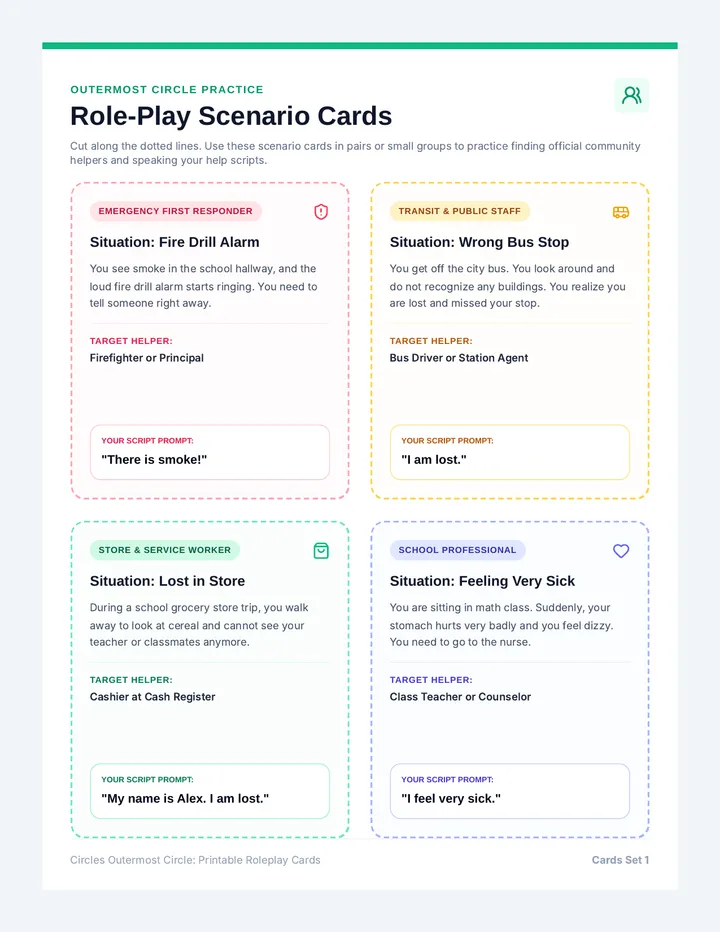
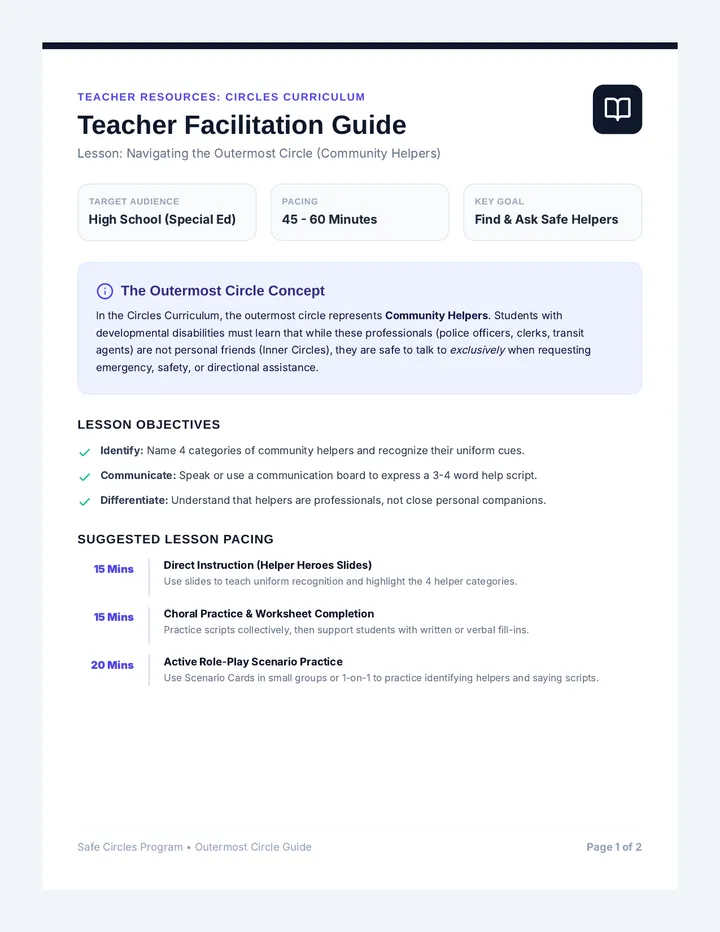
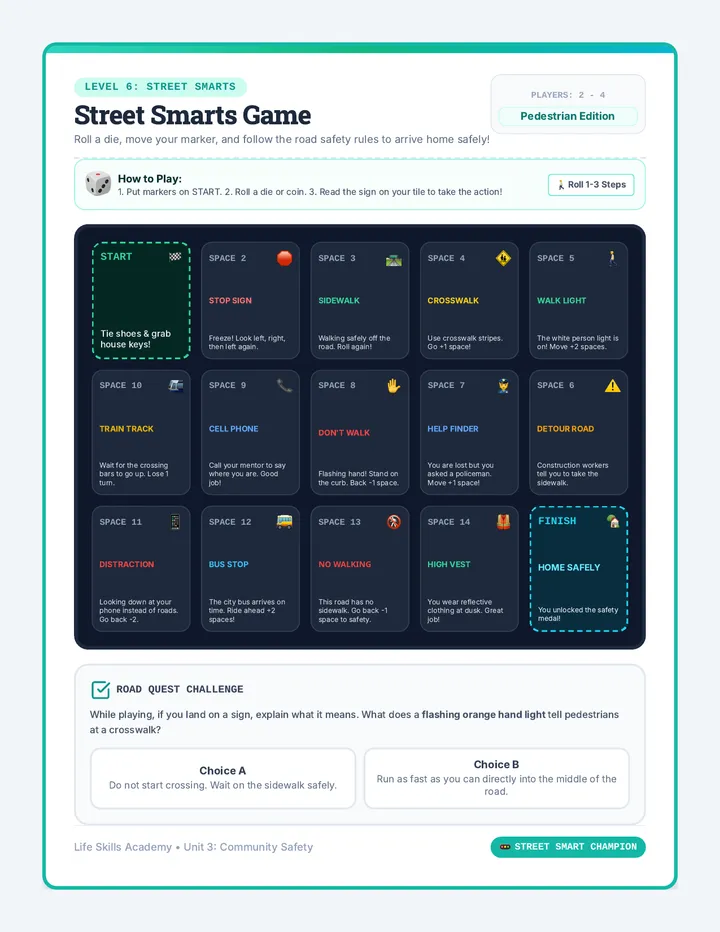
Covers safety protocols for independent travel, including effective communication with drivers and responding to transit delays or emergencies.
Teaches young adults how to stay safe while exercising or exploring outdoor trails, emphasizing the S.T.O.P. rule and signaling for help.
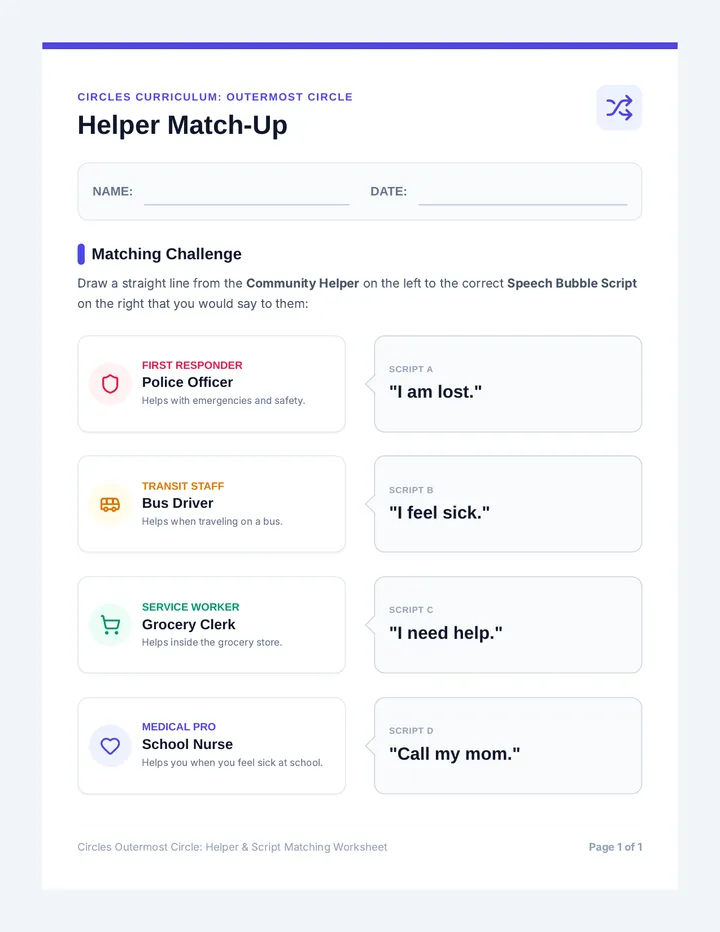
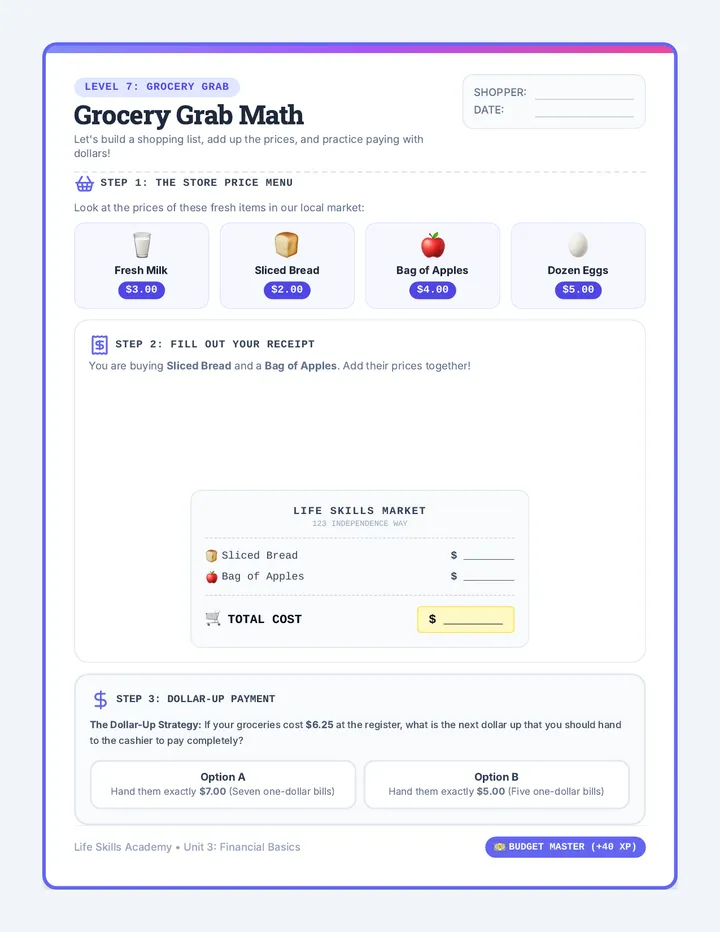
Focuses on independent navigation in retail settings, including identifying store security, using customer service, and responding to being separated from a group.
A set of scaffolded writing resources designed to help students with ADHD and SLD craft a 5-paragraph reflective essay from the perspective of Elisha Wiesel. The materials focus on synthesizing themes from 'Night' and a contemporary article about Wiesel's legacy.
A collection of accessible Macbeth resources designed for students with visual impairments, including large-print versions with modern translations.
A collection of accessible reading materials for Shakespeare's Macbeth, specifically tailored for students requiring large print and modern translations. This lesson ensures all students can navigate and comprehend the play during classroom instruction.
A full set of large-print, accessible script materials for Shakespeare's Macbeth, designed for students needing 20px font. Includes interleaved modern translations and original text with original page references.
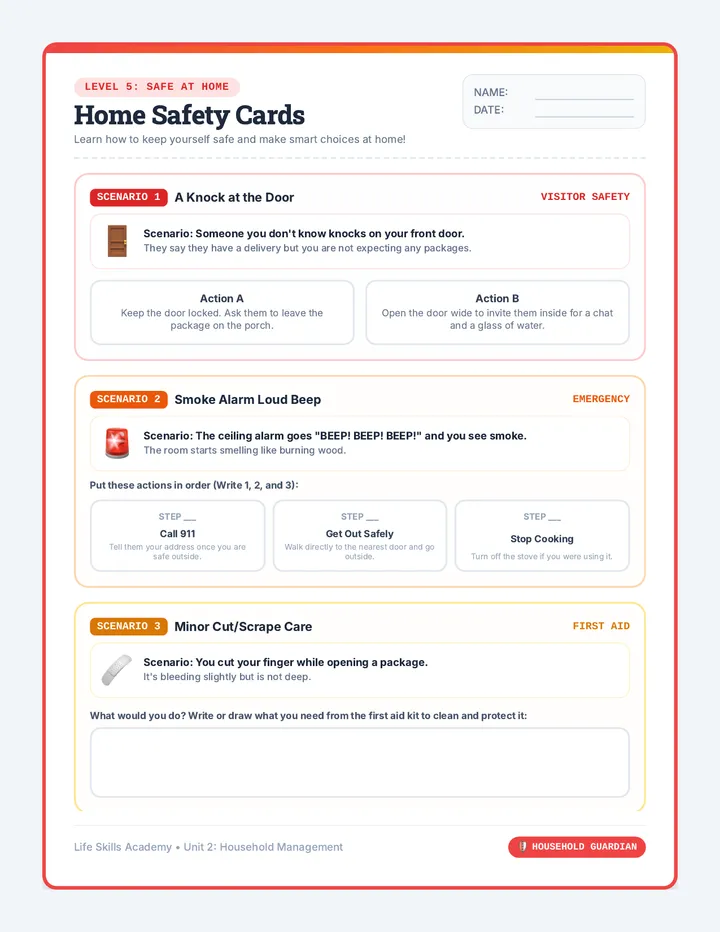
A lesson designed to help students with intellectual disabilities identify safe and unsafe social interactions across various environments using a 'Safety Signals' metaphor.
A comprehensive system for tracking IEP progress across multiple lagging skills, including a master overview and specialized data logs for Academic, Executive Functioning, Social-Emotional, and Functional Life Skills.
A restorative behavioral intervention focused on resolving physical conflict and verbal aggression through a formal behavior contract and daily progress tracking.
A comprehensive lesson designed for high school seniors to master difficult articulation targets ('r' and 'dark l') within professional and real-world contexts. The materials focus on transition-readiness, interview skills, and self-monitoring to achieve 90% accuracy.
A comprehensive kit for tracking and mastering the Order of Operations (PEMDAS) and fractional operations, designed for high school students needing foundational support.
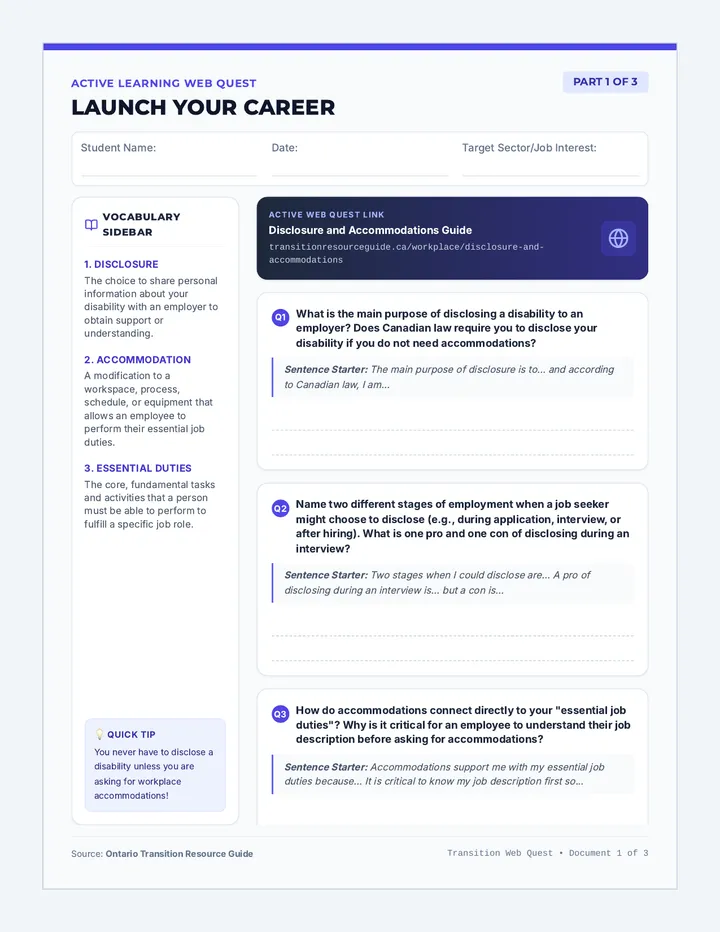
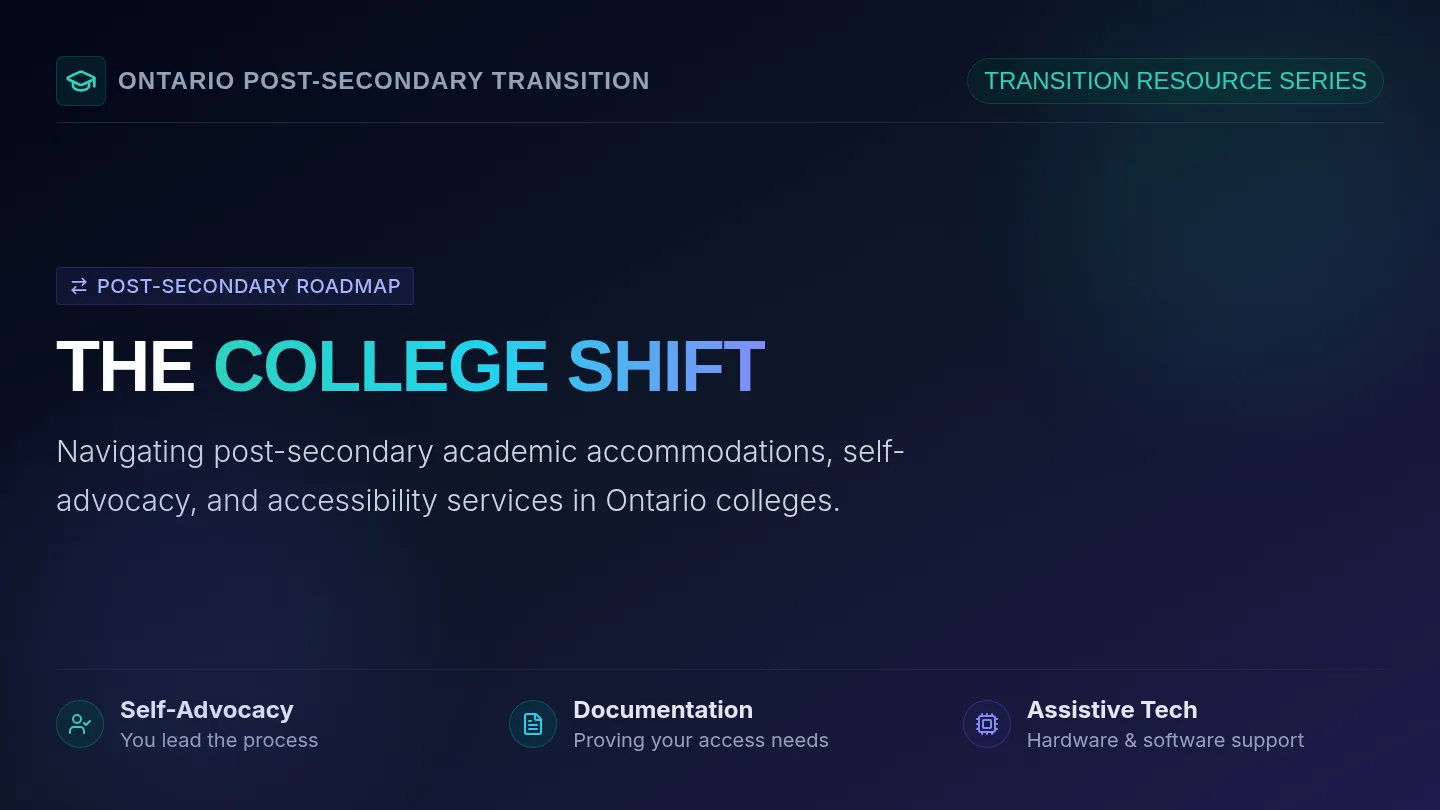
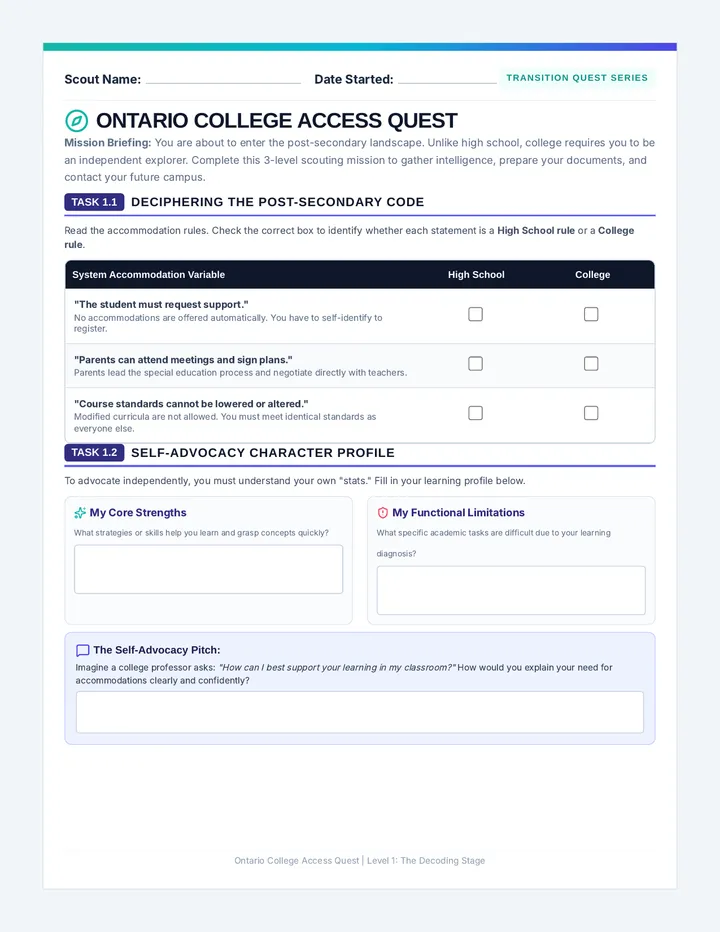
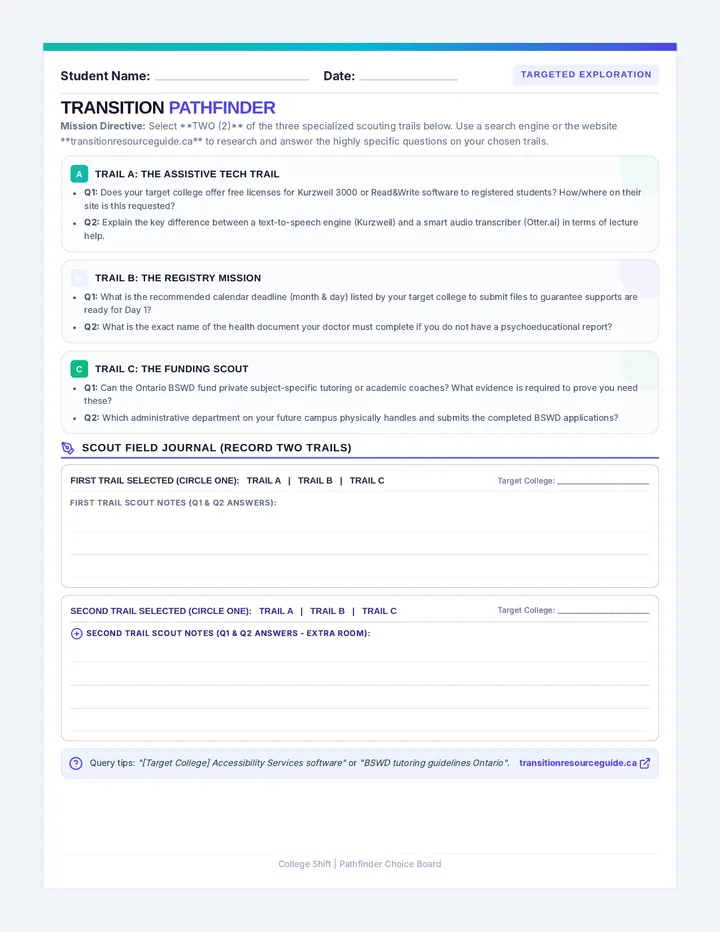
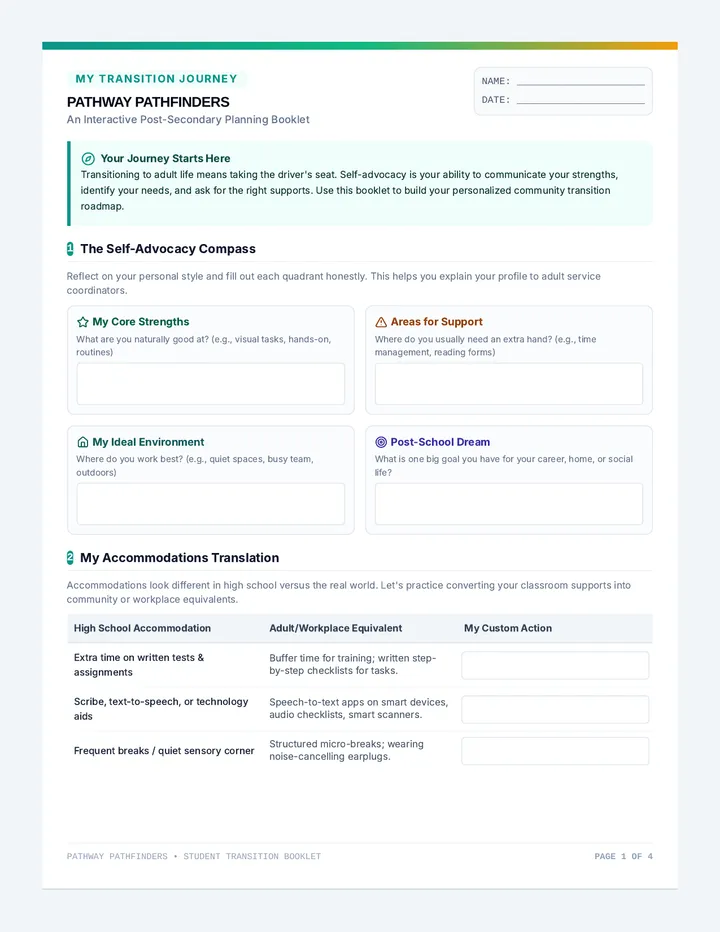
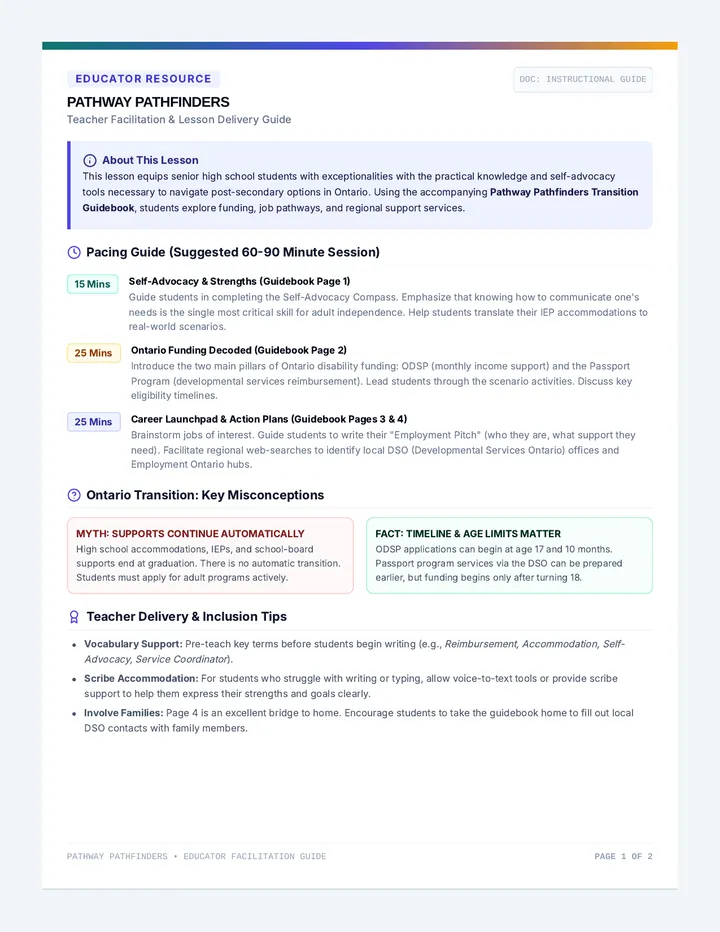
This lesson prepares 12th-grade special education students for the transition to community college by exploring the shift from IDEA to ADA/Section 504. Students will learn the accommodation process, the importance of self-disclosure, and their role as self-advocates in a post-secondary environment.
A lesson designed for high school special education students to distinguish between 'stuck' and 'flexible' thinking patterns. Students will learn strategies to adapt to changes and social challenges through interactive slides and hands-on sorting activities.
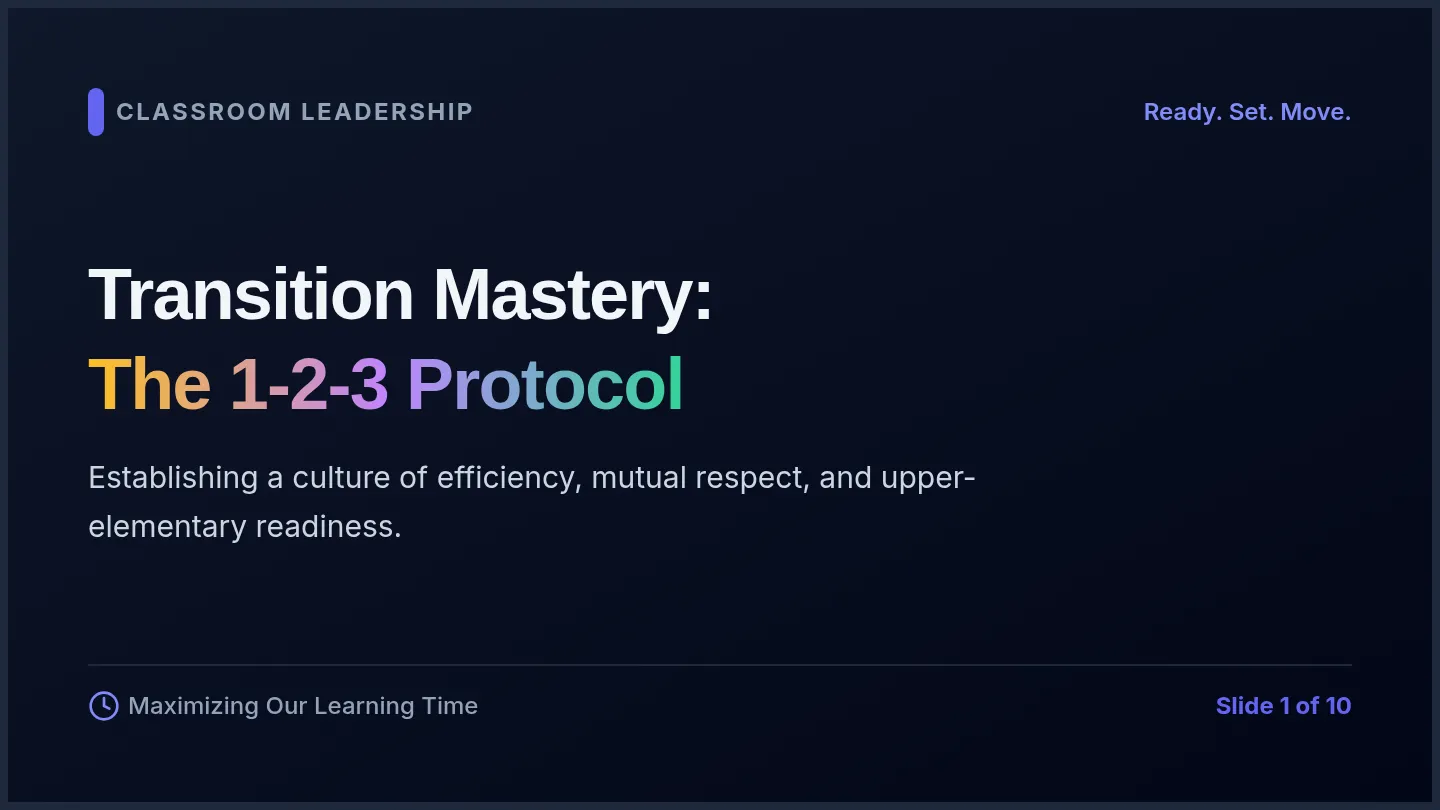
A comprehensive lesson for transition-age students to master reading daily, weekly, and monthly work schedules through realistic workplace scenarios.
A functional academics lesson focused on navigating the MBTA Route 77 bus, teaching students how to read schedules, identify departure times, and calculate travel duration for community independence.
A series of progressive worksheets for high school special needs students to master adding mixed US coins using the Touch Point method. each worksheet increases in complexity, covering two, three, and four coin types including pennies.
A comprehensive test prep support lesson designed specifically for Arkansas English Learners (ELs) to navigate the ATLAS assessment. The lesson covers accommodations, academic language decoding, and vocabulary strategies through a cartography-inspired theme.
A supportive lesson designed for students with IEPs and 504 plans to navigate the Arkansas ATLAS assessments with confidence, focusing on accommodations, self-advocacy, and practical study strategies.
A professional and structured set of templates for creating and monitoring Behavior Support Plans, specifically designed for managing non-compliance in the classroom.
A set of ELA and Math visual task cards designed for students preparing for the Extend 1 alternate assessment, featuring high-contrast visuals and simplified choices.
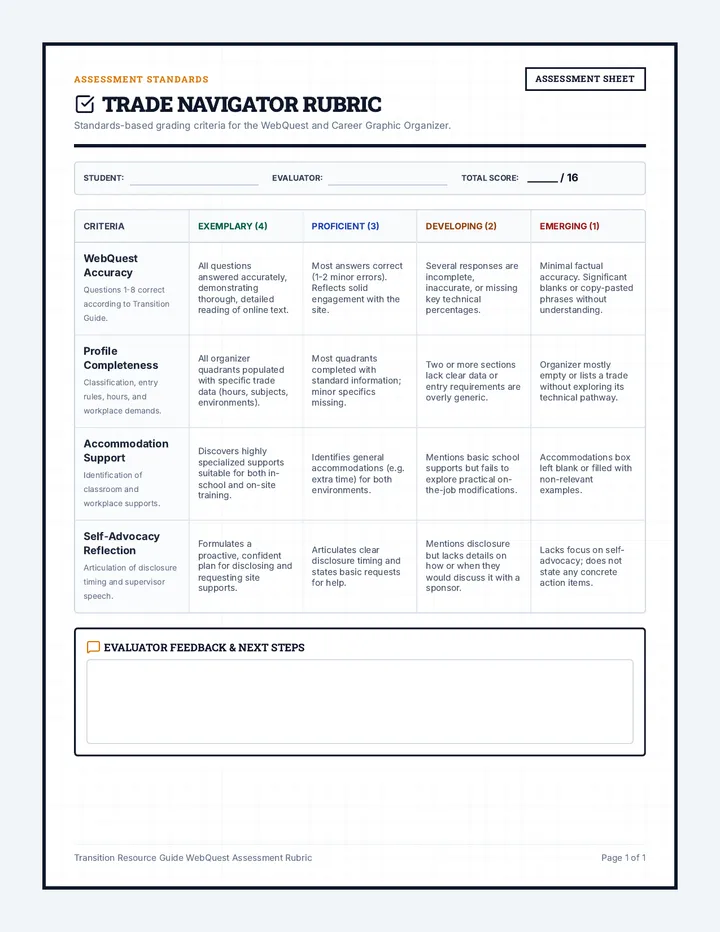
Creating a personalized self-advocacy toolkit and wallet cards for daily use in various environments.
Active practice session with diverse role-play scenarios covering school, work, and community environments.
Navigating public spaces like stores, transit, and libraries with confidence and clear scripts.
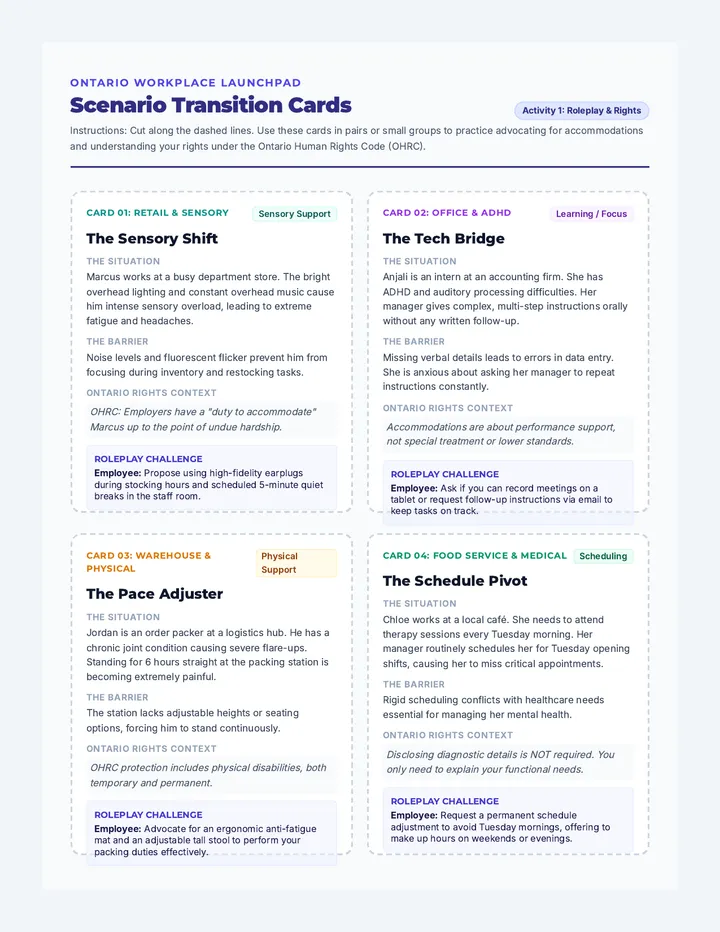
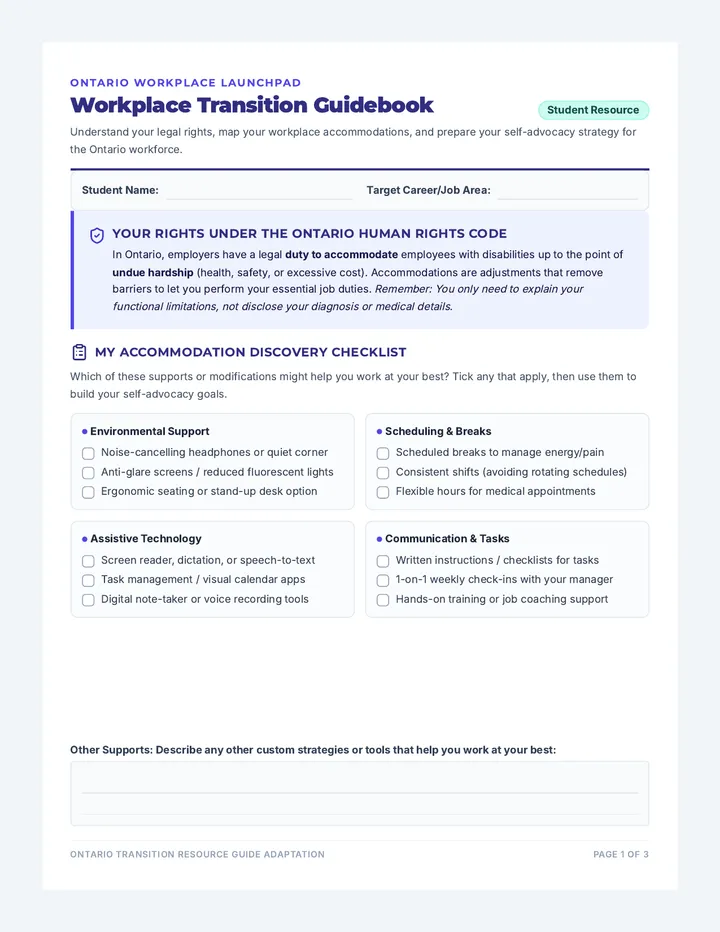
Applying advocacy skills to workplace settings, including professional communication and disclosure decisions.
Practicing self-advocacy in the classroom, including asking for accommodations and clarifying instructions.