A set of parent-friendly guides translating psychoeducational test scores into positive, actionable home support roadmaps.
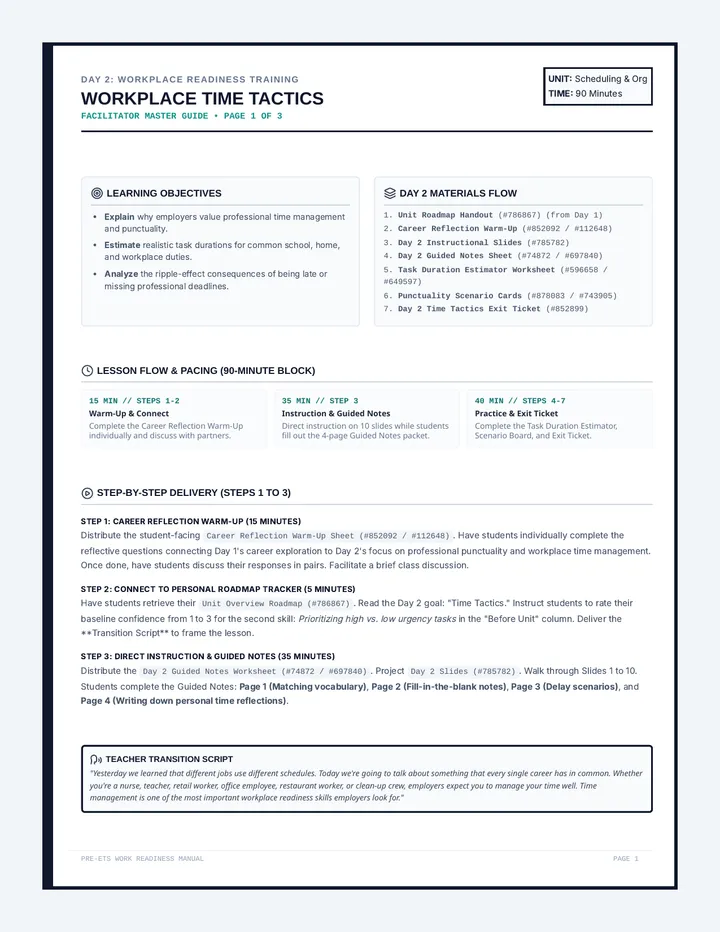
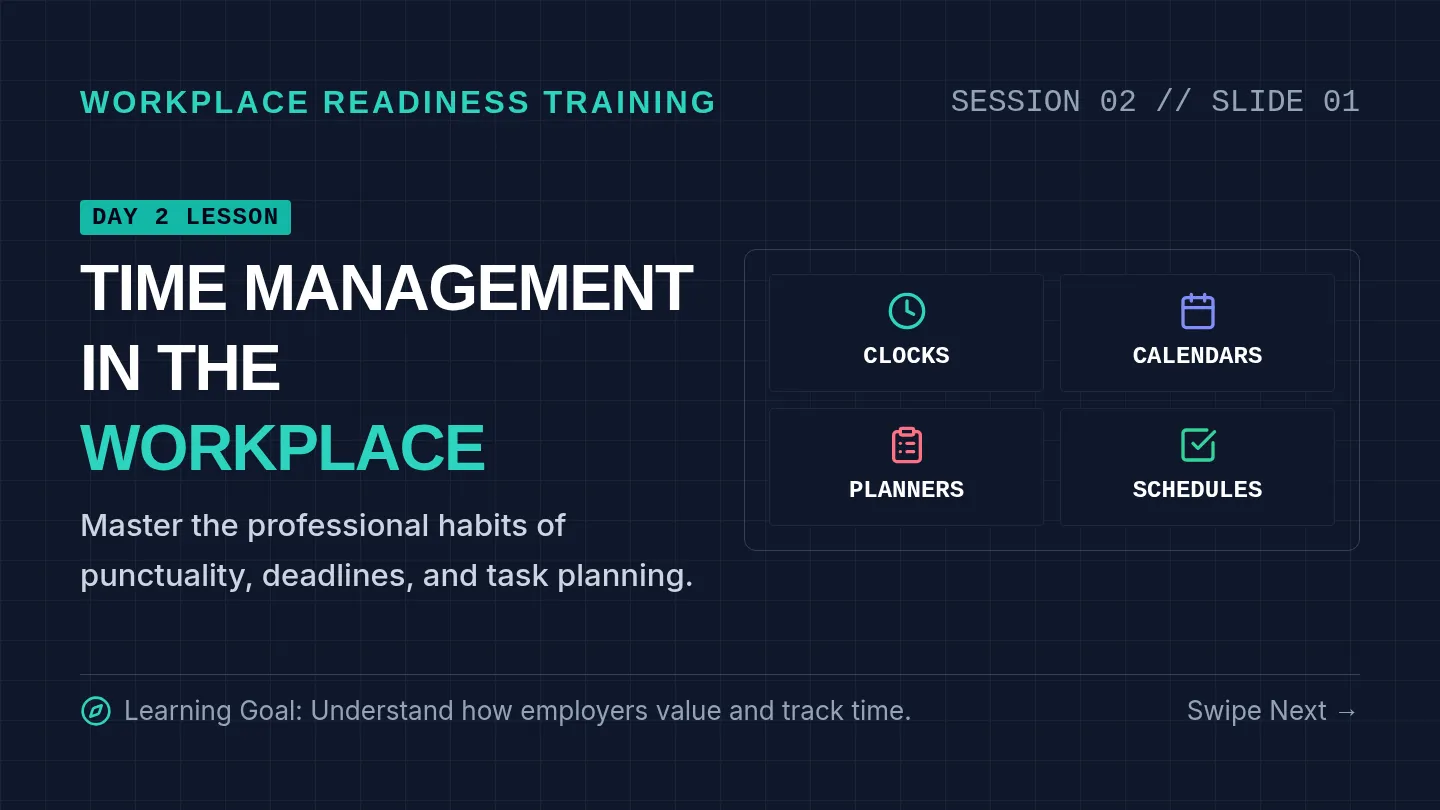
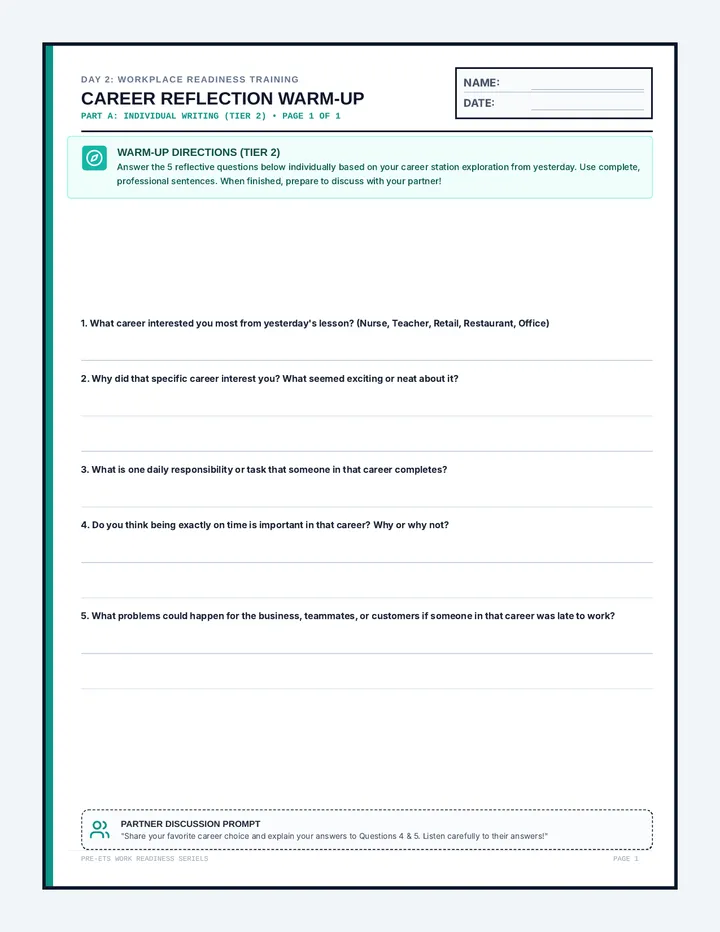
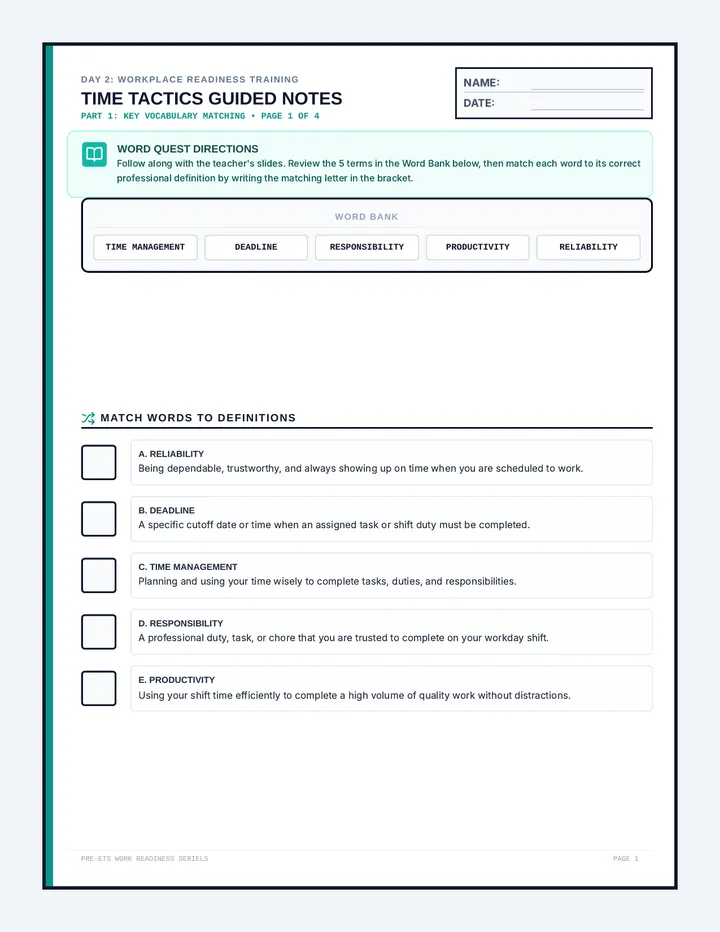
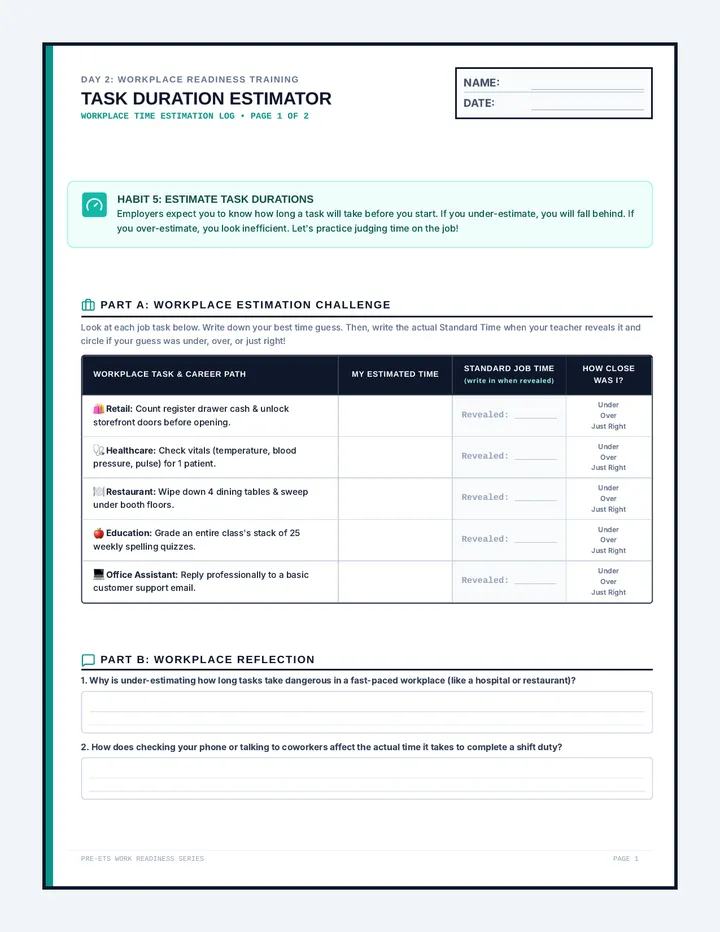
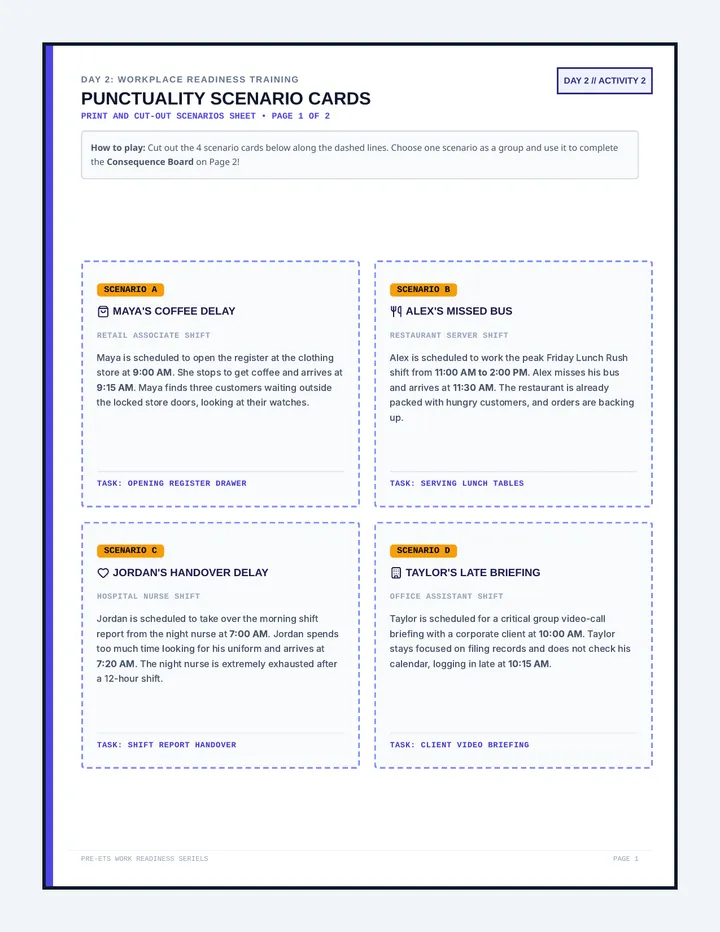
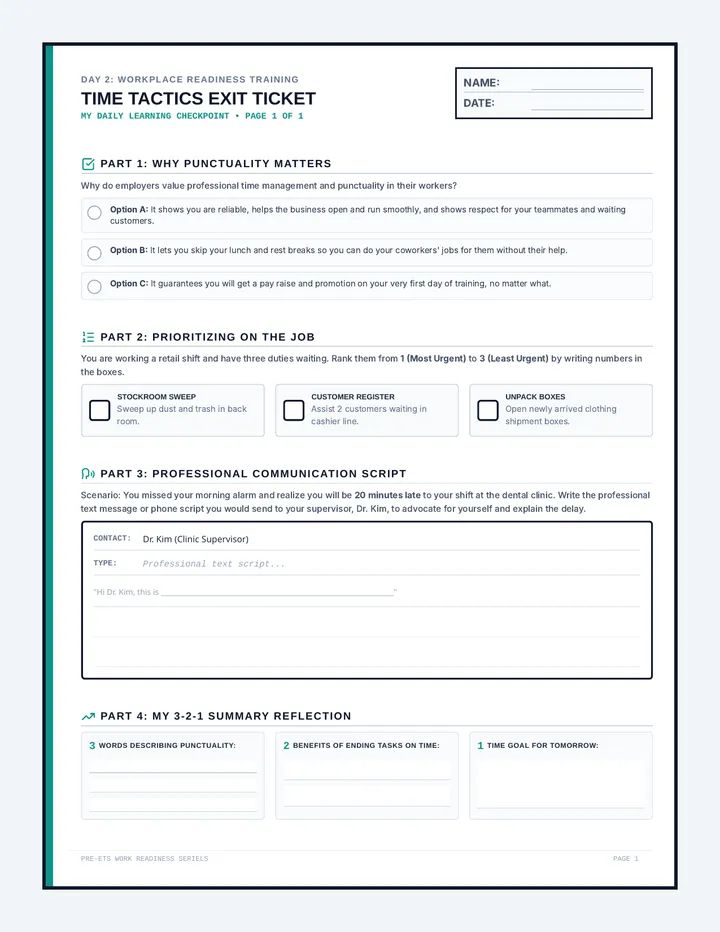
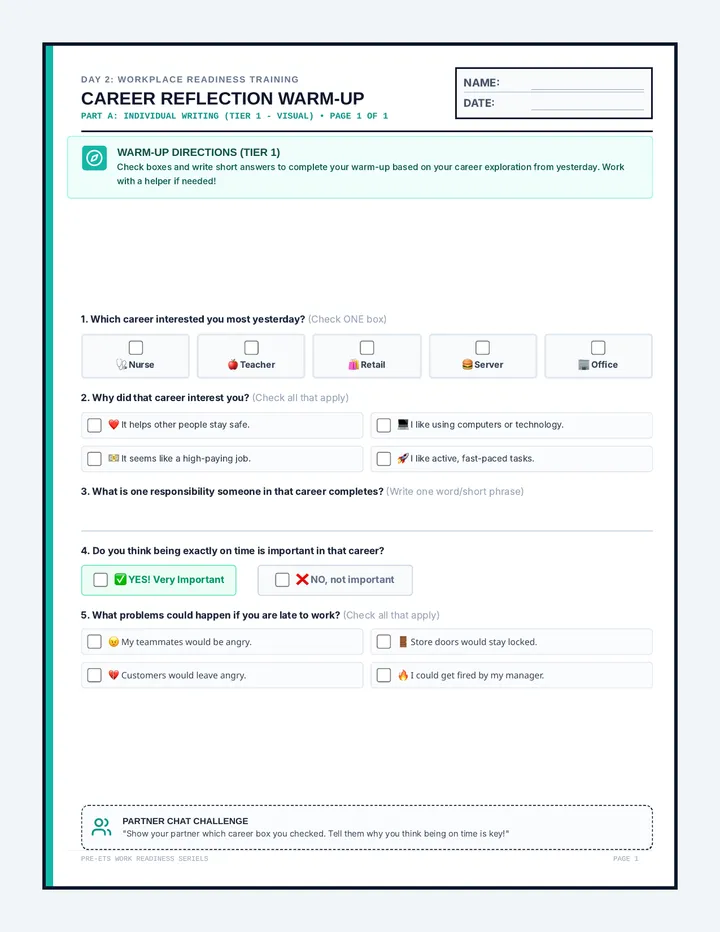
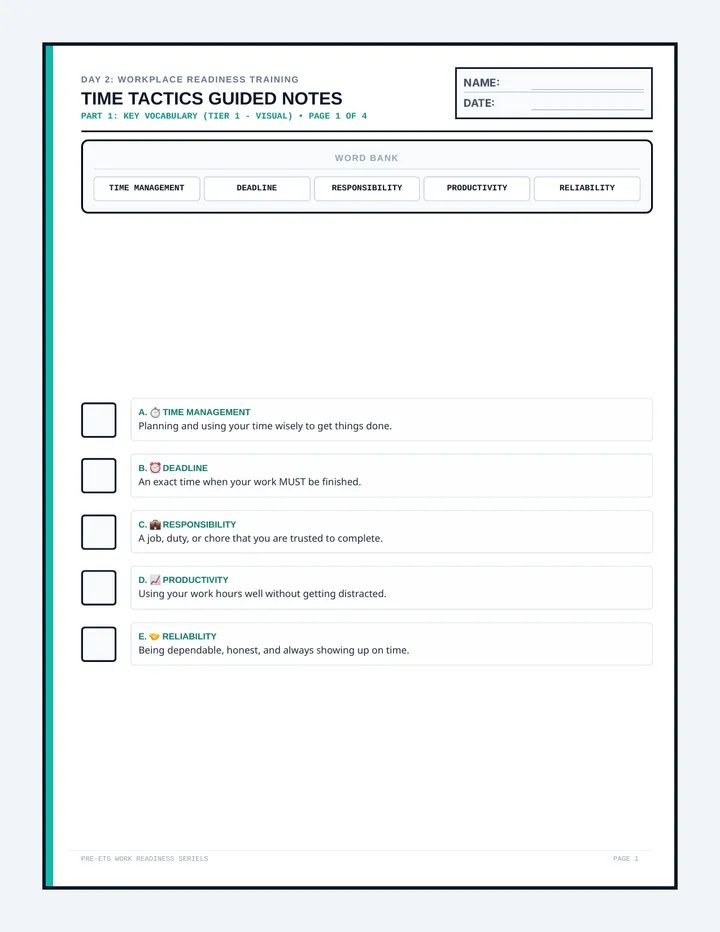
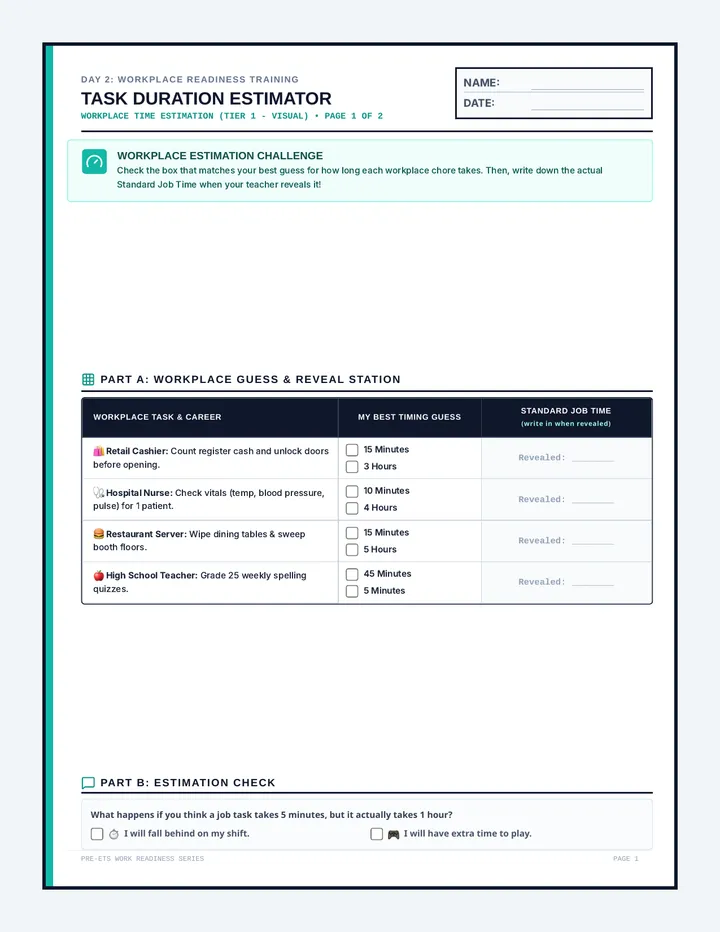
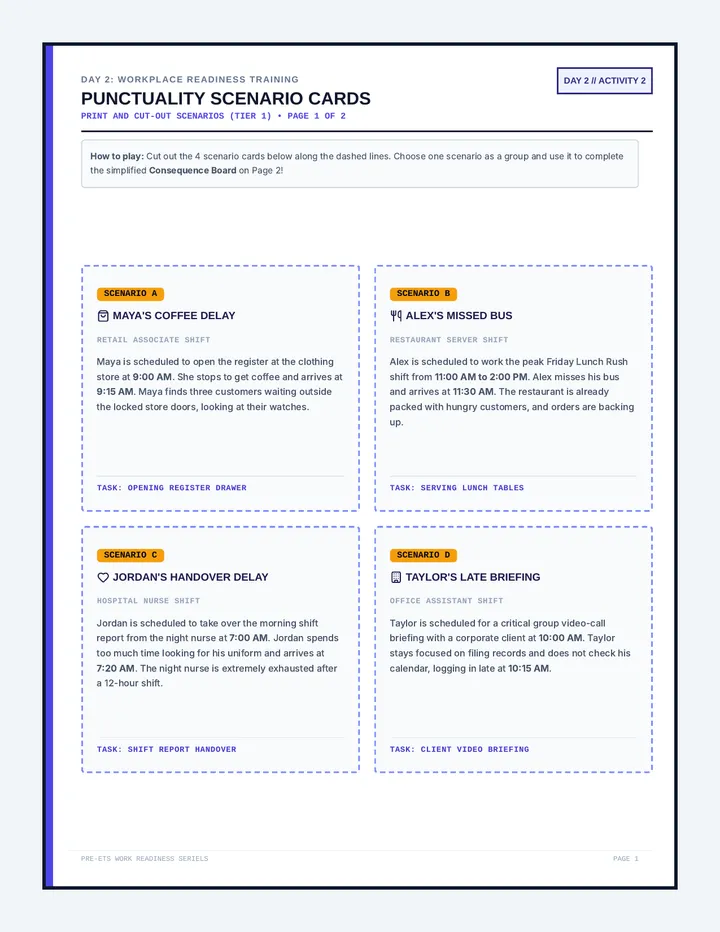
Students explore the critical role of time management in the workplace, learn how to estimate task durations, examine real-world punctuality consequences, and build essential skills for professional success.
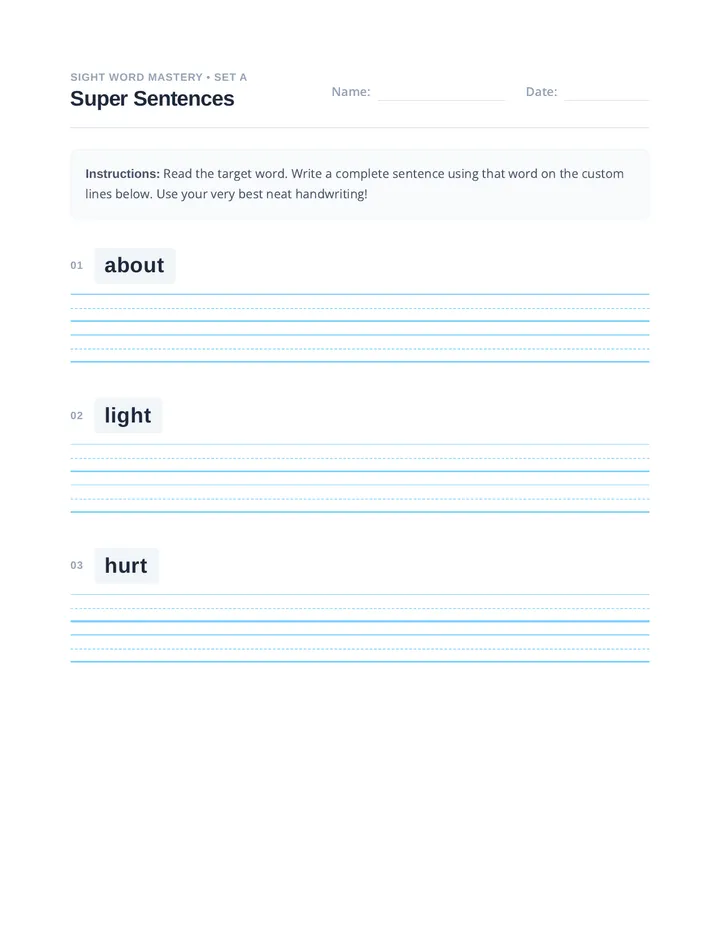
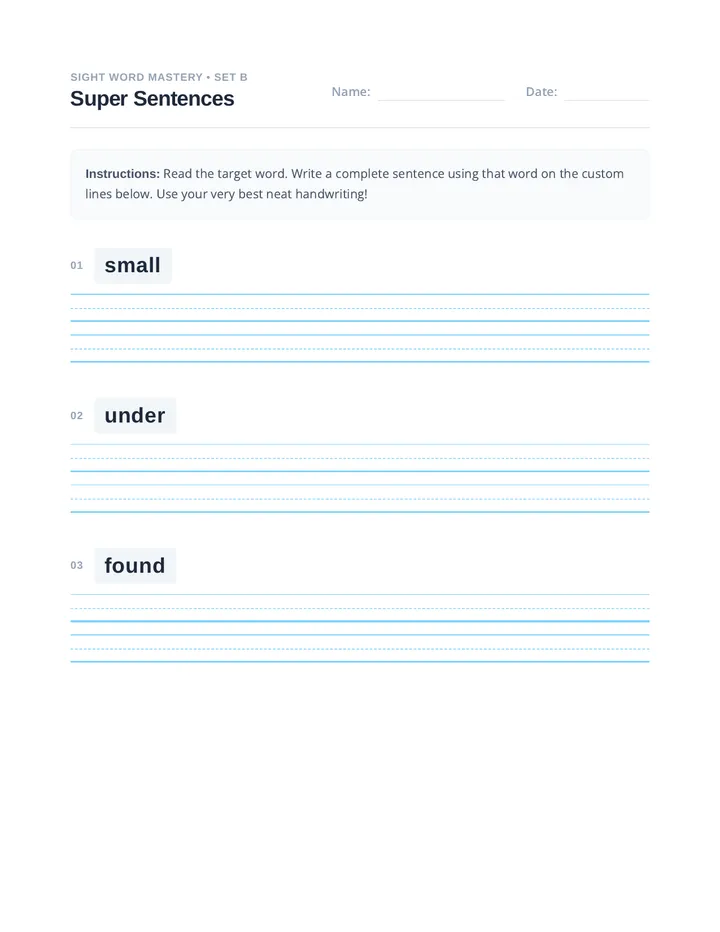
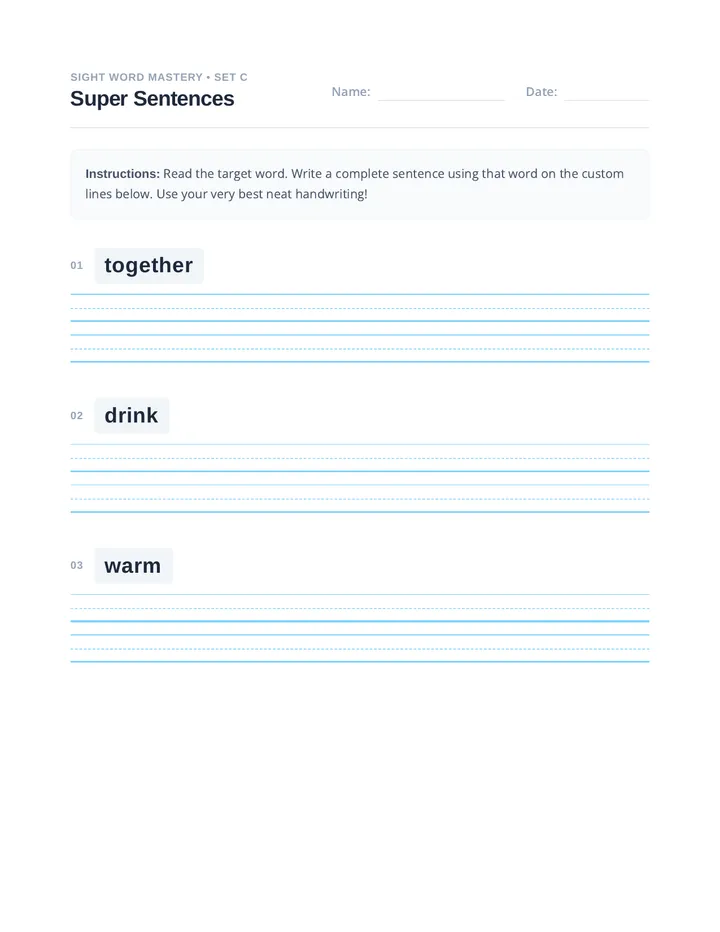
A foundational handwriting and sentence-building practice lesson for third-grade special education students, focusing on high-frequency sight words with clear visual guidance.
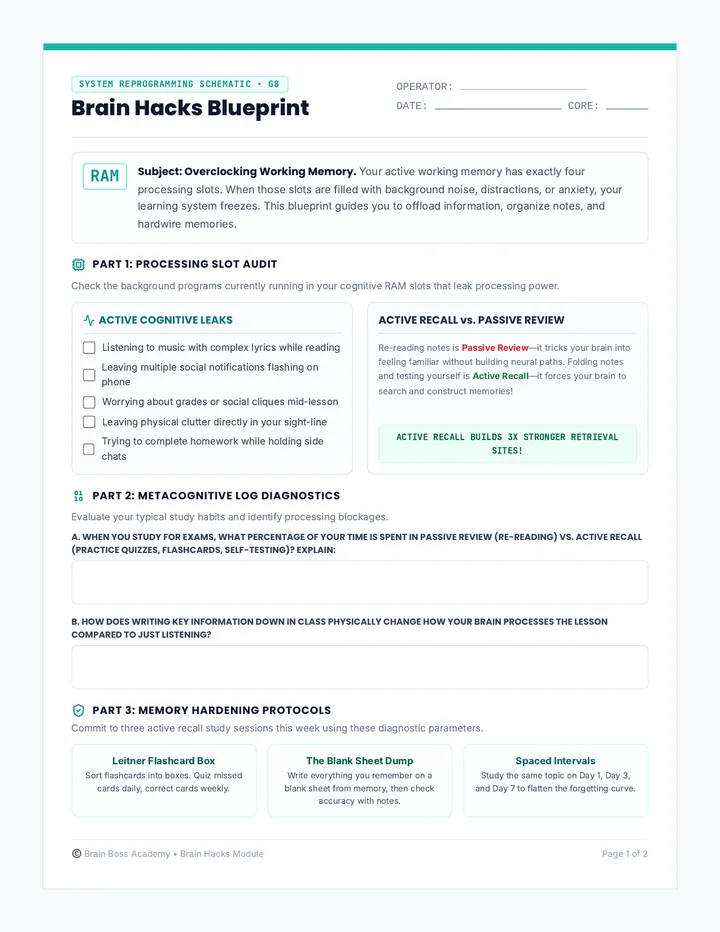
Grade 8 lesson focusing on advanced working memory hacks, active recall study strategies, self-monitoring metacognitive habits, and Cornell note-taking. Includes slides, worksheets, and visual templates.
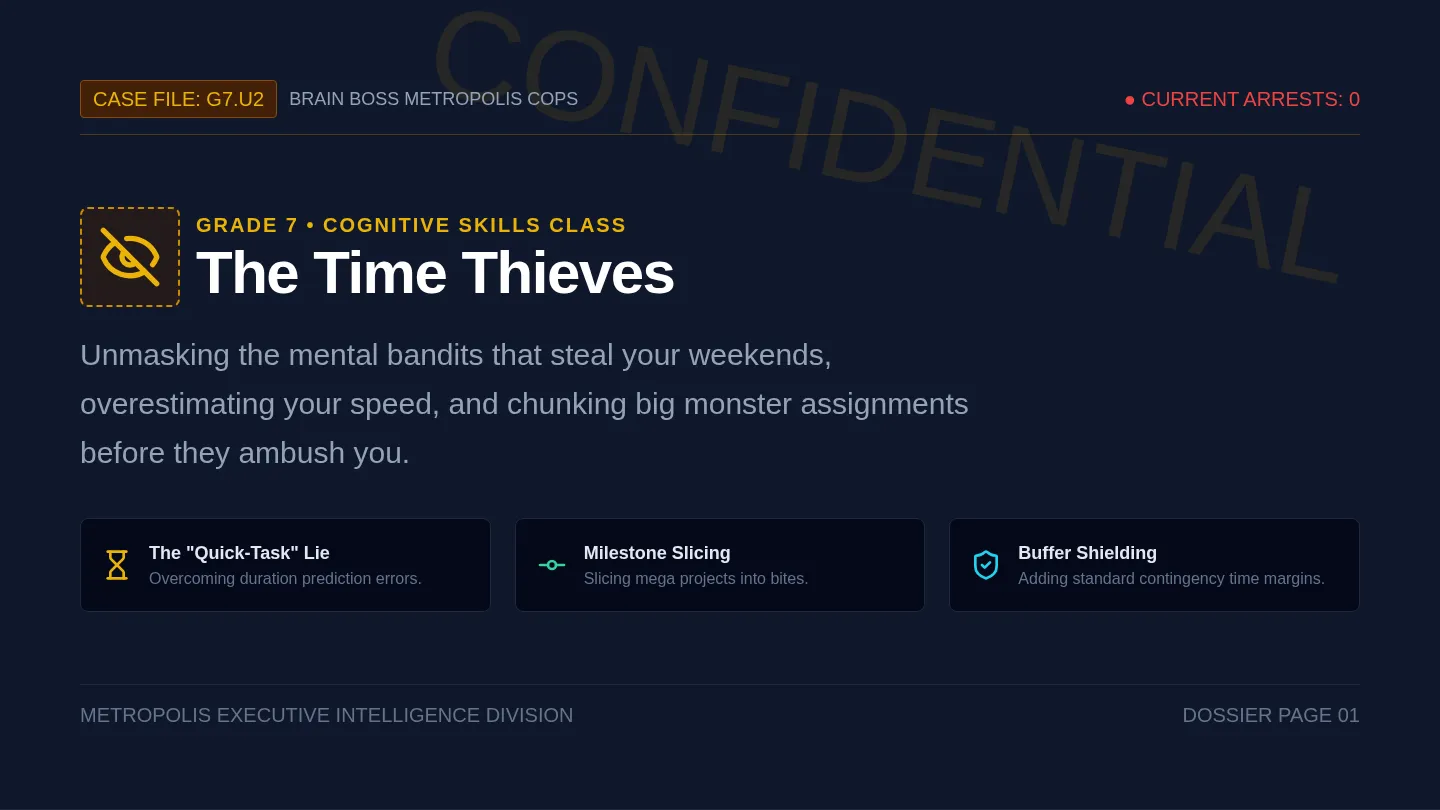
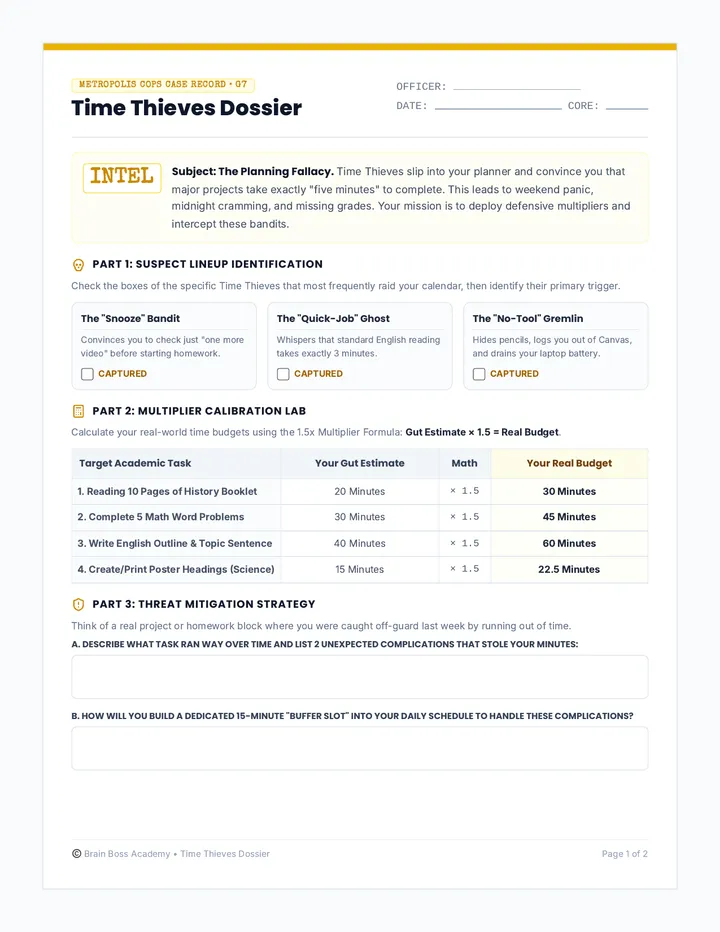
Grade 7 lesson focusing on task duration estimation, chunking multi-step assignments, and planner mechanics. Includes printable student planners, sliding presentations, and a time estimator game.
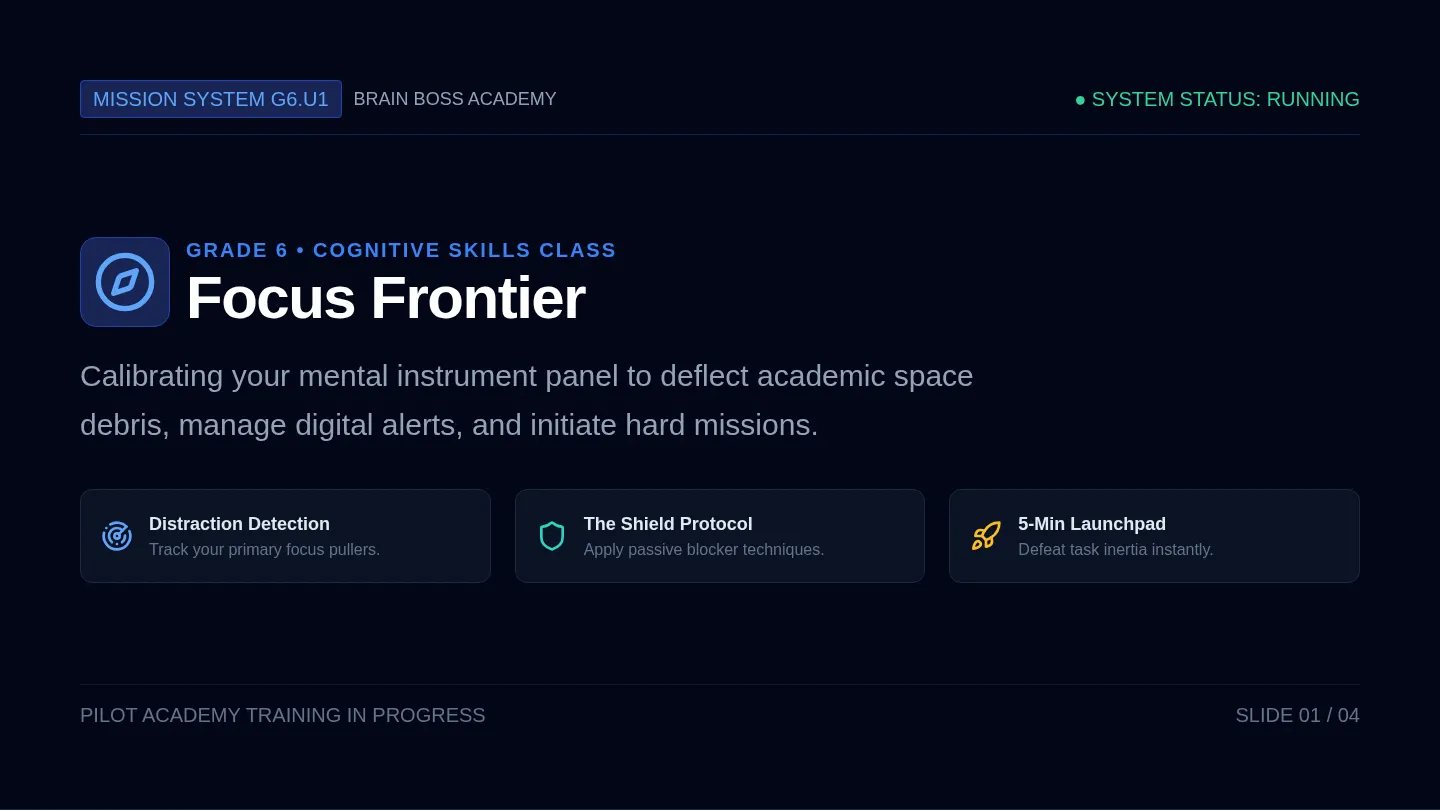
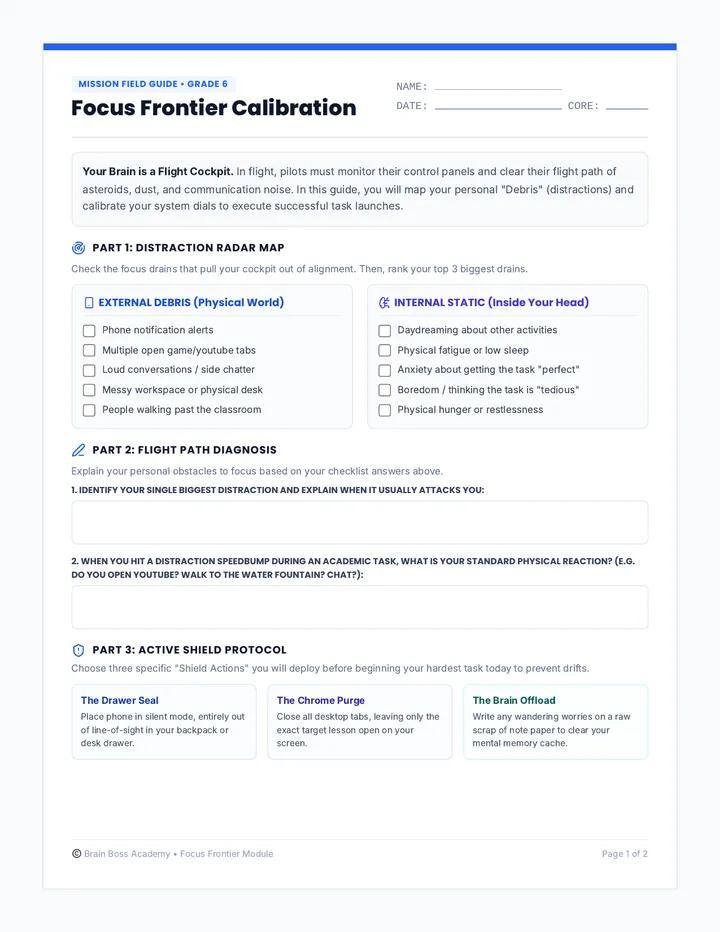
Grade 6 lesson focusing on managing distractions, emotional self-regulation, and initiating difficult or tedious academic tasks. Includes printable student worksheets, class slides, and visual anchor charts.
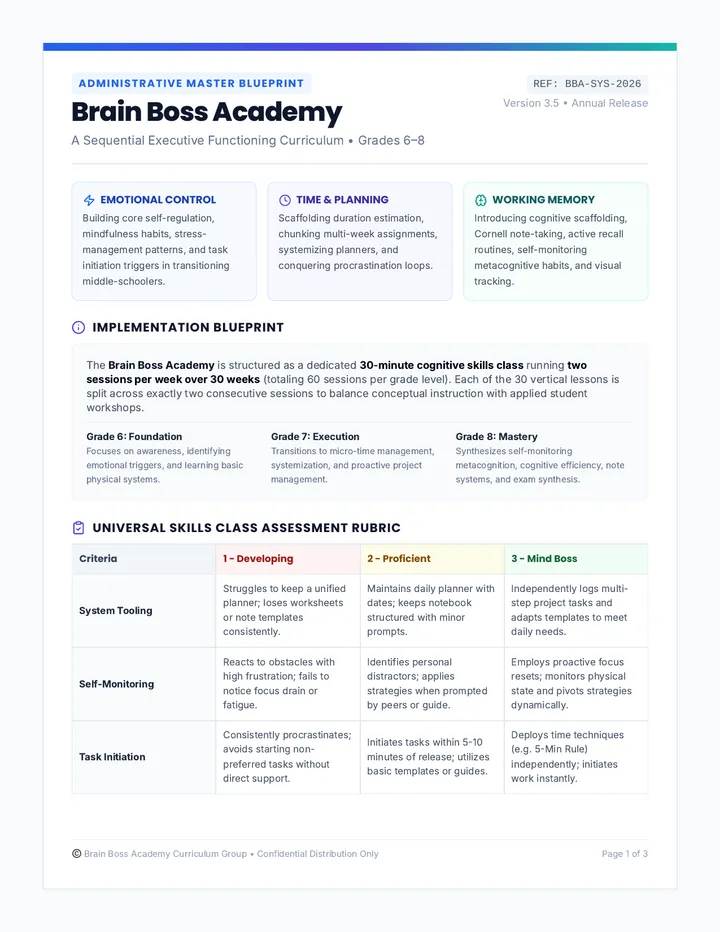
The foundational curriculum map and teacher implementation guide for Brain Boss Academy. It includes the complete vertical scope and sequence of 90 lessons across Grades 6, 7, and 8, pacing suggestions, and grading rubrics.
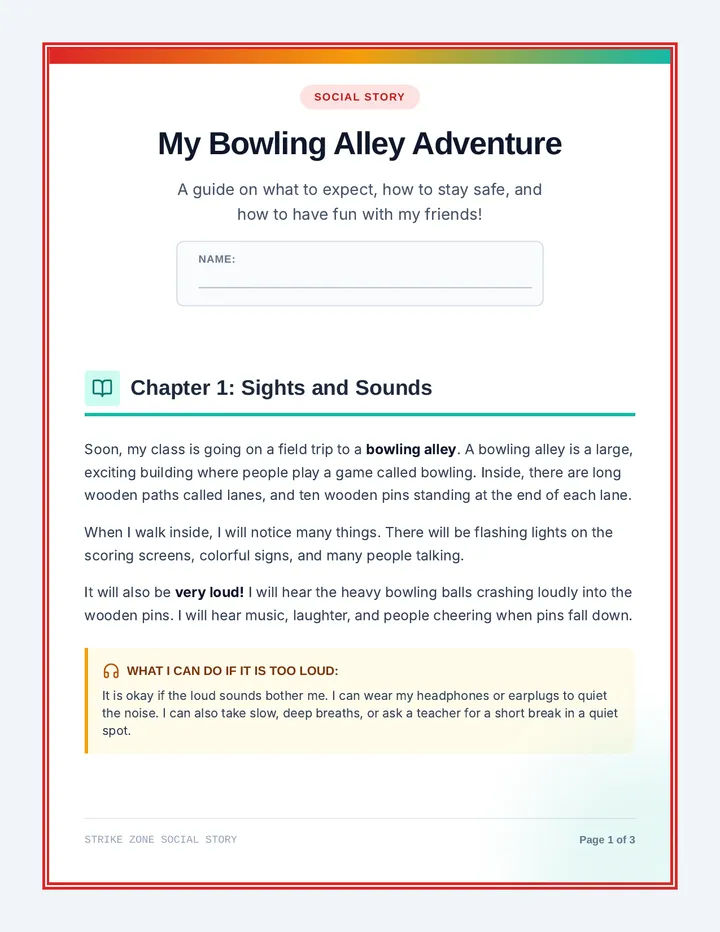
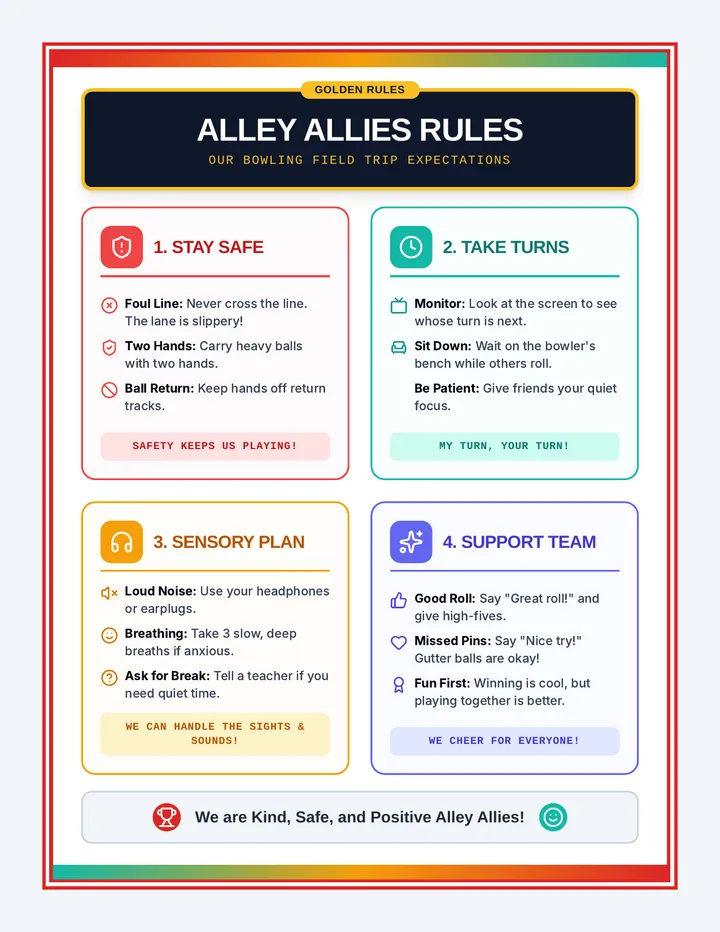
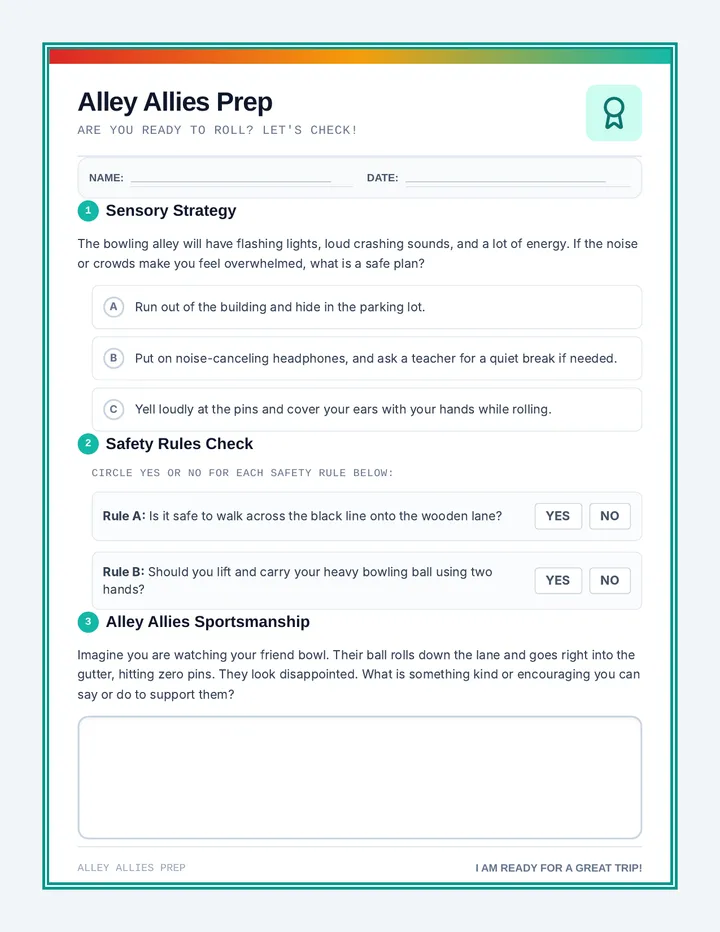
A life skills lesson package preparing middle school students for a bowling field trip. Includes slides, a social story booklet, an expectations poster, and a prep worksheet covering safety, turn-taking, sportsmanship, and sensory coping.
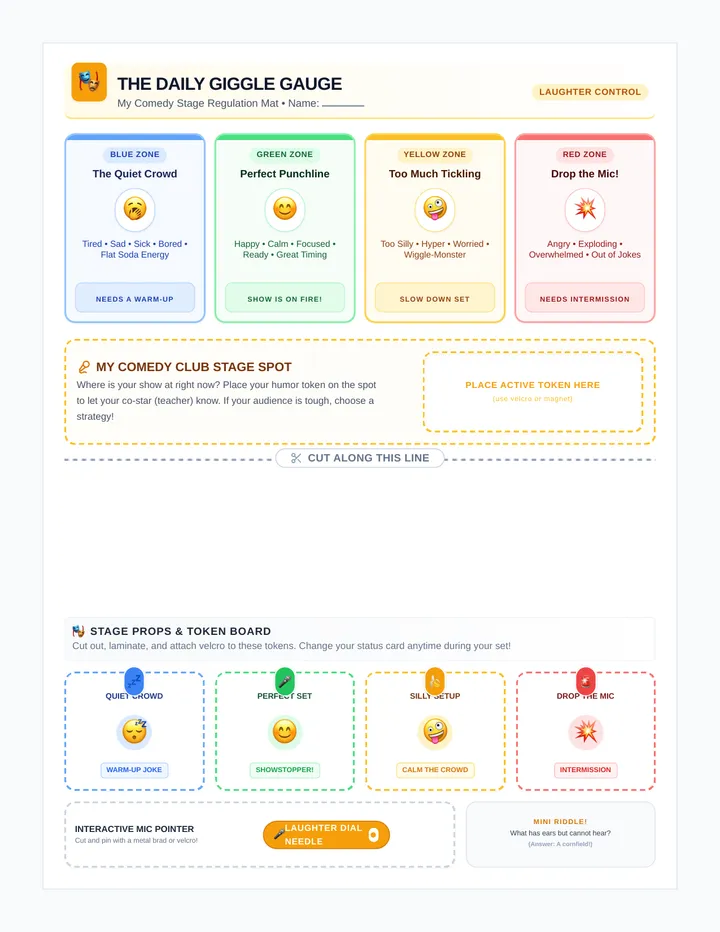
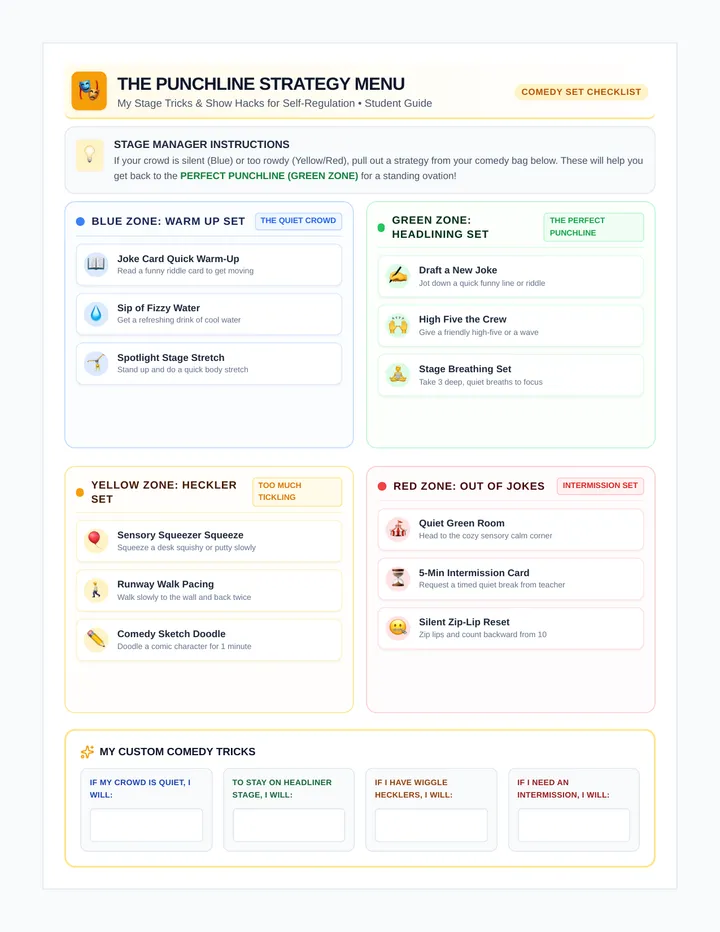
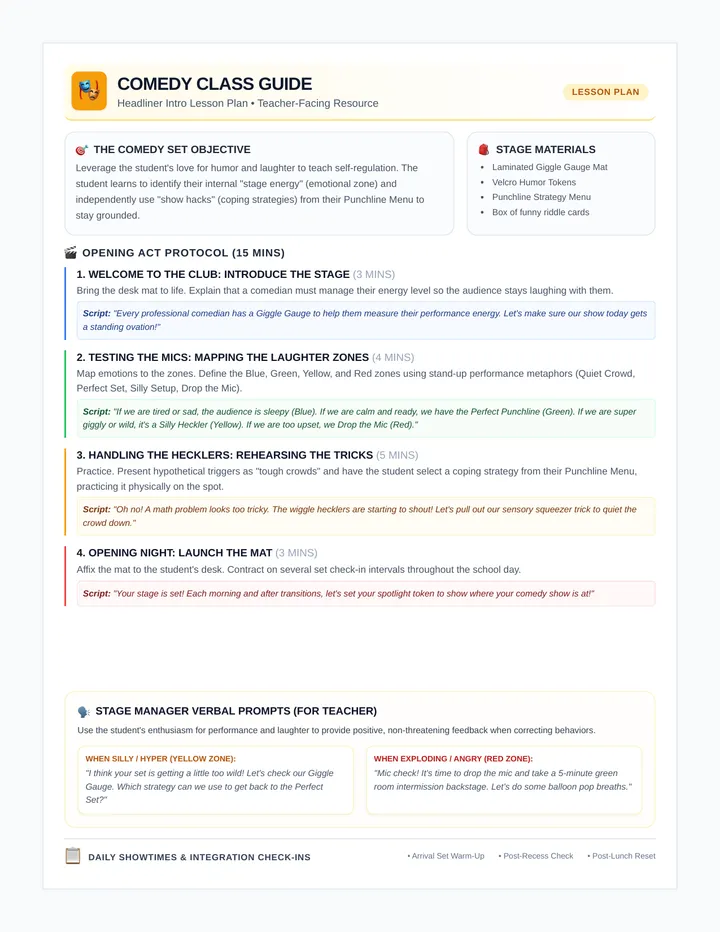
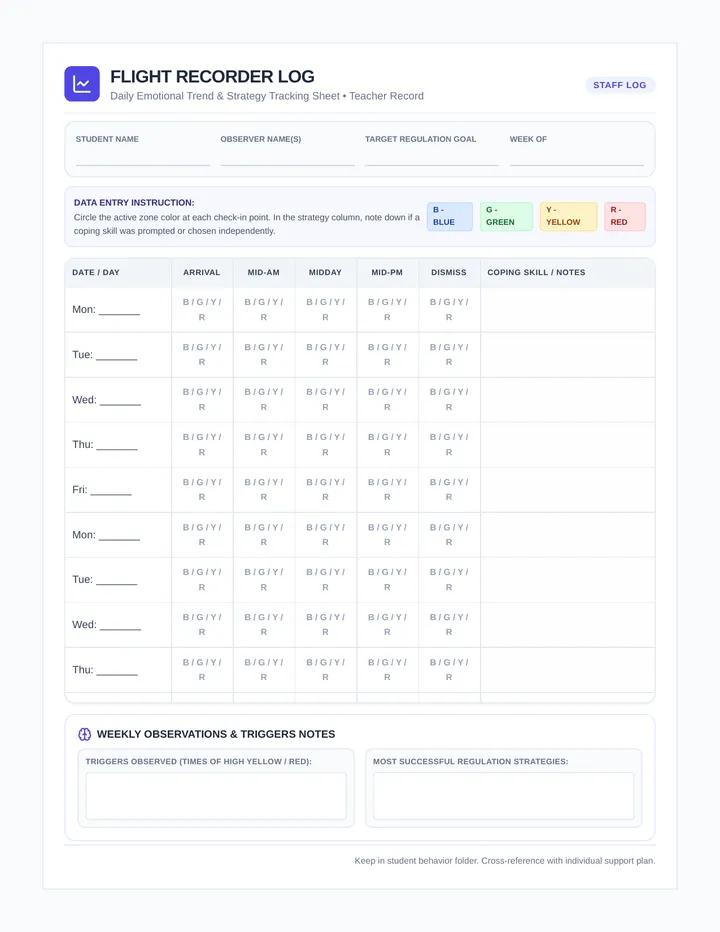
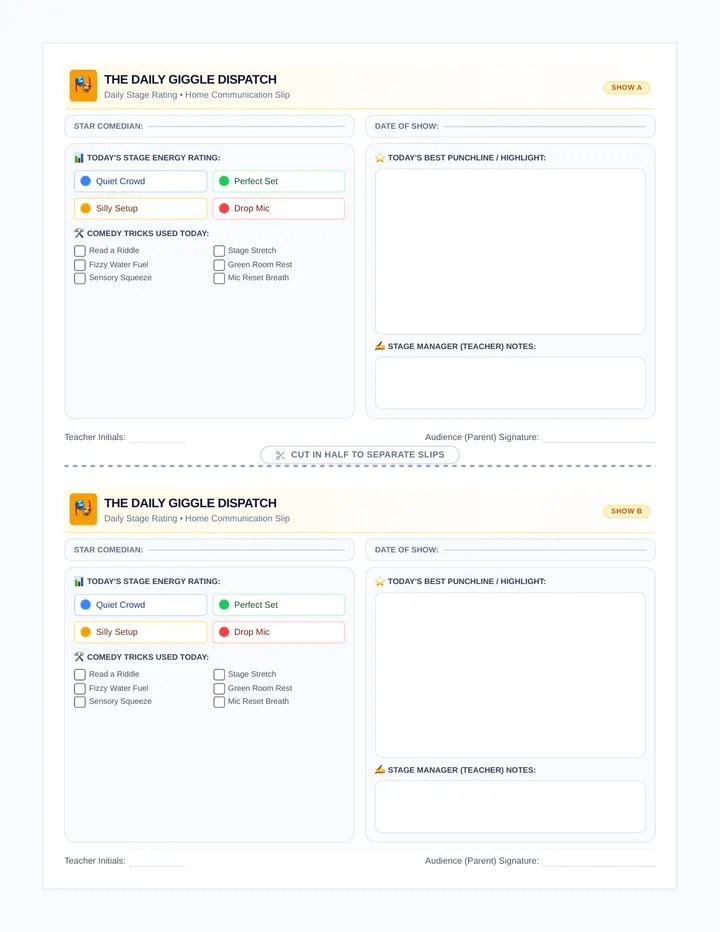
A simple, kid-friendly daily emotional regulation check-in system based on the Zones of Regulation model. Features a clean student desk mat, a coping strategy menu, a teacher instruction guide, and tracking logs.
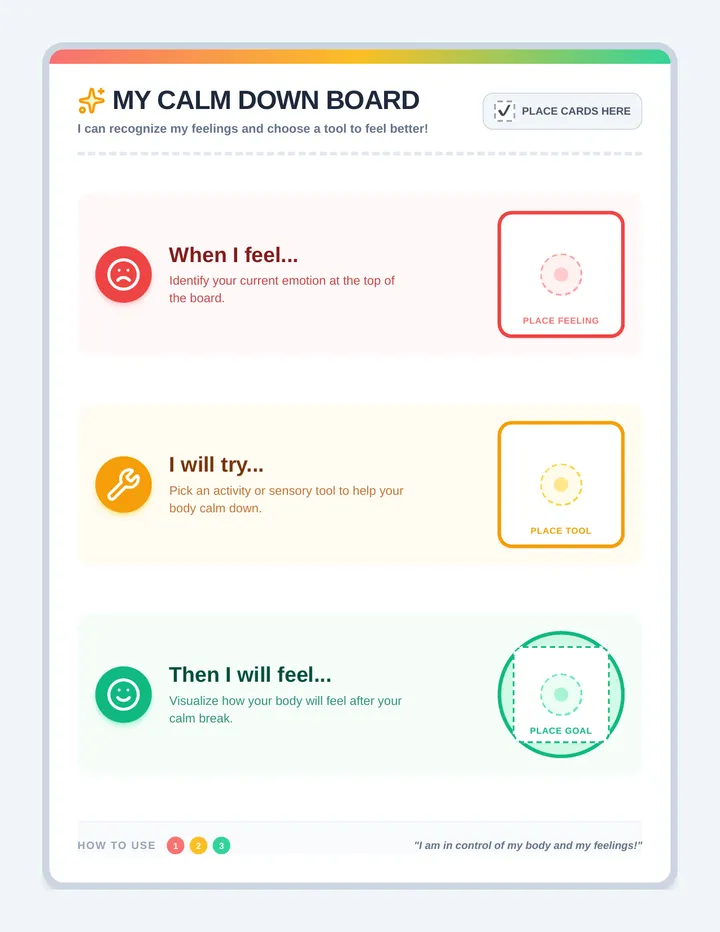
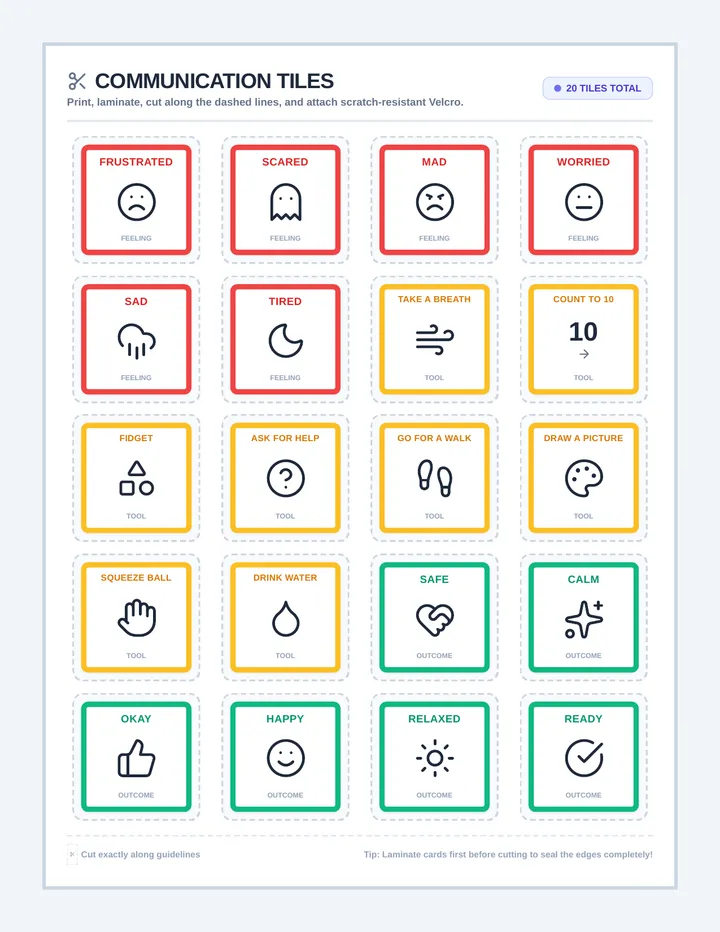
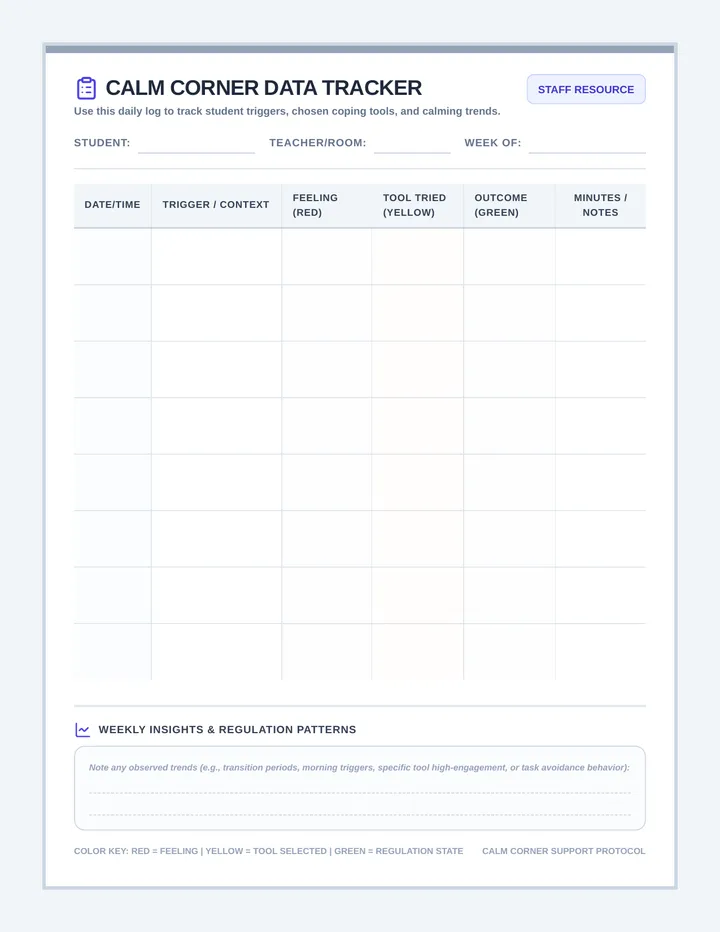
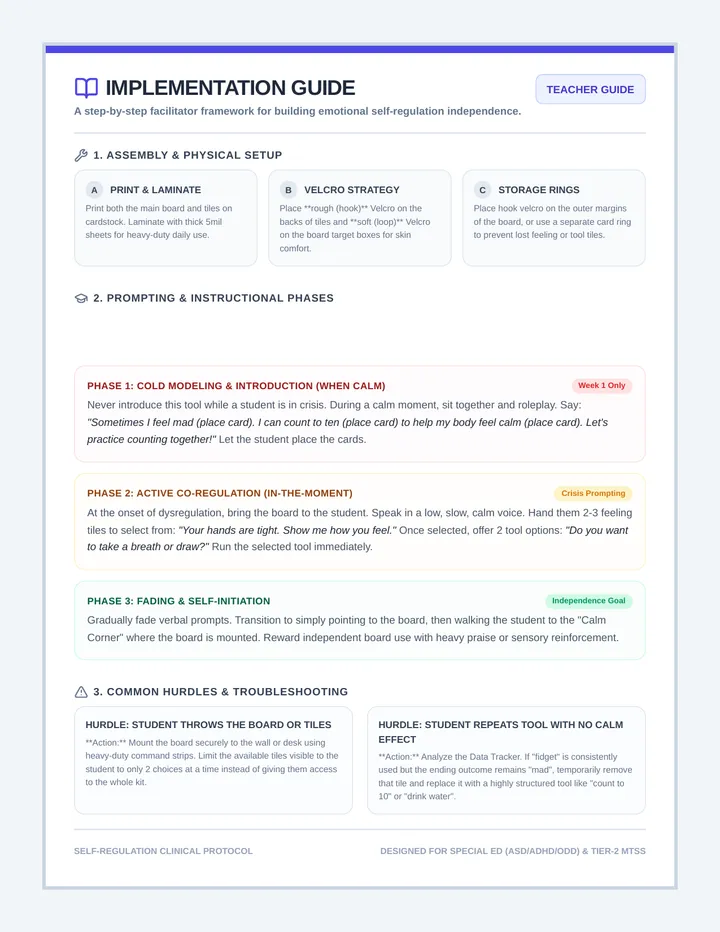
A comprehensive visual support bundle designed for student emotional self-regulation, featuring an interactive board, PECS-style communication cards, a data tracker, and a step-by-step implementation guide.
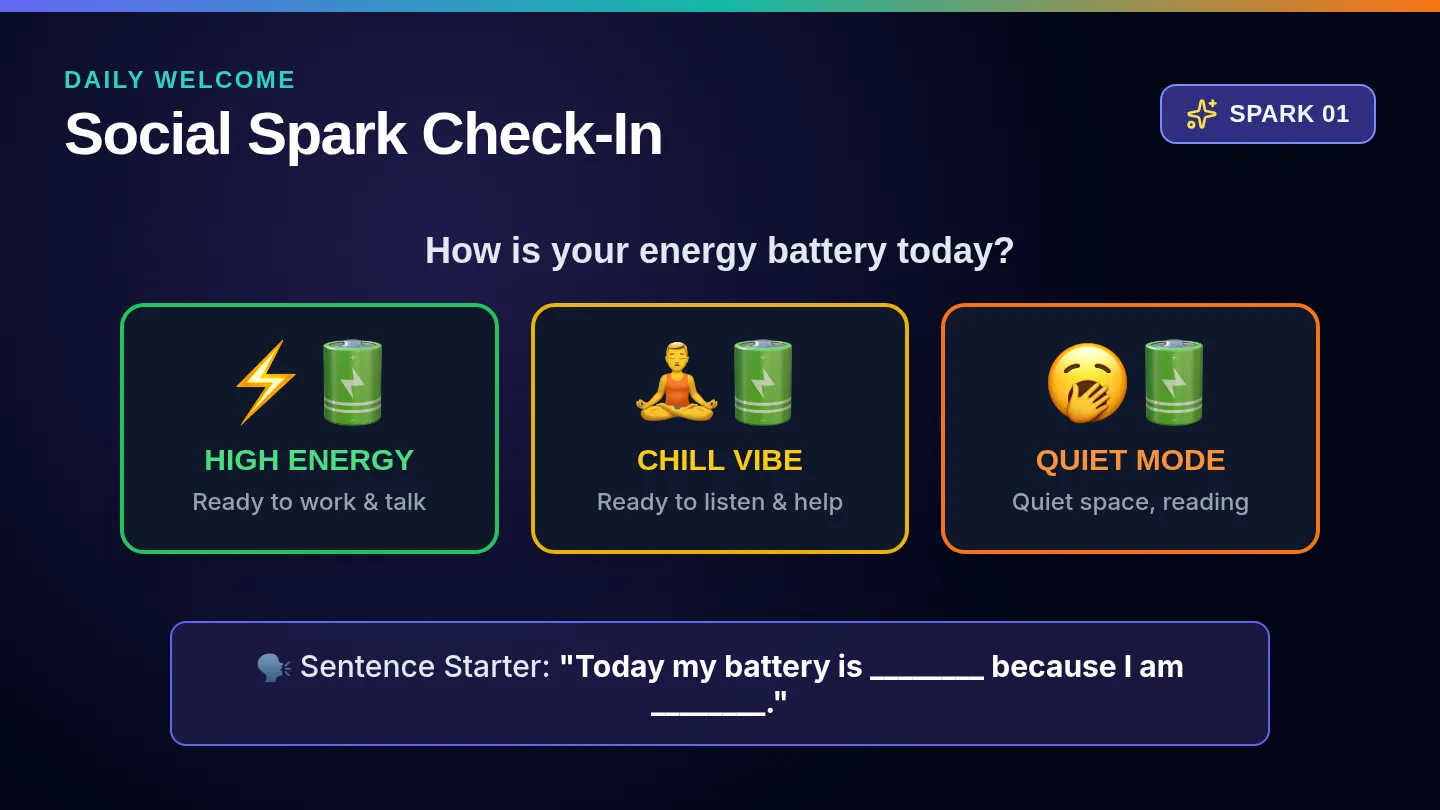
An introductory get-to-know-you lesson utilizing visual sentence starters and structured options to support students of all communication styles in sharing their preferences, feelings, and strengths.
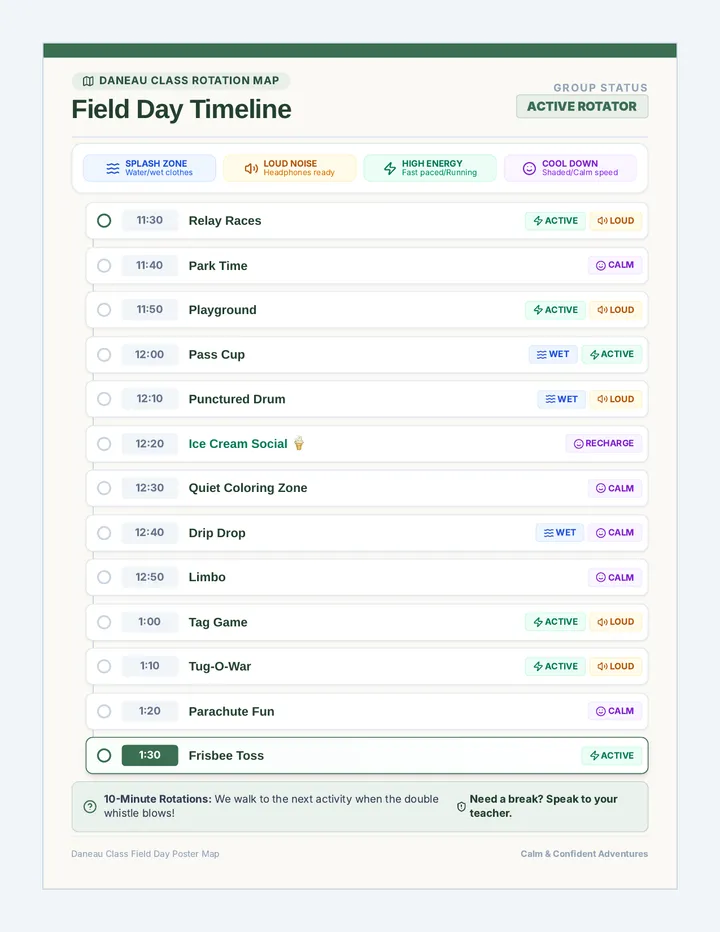
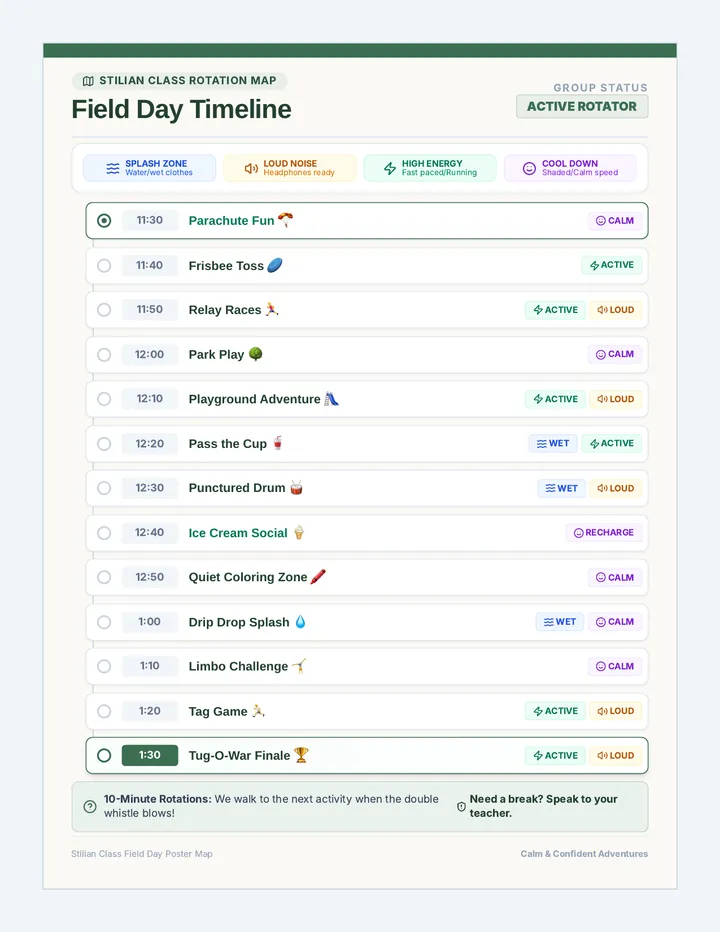
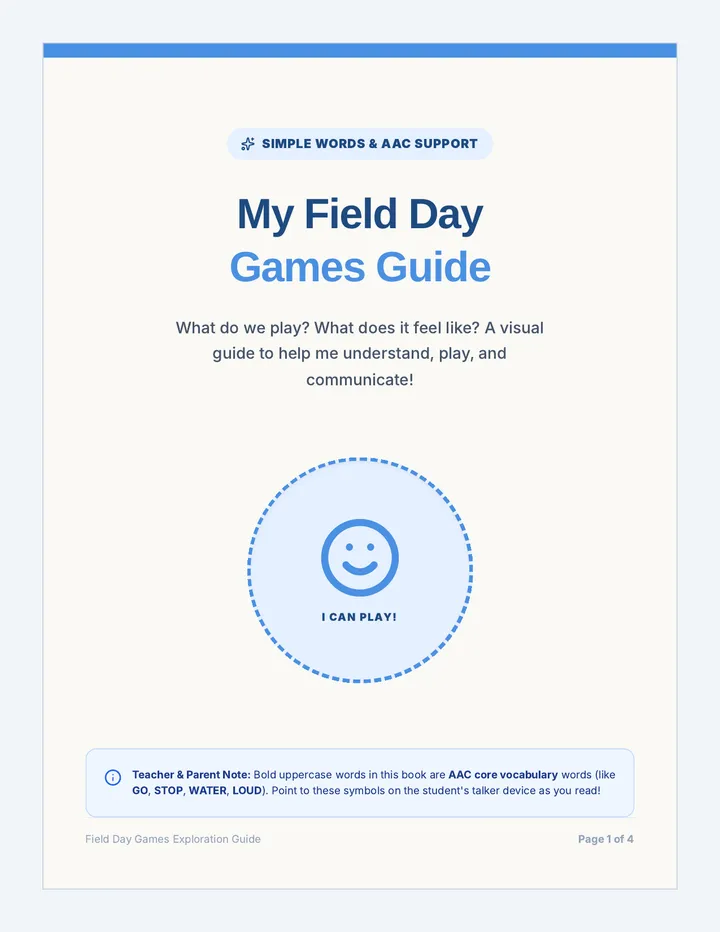
A comprehensive preparation resource set for Field Day, designed for upper elementary and sensory-sensitive students. It includes a structured, coping-strategy-focused social story booklet and a beautifully organized, visual rotation schedule poster to support seamless transitions.
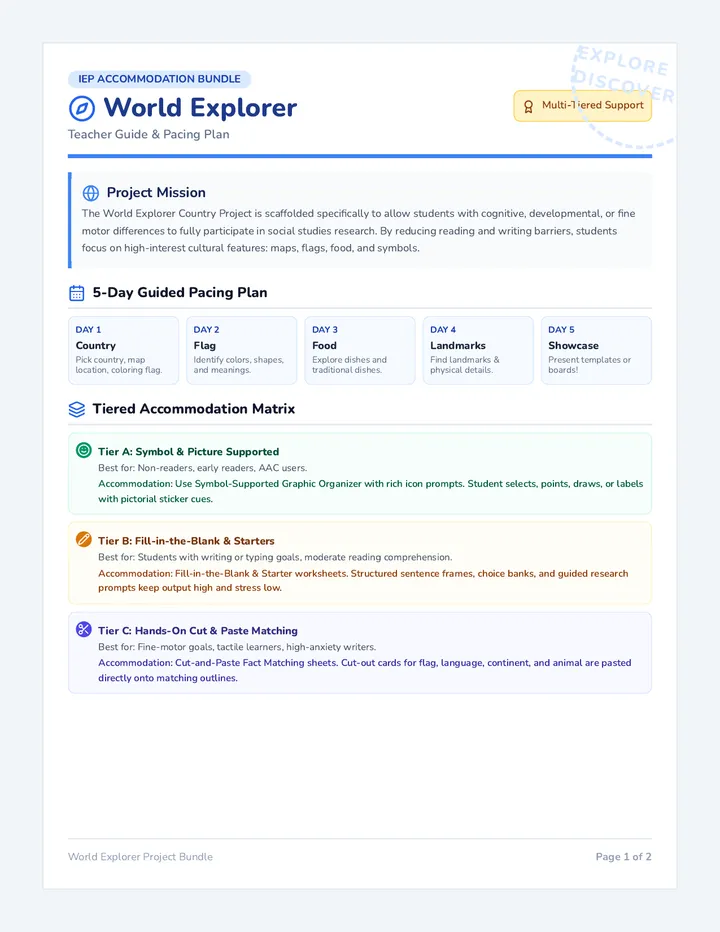
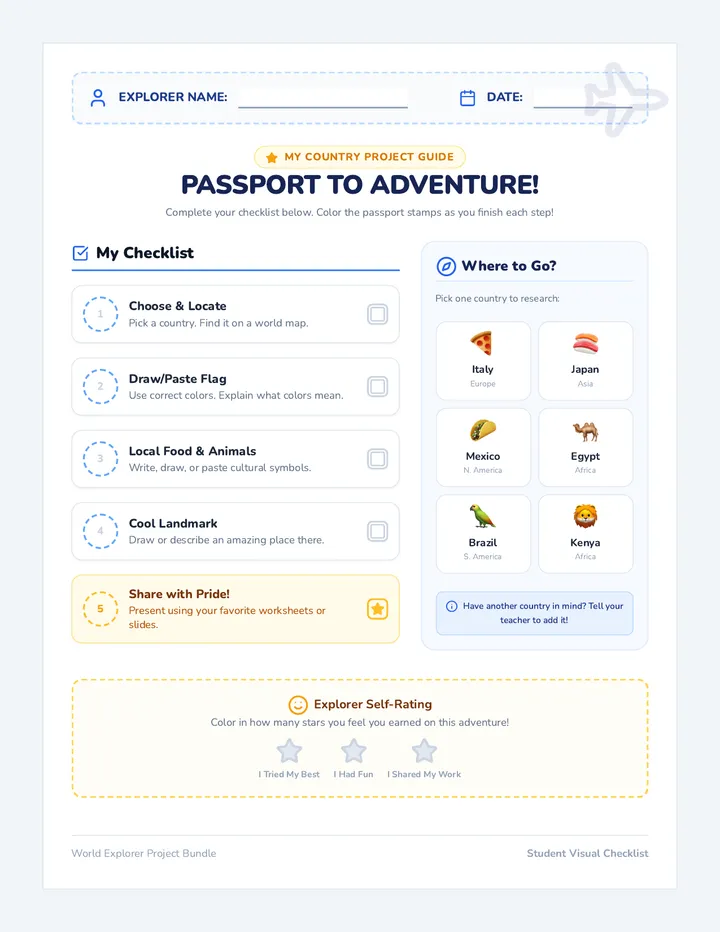
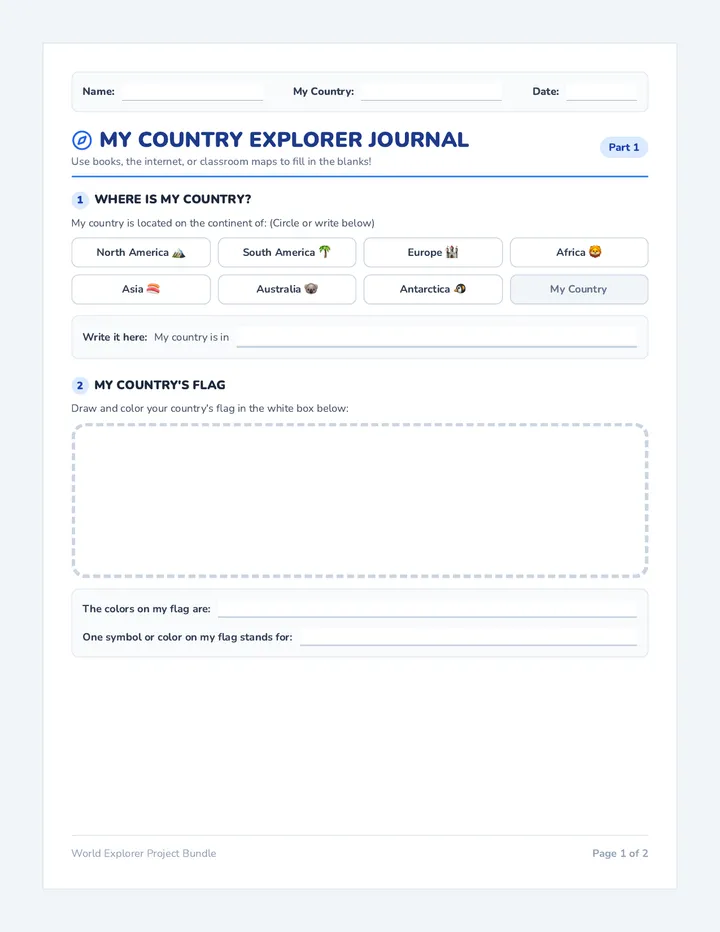
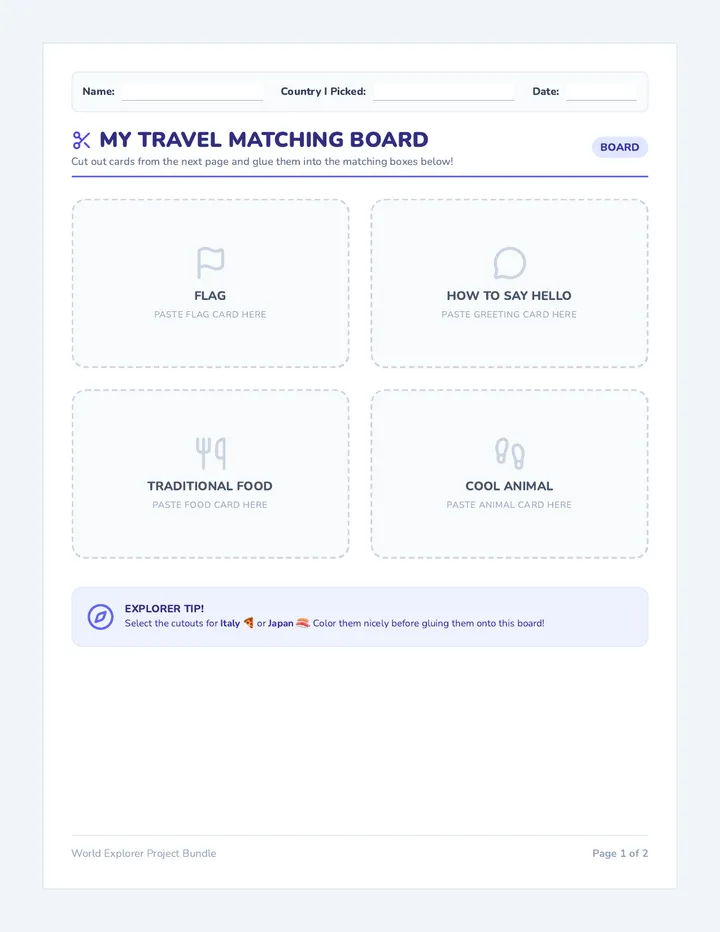
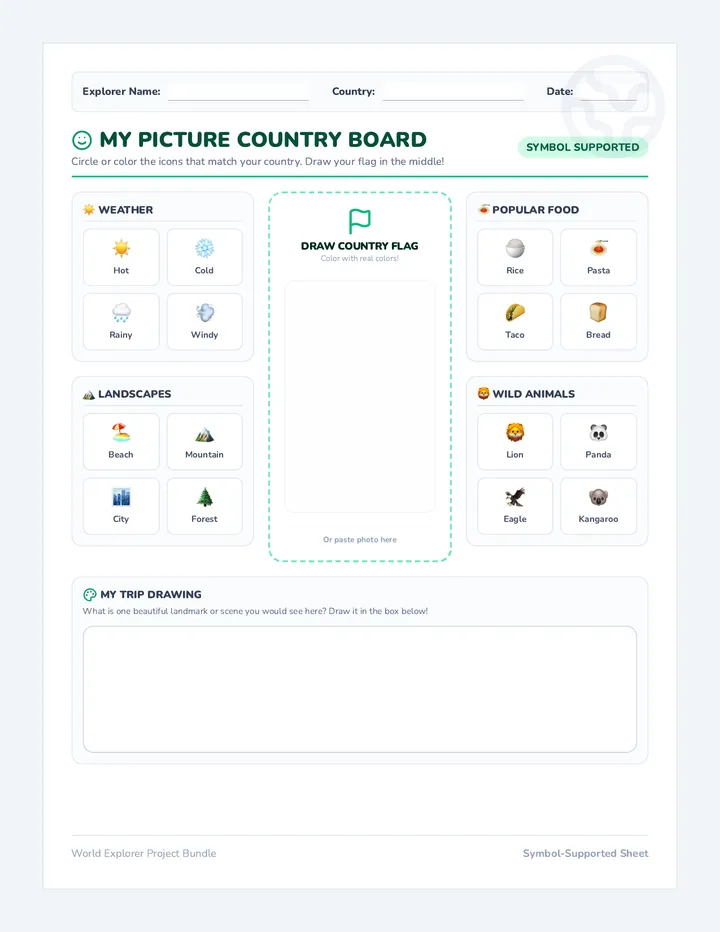
A highly visual, scaffolded country research project bundle modified specifically for IEP students. Includes teacher instructions, simplified visual rubrics, tiered student worksheets, hands-on matching activities, and a friendly presentation template.
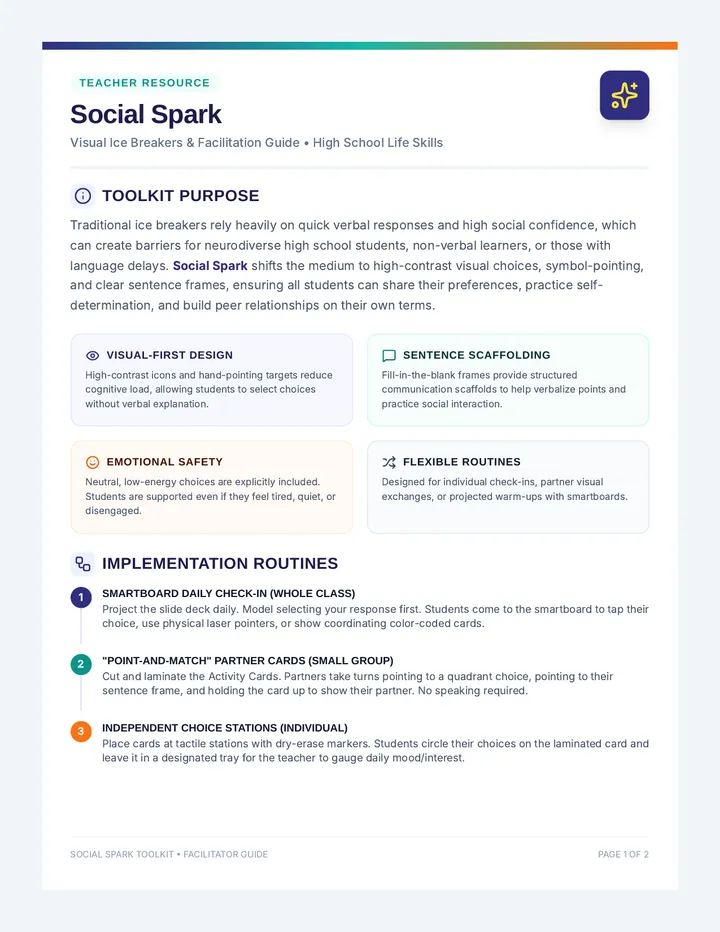
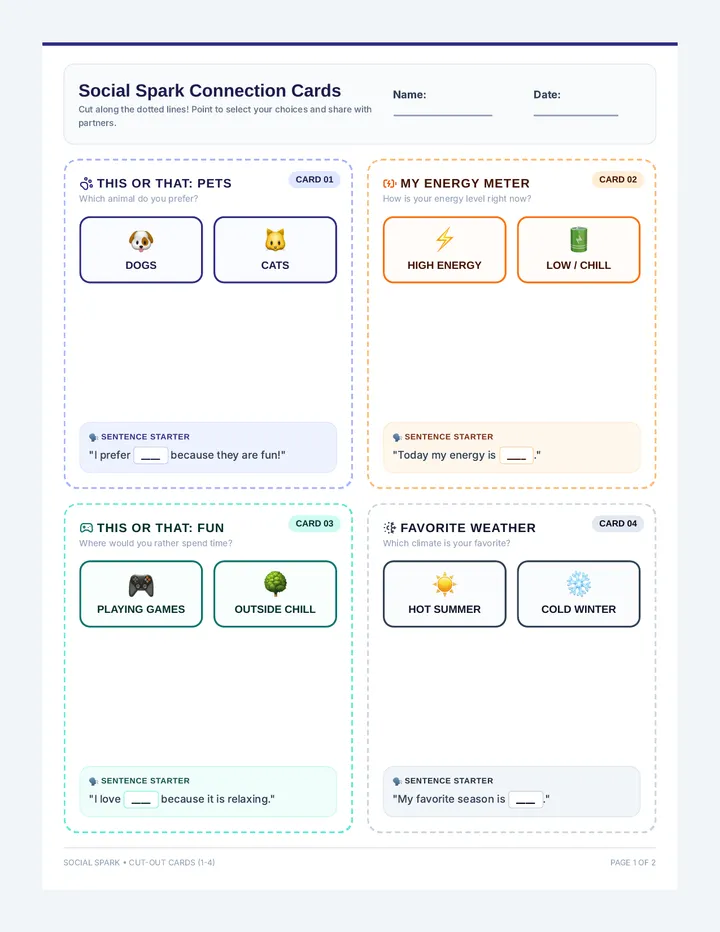
A comprehensive toolkit of visual ice breakers designed for high school life skills classrooms, featuring high-contrast visual choice boards, point-to-select options, structured sentence frames, and clear facilitator guidance to support diverse communication needs.
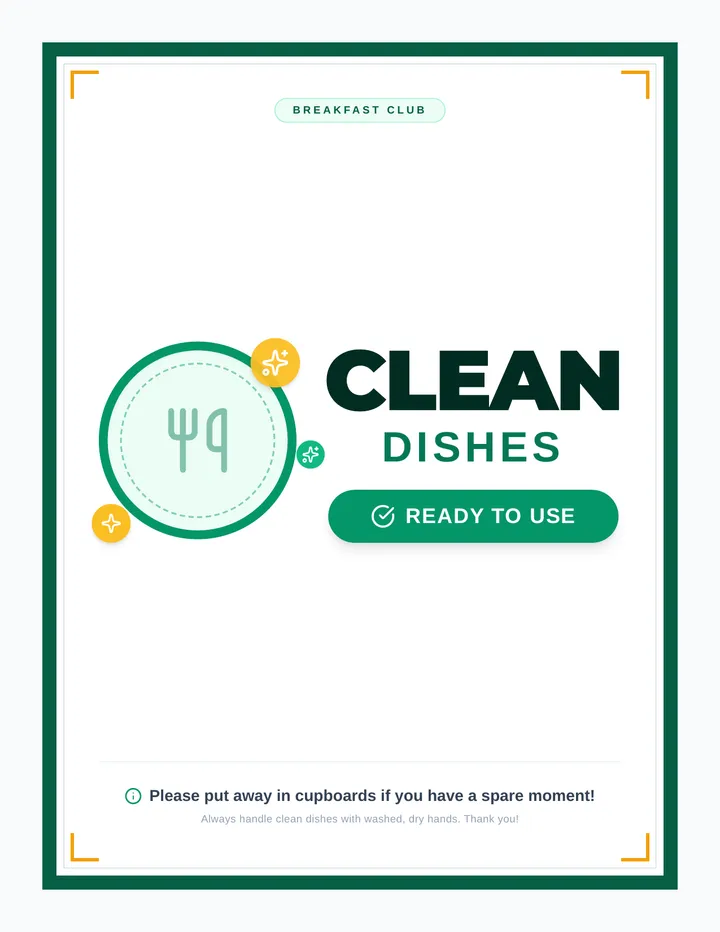
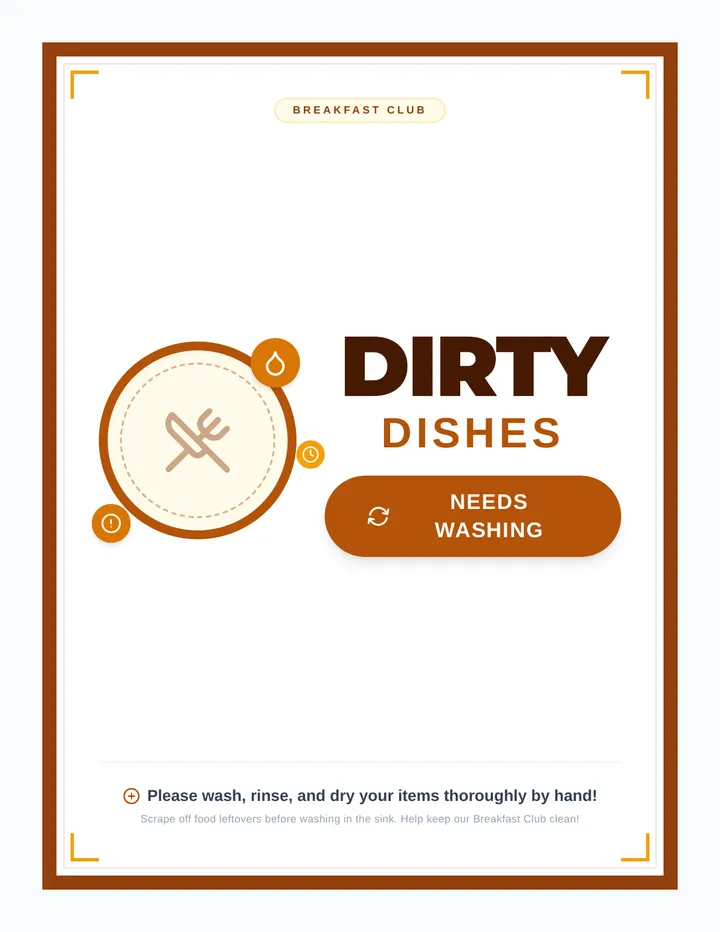
A pair of visually striking, high-contrast printable signs to organize any kitchen or classroom space. Features separate, elegant layouts for clean and dirty dishes to maintain perfect organization.
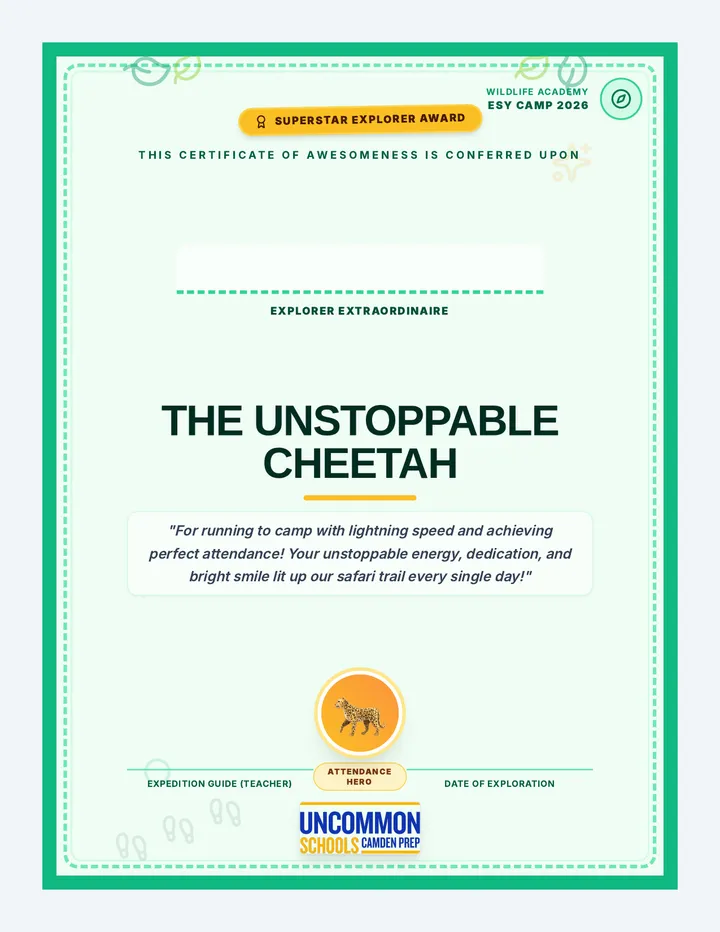
An end-of-summer-school reward program celebrating students' growth, teamwork, academic, and social achievement under a vibrant wildlife explorer theme.
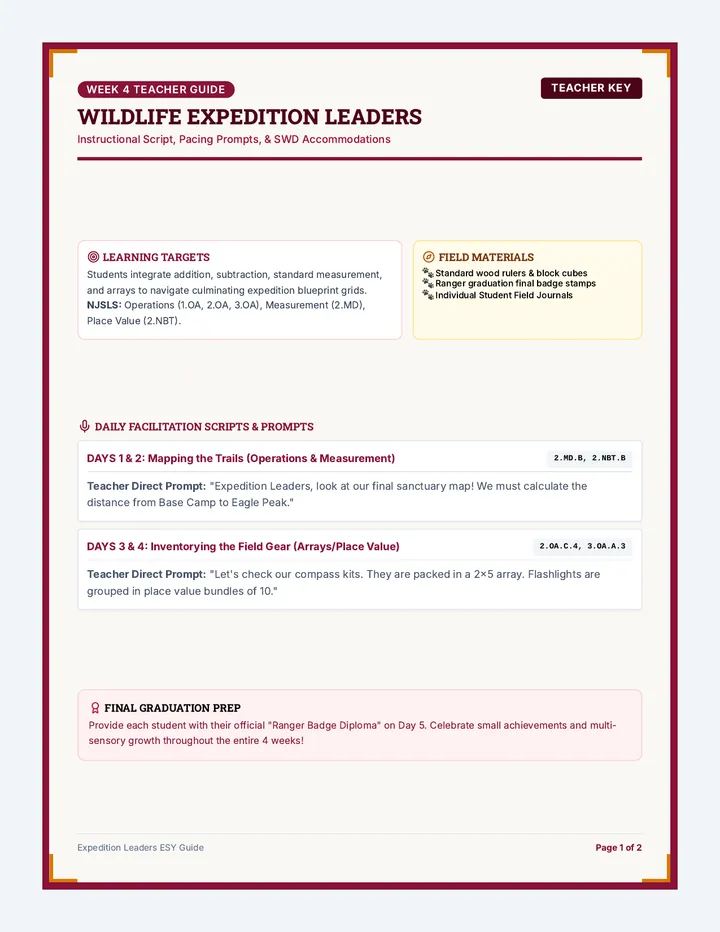
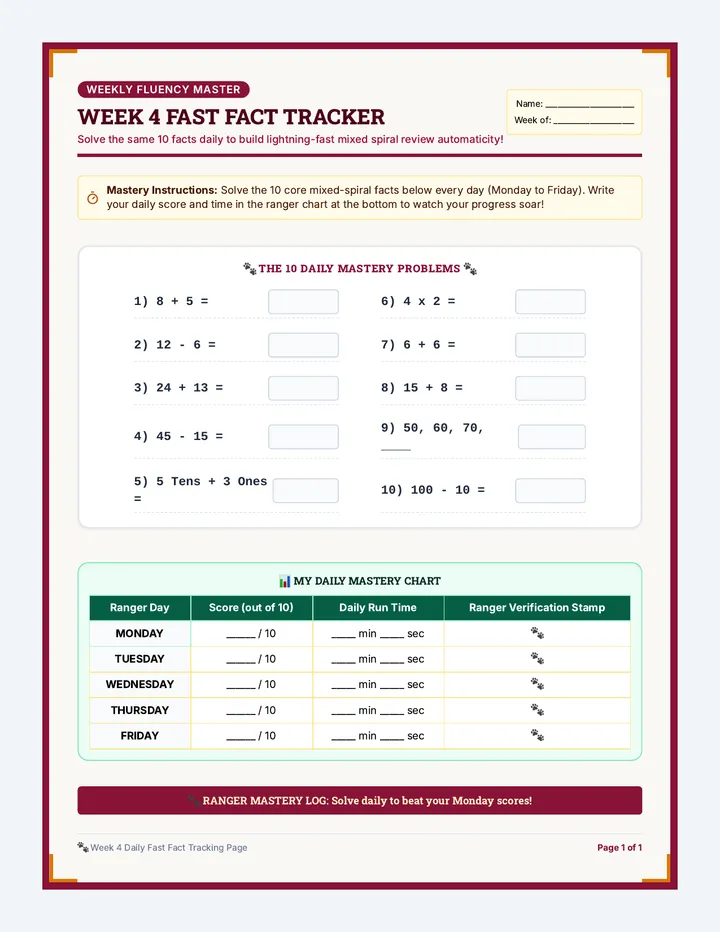
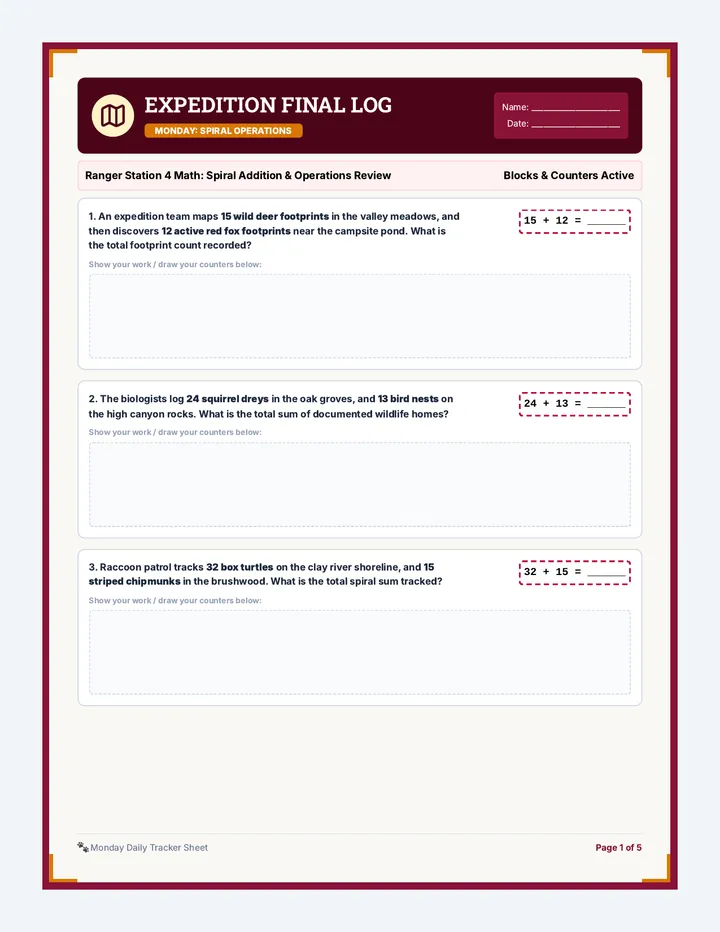
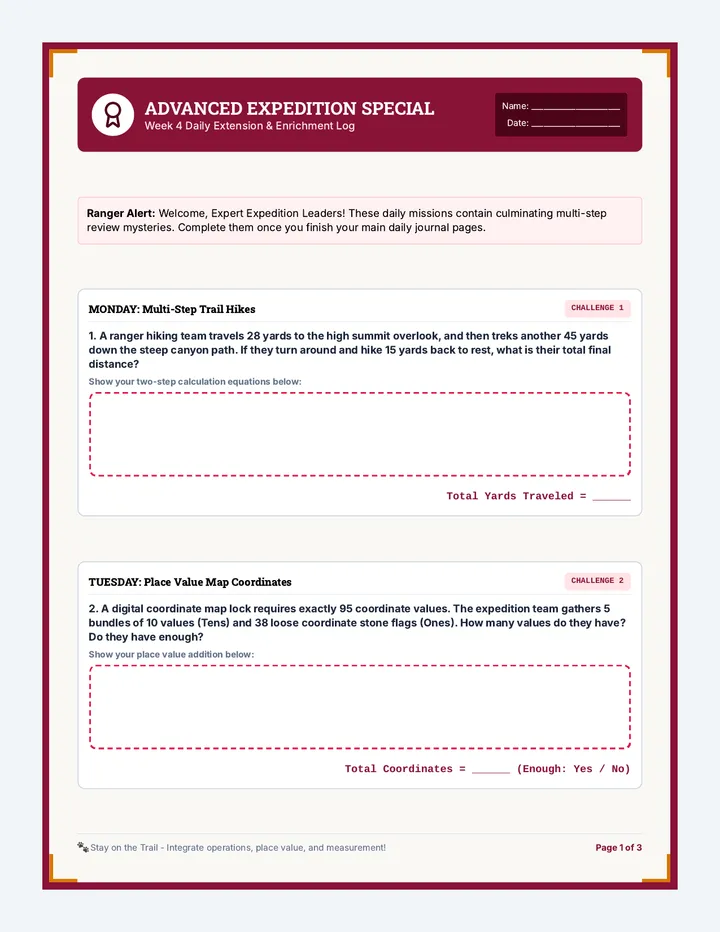
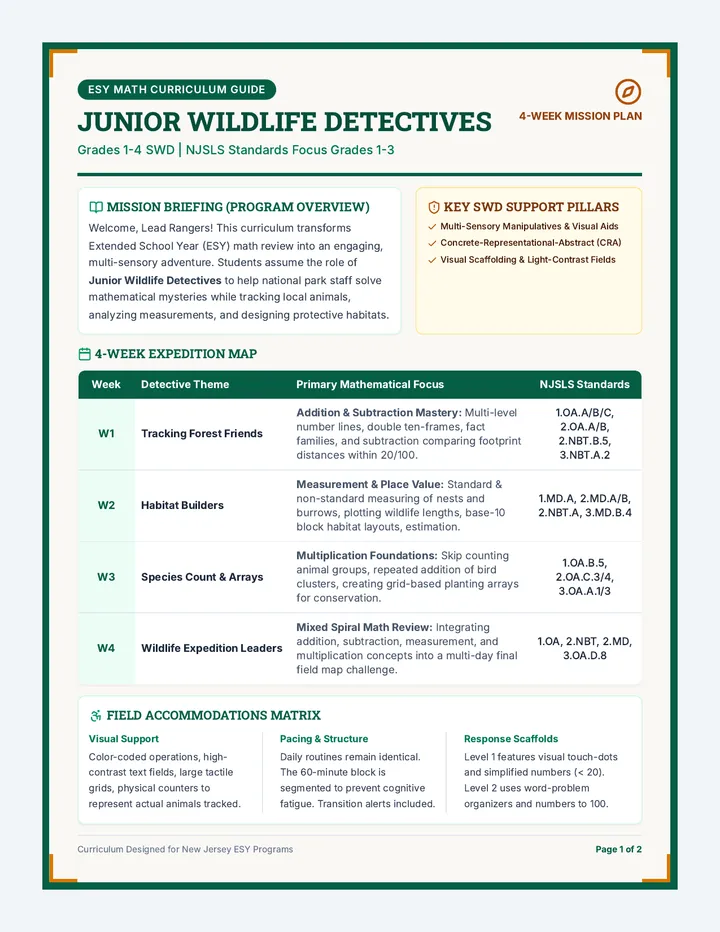
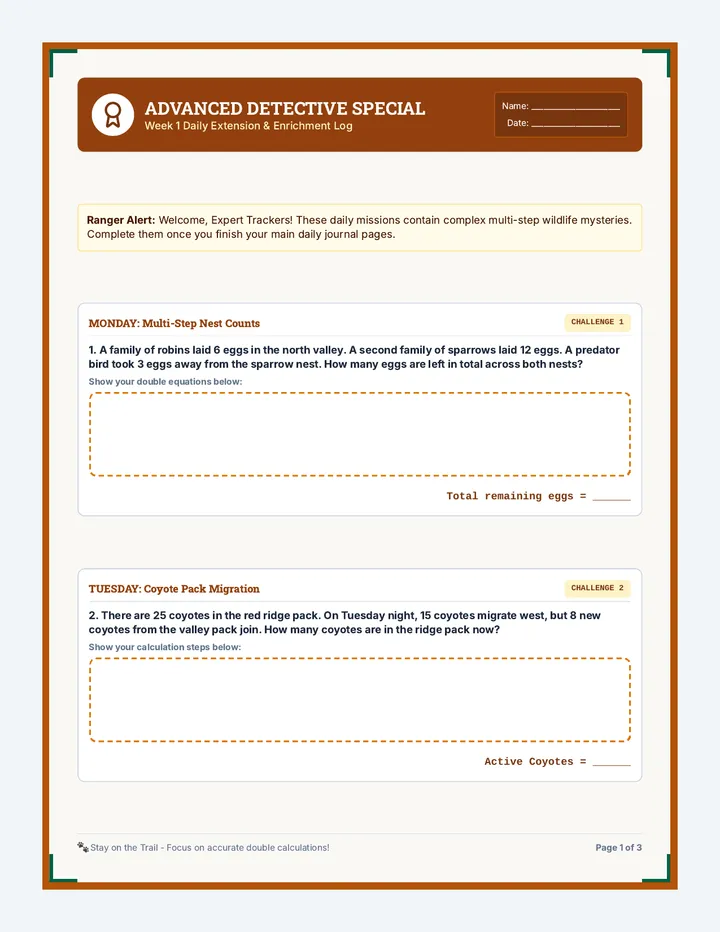
Week 4 of the ESY Wildlife Detective curriculum. Focuses on a comprehensive mixed spiral math review (NJSLS operations, place value, and measurement) through a culminating multi-day outdoor expedition challenge.
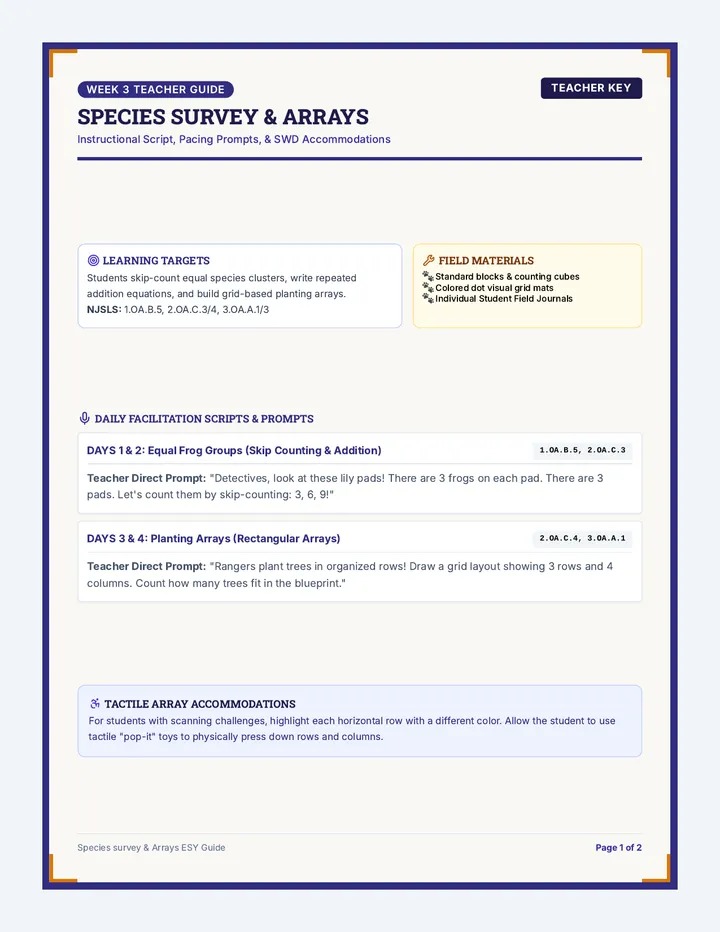
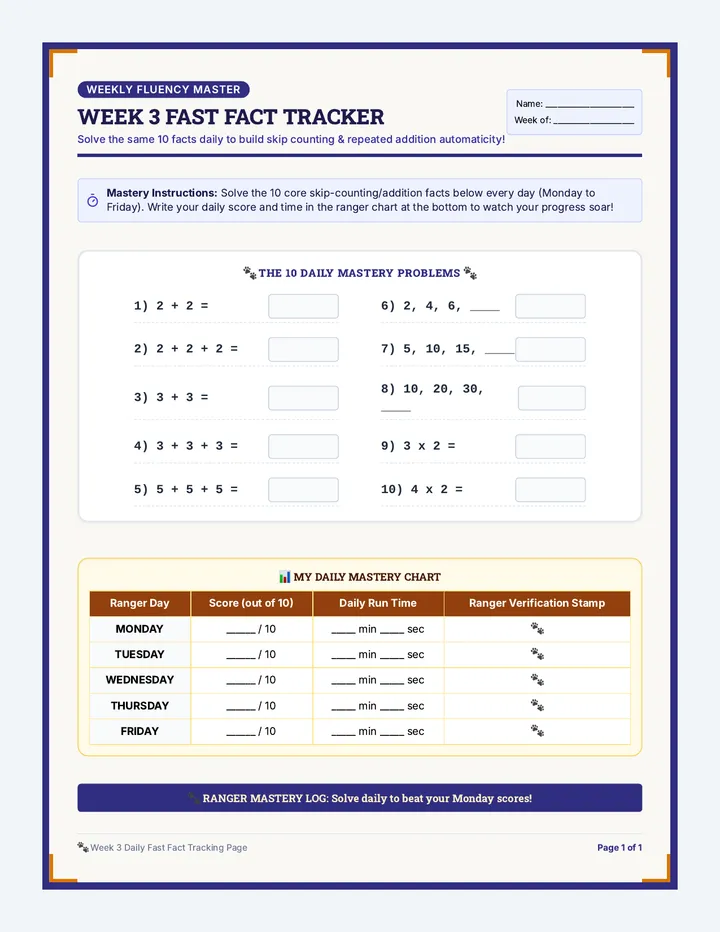
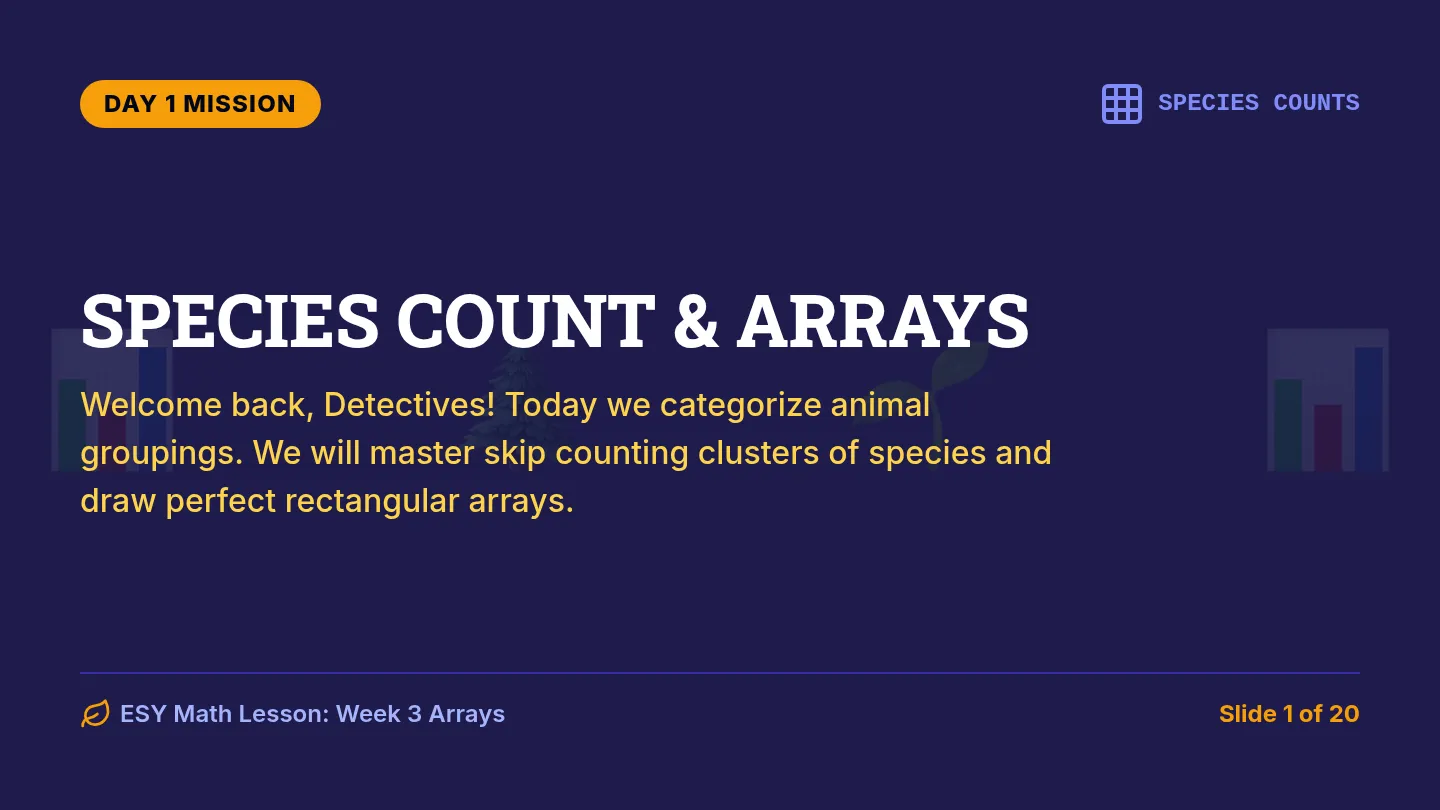
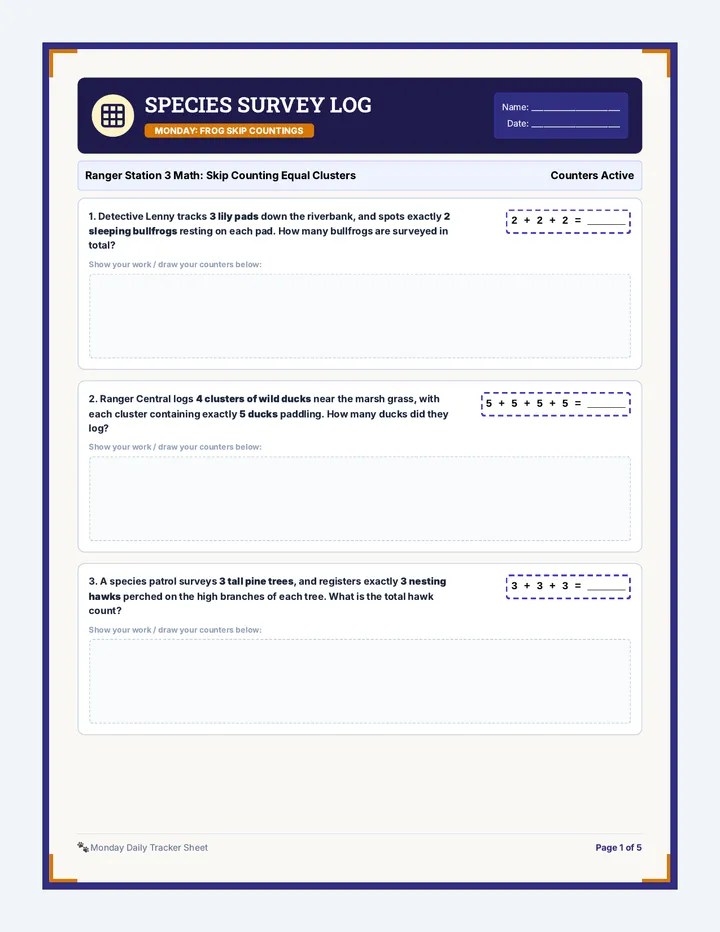
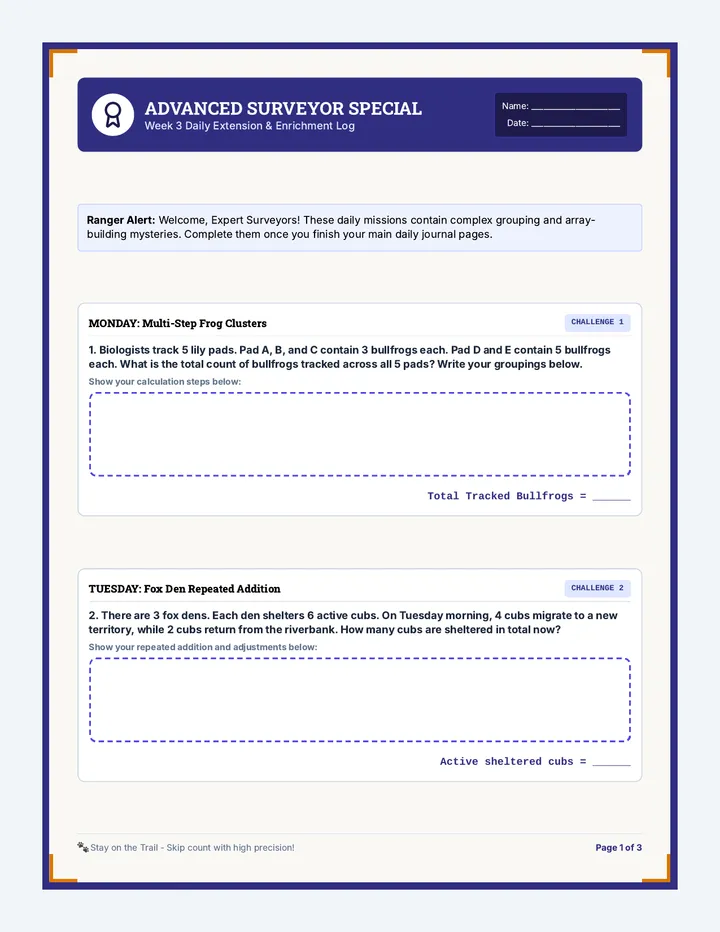
Week 3 of the ESY Wildlife Detective curriculum. Focuses on the foundations of multiplication (NJSLS 2.OA, 3.OA) through repeated addition, skip-counting animal clusters, and creating grid-based habitat arrays.
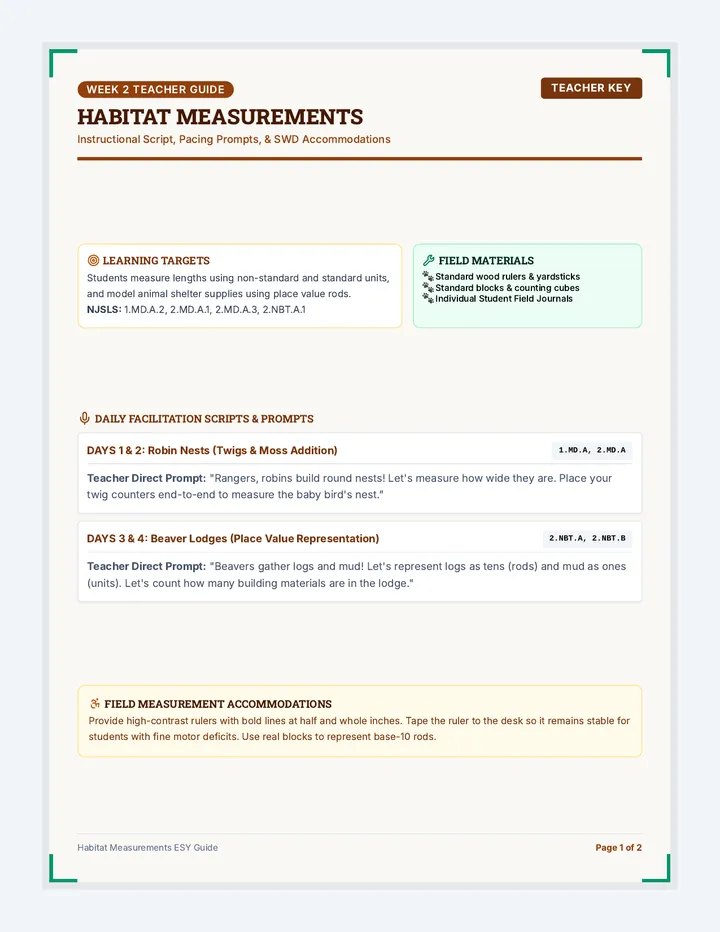
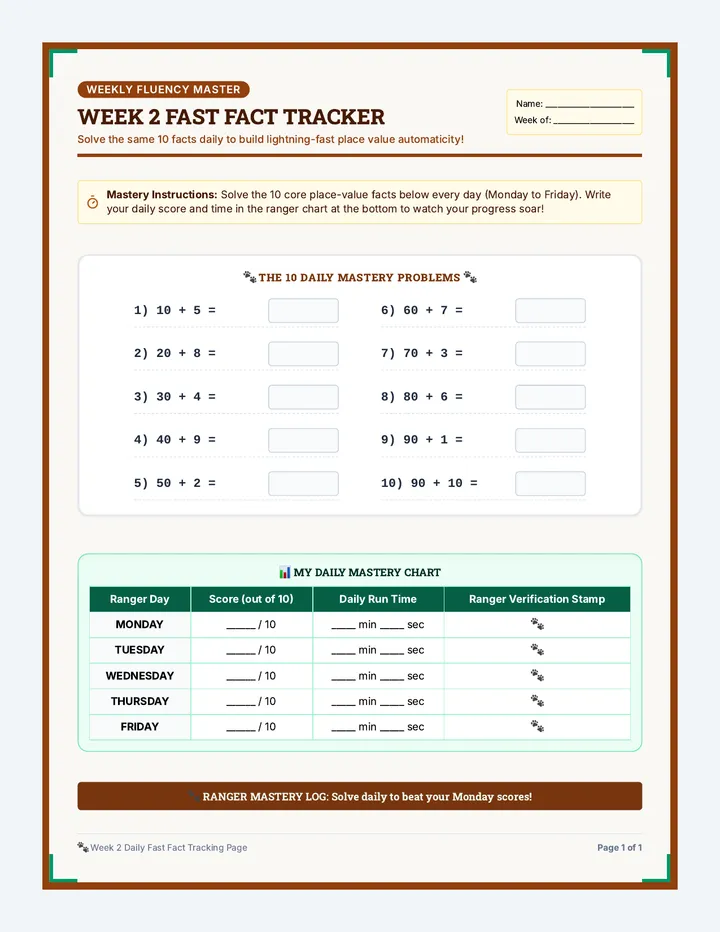
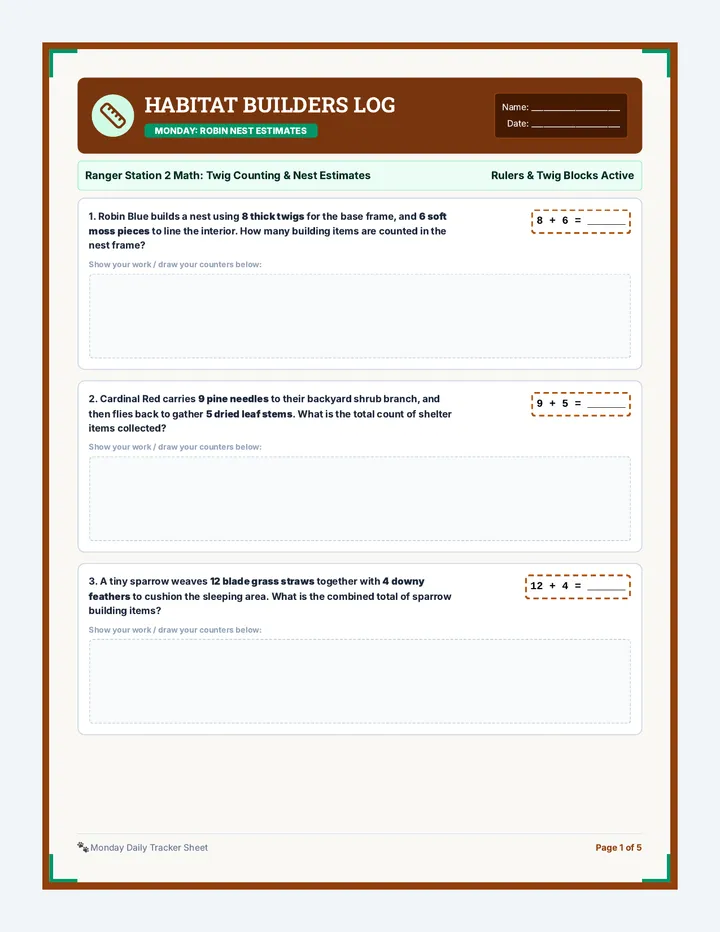
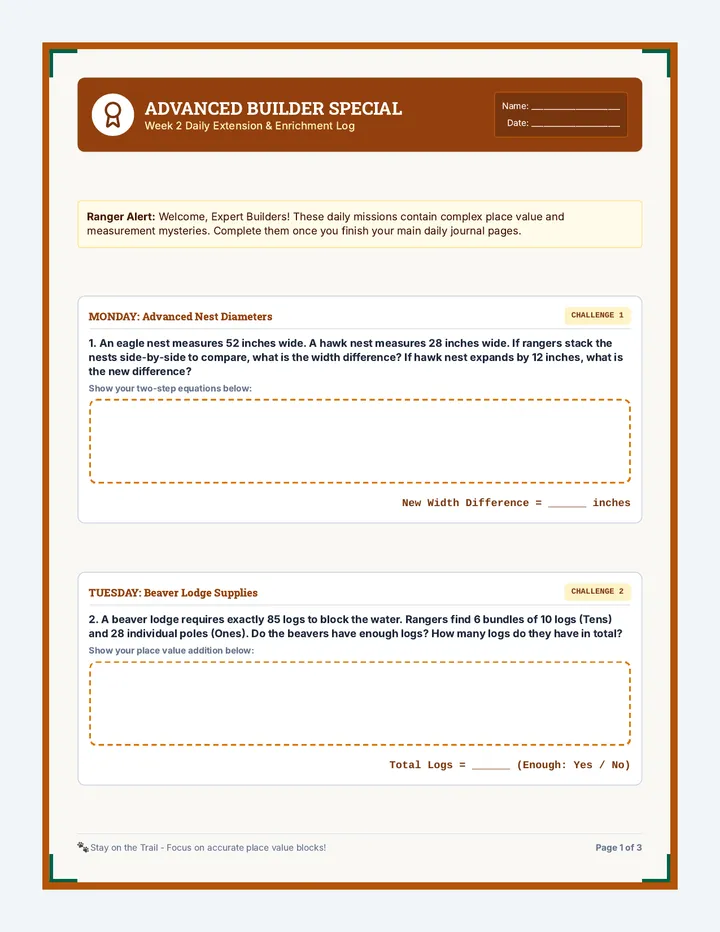
Week 2 of the ESY Wildlife Detective curriculum. Focuses on place value, estimation, and measurement (NJSLS 1.MD, 2.MD, 3.MD) by measuring nest diameters, estimating burrow lengths, and understanding animal sizes.
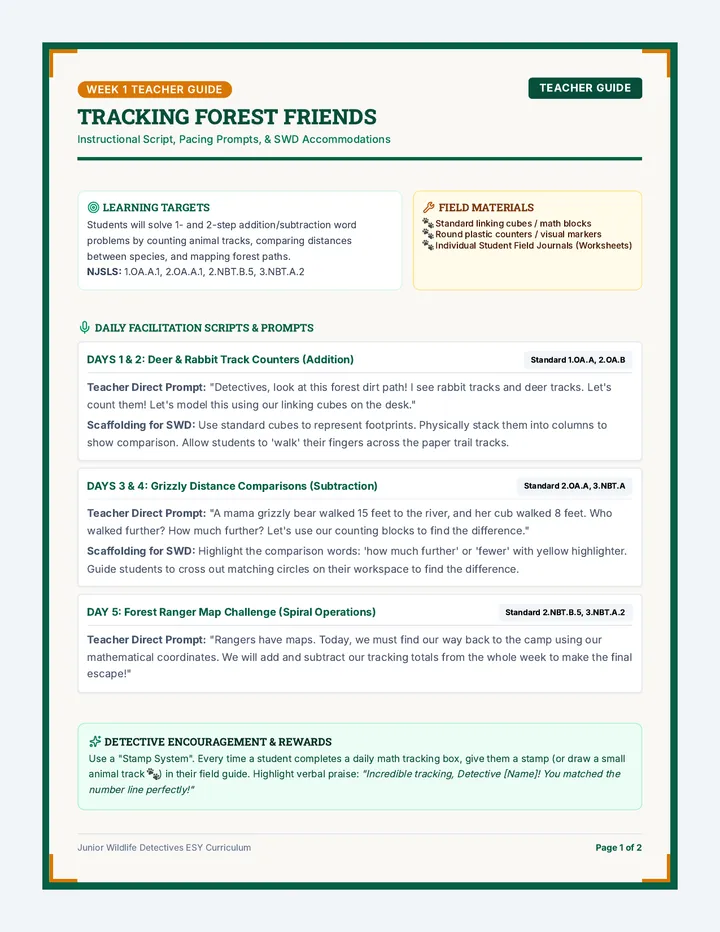
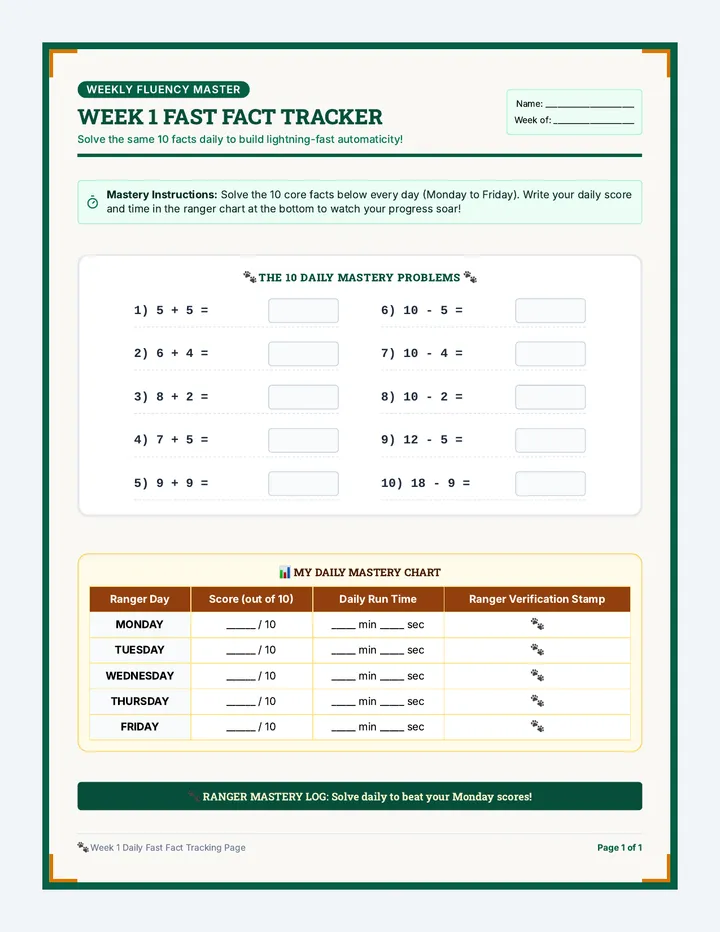
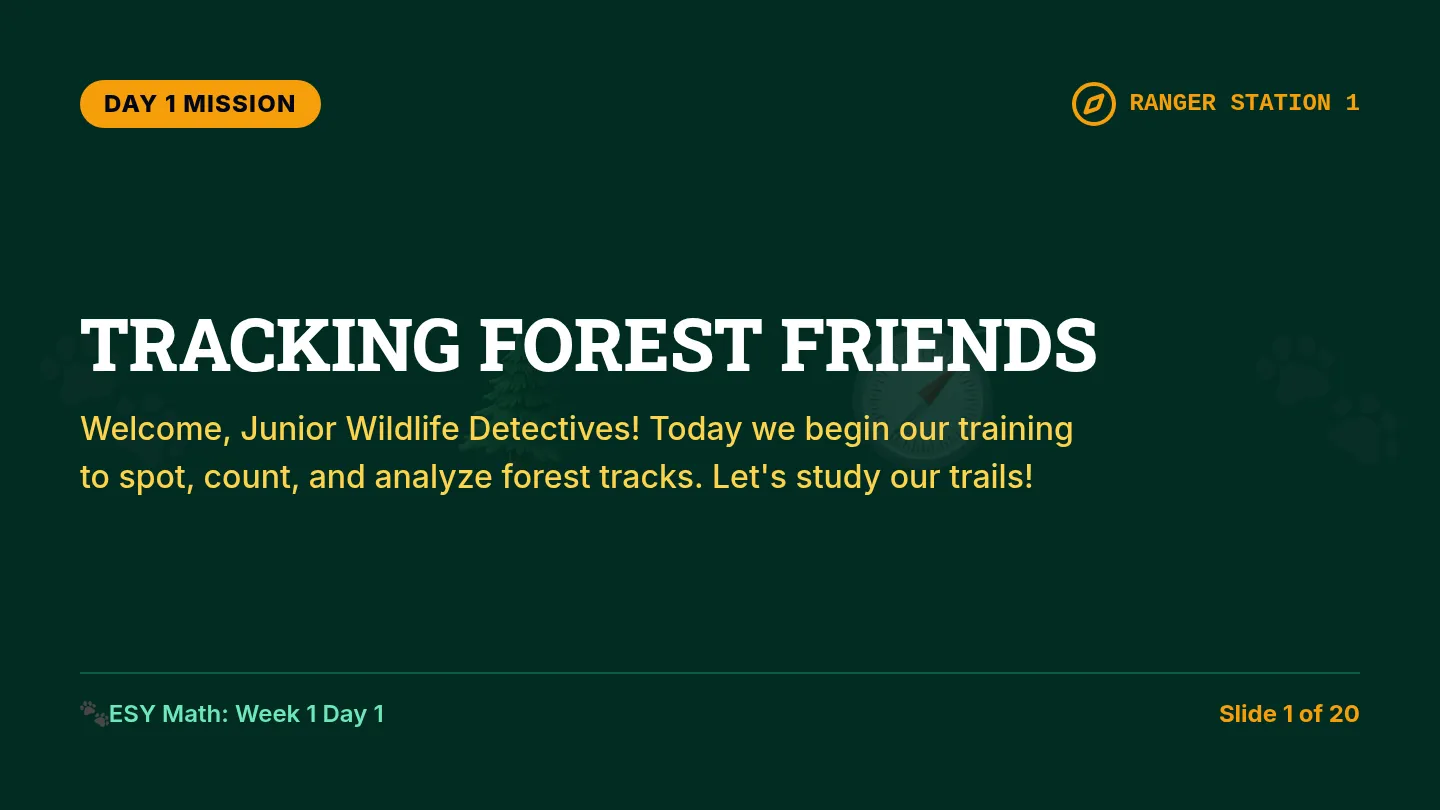
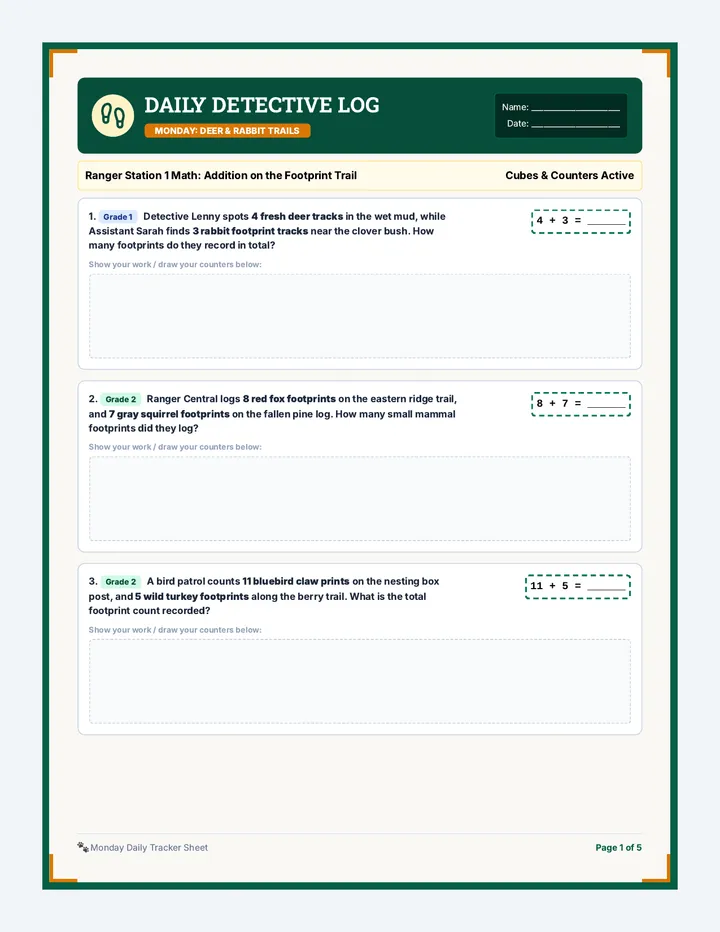
Week 1 of the ESY Wildlife Detective curriculum. Focuses on addition and subtraction mastery within 20 and 100 by tracking animal footprints, counting steps, and analyzing forest trail data. Scaffolded for grades 1-4.
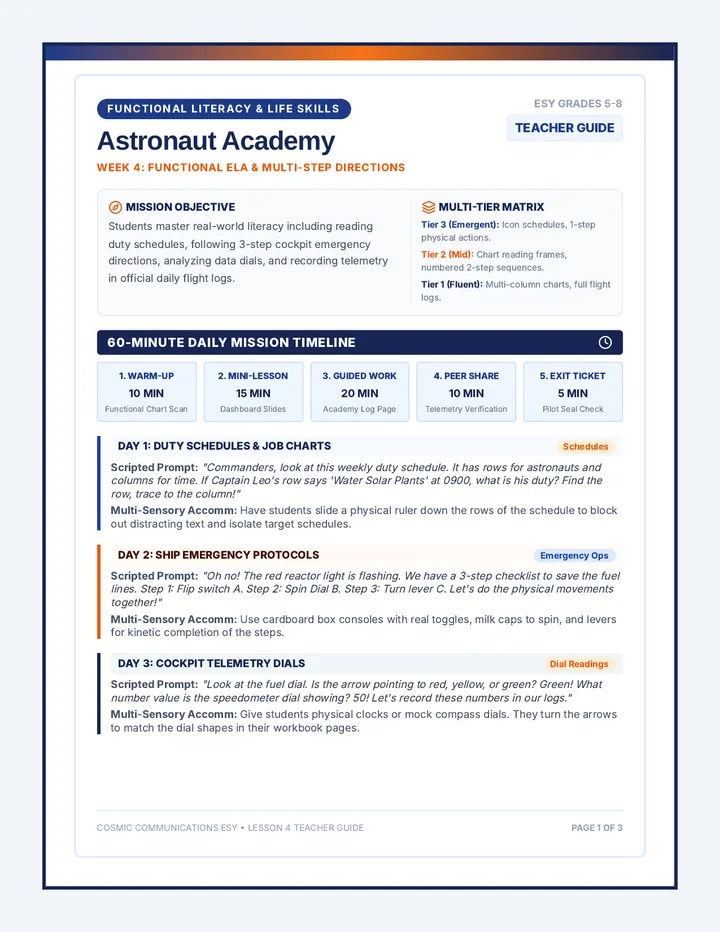
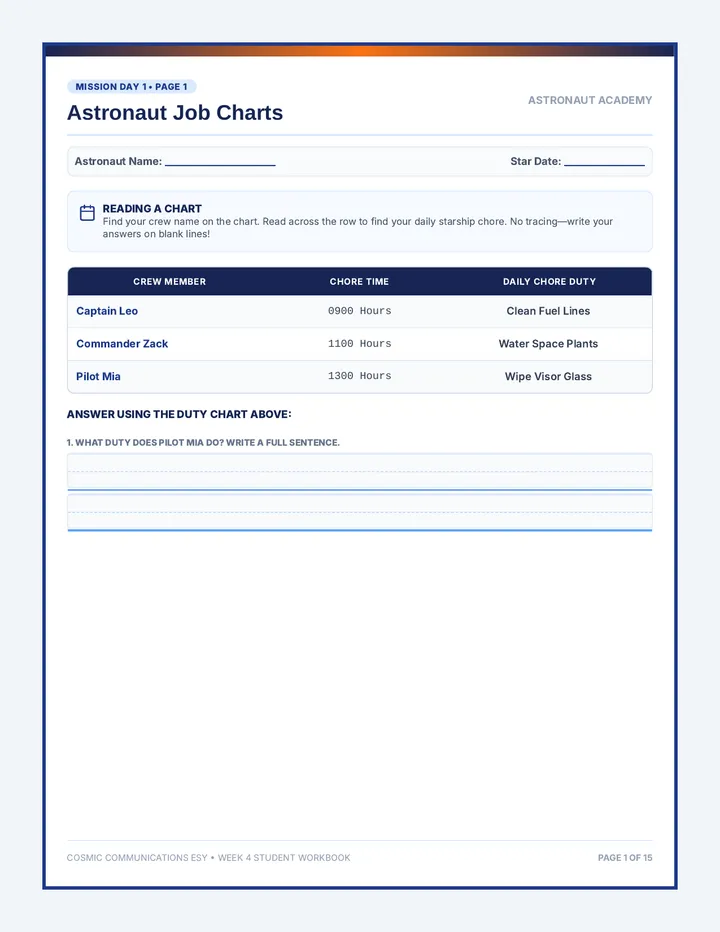
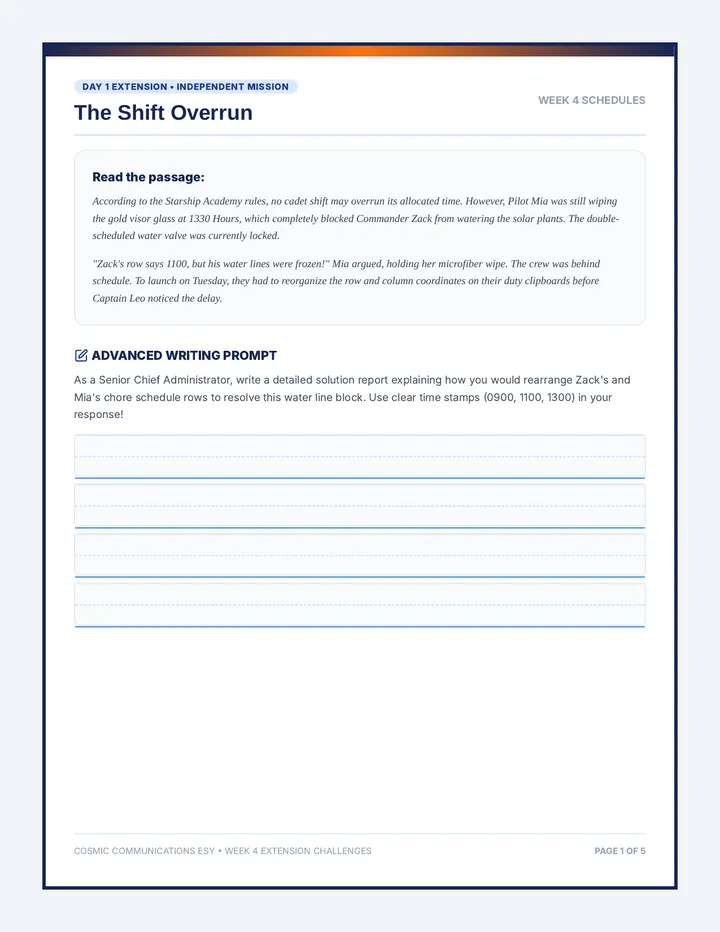
Week 4 focuses on real-world reading comprehension, functional writing, and following multi-step directions. Students explore cosmic job charts, spaceship emergency protocols, and daily logs.
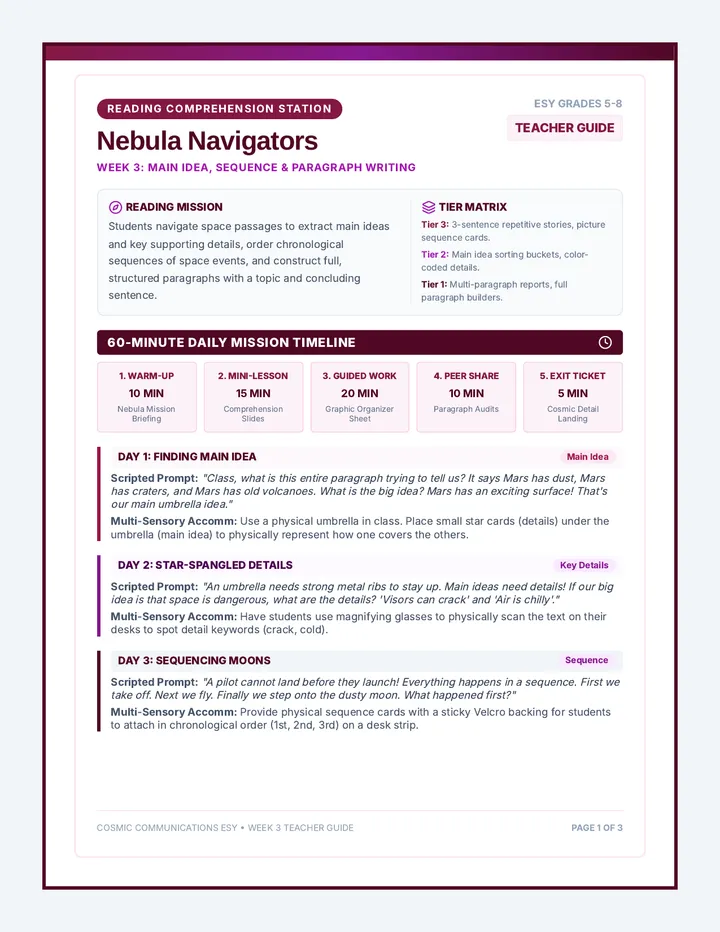
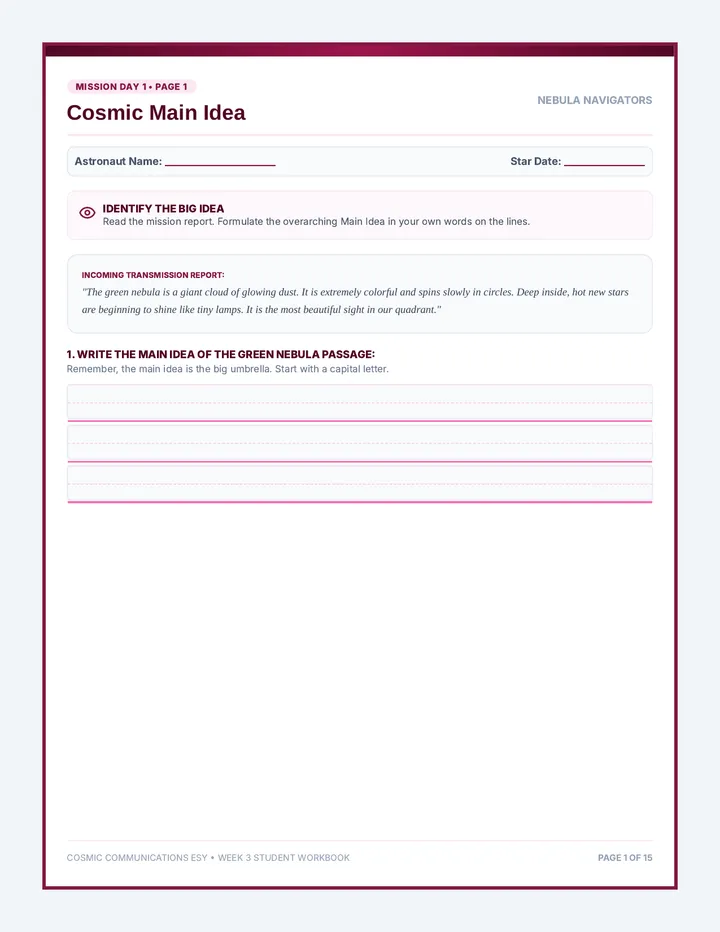
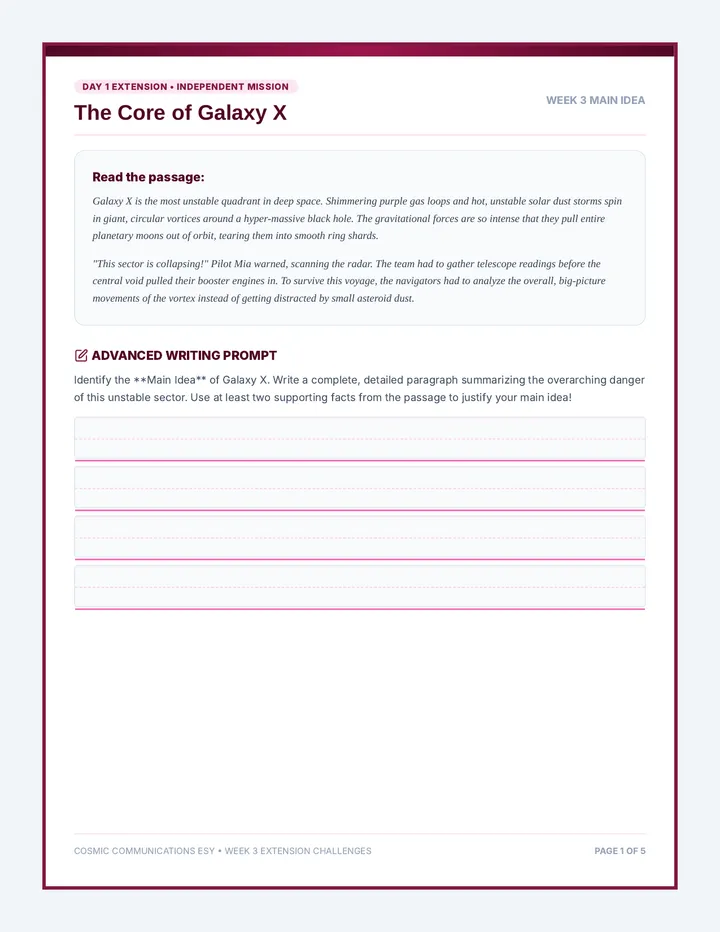
Week 3 focuses on reading comprehension and structured paragraph writing. Students learn to identify main ideas and details, track sequences, and write cohesive paragraphs using graphic organizers.
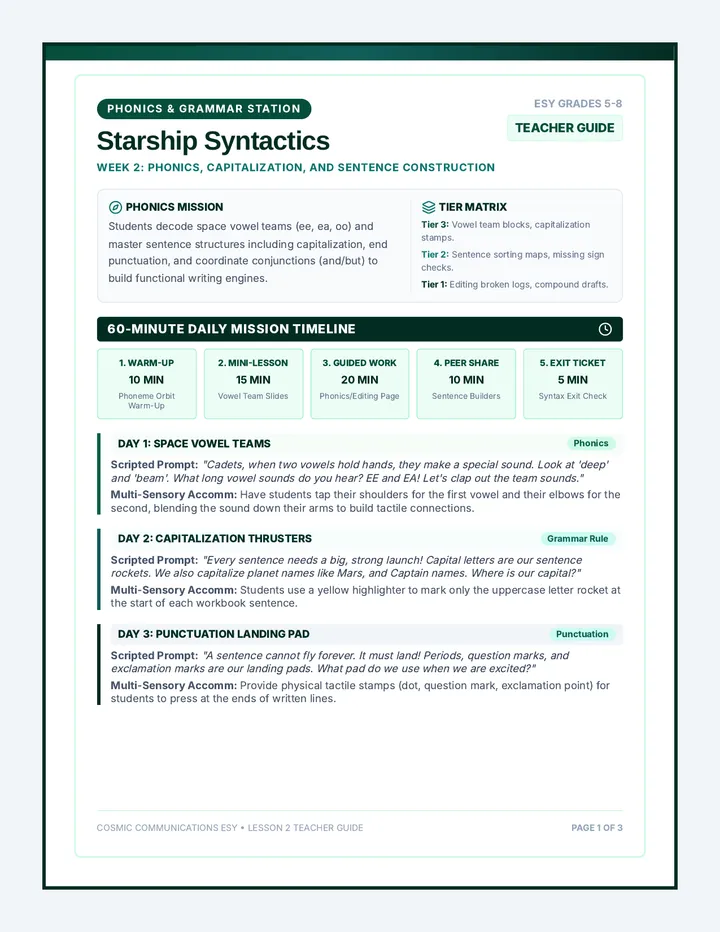
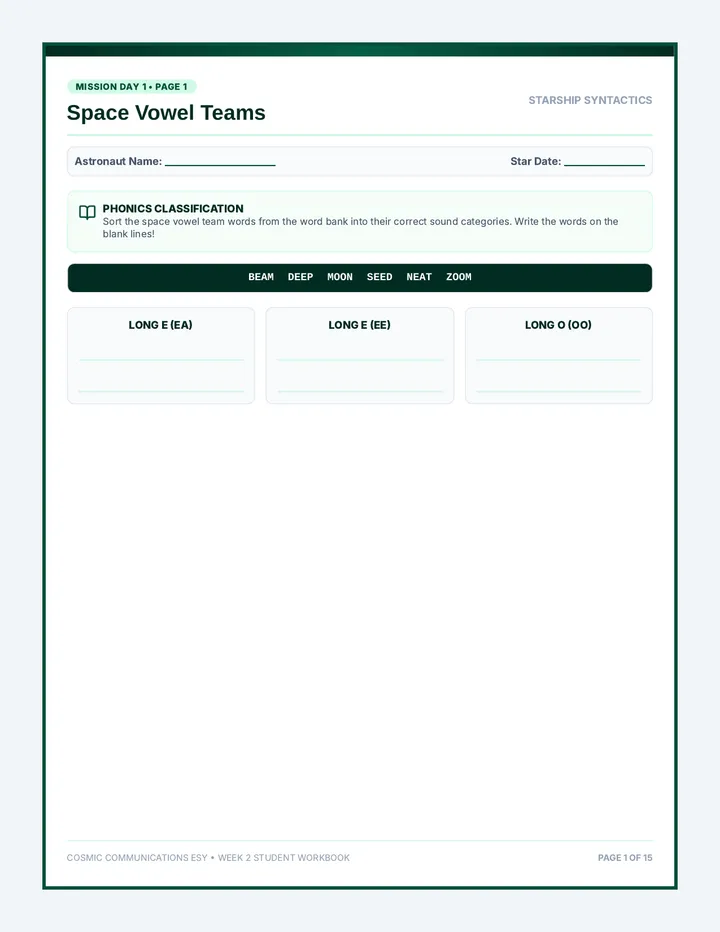
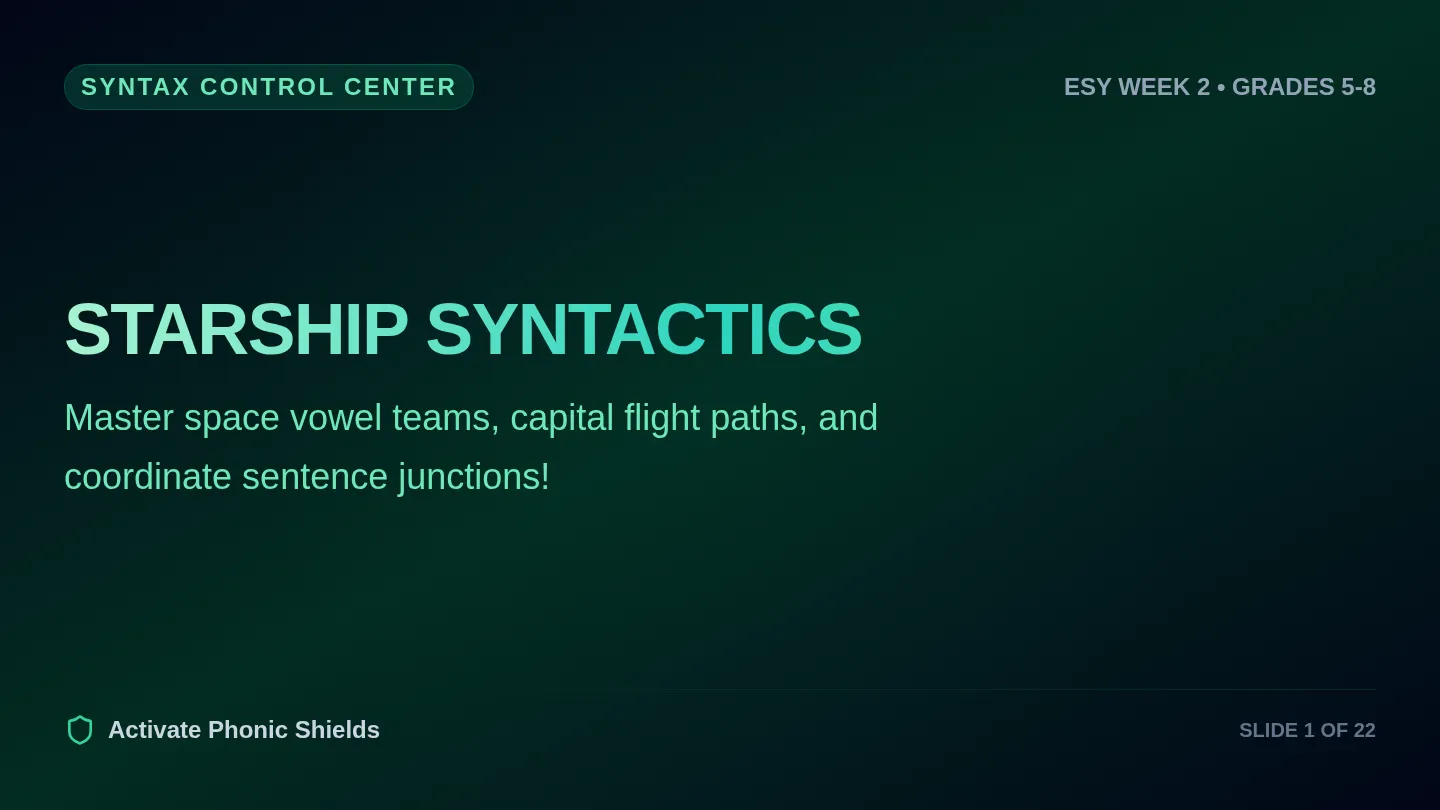
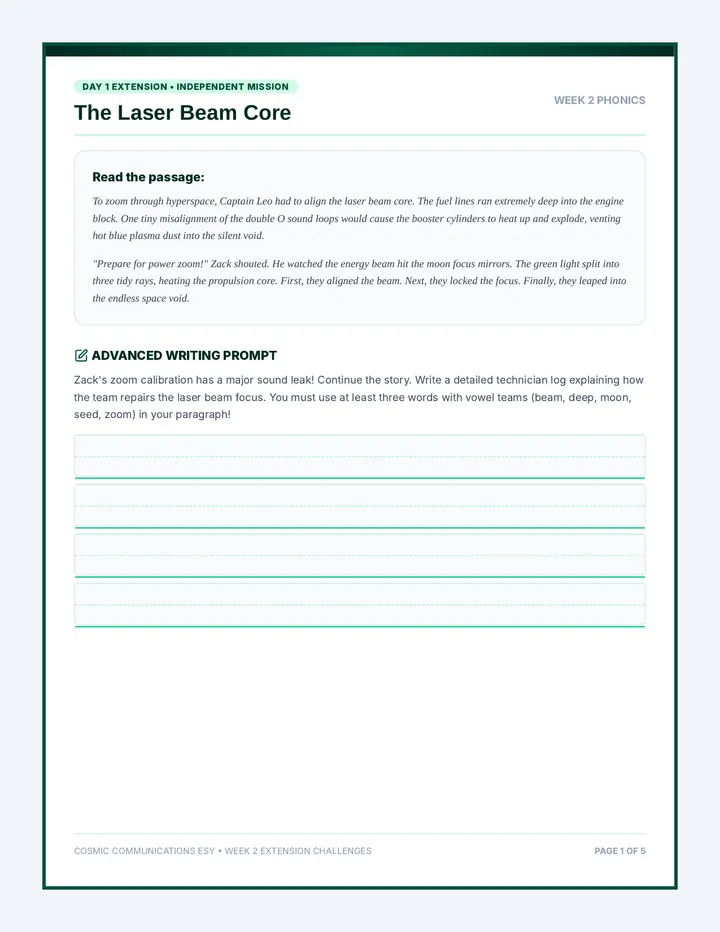
Week 2 focuses on phonics, decoding, and simple sentence structures. Students practice identifying vowel teams, correcting basic capitalization and punctuation errors, and constructing solid sentences.
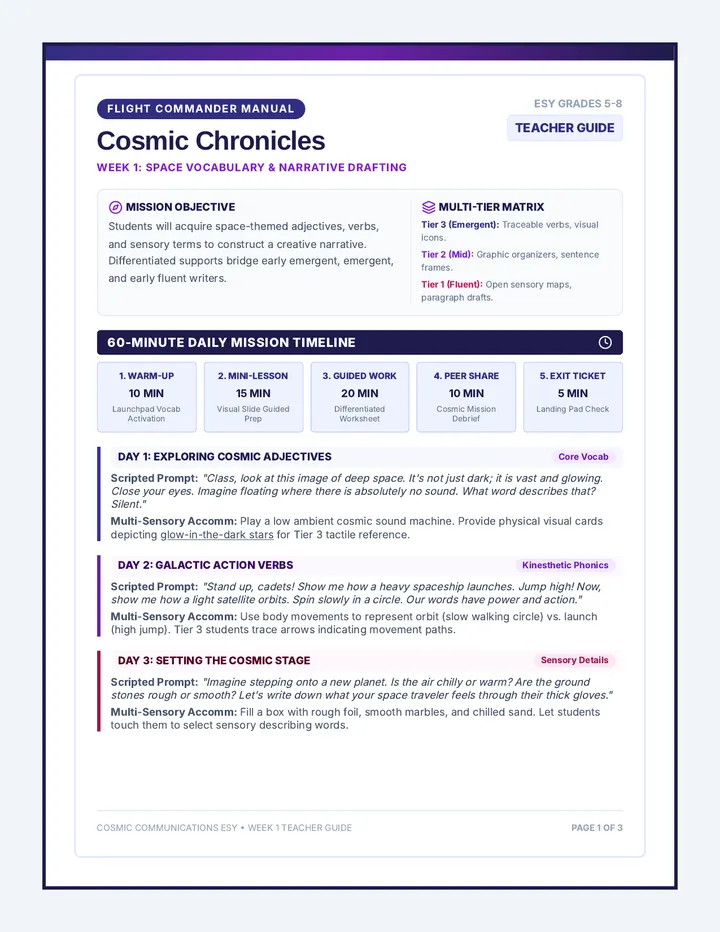
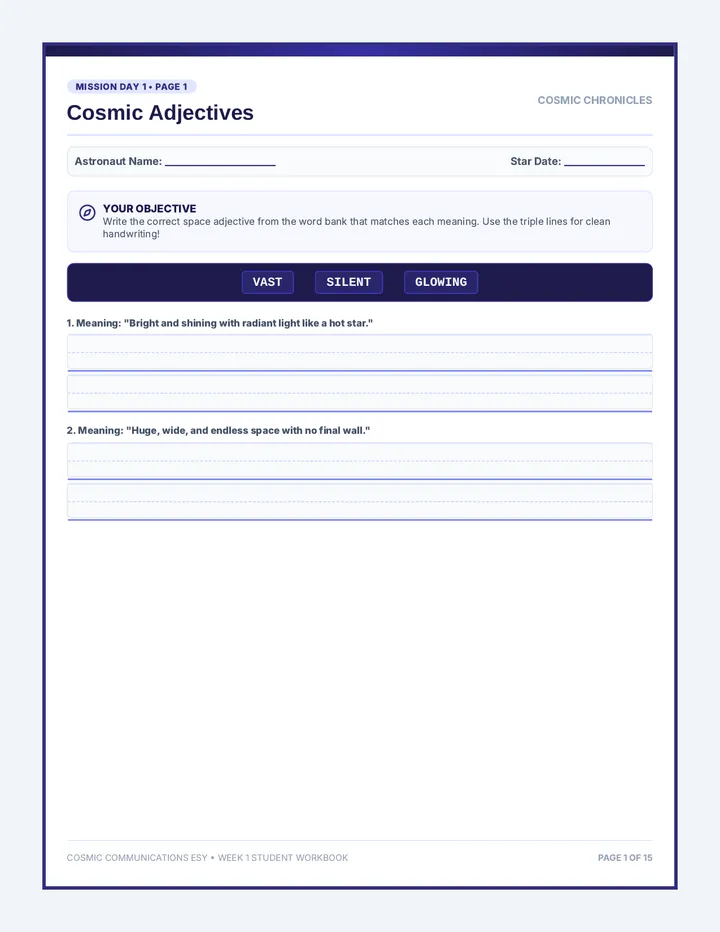
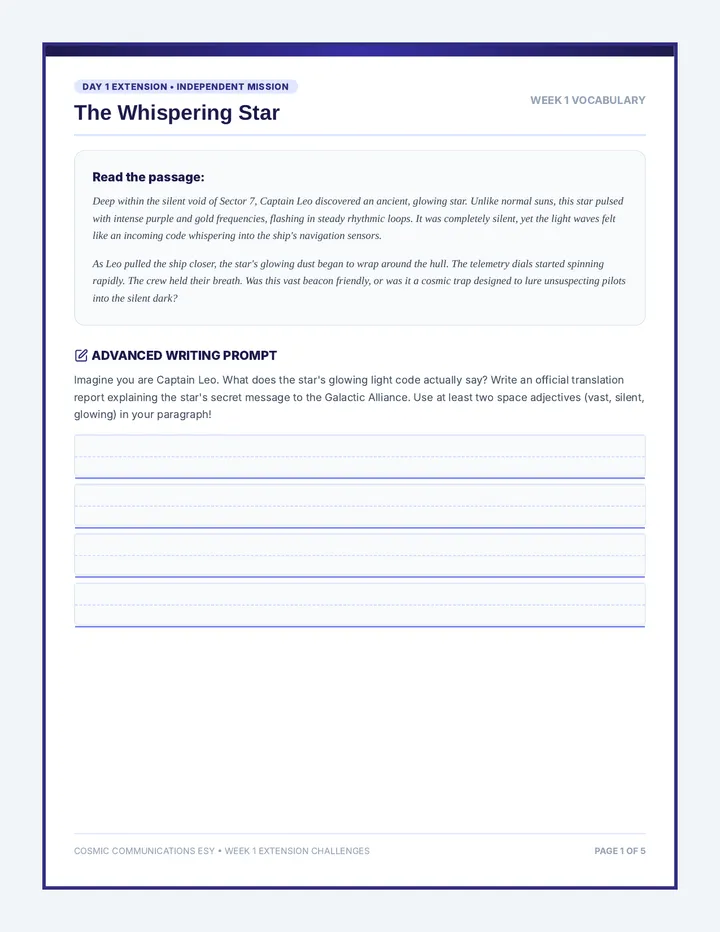
Week 1 focuses on acquiring cosmic vocabulary and drafting short, creative space stories. It guides students through sensory word exploration and provides multi-tiered graphic organizers for narrative drafting.