A lesson designed to empower 4th-grade students, particularly girls, to use 'I' statements to advocate for themselves in social and academic situations. Students learn the 'I feel' formula and practice applying it to relatable scenarios.
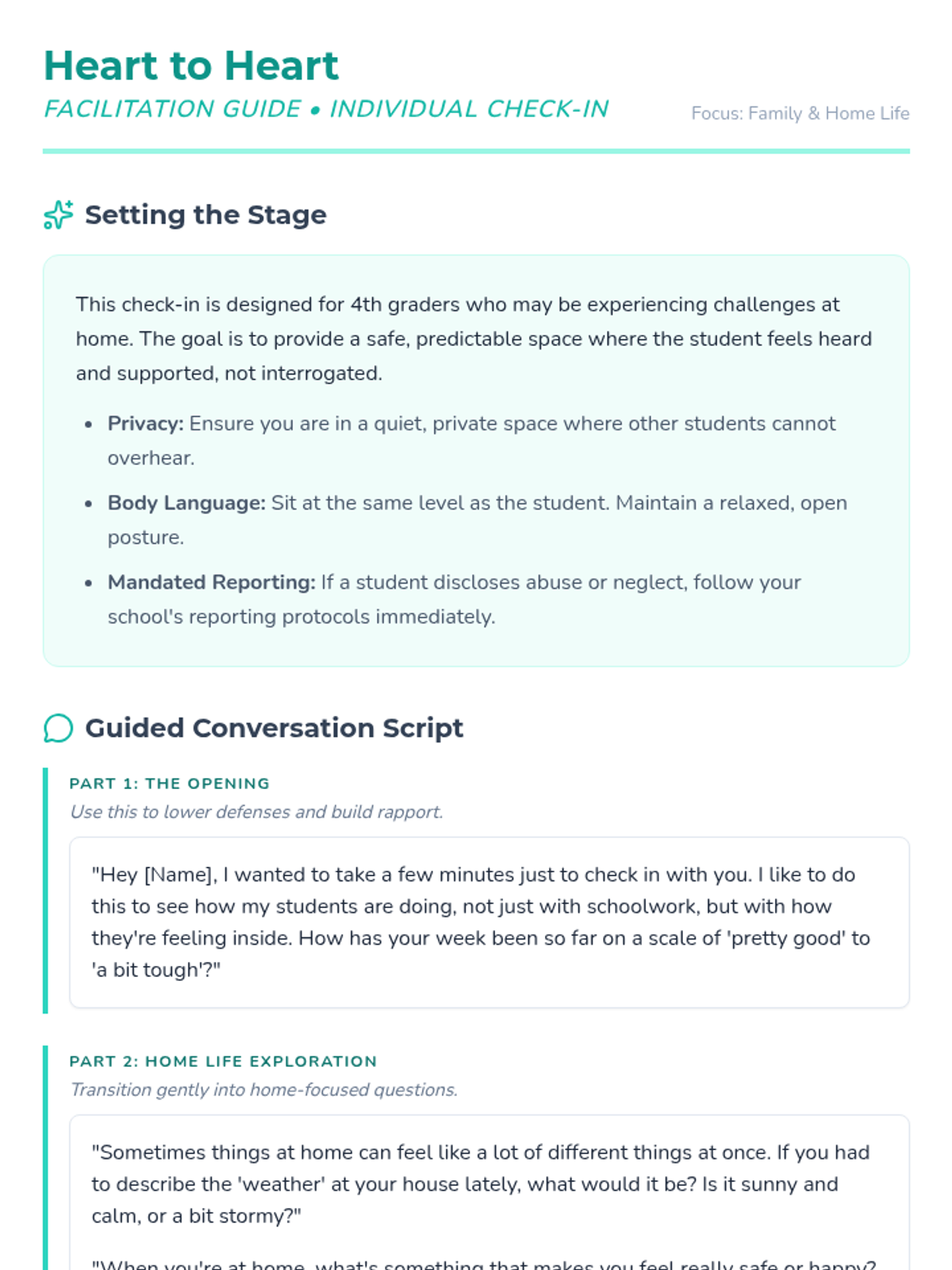
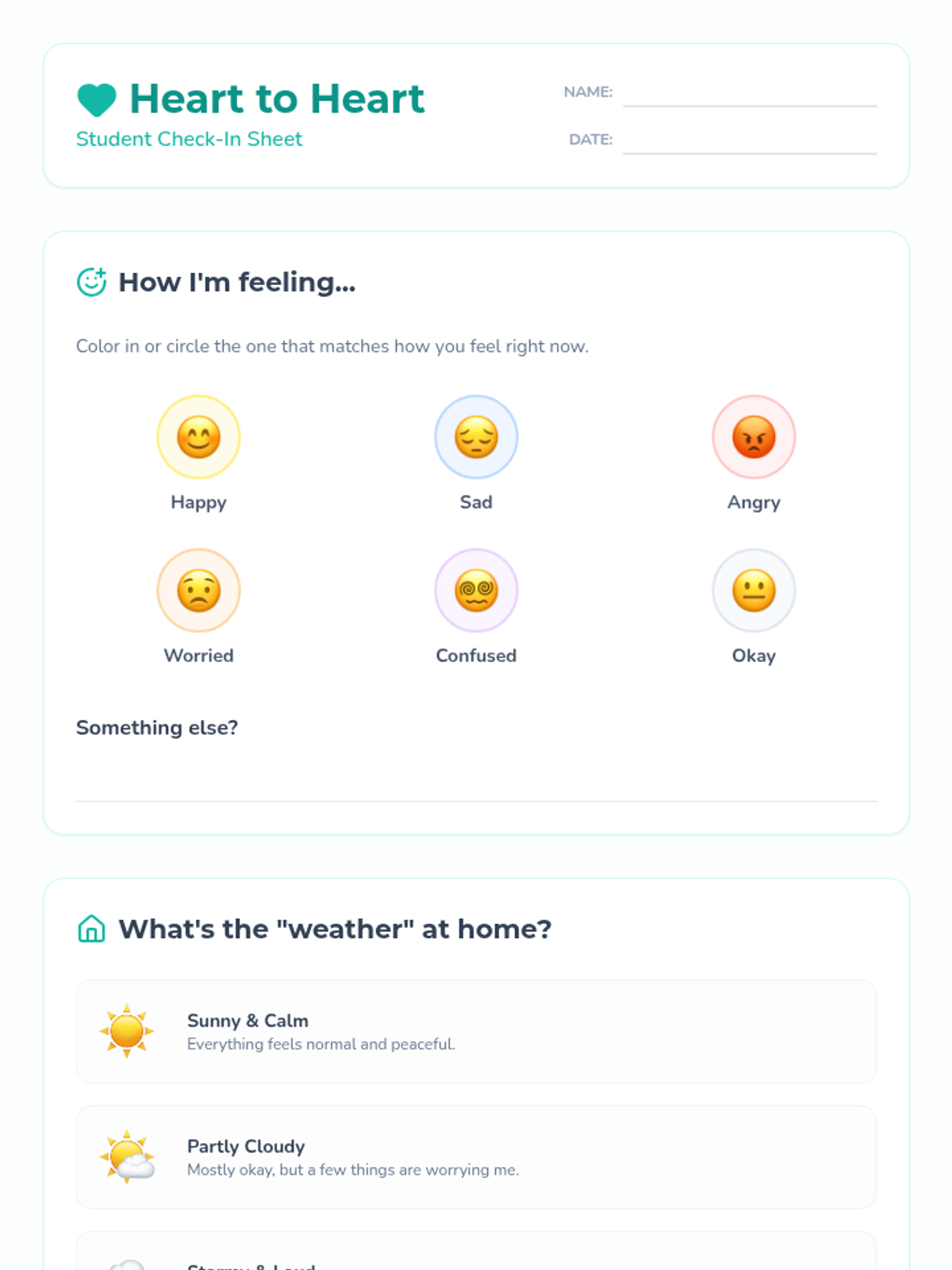
An individual check-in lesson for 4th graders to discuss family and home issues in a safe, supportive environment.
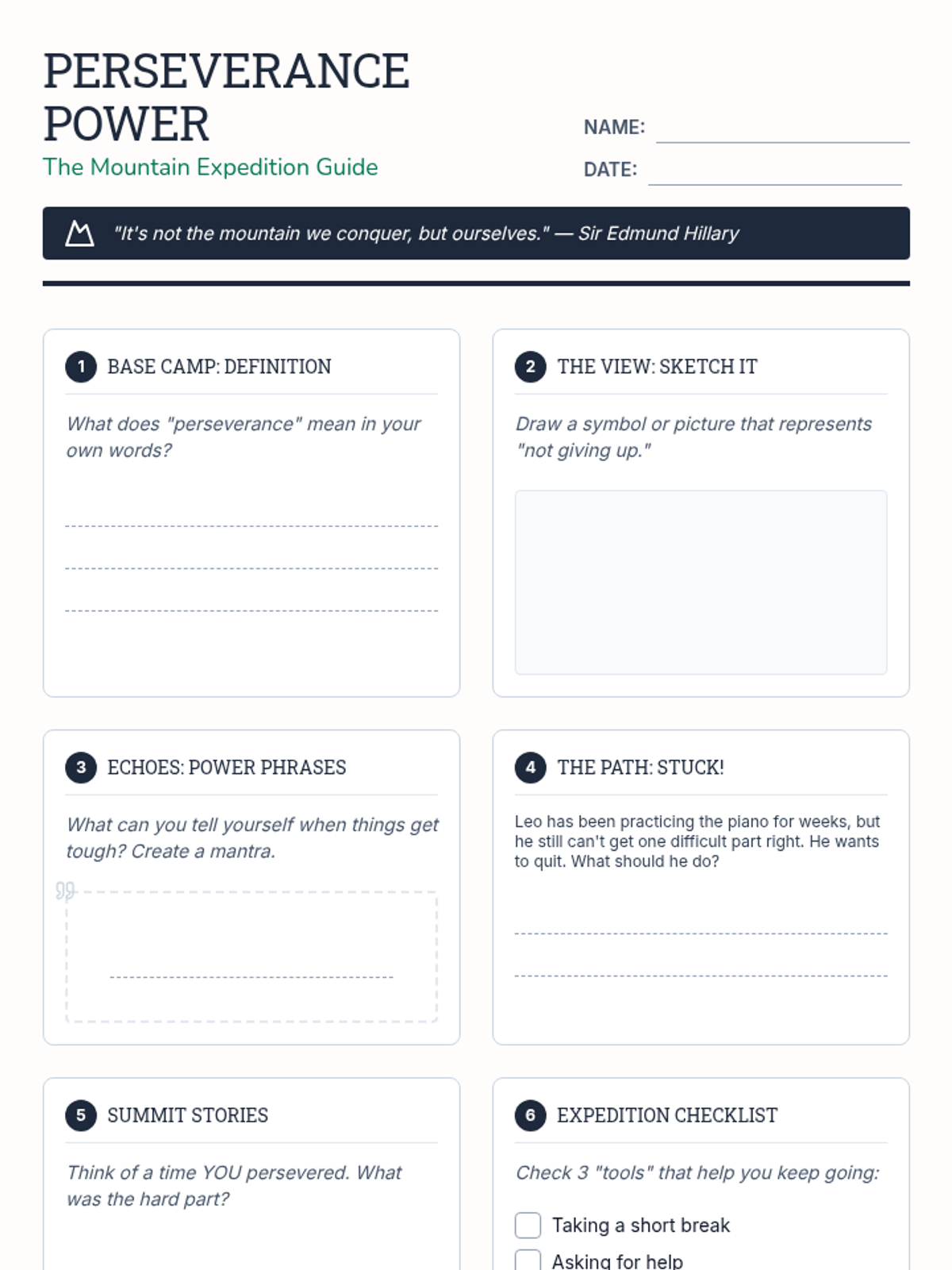
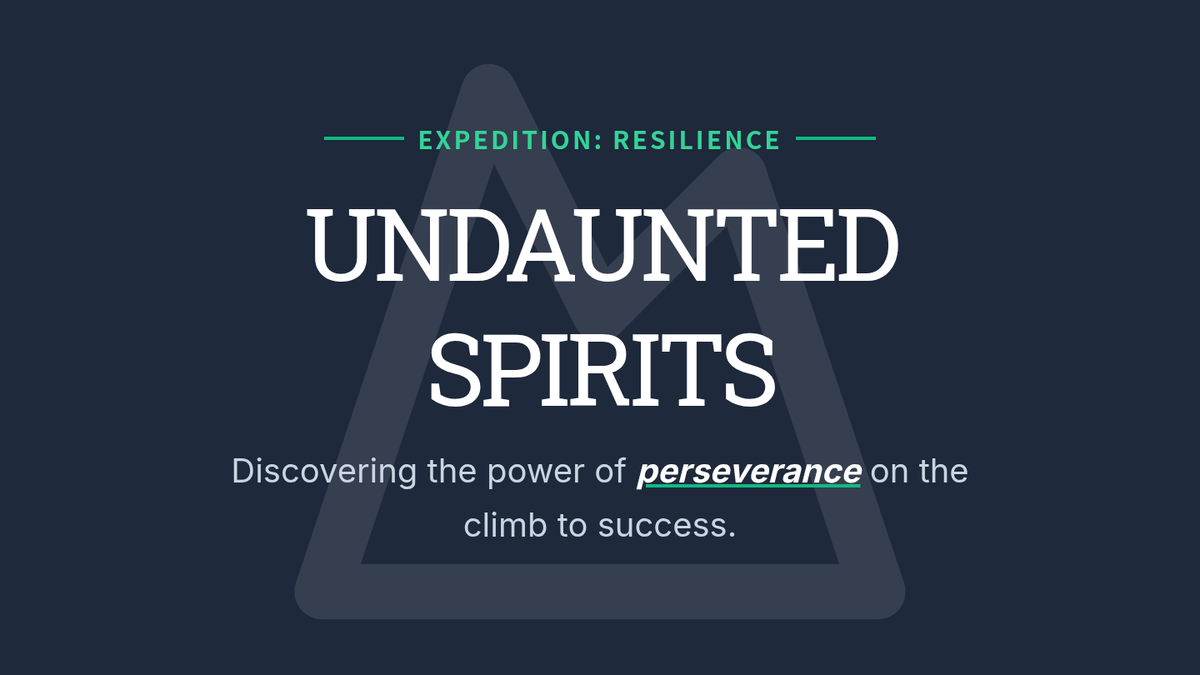
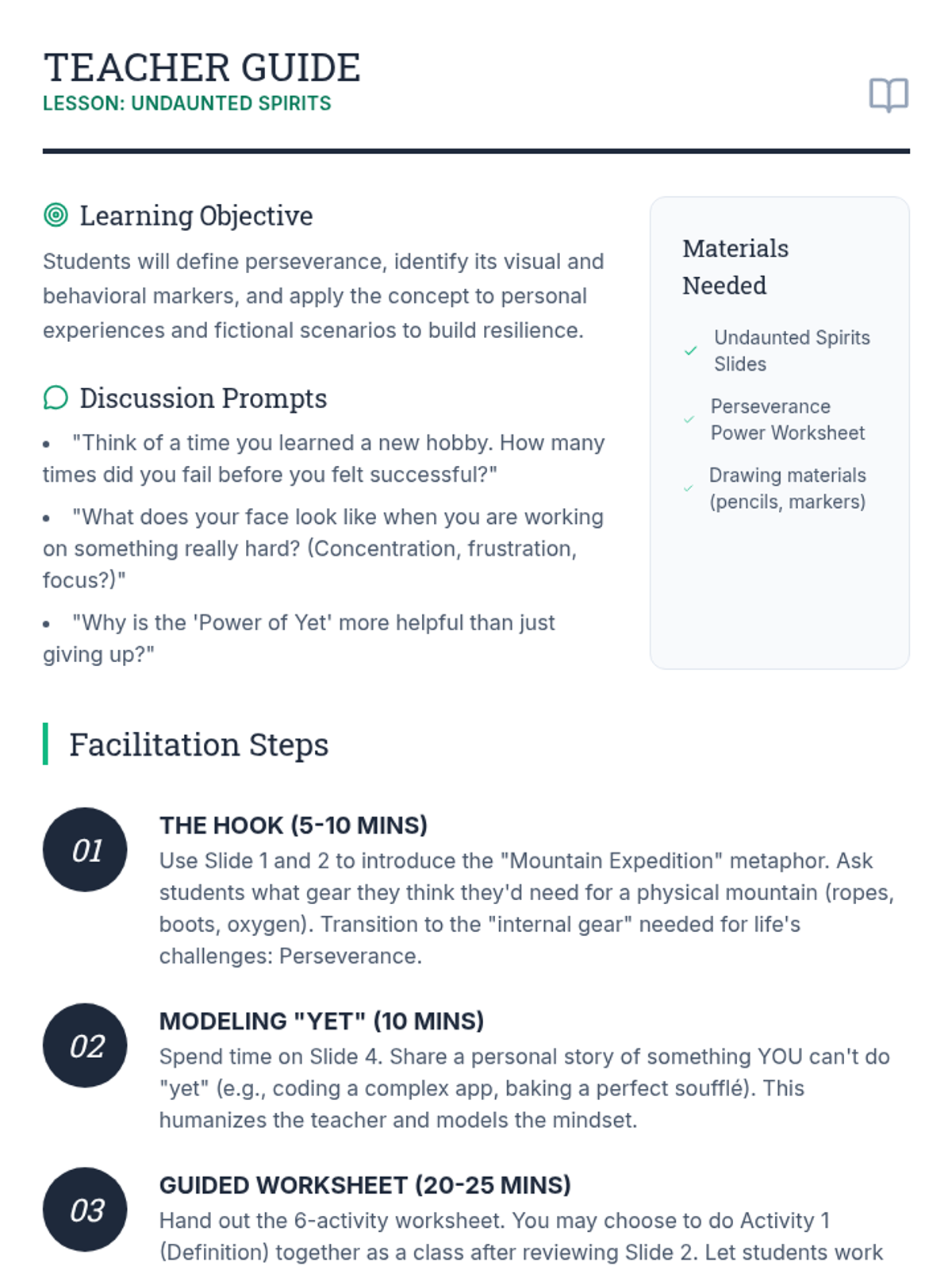
A lesson exploring the core concepts of perseverance, helping students define the trait and recognize it in action through a series of reflective and creative activities.
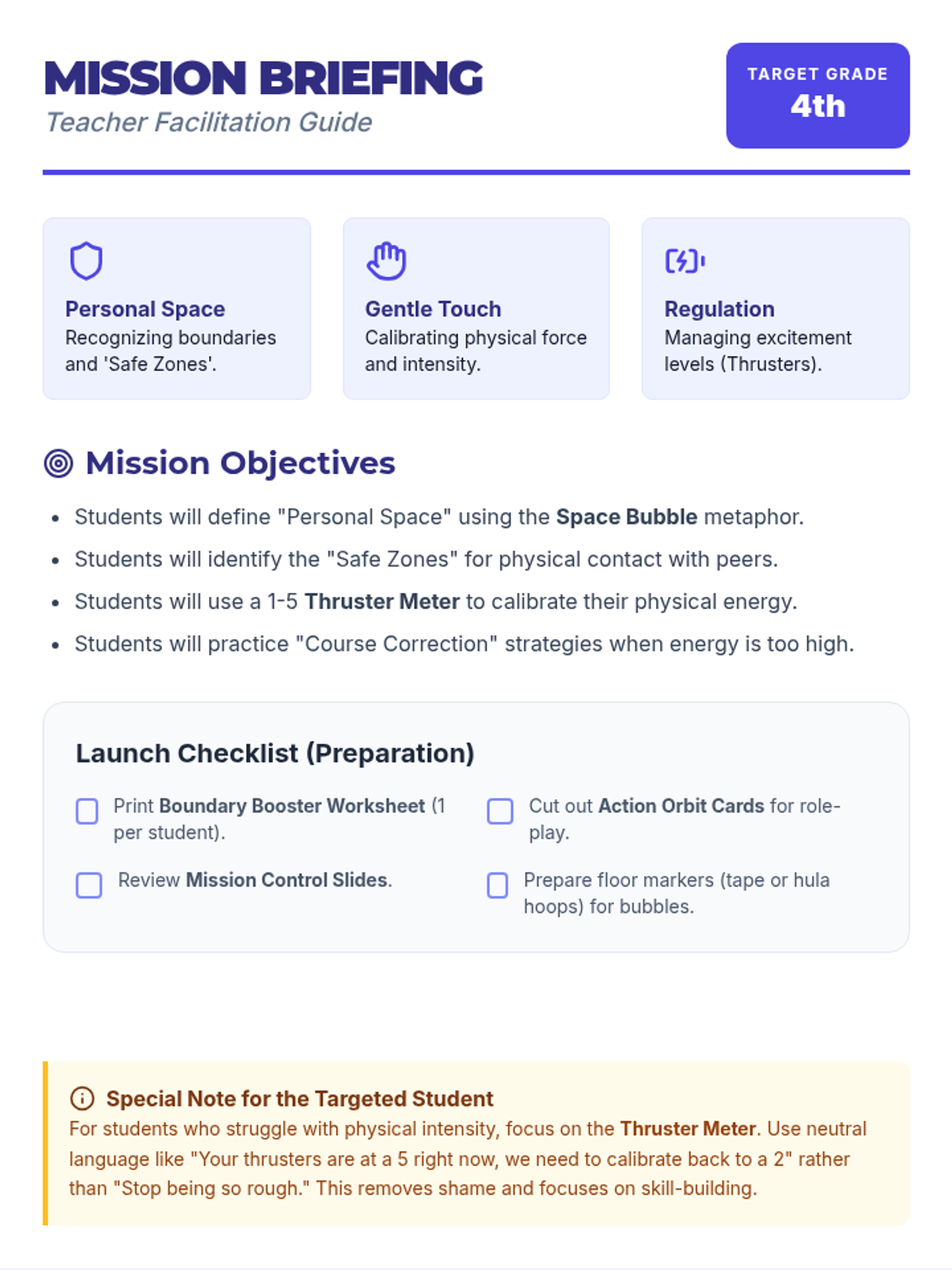
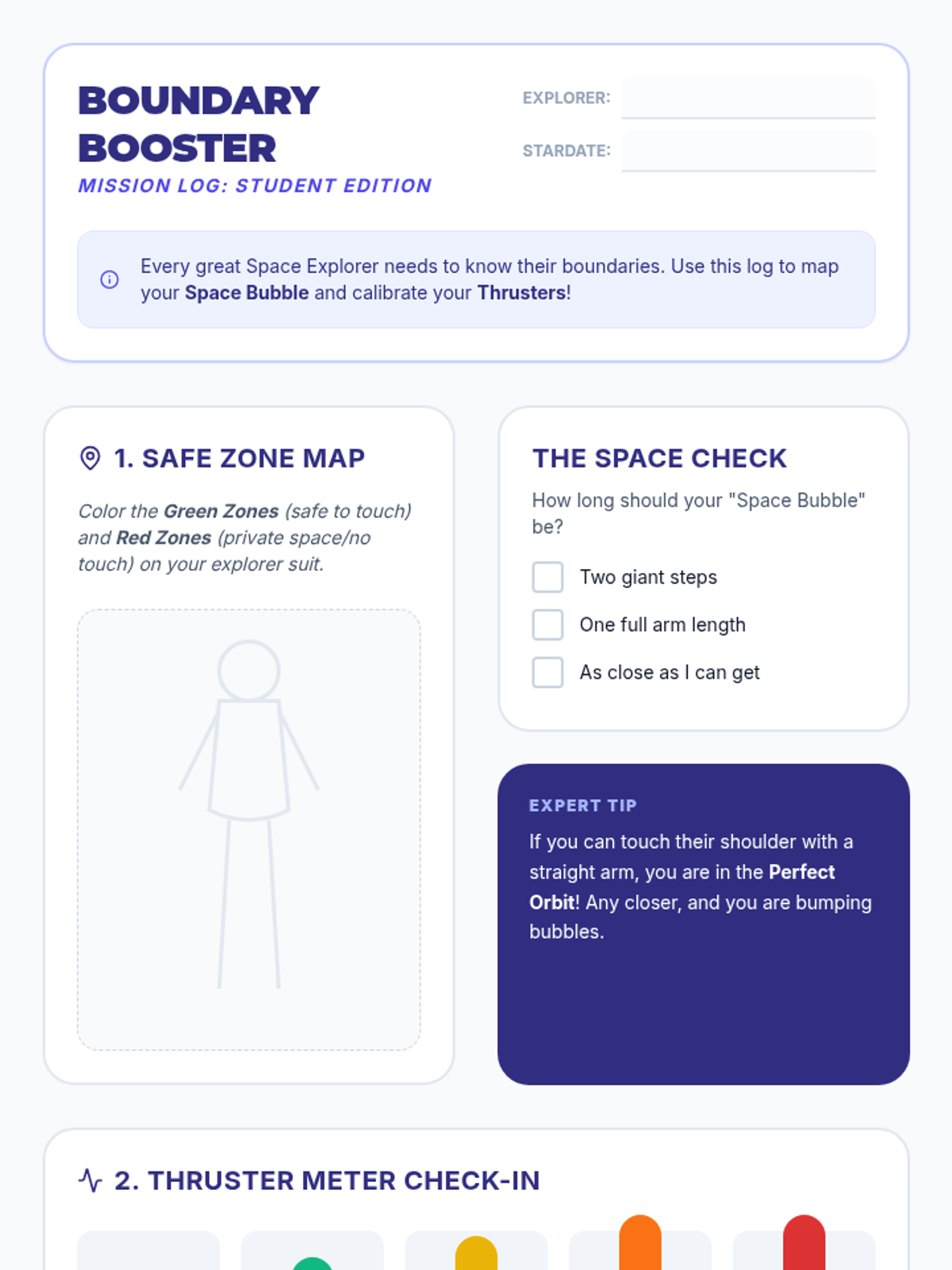
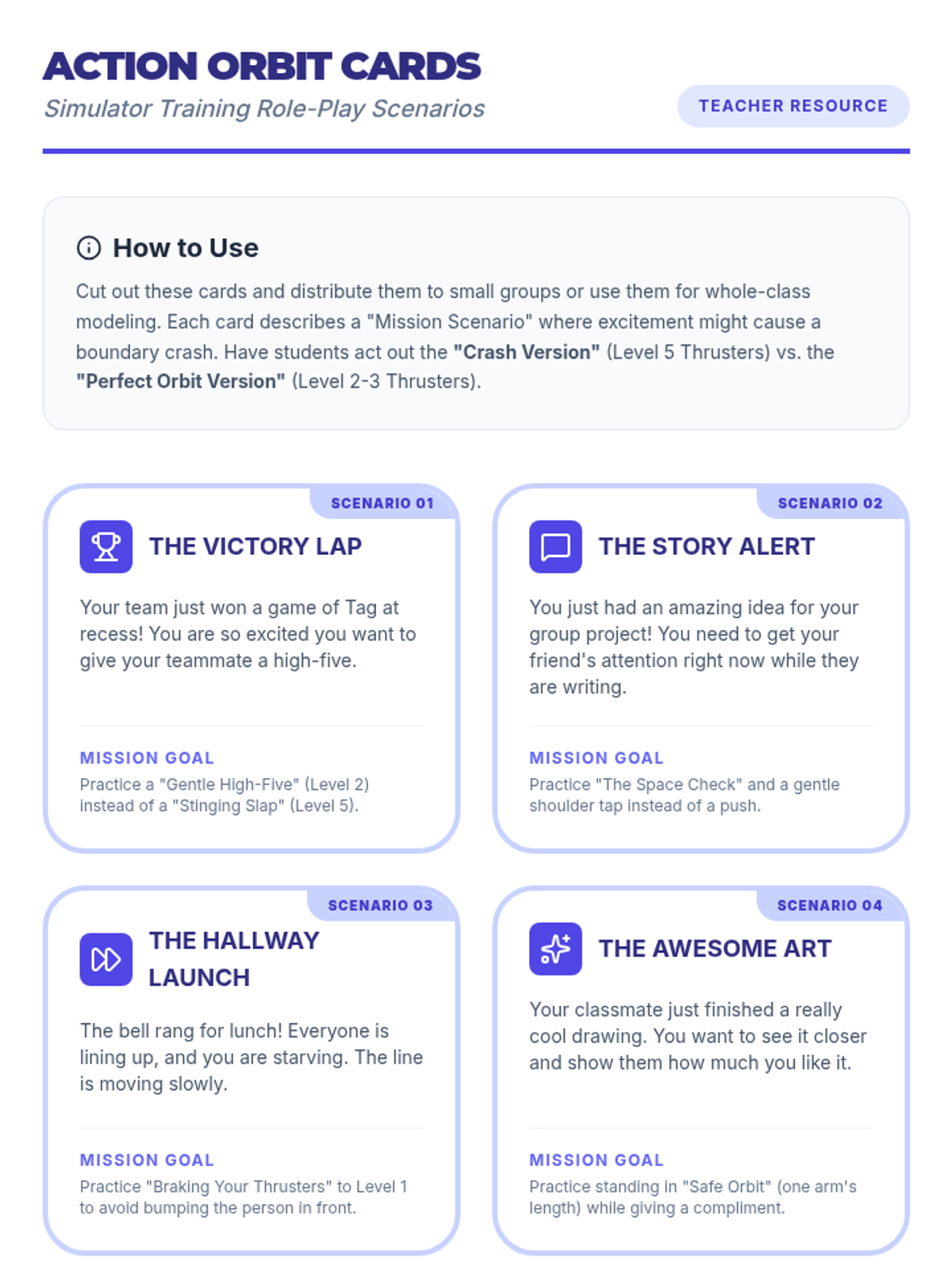
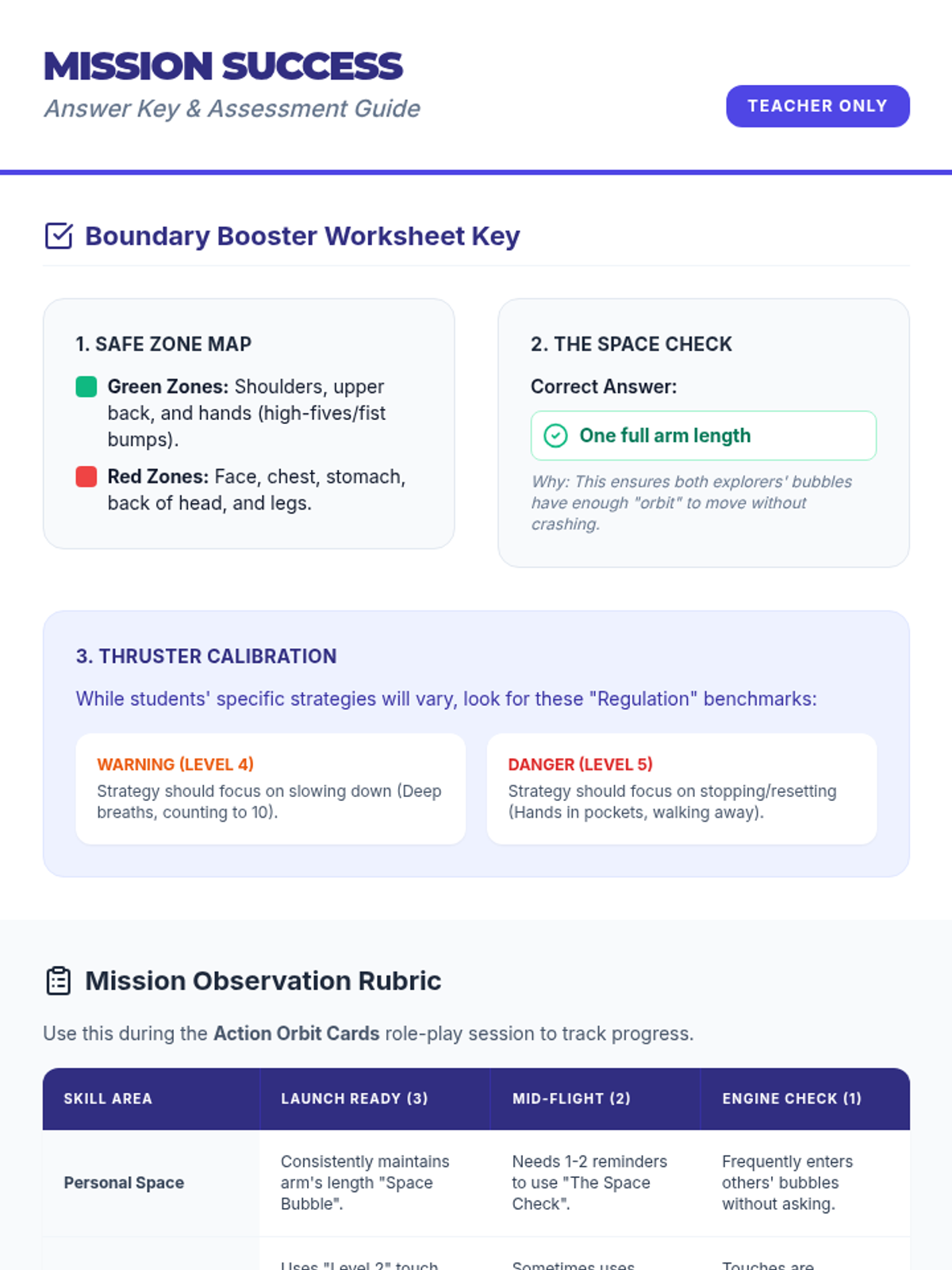
A social-emotional lesson for 4th graders focused on mastering personal space, gentle physical touch, and self-regulation during high-energy play using a "Space Explorer" metaphor.
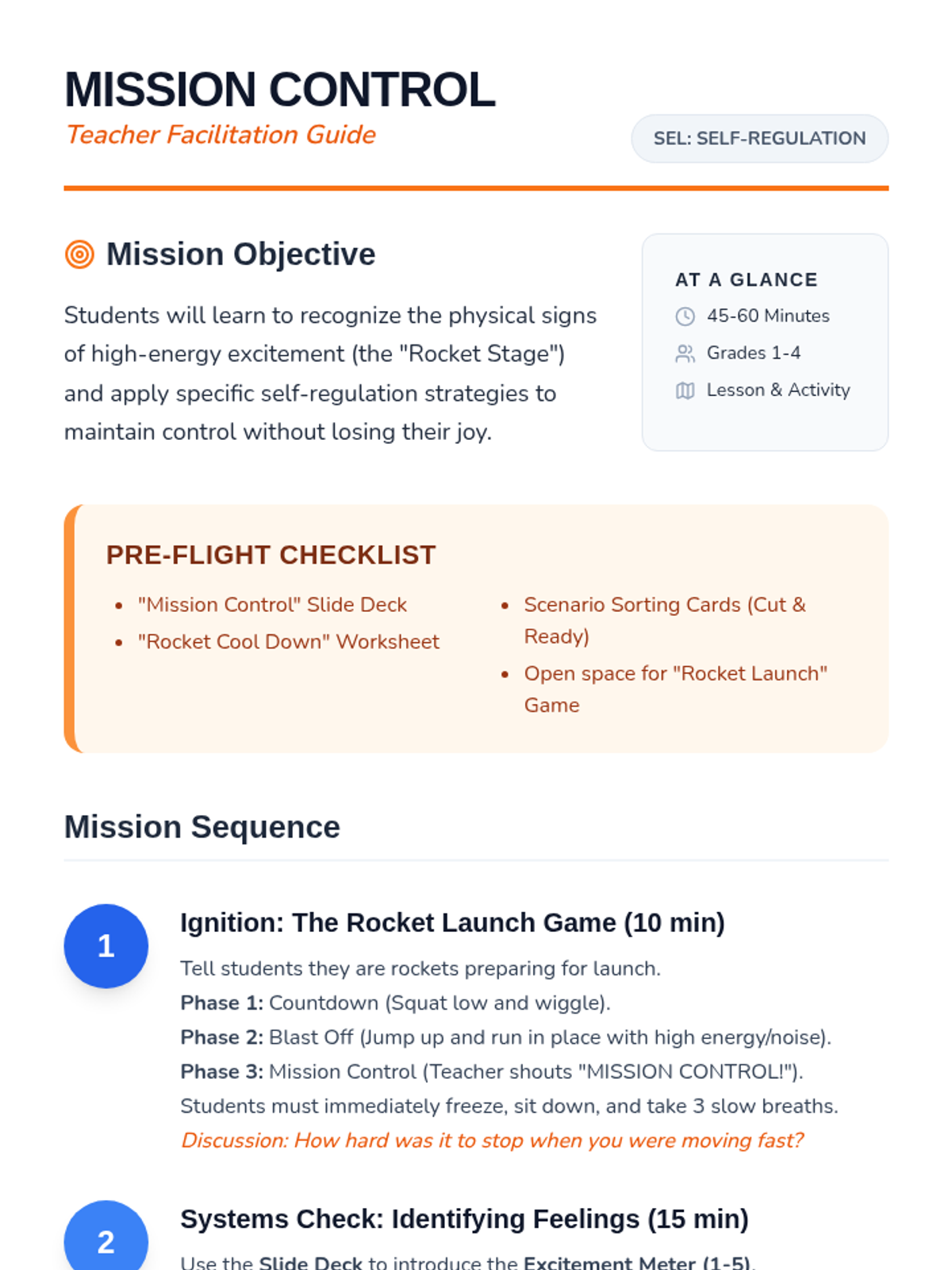
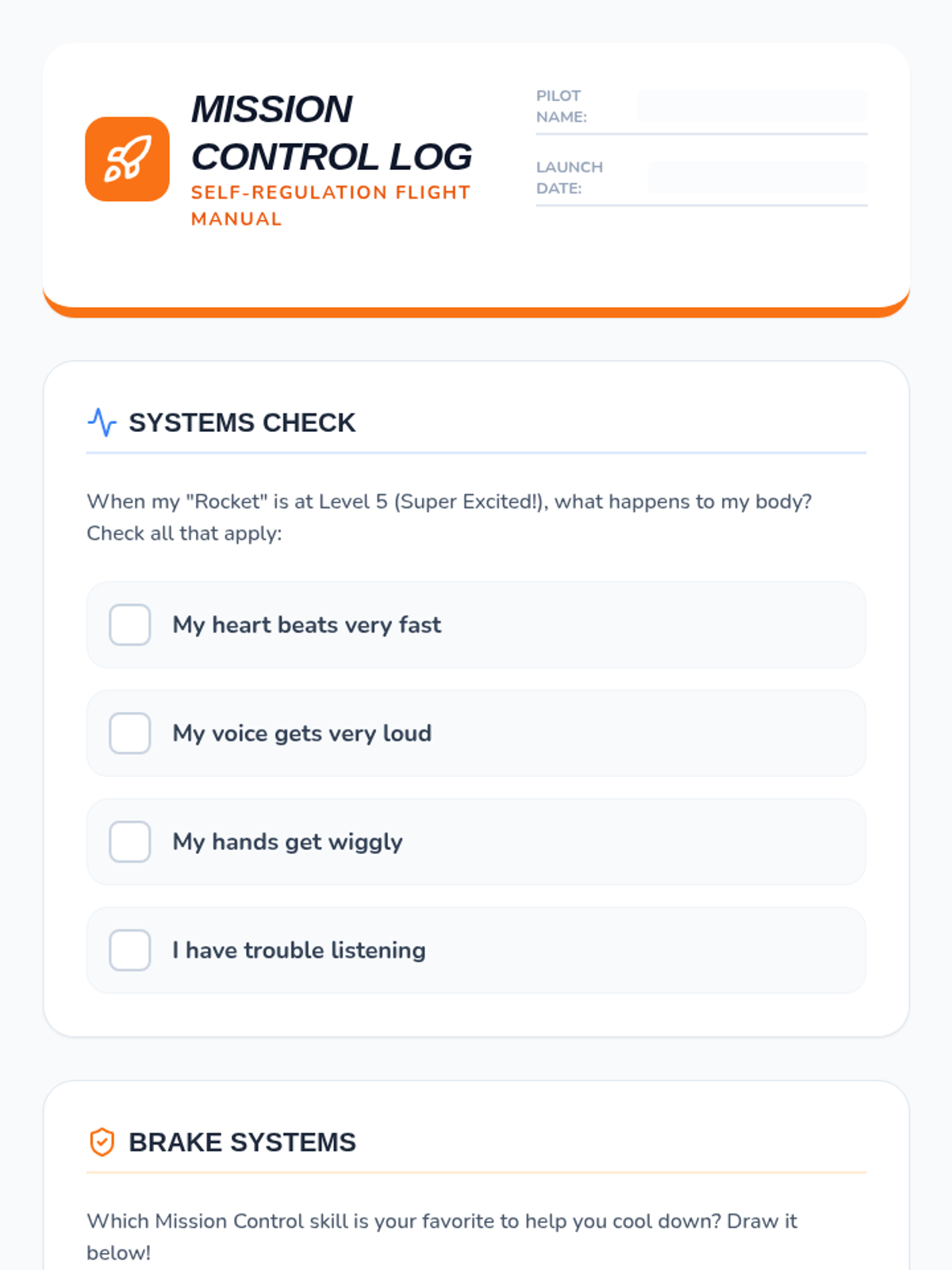
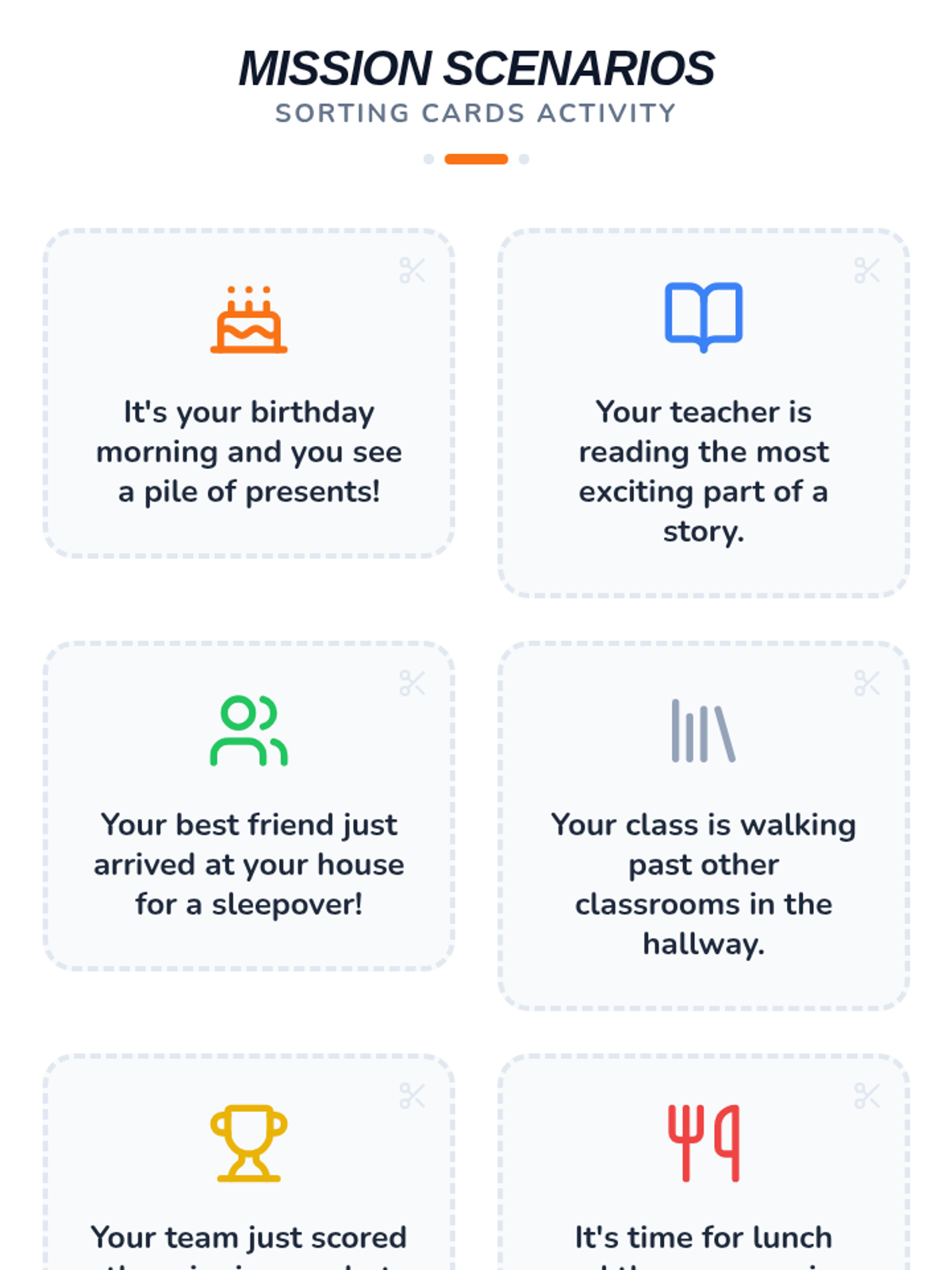
A social-emotional learning lesson focused on helping students recognize high-energy excitement and apply self-regulation strategies to stay in control. Students will learn to identify body signals of over-excitement and practice 'Mission Control' calming techniques.
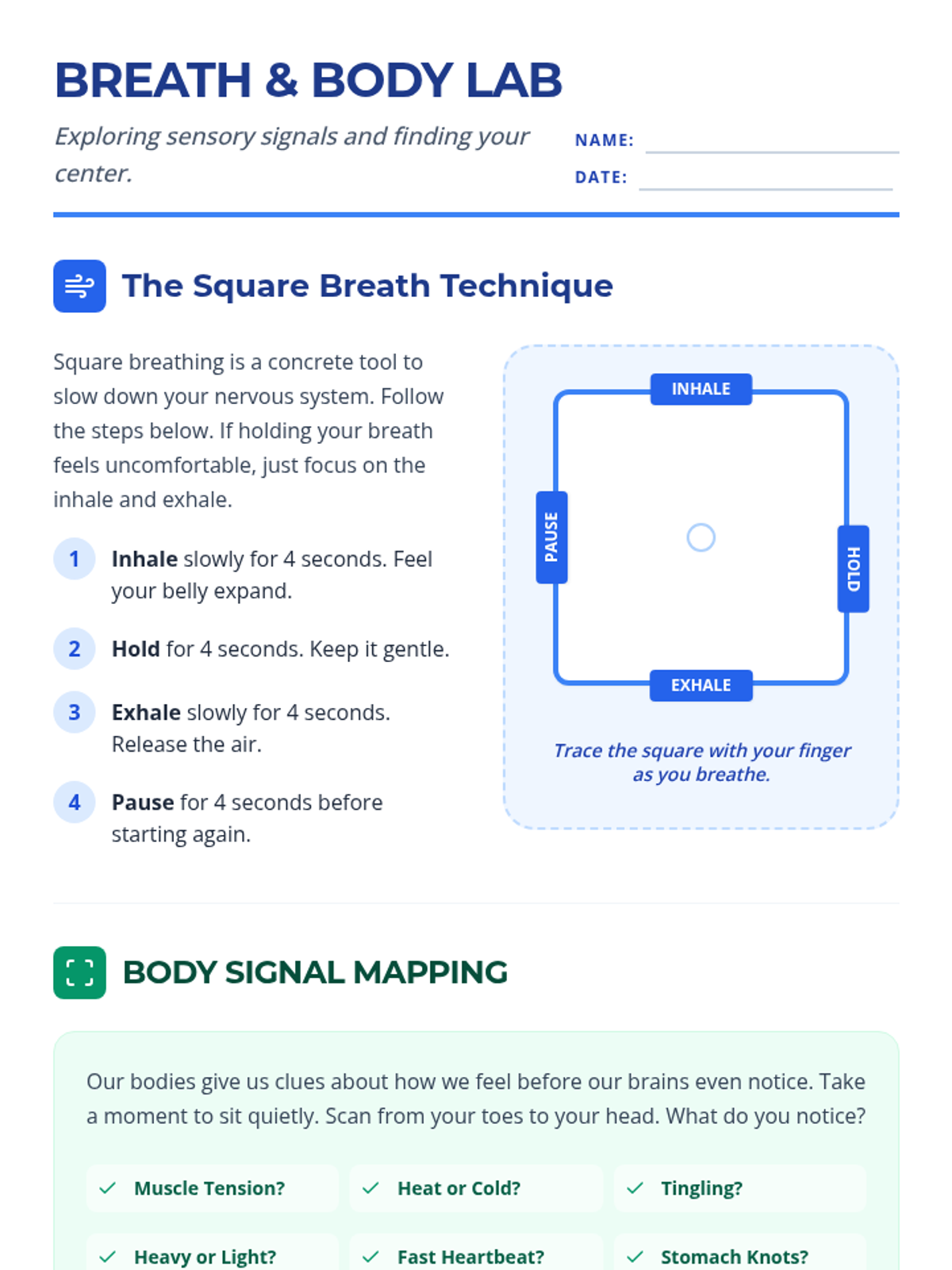
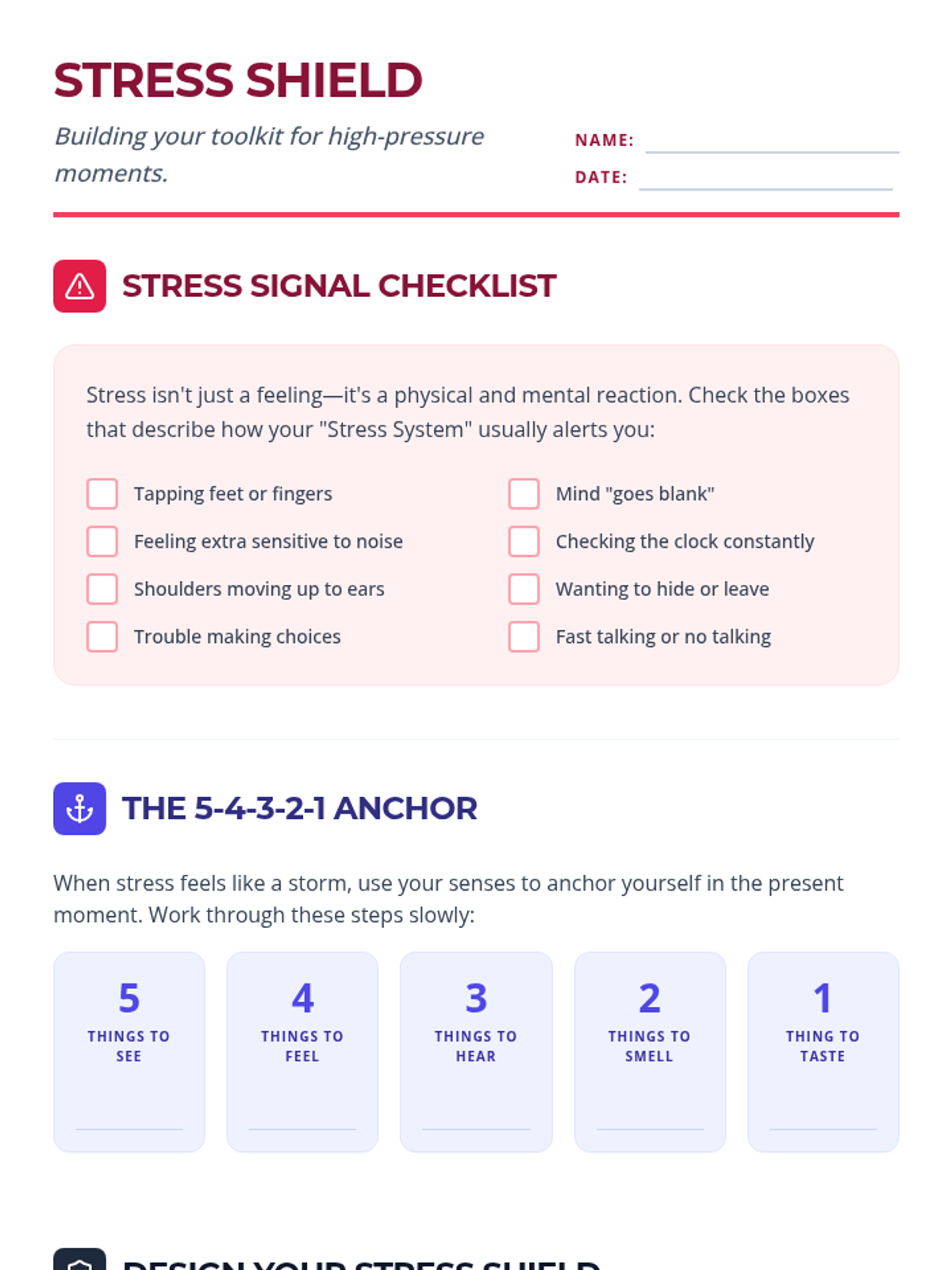
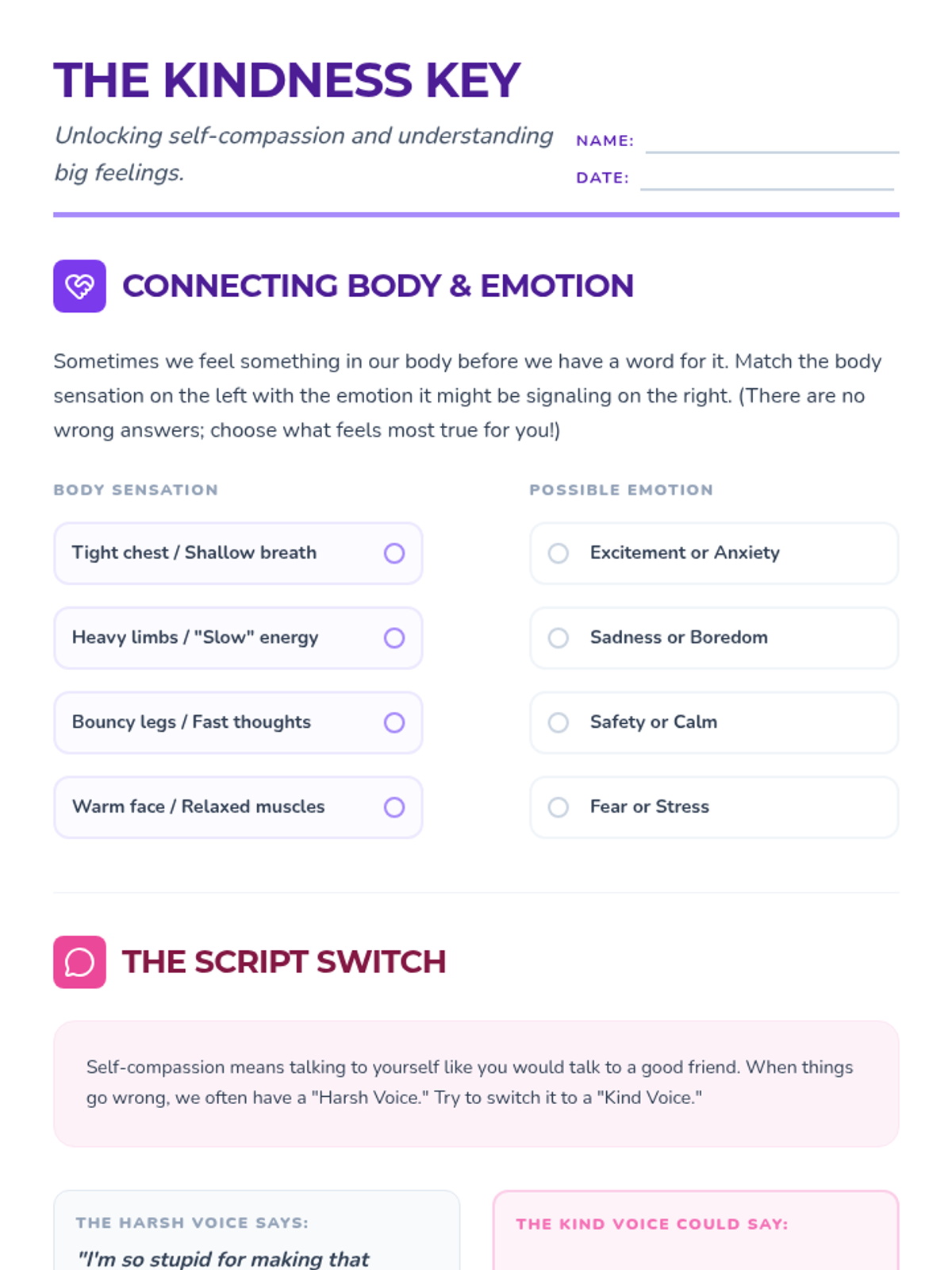
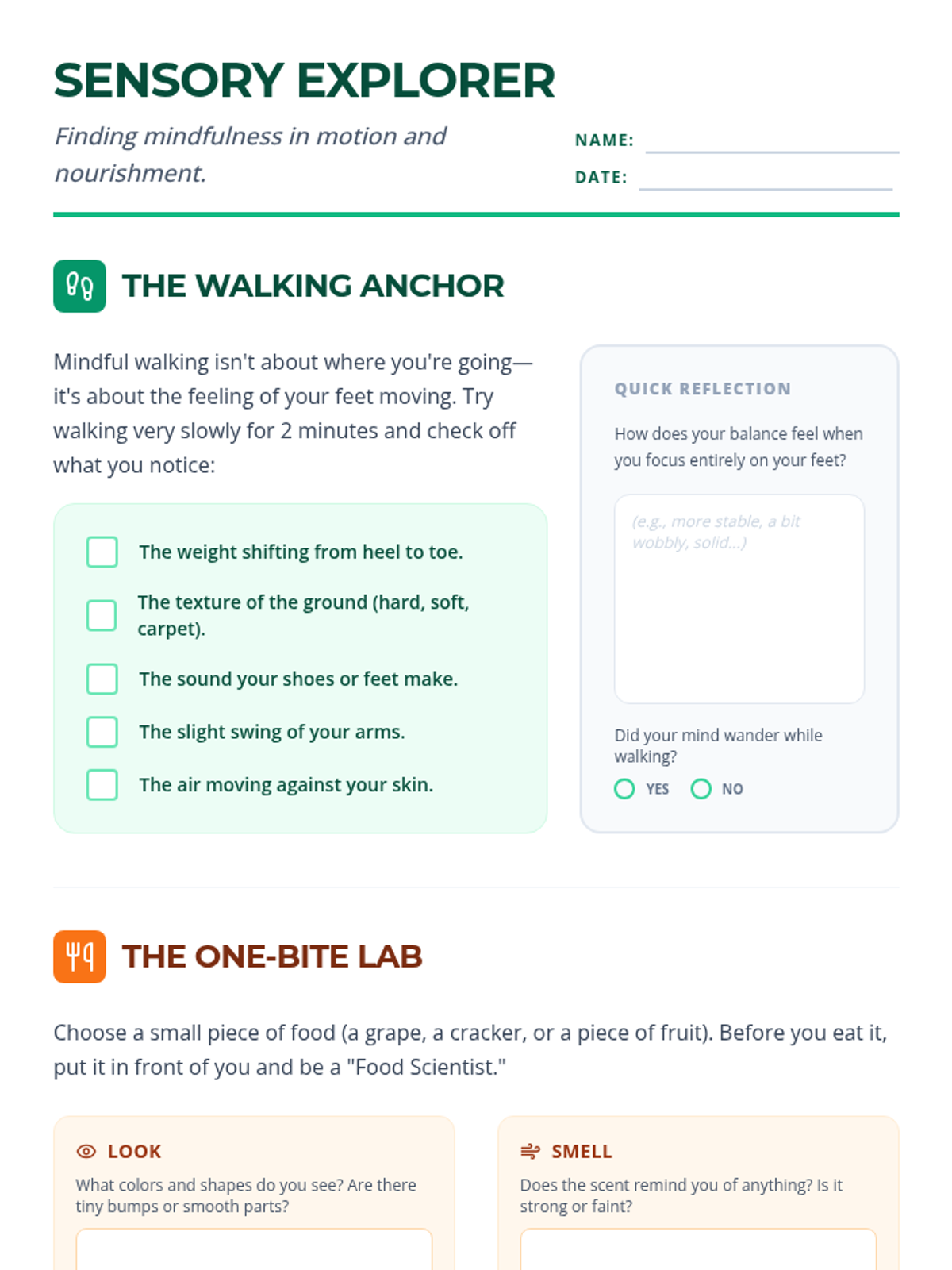
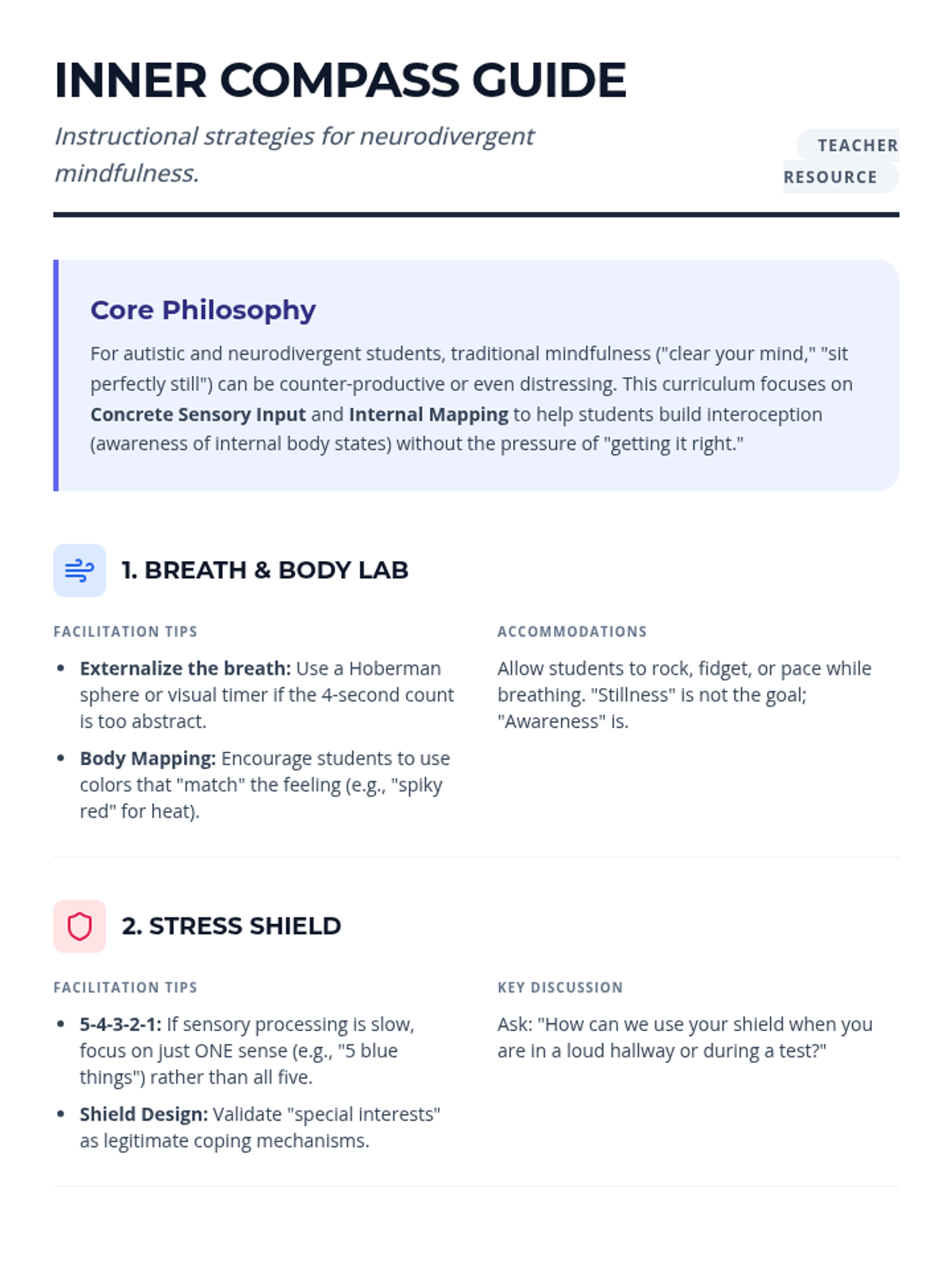
A set of structured mindfulness resources specifically designed for neurodivergent high schoolers, focusing on concrete sensory tools, emotional regulation, and self-compassion strategies.
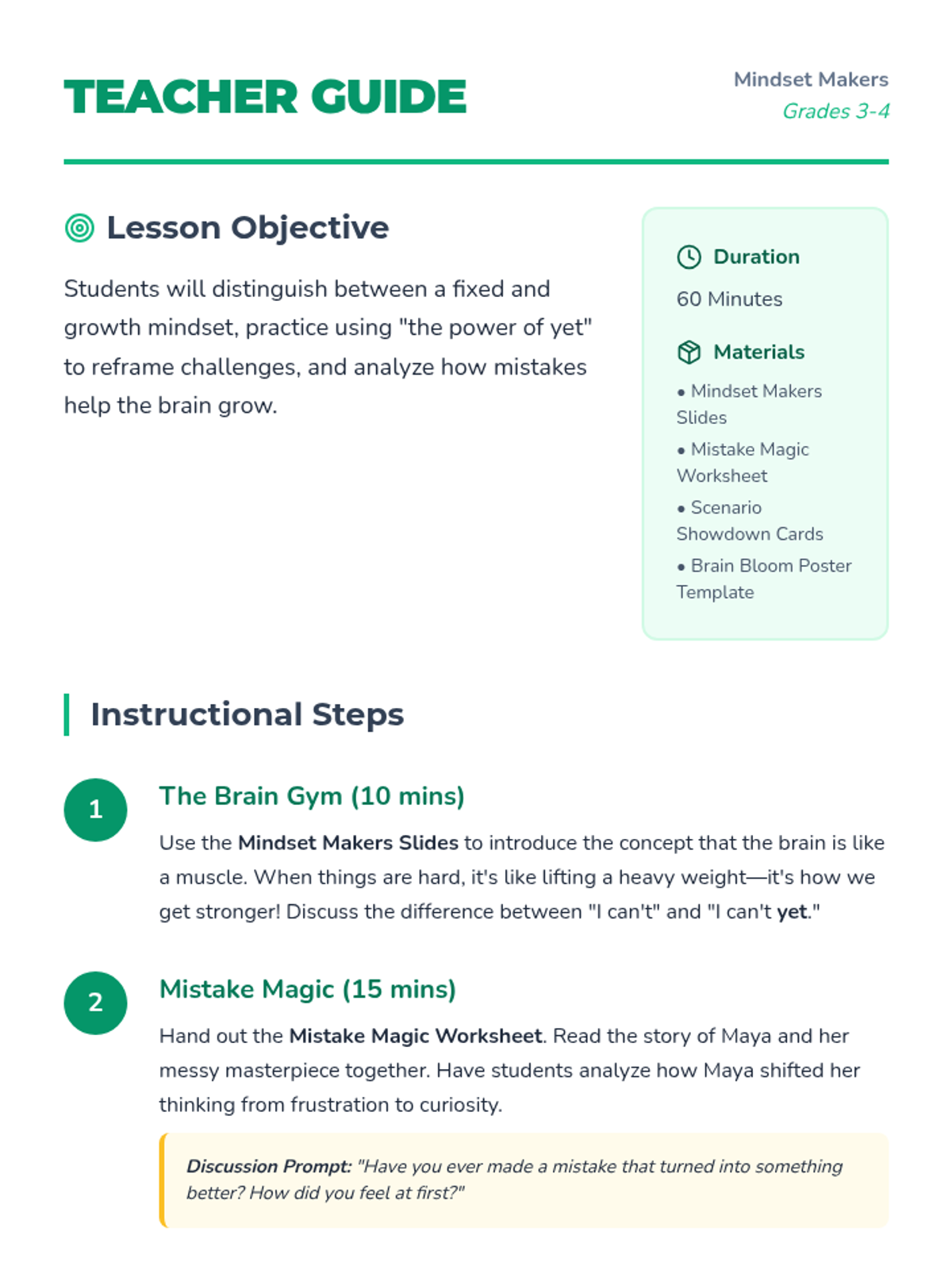
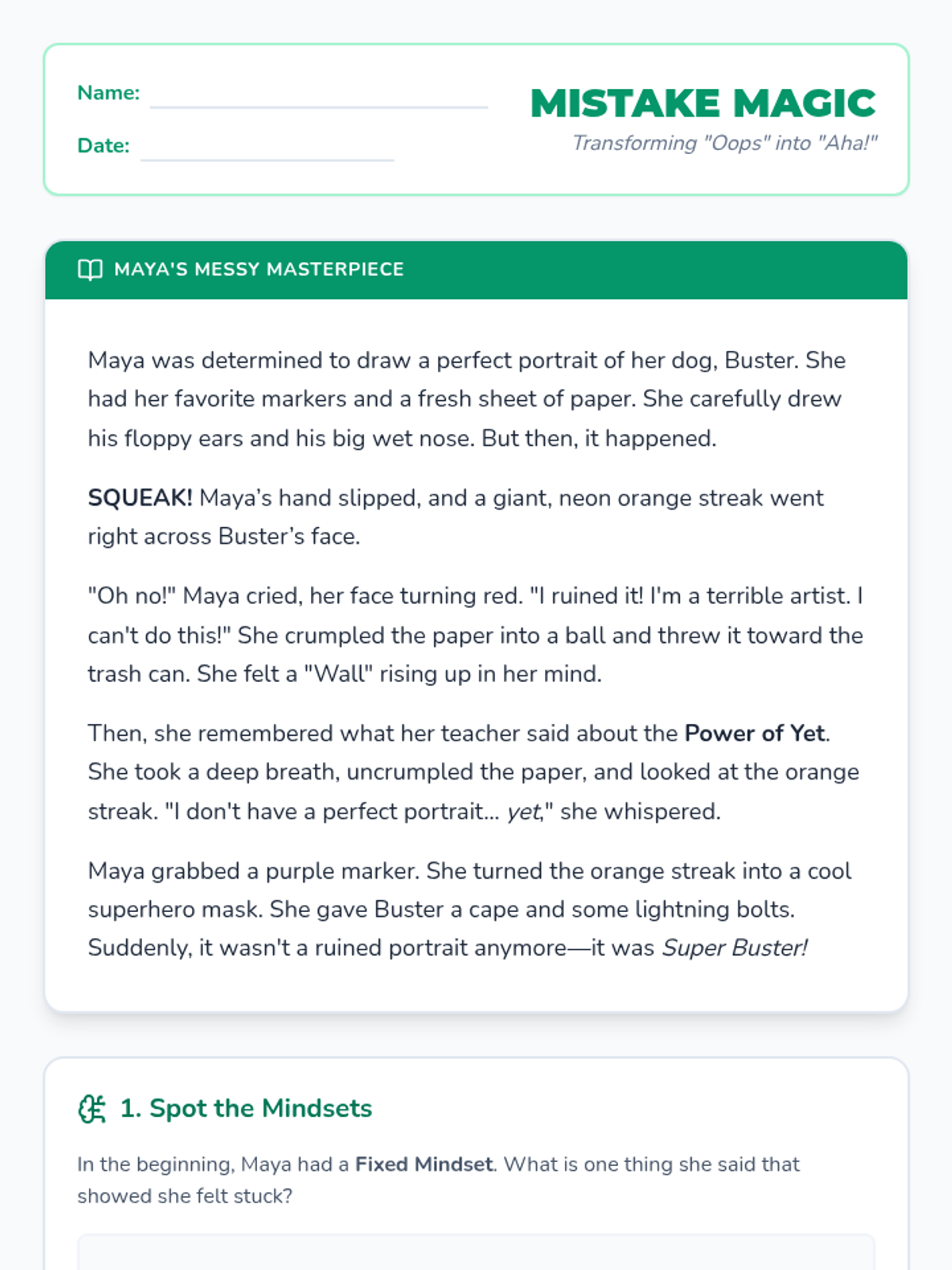
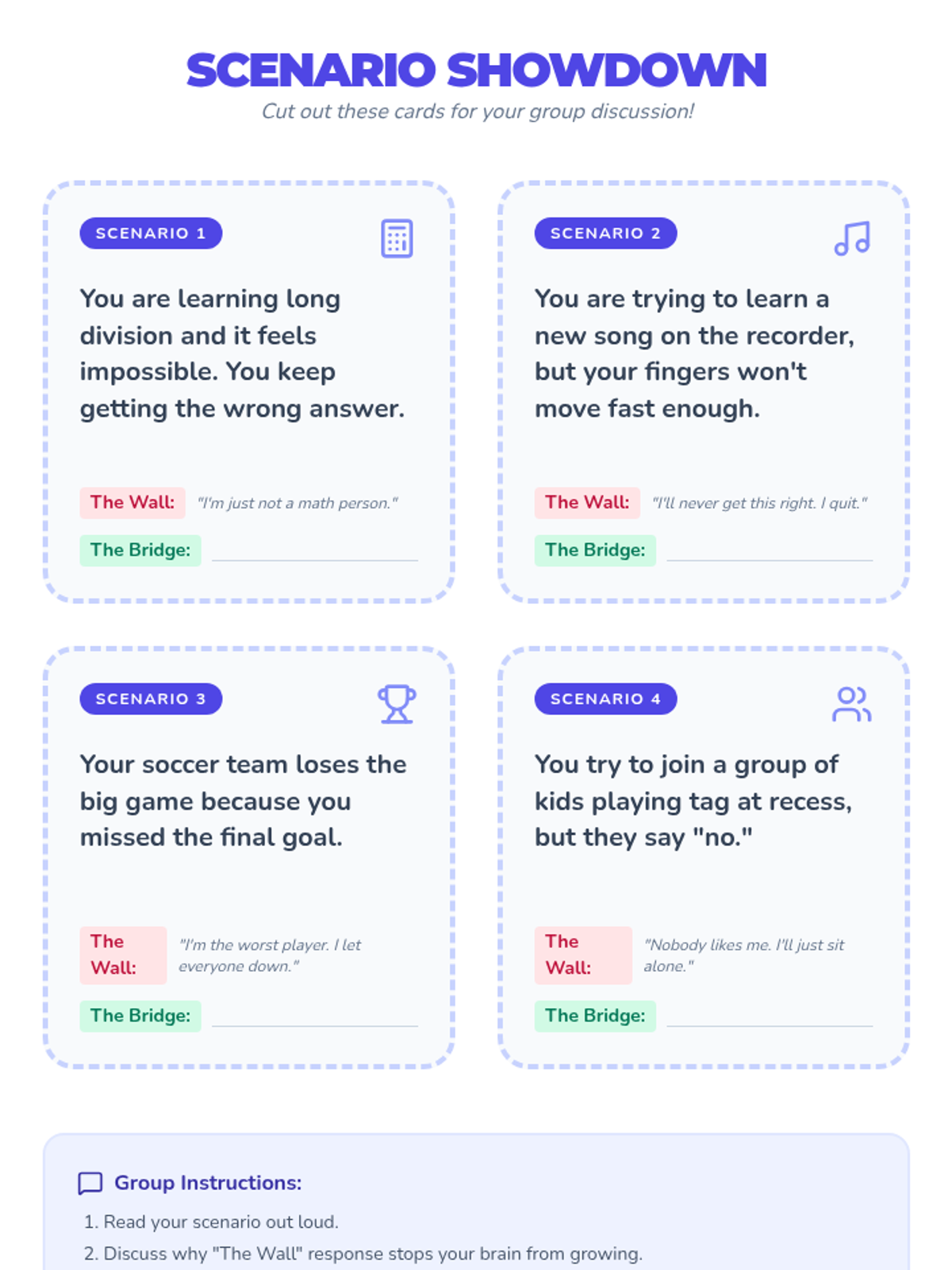
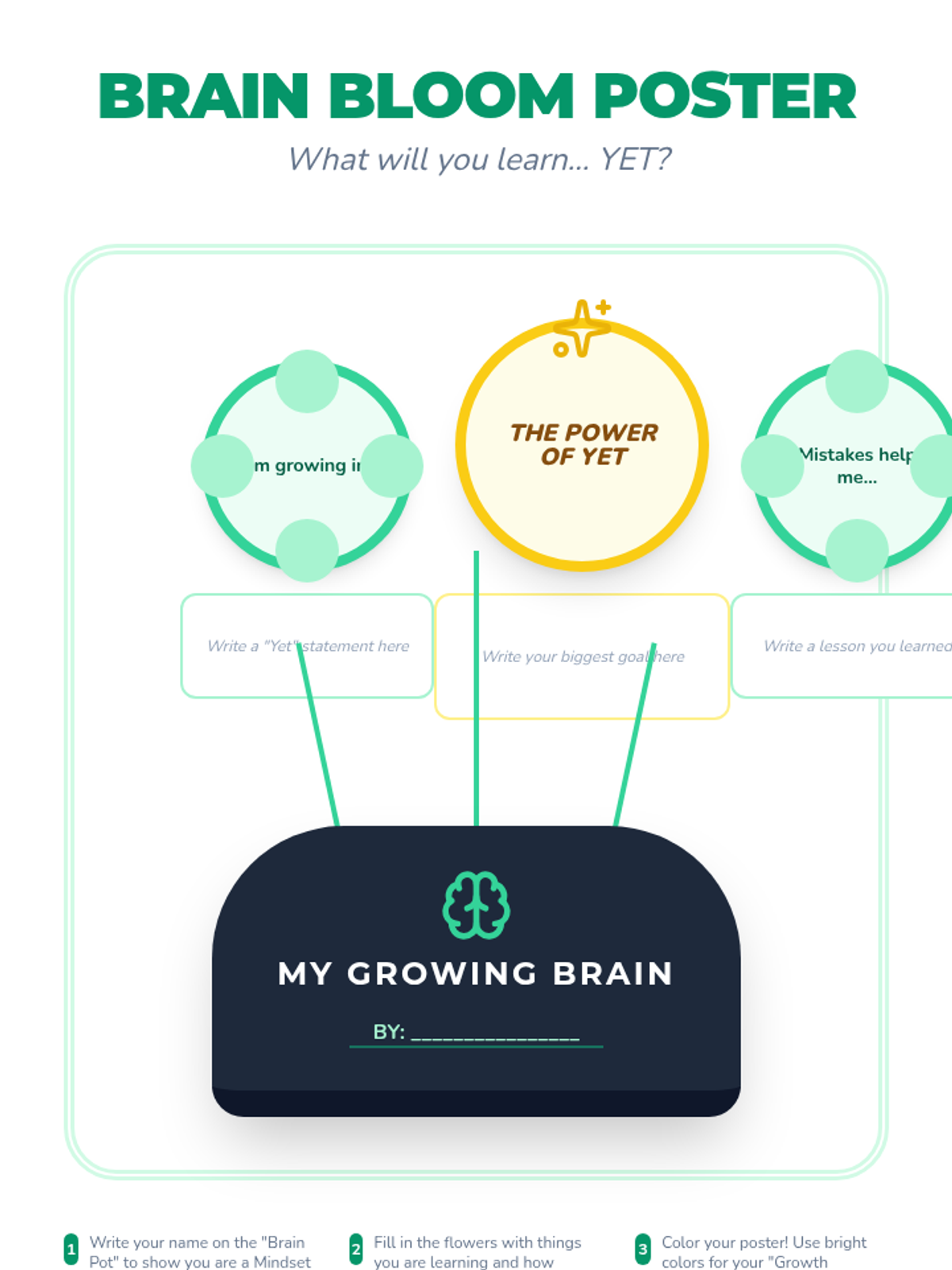
An introductory lesson on growth mindset where students explore how to embrace challenges and transform their inner dialogue using the 'Power of Yet'.
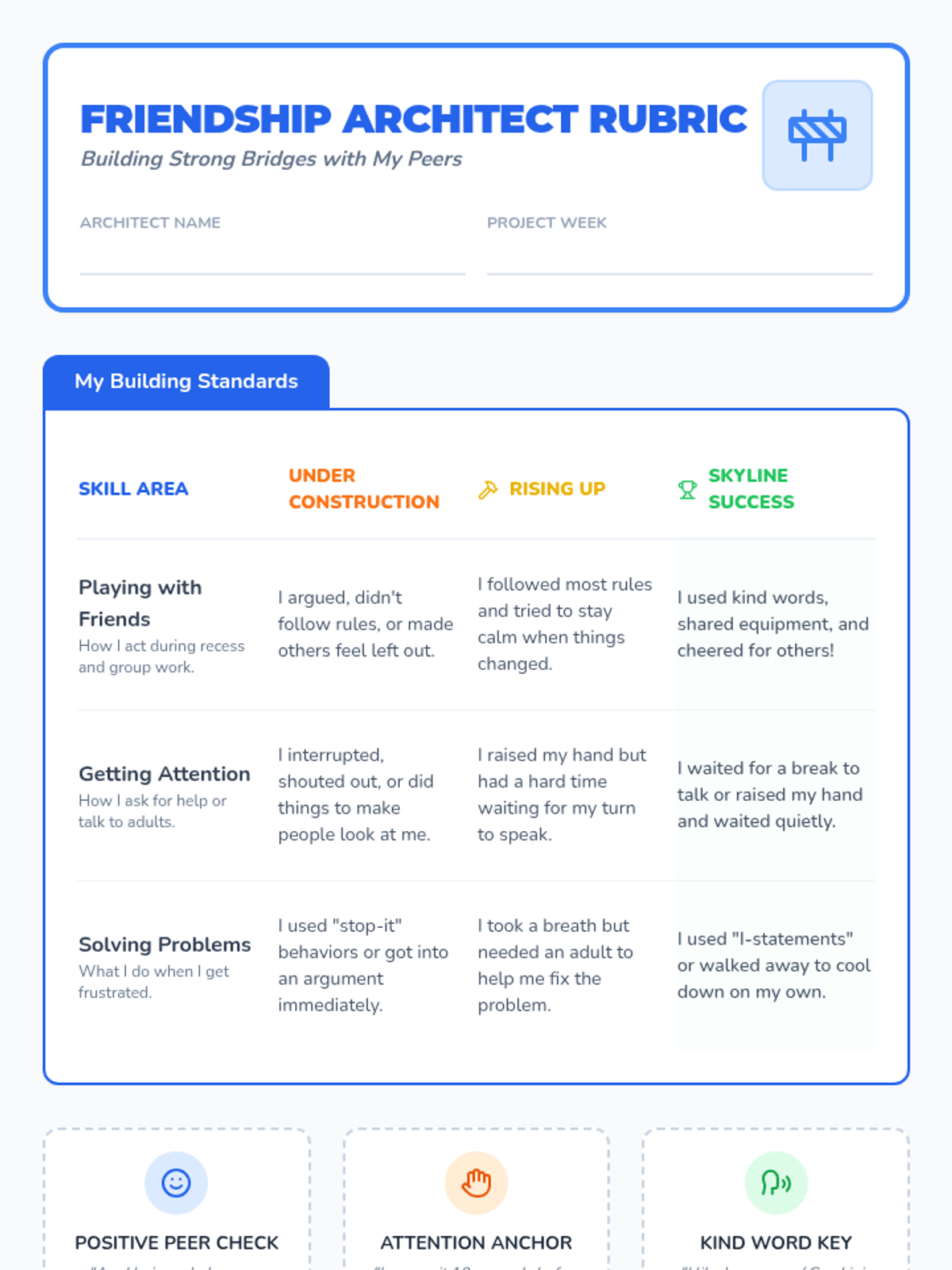
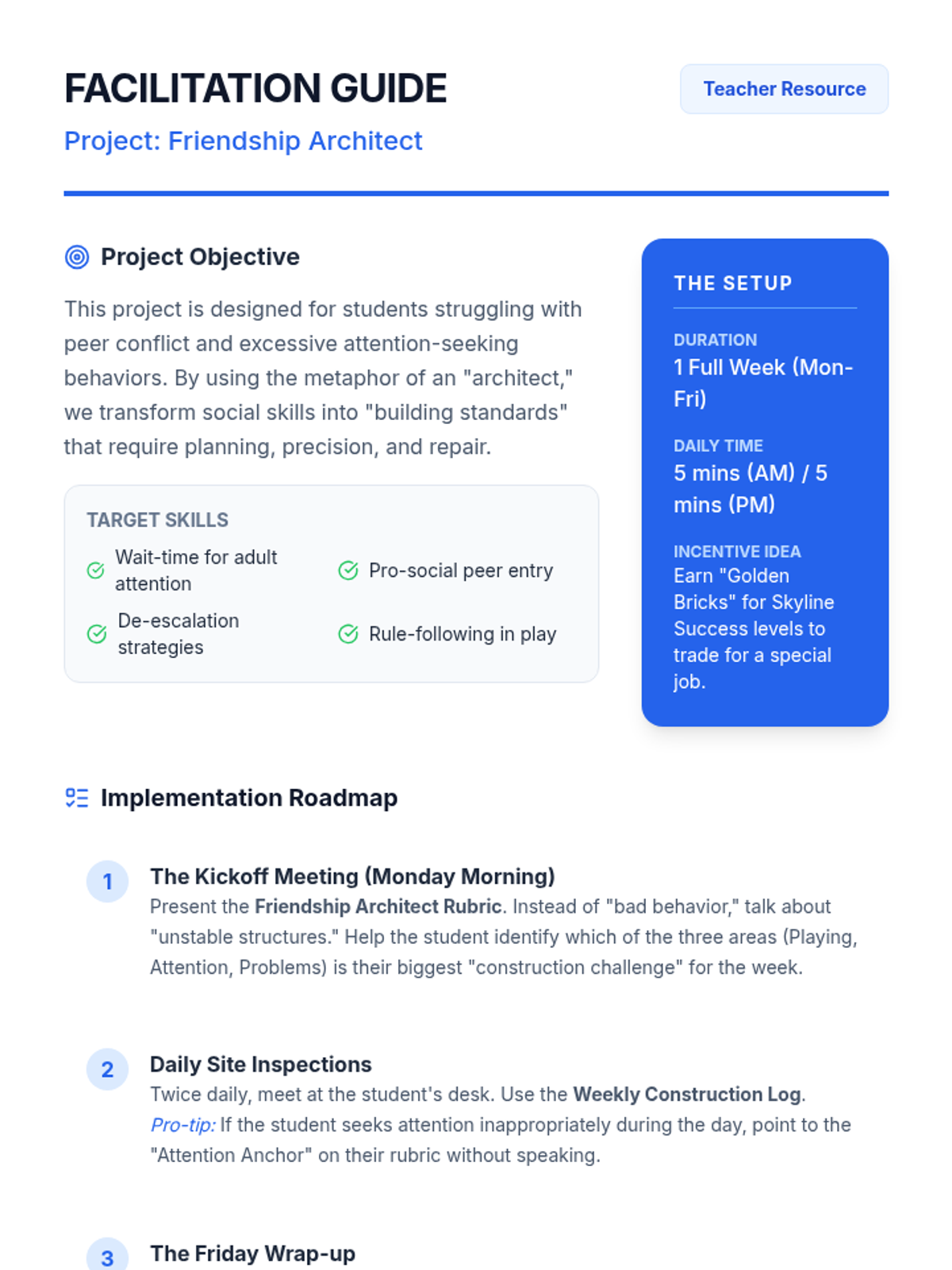
A one-week accountability project designed for a 3rd-grade student to improve social interactions and manage attention-seeking behaviors through the theme of being a 'Friendship Architect'.
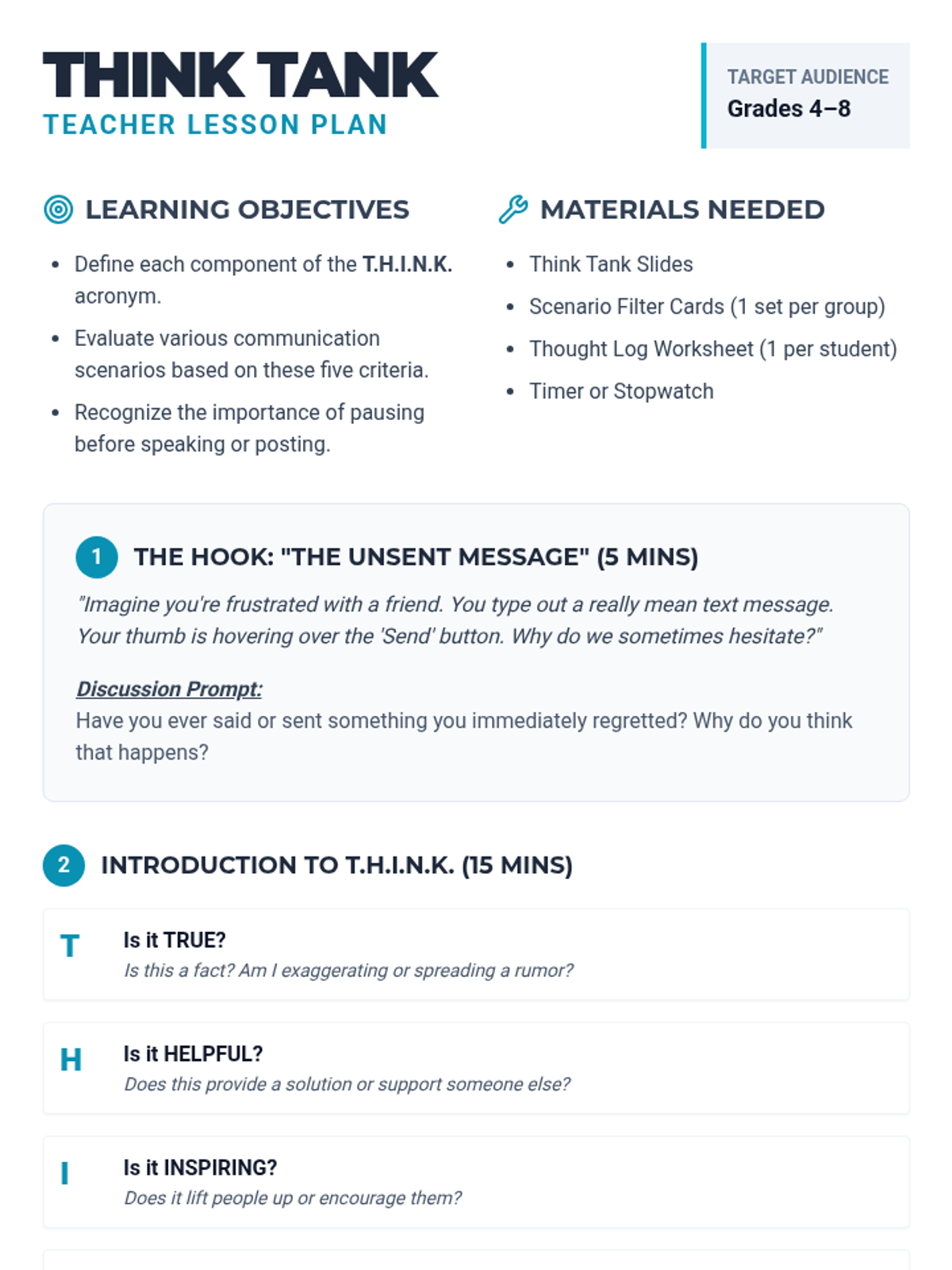
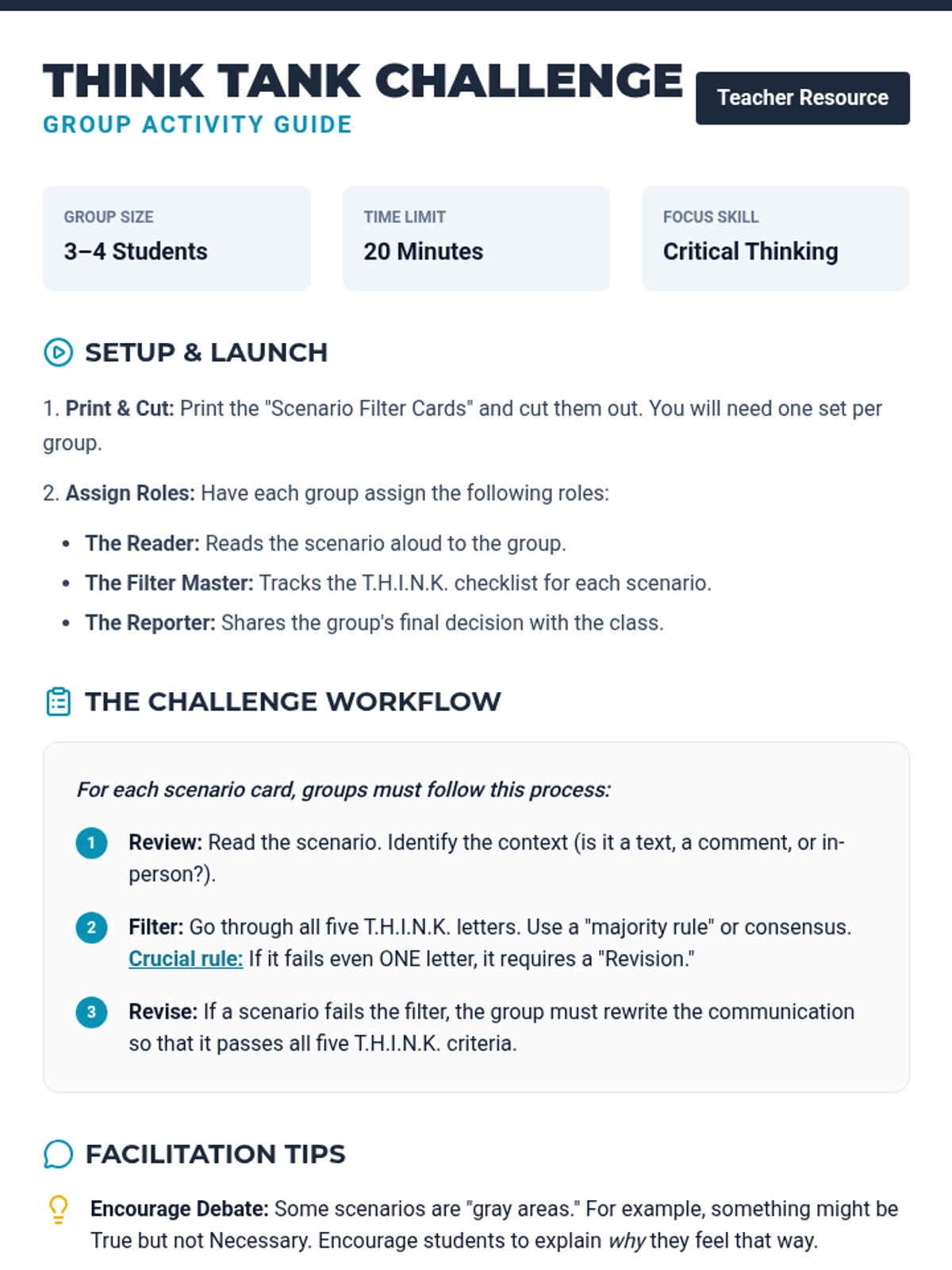
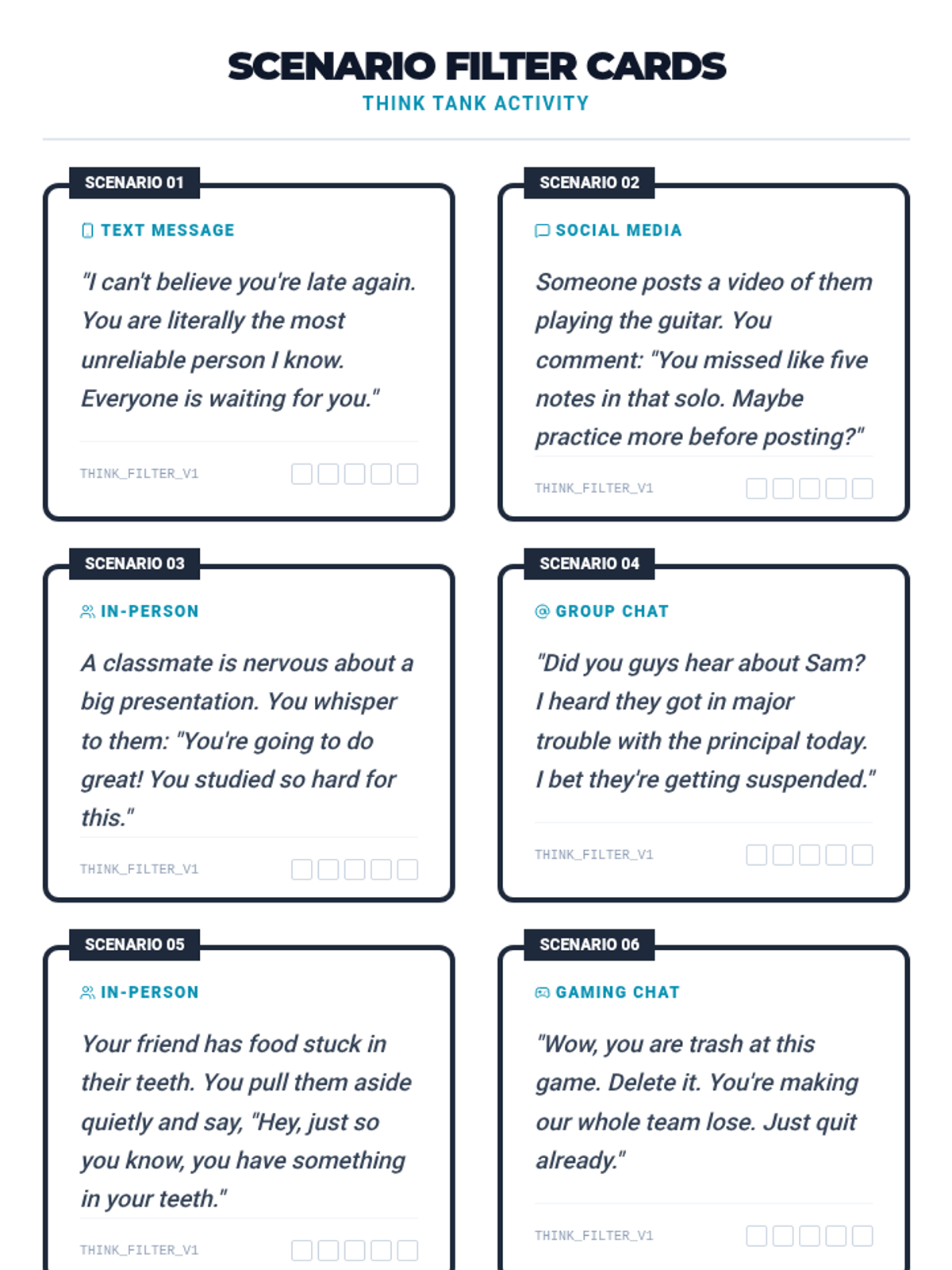
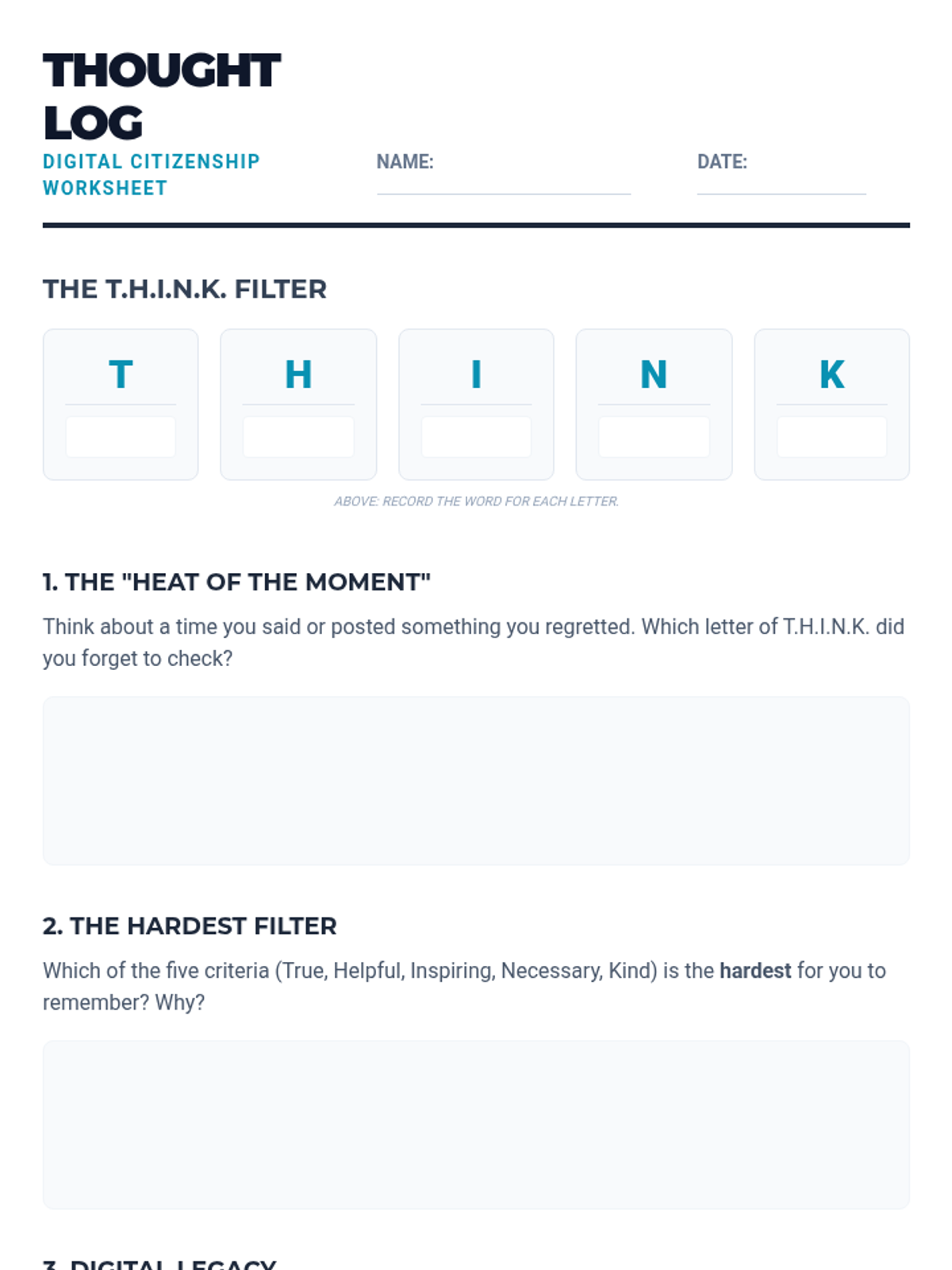
An introductory lesson on the T.H.I.N.K. acronym to promote thoughtful communication both online and offline. Students explore each component (True, Helpful, Inspiring, Necessary, Kind) through scenarios and group discussion.
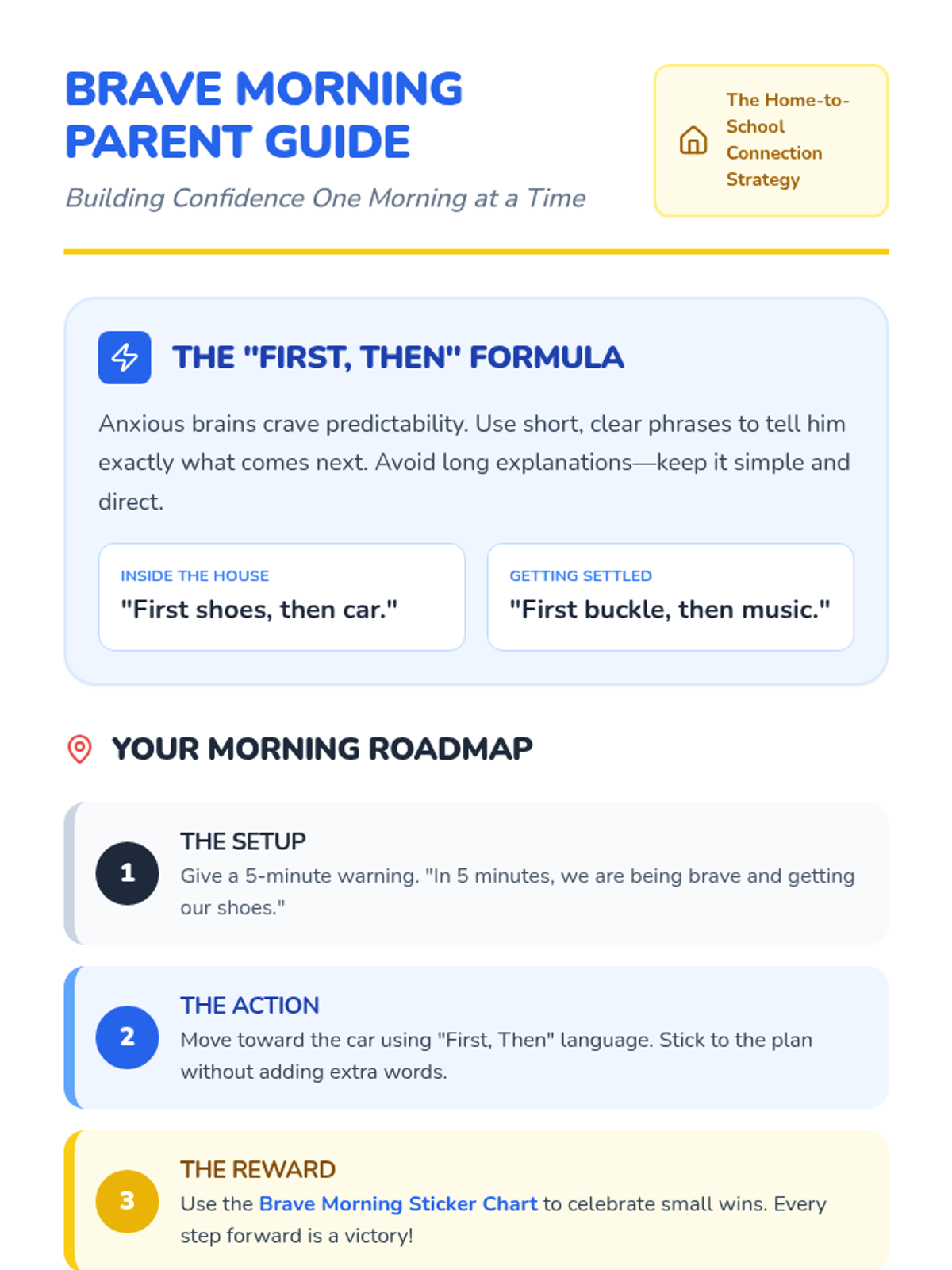
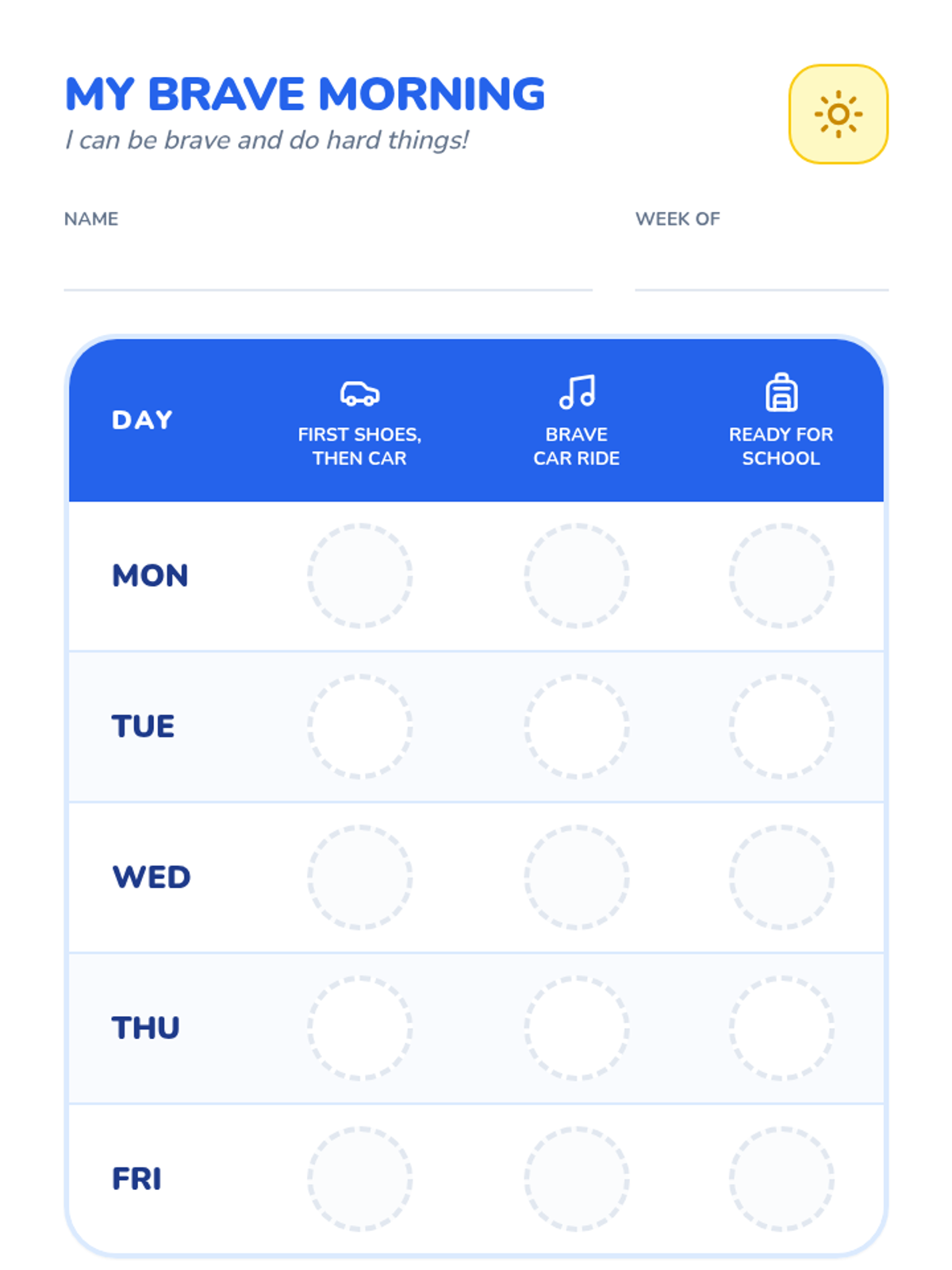
A collection of resources designed to help a Kindergarten student manage school-morning anxiety, featuring a personalized social story, desk-side coping tools, and a teacher support guide.
A lesson focused on helping students distinguish between school-appropriate and inappropriate conversation topics, especially during social times like recess and lunch. Students learn to use a 'social filter' to ensure everyone feels comfortable and included.
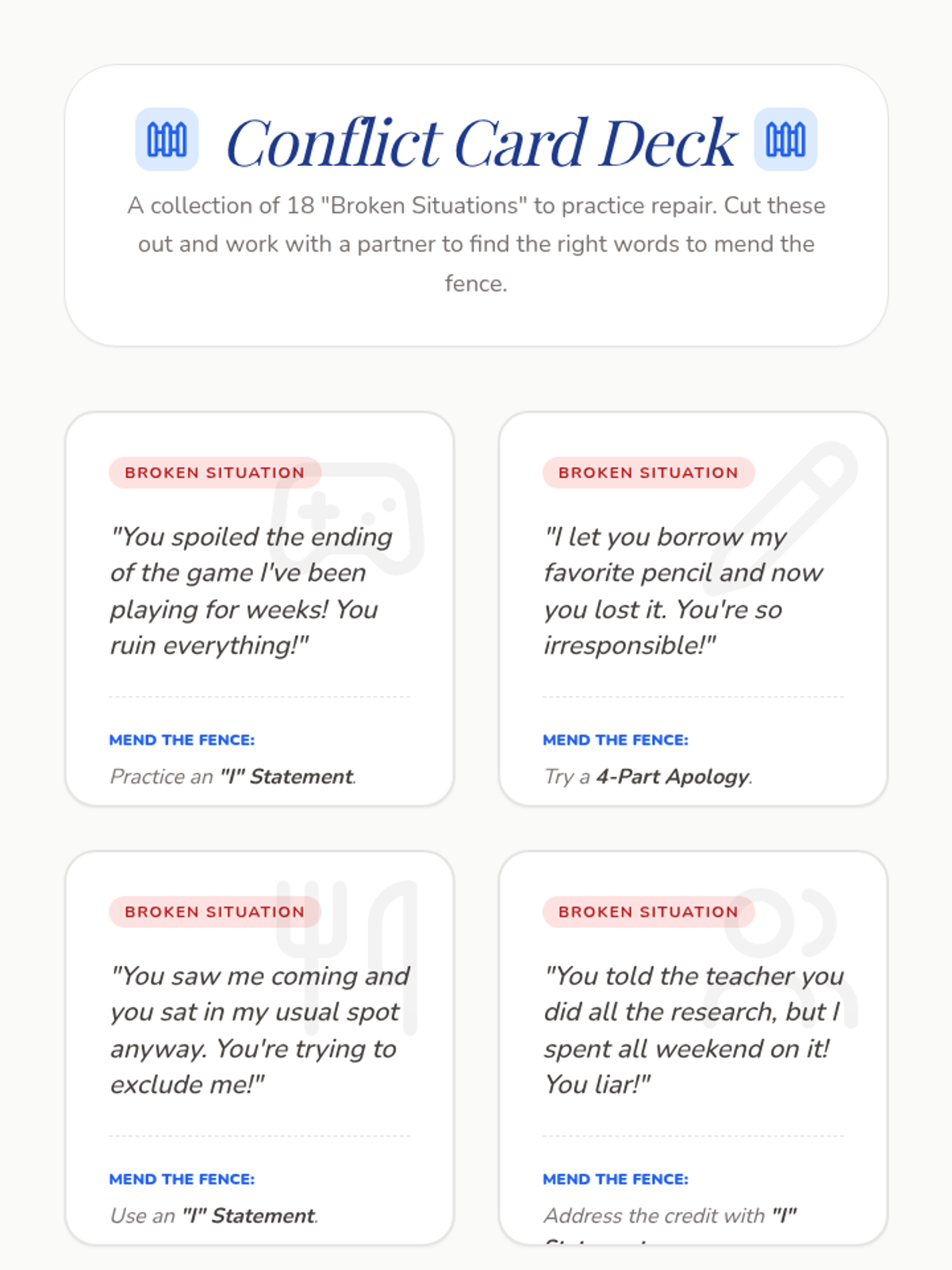
Learning healthy ways to handle disagreements and using 'I' statements for effective communication.
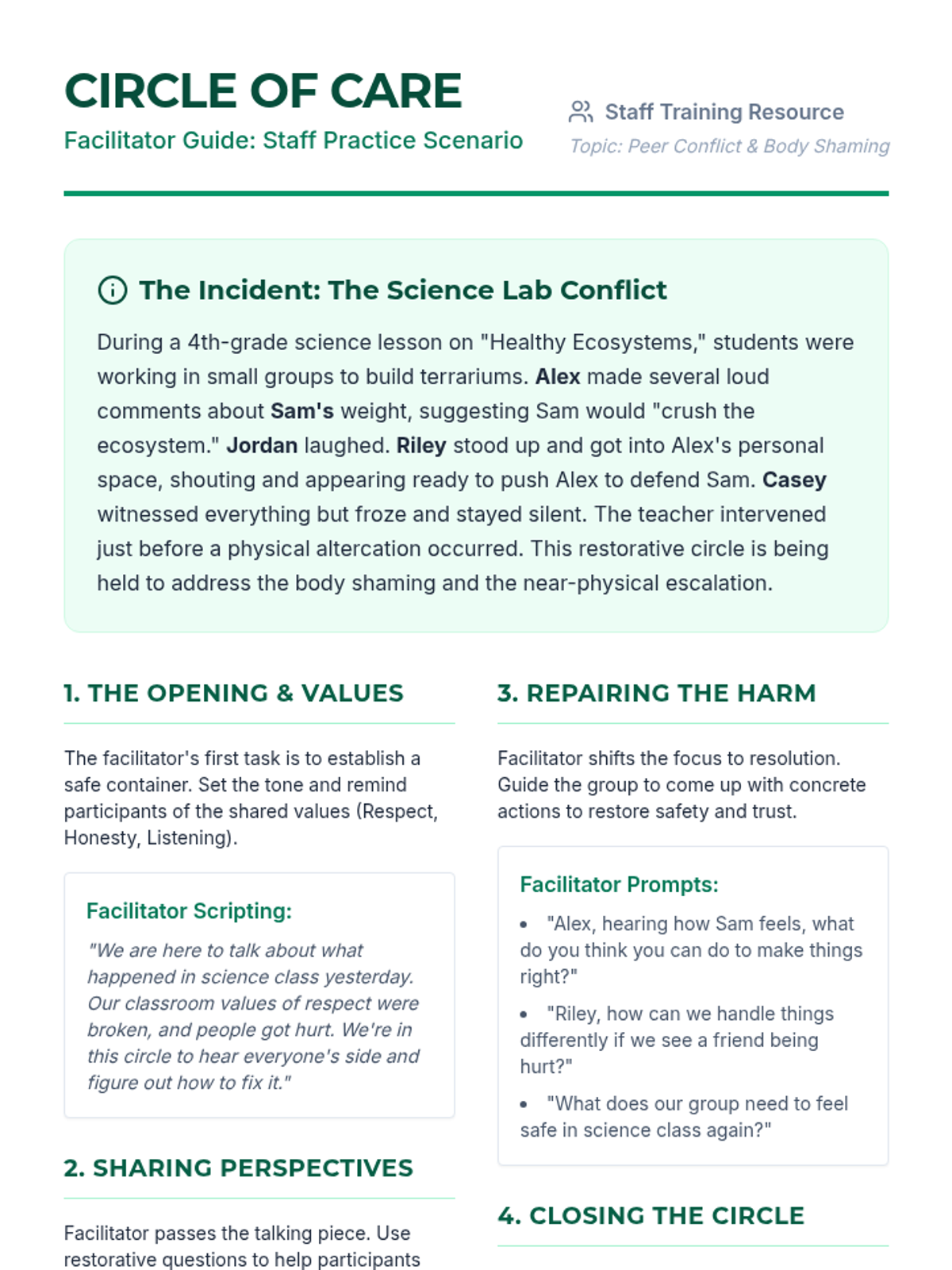
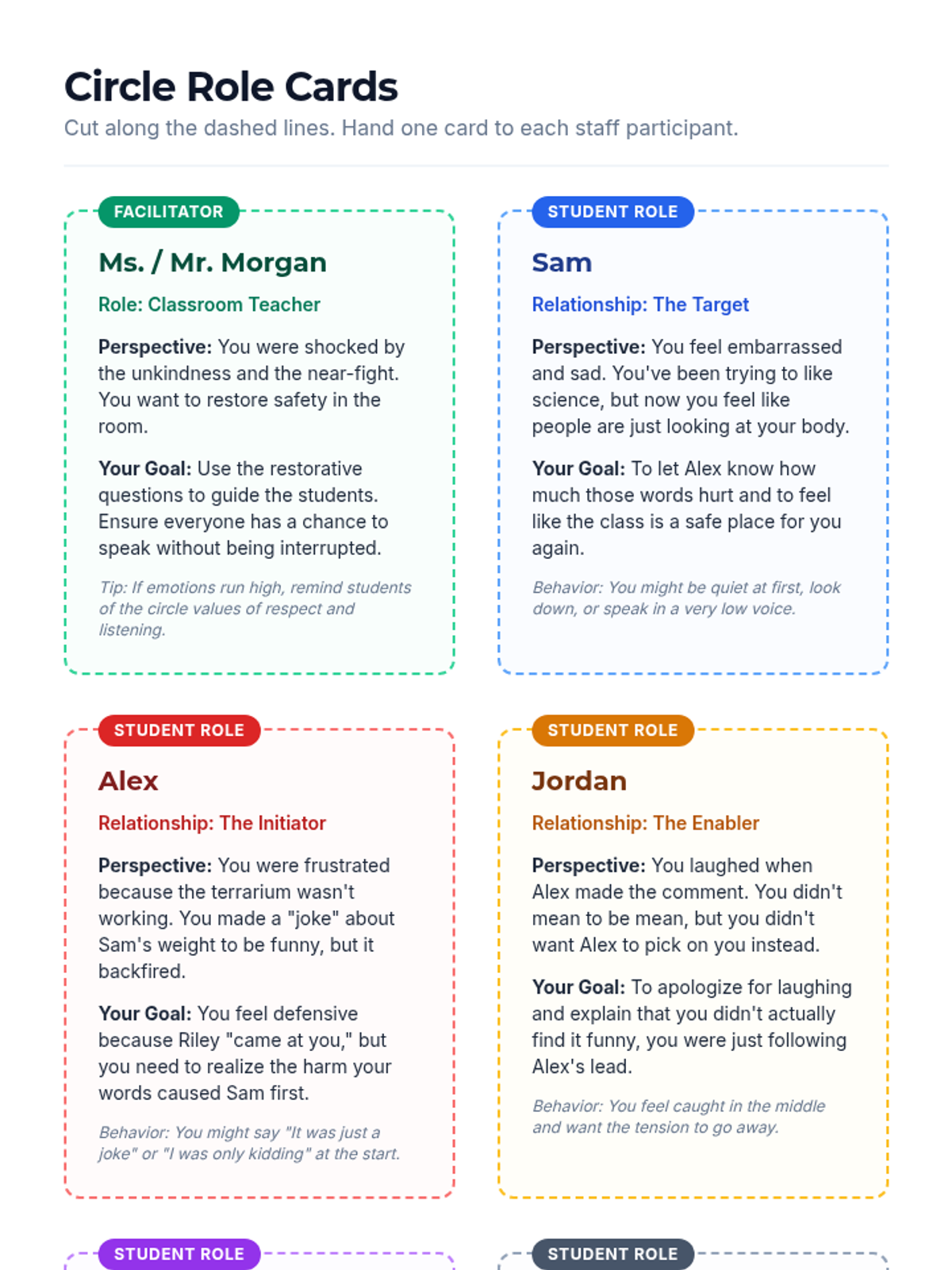
A professional development lesson for school staff to practice facilitating restorative circles through a realistic elementary school peer conflict scenario involving name-calling and body shaming.
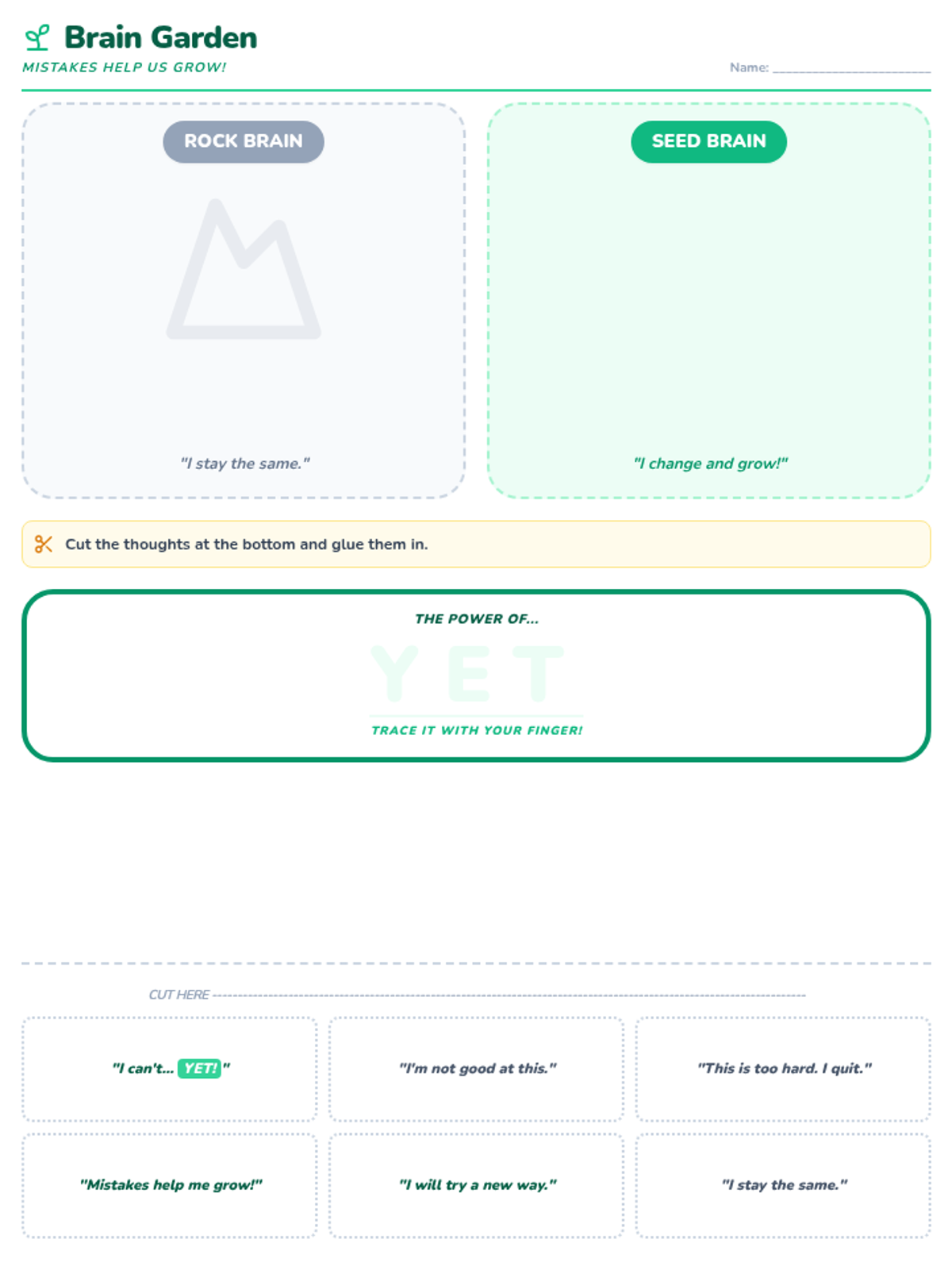
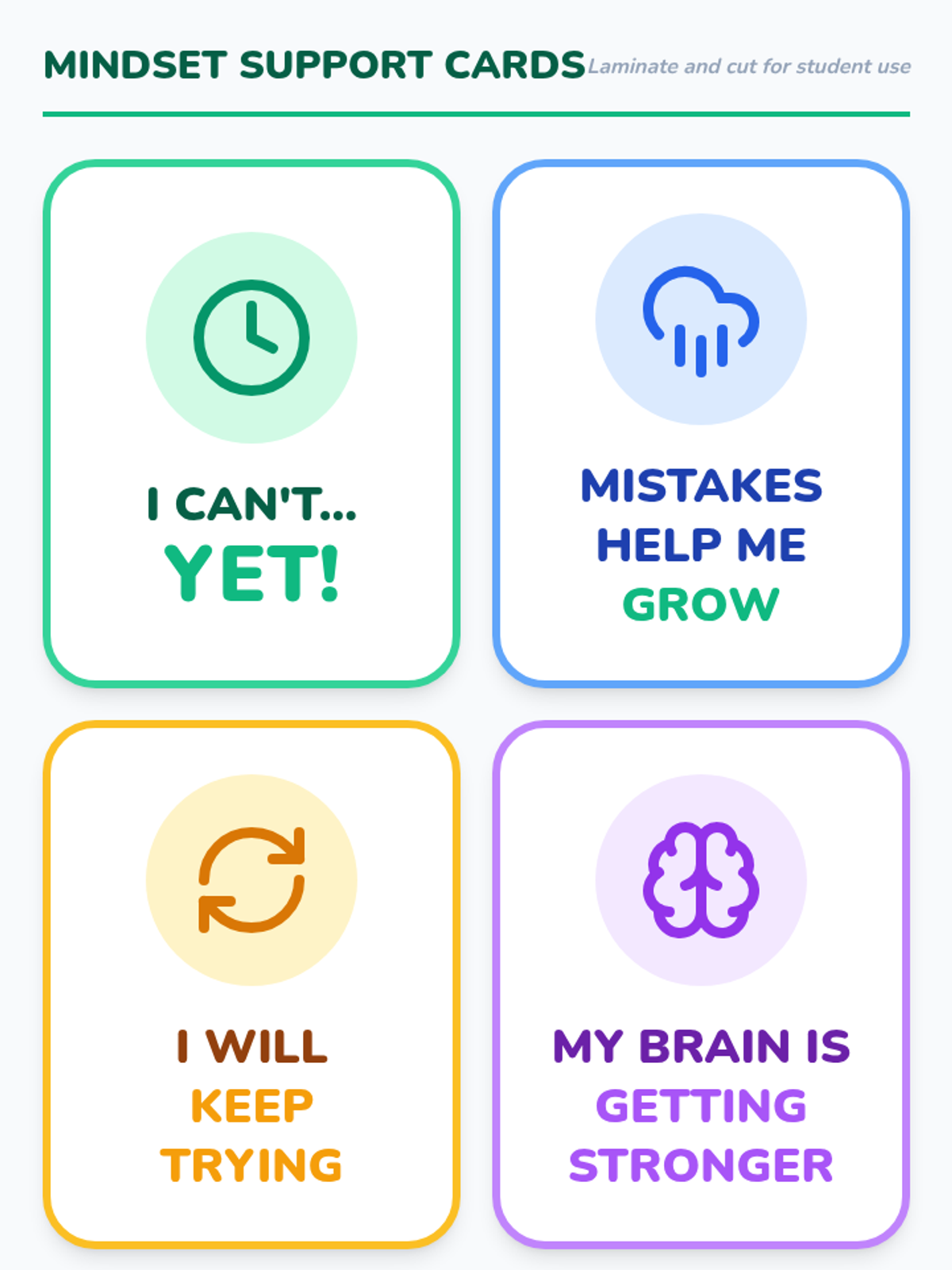
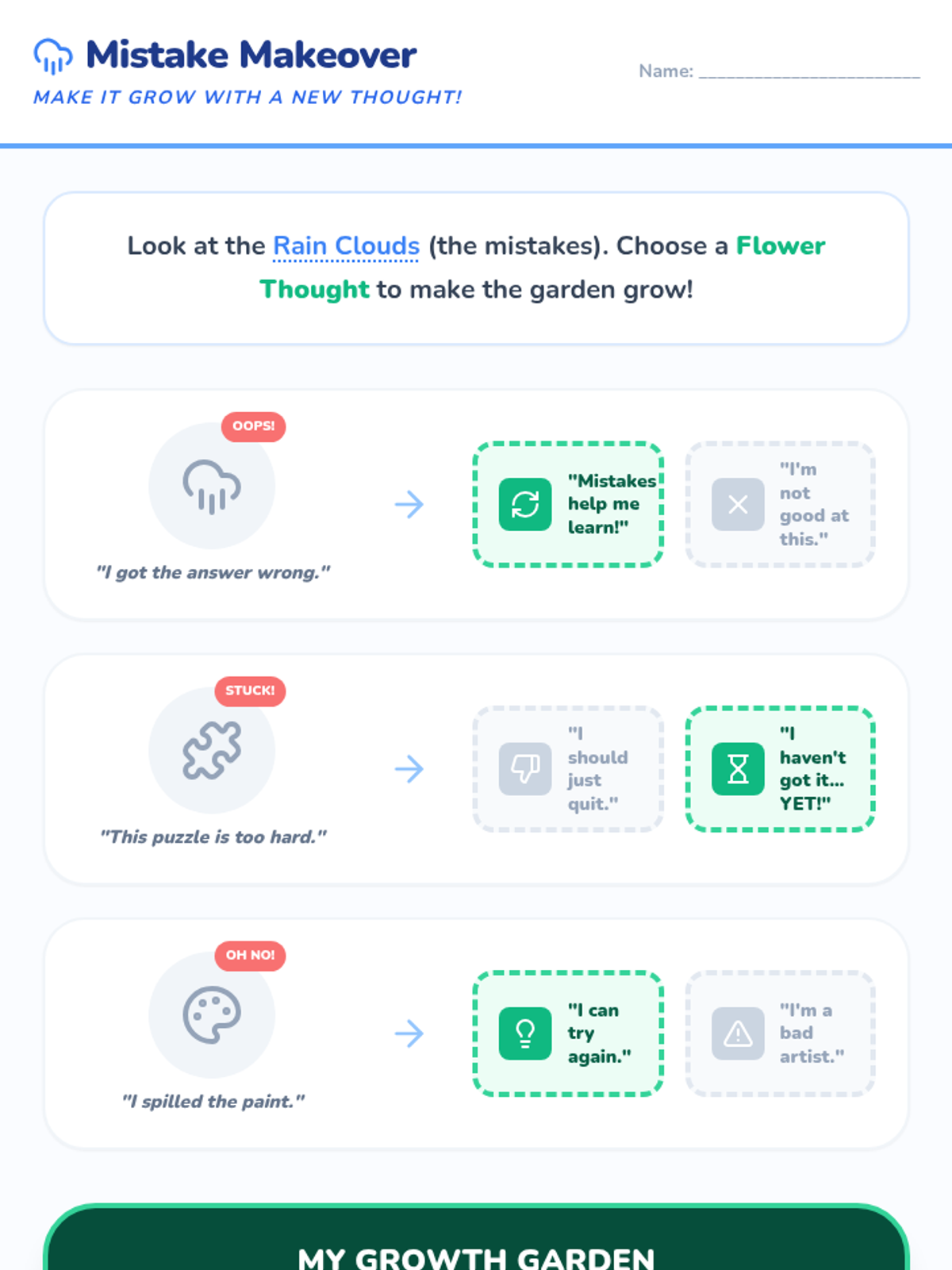
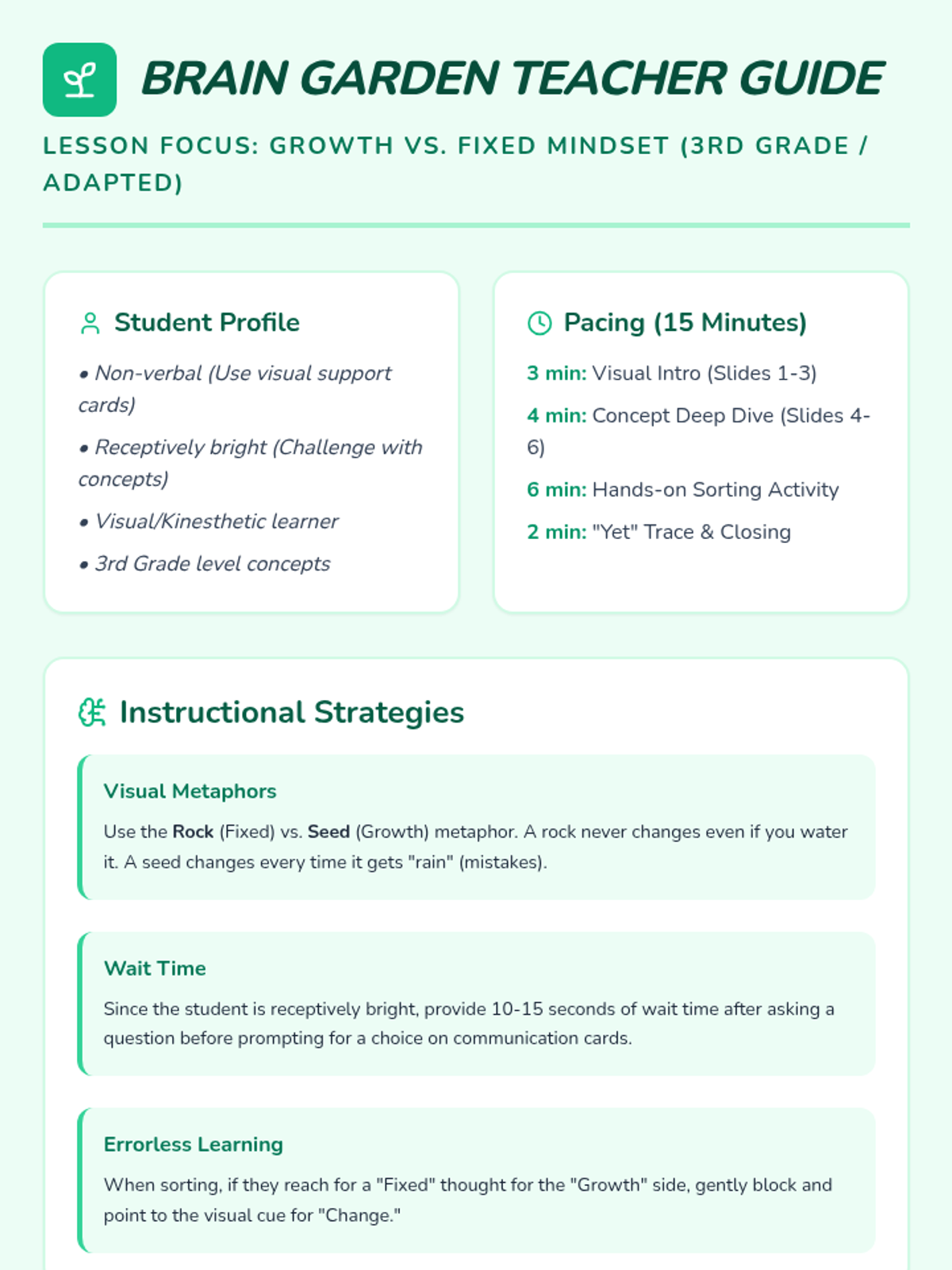
A focused lesson introducing the concept of the 'Brain Garden' where mistakes are like rain that helps our skills grow, specifically adapted for non-verbal learners with bright receptive skills.