This lesson introduces students to the calming practice of coloring mandalas to promote mindfulness, focus, and emotional well-being. students will engage in a hands-on art activity followed by reflective discussion.
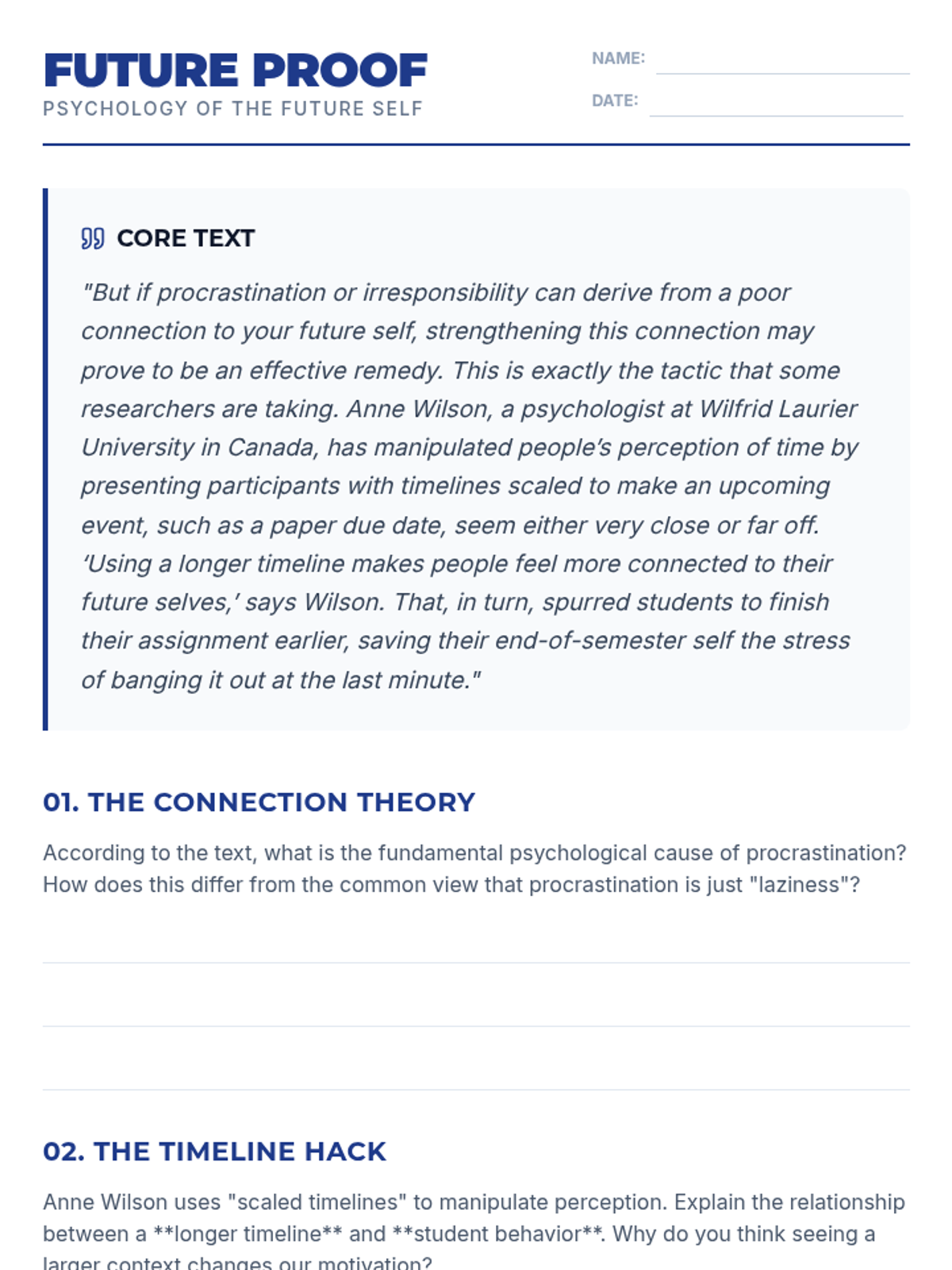
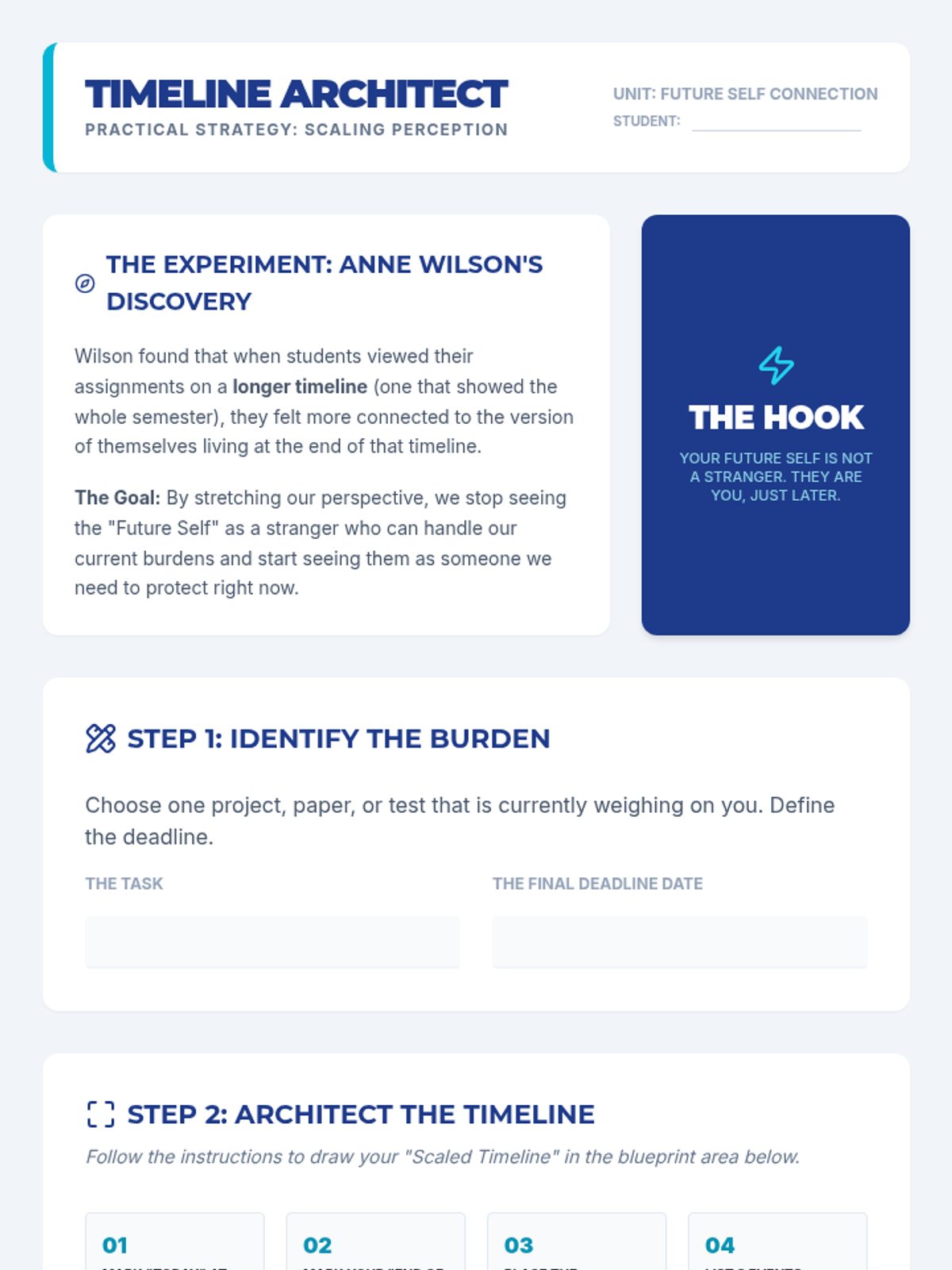
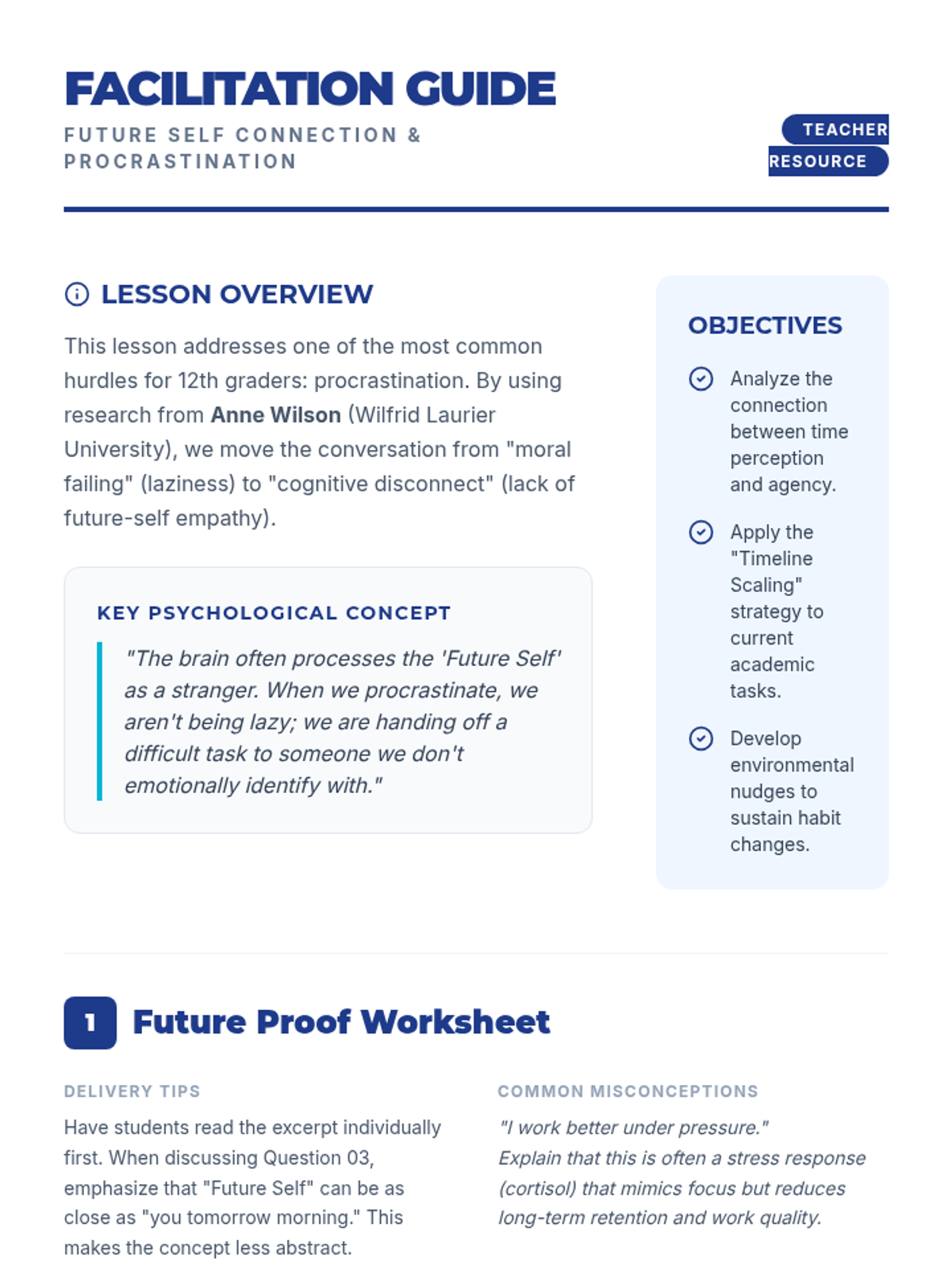
This lesson explores the psychological concept of the 'future self' to combat procrastination, based on research by Anne Wilson. Students analyze how perception of time affects their behavior and practice visualization techniques to strengthen their connection to their future needs.
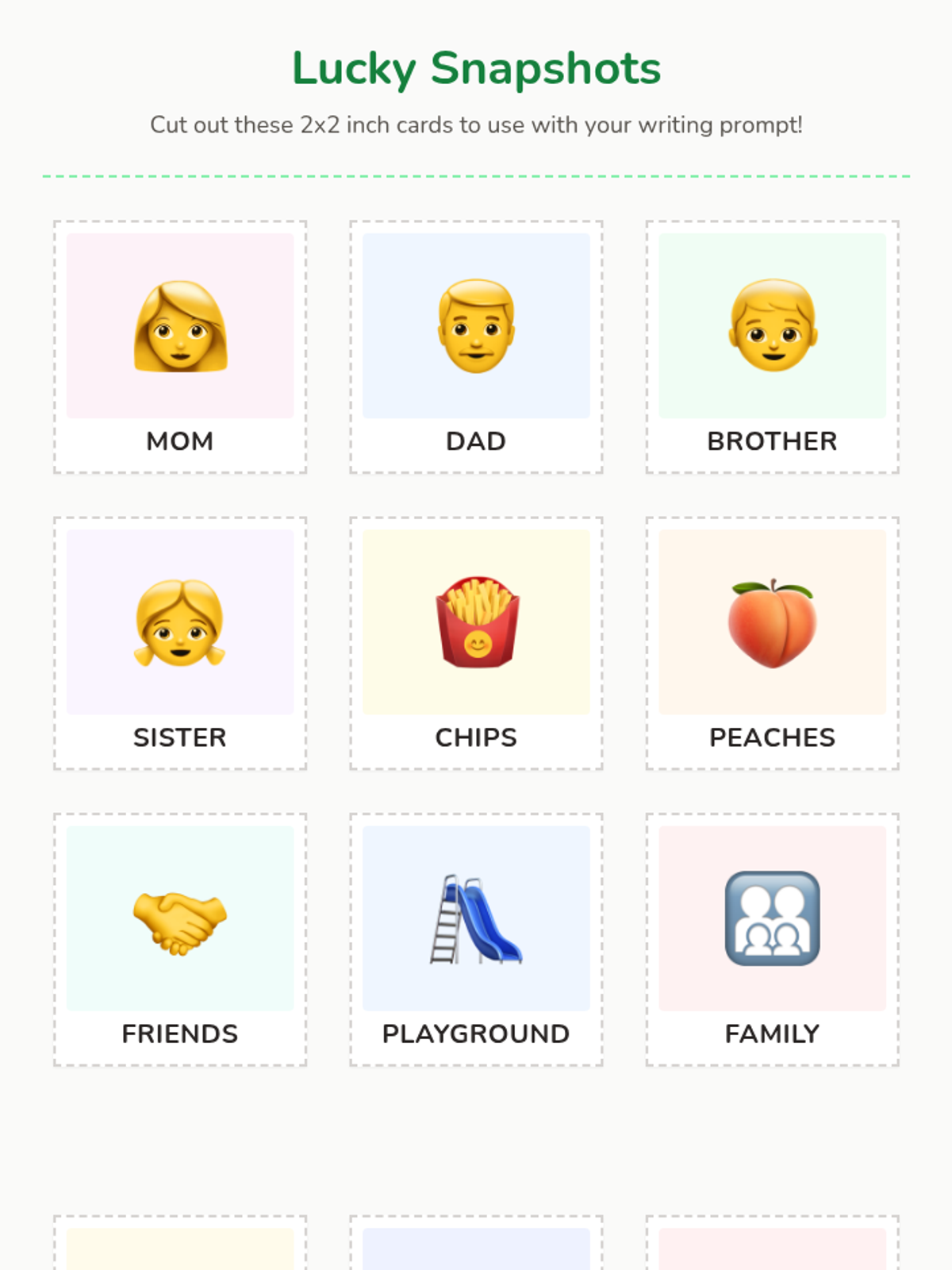
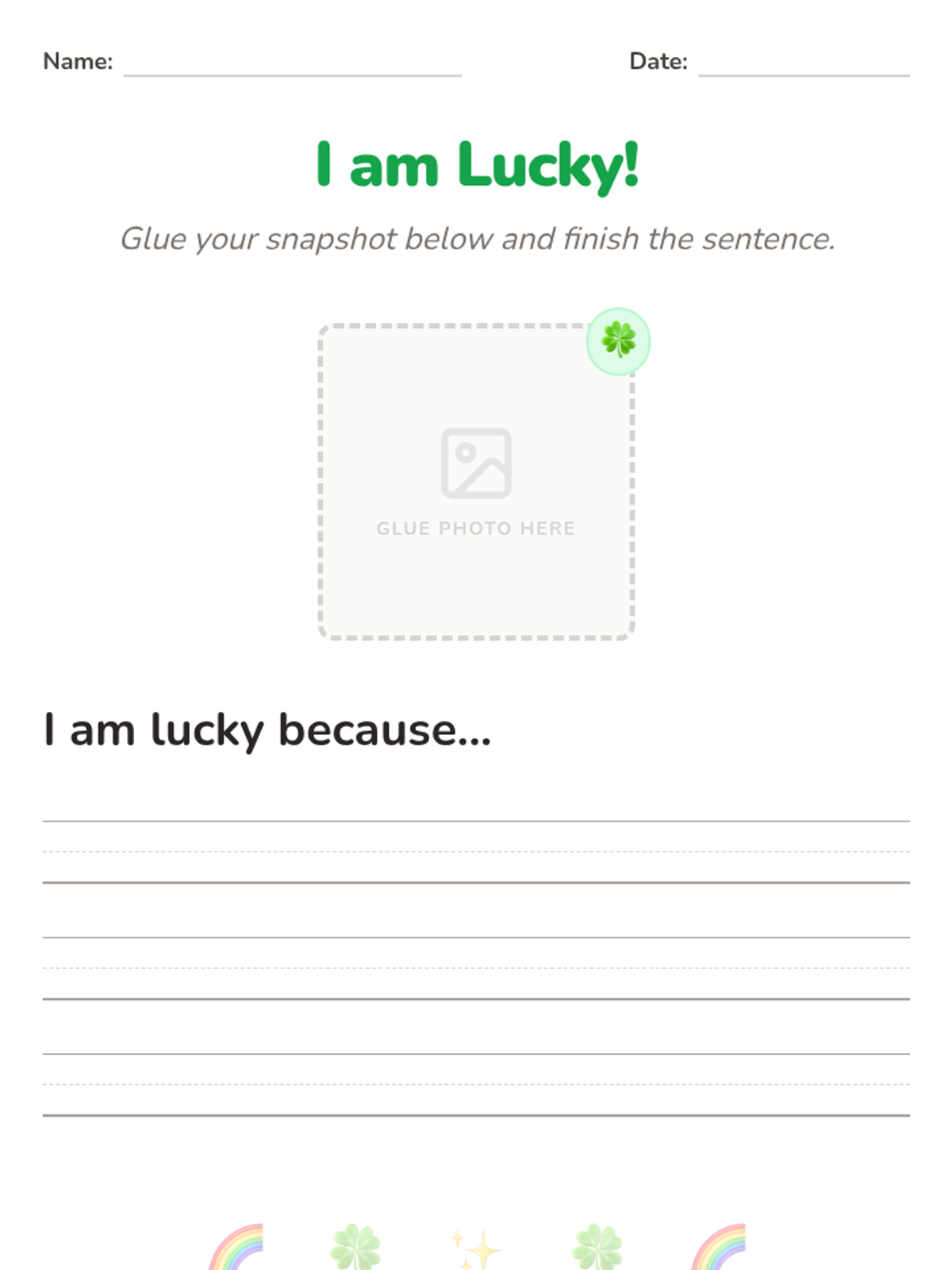
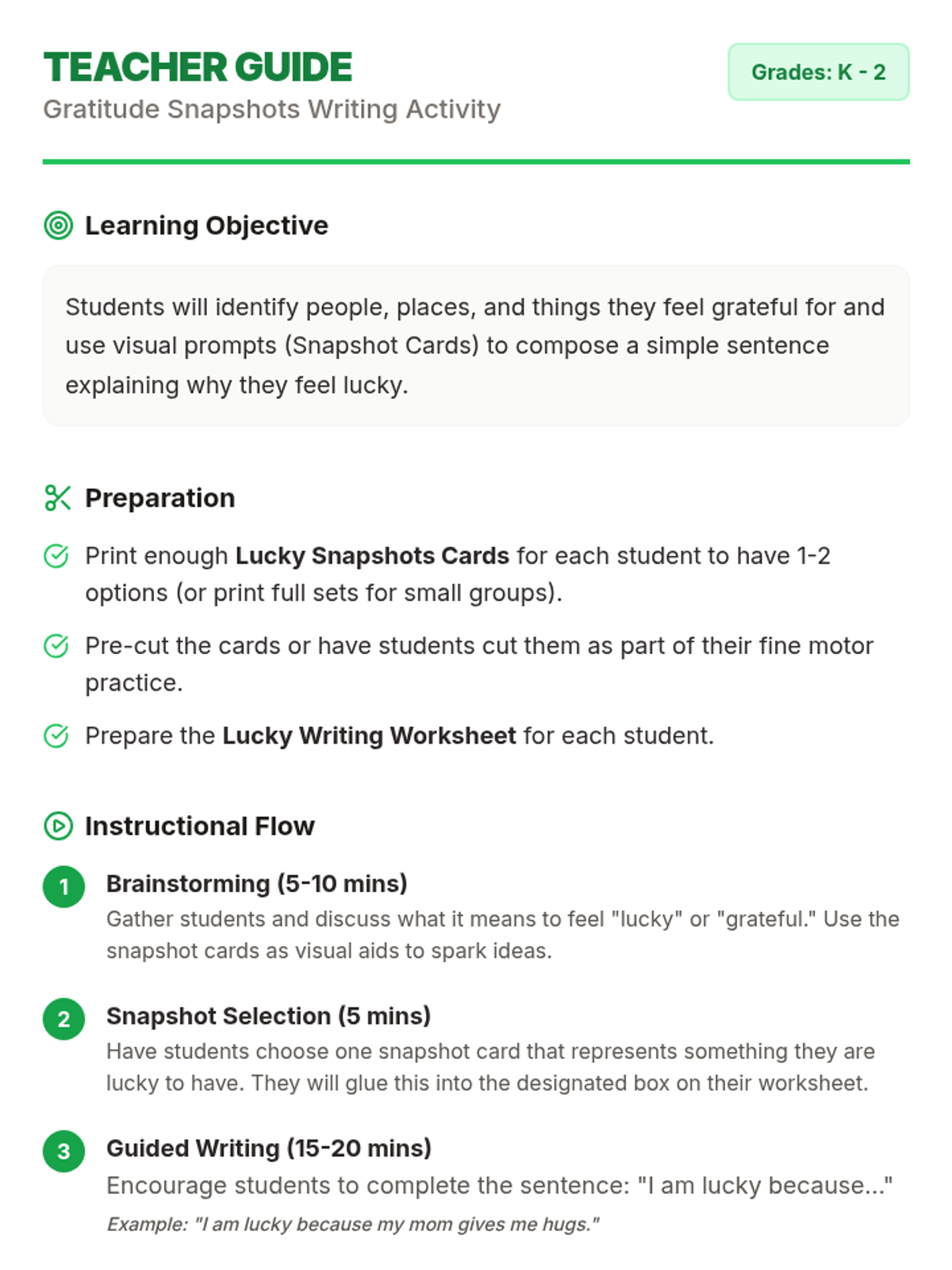
A heartwarming lesson focused on gratitude and early writing skills, where students identify things they are lucky to have and use visual 'snapshot' prompts to inspire their writing.
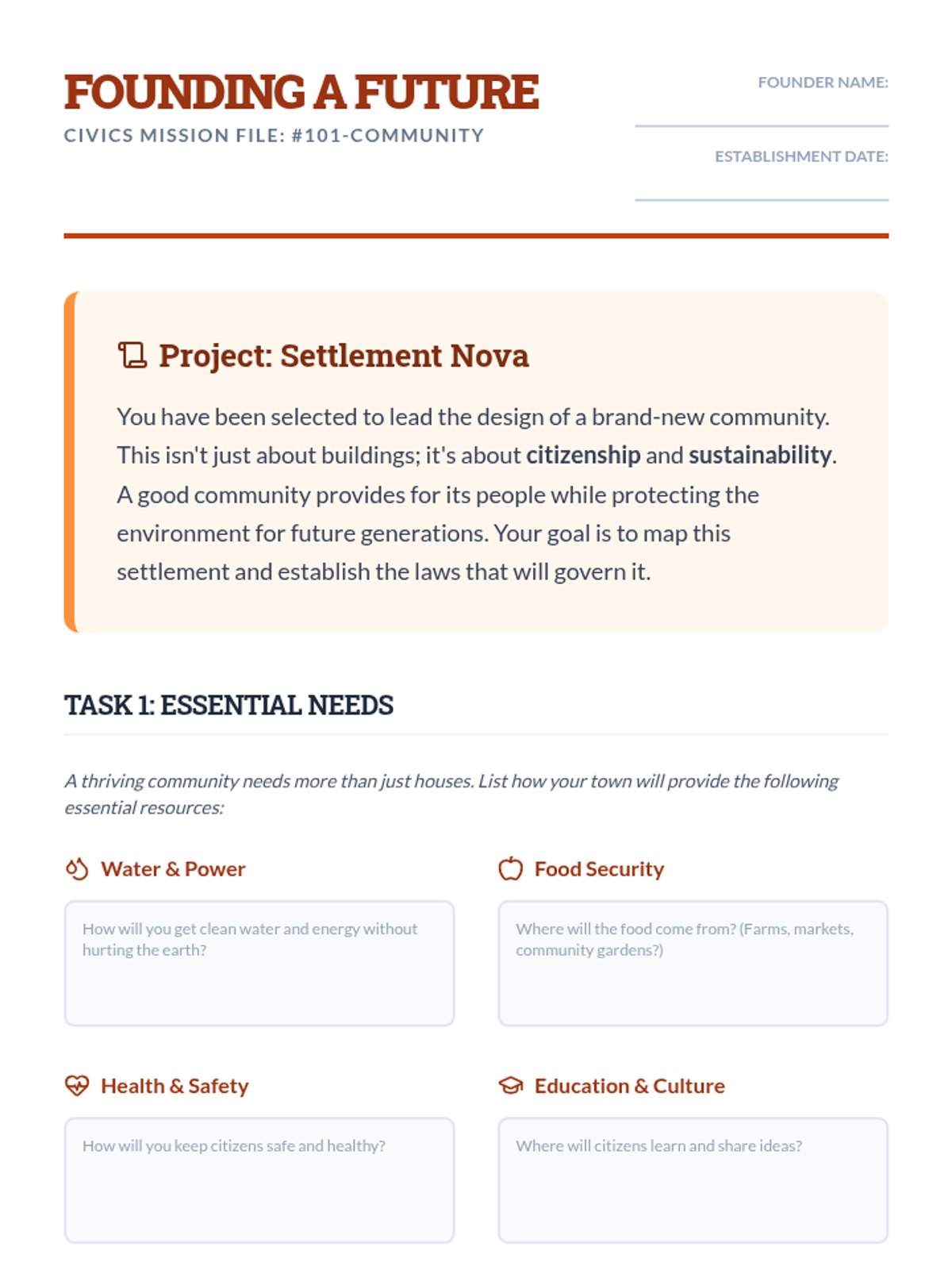
Students explore the concept of community and citizenship by mapping a sustainable town and creating laws that promote fairness and growth.
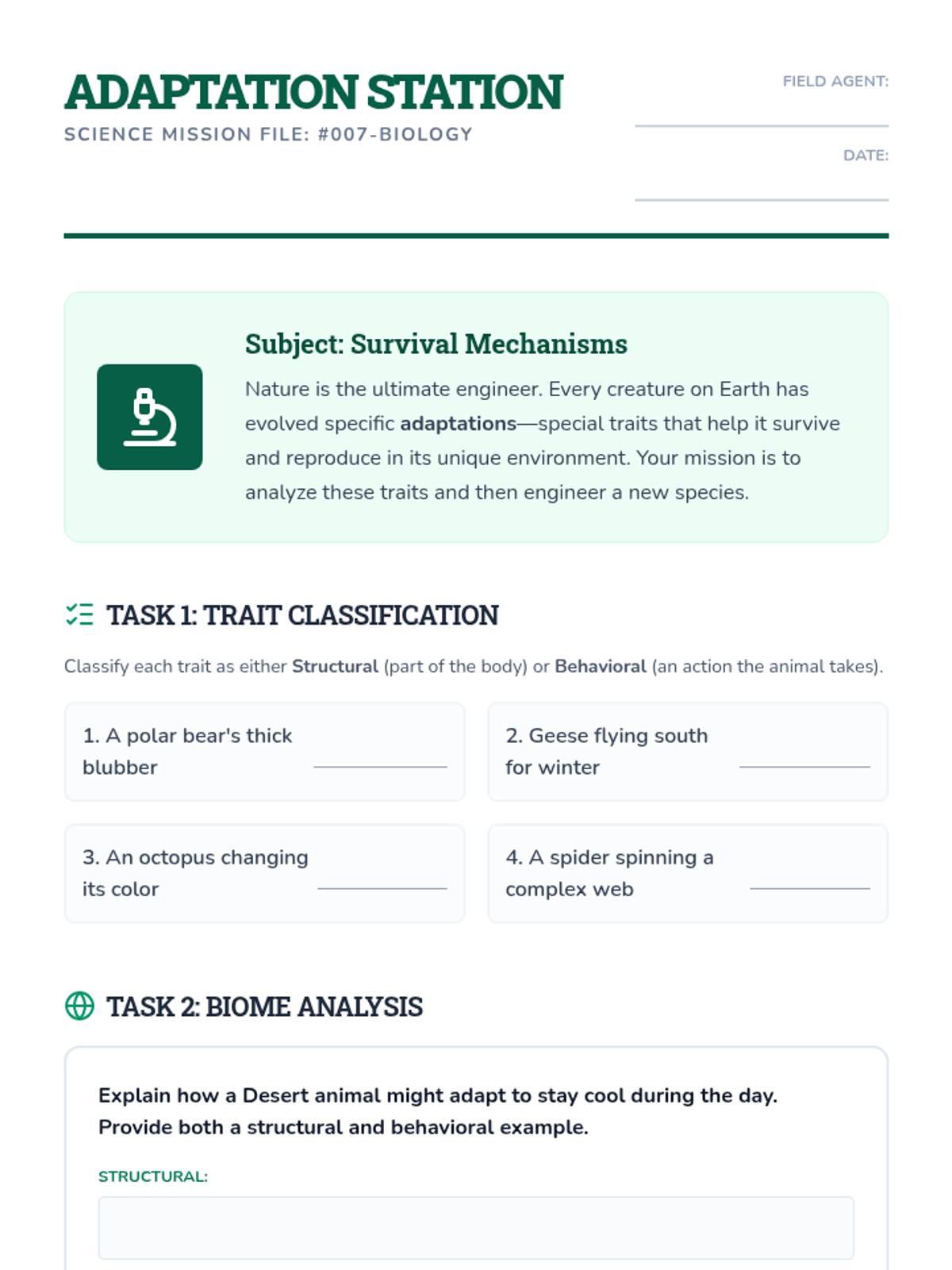
A deep dive into animal adaptations where students must research or infer how specific traits help survival, culminating in the design of a 'super-animal' for a unique biome.
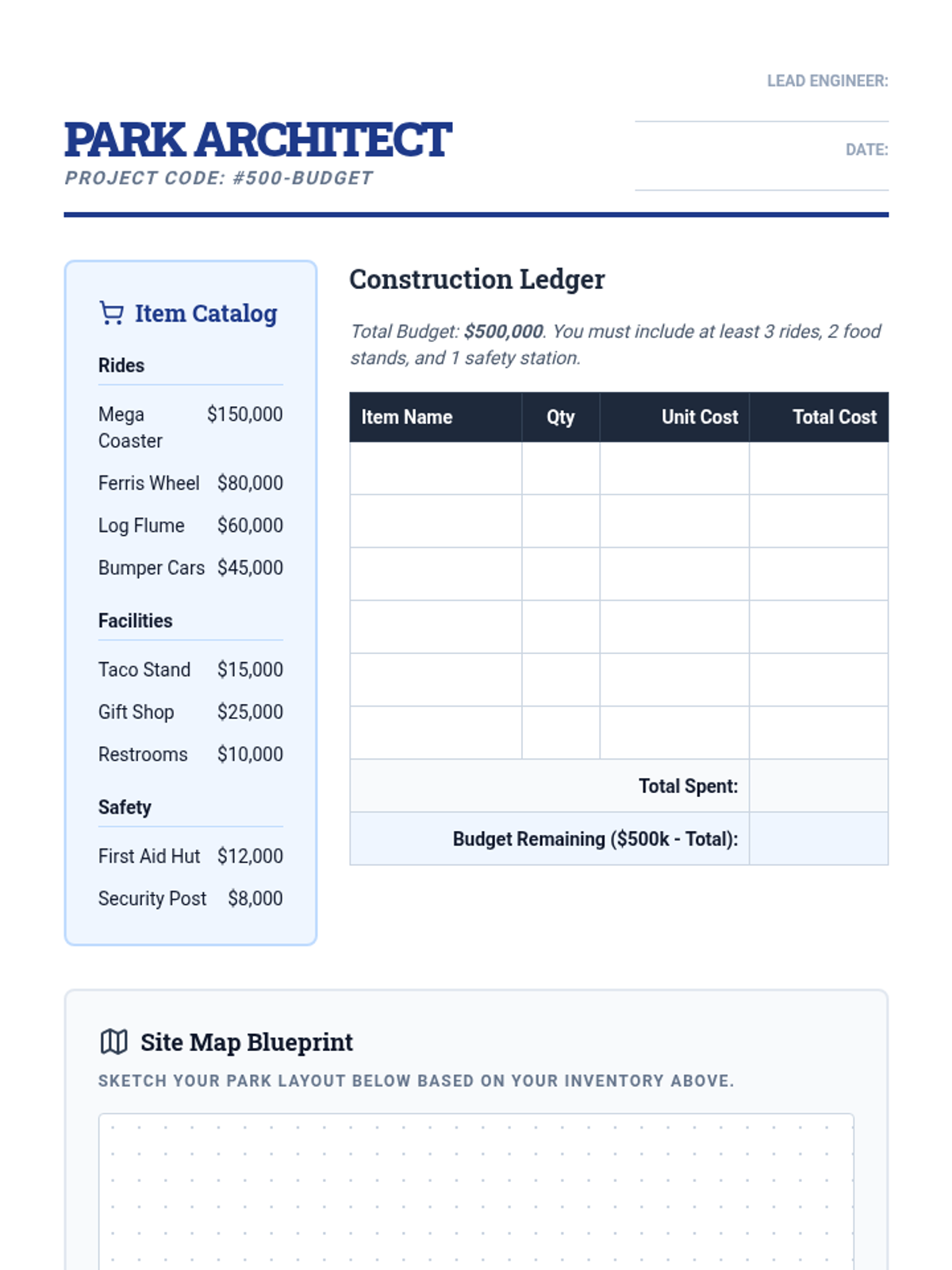
Students apply multiplication, addition, and subtraction skills as they design and budget for their own amusement park, managing costs for rides, food, and staff.
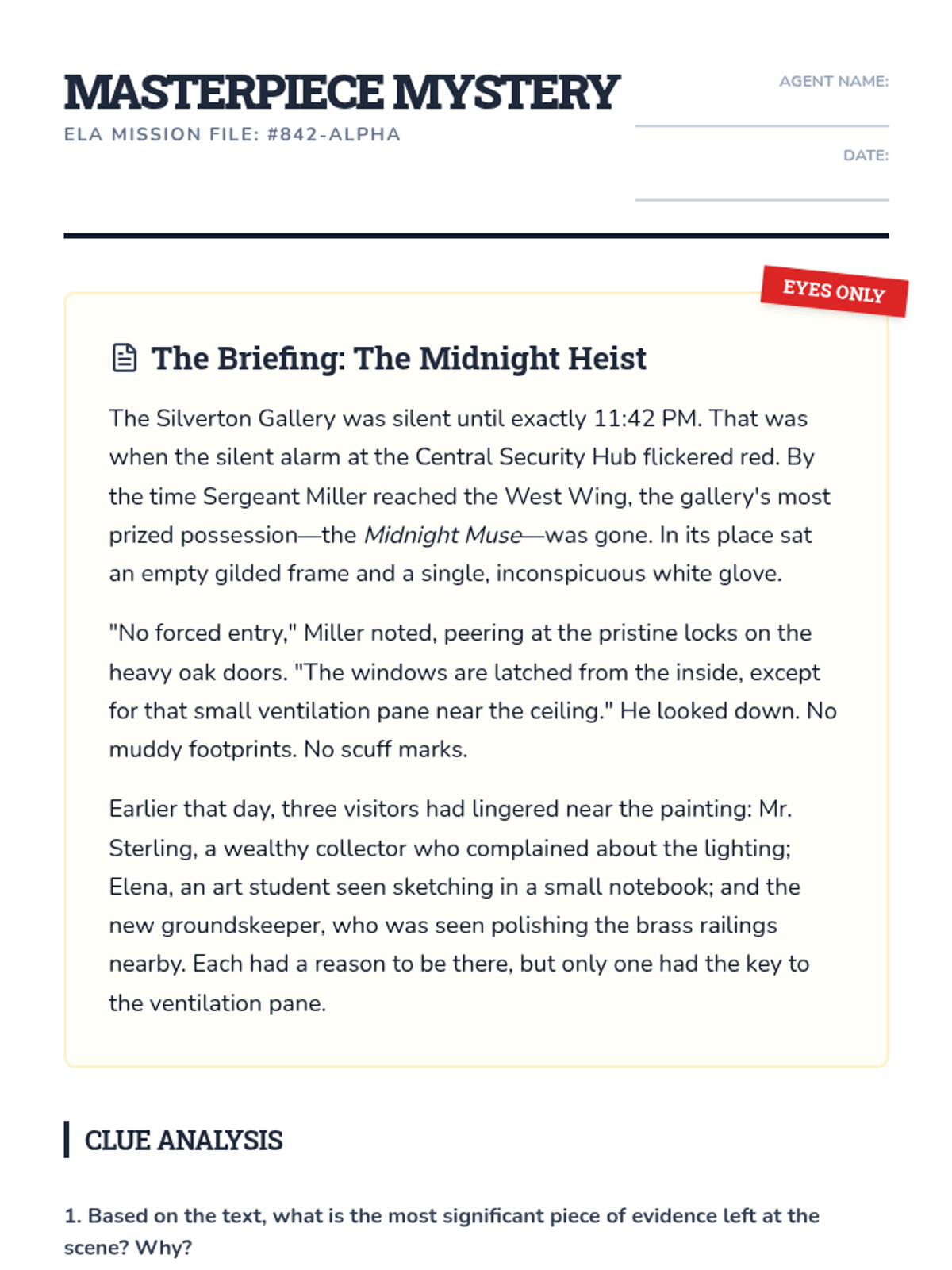
Students engage in a reading mystery where they must analyze clues, draw inferences, and craft their own narrative conclusion to the 'Case of the Missing Masterpiece'.
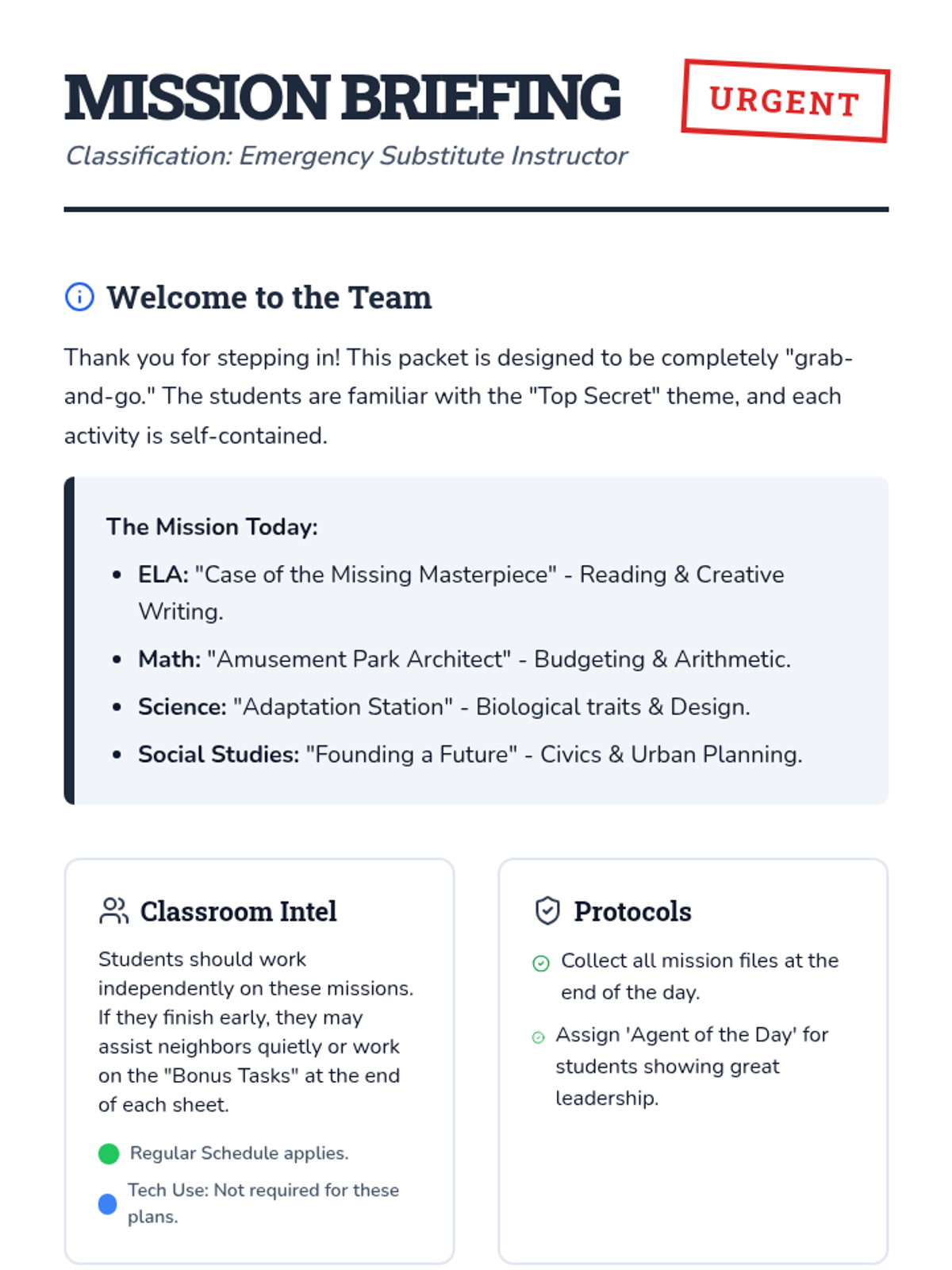
Essential administrative documents for the substitute teacher, including a welcome guide, classroom management tips, and answer keys for all student missions.
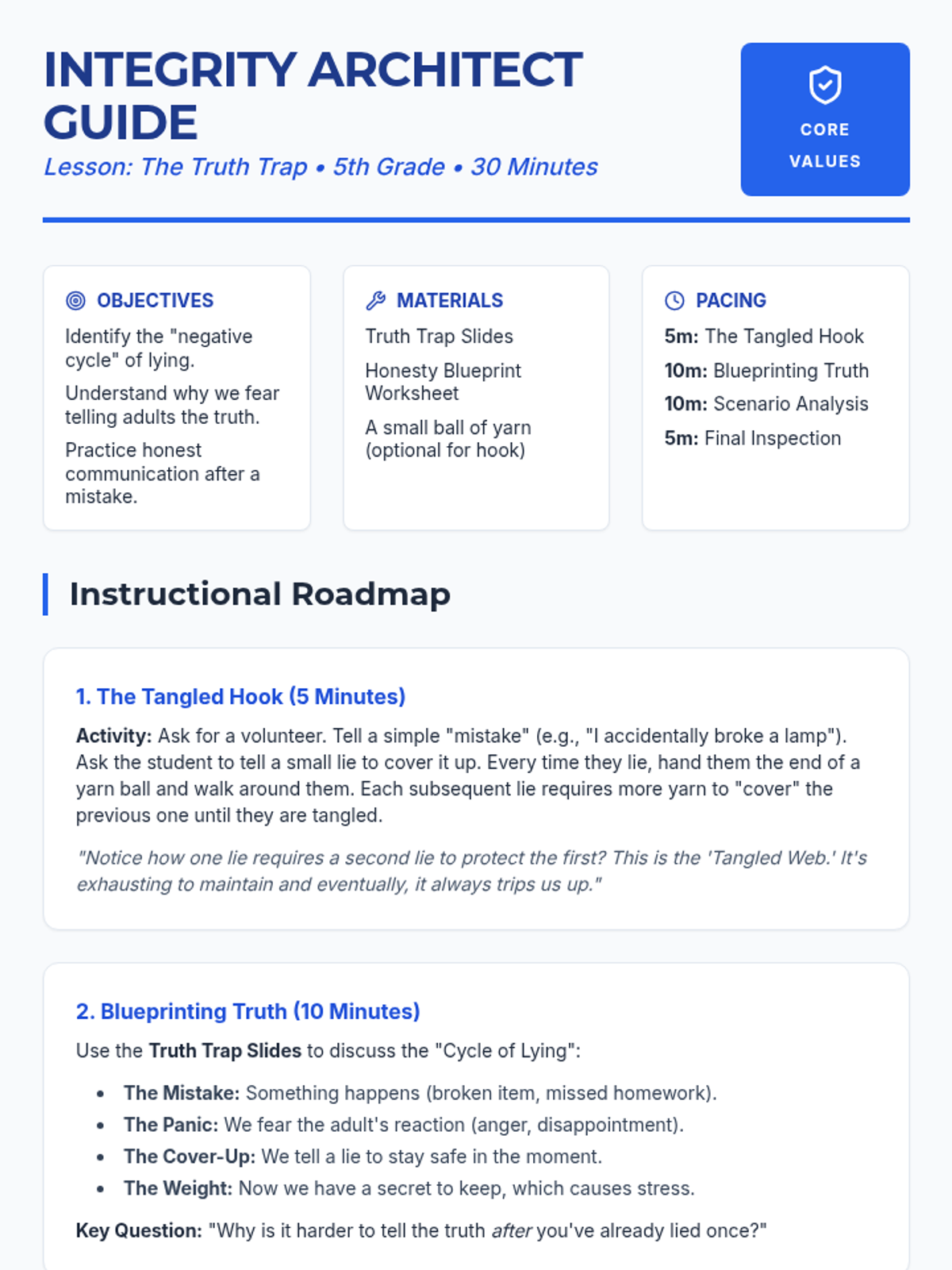
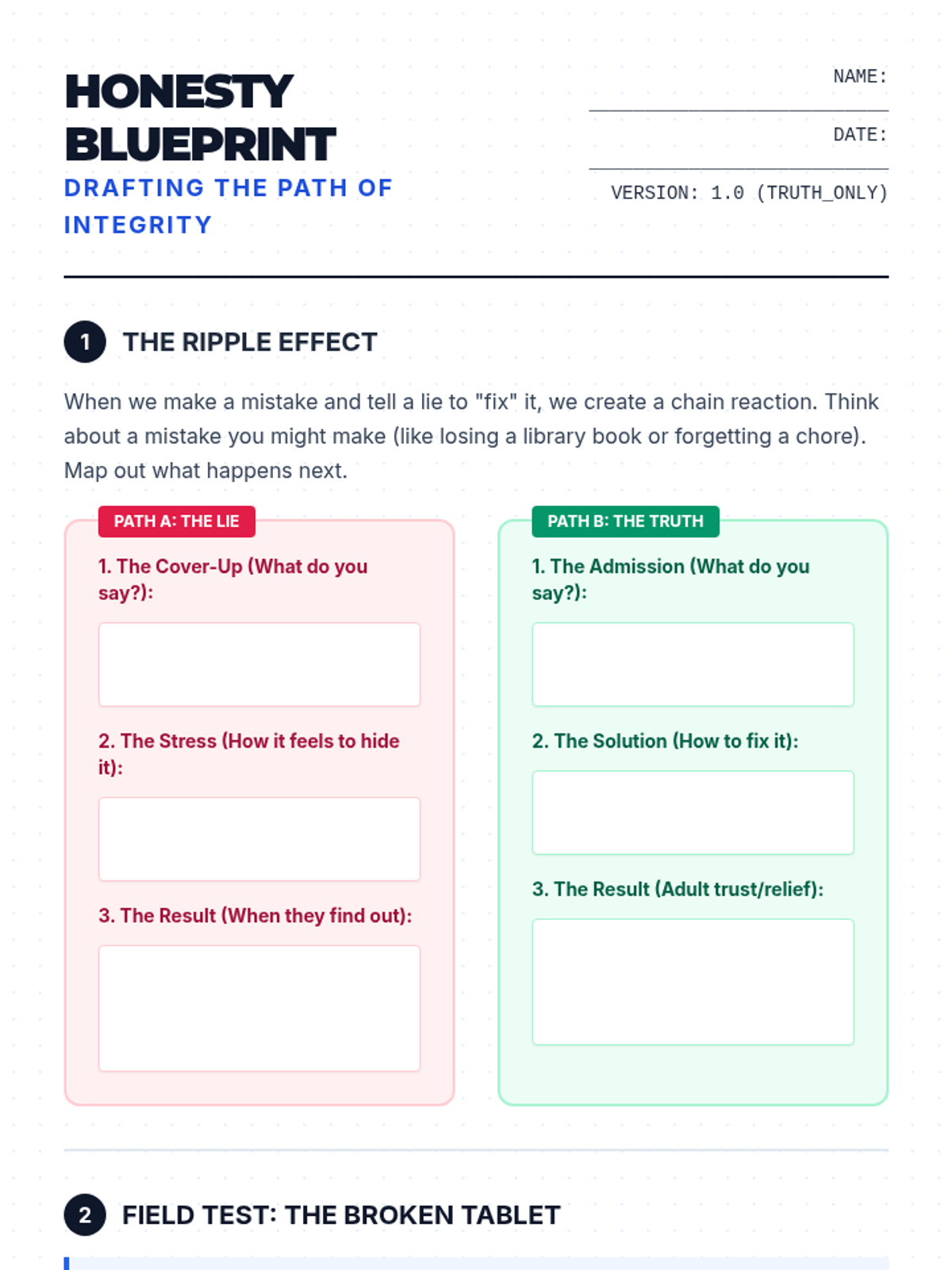
A 30-minute lesson for 5th graders exploring the negative cycle of lying and the importance of honesty with adults after making a mistake. Students will analyze how one lie leads to another and practice 'blueprinting' honest responses to common mistakes.
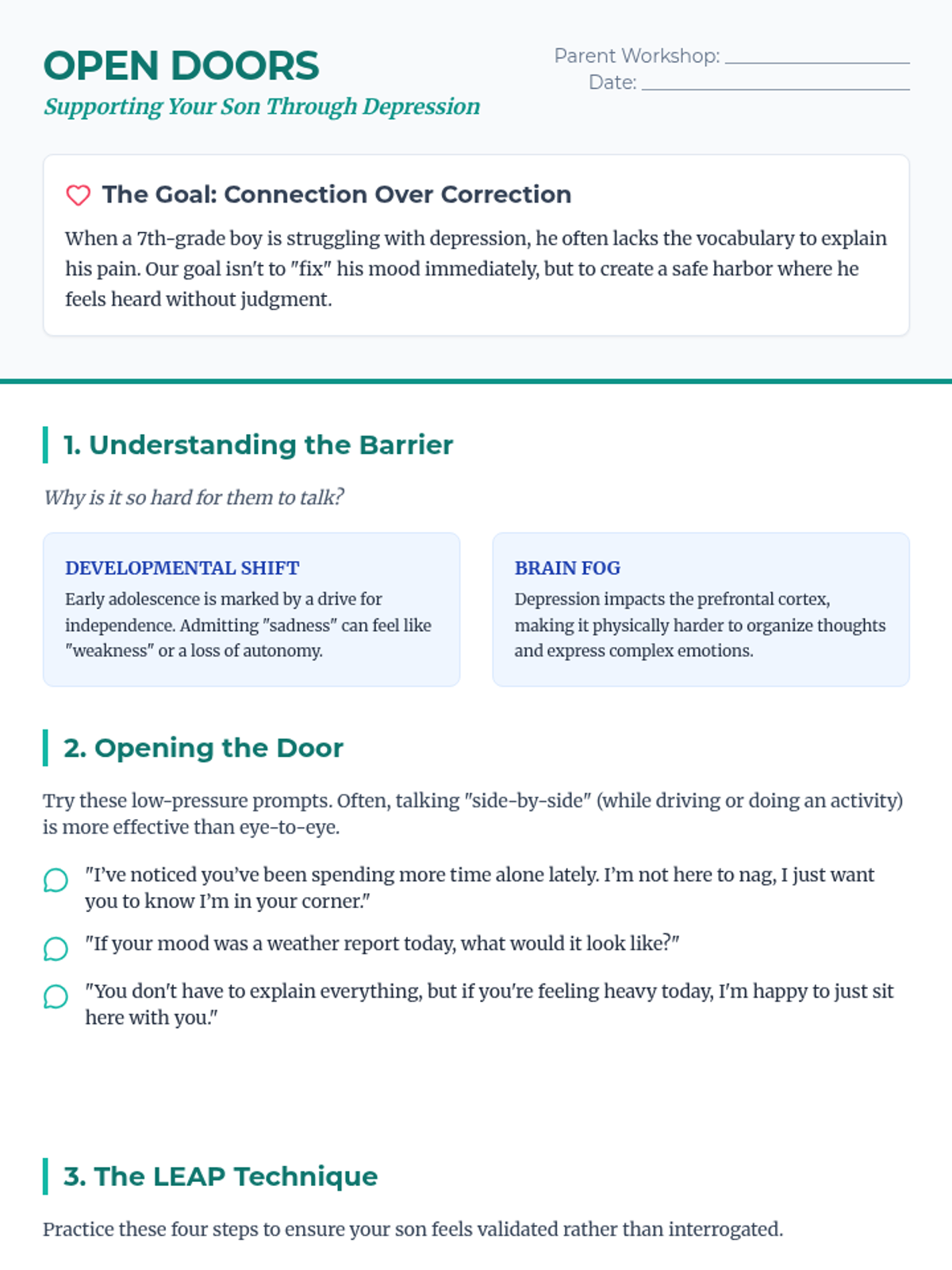
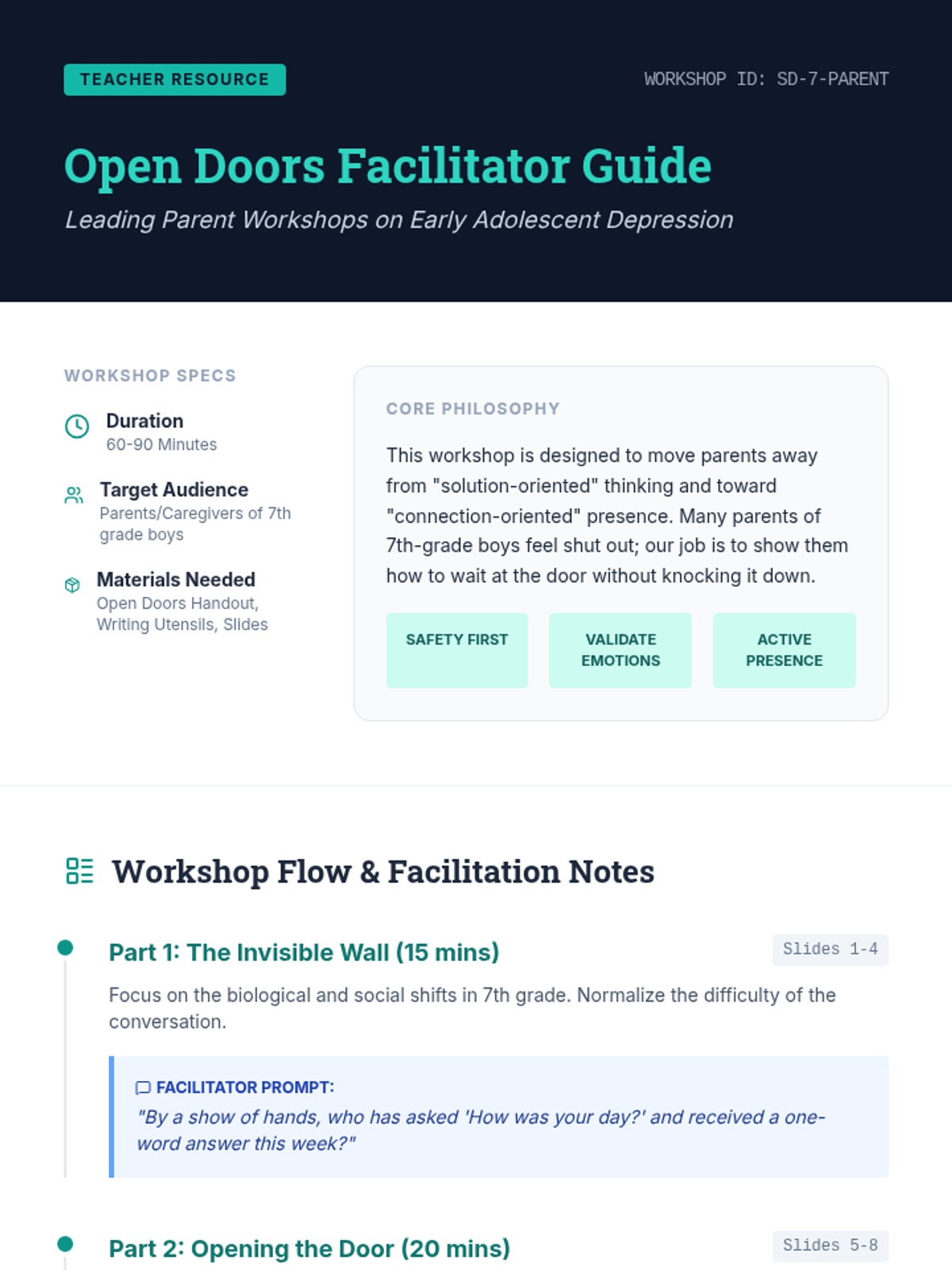
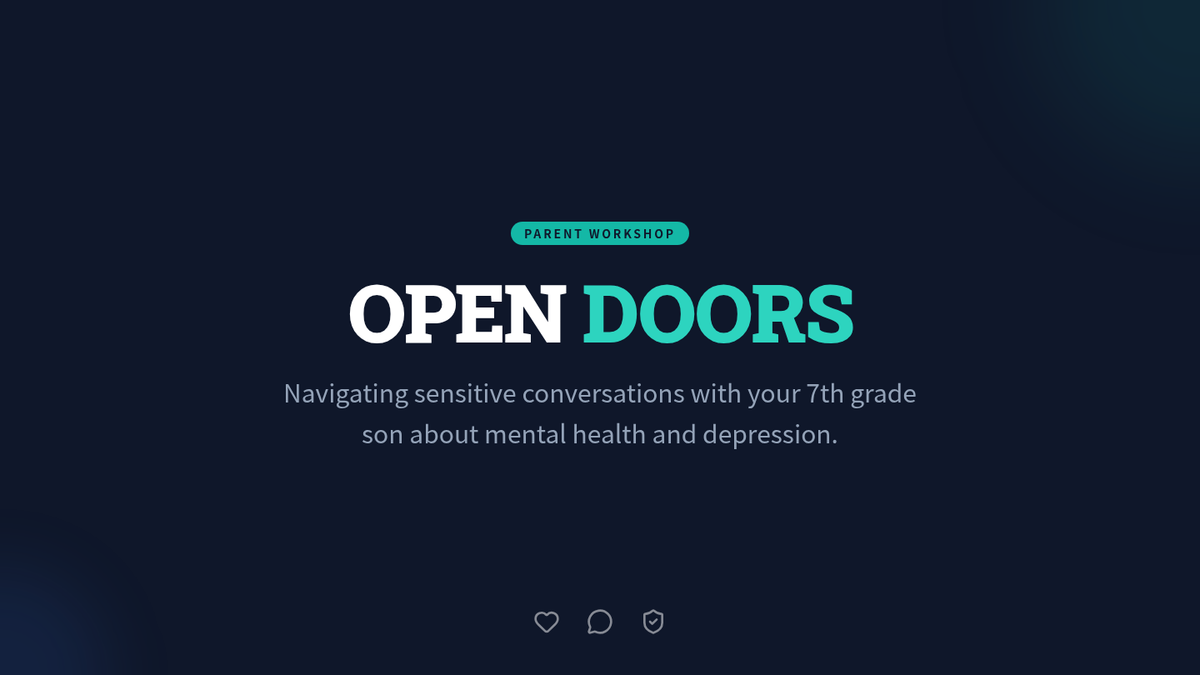
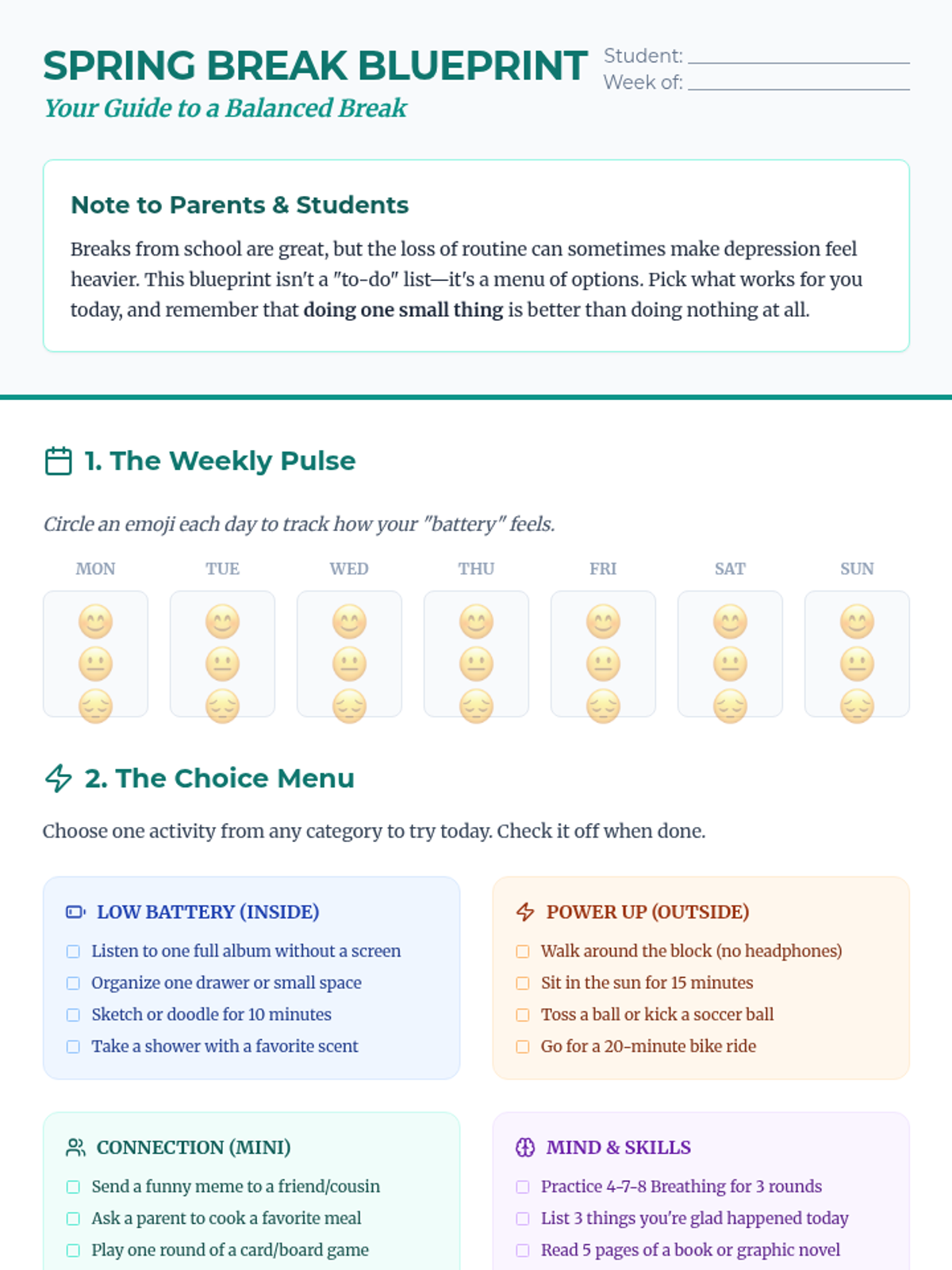
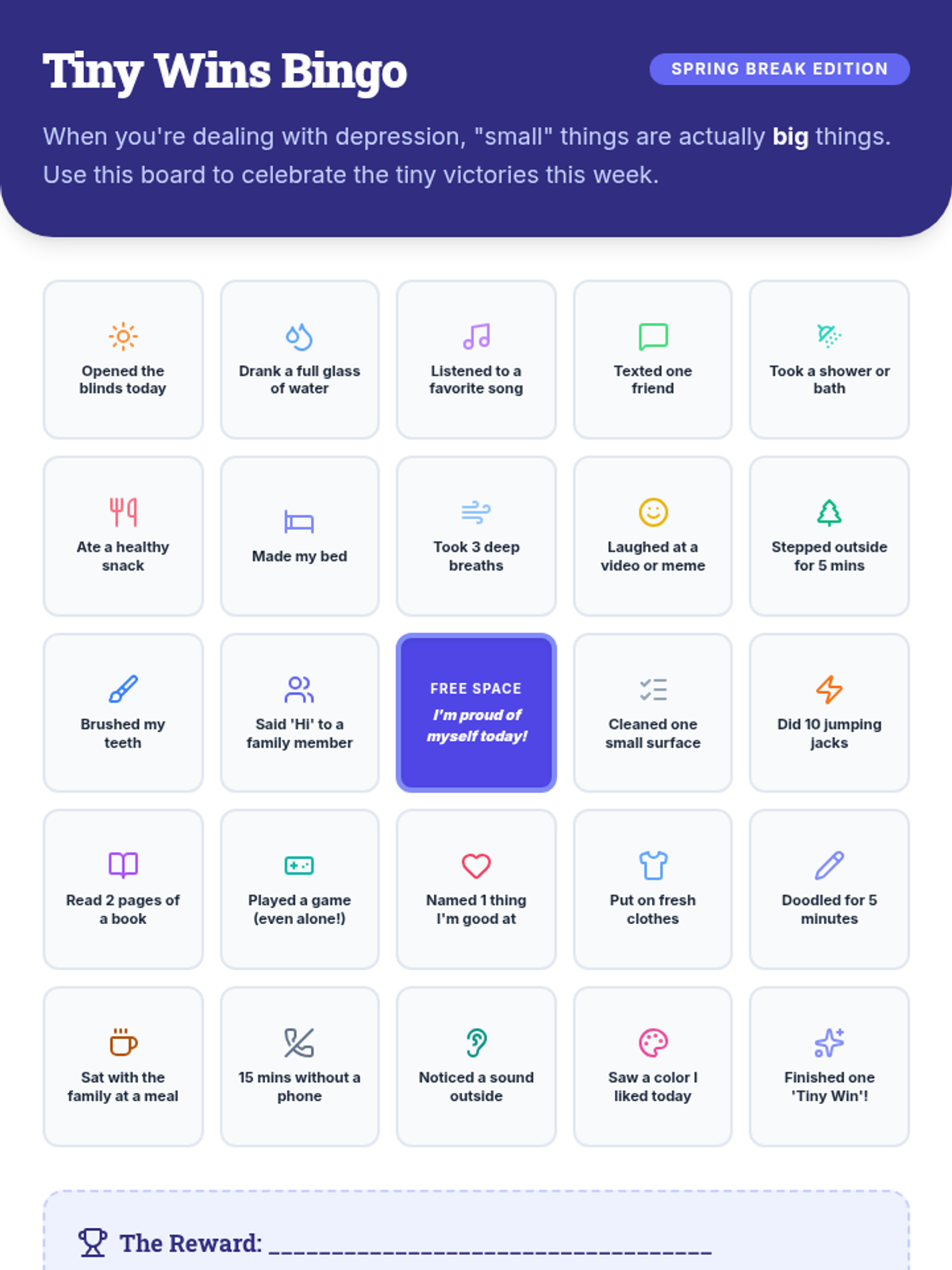
A workshop designed to help parents navigate sensitive conversations with their 7th-grade sons about depression, focusing on empathy, active listening, and building trust.
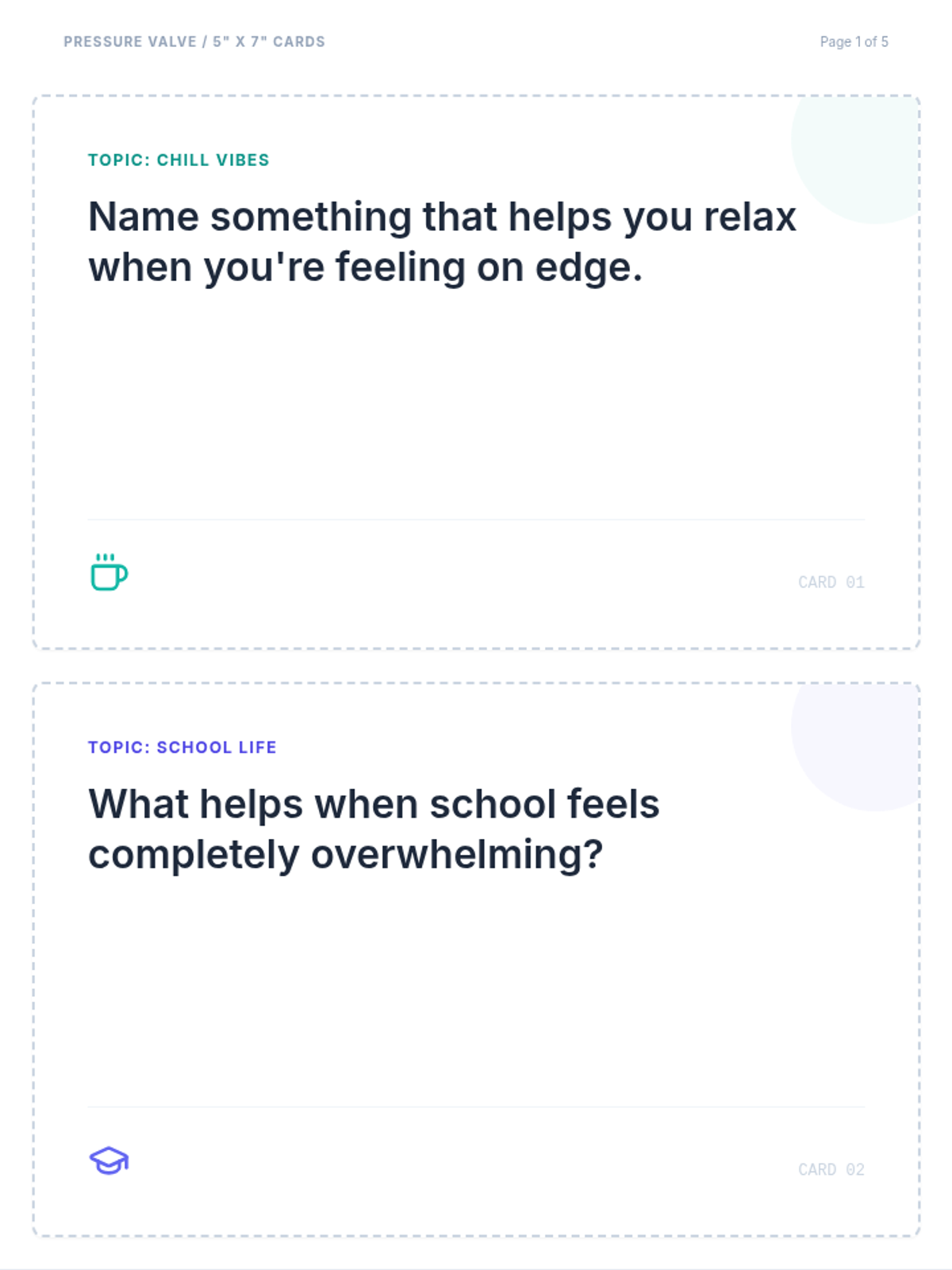
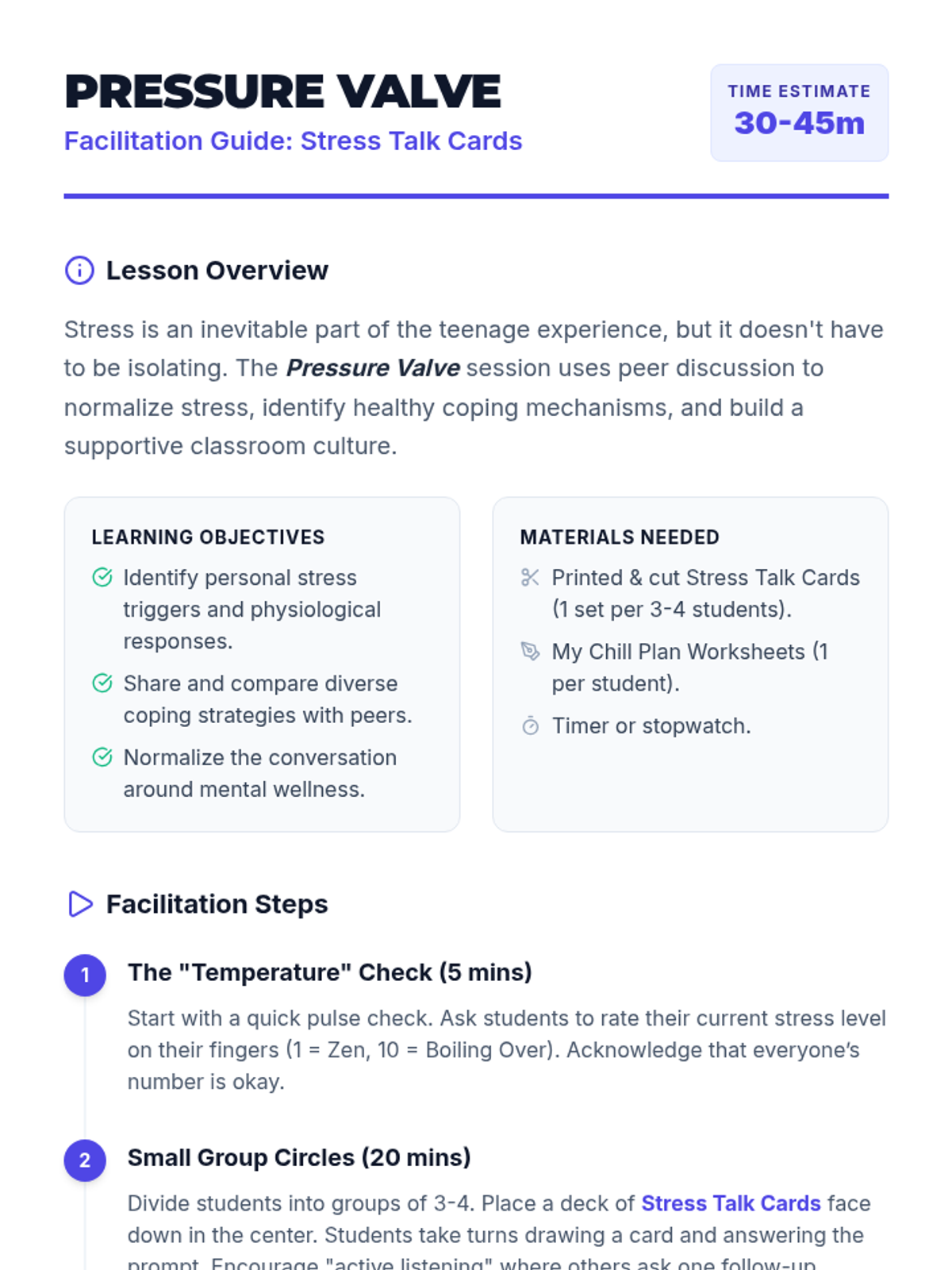
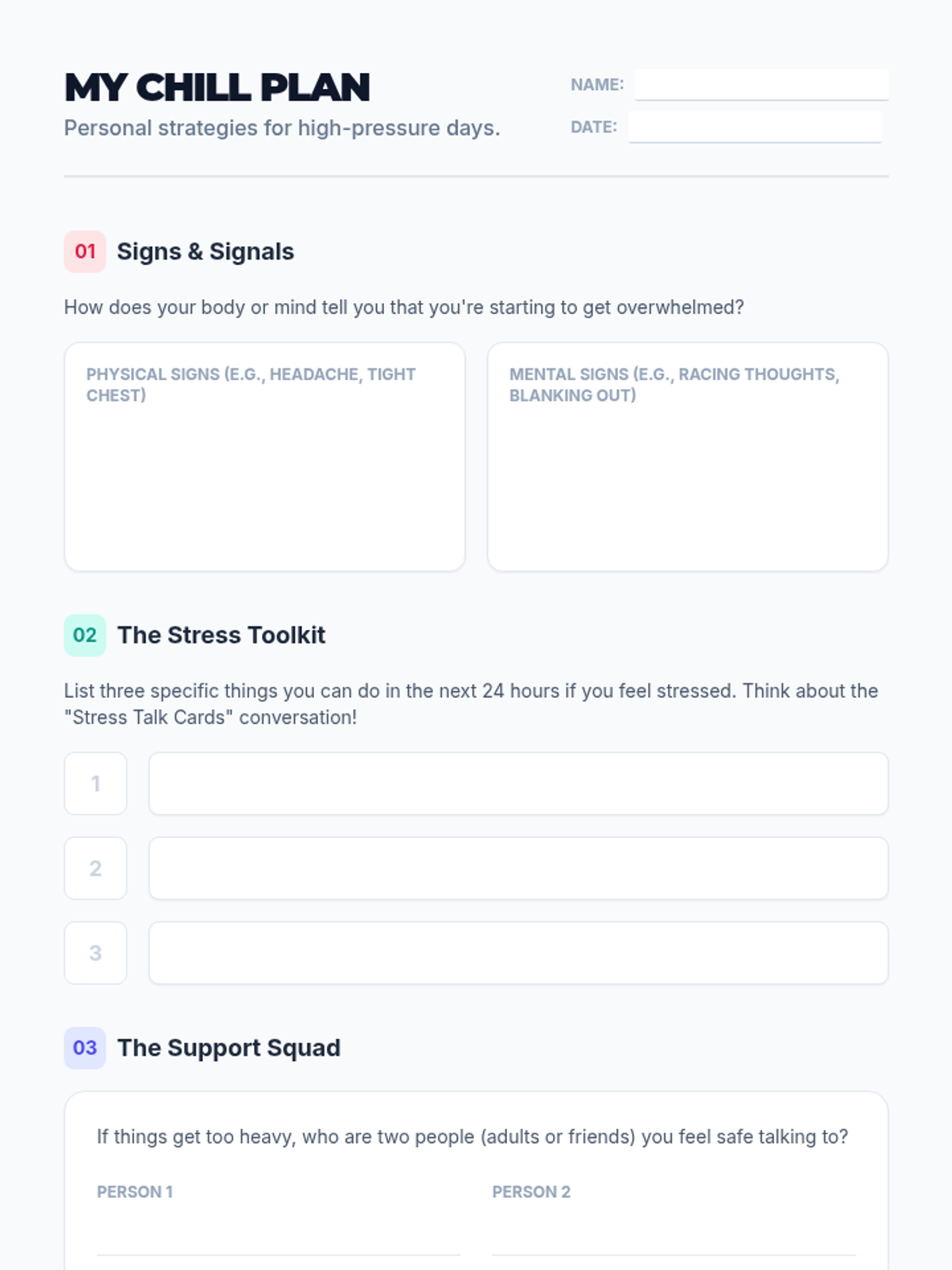
A lesson designed to help teenagers identify stress triggers and develop healthy coping mechanisms through peer discussion and personal reflection.
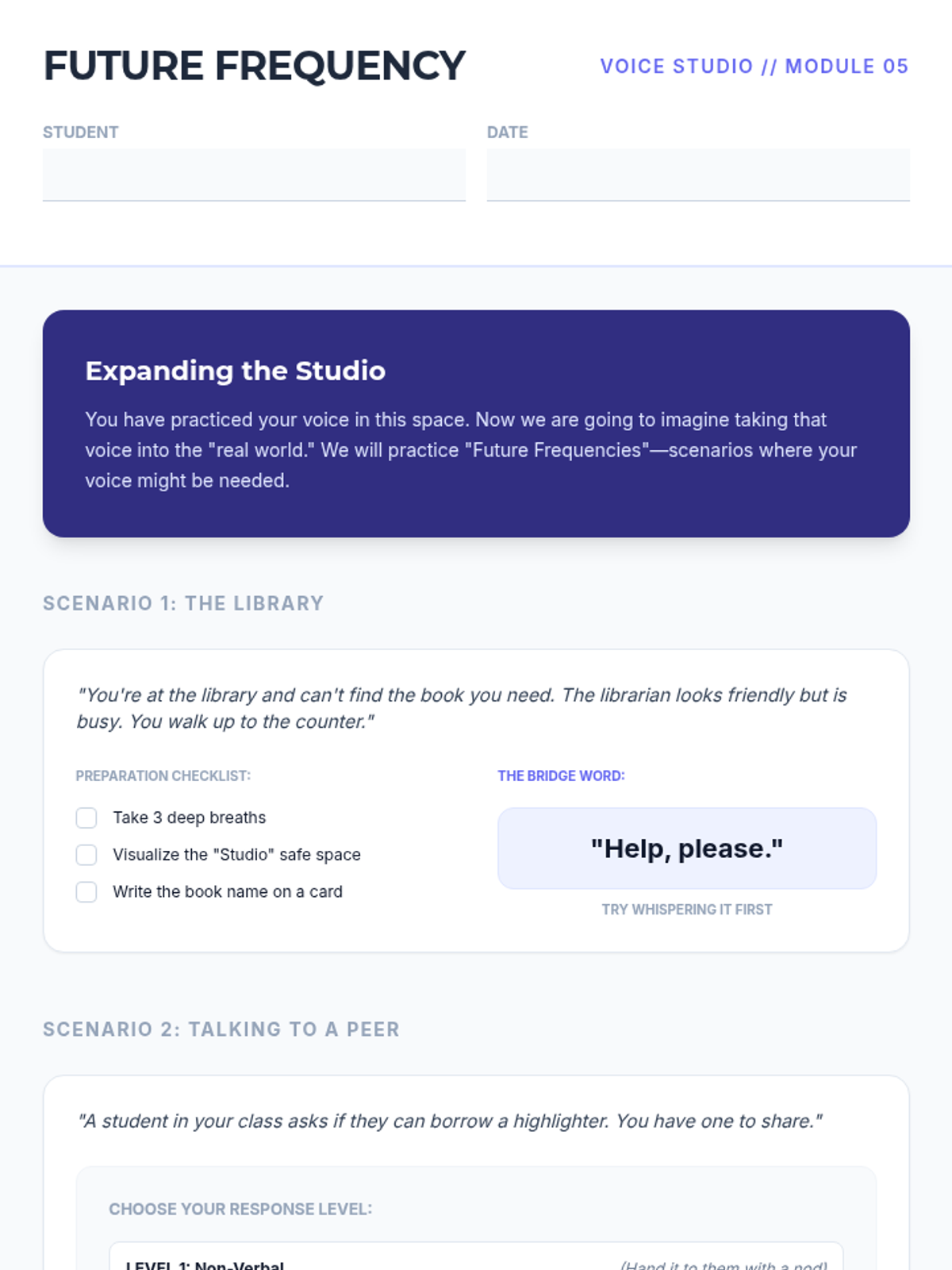
Prepares the student for speaking in varied contexts and with new communication partners through simulated scenarios.
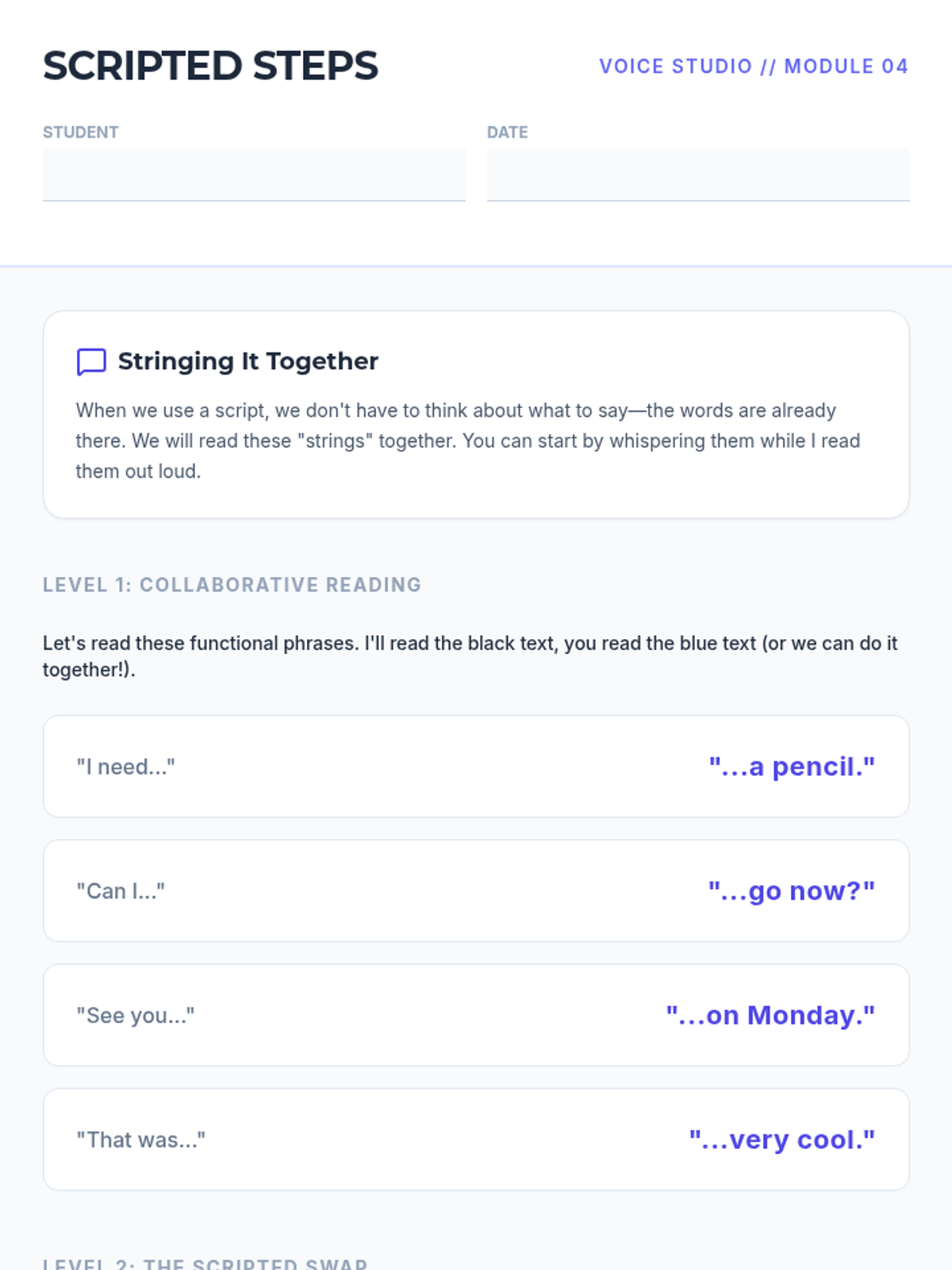
Develops short, functional phrases through predictable scripts and collaborative reading.
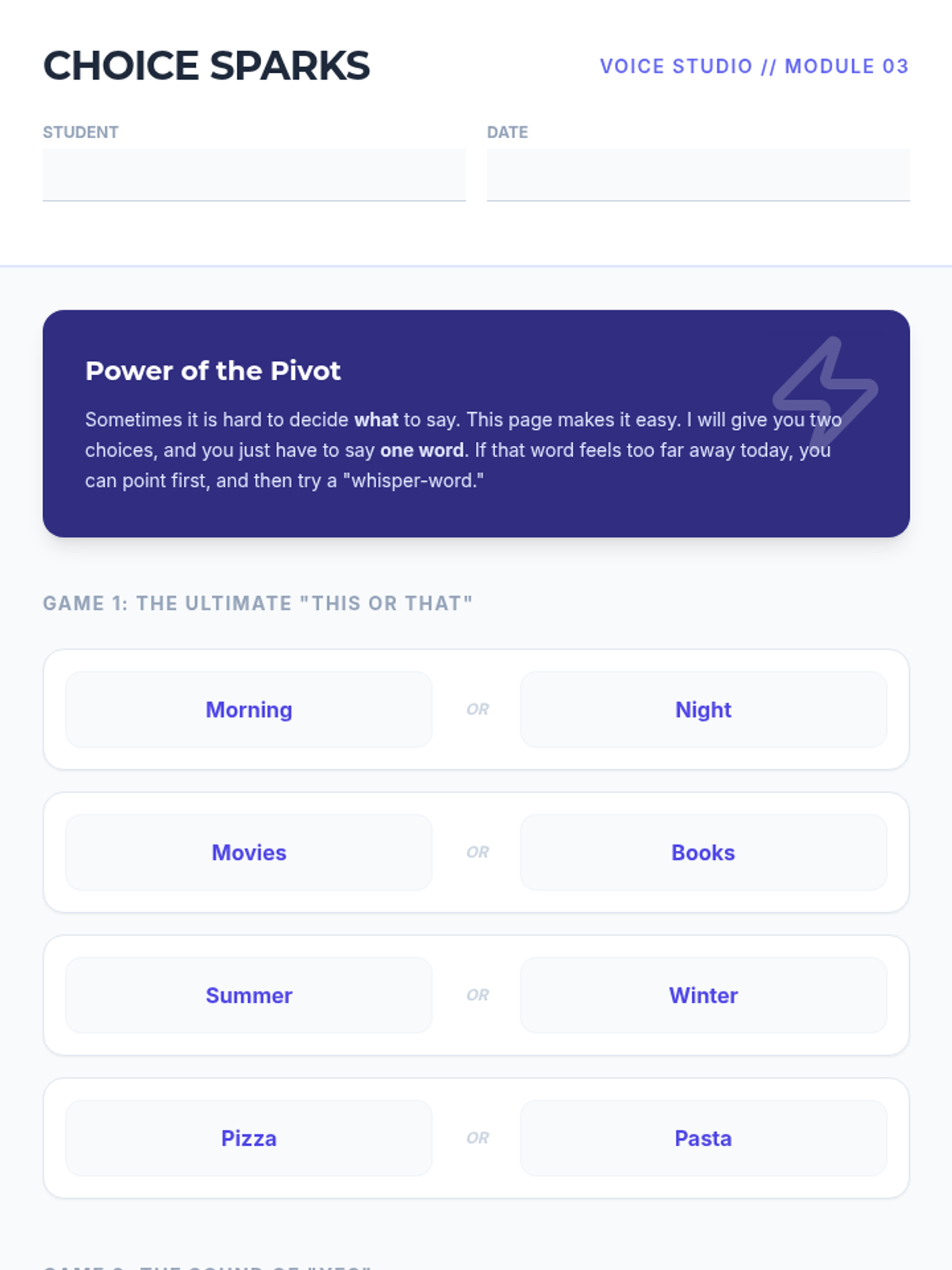
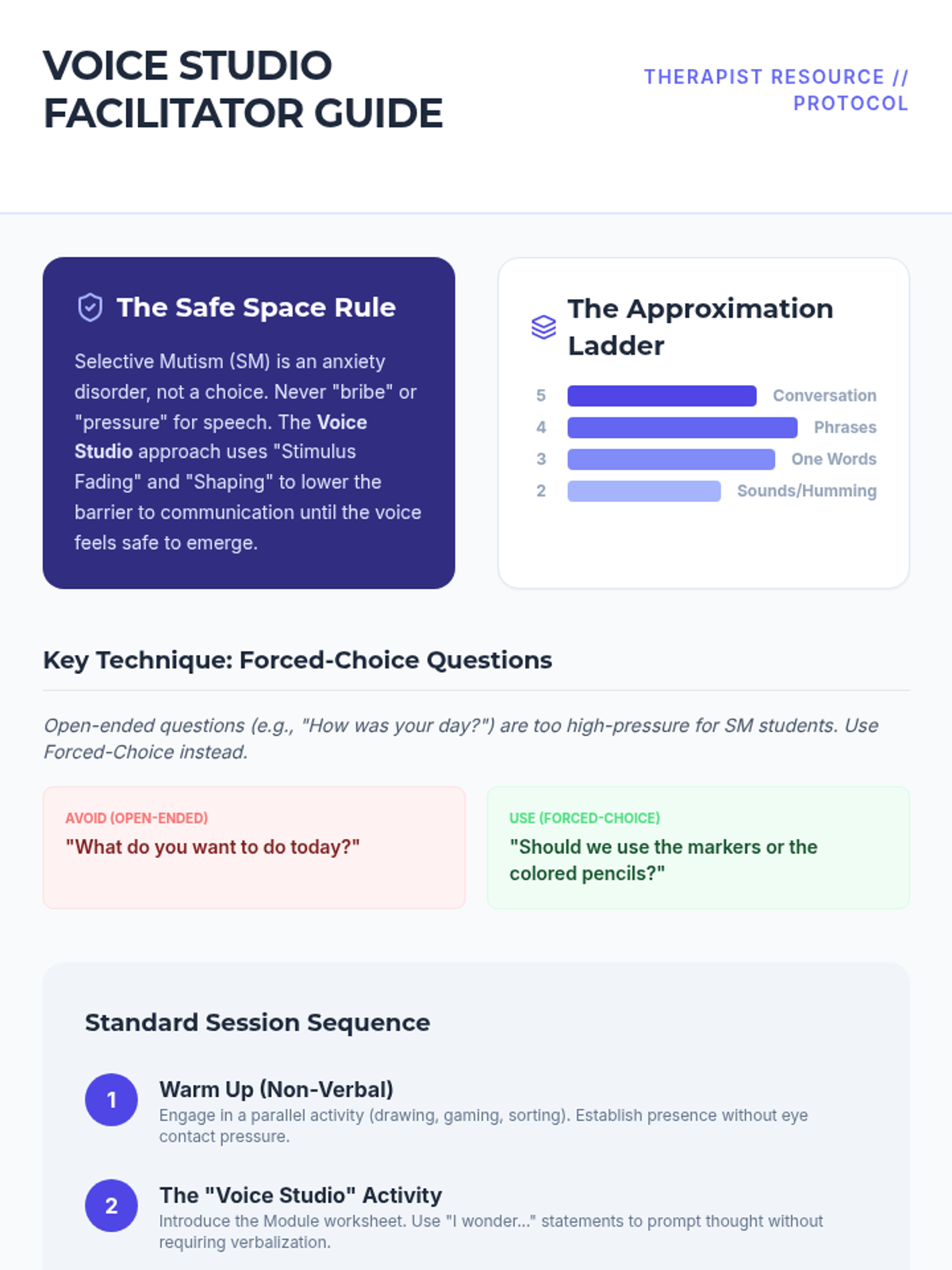
Uses forced-choice questions and one-word prompts to elicit the first instances of verbalization.
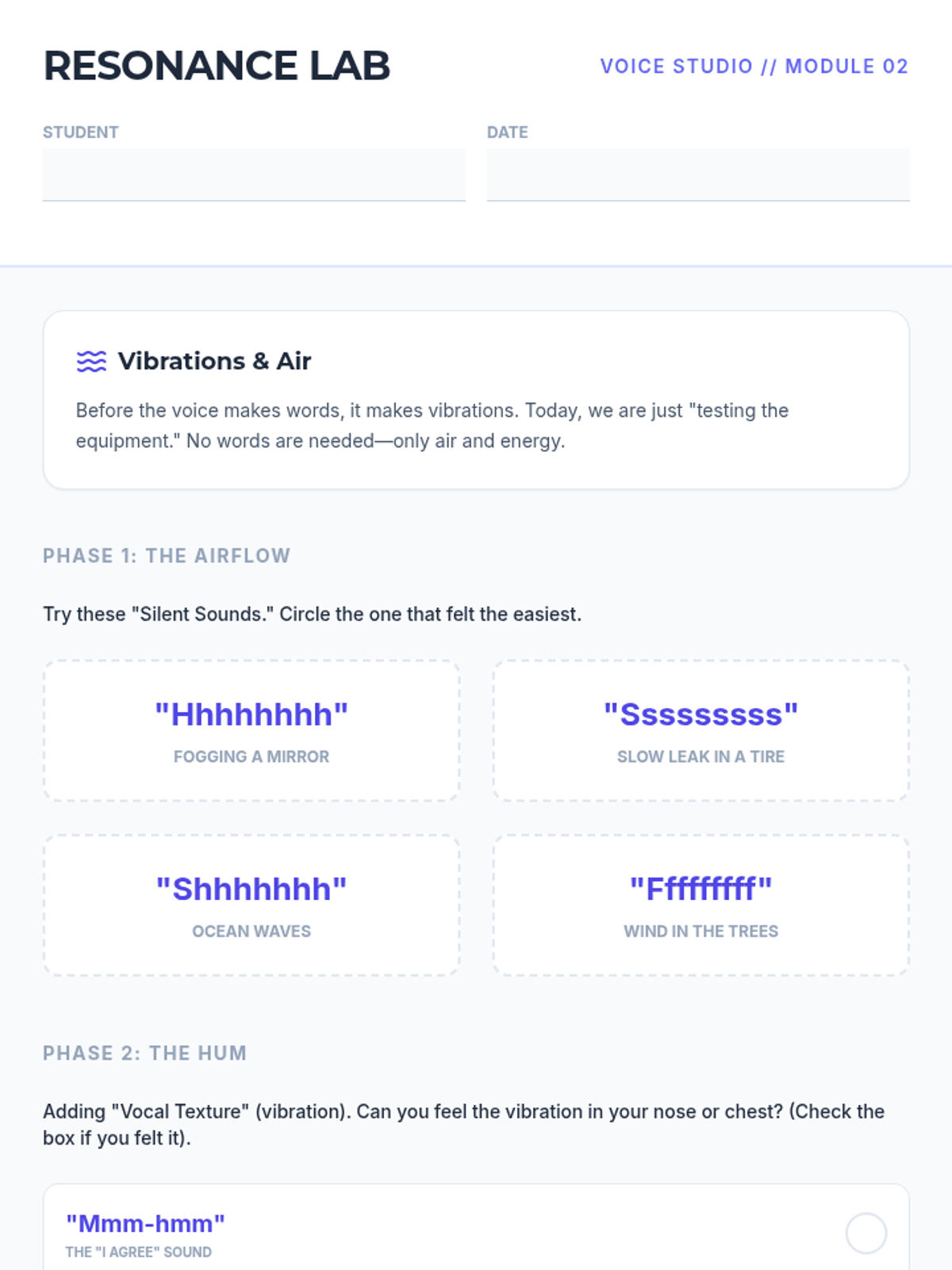
Introduces non-speech vocalizations (humming, sound effects, breath control) to build comfort with vocal cord engagement.
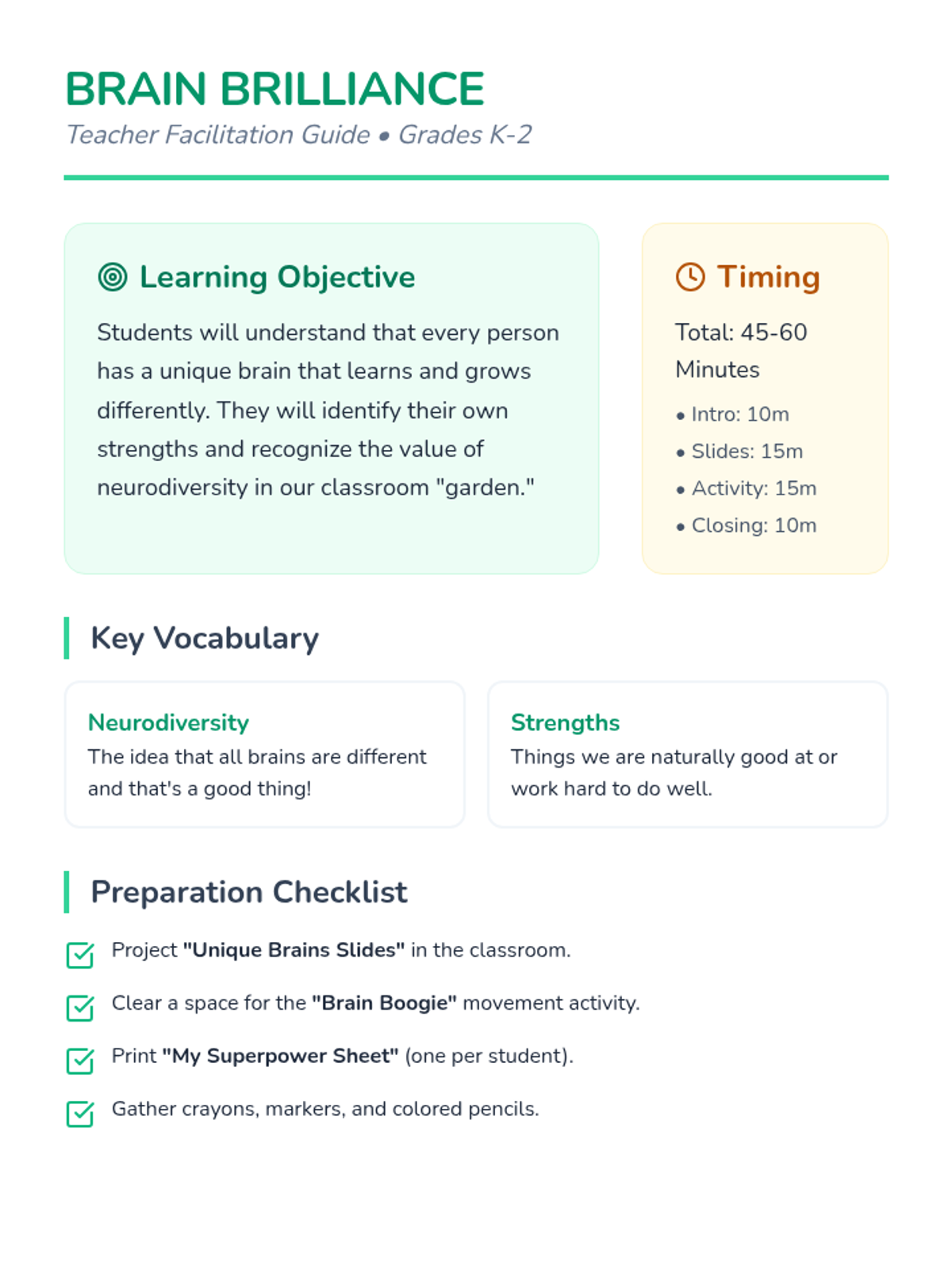
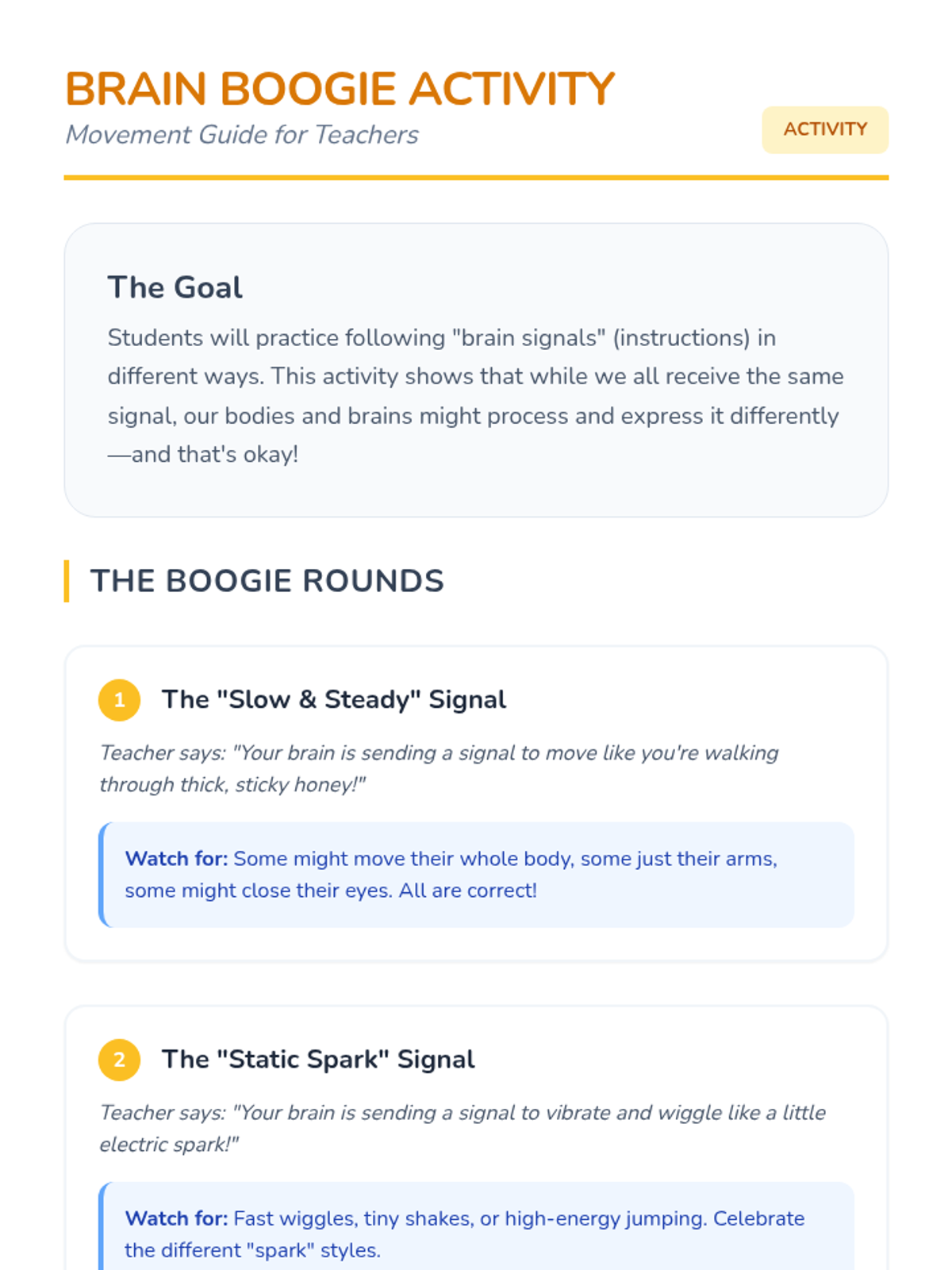
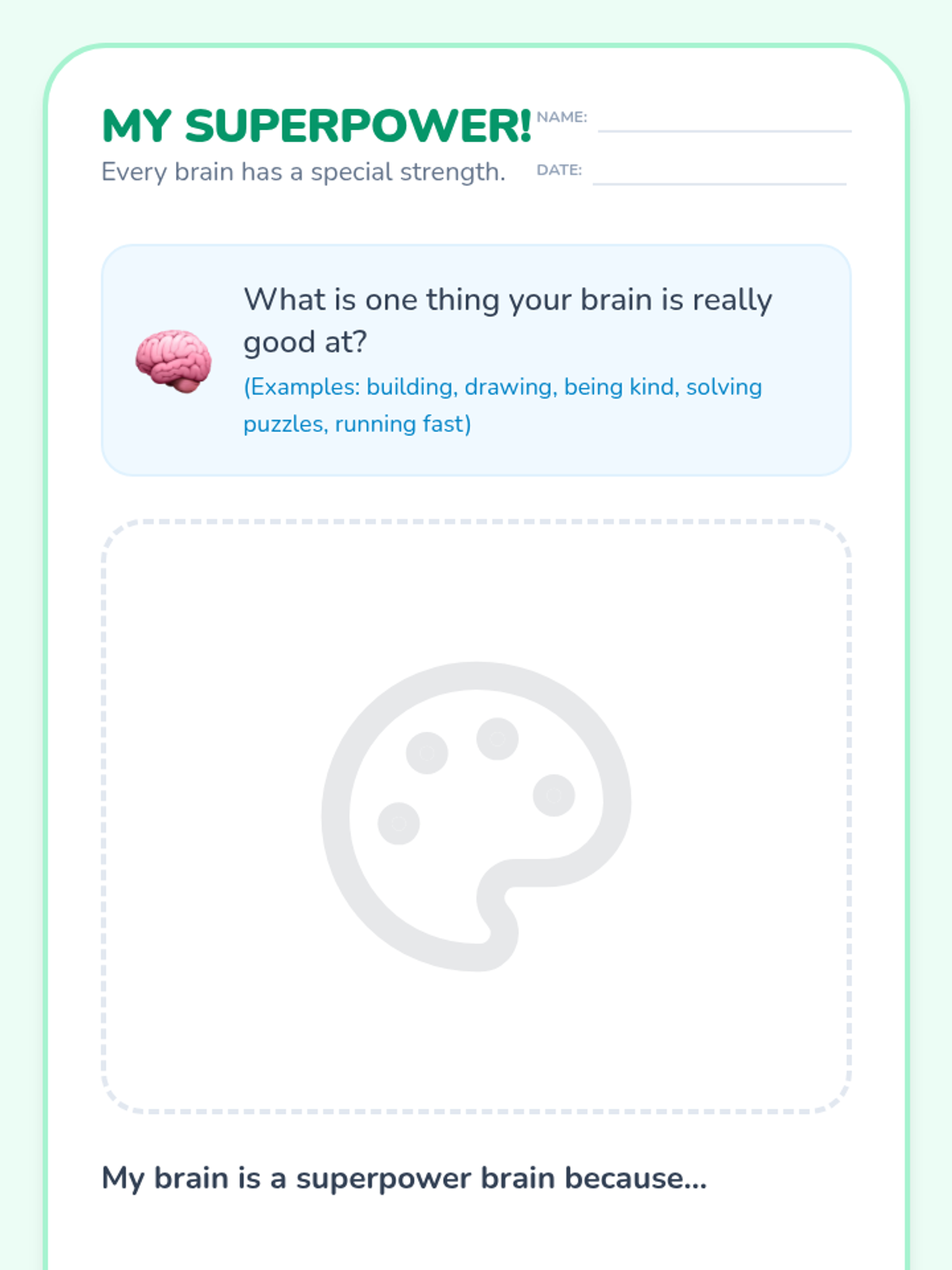
A foundational lesson for K-2 students exploring the concept that every brain is unique, highlighting different learning styles and individual strengths through movement and art.
Develop and practice assertive communication techniques, specifically 'I-statements' and boundary-setting, to handle teasing effectively.