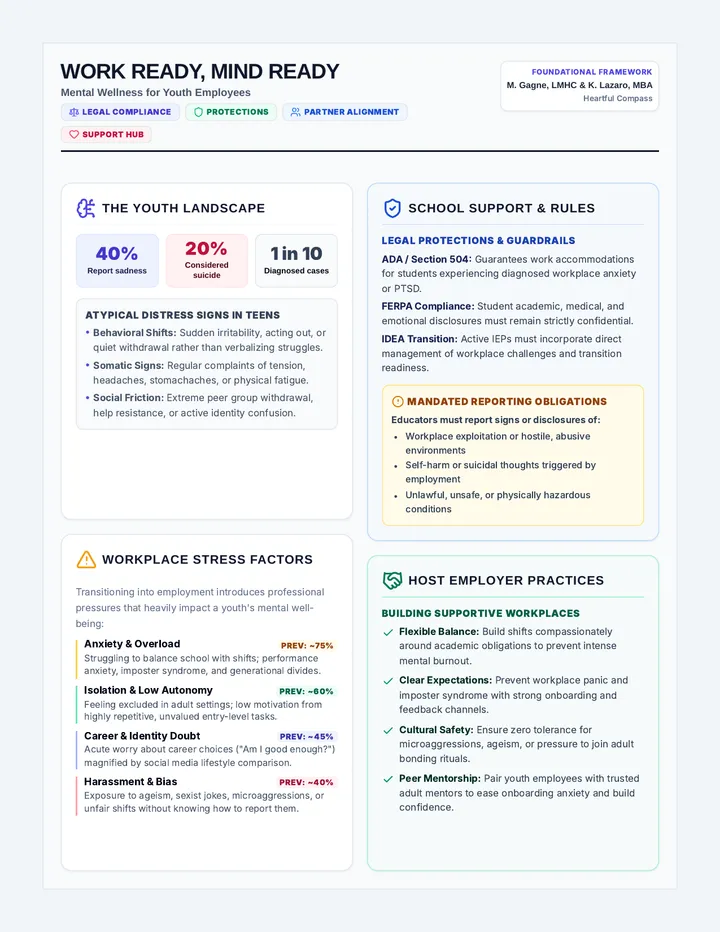
A parent-focused lesson designed to educate families on the early signs of adolescent psychosis, debunk common myths, and provide actionable resources for support and early intervention.
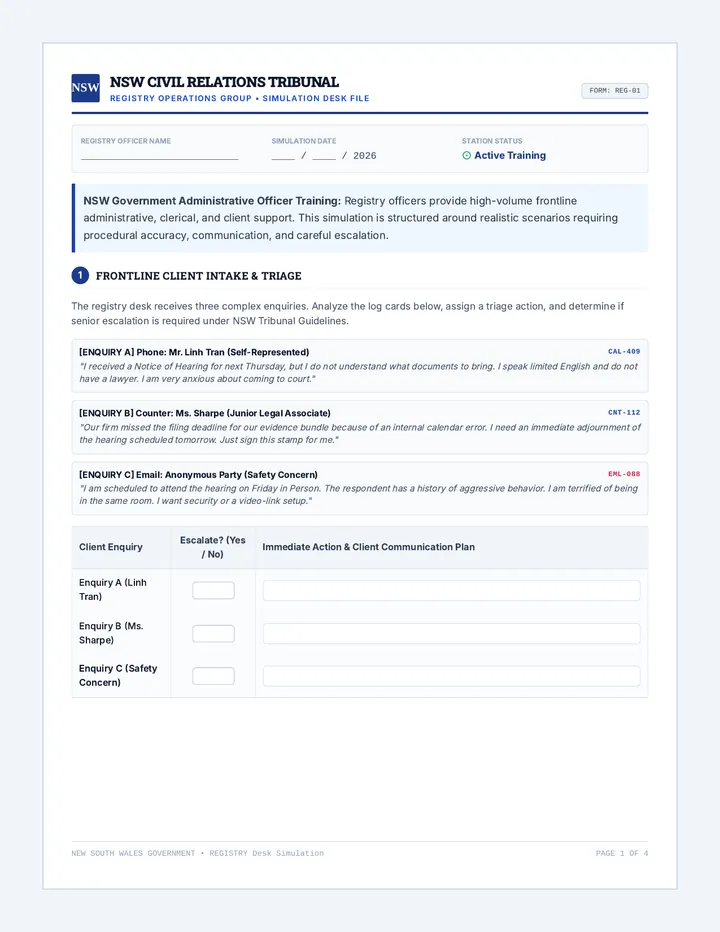
A comprehensive lesson designed for 7th grade students to identify and shift away from co-dependent 'trauma bonding' behaviors toward healthy, resilient friendship boundaries. It focuses on the 'both can be true' philosophy—acknowledging hard things while maintaining individual emotional ownership.
A lesson designed for early elementary students to learn the social mechanics of making friends, specifically focusing on starting conversations, asking questions, and discovering shared interests through a social story and interactive cards.
A social thinking lesson based on the "Body in the Group" ocean adventure, teaching kindergarteners how physical proximity and orientation show interest and participation.
A lesson for 4th graders exploring the importance of honesty, the impact of lies on trust, and how to tell the truth even when it's hard.
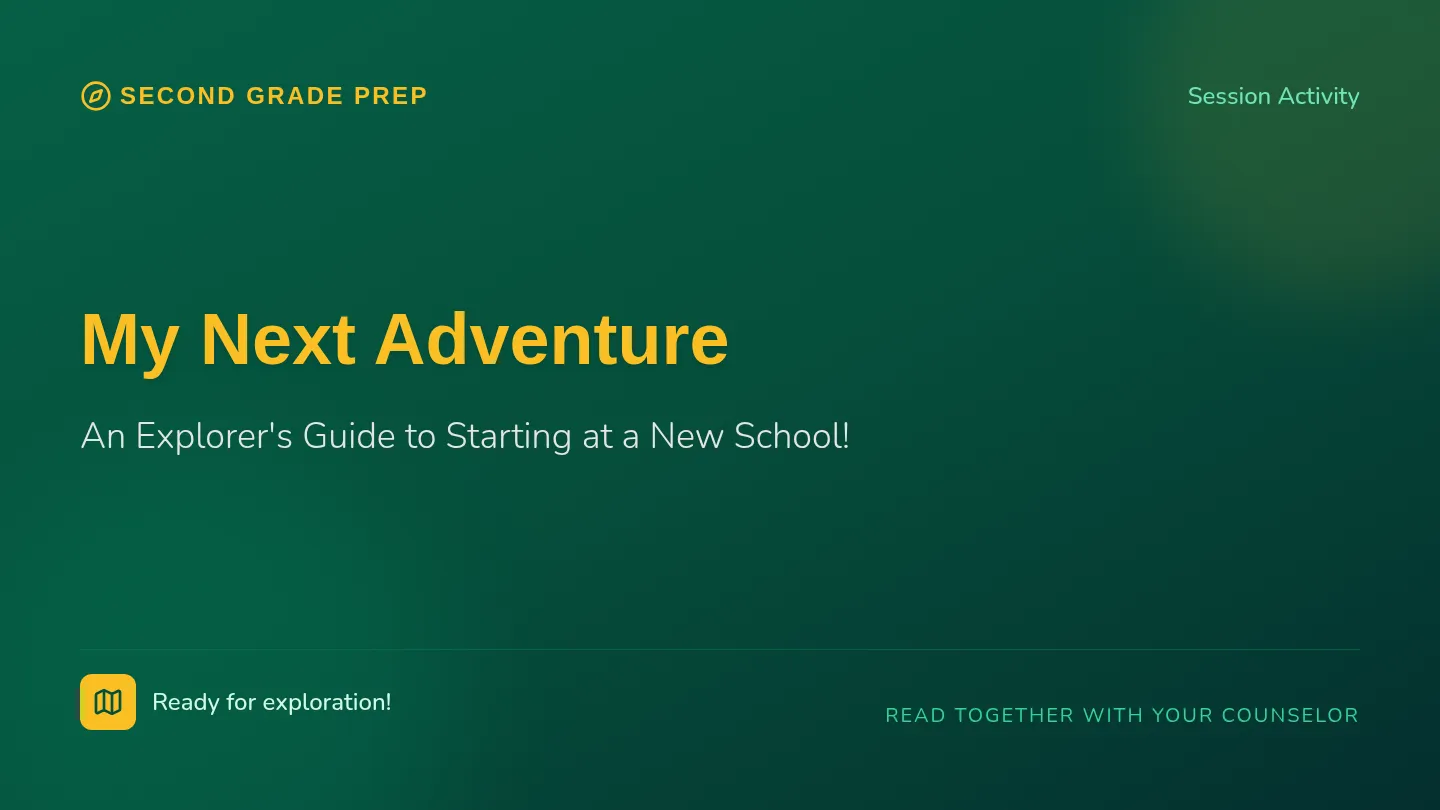
A lesson for kindergarteners to establish foundational classroom expectations, focusing on active listening, following directions, and cooperating as a "Classroom Crew."
A lesson introducing 4th graders to emotional regulation and practical coping strategies for managing big feelings like anger, frustration, and anxiety.
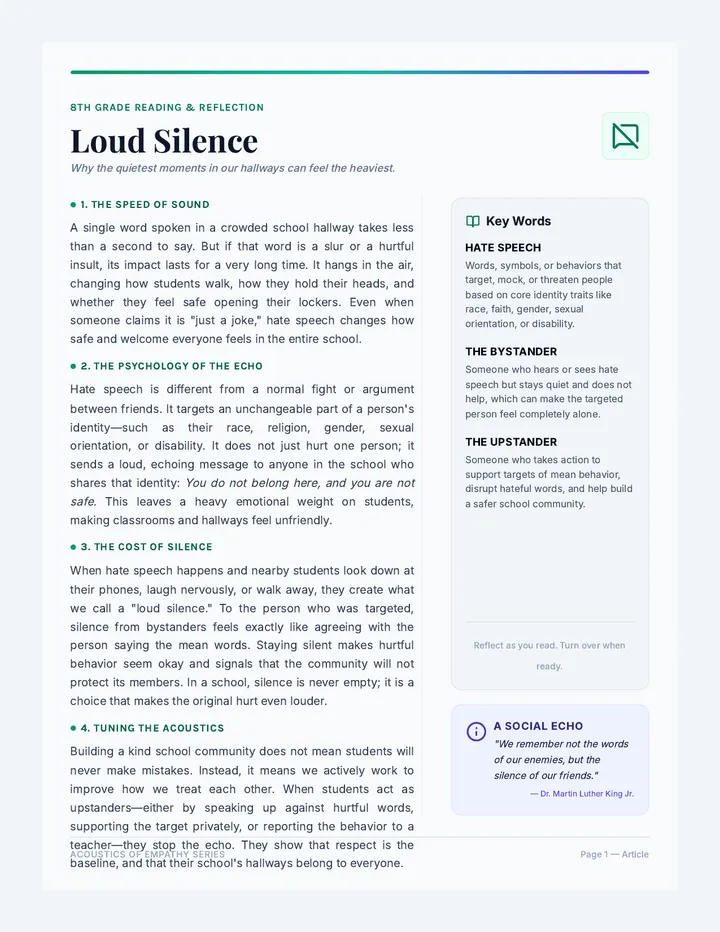
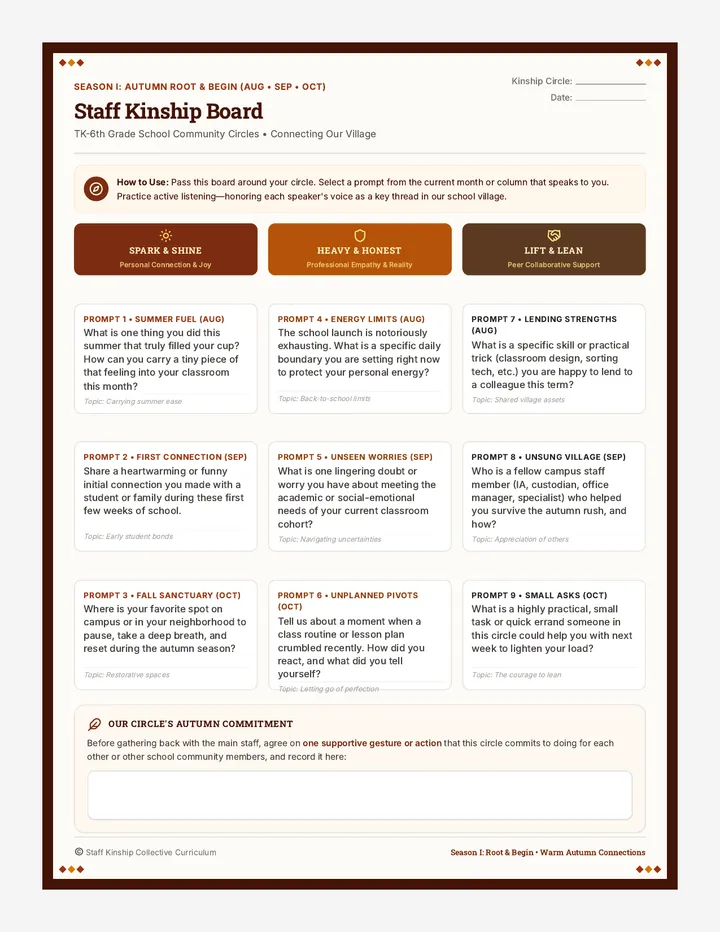
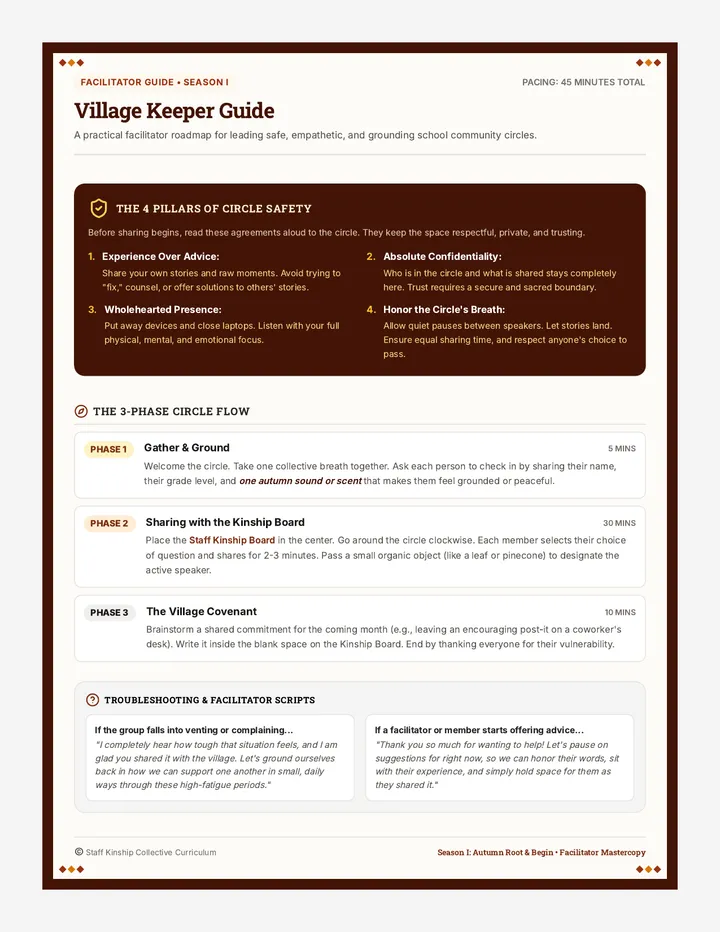
A lesson focused on fostering a culture of kindness within the school community, targeting interactions between students and teachers through discussion and active practice.
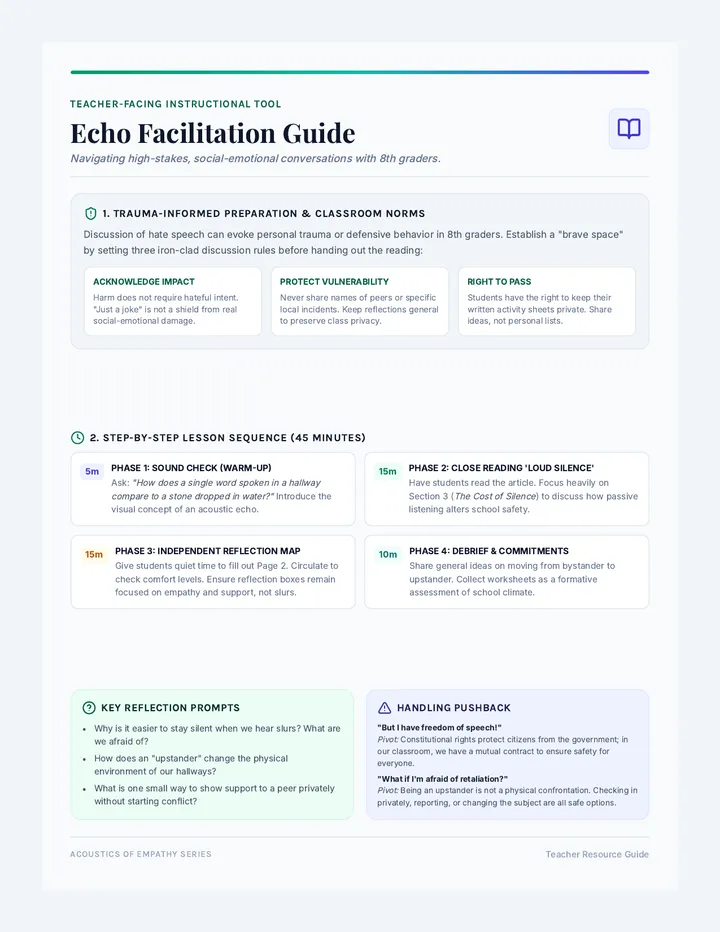
A guide for students and staff on how to safely navigate and respond to physical conflicts in a school setting, focusing on de-escalation, safety, and restorative practices.
A nautical-themed lesson focusing on decision-making skills for middle-grade students, introducing the 'Pause, Plot, Pilot' framework to navigate tricky situations and peer pressure.
A lesson focused on teaching students self-regulation techniques through mindful breathing, featuring the infinity loop strategy.
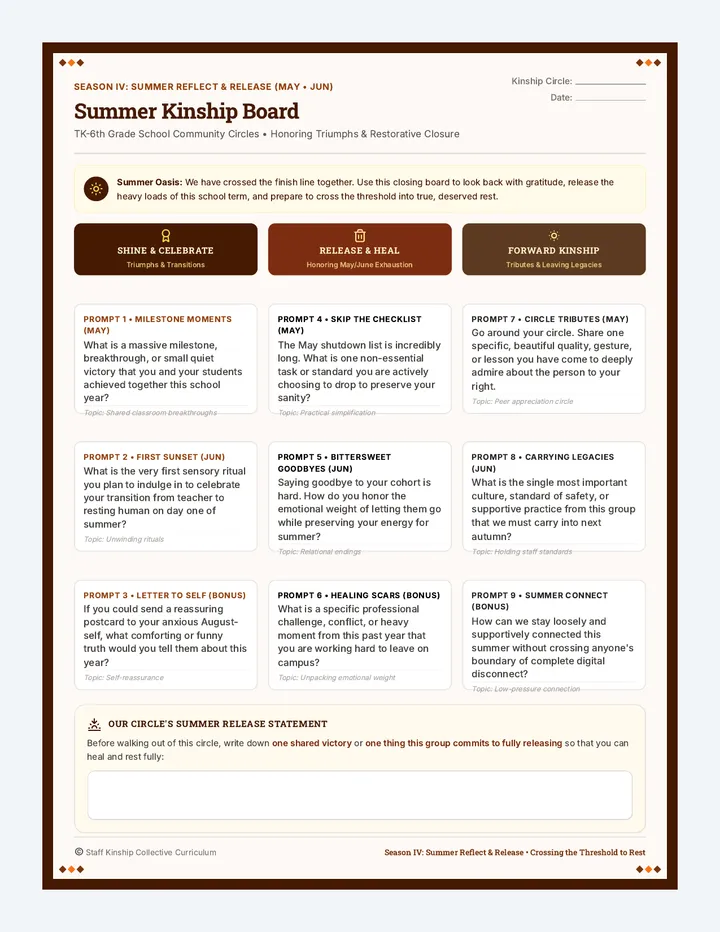
A set of resources designed for a therapeutic program to address class and work avoidance using a witty, nautical winter theme. Focuses on self-regulation, coping skills, and the impact of individual behavior on the school community.
A lesson focused on sensory tools for emotional regulation, specifically the creation and use of calming bottles as a mindfulness technique.
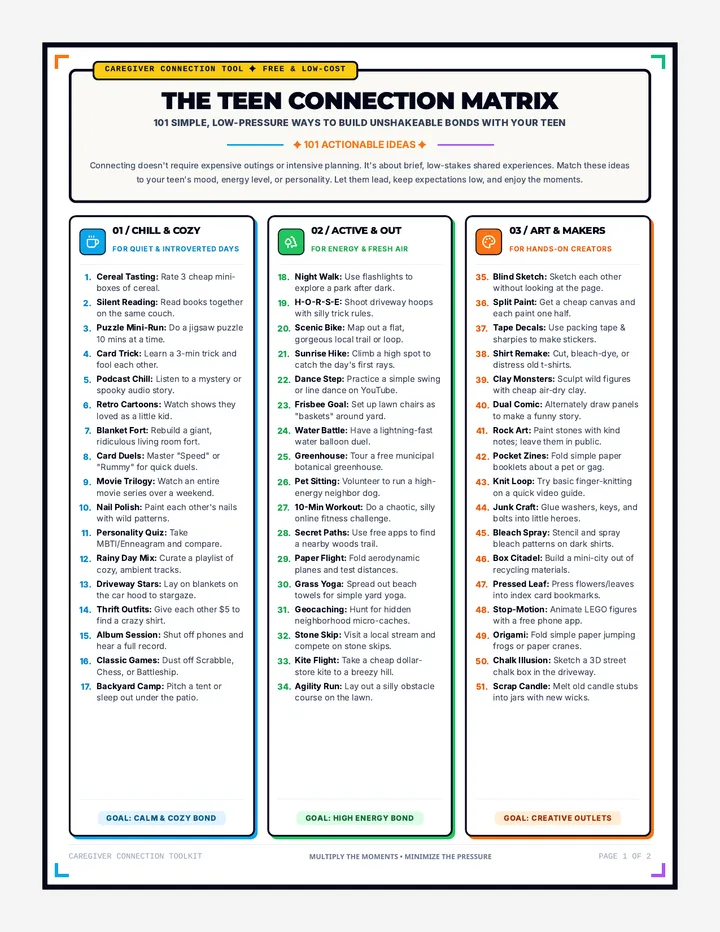
A workshop for parents to learn actionable strategies for creating visual schedules, gentle wake-up techniques, and managing common morning challenges.
A parent workshop focused on establishing calm and effective morning routines for K-1st grade students to reduce stress and foster independence.
A comprehensive workshop for K-1st grade parents to design stress-free morning routines that foster independence and positive school starts.
A 15-minute Social-Emotional Learning lesson for 1st graders focused on identifying and using healthy coping strategies to manage sadness and difficult emotions. Students explore a 'toolbox' of actions they can take to feel better.
A Parent-Teacher Conference initiative focused on building a 'Kindness Tree' to celebrate student growth and positive character through small, impactful acts.
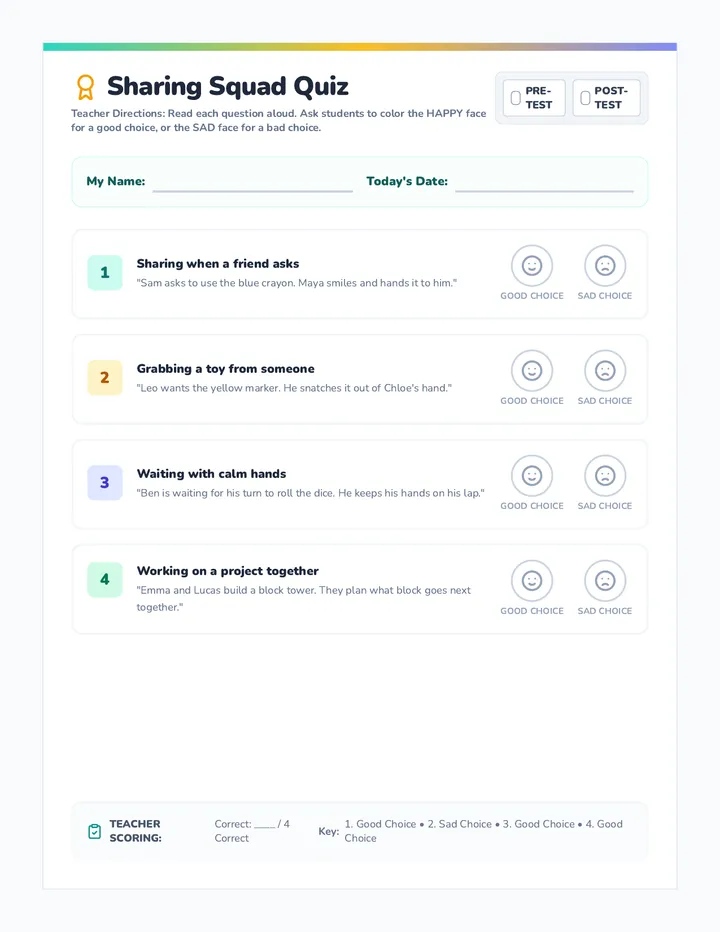
A charming Valentine-themed lesson for first graders focusing on identifying kind actions and celebrating friendship through a scenarios worksheet and coloring activity.
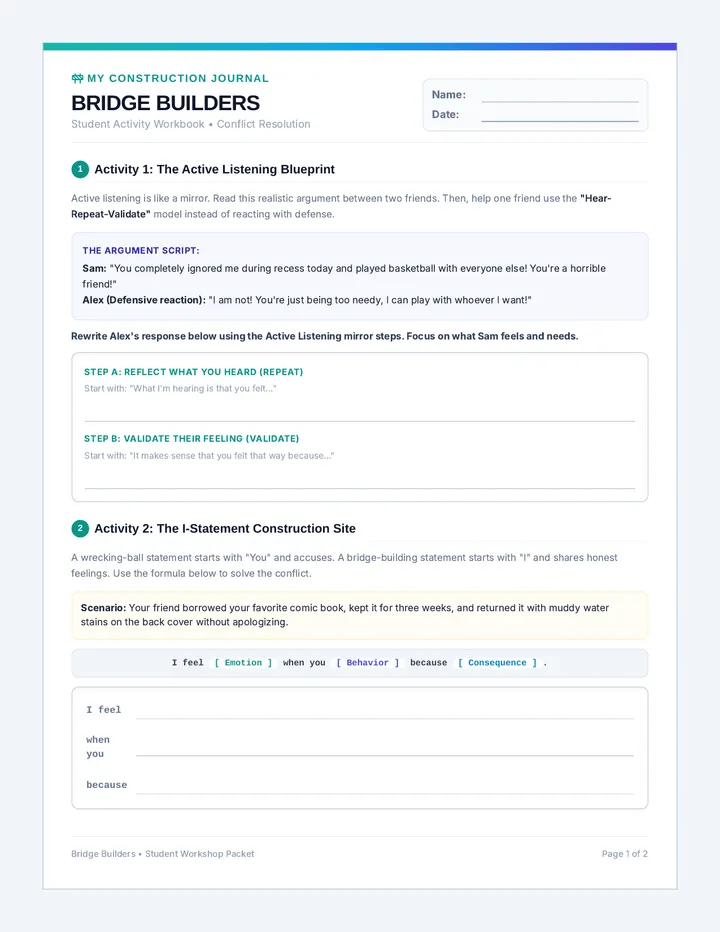
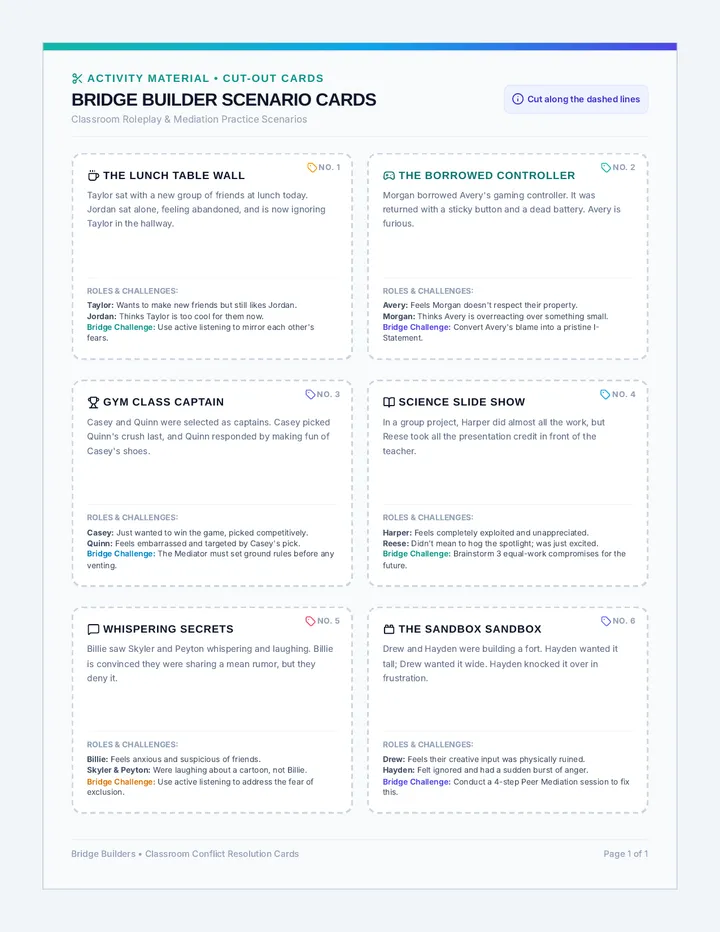
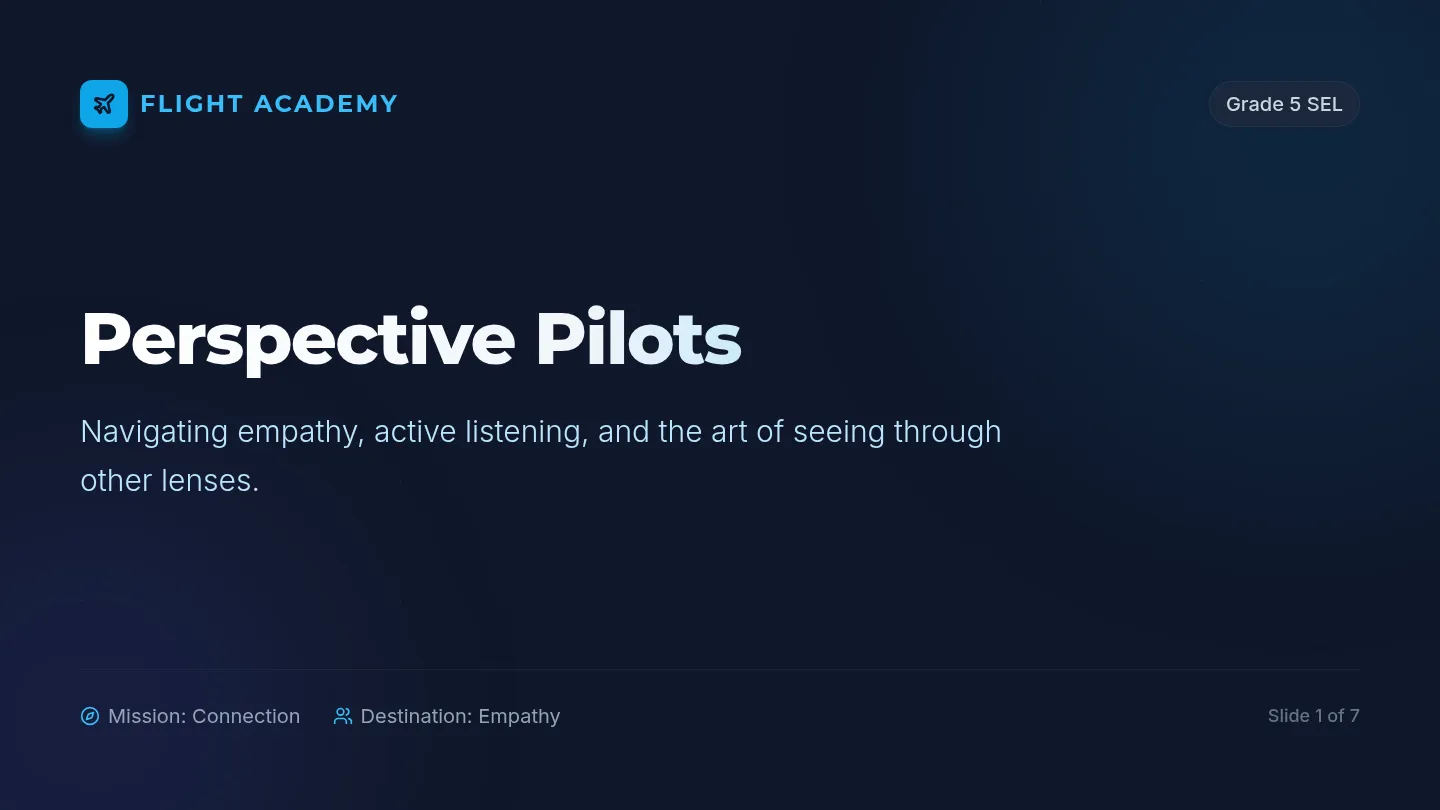
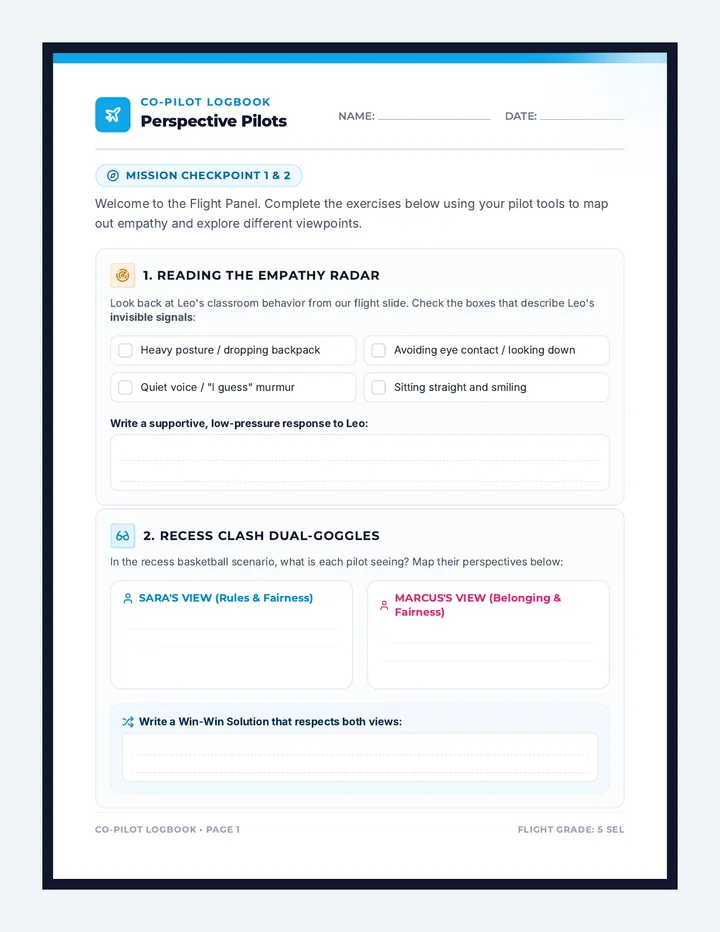
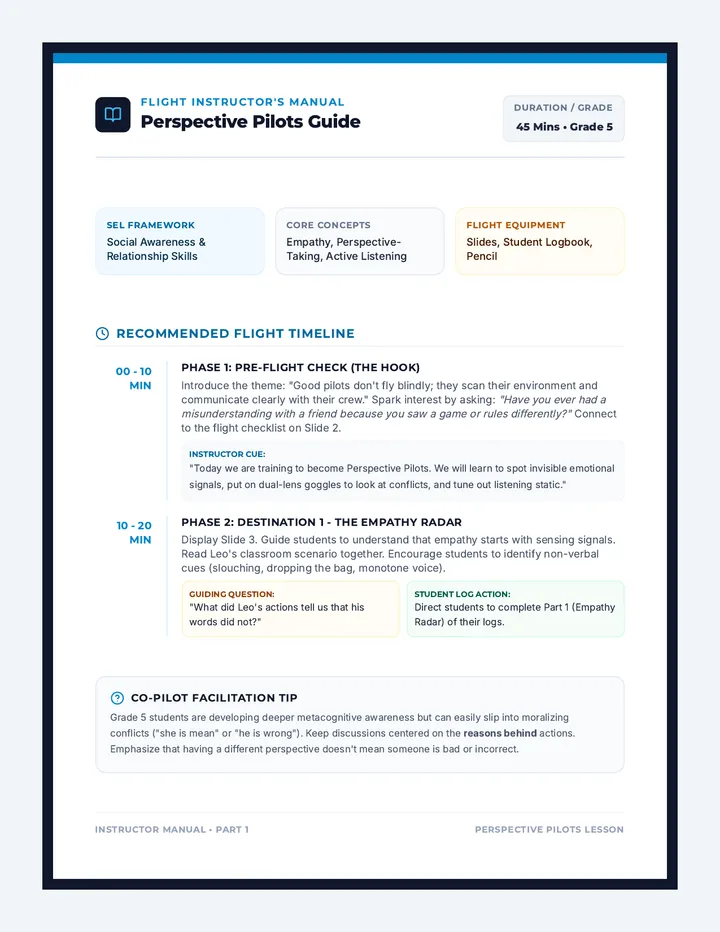
A 30-minute counseling lesson focused on decoding social signals, understanding perspectives, and choosing effective conflict-resolution strategies for middle schoolers.
A lesson introducing 10th-grade students to the core concepts of Stoicism and resilience inspired by 'The Obstacle Is The Way,' focusing on reframing challenges as opportunities for growth.
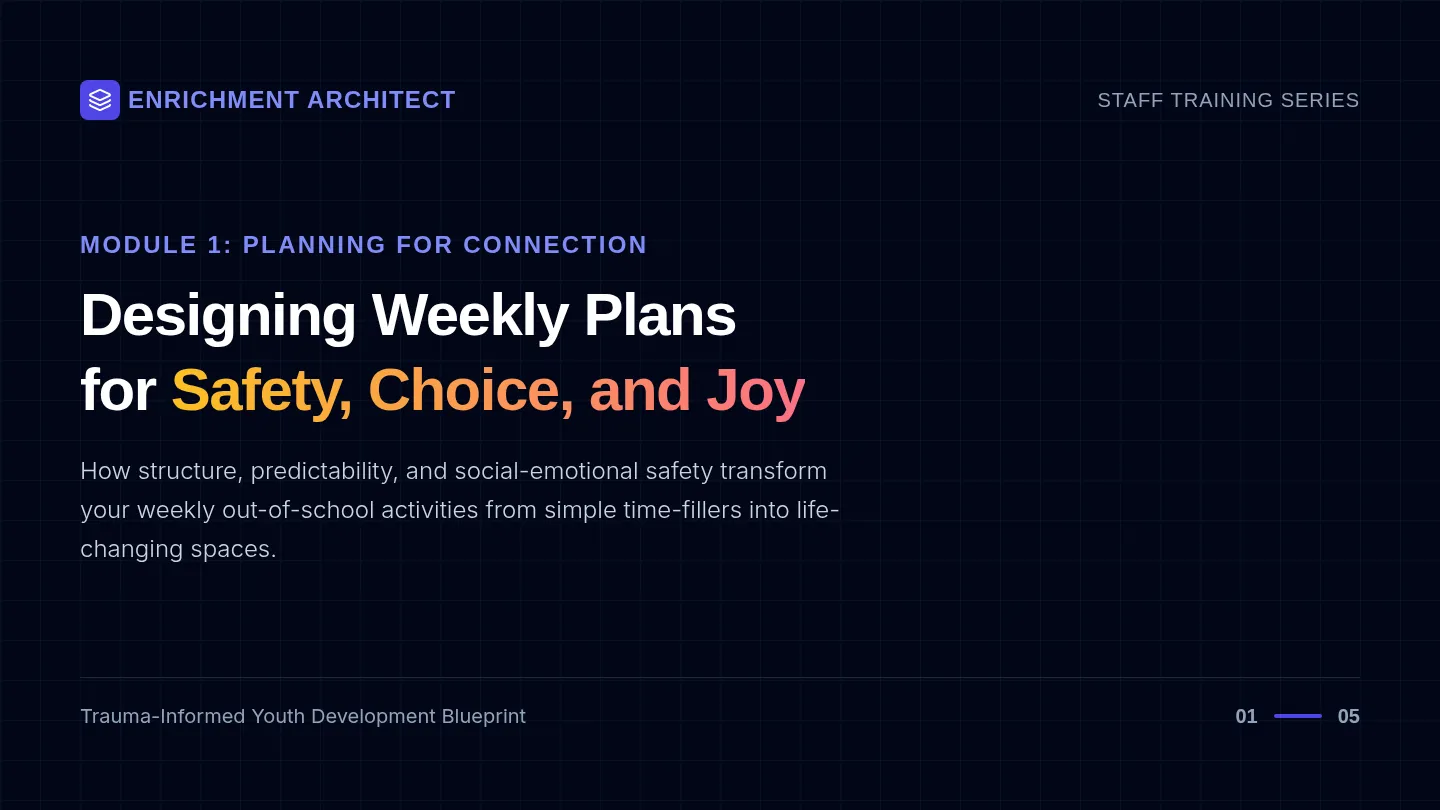
A set of high-impact materials for parent-teacher conferences, including informational displays, a family pledge, and an interactive student campaign activity.
A counseling lesson focused on defining bullying, distinguishing it from conflict, and identifying emotional regulation strategies. Designed for middle schoolers, it features role-play scenarios and inquiry-based discussion.
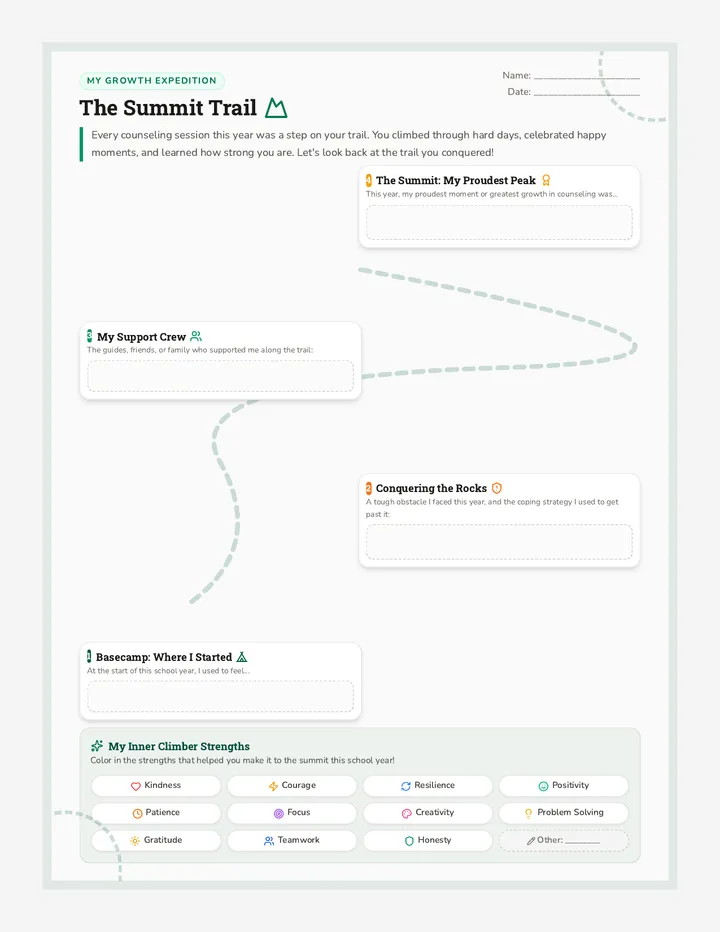
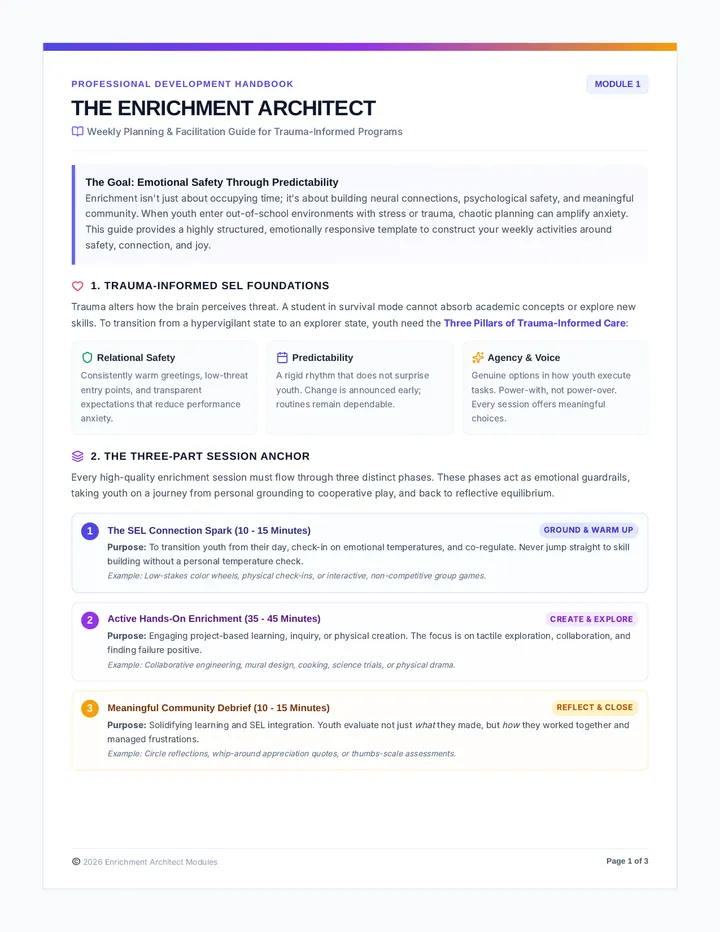
Focuses on DBT-based Distress Tolerance skills (TIPP and STOP) designed to provide immediate 'body hacks' for high-intensity emotional moments where grounding alone isn't enough.
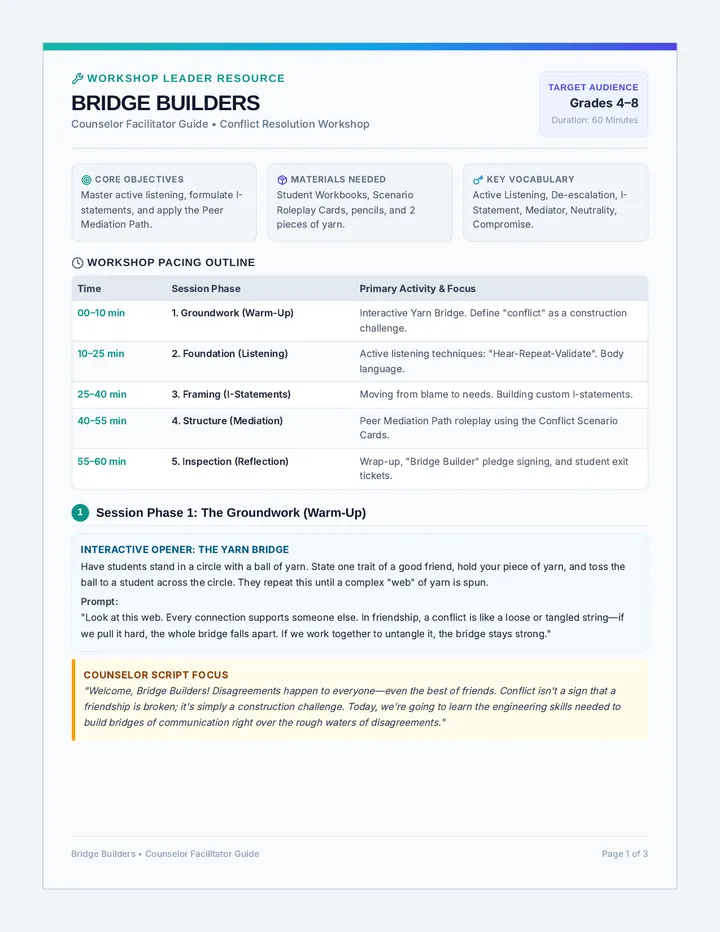
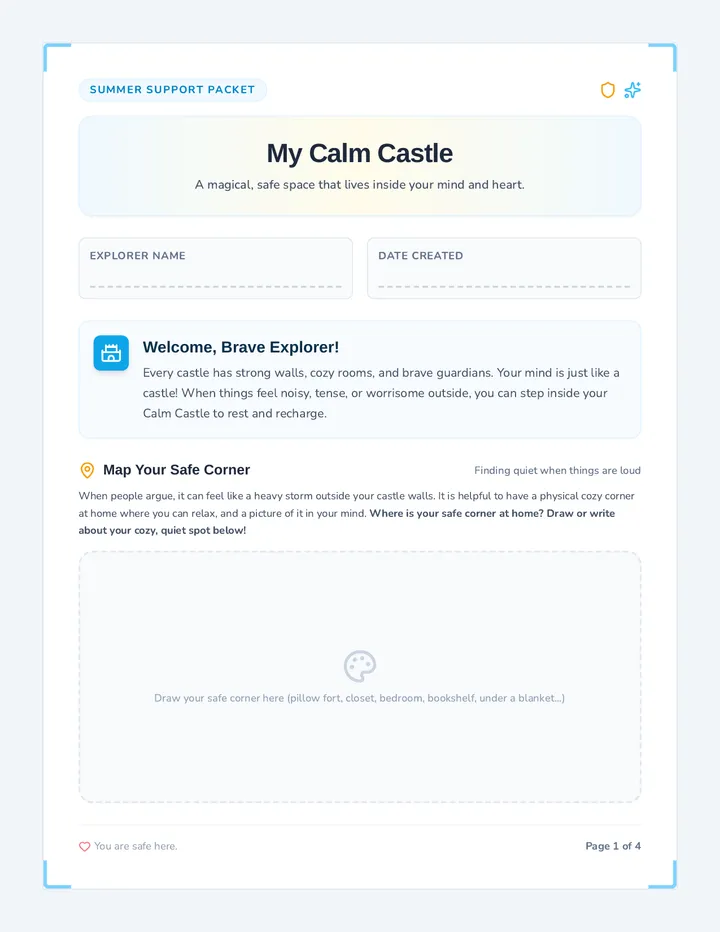
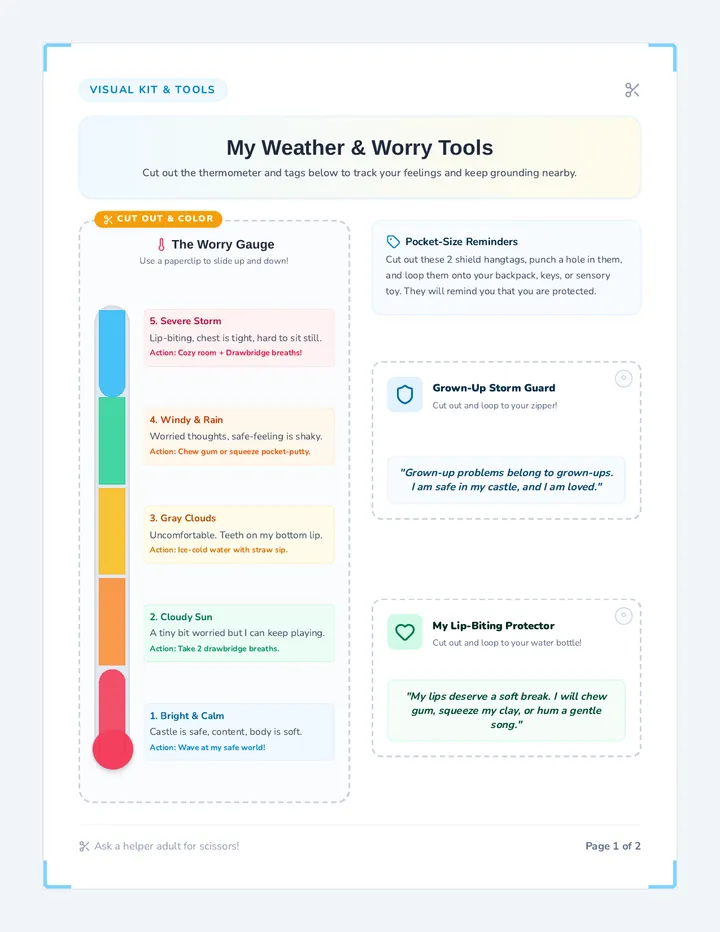
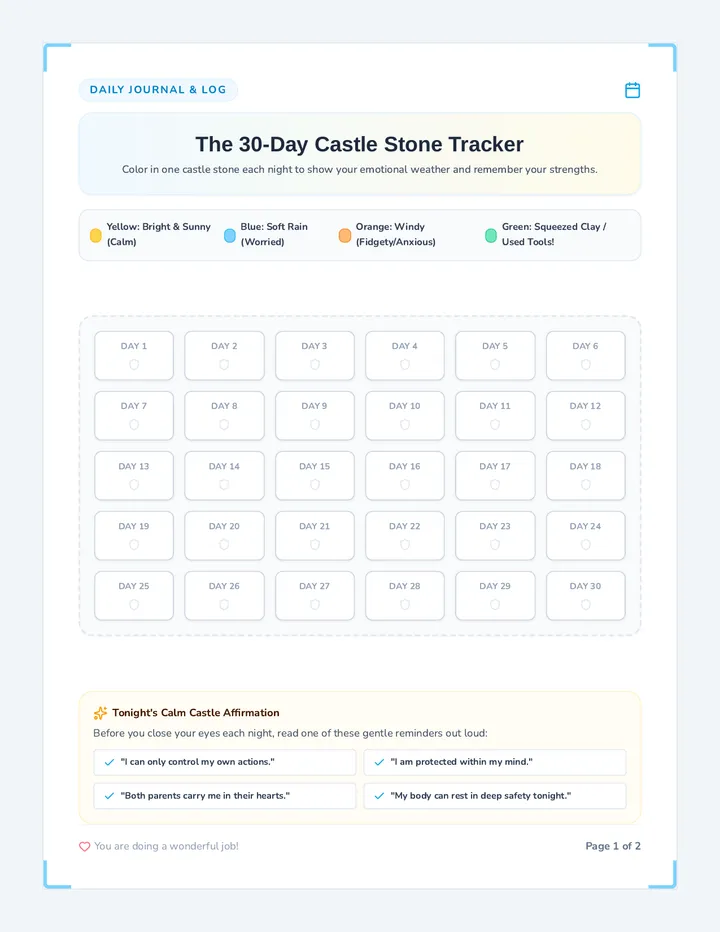
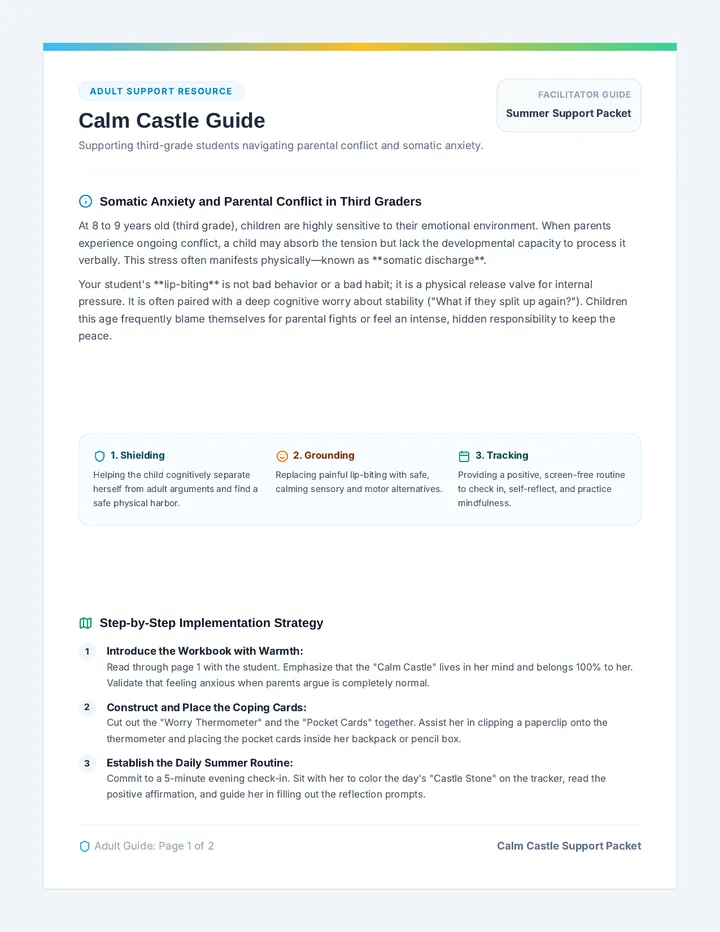
Establishes a formal safety plan (The Calm Protocol) that identifies safe spaces, trusted adults, and step-by-step actions for high-stress moments, ensuring the student feels secure even when home life is unpredictable.
Focuses on identifying the physical and emotional signs of dysregulation and building a personalized 'toolkit' of grounding strategies that work across different classroom environments.