A 30-minute lesson exploring the mechanics of communication and how messages get distorted through the 'Telephone' game, focusing on active listening and barriers to understanding.
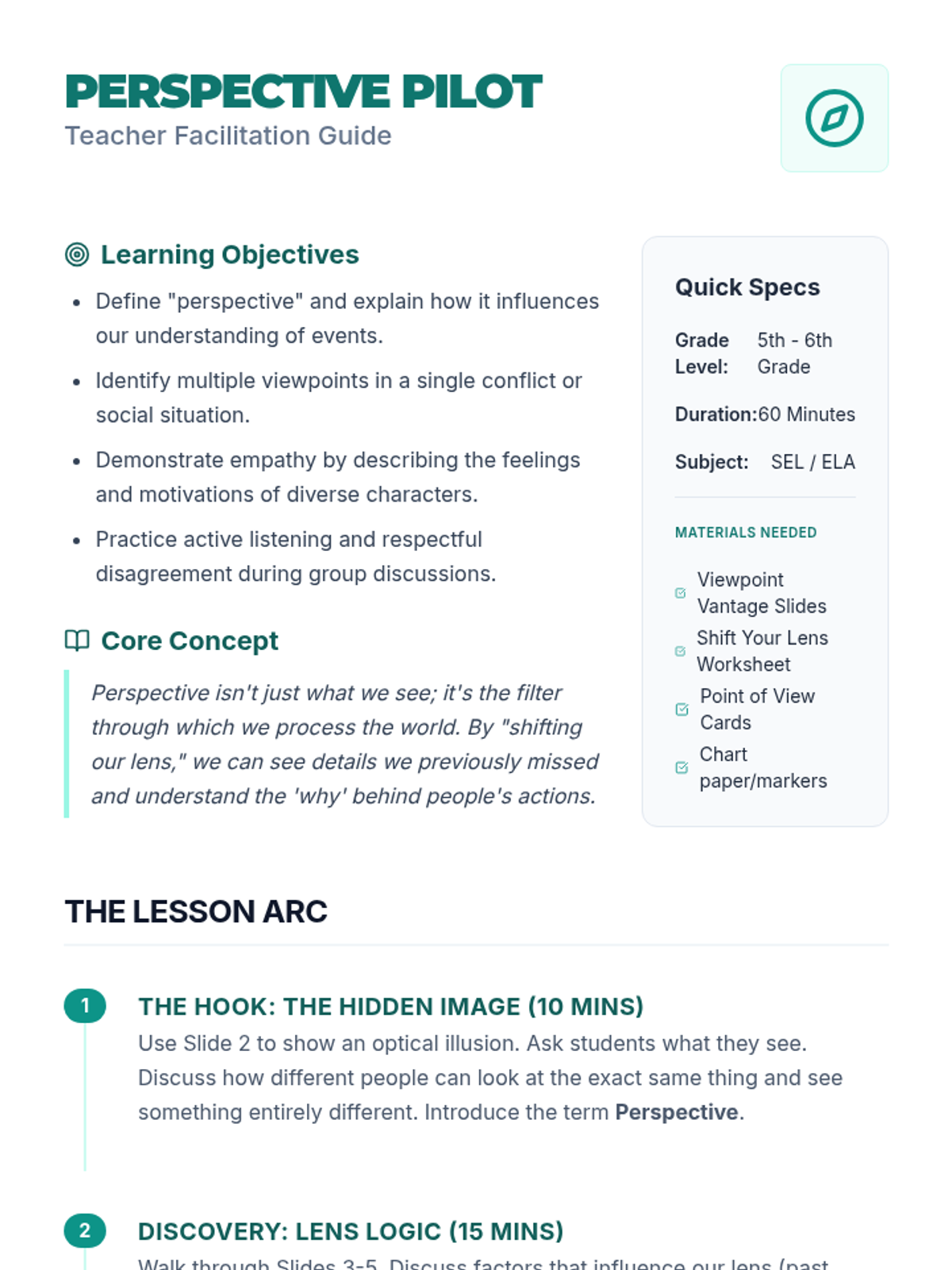
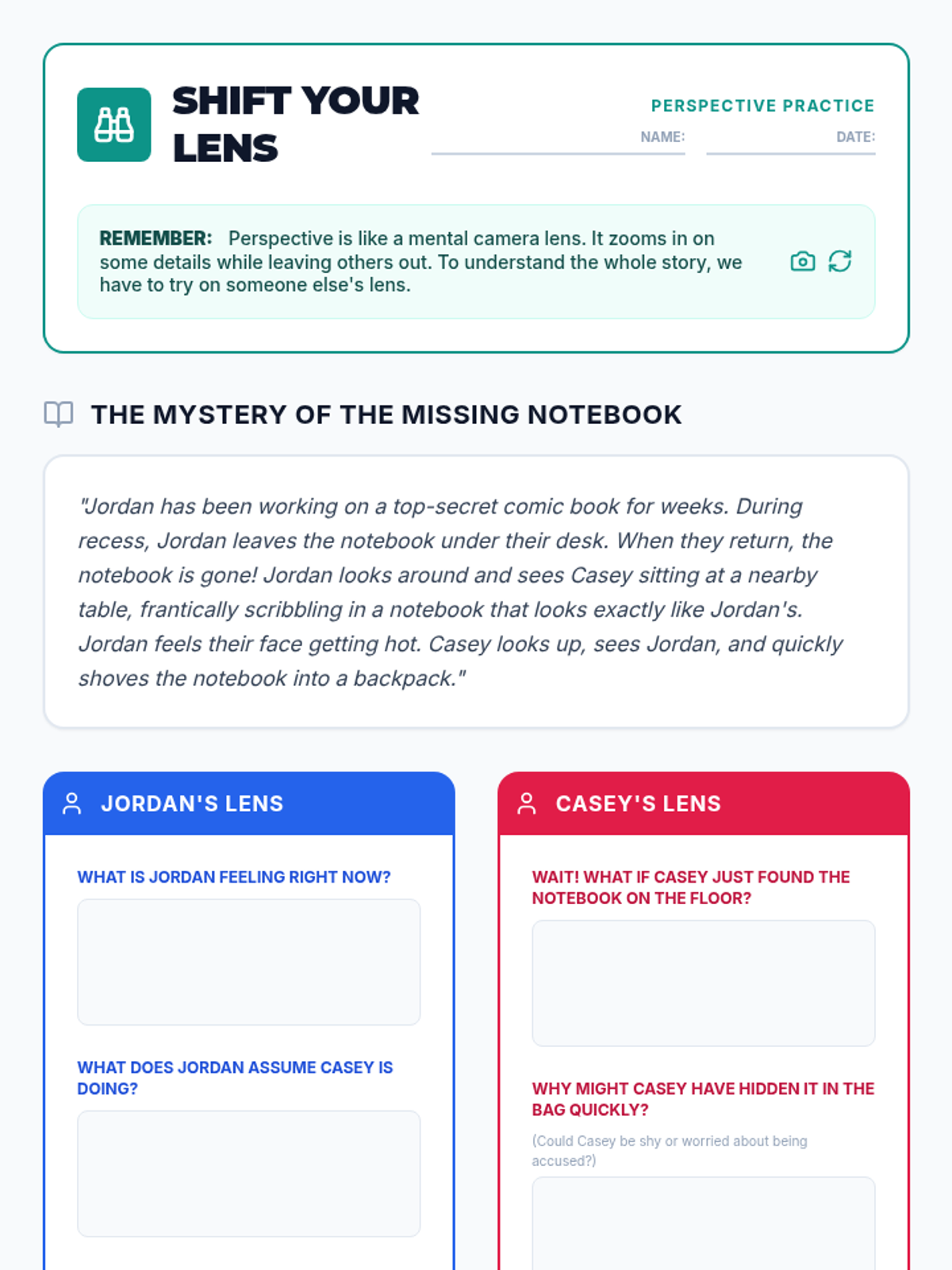
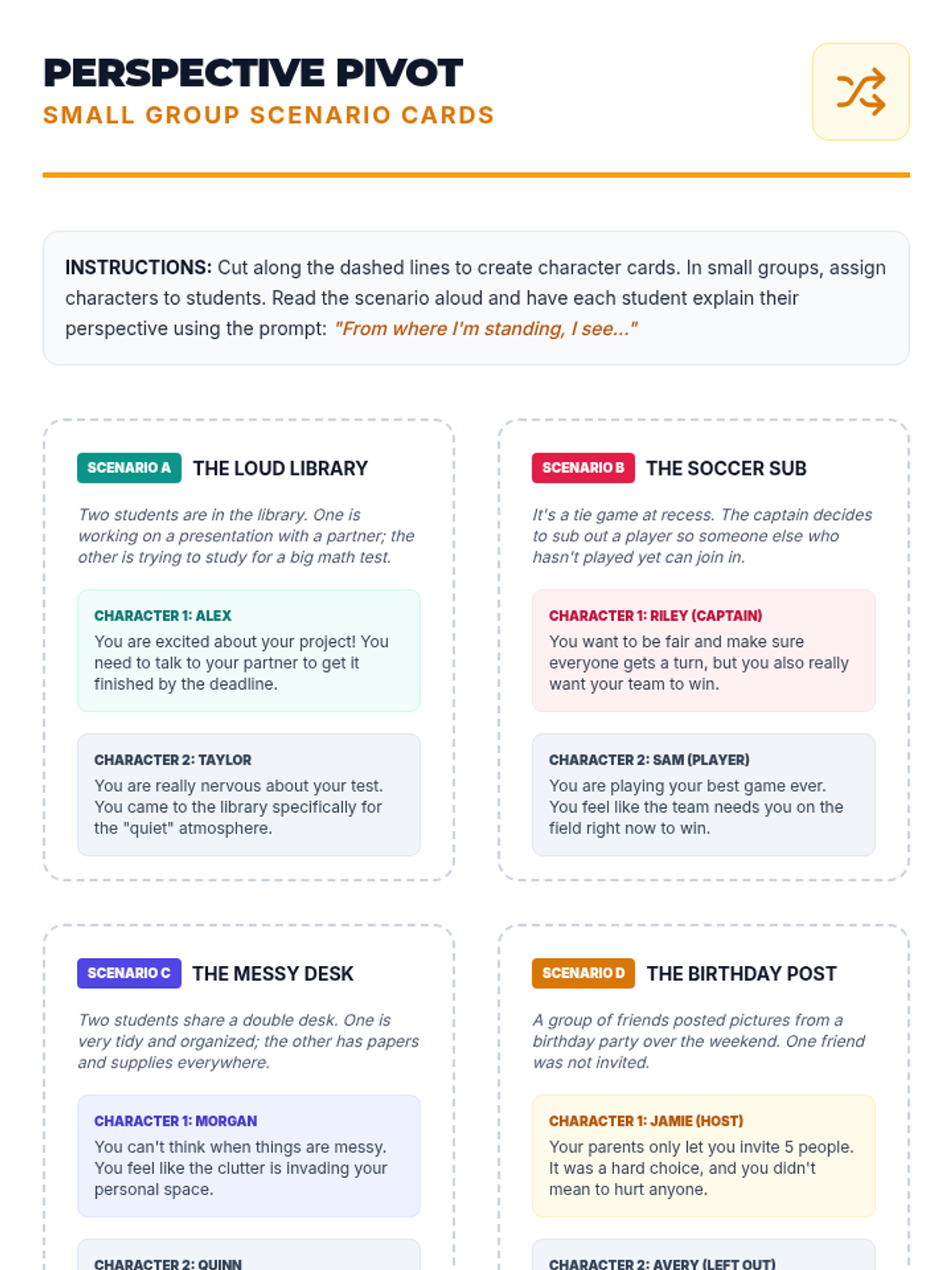
An engaging lesson for 5th and 6th graders that explores perspective-taking through creative scenarios and character analysis. Students will learn to step into others' shoes to foster empathy and critical thinking about social dynamics.
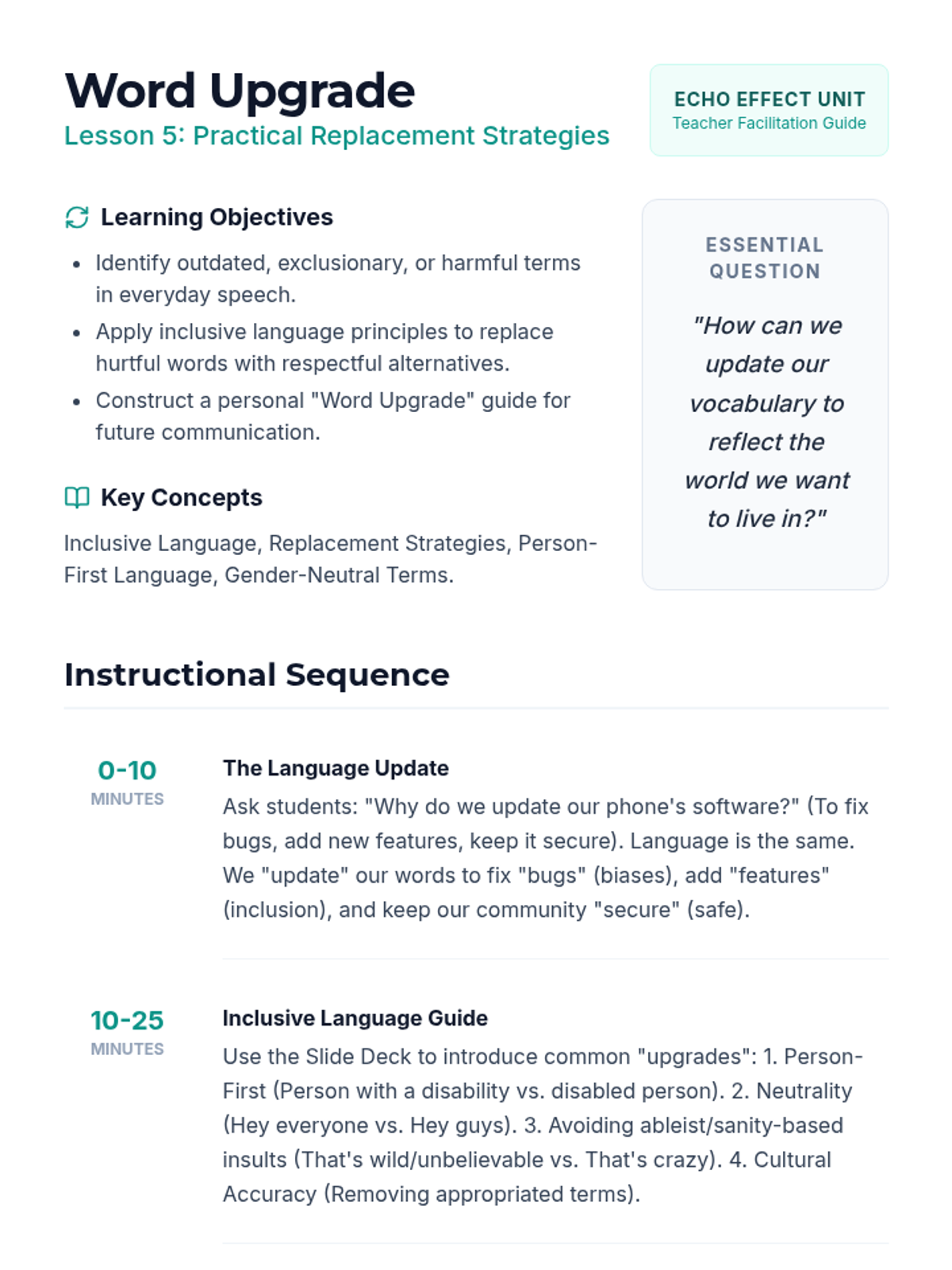
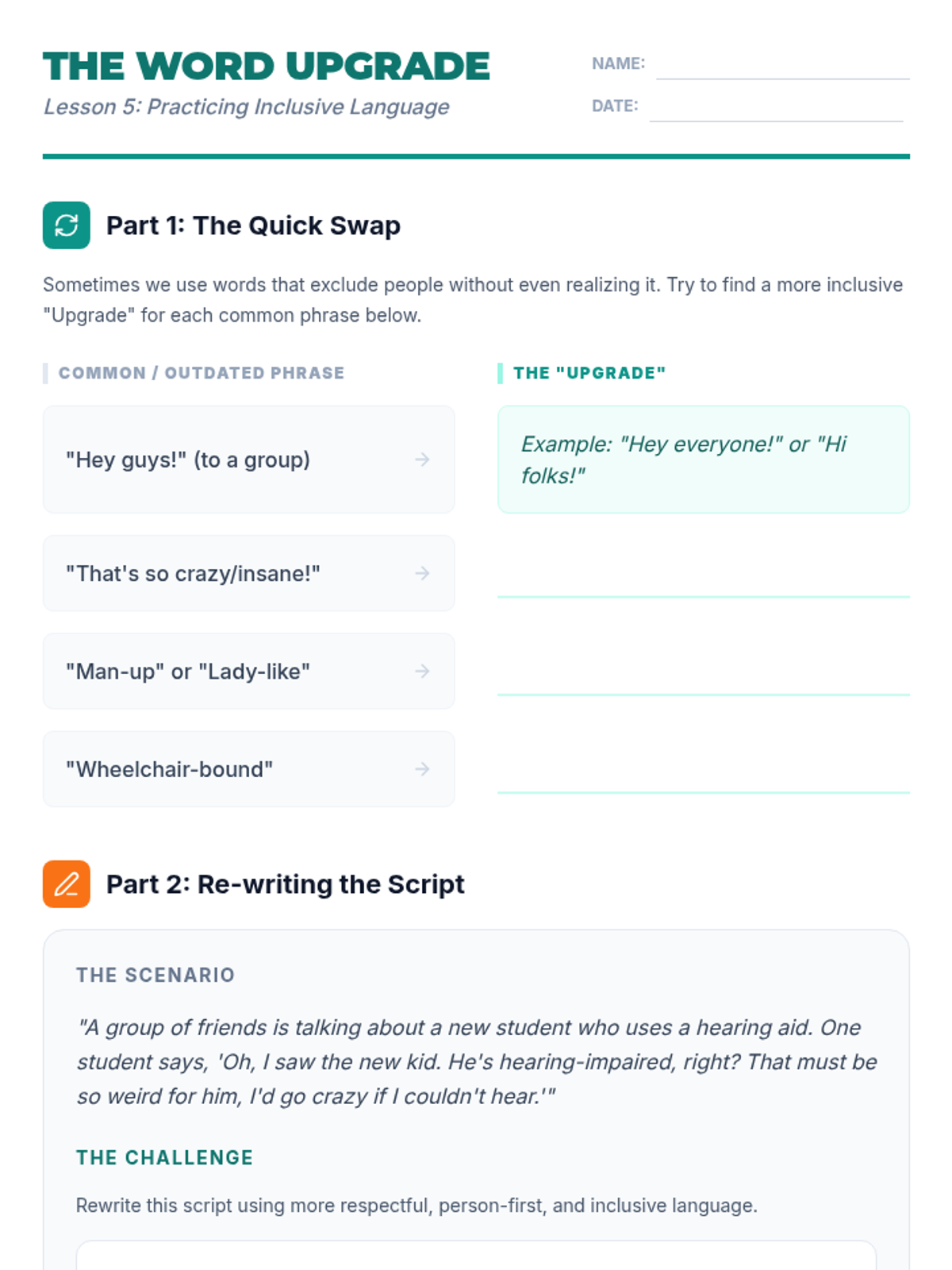
A practical workshop on using inclusive language and replacing outdated or hurtful terms with respectful alternatives.
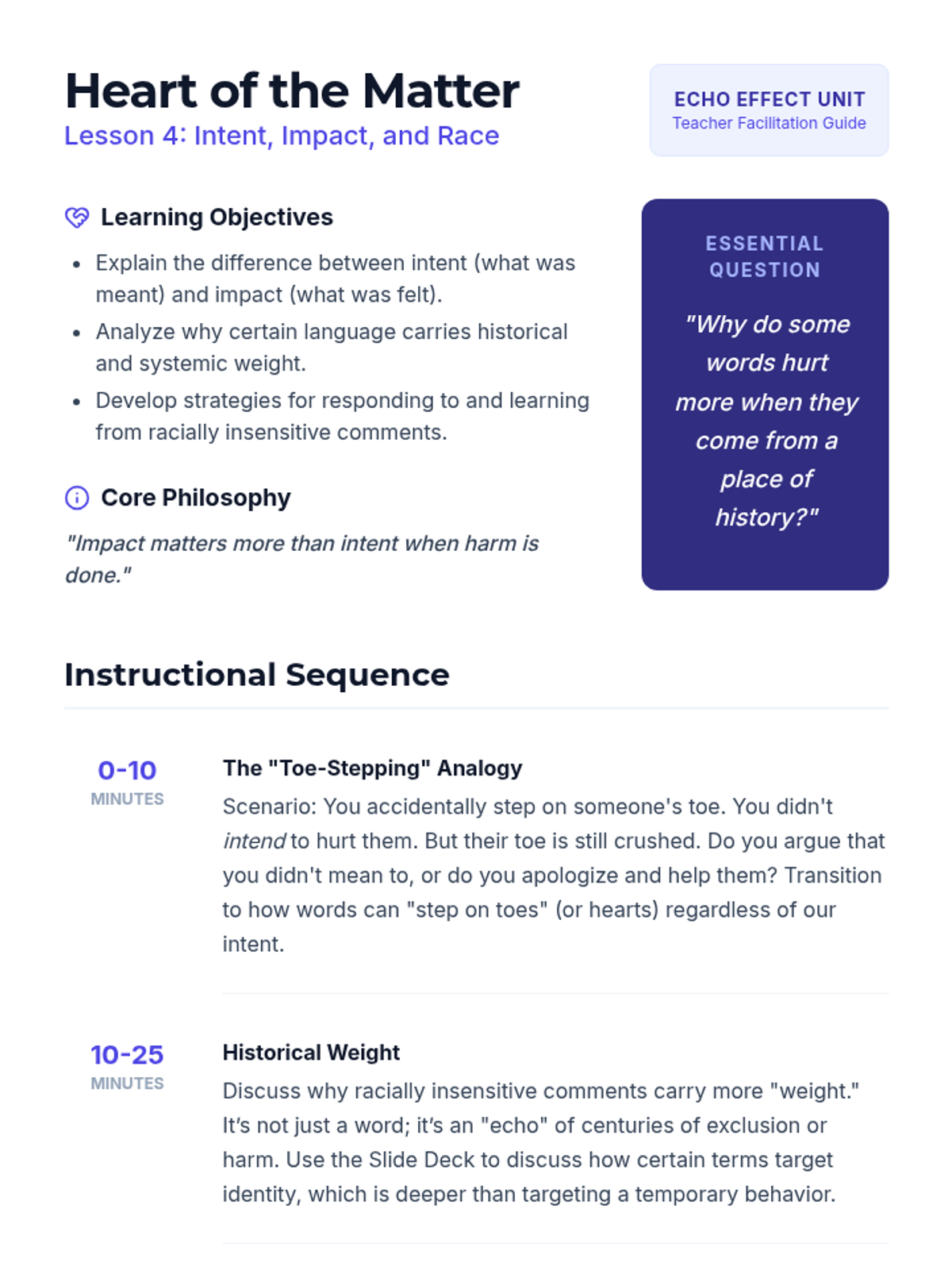
A sensitive and structured conversation about racially insensitive comments, focusing on the difference between intent and impact.
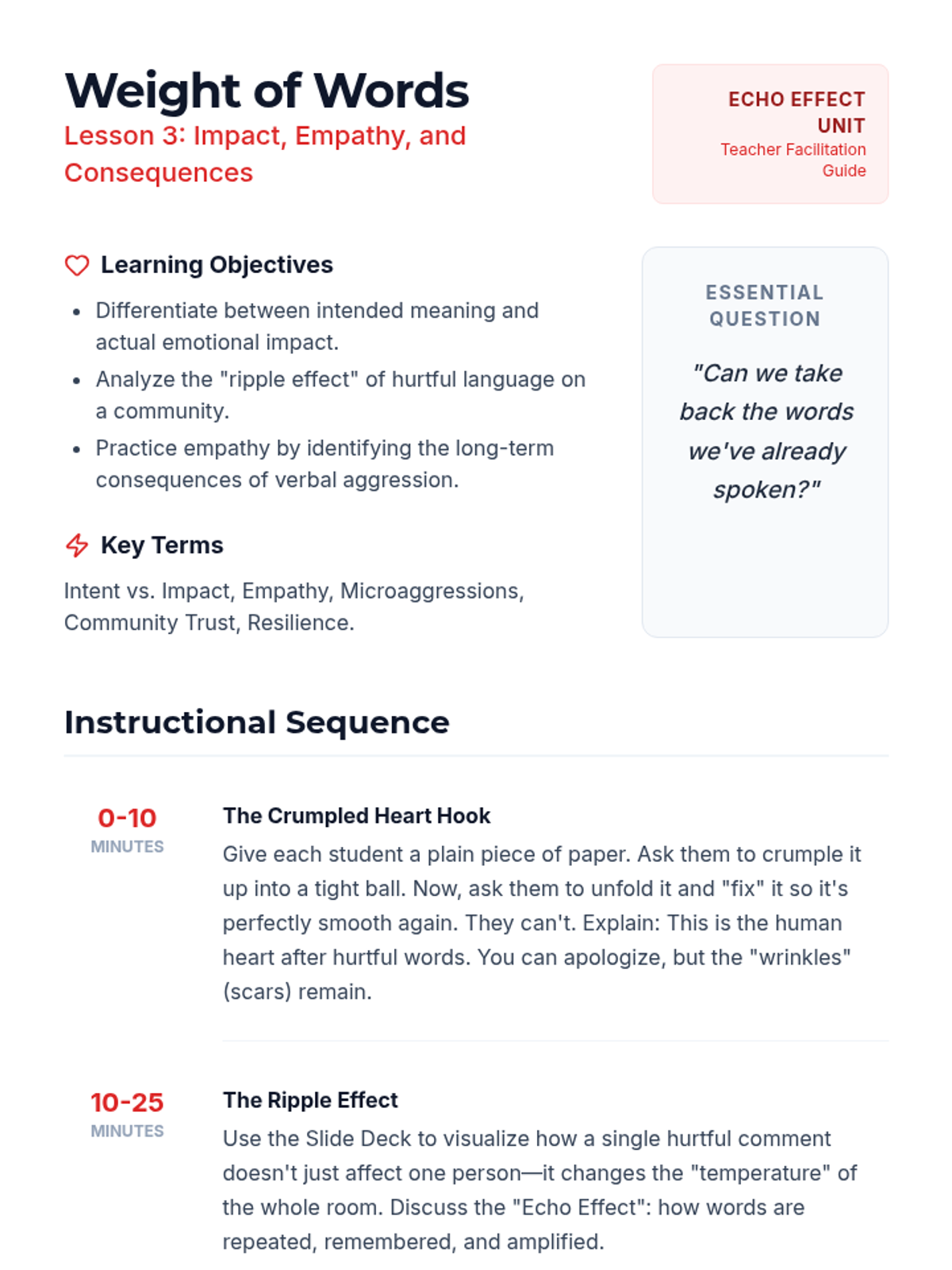
A deep dive into the emotional and social consequences of hurtful versus helpful language choices.
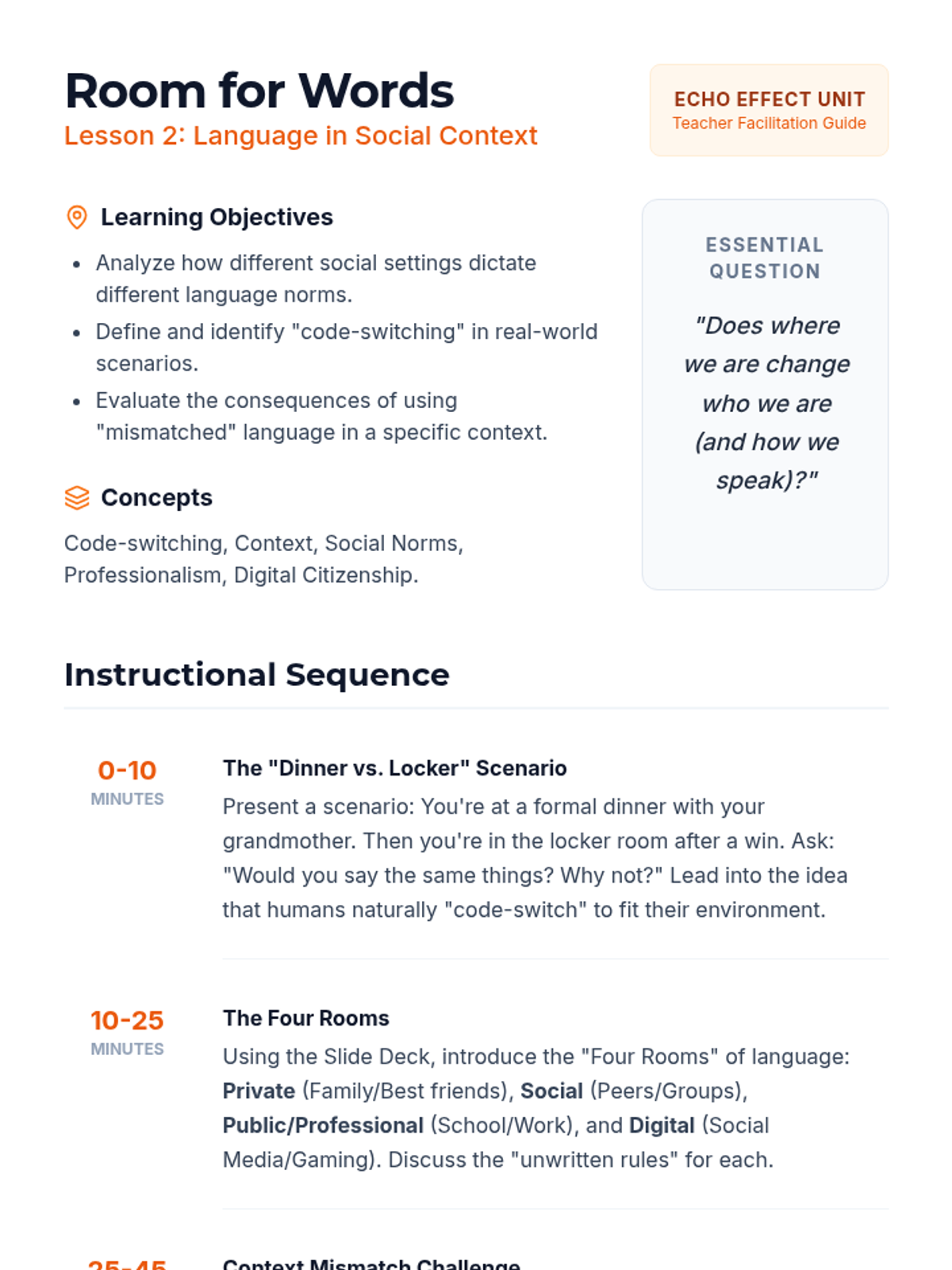
An exploration of how different social settings (home, school, internet, professional) dictate different language norms.
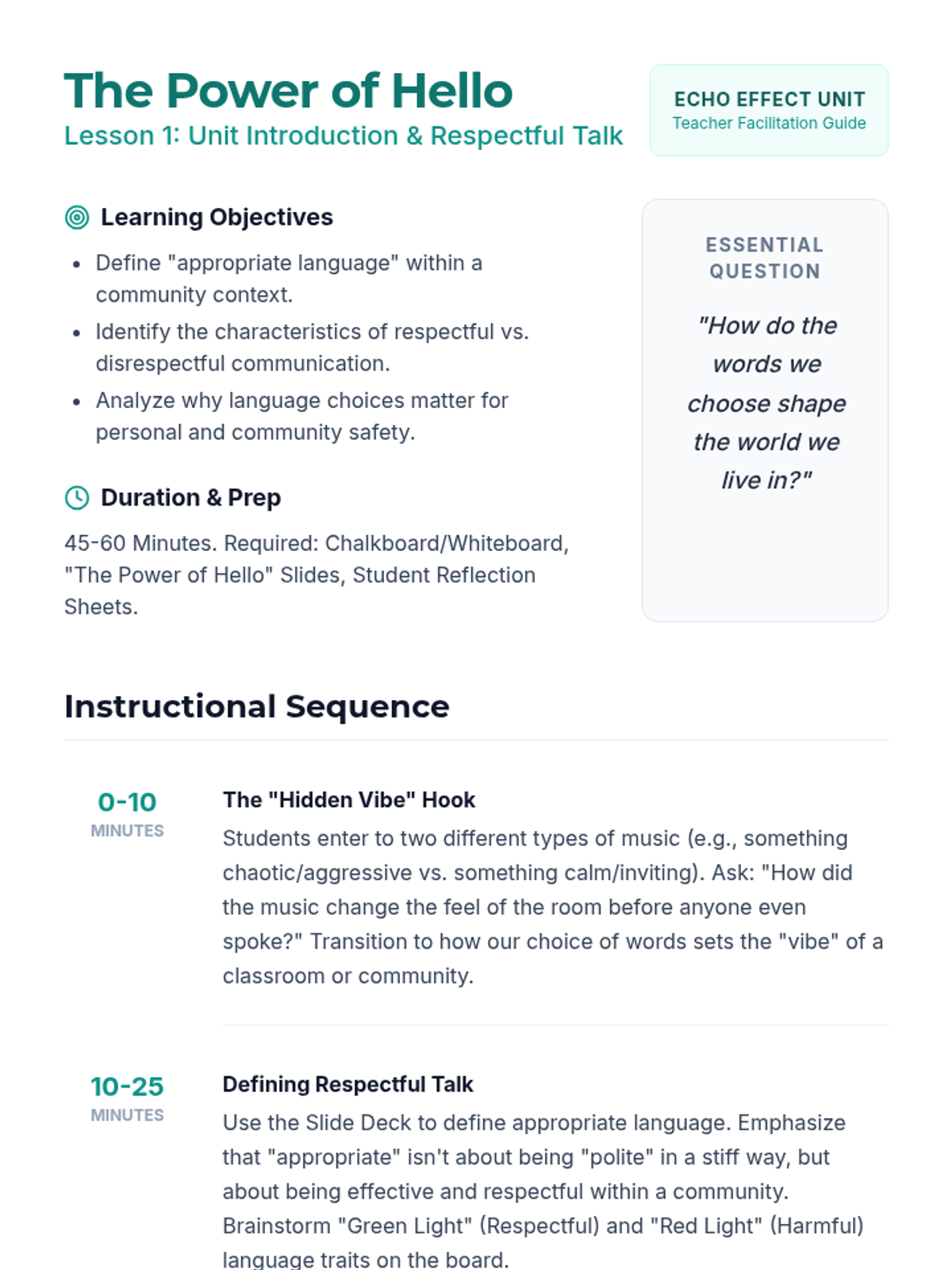
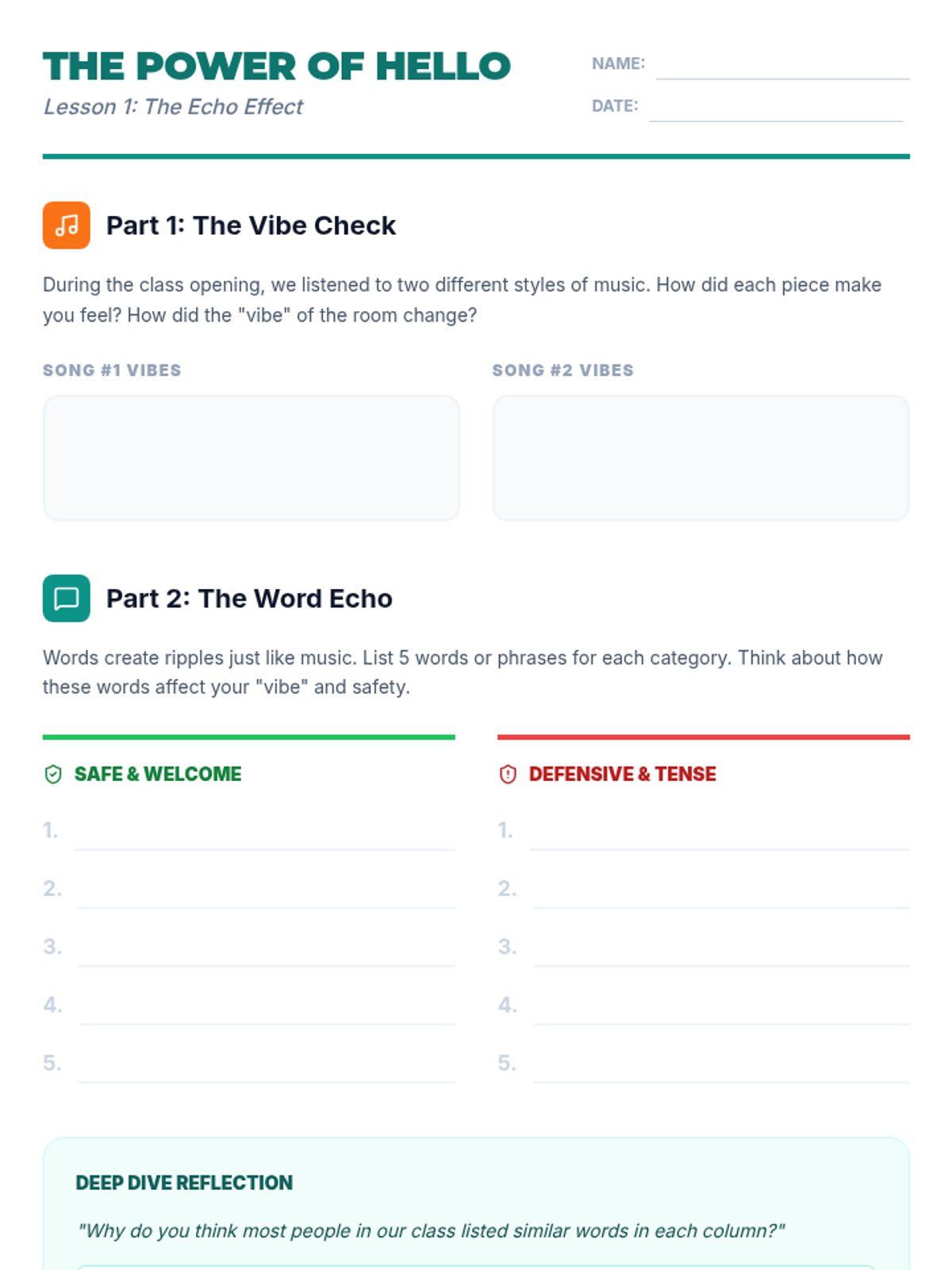
An introduction to why language choices matter and a brainstorming session on the concept of 'Respectful Talk'.
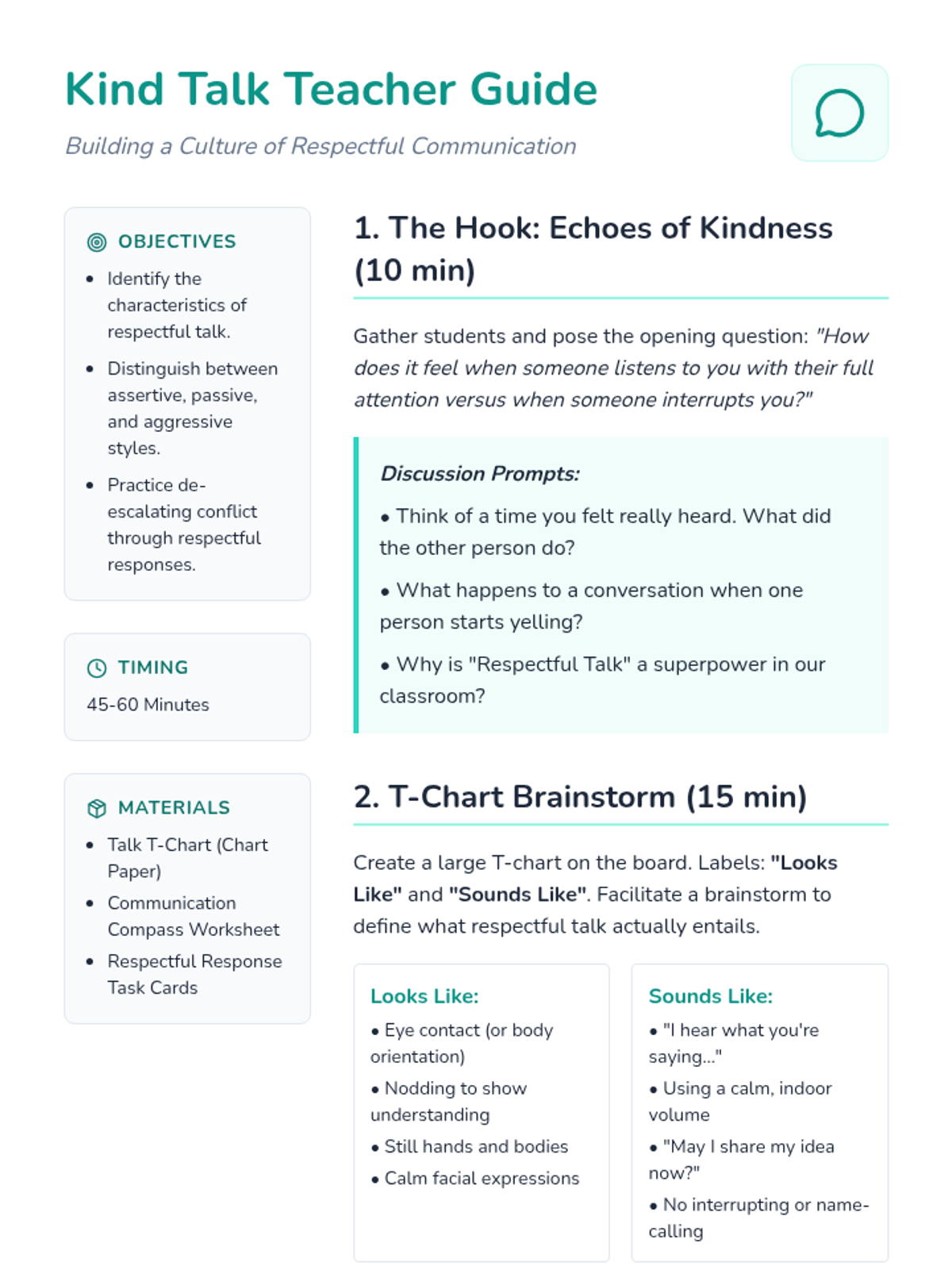
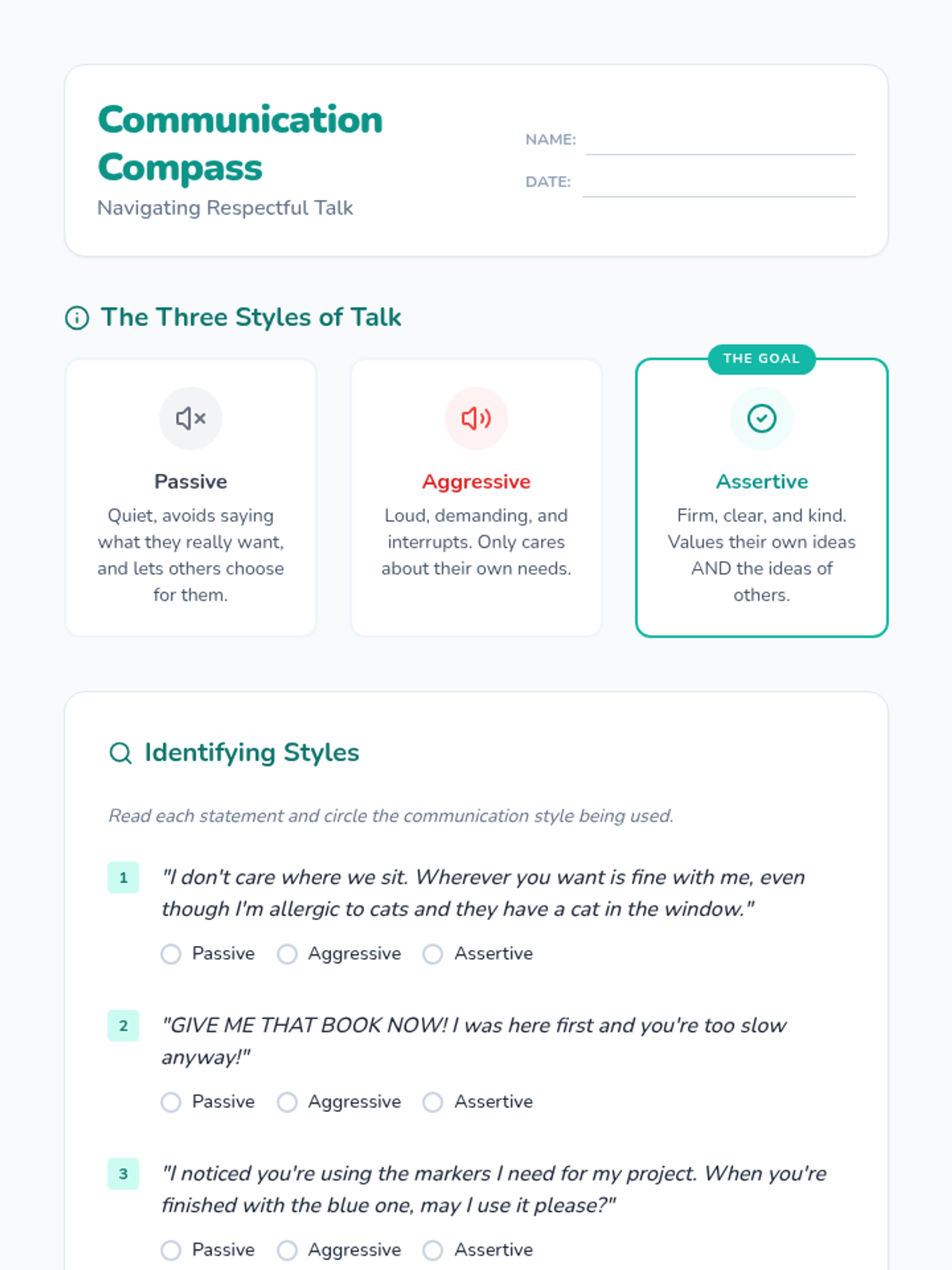
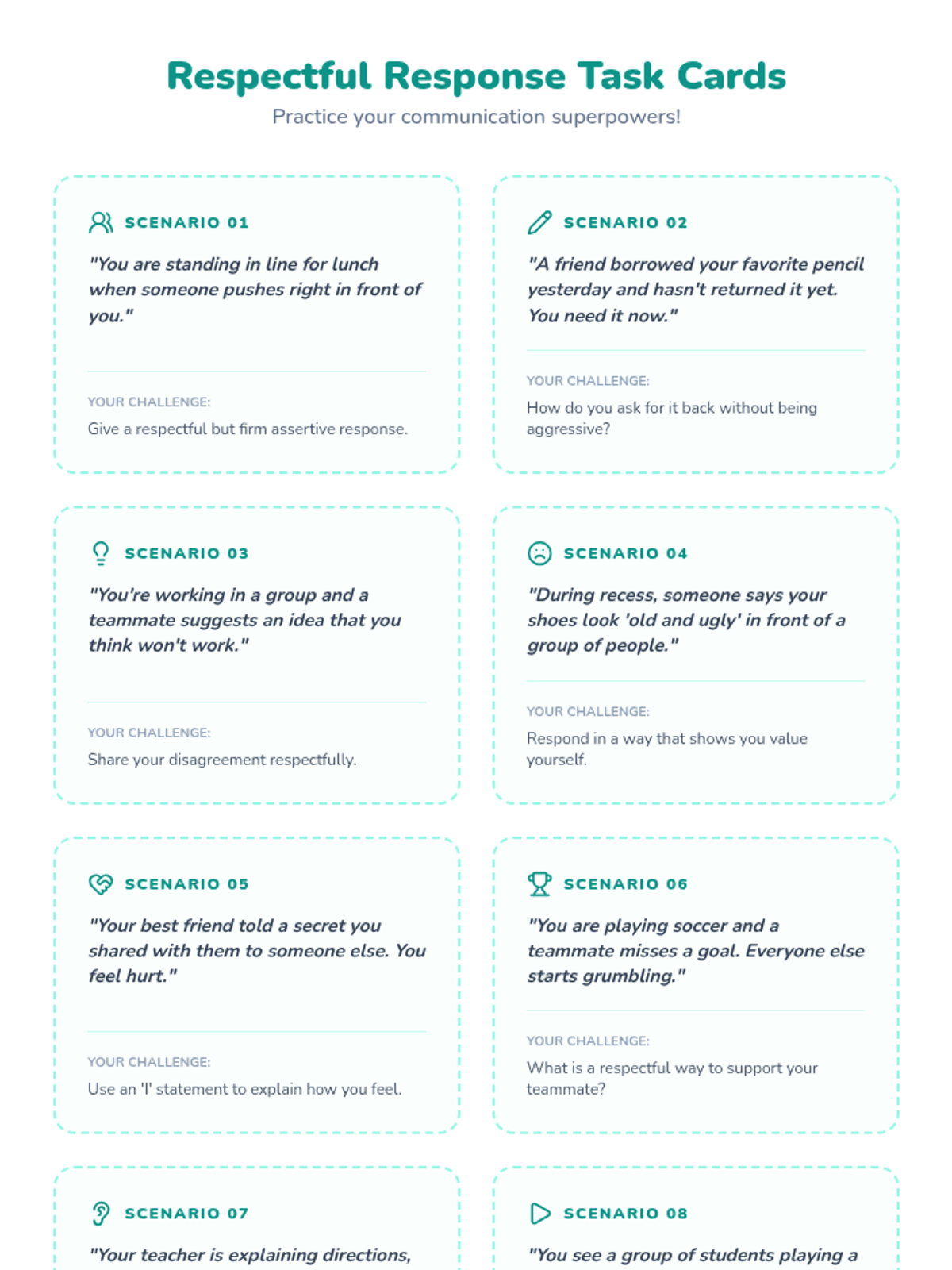
A comprehensive lesson focused on teaching students how to communicate with respect, empathy, and clarity. Includes discussion prompts, a communication styles worksheet, and scenario-based task cards for practice.
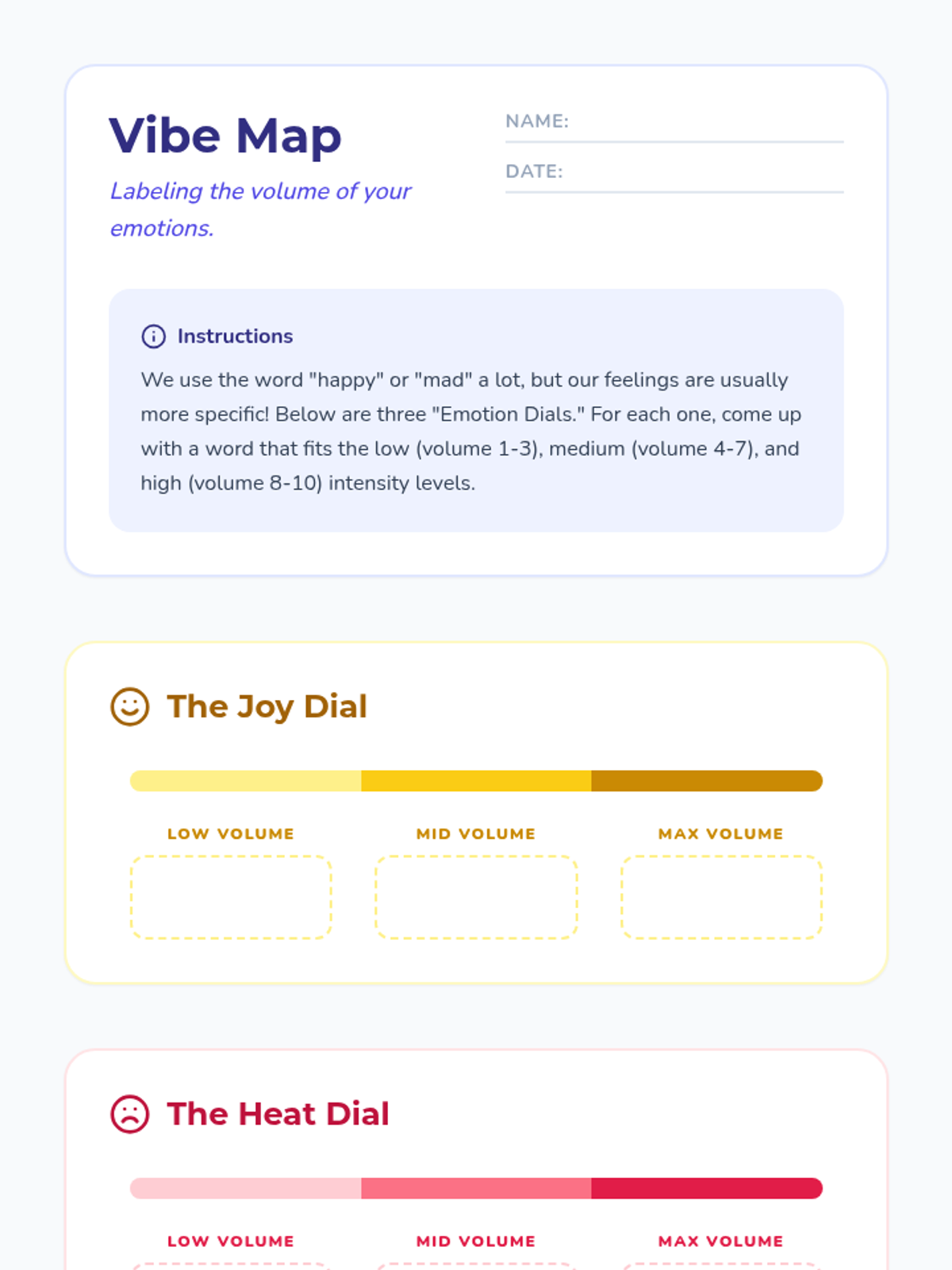
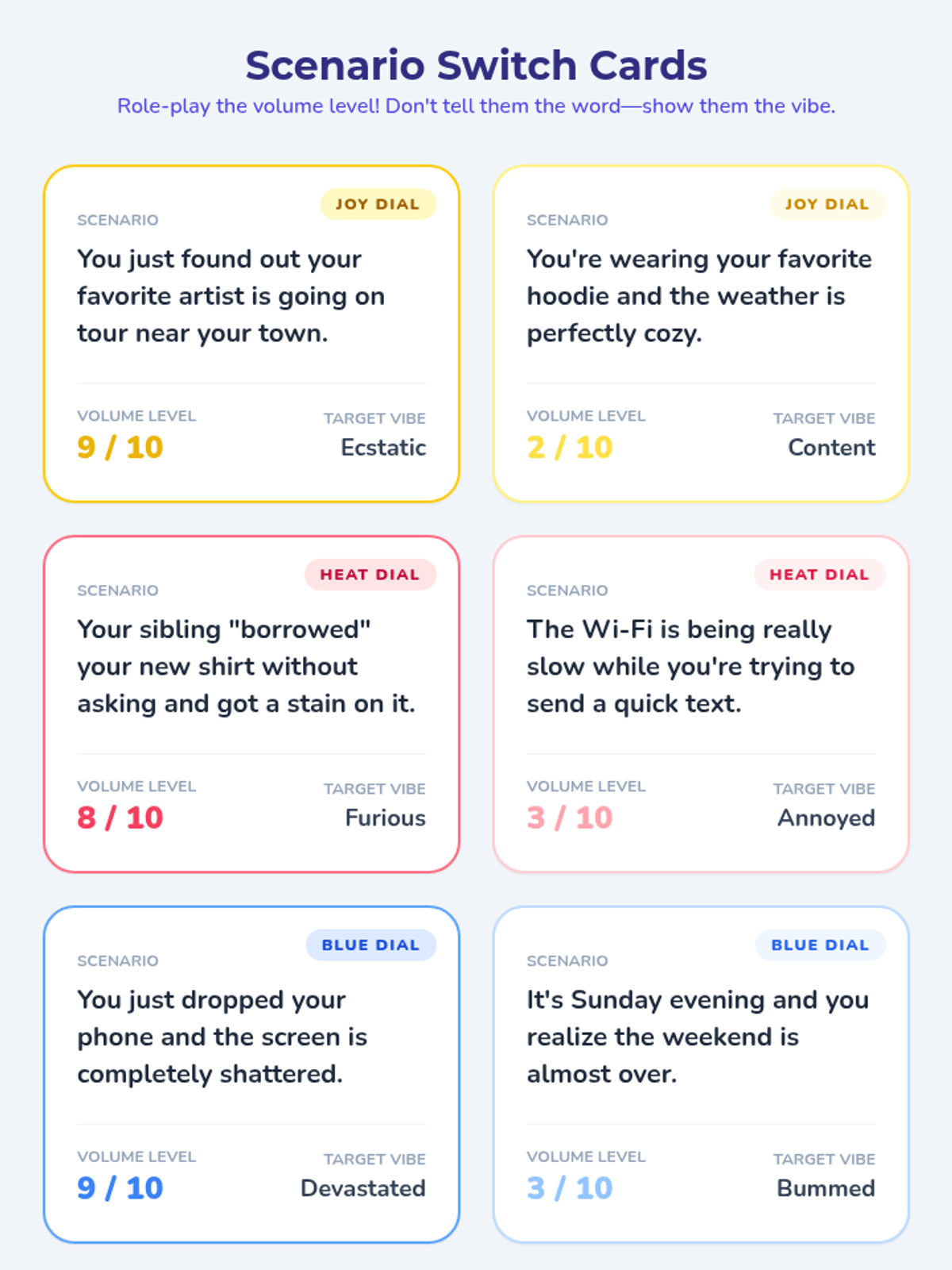
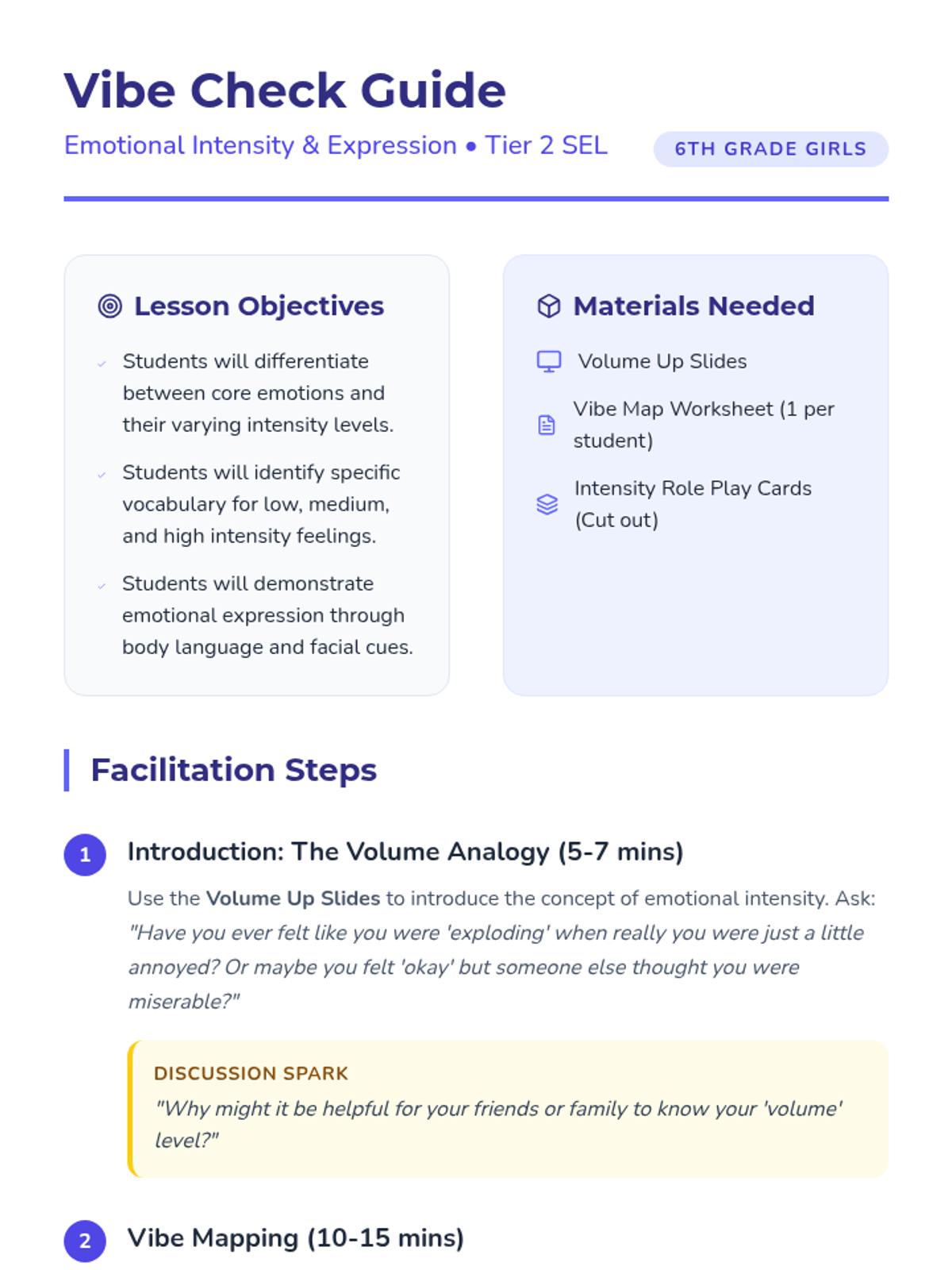
A Tier 2 social-emotional learning lesson for 6th-grade girls focused on identifying and expressing the varying intensities of core emotions through visual scales and role-playing practice.
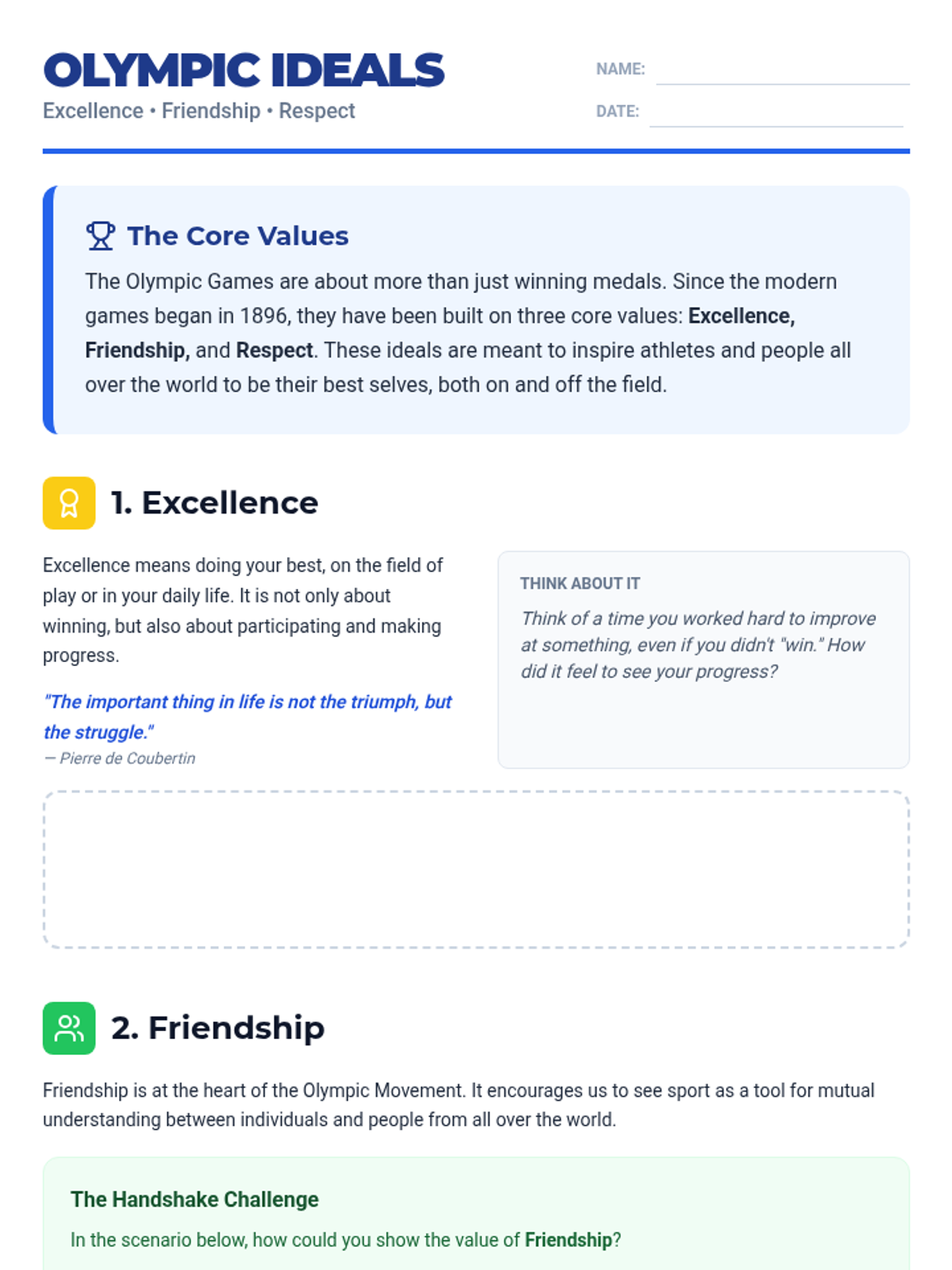
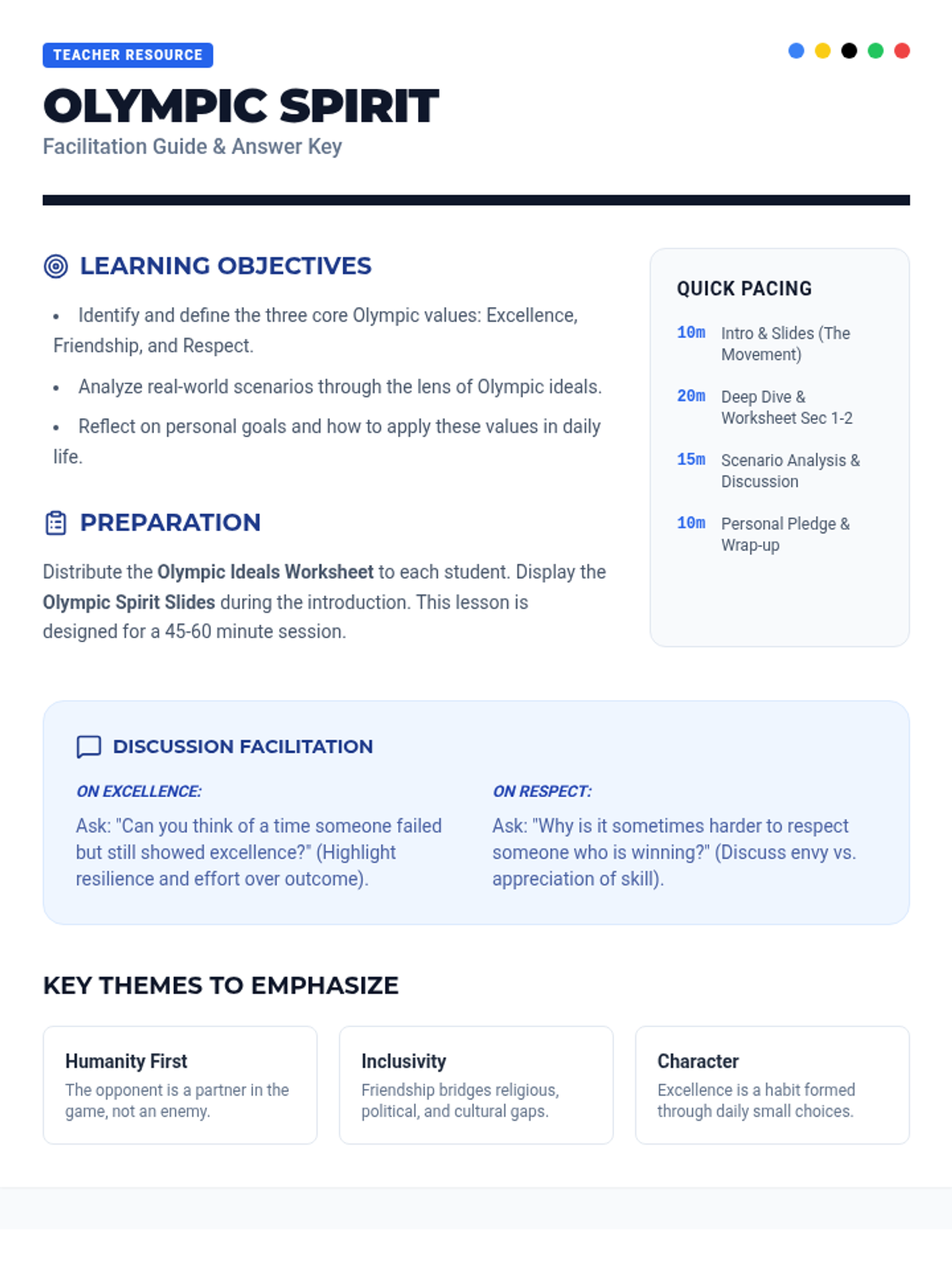
A lesson exploring the three core values of the Olympic movement: Excellence, Friendship, and Respect, through informative text and reflective activities.
Facing fears through the "Bravery Ladder," reflecting on growth, and celebrating the completion of the group "lab."
Building a personalized "Coping Menu" of tools including breathing exercises, visualization, and sensory strategies.
Identifying "Mind Traps" or cognitive distortions and learning how to use the "Thought Detective" method to challenge anxious thoughts.
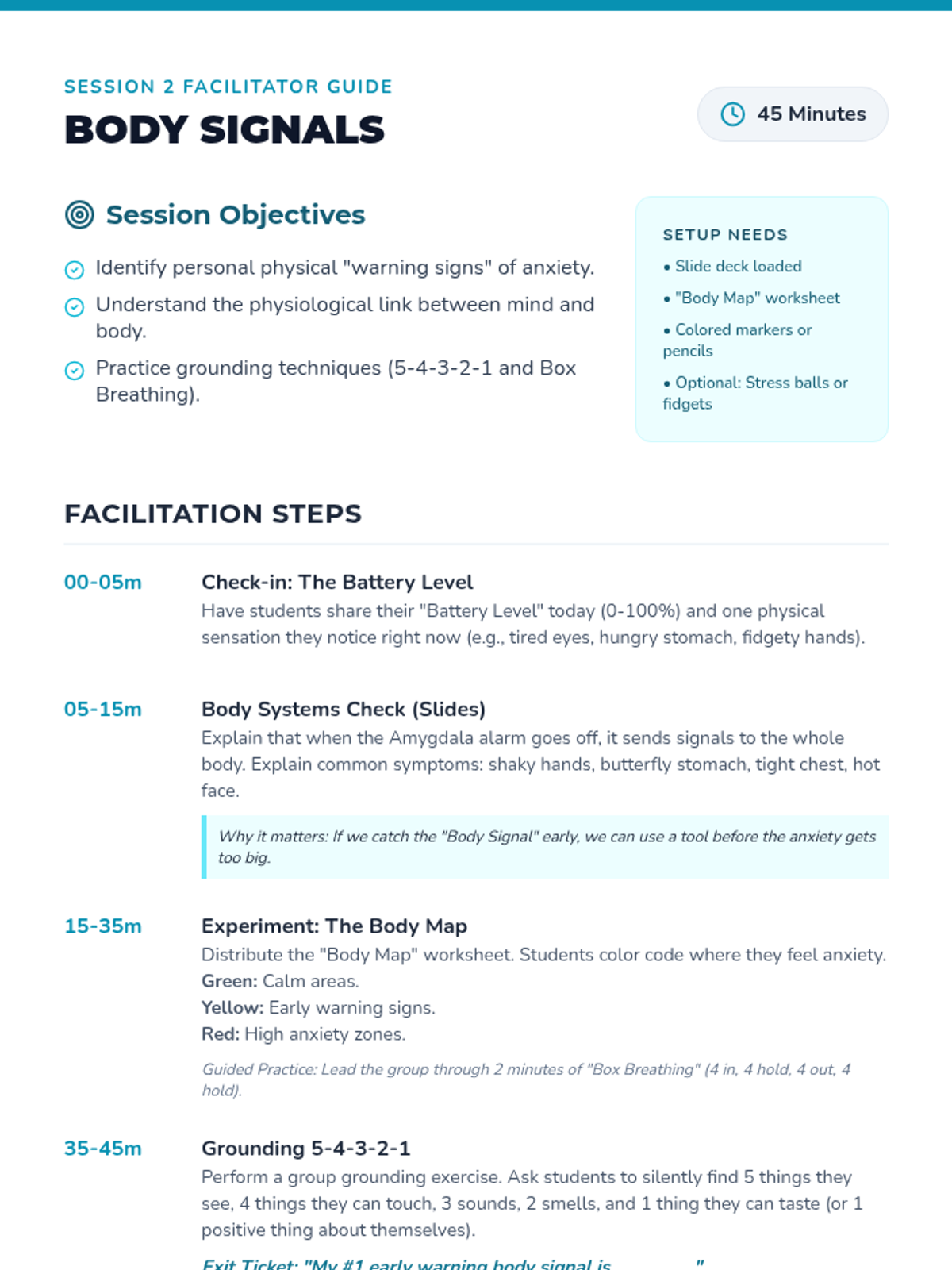
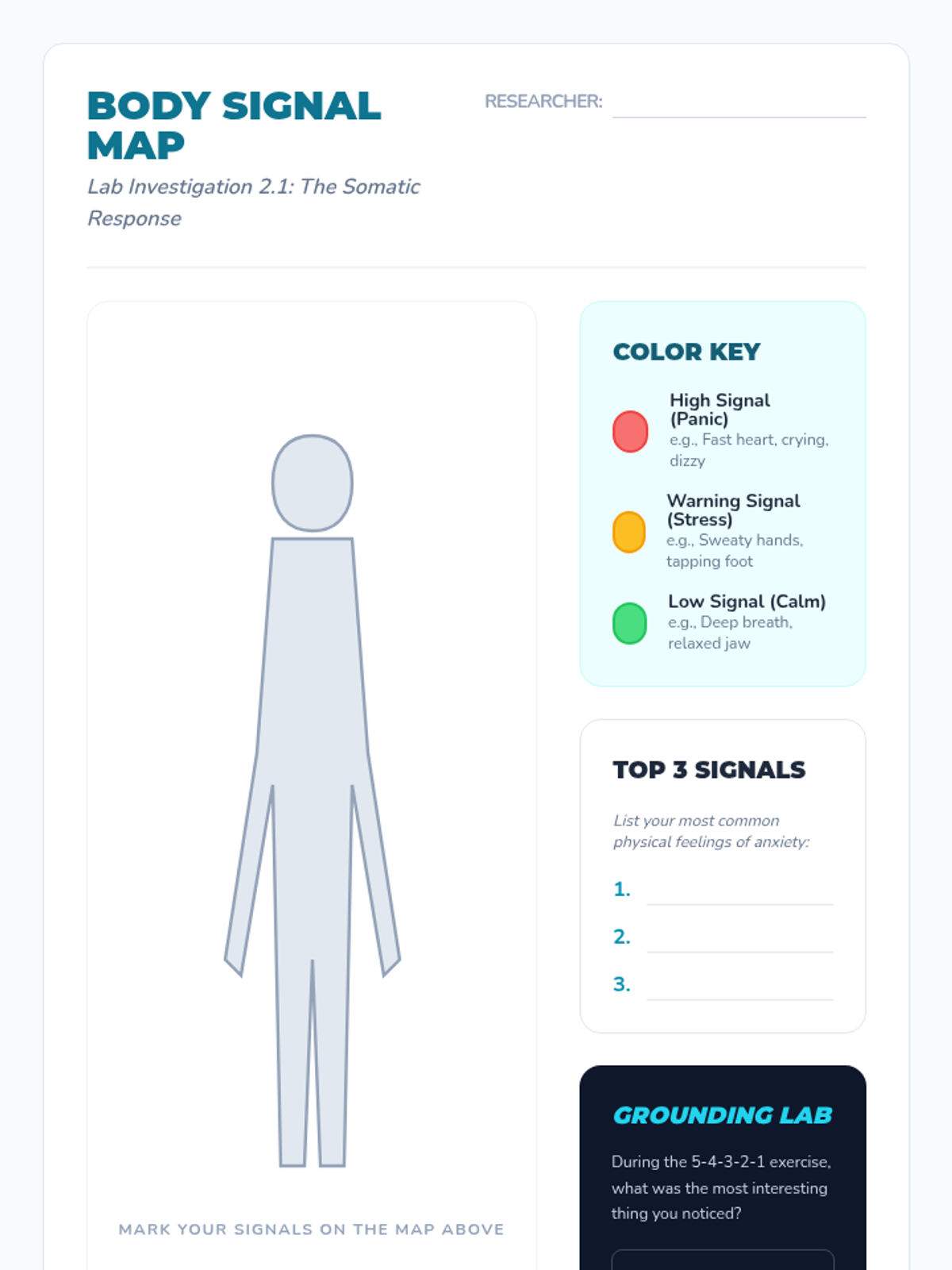
Focusing on the mind-body connection by identifying physical symptoms of anxiety and practicing immediate grounding techniques.
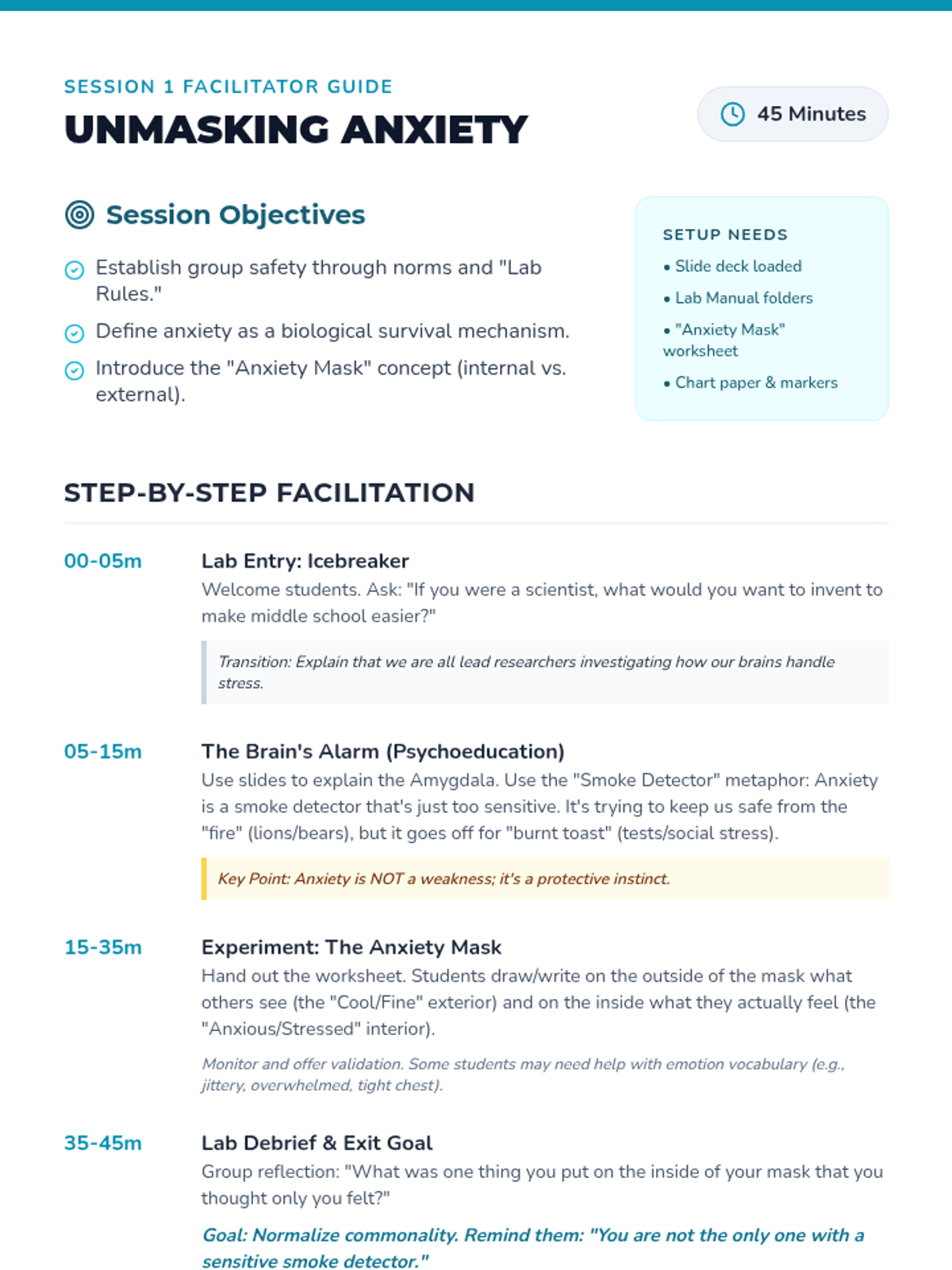
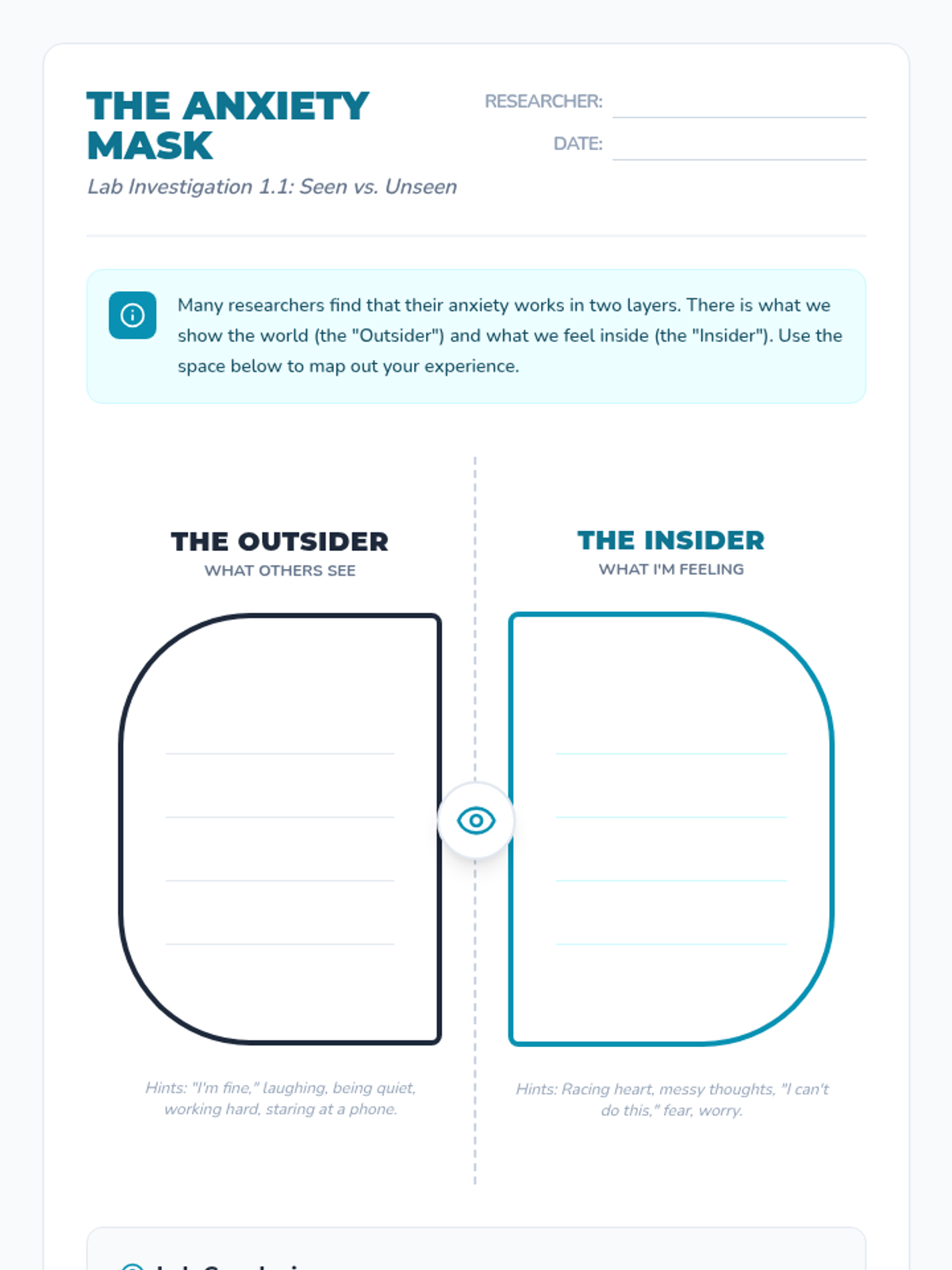
Understanding the physiological purpose of anxiety (the fight-flight-freeze response) and exploring the internal vs. external experience of anxiety.
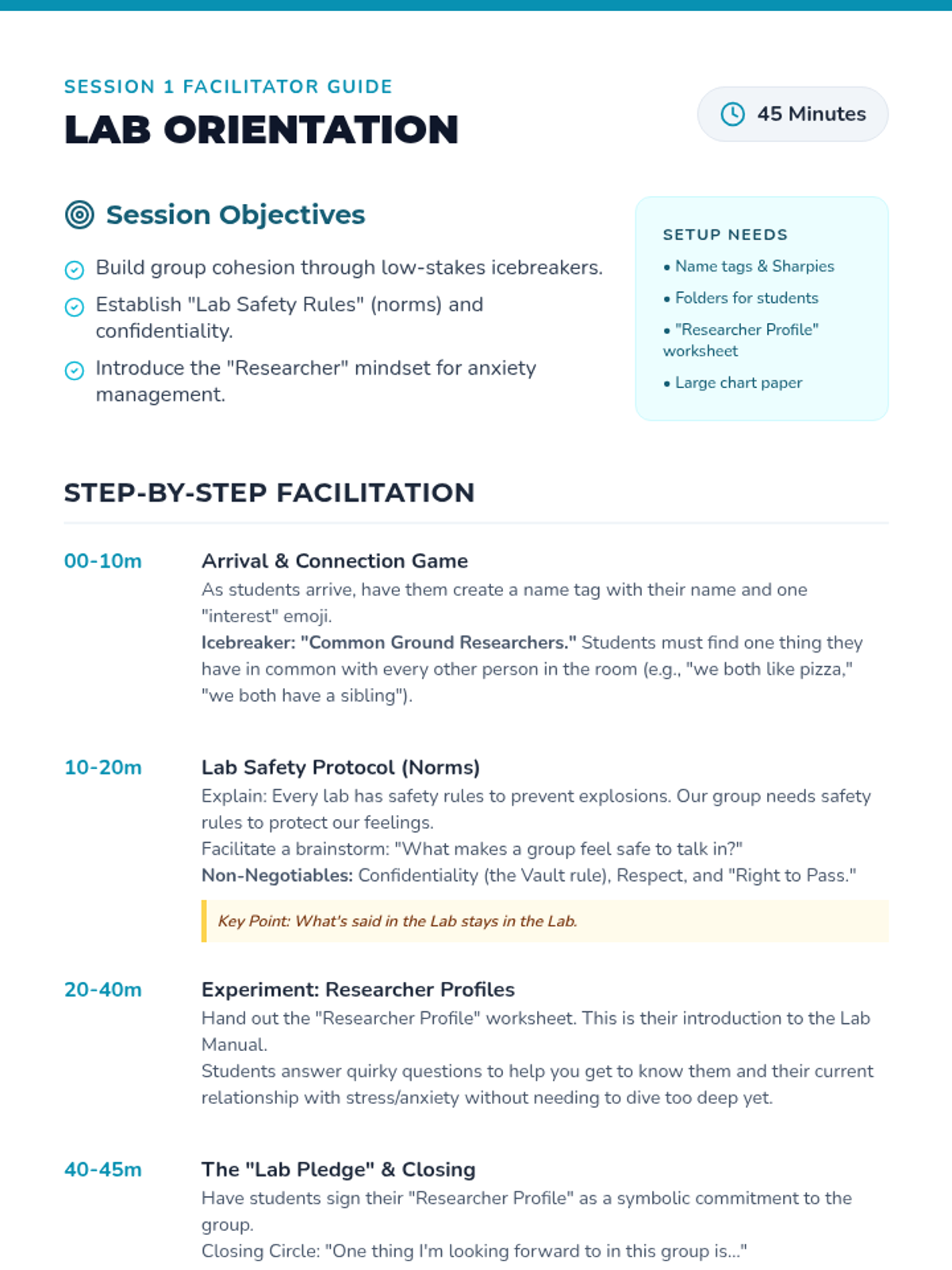
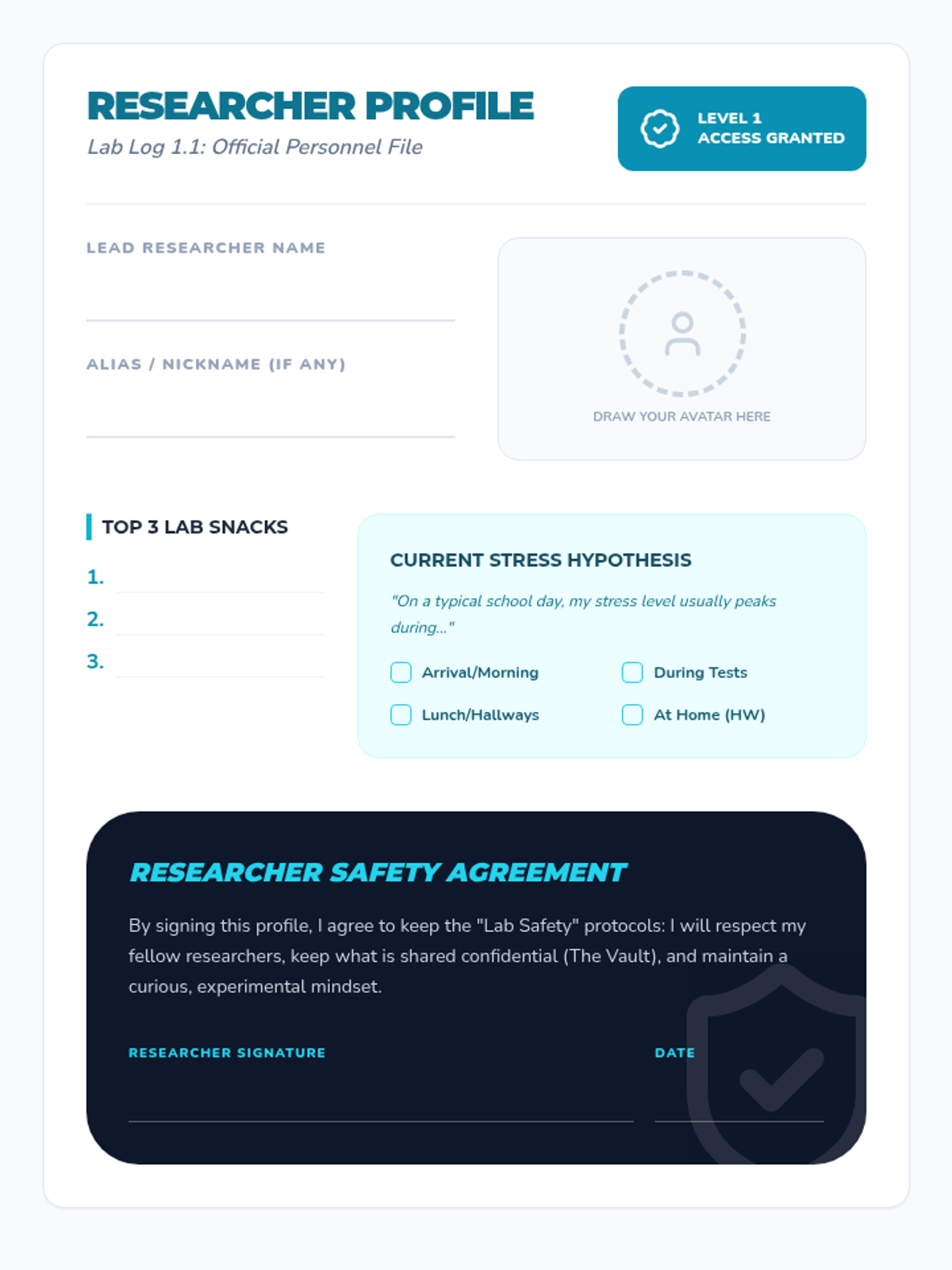
Orientation to the "Anxiety Lab." Focus on establishing group norms, safety, confidentiality expectations, and team-building through icebreakers.
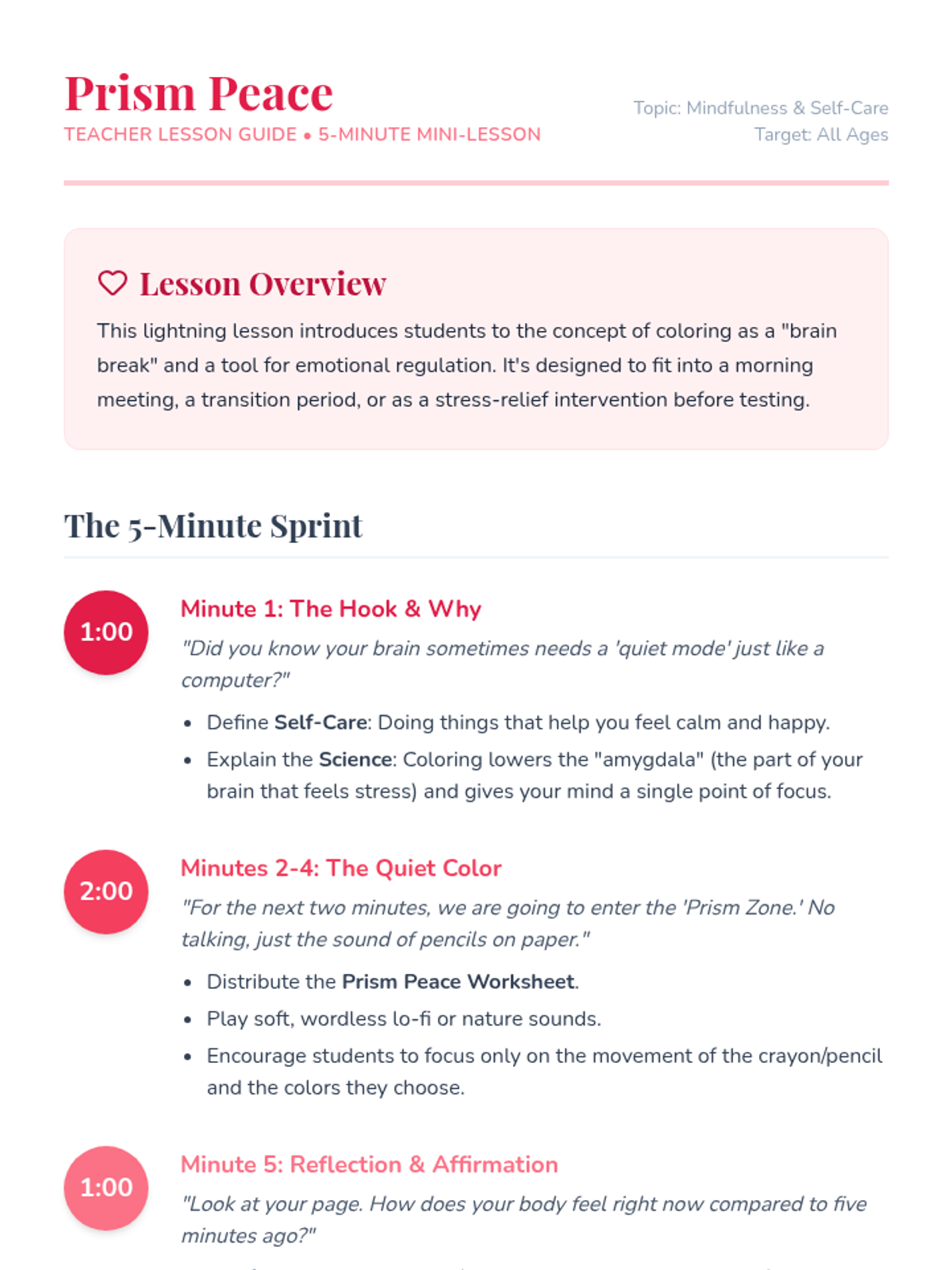
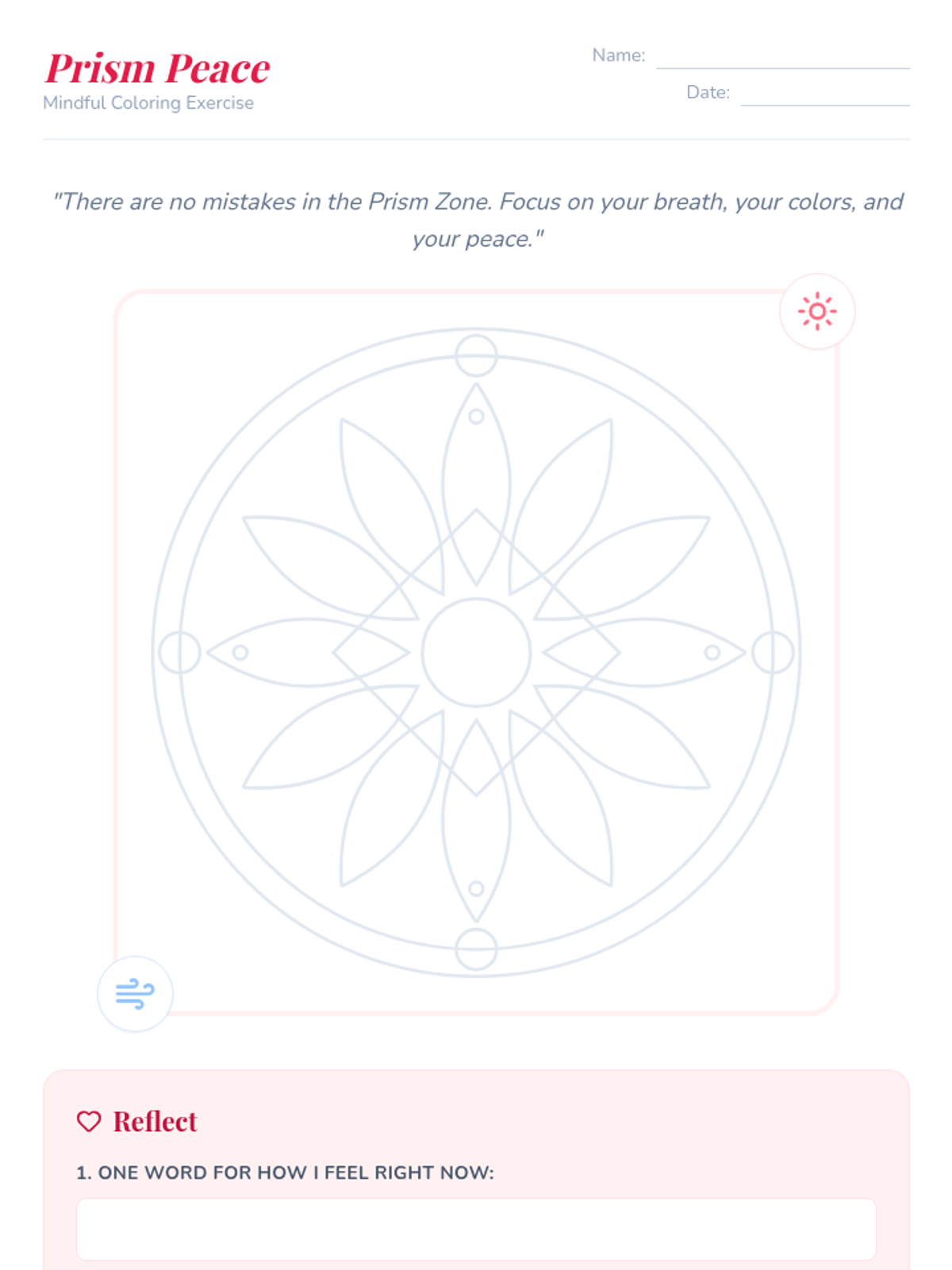
A quick, five-minute instructional session exploring the psychological benefits of coloring as a form of mindfulness and self-care.
Concluding the curriculum with a final review, commitment pledge, and preparation for the upcoming transition.
Building positive relationships, finding mentors, and understanding the importance of a healthy 'brotherhood' or support system.
Focusing on responsible technology use and the long-term impact of a digital footprint on future opportunities.
A deep dive into time management, prioritization, and organizational habits essential for balancing high school workloads.
Addressing emotional maturity and stress management, providing tools for handling the 'pressure cooker' of high school life.
Navigating the social landscape of high school, including peer groups, reputation management, and maintaining personal boundaries.