Students will learn the essential social-emotional skill of compromise to solve disagreements peacefully. Through discussion, modeling, and role-play, 3rd graders will practice finding 'middle ground' solutions that work for everyone.
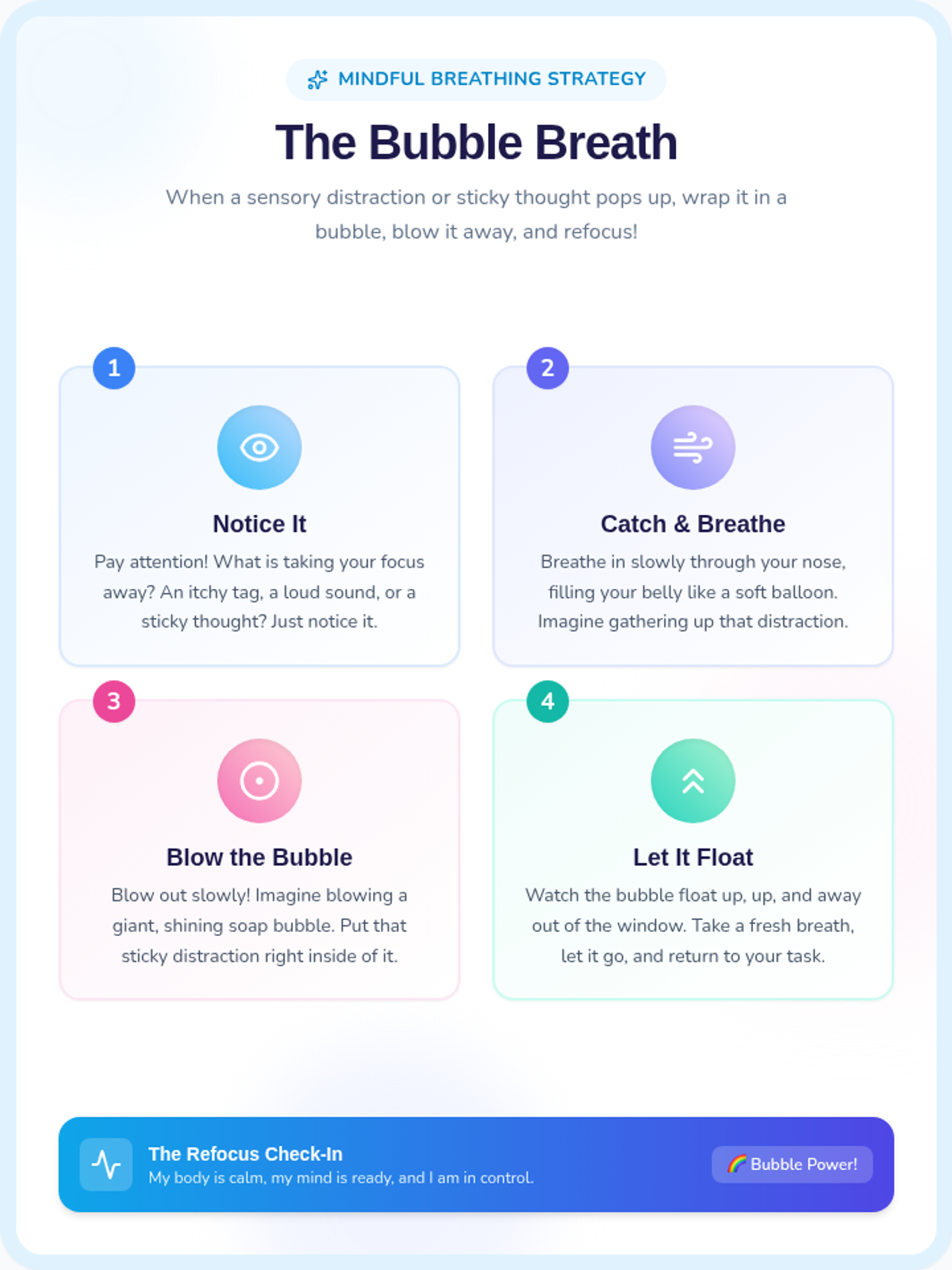
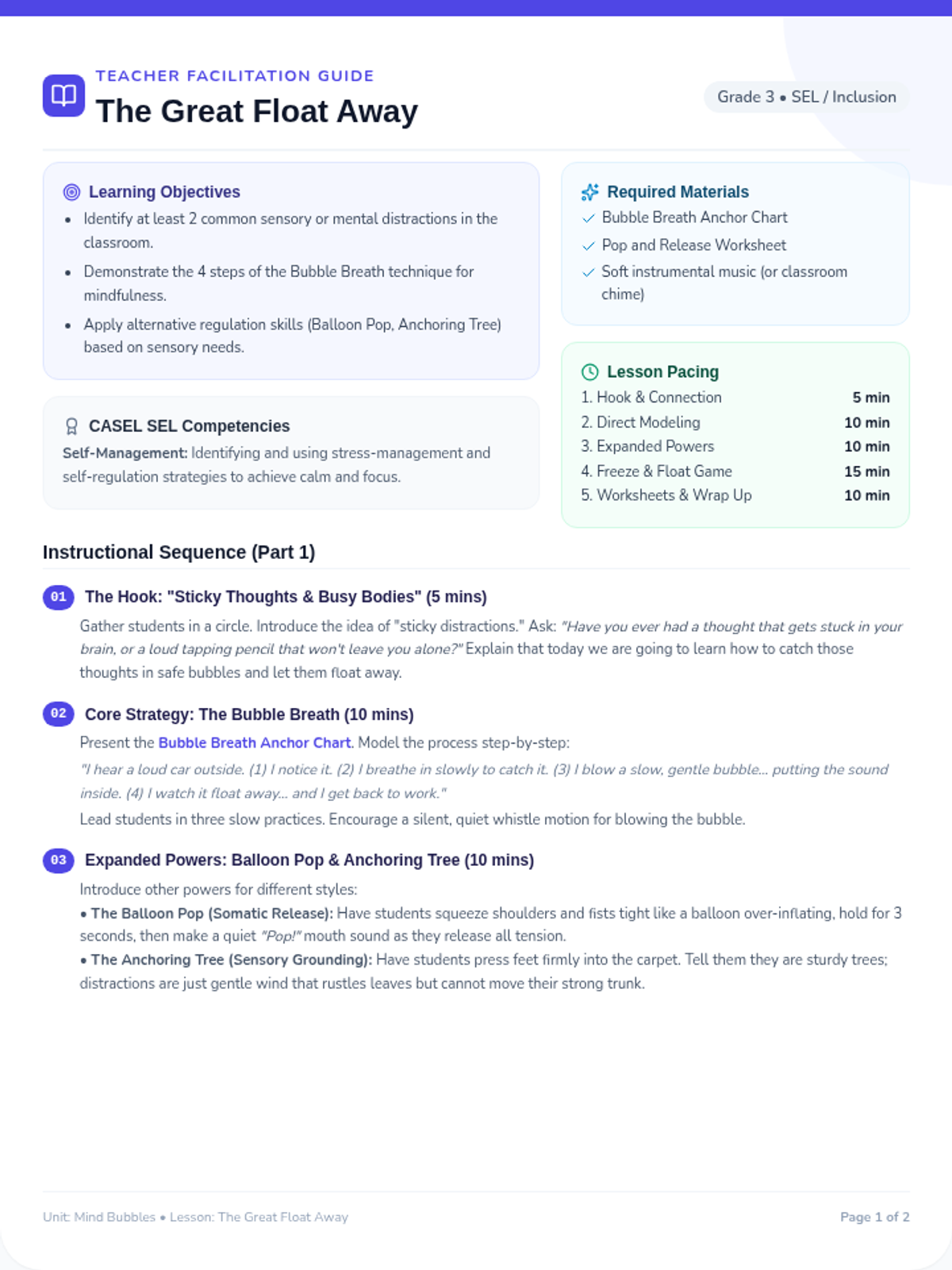
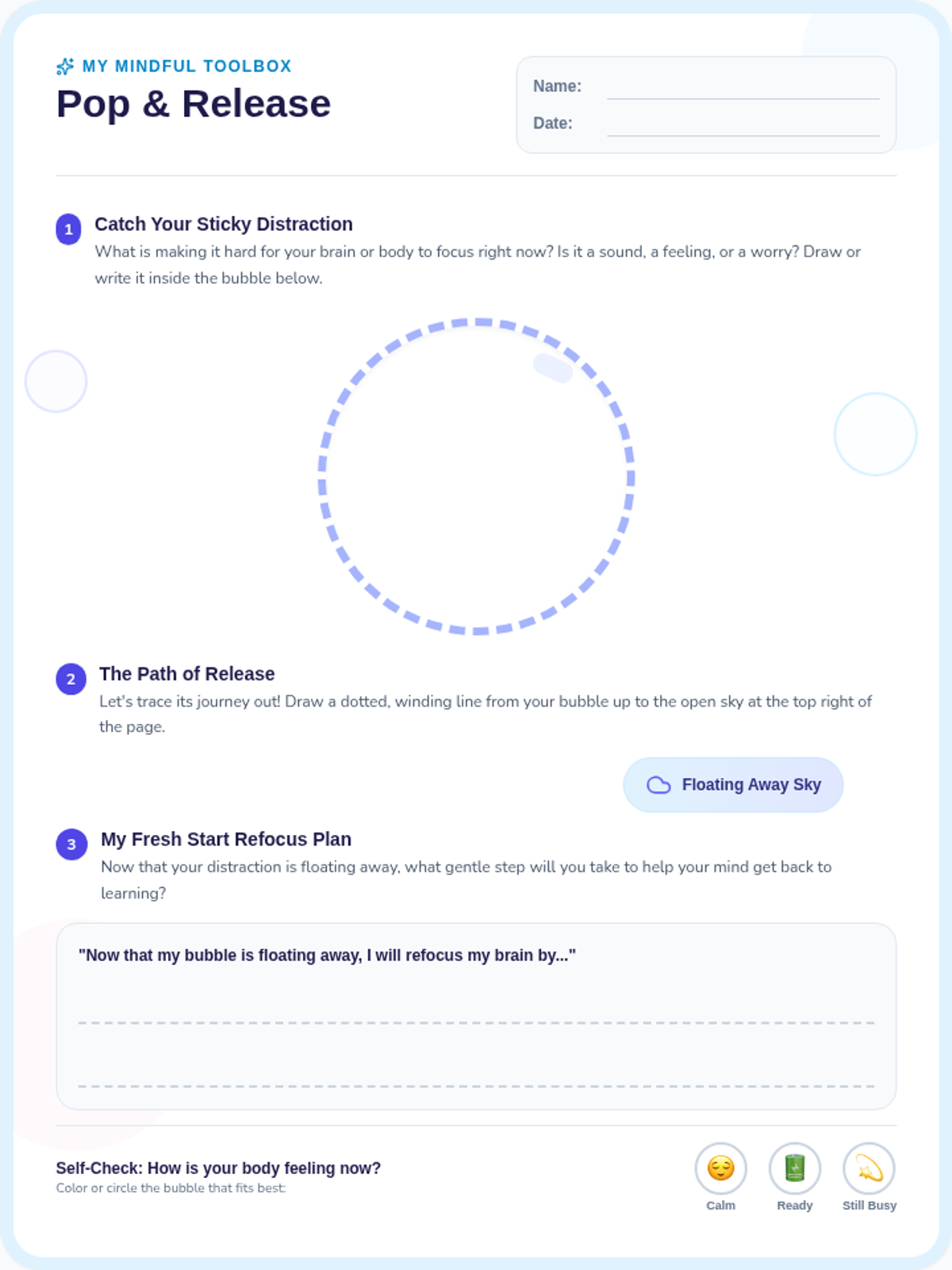
A lesson introducing the Bubble Breath technique to help 3rd-grade students identify sensory and mental distractions, wrap them in imaginary bubbles, and let them float away.
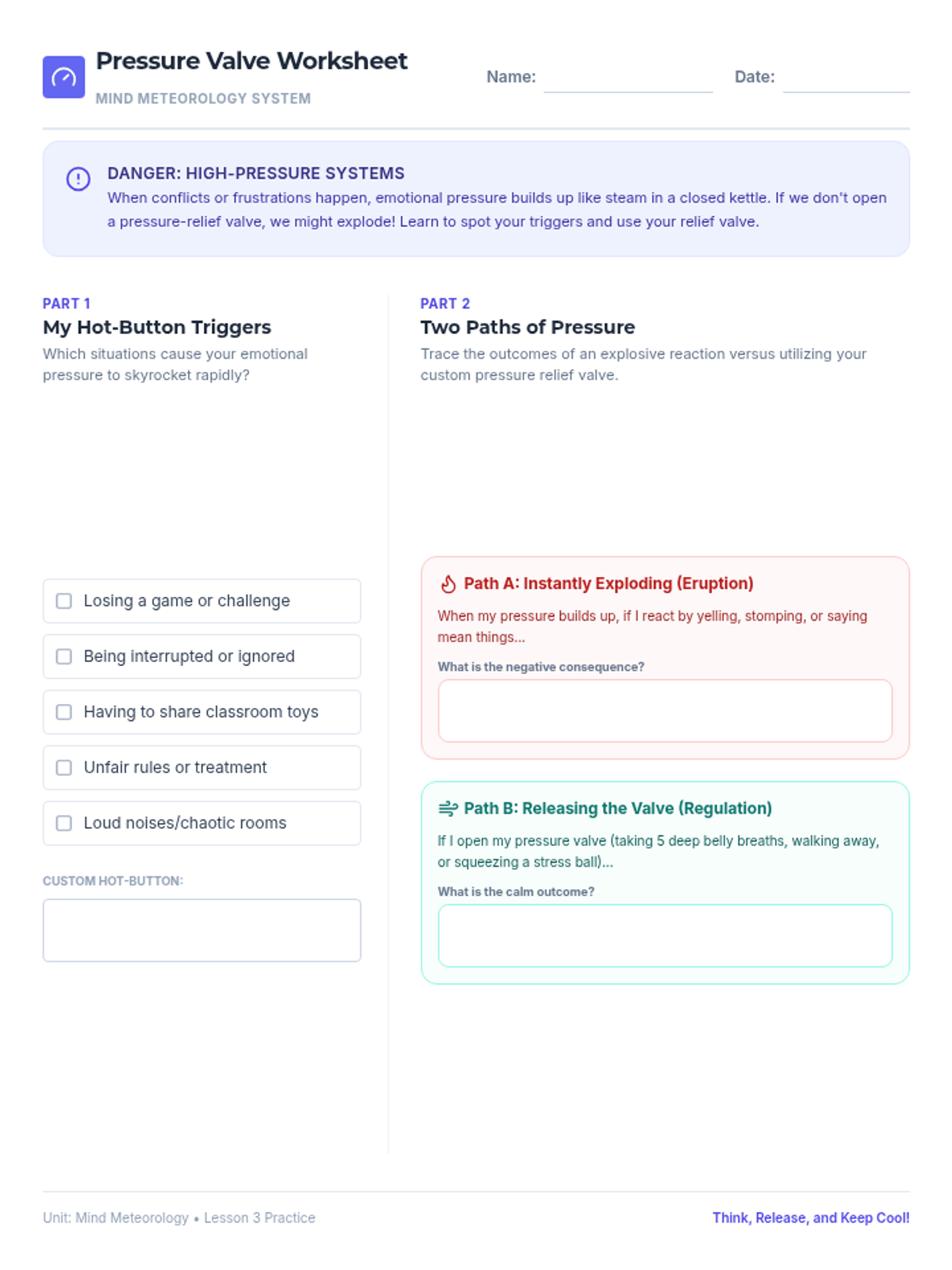
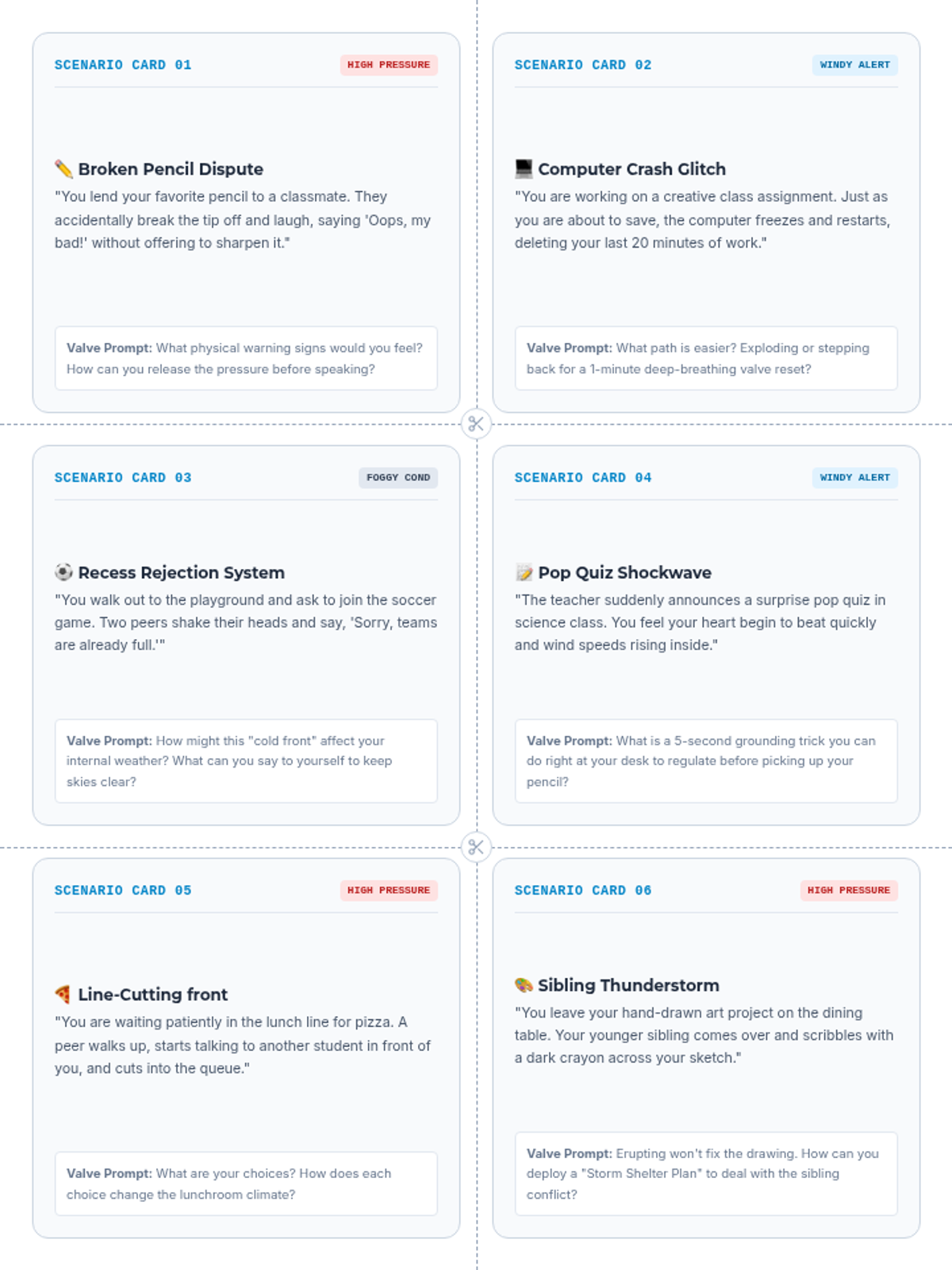
Focuses on responsible decision-making during high-stress conflicts, helping students identify hot-button triggers, evaluate action-consequences, and apply 'pressure relief valve' strategies.
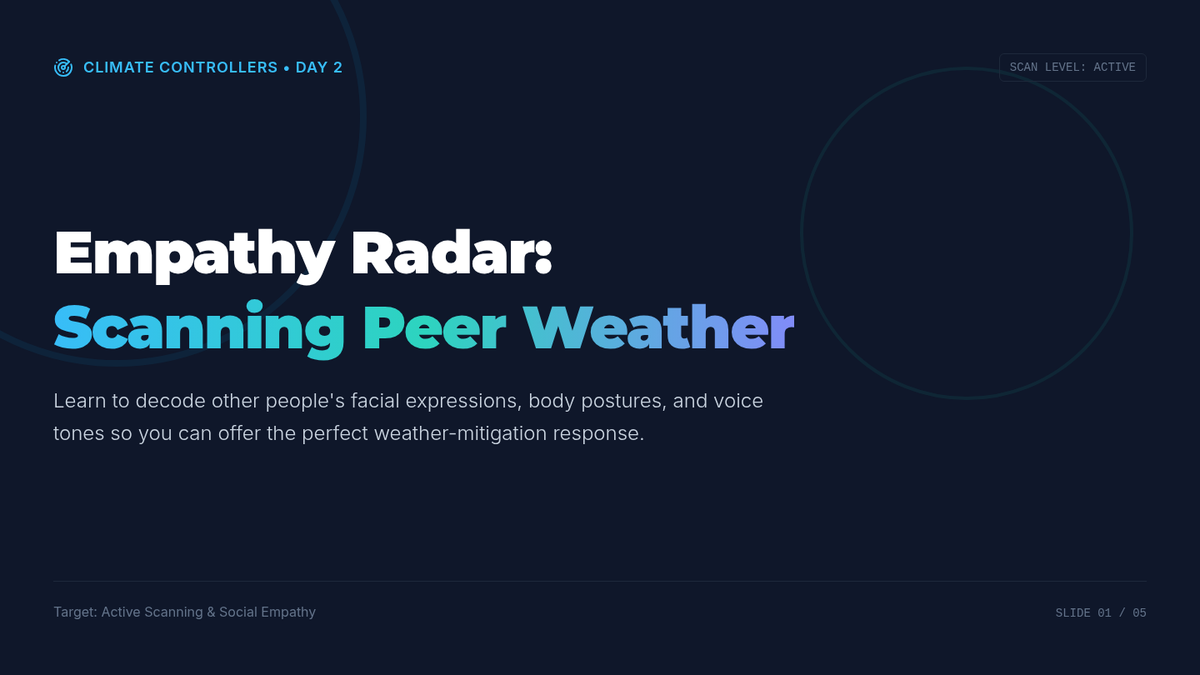
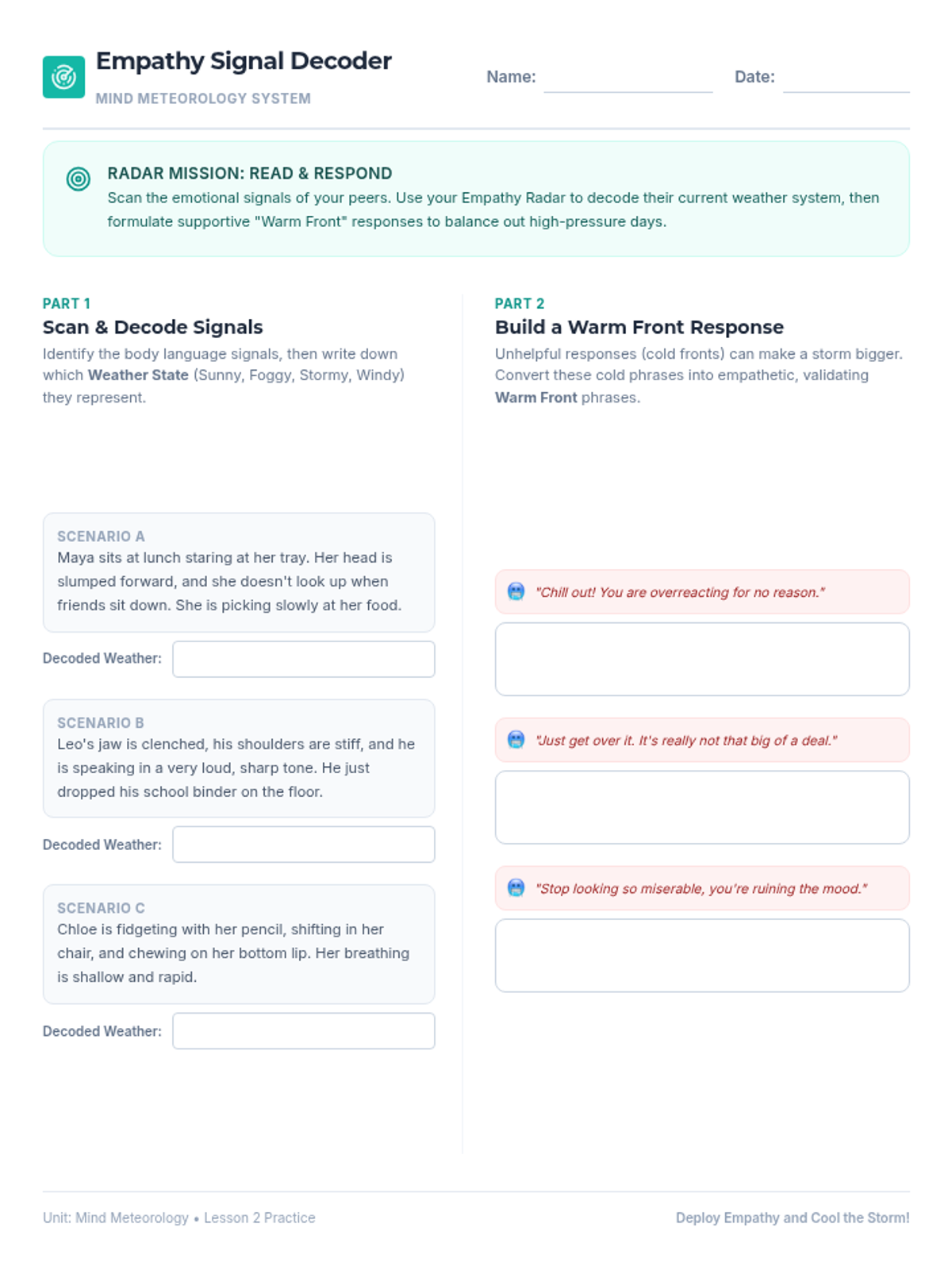
Focuses on active listening, reading other people's emotional signals (body language, tone), and matching our response to their weather state with empathy and validation.
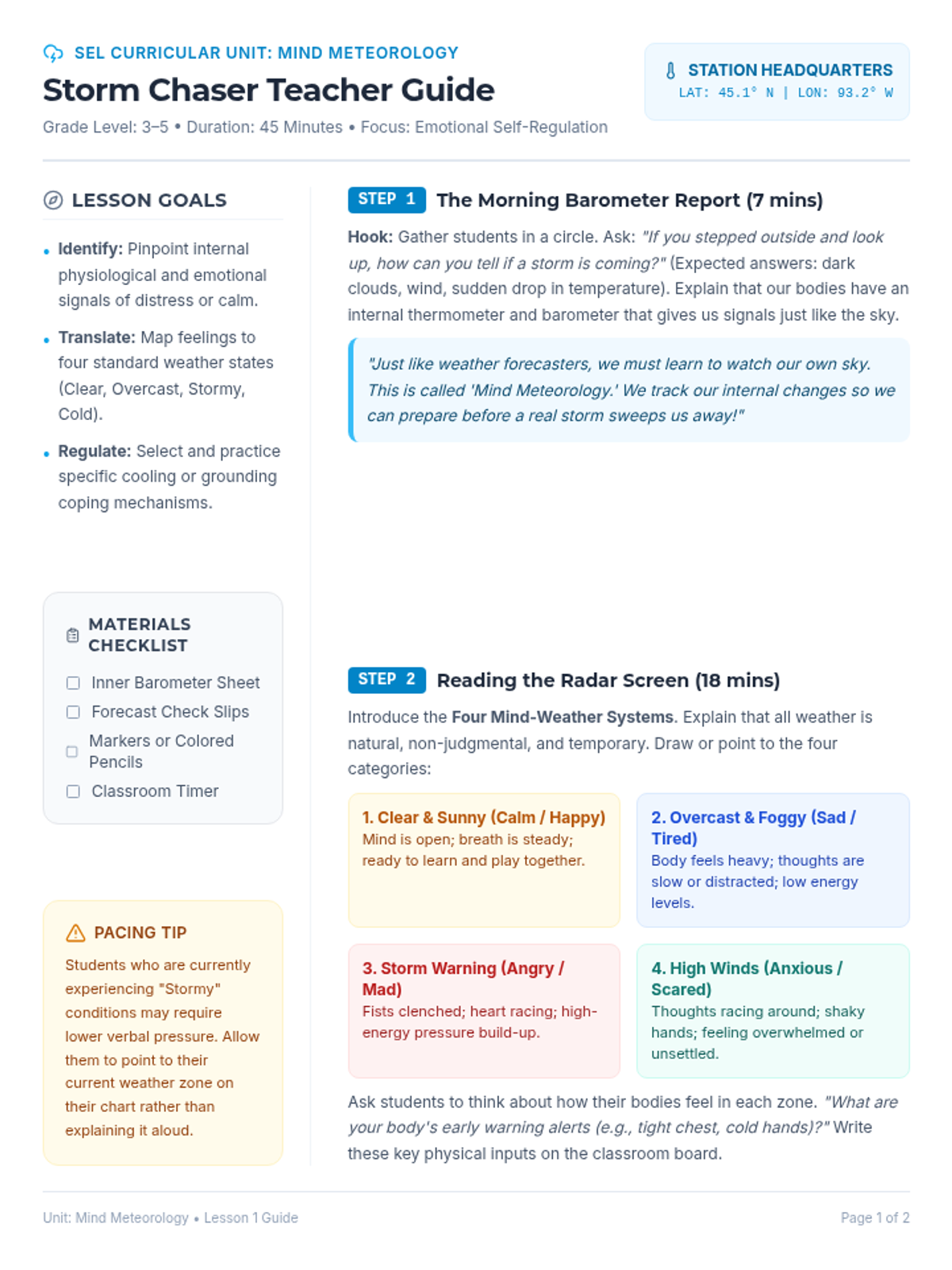
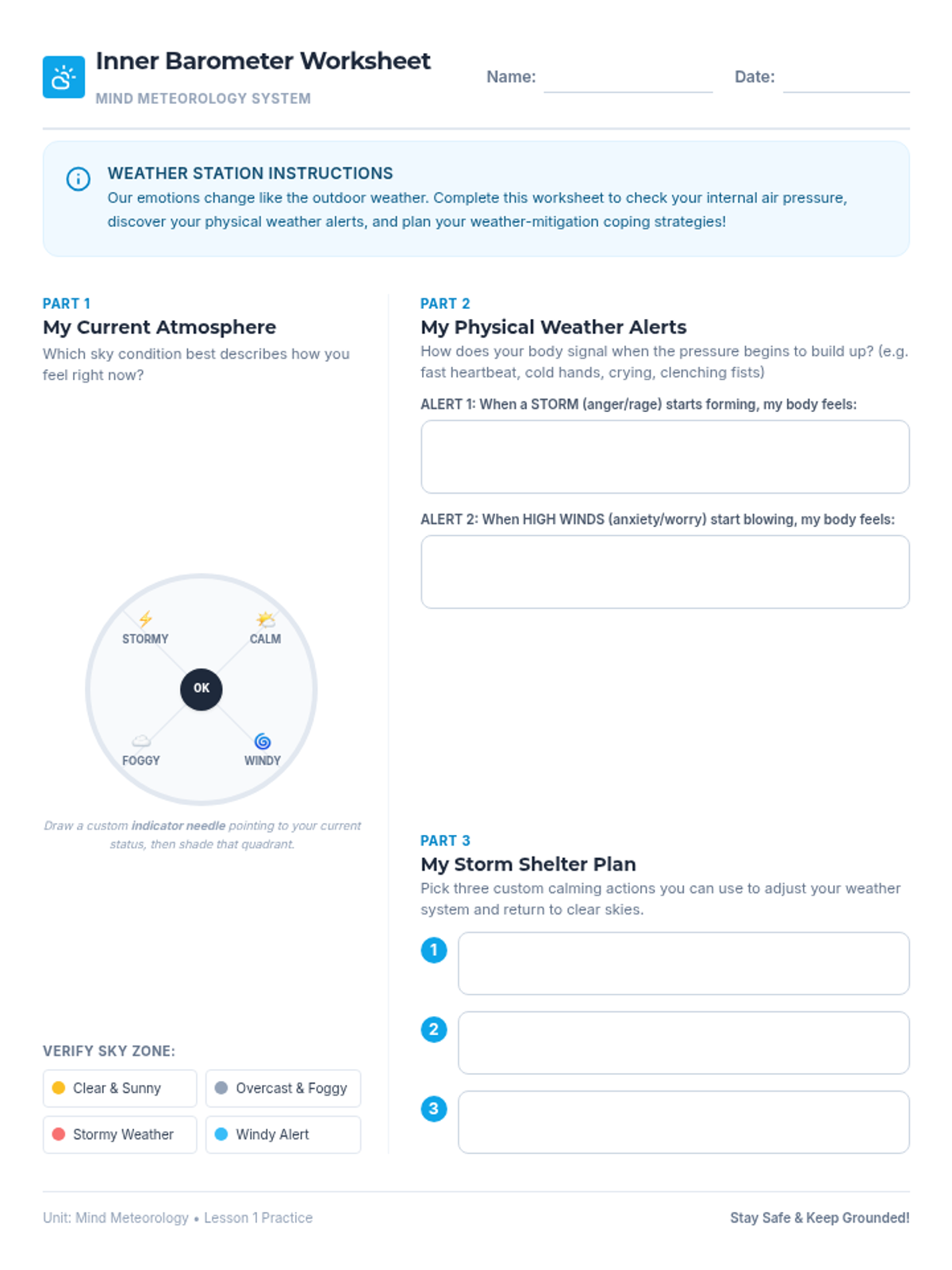
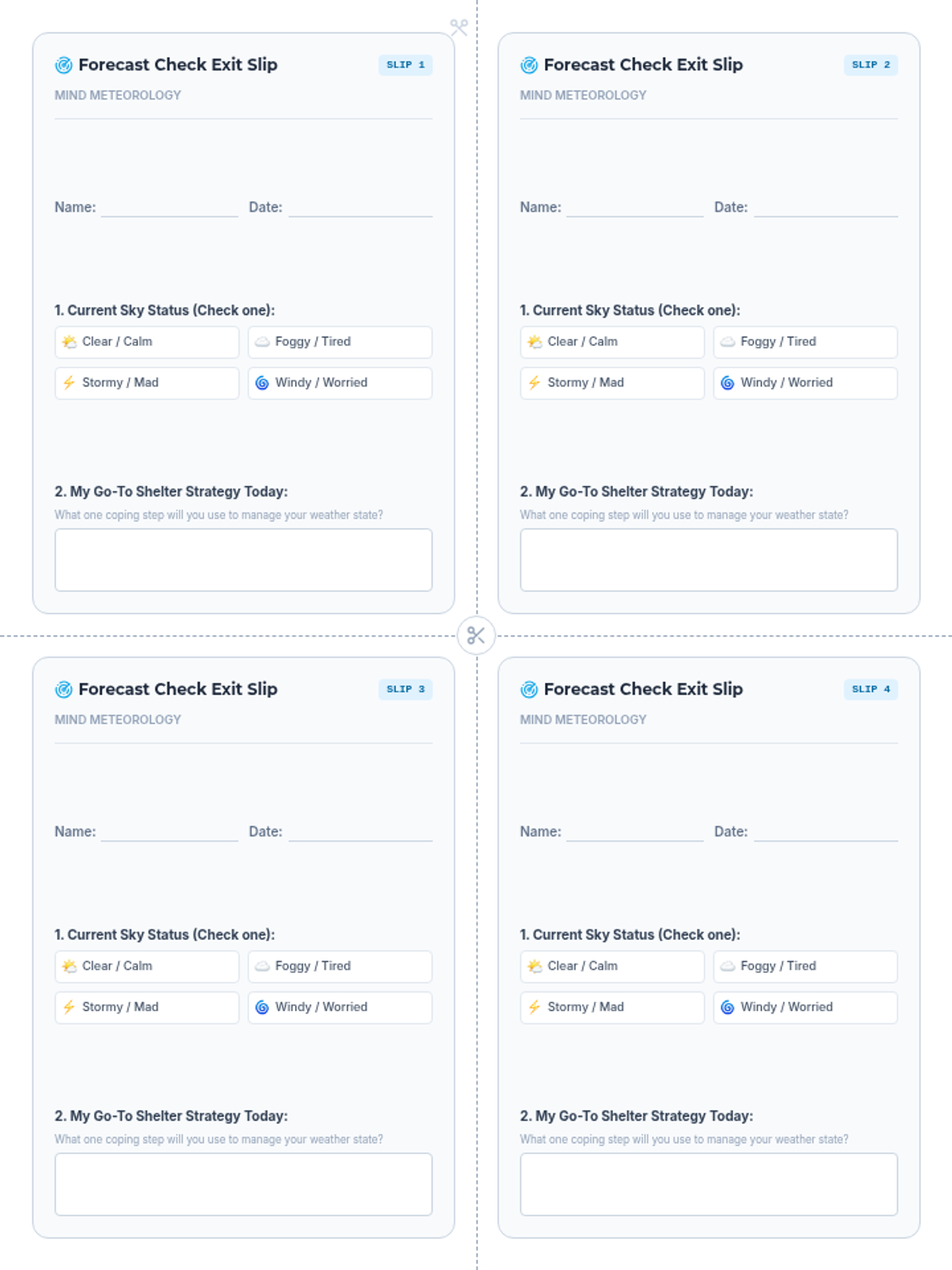
An engaging social-emotional learning lesson that teaches students to identify their emotional states as internal weather patterns and apply self-regulation coping strategies to return to calm, clear skies.
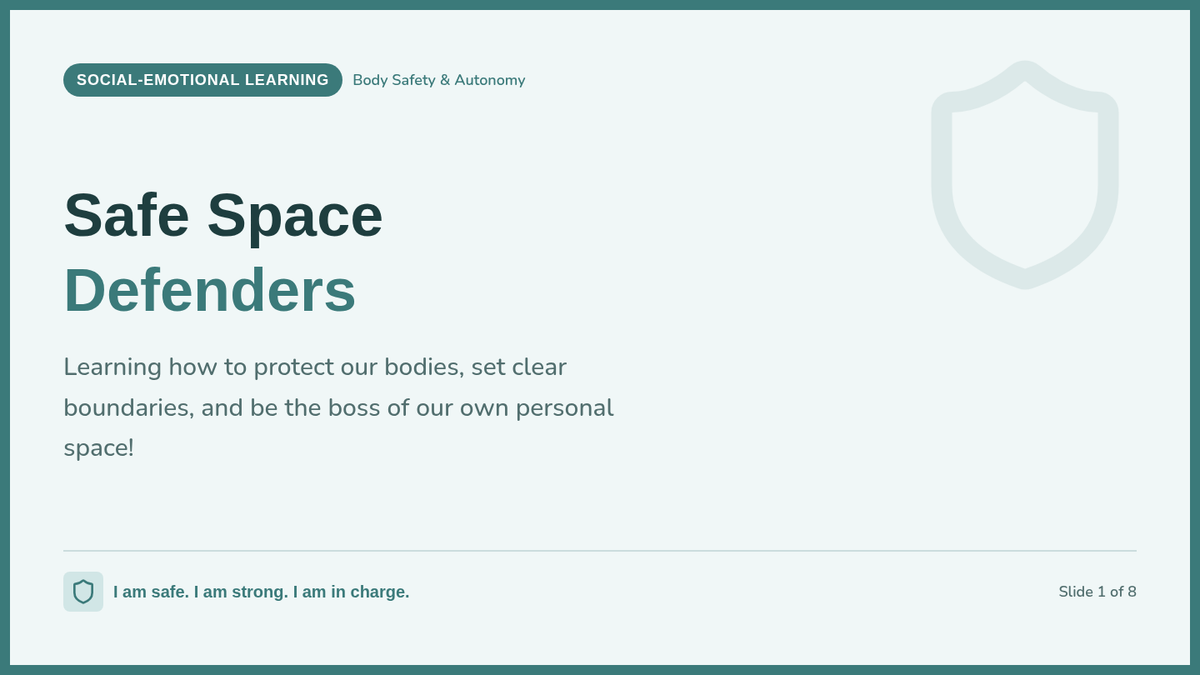
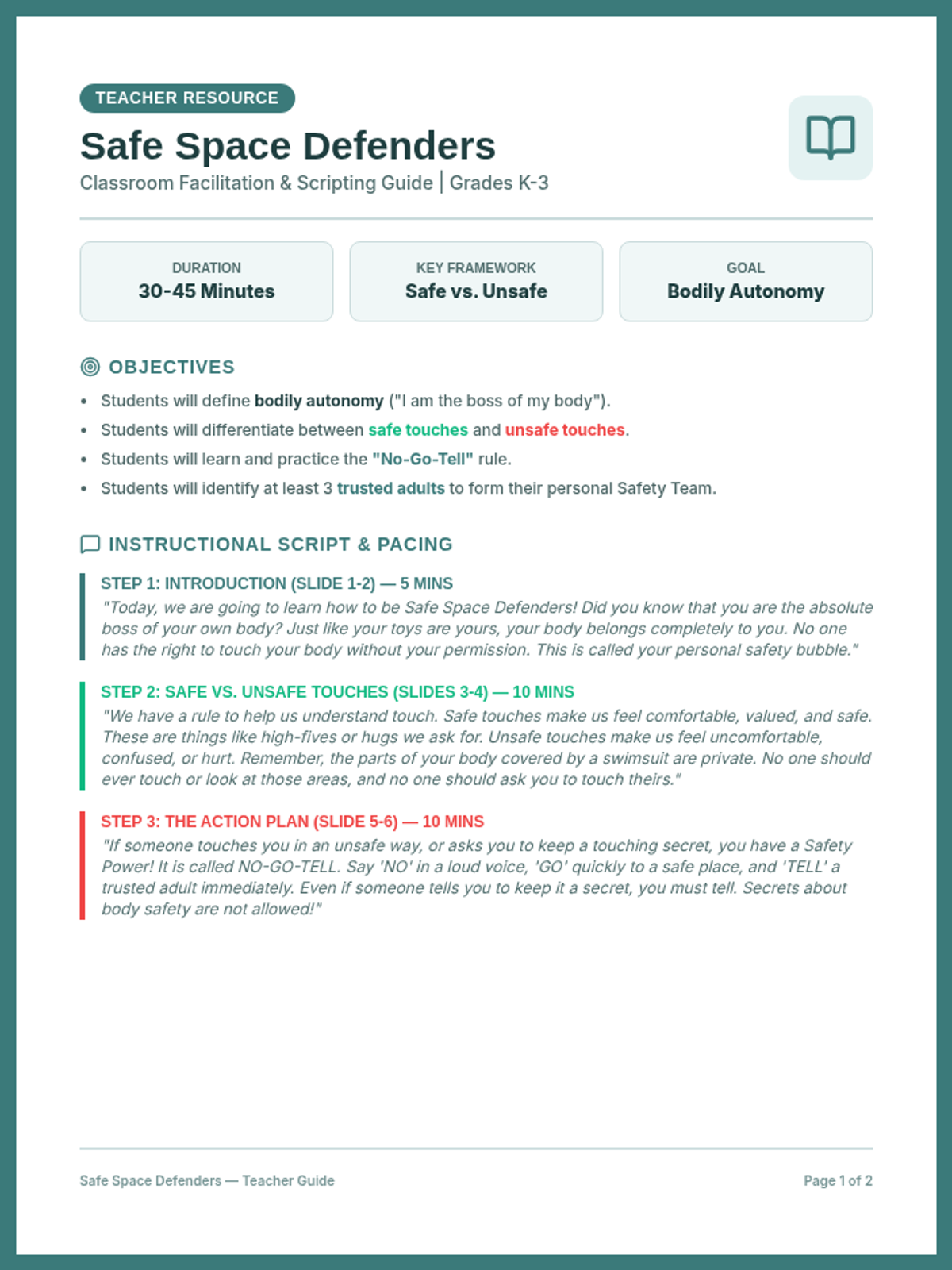
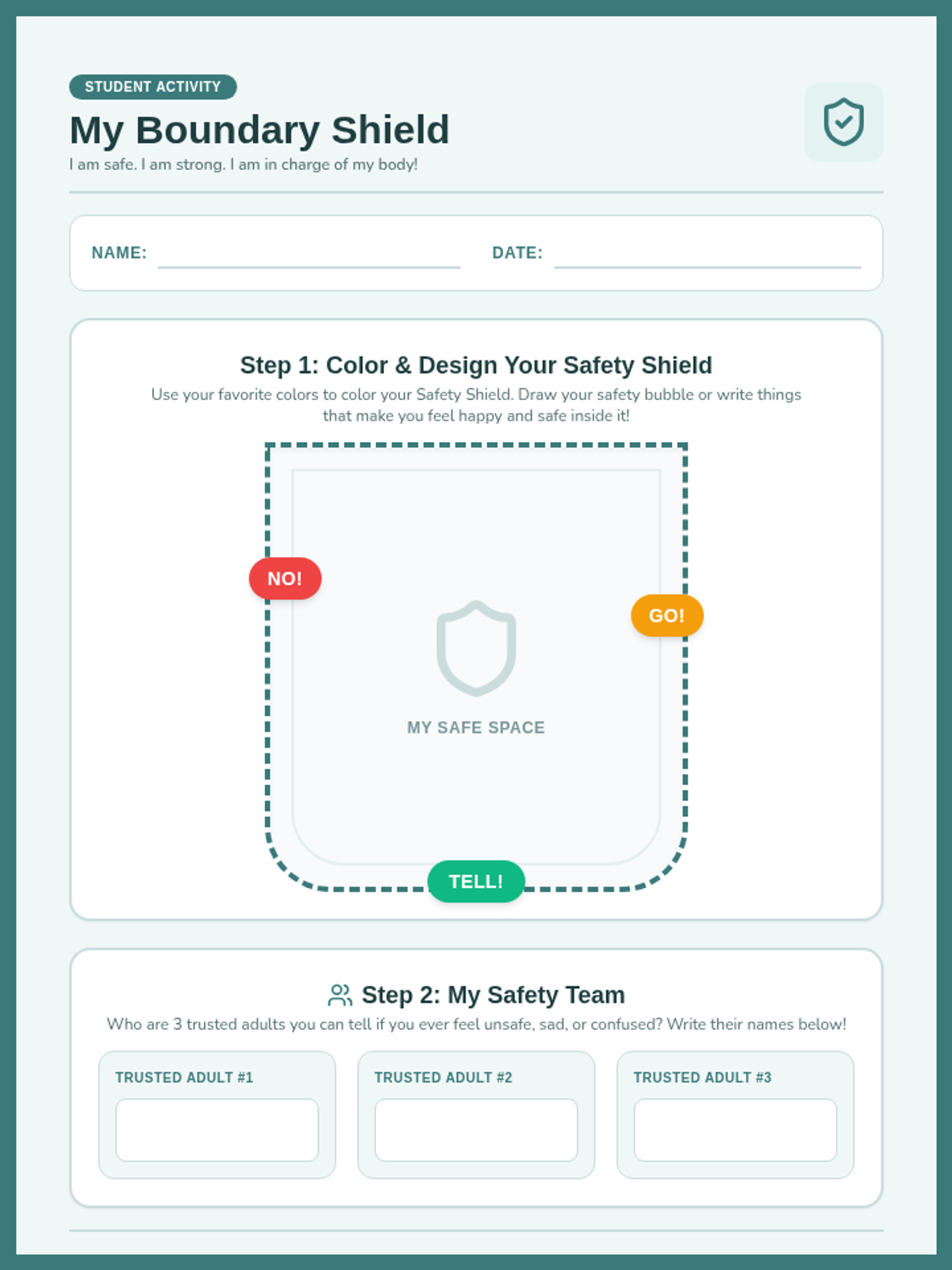
A sensitive and empowering Social-Emotional Learning (SEL) lesson designed to teach elementary students the concepts of safe versus unsafe touches, bodily autonomy, and how to identify and communicate boundaries with trusted adults.
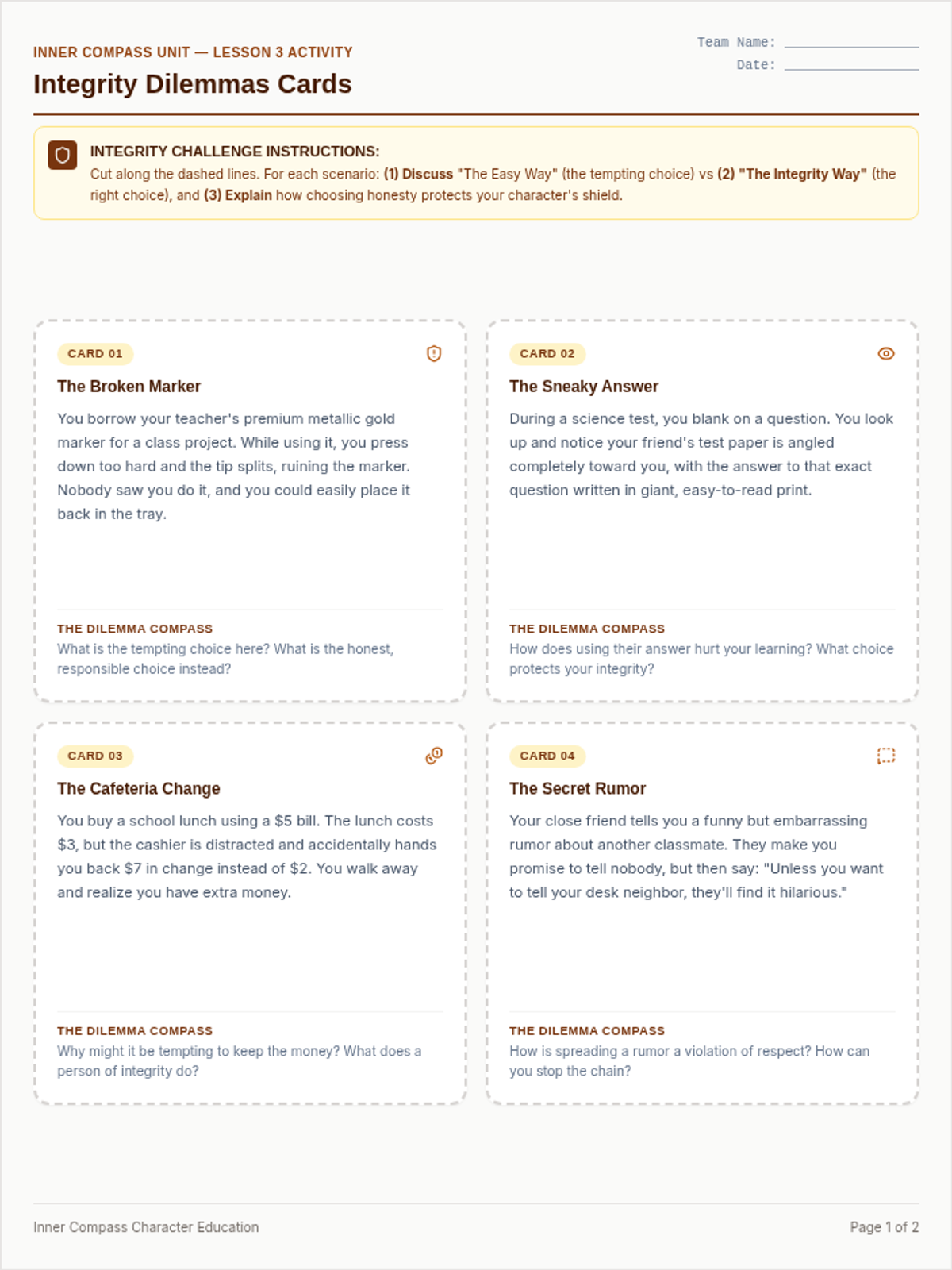
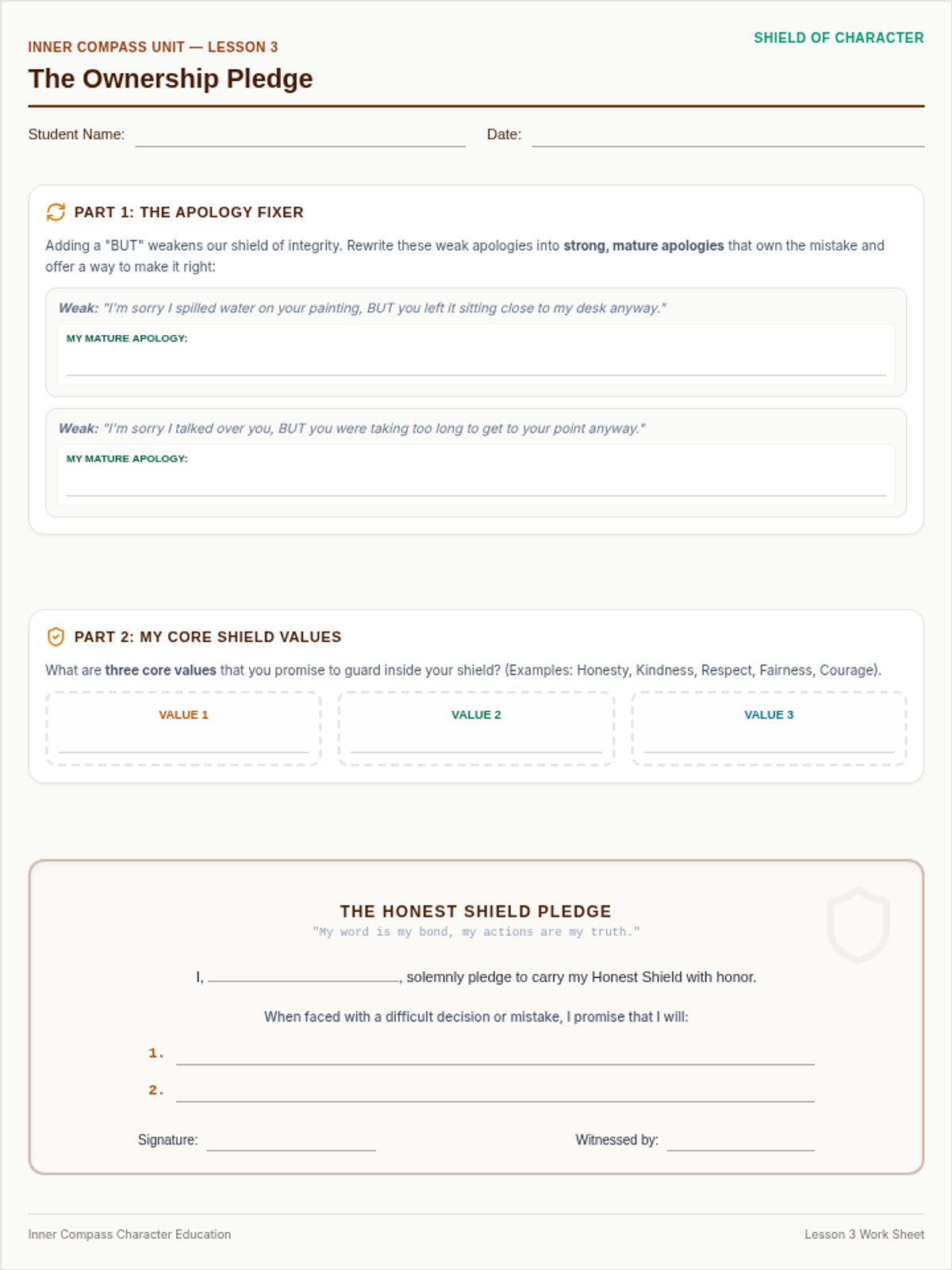
Students investigate responsibility, honesty, and integrity. They learn to make difficult choices, take ownership of mistakes, and construct a personal pledge for moral character.
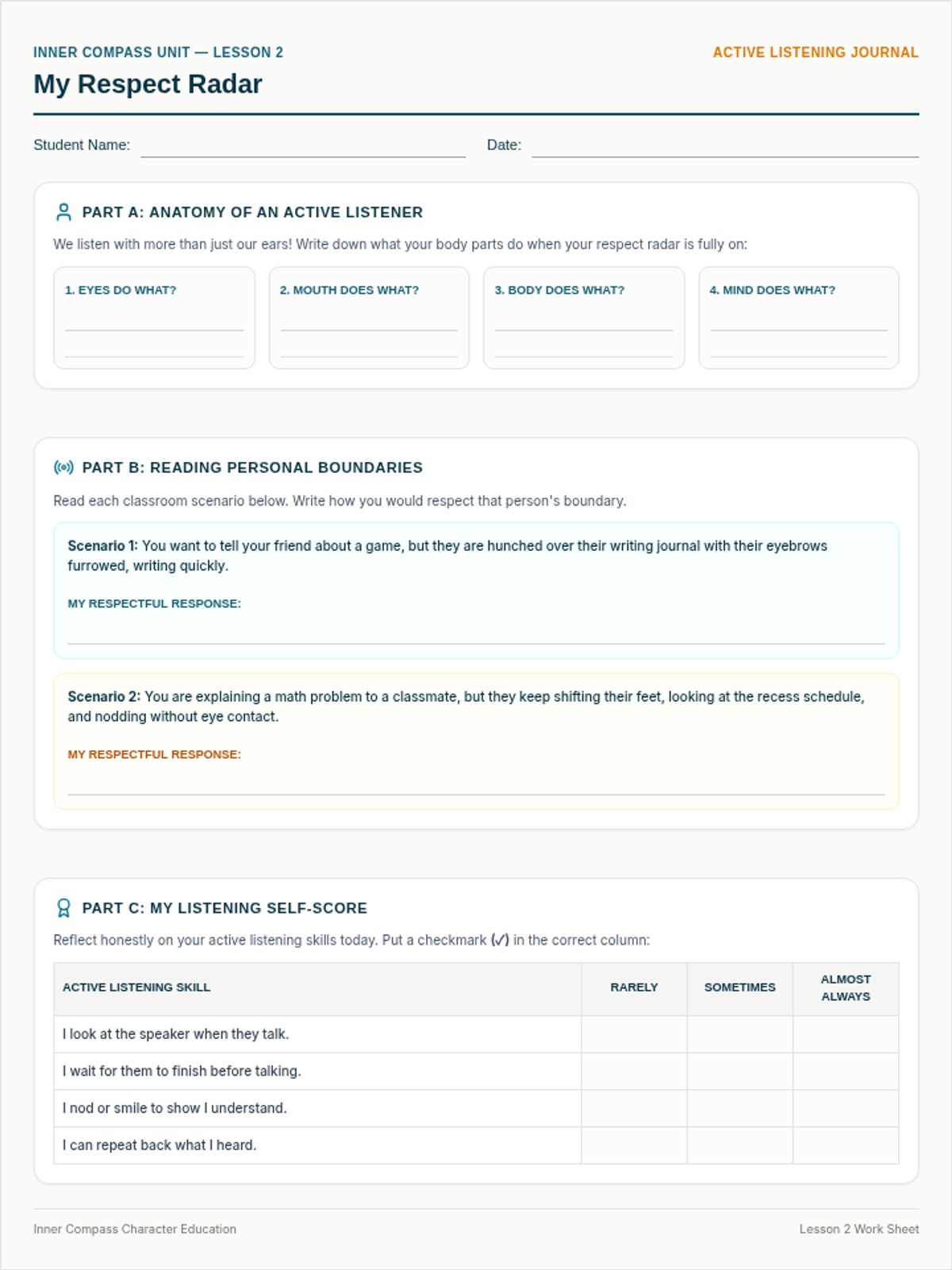
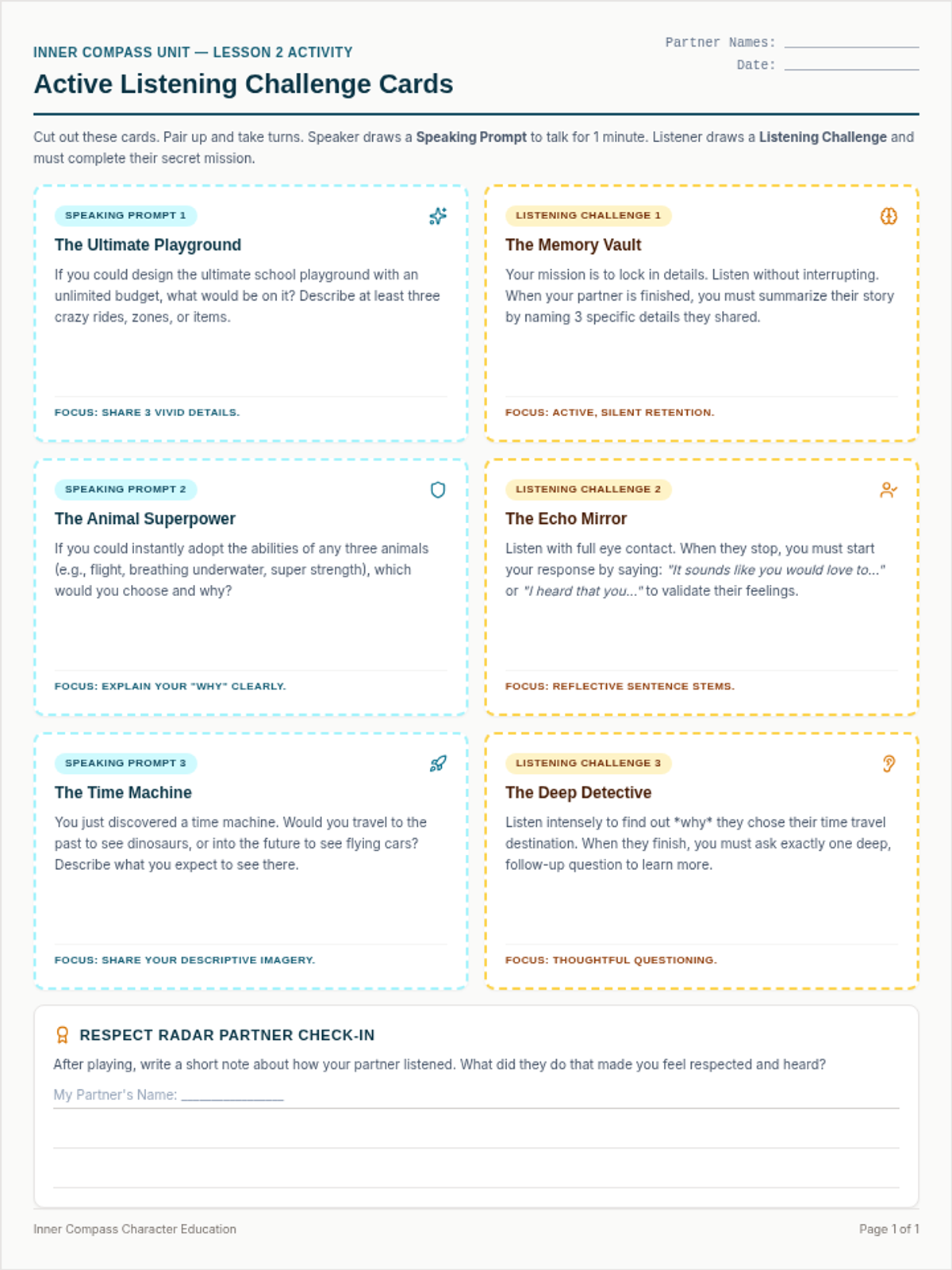
Students learn respect and active listening techniques. They engage in verbal exercises and boundary-setting activities to build effective communication and mutual respect.
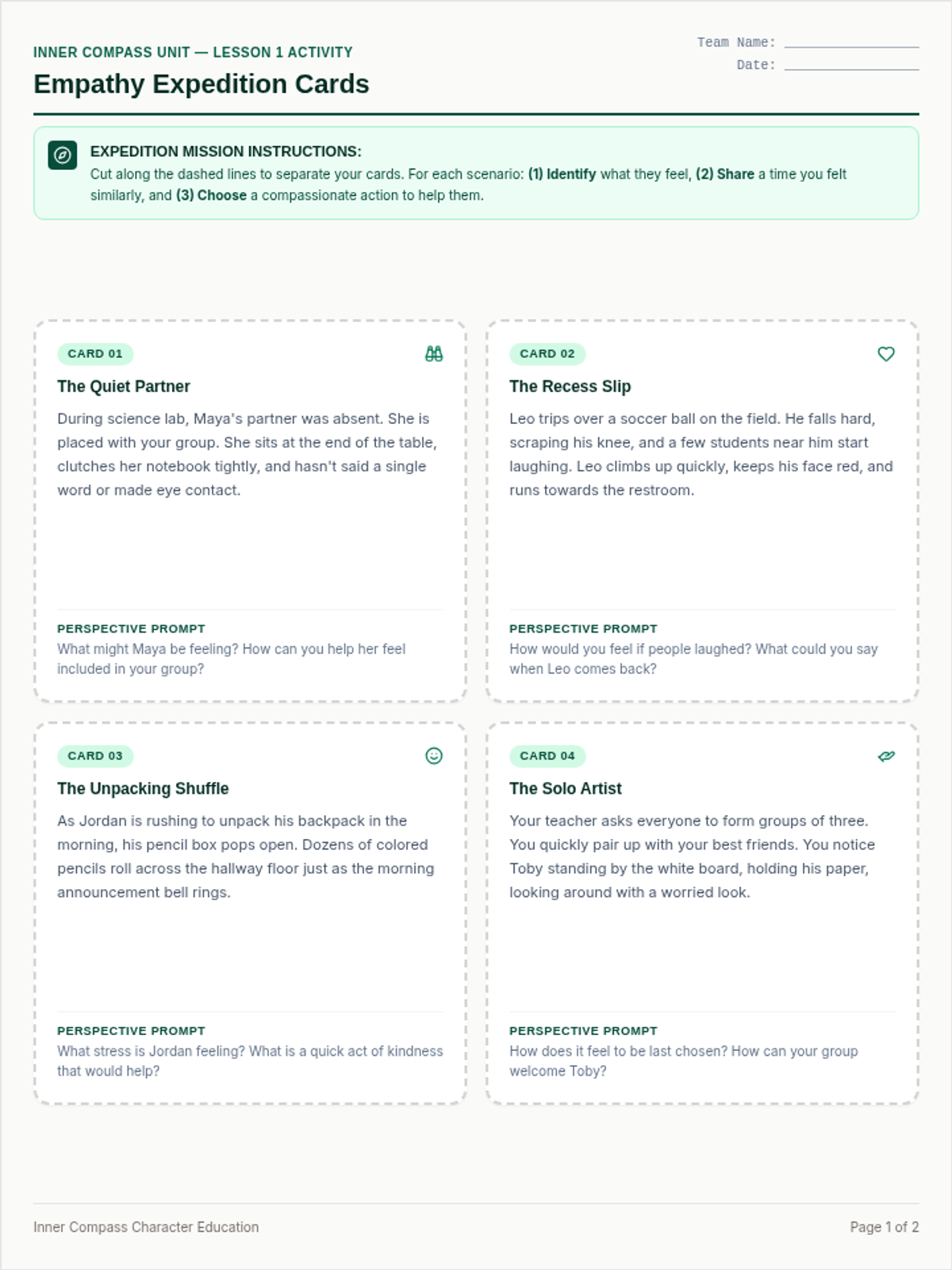
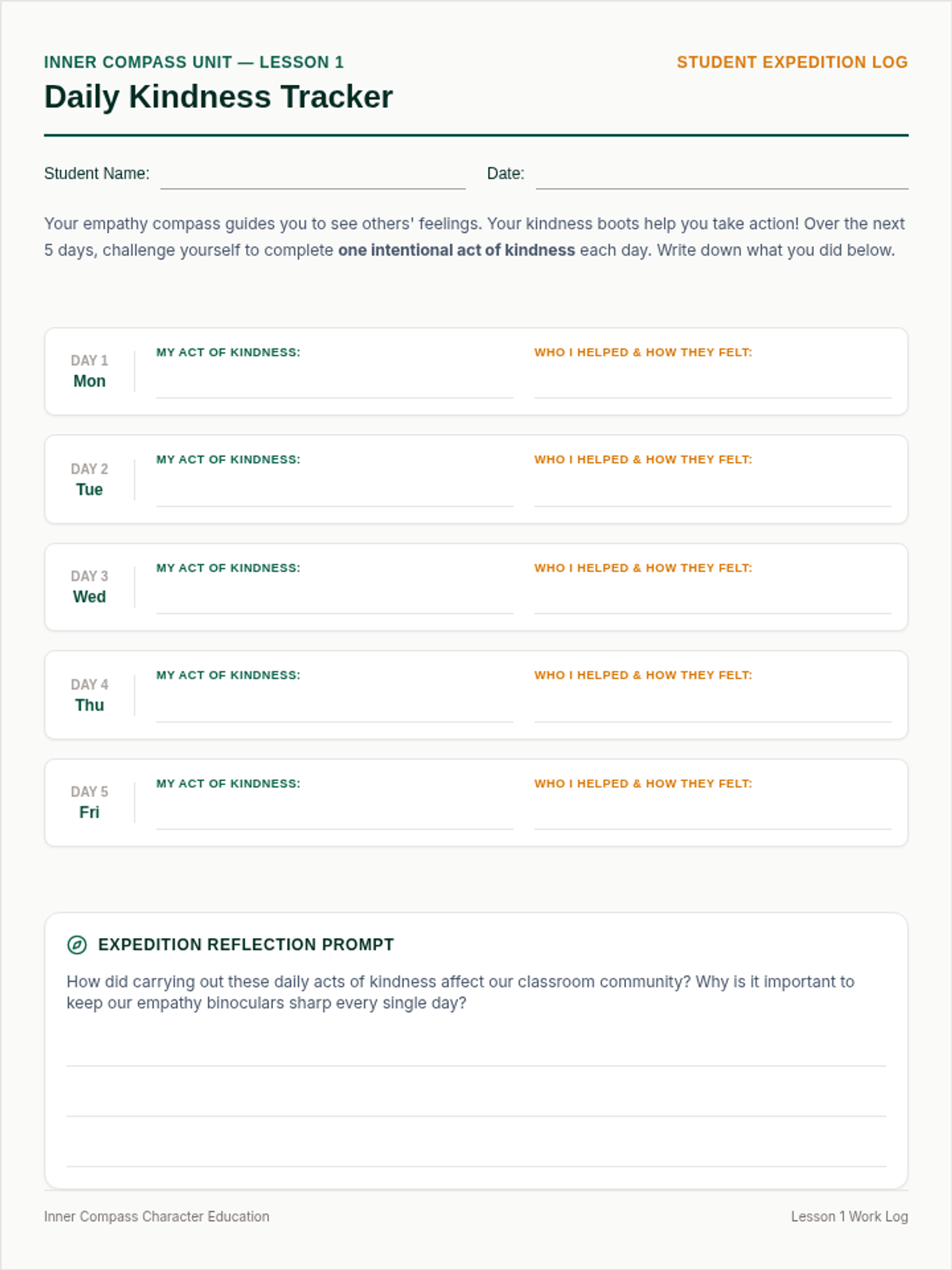
Students explore the power of empathy and kindness. Through looking at perspectives and performing small acts of helpfulness, students build connection and support in the classroom.
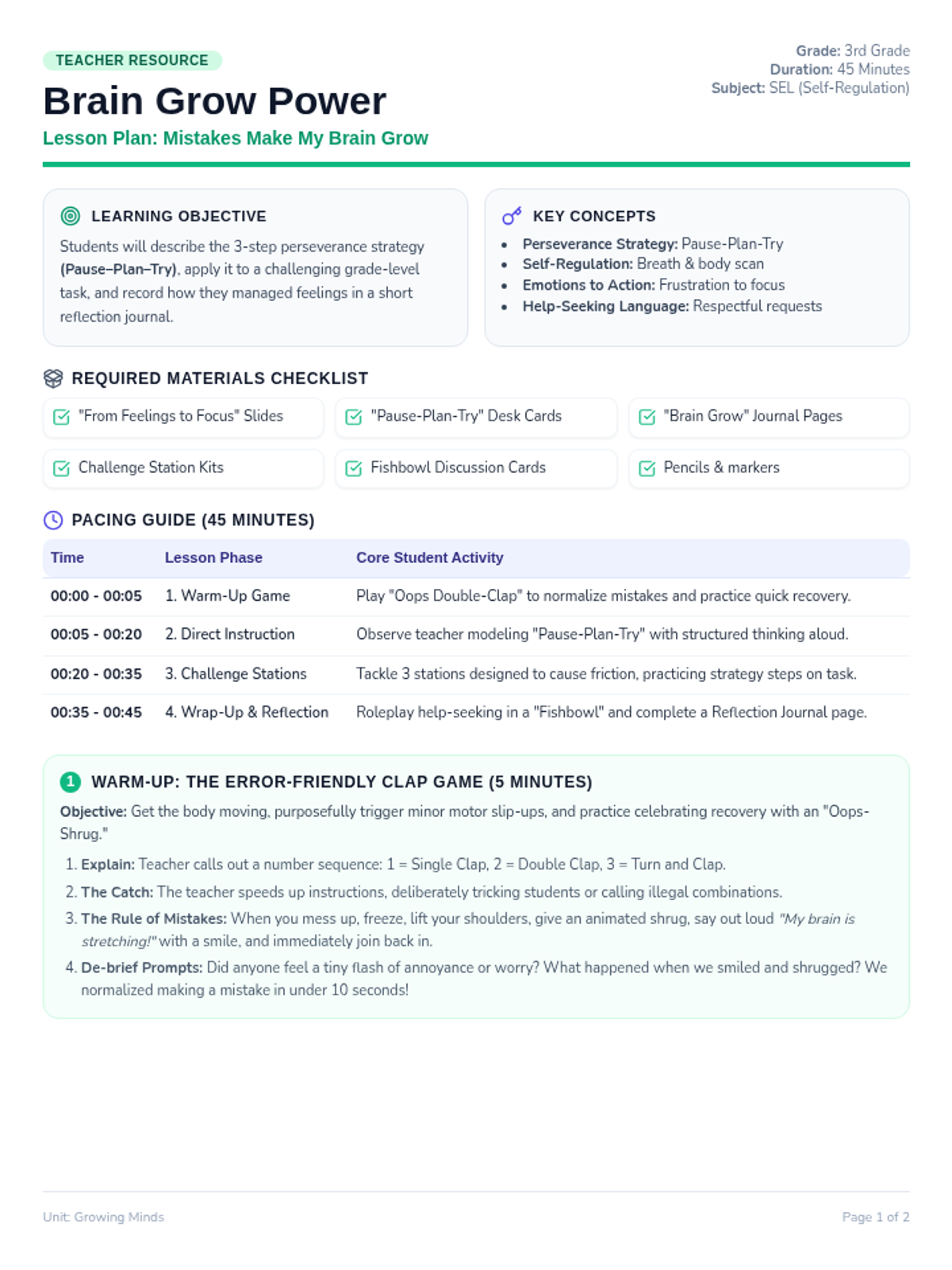
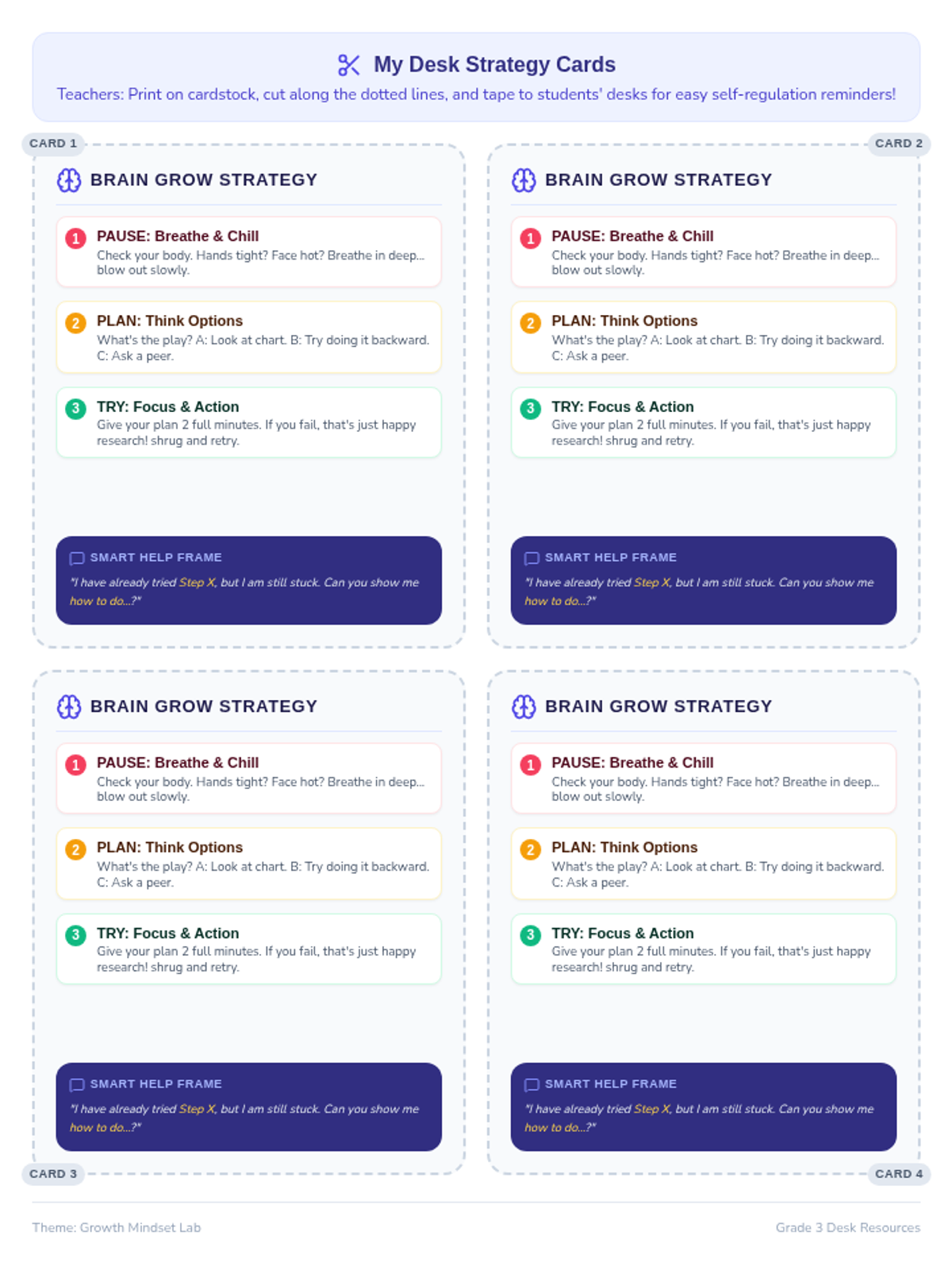
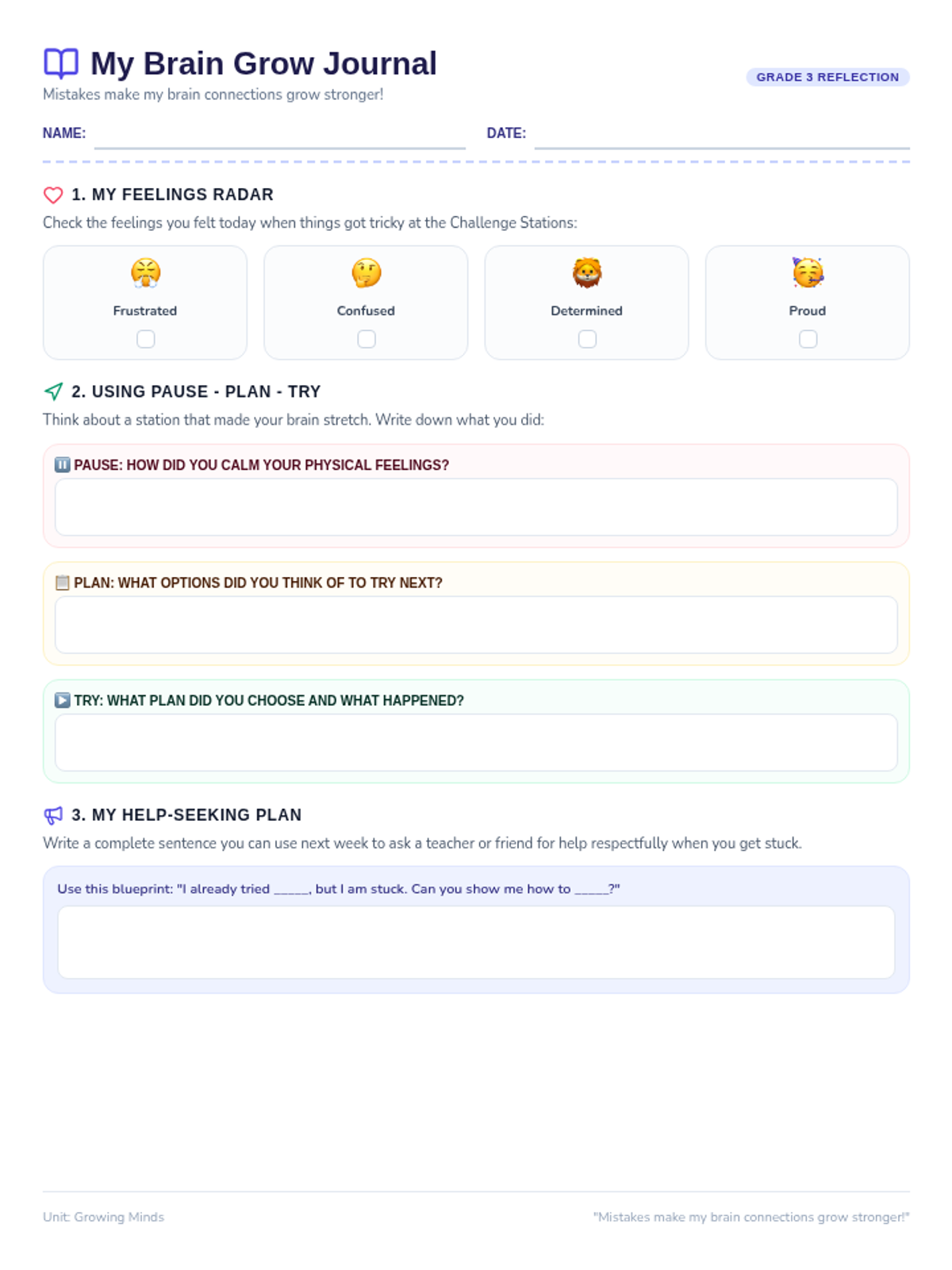
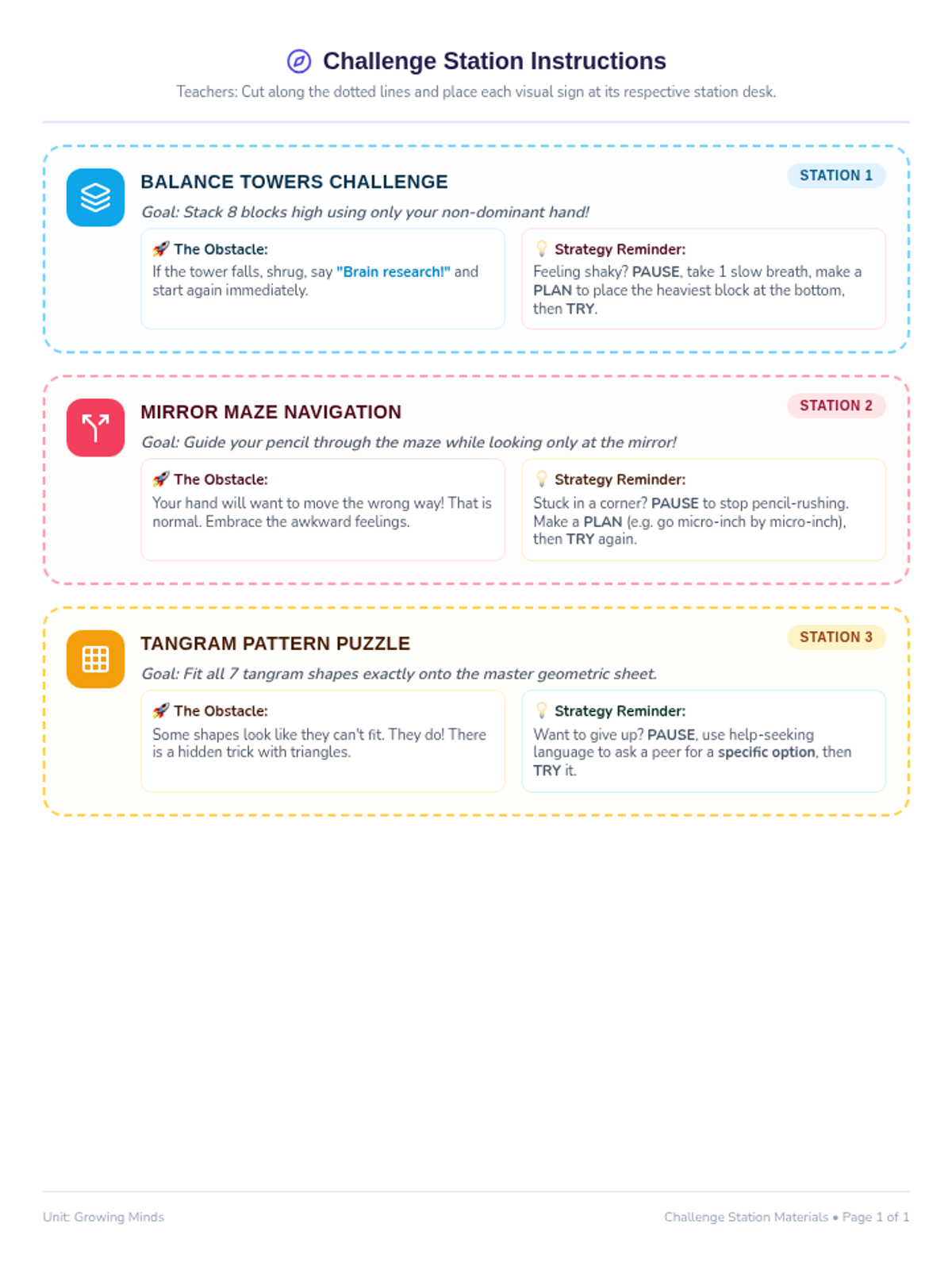
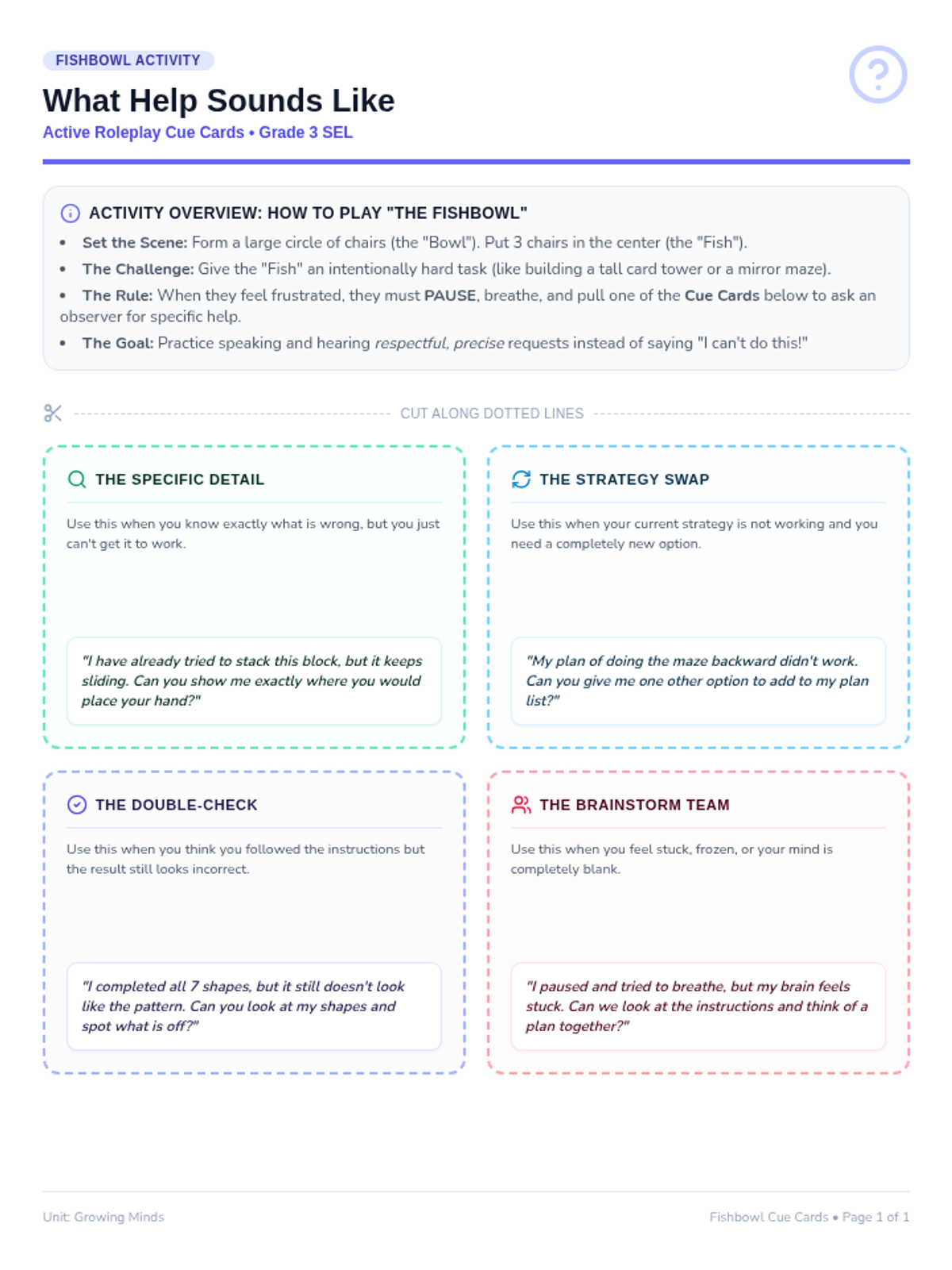
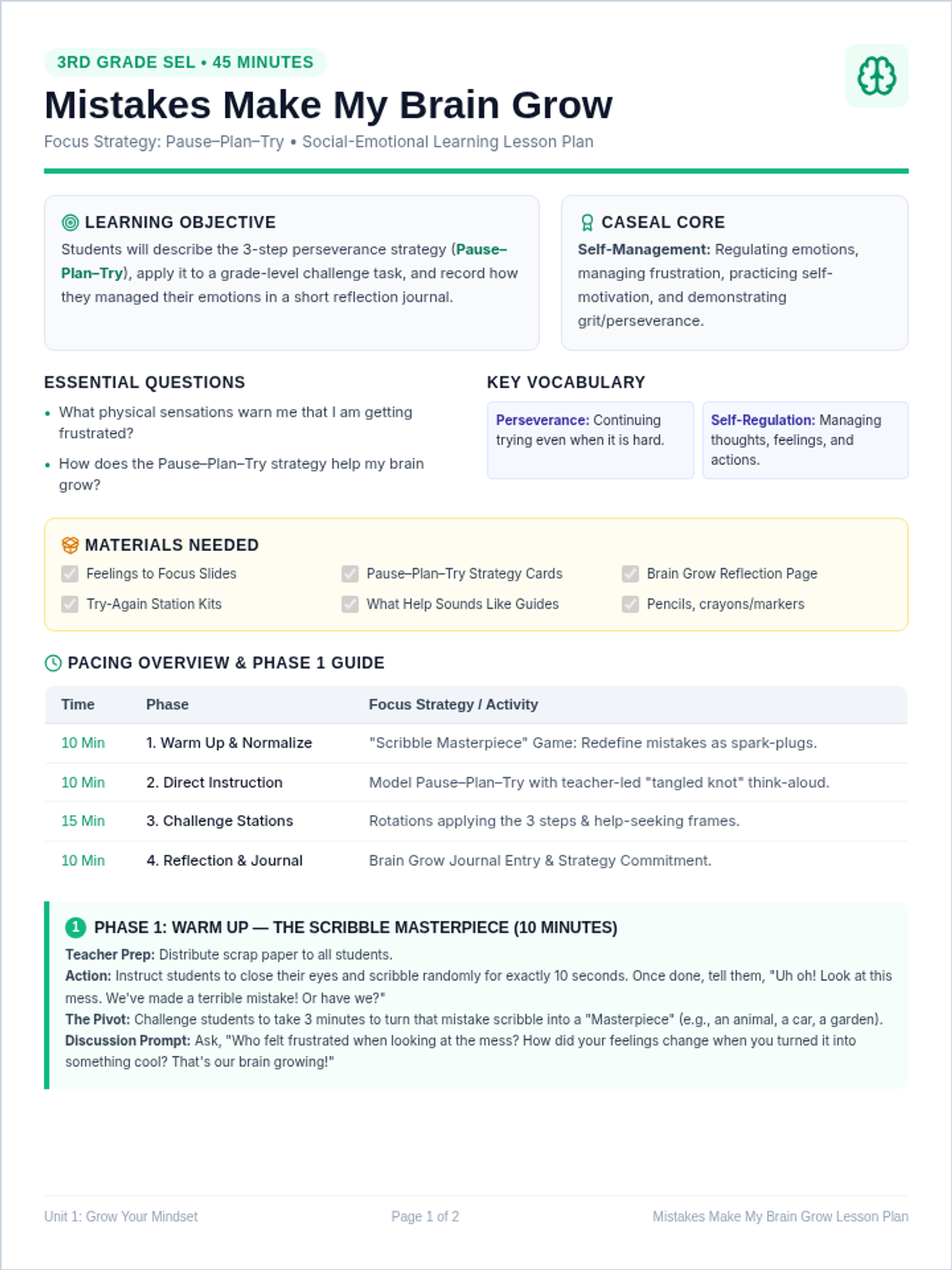
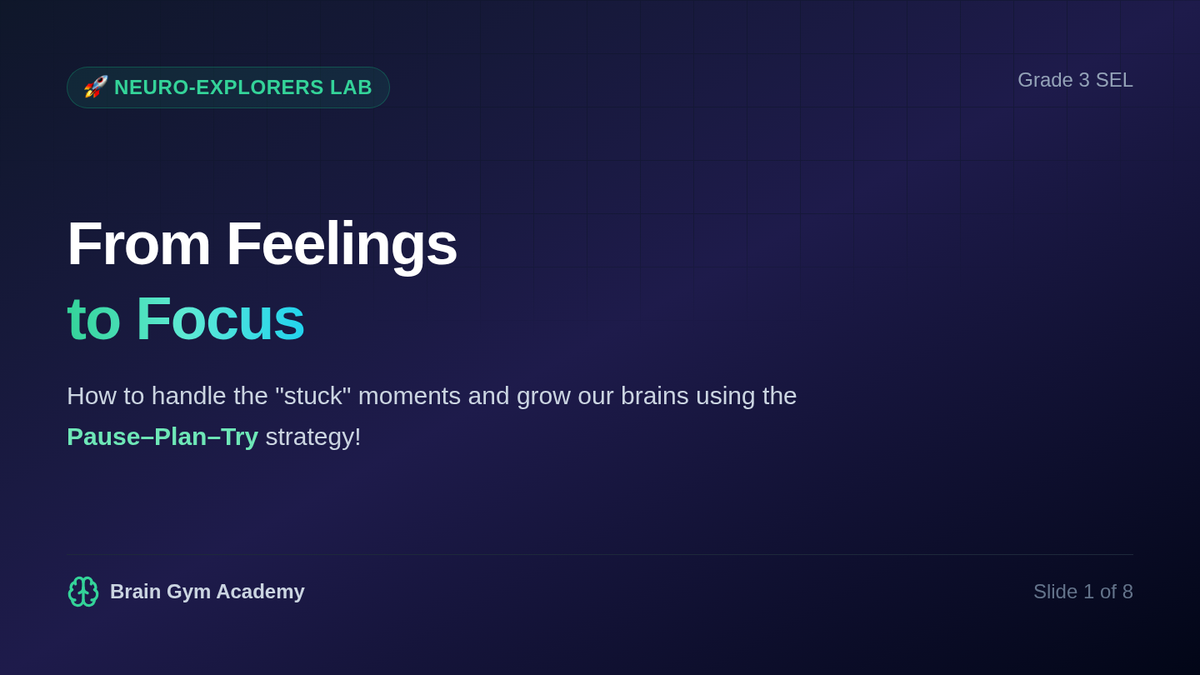
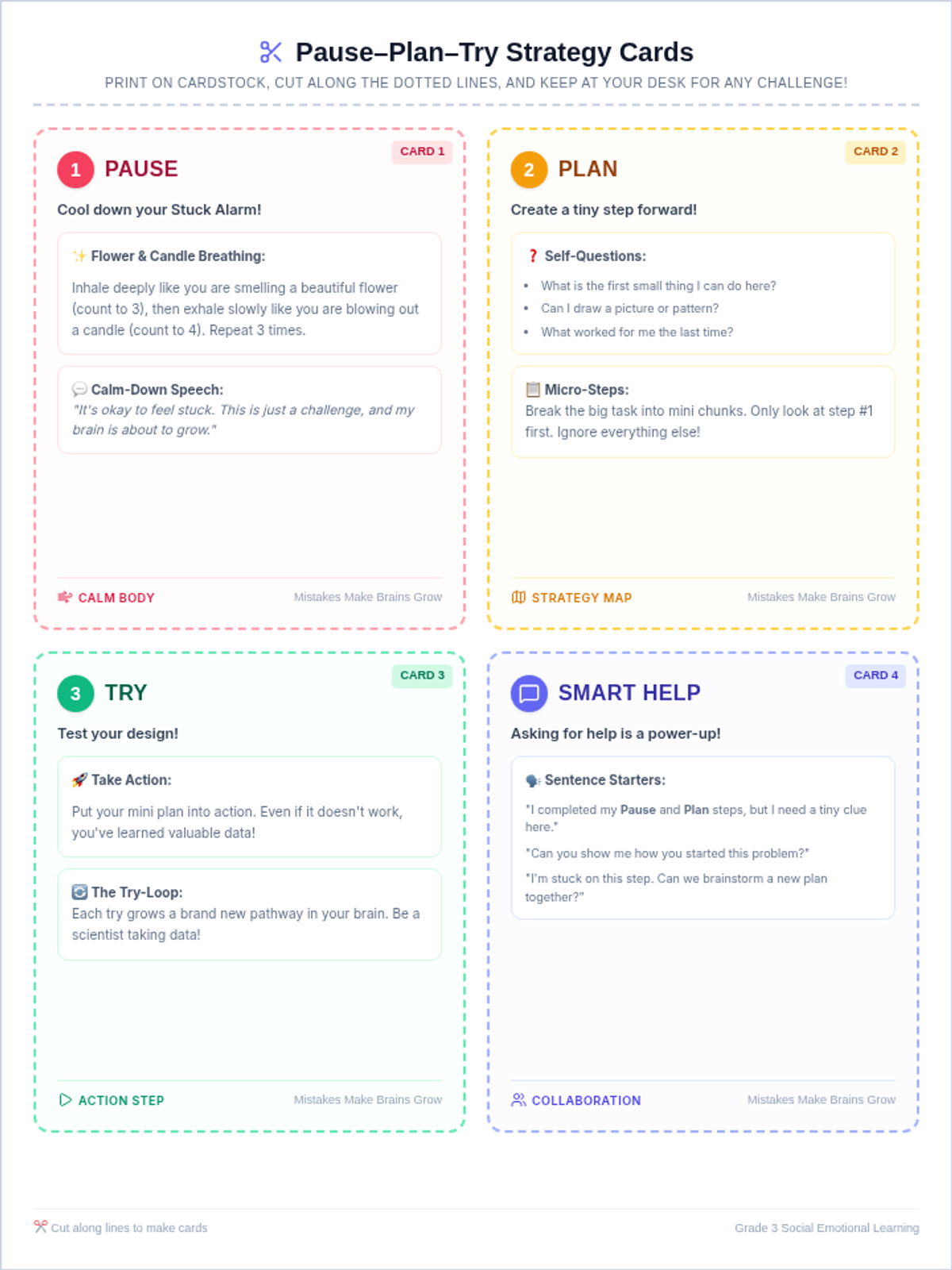
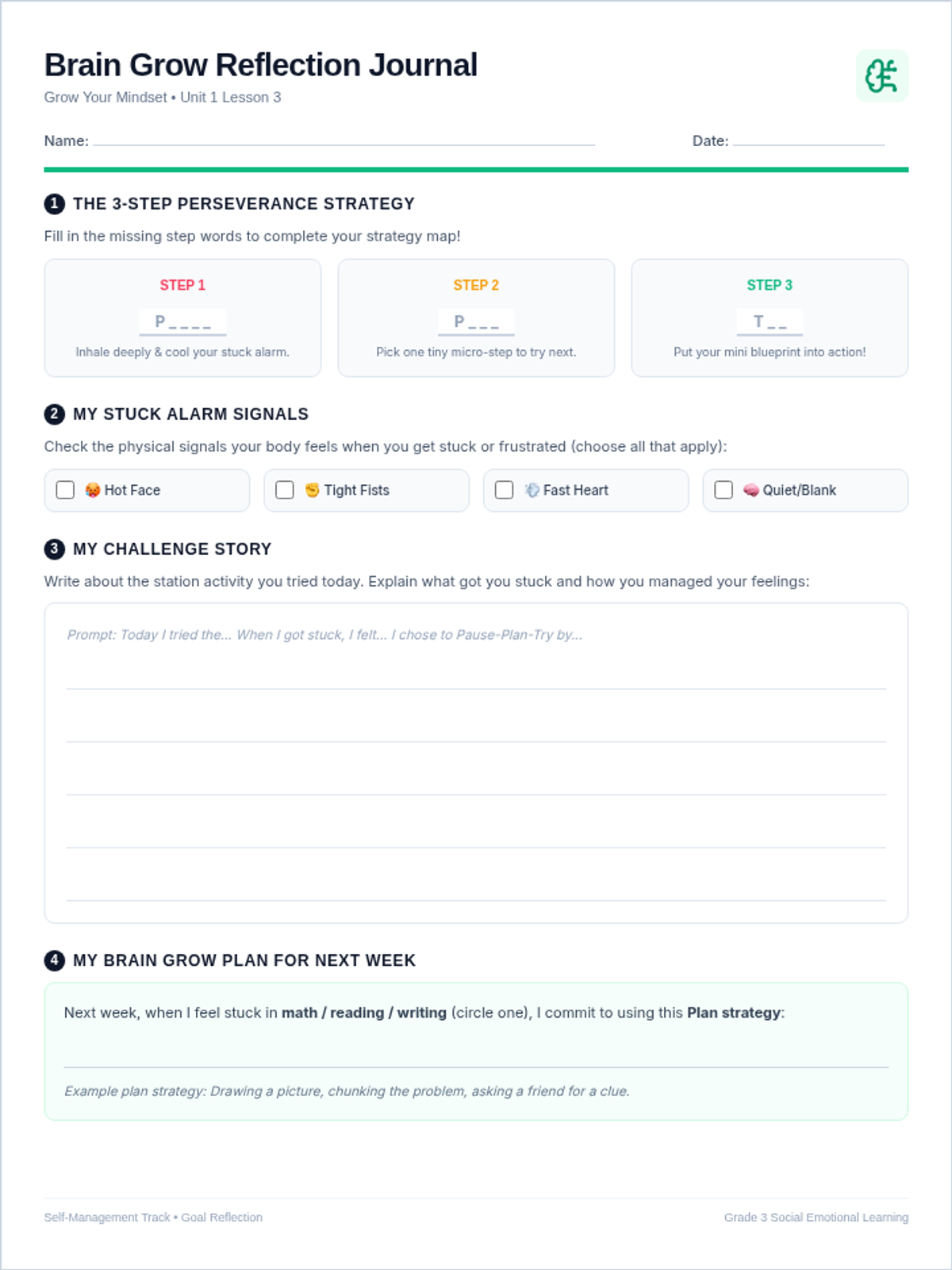
A 45-minute social-emotional learning lesson for 3rd graders that introduces the 'Pause-Plan-Try' perseverance strategy. Students learn to normalize mistakes, navigate challenging emotions, use self-regulation techniques, and apply productive help-seeking language.
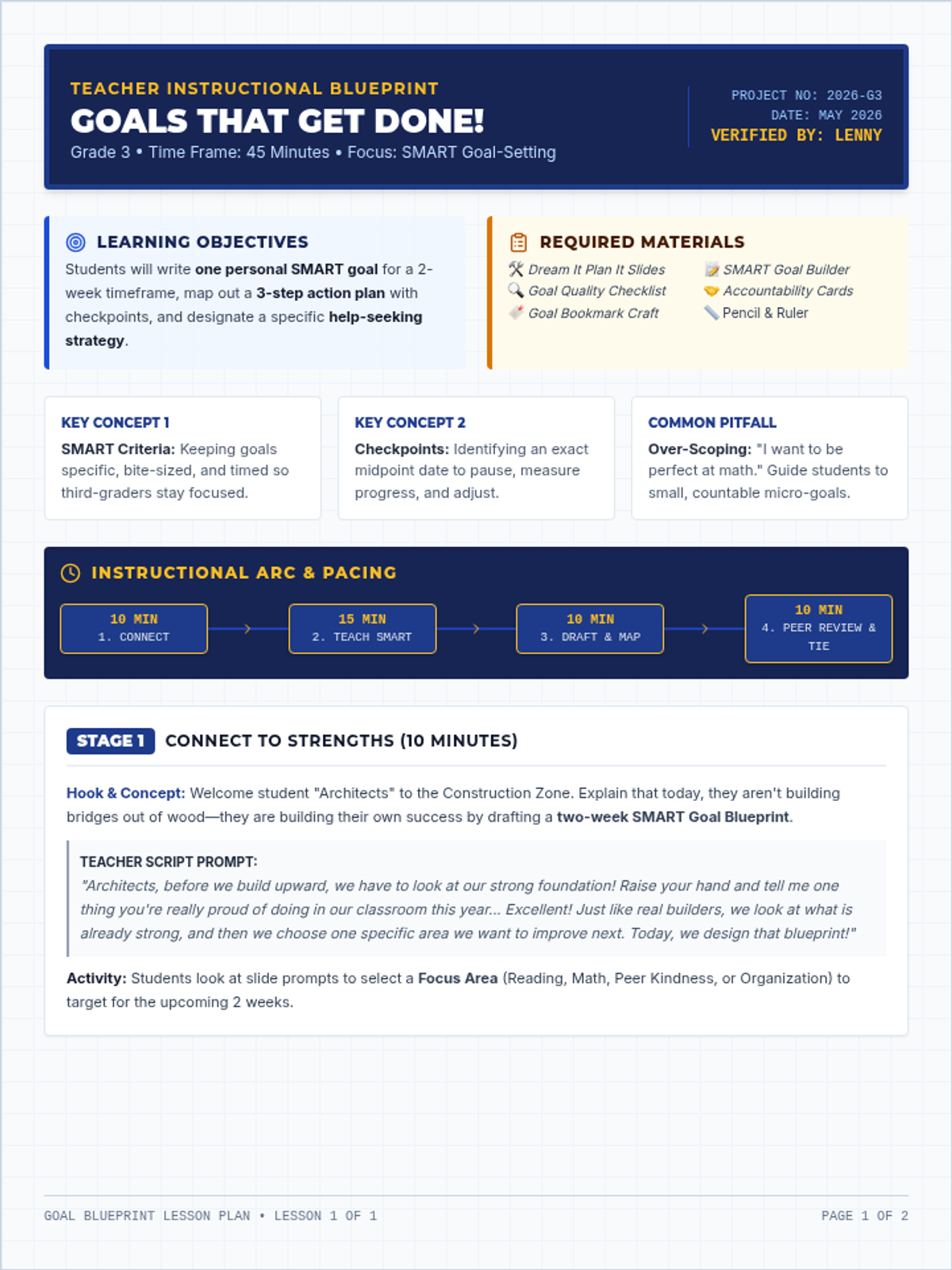
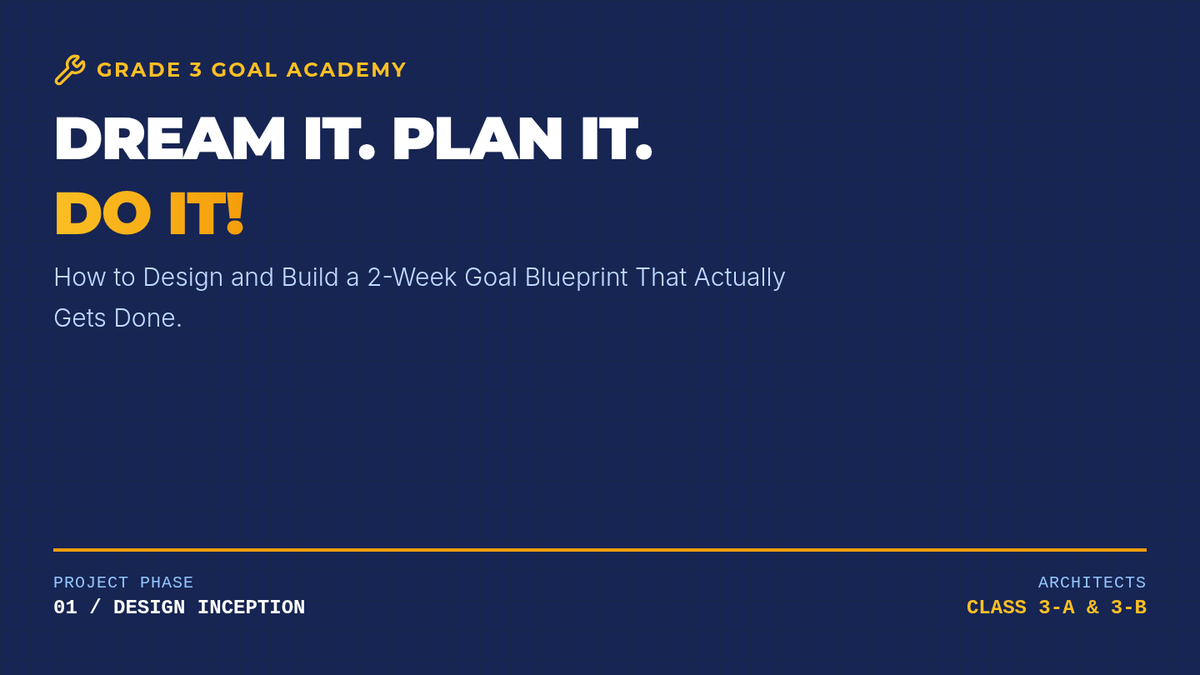
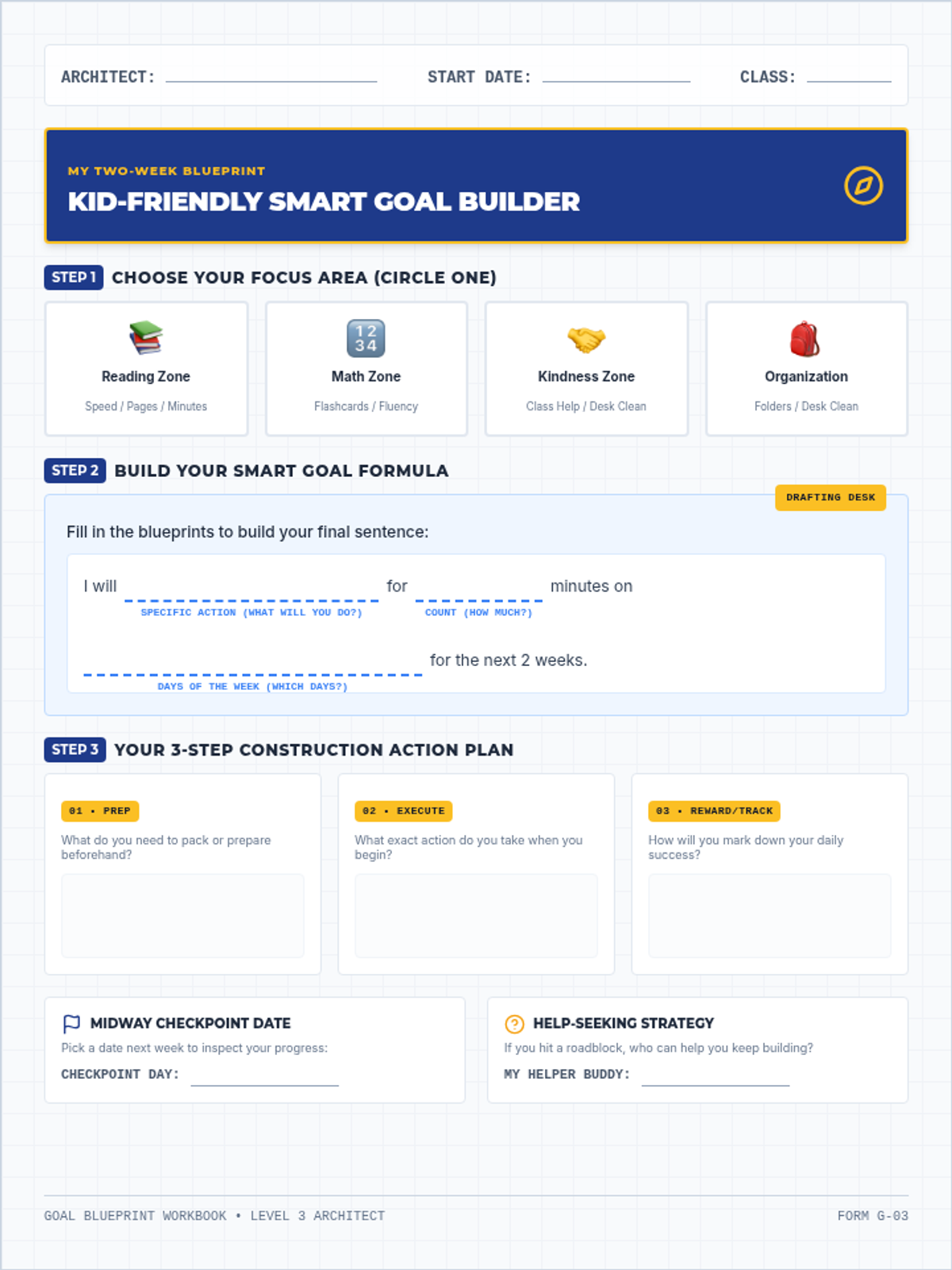
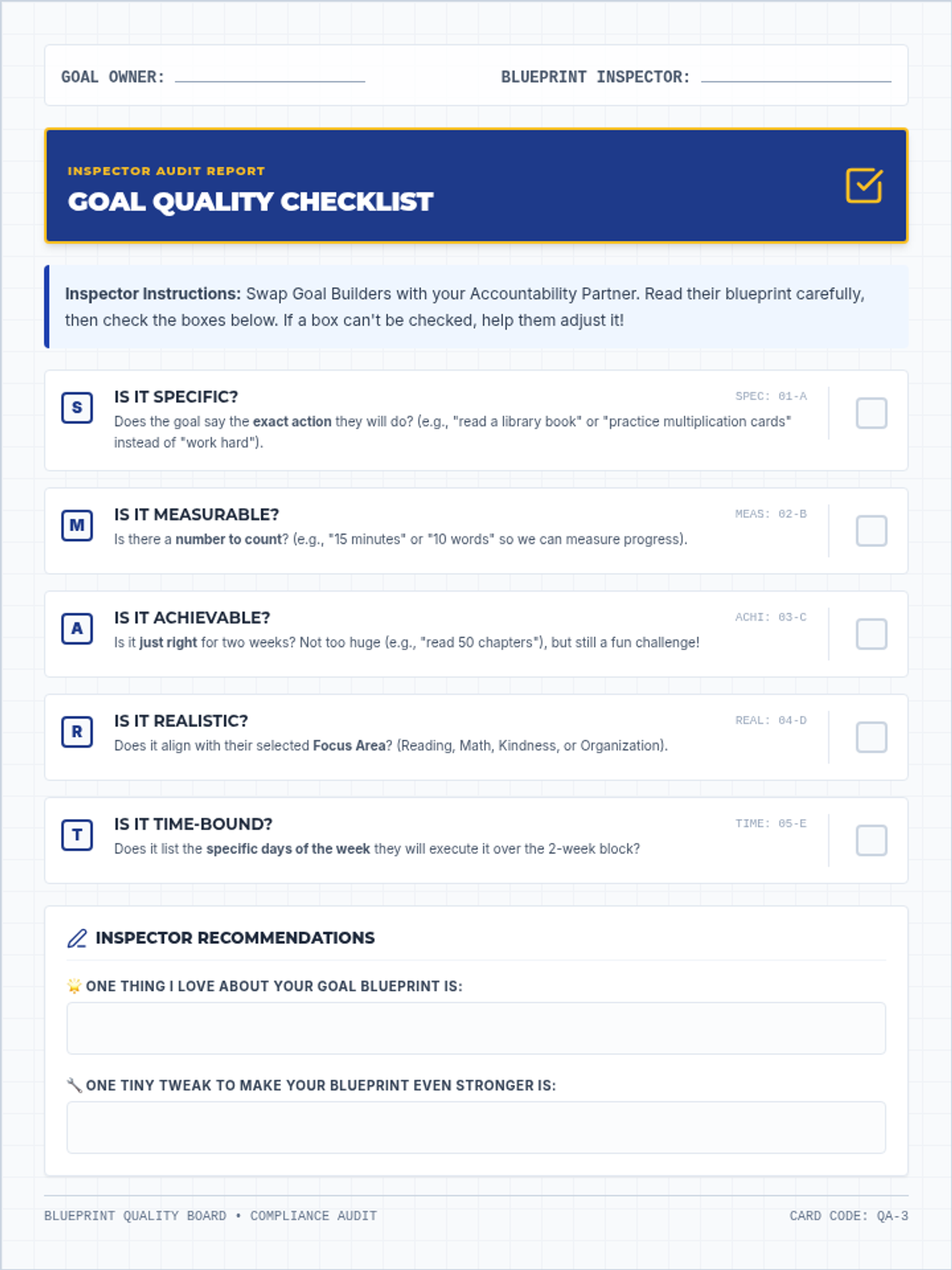
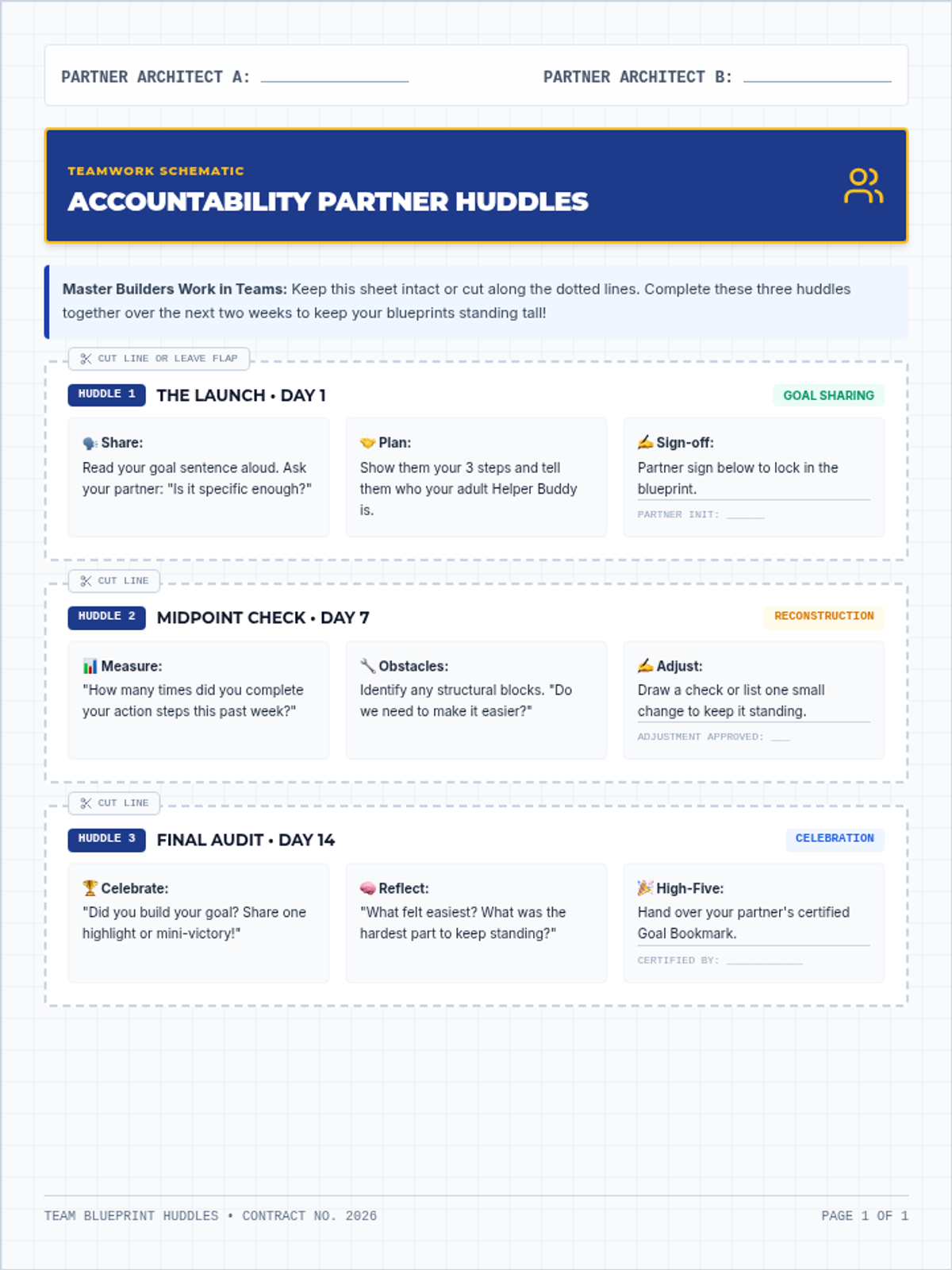
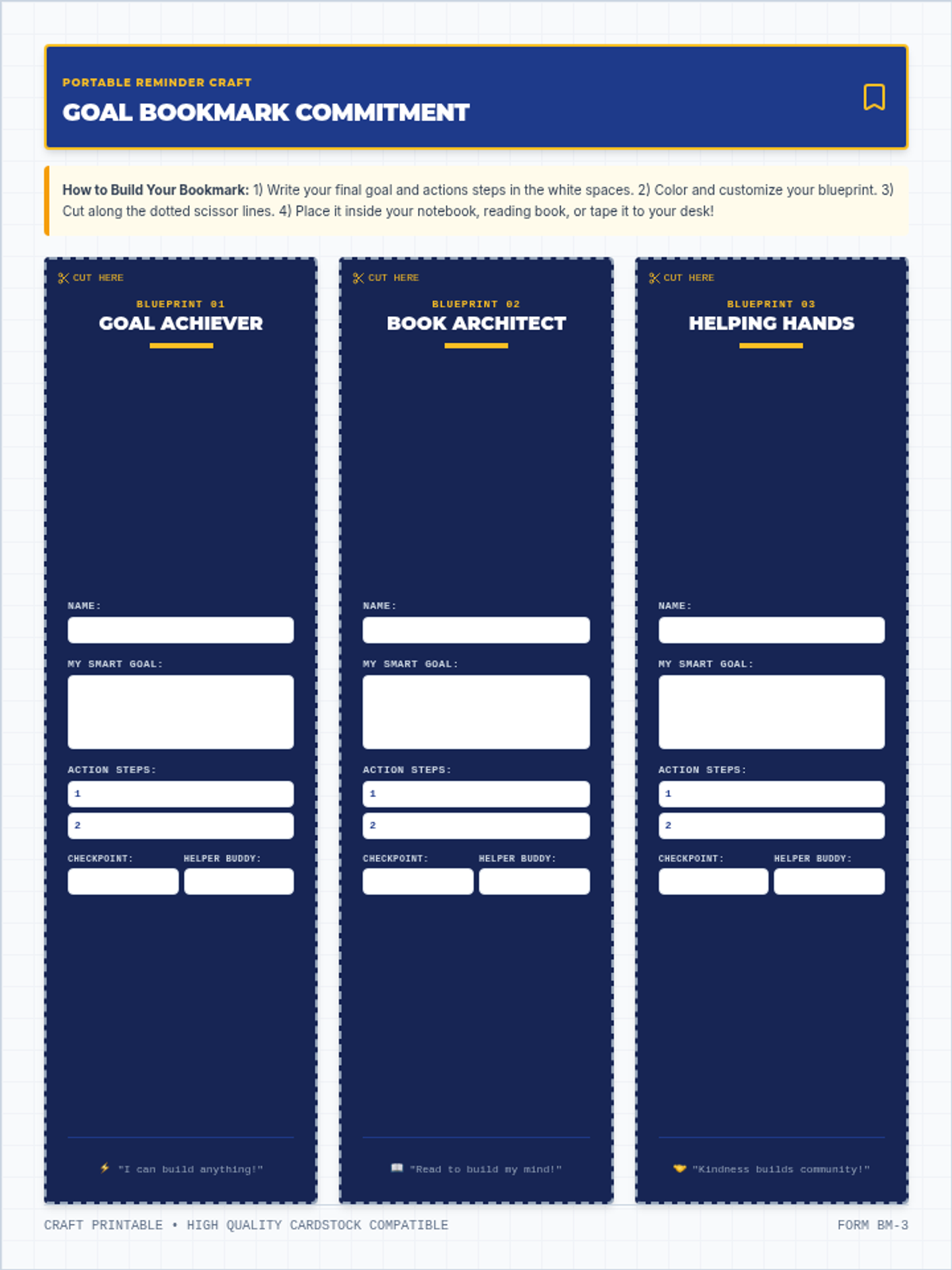
A high-energy, kid-friendly 3rd-grade lesson where students design and commit to a personal 2-week SMART goal. Using a drafting blueprint motif, students map out an action plan, co-create success criteria, peer-review their goals, and establish accountability partnerships.
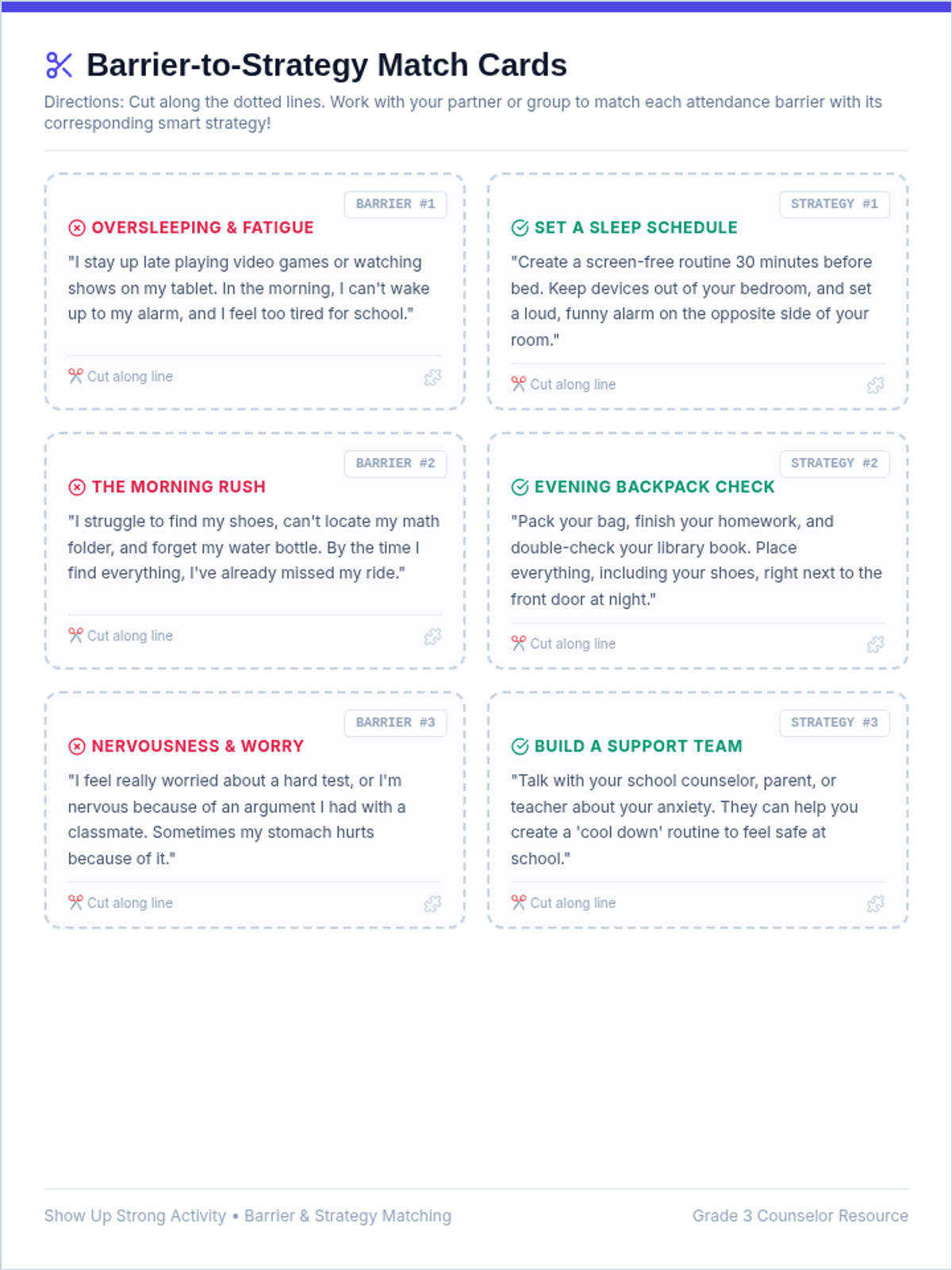
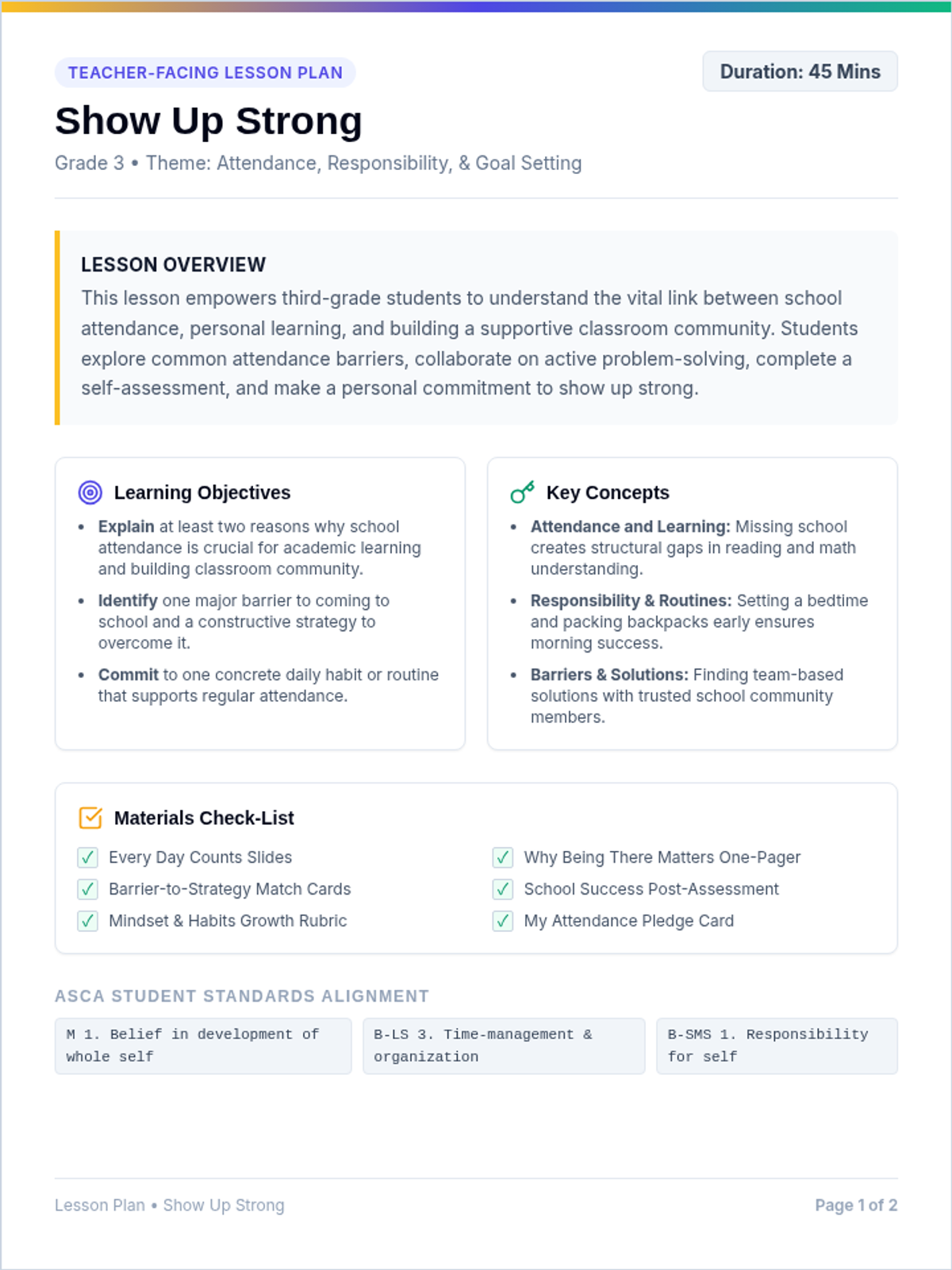
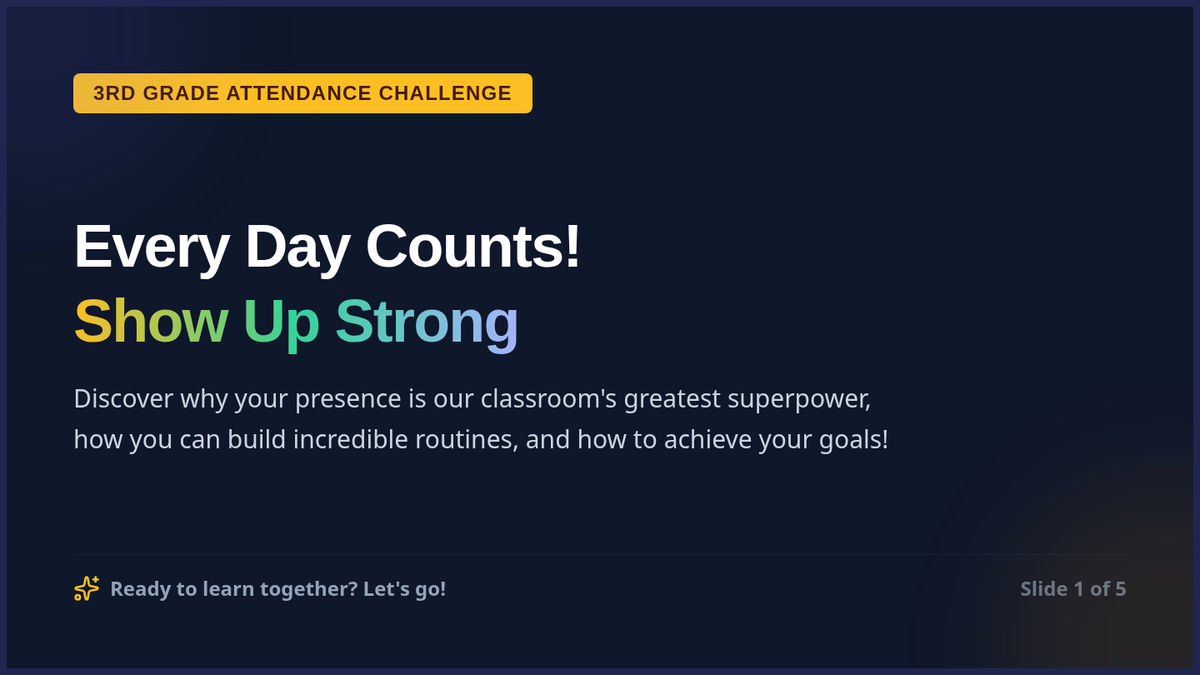
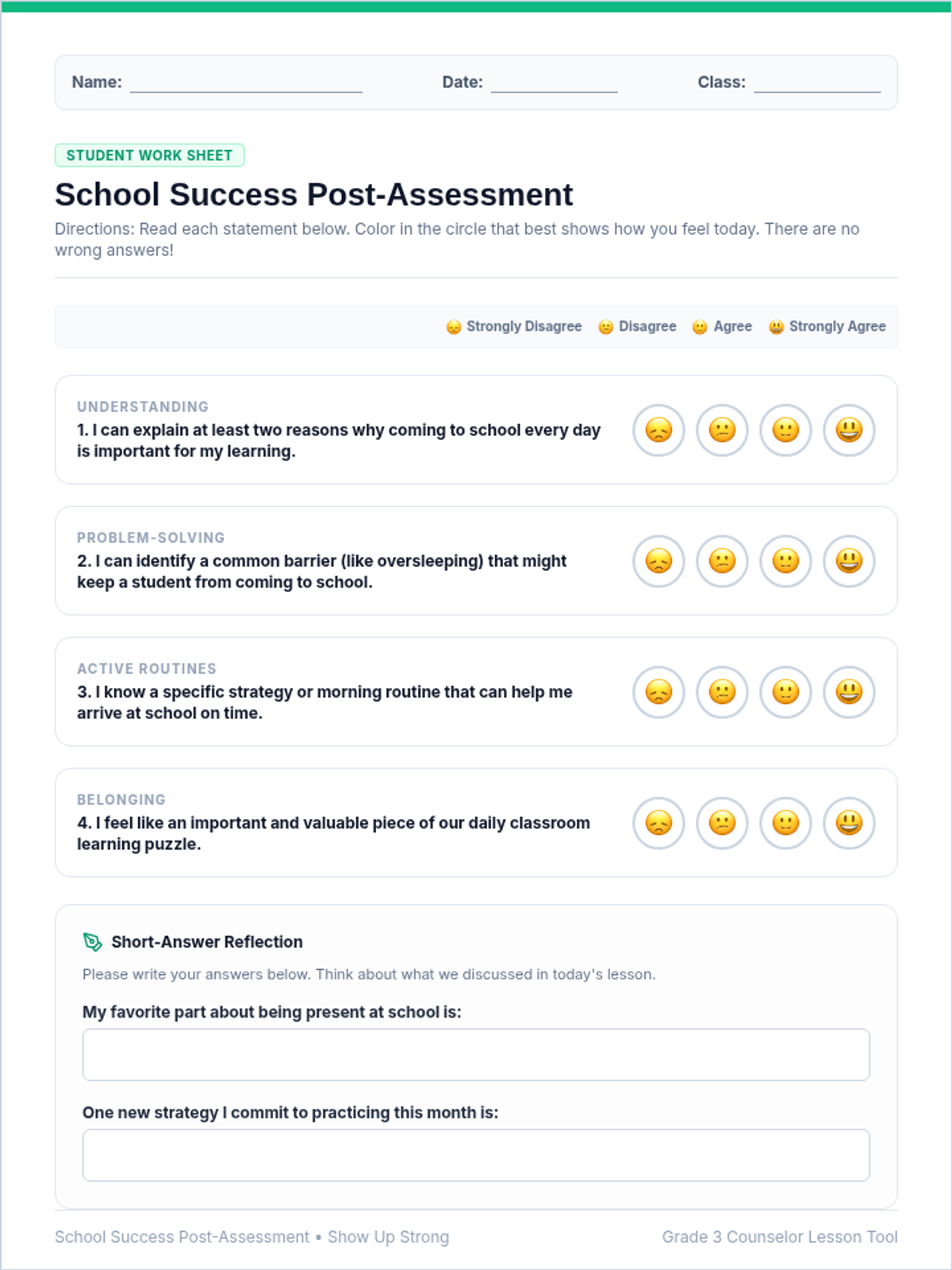
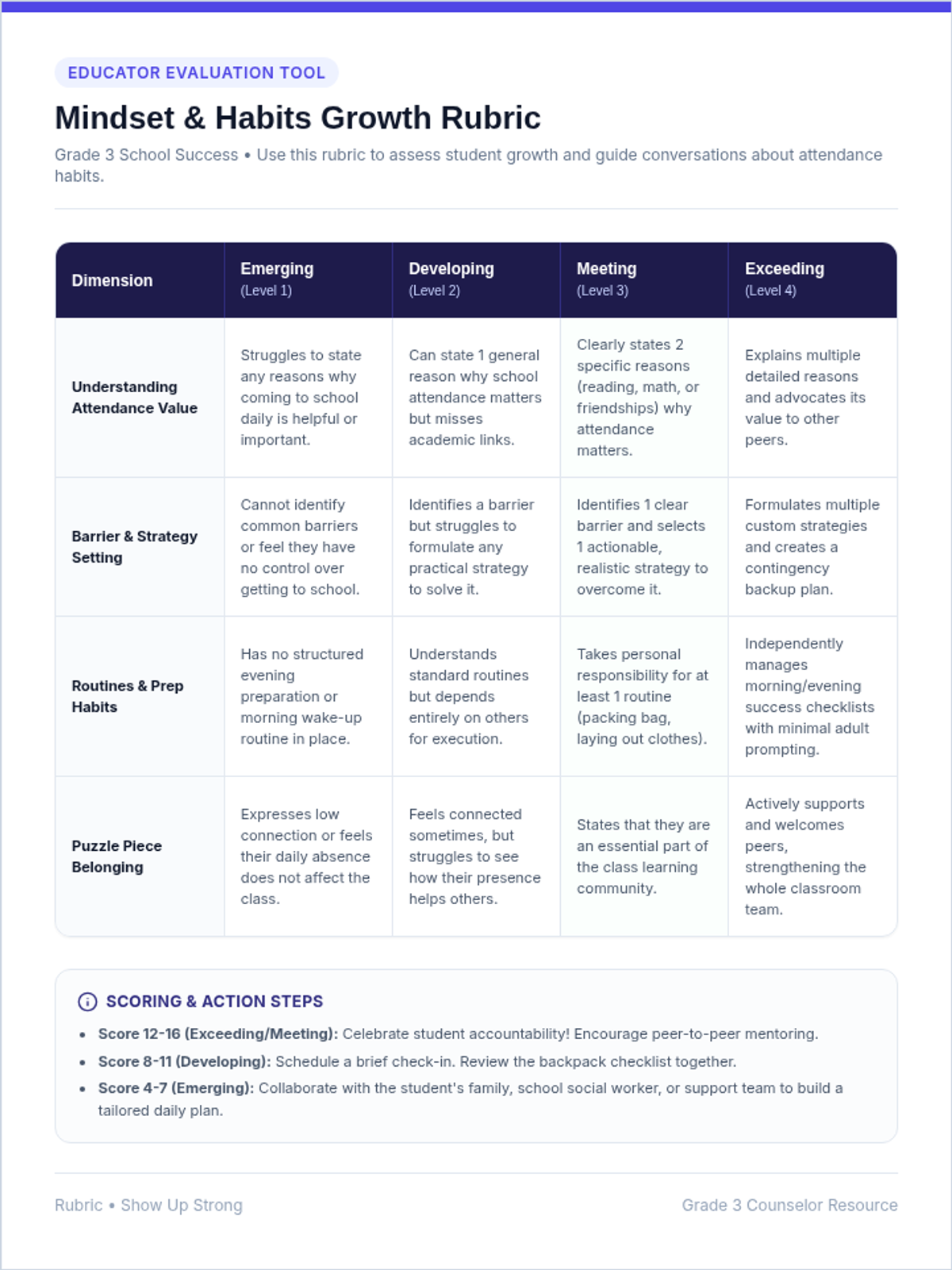
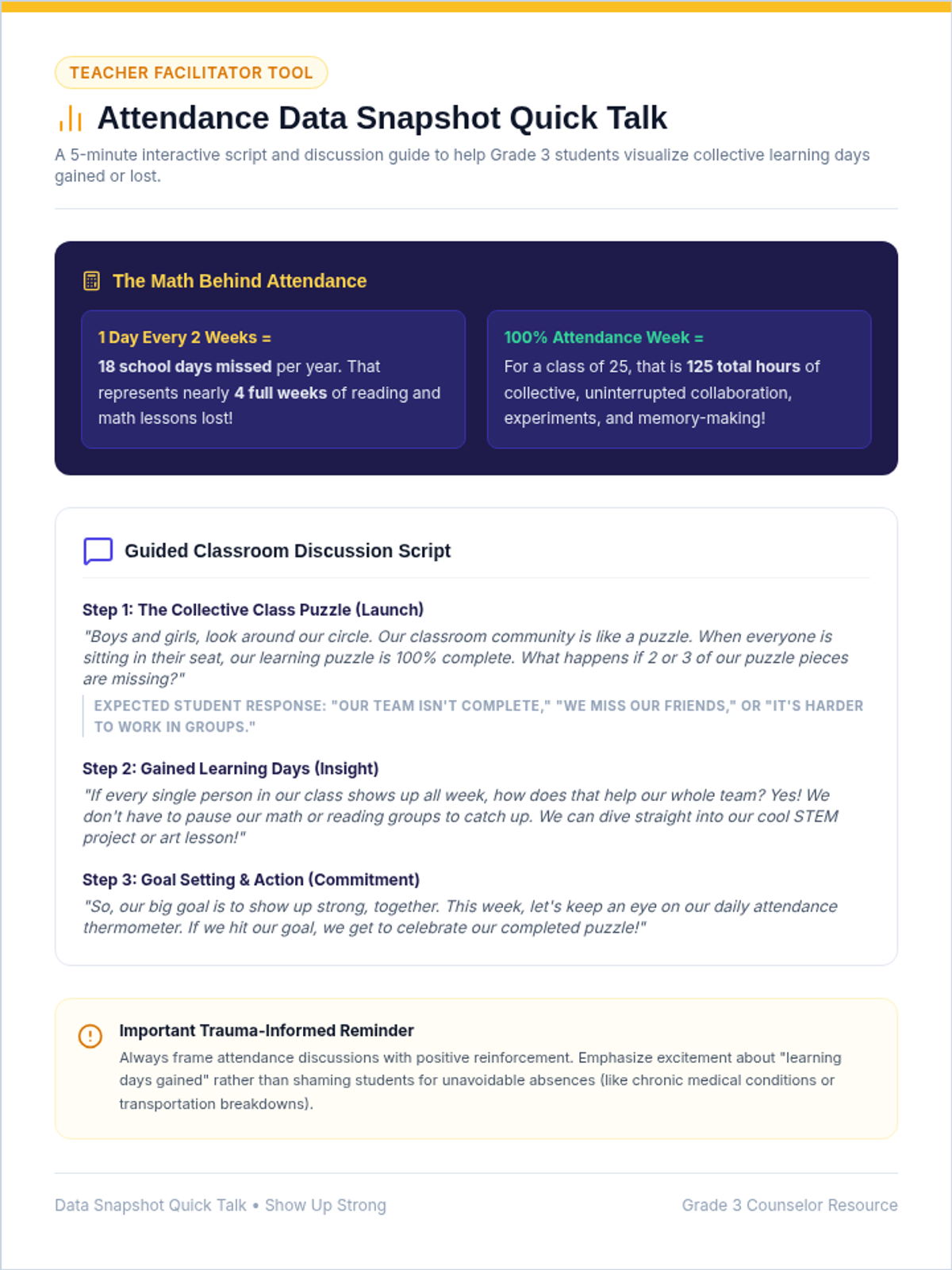
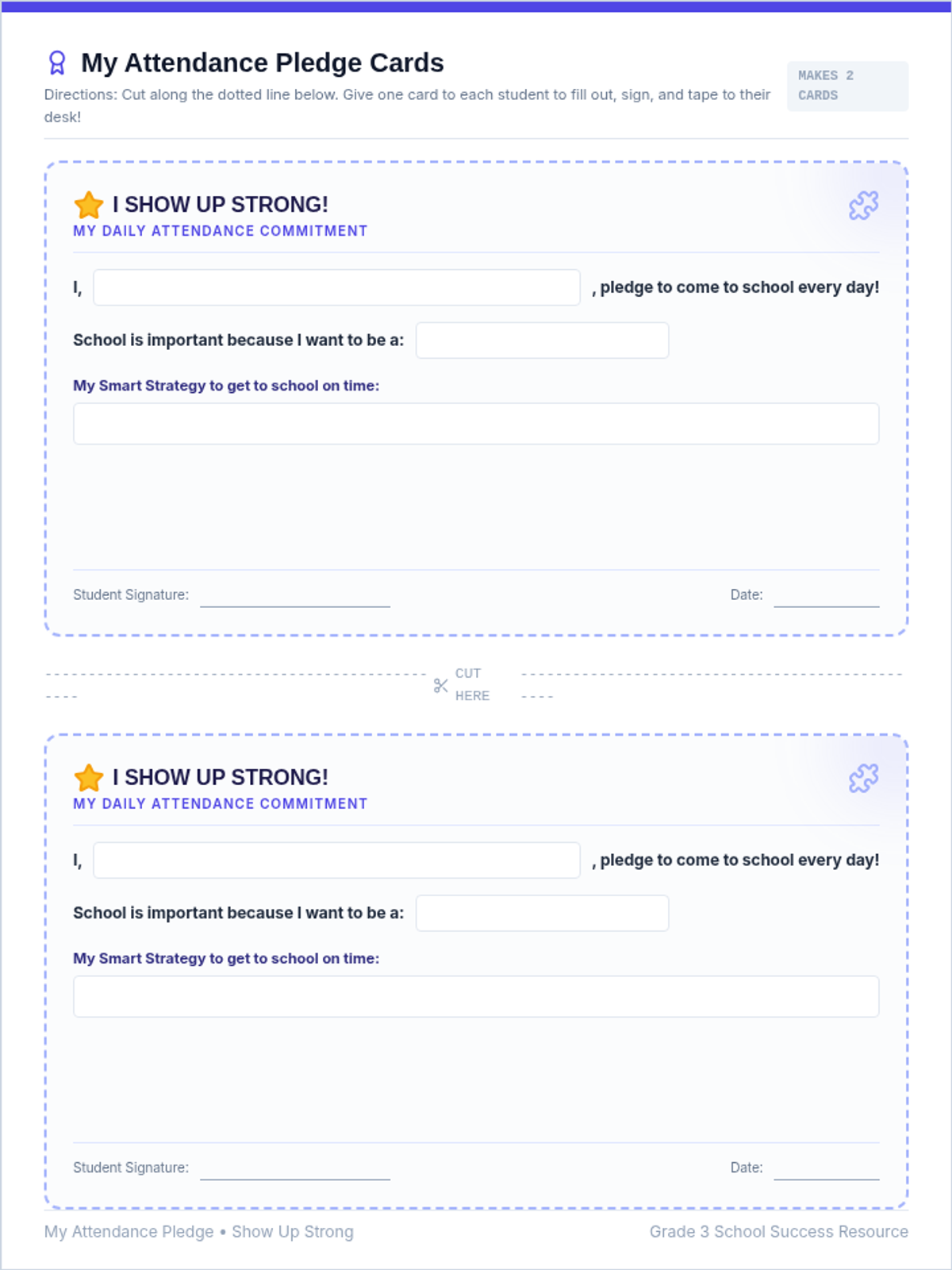
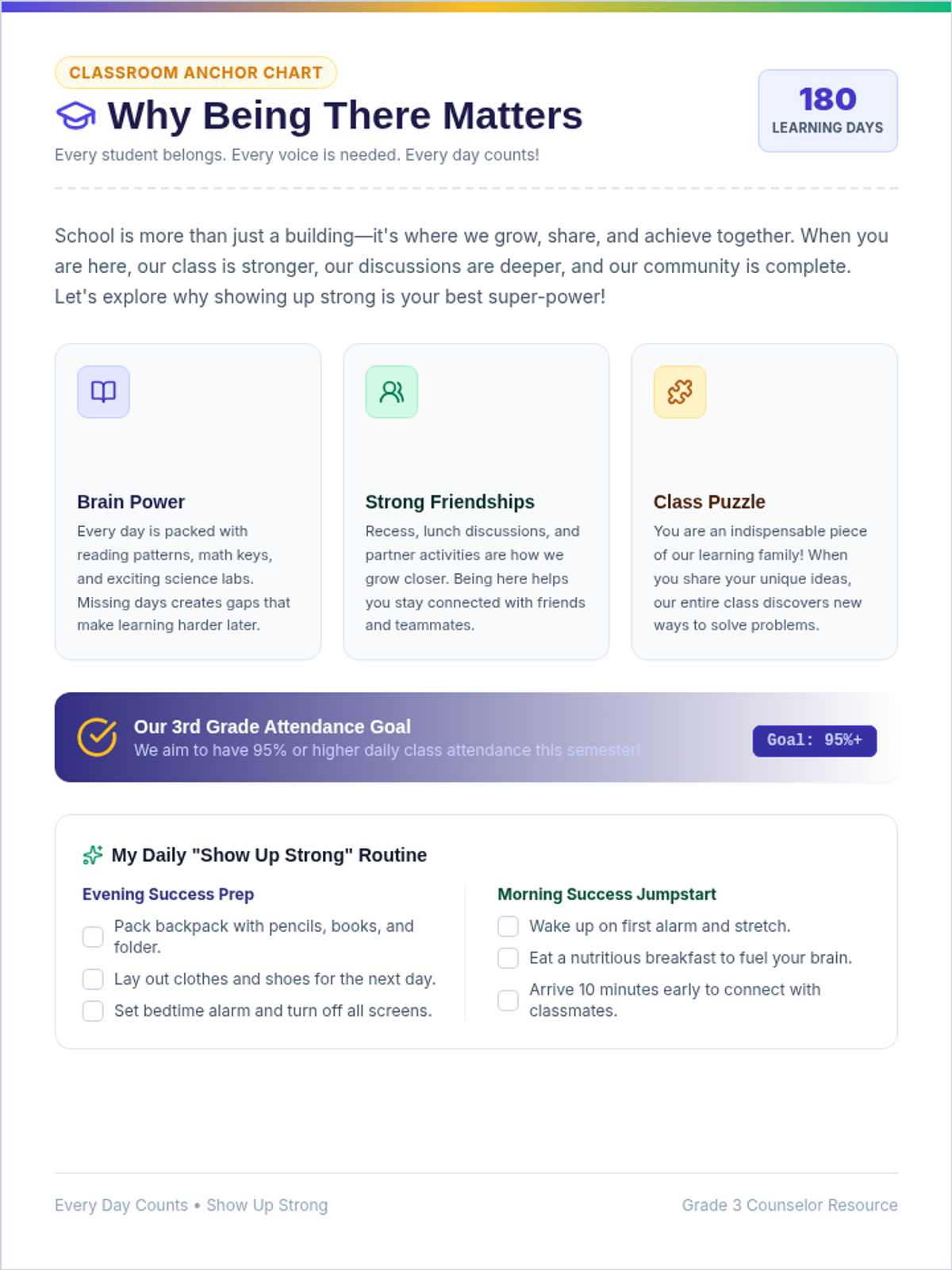
A comprehensive 45-minute lesson for 3rd grade that emphasizes the value of school attendance, helps students identify and overcome attendance barriers, and guides them in making personal attendance pledges.
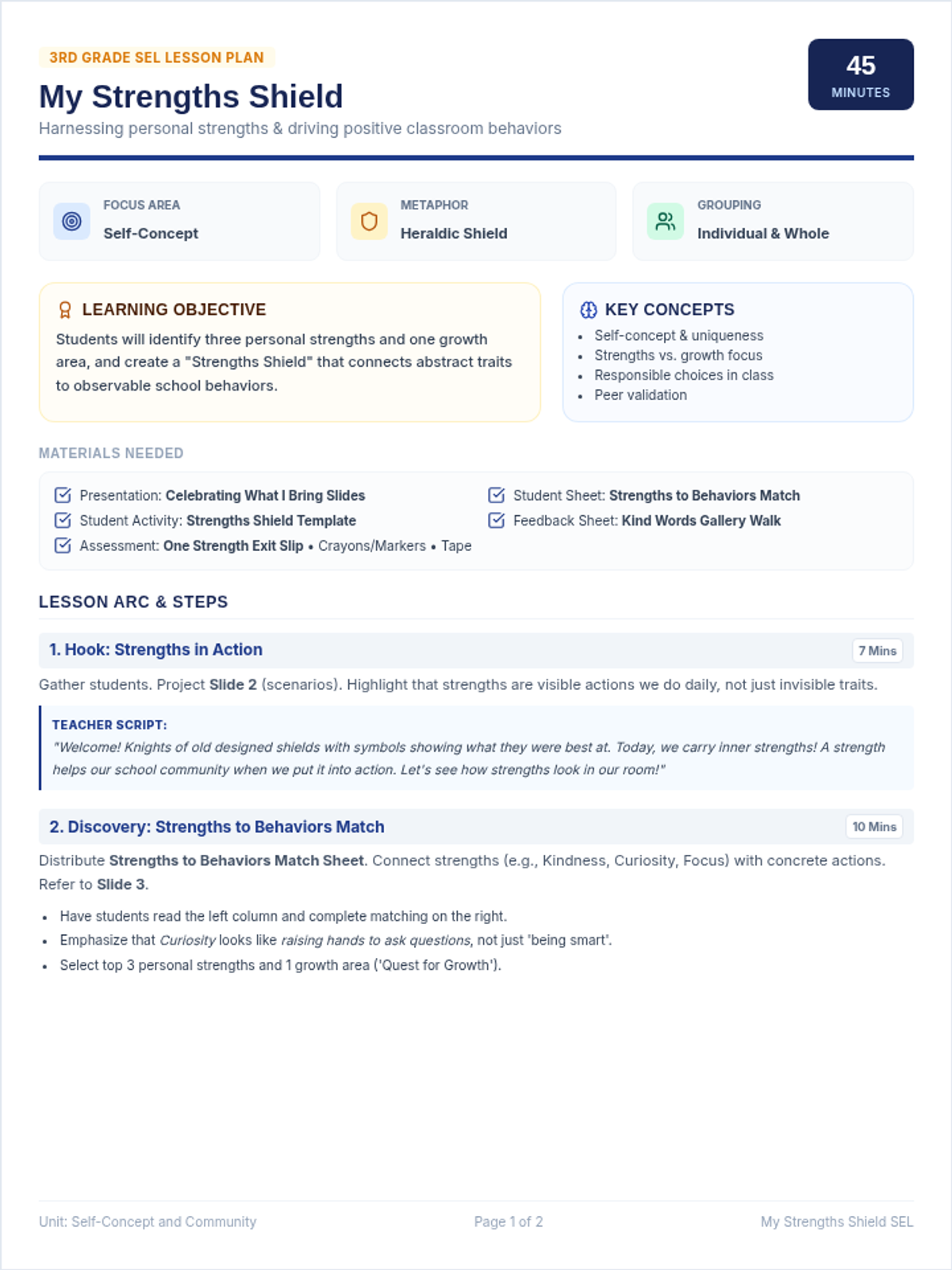
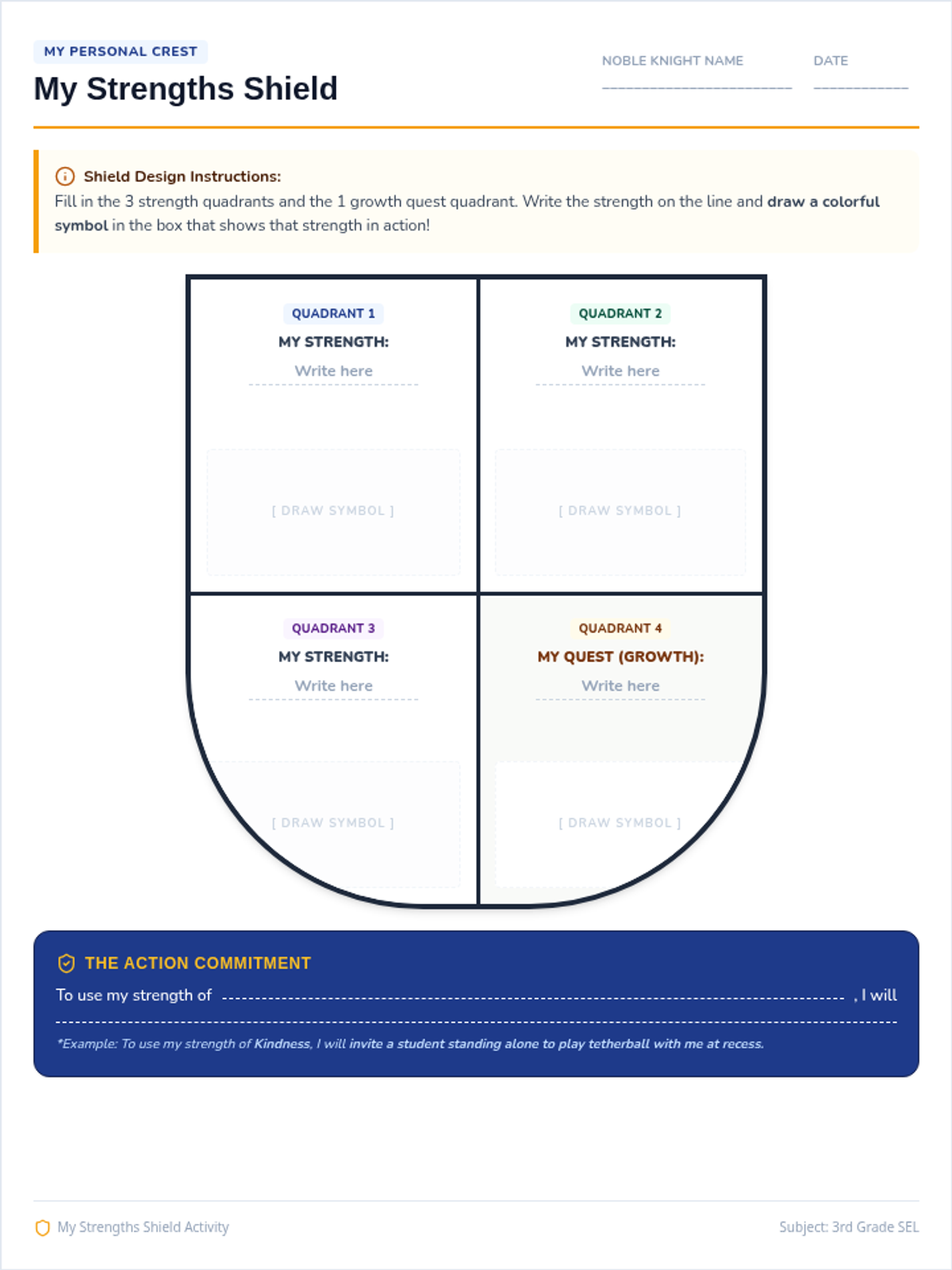
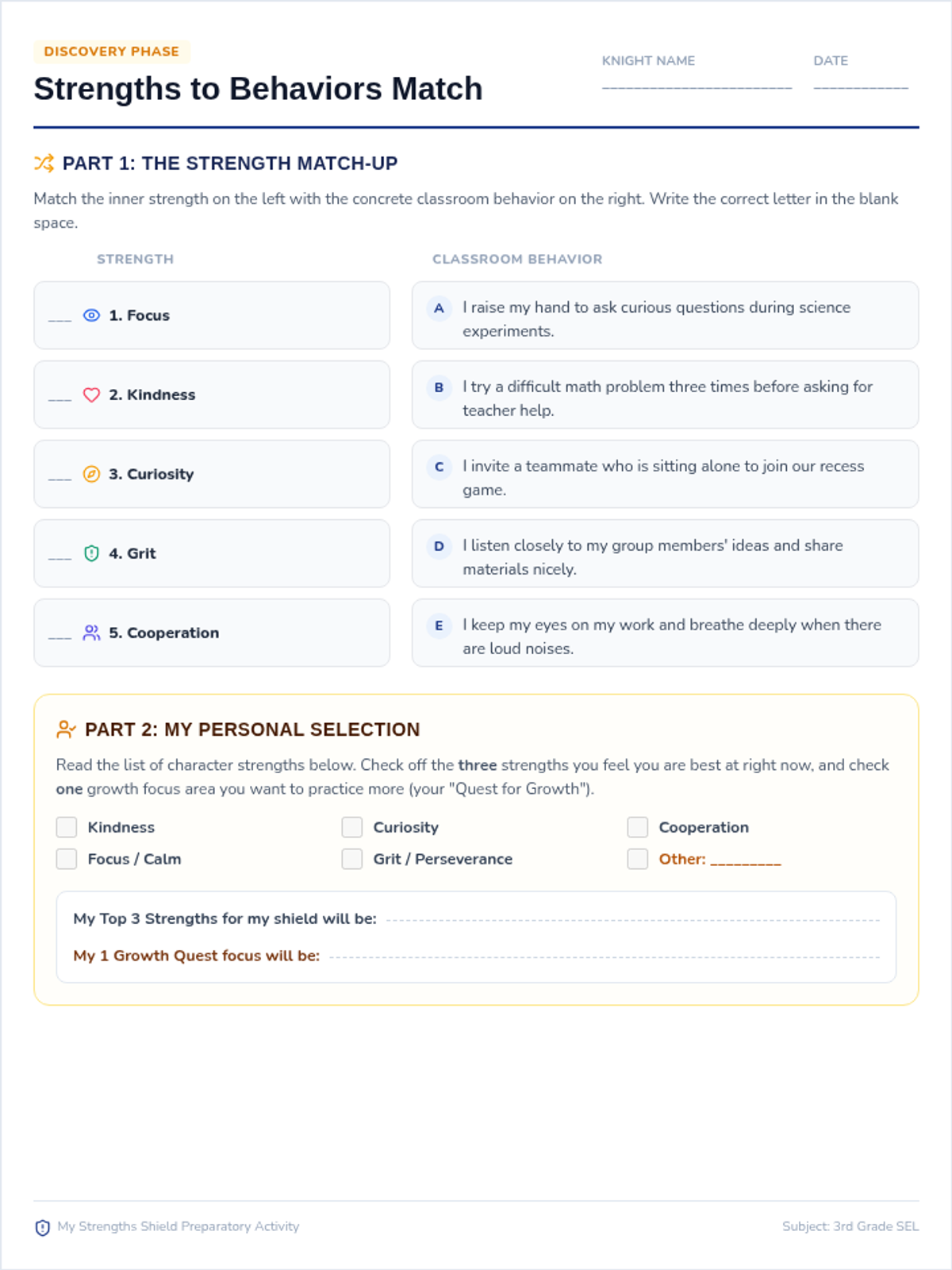
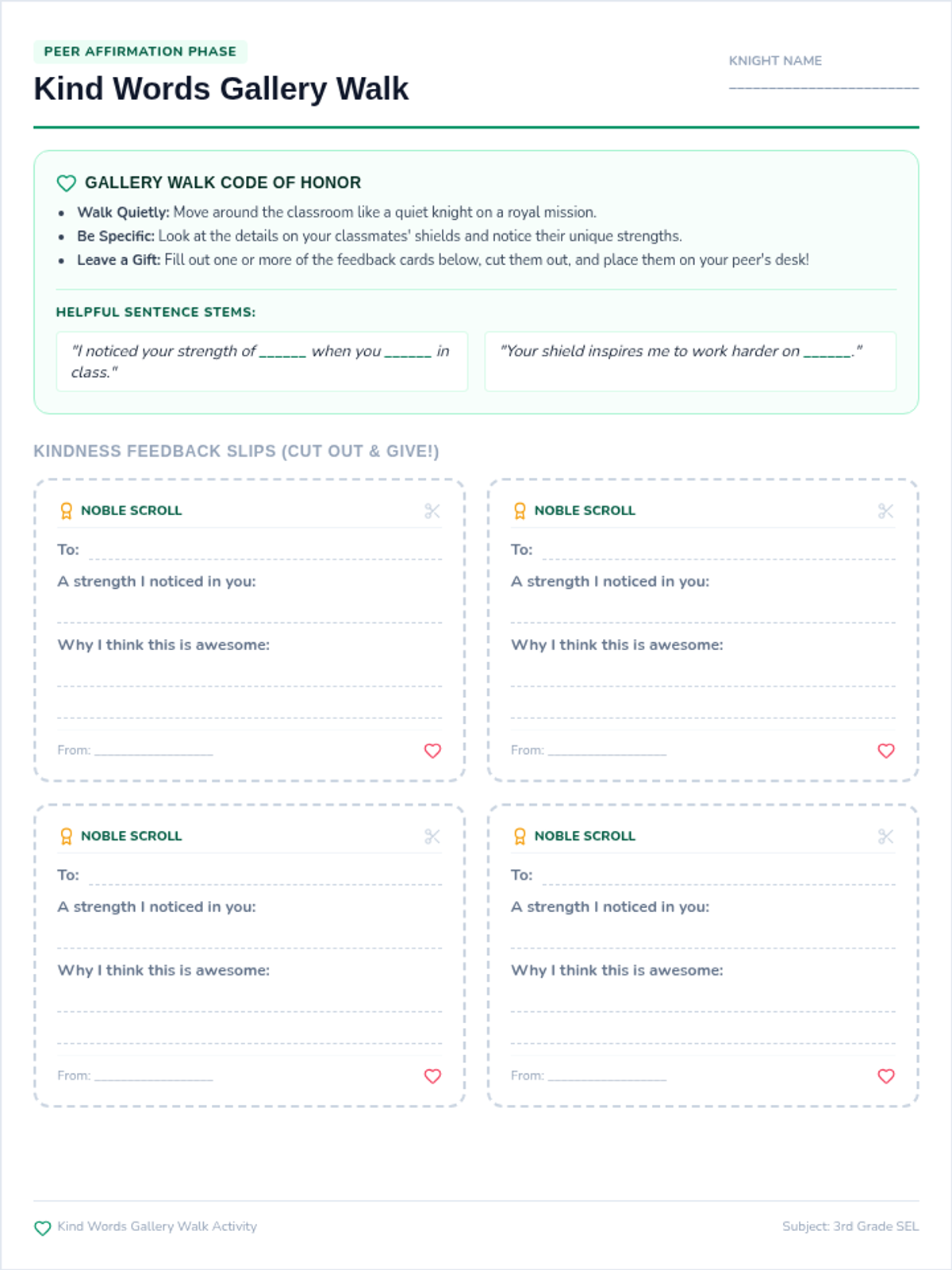
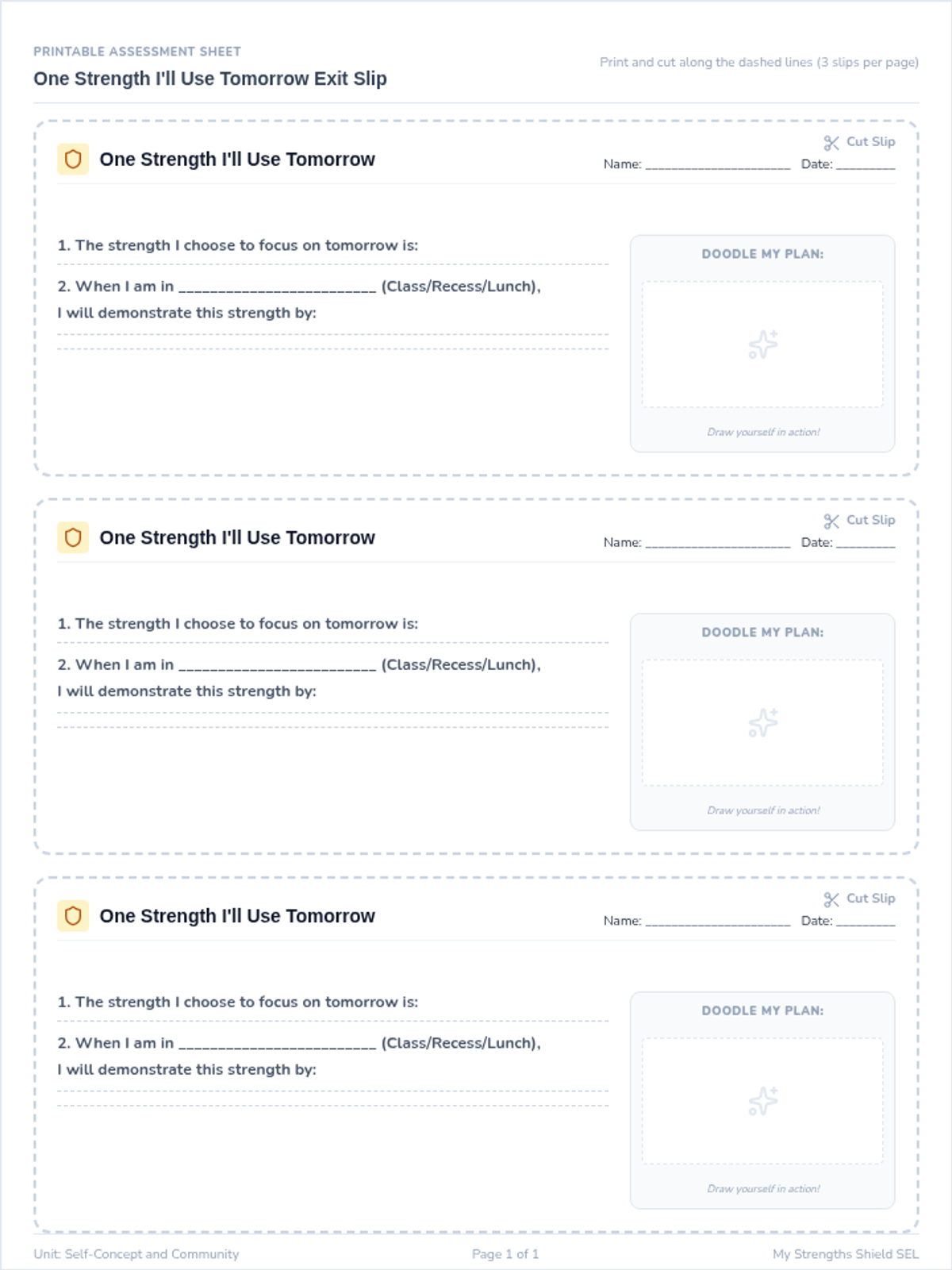
A 45-minute social-emotional learning lesson for 3rd grade. Students explore personal strengths and growth areas by designing a personal heraldic shield, translating abstract strengths into concrete school behaviors, and affirming their peers through a gallery walk.
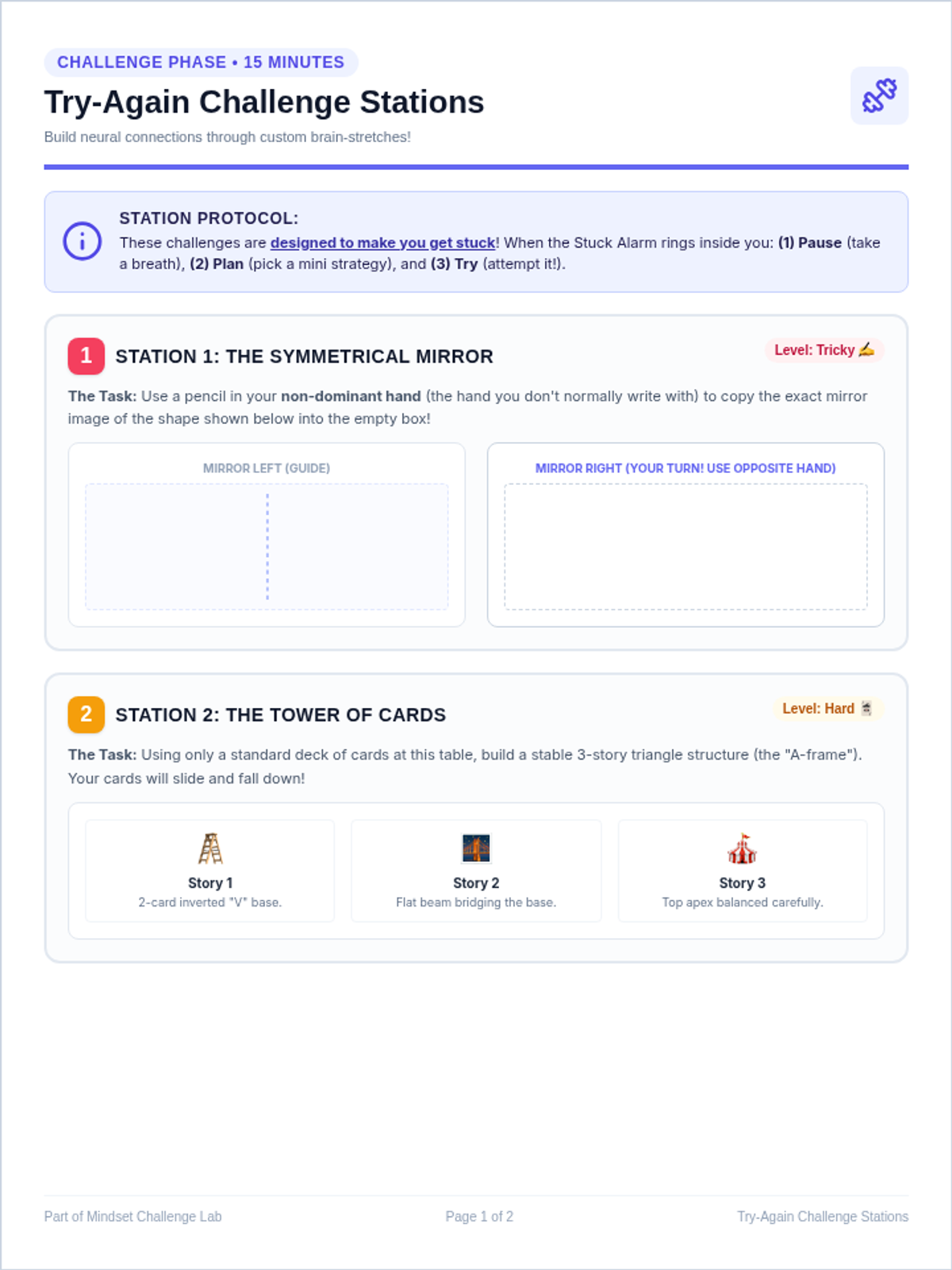
A 3rd-grade social-emotional learning lesson focusing on the 'Pause-Plan-Try' perseverance strategy. Students learn to normalize mistakes, regulate emotions, and practice constructive help-seeking language through interactive challenge stations and self-reflection.
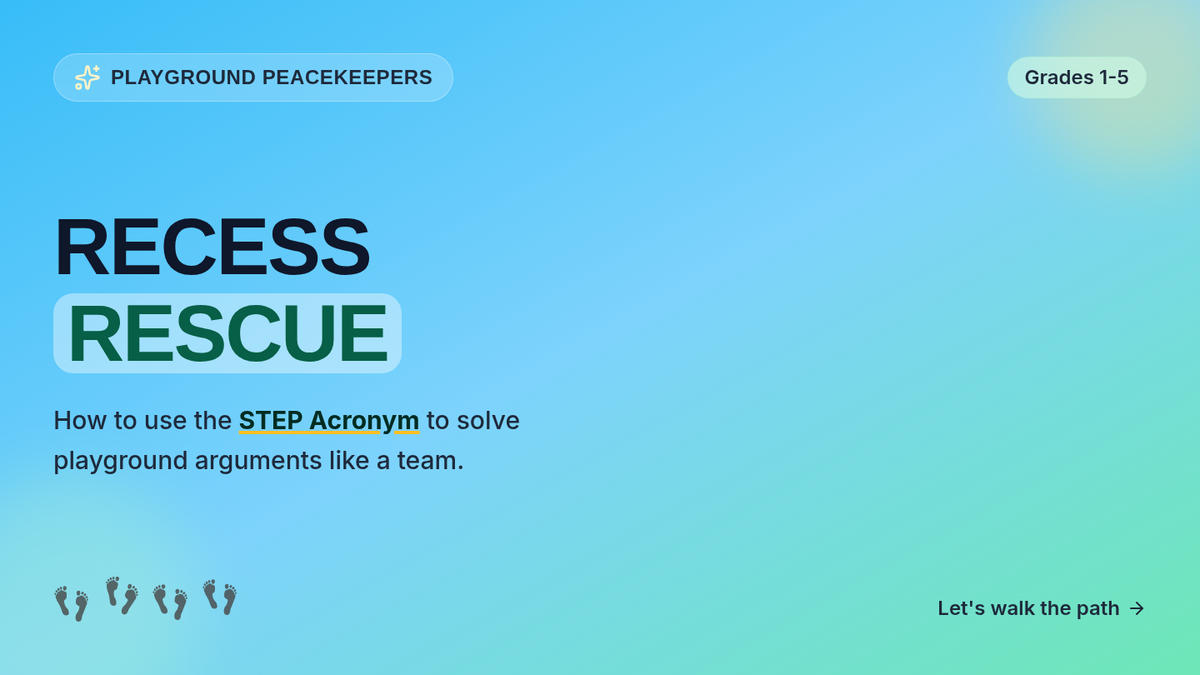
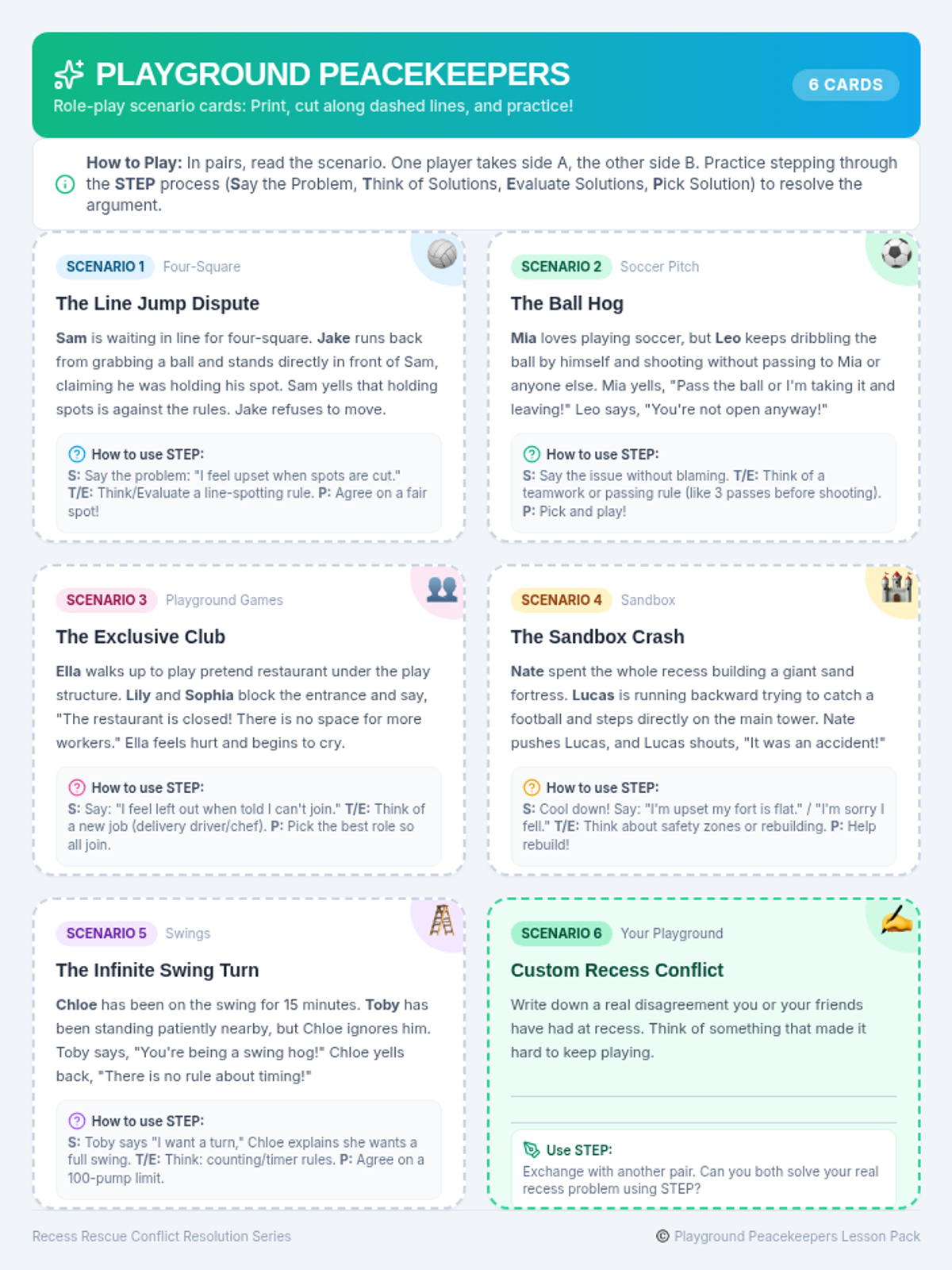
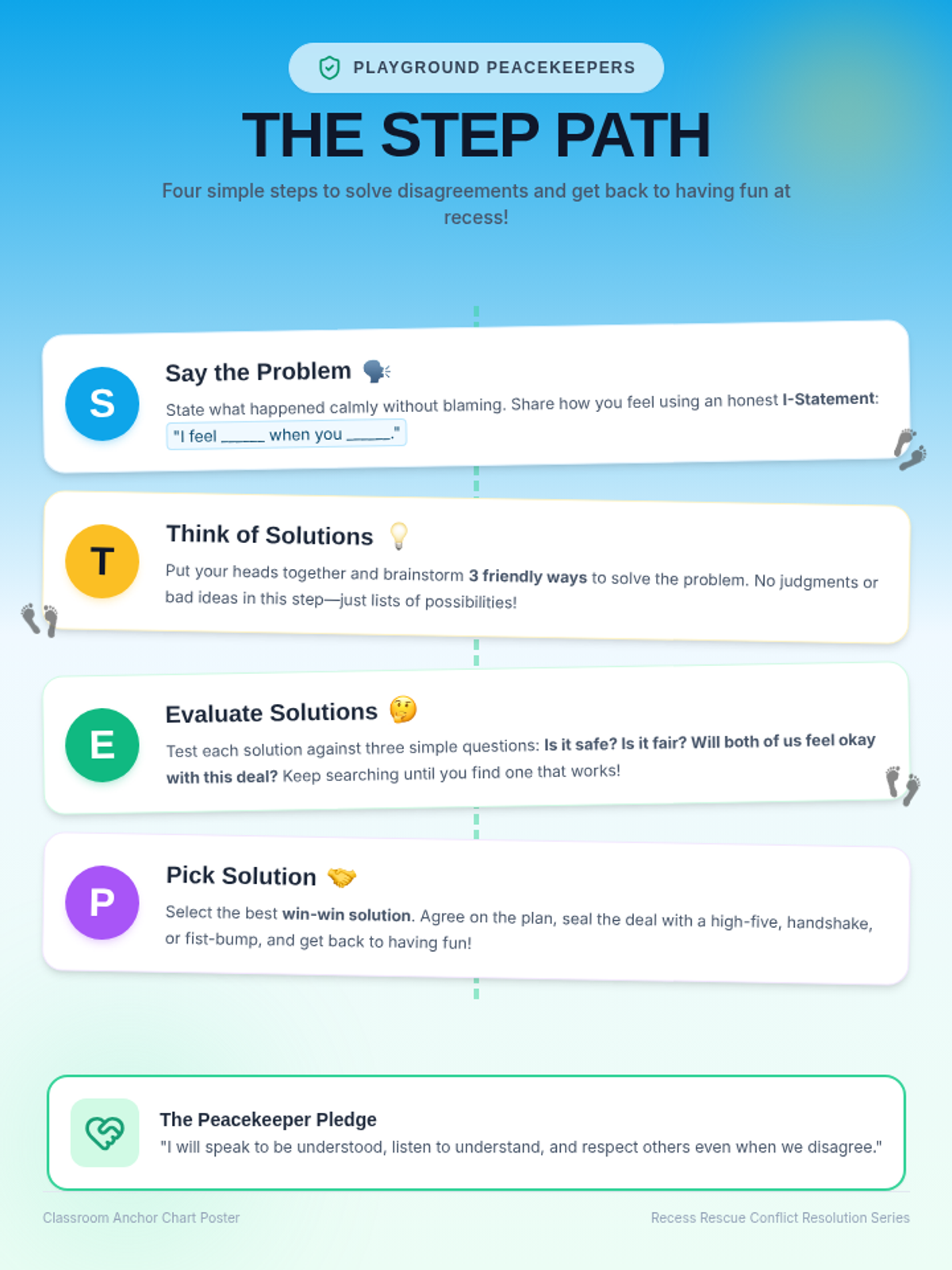
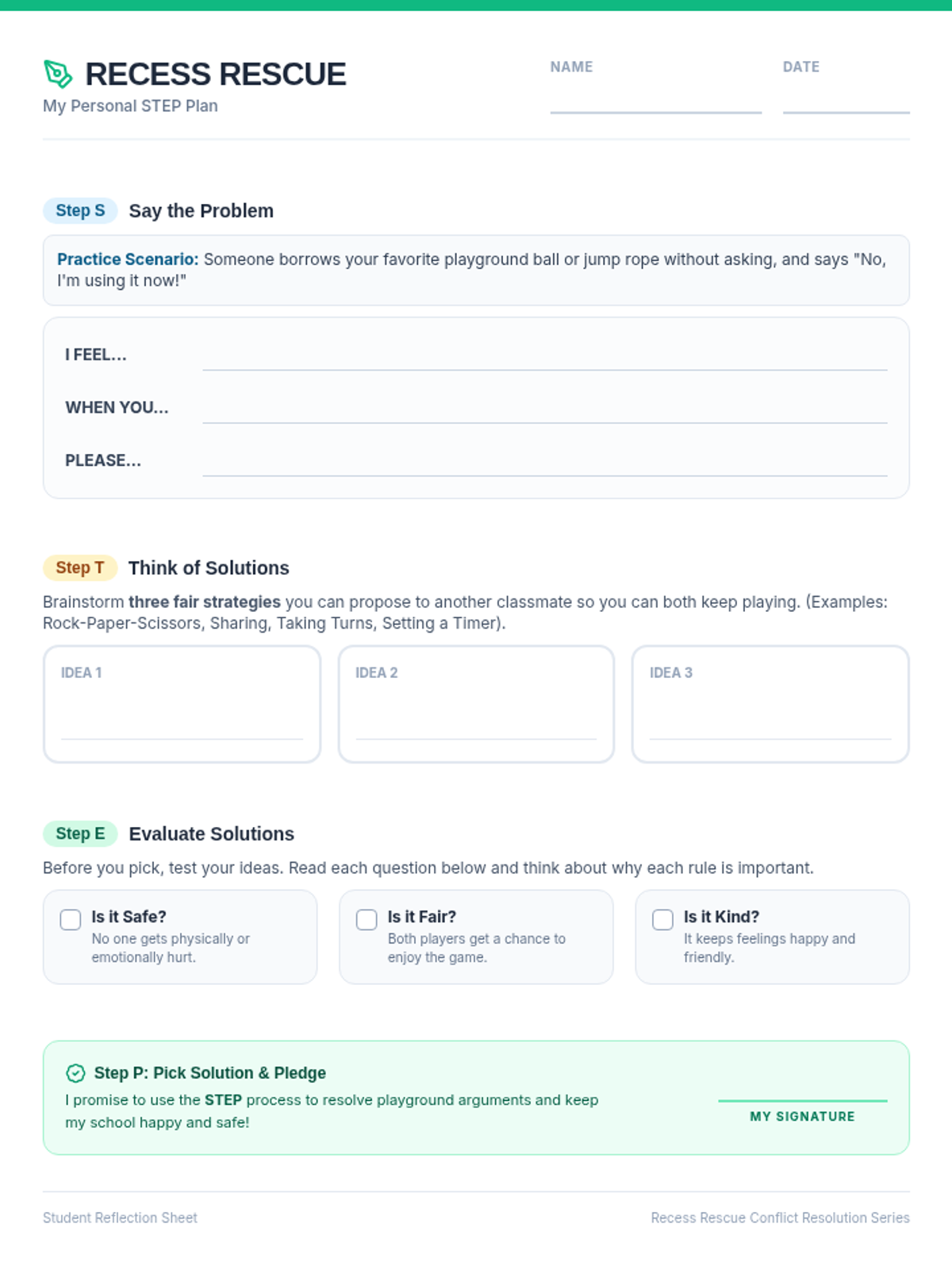
A lesson bundle designed to teach elementary students how to resolve playground conflicts using a structured, peer-to-peer 'Peace Path'. Students will learn self-regulation, active listening, and collaborative problem-solving through interactive slides, role-play scenario cards, a colorful classroom anchor chart, and an individual reflection worksheet.
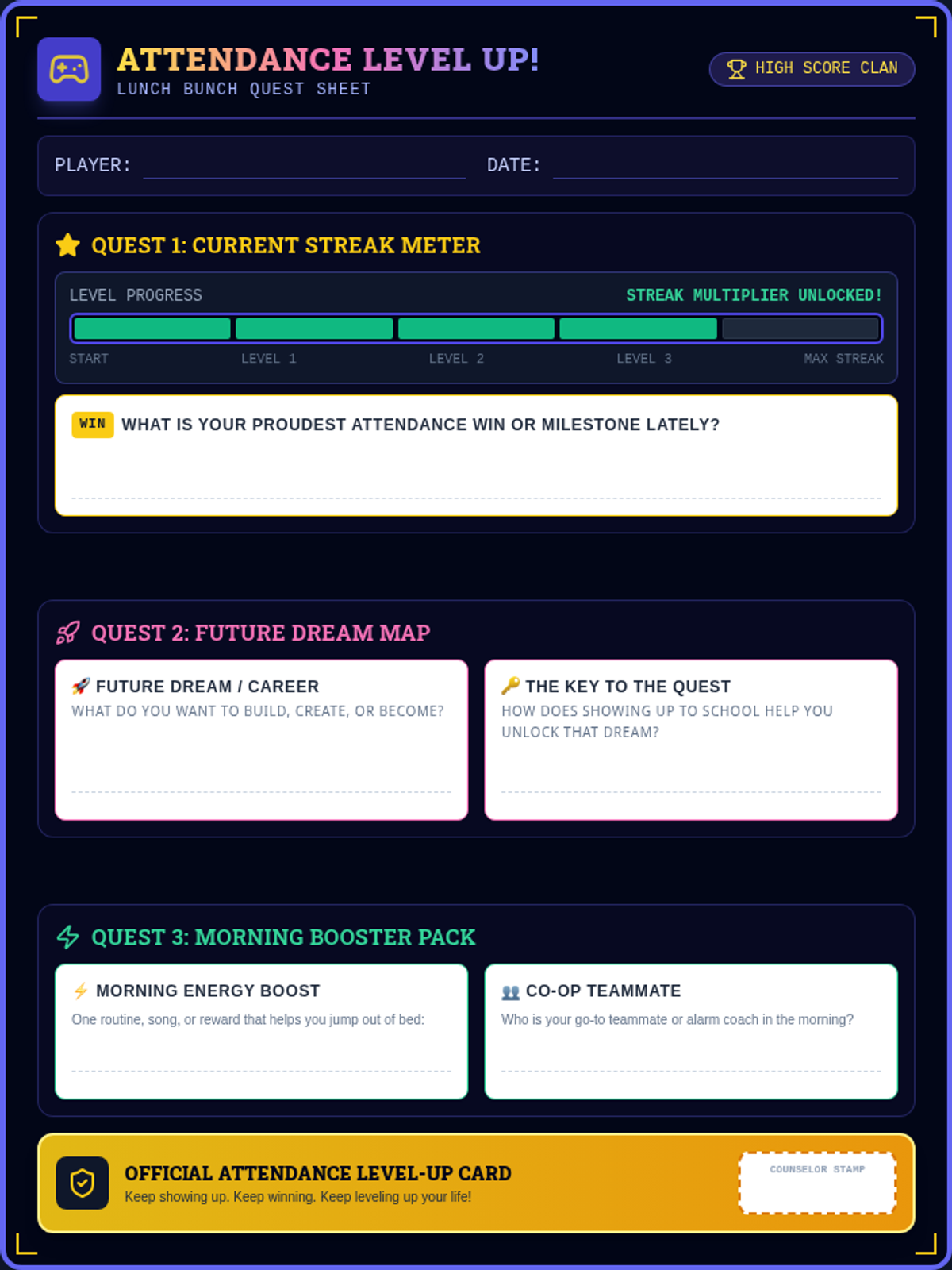
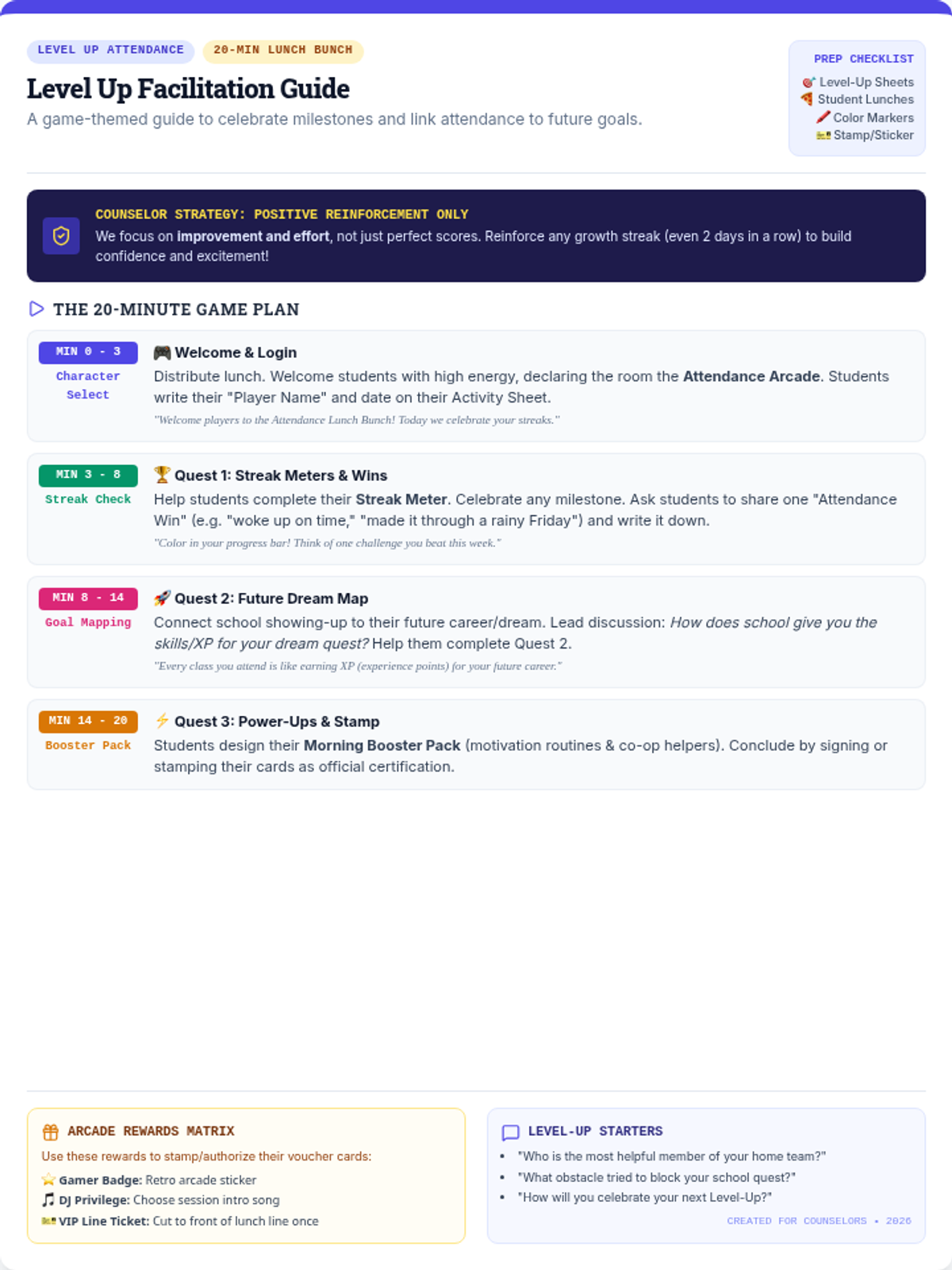
A 20-minute Lunch Bunch lesson plan and facilitation guide designed to celebrate attendance milestones, connect consistent attendance to future goals, and foster a high-energy, positive environment for students.
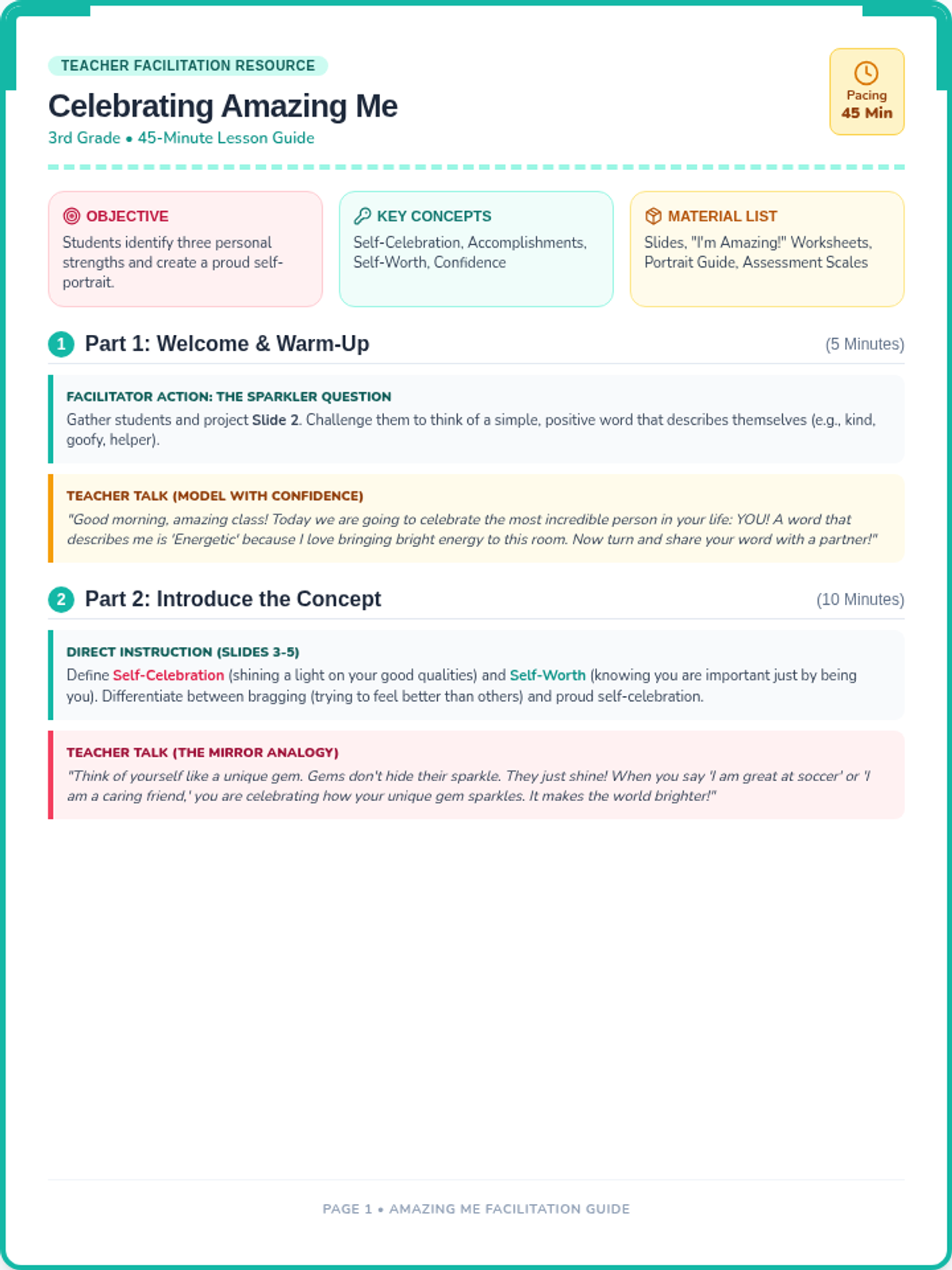
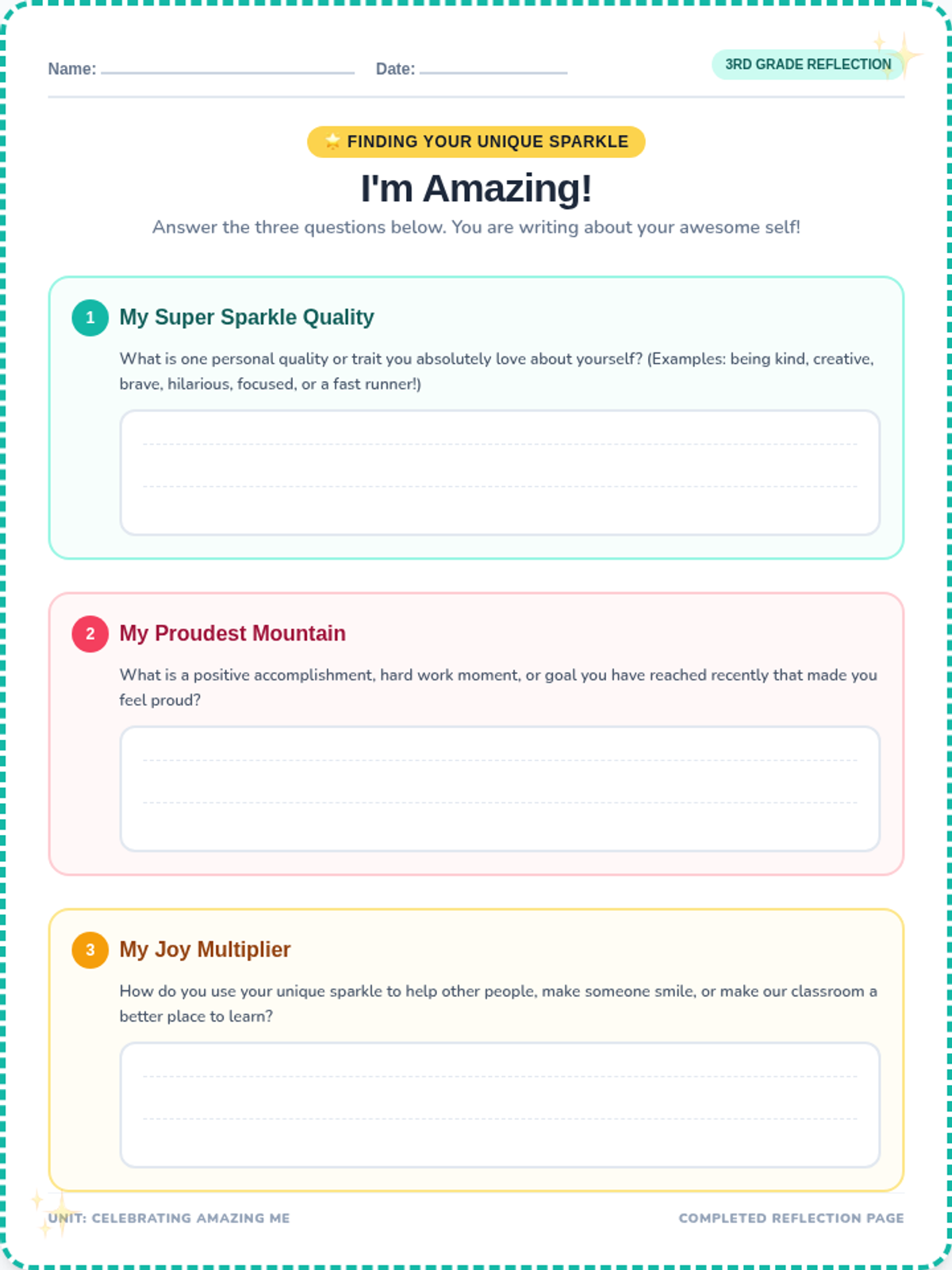
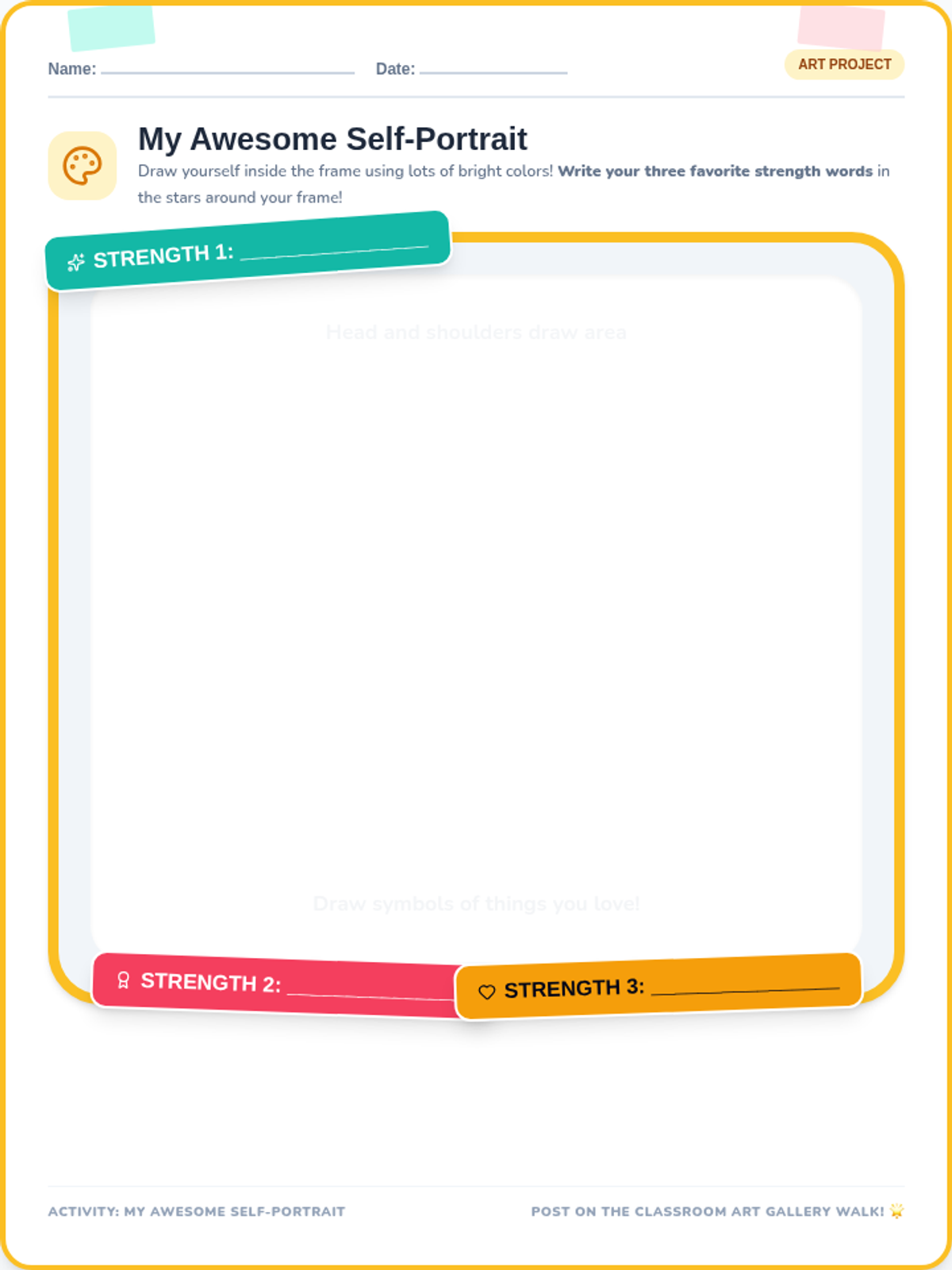
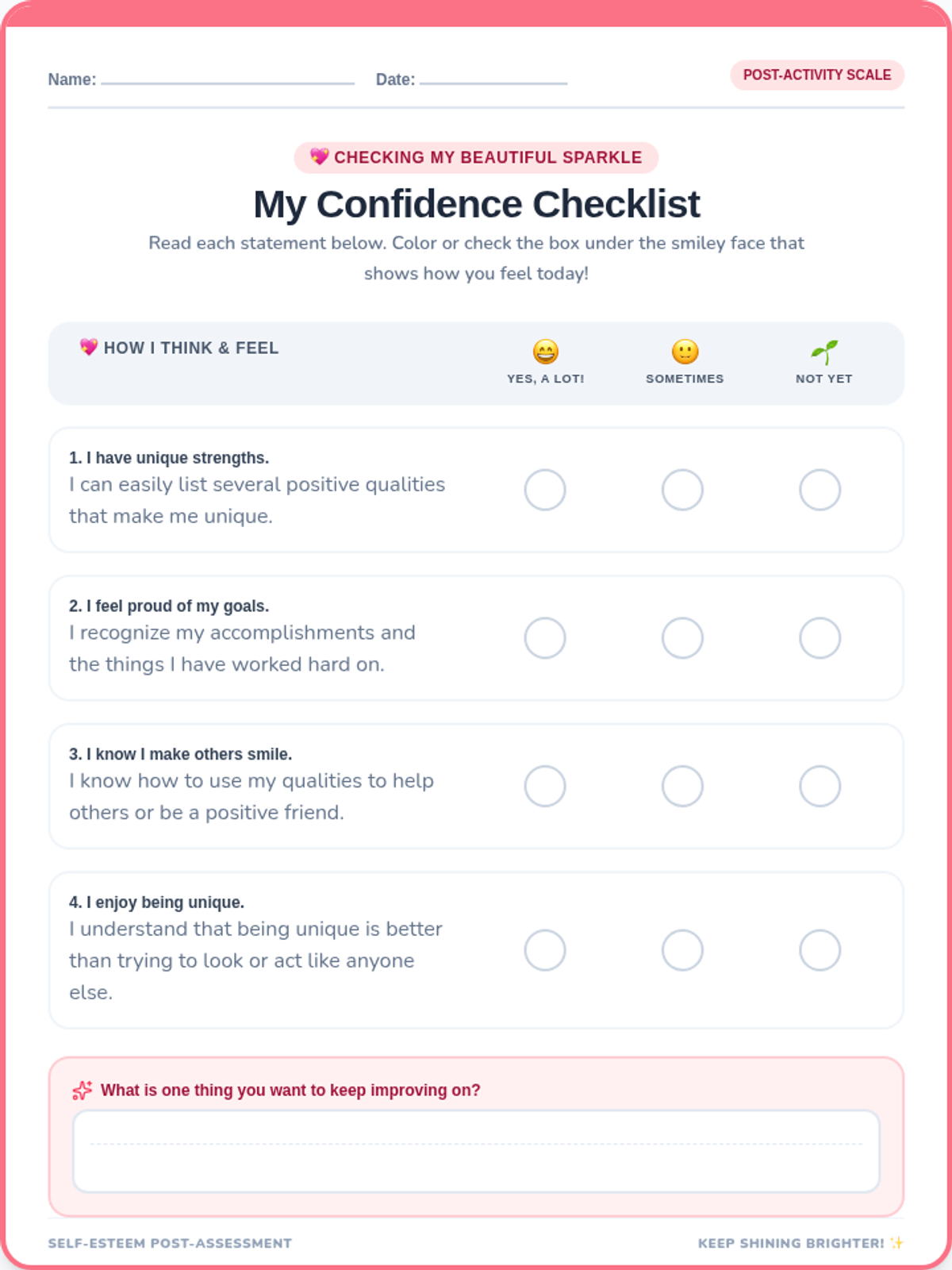
A heartwarming, creative 45-minute lesson for 3rd-grade students focused on self-celebration, self-worth, and building confidence. Students reflect on their unique strengths, achievements, and qualities, culminating in creating a personalized self-portrait that celebrates their awesome self.
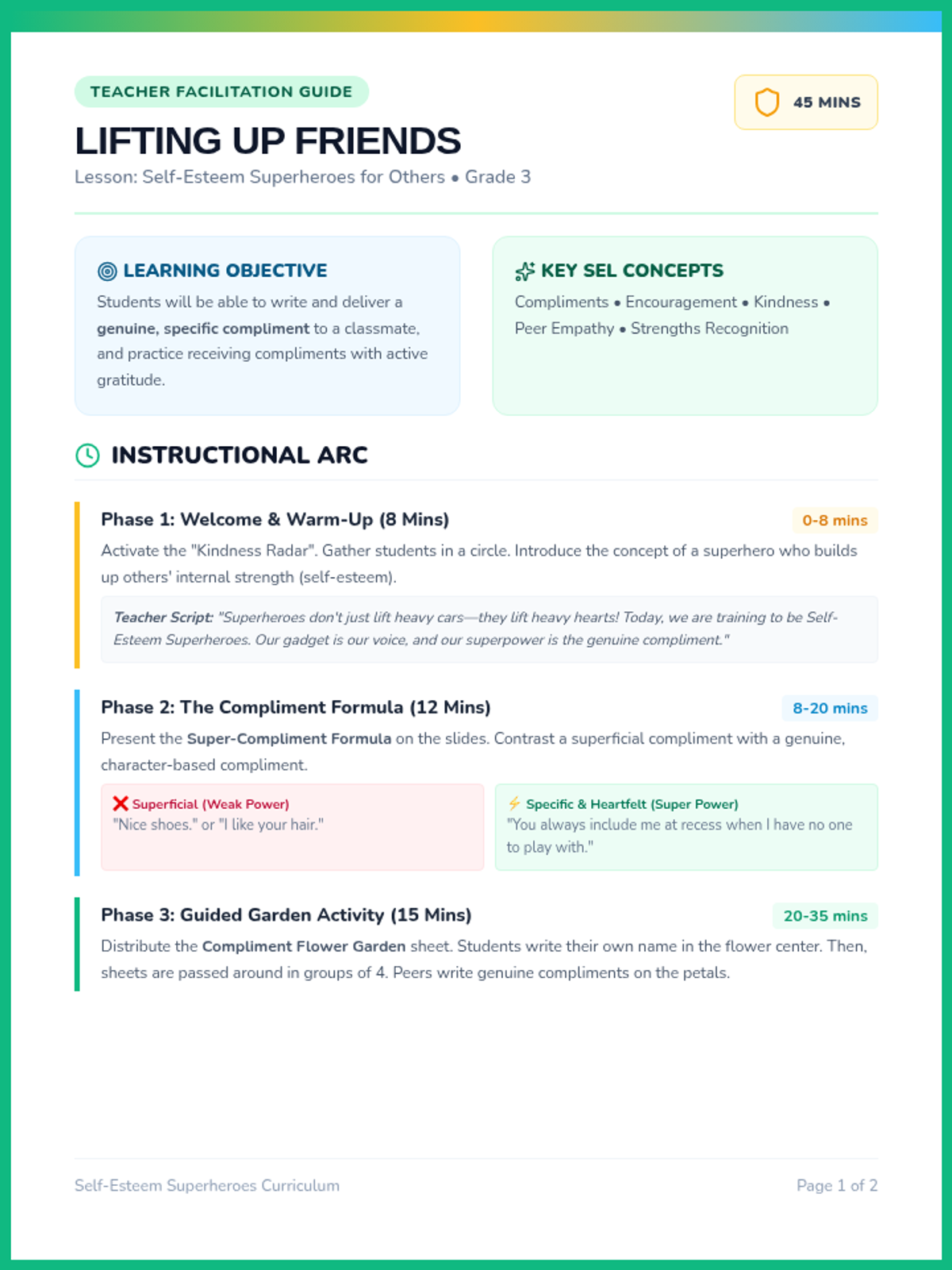
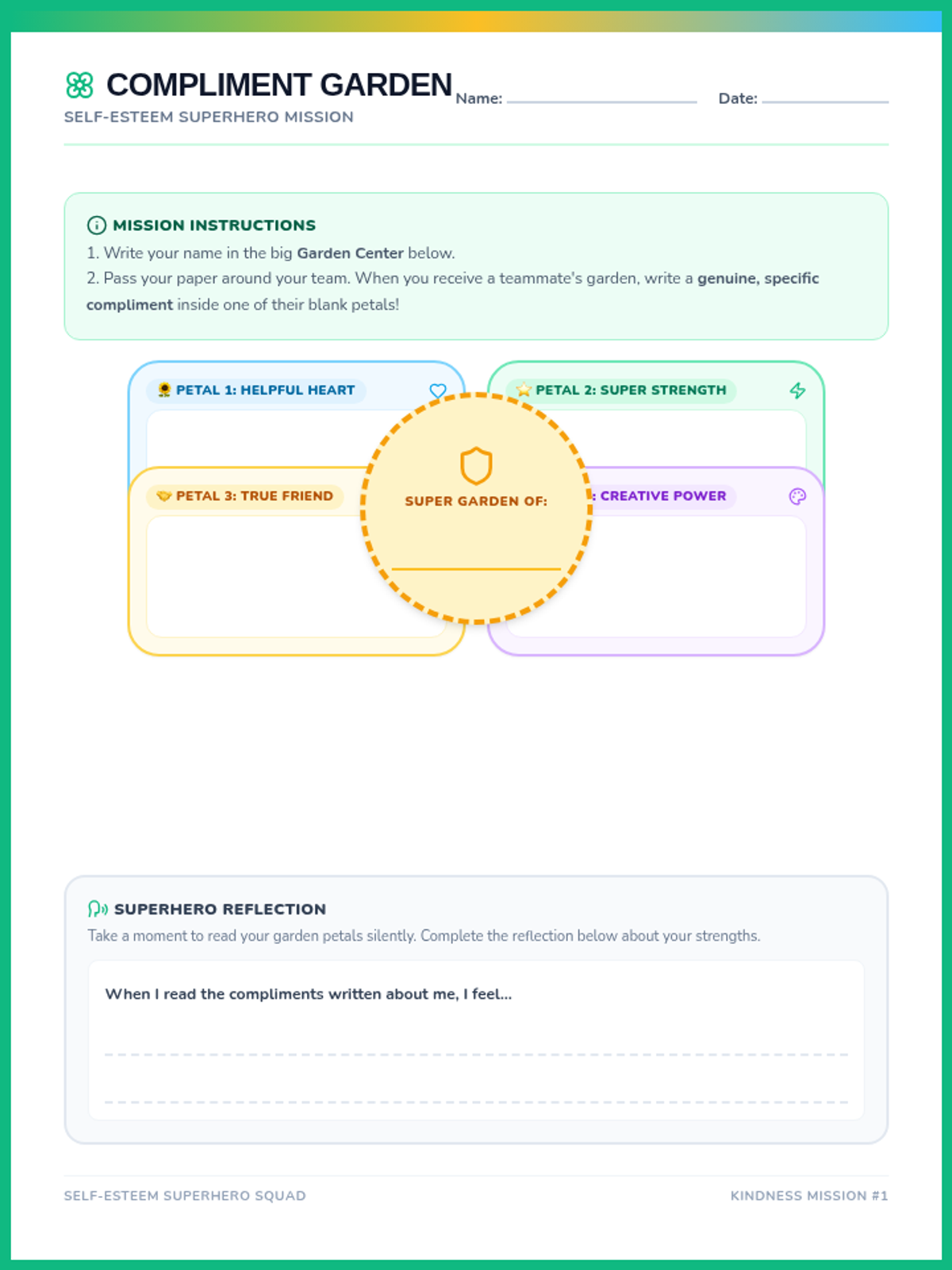
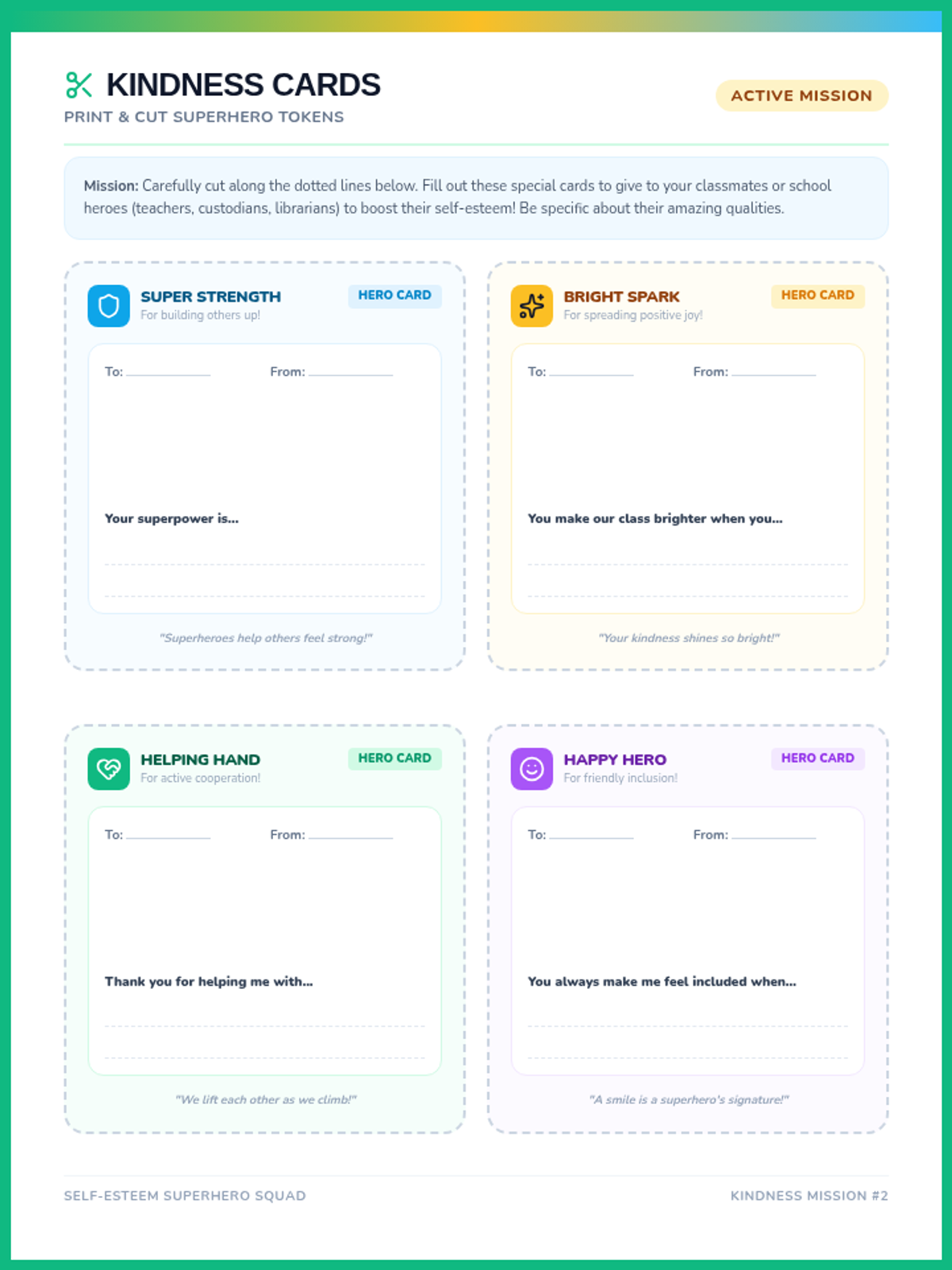
A 45-minute social-emotional learning lesson for 3rd graders on building peer self-esteem through giving and receiving genuine compliments. Through a superhero-garden theme, students learn the anatomy of a real compliment and practice kind peer interactions.