A whimsical social-emotional learning lesson for 1st graders focusing on using polite language and heartfelt compliments to build a kind classroom community.
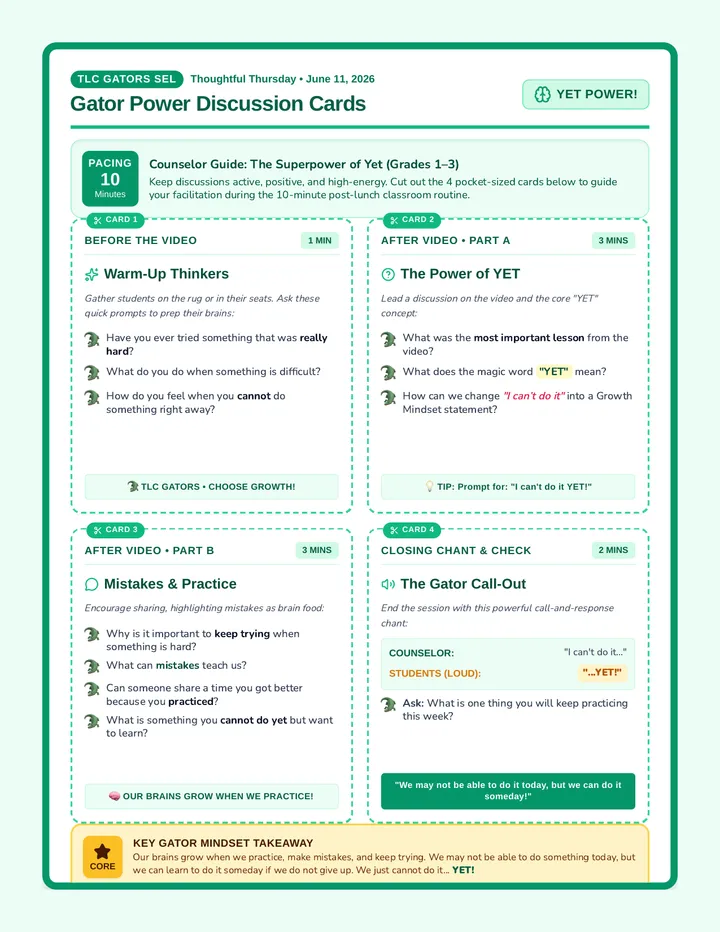
A social-emotional learning lesson that teaches elementary students to identify 'unexpected behaviors' across different settings using a detective-themed investigation. Students learn how their actions affect the thoughts and feelings of those around them.
A foundational lesson for Kindergarten students to learn the components of Whole Body Listening through visual aids, interactive slides, and a hands-on cut-and-paste activity.
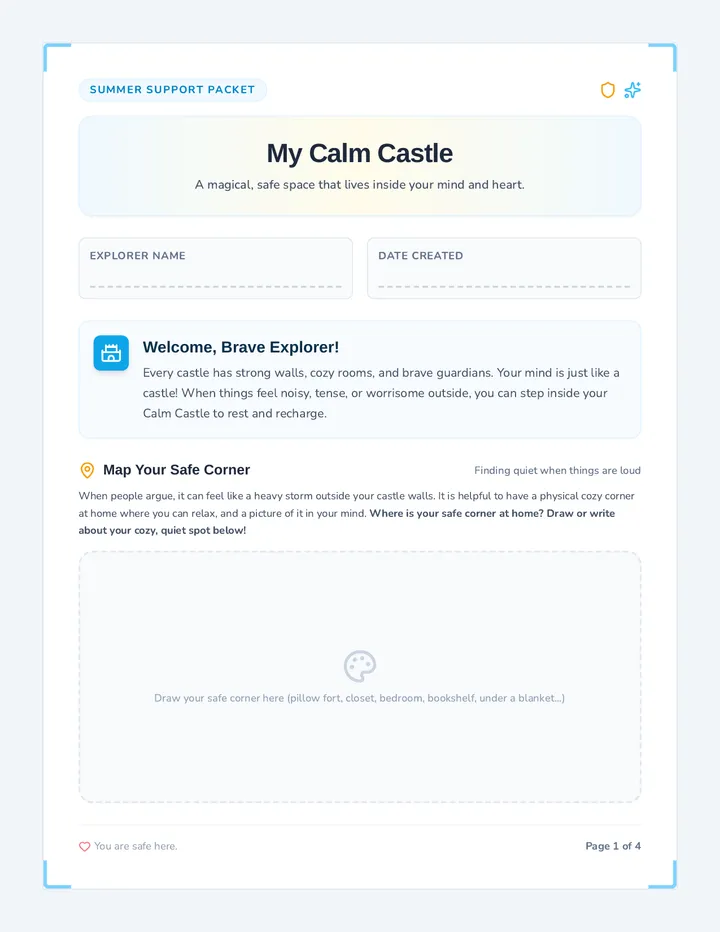
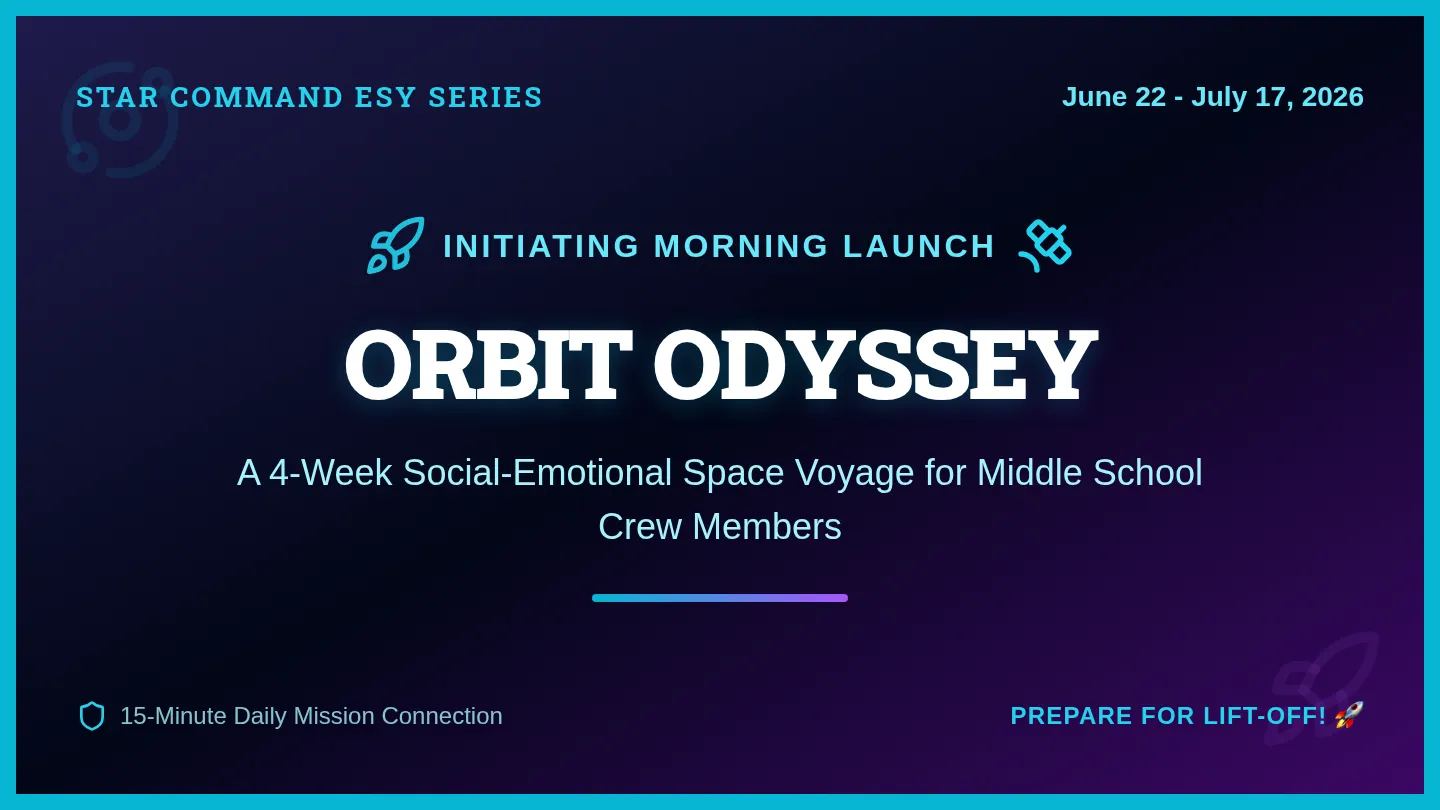
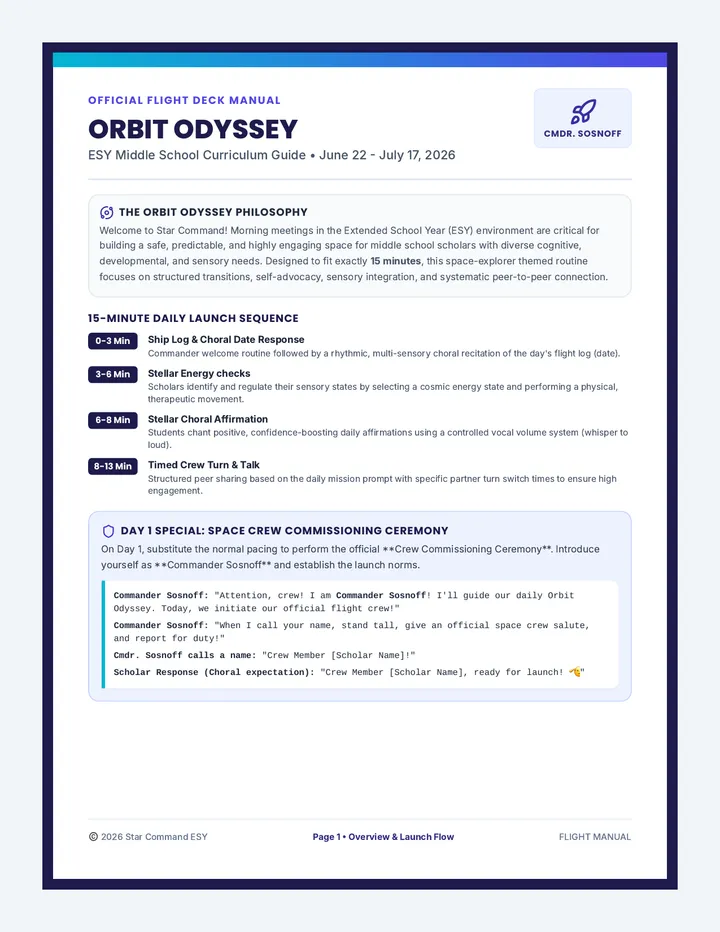
A comprehensive coaching package for parents of middle school twins to foster morning independence, reduce conflict, and manage irritability through structured interventions and scripted communication.
A collection of social behavior maps for first graders to help them navigate common classroom situations like following directions and honesty. Each map uses a detective theme to help students identify the 'clues' of expected behavior and social consequences.
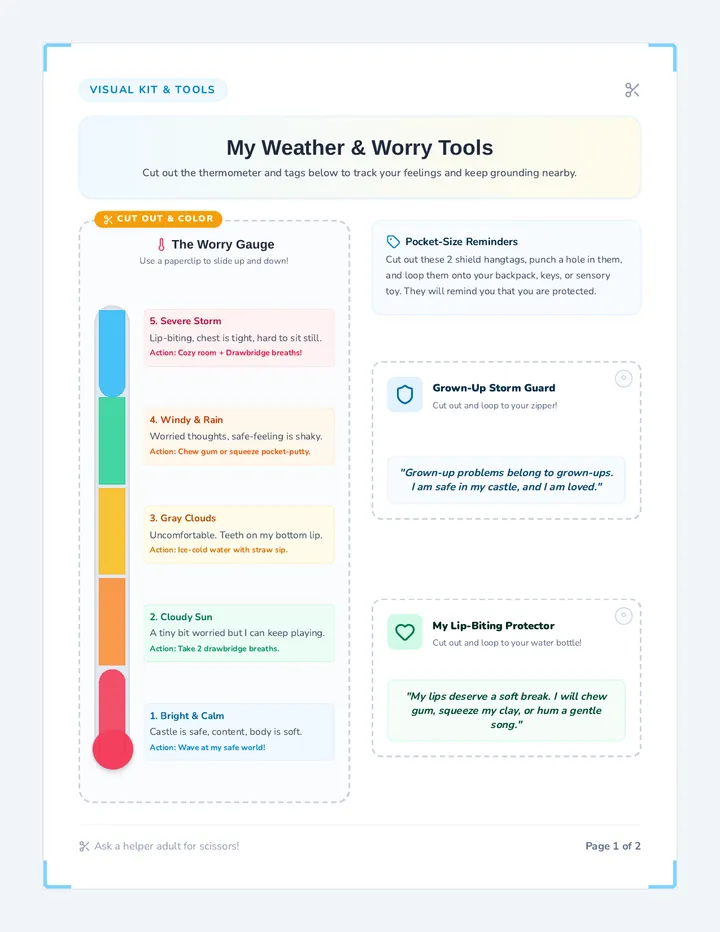
An introductory lesson exploring the concept of neurodiversity. Students learn that just as we look different, our brains think, learn, and feel in different ways.
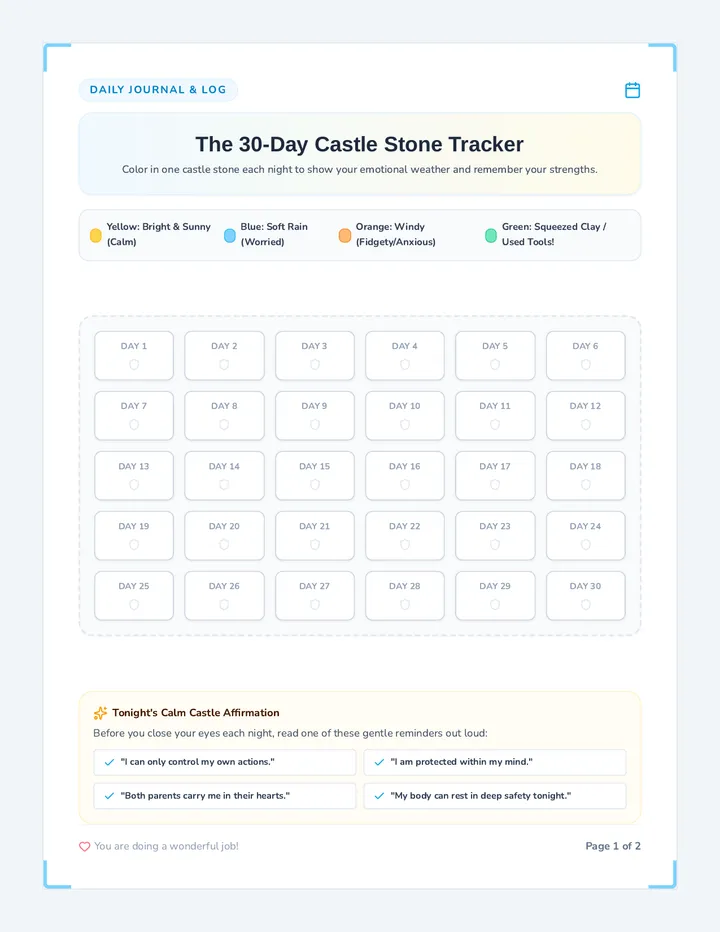
A supportive lesson focused on easing school-re-entry anxiety and providing concrete strategies for students transitioning back after a break.
A 30-minute introductory lesson for 2nd graders to identify big emotions and practice three specific healthy coping strategies: deep breathing, counting, and talking it out.
A collection of social stories and supporting materials designed to help 2nd graders navigate common social challenges like making mistakes, being wrong, and sharing friends. Uses simple language and clear visuals to build social-emotional resilience.
The culminating unit project where students 'remix' a real or realistic emotional reaction into a thoughtful response. Students analyze the impact of their choice on themselves and others.
Guides students through a deep personal reflection on their emotional triggers and body signals. Students analyze a specific past experience to build self-awareness and prepare for the culminating project.
Focuses on the creation of a personal 'Strategy Toolbox.' Students explore and practice specific emotional regulation techniques like deep breathing, physical space, and cognitive reframing.
Introduces the concept of emotional reactions versus intentional responses through scenario analysis and peer discussion.
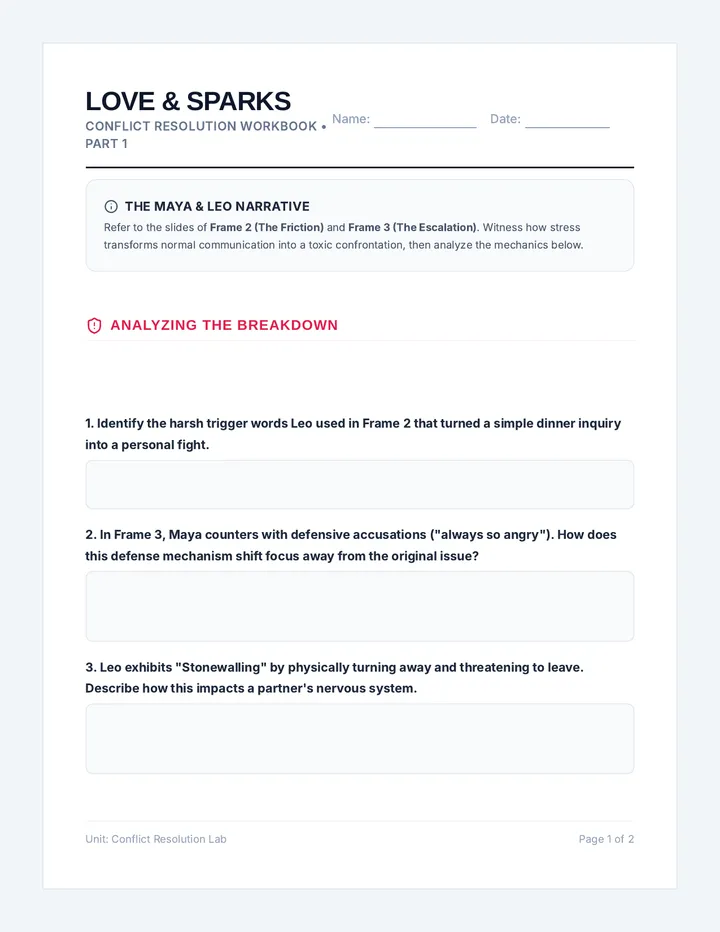
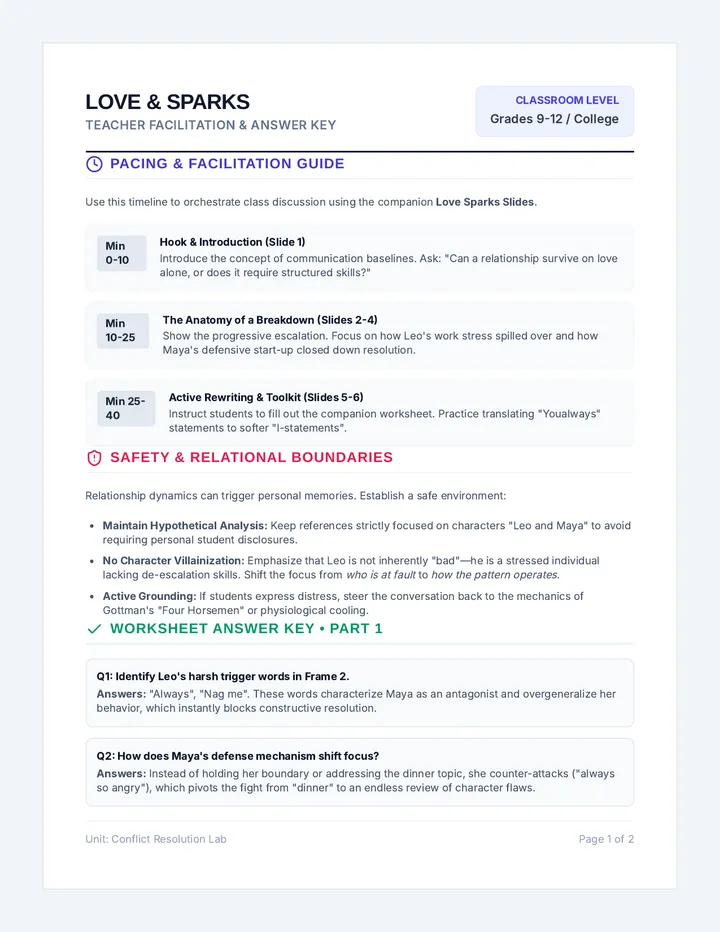
A restorative SEL lesson designed to help a student understand the serious impact of verbal threats and develop healthy coping mechanisms for intense anger. This lesson focuses on the 'ripple effect' of words and provides a concrete toolkit for de-escalation.
A comprehensive set of tools for teachers to support students experiencing work avoidance or shutting down, focusing on emotional regulation and proactive intervention.
A supportive, one-on-one session designed to provide a student with practical coping strategies while their mother is hospitalized. The lesson focuses on emotional regulation, following adult guidance, and maintaining physical safety in the classroom through hands-on activities.
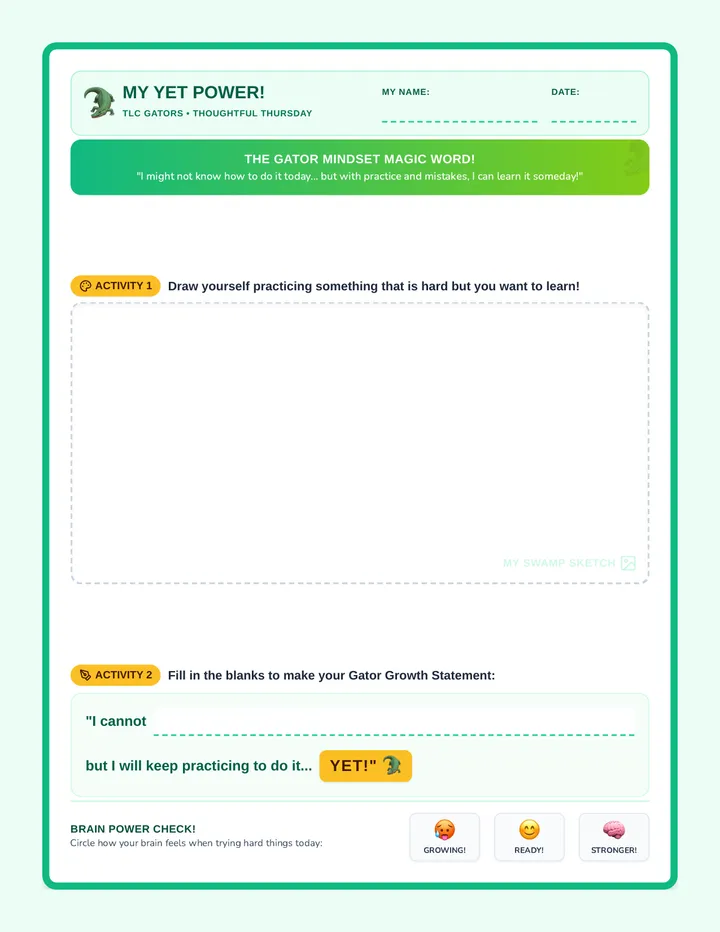
A lesson designed to introduce first graders to the concept of positive self-talk through a nature-inspired gardening theme. Students learn to nurture their 'inner garden' by planting 'power seeds' (positive phrases) and pulling 'weedy' thoughts, focusing on building resilience and a growth mindset.
Explores the world of synthetic media, teaching students to identify AI-generated images and deepfake videos using critical analysis.
Focuses on identifying media bias through word choice, loaded language, and omitted perspectives in news and social media.
Students learn the difference between misinformation and disinformation and practice the essential skill of lateral reading to verify online claims.
Reviewing all steps and setting a long-term goal for classroom independence.
Practicing 'Pause Power' in controlled classroom situations.
Understanding how charting success leads to 'Power Rewards' (bonus break time).
Preparing to transition back to academic work and re-entering the classroom flow.
Activities during the 'Pause' that lead to regaining self-control and readiness to learn.
The mechanics of requesting a break through verbal and non-verbal cues.
Understanding what a 'Pause Power' break is, its purpose (self-control, not just escape), and how it works.
Identifying the feelings of 'shutting down' or avoidance and framing them as signals that it's time for a 'Pause'.
A mediation framework designed to help students navigate personal conflicts complicated by external family drama, focusing on restoring individual agency and rebuilding friendship boundaries.
A foundational lesson on classroom social expectations, helping students distinguish between helpful and disruptive behaviors through categorization and situational analysis.