A 30-minute lesson for 4th graders on effective listening skills, covering the difference between hearing and listening, active listening techniques, and practical application.
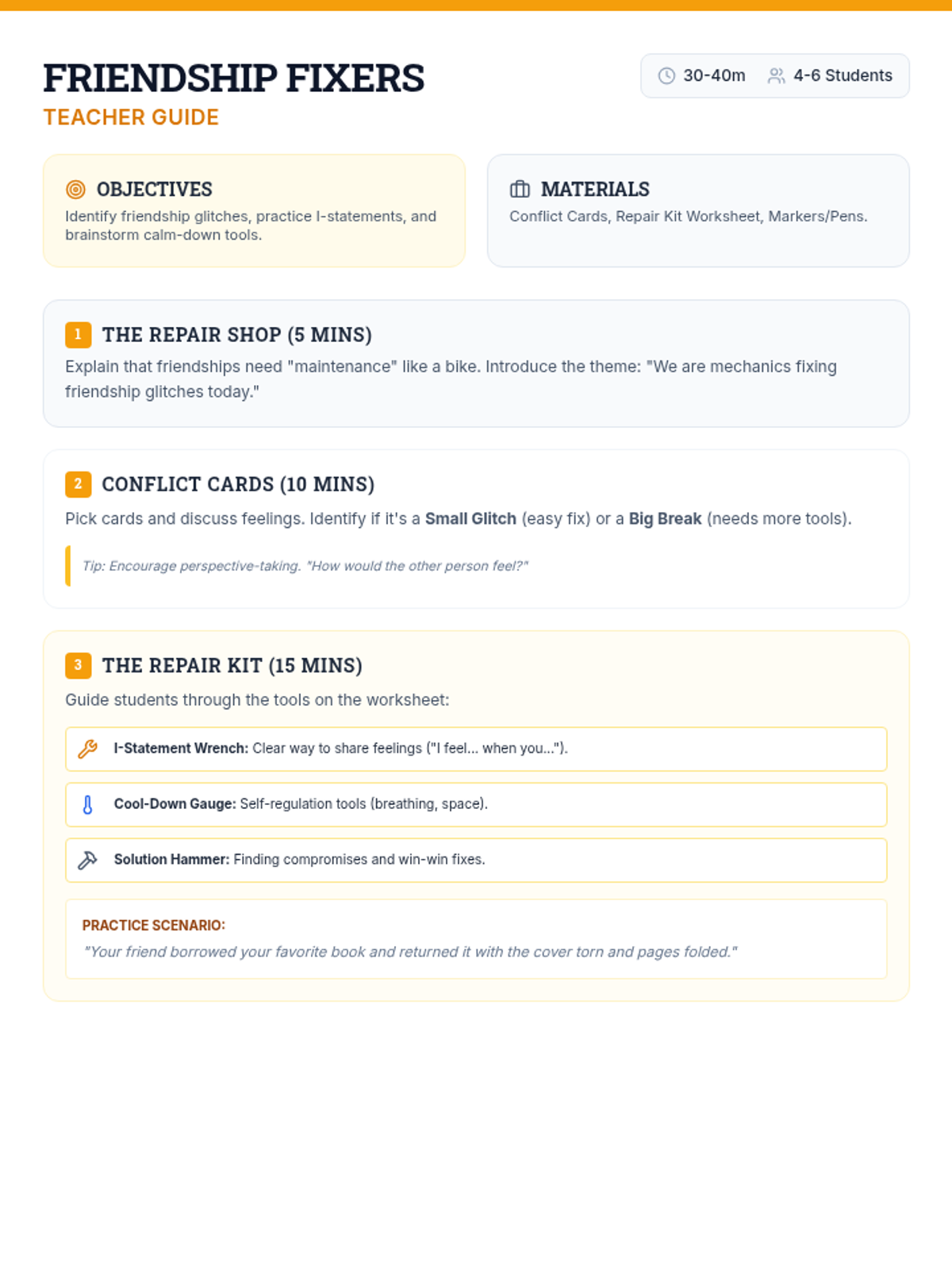
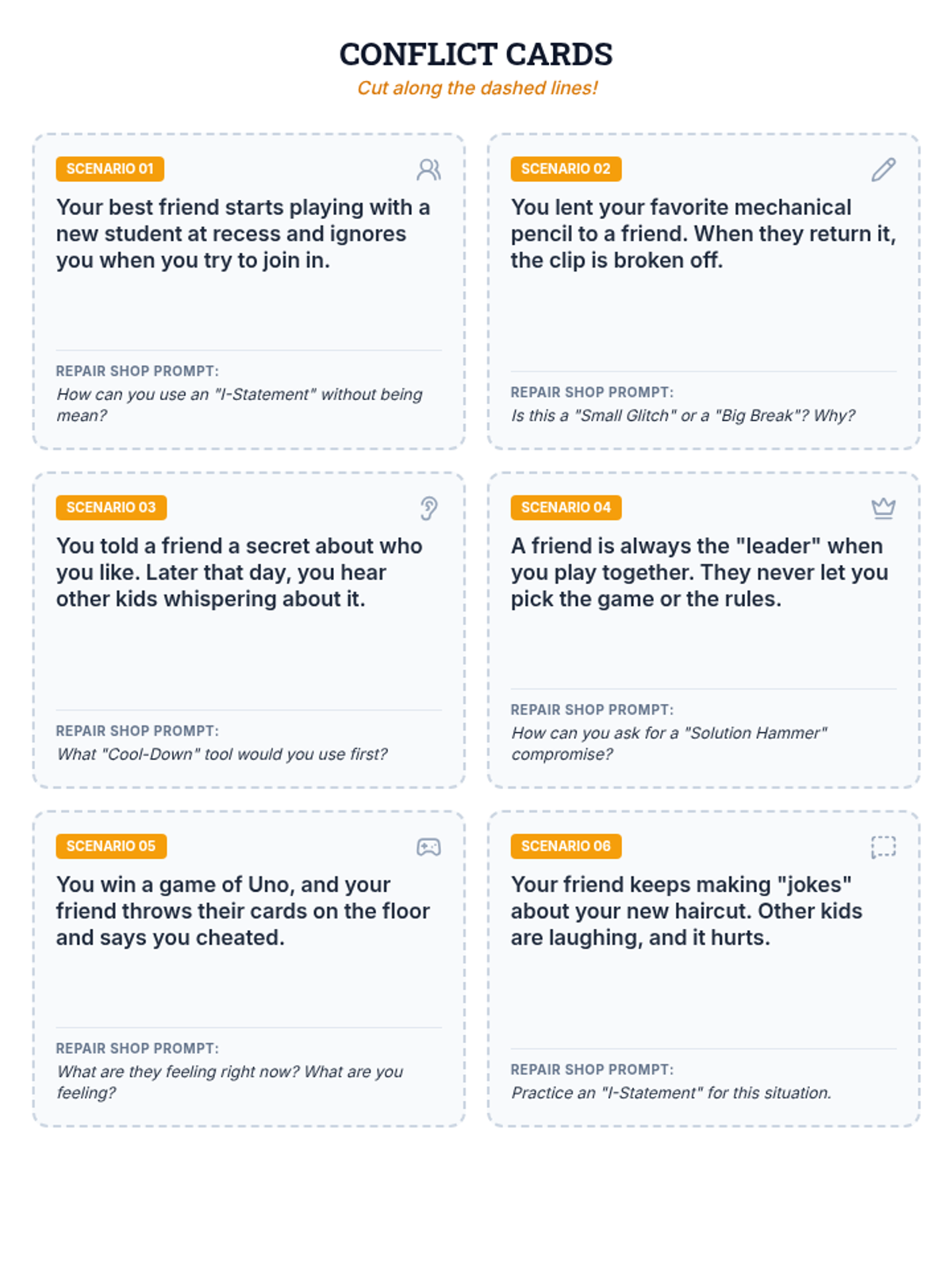
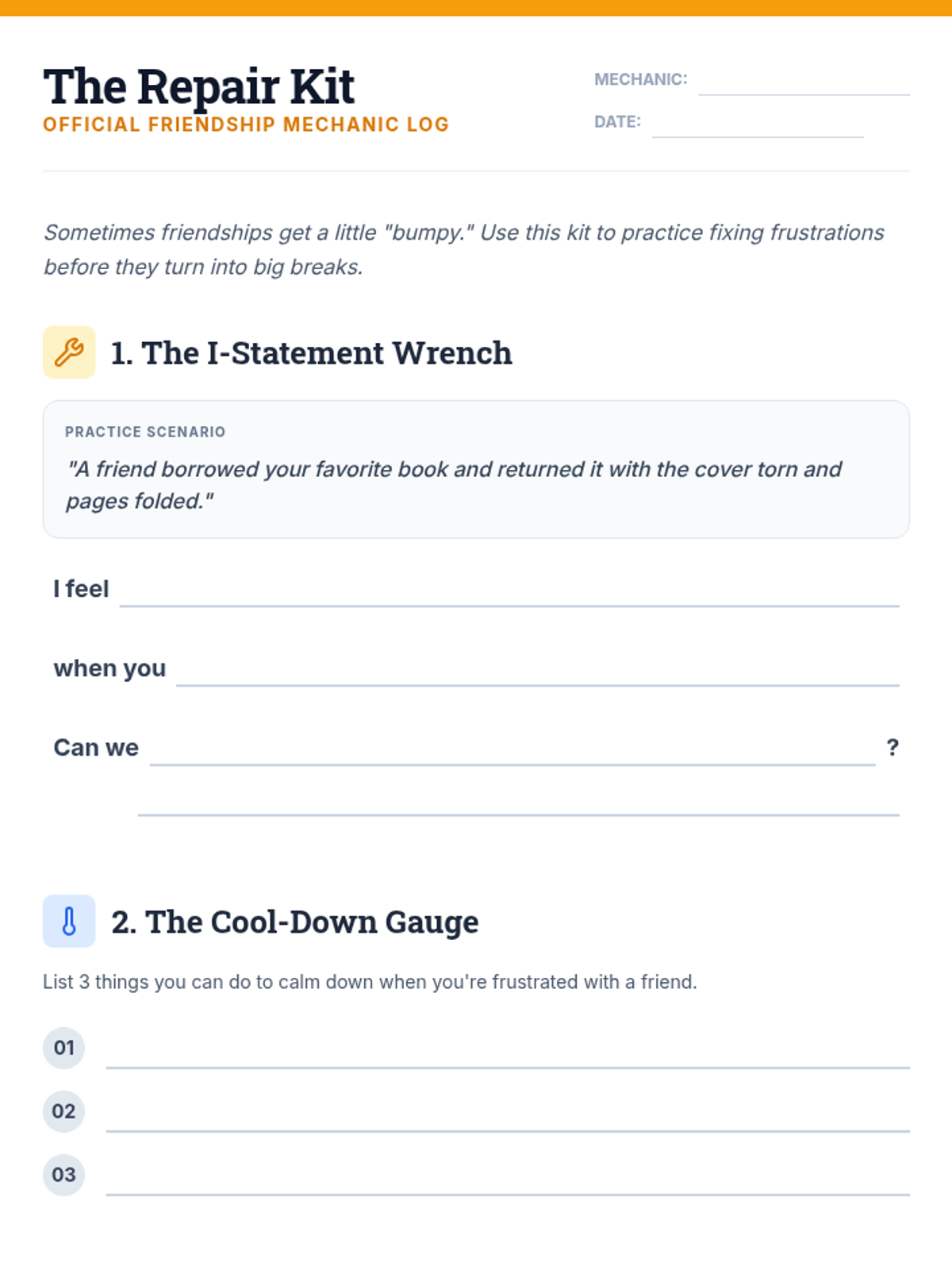
A small-group lesson for 4th graders focused on navigating common friendship conflicts and frustrations using effective communication and problem-solving tools.
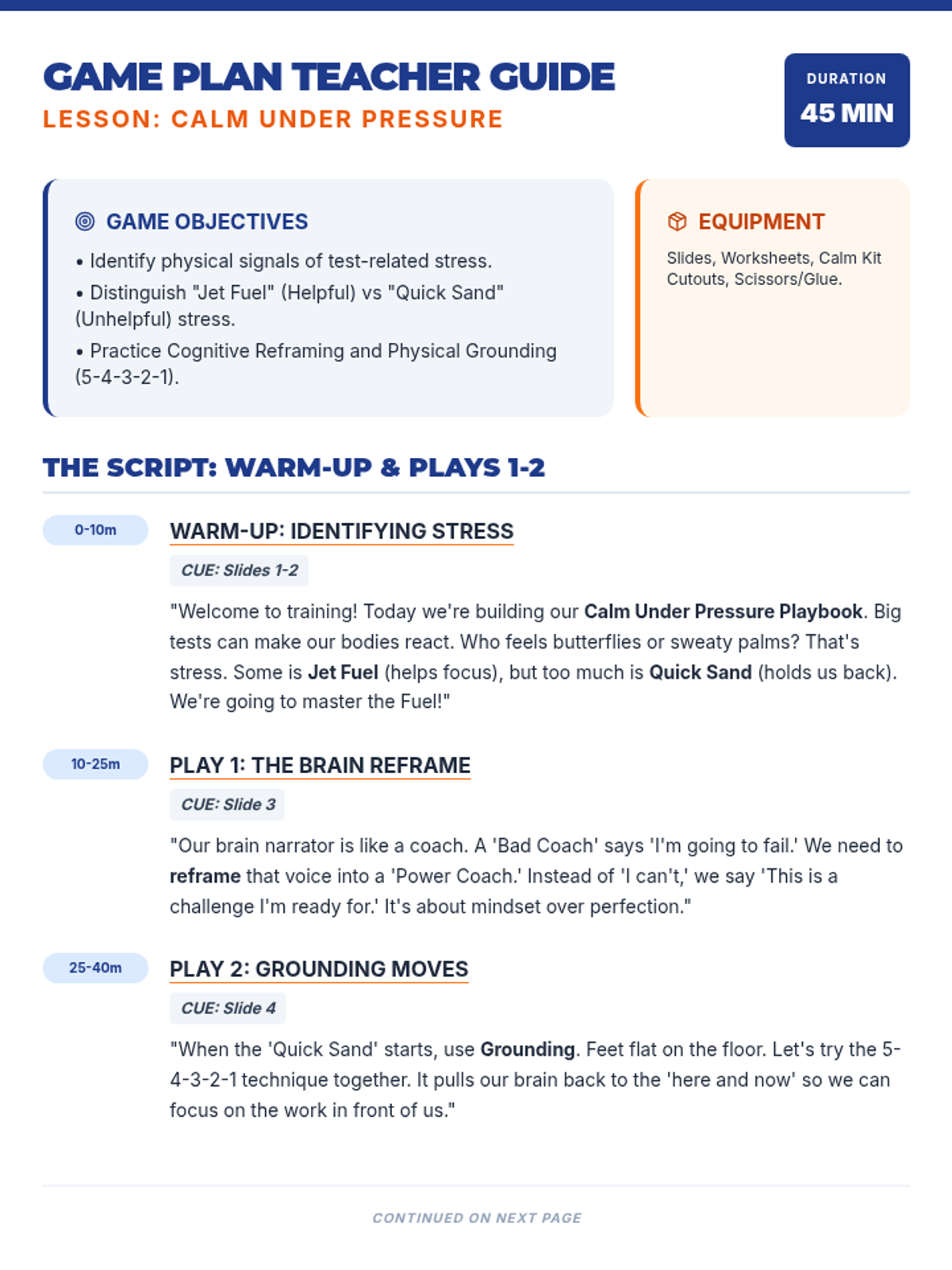
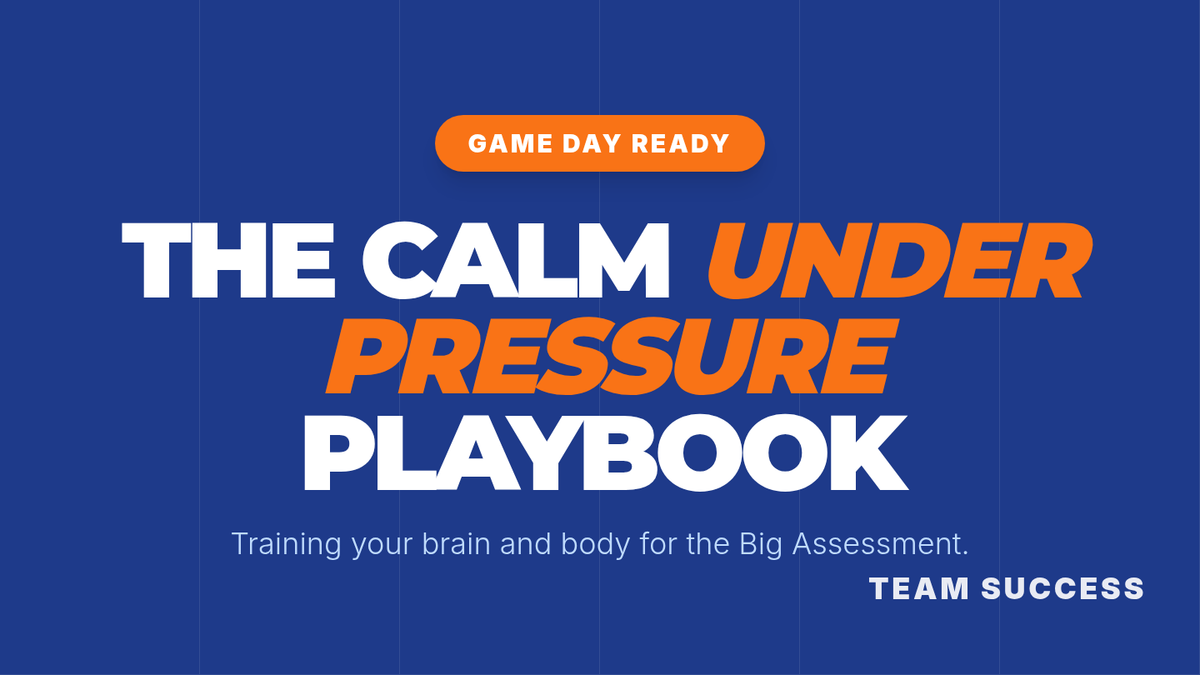
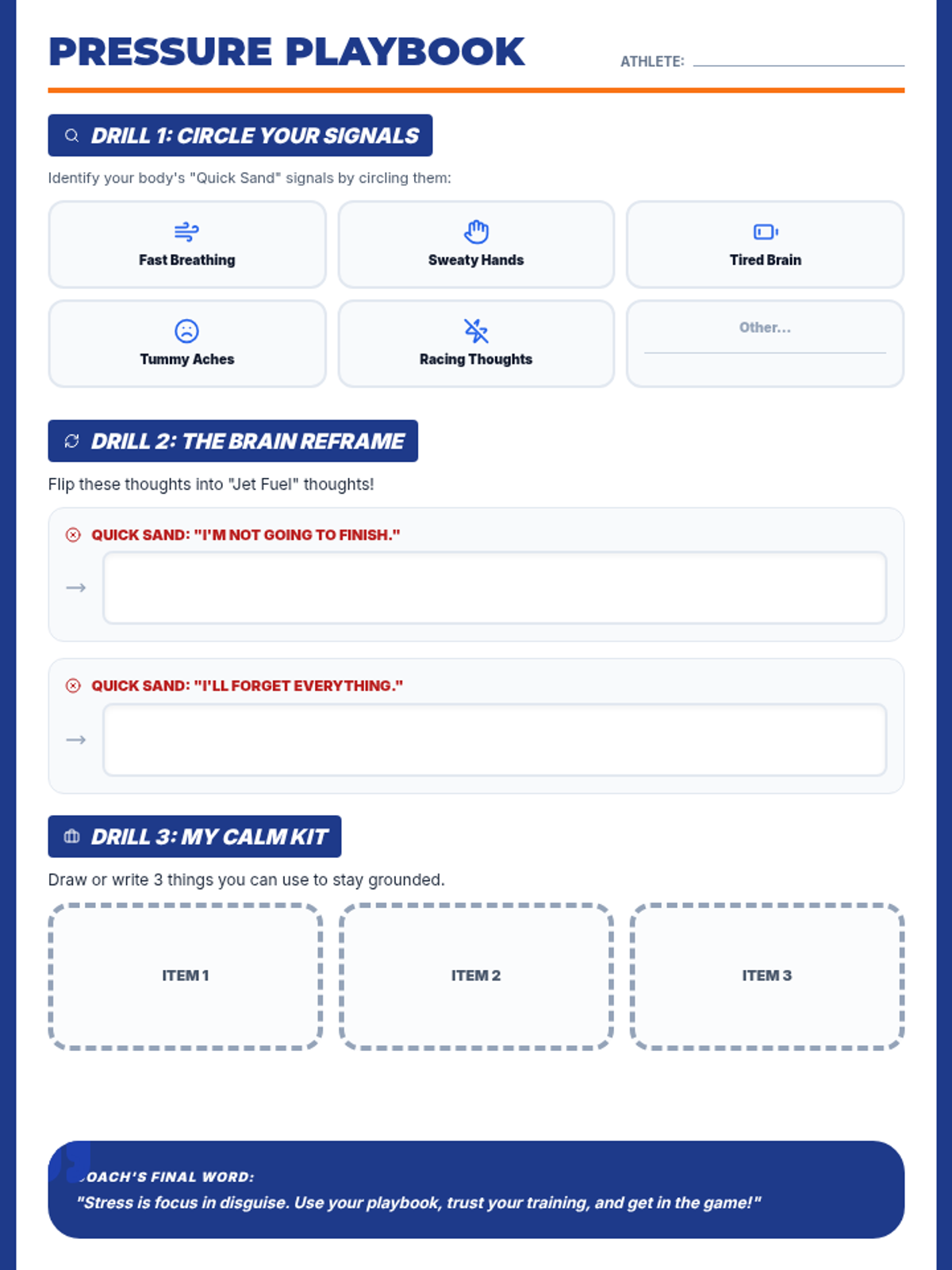
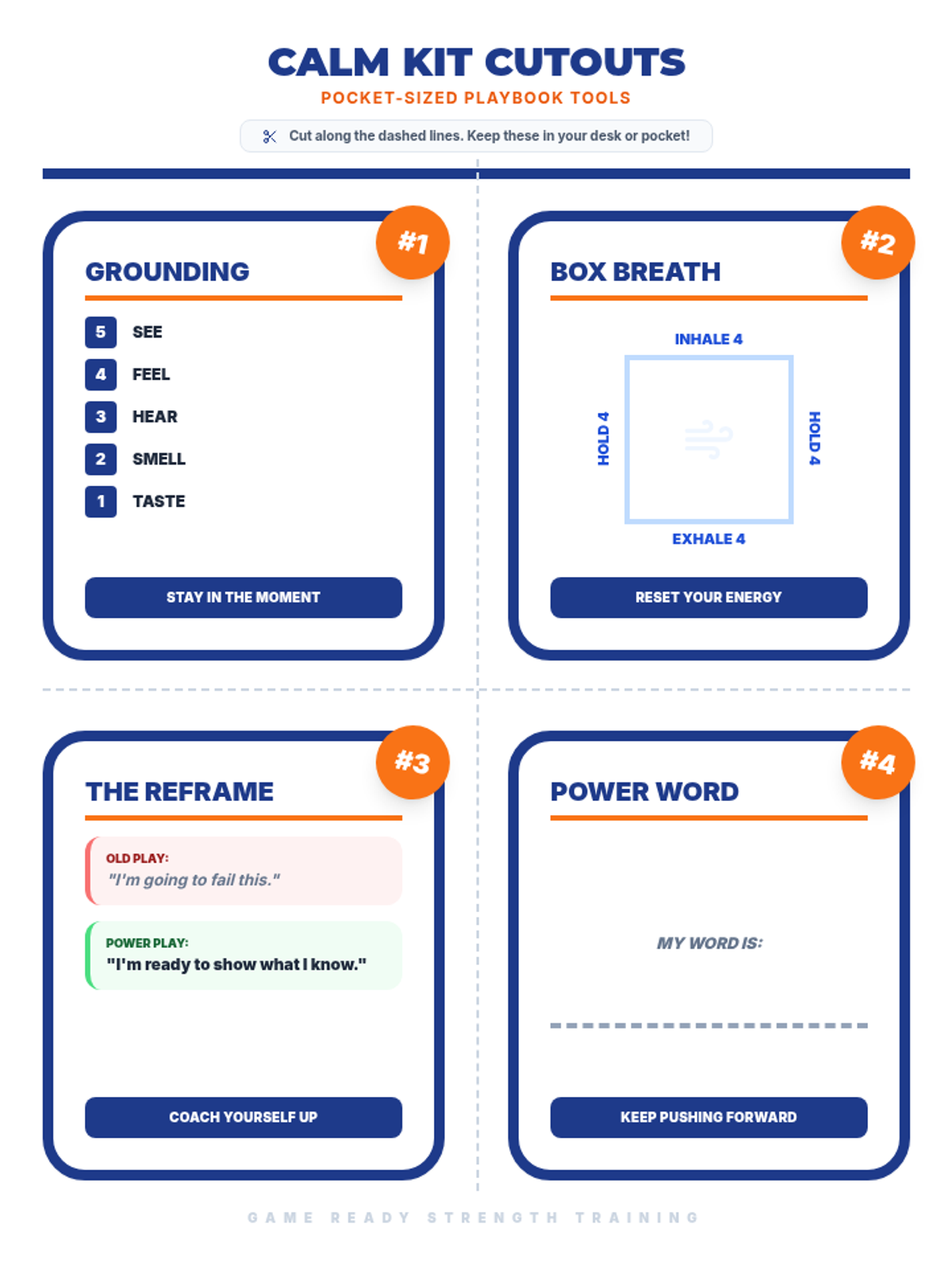
A comprehensive lesson designed to help 4th graders manage test anxiety through cognitive reframing and physical grounding techniques, framed as a sports 'playbook' for success.
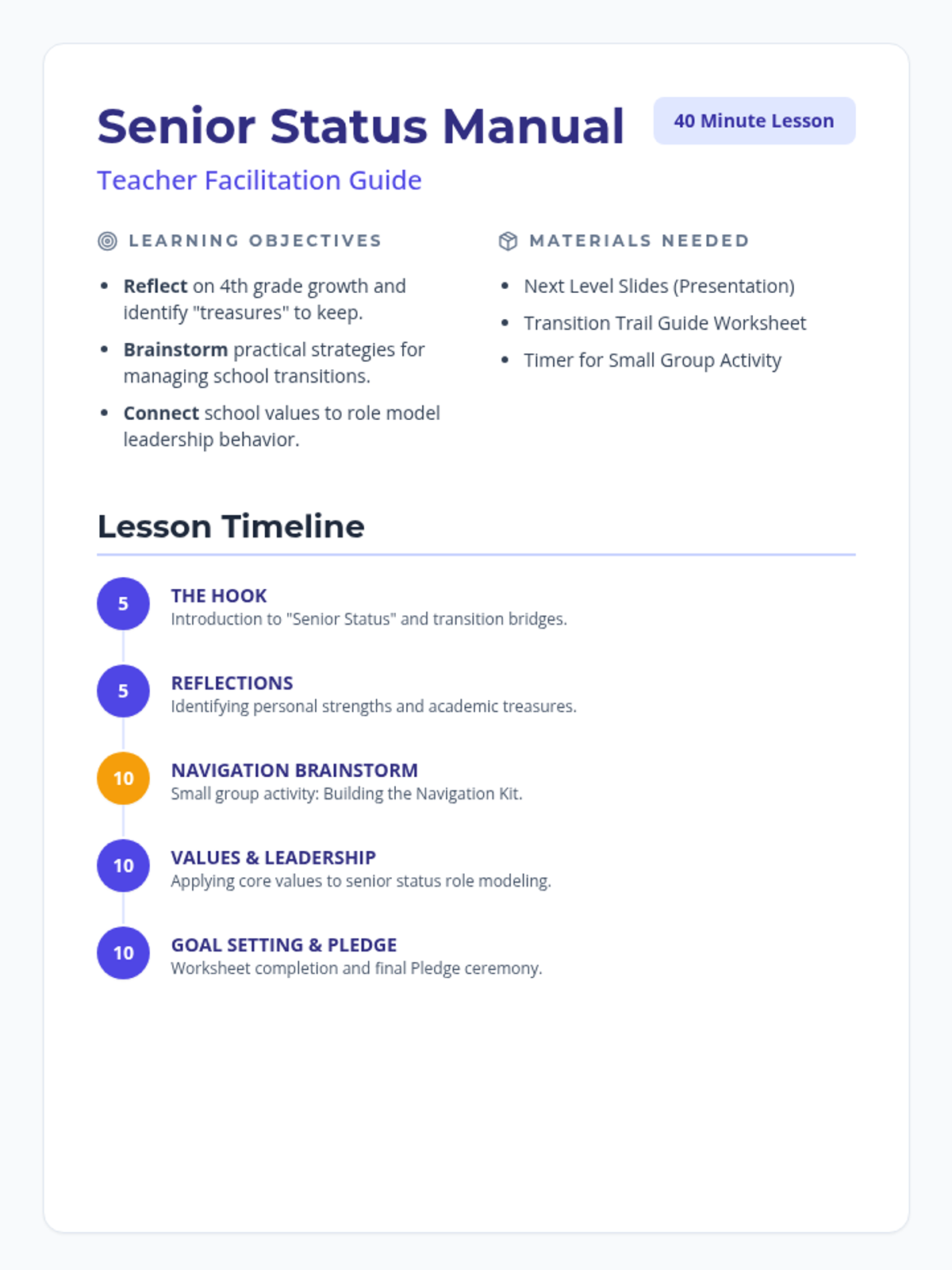
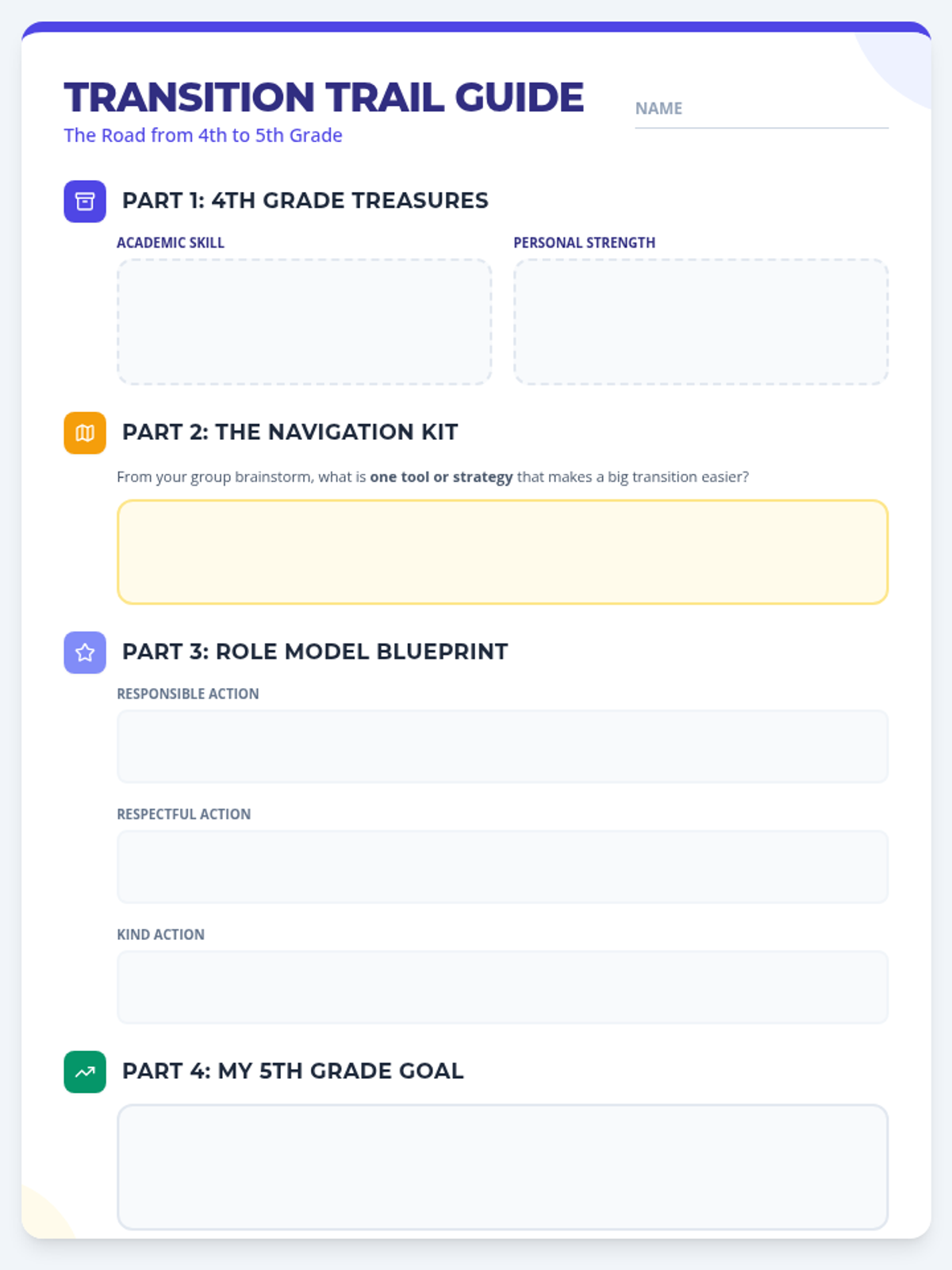
A 40-minute transition lesson for 4th graders moving to 5th grade, focusing on reflection, school values, and leadership as the new 'seniors' of the school.
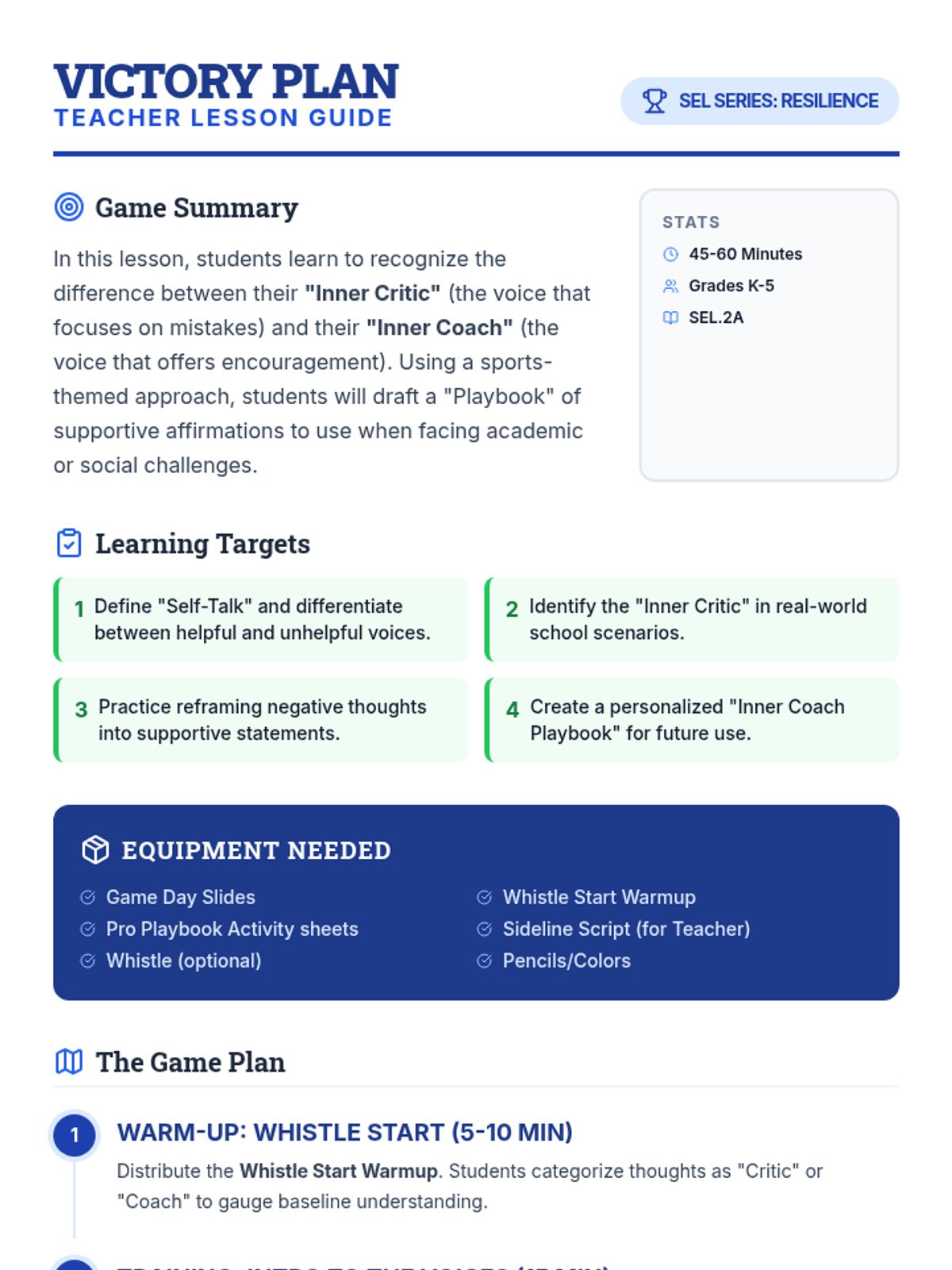
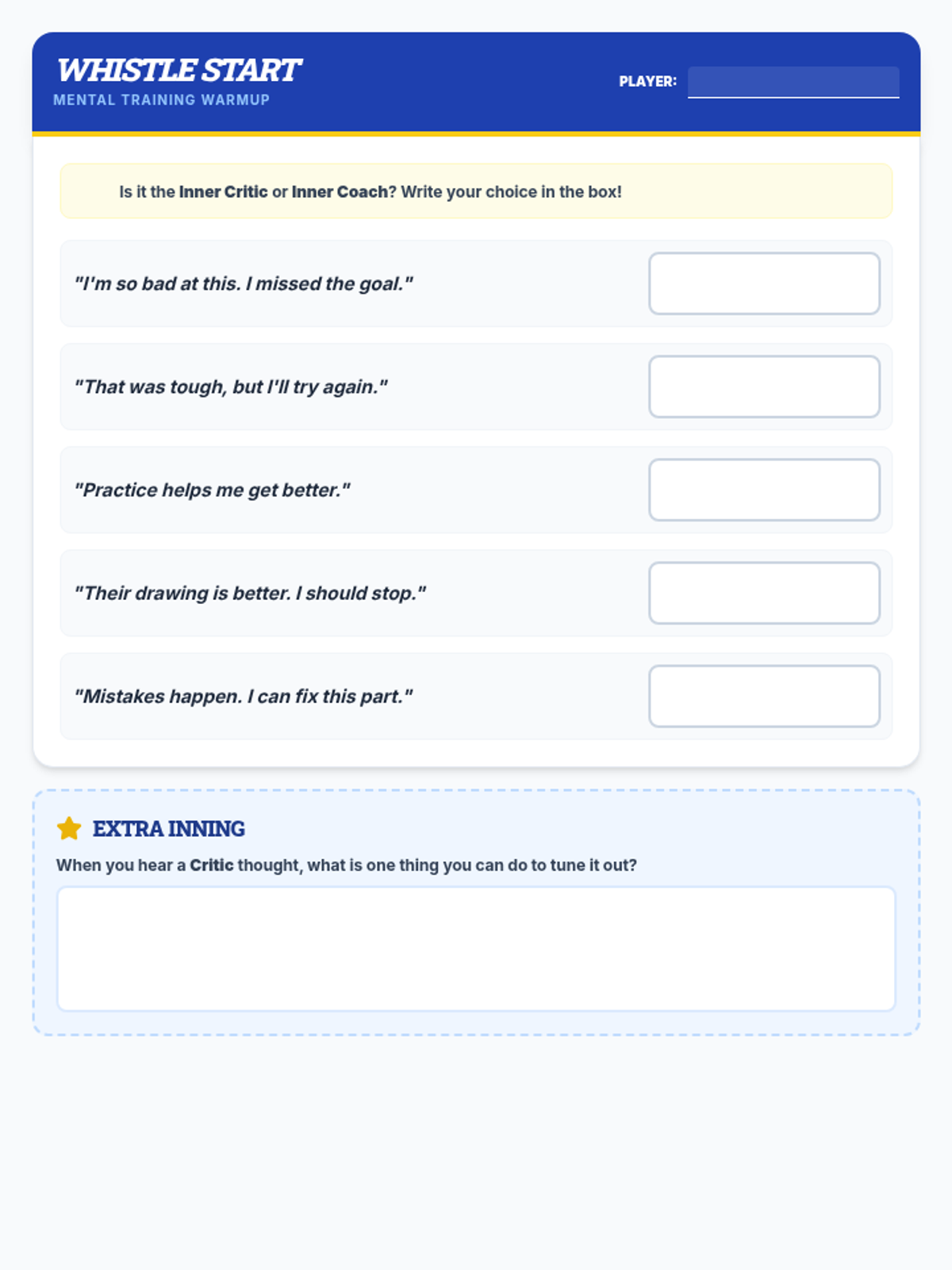
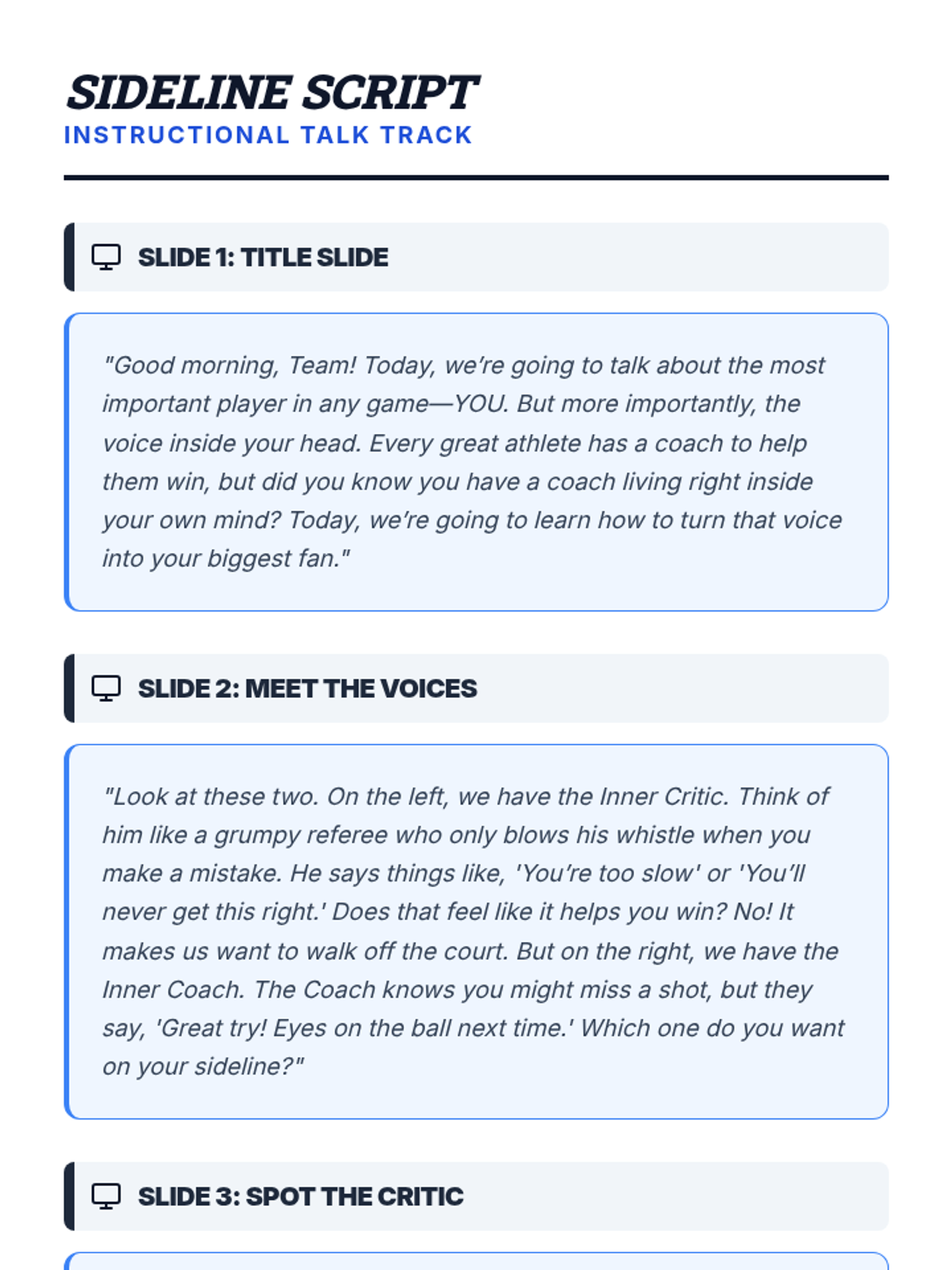
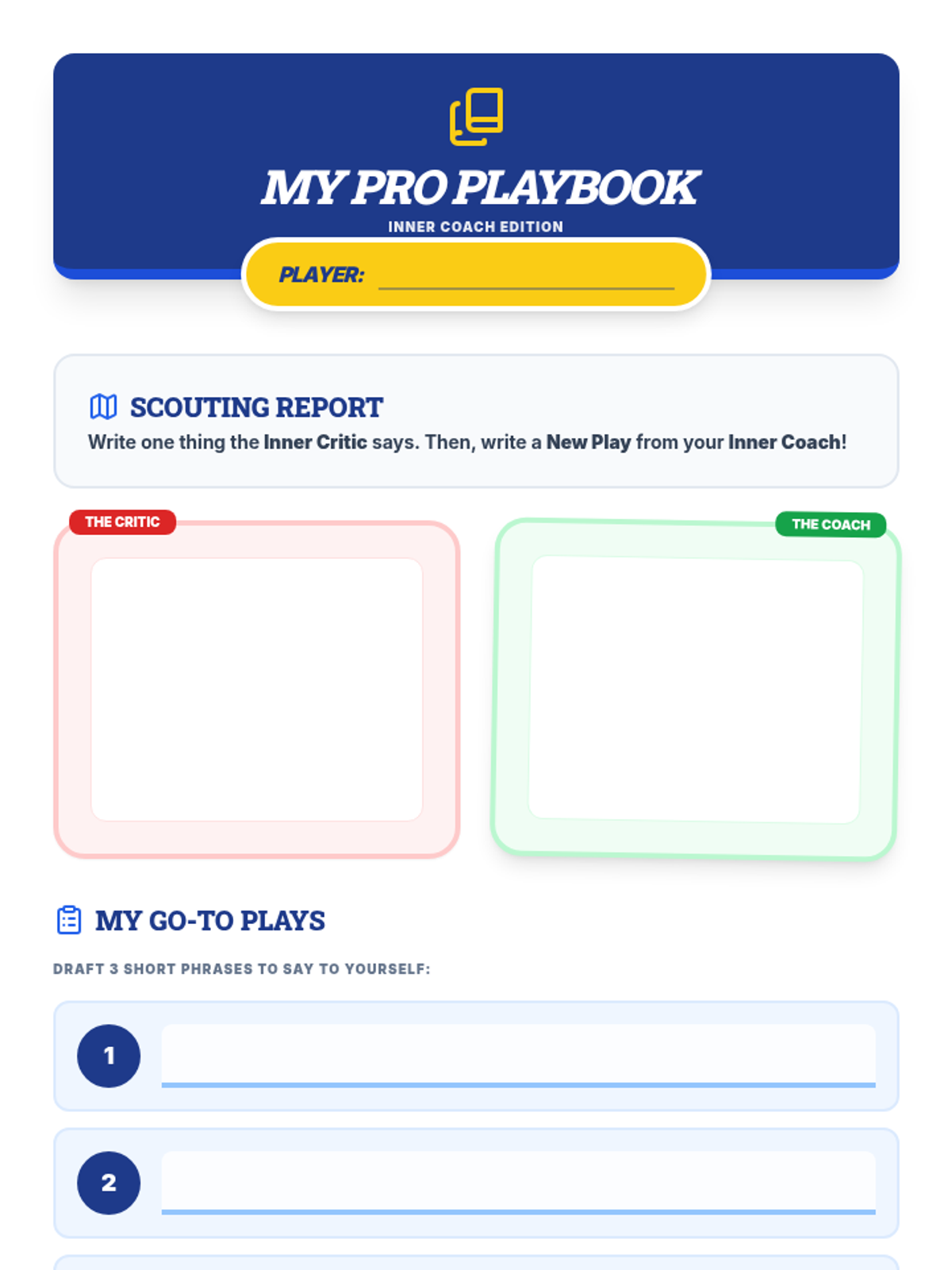
A SEL lesson for K-5 students using sports metaphors to transform negative self-talk into supportive affirmations. Students identify their 'Inner Critic' and build an 'Inner Coach' playbook for moments of self-doubt.
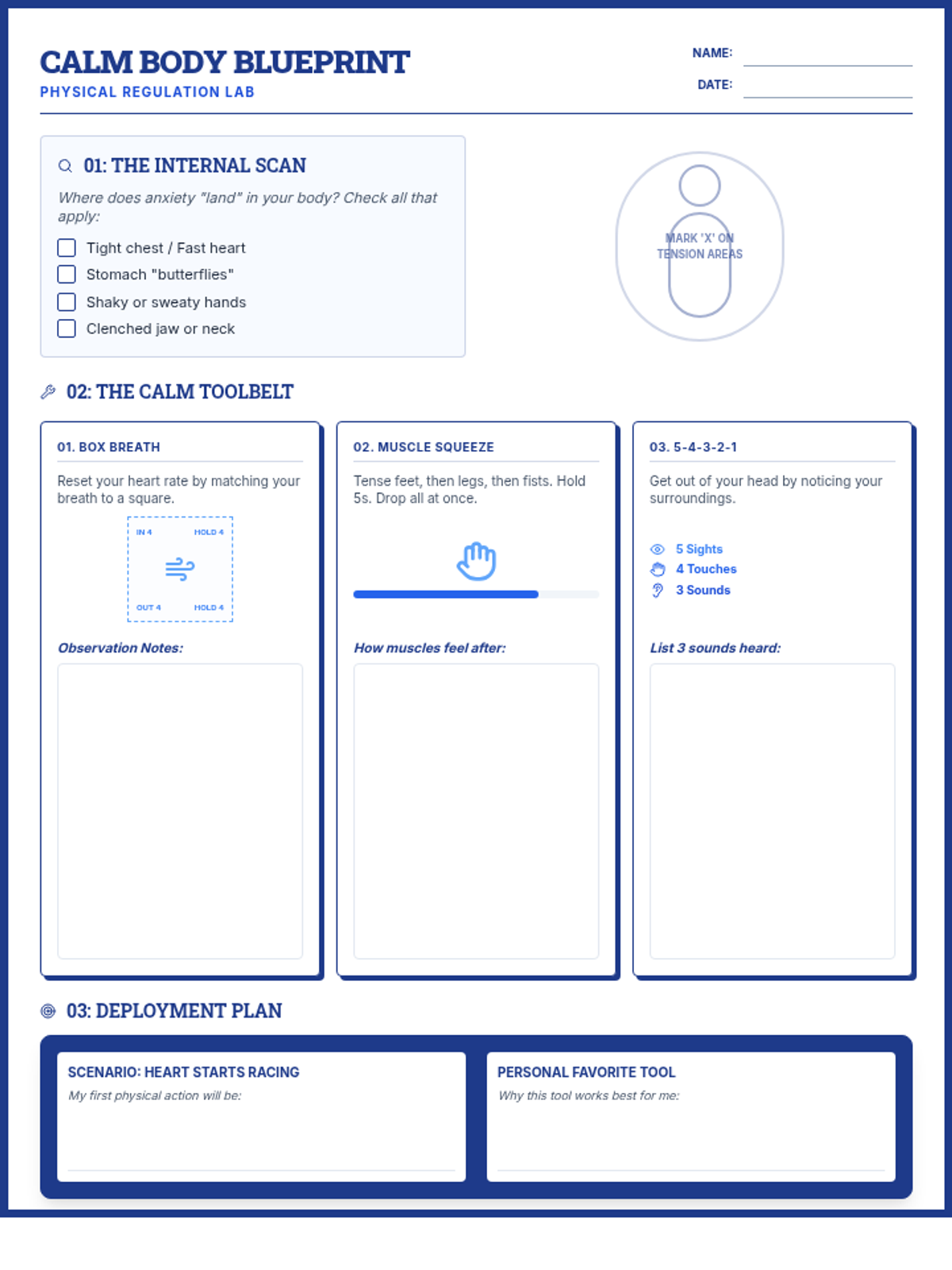
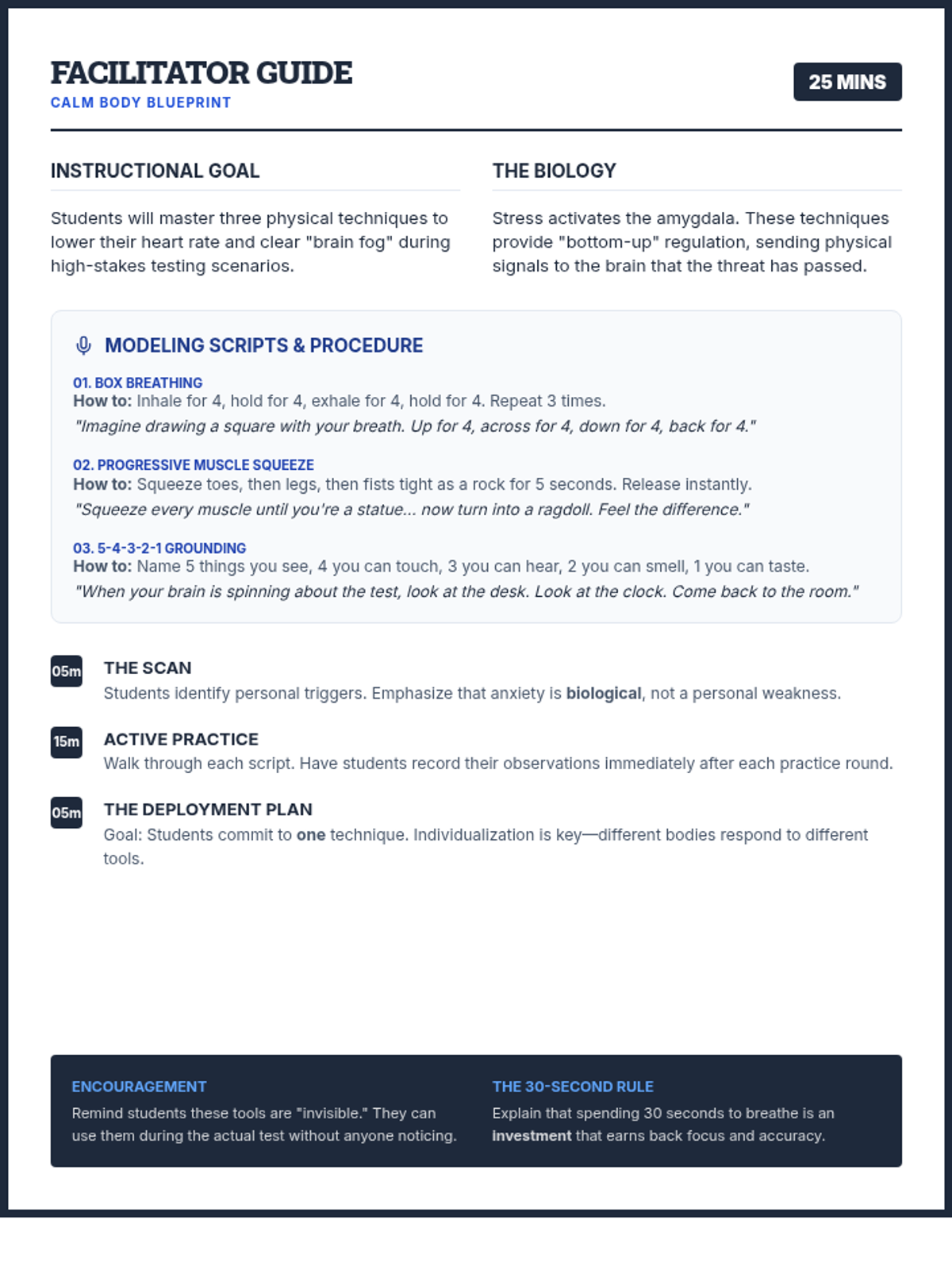
This lesson helps students identify physical symptoms of testing anxiety and practice three concrete physical relaxation techniques: Box Breathing, Progressive Muscle Relaxation, and Grounding.
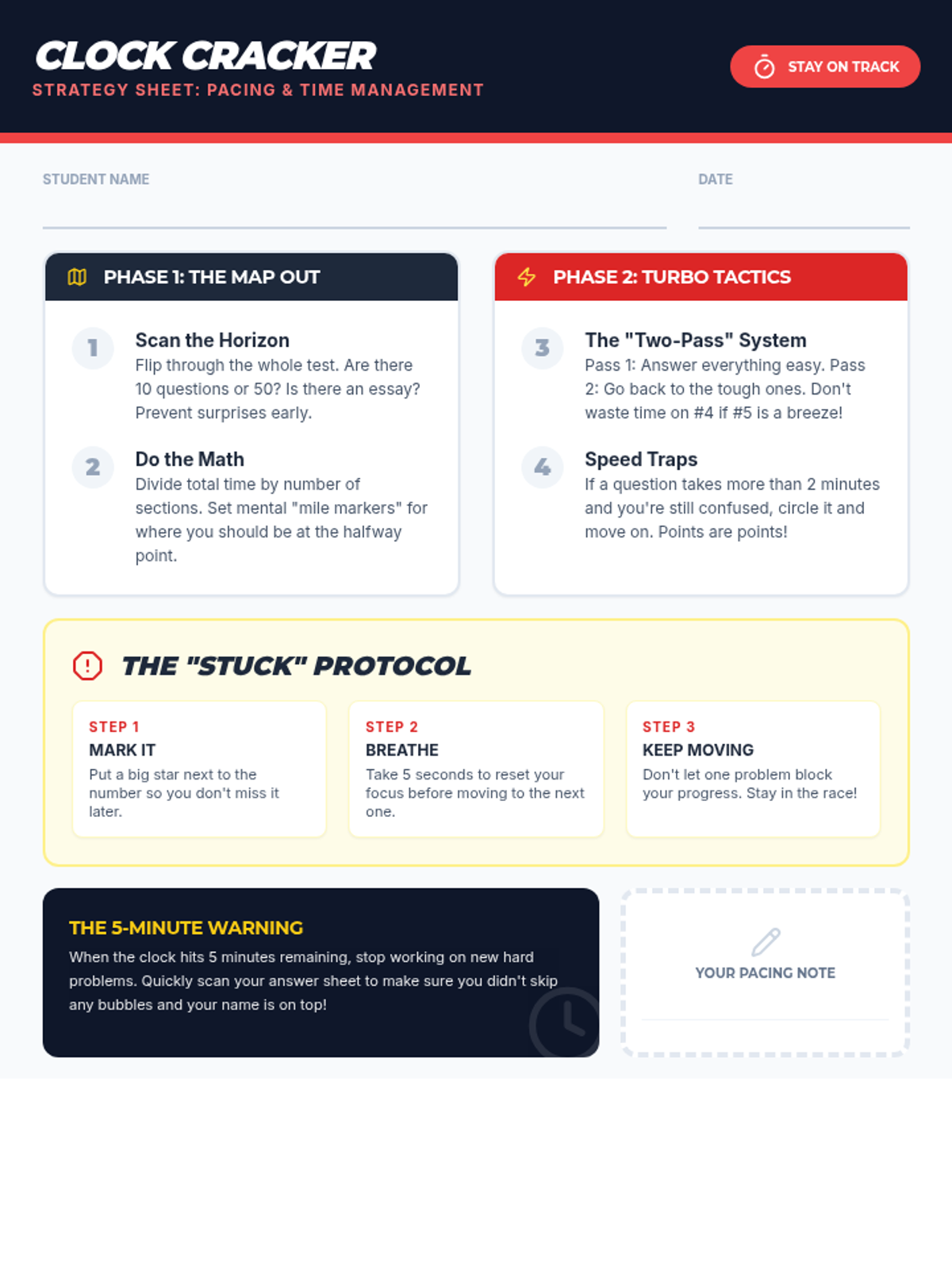
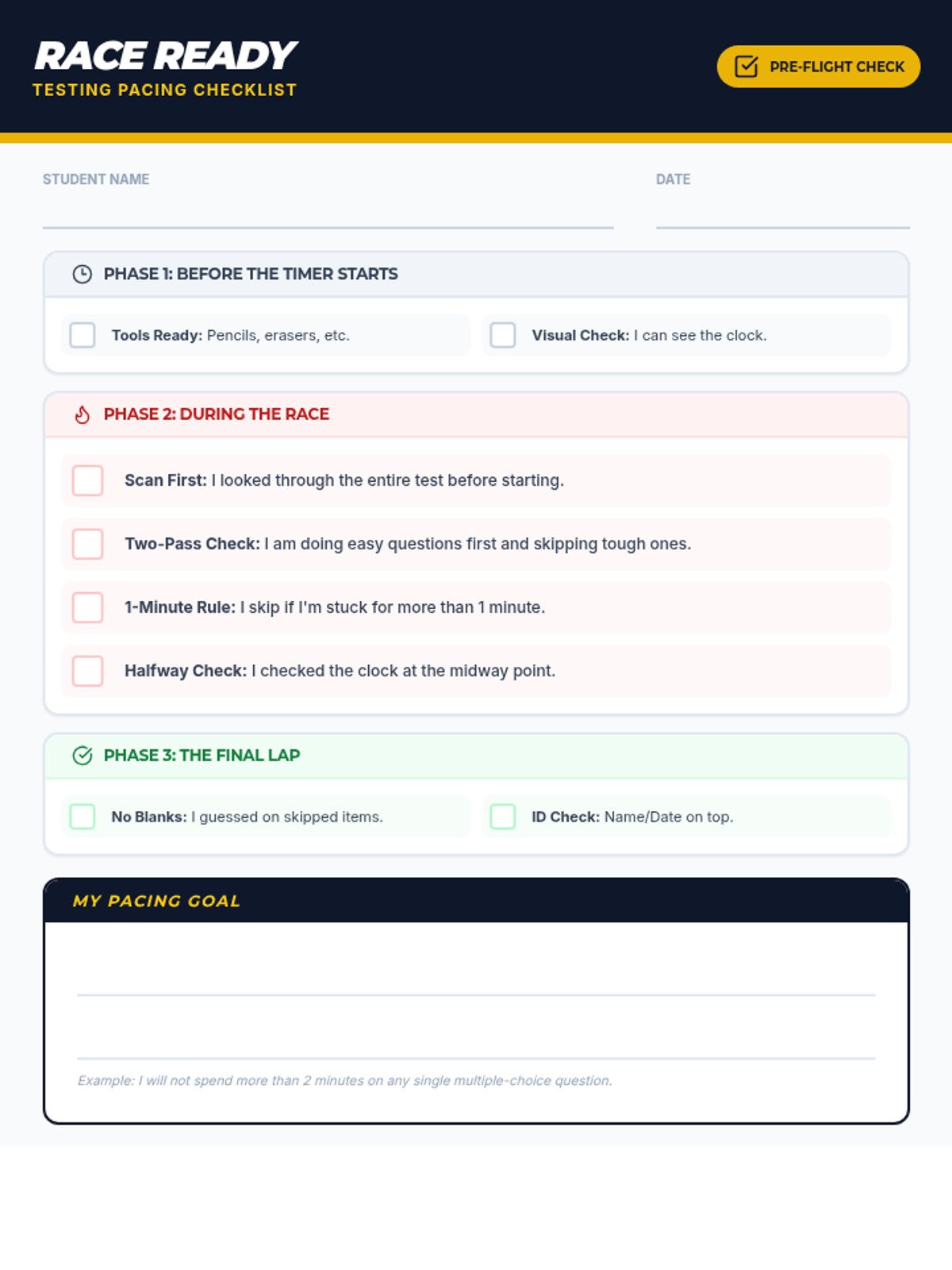
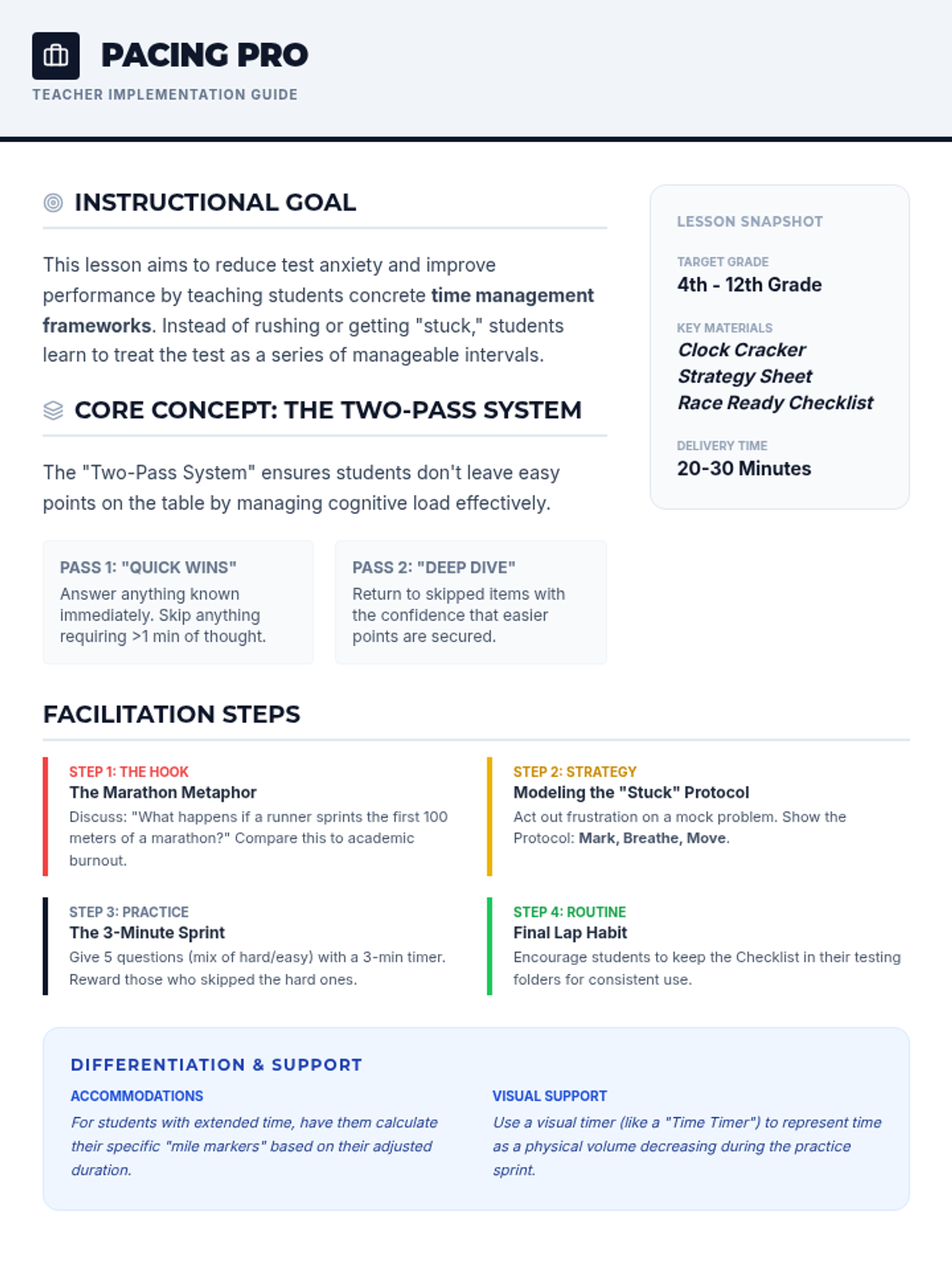
A high-energy set of resources focused on mastering test-taking pacing and time management strategies to help students finish exams with confidence.
The second of two 30-minute sessions for 6th grade. Focusing on 'Restart' themes, students build a legacy of advocacy and create a school-wide 'Legacy Pledge' for inclusion.
The first of two 30-minute sessions for 6th grade. Using 'Restart' by Gordon Korman, students analyze school culture, social leadership, and the concept of a 'Social Reset'.
The second of two 30-minute sessions for 5th grade. Using 'Say Something!' by Peter Reynolds, students reflect on their digital footprint and learn how to use their influence for school-wide kindness.
The first of two 30-minute sessions for 5th grade. Using 'Zero' by Kathryn Otoshi, students explore social capital as power and the specific dynamics of cyberbullying.
The second of two 30-minute sessions for 4th grade. Using 'Each Kindness' by Jacqueline Woodson, students reflect on the 'Ripple Effect' of their choices and practice 'Power Shift' strategies to support targets.
The first of two 30-minute sessions for 4th grade. Using 'Confessions of a Former Bully' by Trudy Ludwig, students understand the bullying circle and the roles people play in social dynamics.
The second of two 30-minute sessions for 3rd grade. Using 'The Juice Box Bully' by Maria Dismondy, students analyze the role of the bystander and practice specific upstander 'Power Moves'.
The first of two 30-minute sessions for 3rd grade. Using 'Tease Monster' by Julia Cook, students categorize behavior and analyze the 'Target' vs 'Bully' power gap.
The second of two 30-minute sessions for 2nd grade. Using 'Enemy Pie' by Derek Munson, students learn to de-escalate conflicts and use the 'Check-In' strategy for peers who are feeling left out.
The first of two 30-minute sessions for 2nd grade. Using 'The Invisible Boy' by Trudy Ludwig, students explore social exclusion and the transition from a 'Buddy Conflict' to bullying.
The second of two 30-minute sessions for 1st grade. Using 'Can I Play Too?' by Mo Willems, students focus on the 'Includer' strategy to prevent social exclusion and build a welcoming community.
The first of two 30-minute sessions for 1st grade. Using 'Trouble Talk' by Trudy Ludwig, students explore verbal bullying and the 'Seesaw' model of unequal power.
The second of two 30-minute sessions for Kindergarten. Using 'One' by Kathryn Otoshi, students explore their individual power to stand up for others and practice the 'Stop, Walk, Talk' strategy.
The first of two 30-minute sessions for Kindergarten. Using 'Bully B.E.A.N.S.' by Julia Cook, students learn to distinguish between accidents and bullying using the 'Purposeful' and 'Repeated' criteria.