Students put their reporting skills into practice by conducting live interviews with classmates, focusing on active listening techniques and recording their discoveries in an Interview Passport.
No materials in this lesson yet.
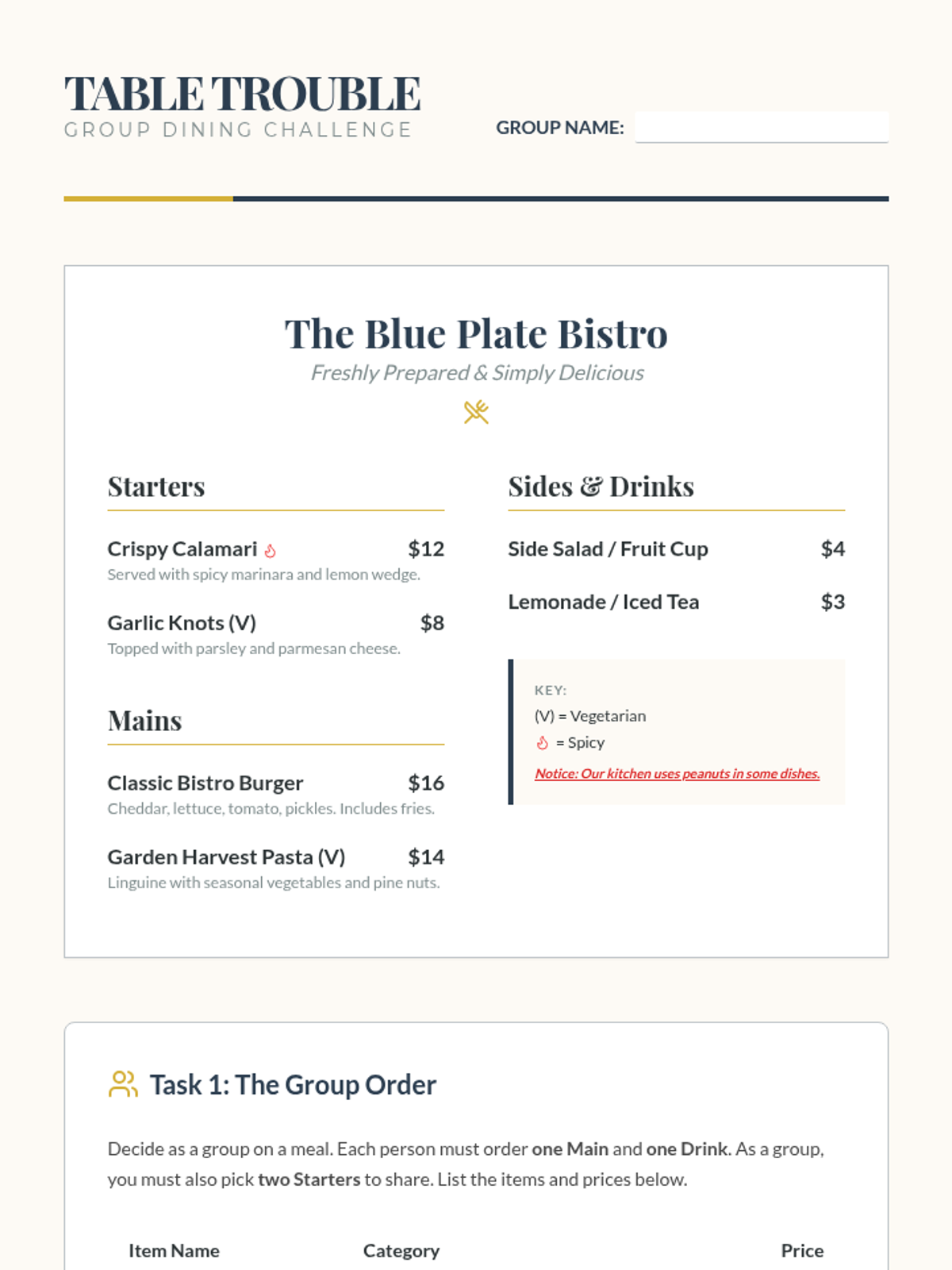
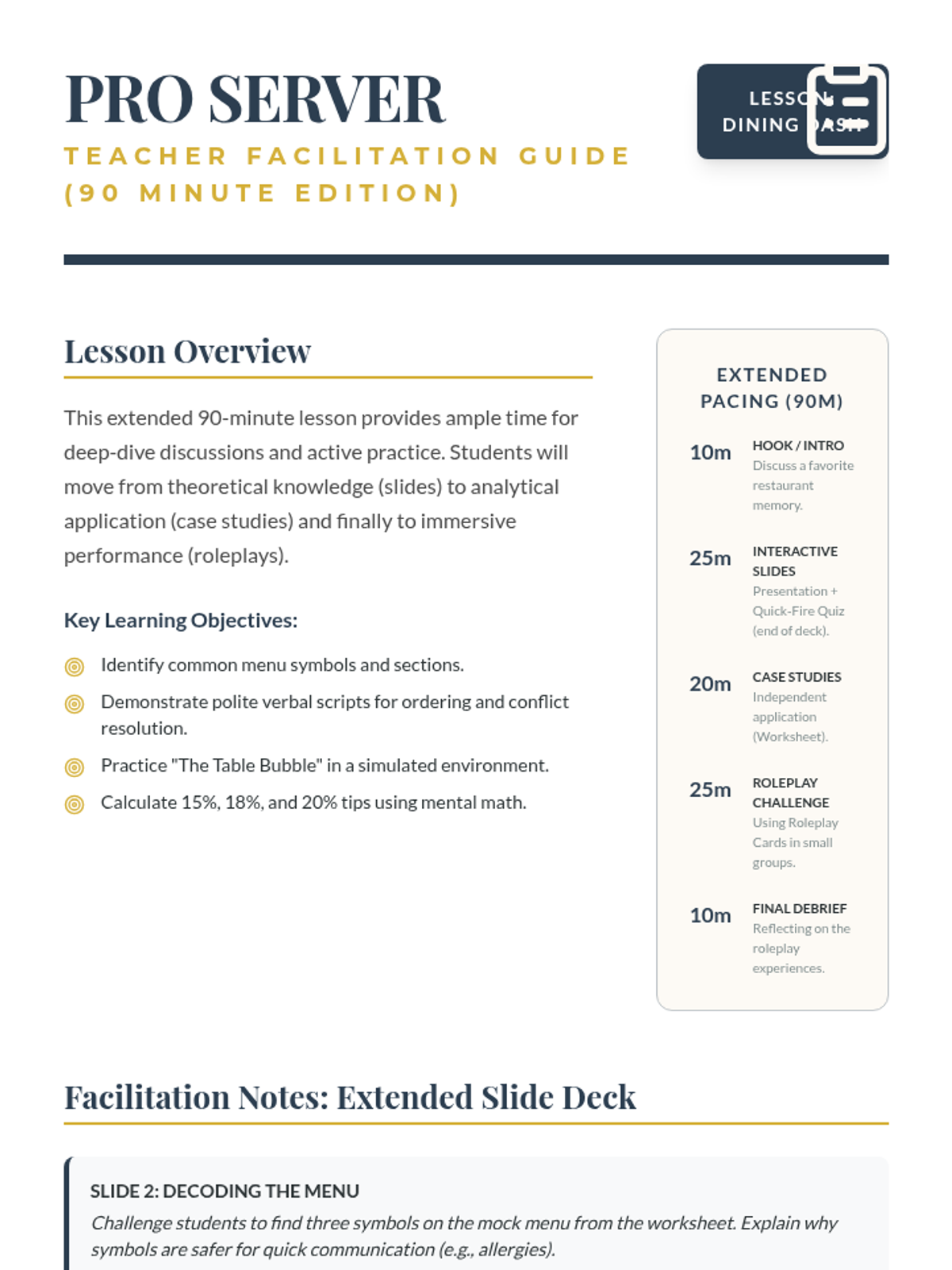
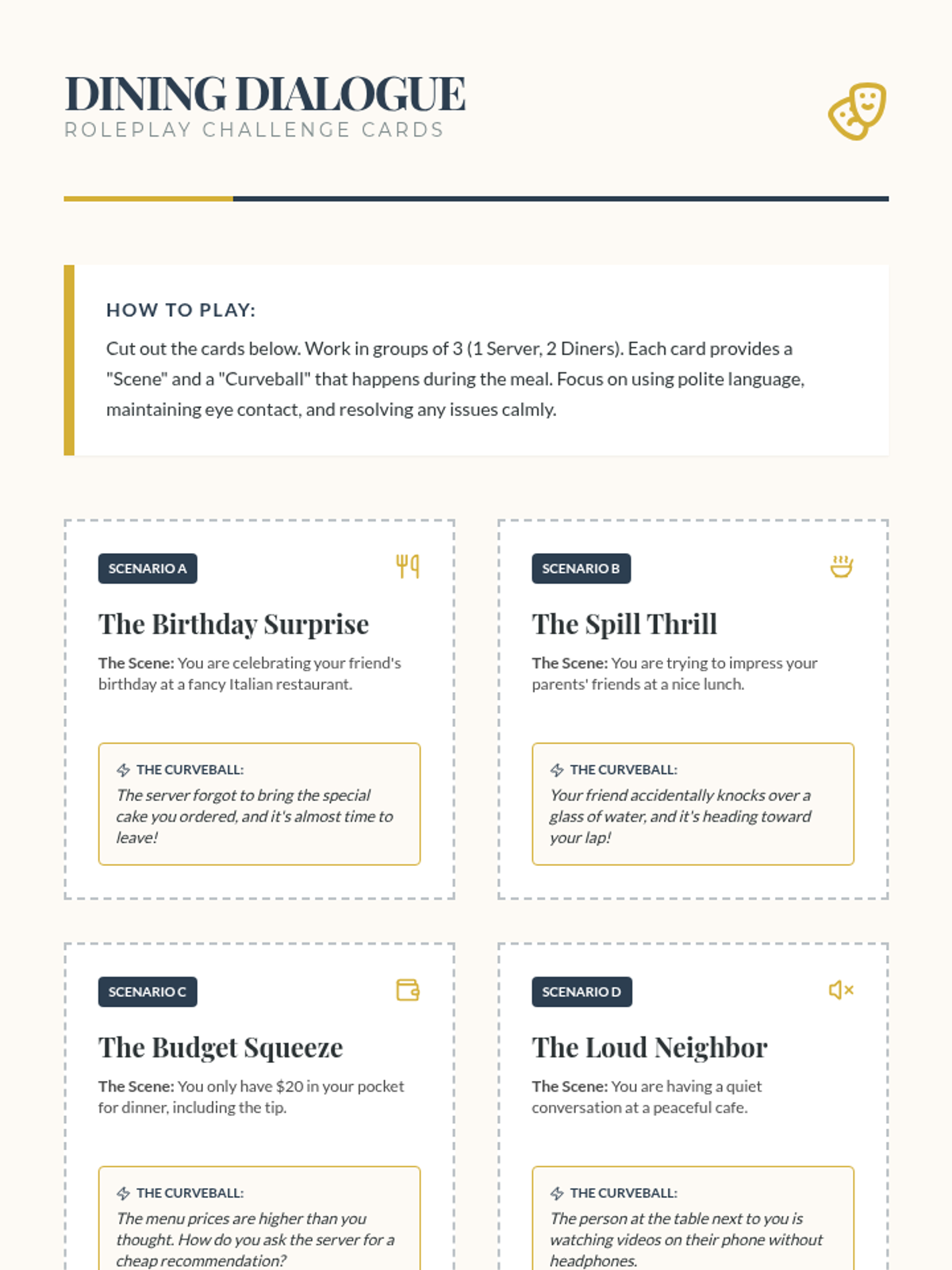
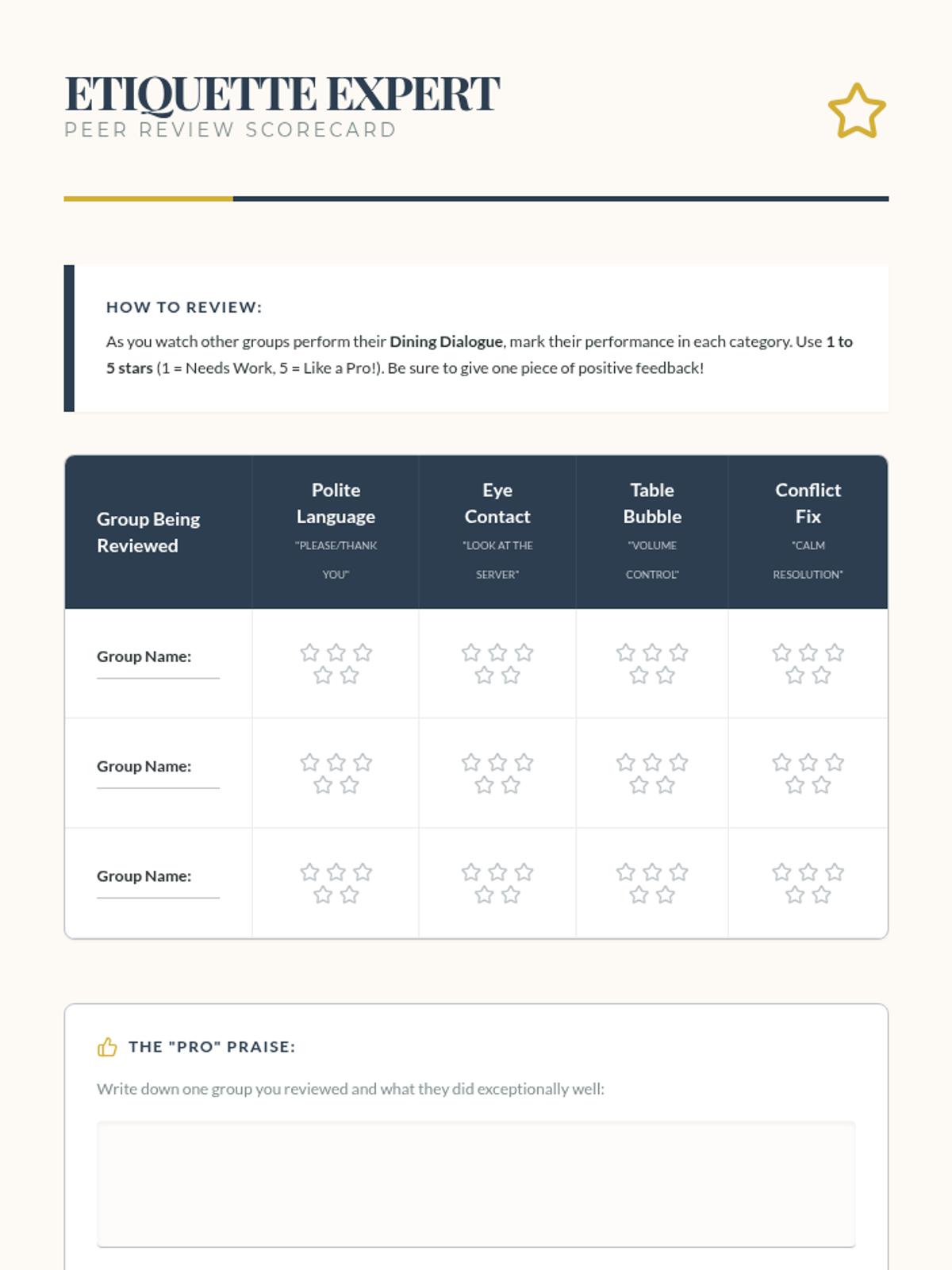
A comprehensive lesson on restaurant etiquette covering menu reading, ordering, manners, volume control, tipping, and conflict resolution.
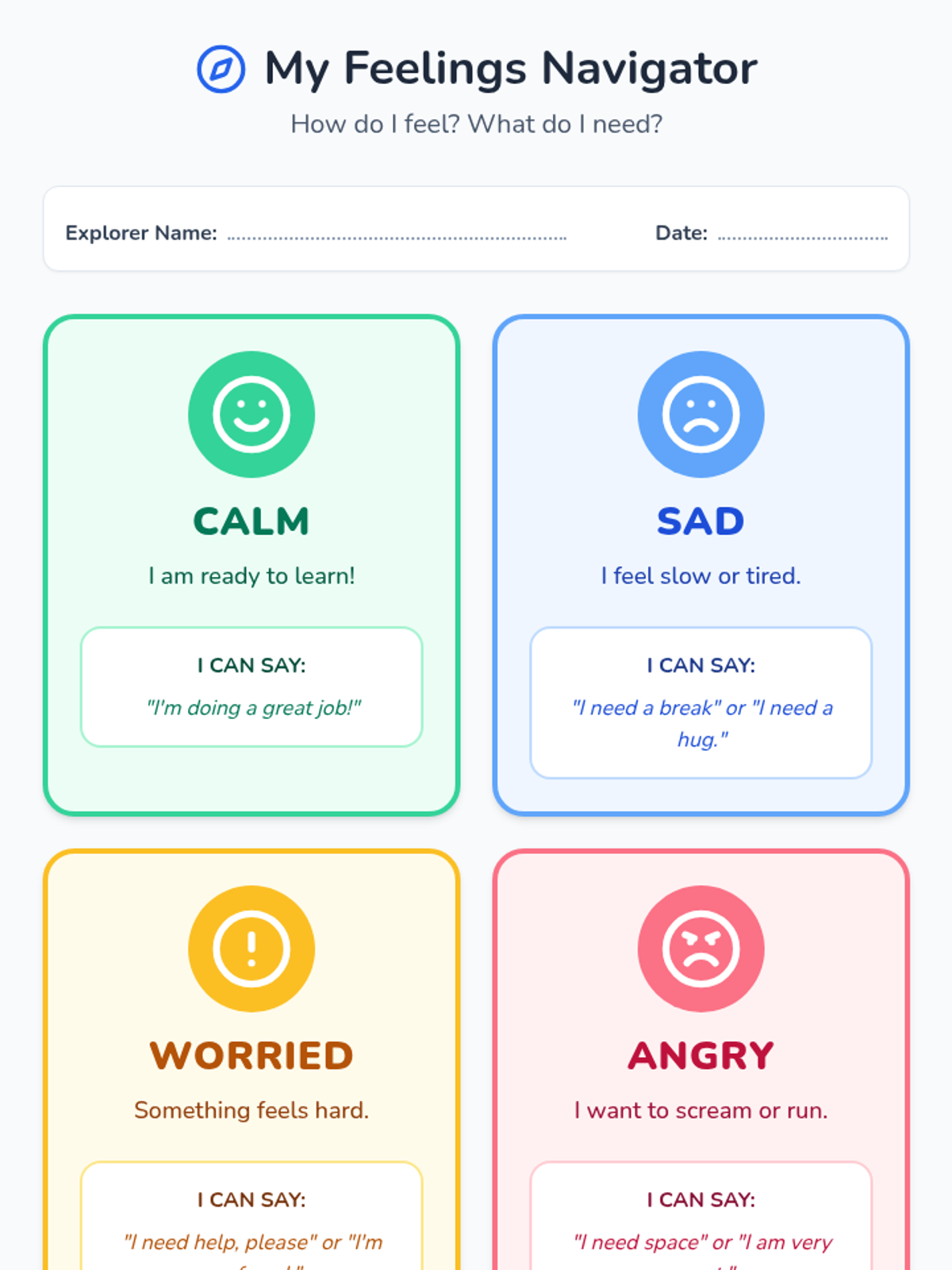
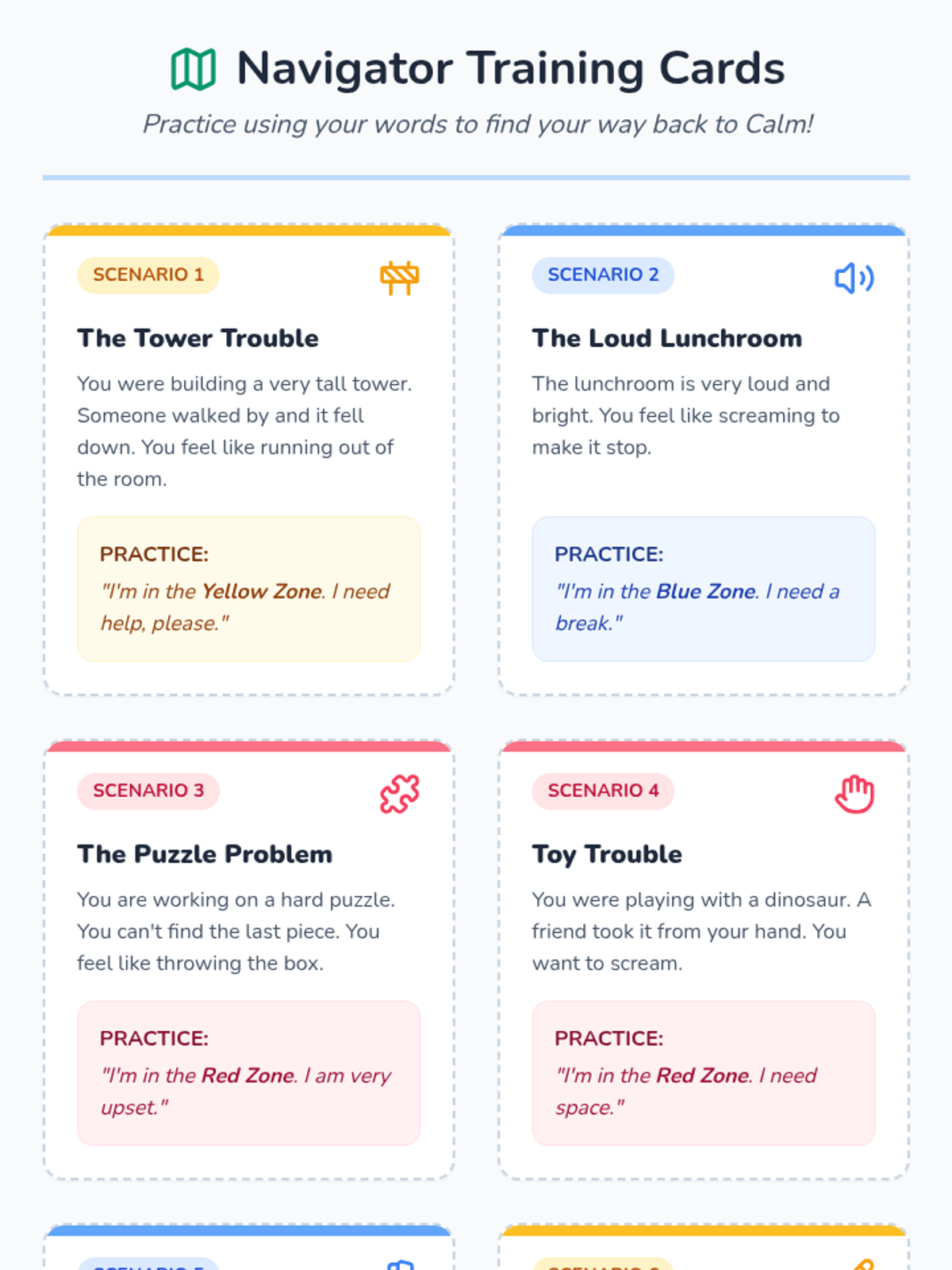
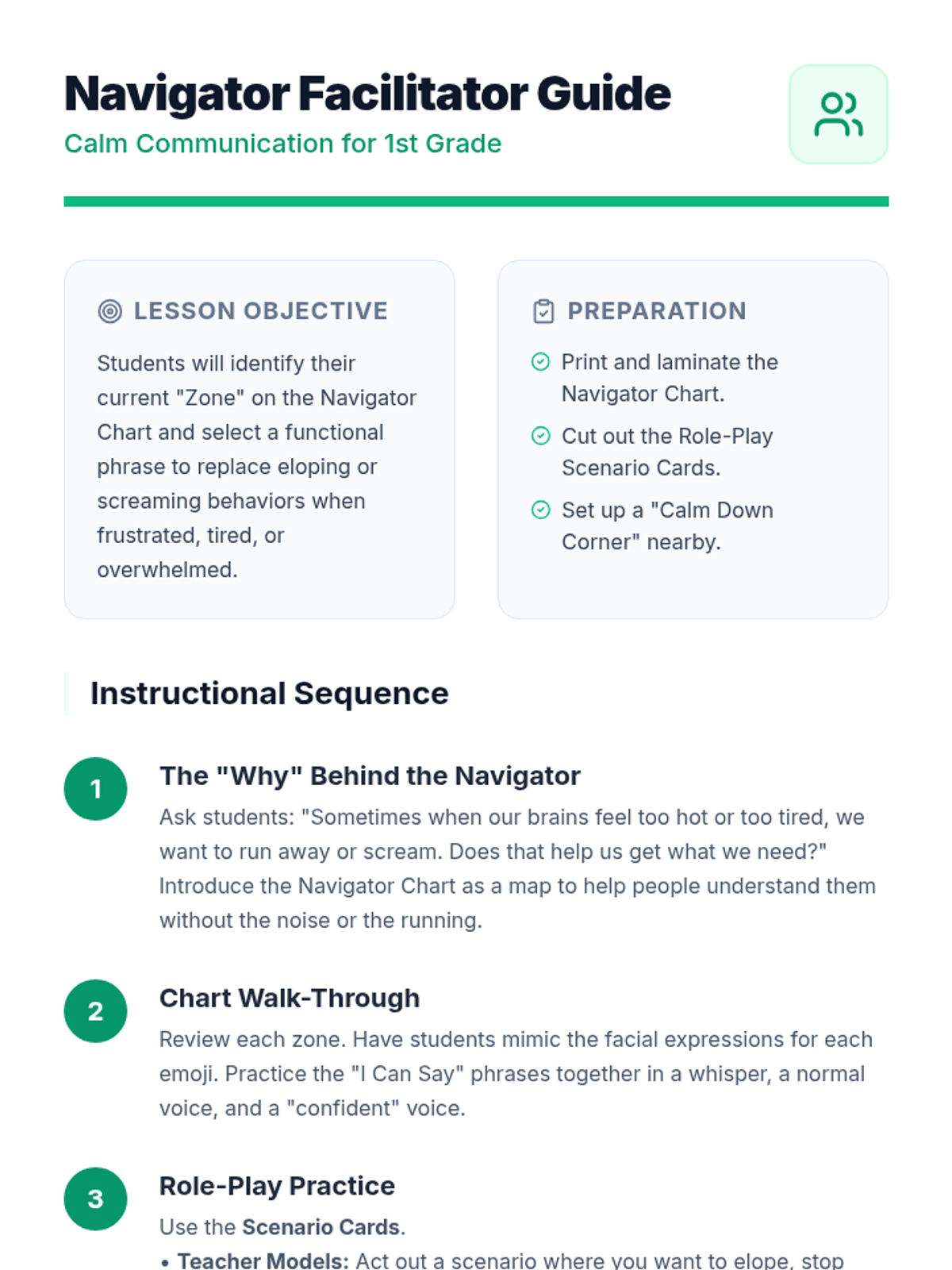
A lesson designed for two first-graders to learn how to replace screaming and eloping with verbal communication using a feelings chart. Through role-play and visual aids, students practice identifying their emotions and stating their needs.
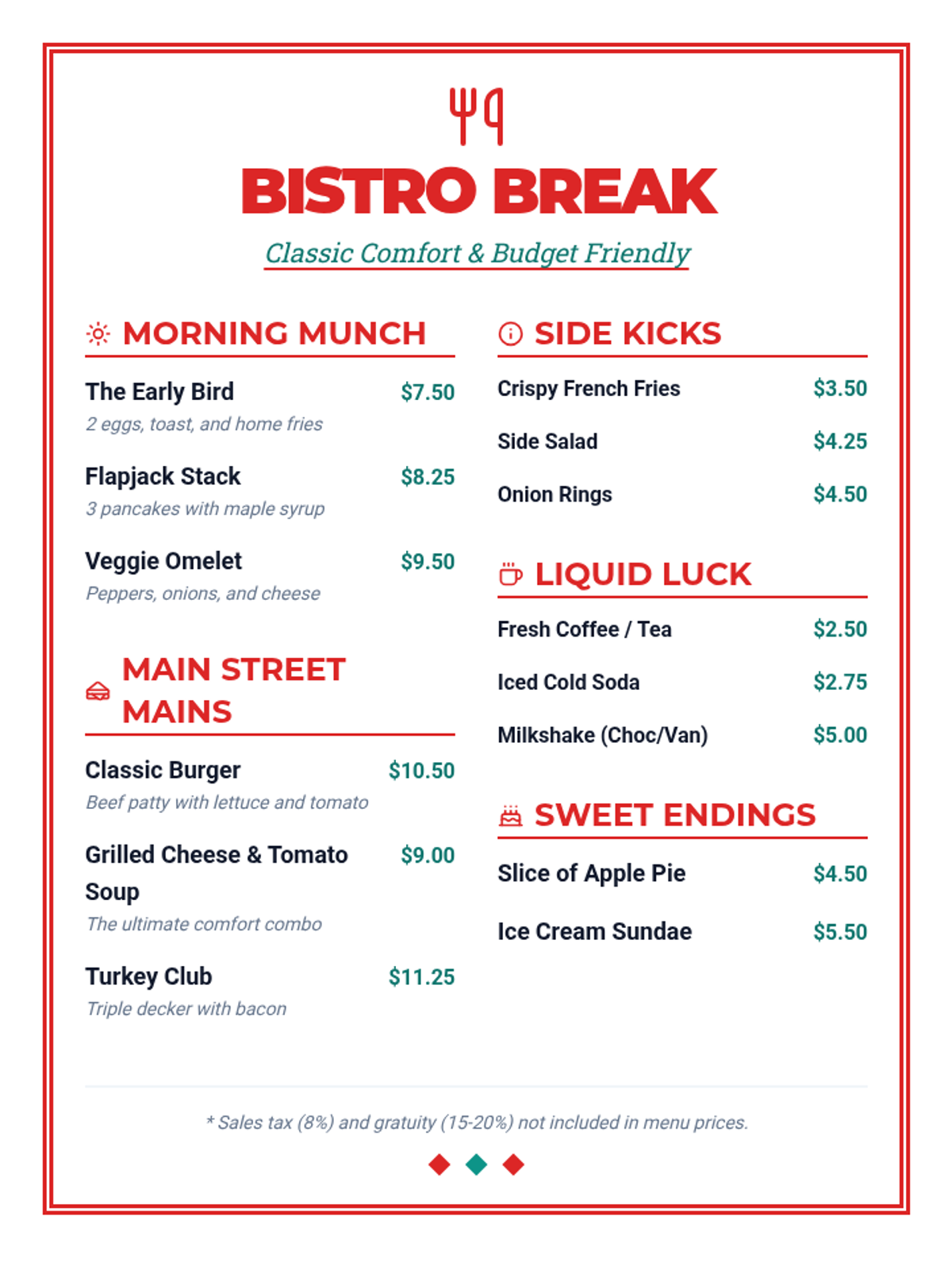
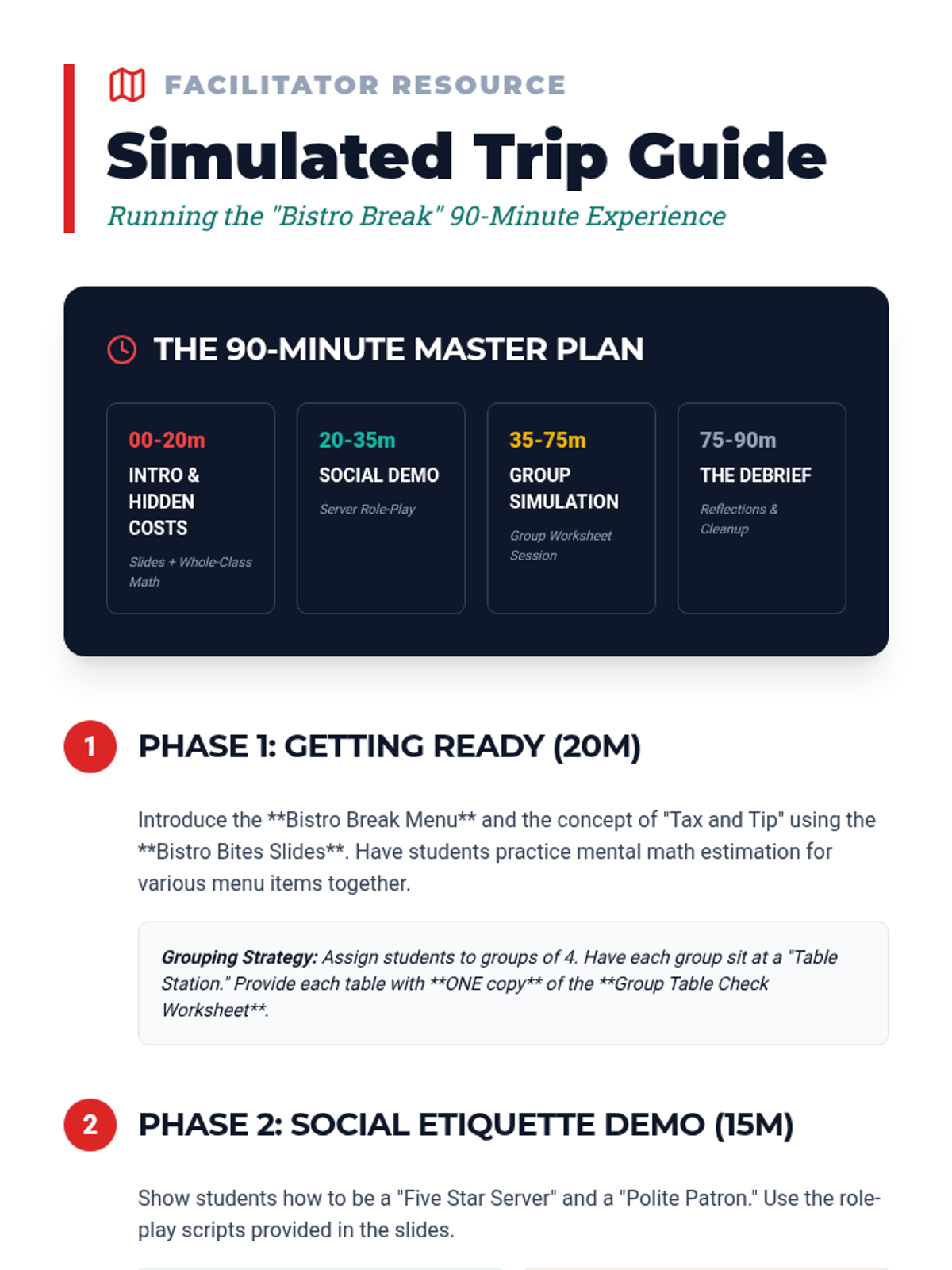
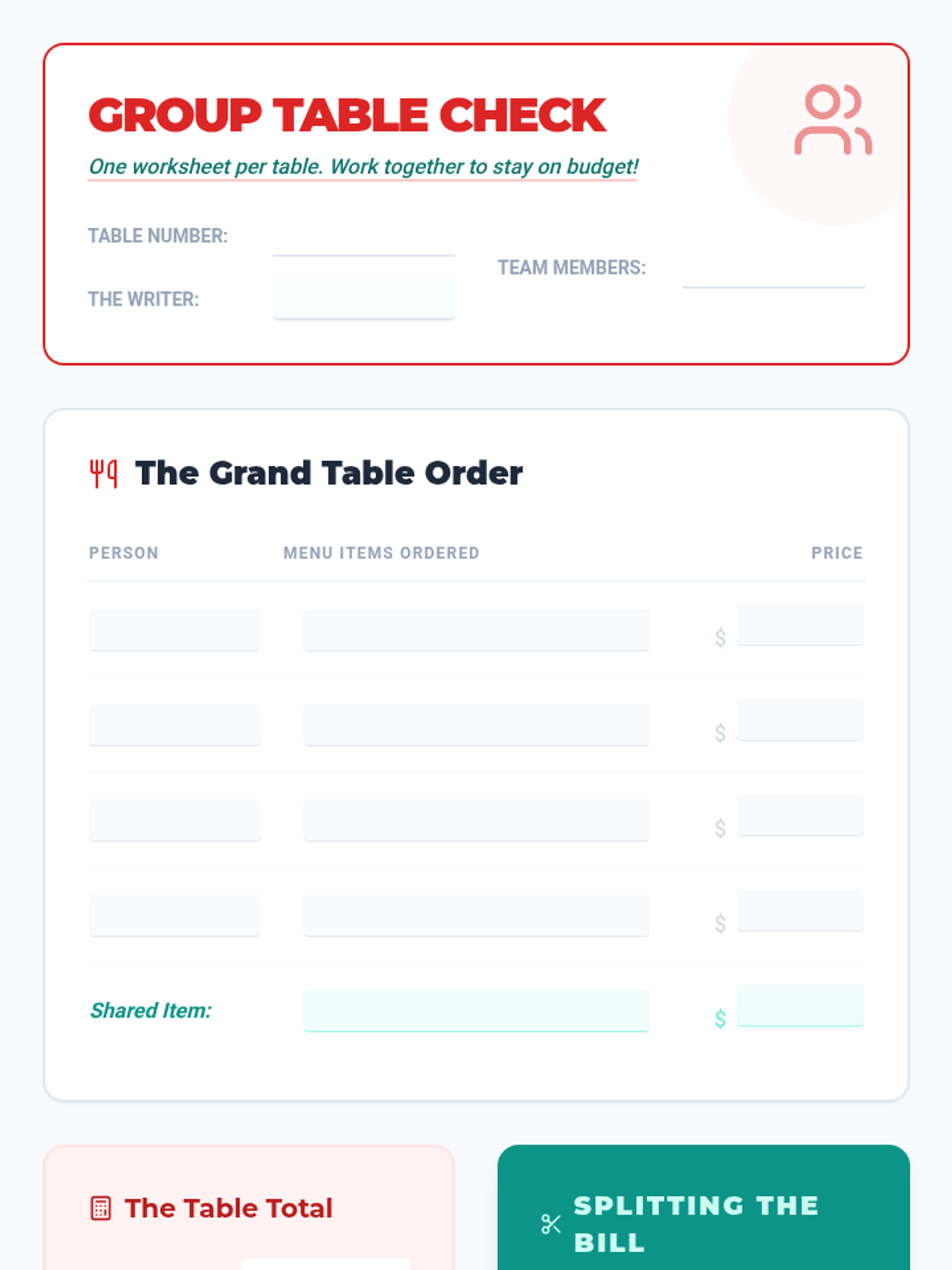
A functional skills lesson focused on navigating a restaurant experience on a budget, covering menu reading, budget planning, social etiquette, and group check splitting.
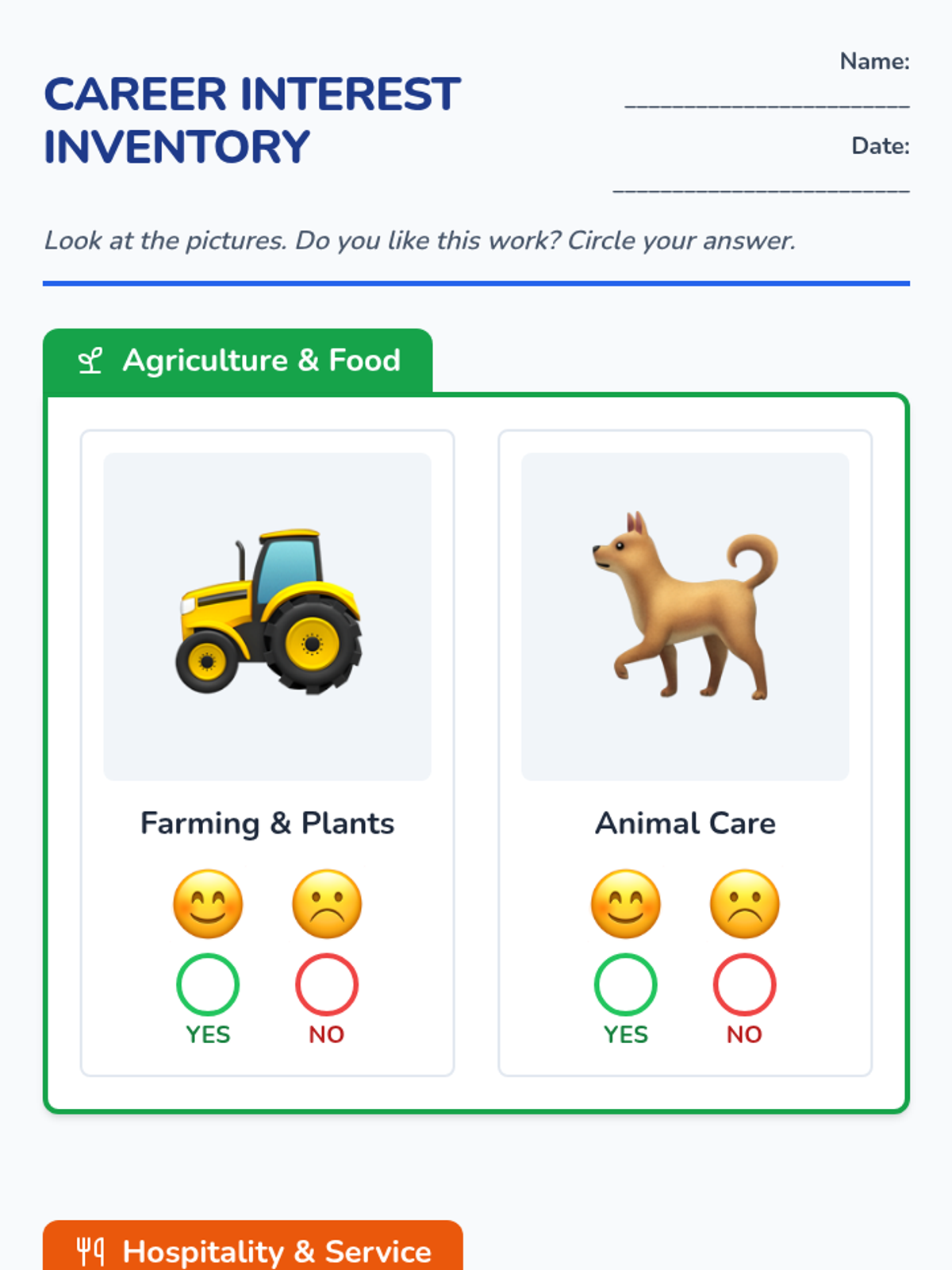
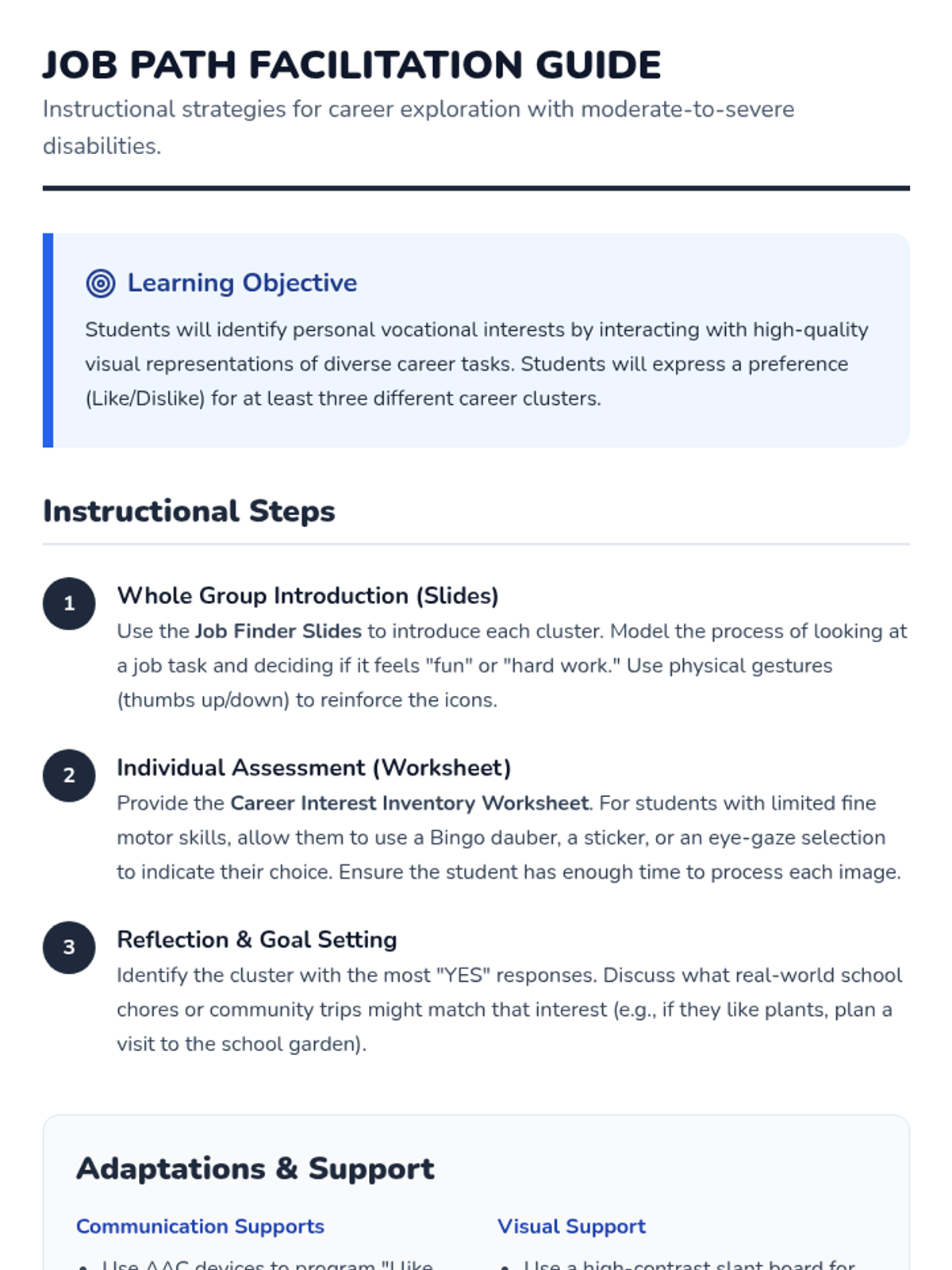
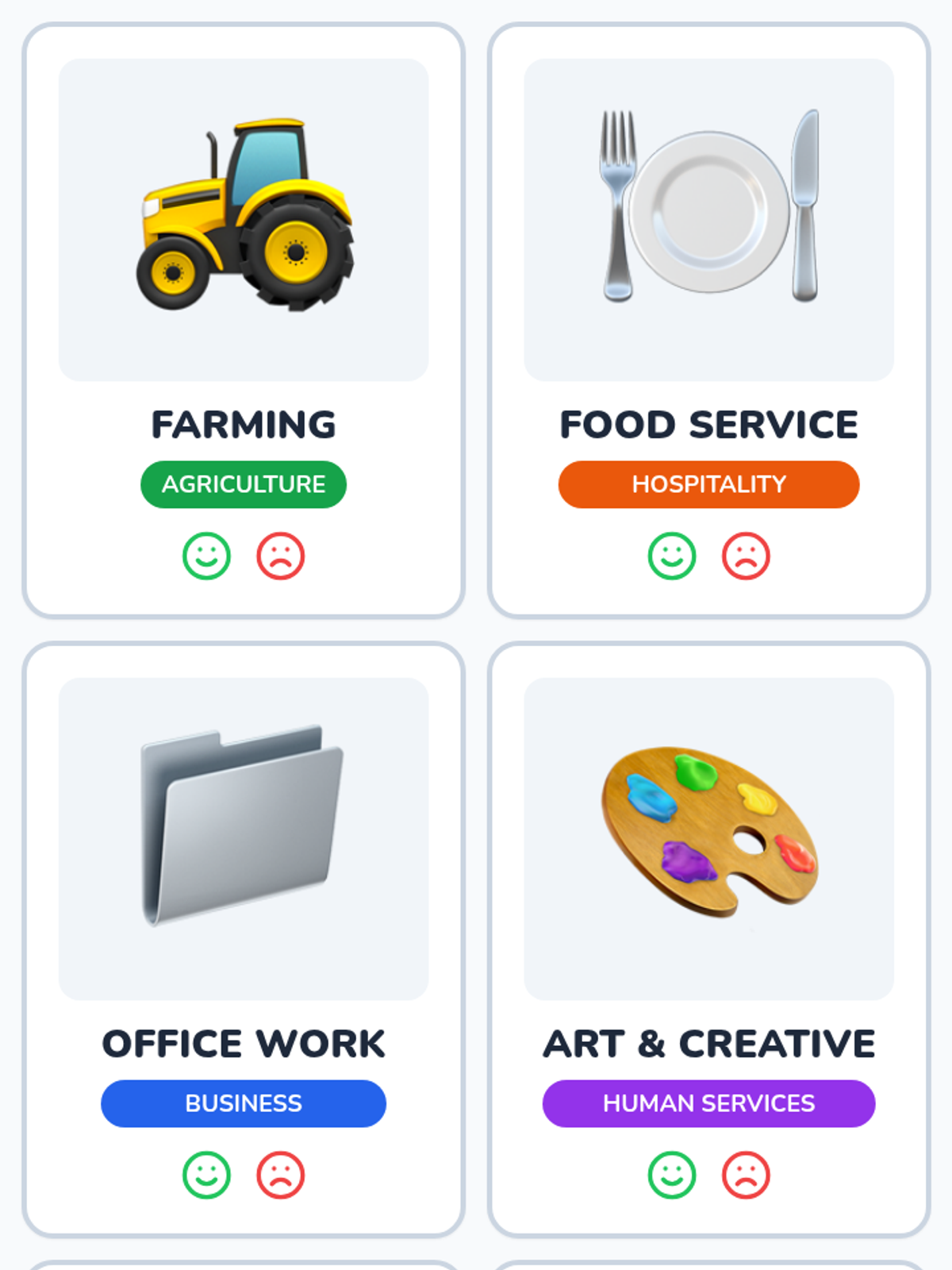
A visual career exploration lesson designed for students with moderate to severe disabilities, using real photos to identify interests across various career clusters.
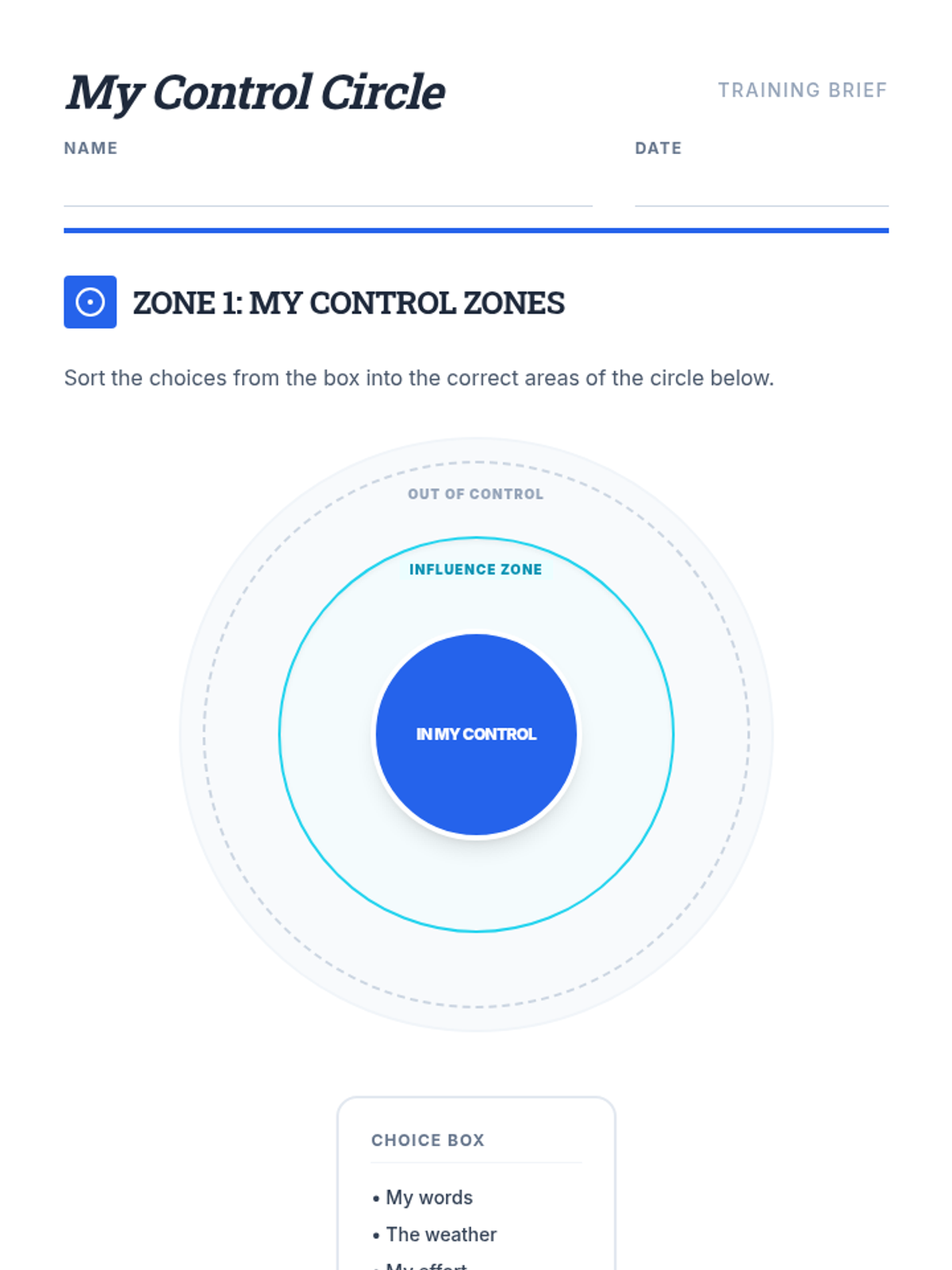
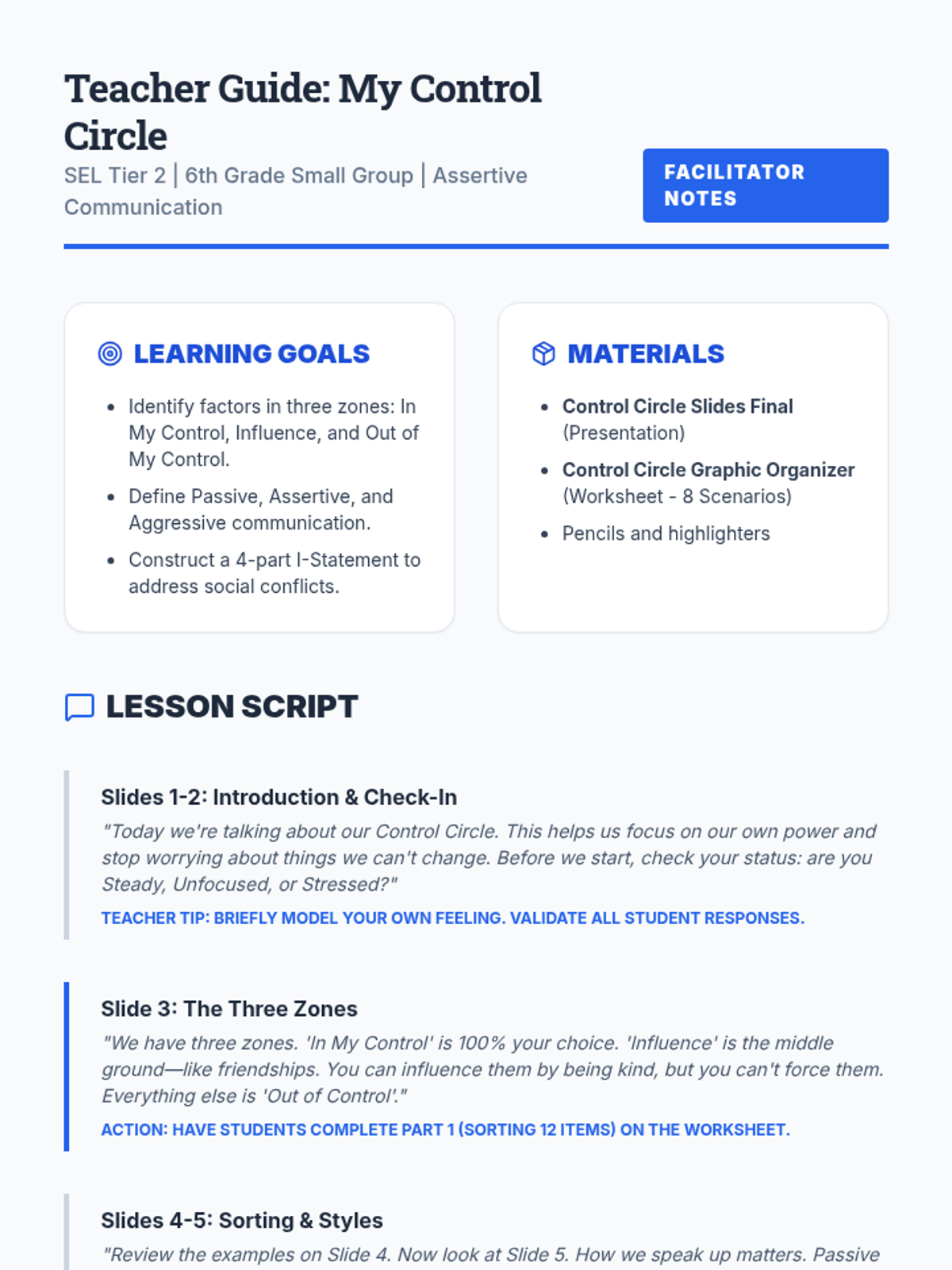
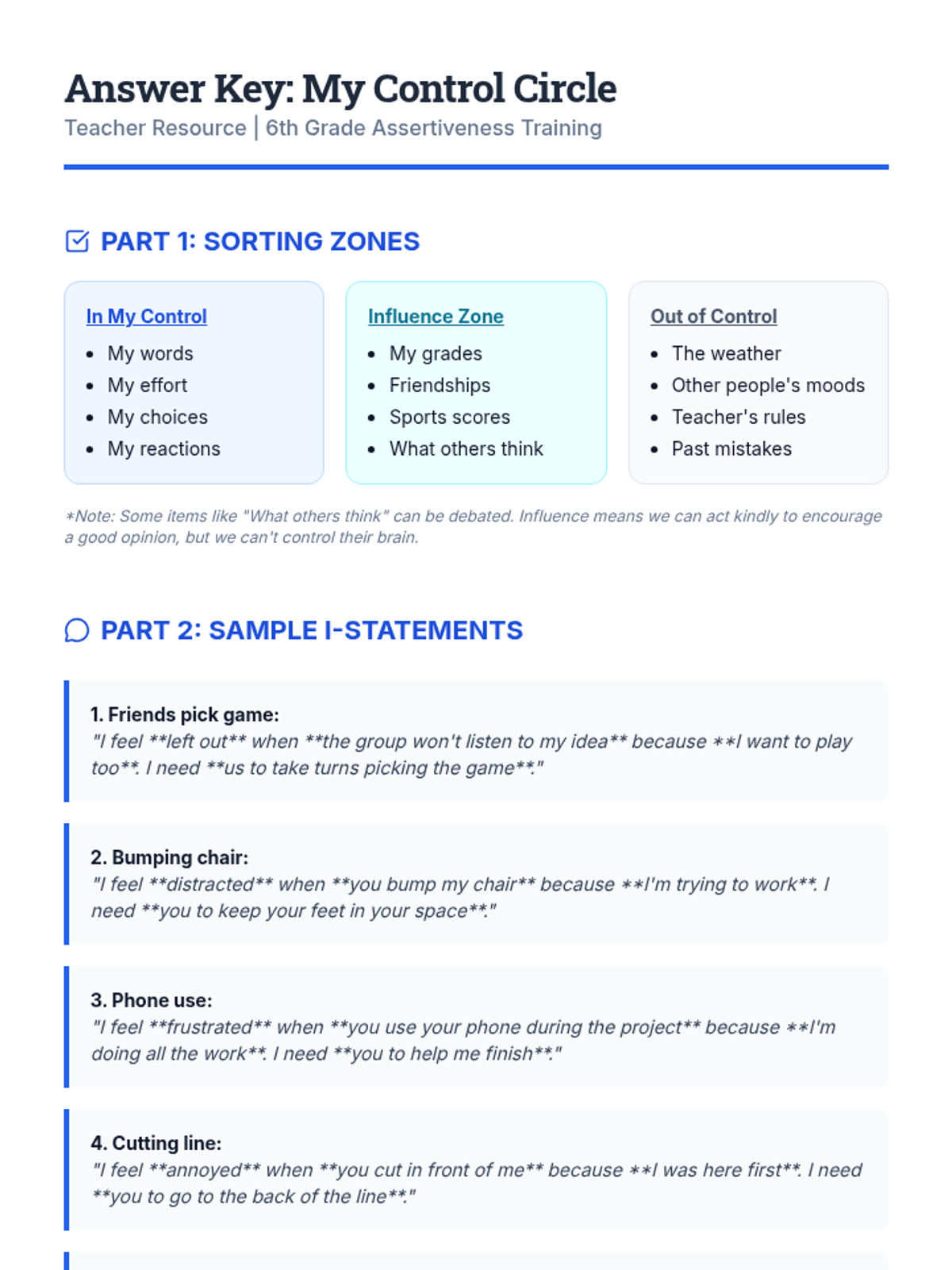
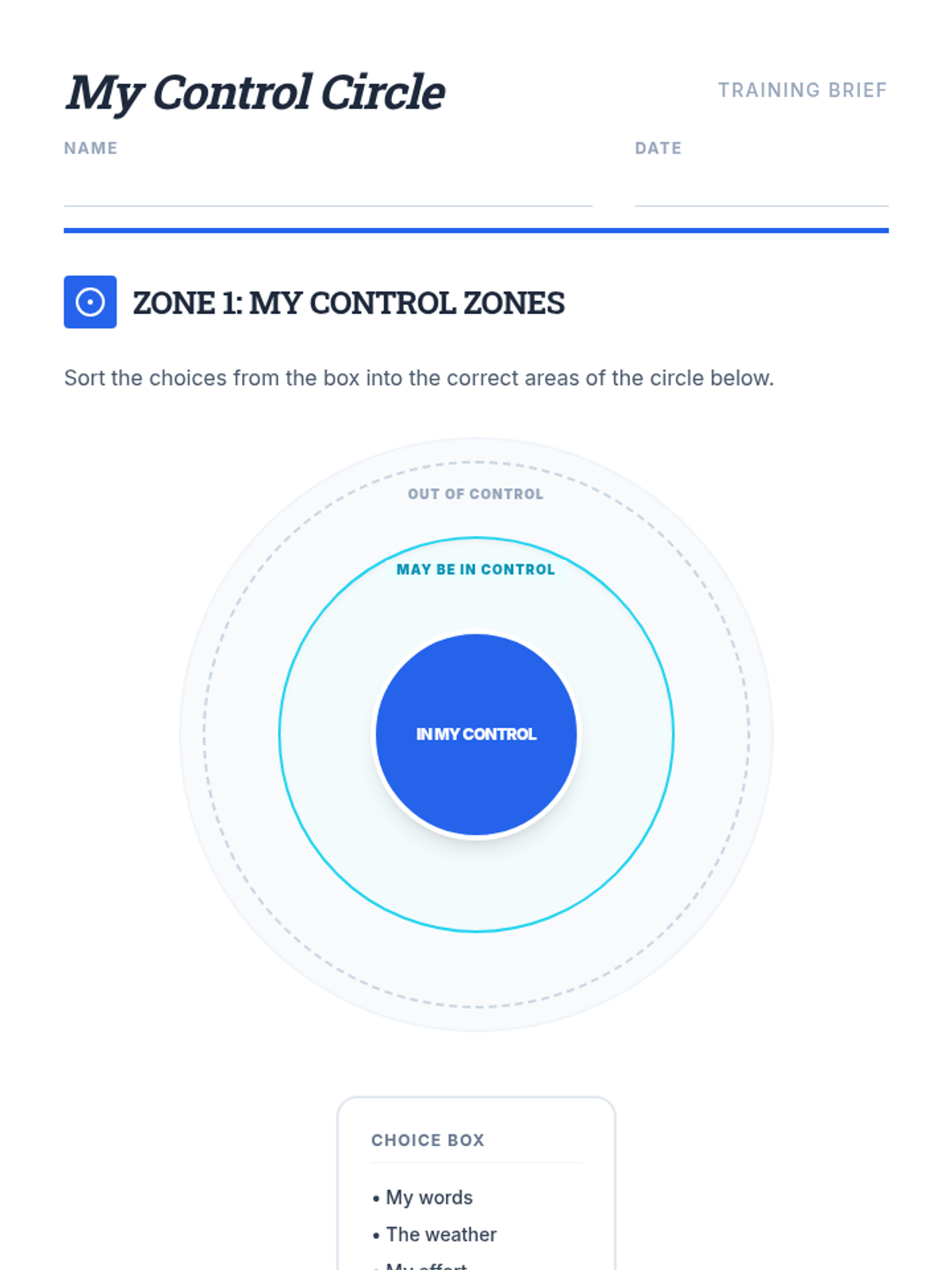
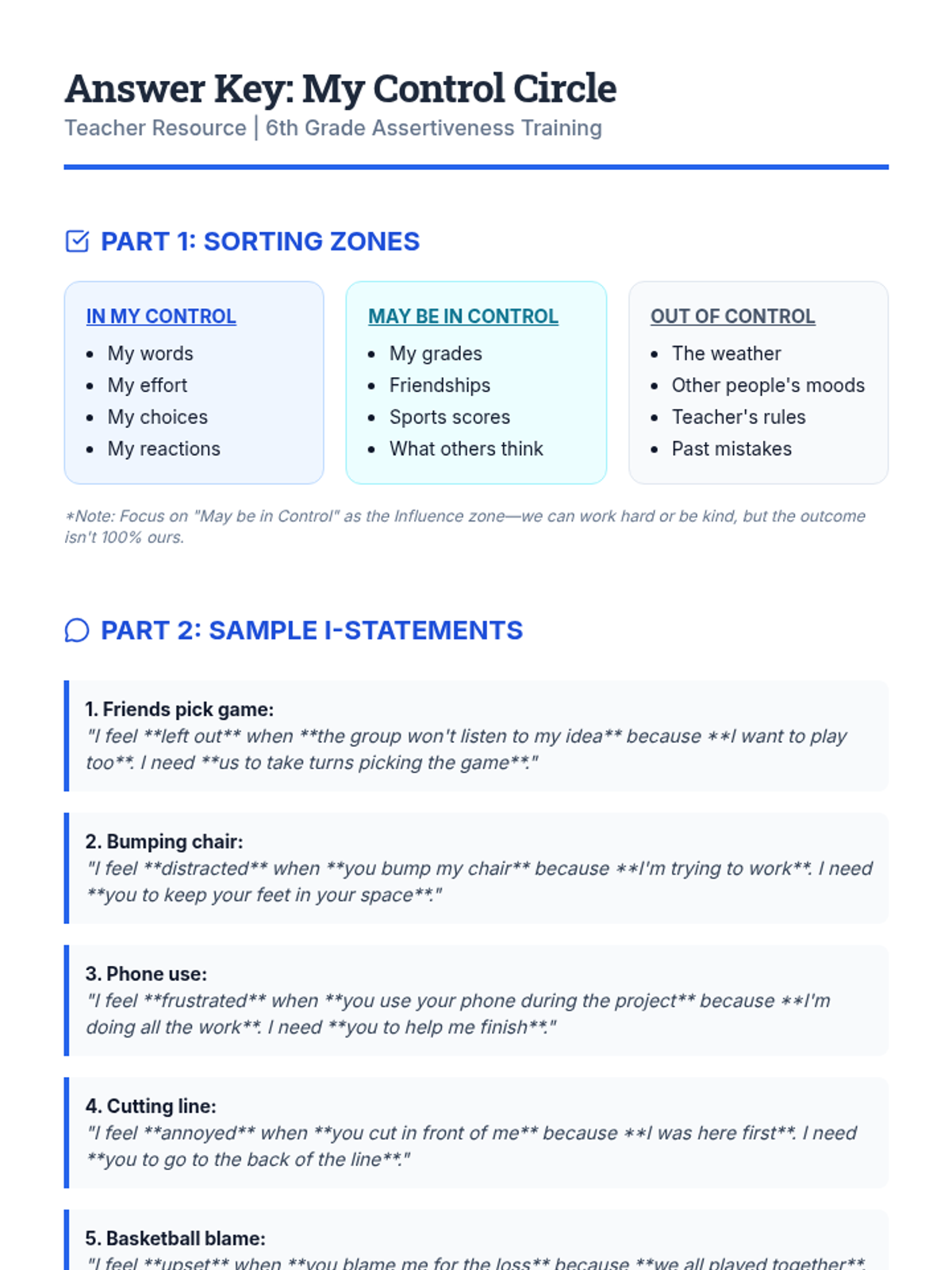
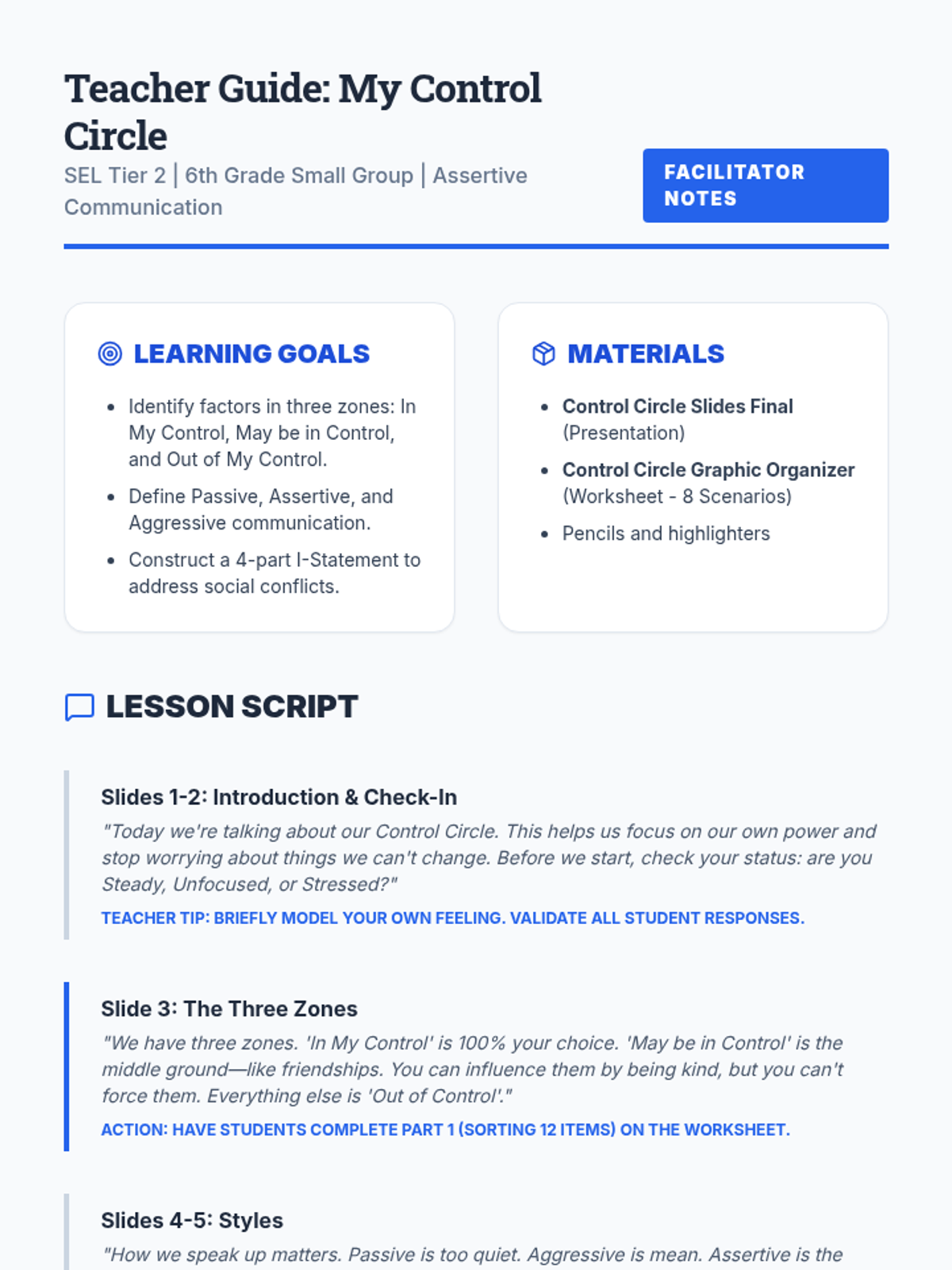
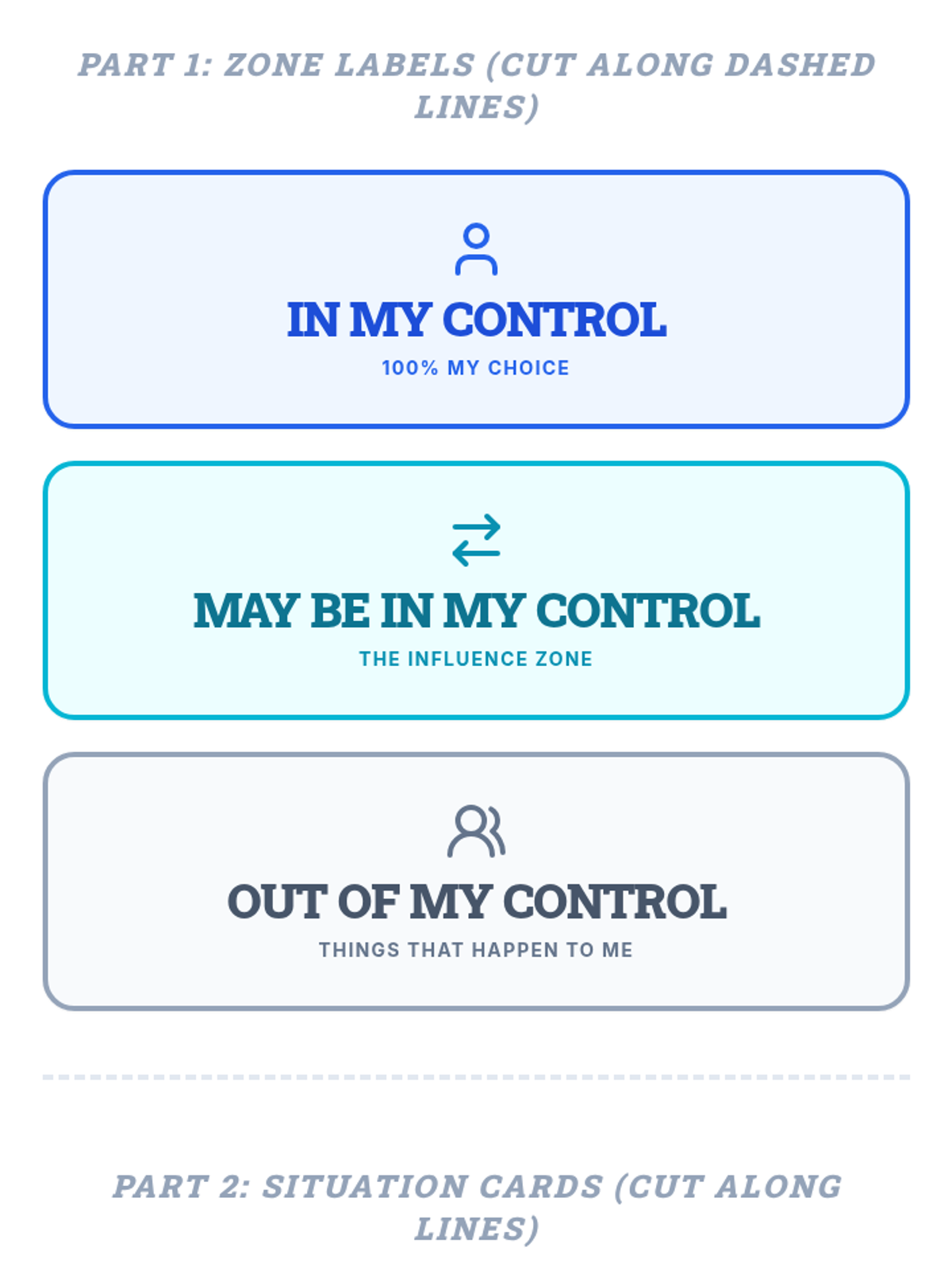
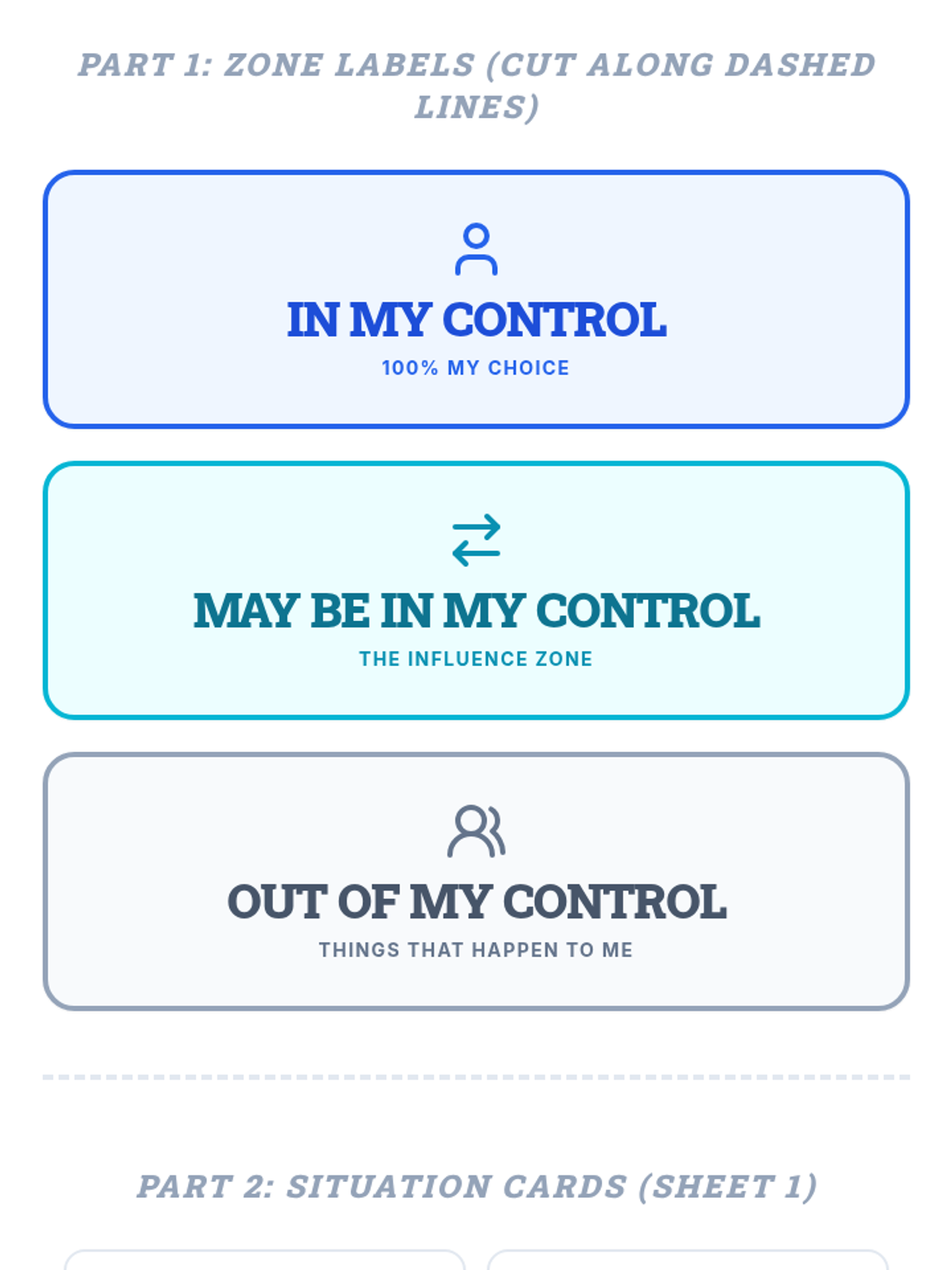
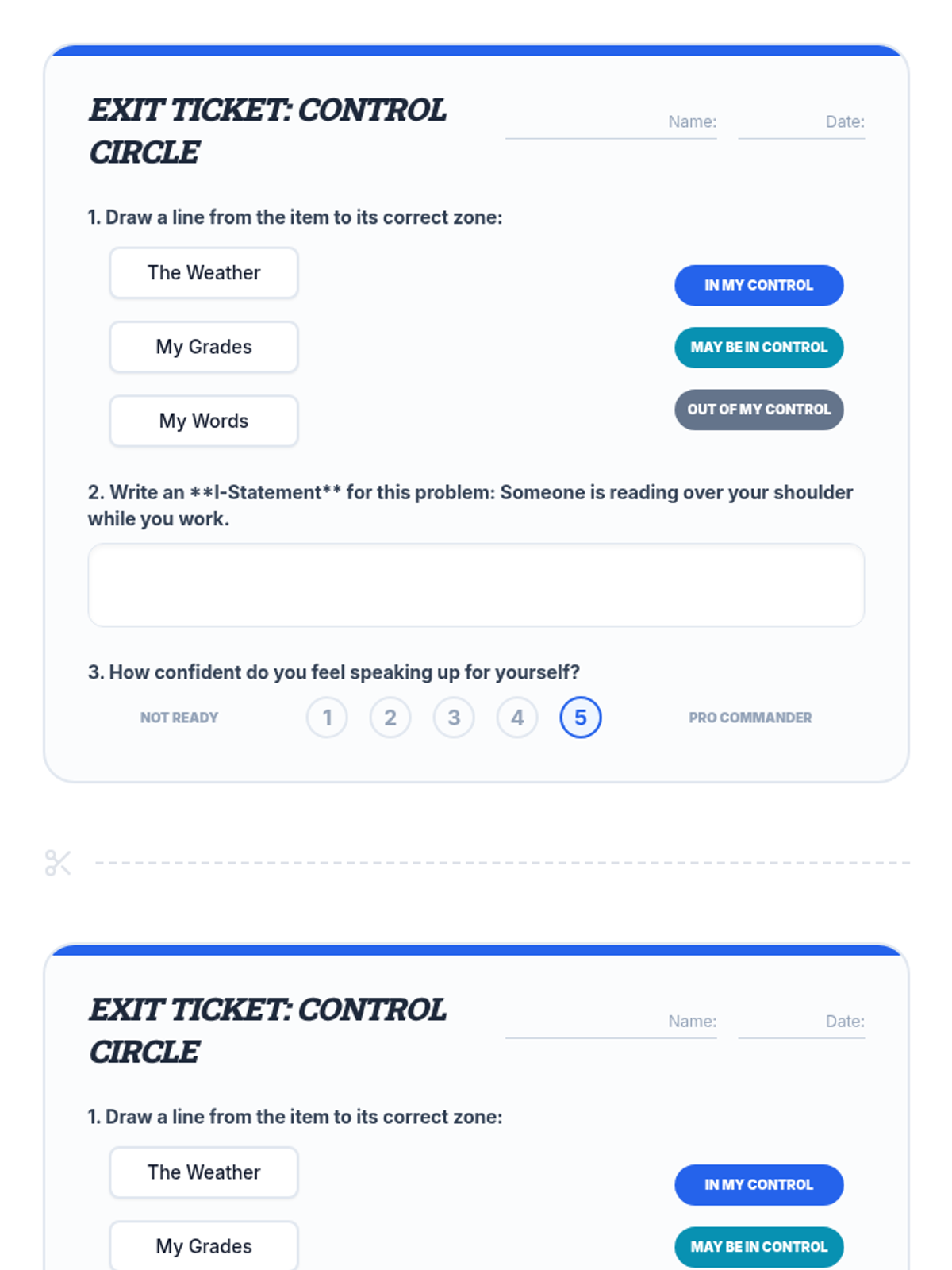
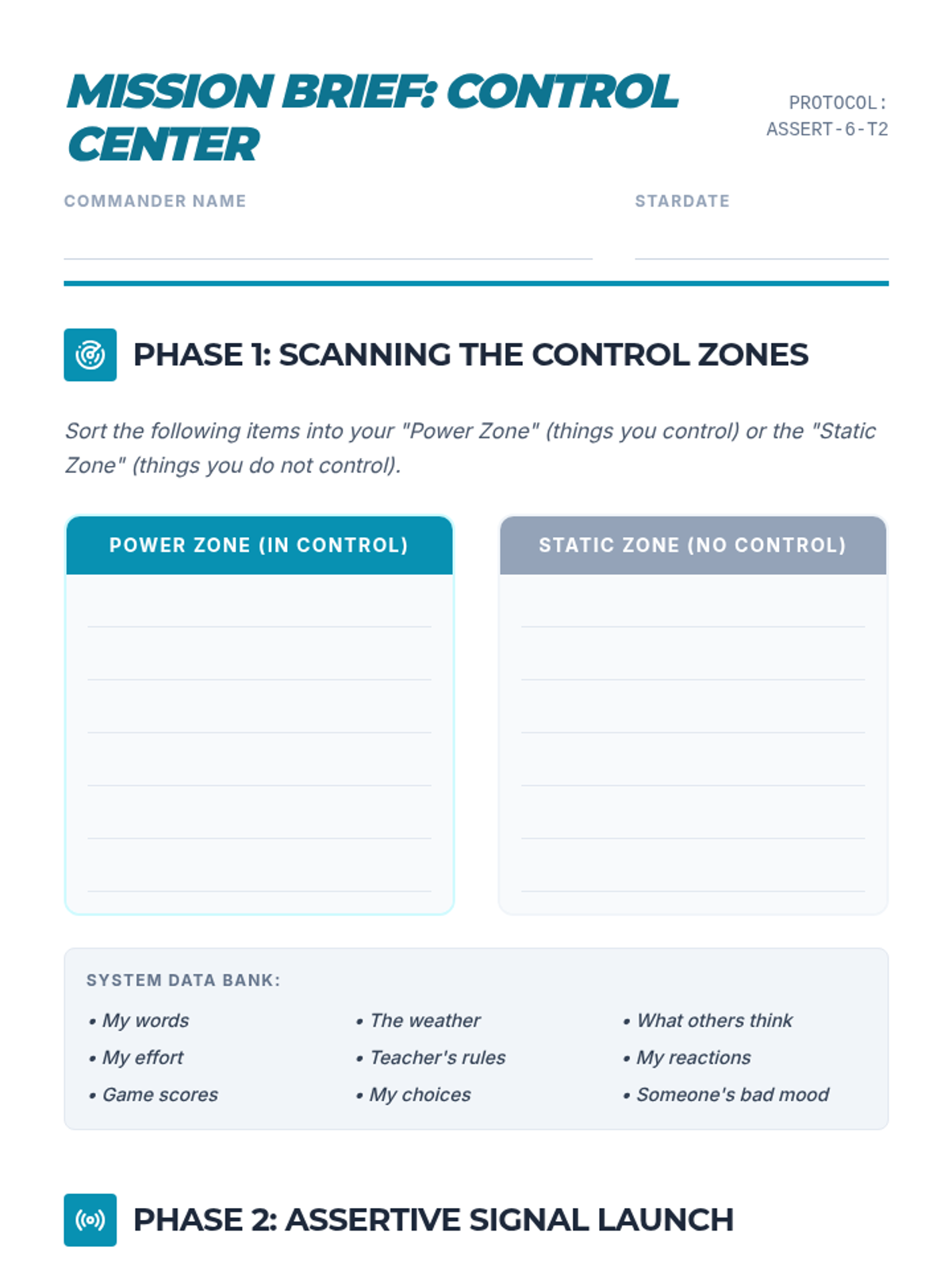
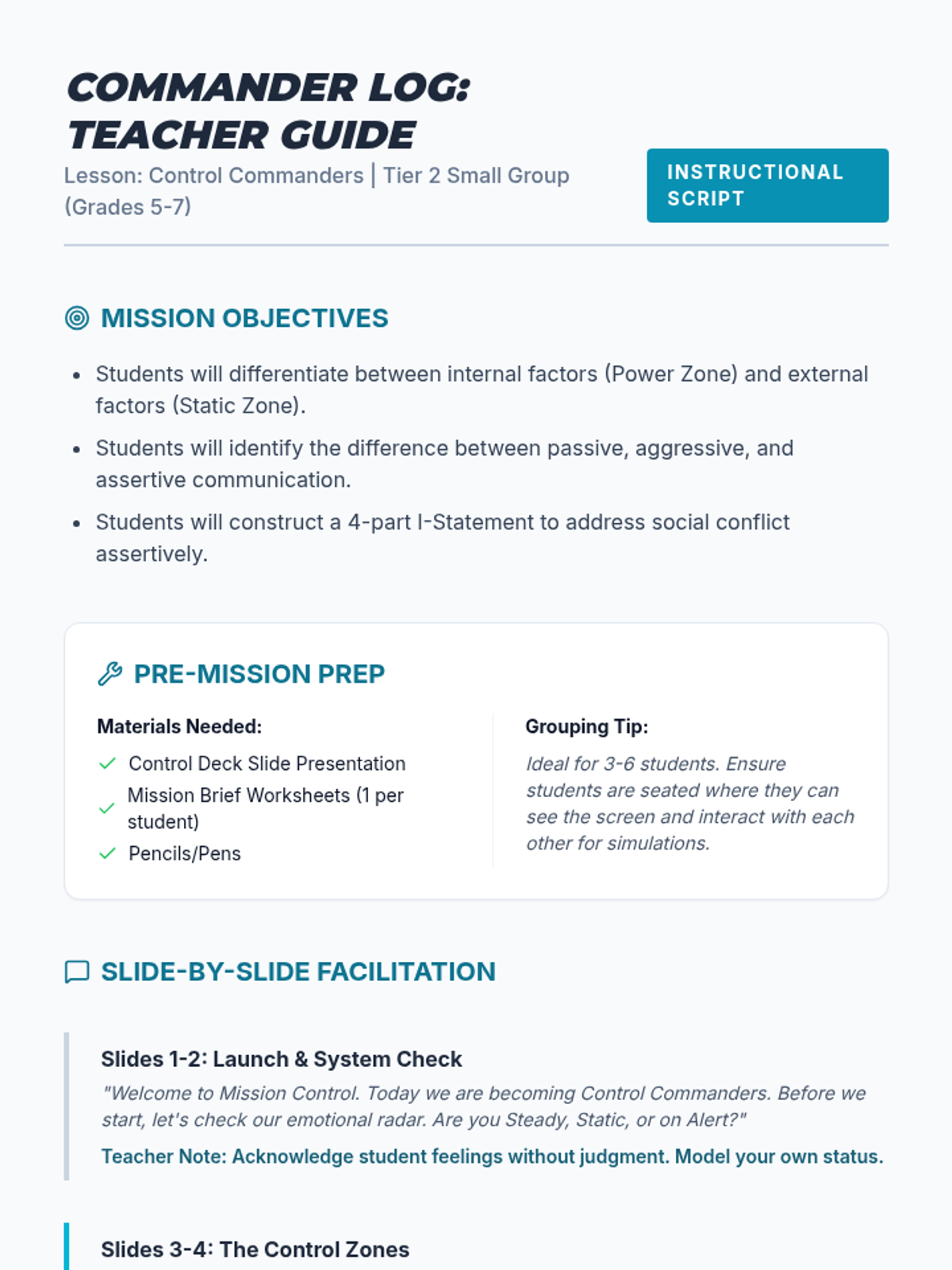
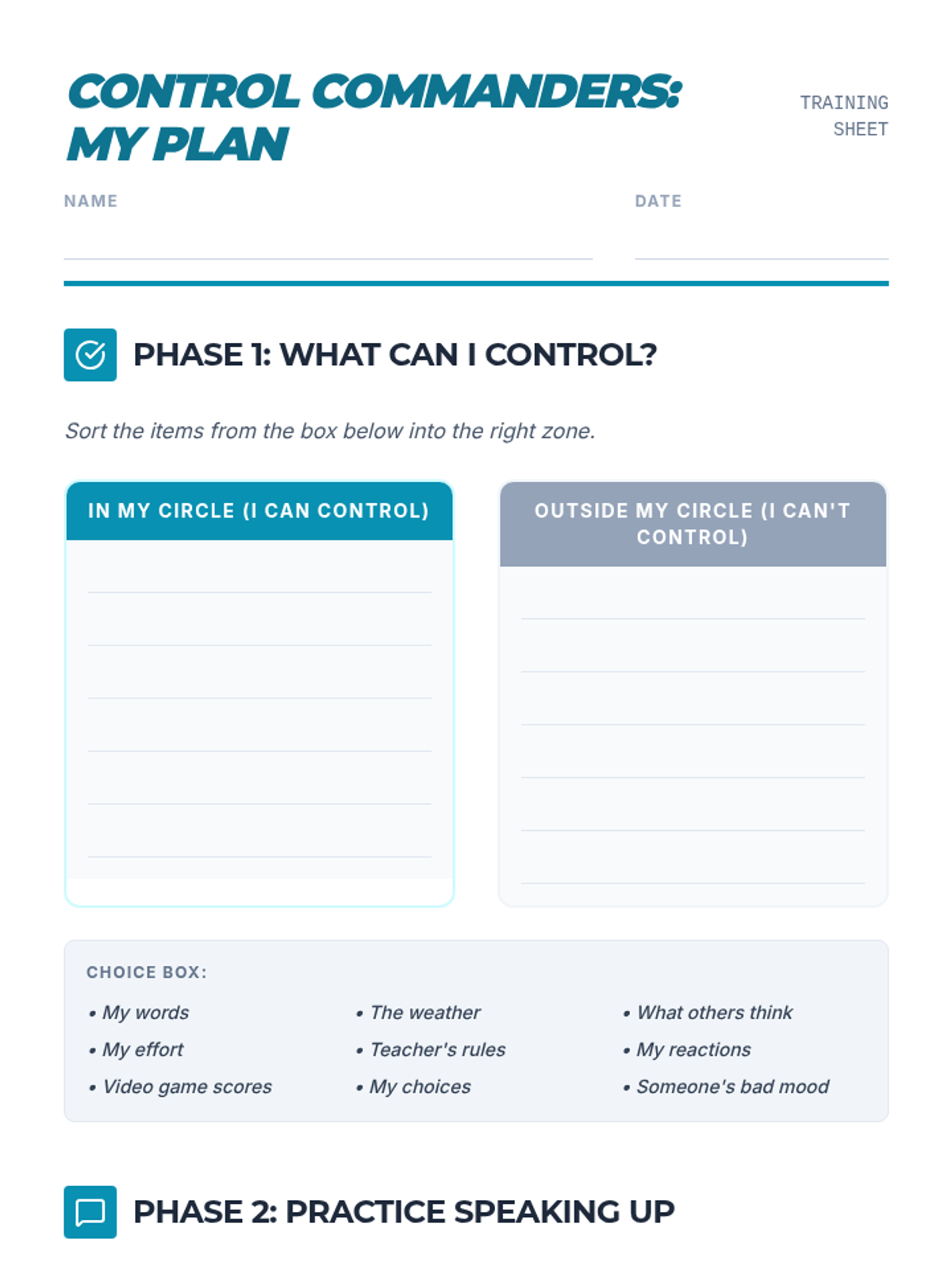
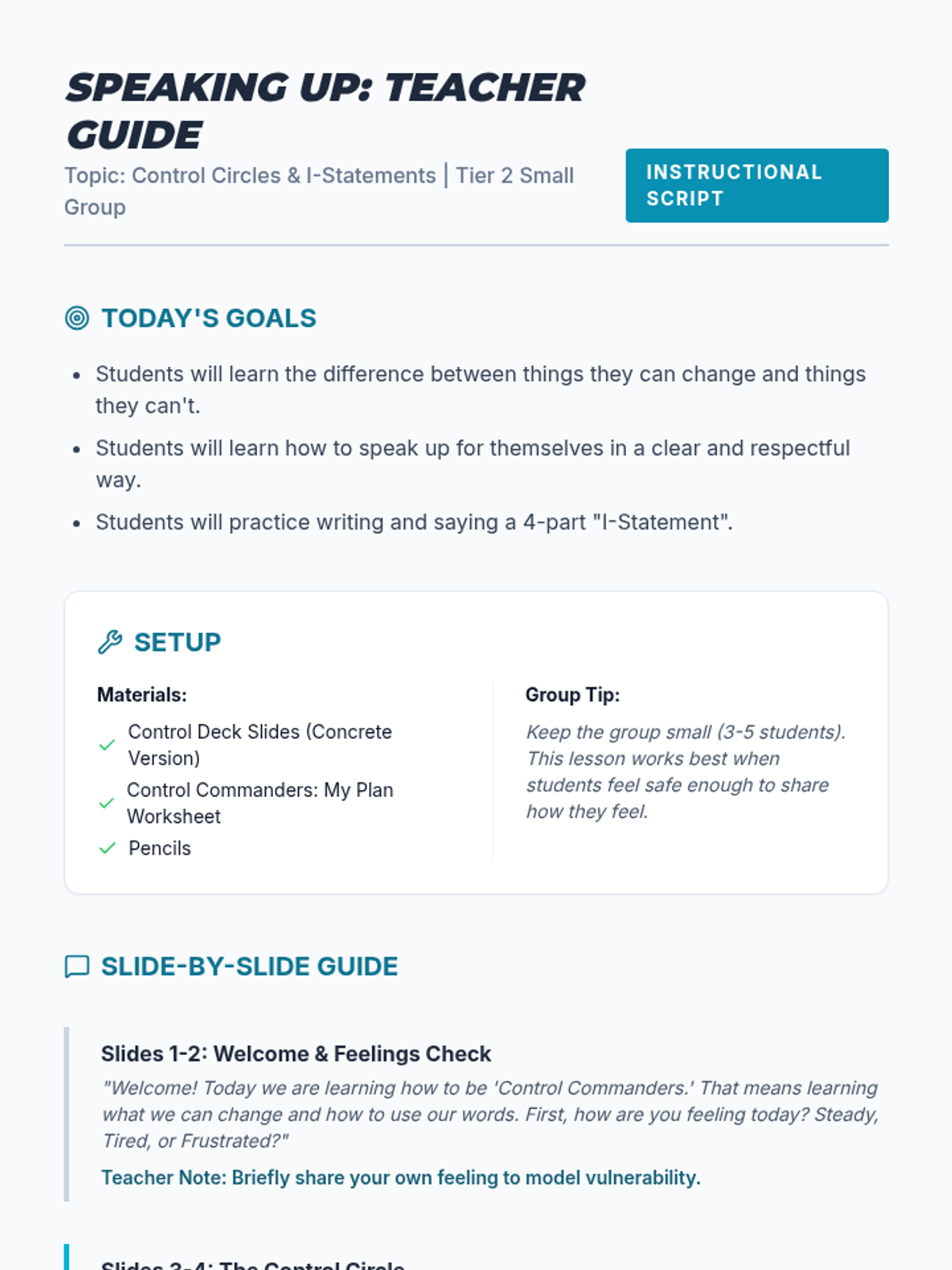
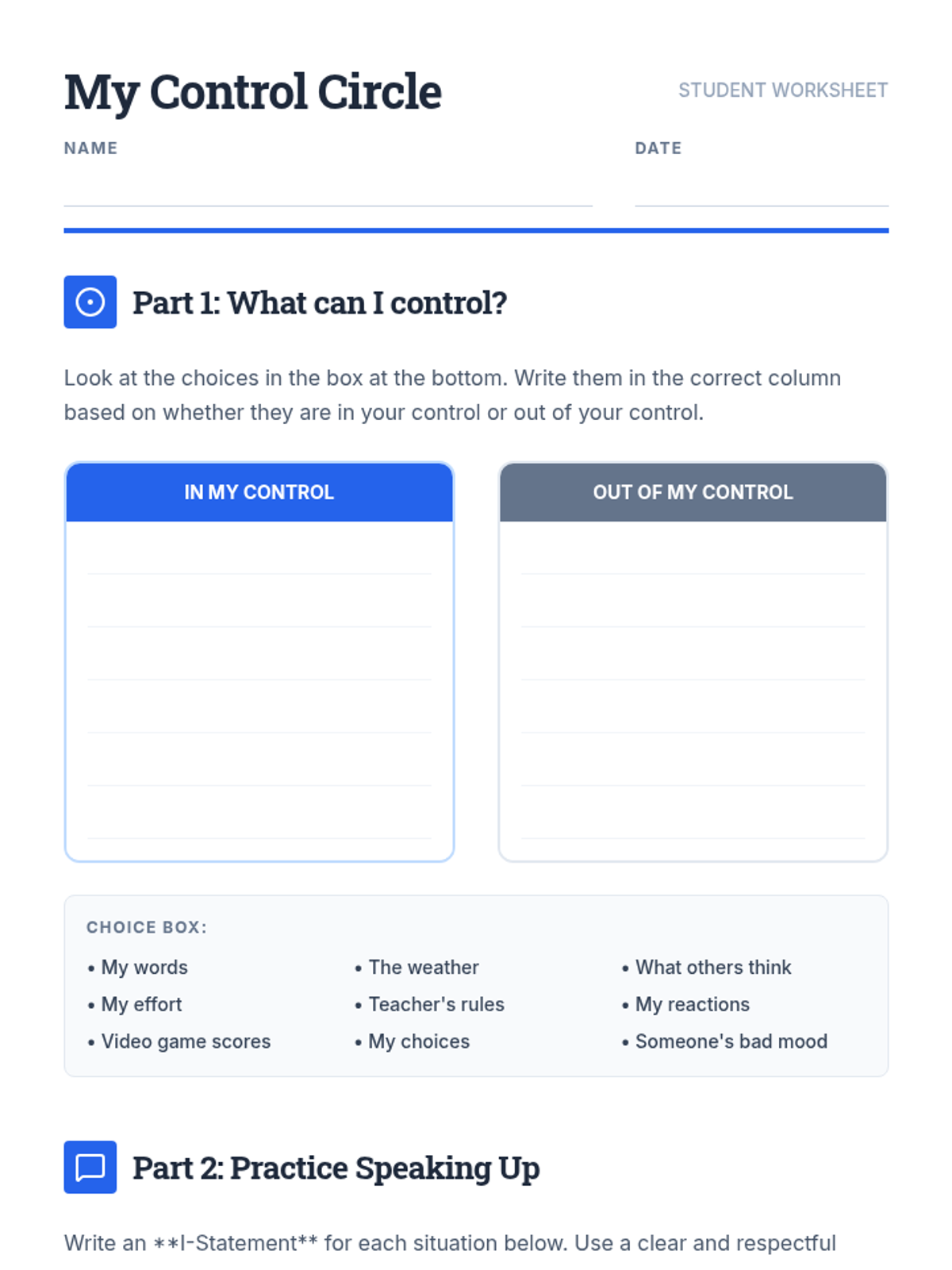
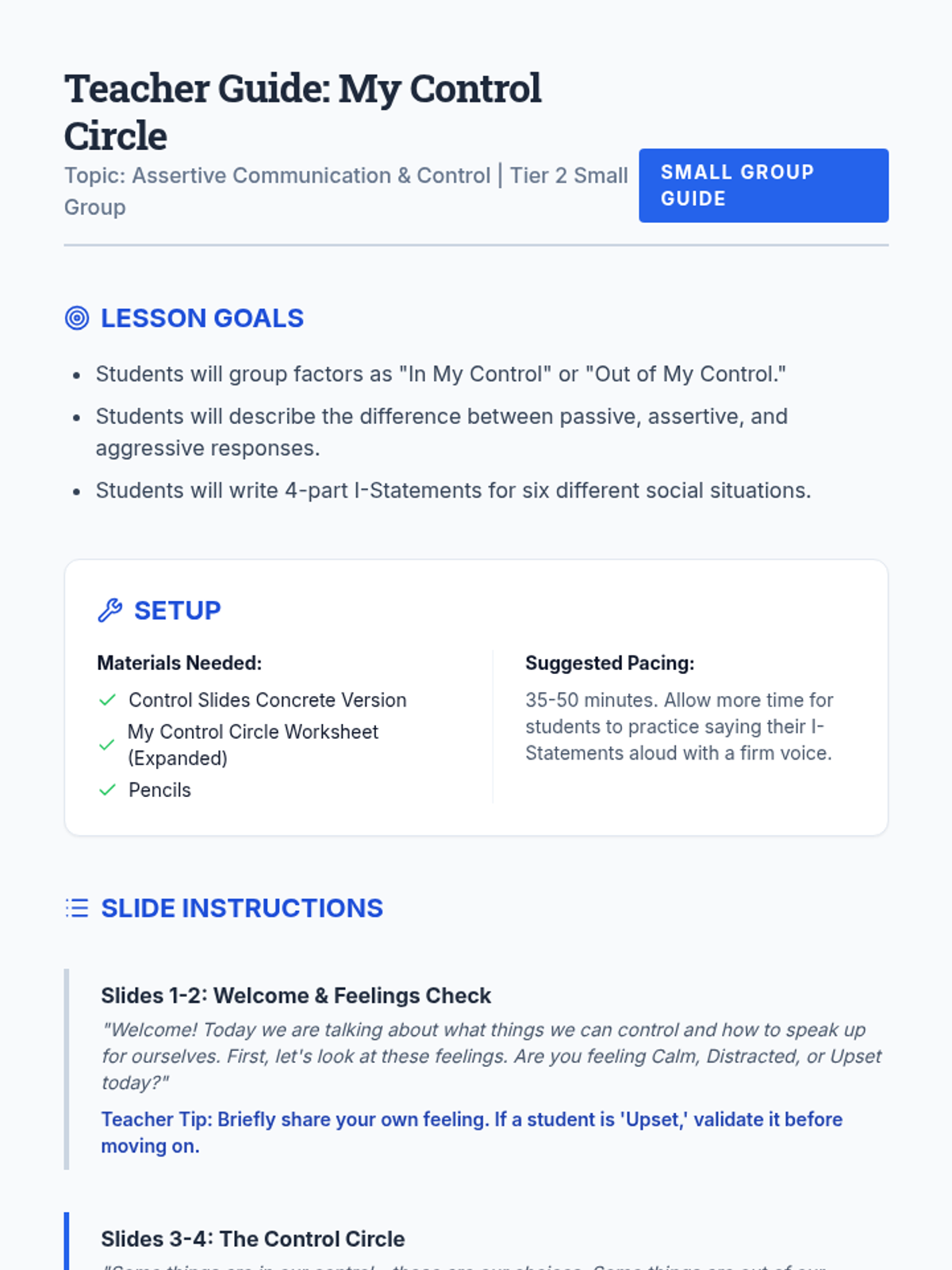
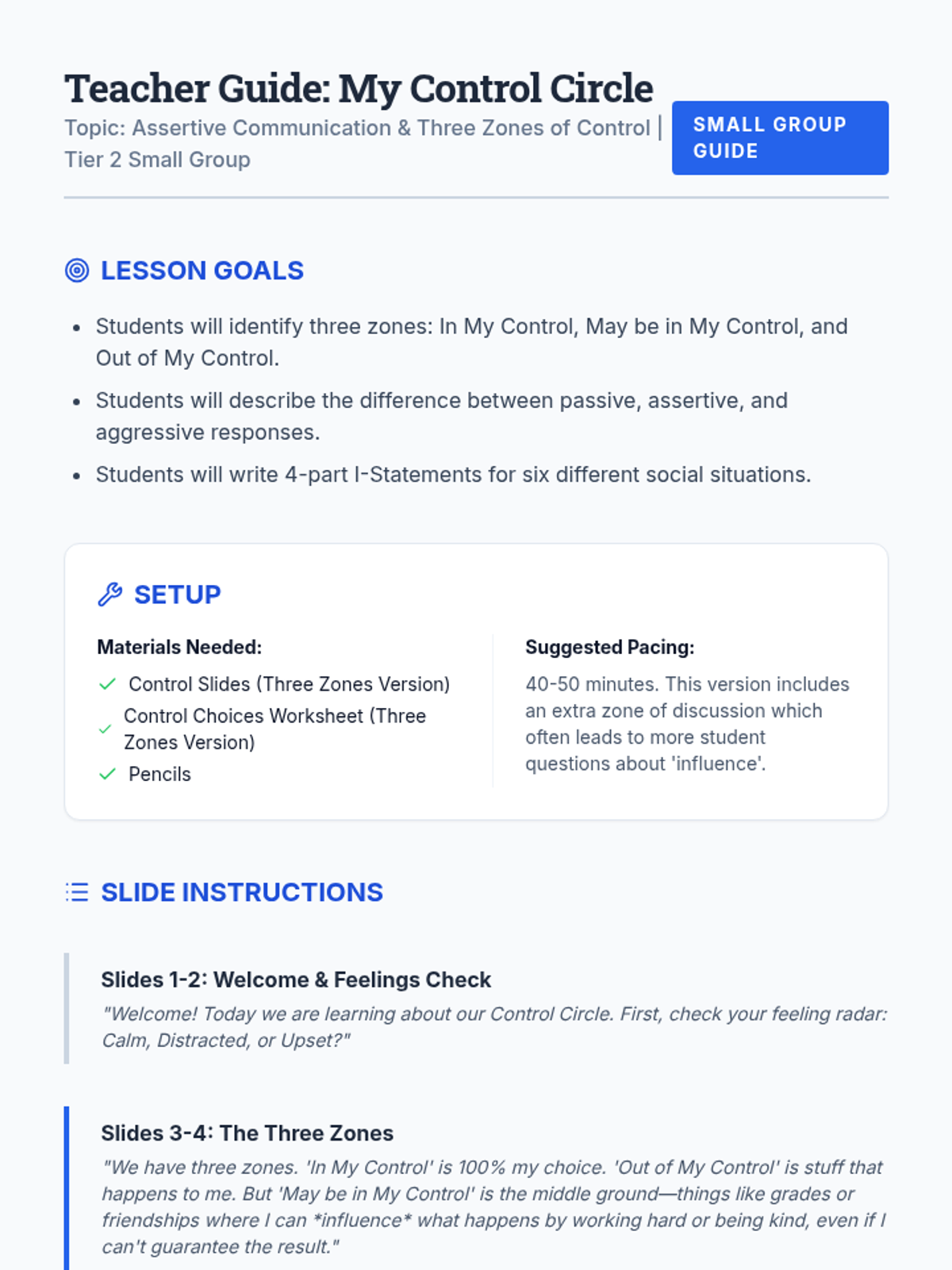
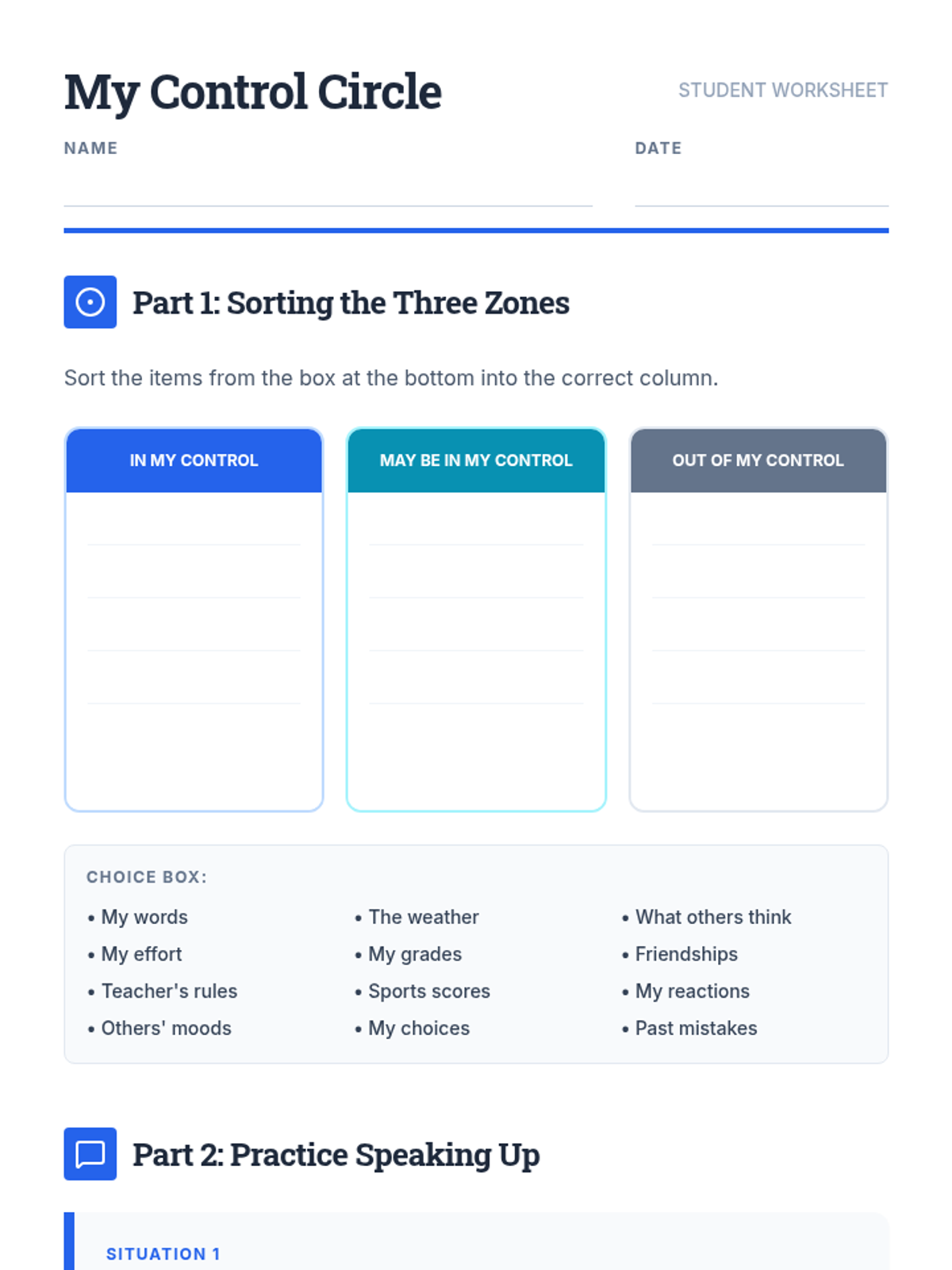
A social-emotional learning lesson for Tier 2 small groups focusing on identifying spheres of control and practicing assertive I-Statements in social scenarios.
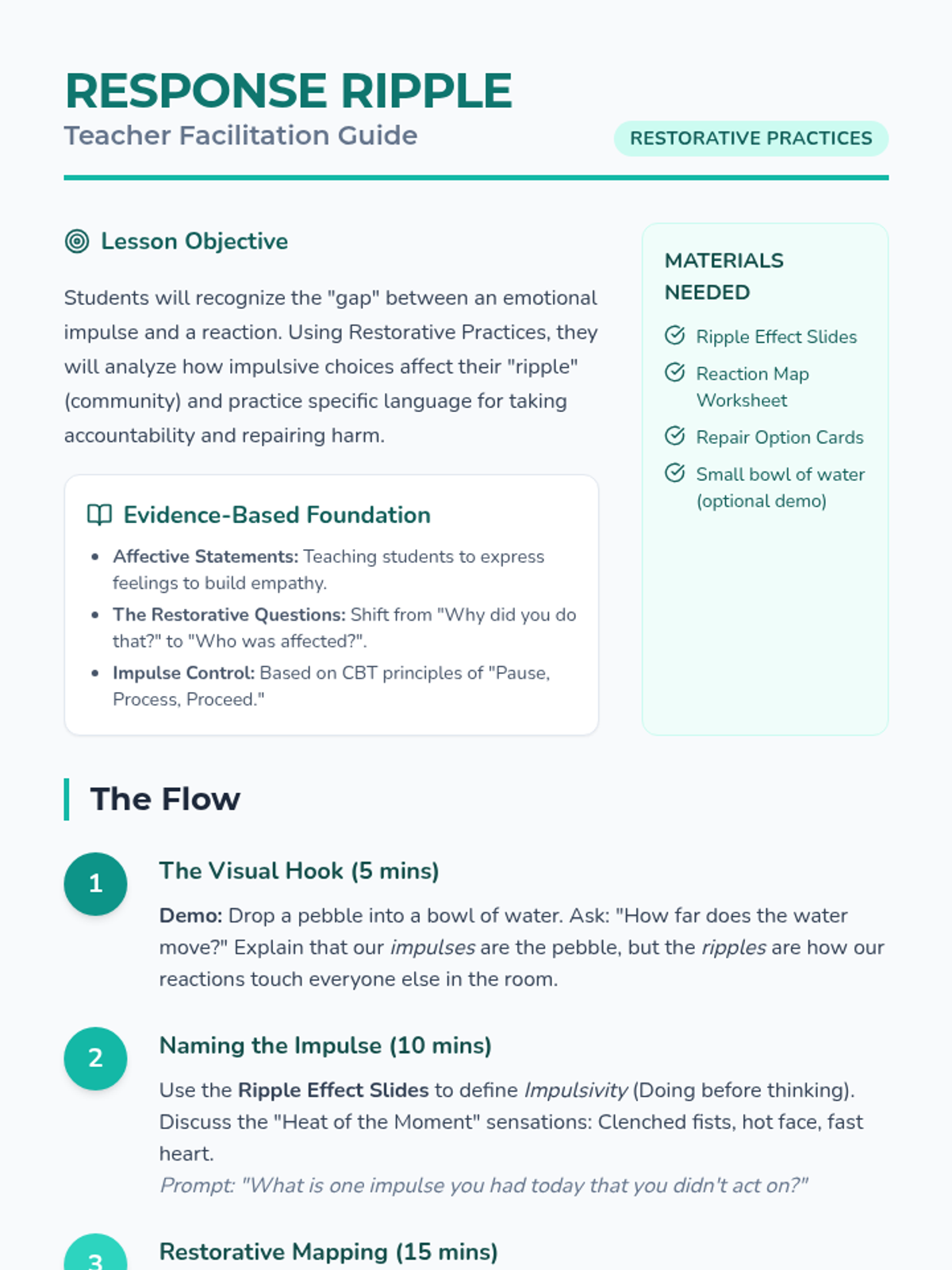
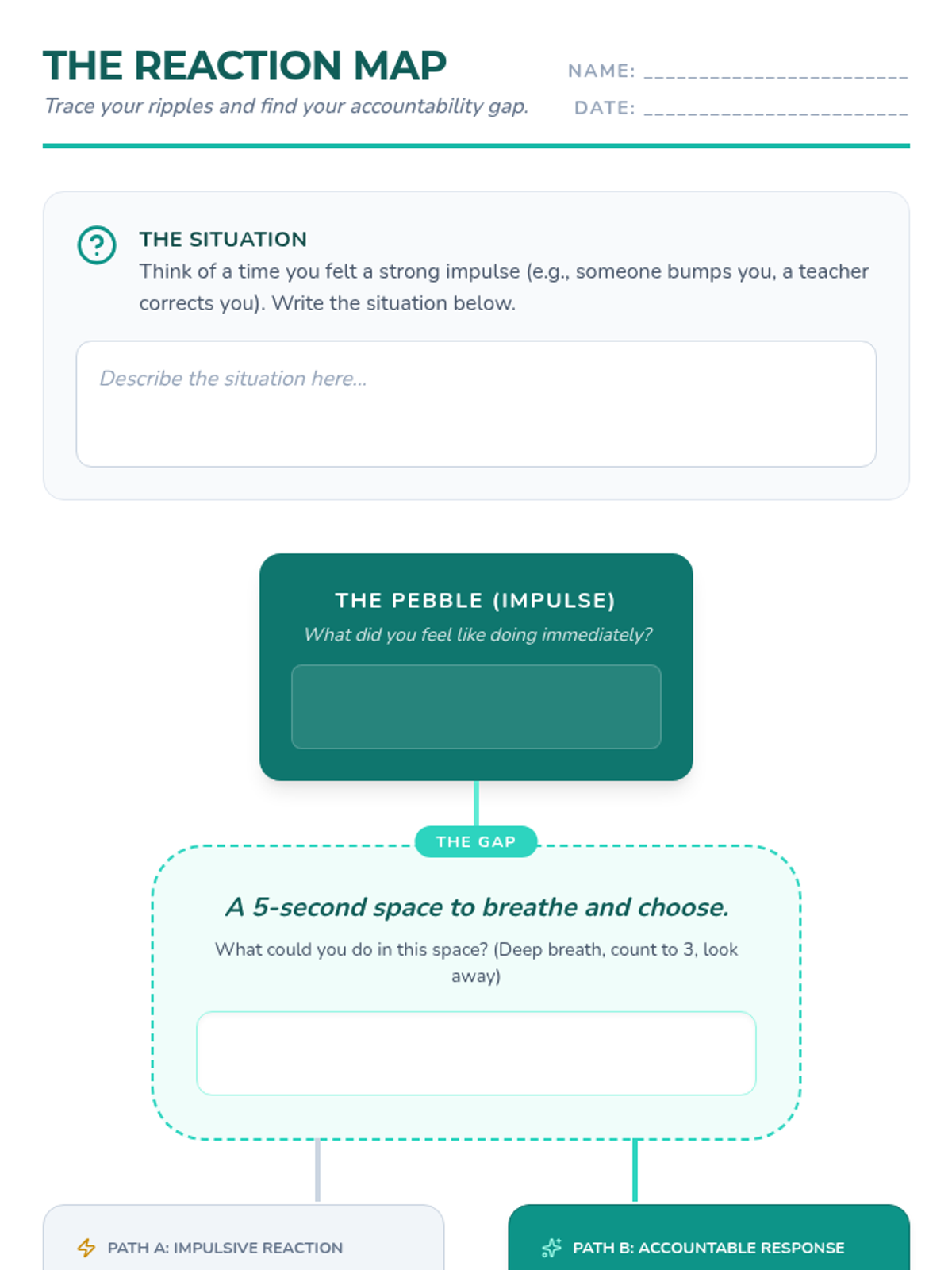
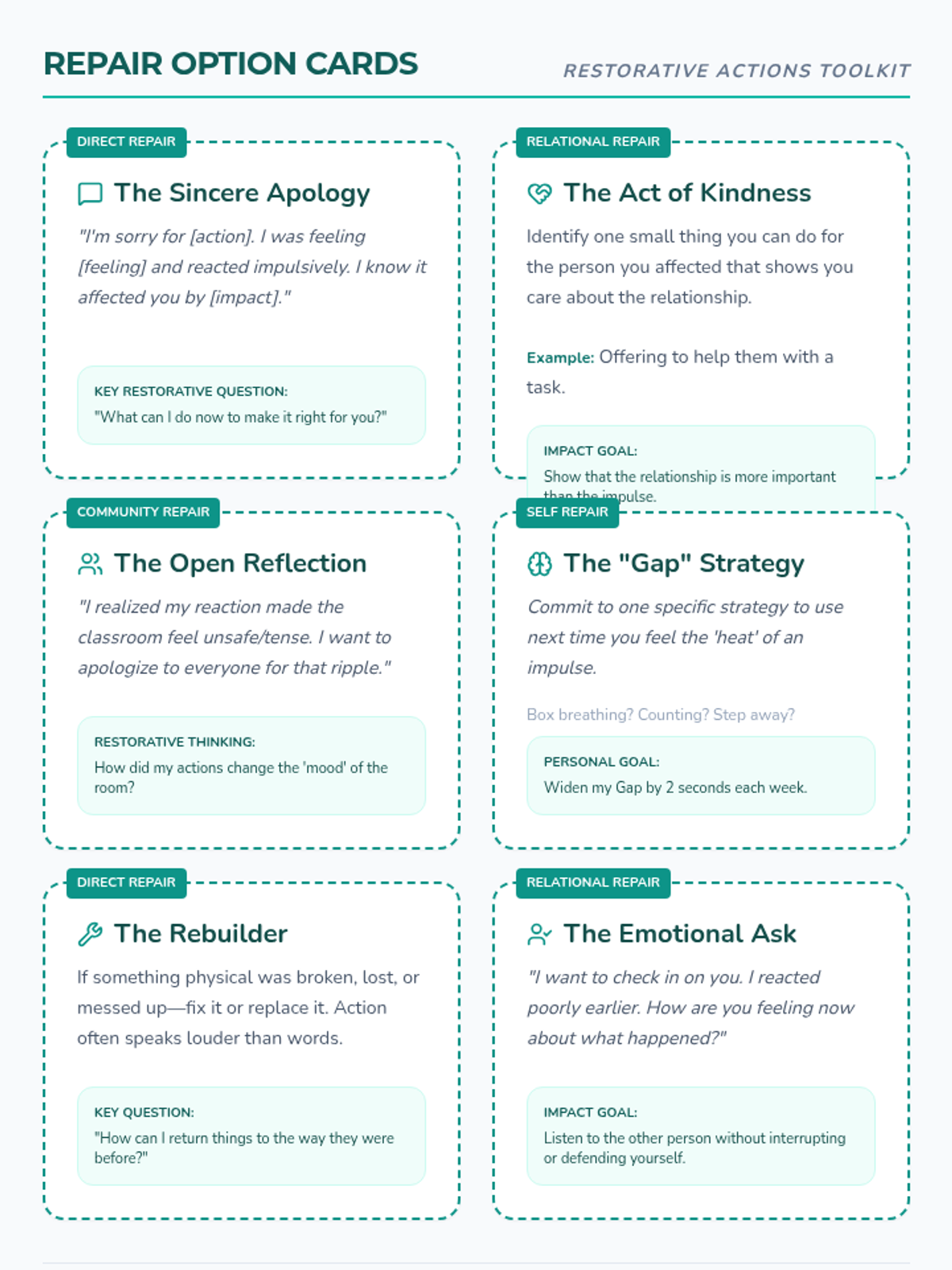
A Restorative Practices-based lesson for 6th graders focused on identifying impulsive emotional reactions, understanding their impact on others, and taking accountability through meaningful repair.
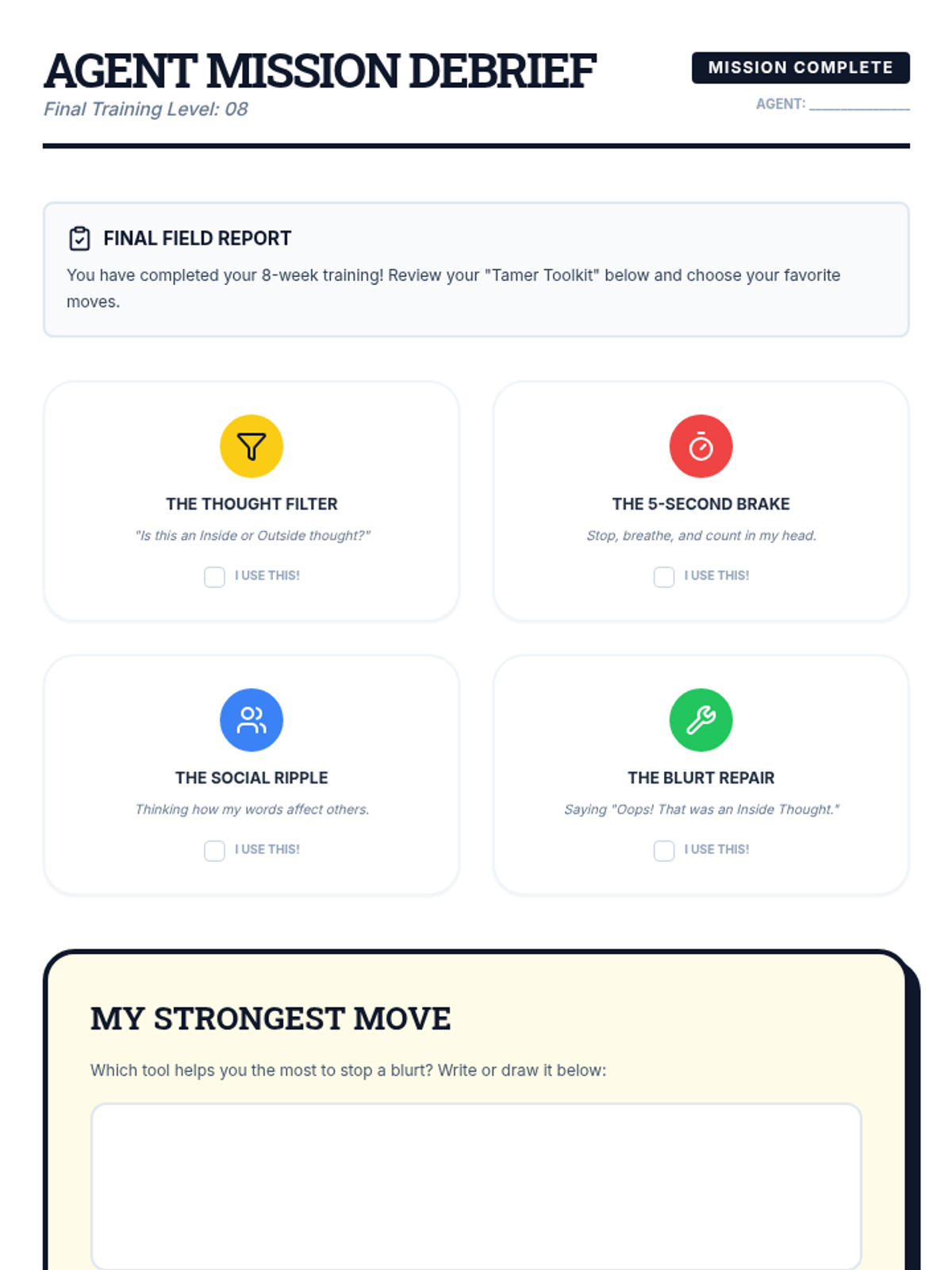
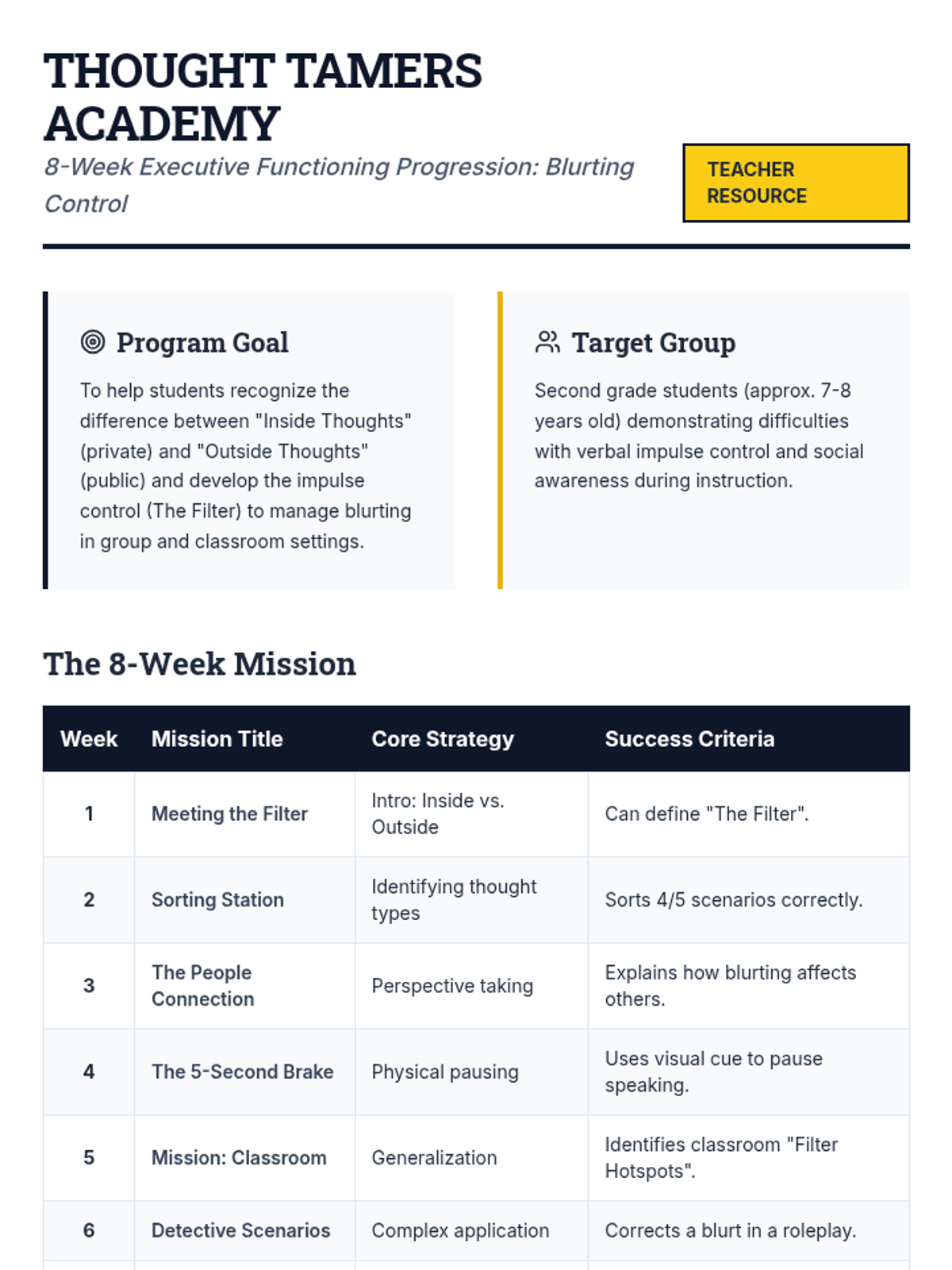
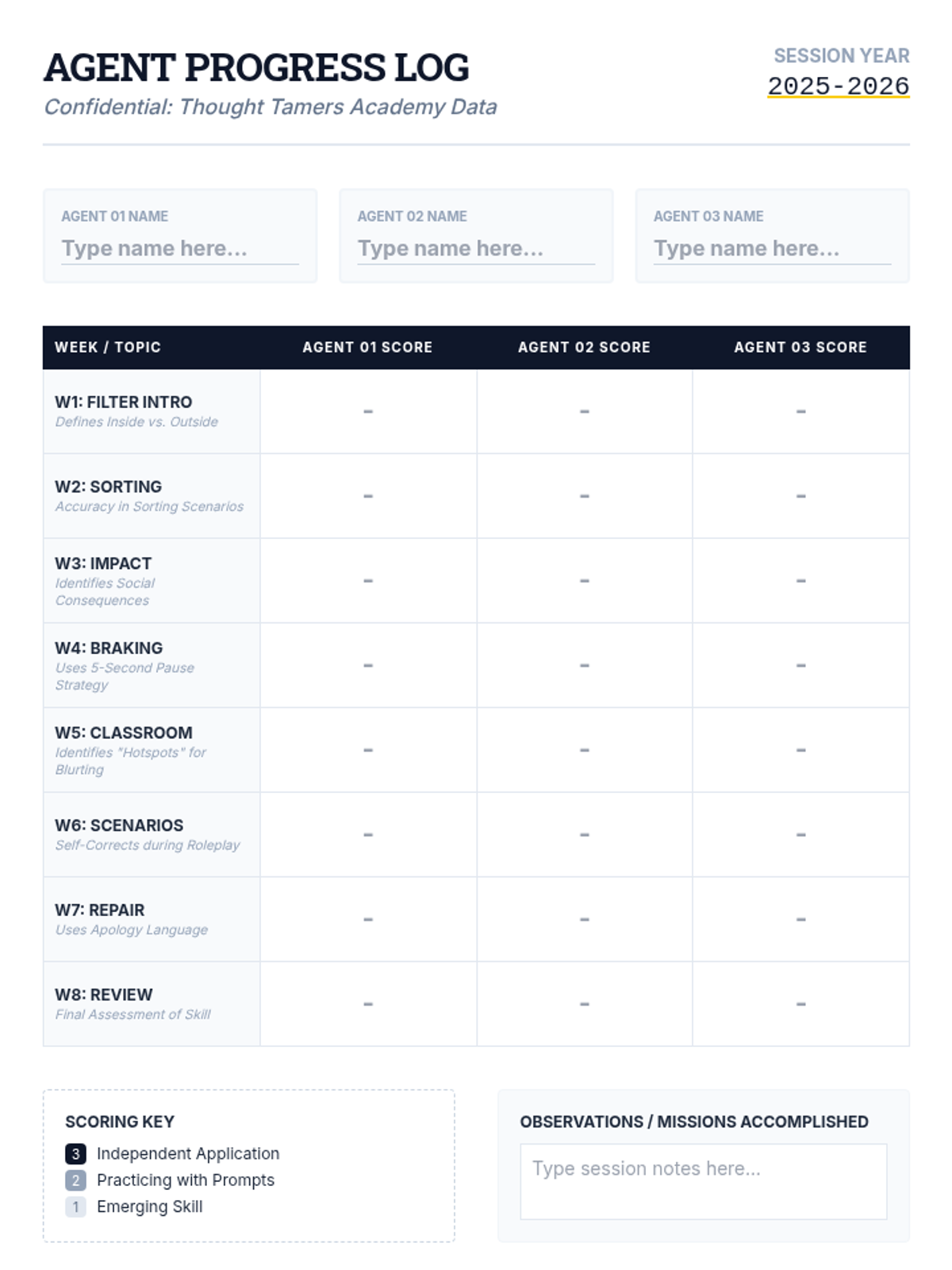
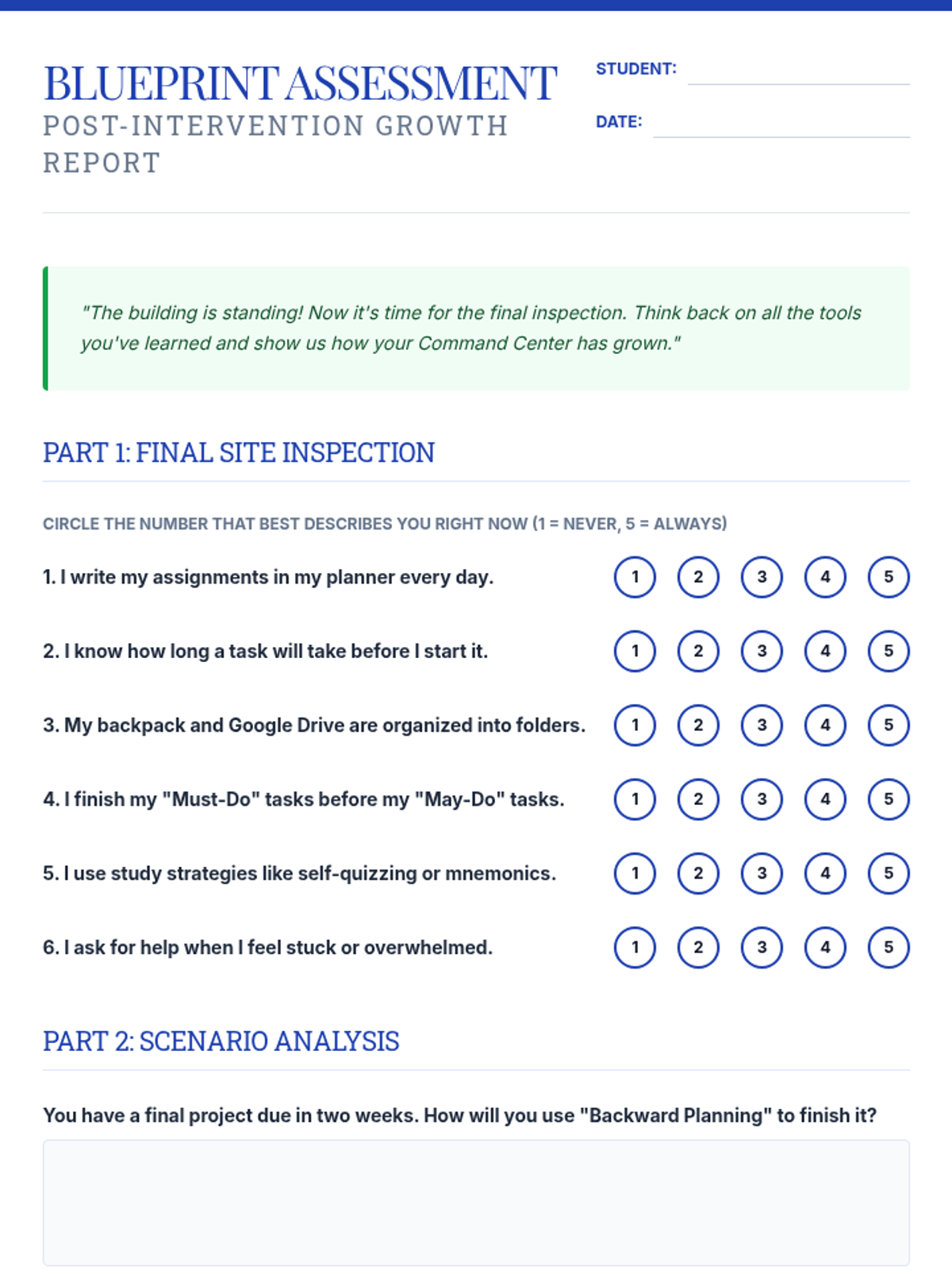
Celebrating progress and reviewing all strategies learned over the 8 weeks.
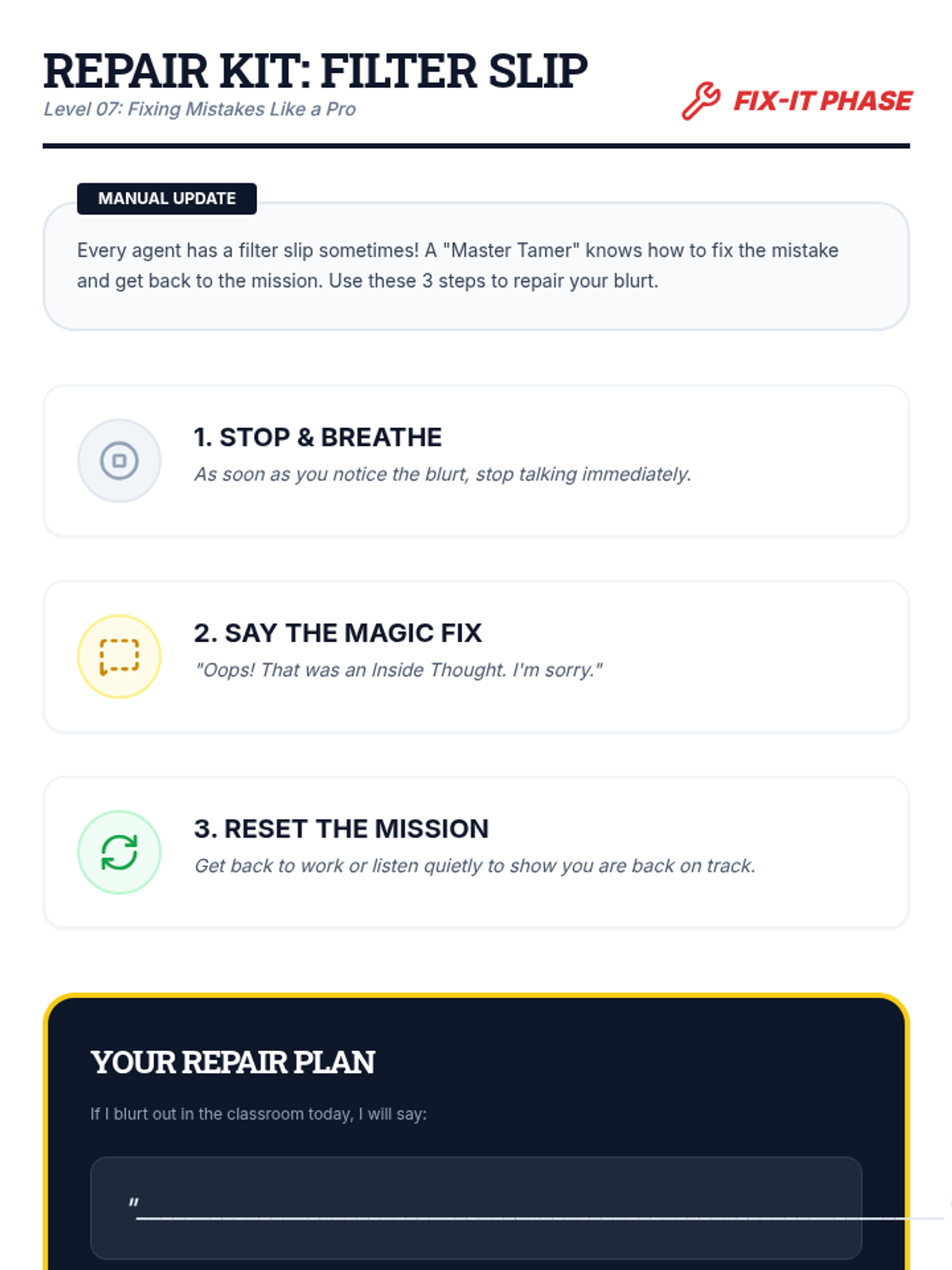
Learning how to apologize and reset after an accidental blurt occurs.
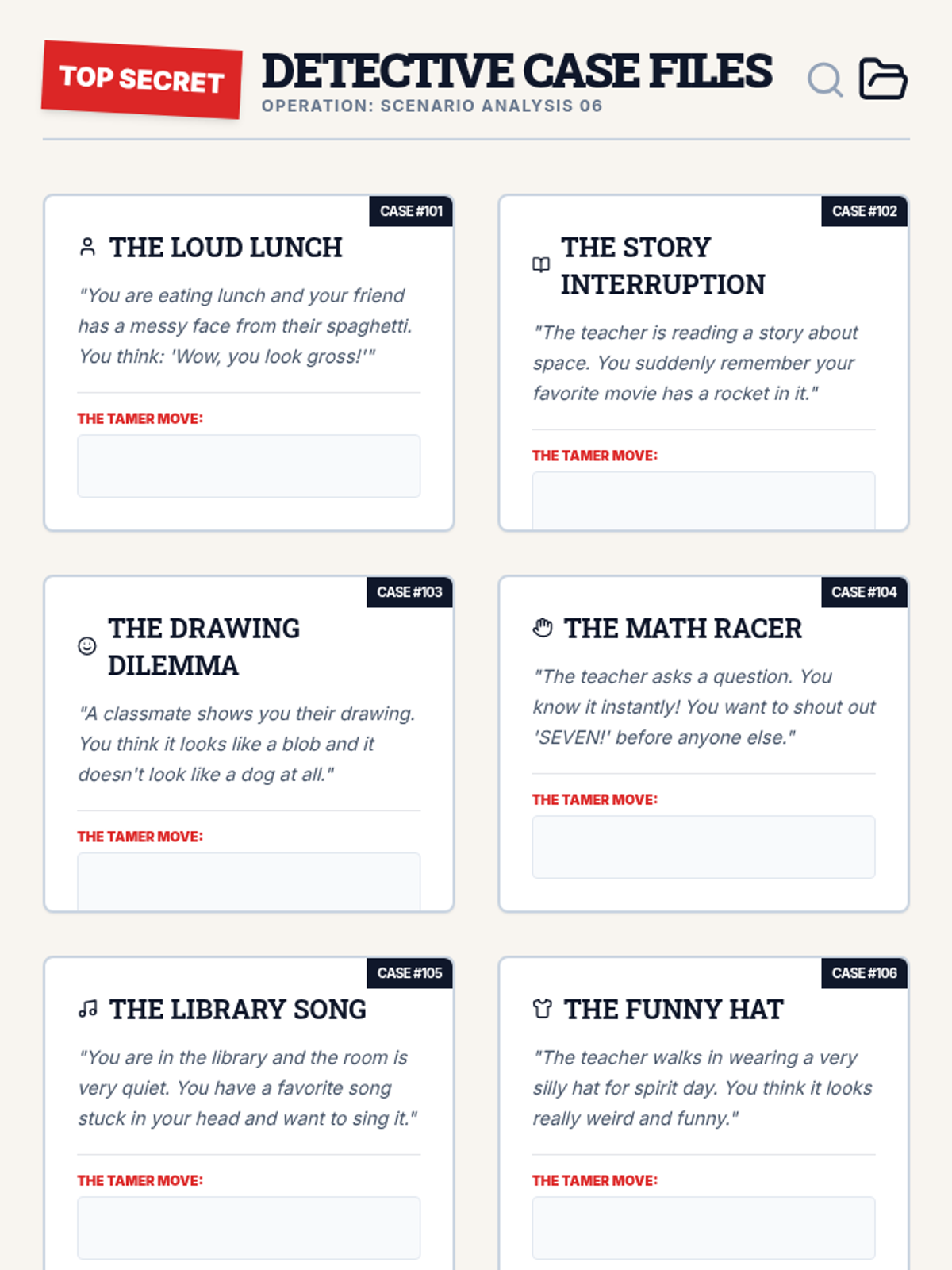
Using detective skills to analyze complex scenarios and determine the best 'Thought Tamer' move.
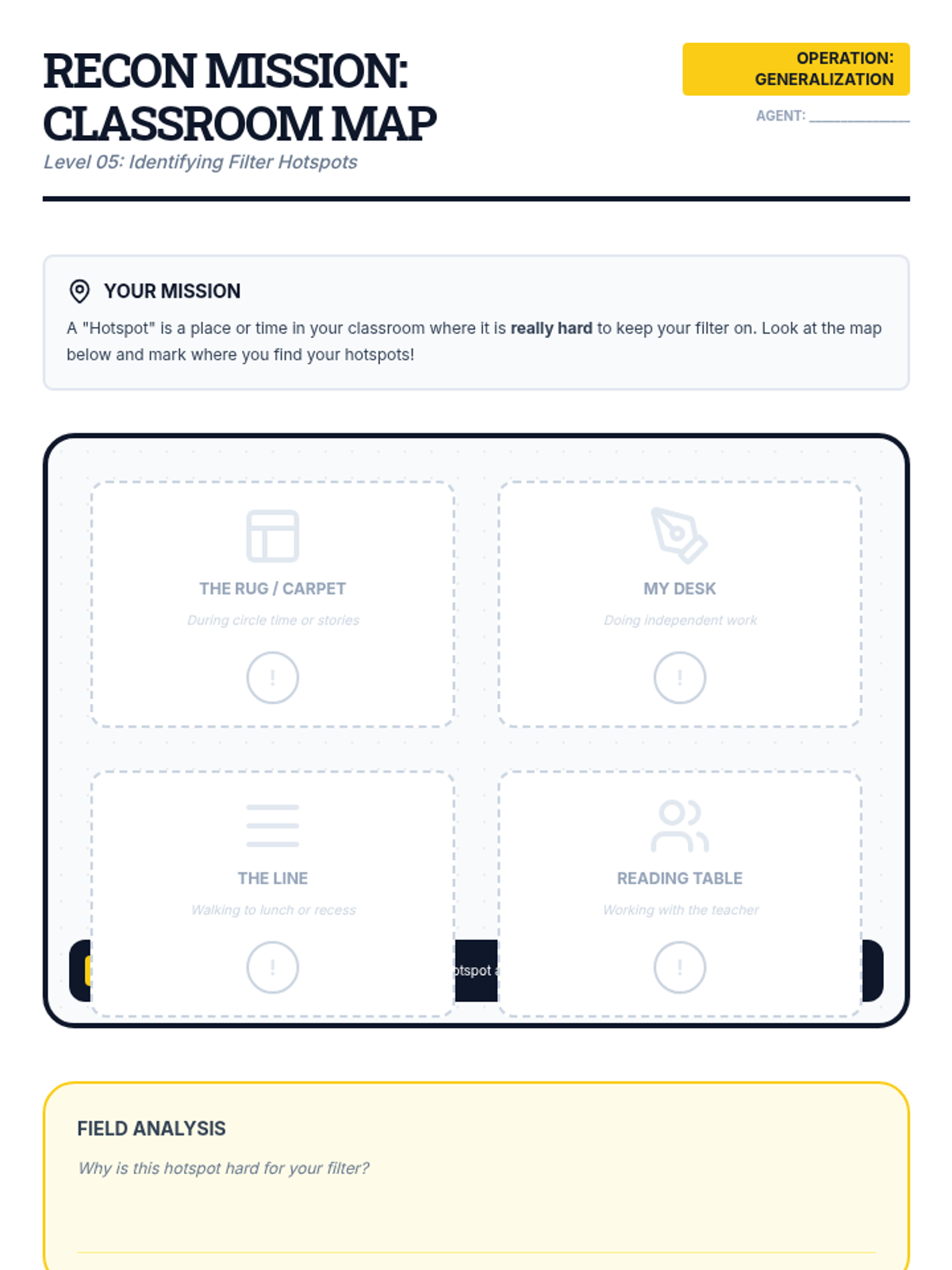
Applying the filter to specific classroom routines like raising hands and group discussions.
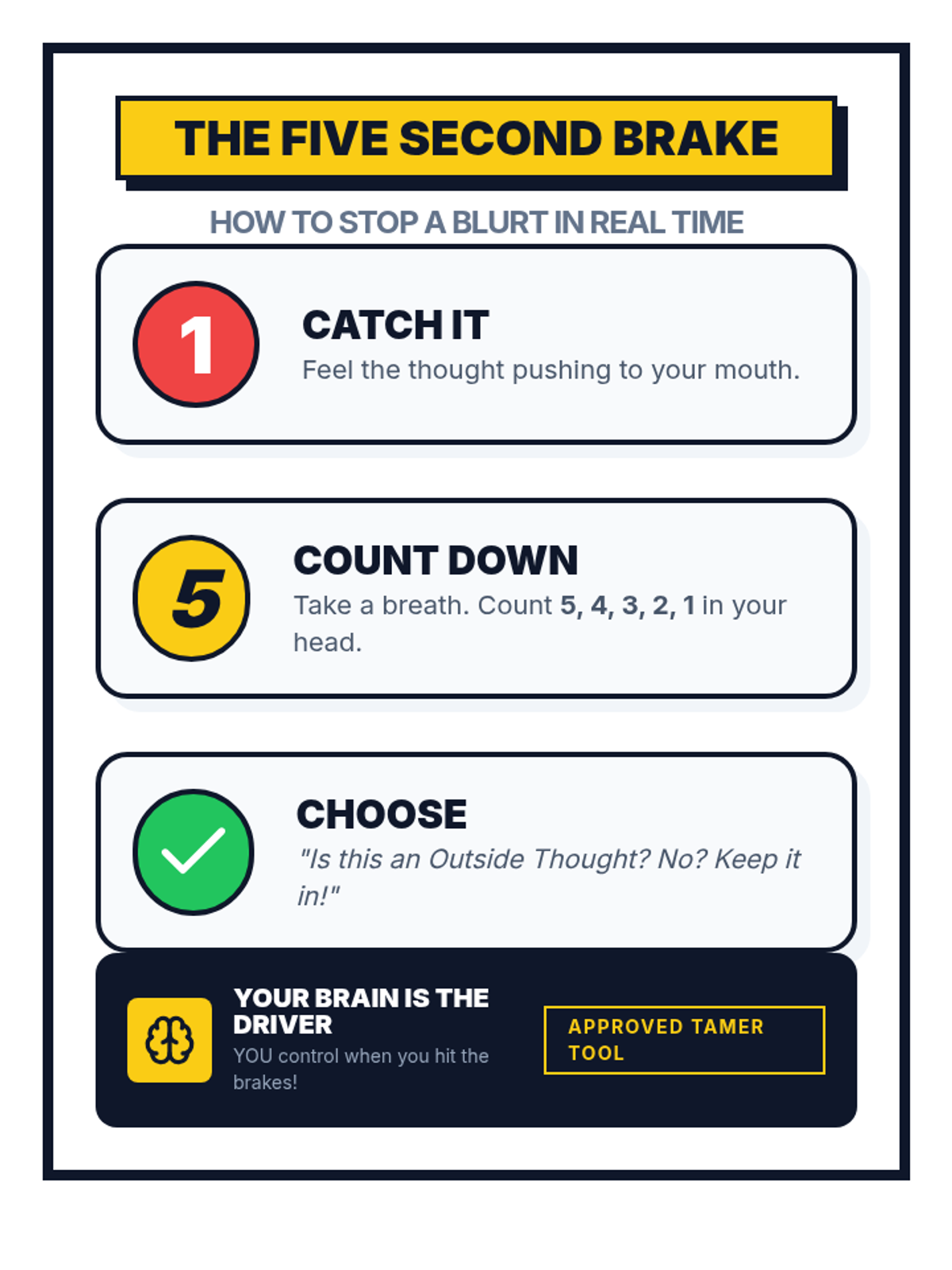
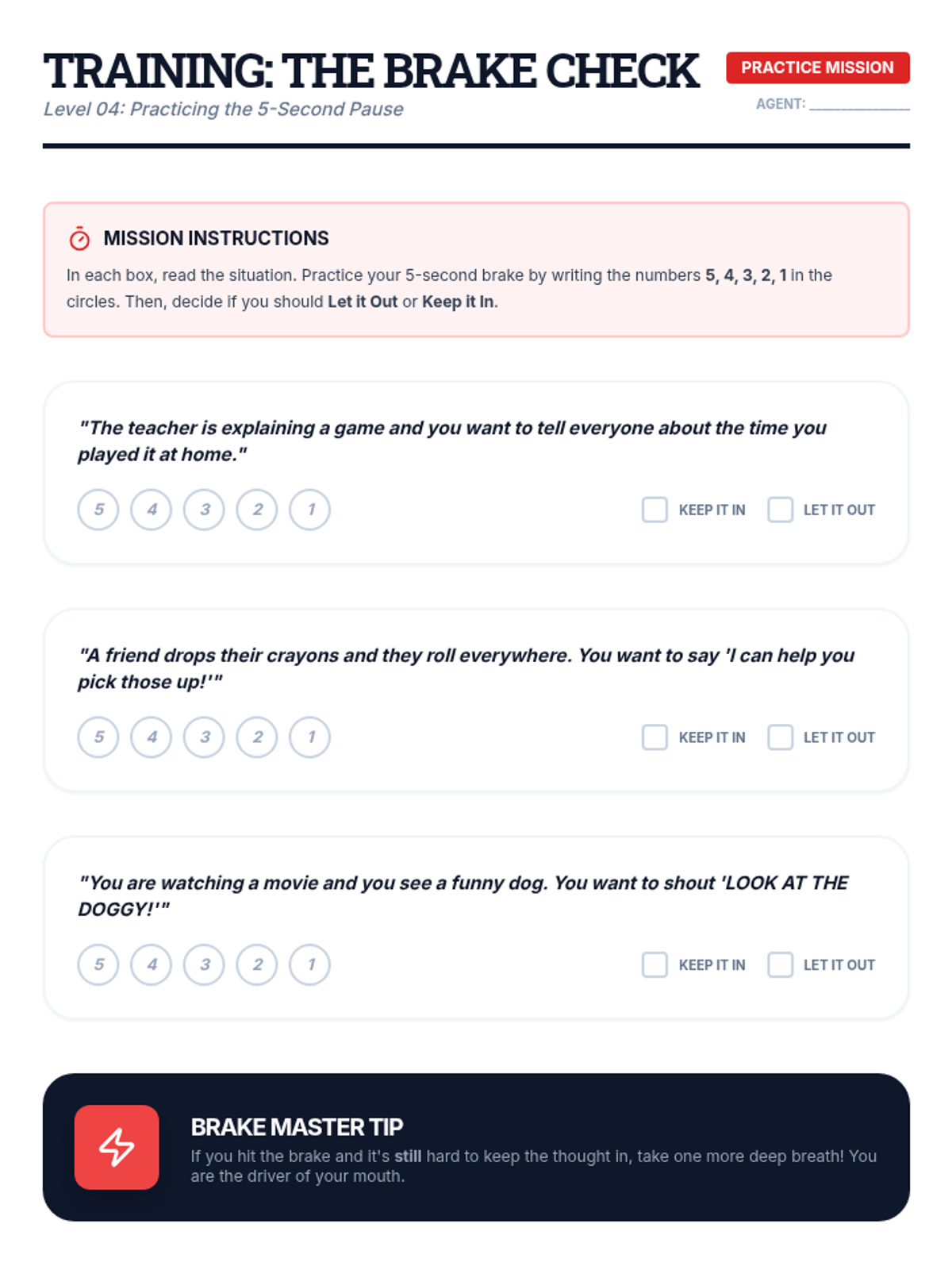
Learning the '5-Second Braking' technique to pause before a thought leaves the mouth.
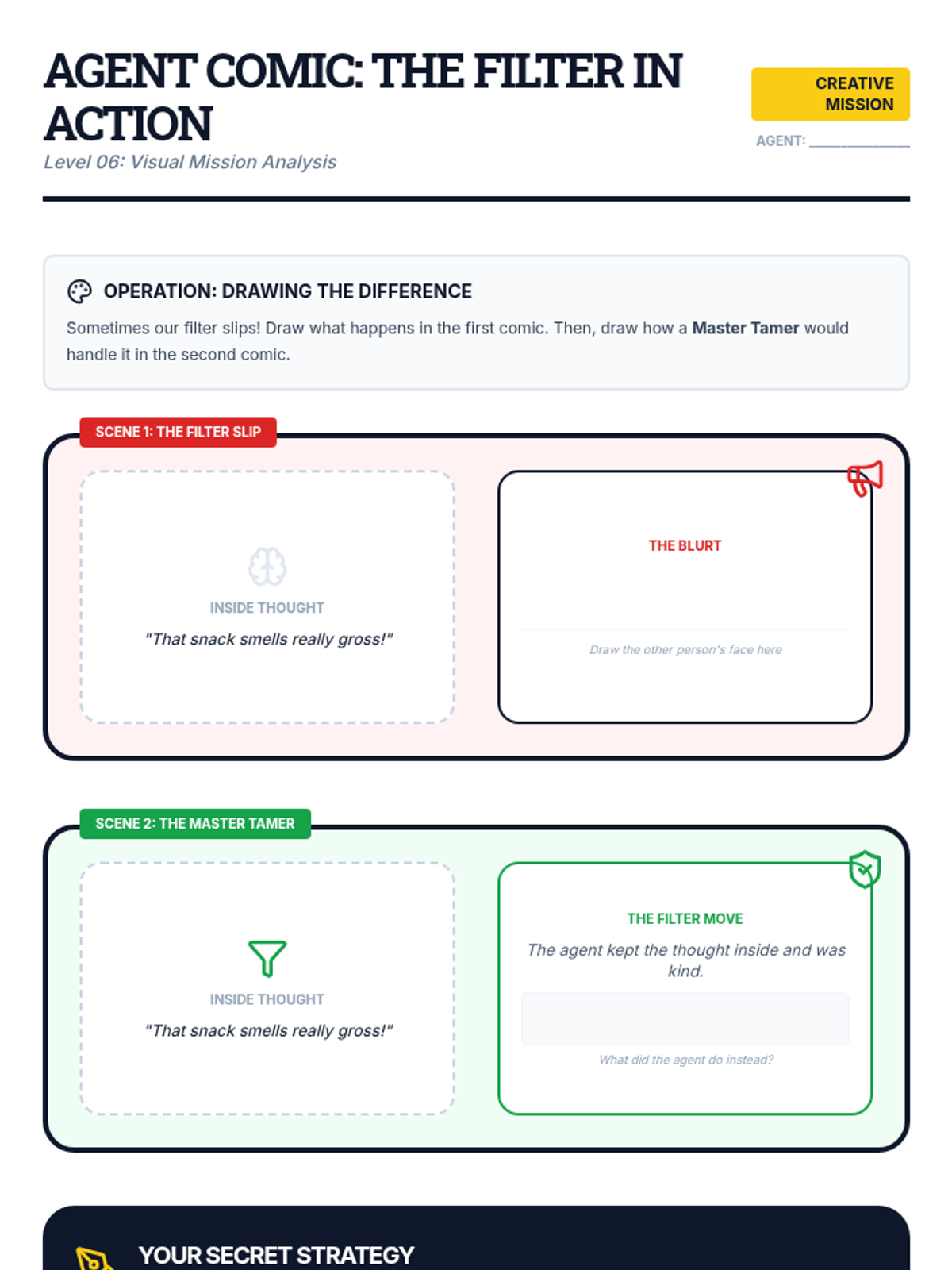
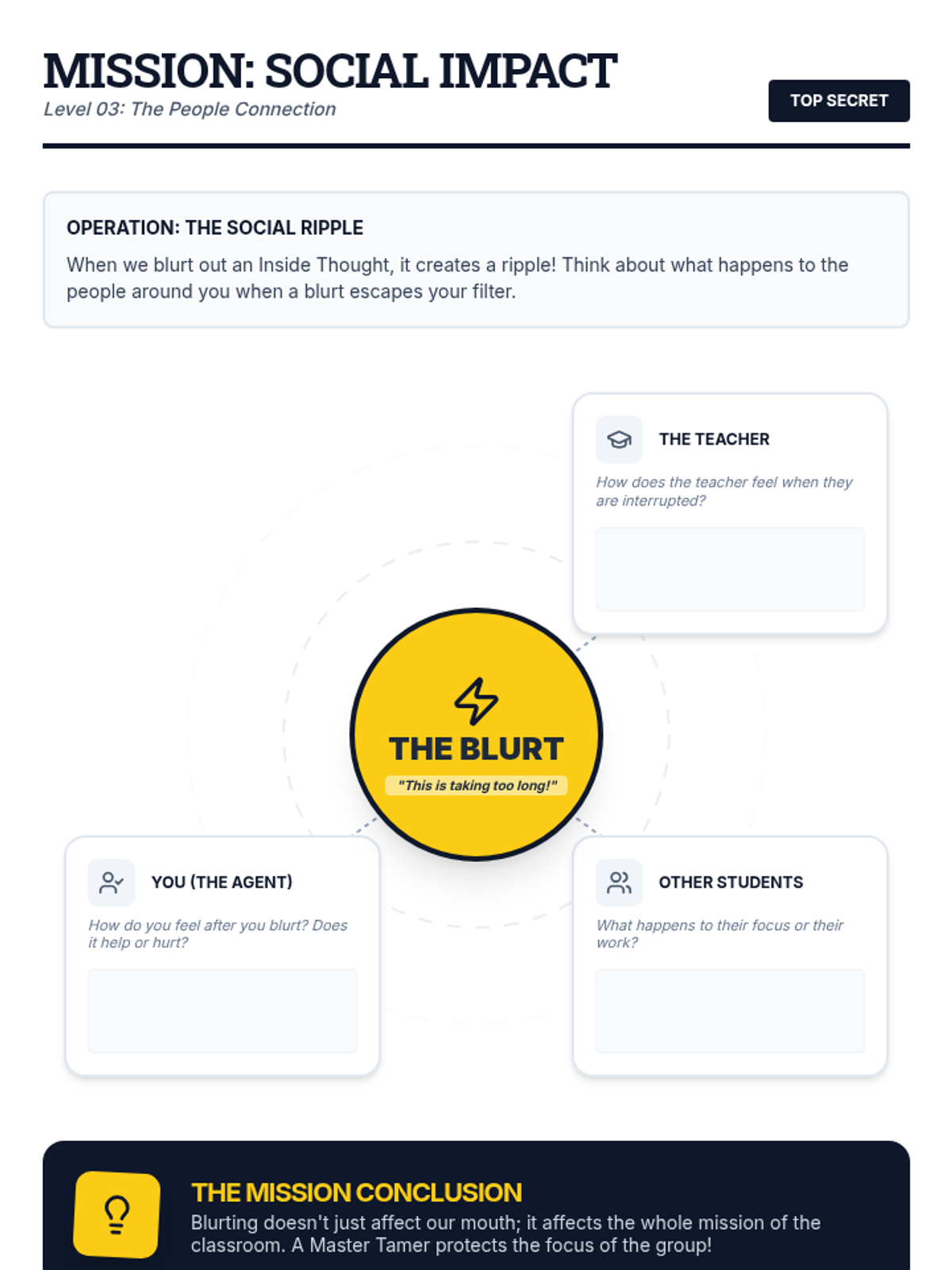
Exploring how blurting affects friends and teachers, focusing on the social consequences of the 'Outside' thought.
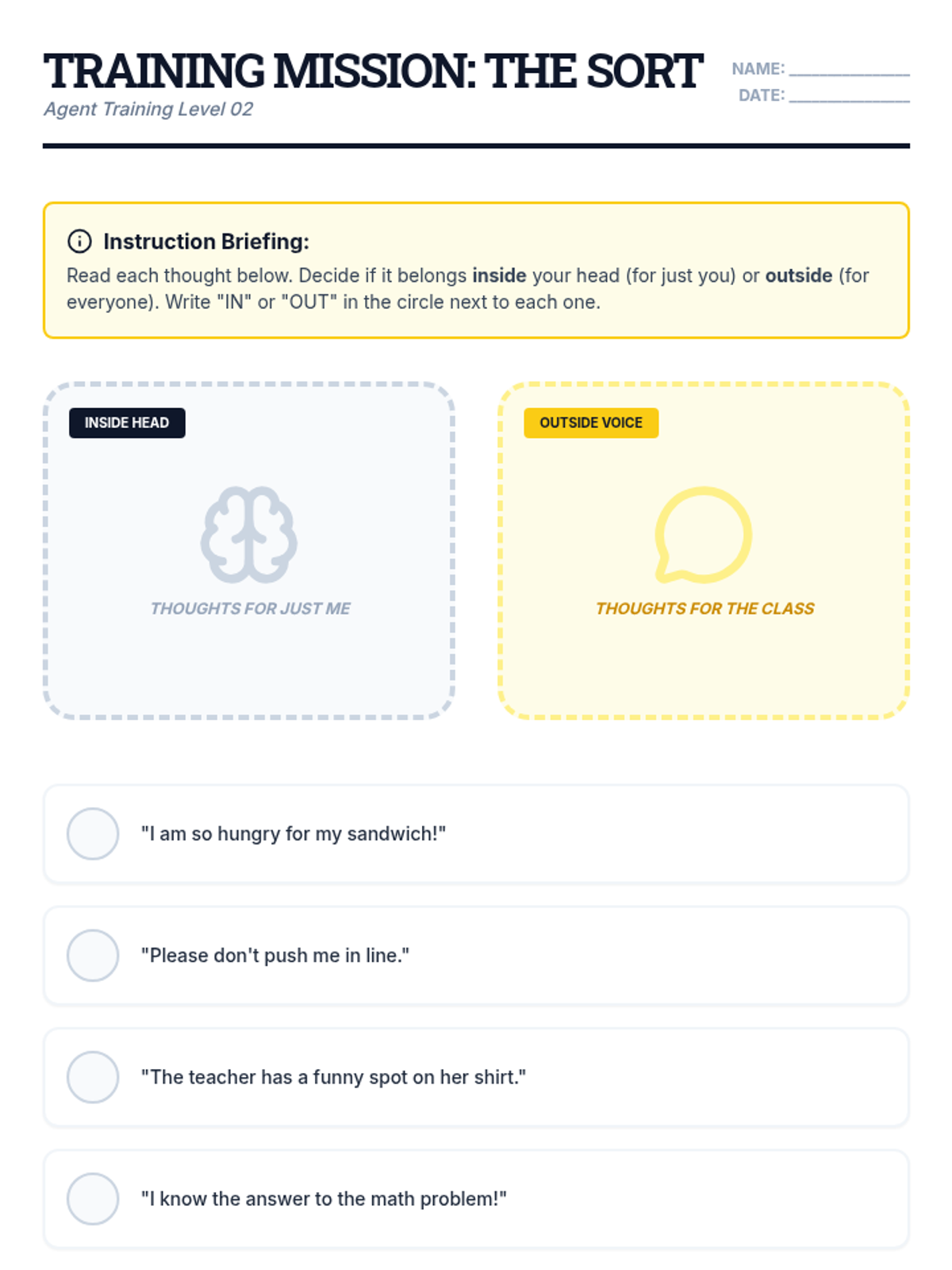
Active practice sorting various thoughts into 'stay inside' and 'can come out' categories through interactive games.
Introduction to the concept of Inside vs. Outside thoughts and the 'Thought Filter' mechanism.
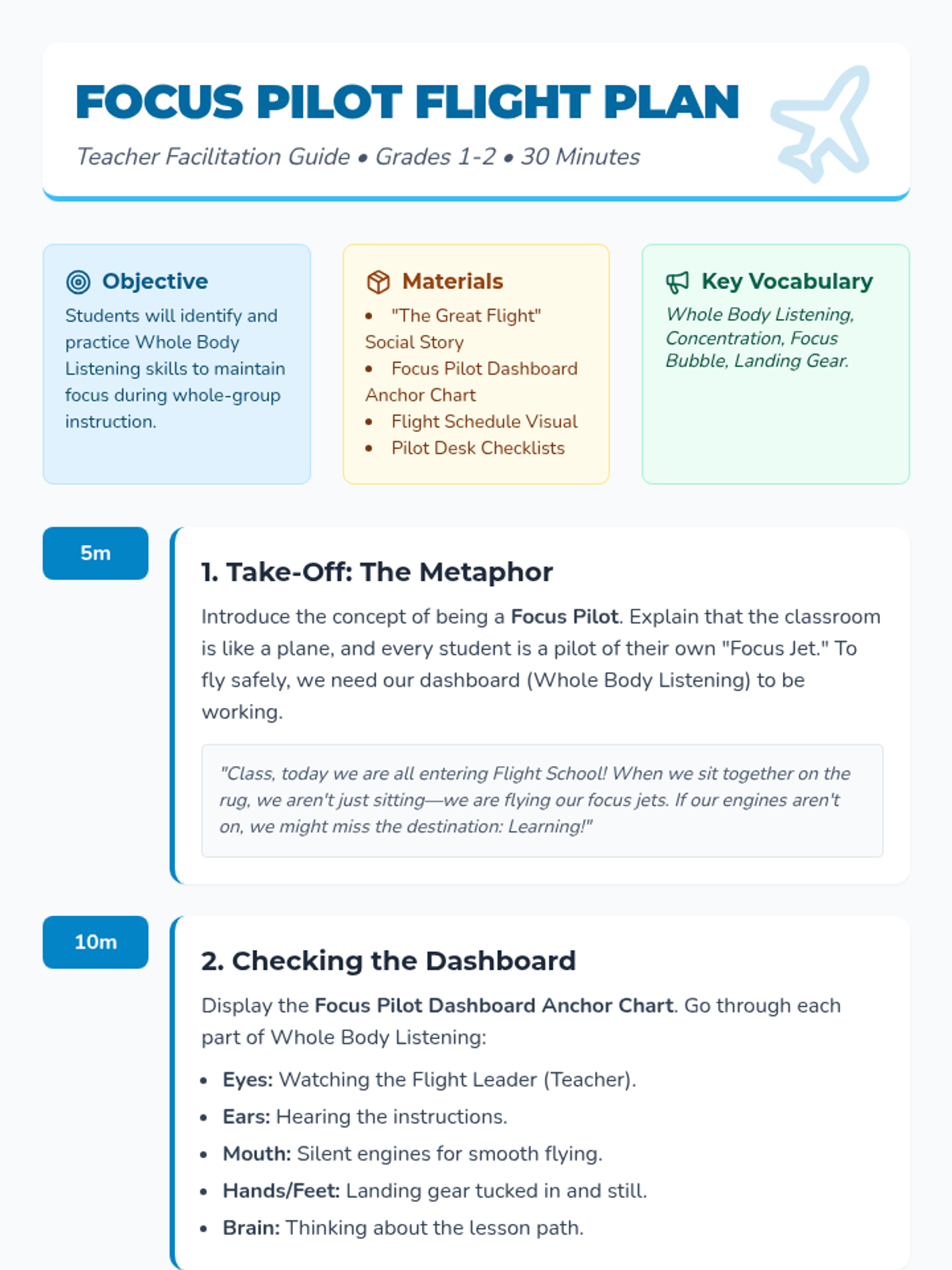
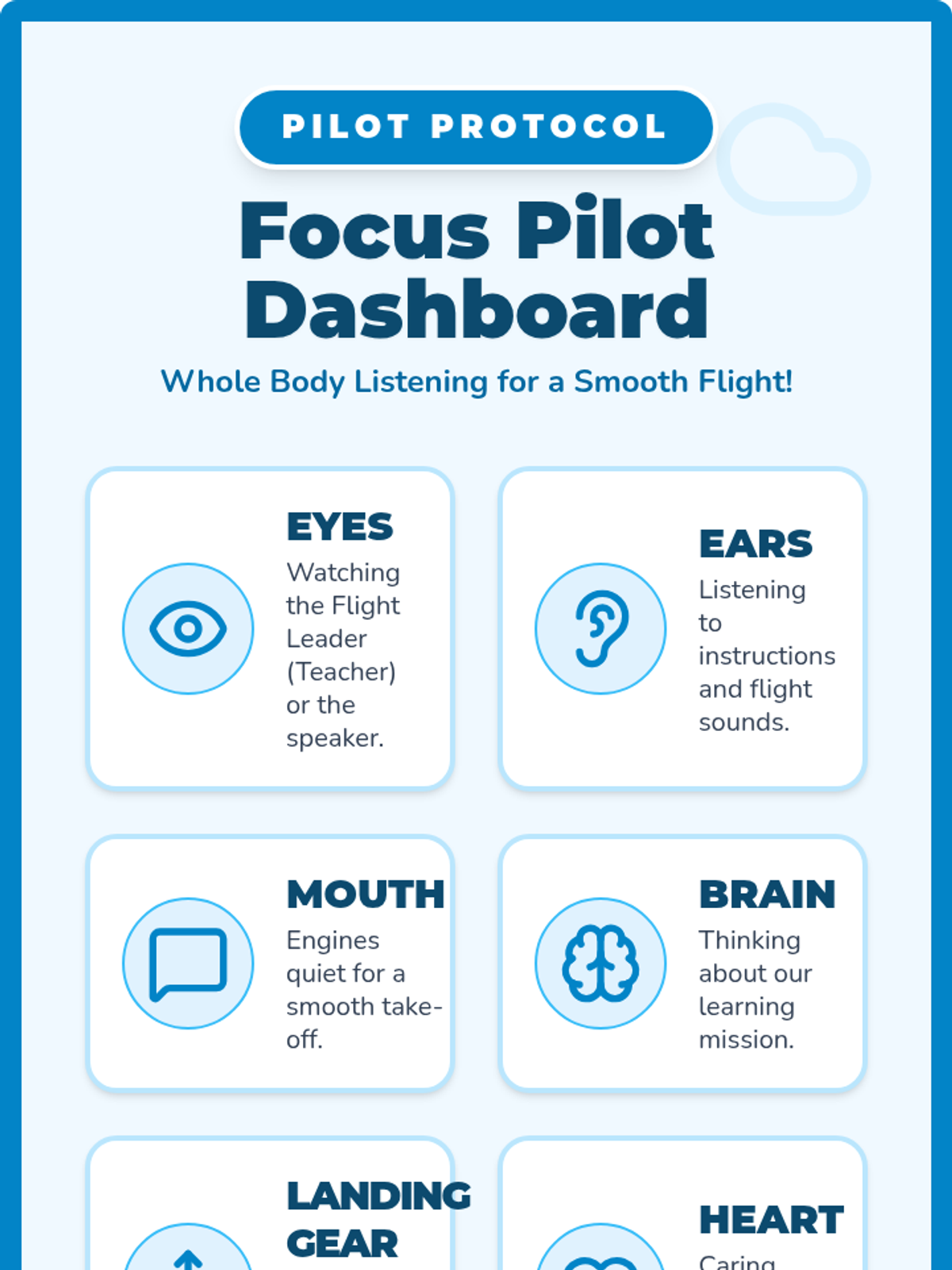
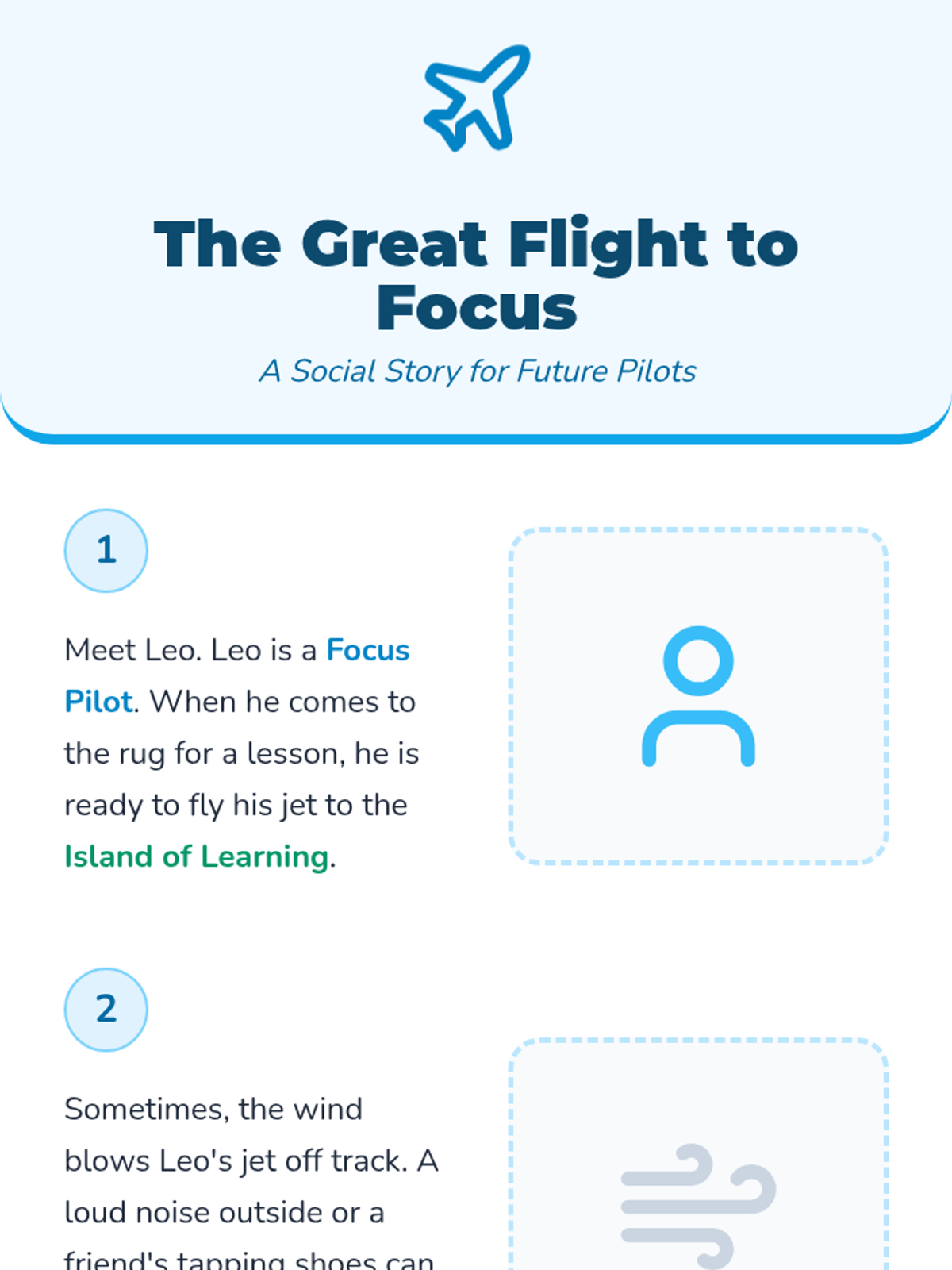
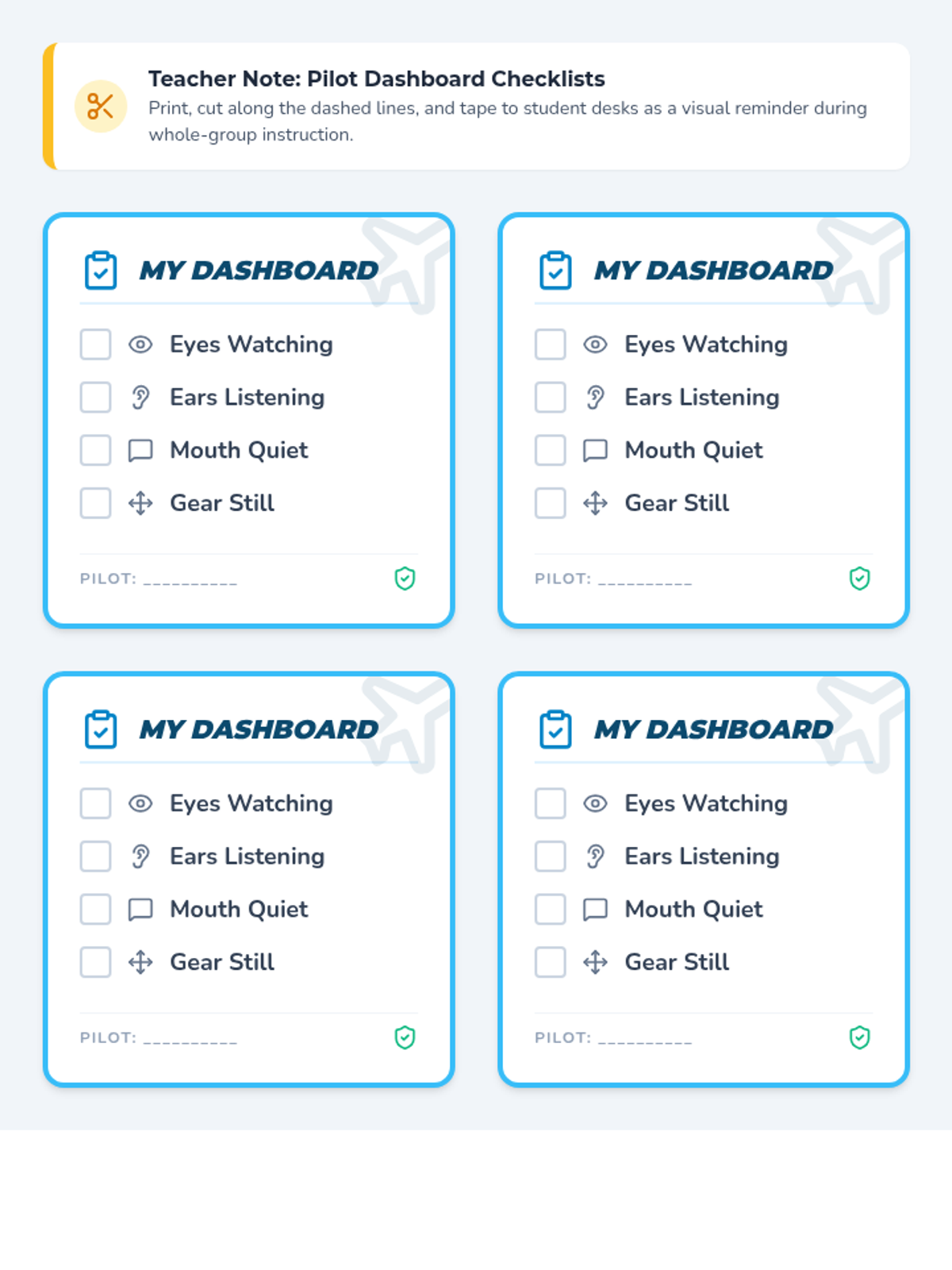
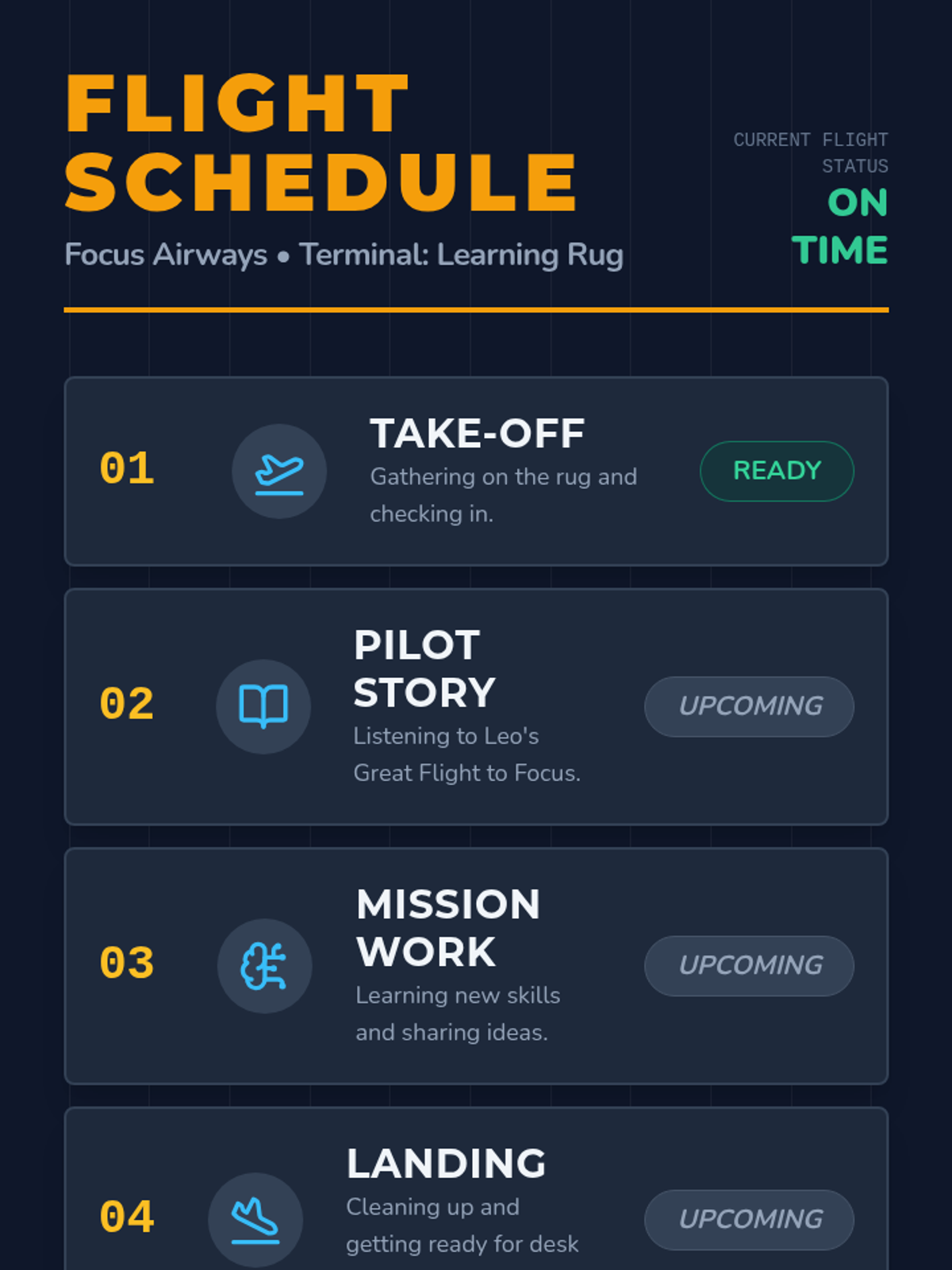
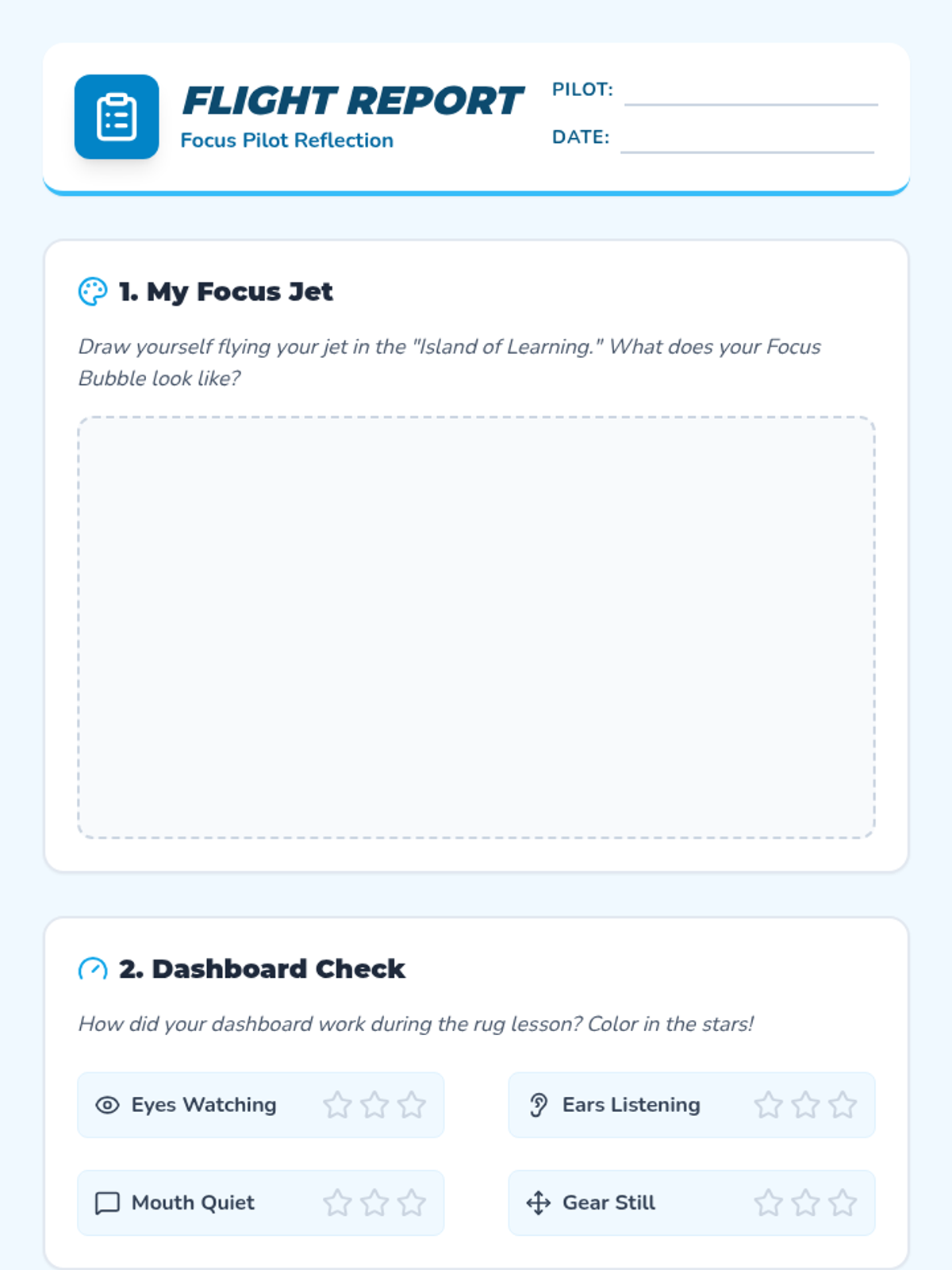
A 30-minute lesson introducing Grade 1 and 2 students to self-regulation during whole-group instruction through the 'Focus Pilot' metaphor, covering whole body listening and concentration skills.
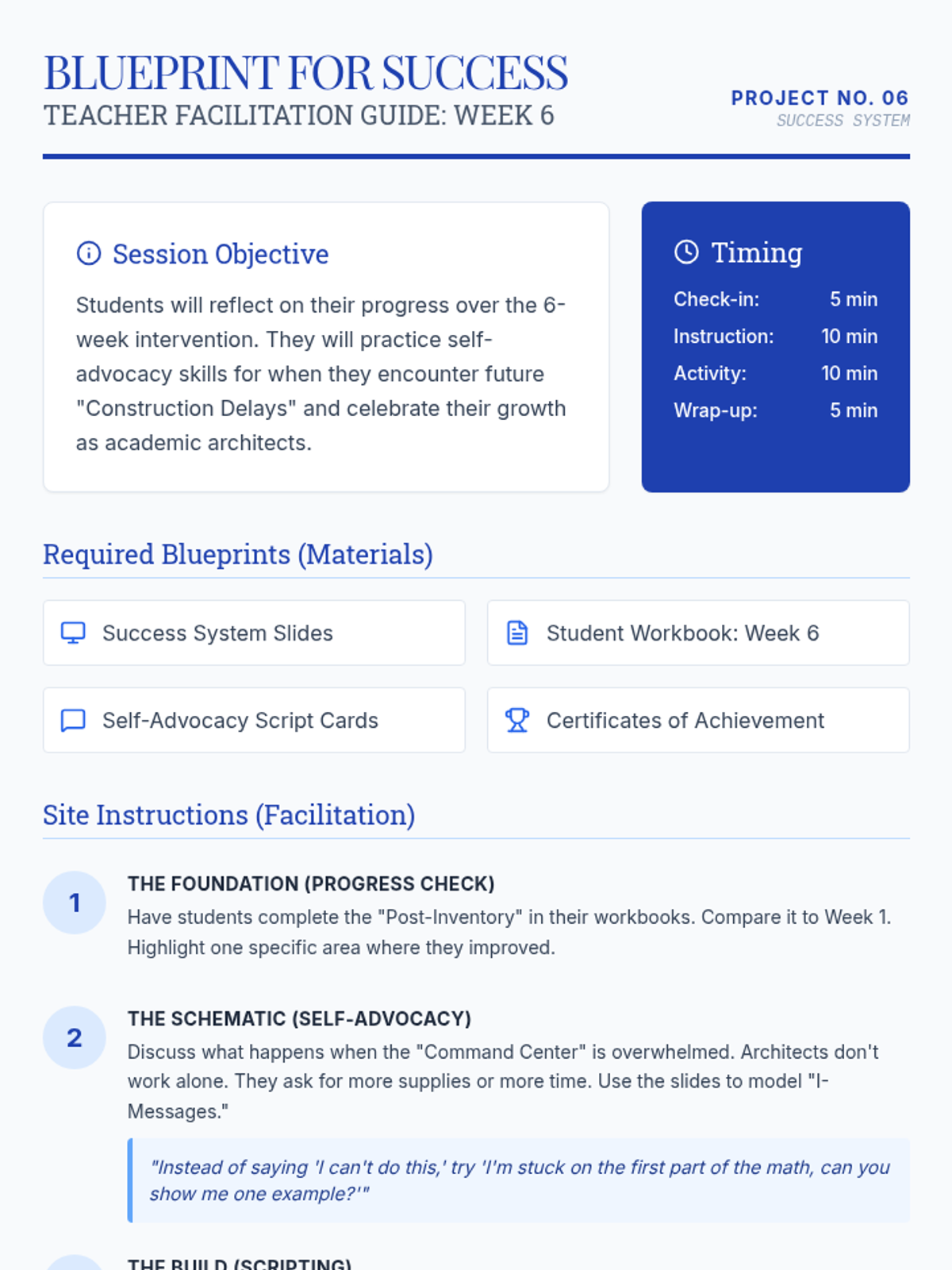
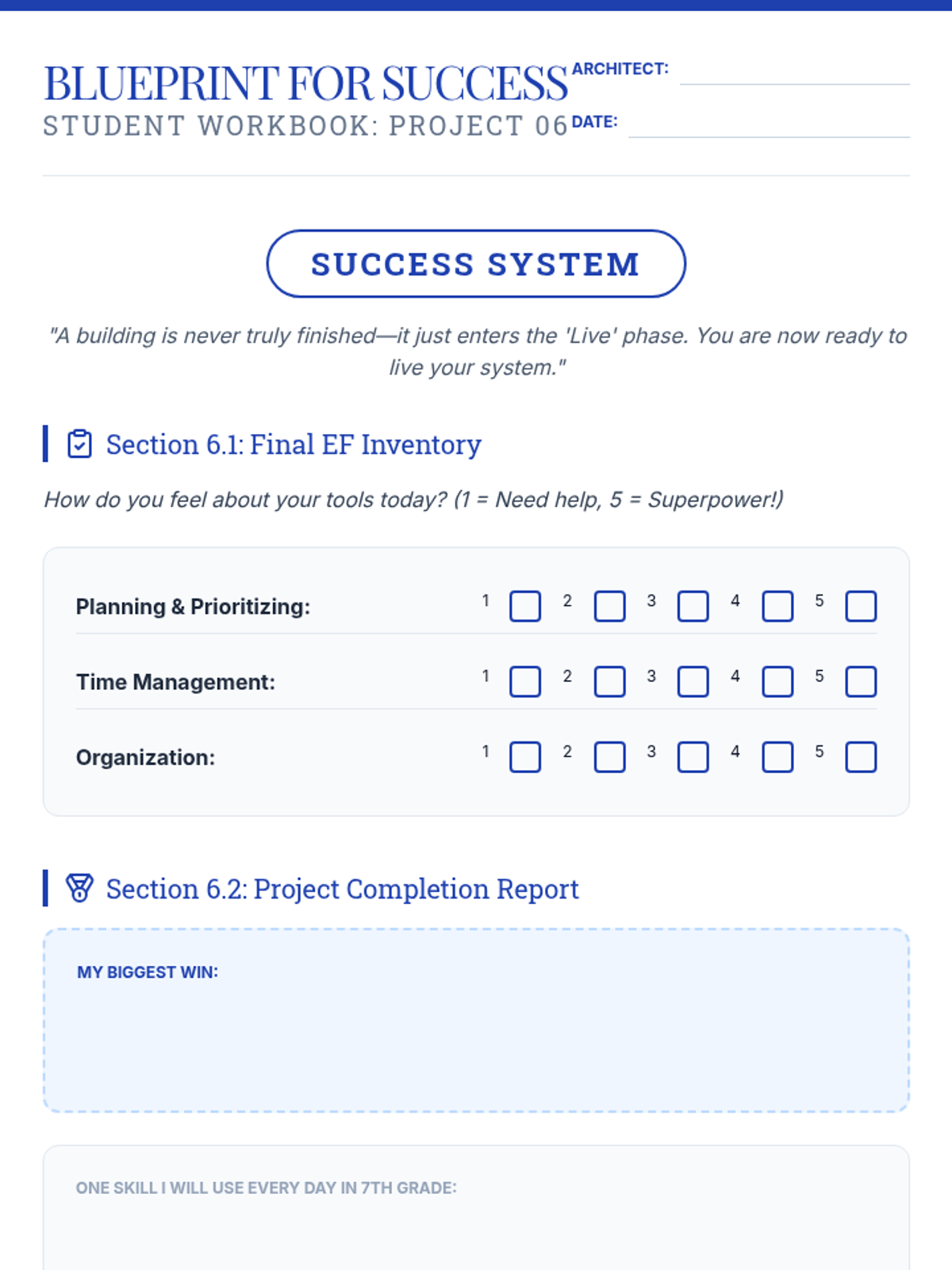
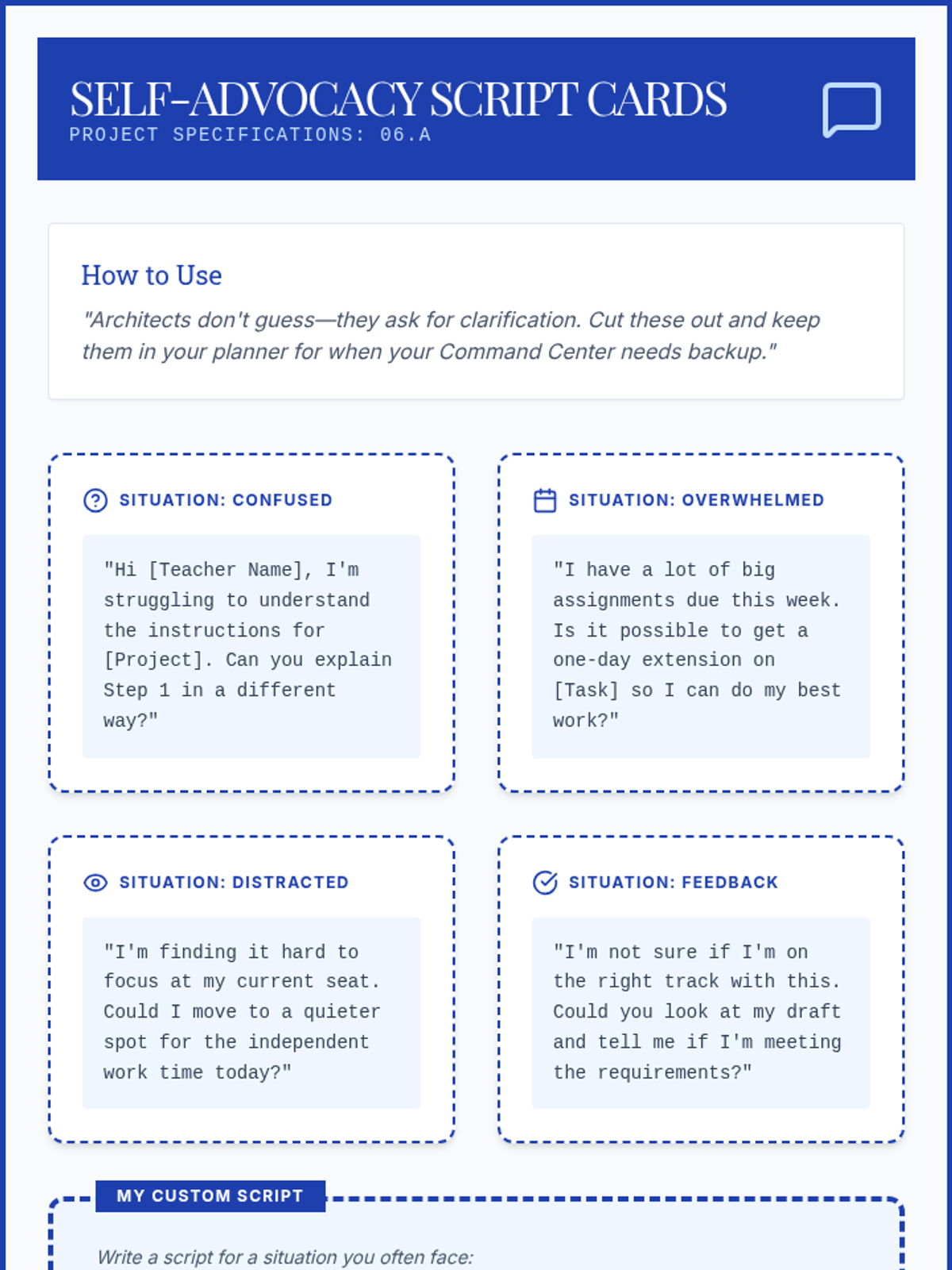
Reviewing skills learned, troubleshooting obstacles, and practicing self-advocacy for future success.
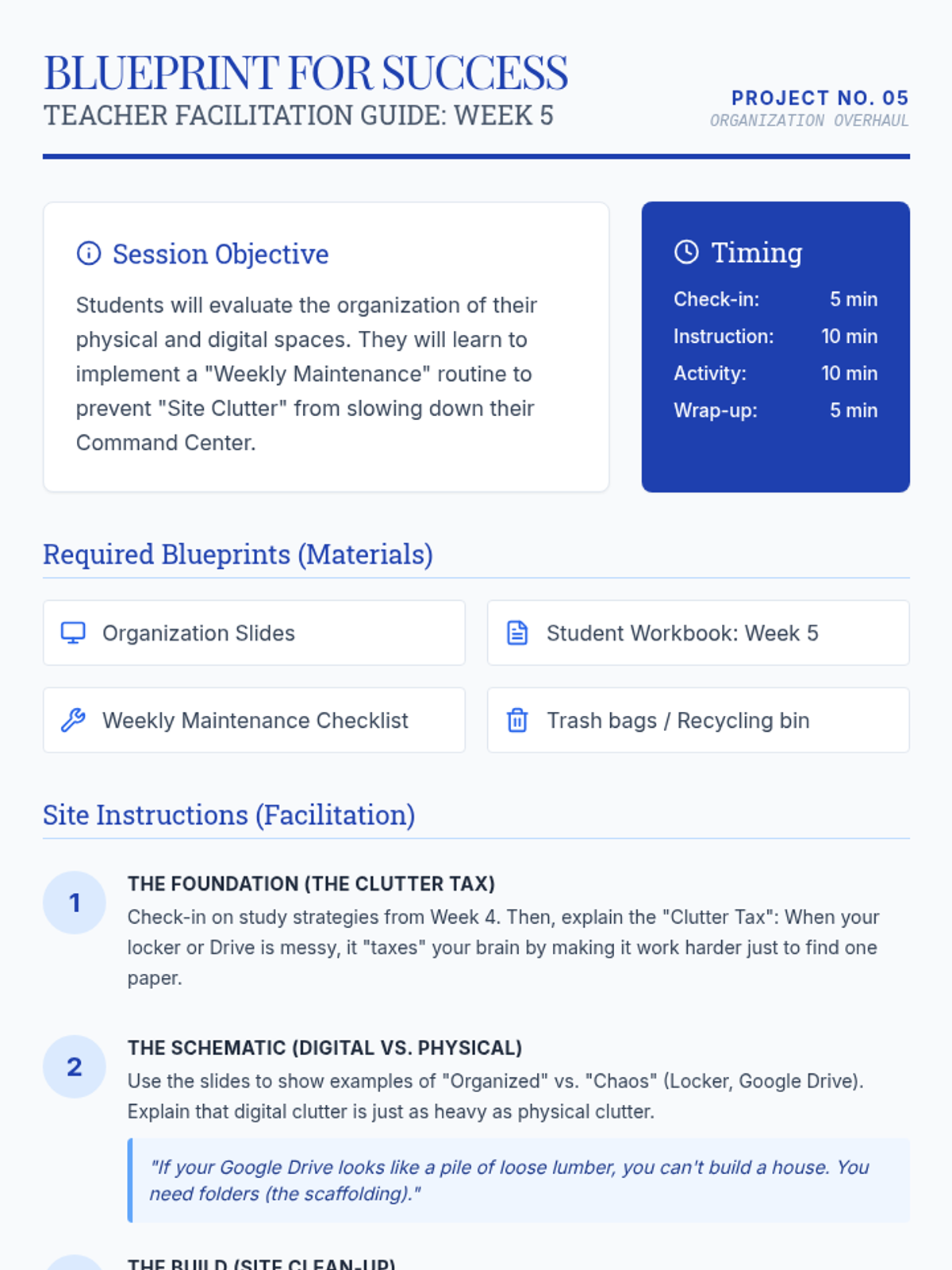
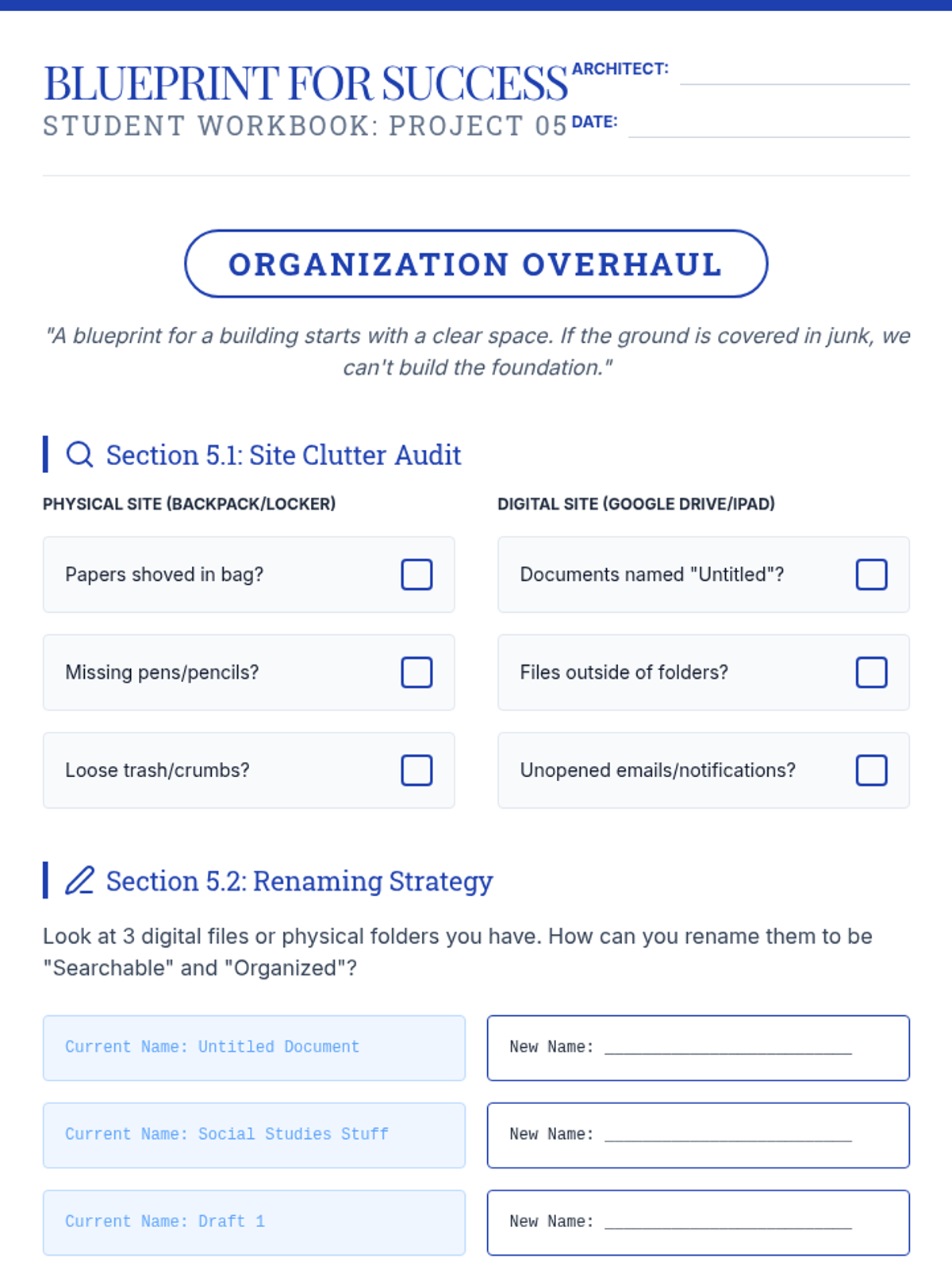
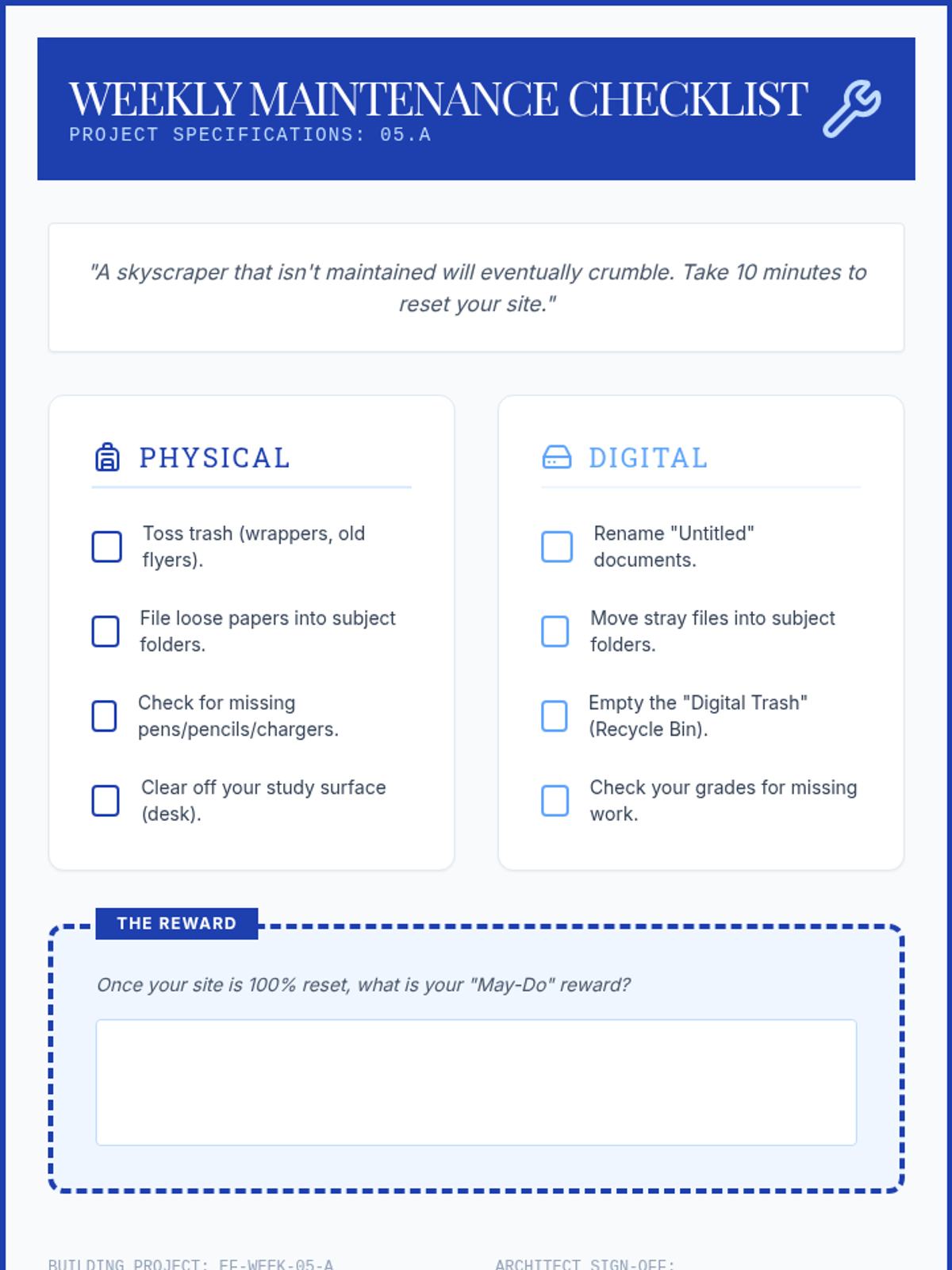
Organizing physical and digital spaces, establishing routines for material management.
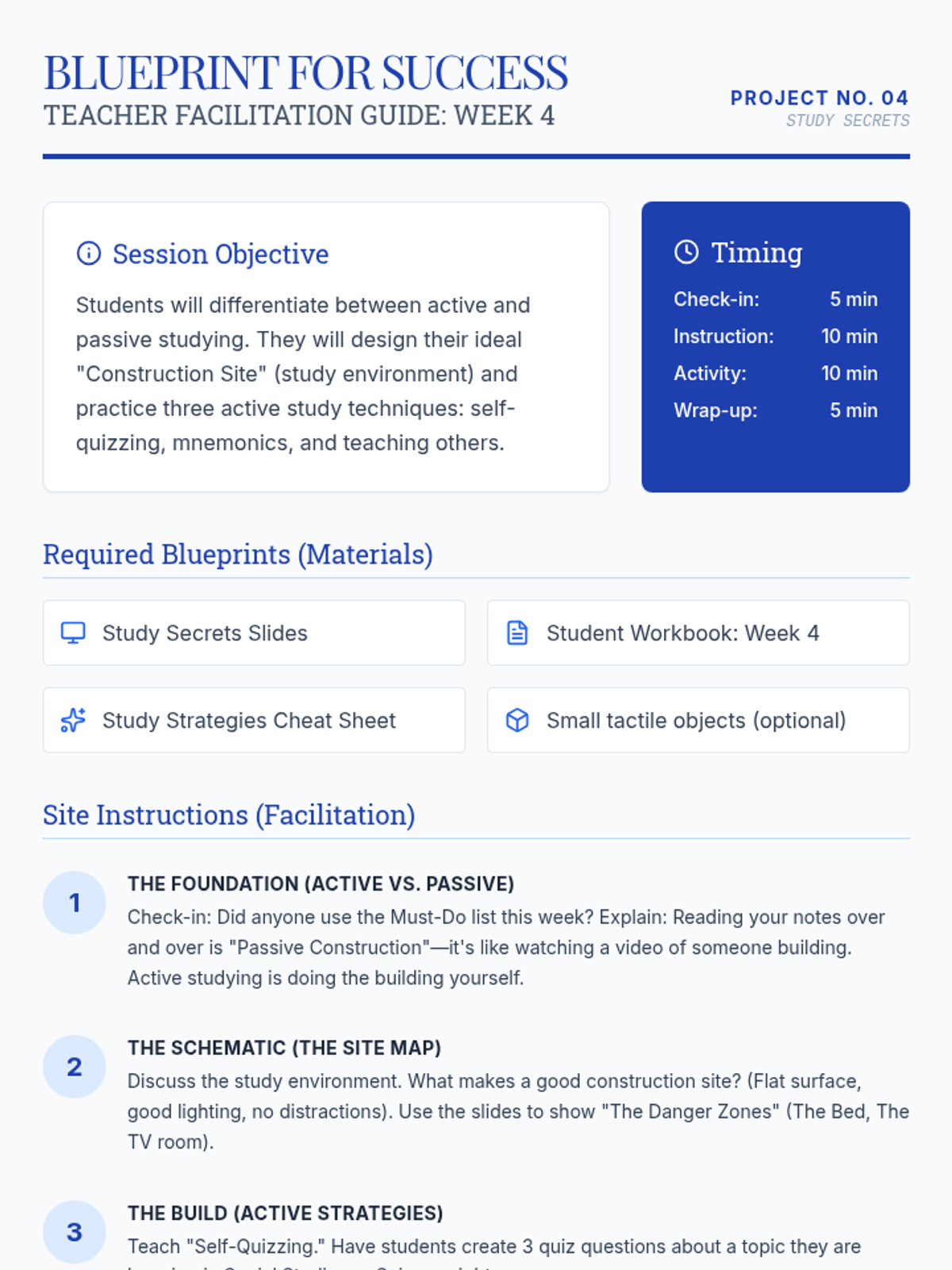
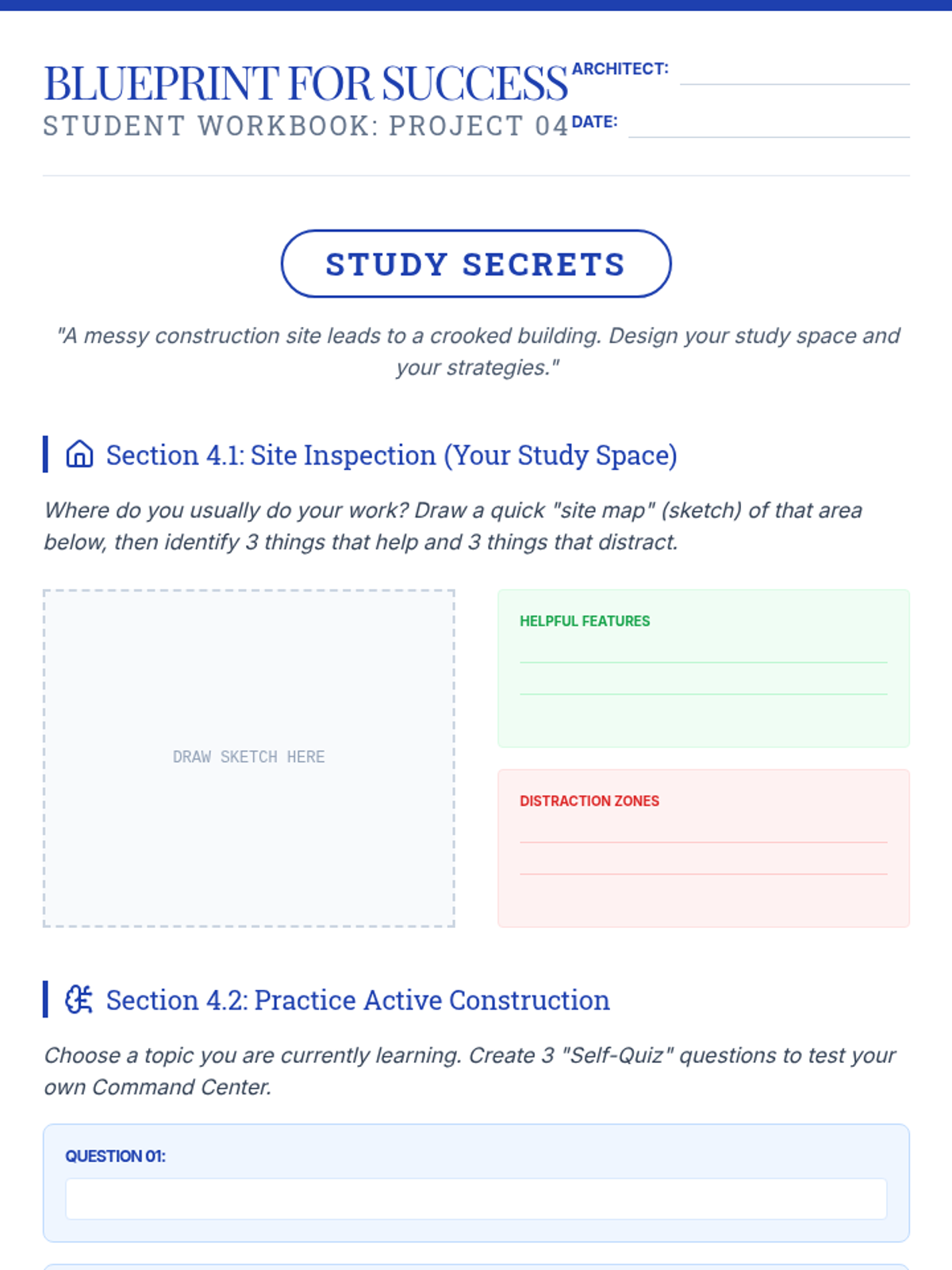
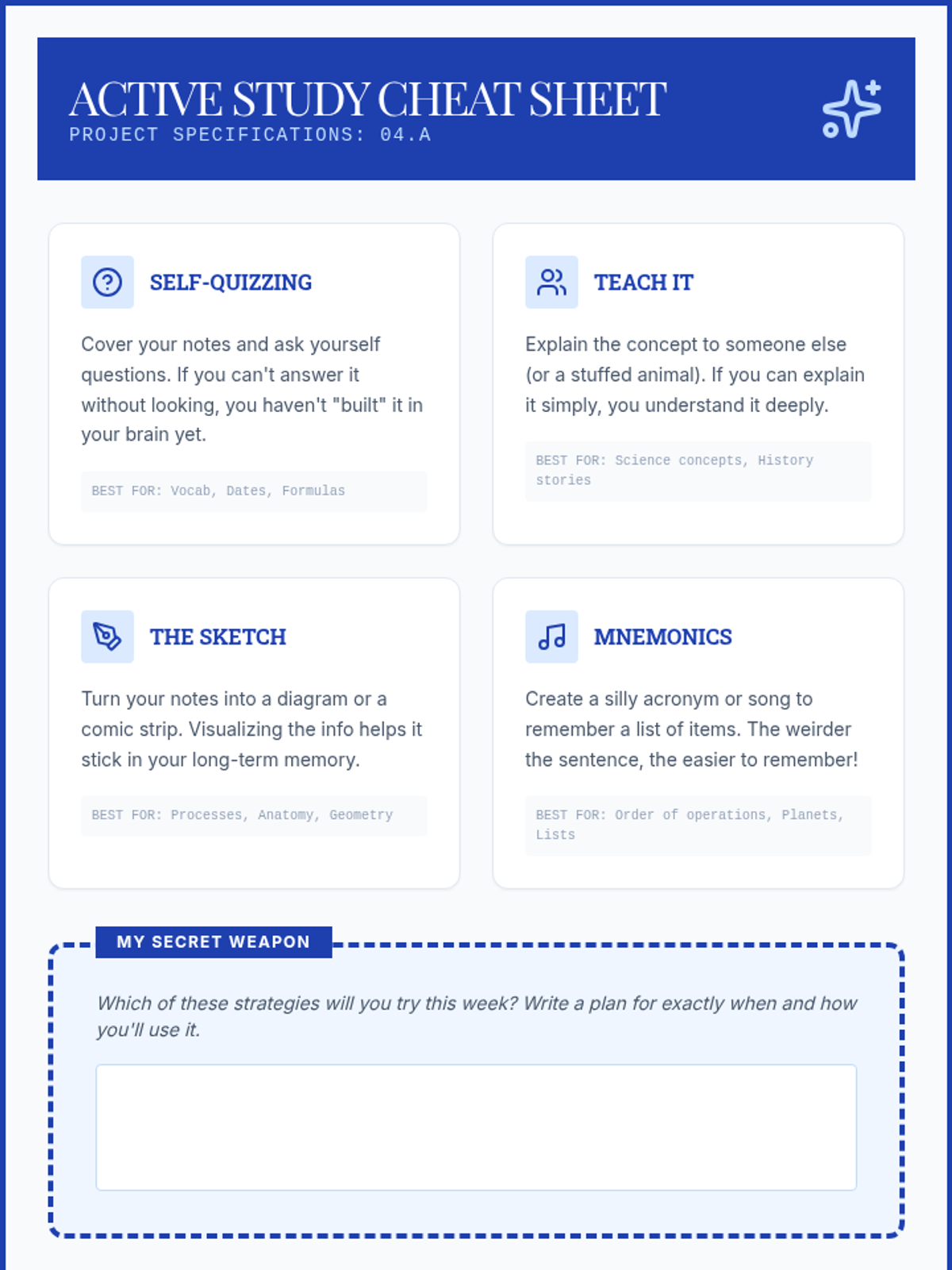
Developing active study habits, creating optimal study environments, and memory enhancement techniques.
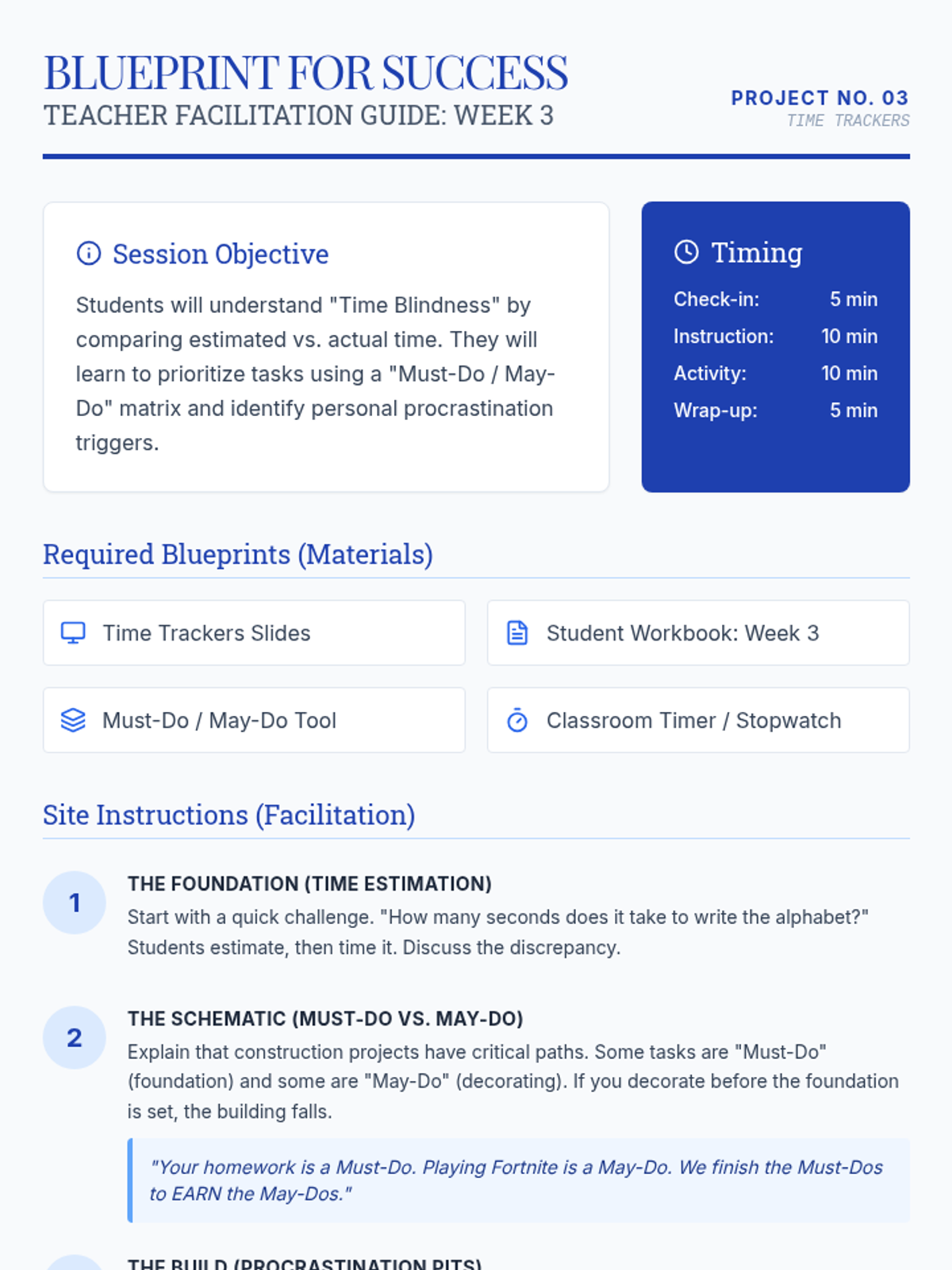
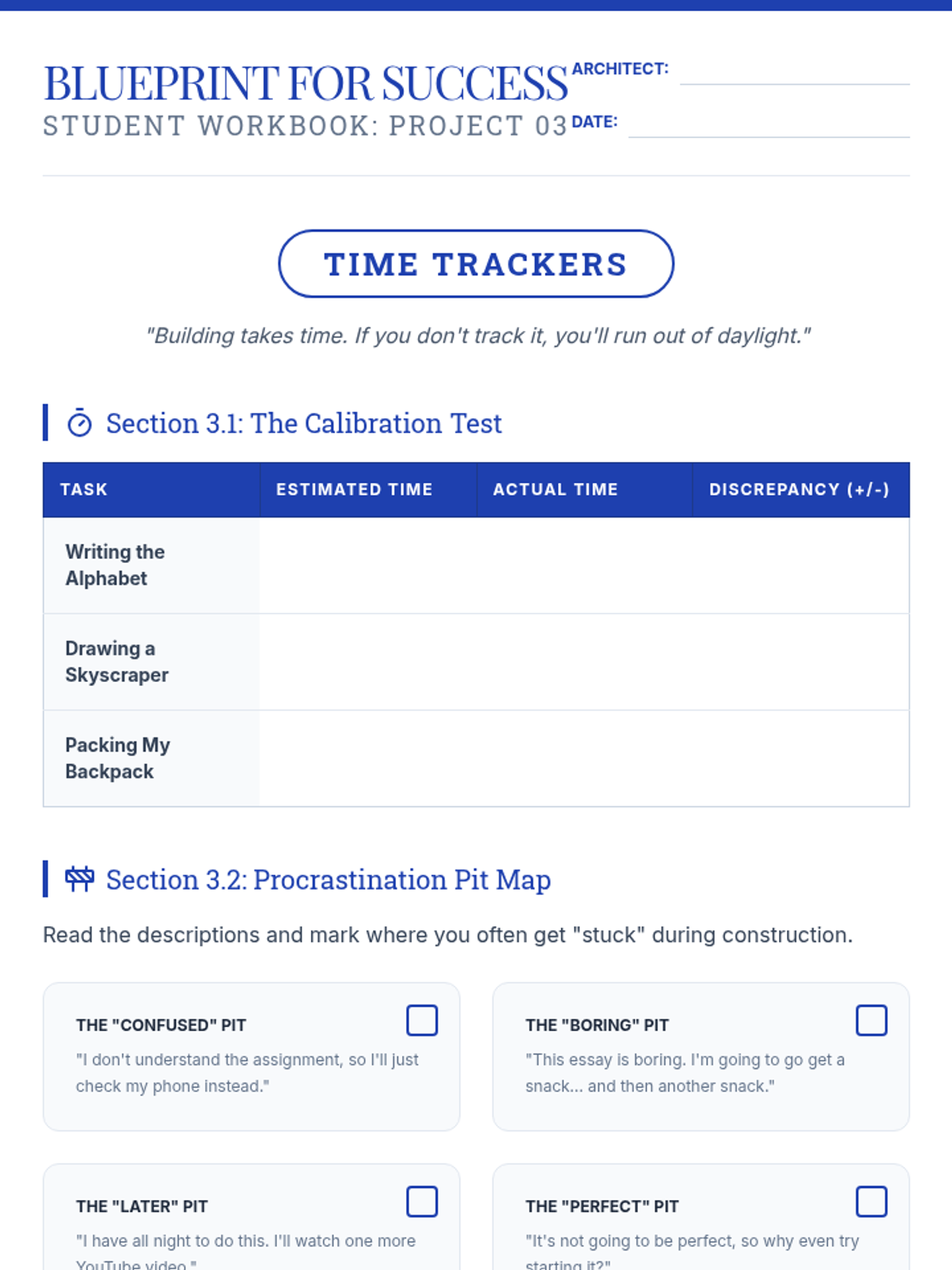
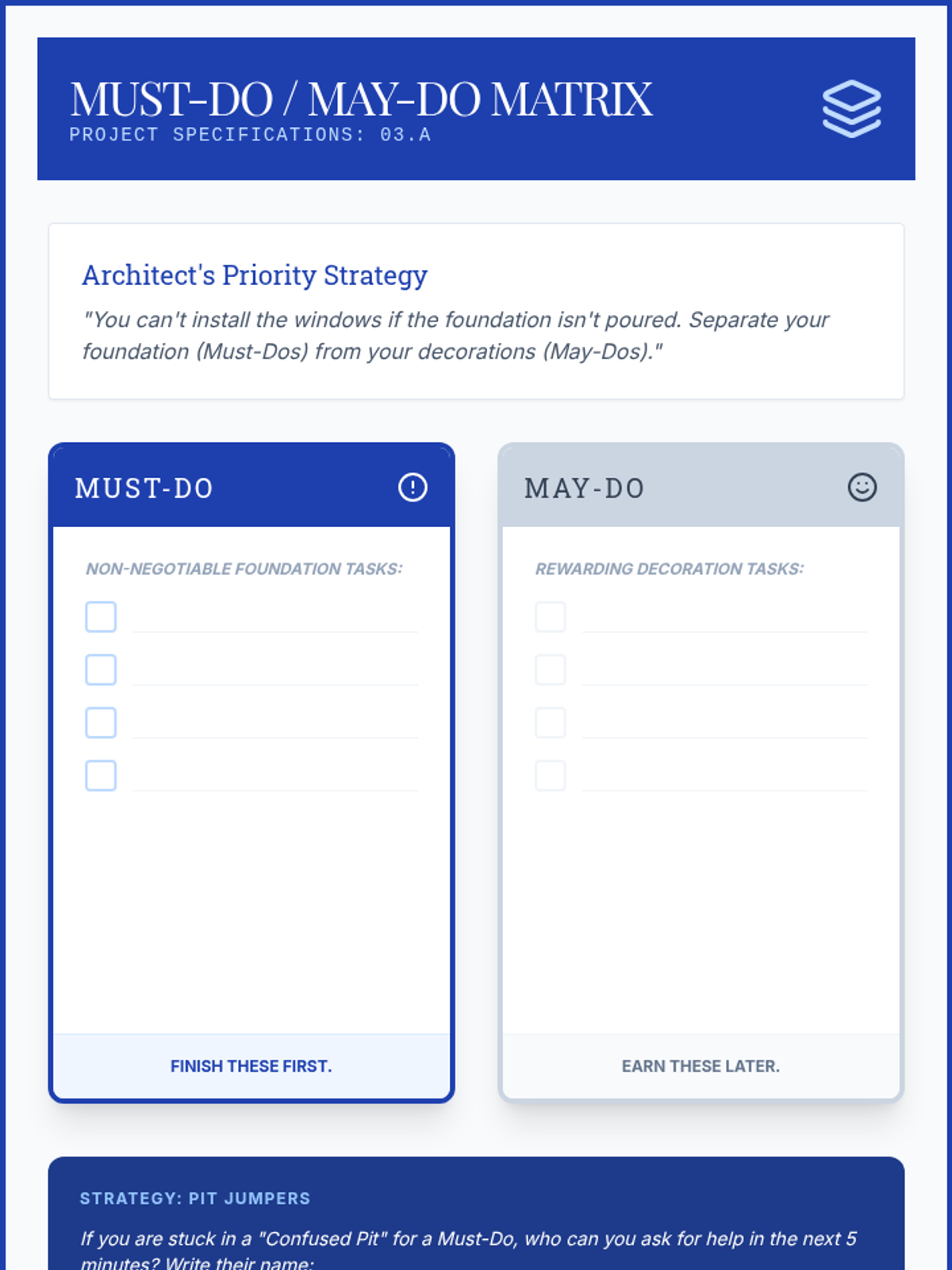
Strategies for time estimation, prioritization of tasks, and overcoming procrastination.