Students are introduced to the 'Surprise' icon (a question mark card) that signals a schedule change. They learn that a change is simply a different plan, not a bad one, through a mystery box hook and hands-on practice.
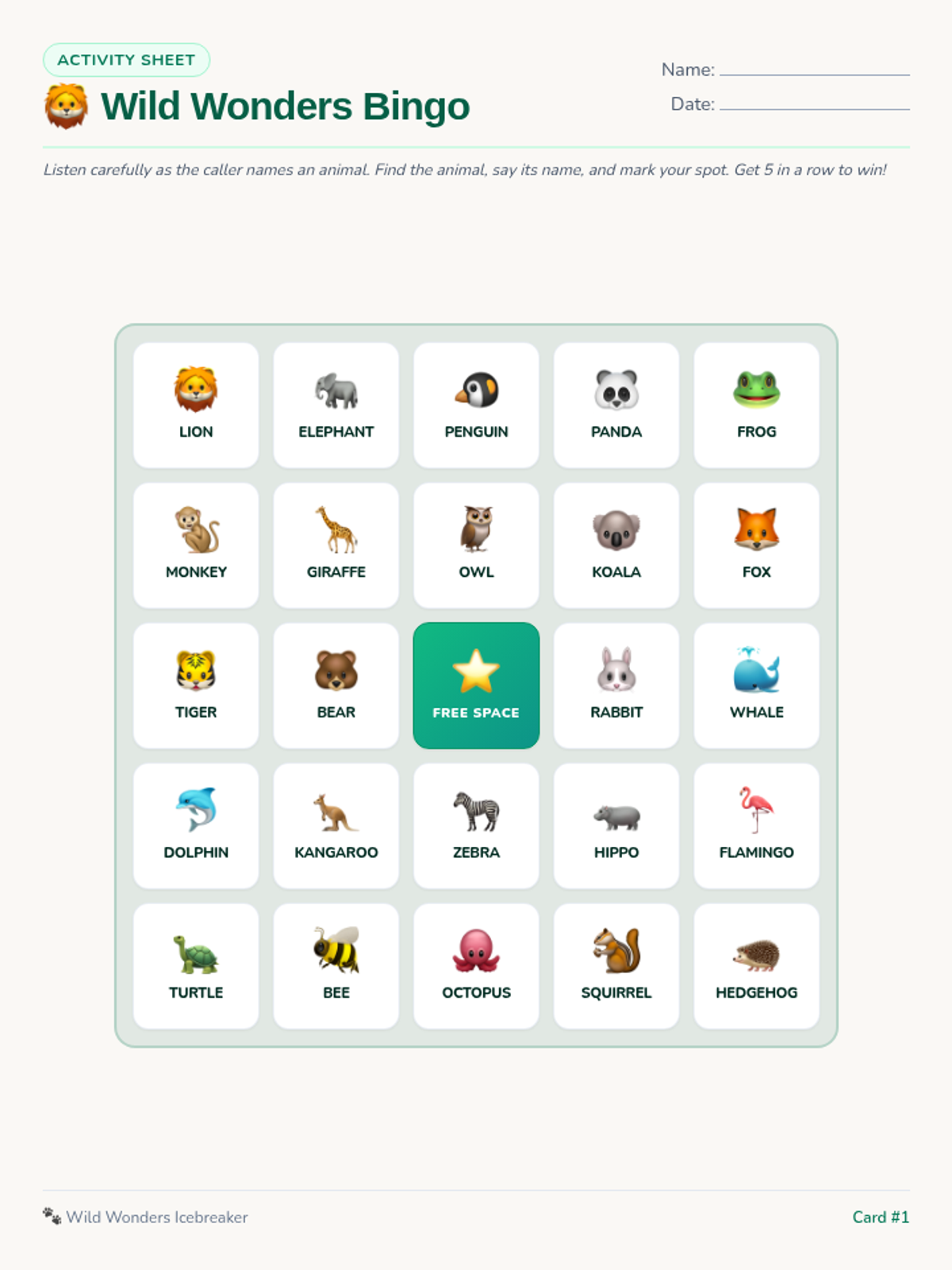
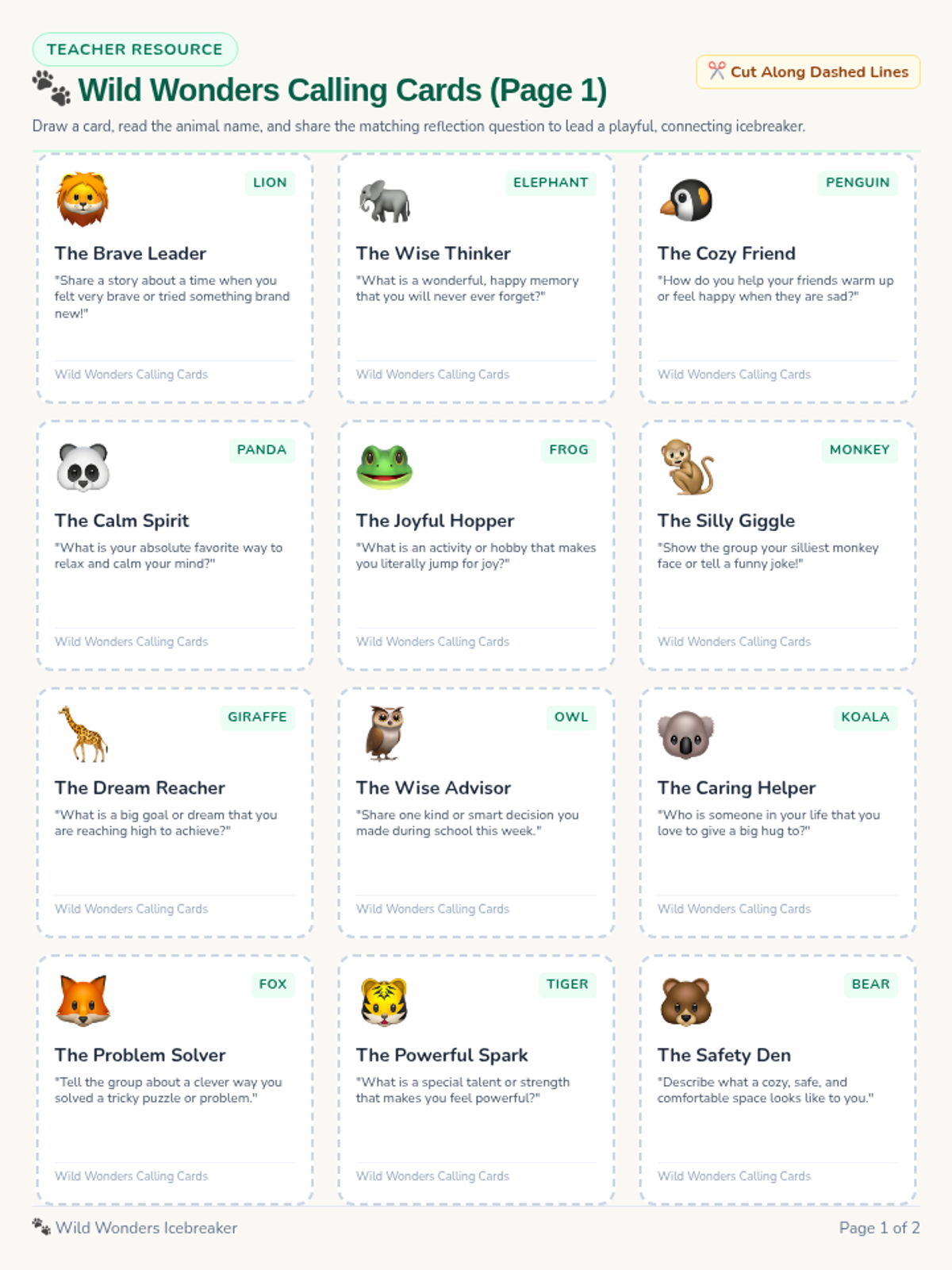
An engaging animal-themed bingo icebreaker designed to help students build social connections, practice active listening, and share fun facts about animals. Includes printable 5x5 student bingo cards and teacher calling cards.
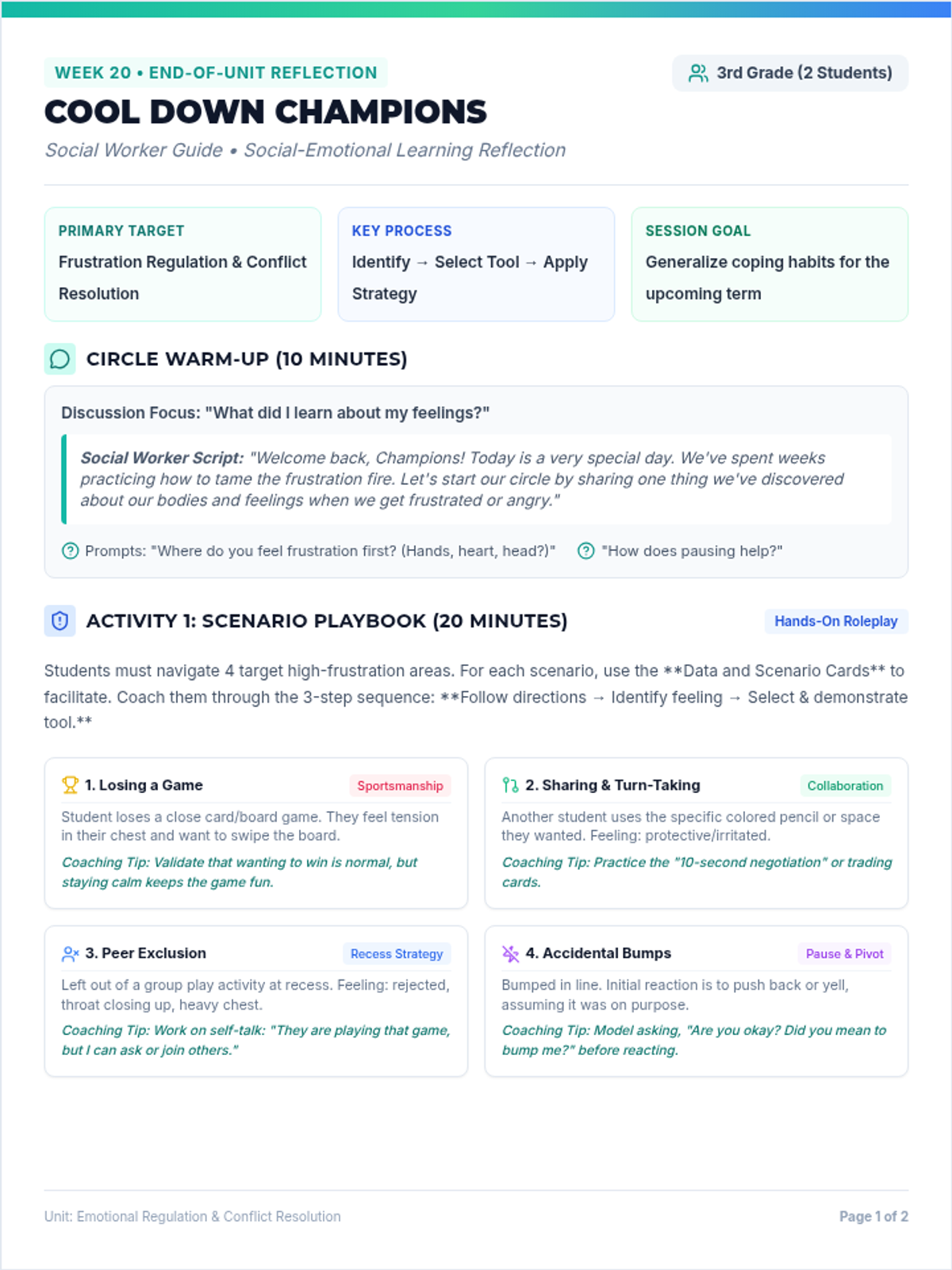
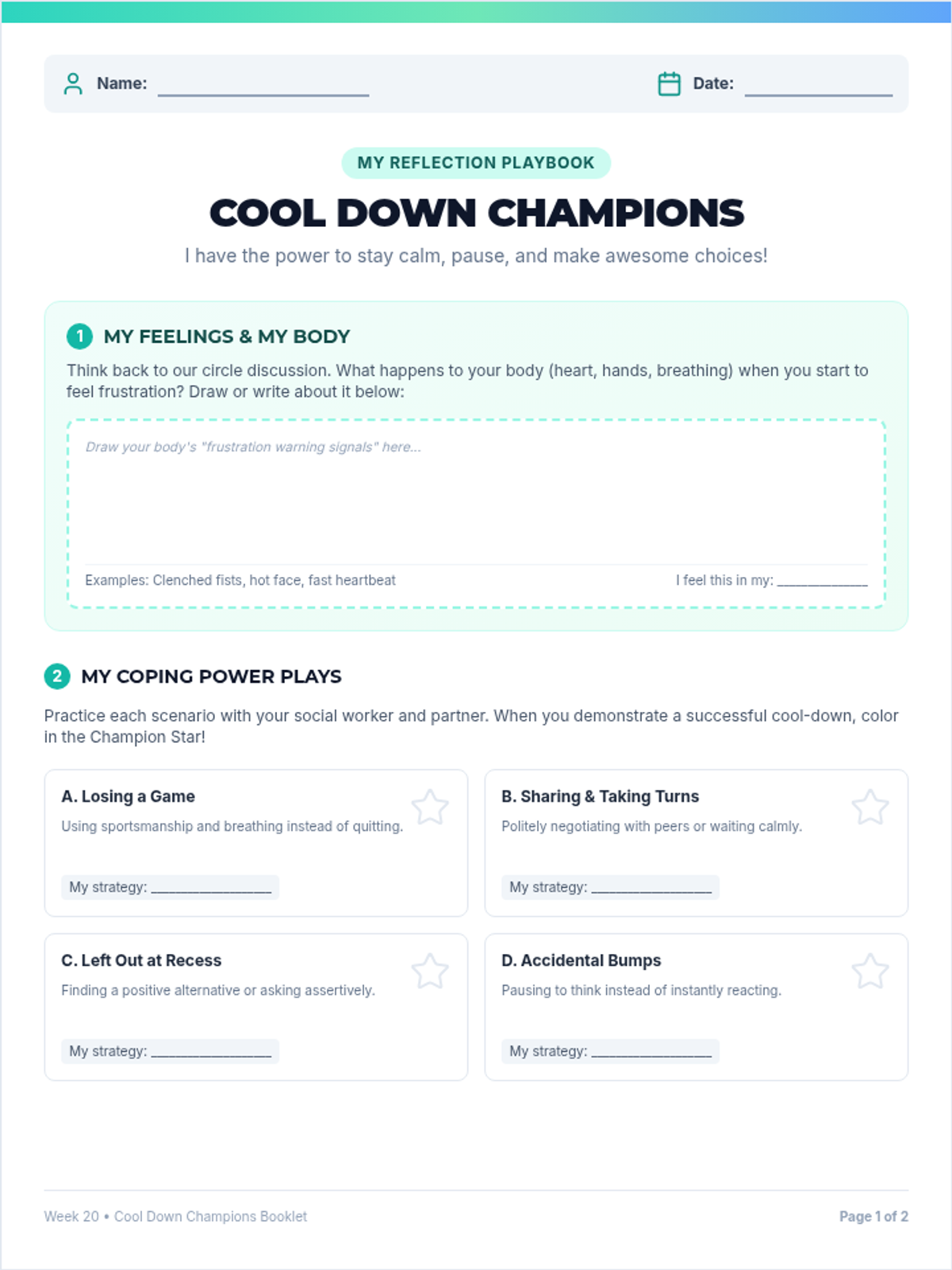
An intensive, reflective end-of-unit session for 3rd graders focused on emotional regulation during peer conflict. Students review critical scenarios like losing games, turn-taking, peer exclusion, and accidental bumps, demonstrating coping tools and setting future goals.
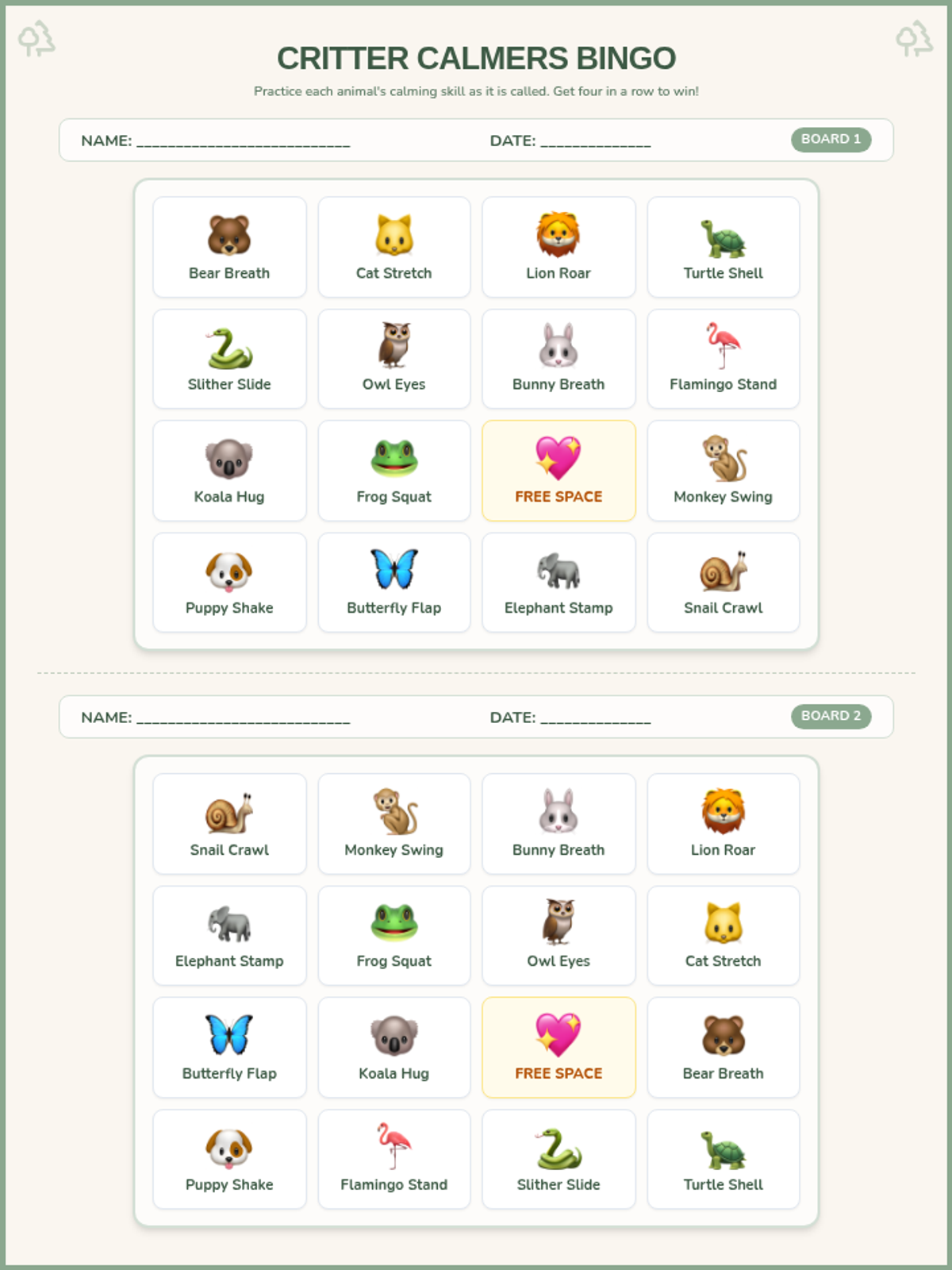
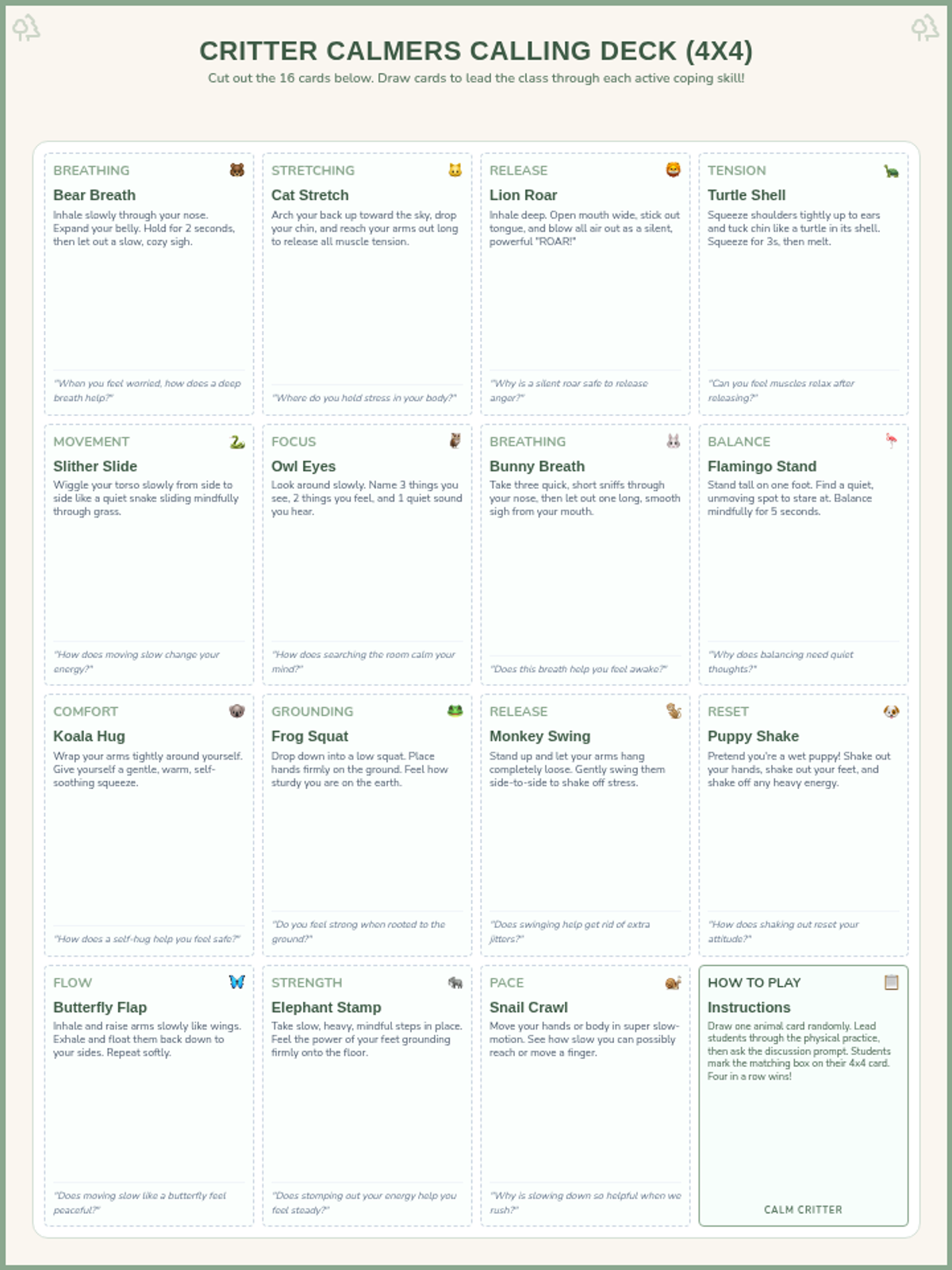
A counseling lesson that uses animal metaphors to teach self-regulation and coping skills. Students play an active, movement-based bingo game to practice and reinforce these calming strategies.
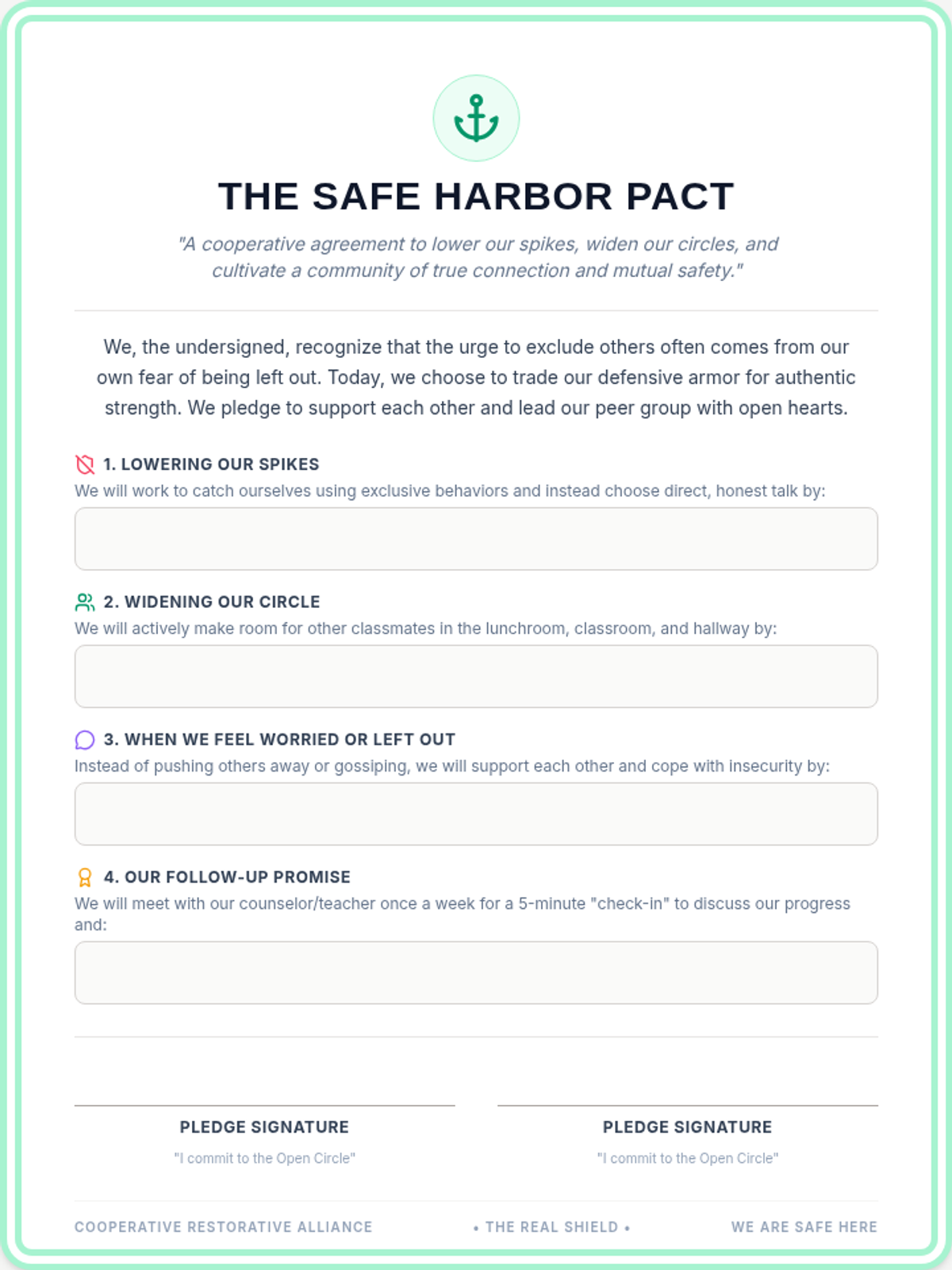
Establishes a cooperative contract and follow-up routine between the two students. They co-create actionable commitments to support one another and their peer group without relying on exclusion.
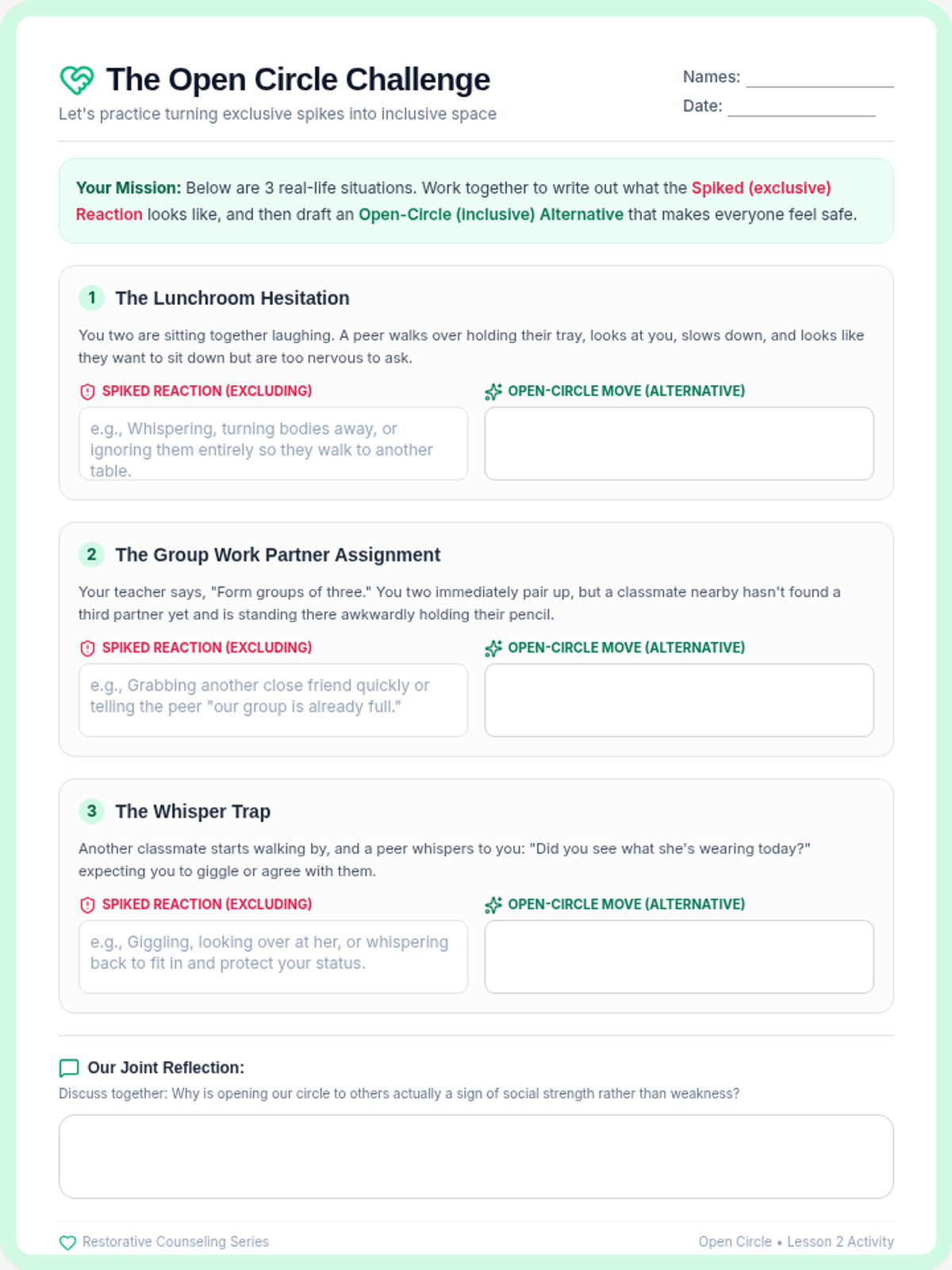
Shifts the focus from defensive isolation to active empathy and inclusion. Students practice recognizing exclusion in others and explore how creating space for peers actually enhances their own social safety.
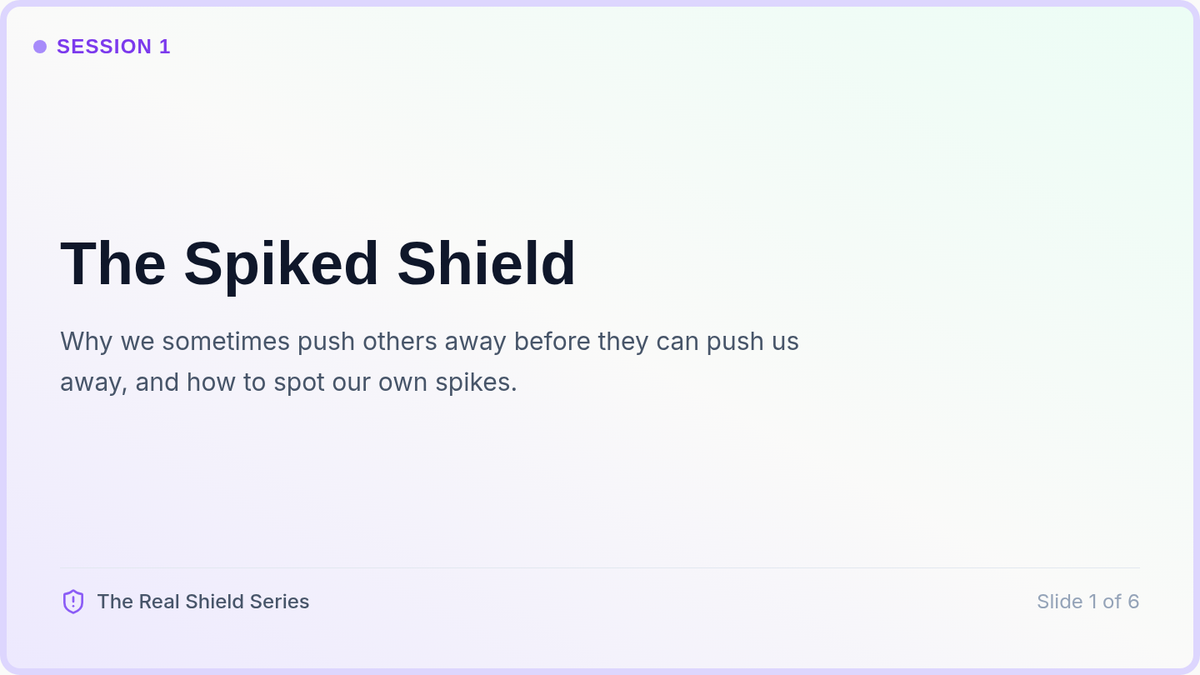
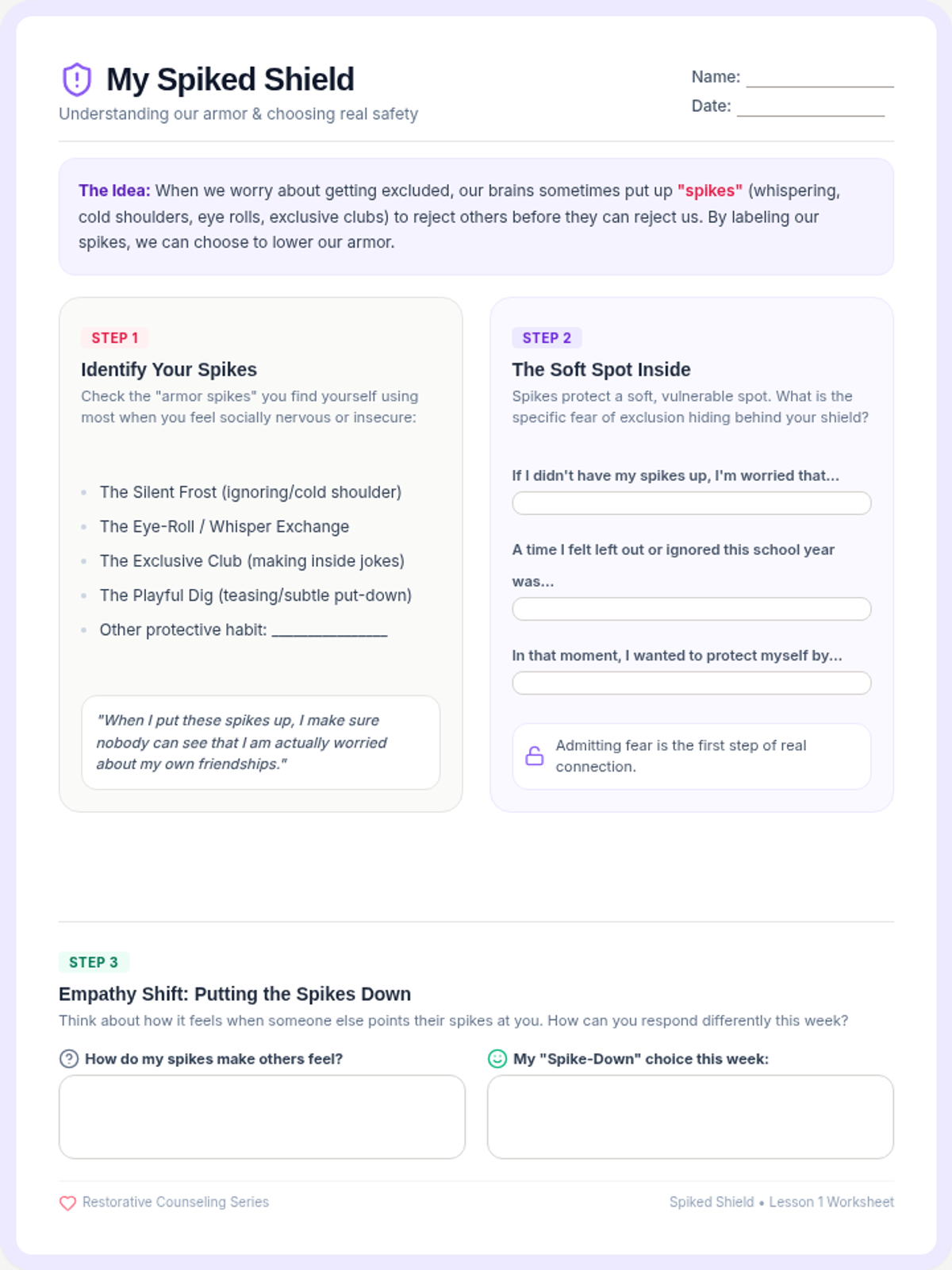
Helps students recognize how their fear of being excluded leads them to push others away first. Students examine their emotional defenses and the cost of maintaining a "spiked" exterior.
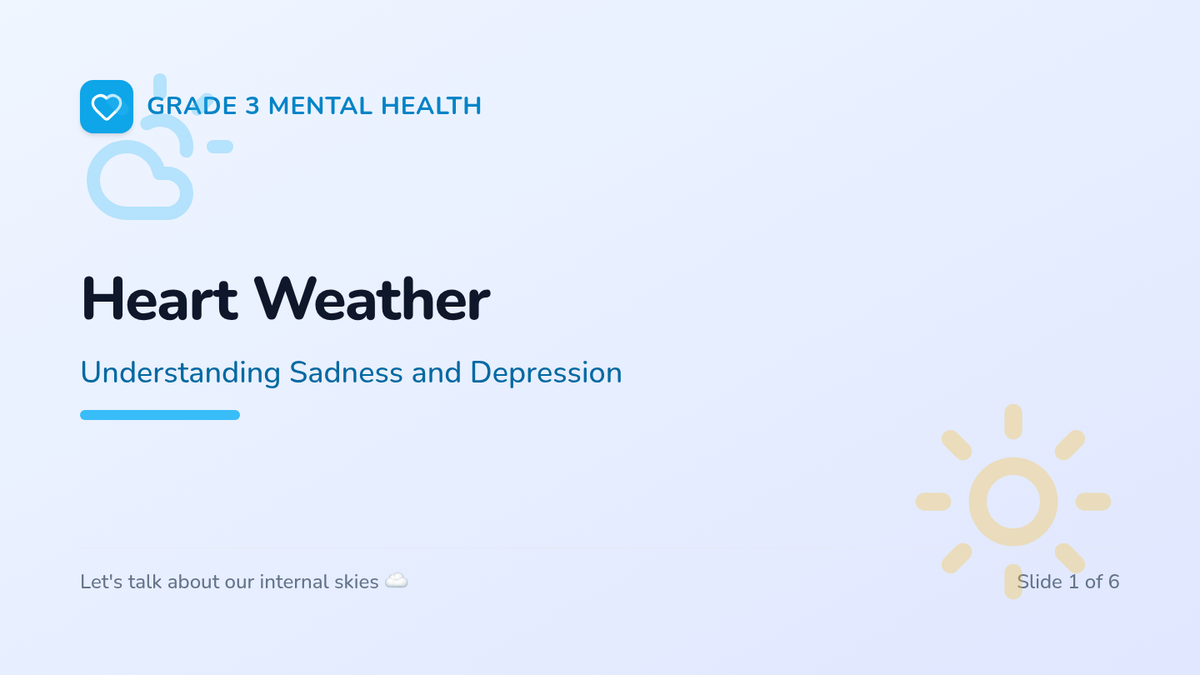
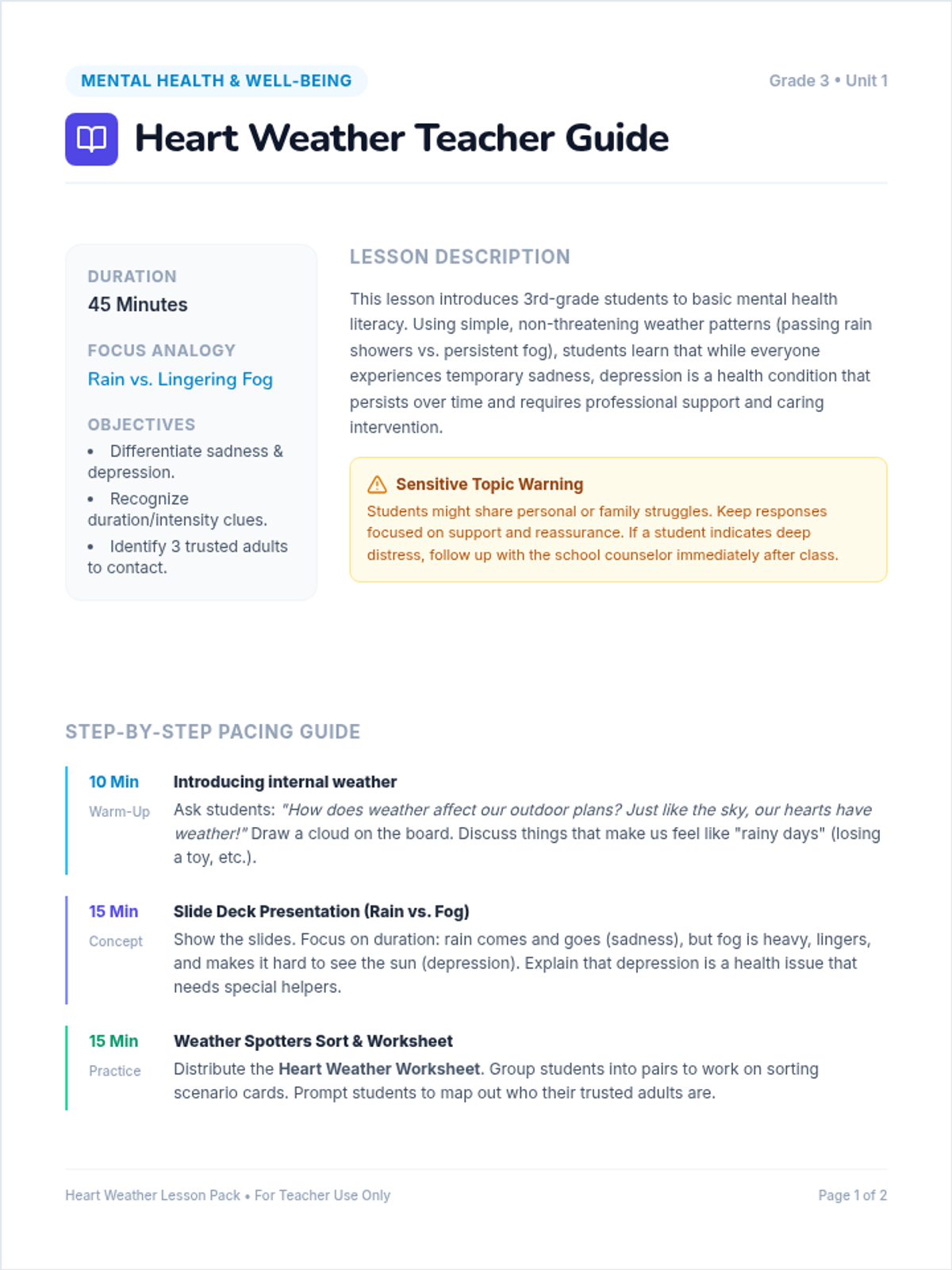
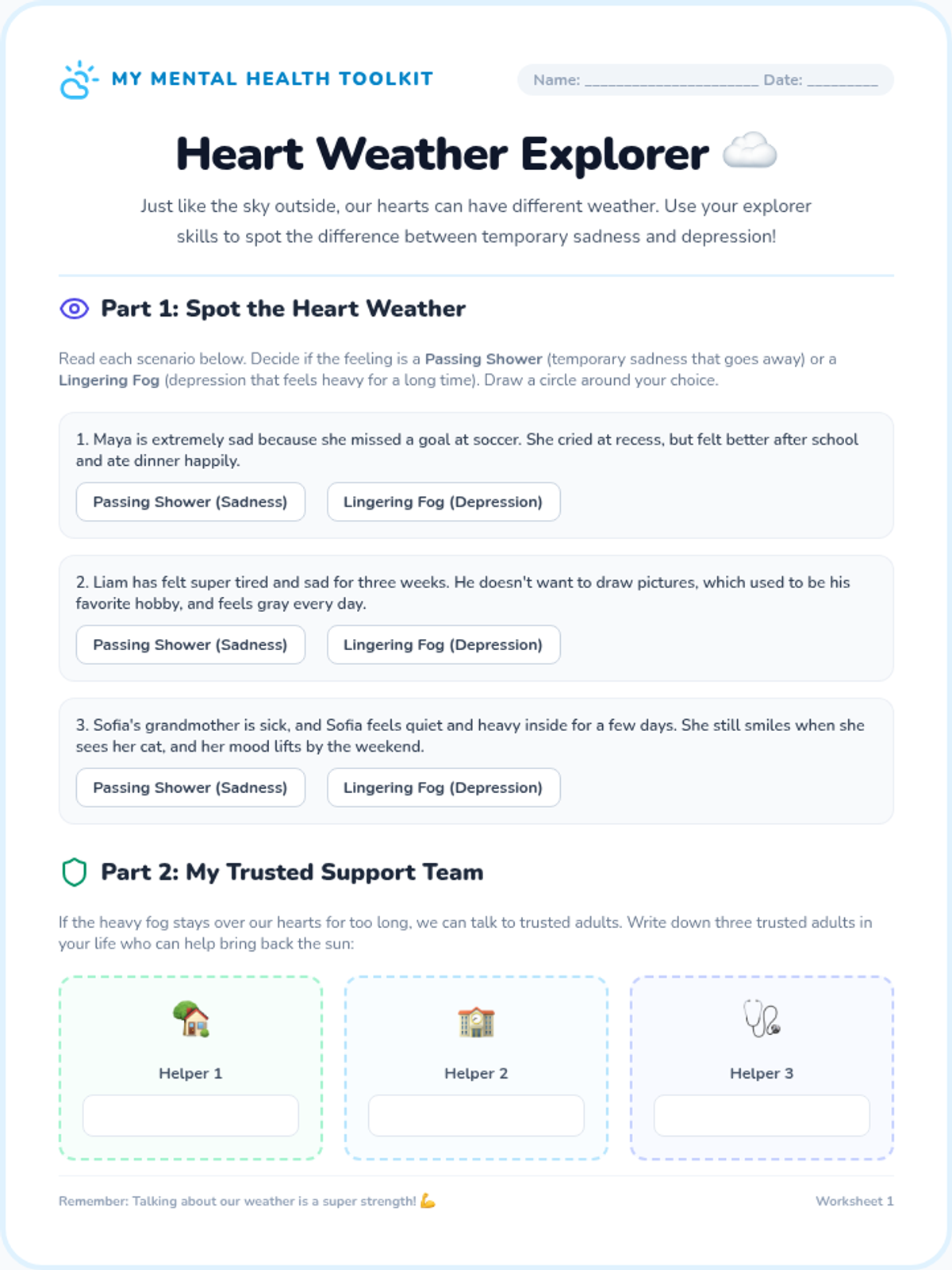
A gentle, developmentally appropriate lesson for 3rd graders that uses weather analogies (passing rain showers vs. lingering heavy clouds) to distinguish between temporary sadness and depression, normalizing conversations around mental health.
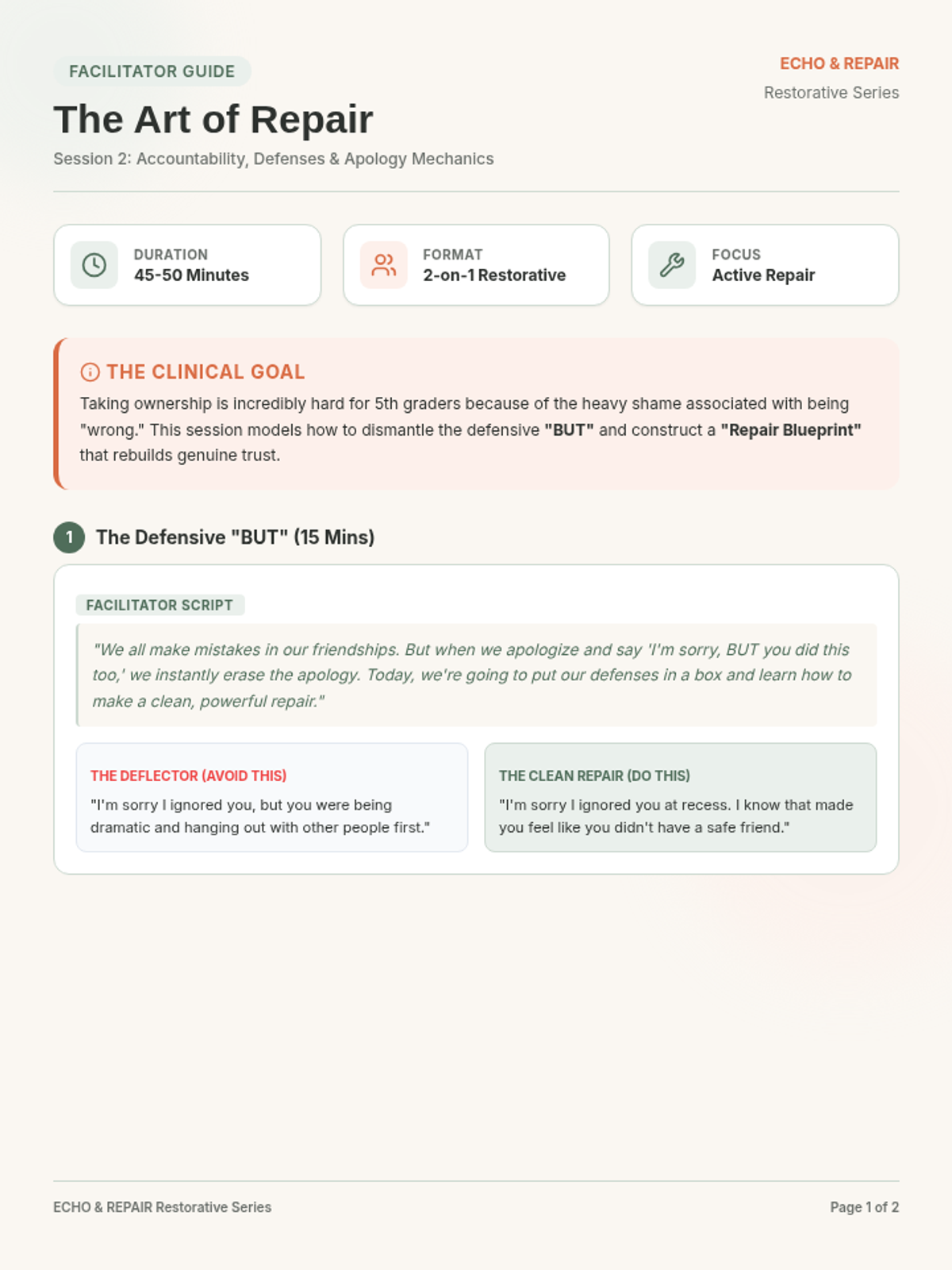
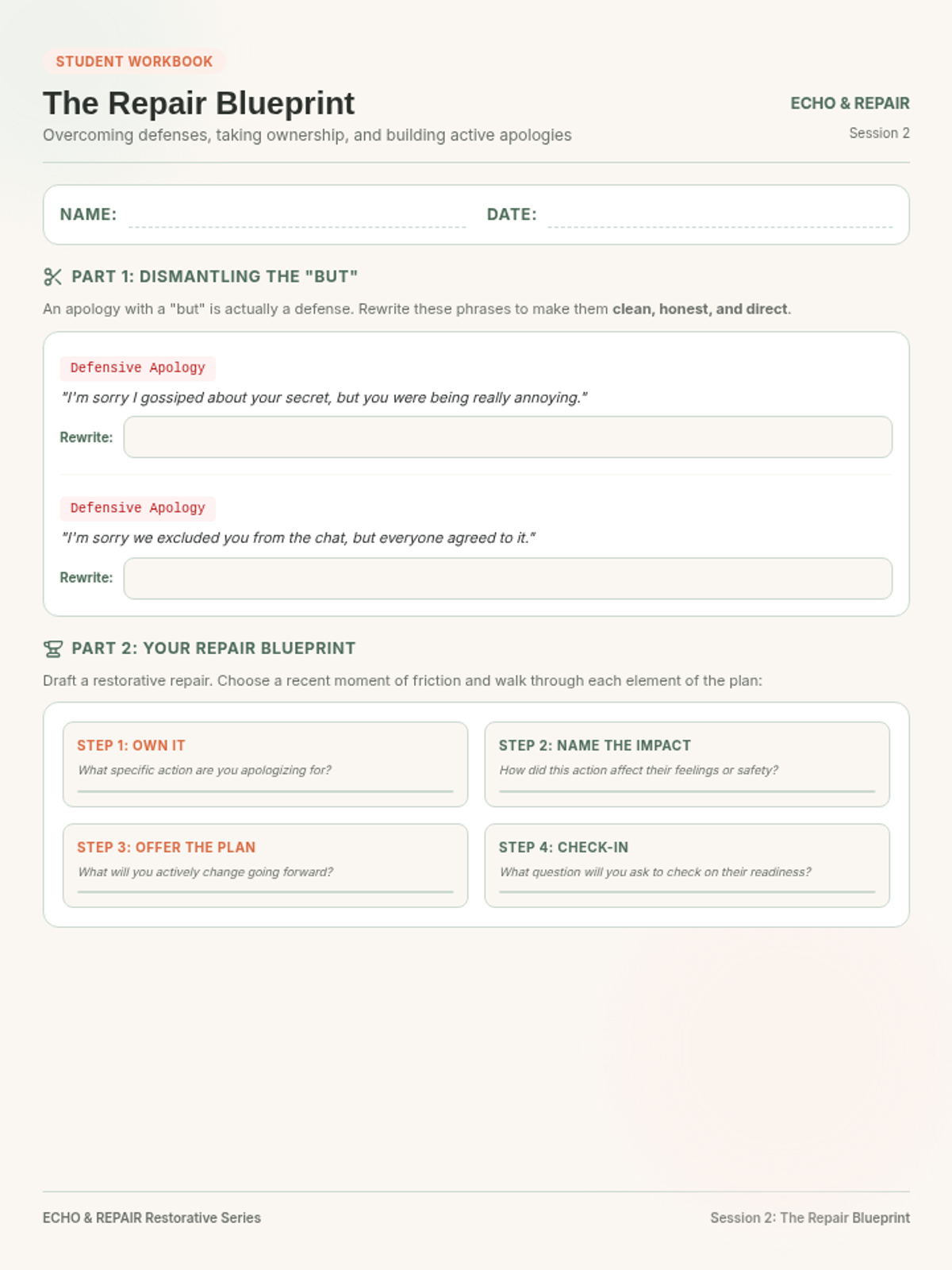
Teaches the mechanics of taking ownership, overcoming the defensive 'but', and crafting active, meaningful apologies that repair trust.
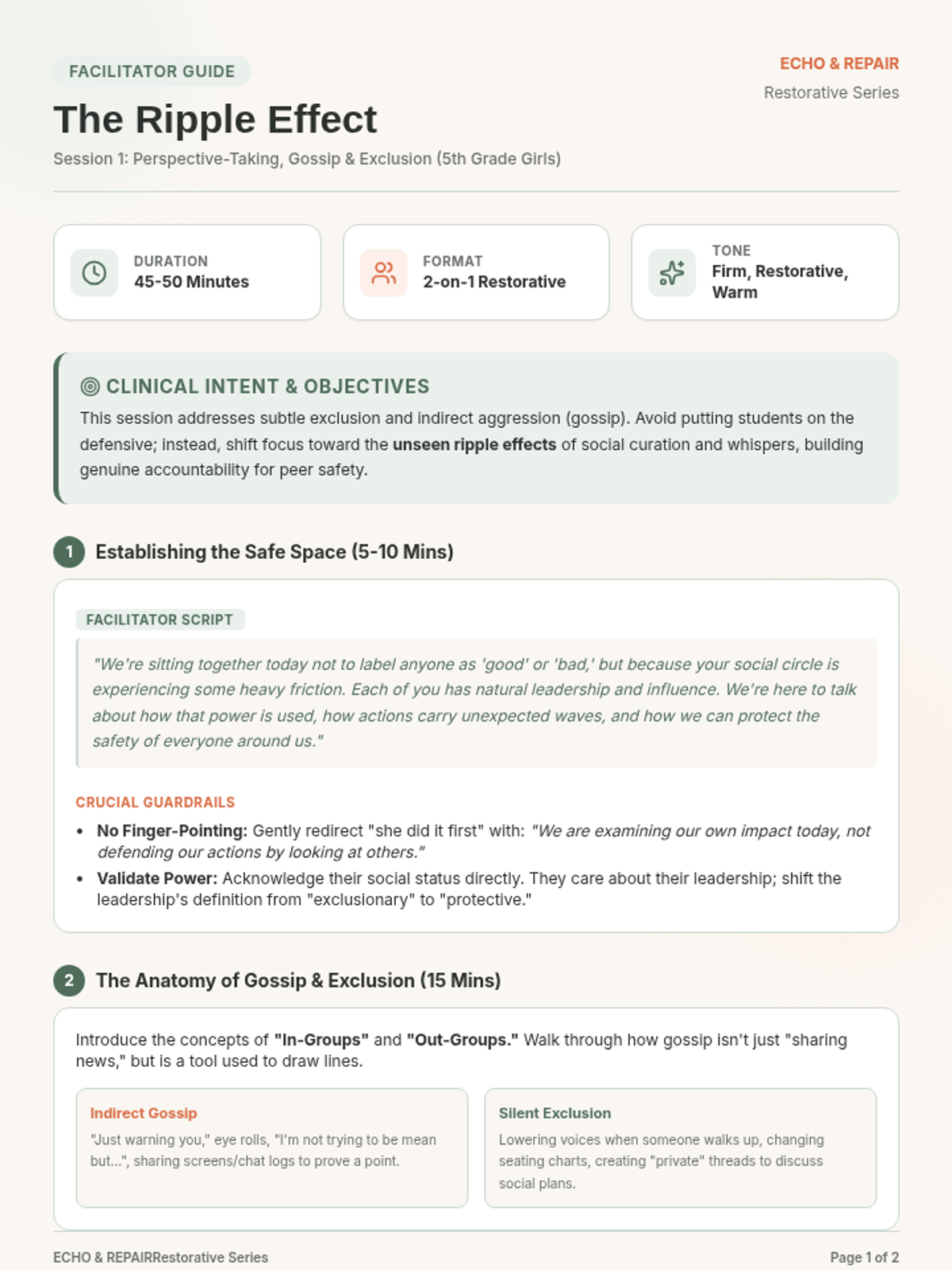
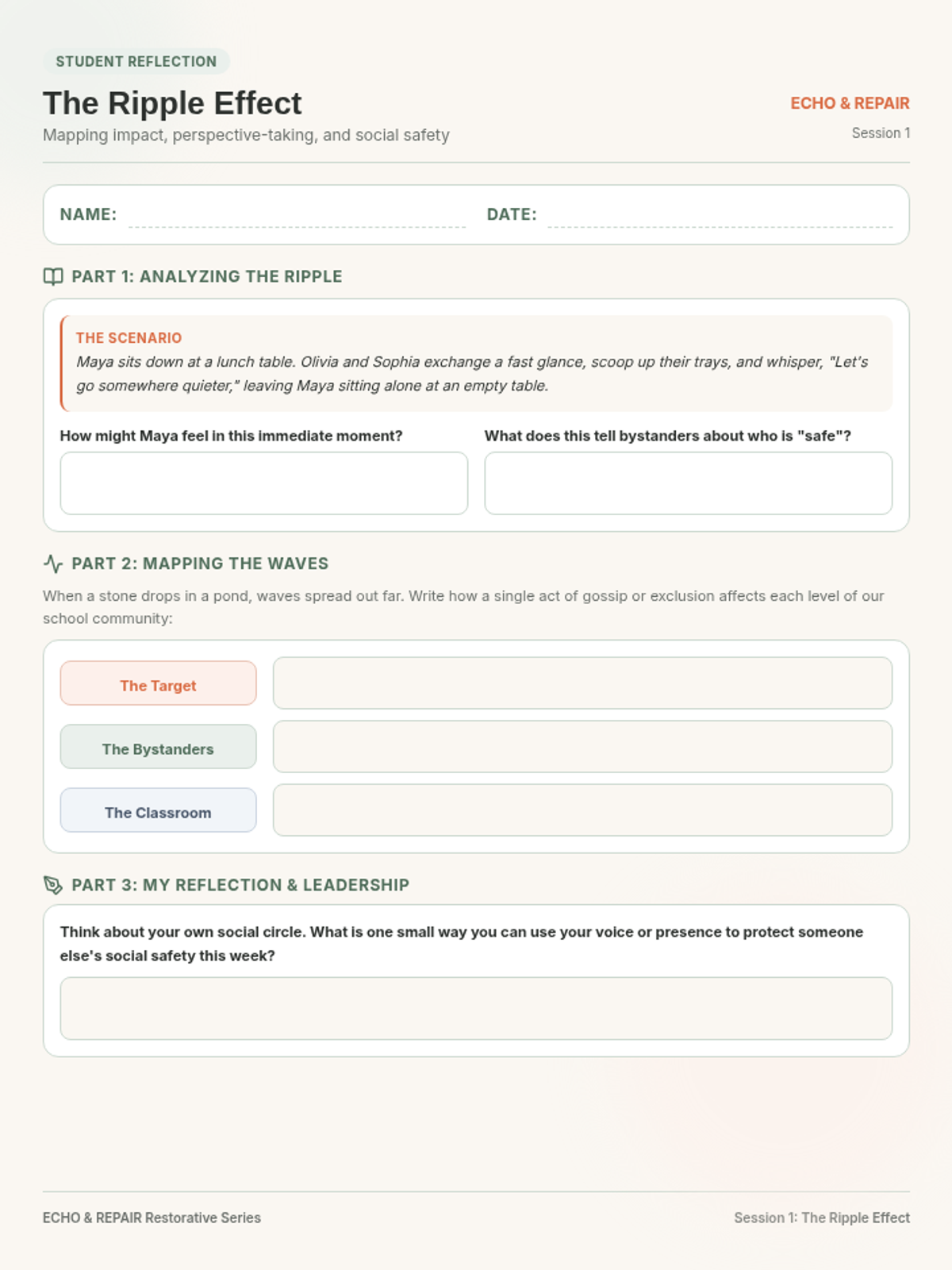
Focuses on perspective-taking and understanding the deep impact of social exclusion and gossip on others' feelings and social safety.
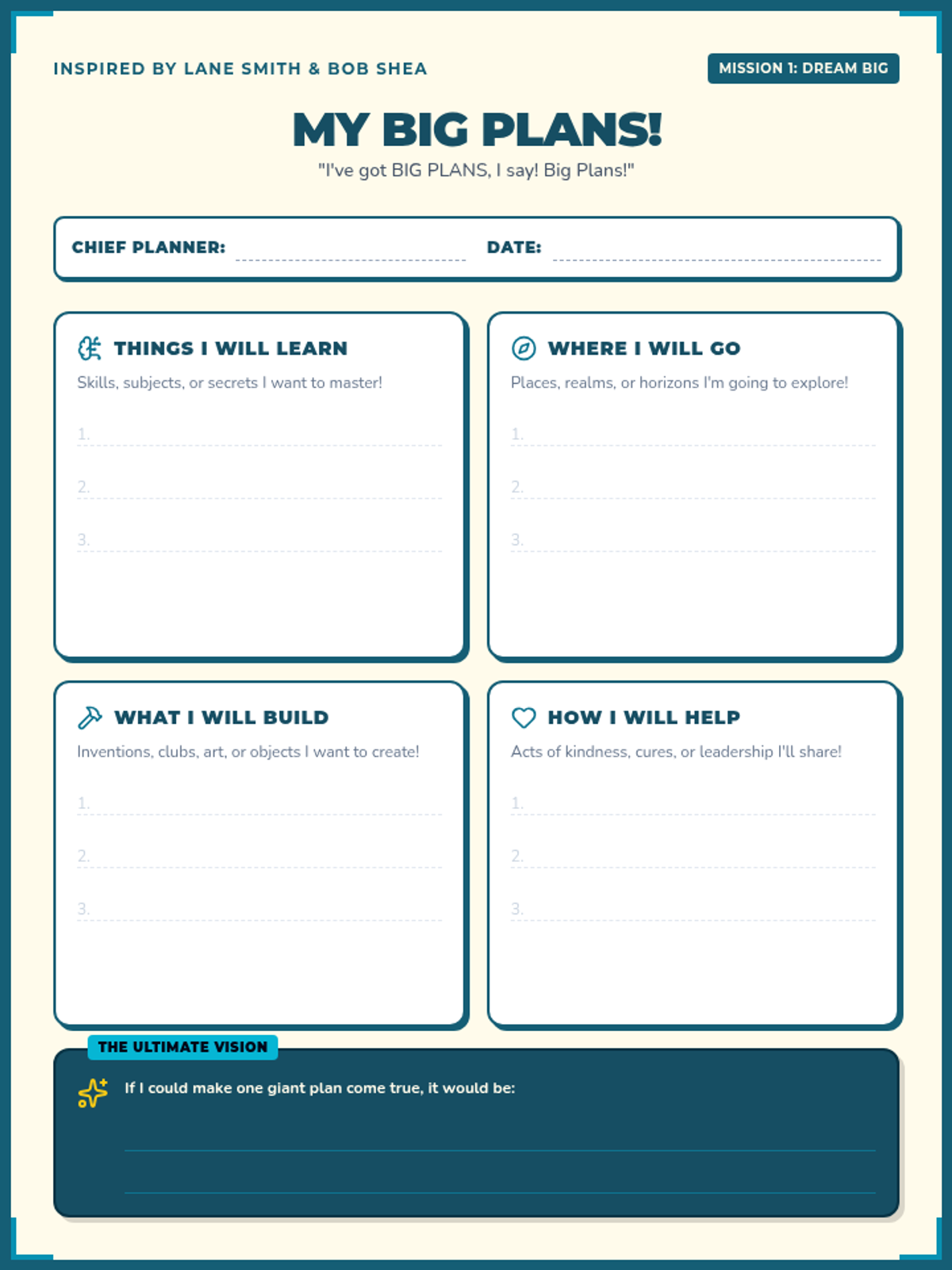
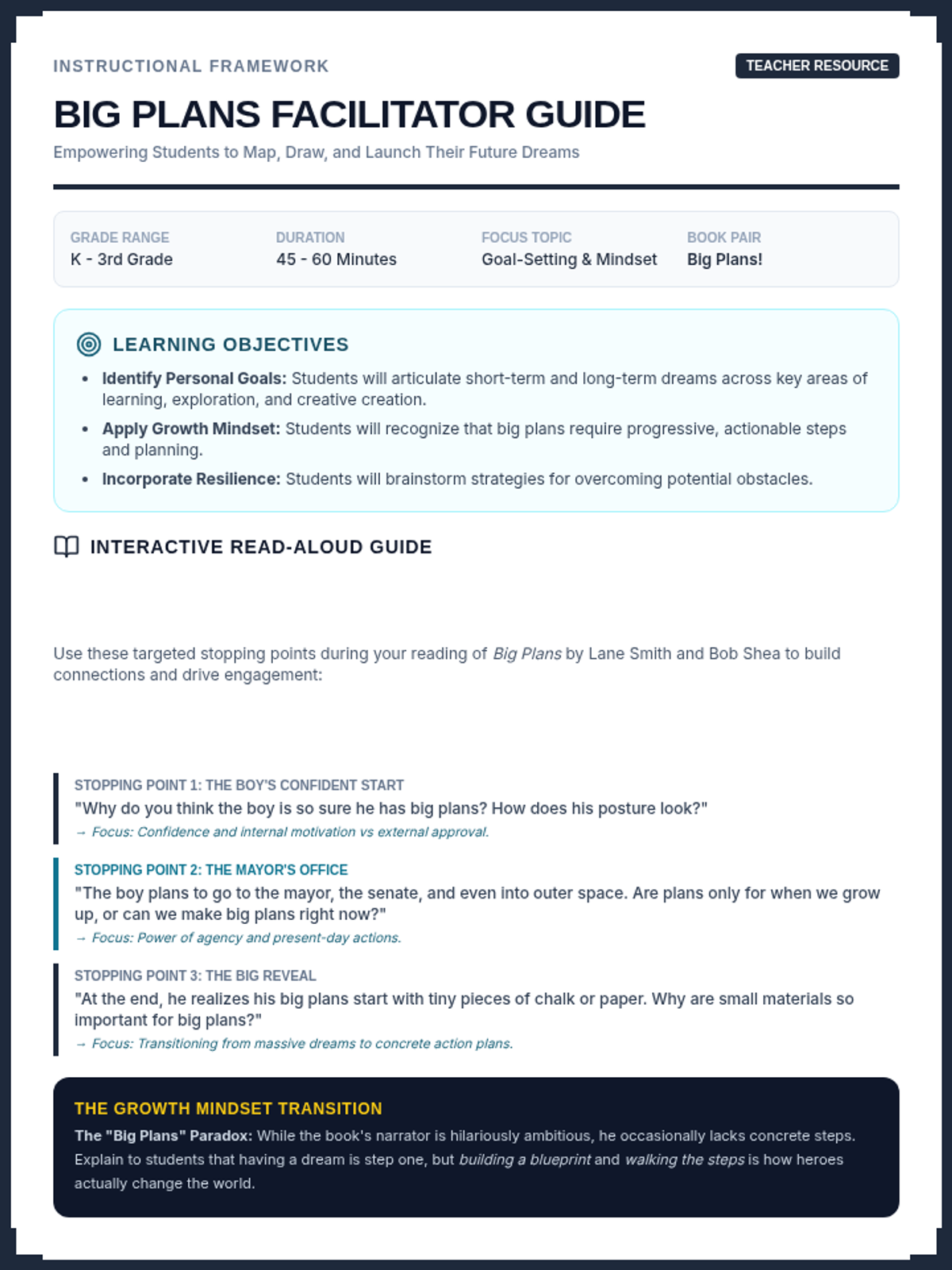
A creative, goal-setting lesson based on the book 'Big Plans' by Lane Smith and Bob Shea. Students design their own 'big plans' and develop a growth mindset through interactive graphic organizers, blueprint drawings, and structured action steps.
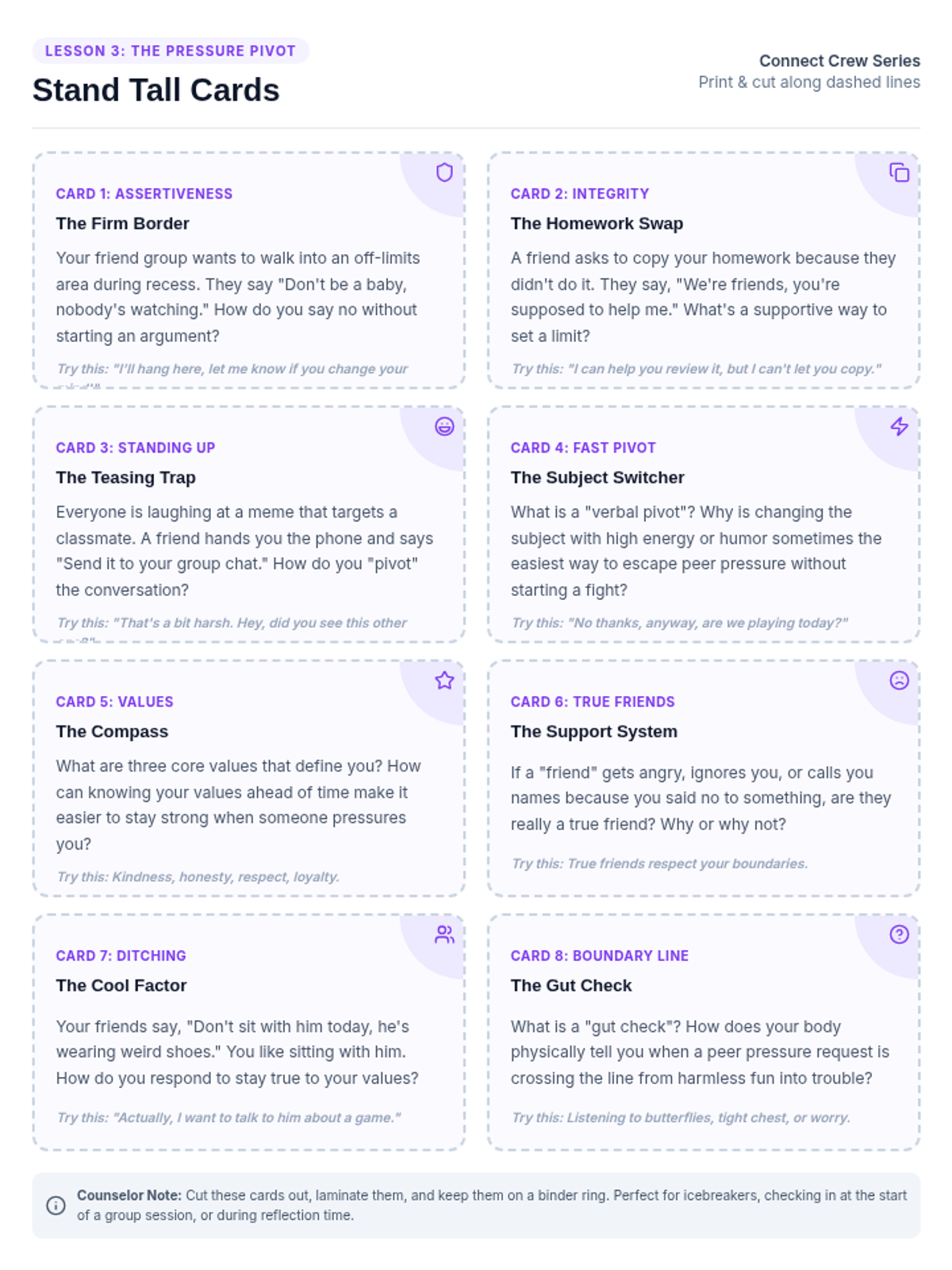
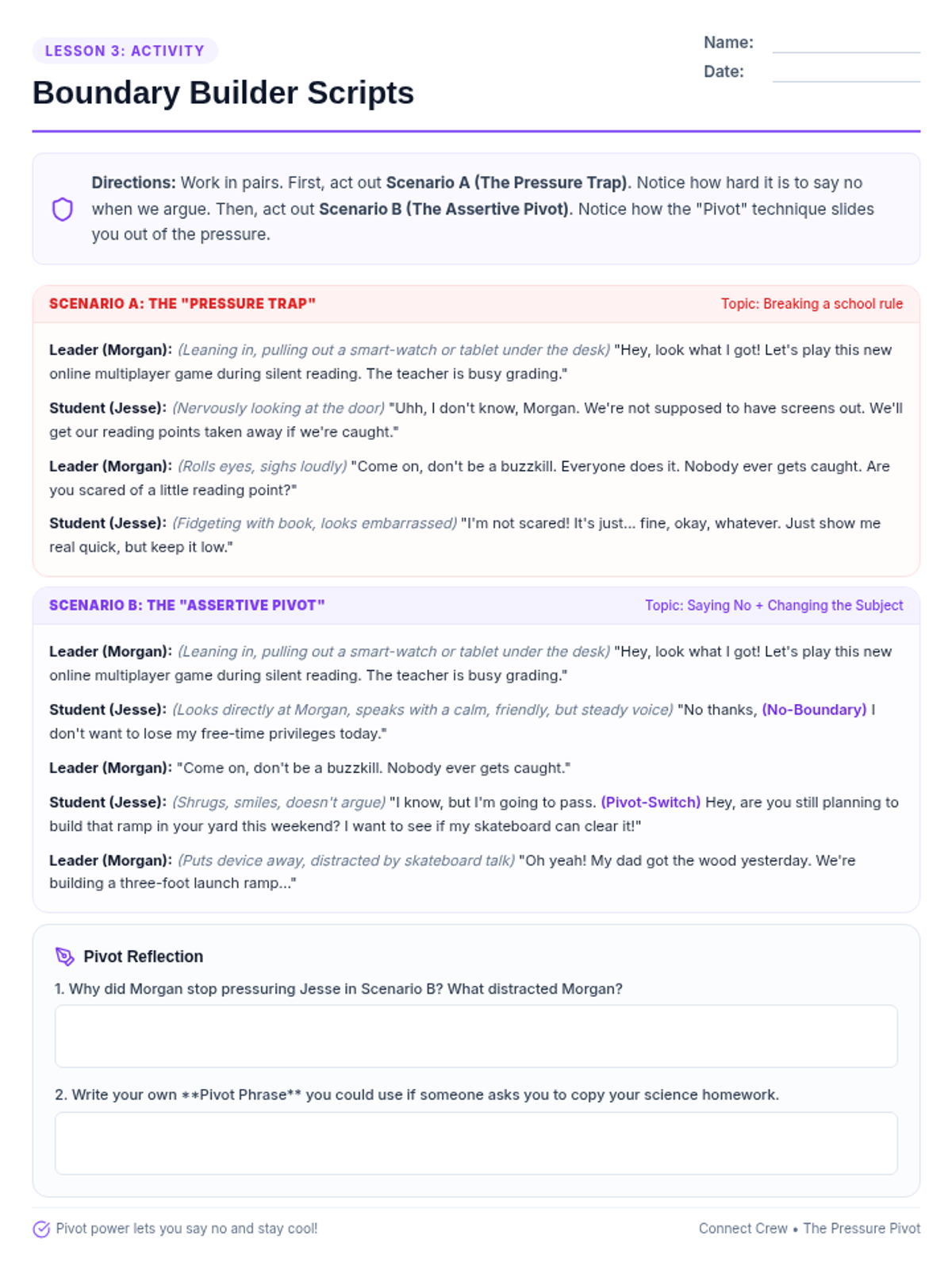
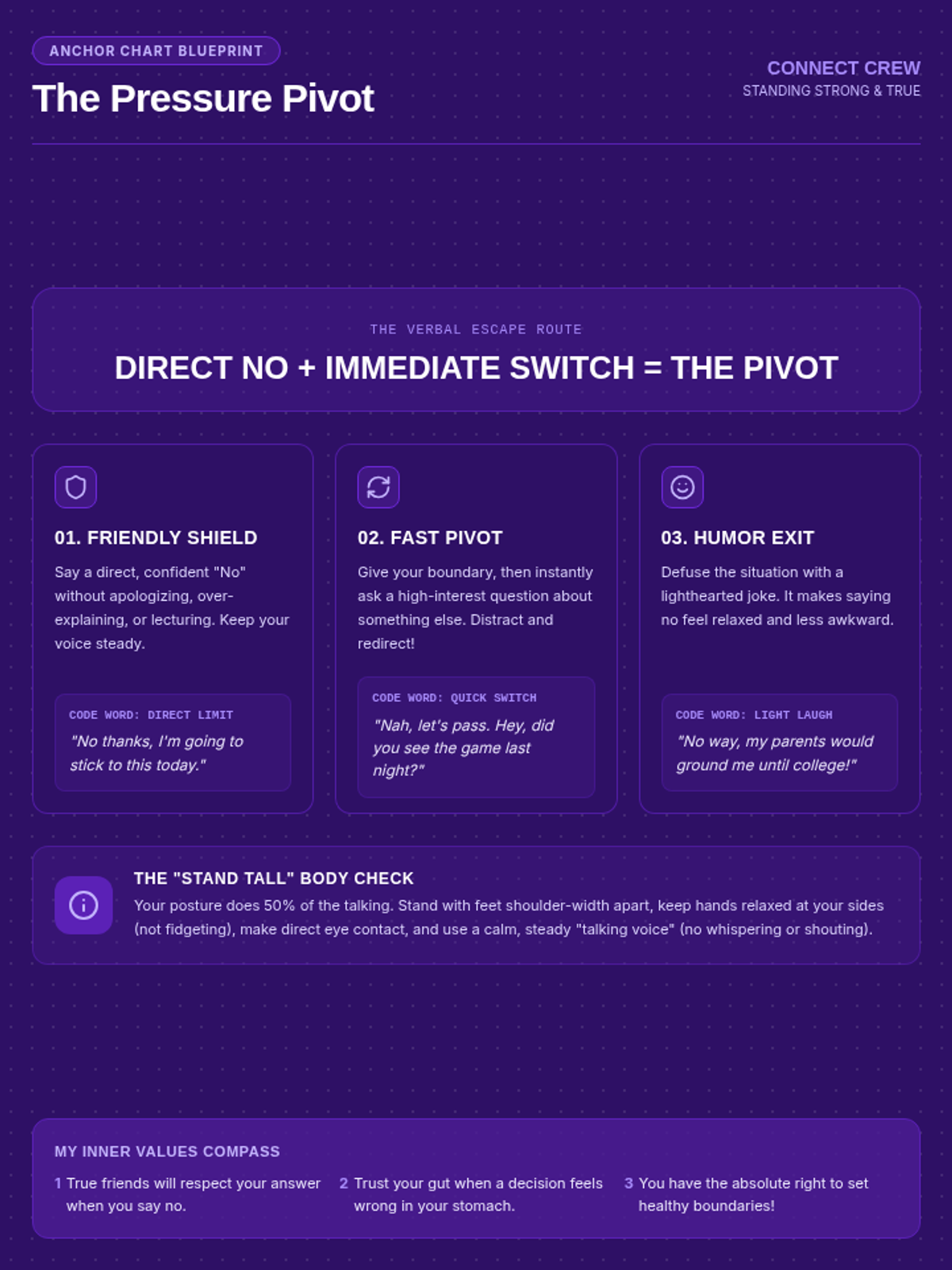
Empowers students to stay true to themselves and manage peer pressure. Students learn to set healthy boundaries and use assertive verbal strategies to pivot away from negative influences.
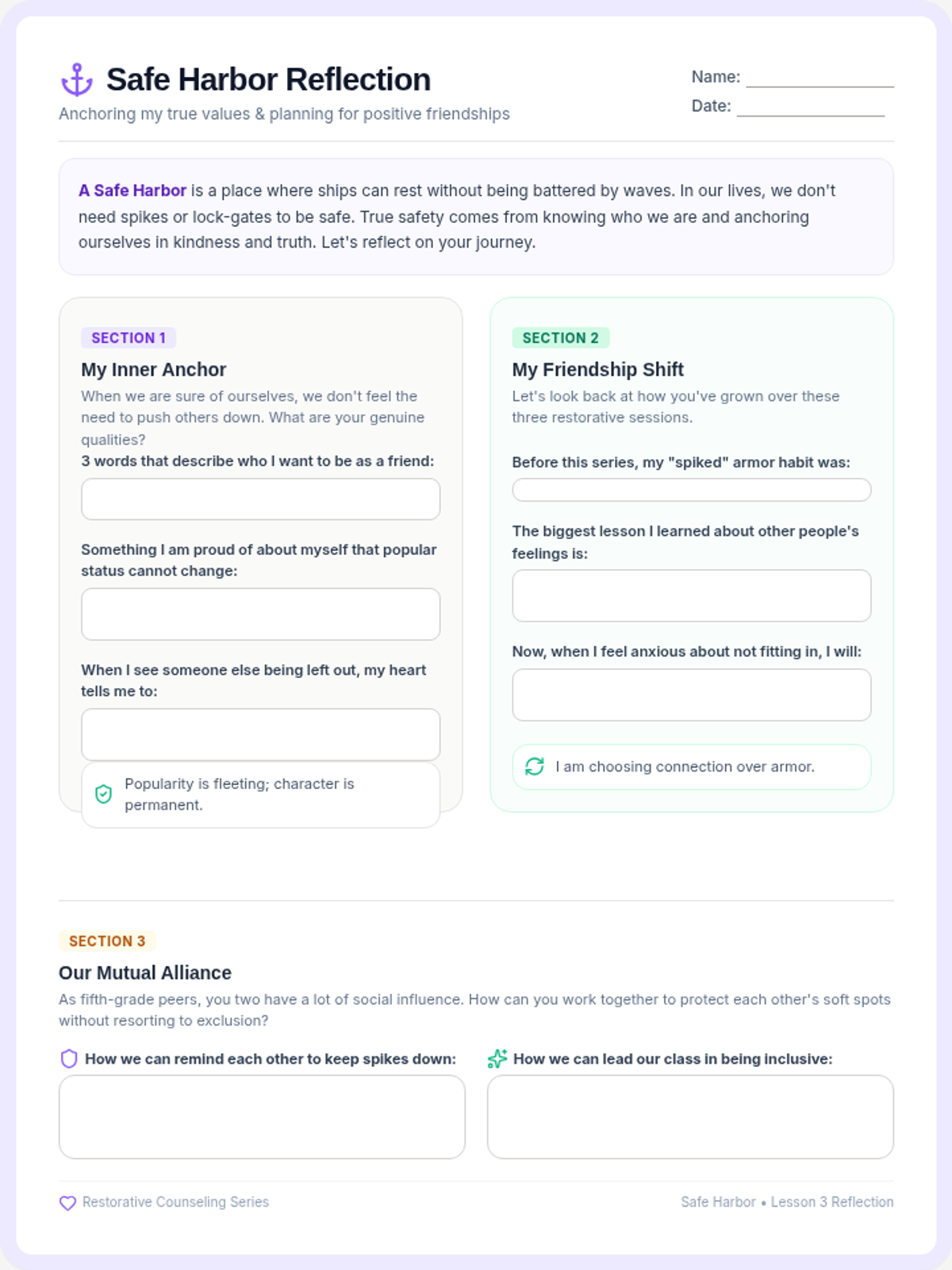
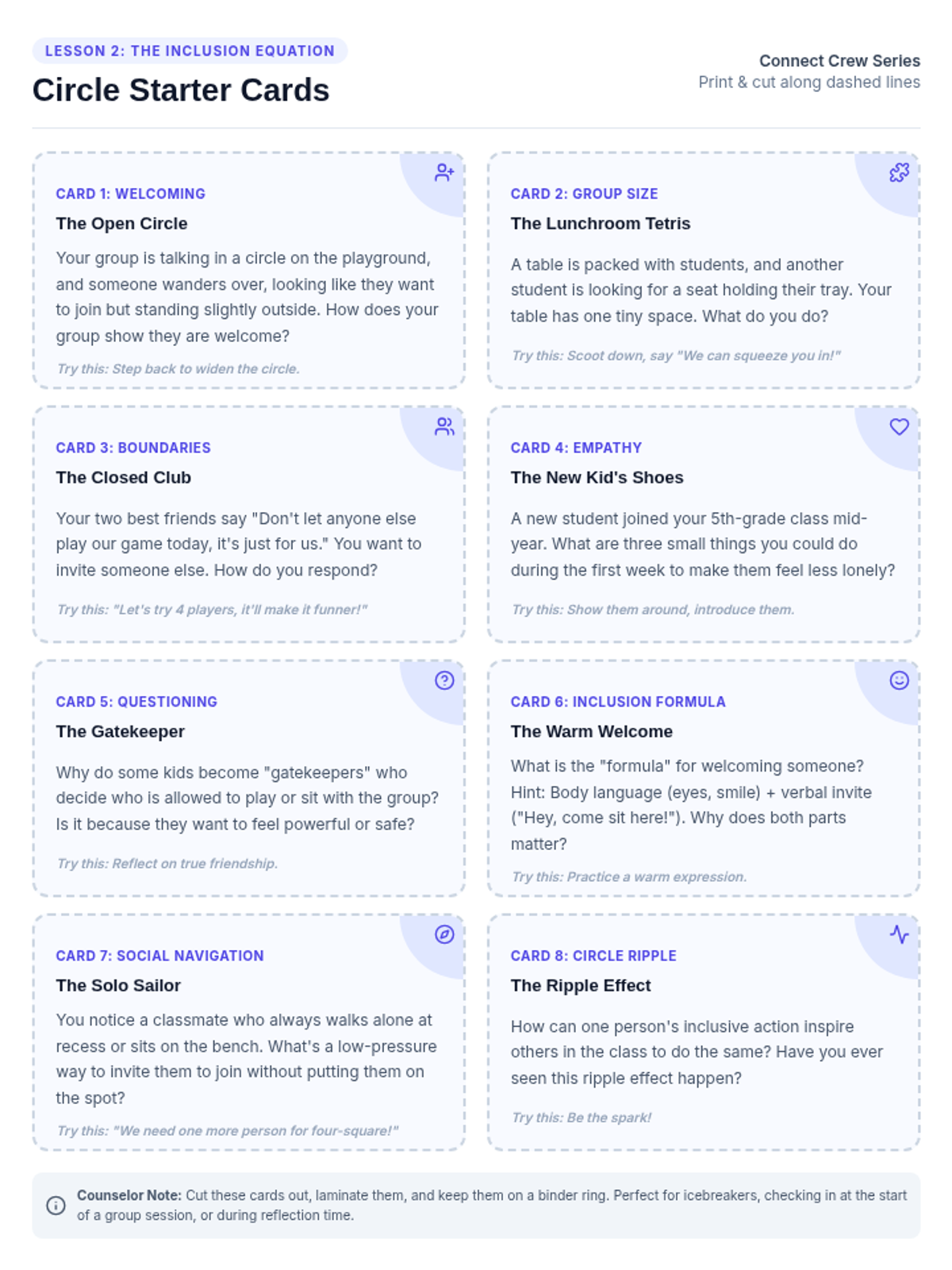
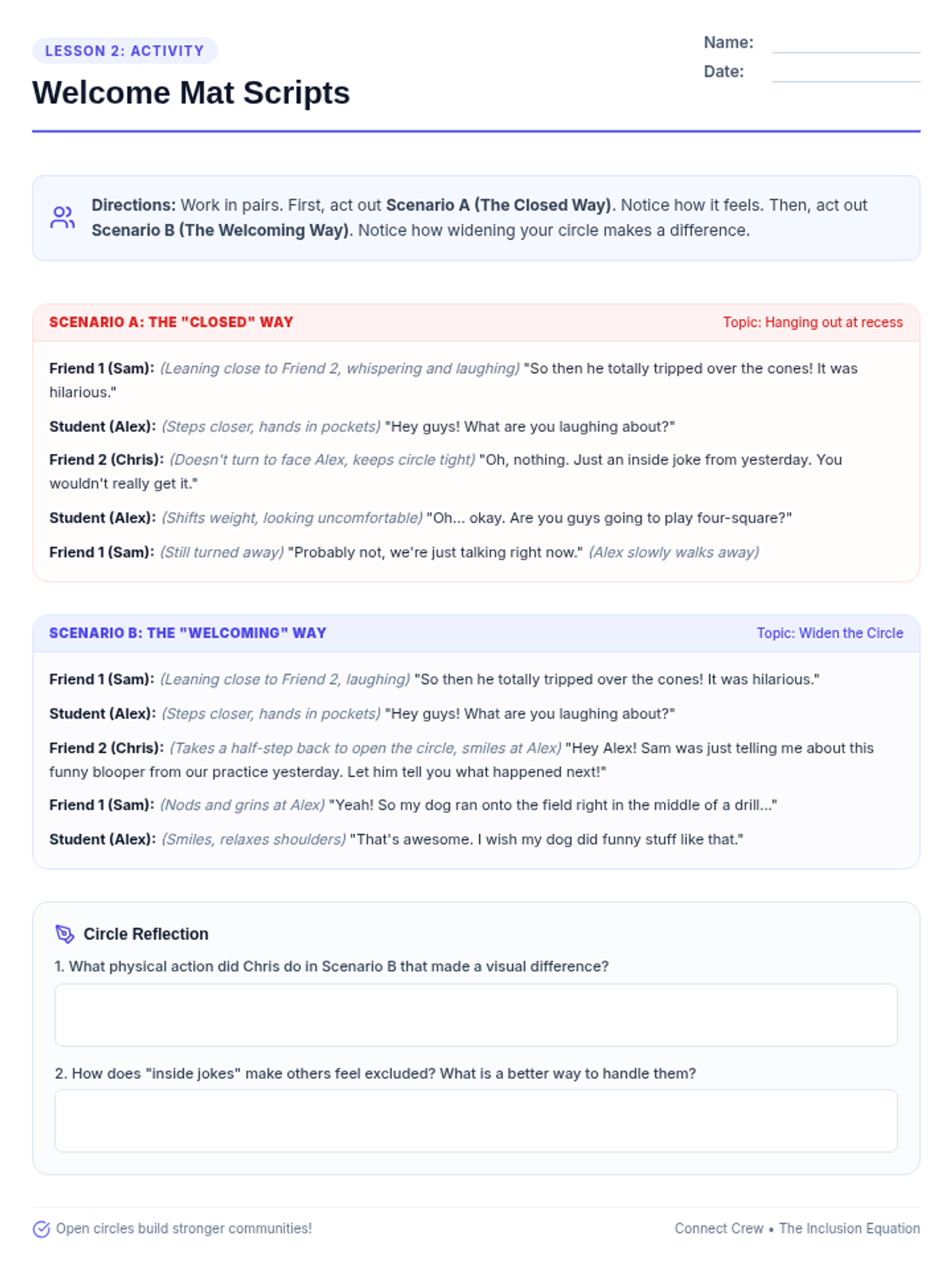
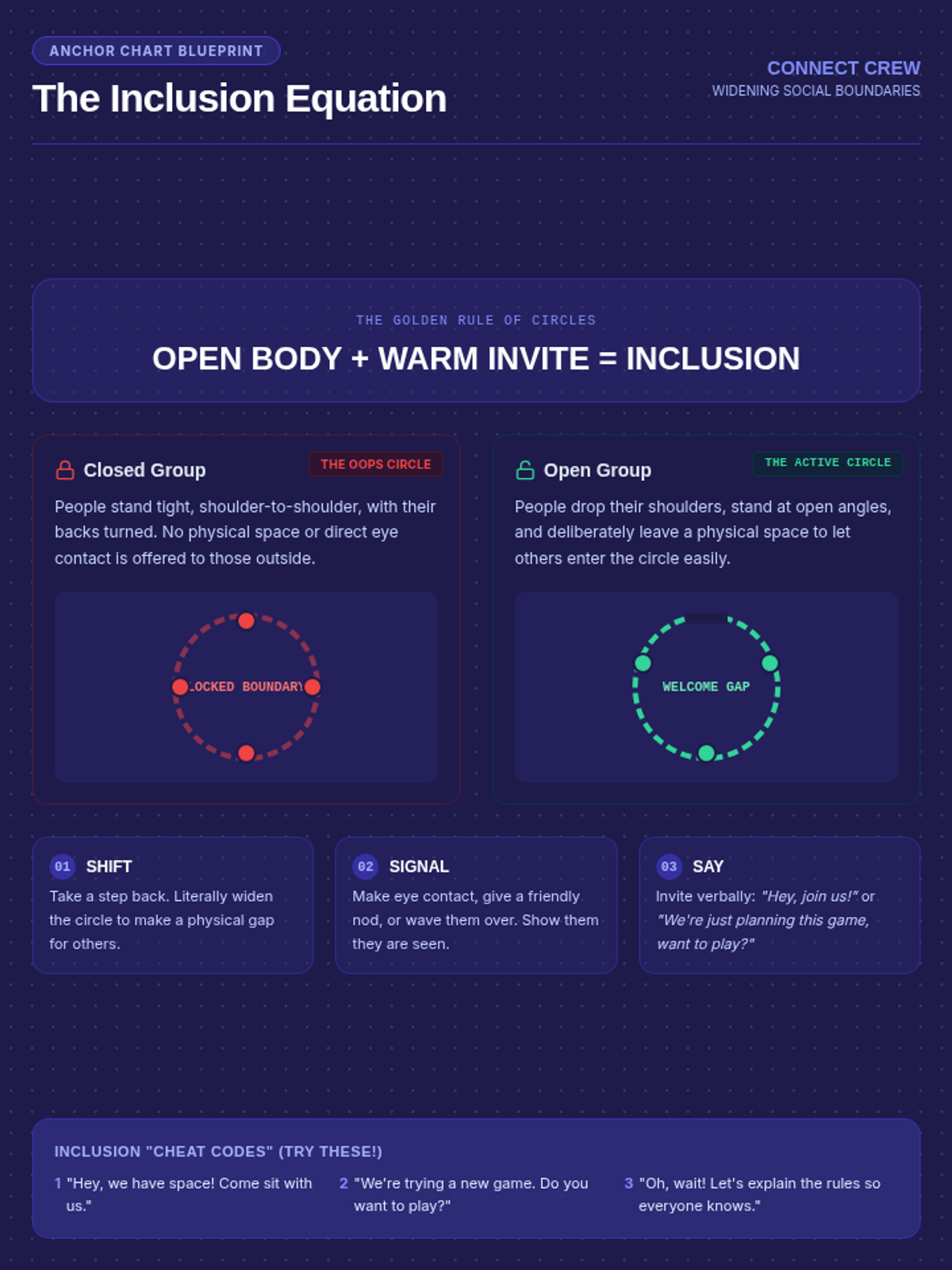
Focuses on widening social circles and managing group boundaries gracefully. Students practice practical strategies to welcome peers and navigate complex group dynamics.
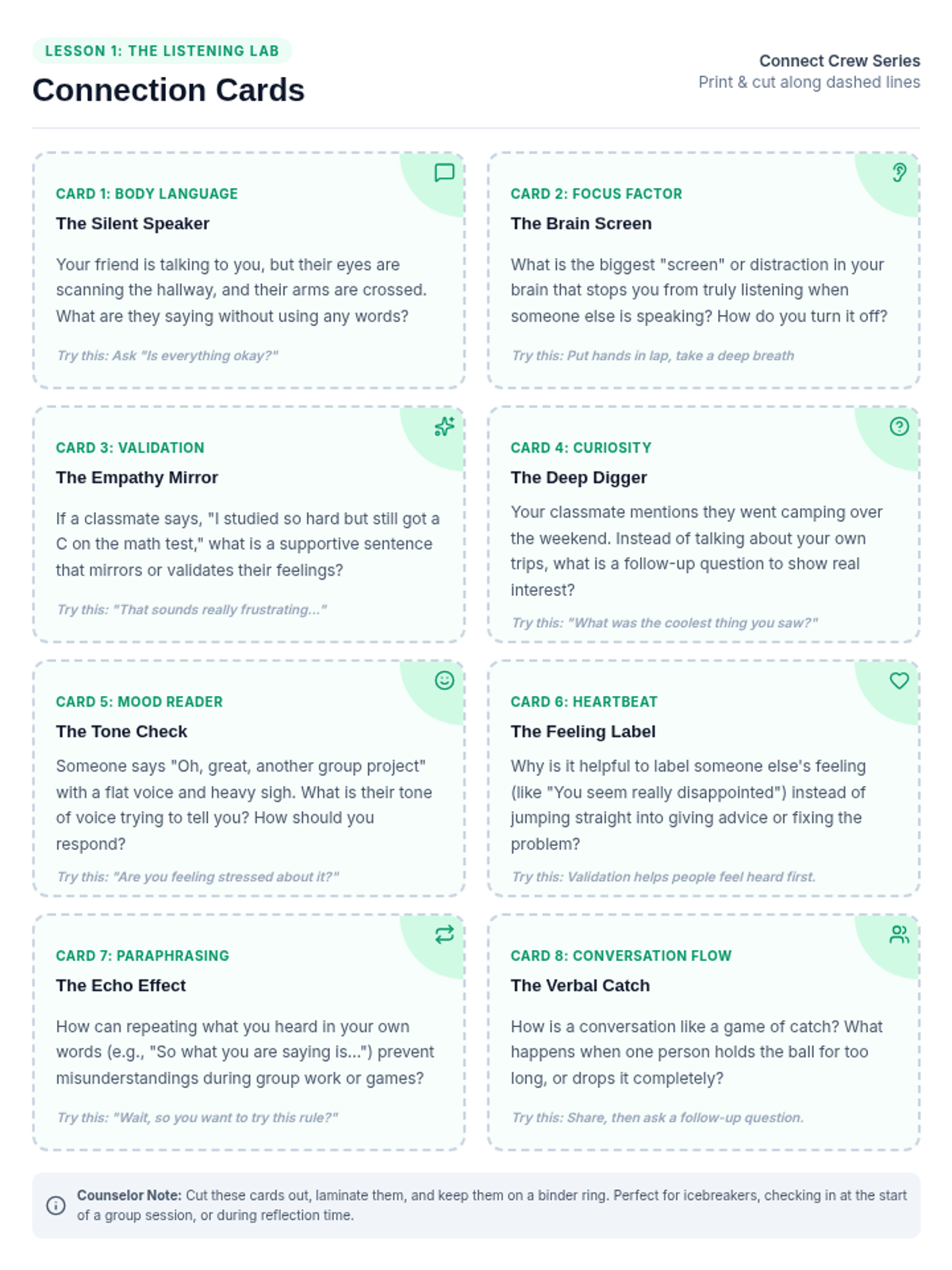
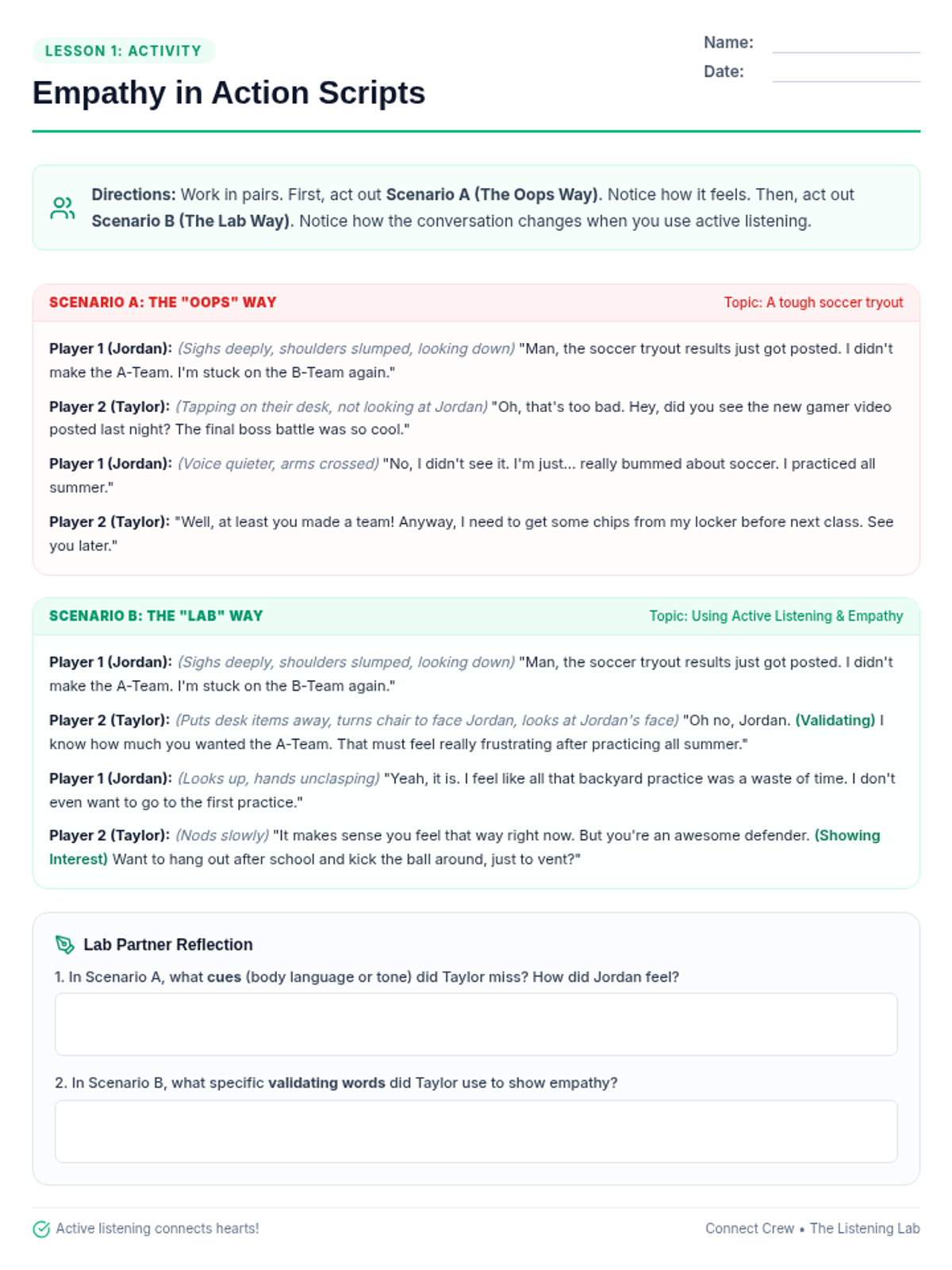
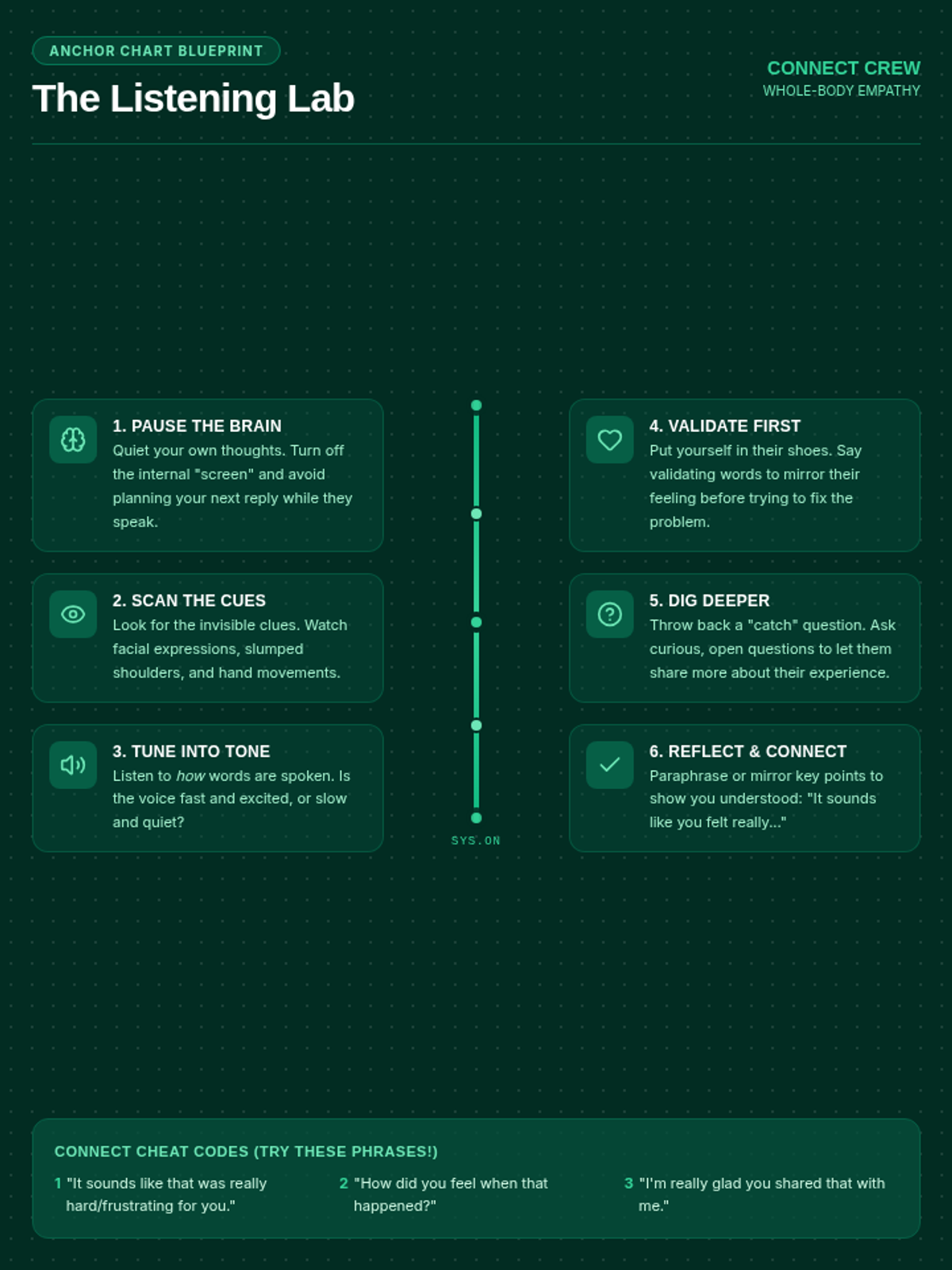
Students learn the mechanics of active listening and empathy by practicing reading social cues, validating others' feelings, and demonstrating genuine interest in group conversations.
A social-emotional learning lesson for 3rd graders focusing on physical boundaries (the 'VIP Zone') and responding respectfully to school staff (the 'Stage Managers'). Includes pop-star themed discussion slides, a reflective student worksheet, and an educator guide.
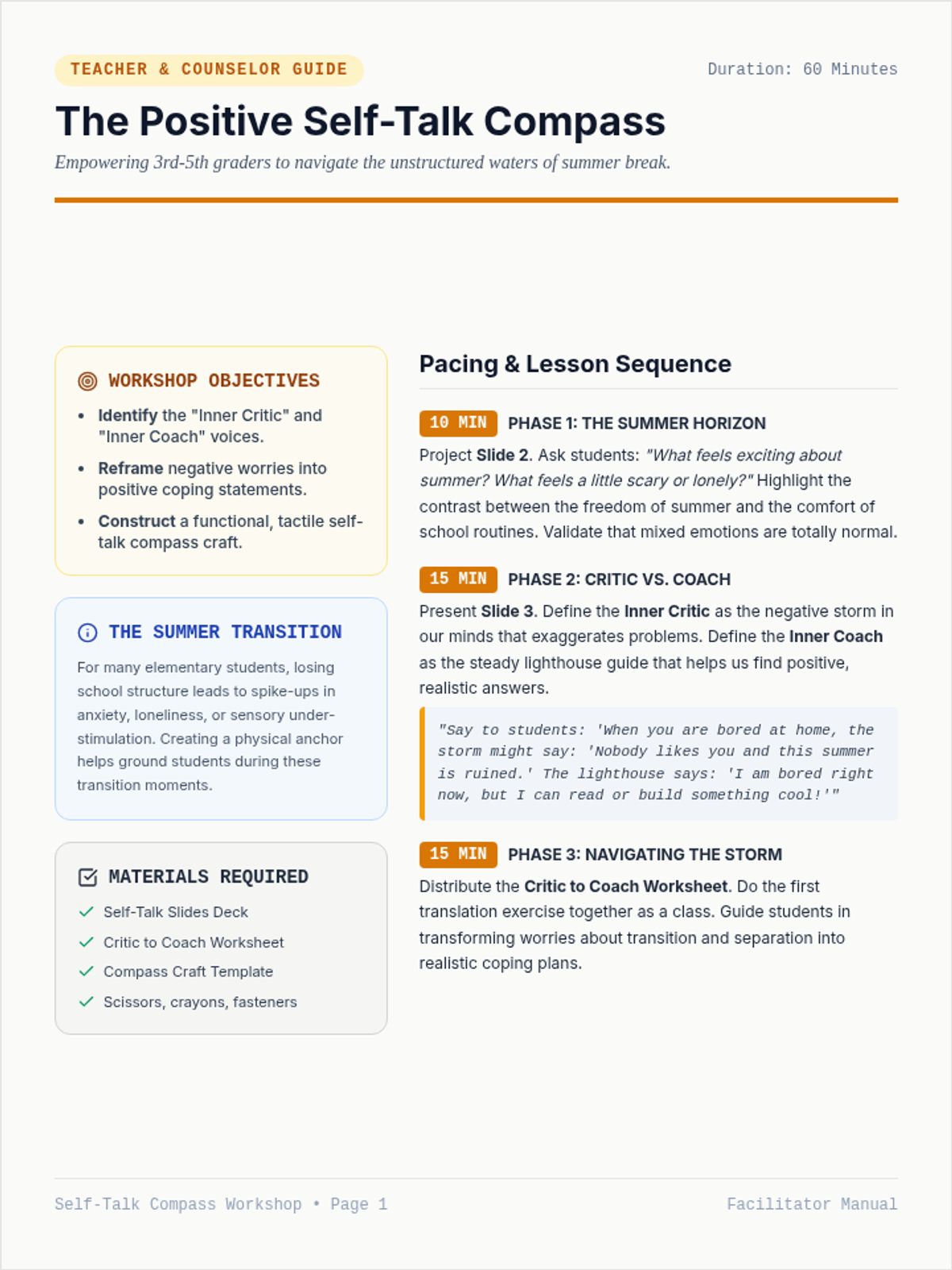
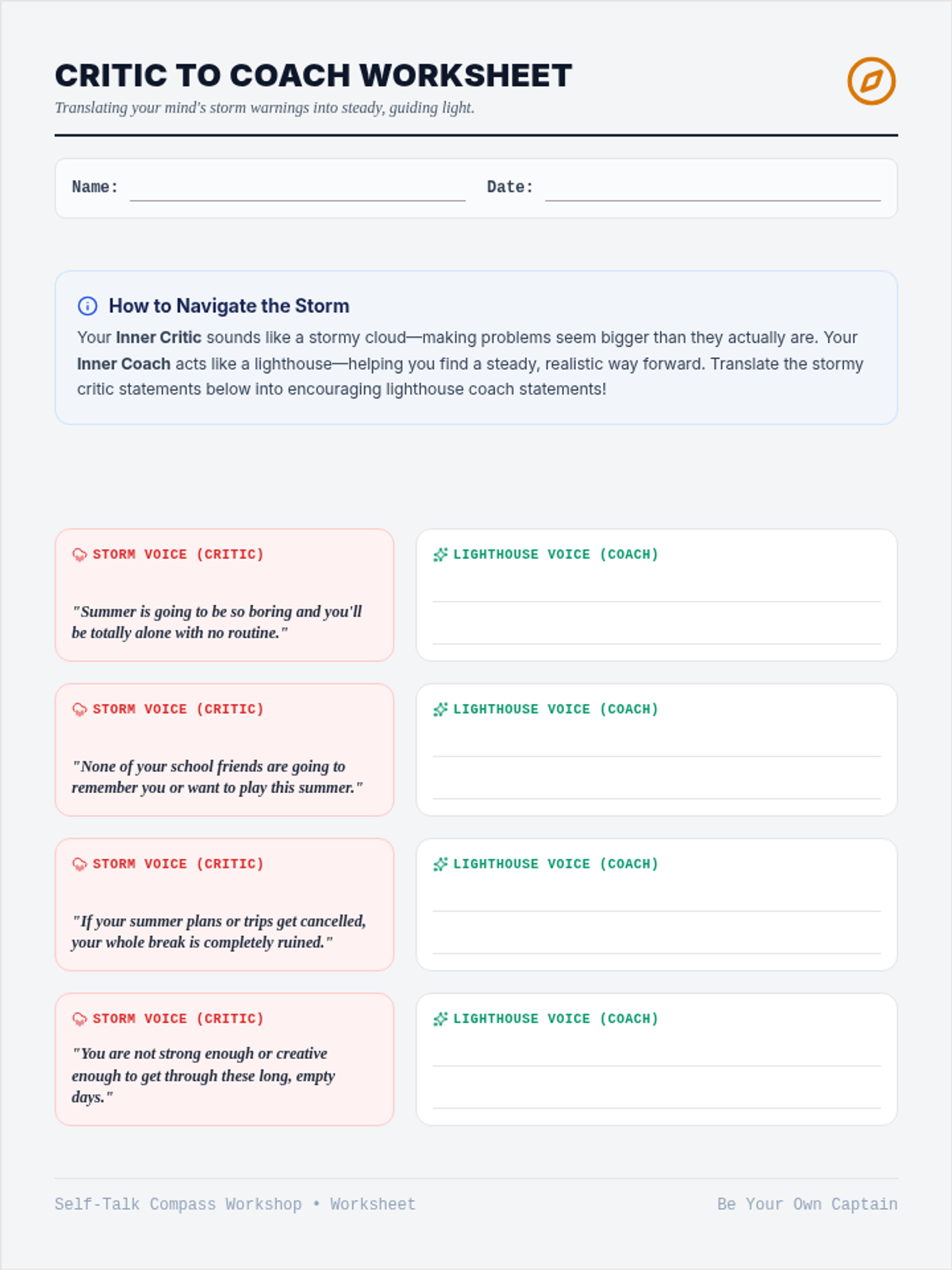
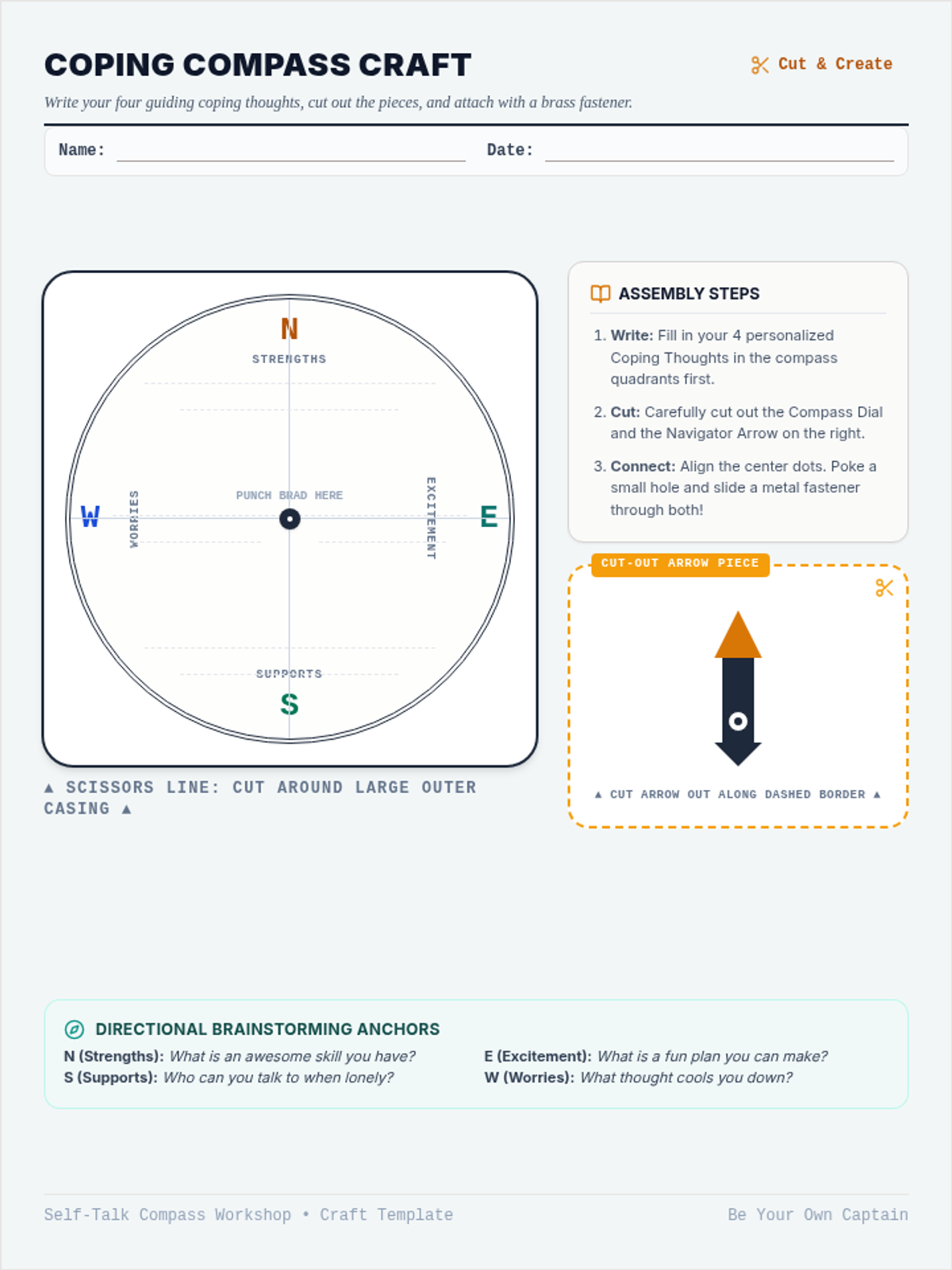
A therapeutic self-talk workshop for 3rd to 5th graders to identify their inner critic and build a physical compass of positive affirmations for navigating the transition into summer.
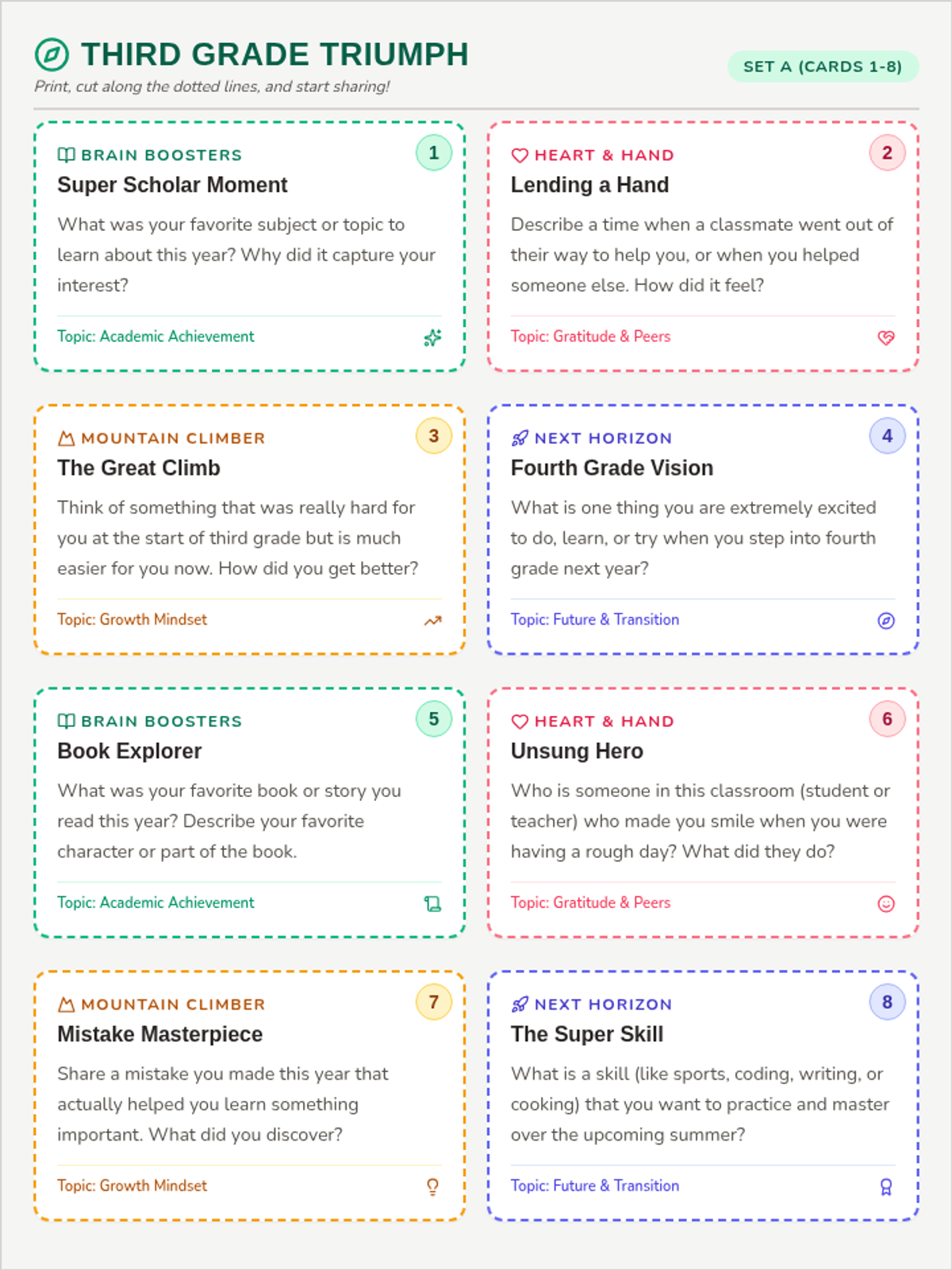
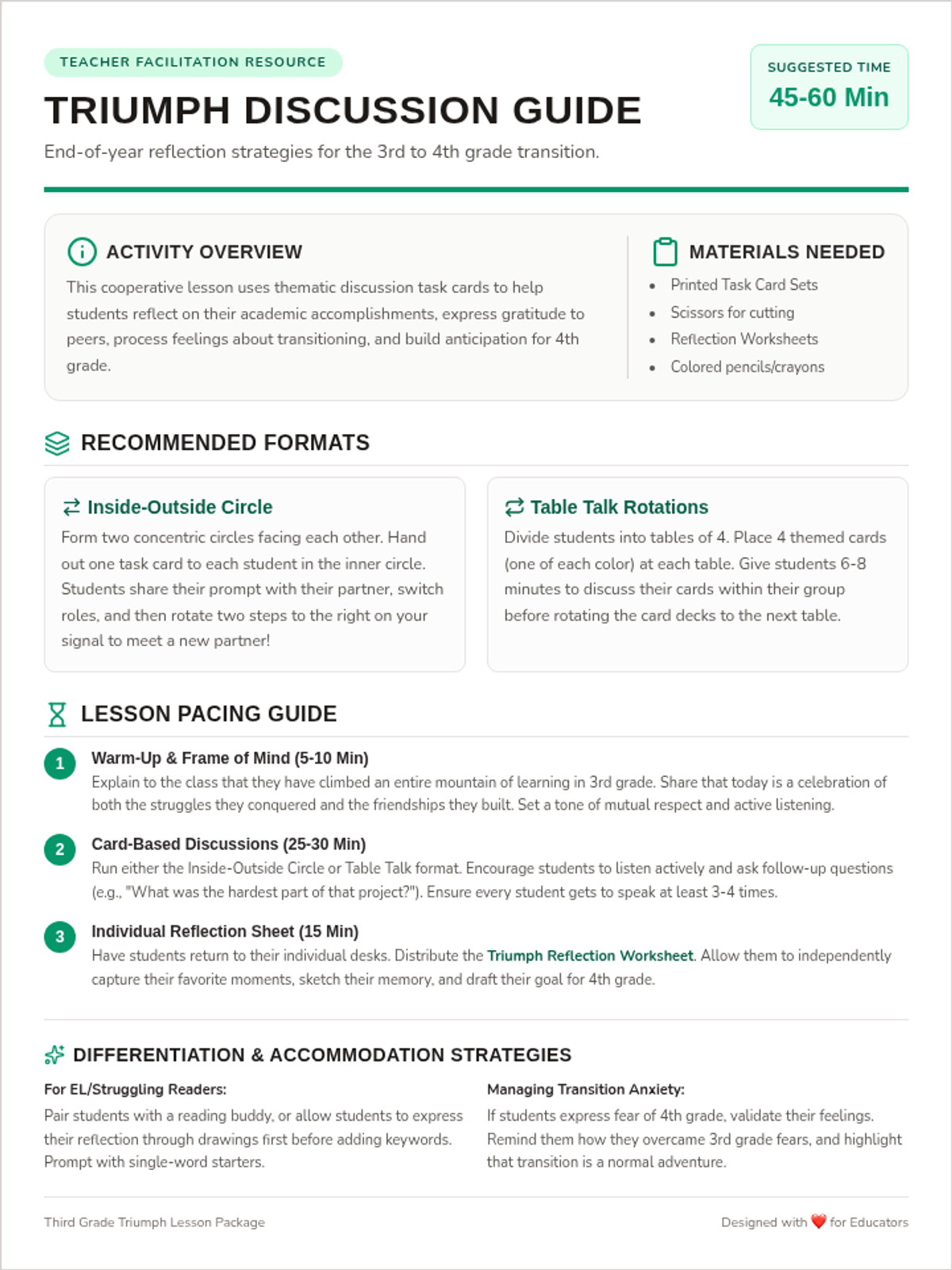
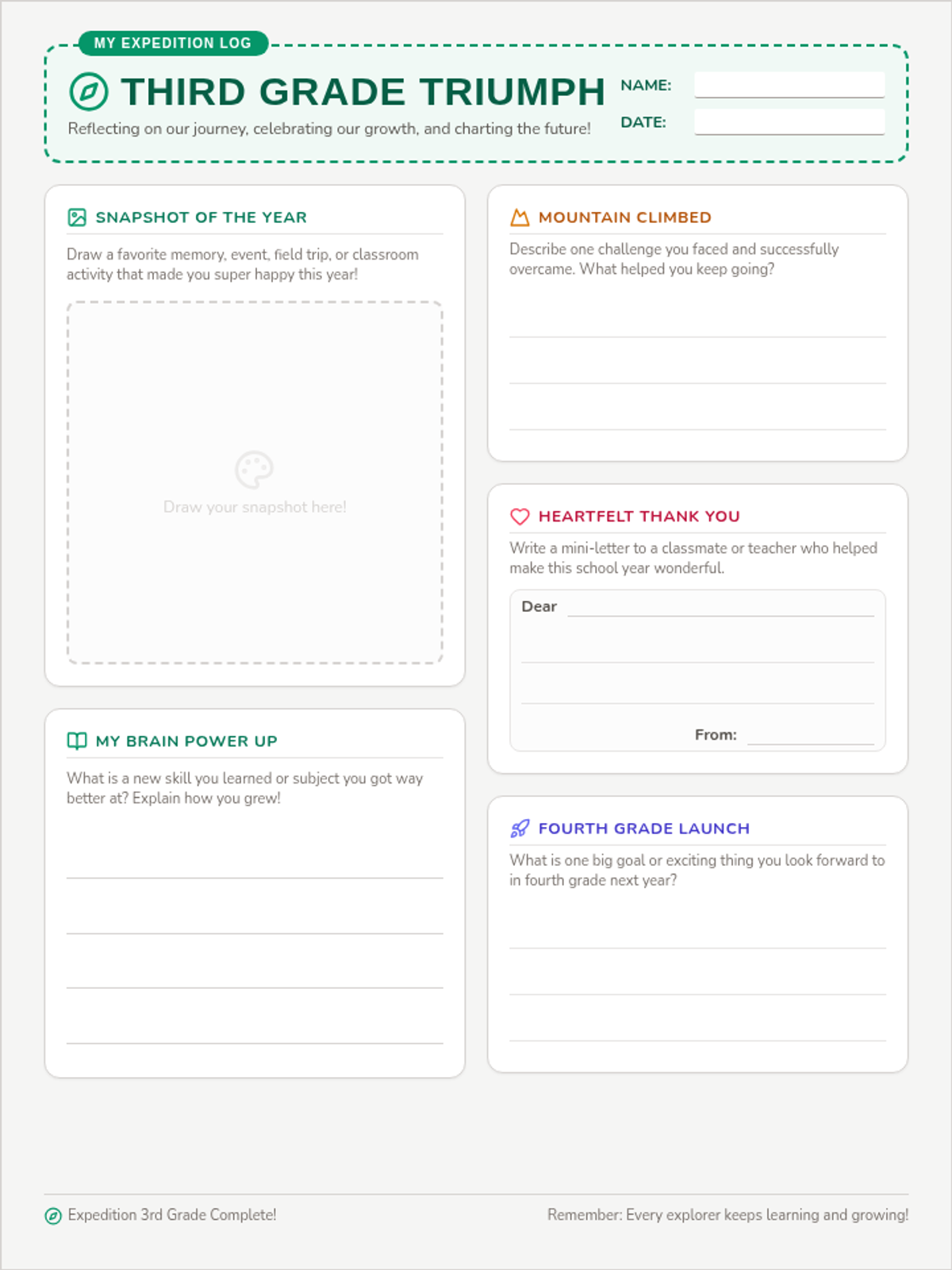
An end-of-year reflection lesson designed for 3rd-grade students to celebrate academic growth, peer connections, personal milestones, and transition feelings through interactive task card discussions.
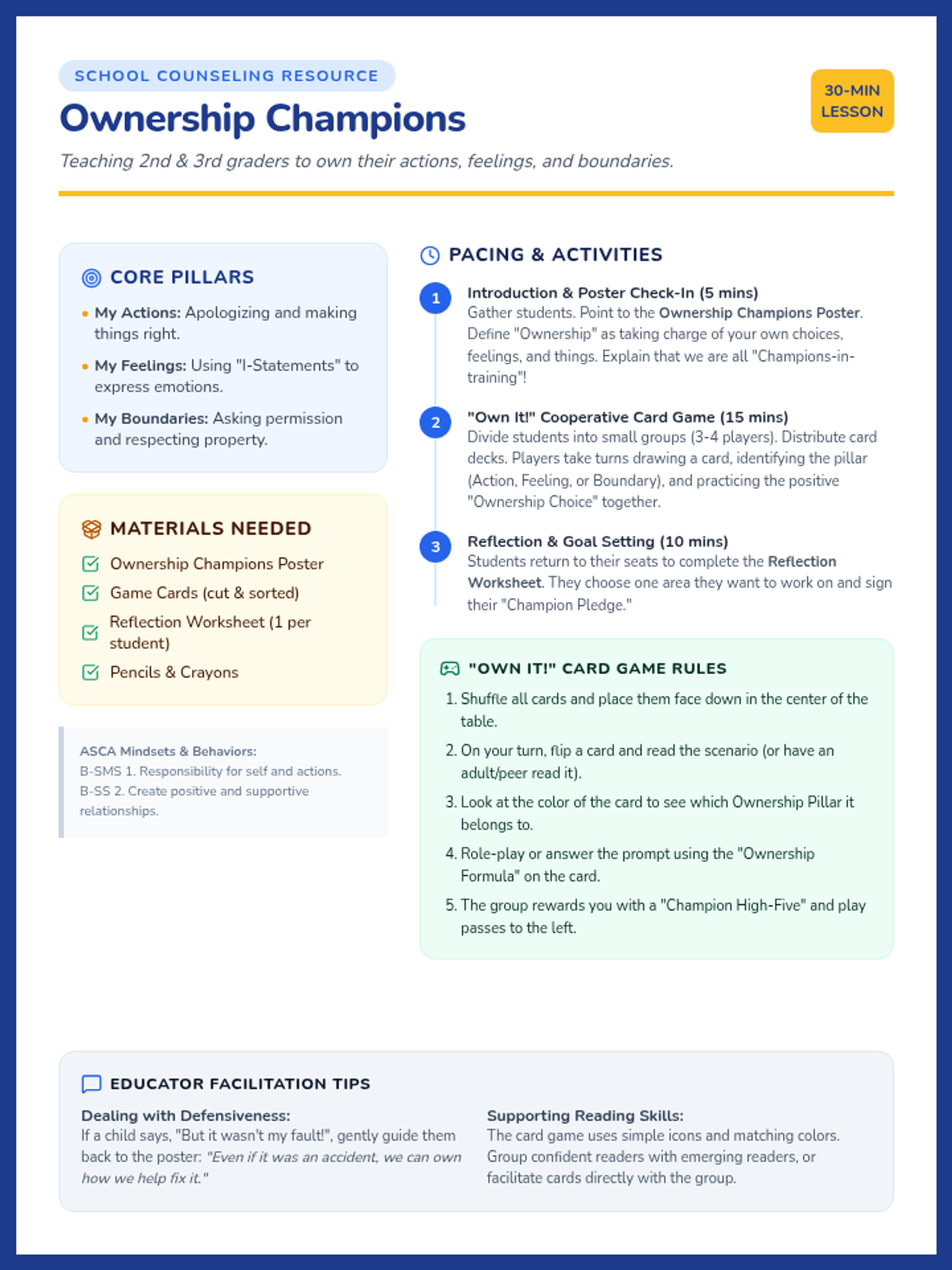
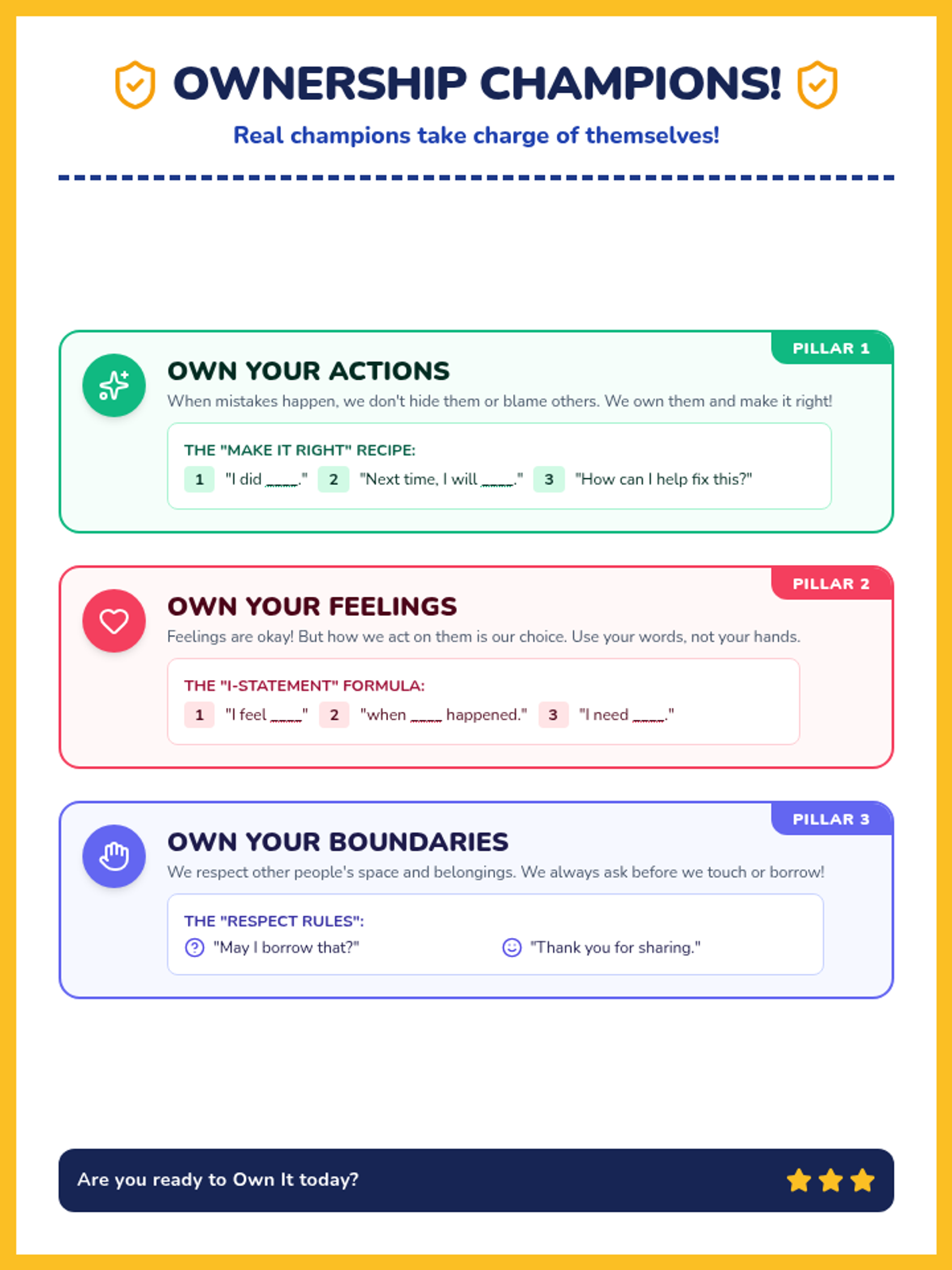
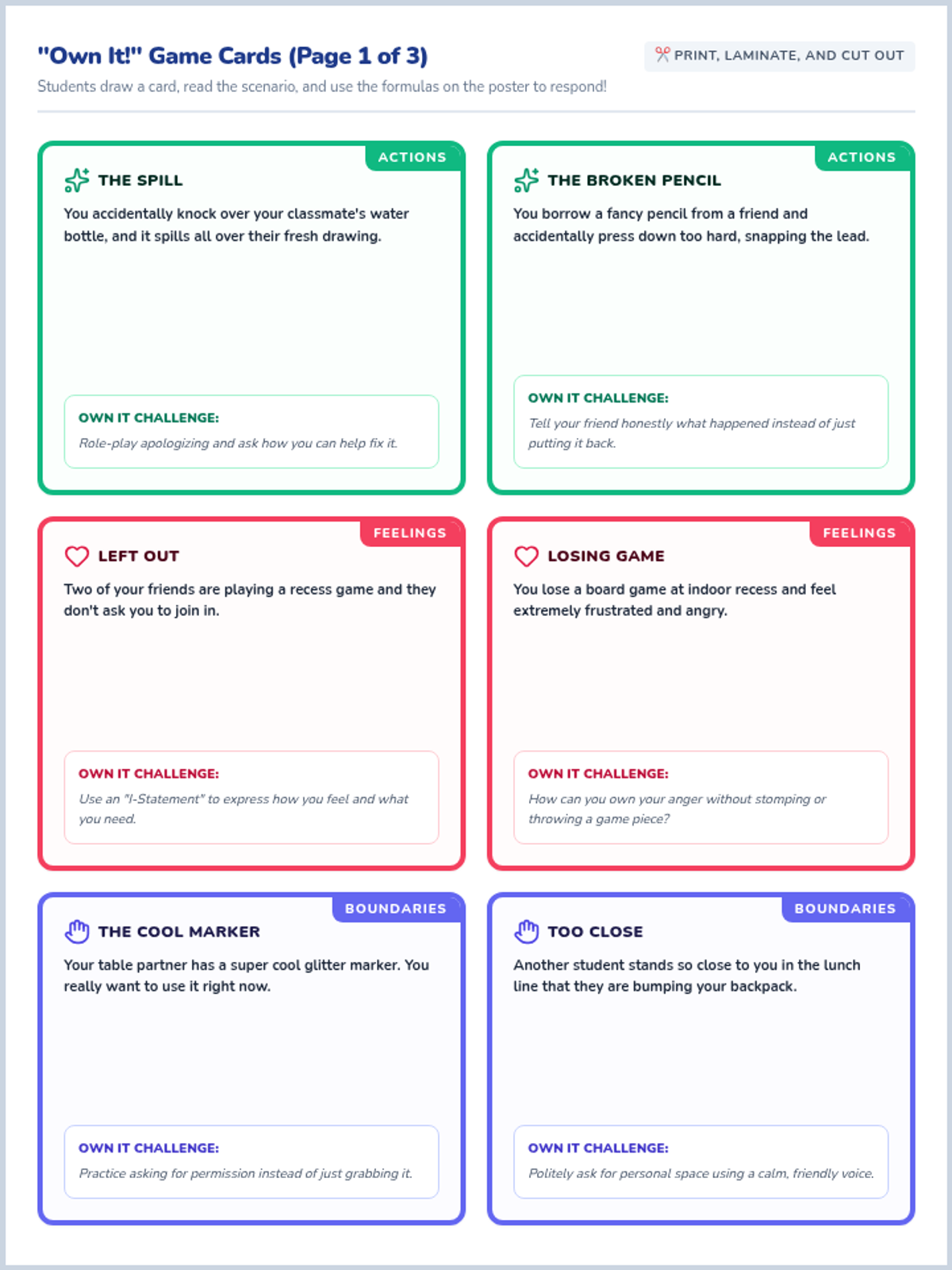
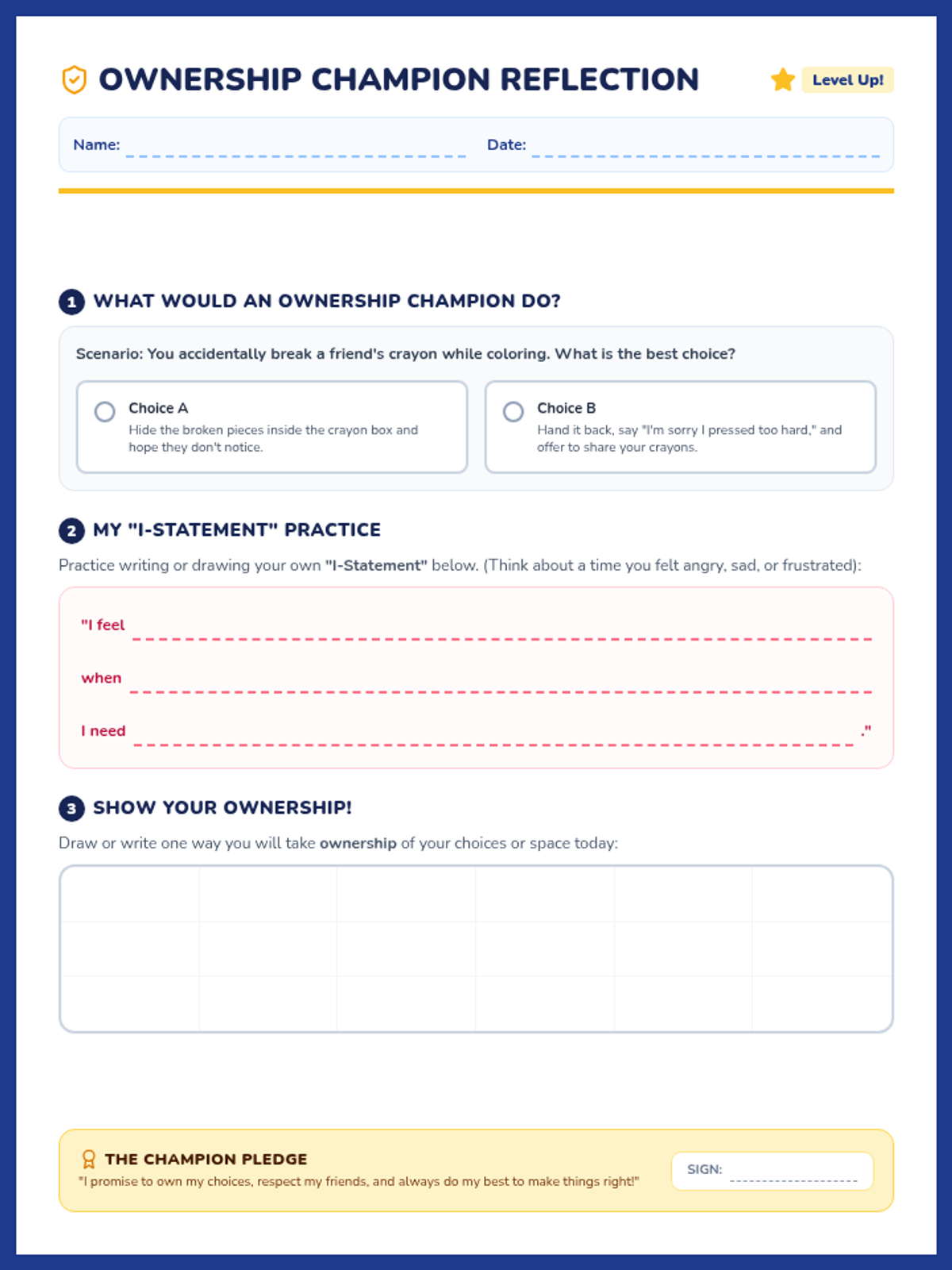
A comprehensive 30-minute counseling lesson for 2nd and 3rd grade students to learn personal ownership of actions, feelings, and physical boundaries through interactive discussion, a cooperative card game, and a reflection worksheet.
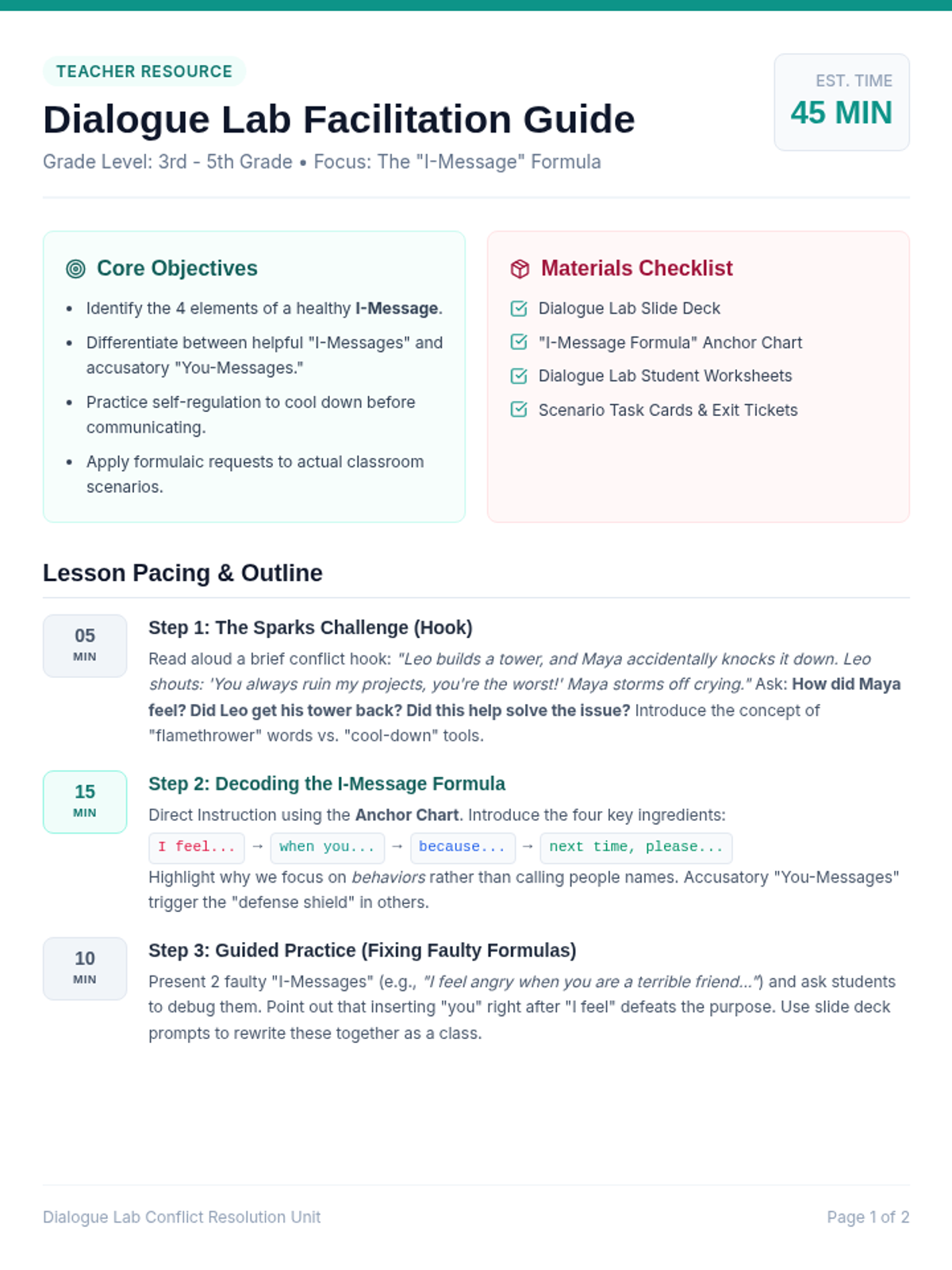
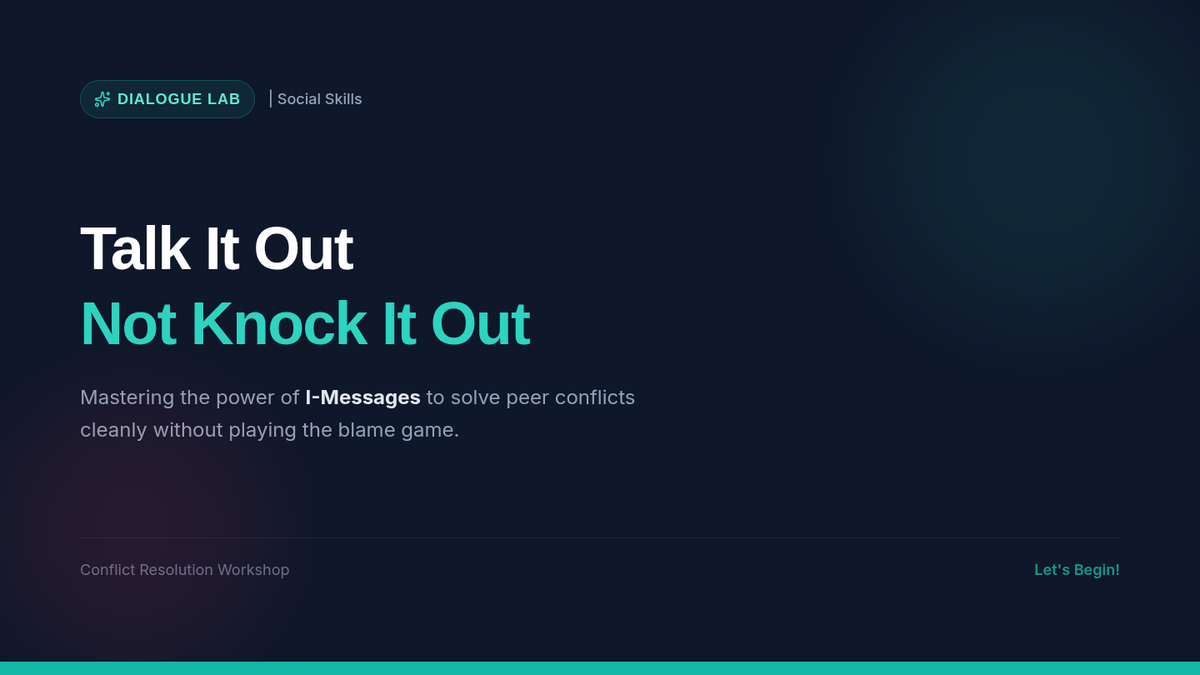
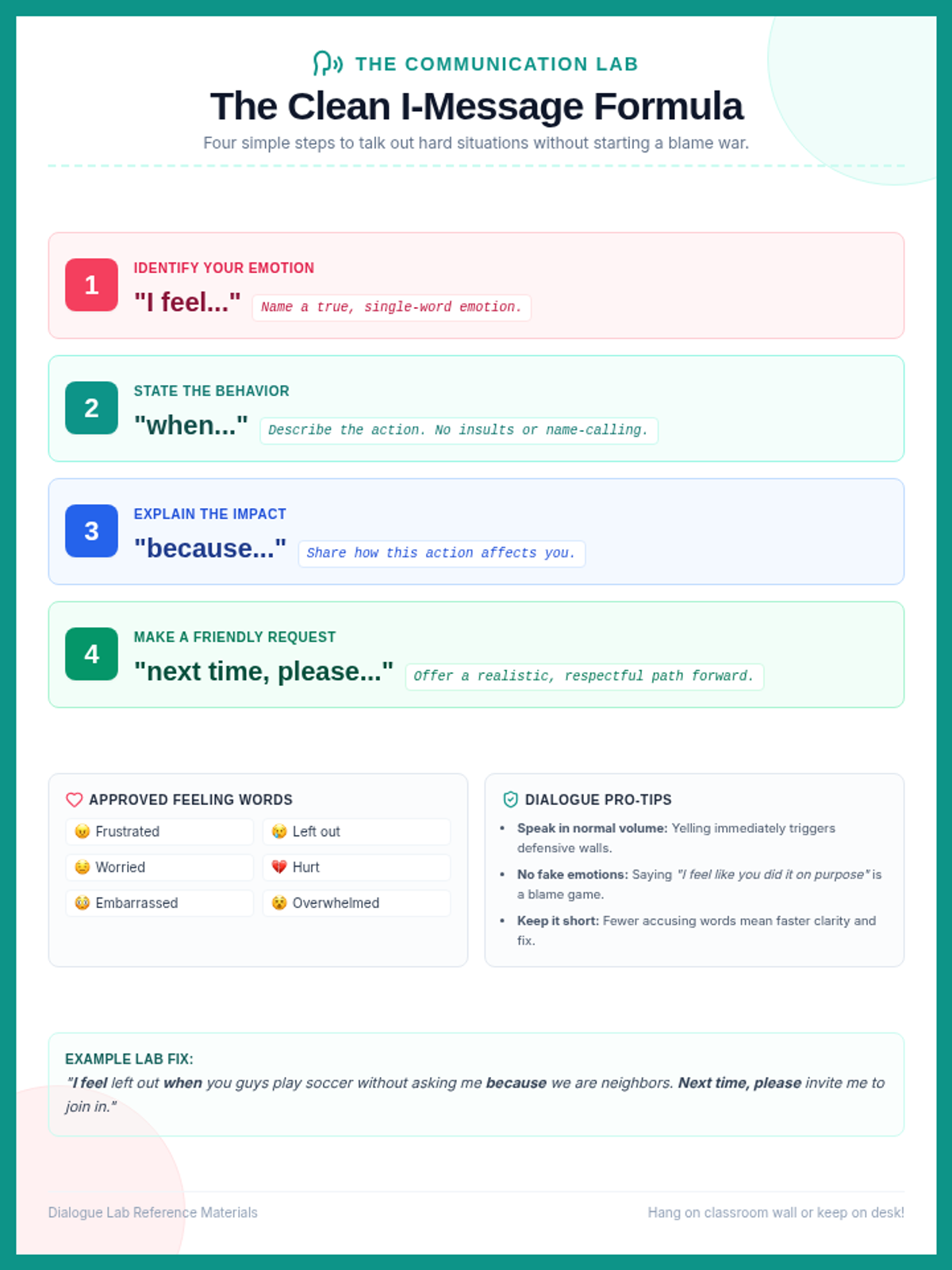
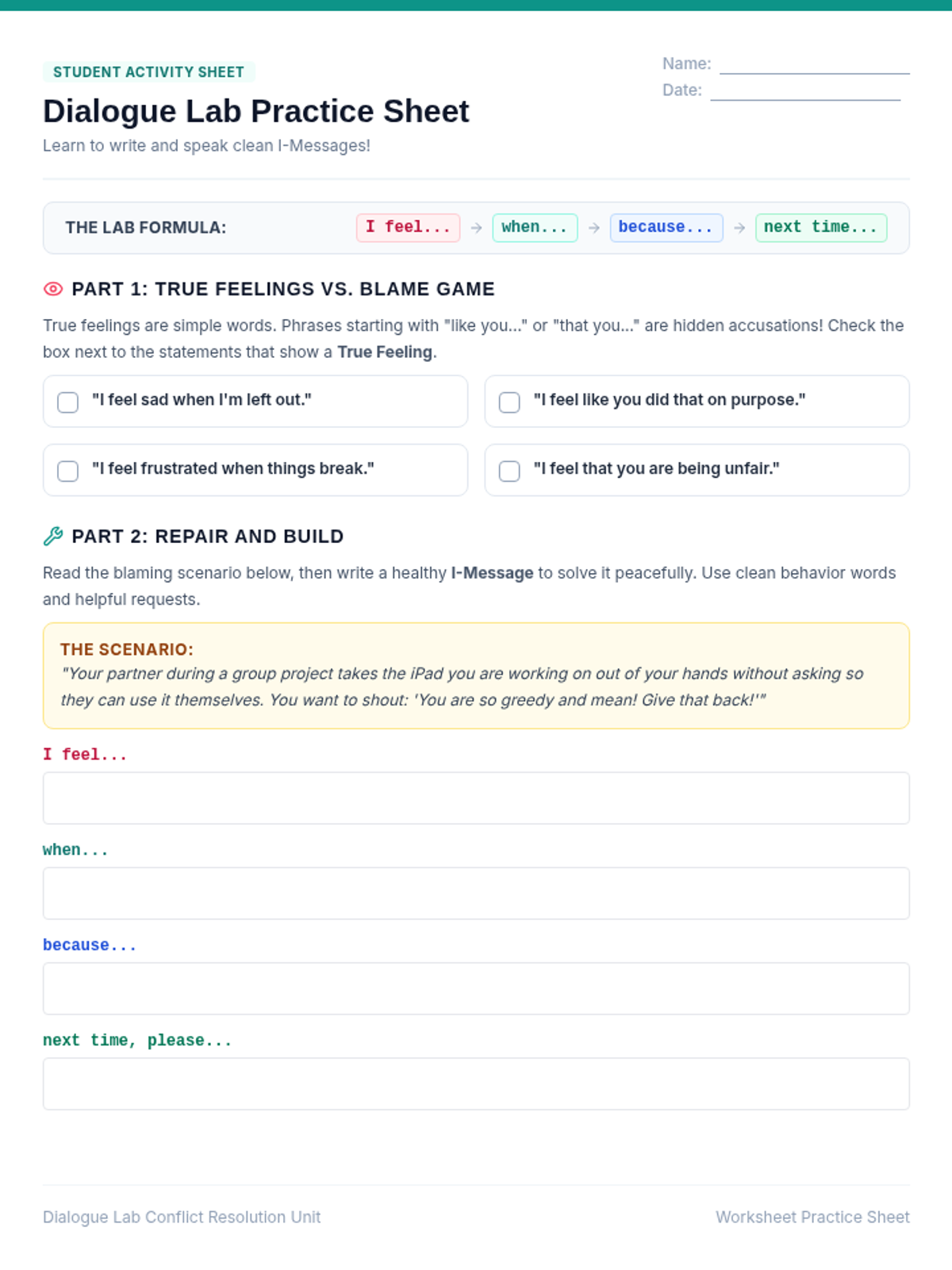
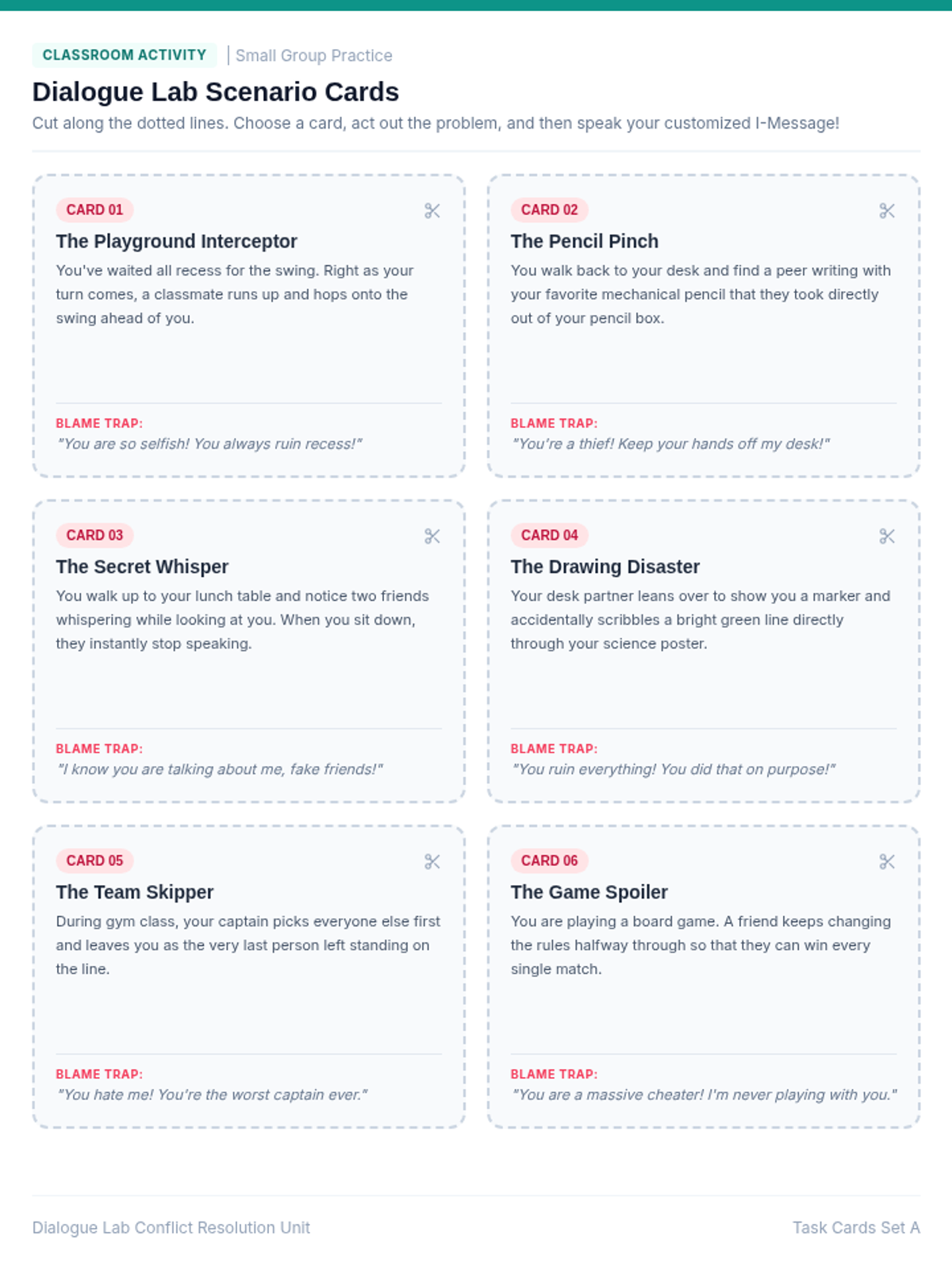
A comprehensive social skills lesson focusing on the 'I-Message' formula to resolve everyday conflicts. Includes an interactive slide deck, detailed lesson plan, anchor chart, student practice worksheet, and peer-to-peer scenario task cards.
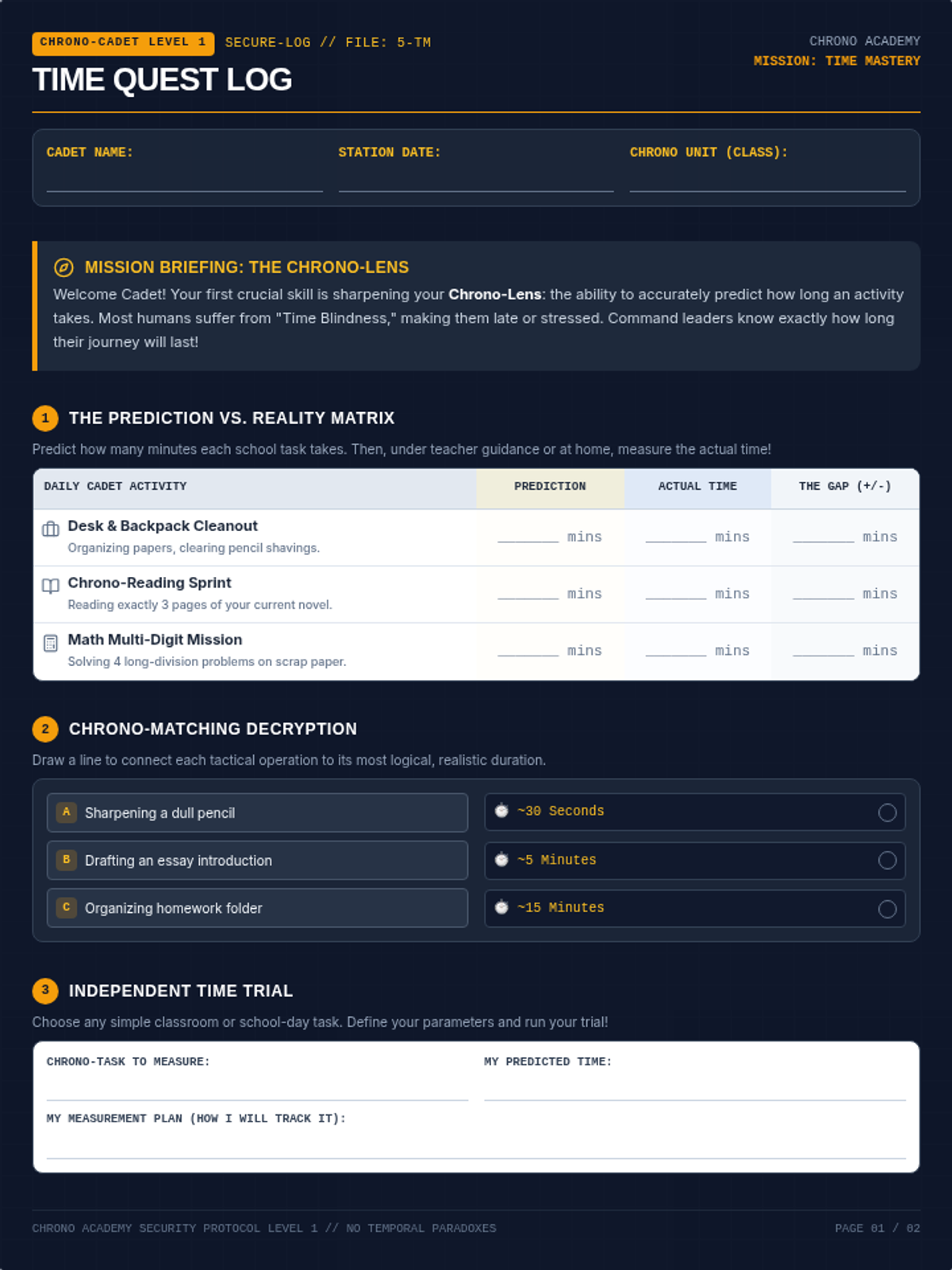
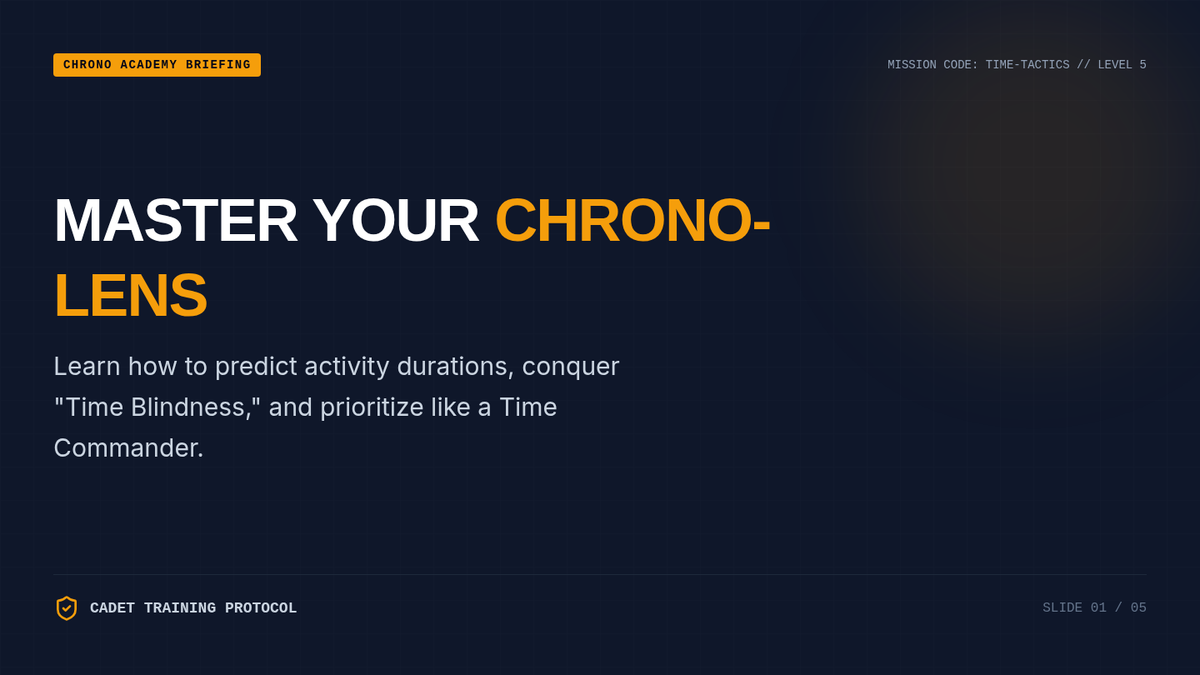
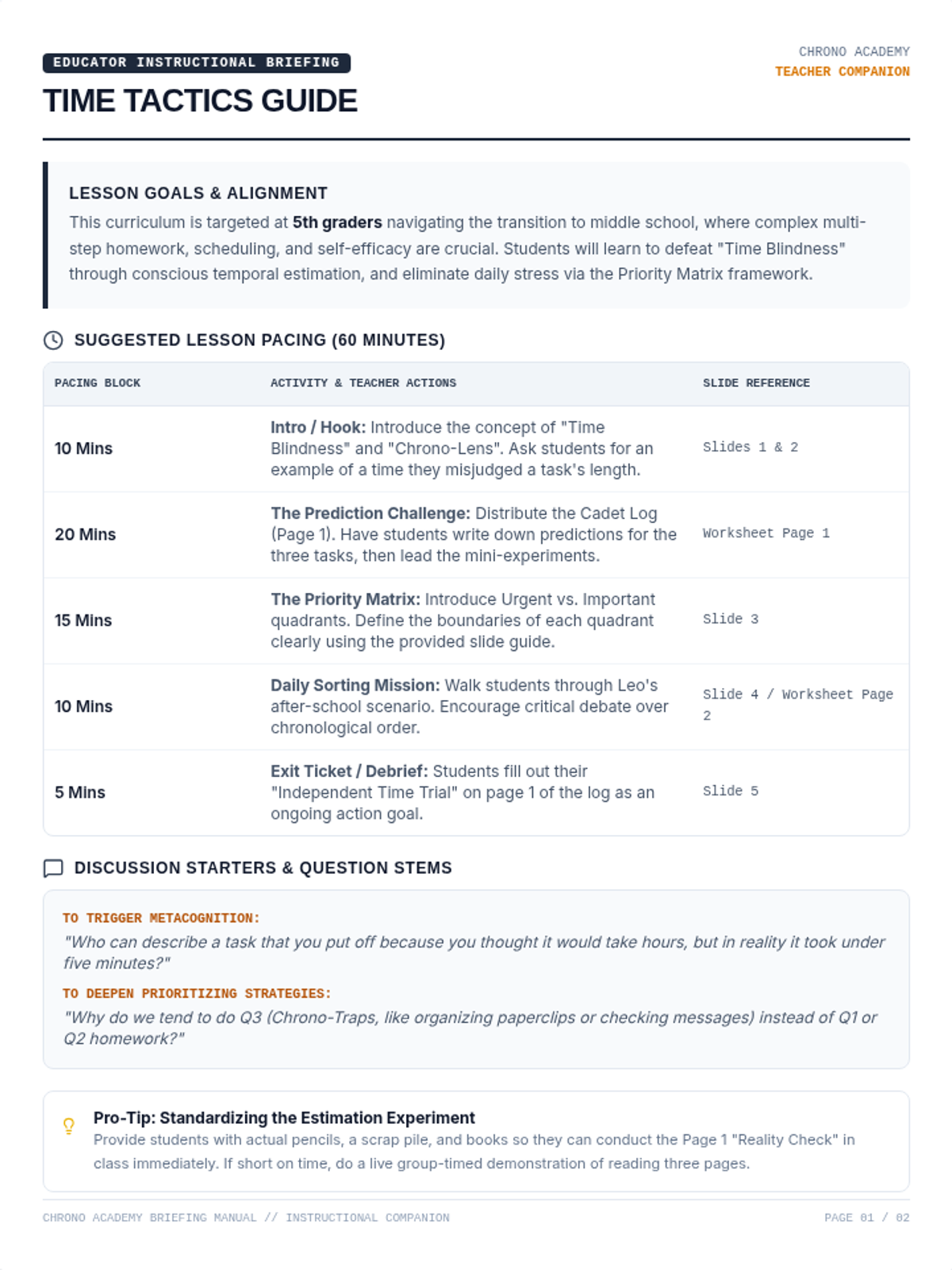
A practical lesson designed to teach 5th graders critical time management skills, focusing on predicting activity durations and prioritizing tasks based on urgency and importance.
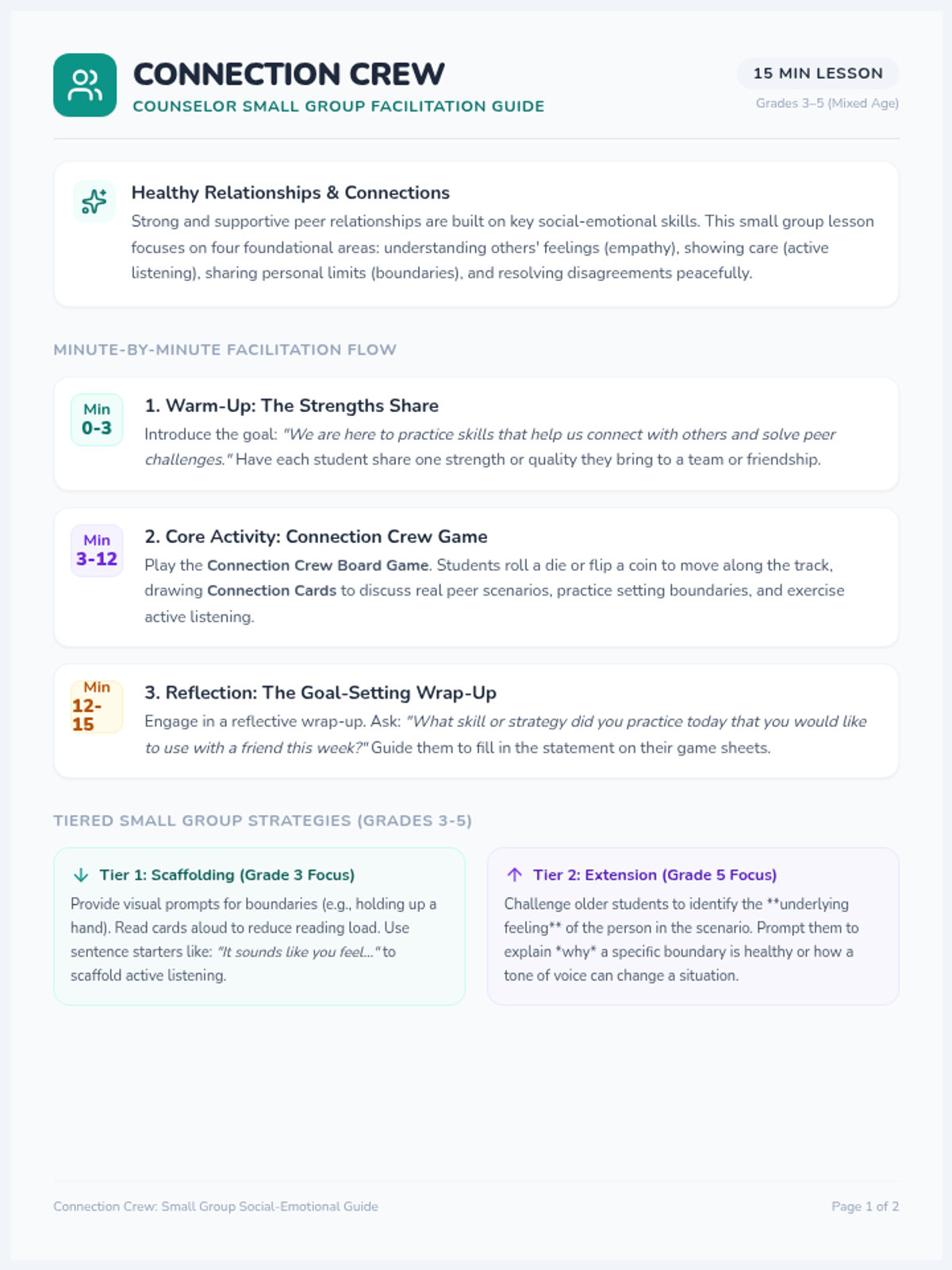
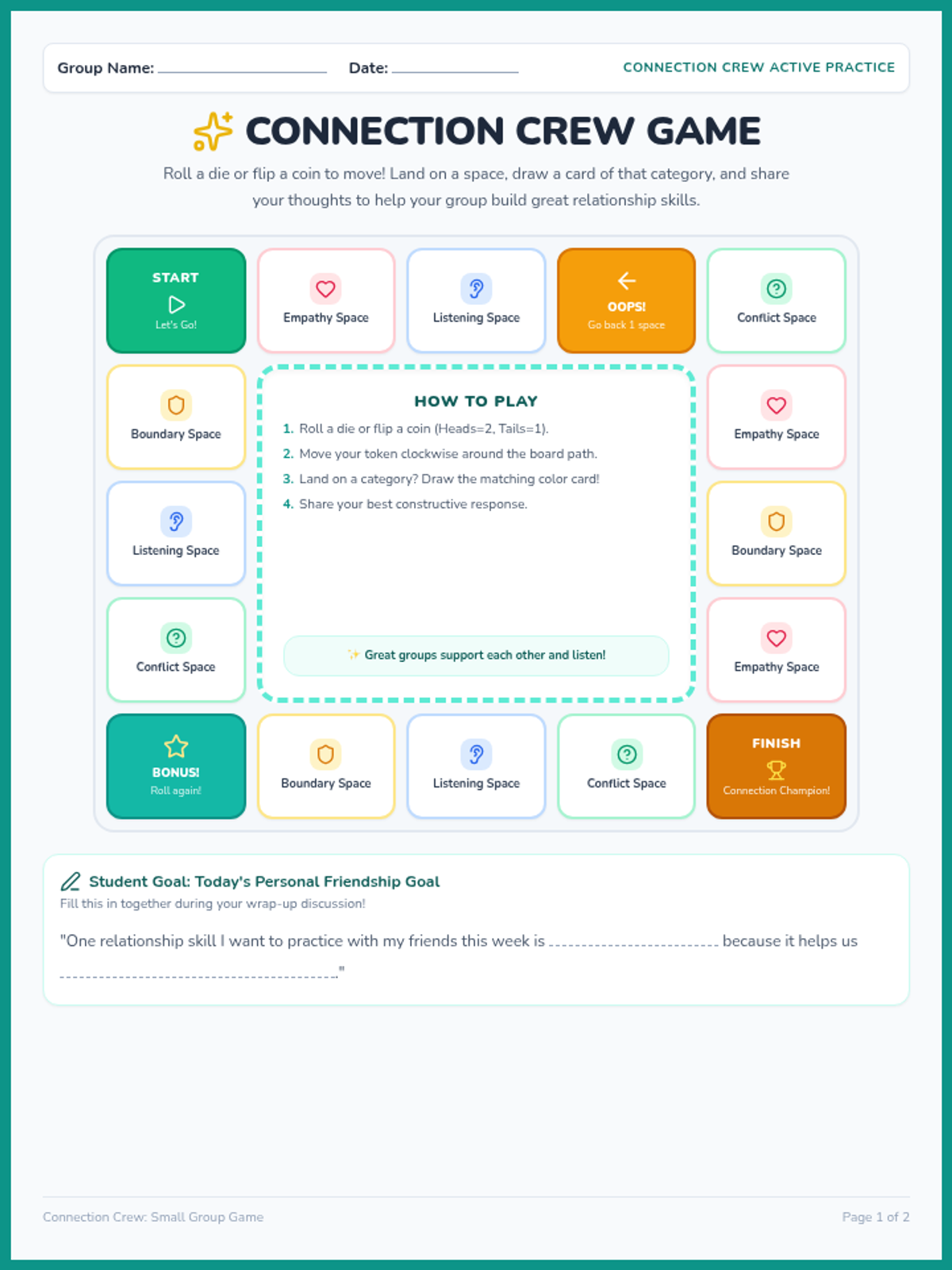
A 15-minute small group lesson designed for school counselors and educators to build social-emotional intelligence in upper elementary students. The lesson uses a fun kitchen metaphor to teach empathy, active listening, personal boundaries, and peer conflict resolution.
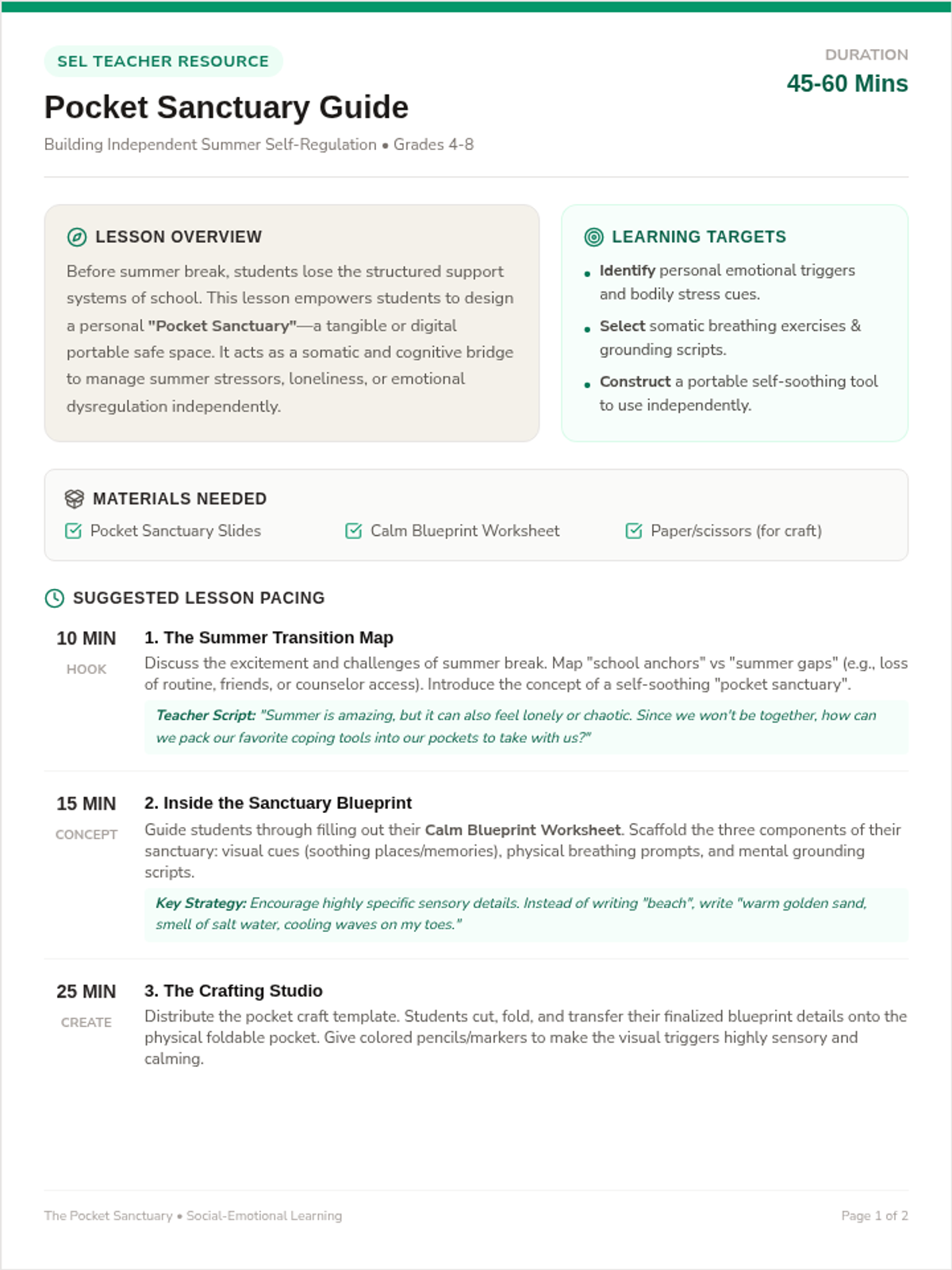
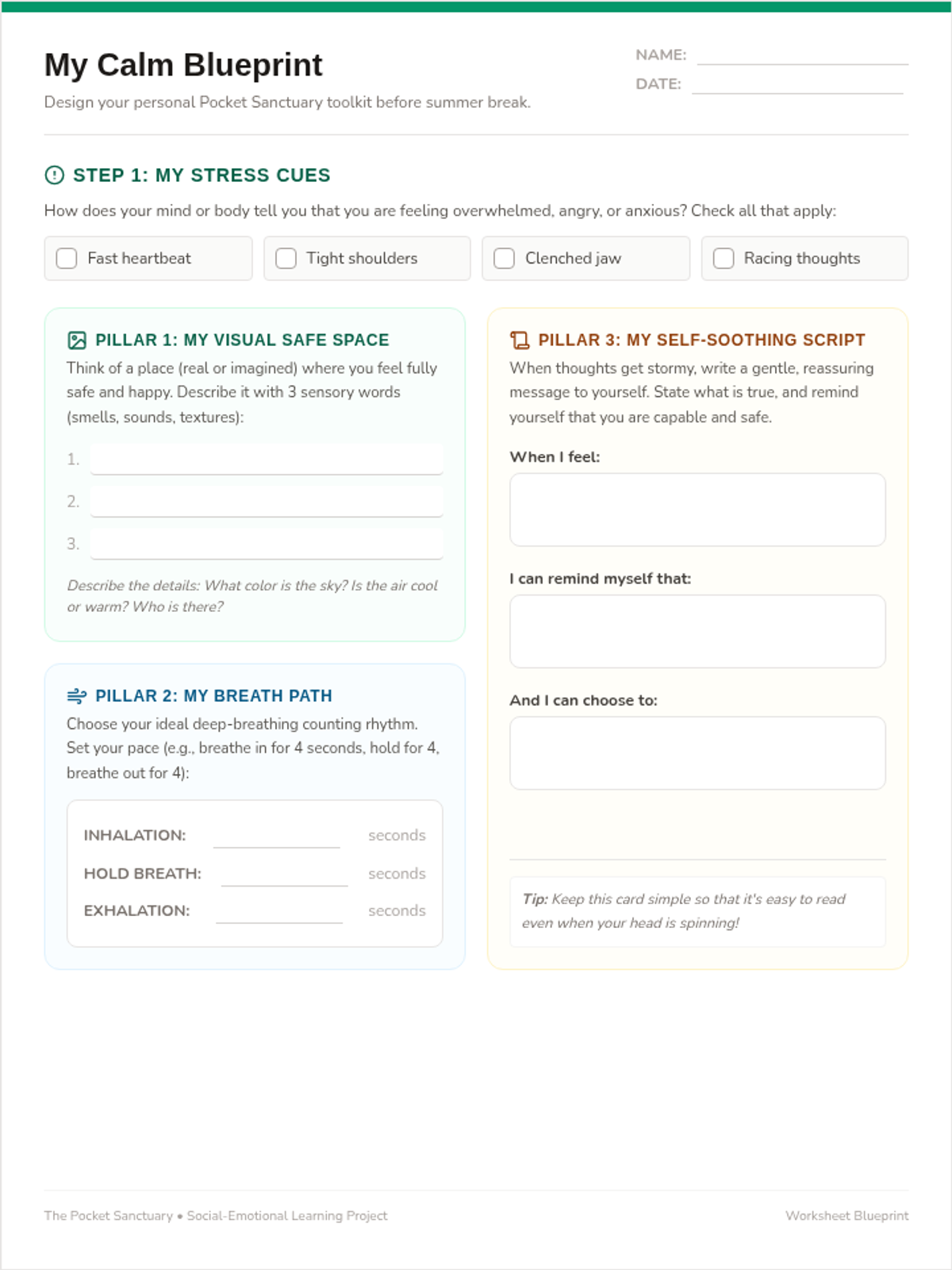
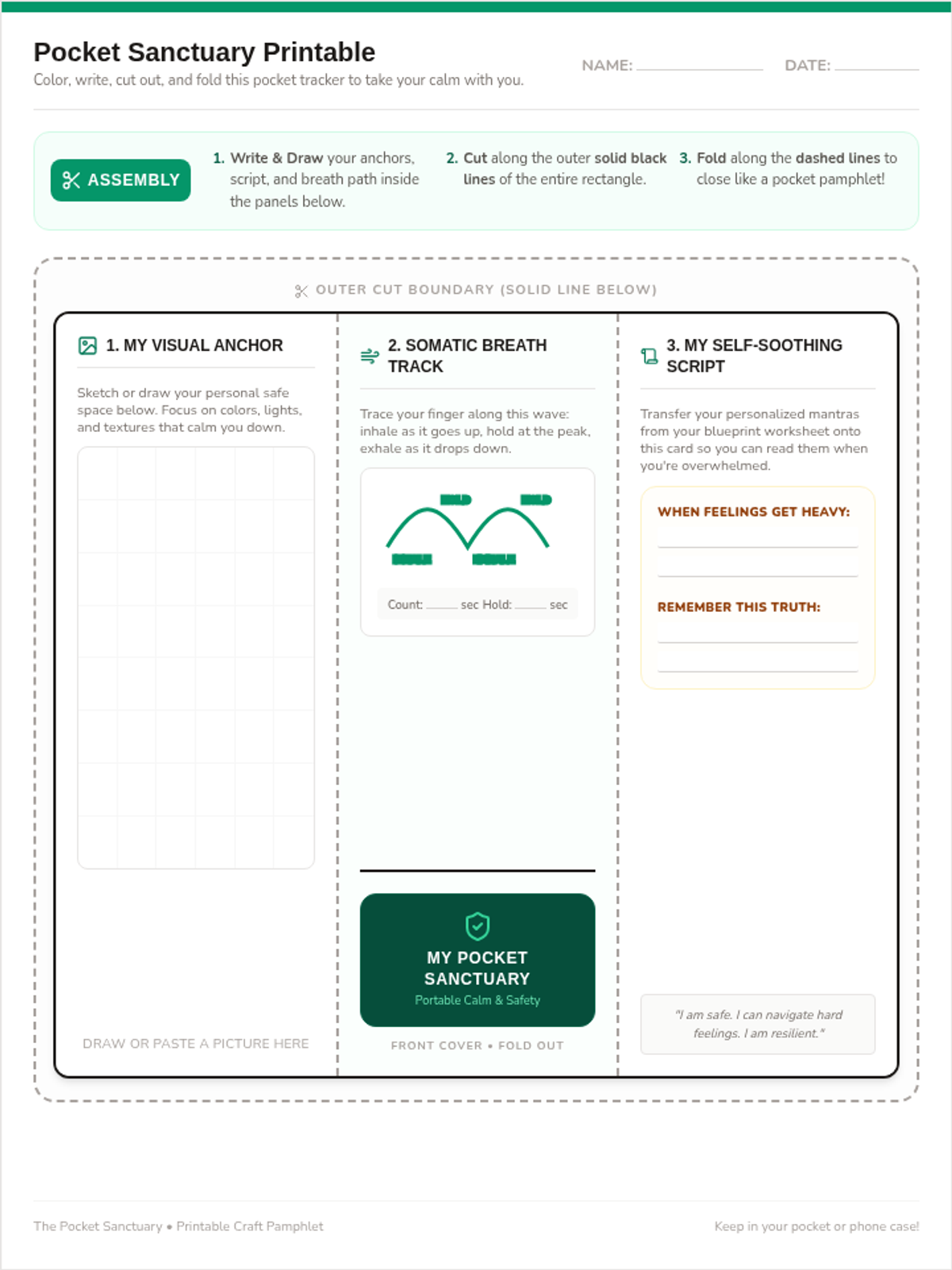
A social-emotional learning lesson where students design a physical or digital pocket sanctuary with visual cues, breathing prompts, and self-soothing scripts to build self-regulation skills for summer break.